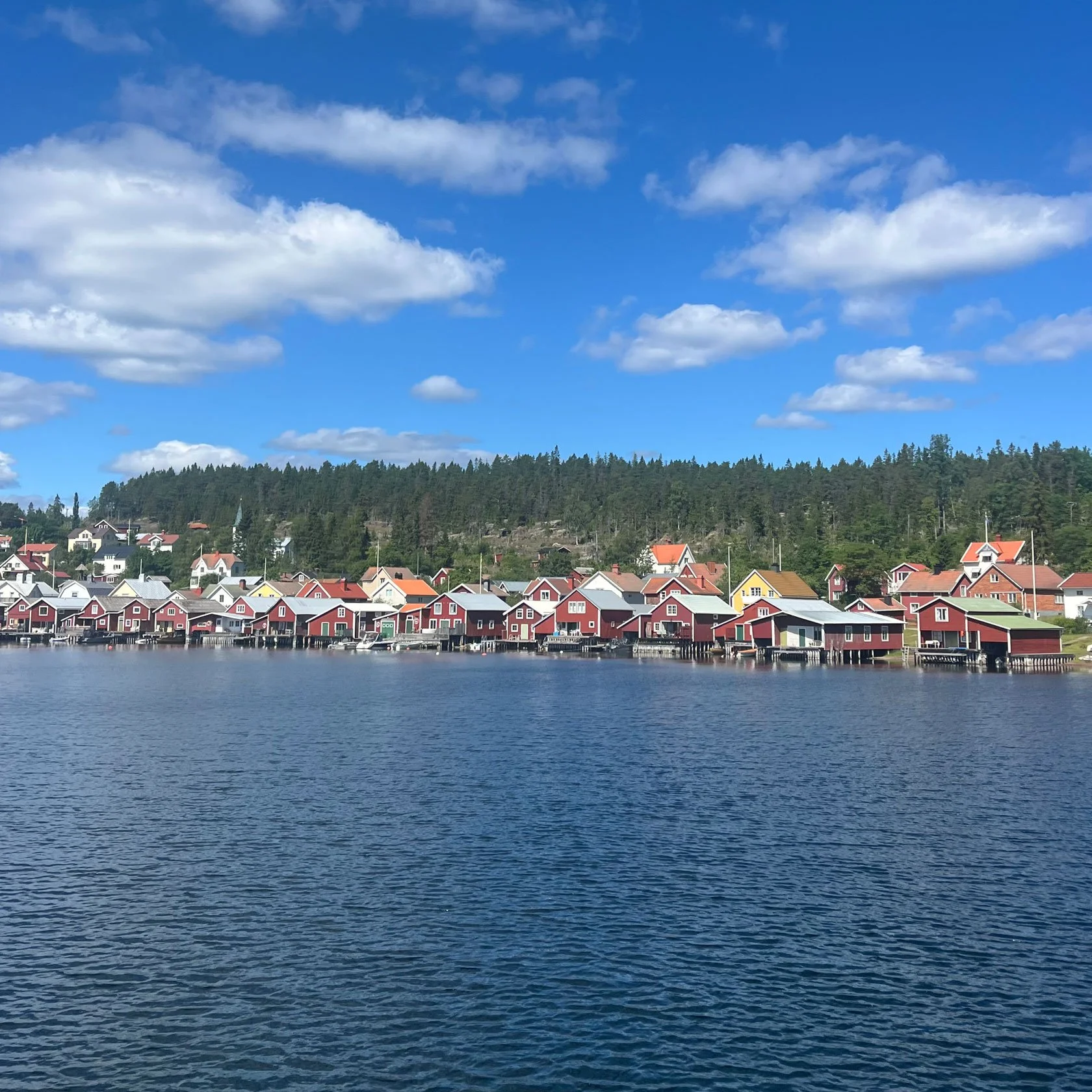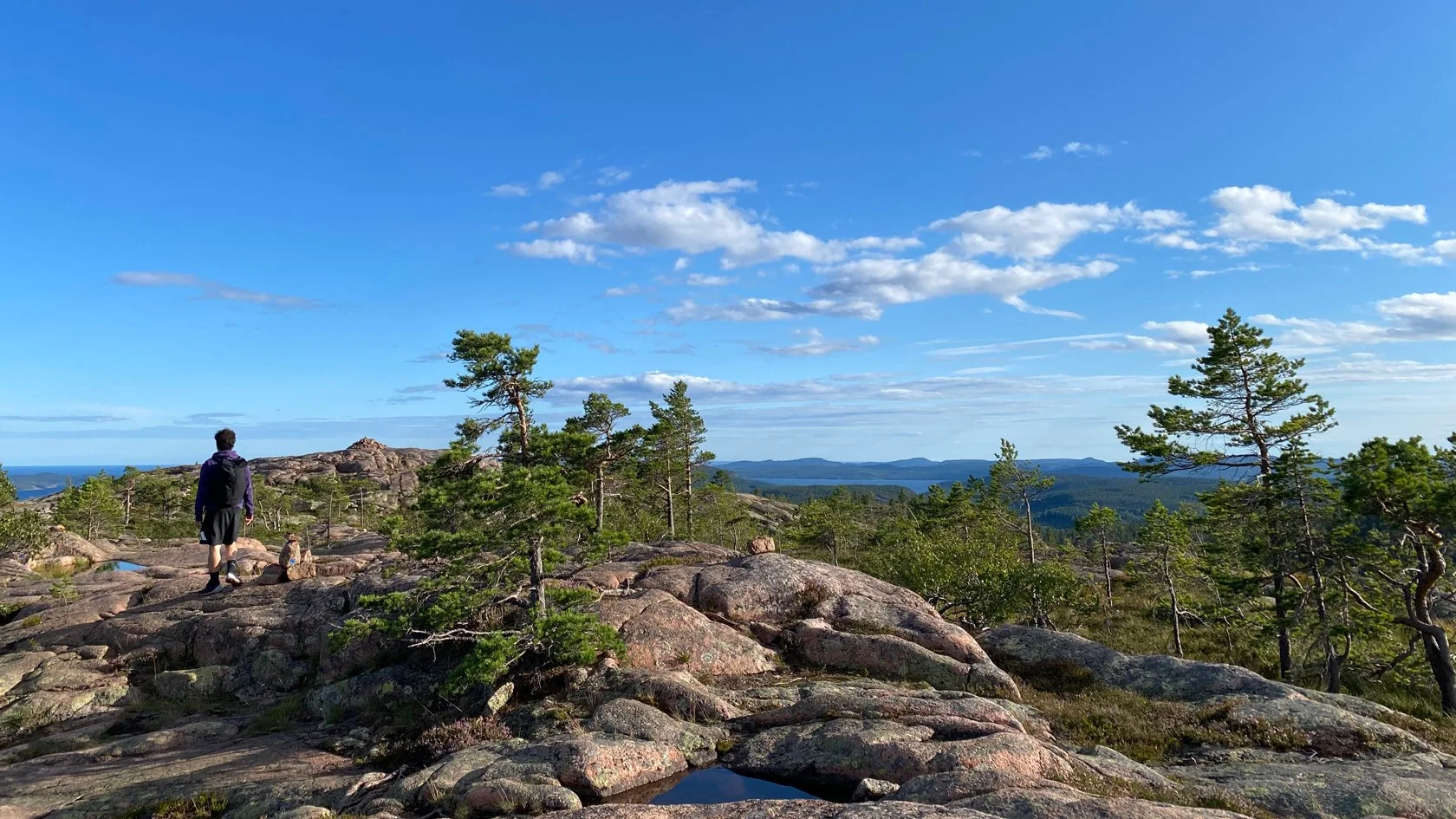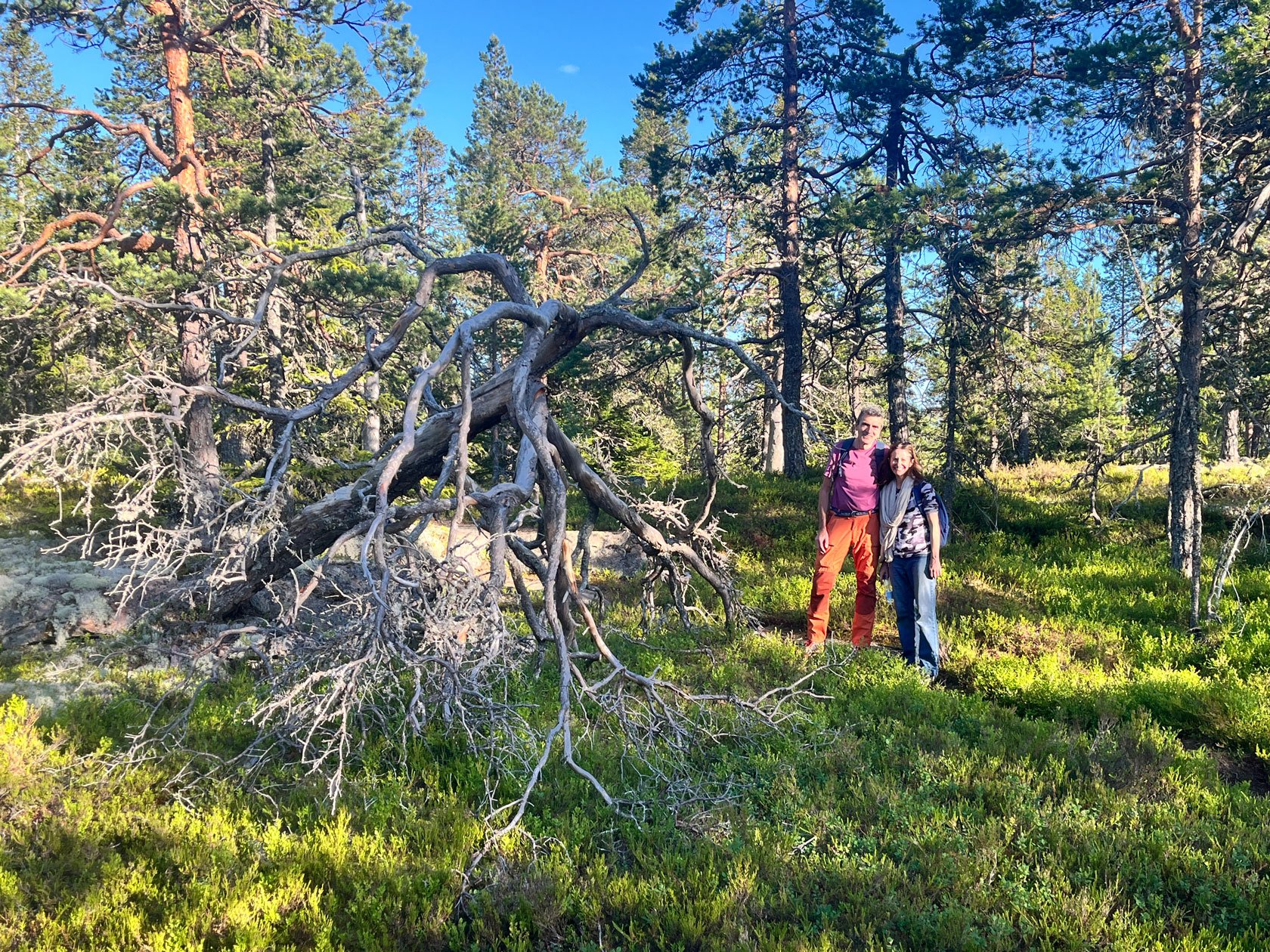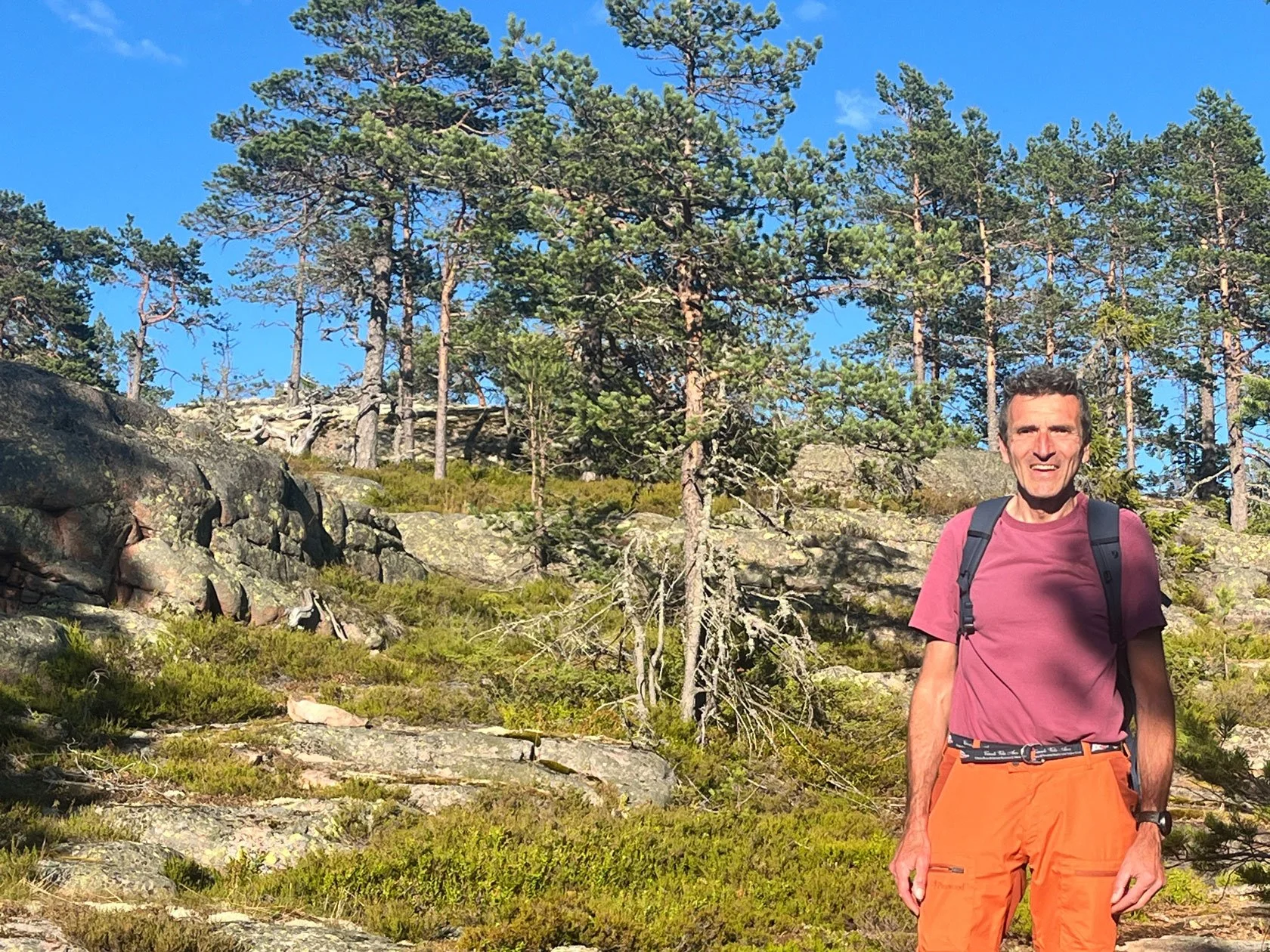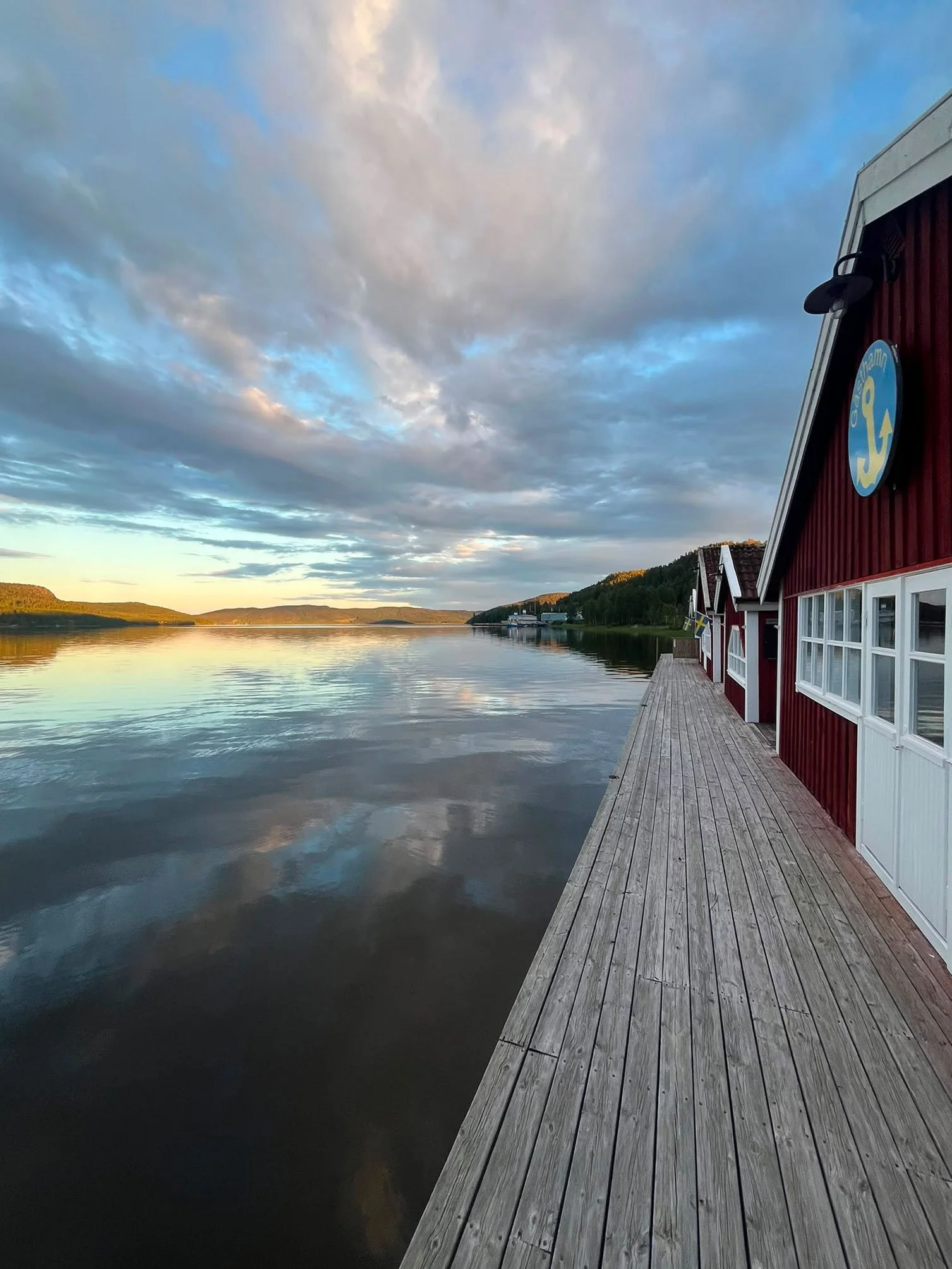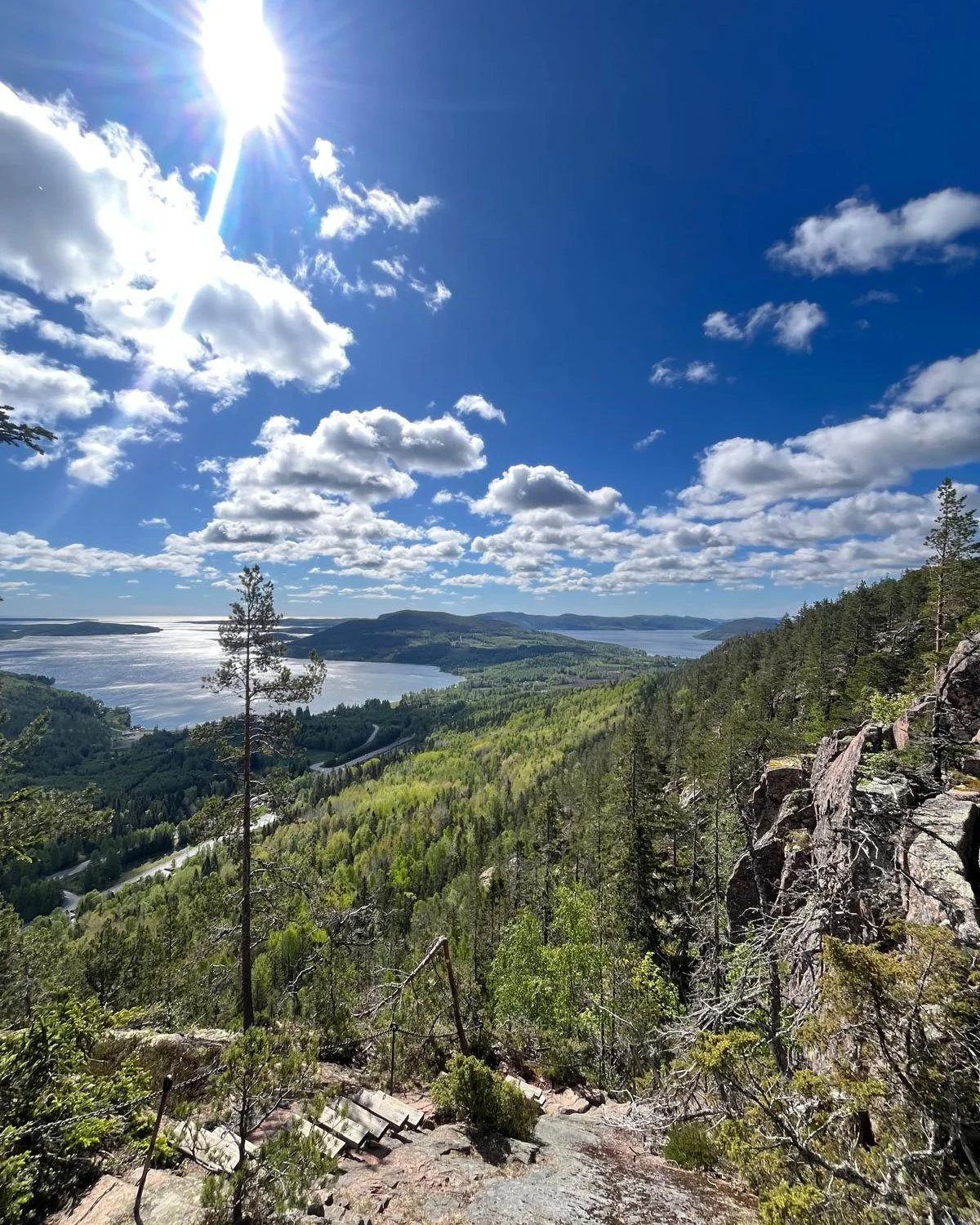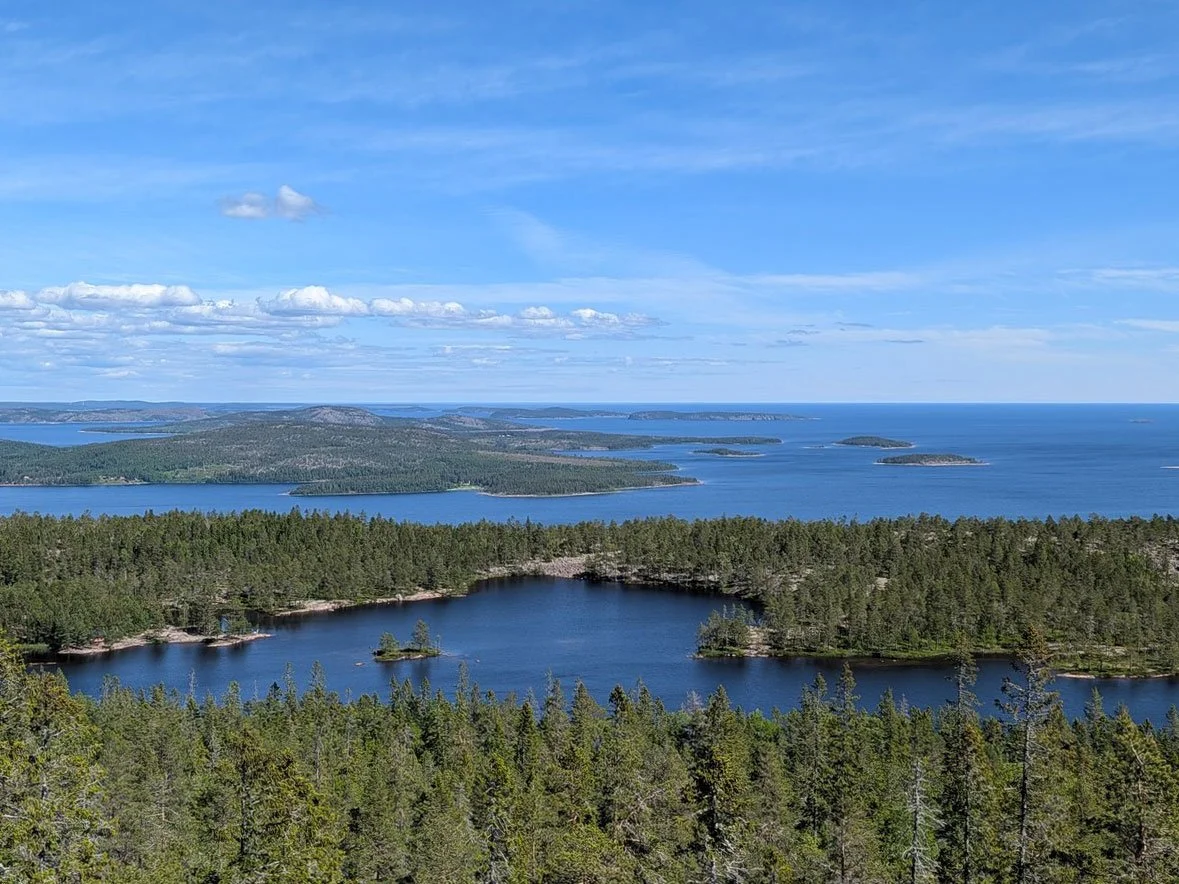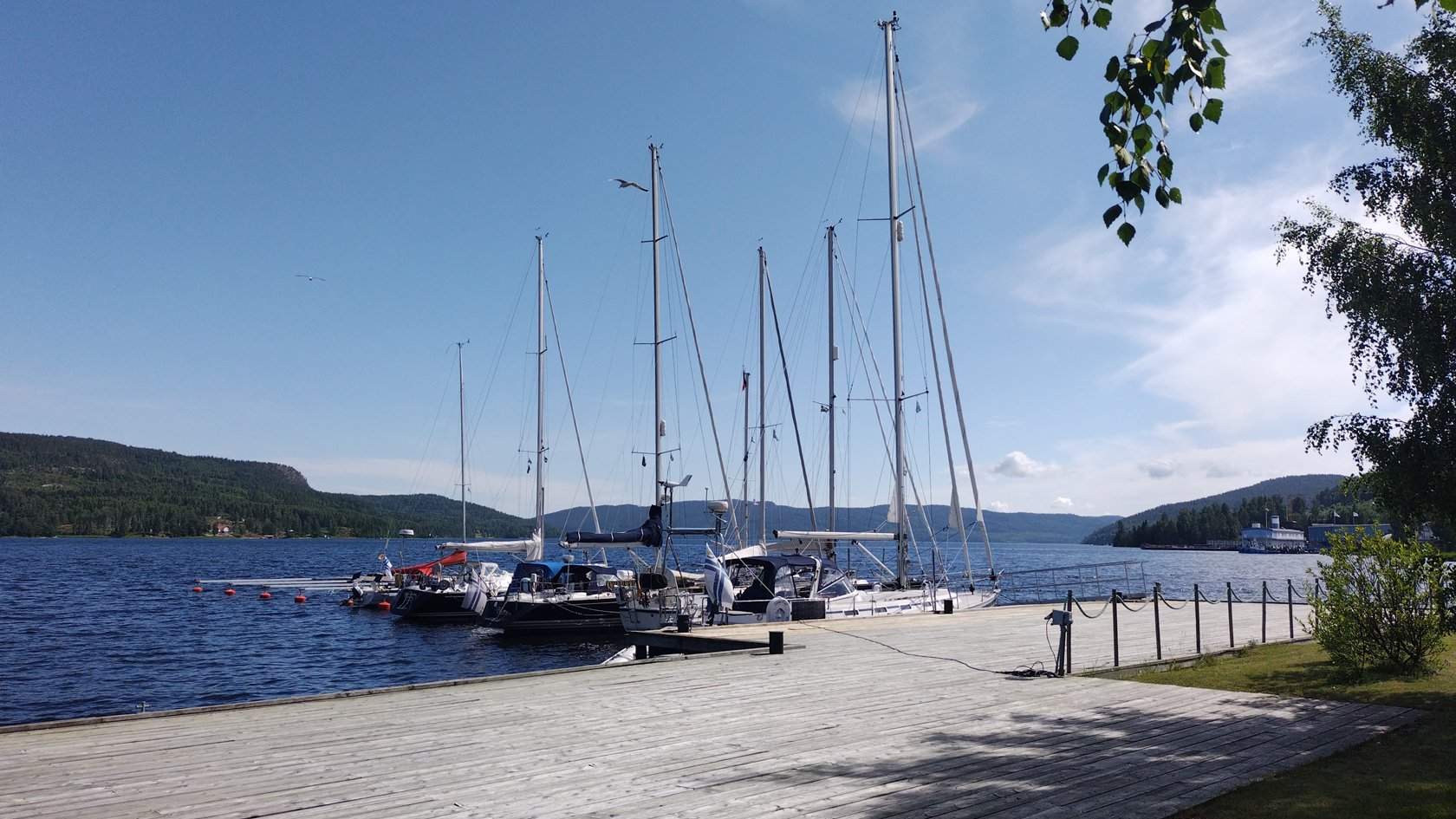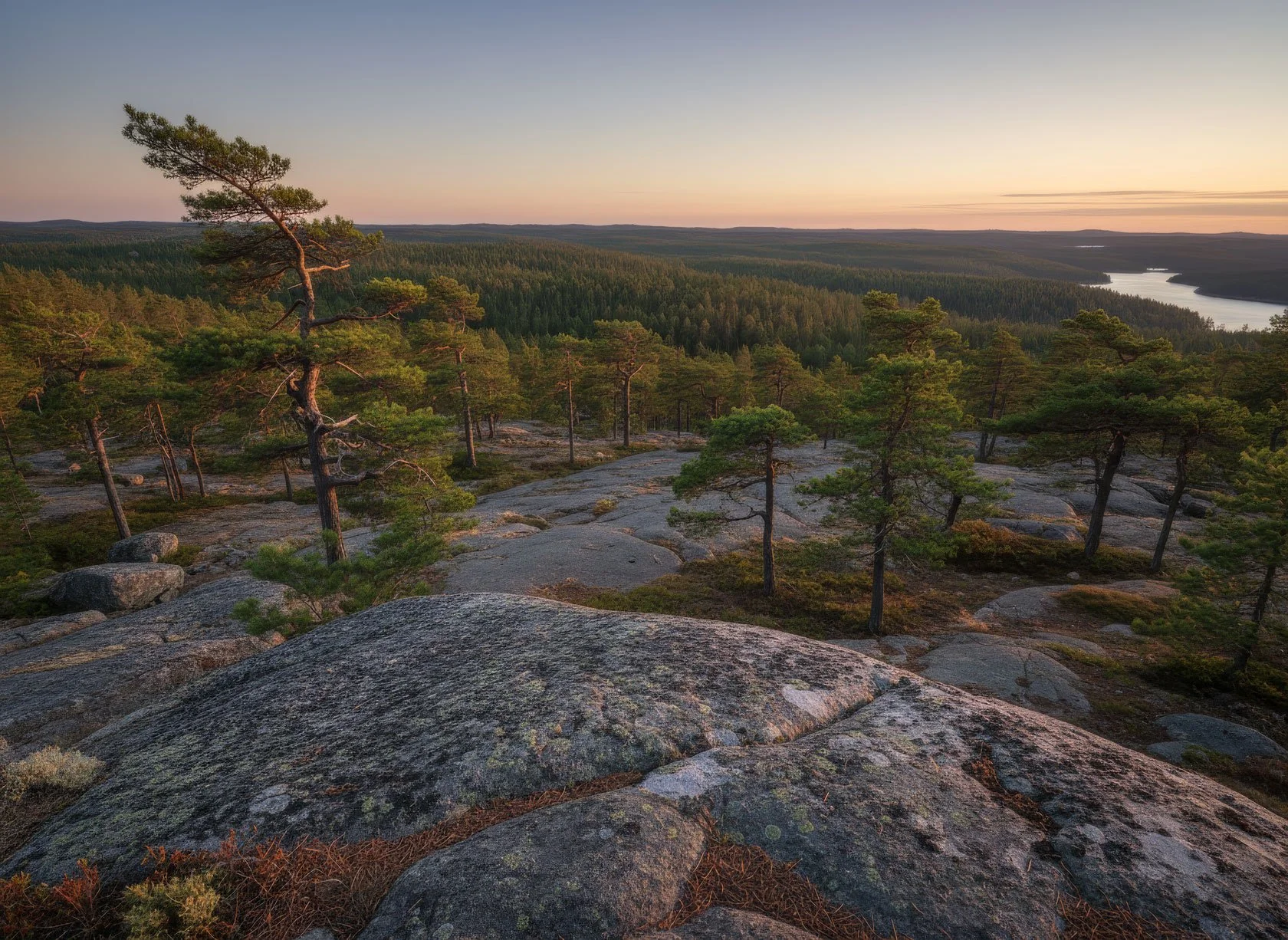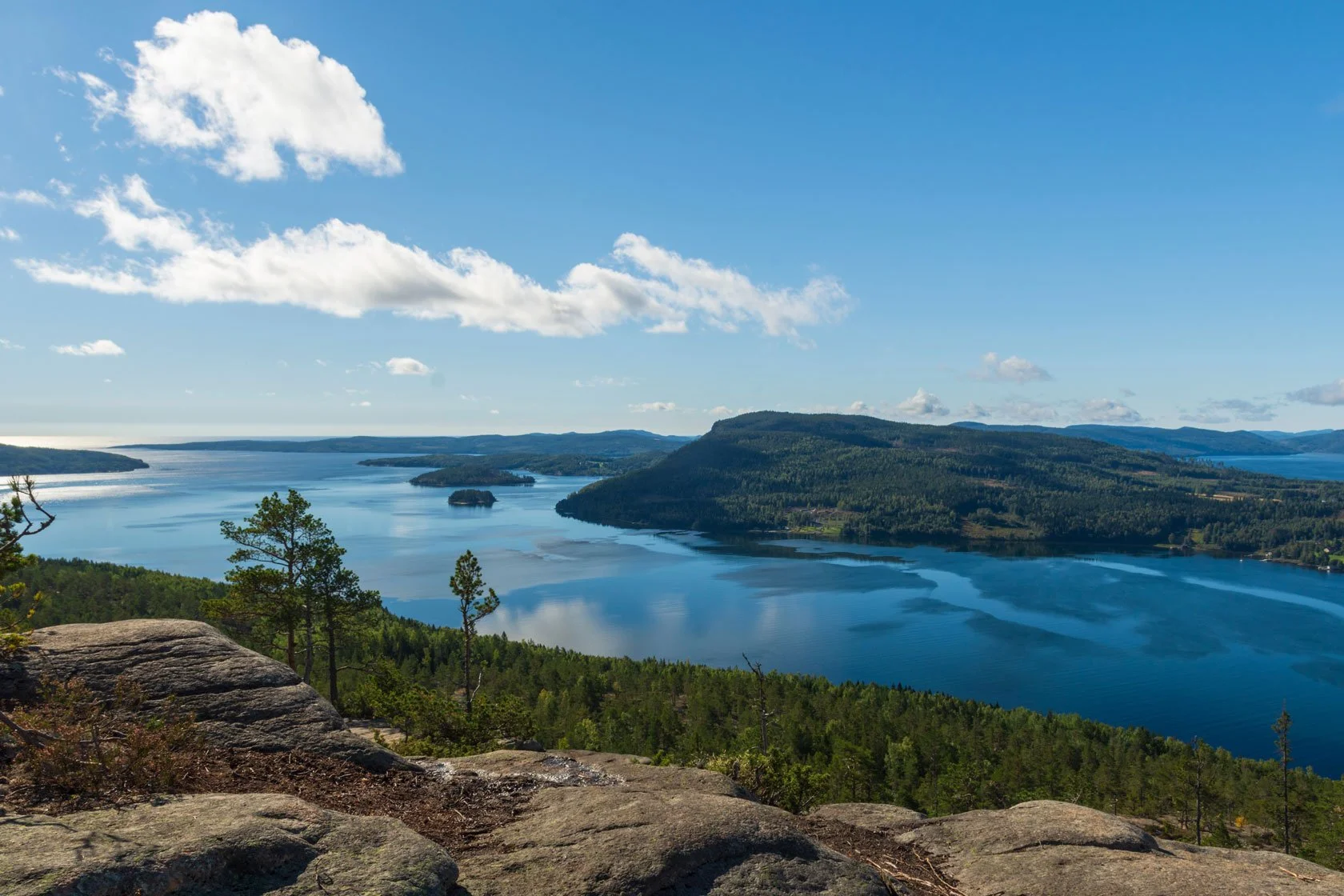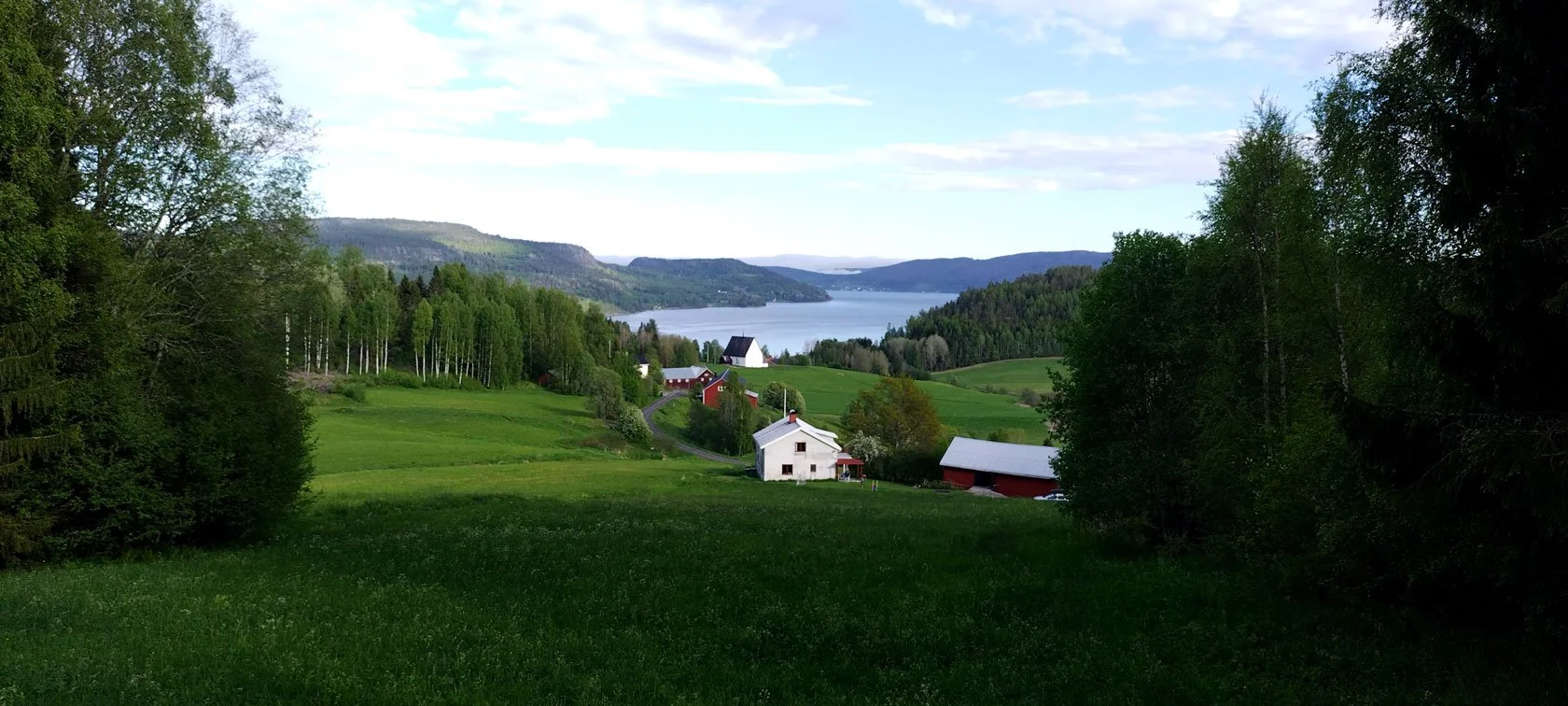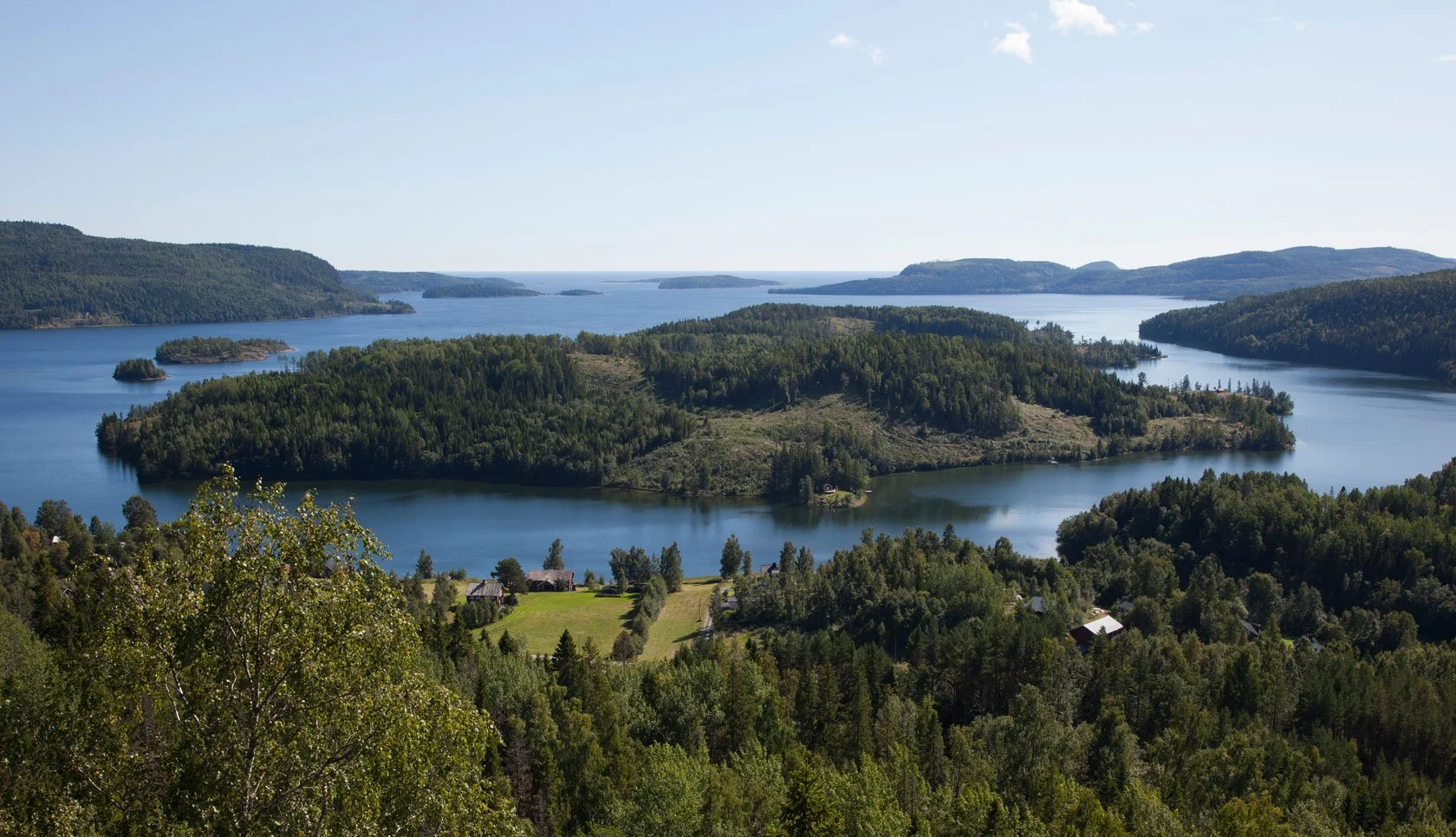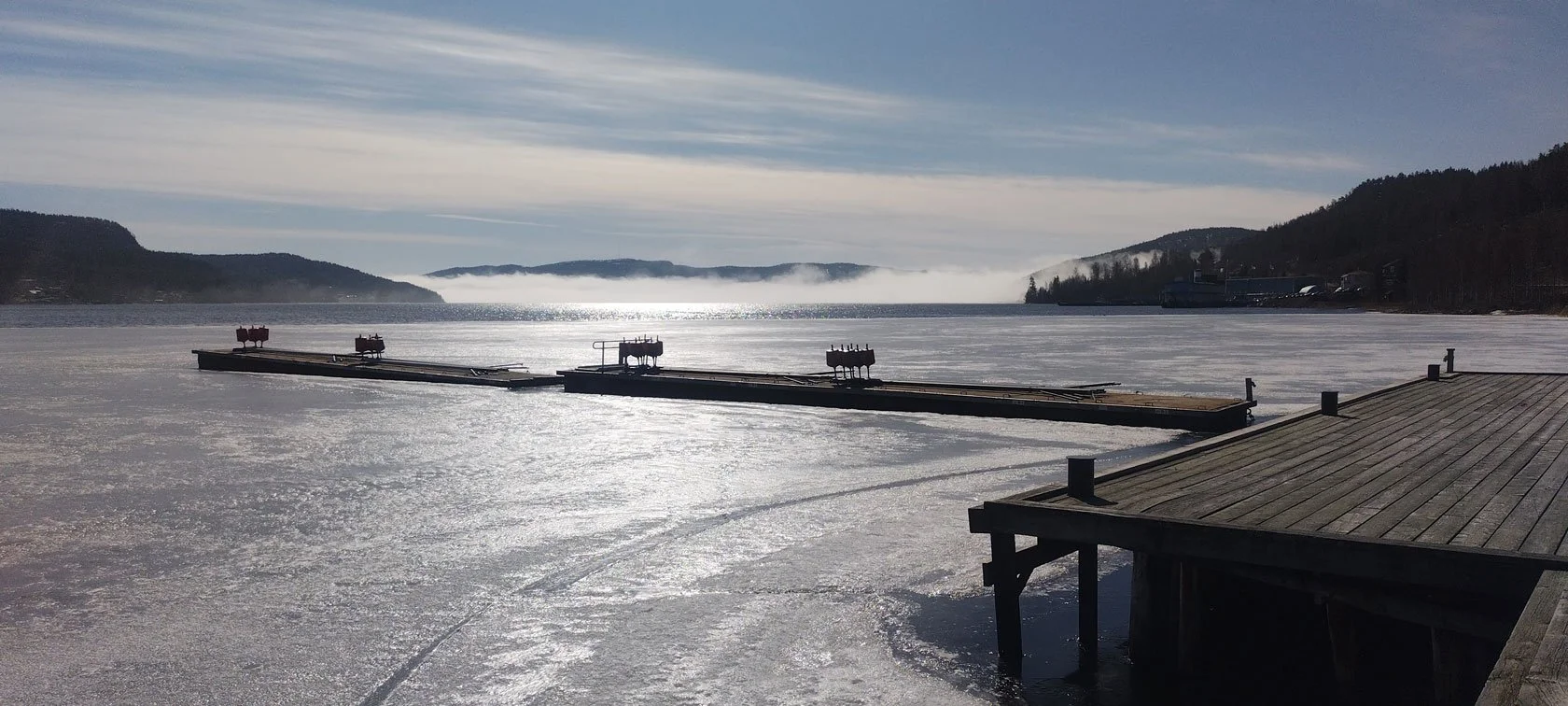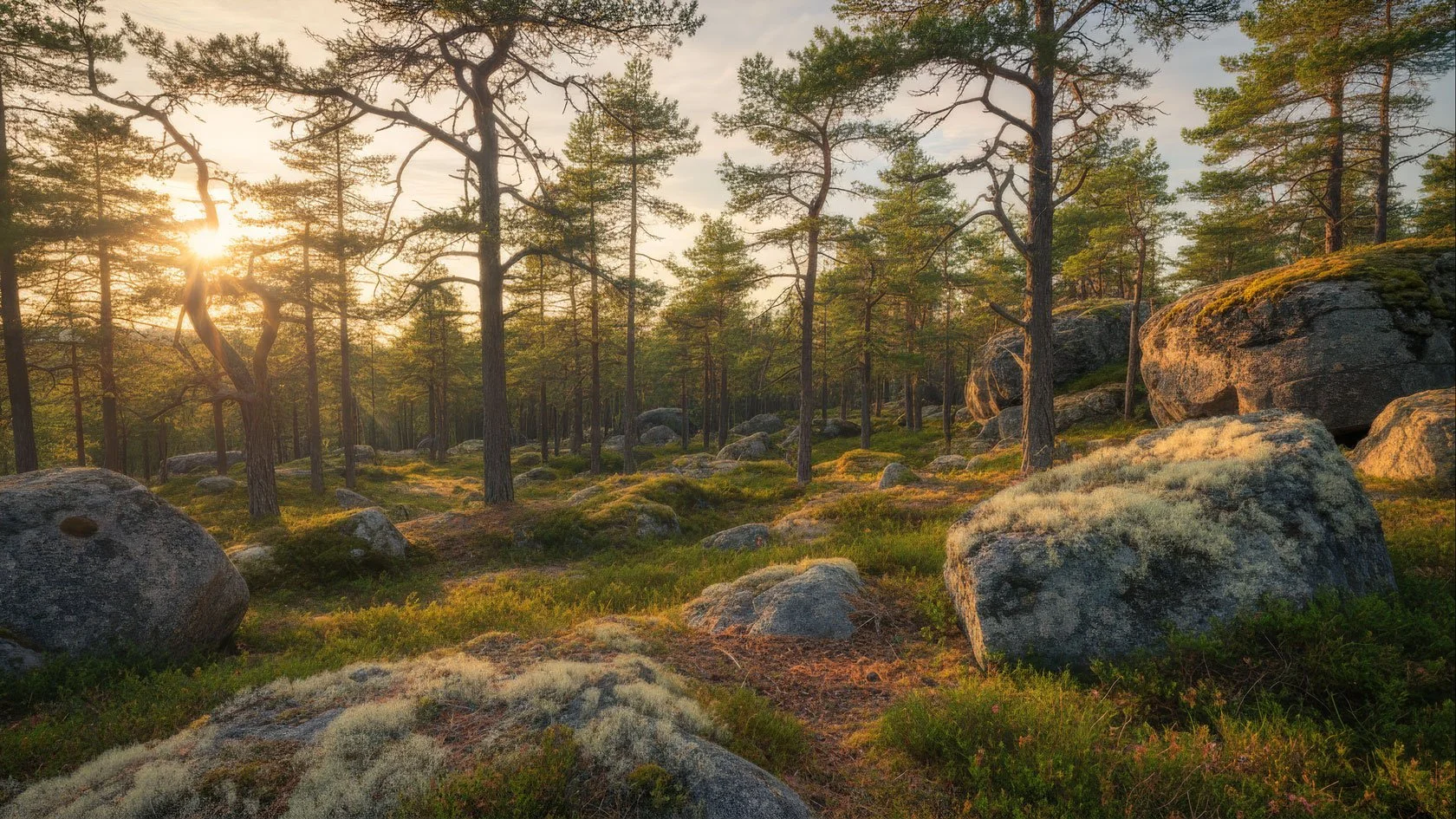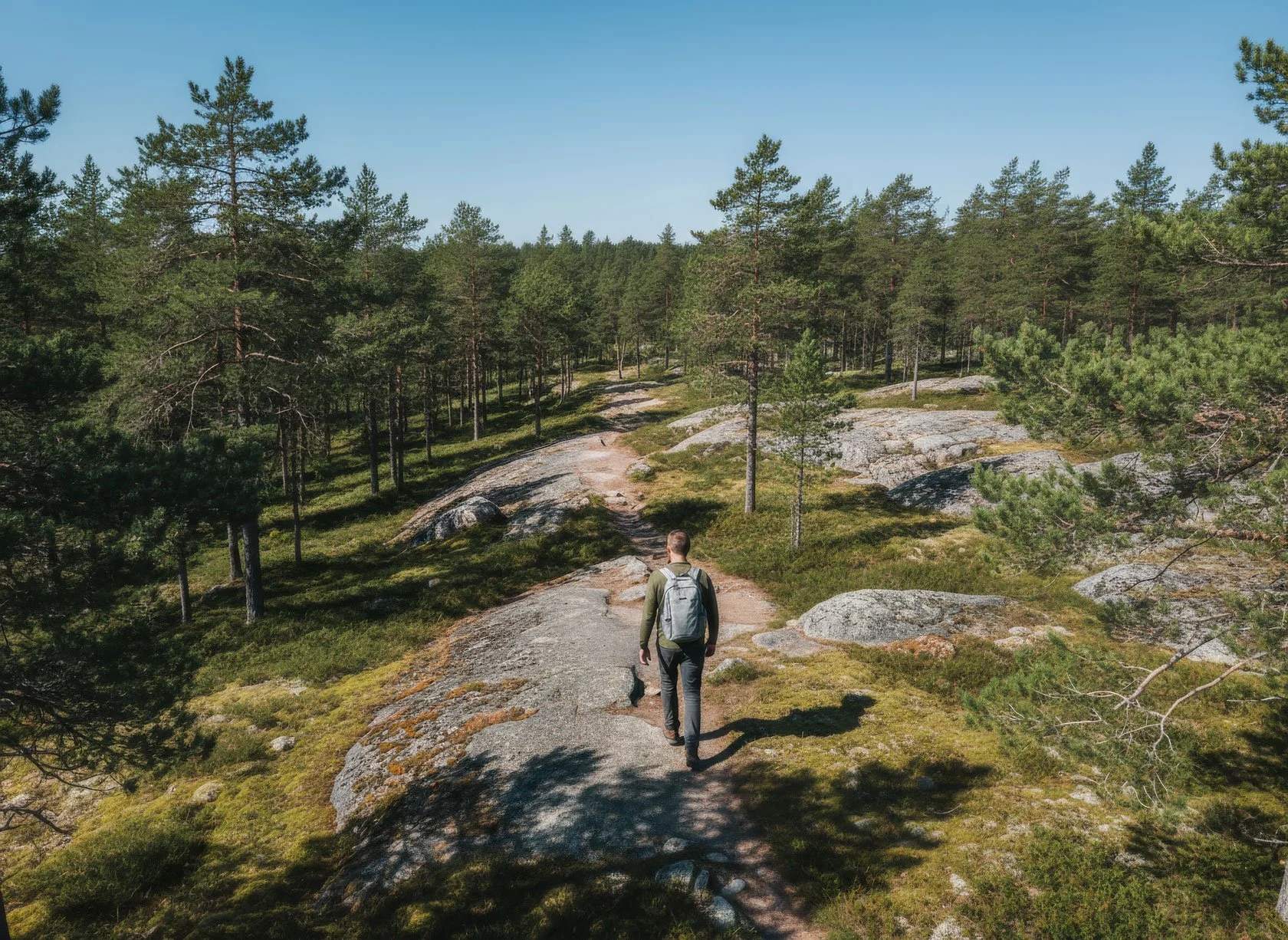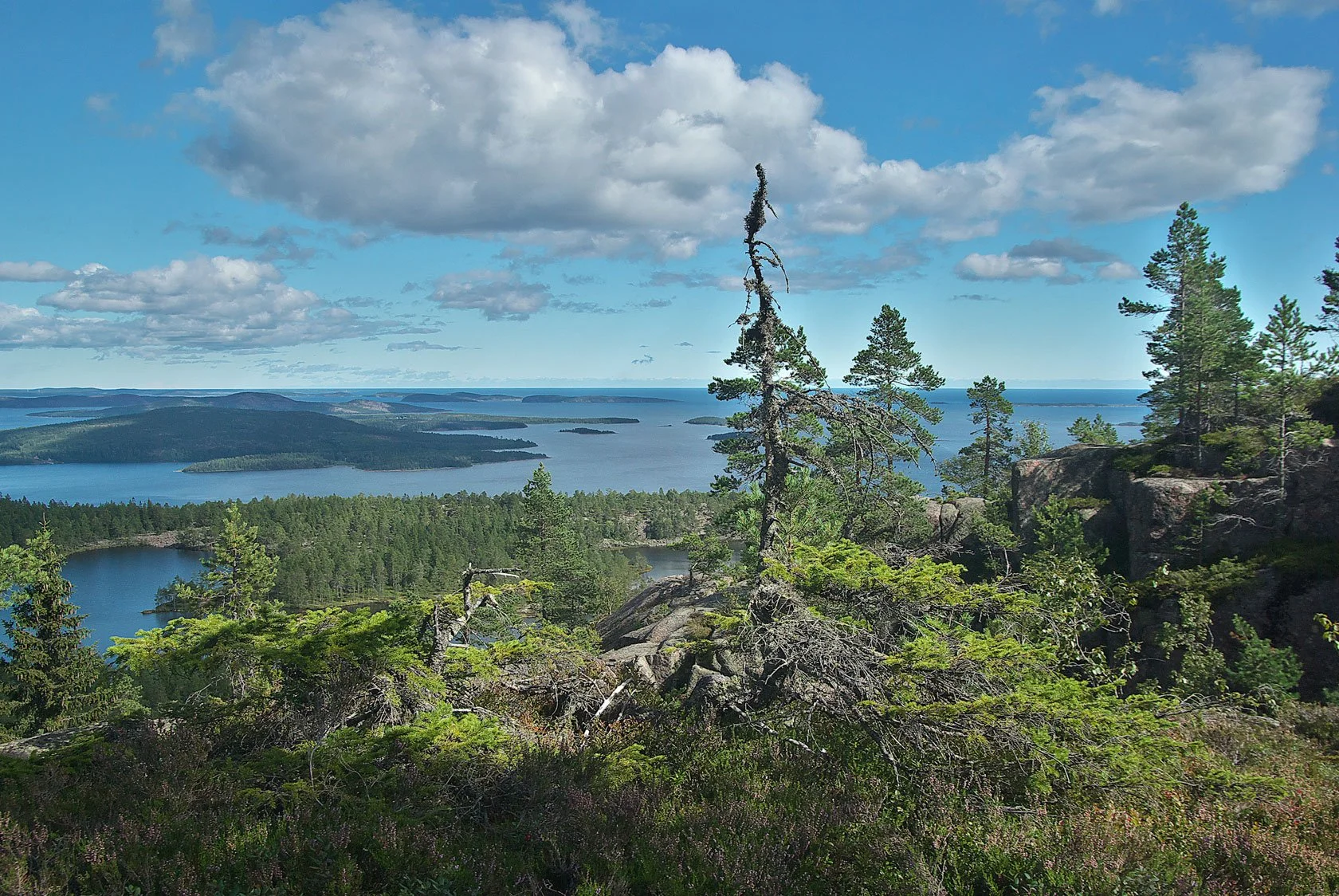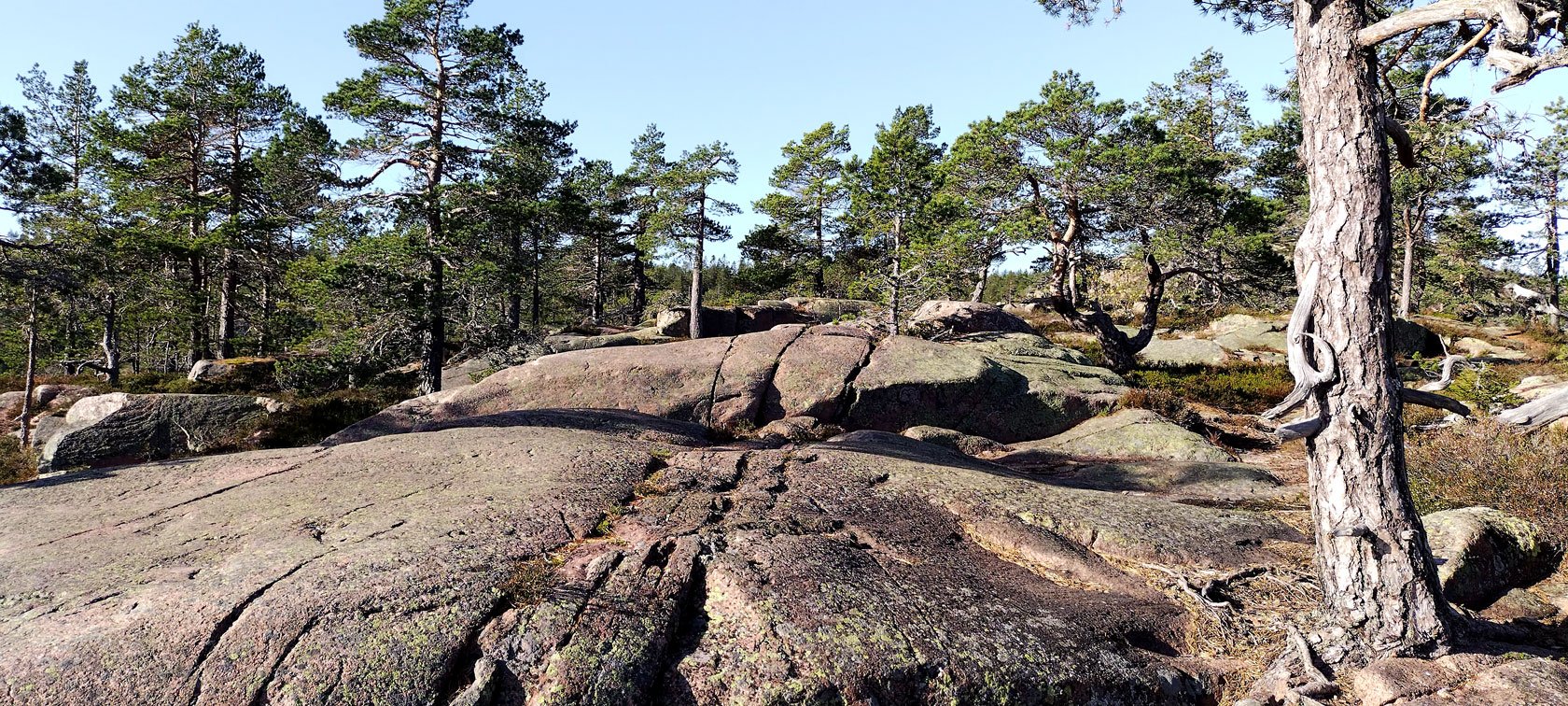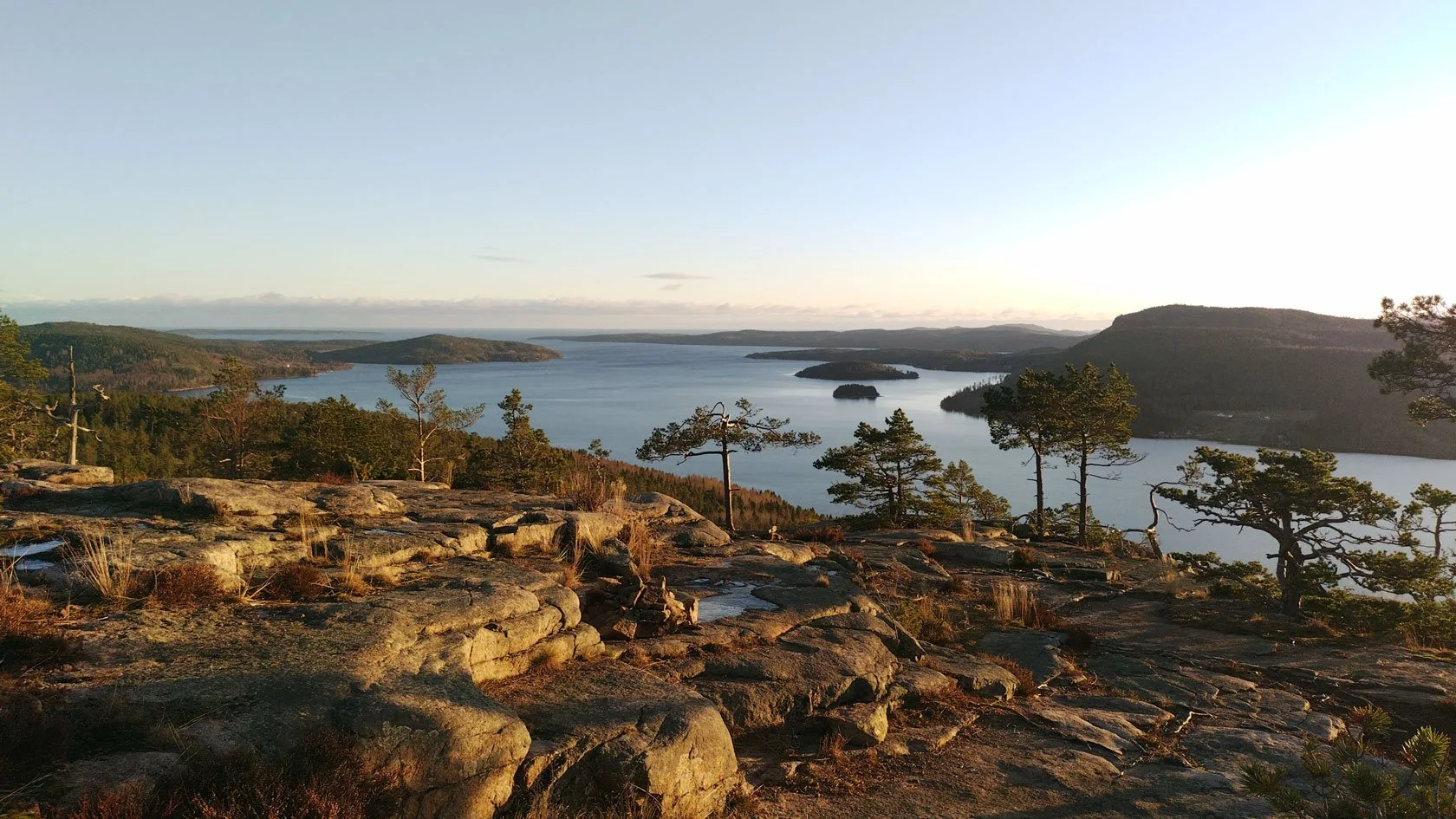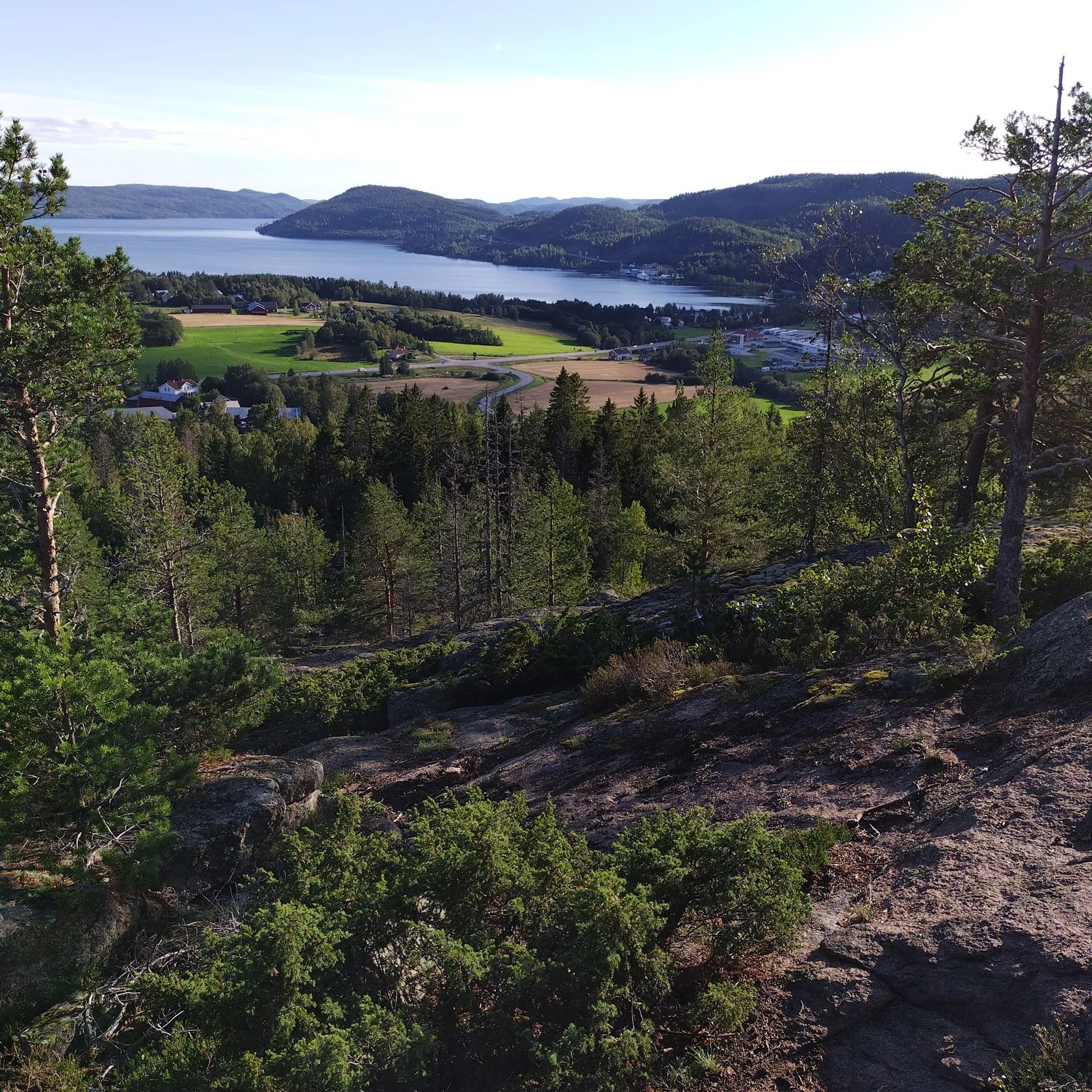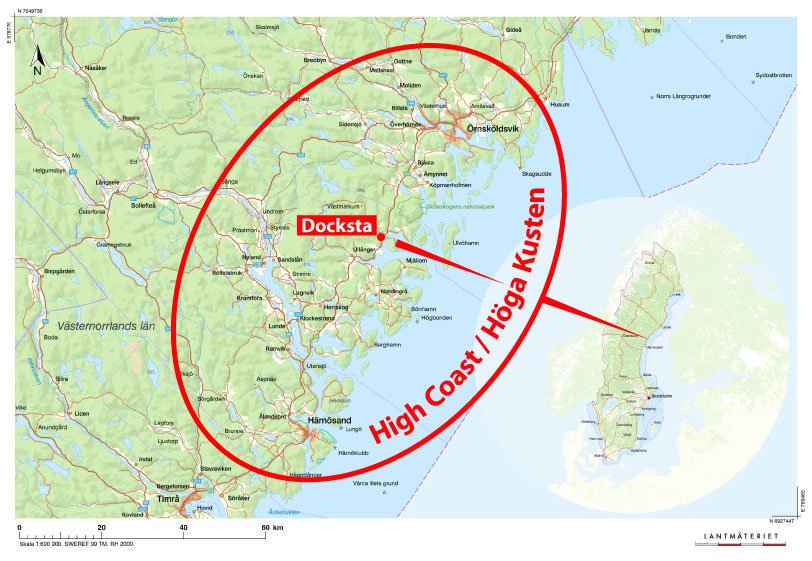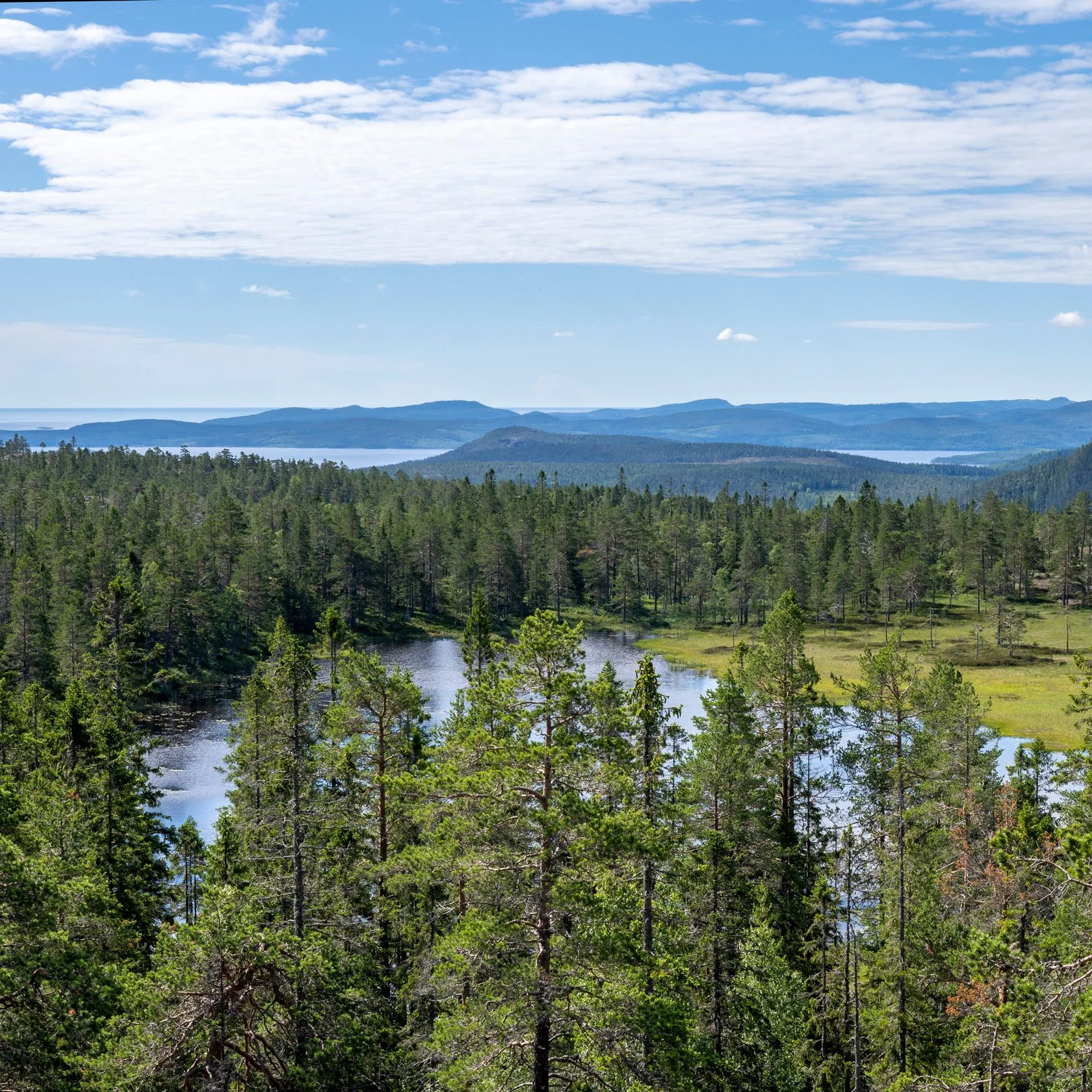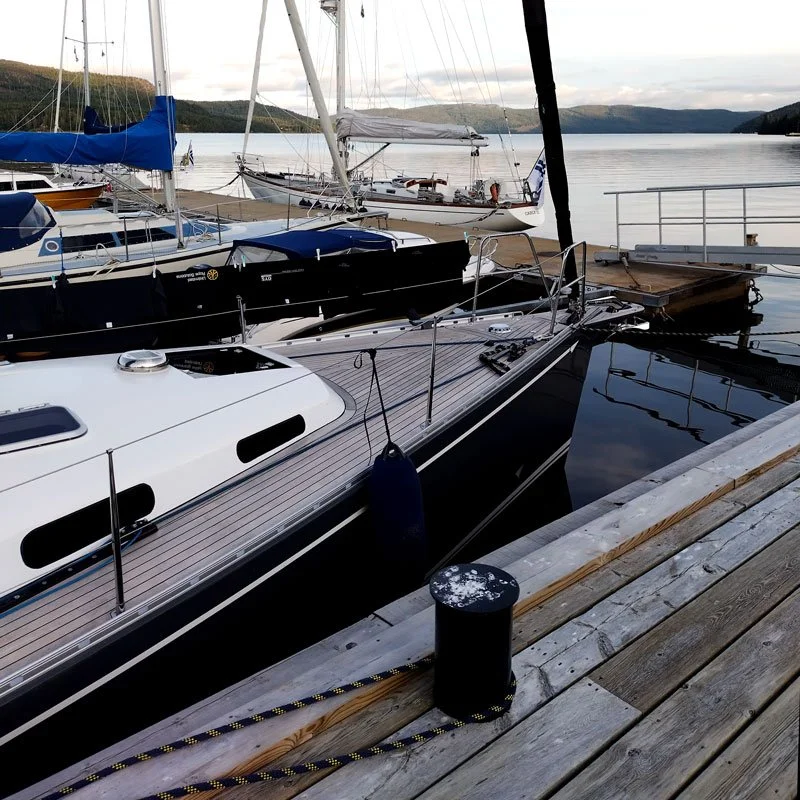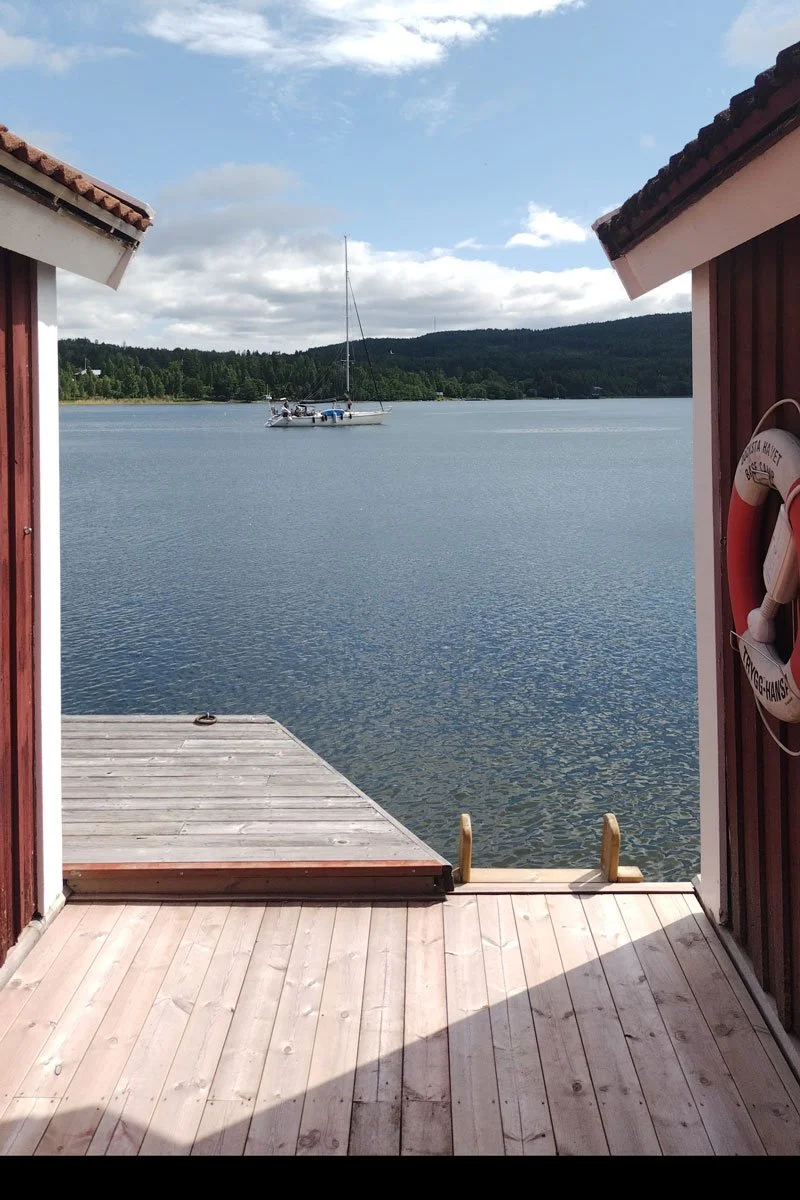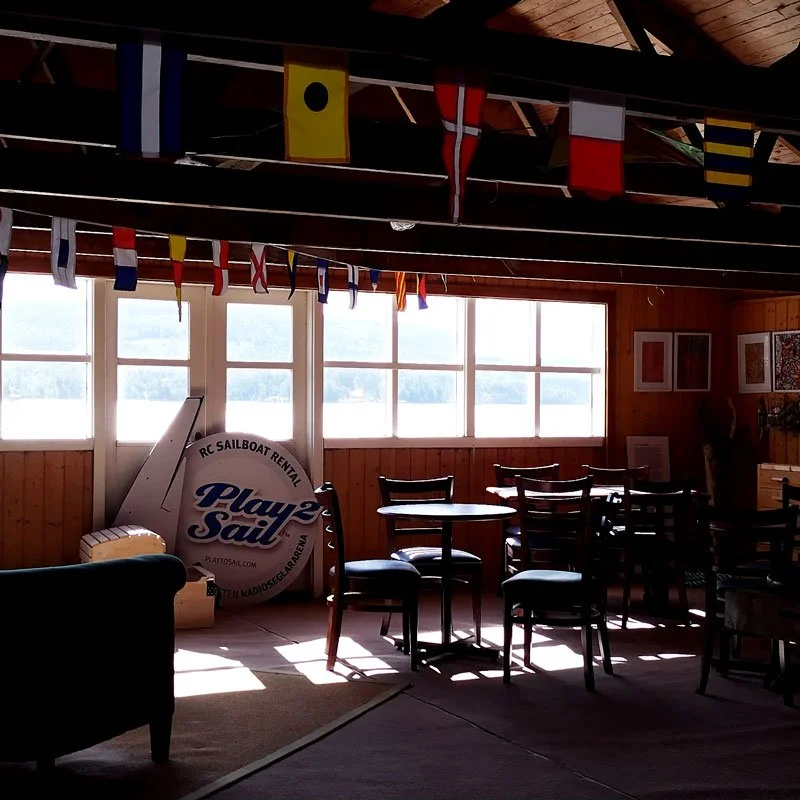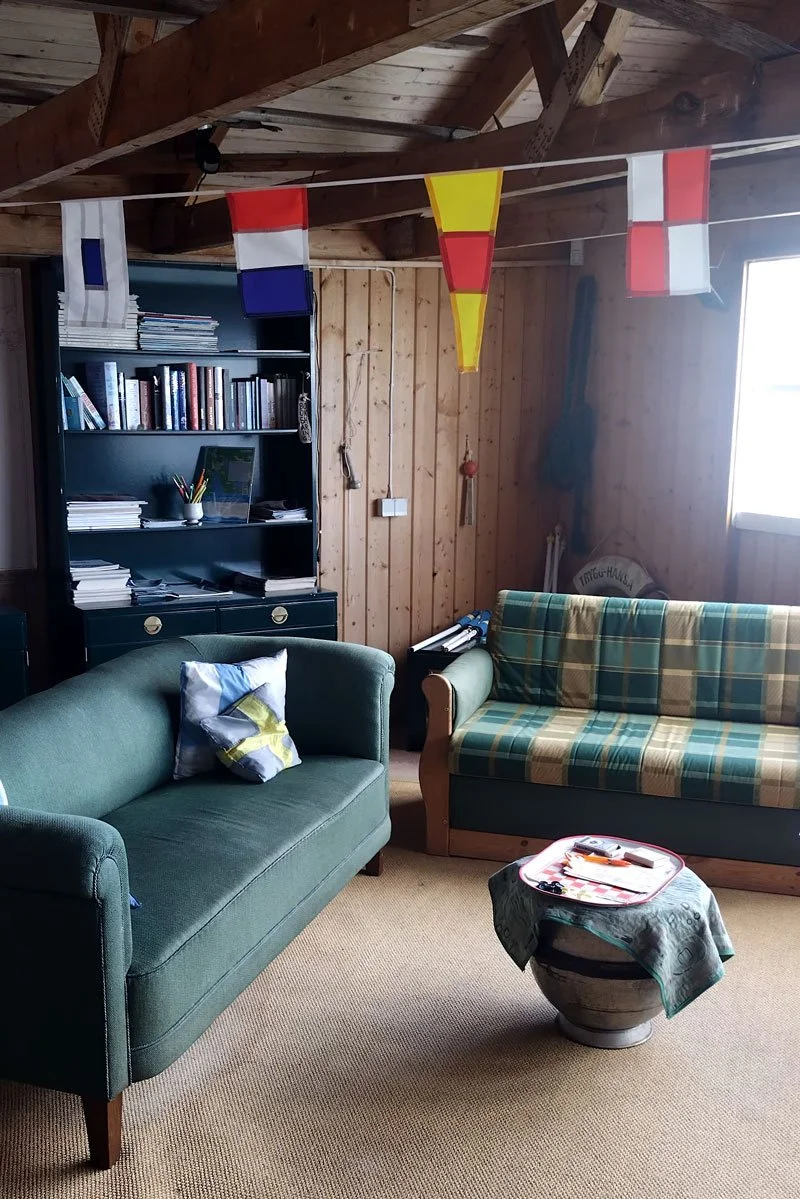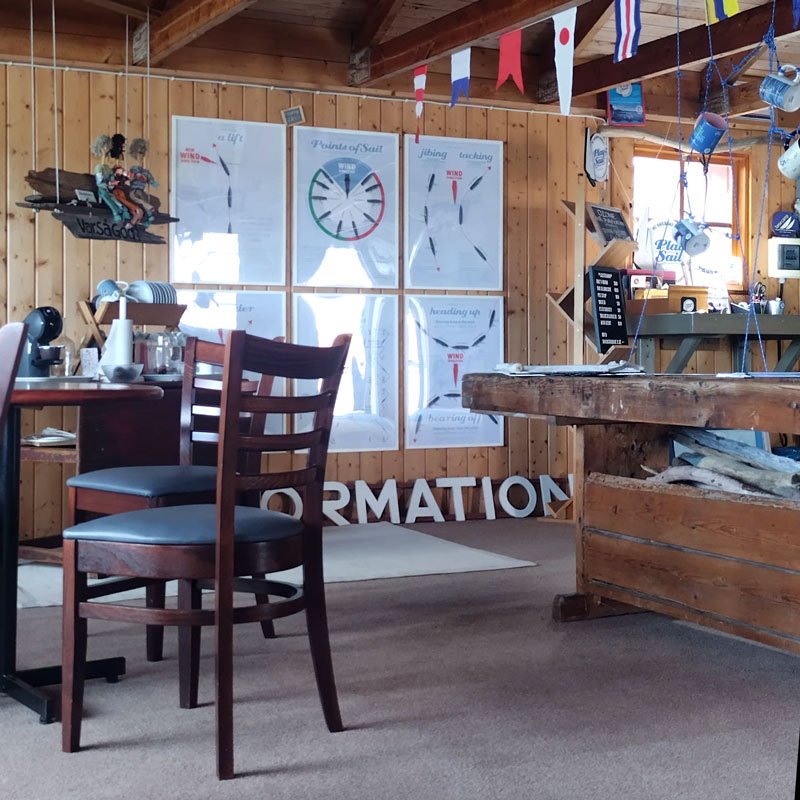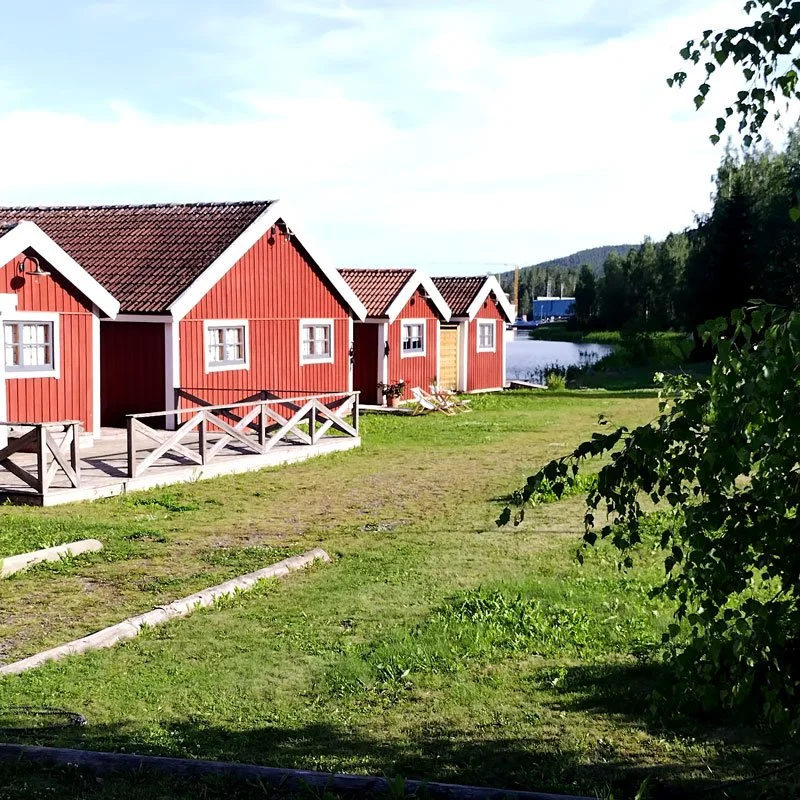
High Coast Day Plans from Docksta

Outdoor activities for small groups, families & crews in Docksta (Höga Kusten)

Plan one great outdoor day from Docksta (Höga Kusten) — crew-proof, low-friction

A practical, crew-proof guide to outdoor activities from Docksta in Höga Kusten. Choose a Base Camp rhythm for your small group (sea, mountain, forest), use Easy/Medium/Full options, explore signature experiences, and follow curated itineraries and maps — with gear help when you need it.

Think of this as a field guide: how to plan one great outdoor day in Höga Kusten when you’re travelling as a crew, family, or small group.
You’ve stopped in Docksta with a small group. Maybe a family. Maybe a sailing crew. Maybe friends sharing a car and a few days. And you stopped here for a reason: you want real outdoor activities — not just a bed.

Then the familiar group moment arrives:

  • one person wants a proper hike

  • one person wants a big view, but not a long day

  • one person is tired and needs an easy reset

  • someone forgot gear (or never had it)

and suddenly the outdoor day becomes a negotiation.

This post is here to make that decision easier. Not with a giant list. With a plan you can actually use.

Before we talk routes and pins, let’s do one thing: choose the mood of the day.
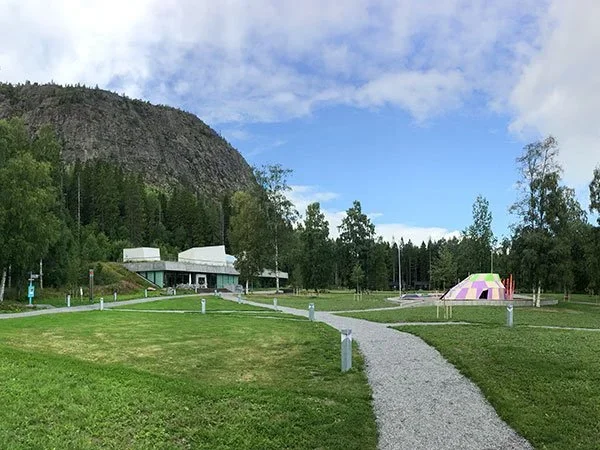
Before you scroll forever: a 20‑second way to choose

If your group is debating, use this filter:

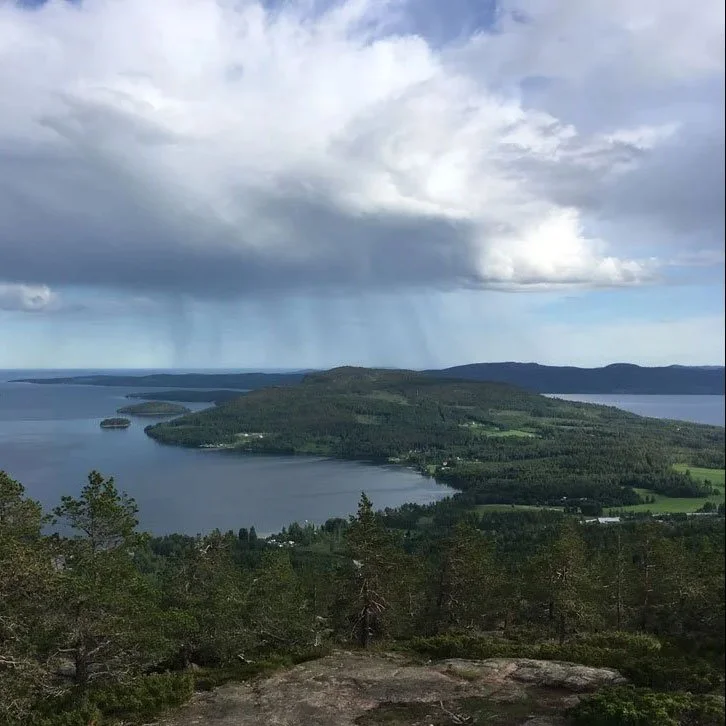
  • Want a view / summit feeling? → go Mountain / Viewpoint

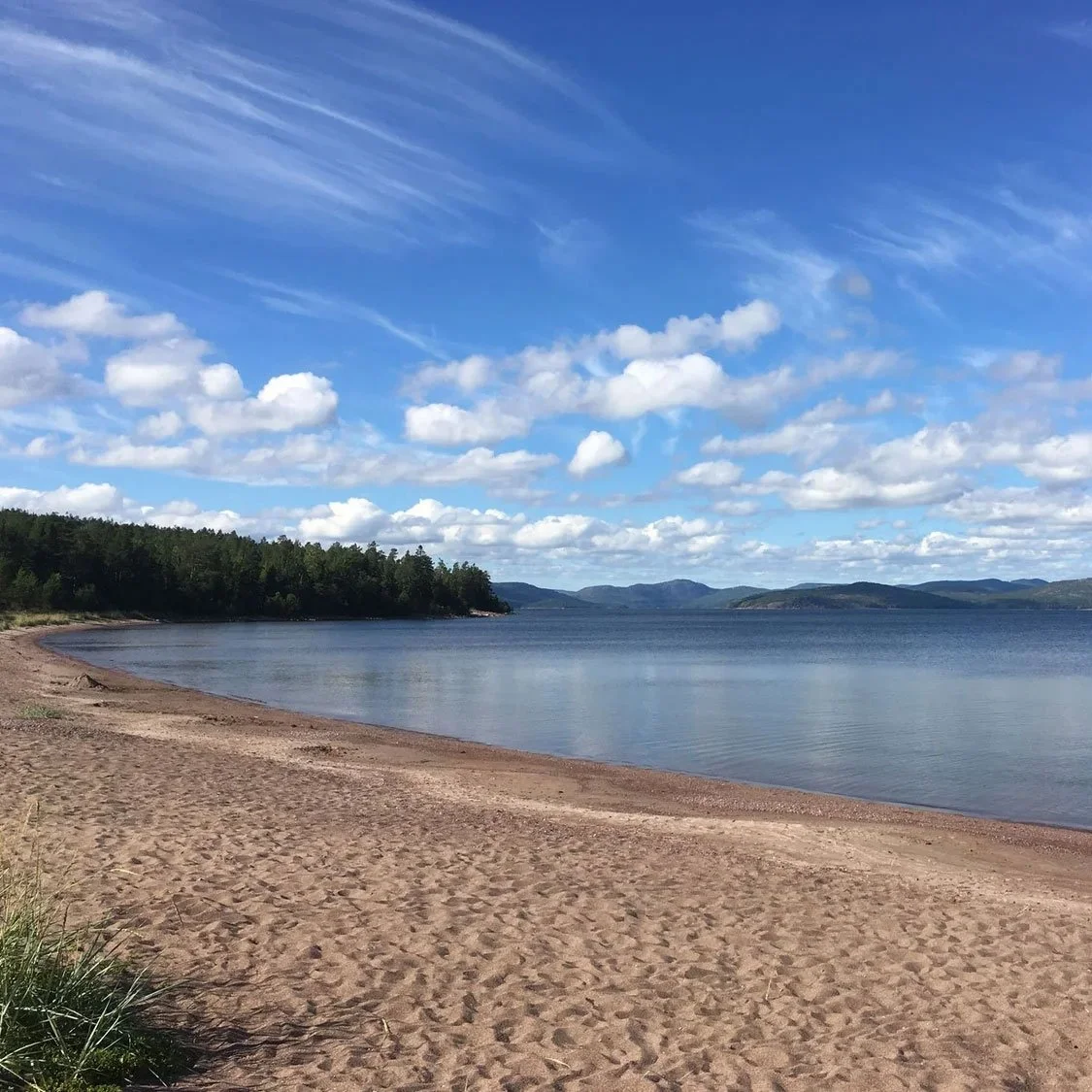
  • Want outdoors with low friction + recovery? → go Sea & Harbour Reset

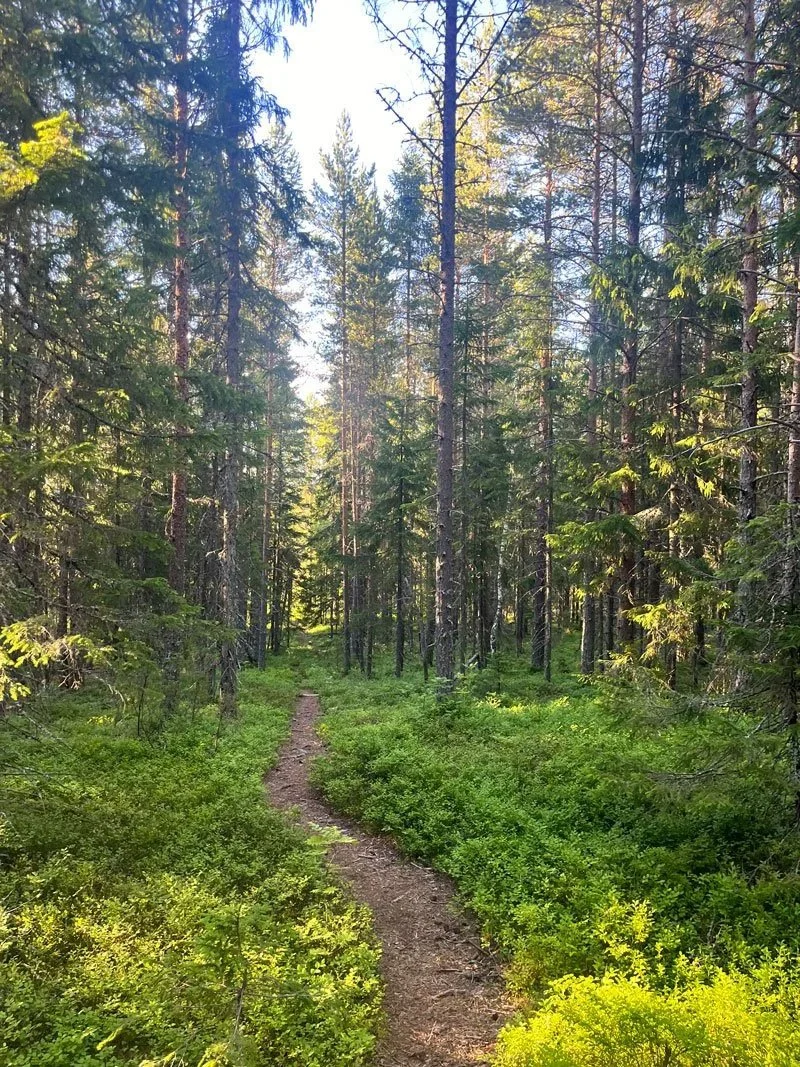
  • Want quiet + decompression? → go Forest Pause

  • Want a headline adventure? → jump to Signature outdoor experiences

Then choose Easy / Medium / Full so different energy levels can still fit the same day.


If you want the “fast start” (no overthinking)
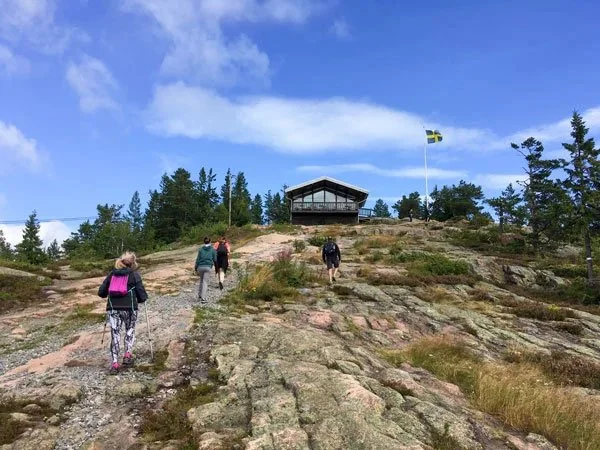
If you’d rather skip the reading and just pick a plan, here are three useful places to start:


A small story (what we mean by “Base Camp”)
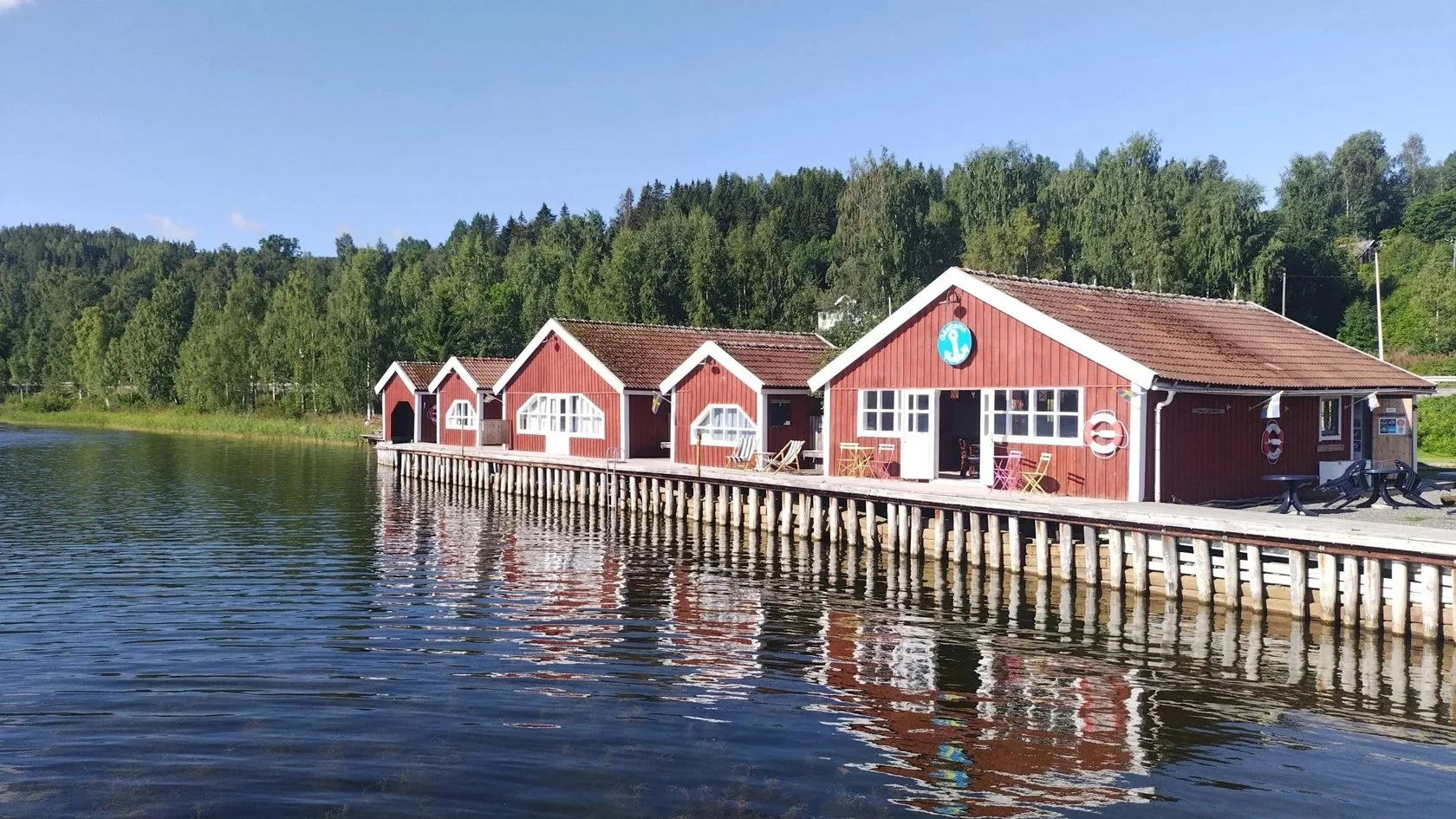
Most places show you impressive lists about how much there is to do. We’ve learned that for small groups, that’s rarely the problem.

The problem is friction: too many options, different energy levels, and the feeling that if you choose wrong you “waste” the day. Outdoor plans don’t fail because the landscape isn’t amazing — they fail because the group can’t land on a plan that fits everyone.

So we treat Docksta like a Base Camp. Not as a slogan. As a rhythm: arrive, reset, choose one clear outdoor direction, and come back to the same base to regroup — with enough energy left to enjoy the evening and still want tomorrow.

A host note (so you know there are humans here)

I’m Tom, host at Docksta Havet. If you tell me your group mix (kids / hikers / tired / mixed) and how many nights you’re staying, I’ll point you to a simple plan and the right pages to start with. → Message me via WhatsApp

Federica’s note (Base Camp field note)

“They arrived in Docksta with two cars as a small group with different moods. Someone wanted a ‘real hike’, someone wanted calm, and I could feel that classic travel tension building — the one where you lose half an hour just trying to decide.

What surprised me was how quickly it became simple once we treated it like a base camp. We reset first. Then we chose one shared outdoor moment — something everyone could do — and we gave people permission to pick their own pace for the rest.

In the evening we met again by the harbour with that quiet feeling of: ok, this stop was worth it. Not because we did the most — but because the day fit us.”


The Base Camp guest rhythm (reset → choose → regroup)
Outdoor activities are easy when you’re solo or a couple. With a crew or family, the day usually fails for one of three reasons: different energy levels, logistics friction, or missing small gear.

So here’s the rhythm we use — and you can copy it without overthinking:

Reset: arrive, breathe, shower, coffee, orient.

Choose: pick one outdoor mood that matches the group.

Regroup: come back to the same base, same pier, same evening.

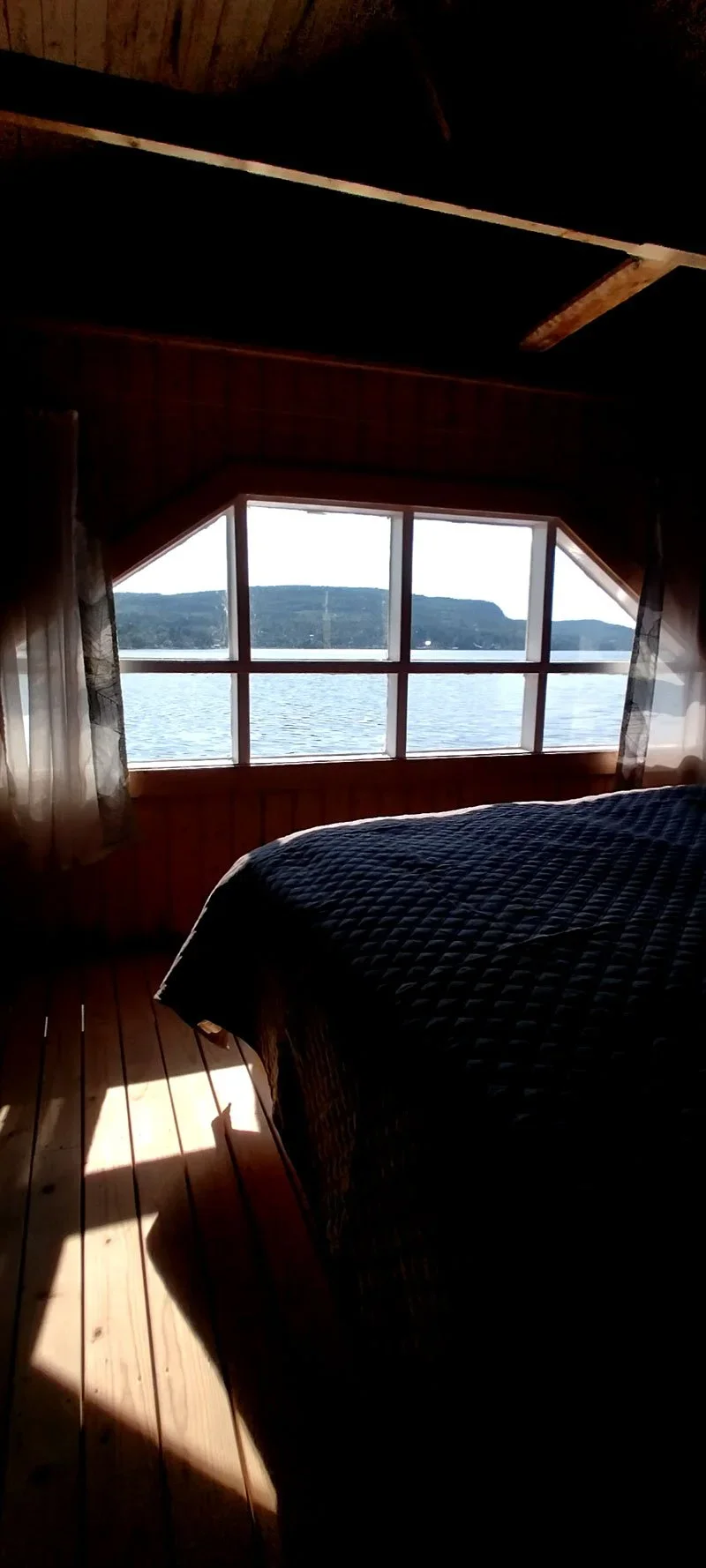
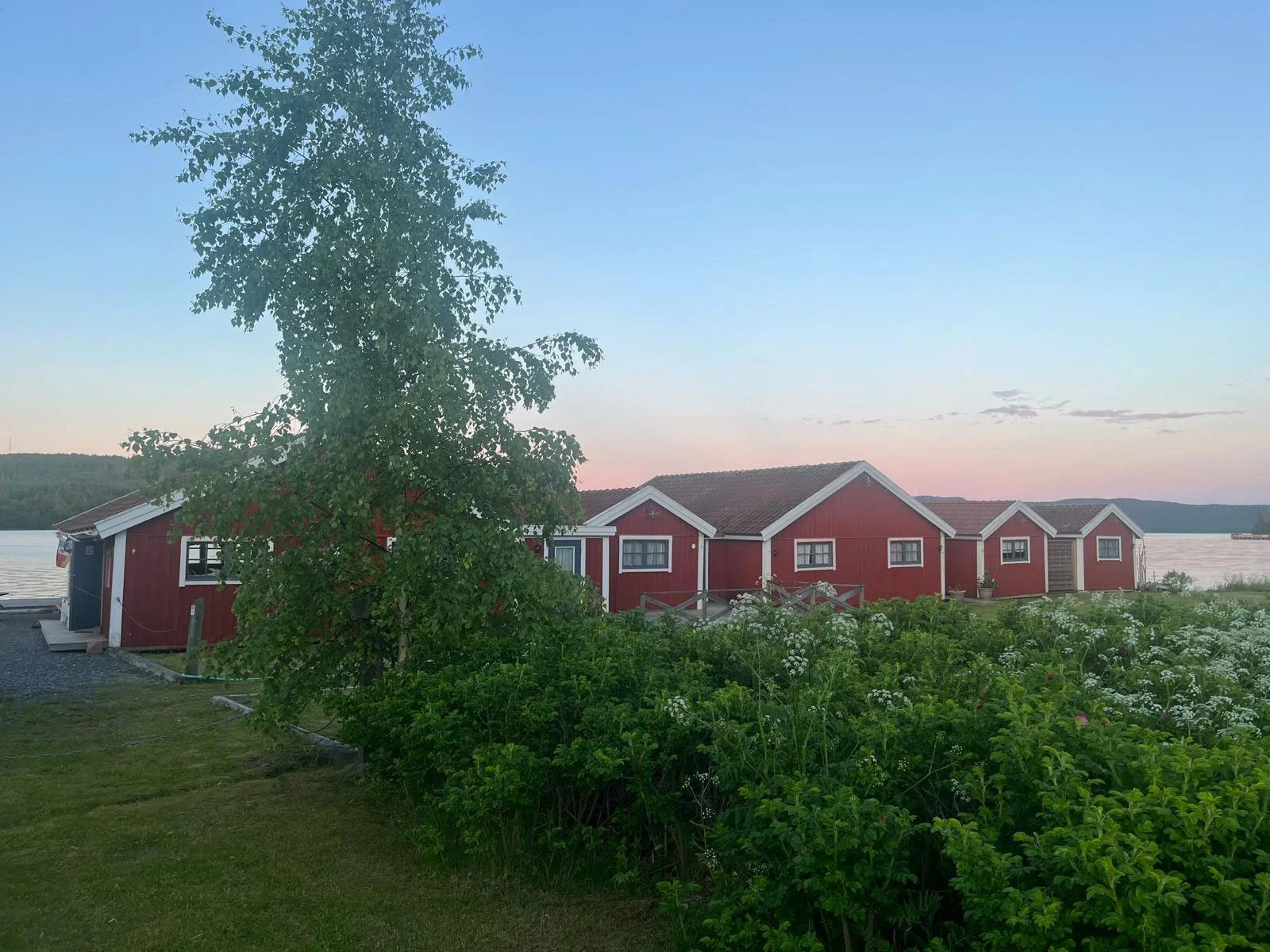
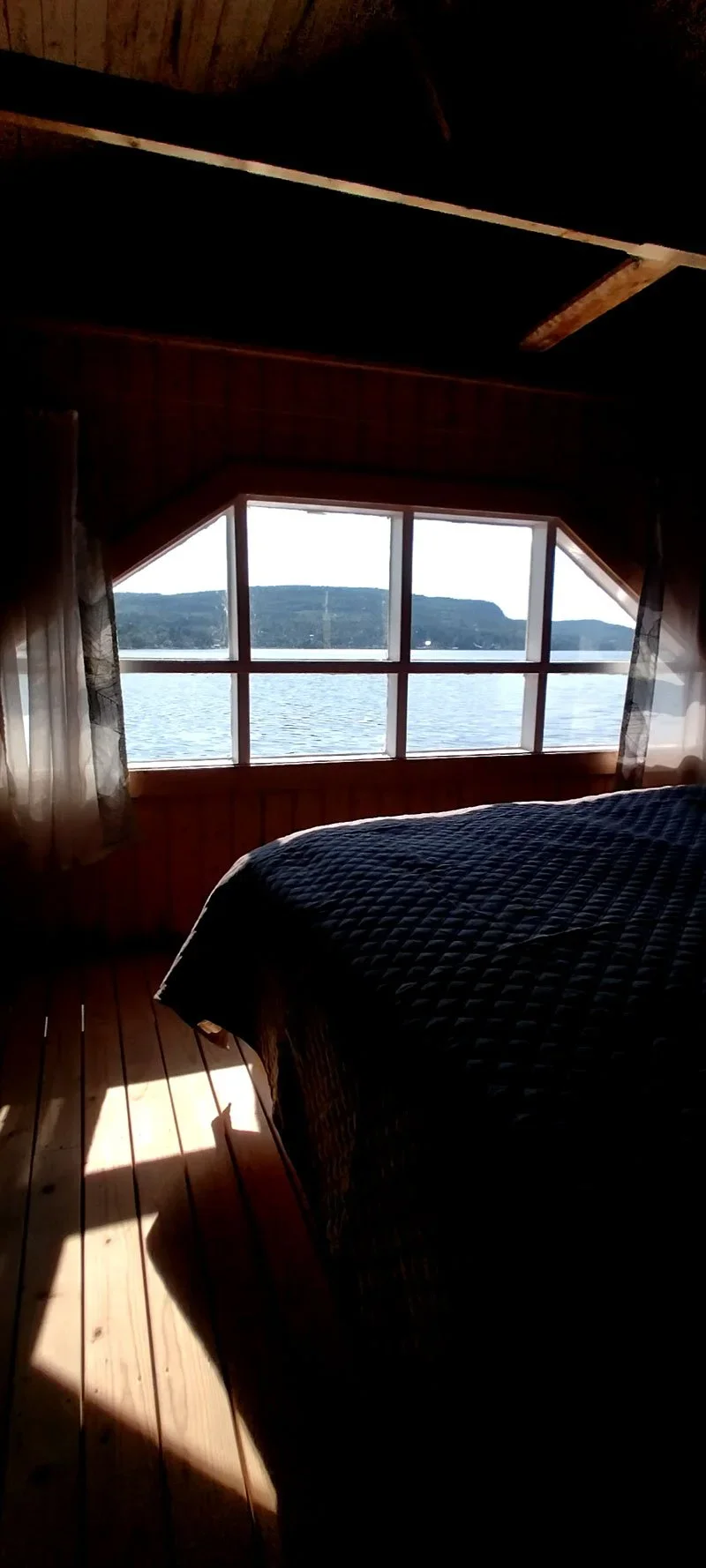
And one small detail that matters more than people expect: for many groups, the reset becomes real only when you have a place to land. If you’re staying overnight, a waterfront lodging turns Docksta into a true base camp: you wake up already in the landscape, you start earlier, and the day feels less rushed.
 

The Full‑Day Blueprint (crew-proof)
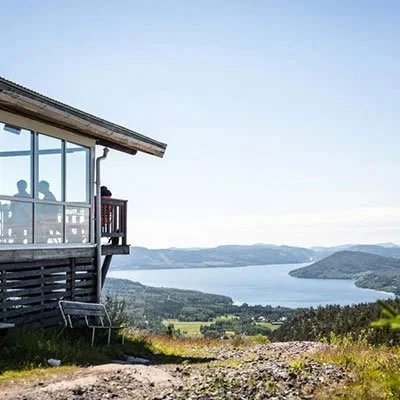
A full outdoor day with a group doesn’t need to be packed. It needs to be shaped.

Start by choosing one shared anchor — the moment everyone will remember (a viewpoint, a coastline walk, a forest pause). Keep that anchor realistic for the slowest person in the group. That’s not lowering the bar — that’s protecting the day.

Then shape the day in four beats:

Morning: reset + an easy start (low friction).

Midday: the anchor (the main outdoor moment).

Afternoon: optional upgrade — a split option for the high‑energy half while the rest takes the easy return.

Evening: regroup back at base. No rushing.

Micro-example (works surprisingly often): if half your group wants a “real hike” and half wants calm, make the shared anchor a Mountain / Viewpoint (Easy or Medium). Then split: the high‑energy half adds an extra loop, while the rest takes a Sea & Harbour reset. You still meet back at the same base — and everyone feels the day was theirs.

If you do only one thing right, do this: protect the morning. A chaotic start is what turns a full day into a compromise.


Choose your outdoor mood (three doors)
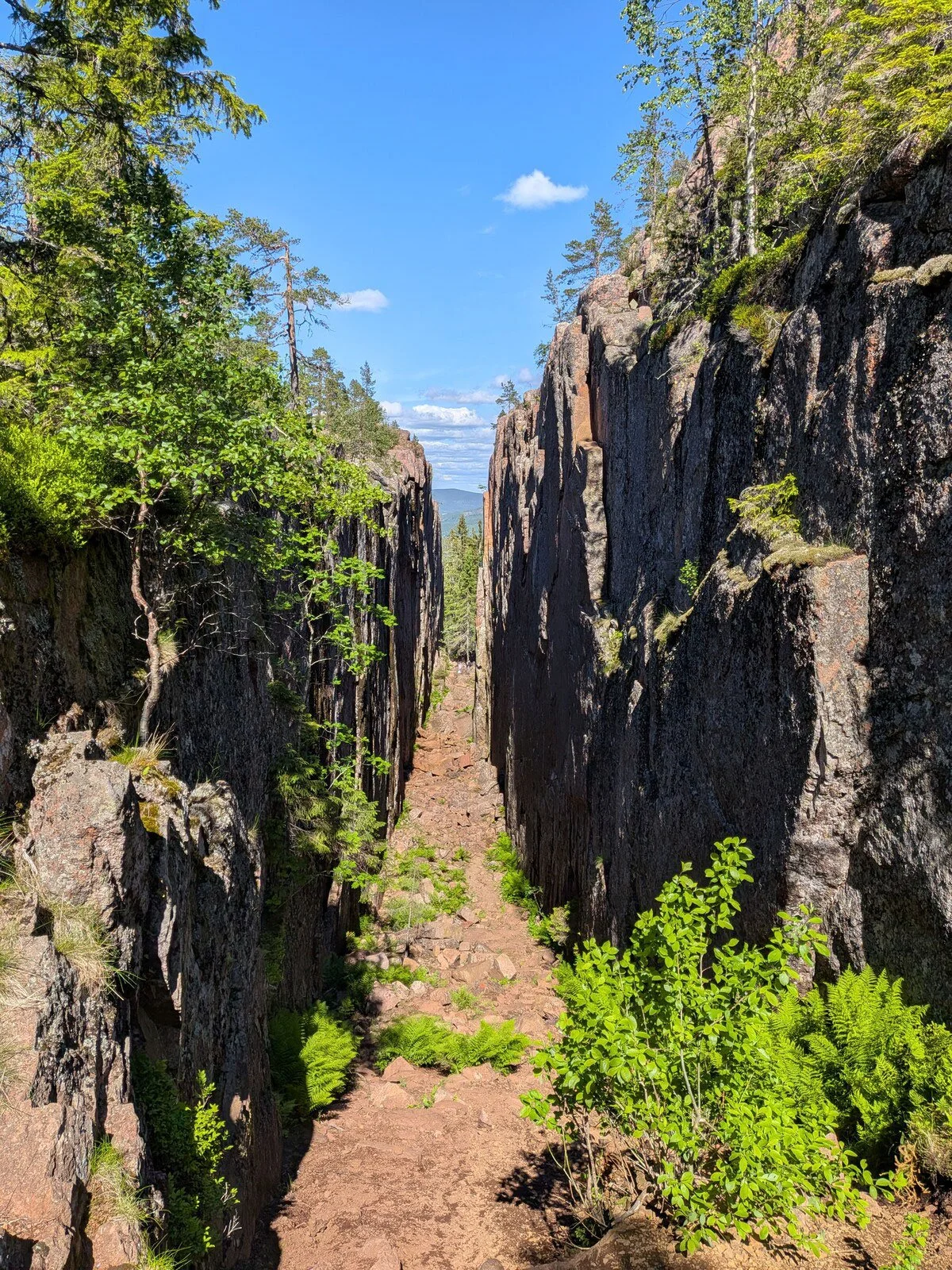
Think of these as three doors. Pick one door for the day, then decide how “big” you want it to be.

Mountain / Viewpoint Mission

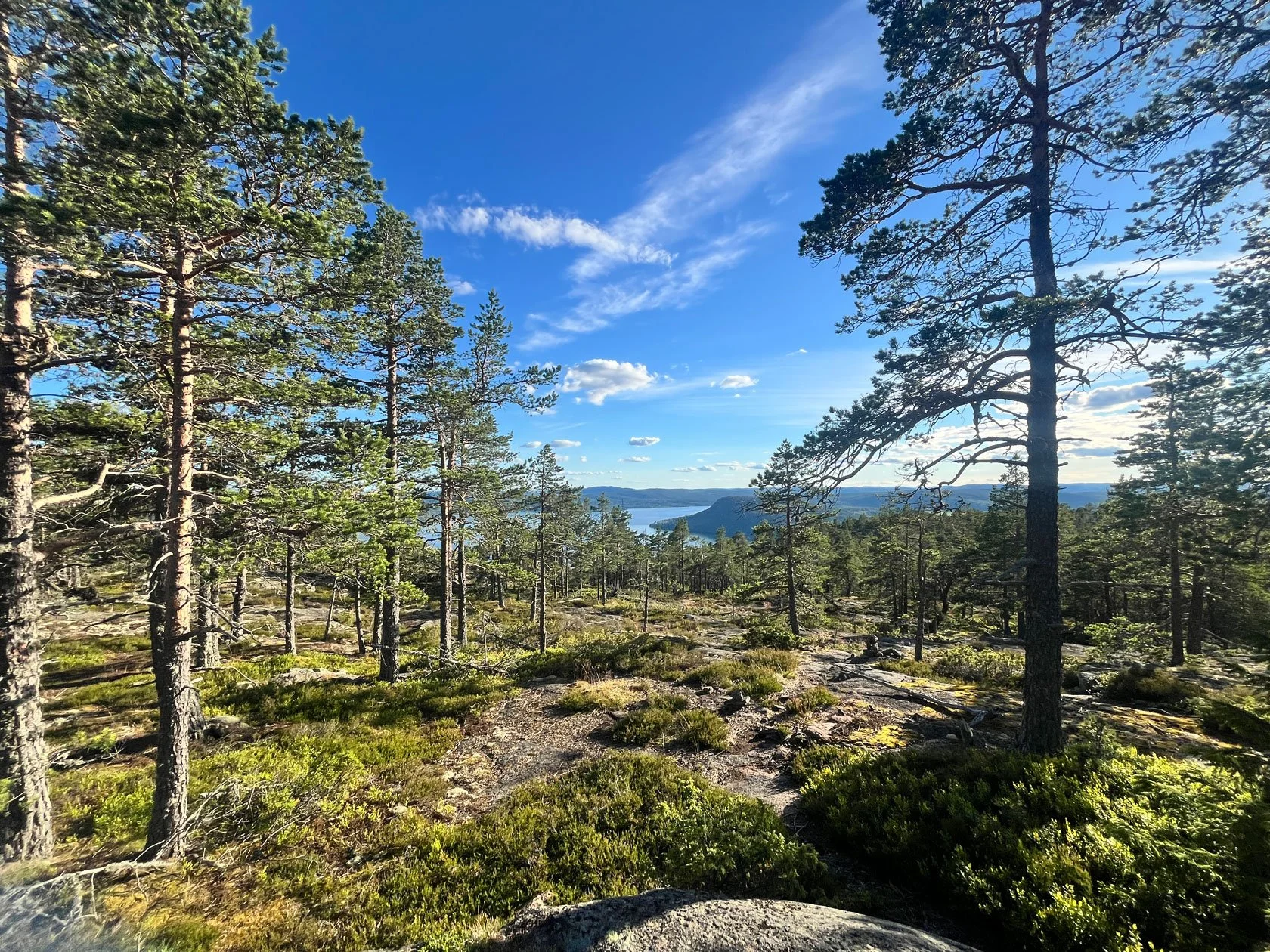
Choose this when your group needs a clear “we did it” moment — a view, a summit mood, a sense of scale.

The group trick is not to make it heroic. It’s to make it clean: a clear start, a clear turnaround point, and a plan that doesn’t punish the slower half of the crew.

Easy (60–90 min): a viewpoint mission — short approach, big reward.
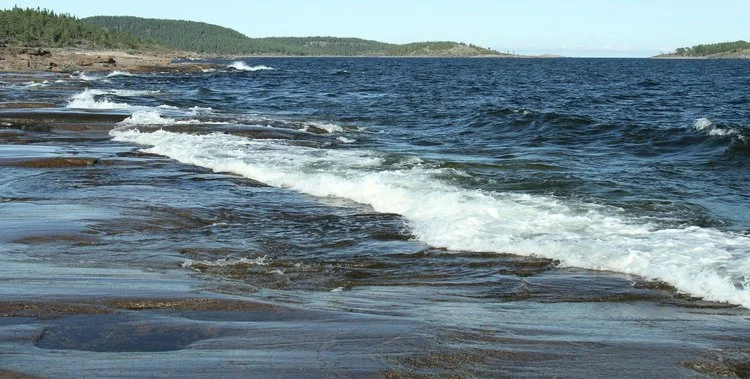
 

Sea & Harbour Reset

Choose this when the group needs recovery but still wants to feel outdoors — especially if you arrived late, the weather is shifting, or you can sense that everyone wants something different.

This is the day that looks “small” on paper and ends up saving the trip.

Because it removes the two things that usually break a crew: decision fatigue and logistics. You don’t need a heroic plan. You need a clean start, warm bodies, and one shared moment that feels real.

A Sea & Harbour Reset day often looks like this:

Easy (30–60 min): you stay close. You walk without planning. You let the harbour do its quiet work. Someone gets their coffee. Someone sits in the sun for ten minutes. The day starts moving again.

Medium (1–2 hours): you add one simple “small wow” point — a stretch of coastline, a viewpoint you don’t have to earn, a loop that lets the faster half walk ahead and still regroup naturally.

Full (half day): you make it a coastal day, but you keep Docksta as your return point. The goal isn’t distance — it’s that feeling in the evening: we did something good, and nobody paid for it with exhaustion.

If your crew is split between “I want a real hike” and “I can’t today”, this is your secret weapon: let the day be lighter — and protect tomorrow.


Forest Pause (outdoors, not performance)
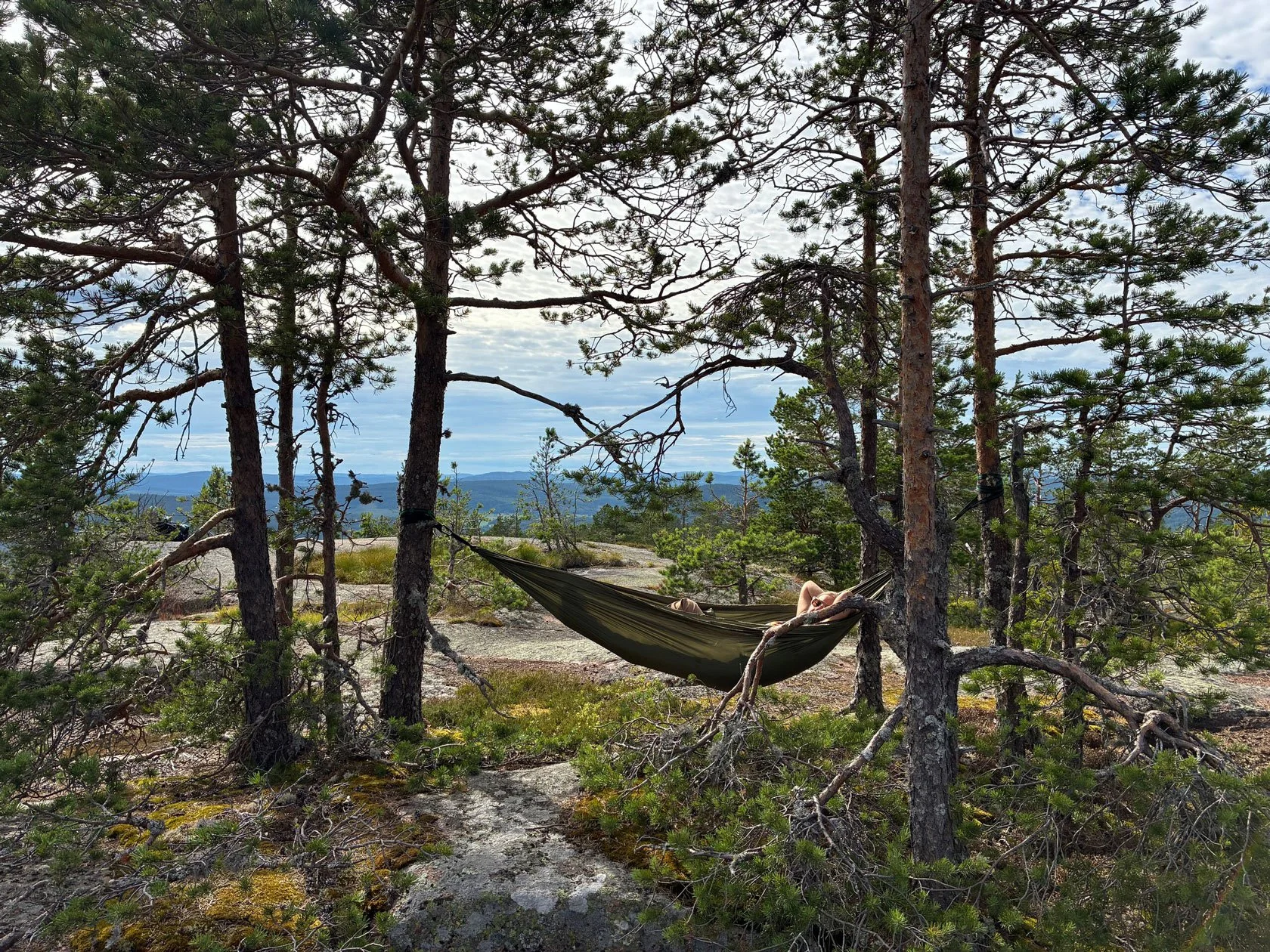
Choose this when you want the day to feel deeper, not bigger.

A forest day changes the tempo. It gives the nervous system a different kind of landscape: quieter, softer, slower. And it often makes the next day better too.

Easy (30–60 min): a short forest walk + a quiet spot.

Medium (1–2 hours): a slow loop + a real pause (snack, sit, breathe).

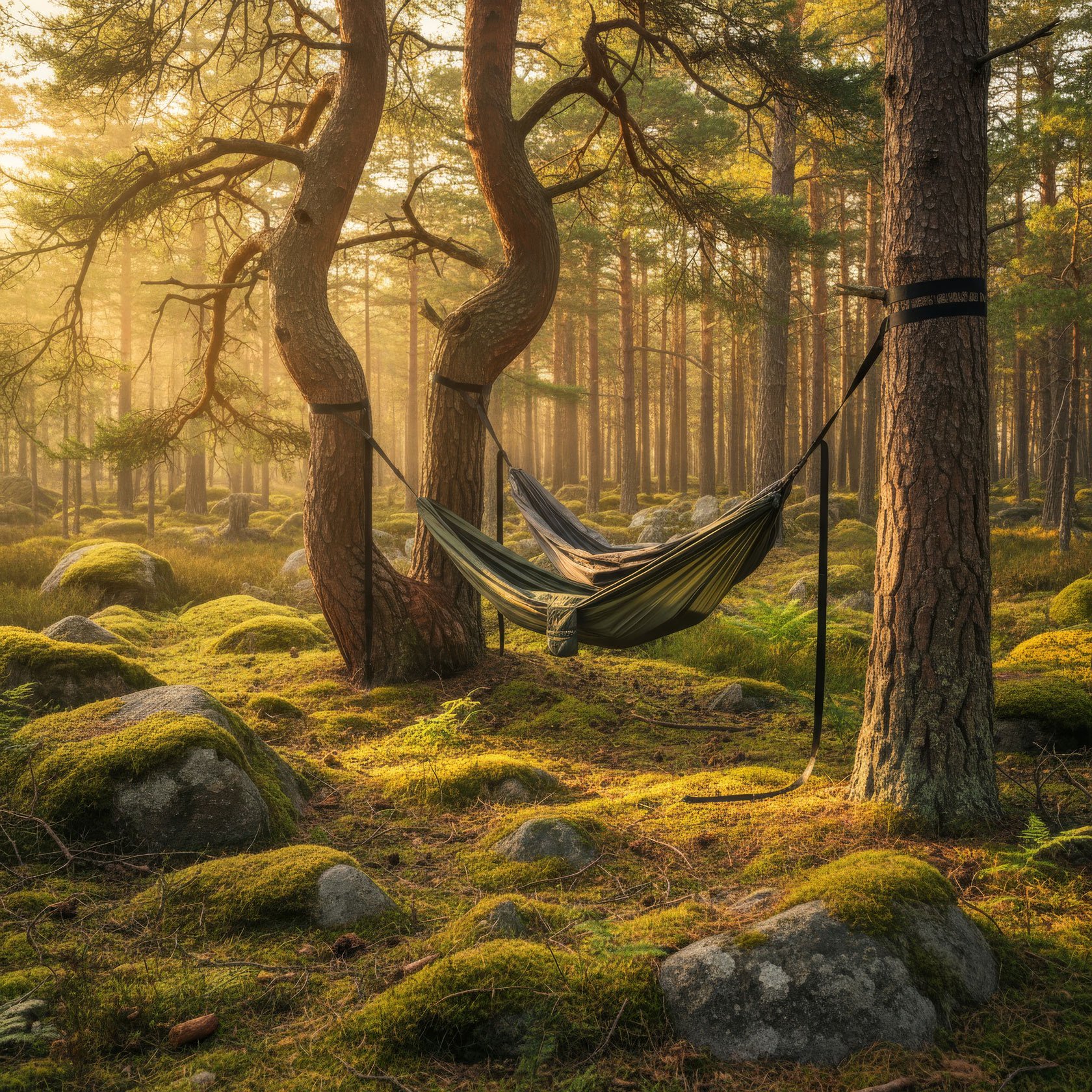
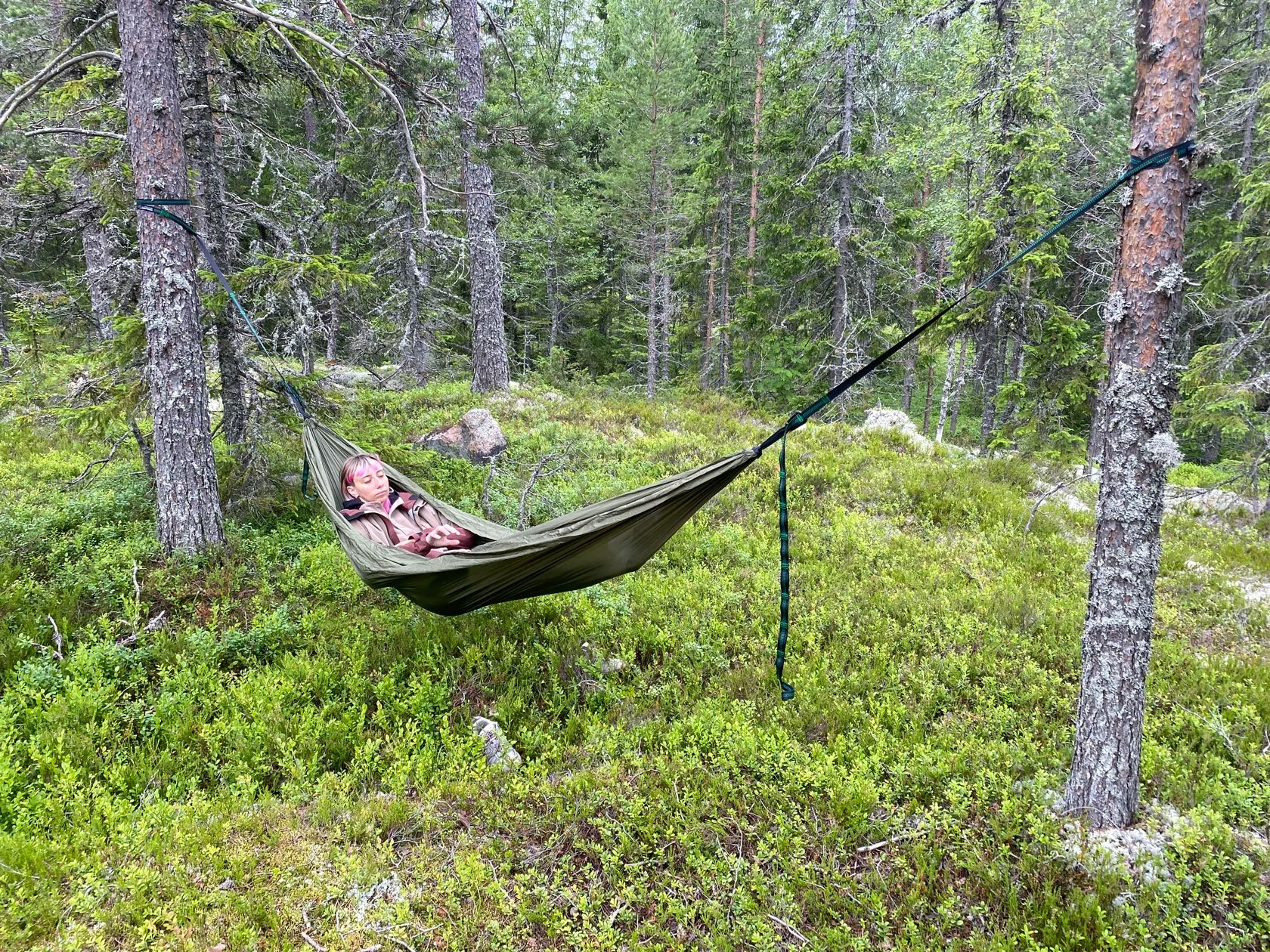
Full (3 hours, guided): Skogspaus — a guided forest immersion designed for decompression and presence.
 

Signature outdoor experiences from Docksta (ours + a few local classics)

Some groups want a clear headline activity — the kind of day you remember as the day of the trip. From Docksta, you can do that in two ways: either choose a Docksta-style experience (simple, crew-proof, low friction), or go for one of the local classics.

Our signature experiences (crew-proof by design)
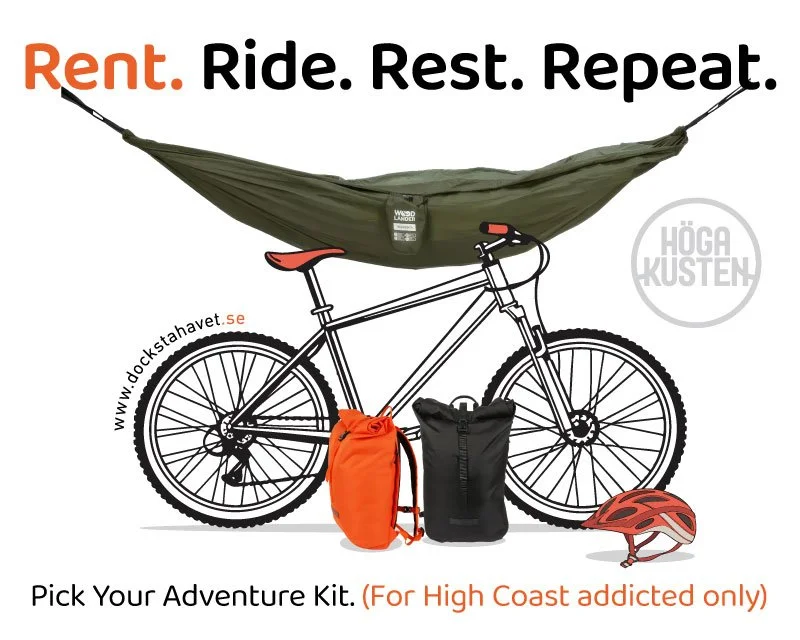
  • Outdoor Ready / Grab&Go (activities, not just gear)

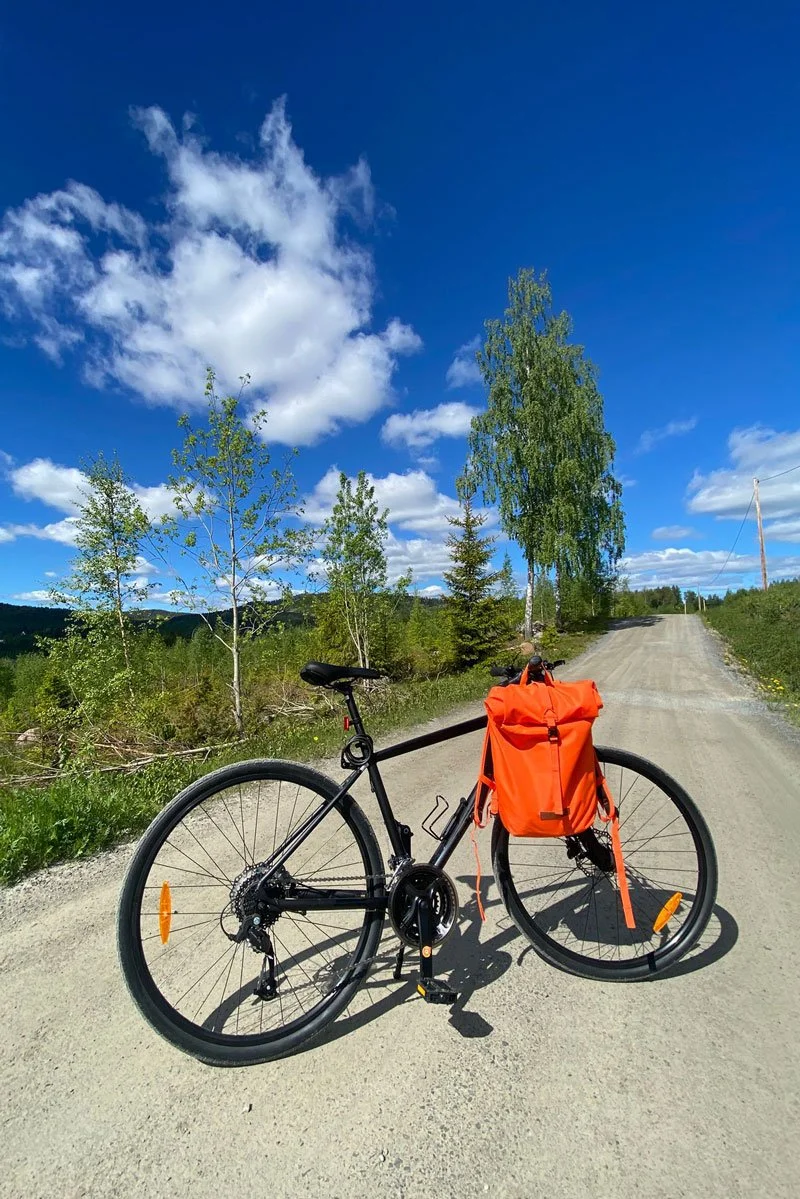
    Grab&Go is our way of making outdoor days easy for mixed groups: you choose a mood (mountain / coast / forest), we help you with the missing piece, and you go. It’s not about renting stuff — it’s about removing friction so the day actually happens. → Bike rental in Docksta and more

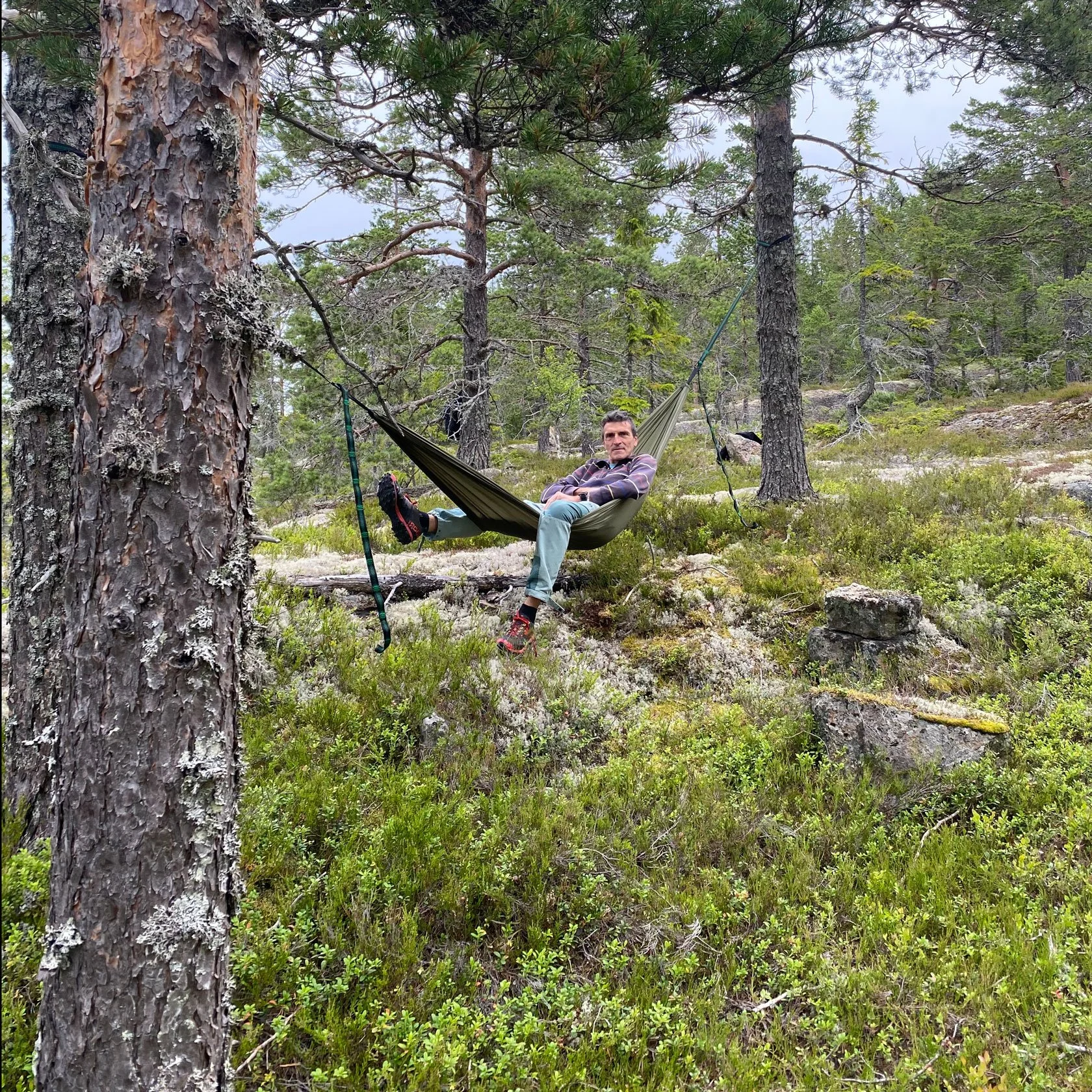
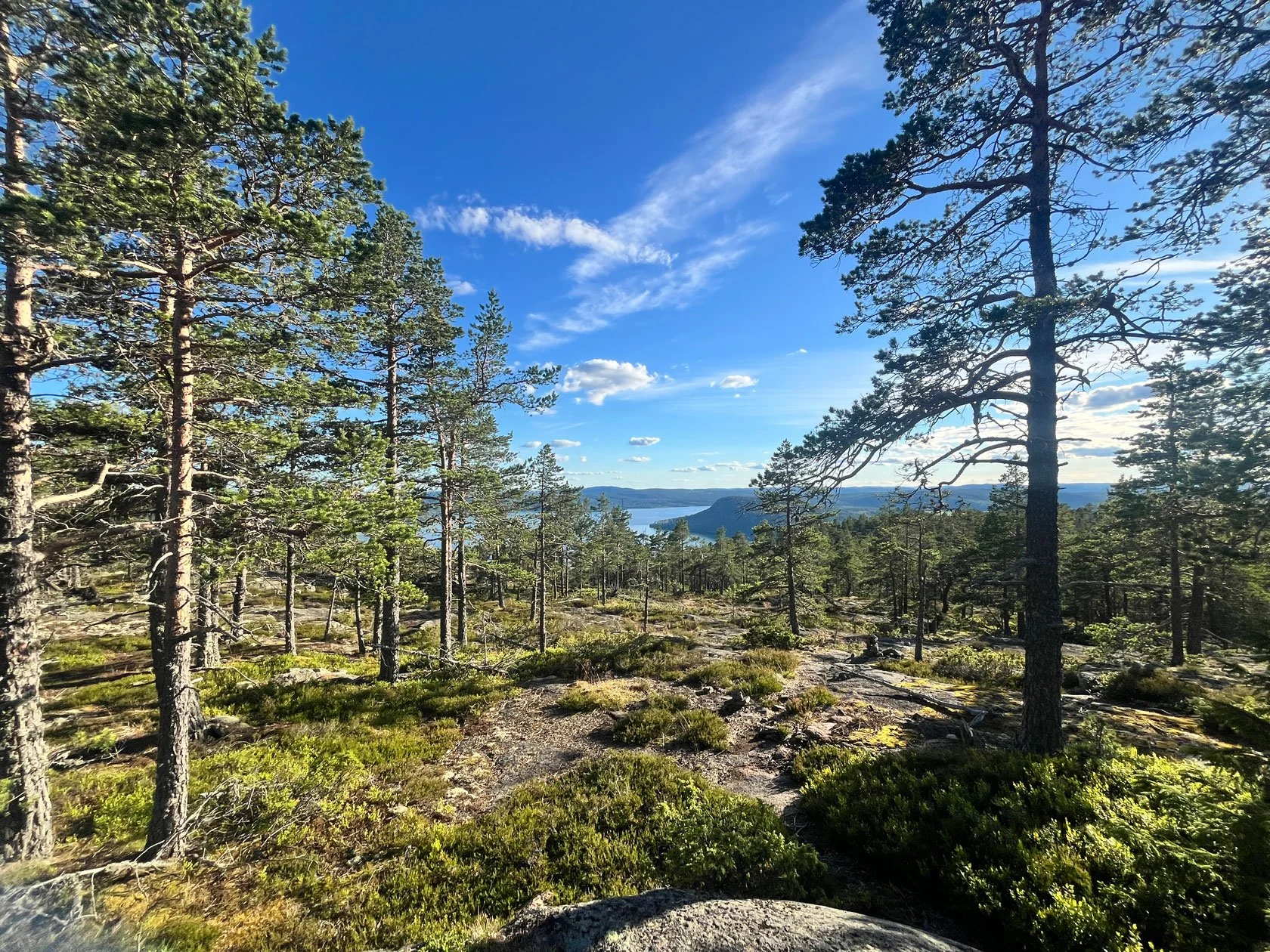
  • Skogspaus Experience (guided hammock forest immersion)

    A 3-hour guided forest immersion for groups that want something quieter and deeper — outdoors, but not performance.
 

Local classics & seasonal events (when you want something different)
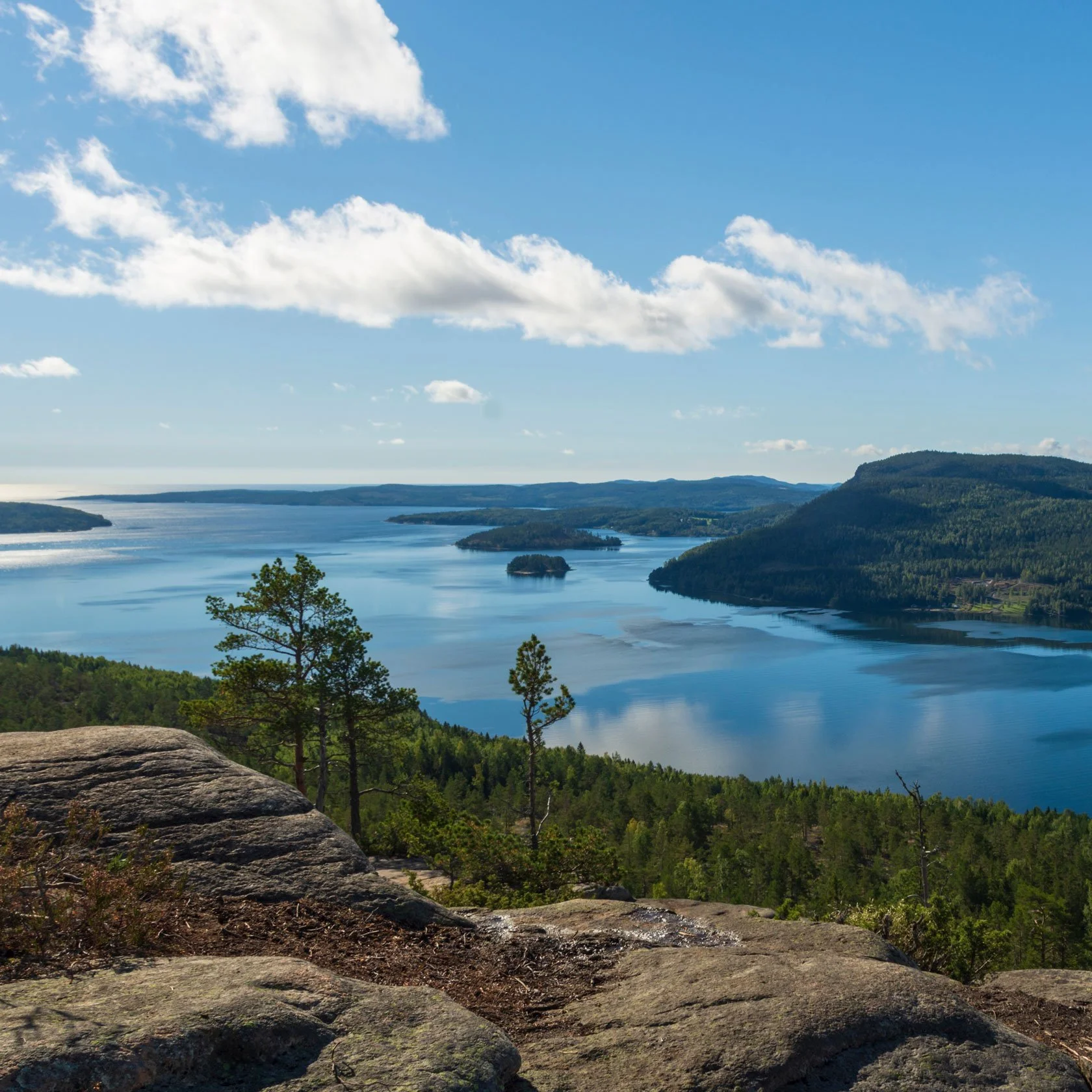
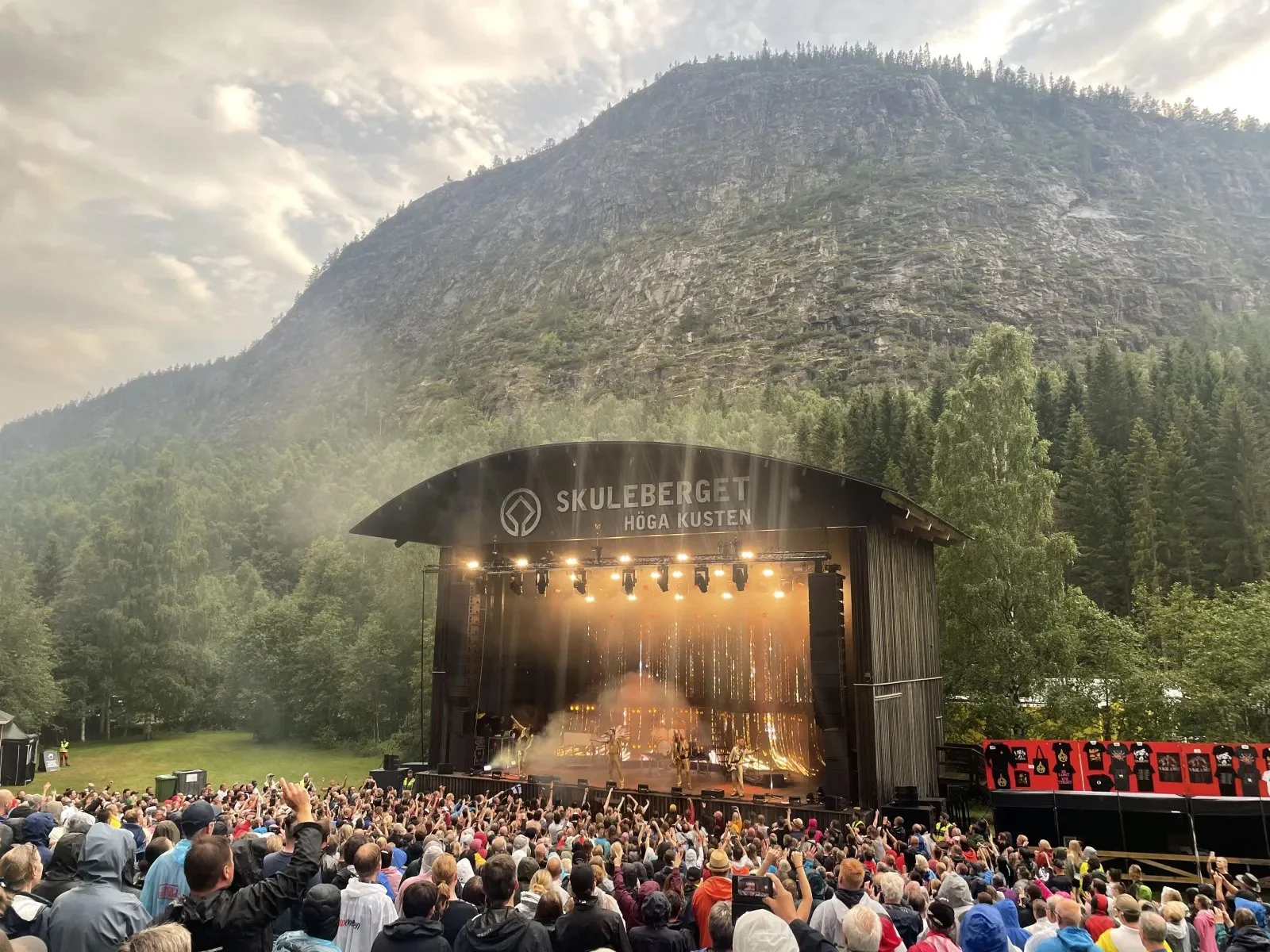
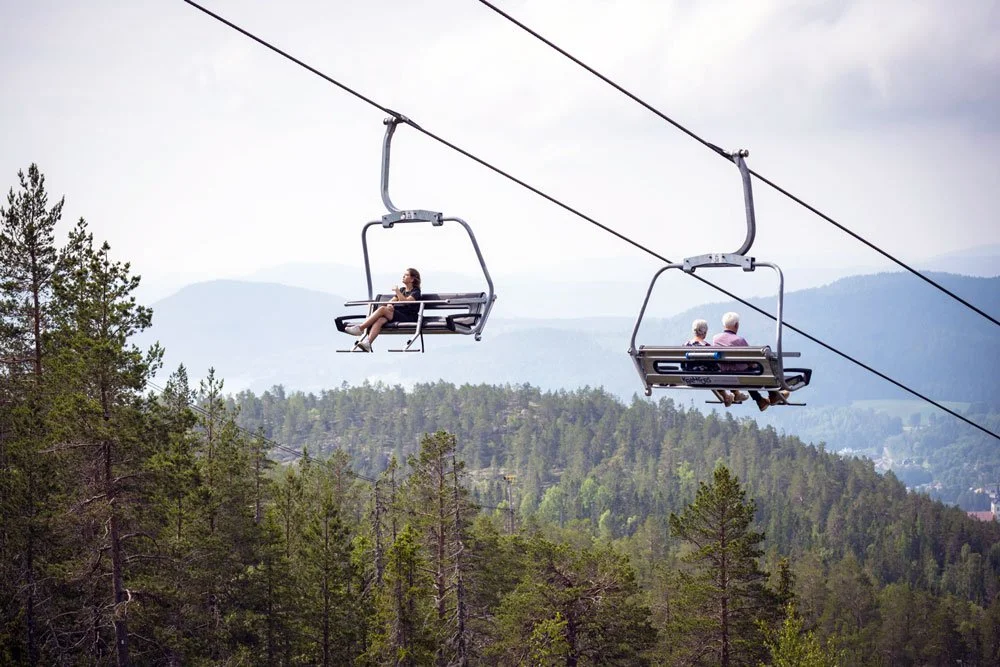
Via Ferrata, Linbana / cable car, Naturum Höga Kusten Museum, Nature concerts at Skuleberget, Friluftsbyn events & gatherings… Sometimes the best shared memory isn’t a hike. It’s a concert night, a museum stop, or a seasonal event that gives the trip a different texture.
 

Tell us your crew mix — we’ll help you choose fast

If you’d like a quick, crew-proof suggestion, send us a short message with: your group size (and ages if kids), how many nights you have, and what you want most (view / activity / calm / mix). We’ll reply with a simple plan and the best links to start with. → WhatsApp us

See you on the pier!

Tom (Docksta Havet Base Camp)
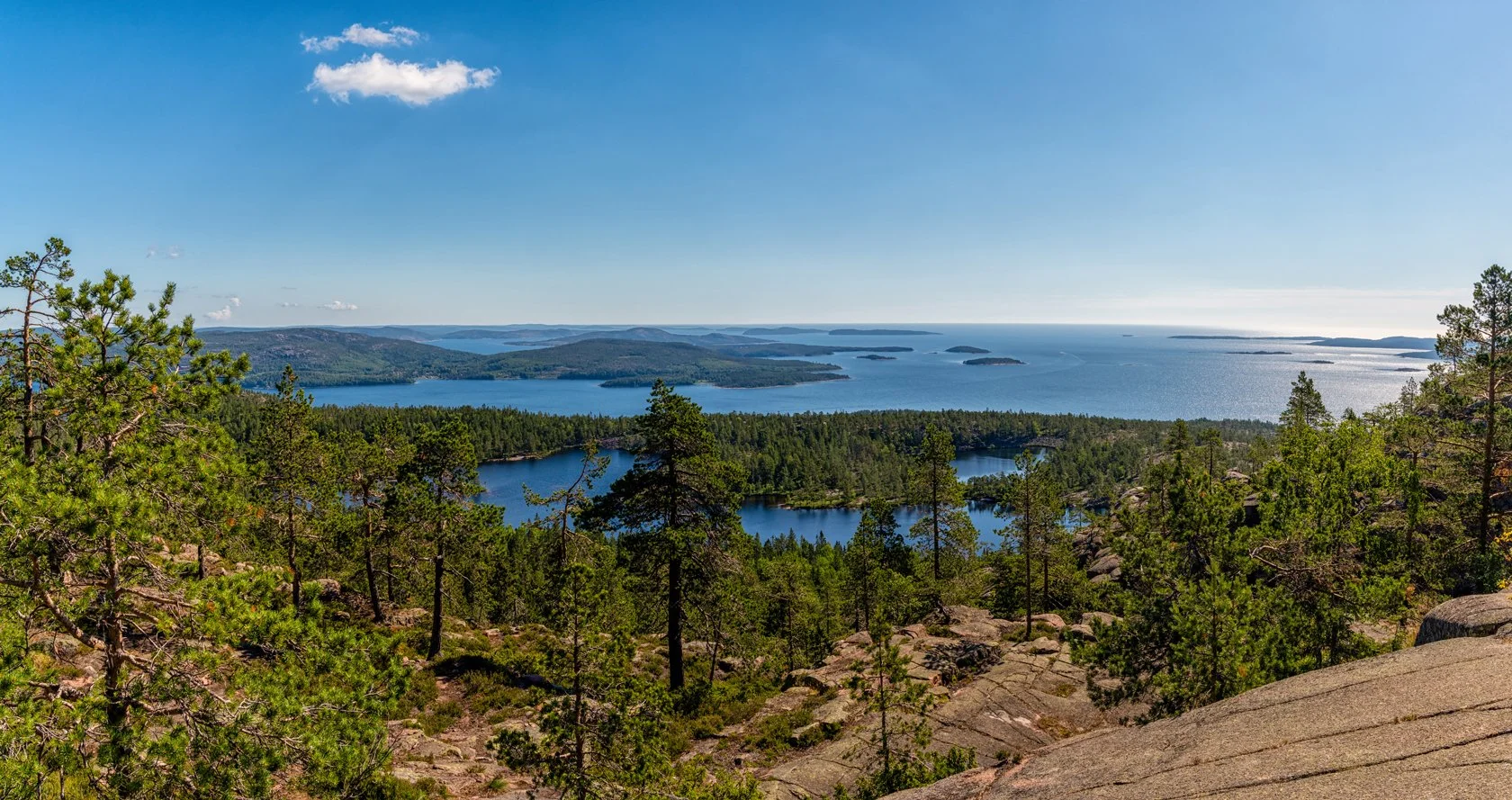
Höga Kusten in 3 giorni: un Base Camp Rhythm “easy” (Docksta come base)

3 giorni in Höga Kusten: posti veri per chi non vuole solo trekking

Docksta al centro, tappe brevi, e un host presente: non un programma da spuntare, ma un ritmo da vivere (meteo e mood inclusi).

High Coast Base Camp Rhythm significa questo: 3 giorni “easy” spostandosi in auto, con tappe brevi e senza performance. Docksta come base, qualche icona (Skuleberget, Skuleskogen), una giornata isola (Ulvön/Trysunda) se il meteo lo permette, ed un modulo extra — Skogspaus — quando serve abbassare il volume.

La domanda era semplice:
“Possiamo scoprire la High Coast in tre giorni, senza fare gli escursionisti duri e puri, ma senza sentirci persi?”

Il gruppo era un classico “mix italiano”: due ragazze e i genitori. Tutti insieme, auto, voglia di vedere posti nuovi e poco scontati. E quella necessità tutta nostra di avere un “programma” — non per correre, ma per stare tranquilli.

Io, quando mi chiedono un consiglio, non preparo un itinerario. Suggerisco un ritmo.

Qui la Costa Alta (Höga Kusten, in svedese) non si visita come una città. Si attraversa come un paesaggio: a tappe, con spazio per meteo, luce, energia, appetito, umore. Se provi a “fare tutto”, ti scappa. Se invece scegli bene, in tre giorni non fai tutto… ma ti resta tutto.

E c’è un dettaglio pratico che per chi arriva dall’Italia conta tantissimo: molti arrivano da Stoccolma con auto a noleggio. Vogliono muoversi liberi, senza complicazioni. In quel caso Docksta è perfetta: sei centrale, vicino alle icone (Skuleberget, Skuleskogen), ma puoi anche aprire verso nord o verso sud senza sentirti mai fuori mano.

Questa è la logica Base Camp: arrivi, parcheggi l’auto, respiri. E da lì, ogni giorno, scegliamo la versione migliore.


Docksta come base (e come stays sull’acqua)

Dove dormire (Base Camp lodging): non “categoria”, ma configurazione

E qui entra una cosa pratica: l’alloggio non è solo “dove dormi”. È parte del ritmo.
Se vuoi 3–4 notti davvero “easy”, ti serve un posto che ti faccia atterrare: parcheggio semplice, acqua davanti, e qualcuno che c’è.

A Docksta Havet puoi dormire sull’acqua e costruire la tua base in tre modi:

  • Solo / coppia: Dock House o Boathouse — sull’acqua, zero frizione, e la costa continua anche quando “non stai facendo niente”.

  • Due coppie / amici / piccola famiglia: Guest House — cucina vera, spazio, e la libertà di non dover ottimizzare ogni sera.

  • Setup flessibile: due unità separate +, quando serve, una Crew Cabin essenziale come terza stanza di appoggio (quando disponibile).

Non è una questione di lusso. È una questione di frizione: meno logistica, più presenza. E in High Coast, questo cambia tutto.


Base Camp Rhythm: come lo disegno (senza programma rigido)

Quello che faccio con piccoli gruppi così è dividere il soggiorno in tre nuclei (tre direzioni possibili), non in tre giornate rigide.

  • Nucleo Nord: waterfront cittadino + costa vera (faro, villaggi di pesca).

  • Nucleo Cultura + costa: una tappa “strana” e nordica + villaggi e rocce sul mare.

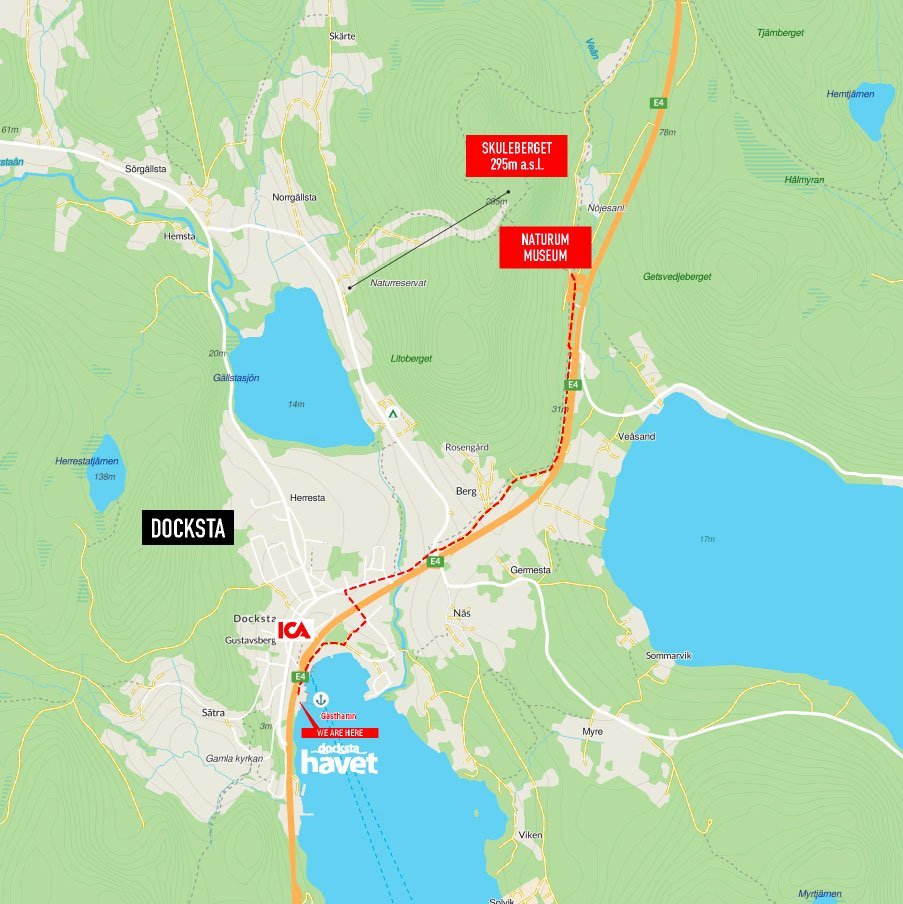
  • Nucleo Docksta-wow: logistica facile, resa altissima (Naturum + chairlift + panorama).

Poi tengo sempre pronti 1–2 jolly: Skuleskogen in versione easy, oppure una giornata isola (Ulvön/Trysunda) quando il meteo è perfetto, o il periodo della stagione permette di sfruttare i traghetti verso l’arcipelago.

Il valore non è “sapere tutto”. È la scelta assistita:

  • due domande giuste al mattino,

  • 2–3 opzioni chiare,

  • e la giornata si sistema da sola.

Non è concierge di lusso. È presenza: uno a uno, ascolto, e consigli pratici da qualcuno che vive qui e conosce cosa desidera chi la visita.


Giorno 1 (Nucleo Nord): Örnsköldsvik (Övik) + faro + fishing village

Questa è la giornata “città di mare + costa selvaggia”. Funziona perché dà varietà senza stress.

Mattina: Ö-vik in modalità easy. Passeggiata sul waterfront (porto, baia, aria di mare), poi — se vi incuriosisce — un salto alla zona Hägglunds Arena per respirare un po’ di Svezia vera (hockey culture).

Pranzo: opzione comoda in zona arena (es. ristorante Victory) o nei locali sul waterfront (ad esempio Saltmagazinet, ottimo ristorante e pizzeria italiana d.o.c.). Poi due passi in Storgatan: shopping leggero, caffè, ritmo urbano di una piccola cittadina nordica.

Pomeriggio: cambio scena. Si sale verso i trampolini di salto con gli sci di Hörnett (punto curioso e panoramico), poi si va verso la costa a Nord: Skagsudde con il suo faro, e chiusura tra Skeppsmalen e il piccolo fishing village.

È una giornata che funziona benissimo anche se non avete voglia di camminare tanto: si vive a tappe, con soste brevi ma memorabili.

Per farvi un’idea:
Övik / cosa vedere: https://www.tripadvisor.com/Attractions-g189821-Activities-Ornskoldsvik_Ornskoldsvik_Municipality_Vasternorrland_County_Midnight_Sun_Coast.html
Hägglunds Arena: https://maps.apple.com/place?place-id=I4F308D8B361EA017


Giorno 2 (Nucleo Cultura + costa): Mannaminne + Bönhamn & Rotsidan + Norrfällsviken

Questa è la giornata “High Coast inside”: prima una tappa culturale che spiazza (in senso buono), poi costa e villaggi.

Mattina: Mannaminne. Non è un museo classico: è un open-air museum pieno di oggetti, ambienti, invenzioni, storia e arte mescolate. Perfetto per gruppi misti: ognuno trova qualcosa che lo diverte.

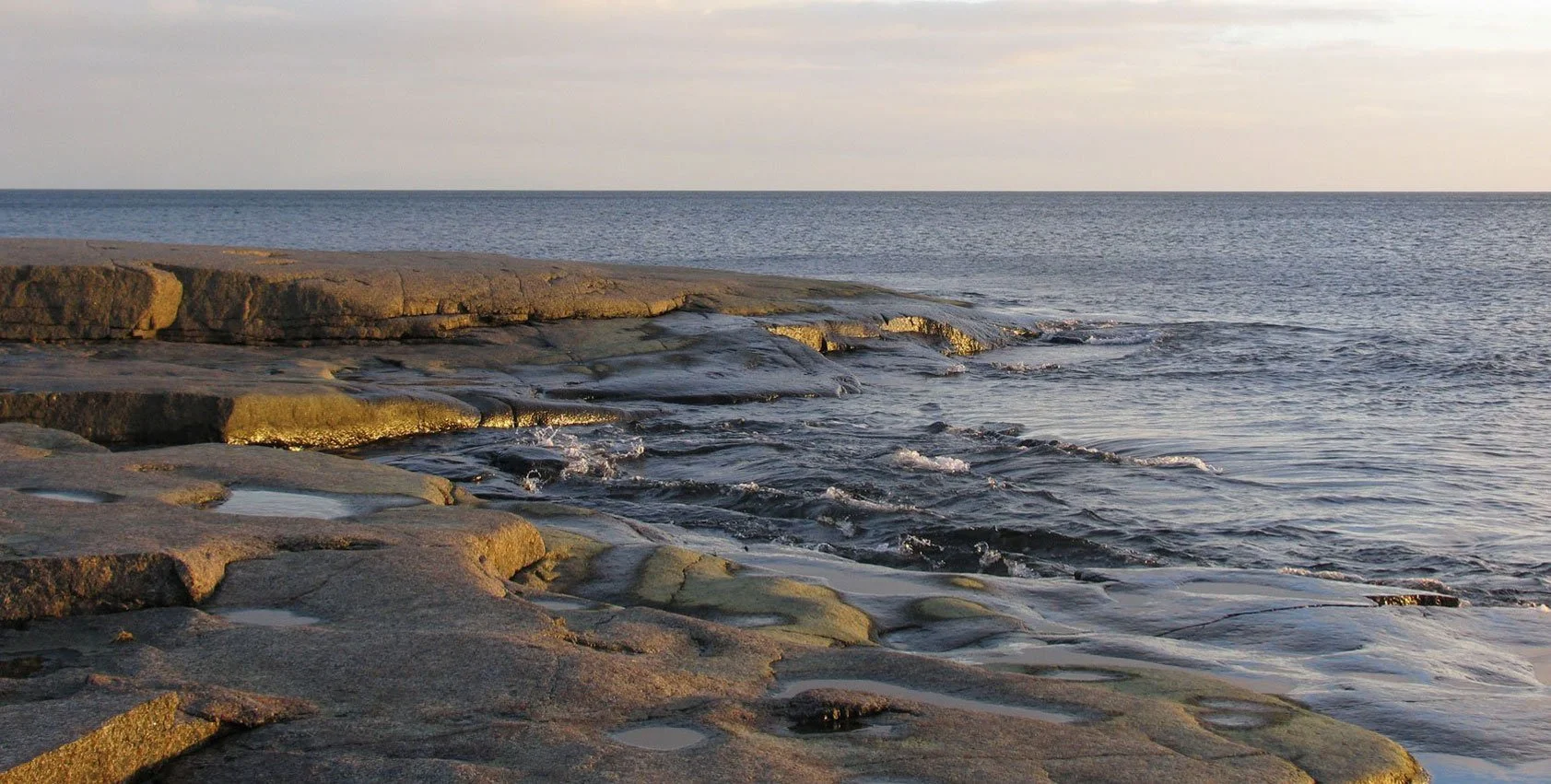
Pomeriggio: Bönhamn, villaggio di pescatori super fotogenico. Da lì, Rotsidan: non è trekking tecnico, è una passeggiata libera su una costa di rocce di granito levigate dal mare. Potete farne 20 minuti o 2 ore, senza obblighi.

Sera: Norrfällsviken. Scenario da cartolina nordica: spiaggia Storsand, casette da pesca, e se avete voglia di chiudere bene la giornata, una cena di pesce (es. Fiskfänget, quando è aperto).

Per farvi un’idea:
Mannaminne (sito ufficiale): https://www.mannaminne.se/en/
Rotsidan (info): https://www.hogakusten.com/en/rotsidan


Giorno 3 (Nucleo Docksta-wow): storia, Naturum e Skuleberget (chairlift + Kalottstigen)

Questa è la giornata “logistica facile, resa altissima”. Perfetta se volete un ritmo più morbido senza rinunciare al wow.

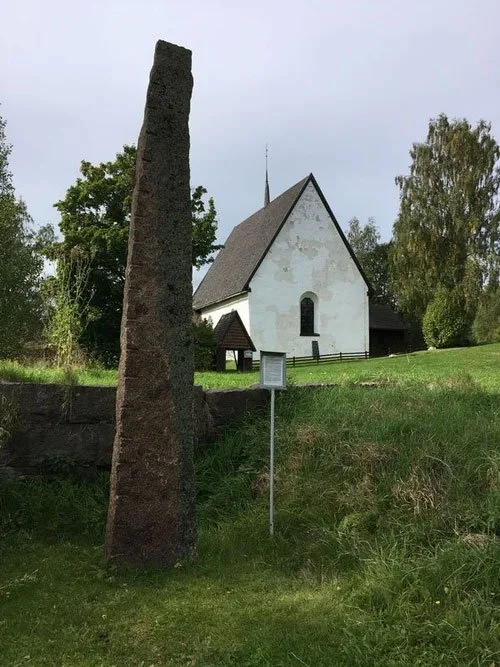
Mattina: partendo dall’antica chiesa medievale, una breve passeggiata lungo un segmento dell’Höga Kusten Leden fino a un punto panoramico speciale — giusto per respirare boschi e fiordo senza fare fatica.

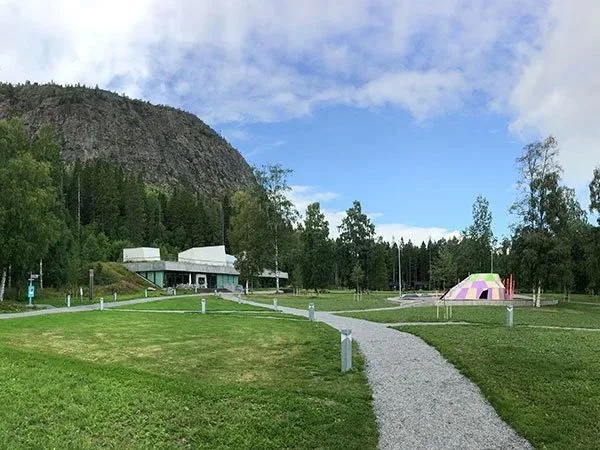
Mezzogiorno / primo pomeriggio: Naturum Höga Kusten: ideale per capire contesto UNESCO, natura e storia geologica della costa.

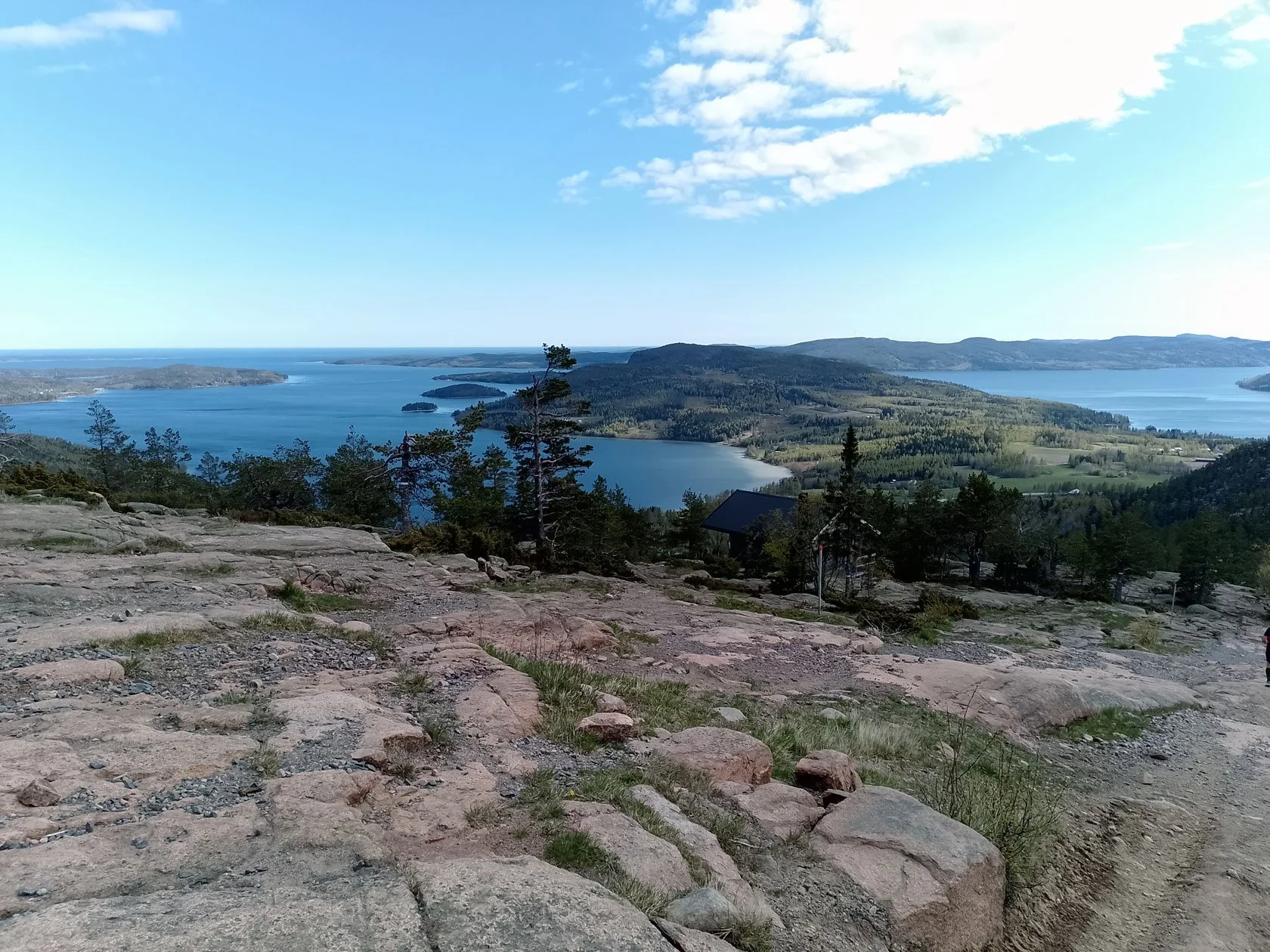
Pomeriggio: l’iconico Skuleberget. Se non siete camminatori hard, la chairlift (linbana) vi porta su (e giù) senza stress. In cima, Kalottstigen è breve, scenografico, e vi regala quella sensazione netta: “ok, siamo davvero nella High Coast”.

Per farvi un’idea:
Kalottstigen: https://www.hogakusten.com/en/kalottstigen
Chairlift (guida pratica): https://dockstahavet.se/outdoor-gear-rental-hoga-kusten/guides-stories/skuleberget-chairlift-linbana-easy-access-to-the-top


I jolly (quando meteo e mood lo chiedono)

Jolly A — Skuleskogen National Park in versione easy

Skuleskogen è uno di quei posti che “fa High Coast” anche con una camminata breve. Usalo come mezza giornata: costa, bosco, spiaggette, e stop quando avete già preso la parte migliore.

Per farvi un’idea:
https://www.sverigesnationalparker.se/en/parks/skuleskogen-national-park/
https://www.hogakusten.com/en/experiences/nature-outdoor/skuleskogen-national-park

Jolly B — Giornata isola: Ulvön o Trysunda (easy walk)

Per molti italiani questa diventa la giornata più memorabile: traghetto + villaggio + ritmo lento. Non si tratta di fare chilometri, ma di vivere una giornata nordica vera.

Per orientarvi su collegamenti e orari:
https://www.hogakusten.com/en/experiences/nature-outdoor/archipelago/ferry-ulvon


Modulo extra (non upsell): Skogspaus

A un certo punto, con gruppi così, arriva sempre un momento. Non è stanchezza fisica. È quel bisogno di abbassare il volume.

Quando succede, io propongo un modulo che non è un’attività “in più”: è un cambio di ritmo. Skogspaus.

Non è trekking. Non è performance. Non è “andiamo a fare una cosa estrema”. È una pausa guidata nel bosco, semplice e umana — fatta per chi vuole tornare a respirare bene, anche solo per tre ore.

La cosa bella è che Skogspaus non compete con il resto: lo completa. Dopo un giorno di costa e panorami, una pausa vera ti rimette al centro.


Il vero posizionamento (sussurrato)

Se dovessi riassumere Docksta Havet Base Camp in una frase, direi questa:

“Non vi consiglio quasi mai un itinerario: vi preparo piuttosto a vivere l’High Coast ad un ritmo giusto.”

Il mio lavoro d’estate è essere presente: ascoltare, fare poche domande giuste, e trasformare una mappa enorme in giornate leggibili.

La promessa non è “vi vendo un pacchetto”. È più semplice: vi ospitiamo, dandovi un punto d’appoggio

  • vi aiutiamo a scegliere bene ogni giorno,

  • in base a meteo e mood,

  • con una relazione uno a uno.


Conosci i tuoi host (Anna & Tom)

Noi siamo Anna e Tom. D’estate viviamo qui, sul molo, tra cime, espresso e meteo che cambia in fretta.
Docksta Havet per noi non è “una struttura”: è un Base Camp vero. Questo significa una cosa semplice: ci siamo. Ascoltiamo, facciamo poche domande giuste, e se possiamo ti aiutiamo, anche a scegliere il ritmo migliore per la giornata — senza stress e senza performance.


Mini guida in italiano (per orientarti in 10 minuti)

Se vuoi arrivare già “centrato”, ho scritto una mini guida in italiano su Höga Kusten: pratica, essenziale, con le cose che servono davvero per capire come muoversi (e cosa evitare).
Leggila qui: https://dockstahavet.se/it/vacanza-alla-scoperta-della-costa-alta-svedese

Scrivimi su WhatsApp (Base Camp Rhythm su misura)

Se stai pensando a un viaggio in High Coast — e vuoi vedere tanto senza correre — scrivimi su WhatsApp: +39 335 130 9207 oppure +46 76 3136909 se sei già in Svezia.

Dimmi solo: periodo e quante notti, mare vs panorami (o 50/50), e se arrivi in auto da sud o sei già in zona.

Ti rispondo con 2–3 opzioni chiare e un Base Camp Rhythm che funziona davvero.

Se preferisci guardare prima gli alloggi, li trovi su Airbnb (Docksta Havet Base Camp) — qui il mio profilo >


Come usare questa mappa per le tue escursioni

Clicca su un segnaposto 👉 apri la mappa dell’High Coast a schermo intero per pianificare più facilmente da dispositivo mobile.

Scegli il tuo stato d'animo: panorami, boschi, avventura, vita locale o un mix di tutto ciò, c'è un'escursione adatta a ogni tipo di giornata.

Scegli il tempo: 1 o 2 ore, mezza giornata o una giornata intera? Scegli ciò che fa per te ora, non ciò che dovresti vedere.

Ti serve una bici? Il nostro noleggio bici Outdoor Gear Rental / Grab&Go è aperto a tutti.

First Skogspaus Airbnb Experience: From New York to a Rocky Pine Forest in the High Coast

Recently we hosted our very first Skogspaus Airbnb Experience here at Docksta Havet Base Camp.

Laurie and Craig came from New York. They found Skogspaus through our website, then crossed over to Airbnb to book and reach out. That small detail matters to me: it means the idea travels well when it’s explained simply and honestly.

Not for a checklist. Not for a performance. Not for a “retreat package.”

They came for a pause.

This post is a milestone note, but it’s also a practical guide. If you’re planning a trip to Höga Kusten and you’re curious about Skogspaus, here’s what it is (and what it isn’t), how it fits into a hiking day, and how to know if it’s for you.


Meet your mentor

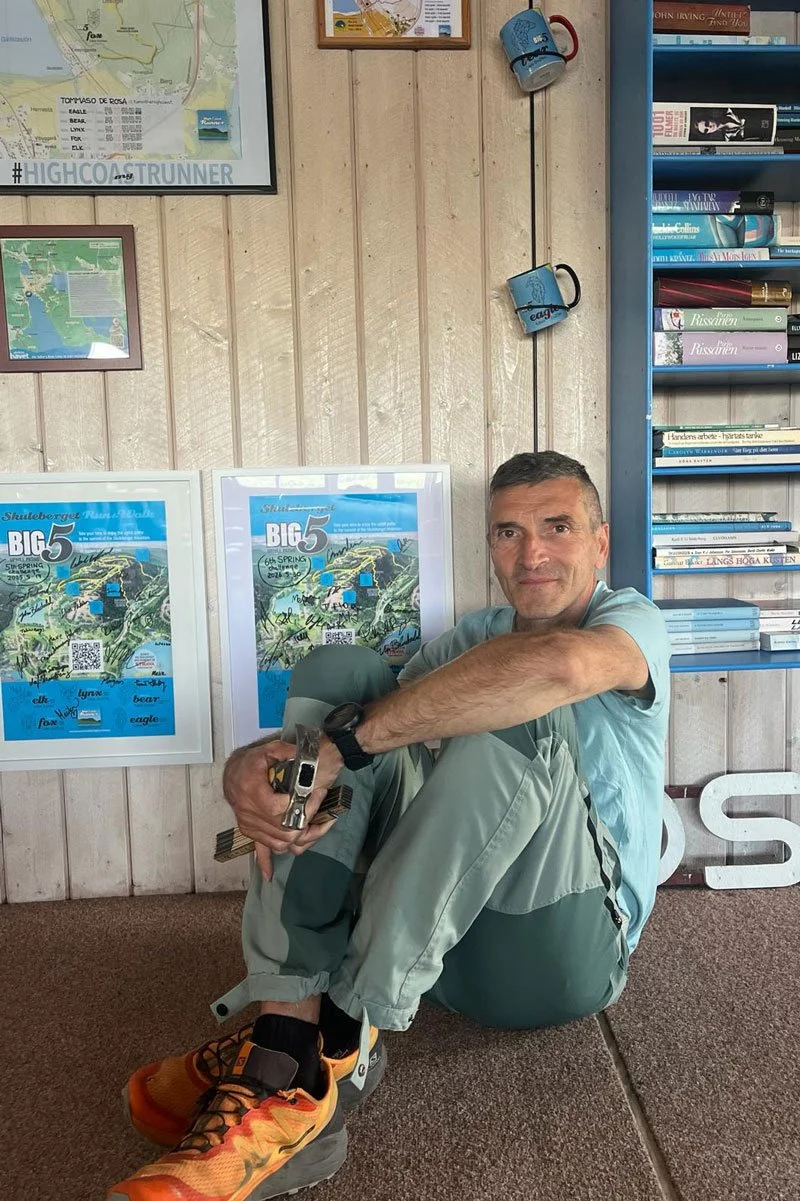
I’m Tommaso, your Skogspaus mentor and host at Docksta Havet Base Camp.

I’m not here to “teach nature” or run a retreat. I don’t add techniques. I protect the pace.

Think of me as your local base camp person: part marina host, part trail friend, part calm guide. My job is to make the High Coast feel simple and real, so you can travel lighter and let the place do what it already knows how to do.


Most of the photos in this post are published thanks to the kindness of Laurie and Craig. Photo credit: © Craig K. (New York).


What Skogspaus is (and what it is not)

Skogspaus is a guided forest pause with hammocks in a rocky pine forest near Docksta, in Sweden’s High Coast UNESCO World Heritage area.

It is:

  • A slow entry into the forest

  • A quiet hammock pause (the heart of the experience)

  • A gentle return walk back to everyday pace

It is not:

  • A hike

  • A workout

  • A “retreat package” with a checklist

  • Therapy

  • A nature lecture

The simplest frame is this: we enter the forest as guests. We travel lighter, we lower our voice, and we let the place set the pace.


Why we built this at Docksta Havet Base Camp

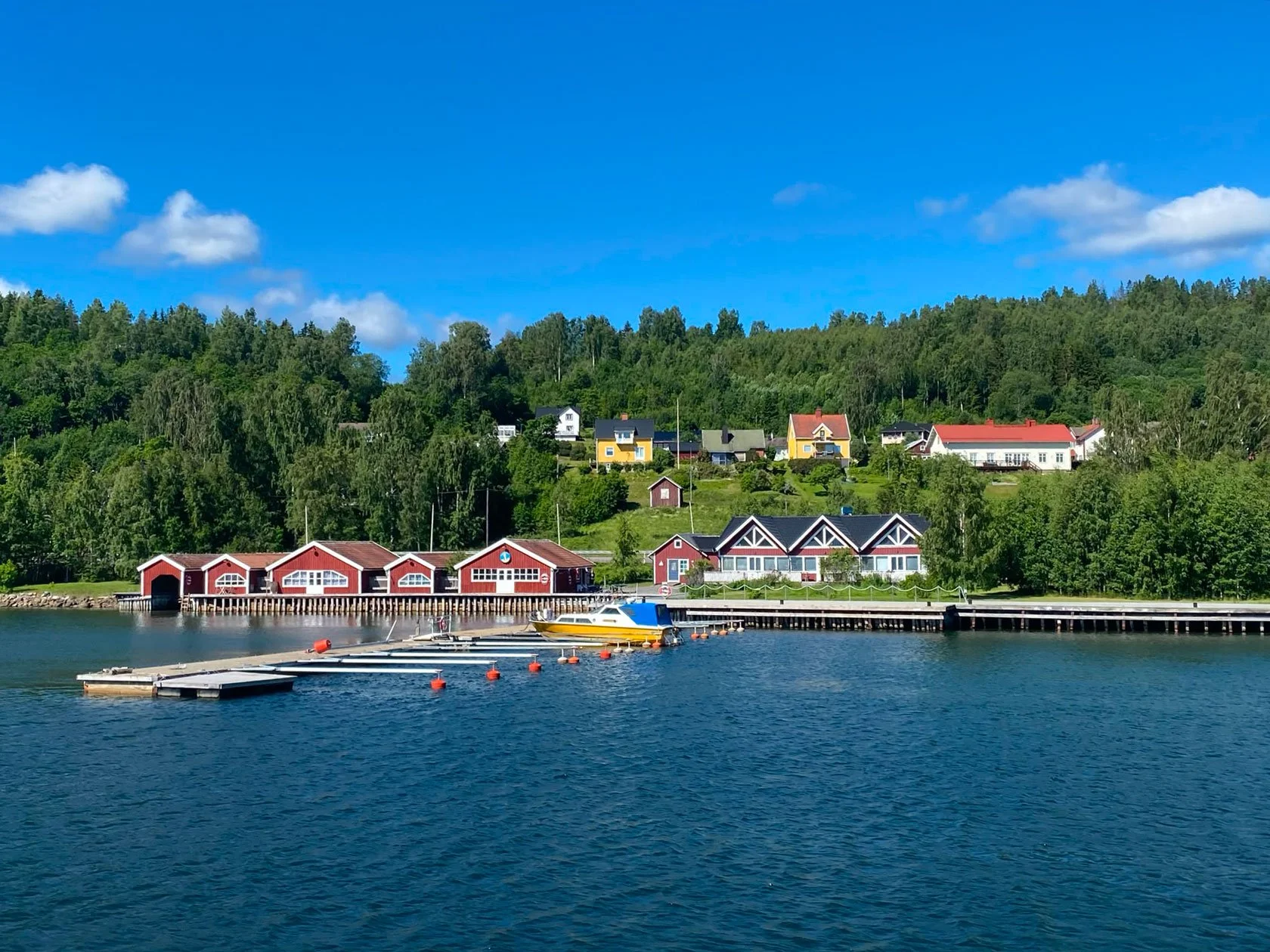
Docksta Havet is a marina (gästhamn) and a small collection of seaside accommodations. But we’ve always seen it as a base camp: a place that helps you discover Höga Kusten with less friction—and more depth.

Some guests arrive by boat, some by car, some with backpacks and big plans. Many arrive full: excited, switched on, already moving fast.

Skogspaus exists for that moment when you don’t need another activity. You need a real pause. A break that changes your pace—so you can arrive as a guest, not as a schedule.


How the idea travels (and why this matters to us)

Skogspaus is a small, specific idea. It’s not “another activity in the High Coast” — it’s a way in.

People discover it online, feel that it’s honest, and then something interesting happens: the idea becomes a real trip.

A page turns into a plan. A plan turns into a flight.

And then, here in Docksta, the High Coast does what it does best: the rocky pine forest whispers the rest — more effectively than any words I could write.

Yesterday, for the first time, that loop became real in the simplest possible way.


From New York to a Rocky Pine Forest (a milestone)

A note from yesterday (our first session)

The forest did its part.

There was that evening light in the needles, the quiet that doesn’t feel empty, and the kind of pace that makes your shoulders drop without you noticing.

Laurie and Craig were wonderful Forest Guests: curious, respectful, and willing to slow down. I’m genuinely grateful they were the first.

And at some point in the hammock pause, you could feel it: the travel was over. The forest had taken over.


What guests actually take home (the simplest insight)

One of the most beautiful things our first guests brought home was this: a sense that beauty is abundant.

Not only in big views. Not only in something new.

Abundant in a small patch of forest, if you pause and open your eyes.

A few days after the experience, Laurie wrote me this (shared with permission):

“Something I have been feeling repeatedly from the pause is the sense that there is abundant beauty everywhere, and all I need to do is pause and open my eyes, becoming attentive to the wonder around me.

As I sat looking at the patch of forest, I recognized how easy it is to grow desensitized to beauty when we are constantly primed to look at something new — via the internet or a stream of media. Something slow and still, like the forest, can seem so simple.

In reality, however, there are so many ways I found to reconnect with a sense of stimulation. When I got attuned to colors, I could shift my attention to textures and find new delight. When I became attuned to texture, I started to focus on light and shadows. Then I looked for motion or stillness, then I looked for patterns. On and on this went, leaving me with such a sense of abundance.”

— Laurie (New York)

In the hammock pause, attention can become a gentle ladder:

  • Colors

  • Textures

  • Light and shadows

  • Motion and stillness

  • Patterns

And then, without forcing anything, a feeling of richness appears.

Not because the forest changed, but because the gaze softened and became attentive again.

“I learned much about myself and my perceptions. This was a revelatory experience.”

— Laurie (New York)

That’s the part I want to protect as Skogspaus grows: not more “content”, but a true place, a simple container, and the courage to pause.


The same invitation, every time

What Laurie brought home is precious - and it’s also just one way the forest can meet a guest.

Skogspaus isn’t built around repeating a “successful session.” The forest changes with light, wind, season, and mood - and people arrive with different stories, different tiredness, different questions. There isn’t a right or wrong way to do it. There is only the same simple invitation: enter as a guest, slow down, and listen for what the place is already whispering.

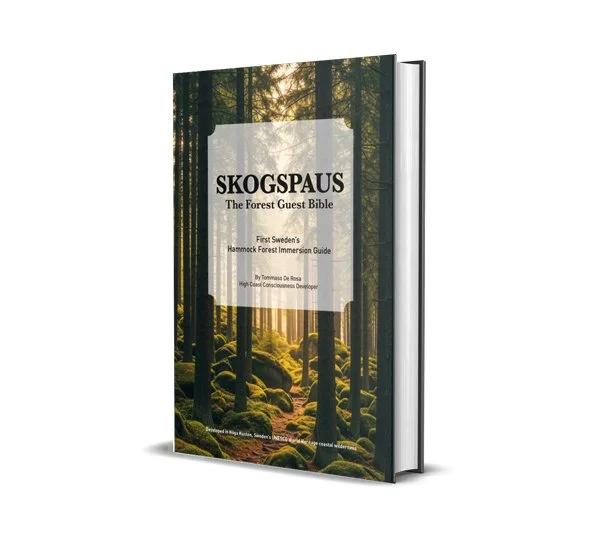
If you’re curious about the deeper ideas behind this - and how to carry the pause with you beyond Docksta - the Skogspaus book is the quiet continuation.


How Skogspaus fits into a hiking day (practical planning)

Most people come to Docksta to hike Skuleberget, explore Skuleskogen National Park, or do a mix of sailing, biking and walking.

Skogspaus works best when it’s planned as the “soft landing” after your adventure.

Recommended rhythm (example day)

  • Morning: coffee at the marina (optional: bike rental)

  • Midday: hike at your own pace

  • Afternoon: return, hydrate, add a warm layer

  • Skogspaus: start around 15:30 (latest 16:00)

  • Evening: slow dinner, quiet sleep


If you plan Skuleskogen National Park

Skuleskogen can easily become a longer, more demanding day than you expect.

If your goal is to keep Skogspaus comfortable and unhurried, I usually recommend:

  • Driving to the South entrance (instead of biking all the way from Docksta)

  • Choosing a shorter loop

  • Keeping a relaxed time margin for the return

Skogspaus works best when there’s still some softness left in your day.


A simpler “Skogspaus day” (3 ready-made options)

Skuleskogen is wonderful — but it can be a bigger day than you expect.

If you want Skogspaus to stay comfortable and unhurried, here are a few rhythms that pair beautifully with a forest pause (and still feel very “High Coast”):

Option 1 — Skuleberget, but light (big views, low friction)

Skuleberget doesn’t have to be a full expedition.

Park the car and choose your style: the lift, a shorter hike, or a simple bike approach. You still get the iconic panorama — without arriving to Skogspaus in “survival mode”.

Grab&Go plan: Skuleberget by bike: 3 easy options from Docksta

Option 2 — Via Ferrata at Skuleberget (the active dream + the quiet downshift)

If you’ve been craving something more intense, the Via Ferrata is a clean, focused effort — and it creates a beautiful contrast with Skogspaus later.

Big energy, then a deep downshift: from rock and adrenaline to hammock and silence.

Grab&Go plan: Via Ferrata at Skuleberget: a day plan from Docksta

Option 3 — Seaside reset at the marina (especially if you’re staying on the water)

A slow marina day can be the perfect setup: coffee, a swim, a nap, a little reading.

Then we meet in the afternoon and let the forest hold the second half of your day.

Docksta rhythm (water + long light): Midsommar in the High Coast: the “third time” of the day

If you tell me your dates and your style — quiet, classic, or active — I’ll suggest the simplest rhythm and the best start time so everything fits naturally.


What to bring (simple)

  • Water

  • Good-grip shoes

  • A wind layer (the forest can feel cooler)

  • Long pants and socks (comfort against mosquitoes/ticks)


What happens (in simple steps)

We meet, we enter the forest slowly, we settle into the hammocks, we stay quiet for a long pause, and we walk back gently.

The goal isn’t distance, it’s a real downshift.


Who Skogspaus is for (and who it isn’t)

Skogspaus is for you if:

  • You like nature but you don’t want performance

  • You want a calm, held way to reconnect

  • You’re curious about the High Coast, but you prefer depth over speed

  • You’re open to quiet (no pressure to talk)

Skogspaus is not for you if:

  • You want a high-energy group activity

  • You want a long hike with a destination goal

  • You want a “retreat program” full of exercises

  • You want to be taught plant names, mushrooms, or wildlife facts


The hammock is the point (why it works)

A hammock changes the rules.

When you lie down, you can’t keep “doing” in the same way. The body receives. The mind follows.

That’s why the experience is designed around a long, quiet hammock pause.

The walk-in is slow, the return is gentle, but the heart is simply being held by the forest.


If you’re coming to Höga Kusten: a gentle invitation

I’m Tommaso, host at Docksta Havet Base Camp — a small guest harbour and simple waterfront lodgings in the heart of Sweden’s UNESCO High Coast. I spend my seasons between sea and forest, helping guests find the kind of outdoor days that feel real (not rushed).

If you’re planning a High Coast trip and you want a quiet, held way to reconnect, Skogspaus is now live on Airbnb Experiences.

If you’re staying with us at Docksta Havet Base Camp, we can also help you plan your hiking day so Skogspaus fits naturally into it, just tell me your dates and your style (quiet, classic, or active).

🌲Go deeper: The Skogspaus book

If you can’t come to Docksta, the book is the closest way to bring the pause home — rooted in a rocky pine forest.


Getsvedjeberget & Predikstolen: the Höga Kusten Leden's new “over-the-top” segment

A beautiful upgrade to Höga Kustenleden — and what changes when you hike loaded near Skuleberget / Skuleskogen

Hiking Höga Kustenleden loaded? A smart stopover near Skuleberget

A practical note for hikers carrying 10–15 kg: traction, daylight, and wet rock matter more than distance. Plus practical tips + a calm Docksta base to hike lighter.

See the Naturkartan map: https://www.naturkartan.se/sv/hogakustenleden

Since 2025, the Getsvedjeberget “up-and-down” segment — including the Predikstolen viewpoint — is officially part of the Höga Kustenleden. This year it’s no longer “new”: it’s consolidated.

And honestly, it’s a beautiful upgrade. The line is scenic, the fjord views are wide and dramatic, and the forest path on the northern face of the mountain is breathtaking.

For day hikers with a light pack—and for trail runners (it’s a popular Strava segment and part of the Höga Kusten Trail race routes)—this variation often feels like a premium version of the older classic connection between Entré Syd and the east side of Skuleberget.

But if you’re hiking with a loaded trekking backpack (often 10–15 kg), one short section can feel very different than it looks on the map.

There’s just one practical detail worth saying out loud, especially if you’re walking to or from Skuleskogen National Park with a trekking backpack (often 10–15 kg). The short section between the Getsvedjeberget summit and Sveasand (the camping area) is steep and technical, and with a loaded pack it can feel surprisingly demanding—particularly if you mentally label it as a “transfer stretch” rather than a short, real mountain segment.


Conditions that change the experience (wet rock + darkness)

Nothing dramatic—just something to plan for. In wet weather the rocks and stones can be slippery, and in early/late season the combination of darkness + fatigue + a heavy pack changes the experience.

The key planning point: not more km, more time

On a dry day with a light pack it can feel quick; with a loaded pack (and wet rock), the same stretch often becomes a slow, careful 20–40 minutes of footwork.

And here’s the point worth keeping in mind: on the map, this variation doesn’t add much distance. In real life, it often adds time — steep rock, careful footwork, and more micro-stops when you’re carrying 10–15 kg. Same map distance, different pace. If you account for it, it becomes pure quality.


A quick decision rule (so you choose well today)

  • Choose the Getsvedjeberget / Predikstolen line if you have daylight, decent traction, and you’re happy with a short technical section for big views.

  • Be cautious with a loaded pack (10–15 kg) in wet weather or low light: it’s not dangerous, but it’s slower and more demanding than it looks on the map.

  • If you’re tired, it’s late, or the rock is wet: plan a time buffer, not a distance buffer.

If you’re passing through Docksta, we can help you choose the best variation for today—based on weather, daylight, and how heavy your pack is.


Skuleberget summit climbs (also added in 2025)

On top of that, the 2025 route also added the climbs up to the top of Skuleberget (before, the trail used to skirt the mountain).

If you’re here in summer, reaching the summit in the never-ending daylight should absolutely be high on your list. But it also adds meaningful elevation gain on technical terrain—and that can be a big surprise if you’re travelling loaded, especially after a long approach from the National Park, or if you’re starting in Docksta and moving north.

If you want to understand these two “new” climbs in a simple way, I’ve described them in my classic guide to the BIG5 Skuleberget trails—including Lynx and Fox, the two steep, rocky segments that are now part of the Höga Kustenleden. With a light pack they feel playful. With a loaded backpack, they’re still beautiful—just slower, and more demanding:

Paths of the Skuleberget (BIG5)

It’s a delicate point because it’s easy to underestimate when you read the map. Last summer, a number of hikers (and bikepackers too) discovered it the hard way. After talking with many of them here at the base camp, the pattern was always the same: the route is stunning—but it’s not “easy mileage” when you’re carrying your life on your back.

(If you like checking an official description of the Predikstolen / Getsvedjeberget climb, the Höga Kusten tourism site has a good short overview too.)


Hiker stopover in Docksta (sleep well, hike lighter)

If you’re walking Höga Kustenleden with a loaded backpack (often 10–15 kg), Docksta can be a perfect 2-night reset near Skuleberget / Skuleskogen.

Not a “detour”. A smart pause: a real bed, a warm shower, and a calm base by the water — so you can enjoy the steep, rocky segments with a lighter setup.

Why it helps (especially in wet weather):

  • You can leave the heavy pack and go out with a light daypack for Skuleberget / Getsvedjeberget

  • You get a comfort buffer if the weather turns (wet rock + fatigue is the real combo)

  • You turn a “transfer stretch” into a quality day (views + footwork, not stress)

simple stay options for hikers


If you stop in Docksta: 4 low-friction day ideas (with a lighter pack)


Want a quick “today decision” for your direction?

If you tell us your direction, today’s timing, and how heavy your pack is, we’ll suggest the best variation for today (weather + daylight + traction).
Quick question? WhatsApp at +46.763136909

Tommaso De Rosa

See my host profile and message me on Airbnb

After hours on the trail, a good stopover isn’t “doing more” — it’s recovering well. If you’re walking the Höga Kustenleden and want a calm base near Docksta, I’ll help you shape a simple next step: Skuleberget, Skuleskogen, a swim, a quiet evening, and a realistic plan for tomorrow.

CONTACT ME by email or WhatsApp at +46.763136909 with your dates and your pace — I’ll keep it simple and real.


Midsommar in the High Coast: the Midnight Light That Surprises Even Swedes

“Midsommar in the High Coast: the day has a third time”

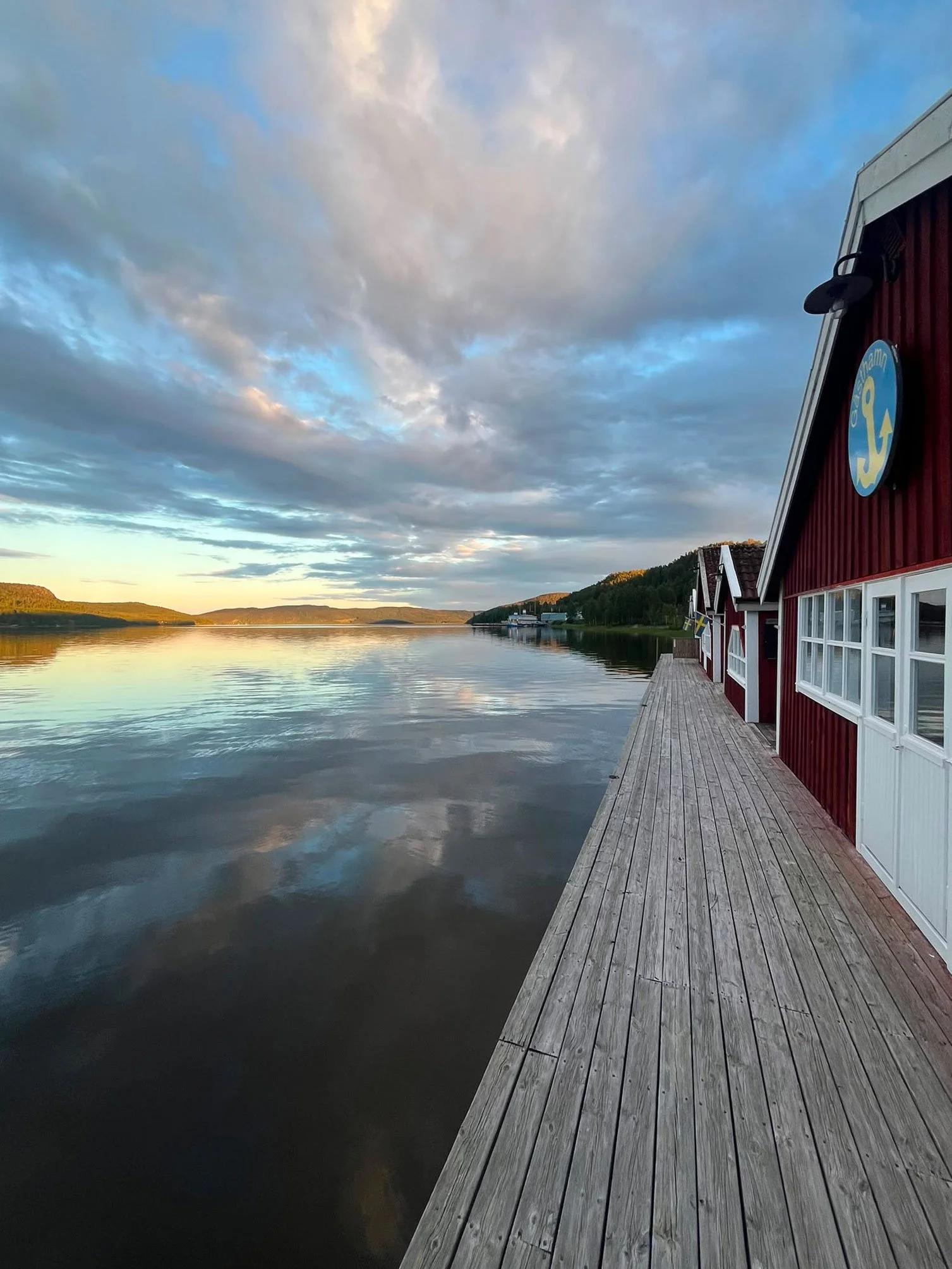
And from the piers, it’s magic.

Slow mornings by the sea, then evening hikes in light that refuses to leave. A simple 3-night plan for Skuleberget evenings, a Skuleskogen day hike, and a low-friction Day 3.

Not the Arctic — but still that midnight light feeling. In late June, Höga Kusten has its own kind of Nordic magic.

☀️

It was close to midnight when I noticed it again.

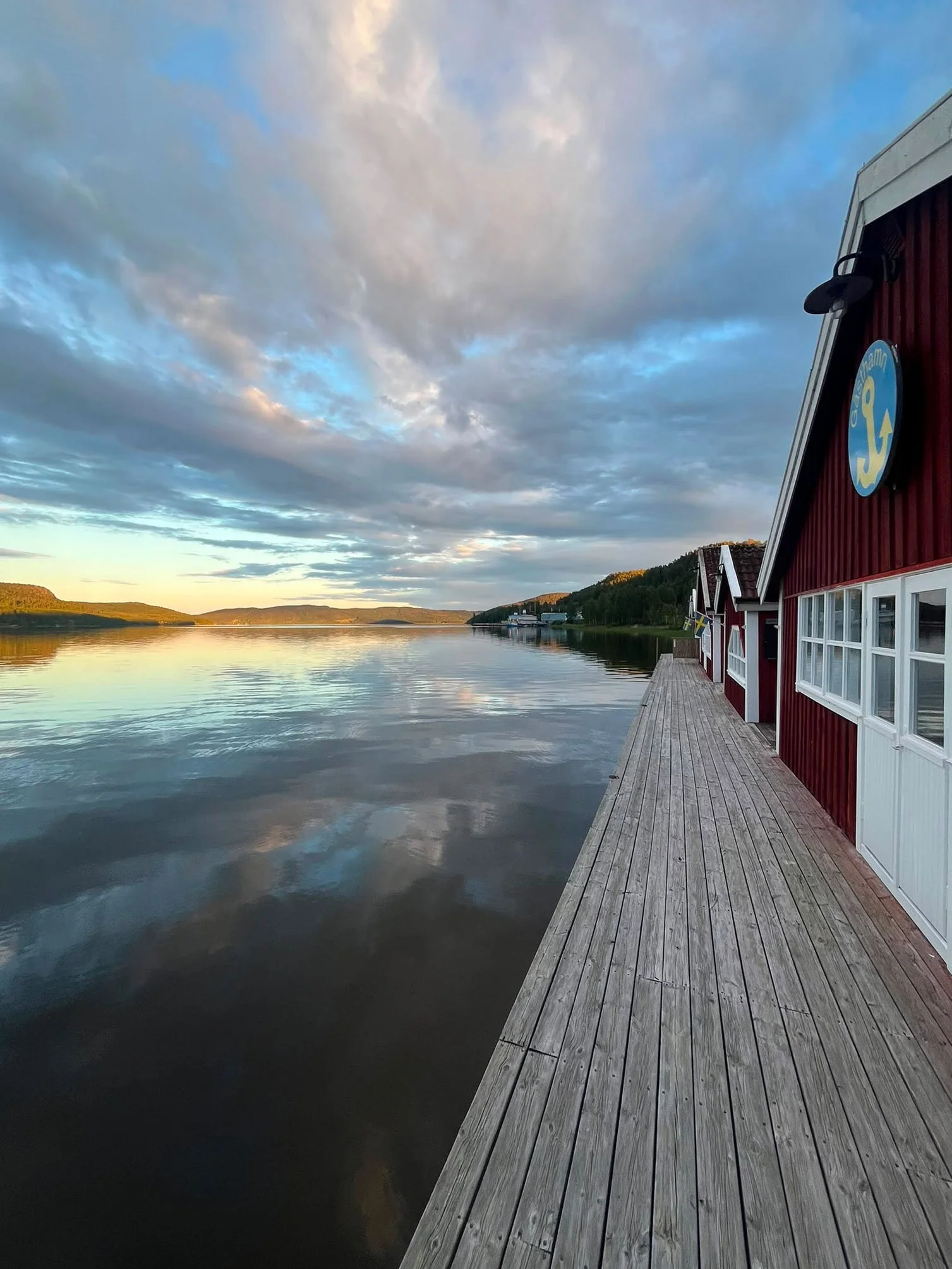
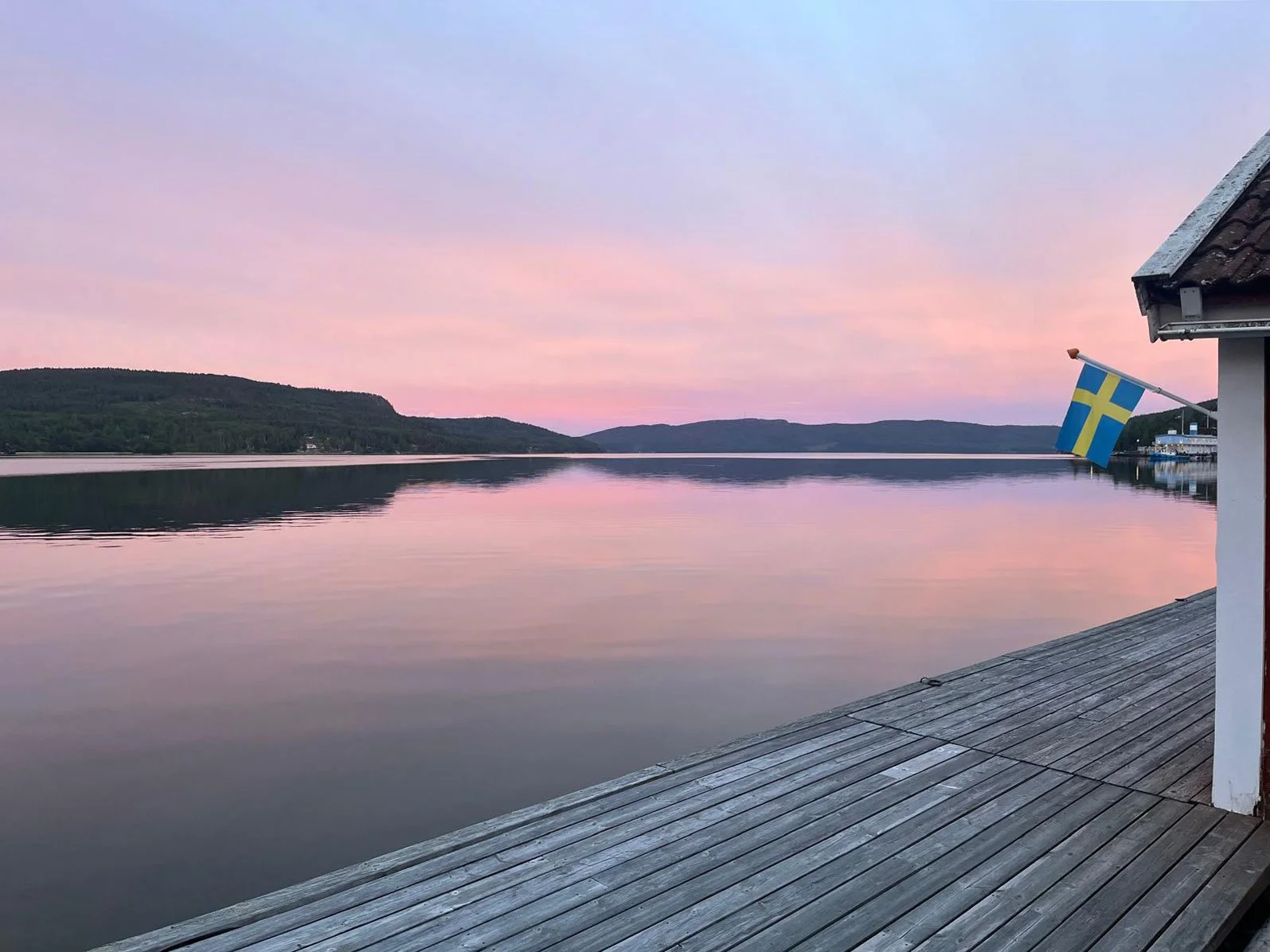
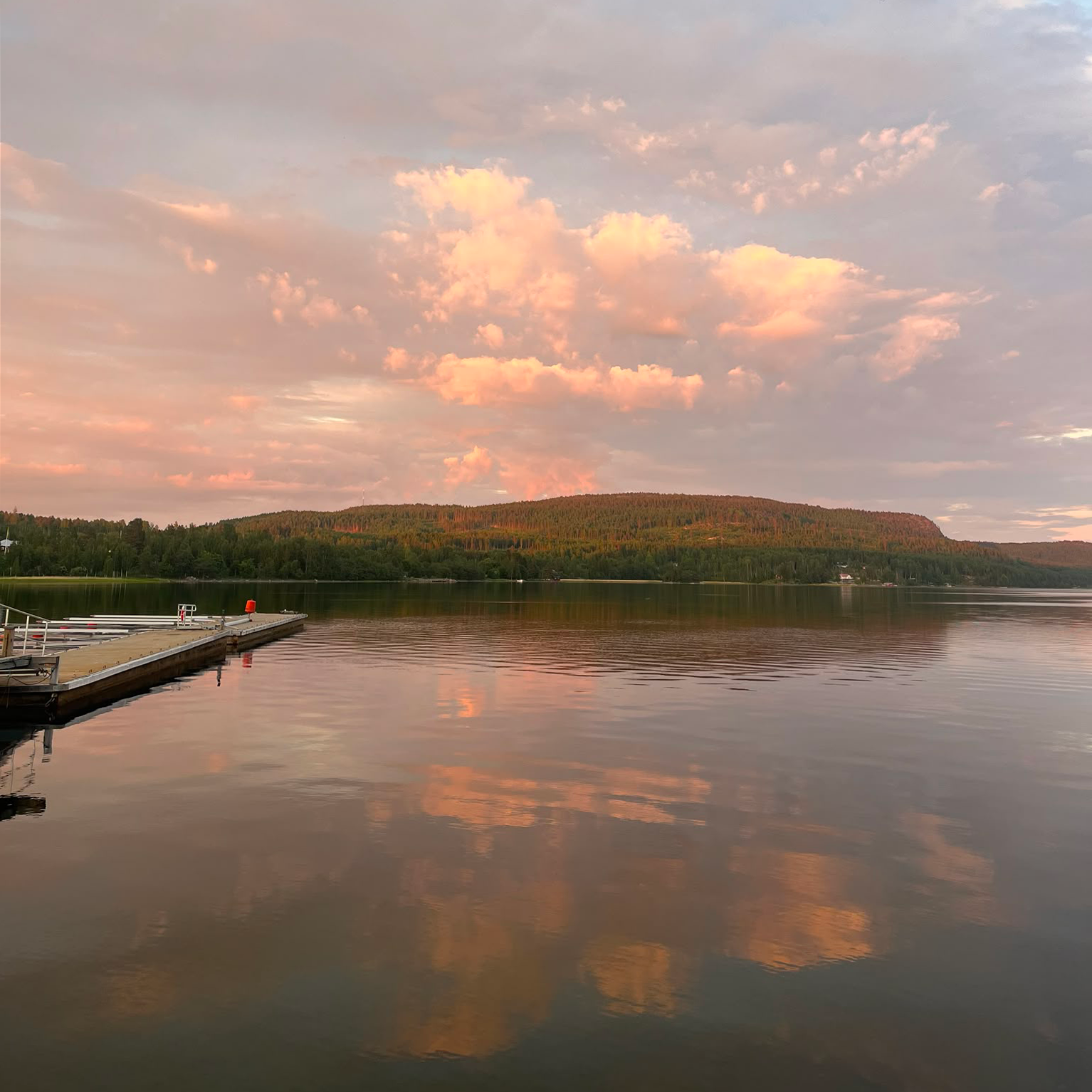
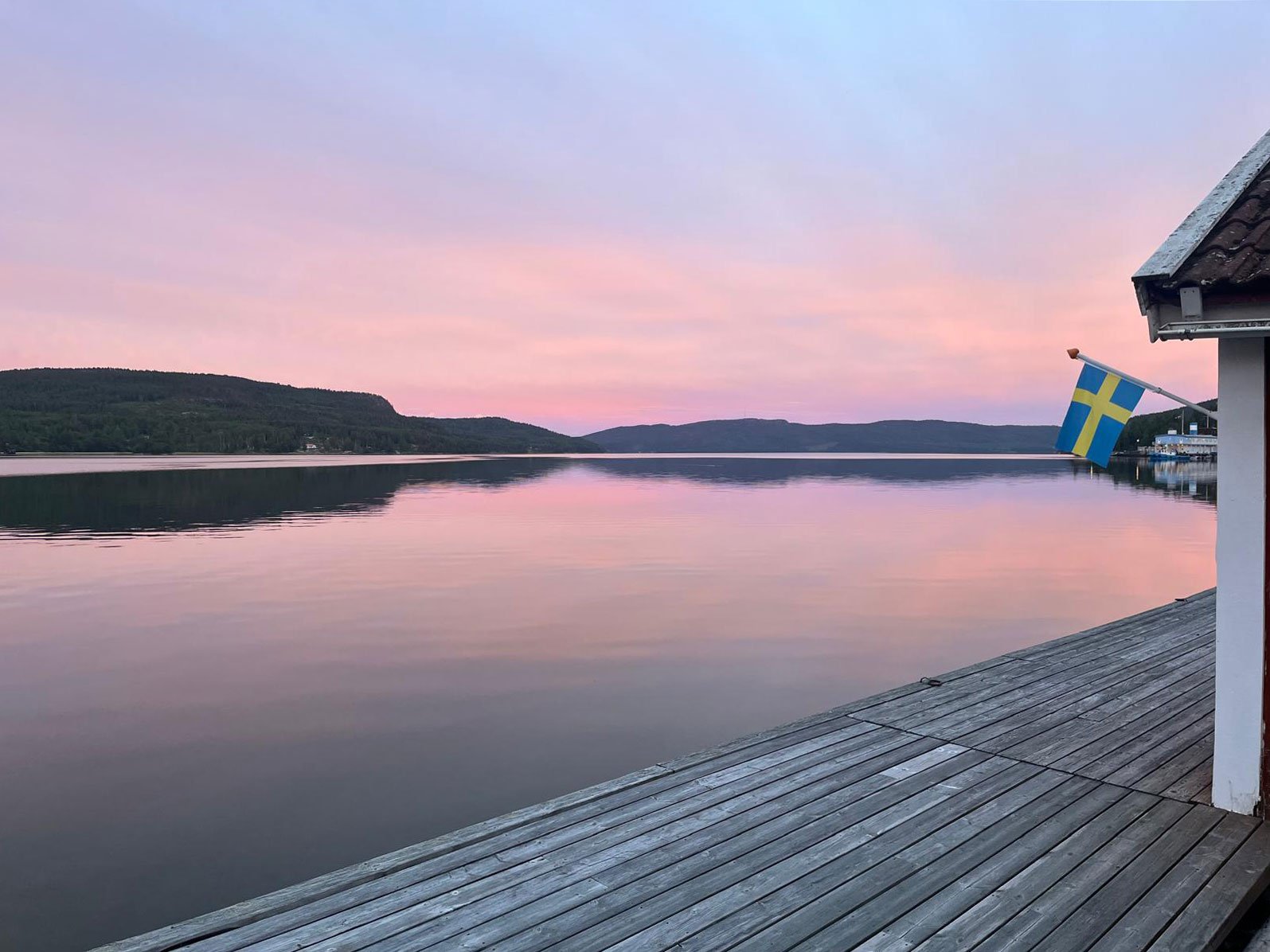
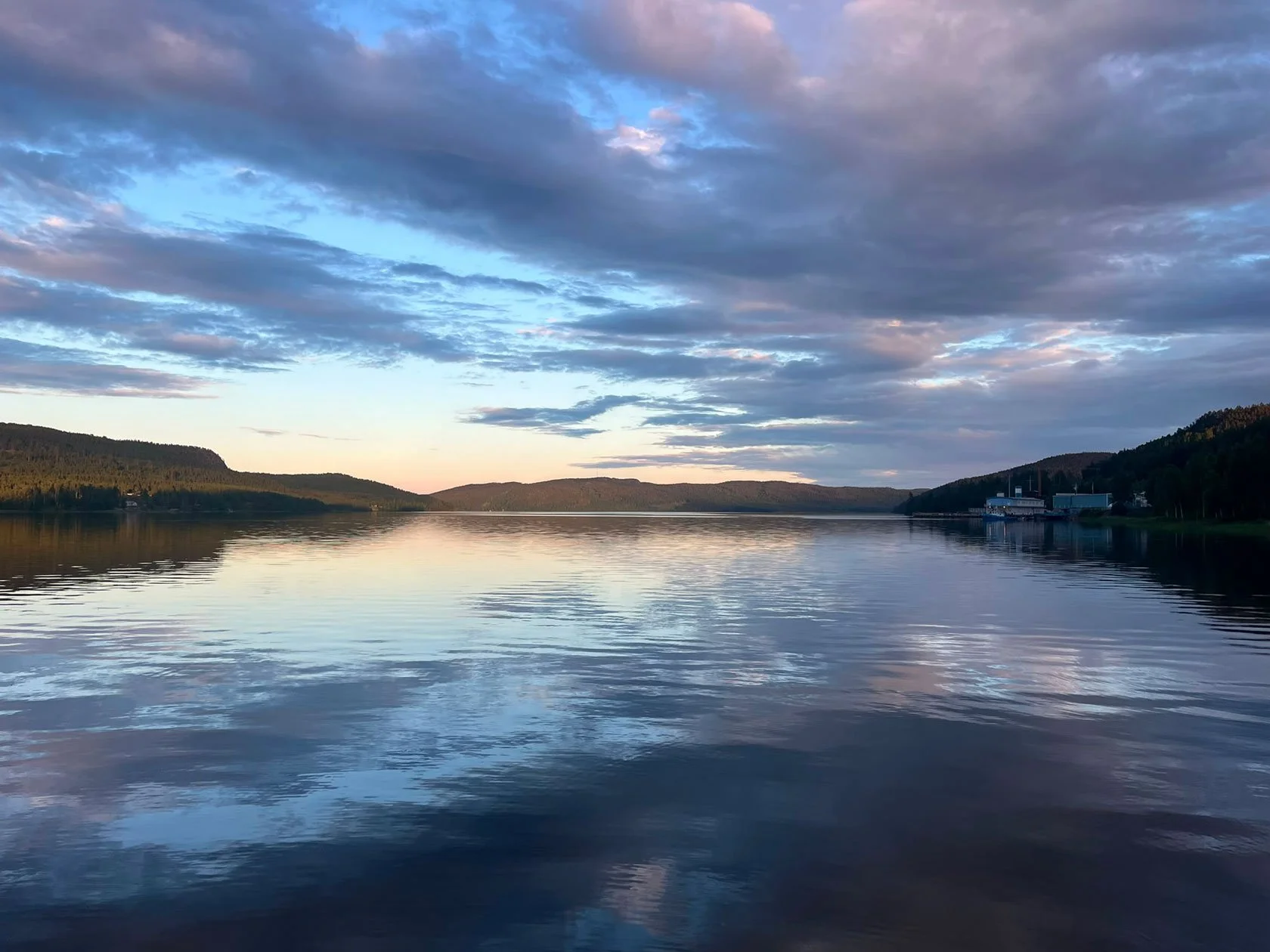
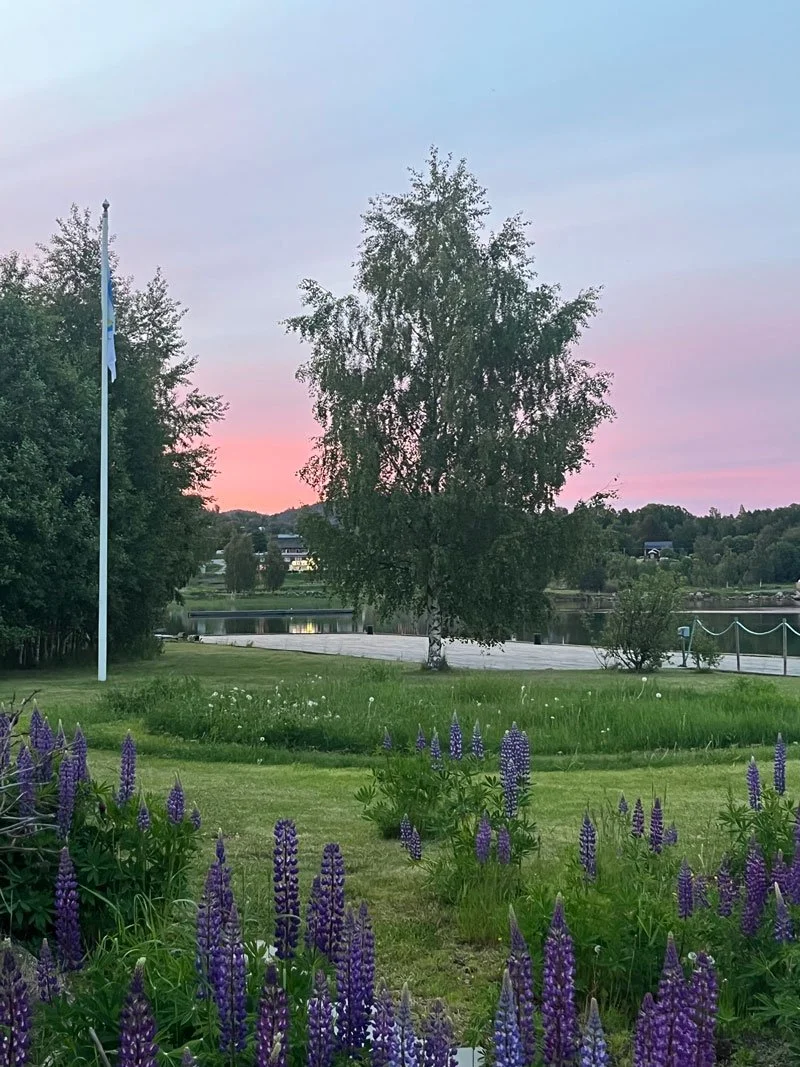
The water in the marina was almost still. The sky had turned that soft High Coast pink — not a sunset, not a sunrise — more like a long, quiet glow that refuses to leave.

And the funny part? Even our Swedish guests are stunned.

I’ve seen it so many times: someone arrives a bit tired from the drive, says “we’ll just take it easy tonight”… and then ends up on the pier at 23:30 with a warm drink in hand, looking around like the day forgot to end.

Because yes — Stockholm has bright summer evenings. But up here in the High Coast (Höga Kusten), the light in late June feels different. It feels like the day never really ends. The colours stay. The calm stays. And the dark — the real dark — simply doesn’t show up.

If you’re planning a long Midsommar weekend, this is the secret advantage of coming north: you don’t have to race the clock.

At a glance

  • Best time window: mid-June to early July (Midsommar is peak magic)

  • Best base: a place where you can arrive late, sleep by the water, and still have a real evening adventure

  • Best length: 3 nights (enough for one iconic hike, one immersive national park day, and one flexible “choose your mode” day)


Is this the “midnight sun”?

Let’s keep it simple.

In the High Coast you may not get the classic Arctic image of a blazing sun sitting above the horizon at 00:00 every night.

But in late June you do get something that matters even more for travellers:

  • Very little darkness

  • Long twilight that stays bright and colourful

  • A full extra life after dinner

And here’s the key detail: around Midsommar, the day has a third time.

In many places, evening is “rest and recovery”. And honestly, here there is no nightlife — no late bars, no busy streets, not even many places open. So the evening becomes something else: the perfect time window for nature.

It means you can:

  • arrive in the late afternoon after a long drive,

  • check in,

  • breathe,

  • spend the morning slow by the sea,

  • and still go out for a real hike in the late afternoon or evening — with light that feels almost unreal.


Not the Arctic — and that’s the point

The Arctic, Lapland, Nordkapp… those are unique destinations. No question.

But here’s what surprises people: you don’t need to go that far north to experience “midnight light”.

In the High Coast the sun may dip just below the horizon — but the light still floods the landscape in an incredible way. And it happens in a place that is a destination in its own right: steep coastline, granite, ancient forest, sea air, and that calm “base camp” rhythm.

So it’s not a competition with the far north. It’s simply a different kind of Nordic magic — and for many travellers, more immersive because the mountains and the sea are right there, close, and easy to reach.


Why the marina becomes a midnight-light viewpoint

There are places where you sleep.

And there are places where you watch the day change.

In late June, our piers in Docksta become a small viewing platform for the High Coast’s best show:

  • Water reflections amplify the colour

  • The horizon stays open, so the light spreads

  • The whole harbour quiets down — and the landscape feels almost staged

This is one of those experiences that doesn’t look like a “big attraction” on Google. But it becomes one of the memories people keep.

One small scene I love: guests who were “definitely going to bed early” end up whispering on the dock like they’re in a cathedral — because the light is still there, and the whole harbour feels like it’s holding its breath.


The Base Camp idea (and why it matters at Midsommar)

A lot of visitors come to Höga Kusten with the same wish:

“We want one proper High Coast experience — but we don’t want to turn it into a logistics project.”

That’s exactly what a base camp is for.

Docksta Havet Base Camp is a small marina + waterfront stays where you can explore both sea and mountain with less friction:

  • Local guidance (routes, shortcuts, weather-based choices)

  • Grab&Go rentals (bike + simple kits)

  • A calm pier life that makes the long light feel like part of your holiday

If you like planning with a little help, you’ll love our free local resources too: Holiday in High Coast Sweden: free local guides in 5 languages   

If you’re new to Swedish outdoor culture, this quick “Scan It” guide helps a lot: Friluftsliv in plain words (High Coast)


A simple 3-night Midsommar plan (Docksta Base Camp)

This is the plan I keep recommending to guests who arrive around Midsommar. Not because it’s the only way. But because it’s balanced: one anchor per day, one blank space, and the light doing half the work.


Night 1 (arrival day): check in, then go out after 18:00

You arrive in the late afternoon. You drop your bags. Maybe you take a shower. Maybe you drink an espresso anyway.

And then you do something that feels almost illegal if you come from the south: you go for a real hike after dinner.

Skuleberget is the obvious choice for this first evening. It’s close, flexible, and it gives you that “High Coast wow” without needing a full day.


Day 2: Skuleskogen National Park (a full day that doesn’t need a dawn start)

Skuleskogen is where the High Coast turns wild and quiet. Ancient forest. Granite. Bays.

And in June, the long light changes the whole rhythm: You don’t need to start at 06:00 to have a full day.

If you want a ready-made route, here’s my detailed post: Hiking in Skuleskogen National Park during enchanted summer nights 


Day 3: change the rhythm (not a stop)

After an arrival evening + Skuleberget, and a full day in Skuleskogen, most people don’t need “more intensity”. They need a different tempo.

This is the day where you keep moving — just without the pressure.

Start with a simple ritual (if the weather allows):

The sun rises very early on our east-facing piers. A coffee and breakfast by the water can be the most “High Coast” moment of the whole trip.

Then pick one of these low-friction options:

Option A — Easy morning walk to the Magic Shelter (Olsbo)

A short, gentle walk that still feels like an experience. No big packing, no long drive, no “we must do 20 km today”.

Option B — Ulvön day trip by ferry (slow morning, no car, no stress)

If the seasonal service (Högakusten Båtarna) is running, the ferry leaves around 10:00 from Docksta and returns around 16:00. It’s about 50 metres from us.

This is why I like it: you can have a calm morning, do something iconic, and still come back in time for the third time — that long, golden evening light back on the pier.

Option C — Forest pause (Skogspaus) + pier evening

If you’ve been running hard (work, life, training), a guided hammock-based forest immersion can be the most memorable part of a short trip.


Who this is perfect for

  • Swedes from Stockholm and south who want a “real north” feeling without going to the far Arctic

  • International travellers looking for a short summer escape with long light, sea breeze, and iconic hikes

  • Sailors who want a stopover where the mountains are not “another destination” — they’re the day plan


Practical notes (so the light stays fun)

  • Bring a light wind layer (weather shifts fast)

  • Bring shoes with grip (granite + roots)

  • If you’re light-sensitive: an eye mask can help you sleep

Want a simple plan for your dates?

If you tell me two things — your dates and your style (hike / bike / slow / sailor) — I’ll suggest one clean 3-night plan.


Meet your hosts at Docksta Havet Base Camp

We’re Anna & Tommaso — sea-and-forest lovers, and the people behind Docksta Havet Base Camp. Together we look after this small guest harbour and our waterfront stays in the High Coast UNESCO World Heritage area. In season, you’ll usually find us somewhere between dock lines, sea air, and a paper map on the table. We love helping guests turn a simple stop or a few-days vacation into a real High Coast experience — by sea or by trail.

If you arrive with a rough plan, we’ll help you leave with a better one (and around Midsommar, we’ll also help you use the day’s “third time”). Quick question? WhatsApp us.

Want to sleep right on the water?

Our Seasiders’ Lodgings are the waterfront stays at Docksta Havet Base Camp — perfect for late arrivals and slow mornings by the pier.

Chat with Docksta Havet Base Camp (WhatsApp): +46 76 313 66 28


Grab&Go: keep Midsommar simple (travel light)

Want to keep this 3-night plan low-friction? Our Grab&Go outdoor gear rental is the “missing piece” for a High Coast day — so you can arrive with a rough plan and still move easily between sea, forest, and trail.
See Grab&Go + prices: https://dockstahavet.se/outdoor-gear-rental-hoga-kusten

Suggested Grab&Go add-ons for this post

  • Skuleberget evening hike (Night 1)
    Grab&Go: Daypack + light layer + water (and poles if you want them)

  • Skuleskogen National Park day hike (Day 2)
    Grab&Go: Day Hike Pack (or Bike & Hike Kit if you want to combine)

  • Magic Shelter (Olsbo) easy morning (Day 3, Option A)
    Grab&Go: Daypack (simple and light)

  • Ulvön ferry day (Day 3, Option B)
    Grab&Go: Daypack (wind layer + water — keep it minimal)

  • Forest pause / Skogspaus + pier evening (Day 3, Option C)
    Grab&Go: Hammock Kit (for your own “forest pause” rhythm)

No gear? No problem — that’s the whole idea.


High Coast Stopover for Sailors (Docksta): the smart 2–3 night pause between sea and mountains

A simple idea: turn one harbour night into a real High Coast day

A welcoming, safe guest harbour at the foot of Skuleberget, with personal hosting. Stop 2–3 nights, reset, and explore the High Coast with local guidance and Grab&Go gear. Plus, it’s one of those rare harbours where provisioning and fuel are genuinely easy on foot.


You can sail the High Coast and still miss it

Not because the archipelago isn’t beautiful — it is — but because this coastline reveals itself slowly.

If you only stop for a quick overnight mooring, you may leave before you’ve felt what makes Höga Kusten a UNESCO World Heritage site: the short climb that opens into big views, the pine forest that quiets the mind, the simple rhythm of sea → mountain → sea.

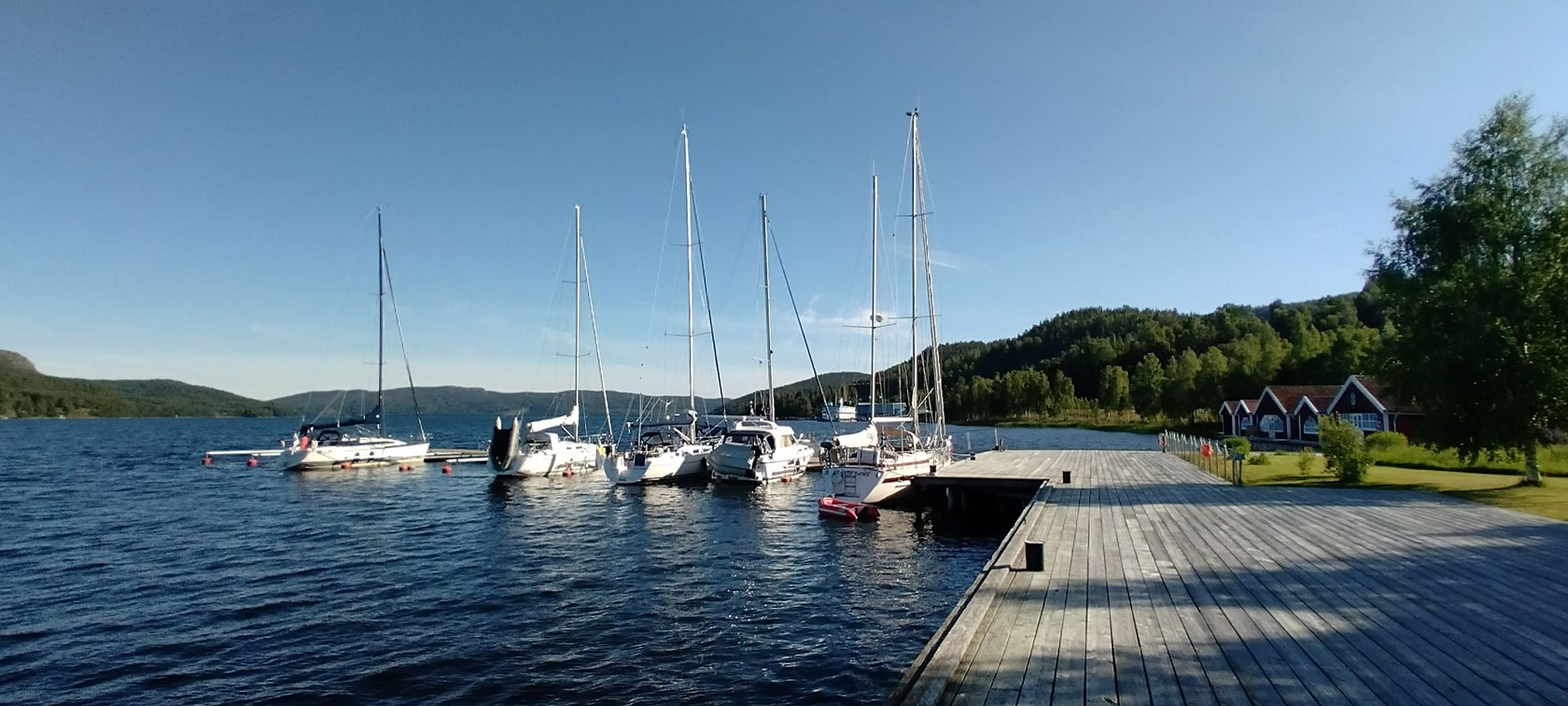
Docksta Havet is a small, calm guest harbour at the foot of Skuleberget. Since 2006, we’ve welcomed international crews who want a stop that’s both safe and useful: a practical base camp that makes it easy to explore Skuleberget and Skuleskogen — without stress, without a car, and without turning the boat into a gear warehouse.


Moor safely. Reset properly. Explore Skuleberget and Skuleskogen like a local — then sleep by the sea.

If you’re part of the 70% of our sailors who arrive from abroad, this is one of the simplest ways to “unlock” the High Coast in a short weather window.

Why Docksta is a smart High Coast stopover for sailors

A quick overnight berth can be perfect when you’re simply moving along the coast.

But if you’re here to discover the High Coast — especially as an international crew — what makes the difference is often not the pontoon itself. It’s the human layer: local tips, timing, and the kind of shore‑leave ideas you only get from people who know both the sea and the mountains.

We don’t believe in shouting “we’re the best.” We believe in making your stop work — and in welcoming you like a guest, not processing you like a transaction.

Here’s what makes Docksta a strong choice when you want more than a berth:

  • A protected, well-kept guest harbour with a long track record (certified guest harbour; hosting sailors since 2006)

  • A rare location: you’re moored close to the High Coast “hot spots” — Skuleberget and Skuleskogen National Park are not “a day trip away”, they’re your backyard

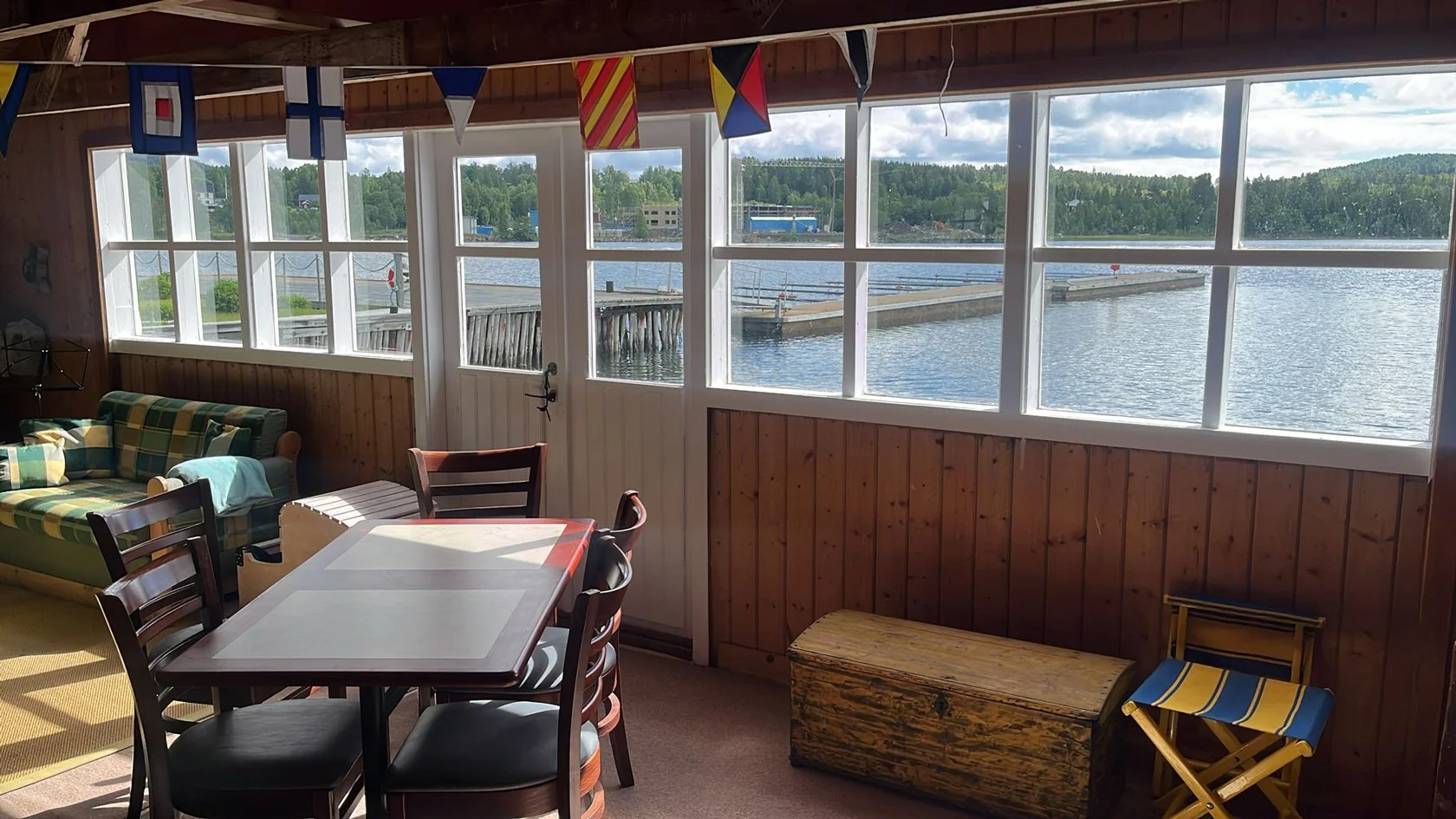
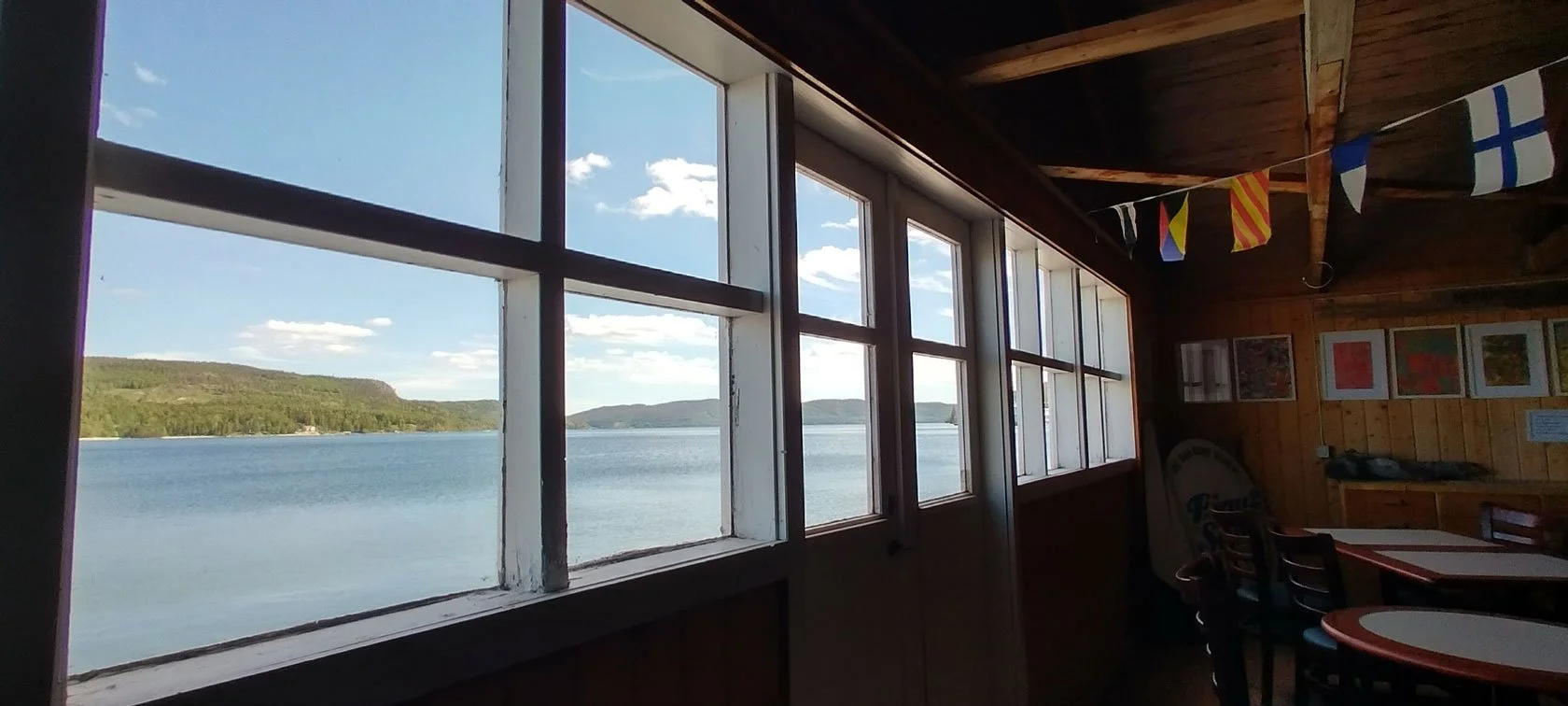
  • A real Sailors’ Club House: WiFi, espresso, calm lounge energy, practical local knowledge, and the kind of atmosphere where crews actually recover

  • Practical services that matter on a cruise: showers, toilets, laundry, dishwashing, recycling, free parking — plus bus stops just a few steps from the piers

  • Provisioning + fuel, without detours: a supermarket (ICA) close to the marina for the crew’s pantry, and a nearby fuel station for an easy refill window.

  • Outdoor Ready / Grab&Go gear so you can explore even if you didn’t pack for hiking: bikes, daypacks, hammocks, simple kits

  • Personal hosting: we don’t outsource the local expertise — we share it (and yes, we’re sailors too)


The High Coast problem: the window is short

In the High Coast, the best days often come in small pockets.

If your plan is “arrive late, sleep, leave early”, you’ll likely miss the summit, the forest, and the feeling that makes this coastline a World Heritage site.

That’s why we recommend a different rhythm:


The recommended rhythm: 2–3 nights (the “High Coast Stopover”)

Night 1 — Safe mooring + reset

Arrive, tie up, shower, laundry if needed, and let the crew come back to baseline.

This is not wasted time. It’s what makes the next day feel like a real expedition instead of a rushed checklist.

Day 2 — Skuleberget or Skuleskogen (with or without a car)

This is the heart of the stopover: you leave the boat safely moored, and you step straight into the High Coast.

From Docksta you can build a full day that feels “big” but stays logistically simple — even if you don’t have a car.

  • Skuleberget for the iconic views, the summit feeling, and the easiest “big day” payoff in the area

  • Skuleskogen National Park for forest trails, coastline, and that quiet Nordic depth that makes you breathe differently

To make this easy (and premium), we’ll point you to our best planning resources:

  • Skuleskogen deep‑dive (routes + practical tips)

  • Skuleberget guide (what to do, what to skip, timing)

  • Outdoor Ready / Grab&Go stories (how to explore without carrying extra gear onboard). See prices + what’s included (bikes, daypacks, kits): Grab&Go overview >

Don’t have the right gear onboard? That’s exactly why we built Outdoor Ready / Grab&Go: bikes, daypacks, hammocks, and simple kits that turn shore leave into a real High Coast day.


Night 2 — The premium part: sleep by the sea after the mountain day

This is where the High Coast becomes a memory.

You come back tired in the good way, make coffee, plan tomorrow, and sleep with the boat safely moored.


Optional Day 3 — The “slow bonus day”

If the weather is good, a third day gives you room for:

  • a second trail (shorter, more playful)

  • a proper recovery morning

  • a calm departure window


What you really get here (for sailors)

If you only read one section, read this.

  • Safe mooring in a protected fjord setting

  • Fast access to Skuleberget and Skuleskogen (the High Coast icons)

  • Club House with WiFi, espresso, books, lounge space

  • Showers, toilets, laundry, dishwashing

  • Supermarket nearby for provisioning + fuel station close to the harbour (easy logistics for cruising crews)

  • Outdoor Ready / Grab&Go gear: bikes and simple kits to reach trails without friction

  • Local guidance: routes, timing, “what’s worth it today” decisions


Make it easy: a simple “Stopover Package” logic (no complexity)

We keep operations simple — but we make value visible.

When you stop in Docksta, think in three layers:

  1. Mooring (Base): the safe, calm night

  1. Practical add‑ons: laundry, lounge, recovery, supplies

  1. Experience add‑ons: Outdoor Ready gear, maps, routes, micro‑guides

This is how a “standard harbour fee” becomes a premium High Coast day.

Click a Pin, Start a Day (From Docksta Havet Base Camp)

Tip 👉 open the map in full screen for easier planning on mobile.


Who this is perfect for

  • International crews doing a Sweden/Finland/Åland/High Coast route

  • Couples and small crews who want one mountain day without turning the boat into a hiking warehouse

  • Sailors who value calm, cleanliness, and real hosting

  • Anyone who wants a smart stopover instead of “another harbour night”


Turn your stop into a High Coast highlight

If you’re sailing the High Coast this season, don’t just pass by.

Make Docksta your Sailors’ Base Camp for 2–3 nights.

  • Moor at our pontoons (guest harbour)

  • Use Docksta as your launch point for Skuleberget and Skuleskogen

  • Ask us on arrival about the best plan for today’s weather window

  • Message WhatsApp or call +46 763136628 (harbour host)
    Tell me your ETA + what kind of shore leave you want (Skuleskogen / Skuleberget / bike day / bad-weather plan).

Practical notes (quick)

Season: mid‑May to mid‑September

  • Languages: English, Swedish, Italian (and some German)

  • Best for: 2–3 night stopovers

Docksta Havet Base Camp is the guest harbour where your High Coast stop becomes a real mountain-and-sea day: safe mooring, Sailors’ Club House, practical services, and Outdoor Ready gear — right by Skuleberget and Skuleskogen National Park.


Planning a stop in Docksta?

Download our High Coast Sailor Mini-Guide - a practical shore-leave companion with:

  • Simple ideas for 24-48-72 hours

  • What to do when the weather window is short

  • The easiest ways to reach Skuleskogen National Park and Skuleberget

  • A few local -do this, skip that- notes (the kind you only get from hosts)

Download the mini-guide and turn a quick harbour night into a real High Coast day.


A note from your harbour host

I’m Tommaso. I live the High Coast from these piers in Docksta—right where the sea meets the mountains—and I love helping crews turn a simple stop into a real shore‑leave adventure.

When you arrive and you see me on the docks, say hi. Tell me what kind of day you want: Skuleskogen National Park, Skuleberget, or a calm Plan B (coffee, a short walk, and a good view). I’ll point you in the right direction—with the right trail, the right timing, and the small local details that make the day easy.

Tommaso De Rosa — harbour host at Docksta Havet


Below you’ll find all my Sailing posts — routes, stopovers, and local tips:

Coolcation in Sweden: Why the High Coast Feels Like a Summer Reset

A breathable, light-soul summer (no hero mode required)

Coolcation in Sweden means a milder summer escape. But it’s not only about weather — it’s about how your days feel when you don’t have to fight the heat. That’s why, in this post, I’ll share both: why the High Coast (Höga Kusten) feels breathable (sea breeze, rocky pine forests, long light), and a simple 3‑day rhythm with Docksta as a calm starting point between forest and sea — the kind of place where you can keep your days simple.

A trend with a real body behind it

“Coolcation” is a trendy word, yes.

But the feeling behind it is very real: you want summer without being cooked by summer.

A place where you can walk, sleep, and think.

The High Coast is not cold. It’s just… breathable.

Some days are genuinely warm here too. The difference is that you usually still have wind, water, and timing on your side — and that changes how the day feels.

I host by the water in Docksta. In July, I watch guests arrive from warmer places with the same expression: relief.


What is a coolcation? (simple definition)

A coolcation is a summer holiday in a milder climate — chosen on purpose, not as a compromise. Less heat stress, more outdoor time, better sleep, and a slower rhythm.

The hidden cost of hot-summer travel

Heat doesn’t just change the temperature. It changes the day.

In very hot destinations, you start negotiating with your own body: when to walk, where to hide, how to sleep, how to recover. You end up planning around shade, air conditioning, and “survival hours”.

A coolcation is a different kind of luxury: energy that lasts.


Why the High Coast stays breathable (even in summer)

It’s a mix of small things that add up.

  • The sea is close. Air moves.

  • The landscape is open. You feel space.

  • The forests are rocky pine forests. Dry, scented, not heavy.

  • The light is long. You can hike earlier or later and avoid the warmest hours. In practice, the coolest hours often feel like a gift: early morning when the forest is still quiet, and late evening when the sun stays low and the air starts moving again. Even on warm days, a small shift in timing — and a light wind layer in your daypack — can change everything.

And when you pause — on a rock, by a beach, under pines — the day stops being a race.

Why “base camp” matters even more in a coolcation

Here’s the part most coolcation articles miss: cool air doesn’t help if you spend your holiday inside a car.

A base camp turns the climate advantage into a real experience. You sleep well, you wake up without decisions, and you can reach trails, water, and ferry days without repacking your whole life.

Less moving. More living.

If you want a simple starting point, here’s our Docksta Base Camp start-here guide: https://dockstahavet.se/blog/start-here-high-coast-day-trips-docksta


A coolcation is not “doing less”. It’s doing it differently

In hot climates, you often plan around shade and air conditioning.

Here you plan around light and wind.

A good High Coast day can be:

  • A morning hike

  • A long lunch with no agenda

  • A swim when the fjord is calm

  • A slow evening walk while the light refuses to leave

Coolcation isn’t anti-summer. It’s pro-summer.

This isn’t about escaping joy, beaches, or light.
It’s about escaping the part of summer that makes everything harder: sticky nights, overheated cities, and days that feel like a task.

In the High Coast, summer still has warmth — but it also has breathing room.

Quick note: Coolcation is a recognised travel trend

Travellers are increasingly choosing milder summer destinations for comfort, sleep, and outdoor time — not just for “nice weather”.


A simple 3-day coolcation rhythm (High Coast)

Think of it as a base camp rhythm: one anchor per day, one blank space, and water every day if you can.

Three simple rules for a breathable High Coast day

  1. One anchor per day. Not five.

  2. Start early or start late. Let the light work for you.

  3. Leave a blank space. Swim, nap, second coffee, slow walk — that’s not “wasted time”. That’s the reset.

Day 1: arrive + water

  • Short coastal walk

  • Swim if the weather is kind

  • Early night (Nordic light can trick your body)

Day 2: one real hike

  • Skuleberget or Skuleskogen (not both)

  • Bring a layer; wind changes everything

  • Leave space for a second coffee

Day 3: micro-adventure

  • Ferry day (Ulvön) or a bike day or a “do nothing” day

What to bring for a breathable summer:

  • A light wind layer

  • A towel you don’t mind using often

  • A small daypack

  • Shoes that can handle rock


Remember the third rule: leave a blank space

In the High Coast, that blank space can be very simple: a short forest pause. Walk a few minutes under pines, find a flat rock or a quiet spot, lie down for 20–40 minutes, and let your body cool down and reset — no agenda, no performance.

If you want a gentle, real example of what that can look like (hammock + rocky pine forest + slow breathing), I wrote a note here:
https://dockstahavet.se/blog/skogspaus-hammock-forest-experience-hoga-kusten


The simplest coolcation upgrade: sleep by the water

If you want the High Coast to feel truly breathable, don’t just visit the sea — sleep next to it.

When you stay right on the waterfront, the day becomes simpler: a morning dip without planning, a late walk when the light refuses to leave, and that small sea breeze that makes even warm days feel lighter.

If you’re coming for a coolcation, this is the easiest base camp choice: wake up by the water, hike one trail, come back to calm.

Couples, solo travellers, and small families — three simple seaside stays.


And if you want your days to start without logistics

We’ve been building a small Outdoor Ready / Grab&Go corner — so everyone can rent a daypack (and a few simple essentials) and head out without turning the morning into logistics.

If you’re curious, here’s the practical page: https://dockstahavet.se/outdoor-gear-rental-hoga-kusten

Light soul. Tiny rucksack. A summer that lets you breathe.


Below you’ll find our Explore posts:

maps, guides, and “start here” planning pieces.

Höga Kustenleden, without hero mode

A quiet, practical way to enter the High Coast trail—one section at a time, with a base-camp rhythm

A host’s trail note on Höga Kustenleden: what it really feels like, how to hike it without “hero mode,” and three easy doors into the trail from Docksta.

Some trails are about distance. This one is more about attention.

Höga Kustenleden runs through an UNESCO heritage landscape that keeps switching rooms: rocky pine forest, open cliffs, quiet coves, long views over the archipelago and its fjords and islands. You’re never far from water — and you’re never fully protected from wind. That’s part of the lesson.

I’m not writing this as a guru, or as a “proper” thru-hiker. I’m writing it as a host who watches hikers arrive, rest, dry their gear, and head back out again — and who has learned a few quiet things from this coastline.

Quick context (for first‑timers):

Höga Kustenleden is the long‑distance hiking trail through Sweden’s High Coast UNESCO World Heritage landscape. It runs south → north (from the Hornöberget area to Örnsköldsvik) and is usually hiked in sections. Because distances and stage numbering vary across sources, the safest reference is the official map.

Höga Kustenleden Map: https://www.naturkartan.se/sv/hogakustenleden

Tourism overview: https://www.hogakusten.com/en

“Expect “more time than kilometers”: steep granite, roots, and short technical climbs”

If you’re planning from Docksta (without hero mode), this Base Camp map helps you choose day trips by time, energy, and weather:

https://dockstahavet.se/blog/hoga-kusten-map-day-trips-from-docksta


What Höga Kustenleden really feels like (in plain words)

The High Coast of Sweden is not gentle, but it’s not harsh either. It’s honest.

Rock makes you slow down.
Wind edits your plan.
The sea and lakes keep showing up in the background, like a reminder to breathe.

Some sections feel like a balcony over the water. Others feel like a corridor of trees and red granite stone. And then, suddenly, the view opens — and you realise you’ve been holding your breath for no reason.


A trail you can enter in small pieces (you don’t need to “do it all”)

Yes, Höga Kustenleden is a long trail — the kind many hikers walk with a backpack.

But you don’t have to “complete” it to belong to it.

You can enter it in small pieces:

  • one section

  • one viewpoint

  • one honest day

  • one night of real sleep

  • and then another day, if you want

This is the opposite of hero mode. It’s the base-camp way of hiking: go out, come back, rest, go out again.


The “forest guest” mindset (a different kind of strength)

Out here, the strongest move is often the simplest one: a lighter grip on the schedule.

A forest guest doesn’t try to conquer the day.
A forest guest pays attention.

You notice where the rock is warm.
You feel when the wind shifts.
You stop before you’re exhausted.
You leave space — not as “wasted time”, but as recovery.

That’s not philosophy. That’s how you keep hiking tomorrow.


A day on the trail that counts (even if it looks small)

Here’s a day that counts — even if it looks small.

In the High Coast, hiking often starts with ordinary gestures: stepping outside before you’re fully “ready”, carrying a light layer because wind changes the story, bringing coffee in a thermos, and letting the landscape set the pace.

  • Morning (no heroics): a short hike while the air is still cool and the forest feels quiet.

  • Midday: lunch outside — simple food tastes better when you sit on a warm rock and watch the light move.

  • Afternoon: a swim if the weather is kind, or just a long pause by the fjord with your feet in the water.

  • Evening: a slow walk when the light goes soft and refuses to leave.

And somewhere in the middle, if you want a deeper reset without making it a “thing”: step under the pines for 20 minutes, breathe, and let your nervous system catch up with your body.

Seasonal note: in June/July the light can feel endless (beautiful, but it can also trick your sleep). From mid‑August, nights become more like nights again — deeper rest, more colourful sunsets, and in the High Coast the first auroras can start showing up on the right evenings.


Where a base camp becomes a partner (not a “service”)

Long trails are not only about moving. They’re also about landing.

A good base camp is not there to make the hike “easy”.
It’s there to make it sustainable.

A place where you can:

  • sleep deeply

  • dry your gear

  • take a real shower

  • eat something simple

  • and start again without friction

That’s what many hikers are actually looking for: not luxury, not hardship — just a calm, flexible landing spot between days.


Practical planning notes (three doors into Höga Kustenleden from Docksta)

If you want a practical way in — without turning the trail into a checklist — here are three nearby segments/spots I often point guests to. Think of them as three doors into Höga Kustenleden: each one gives you a real taste of the landscape, without requiring “hero mode”.

1) Per Olsbo wind shelter (the quiet trail culture stop)

This is one of those simple places that feels like a reward: a roof over your head, a guest book, the feeling of being inside the trail culture. It’s approachable, calm, and perfect for a half‑day with a proper pause.


2) Predikstolen (Getsvedjeberget) — short, steep, worth the attention

Predikstolen is one of the most photographed viewpoints in the High Coast — and yes, the panorama really is special. Just one honest note: the final segment is short but steep and a bit technical, both up and down. It’s doable for many people, but it rewards a steady pace, good grip, and a calm head (especially if it’s wet or windy).

Predikstolen Viewpoint (Getsvedjeberget) — what to expect
https://dockstahavet.se/outdoor-gear-rental-hoga-kusten/guides-stories/predikstolen-viewpoint-getsvedjeberget-what-to-expect


3) Skuleberget summit — the iconic climb, close enough to feel “local”

Skuleberget is the classic High Coast mountain day — and the best part is that it’s close. From Docksta, you can reach the foot of the mountain in under 2 km, and then choose a route that fits your legs and the weather. The summit gives you that “balcony over the fjords” feeling — and the descent on Höga Kusten Stigen is pure light and sea‑view rhythm.

Hike at the Skuleberget Mount along the Höga Kusten Stigen
https://dockstahavet.se/blog/explore-the-hoga-kusten/hike-at-the-skuleberget


Optional: the island extension (Ulvönleden)

If you want a different kind of trail day — one with ferry rhythm, sea air, and an island mood — Ulvönleden is a beautiful extension to keep in mind.

Ulvöleden Trail Guide
https://dockstahavet.se/blog/ulvoleden-trail-guide


Optional: a simple packing list (day hikes, High Coast reality)

If you want a practical checklist (layers, water, rock‑friendly shoes), I keep it here:

Basic tips to get ready for your day hike (or run) on High Coast paths:
https://dockstahavet.se/blog/explore-hoga-kusten/get-ready-your-day-hike


A quiet ending

You don’t need to be a “real hiker” to walk Höga Kustenleden.

You just need one day where you move with respect — for the landscape, for your body, and for the fact that wind and rock will always have the final word.

From here you’ve got two easy doors:

  • DIY door: pick one of the three segments above, pack light, go slow, come back and rest.

  • Grab&Go door: if you arrive without gear (or without the will to plan), start bike-first and let me set you up with a daypack + the essentials — hammock kit optional, depending on your mood.

Either way: no hero mode required. Just attention.

Light soul. Tiny rucksack. One section at a time.


Tommaso De Rosa

I host hikers and sailors at Docksta Havet, right where the High Coast trail culture passes through: people arrive, dry their gear, sleep deeply, and head out again. Over the years—also as a trail runner—I’ve learned the High Coast the slow way: one section at a time, in all kinds of wind, rock, and light. That’s why I write these notes the way I do: practical, calm, and meant for real days (not hero stories).

If you’re staying in our waterfront marina lodgings (Airbnb) and you want a simple recommendation—which section fits your time, your legs, and the kind of day you’re after—message me via Airbnb chat (from my host profile). I’ll point you to one good “door” into the trail, and a base-camp rhythm that makes it sustainable.

_Tommaso

If you prefer, you can also reach me on WhatsApp: +46 76 313 6909.

P.S. If you’re not sure where to start, scroll back to the three doors into Höga Kustenleden from Docksta—choose one, and let that be enough for today.


Below you’ll find our Hiking posts:

destinations, trail guides, and local advice

Solo Travel in Sweden: A Quiet High Coast Base Camp for First-Timers

High Coast for Solo Travellers: A Gentle 24–48h Plan

First time solo in Sweden’s High Coast (Höga Kusten)? Don’t overplan. Use Docksta as a calm base camp for Skuleberget, Skuleskogen, Ulvön and car-free bike + hike days—with a gentle 24–48h structure.

Before you arrive

If you’re planning a solo trip to Sweden, you’ve probably noticed two things.

First: the country looks vast on a map. Second: the internet gives you a lot of options—sometimes too many.

This is a small, quiet note from the High Coast (Höga Kusten), written for first-timers who want nature without stress.

I’m Tom. In summer I host at Docksta Havet—right by the water, at the edge of the High Coast trails. I’m not here to sell you a “perfect experience”. I just want you to arrive with a light soul and a tiny rucksack.

(If you’re already curious about logistics: Docksta is easier than it looks. I keep a practical guide here:  https://dockstahavet.se/blog/how-to-get-to-docksta — but you don’t need it yet.)


Is the High Coast good for solo travellers?

Yes—especially if you like places where the day can be simple.

The High Coast is a UNESCO World Heritage landscape, shaped by the world’s fastest land uplift after the Ice Age. That sounds like geology (and it is), but what you feel is more human: cliffs rising from the sea, rocky pine forests, a wide archipelago, and a kind of space that makes your nervous system exhale.

It’s not a city break. The High Coast—land and archipelago together—is a landscape break.

Here, solo travel doesn’t mean “being alone”. It means you can move at your own pace: a slow breakfast, a trail that starts when you’re ready, a swim when the light feels right.

And because Sweden has a strong outdoor culture, being on your own in nature is normal here—not strange.


The High Coast is big (and that’s good news)

A small warning (and a relief): the High Coast is bigger than most people expect.

That’s why I don’t recommend trying to “see it all” on a first visit — not for solo travellers, not for couples, not for families. Especially if you only have a short stay.

Instead, pick one small area and go deep. The High Coast rewards the slower choice.

Docksta is one of those places that works well as a base camp because, from here, you can reach:

  • Skuleberget (iconic viewpoint, chairlift, and flexible trails)

  • Skuleskogen National Park (sea → forest → lakes → crevice → summit with a stunning archipelago view)

  • Ulvön and the archipelago (ferry days when the weather is kind)

  • Sections of the Höga Kustenleden (for hikers moving through)

If you want a calm way to plan, start with this hub page:
https://dockstahavet.se/blog/start-here-high-coast-day-trips-docksta

And if you prefer one “ready-made day” to copy-paste into your trip, these two are solid:


Base camp mindset (so you don’t overplan)

Many solo travellers try to design a perfect route.
I’d suggest something softer: choose a base camp.

A base camp is not a luxury. It’s a way to reduce decisions and enhance opportunities.
From one stable place you can:

  • hike Skuleberget without changing beds

  • visit Skuleskogen without packing your whole life

  • take a ferry day trip (like Ulvön) when the weather is kind

  • rest & recharge when your body asks for it

And if you’re hiking the Höga Kustenleden, a base camp night can be a small reset: shower, laundry, real sleep — then back to the trail.

And sometimes the best base camp is the one you didn’t plan — it’s simply where you stop.


E4 stopover (tiny base camp mindset)

Even if you’re just passing through on the E4 (northbound or southbound), a one-night stopover can become more than “sleep and go.”
With a base camp mindset, you arrive, shower, reset, and wake up with a real choice: keep driving — or take a small High Coast micro-adventure before you move on.

If you want to scan the logic (and steal a ready-made idea), these three notes are a good place to start:


A gentle 24–48 hour solo plan (High Coast)

If you want a simple structure, here’s one that works.

Day 1 (arrive + land in the landscape)

  • Arrive, drop your bag, take a short walk by the water

  • Choose one “icon” only (not five): a viewpoint or a beach

  • End the day early. In Nordic light, tiredness can hide.

Day 2 (one real trail, no rush)

  • Pick one main hike: Skuleberget or Skuleskogen (not both)

  • Bring water, a warm layer, and something small to eat

  • Leave space for a swim, a nap, or a second coffee

If you stay longer, you can add a ferry day, a bike day, or a slow “nothing day”.


Without a car (a real solo-traveller question)

Many solo travellers don’t want to drive. Good. The High Coast can still work — if you choose your base camp carefully.
Docksta is one of the few places where you can build a simple day around bike + hike (and still come back to a shower, espresso, and real rest).

If you want a concrete example, here’s a full plan for Skuleskogen without a car (bike + trail logic) >


Local clarity (so you don’t carry the planning alone)

When you travel solo, the hardest part is often not the hiking — it’s the small decisions.

A good base camp gives you something simple: local clarity. You arrive, you ask one question, and the day becomes lighter. Not a long briefing — just a few tailored suggestions that match your pace, the weather, and the season.

And if you prefer to explore quietly on your own, you can also use our free mini-guides (in five languages) — a small premium resource, available with one click on the website.


Free mini-guides (5 languages): English → | Svenska → | Deutsch → | Suomi → | Italiano →


If you want one quiet upgrade

If you stay at Docksta Havet and you want solo travel to feel easy, there are two small things that help.

First: a simple, flexible place to sleep by the water — especially when plans are last-minute.
The Boathouse + Kitchenette is minimalist, affordable, and made for light travellers (even for a one-night E4 stopover when you just need a real reset).


Second: the ability to head out without buying gear.
If you want your day to start with curiosity — not logistics — you can use our Outdoor Ready / Grab&Go kits (bike, daypack, hammock, small essentials) and build a clean High Coast day from your base camp.

If that sounds like your kind of solo travel, start here:


“Light bag. Clear head. One base camp — and the High Coast opens up.”


Short extracts (SV / FI / DE)

SV 🇸🇪 – Kanske har du inte varit här ännu.
Höga Kusten är en plats mellan land och hav, där tallar växer på klippor ovanför fjorden.
Om du reser ensam: välj ett basläger, gör dagen enkel, och låt ljuset och vinden visa vägen.

FI 🇫🇮 – Ehkä et ole ollut täällä vielä.
Korkearannikko on paikka maan ja meren välissä, missä männyt kasvavat kallion päällä vuonon yllä.
Jos matkustat yksin: valitse yksi tukikohta, pidä päivä kevyenä ja anna valon ja tuulen tehdä loput.

DE 🇩🇪 – Vielleicht warst du noch nie hier.
Die Hohe Küste liegt zwischen Land und Meer, mit Kiefern auf Fels über dem Fjord und Licht, das den Takt verändert.
Wenn du allein reist: wähle ein Basecamp, halte den Tag einfach — und lass Wind und Licht den Rhythmus bestimmen.


All Guides & Stories (browse the full shelf):


The High Coast is Big. Here's how to make it feel easy (Base Camp in Docksta)

Base Camp hosting in Docksta (and why it changes your whole High Coast holiday)

Why your accommodation is your strategy. Base Camp hosting in Docksta: one calm base, local expertise, realistic day trips. Intentional High Coast holidays.

The High Coast is generous. But it doesn't like being rushed. And it doesn't reward random planning.

Höga Kusten is a vast destination — and most people underestimate distances, timing, and how quickly, sometimes, weather can change a plan. This post is for intentional holiday couples who want to explore more and stress less.

I'll show you the Base Camp method we've built at Docksta Havet: choose one strategic base, build a small menu of day trips, keep one buffer slot — and let local expertise turn a beautiful territory into a holiday that actually feels easy.

And the funny thing is: I don't usually explain it like this. It usually starts with an espresso and a map.

I'm Tommaso, your host at Docksta Havet Base Camp — and this is how I help my guests explore the High Coast and make the adventure feel easy.


It's mid afternoon. A couple arrives — they're a bit tired, they've driven north all day, rushing early from south of Stockholm, and they just want to land.

Not too late for an espresso, I make it for them. We stand on the pier for five minutes. They look at the water, they breathe.

Then one of them pulls out their phone and opens Google Maps.

"So… what should we do tomorrow?"

And I see the moment: the map is full. Skuleskogen. Skuleberget. Ulvön. Trails. Viewpoints. A concert in the forest. Ferries. Roads that look small but take longer than expected.

The question isn't really "what should we do?"

It's: "Where do we even start?"

Because the High Coast (Höga Kusten) is not a compact destination. It's a territory.

And that's why, here, your accommodation isn't just where you sleep.

It's your base. Your rhythm. Your logistics. Your mood.


The mistake (that smart travellers still make)

Most people do one of these things:

  • they try to do too much, moving around every day, always in transit

  • or they do too little, because the region feels overwhelming and they don't want to gamble with time

Both are understandable. Both are common.

But there's a third way — the one we've been building at the Marina for twenty years.


Docksta Havet was created as a Base Camp (not a slogan — a method)

Base Camp is not a label for us. It's a method.

Docksta Havet was built around one idea: in the High Coast, the smartest luxury is not doing more — it's doing the right things, from the right place. A Base Camp means you sleep well, you move less, and you explore deeper. It means local orientation, honest advice, and a host who's present — not just a code on a door. If Höga Kusten is vast (it is), your base is your strategy. And this is what we do, every day, all season.

Sometimes guests nod politely when I say "Base Camp". Then the next morning they come back from their first day out and say something like:

"We thought we needed a full plan… but this feels easier than we expected."

That's the point.

A Base Camp is not about controlling your holiday. It's about making discovery feel simple.


The Base Camp rule (works for everyone)

Whether you travel by car, public transport, bike, boat, motorbike, or on foot, the logic is the same:

  1. Choose one base that gives you options

  2. Pick a small menu of day trips (not a checklist)

  3. Keep one buffer slot for weather, rest, or spontaneity

That's it.

This is how the High Coast becomes a holiday instead of a logistics project.


High Coast in 48 hours (from Docksta)

48 hours here means: arrive day 1 afternoon, full day 2, leave day 3 morning.

A realistic example. Let's say you only have two nights — the classic "short High Coast escape".

Day 1 (arrival day)

Arrive, drop your stuff, and do something small but iconic. A viewpoint. A short trail. A pier walk. A quiet evening by the water.

Not because you need to "tick a box" — but because it changes your nervous system after travel.

Host tip #1 (arrive early = you gain a whole evening):
Check-in starts at 3pm. If you arrive at Docksta not too late, you don't just "sleep here" — you get a real slice of the day: time to reset, a slow espresso, and that long High Coast summer light on the water. Sometimes the best first activity is simply standing on the pier and doing nothing.

Day 2 (one big day)

Choose one flagship experience: Skuleskogen or Skuleberget or an island day. Do it properly, without rushing. Come back to the same base, same bed, same calm.

Host tip #2 (one wish, not the whole bucket list):
Pick one main goal for the day — and let it be enough. The High Coast rewards depth, not speed. When you do one thing well, you come back with a real memory (and still enough energy for a quiet evening).

Day 3 (departure morning)

Check-out is by 11am — but the morning is still yours. Coffee by the sea, a last slow walk on the piers… or a short "goodbye hike" if you want to move your body before driving again.

Host tip #3 (use the morning for a small secret):
Departure mornings are perfect for something simple and close — like Per Olsbo, or another short local walk I can recommend based on your timing. It's a small ending, but it often becomes the moment people remember most.

This is how people end up saying:

"We explored less frantically… and felt so much more."

Three nights? Even better. Because if you have 3 nights, you don't need 20 options. You need 3 good ones — and time to actually rest between them.

One more thing that helps (especially for first‑timers): I’ve put together free web‑based High Coast mini‑guides in 5 languages. No download, no payment — just open and start planning.

It’s the same kind of orientation I give at the pier — just in your language.

Free mini-guides (5 languages): English → | Svenska → | Deutsch → | Suomi → | Italiano →


Why Docksta works as a Base Camp

Back in 2006 we even used to say we were "mitt i Höga Kusten" — and in a way it's true. But Docksta is not "in the middle of everything". The High Coast doesn't really have a single middle.

What Docksta is, is strategic. Because from here you get:

  • access to both sea + mountain vibes (mellan land och vatten)

  • day trips in multiple directions — with a wide variety of outdoor fun

  • a re-energizing waterfront place to recover (quiet evenings, slow mornings)

  • and — this is the part you don't find on booking photos — local orientation: the small choices that turn a big territory into an easy adventure

Because the real time-saver is not driving faster. It's making better choices.


If this sounds like your kind of trip

This is for intentional holiday couples.

The ones who want nature, but not chaos. Freedom, but with a smart structure. A place that feels personal, not anonymous.

You don't want to "collect" the High Coast. You want to feel it.

And you want your days to have a rhythm:

  • one good hike

  • one good view

  • one quiet evening

  • one morning that starts slowly

  • and enough space to be surprised

Base Camp hosting is built exactly for that.


Different travellers, same Base Camp logic

Whether you arrive with kids, with a boat, or alone with just one small backpack, the idea stays the same: fewer transitions, better choices, and a calm place to land.

If you're a family: Base Camp means fewer transitions, fewer negotiations, more calm.

If you're a sailor: Base Camp means safe mooring and shore leave that turns into discovery (not just services).

If you're a hiker or trail runner: Base Camp means a quiet place to recover, people who understand your goals with real local tips on routes and timing, and someone who understands why you came.

If you're on a motorbike / road trip: Base Camp means that even one night can feel like a real High Coast moment.


Visual guide (interactive map)

My recommended High Coast destinations from Docksta — zoom in and save it for later. Read also: Exploring the High Coast, the destinations (Real Days, Not Checklists) >


Start here: my Base Camp Shelf (4 ways to choose your days)

When you're building your High Coast menu from Docksta, I usually think in shelves. Not because it's a rigid system — but because it reflects how people actually explore: some days you want the iconic moments, some days you want the adrenaline, and some days you just want to disappear into quiet forest.


Anchor Days (must-have)

These are the days that define a High Coast visit. First-timers, repeat guests — everyone comes back to these:


Hidden in Plain Sight (classic highlights, deeper rewards)

These are the names you'll see in every official guide — and that's fine. The difference is that, with the right timing and a couple of local details, they stop being "tourist stops" and become real High Coast moments:

  • Bönhamn village

  • Norrfällsviken & Storsand (village + one of the most special beaches in the area)


Peak Moments (adventure + viewpoints)

The days that make you feel alive. Big energy, big photos, big stories:


Slow Gold (quiet forests + islands)

The ones people don't always plan for — but they're often the days that stick with you. Less famous, more yours:

You'll find detailed guides & stories here:


Base camp isn’t just a holiday concept anymore.

More and more people travel with a laptop in the bag — not to “work on vacation”, but to live with a bit more space: a few focused hours, then a real trail, then the sea. The same logic applies: one base, a few good days, no logistics spiral.

One calm base. Real days. Enough space to breathe.

If that’s your rhythm, you’ll probably like our Workation Escape (quiet waterfront stays + nature access).


Why I call it Base Camp (a 2 decades story)

And here's the thing: Docksta Havet was built on this Base Camp idea from day one. In 2026 it will be twenty years since we bought the property and started shaping it as a thinking point for High Coast exploration. From the start, we were already encouraging sailors to go up Skuleberget — not just to dock and leave, but to actually step into the landscape. The concept has been our compass ever since.


Rainy day? Still fine.

The High Coast is honest. Sometimes it rains. Sometimes it's windy. A Base Camp helps because you don't panic-plan — you adapt.

[See: Rainy Day in the High Coast: Real Talk]


Know your host (and what else lives inside this Base Camp)
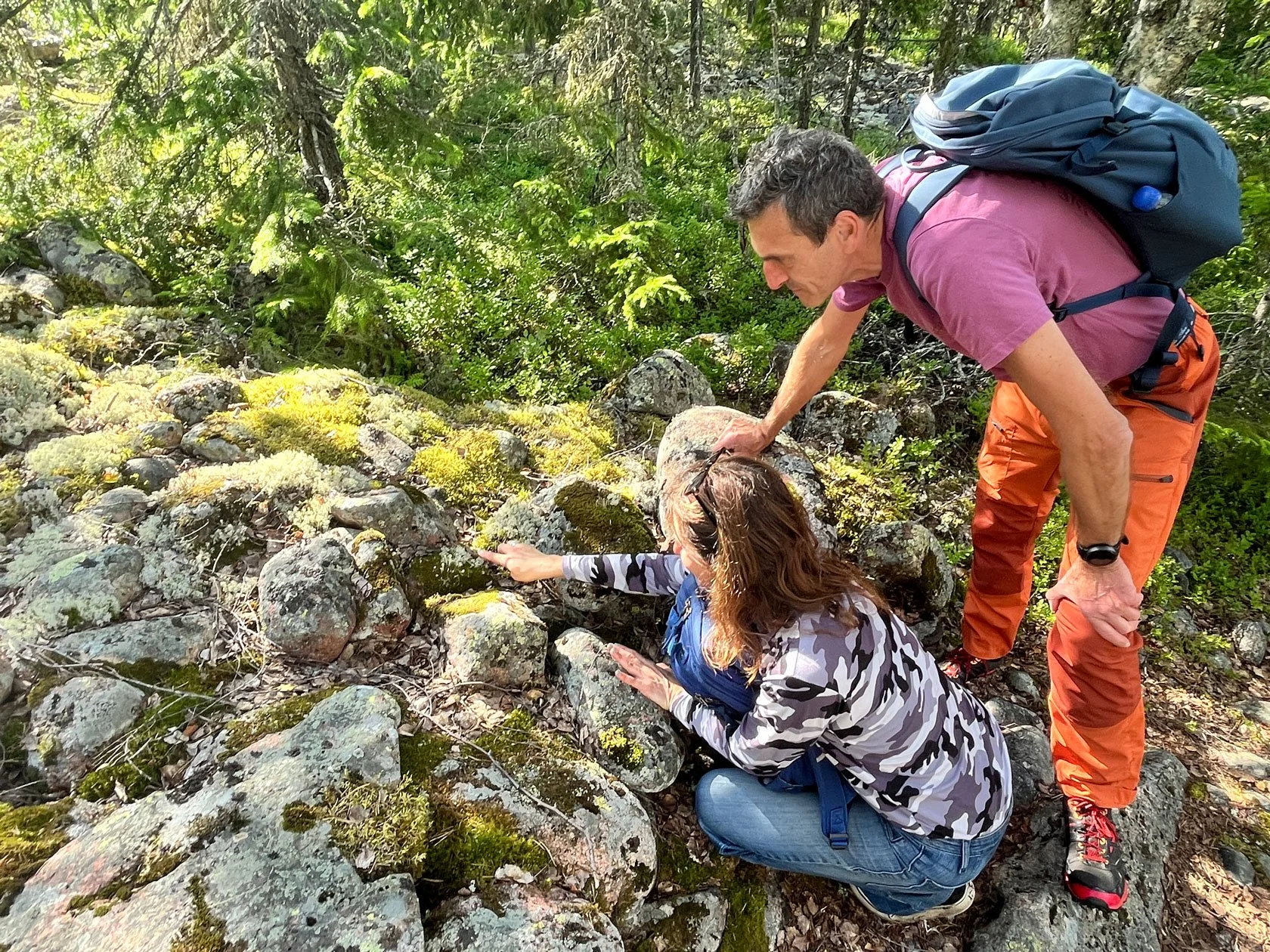
Docksta Havet is a Base Camp because we've been building it like that for twenty years — but also because I’m not just a host. I've spent most of my life working with communication, and I've spent just as much time learning what nature does to us when we finally slow down.

That's why, alongside day trips and logistics, you'll also find two things that are very close to my heart:

  • SKOGSPAUS Experience — a guided hammock forest immersion (small groups, slow pace, real reset). It's for couples who don't want to "do more", but want to come back from the High Coast feeling lighter. [Discover more]

  • SKOGSPAUS (the book) — the deeper framework behind this way of hosting and exploring: presence, listening, and the art of not rushing what matters. If you want to bring the High Coast’s forest whispers home, this is where they live. [https://ko-fi.com/skogspaus/shop]
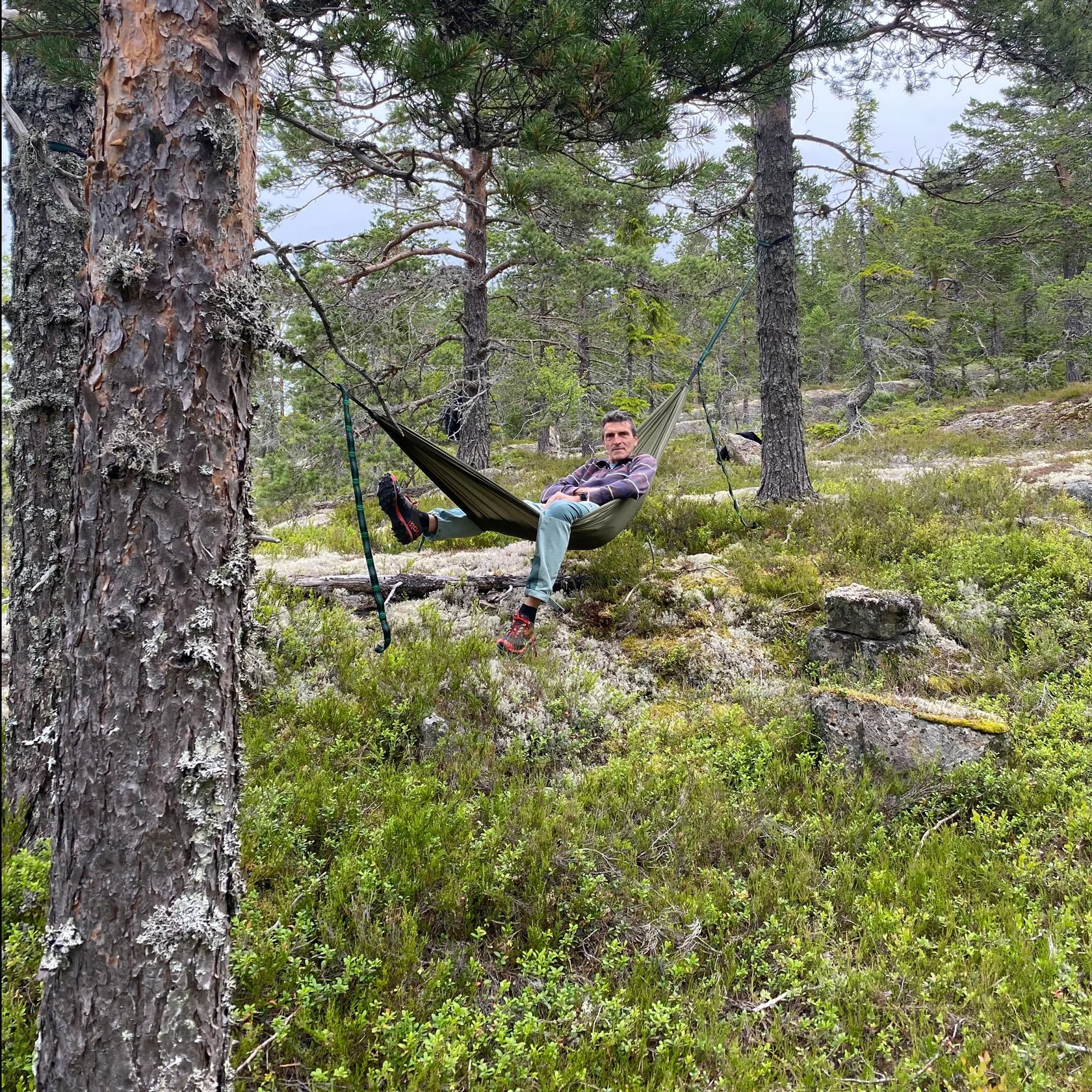
You don't need any of this to enjoy the High Coast.

But if you're the kind of traveller who feels that a holiday can be both beautiful and meaningful — you'll understand why it belongs here.

And this is often what couples tell me at the end:

"We thought we needed a full list. We left with one perfect memory."


Want me to sanity-check your plan?

Want me to sanity-check your plan?

Send me three things: your dates (or rough window), how many days you have, and what kind of day you’re really after. I’ll tell you what’s realistic from Docksta — and what’s not worth the effort.

The goal isn’t to do everything.

It’s to come back to the pier at the end of the day and feel: “Yes. That was it.”

If you want a base that makes that easy, Docksta Havet Base Camp is right on the water — close to the trails, the viewpoints, and the heart of the World Heritage Site’s beauty.

Book your base:

  • the Boathouse [See more] — minimalist, over the water

  • the Dock House [See more] — cozy for couples

  • the Guest House [See more] — spacious + seafront + full kitchen

Ask me: dockstahavet@gmail.com

See you on the pier!

_Tommaso