The High Coast, Slowly: A Quiet Pause Under Rocky Pines — If You’re Still Dreaming of Your Summer, Keep Reading.
Between Land and Sea: A Hammock Immersion in the High Coast

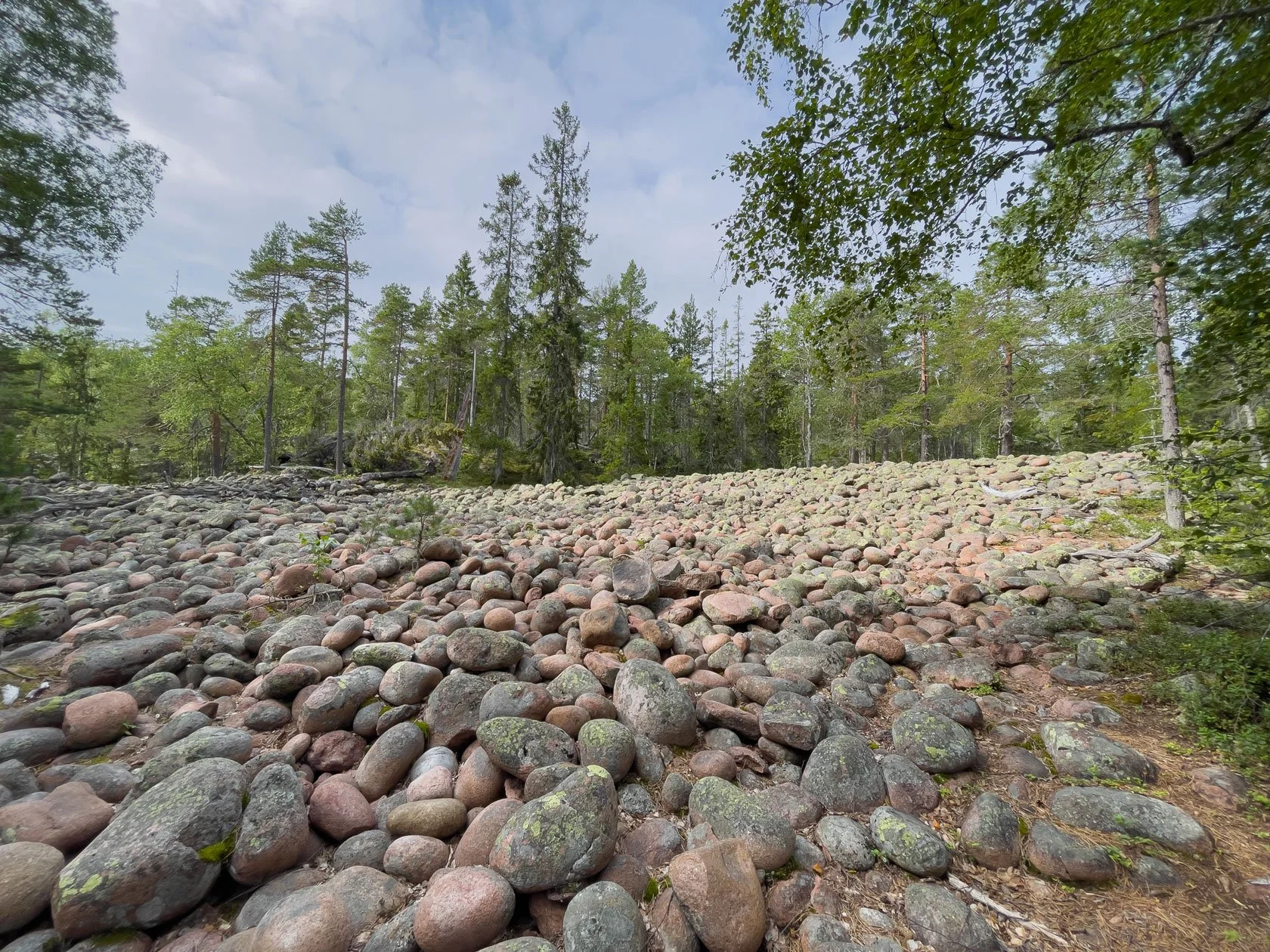
Maybe you haven’t been here yet.
Maybe you’re still looking at maps, photos, and ferry timetables, trying to imagine what the High Coast feels like.
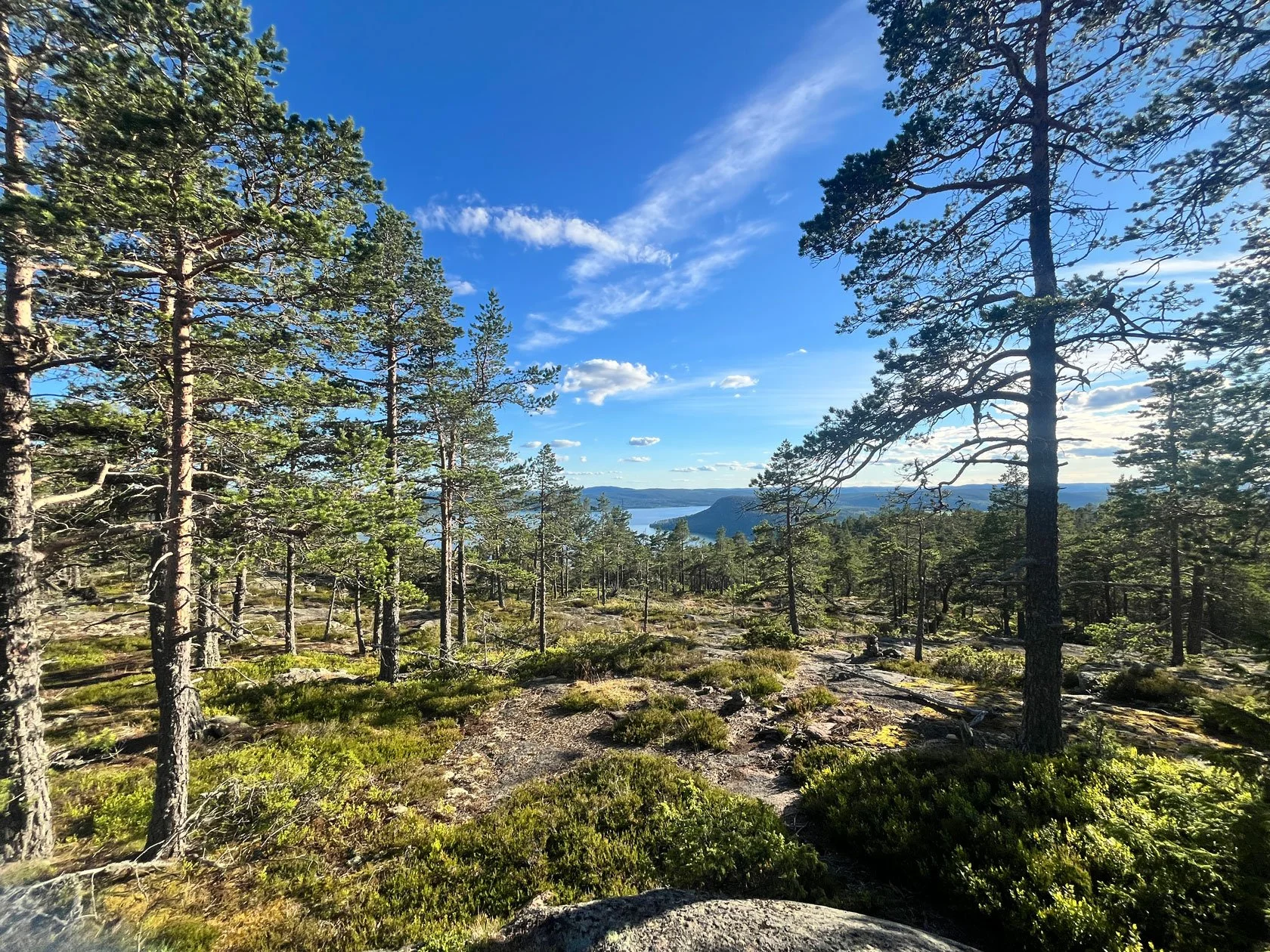
This is a place where pines grow on rock above the fjord, where salt and resin share the same air, and where Nordic light — especially around the Summer Solstice — quietly changes your rhythm. A UNESCO landscape, yes — but more than that: a living threshold between sea and mountain.
And if you ever stay with us, I’ll be your host when you arrive. We haven’t met yet, and that’s fine. Some places — and some hosts — should meet you slowly.
I’m the kind of host who draws on maps, talks weather, and keeps a hammock in the car — just in case the day asks for a pause.
Before the check-in, before the dock lines, before the first hike plan, I like to offer one gentle idea — not a program, not a product, not a promise. Just a way of arriving.

The Forest Guest

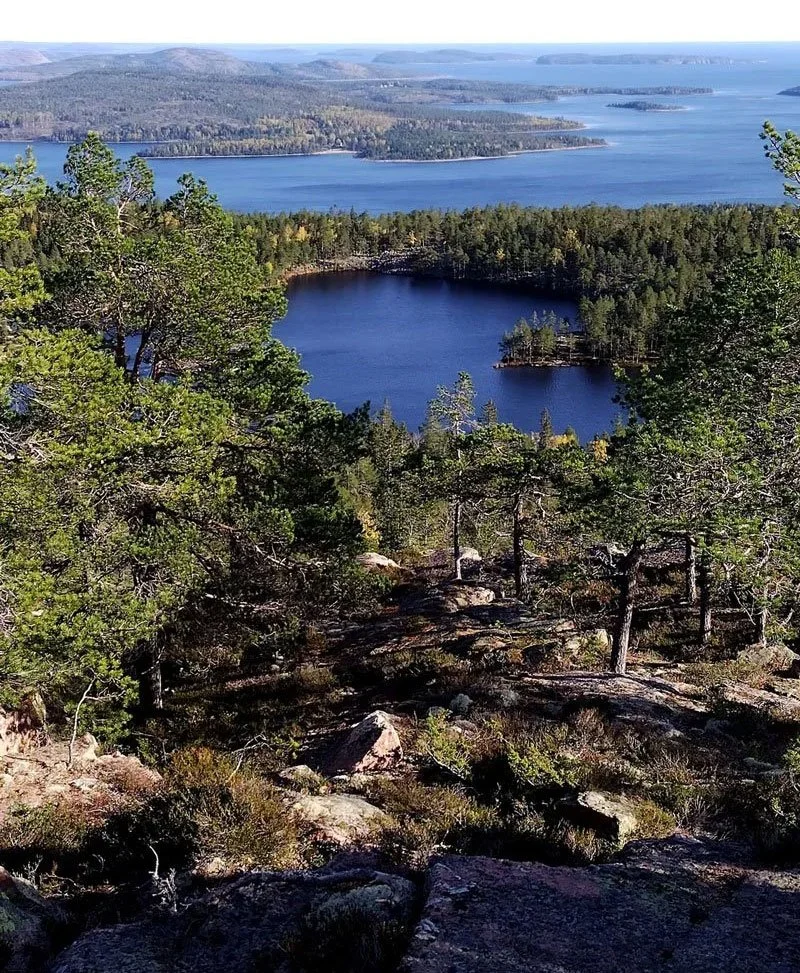
In the High Coast, it’s easy to become a collector.
Collect the icons. Collect the viewpoints. Collect the perfect weather window.
But there is another role available here — quieter, older, and surprisingly powerful:
To be a guest.
Not an occupier. Not a consumer of nature.
A guest.
A guest arrives with attention. A guest listens before speaking. A guest leaves the place lighter than they found it.
If that sounds a bit too serious, keep it simple: it just means we try to be gentle with the place.
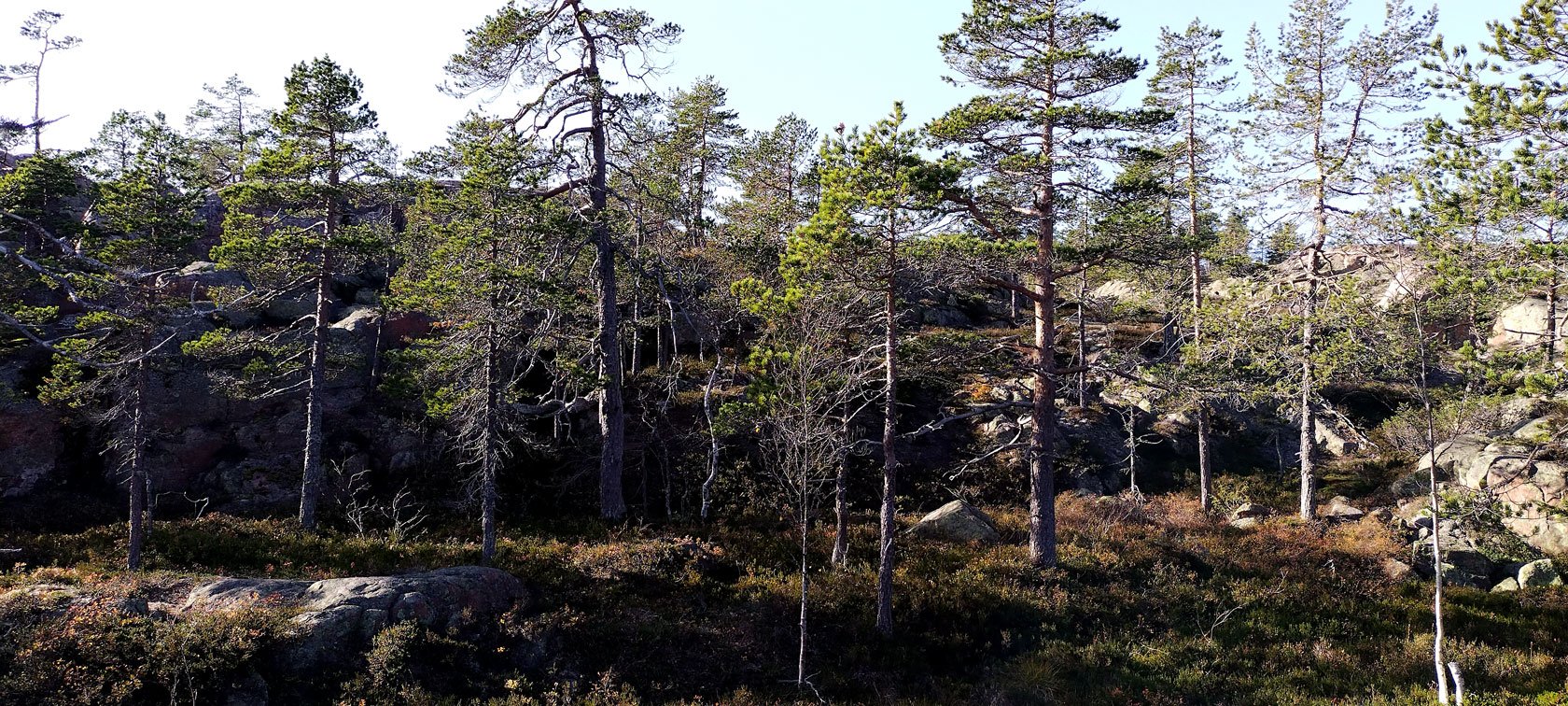
A hammock forest immersion, in a rocky pine forest

There are forests that feel like a room.
And there are forests that feel like a threshold.
Here, above the fjord, the ground is not soft in the usual way — it’s ancient, sculpted, patient. Silence is still possible. And when the wind calms, you can hear how much space there is.
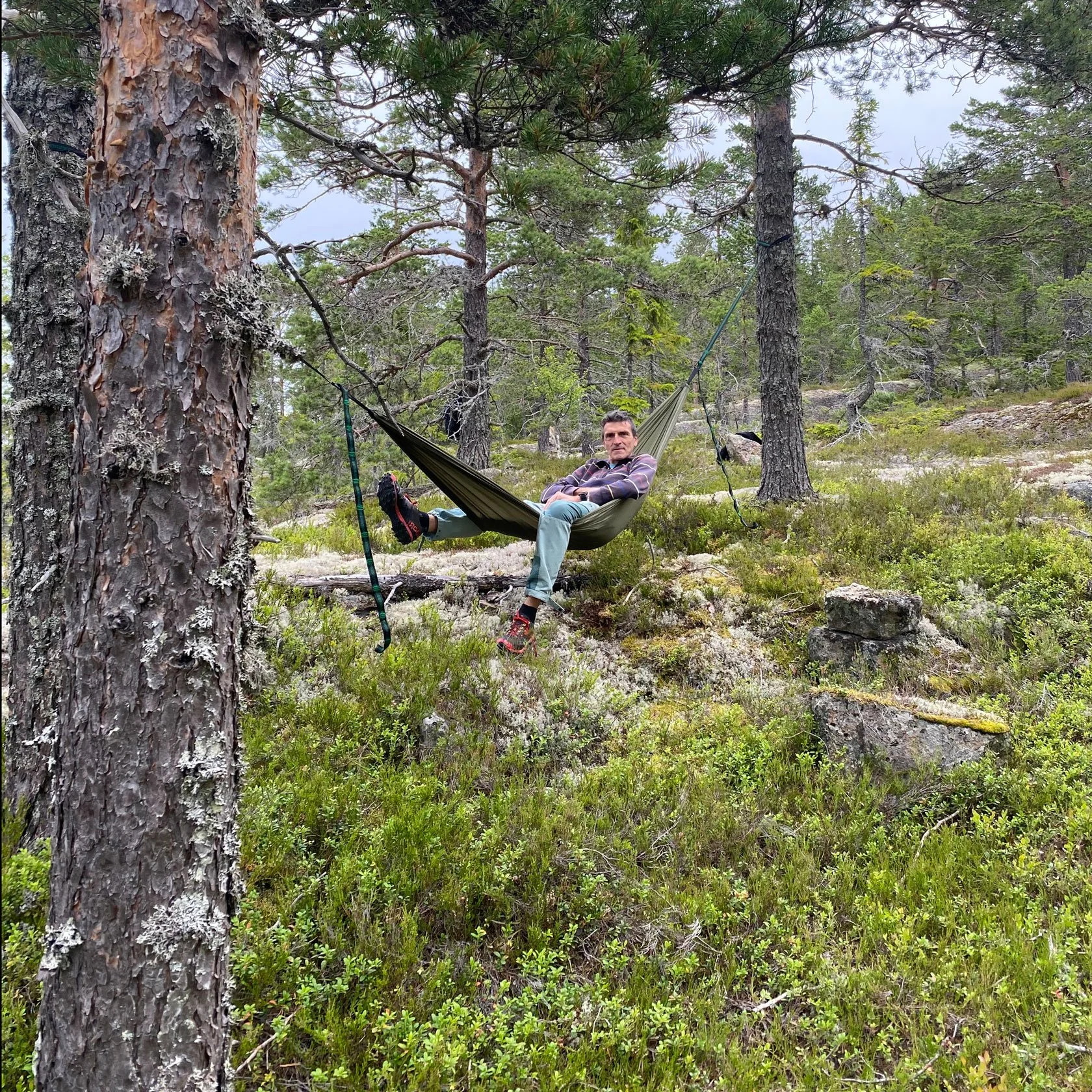
A hammock forest immersion is simple: you walk a little, you hang your hammock, and you let the forest hold you for a while.
We walk in without hurry. I pick two trees that feel kind to the hammock. A strap, a small check, a quiet nod. Then you lie back and the forest does what it does: light moving, a few sounds you didn’t notice before, your breath finally not in a rush.
Not a retreat. Not a performance hike. Not a wellness show.
Just presence.
Why spring to late summer feels like a quiet invitation
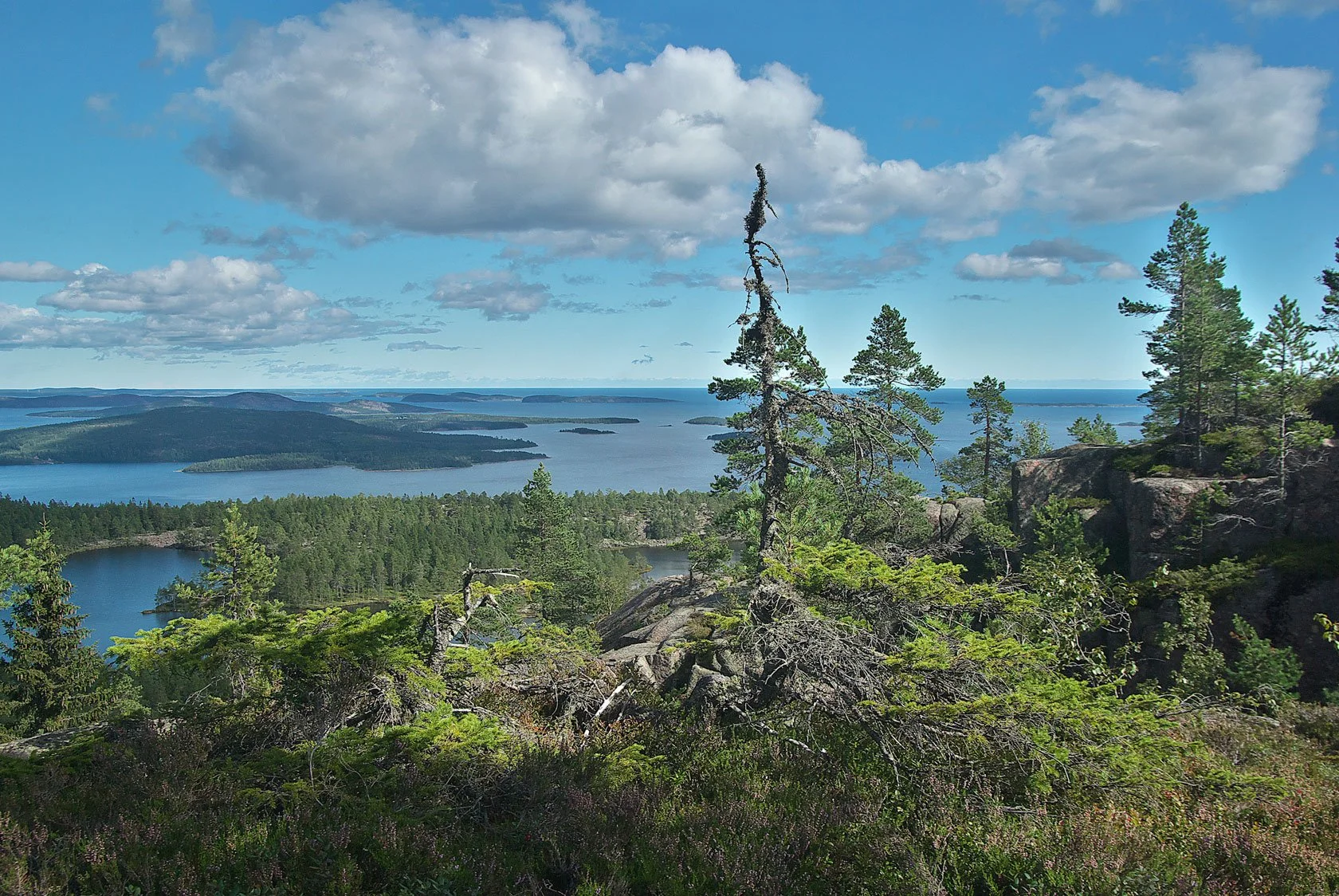
There’s a long window — from late May and June, all the way into late August — when the High Coast changes its voice.
In spring, the light returns and everything feels possible again.
In high summer, the canopy is lush, the sea is warmer, and the days stretch out.
And then, toward late August, something soft happens: the trails breathe, the sea becomes quieter, and nights start to darken again.
For me, this whole season is perfect for a hammock forest immersion — a gentle pause inside your adventure, not after it.
If curiosity finds you
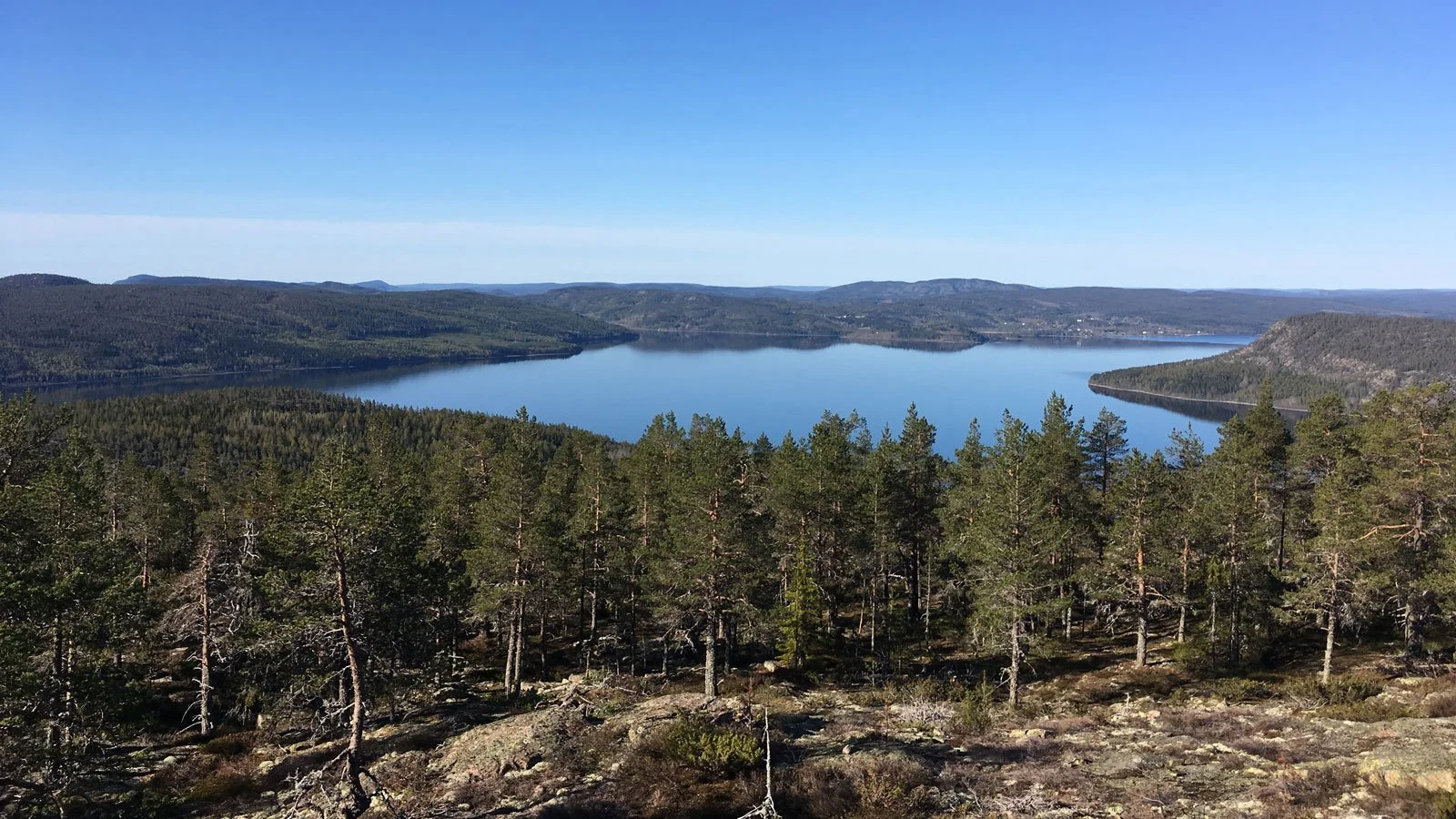
If this note touches something in you, keep it simple.
When you arrive, tell me one thing:
Are you here to hike, to sail, to run, or to rest?
And I’ll point you toward a quiet forest mood that fits your days — a place where the rocky pines and the High Coast light do their quiet work.
Sometimes guests ask about the night sky too. When the nights return, the High Coast can surprise you with aurora — even this far south. On clear nights, the fjord becomes a mirror. If you want to time it, I check yr.no for cloud cover and its integrated aurora forecast.
Sometimes it’s nothing. Sometimes it’s a quiet glow. And sometimes it’s a memory you take home for years.
Three gentle invitations (in the forest)
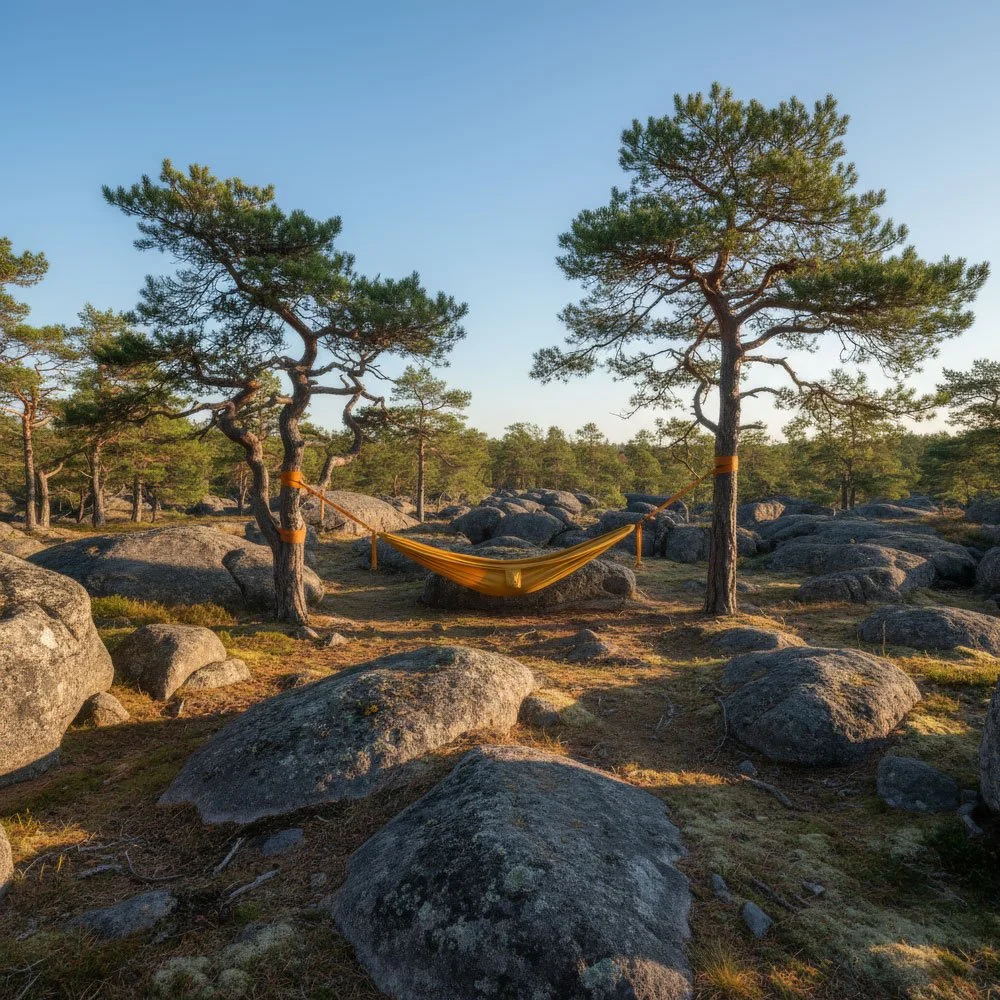
If you ever stay with us, this is the kind of thing I share with a bit of shyness — not to turn the forest into a postcard, and not to promise a transformation, but to remind you where you are.
These rocky pine forests have their own quiet protagonists. Some are obvious: wind in the canopy, light moving across stone, the scent of resin after a warm day. Some are smaller: a sudden hush when a bird passes close, the soft creak of hammock straps, the moment your shoulders finally drop.
Sometimes the real shift doesn’t happen when we do more. It happens when we finally pause.
A hammock forest immersion is exactly that: a few quiet hours under the canopy, held by rocky pines and High Coast light — where your body remembers how to downshift, and your mind stops trying to “use” the landscape.
If you feel that little yes inside you, you don’t have to decide much. This pause can meet you in three forms: together in the forest (it has one name: Skogspaus), on the page (the e-book that grew from these same mornings between pines, silence, and hammocks), or in your own rhythm (with a simple hammock kit you can borrow, so the pause can happen on an ordinary day too).
Ciao for now,
Tom
SV 🇸🇪 - Kanske har du inte varit här ännu.
Höga Kusten är en plats mellan land och hav, där tallar växer på klippor ovanför fjorden.
En hängmattepaus i skogen är bara det: en stilla stund som låter landskapet göra sitt.
FI 🇫🇮 - Ehkä et ole ollut täällä vielä.
Korkearannikko on paikka maan ja meren välissä, missä männyt kasvavat kallion päällä vuonon yllä.
Riippumattohetki metsässä on pieni, lempeä tauko — ja joskus juuri se riittää.
DE 🇩🇪 - Vielleicht warst du noch nie hier.
Die Hohe Küste liegt zwischen Land und Meer, mit Kiefern auf Fels über dem Fjord und Licht, das den Takt verändert.
Eine Hängematten-Pause im Wald ist genau das: ein stiller Moment, der dich langsamer werden lässt.
More Skogspaus reads (Forest Pause):
(Slow forest practices, gentle stories, and practical notes)
Micro‑guides and local tips for Höga Kusten:
(Day trips, hikes, viewpoints and quiet forest pauses)