Northbound on the E4: Where Do You Stop Tonight with Your Motorbike?

E4 Northbound: A Safe Stop for Your Motorbike in Docksta (Höga Kusten)

E4 motorbike stopover in Docksta, High Coast (Höga Kusten): safe parking, hot shower, flexible check-in for riders heading north or south.

Safe parking. Hot shower. Boathouse over the water. Optional 2–4h High Coast hiking/biking adventure. Booking on Airbnb. Flexible check‑in (self check‑in available if your ETA is uncertain)

On the road? Don't type while riding.

Quick answer (when you stop): WhatsApp +46 76 3136909. Or message me on Airbnb.

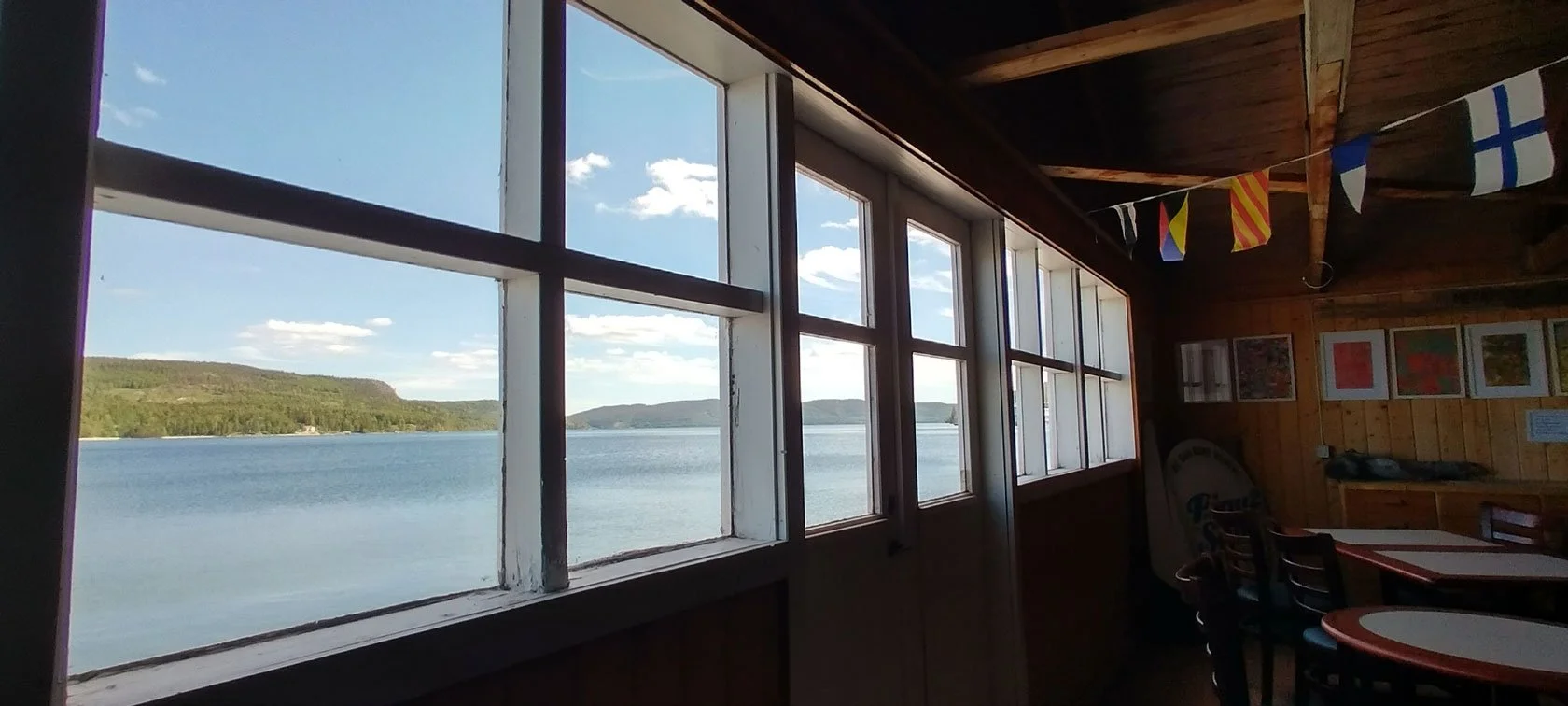
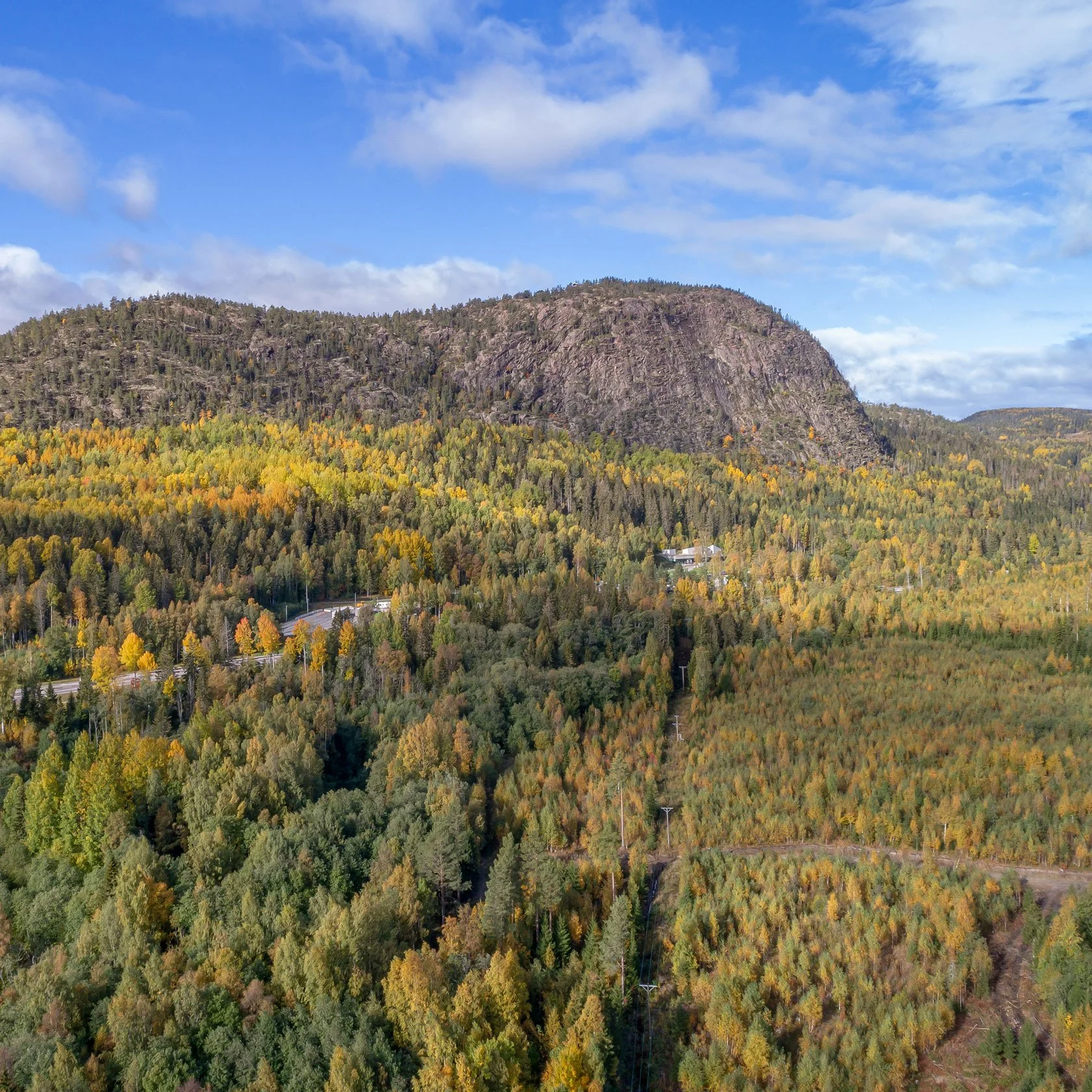
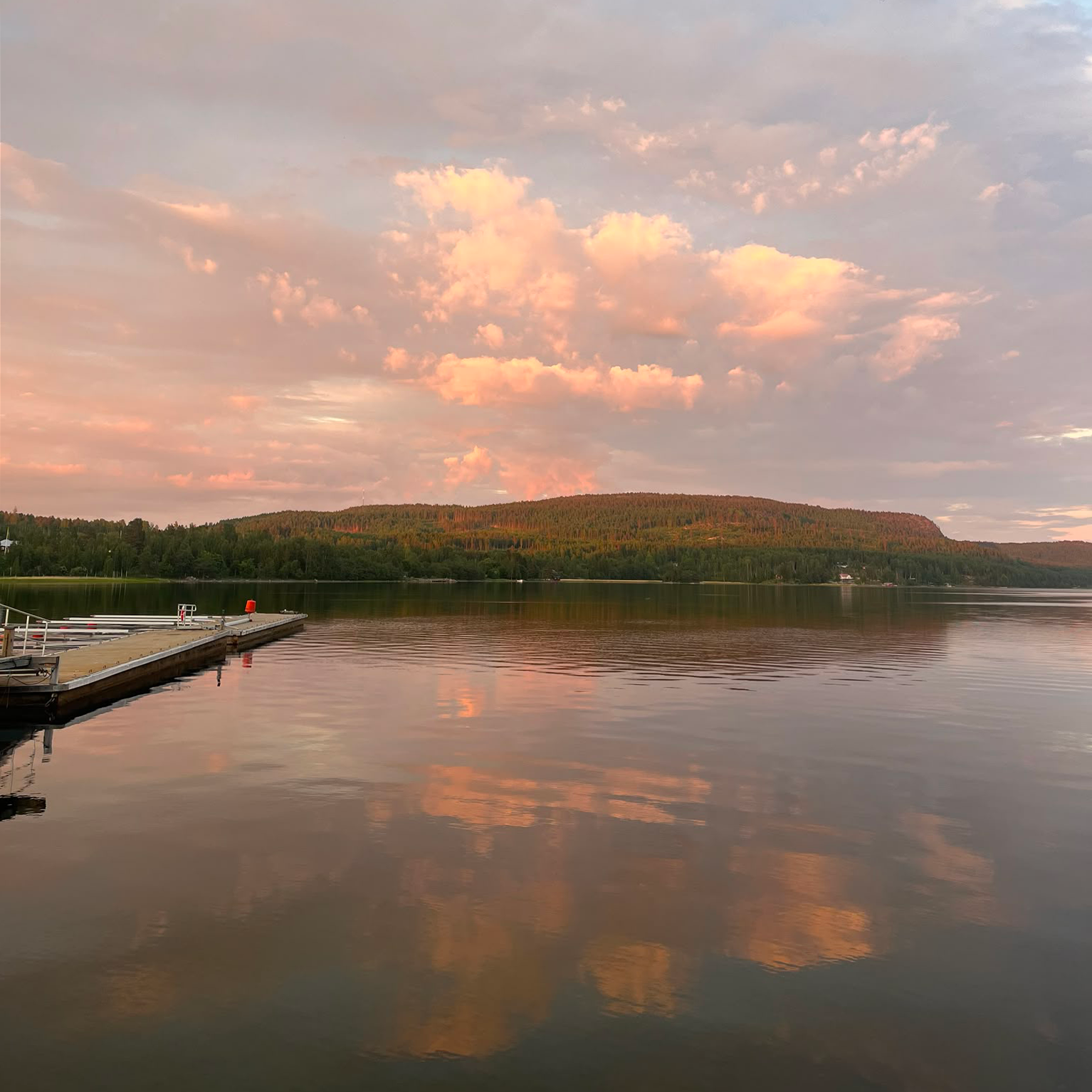
Long-distance motorcycle rider with touring panniers heading north on Sweden's E4 highway through Höga Kusten (High Coast), red granite cliffs and blue fjord visible, safe overnight stopover at Docksta Havet

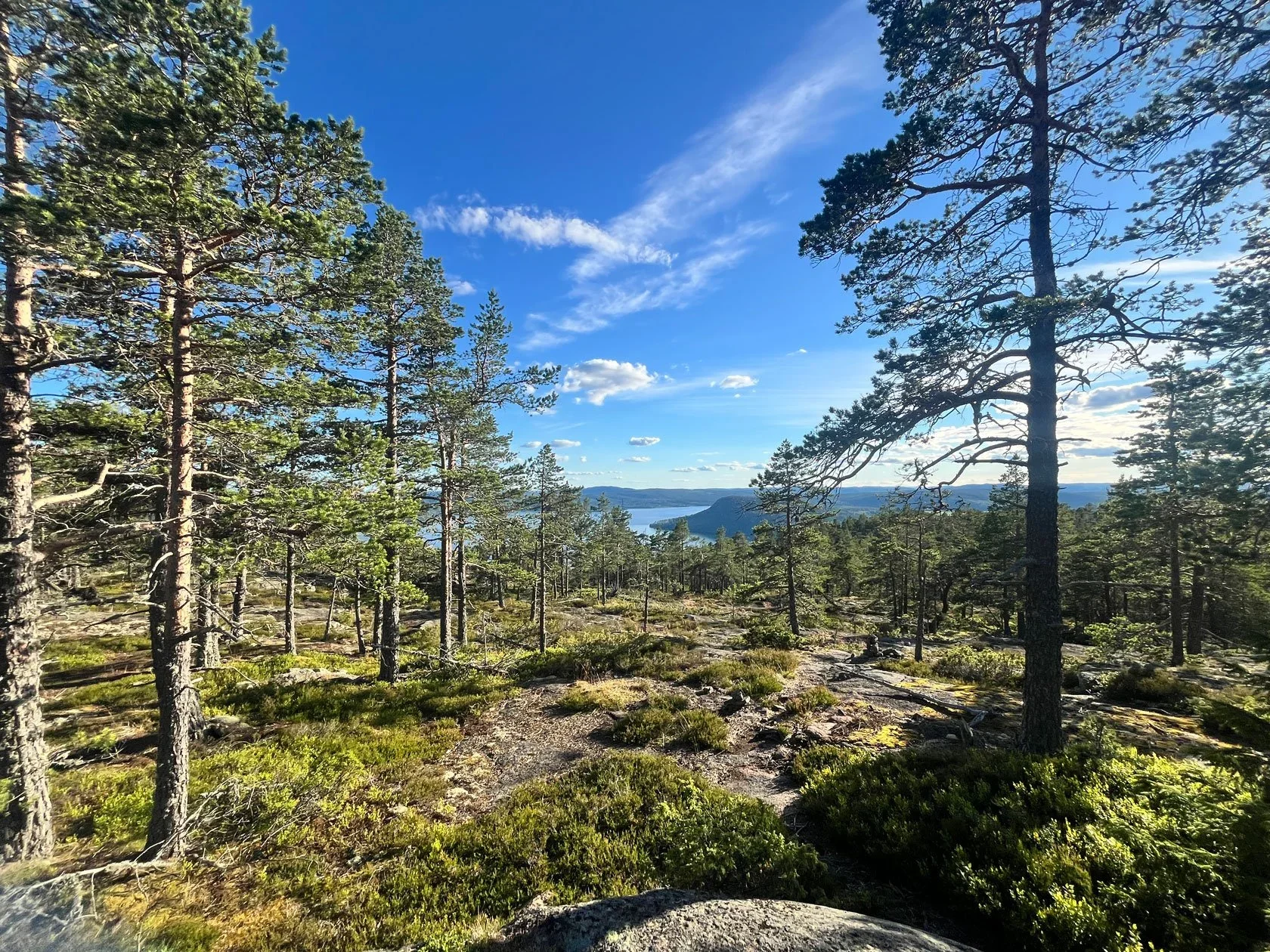
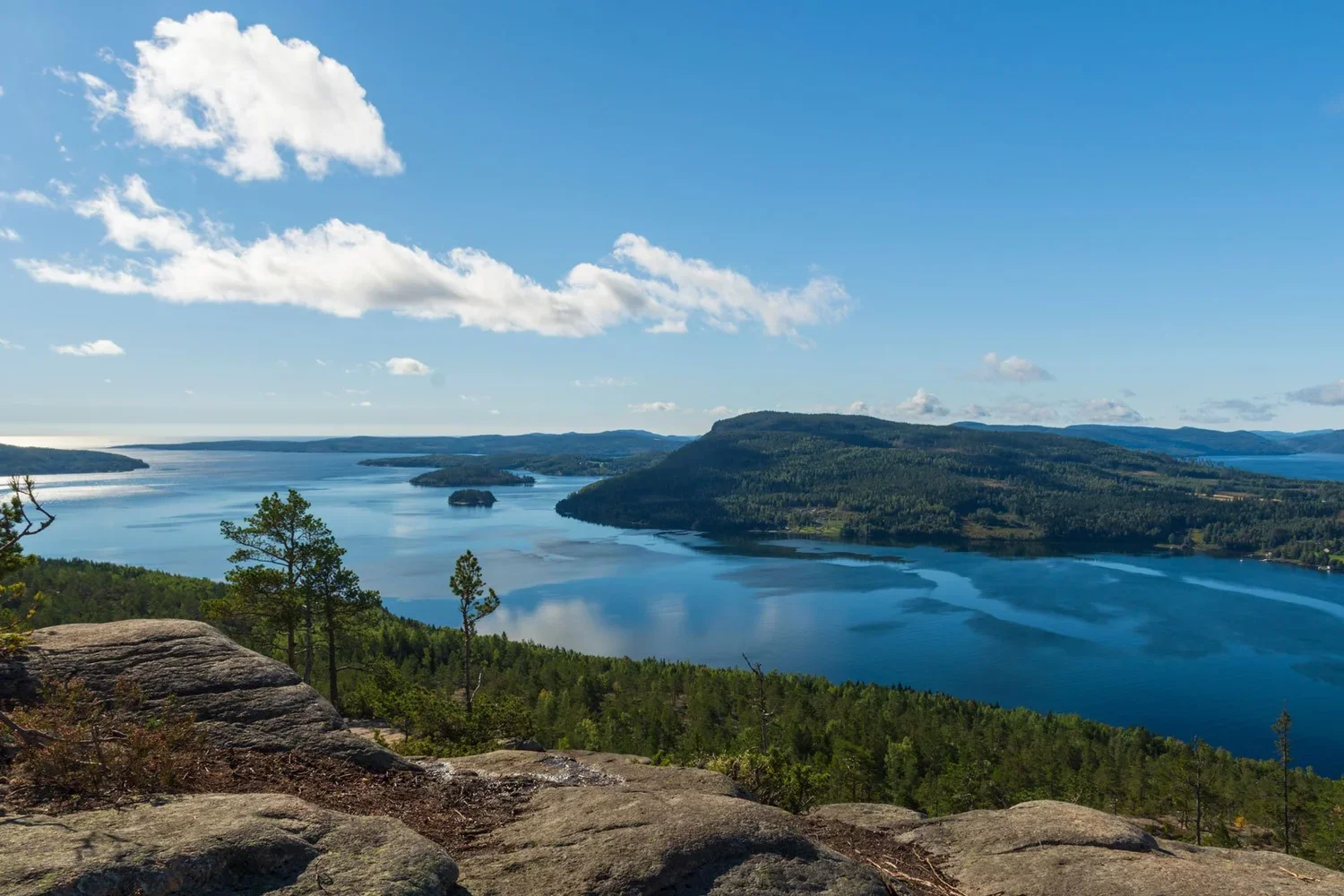
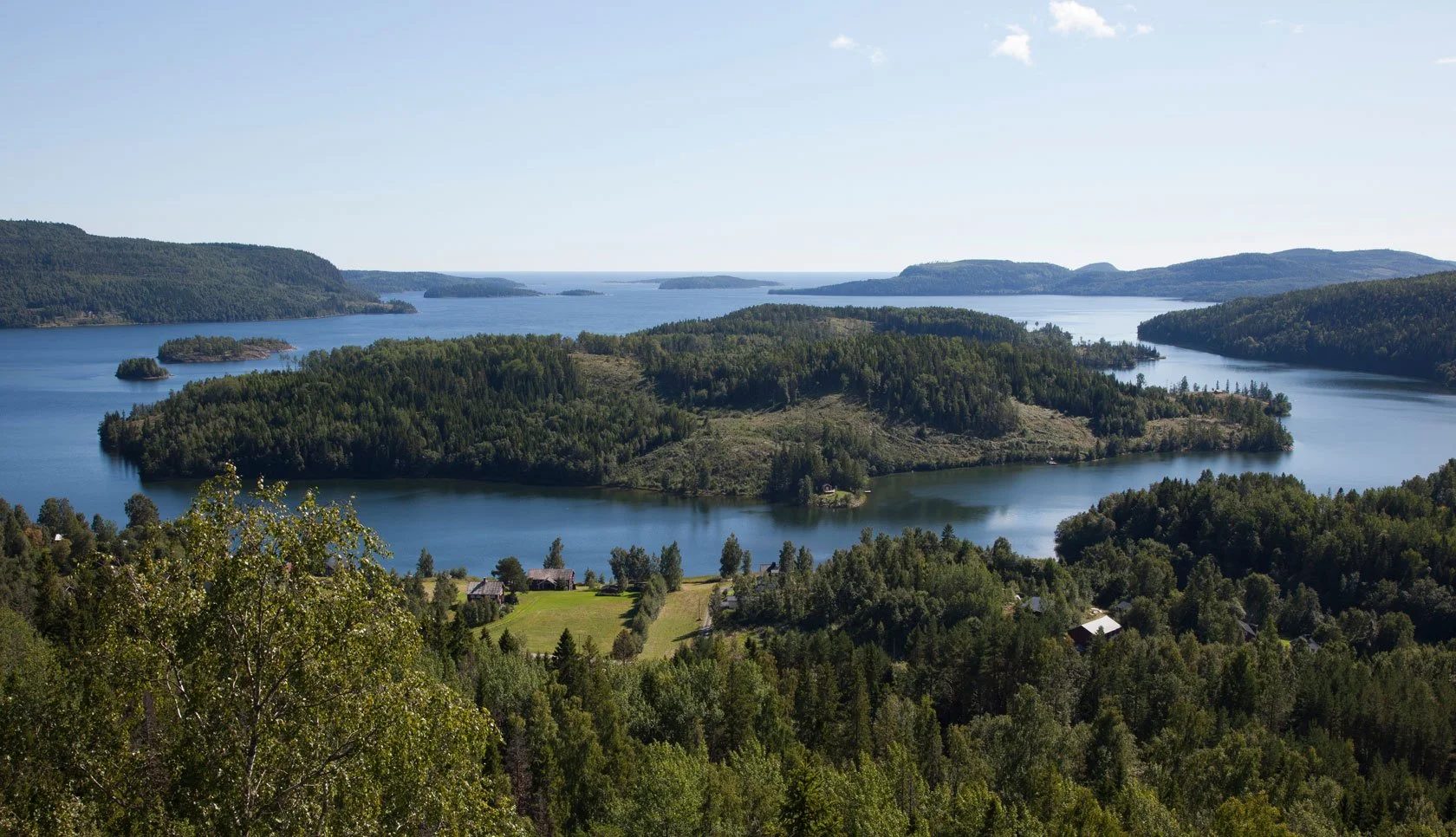
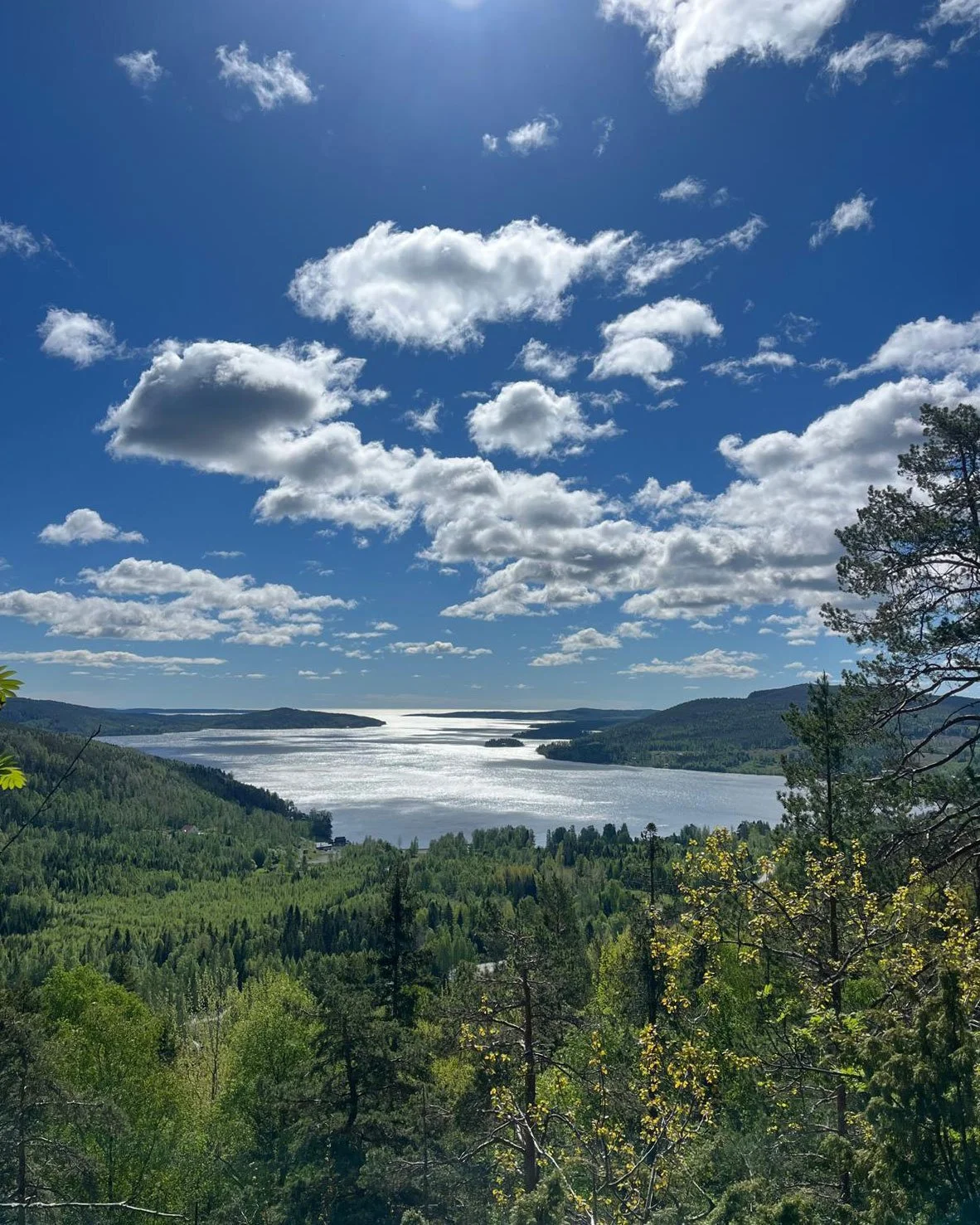
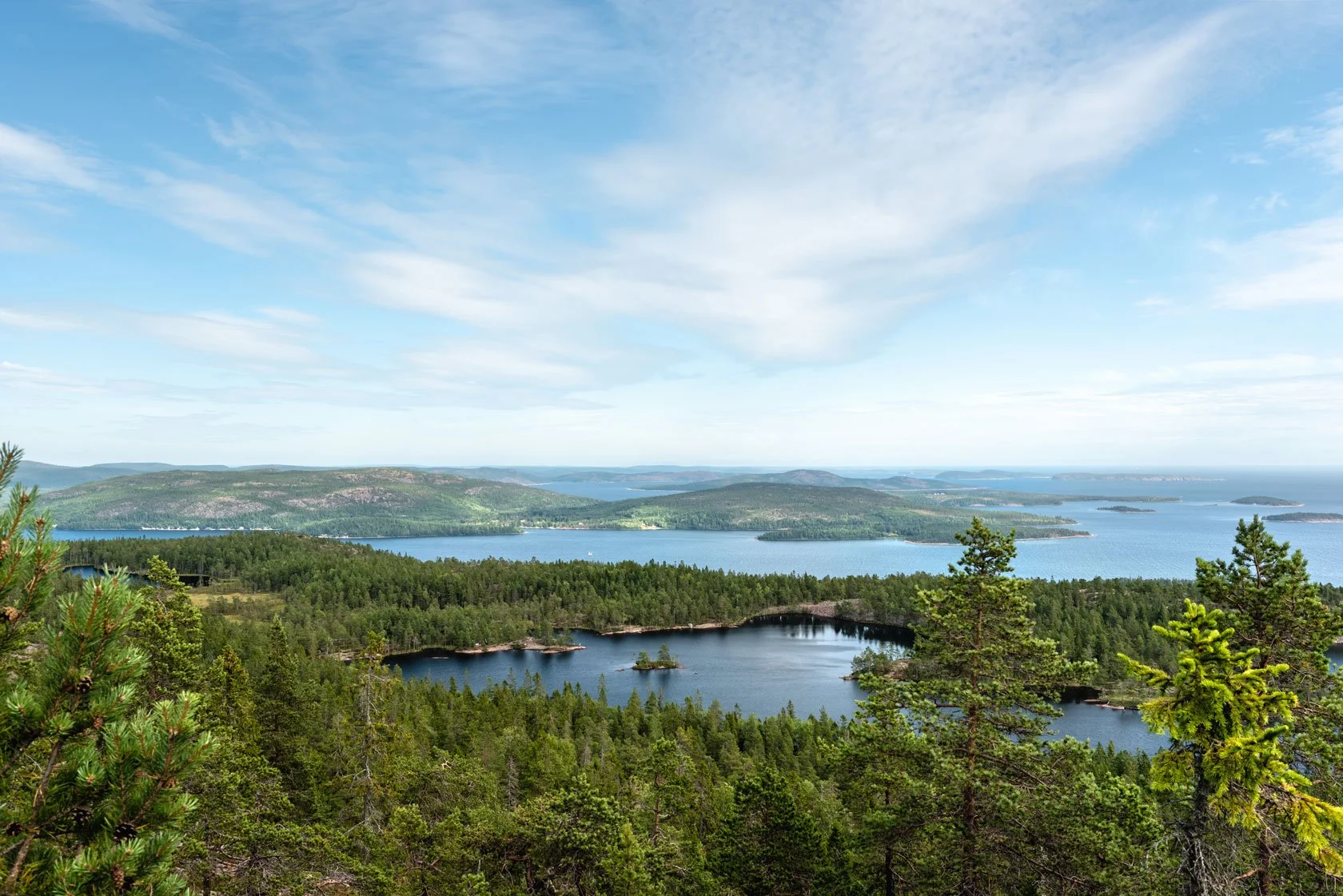
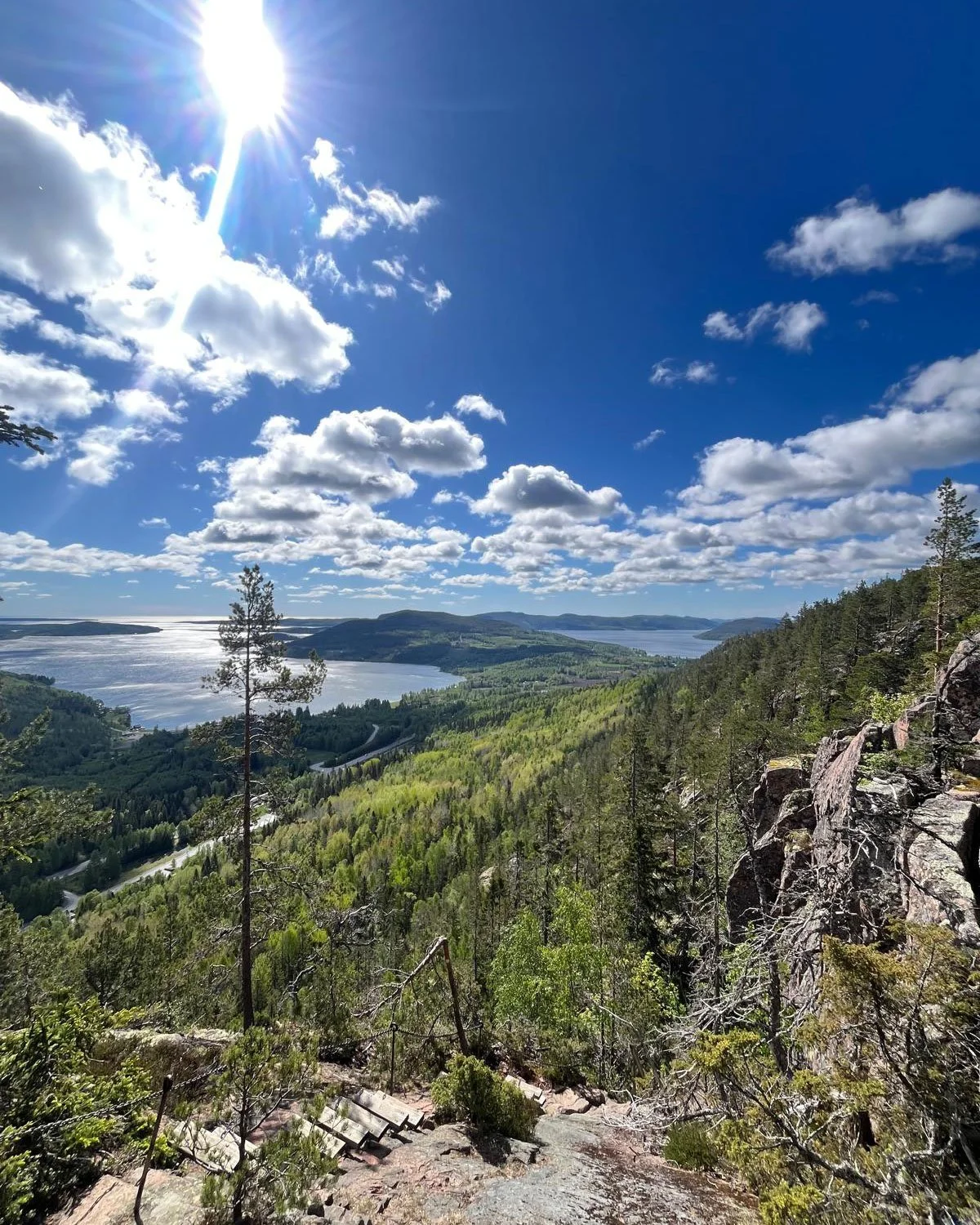
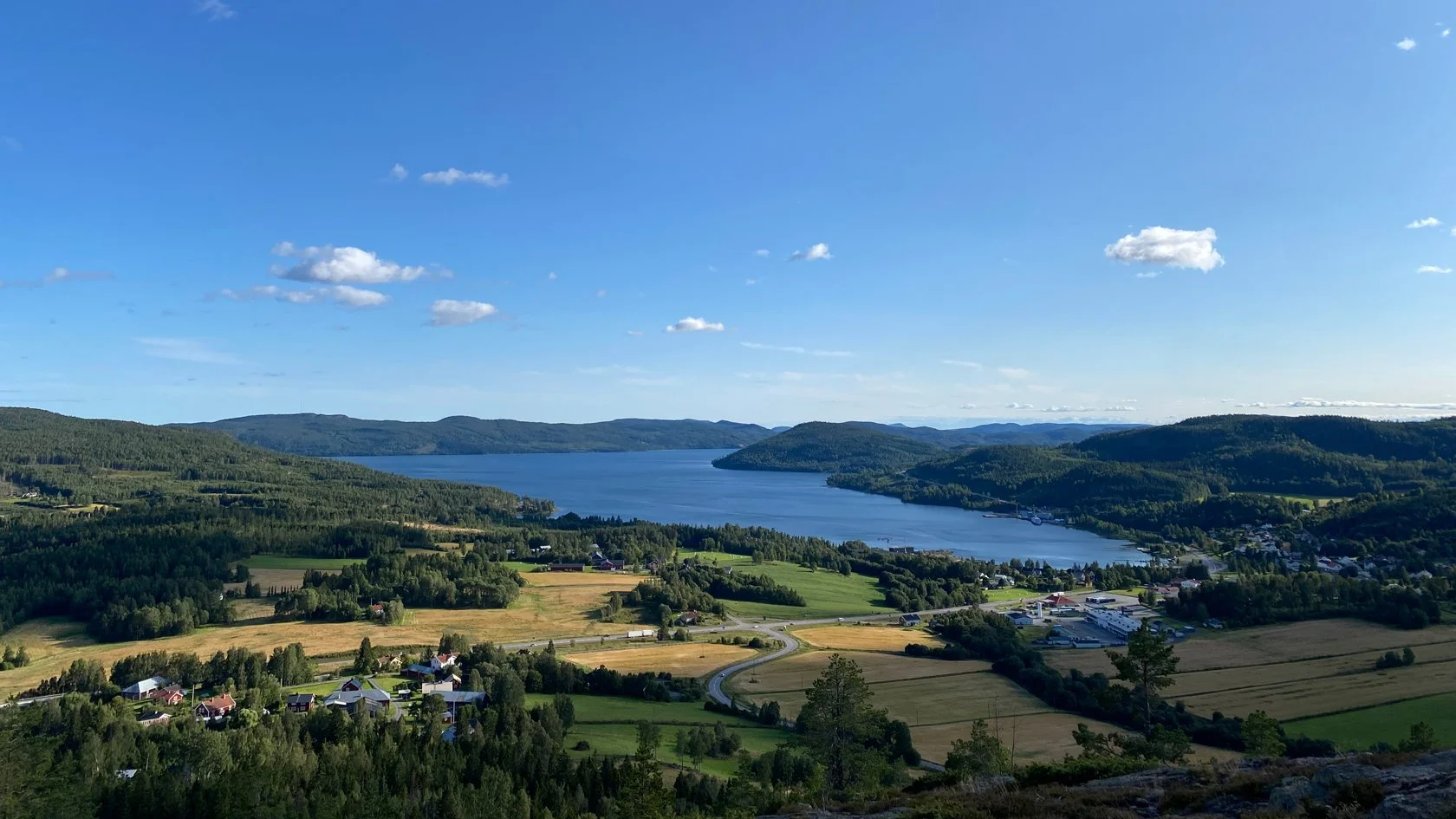
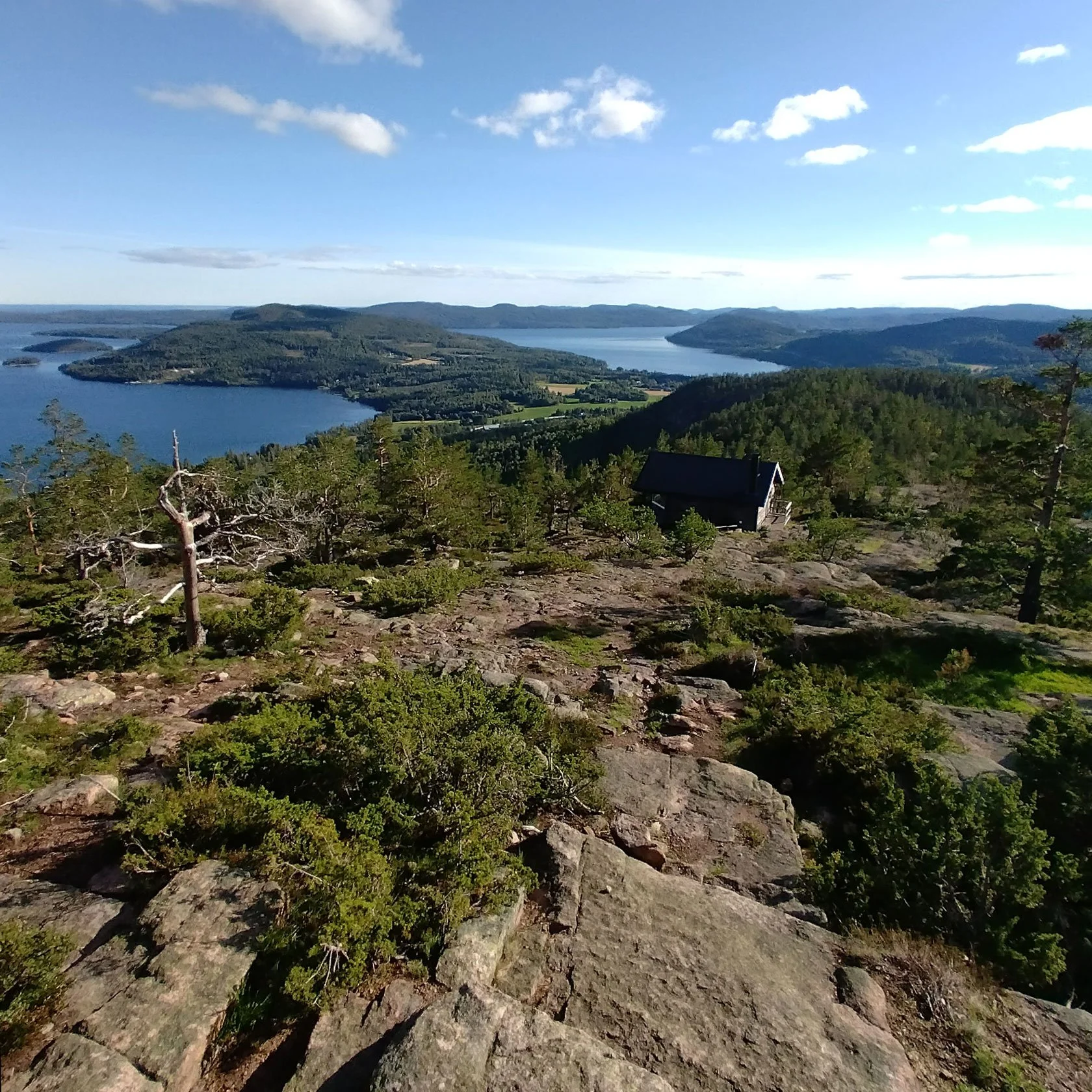
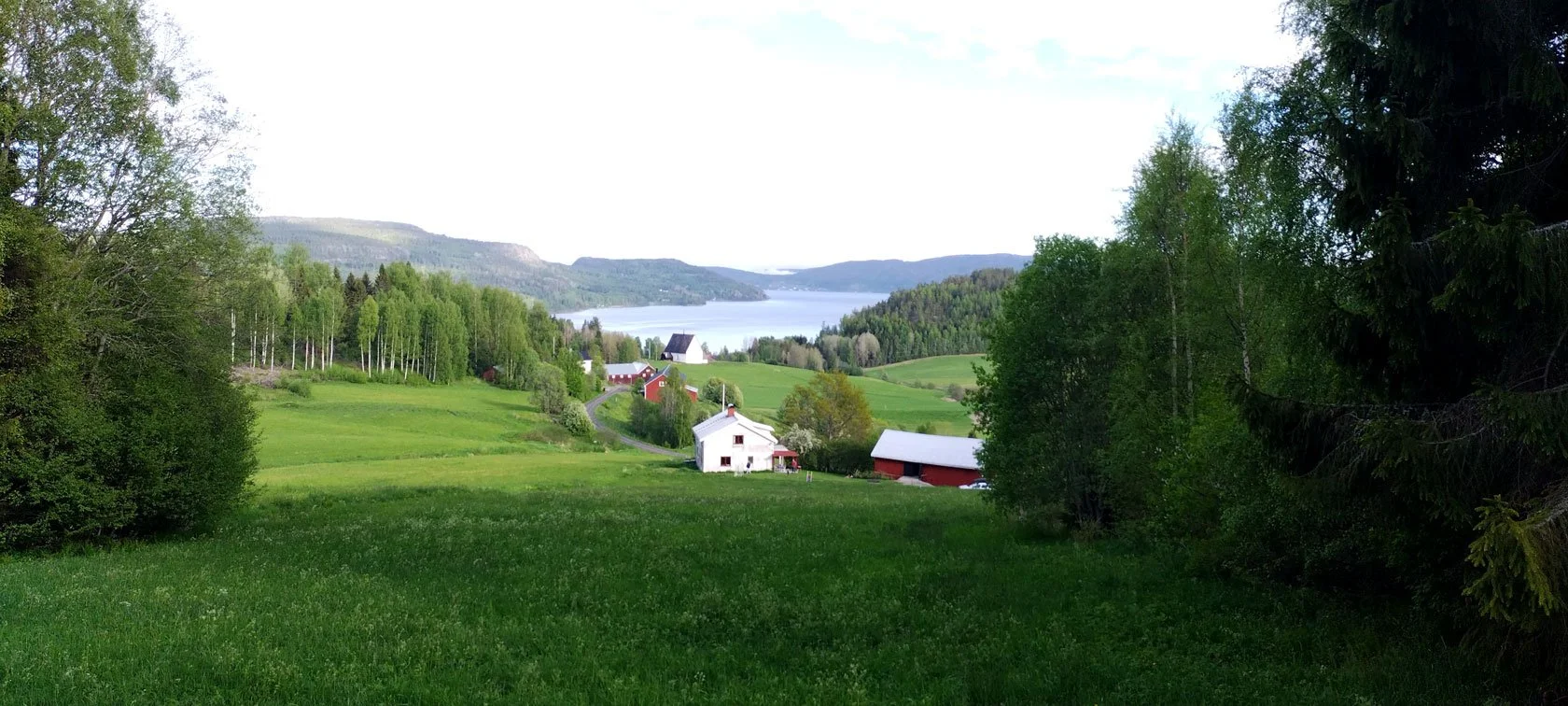
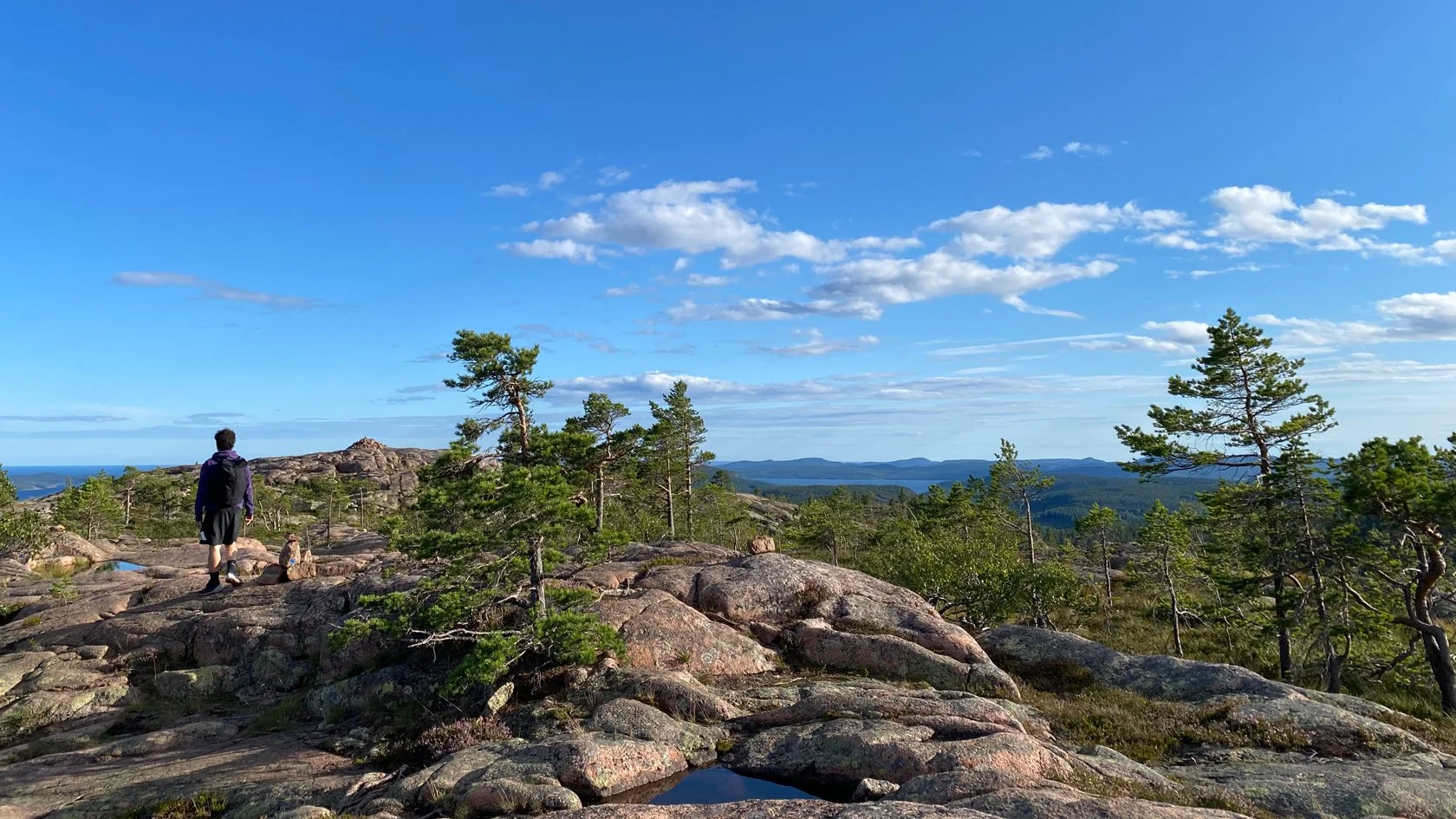
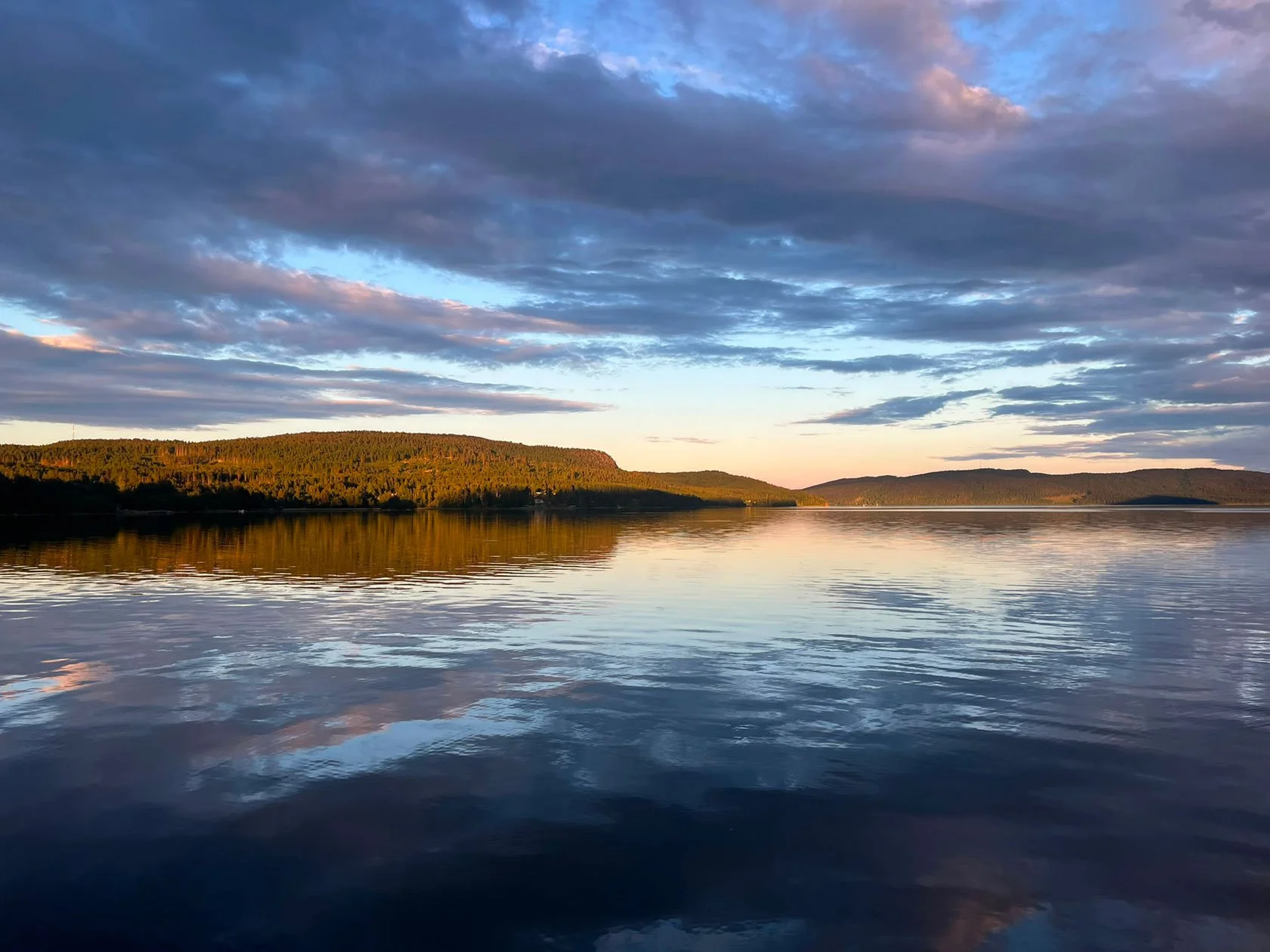
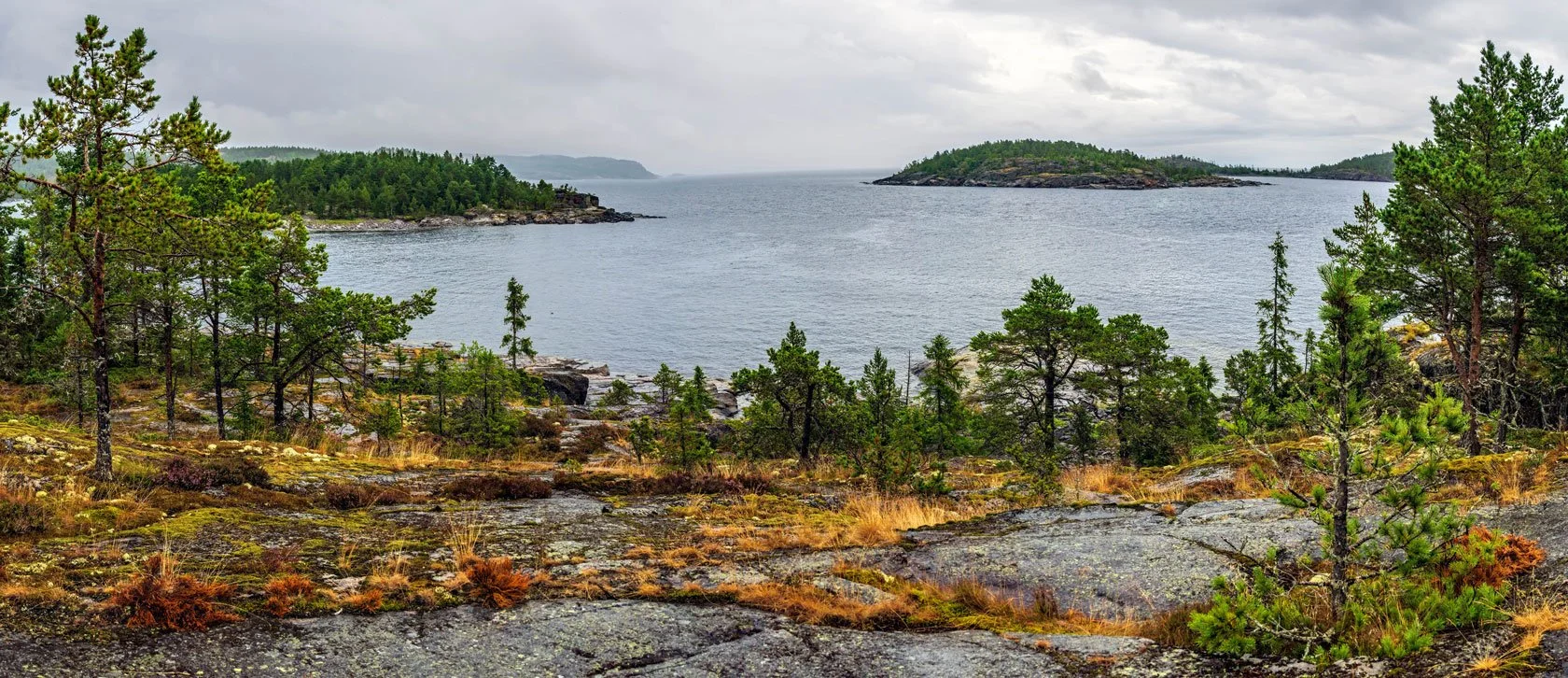
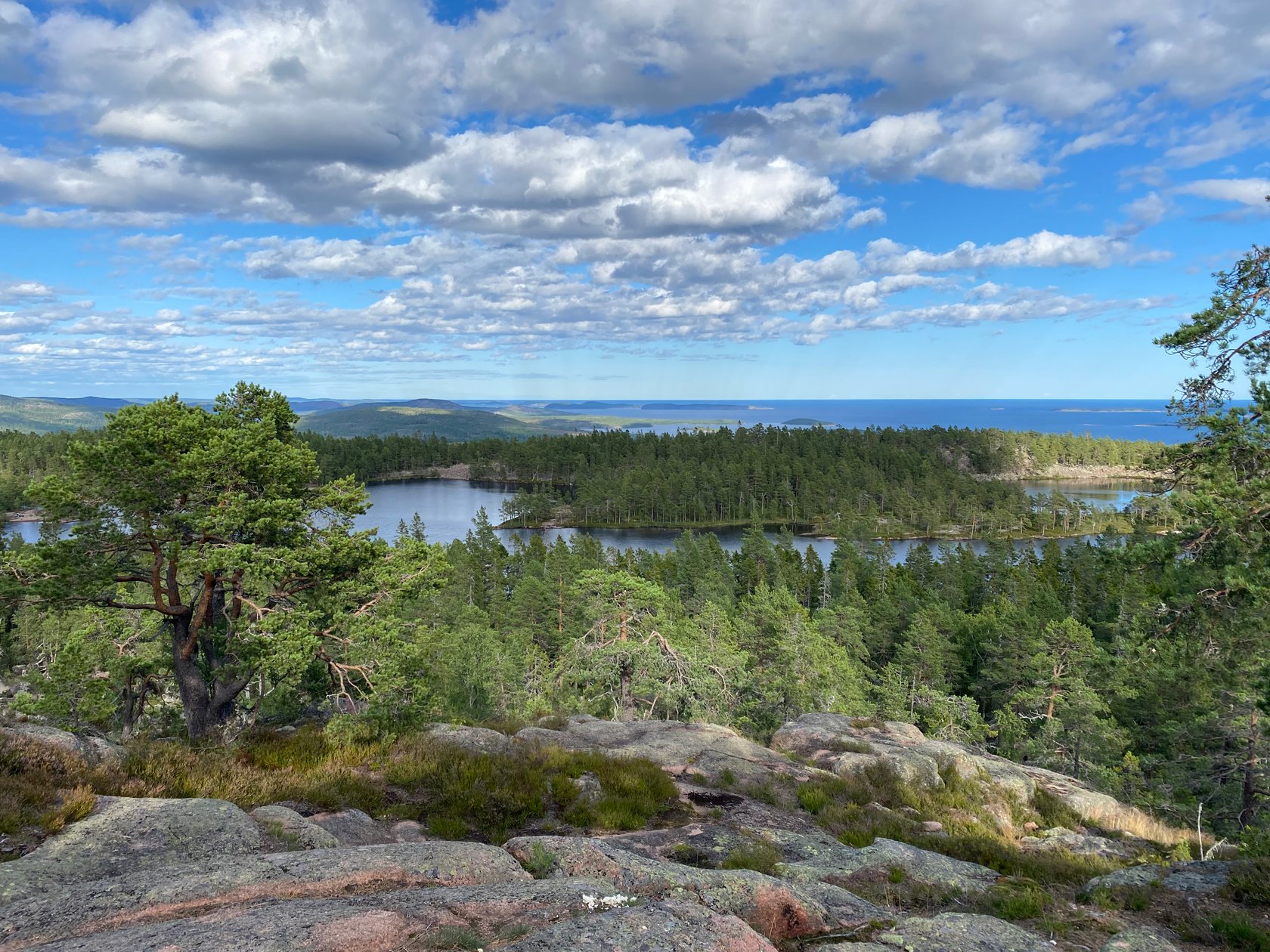
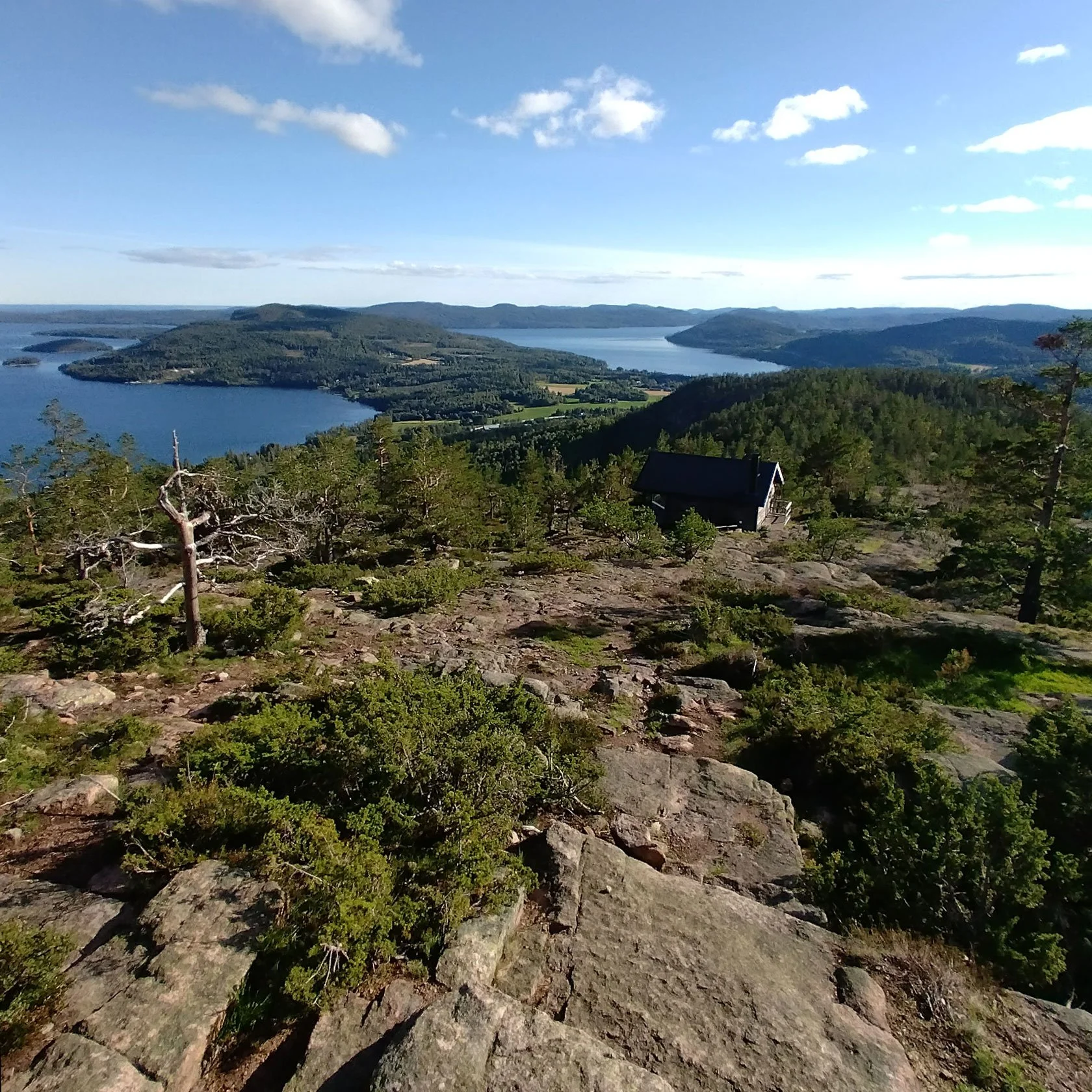
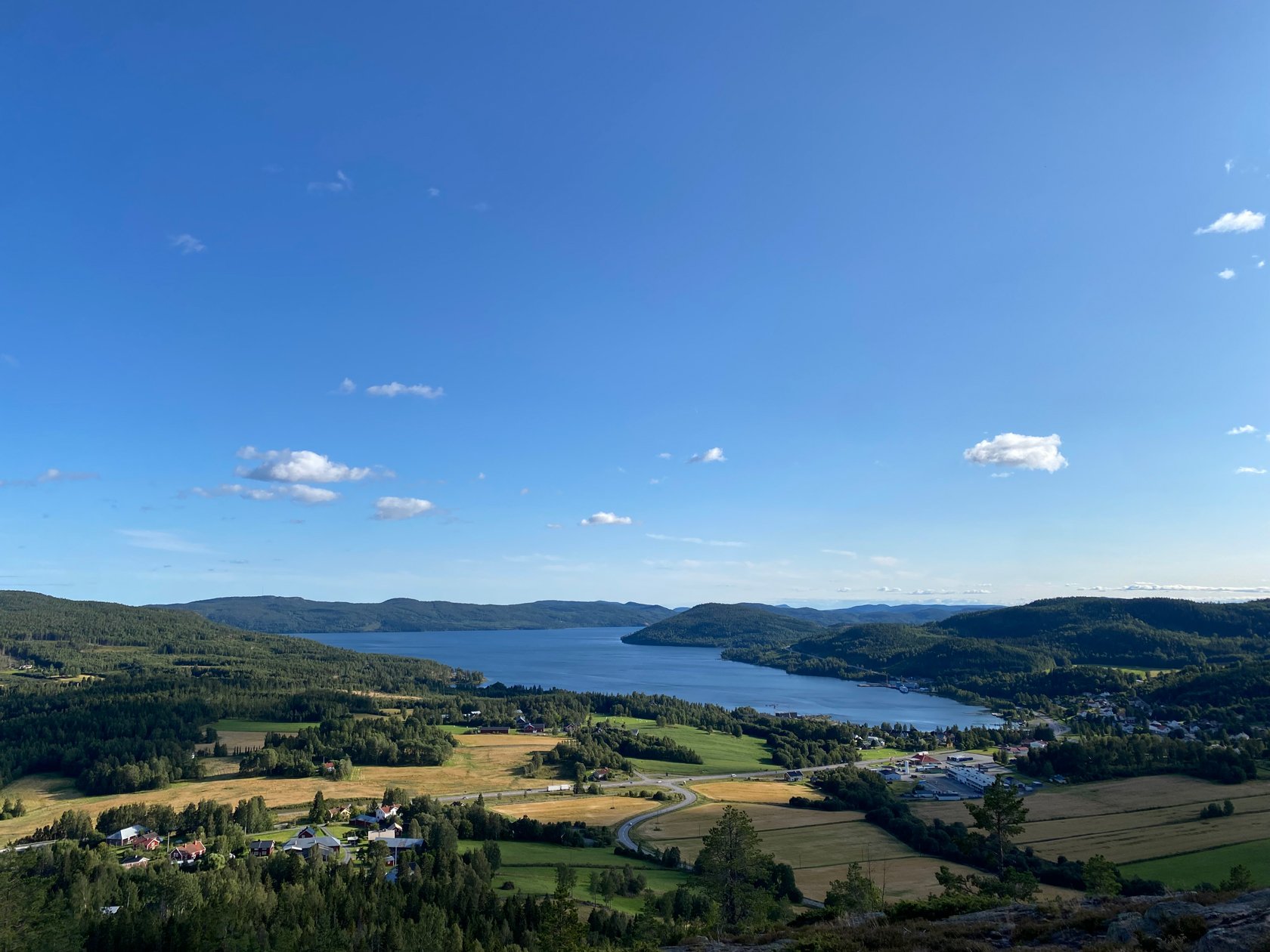
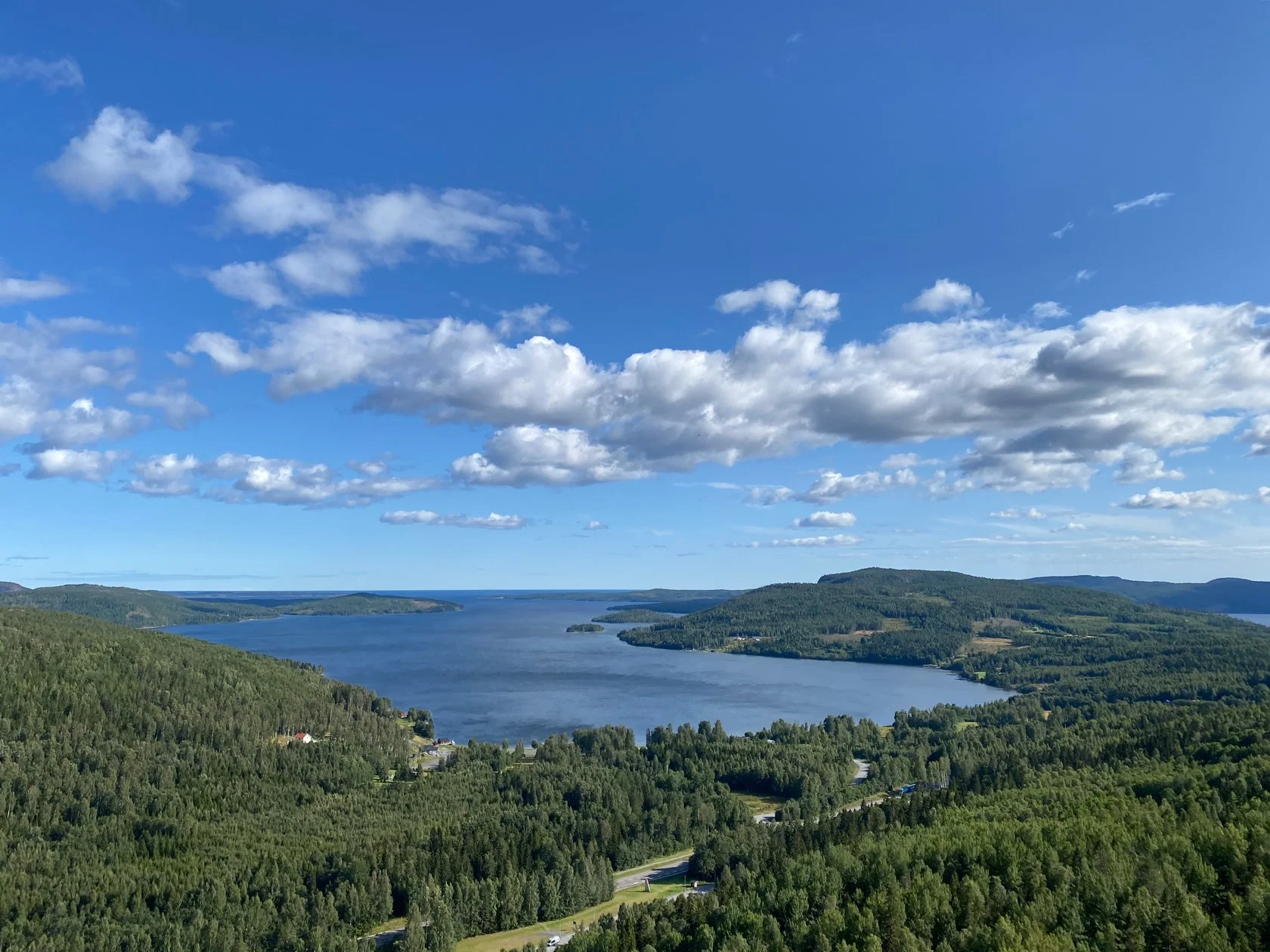
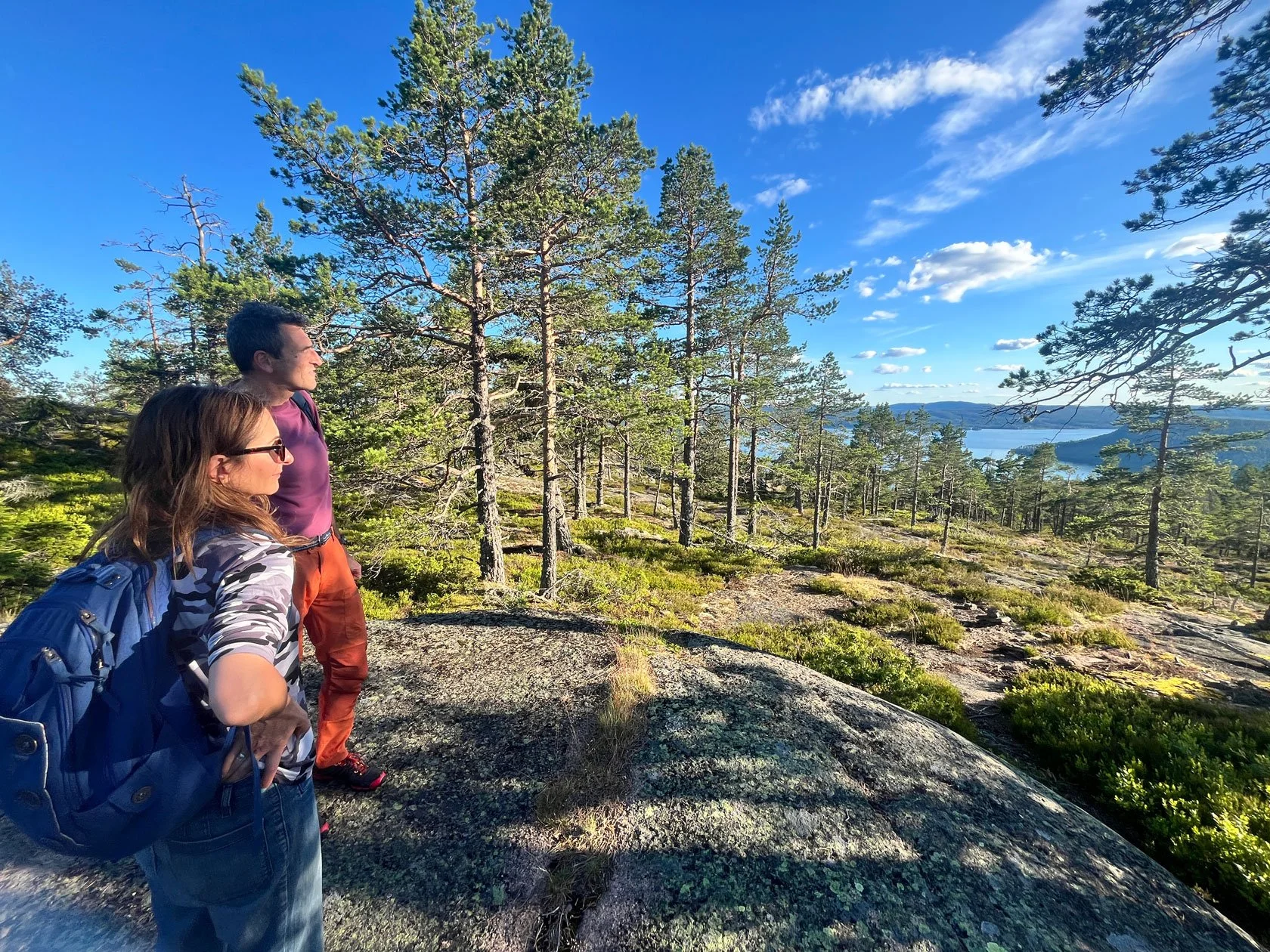
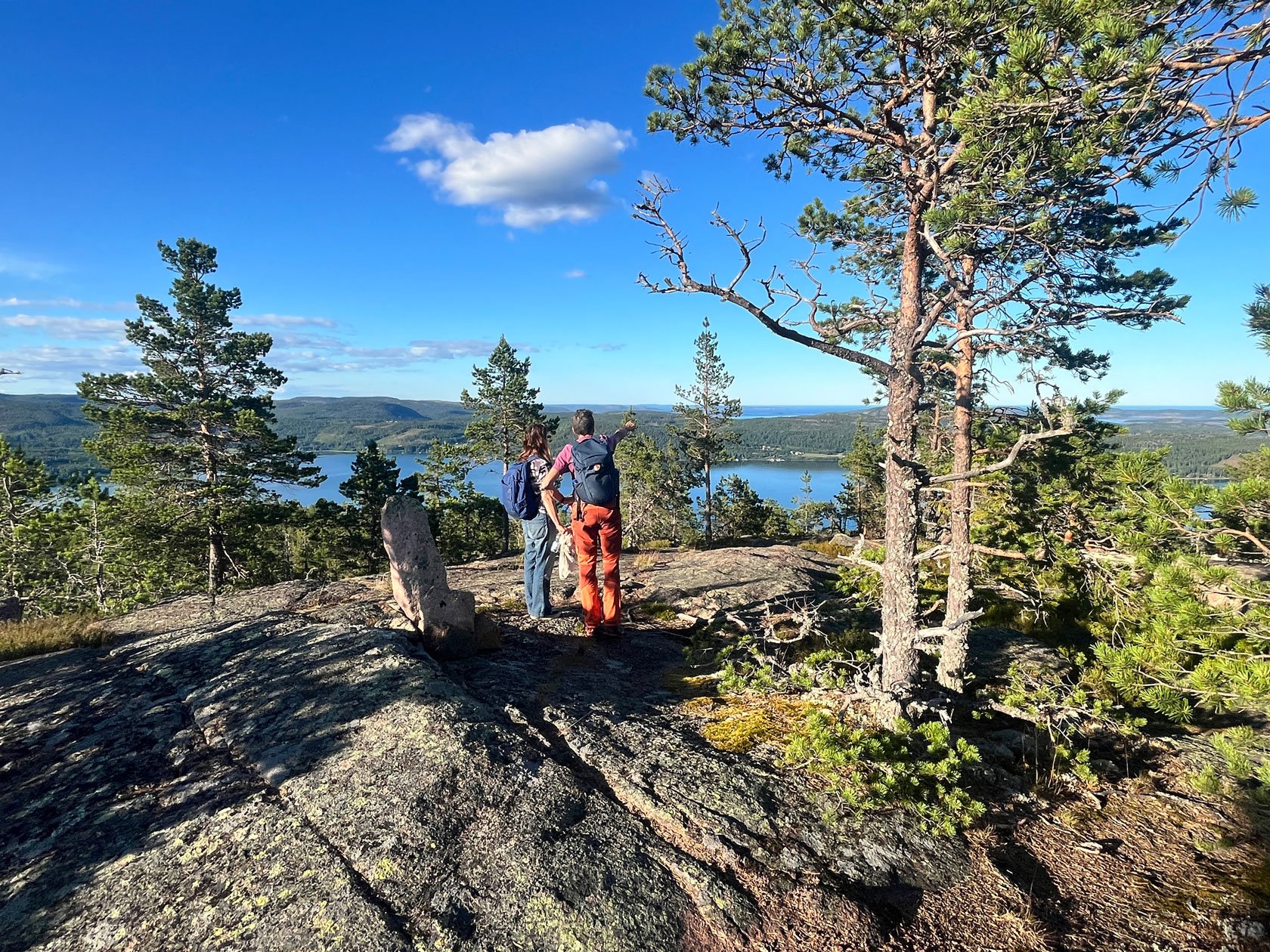
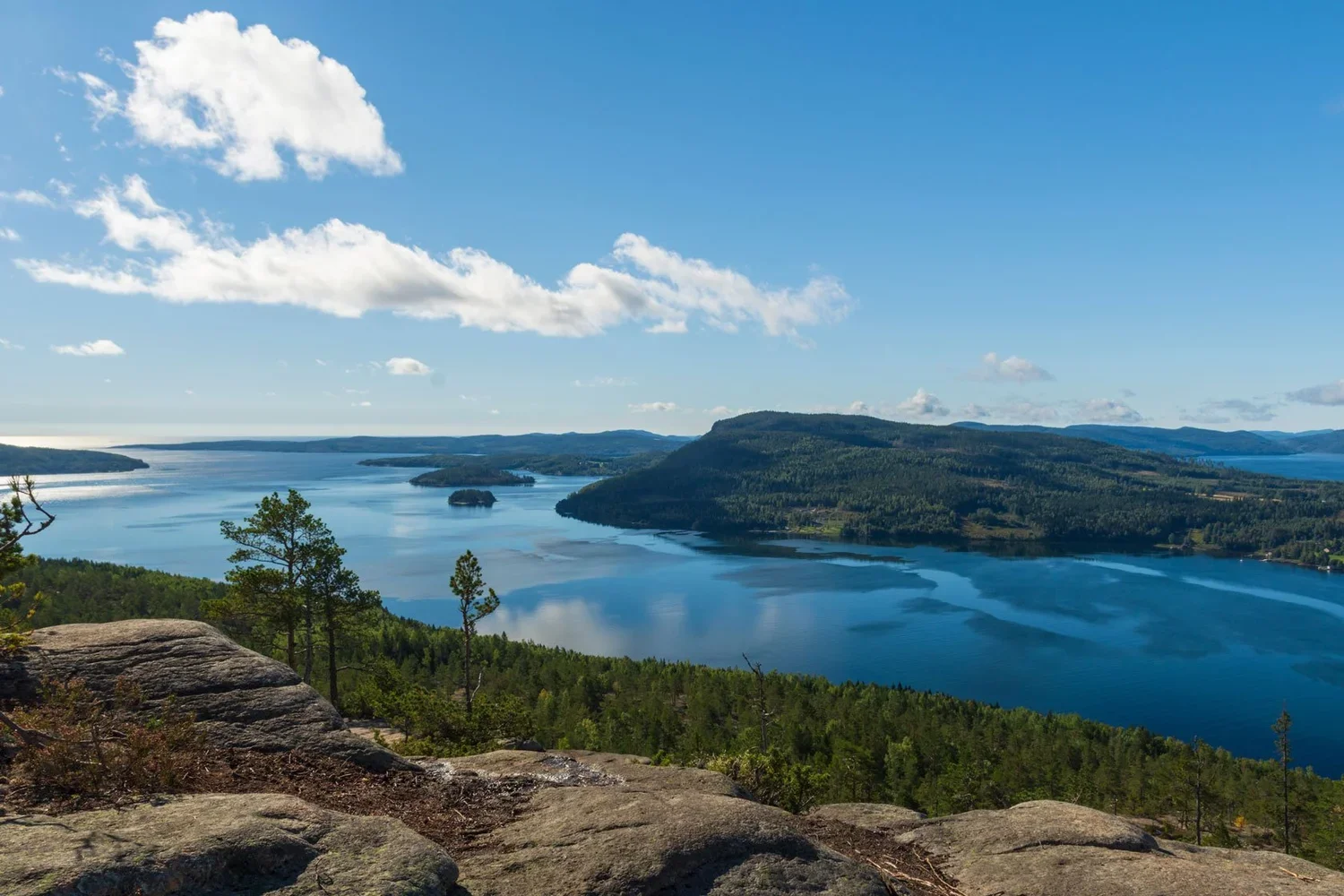
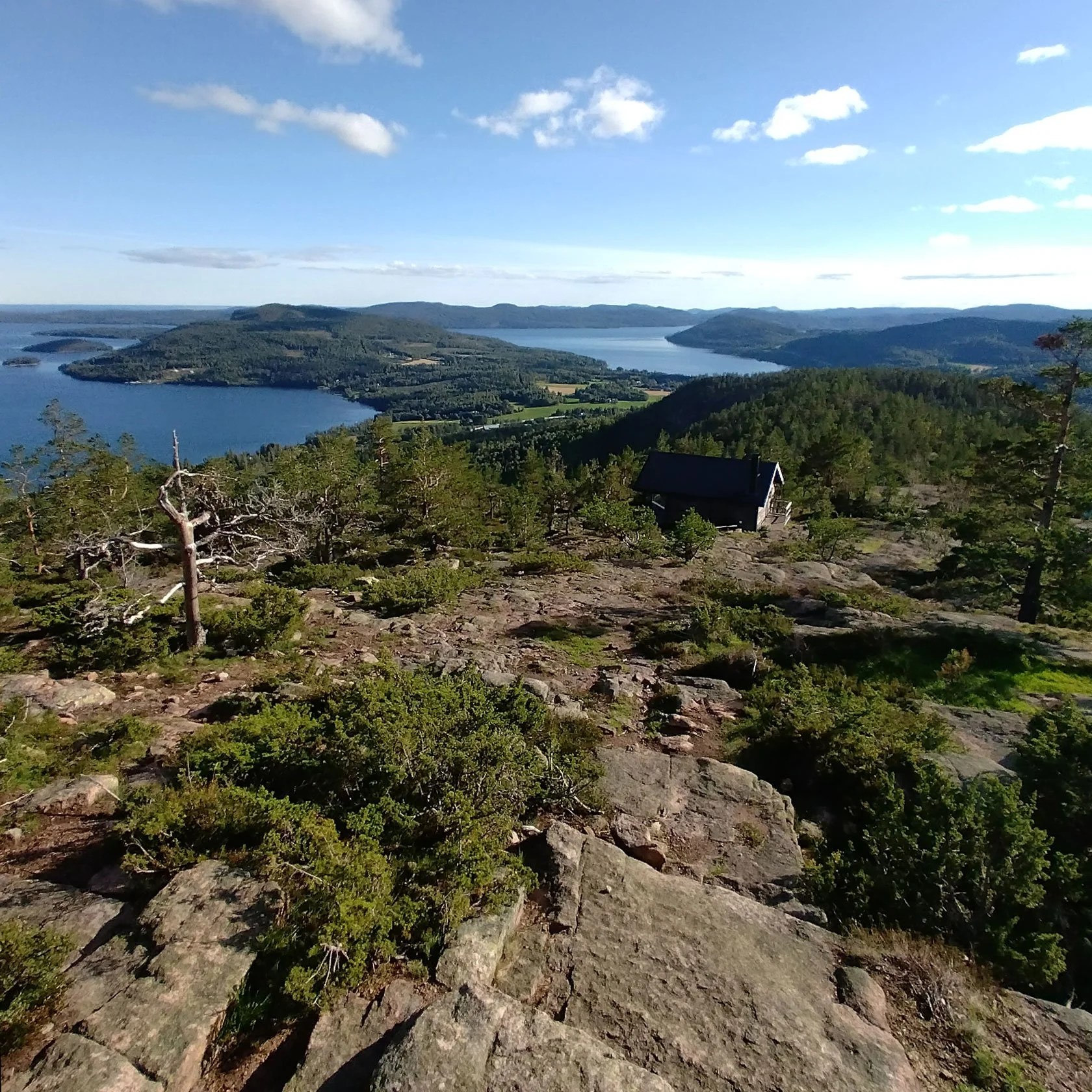
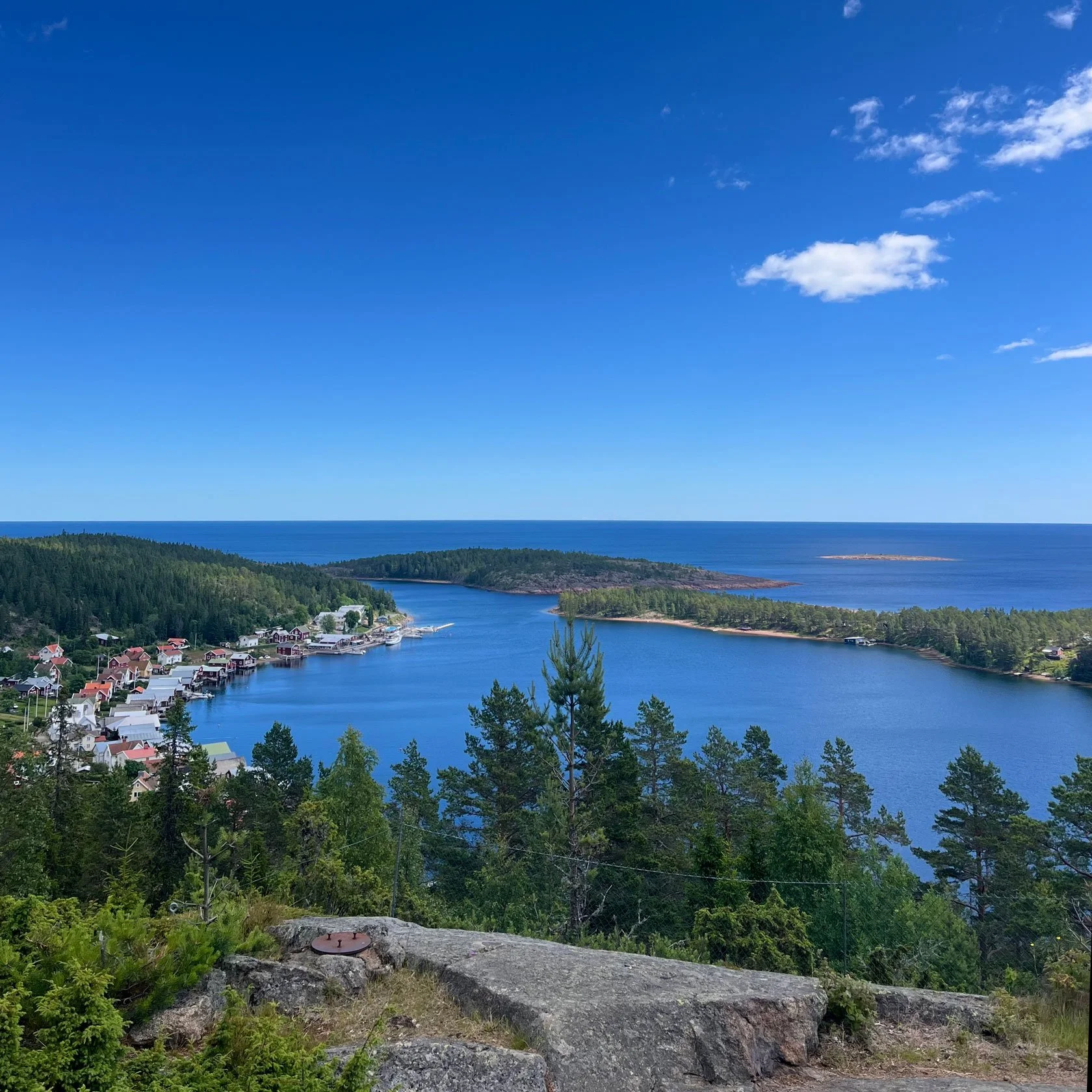
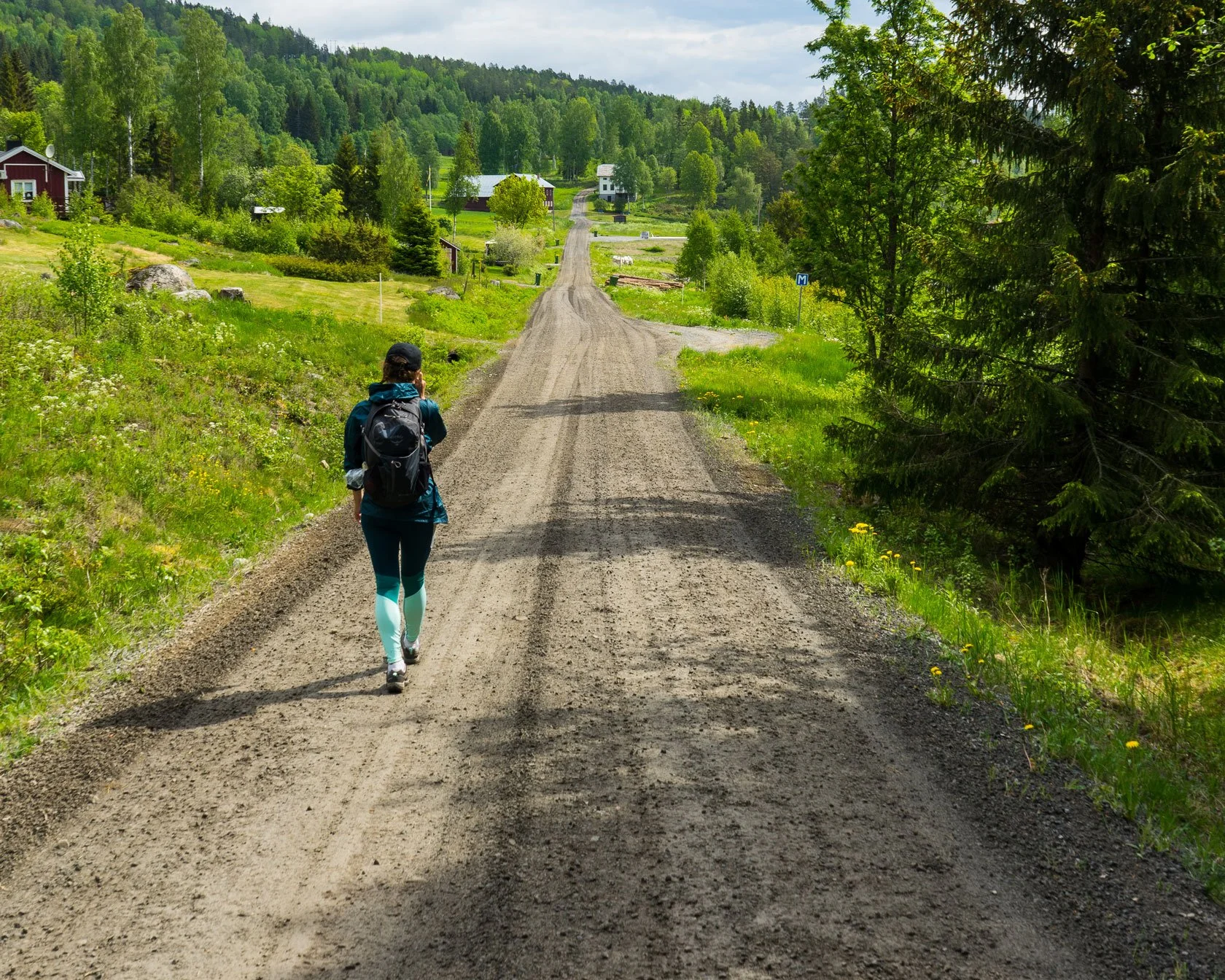
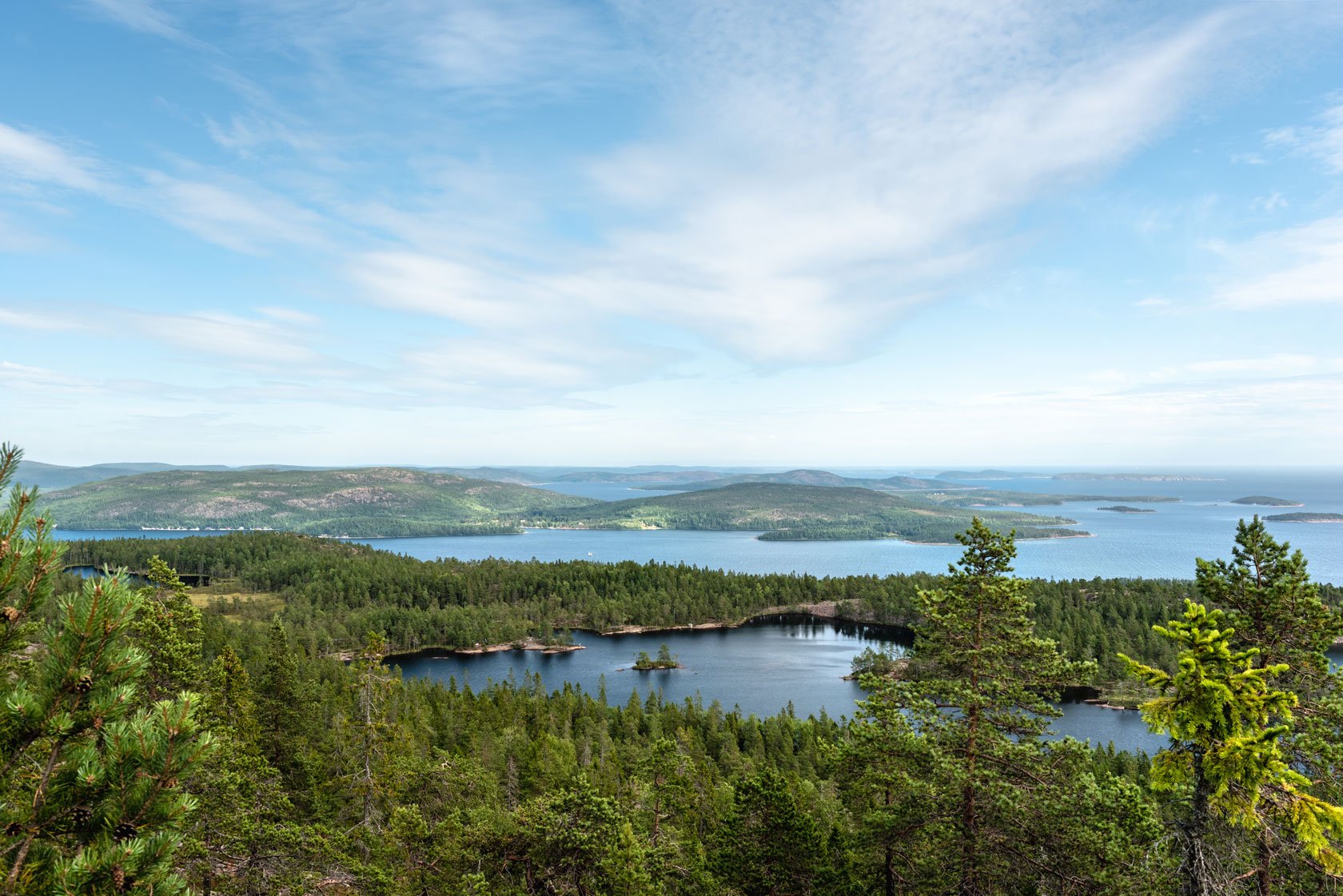
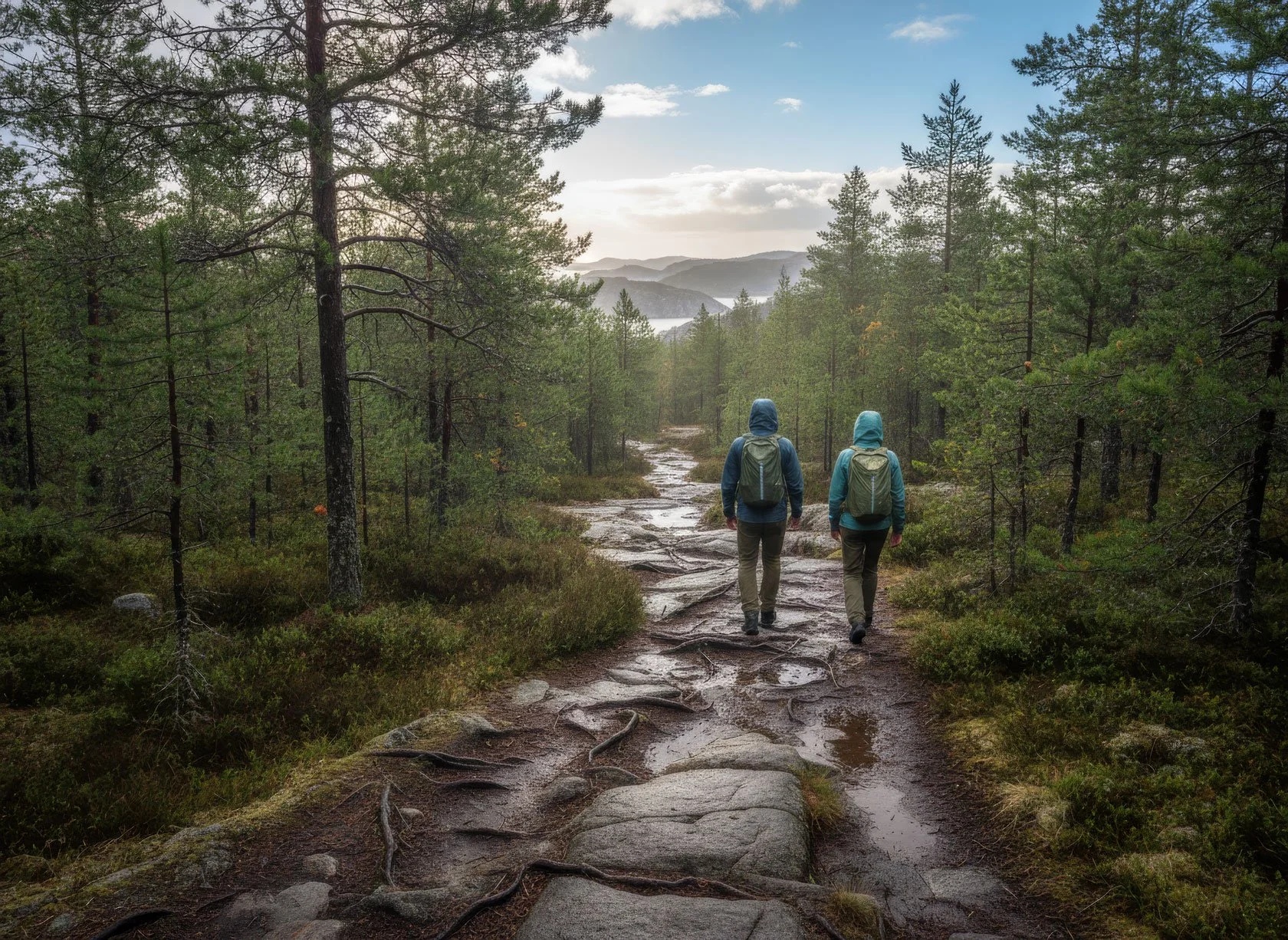
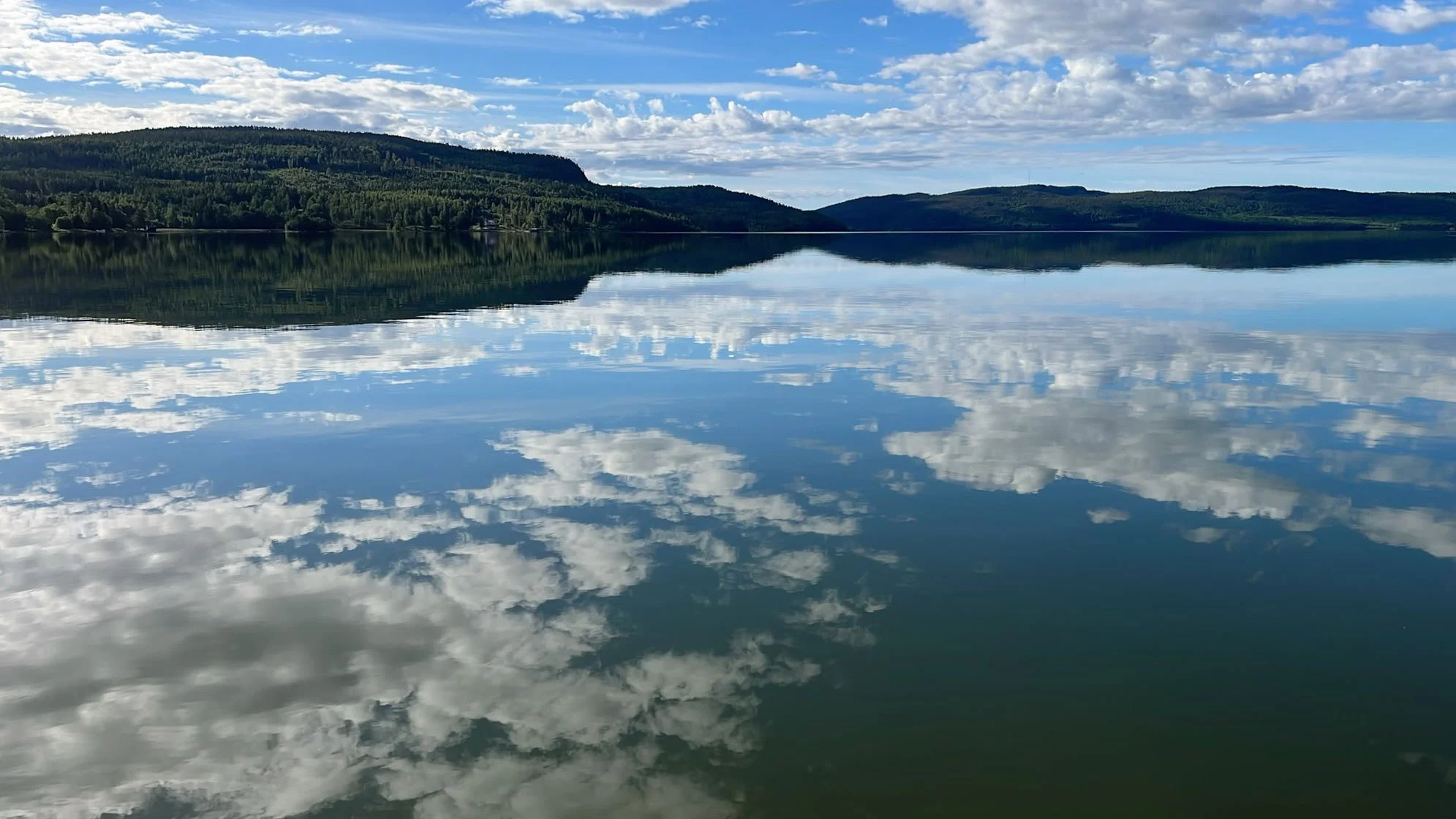
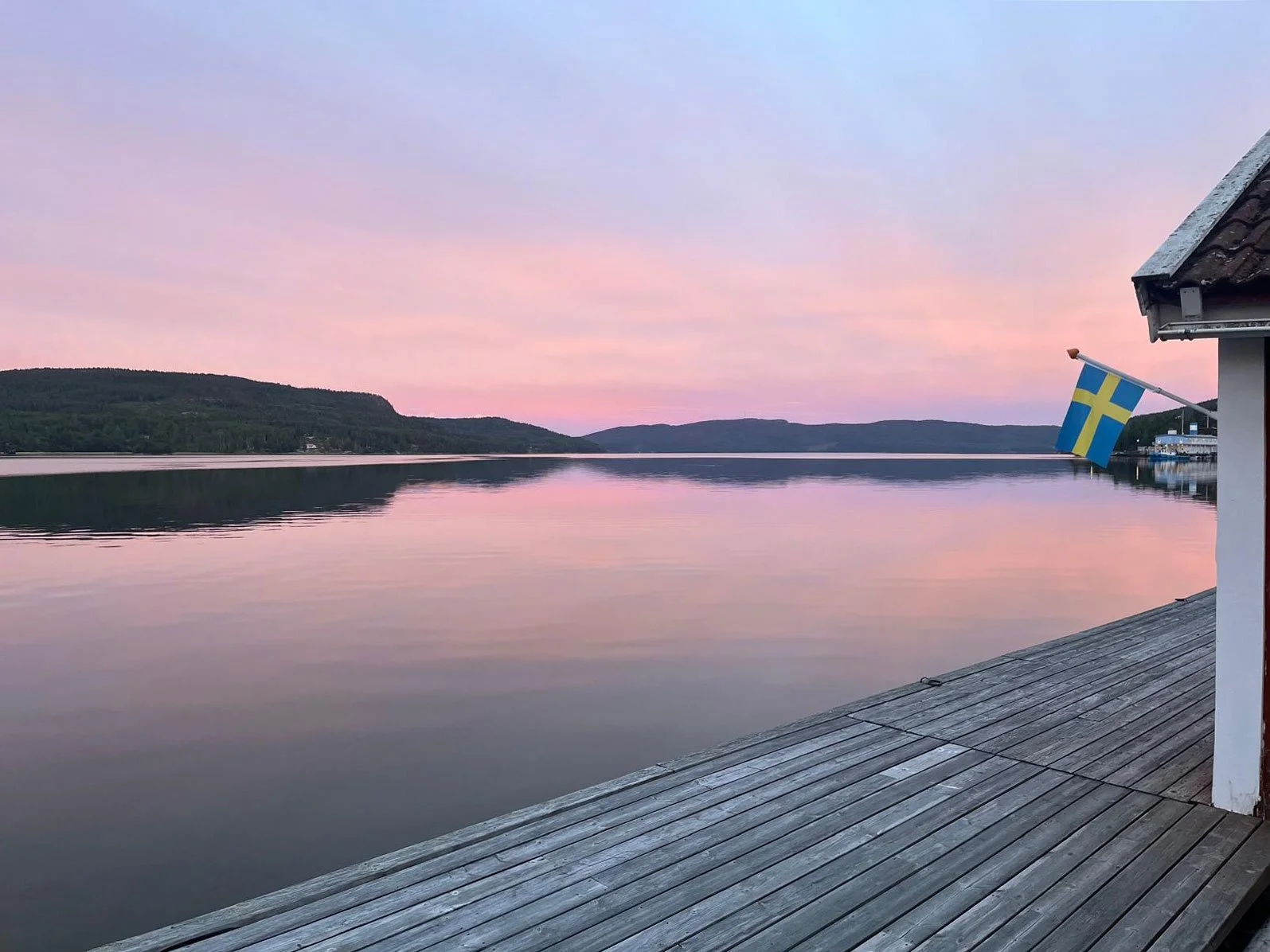
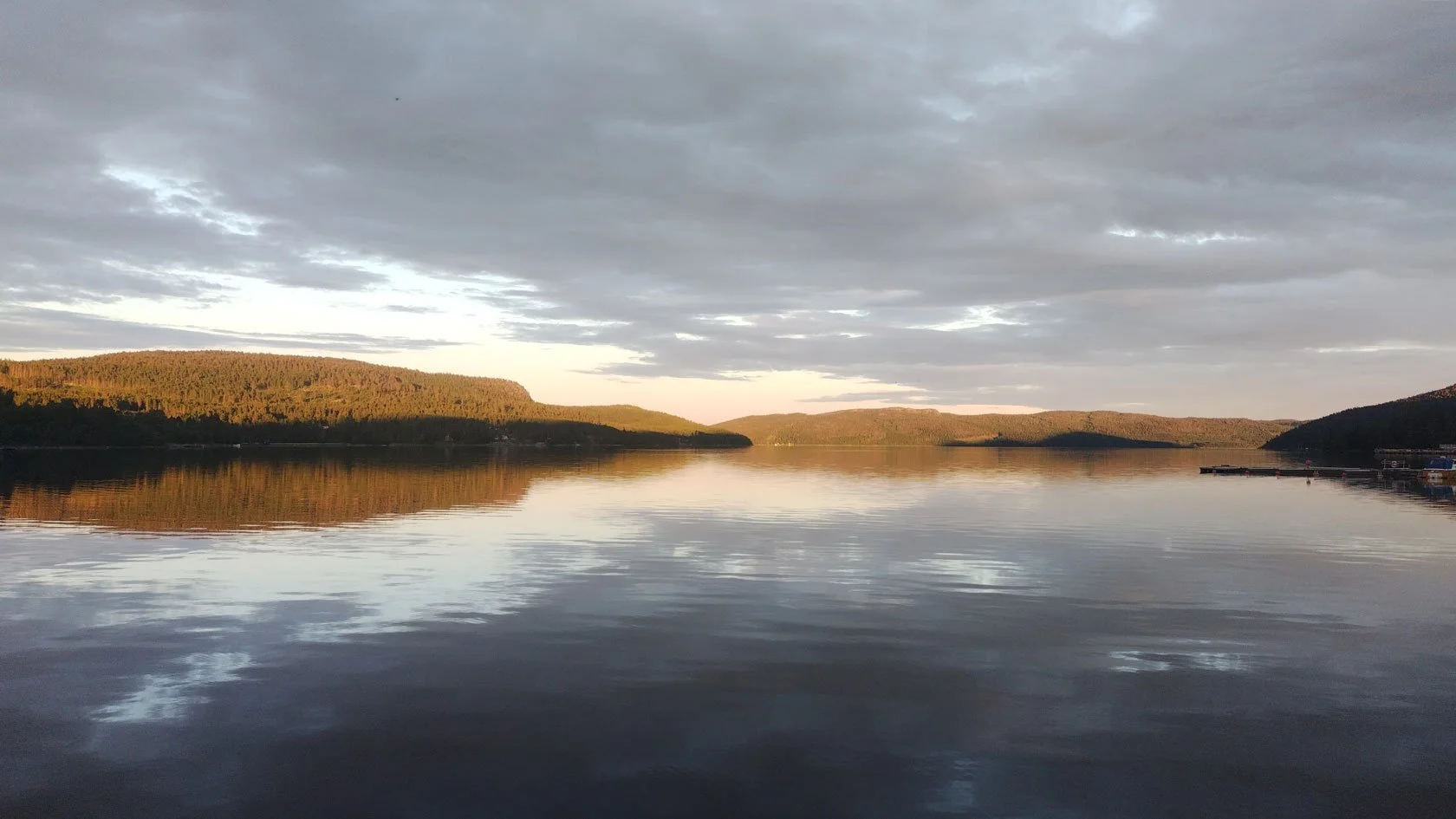
Höga Kusten from the E4. If you’ve got 2–4 hours, I’ll point you to a quick outdoor mini‑adventure before you ride on.

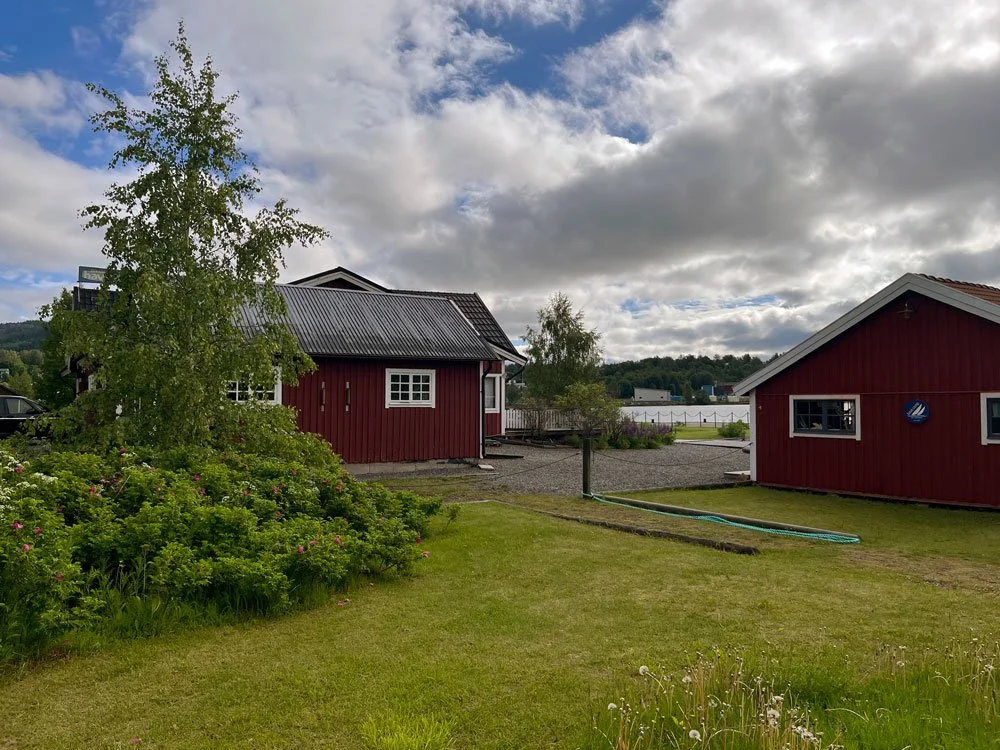
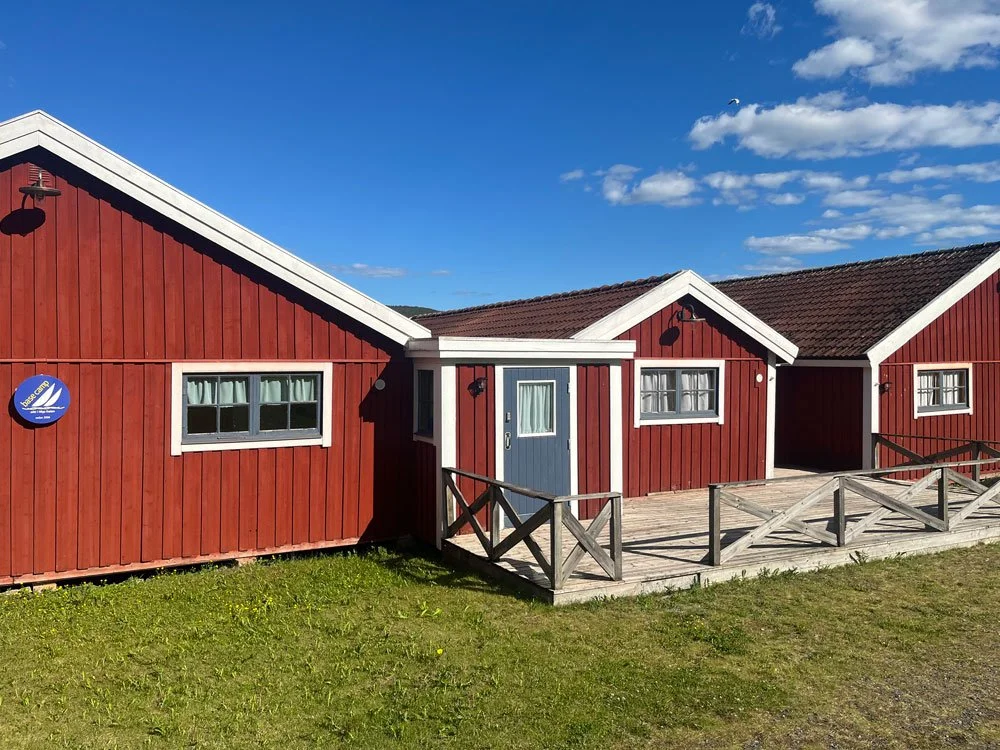
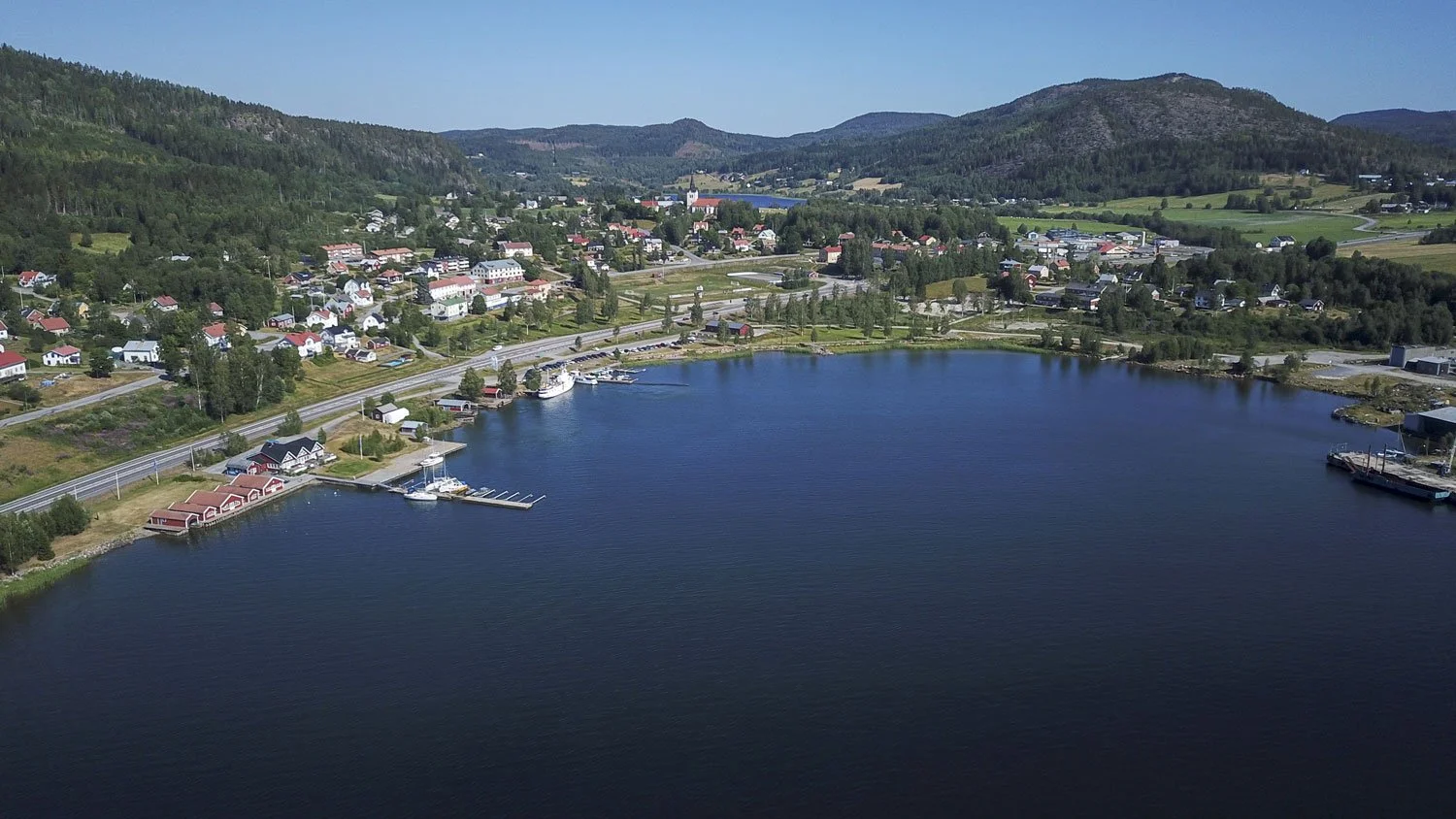
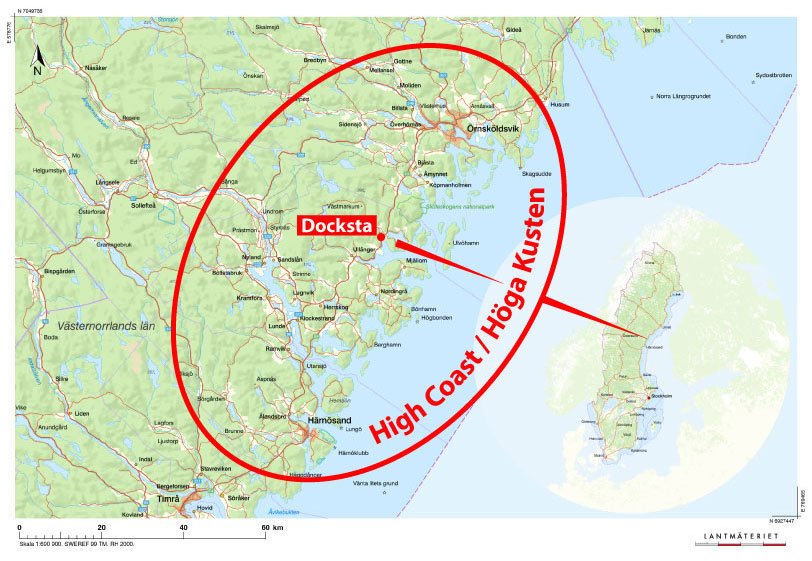
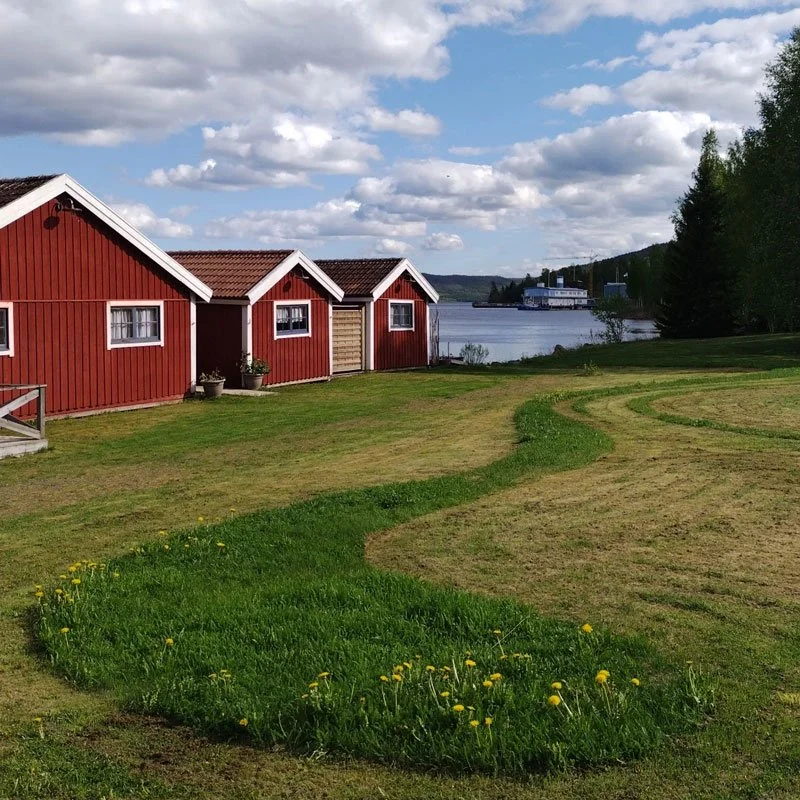
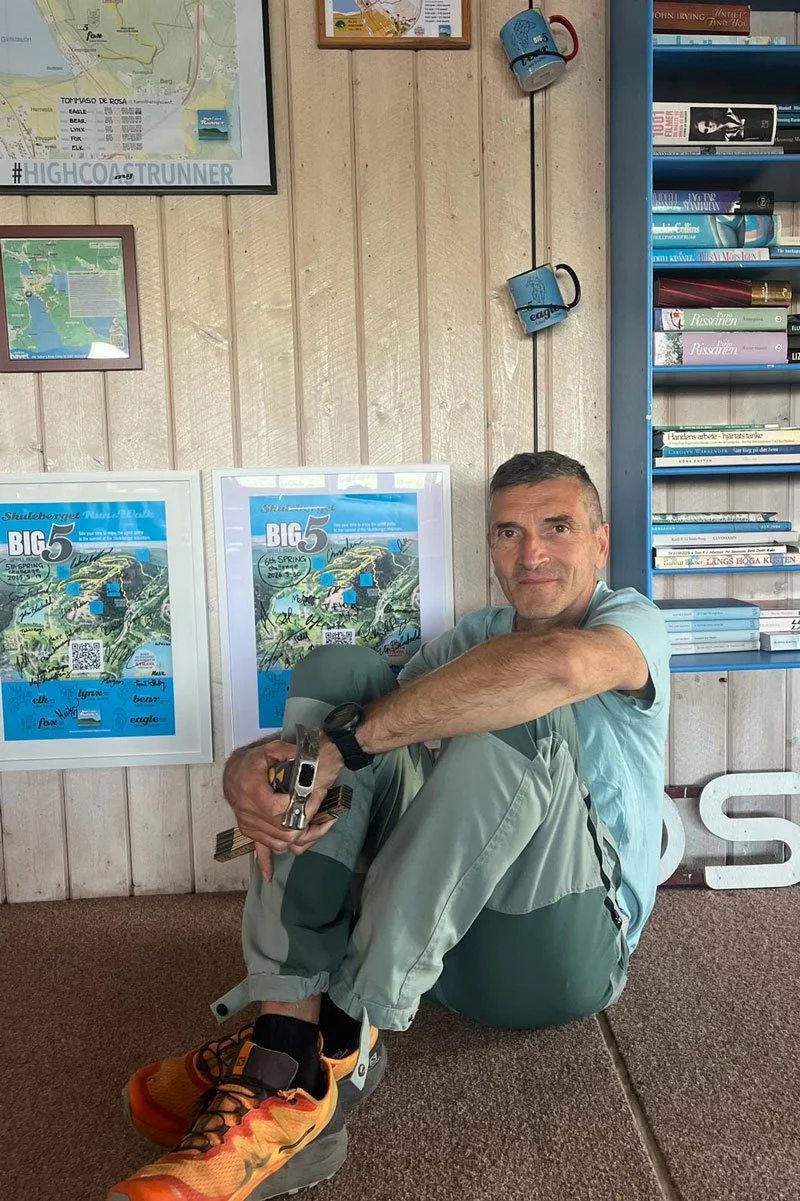
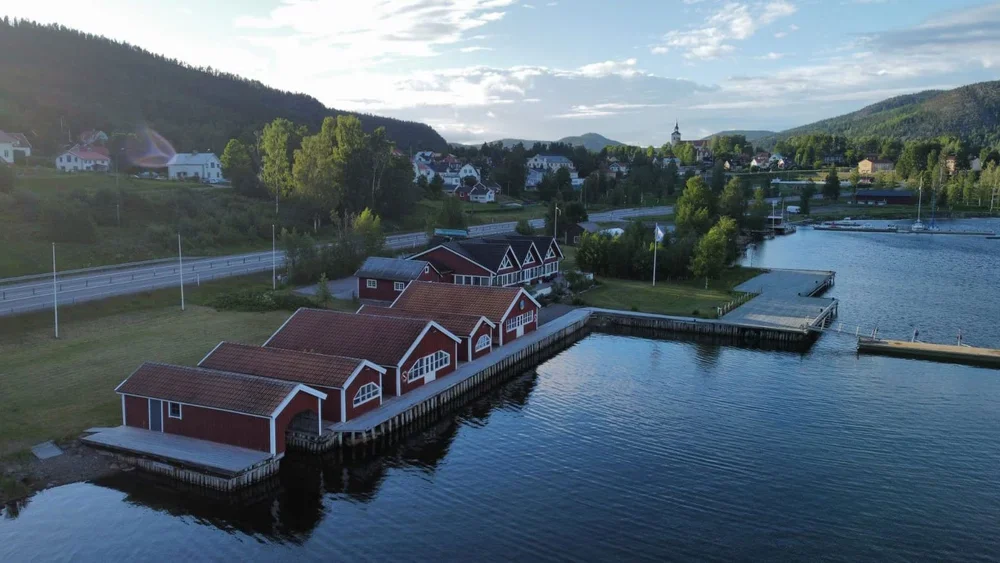
I'm Tommaso. I run Docksta Havet, right off the E4 in Sweden's High Coast (Höga Kusten).

If you're riding north, you know the moment: it's late, the weather flips, your gloves are damp… and you ask yourself:

"Do I really want to pitch the tent tonight?"

If the answer is "not really", you're my kind of guest.

This page is written for riders (and minimalist road‑trippers in car/tent mode) who want a simple, safe, human stop — not a generic motel and not a free toilet stop on a parking area along the highway.

(Heading south? Same stop, same comfort.)


What this stop is

This is:

  • A calm base camp for you + your motorbike + your gear

  • A hot shower + dry reset before the next stretch

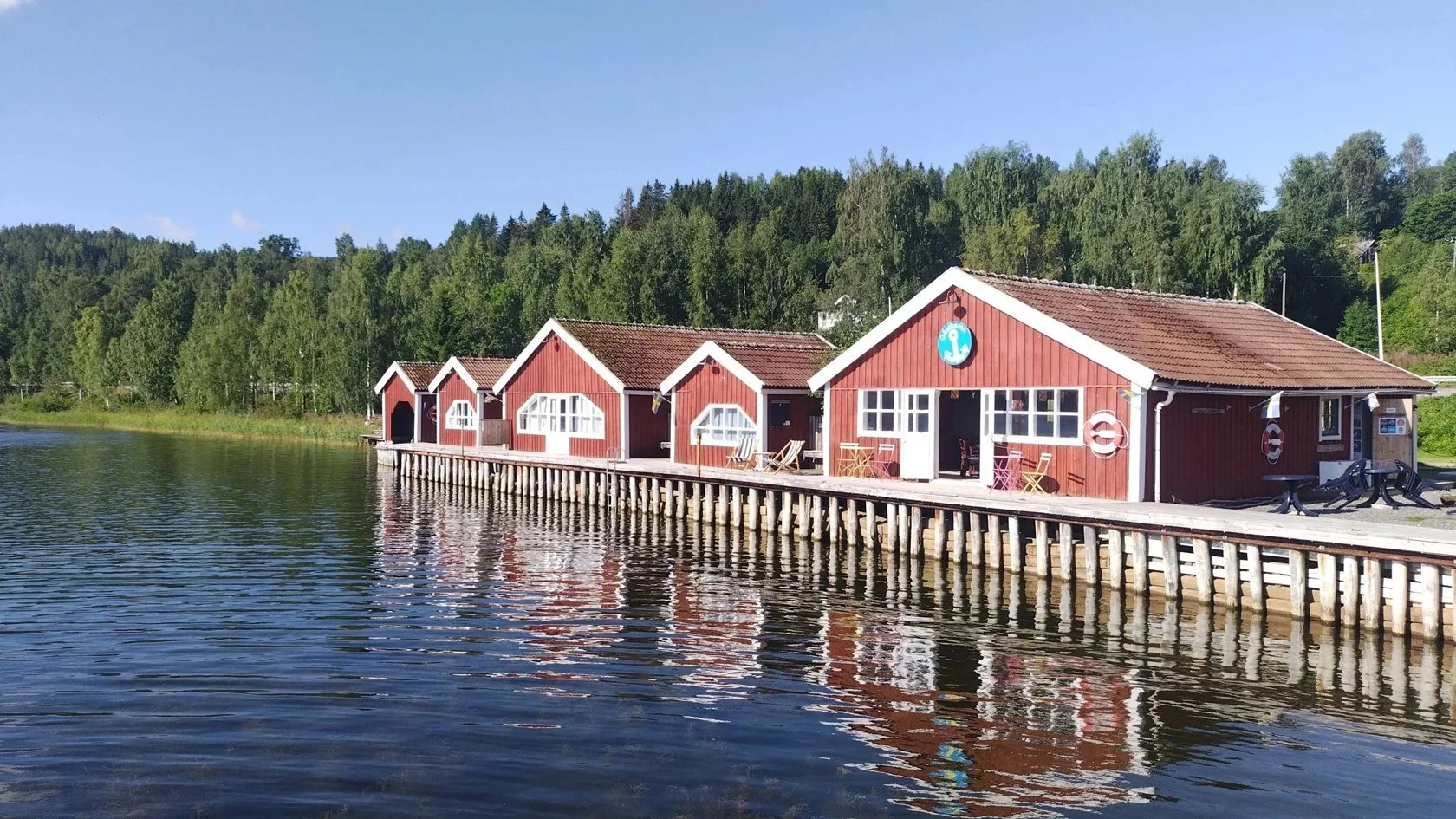
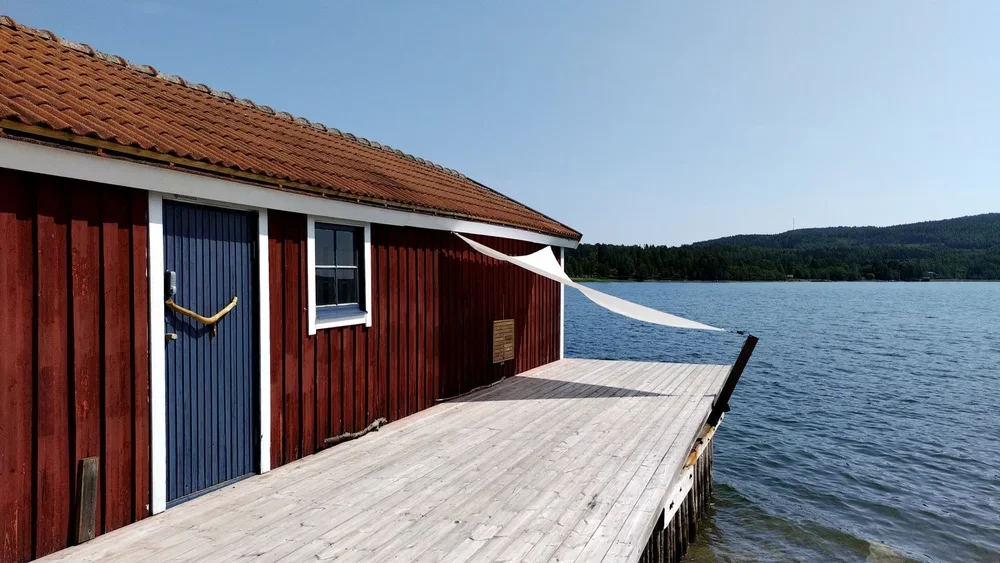
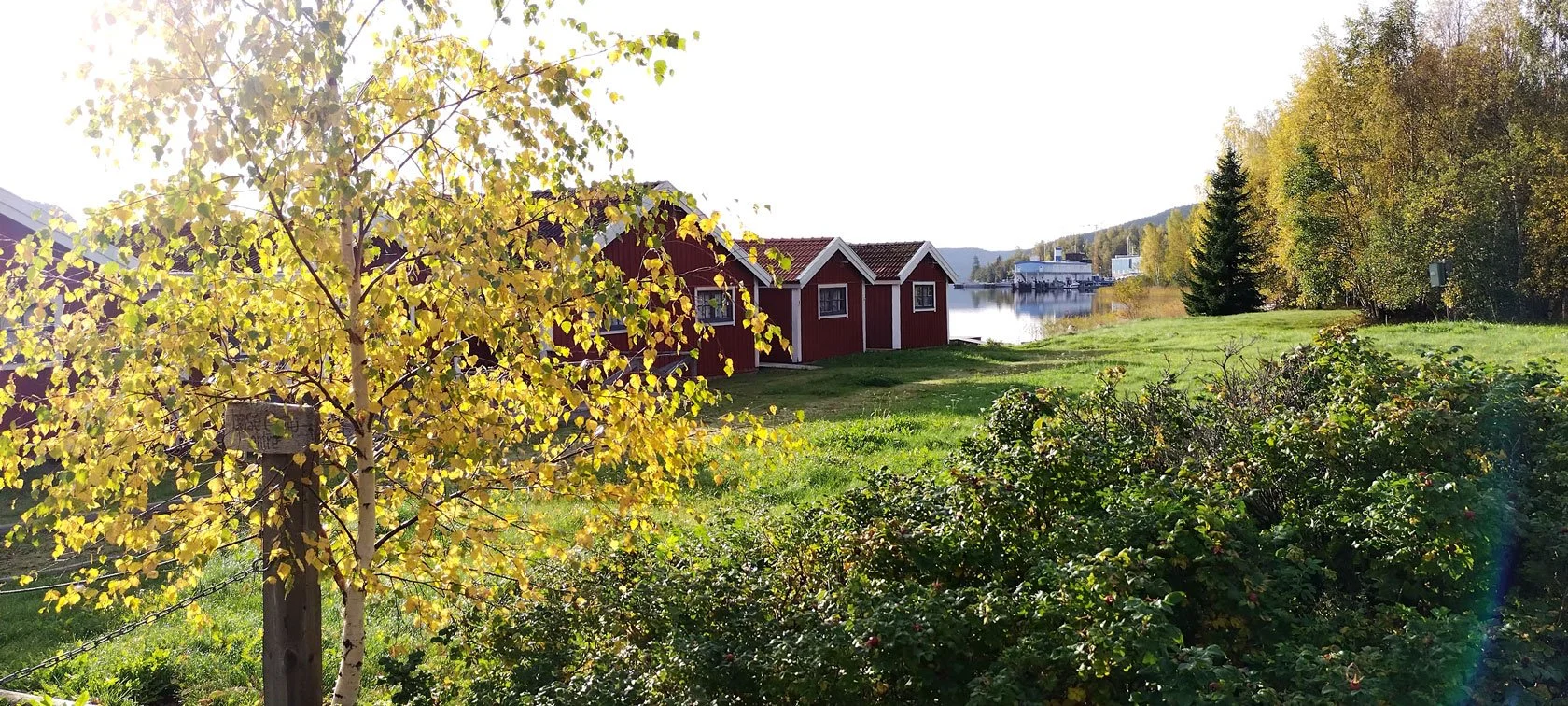
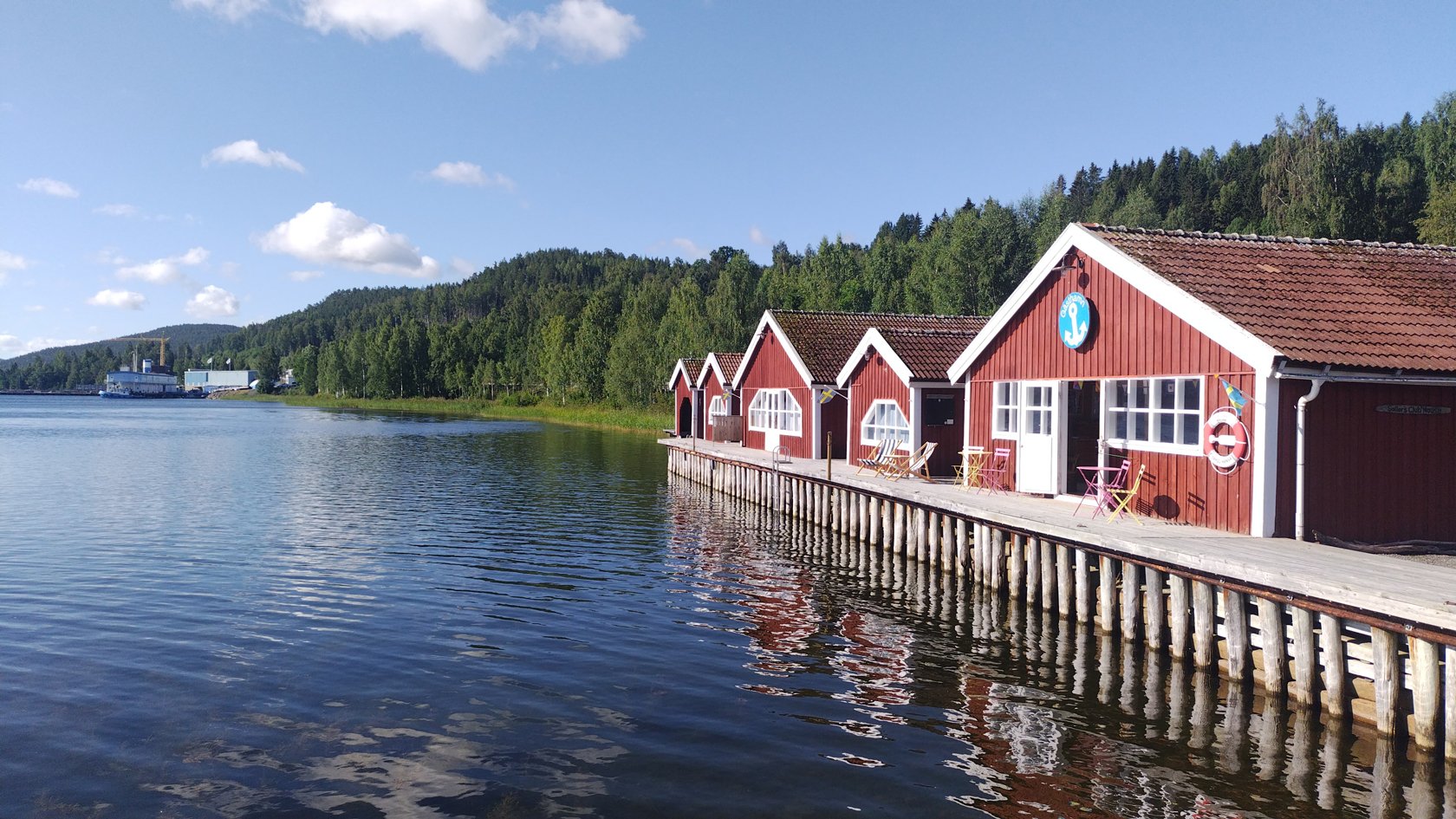
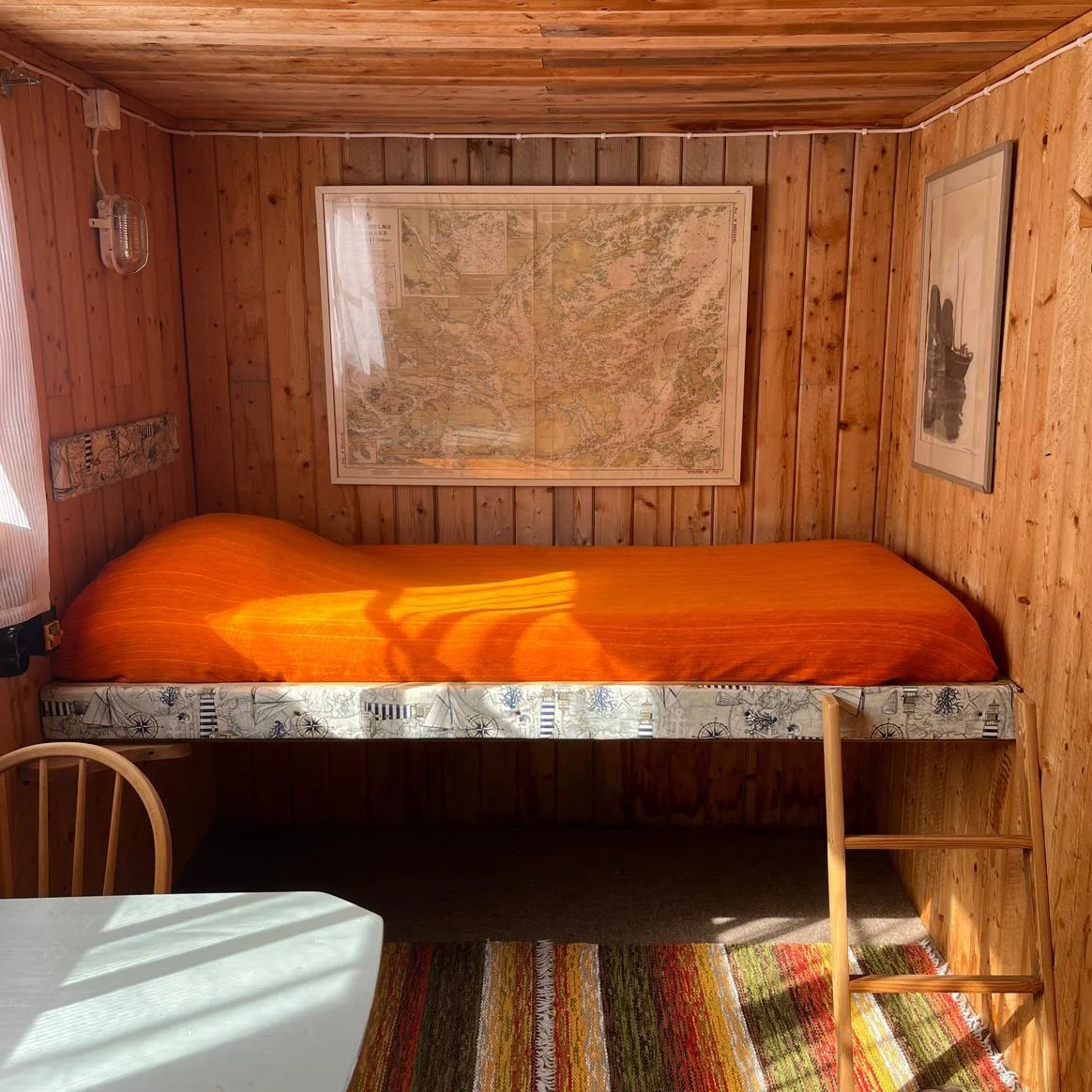
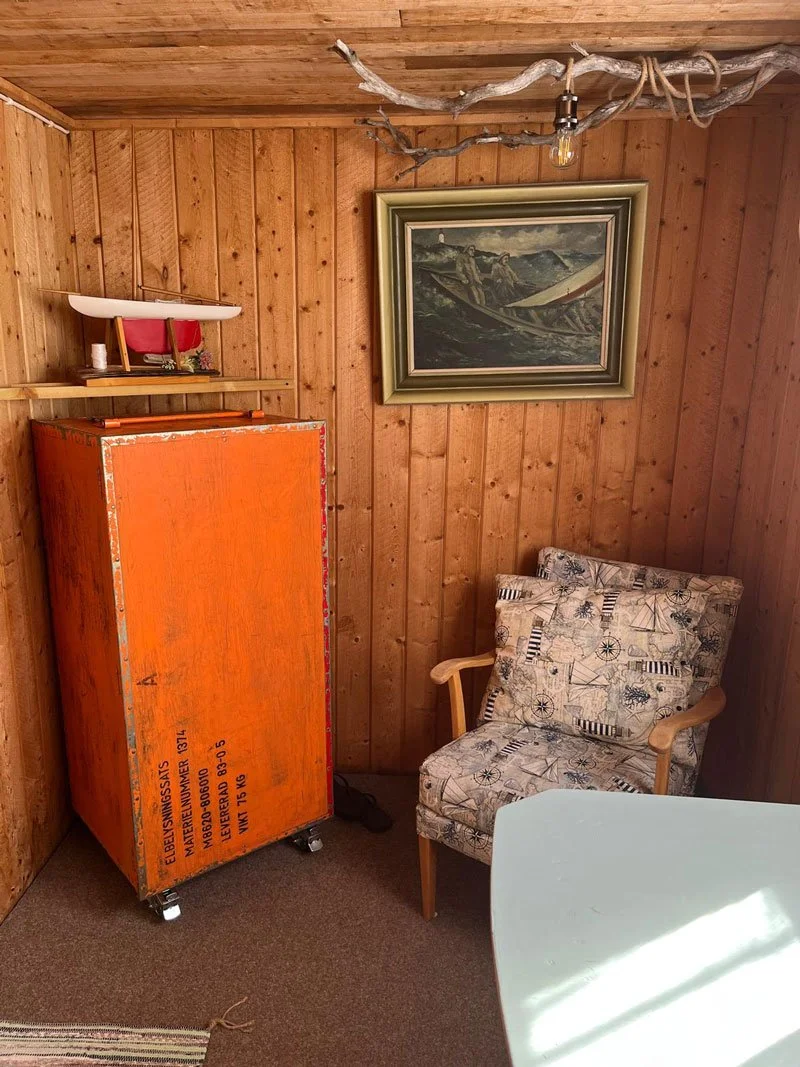
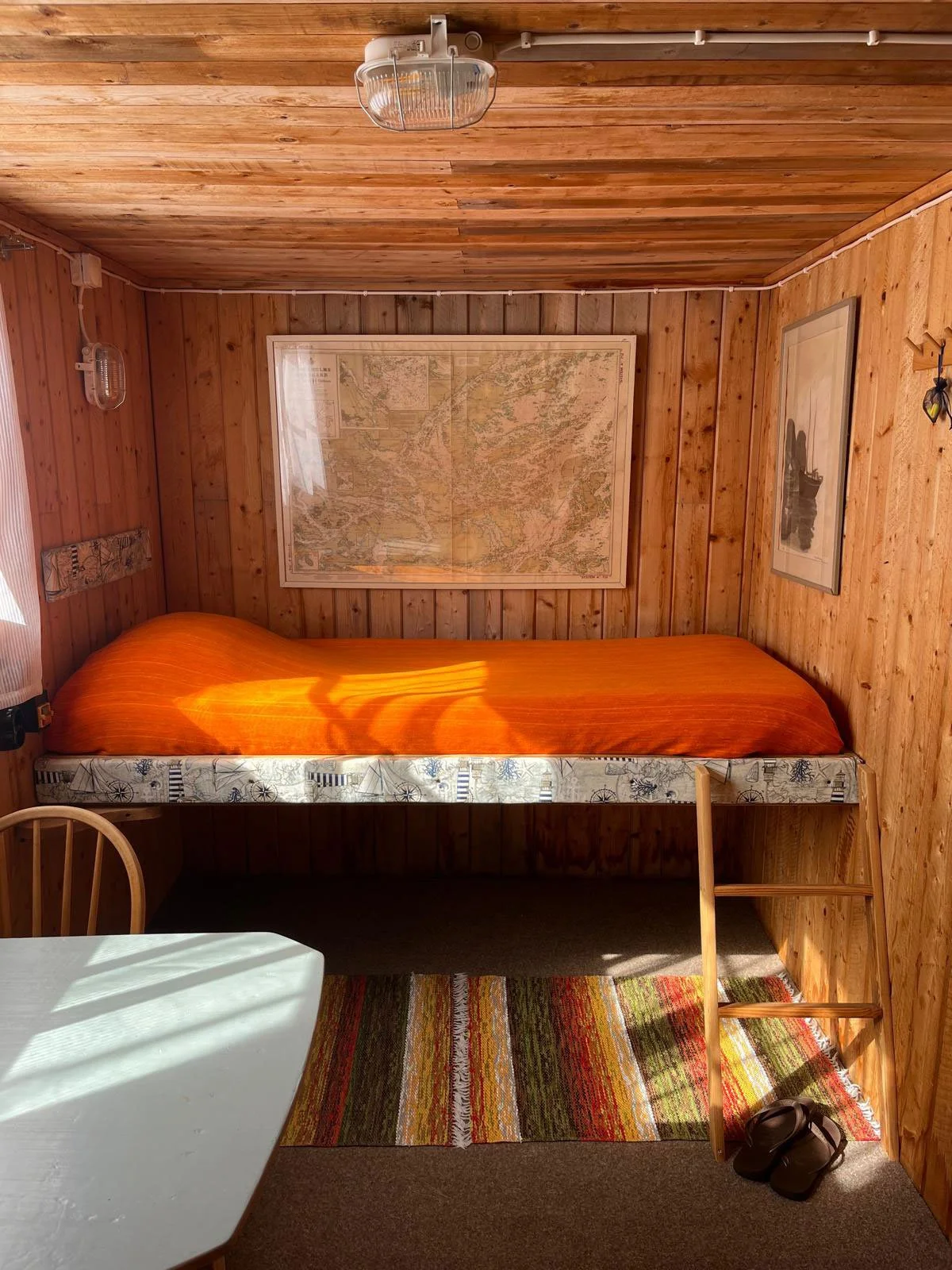
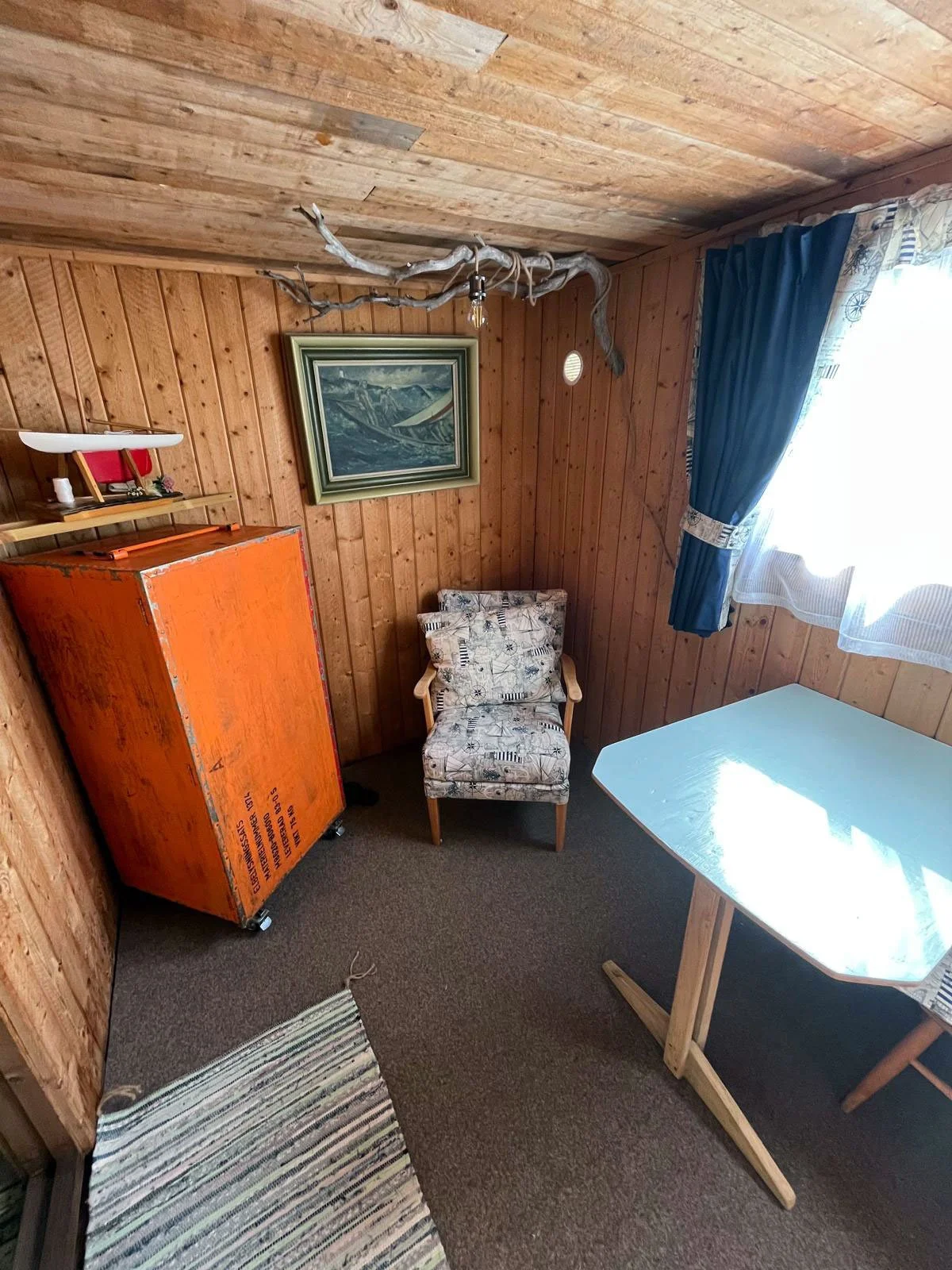
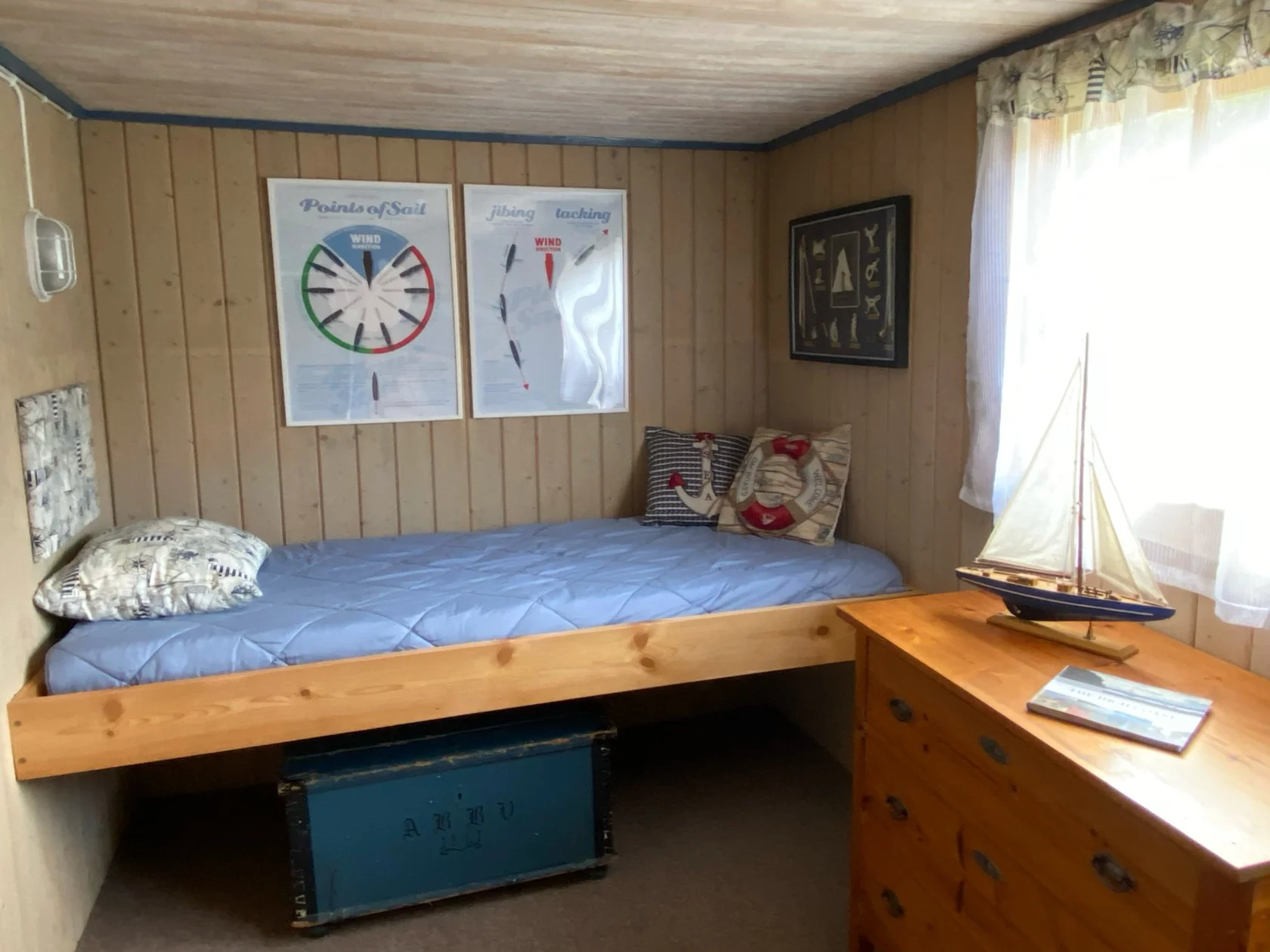
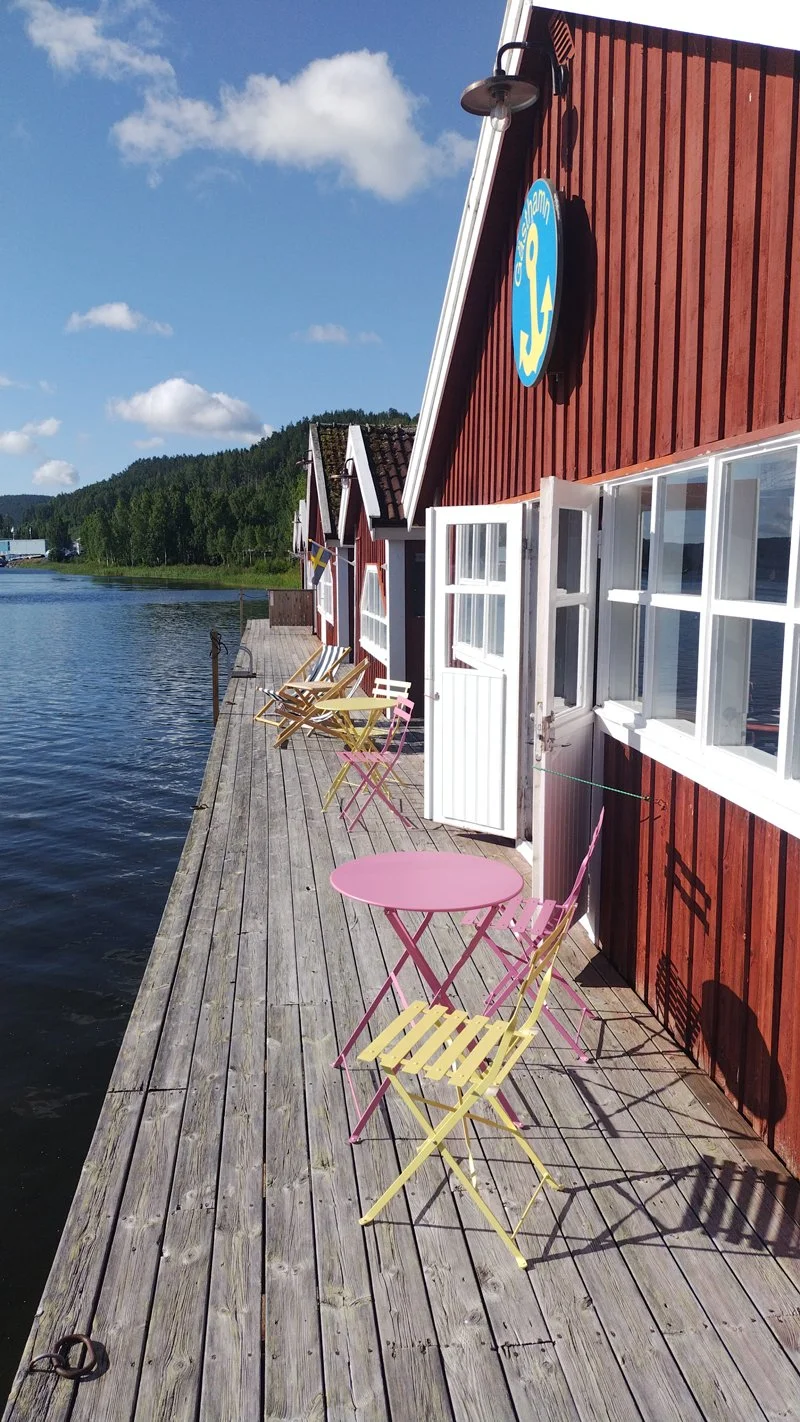
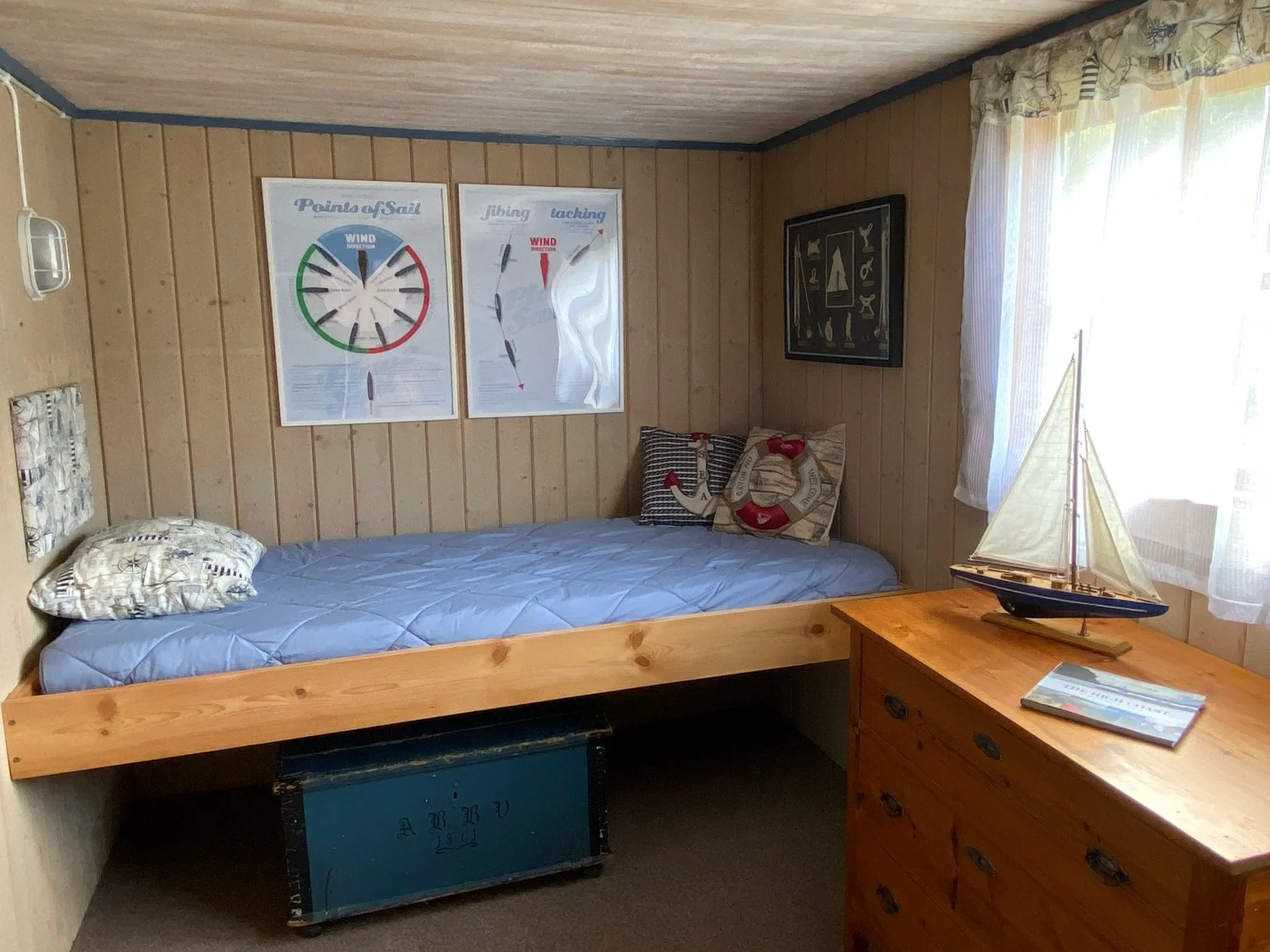
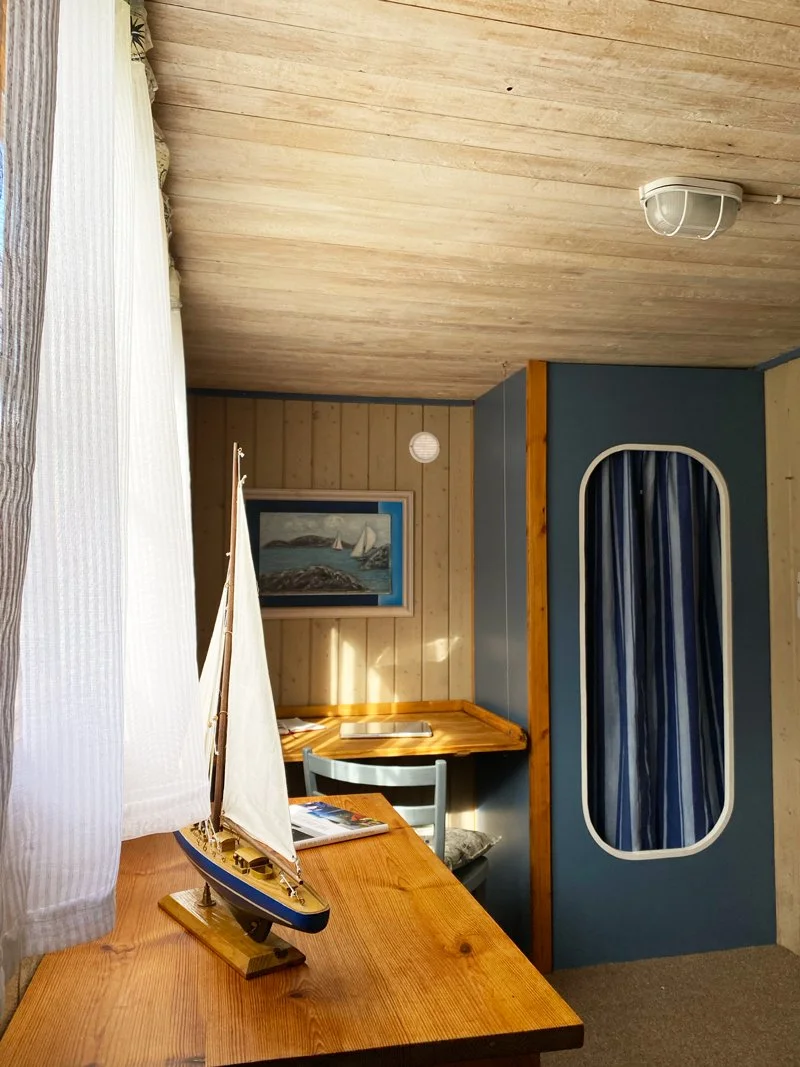
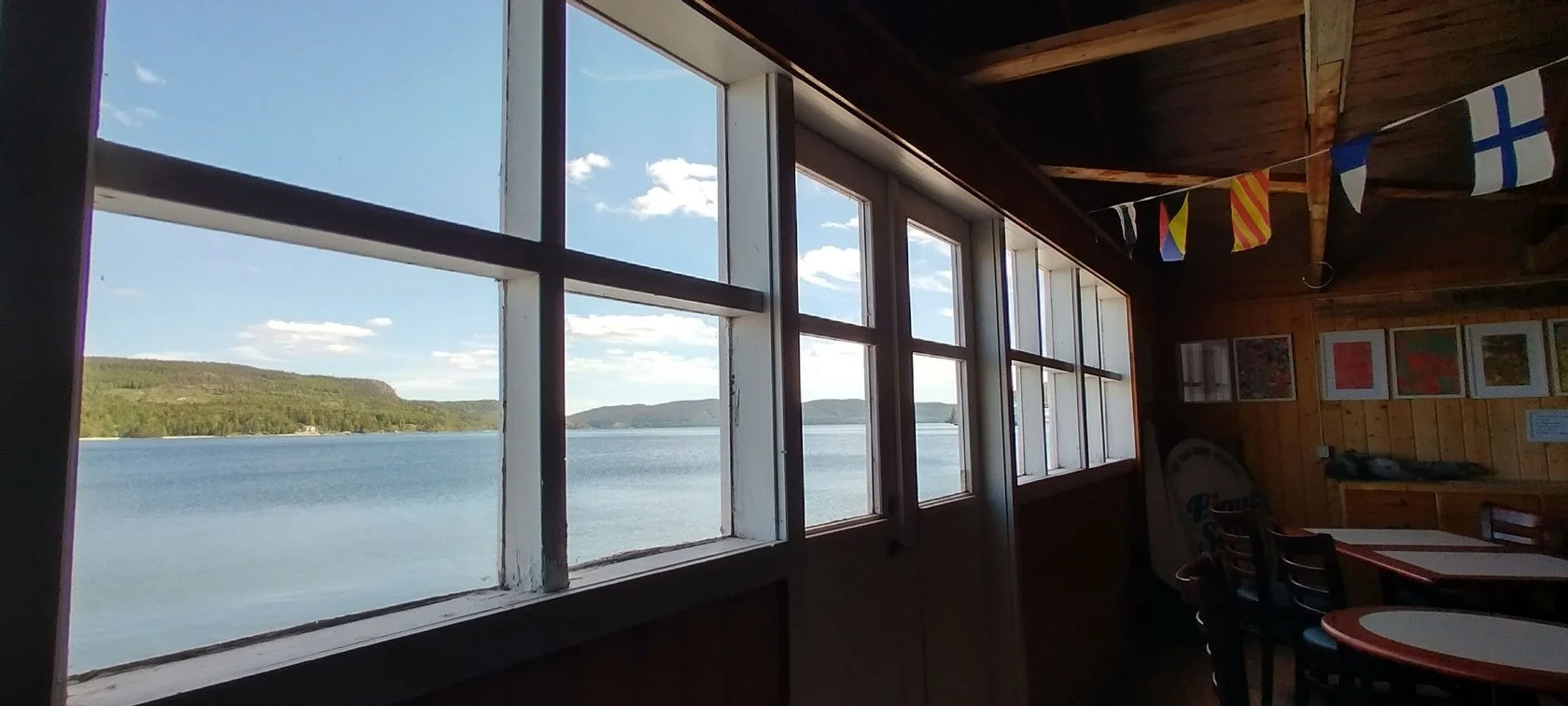
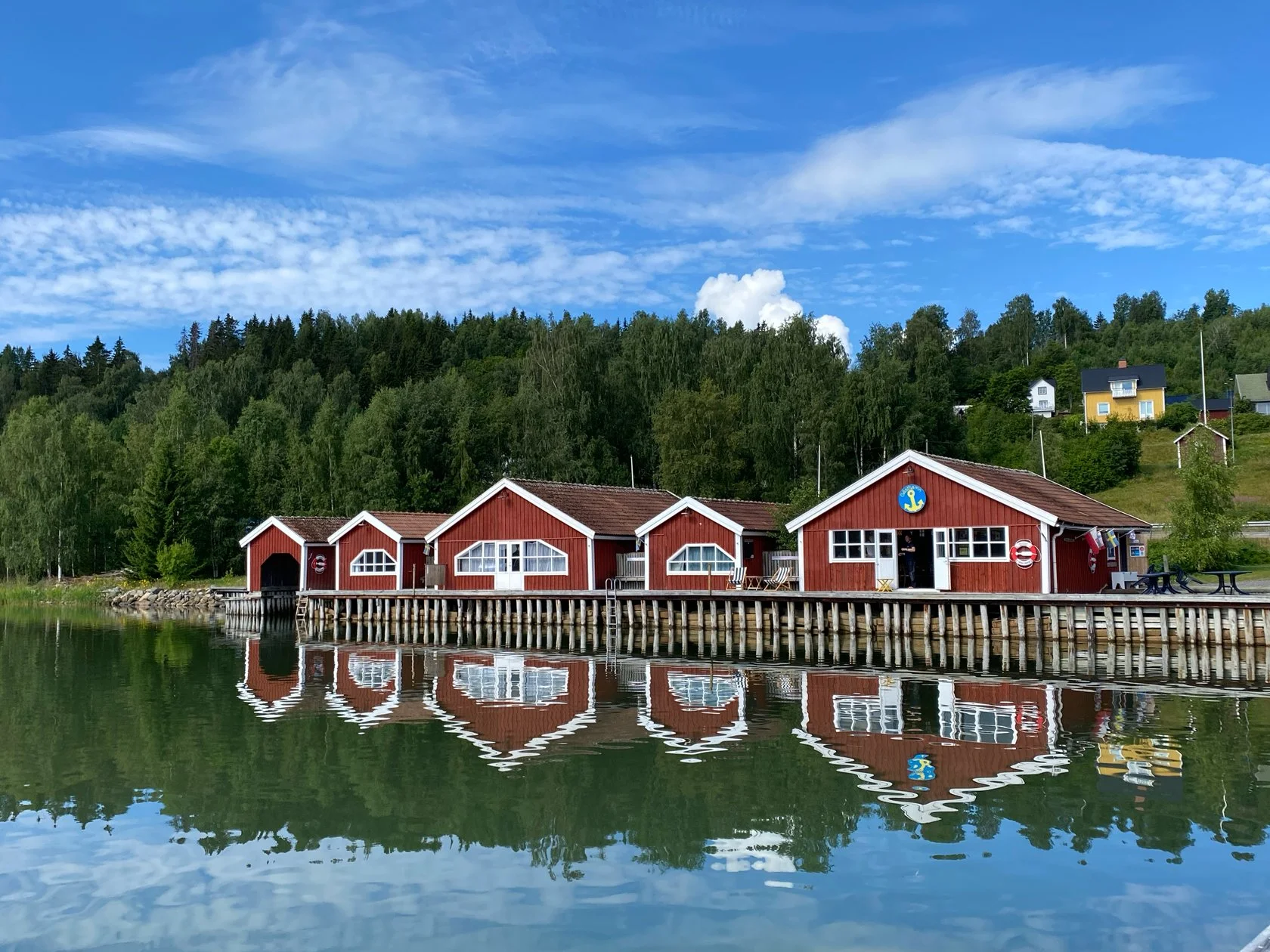
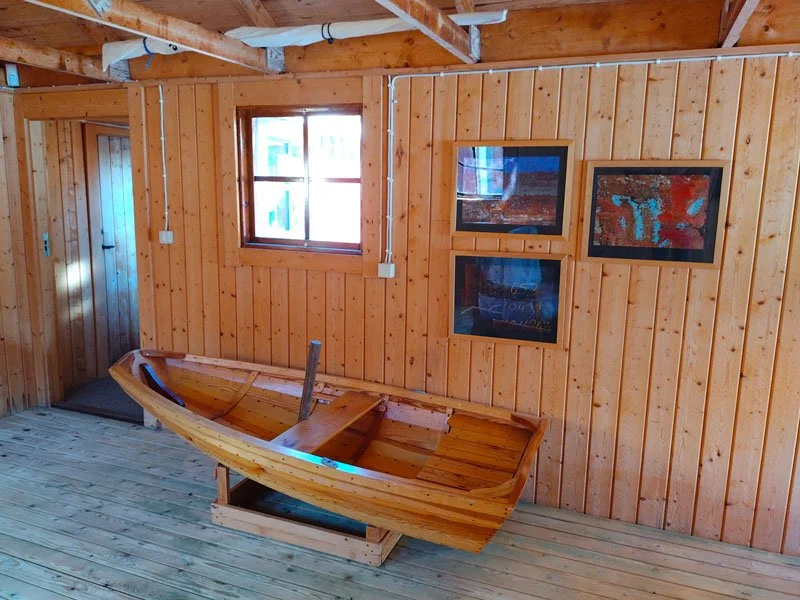
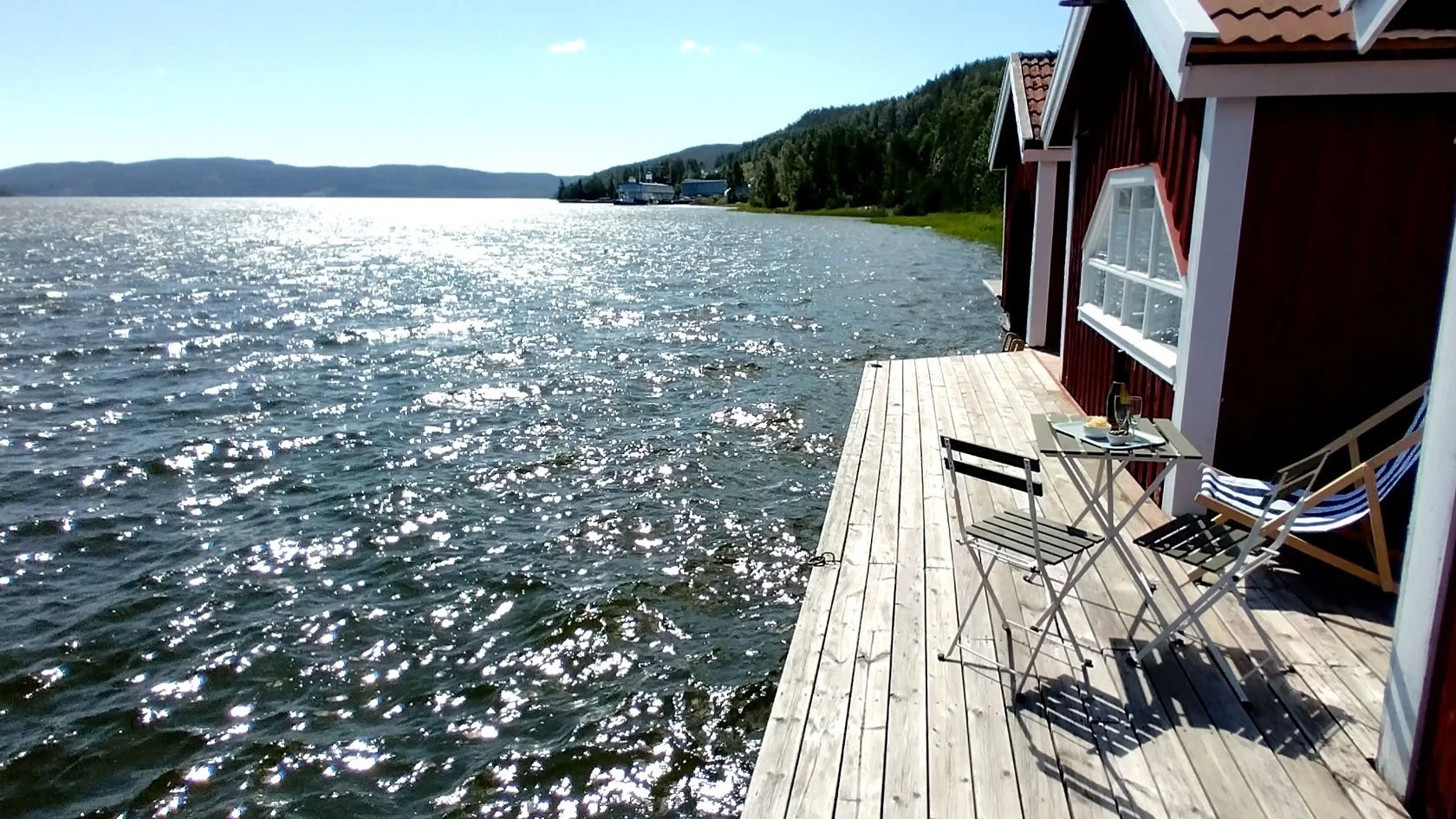
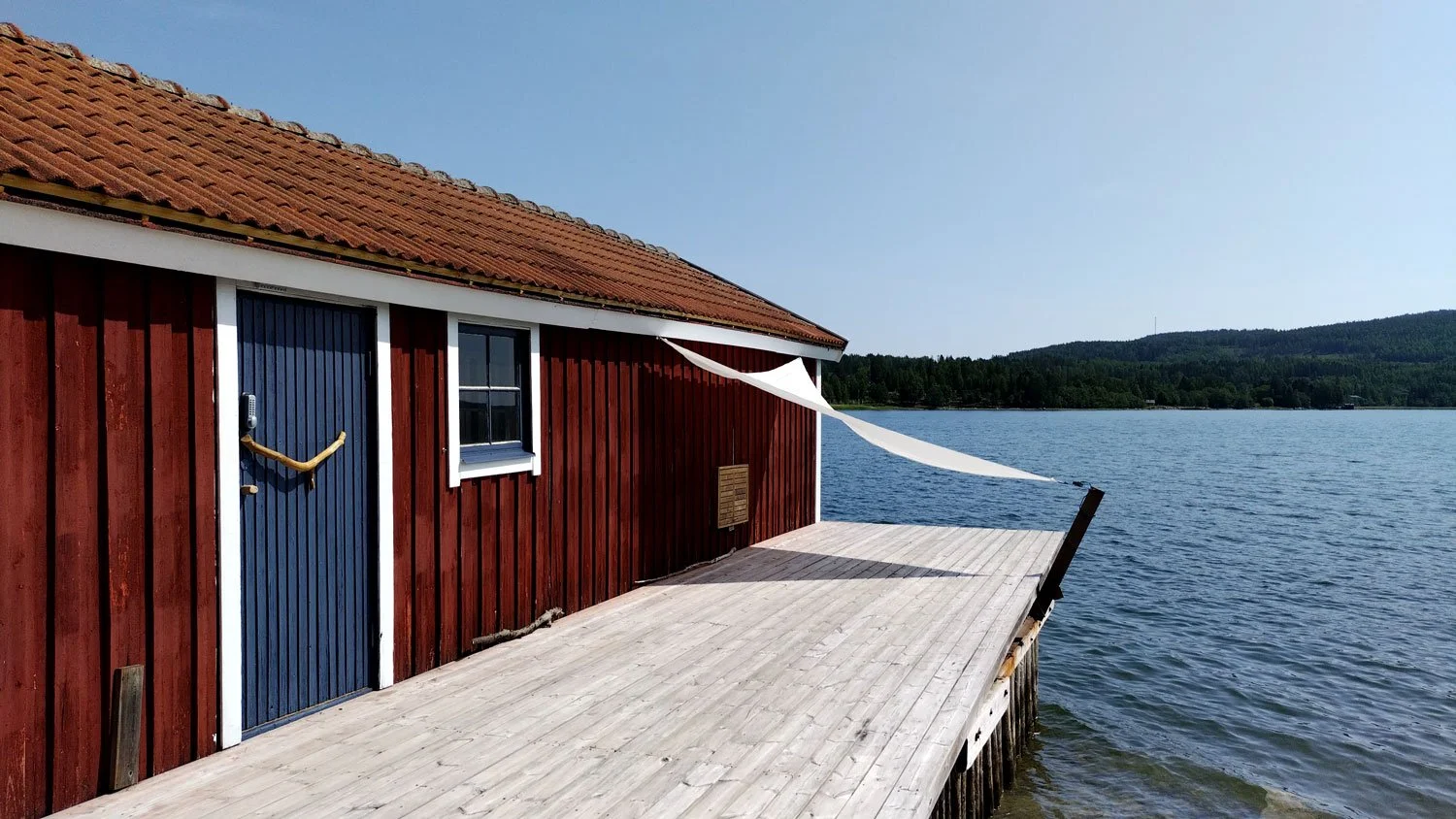
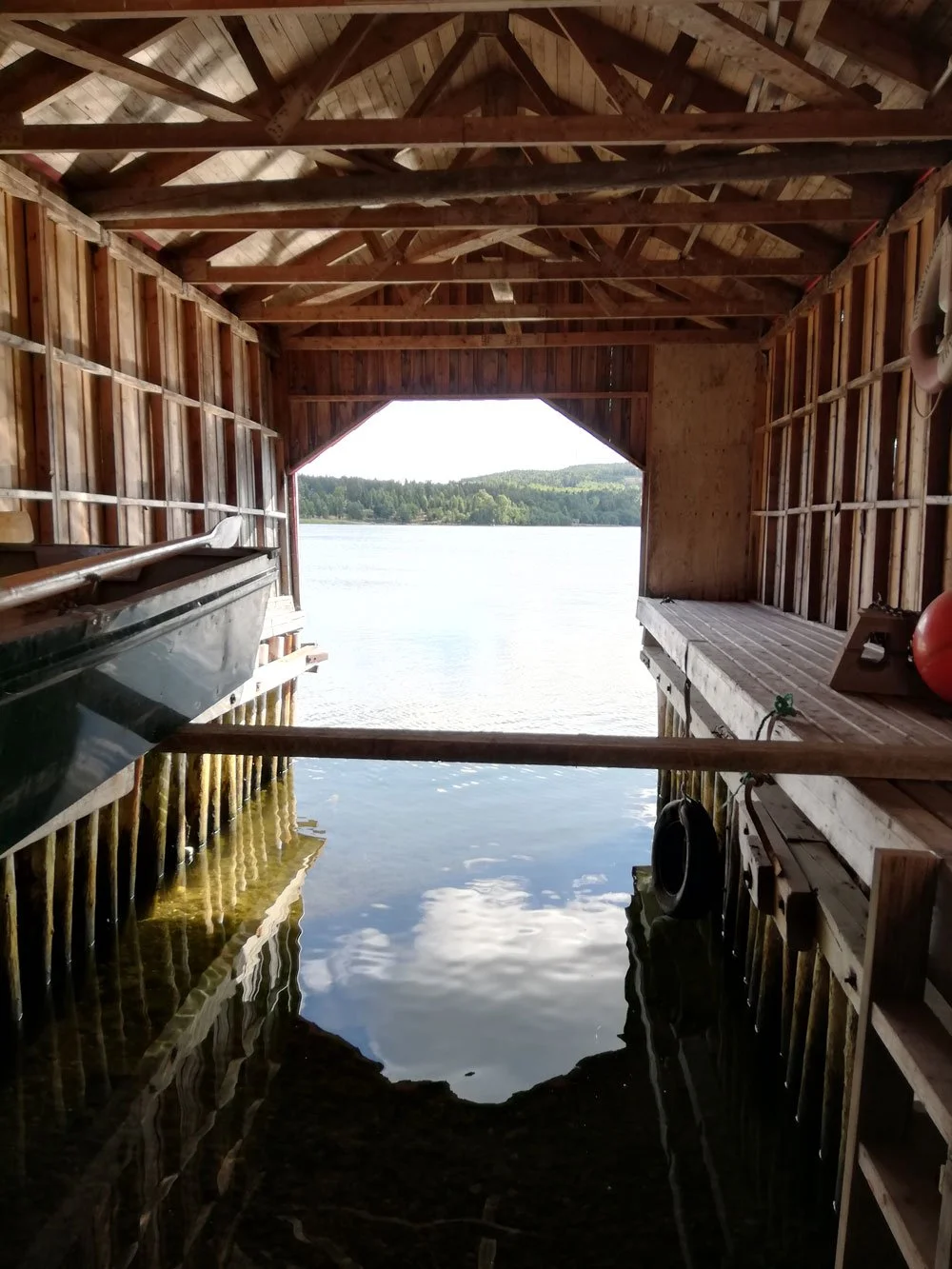
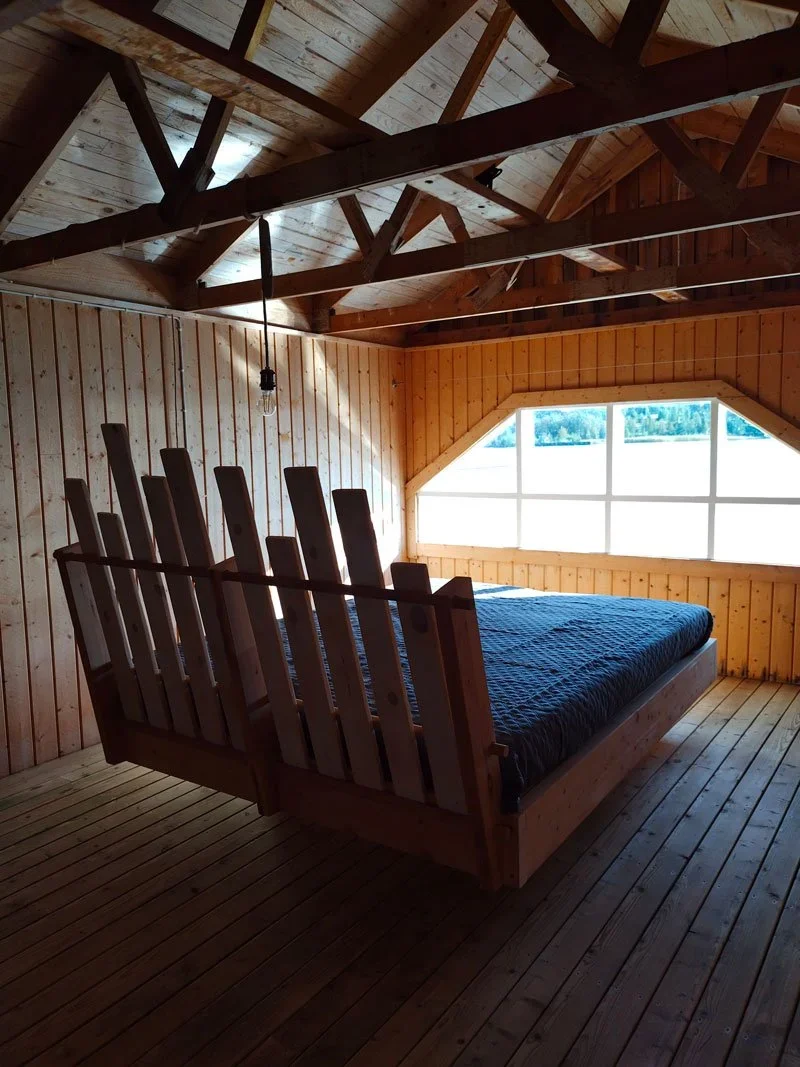
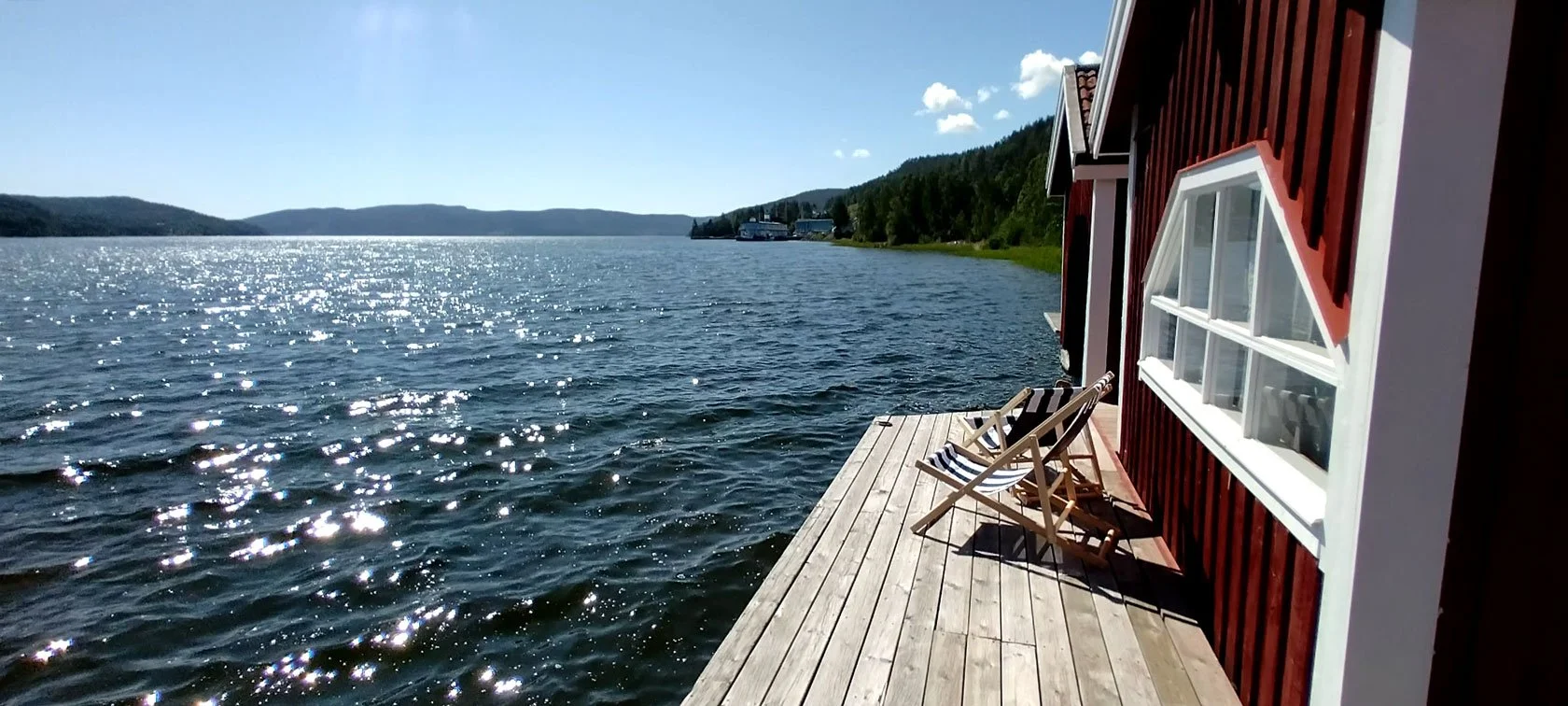
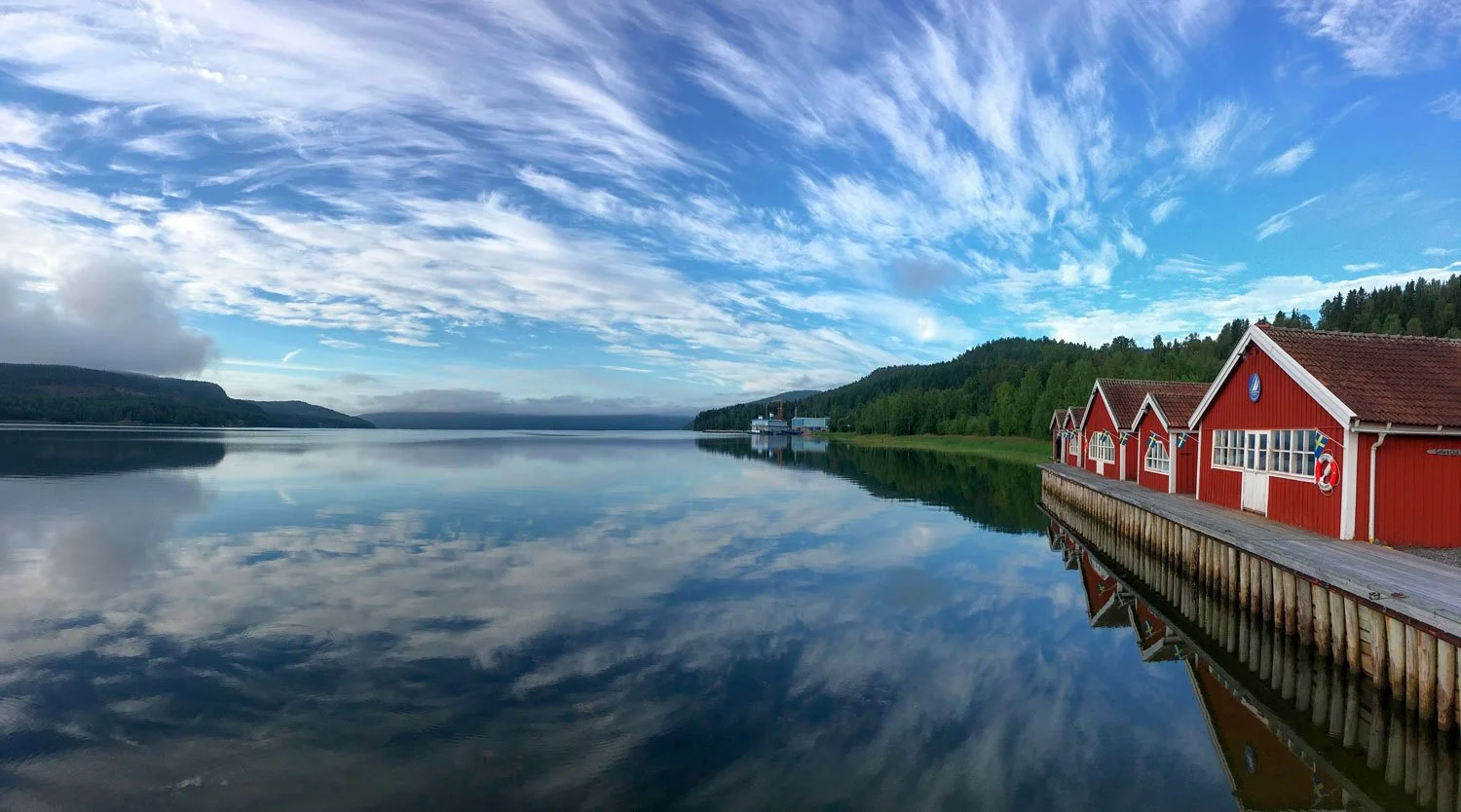
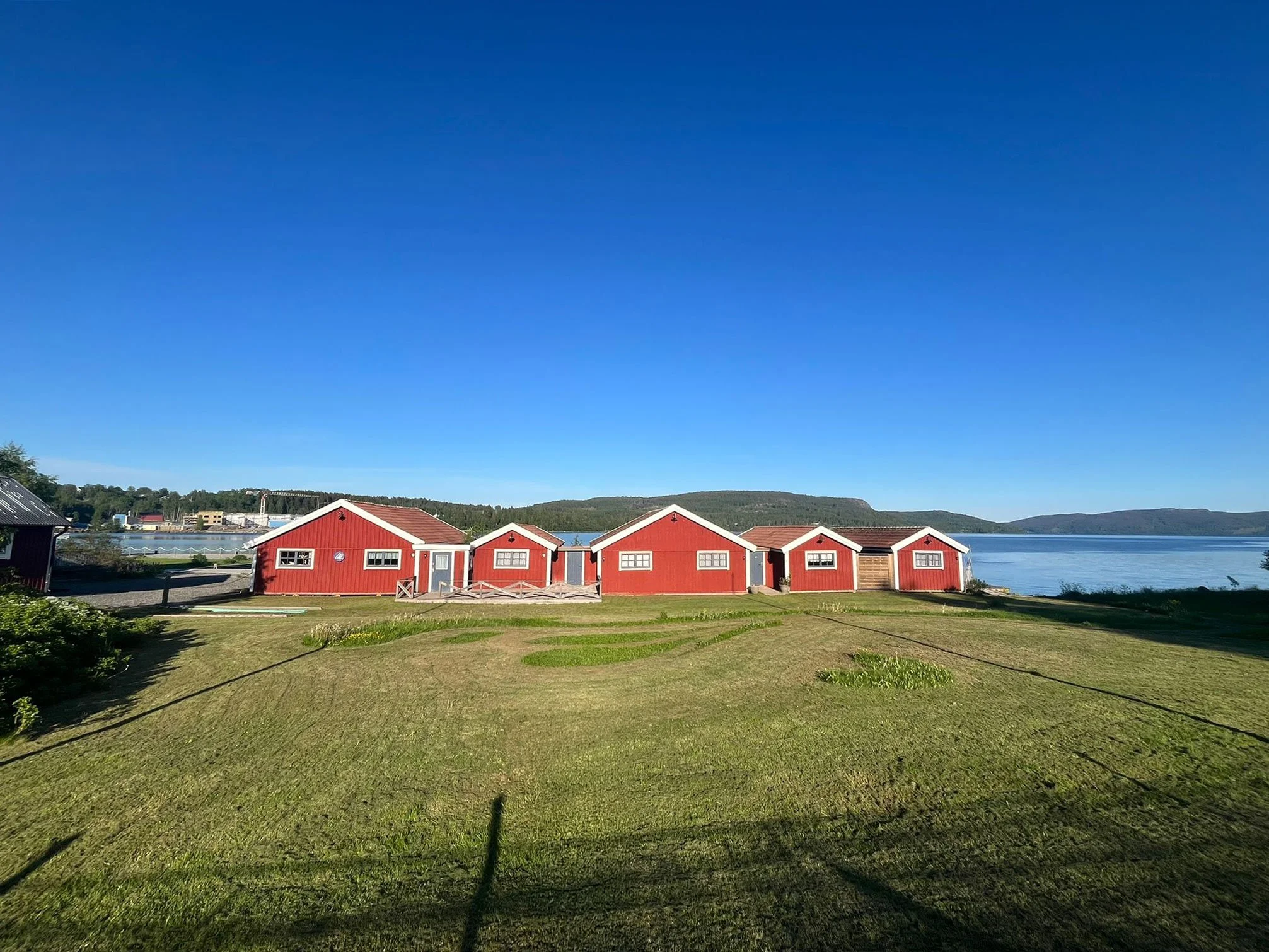
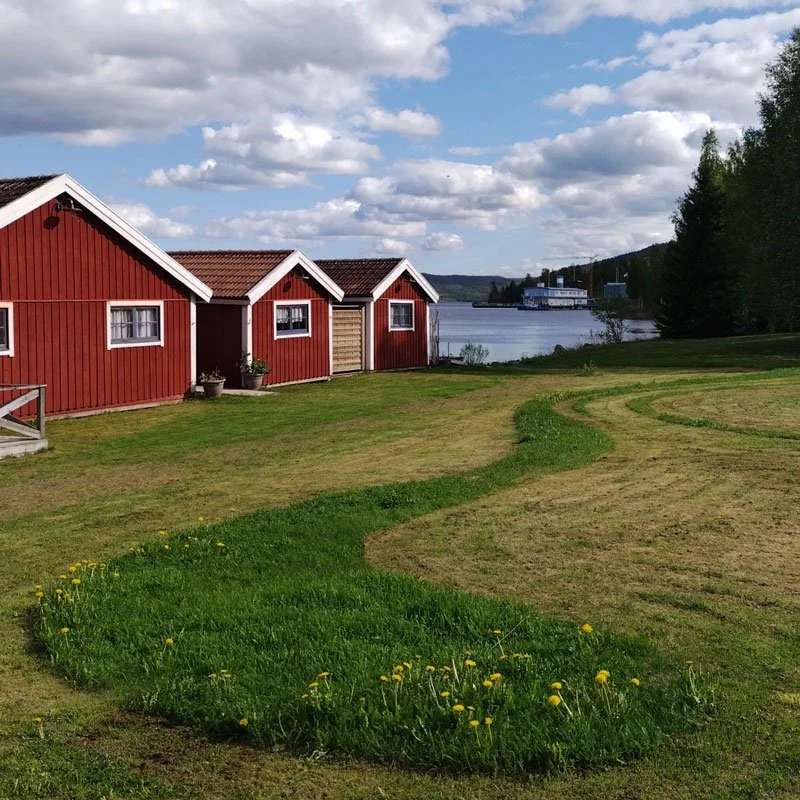
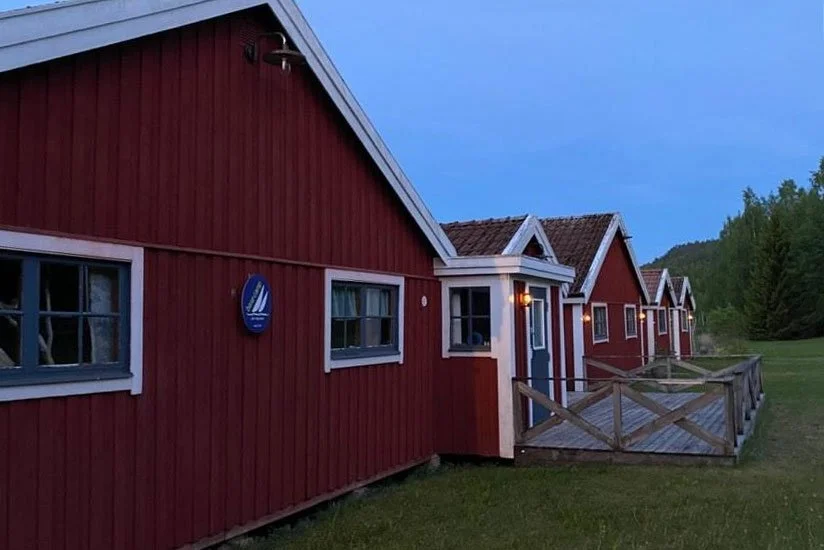
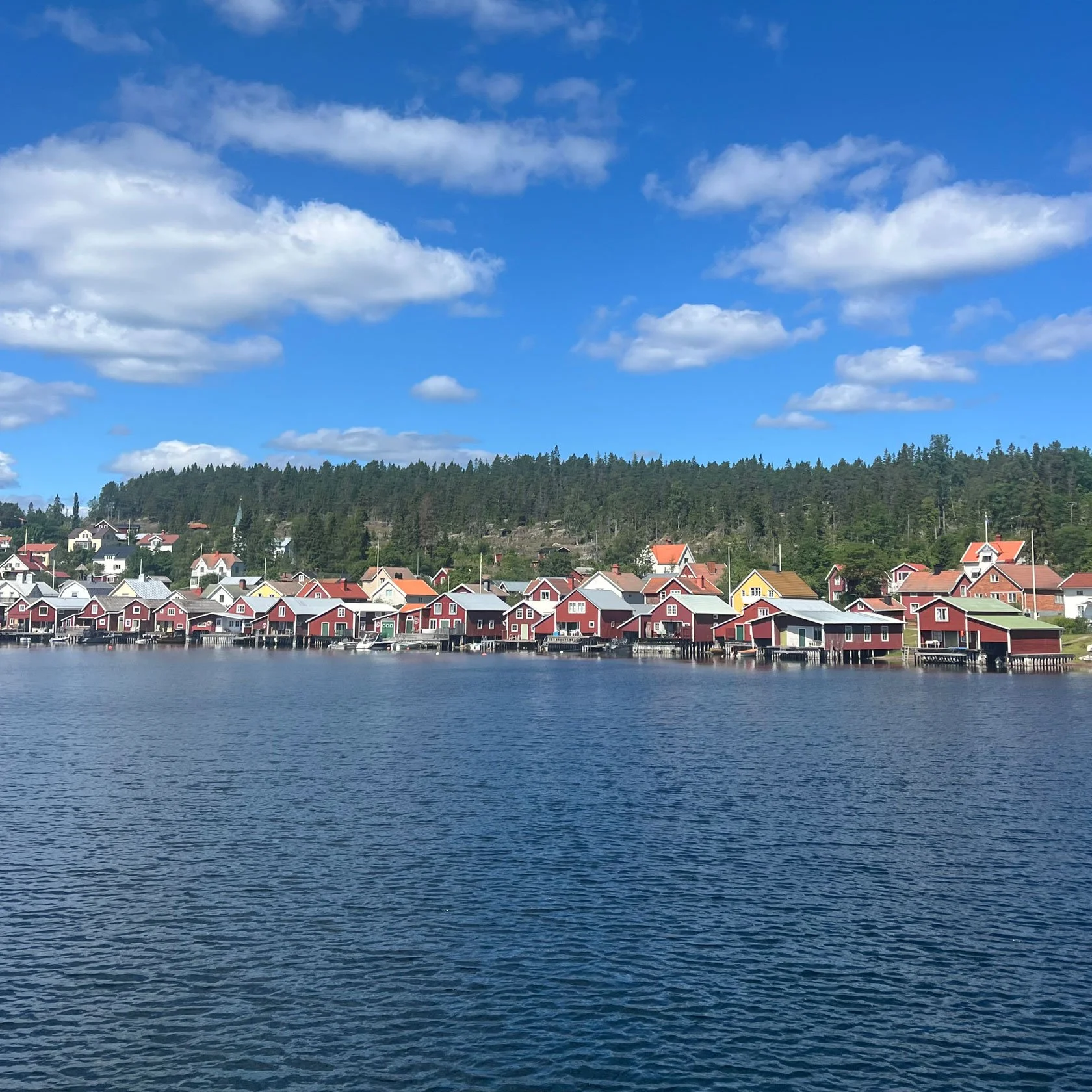
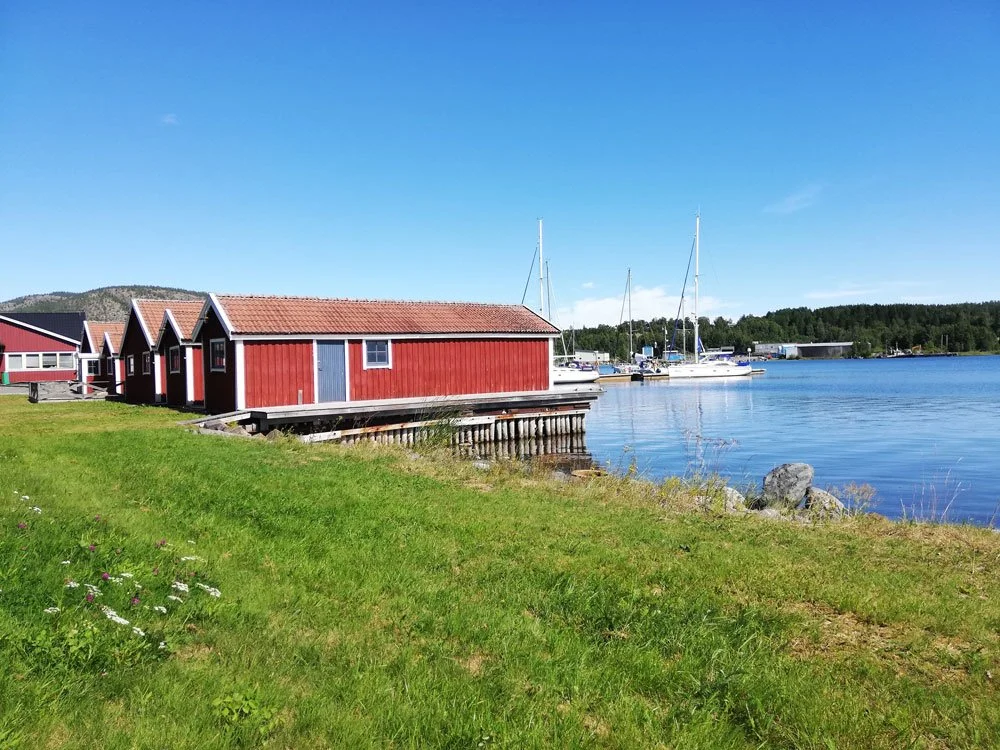
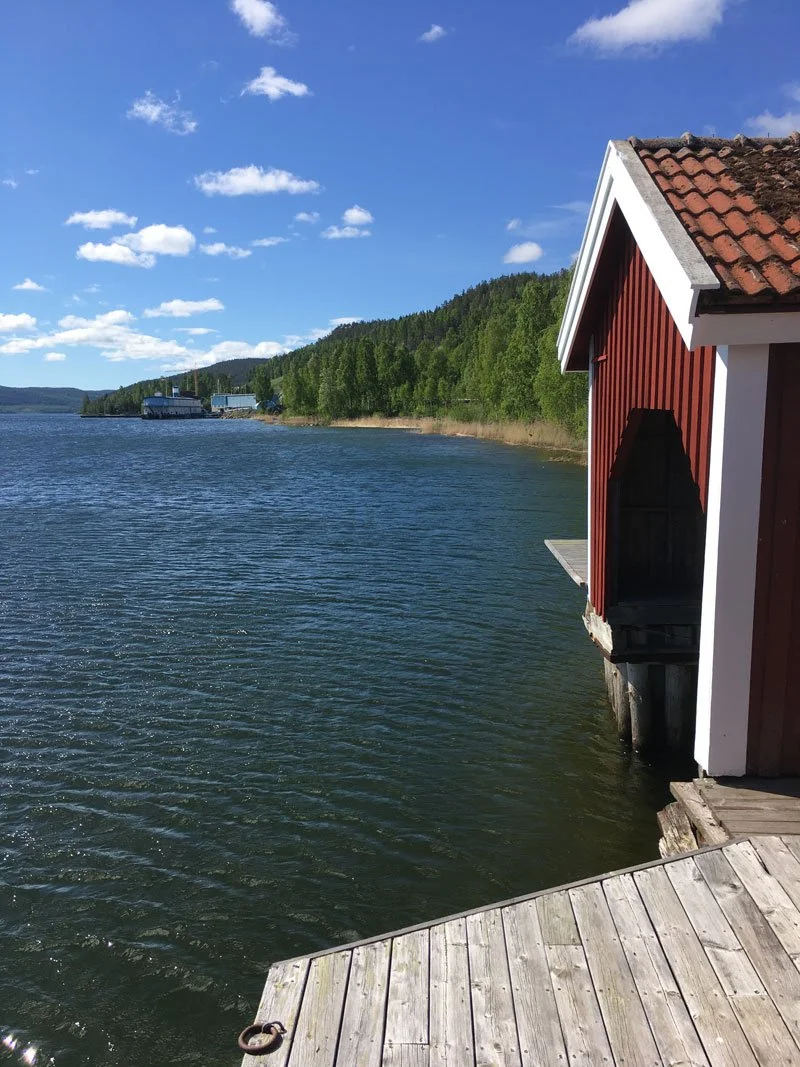
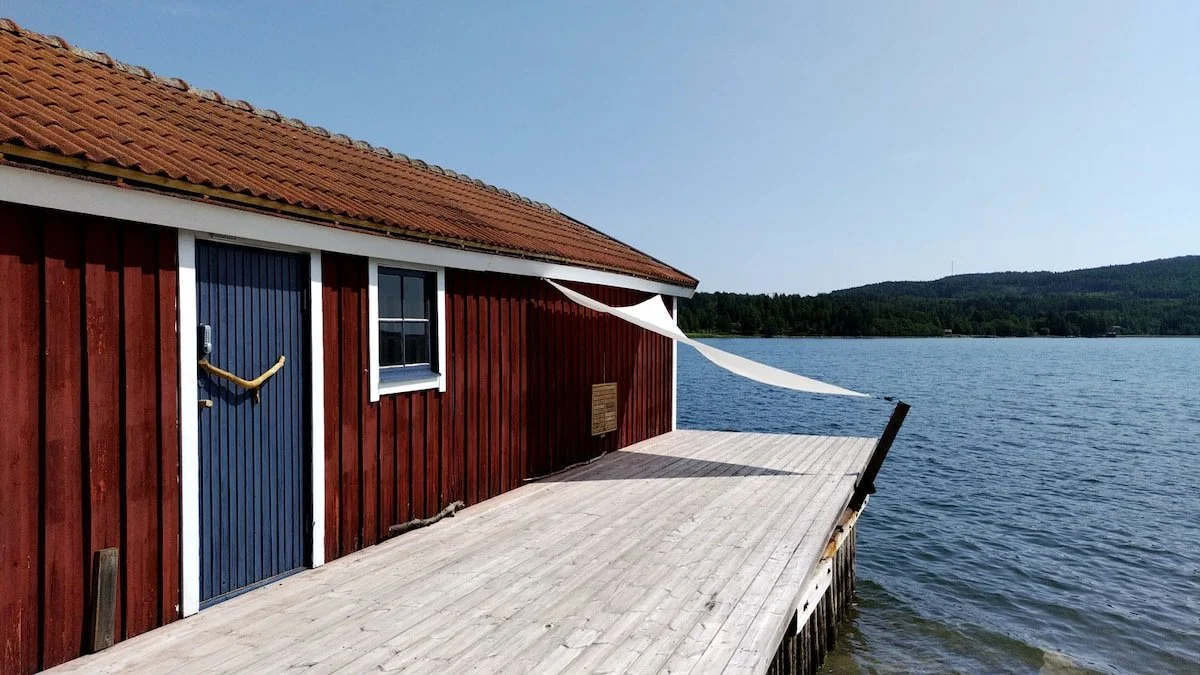
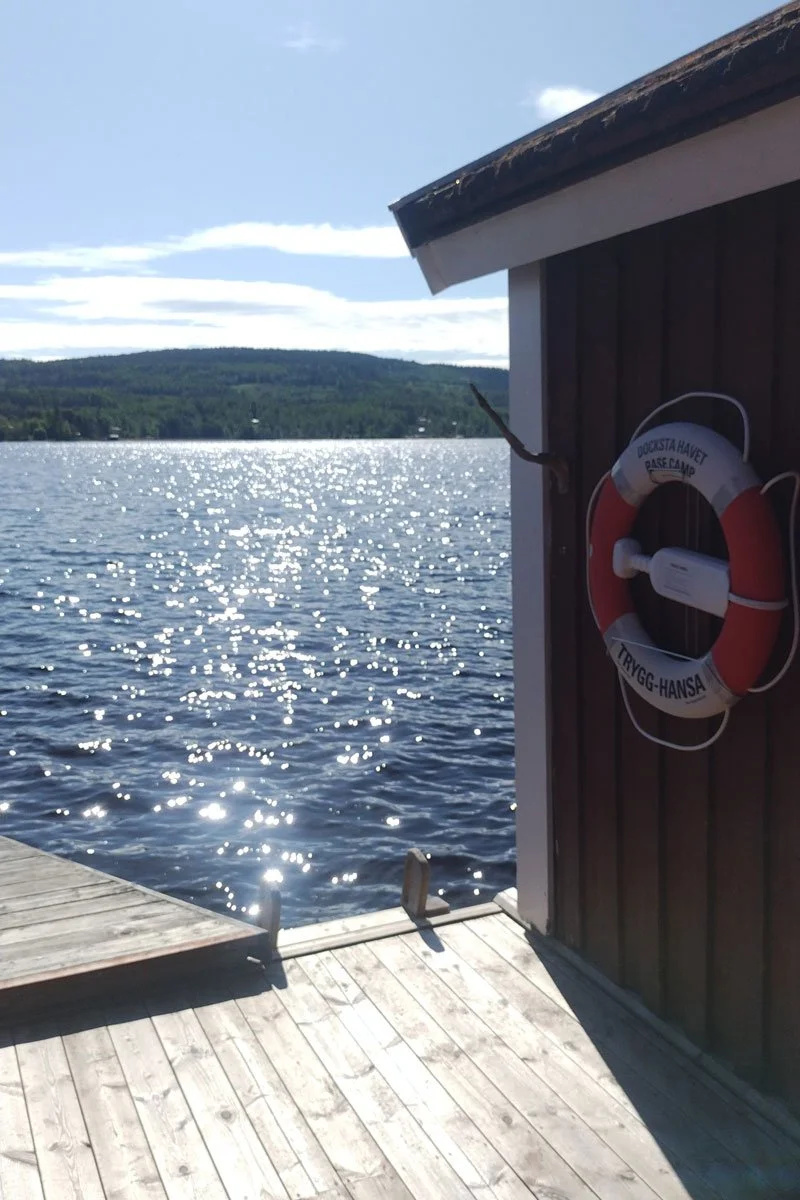
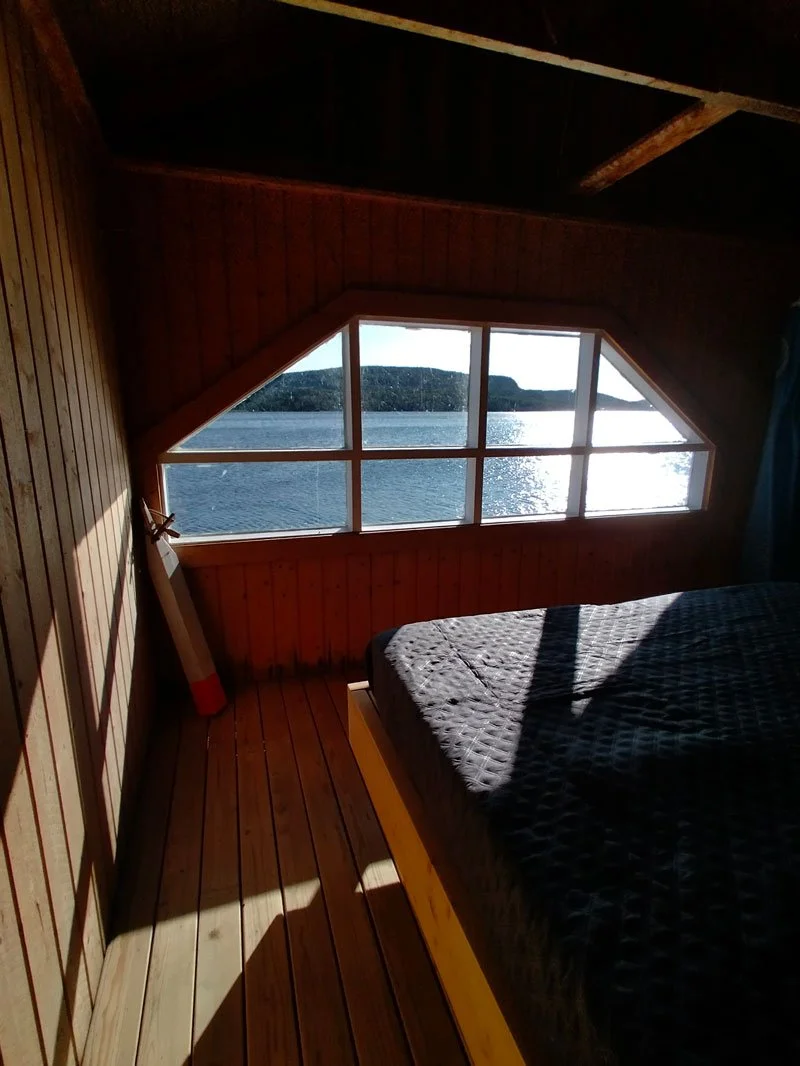
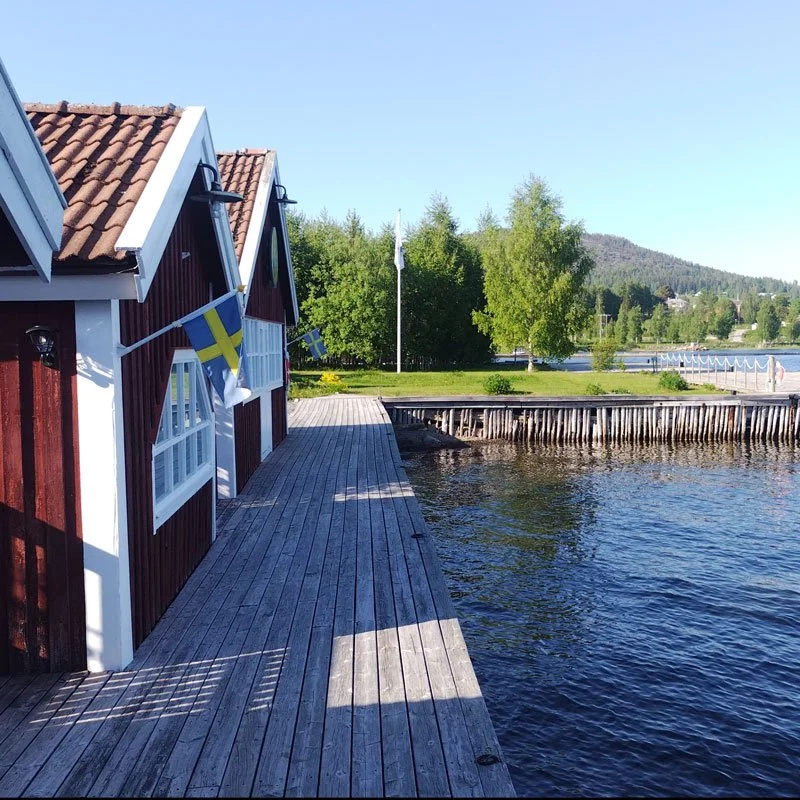
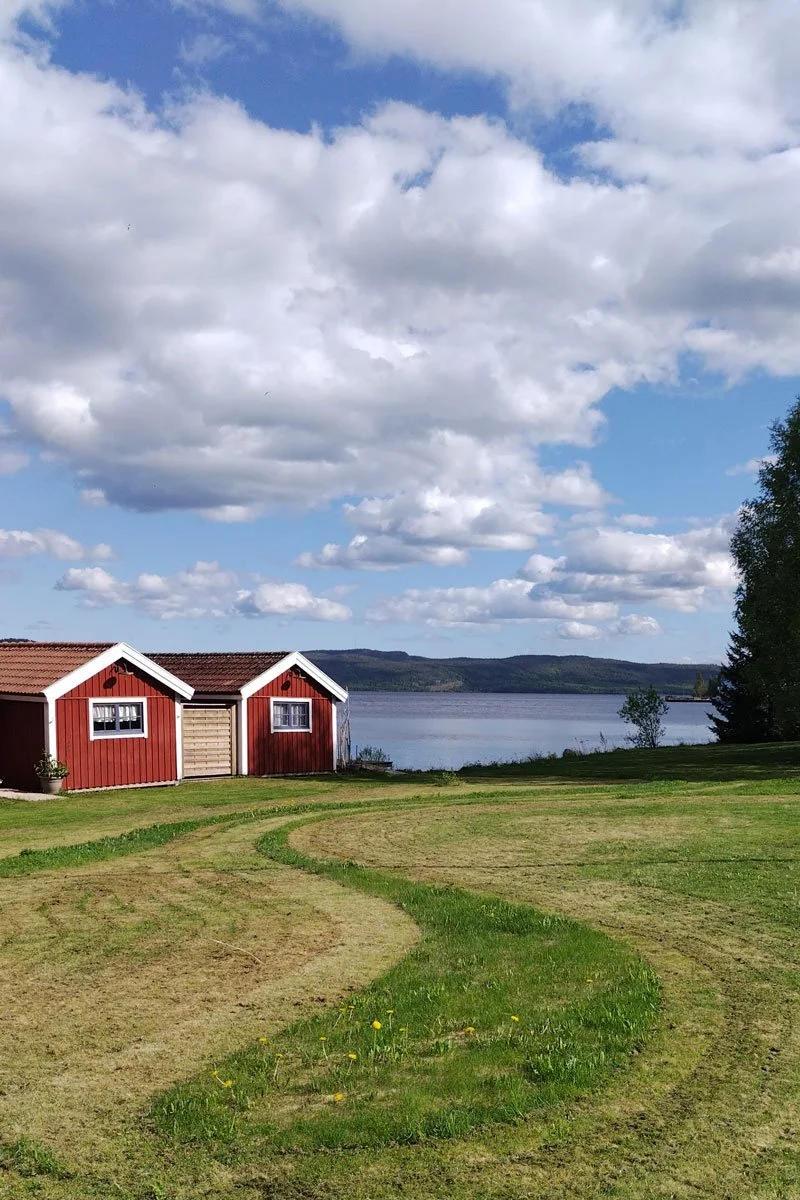
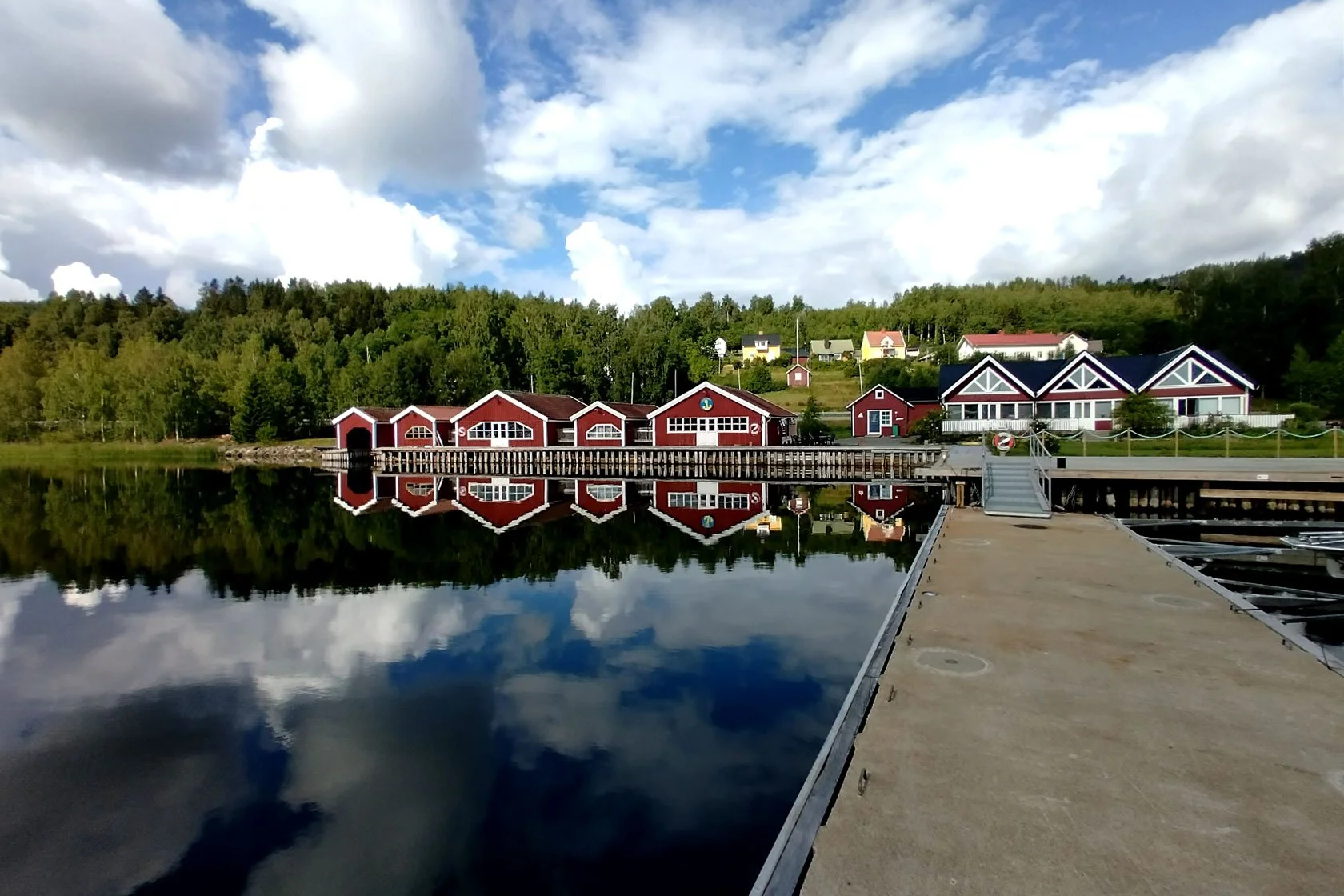
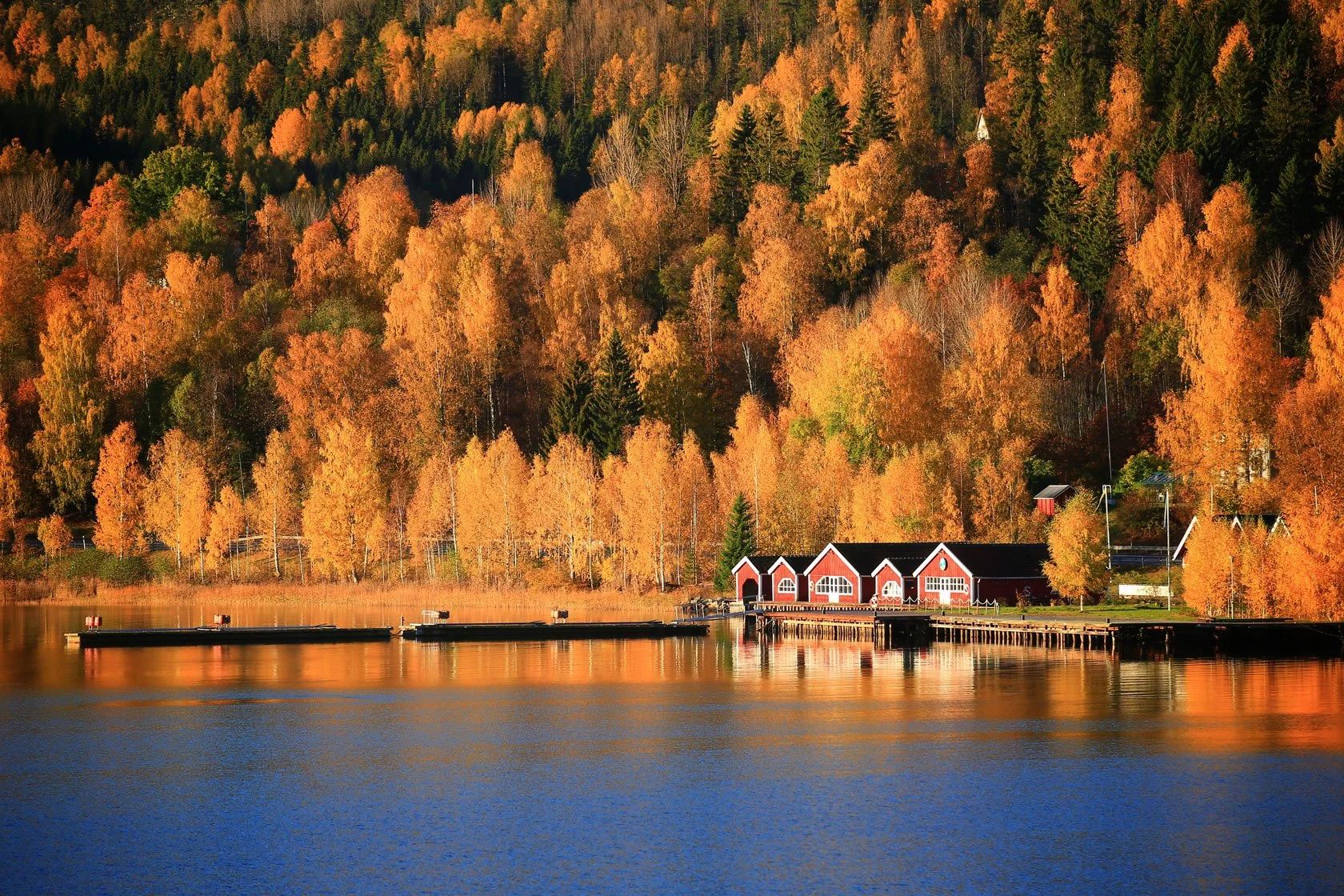
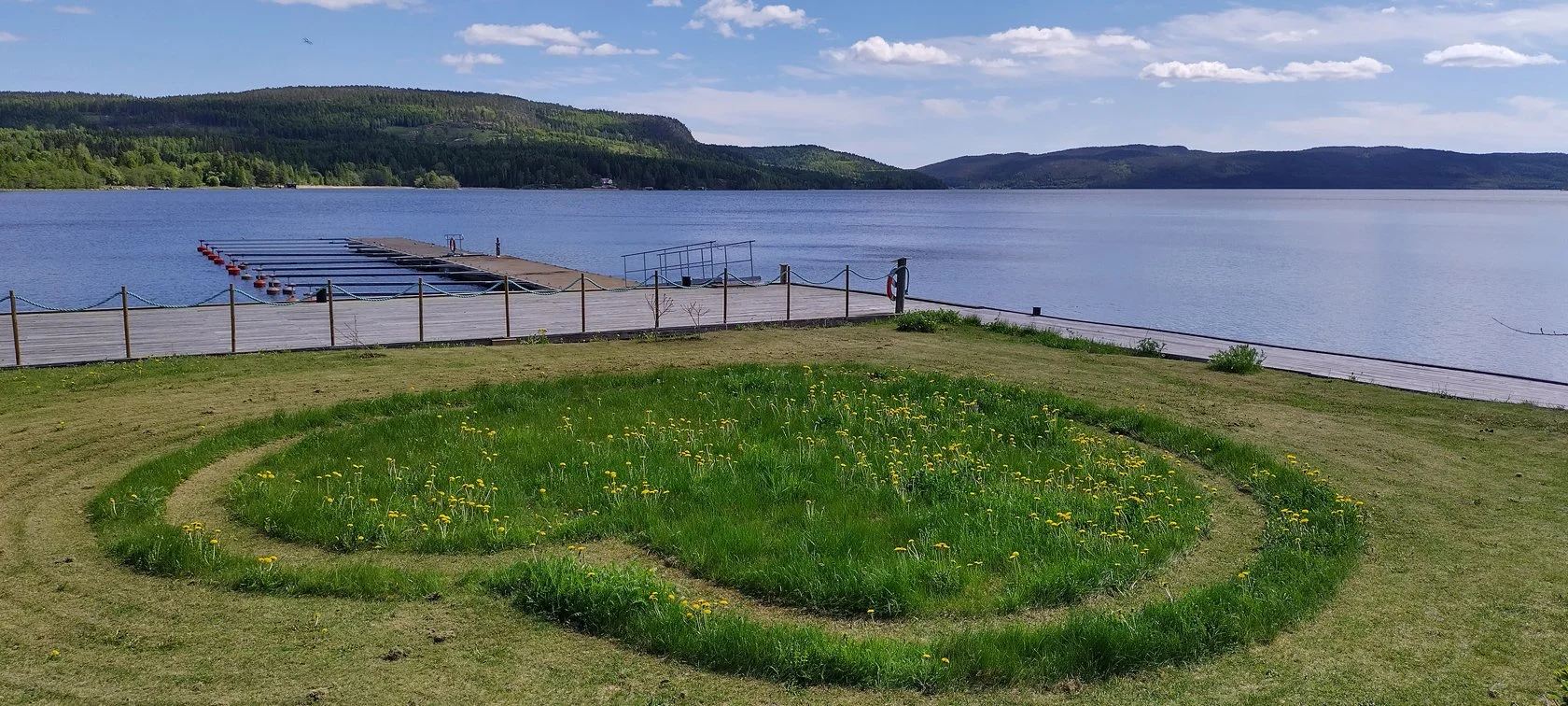
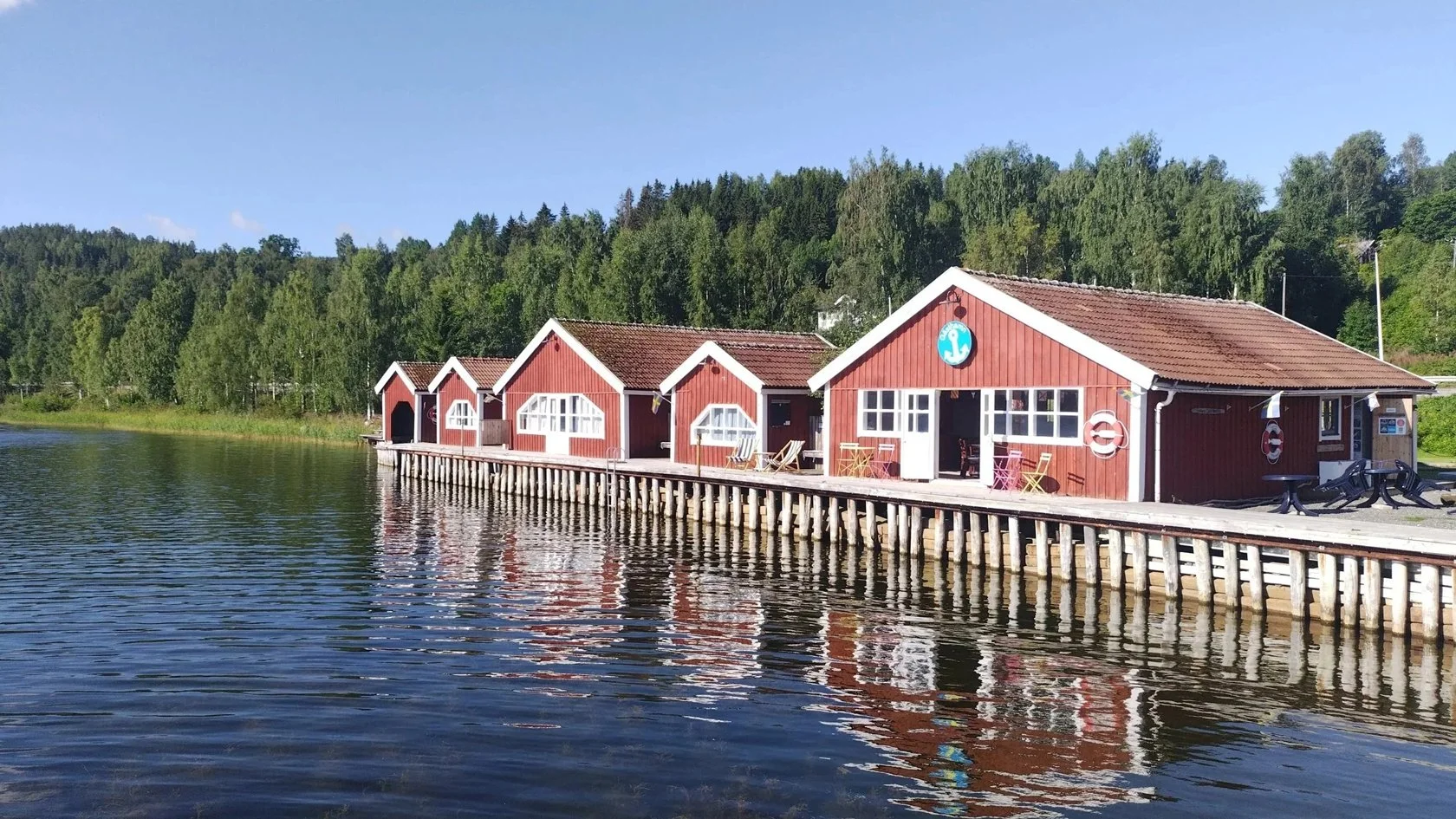
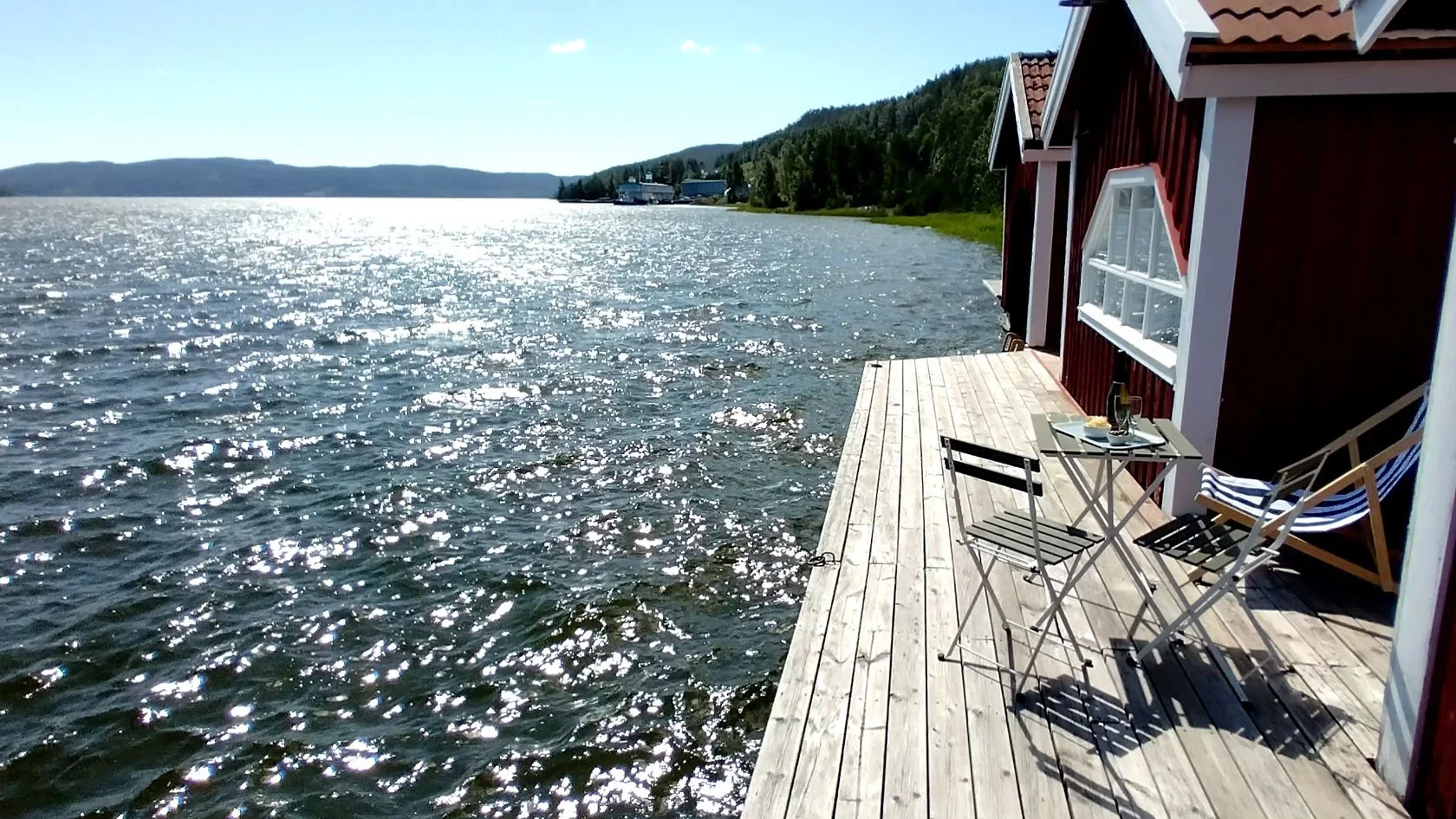
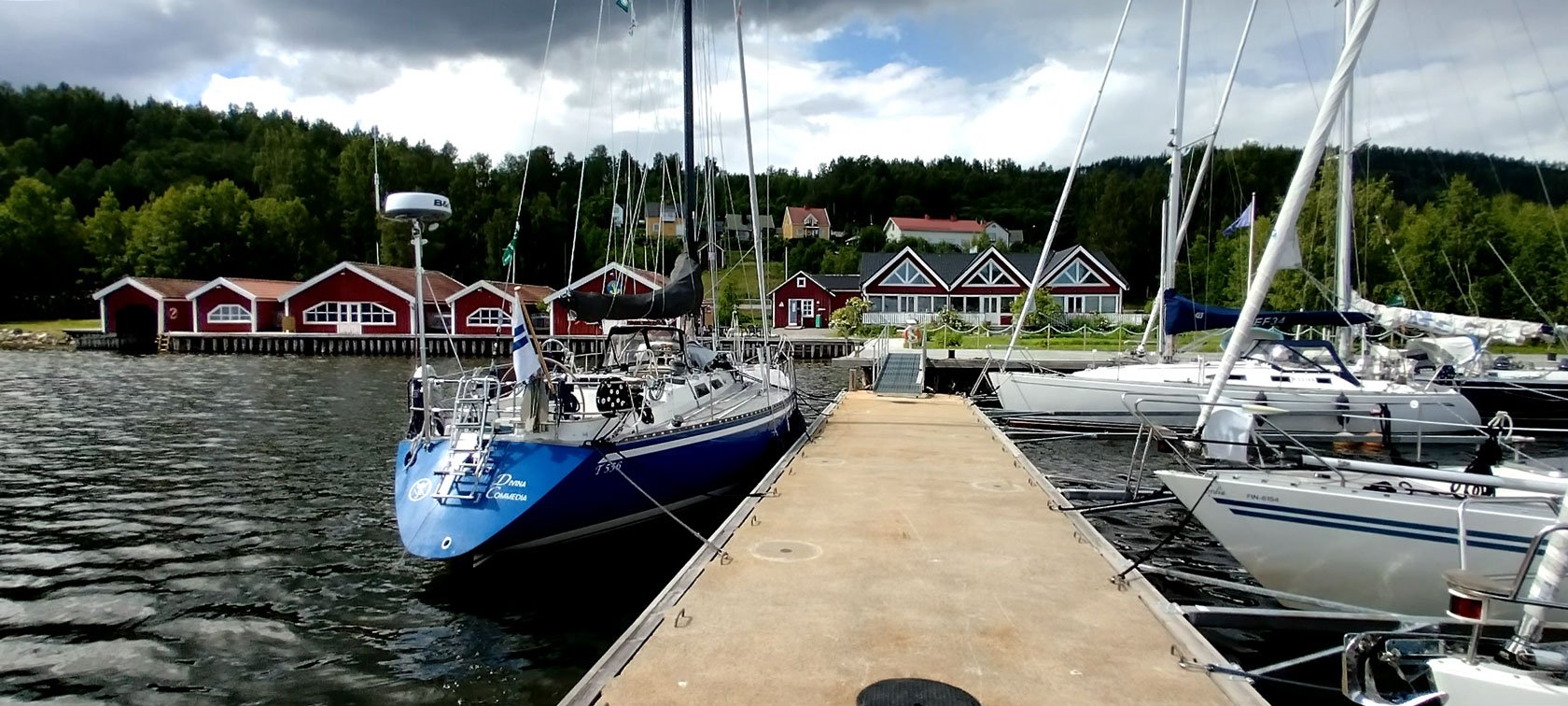
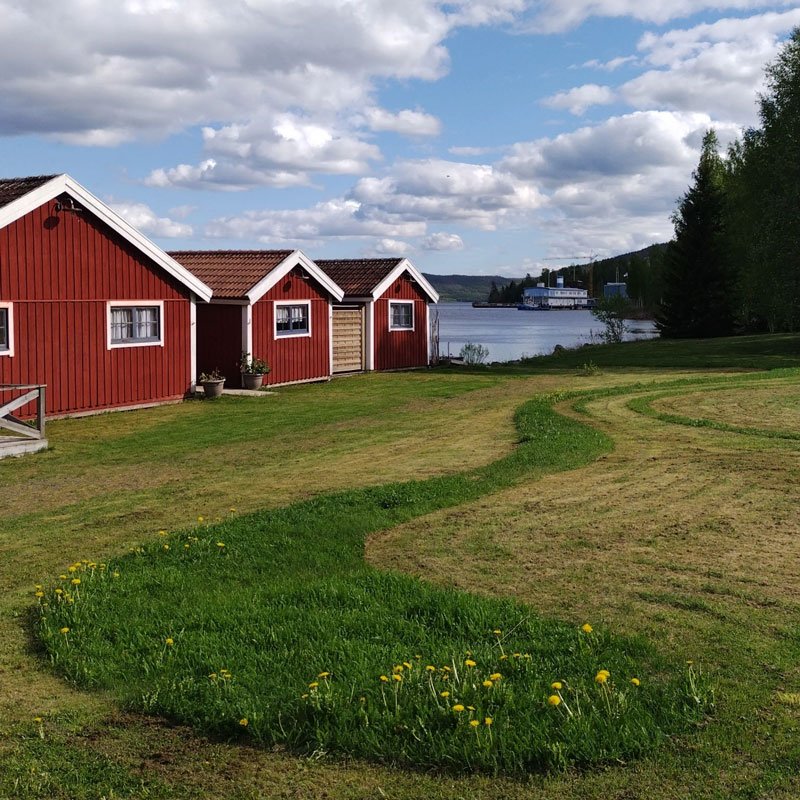
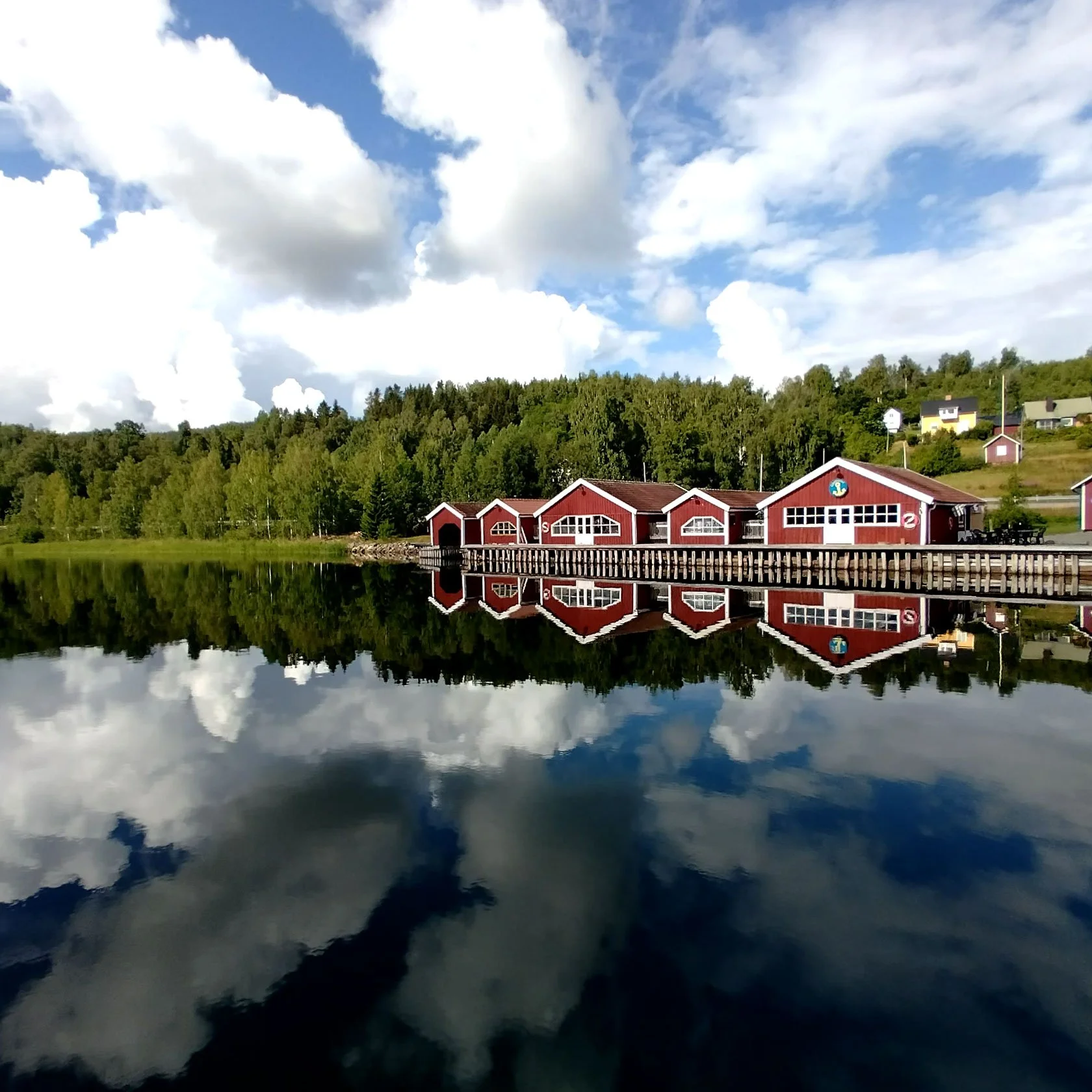
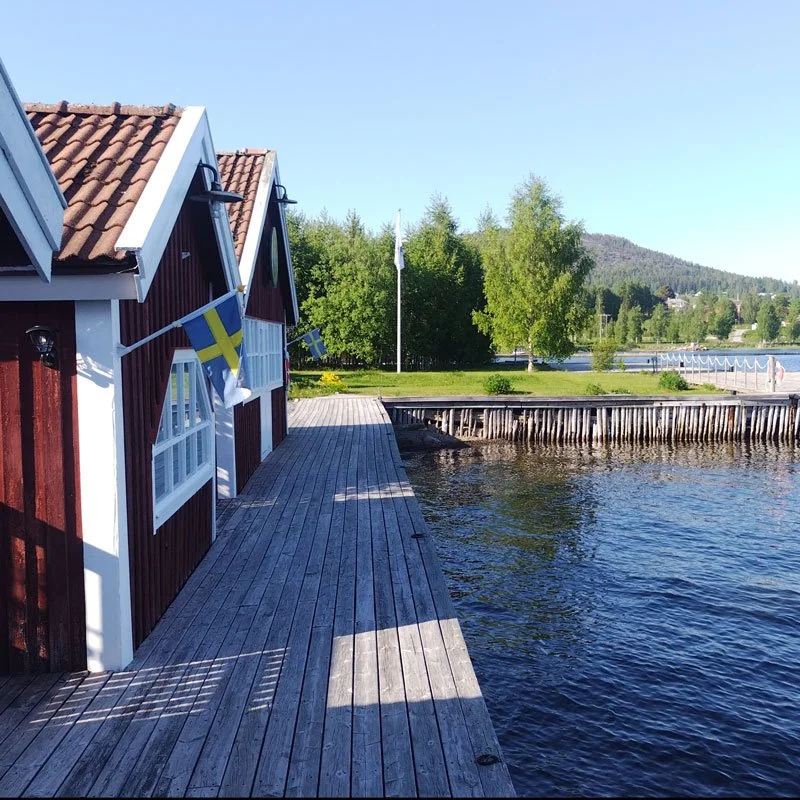
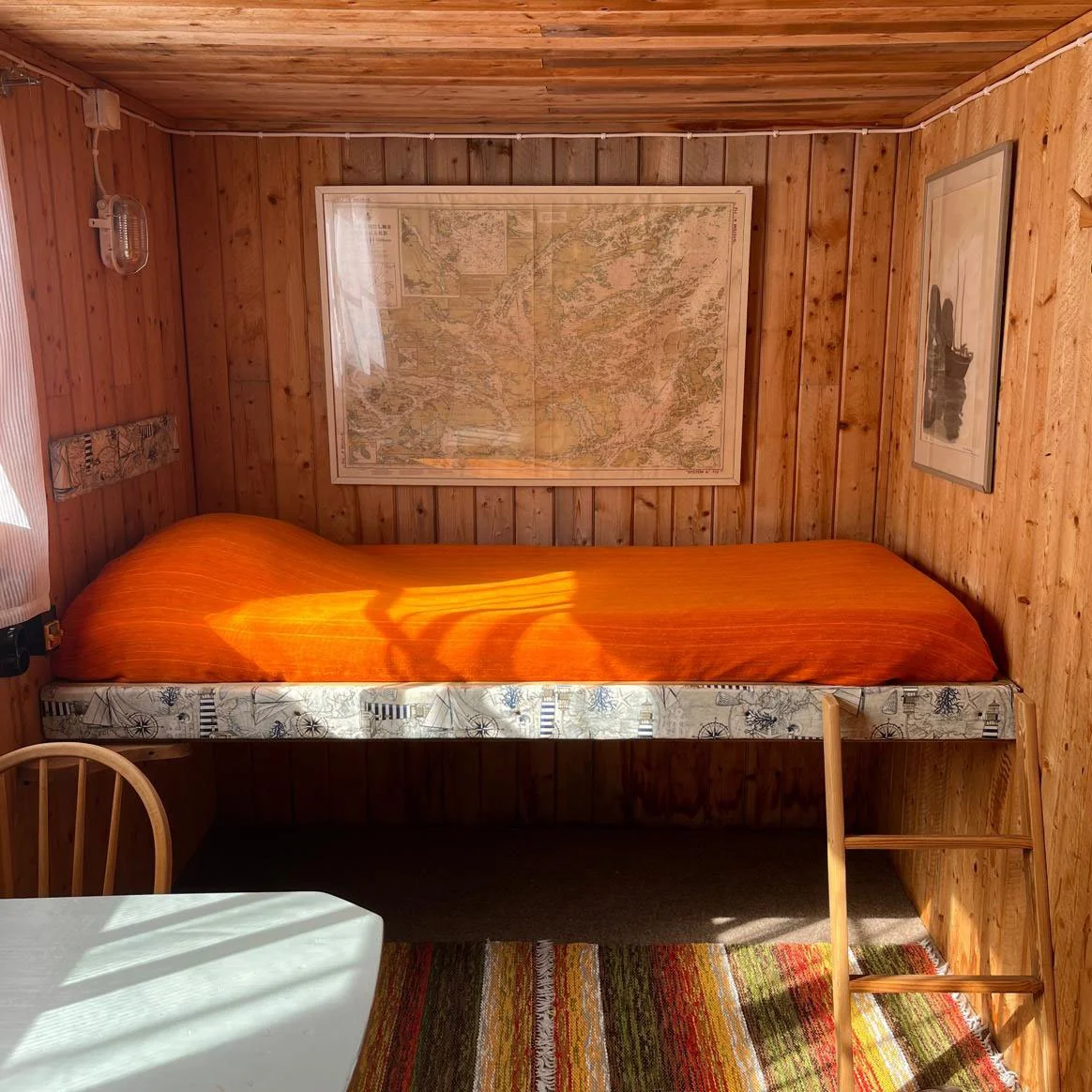
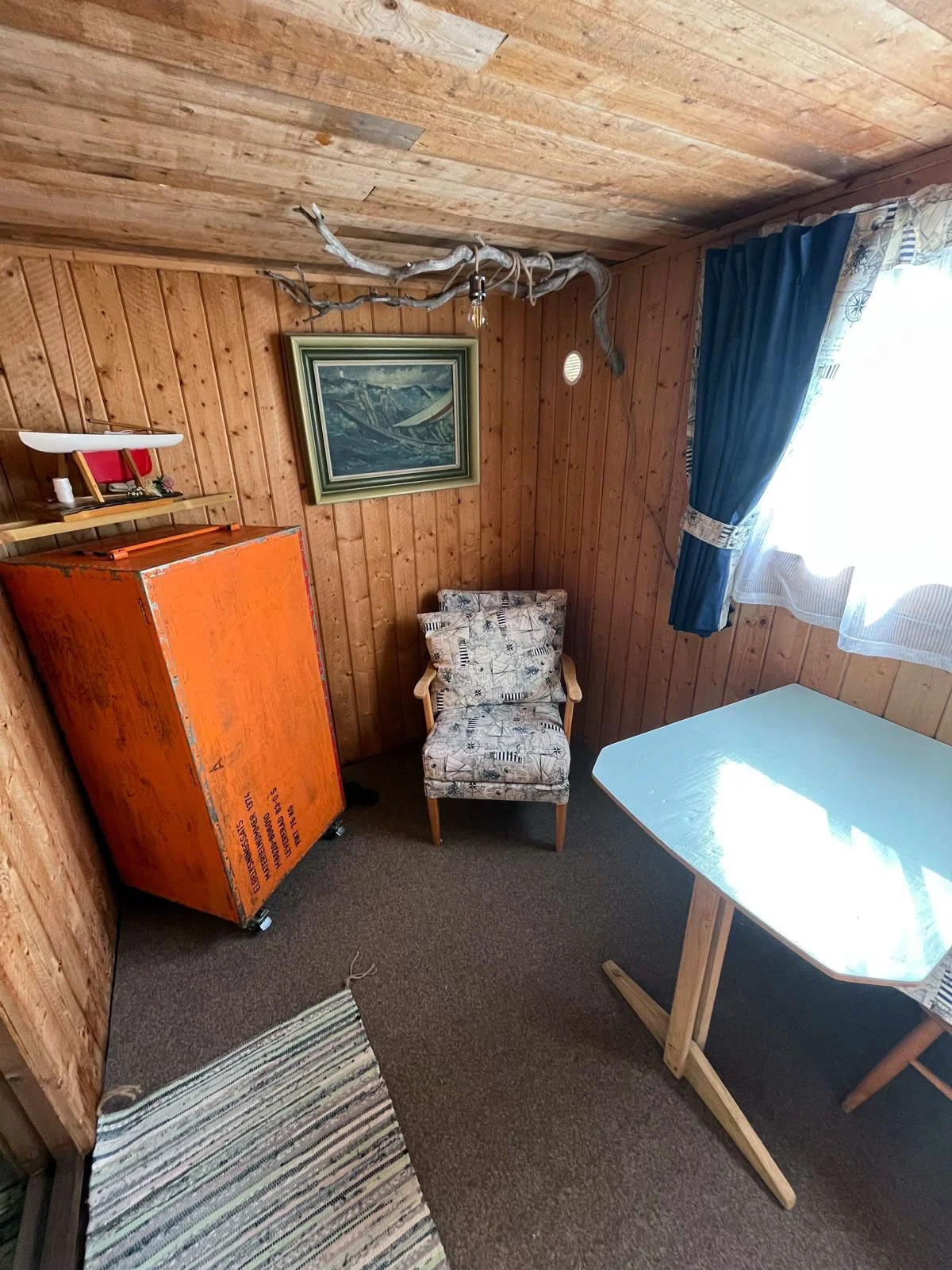
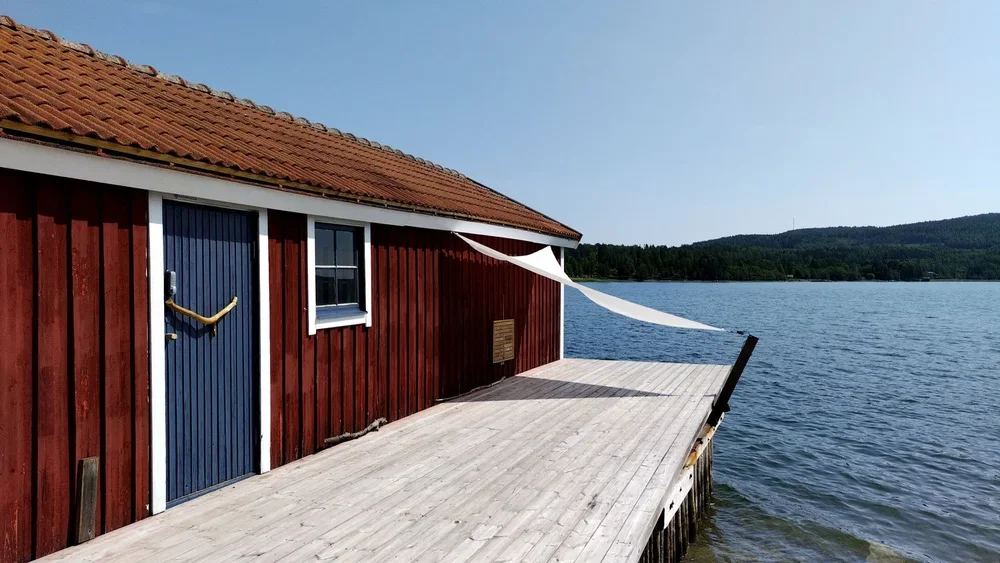
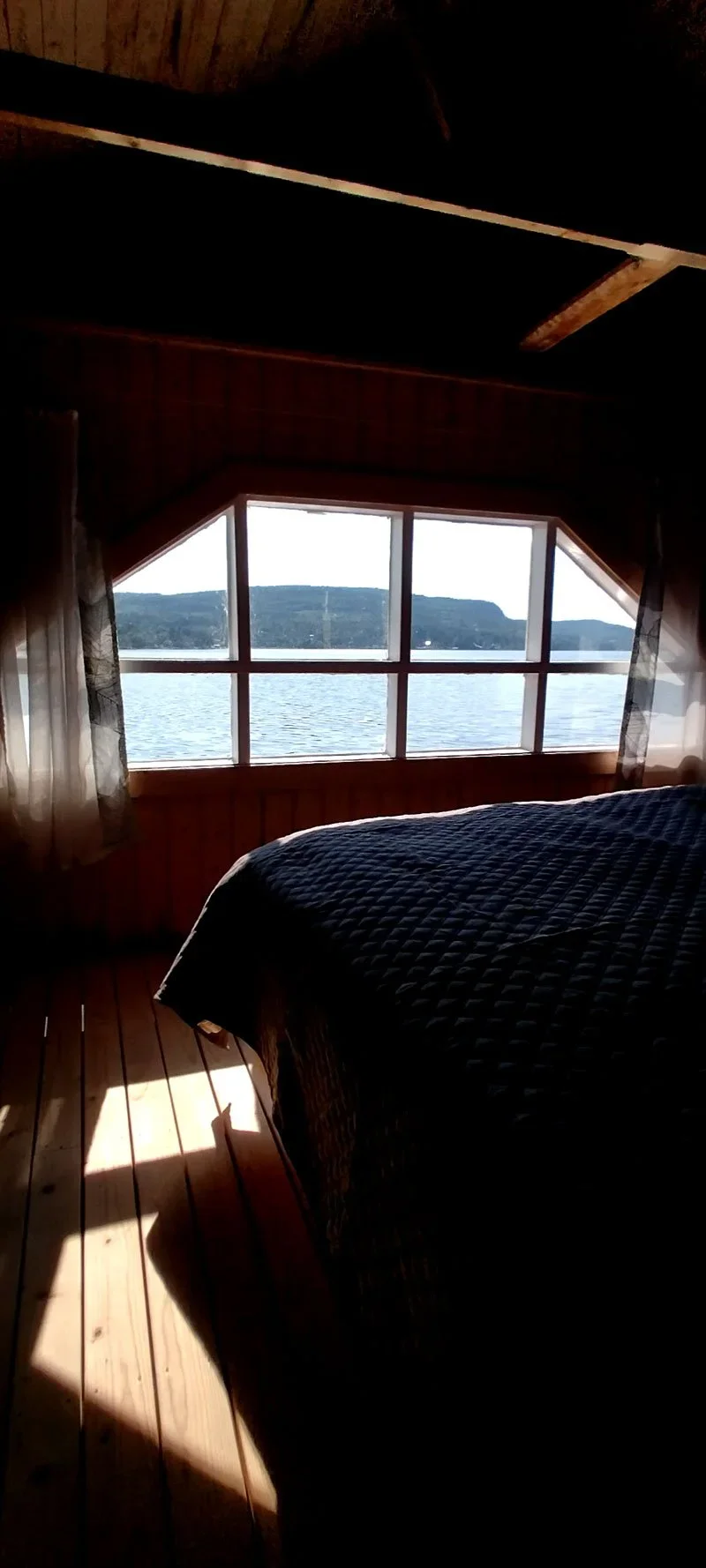
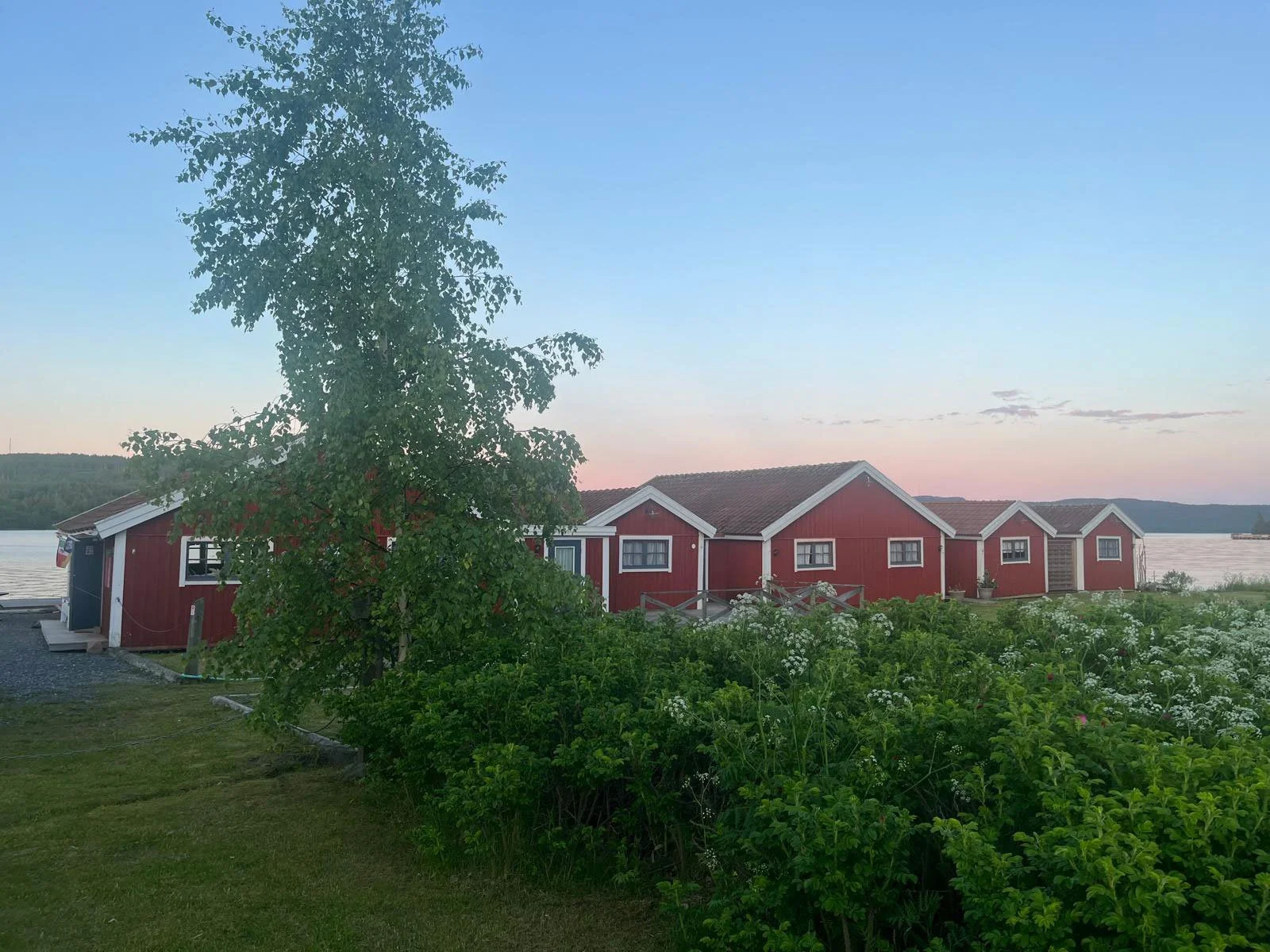
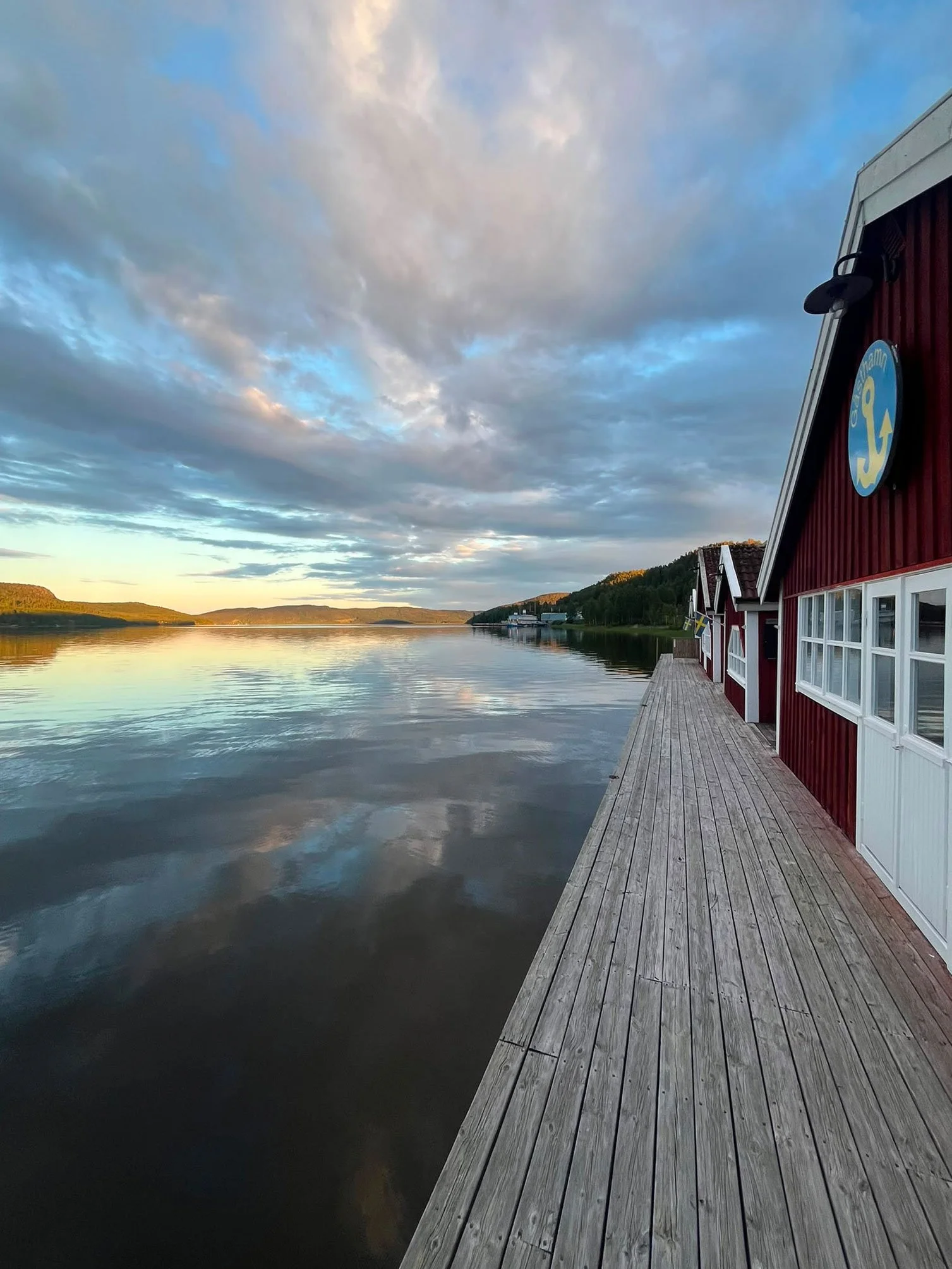
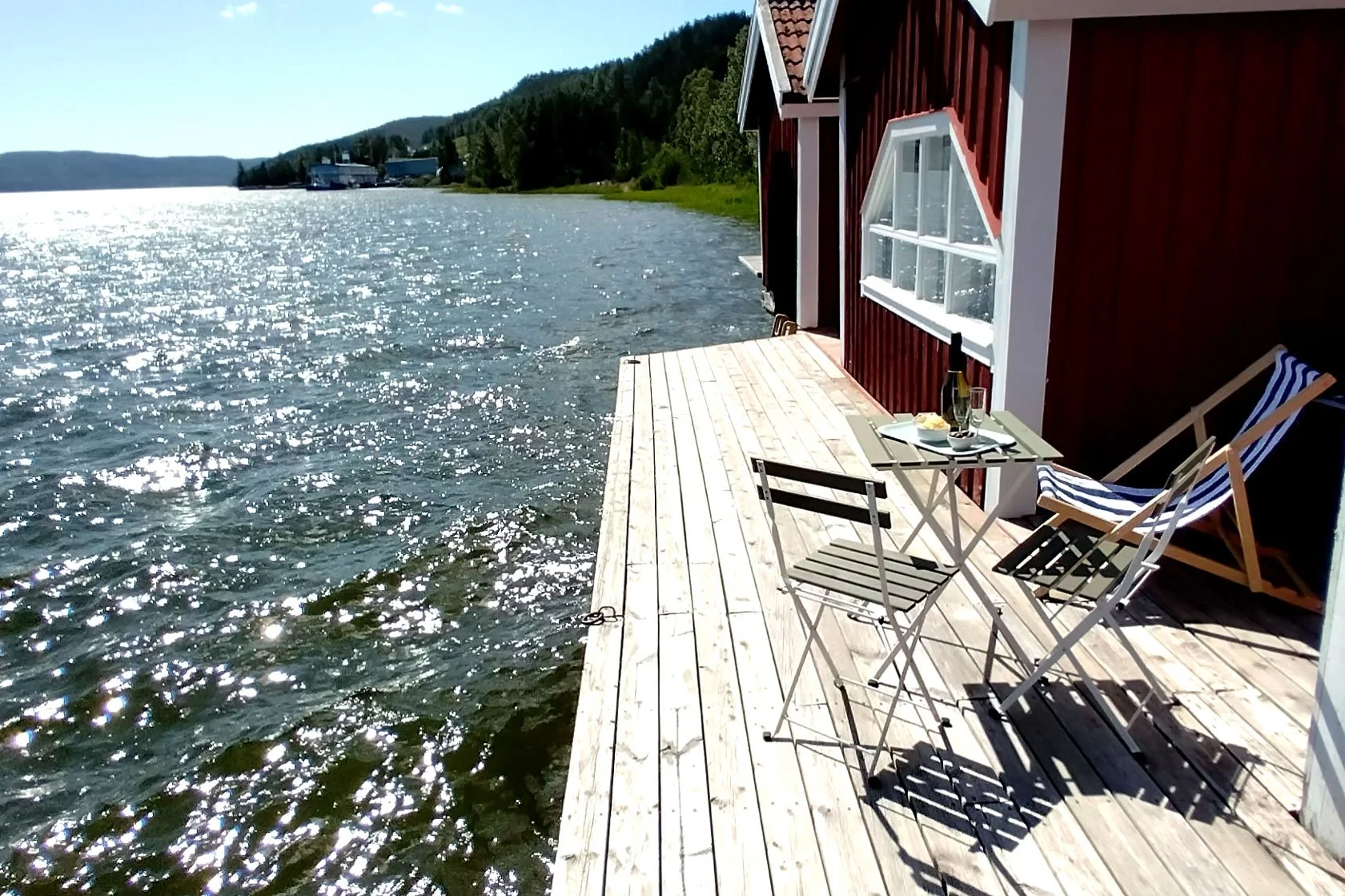
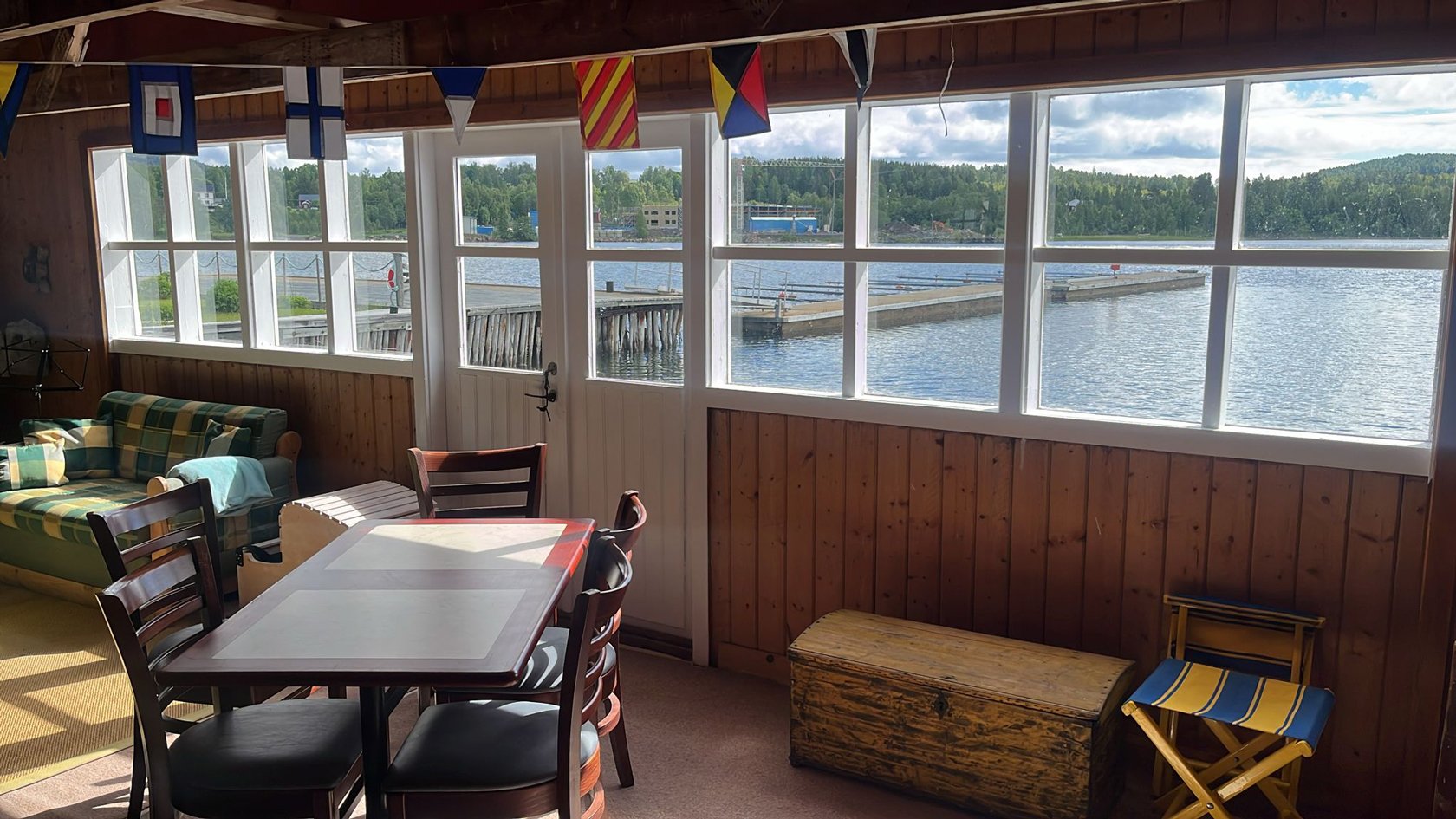
  • A minimalist (but charming) Boathouse literally over the water

  • A 2–4 hour outdoor plan (optional) so you actually feel the High Coast

  • A human host: you talk to me (no reception desk)

This is not: a generic motel, and not a "free toilet stop" on a highway parking area.


The core offer: the Boathouse (keep it simple)

Boathouse (solo riders + practical couples)

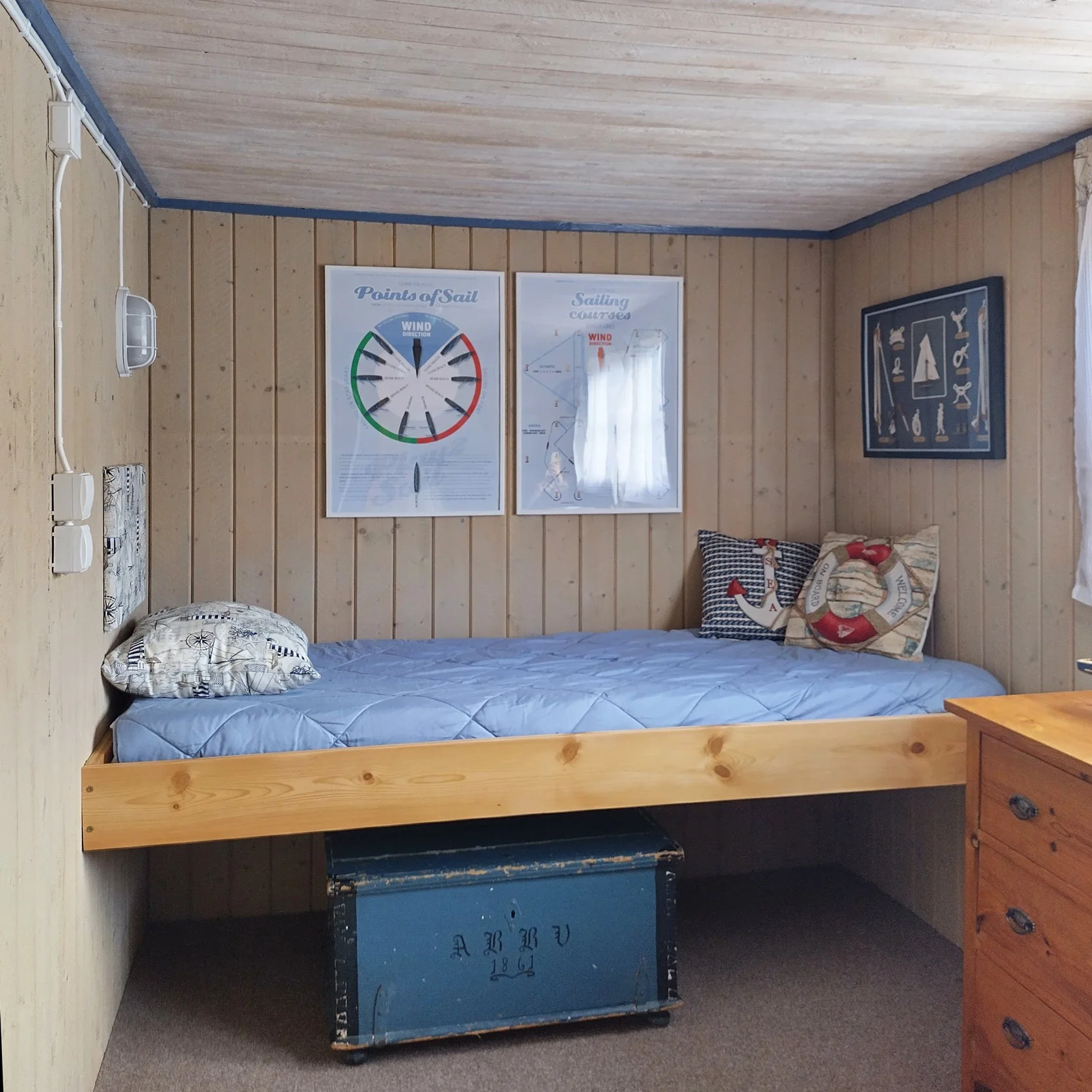
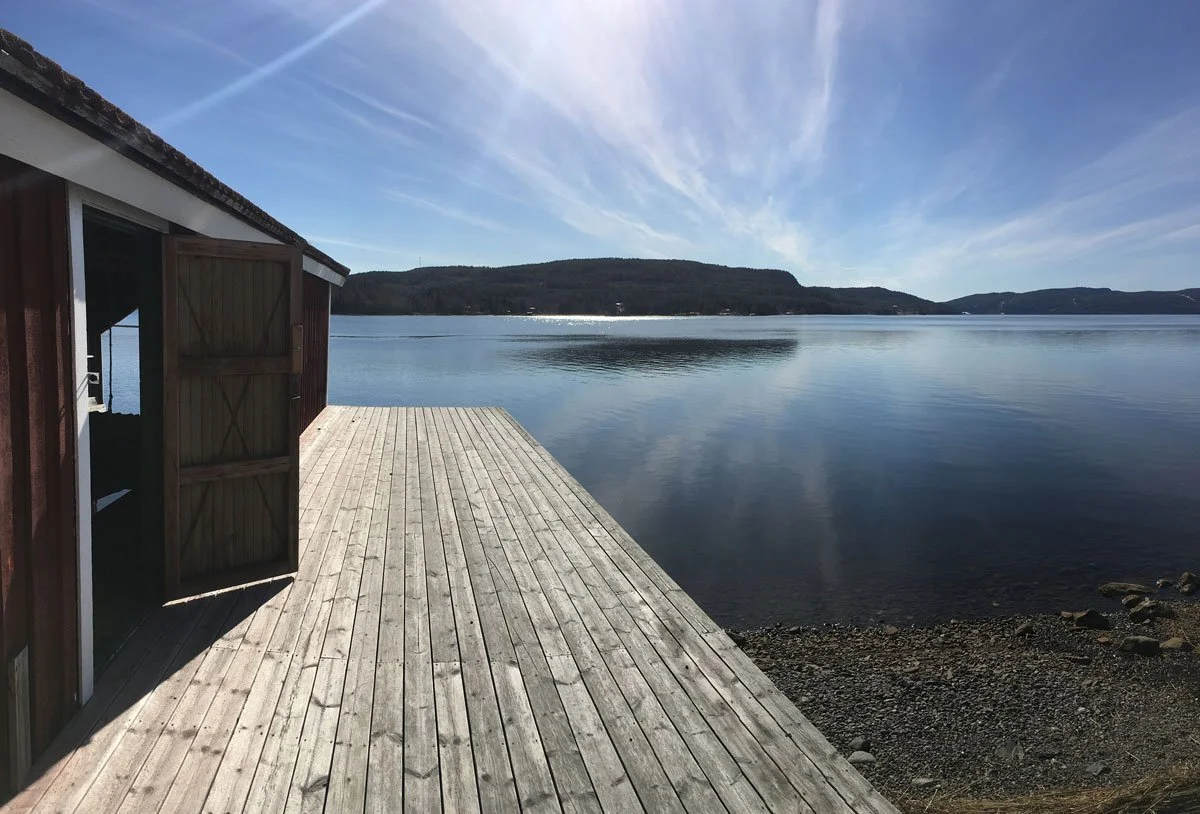
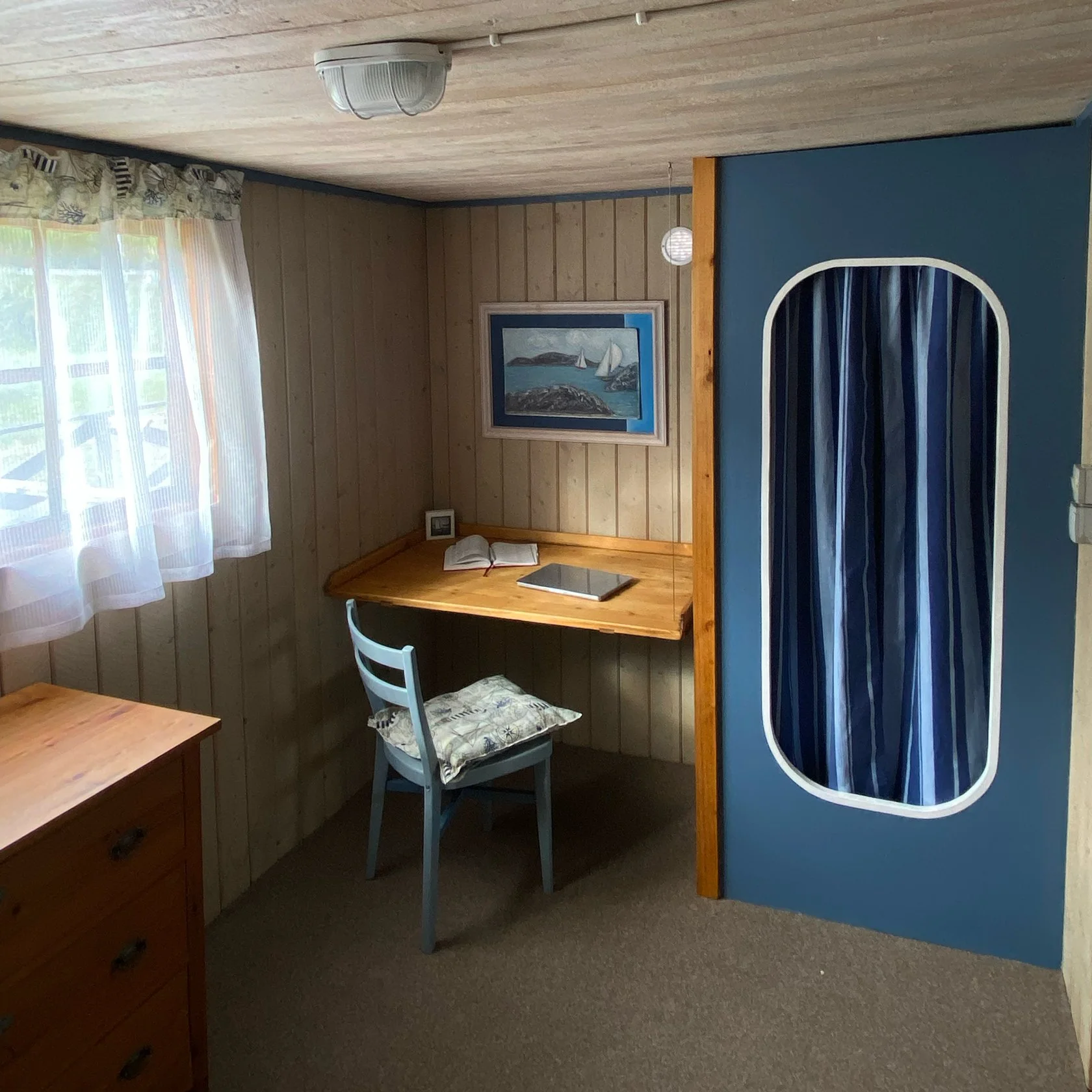
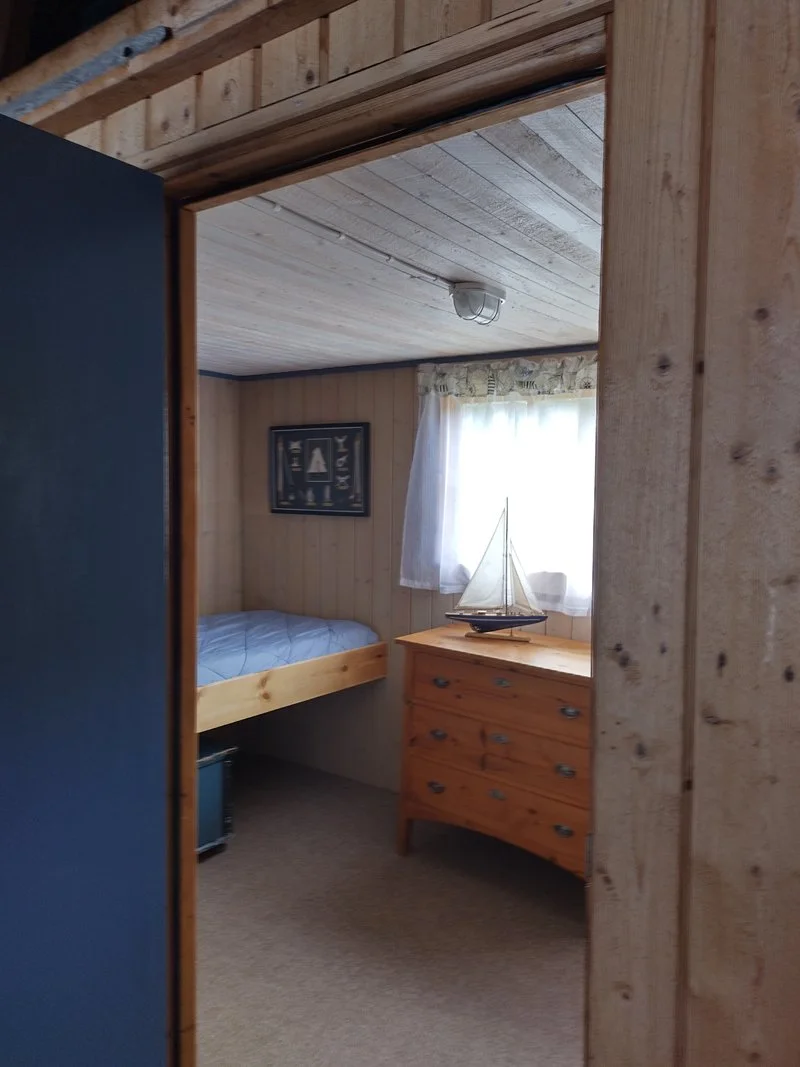
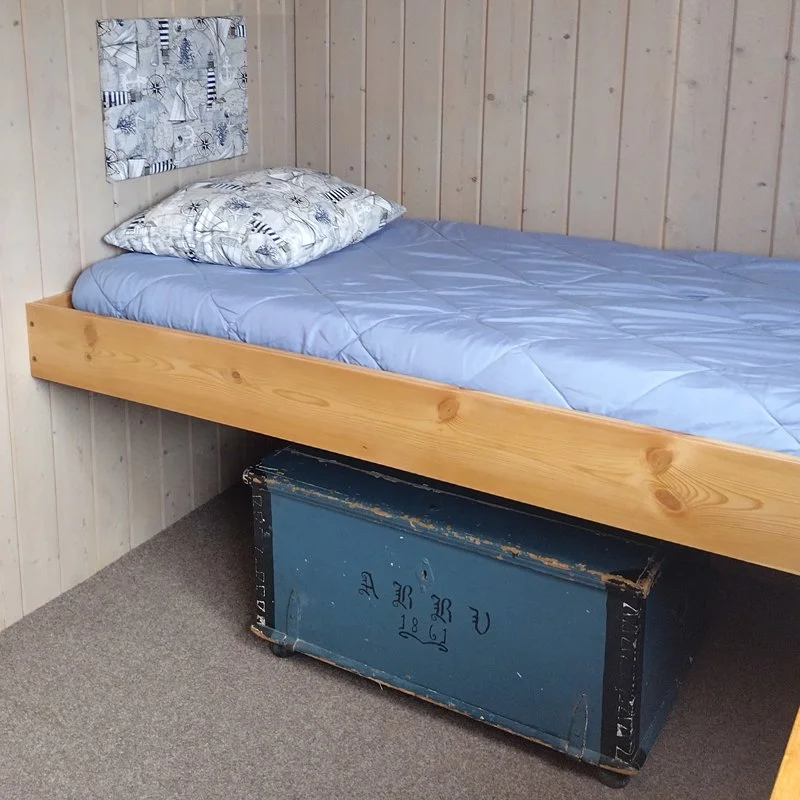
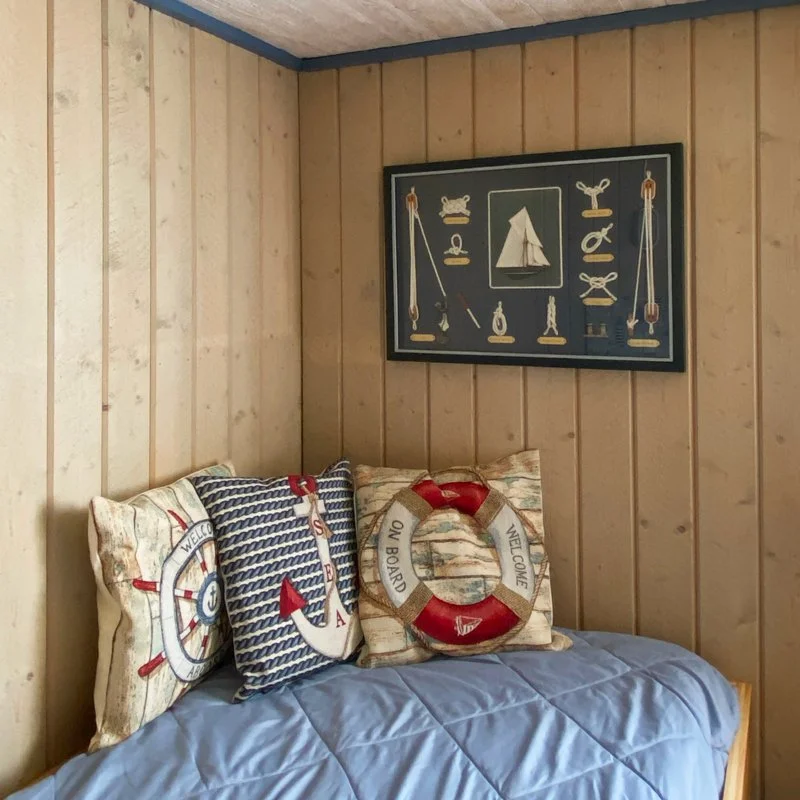
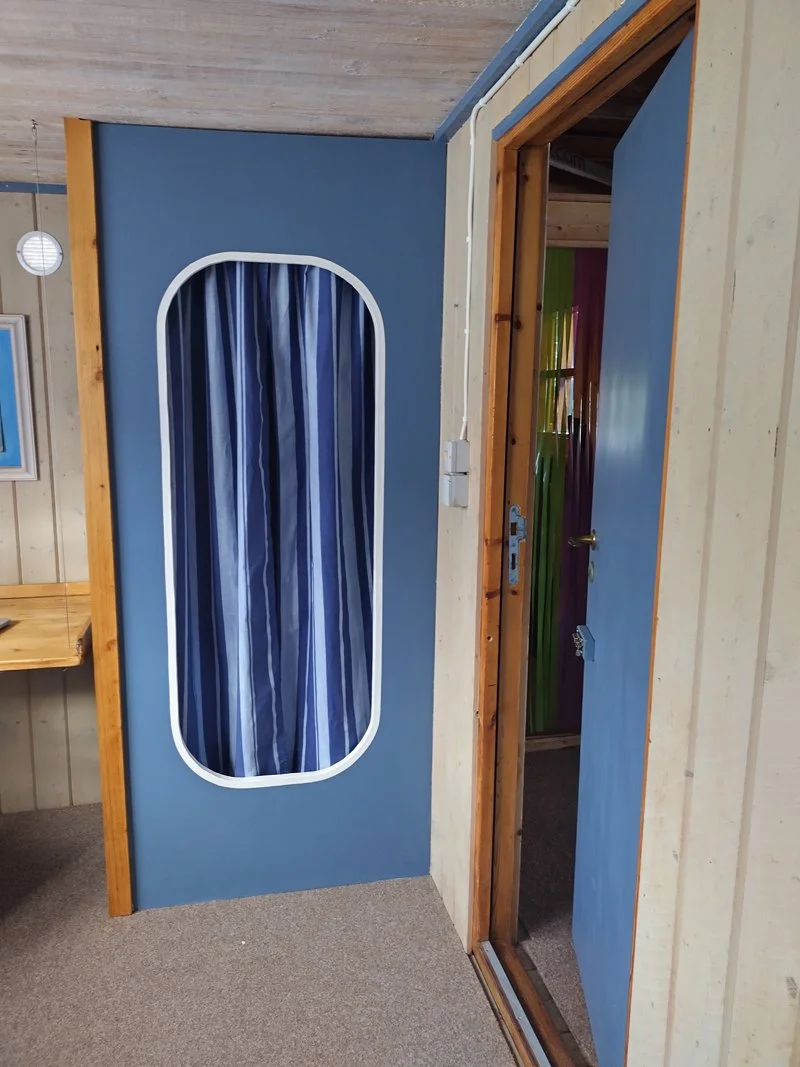
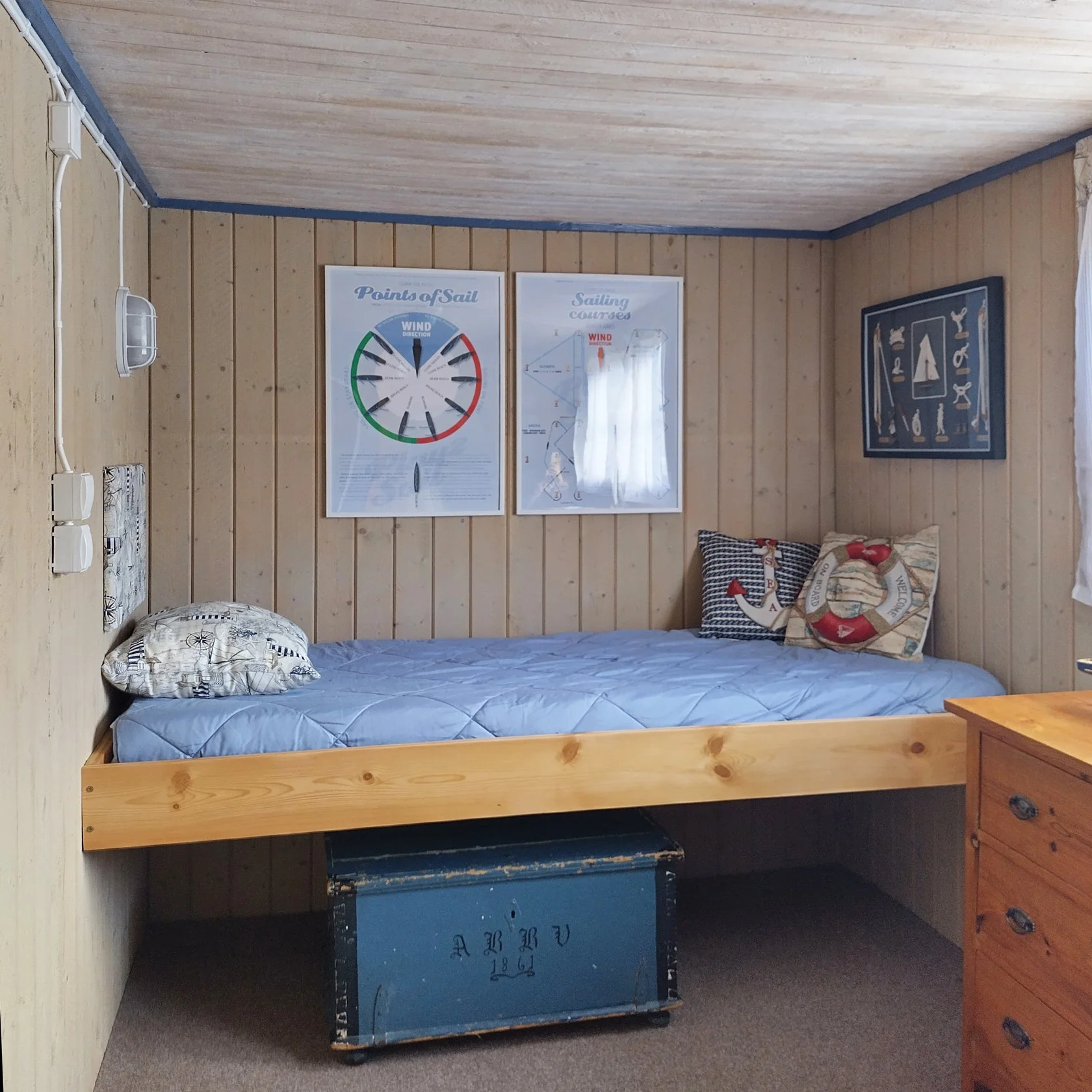
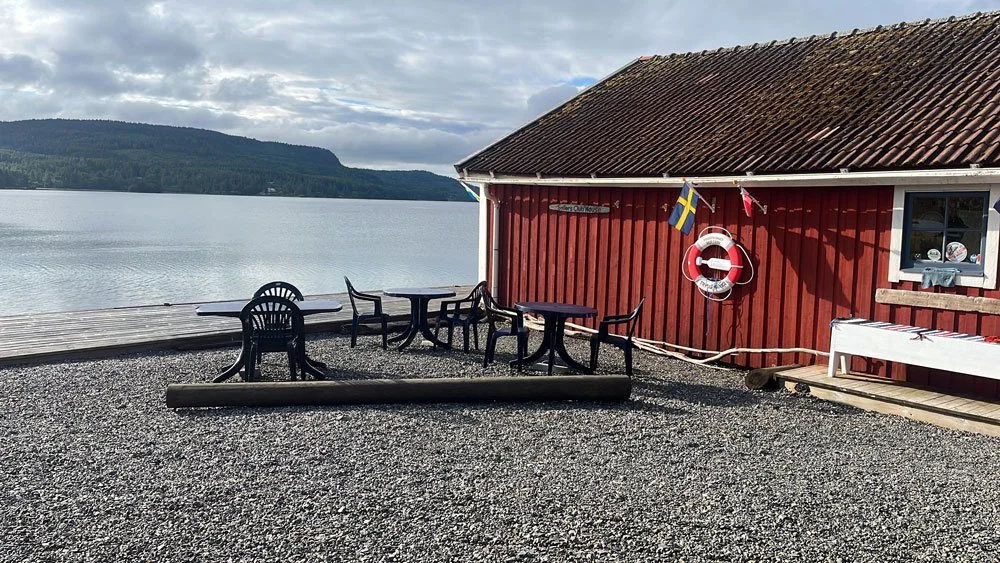
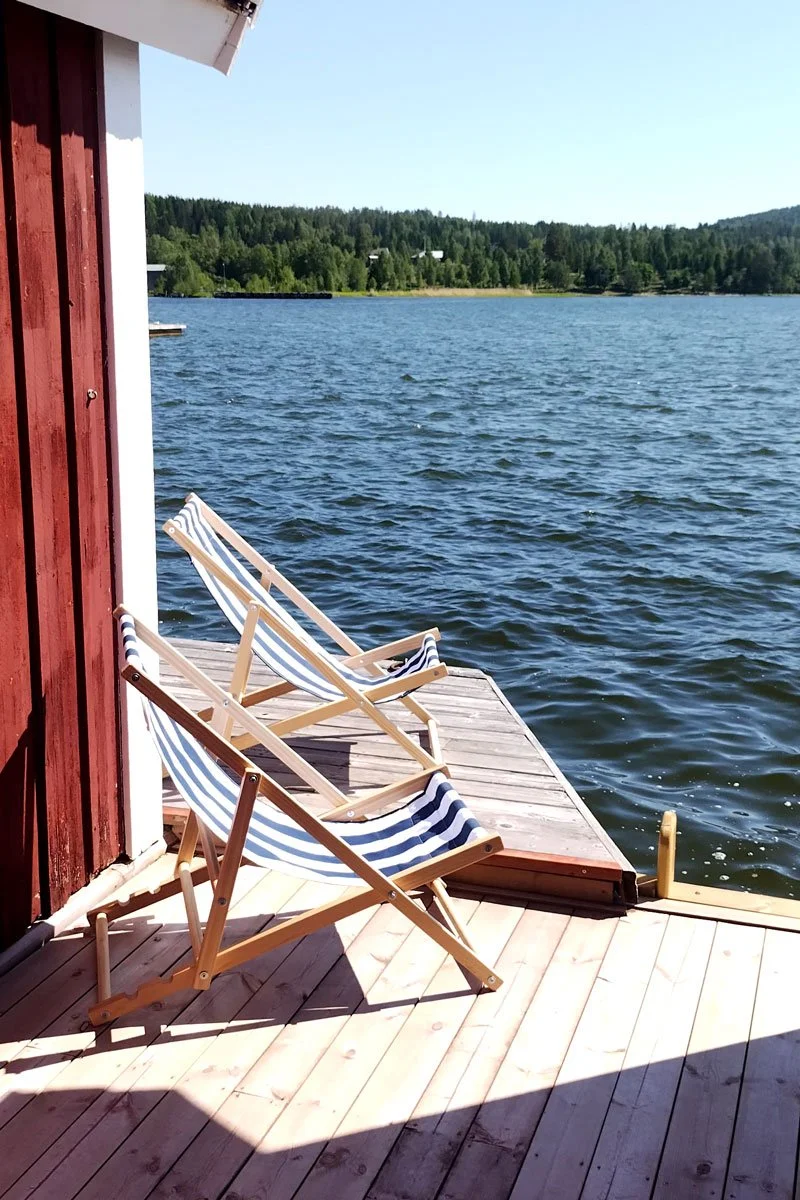
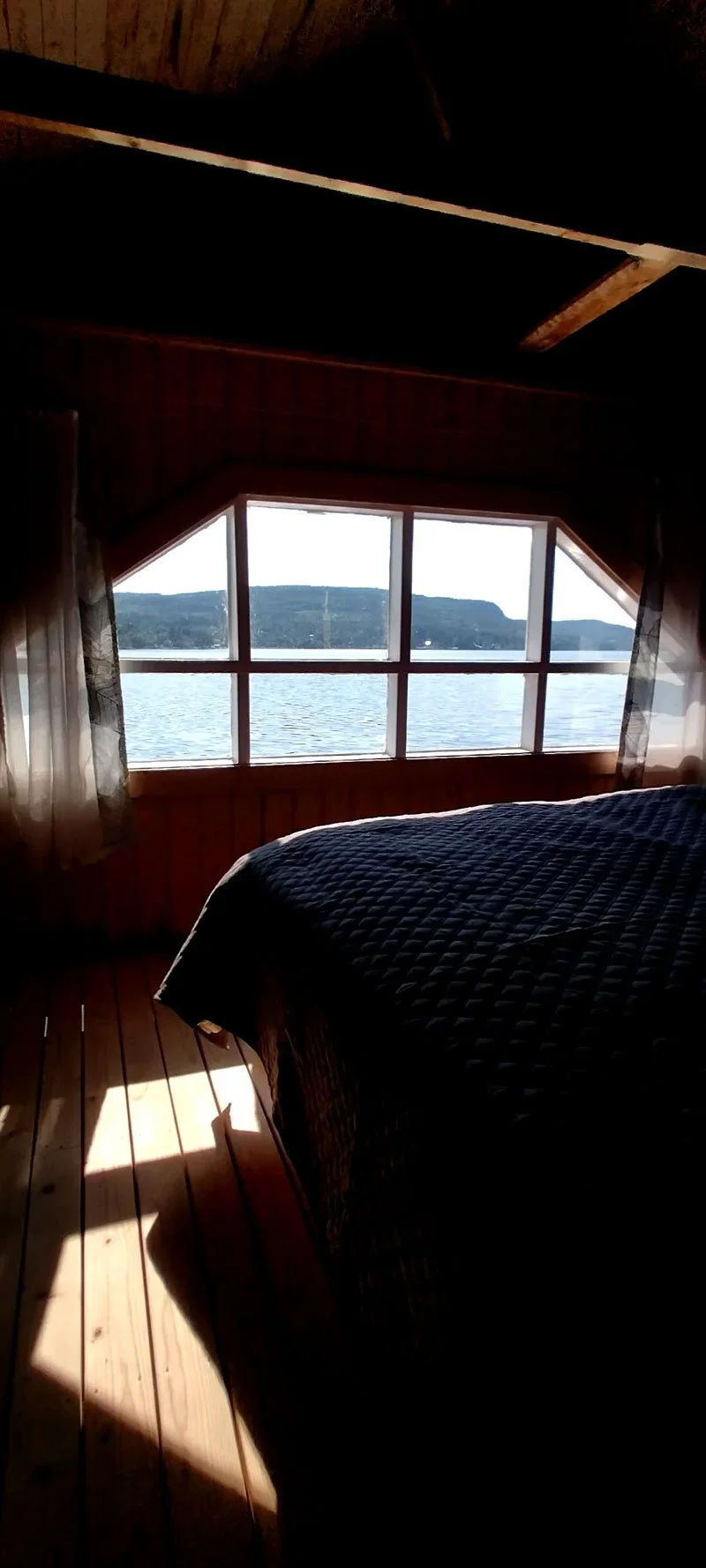
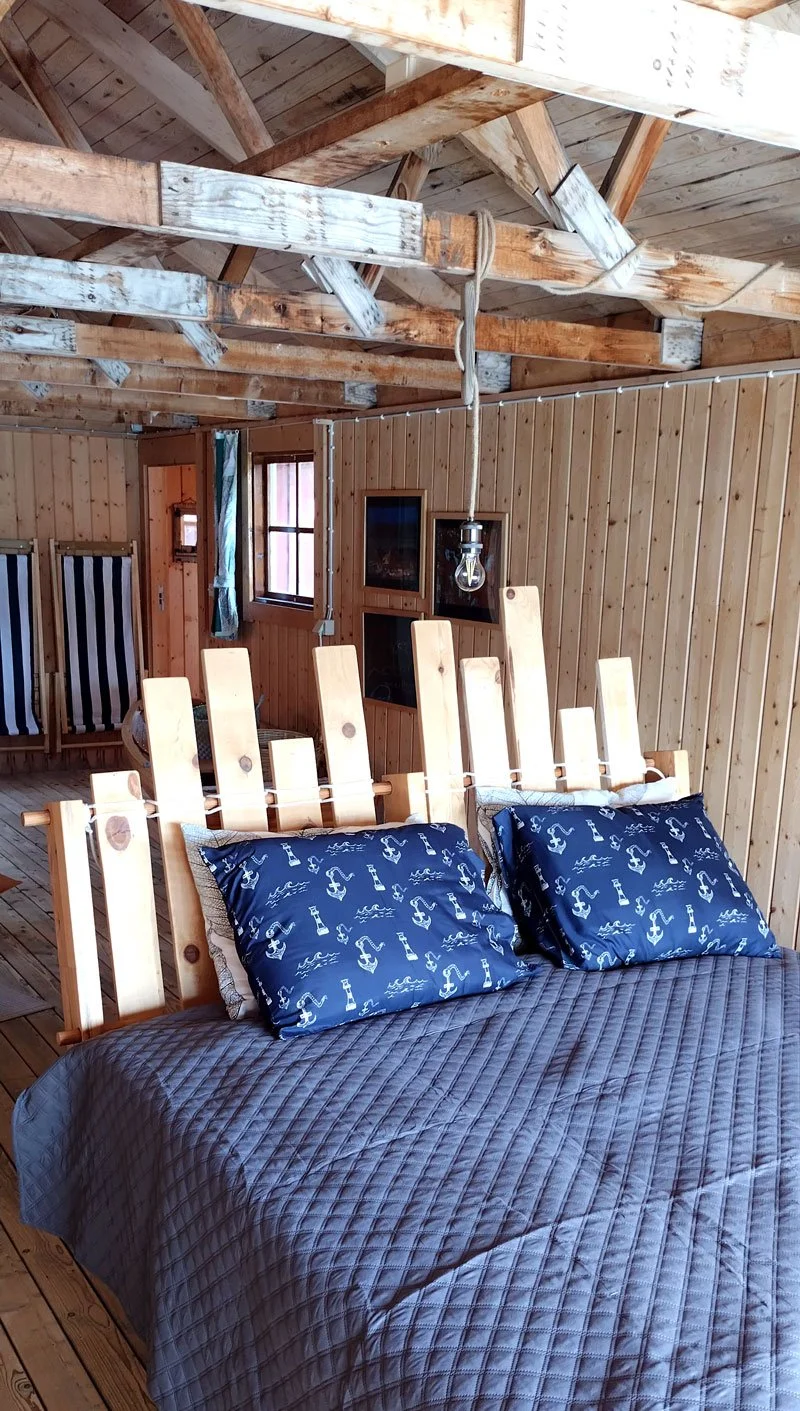
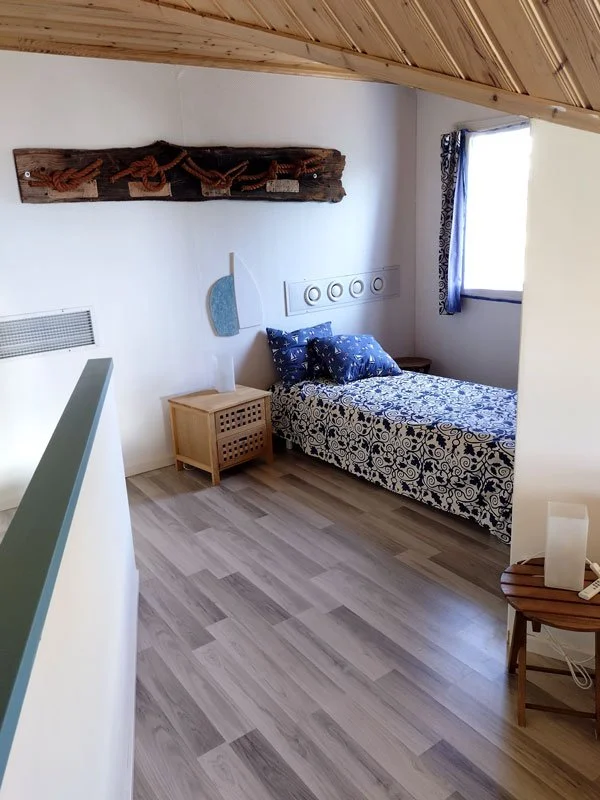
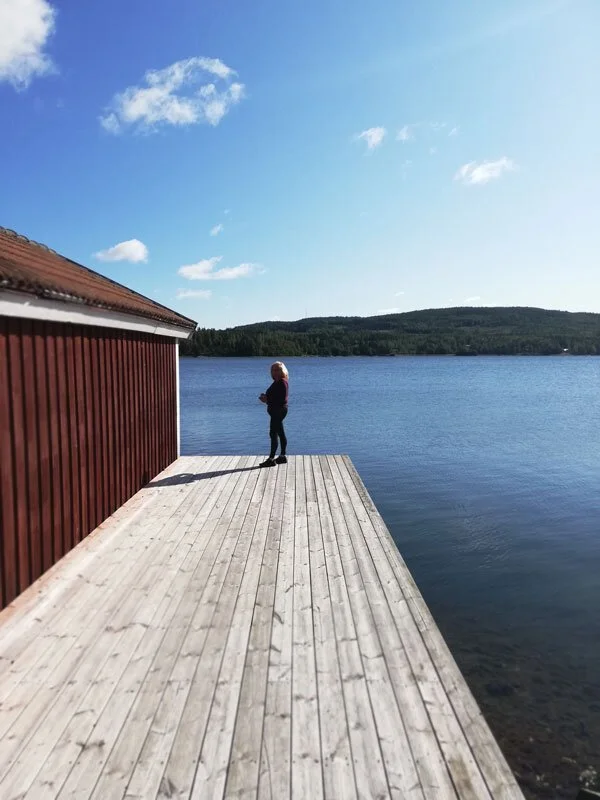
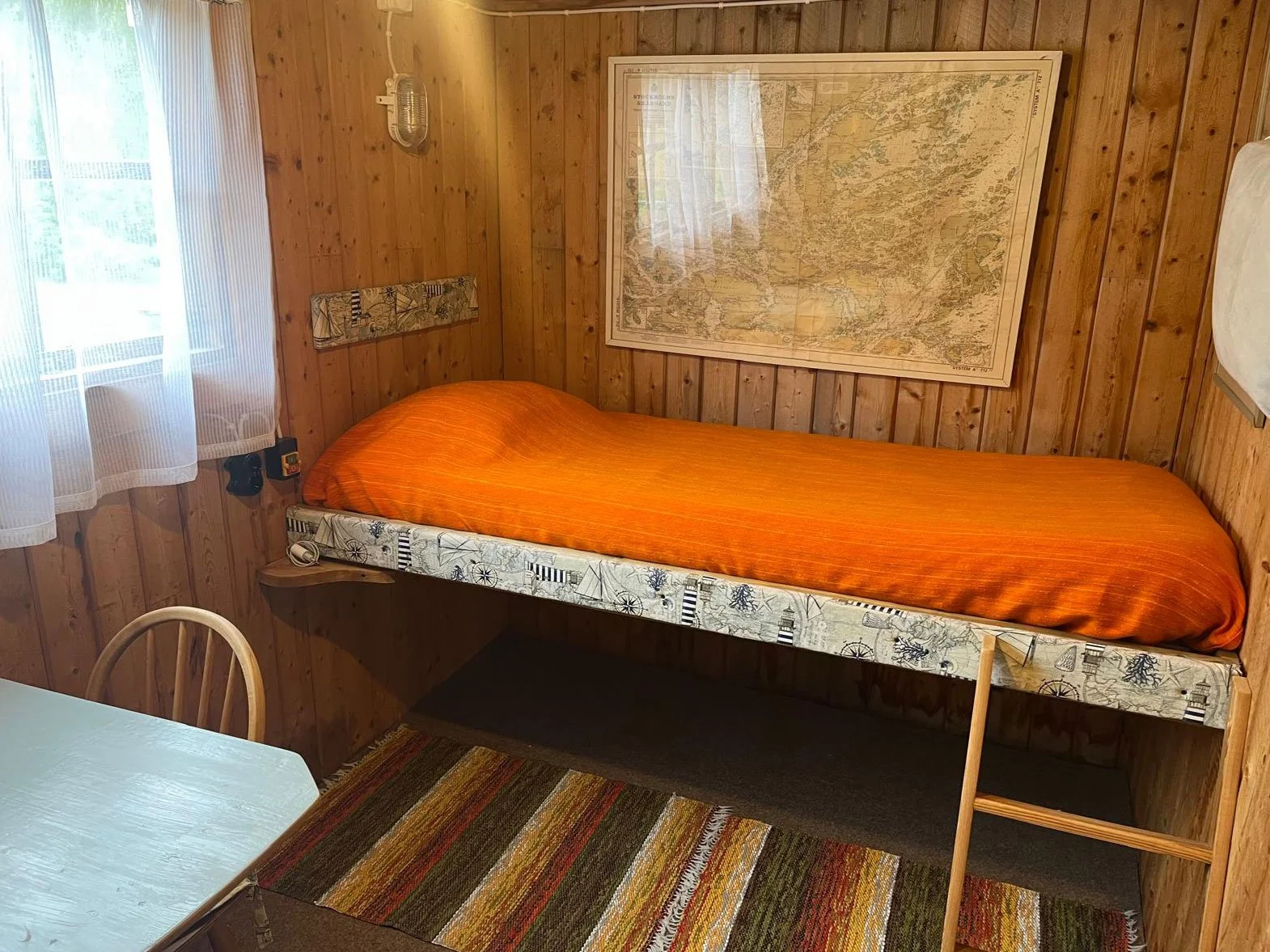
Minimalist room over the water. Direct access to the dock and private beach.And a small detail that matters when you're travelling: bed linens are included, and your bed is already made when you arrive.

Arrive → park safely → shower → sleep → ride.

Price: 350 SEK/person (700 SEK for 2)

Included:

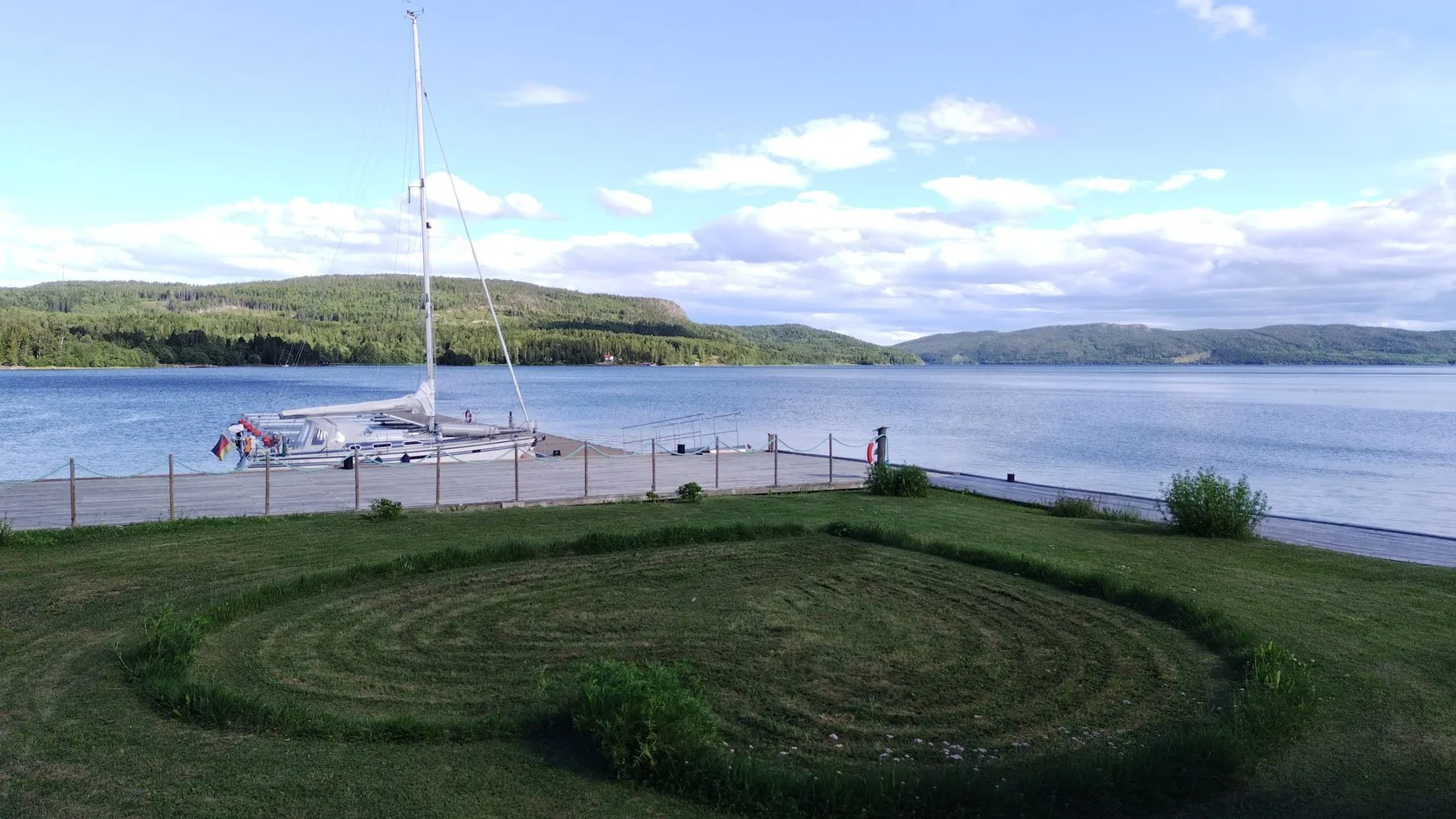
  • Safe parking for motorbike + helmet/jacket/bags

  • Toilet & hot shower + clean facilities (maintained daily)

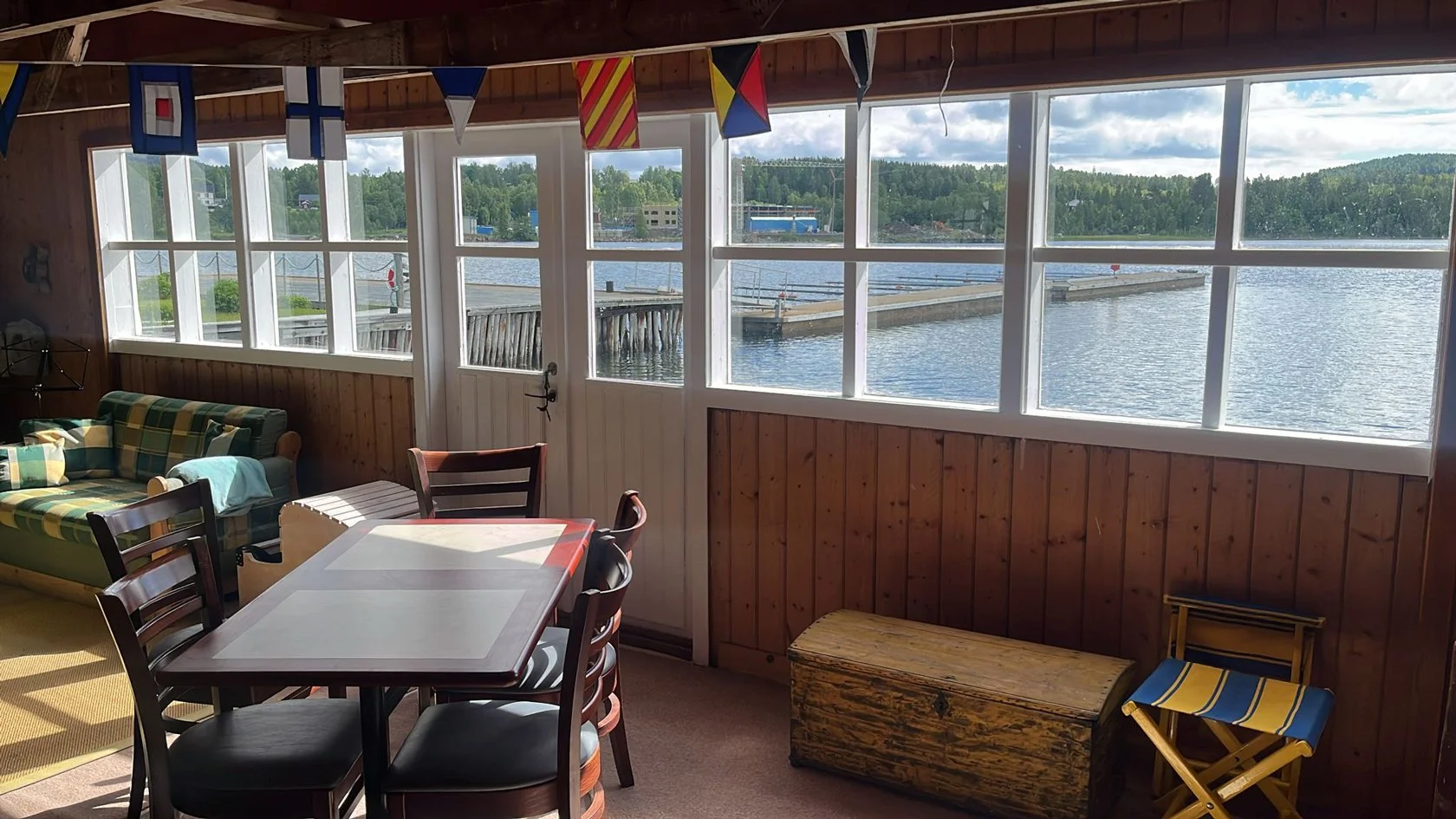
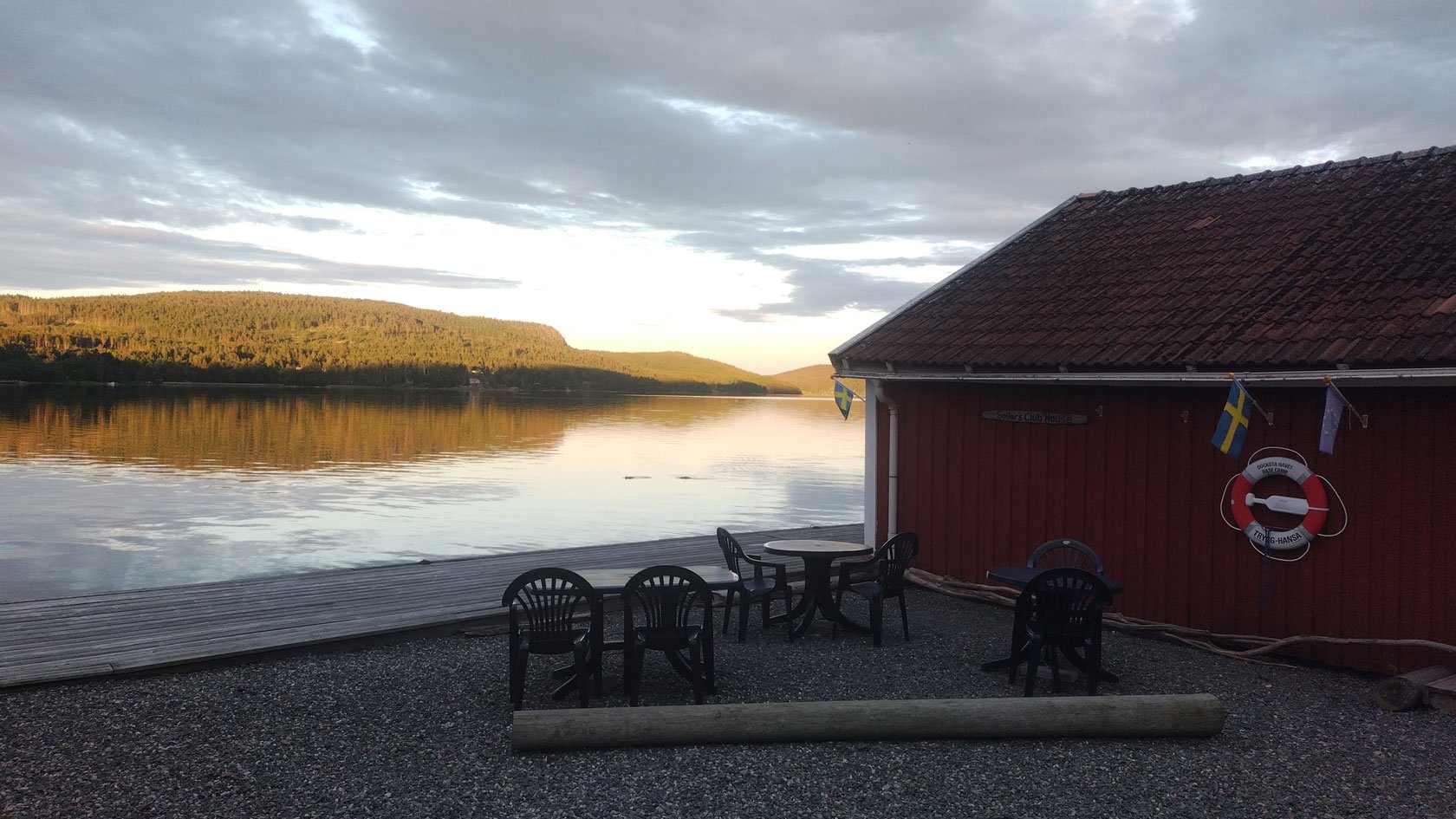
  • Free espresso at the Sailor's Club House

  • Free Wi‑Fi at the Sailor’s Club House

  • Flexible check‑in (self check‑in available if your ETA is uncertain)

  • Card payments (easy, fast) + Swish

Boathouse listing >
 

Optional add‑ons (only if you want them)

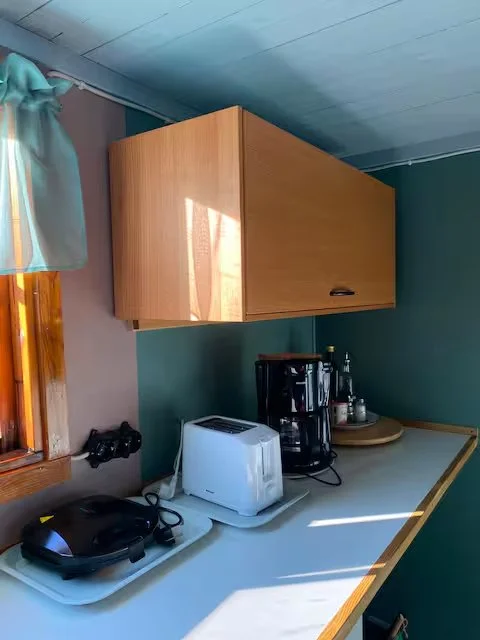
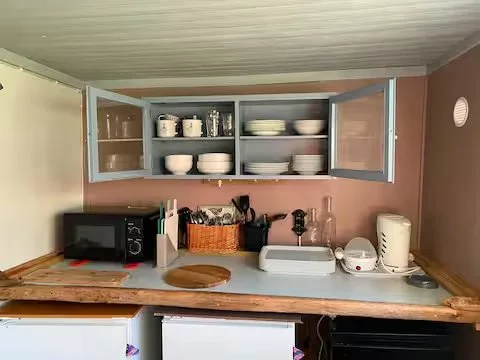
  • Kitchenette access (optional)

    If you want to prep your own meal or fuel up for the road ahead, you can use a dedicated kitchenette for Boathouse guests at the Club House.

    50 SEK/day

  • Bike rental (Grab&Go) — no deposit

    Leave your motorbike parked and explore the High Coast on two wheels.

    starting 150 SEK/day

    No deposit

    No booking needed (first come, first served)

    Pay by card/Swish

  • Simple gear kit (Grab&Go)

    Daypack, water bottles, poles — the small essentials that make a quick outdoor hit easy.

    80–120 SEK depending on what you take

Your custom 2–4 hour outdoor plan (included)

Tell me:

  • how much time you have (2 / 3 / 4 hours)

  • weather (sun / rain / windy)

  • vibe (chill viewpoint or proper sweat)

I'll reply with a plan you can follow on the road:

  • where to go

  • how long

  • what to bring

  • parking + what to expect


Why riders choose the Boathouse (even with a tent on the bike)

Because it's not "luxury". It's strategy.

  • You don't set up camp in wind/rain/dark

  • You don't pack a wet tent in the morning

  • You start the next day dry + rested

  • And you get a night that feels like a story, not a chore

Sleeping over the water does that.


The practical stuff that actually matters

  • Safe parking: covered, calm, secure

  • Gear drying: space for wet jacket/gloves/gear

  • Resupply: ICA supermarket is a 5‑minute walk across the E4

  • Recovery: Baltic Sea swim (optional) + hot shower (highly recommended)

  • Human host: you'll talk to me, not a reception desk


The High Coast hit (optional, 2–4 hours)

If you want to turn your stop into a real High Coast memory:

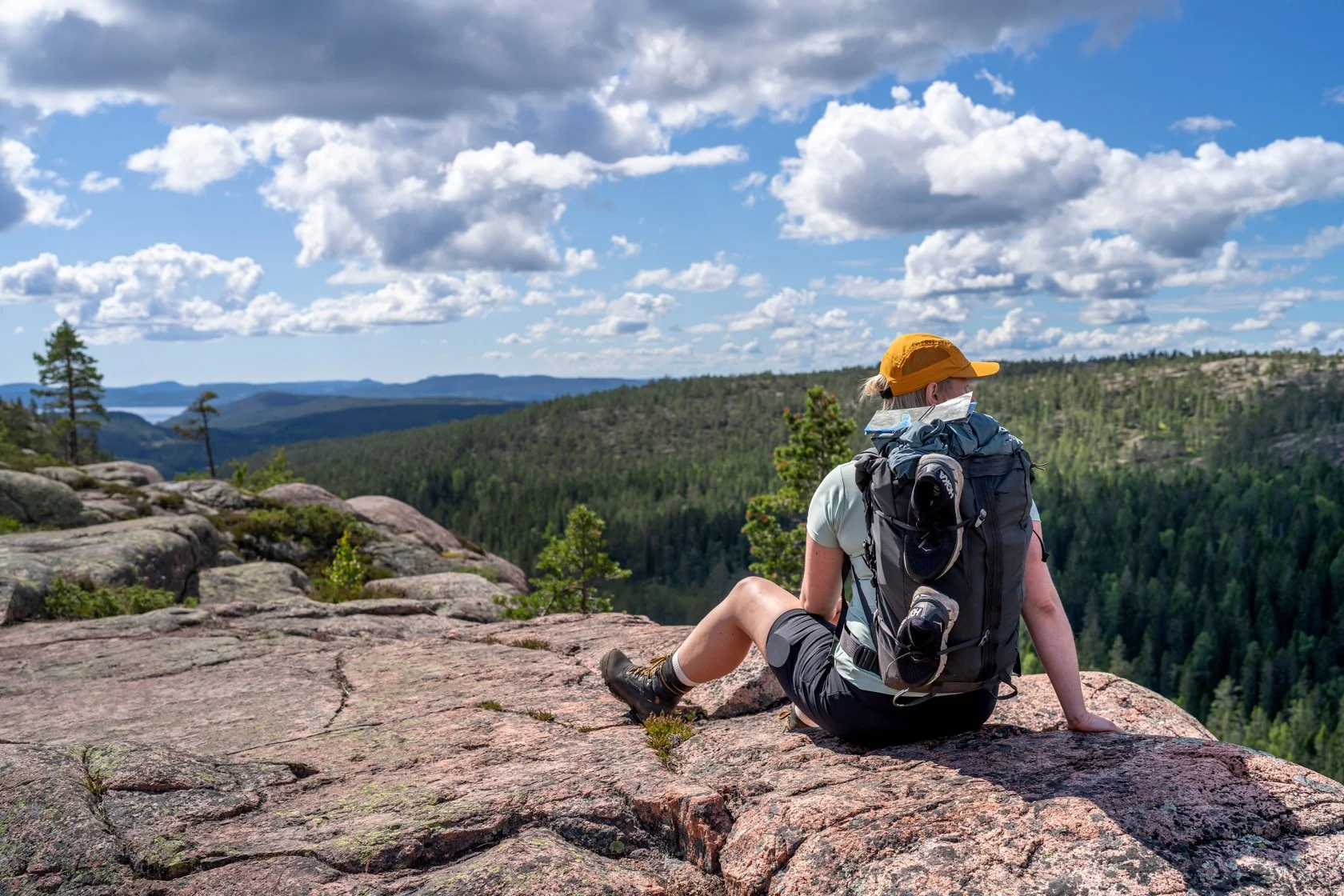
  • Skuleberget viewpoint: fast payoff, fjord views, "wow Sweden" moment

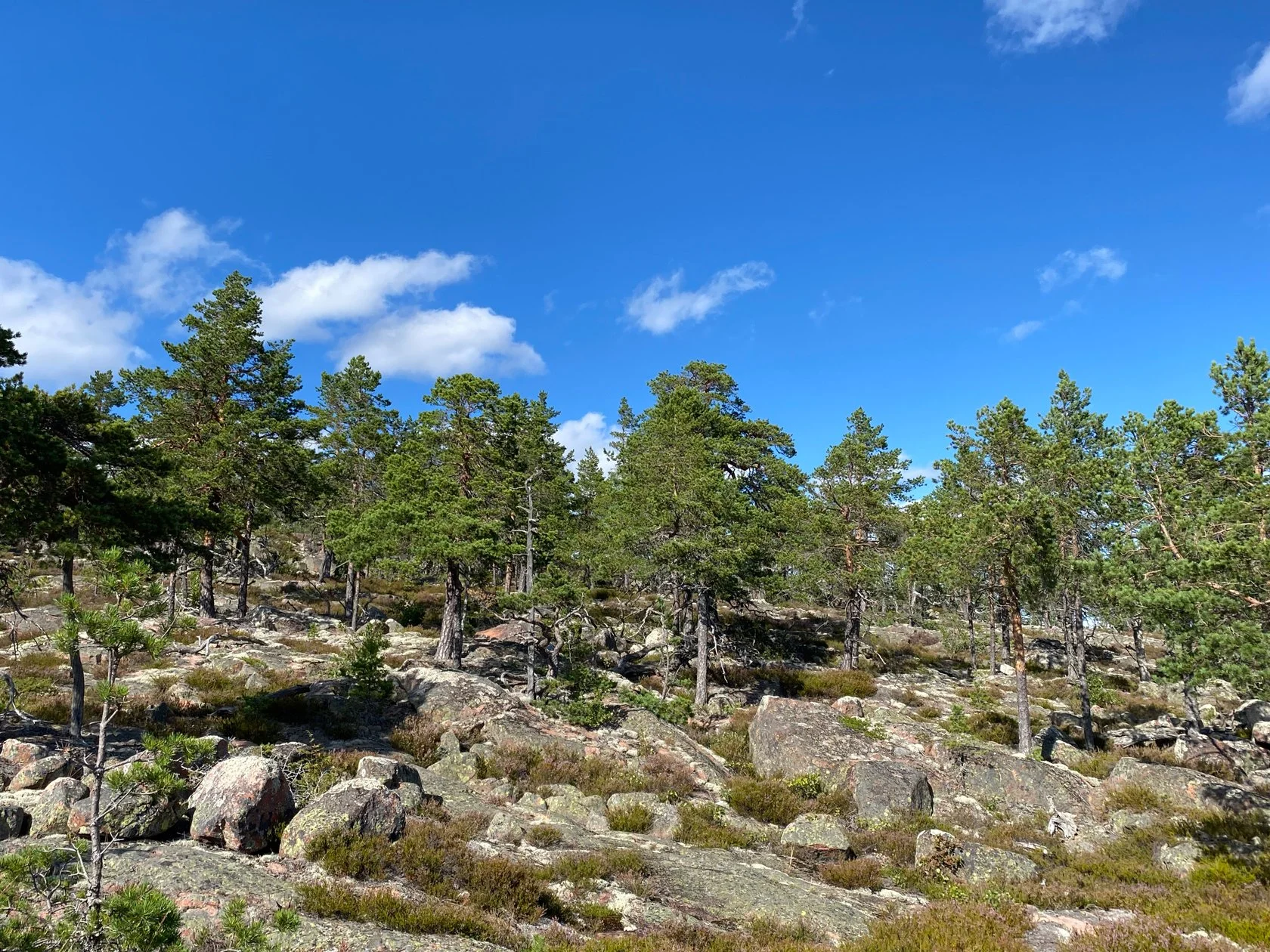
  • Skuleskogen National Park: a proper half‑day loop with iconic granite + archipelago views

  • Bike loop: if you rent a bike, I'll suggest the best 2–4 hour loop for today's conditions

No overplanning. Just a clean plan that fits your window.

When you message or book, tell me your time window and your vibe.

I'll send you a simple plan you can follow without wasting time deciding.


Ready to Book the Boathouse?

Book on Airbnb >

Best option: book on Airbnb (fast confirmation + easy messaging)

If you're on the road and want the quickest answer, message me:

WhatsApp: +46 76 3136909 (fastest)

Email: dockstahavet@gmail.com


Grab&Go bike + gear (optional)

If you want to move light:

  • Bike rental: starting 150 SEK/day (no deposit)

You can decide on arrival.


FAQ (read this on the road)

Is this directly on the E4?

Yes. Direct roadside access, no detours.

Can I arrive late?

Yes. Riders' ETAs change. We offer flexible check‑in and self check‑in if needed.

Is parking safe for my motorbike and gear?

Yes. You'll have calm private parking and you can store helmet/jacket/bags safely.

Do you take card payments?

Yes. Card payments are standard (and Swish is available too).

Do you require a deposit for bike/gear rental?

No deposit. Grab&Go is designed to be simple.

How do I book?

Book on Airbnb (instant confirmation + easy chat): https://airbnb.com/h/docksta-havet-overnight-in-a-boathouse

or choose the ‘Boathouse + Kitchenette’ option: message me on Airbnb and I’ll confirm the right option.

Can you help me plan a quick High Coast experience?

Yes. Tell me your time window (2–4 hours, during afternoon/evening or morning) and your vibe. I'll send a simple plan.

Is this a place for "just toilets and a quick stop"?

No. We're a small base camp. If you want a proper stop (sleep + reset + optional outdoor hit), you're welcome.

What's nearby for resupply?

ICA supermarket is a 5‑minute walk across the E4. Open 08:00–20:00 (weekdays), 09:00–18:00 (weekends).

What season are you open?

Main season is mid‑May to mid‑September. Peak weeks (mid‑June to mid‑August) can fill up fast.

Getting here

Address: Hamnen 10, 873 96 Docksta, Sweden

GPS: 62.8847° N, 18.2167° E

Distance markers: 65 km north of Härnösand, 57 km south of Örnsköldsvik

One last thing

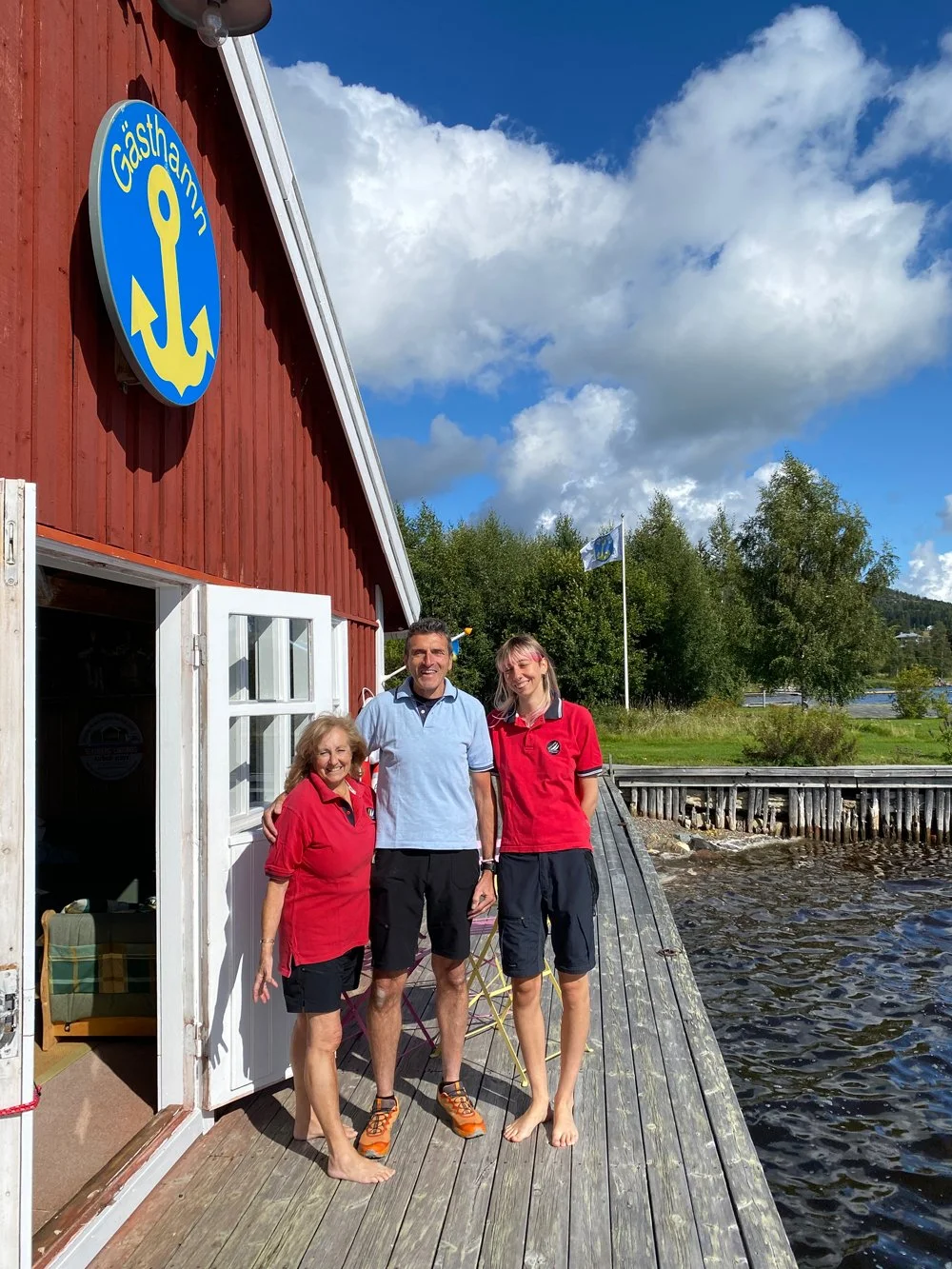
If you book, you'll probably meet me at check‑in.

You're not checking into a machine. You're checking into a place run by someone who actually knows this coast — and wants your stopover to be real.

See you on the E4.— Tommaso


Grab&Go suggestions: WHERE TO RIDE


Know your host

Tommaso De Rosa
See my host profile and message me on Airbnb

Riding the E4 and need a smart stopover? I’ll help you get the most out of your recovery time in the High Coast (Höga Kusten).

Whether you want a quiet reset, a sunset walk, or a proper 2–4h outdoor mini‑adventure (Skuleberget / Skuleskogen), or you’ve got practical questions about safe parking, late arrival, or local shortcuts—just reach out.

Quick note for riders: don’t type while riding.
Message me on Airbnb when you can, or WhatsApp me when you stop.

WhatsApp: +46 76 3136909
Email: dockstahavet@gmail.com


Skuleskogen Nationalpark (Hochküste): Eingänge, die ikonische Runde und ein Tagesplan, der einfach funktioniert

Skuleskogen Nationalpark (High Coast): Premium‑Tageswanderung — Eingänge, Route & Bike+Hike Option

Plane einen perfekten „Wow‑Tag“ im Skuleskogen Nationalpark. Klare Wahl des Eingangs, Toiletten‑Infos, Packliste und eine Schritt‑für‑Schritt‑Runde zur Slåttdalsskrevan, zu Seen — und mit einem Strand‑Finale.

Skuleskogen ist nicht „einfach nur eine Wanderung“. Es ist wie ein lebendiges Geografie‑Buch: Wald, Granit und Meer treffen hier so direkt aufeinander, wie man es in Europa kaum kennt. Berge, die scheinbar direkt aus der Ostsee aufsteigen, alte Täler, glatte Felsplatten, die von Wellen geformt wurden — und überall die Spuren der Landschaft, die sich noch immer aus dem Wasser hebt.

Dieser Guide ist für deutsche Reisende gedacht, die Skuleskogen wirklich erleben wollen: mit klarer Logistik, einer empfohlenen Tagesroute und den kleinen Details, die den Tag leicht machen.

Vom Steg in Docksta spürt man fast, wie einen die Hochküste ins Landesinnere zieht. Gäste kommen mit dem Segelboot, mit Auto oder Motorrad, manchmal mit dem Bus — oder zu Fuß auf dem Höga Kustenleden. Und innerhalb eines Tages fällt fast immer derselbe Name: Skuleskogen.

Gerade bei unseren deutschen Gästen steht der Park fast immer ganz oben auf der Liste. Und ich verstehe das: Du willst einen „Wow‑Tag“, der nicht gehetzt ist, nicht improvisiert — und nicht nur aus einem Screenshot einer Wanderkarte besteht.

Darum habe ich diesen Guide geschrieben: die richtigen Eingänge, eine ikonische Runde und ein Tagesplan, der sich einfach gut anfühlt.
Für wen dieser Guide ist

Dieser Guide passt zu dir, wenn du:

  • als Paar an der Höga Kusten / High Coast mit dem Auto unterwegs bist und einen richtig guten Natur‑Tag suchst

  • gerne wanderst und eine saubere Tagesroute willst (nicht nur eine Liste von Spots)

  • mit dem Boot an der Hochküste ankommst und einen Nationalpark‑Tag von deinem „Base Camp“ aus planst

Der Fokus liegt auf Tagesgästen, die einen klaren Plan wollen — und trotzdem ein tiefes Erlebnis.


Skuleskogen in einer Minute: Was ihn so besonders macht

Der Skuleskogen Nationalpark liegt in der UNESCO‑Welterbe‑Landschaft der High Coast — bekannt für die Landhebung nach der Eiszeit, dramatische Küstengeologie und das direkte Nebeneinander von tiefem Meer und hohen Inseln.

Was du hier spürst:

  • Weite: Wald und Meer im selben Atemzug

  • Textur: roter Granit, glatte Felsplatten, Stege, Moos und Seen

  • Zeit: Geologie sichtbar — nicht im Museum versteckt

Wenn du an der Hochküste nur Zeit für einen Nationalpark‑Tag hast: Skuleskogen ist der richtige.


Die „Logik“ des Parks: Eingänge und wie du den richtigen wählst

Skuleskogen hat drei Haupteingänge: Süd, West und Nord. Den richtigen Eingang zu wählen ist schon die halbe Erfahrung.

Süd (Entré Syd)

  • Der schnellste Zugang zu den bekanntesten Highlights

  • Ideal für Erstbesucher, die die ikonische Route wollen

  • Beste Wahl, wenn du in Docksta wohnst und die Klassiker ohne Reibung erleben willst

West (Entré Väst)

  • Am zugänglichsten, wenn du aus dem Norden kommst und mit dem Bus anreist

  • Gut, wenn du tiefer in den Park willst (inkl. Option auf längere Tour / Hütten‑Übernachtung)

Nord (Entré Nord)

  • Ruhiger, „waldiger“, einfache Infrastruktur

  • Natürlich, wenn du den Höga Kustenleden (Nord–Süd) durch diese Gegend wanderst


Das Signature‑Erlebnis: Slåttdalsskrevan + Slåttdalsberget

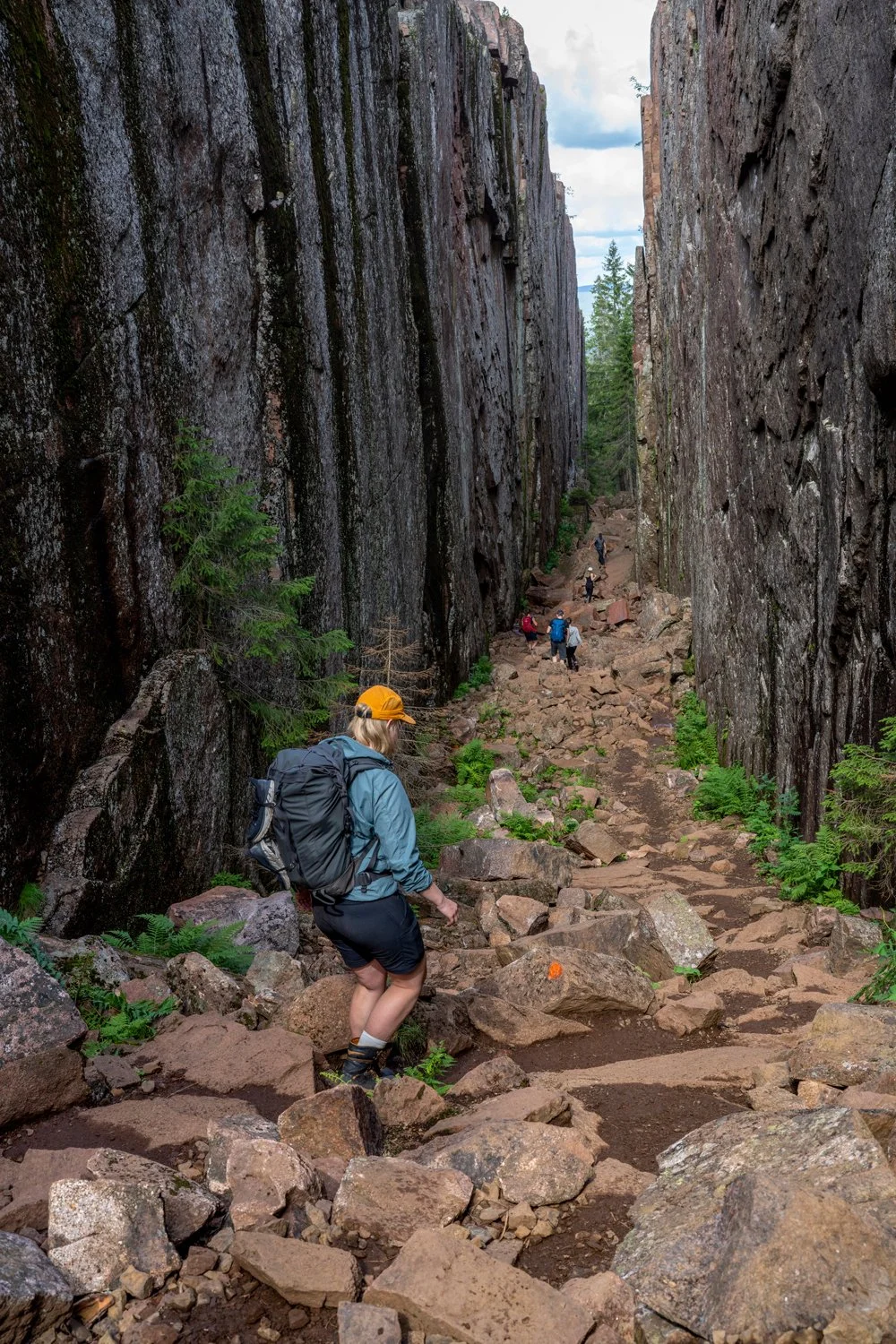
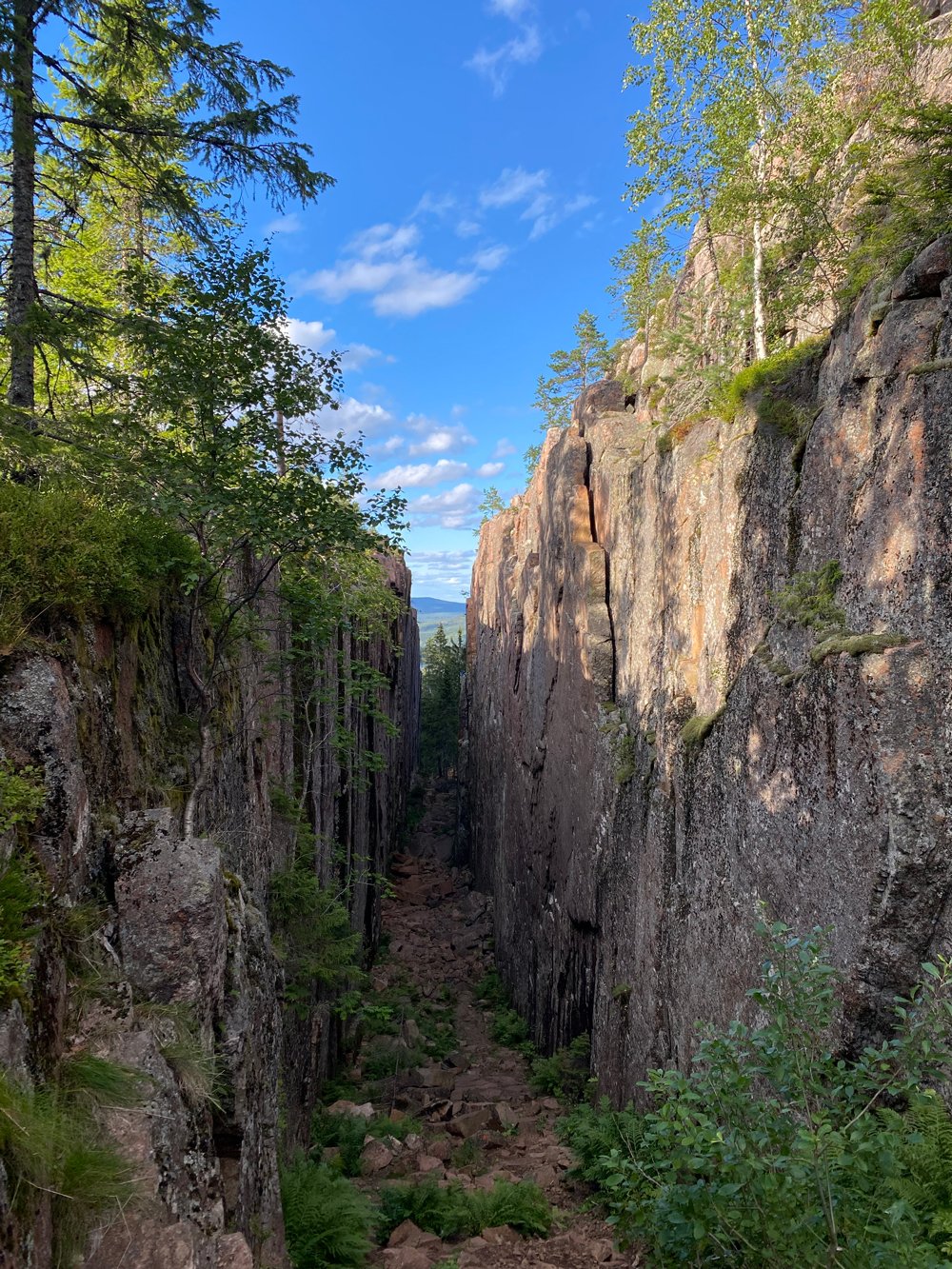
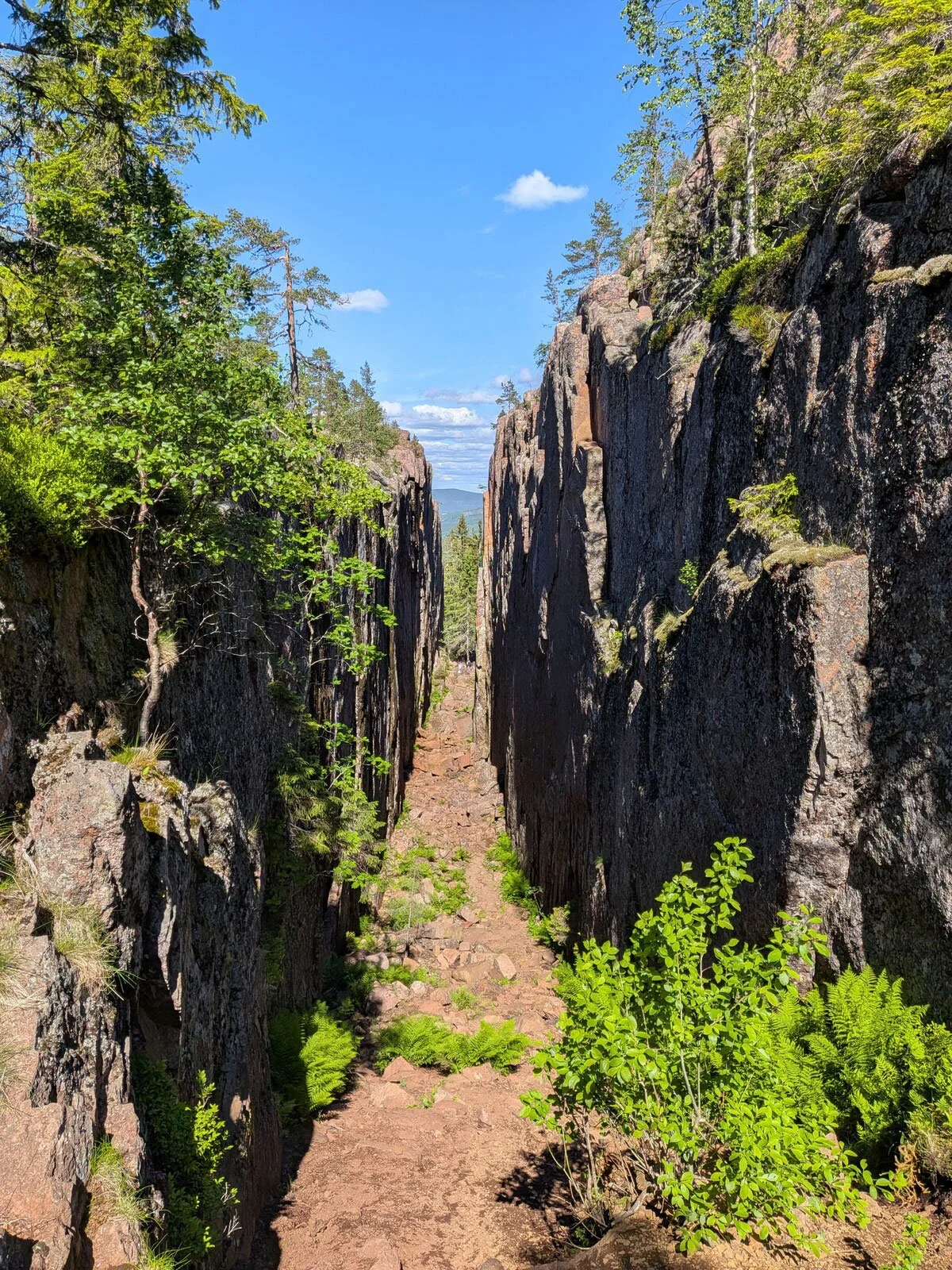
Wenn Skuleskogen nur ein „Must‑See“ wählen dürfte, wäre es die Slåttdalsskrevan — eine dramatische Felsspalte im Berg Slåttdalsberget.
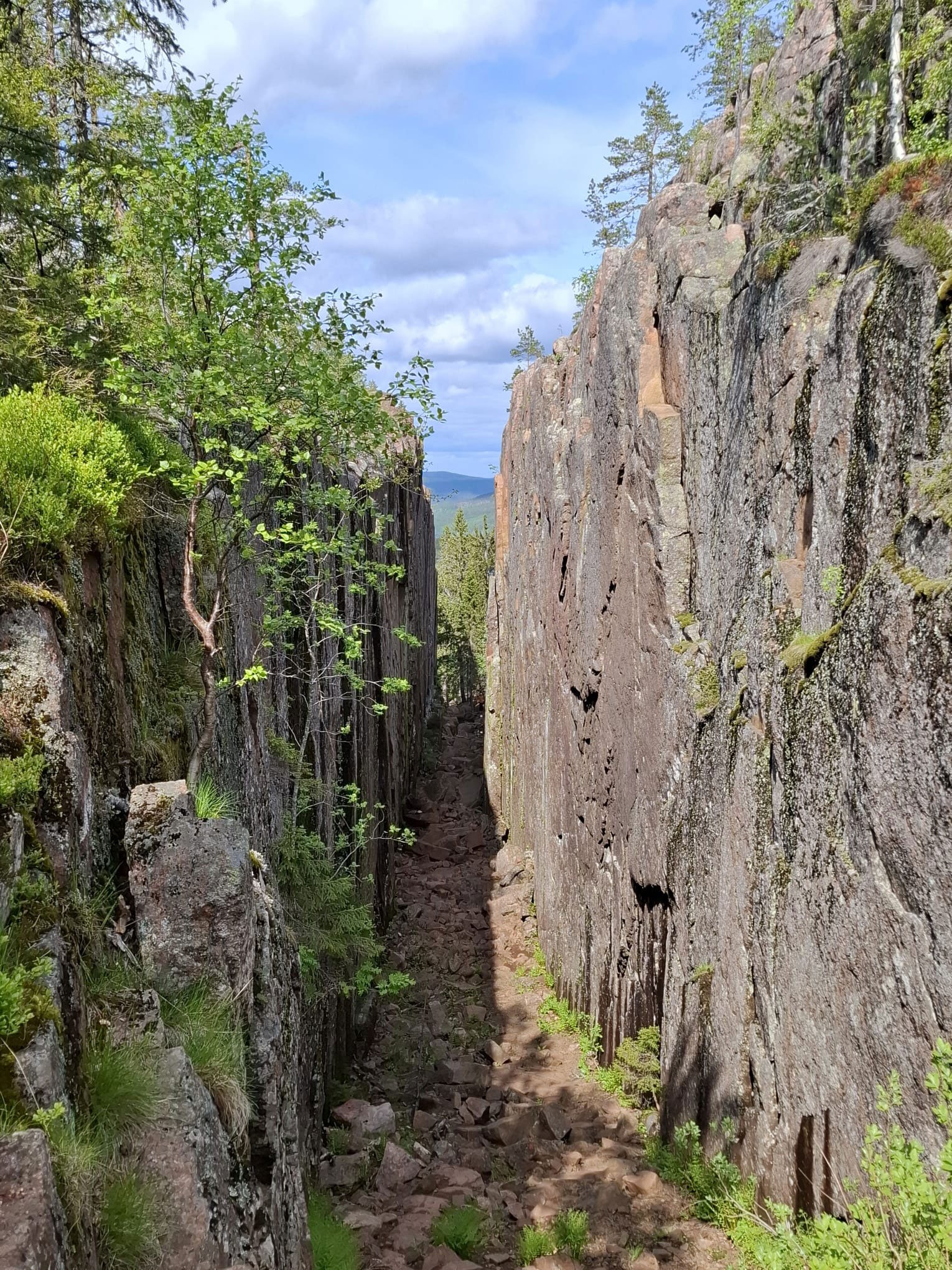
Auf der offiziellen Seite der schwedischen Nationalparks wird sie als ca. 200 Meter lang und bis zu 30 Meter hoch beschrieben. Es ist einer dieser Orte, an denen man automatisch leiser spricht.
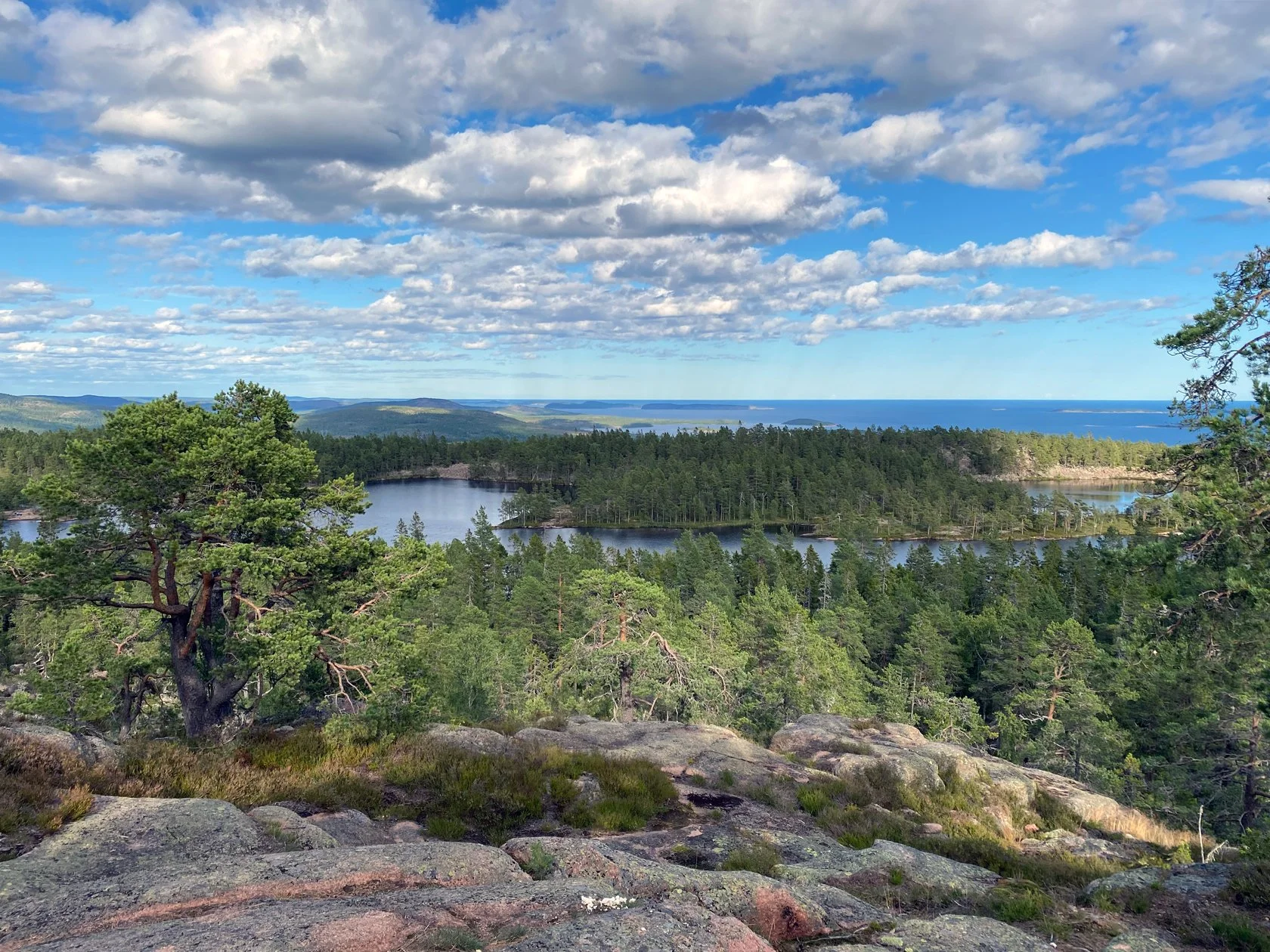
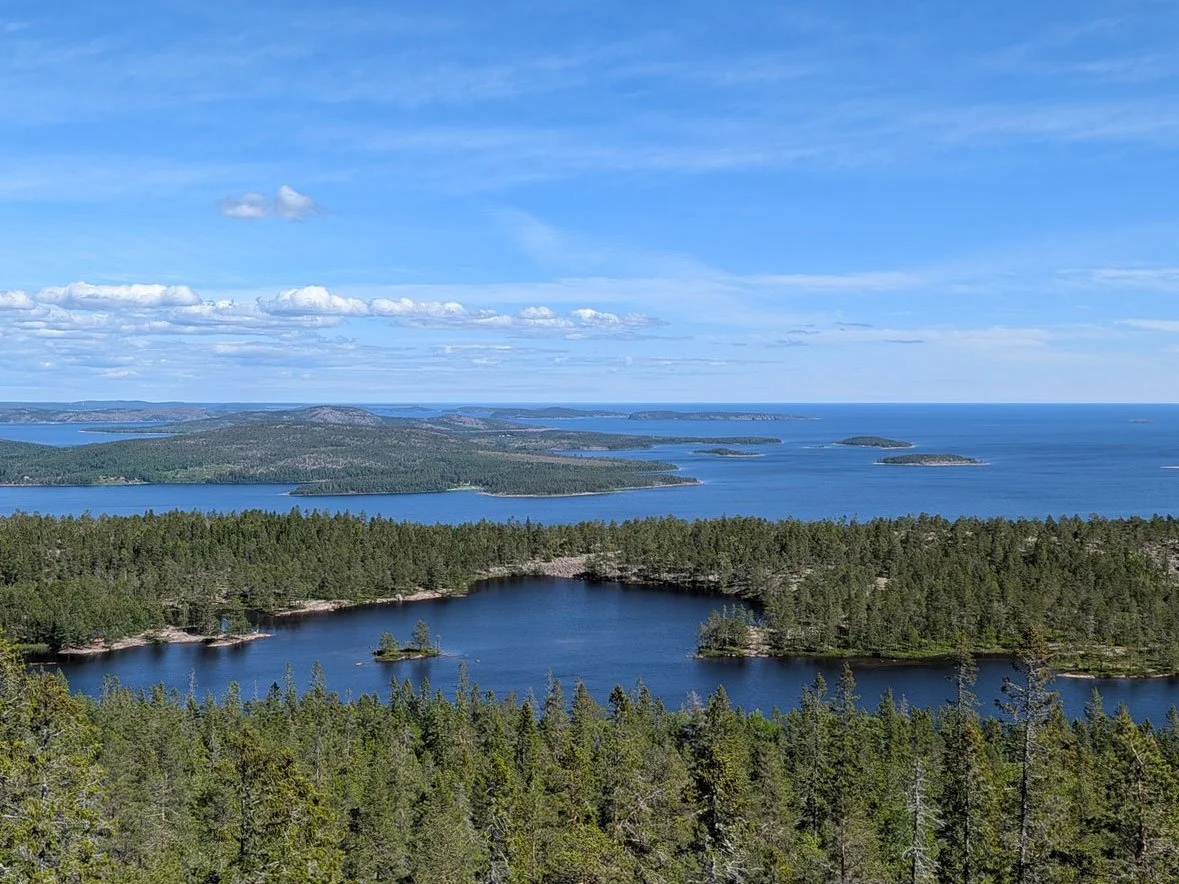
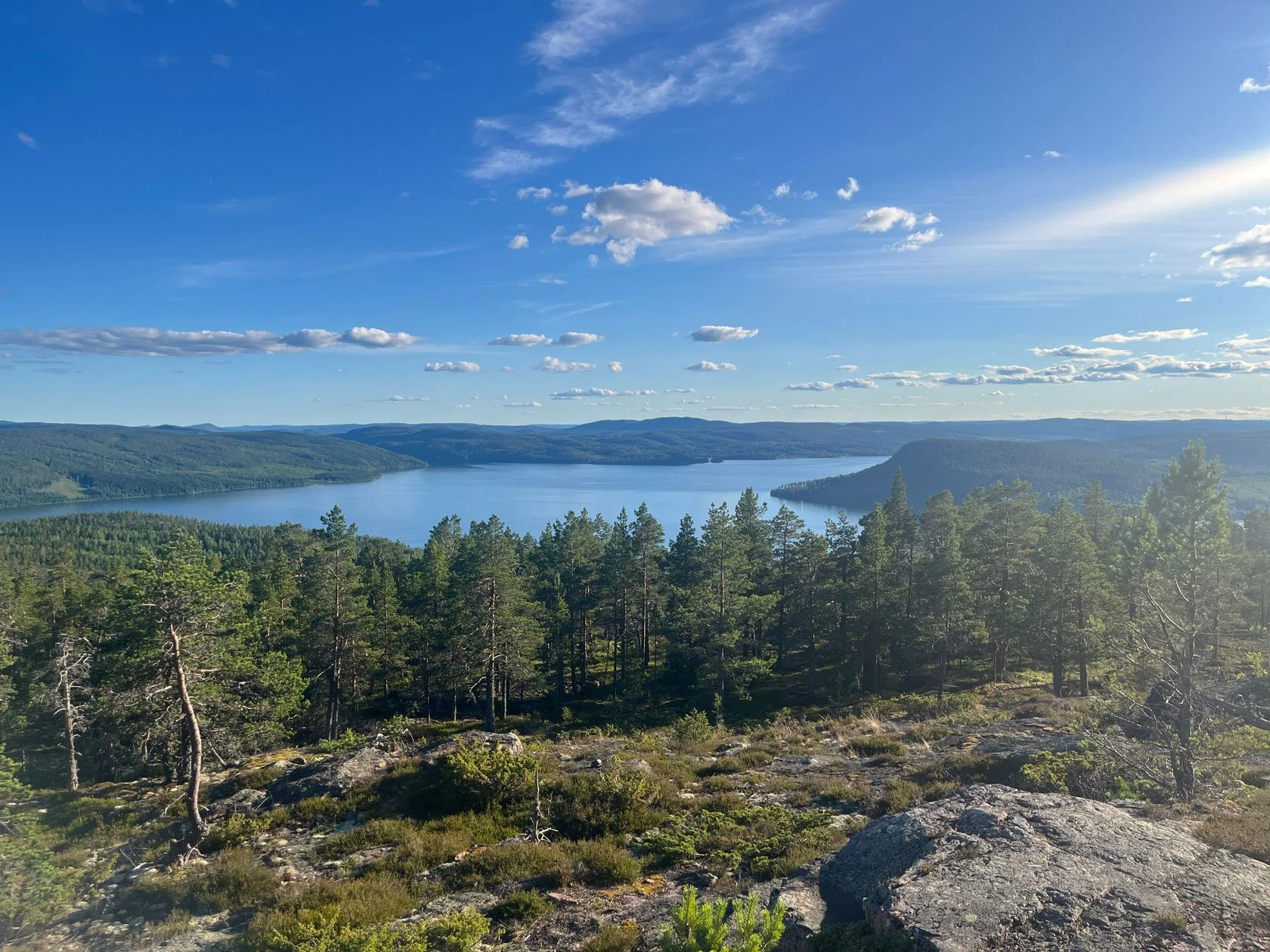
Und wenn du den kurzen Abstecher auf den flachen, felsigen Gipfel des Slåttdalsberget dranhängst, bekommst du einen der schönsten Panoramablicke über den Schärengarten und die Parklandschaft.
 

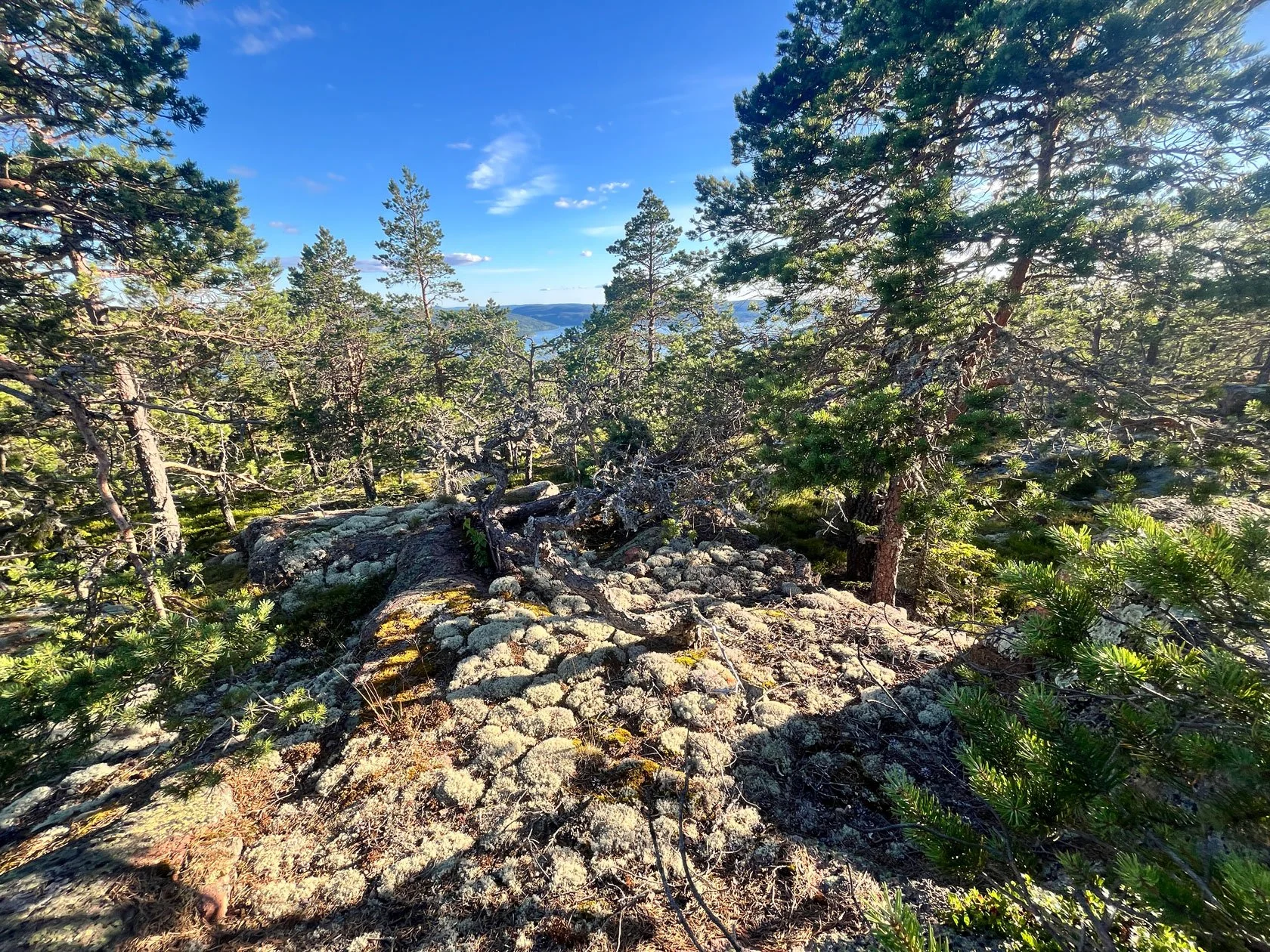
Empfohlene Tagesroute (die Docksta‑Havet‑Runde)

Das ist die Runde, die ich empfehle, wenn du Skuleskogen an einem Tag „richtig“ spüren willst: Küste, alter Wald, Seen, die Spalte, ein Gipfelblick — und ein ruhiges Ende.

Auf einen Blick

  • Distanz / Höhenmeter / Zeit: ca. 11,4 km, D+321 m, ca. 4–6 Stunden (mittel)

  • Start / Ziel: Entré Syd (Südeingang)
  • Stil: Küste → Wald → Seen → Spalte → Gipfel → Stege → Strand‑Finale

Schritt für Schritt

  1. Starte am Parkplatz Entré Syd.

  2. Küsten‑Warm‑up Richtung Näske bodarna: ein wunderschöner Pfad zwischen Wald und Meer.

  3. Aufstieg zu den Tärnättvattnen‑Seen (blaue Markierung). Perfekt für Pause und Lunch — und an warmen Tagen auch für einen erfrischenden Sprung ins Wasser.

  4. Der „Wow‑Kern“: durch die Slåttdalsskrevan (Nord → Süd). Nimm dir Zeit — hier geht es um Präsenz, nicht um Tempo.

  5. Optional (sehr empfohlen): kurzer Abstecher auf den Gipfel Slåttdalsberget. Kaffee schmeckt dort besser. Stille auch.

  6. Abstieg zurück durch den Wald (orange Markierung + Steg‑Abschnitte). Ein weicherer Rhythmus.

  7. Abschluss am Strand Kälsviken (Kälsviken / Kälsaviken). Wenn’s passt: ein Bad. Wenn nicht: Snack, Sonne, und dieses „wir haben’s wirklich gemacht“-Gefühl.

  8. Zurück zum Parkplatz Entré Syd — wo dein Auto steht oder dein Fahrrad abgeschlossen ist.

Toiletten (gut zu wissen)
Toiletten gibt es bei:

  • Entré Syd

  • Näske bodarna

  • Tärnättvattnen

  • Kälsviken


Warum diese Runde funktioniert

Es gibt viele Wege im Skuleskogen. Diese Runde ist ausgewogen: Sie bringt dich zu den Signature‑Orten, ohne dass der Tag zur Mission wird.


Noch unsicher bei der Planung?

Wenn du mir deine Reisedaten, dein Tempo und deine Wünsche (Aussicht / Waldstille / Bad) schickst, empfehle ich dir die passende Variante.

Und falls du lieber selbst planst: kompletter Skuleskogen‑Itinerary (🇬🇧) — Schritt für Schritt → [ https://dockstahavet.se/blog/hiking-in-skuleskogen ]


Was du zusätzlich sehen kannst (wenn du mehr Zeit hast)

Je nach Eingang und Energie werden u.a. empfohlen:

  • Tärnättholmarna (Halbinseln mit schmalen Sandverbindungen; Hütten möglich)

  • Kälsviken (Sandstrand nahe Entré Syd)

  • Nylandsruten & Långtjärnhällorna (Aussichten/Schleifen nahe Entré Väst)

  • Näske bodarna (historischer Bereich, sehr schöner Tageswalk)


Anreise: Auto, Bike + Hike, Bus — und „Base‑Camp‑Denken“

Bike + Hike (die smarte Sommer‑Option)

Hier ist der Move, der vieles leichter macht: Parke in Docksta, leihe dir ein Grab&Go‑Bike, fahre nach Skuleskogen, schließe das Rad am Eingang ab — und wandere deine Route.

Warum das zählt:

  • Parkstress reduziert: Du parkst einmal in Docksta (ruhig, organisiert), nicht am überfüllten Parkeingang.

  • Flexibel: Kein Shuttle‑Fahrplan, kein Taxi‑Timing — du bestimmst deinen Tag.

  • Die Fahrt gehört dazu: Die ca. 8–10 km entlang der Küste sind ein Warm‑up, kein Parkplatz‑Chaos.

  • Car‑light Sommer: Wenn mehr Besucher so anreisen, bleiben die Zufahrtsstraßen ruhiger — besser für alle.

Genau dafür ist Grab&Go gedacht: nicht nur „ein Fahrrad mieten“, sondern „den Tag smarter machen“.

Skuleskogen Bike‑First Day Plan (🇬🇧) → [ https://dockstahavet.se/outdoor-gear-rental-hoga-kusten/guides-stories/skuleskogen-national-park-bikefirst-day-plan-from-docksta ]

Kostenlos (Deutsch): Wenn du die Hochküste zum ersten Mal besuchst, hol dir hier meine Mini‑Guide mit praktischen Basics und lokalen Tipps → [ https://dockstahavet.se/de/entdecken-sie-die-hochkuste ]

Mit dem Auto (direkt und flexibel)

Alle drei Eingänge sind von der E4 aus ausgeschildert. Für Paare ist das die einfachste, flexibelste Variante.

Hinweis: In der Hochsaison (Juli–Anfang August) kann es an manchen Tagen zu Parkplatzdruck kommen. Wer kann, wählt Juni oder Ende August für ein ruhigeres Erlebnis.

Mit dem Bus (ohne Auto)

Laut regionaler Besucherinfo verbindet Bus 50 Härnösand / Örnsköldsvik. Man kann bei Skule Entré Väst E4 aussteigen und den letzten Abschnitt zu Fuß gehen. Bitte Fahrplan immer aktuell prüfen.

Mit dem Boot (für Segler)

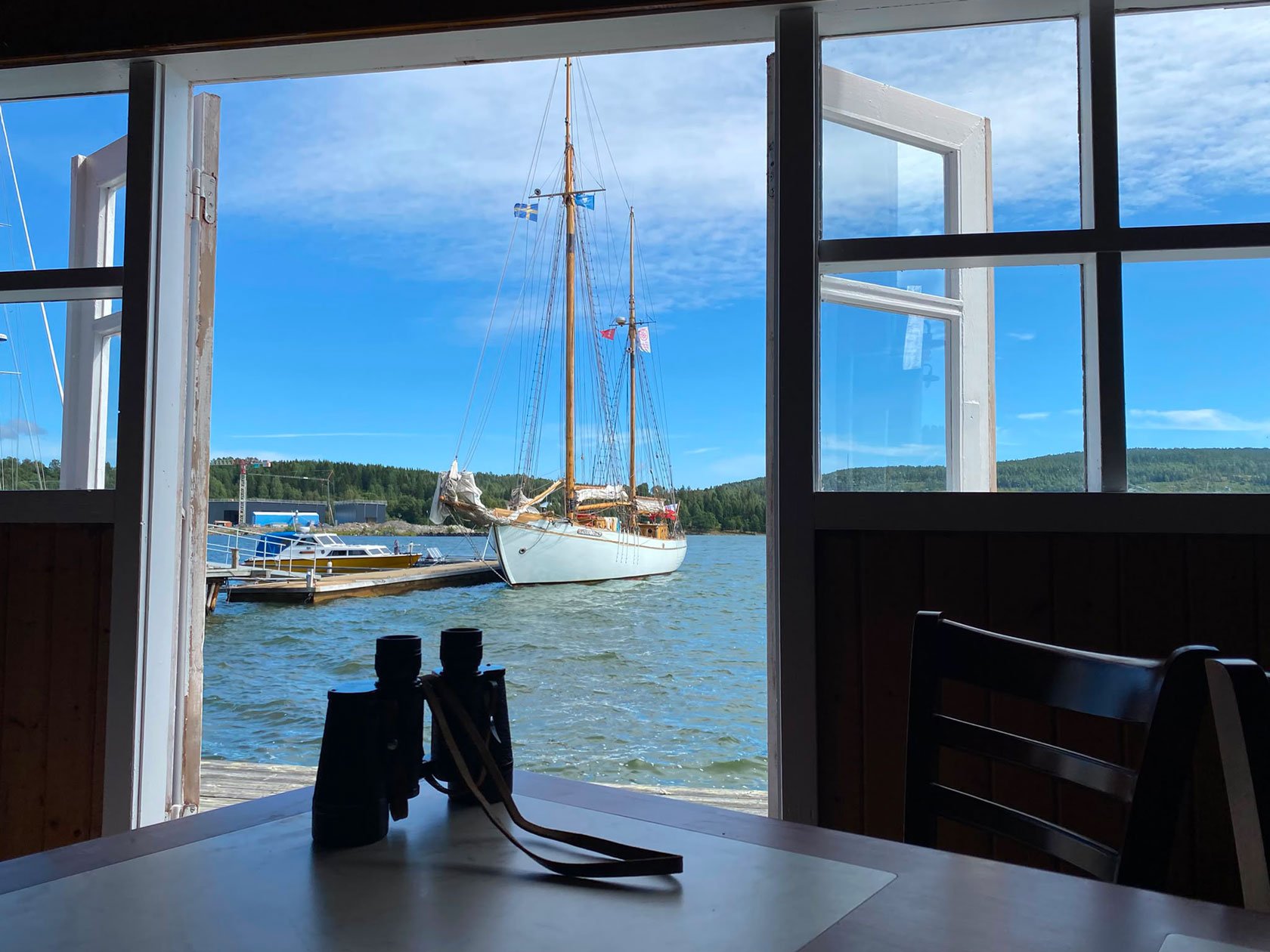
Wenn du per Boot ankommst, ist die Base‑Camp‑Frage entscheidend: Wo kannst du schlafen, duschen, runterfahren — und den Parktag ruhig planen?

Genau so denken wir in Docksta Havet: sicherer Hafen‑Rhythmus, dann ein Waldtag.


Wann du gehen solltest (und wie sich die Saison anfühlt)

Skuleskogen ist im Juni nicht derselbe Park wie Ende August.

  • Frühsommer: langes Licht, frisches Grün, beliebte Wege werden voller

  • Hochsommer: Bade‑Tage möglich, aber mehr Menschen und Parkplatzdruck

  • Spätsommer/Frühherbst: ruhiger, tiefere Farben, kontemplativer


Sicherheit & Regeln (damit der Tag schön bleibt)

Skuleskogen ist freundlich — aber echte Natur.

  • Wetter kann auf Granit und Aussichtspunkten schnell kippen

  • Felsen (und besonders Wurzeln) können nach Regen rutschig sein

  • Zecken gibt es in Schweden: danach kurz checken

  • Feuerregeln respektieren

  • Leave no trace: Der Park bleibt wild, weil Besucher sich wie Gäste verhalten

Für aktuelle Regeln/Updates: vorab die offiziellen Nationalpark‑Infos checken.


Packliste (skandinavien‑tauglich, simpel)

  • Wasser (mehr als du denkst)

  • Windjacke + leichter Regenschutz

  • Gute Schuhe (Grip zählt)

  • Snacks/Lunch (mehr als du denkst) + ein Comfort‑Item (Kaffee, Schokolade, Obst)

  • Offline‑Karte (oder Download)

  • Kleines Erste‑Hilfe‑Set (Blasenpflaster sind der wahre Held, wenn die Schuhe noch nicht perfekt eingelaufen sind)

Basic tips to get ready for your day hike (🇬🇧) → [ https://dockstahavet.se/blog/explore-hoga-kusten/get-ready-your-day-hike ]


Wenn du’s easy willst: Docksta als Base Camp

Dieser Guide ist content‑first — aber wenn du hier bist, stellst du dir wahrscheinlich auch die praktische Frage:

„Wo übernachte ich, damit sich dieser Tag leicht anfühlt?“

Docksta ist eine natürliche Basis für Skuleskogen und die Hochküste.

Für Paare (Seaside‑Stays)

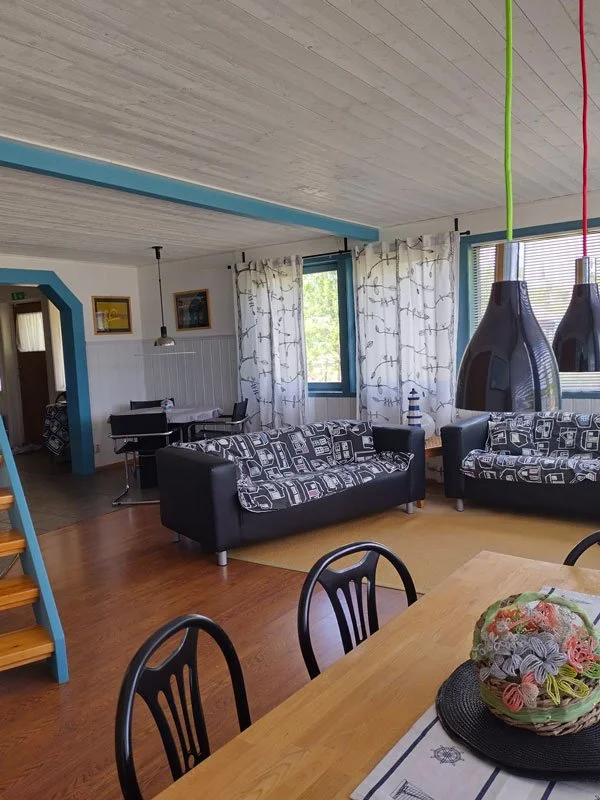
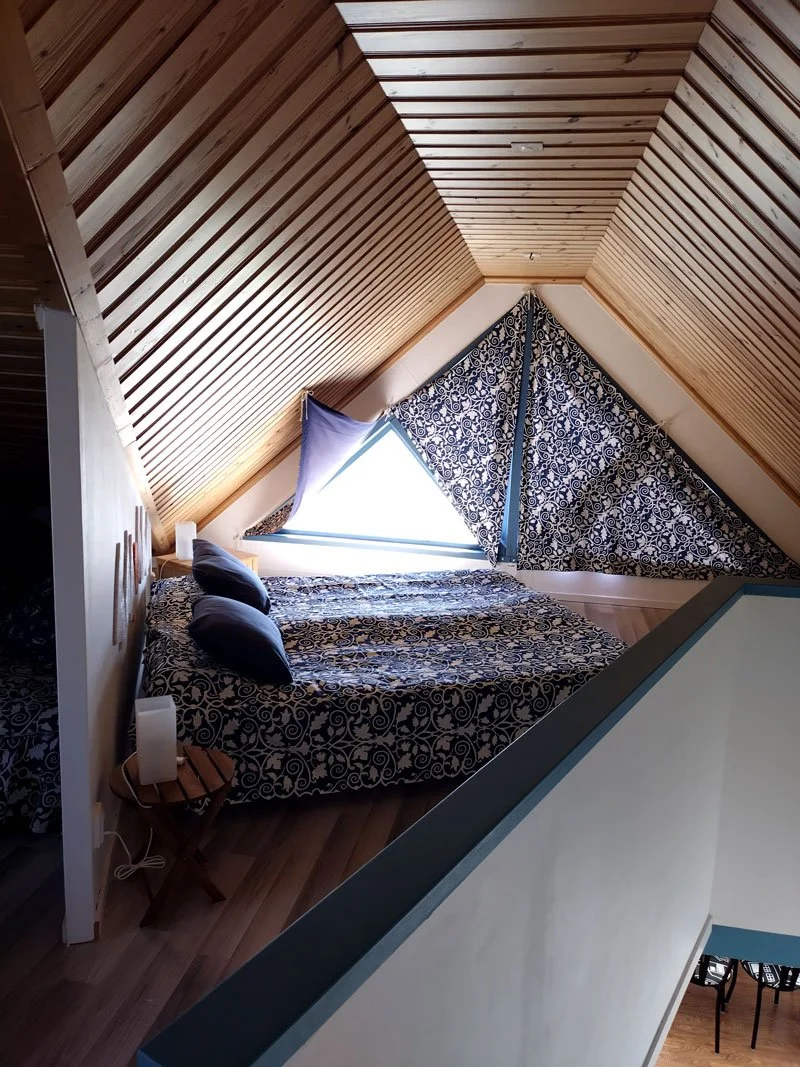
Drei verschiedene Seaside‑Stays — jede mit eigenem Charakter, alle direkt am Wasser.

Schlaf am Meer, bleib nah an allem, und nutze Docksta als dein High‑Coast‑Base‑Camp: Skuleskogen Nationalpark und der Skuleberget sind schnell erreichbar — und auch die Fähre nach Ulvön ist nicht weit.

  • Boathouse (minimalistisch, über dem Wasser)

  • Dock House (komfortabel, ruhig, perfekt für Paare)

  • Guest House (voll ausgestattet, mit starkem Meerblick)

Holiday Accommodations >
 

Für Segler

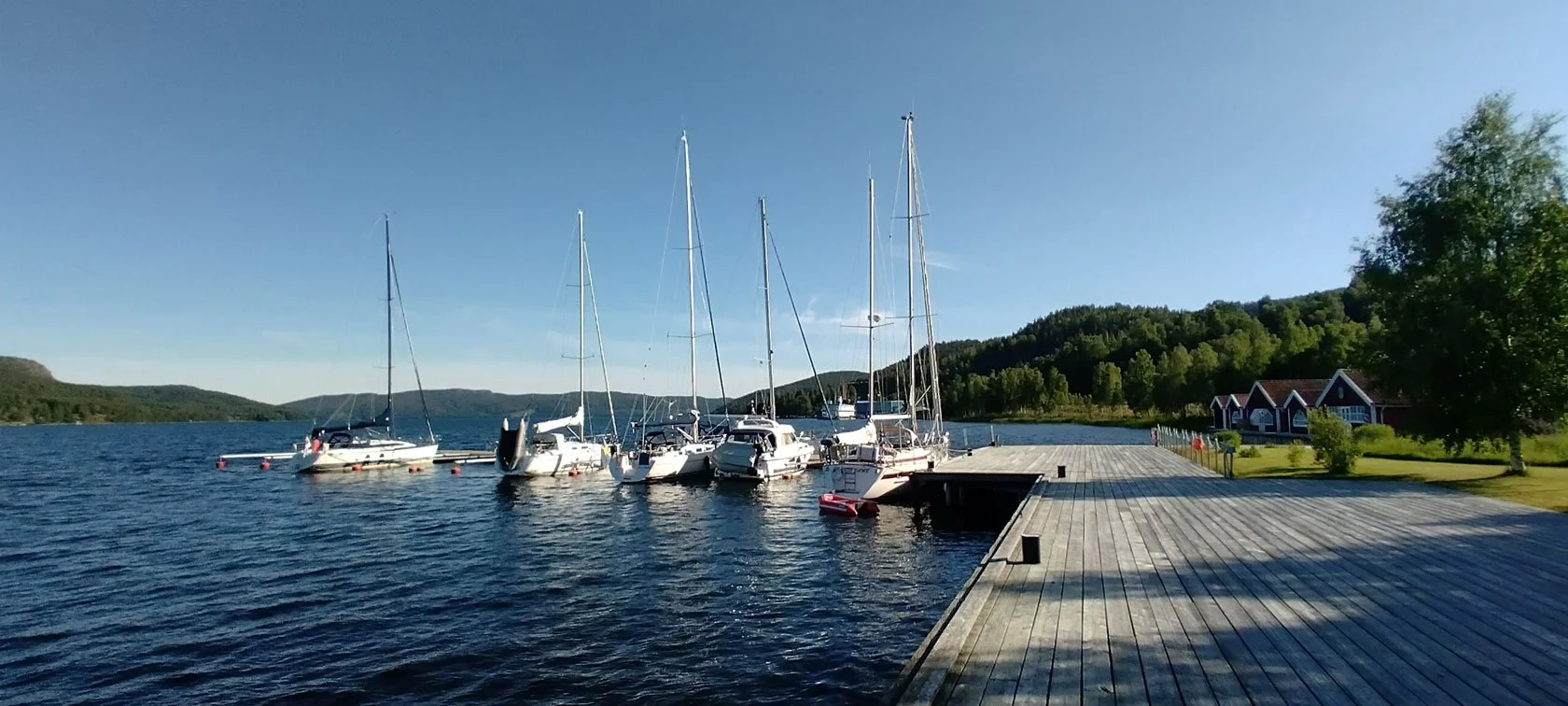
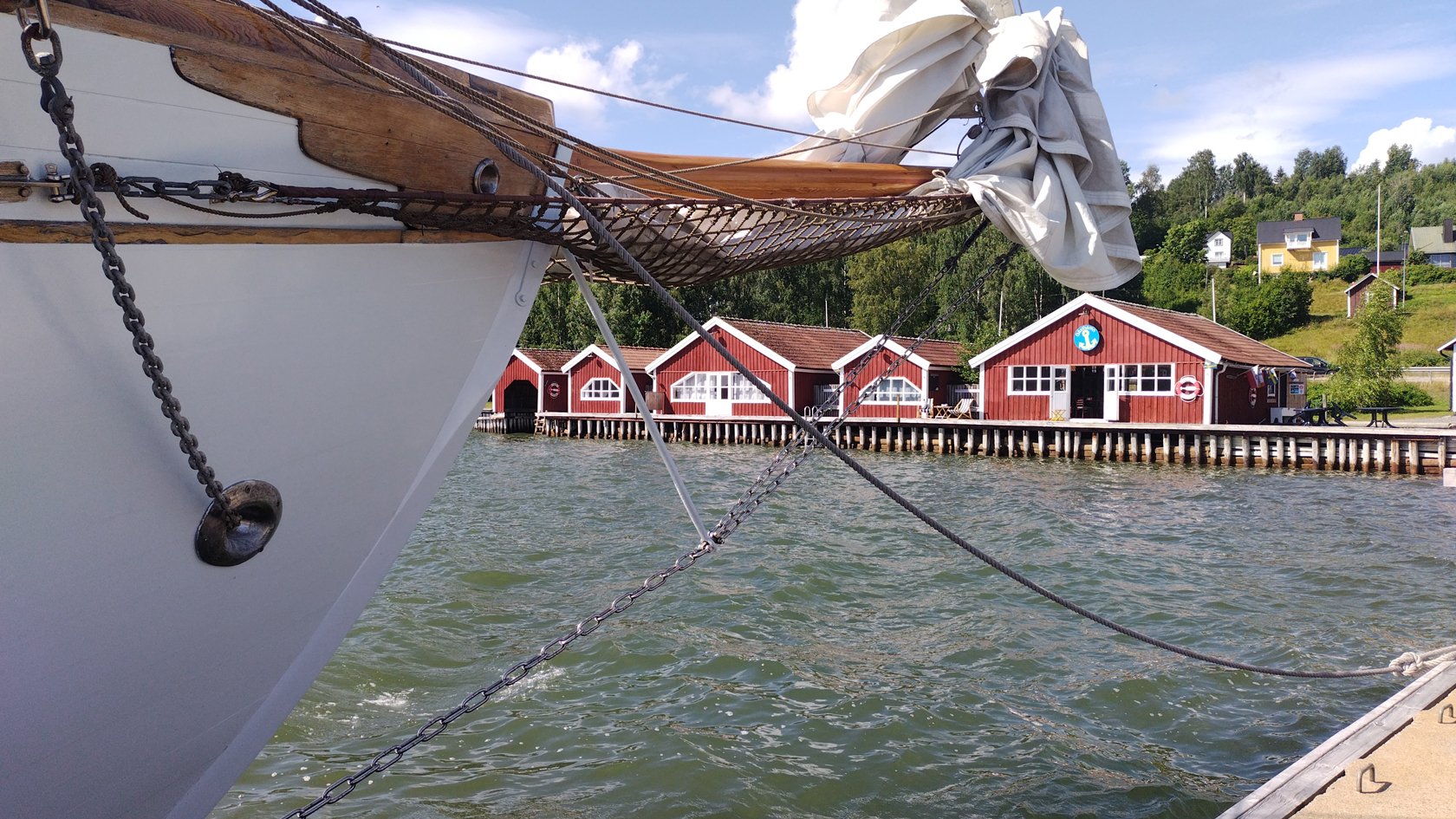
Mehr als ein Liegeplatz: dein High‑Coast‑Base‑Camp zwischen Meer und Trails. Boot sicher ablegen, heiß duschen, Espresso & lokale Tipps im Sailor's Club House — und dann Skuleskogen (oder Skuleberget) entspannt erleben.

Was dich erwartet:

  • Y‑Bäume / längsseits

  • Service House (Duschen, WC, Laundry)

  • Club House (Lounge, Espresso, WiFi)

  • Fahrrad‑ & Outdoor‑Ausrüstungsverleih

Guest Harbour / Moorings >
 

Sailing Guide to Höga Kusten: Sweden's UNESCO Archipelago (🇬🇧) — (FREE web resource: no download, no registration) → [ dockstahavet.se/high-coast-sailor-mini-guide ]

Für alle, die leicht reisen wollen

Kein Gear? Kein Problem.

Wenn du „car‑light days" magst: Bike‑first ab Docksta, Rad am Eingang abschließen, dann wandern.

Grab&Go ist kein klassischer Ausrüstungsverleih — es ist ein einfacher Weg zu einem Outdoor‑Ready‑Tag. Holst du dein Setup (Bike, Daypack, Hammock oder Bundle) in wenigen Minuten ab, bekommst einen simplen „Today‑Plan" — und los geht's. Flexible Rückgabe, Zahlung per Karte

Bike Rental & More >
 

Ein letzter Hinweis (von einem lokalen Host)

Skuleskogen belohnt eine bestimmte Haltung: nicht erobern, nicht sammeln — sondern besuchen.

Wenn du willst, schreib mir kurz:

  • deine Reisedaten

  • dein Fitnesslevel

  • ob du eher Aussicht, Waldstille oder ein Bad willst

… und ich sage dir, welcher Eingang und welches Timing am besten passt.

E‑Mail: dockstahavet@gmail.com — oder WhatsApp: +46 763 136 909 (kurz & direkt).

Tommaso — Host bei Docksta Havet Base Camp. Ich lebe die Saison direkt am Wasser und helfe Gästen seit Jahren dabei, die Hochküste leicht (und nicht gehetzt) zu erleben.


Rainy Day in the High Coast: Real Talk

Rainy day in the High Coast: When to stay out, when to stay in

It's 10 a.m. at the Sailor's Club House. A couple sits across from me with a map and their phone open to the forecast. They arrived yesterday. They're planning their days.

"The park hike—Skuleskogen—that's the one we really came for," she says. He's looking at the clouds. "But the forecast says rain tomorrow and Sunday."

I watch them. This isn't really a weather question. It's a time question. They have four nights. The park is their must-have. And they're trying to solve an impossible puzzle: how do we protect the one day that matters?

This is the conversation I have most often in the High Coast.

And here's what I've learned after 20 years — and hundreds of rainy-day conversations: there's no one answer to "should we hike in the rain?" Because rain isn't the real variable. Time is. Gear is. Your attitude is. What you came for is.

So instead of a yes-or-no, I ask questions. I listen. I explain what I actually see. And usually—almost always—we find a plan that works.

That's what this is. Not a generic list of rainy-day activities. But how we actually think about it when the forecast changes and your must-have day is at stake.


🇸🇪 Svenska sammanfattning:

Det är 10 på morgonen på Sailor's Club House. Ett par sitter mittemot mig med en karta och väderprogosen på telefonen. De kom igår. De planerar sina dagar. "Parkvandringen—Skuleskogen—det är det vi egentligen kom för," säger hon. Han tittar på molnen. "Men prognosen säger regn imorgon och på söndag." Jag ser på dem. Det här är inte egentligen en väder-fråga. Det är en tid-fråga. De har fyra nätter. Parken är deras måste-ha. Och de försöker lösa ett omöjligt pussel: hur skyddar vi den ena dagen som spelar roll? Det här är samtalet jag har oftast på Höga Kusten. Och här är vad jag lärt mig efter 20 år och hundratals samtal om regniga dagar: det finns inget enkelt svar på "bör vi vandra i regn?" För regn är inte den riktiga variabeln. Tid är. Utrustning är. Din inställning är. Det du kom för är. Så istället för ja-eller-nej ställer jag frågor. Jag lyssnar. Jag förklarar vad jag faktiskt ser. Och vanligtvis—nästan alltid—hittar vi en plan som fungerar.

🇫🇮 Suomalainen yhteenveto:

Kello on 10 aamulla Sailor's Club Housessa. Pariskunta istuu minua vastapäätä kartalla ja sääennusteella puhelimessaan. He saapuivat eilen. He suunnittelevat päiviään. "Puistovaellus—Skuleskogen—se on se, jolle me oikeastaan tulimme," hän sanoo. Hän katsoo pilviin. "Mutta ennuste sanoo sadetta huomenna ja sunnuntaina." Katson heitä. Tämä ei ole oikeastaan sää-kysymys. Se on aika-kysymys. Heillä on neljä yötä. Puisto on heidän täytyy-omistaa. Ja he yrittävät ratkaista mahdotonta palapelia: kuinka suojaamme sen yhden päivän, joka on tärkeä? Tämä on keskustelu, jonka käyn useimmin Korkealla Rannikolla. Ja tässä on se, mitä olen oppinut 20 vuoden ja satojen sadepäiväkeskustelujen jälkeen: ei ole yksinkertaista vastausta "pitäisikö meidän vaeltaa sateessa?" Koska sade ei ole todellinen muuttuja. Aika on. Varustus on. Sinun asenteesi on. Se, mihin sinä tulit, on.


Before We Talk About Rain, Let's Talk About Time

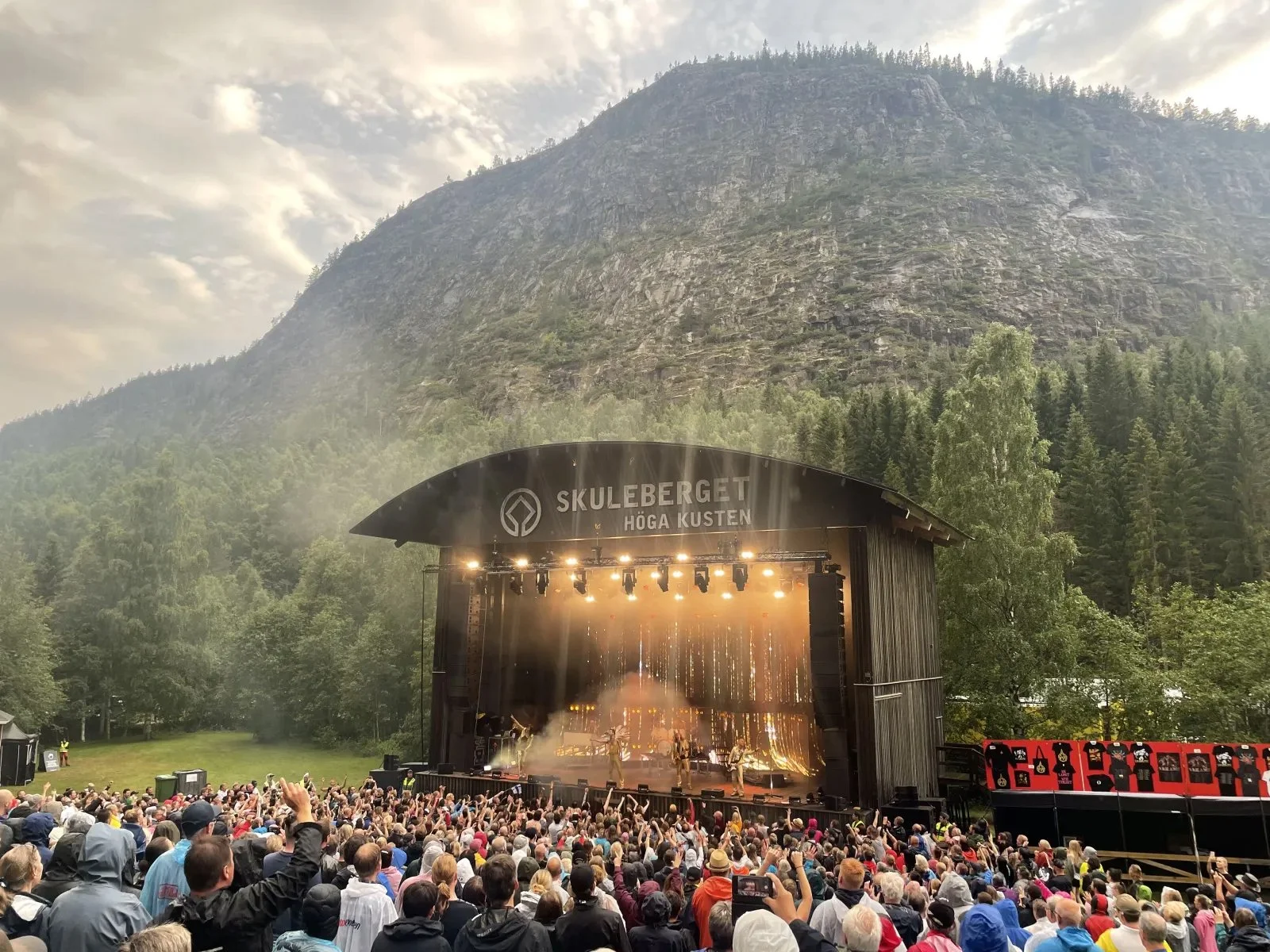
You arrive Friday. The concert at Skuleberget in Docksta is Saturday evening—non-negotiable. Sunday morning, the forecast says rain all day. Monday you leave.

That's the real constraint, isn't it?

Most guests don't have a week to wait for better weather. You have three nights. Maybe four. So the question isn't "should we hike in the rain?" The question is: "what's our must-have, and when do we protect it?"

Here's what we see:

The hiker arrives with a backpack. They've got shell jackets, waterproof bags, grip shoes. They're flexible. If it rains tomorrow, they rest today and go tomorrow. They have time flexibility. They have the right gear. They're comfortable with "we'll see."

The car-holiday family arrives with a calendar. They booked the Skuleskogen hike for Wednesday. The climbing at Via Ferrata is Tuesday. The drive home is Friday morning. No flexibility. They need a framework, not a philosophy. They need to know: can we do this, and how?

Both are right. Both need different answers.

So here's what we actually do: we listen first. We ask.


The Questions We Ask (And You Should Too)

What kind of rain are we talking about? Drizzle that comes and goes, or a downpour that stays? Wind? Cold? There's a difference between 8°C in drizzle and 15°C with mist. One is manageable. One is not.(If you like checking forecasts: we often use yr.no, and the Swedish classic is smhi.se.)

How much time do you have? One night? Three? A week? If you have one night and it rains, you can't wait it out. You have to decide: do we go anyway, or do we protect something else for tomorrow?

What's your must-have? For most people, it's the Skuleskogen crevice Slåddalskrevan, or the trails at Skuleberget. Or the climbing. Some things you came for, and you're not leaving without them. Other things are nice-to-haves. The difference matters.

What's your attitude? "I came to hike no matter what" is different from "I'm flexible, but I want to maximize my time." Both are valid. They just need different advice.

What gear do you have? Shell jacket and warm layers? Or just a t-shirt? This isn't judgment. It's logistics.

Are you a hiker or a planner? Hikers are comfortable with "we'll see." They rest when it rains, they go when it clears. Planners have a calendar. They need to know the plan works, or they need to change it now.


Our Real Advice

If it's drizzle + 12°C + you have good gear + your must-have isn't time-locked = go for it.

Vårdkallberget summit through its rocky pine forest. Källviken at the National Park. Mystic Destinations. Skuleberget, but skip Grottstigen up—take the forest route instead along the Lynx segment (Norrstigen). Longer loop, better grip, easier to climb if it gets worse. Bring a thermos. Start early. You'll be back by lunch, warm and satisfied.

If it's downpour + 8°C + you have no gear + you arrive Monday and leave Friday and the concert is Tuesday = stay cozy.

Protect your must-have (the concert, the summit view, the park) for tomorrow or Thursday. Today, you do something else. Naturum museum. Sailor's Club House. Your accommodation with a book and the sea view. This isn't failure. This is strategy.

If it's storm + wind = always stay in. No exceptions. No "but I really want to." The High Coast is beautiful in rain. In a storm, the forest can be genuinely dangerous. We don't negotiate on this.


What You Actually Need (If You Go Out)

A proper shell jacket. Not a fashion raincoat—a real shell that breathes but keeps you dry.

A warm, breathable mid-layer. Cotton is your enemy when it gets wet.

Shoes with real grip. Not smooth soles, not street shoes. Rocks and roots are slippery when wet—and we have a lot of both.

Gloves and a hat. You lose heat fast when you're wet—hands and head first. Gloves may sound strange in summer, but spring and autumn are a different story. And even in June or August, a windy evening at the foot of the mountain can feel surprisingly chilly.

A thermos, or at least a warm-up plan. Tea or coffee at the Sailor's Club House after. A hot shower at home. Something warm waiting for you.

A shorter hike and an early start. Better energy. You're not trying to summit everything. You're trying to be outside and feel good about it.

Don't worry—if you're not sure, ask us. We know these trails in every condition. We know what's safe and what's not. We've been here 20 years. That's what we're here for.


If You Stay Cozy: Real Options

Stay in (cozy mode)

Cooking. Your playlist. Slow rhythm. The High Coast isn't just outdoors. Sometimes it's in a kitchen (or kitchenette!) with good people and good food. Sometimes that's the memory that stays with you.

Your accommodation. Seaside. Books. A slow day. Sometimes the best rainy day is the one where you don't go anywhere. You rest. You reset. You remember why you came to the North in the first place.

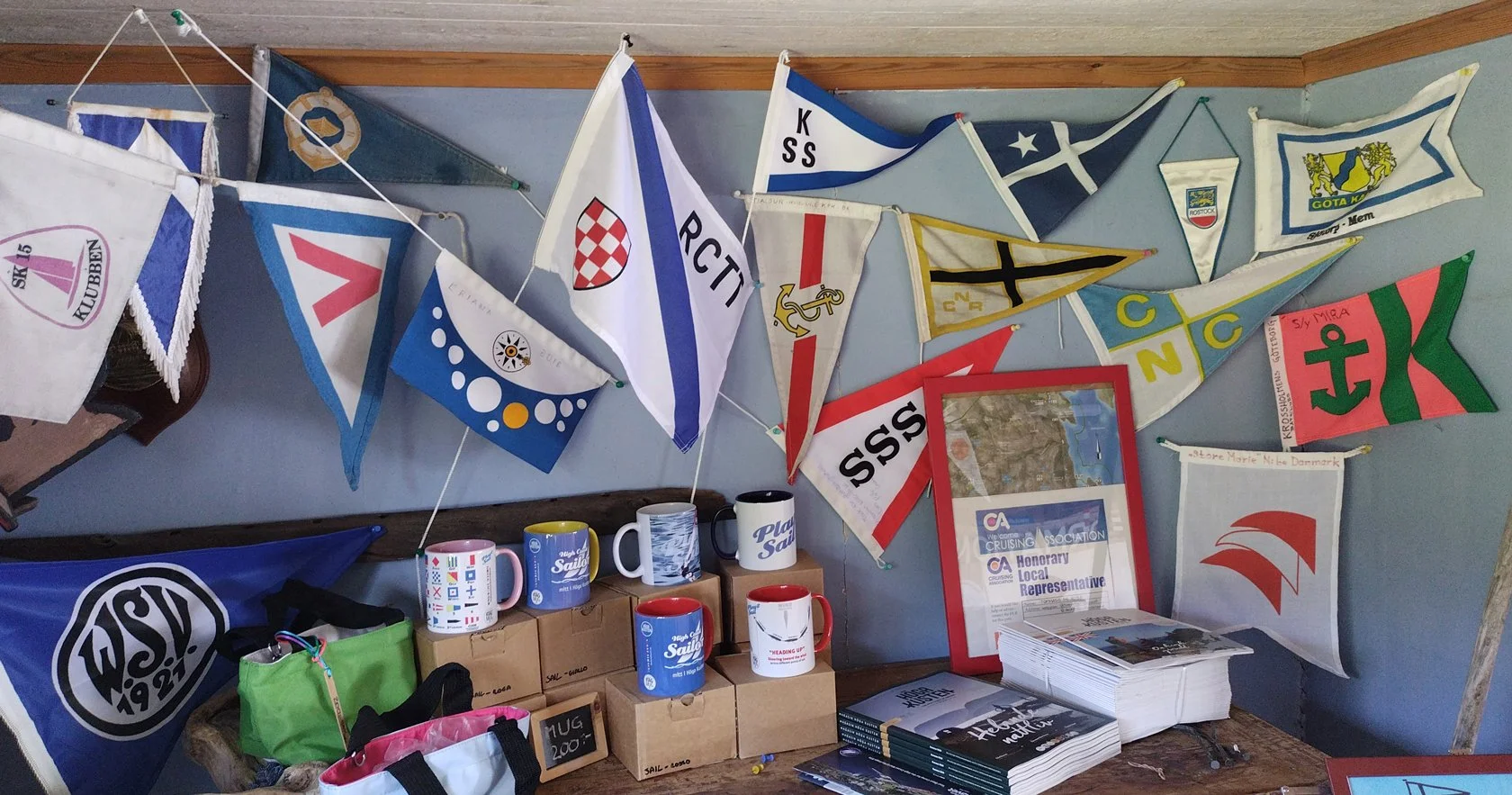
Sailor's Club House is ours. Books, memorabilia, WiFi, a lounge that feels like a sailors-and-hikers community room, not a café. Warm espresso. Maps. Souvenirs. A place to sit and talk to other guests, or sit and be quiet. This is our secret. This is where people meet—and why they come back.

Local (15–30 minutes)

Naturum Höga Kusten sits at the foot of Skuleberget (east side, near the E4). It's a museum about the geology, the landscape, why this place is a UNESCO World Heritage site. There's a café. There are interactive exhibits. If you have kids, there's a play area. You get the story of the landscape without needing to hike it. On a rainy day, that's not a consolation prize. That's actually interesting—and always worth it.

Drive to Comfort (30–45 minutes to the north)

Örnsköldsvik Waterfront + City Center. A proper Nordic city walk. Shopping if you want it. Café if you want to sit. The waterfront if you want to look at the sea. Less dramatic than the coast, but real. Sometimes that's exactly what you need.

Paradiset Bad Spa. Sauna. Steam rooms. Salt pool. Real relax. Not a tourist trap. This is where locals go to unwind. Check the summer opening hours before you go—it's seasonal—but if it's open, it's worth it. You go in stressed about the weather. You come out warm and quiet.

Skagsudde Lighthouse. A walk. Red fishing village huts. The view across the archipelago. You might think a lighthouse is better in sunshine. You're wrong. Rain makes Skagsudde more beautiful. The mist, the red huts, the quiet—it's the real High Coast. It's moody. It's authentic. It's worth the drive.


The Real Talk

Every rainy day is different. Every guest is different. So here's the thing: don't guess. Talk to us.

Before you arrive, wondering about rain? Message us. We'll tell you what to expect and what to pack. We'll ask you the questions above. We'll help you decide what makes sense for your time, your gear, your must-haves.

During your stay, weather changed? Talk to us. We know alternatives. We can adjust. We've done this 200+ times.


Set Your Rainy-Day Base Camp (Docksta)

If you want a simple, safe starting point close to Skuleberget and Skuleskogen, our waterfront accommodations at the Docksta marina are designed for exactly this kind of trip: short stays, changing weather, and a lot you want to fit in.

  • Seaside location in Docksta (marina)

  • Practical comfort for a rest day (and a warm reset)

  • Local advice from hosts who know the trails in every condition

Discover our holiday rentals: https://dockstahavet.se/vacation-overnight-rentals

And if you prefer planning and messaging inside Airbnb, you can find us there too.

And one more thing—because many visitors imagine the north as permanently grey: it's usually not.

Docksta sits in the heart of the archipelago. The sea keeps the climate milder than you'd expect, and the mountains and fjords around us offer real shelter. In summer (and yes, climate change plays a role), the weather can feel surprisingly "Mediterranean."

That's why it's easy to forget the fleece and the proper rain shell you normally pack for Sweden. So even if the forecast looks fine: bring one warm layer, and one piece of real rain protection. Not because it will rain every day—but because when it does, you'll still be able to enjoy your day.

The forest is waiting. Rain or shine.

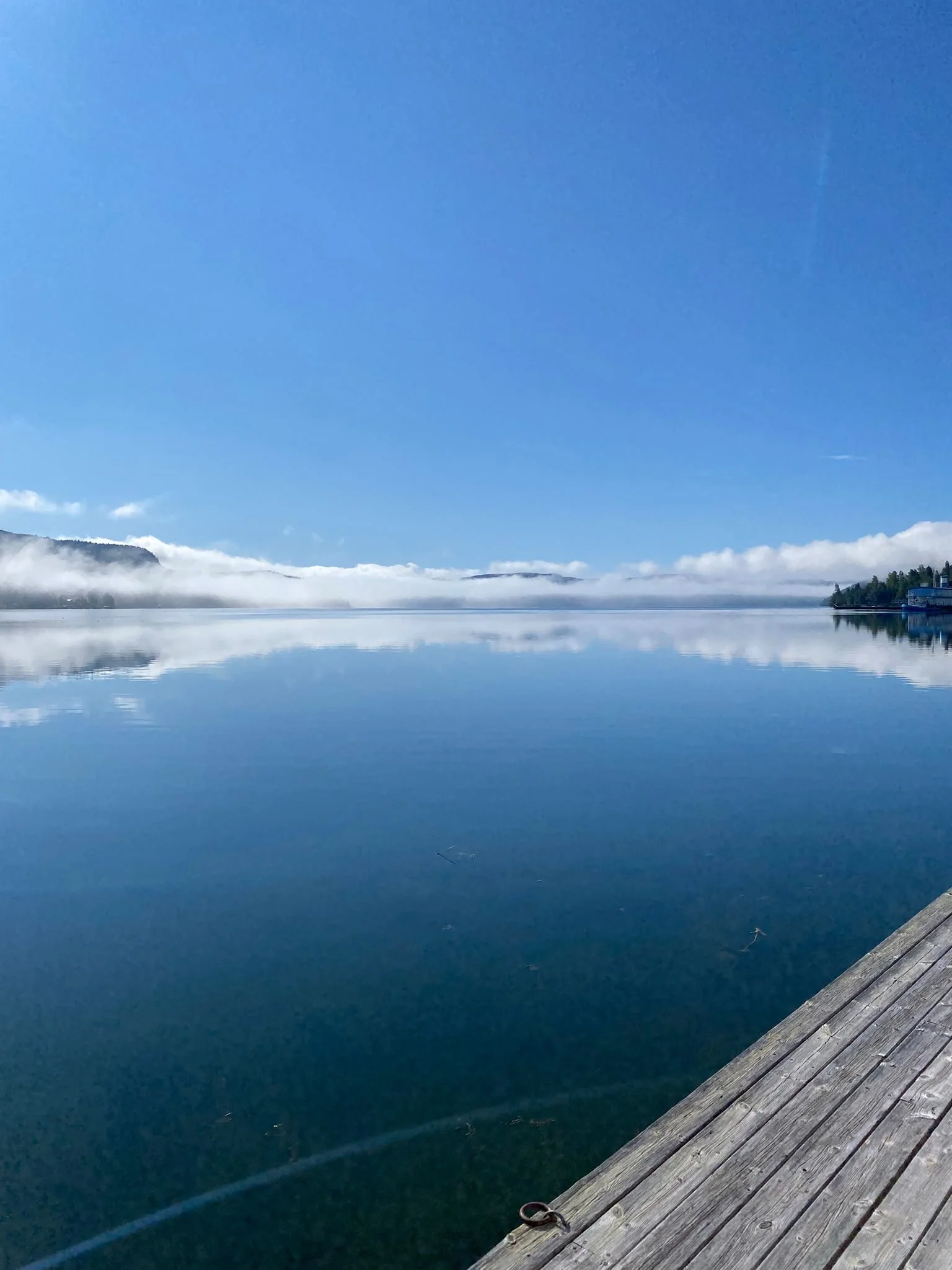
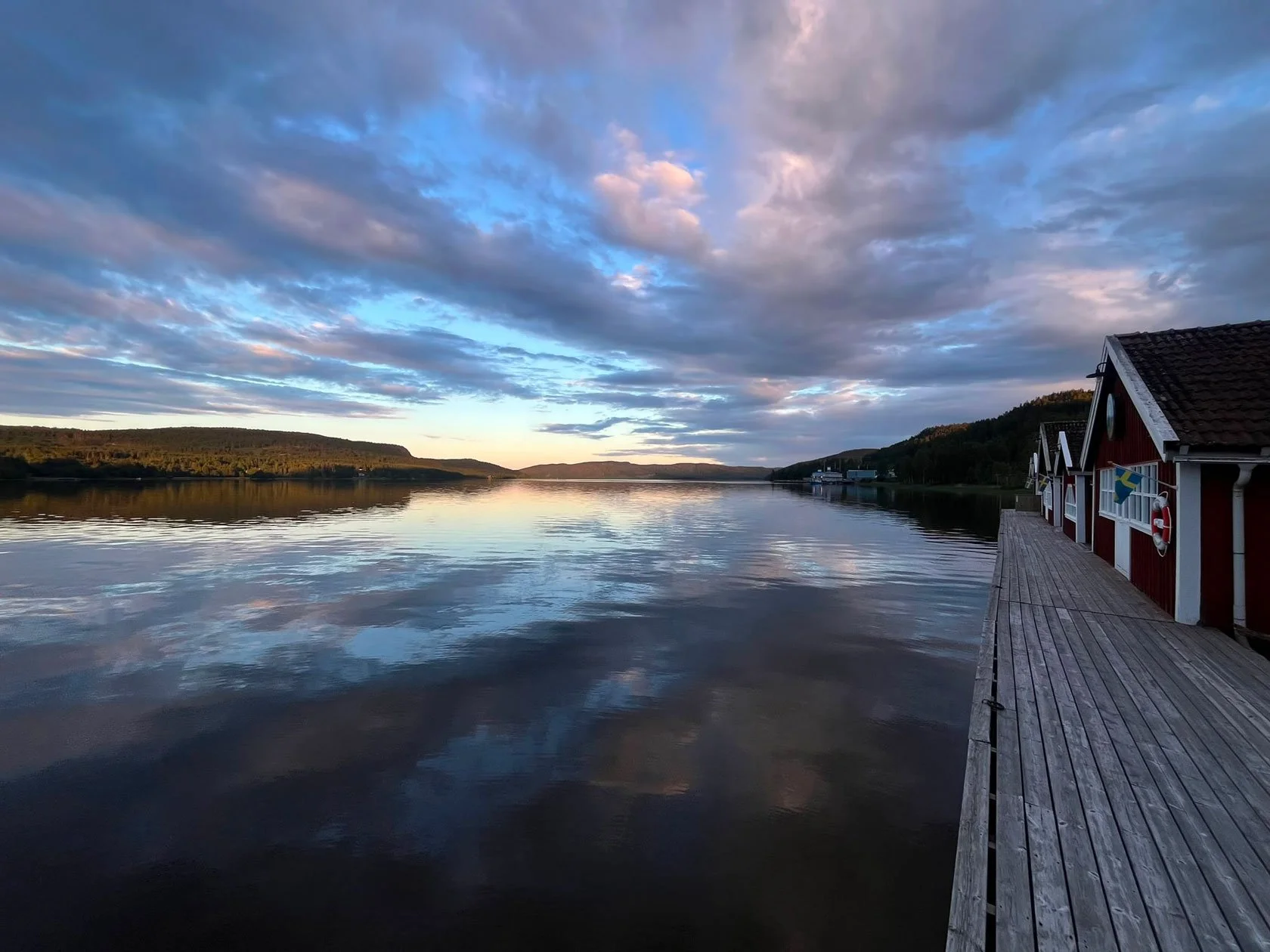
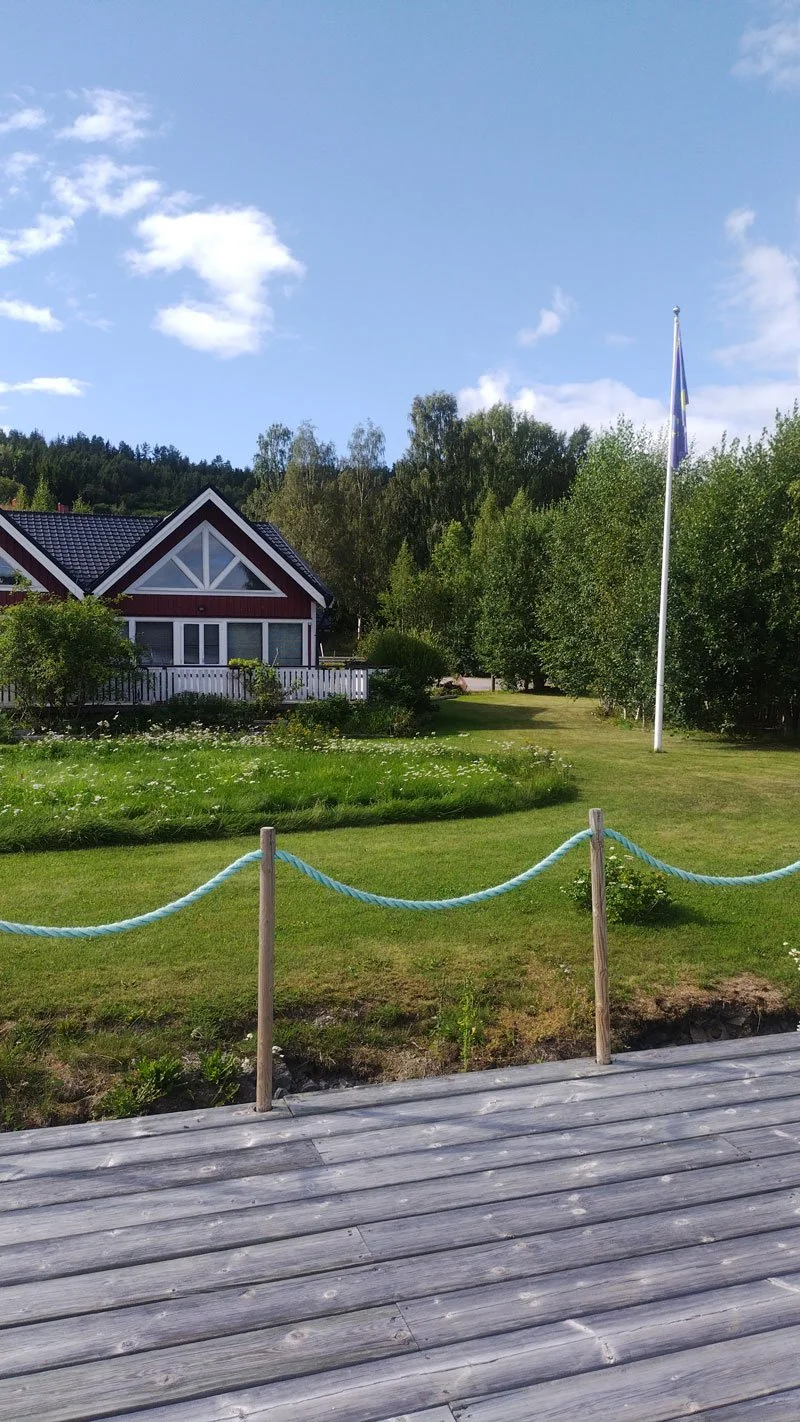
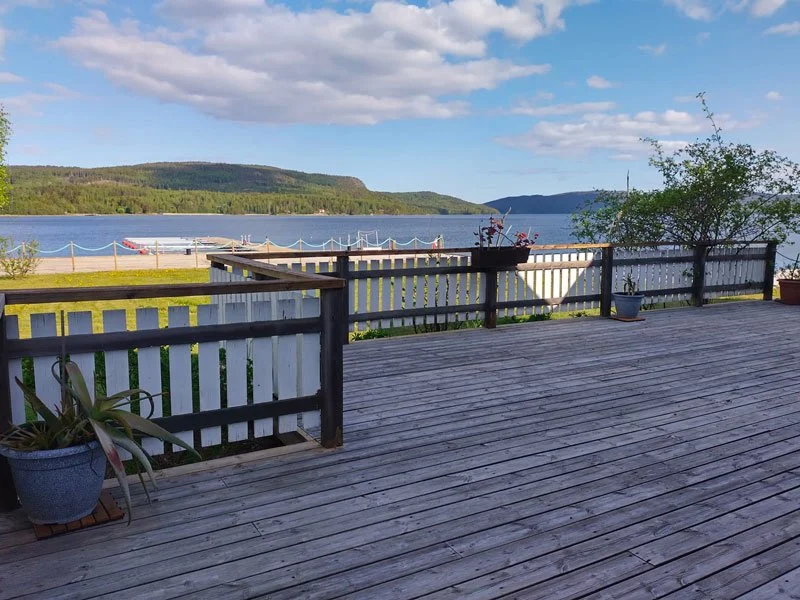
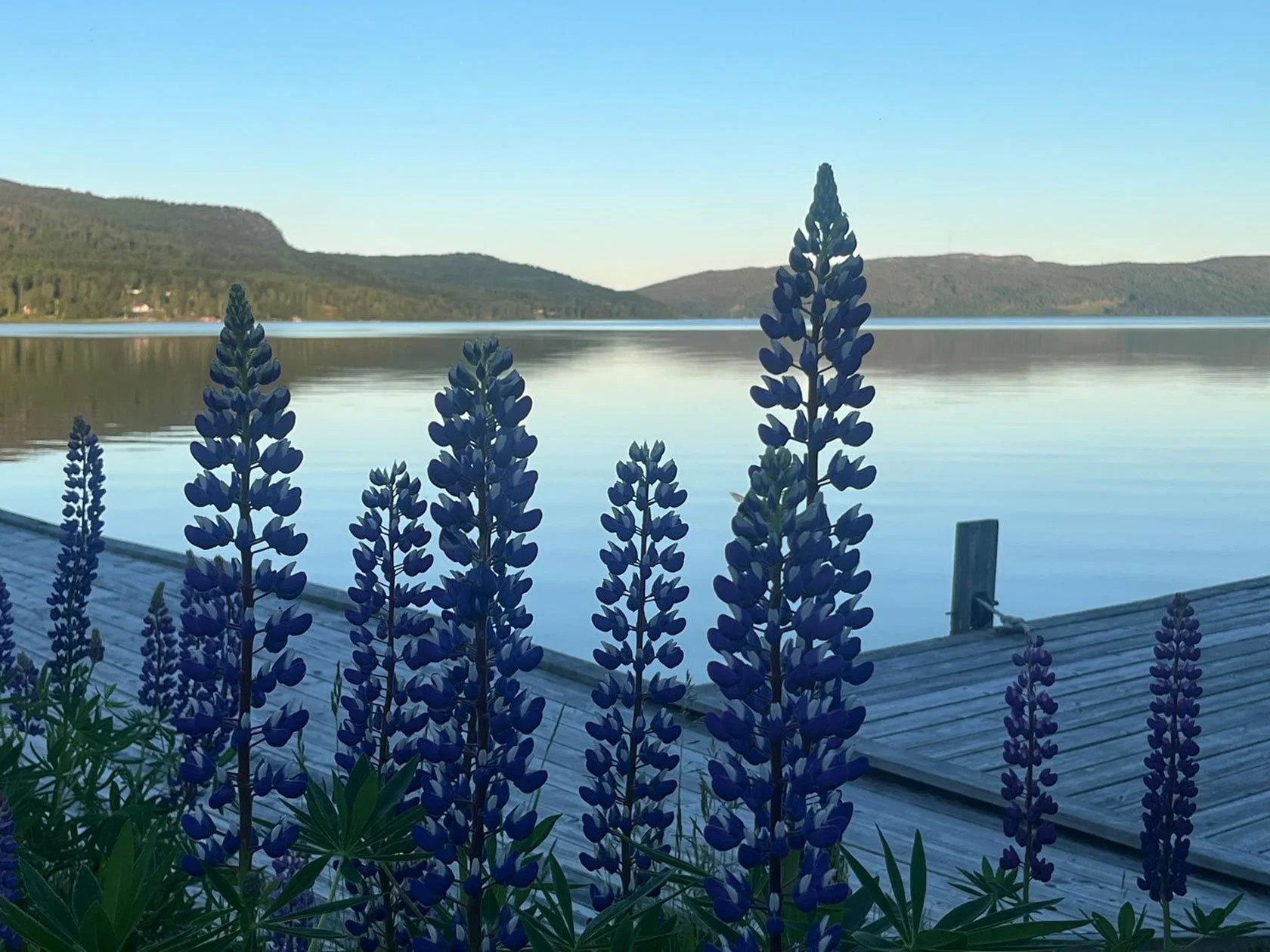
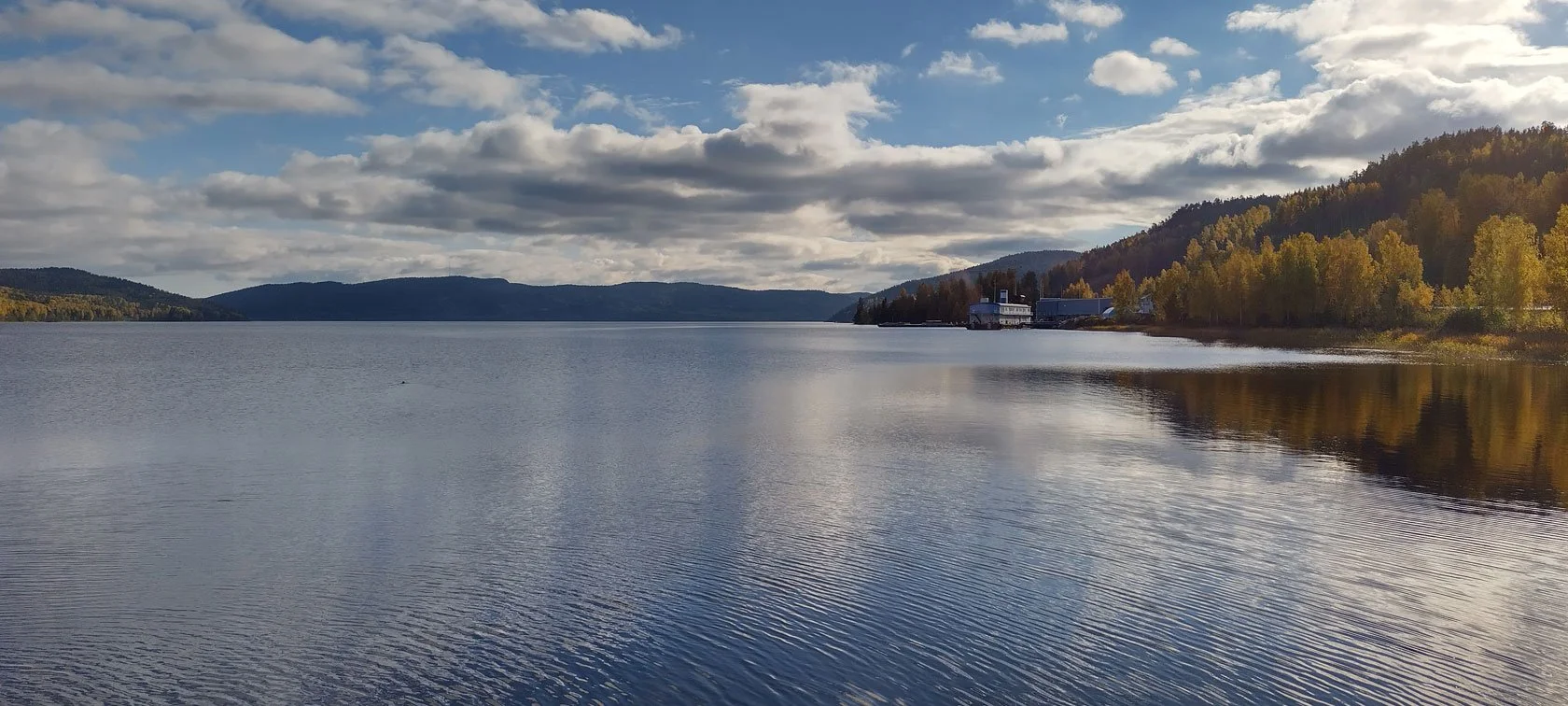
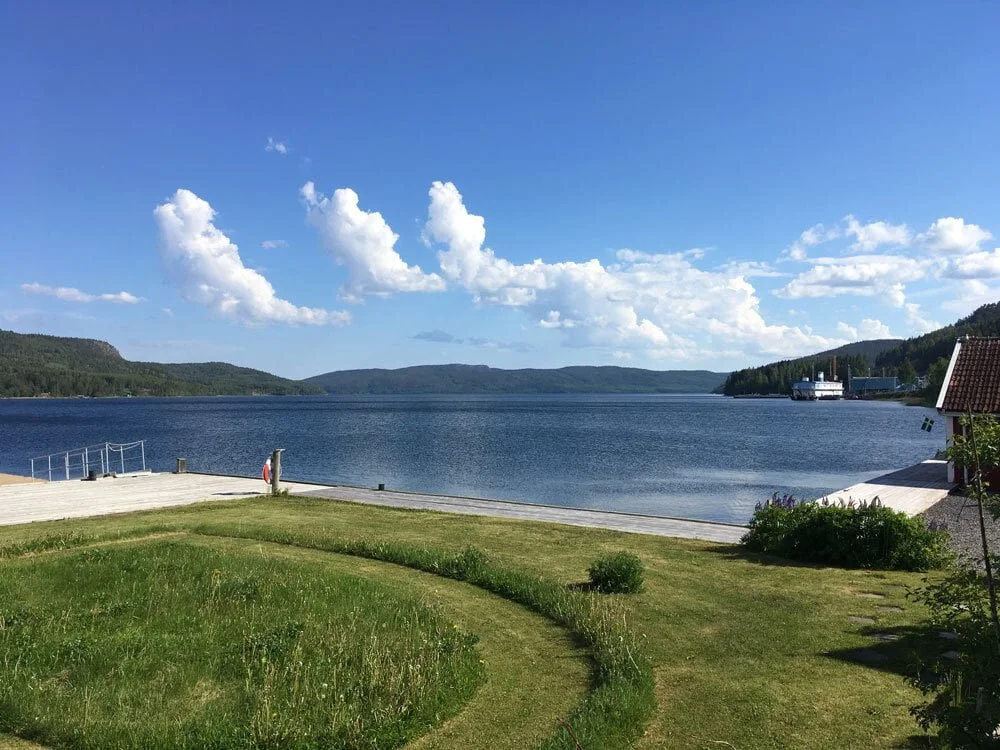
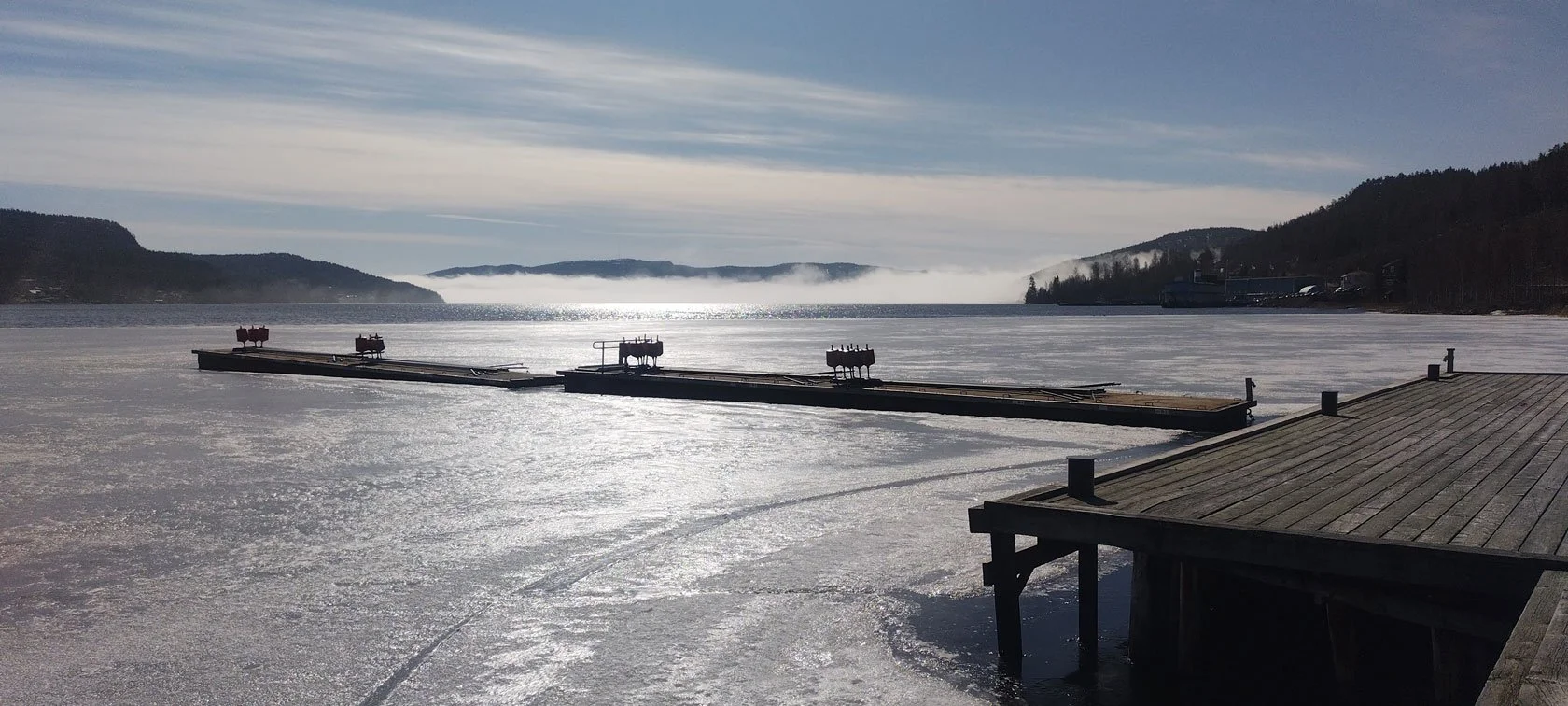
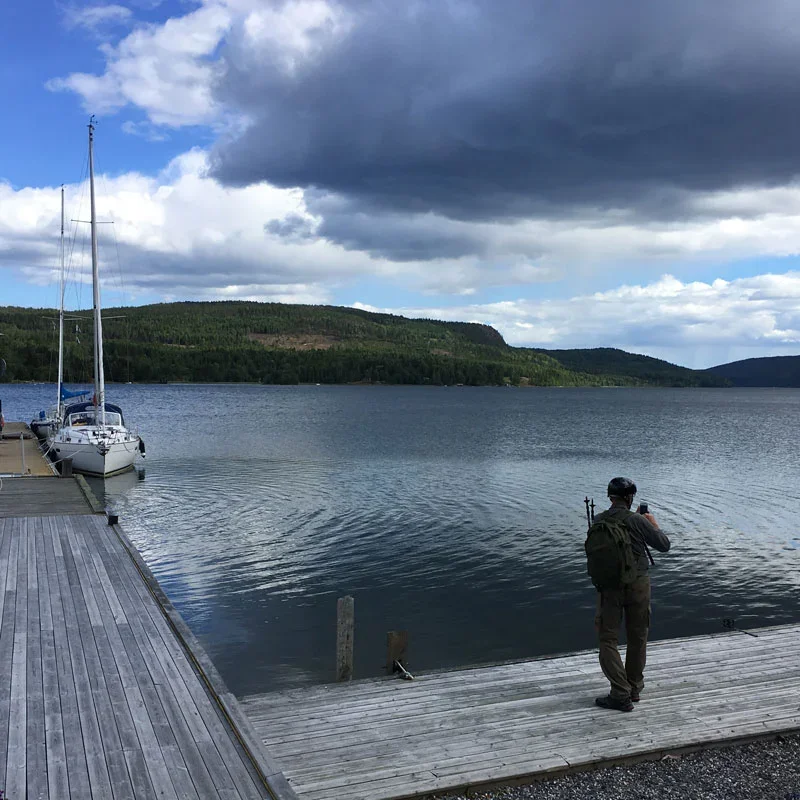
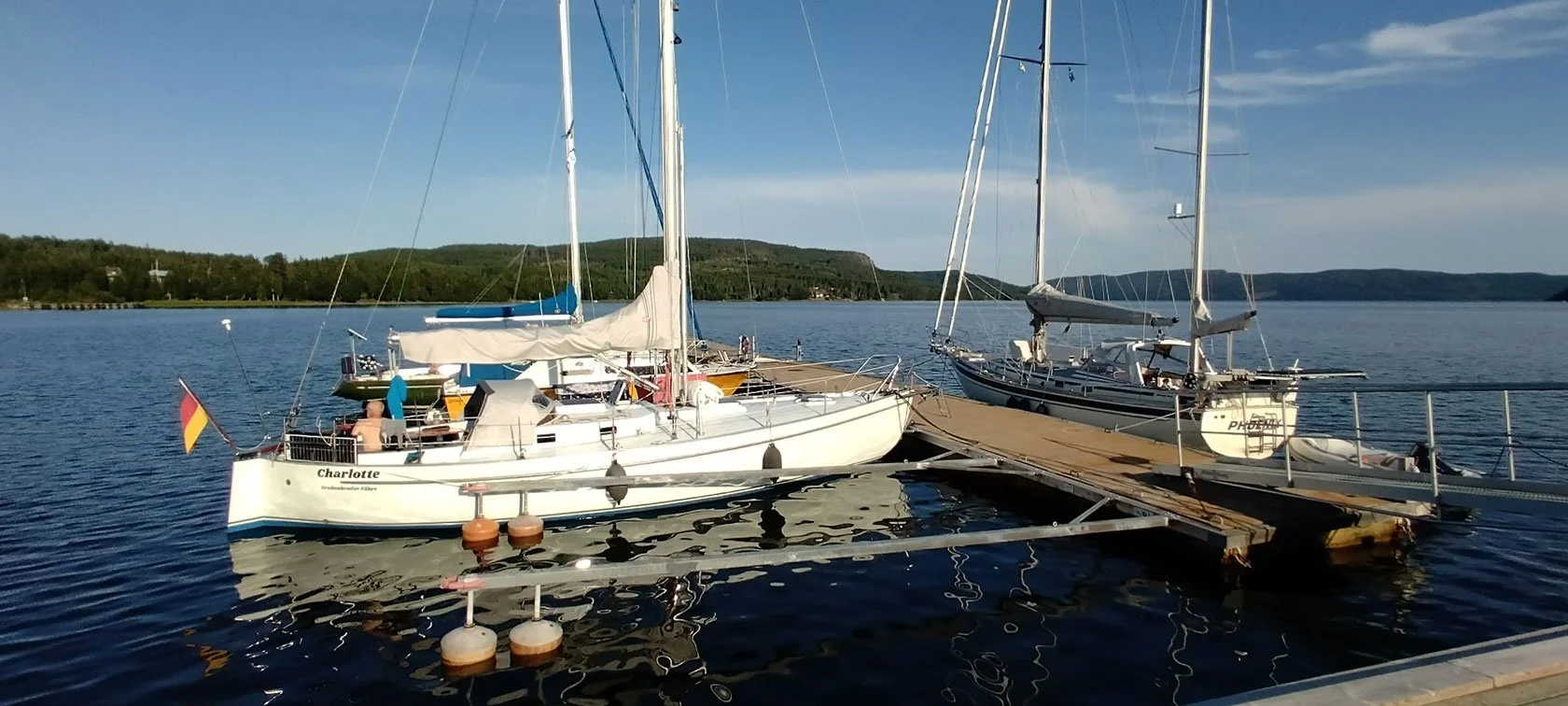
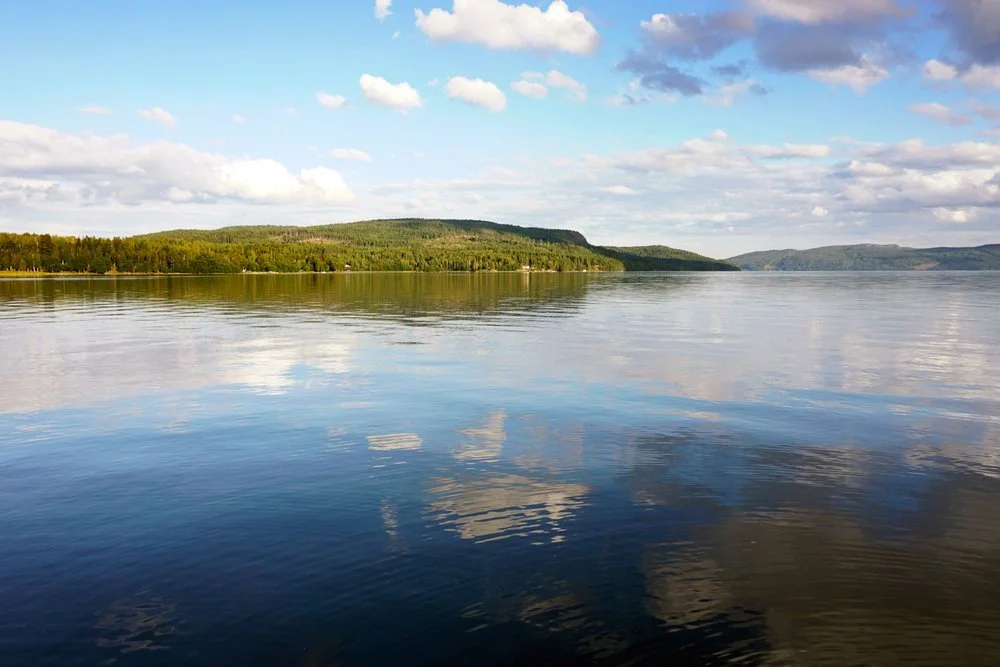
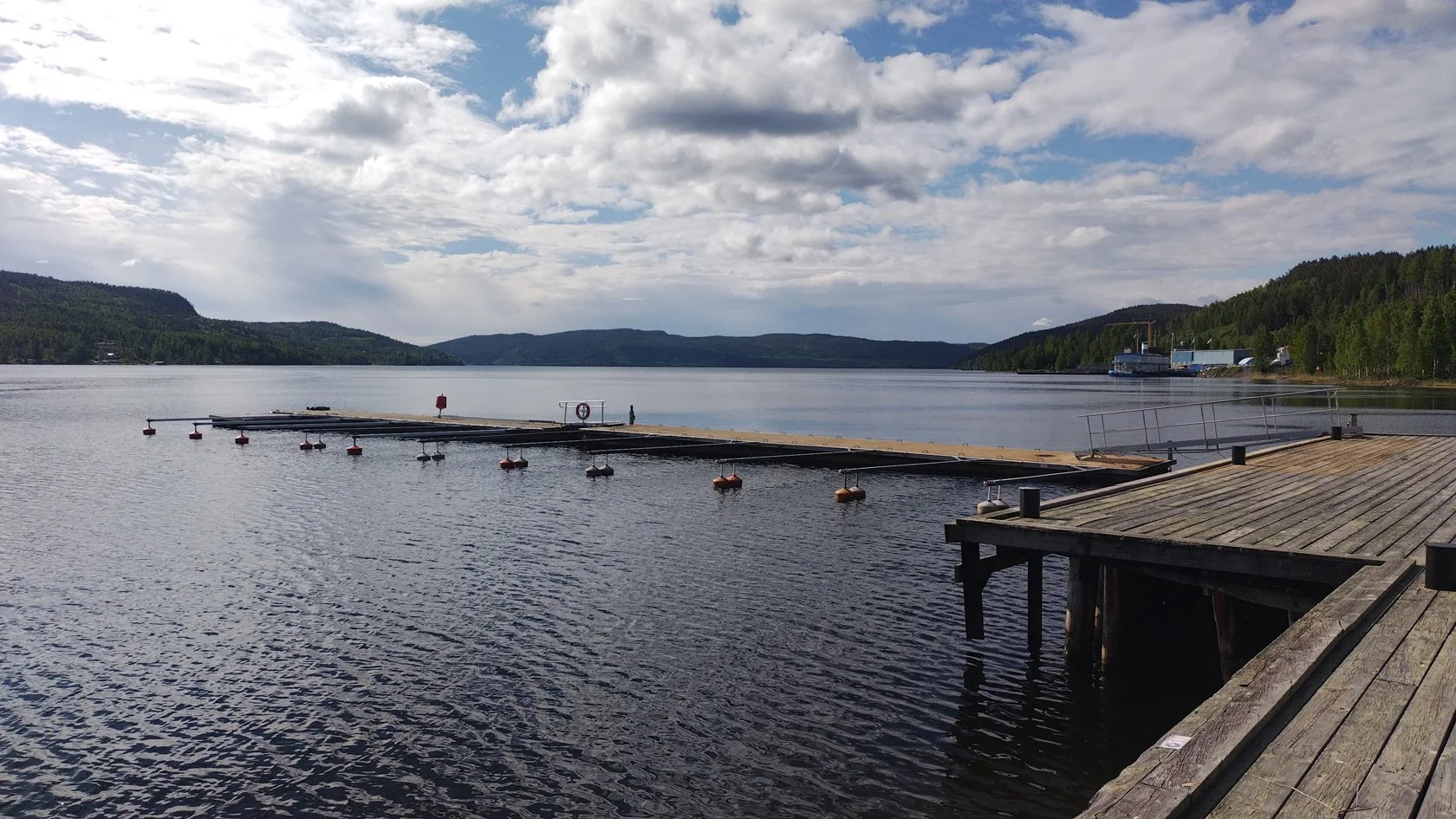
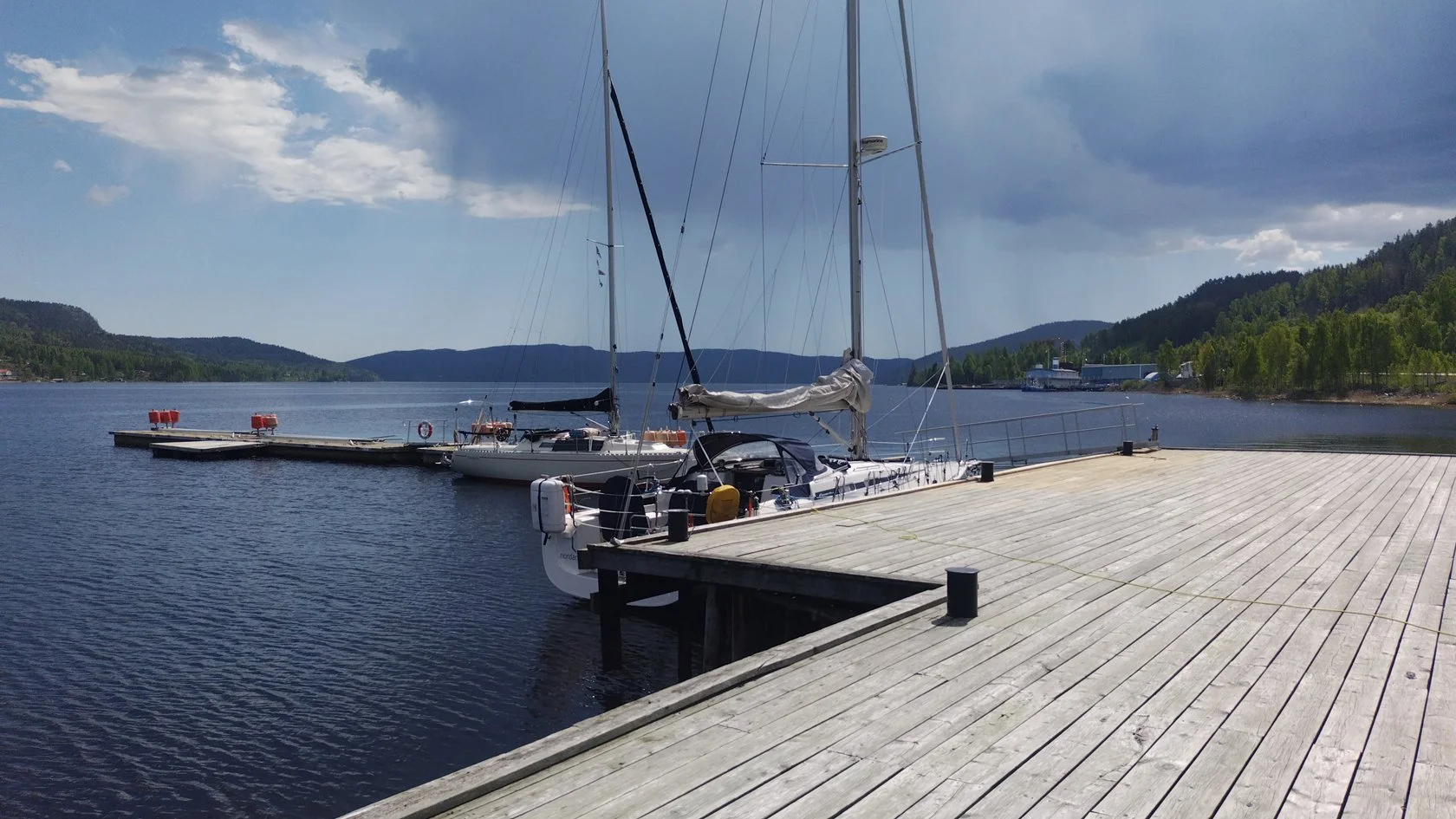
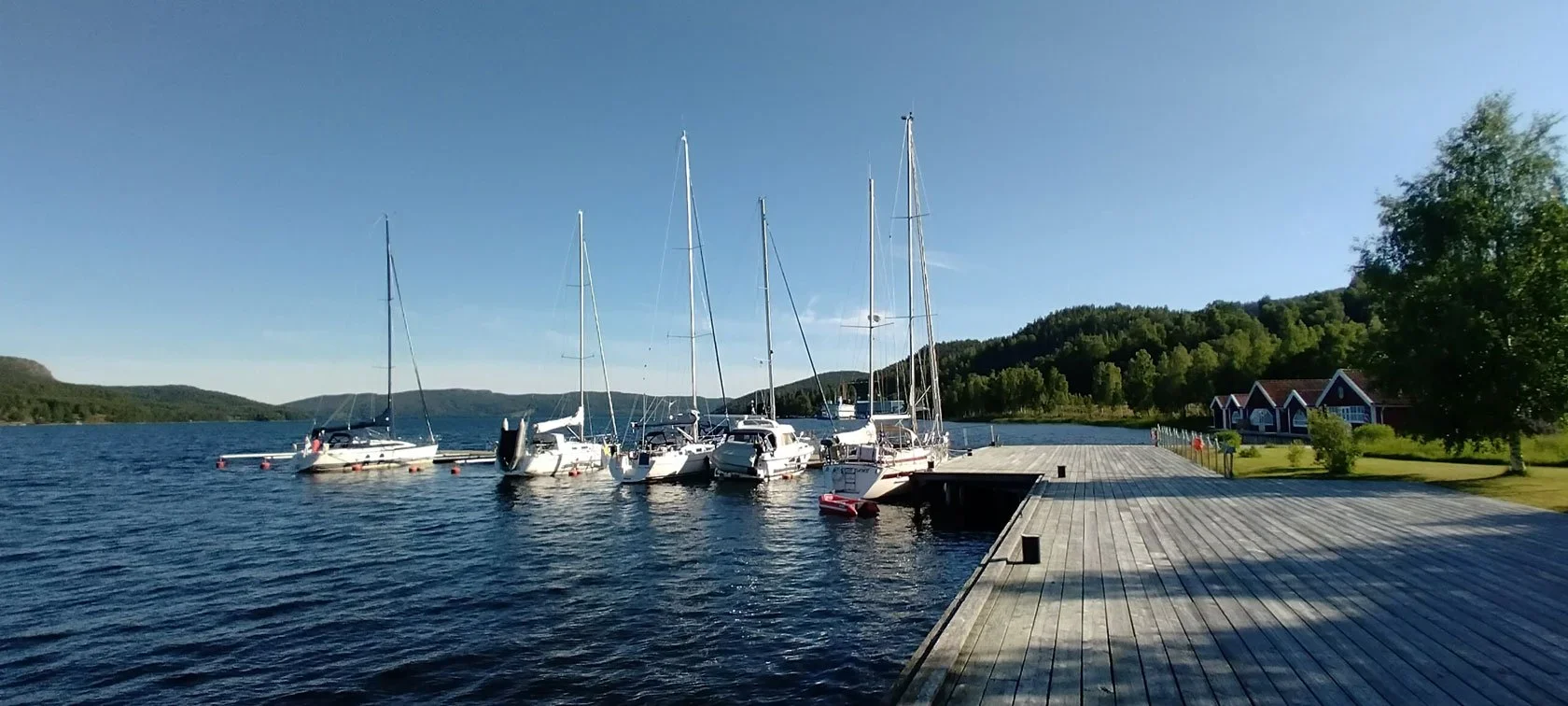
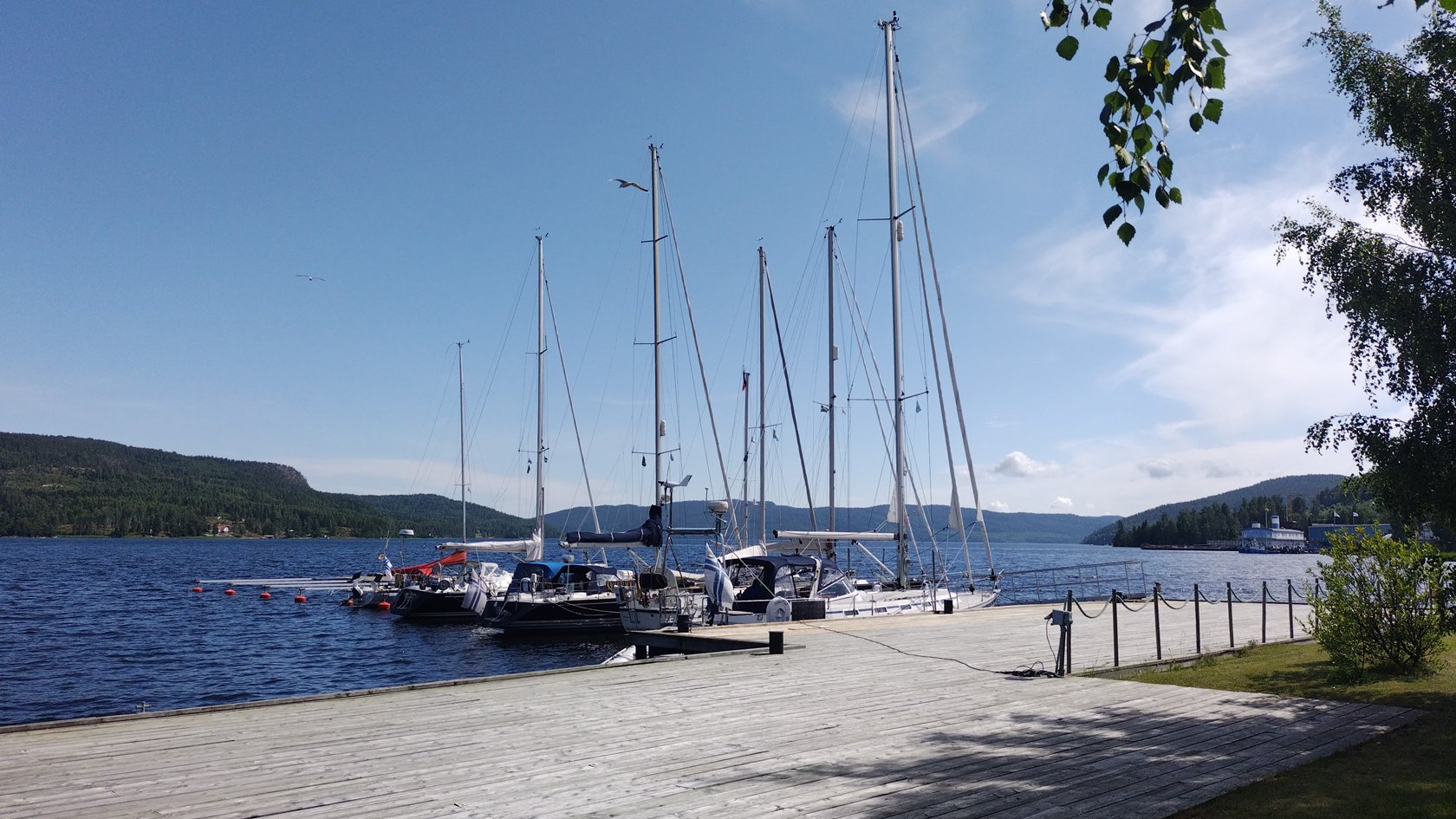
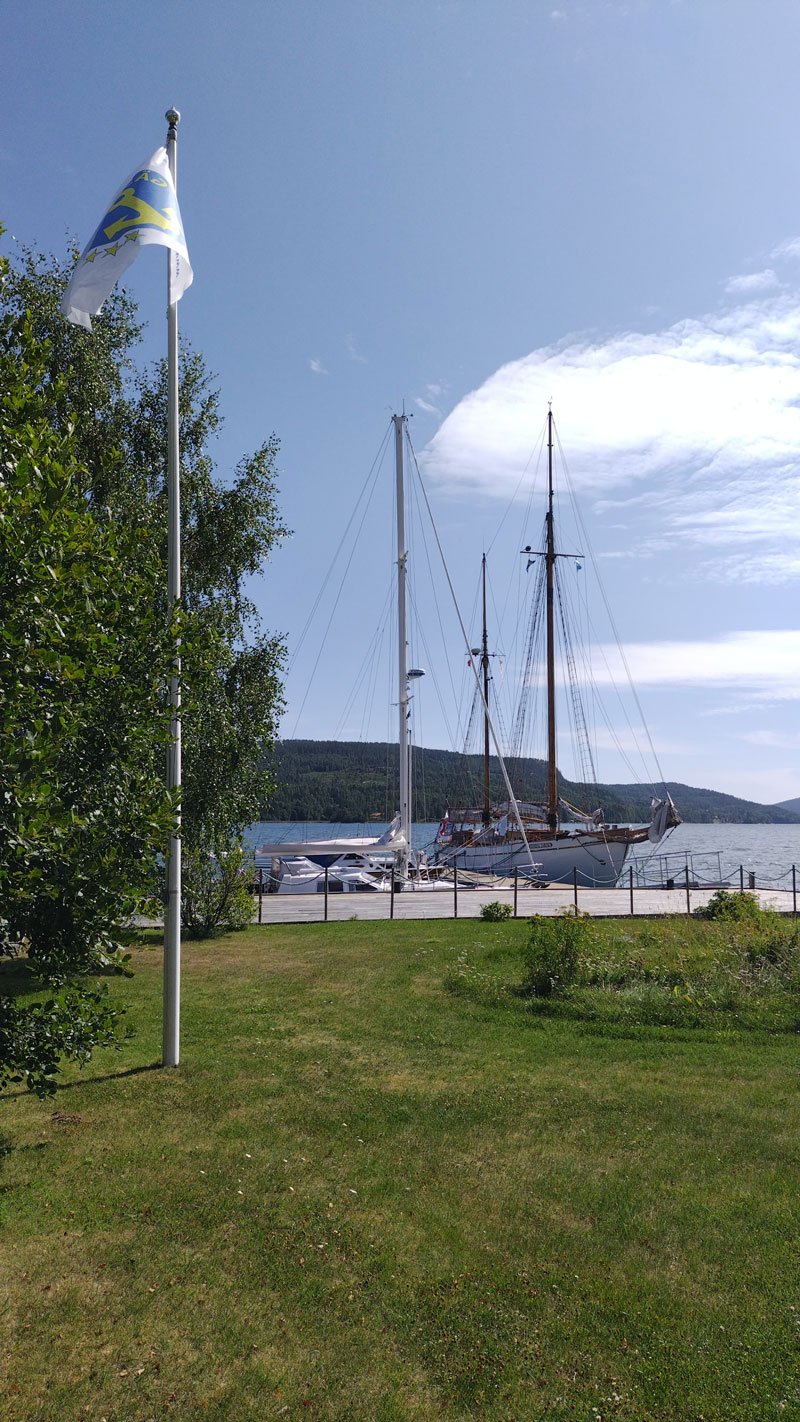
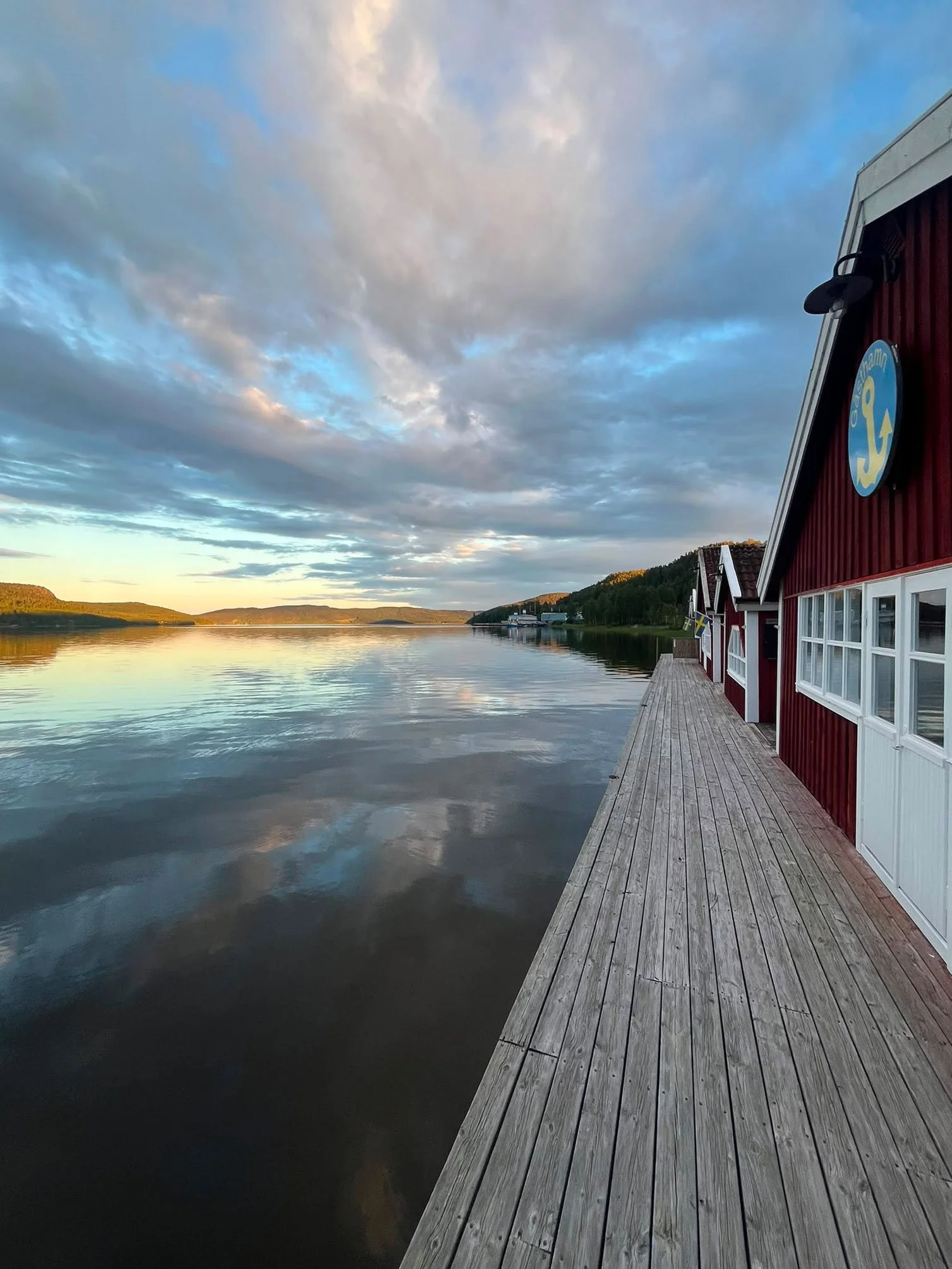
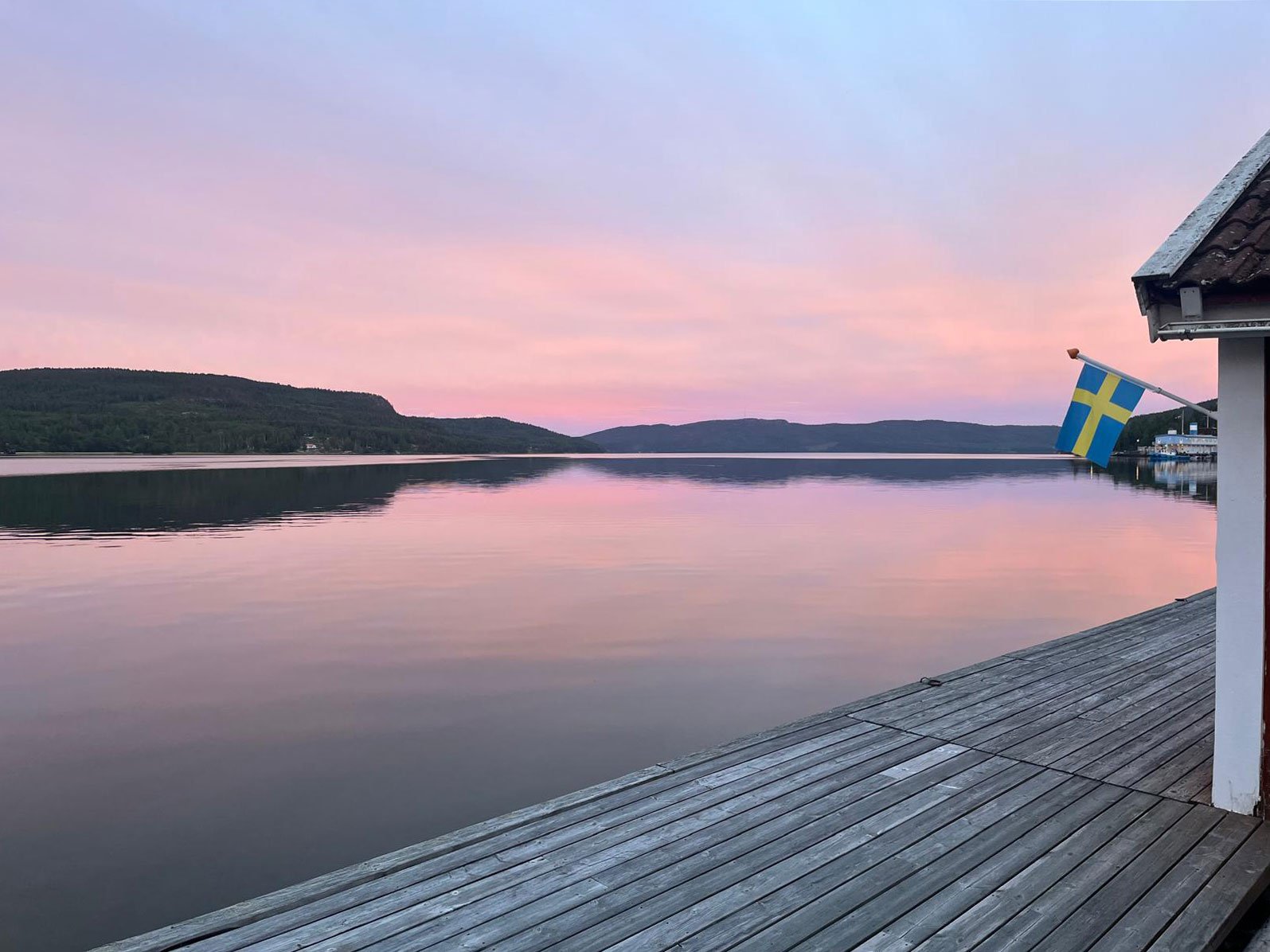
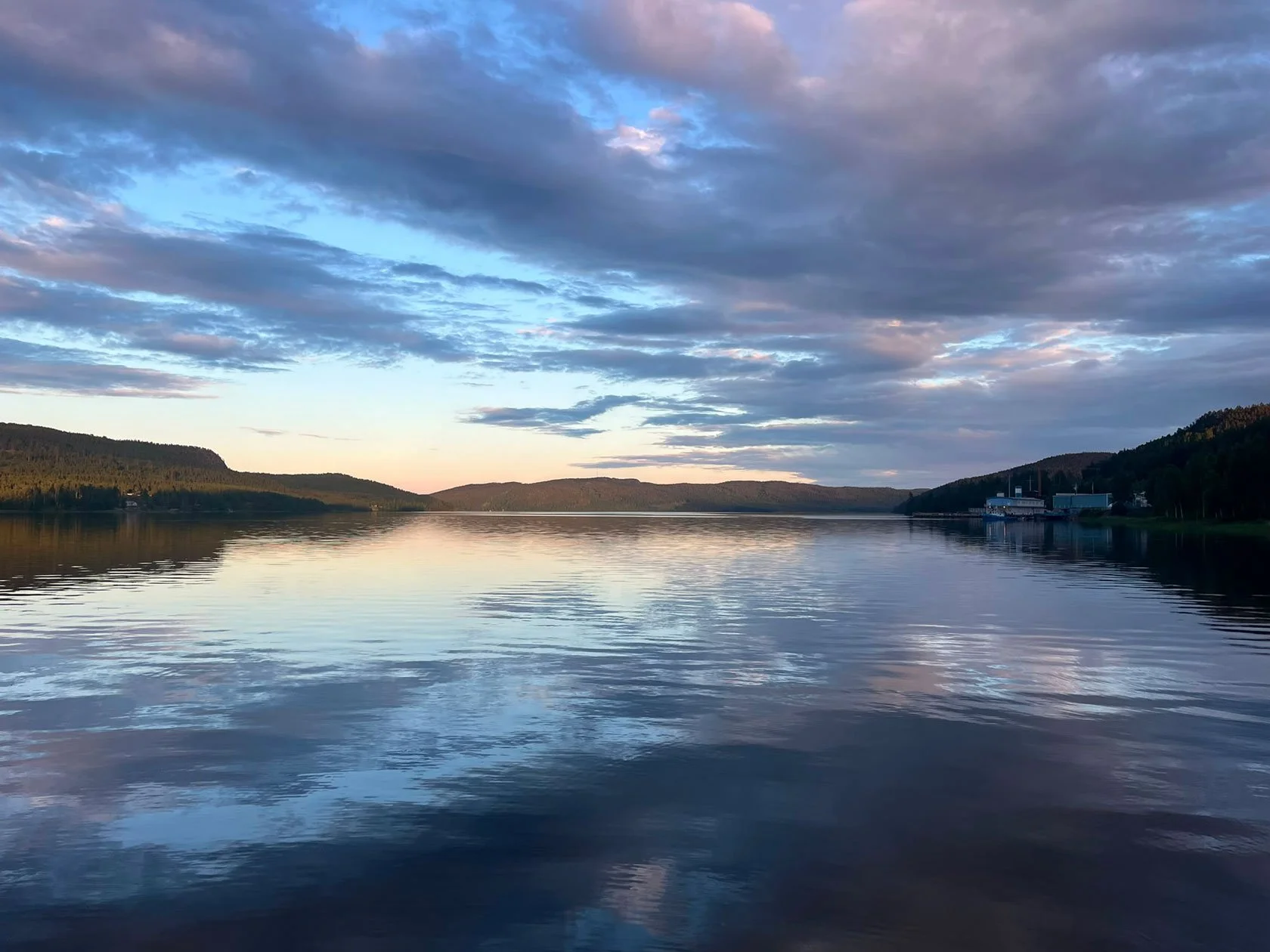
Docksta fjord, seaview from the pier at Docksta Havet Base Camp


Tommaso De Rosa

If you’d like a hand planning your stay at our waterfront marina accommodations—or you’re trying to pick the best day for Skuleskogen National Park or Mount Skuleberget when the forecast looks uncertain—just message me via Airbnb chat (see my host profile). I’m happy to help you build a simple Plan A + Plan B, based on your time, your must-have hike, and the kind of weather you’re actually facing.
_Tommaso

If you prefer, you can also reach me by email or WhatsApp at +46 76 313 6909.

P.S. I’m a trail runner. I explore the High Coast with a “hiking mindset” (curious, flexible, and route-focused). Below you’ll find the routes and places I’ve highlighted in these posts.

E4 High Coast Stopover: Stop Differently in Docksta

Driving North? Stop Here Instead

Premium stopover on the E4: a simple Boathouse, local hosting, and one real High Coast moment. 350 SEK/pax. Last‑minute bookings + flexible check‑in. Not the cheapest—the smartest stop north.


You're on the E4. It's late afternoon, or maybe you've been driving since dawn. The road is long, and somewhere ahead—maybe tonight, maybe tomorrow—you'll reach your destination. But right now, you're tired. You need to stop.

Most people choose a car stop in a parking area along the E4, or the cheapest room in an aseptic motel. They sleep badly (or grab just a couple of hours), wake up groggy, and drive on without ever arriving anywhere.

I used to do the same thing.

Then I realized: the High Coast isn't something you pass through on your way north. It's something you stop into. And if you stop right, even one night changes how you feel about the whole journey.


🇸🇪 Svenska (kort, praktiskt)

Kör du norrut på E4 och behöver en bra nattpaus? Docksta Havet i Docksta är ett enkelt stopover vid marinan: Boathouse vid havet, dusch & toalett, gratis parkering, och sängen är bäddad när du kommer. Du får också ett snabbt lokalt tips för en kort promenad/utsikt i Höga Kusten om du har energi. 350 SEK/person.

🇫🇮 Suomeksi (lyhyt, käytännöllinen)

Ajetko pohjoiseen E4:ää ja tarvitset hyvän yöpysähdyksen? Docksta Havet Dockstassa on helppo stopover satamassa: Boathouse meren äärellä, suihku & wc, ilmainen pysäköinti, ja sänky on pedattu valmiiksi saapuessa. Saat myös nopean paikallisvinkin lyhyeen kävelyyn/näköalapaikkaan Höga Kustenissa, jos sinulla on energiaa. 350 SEK/hlö.


What I Mean by “Stop Right”

When you pull into Docksta Havet, something shifts. You're not checking into a room. You're arriving at a small base camp along your way—between sea and mountains, run by people who actually live here and know what matters.

Here's what that means in practice:

You're welcomed, not processed. I ask one real question: "What kind of night do you need?" Not "smoking or non-smoking." Not "early checkout?" I mean: Are you completely wiped and need deep sleep? Or do you have energy for one small adventure before bed?

You get a plan that fits your time. Not a list of 50 things to do. One simple, real High Coast moment—something you can actually do in the time you have.

You sleep between sea and forest. Our Boathouse is minimal—bed, shower, dock access, forest at your door. No unnecessary stuff. No parking lot outside your window. Just the actual High Coast, close enough to hear it.

You leave charged, not just less tired. This is the difference. You don't just rest. You arrive somewhere, even if it's only for a night.


The Boathouse: Simple, Iconic, Honest

One night is 350 SEK per person. That's intentional.

The Boathouse is simple because we believe the luxury here isn't a fancy bed—it's waking up between sea and forest with a clear plan for your first High Coast moment.

And a small detail that matters when you're travelling (especially in this area): bed linens are included, and your bed is already made when you arrive.

You get:

  • A waterfront bed (made when you arrive)

  • Toilet & shower

  • Direct access to the dock and private beach

  • Free private car/bike parking slot

  • Free Wi‑Fi at the Sailor’s Club House

  • Local knowledge (included)

Make It Premium in 2 Minutes (Small details)

  • Bed linens are included

  • Your bed is already made when you arrive

  • Towels kit available (50 SEK) if you are traveling with little luggage (1x 140x70, 1x 70x50, 1x 50x30)

  • Kitchenette access (optional): 50 SEK

  • Grab&Go gear if you need it (bike, daypack, hammock rental)

What you do get: a person who knows the light, the weather, the shortcuts, and why people sail and hike here.

Check availability + book on Airbnb →
 

Your Micro-Adventure Menu

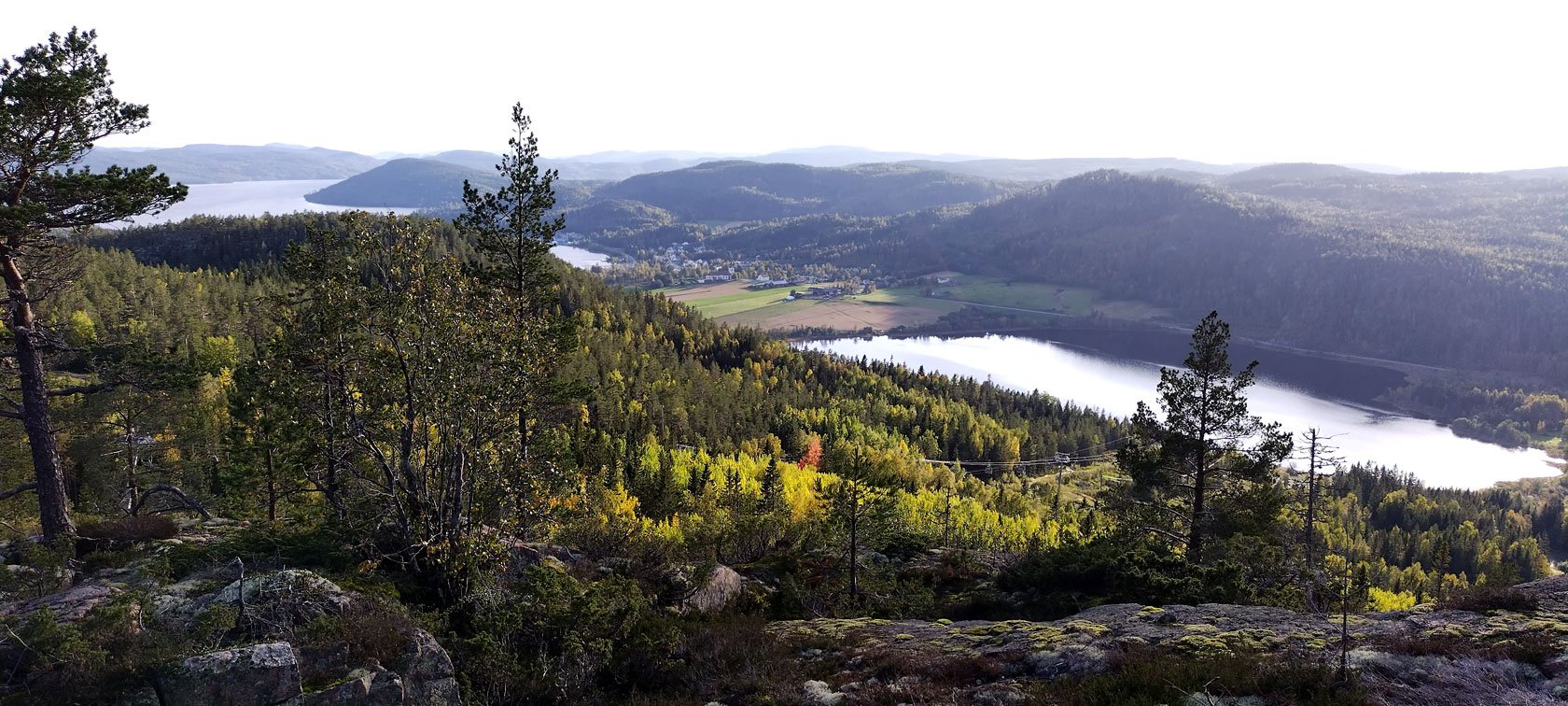
Don’t miss this super-view from the summit of the Skuleberget Mount

Arrive late (after 20:00): Quiet Reset

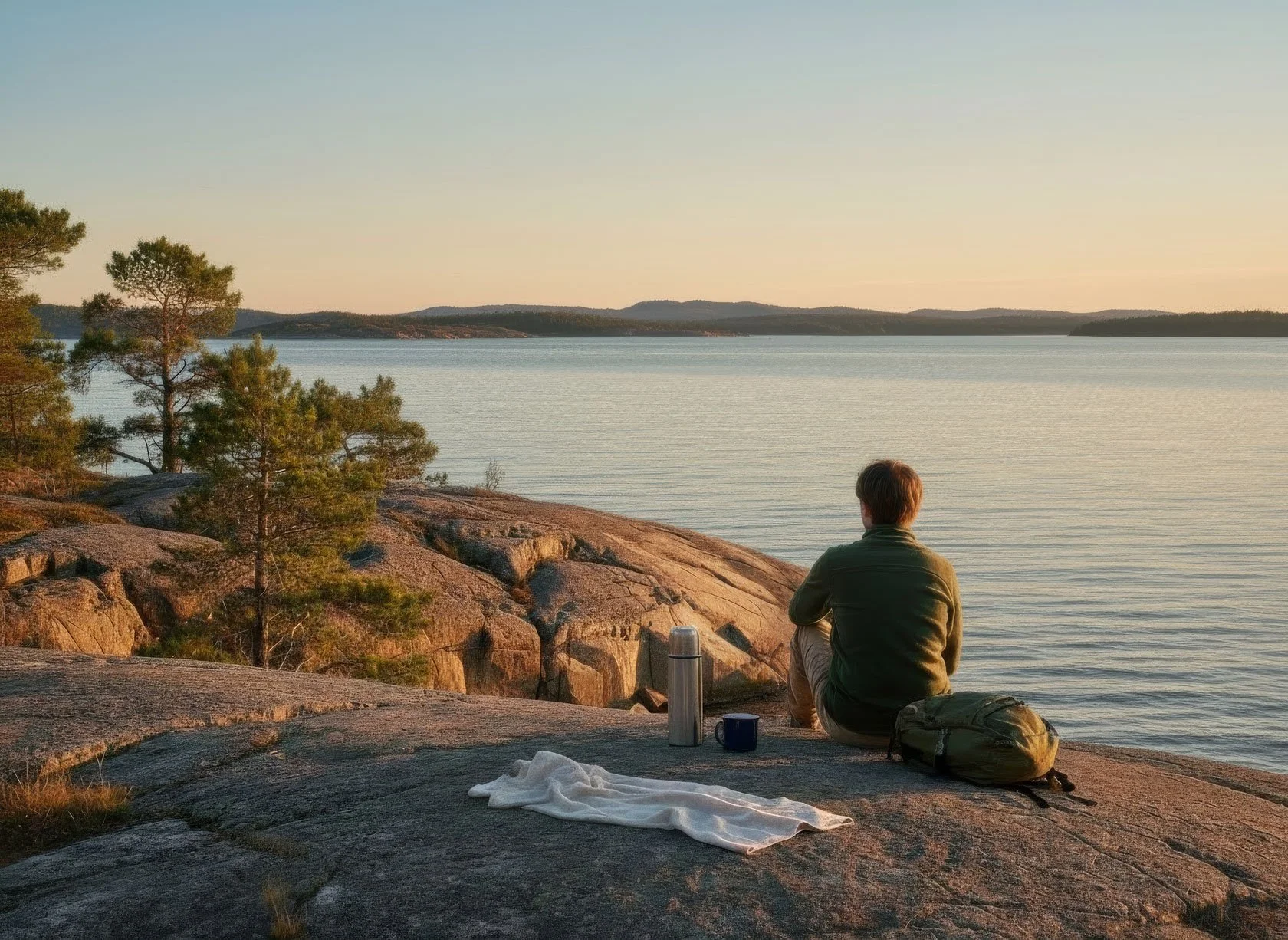
Check-in. Shower. Sleep deeply. In the morning, before you drive on, I'll suggest something small: pier air + espresso in our Sailor's Club House. Five minutes of silence. A map. Then you're ready.

You'll feel the difference.

Arrive mid-afternoon: Sunset That Feels Like the High Coast

I'll point you to the easiest viewpoint or shoreline walk—the one where the light actually looks like a postcard. 60–90 minutes. Zero gear needed. You'll understand why people sail here.

Arrive early: One Real Hike

If you’ve been sitting for hours, Skuleberget is the best kind of leg-stretch: a real view, a real reset, without turning your travel day into a complicated project.

I suggest one iconic trail (not too long, not too easy). I tell you what to pack if you own nothing. I give you a weather plan B. You'll have a real High Coast moment and still sleep well.

Option 1: Skuleberget summit hike (best in the long light)

If you can do one thing, do this.

In summer, Skuleberget is beautiful in the late afternoon and evening. From mid-May to mid-July, the light is the main character — and it’s often quieter up there too.

Read more: https://dockstahavet.se/outdoor-gear-rental-hoga-kusten/guides-stories/skuleberget-summit-hike-simple-plan

Option 2: Per Olsbo — an easy walk for everyone

A short ride + a short walk. Calm, grounding, and perfect after a long drive.

Read more: https://dockstahavet.se/outdoor-gear-rental-hoga-kusten/guides-stories/per-olsbo-shelter-hga-kustenleden-bike-short-hike-plan

Legs want movement: Bike loop from Docksta

A short loop that feels epic. We have bikes to rent (Grab&Go, starting 150 SEK/day) if you didn't bring one. You'll see why locals ride here.

(Travelling by bike or hiking through? Same idea—we'll help you pick the best micro-plan for your energy and the weather.)


Why This Matters

You're not just tired. You're in transit. And transit can feel like a void—just time passing between one place and another.

But the High Coast doesn't have to feel that way. Even one night here can feel like you actually stopped somewhere. Like you didn't just sleep, but arrived.

That's the difference between a motel and a base camp.


Make It Premium in 2 Minutes (Gear)

Missing gear? We have simple Grab&Go rentals:

  • Bike rental: starting 150 SEK/day

  • Day hike pack: 80 SEK/day

  • Hammock kit: 120 SEK/day

No deposit. Pay by card or Swish. Return whenever.


One More Thing

If you can add one extra night, everything changes. You can actually breathe here. Hike properly. Sit in the forest. Sail. Watch the light change. We'll help you see why people come back.

Ready to Stop Differently?

Send me two things (even before booking):

  1. What time you arrive

  2. Car / hiking / bike

I'll suggest your best "one-night High Coast plan"—and make sure you're not just rested, but charged when you drive on.

The forest is waiting. The sea is waiting. And there's always room at the base camp.


Know your host

Tommaso De Rosa
See my host profile and contact me on Airbnb

Driving north on the E4 and need a smart stopover? I can help you make the most of your essential recovery time in the High Coast.

Whether you need advice on what to do in the time you have (a quiet reset, a sunset walk, or a real hike), want tips for Skuleberget or Skuleskogen National Park, or have questions about bike rentals, gear, or local shortcuts—contact me via Airbnb chat.

Smart drivers know: after hours on the road, your body and mind need this strategic pause. I'm here to ensure your stopover becomes a journey highlight—not just rest, but arrival.

The forest is waiting. 🌲

Tommaso

Please write me by email or WhatsApp at +46.763136909


Bike from Docksta: Choose Your Mode (4 High Coast Days, Half‑day to Full‑day)

Choose your mode (not your distance)

Some guests arrive in Docksta with a plan. Many don’t.

They arrive with a short stay, light luggage, and a very real wish:

“We want one proper High Coast day… but we don’t want to turn it into a logistics project.”

That’s exactly why we built Grab&Go at Docksta Havet Base Camp: bike rental + simple outdoor kits + local advice. Not only for our own guests — everyone is welcome to use it (external visitors too).

This post isn’t a list of distances. It’s how I help people choose a day that fits: your energy, your mood, and how much friction you want.

Whether you’re staying with us or just passing through, you’re invited to use our Grab&Go gear and local advice—this base camp is for everyone.


🇸🇪 Kort på svenska:

Det här inlägget är en snabbguide till fyra olika cykelutflykter från Docksta – från klassiska vyer till tysta skogar och vilda toppar. Oavsett om du är gäst hos oss eller bara passerar, kan du hyra cykel & utrustning via Grab&Go. Behöver du tips? Skriv till mig!

🇫🇮 Lyhyt suomeksi:

Tämä postaus on tiivis opas neljään erilaiseen pyöräretkeen Dockstasta – klassisista maisemista hiljaisiin metsiin ja villiin huippuun. Olitpa vieras tai ohikulkija, voit vuokrata pyörän ja varusteet Grab&Go-palvelusta. Kysy rohkeasti vinkkejä!


Before you choose: 3 questions I always ask

  1. Do you want views, forest silence, or a bit of adventure?

  2. Is today a half‑day (3–5 hours) or a full day?

  3. Do you want “easy and satisfying” or “wild and spacious”?

If you tell me those three things, I can usually suggest one clean plan in 30 seconds.


See the routes on the Living Map

Open the Living Map (built with Google My Maps—my personal way to highlight the High Coast’s best spots) and pick a pin for your time and legs.

Open the Living Map
 

Four Ways to Ride the High Coast (from Docksta)


Mode 1: Classic + flexible (Half‑day 3–5h) — Skuleberget

Best for: couples / solo / families / sailors ashore

Skuleberget is the classic High Coast highlight, but what makes it great is flexibility. You can keep it gentle, or you can make it a real challenge.

This mode is perfect if you want a “guaranteed wow” view and the option to scale the effort up or down.

What this mode can include (choose one, don’t stack everything):

  • A scenic ride + a short hike to the top

  • Naturum (museum/visitor center) when you want context

  • Via Ferrata when you want adrenaline

  • Naturscen when your day is built around a concert

Scan it (bike-first options) >
Learn more (hike overview) >
 

Grab&Go suggestions for your excursion to Skuleberget:


Mode 2: Wild + grounded (Full day, but keep it simple) — Skuleskogen National Park

Best for: couples / solo / families / sailors ashore

Skuleskogen is where the High Coast truly reveals itself: ancient forest, granite cliffs, and quiet bays. This isn’t a “check it off your list” stop—it’s a place to slow down, cross real landscapes, and let the nature do its work.

This mode is perfect if:

  • You want to feel what a real national park is—moving at the right pace, not rushing from point to point.

  • You’re open to a full day outside, but not interested in “conquering” every trail—just experiencing the best sections.

  • You’re curious about the park’s unique character, and want a route that connects the most meaningful places.

My hosting rule for Skuleskogen: pick the sections that matter, and let your trek be enough. I’ll suggest a route that gives you a true sense of this world-class natural heritage—challenging in parts, but always within reach, and never about the fastest time.

Scan it (bike-first day plan) >
Learn more (choose your approach) >

If you want a deeper hiking overview, this is the trek I recommend for really enjoying Skuleskogen: Hiking the National Park Skuleskogen >


Grab&Go suggestions for your excursion to Skuleskogen:


Mode 3: Easy + local + marina-friendly (Half‑day 3–5h) — Vårdkallberget

Best for: couples / solo / families / sailors ashore

Vårdkallberget is one of my favorite “low friction, high reward” days. It’s close, it’s satisfying, and it has that wild flavor—real rocky pine forest, sweeping views, and almost no crowds. You get a true High Coast hiking experience, but without the extremes.

This mode is perfect if:

  • You want a taste of the wild, but don’t want to spend the whole day or tackle steep climbs.

  • You’re after a fantastic view, forest silence, and a summit that feels earned—but is still accessible from the marina or village.

  • You’re looking for a mix of easy riding and walking, where the mountain is nearly as high as Skuleberget, but the way up stays gentle and inviting.

Last summer, a guest biked and walked up here “just for the view”—but ended up napping in the shelter nearby the summit, reading, and calling it their favorite memory of the trip.

Scan it (easy bike + hammock pause) >
Learn more (the story + hike) >
 

Grab&Go suggestions for your excursion to Vårdkallberget:


Mode 4: Space + wilderness (Full day / big legs) — Nätra Fjällskog

Best for: couples / solo / families / sailors ashore

Nätra Fjällskog isn’t just another forest—it’s one of the High Coast’s best-kept secrets. While most visitors stick to the “classics,” this is where you experience the wild, spacious side of Sweden that even many locals overlook.

Imagine a place where ancient pine and spruce forests stretch for miles, the ground is soft with moss, and the silence is so deep you can hear your own breath. Here, you’ll find a real trail system (not just a single viewpoint), winding through a mosaic of old shepherd’s huts, hidden clearings, and dramatic coastline panoramas. In the right spots, you catch sweeping sea views that feel almost private—pure High Coast contrast.

What makes Nätra special?

  • It’s authentic: This is a “for locals, by locals” wilderness, rarely promoted to international guests—which means you’ll likely have the trails (and the silence) all to yourself.

  • It’s true wilderness, but accessible: The landscape is wild and untamed, yet the main routes are within reach for a strong day’s ride and hike, especially if you’re up for a real adventure.

  • It’s a living landscape: You’ll cross ground shaped by centuries of shepherding and forest life, with rich biodiversity and a real sense of Swedish nature heritage.

This mode is perfect if:

  • You’ve already checked off the famous spots and crave something raw, spacious, and genuinely “northern.”

  • You want to feel like a local explorer—venturing into a place that’s not on the standard tourist map.

  • You’re looking for deep forest immersion, solitude, and a day that stays with you long after you leave.

No one else is sending guests here by bike, but I do—because Nätra deserves to be experienced by those who want more than just the highlights. If you’re ready for a High Coast day that feels like a discovery, this is it.

Scan it (day plan) >
 

Grab&Go suggestions for your excursion to Nätra Fjällskog:


What Makes a Real High Coast Day

Most people think a “real” High Coast day has to be long. I don’t. A real day is the one that matches your body and your mood. Sometimes it’s Skuleberget and a slow coffee after. Sometimes it’s Skuleskogen and one quiet bay. The point isn’t to collect places—it’s to come back with that calm feeling of we did something true today.

A lot of guests arrive without gear—and that’s not a problem. It’s just a different style of travel. You don’t need to own a mountain of equipment to have a proper day outside. You need one simple tool (a bike), a few essentials, and one clean plan. That’s what Grab&Go is for: less friction, more day.

Docksta is where we are, yes. But a base camp isn’t just a location—it’s a relationship. It’s someone who tells you: “Don’t do everything. Do this.” If you tell me your time window and your mood, I’ll point you to the version of the High Coast that fits today—and you’ll spend your energy on the experience, not on logistics.

If you’re just passing through, you can still have a day that feels like you belonged here for a moment. Pick one mode. Leave space for a swim, a snack you actually enjoy, and a slow return to the marina. The High Coast rewards the people who don’t rush it.


Grab&Go: bike rental + simple kits (for guests and external visitors)

Bike rental: from 150 SEK/day. No deposit. Quick pick‑up at Docksta Havet — and I’ll help you choose a simple route

Grab&Go is built for travelers who arrive light — and for locals/external visitors who want an easy way to get out.

I built Grab&Go because so many guests arrived light, but left wishing they’d done more. This is my way of making adventure easy—no gear, no problem.

Full details:

Overview Outdoor gear rental >
Pricing & booking >
 

Want an even easier day? (Families, recovery days, short evenings)

Docksta has small walks that work beautifully when you want something gentle:


If you want the “Start Here” shelf


A small closing note

A bike changes the High Coast. It turns “we don’t have a car” into “we have options.”

If you want a personal recommendation, send me three things:

  • How many hours you have (half‑day or full day)

  • Your energy level (easy / medium / big legs)

  • Your mood (views / forest / adventure / event day)

I’ll suggest one clean plan that fits your day.

The High Coast isn’t about how much you fit in, but how much you let in.

Slow down, choose one thing, and let the place do its work.

P.S. Every route here is one I’ve biked, hiked, and shared with guests—so if you want a tip that’s not in the guide, just ask.


Meet Your Host

Tommaso De Rosa

If you want to plan your High Coast days with a bit more calm and a bit less guessing, just send me a message.
You’ll find me on Airbnb (see my host profile and chat anytime), or you can write to me by email or WhatsApp at +46 76 3136909.


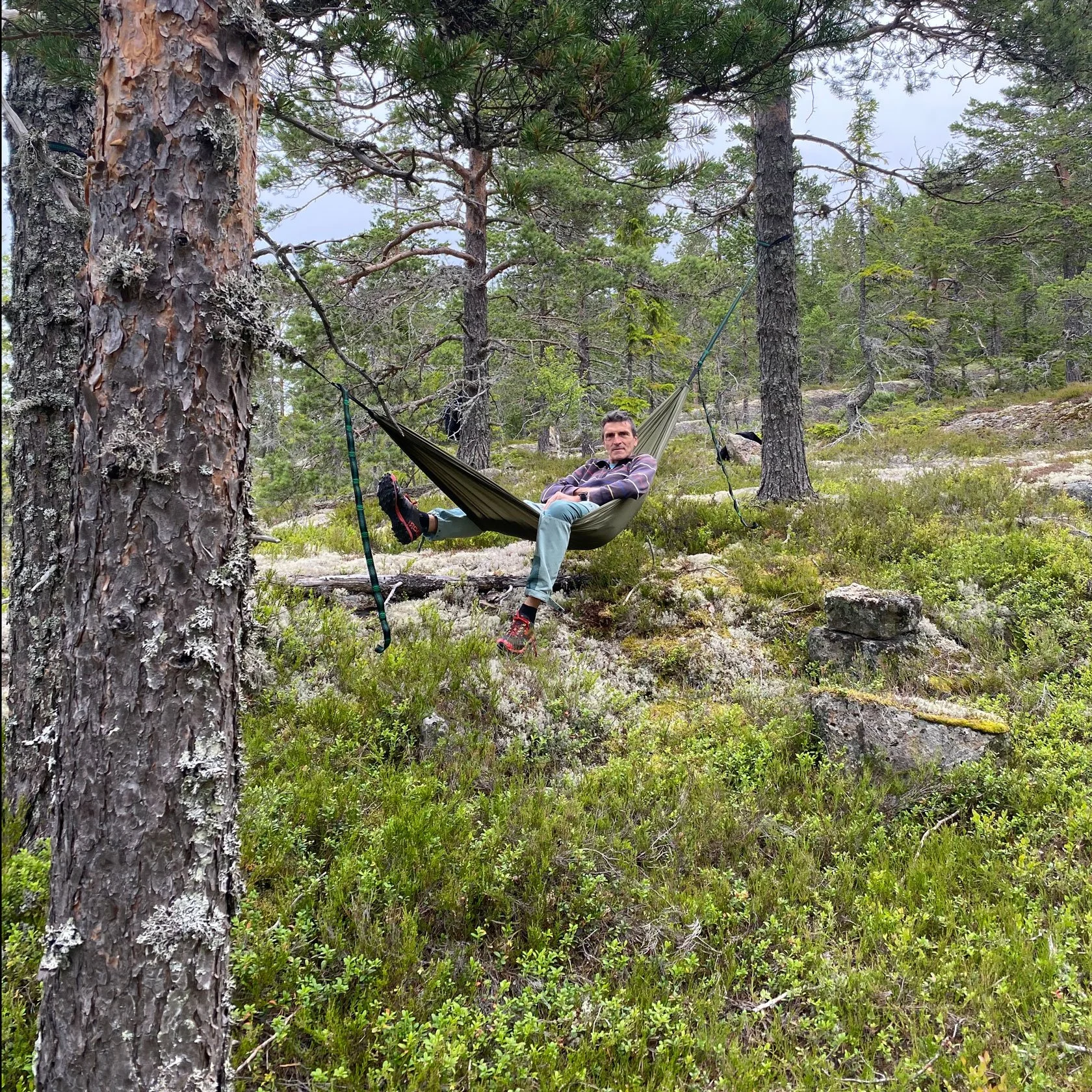
If you’re curious about a different kind of pause, I sometimes guide slow hammock immersions in the forest—what I call Skogspaus.
It’s less about “doing” and more about letting the forest do its work. If you want to know what that feels like, you can read more here:

Skogspaus Hammock forest experience >
 

Grab&Go suggestions: WHERE TO RIDE


to inspire you to explore the High Coast:

Docksta Base Camp Map: Your Guide to High Coast Adventures

A Living Map for Exploring the High Coast (Real Days, Not Checklists)

Some places you visit. Others become your base camp—a place that opens up a region, one day and one story at a time.

Docksta is that kind of place: a crossroads where the High Coast’s most iconic views, secret forests, and real local gems all come within reach—by bike, on foot, by boat, or simply with the right plan. After years of helping guests and exploring for myself, I’ve built this living map of some of the best day trips, wild corners, and micro-adventures you can start from Docksta.

🇸🇪 Kort på svenska: Det här är min personliga karta över utflykter, stigar och platser du kan nå från Docksta – med cykel, till fots eller bara med nyfikenhet. Varje pin är en riktig upplevelse, testad och delad med gäster och vänner. Behöver du tips eller utrustning? Fråga gärna!

🇫🇮 Lyhyt suomeksi: Tämä on oma karttani retkistä ja paikoista, joihin pääset Dockstasta – pyörällä, kävellen tai vain uteliaisuudella. Jokainen paikka kartalla on oikea kokemus, testattu ja jaettu vieraiden kanssa. Tarvitsetko vinkkejä tai varusteita? Kysy rohkeasti!

This isn’t just a list of “points of interest.” Every pin is a real story—a route I’ve tested, a summit where I’ve shared the view, a forest where guests have found connection, or a concert night that ended with a swim under the summer sky.

Whether you’re a guest, a local, or a traveler just passing through, this map is your invitation to explore the High Coast with the eyes (and curiosity) that might just make you call it “home.”

No bike? No problem. We’ll find a way.

A lot of the best High Coast days start the same way: you arrive curious, but traveling light. Thats why we keep a simple Outdoor Gear Rental (Grab&Go) corner at base camp bike rental and a few practical day kits (daypack, map, small essentials).

It’s open to everyone, not just our guests. No forms, no fuss just ask and we’ll help you choose an easy plan.

Open the Map (and See What Calls You)

Tip 👉 it’s a Google My Maps map—tap “Open in Google Maps” for full-screen navigation (best on mobile).

See every destination at a glance, plan your route, and start your adventure with one click.

Traveling without a bike? Bike rental is available at Docksta Havet (Grab&Go)—open to everyone. If you want, ask us to match a route to your time, weather, and energy.

How to Use This Map

  • Pick your mood: Views, forest, adventure, local life, or a mixtheres a pin for every kind of day.

  • Pick your time: 12 hours, half-day, or a full day out? Choose what fits you now, not what you should see.

  • Ask for help: Not sure? Message me or stop by the marina. I’ll help you match the route to the weather, your energy, and your style no stress.

  • Need wheels? Bike rental is available at base camp (Outdoor Gear Rental / Grab&Go) open to everyone.


Click a Pin, Start a Day (From Docksta Havet Base Camp)

Tip 👉 open the map in full screen for easier planning on mobile.

The Destinations (Guides & Stories Index)

Views & Classics

Forest & Wild

Docksta Gems

Events & Experiences

Extra Highlights (Map-only)

  • And yes—there’s more on the map.

    The list above is the curated “start here” shelf. On the map you’ll also find extra highlights: places you’ll remember—the kind that gift you an amazing viewpoint, a swim spot on a warm day, a short walk that feels bigger than it looks, or a perfect picnic corner. They’re all worth seeing, but I usually recommend them when someone has a specific request (time, weather, logistics)… or when you simply want that little “extra”. Zoom in and explore.

Why This Map?

The High Coast isn’t just a collection of “sights”—it’s a living landscape, and Docksta is the key to unlocking it. I’ve seen guests arrive with long lists and leave with one or two real memories: a summit at sunset, a forest nap, a swim after a sweaty hike, a concert that turned strangers into friends.

This map is designed to help you do less, but experience more.

But the real magic often happens in-between: the unplanned stop for coffee with someone you just met, the quiet moment on a dock when the wind drops and the bay turns to glass, or the laughter that comes when a “wrong turn” leads you to a new favorite place.

That’s why this map isn’t about “checking off” sights, but about giving you the freedom to follow your own rhythm.

Make It Yours

Zoom in and out. Click the pins. Read the guides. Then forget the map, pick one thing, and let the day do its magic.

If you want a plan that fits your mood, your time, and your legs, just ask. Every route here is tested, loved, and shared by someone who wants you to feel at home in the High Coast.

At the End of the Day

The best part of any day here? Coming back salty, happy, and just a little bit changed. Maybe you’ll have sand in your shoes, a new friend’s number in your pocket, or simply a story you didn’t expect to tell.

Ready to explore? Your base camp is here—where will you go today?


Stay Close to the Map (Seasiders’ Lodgings)

Boathouse, Dock House, and Guest House—simple stays by the sea.

Many of these day trips are easiest when you start early and travel light. If you want a calm base camp in Docksta, take a look at our Seasiders’ Lodgings.

Explore the stays >
 

Meet Your Host

Tommaso De Rosa

Want to plan your High Coast days with less guessing? Send me a message with your dates, travel style, and what you’re after (views, forest, swim, events). I’ll help you pick the right pins and simple day plans.

Find me on Airbnb (host profile + chat), or WhatsApp me at +46 76 3136909.

Workation, trails, Skogspaus, weather, pace—I’m here to keep it simple and real.

Start Here: High Coast (Höga Kusten) Day Trips from Docksta

Start Here: High Coast Day Plans from Docksta

Local guides for Höga Kusten — viewpoints, forest days, Via Ferrata, and concert access.

Most people arrive in Höga Kusten with the same quiet question:

“What should we do tomorrow — and how do we make it smooth?”

This page is for you if you’re staying in (or near) Docksta for a short time and you want one good day at a time: a clear plan, realistic timing, and fewer car logistics. Think of it as a “start here” hub for High Coast day trips — with viewpoints, forest days, and practical access notes.

I’m Tommaso. I run Docksta Havet Base Camp — a small guest harbour and simple lodgings by the sea, right where the mountain and trail world begins. From here you’re next door to Skuleberget (concerts, chairlift, Via Ferrata, trails), close to the ferry to Ulvön, and within easy reach of Skuleskogen National Park.

Over the years, I’ve noticed that in Höga Kusten guests don’t really need more ideas — they need a calmer rhythm. Not because anyone is doing it “wrong”, but because this territory is wide, generous, and full of beautiful options, while most stays are short.

So two different styles naturally appear: one day feels light and spacious — a small backpack, one clear direction, realistic timing, a view you have time to receive, and enough quiet in between to actually be there. The other day becomes a bit too full — trying to fit “a little of everything” into limited time, moving more than arriving, driving from spot to spot and collecting places without really enjoying them.

That’s why I started writing these Guides & Stories: not to create a checklist, and not to turn your holiday into a “must-do” list, but to offer a few good pins for the day — simple plans, honest expectations, and local details that help your time here feel lighter.

And because many visitors arrive without outdoor gear (or simply don’t want to travel with it), we created Grab&Go: bike rental and ready-to-go kits at Docksta marina — plus the local advice that makes the plan work.


How to use this page

Pick your day by mood + time + legs — not by ego.

  • Want a classic highlight? Choose a big-view day.

  • Want a calm forest reset? Choose a quiet local pick.

  • Want a smooth event day? Choose the concert access plan.

Below are the six core guides we’re building the season around.


Quick summaries (SV/FI) — for Swedish and Finnish readers:

Swedish (SV): Det här är din “Start Here”-guide för dagsturer i Höga Kusten från Docksta. Välj en riktning i taget: utsikter, skogsdagar, Via Ferrata och konserter vid Skuleberget. Här hittar du sex utvalda guider, hela vårt bibliotek av Guides & Stories samt gratis kartnålar att ladda ner.

Finnish (FI): Tämä on “Start Here” -sivu päiväretkille Höga Kustenissa Dockstasta. Valitse yksi suunta kerrallaan: näköalapäivät, metsäpäivät, Via Ferrata ja Skulebergetin tapahtumat. Sivulta löydät kuusi tärkeintä opasta, kaikki Guides & Stories -jutut sekä ilmaiset karttapinnit ladattavaksi.


The 6 core Guides & Stories (our “Start Here” shelf)

1) Skuleskogen National Park (bike-first day plan)

If you want the wild heart of the High Coast — old forest, smooth granite, quiet bays — this is the day.

Read: Skuleskogen National Park (Bike-First Day Plan from Docksta) >

2) Skuleberget by bike (3 easy options)

Skuleberget is close, iconic, and surprisingly flexible. Choose your day plan by energy level and weather — not by pressure.

Read: Skuleberget by Bike (3 Easy Day Plans from Docksta) >

3) Via Ferrata Skuleberget (adventure day plan)

A real High Coast highlight: exposure, adrenaline, and big views. This guide keeps the day simple from Docksta — bike-first, daypack, calm rhythm.

Read: Via Ferrata Skuleberget: Day Plan from Docksta (Bike-First) >

4) Predikstolen viewpoint (Getsvedjeberget)

One of the most photographed panoramas in Höga Kusten — and yes, it’s worth it. But the final segment is short, steep, and a bit technical, so this post sets expectations honestly.

Read: Predikstolen Viewpoint (Getsvedjeberget): What to Expect >

5) Naturscen Skuleberget (concert access without parking stress)

Concert days are magic — until traffic and parking eat the vibe. This guide is for a smoother day: bike-first, simple timing, and a light plan.

Read: Naturscen Skuleberget Concert Access: Grab&Go Bike + Simple Plan from Docksta >

6) Nätra Fjällskog (quiet, wild forest day)

Done the classics? This is your quieter, wilder upgrade day. Deep moss, silence, space — and the kind of trail rhythm that feels like the north again.

Read: Nätra Fjällskog: The Wild High Coast Forest Day (Car-Light Local Pick) >


Optional: download free High Coast (Höga Kusten) map pins from Docksta (so your day stays simple)

If you like having everything in one place, we’ve put together a few free downloadable map pins we often share with guests — including Skuleberget, Skuleskogen, and Vårdkallberget.

They’re made to help you choose one direction, park less, and spend more time on the trail (or by the sea).


All Guides & Stories (browse the full shelf)

Think of this as the little library inside our base camp. Some posts are classic highlights, some are quieter local picks, some are “how to make it smooth” logistics. Browse, pick one good pin for tomorrow, and let the rest wait for another visit.


Grab&Go (Outdoor Ready): the practical part

If you arrive without gear — or you just want it easy — Grab&Go is our base camp setup at Docksta marina:

  • Bike rental (road + gravel ready)

  • Optional daypack / small essentials

  • Optional hammock kit for a real “forest pause”

  • Local advice to match the plan to your time + weather

No booking required — just drop by.

Pricing & booking — details >

Want to be sure we’re around? WhatsApp — fastest reply >

 
Grab&Go guides & gear (start here):


A small note if you want to stay close to the trailhead

These guides are written from a very simple idea: a calm base camp makes the whole High Coast feel easier.

If you’d like to stay by the sea right next to Skuleberget — with Skuleskogen and Ulvön within easy reach — you can explore our Airbnb accommodations here: See our Docksta Havet lodgings


If you want a personal recommendation

If you’re unsure, send me:

  • how many hours you have

  • your energy level (calm / medium / big legs)

  • your mood (views / forest / adventure / event day)

The High Coast rewards the slower choice. Pick one direction, leave space for weather and curiosity, and let the rest wait for another visit.

Tommaso

2 Trails, 1 Mountain: How Skuleberget reveals the secret of flow state

Flow State on Skuleberget: The Secret of the Eagle and Elk Trails

A Forest Guest's Guide to Trail Running Consciousness along two of my favorite segments of Skuleberget Mount.


The Mountain speaks first

"Before my feet touch the trail, Skuleberget has already been running for millions of years and started emerging from the ice sheet around 10,000 years ago. These ancient rocks of the High Coast—formed during the Svecokarelian orogeny, pushed and folded by tectonic forces—understand movement in a way no GPS ever could.

Standing at 295 meters above sea level, this mountain isn't just geography. It's a living record of geological flow, where stone rivers and glacial movements have carved narratives far more complex than any trail segment. When I run here, I'm not conquering terrain. I'm joining a conversation that began long before I was born."

Tommaso


The choice at the base

I stand at the base of Skuleberget on a May morning, my legs already humming with anticipation. Around me, other High Coast Runners gather—all grinning, all of us here for the same reason: to run 25 kilometers, climb 1,500 meters of elevation for the #BIG5 Challenge, and discover something about ourselves on this ancient mountain.

But here's what most people don't understand about Skuleberget: it's not about the summit. It's about the choice.

Every serious runner who arrives at Skuleberget faces the same decision: which path will unlock your deepest flow state today?

Approaching the base of the mountain, this isn't a question about difficulty or distance. It's about consciousness itself.


The Mountain speaks in two languages

Skuleberget is one of the most iconic spots of this Swedish UNESCO World Heritage site. It's a mountain that has stood here for 900 million years, watching the ice ages come and go, witnessing the slow dance of geological time. And it speaks to runners in two distinct voices.

The first voice comes from the Eagle Trail—the direct route. Steep, relentless, demanding. It climbs 300 meters in less than a kilometer. Your heart pounds. Your quads scream. But there's something pure about it: the clarity of effort, the simplicity of suffering and transcendence. This is the path of intensity, of pushing through, of the traditional flow state we've all been taught to chase.

The second voice is the Elk Trail—the lonely long way around. It winds through forests, follows ridgelines, descends into valleys. The elevation gain is spread across the entire route. It's "gentler" on paper, but it demands something different: patience, presence, the ability to sustain effort without drama. This is the ecological flow—the kind that doesn't exhaust you, but deepens you.

Most runners choose one or like the other. But the real secret of Skuleberget is this: both are right. Both teach you something different about consciousness.


The Eagle and the Elk: A tale of two flows

The Marked Path: Performance as Destination

The Eagle Trail seduces with its promise of control. Clear markers. Defined objectives. Predictable challenges. Your GPS tracks every meter. Your watch monitors every heartbeat. The trail is mapped, measured, and manageable.

Neurologically, this represents a high-cognitive load environment. Your prefrontal cortex remains hyperactive, constantly processing performance metrics, route complexity, and competitive benchmarks.

You're thinking about the run instead of being the run.

The Occupier's Rhythm:

  • Imposed human pace

  • External validation through metrics

  • Performance as the primary metric

  • Landscape as static backdrop


The Wild Invitation: Presence as Destination

The Elk Trail doesn't appear on most maps. No needle markers guide your way. No crowds validate your effort. Just you, ancient pines, and terrain that demands your complete presence.

When you enter this trail, something profound happens to your nervous system. Your default mode network recalibrates. Your prefrontal cortex downregulates. Interoceptive awareness amplifies. Ecological consciousness emerges.

Your foot doesn't just land; it listens. Your breath doesn't power movement; it synchronizes with the mountain's respiratory rhythm.

You're no longer running on the mountain—you're running with it.


What I've learned running these trails

I don't remember how many times I've run these two segments. Not because I'm chasing a personal record or a Strava crown. But because each run reveals something new about what it means to be present.

On the Eagle path, I learned that flow isn't about speed. It's about surrender to the mountain's pace.

On the Elk path, I discovered that the best runs happen when I stop trying to "run well" and start listening to what my body wants to do.

The Skogspaus G.U.E.S.T. principles in motion on two opposite faces of the mountain

G - GENTLE

  • 🦅 segment: Social gentleness

  • 🫎 segment: Ecological gentleness

U - UNDERSTANDING

  • 🦅 segment: Human systems

  • 🫎 segment: Natural ecosystems

E - EMPATHETIC

  • 🦅 segment: Runner empathy

  • 🫎 segment: Landscape empathy

S - SUSTAINABLE

  • 🦅 segment: Social sustainability

  • 🫎 segment: Ecological sustainability

T - TRANSFORMATIVE

  • 🦅 segment: Performance transformation

  • 🫎 segment: Consciousness transformation

The Flow State Revolution

Traditional Flow:

  • Overcome resistance

  • Individual achievement

  • External metrics

  • Competitive mindset

Forest Guest Flow:

  • Dance with resistance

  • Ecological participation

  • Internal resonance

  • Collaborative mindset

Neurological Evidence

Emerging research in ecological neuroscience suggests that:

  • Flow states are not just psychological

  • They're complex neurobiological conversations

  • Environment actively participates in consciousness modulation

Your next run: An invitation

Tomorrow, when you lace up your trail shoes, you'll face a choice:

Will you run the trail, or will you let the trail run through you?

The Eagle and the Elk are waiting. Both have lessons about:

Performance 👉 vs. Presence

Achievement 👉 vs. Awareness

Occupation 👉 vs. Conversation


When the mountain becomes a mirror

Every year, in late May, something happens here which almost amazes and excites me every time.

Runners arrive—some alone, some with friends, some who've never met before. They come from Finland, Germany, Italy, all over—drawn by word that Skuleberget teaches something you can't learn racing or training elsewhere.

They come because they want to know what it feels like to run with the mountain, not against it.

And when they stand at the base—at that same choice point where I stand every time—something shifts. Segments like the Eagle and the Elk aren't just trails anymore. They're mirrors. Each runner sees themselves in the mountain's two voices.

Some discover they need the clarity of the steep path. Others find their truth in the patient, winding way. Most learn that both kind of paths are sacred.

This is the story behind the #BIG5 Challenge. If you want to understand the full journey—from its origins to the traditions that make it unique— read: The Skuleberget #BIG5 Challenge: Where Trail Running Meets Nordic Soul.


The #BIG5 Challenge: Five paths, one mountain

This is why we created the #BIG5 Challenge.

Not as a race. Not as a competition. But as an invitation to meet yourself on the same mountain where thousands of runners have already found something they didn't know they were looking for.

Five animal paths. Five different states of consciousness:

LYNX – The hunter's awareness. Acute, focused, predatory presence.

ELK – The wanderer's rhythm. Steady, sustainable, connected to the herd.

BEAR – The grounded power. Strength meeting earth, rooted and real.

EAGLE – The expansive view. Perspective from altitude, seeing the whole landscape.

FOX – The intelligent adaptation. Cunning, responsive, dancing with terrain.

Each teaches something different. Each reveals a different part of you.

Know all the #BIG5 segments— read: Trail running in the High Coast: The #BIG5 Paths of the Skuleberget Mount


After the run: The real gathering

Here's what I've learned: the challenge at Skuleberget doesn't end at the finish.

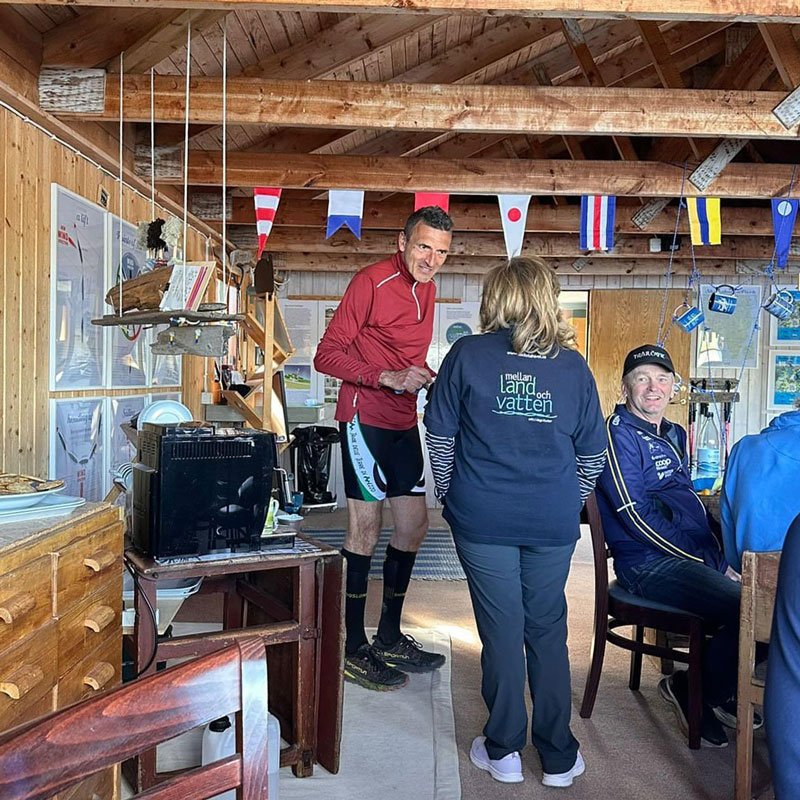
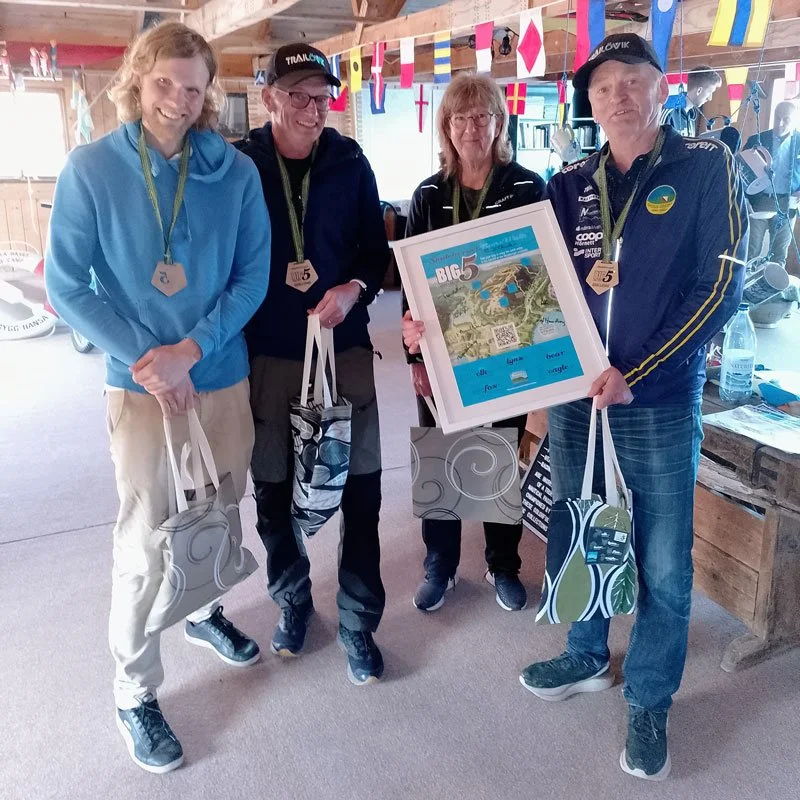
It ends when we gather at the marina clubhouse—sweaty, tired, alive. When we share stories over espresso and snacks. When we sit by the sea and remember why we run. When a stranger from Finland becomes a friend because you both discovered something true about yourselves on the same mountain.

This is where you discover that the real magic doesn’t happen on the summit only. In the #HighCoastRunner community. In the collective understanding that we're all here for the same reason: to let the mountain teach us something about presence, flow, and what it means to be fully alive on a trail.


Your invitation

The 6th #BIG5 Challenge is May 30th, 2026: Five uphill segments on Skuleberget, run together. No timing. No podium. No entry fee. But make no mistake: this is a serious mountain day.

It’s recommended for trail runners with a solid training base—people who respect steep terrain, long effort, and changing conditions. Distance and elevation don’t tell the whole story here. The mountain does.

If you feel called, you’re welcome.

Bring a minimal backpack and a light soul. The rest will follow.

We may keep this edition small (around 50 runners) to protect the spirit – we keep it intimate so everyone gets the care, the community, and the real experience.

Ready?

Join the High Coast Runner Club on Strava

Pls. confirm your spot at the 2026 edition of the #BIG5 Challenge: tominthehighcoast@gmail.com | +46 76 3136909

See you on the trails.

Tommaso :)


The Mountain doesn't end at the finish of your path

Skuleberget is one of those places that doesn't care about your plans. You can come here for a technical trail running session, a panoramic hike with a friend, a quiet solo climb when life feels loud—or a hard session on steep ground when you need to remember what you're made of. Either way, the mountain gives you the same kind of honesty: clear air, simple effort, and that calm tiredness that feels like truth.

And if you return often enough, you start to understand something else too: we don't come here only to "train". We come here to meet ourselves—again and again—on the same trail.


Tommaso De Rosa

Co-creator, Skuleberget #BIG5 Challenge

For any inquiries about the challenge, feel free to contact me:

Tommaso De Rosa

@tominthehighcoast

+46 (0)76.3136909

or +39.335.1309207 (WhatsApp too)
dockstahavet@gmail.com

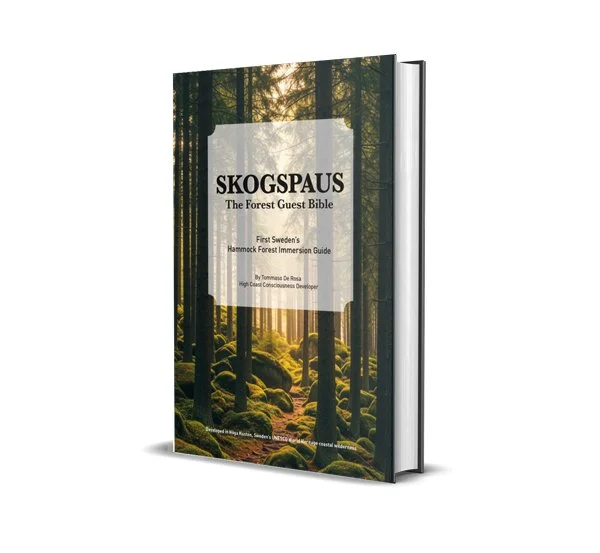
P.S. - I'm also the author of SKOGSPAUS: The Forest Guest Bible, a 10-lesson guide to Forest Guest Consciousness. Read it below with 50% OFF.

Want to go deeper into Forest Guest Consciousness?

Entering the forest is more than just a run. Most of our running sessions begin with urgency: lacing shoes, checking watches, setting goals. We treat forests as backdrops for our performance, landscapes to cross rather than conversations to enter. SKOGSPAUS Forest Guest Consciousness and P.A.U.S.E. methodology offer a different approach: your first steps into the forest become a dialogue, bringing mindfulness and flow to every outdoor session, even an intense trail run. SKOGSPAUS isn't a training method. It's a way of being in the forest.

My e-book—a 10-lesson guide to presence, flow, and ecological awareness—shows you how to transform every trail into a conversation with the mountain.

Get 50% OFF with this code:

HIGHCOASTRUNNER

at this link:

https://ko-fi.com/skogspaus/link/HIGHCOASTRUNNER


Jobba på distans i Höga Kusten: Micro Work-Break i två (före/efter semestern)

Micro Work-Break i två – en paus från vardagen utan att ta semester

Jag publicerade nyss en engelsk artikel om att jobba från Höga Kusten innan semestern börjar.
Det här är den svenska versionen – med extra fokus på varför det ofta blir lättare när man gör en Micro Work‑Break i två.
Engelsk version:
https://dockstahavet.se/blog/work-from-hoga-kusten-before-holiday

 
Det blir lättare när ni är två.
En liten förflyttning som gör att jobbet fortsätter – och att ni får tillbaka rytmen.

Ni har koll. Ni levererar. Ni får vardagen att fungera.

Och ändå kan det kännas som att kroppen aldrig startar om. Som att ni gör allt “rätt” – jobb, hem, träning, relation, logistik – men att huvudet fortsätter snurra och kroppen aldrig riktigt slappnar av.

Det är inte ett personligt misslyckande. Det är bara så det blir när allt är igång hela tiden.

Jag heter Tommaso och driver Docksta Havet Base Camp i Docksta, mitt i Höga Kusten. Jag har sett samma mönster hos många: de flesta behöver inte en dramatisk flykt. De behöver en realistisk återhämtning som inte skapar kaos på jobbet eller hemma.


En Micro Work-Break: mitt emellan helg och sabbatsår

En Micro Work-Break är mitt namn på mellanläget.

Inte en helg som tar slut innan nervsystemet ens hinner fatta att ni är lediga.

Inte ett sabbatsår som låter fint, men som är omöjligt att få till.

Utan en 1–3 veckors paus från vardagen där ni fortsätter jobba – men byter miljö.

Ni gör era samtal. Ni skriver. Ni planerar. Ni bygger vidare.

Men signalen blir en annan: havsluft på morgonen, skogstystnad på eftermiddagen, långt ljus på kvällen. Och det gör något med hur ni arbetar – och hur ni sover.


Varför det blir lättare när ni är två

Här är det viktigaste jag lärt mig: en Micro Work-Break blir mycket mer genomförbar när ni gör den tillsammans.

Inte för att ni måste ha sällskap.

Utan för att ni får mindre friktion.

När ni är två – par, familj, två vuxna som båda jobbar – så blir steget mindre.

Ni delar modet (och tvivlet). Ni får en gemensam rytm. Och ni kan avlasta varandra utan att det blir en stor grej.

Ett litet exempel från verkligheten: En av er tar ett morgonmöte. Den andra fixar kaffe och frukost. Sen byter ni. En jobbar fokuserat 3–4 timmar, den andra tar en promenad vid havet eller en kort tur i skogen. På eftermiddagen gör ni en enkel utflykt tillsammans. Inget program. Inget “retreat”. Bara en rytm som är lätt att hålla.

Det är inte produktivitet i parform. Det är återhämtning som faktiskt går att genomföra.


Före eller efter semestern (utan att bränna feriedagar)

Många är bra på att vänta på “rätt läge”.

Efter deadline. Efter att det lugnar sig. Efter semestern.

Men lugnet kommer sällan av sig självt. Man måste designa det.

Det fina med en Micro Work-Break är att den kan läggas före semestern eller efter semestern – och ofta utan att ni behöver ta ut en massa feriedagar.

Ni jobbar fortfarande. Ni är fortfarande tillgängliga. Men ni byter miljö och får en annan rytm.

När det passar extra bra

Det är därför den fungerar så bra i perioder som:

  • slutet av våren, när ni vill få en “för-sommar” utan att ta semester

  • sensommaren (augusti–september), när vardagen startar igen men kroppen inte riktigt hänger med

Och ja: i Höga Kusten finns det fortfarande ljus, luft och plats att andas – bara med ett annat tempo.

Den där veckan efter semestern

Du kanske känner igen det.

Ni kommer hem. Ni packar upp. Ni tvättar. Ni försöker “komma ikapp”.

Och så, på måndag morgon, är det som om någon slår på allt samtidigt: inboxen, mötena, planeringen, ansvaret.

Semestern var fin – men den försvinner på tre dagar.

En Micro Work-Break efter semestern är inte en ny semester. Det är en mjuk landning.

Ni jobbar – men i en miljö som gör det lättare att hålla nervsystemet lugnt. Och när ni gör det i två blir det enklare att skydda rytmen: en tar ett möte, den andra fixar mat. En jobbar, den andra tar en kort promenad. Sen byter ni.


Vad det är (och vad det inte är)

Lika bra att vara tydlig.

Det här är inte “jobba från stranden”.

Det är inte en corporate retreat med aktiviteter ni måste delta i.

Och det är inte coworking med fin utsikt.

Det är en bas.

En plats där ni kan jobba på riktigt – och sedan gå rakt ut i en UNESCO-världsarvsnatur.

Om ni berättar er tidsram och er energinivå kan jag föreslå ett upplägg som är realistiskt. Inte heroiskt. Realistiskt.


Så gör ni 7–21 dagar realistiskt (utan drama)

En Micro Work-Break fungerar när den skyddar tre saker:

Kontinuitet: jobbet stannar inte.
Distans: perspektivet kommer tillbaka.
Ritual: små dagliga ankare gör skillnad.

Här är den enkla versionen.

1) Sikta inte på heldagar av jobb

De flesta behöver inte 8–10 timmar för att “hålla igång”. De behöver en skyddad blocktid.

En fokuserad 3–4 timmar slår en splittrad dag.

2) Håll naturdelen enkel – men daglig

Det handlar inte om stora äventyr varje dag.

Det handlar om en signal till kroppen: vi är inte i stan nu.

En kort promenad. En lugn stig. En liten paus i skogen. En stund vid havet.

3) Bestäm en gemensam rytm (och låt den vara lagom)

Ni behöver inte optimera.

Ni behöver bara en rytm som ni kan hålla i 7–21 dagar.


Så fungerar det hos Docksta Havet (medvetet transparent)

JJag säljer inget paket.

Ni bokar helt enkelt ert boende via Airbnb till ordinarie pris. Airbnb visar exakt pris för era datum.

Sedan kan ni, om ni vill, lägga till små delar som skyddar rytmen – utan att det blir ett program.

Boenden (tre sätt att göra samma reset)

theBoathouse (med kökvrå): minimalistiskt och lugnt, perfekt när ni vill förenkla.

theDockHouse: komfort vid havet för par som vill ha stilla dagar och långa promenader.

theGuestHouse: mer utrymme för längre vistelser, 2–4 personer, eller när ni vill ha mer “hemkänsla”.

Valfria tillägg (bara om de hjälper)

Skogspaus – guidad skogspaus (hängmatta, tystnad, klarhet)
Grab&Go cykelhyra – för att komma ut utan bil
Hängmattekit – för egen skogspaus, enkelt och okomplicerat


En stilla inbjudan

Om ni har en lucka före semestern – eller om ni känner att ni behöver en mjuk start efter semestern – så kan det här vara er enklaste plan.

Ta med datorn. Ta med någon du litar på. Jobba bra. Andas igen.


Läs mer (på engelska) – guide och Workation Escape

Jag har samlat hela ramen, kurvan och en kopierbar rytm i en enkel guide (på engelska): https://dockstahavet.se/micro-work-break-hoga-kusten/

Om ni vill se Workation Escape-upplägget (på engelska): https://dockstahavet.se/workation-escape-remote-work-holiday

Om ni vill ställa en enda fråga innan ni bokar, skriv på WhatsApp och berätta:

  • era datum (7–21 dagar)

  • era realistiska jobbtimmar per dag

  • om ni är två vuxna som jobbar

WhatsApp Tommaso: +46 76 3136909


Kort sammanfattning

En Micro Work-Break är en 1–3 veckors paus från vardagen där ni fortsätter jobba, men byter miljö – så att naturen hjälper er att byta signal. Den passar extra bra före eller efter semestern, när ni vill få tillbaka rytmen utan att bränna feriedagar. Och för många blir det mest realistiskt när man gör det i två: som par eller familj, med mindre friktion och en rytm som går att hålla.

Fortsätt här (om ni vill planera era dagar medan ni är här):

Välj en väg: låna rätt utrustning, få enkla dagidéer från marinan, eller fördjupa er med min praktiska mini‑guide om Höga Kusten (svenska):
https://dockstahavet.se/sv/upptack-hoga-kusten


Outdoor gear rental on the High Coast >
 

Work from the Heart of Höga Kusten. Before Holiday Begins.

Workation Escape mitt i Höga Kusten - Docksta Havet Base Camp

“May and June are the most magical months in the High Coast.

Not because they’re “perfect”.

Because they’re alive: the forest wakes up, trails come back into rhythm, boats start moving again, and the long light returns—before the July rush.

Most people wait until their holiday to experience all this.

My suggestion is different:

This article is part of the Micro Work‑Break in Höga Kusten project: a 1–3 week reset where work continues and nature changes the signal.
👉 Read the full Micro Work-Break guide (one-page scroll) >

This isn’t vacation. It’s serious work in an environment that engages and regenerates you.

But today I want to give you a simpler reminder:

Spring in Höga Kusten waits for no one.
So here’s the invitation — quiet, practical, and very real:

Work seriously. Regenerate deeply. Before summer begins.”
Tommaso

🇸🇪 Swedish summary at the end (kort på svenska).


Pack your laptop. We’ll handle the outdoor reset.

Spring Workation Escapes 2026 — At a Glance


🇸🇪 Svensk sammanfattning (kort)

Maj och juni är en av de finaste perioderna i Höga Kusten: skogen vaknar, lederna blir levande och ljuset är långt—innan juli‑ruschen. Den här artikeln är en del av Micro Work‑Break i Höga Kusten: en 1–3 veckors reset där du fortsätter jobba, men naturen ändrar signalen. Du bokar boendet via Airbnb (inga paket) och kan lägga till Skogspaus, Grab&Go‑cykel eller hängmatta när du vill. Frågor eller planering? WhatsApp Tommaso: +46 76 3136909.


Why May–June is the “secret season” for remote work here

  • Timing: Anticipate summer without using vacation days; experience the High Coast before tourist rush begins.

  • 🌲 Conditions: cool, fresh air for trail running and hiking

  • 🌞 Light: long daylight as summer approaches (often 18+ hours)

  • Energy: the forest is waking up—birds, water, early wildflower blooms

  • Space: fewer people on trails, more silence between steps


What a Workation Escape is (and what it isn’t)

This is not a coworking space with a “nature view”. Not a “work from beach” fantasy. Not a corporate retreat with forced activities.

It’s a base camp for people who want to work well—and recover well.

Authentic High Coast experience + serious work infrastructure

UNESCO World Heritage location as your training partner

Real community (runners and hikers, few sailors, passionate forest guests)

Flexibility: you design your own rhythm

You’ll have reliable WiFi, quiet work spaces, and a host who actually lives the trails: if you tell me your time window and your energy level, I’ll help you pick a realistic plan for the day (and the week).


Real Work, Real Regeneration

Morning focus with sea view. Afternoon trails in a UNESCO landscape. Evenings under long light. This is where productivity and recovery start helping each other.


How Workation Escape Works

Choose your base camp (book on Airbnb)

You book accommodation on Airbnb at standard rates—simple and transparent:

What’s included (simple, work‑ready):

  • Dedicated workspace (sea view)

  • Reliable WiFi

  • Access to Sailor’s Club House (espresso + living room vibe)

  • Bed linens + kitchen & laundry access

  • Local maps + trail tips to start easy


Add what you want, when you want (pay‑per‑use)

No packages. No forced bundles. You build your own rhythm.

Optional add‑ons:

  • Hammock kit rental (DIY forest pauses: simple reset, no guide needed). Perfect for solo forest pauses without a guide

  • Extra towels, backpacks, etc.

Some guests add a lot. Some add nothing.
Both are valid. This is your workation. You decide.


A realistic week rhythm (how it usually feels)

A Workation Escape isn’t “work all day then collapse.”
It’s more like: focus → move → breathe → repeat.

  • Deep work mornings (quiet, espresso, sea view)

  • Afternoon trail runs / hikes (short or long, depending on your week)

  • Evenings under long light (simple dinner, slow walk, or just rest)

You don’t need to “optimize” every hour.
You just need a place where the environment supports your nervous system instead of draining it.


Who this is for

  • Remote professionals who want 1–3 weeks of focus + real recovery

  • Couples who work and travel together

  • Slow travelers who want routine, trails, and long light

  • Small teams who want a calm planning retreat (without corporate theatre)

If you’re reading this and thinking “it sounds great, but I’m not that kind of person”… good.

A Micro Work‑Break isn’t a niche lifestyle for remote workers. It’s a reachable experiment for humans with responsibilities — in your 30s or in your 60s, first‑timers or seasoned travelers — who want a reset without disappearing.

And very often, it becomes easier when you do it in two: less friction, more courage, a shared rhythm for 7–21 days. In two, the jump feels smaller.


If you want the full framework (reset curve, who it’s for, basecamp method, and a copyable rhythm), read the Micro Work‑Break in Höga Kusten guide here: https://dockstahavet.se/micro-work-break-hoga-kusten/

Micro Work-Break Höga Kusten GUIDE

Sample High Coast Days (to inspire you)

1) Deep Work Day (focus first, then move)

  • Morning: 2–3 deep work blocks with sea view (Guest House or Club House: quiet, espresso, no rush).

  • Midday: simple seaside lunch + a short walk along the piers to reset your eyes and nervous system.

  • Afternoon: calls, meetings, creative work.

  • Evening: a “just enough” trail run or hike—Skuleberget loop if you want a proper finish, or an easy local walk if you want to stay gentle.

2) Balance Day (work + a real reset)

  • Morning: focused work session.

  • Midday: Skogspaus (guided forest pause) as your mid‑week reset—slow pace, hammock, and a different kind of clarity.

  • Afternoon: light work, reading, or planning (this is where good decisions happen).

  • Evening: an easy bike ride or coastal stroll—keep it calm, keep it simple.

3) Adventure Day (light work, then go)

  • Morning: optional light work block (or complete rest if you need it).

  • Midday/afternoon: a longer High Coast outing—hike to a shelter on Höga Kustenleden, or choose a bigger trail day if your legs want it.

  • Evening: long‑light moment (slow dinner, quiet walk, reflection).

  • Night: early sleep or a gentle “midnight sun” check‑in—no pressure, just presence.


Sample pricing (transparent, no packages)

  • Solo, 1 week: Boathouse + Kitchenette (1 person) — 7 nights × 400 SEK = 2,800 SEK → 2,520 SEK (-10%)
     

  • Couple, 1 week: Dock House — 7 nights × 900 SEK = 6,300 SEK → 5,670 SEK (-10%)
     

  • Couple, 1 week: Guest House (2 people), 7 nights × 1,300 SEK = 9,100 SEK → 8,190 SEK (-10%)

    Guest House: +100 SEK/night per additional guest (up to 4). Airbnb shows the exact total for your dates.
     

Optional add-ons are pay‑per‑use (Skogspaus, Grab&Go bike, hammock kit). Ask on WhatsApp and we’ll suggest the simplest setup for your time and pace.


Ready to plan your Spring Workation Escape?

Book on Airbnb search “Docksta Havet” → Here our profile

Questions or planning help? WhatsApp Tommaso: +46 76 3136909


“Spring in Höga Kusten waits for no one.
Work seriously. Regenerate deeply. Before summer begins.”

Plan your Workation Escape
 

FAQ (quick answers)

  • Can I book accommodation only? Yes—book on Airbnb at standard rates. Add extras only if you want.

  • Is WiFi reliable for work? Yes—work‑ready WiFi is available in the Guest House and Club House.

  • Do I need a car? Not essential. Many guests do car‑light days with Grab&Go bikes, but a car gives more freedom for day trips.

  • Can I extend my stay? Often yes—message us and we’ll check availability.

  • Is this suitable for families? The Guest House can work for families, but the concept is built for people who need quiet work time.

  • What if it rains? You’ll still have calm indoor work spaces—then take shorter walks or a forest pause when it clears.


Want the simple next step?

  1. Micro Work‑Break guide (framework) >

  2. Workation Escape (how it works + stays) >

  3. Book on Airbnb (availability + exact pricing)
May–June in the High Coast is alive: long light, quiet trails, and space to work well. This is a simple invitation to a Micro Work‑Break: keep working, let nature change the signal, and reset before summer begins.


🇸🇪 Kort på svenska (bokning + frågor)
Maj–juni i Höga Kusten är perfekt för workation: mer lugn, långa ljusa kvällar och fina förhållanden för vandring och trail running—innan högsäsongen drar igång. Boka boendet via Airbnb (Boathouse / Dock House / Guest House). Du kan lägga till Skogspaus, Grab&Go‑cykel eller hängmatta vid behov. Vill du planera veckan enkelt? Skriv på WhatsApp till Tommaso (+46 76 3136909) med datum, antal personer och om du vill ha fokusdagar, löpning/vandring eller en lugnare rytm.


🇫🇮 Lyhyt yhteenveto suomeksi
Touko–kesäkuu on yksi parhaista ajoista kokea Höga Kusten: enemmän rauhaa, pitkät valoisat illat ja hyvät olosuhteet vaellukseen ja polkujuoksuun – ennen heinäkuun ruuhkaa. Docksta Havet Base Camp sopii 1–3 viikon workationiin (Micro Work‑Break): työ jatkuu, mutta luonto auttaa palautumaan. Majoitus varataan Airbnb:n kautta (ei paketteja), ja halutessasi voit lisätä Skogspaus‑metsätauon, Grab&Go‑pyörän tai riippumattosetin. Kysymykset / suunnittelu: WhatsApp Tommaso +46 76 3136909.


Continue from here (if you want to plan your days while you’re here)

Pick one path: gear, day ideas from the marina, or go deeper with my Holiday Practical Mini‑Guide (English):

https://dockstahavet.se/discover-high-coast-sweden


Grab&Go gear (bikes + kits + accessories)


Guides & Stories (day trips from the marina)


Explore Höga Kusten (deeper inspiration + routes)


Meet your host

Tommaso De Rosa

See my host profile and message me via Airbnb chat

If you want to plan your High Coast days with a bit more calm and a bit less guessing, send me a message on Airbnb. Workation, trails, Skogspaus, weather, pace—I’ll help you keep it simple and real.

Please write me by email or WhatsApp at +46.763136909

 
SKOGSPAUS EXPERIENCE >