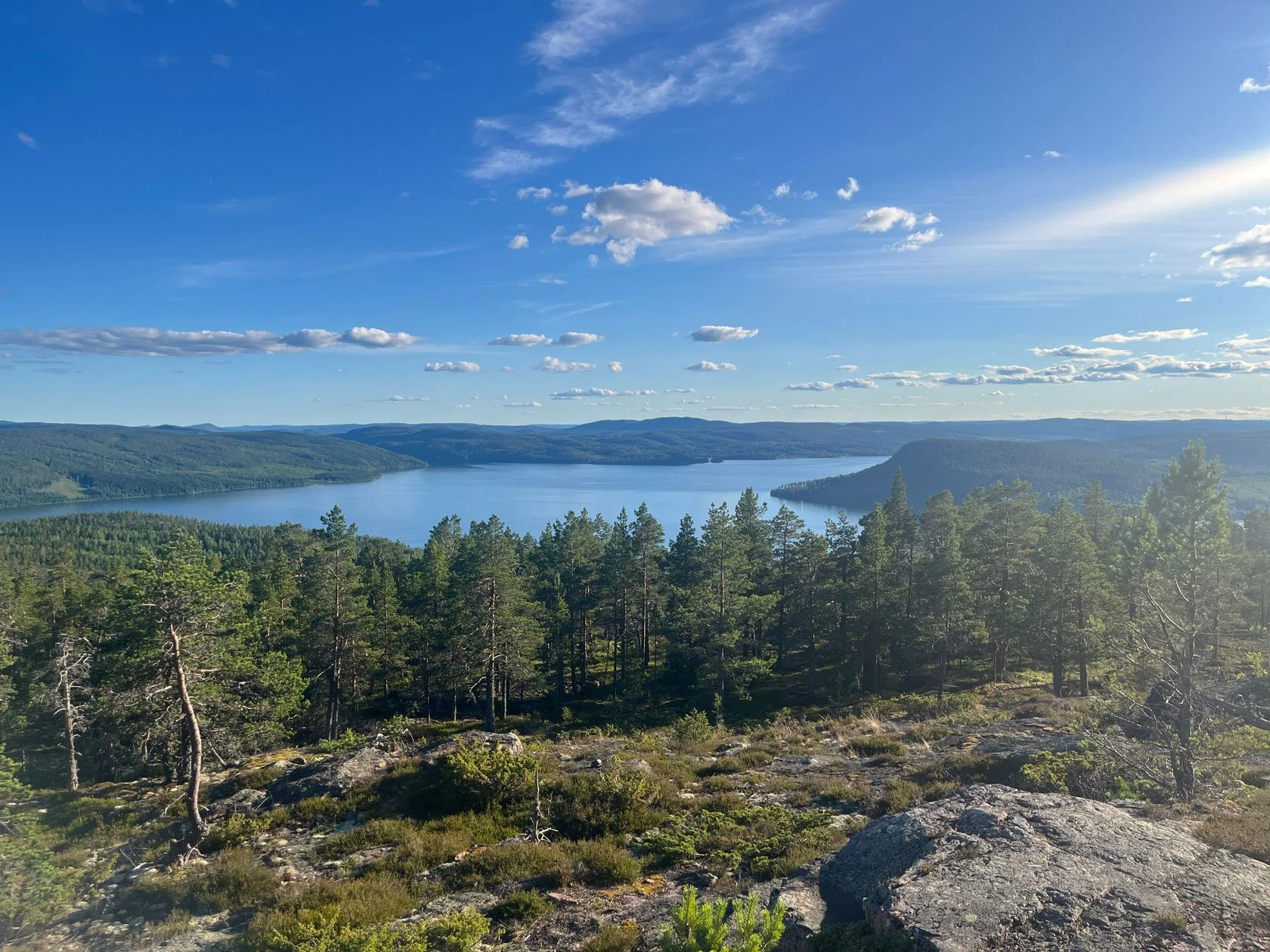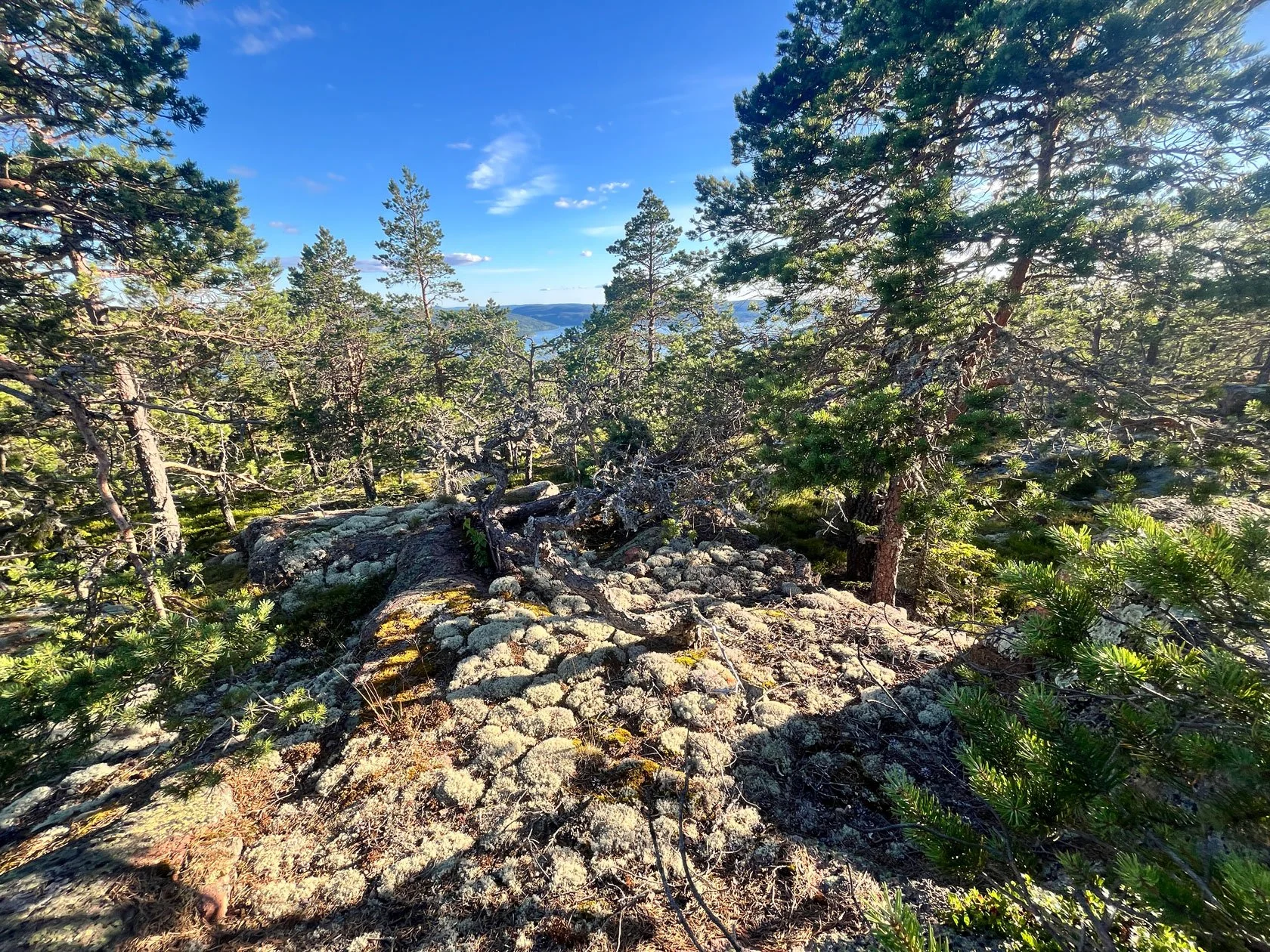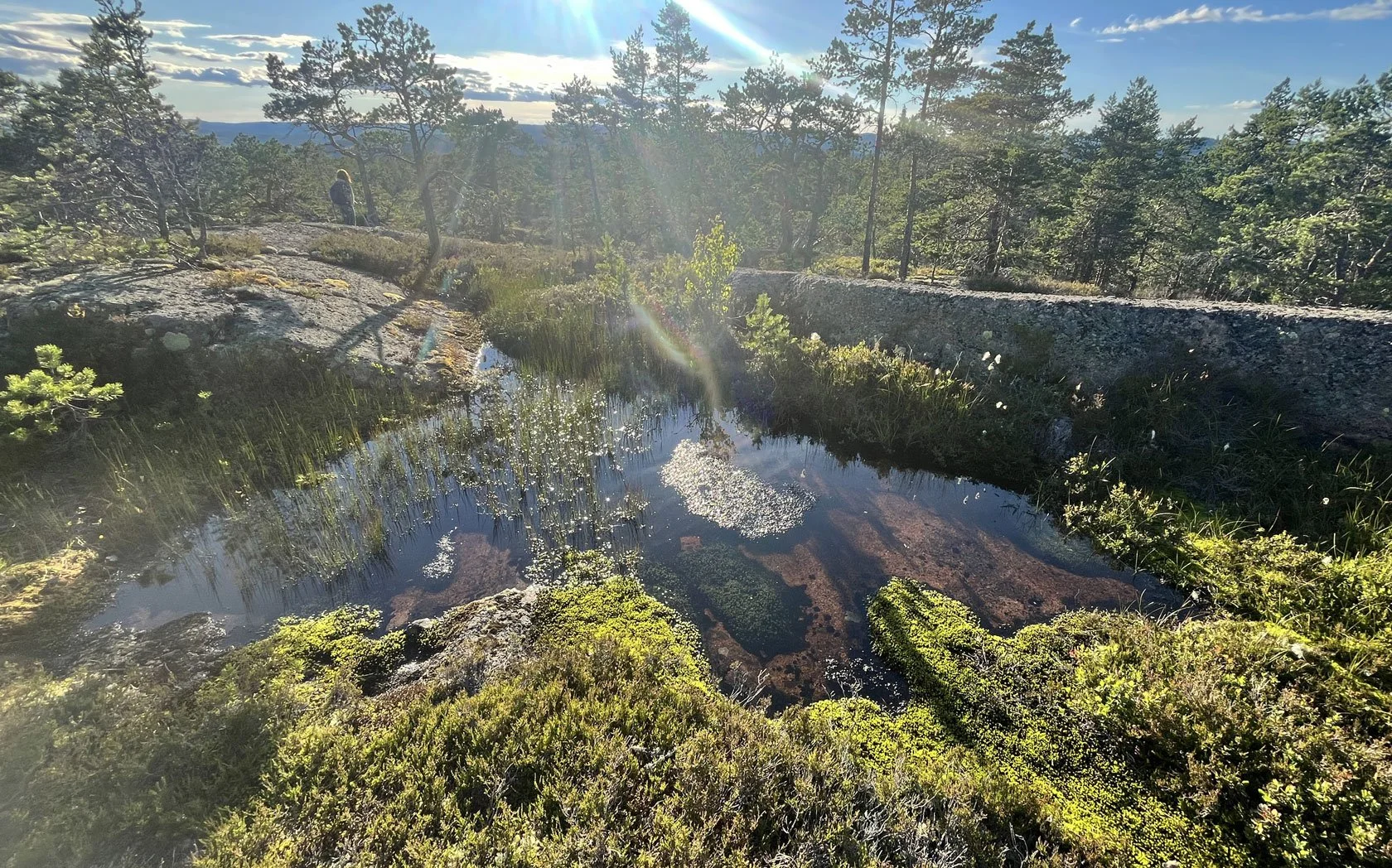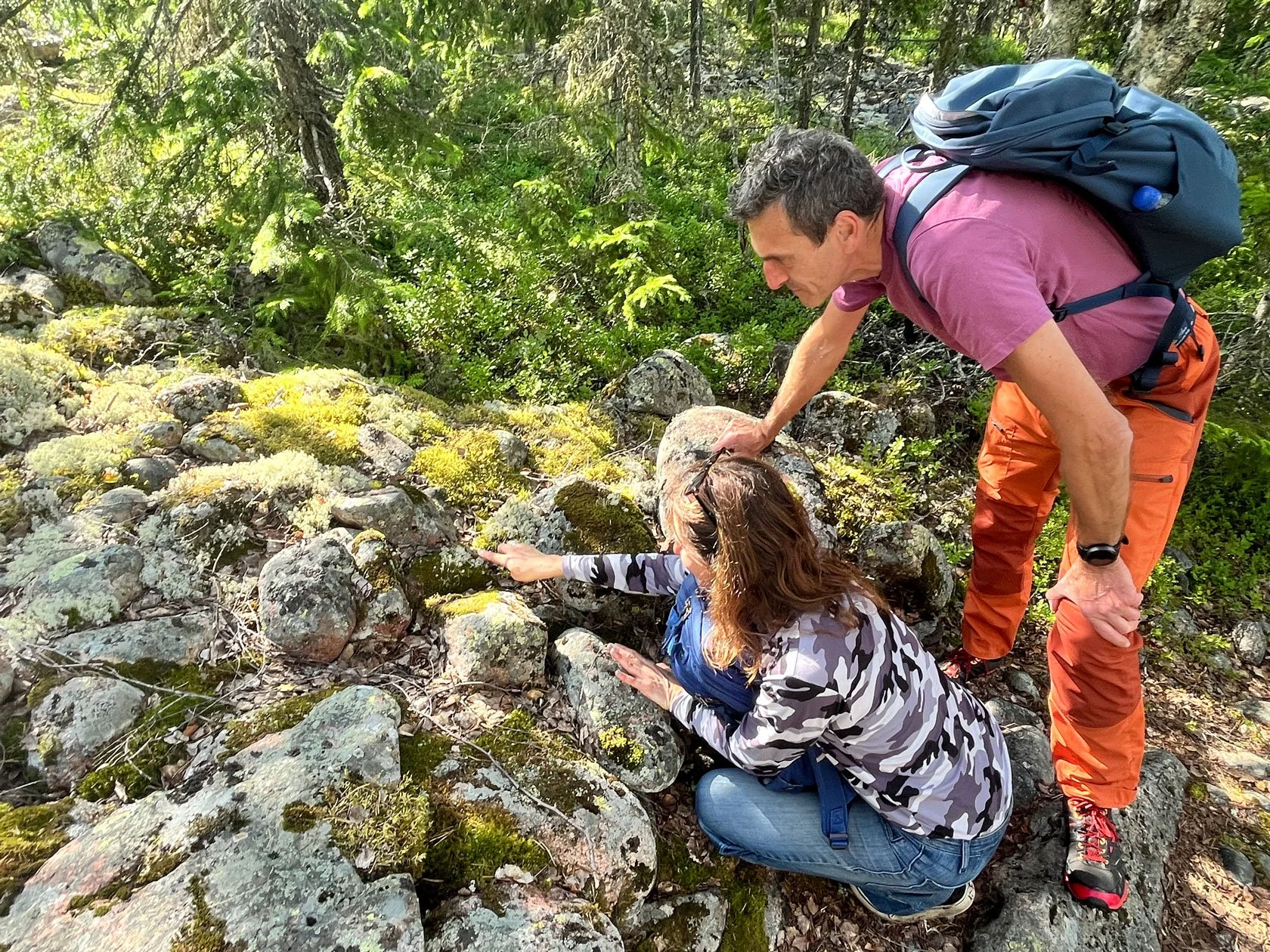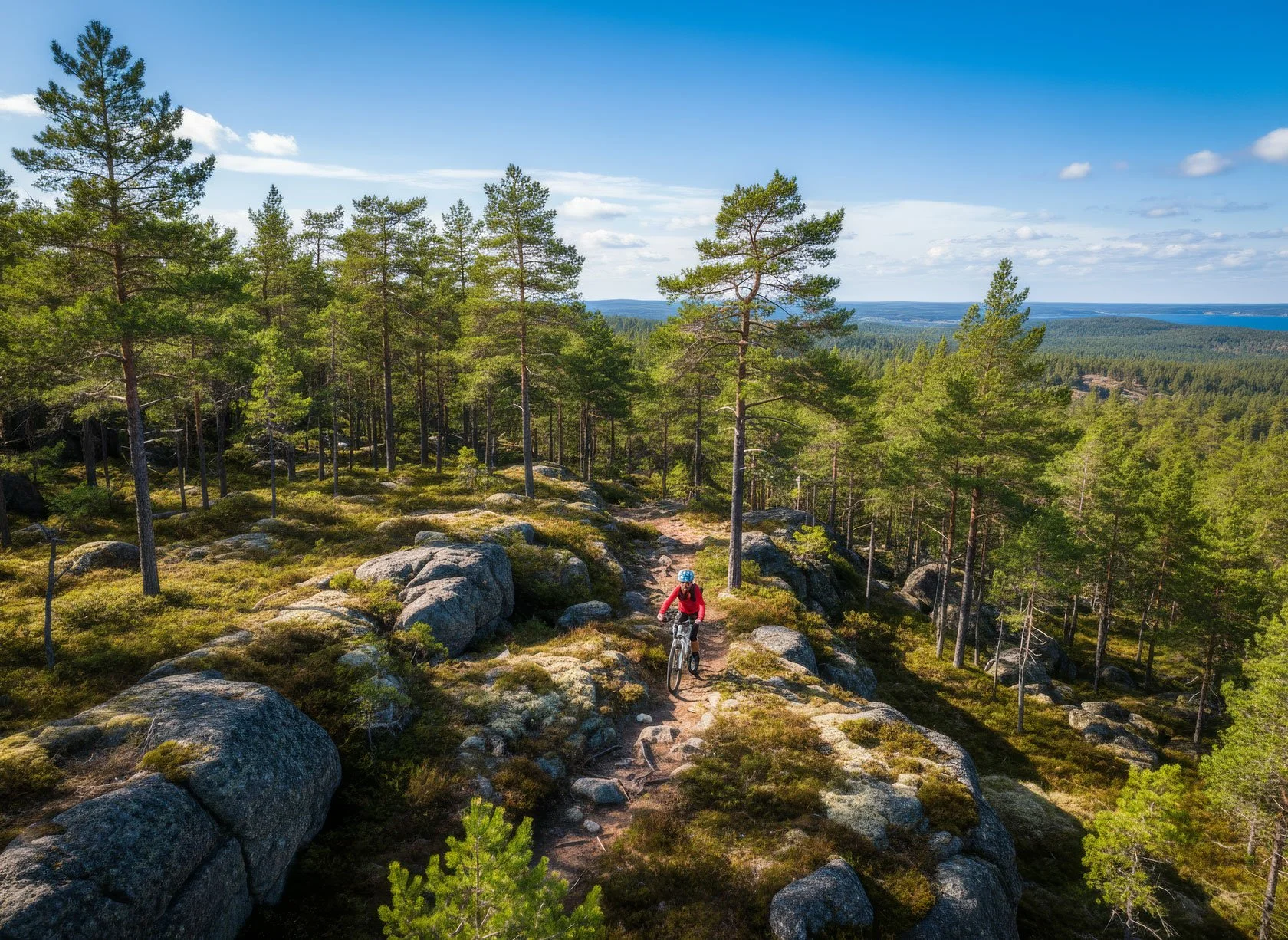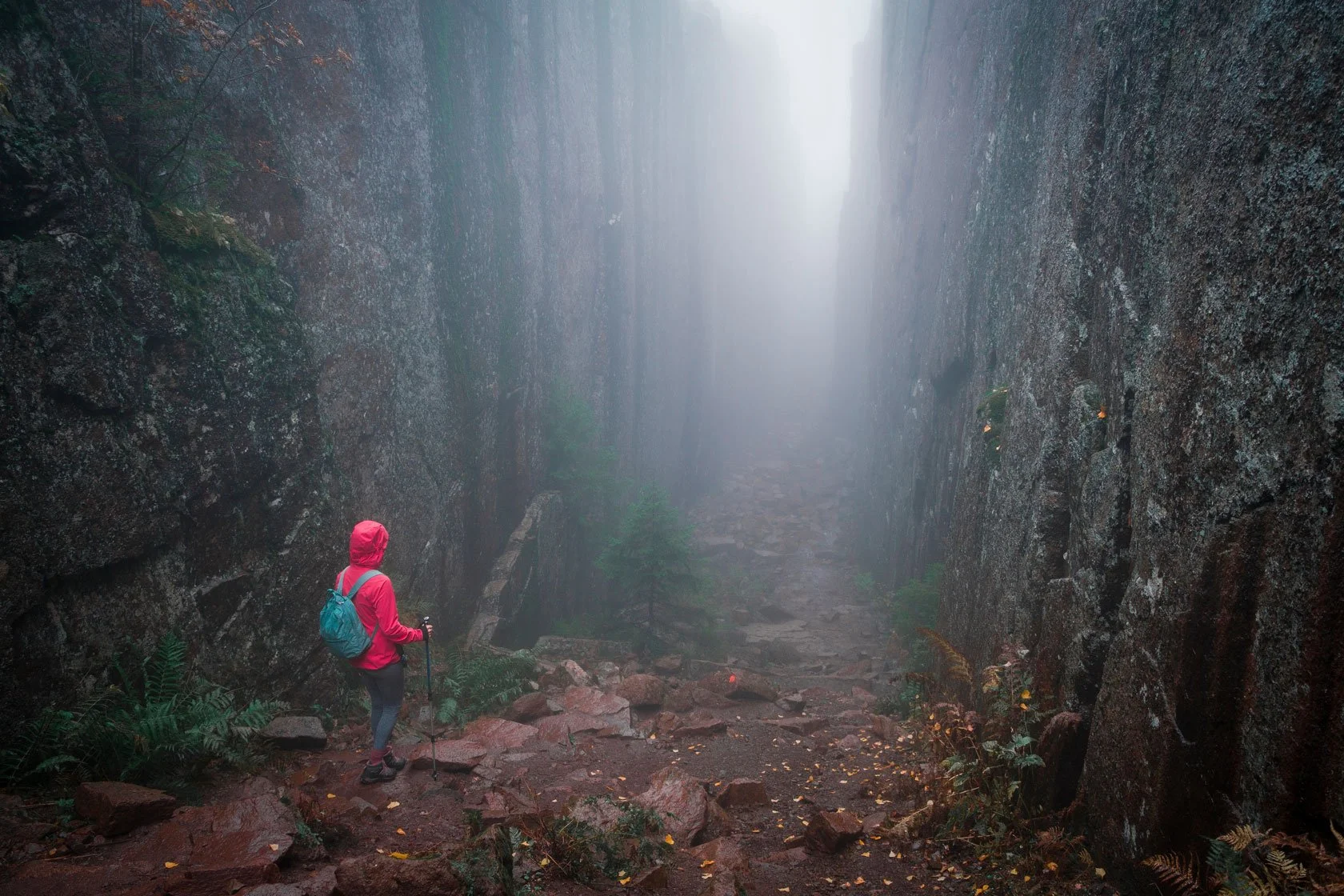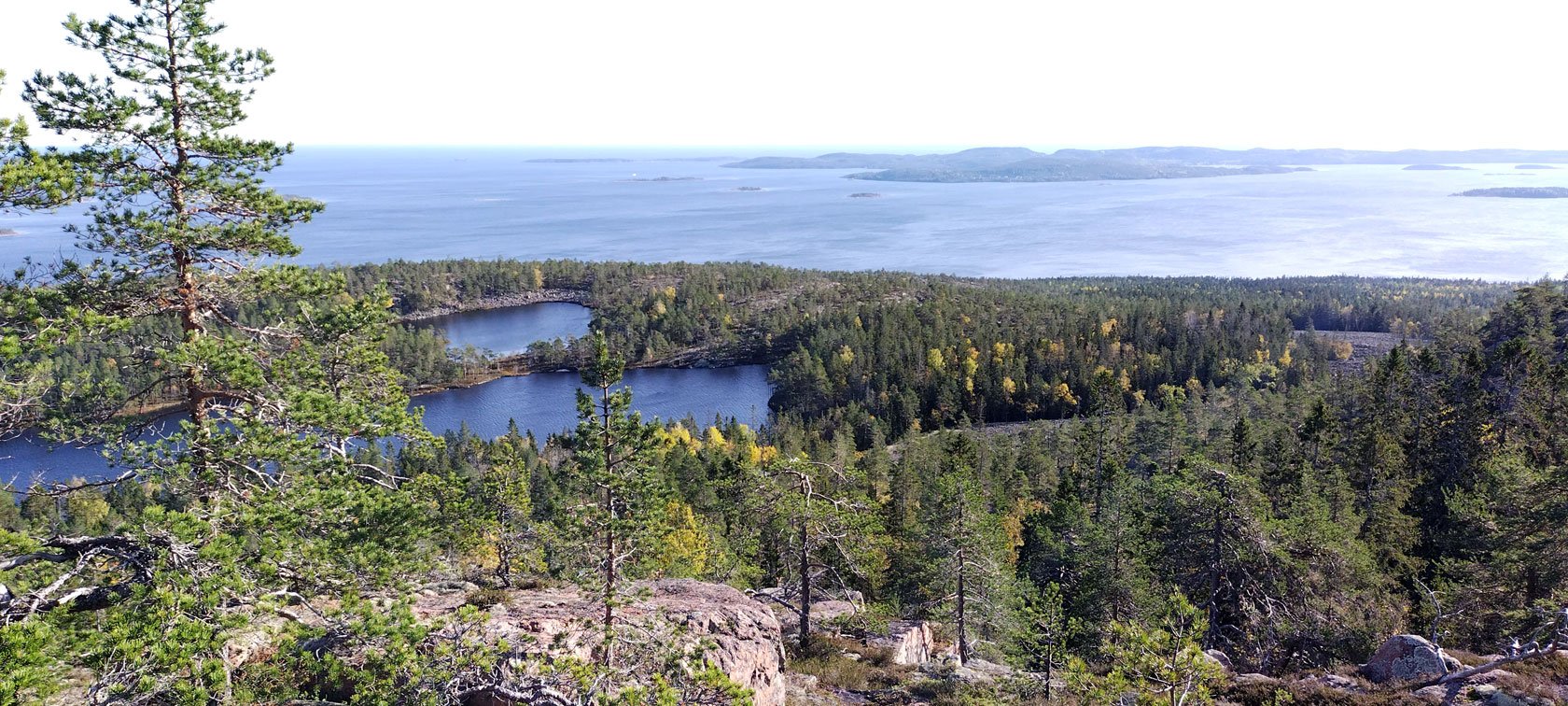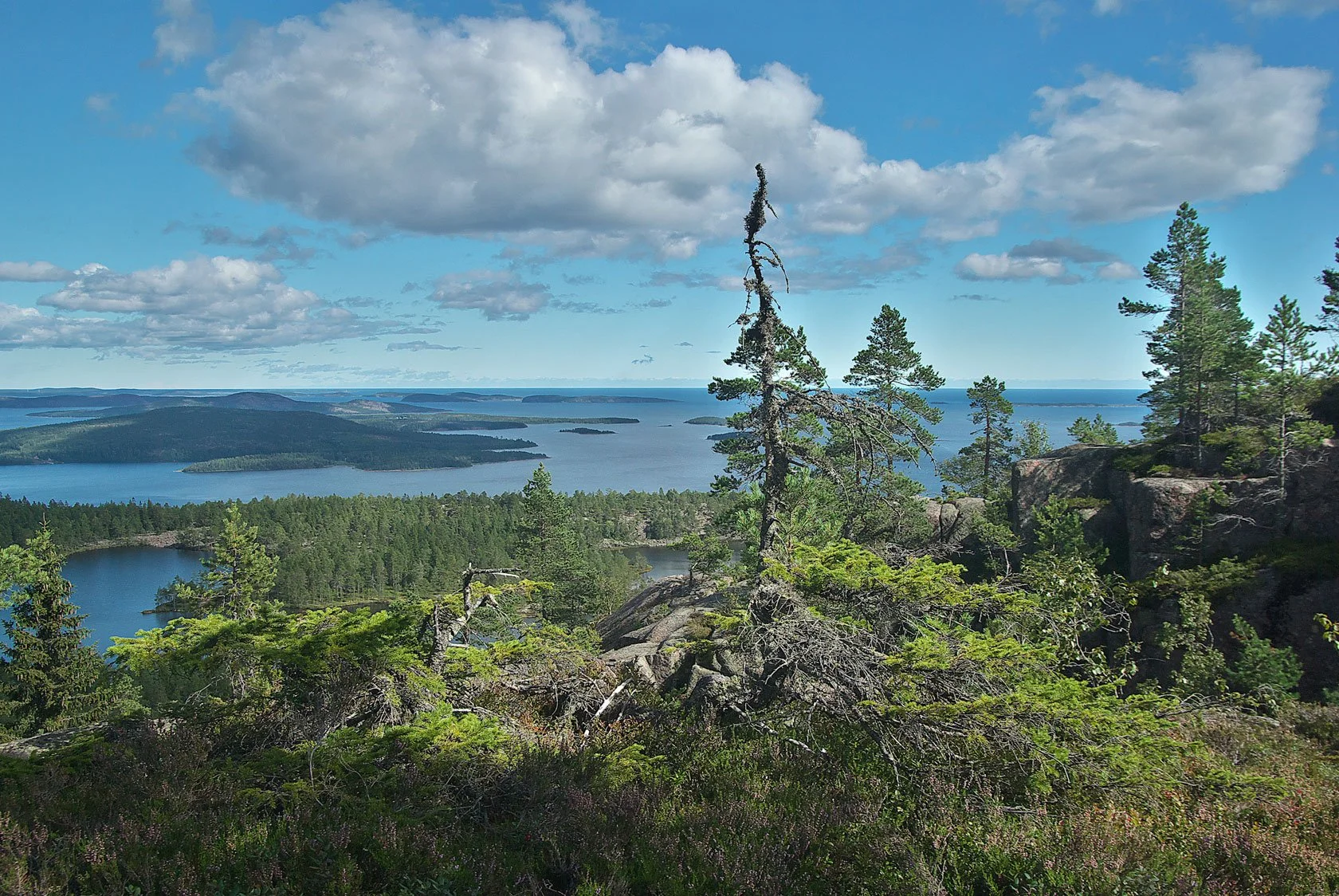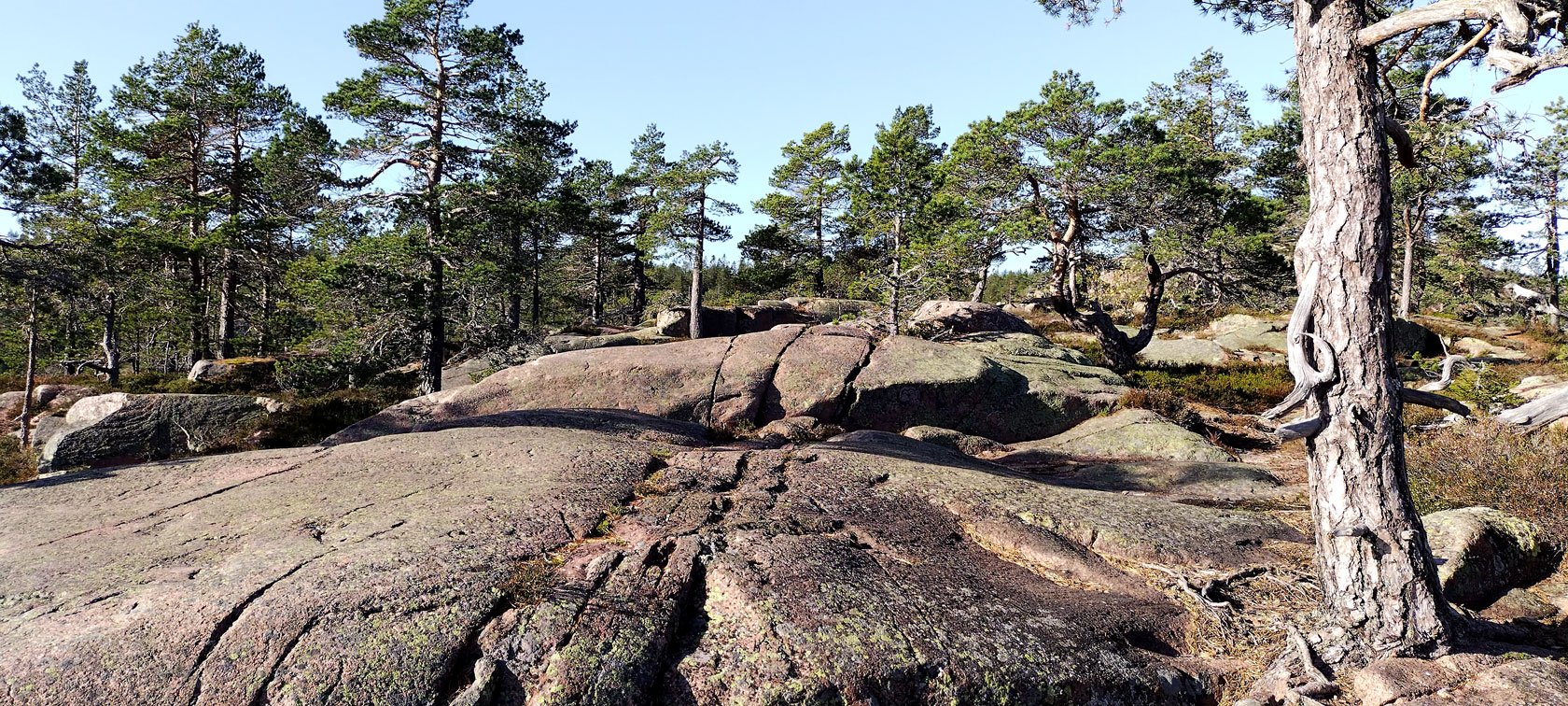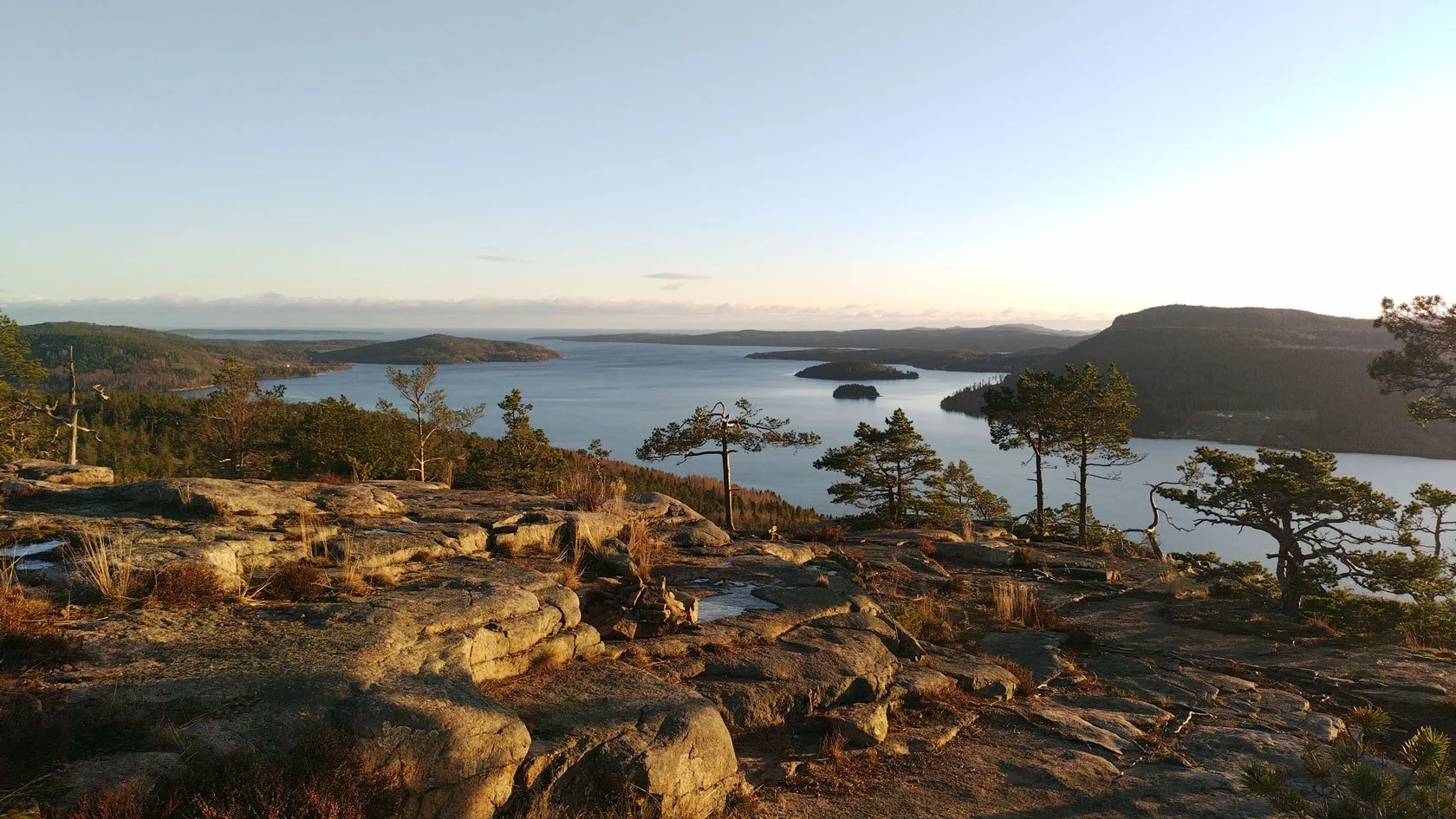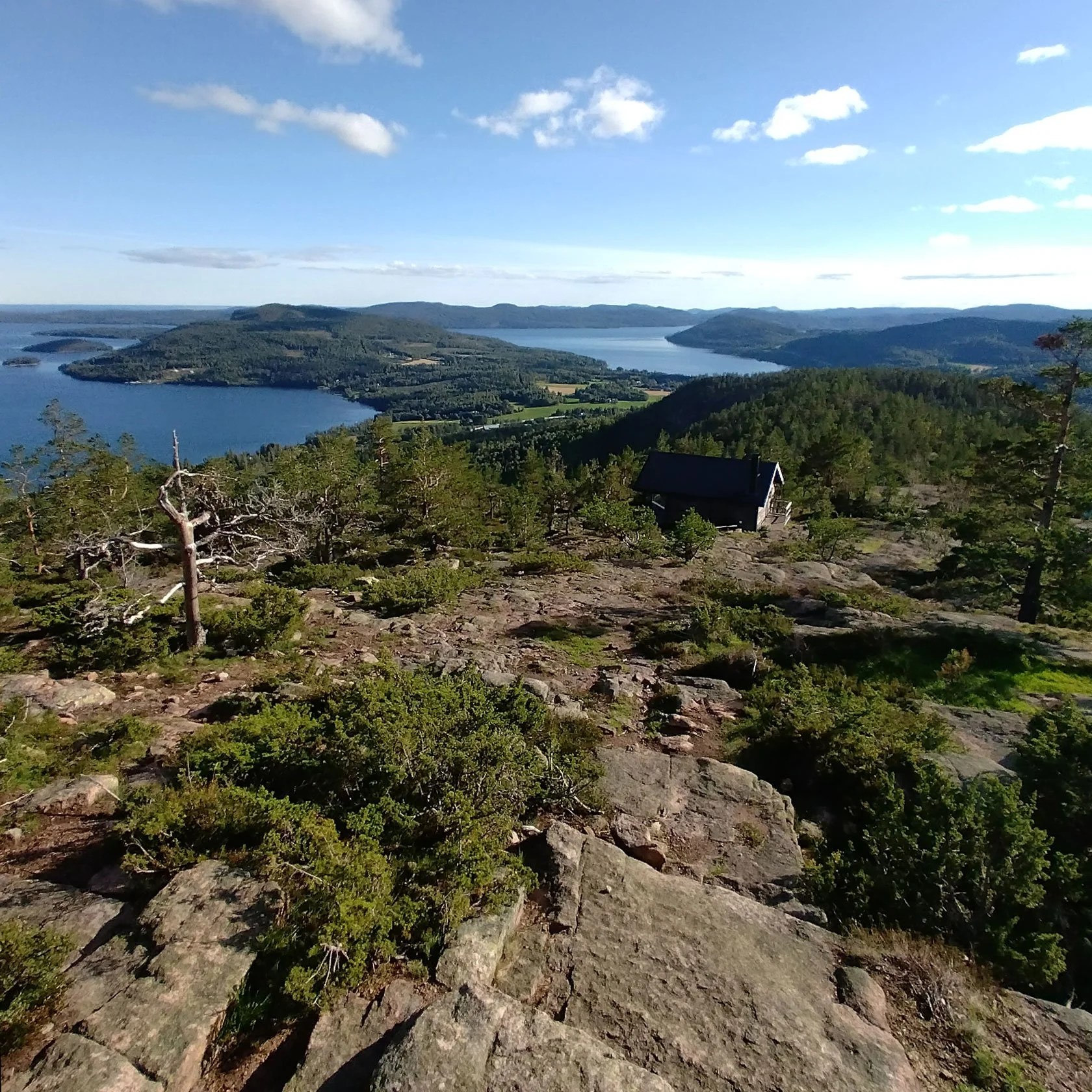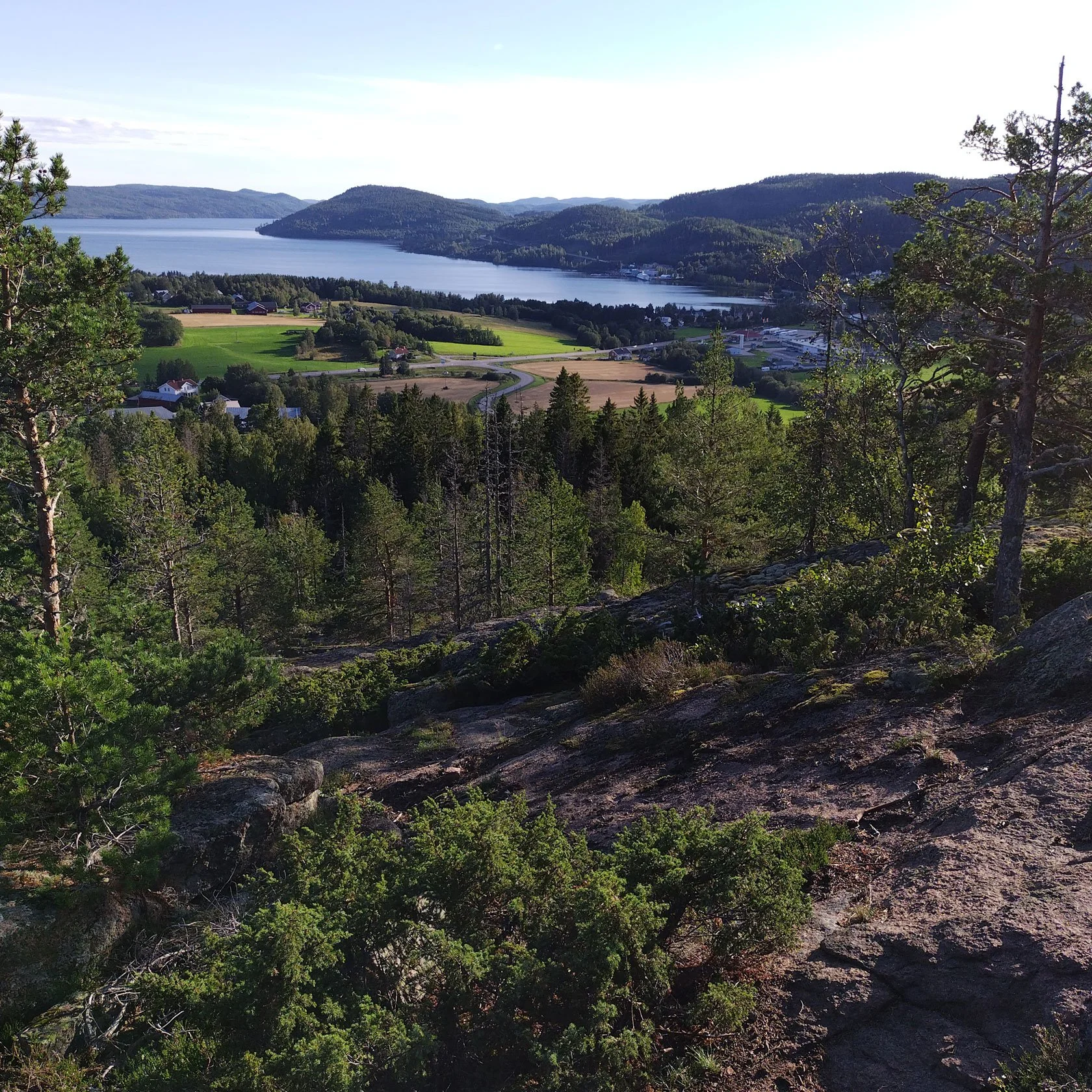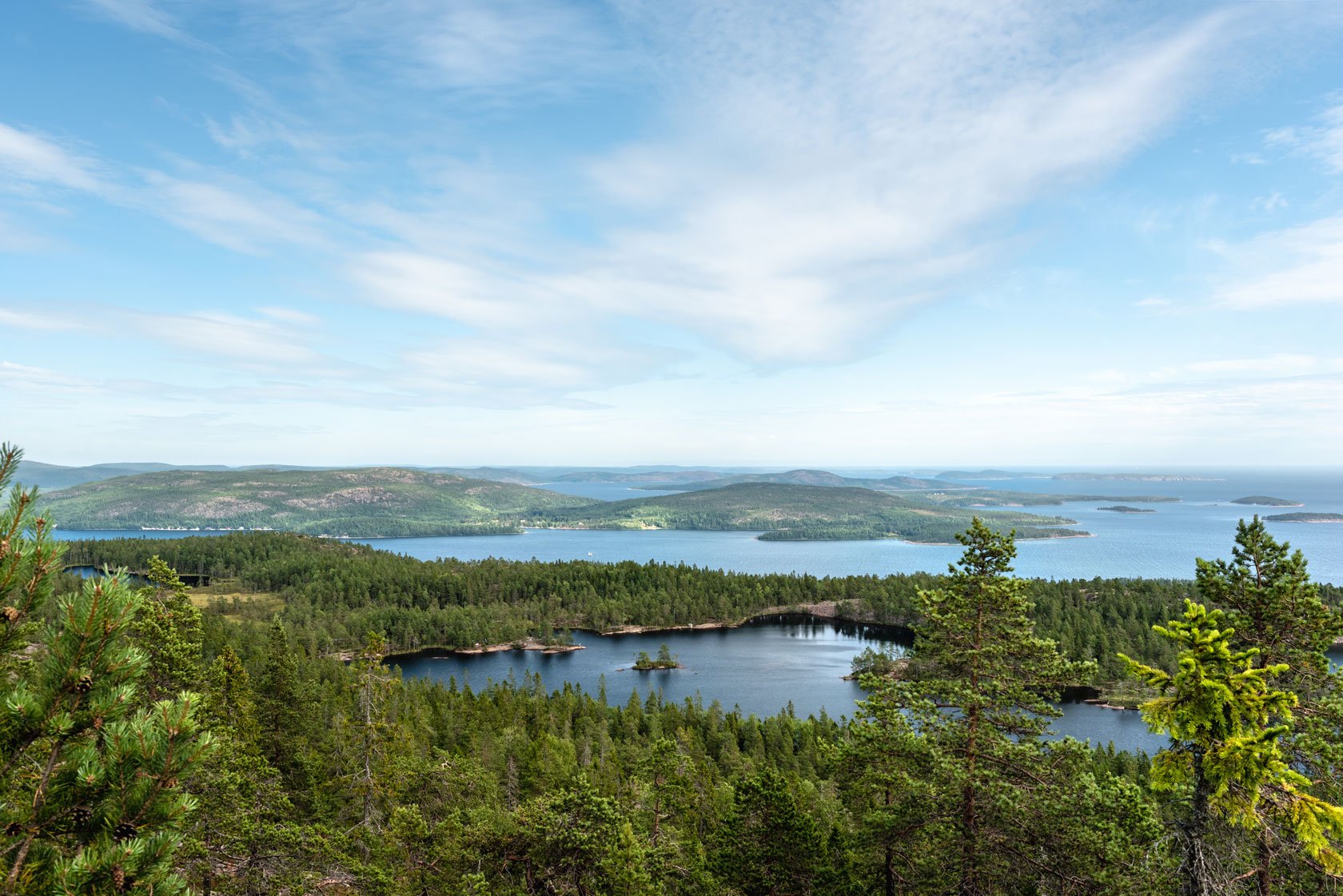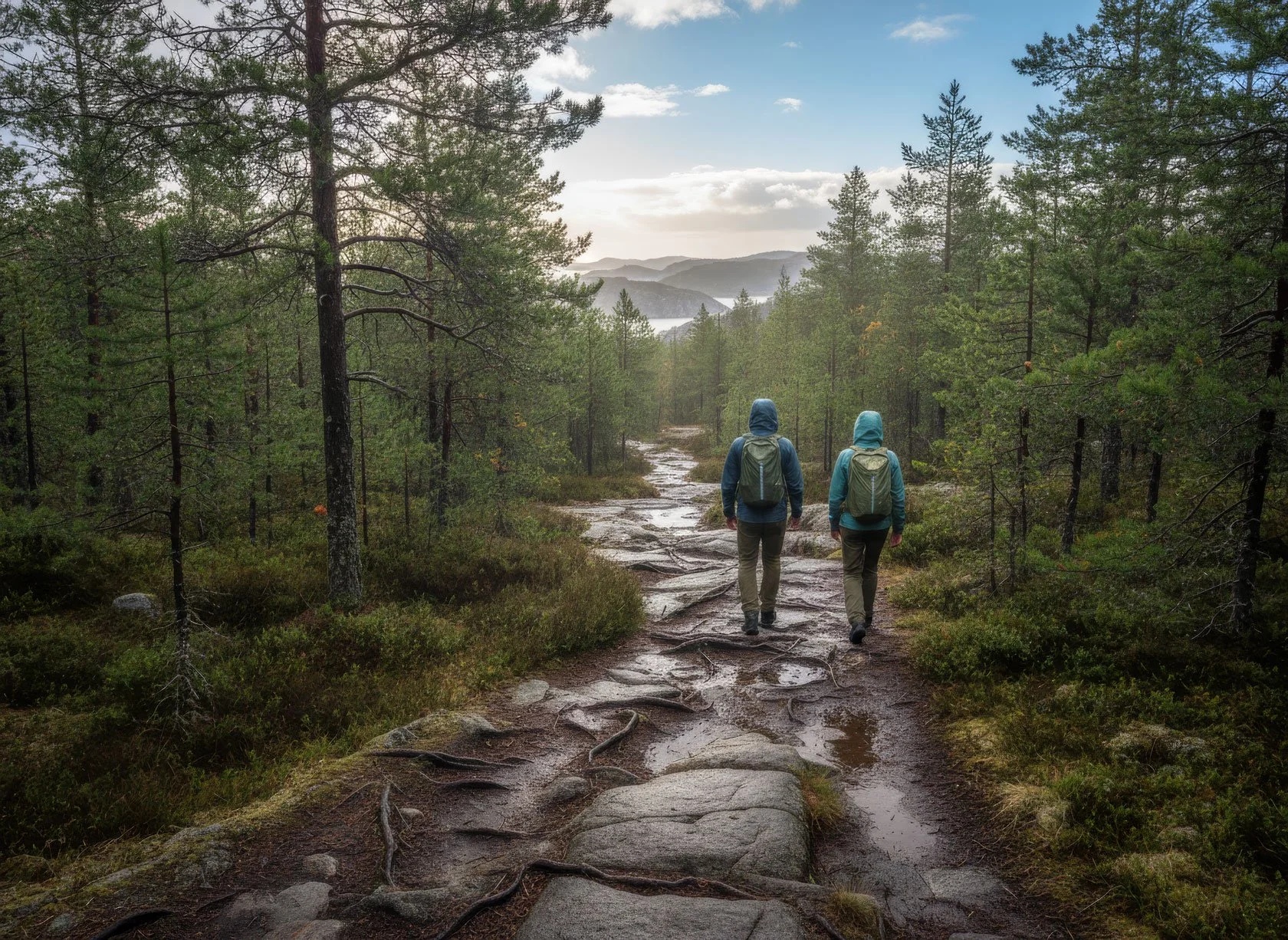

WOC 2029 kommer till Höga Kusten.
Och jag märker redan nu hur många börjar tänka i samma riktning: logistik, lugn rytm, bra återhämtning, enkel vardag.
Jag driver Docksta Havet Base Camp i Docksta hamn, och jag vill dela en idé tidigt:
En bas i mänsklig skala — praktisk, lugn och byggd för orienteringsveckor och internationella besökare (från 2027 och framåt).
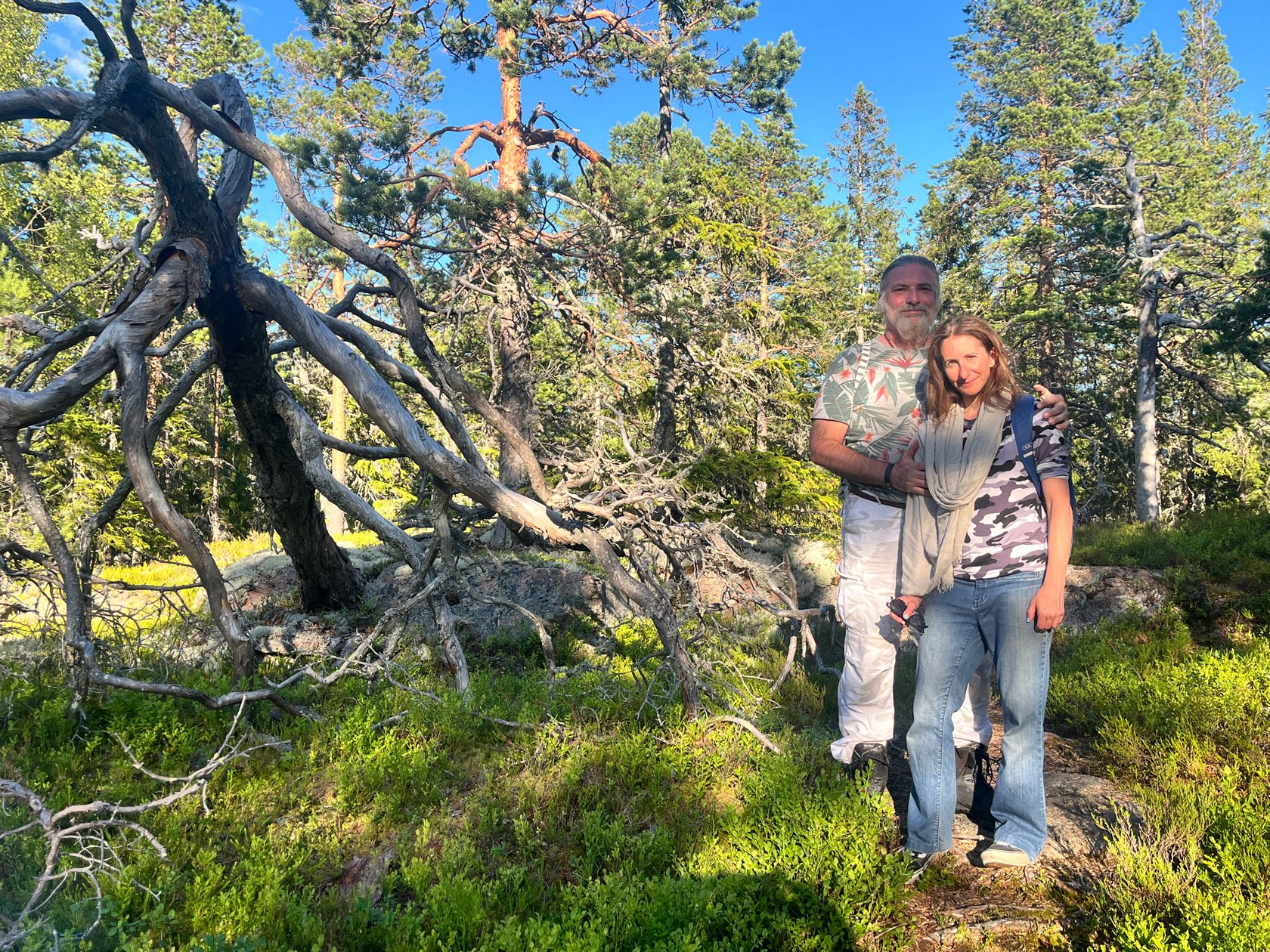
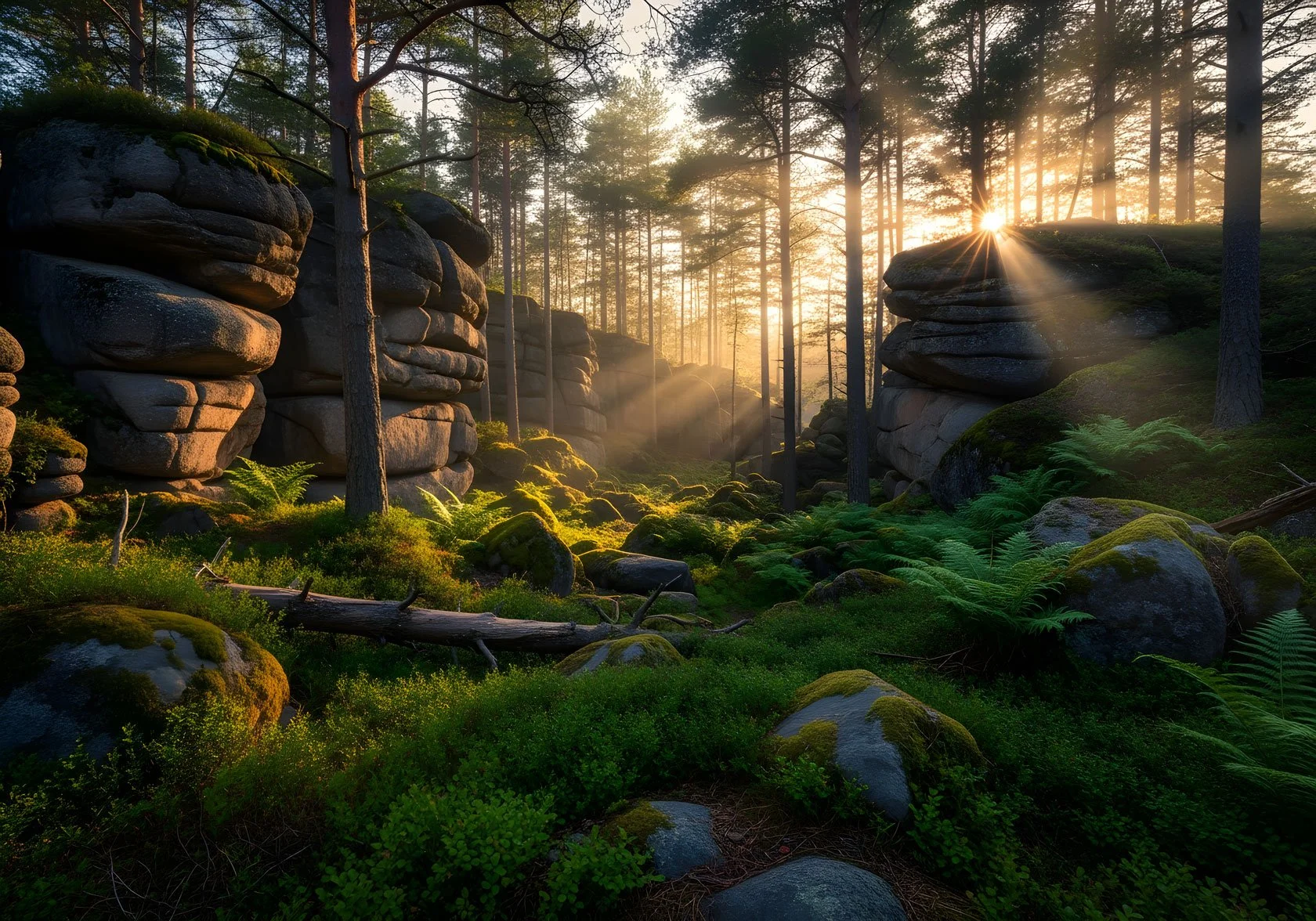
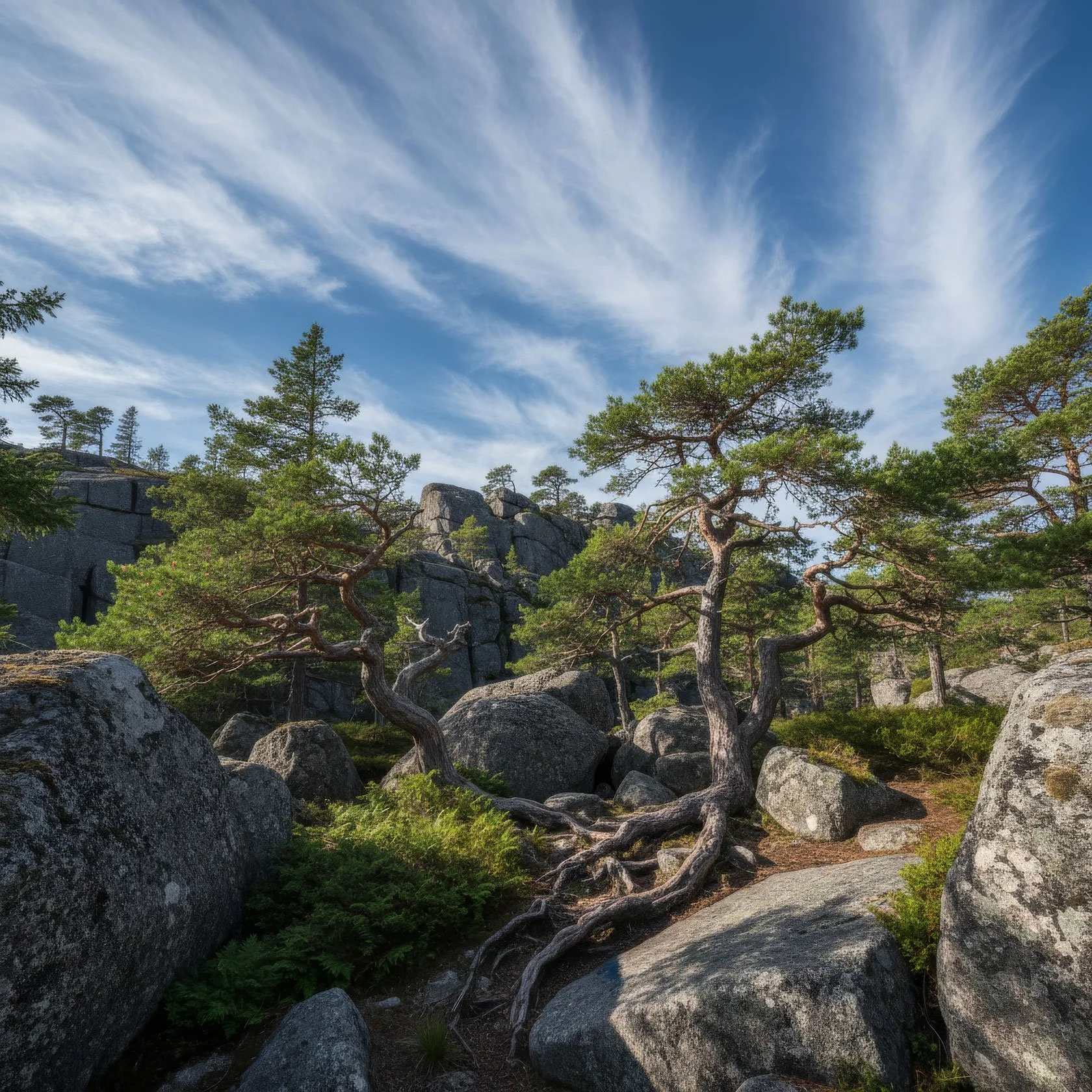
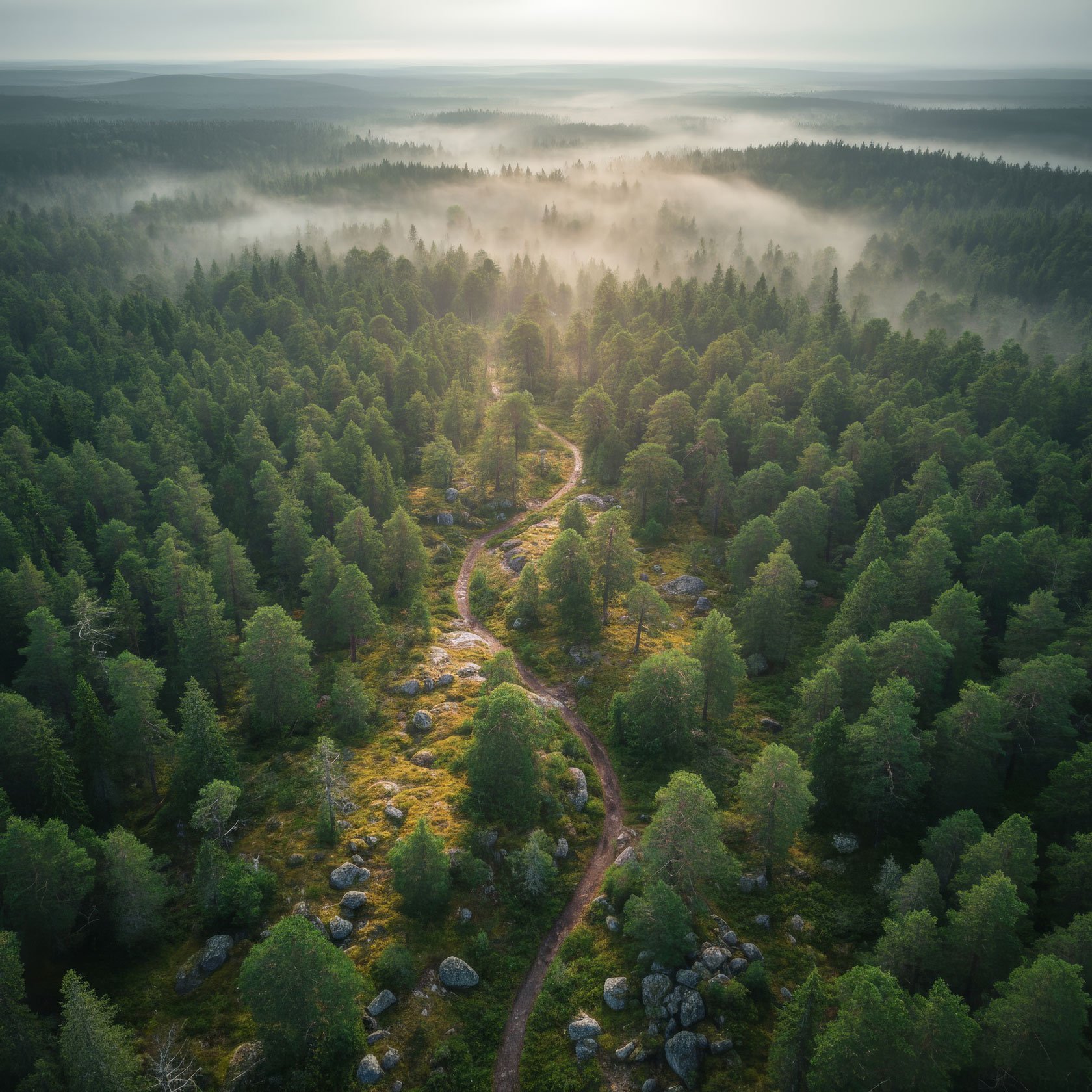
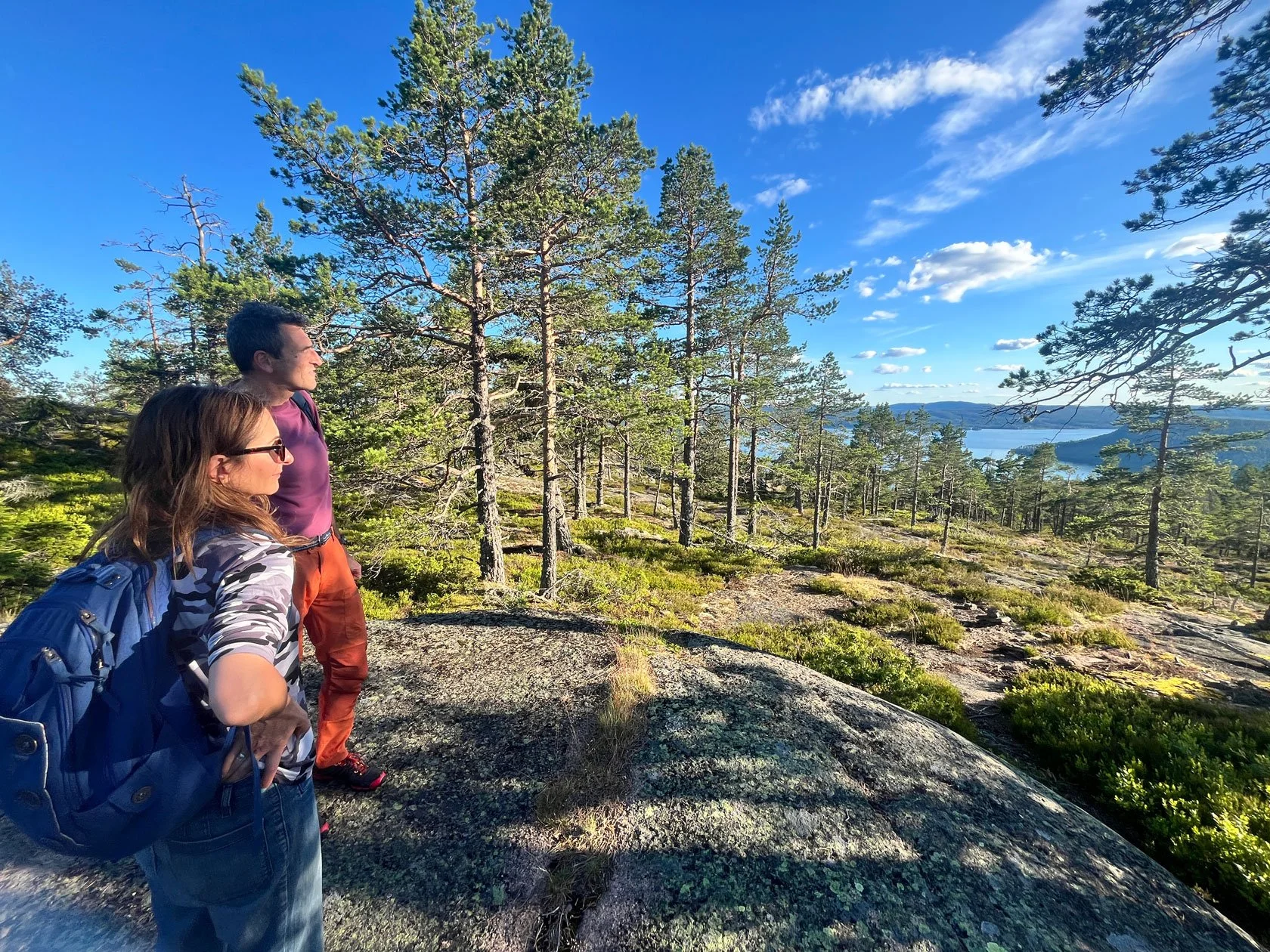
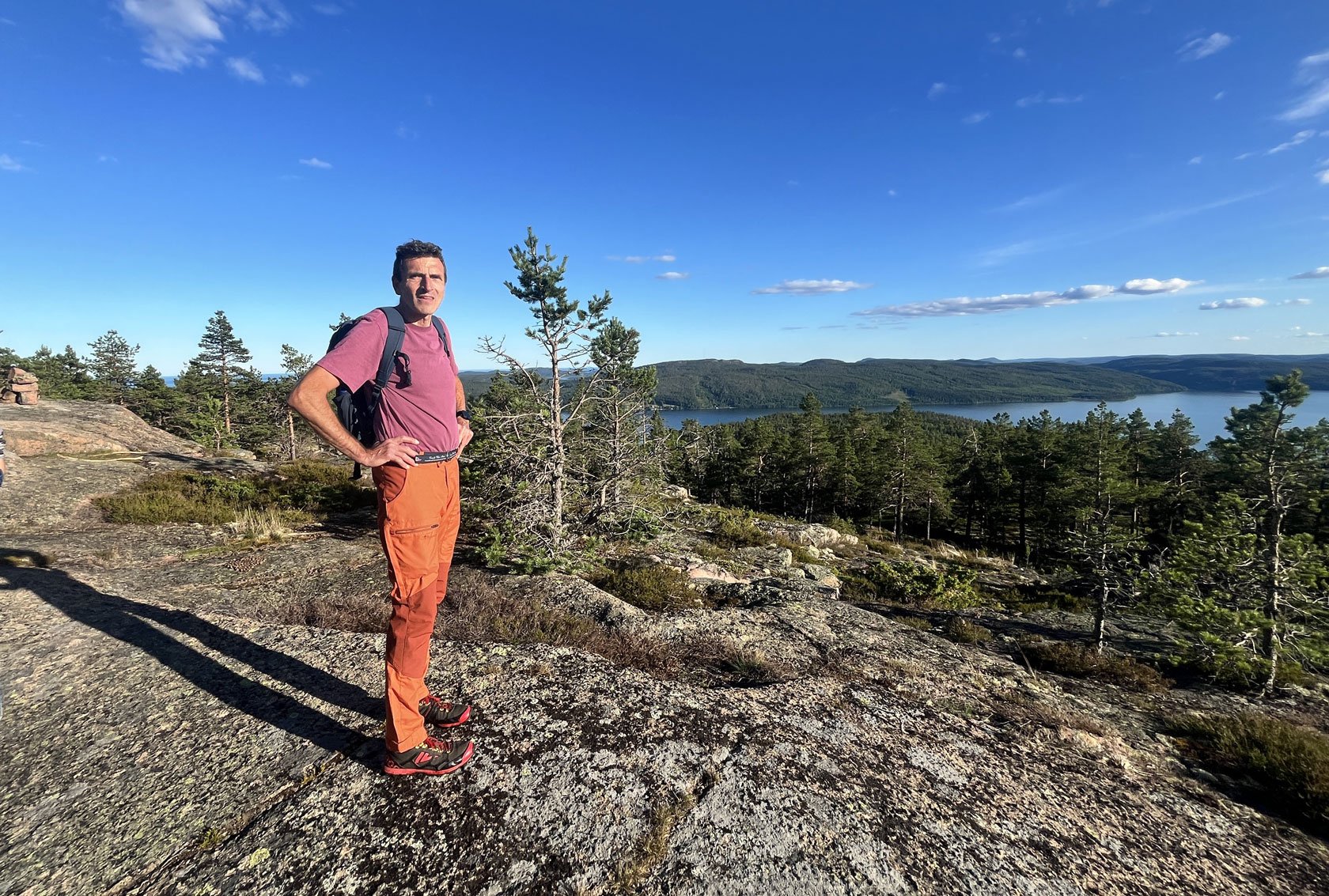
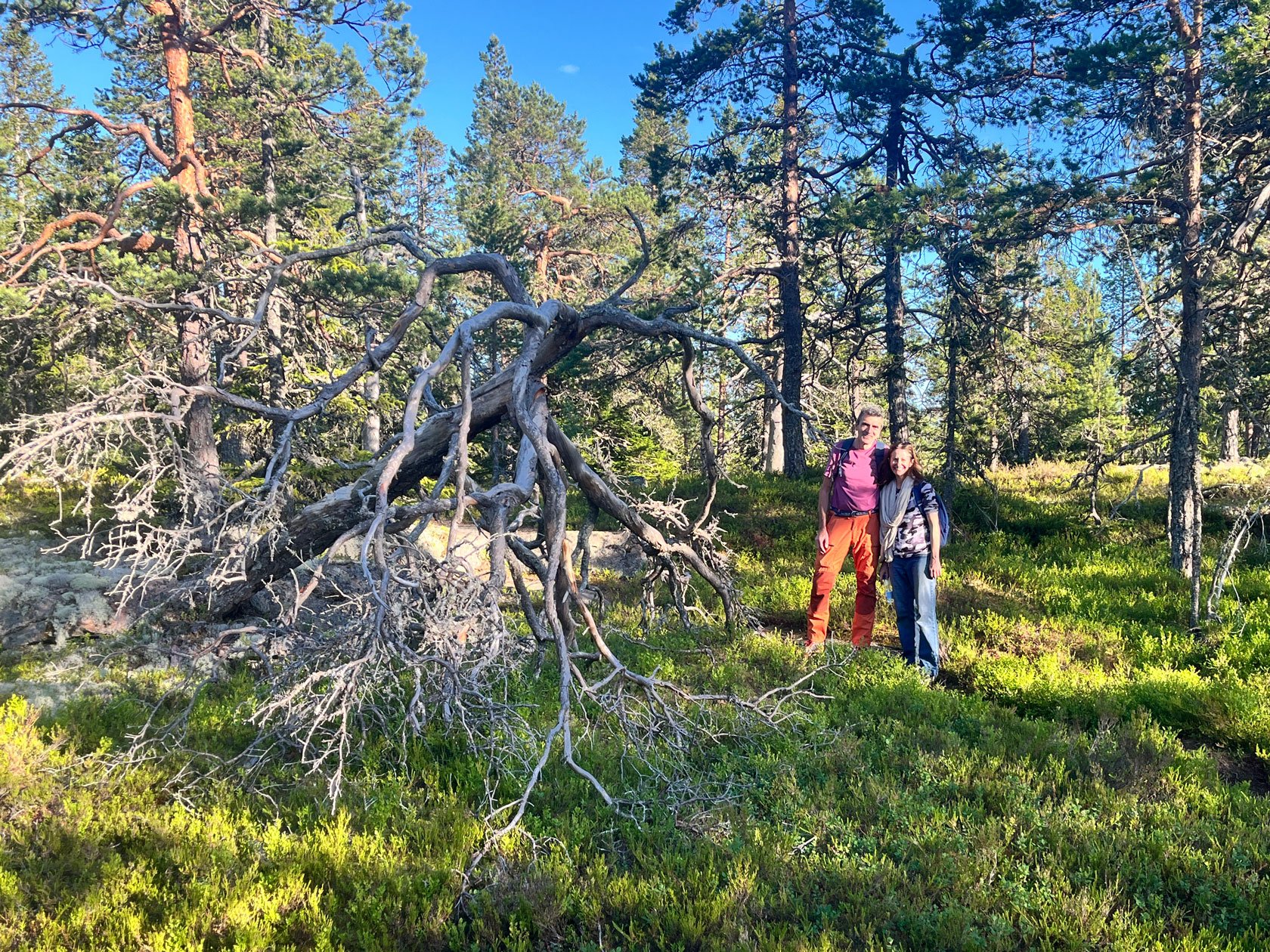
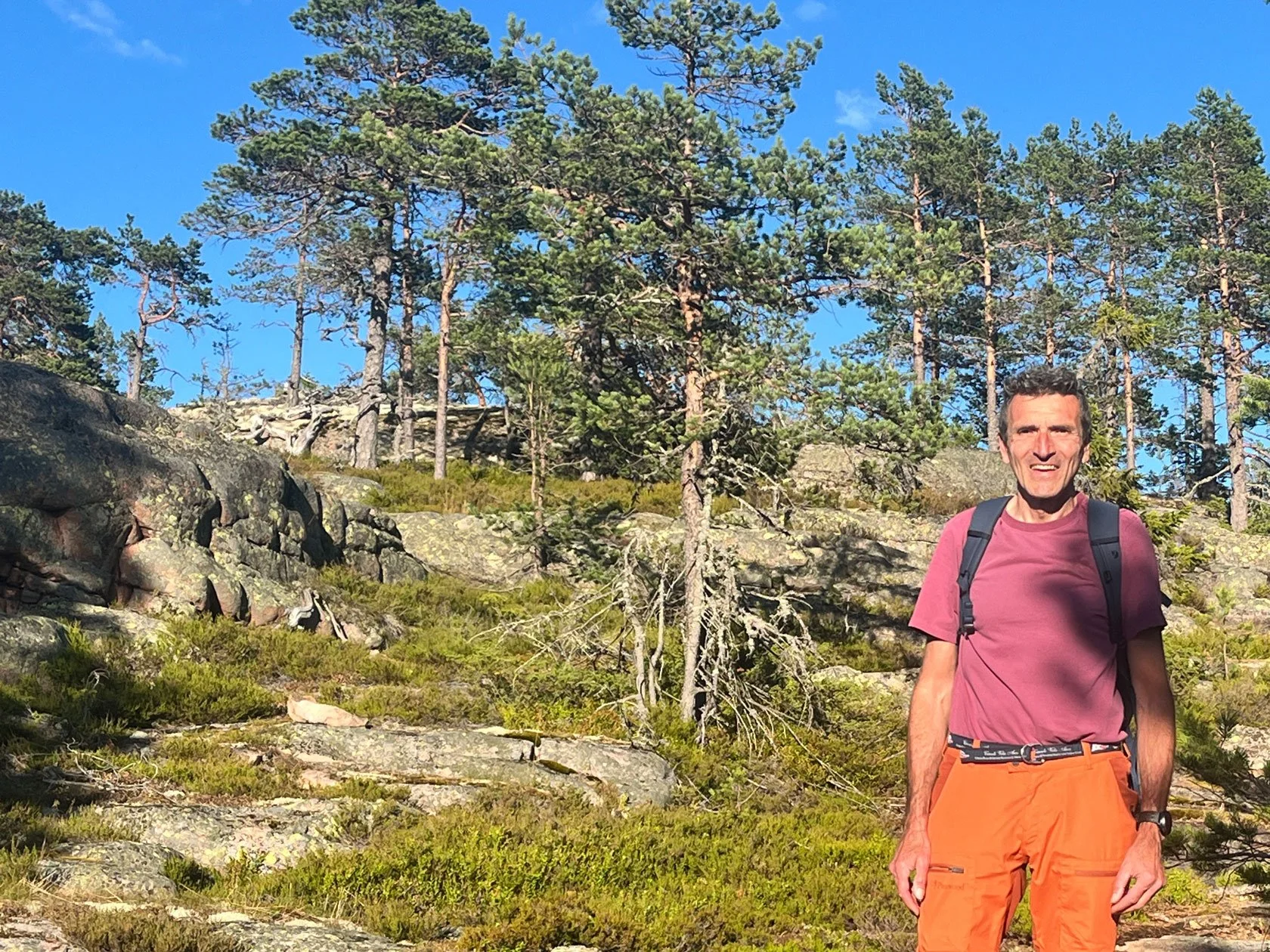
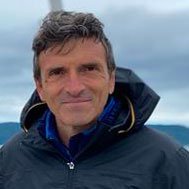
Jag heter Tommaso — och jag bor mitt emellan hav och skog.
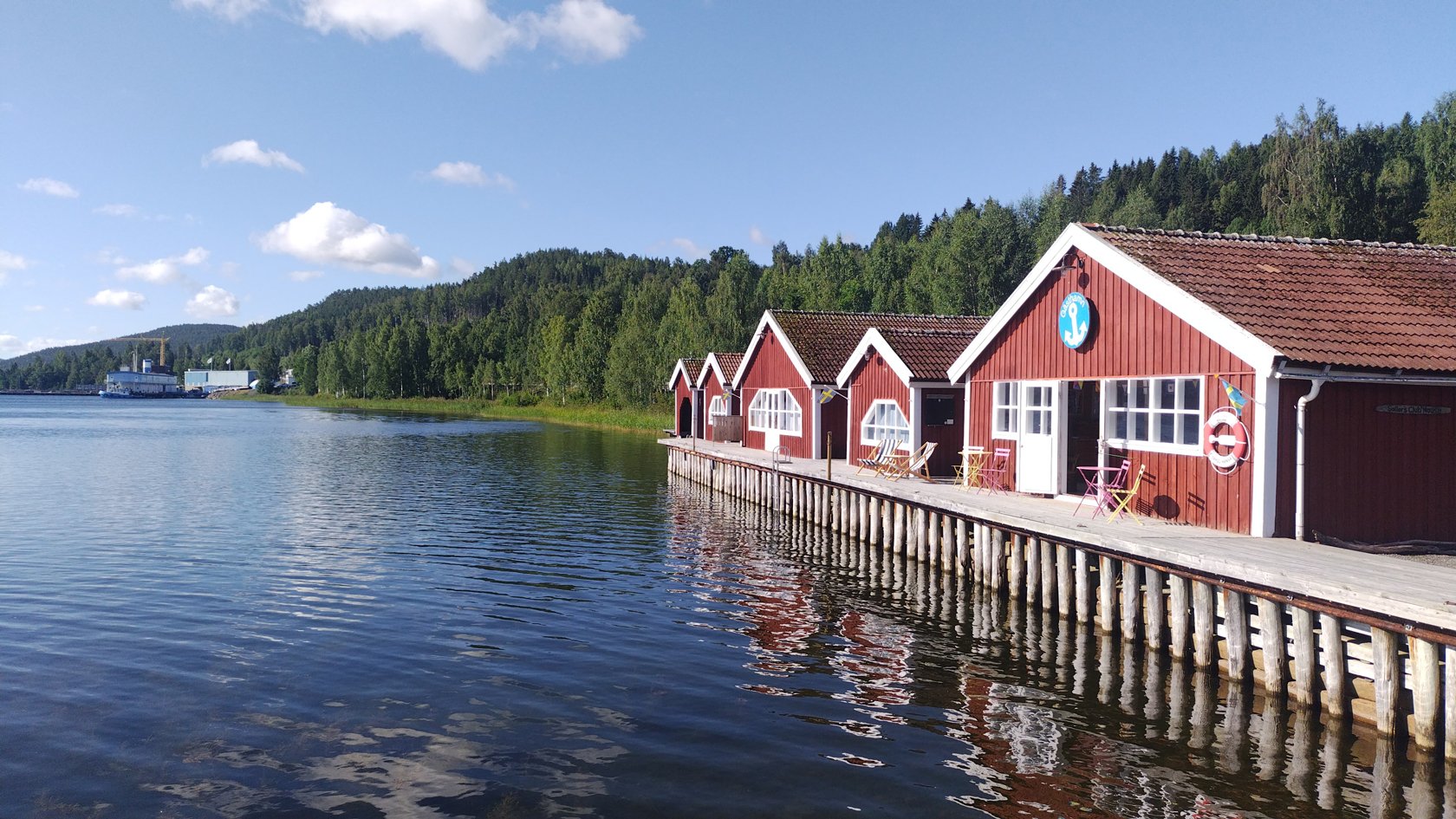
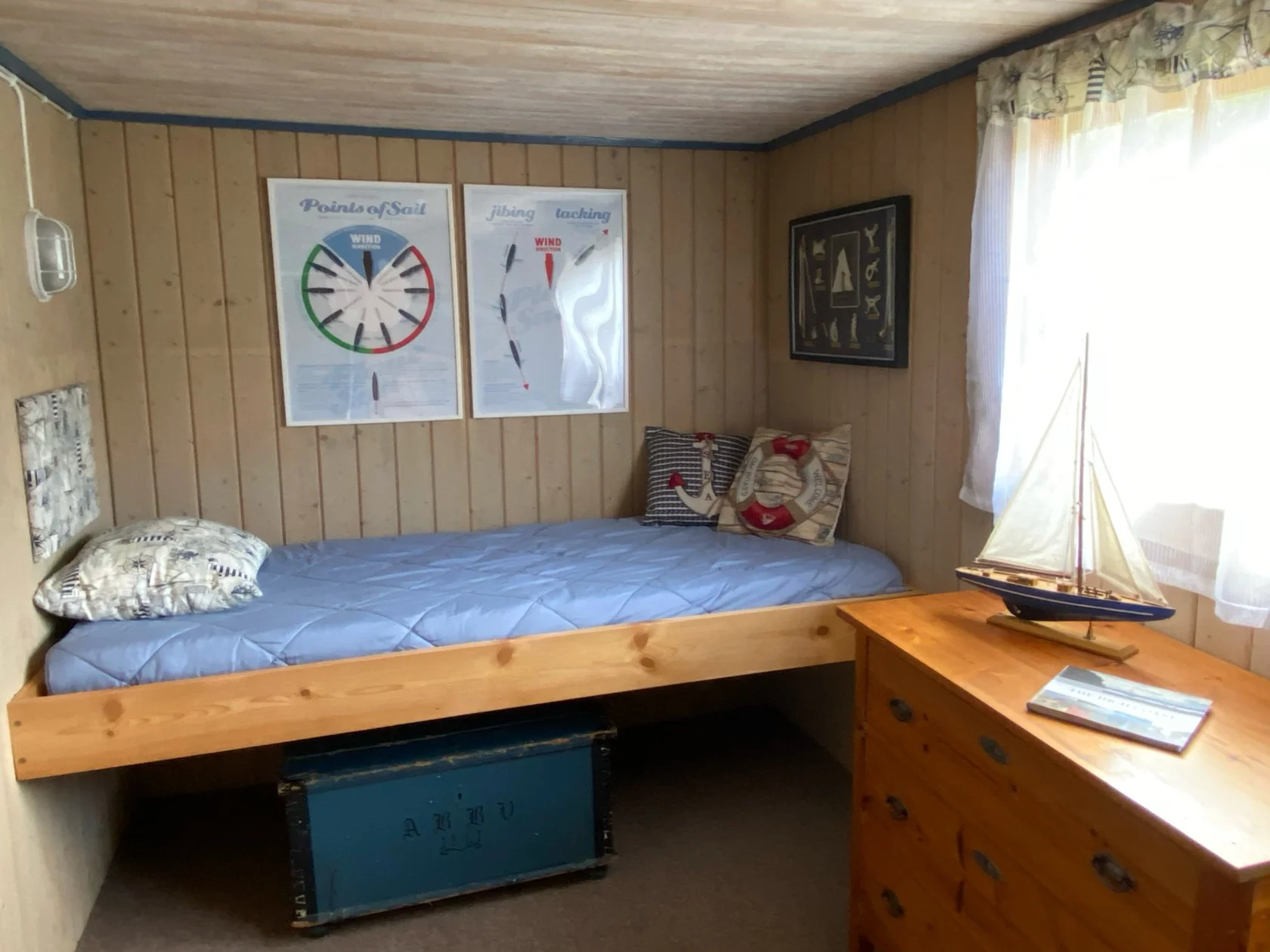
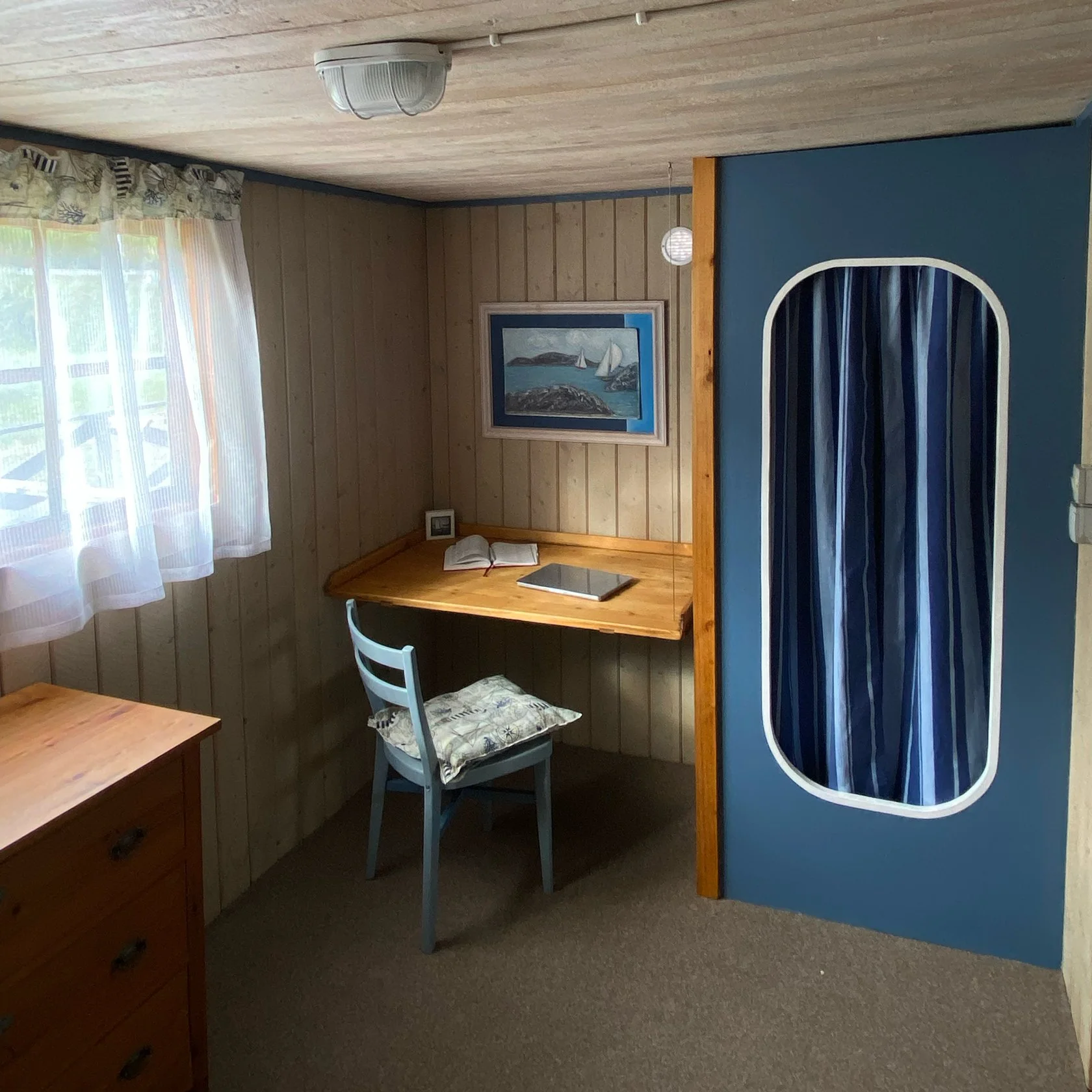
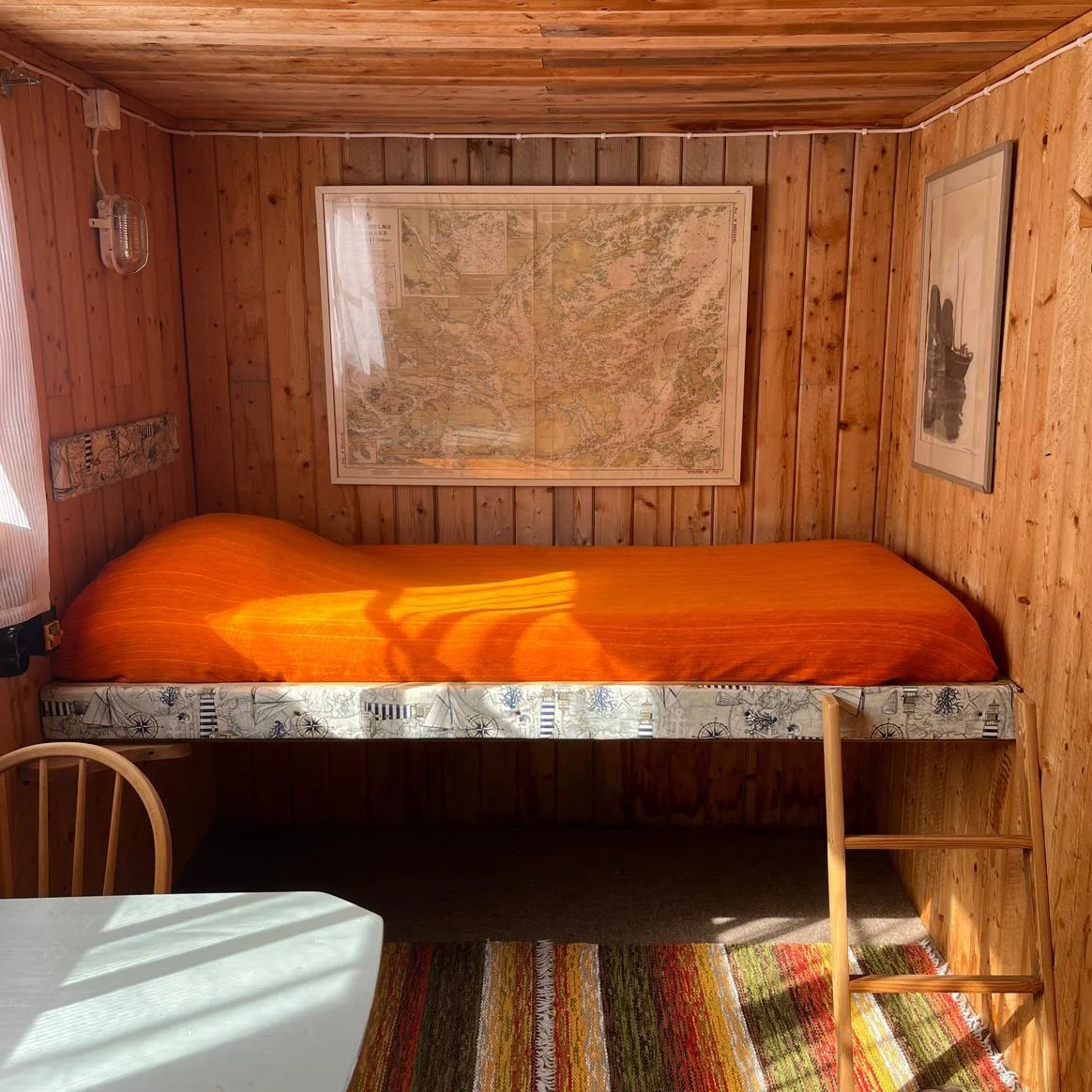
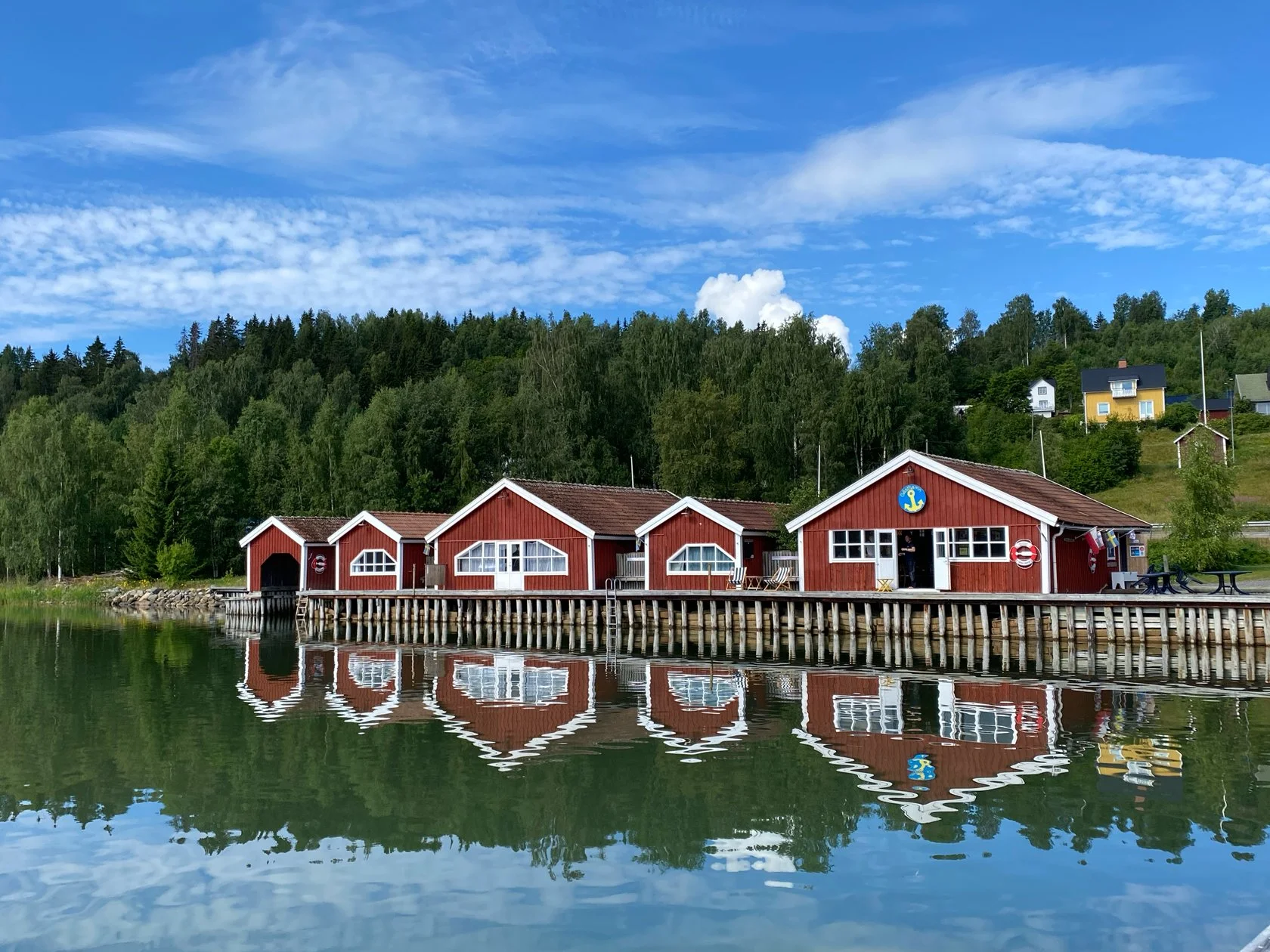
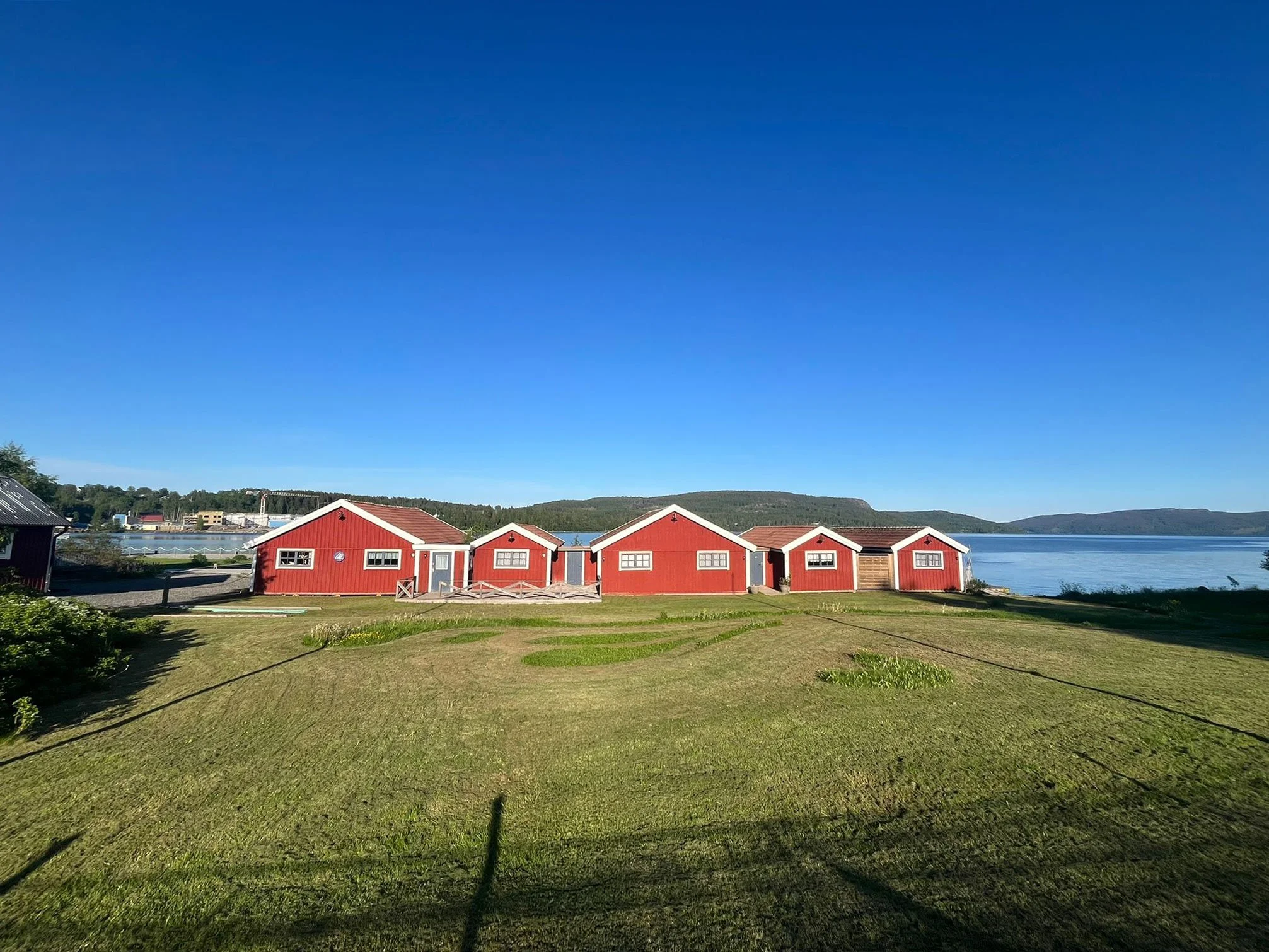
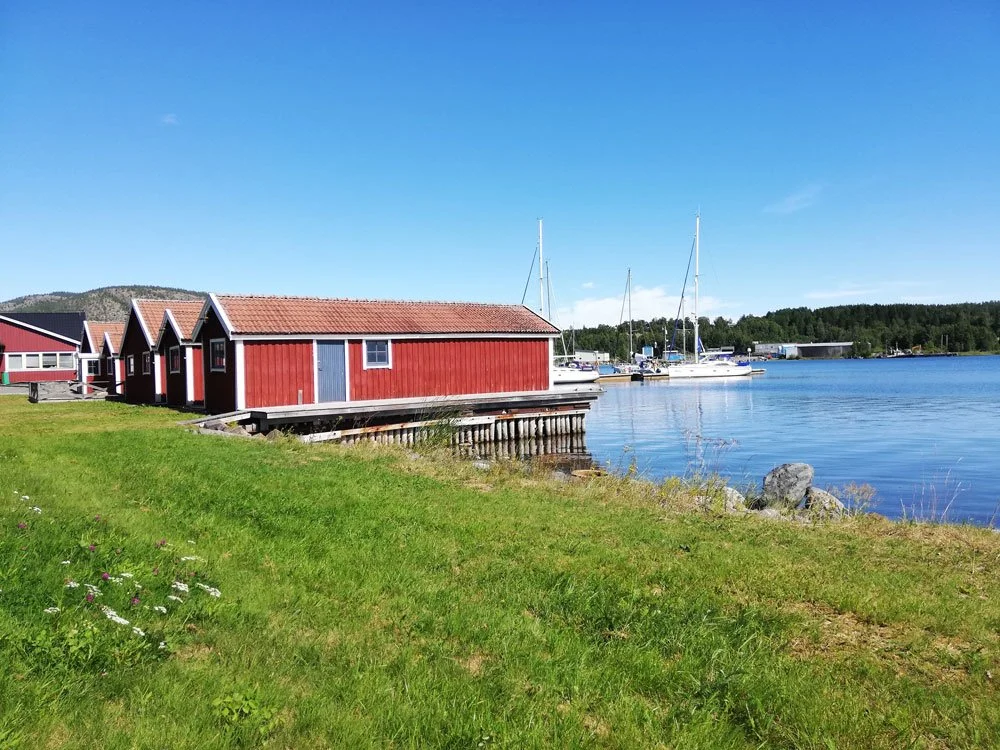
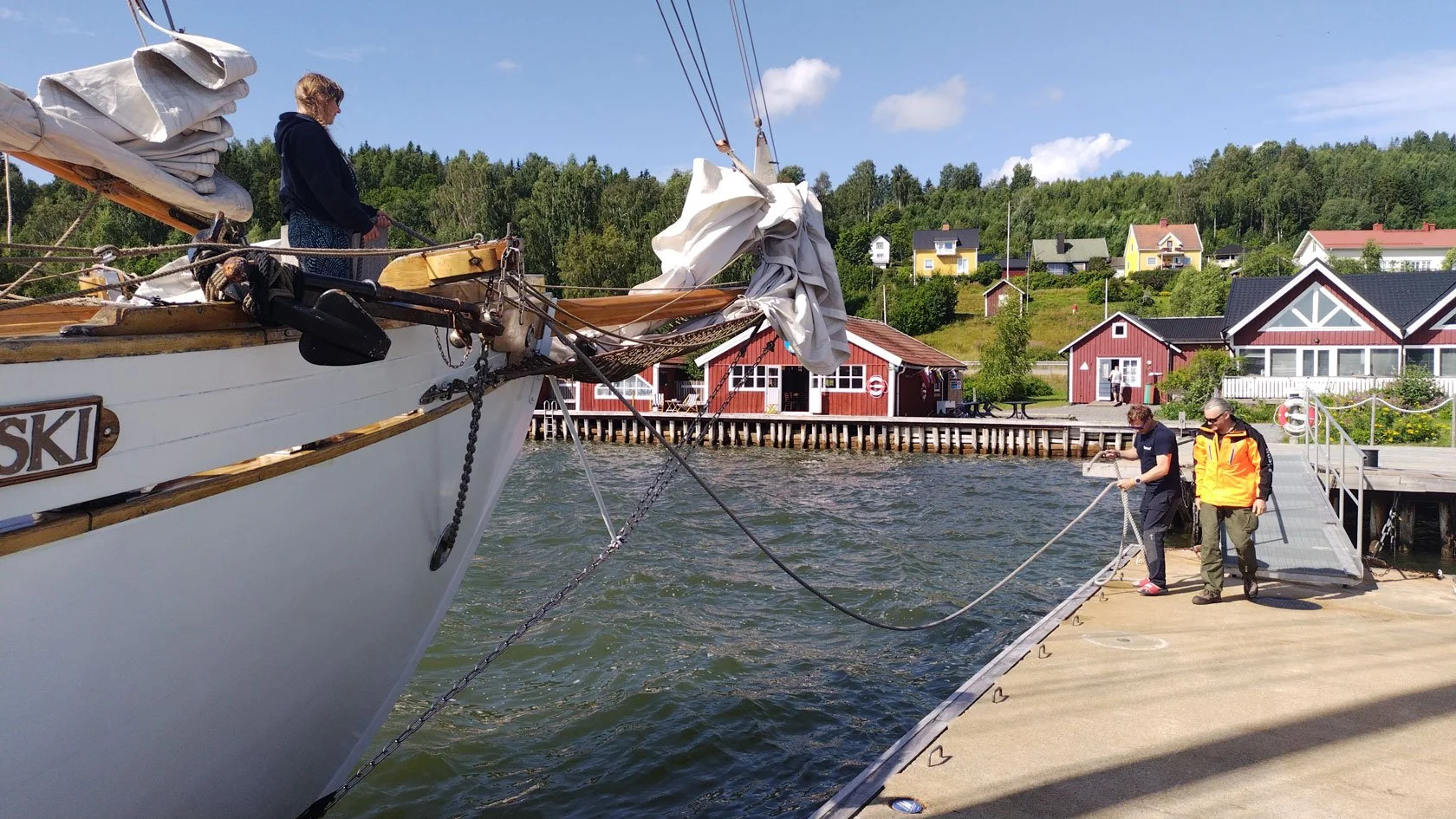
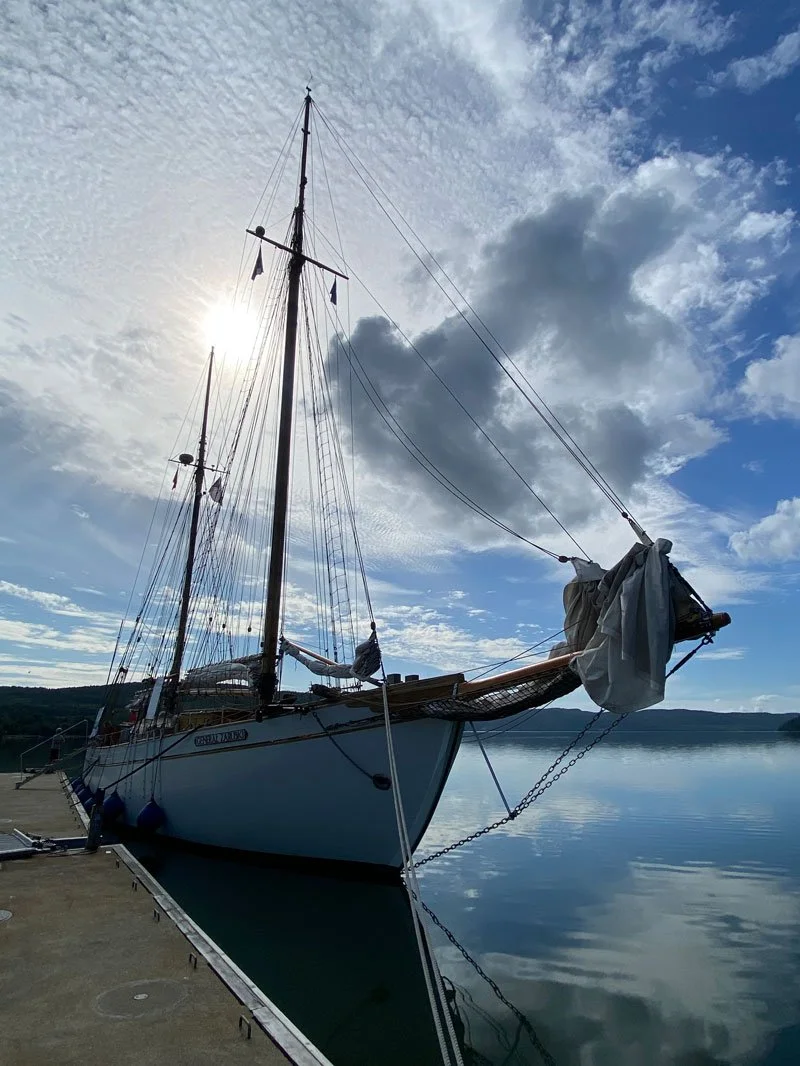
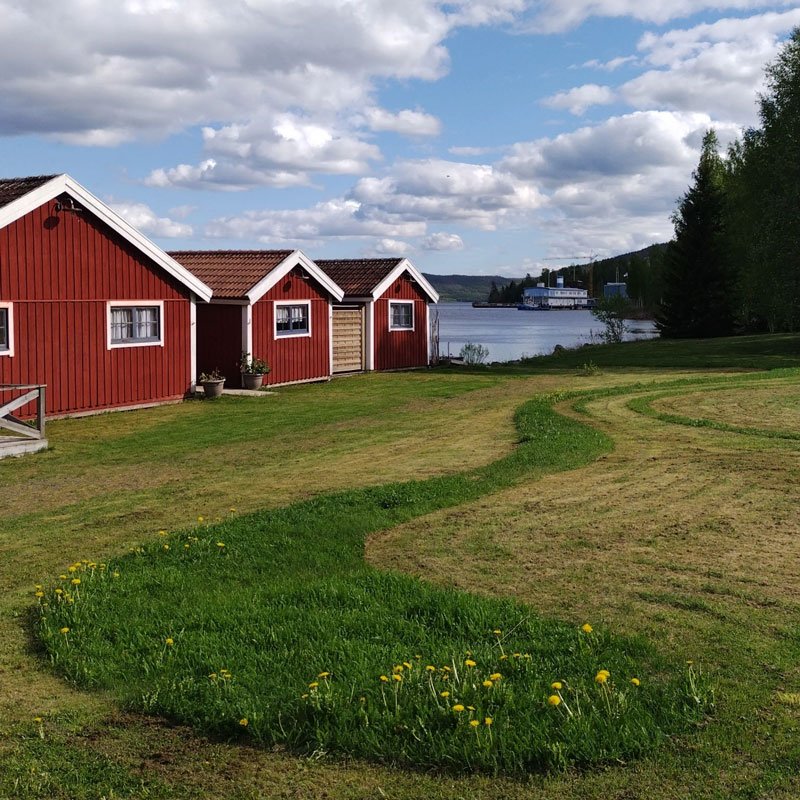
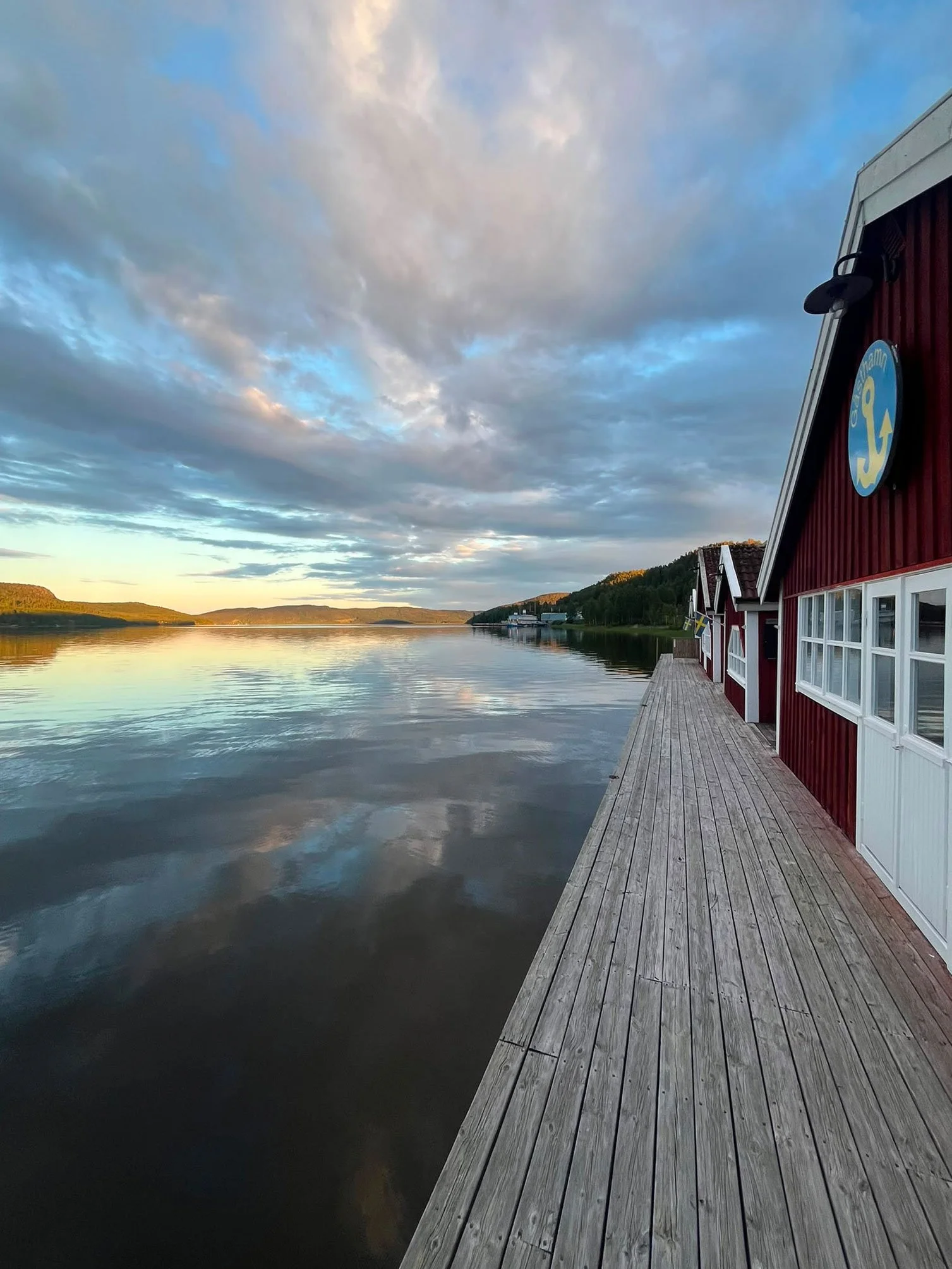
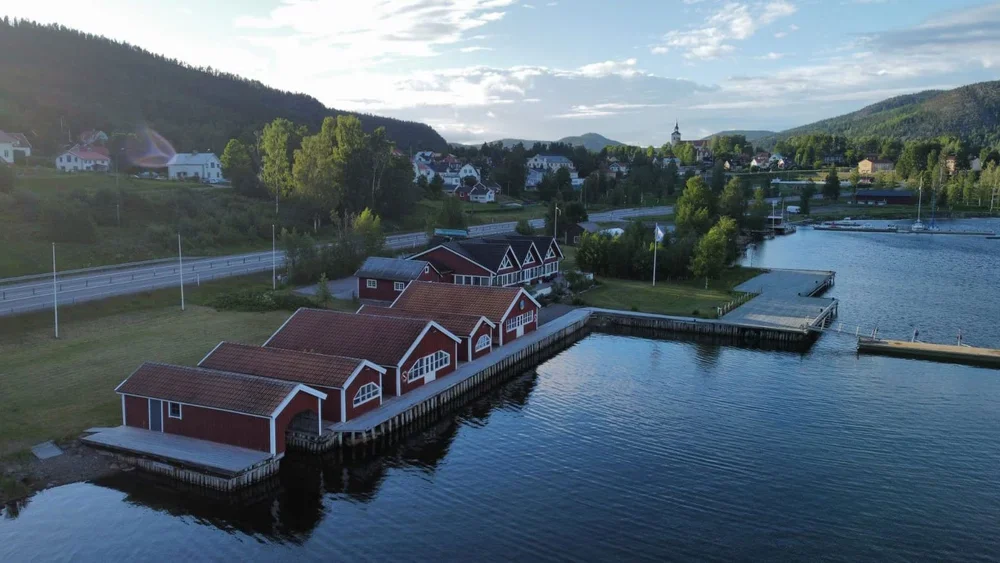
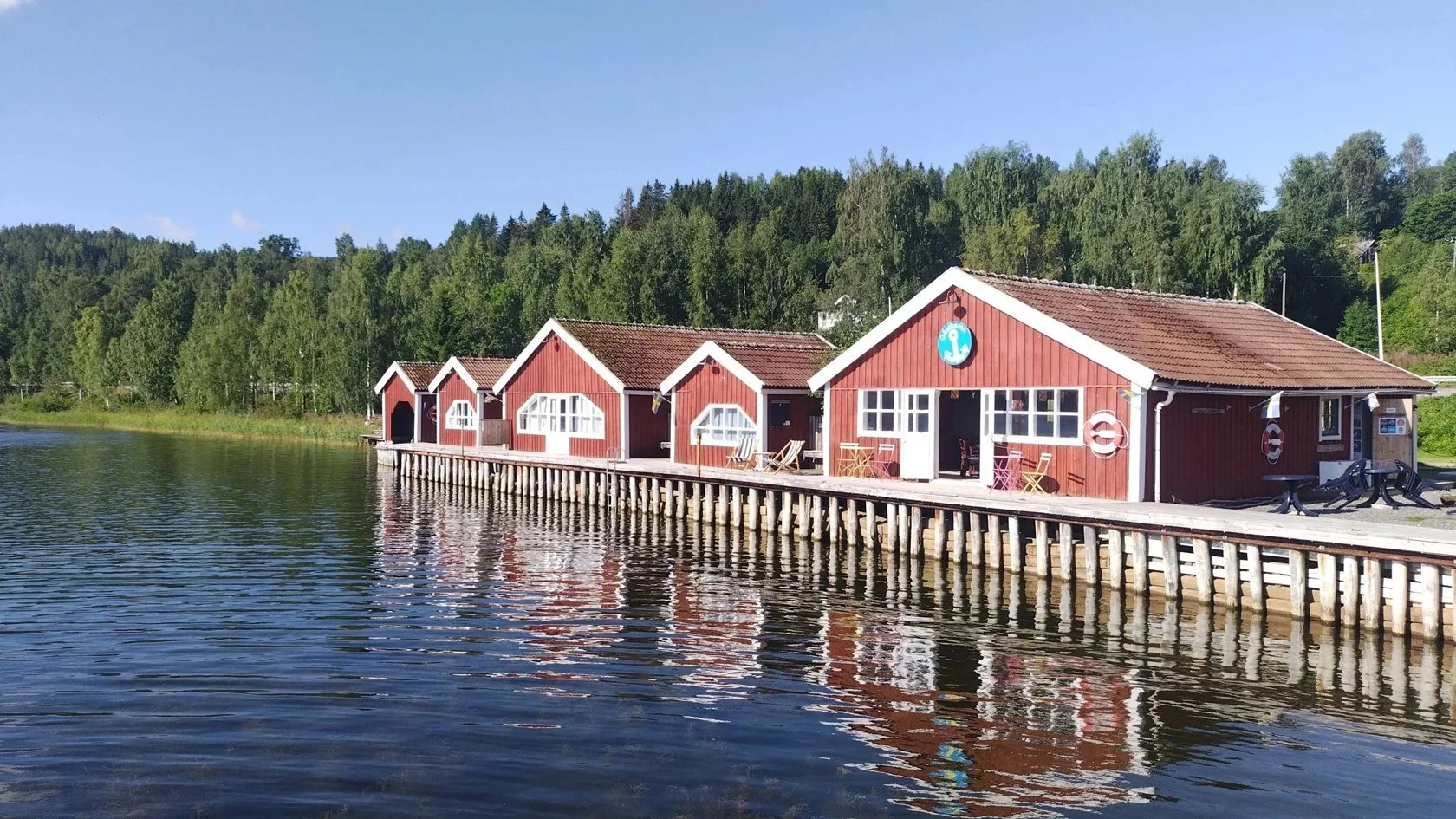
I Docksta driver jag en gästhamn och några boenden precis vid vattnet. Jag är inte ett hotell — och jag försöker inte vara det.
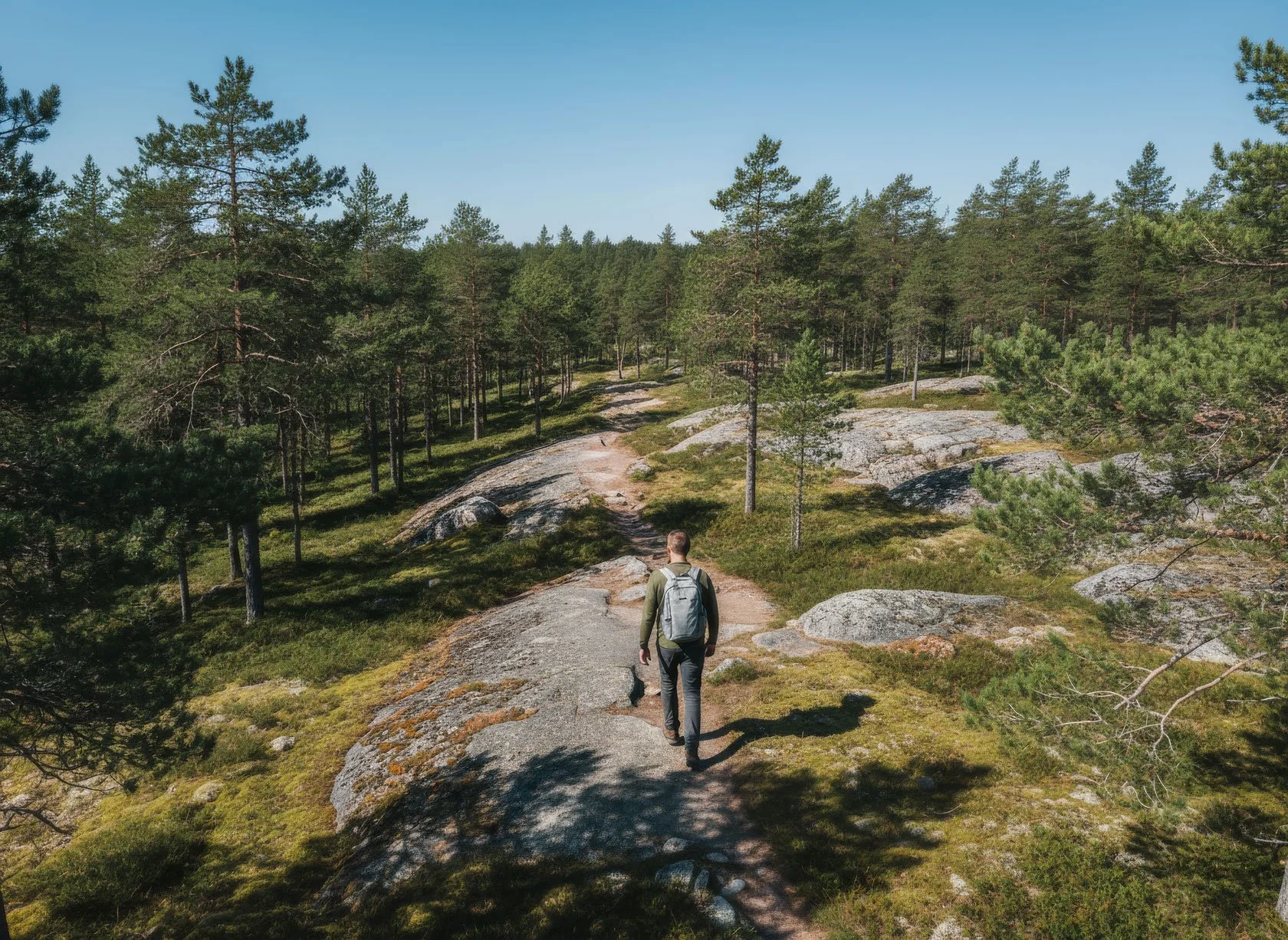
Jag gillar base camp-tänket: en plats där du kan landa, få ordning på logistiken, återhämta dig — och sedan ut i skogen igen.
Och eftersom orientering alltid handlar om rytm (träning, karta, återhämtning, mat, sömn) så känns det här… naturligt.
Först: en viktig sak (så att allt är tydligt)
Det här är inte en officiell WOC-sida och jag representerar inte arrangören.
Det här är ett privat initiativ från Docksta Havet Base Camp (Docksta hamn) — inget uppdrag från arrangören.
Jag delar bara vad jag bygger upp på min egen plats i Docksta — och jag gör det för att skapa kontakt tidigt, särskilt med lag och klubbar som jobbar internationellt.
Den praktiska delen finns samlad här (på engelska – det är sidan jag delar med internationella gäster):
/woc-2029-stays/
Där finns boendeupplägg, logistik och svar på vanliga frågor.
Context & officiella länkar (WOC 2029)
Docksta Havet Base Camp är ett fristående boendealternativ och inte en officiell WOC 2029‑sida eller boendepartner.
För officiella uppdateringar, se IOF International Orienteering Federation (officiell webbplats).
Lokal klubbkontakt / nyheter: Skogslöparna och Nolaskogsarna.

Varför jag skriver detta redan nu (2026)
För att de bästa veckorna planeras i god tid.
Jag tror att 2027–2029 kommer många vilja göra:
träningsveckor i området
pre-camp eller post-camp innan/efter tävlingar
enklare logistik för coacher, staff, media och supporters
lugna dagar där man kan jobba seriöst — utan att bo mitt i allt
Jag vill att Docksta Havet Base Camp ska vara ett alternativ för just den typen av vistelser.
Många svenska klubbar får internationella gäster under build-up-åren. Jag vill att det ska vara enkelt för er att peka på en lugn, praktisk bas — utan att allt blir ett projekt.
En plats som känns som din (mänsklig skala = fullt fokus)
Det finns en praktisk sida av en bra vecka: kartor, resor, bilar, tvätt, matrytm, sömn.
Och så finns det den delen som inte riktigt får plats i ett kalkylark:
Känslan av att komma fram och tänka: okej — det här är vår plats i några dagar.
Inte i lyx- eller resort-mening.
Mer som detta: du passerar inte genom ett system. Du flyttar in i en bas.

“Med en dedikerad bas blir det lättare för ett lag att vara närvarande.”
Docksta Havet Base Camp är byggt i mänsklig skala — med flit.
Det betyder något väldigt konkret: gäster här blir aldrig siffror. De har namn. De har en rytm. Och om de vill dela en historia — så finns det utrymme.
En plats i mänsklig skala kan vara 100% närvarande.
Inte en reception. Inte roterande personal.
Riktiga människor på plats, som bryr sig om detaljerna som gör en vecka smidig: ankomst, lugna kvällar, morgonflöde, blöta skor, torkning av utrustning — de små friktionerna som stjäl energi.
Och ja — ibland kan en orienteringsvecka kännas som att flytta in i sin egen “hemma-bas”.
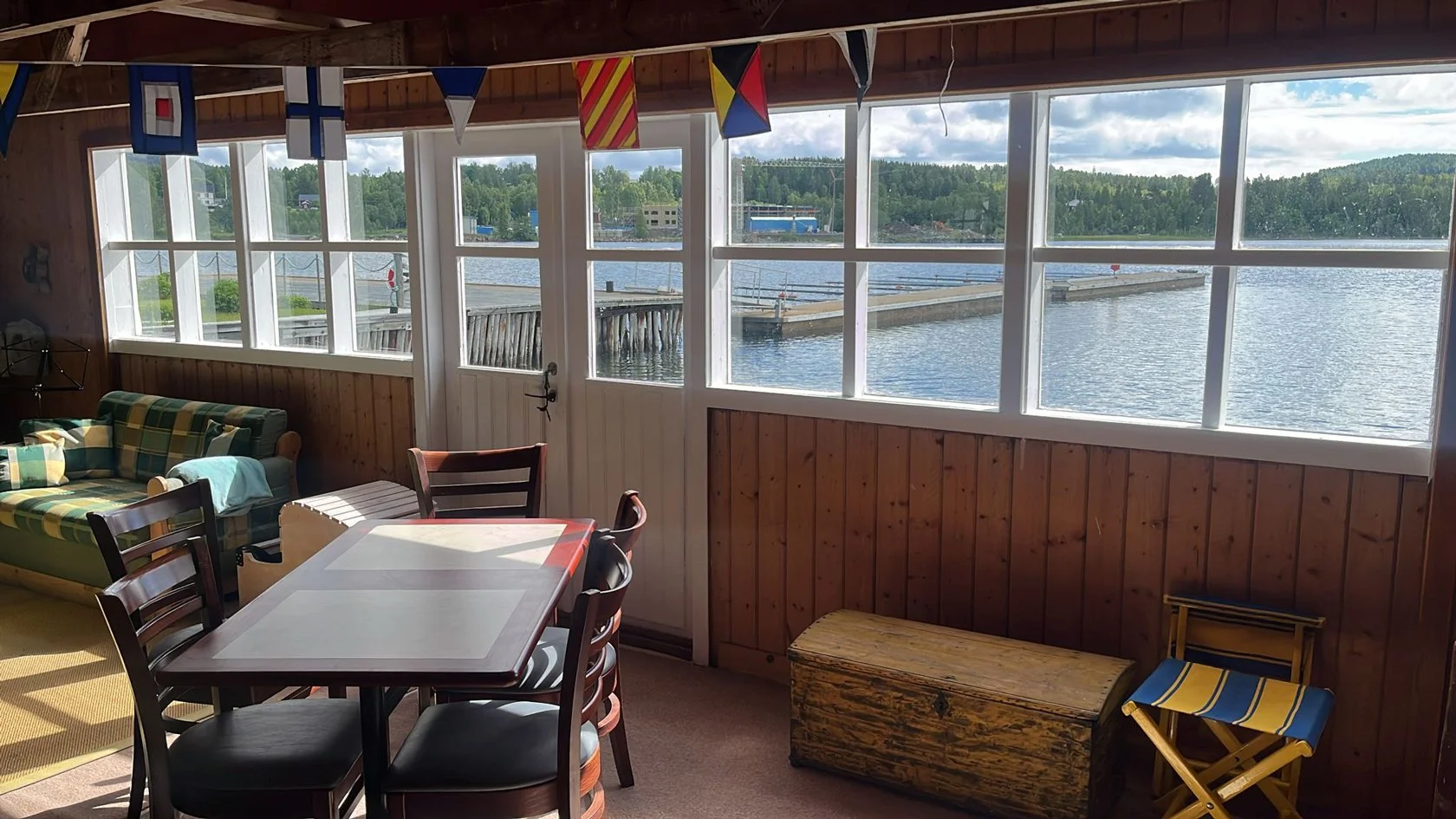
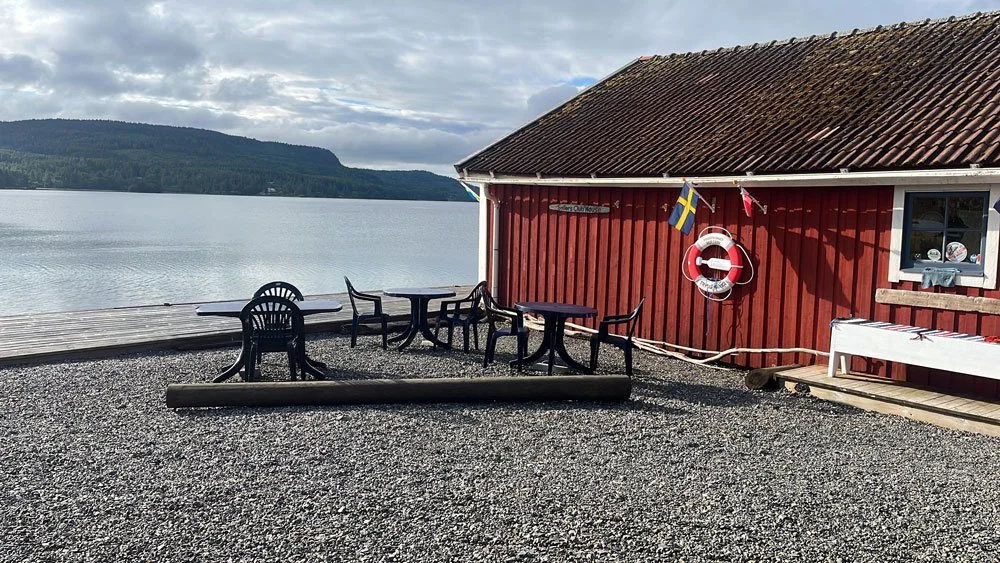
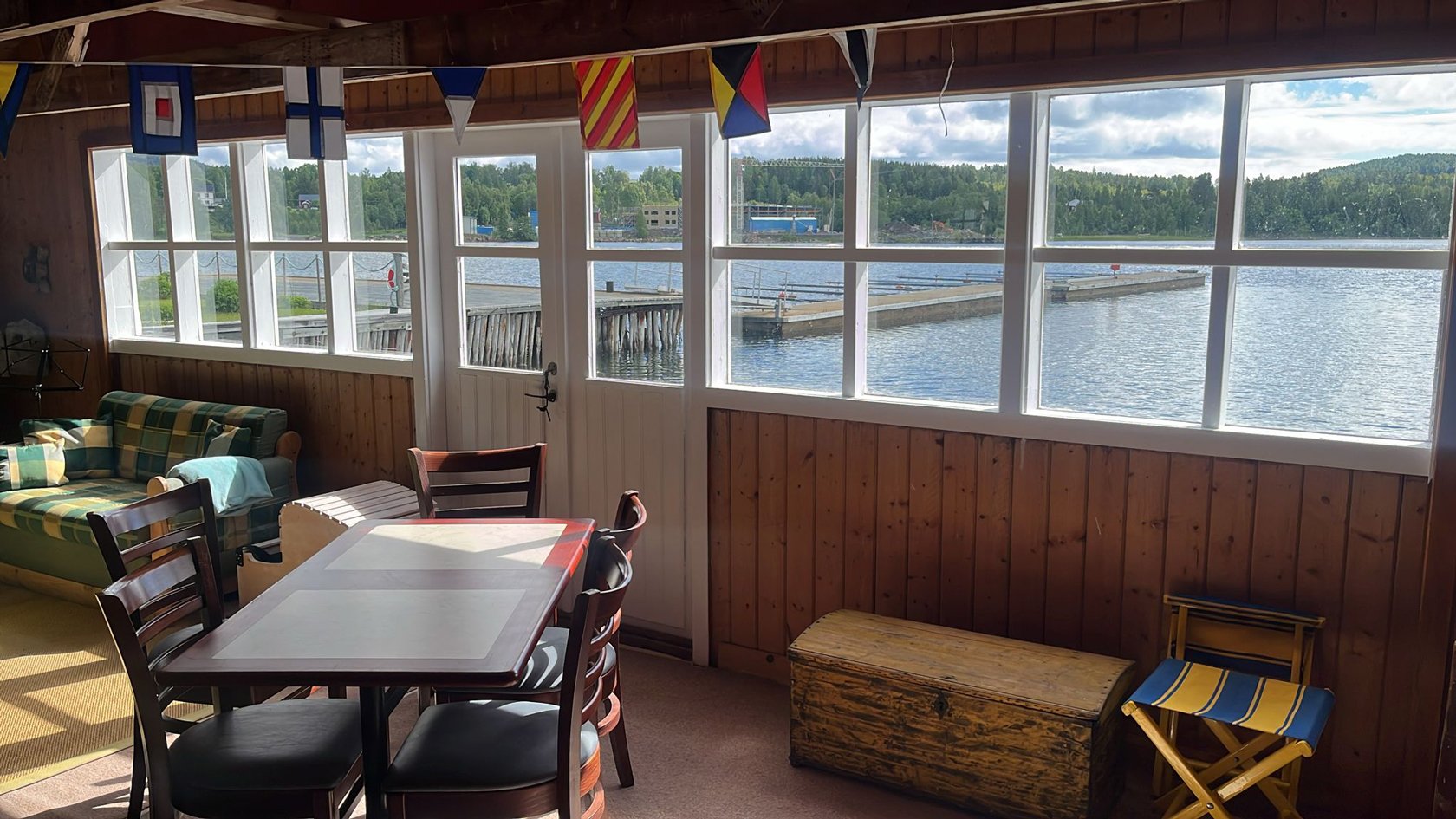
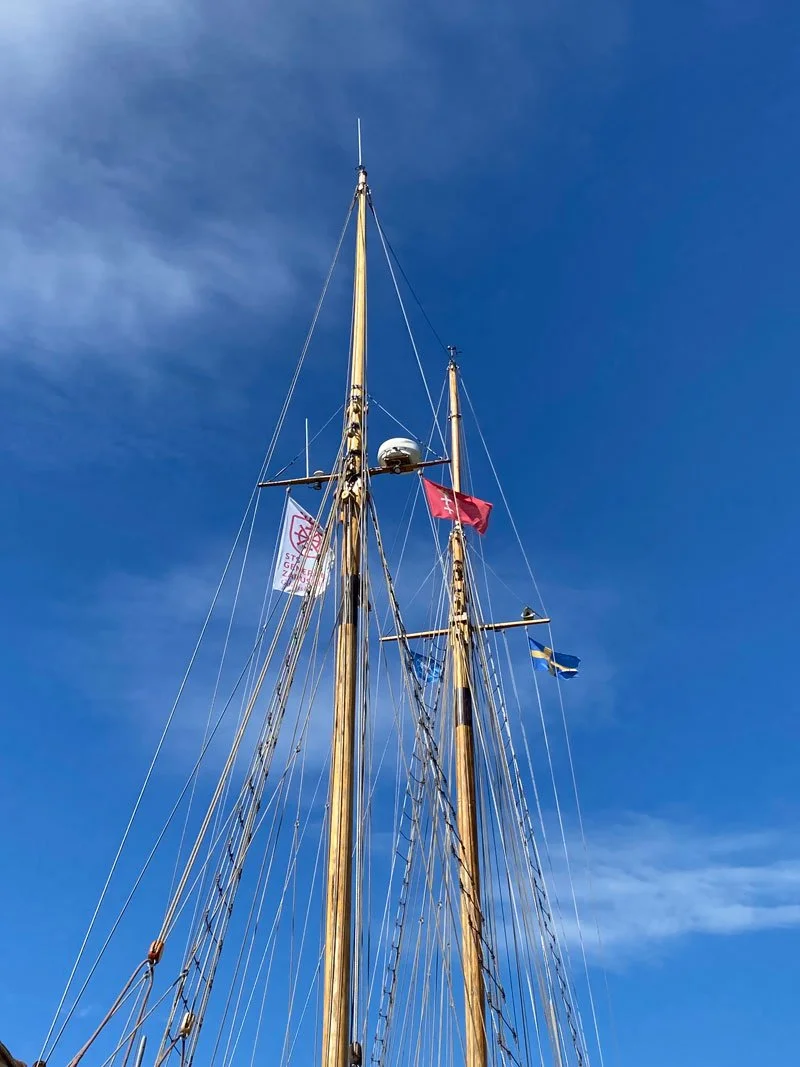
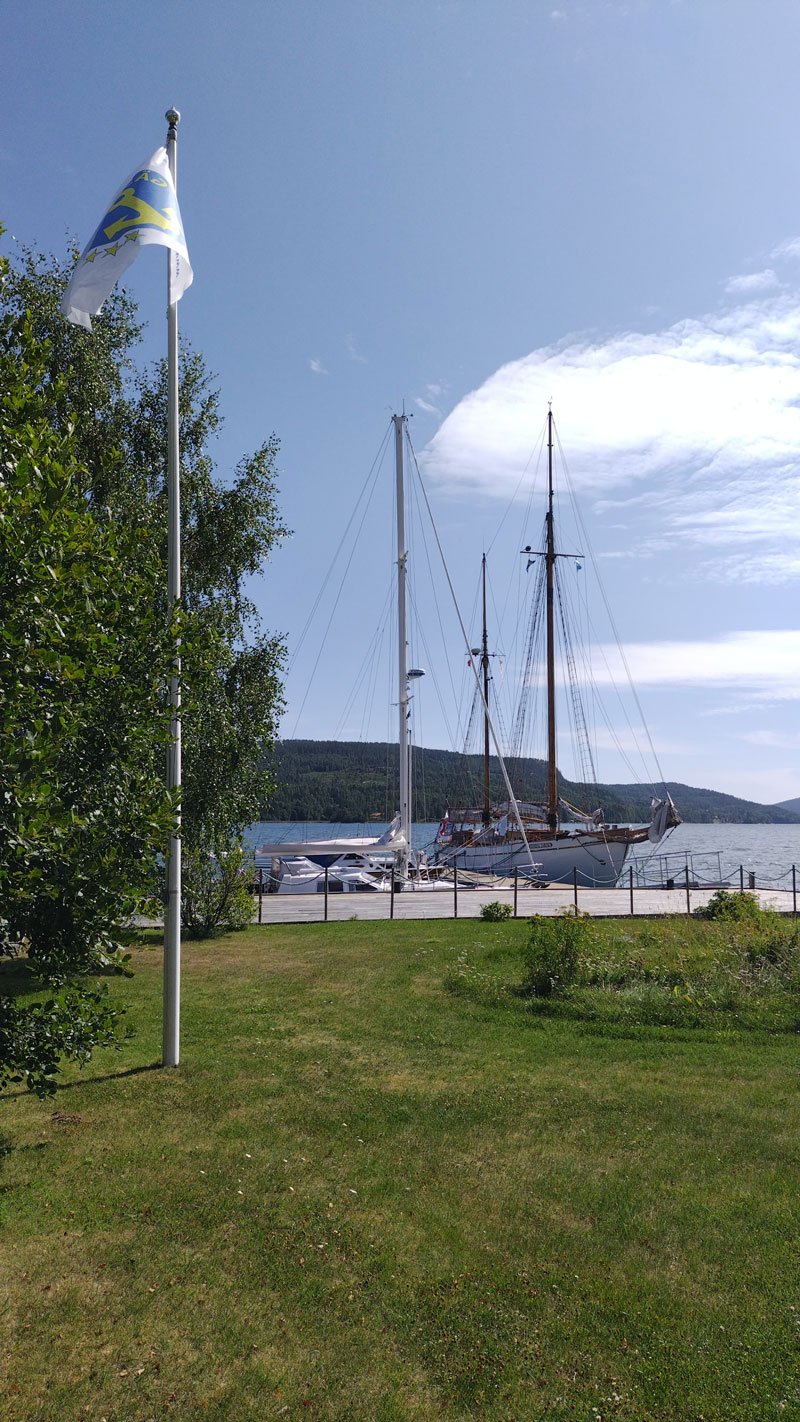
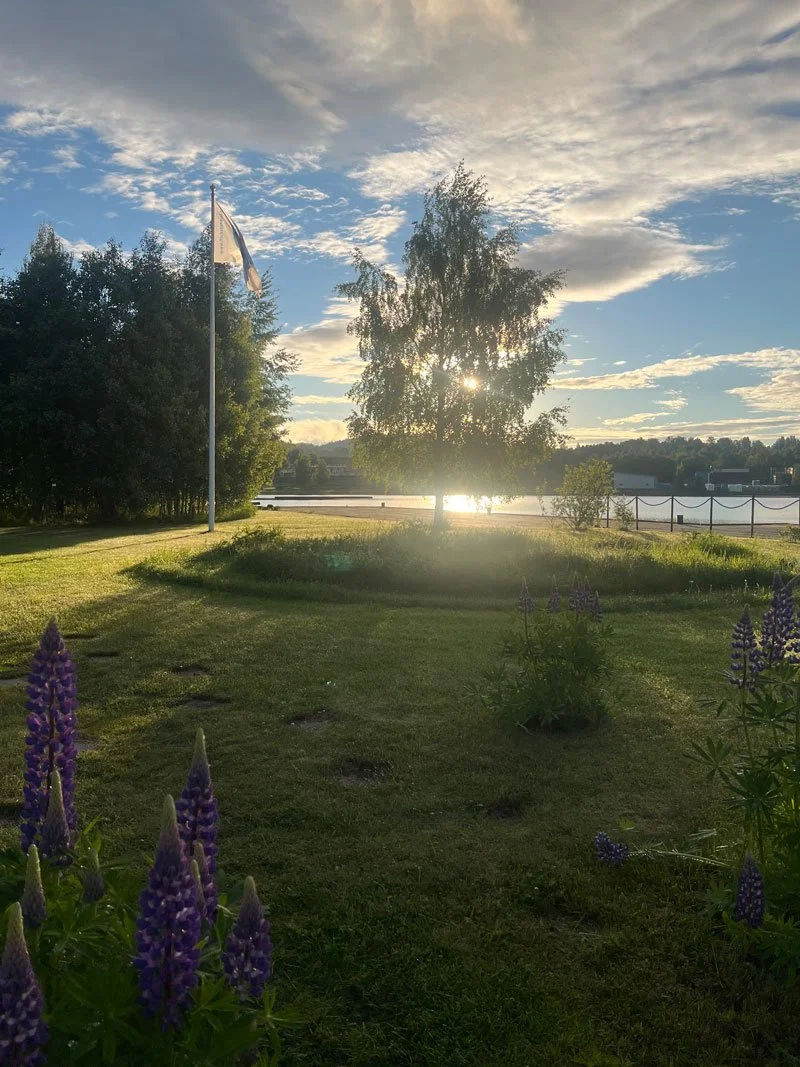
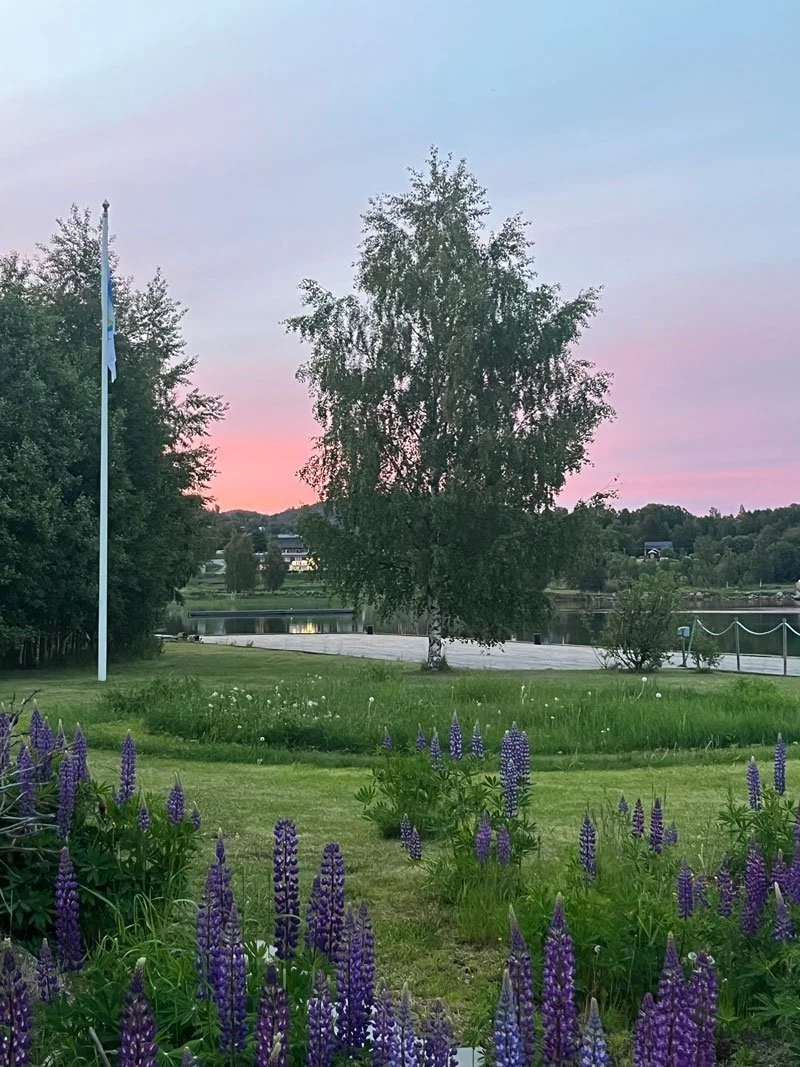
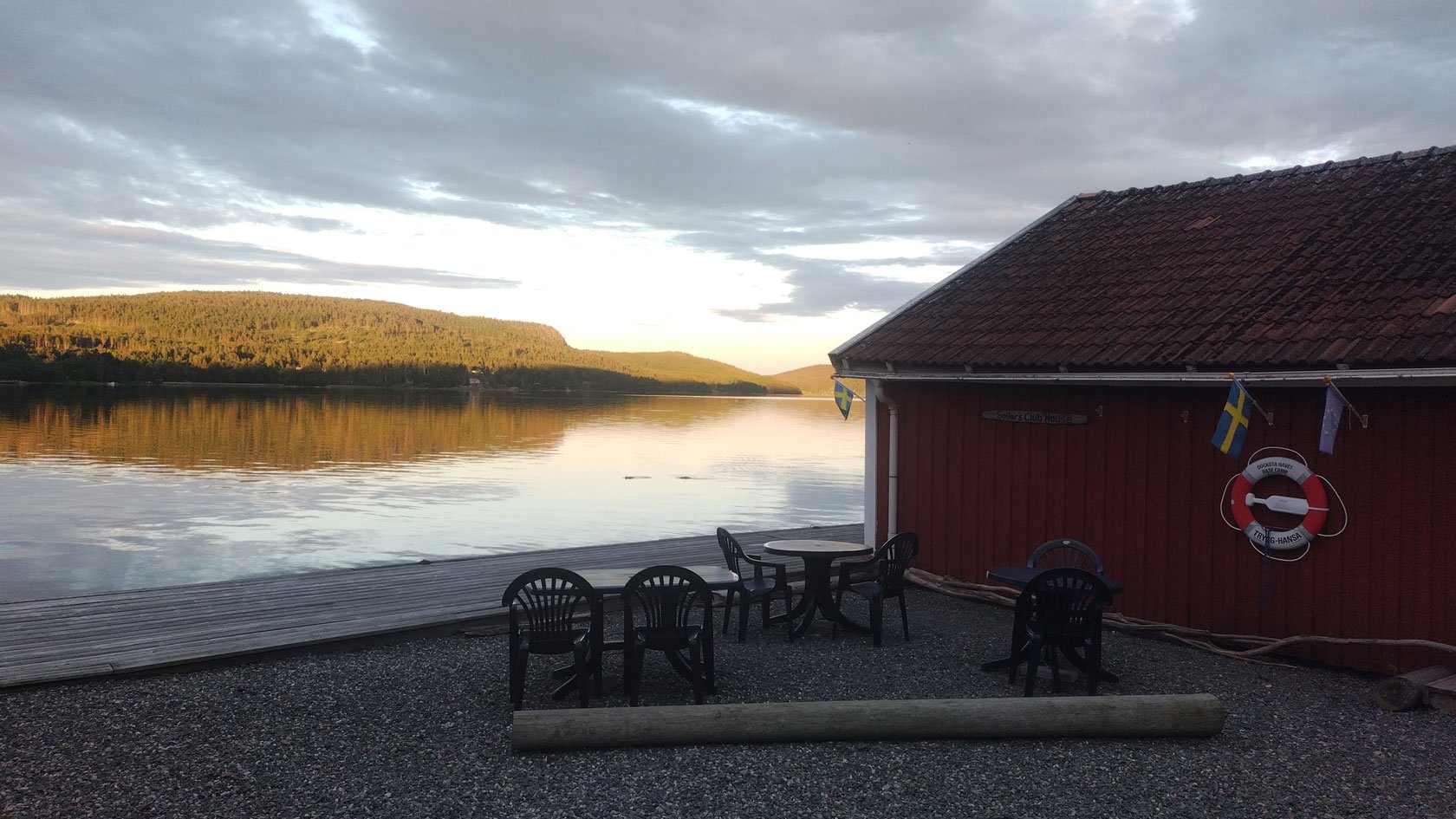
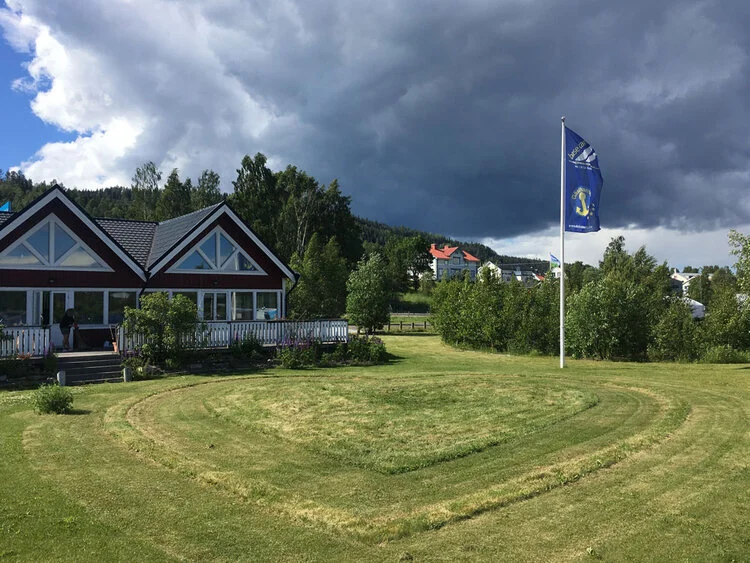
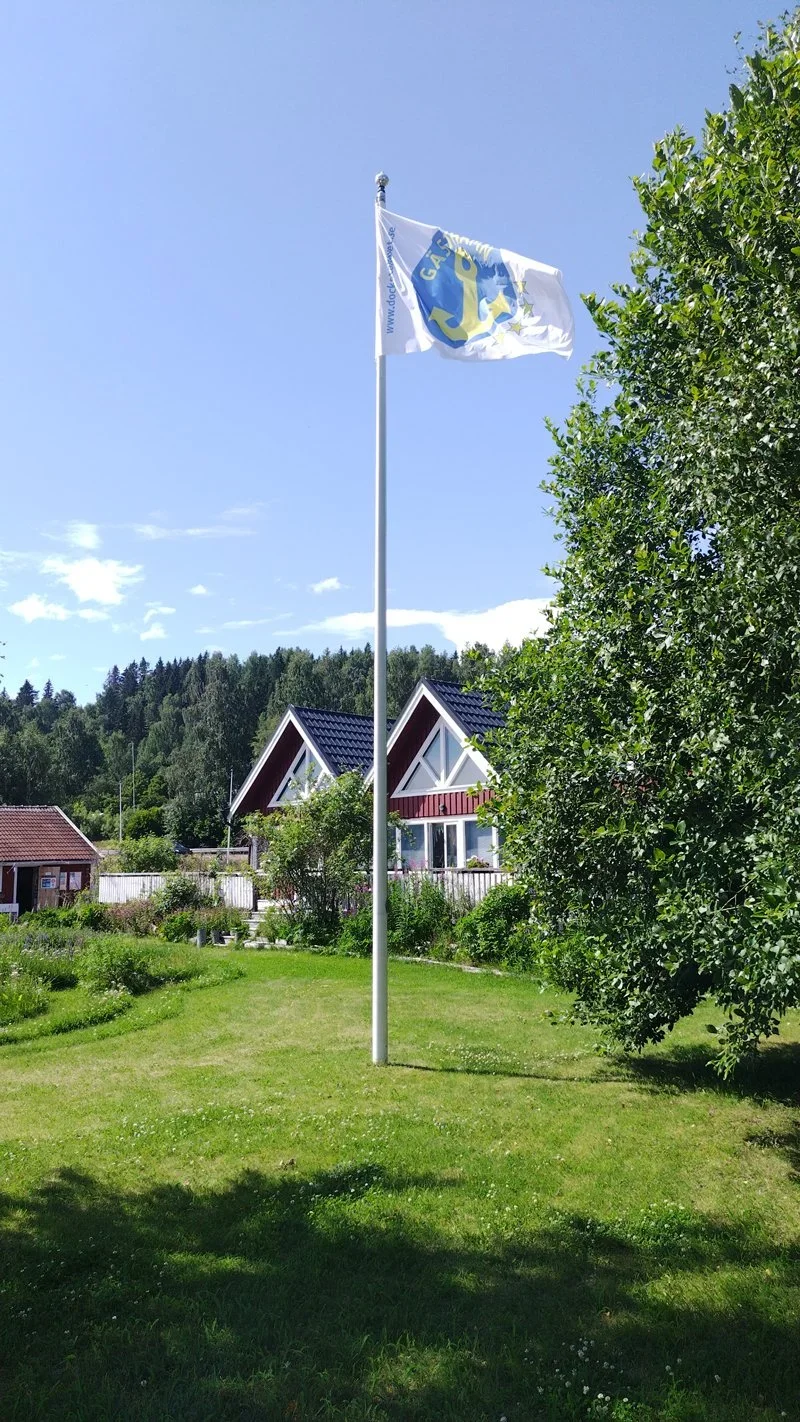
Jag ser det framför mig: en lagflagga på gräset vid bryggan, vimplar på våra flaggstänger, kartor på bordet, en tyst morgonkaffe — och den där lugna känslan när logistiken inte slåss mot dig.

Vad jag menar med Peak Performance (på ett mänskligt sätt)
För mig handlar Peak Performance inte om hårdare träning.
Peak Performance, för mig, är inte en slogan. Det är bara ett sätt att beskriva det som gör en vecka hållbar.
Det handlar om att göra det lätt att hålla en bra rytm:
sova bra
äta enkelt
ha plats för korta kartgenomgångar
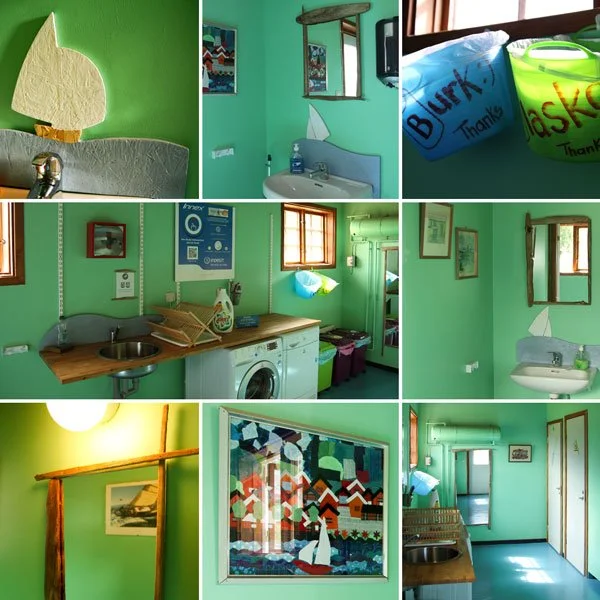
kunna tvätta, ladda, återställa
ha lugn nog att faktiskt återhämta sig
Det är ofta där en bra vecka avgörs.
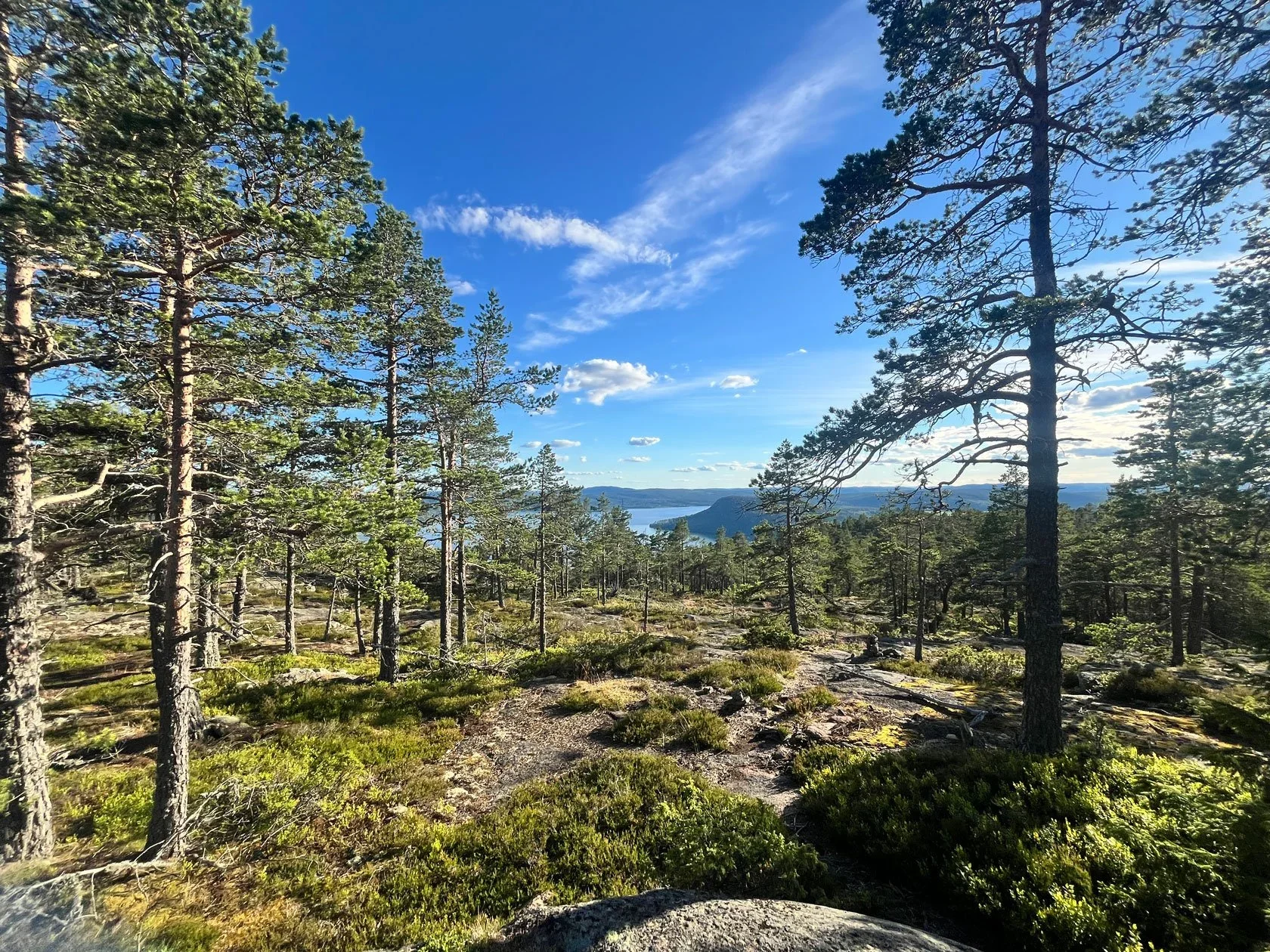
Inte bara lag: en bra bas även dag för dag (familj, supporters, “rest day”)
Alla som reser med orientering har inte samma schema.
Ibland tränar någon. Ibland tävlar någon. Ibland är du med som partner, förälder, vän, supporter — eller bara nyfiken på området.
Då blir frågan enkel:
Vad gör jag en rest day? Vad gör jag medan andra är i skogen?
För mig är Docksta också en bas för just det.
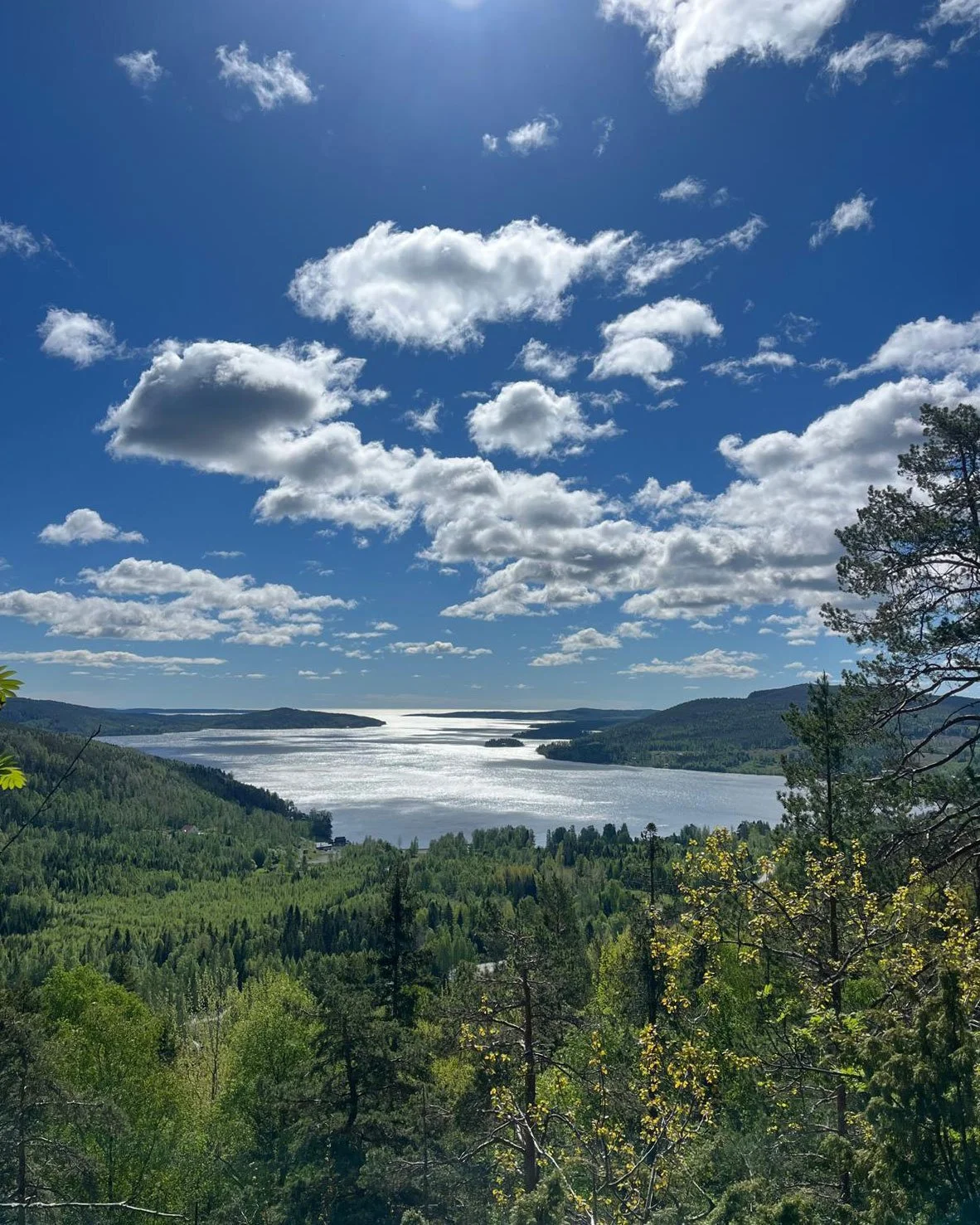
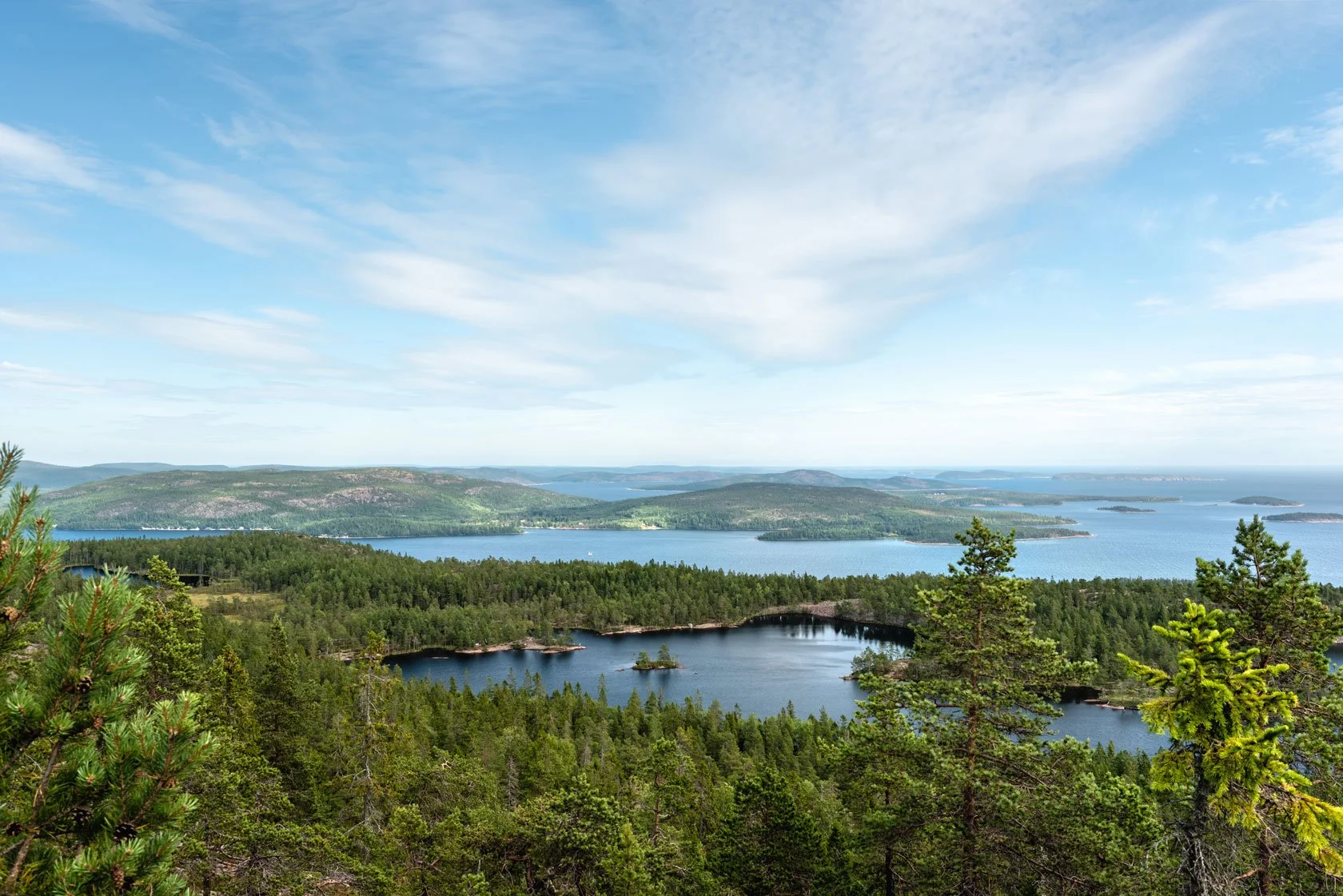
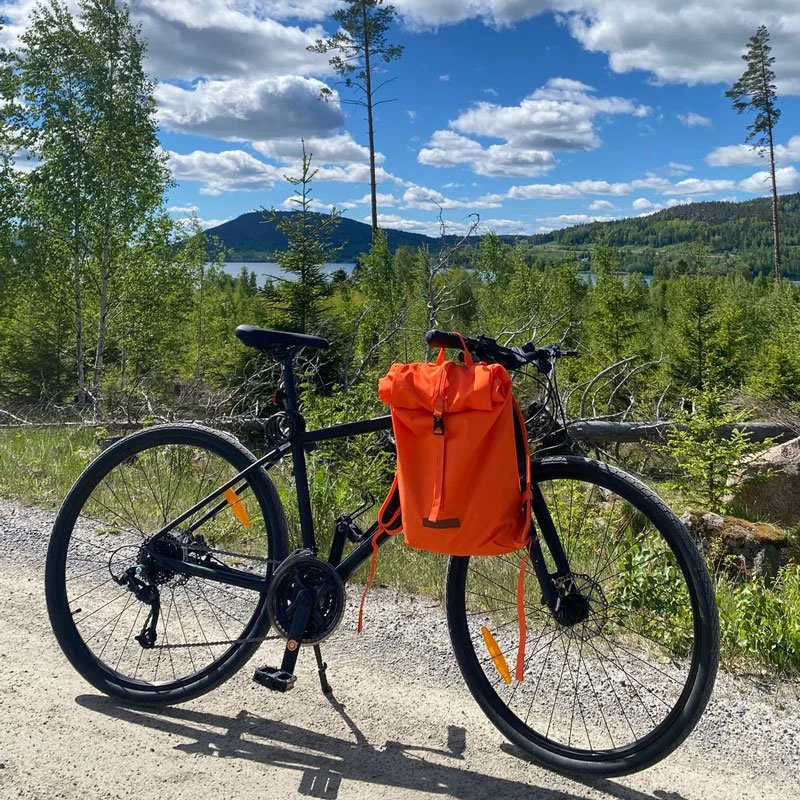
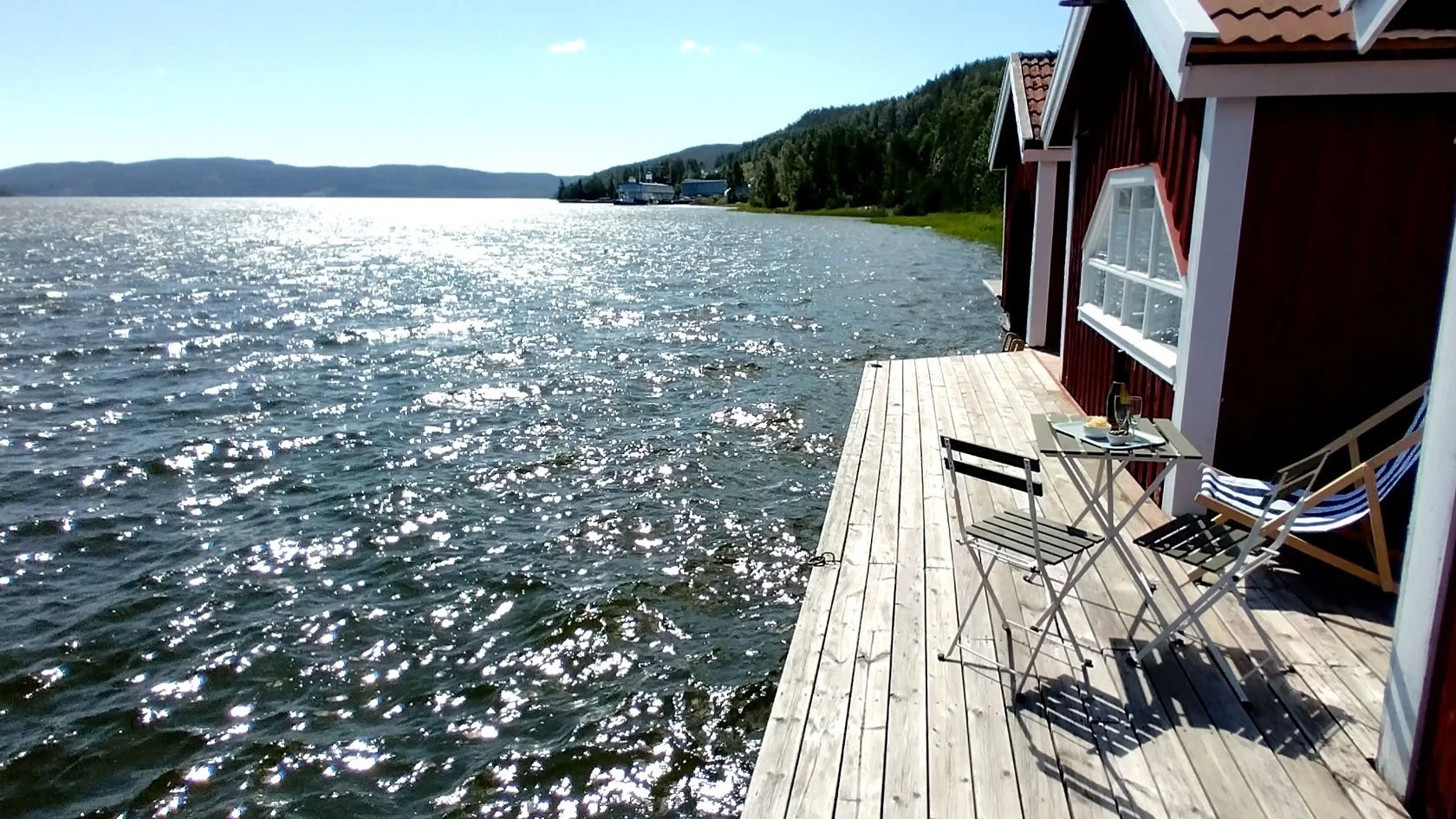
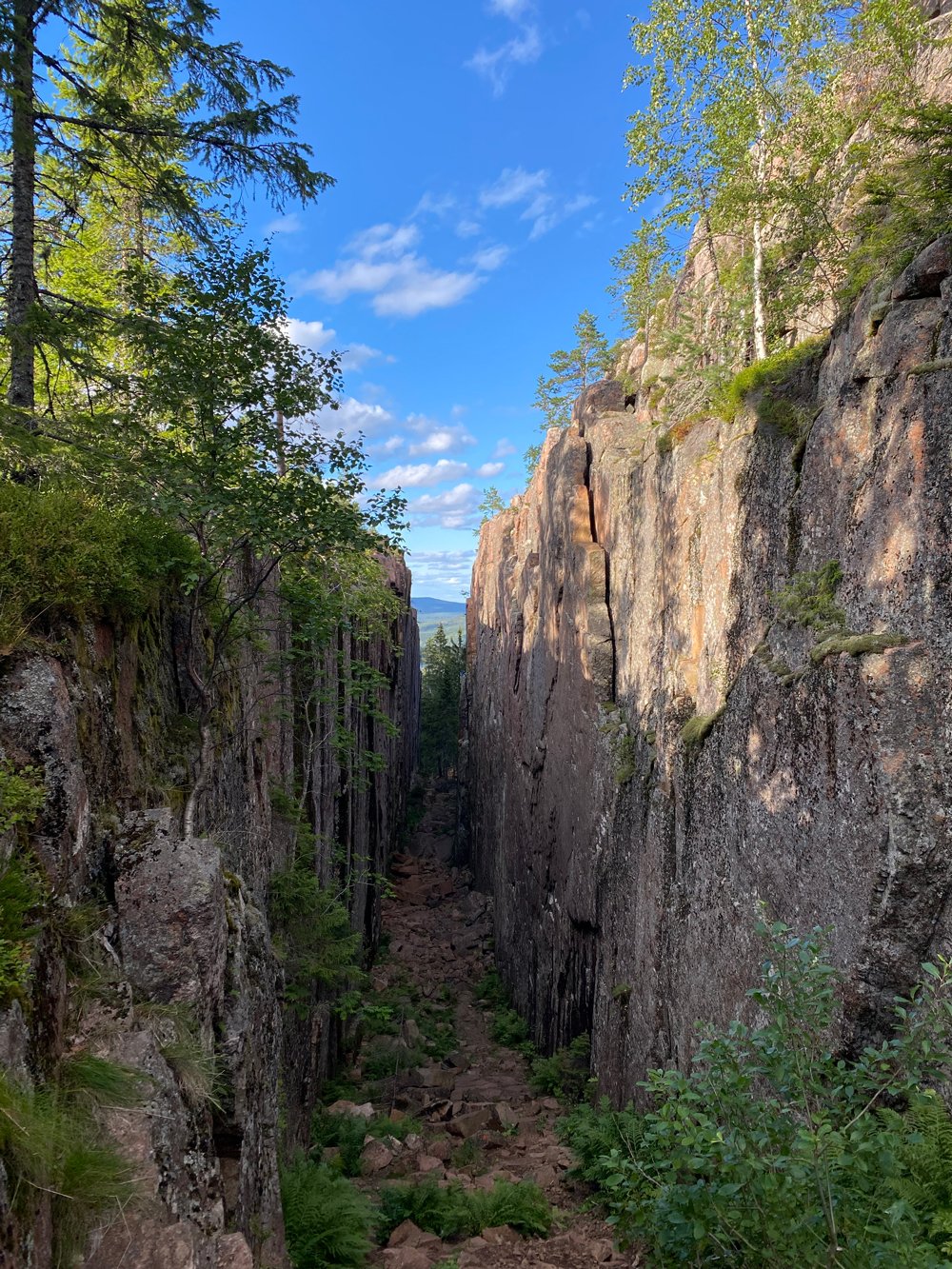
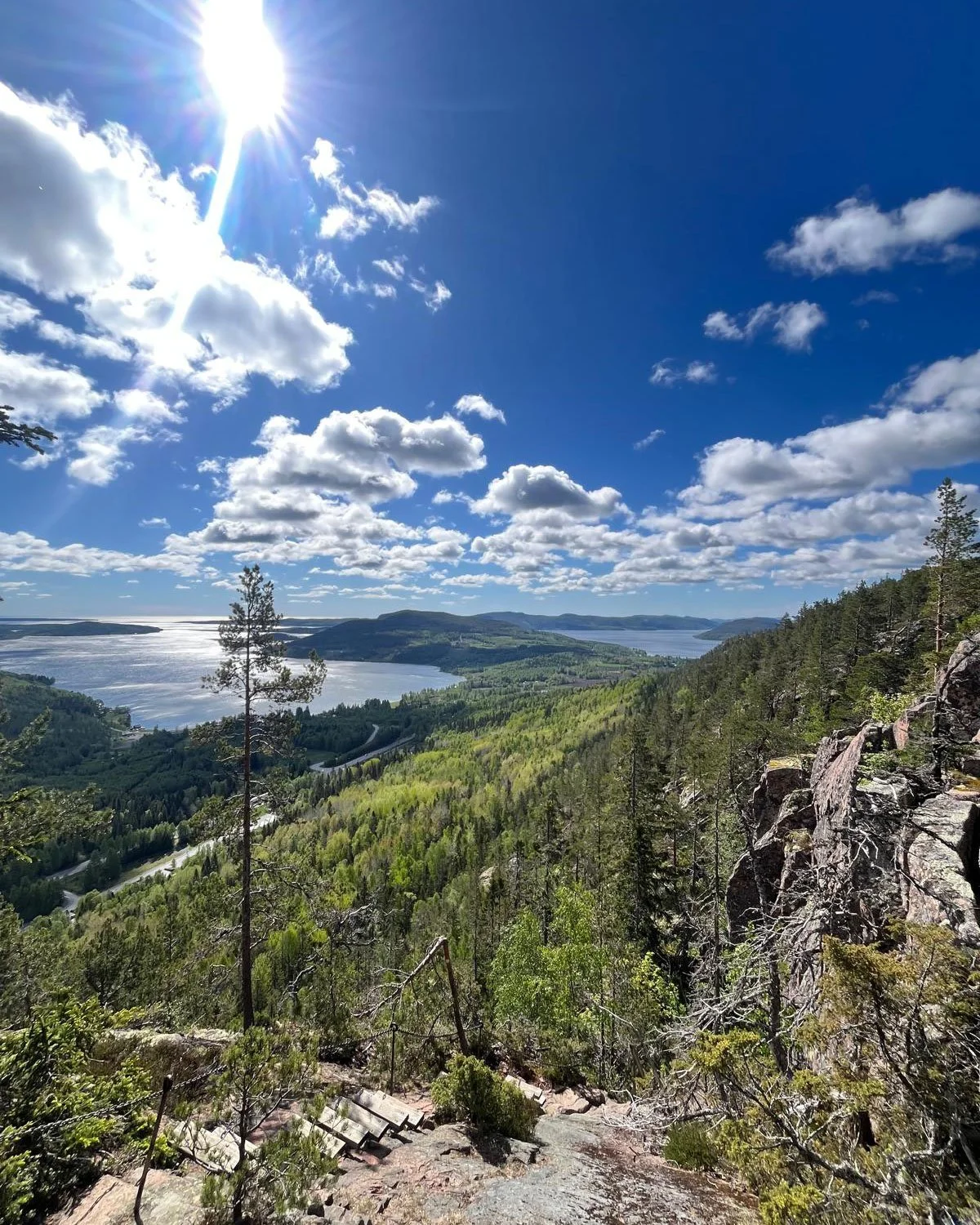
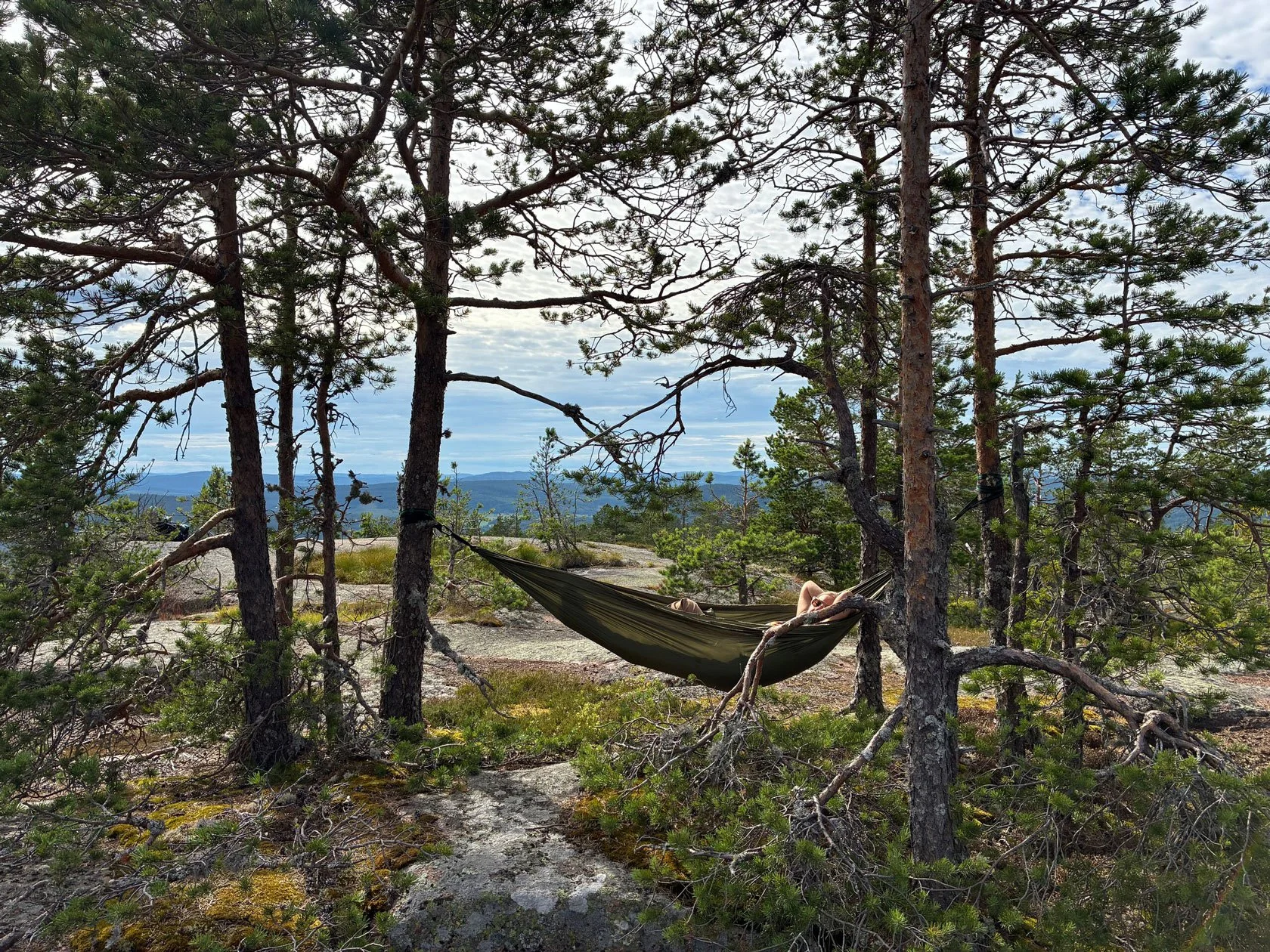
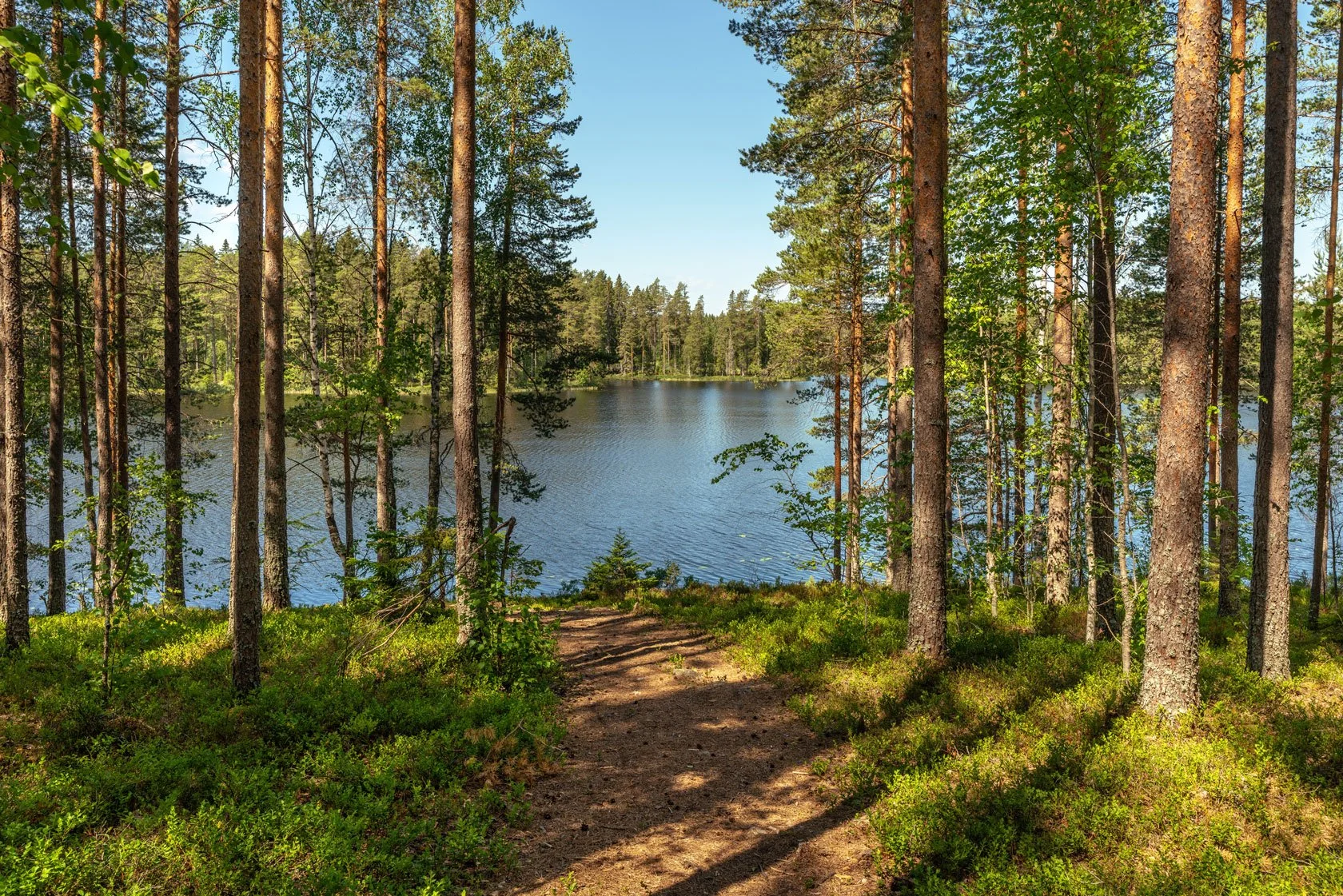
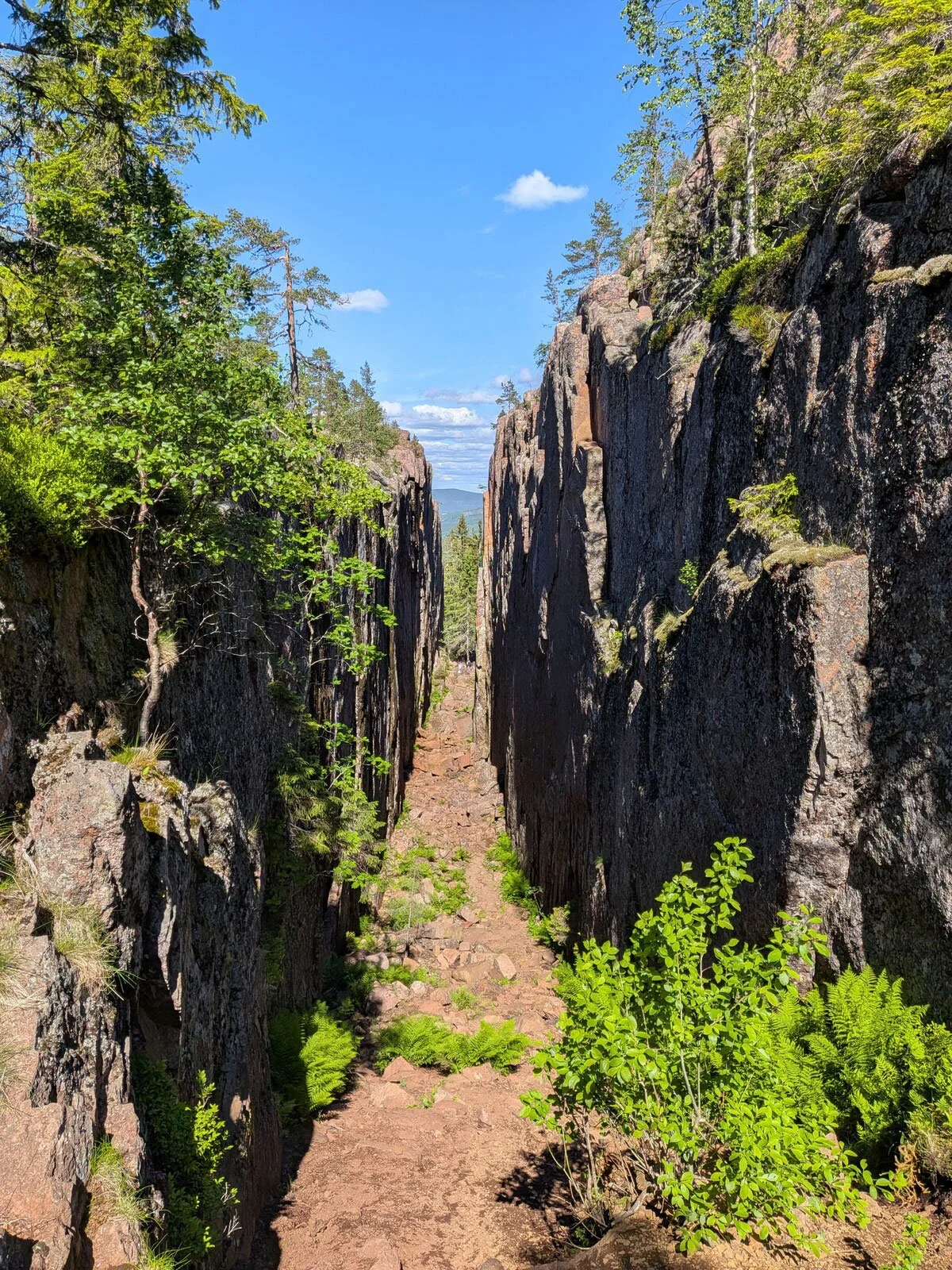
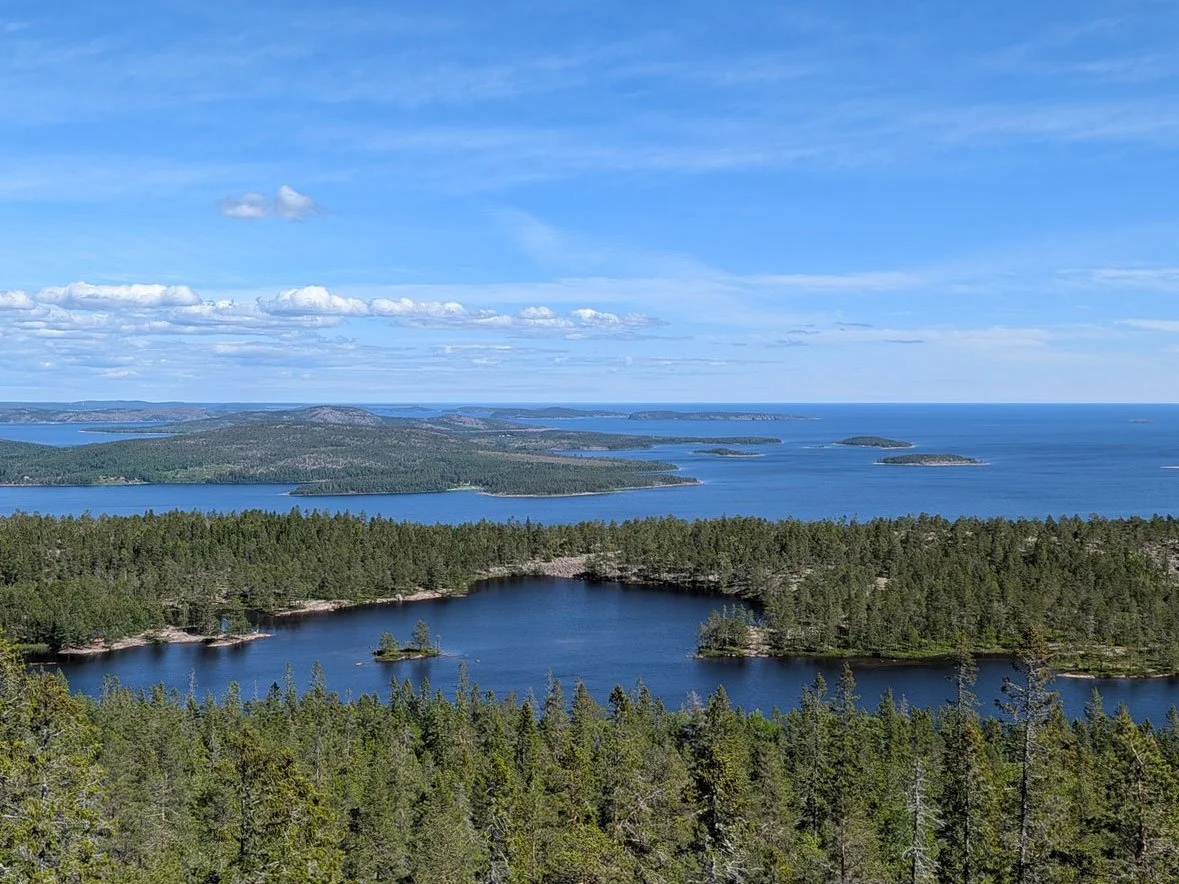
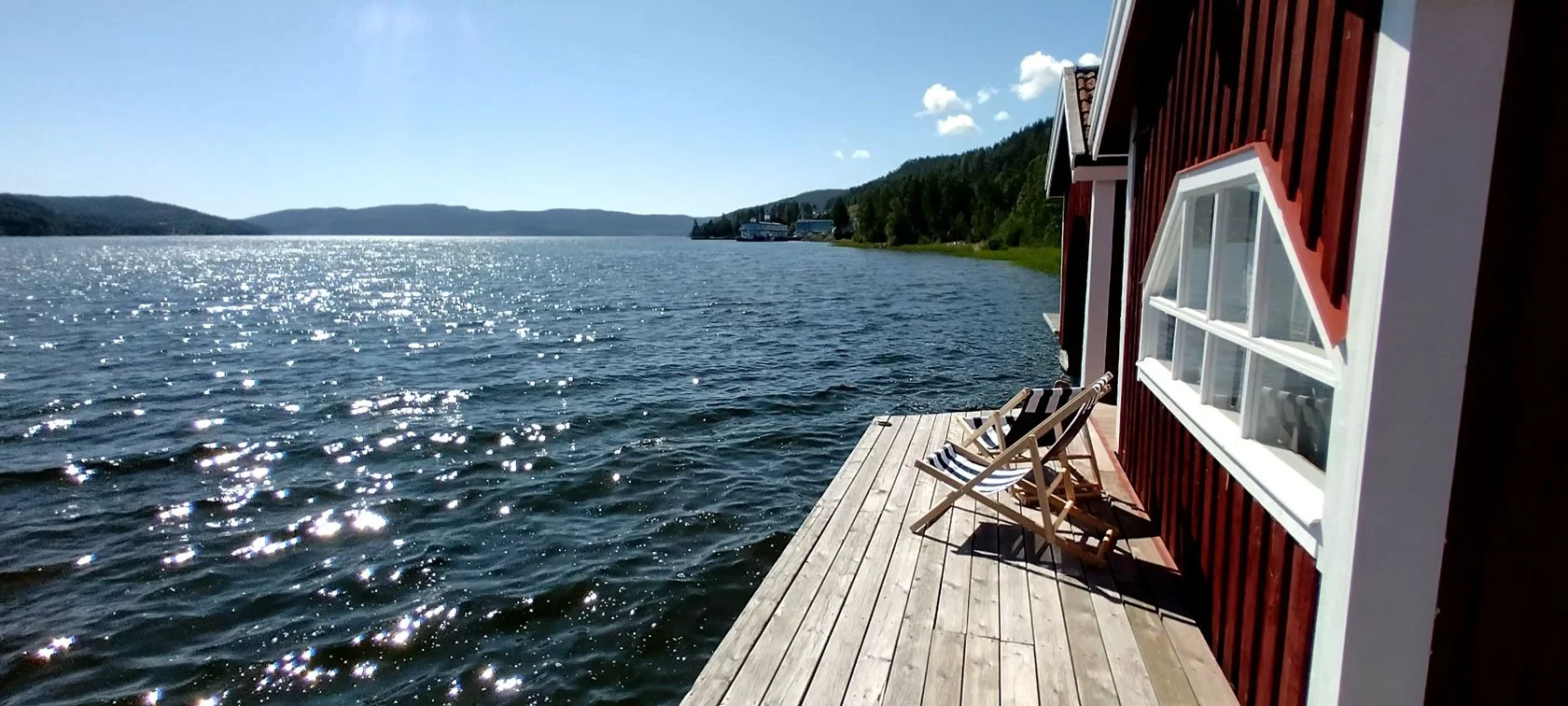
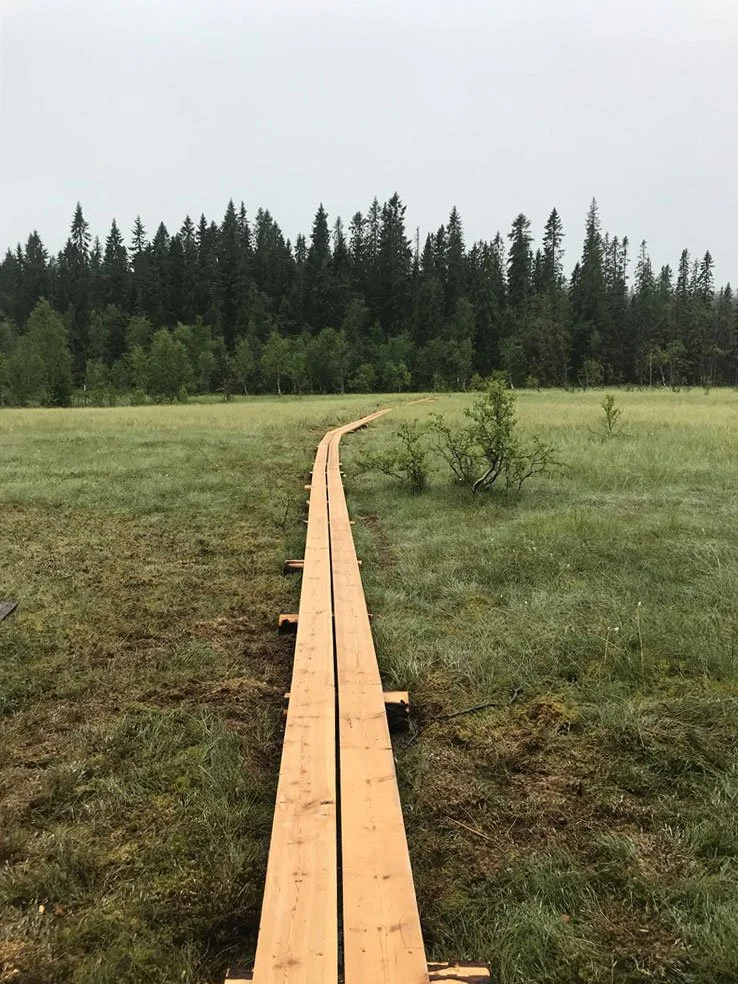
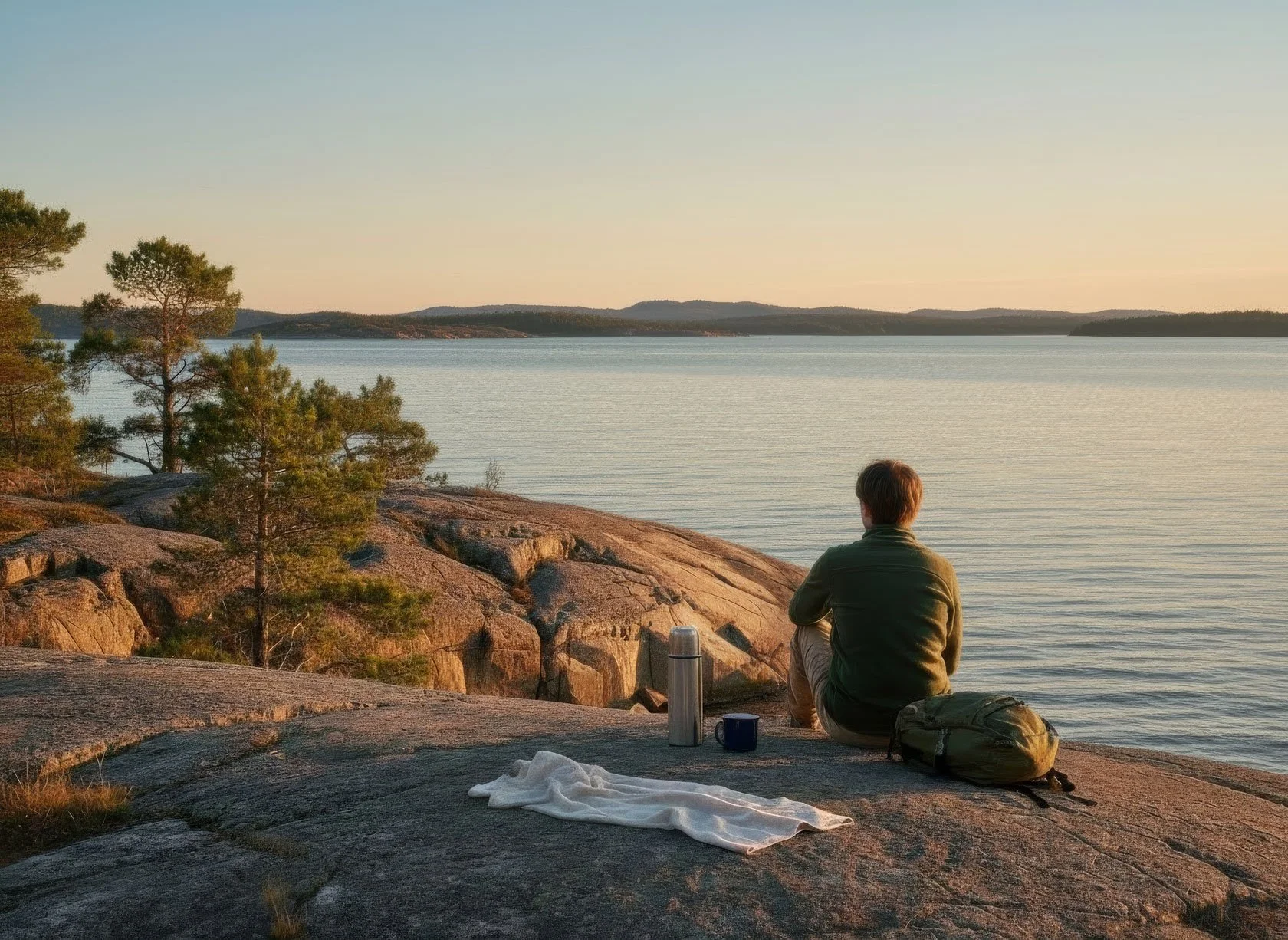
En plats där du kan ha en lugn morgon vid vattnet, sedan välja en “en bra dag”-plan i Höga Kusten — och komma tillbaka till en trygg hamn på kvällen.
Om du vill ha inspiration för pauserna mellan eventdagar:

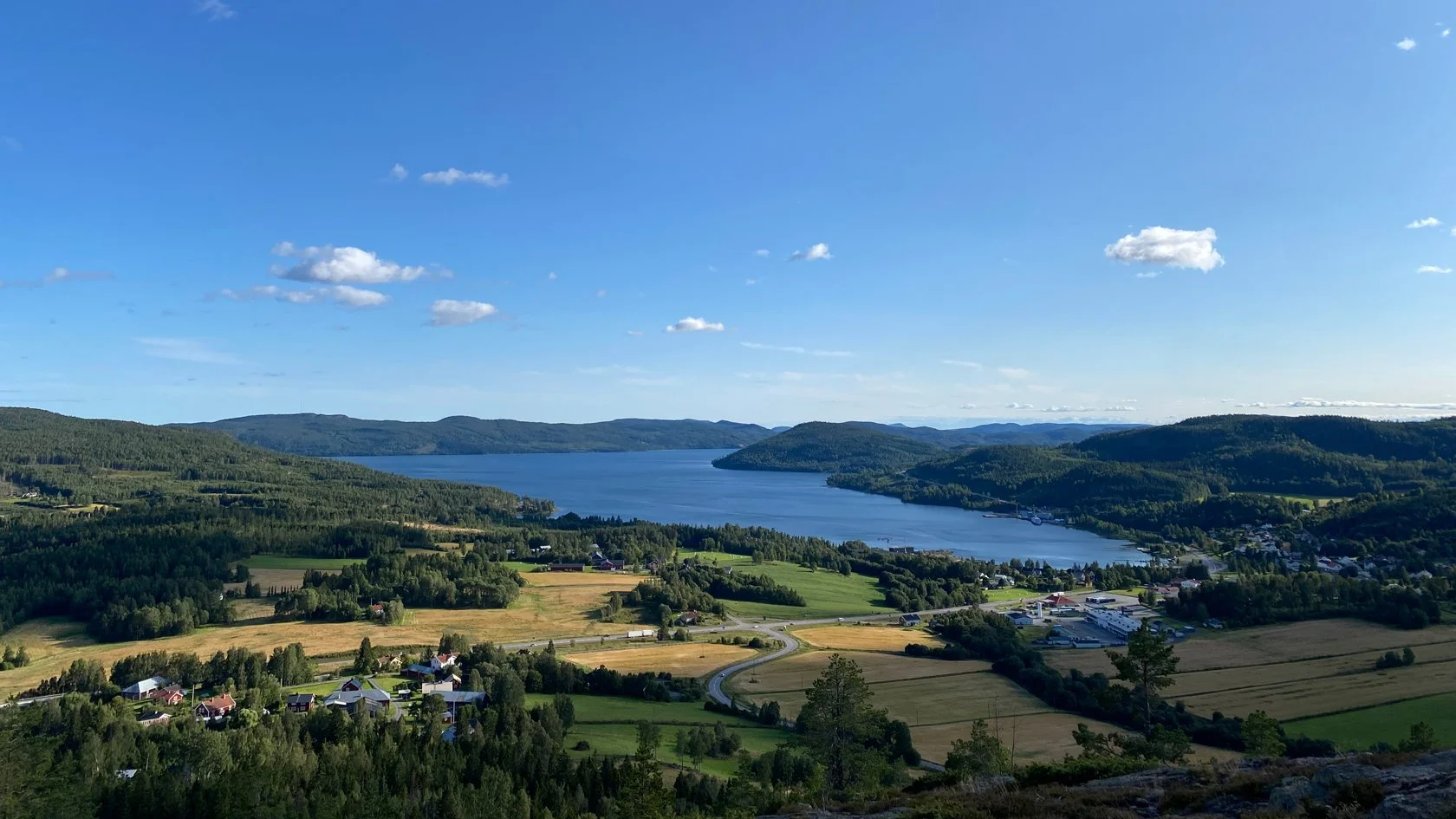
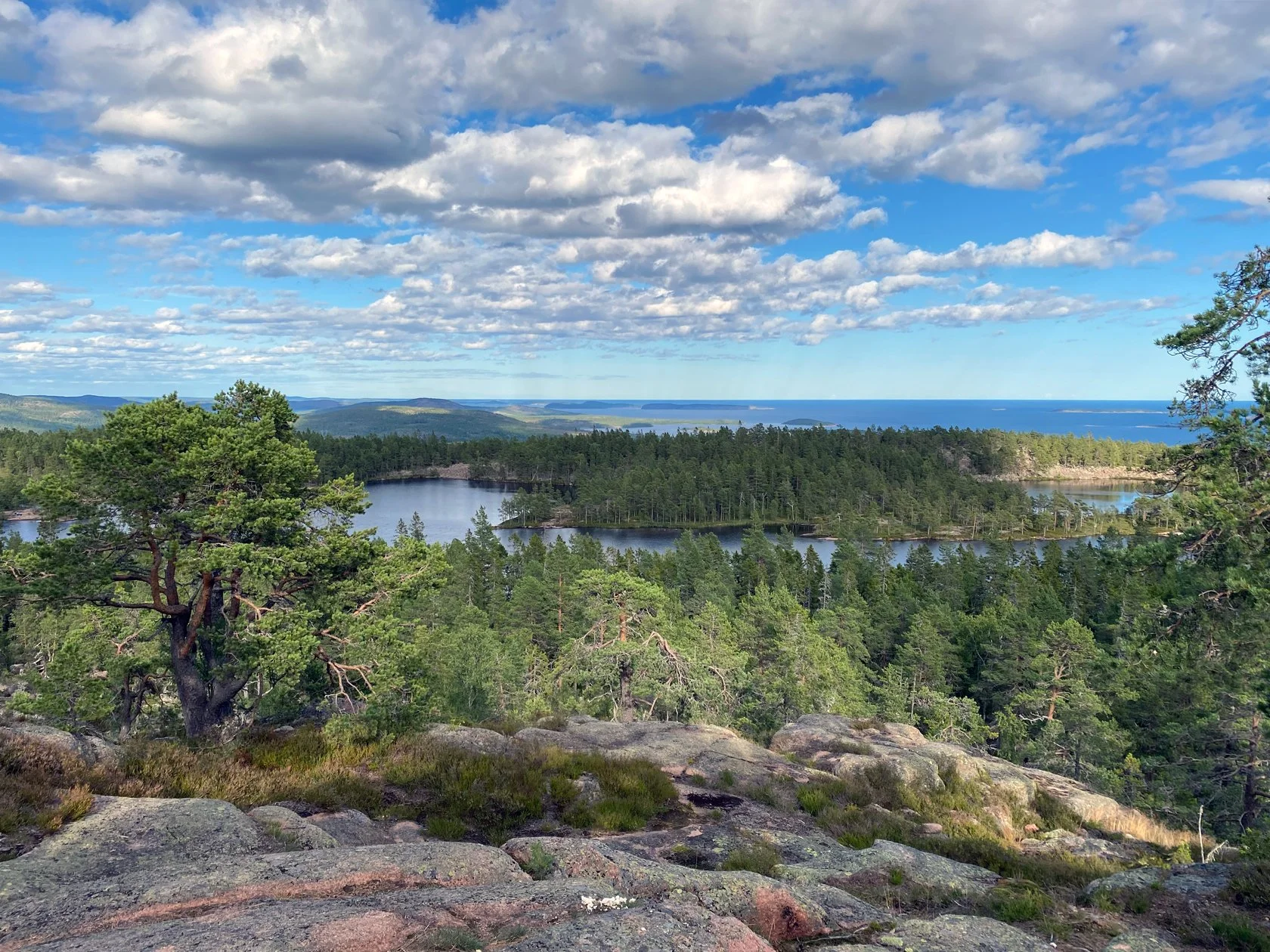
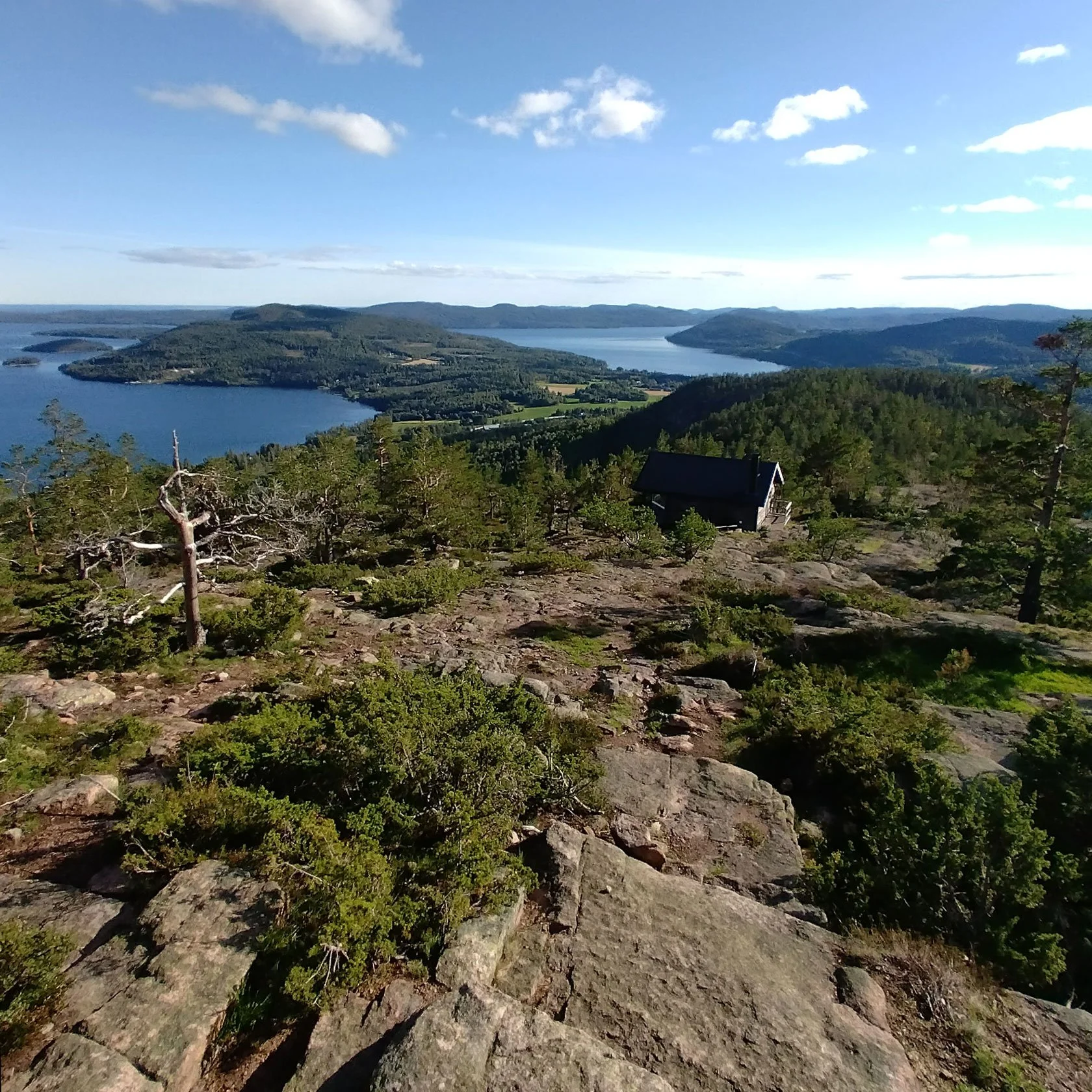
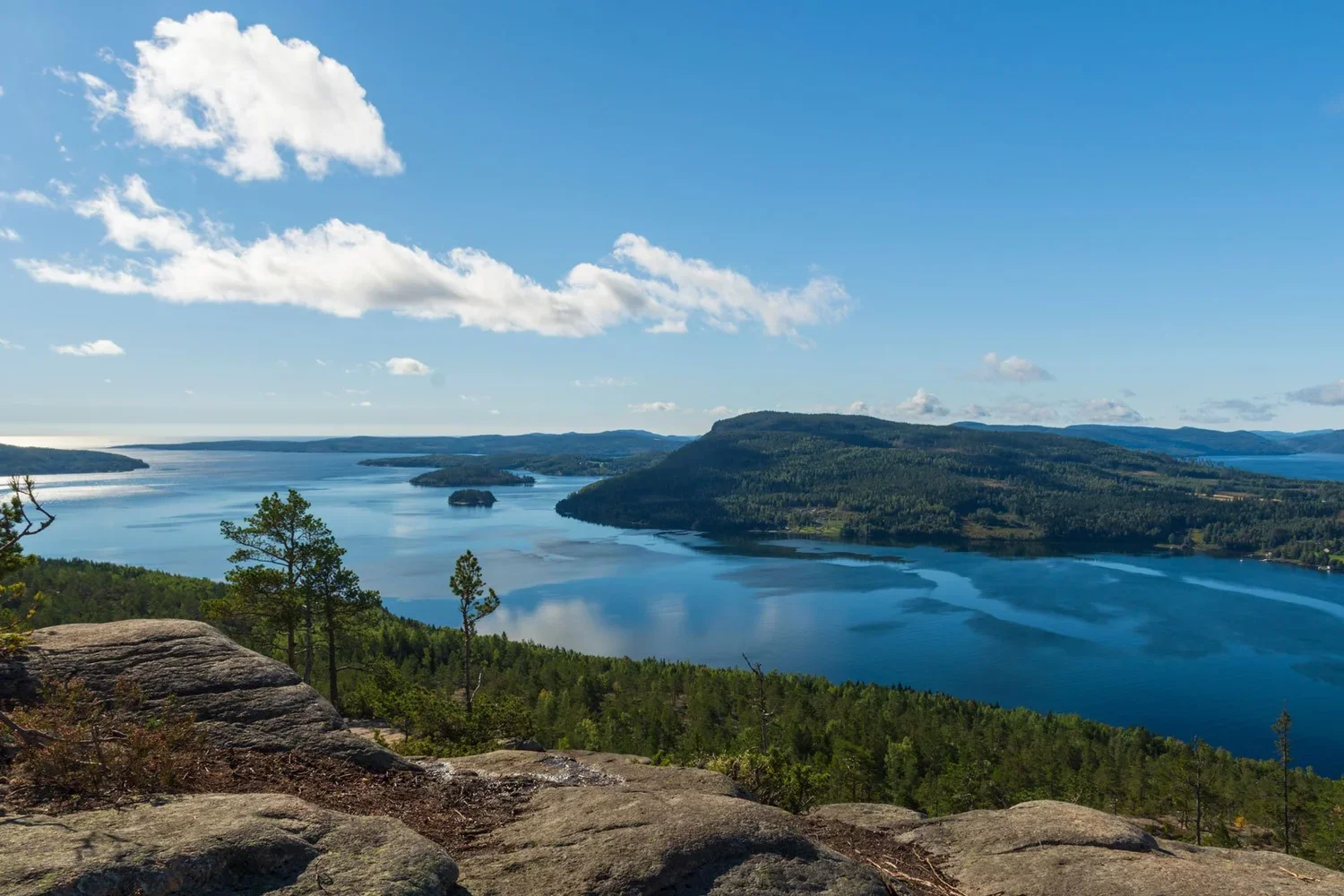
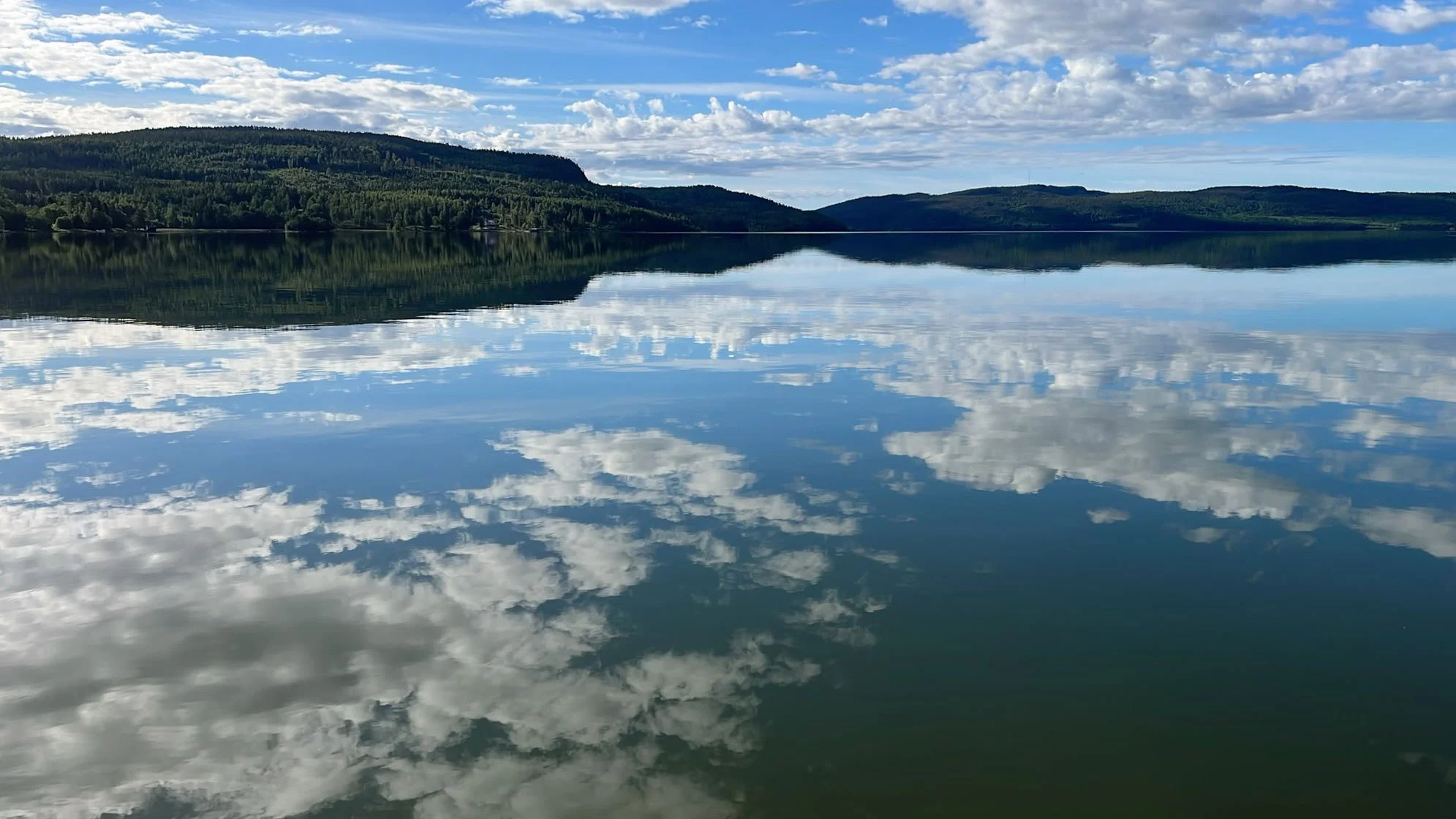
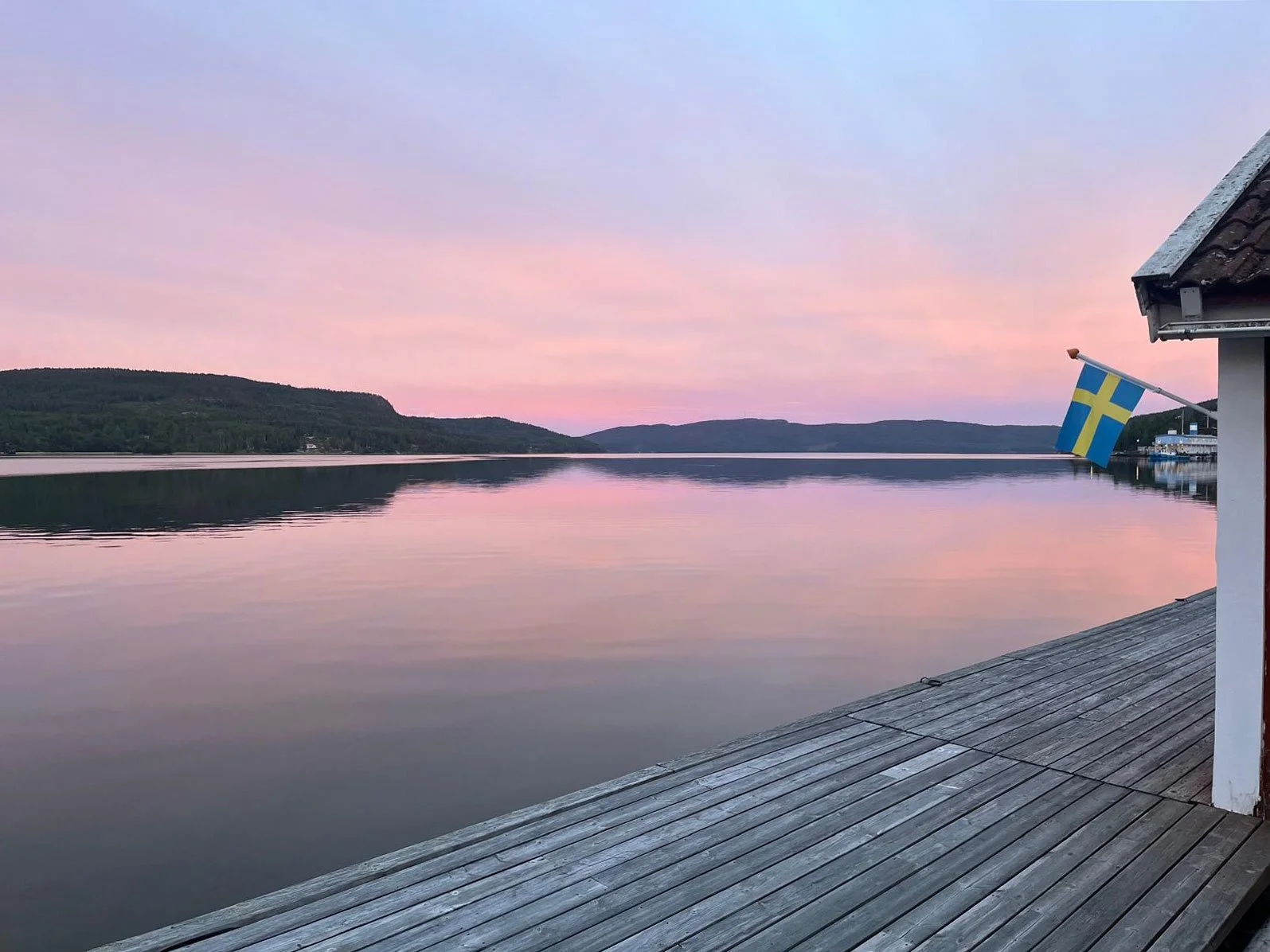
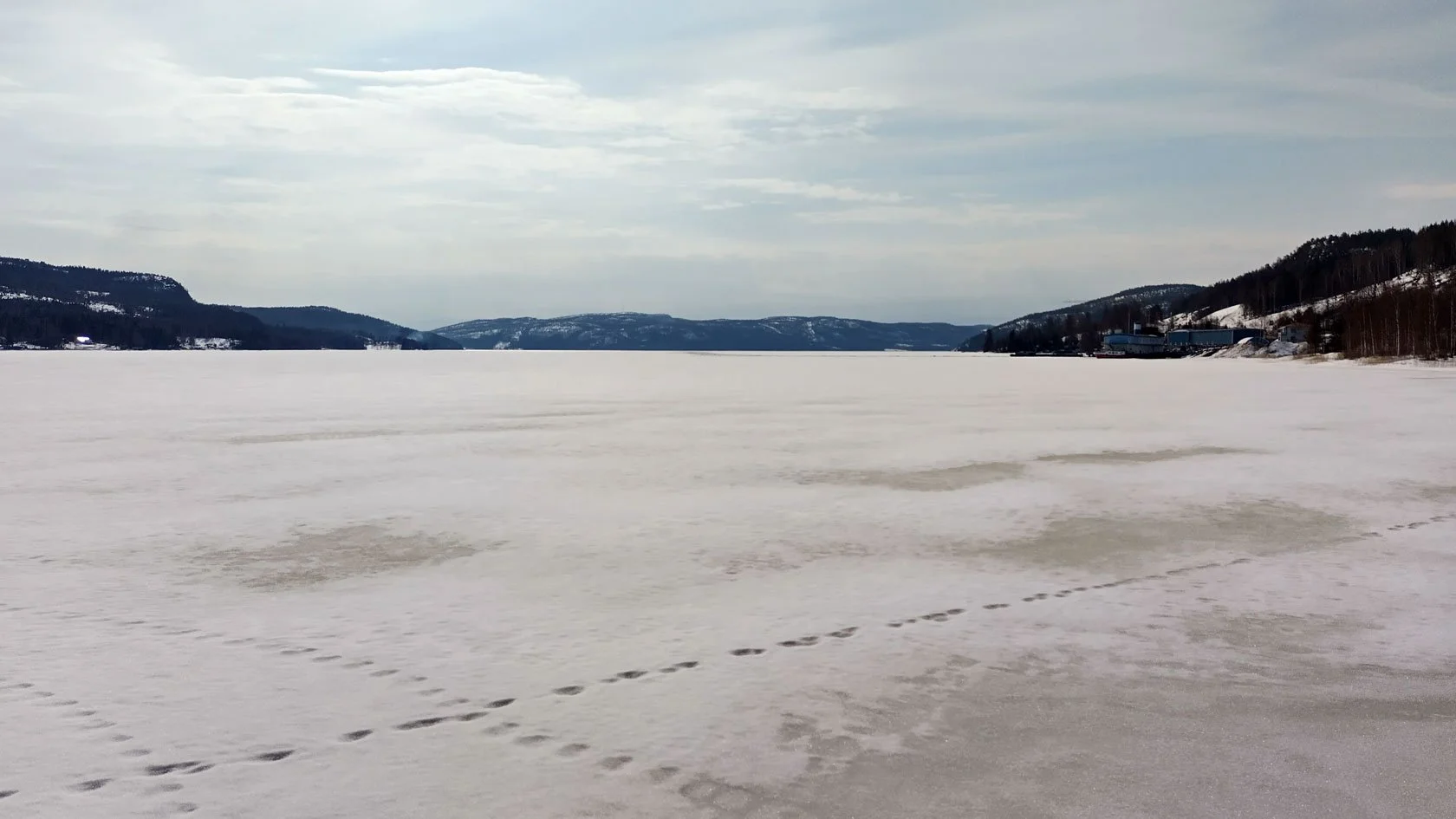
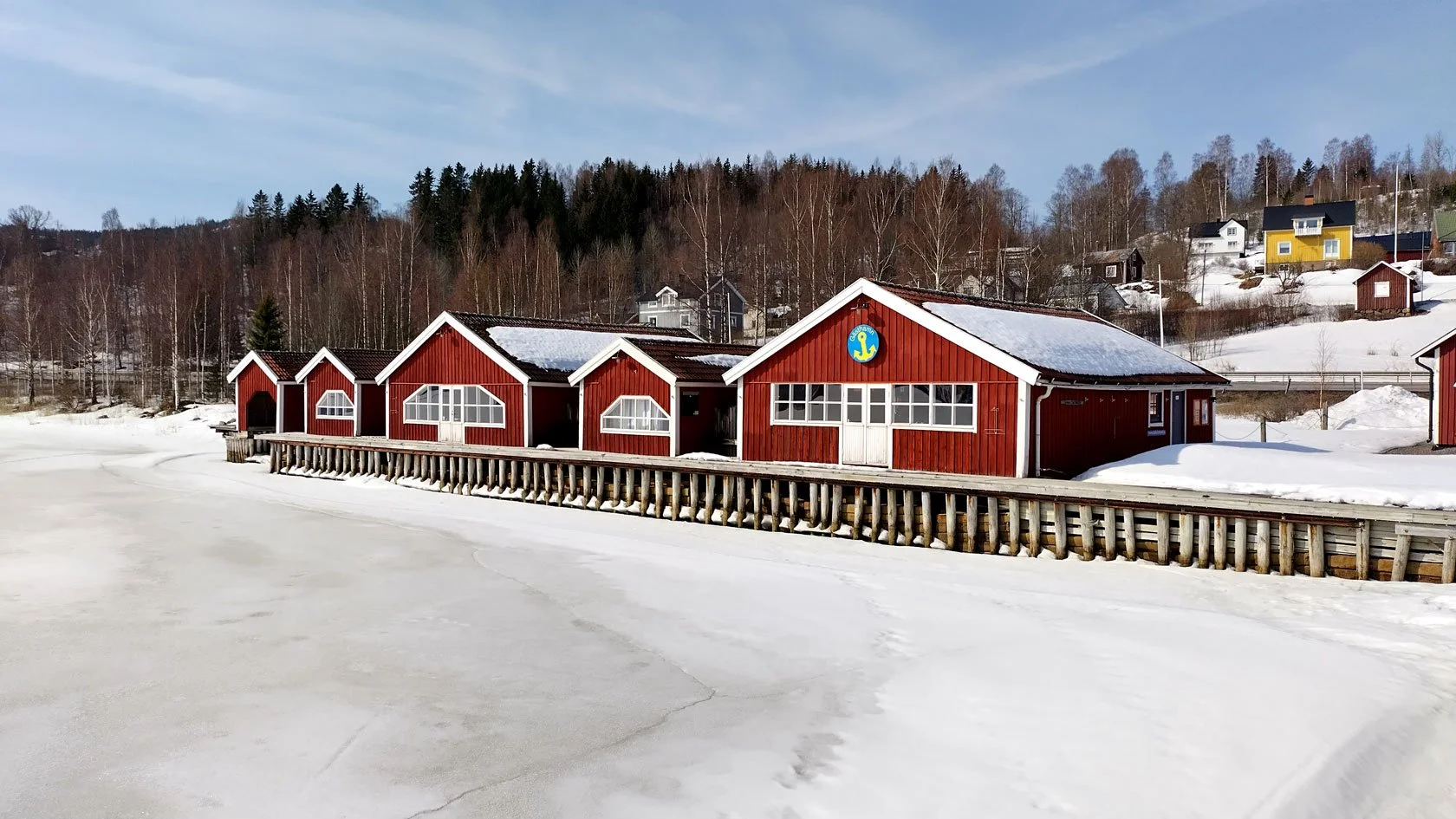
En liten bild av platsen (för att du ska känna stämningen)
Jag tror att vissa platser behöver ses — inte för att imponera, utan för att du ska förstå rytmen.
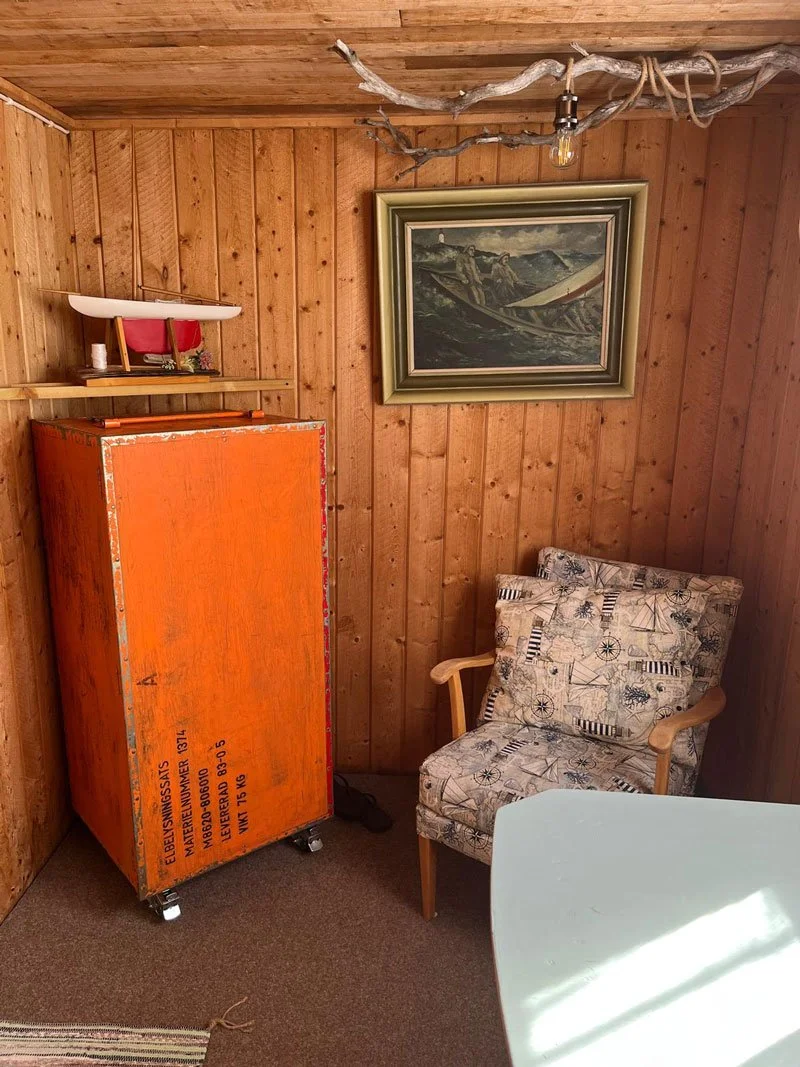
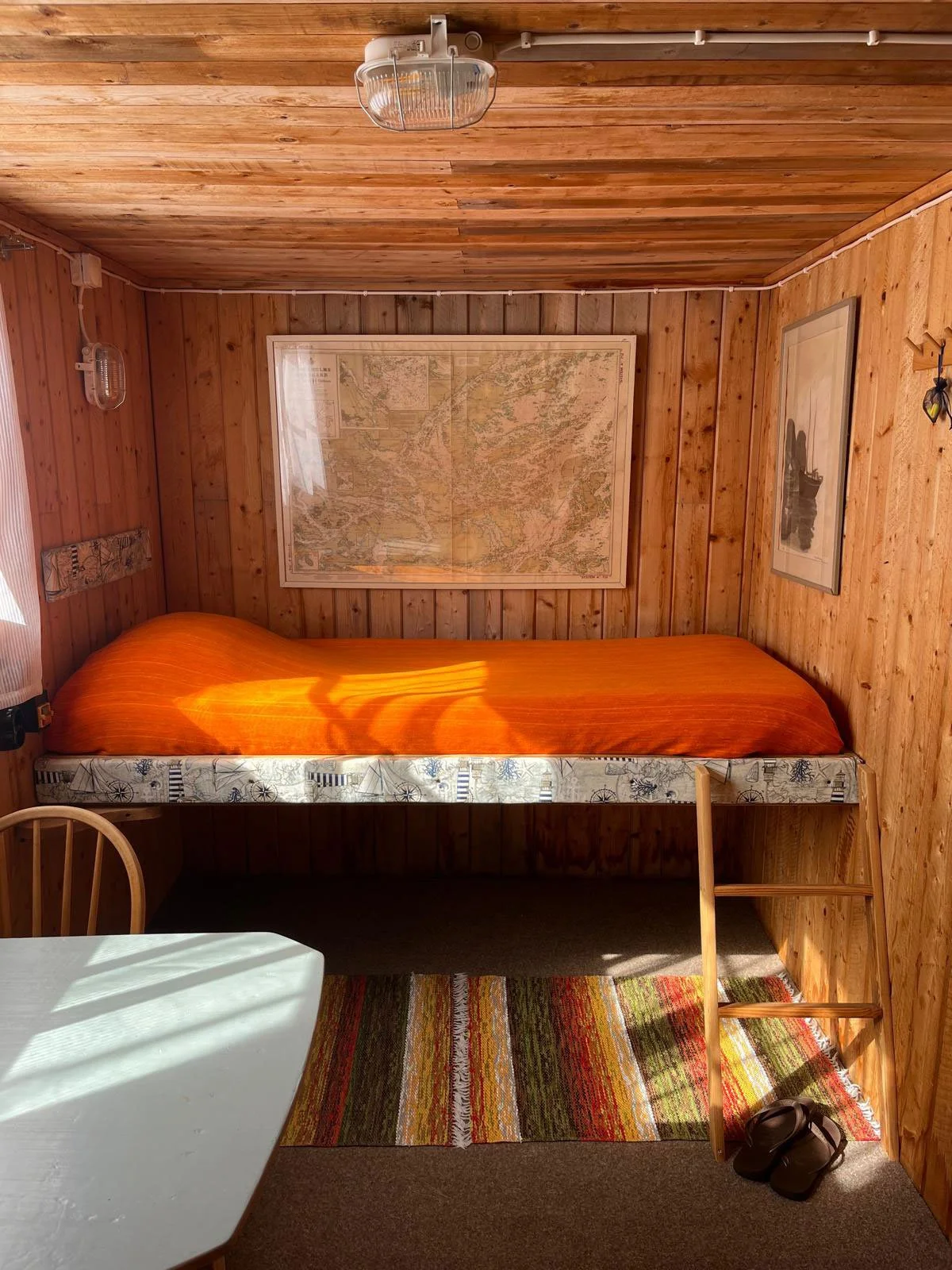
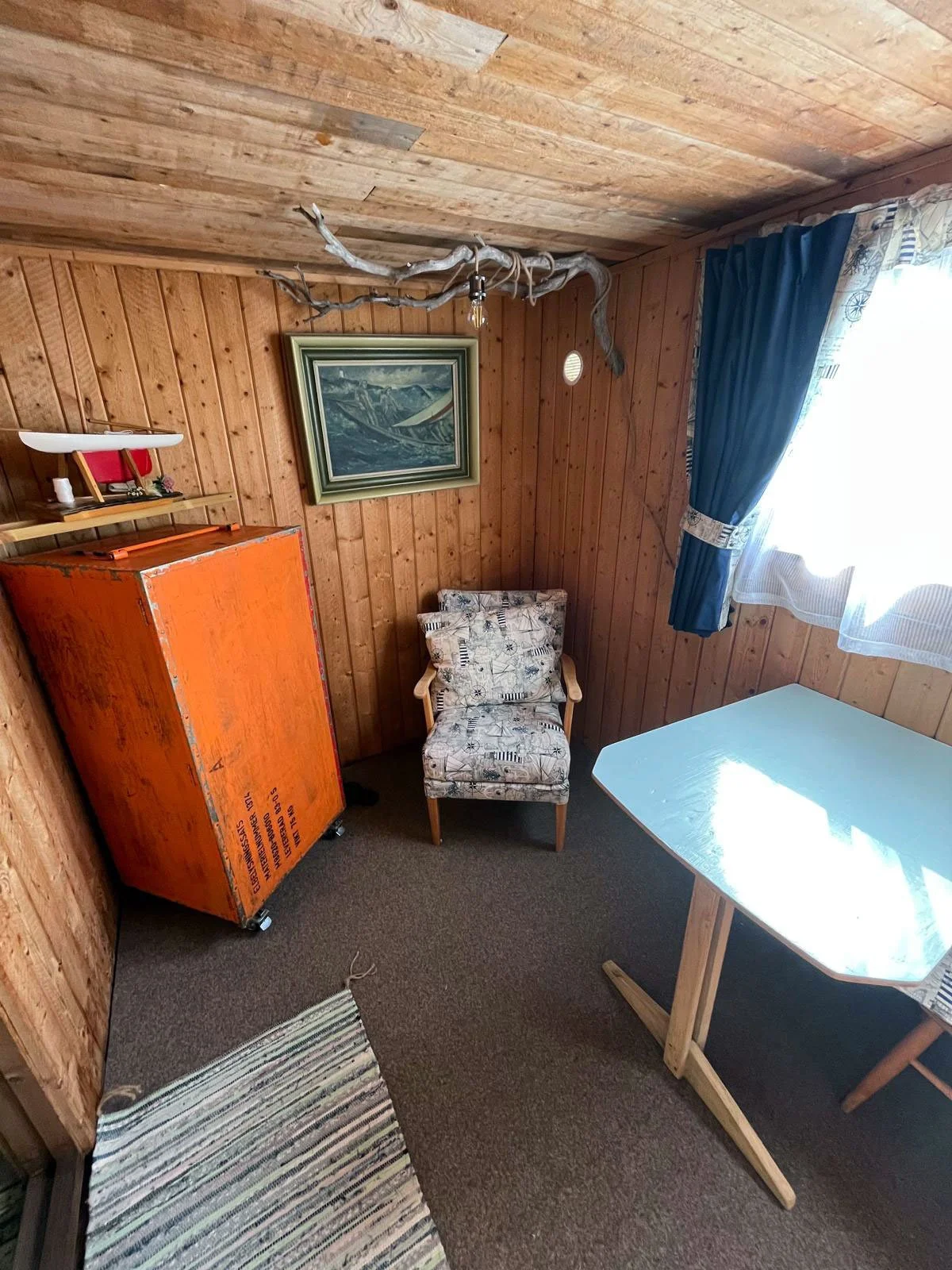
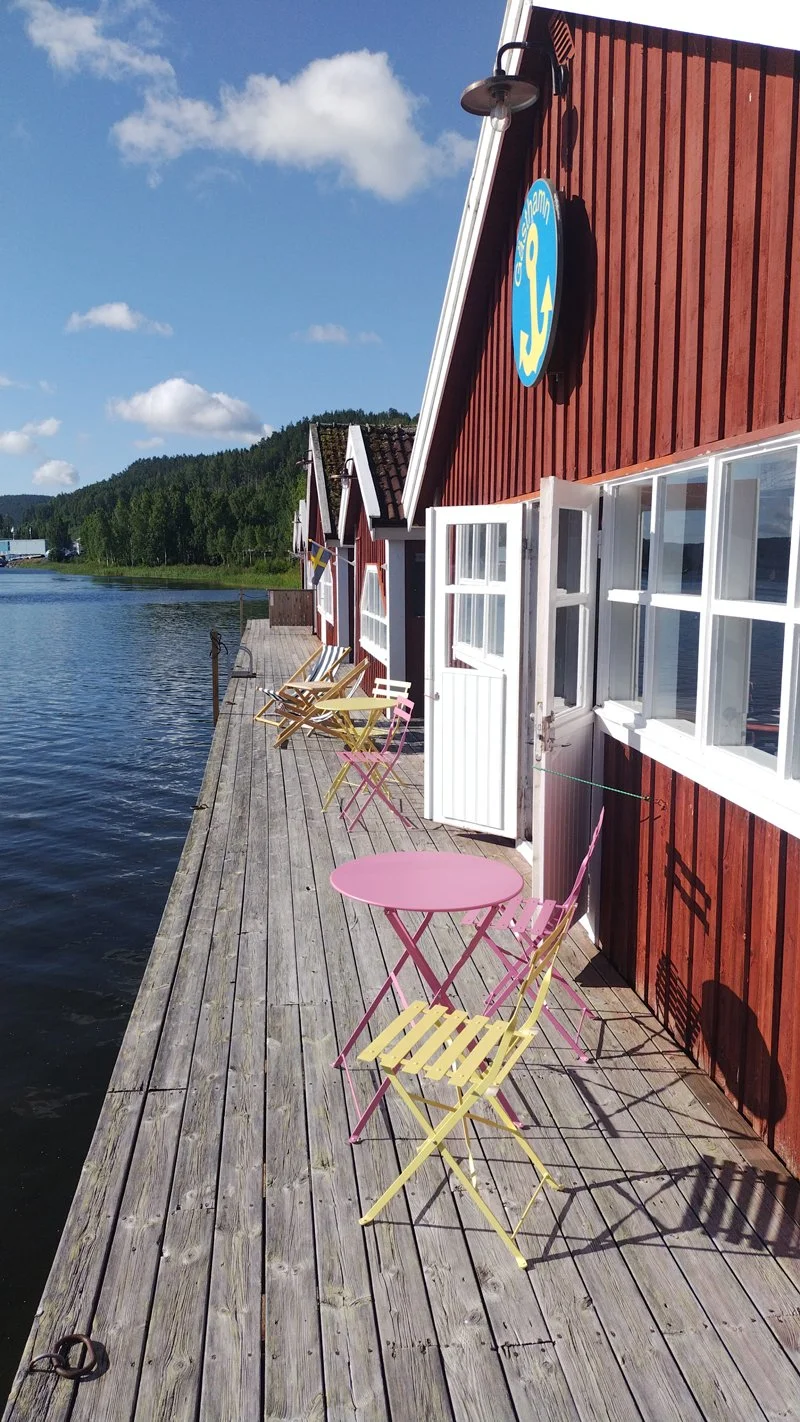
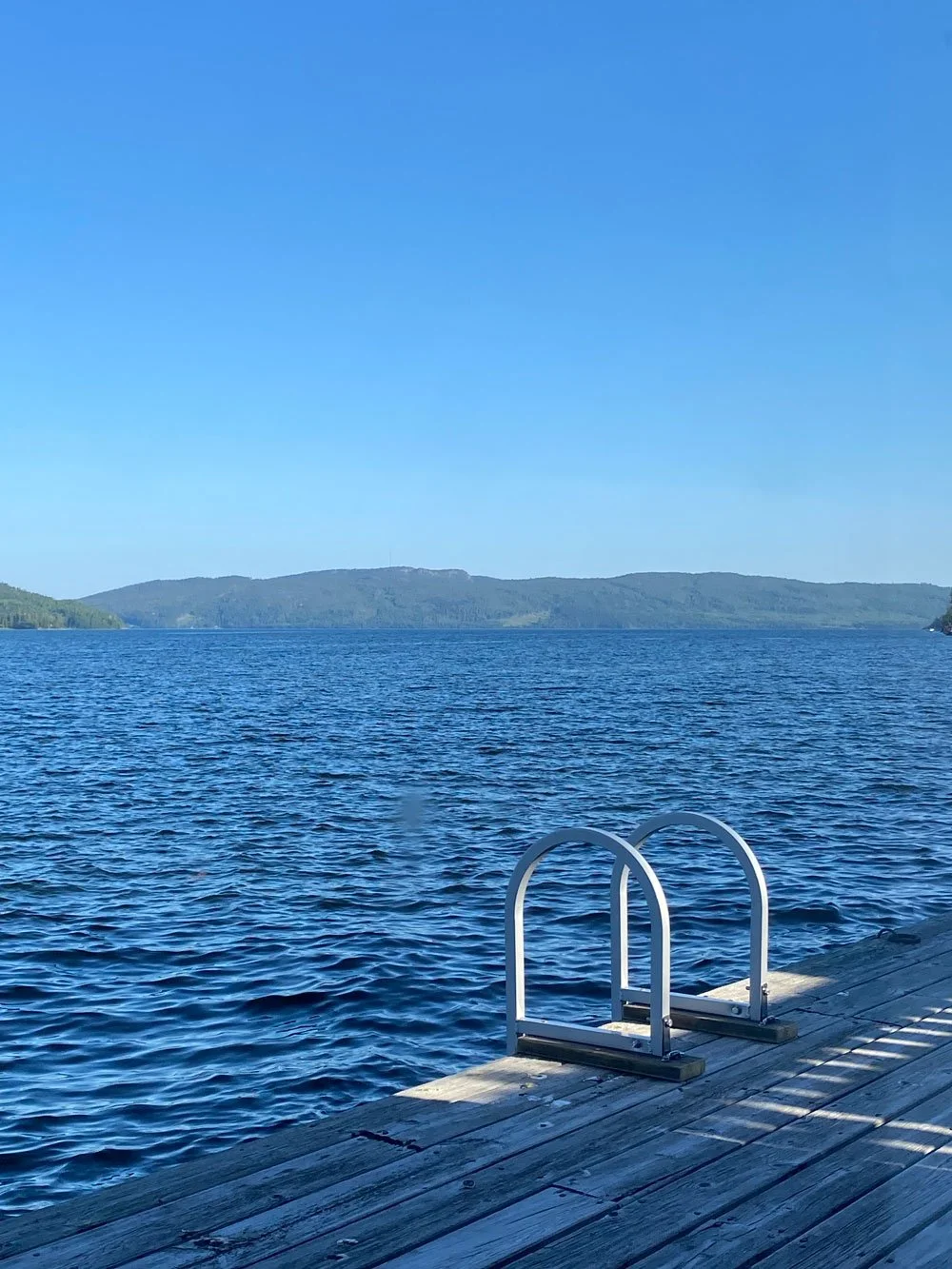
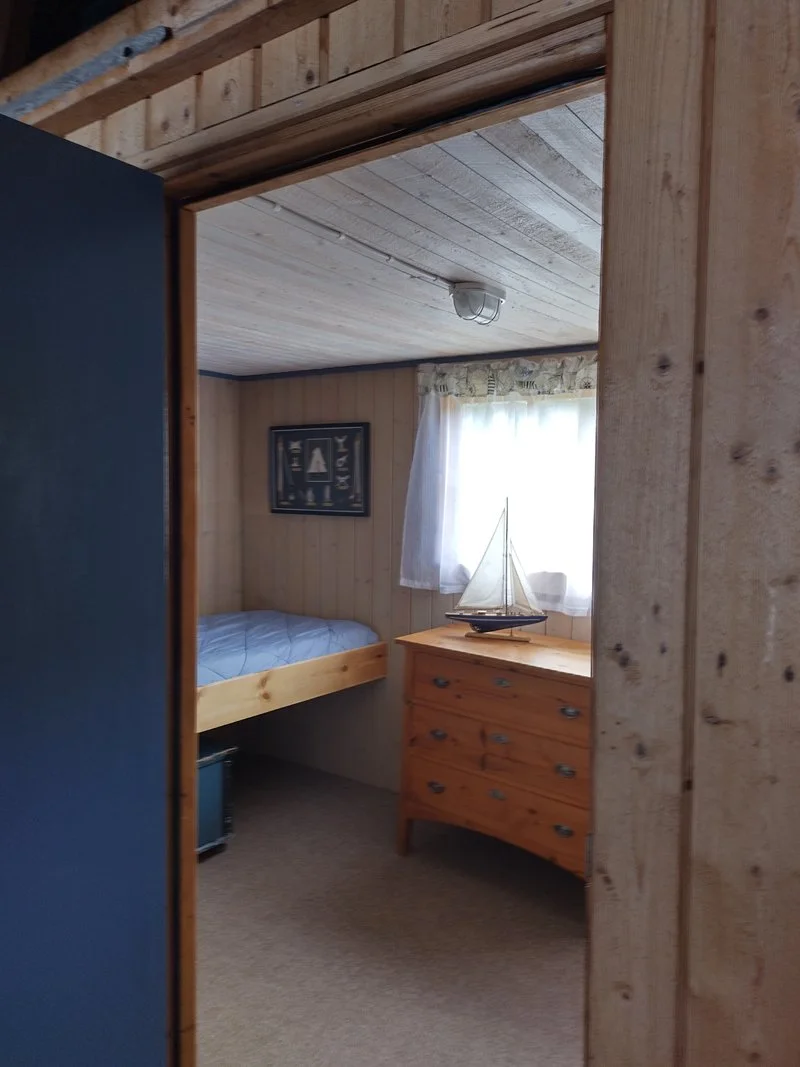
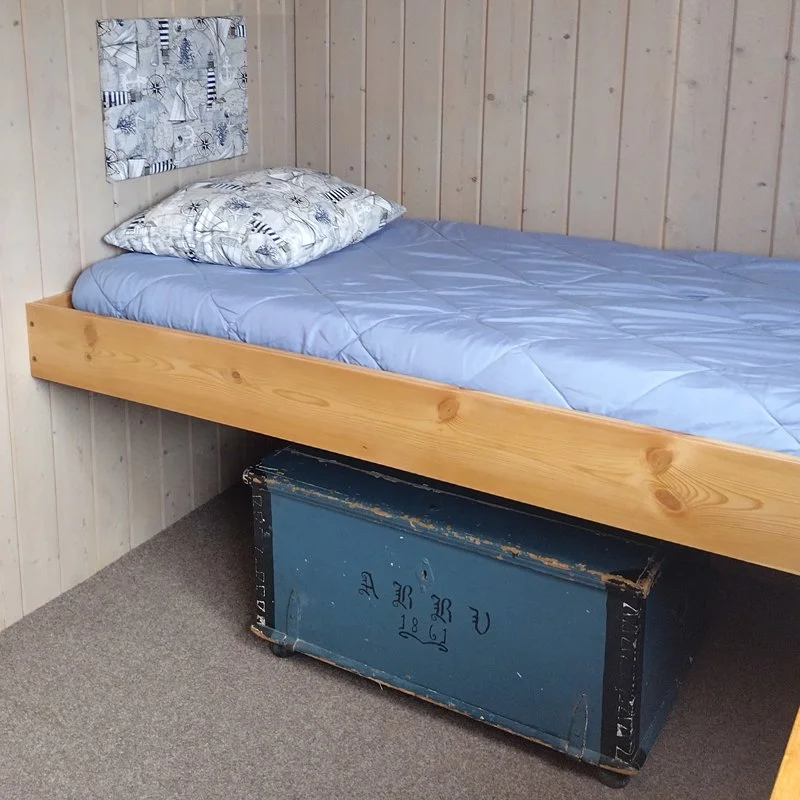
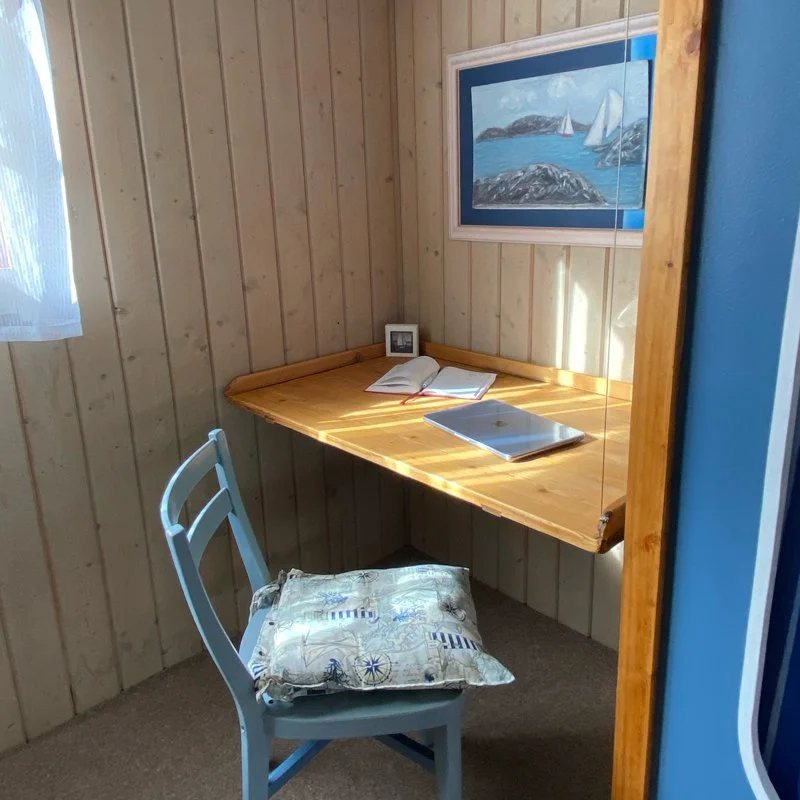
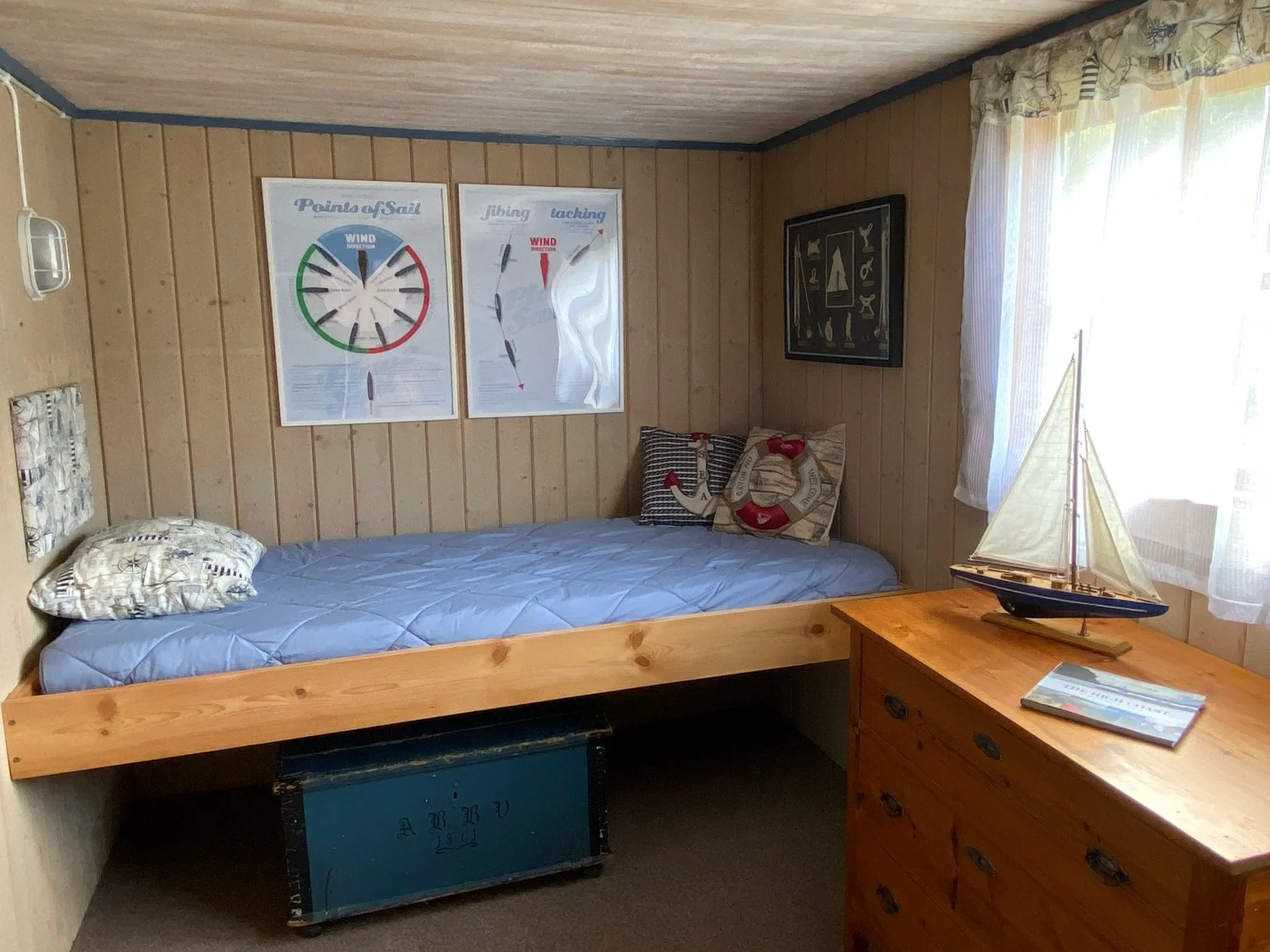
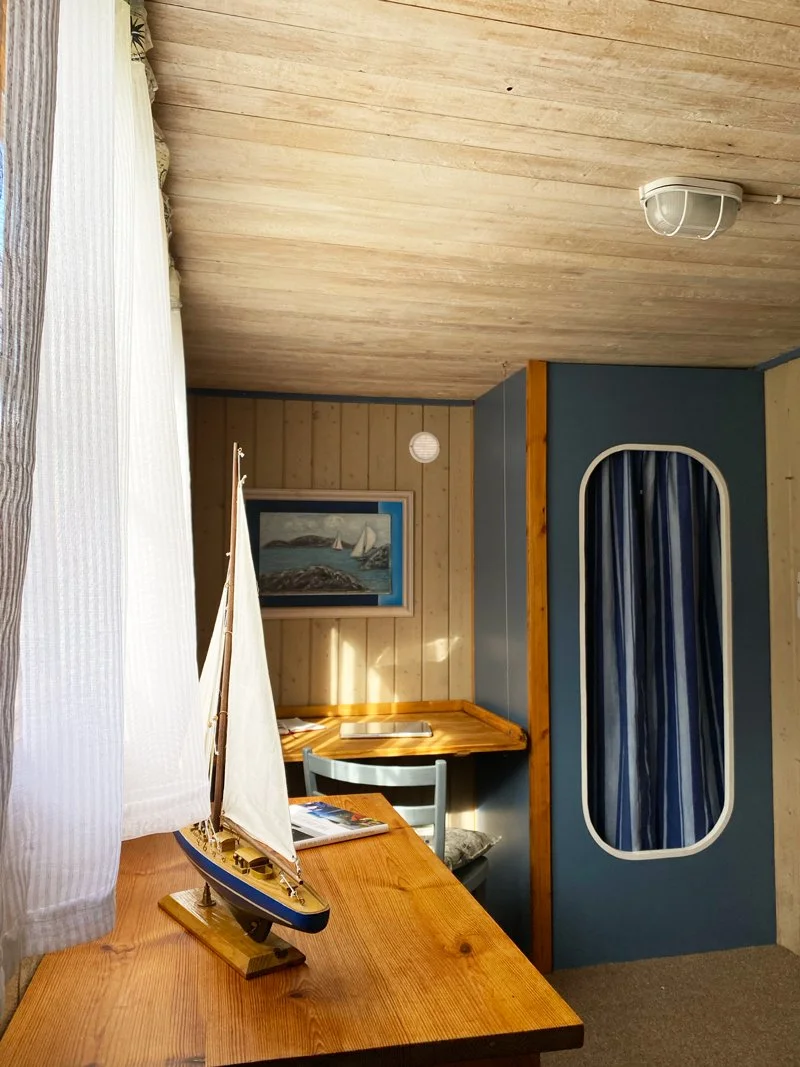
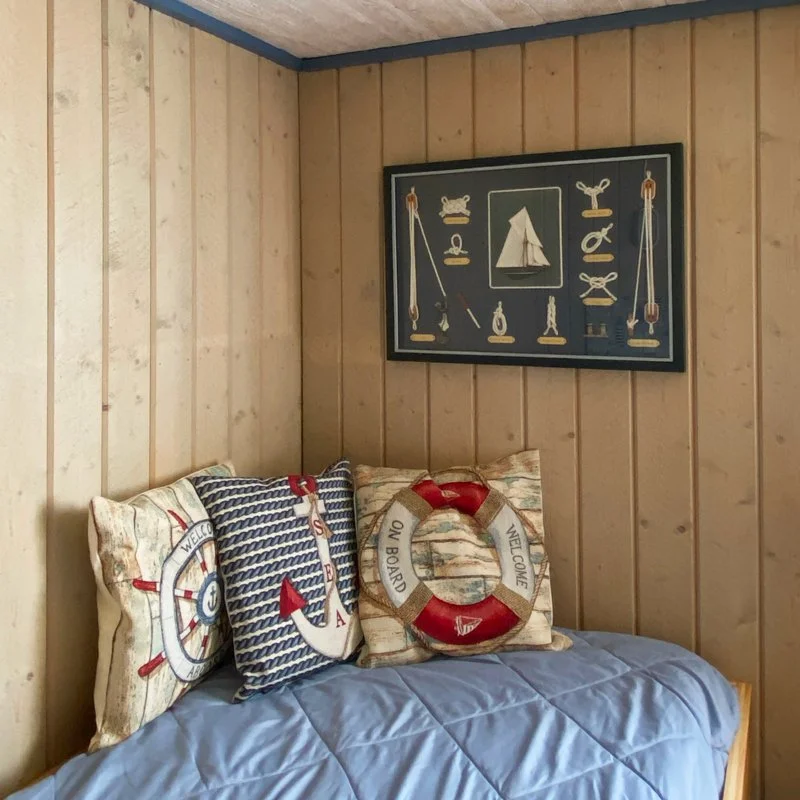
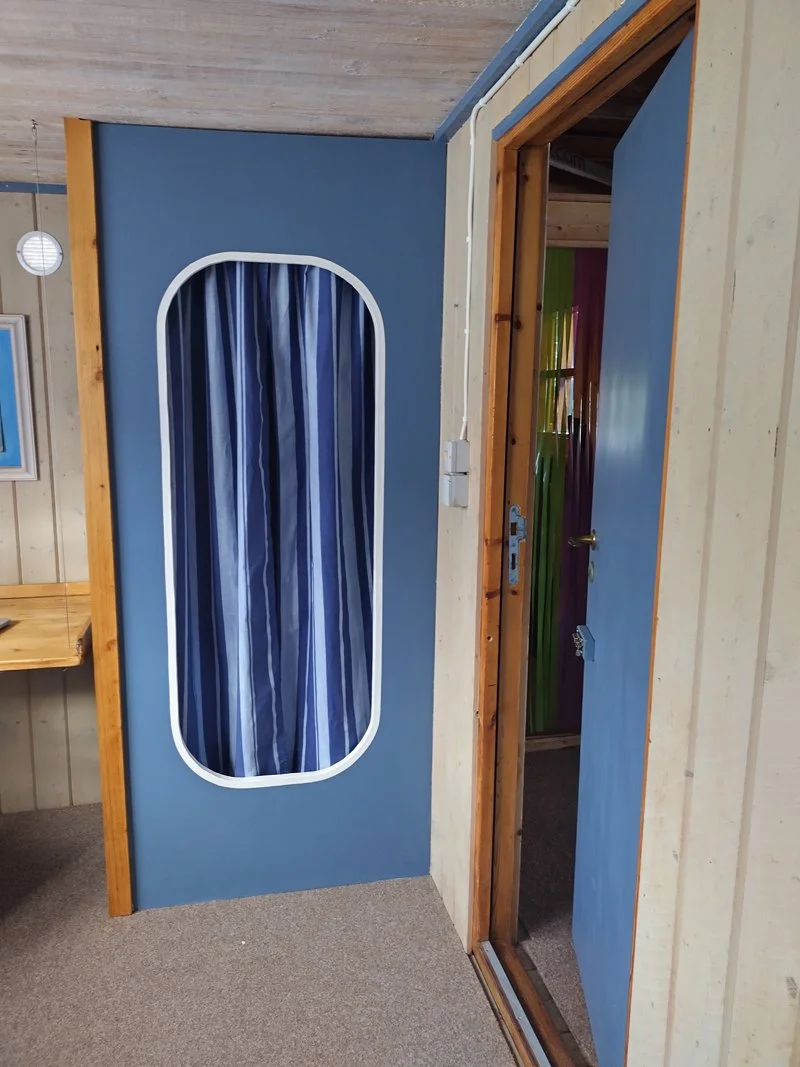
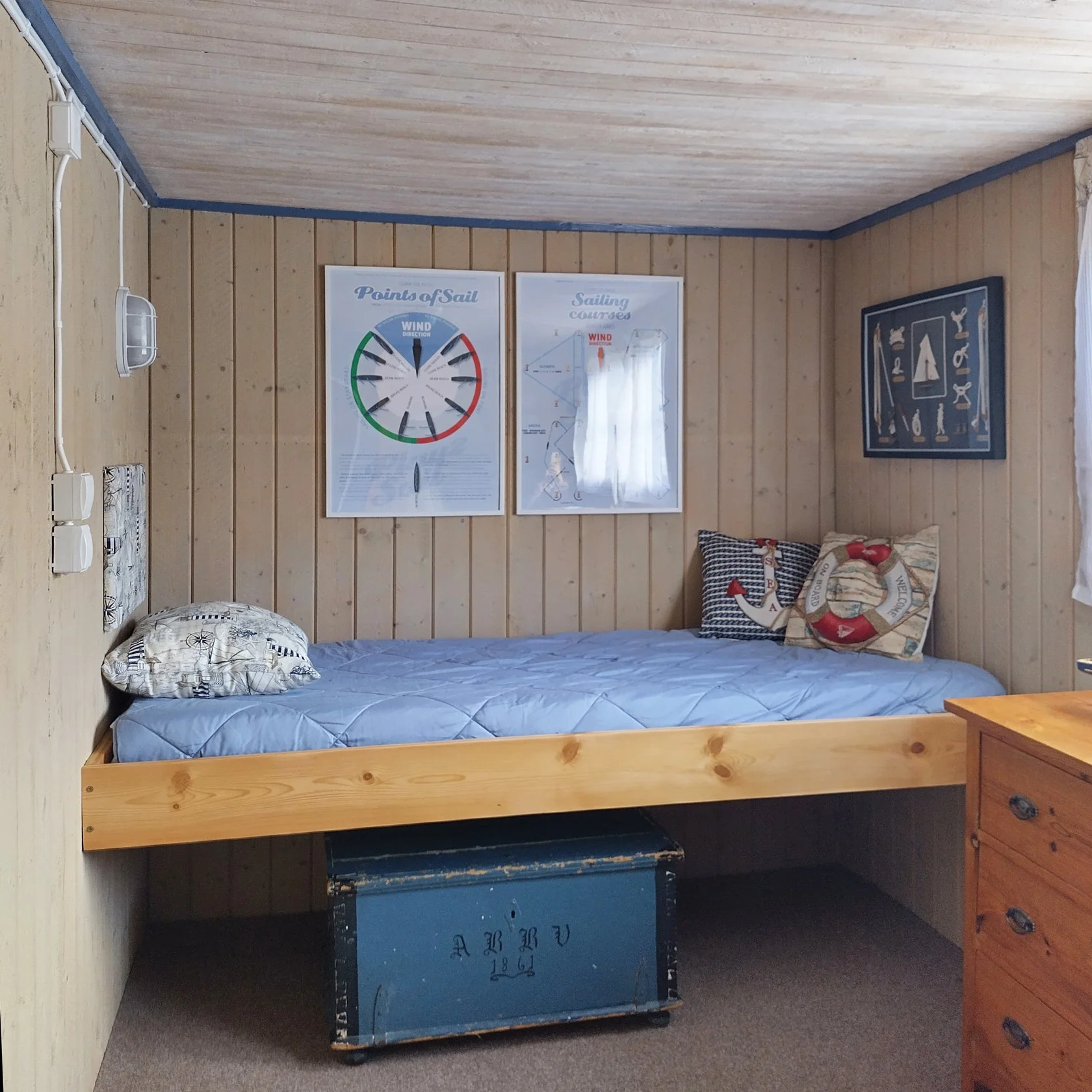
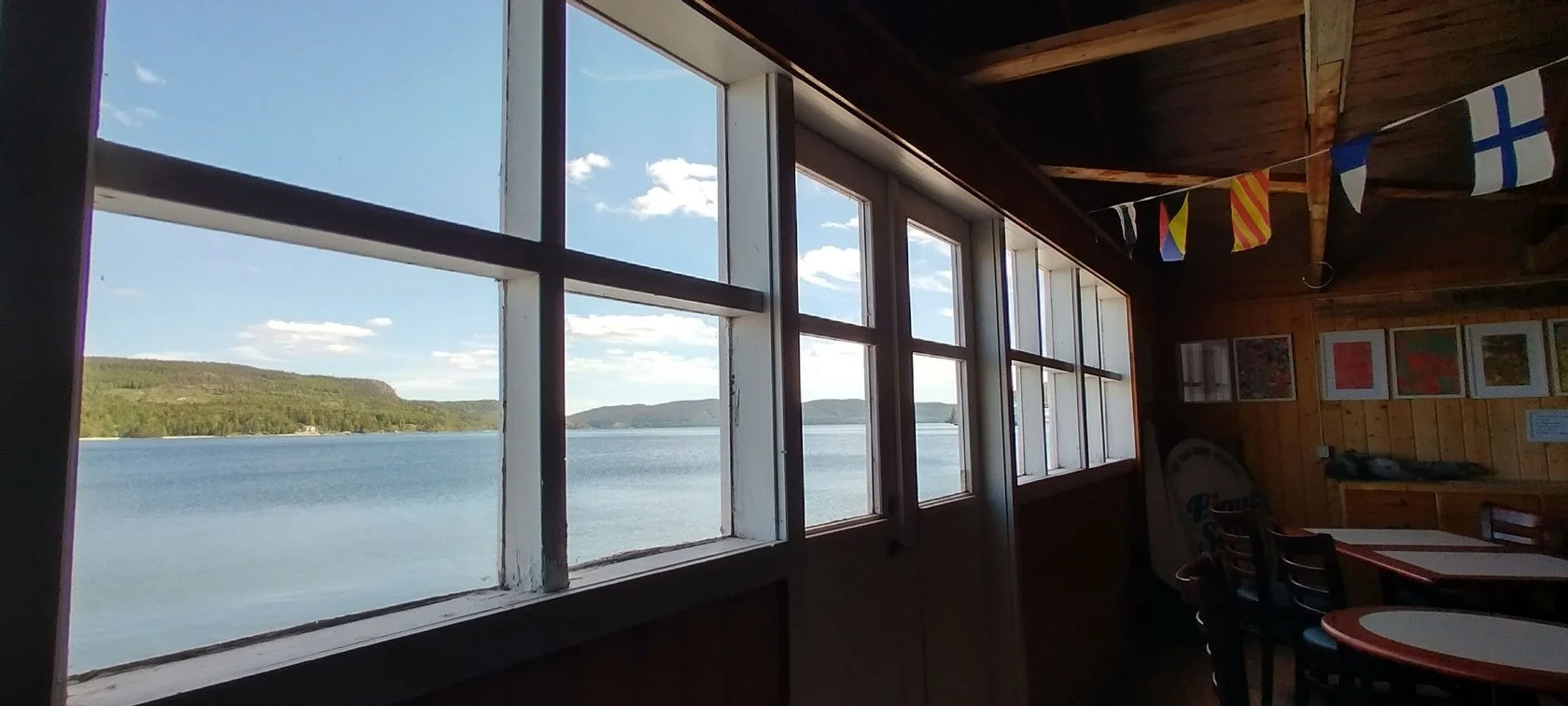
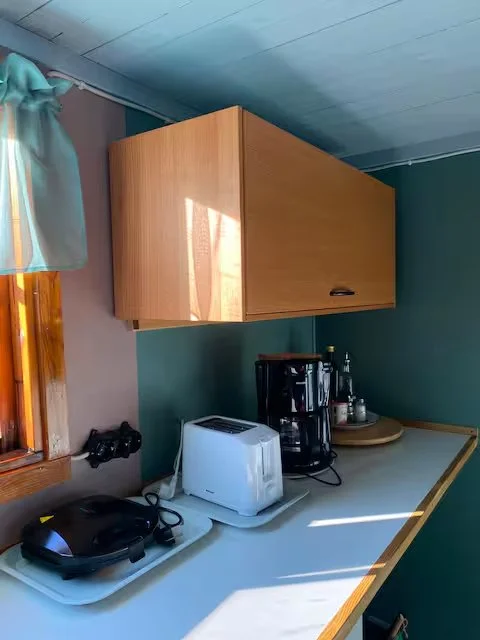
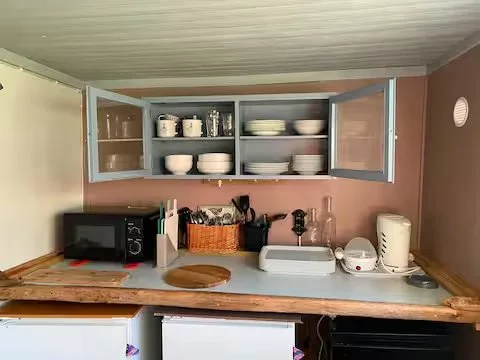
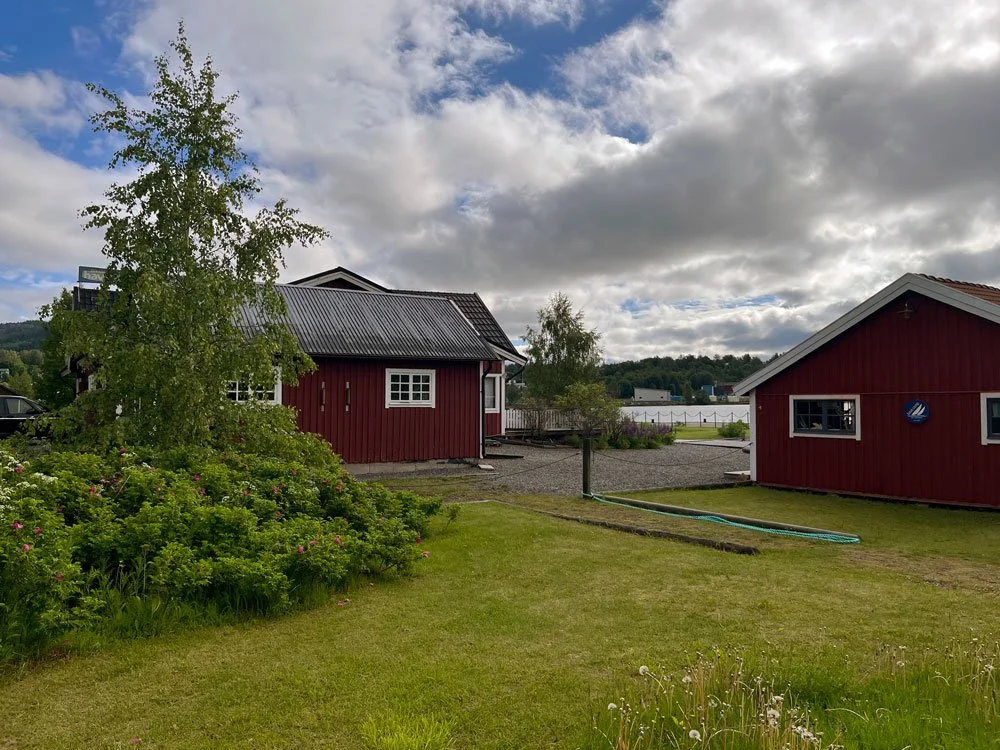
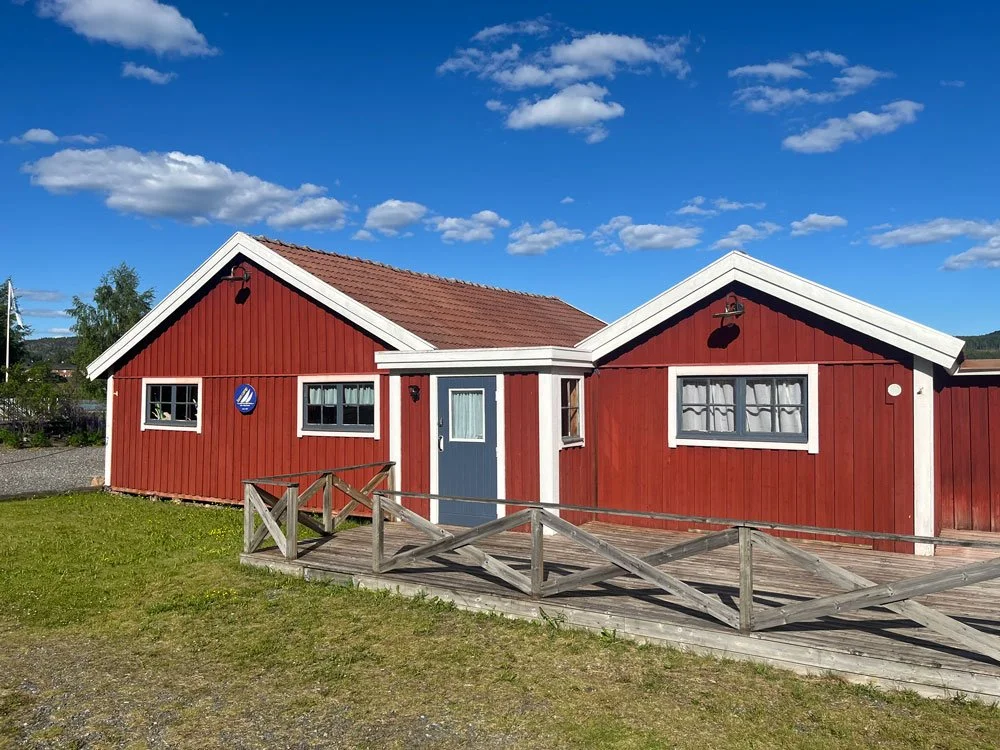
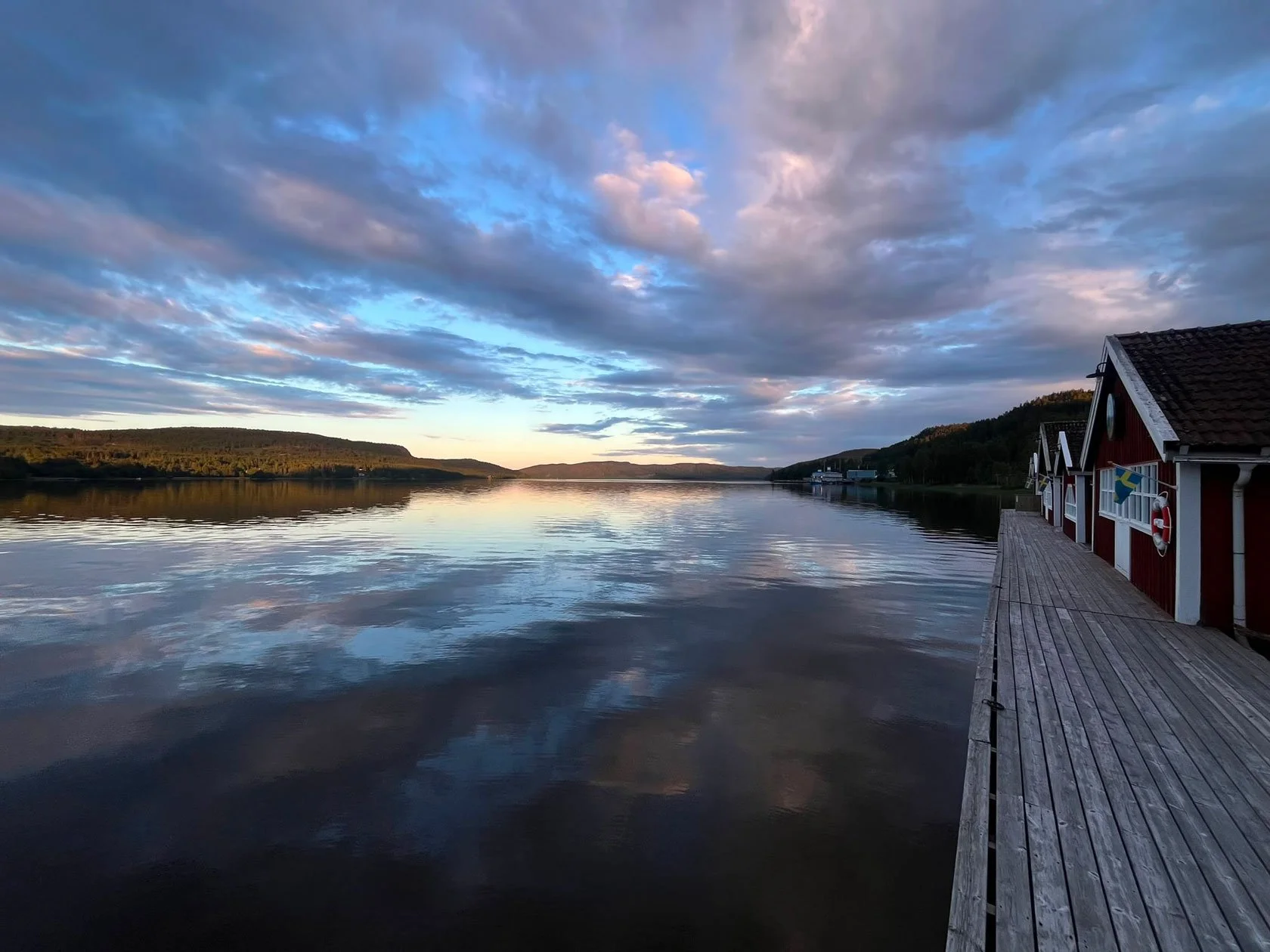
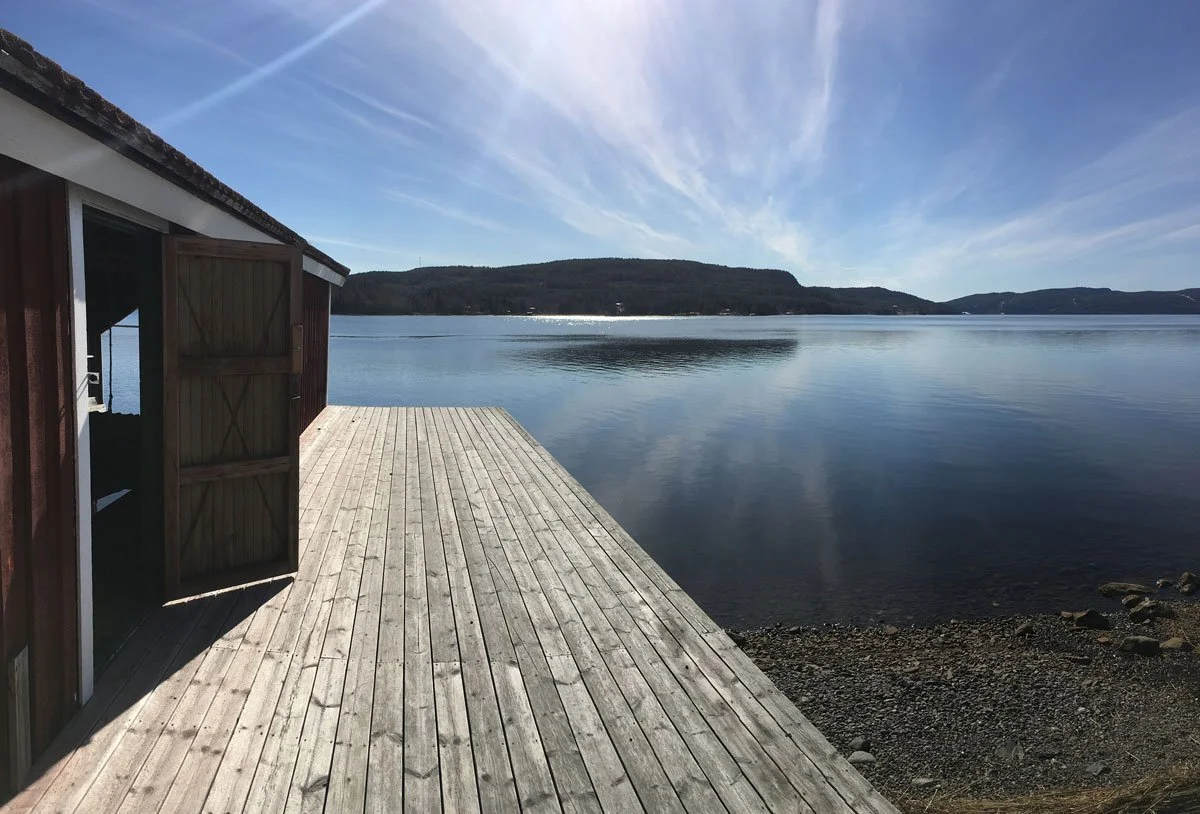
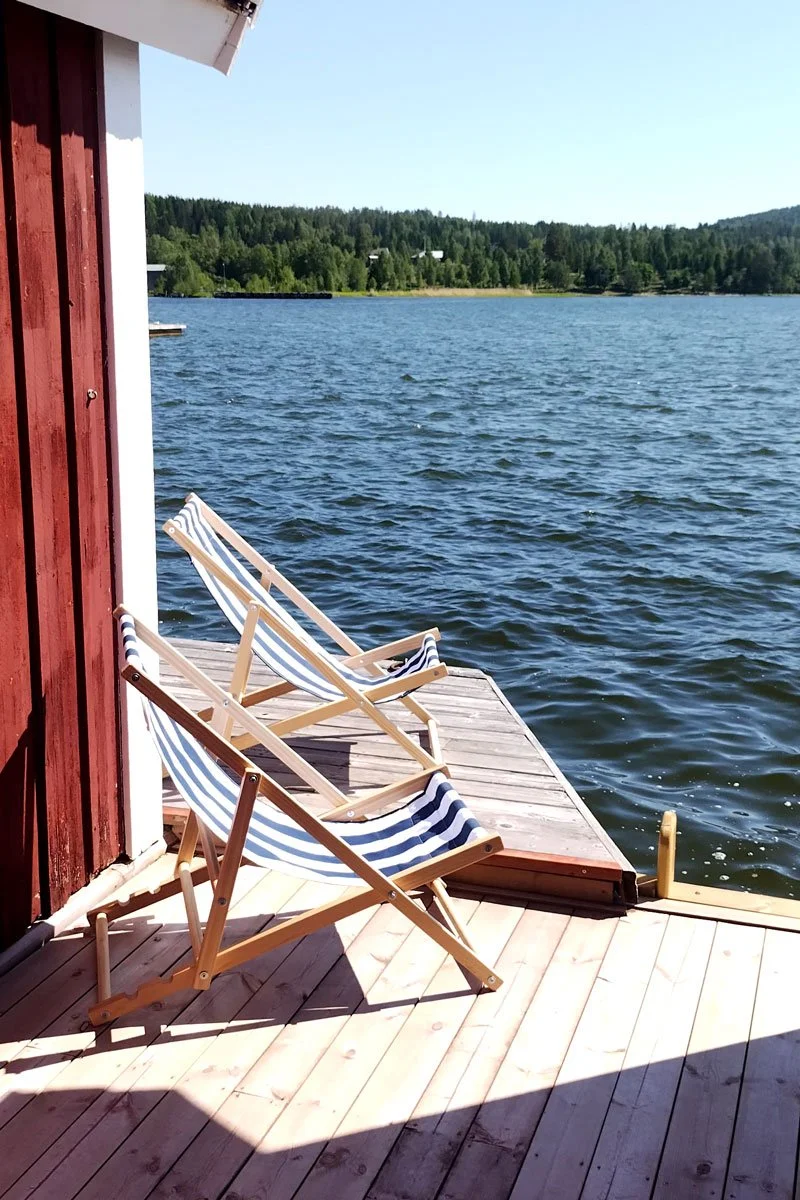
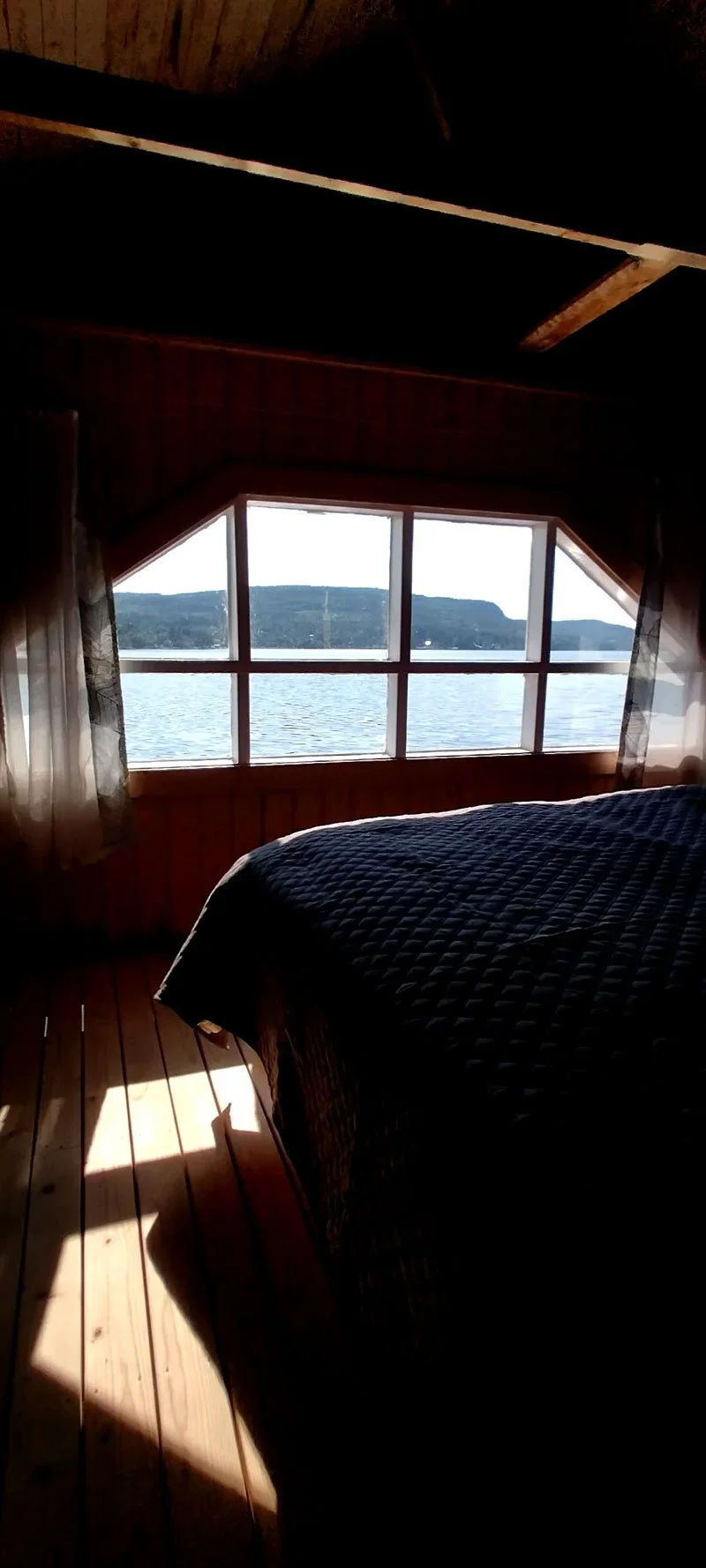
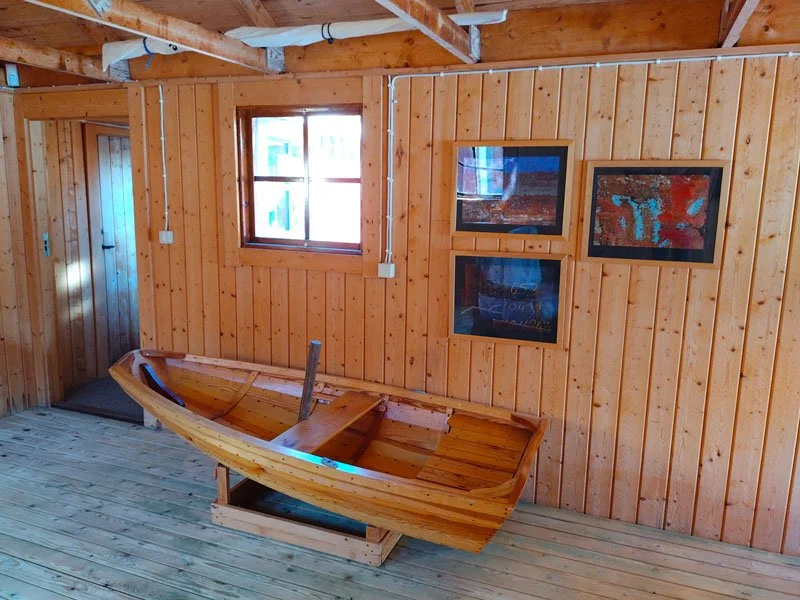
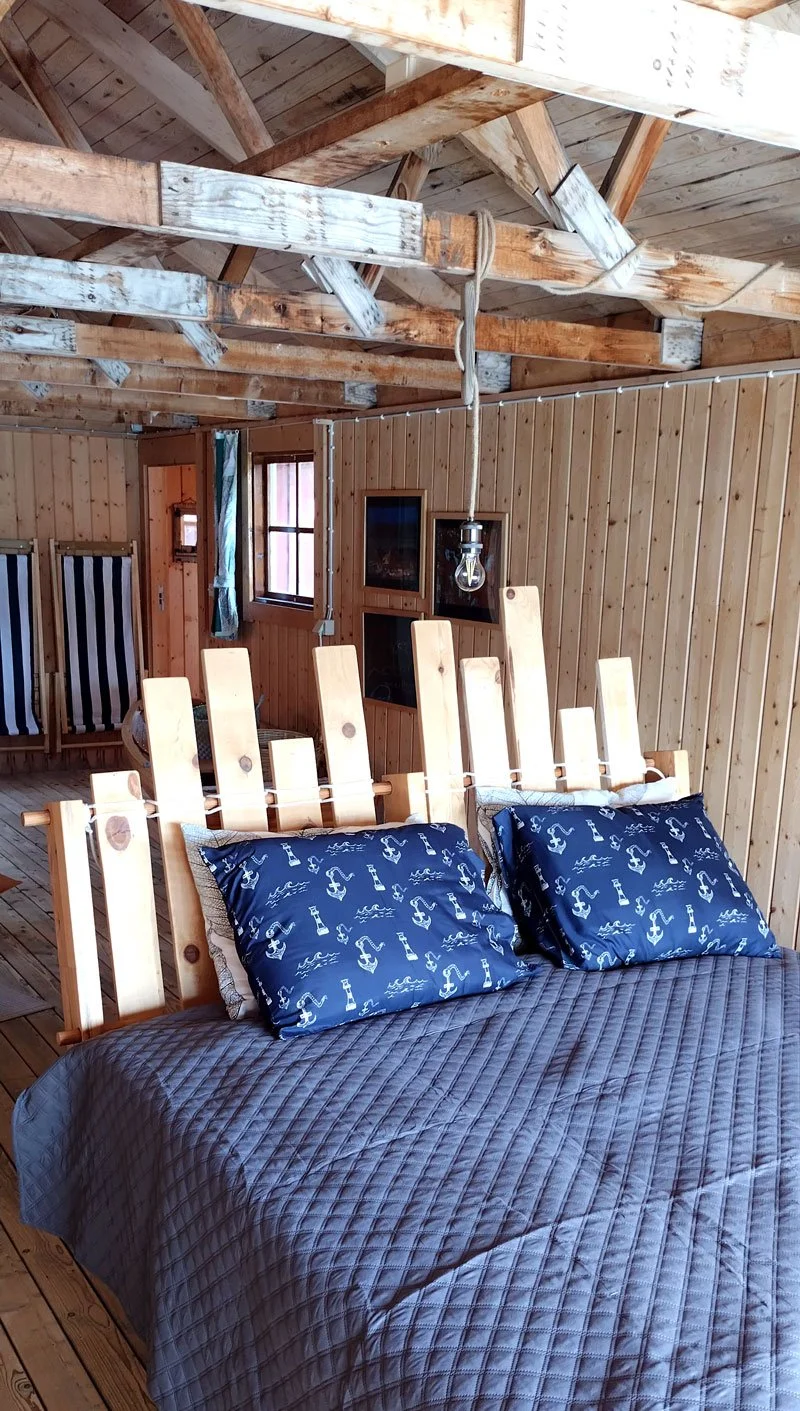
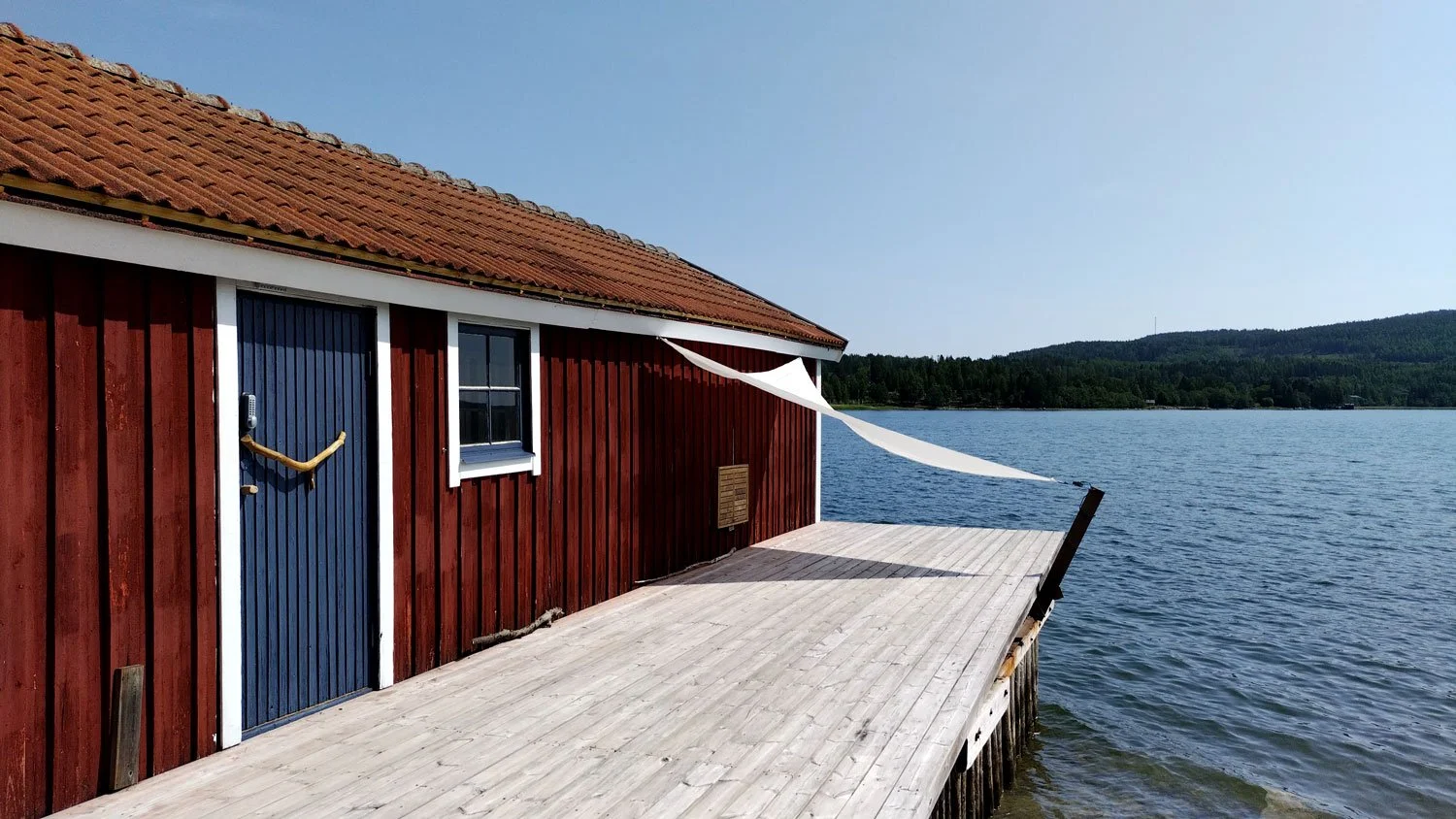
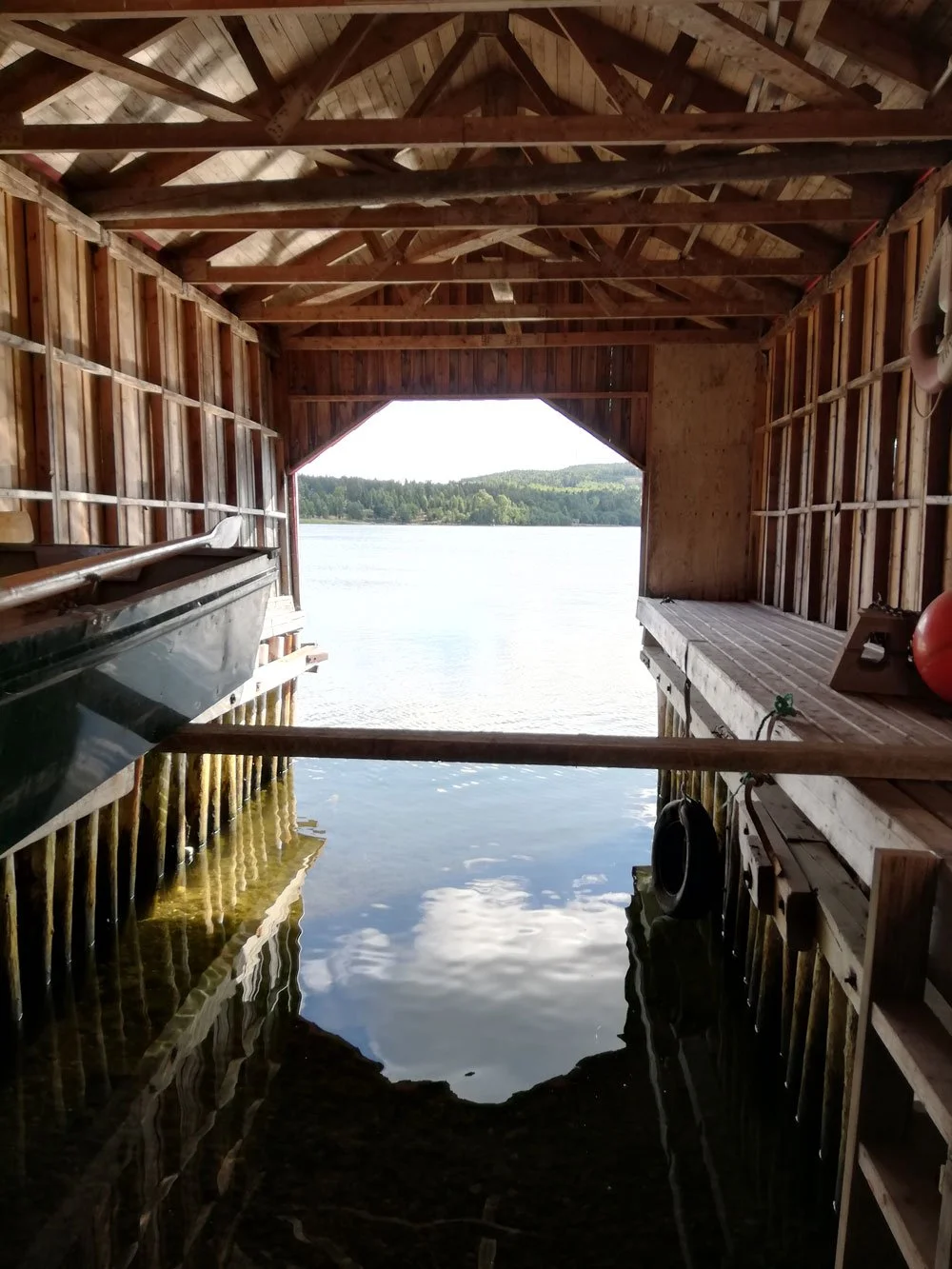
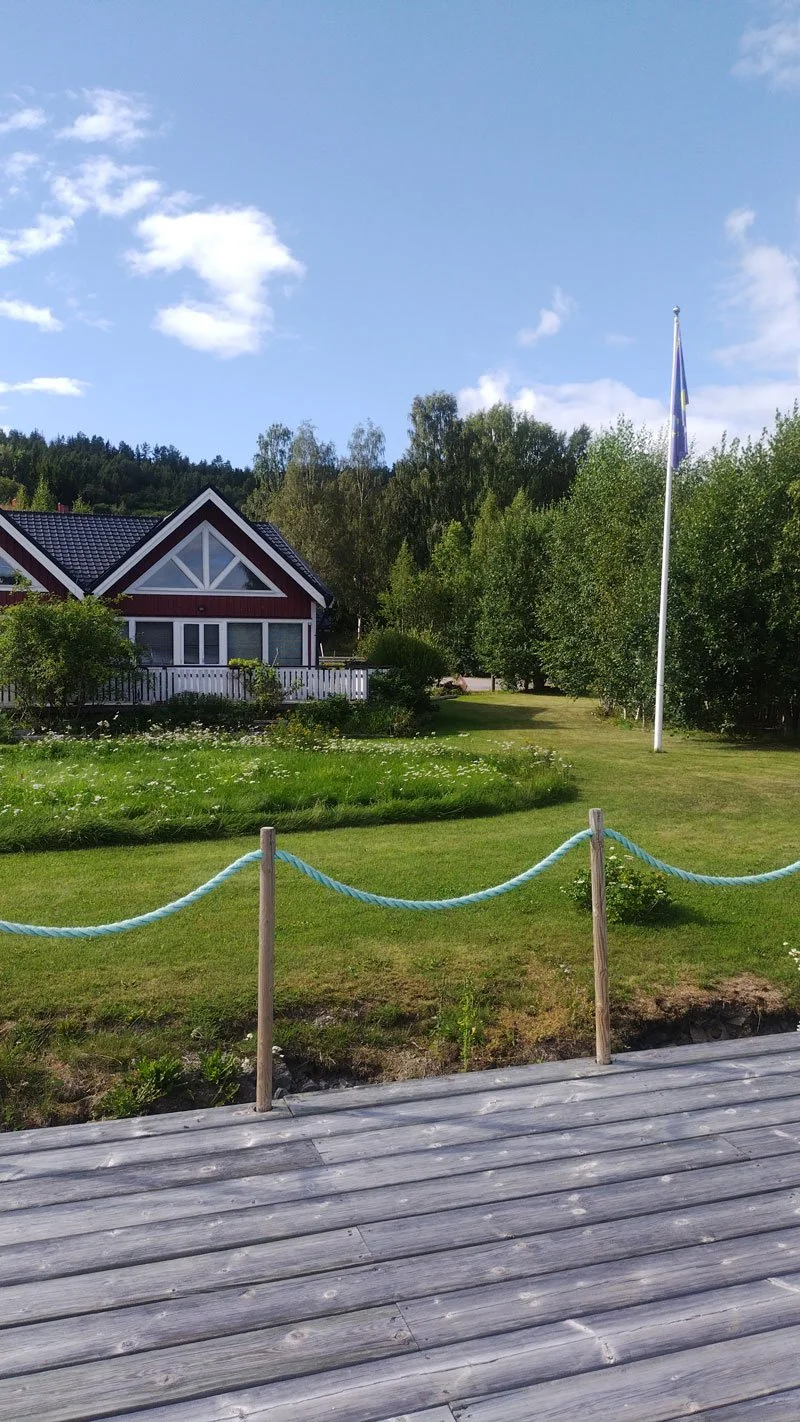
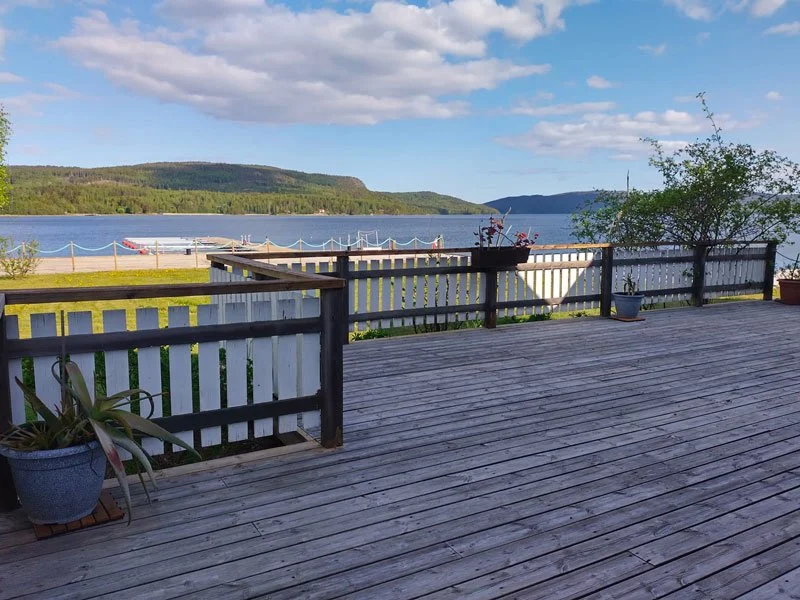
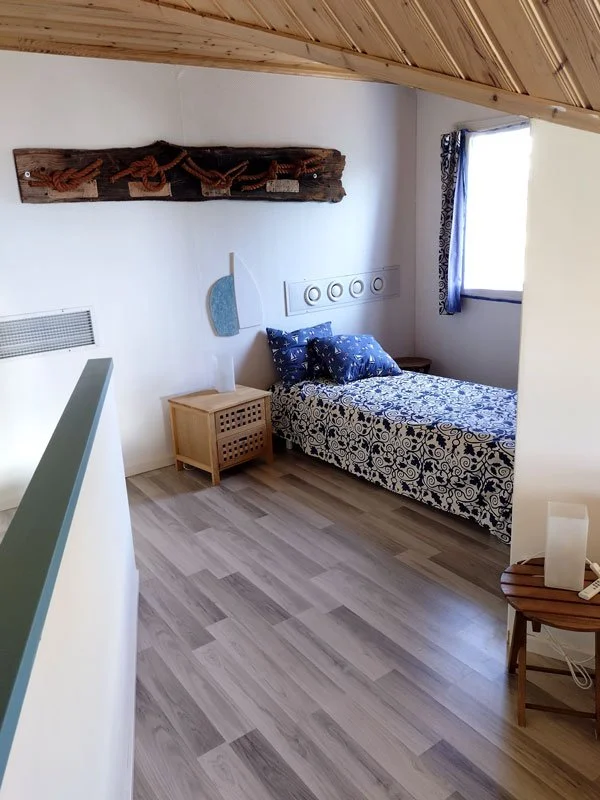
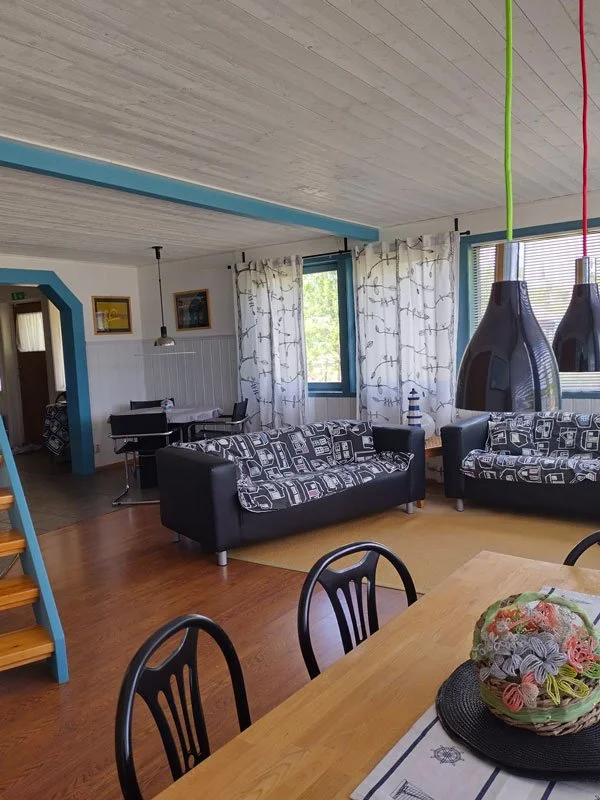
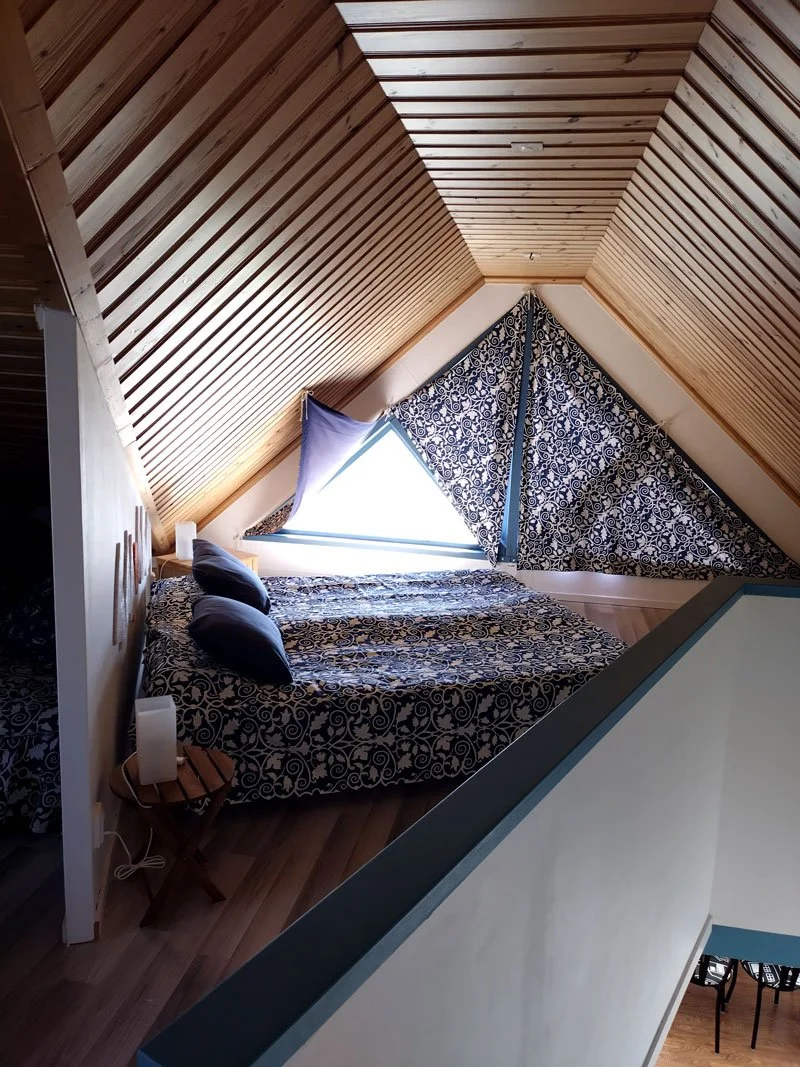
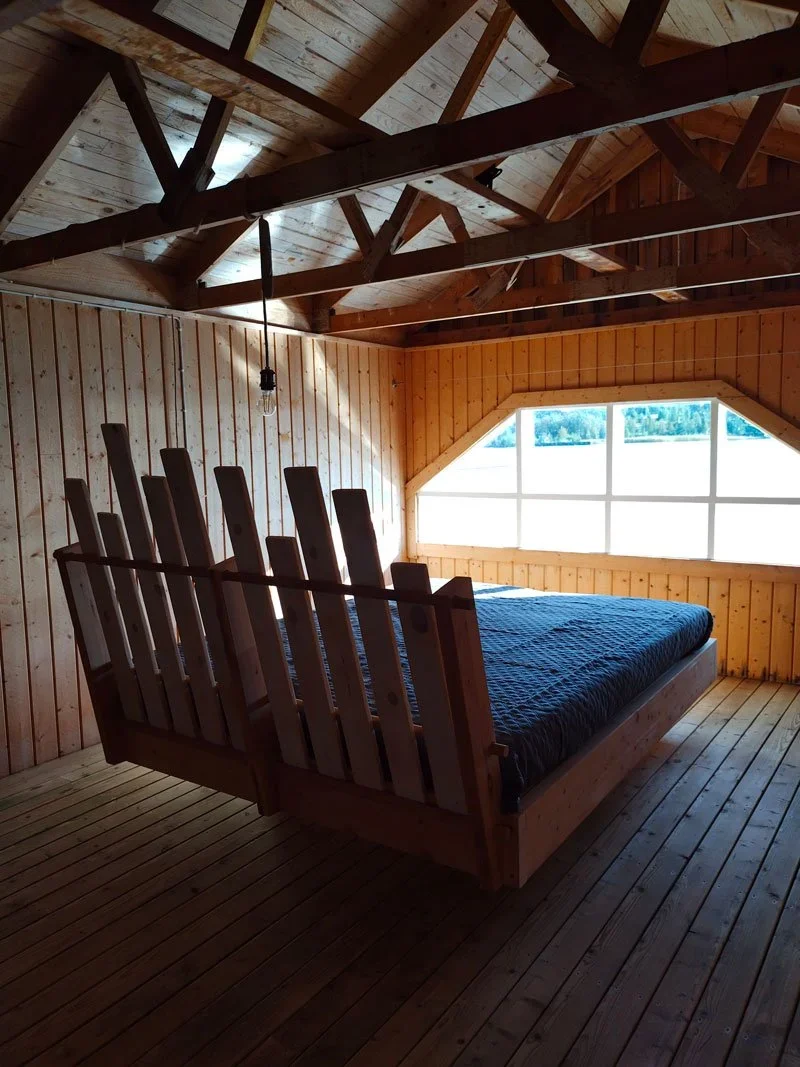
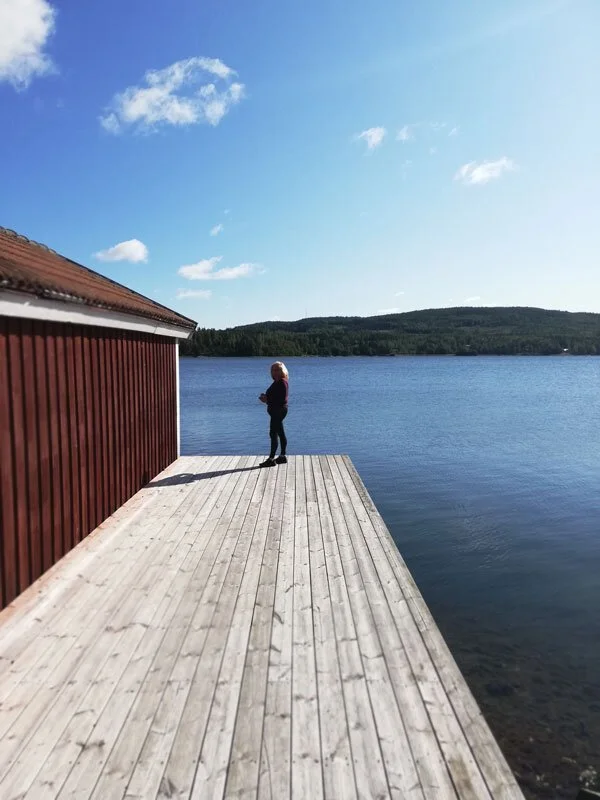
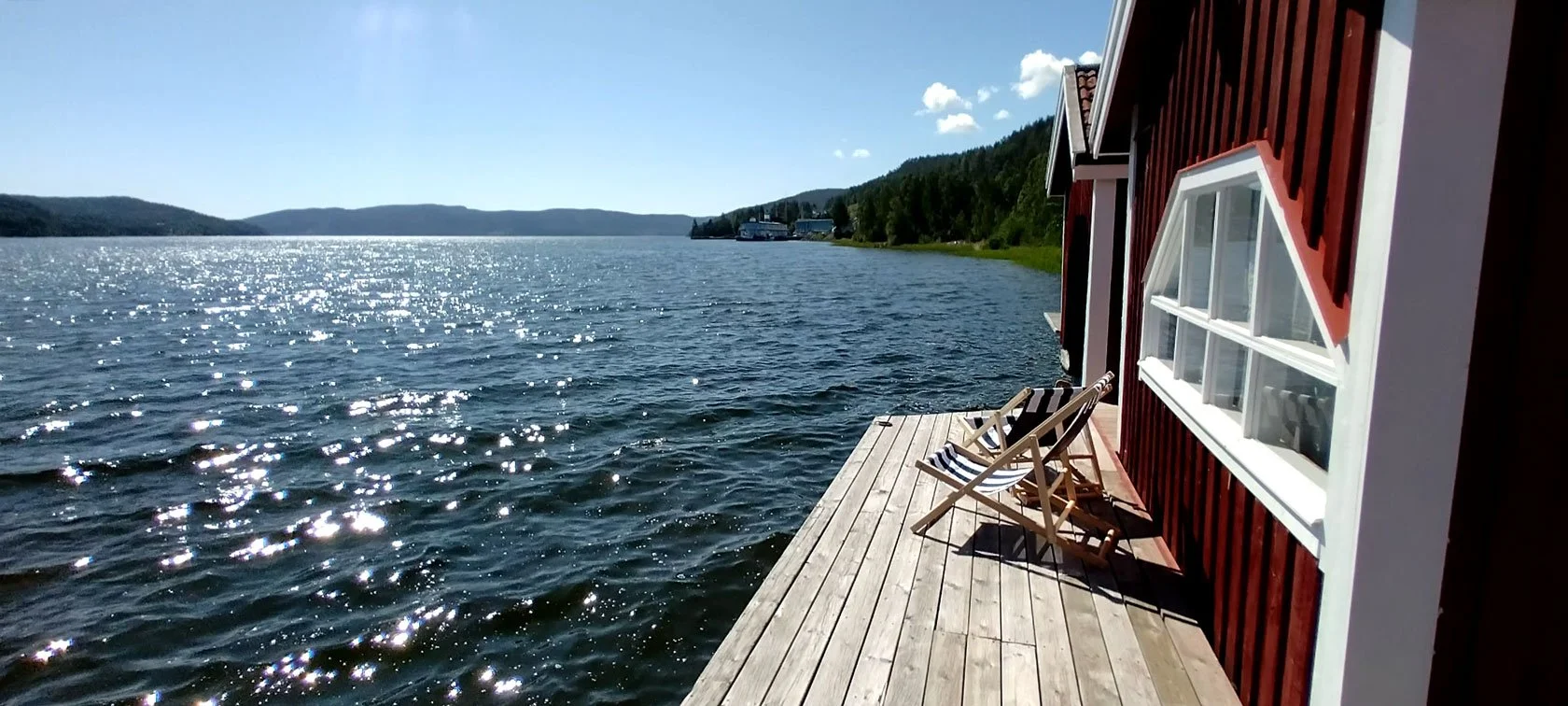
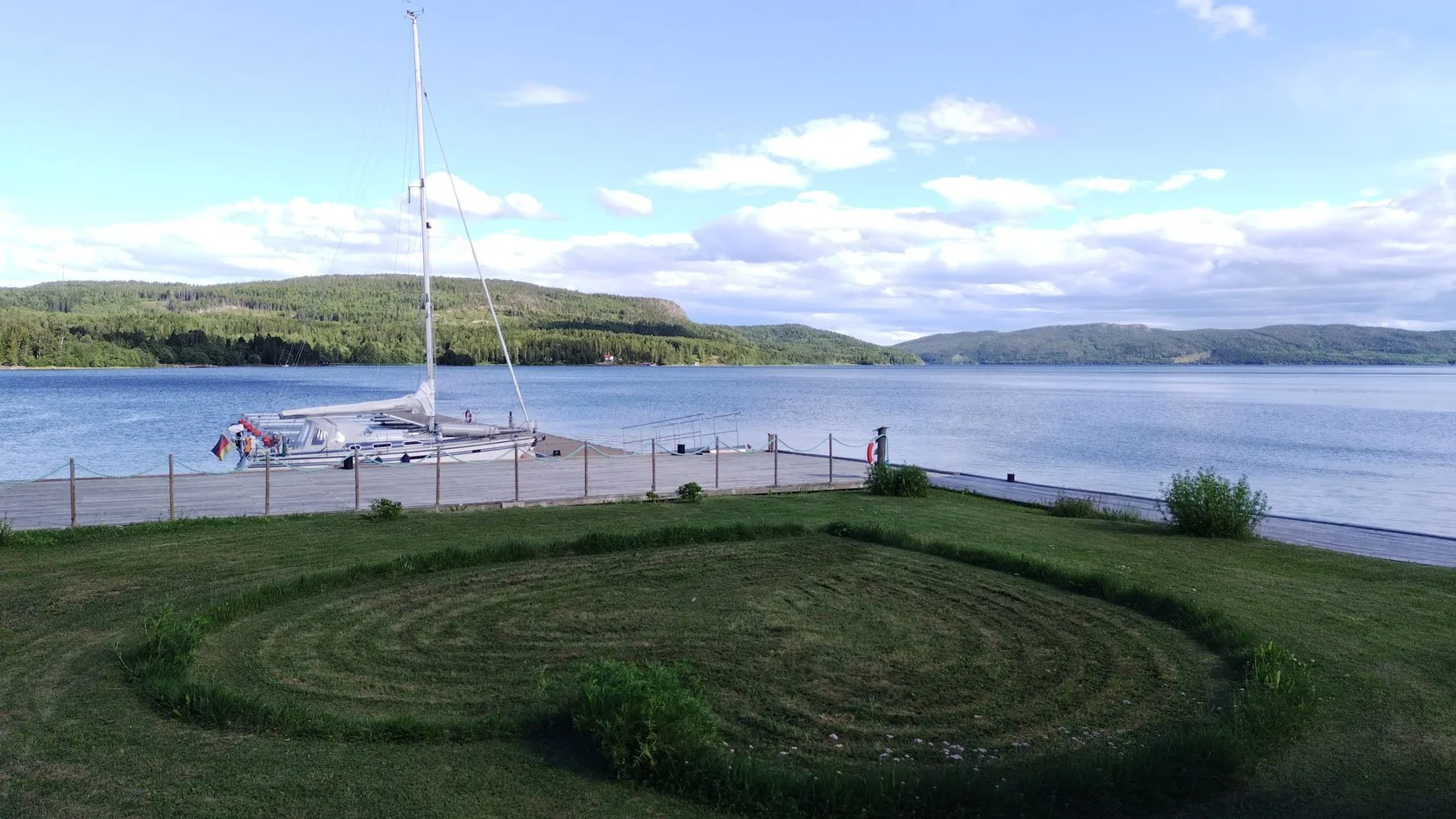
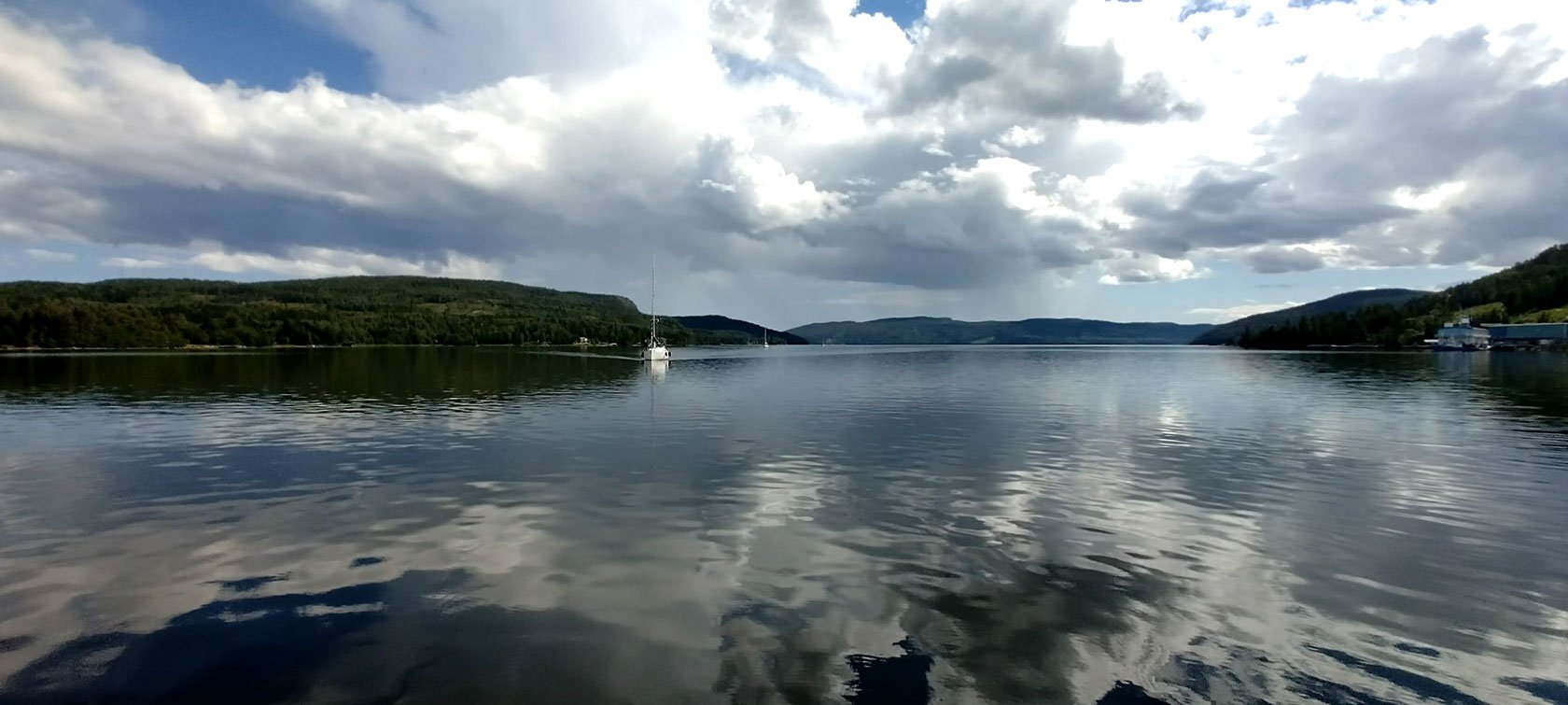
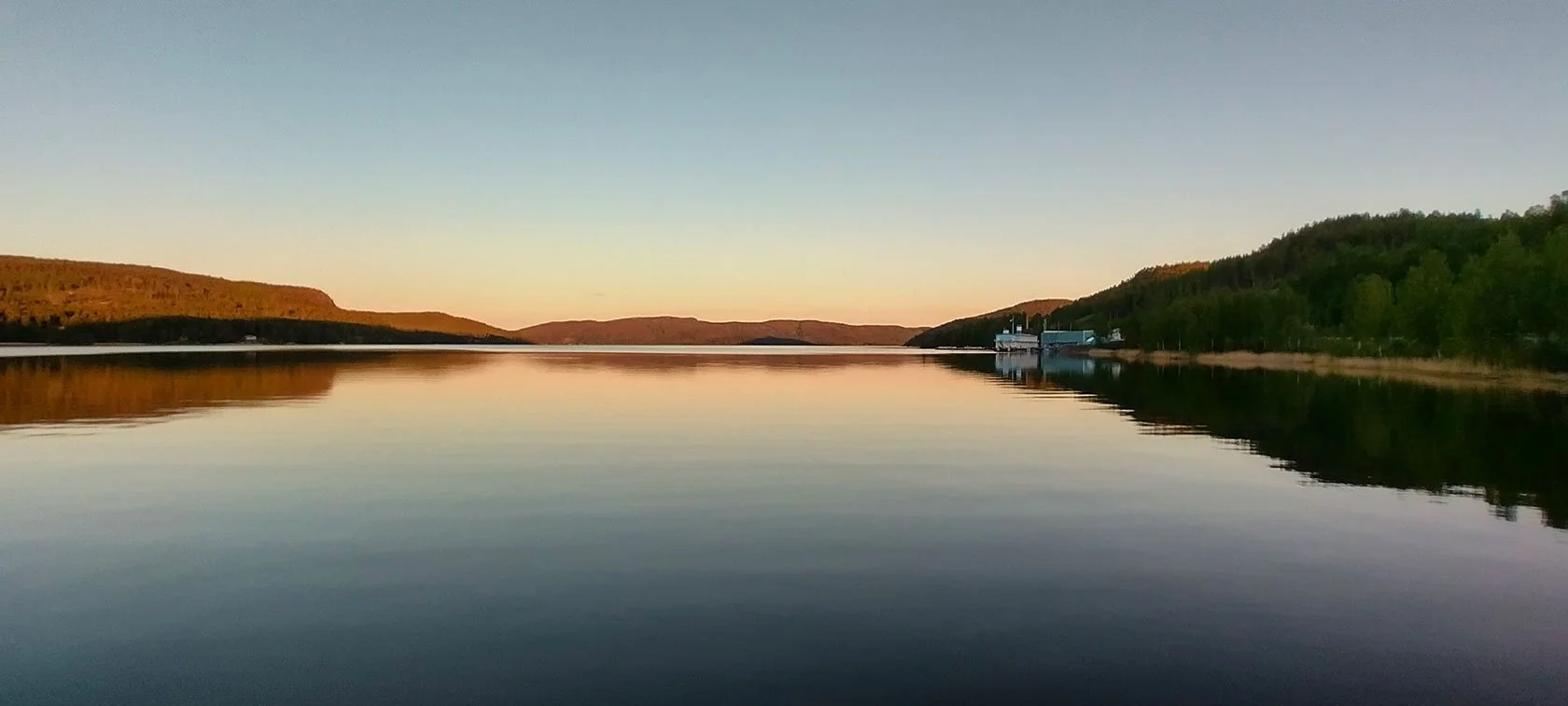
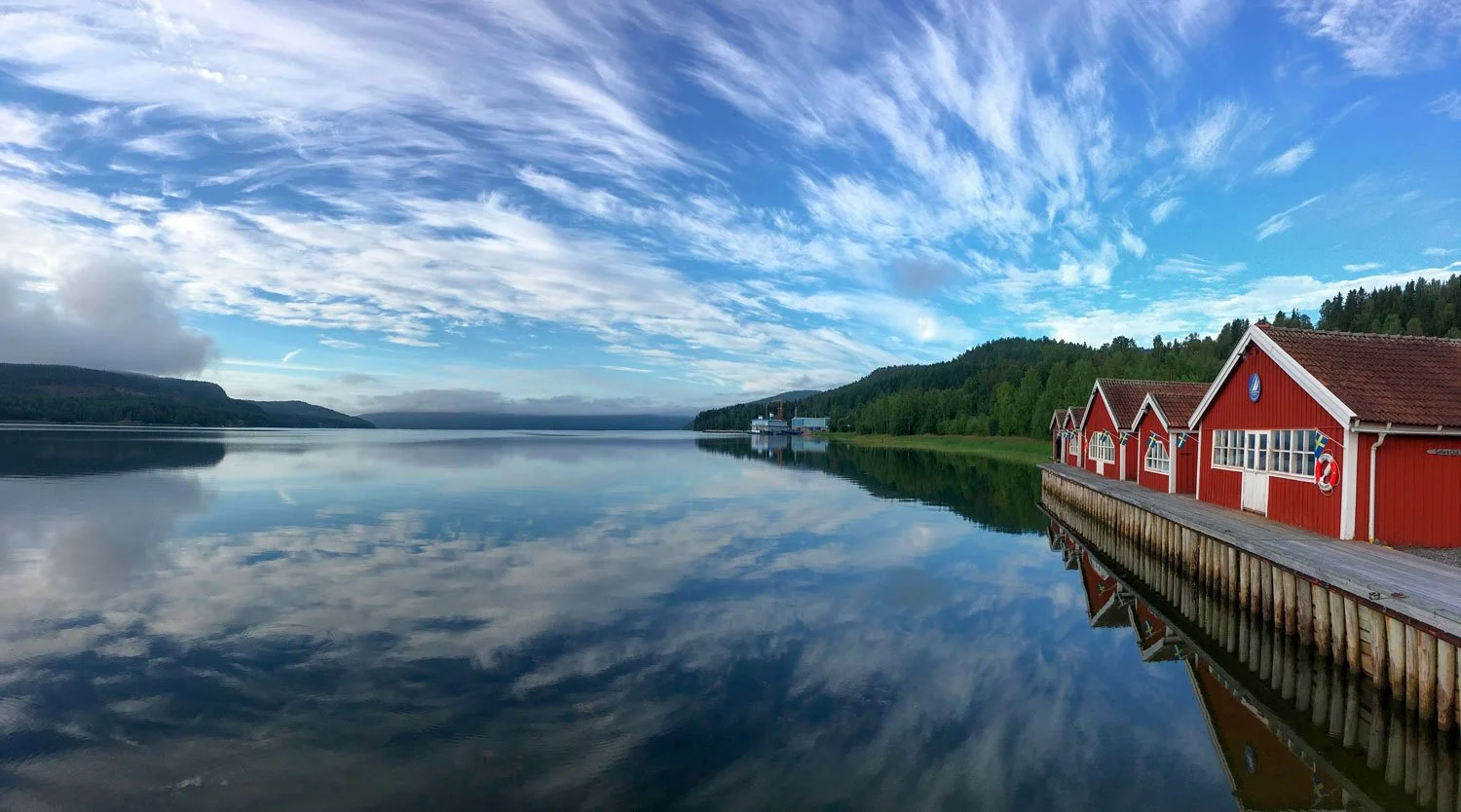
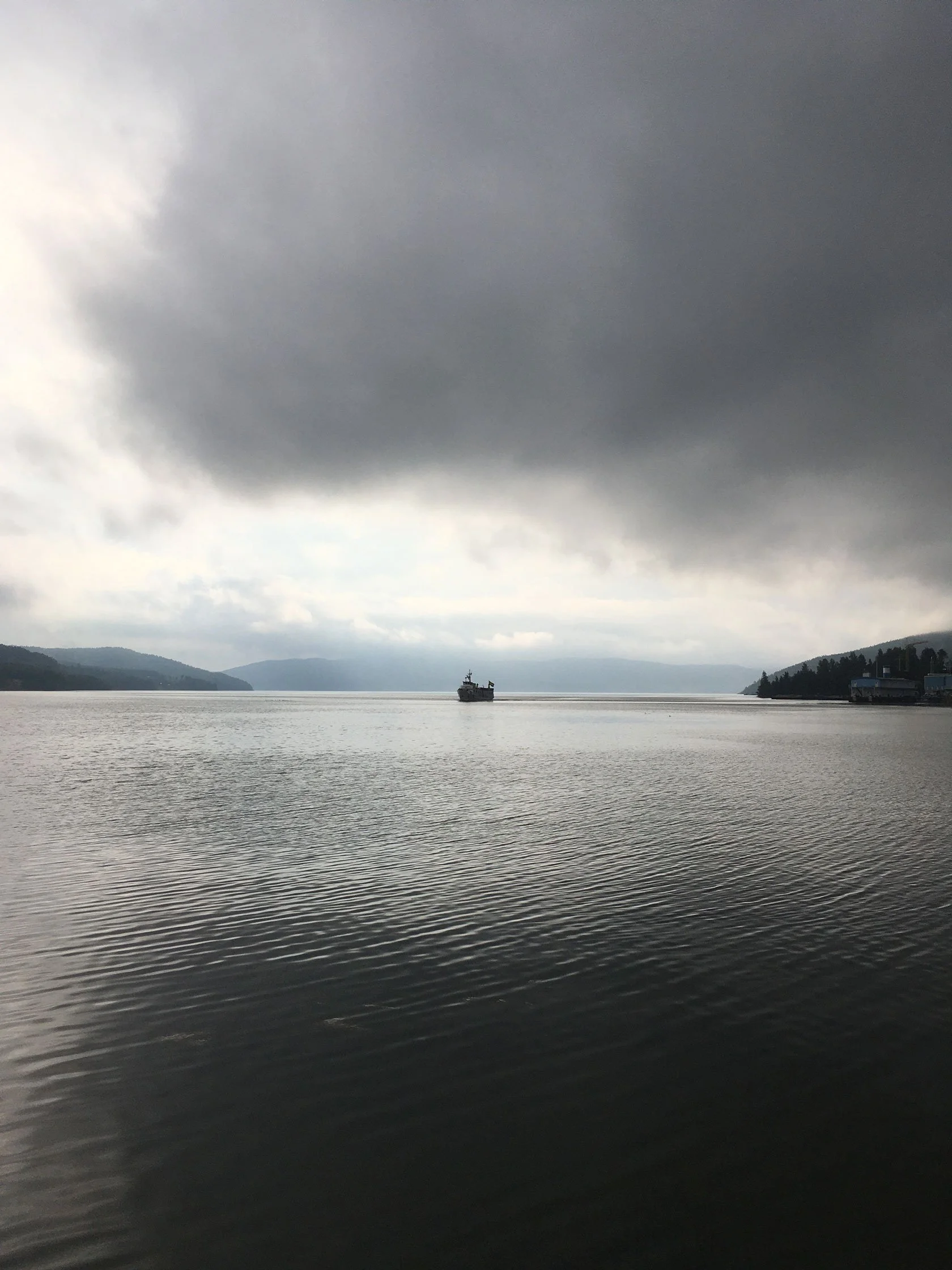
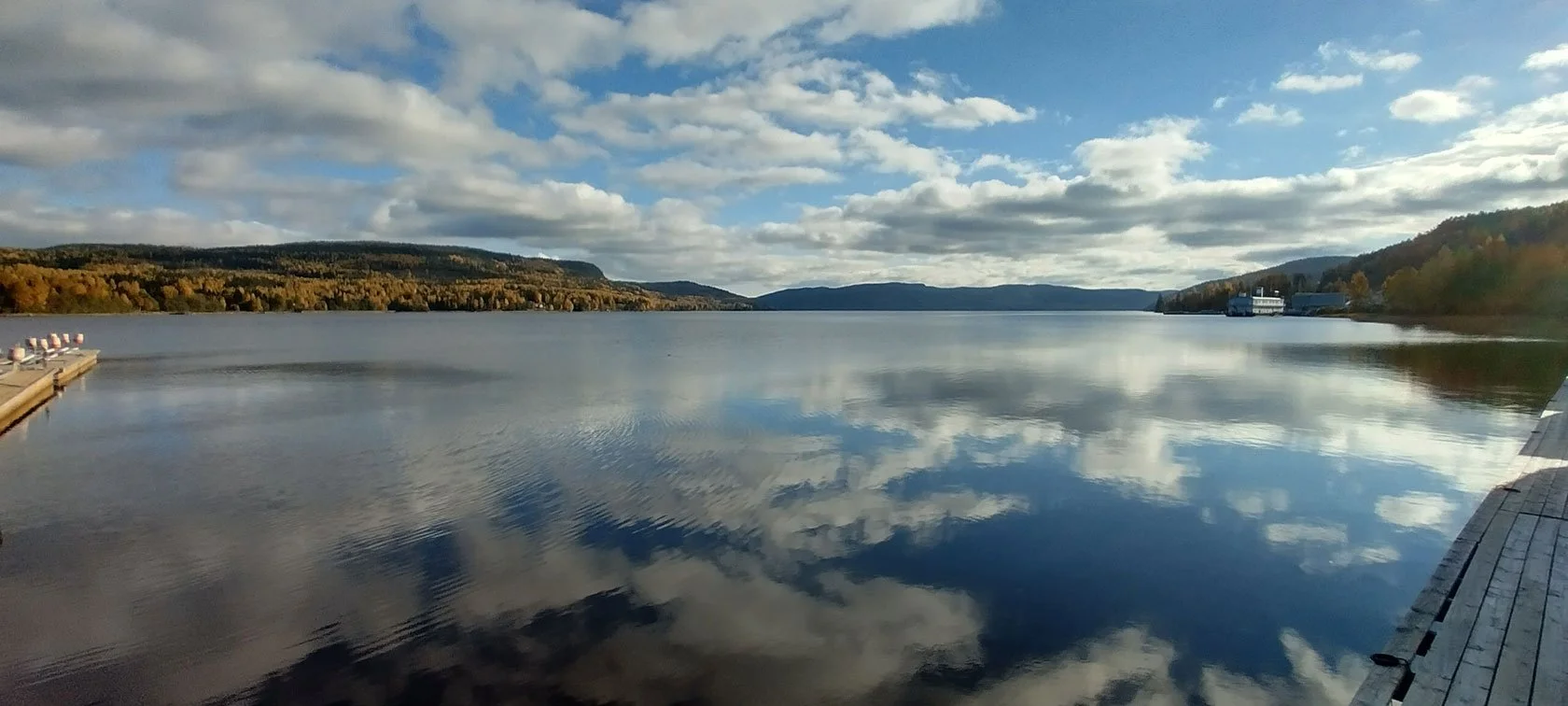
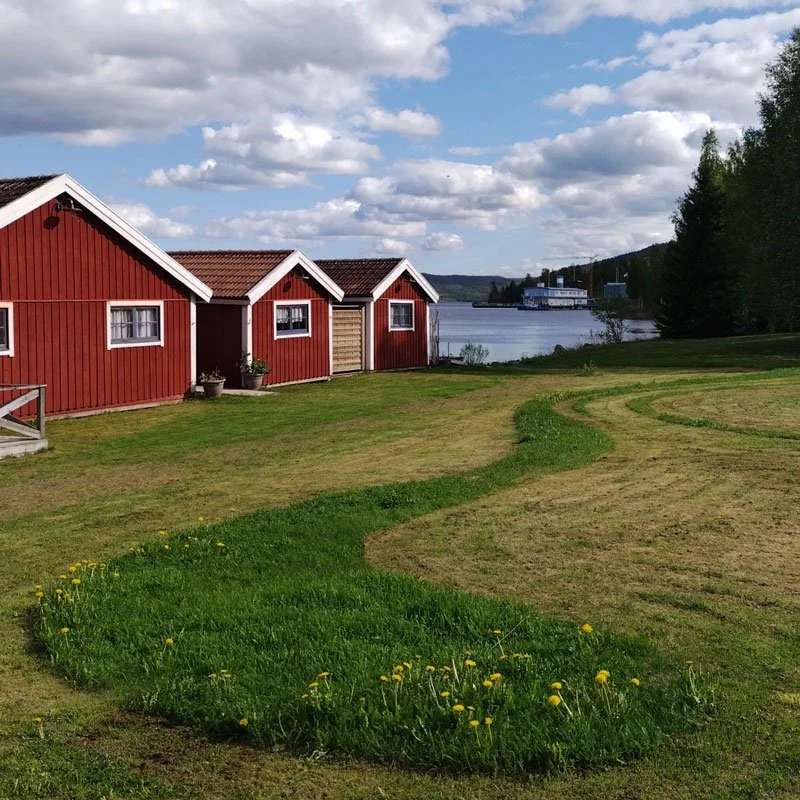
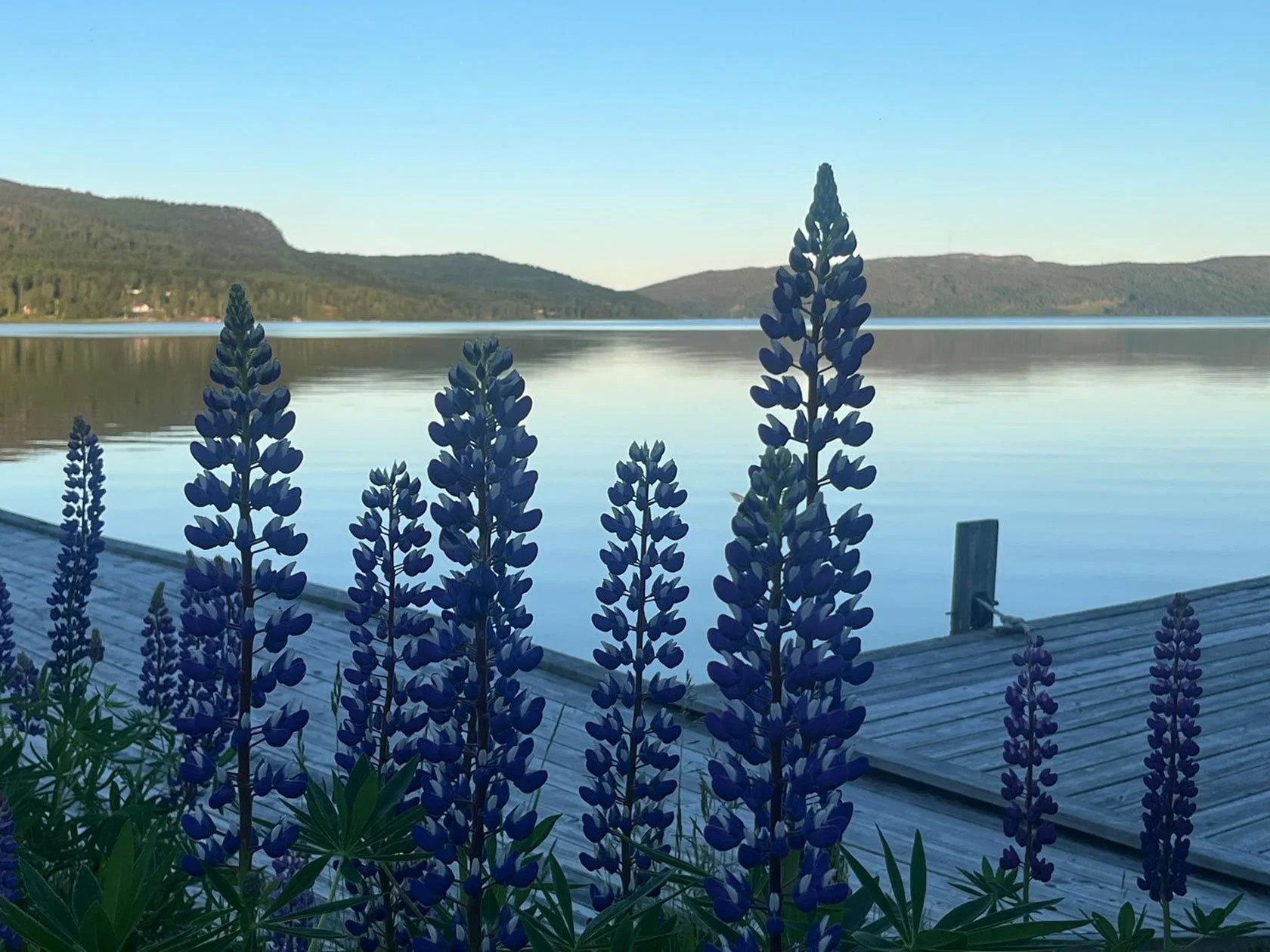
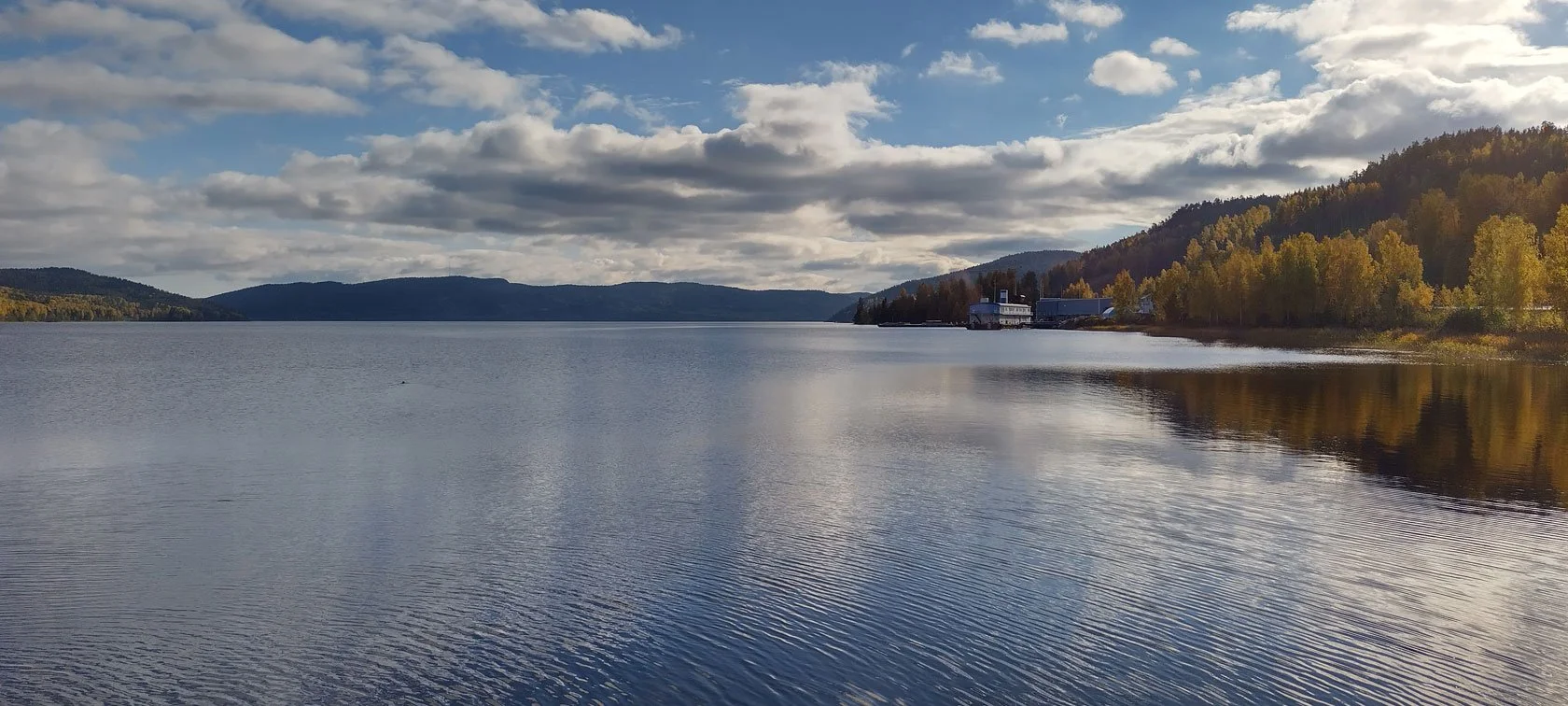
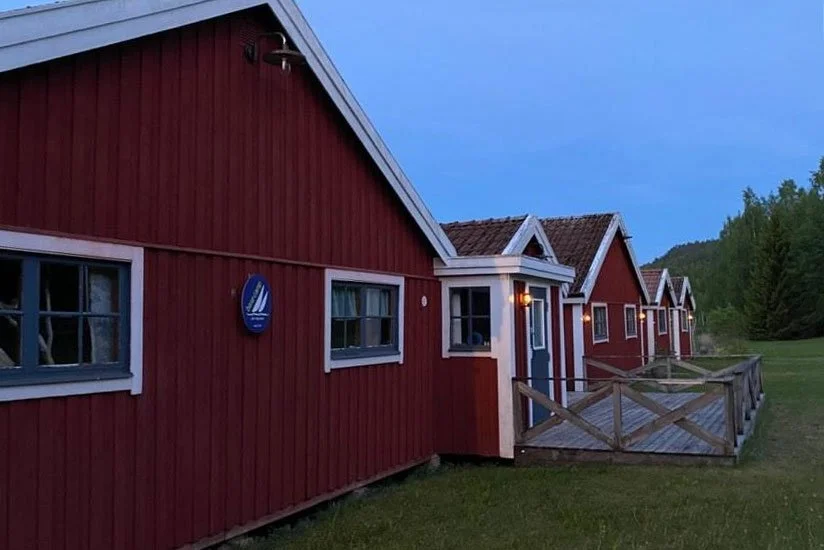
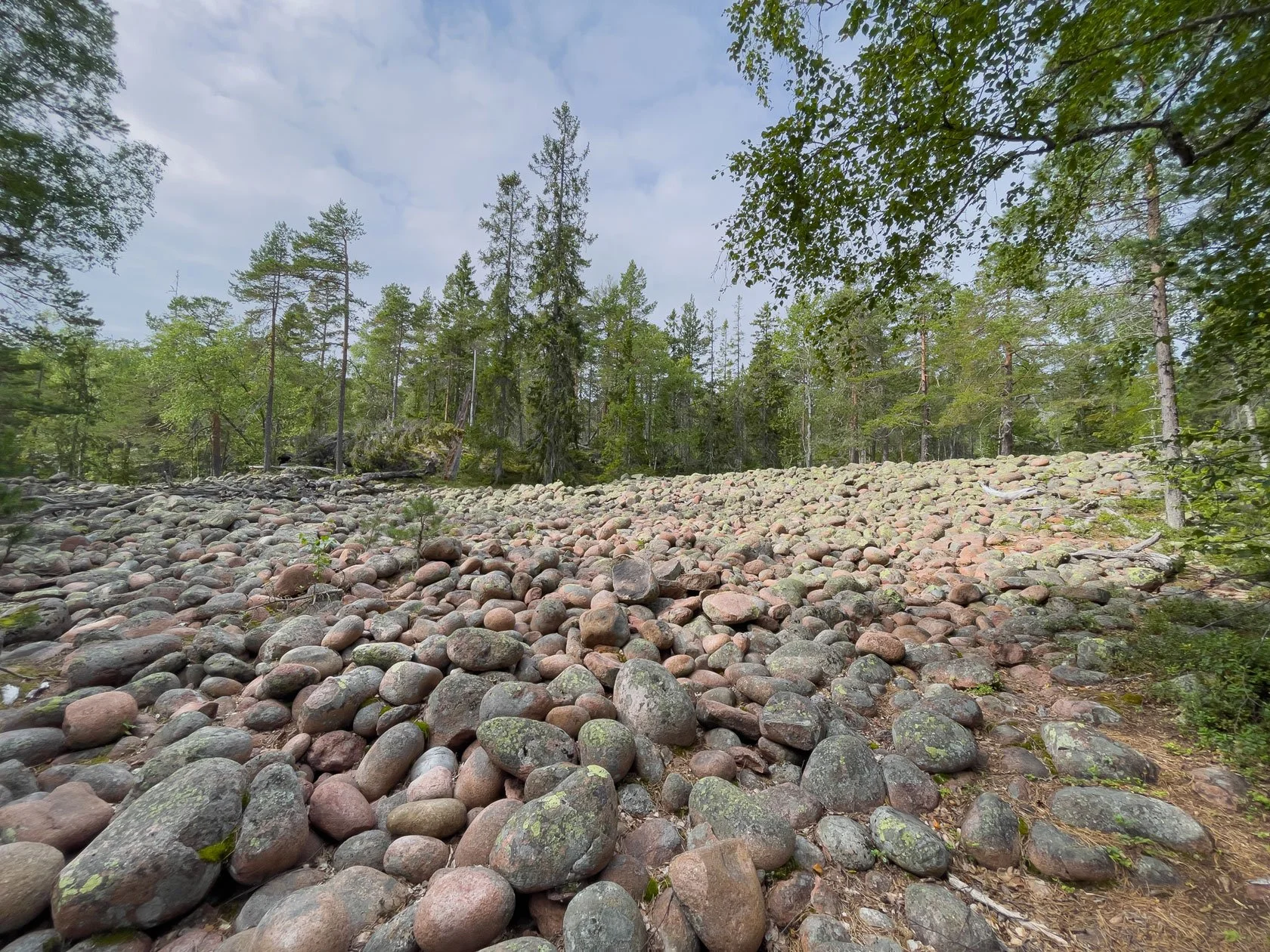
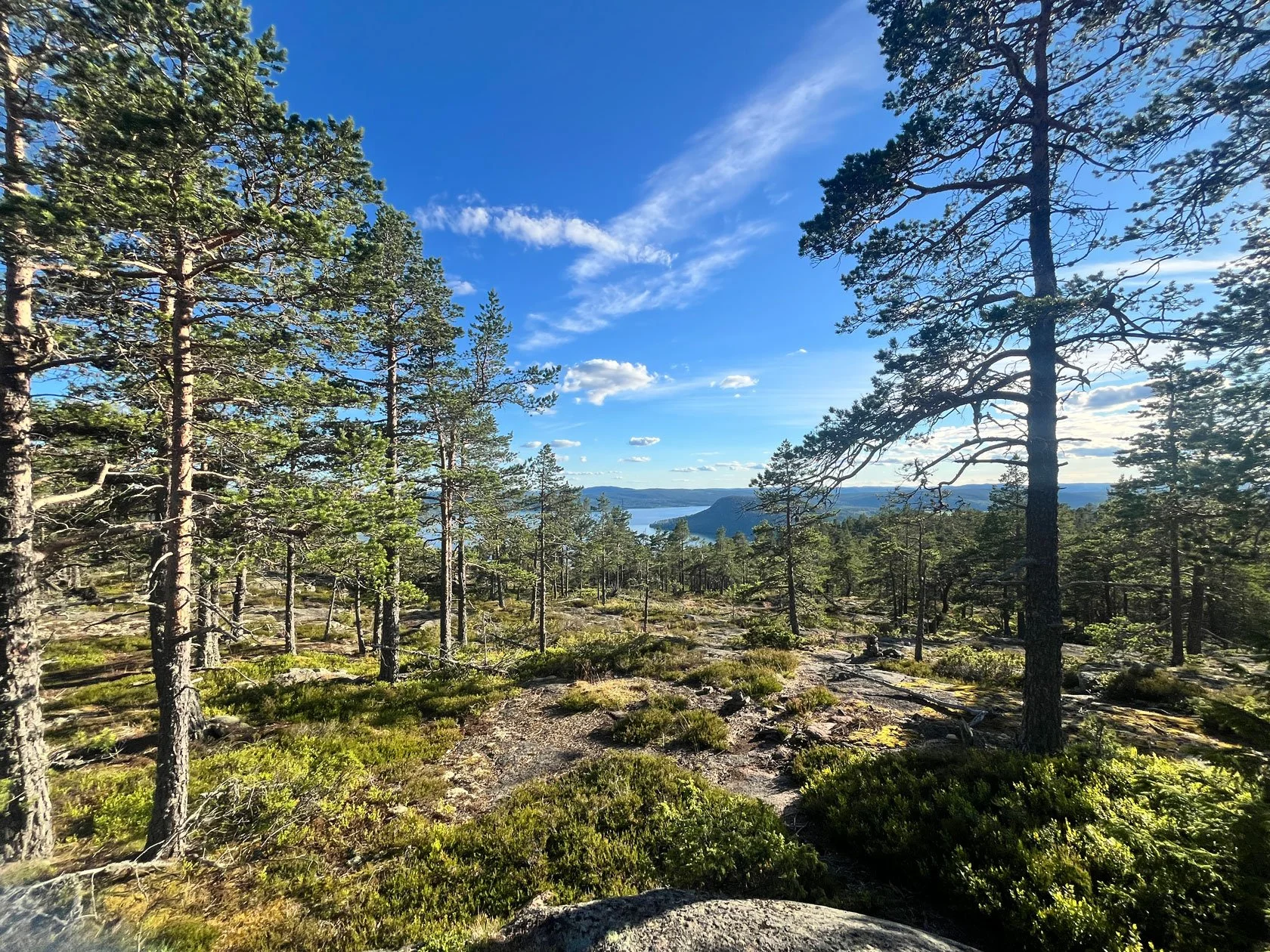
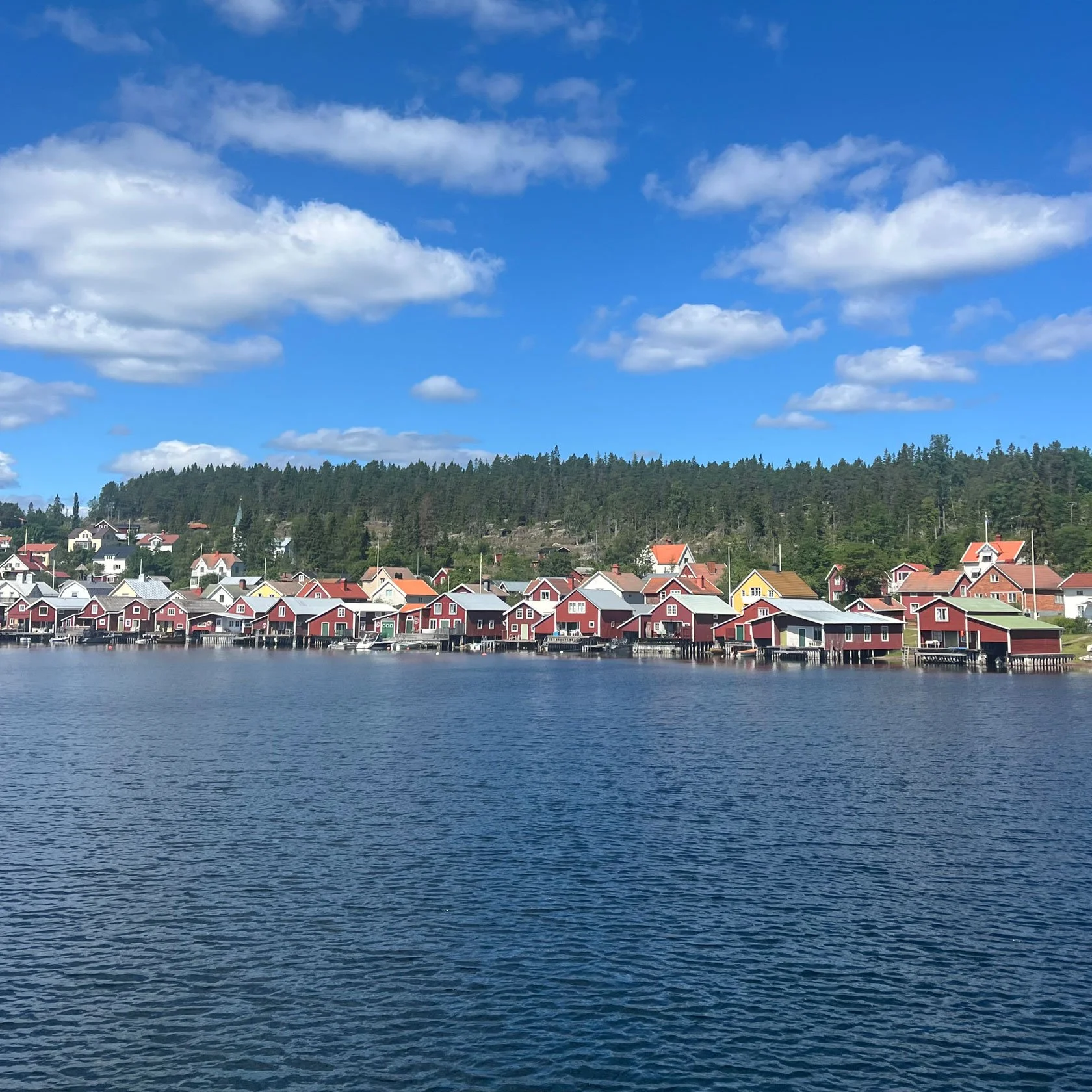
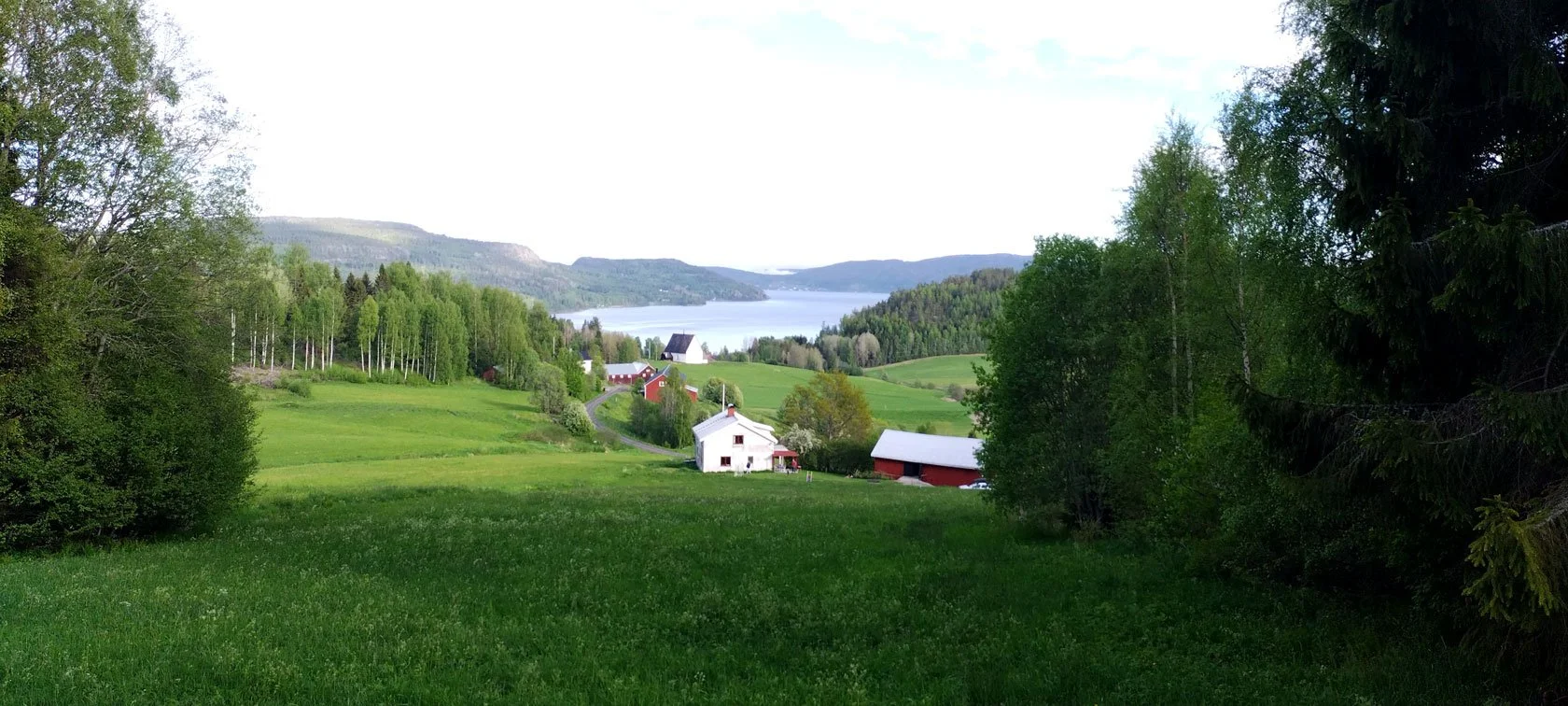
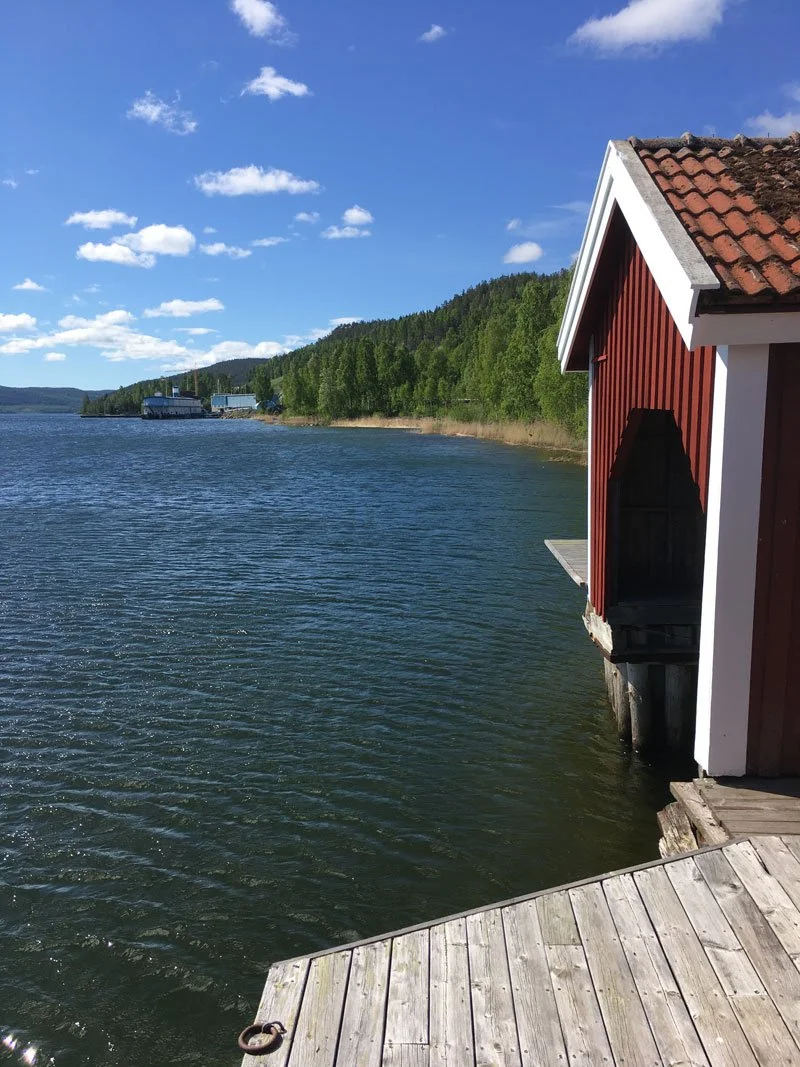
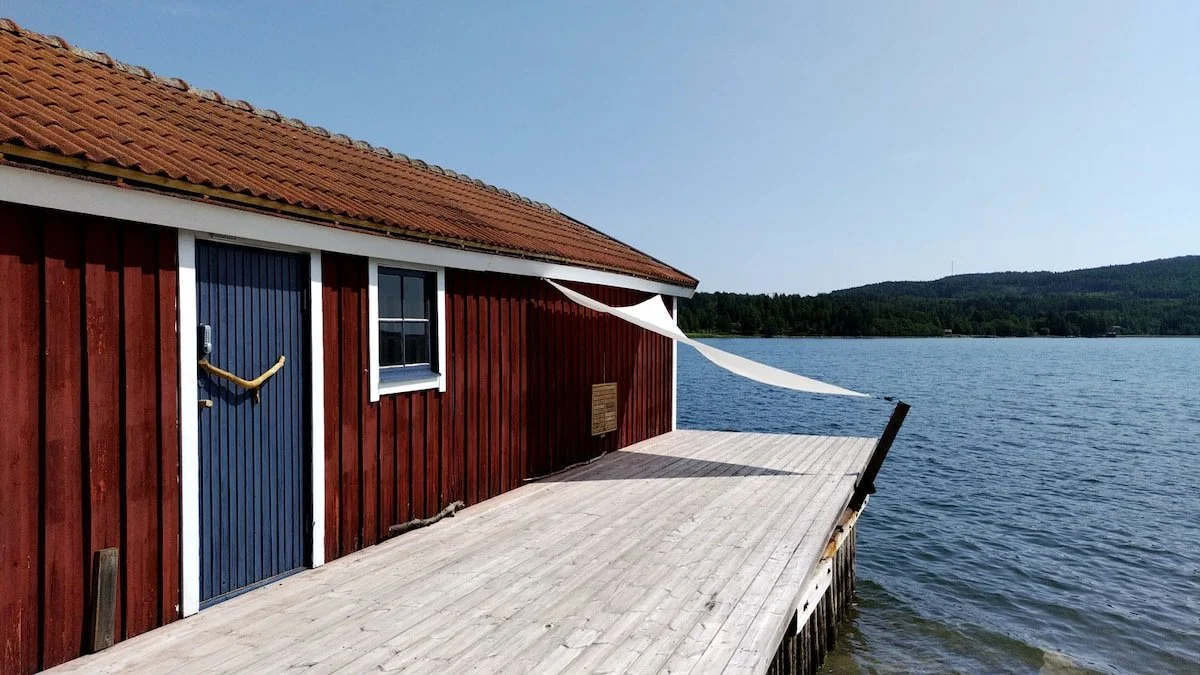
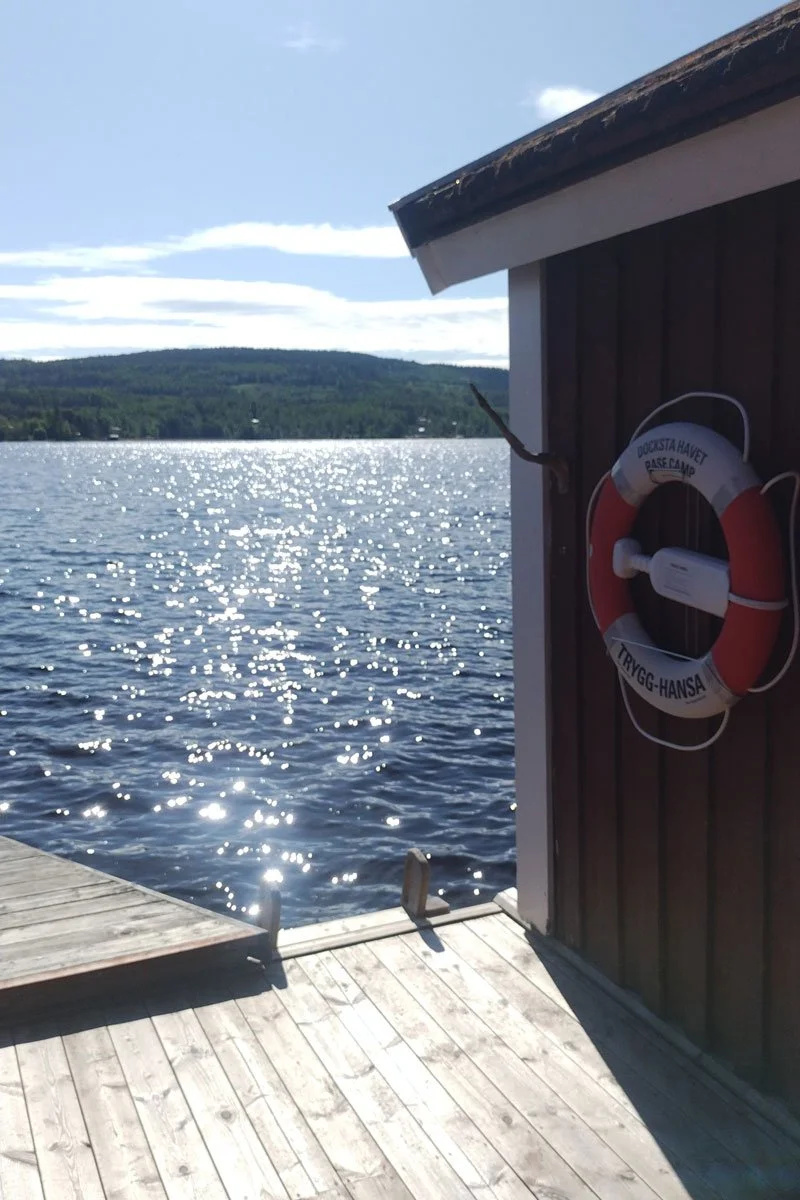
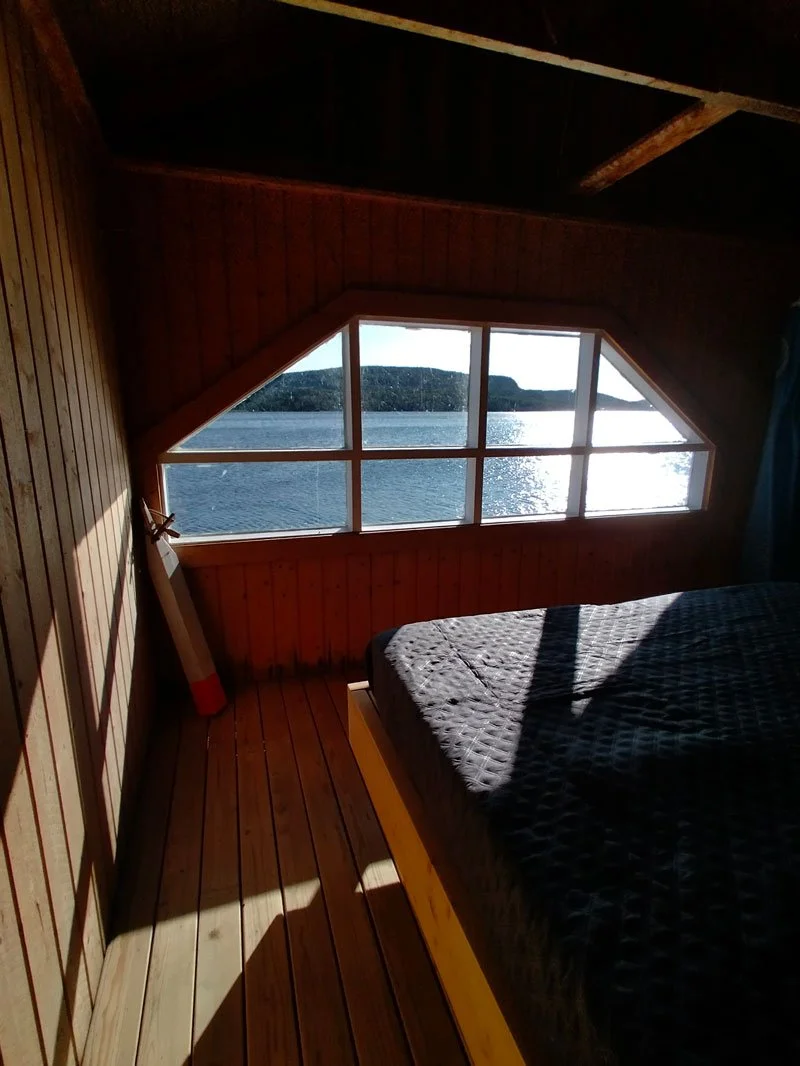
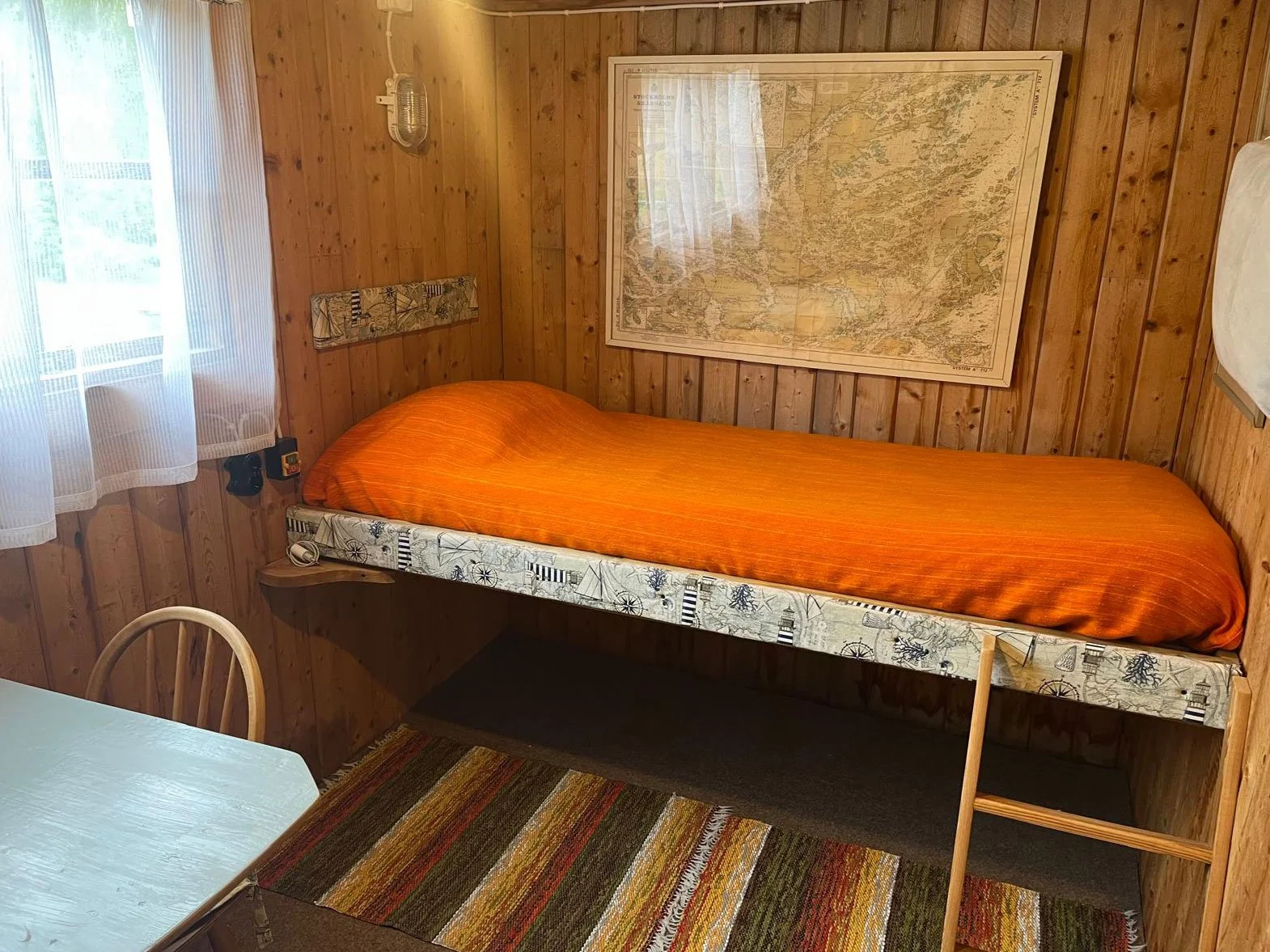
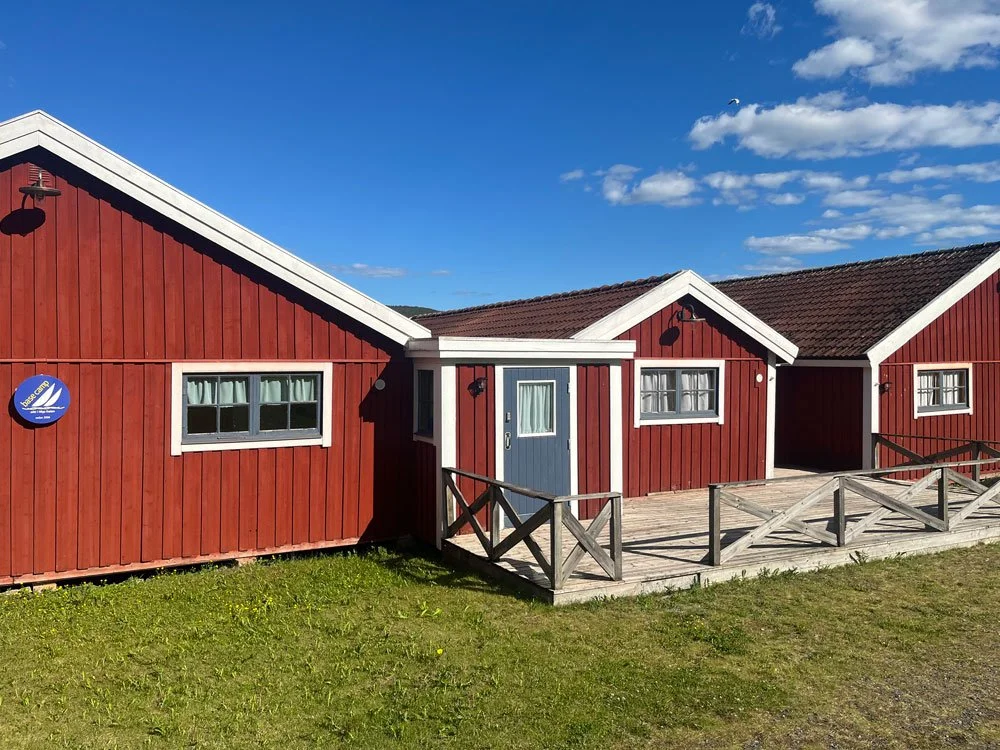
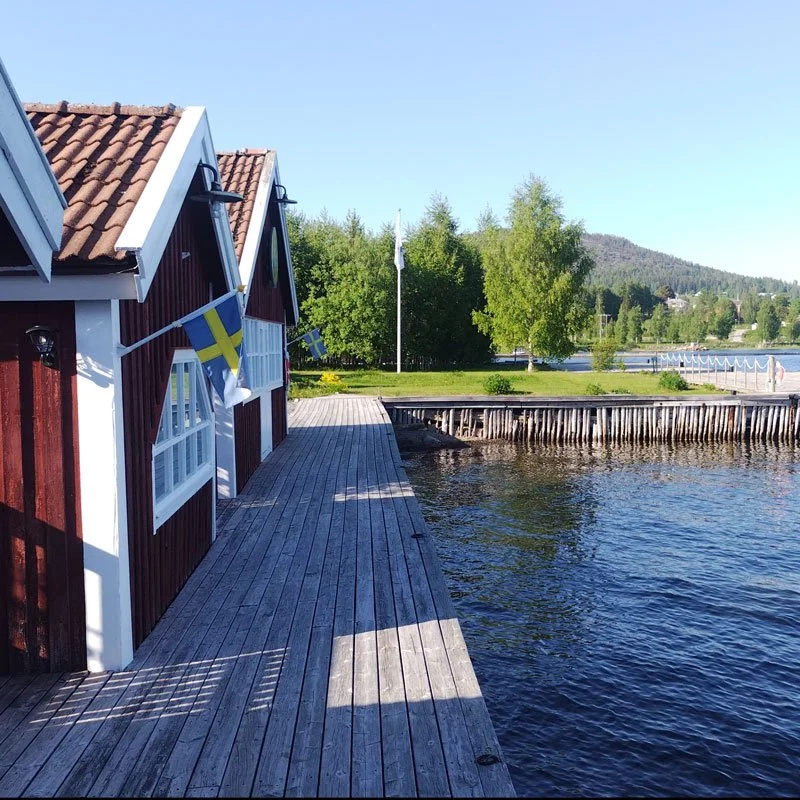
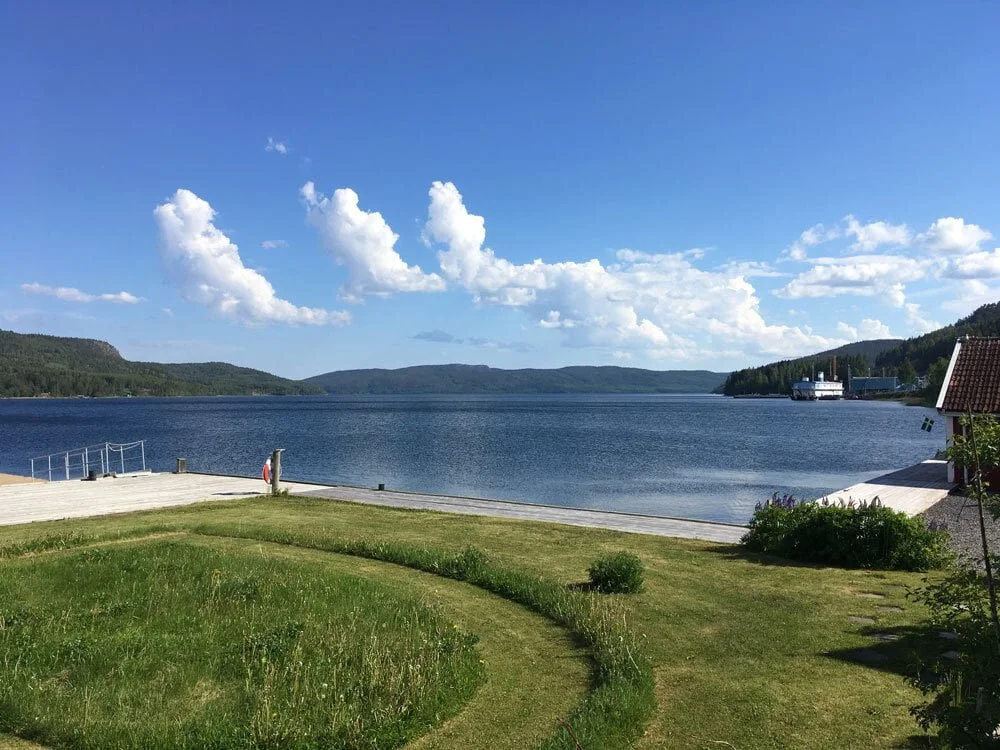
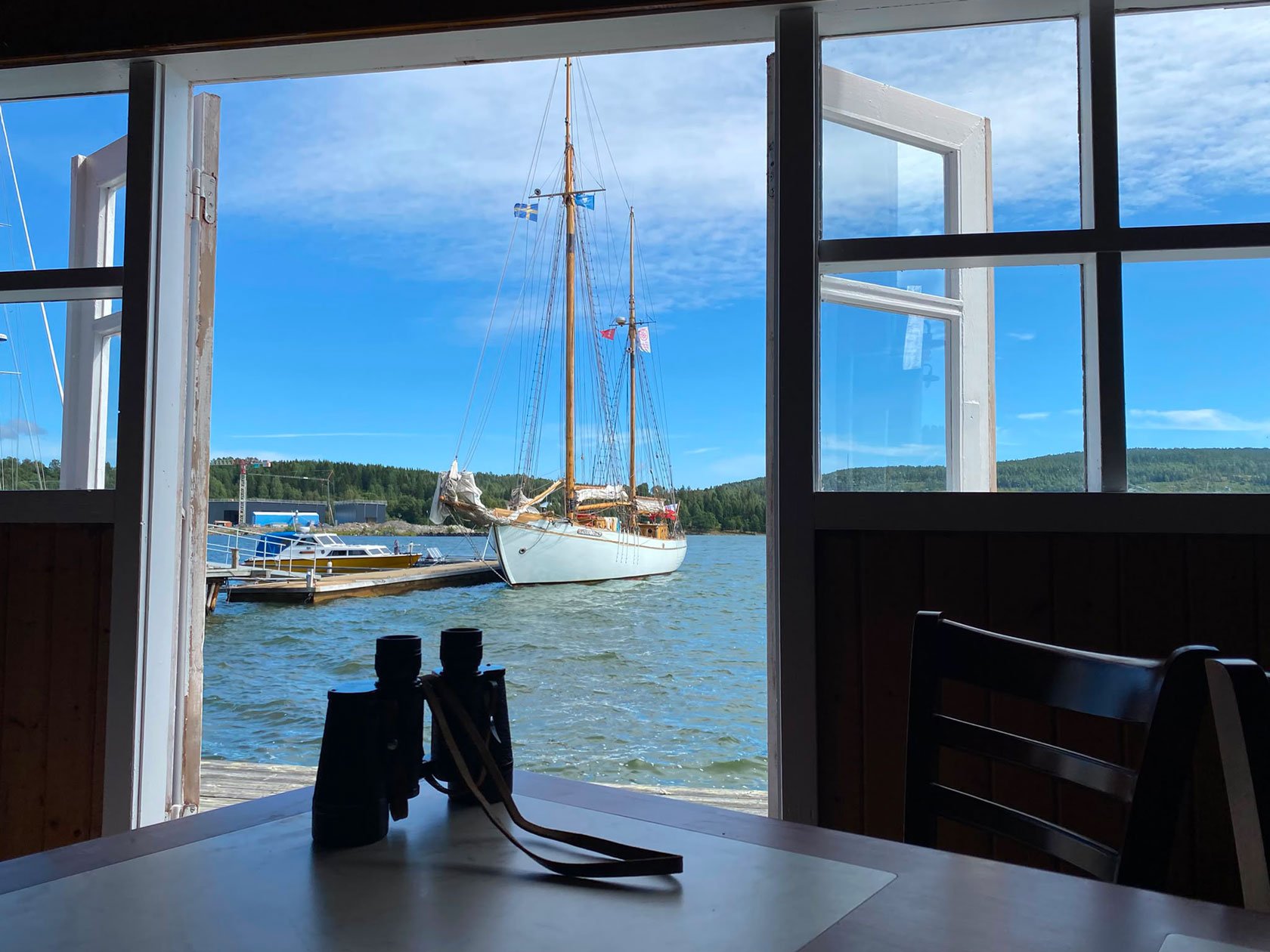
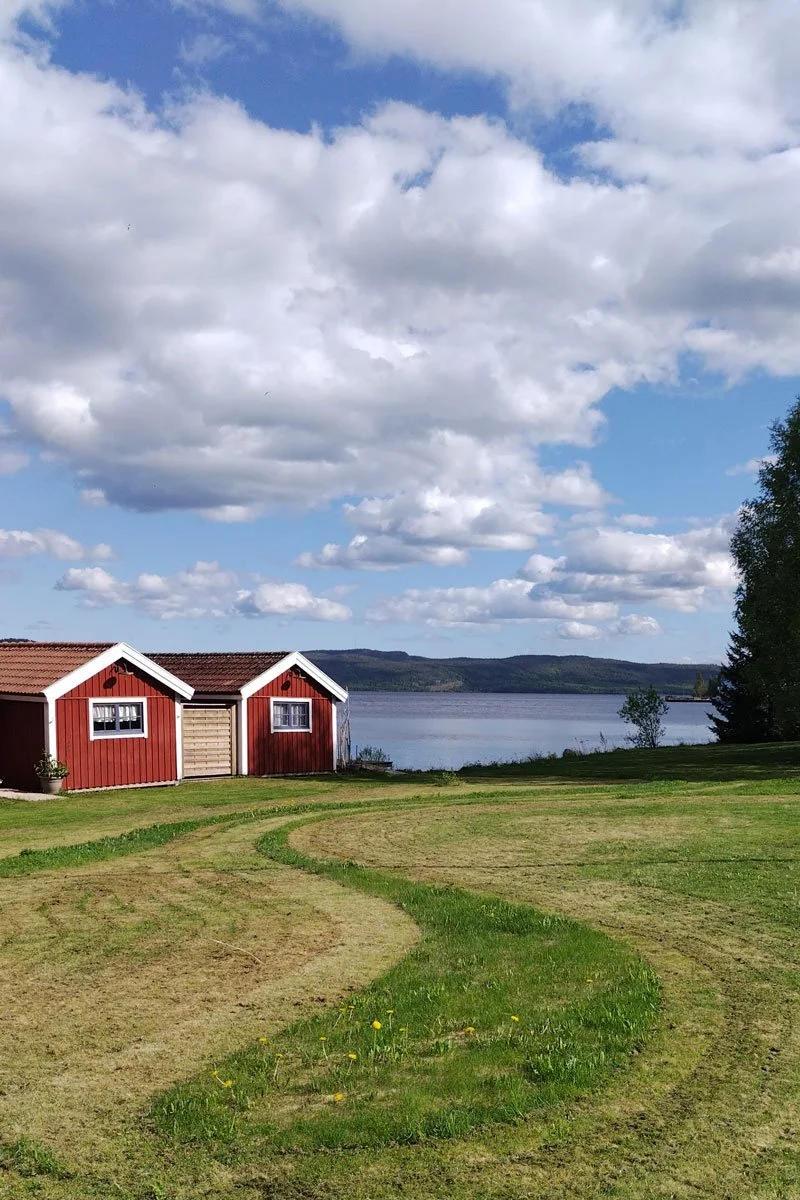
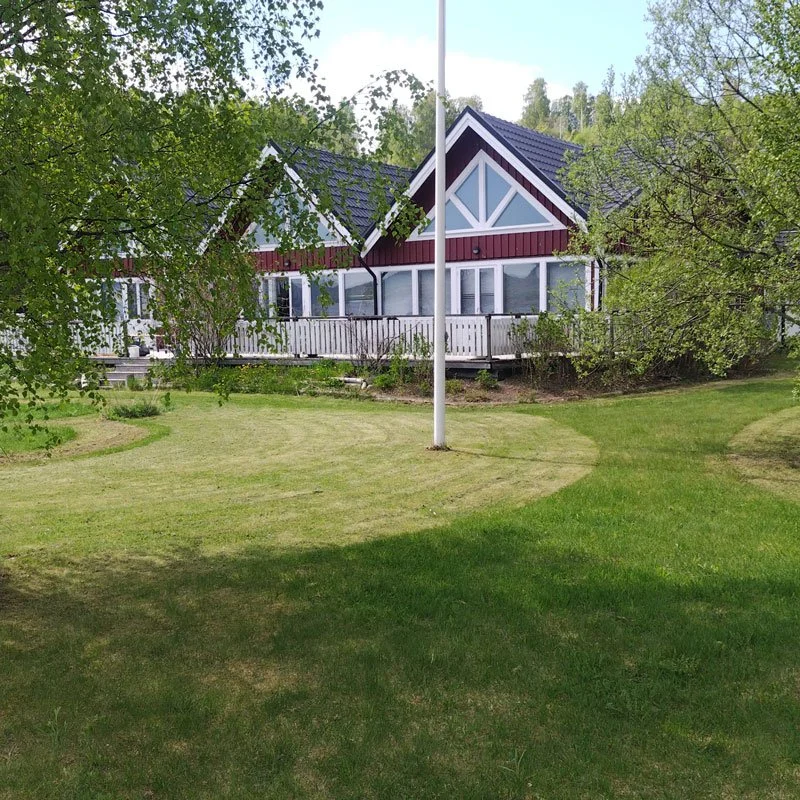
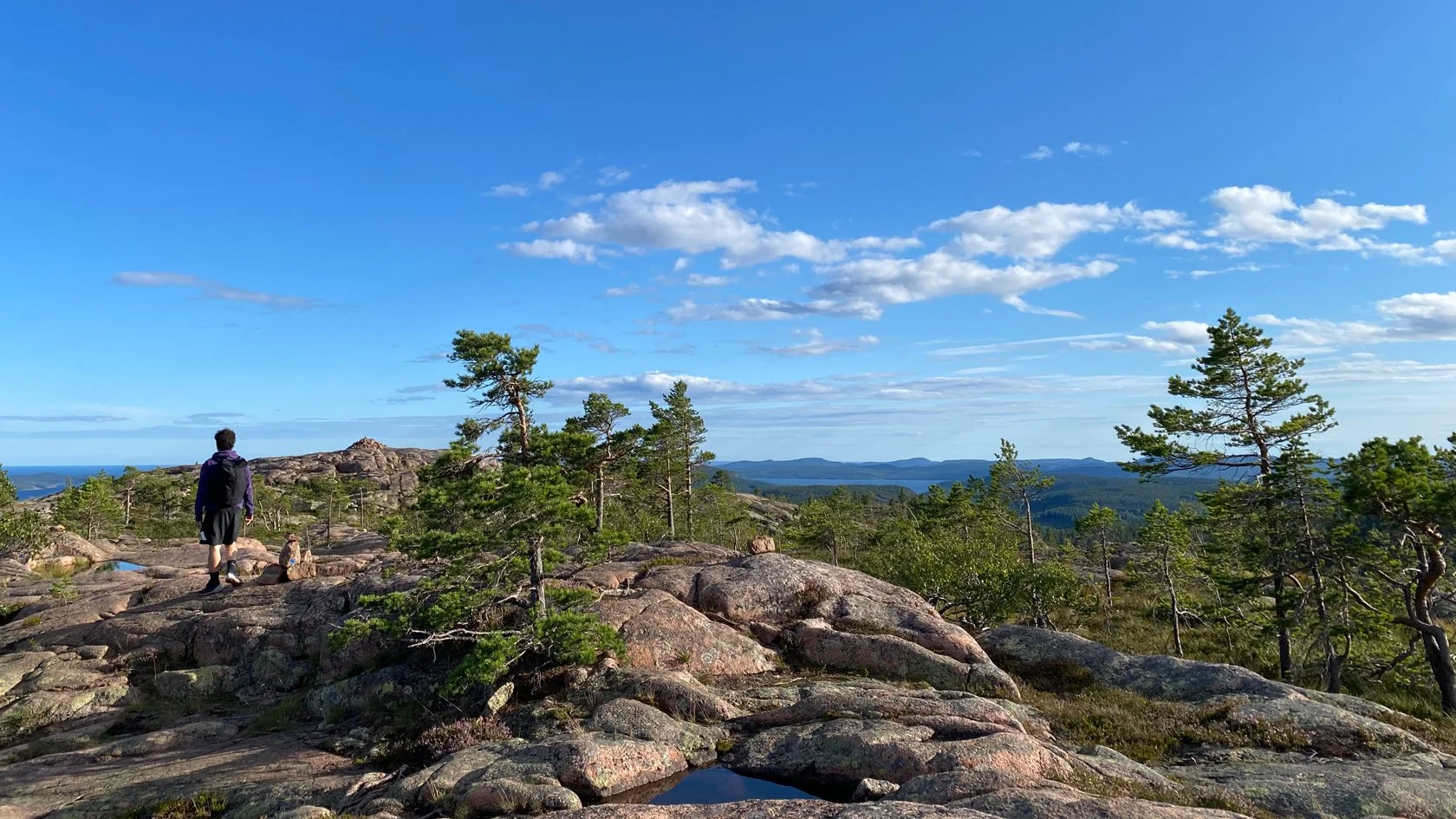
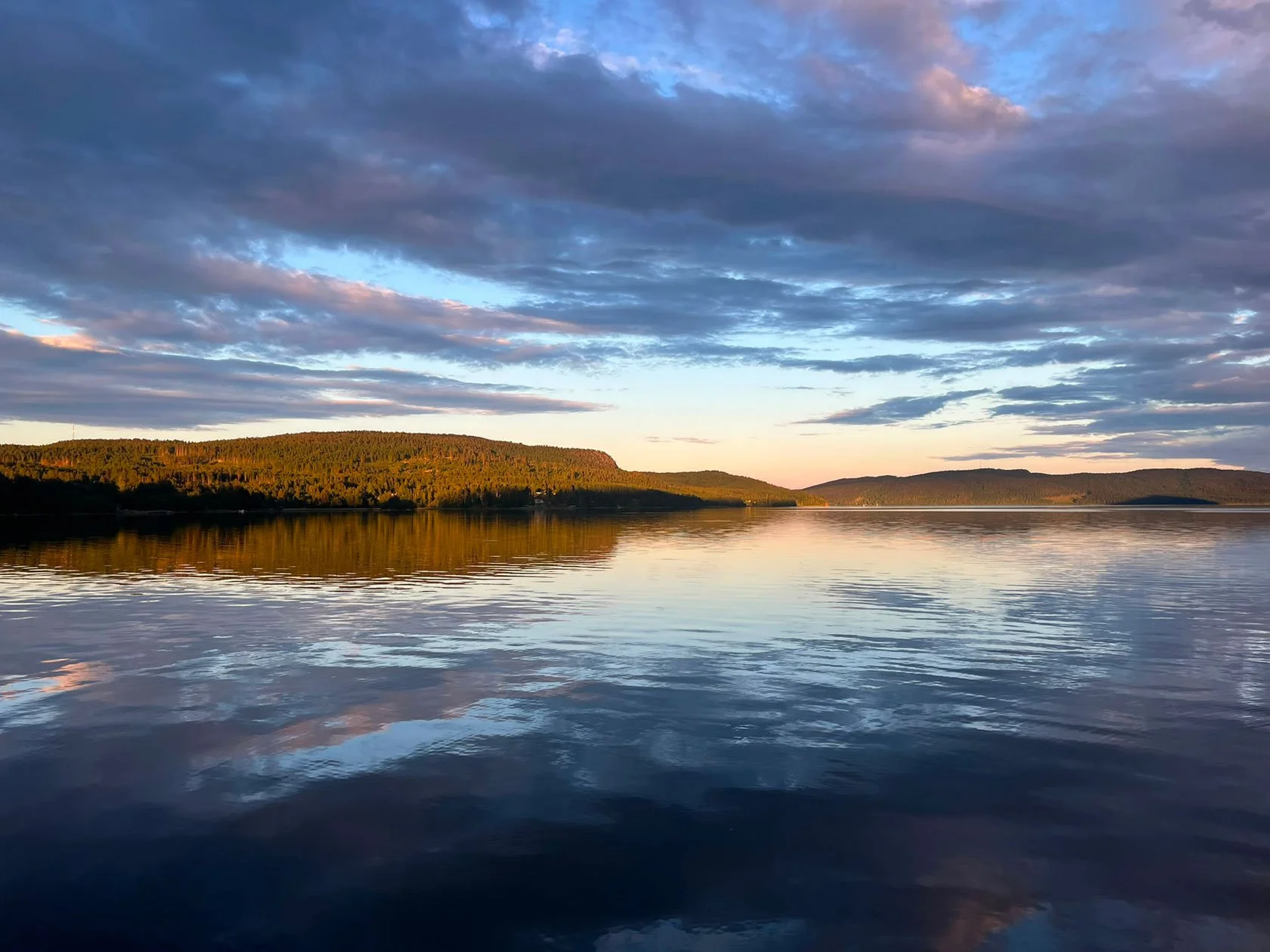
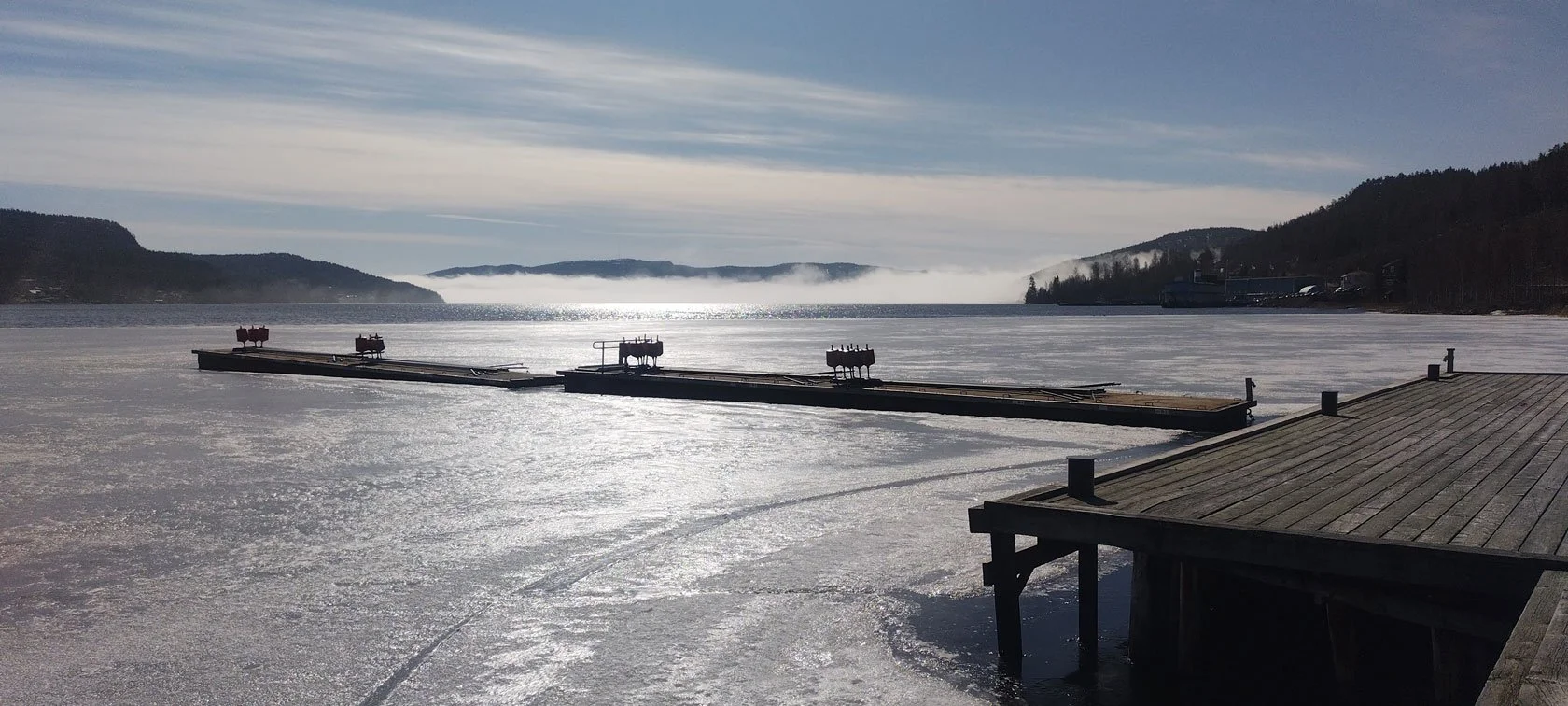
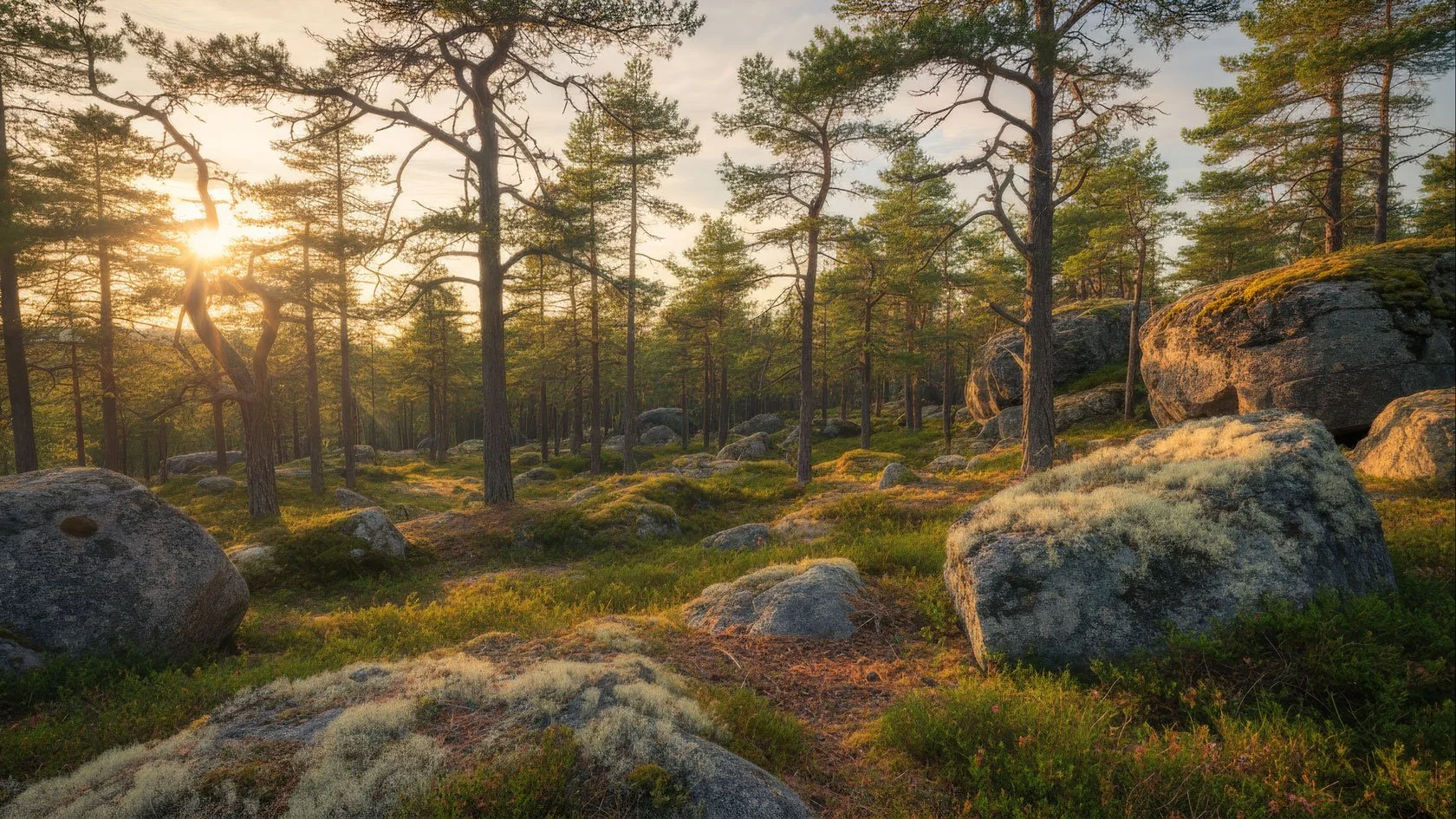
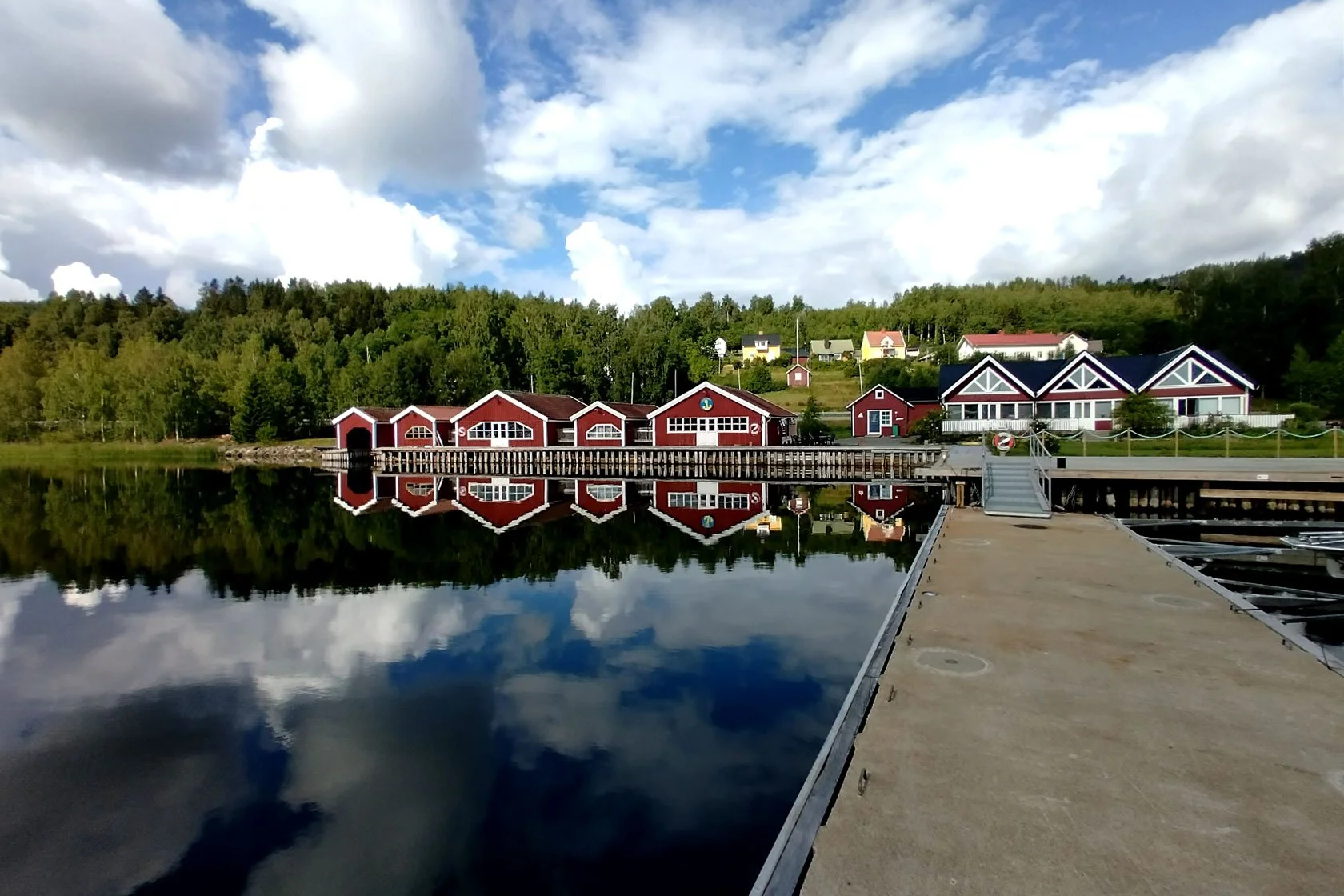
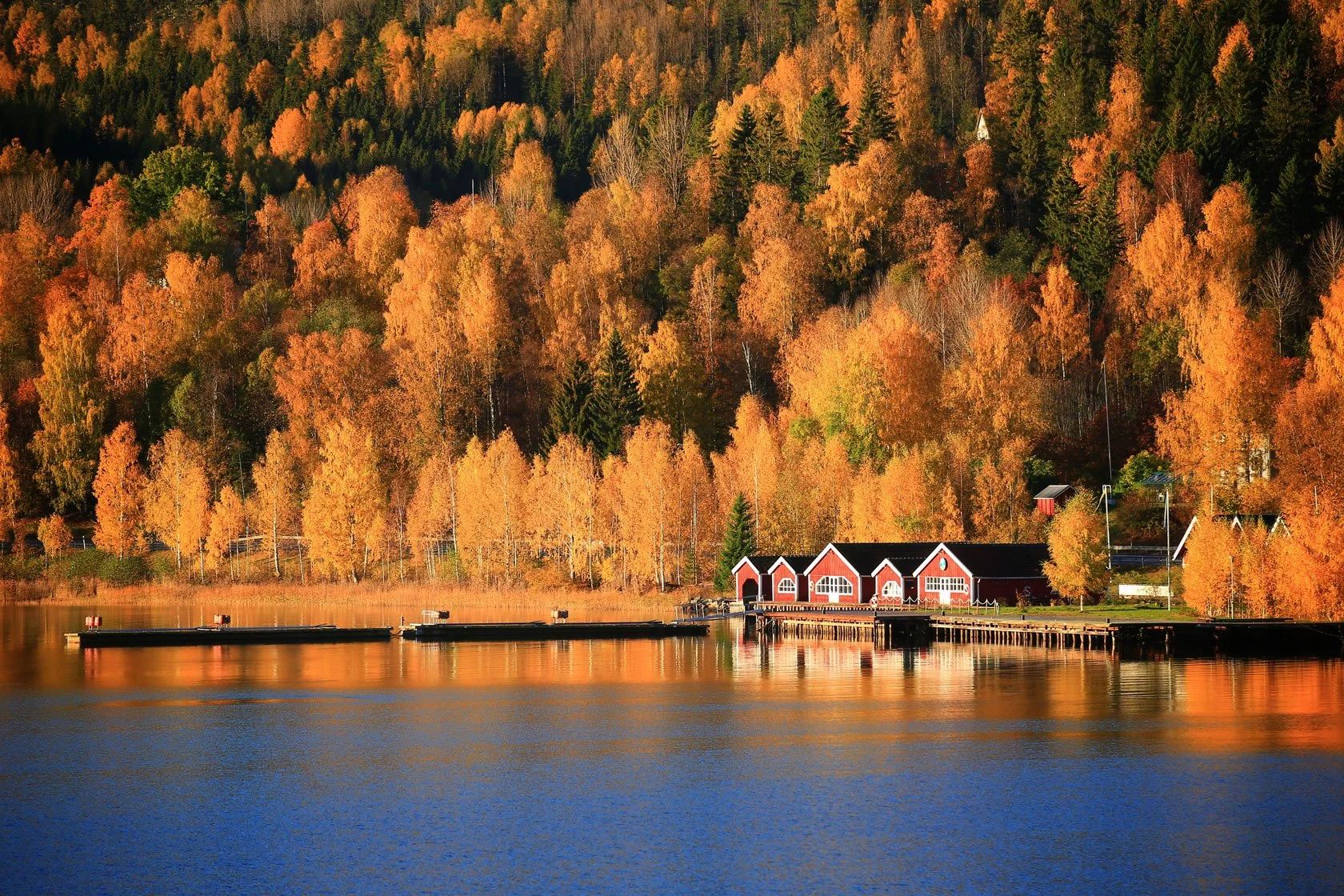
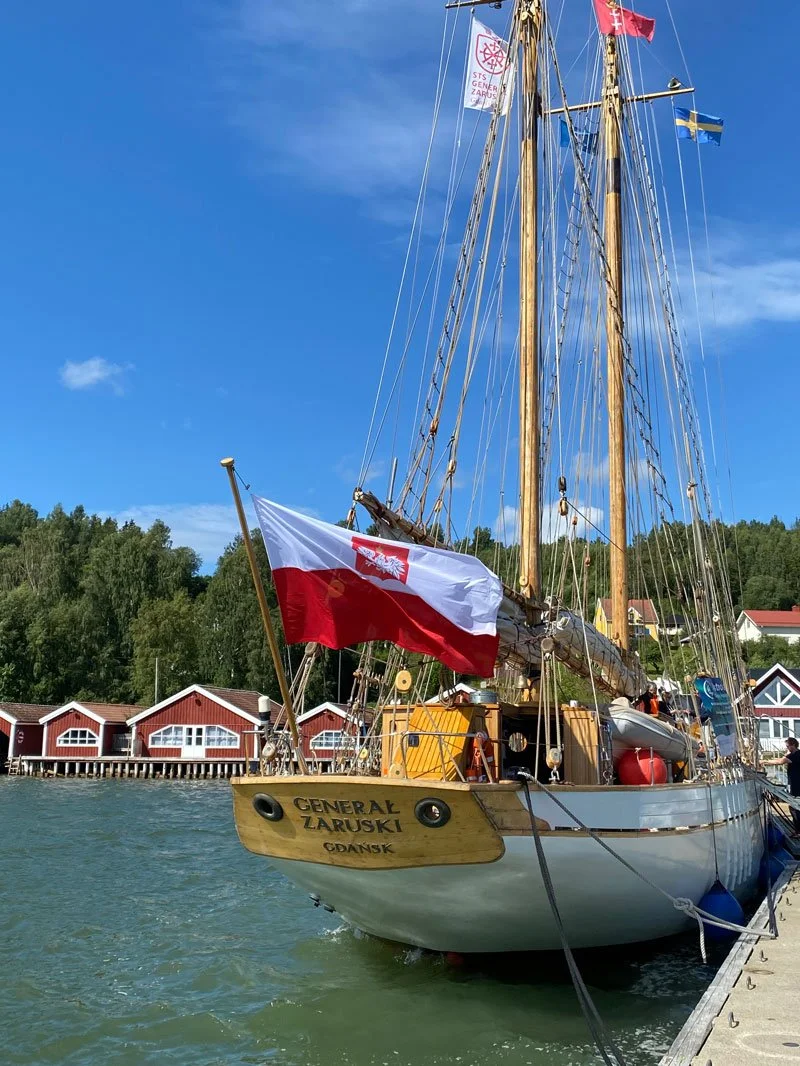
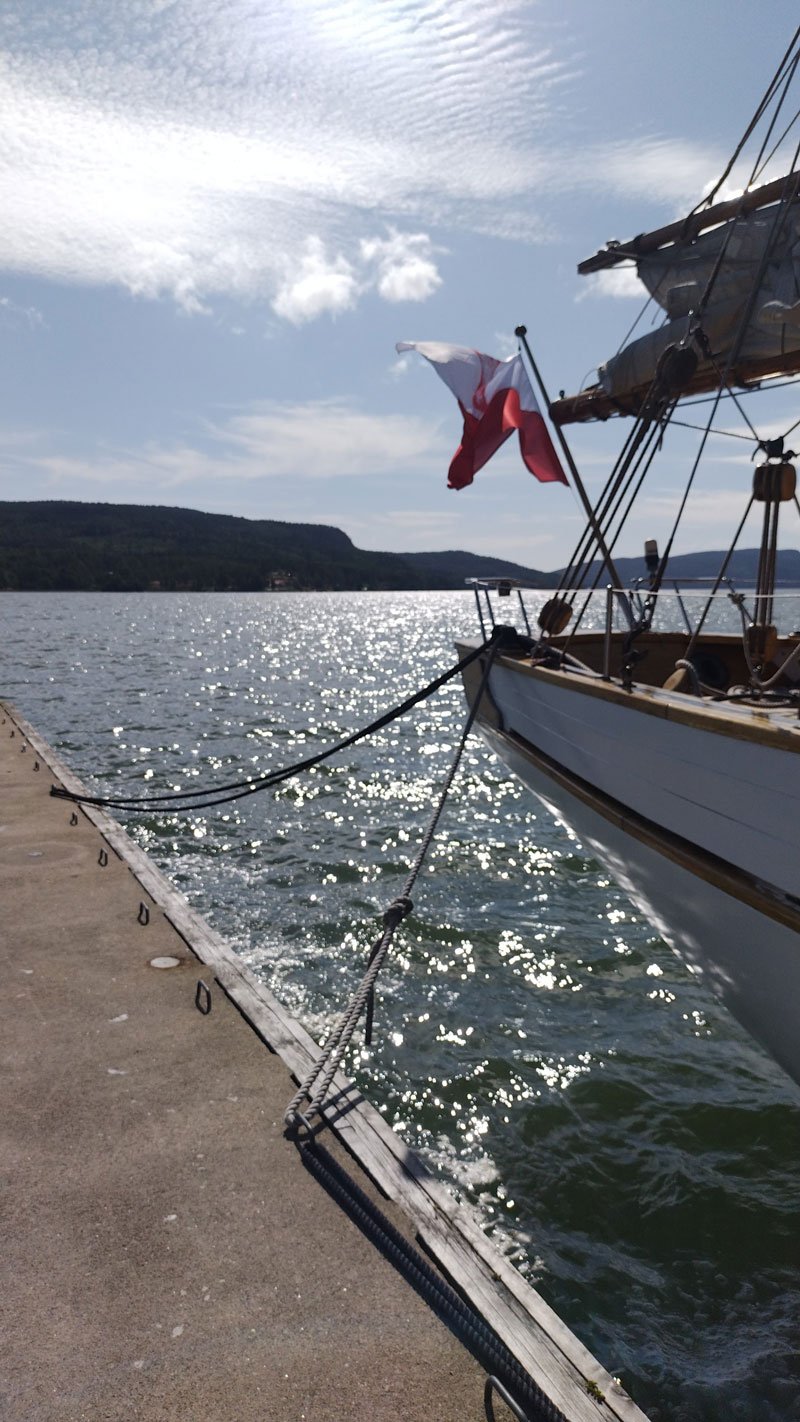
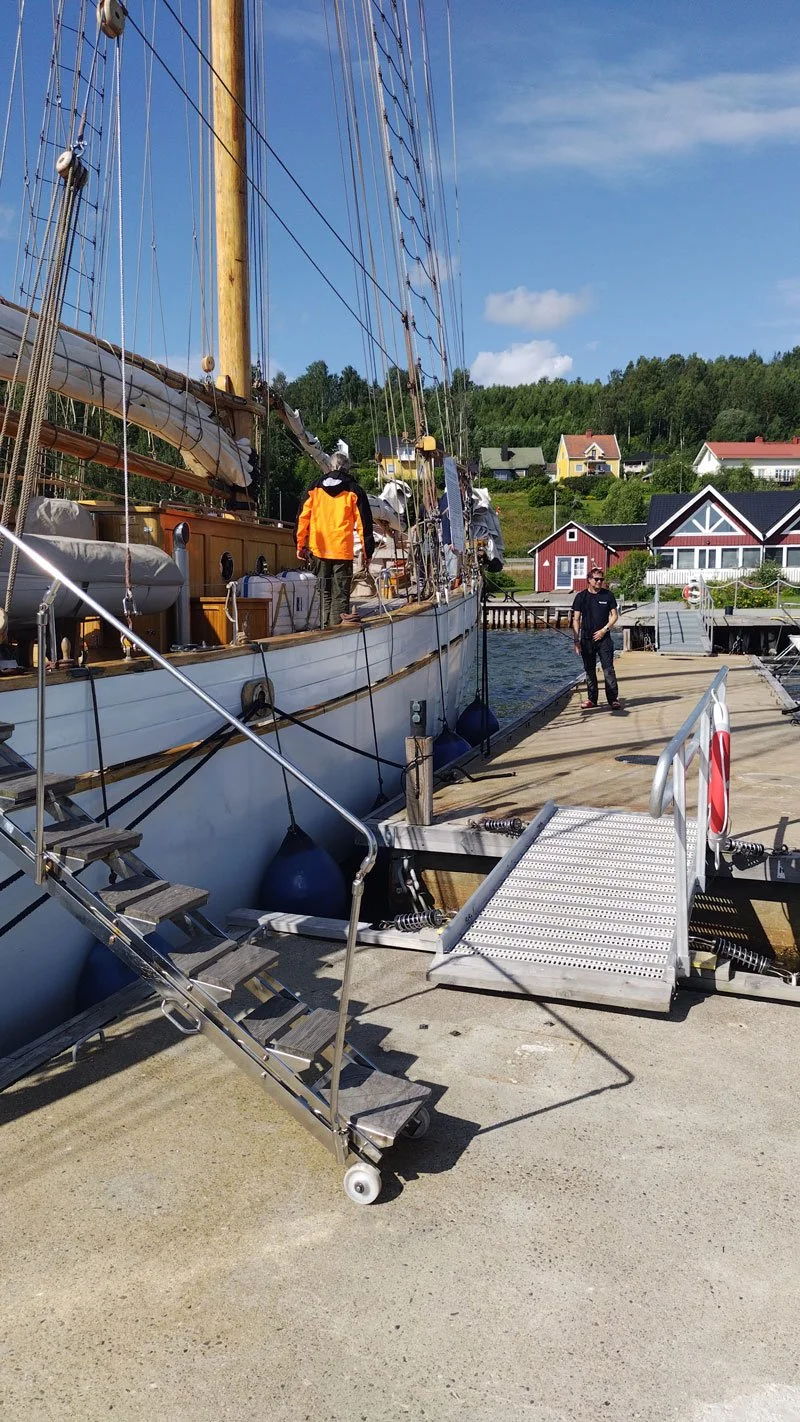
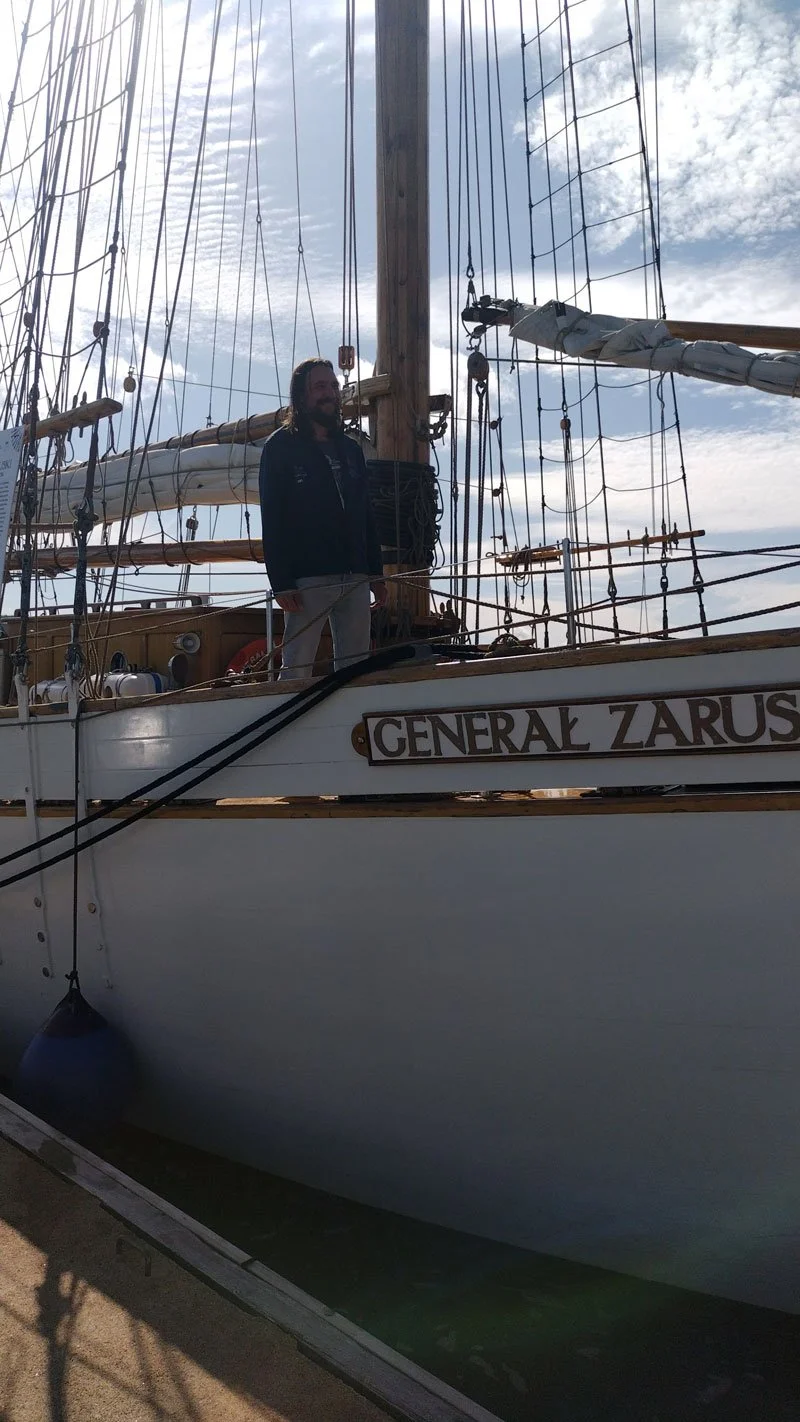
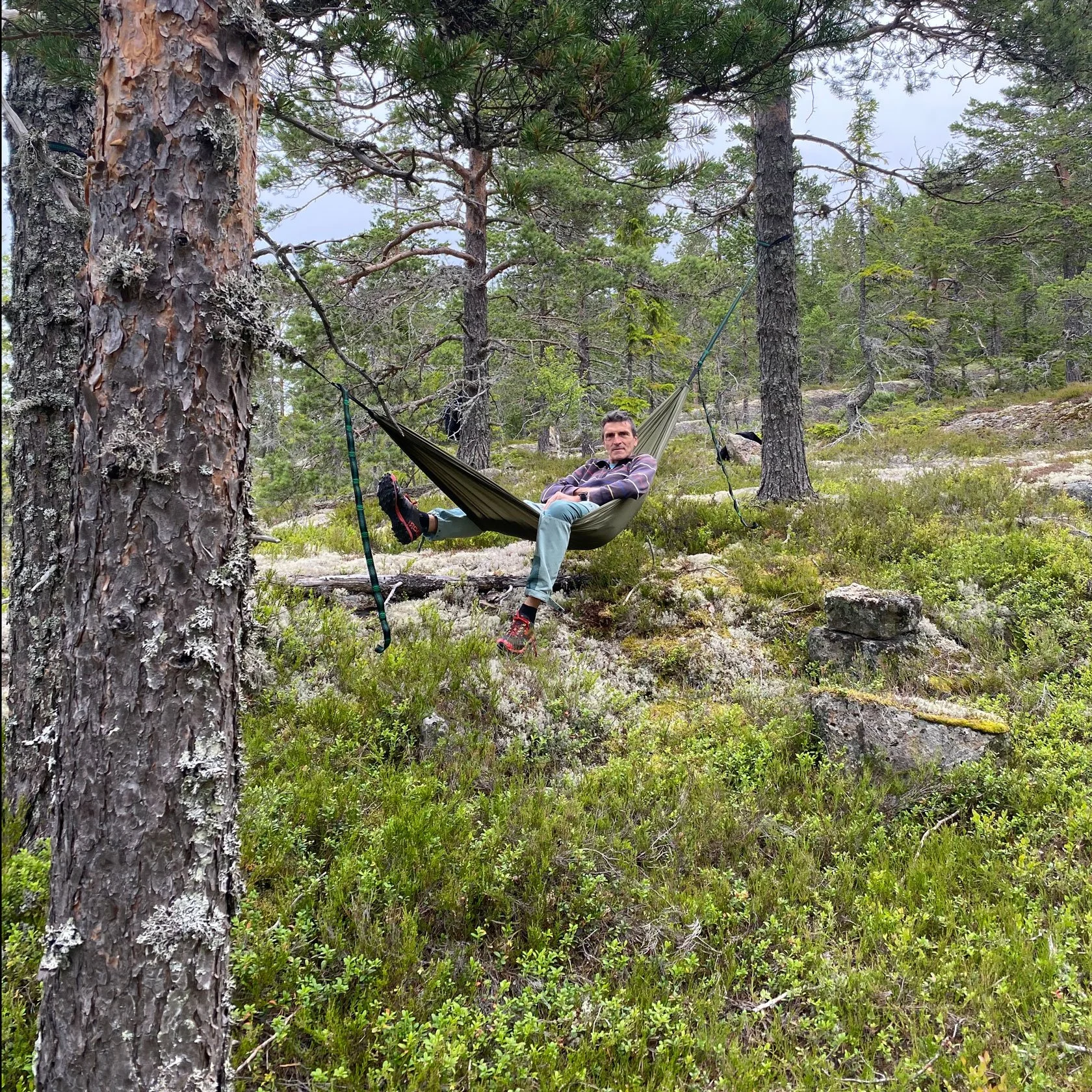
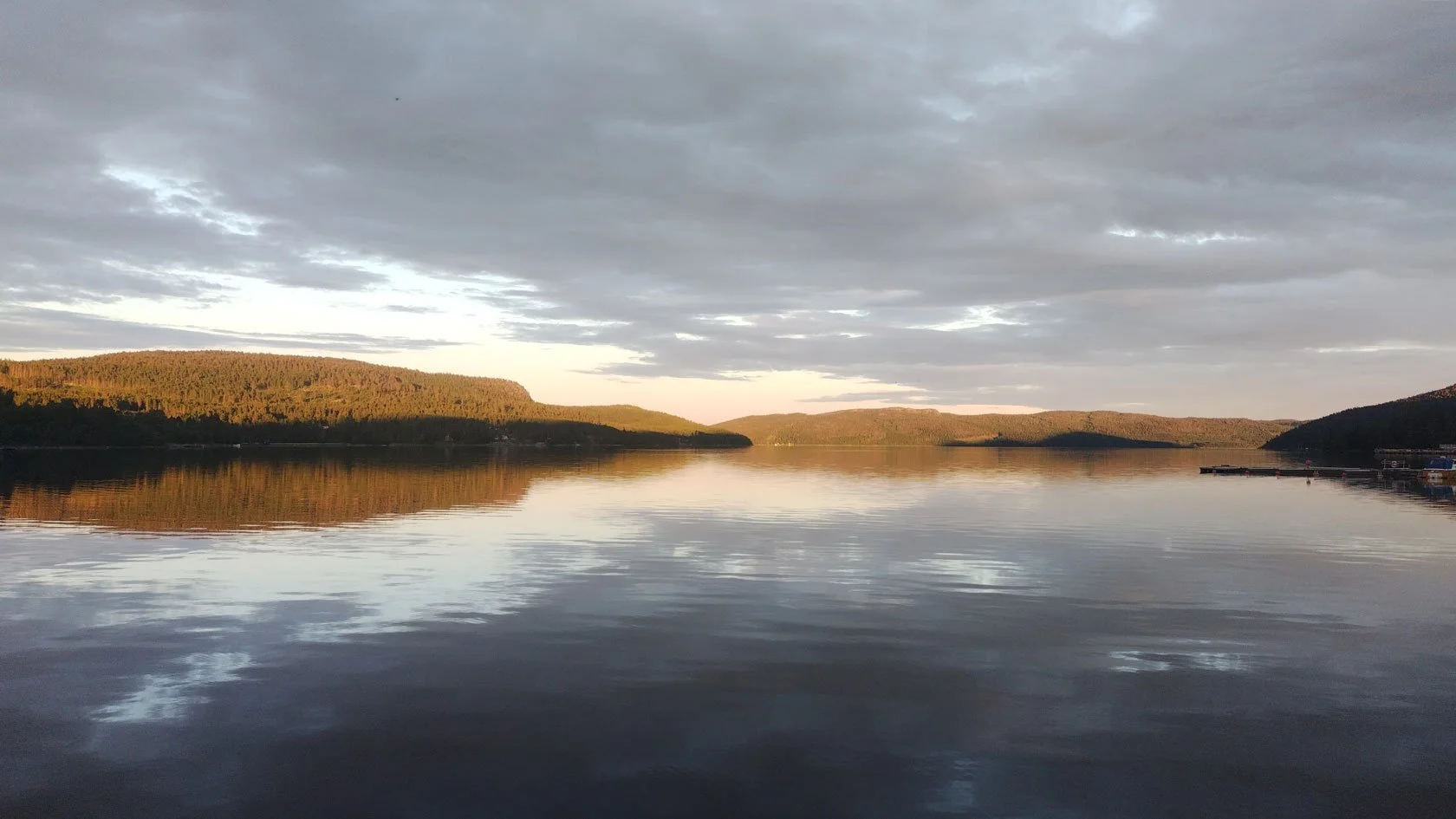
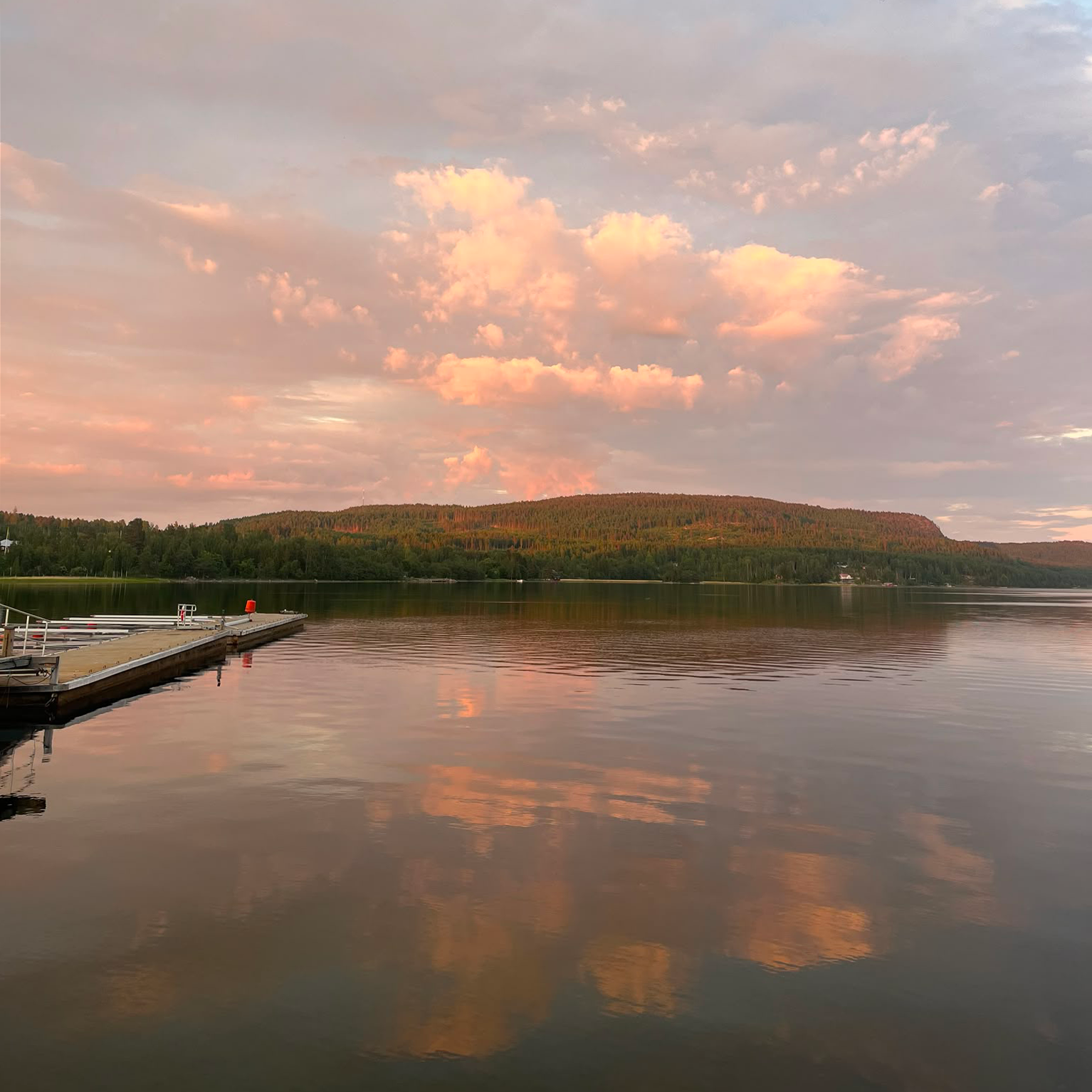
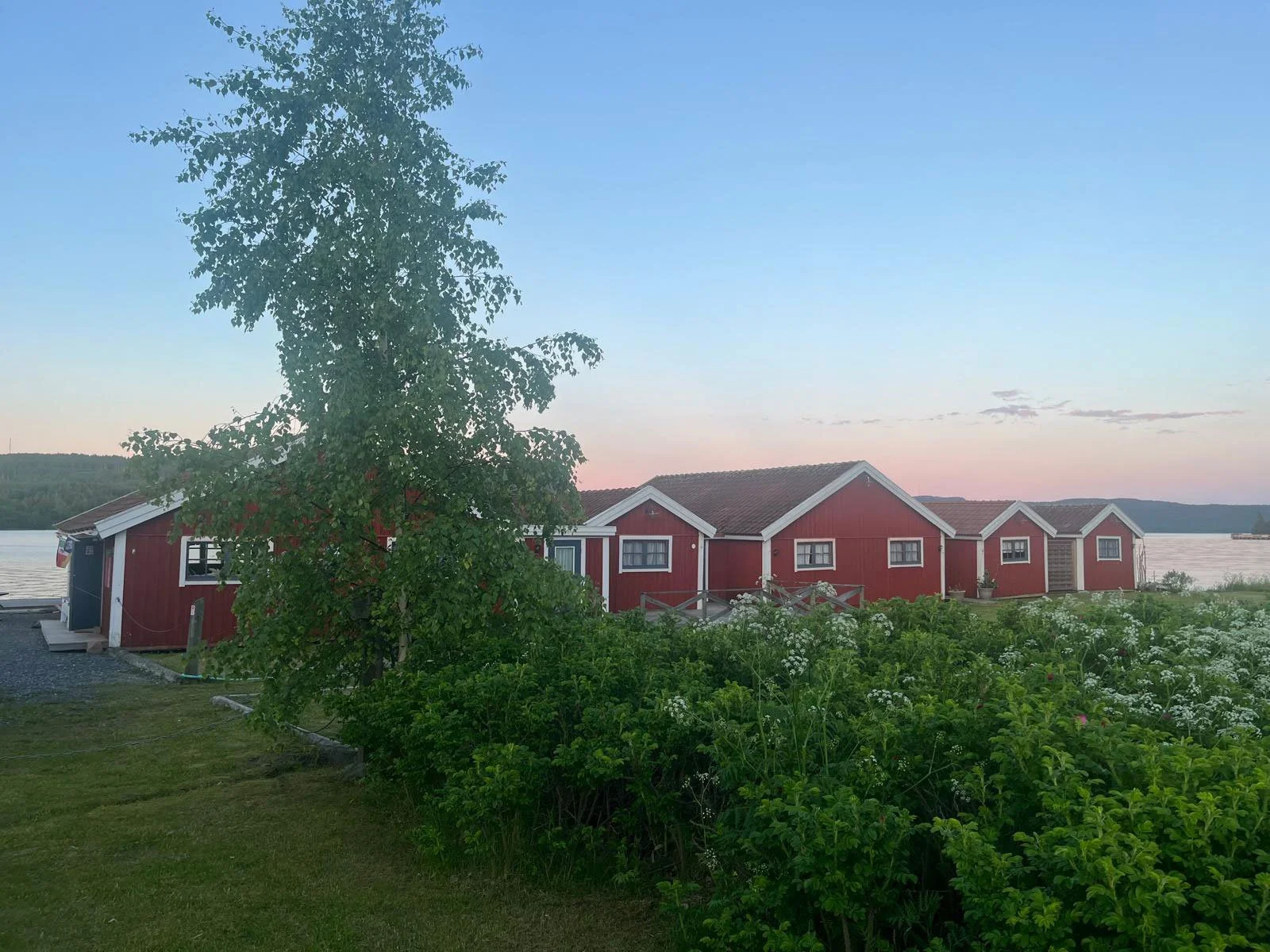
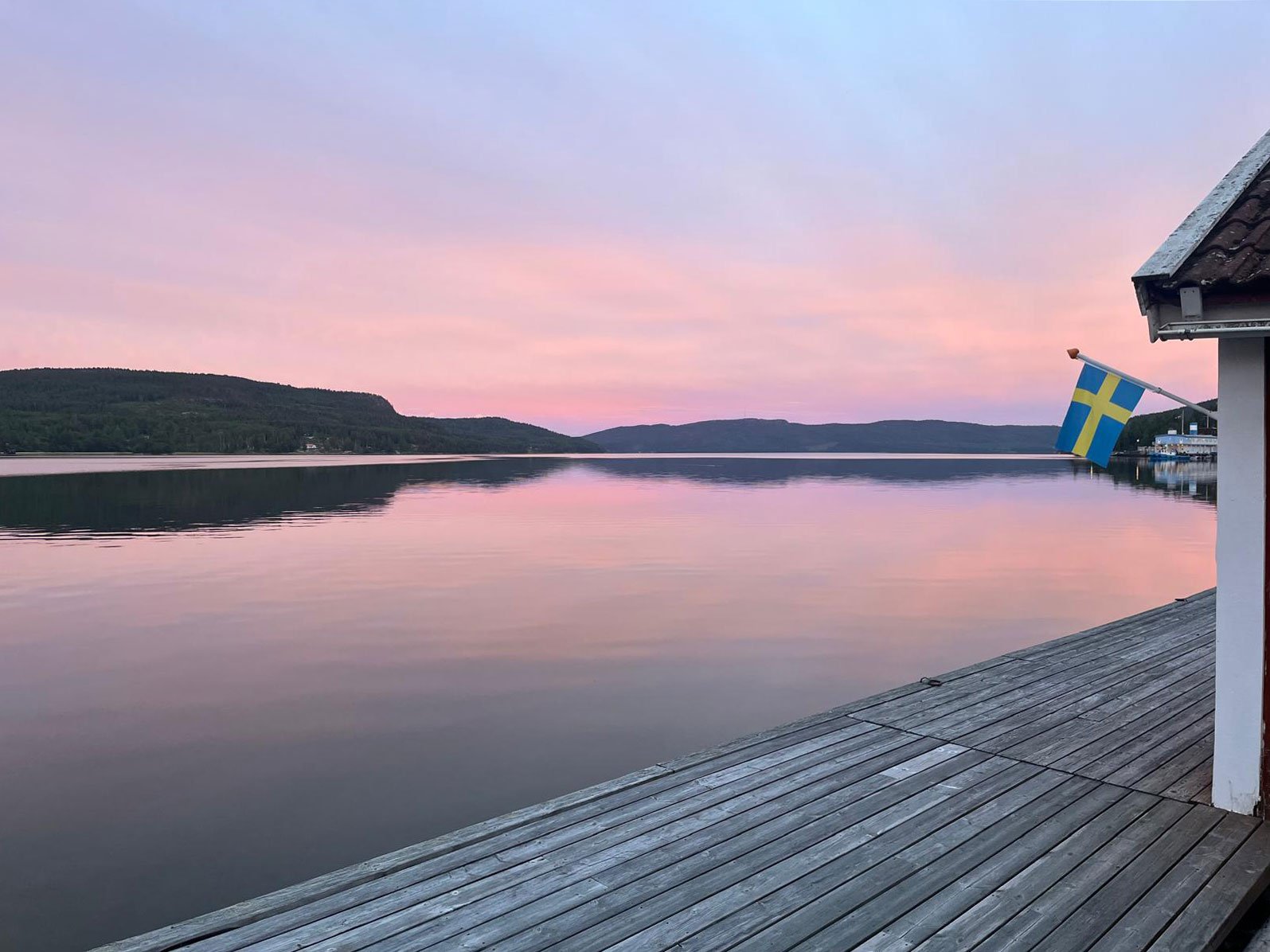
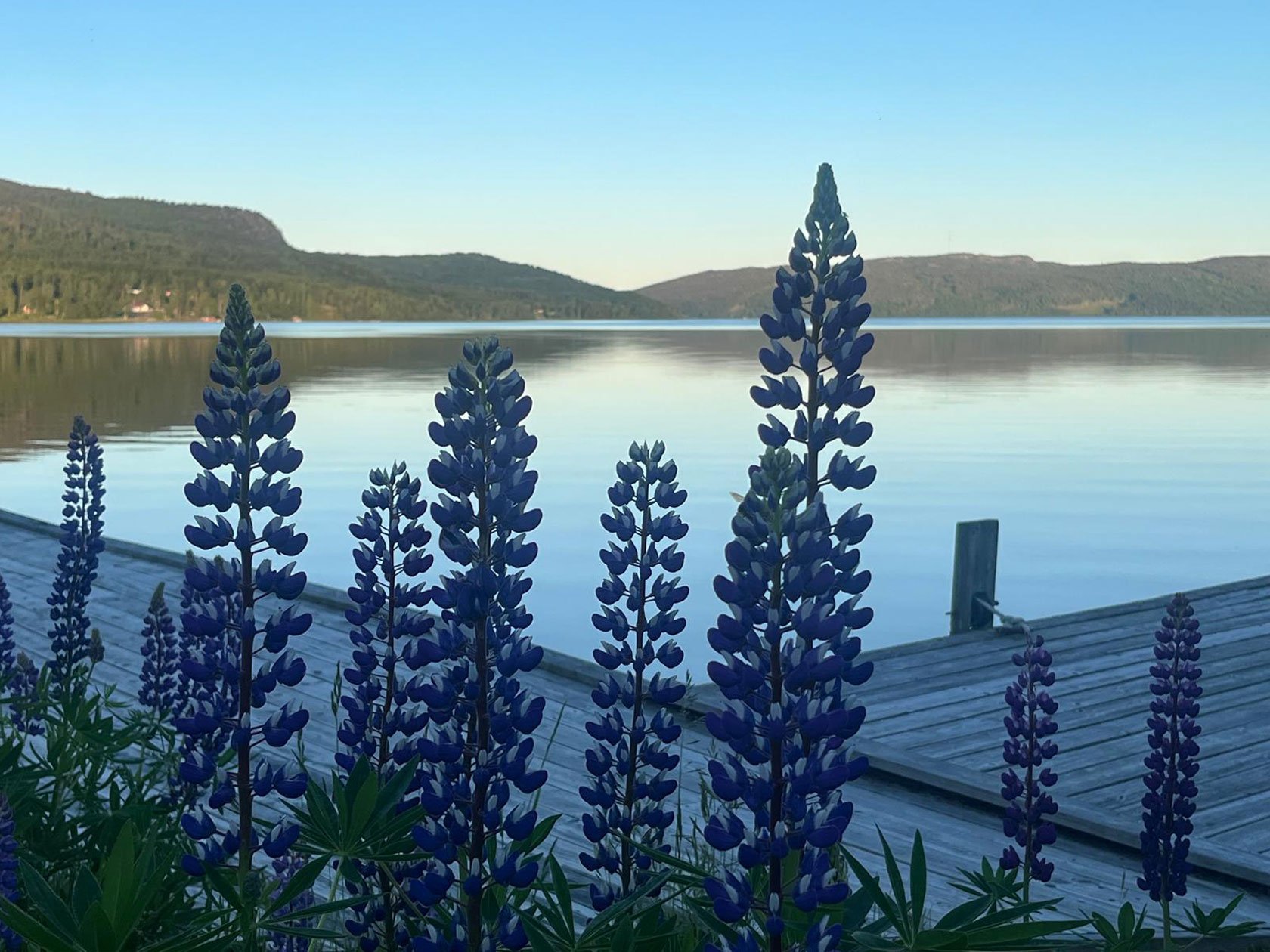
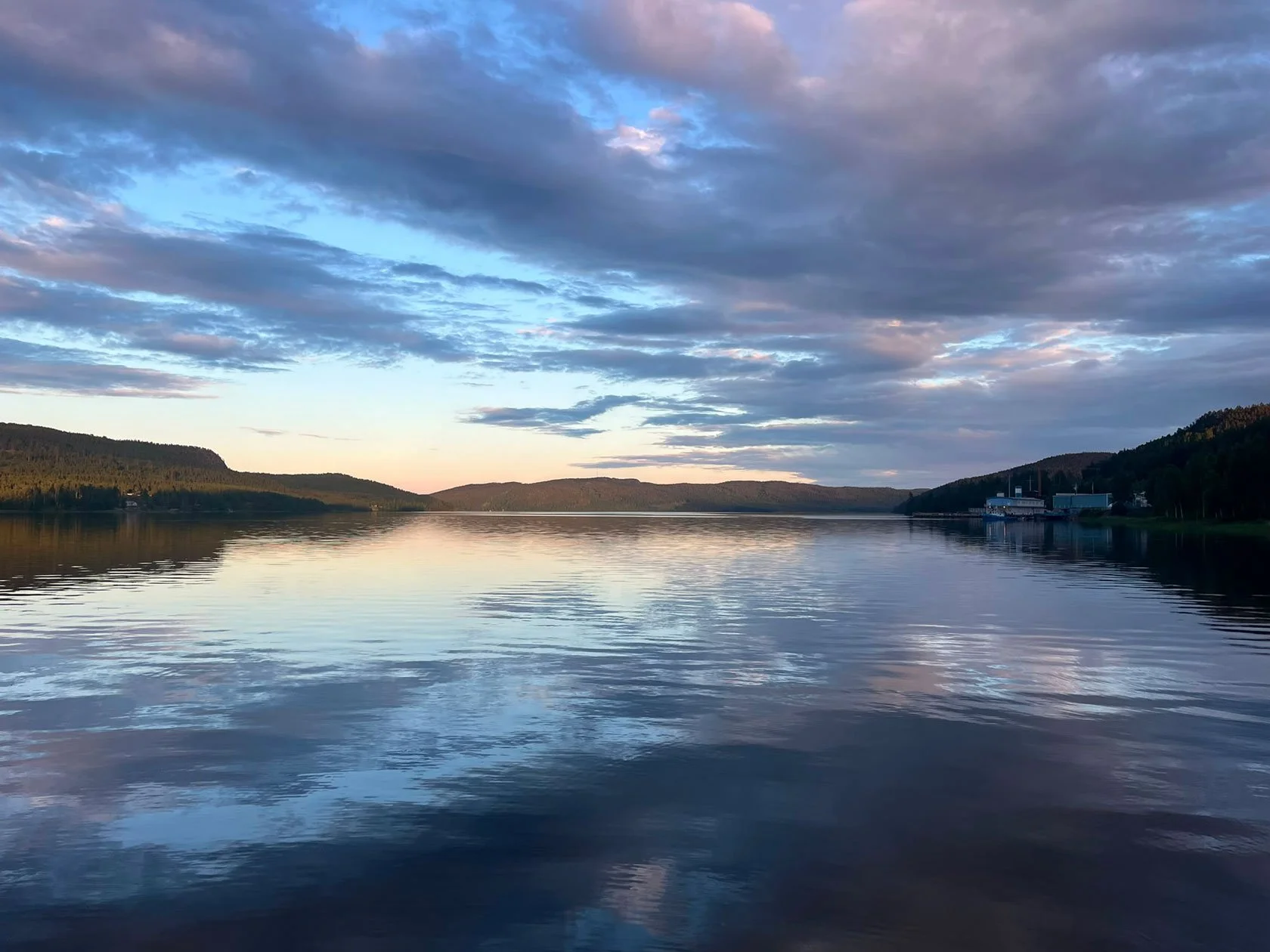
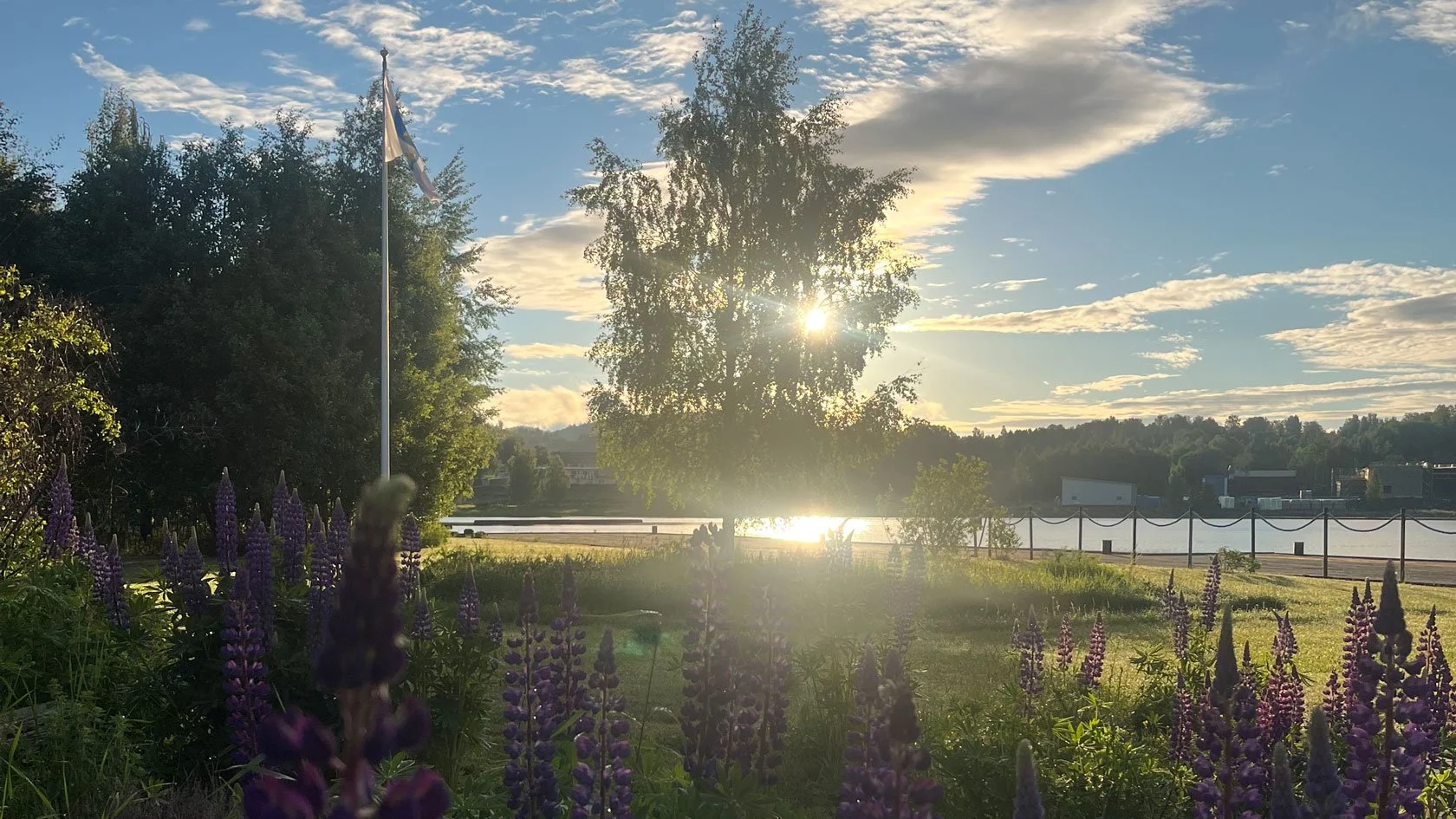
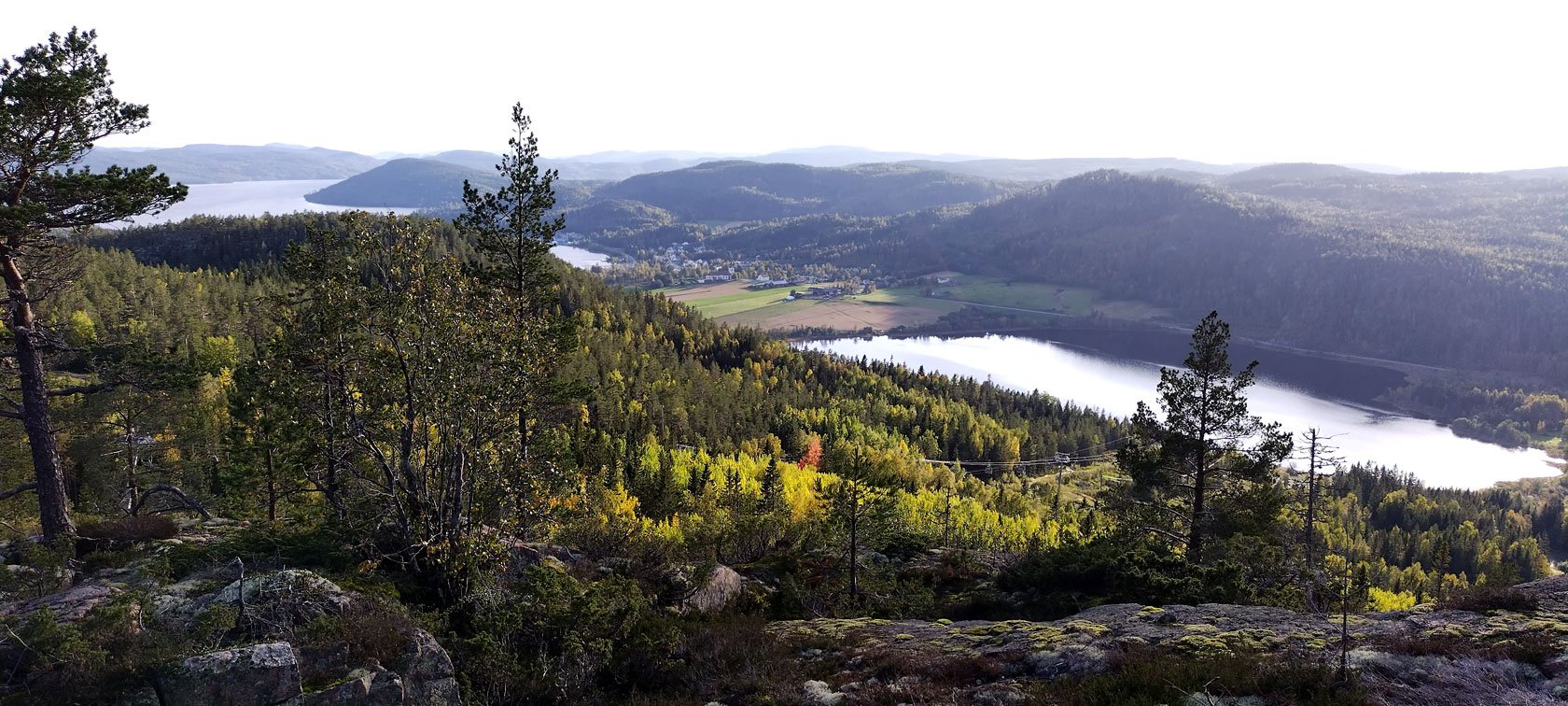
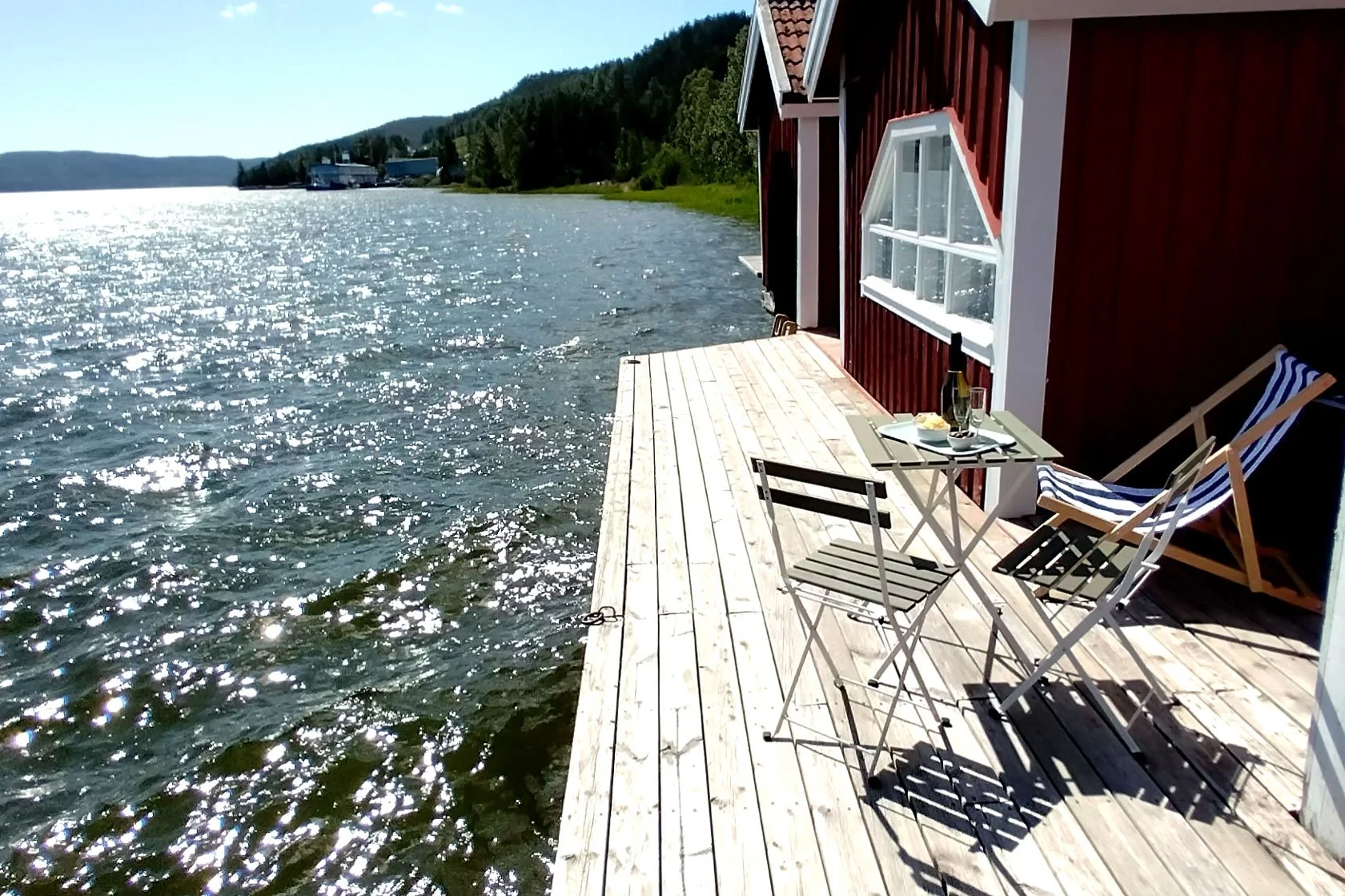
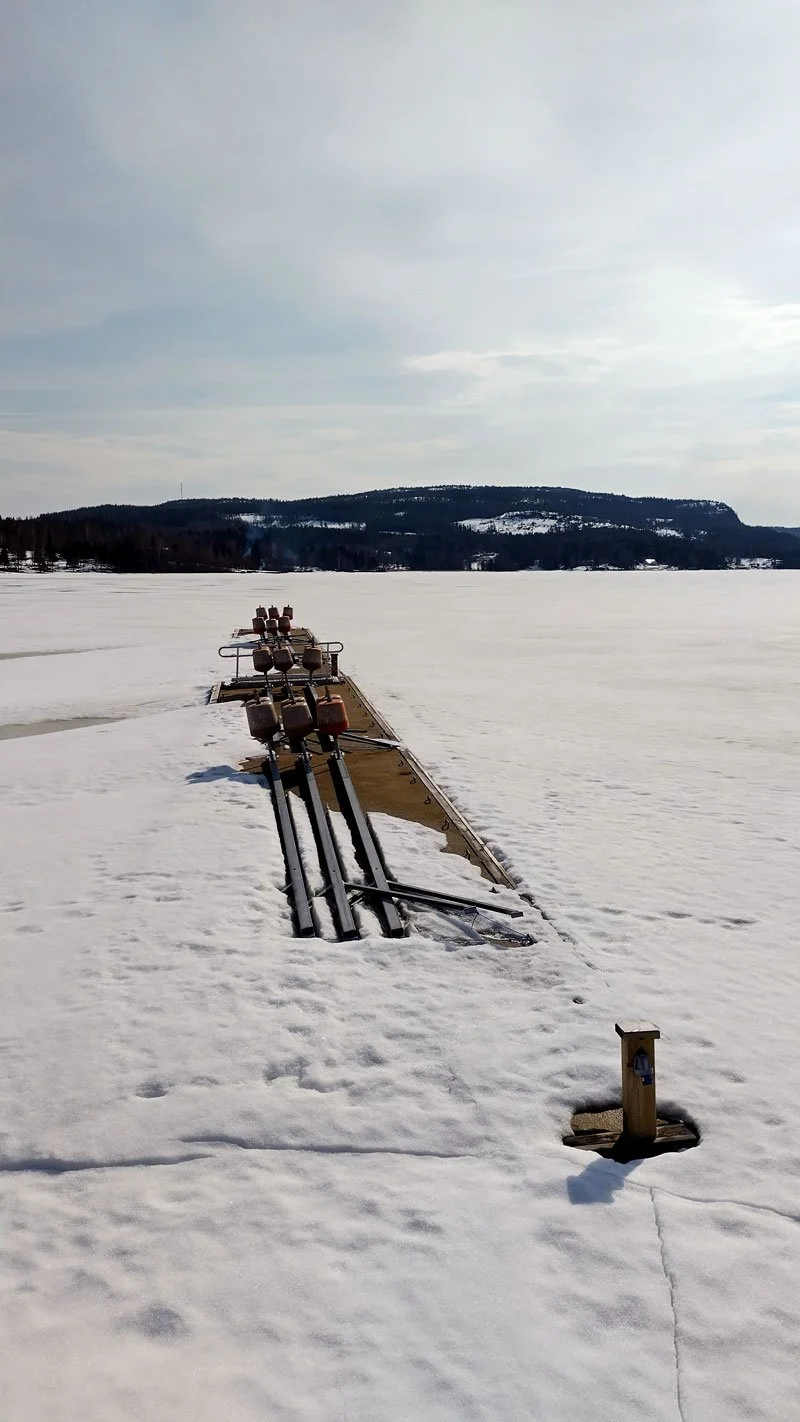
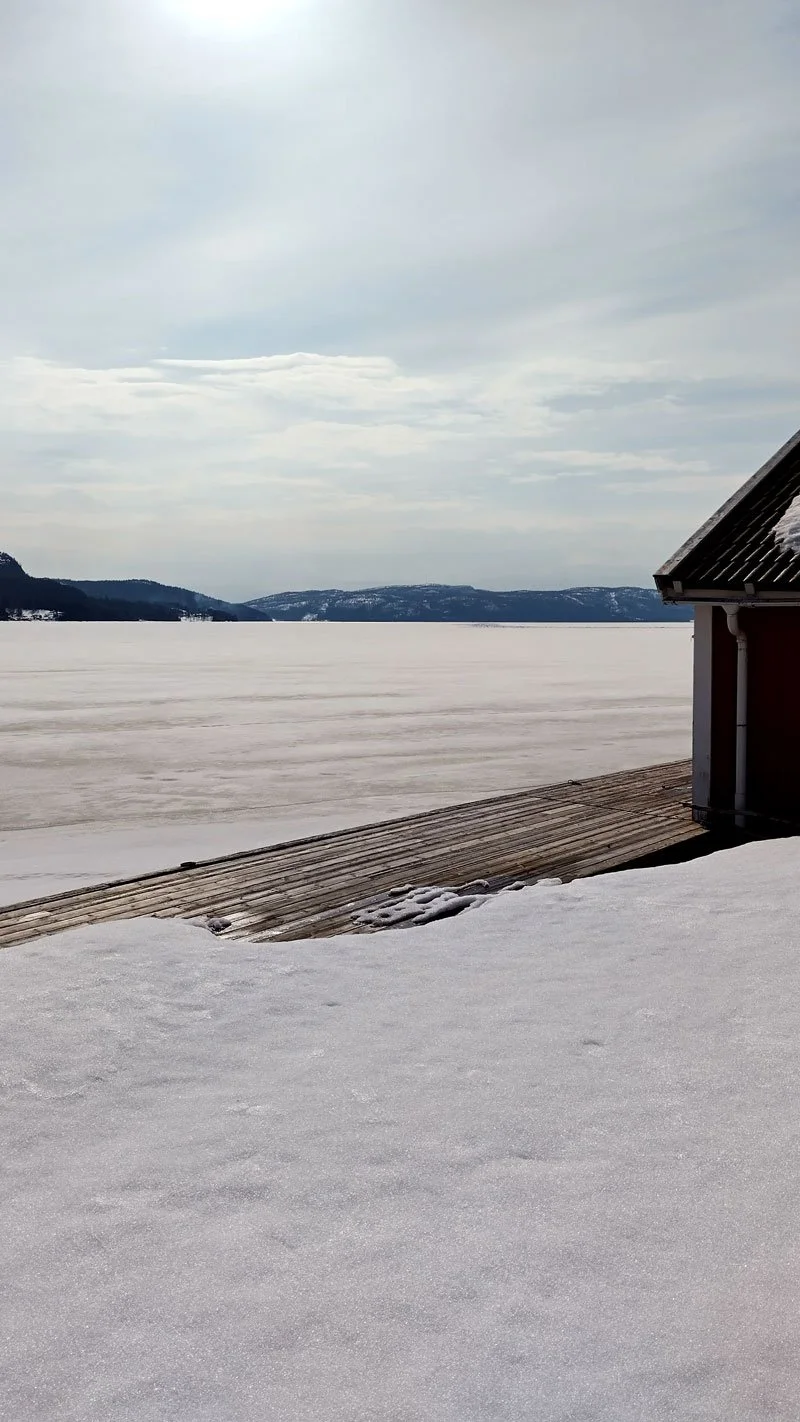
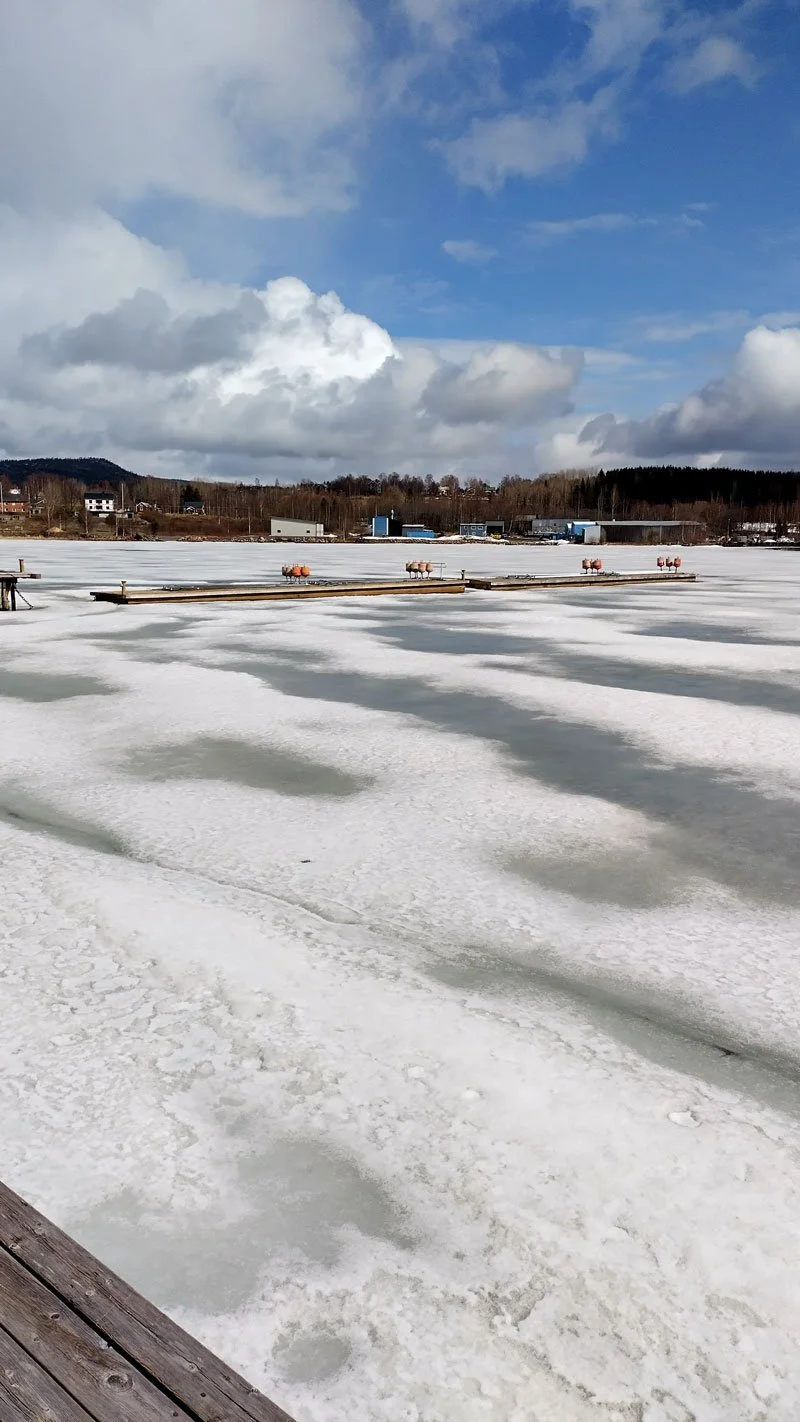
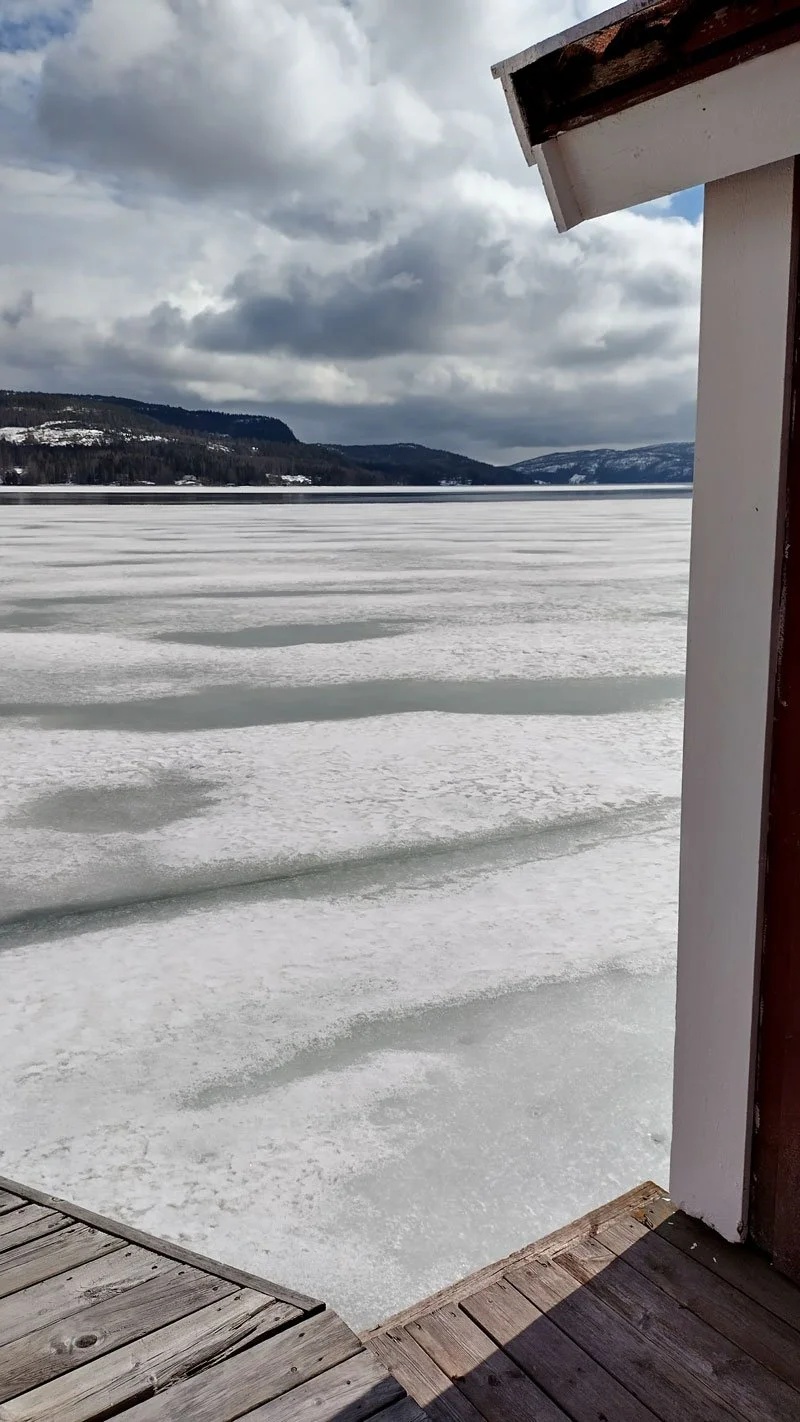
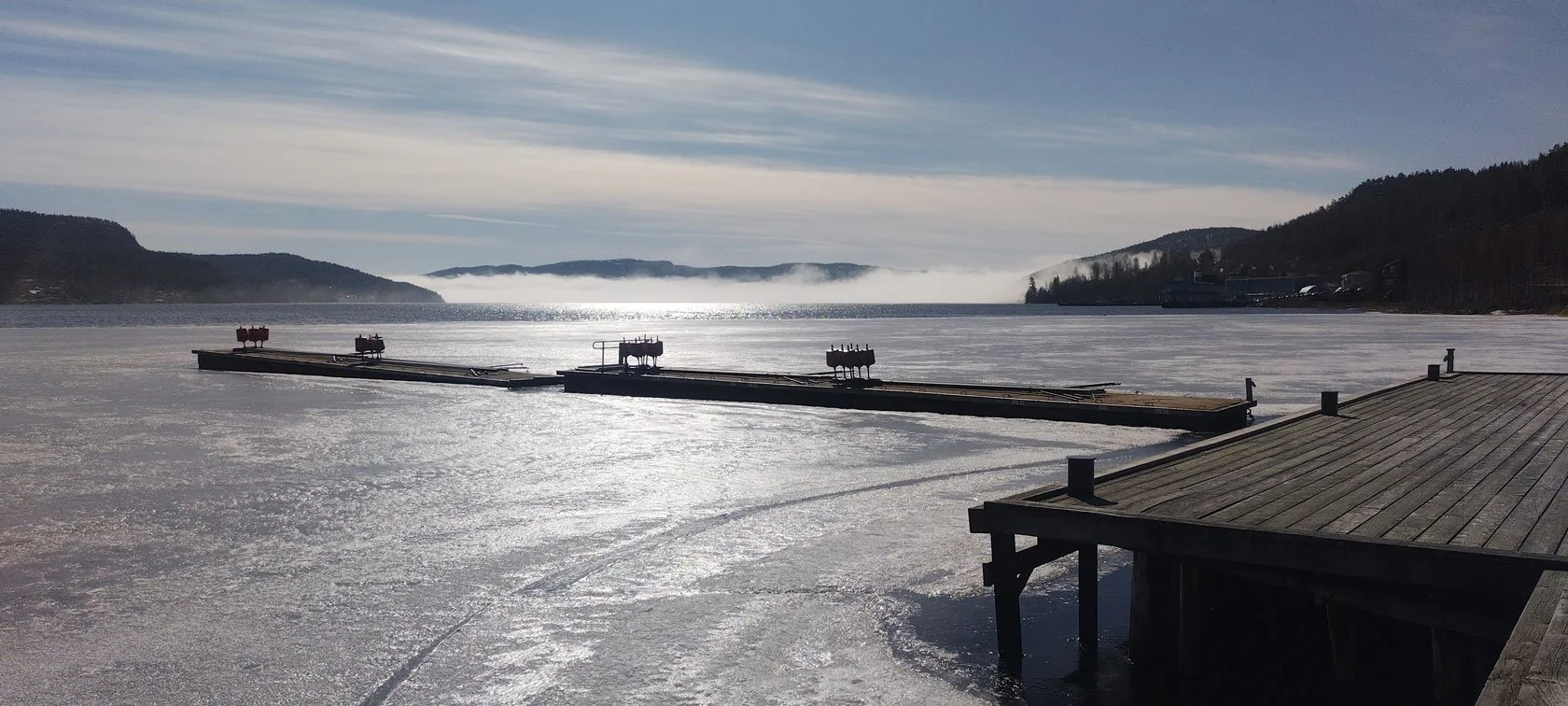
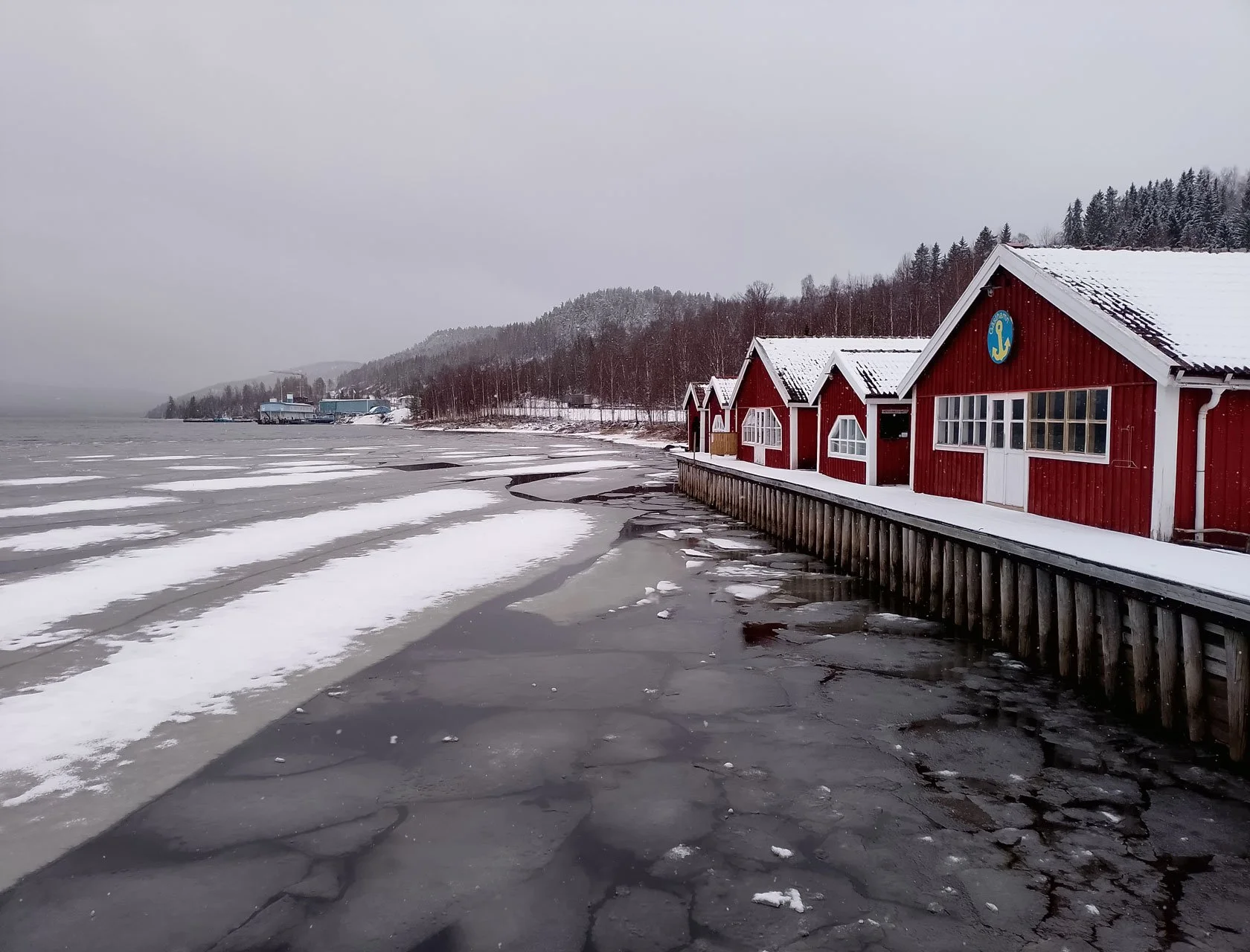
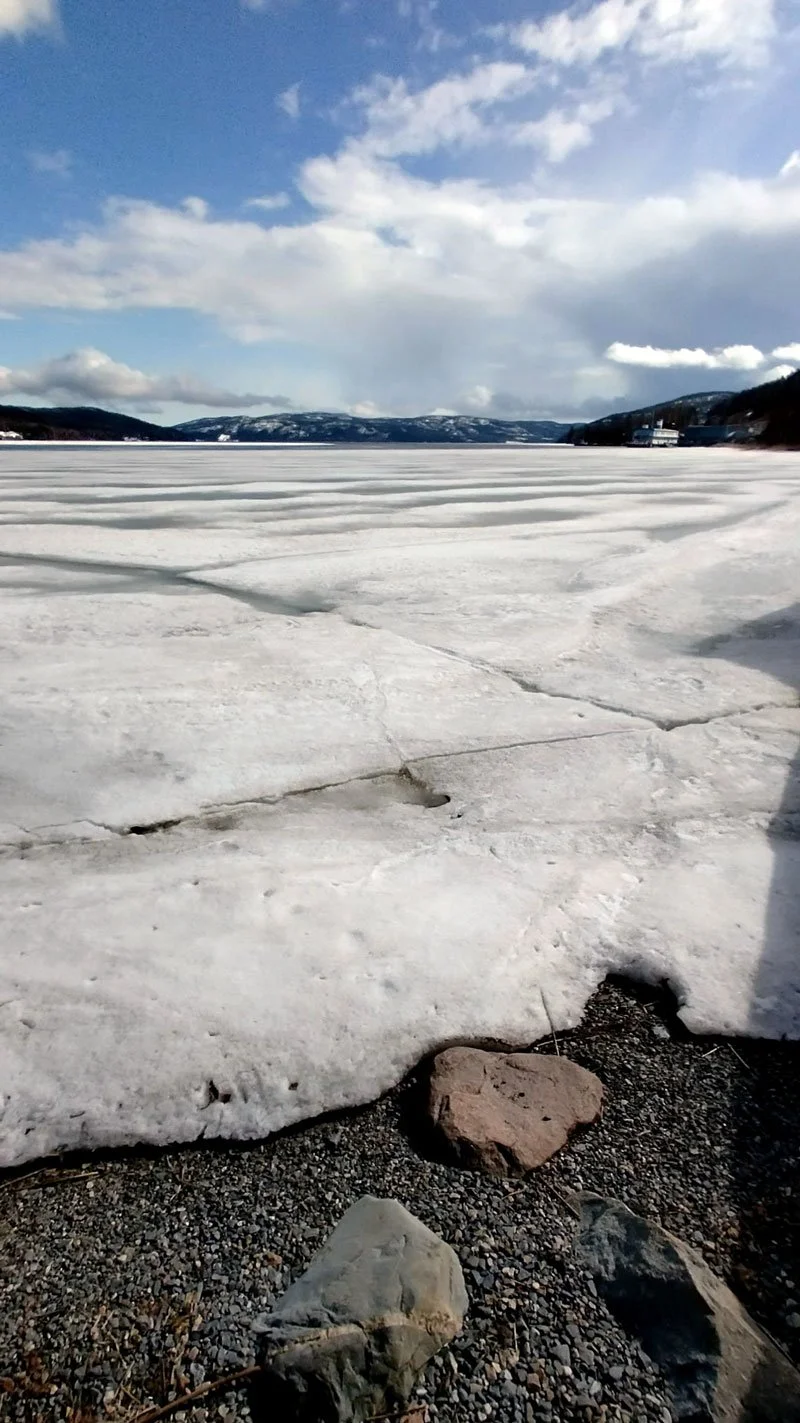
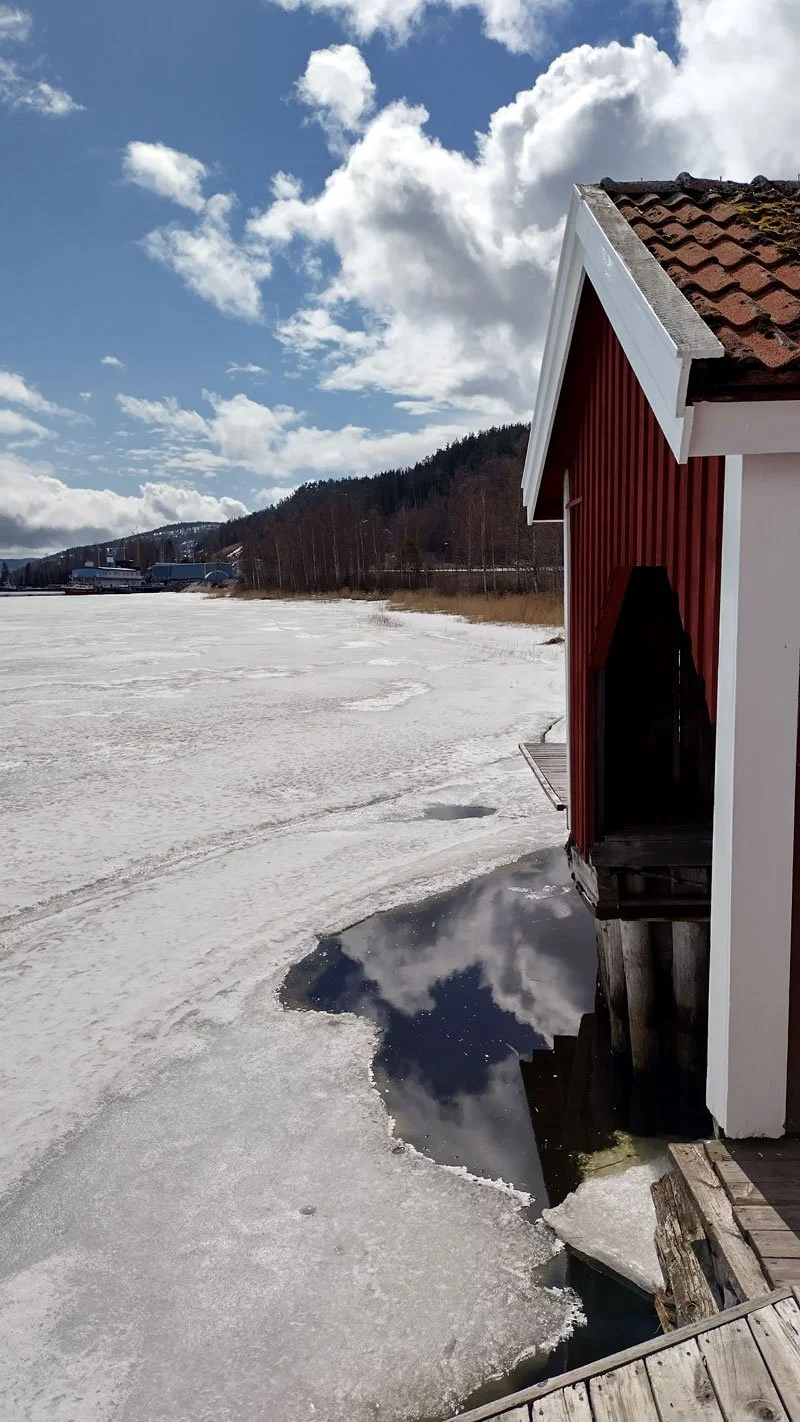
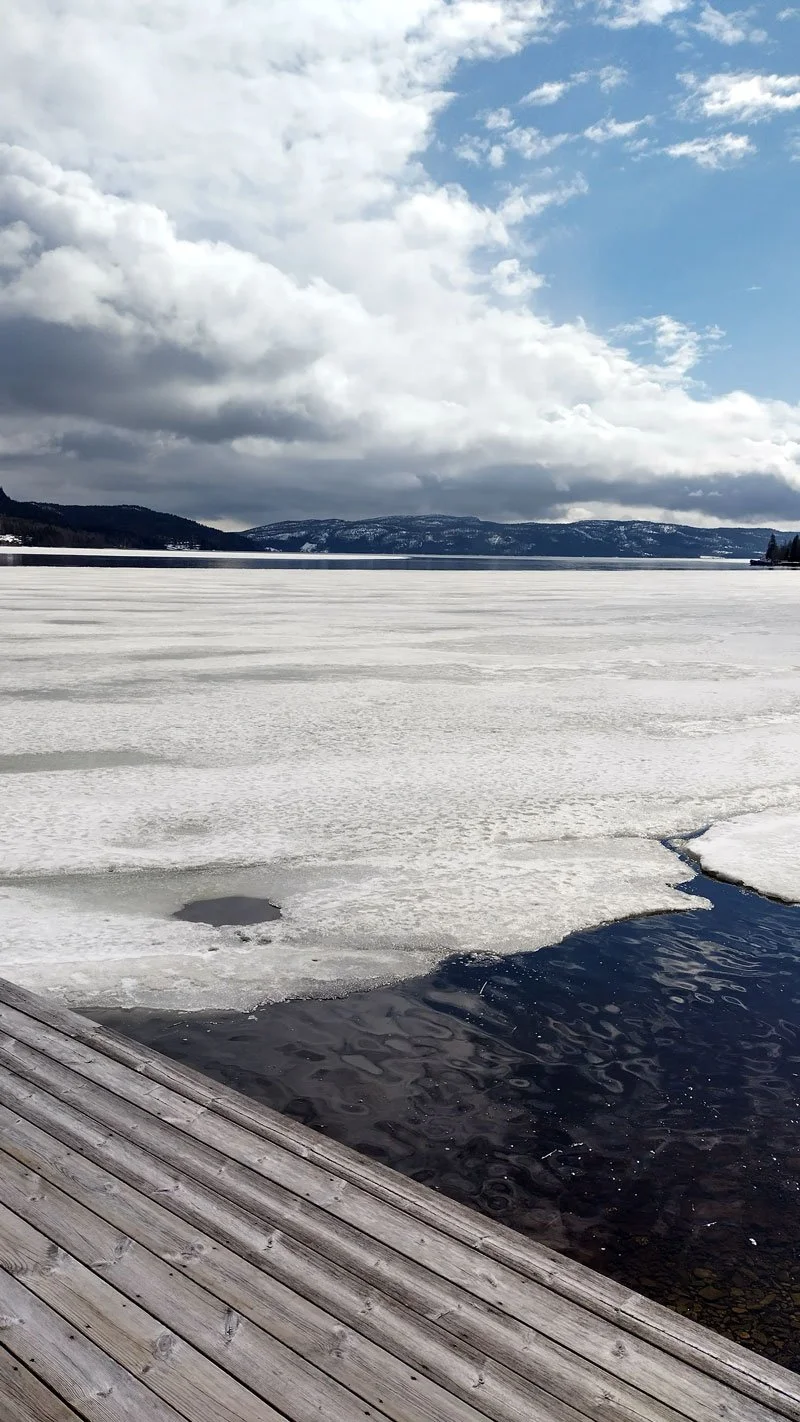
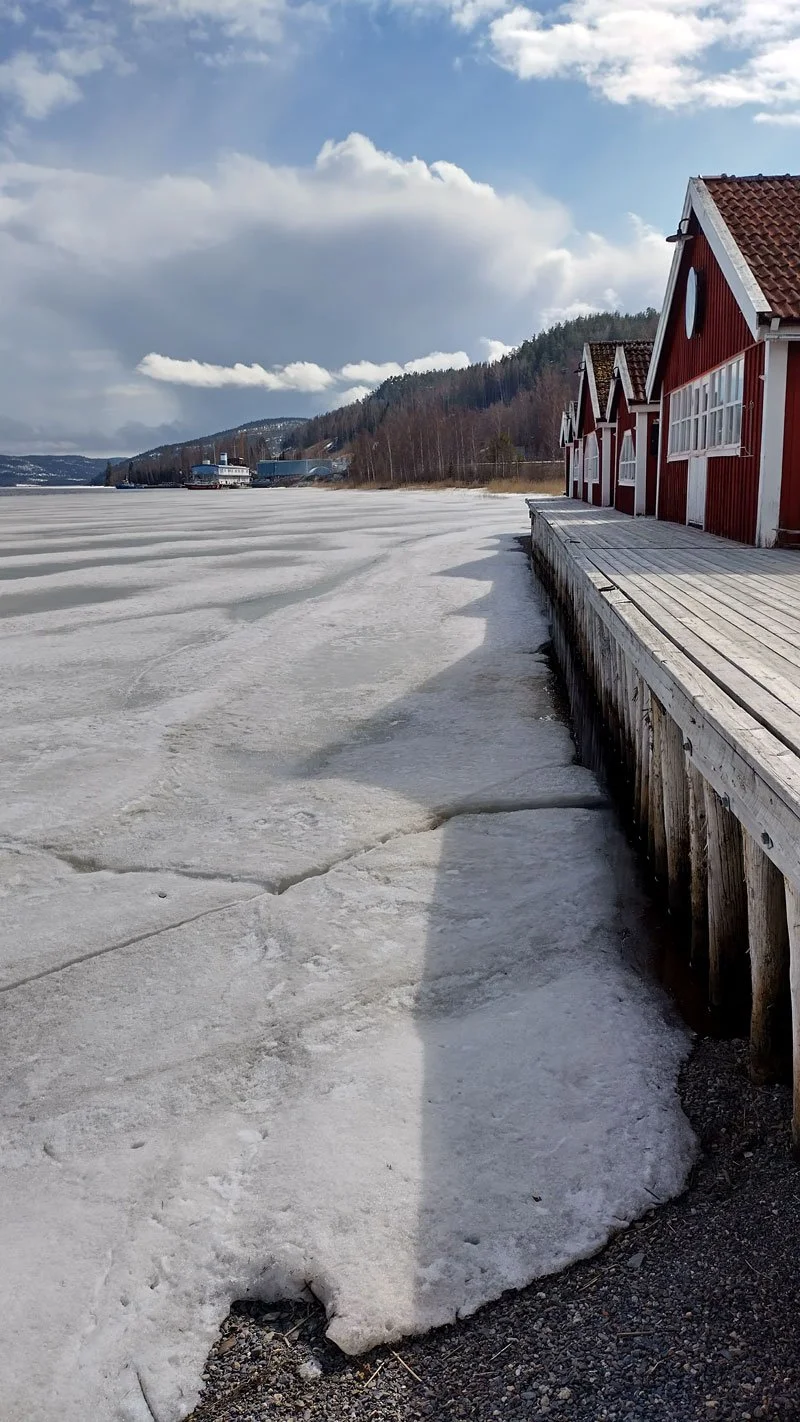
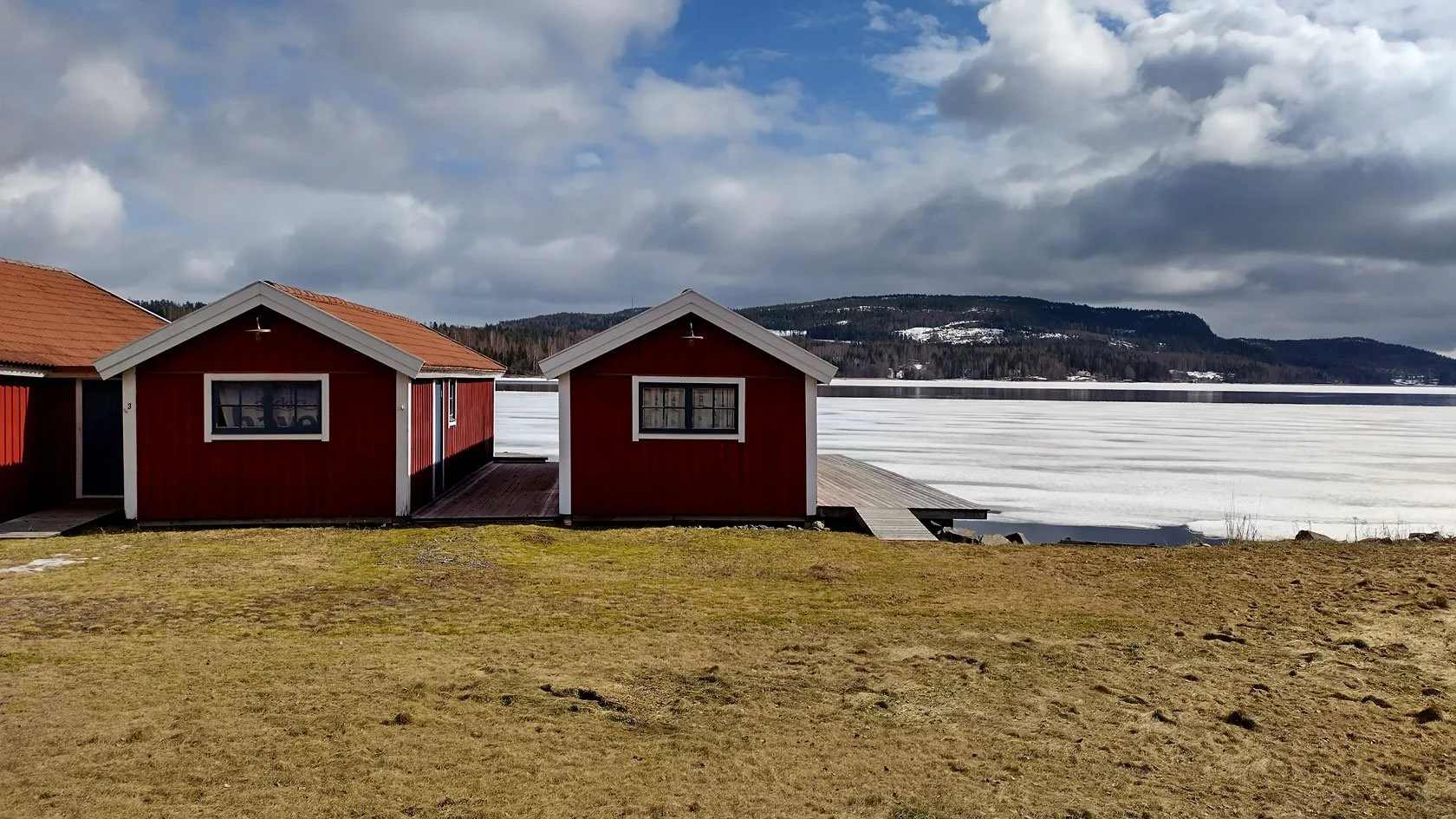
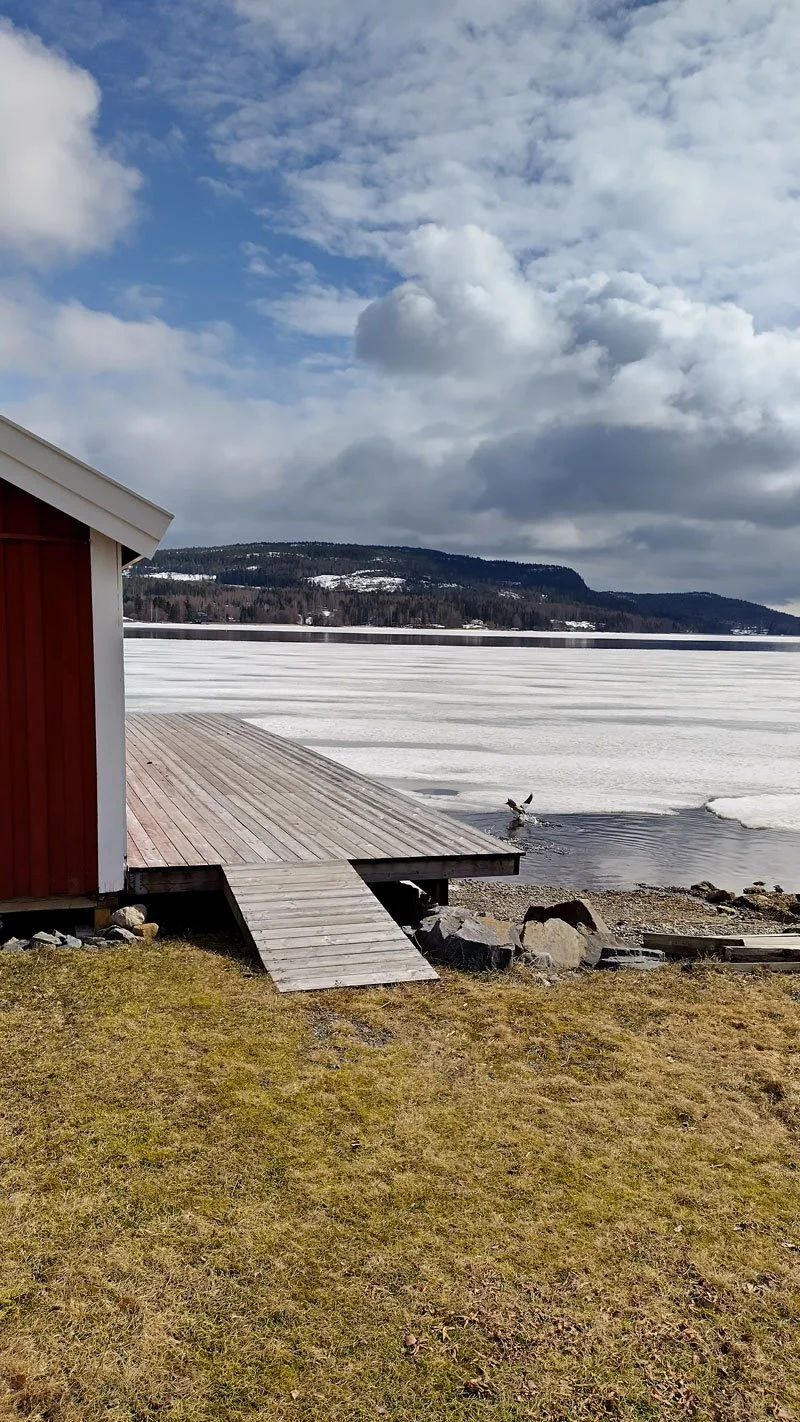
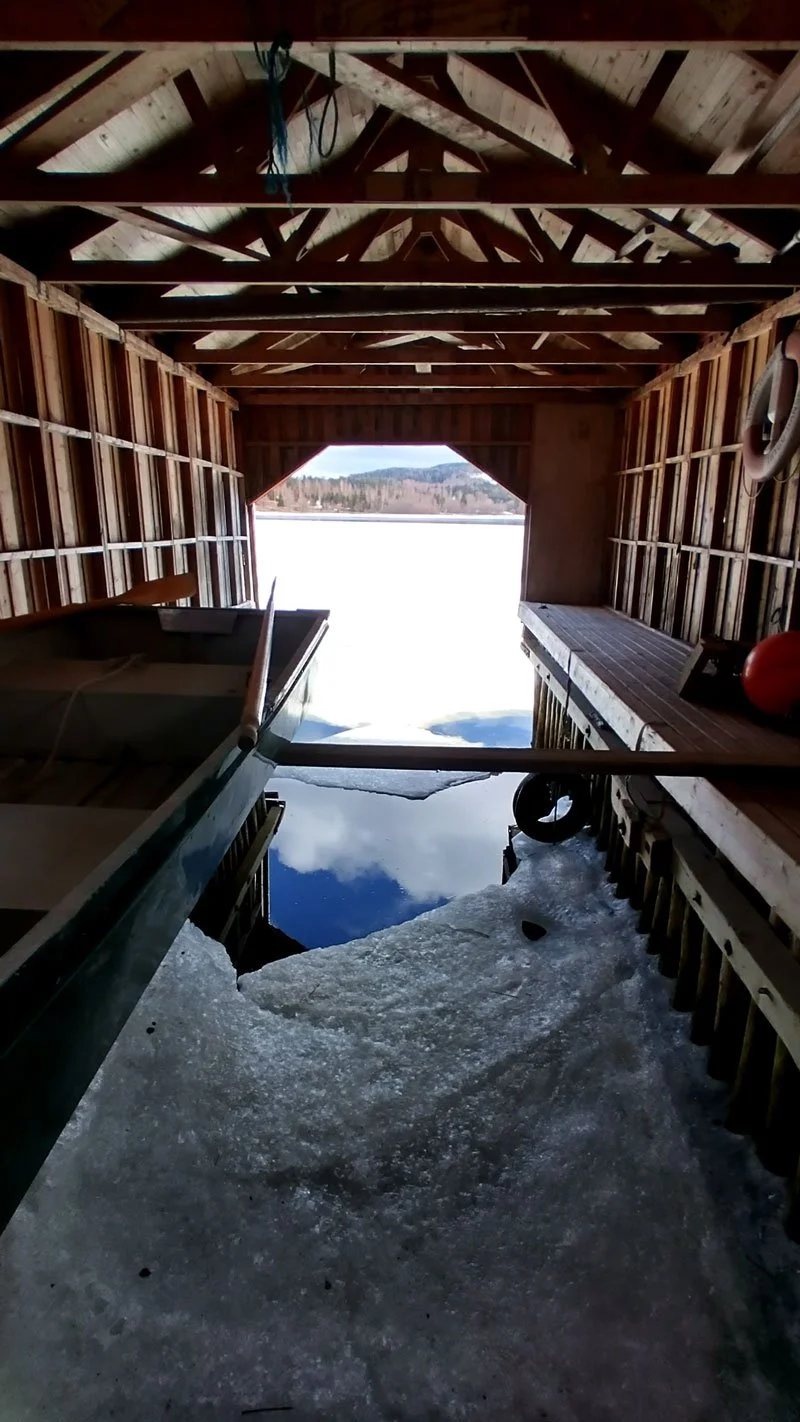
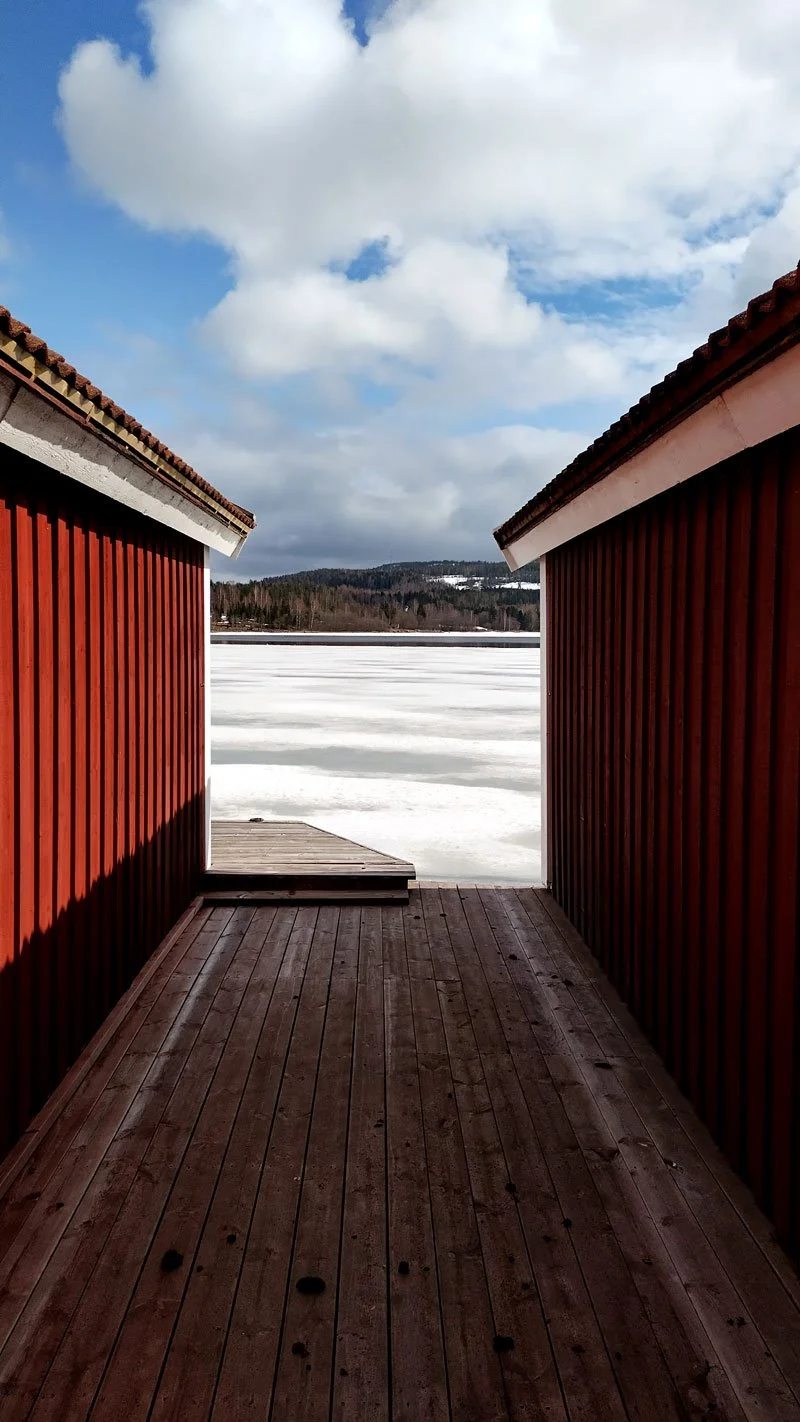
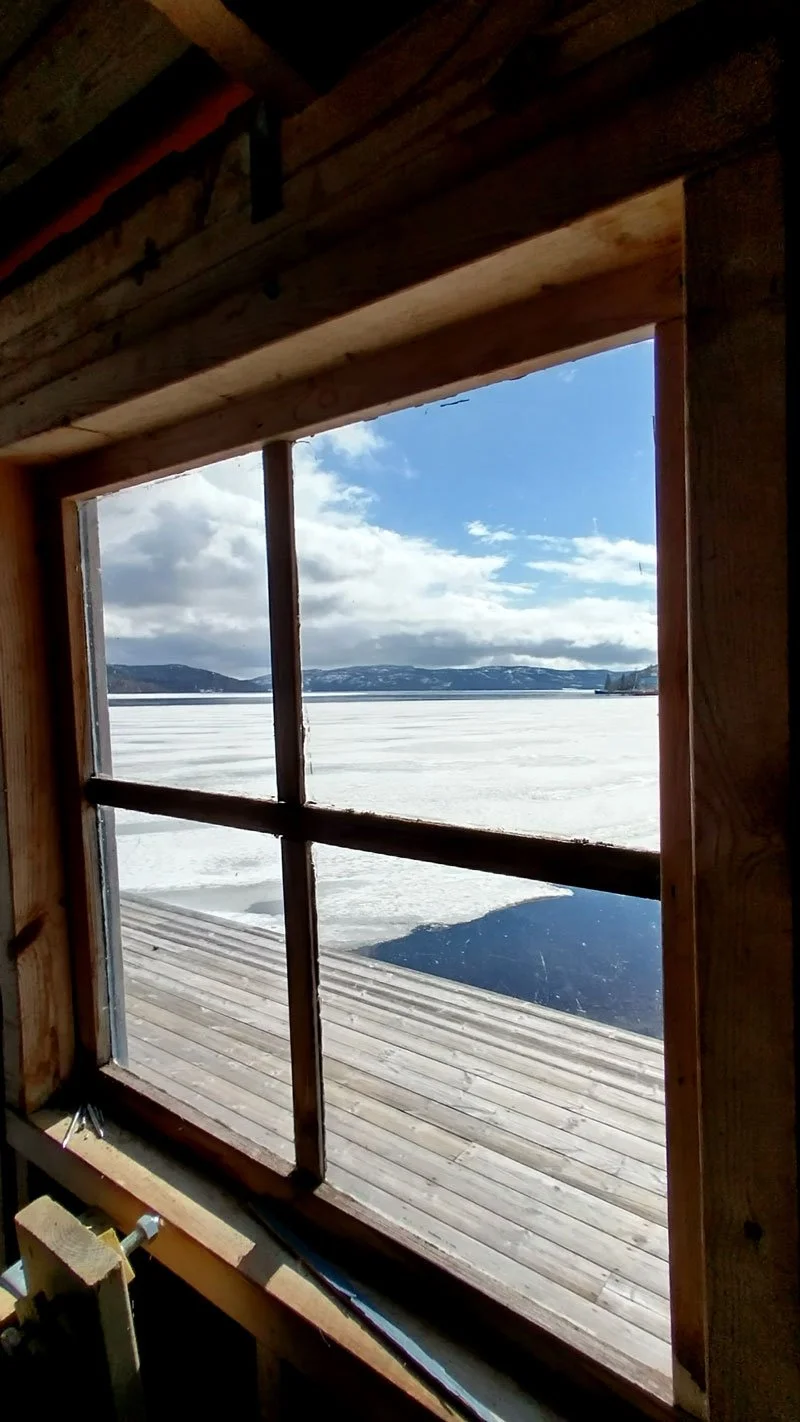
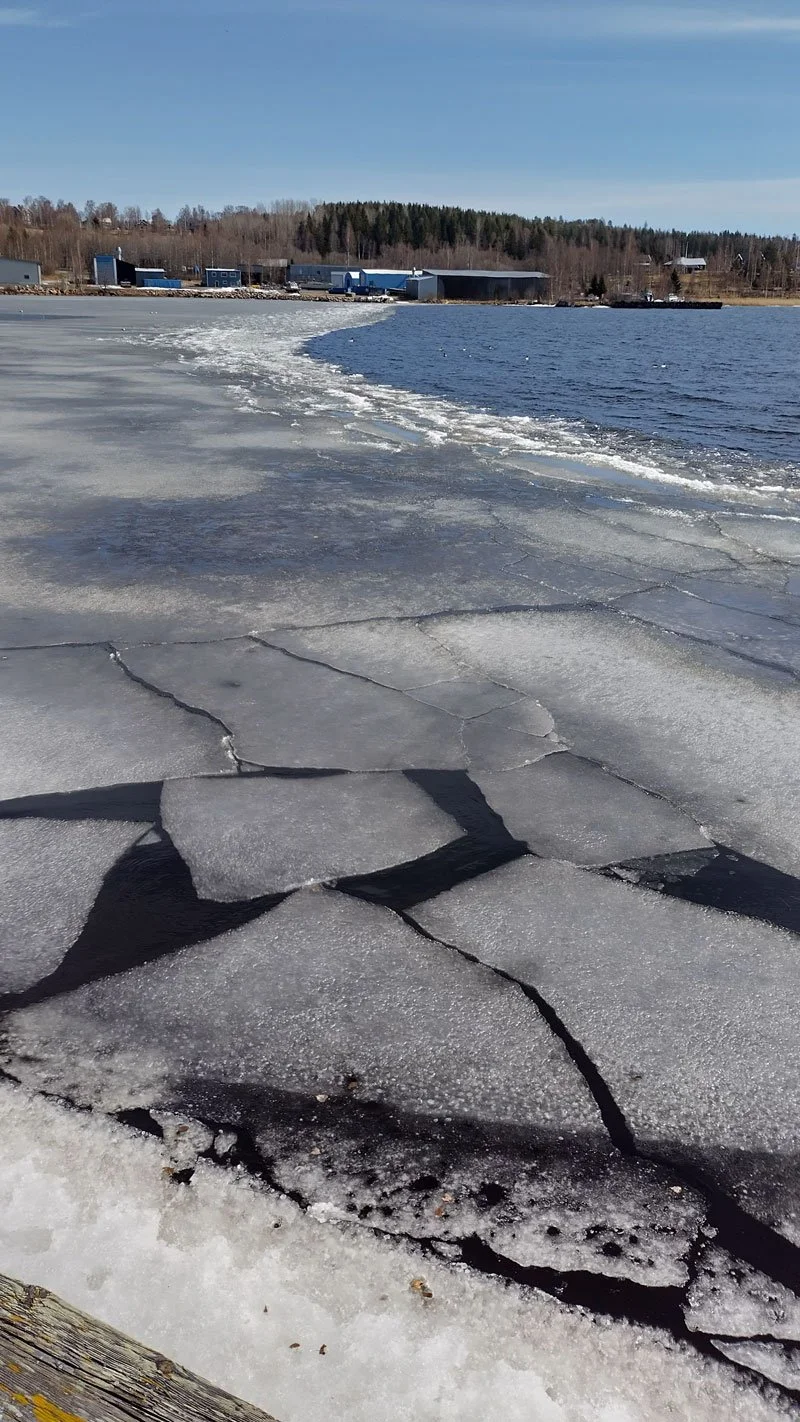
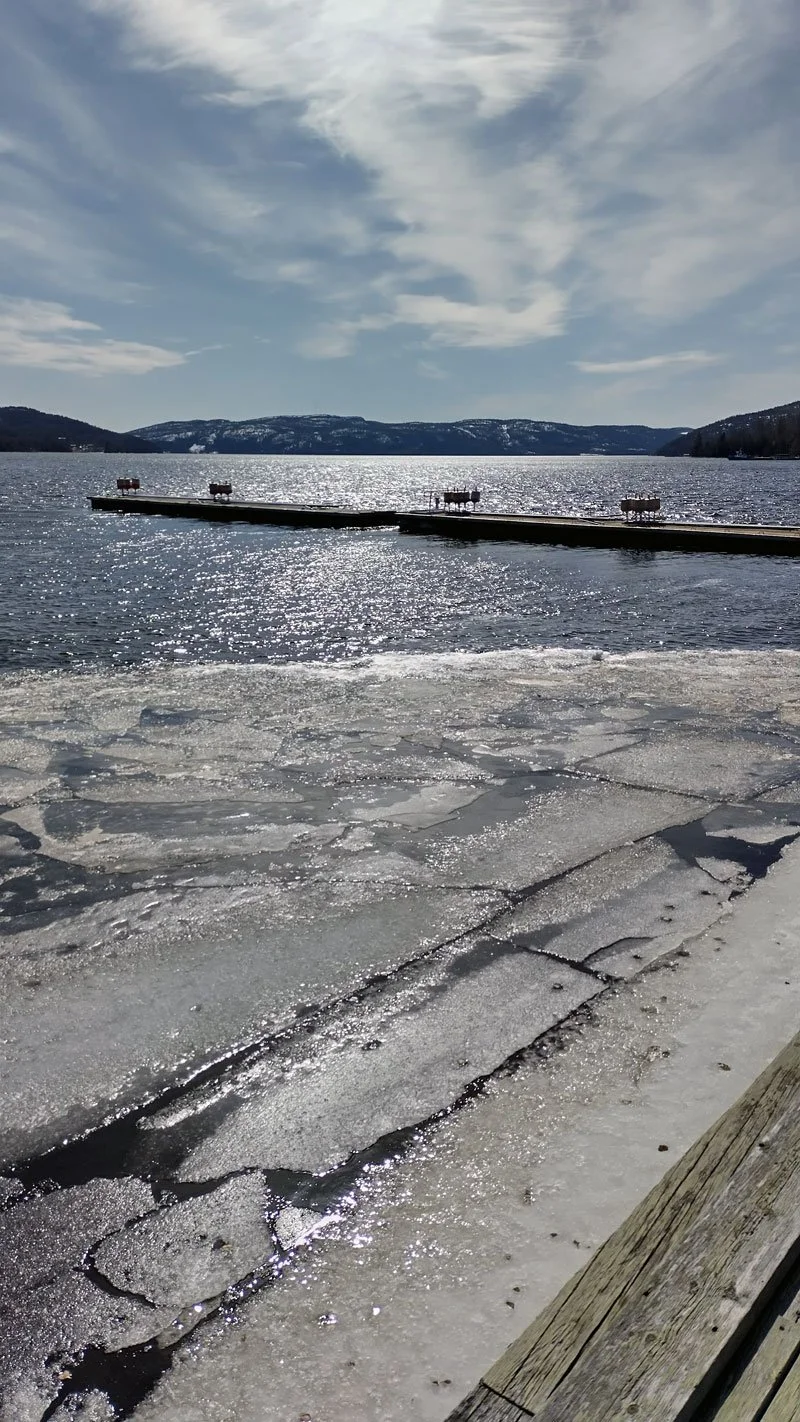
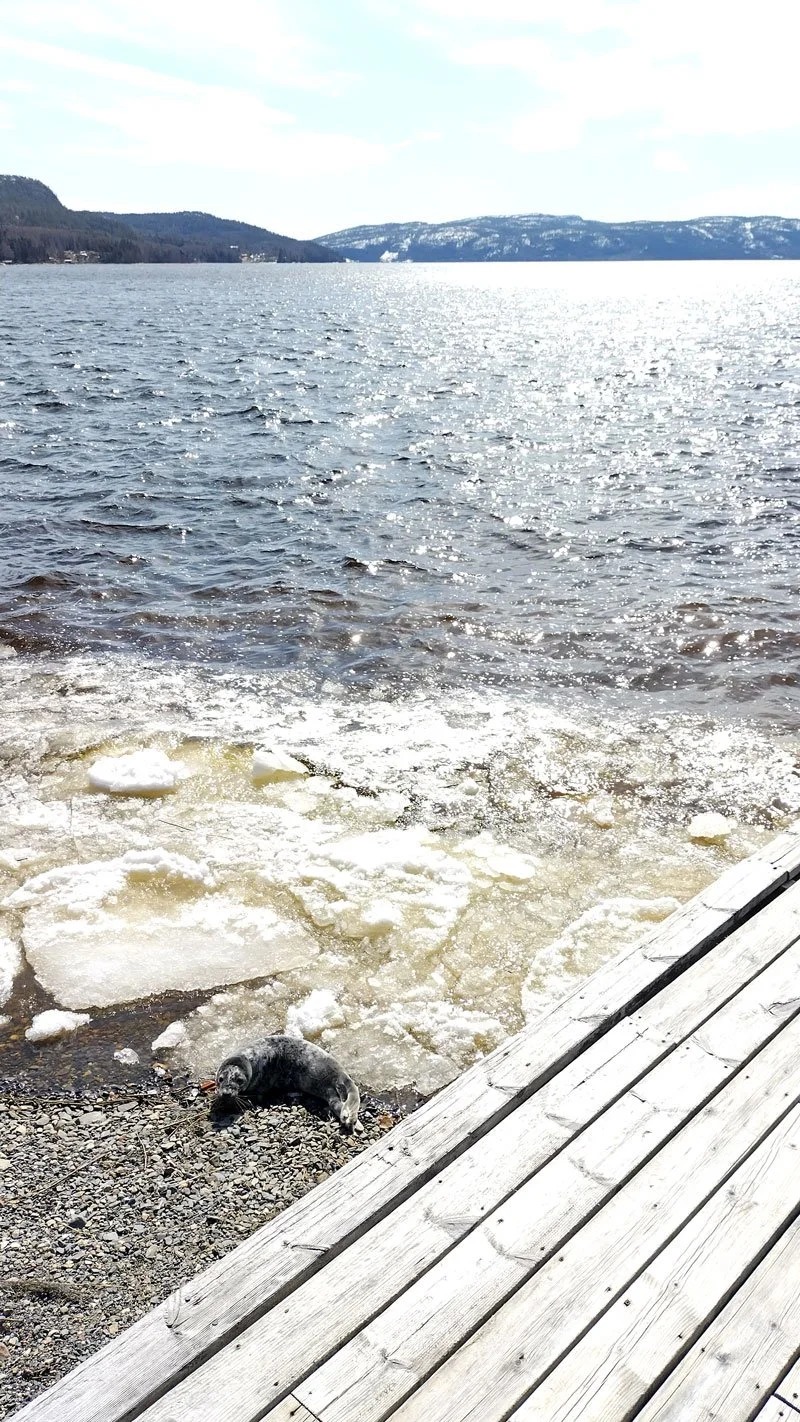
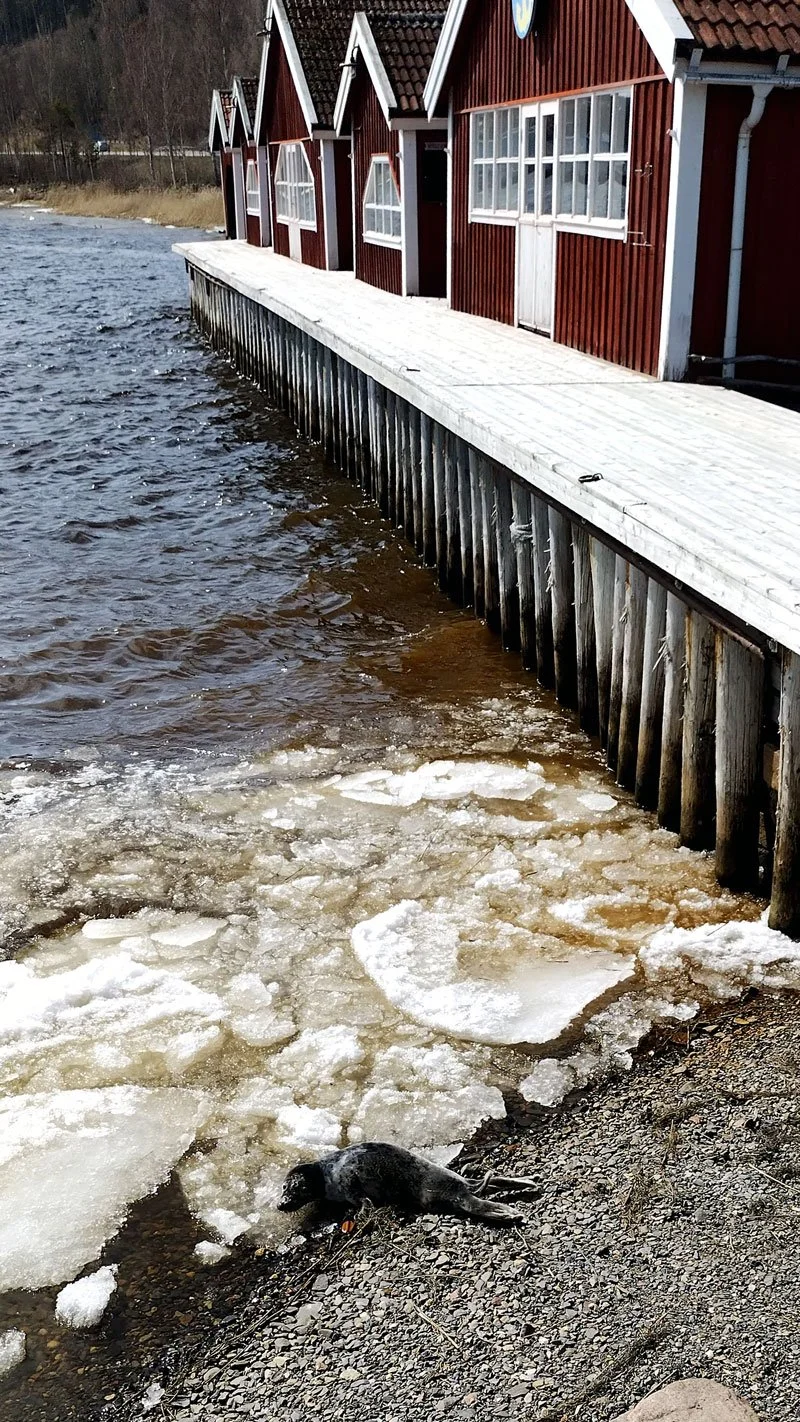
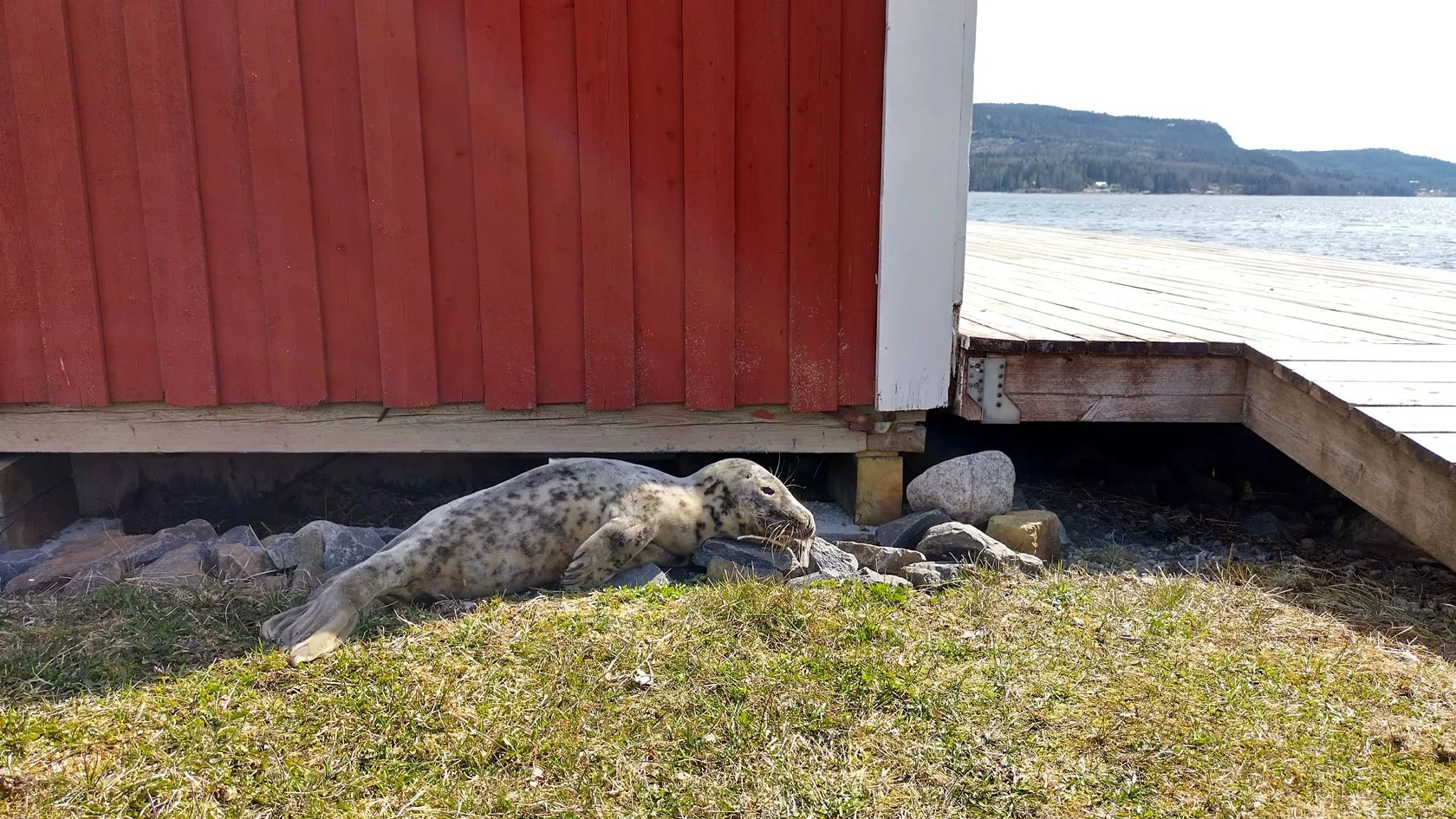
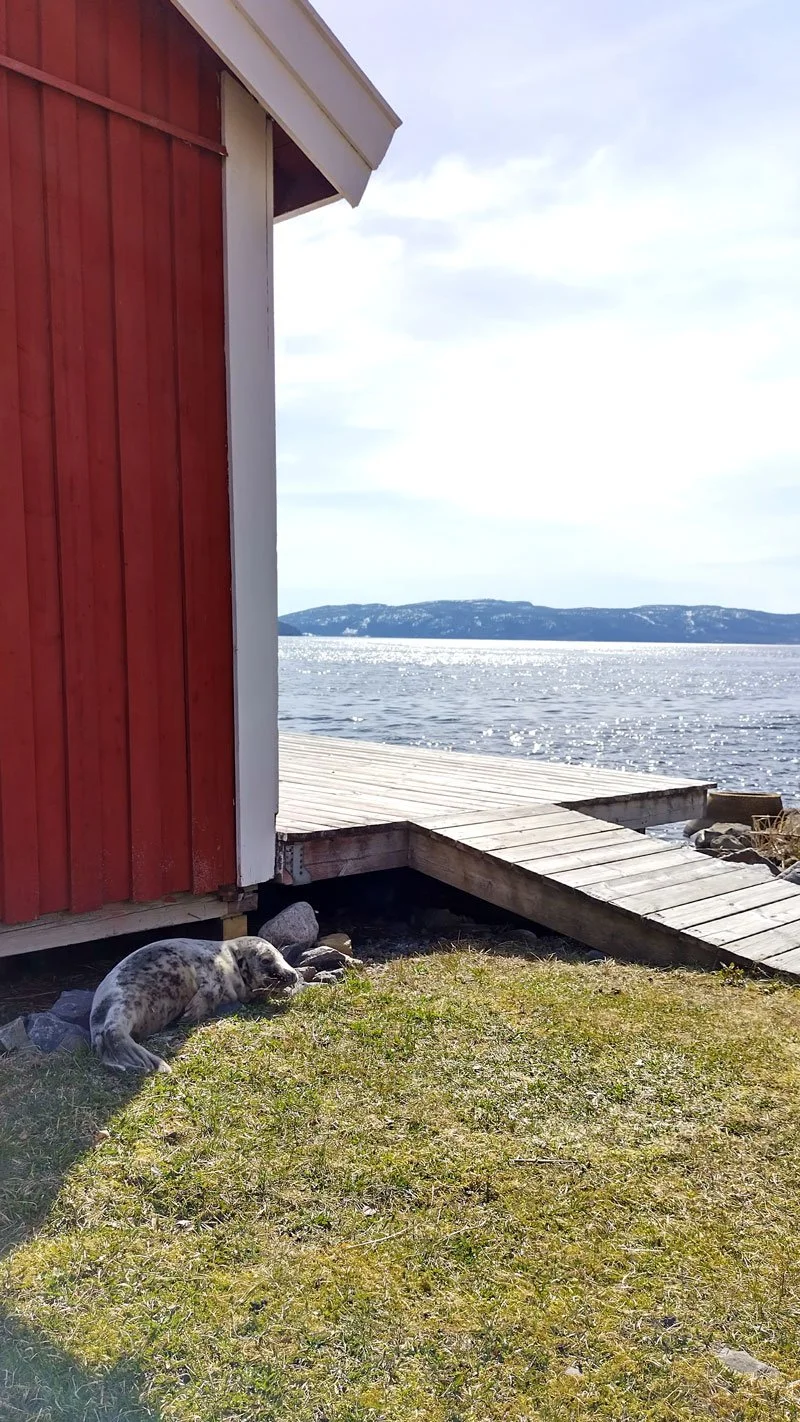
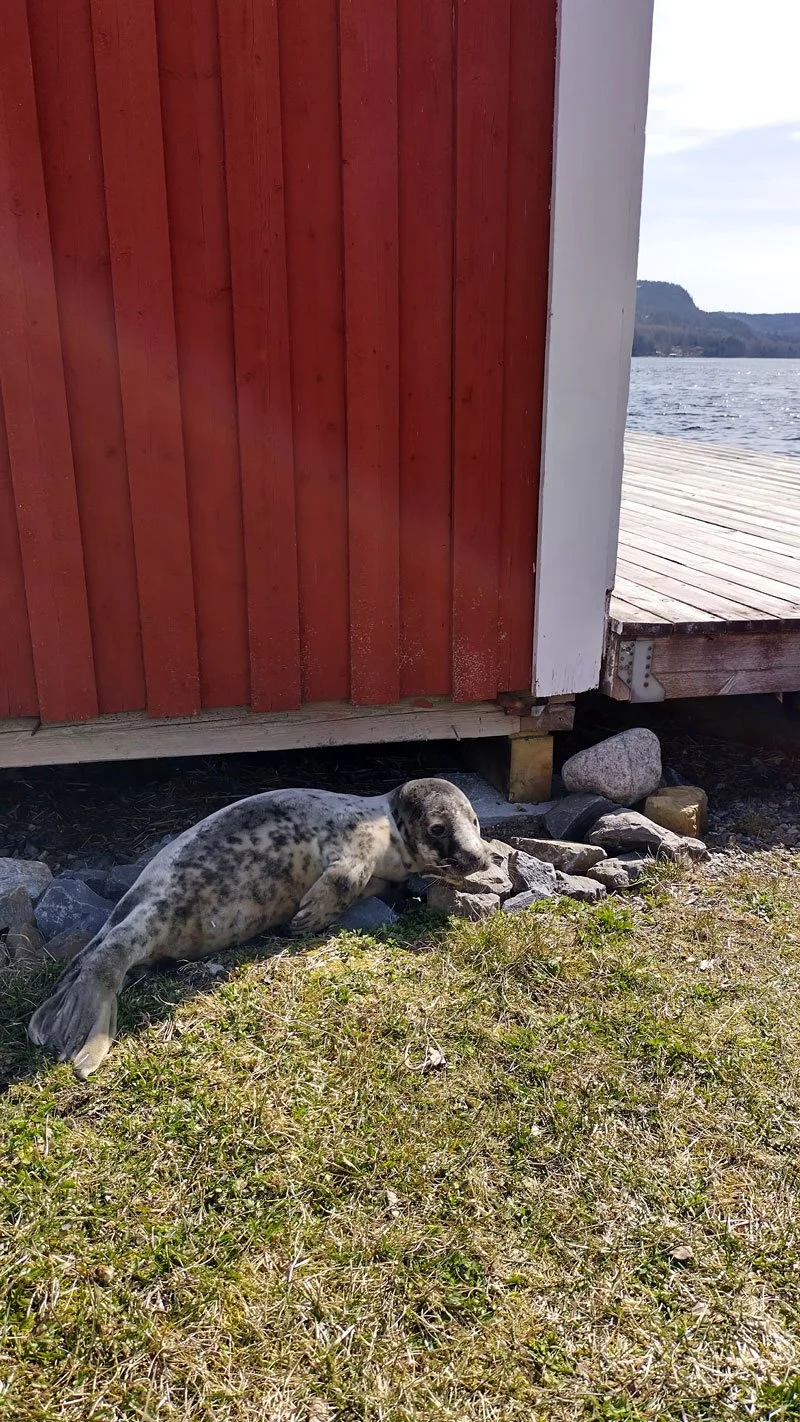
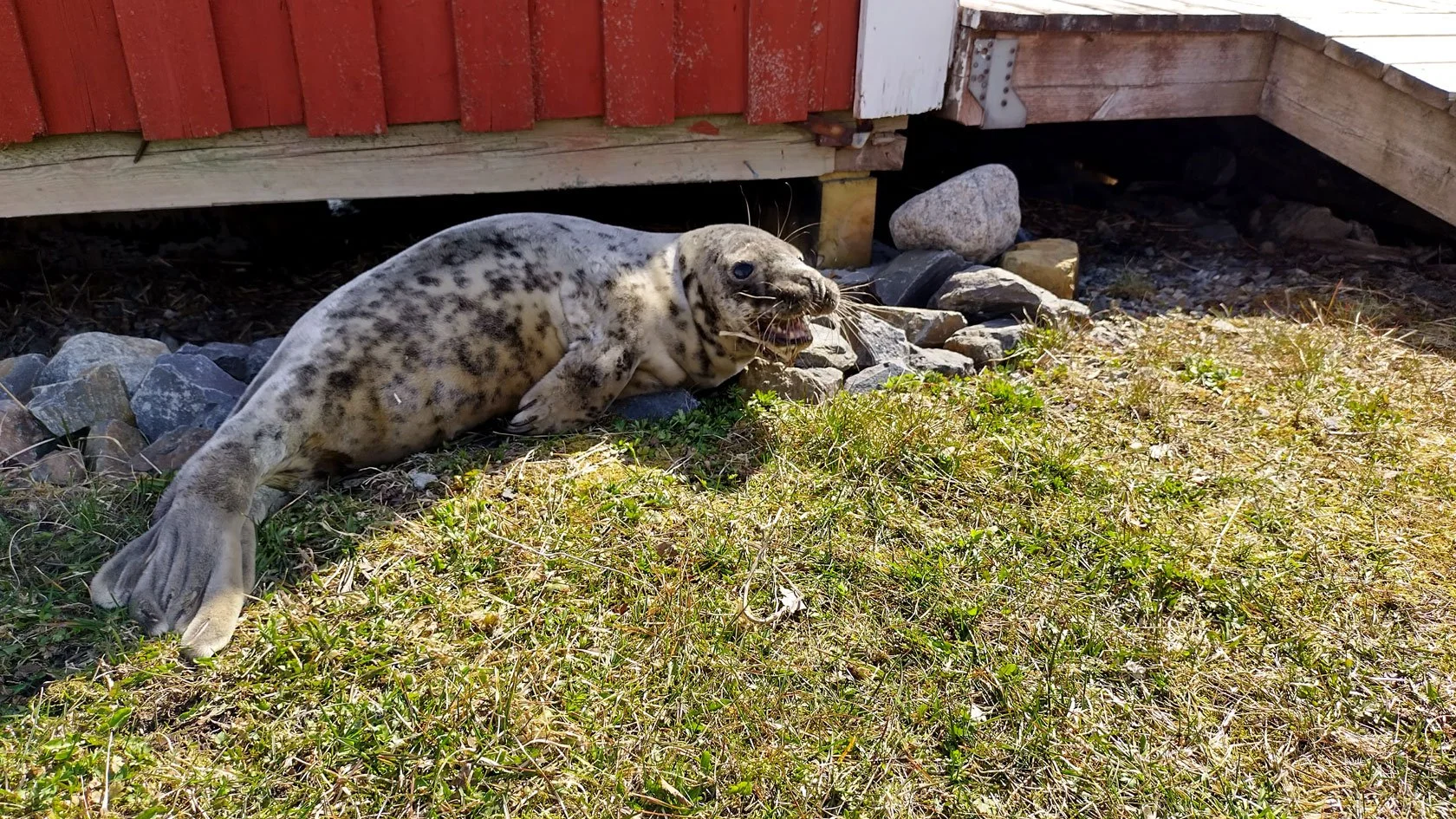
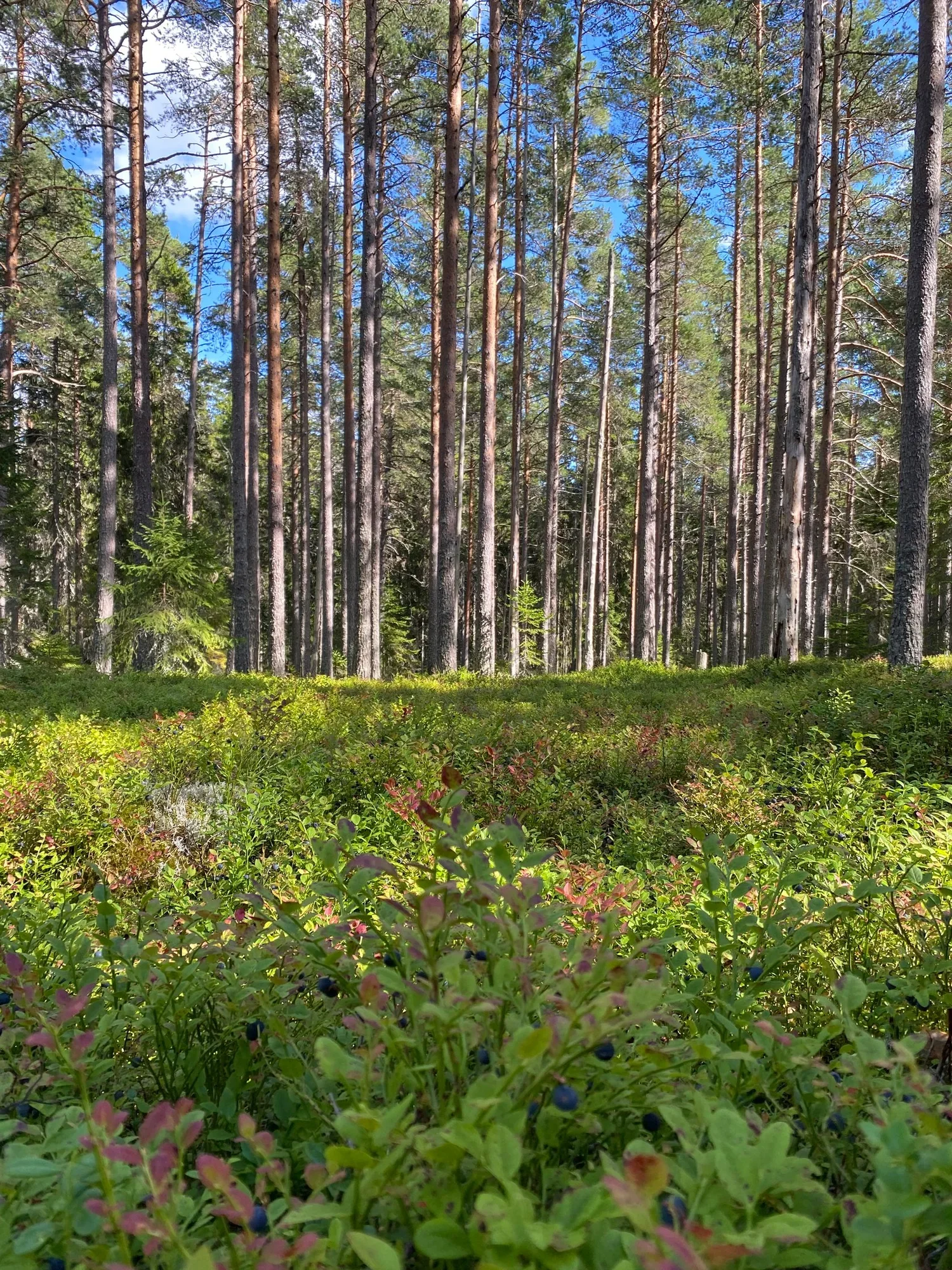
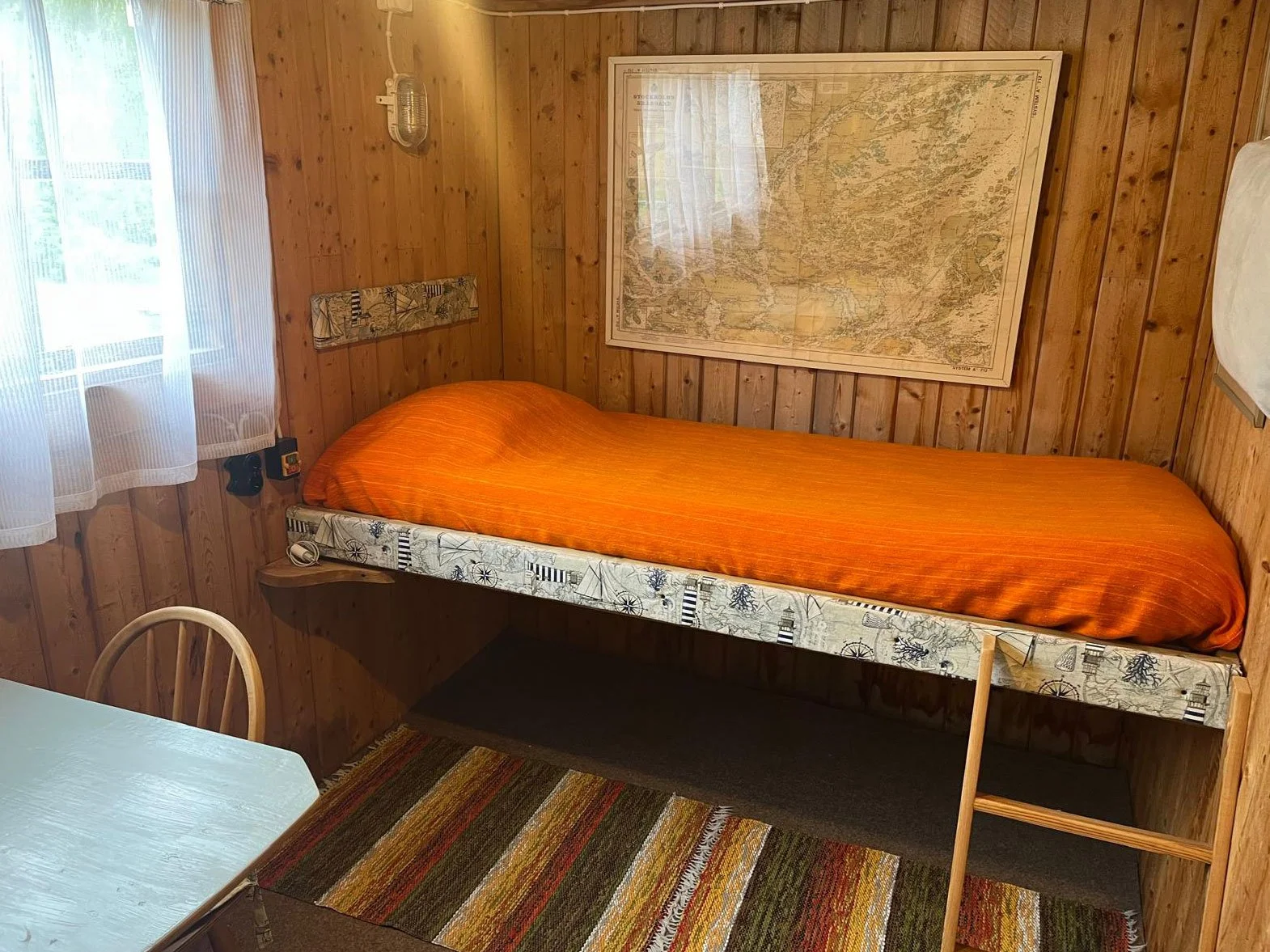
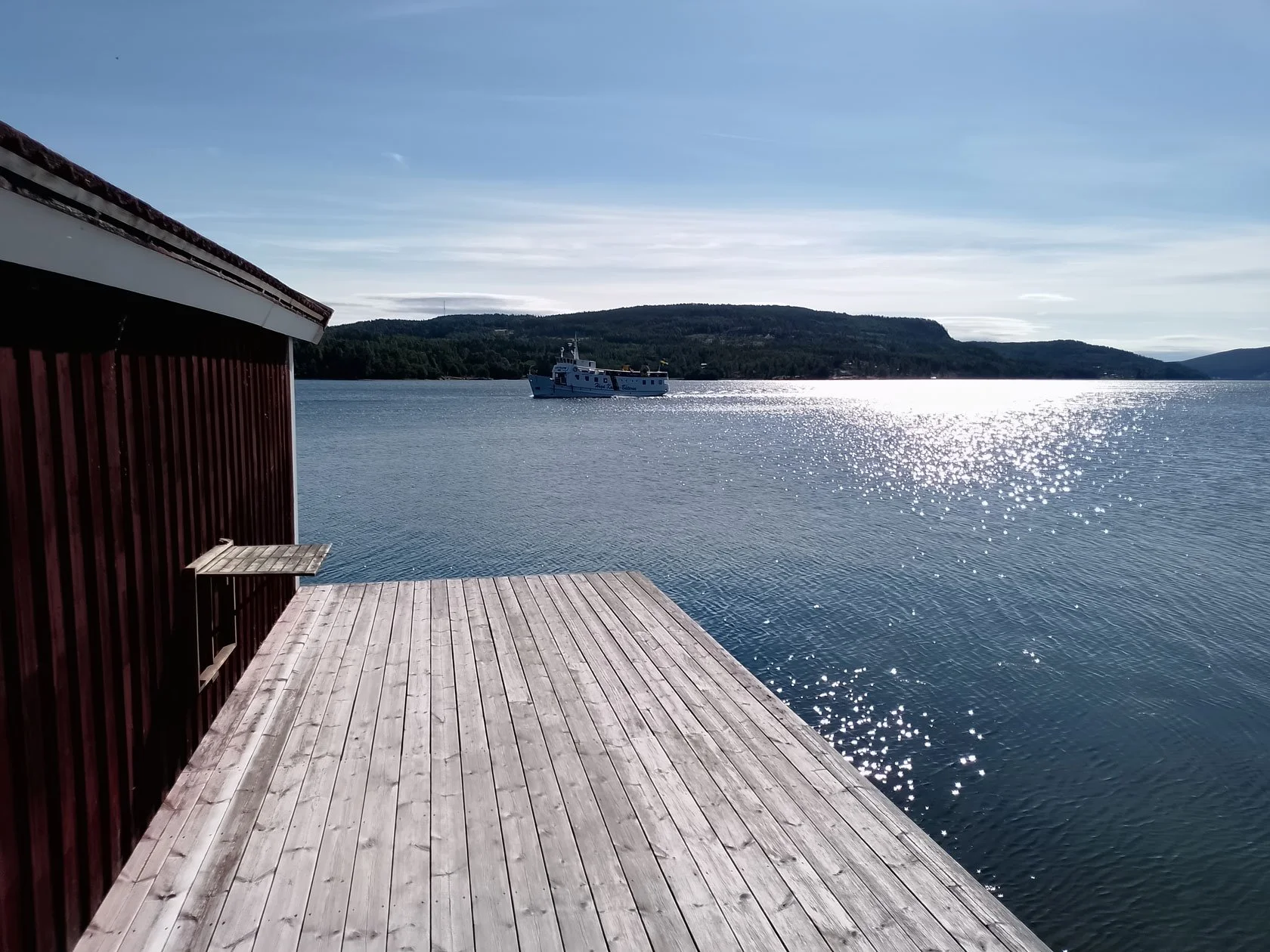
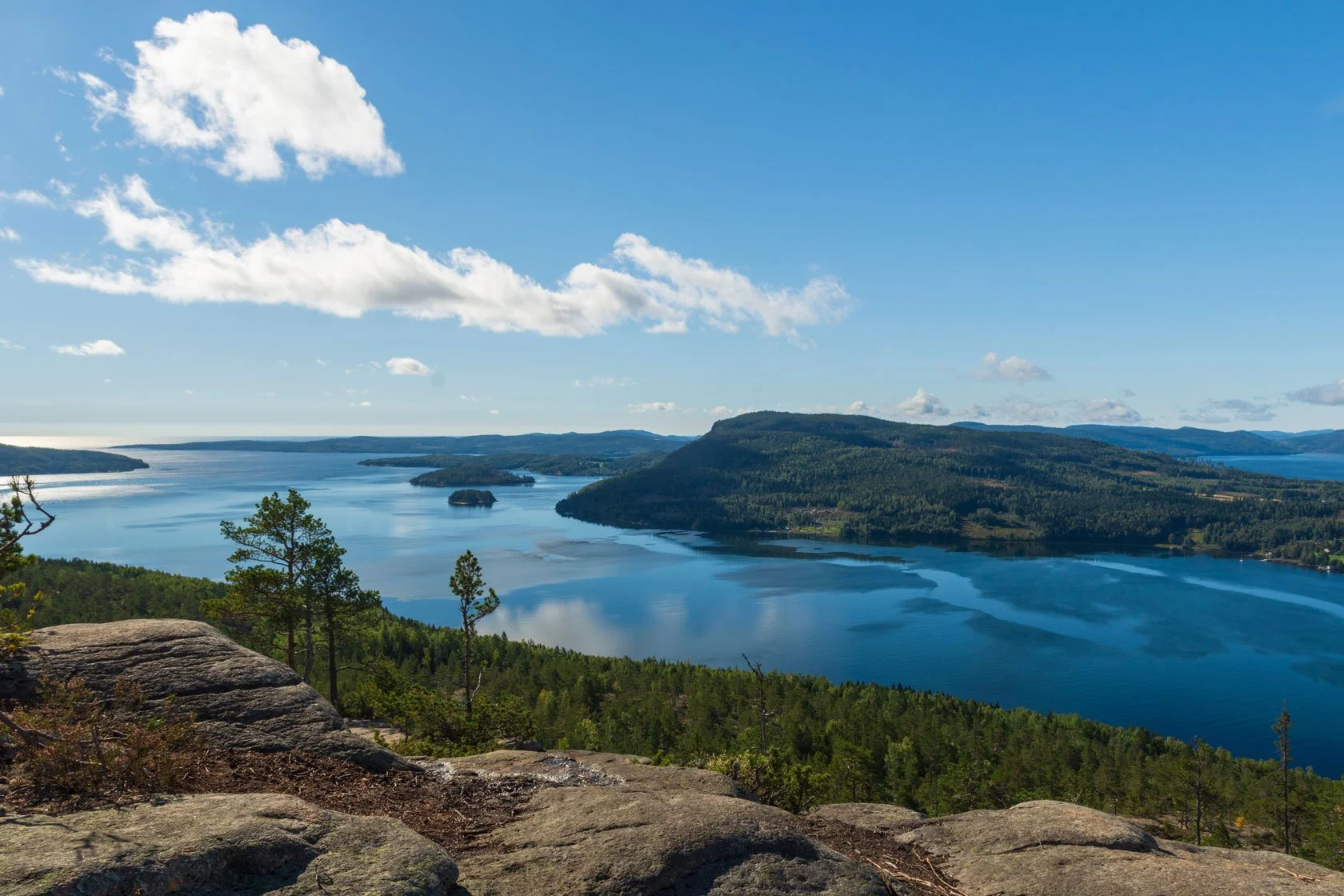
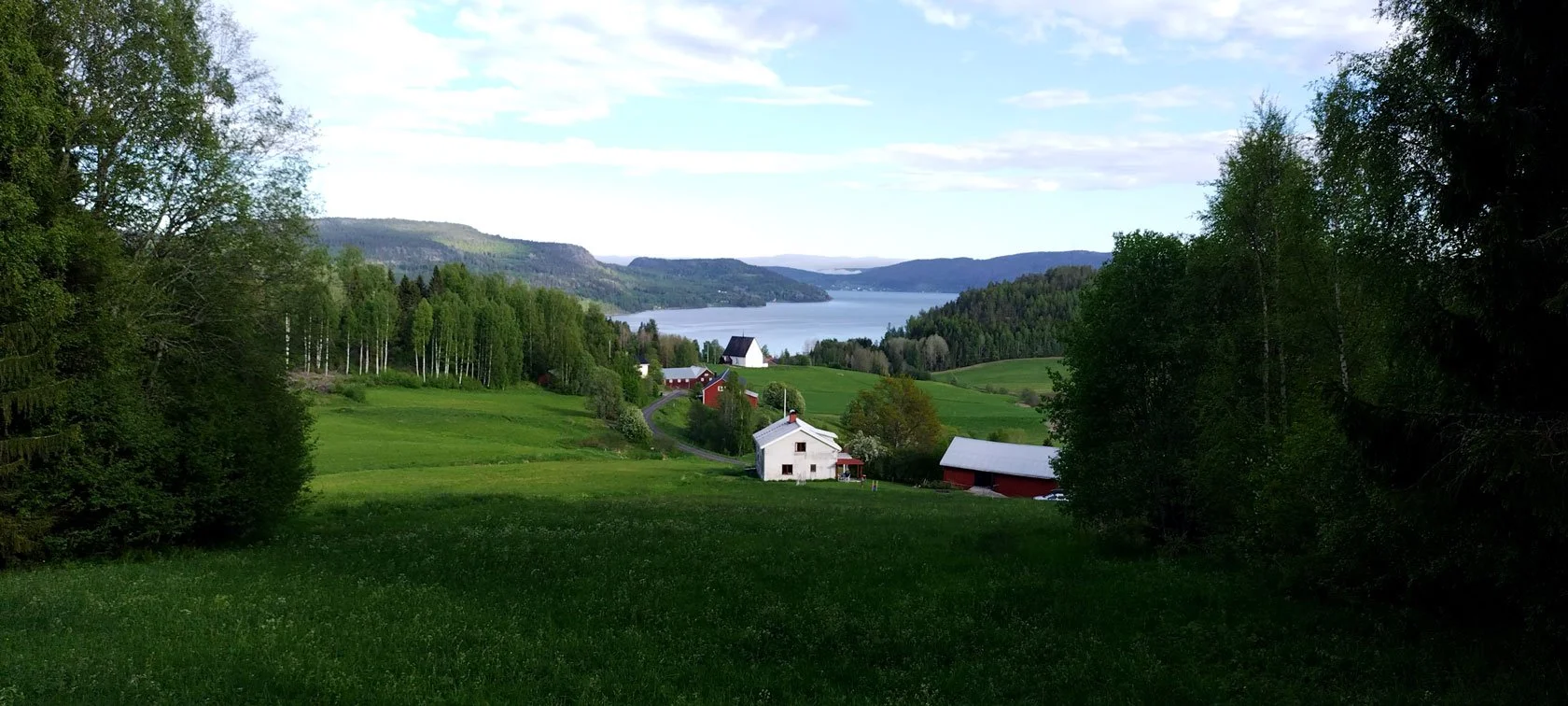
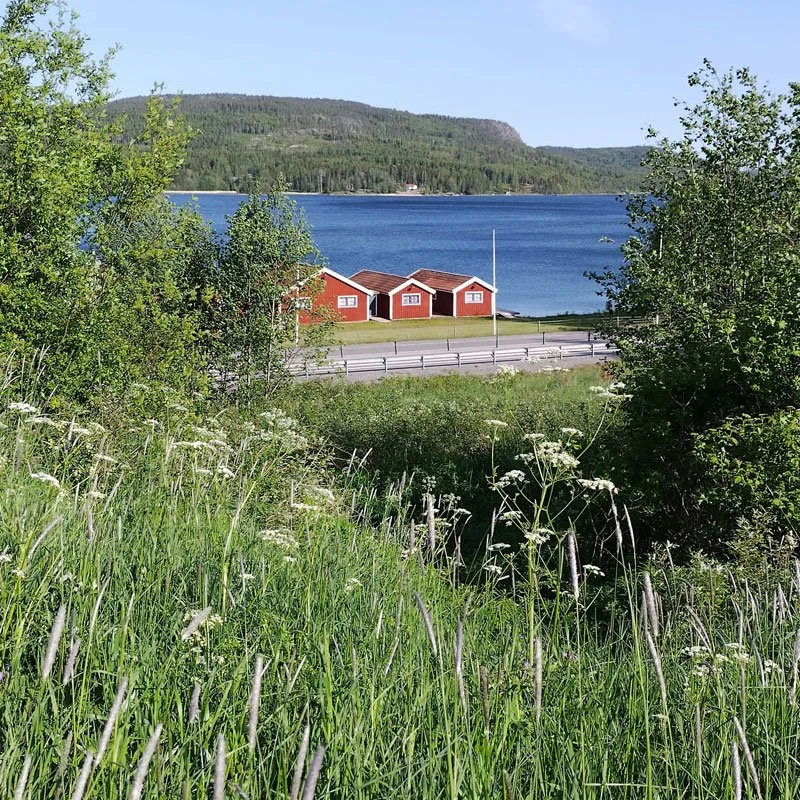
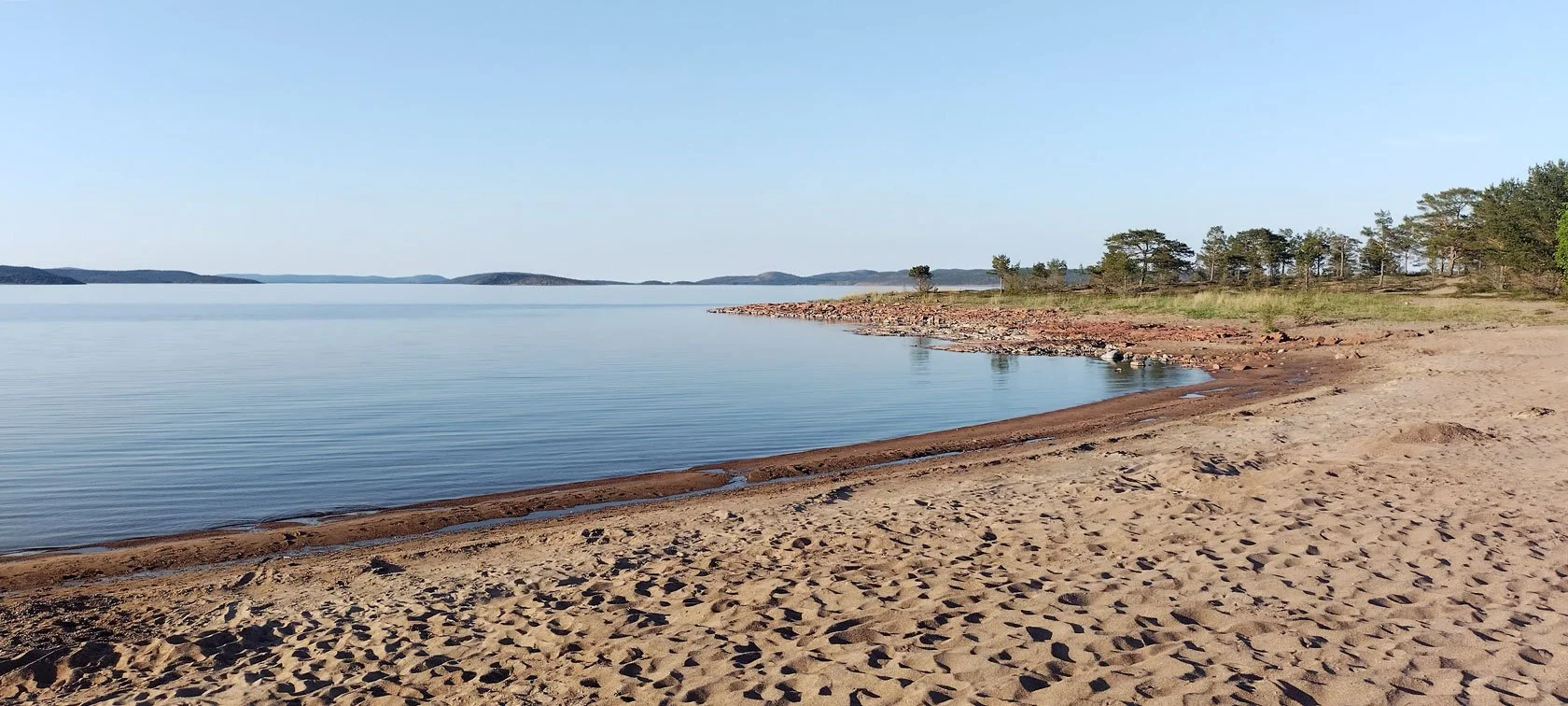
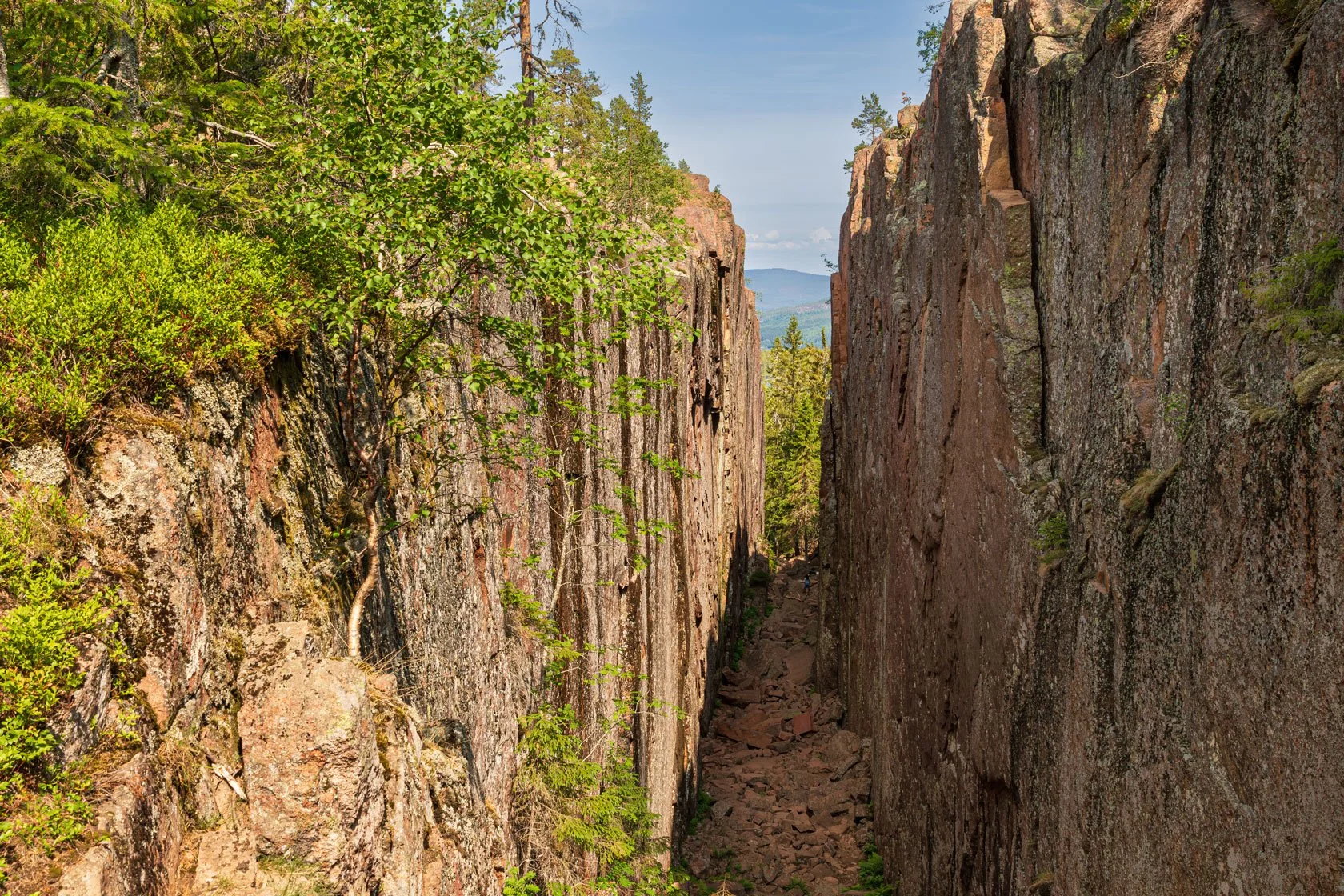
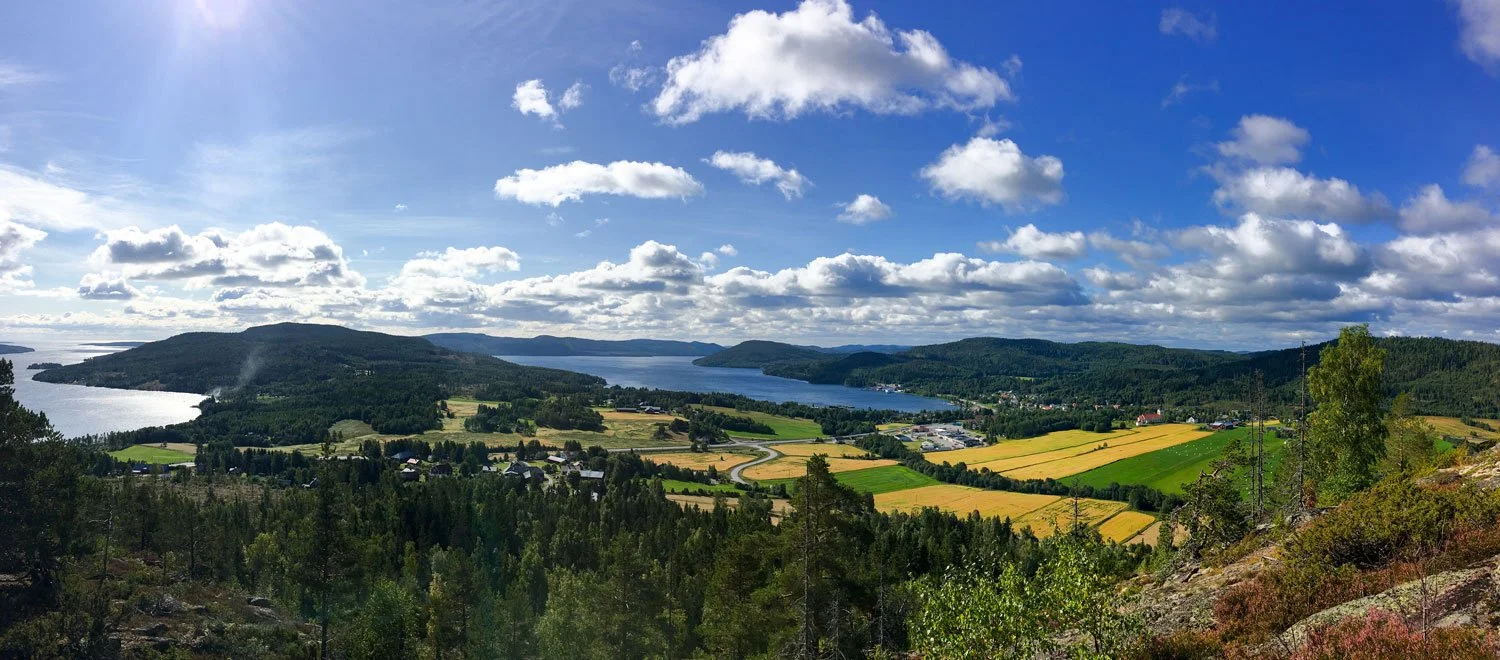
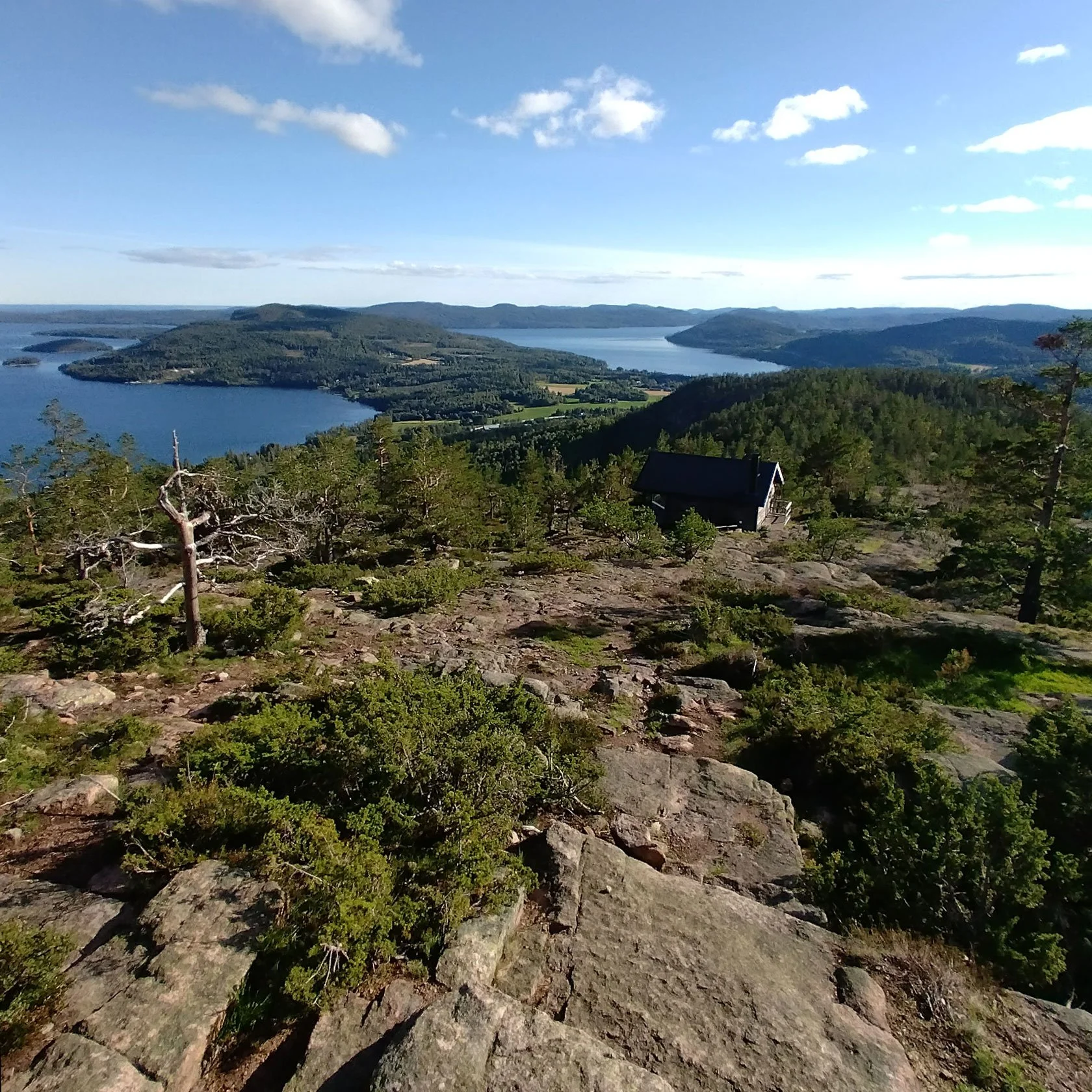
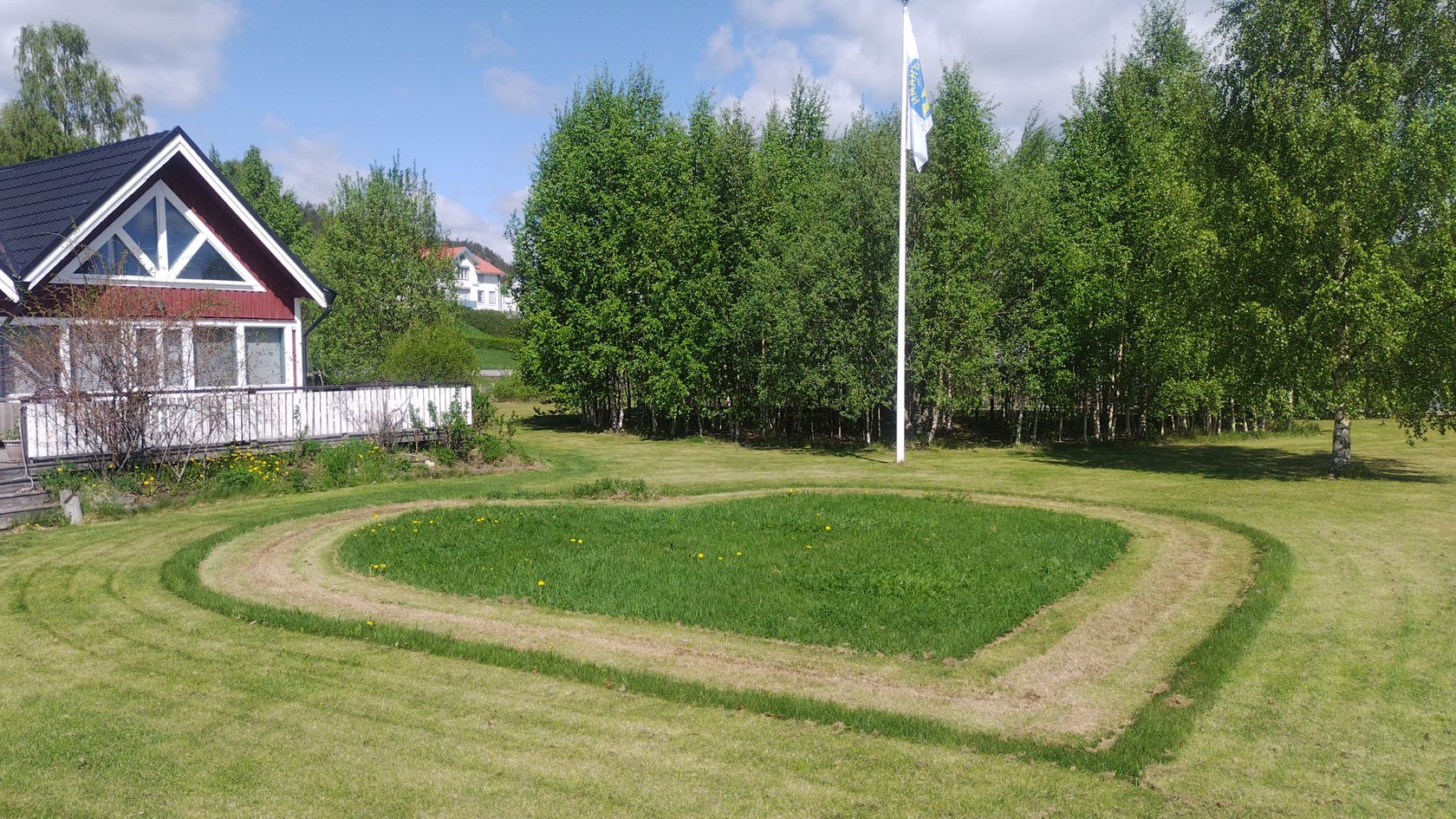
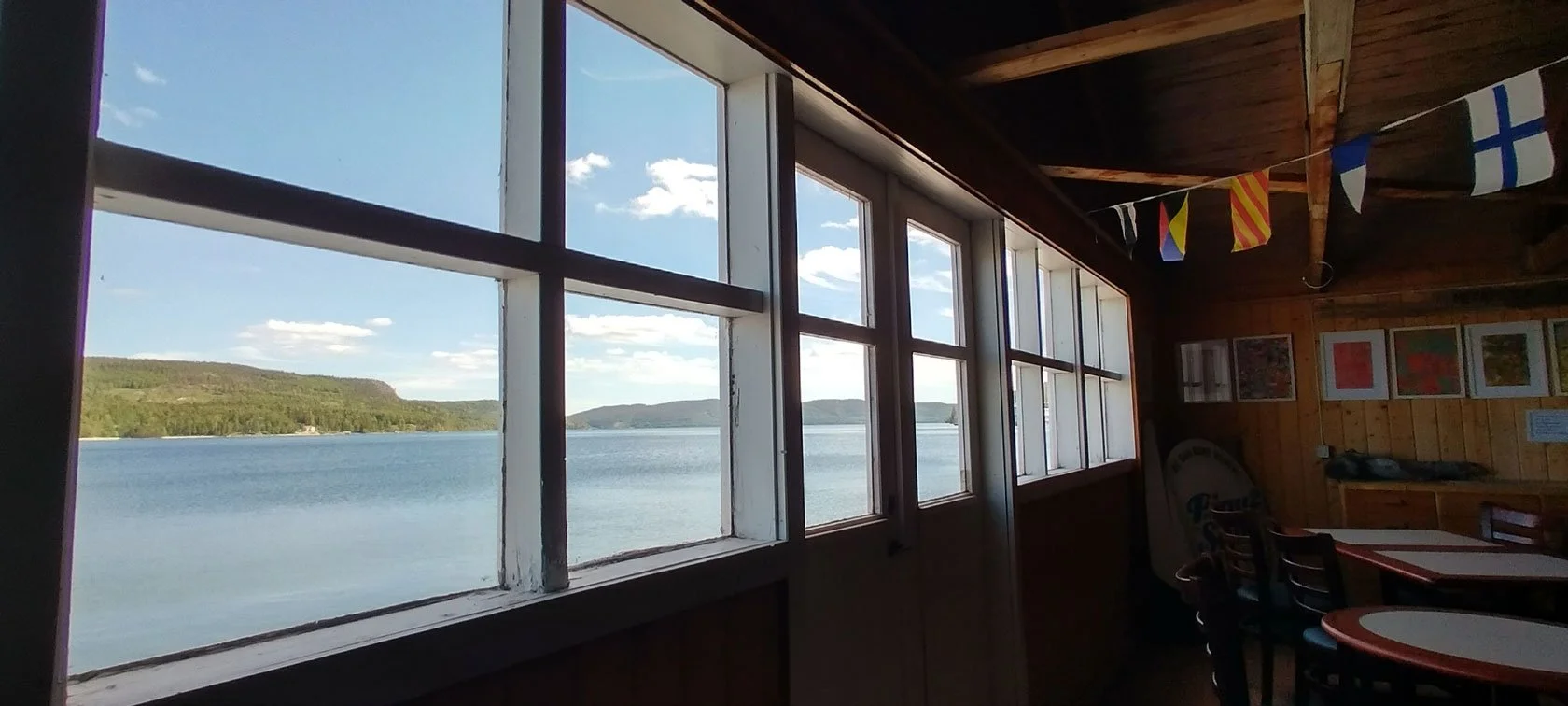
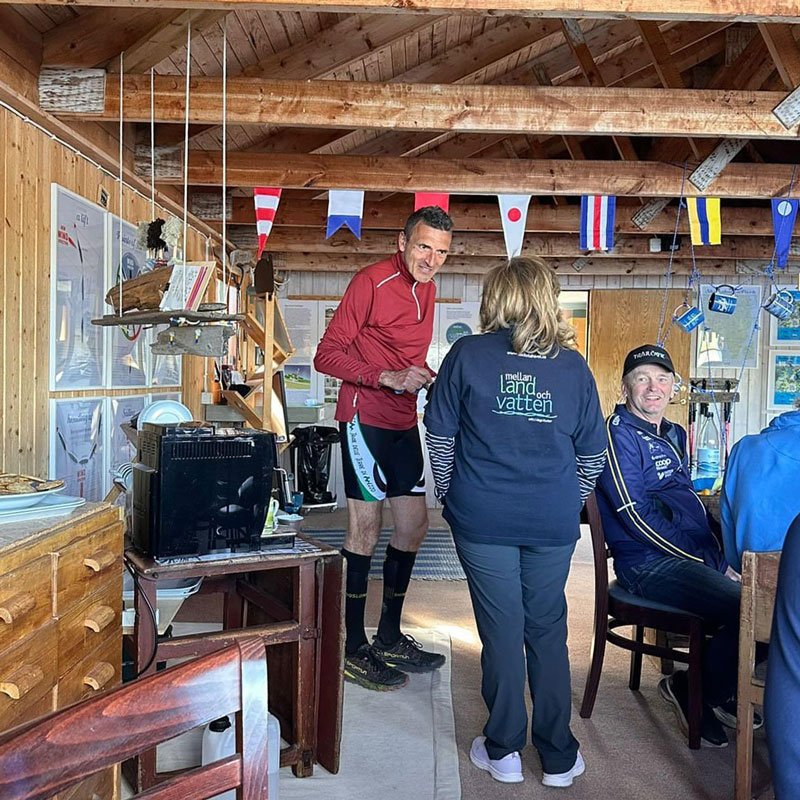
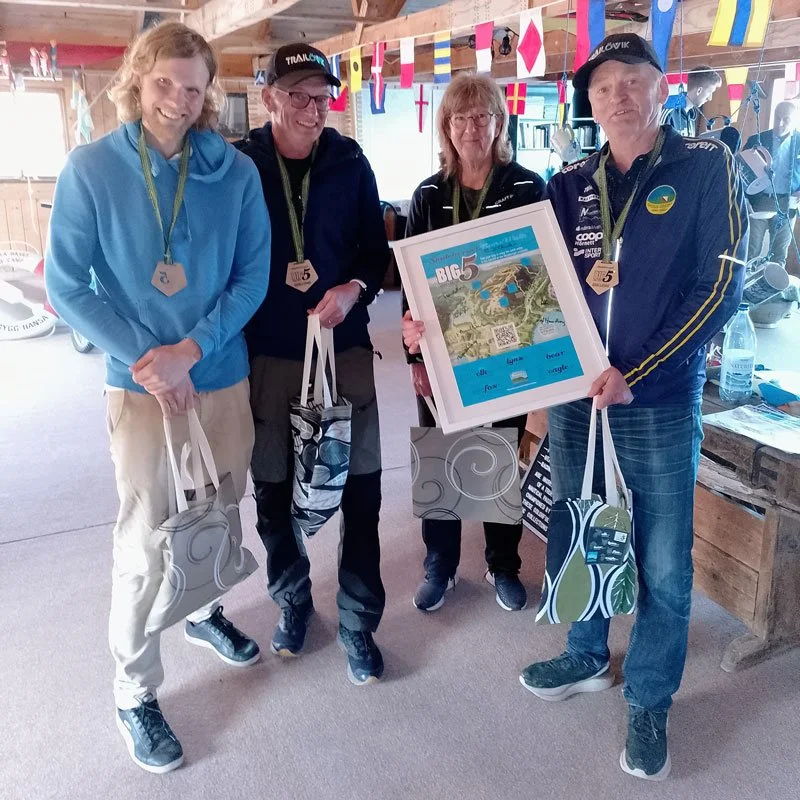
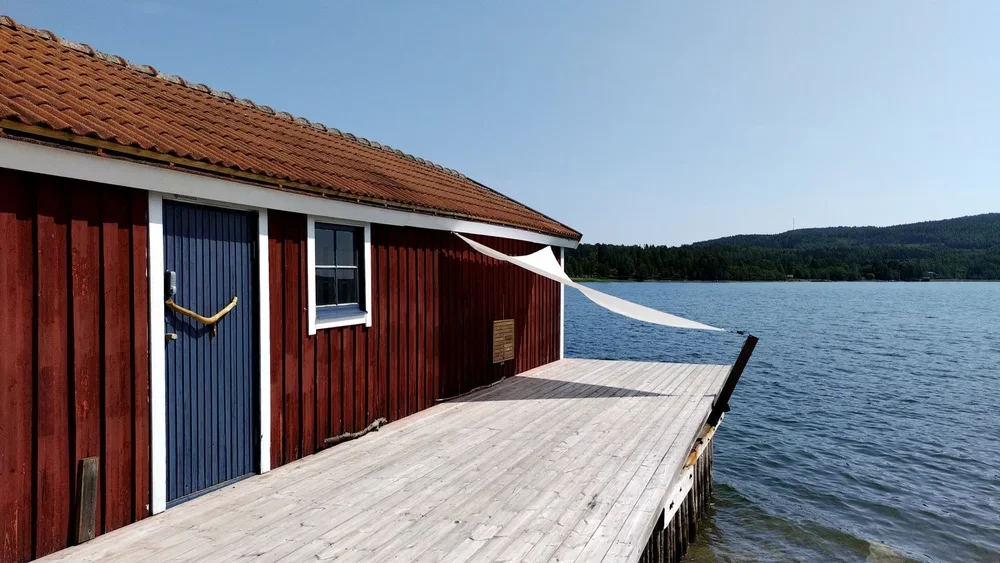
Här är några bilder från vår vardag i hamnen: bryggor och kvällsljus, boenden vid vattnet, och Club House-känslan (bord för kartor, enkel vardag).
Det är inte en resort. Det är en bas.
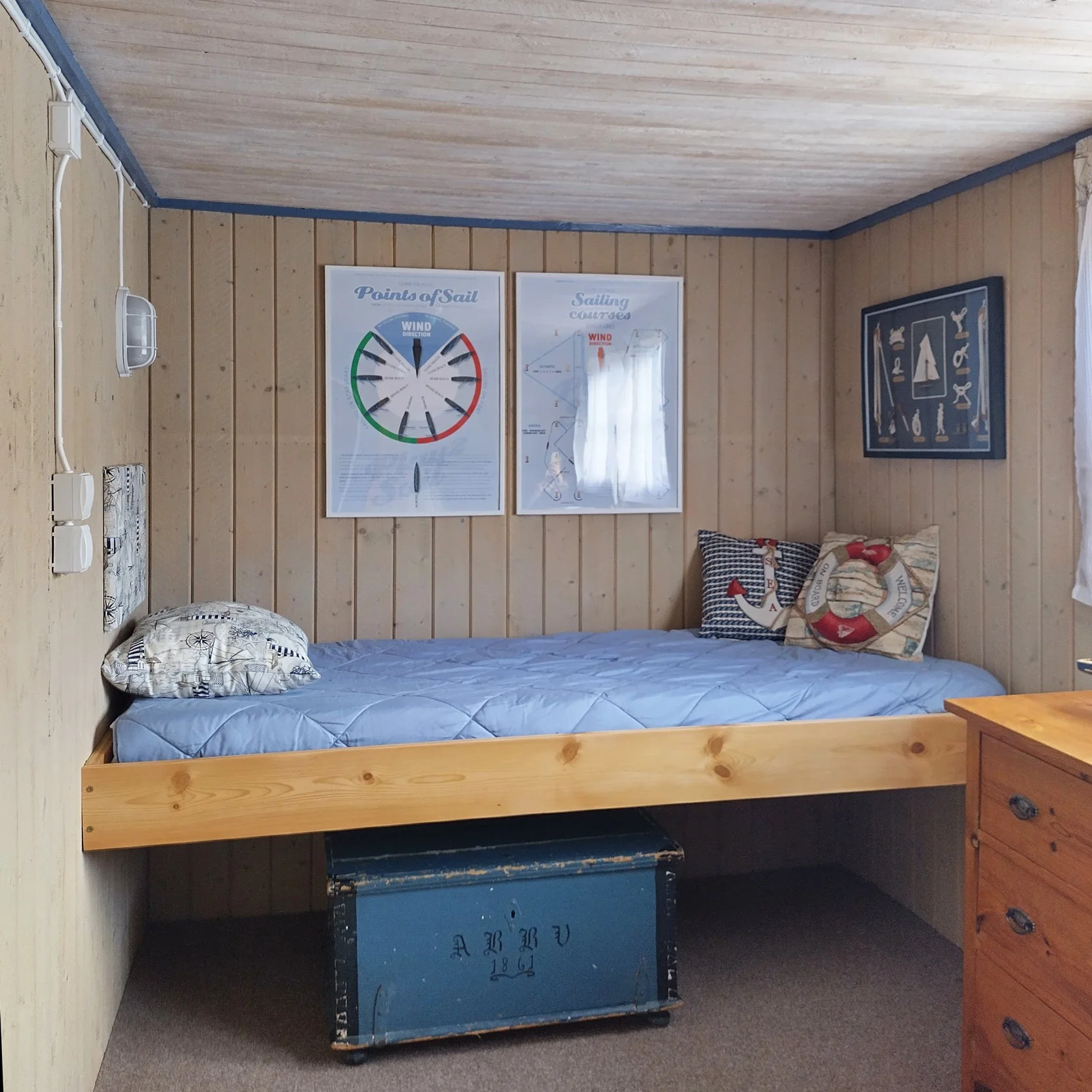
Om du vill prata — gör det enkelt
Om du representerar ett lag, en klubb eller en organisation och vill bolla ett upplägg för 2027–2029: skriv till mig. Den praktiska informationen (boendeupplägg, logistik, FAQ) finns här: /woc-2029-stays/
Jag svarar snabbt och kan föreslå ett upplägg utifrån datum och antal personer.
Skriv gärna antal personer + ungefärliga datum (och om ni vill ha exklusivitet).

Länkar (all praktisk info om WOC 2029 stays)
Start here:
WOC 2029 stays (översikt): /woc-2029-stays/
Accommodation (boendeupplägg): /woc-2029-stays/accommodation/
Fördjupning:
Accommodation options: /woc-2029-stays/accommodation-options/
Facilities: /woc-2029-stays/facilities/
Location & logistics: /woc-2029-stays/location-logistics/
Supporters & visitors: /woc-2029-stays/supporters-visitors/
Team weeks (för klubbar/lag): /woc-2029-stays/team-weeks/
FAQ: /woc-2029-stays/faq/
Contact: /woc-2029-stays/contact/
Det här är bara en tidig idé — men jag ville lägga den på bordet redan nu.
Jag ser fram emot att följa hur Höga Kusten fylls av orienteringsrytm de kommande åren.
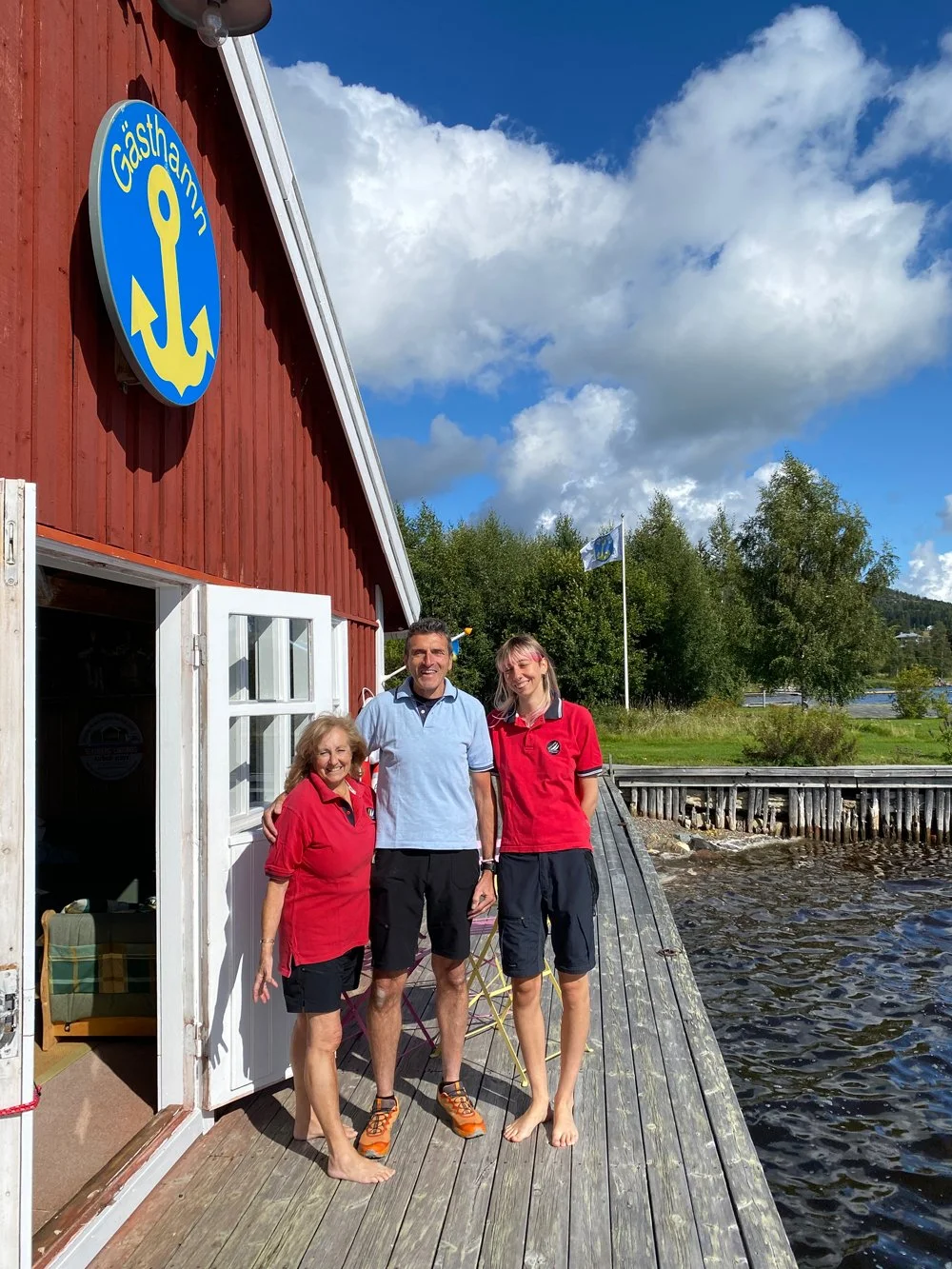
Om oss på Docksta Havet
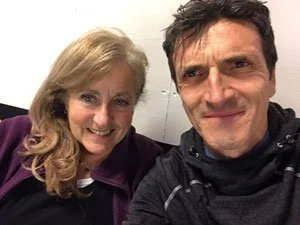
Docksta Havet Base Camp drivs av mig, Tommaso, och Anna. Vi har varit på plats i Docksta hamn sedan 2006.
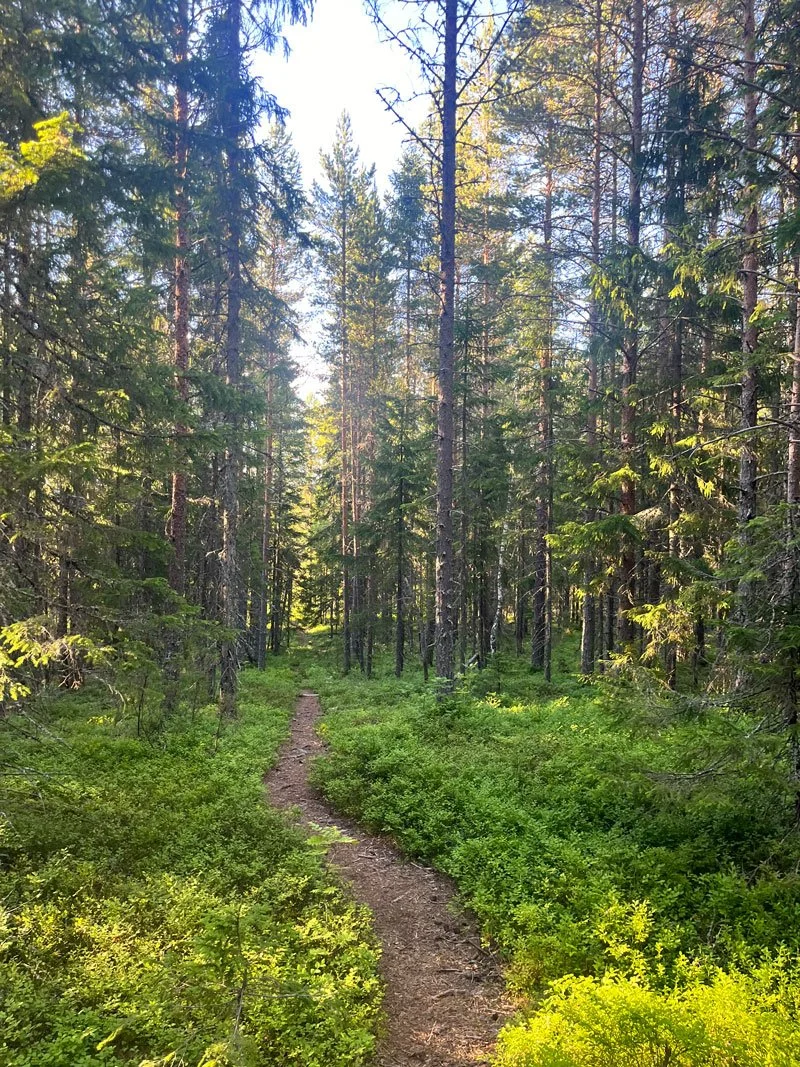
Jag trivs bäst i skogen och på stigar — trail, lugna långpass och Skogspaus. Orientering är jag fortfarande ny på, men jag lär mig gärna av de bästa här uppe (Skogslöparna i Själevad).
_ Tommaso
PS. Om du är en svensk klubb med internationella gäster: jag är extra nyfiken på samarbeten där vi gör det lätt för dem att komma hit — utan att det blir “projekt” av allt.