Hiking

Skuleskogen Nationalpark (Hochküste): Eingänge, die ikonische Runde und ein Tagesplan, der einfach funktioniert

Skuleskogen Nationalpark (High Coast): Premium‑Tageswanderung — Eingänge, Route & Bike+Hike Option

Plane einen perfekten „Wow‑Tag“ im Skuleskogen Nationalpark. Klare Wahl des Eingangs, Toiletten‑Infos, Packliste und eine Schritt‑für‑Schritt‑Runde zur Slåttdalsskrevan, zu Seen — und mit einem Strand‑Finale.

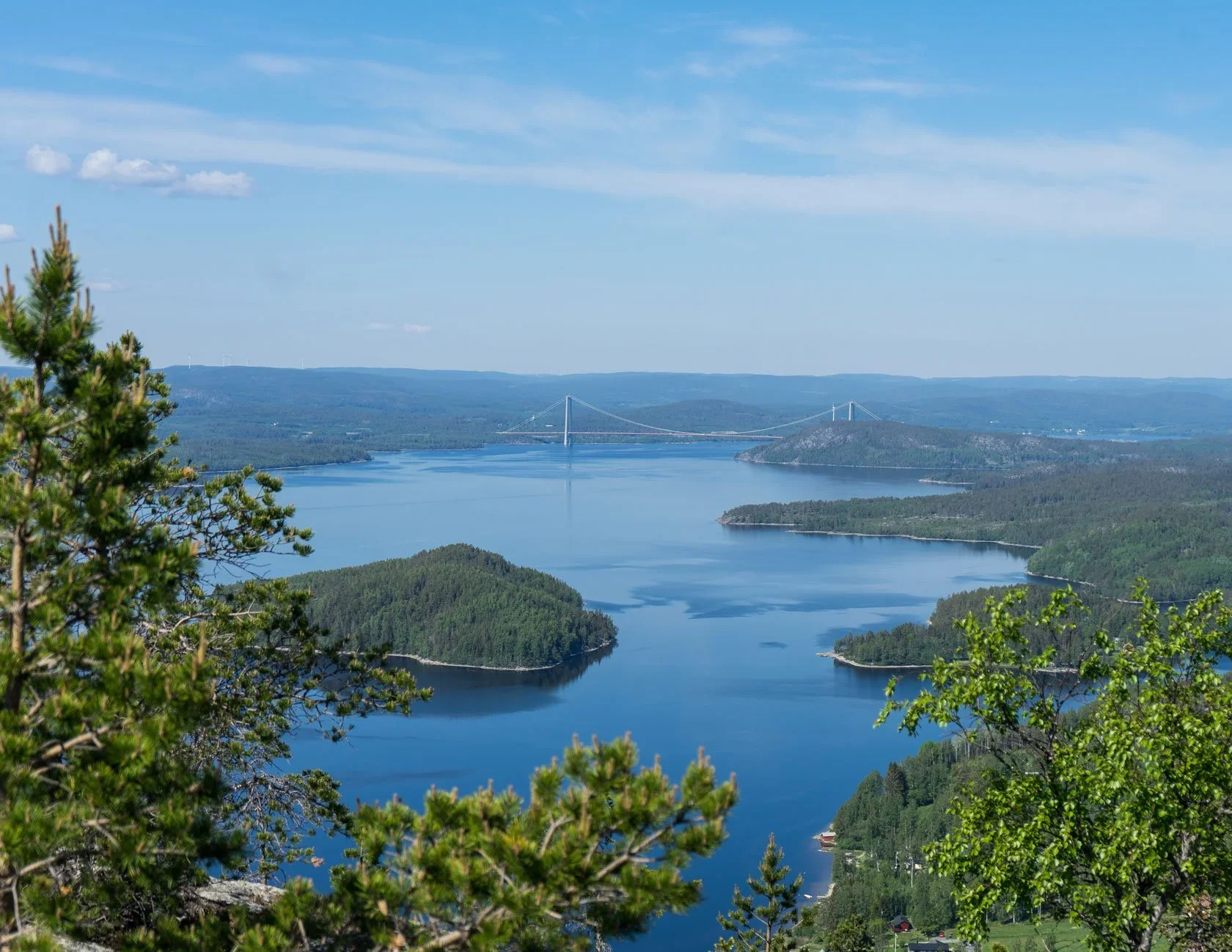
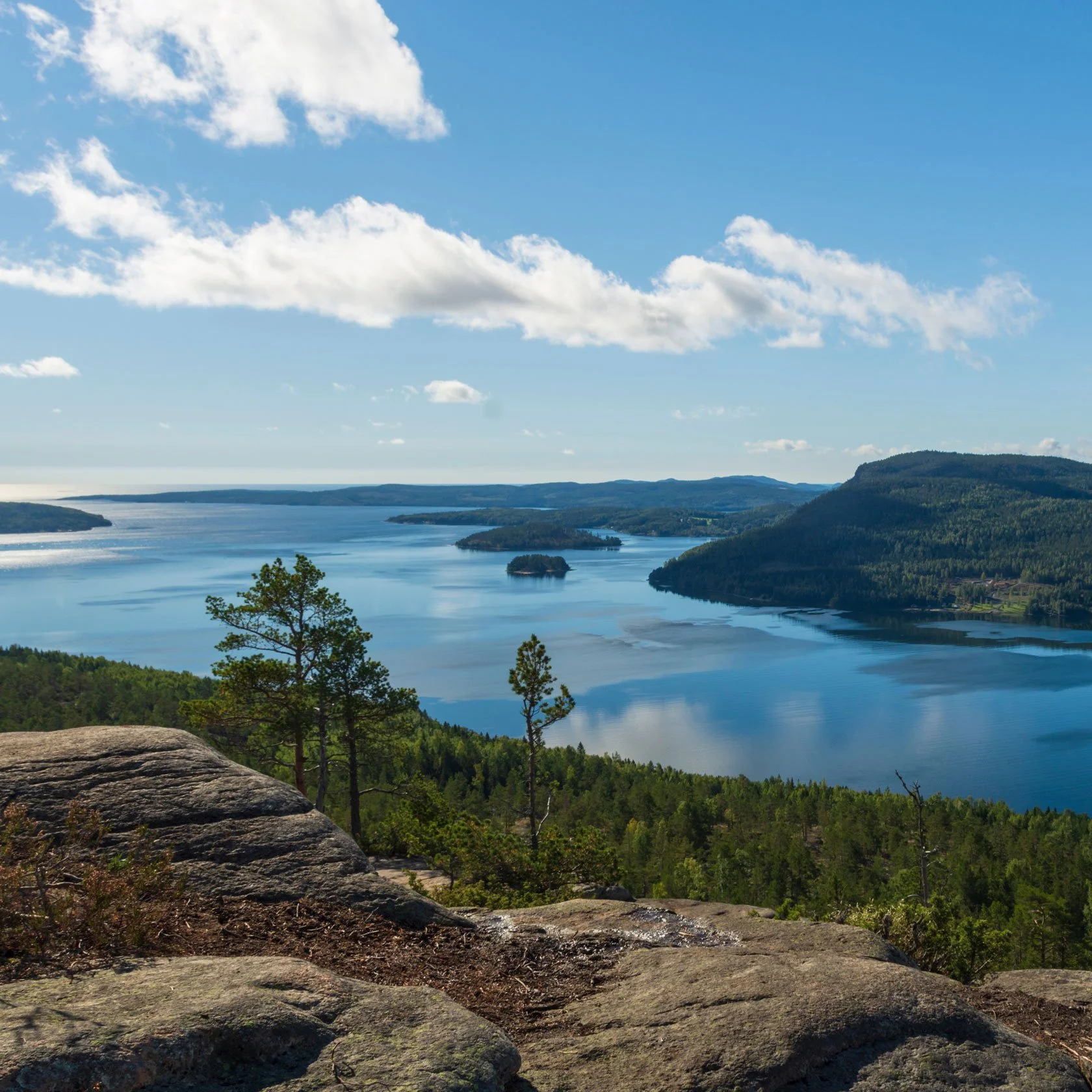
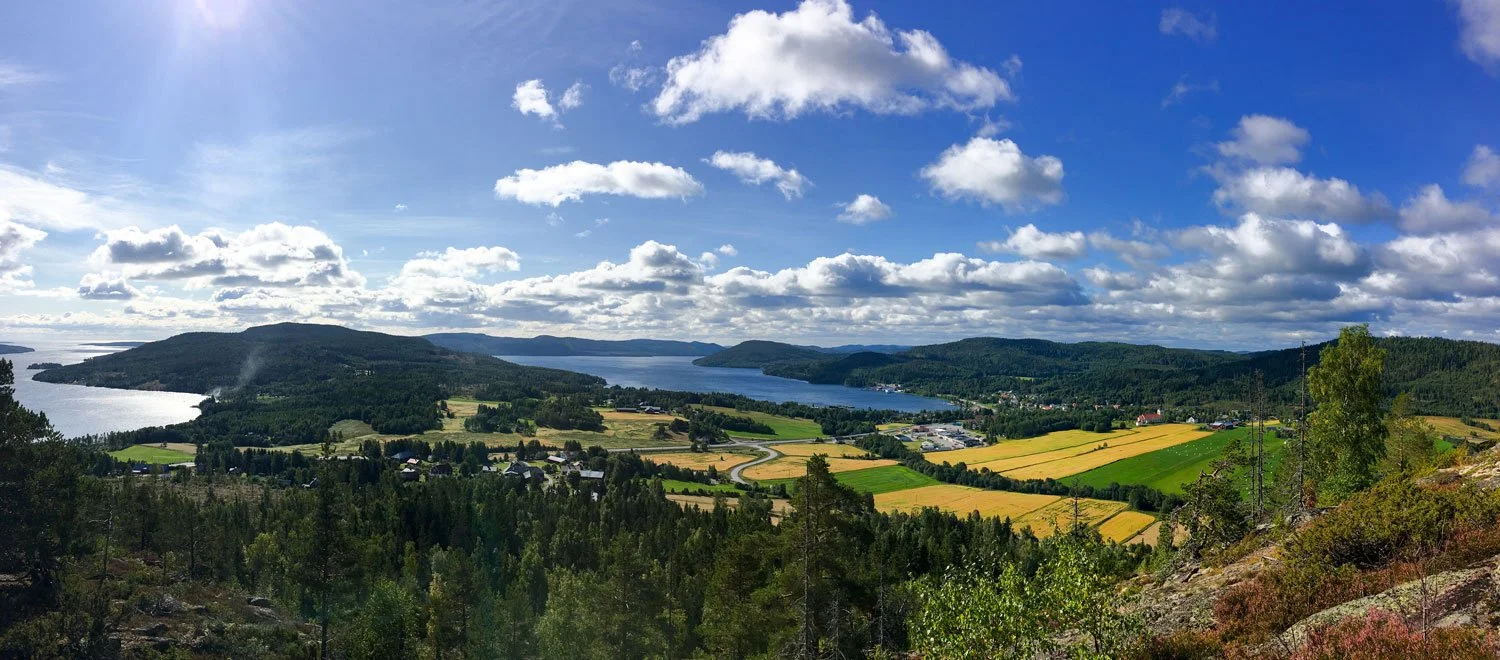
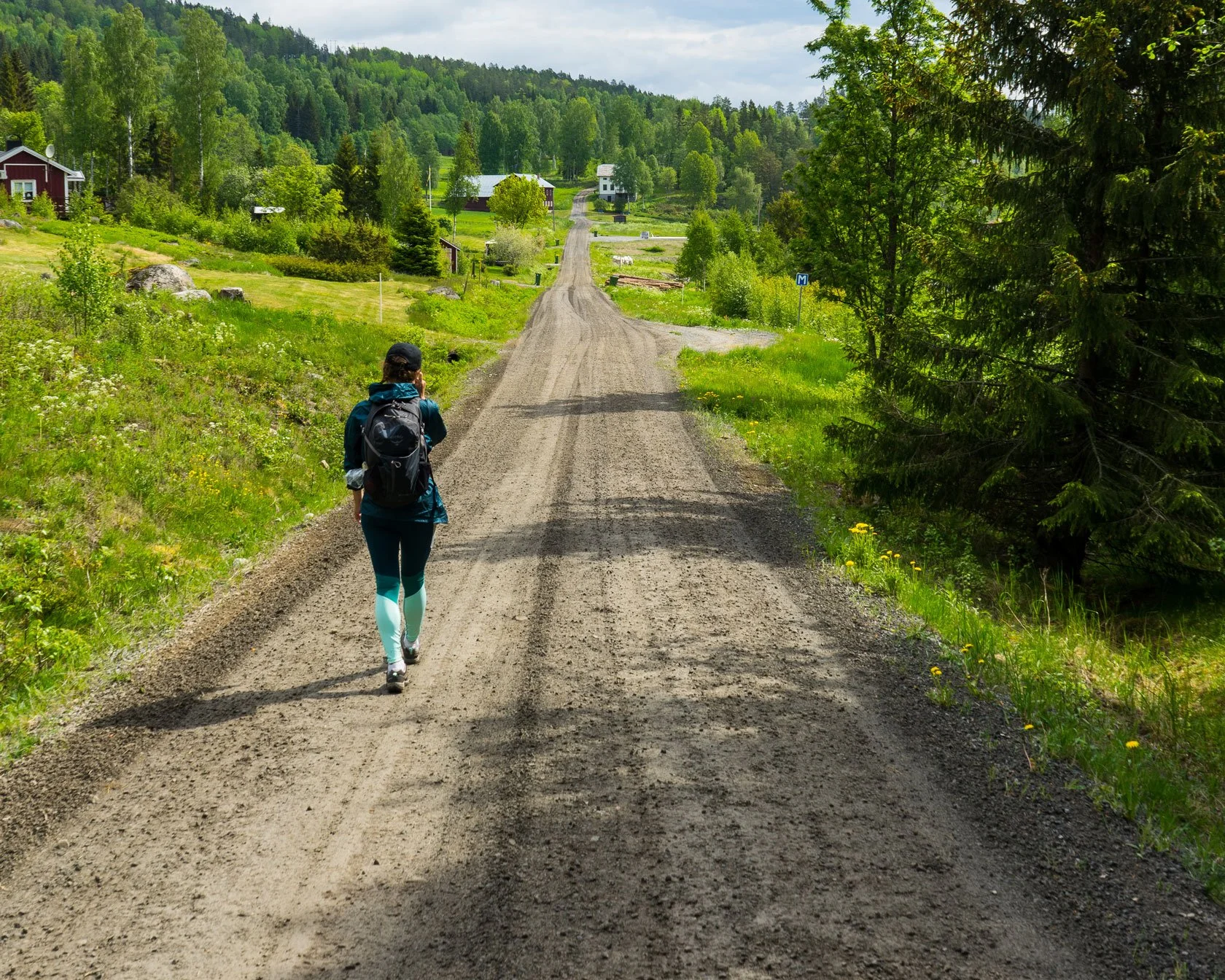
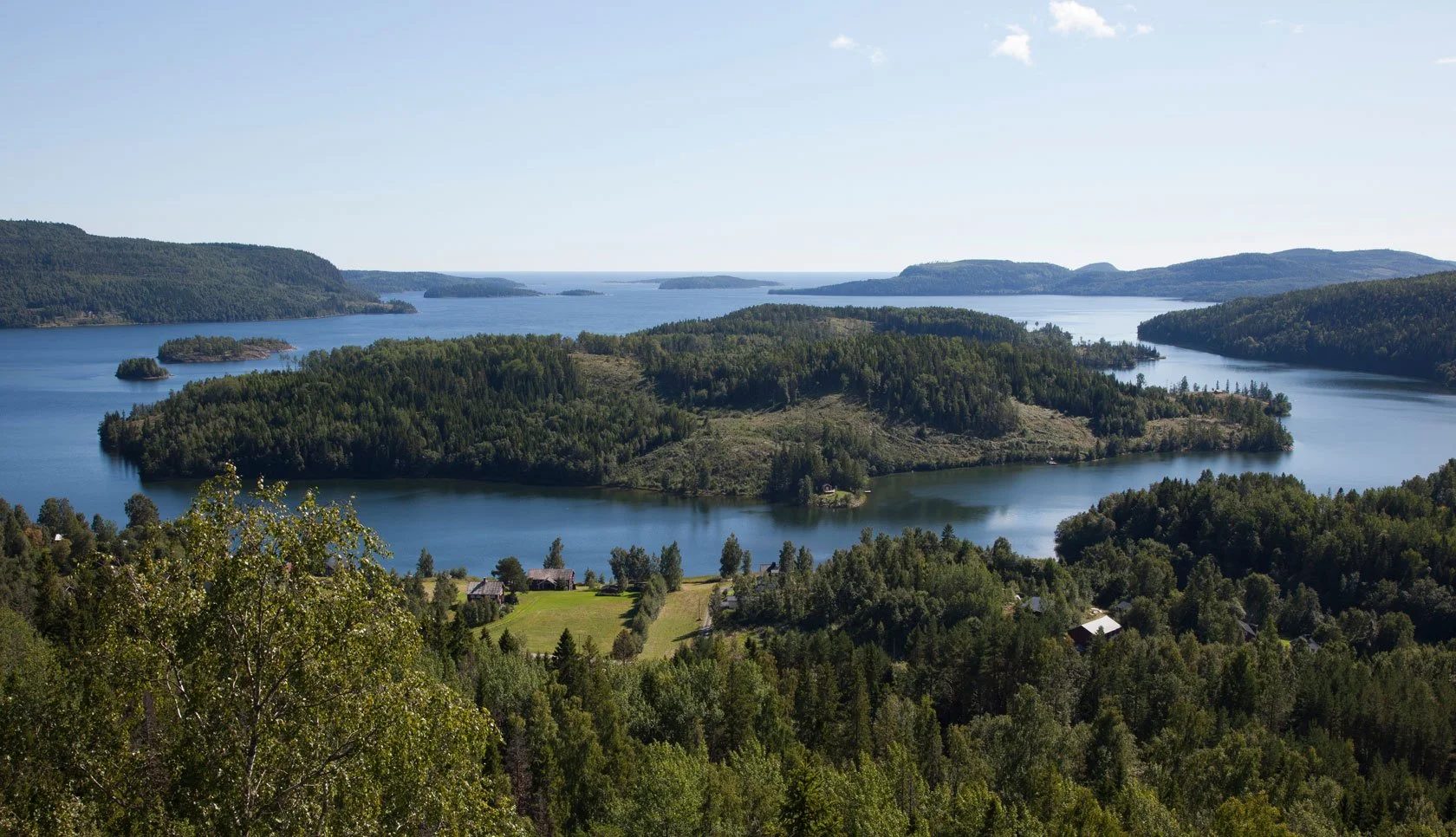
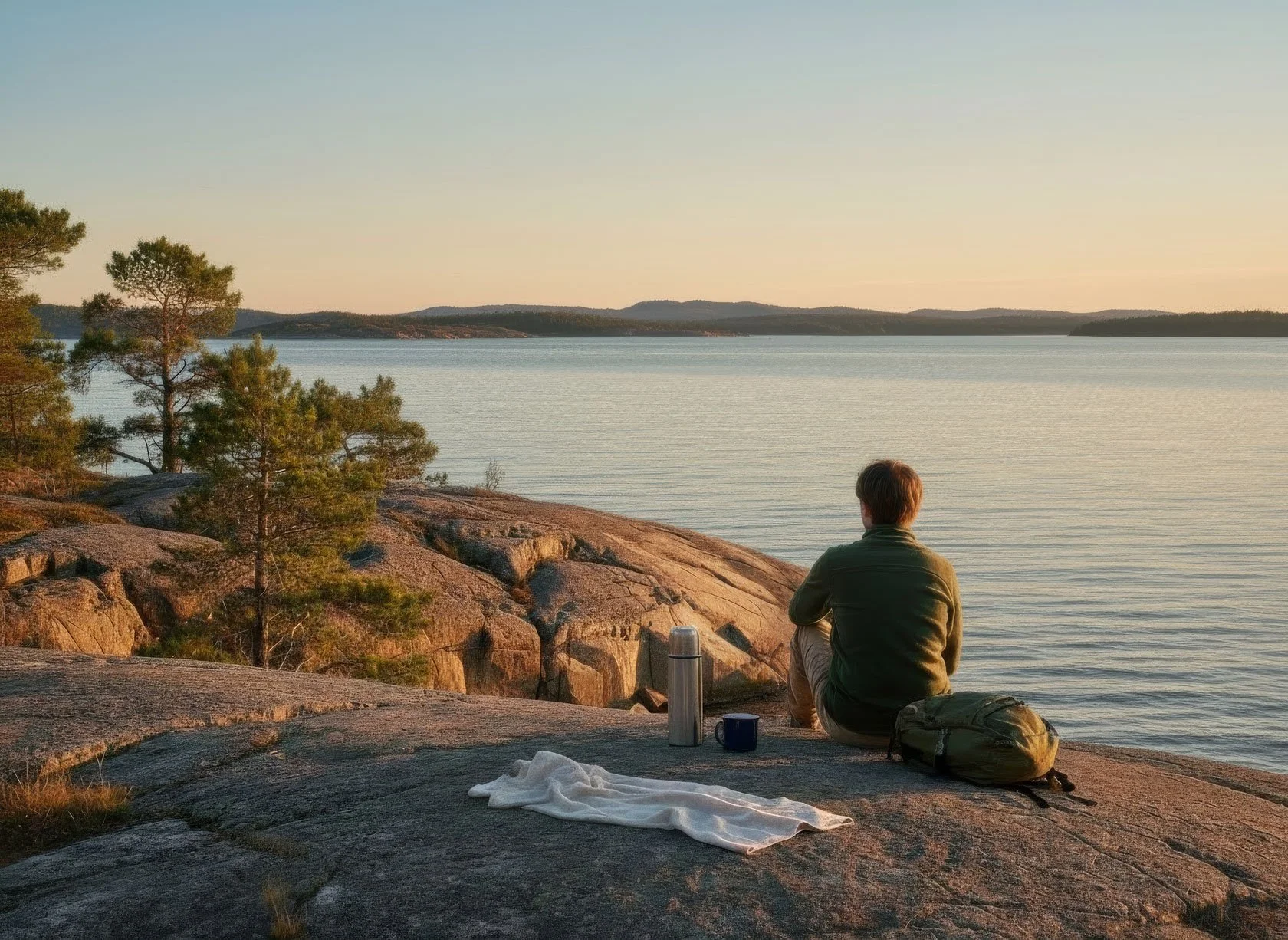
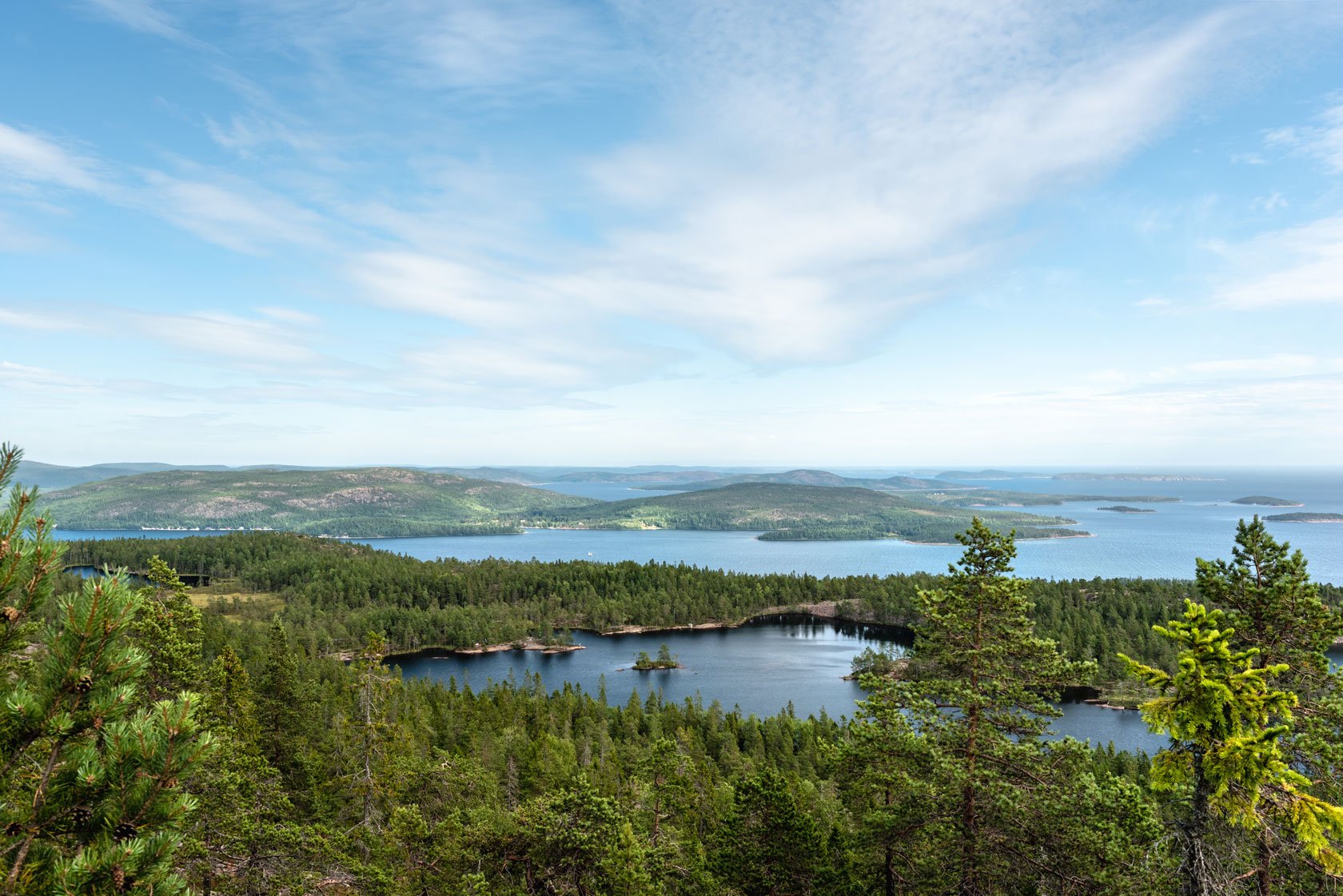
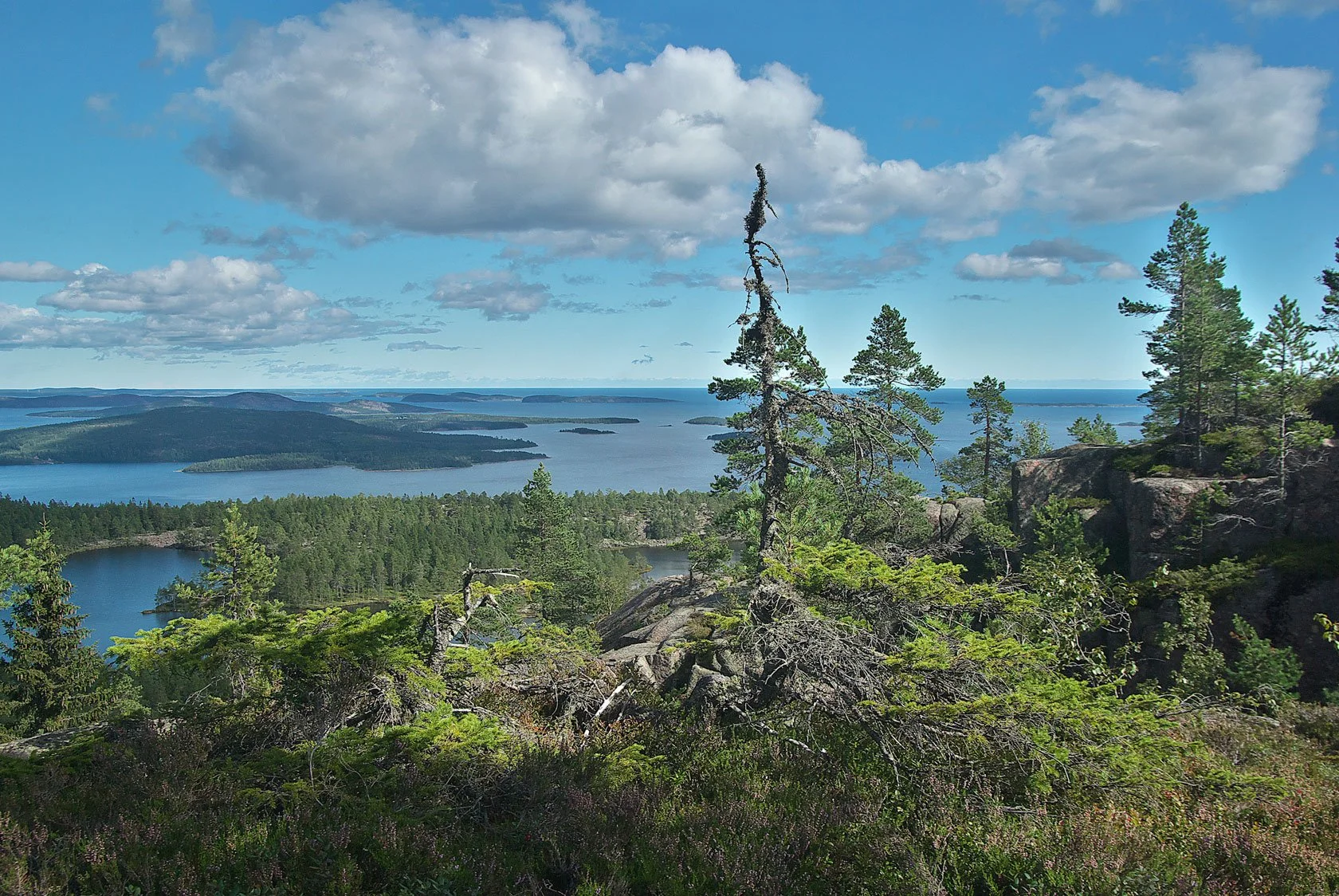
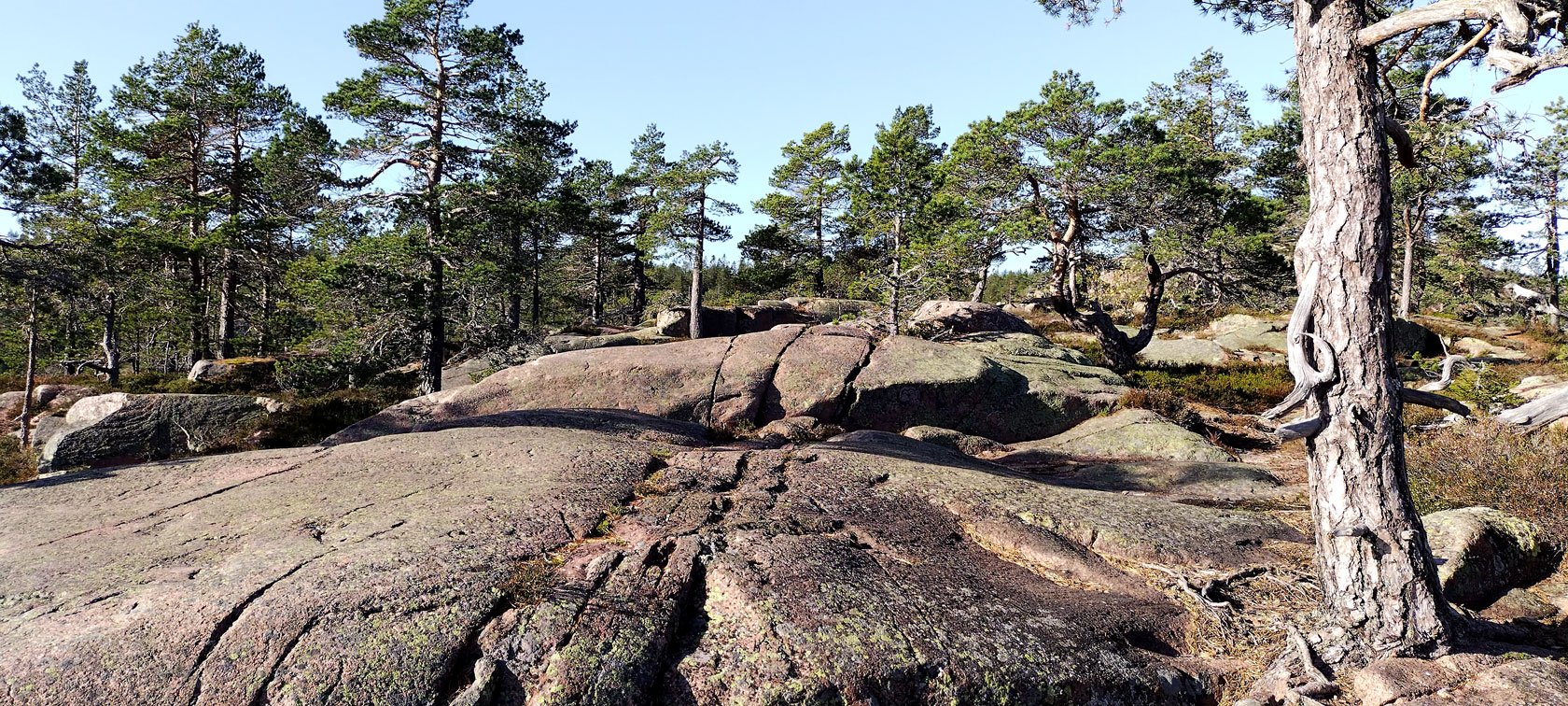
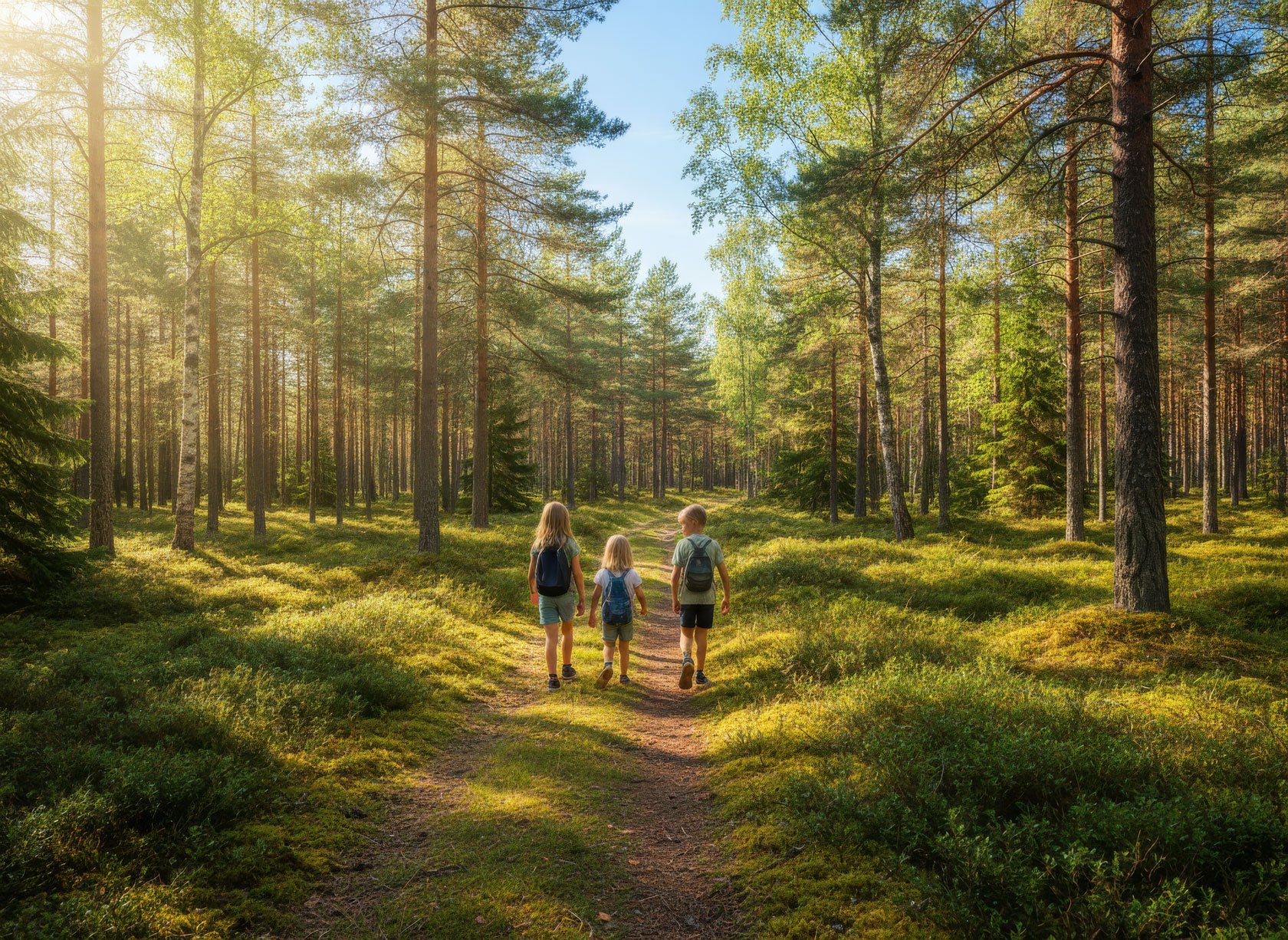
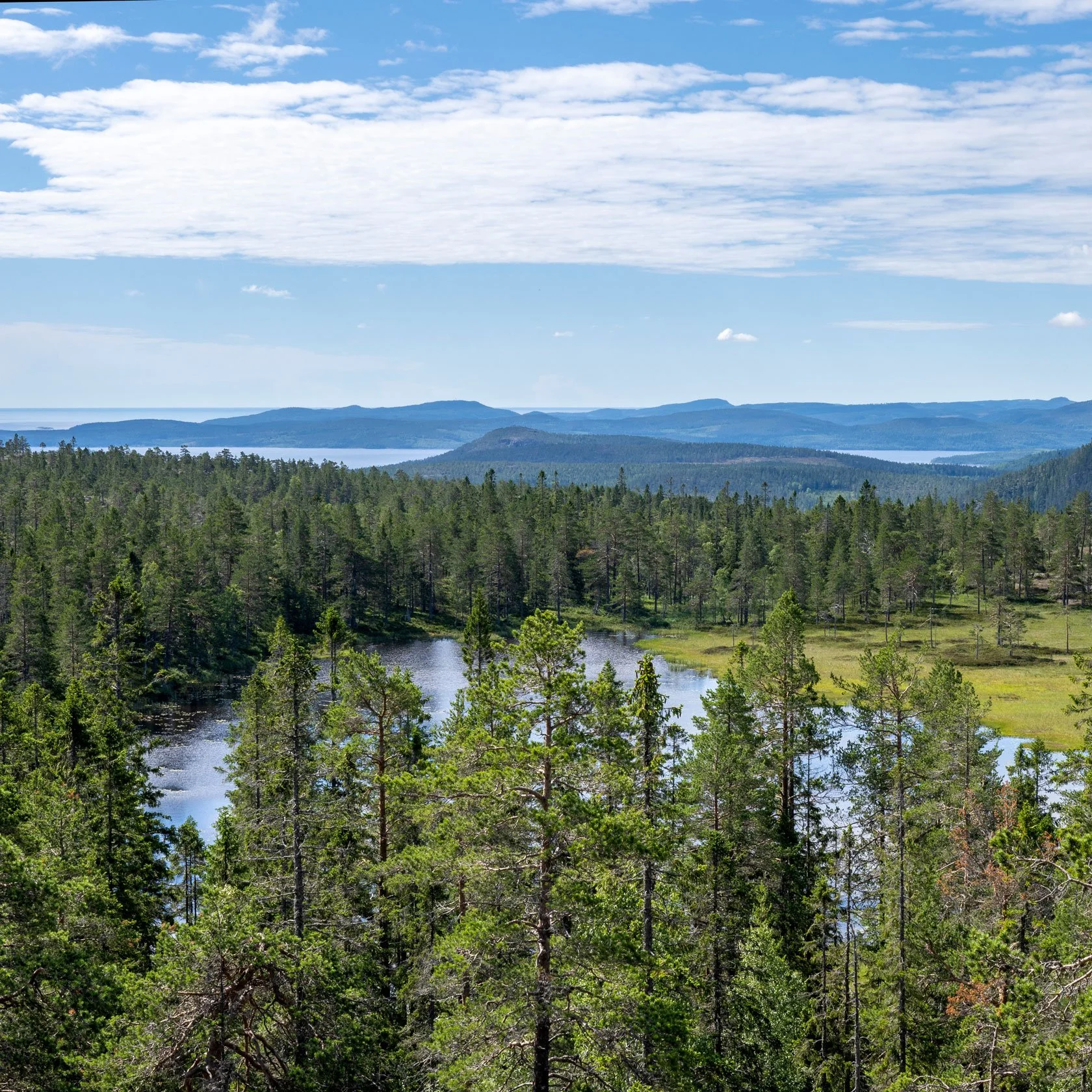
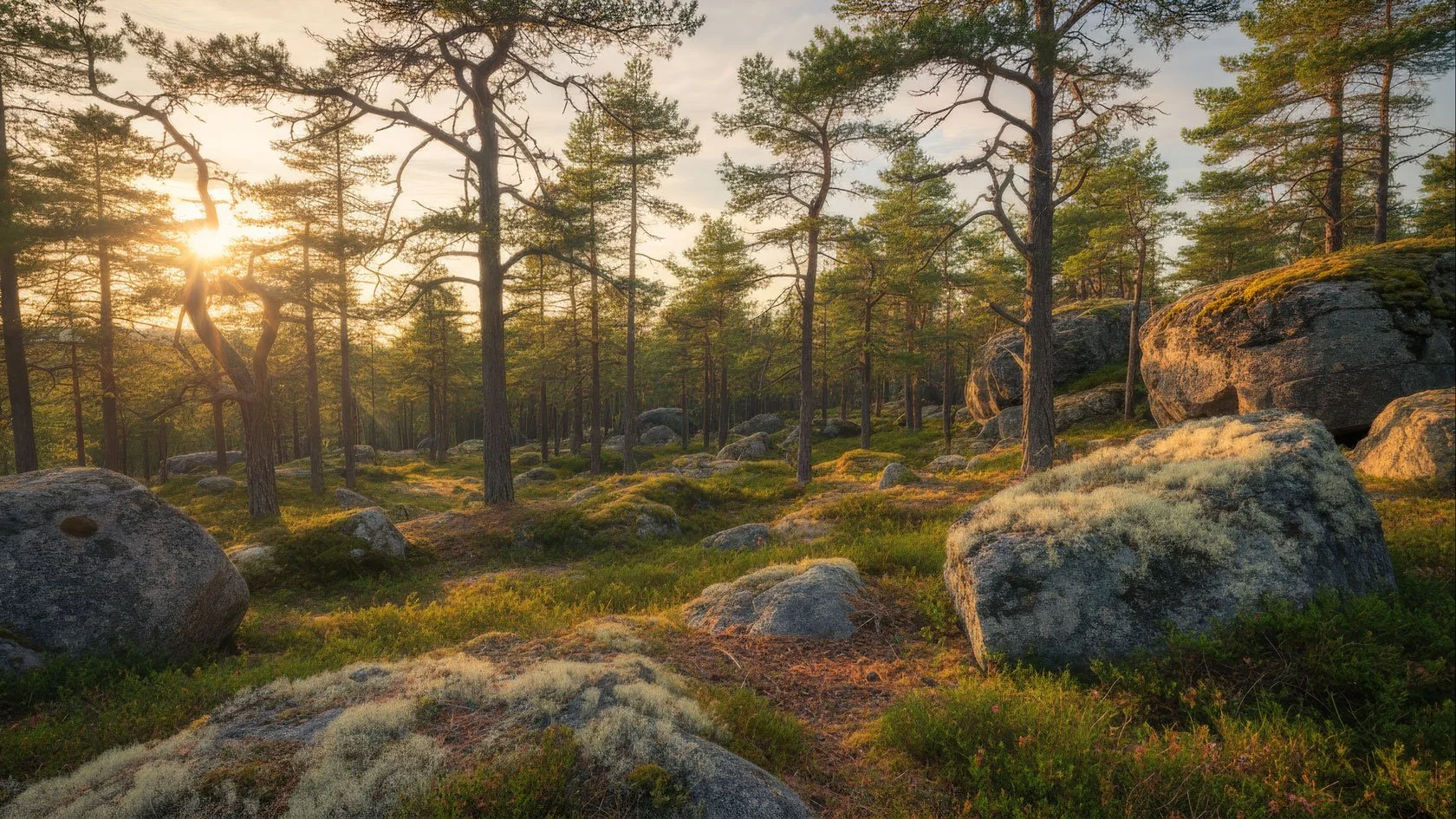
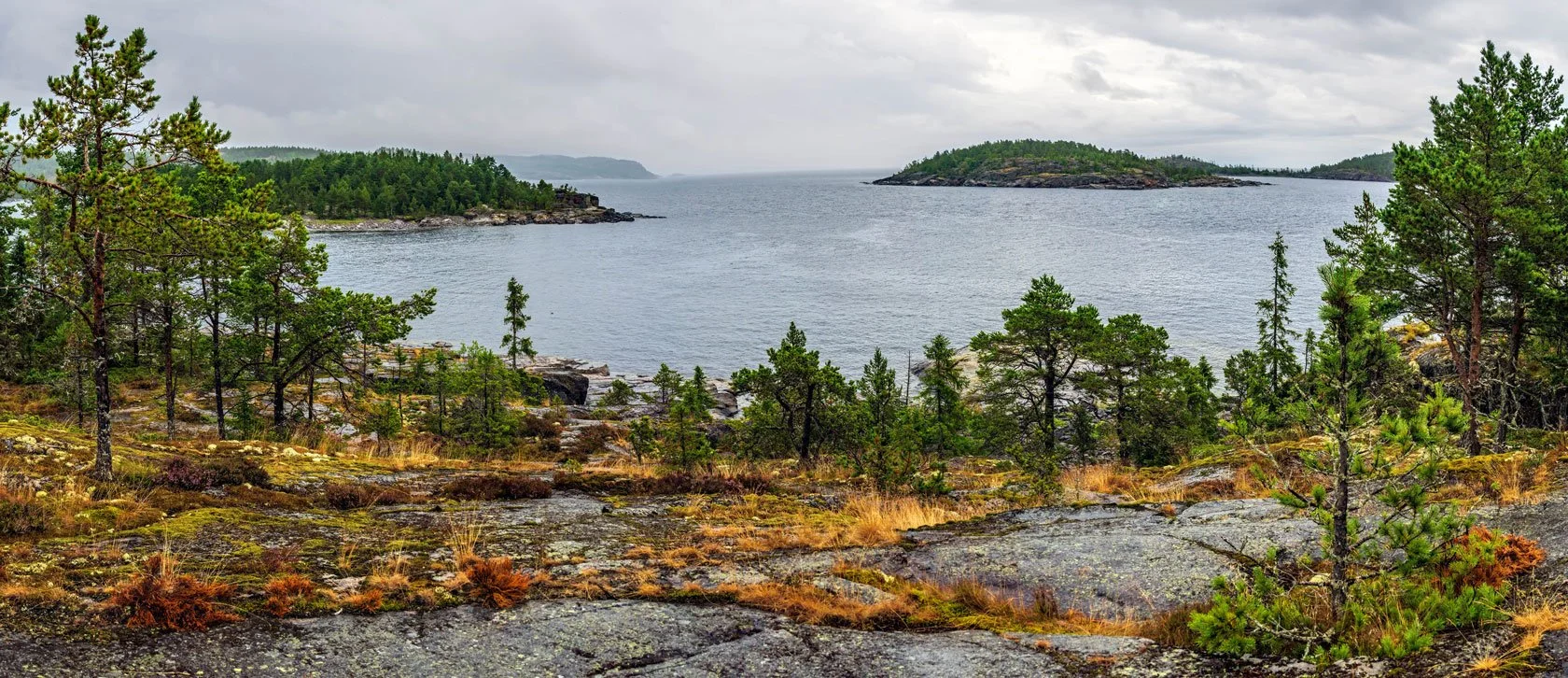
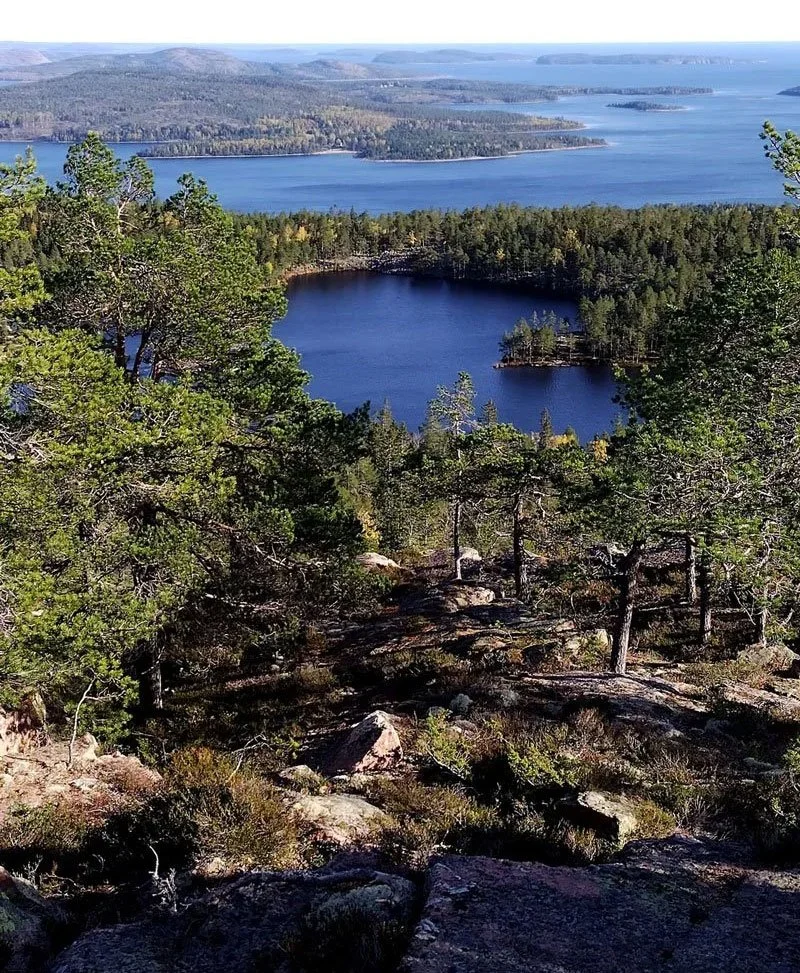
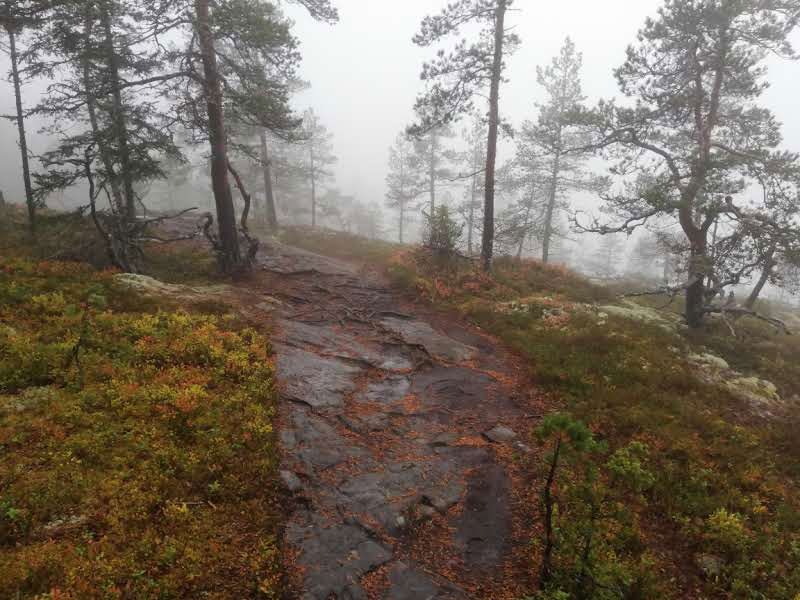
Skuleskogen ist nicht „einfach nur eine Wanderung“. Es ist wie ein lebendiges Geografie‑Buch: Wald, Granit und Meer treffen hier so direkt aufeinander, wie man es in Europa kaum kennt. Berge, die scheinbar direkt aus der Ostsee aufsteigen, alte Täler, glatte Felsplatten, die von Wellen geformt wurden — und überall die Spuren der Landschaft, die sich noch immer aus dem Wasser hebt.

Dieser Guide ist für deutsche Reisende gedacht, die Skuleskogen wirklich erleben wollen: mit klarer Logistik, einer empfohlenen Tagesroute und den kleinen Details, die den Tag leicht machen.

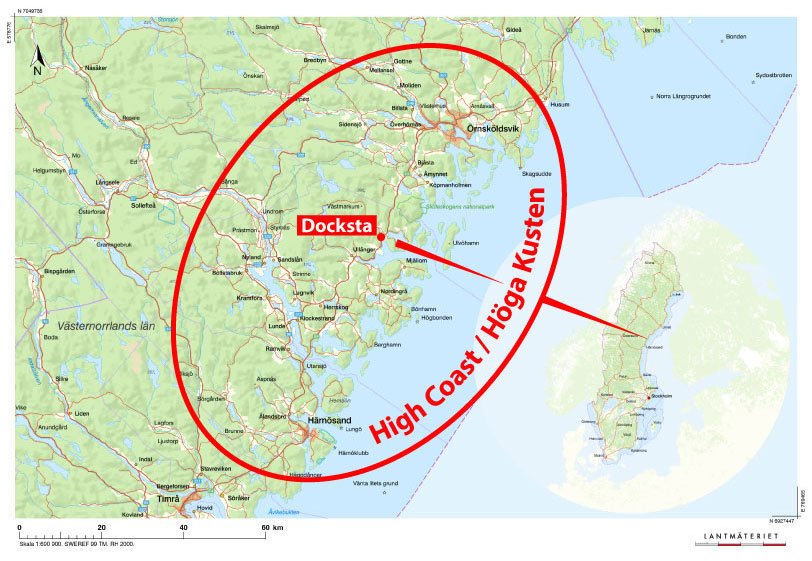
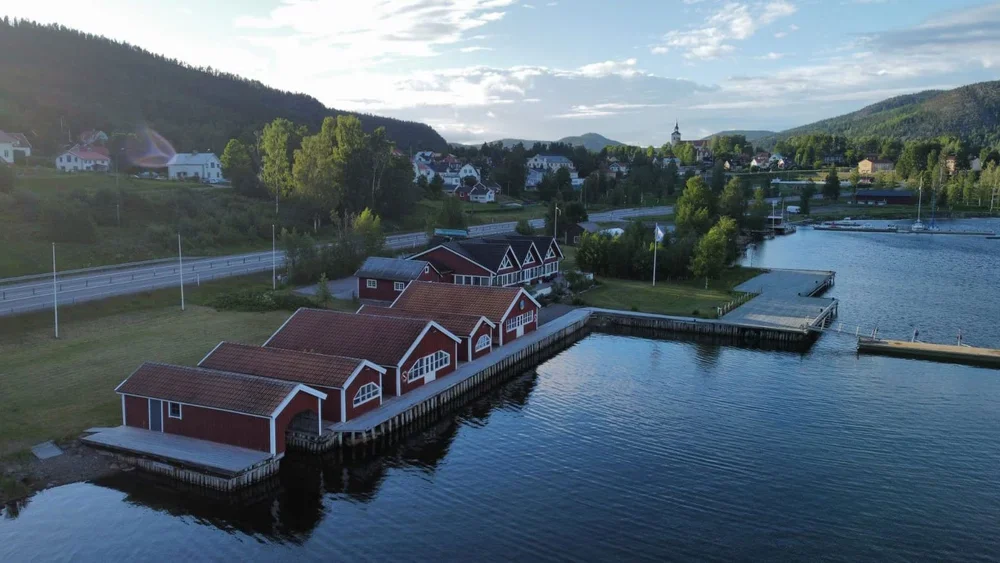
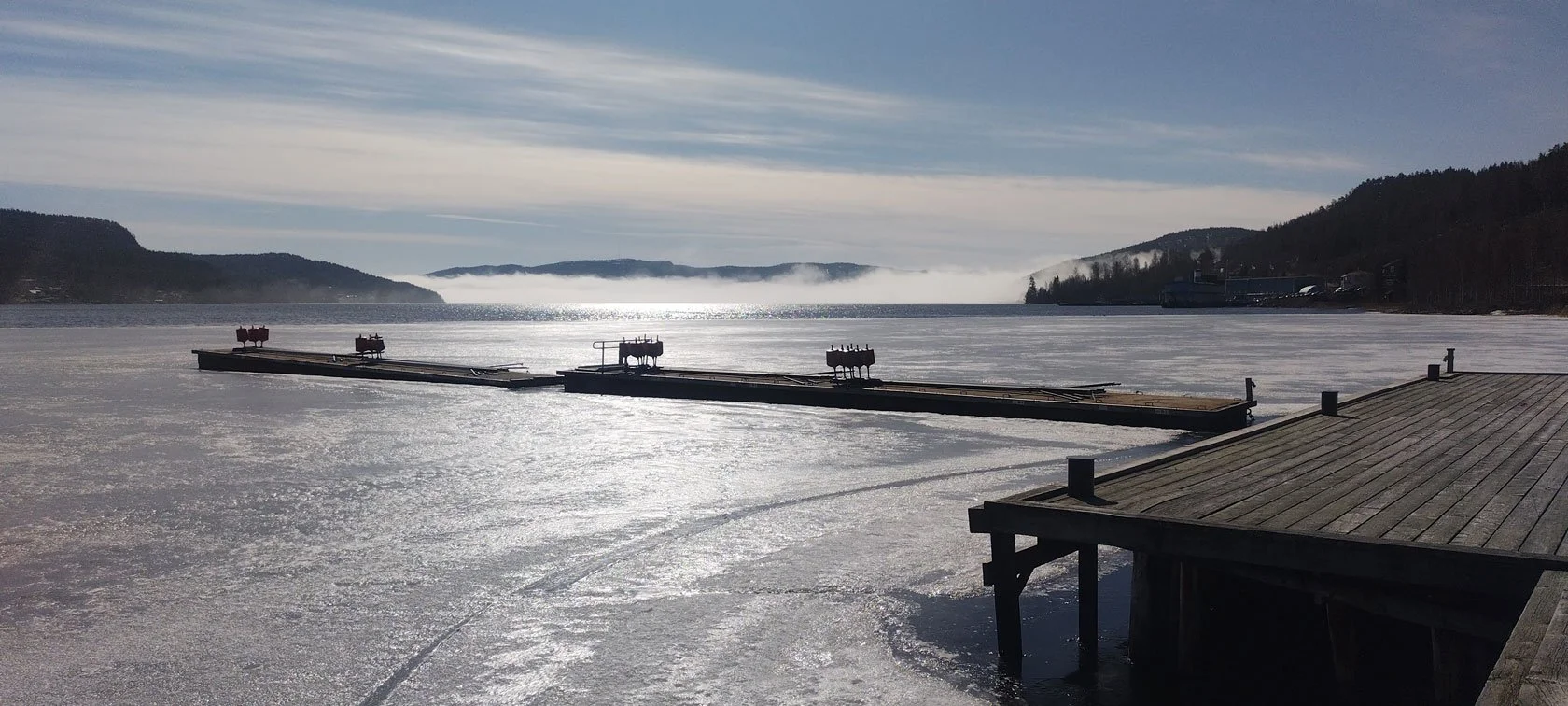
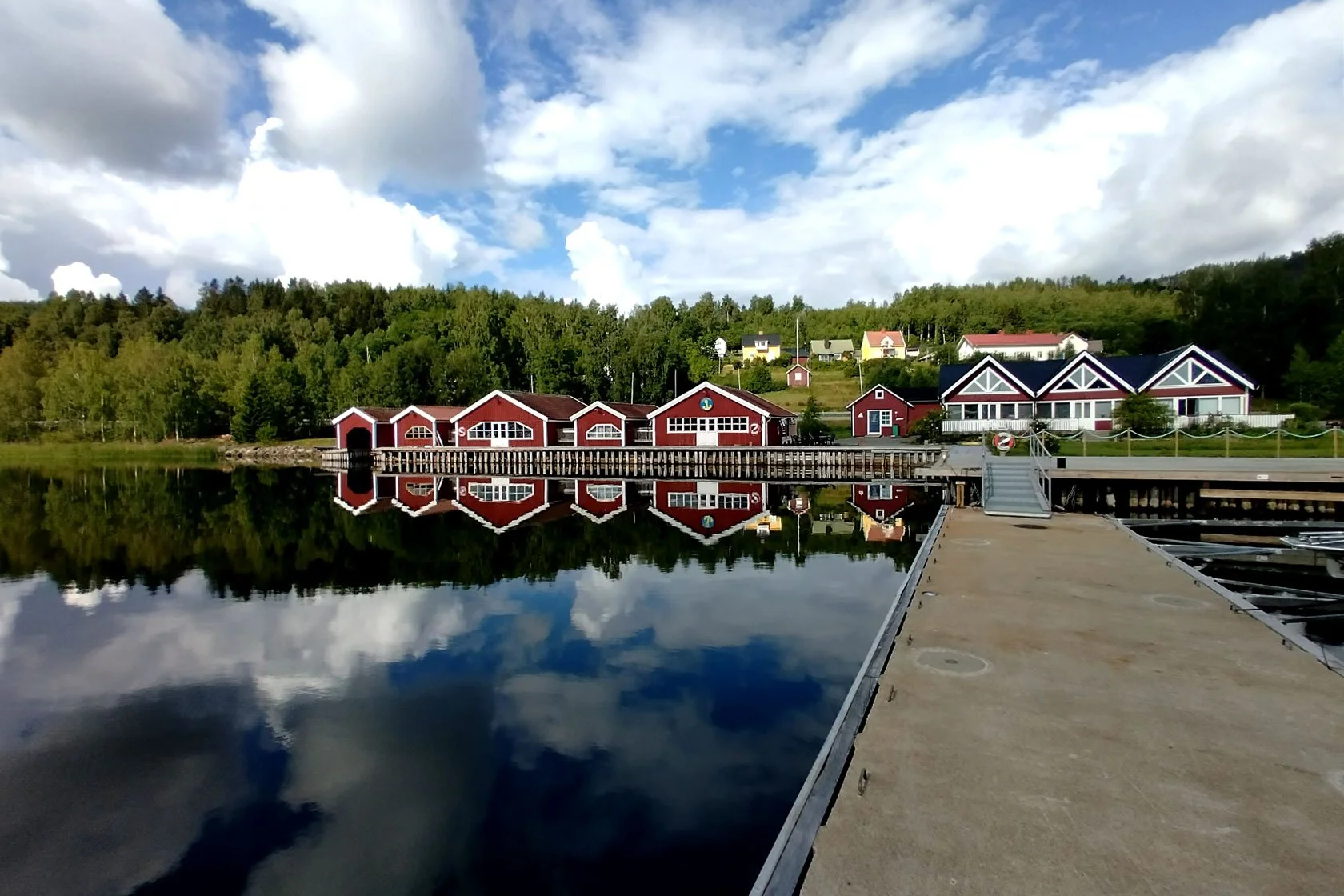
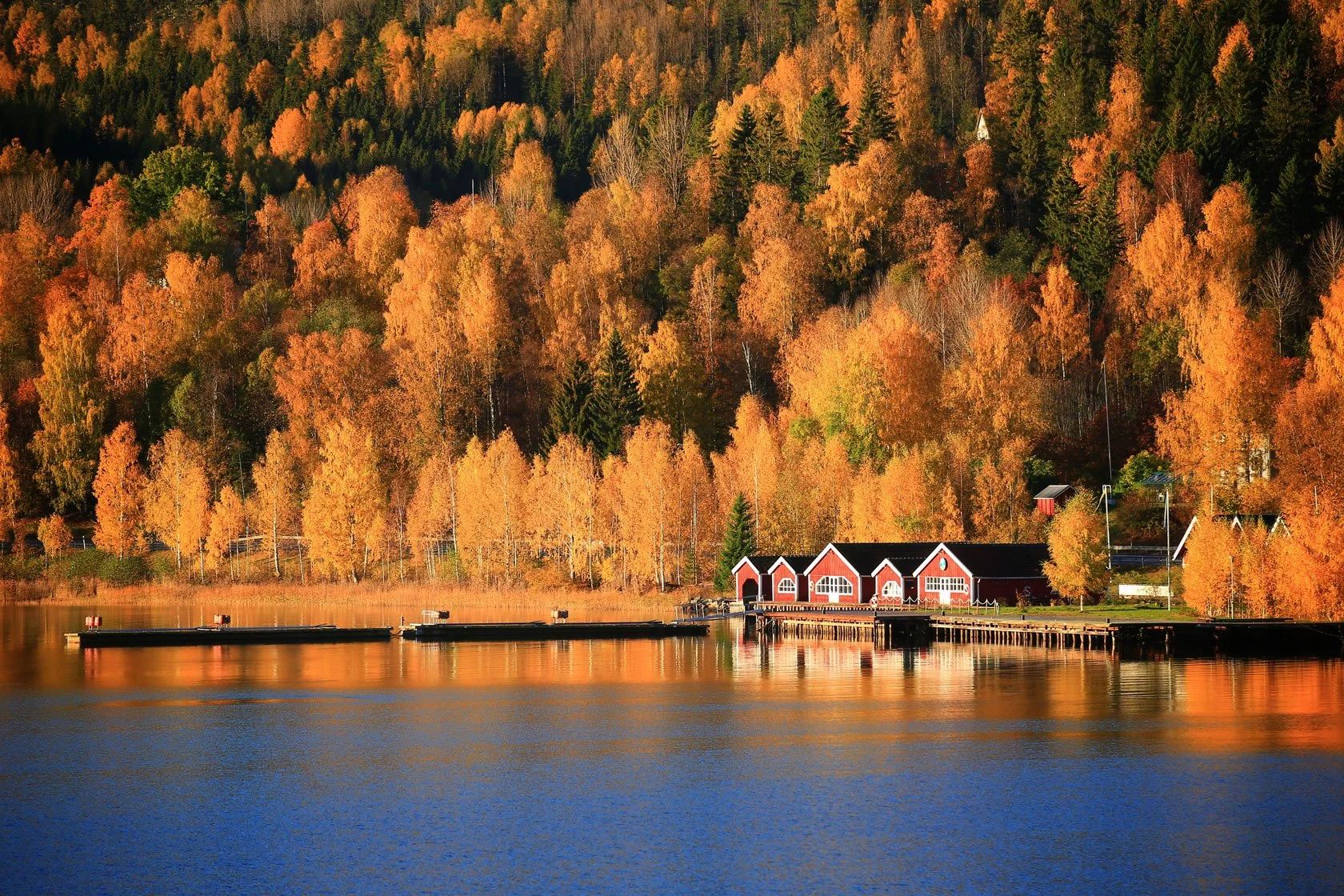
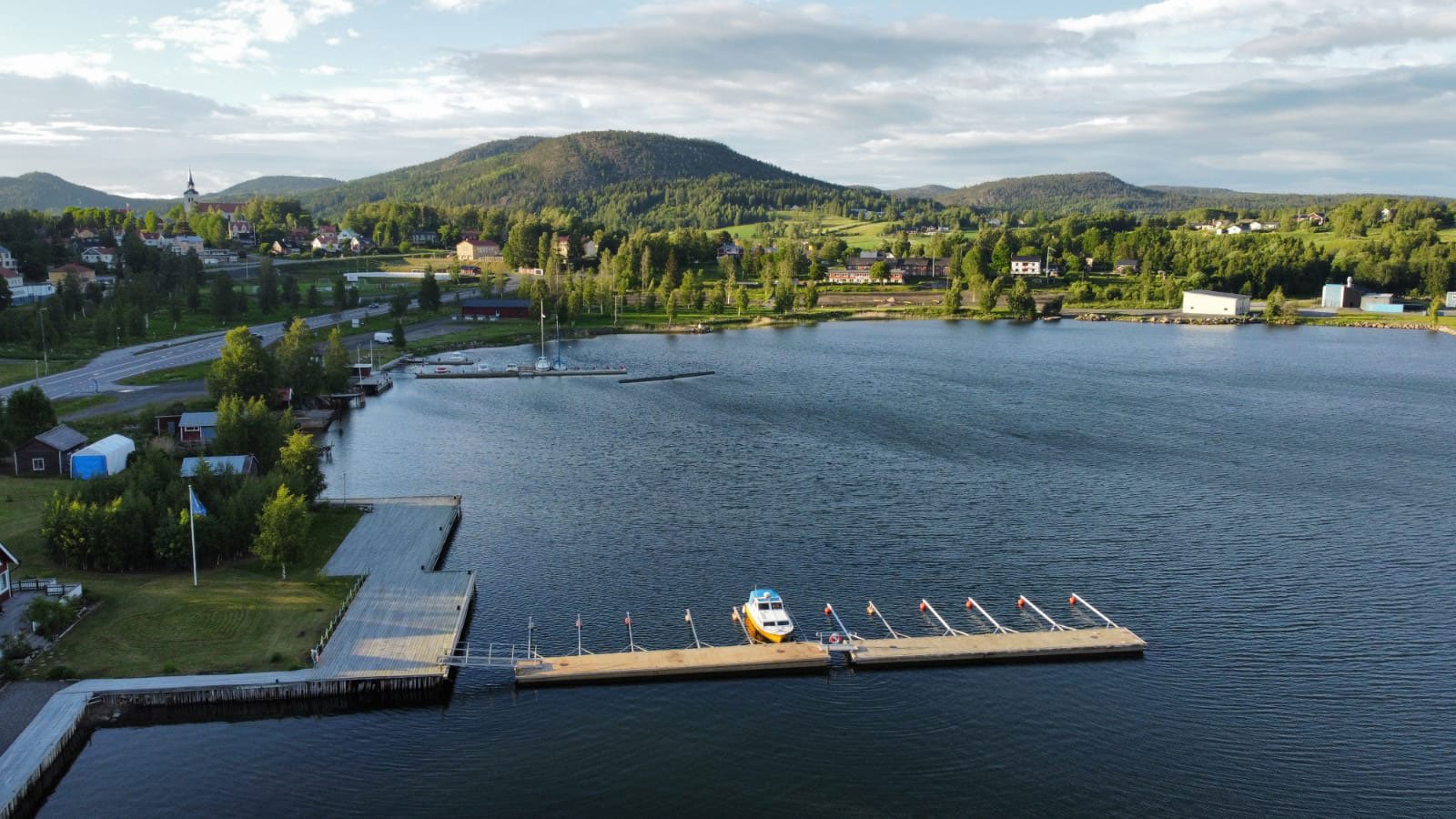
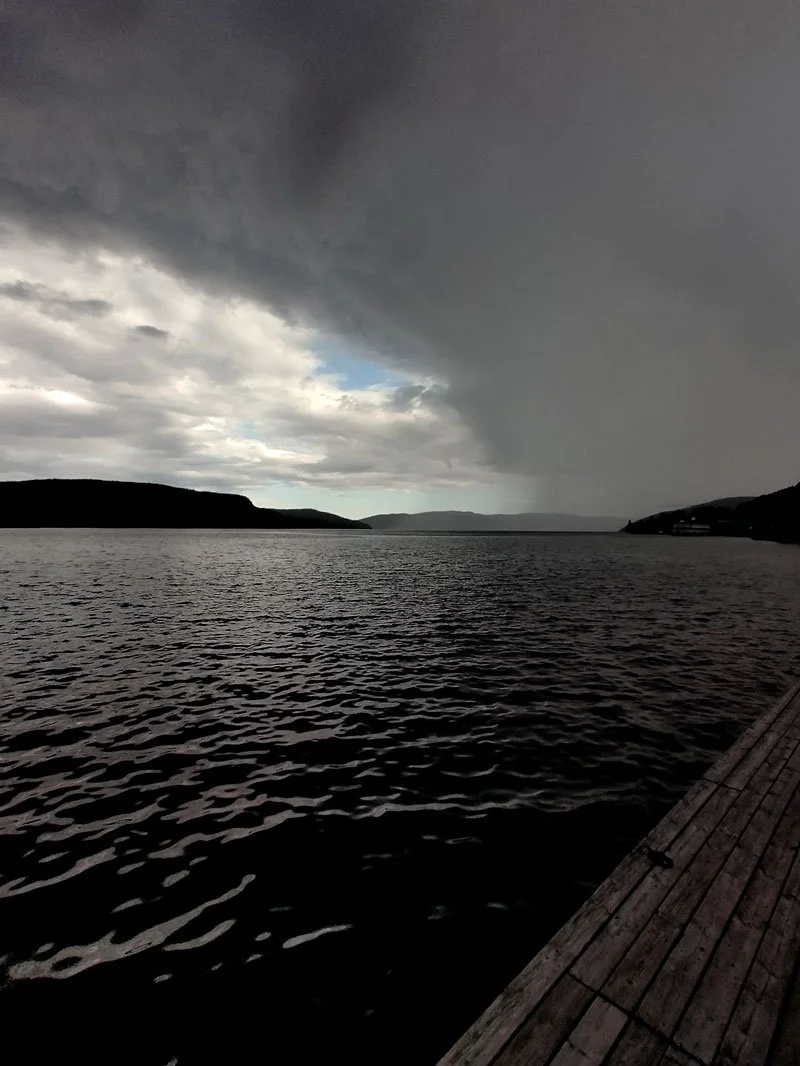
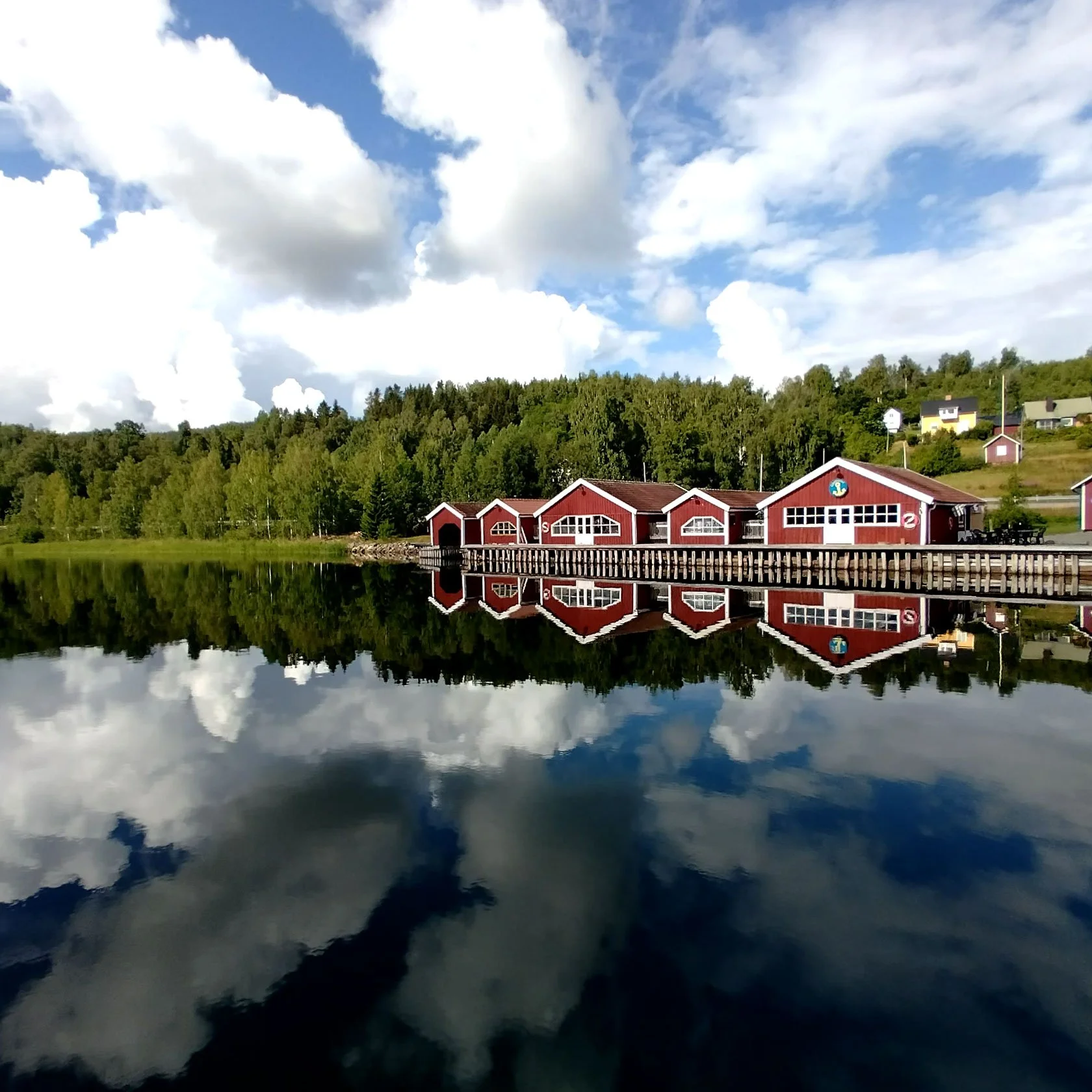
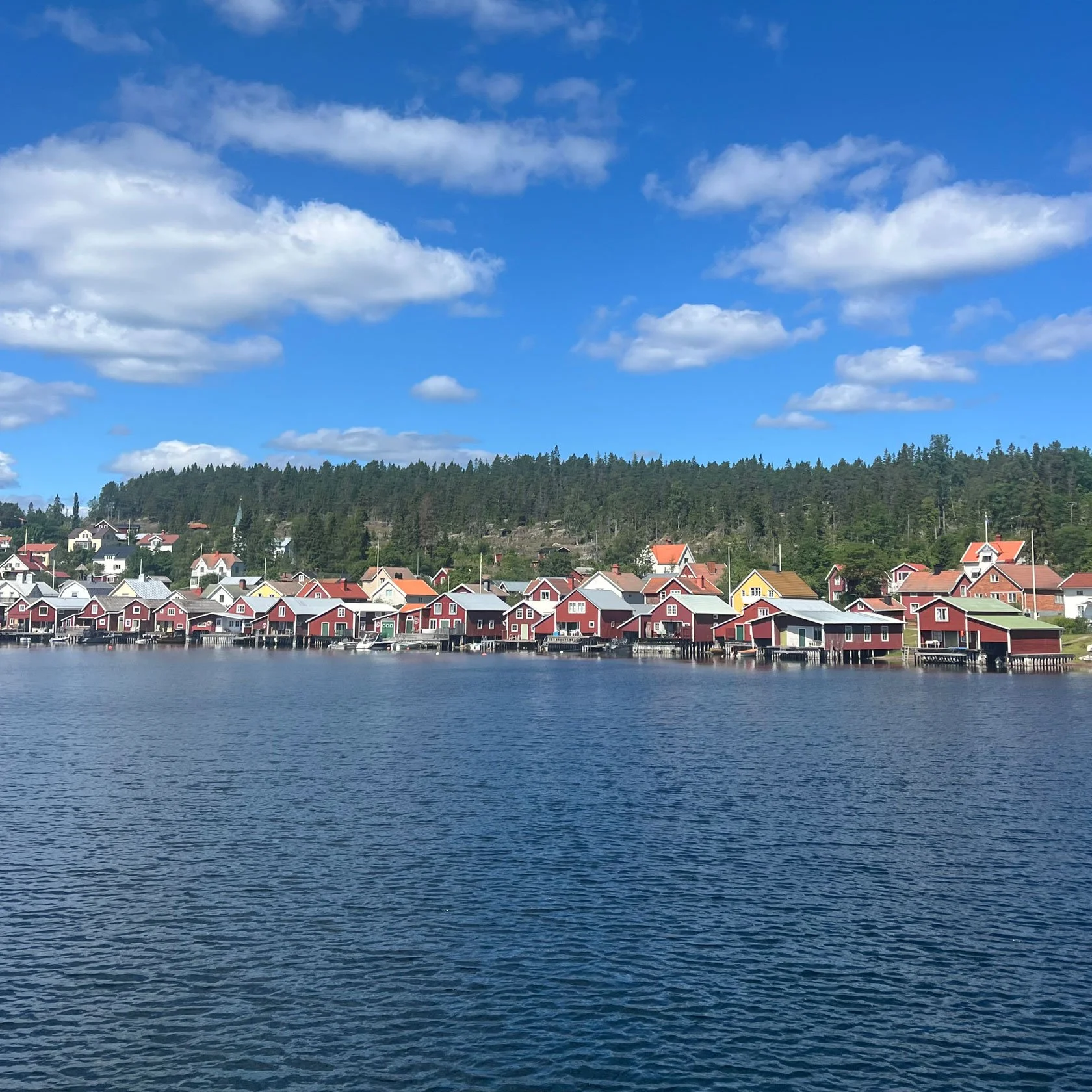
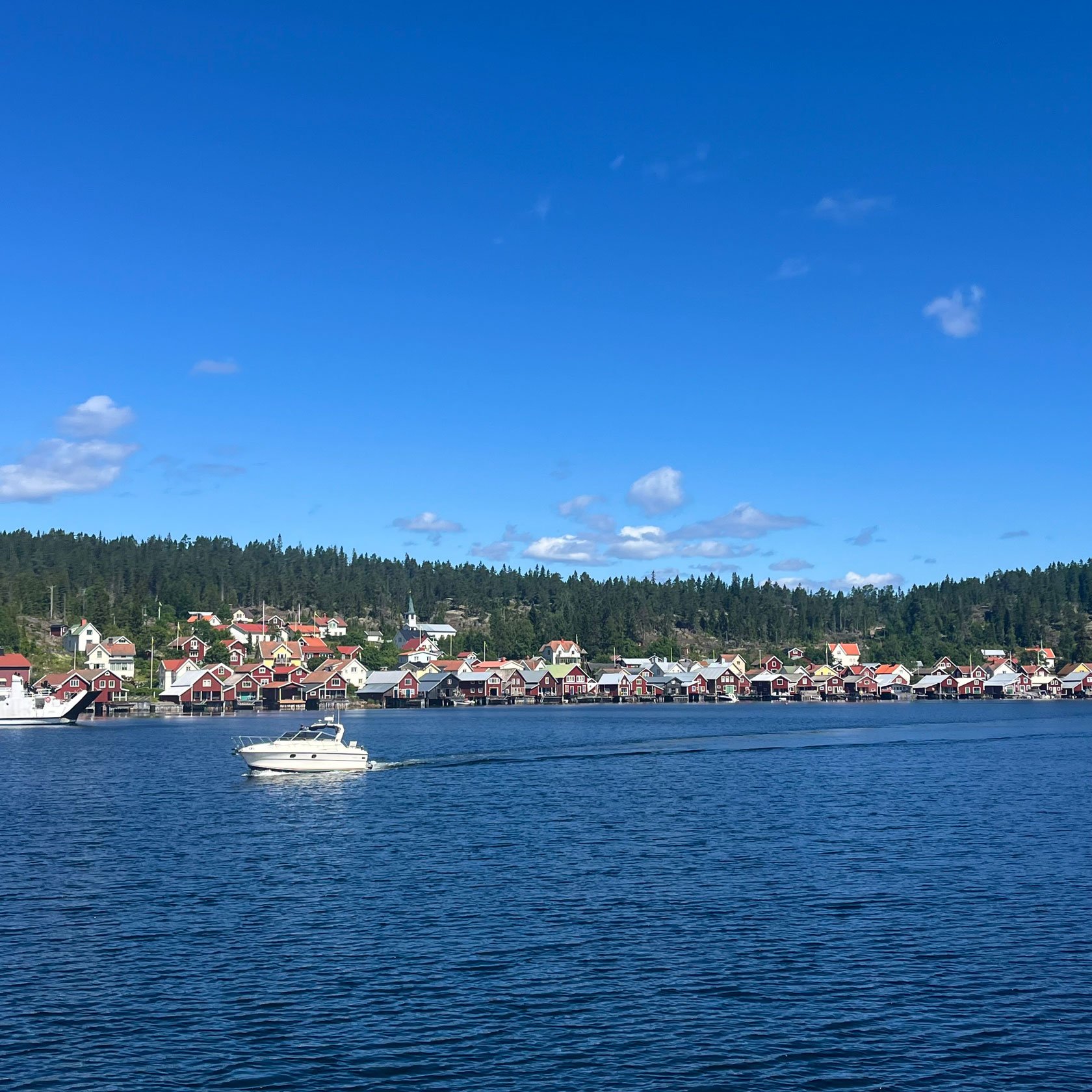
Vom Steg in Docksta spürt man fast, wie einen die Hochküste ins Landesinnere zieht. Gäste kommen mit dem Segelboot, mit Auto oder Motorrad, manchmal mit dem Bus — oder zu Fuß auf dem Höga Kustenleden. Und innerhalb eines Tages fällt fast immer derselbe Name: Skuleskogen.

Gerade bei unseren deutschen Gästen steht der Park fast immer ganz oben auf der Liste. Und ich verstehe das: Du willst einen „Wow‑Tag“, der nicht gehetzt ist, nicht improvisiert — und nicht nur aus einem Screenshot einer Wanderkarte besteht.

Darum habe ich diesen Guide geschrieben: die richtigen Eingänge, eine ikonische Runde und ein Tagesplan, der sich einfach gut anfühlt.

Für wen dieser Guide ist

Dieser Guide passt zu dir, wenn du:

  • als Paar an der Höga Kusten / High Coast mit dem Auto unterwegs bist und einen richtig guten Natur‑Tag suchst

  • gerne wanderst und eine saubere Tagesroute willst (nicht nur eine Liste von Spots)

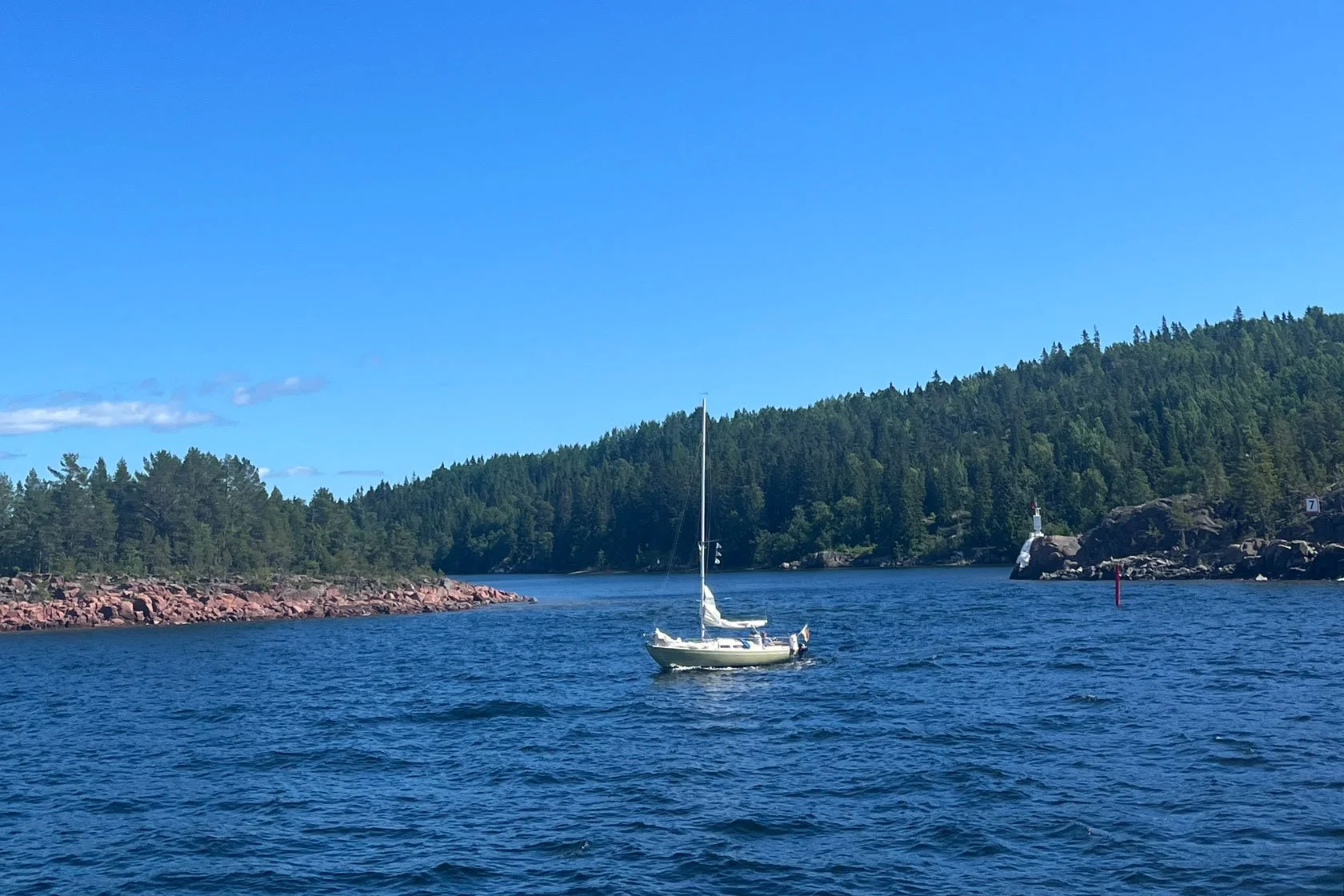
  • mit dem Boot an der Hochküste ankommst und einen Nationalpark‑Tag von deinem „Base Camp“ aus planst

Der Fokus liegt auf Tagesgästen, die einen klaren Plan wollen — und trotzdem ein tiefes Erlebnis.


Skuleskogen in einer Minute: Was ihn so besonders macht

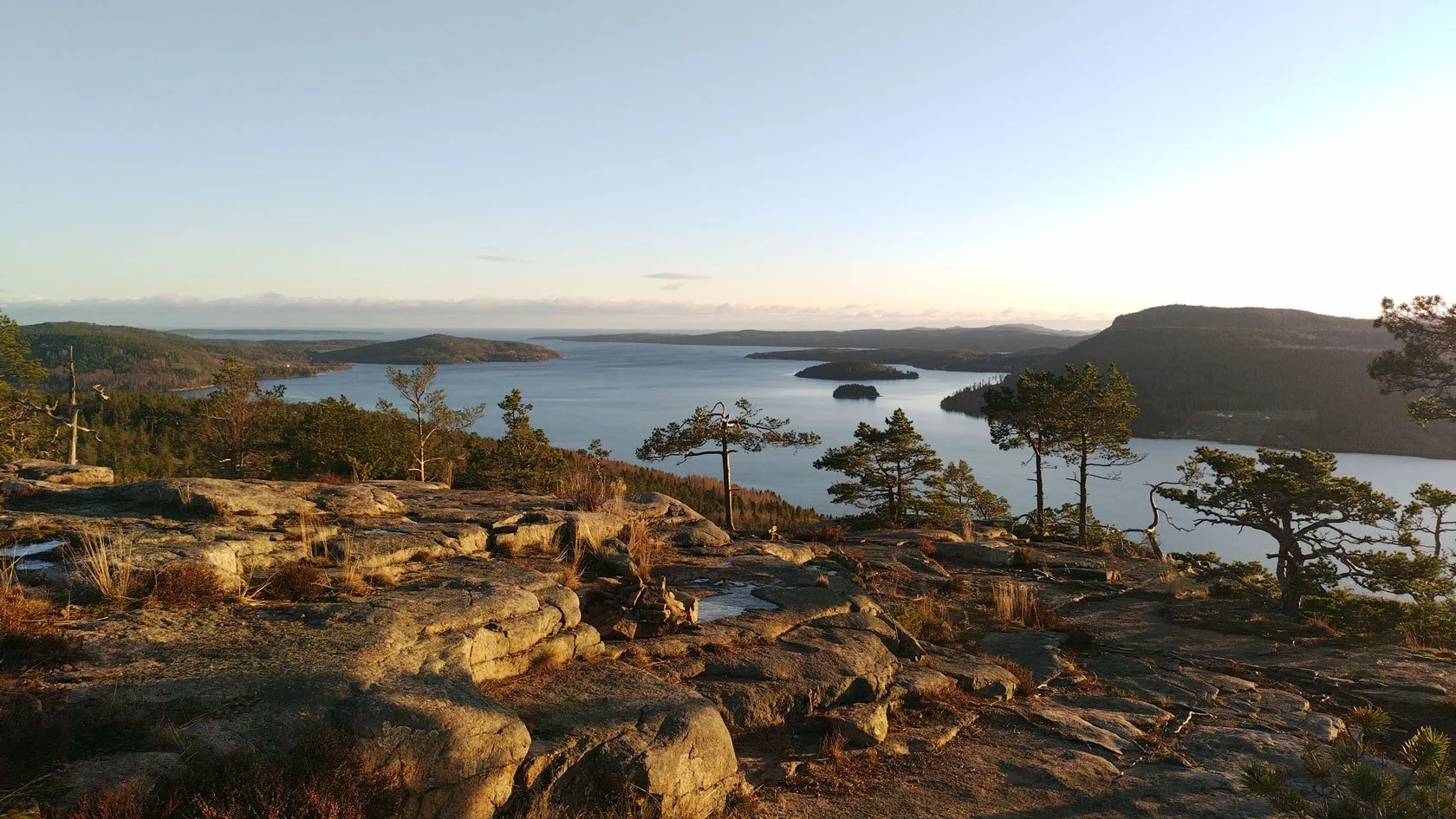
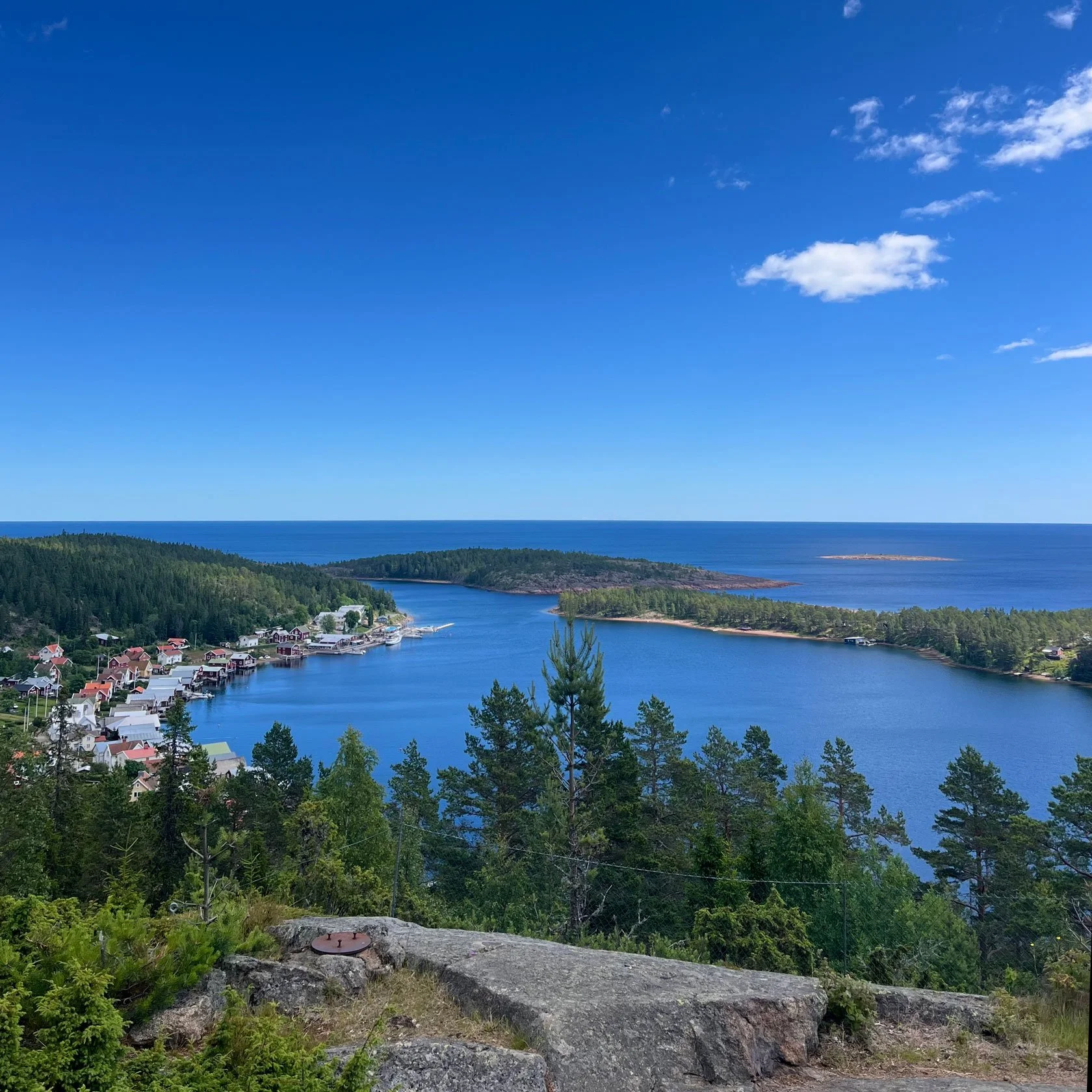
Der Skuleskogen Nationalpark liegt in der UNESCO‑Welterbe‑Landschaft der High Coast — bekannt für die Landhebung nach der Eiszeit, dramatische Küstengeologie und das direkte Nebeneinander von tiefem Meer und hohen Inseln.

Was du hier spürst:

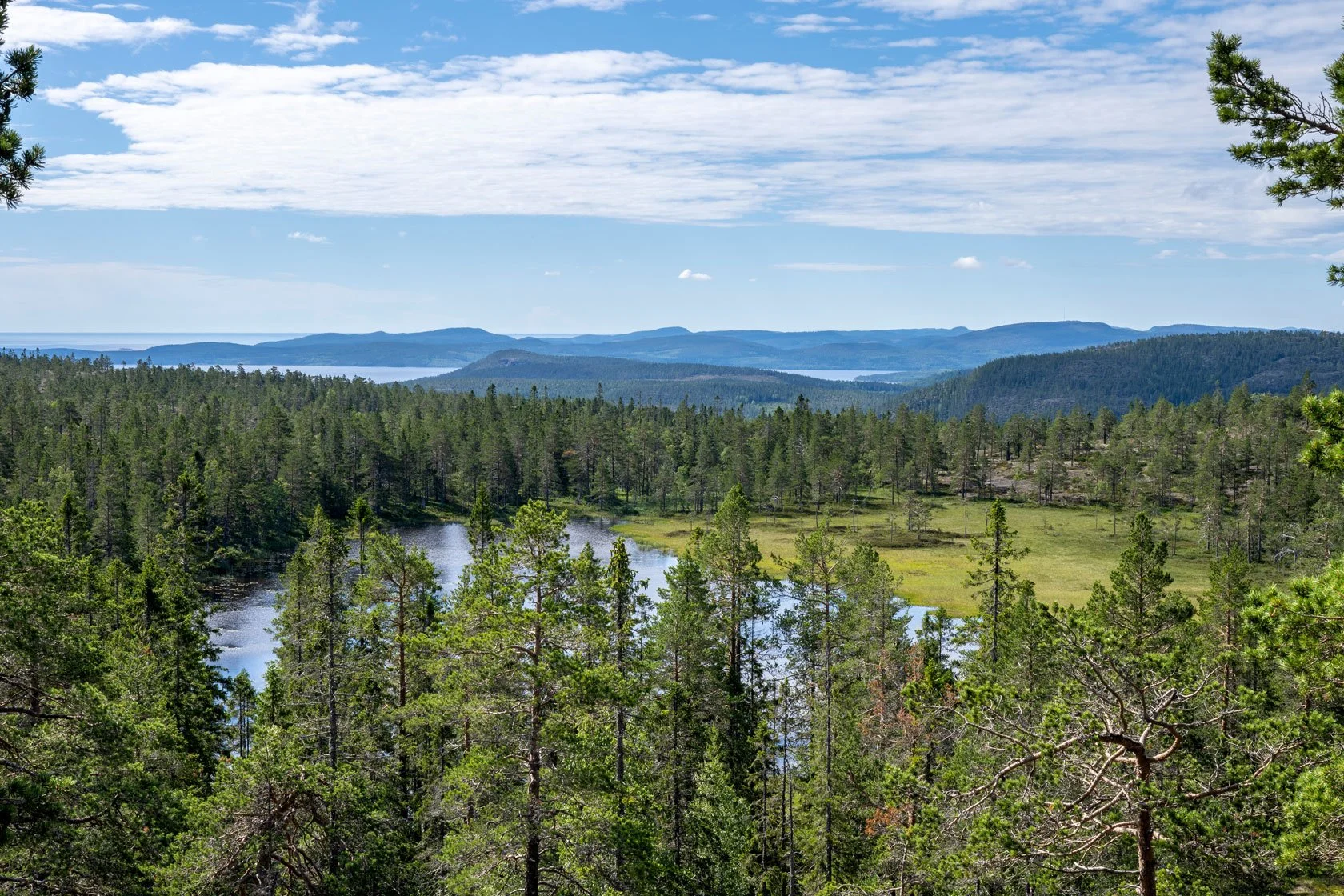
  • Weite: Wald und Meer im selben Atemzug

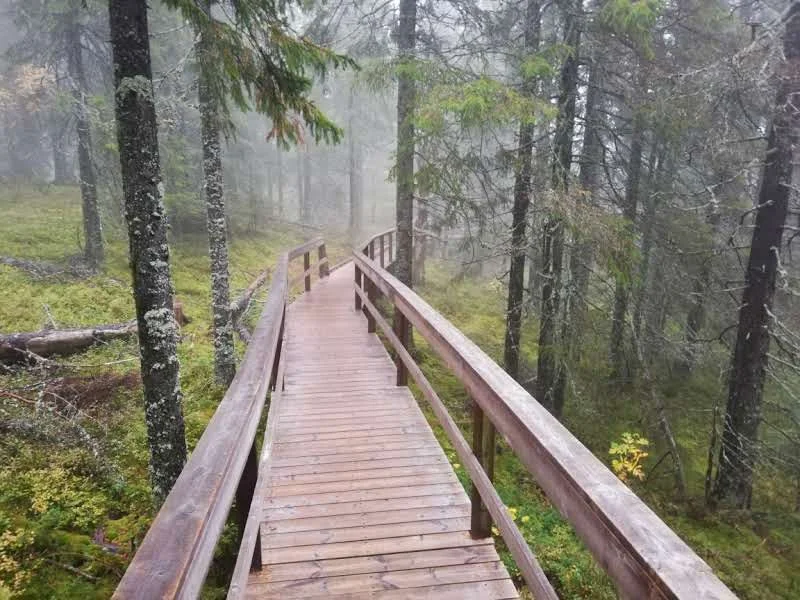
  • Textur: roter Granit, glatte Felsplatten, Stege, Moos und Seen

  • Zeit: Geologie sichtbar — nicht im Museum versteckt

Wenn du an der Hochküste nur Zeit für einen Nationalpark‑Tag hast: Skuleskogen ist der richtige.


Die „Logik“ des Parks: Eingänge und wie du den richtigen wählst

Skuleskogen hat drei Haupteingänge: Süd, West und Nord. Den richtigen Eingang zu wählen ist schon die halbe Erfahrung.

Süd (Entré Syd)

  • Der schnellste Zugang zu den bekanntesten Highlights

  • Ideal für Erstbesucher, die die ikonische Route wollen

  • Beste Wahl, wenn du in Docksta wohnst und die Klassiker ohne Reibung erleben willst

West (Entré Väst)

  • Am zugänglichsten, wenn du aus dem Norden kommst und mit dem Bus anreist

  • Gut, wenn du tiefer in den Park willst (inkl. Option auf längere Tour / Hütten‑Übernachtung)

Nord (Entré Nord)

  • Ruhiger, „waldiger“, einfache Infrastruktur

  • Natürlich, wenn du den Höga Kustenleden (Nord–Süd) durch diese Gegend wanderst


Das Signature‑Erlebnis: Slåttdalsskrevan + Slåttdalsberget

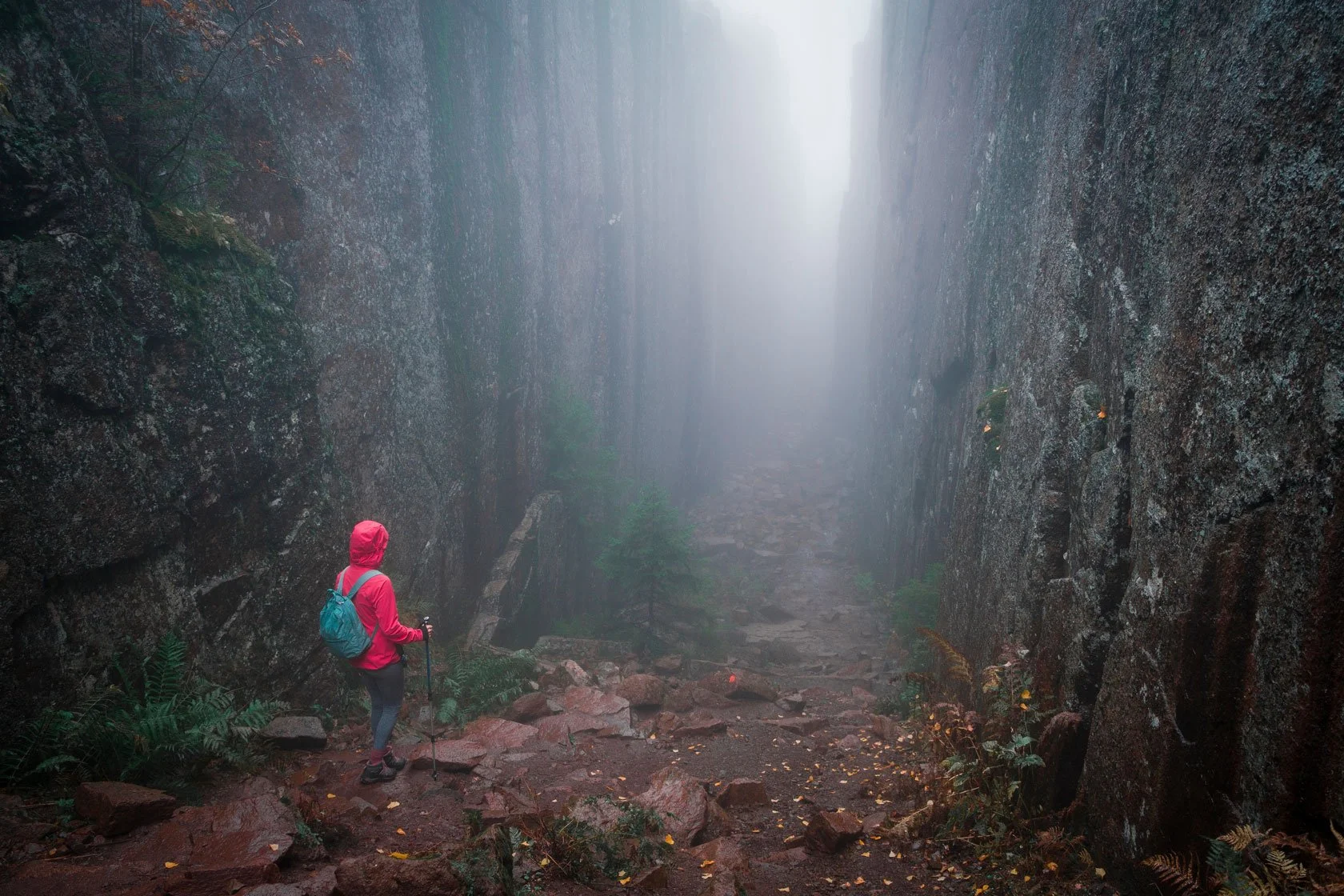
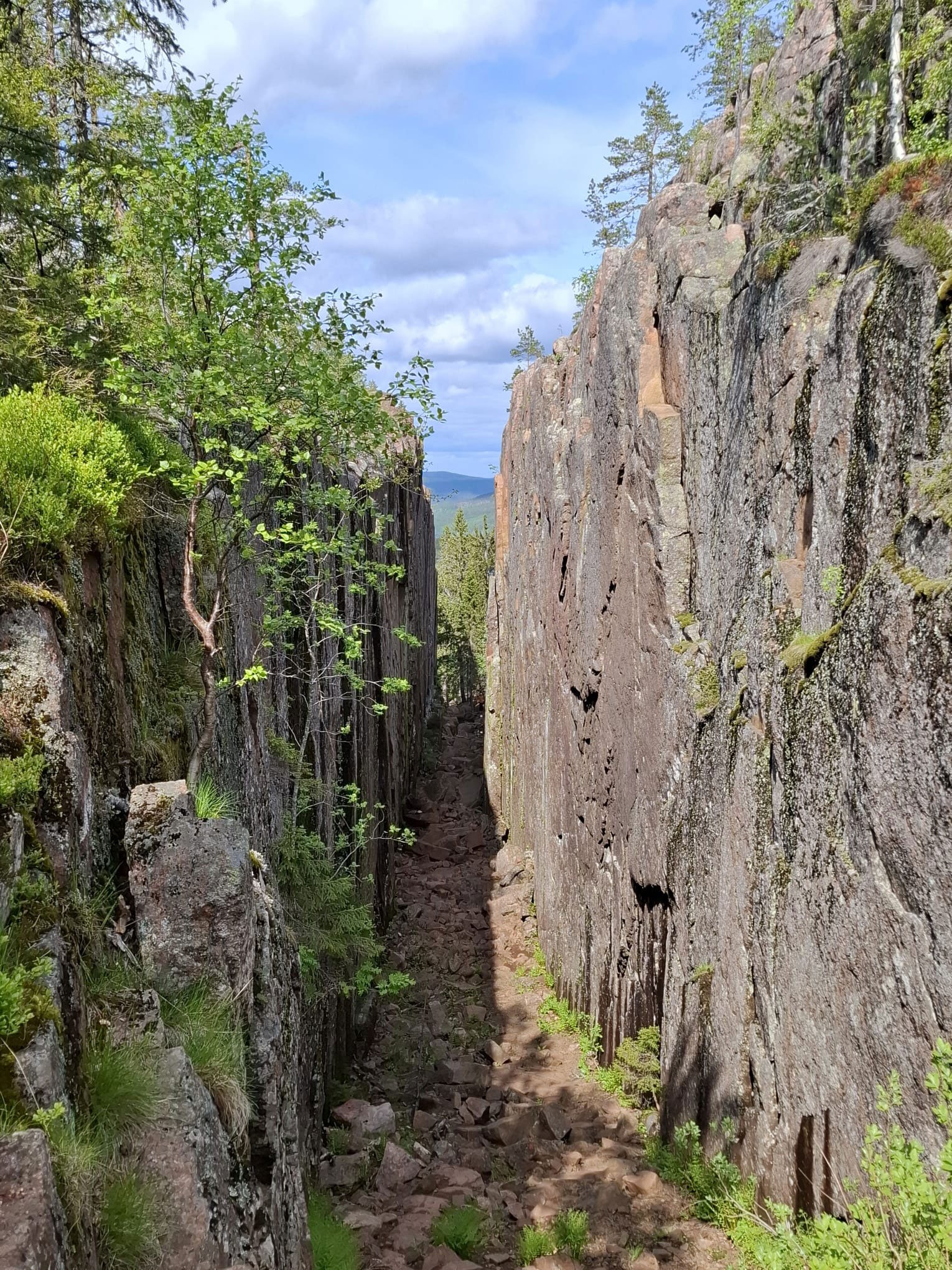
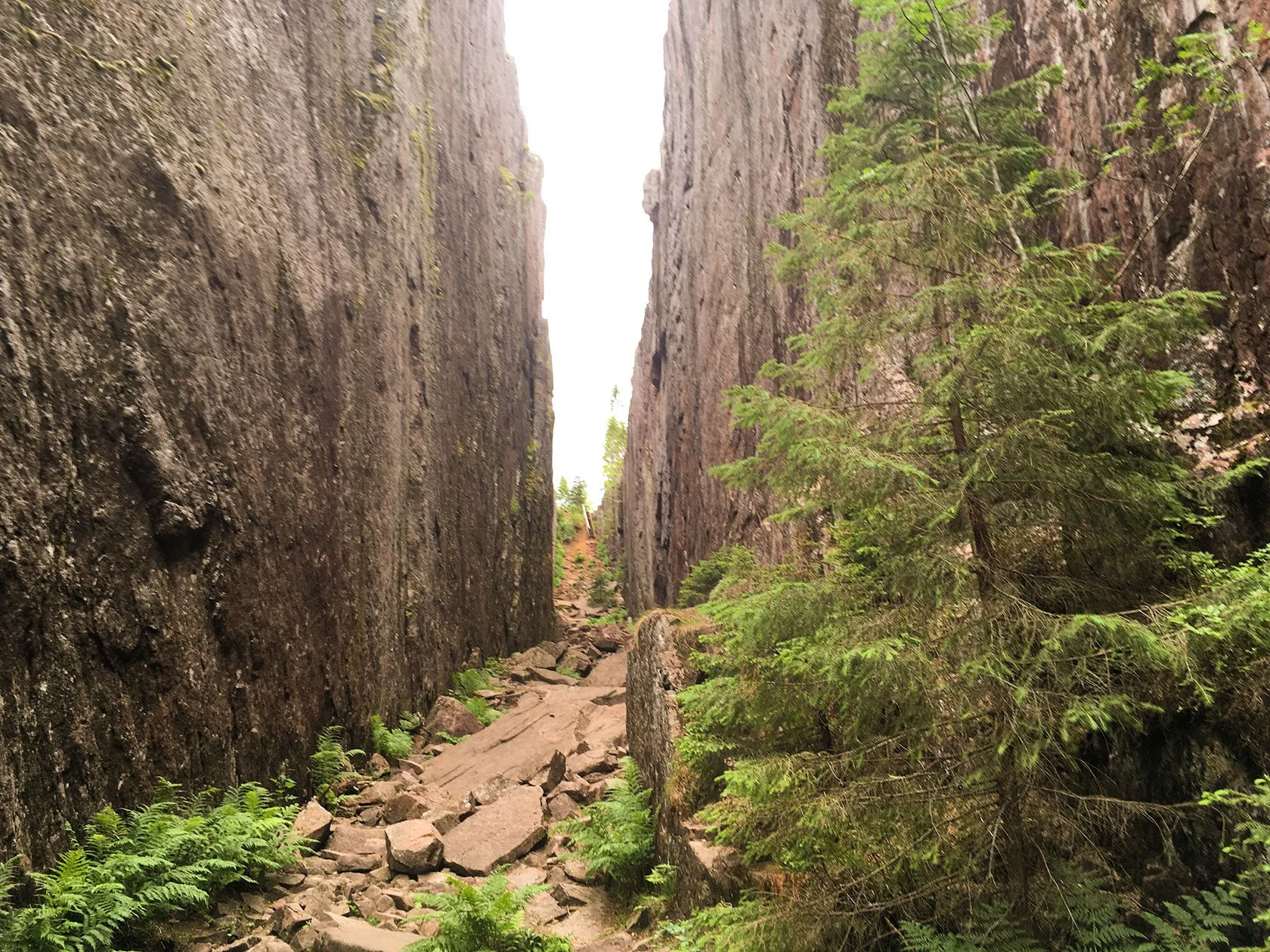
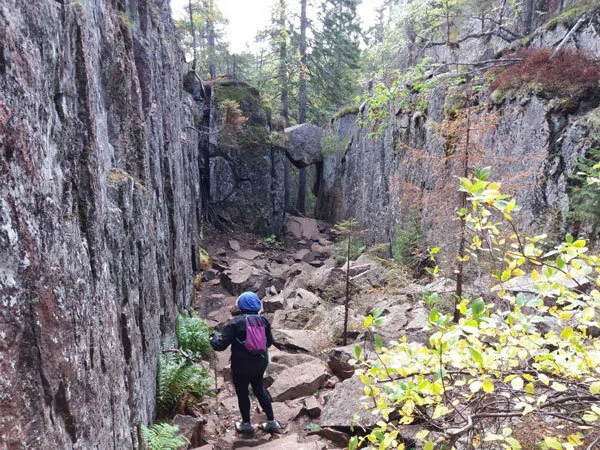
Wenn Skuleskogen nur ein „Must‑See“ wählen dürfte, wäre es die Slåttdalsskrevan — eine dramatische Felsspalte im Berg Slåttdalsberget.

Auf der offiziellen Seite der schwedischen Nationalparks wird sie als ca. 200 Meter lang und bis zu 30 Meter hoch beschrieben. Es ist einer dieser Orte, an denen man automatisch leiser spricht.

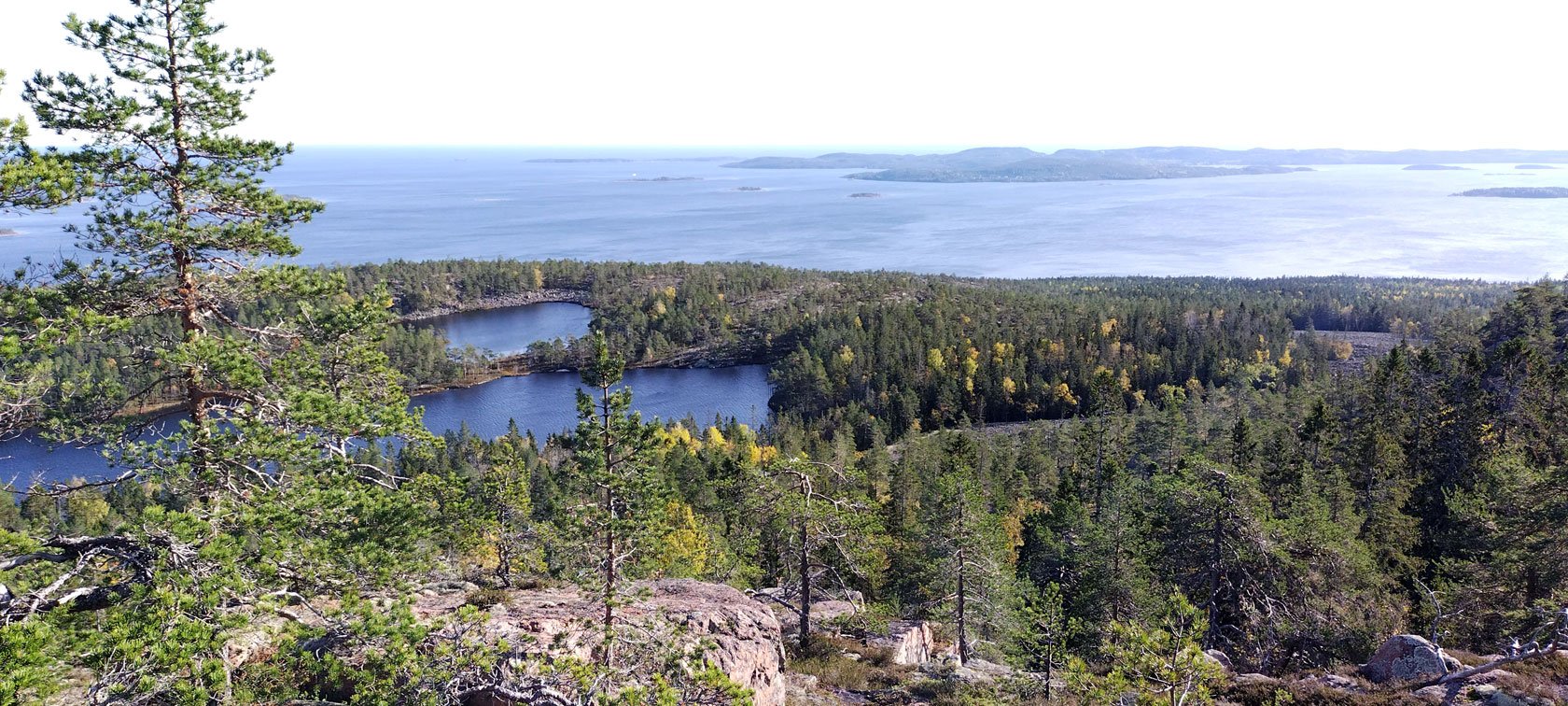
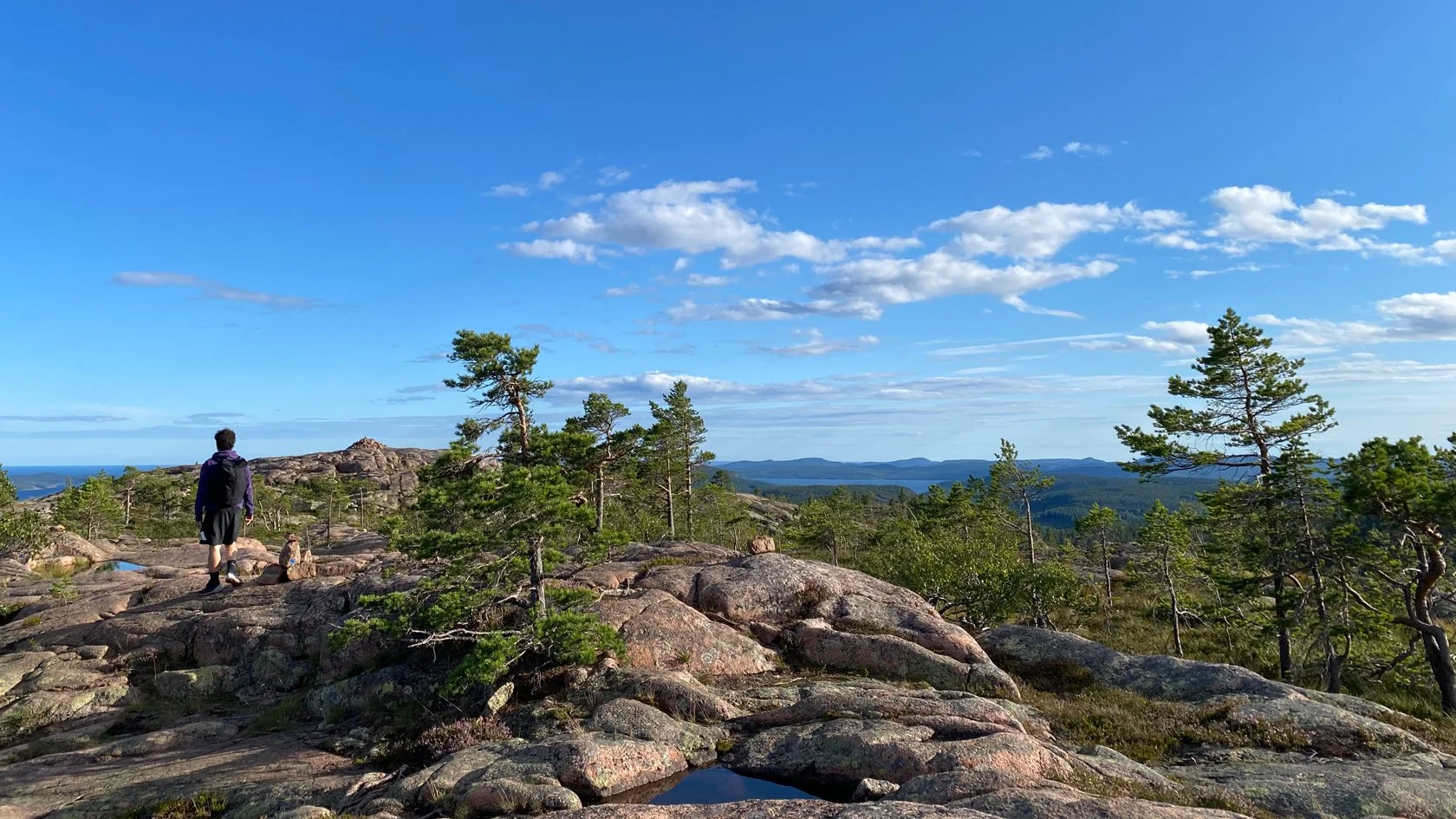
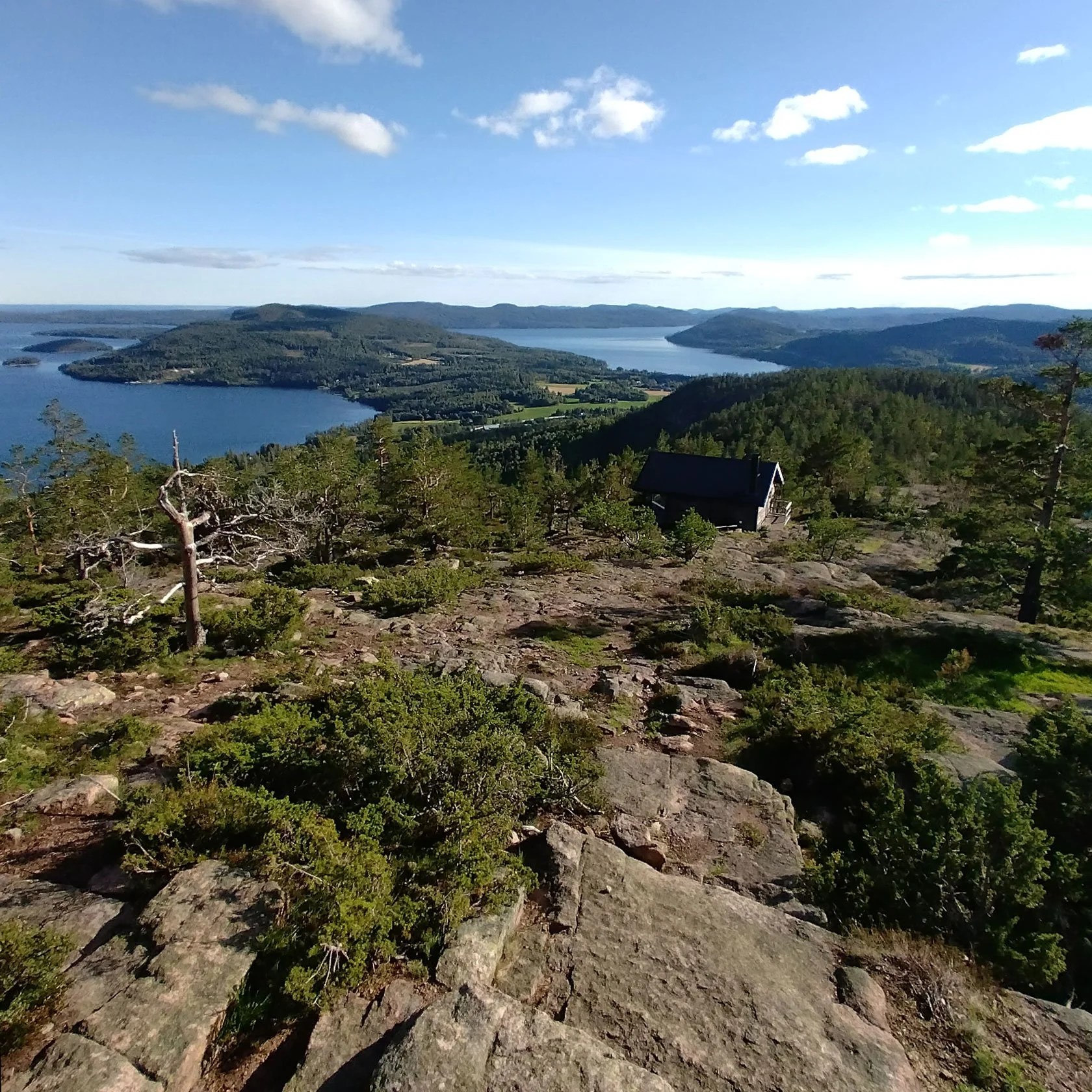
Und wenn du den kurzen Abstecher auf den flachen, felsigen Gipfel des Slåttdalsberget dranhängst, bekommst du einen der schönsten Panoramablicke über den Schärengarten und die Parklandschaft.


Empfohlene Tagesroute (die Docksta‑Havet‑Runde)

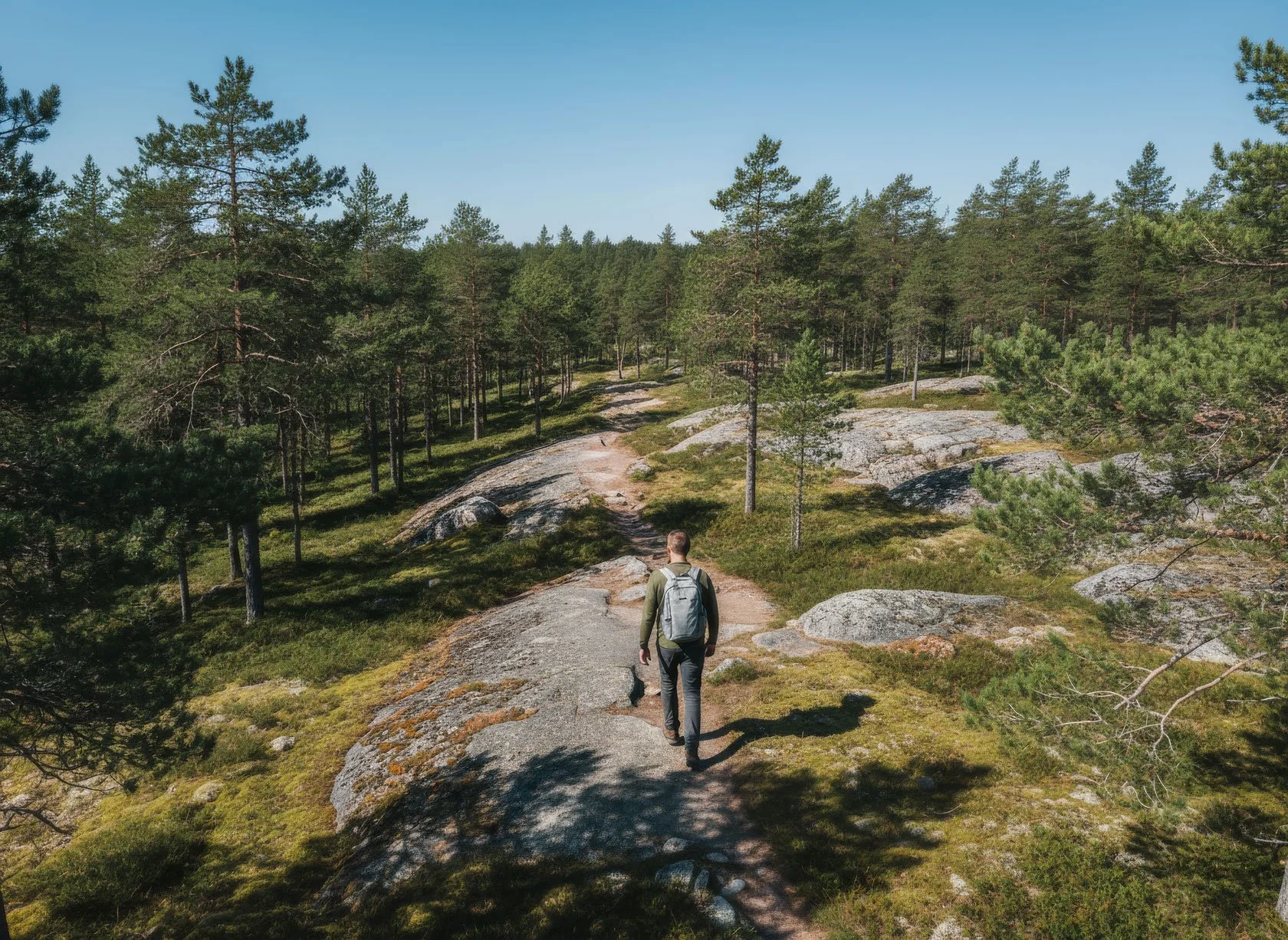
Das ist die Runde, die ich empfehle, wenn du Skuleskogen an einem Tag „richtig“ spüren willst: Küste, alter Wald, Seen, die Spalte, ein Gipfelblick — und ein ruhiges Ende.

Auf einen Blick

  • Distanz / Höhenmeter / Zeit: ca. 11,4 km, D+321 m, ca. 4–6 Stunden (mittel)

  • Start / Ziel: Entré Syd (Südeingang)

  • Stil: Küste → Wald → Seen → Spalte → Gipfel → Stege → Strand‑Finale

Schritt für Schritt

  1. Starte am Parkplatz Entré Syd.

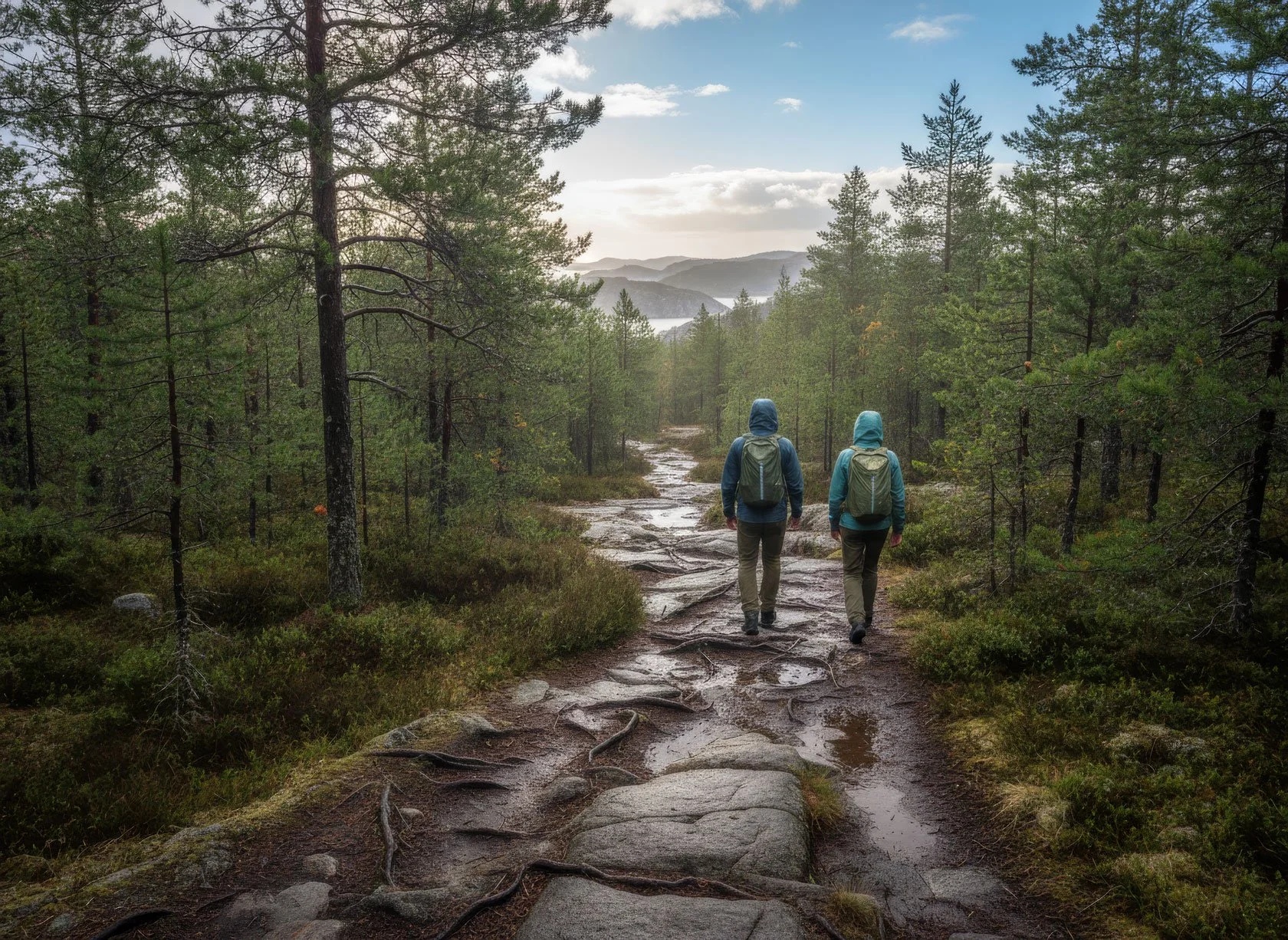
  2. Küsten‑Warm‑up Richtung Näske bodarna: ein wunderschöner Pfad zwischen Wald und Meer.

  3. Aufstieg zu den Tärnättvattnen‑Seen (blaue Markierung). Perfekt für Pause und Lunch — und an warmen Tagen auch für einen erfrischenden Sprung ins Wasser.

  4. Der „Wow‑Kern“: durch die Slåttdalsskrevan (Nord → Süd). Nimm dir Zeit — hier geht es um Präsenz, nicht um Tempo.

  5. Optional (sehr empfohlen): kurzer Abstecher auf den Gipfel Slåttdalsberget. Kaffee schmeckt dort besser. Stille auch.

  6. Abstieg zurück durch den Wald (orange Markierung + Steg‑Abschnitte). Ein weicherer Rhythmus.

  7. Abschluss am Strand Kälsviken (Kälsviken / Kälsaviken). Wenn’s passt: ein Bad. Wenn nicht: Snack, Sonne, und dieses „wir haben’s wirklich gemacht“-Gefühl.

  8. Zurück zum Parkplatz Entré Syd — wo dein Auto steht oder dein Fahrrad abgeschlossen ist.

Toiletten (gut zu wissen)

Toiletten gibt es bei:

  • Entré Syd

  • Näske bodarna

  • Tärnättvattnen

  • Kälsviken


Warum diese Runde funktioniert

Es gibt viele Wege im Skuleskogen. Diese Runde ist ausgewogen: Sie bringt dich zu den Signature‑Orten, ohne dass der Tag zur Mission wird.


Noch unsicher bei der Planung?

Wenn du mir deine Reisedaten, dein Tempo und deine Wünsche (Aussicht / Waldstille / Bad) schickst, empfehle ich dir die passende Variante.

Und falls du lieber selbst planst: kompletter Skuleskogen‑Itinerary (🇬🇧) — Schritt für Schritt → [ https://dockstahavet.se/blog/hiking-in-skuleskogen ]


Was du zusätzlich sehen kannst (wenn du mehr Zeit hast)

Je nach Eingang und Energie werden u.a. empfohlen:

  • Tärnättholmarna (Halbinseln mit schmalen Sandverbindungen; Hütten möglich)

  • Kälsviken (Sandstrand nahe Entré Syd)

  • Nylandsruten & Långtjärnhällorna (Aussichten/Schleifen nahe Entré Väst)

  • Näske bodarna (historischer Bereich, sehr schöner Tageswalk)


Anreise: Auto, Bike + Hike, Bus — und „Base‑Camp‑Denken“

Bike + Hike (die smarte Sommer‑Option)

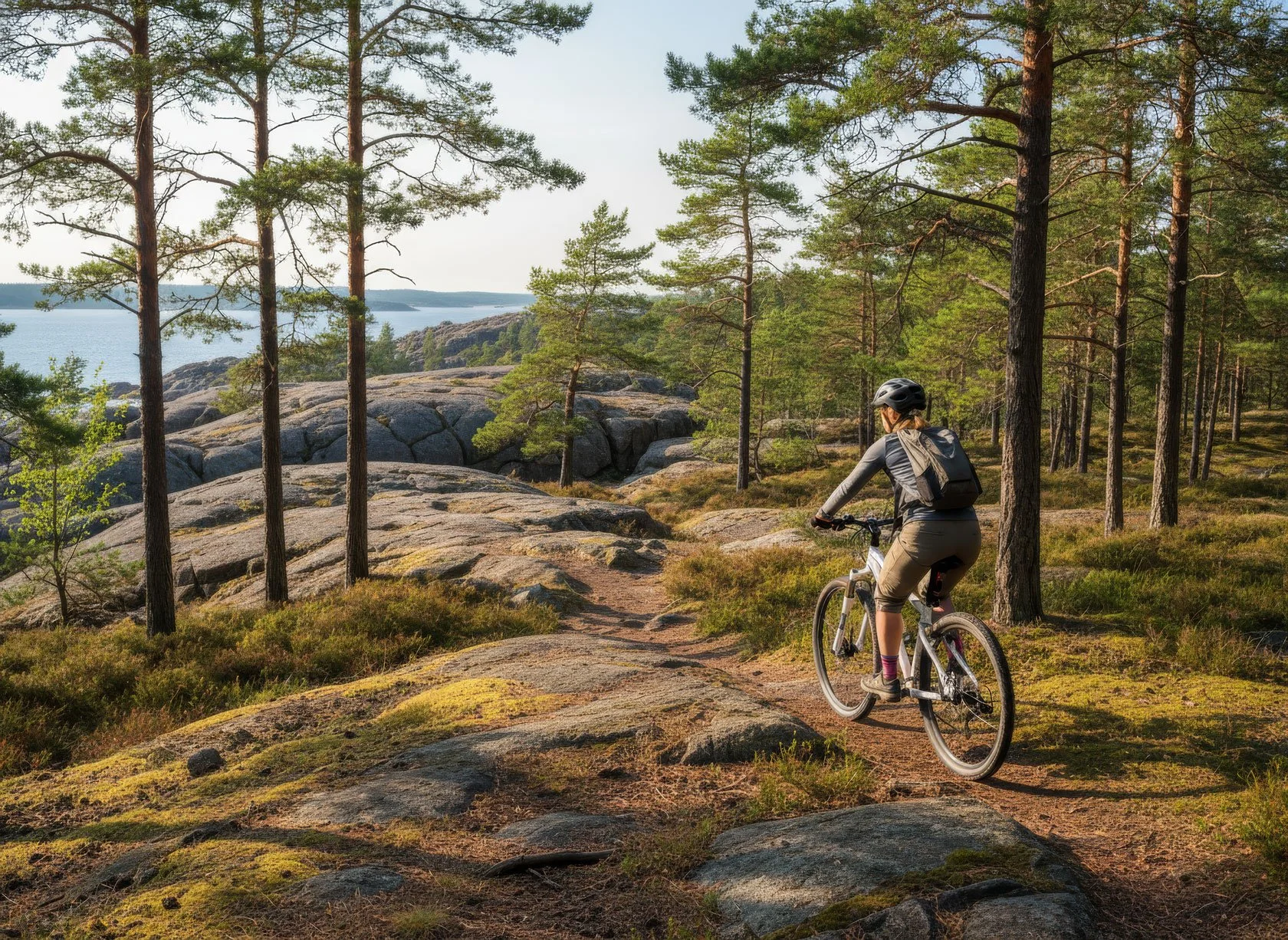
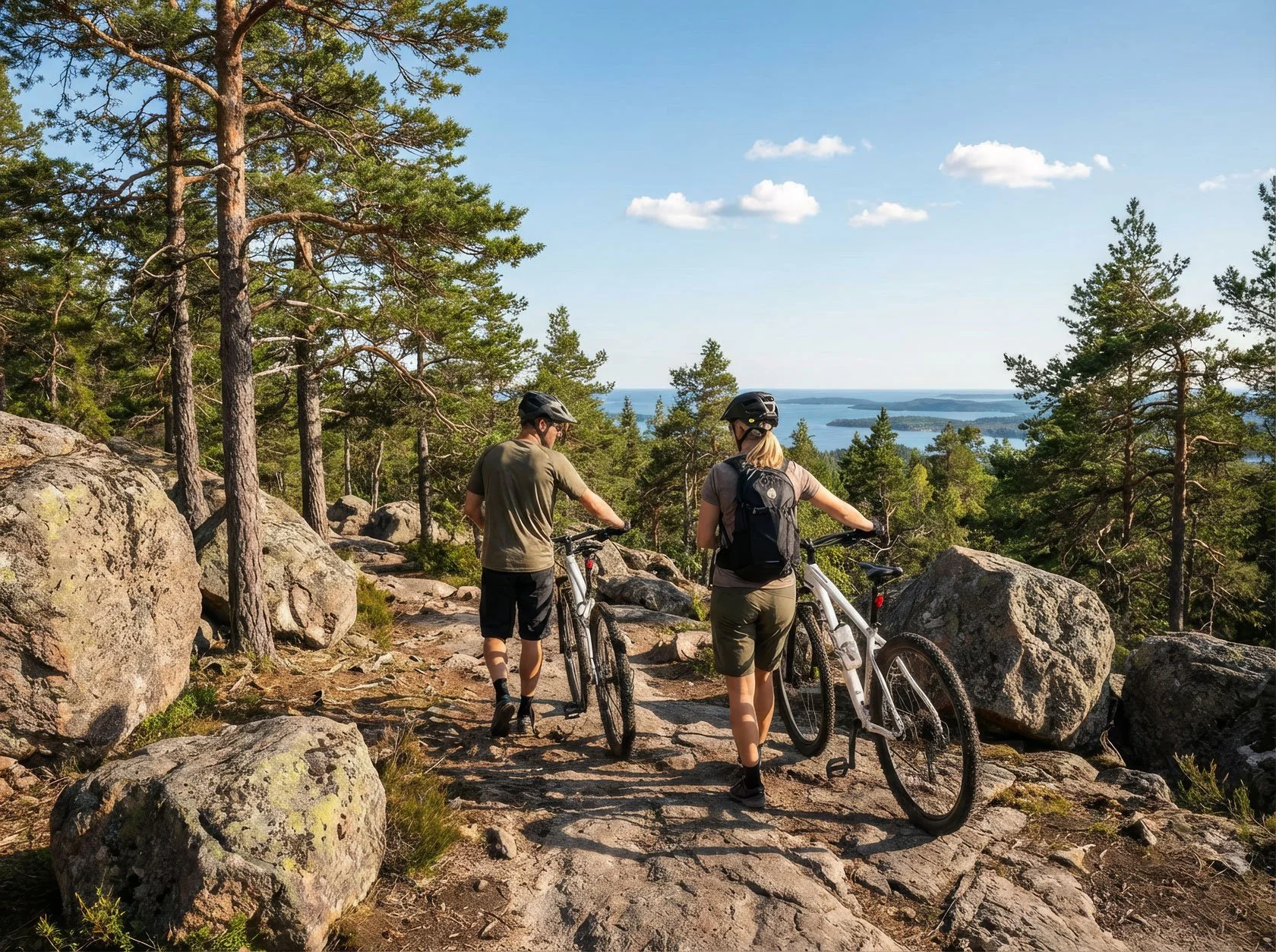
Hier ist der Move, der vieles leichter macht: Parke in Docksta, leihe dir ein Grab&Go‑Bike, fahre nach Skuleskogen, schließe das Rad am Eingang ab — und wandere deine Route.

Warum das zählt:

  • Parkstress reduziert: Du parkst einmal in Docksta (ruhig, organisiert), nicht am überfüllten Parkeingang.

  • Flexibel: Kein Shuttle‑Fahrplan, kein Taxi‑Timing — du bestimmst deinen Tag.

  • Die Fahrt gehört dazu: Die ca. 8–10 km entlang der Küste sind ein Warm‑up, kein Parkplatz‑Chaos.

  • Car‑light Sommer: Wenn mehr Besucher so anreisen, bleiben die Zufahrtsstraßen ruhiger — besser für alle.

Genau dafür ist Grab&Go gedacht: nicht nur „ein Fahrrad mieten“, sondern „den Tag smarter machen“.

Skuleskogen Bike‑First Day Plan (🇬🇧) → [ https://dockstahavet.se/outdoor-gear-rental-hoga-kusten/guides-stories/skuleskogen-national-park-bikefirst-day-plan-from-docksta ]

Kostenlos (Deutsch): Wenn du die Hochküste zum ersten Mal besuchst, hol dir hier meine Mini‑Guide mit praktischen Basics und lokalen Tipps → [ https://dockstahavet.se/de/entdecken-sie-die-hochkuste ]

Mit dem Auto (direkt und flexibel)

Alle drei Eingänge sind von der E4 aus ausgeschildert. Für Paare ist das die einfachste, flexibelste Variante.

Hinweis: In der Hochsaison (Juli–Anfang August) kann es an manchen Tagen zu Parkplatzdruck kommen. Wer kann, wählt Juni oder Ende August für ein ruhigeres Erlebnis.

Mit dem Bus (ohne Auto)

Laut regionaler Besucherinfo verbindet Bus 50 Härnösand / Örnsköldsvik. Man kann bei Skule Entré Väst E4 aussteigen und den letzten Abschnitt zu Fuß gehen. Bitte Fahrplan immer aktuell prüfen.

Mit dem Boot (für Segler)

Wenn du per Boot ankommst, ist die Base‑Camp‑Frage entscheidend: Wo kannst du schlafen, duschen, runterfahren — und den Parktag ruhig planen?

Genau so denken wir in Docksta Havet: sicherer Hafen‑Rhythmus, dann ein Waldtag.


Wann du gehen solltest (und wie sich die Saison anfühlt)

Skuleskogen ist im Juni nicht derselbe Park wie Ende August.

  • Frühsommer: langes Licht, frisches Grün, beliebte Wege werden voller

  • Hochsommer: Bade‑Tage möglich, aber mehr Menschen und Parkplatzdruck

  • Spätsommer/Frühherbst: ruhiger, tiefere Farben, kontemplativer


Sicherheit & Regeln (damit der Tag schön bleibt)

Skuleskogen ist freundlich — aber echte Natur.

  • Wetter kann auf Granit und Aussichtspunkten schnell kippen

  • Felsen (und besonders Wurzeln) können nach Regen rutschig sein

  • Zecken gibt es in Schweden: danach kurz checken

  • Feuerregeln respektieren

  • Leave no trace: Der Park bleibt wild, weil Besucher sich wie Gäste verhalten

Für aktuelle Regeln/Updates: vorab die offiziellen Nationalpark‑Infos checken.


Packliste (skandinavien‑tauglich, simpel)

  • Wasser (mehr als du denkst)

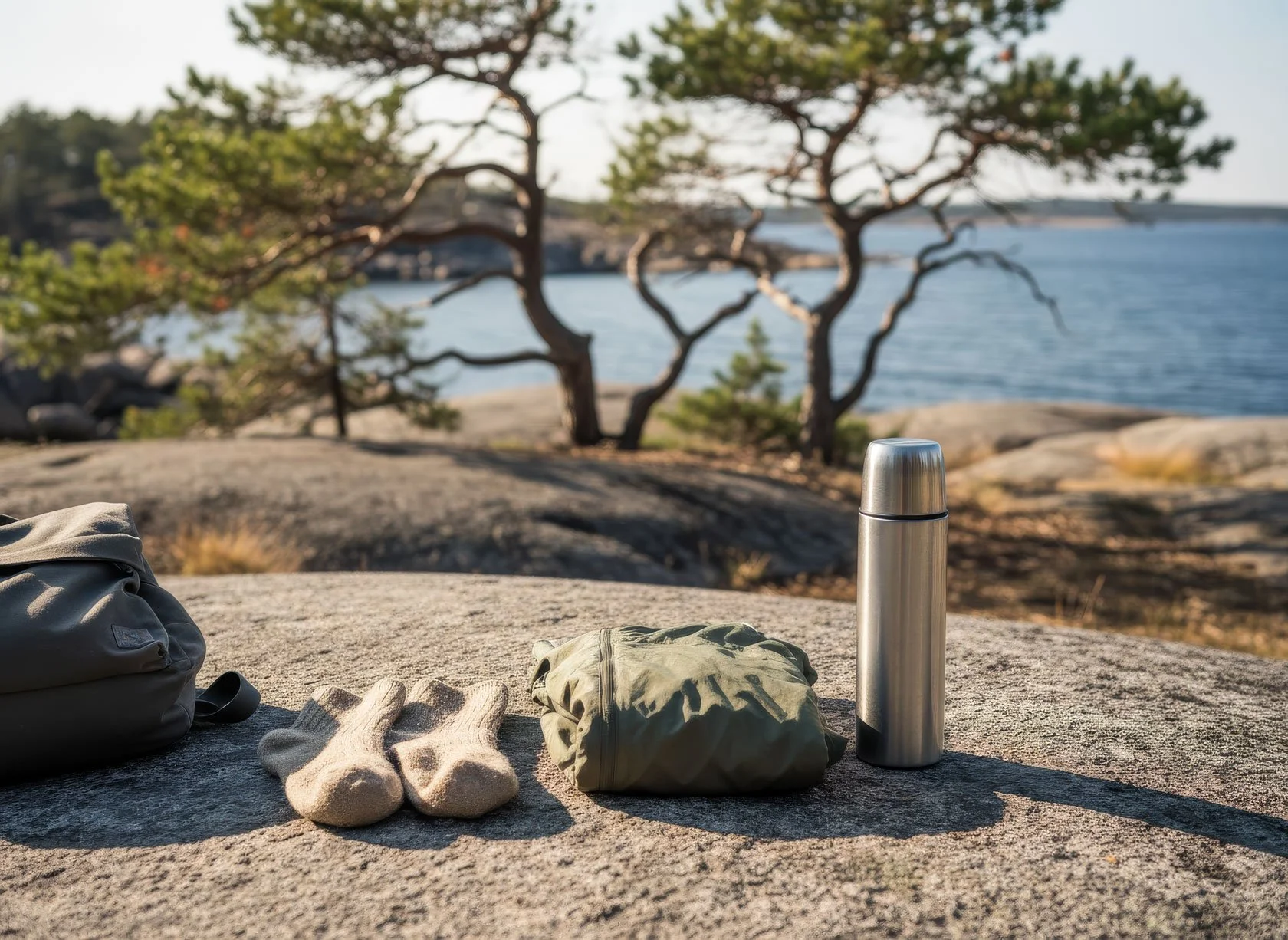
  • Windjacke + leichter Regenschutz

  • Gute Schuhe (Grip zählt)

  • Snacks/Lunch (mehr als du denkst) + ein Comfort‑Item (Kaffee, Schokolade, Obst)

  • Offline‑Karte (oder Download)

  • Kleines Erste‑Hilfe‑Set (Blasenpflaster sind der wahre Held, wenn die Schuhe noch nicht perfekt eingelaufen sind)

Basic tips to get ready for your day hike (🇬🇧) → [ https://dockstahavet.se/blog/explore-hoga-kusten/get-ready-your-day-hike ]


Wenn du’s easy willst: Docksta als Base Camp

Dieser Guide ist content‑first — aber wenn du hier bist, stellst du dir wahrscheinlich auch die praktische Frage:

„Wo übernachte ich, damit sich dieser Tag leicht anfühlt?“

Docksta ist eine natürliche Basis für Skuleskogen und die Hochküste.

Für Paare (Seaside‑Stays)

Drei verschiedene Seaside‑Stays — jede mit eigenem Charakter, alle direkt am Wasser.

Schlaf am Meer, bleib nah an allem, und nutze Docksta als dein High‑Coast‑Base‑Camp: Skuleskogen Nationalpark und der Skuleberget sind schnell erreichbar — und auch die Fähre nach Ulvön ist nicht weit.

  • Boathouse (minimalistisch, über dem Wasser)

  • Dock House (komfortabel, ruhig, perfekt für Paare)

  • Guest House (voll ausgestattet, mit starkem Meerblick)

Holiday Accommodations >
 

Für Segler

Mehr als ein Liegeplatz: dein High‑Coast‑Base‑Camp zwischen Meer und Trails. Boot sicher ablegen, heiß duschen, Espresso & lokale Tipps im Sailor's Club House — und dann Skuleskogen (oder Skuleberget) entspannt erleben.

Was dich erwartet:

  • Y‑Bäume / längsseits

  • Service House (Duschen, WC, Laundry)

  • Club House (Lounge, Espresso, WiFi)

  • Fahrrad‑ & Outdoor‑Ausrüstungsverleih

Guest Harbour / Moorings >
 

Sailing Guide to Höga Kusten: Sweden's UNESCO Archipelago (🇬🇧) — (FREE web resource: no download, no registration) → [ dockstahavet.se/high-coast-sailor-mini-guide ]

Für alle, die leicht reisen wollen

Kein Gear? Kein Problem.

Wenn du „car‑light days" magst: Bike‑first ab Docksta, Rad am Eingang abschließen, dann wandern.

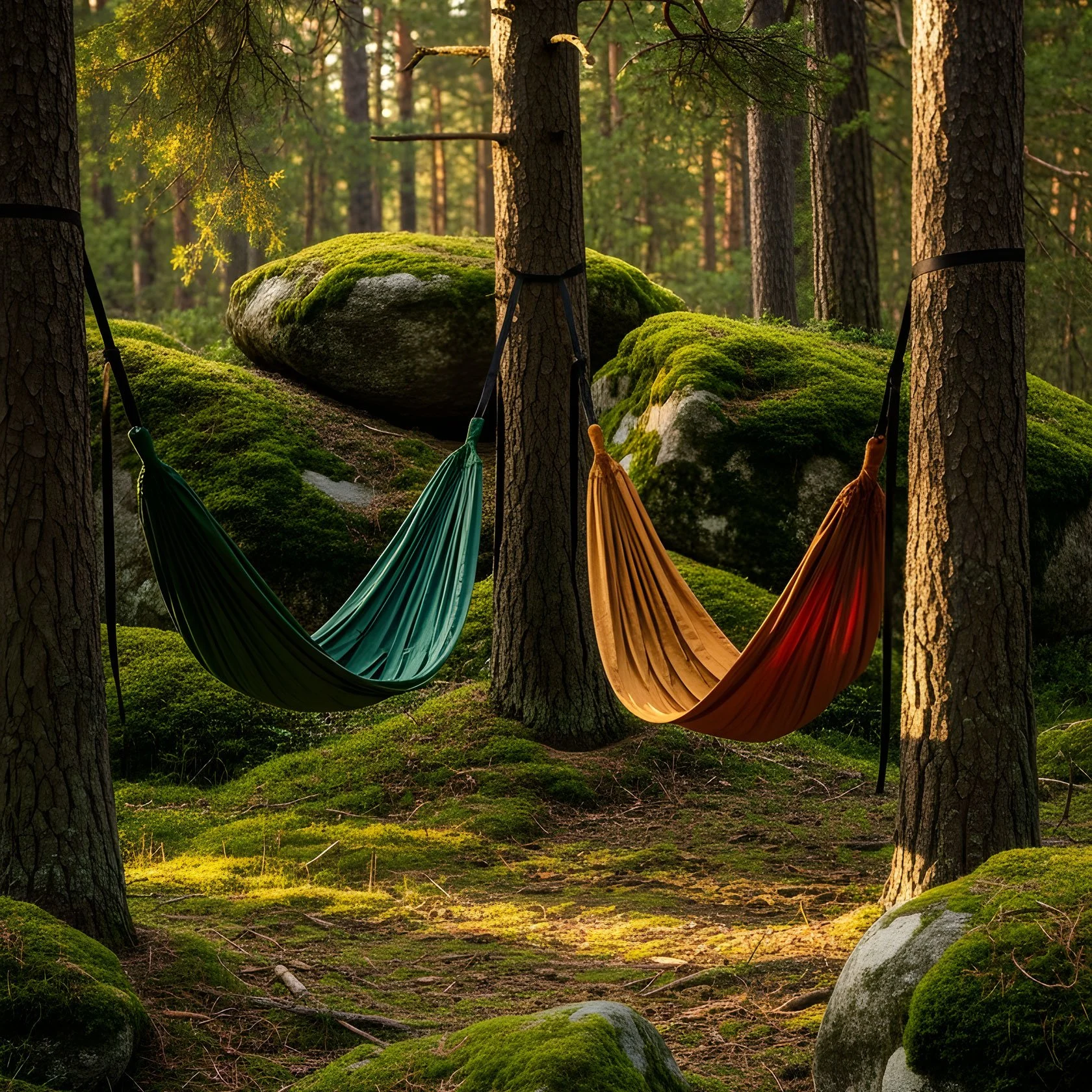
Grab&Go ist kein klassischer Ausrüstungsverleih — es ist ein einfacher Weg zu einem Outdoor‑Ready‑Tag. Holst du dein Setup (Bike, Daypack, Hammock oder Bundle) in wenigen Minuten ab, bekommst einen simplen „Today‑Plan" — und los geht's. Flexible Rückgabe, Zahlung per Karte

Bike Rental & More >
 

Ein letzter Hinweis (von einem lokalen Host)

Skuleskogen belohnt eine bestimmte Haltung: nicht erobern, nicht sammeln — sondern besuchen.

Wenn du willst, schreib mir kurz:

  • deine Reisedaten

  • dein Fitnesslevel

  • ob du eher Aussicht, Waldstille oder ein Bad willst

… und ich sage dir, welcher Eingang und welches Timing am besten passt.

E‑Mail: dockstahavet@gmail.com — oder WhatsApp: +46 763 136 909 (kurz & direkt).

Tommaso — Host bei Docksta Havet Base Camp. Ich lebe die Saison direkt am Wasser und helfe Gästen seit Jahren dabei, die Hochküste leicht (und nicht gehetzt) zu erleben.


Rainy Day in the High Coast: Real Talk
Rainy day in the High Coast: When to stay out, when to stay in
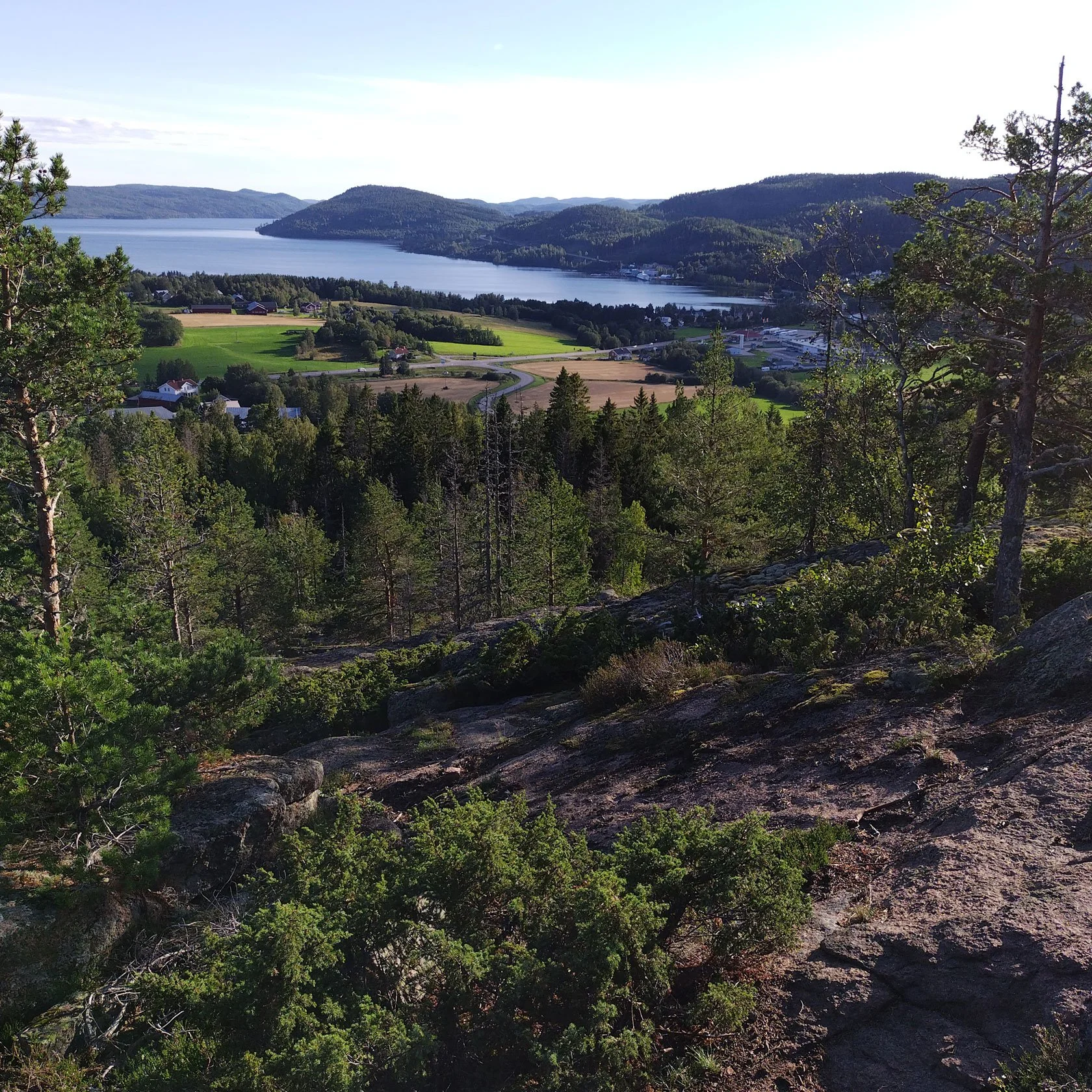
It's 10 a.m. at the Sailor's Club House. A couple sits across from me with a map and their phone open to the forecast. They arrived yesterday. They're planning their days.

"The park hike—Skuleskogen—that's the one we really came for," she says. He's looking at the clouds. "But the forecast says rain tomorrow and Sunday."

I watch them. This isn't really a weather question. It's a time question. They have four nights. The park is their must-have. And they're trying to solve an impossible puzzle: how do we protect the one day that matters?

This is the conversation I have most often in the High Coast.

And here's what I've learned after 20 years — and hundreds of rainy-day conversations: there's no one answer to "should we hike in the rain?" Because rain isn't the real variable. Time is. Gear is. Your attitude is. What you came for is.

So instead of a yes-or-no, I ask questions. I listen. I explain what I actually see. And usually—almost always—we find a plan that works.

That's what this is. Not a generic list of rainy-day activities. But how we actually think about it when the forecast changes and your must-have day is at stake.


🇸🇪 Svenska sammanfattning:

Det är 10 på morgonen på Sailor's Club House. Ett par sitter mittemot mig med en karta och väderprogosen på telefonen. De kom igår. De planerar sina dagar. "Parkvandringen—Skuleskogen—det är det vi egentligen kom för," säger hon. Han tittar på molnen. "Men prognosen säger regn imorgon och på söndag." Jag ser på dem. Det här är inte egentligen en väder-fråga. Det är en tid-fråga. De har fyra nätter. Parken är deras måste-ha. Och de försöker lösa ett omöjligt pussel: hur skyddar vi den ena dagen som spelar roll? Det här är samtalet jag har oftast på Höga Kusten. Och här är vad jag lärt mig efter 20 år och hundratals samtal om regniga dagar: det finns inget enkelt svar på "bör vi vandra i regn?" För regn är inte den riktiga variabeln. Tid är. Utrustning är. Din inställning är. Det du kom för är. Så istället för ja-eller-nej ställer jag frågor. Jag lyssnar. Jag förklarar vad jag faktiskt ser. Och vanligtvis—nästan alltid—hittar vi en plan som fungerar.

🇫🇮 Suomalainen yhteenveto:

Kello on 10 aamulla Sailor's Club Housessa. Pariskunta istuu minua vastapäätä kartalla ja sääennusteella puhelimessaan. He saapuivat eilen. He suunnittelevat päiviään. "Puistovaellus—Skuleskogen—se on se, jolle me oikeastaan tulimme," hän sanoo. Hän katsoo pilviin. "Mutta ennuste sanoo sadetta huomenna ja sunnuntaina." Katson heitä. Tämä ei ole oikeastaan sää-kysymys. Se on aika-kysymys. Heillä on neljä yötä. Puisto on heidän täytyy-omistaa. Ja he yrittävät ratkaista mahdotonta palapelia: kuinka suojaamme sen yhden päivän, joka on tärkeä? Tämä on keskustelu, jonka käyn useimmin Korkealla Rannikolla. Ja tässä on se, mitä olen oppinut 20 vuoden ja satojen sadepäiväkeskustelujen jälkeen: ei ole yksinkertaista vastausta "pitäisikö meidän vaeltaa sateessa?" Koska sade ei ole todellinen muuttuja. Aika on. Varustus on. Sinun asenteesi on. Se, mihin sinä tulit, on.


Before We Talk About Rain, Let's Talk About Time

You arrive Friday. The concert at Skuleberget in Docksta is Saturday evening—non-negotiable. Sunday morning, the forecast says rain all day. Monday you leave.

That's the real constraint, isn't it?

Most guests don't have a week to wait for better weather. You have three nights. Maybe four. So the question isn't "should we hike in the rain?" The question is: "what's our must-have, and when do we protect it?"

Here's what we see:

The hiker arrives with a backpack. They've got shell jackets, waterproof bags, grip shoes. They're flexible. If it rains tomorrow, they rest today and go tomorrow. They have time flexibility. They have the right gear. They're comfortable with "we'll see."

The car-holiday family arrives with a calendar. They booked the Skuleskogen hike for Wednesday. The climbing at Via Ferrata is Tuesday. The drive home is Friday morning. No flexibility. They need a framework, not a philosophy. They need to know: can we do this, and how?

Both are right. Both need different answers.

So here's what we actually do: we listen first. We ask.


The Questions We Ask (And You Should Too)

What kind of rain are we talking about? Drizzle that comes and goes, or a downpour that stays? Wind? Cold? There's a difference between 8°C in drizzle and 15°C with mist. One is manageable. One is not.(If you like checking forecasts: we often use yr.no, and the Swedish classic is smhi.se.)

How much time do you have? One night? Three? A week? If you have one night and it rains, you can't wait it out. You have to decide: do we go anyway, or do we protect something else for tomorrow?

What's your must-have? For most people, it's the Skuleskogen crevice Slåddalskrevan, or the trails at Skuleberget. Or the climbing. Some things you came for, and you're not leaving without them. Other things are nice-to-haves. The difference matters.

What's your attitude? "I came to hike no matter what" is different from "I'm flexible, but I want to maximize my time." Both are valid. They just need different advice.

What gear do you have? Shell jacket and warm layers? Or just a t-shirt? This isn't judgment. It's logistics.

Are you a hiker or a planner? Hikers are comfortable with "we'll see." They rest when it rains, they go when it clears. Planners have a calendar. They need to know the plan works, or they need to change it now.


Our Real Advice

If it's drizzle + 12°C + you have good gear + your must-have isn't time-locked = go for it.

Vårdkallberget summit through its rocky pine forest. Källviken at the National Park. Mystic Destinations. Skuleberget, but skip Grottstigen up—take the forest route instead along the Lynx segment (Norrstigen). Longer loop, better grip, easier to climb if it gets worse. Bring a thermos. Start early. You'll be back by lunch, warm and satisfied.

If it's downpour + 8°C + you have no gear + you arrive Monday and leave Friday and the concert is Tuesday = stay cozy.

Protect your must-have (the concert, the summit view, the park) for tomorrow or Thursday. Today, you do something else. Naturum museum. Sailor's Club House. Your accommodation with a book and the sea view. This isn't failure. This is strategy.

If it's storm + wind = always stay in. No exceptions. No "but I really want to." The High Coast is beautiful in rain. In a storm, the forest can be genuinely dangerous. We don't negotiate on this.


What You Actually Need (If You Go Out)

A proper shell jacket. Not a fashion raincoat—a real shell that breathes but keeps you dry.

A warm, breathable mid-layer. Cotton is your enemy when it gets wet.

Shoes with real grip. Not smooth soles, not street shoes. Rocks and roots are slippery when wet—and we have a lot of both.

Gloves and a hat. You lose heat fast when you're wet—hands and head first. Gloves may sound strange in summer, but spring and autumn are a different story. And even in June or August, a windy evening at the foot of the mountain can feel surprisingly chilly.

A thermos, or at least a warm-up plan. Tea or coffee at the Sailor's Club House after. A hot shower at home. Something warm waiting for you.

A shorter hike and an early start. Better energy. You're not trying to summit everything. You're trying to be outside and feel good about it.

Don't worry—if you're not sure, ask us. We know these trails in every condition. We know what's safe and what's not. We've been here 20 years. That's what we're here for.


If You Stay Cozy: Real Options

Stay in (cozy mode)

Cooking. Your playlist. Slow rhythm. The High Coast isn't just outdoors. Sometimes it's in a kitchen (or kitchenette!) with good people and good food. Sometimes that's the memory that stays with you.

Your accommodation. Seaside. Books. A slow day. Sometimes the best rainy day is the one where you don't go anywhere. You rest. You reset. You remember why you came to the North in the first place.

Sailor's Club House is ours. Books, memorabilia, WiFi, a lounge that feels like a sailors-and-hikers community room, not a café. Warm espresso. Maps. Souvenirs. A place to sit and talk to other guests, or sit and be quiet. This is our secret. This is where people meet—and why they come back.

Local (15–30 minutes)

Naturum Höga Kusten sits at the foot of Skuleberget (east side, near the E4). It's a museum about the geology, the landscape, why this place is a UNESCO World Heritage site. There's a café. There are interactive exhibits. If you have kids, there's a play area. You get the story of the landscape without needing to hike it. On a rainy day, that's not a consolation prize. That's actually interesting—and always worth it.

Drive to Comfort (30–45 minutes to the north)

Örnsköldsvik Waterfront + City Center. A proper Nordic city walk. Shopping if you want it. Café if you want to sit. The waterfront if you want to look at the sea. Less dramatic than the coast, but real. Sometimes that's exactly what you need.

Paradiset Bad Spa. Sauna. Steam rooms. Salt pool. Real relax. Not a tourist trap. This is where locals go to unwind. Check the summer opening hours before you go—it's seasonal—but if it's open, it's worth it. You go in stressed about the weather. You come out warm and quiet.

Skagsudde Lighthouse. A walk. Red fishing village huts. The view across the archipelago. You might think a lighthouse is better in sunshine. You're wrong. Rain makes Skagsudde more beautiful. The mist, the red huts, the quiet—it's the real High Coast. It's moody. It's authentic. It's worth the drive.


The Real Talk

Every rainy day is different. Every guest is different. So here's the thing: don't guess. Talk to us.

Before you arrive, wondering about rain? Message us. We'll tell you what to expect and what to pack. We'll ask you the questions above. We'll help you decide what makes sense for your time, your gear, your must-haves.

During your stay, weather changed? Talk to us. We know alternatives. We can adjust. We've done this 200+ times.


Set Your Rainy-Day Base Camp (Docksta)

If you want a simple, safe starting point close to Skuleberget and Skuleskogen, our waterfront accommodations at the Docksta marina are designed for exactly this kind of trip: short stays, changing weather, and a lot you want to fit in.

  • Seaside location in Docksta (marina)

  • Practical comfort for a rest day (and a warm reset)

  • Local advice from hosts who know the trails in every condition

Discover our holiday rentals: https://dockstahavet.se/vacation-overnight-rentals

And if you prefer planning and messaging inside Airbnb, you can find us there too.

And one more thing—because many visitors imagine the north as permanently grey: it's usually not.

Docksta sits in the heart of the archipelago. The sea keeps the climate milder than you'd expect, and the mountains and fjords around us offer real shelter. In summer (and yes, climate change plays a role), the weather can feel surprisingly "Mediterranean."

That's why it's easy to forget the fleece and the proper rain shell you normally pack for Sweden. So even if the forecast looks fine: bring one warm layer, and one piece of real rain protection. Not because it will rain every day—but because when it does, you'll still be able to enjoy your day.

The forest is waiting. Rain or shine.

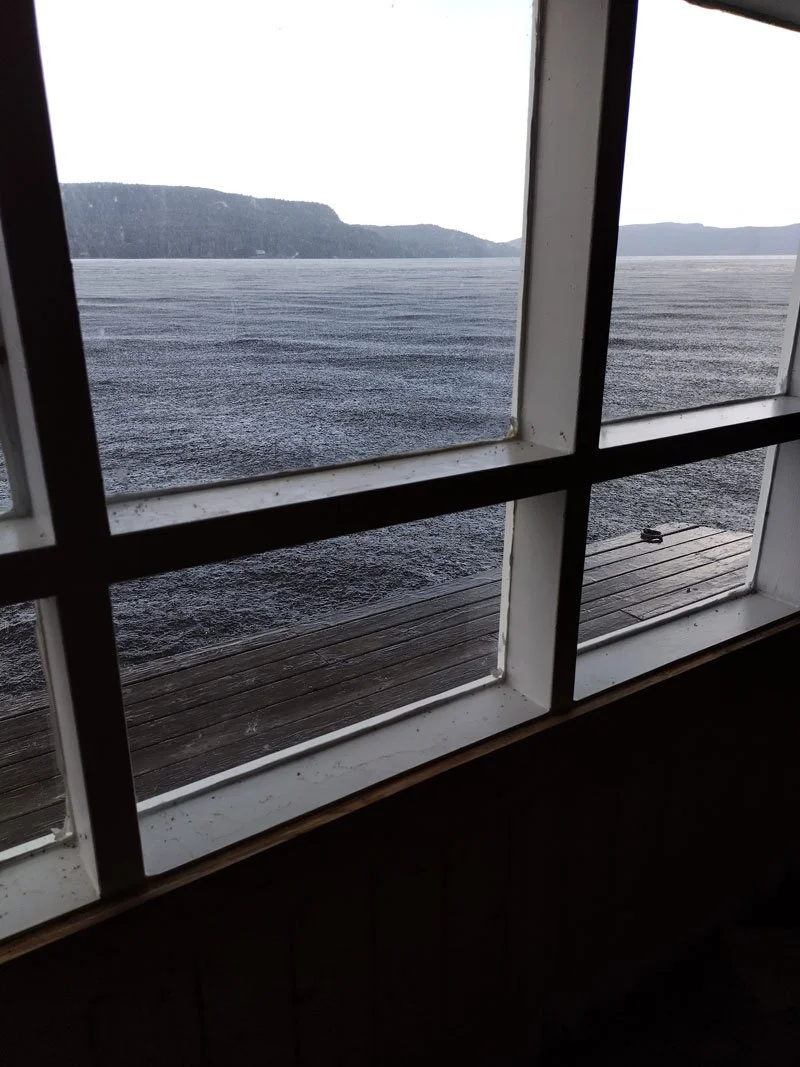
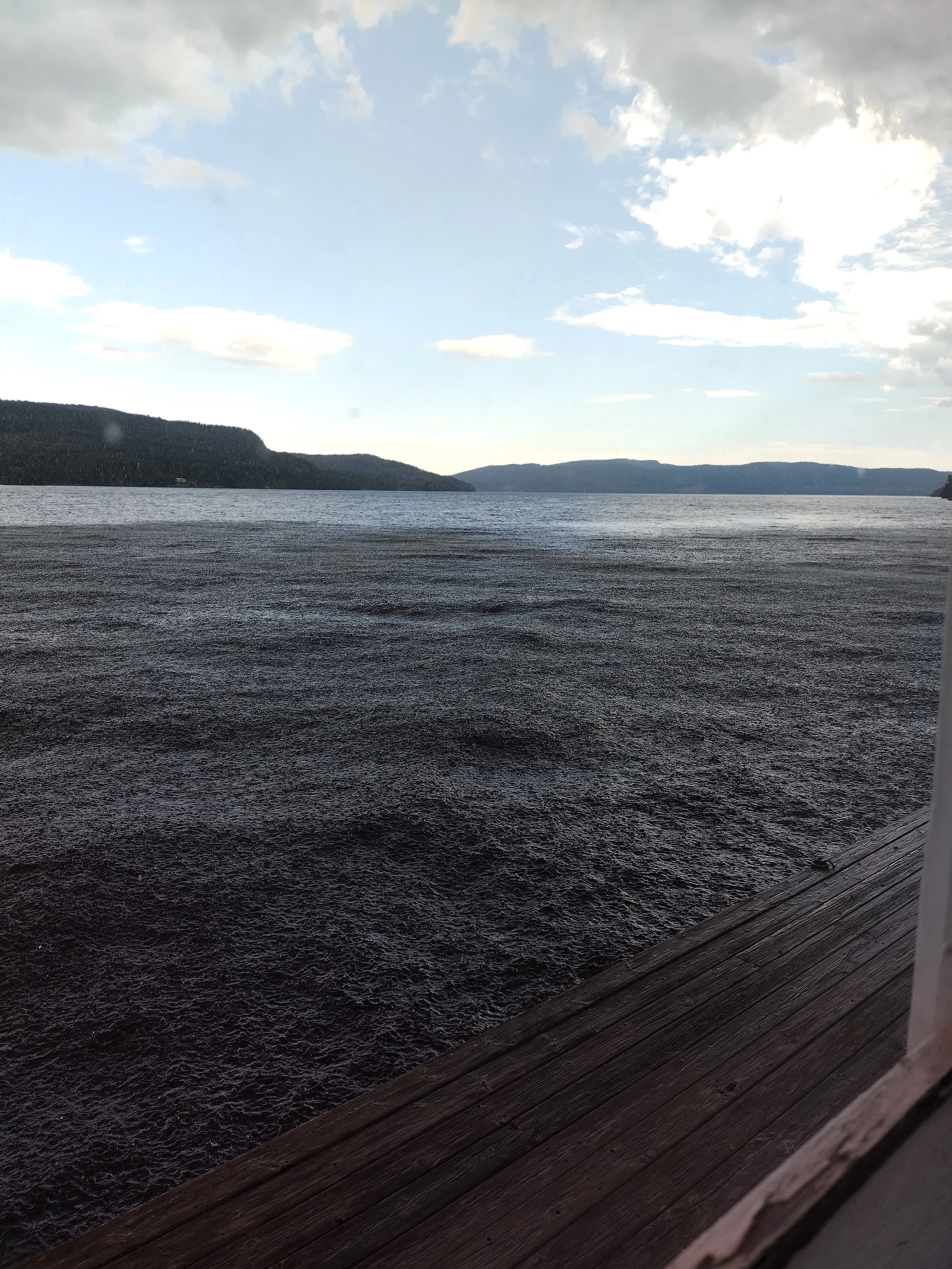
Docksta fjord, seaview from the pier at Docksta Havet Base Camp


Tommaso De Rosa

If you’d like a hand planning your stay at our waterfront marina accommodations—or you’re trying to pick the best day for Skuleskogen National Park or Mount Skuleberget when the forecast looks uncertain—just message me via Airbnb chat (see my host profile). I’m happy to help you build a simple Plan A + Plan B, based on your time, your must-have hike, and the kind of weather you’re actually facing.
_Tommaso

If you prefer, you can also reach me by email or WhatsApp at +46 76 313 6909.

P.S. I’m a trail runner. I explore the High Coast with a “hiking mindset” (curious, flexible, and route-focused). Below you’ll find the routes and places I’ve highlighted in these posts.

Ulvöleden Trail Guide: High Coast's newest hiking challenge from Docksta

The amazing view of Ulvön from Lotsberget

Discover Ulvöleden, the newest trail segment on Höga Kusten Leden. Book your strategic base camp at Docksta Havet marina - 50m from ferry, perfect for island hikers.

The High Coast Trail community is buzzing about Ulvöleden - the newest island segment added to the legendary Höga Kusten Leden. But here's what every serious hiker needs to know: conquering this trail requires strategic planning, and Docksta Havet offers the perfect launch pad just 50 meters from the ferry departure.

Holiday accommodations hiker friendly >
 

What makes Ulvöleden special?

Ulvöleden represents a groundbreaking expansion of the famous 130-kilometer Höga Kusten Leden (High Coast Trail), one of Sweden's prestigious 12 Signature Trails. This new island segment takes hikers beyond the mainland to explore the pristine archipelago that makes the High Coast truly unique.

The trail winds through Ulvön island, offering:

  • Dramatic coastal vistas across the World Heritage archipelago

  • Historic fishing village charm with traditional red cottages

  • Cultural heritage sites including the 17th-century Ulvö Chapel

  • Unique geological formations showcasing post-glacial land uplift

  • Authentic Nordic island atmosphere away from mainland crowds


The Ulvöleden challenge: What hikers need to know

Ferry Reality Check:

  • Single daily service: Departure 10:16AM, return 4:15 PM during summer season, from 16/6 to 17/8 (2025)

  • Journey time: 1.5-2 hours each way (perfect for scenic viewing of the fjords)

  • Ferry tickets: Book online in advance during peak season

  • Island camping required: Serious trail completion means overnight stays

  • Backpacker-friendly: Most hikers bring their own camping gear

  • Season dependent: Service to reach the island can be affected by calendar

  • Ferry operator from Docksta to Ulvön island: M/S Kusttrafik - HögaKustenBåtarna - Book online https://www.hkship.se/

IMPORTANT: “This isn't a casual day hike - it's a committed trail segment that demands proper preparation and staging.”


What sets Docksta apart for trail hikers

Strategic Location Benefits:

  • Ferry proximity: Closest accommodation to departure point

  • Trail integration: Direct connection to main Höga Kusten Leden

  • Multi-trail proximity: Skuleberget, Vårdkallberget, Getsvedjeberget trails start just few km away

  • Resupply access: ICA supermarket and essential services nearby

  • Weather shelter: Secure base regardless of conditions

Authentic Hiker Understanding:

  • The host is trail runner: Tommaso gets the hiking mindset

  • Minimalist comfort: Boathouse offers exactly what hikers need

  • No unnecessary luxury: Focus on practical staging benefits

  • Flexible service: Adapt to hiker schedules and needs


Why HögaKusten Leden hikers choose Docksta Havet as their island adventure base camp


The Night Before Strategy

👍 Our cozy Boathouse (350 SEK/person) offers the perfect pre-adventure setup and early morning ferry access just 50 meters to departure pier.

What’s included:

  • Fresh linens provided & made beds ready: No setup stress before your big day

  • Kitchenette access: Fuel up with proper meals at our Sailors Club House (2025)

  • Towel kit option: No need to pack heavy towels for your island adventure

  • Gear organization space: Spread out and pack equipment properly before or after island camping

Service House Facilities - your trail recovery center:

  • Shower rooms and toilet facilities: clean, comfortable, maintained daily

  • Laundry facilities: Washer and dryer for trail clothes (50 SEK)

  • Dishwashing area: Clean your camping gear properly

Unique boathouse stay: overnight by the sea >

“This is exactly what sets us apart from basic camping - you get the adventure experience with proper restoration amenities. After days of trail camping, there's nothing like a real shower, clean towels, and the ability to properly wash your gear.”


The Two-Night Adventure Strategy

The Dock House (900 SEK/night) provides luxury staging for hiking couples who choose our over-water accommodation.

👌 Romantic memorable experience: Combine trail achievement with special moments.

  • Space to plan: Review maps and routes together

  • Stress-free morning: Walk to ferry without rushing

  • Complete restoration hub pre/post-hike: recovery and comfort in between your camping adventure


Success Story: the German Couple

Last summer, a German couple arrived very tired from mainland HKLeden sections. They'd smartly booked our Dock House for two full nights.

Night One: Restoration

Hot showers, a real double bed with sea view, and hours on their private terrace overlooking the water. "We need to feel human again before tackling the island," they told us.

Day Two: Preparation

Refreshed, they spent the day at Naturum Höga Kusten Museum getting detailed trail maps, then returned to reorganize packs and study island routes. That evening, they enjoyed a romantica aperitivo & dinner on the dock of the boathouse as their "last supper" before island camping.

Ferry Day: Success

After an espresso together at the Club House, "Tommaso," they said, "this two-night strategy made Ulvöleden feel like a complete experience, not just a trail segment we survived." They walked calmly to the 10:15 AM ferry - no rushing, no stress, just two people ready for adventure.


What You'll Discover on Ulvön

The island offers a perfect blend of natural beauty and cultural heritage:

Natural Highlights:

  • Lotsberget viewpoint with panoramic archipelago views

  • Pristine coastal trails along granite shorelines

  • Rich birdlife and marine ecosystems

  • Traditional Nordic island landscapes

Cultural Experiences:

  • Ulvö Museum showcasing maritime heritage

  • Historic Ulvö Chapel (built by Gävle fishermen)

  • Traditional fishing village architecture

  • Famous surströmming (fermented herring) traditions


Connecting to the greater High Coast Trail

Ulvöleden brilliantly complements the main Höga Kusten Leden experience:

  • Trail integration: Seamless connection to mainland segments

  • UNESCO context: Experience the World Heritage site from both land and sea

  • Geological story: Witness post-glacial rebound from unique island perspective

  • Complete adventure: Combine mainland mountains with archipelago exploration

Why this matters for High Coast hikers

“Ulvöleden represents more than just a new trail – it's a paradigm shift in how we experience the High Coast. For the first time, hikers can seamlessly integrate island exploration with mainland adventures, all while using Docksta as their strategic base camp.

This positions the High Coast as not just a hiking destination, but as a complete outdoor adventure ecosystem where mountains meet the sea, and where every day brings new possibilities for discovery.”


Ready to be among the first to experience Ulvöleden this season? Ferry service starts 16/6 - book your strategic base camp at Docksta Havet now. Limited Boathouse and Dock House availability during peak hiking season.

Oue seaside accommodations are available for booking on airbnb >
 

Tommaso De Rosa

See my host profile and contact me on Airbnb

If you would like assistance planning your stay in one of our waterfront accommodations at the marina, need hiking advice at Skyleskogen Park or Mount Skuleberget, or have any other questions regarding things to do on the High Coast during the summer, please contact me via the Airbnb chat. You are welcome :)

_Tommaso

Please write me by email or WhatsApp at +46.763136909

P.S. I’m a trail runner. I like to explore new routes with a hiking mindset, especially those on the High Coast. Here below you find what I highlighted in these blog posts.

5 short favorite family walks in Docksta over the summer + 1 wild hike

These five easy and brief walks for families and nature lovers of all ages encourage them to explore spots and rich natural areas nearby Docksta, Skuleberget, and the national park Skuleskogen.

The suggestions omit all other challenging options that present rough terrain and steep segments. The paths are kid-friendly, but don't worry; you won't risk losing the best.

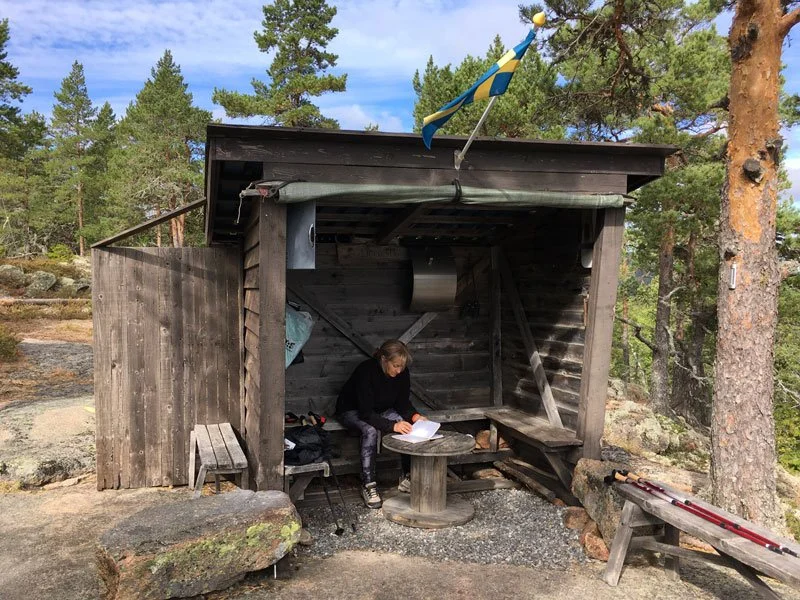
What could be more relaxing than to take a quiet stroll along a short segment of the Höga Kusten Trail track to reach Per Olsbo's shelter and picnic there amongst birdsong and a stunning view over the Docksta fjord?

The highlighted routes are perfect to enjoy the outdoors during spring and summer. Take all the time you need during your holiday to fully appreciate this stunning section in the heart of the World Heritage Site by embarking on one of the walks.


Here is my list of suggested family-friendly walks to take during your holiday in Docksta

📍

The descriptions of the routes on the maps begin from the marina.

#1 walk (or bike ride)

Naturum Museum Höga Kusten

This is the place to start learning more about Höga Kusten's inclusion on the UNESCO World Heritage List and to get information material and maps regarding the area's natural and scenic treasures, including its flora and animals.

On the walk to the museum at the feet of Skuleberget Mount, there is a lot of excitement for children. Just in front of the museum, there is a beautiful play area for the youngest: is on the theme "Höga Kusten" (...and also very much likes those a little too old). It’s a great spot for spending time together with your family.

The Naturum Höga Kusten Museum provides both permanent and temporary exhibitions about nature and geology within the World Heritage Site, coastal living, and the history of the High Coast. It has a modern and playful approach for guests with its distinctive information bars and activities. In the spaces of the museum, there is an educational playroom with information about animals and nature that is very fun for children.

👉 Here's how to make this stroll into an unforgettable hike inside the Skuleberget natural reserve if you want to extend the walk and reach the mountain's summit. (P.S. if you walk with children from the museum, the LYNX path uphill is recommended, and proper shoes, too :)


#2 short walk

Vibyggerå old church and the small lake in the woods

The church is located in Sätra, on the southern border of the village, immersed in pastures and meadows that open to the boundary of the surrounding forests. From there, starts the path that leads to Ullånger along the Höga Kusten Leden and that allows you to reach the beautiful wind shelter of Per Olsbo. From the opposite side of the church, the country road goes back to some farms and then goes into the forests surrounding Herrestaberget.

The old church of Vibyggerå is made of stones and lacks a bell tower, like many medieval churches in the area. It was likely built in the late 1200s or early 1300s. Beautiful seventeenth-century frescoes adorn the inside. The altar was built in 1771. The triumph crucifix is from the Middle Ages, while the pulpit was constructed in 1740.

While the church isn't constantly available for visits, the Vibyggerå parish hosts a number of events in the spring and summer that let you tour it inside.

TIP 👉 If you continue along the paved road to the farms to the right of the church, go back a little to Sätra, where you can enjoy a view of the fjord and surrounding fields. If you stick to the same road, it will cross the woods, and in a little more than a kilometer, you will arrive at the lovely pond Sätratjärn on the left. From there, the road is marked, where you can make a stop and enjoy the tranquility and beauty of the place.


#3 walk (or bike ride)

Docksta fjord (sunny side) “ut till Solvik”

This walk is the favourite for those who live in Docksta, which runs along the paved road that, from the end of the fjord, rises south along the coast opposite the village. It is a quiet path, made of a pleasant ascent, that crosses forested sections, holiday cottages areas, and panoramic points along the fjord. It is also ideal for cycling, but above all, it is excellently exposed to the sun, which can be for a long time, even in the afternoons and long summer evenings.

Starting from the marina, take the seafront to the shipyard, cross a small river on a bridge, and continue along the road that crosses the cultivated fields. Turn left, rising a little. Then continue to the left at the intersection, before turning to the right definitively on the road that leads you along the fjord to the south.

After about three kilometers, the road defines itself, taking you directly in front of Fäberget Mount and at the junction of the Docksta and Ullånger fjords. You choose how long to wander, and you can return whenever you'd like.


#4 mini-hike

Per Olsbo wind shelter

The section of the Höga Kusten Leden that leads to the shelter begins near the old church. This is a beautiful walk that, after first crossing the fields around the church and entering the woods, heads left to the panoramic spot over the fjord, where you may stop for coffee (I brought it ☕ with you in a thermos) and take in the view.

You can read a more thorough account of this amazing hike to the wind shelter right here > I highly recommend you walk it if you happen to be in Docksta 👍


#5 hike

Skuleskogen seaside

This is a really rewarding hike - suitable for walkers of all levels, over this unique seaside paths on the High Coast drawn between the forests and the coastline within the national park. You can immerse you in ancient woods, taking a forest bath along the magnificent well-signed path that is carved out of the forests just a short distance from the bay's water.

It is the walk to take first thing in the morning, when the sun rises in the east, and shines through the tree branches while walking a few steps from the ocean. There are several rest spots along the way for when it’s time to stop for breaks, and you have the option of swimming along the sandy beaches. Leave your car or, even better take the bus to the South entrance of the park: this walk starts from the sandy bay of Kälaviken and heads toward Näskebodarna along the coast.

P.S. 👉 These pathways along the sea into the national park are ideal for Nordic walking if you enjoy using your sticks.

You can download a map of the national park here and read about an excursion that is a little more challenging but will take you to some of Skuleskogen's most breathtaking locations here.


…plus one wild trail at Vårdkallberget

This last suggestion is for those looking for more of natural features, and it's a real family-friendly wilderness experience immersed into a rocky pine forest just a few walks from the village.

You can start hiking up the path in Myre. You can walk or drive there (parking is available prior to the antenna) starting from the marina.

Read here first a dedicated description of this amazing hike at Vårdkallberget Mount in Docksta, then pack a light rucksack, lace up your hiking shoes, and head out onto Vårdkallberget summit along its wonderful family-friendly wild trail!


🌲

TIP 👉 Spend your time in the woods, taking your time. Tie your hurry and stress to trees. Enjoy a relaxing SKOGSPAUS >

📍

TIP 👉 The wilderness in Höga Kusten is usually approachable, but don't overlook the basics of hiking gear and preparation >


SET YOUR BASE CAMP TO EXPLORE THE HÖGA KUSTEN WORLD HERITAGE SITE:

📍

These waterfront Airbnbs are situated just a step away from the Skuleberget Mount and close to Skuleskogen National Park.

Based in Docksta for your vacation, you can walk to the trails that lead you to the summit of Skuleberget Mount, and you will be close to the national park Skuleskogen. You can also easily get around by car or by bus, and you will be in the ideal location to start exploring the area. 👉 Take a look at our vacation Airbnb accommodations by the seaside >

Tommaso De Rosa

See my host profile and contact me on Airbnb

If you would like assistance planning your stay in one of our waterfront accommodations at the marina, need hiking advice at Skyleskogen Park or Mount Skuleberget, or have any other questions regarding things to do on the High Coast during the summer, please contact me via the Airbnb chat. You are welcome :)

_Tommaso

Please write me by email or WhatsApp at +46.763136909


📍

Other recommended outdoor activities:

Hike at the Skuleberget Mount along the Höga Kusten Stigen

This excursion covers the most breathtaking spots, making it ideal for those who love to explore Skuleberget Mount. You will find described two manageable few-hour walk that will take you to the summit and allow you to visit the Naturum Museum about the High Coast World Heritage site.

They accomplish this by following some of the most well-known pathways inside the unique mountain environment and its natural reserve, enjoying a leisurely stroll around the top, and including the panoramic descent down the Höga Kusten Stigen segment into each itinerary.

The foot of the mountain can be reached in less than two kilometers from the marina in Docksta.

The paths of the excursion allow you to visit the museum if you so choose, which is located on the eastern side of the mountain (if you go there riding, you can leave the bike at the museum before starting the hike).

Turn right toward the gas station after crossing the bridge heading toward the school, and then continue on the road next to the E4. Continue on the route that retains the mountain to your left after a few hundred meters by staying to the right.

The relief you see from Docksta is the southern portion of the Skuleberget, called the Litoberget (224m a.s.l.). You will pass it on the way back as you descend from the top of the Skuleberget along the Höga Kusten Stigen trail.

To reach the museum by arriving from Docksta, there is a pleasant terrain road between the mountain and the highway, which is less than two kilometers from the end of the village and quite flat.

📍

Naturum is where you begin your journey to the summit.

About Naturum

The museum was built in 2007 right under the vertical walls on the eastern side of Skuleberget. Here are also the 5 slopes on the equipped wall of “Via Ferrata”, which attracts climbing enthusiasts from all over Europe.

The Naturum Höga Kusten Museum serves as the starting point for anybody interested in learning more about the history of the High Coast and the network of nature heritage sites that crisscross the coast. The elevation of the terrain served as the rationale for the site's designation as a World Heritage Site. There are always both temporary and permanent exhibitions, along with additional events throughout the spring and summer. With unique information bars that provide visitors with information on the many themes, the show, which looks at land uplift, geology, and living on the High Coast, adopts a contemporary and lighthearted approach.


Reaching the top of the Skuleberget is an enjoyable excursion, and it is within reach of everyone. Simply appreciate the pathways and ascend in a relaxed manner. There are plenty of indicators, and the paths are clearly marked.


What’s the recommended route?

👇

Hike the “Eagle” path or the “Lynx” path uphill to the summit of Skuleberget and then follow the “Höga Kusten Stigen” path to return down.

I suggest you have two options of routes to climb: the first (in GREEN on my map), along the path that leads right next to the museum. The second (in LIGHT BLUE) slides from the east side to the north side of the mountain, offering panoramic views and really fascinating areas in the forest.

The difference in altitude on these pathways is less than 300 meters (EAGLE segment D+213m; LYNX segment D+227m), but you don't have to think of the experience as a straightforward stroll. The Skuleberget has all the characteristics of a mountain, despite its height, which should lead us to classify it as a hill. Even the most seasoned hikers should give their paths due thought and respect.


Option #A:

up along the EAGLE segment

This steep trail takes you to the summit in a little more than 800 m, overcoming almost 250m of dislevels along a rather vertical route that also leads, with a short indicated deviation, to visit the cave.

The cave is known as Kungsgrottan or Rövar Grottan, is a round cave formed from erosion by sea waves thousands years ago.

This path is indicated on the sign as “Grottsstigen”. Mountain riding enthusiasts have nicknamed it “Eagle”, and it is one of the most challenging segments of the five trails that lead to the summit.

You won't have really “to climb” along this path, but you will need appropriate footwear and a little climbing attitude! You will walk on stones, rocks, and roots; some points are challenging but absolutely safe; and with iron steps, you will run to overcome the most vertical sections.

The stunning scenery, which includes the national park to the west and the Norrfjärden and archipelago to the east, will make the effort well worth it. You'll be glad you made the journey when you reach the peak.

A couple of tips related to the EAGLE segment 👉 when it's raining or the ground is wet, take an alternate path to ascend instead of facing down the Grottanstigen. This is not the road for your dog if he is with you.


Option #B:

up along the LYNX segment

The second track climbs to the top following the “Blå stigen / Östra bergsstigen” trail. You can catch it by continuing from the museum to the north along the route of the Höga Kusten Leden in just over 800 meters. On the left, after the paths leading to the trails of the Via Ferrata, starts the “LYNX” segment, which on the signs you will see indicated as Stigen/Norra Stigen.

It is a beautiful route and probably the most suggestive to walk. You can see, especially in the first part, the high vertical walls on the side of the railway roads, which fall into the most impervious forest of the trail, and the characteristic subforest of these woods, with moss on the rocks, the roots appearing, and the remains of tree trunks.

A tip related to the LYNX segment 👉 in the warmer summer days (sometimes they are damp even at these latitudes), this is the route to climb that offers the most cooling. In the morning, in particular, this is the side of the mountain to choose, and then descend instead from the side exposed to the south, which is super-panoramic and sunny.


📍

Finally, you are on top.

Right next to the Toppstugan, there is a panoramic wooden platform where you can find the bronze sculpture “Skrubban” by Hans Hedberg, a tribute to the small island of the same name that lies south of Trysunda and to the Höga Kusten UNESCO heritage. At the end of the climb, it is tradition to pass by the Skrubban and touch it.

You are about 286m above sea level, at a height that ideally outlines what more or less 10,000 years ago was the coastline of a small, nine-meters-high island (the peak of the Skuleberget, that's now is 295 meters above the sea level) that emerged from the surface of the sea, completely surrounded by ice during the last glacial period.

Today, there is a path marked with red signs on rocks and trees that runs on this hill on a circular path around the summit of Skuleberget. The “Kalottstigen” is a fairly flat walk, a little more than a kilometer long, offering unforgettable panoramic views. I suggest you take this trail; maybe stop for a break with your breakfast in the bag before starting the return route.


A panoramic route back:

Go down the Höga Kusten Stigen trail enjoying the sea views.

The sunny path with views of the sea, called “Höga Kusten Stigen”, was opened in 2017 on the south-facing side of Skuleberget to welcome new hikers to the world's highest shoreline at 295 meters above sea level, connecting Friluftbyn to the summit of the mount.

It is a very panoramic trail (in BLUE on the map) that offers views of the two fjords, Norrfjärden and Dockstafjärden, and the main mountains that divert the area: Getsvedjeberget to the East, the Vårdkallberget peninsula (🧭S-E), the particular duck form of Fäberget (🧭S), where the Ullångersfjärden is forced, and Herrestaberget westward (visible from the top of the Skuleberget, on the opposite side of the Gällstsjön lake).

The path begins a hundred meters from Toppstugan, on the left, at the beginning of the ski slopes. You'll see the signs indicating it. It slides down on the southern slope, along a forested crinale that reconnects to Litoberget, and then turns a little east, opening up towards the beautiful view of the fjords and Docksta.

The Södra Stigen continues to descend steeper along endless red granite walls, down to the valley before twisting. On the left, you return to the woods towards the museum; on the right, you turn around the mountainside and descend to Friluftbyn.

Ah! Walking the Höga Kusten Stigen, you descended from the segment nicknamed "FOX,", another of the five paths, along with BEAR and ELK, of the Skuleberget Mountain.

Whatever route you choose to ascend Skuleberget, I'm sure the trail will be etched in the memories you carry from Höga Kusten. I am familiar with all of this mountain's pathways; each has a unique personality and the capacity to evoke strong feelings and memories in you.

🔎 LYNX, EAGLE, FOX, ELK, and BEAR: know more about the five paths that brings you to the summit of Skuleberget Mount >


SET YOUR #HIKING BASE CAMP TO EXPLORE THE HÖGA KUSTEN WORLD HERITAGE SITE:

📍

These waterfront Airbnbs are situated just a step away from the Skuleberget Mount and close to Skuleskogen National Park.

Based in Docksta for your vacation, you can walk to the trails that lead you to the summit of Skuleberget Mount that I have described, and you will be close to the national park Skuleskogen. You can also easily get around by car or by bus, and you will be in the ideal location to start exploring the area. 👉 Take a look at our vacation Airbnb accommodations by the seaside >


Tommaso De Rosa

See my host profile and contact me on Airbnb

If you would like assistance planning your stay in one of our waterfront accommodations at the marina, need hiking advice at Skyleskogen Park or Mount Skuleberget, or have any other questions regarding things to do on the High Coast during the summer, please contact me via the Airbnb chat. You are welcome :)

_Tommaso

Please write me by email or WhatsApp at +46.763136909


P.S. I’m a trail runner passionate. I like to explore new routes with a hiking mindset, especially those on the High Coast. Here below you find what I highlighted in these blog posts.

👇

Walk in the forest to the “magic” wind shelter of Per-Olsbo

The shelter was built in 1997 by Gunvor Eriksson, Åke Olson, Lilly and Karl Mellberg and dedicated to Per Olsbo; they opened it to any hiker passing through this beautiful part of the High Coast World Heritage site. It is unique and a really magical place!

Starting from the piers of the marina, the walk to South to Skovedsberget brings you to an amazing viewpoint over the Dockstafjärden.

From the old church at Vibyggerå, the Höga Kusten Leden's path heads into the fields of the countryside and into the forest. It's an easy walk that everybody can approach, but it's 100% hiking into nature!

(👉 Don't forget to take with you a Swedish "fika.")

WALKING: 40 min
TOTAL DISTANCE: 3,8 km

  • Docksta Havet Base Camp -> Old Church 2 km

  • Old Church -> Skovedsberget utsiktsplats 1,8 km


FREE DOWNLOAD:

INFO-MAP for your excursion to Per-Olsbo wind shelter >

(.pdf - 4MB)

Hike at the feet of SKOVEDSBERGET Mount:
Short walk in the forest to a magic shelter over the Dockstafjärden

During your stay at Docksta, take a moment to take a walk there :)

At the end of the main road of the village, take the upward road (Prästbacken) that leads to Sätra.

The ancient church you meet where the path begins, the old church of Vibyggerå, was probably built in the late 1200s or early 1300s.

After the new church of Docksta was completed in 1874, at Herresta, the Vibyggerå old church was abandoned until 1916. The new church was then burned down by lightning and the old one had to be restored to worship use again.

The interior is decorated with beautiful frescoes from the 17th century. The altar dates from 1771. The pulpit was made in 1740 and triumph crucifix dates from the Middle Ages. (Source: Wikipedia)
From the church, the trail crosses the meadows and feed fields before entering the woods after a few hundred meters.

You are on the Höga Kusten Leden trail, southward. The path to the shelter rises gradually; it is a pleasant walk. After a little more than one and a half kilometers, there is an outlook that leads to the panoramic point (utsiktsplats) where the shelter was built.

Per's shelter is different from any other you'll encounter on your excursions. It is a special place, and it is understood that it is there to make the stop as pleasant and comfortable as possible for the passersby.

It is well equipped; you will find everything you need to prepare a falò safely, and much more will surprise you, such as the binoculars and the guest book.

Above all, you will adore this unique nook that feels like it belongs to you and touches your heart, even more than the view! That is gorgeous over the Dockstafjärden to the south-east and Vårdkallberget Mount, and toward the north, over Docksta and Skuleberget.

Usually, I go to the wind shelter running from the marina (this route has a couple of funny Strava segments), but walking will really make you enjoy it. The sun rising directly in front of Skovedberget in the morning adds a unique light and ambiance to this spot.

See Utsiktsplats Per-Olsbo on naturkartan.se >


P.S. I’m a trail runner. I like to explore new routes with a hiking mindset. Here you find what I highlighted to explore the High Coast Worls Heritage Site >

Feel free to contact me:

Tommaso De Rosa

Instagram: @tominthehighcoast

+46 (0)76.3136909 or +39.335.1309207 (WhatsApp too)

e-mail: dockstahavet@gmail.com

See my host profile and contact me on Airbnb

Just below, you can read about our holiday Airbnb accommodations by the seaside in Docksta: starting from the piers of the marina, you will be in the ideal location to enjoy the area, the national park Skuleskogen and the trails at Skuleberget Mount (plus, the other summits that surround Docksta).

Basic tips to get ready for your day hike (or run) on High Coast paths

The great outdoors is calling: a walk's quality need not be determined by its duration or level of difficulty, nor does it have to be an intense hike.

Being on the High Coast represents an opportunity to move in nature in an unparalleled way.

It's a good idea to keep in mind a few recommendations to ensure the success of any excursion you have planned that may be completed in four or five hours, even if it's only a few kilometers on paper.

Outdoor-ready, without overpacking

If you’re nearby Docksta and don’t have all the gear with you, we run Grab&Go — hosted outdoor gear rental at Docksta marina. Tell us your day plan and we’ll match the essentials (daypack, hammock kit, and more), with simple route tips.

→ See Grab&Go Pricing & Booking: https://dockstahavet.se/outdoor-gear-rental-hoga-kusten/pricing-booking


6 suggestions to prepare you for your outdoor walks on the Höga Kusten

1. You need suitable footwear. With few exceptions, all the paths that lead you to climb or descend on the reliefs are very technical, you will also walk on rocks, roots and pebbles. You do not need heavy or rigid shoes, good shoes are enough, for example for hiking or trail running, that are comfortable, with a good grip and possibly tasselled.

2. Move with a light backpack, always carry a reservoir of water with you and something to eat to replenish your energies. Remember that you won't be able to easily access stores to "supply" or just stop for a drink when you're in the woods or on the national park's trails.

3. Check the weather forecast, bringing appropriate clothing (to stay warm and dry, particularly).

The applications YR.no and SMHI.se are excellent for puntual locality forecasting.

4. Plan your route. The paths within the national park or protected natural areas, and the Höga Kusten Leden are average well marked, you will generally find signs with the indications that are needed or more easily than signs made with colored paint on rocks and trees.

Taking a look at a map, to know the territory where you are moving, is always a good idea. Tourist information points can in most cases provide you with a useful one.

👉 You can find many maps even downloadable online, (below, you can free download our info-maps, too), or use apps (like Kamoot, Outdoorsactive...), when you have network coverage. A good resource are naturkartan.se website and app.

👉 Have a look also at our outdoor MAP-POSTERS >

If you're adventuring on trails that you don't think are popular, let someone know about your route and your excursion plans.

5. Bring a cell phone with the batteries charged but remember that you will not always have the coverage guaranteed, especially if you are in roaming with a non-Swedish telephone contract.

6. Carrying hiking or Nordic walking poles in your backpack could be an excellent alternative if they are foldable. Although they are helpful equipment, many of the rough and rooty pathways you may come upon are not suitable for them.


Little etiquette guidelines

Additionally, you will find here a few basic etiquette rules for a more environmentally conscious outdoor experience.

📍Keep it wild.

Just remember that the natural environment you are moving into is unique and delicate.

Stay on the existing paths (do not venture off the trails creating new ones or cutting switchbacks). Remain on it to avoid harming the natural spaces around it. With so many visitors enjoying natural areas for their outdoor recreational activities, a simple shortcut through a dune, around a wet trail, or across a meadow can have long-lasting negative impacts.

📍Do not disturb wildlife.

Your surroundings are home to many plants and animals: you are the visitor.

📍Do not litter.

Take all of your belongings home with you :)


Set your #hiking BASE CAMP to explore the Höga Kusten World Heritage site:

These coastal Airbnbs are located at the marina in Docksta, along the Höga Kusten Leden (Etapp 5: Ullånger–Skuleberget) and just a step away from the Skuleskogen National Park and the Skuleberget Mount. The accommodations are seaside and perfectly located to explore the Höga Kusten World Heritage.

Discover our holiday rentals >


Tommaso De Rosa

See my host profile and contact me on Airbnb

If you would like assistance planning your stay in one of our waterfront accommodations at the marina, need hiking advice at Skyleskogen Park or Mount Skuleberget, or have any other questions regarding things to do on the High Coast during the summer, please contact me via the Airbnb chat. You are welcome :)

_Tommaso

Please write me by email or WhatsApp at +46.763136909


P.S. I’m a trail runner. I like to explore new routes with a hiking mindset, especially those on the High Coast. Here below you find what I highlighted in these blog posts.

👇

Vårdkallberget Mount offers the taste of a wild hike on the High Coast

This mount remains in your heart.

The trail to Vårdkallberget (or Värnsberget, as someone started to nickname it) is a well-balanced hike, with only one rugged path along the hilltop leading to the summit at 265m a.s.l.

The name "Vårdkallberget" means "beacon mountain”, and it evokes memories of the old signal fires. In the past centuries, big signal fires in the High Coast Mountains alerted the locals to impending enemy attacks. The beacon chain extended all the way along the coastline so that the armies could be gathered.

Overview from the summit toward south: on the right, the Fäberget Mount at the entrance of the Docksta fjord.

Rising from the sea, the mountain forms a peninsula, never more than a couple of kilometers wide, that divides the Docksta fjord from the Norrfjärden.

Between the North fjord and the Dockstafjäerden, the peninsula with Vårdkallberget Mount (panoramic view from the summit of Skuleberget)

On the right of the panorama, the summit of the Vårdkallberget Mount from the overview point at Getsvedjeberget.

From the Per Olsbo’s shelter, near the Höga Kusten Leden, view of the Vårdkallberget Mount. From its height, it overlooks the smaller Valabergen Mount, characterizing the shape of the promontory overlooking the fjord “Ullångerfjärden” to the south.

Along the coast, there aren't many houses, and the mountain retain its amazing natural features.

The trail that leads to the top of Vårdkallberget is mostly known by locals and, fortunately, little visited, so it will be much easier to meet some wild animals, though you will probably only see traces of them in the summer.

The Vårdkallberget Mount from the pier at Docksta Havet.

From the village of Docksta, looking south-east, you can see the mountain dominate the landscape at the beginning of the fjord. It is curious to think that it is only thirty meters lower than the top of the most famous Skuleberget.


🧭

Trail to Vårdallberget Mount: back and forward from the Antenna in Myre:
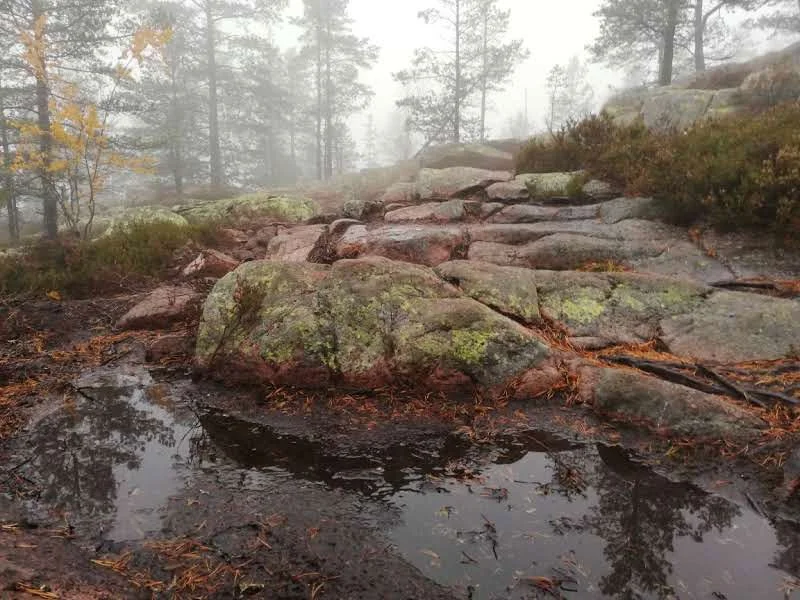
4.6KM, D+180M, ~2HRS

(for hikers of all levels)

From the marina, it's easy to get to the beginning of the path by foot, bicycle, or by parking your car in Myre.

The trail climbs steeply along the short terrain road to the antenna in Myre, then crosses over a short stretch of recently cleared forest before entering the breathtaking wild area. This section of the woods is distinguished by its openness and exposure to the sun.

These particular forested areas, precious to biodiversity for flora and fauna, are called "rocky pine forests". You will understand what it means to cross a natural and undirsturbed old-growth wood in the High Coast.

The rocky pine forests are still dominated by natural dynamics and low human impact since they are considered low productive due to the low tree density (lack of water and rocky and nutrient-poor hilltops may contribute to it).

These are structurally diverse and heterogeneous forests and valuable habitats for organisms connected to sun-exposed dead woods; both snags and logs can be present for several centuries after death.

During your excursion, you will see very old pines (Pinus Sylvestris, particularly) that have been twisted by wind and snow, and you will likely need to climb or surround some storm-fallen trees, whose exposed roots will show you how almost everything here clings to a small layer of soil and to bare bedrock to survive.


At Vårdkallberget Mountain, you get a real taste of what hiking Nordic trails in areas with low human impact looks like


By walking a narrow single track surrounded by blueberry bushes, you will pass portions of thicker forest, passing next to a wet area, and walk a few tens of meters next to a beautiful lake but invisible from the path if you don't start looking for it.

Finding the lake on the map and orienting yourself to get there should be fairly simple if you have a smartphone and a trekking app (like Komoot or Outdoorsctive). Just be cautious when approaching the wet area that is surrounded by a frequently occurring layer of moss under the surface of which there is water.

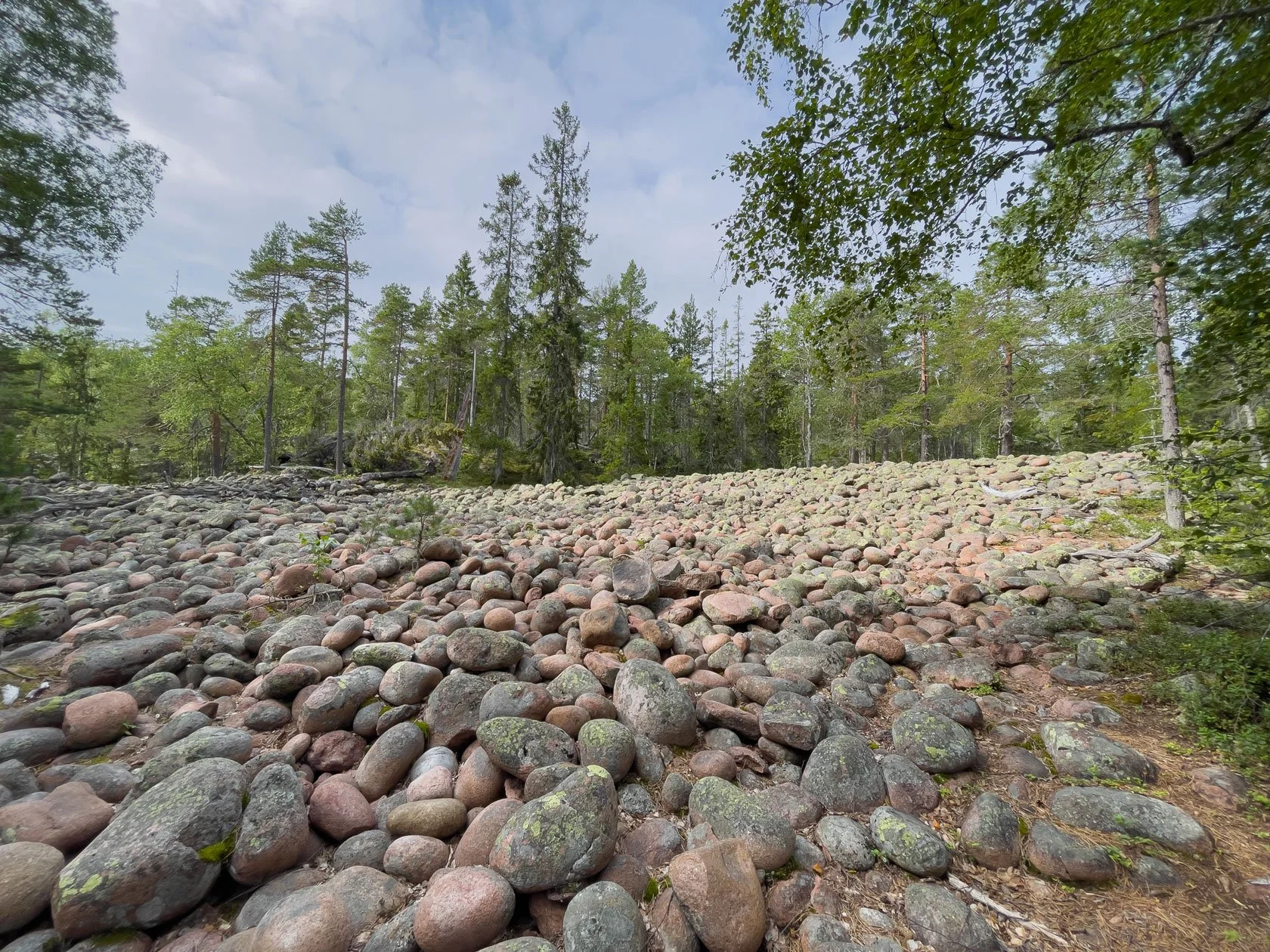
You will also cross a couple of the typical cobble fields whose pebbles have been rounded by the work of the waves because they were once at sea level around 10.000 years ago.

The final stretch of the trail has sparser vegetation, making it easy to jump over some broad, rocky reliefs of typical red granite that are covered in moss and lichen.

You will be able to identify the southern summit of the mountain by the stacked stones that accentuate some of the 360-degree panoramic points over the archipelago.

If you start exploring the surroundings a little from there, you will discover charming views to the Ullånger’s fjord and, just below the top, on the north side, a particular wind shelter.

Photo ©: courtesy by ArkNat

It's name is “He”, and it was built in 2019 within the ArkNat project by students from different Scandinavian schools of architecture. Because of the shelter's two-sided architecture, guests can tilt the main body for shade, or wind protection, or a gorgeously framed view of the Norrfjärden, toward the Skuleberget and the Skuleskogen National Park.

The whole route to the summit of Vårdkallberget, back and forth from the antenna, is roughly five kilometers long and has a level of difficulty that most people can handle.

Naturally, it is advised to wear a good pair of trekking shoes and a pair of long trousers (the single track path narrows between bushes at certain segments). You won't be disappointed when blueberries are in season, but don't forget to pack a water bottle and possibly some snacks.

When windy, the summit is typically fairly exposed. At Vårdkallberget, however, the sun will shine through the trees for a good chunk of your journey if the weather is good. Have fun!

 
Holiday accommodations a step from Vårdkallberget and Skuleberget Mountains >
 

Tommaso De Rosa

See my host profile and contact me on Airbnb

If you would like assistance planning your stay in one of our waterfront accommodations at the marina, need hiking advice at Skyleskogen Park or Mount Skuleberget, or have any other questions regarding things to do on the High Coast during the summer, please contact me via the Airbnb chat. You are welcome :)

_Tommaso

Please write me by email or WhatsApp at +46.763136909


Hiking in Skuleskogen National Park during enchanted summer nights


The summer solstice is celebrated in June over a long weekend, and is known as "Mittsommar" in Sweden. It honors the longest day of the year.

But since the High Coast is above 60° North latitude, both June and July celebrate endless summer days that have 24 hours of daylight to enjoy!

Spending time outside right now is ideal to explore the Höga Kusten Unesco World Heritage.

During one of these bright "nights" and when the sun just dips a few degrees below the horizon, can you image yourself traversing the Slåttdalsskrevan cracks and hiking the Skuleskogen trails?

This is specifically the subject matter I wish to cover on the summers excursion in Skuleskogen, (and there could be no better base in Docksta where to leave for an unforgettable outdoor experience at the national park ;)


Step by step, along the nicest paths in the Skuleskogen in summertime.
This trek rocks.


MAP: hike the best trails at the Skuleskogen national park

🧭

~11.4KM, D+321m, ~4/6Hrs

(medium difficulty)

 
  • 🔵 Leave your car at the Southern Entrance of the park (Entré Syd);

  • 🟡 start heading to “Näskebodarna” on the beautiful path between the forest and the sea that follows the coastline;

  • 🟠 then, hike up along the trail (blue markings) to reach the "Tärnättvattnen" lakes and packed dinner there;

  • ⚫ next, in the midnight summer light and with a certain "Lord of the Rings" suggestion, traverse the 7 meters wide, 30 meters deep “Slåttdals” crevice (“Slåttdalsskrevan”) from north to south.

  • 🔴 from there, up on the short segment that climbs on the "Slottdalsberget" hill summit for coffee and chat with an overview of the whole archipelago;

  • 🟣 downhill from the summit, and slow walk back in the forest along the path marked with orange dots (boardwalks on about half of the segment);

  • 🔵 ending greeting of the day and the reborn sun with breakfast or a packed snack on the beach at “Kälaviken”, before to return to the parking of the Southern Entrance.


Tips and recommendations for your overnight hike

  • Pack lightly because the trail is tough. Only bring what is necessary to ensure that your hike is safe and pleasant enough in your backpack.

  • There are no shops or bars nearby! Carry your own food and water, including coffee or te. Stay hydrated and consider that you'll burn a lot of calories.

  • Even in the summer, the weather might quickly change. Be sure you are dressed appropriately. The paths are rough and some sections are challenging, with many rocks and roots: a pair of shoes with a good grip is highly recommended (you will need it a lot, particularly on the downhill or with wet conditions). Even a light pair of gloves to keep your hands safe when resting against the rocks might be helpful.

  • To orient yourself, stay on the indicated paths and follow the signs. Don't rely exclusively on your smartphone, which might not have reception or have a low charge, and instead bring a map of the national park with you. The permitted fireplaces and restrooms that are located along the trail are highlighted on the maps.

  • Beautiful spots are available to pause for a late dip at Kälaviken's sandy beach and the fresh waters of the lakes. Be mindful that while you could be hot after your hike, water is typically cold.

    WHERE YOU FIND TOILETS: Entré Syd, Näskebodarna, Tärnättvattnen, Kälaviken.


There are alternative trails and routes, of course, but I advise taking this trek at Skuleskogen* (during the summer) because it's balanced to give you a memorable experience of the national park's top locations and scenery.

(*) It's a hike that I have tested and wholeheartedly endorse. @Tominthehighcoast :)


BE IN TUNE WITH THE PARK

#SKULESKOGEN ETIQUETTE

  • keep the curves and the steps in the trails (or limit your go off trail), to avoid to contribute to the erosion of the path

  • leave nothing but footprints (don't litter)

  • keep it wild

  • say hello to those you meet

  • share the experience with other hikers

See also: safety and rules within Skuleskogen National Park >


Recommended places to overnight nearby the Skuleskogen National Park:

Holiday rentals by the sea near the Skuleskogen National Park>
The bliss of sleeping in a Nordic Boathouse>
the perfect base to stay by the sea during your holidays >