Rainy day in the High Coast: When to stay out, when to stay in
It's 10 a.m. at the Sailor's Club House. A couple sits across from me with a map and their phone open to the forecast. They arrived yesterday. They're planning their days.
"The park hike—Skuleskogen—that's the one we really came for," she says. He's looking at the clouds. "But the forecast says rain tomorrow and Sunday."
I watch them. This isn't really a weather question. It's a time question. They have four nights. The park is their must-have. And they're trying to solve an impossible puzzle: how do we protect the one day that matters?
This is the conversation I have most often in the High Coast.
And here's what I've learned after 20 years — and hundreds of rainy-day conversations: there's no one answer to "should we hike in the rain?" Because rain isn't the real variable. Time is. Gear is. Your attitude is. What you came for is.
So instead of a yes-or-no, I ask questions. I listen. I explain what I actually see. And usually—almost always—we find a plan that works.
That's what this is. Not a generic list of rainy-day activities. But how we actually think about it when the forecast changes and your must-have day is at stake.
🇸🇪 Svenska sammanfattning:
Det är 10 på morgonen på Sailor's Club House. Ett par sitter mittemot mig med en karta och väderprogosen på telefonen. De kom igår. De planerar sina dagar. "Parkvandringen—Skuleskogen—det är det vi egentligen kom för," säger hon. Han tittar på molnen. "Men prognosen säger regn imorgon och på söndag." Jag ser på dem. Det här är inte egentligen en väder-fråga. Det är en tid-fråga. De har fyra nätter. Parken är deras måste-ha. Och de försöker lösa ett omöjligt pussel: hur skyddar vi den ena dagen som spelar roll? Det här är samtalet jag har oftast på Höga Kusten. Och här är vad jag lärt mig efter 20 år och hundratals samtal om regniga dagar: det finns inget enkelt svar på "bör vi vandra i regn?" För regn är inte den riktiga variabeln. Tid är. Utrustning är. Din inställning är. Det du kom för är. Så istället för ja-eller-nej ställer jag frågor. Jag lyssnar. Jag förklarar vad jag faktiskt ser. Och vanligtvis—nästan alltid—hittar vi en plan som fungerar.
🇫🇮 Suomalainen yhteenveto:
Kello on 10 aamulla Sailor's Club Housessa. Pariskunta istuu minua vastapäätä kartalla ja sääennusteella puhelimessaan. He saapuivat eilen. He suunnittelevat päiviään. "Puistovaellus—Skuleskogen—se on se, jolle me oikeastaan tulimme," hän sanoo. Hän katsoo pilviin. "Mutta ennuste sanoo sadetta huomenna ja sunnuntaina." Katson heitä. Tämä ei ole oikeastaan sää-kysymys. Se on aika-kysymys. Heillä on neljä yötä. Puisto on heidän täytyy-omistaa. Ja he yrittävät ratkaista mahdotonta palapelia: kuinka suojaamme sen yhden päivän, joka on tärkeä? Tämä on keskustelu, jonka käyn useimmin Korkealla Rannikolla. Ja tässä on se, mitä olen oppinut 20 vuoden ja satojen sadepäiväkeskustelujen jälkeen: ei ole yksinkertaista vastausta "pitäisikö meidän vaeltaa sateessa?" Koska sade ei ole todellinen muuttuja. Aika on. Varustus on. Sinun asenteesi on. Se, mihin sinä tulit, on.
Before We Talk About Rain, Let's Talk About Time
You arrive Friday. The concert at Skuleberget in Docksta is Saturday evening—non-negotiable. Sunday morning, the forecast says rain all day. Monday you leave.
That's the real constraint, isn't it?
Most guests don't have a week to wait for better weather. You have three nights. Maybe four. So the question isn't "should we hike in the rain?" The question is: "what's our must-have, and when do we protect it?"
Here's what we see:
The hiker arrives with a backpack. They've got shell jackets, waterproof bags, grip shoes. They're flexible. If it rains tomorrow, they rest today and go tomorrow. They have time flexibility. They have the right gear. They're comfortable with "we'll see."
The car-holiday family arrives with a calendar. They booked the Skuleskogen hike for Wednesday. The climbing at Via Ferrata is Tuesday. The drive home is Friday morning. No flexibility. They need a framework, not a philosophy. They need to know: can we do this, and how?
Both are right. Both need different answers.
So here's what we actually do: we listen first. We ask.
The Questions We Ask (And You Should Too)
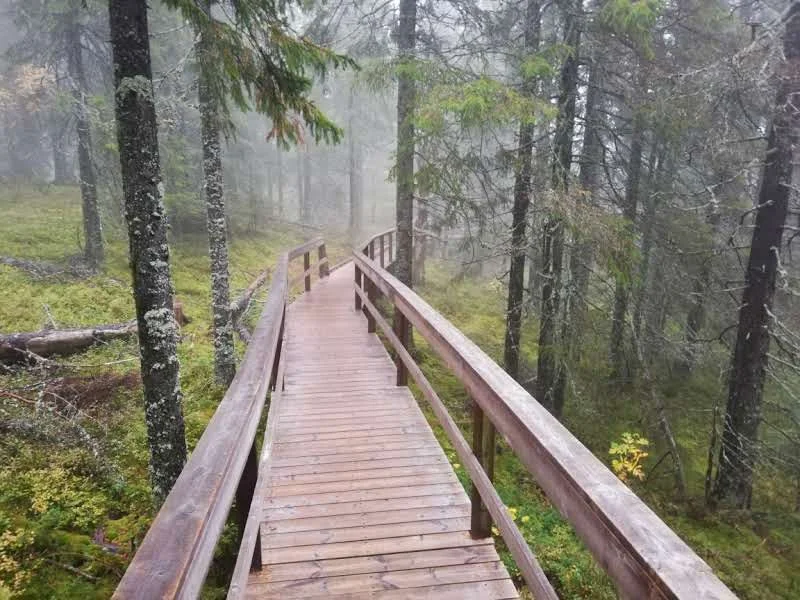
What kind of rain are we talking about? Drizzle that comes and goes, or a downpour that stays? Wind? Cold? There's a difference between 8°C in drizzle and 15°C with mist. One is manageable. One is not.(If you like checking forecasts: we often use yr.no, and the Swedish classic is smhi.se.)
How much time do you have? One night? Three? A week? If you have one night and it rains, you can't wait it out. You have to decide: do we go anyway, or do we protect something else for tomorrow?
What's your must-have? For most people, it's the Skuleskogen crevice Slåddalskrevan, or the trails at Skuleberget. Or the climbing. Some things you came for, and you're not leaving without them. Other things are nice-to-haves. The difference matters.
What's your attitude? "I came to hike no matter what" is different from "I'm flexible, but I want to maximize my time." Both are valid. They just need different advice.
What gear do you have? Shell jacket and warm layers? Or just a t-shirt? This isn't judgment. It's logistics.
Are you a hiker or a planner? Hikers are comfortable with "we'll see." They rest when it rains, they go when it clears. Planners have a calendar. They need to know the plan works, or they need to change it now.
Our Real Advice
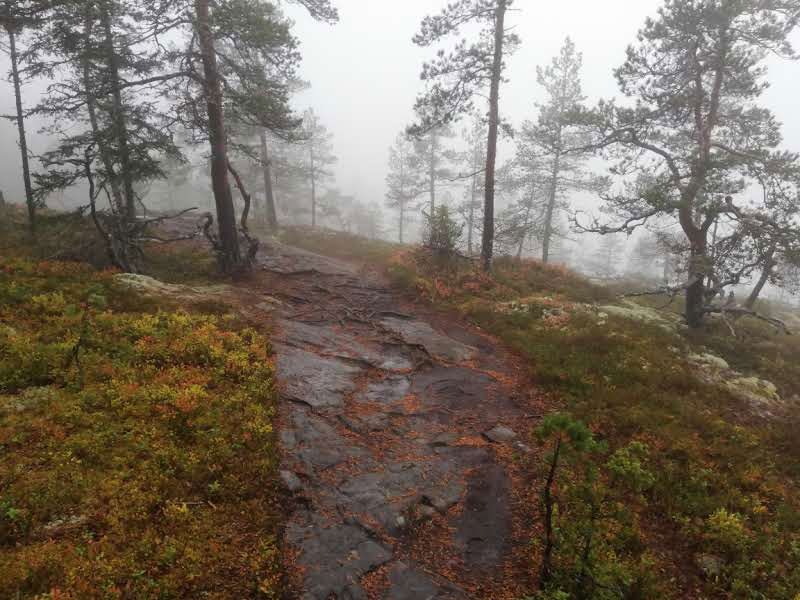
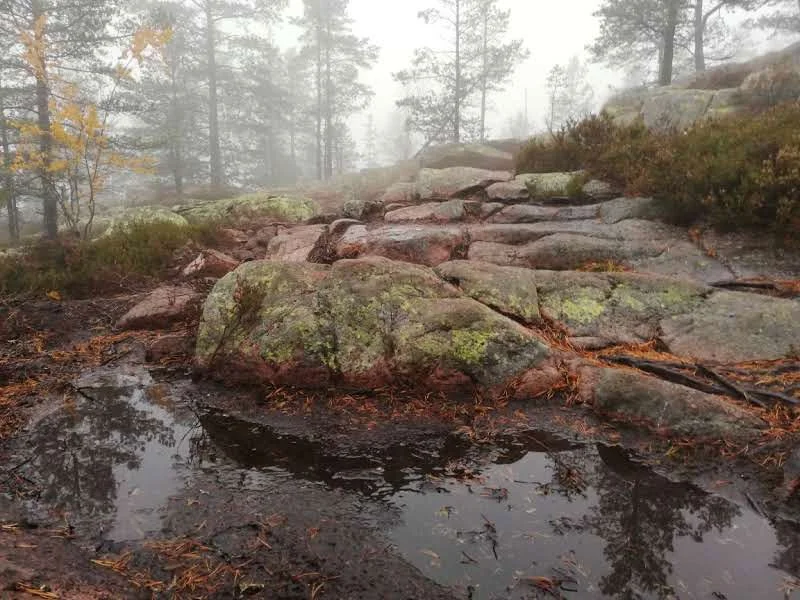
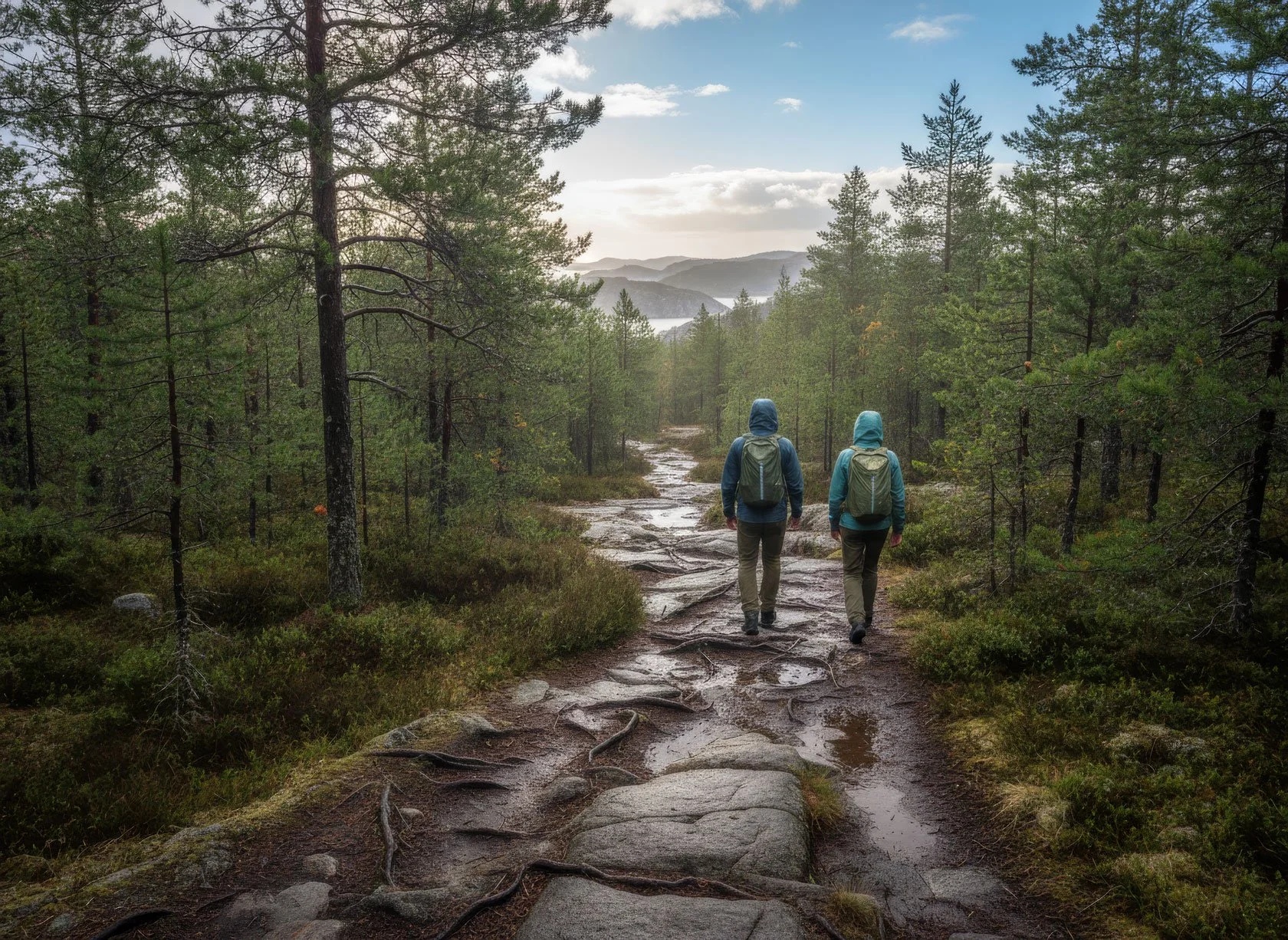
If it's drizzle + 12°C + you have good gear + your must-have isn't time-locked = go for it.
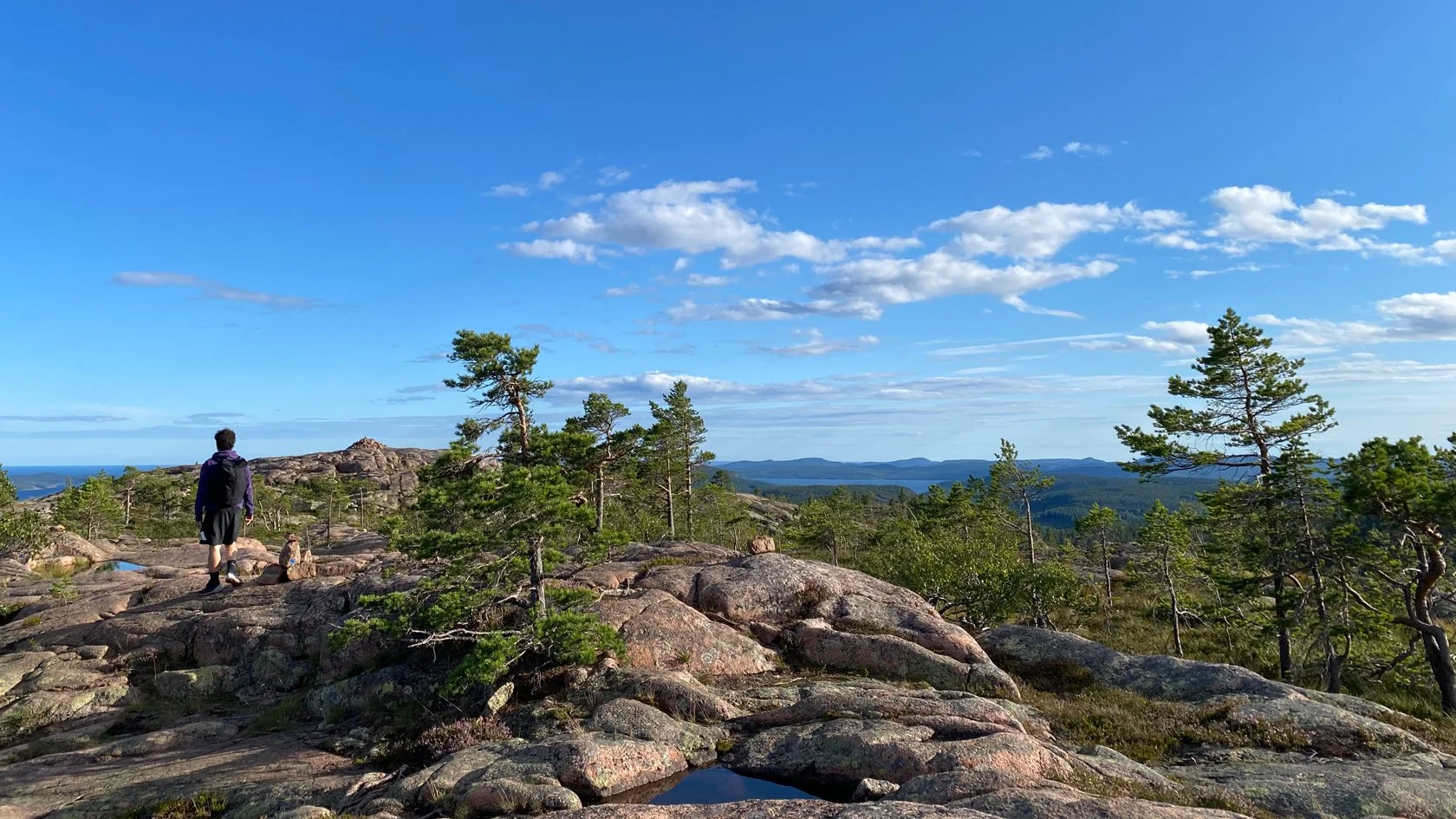
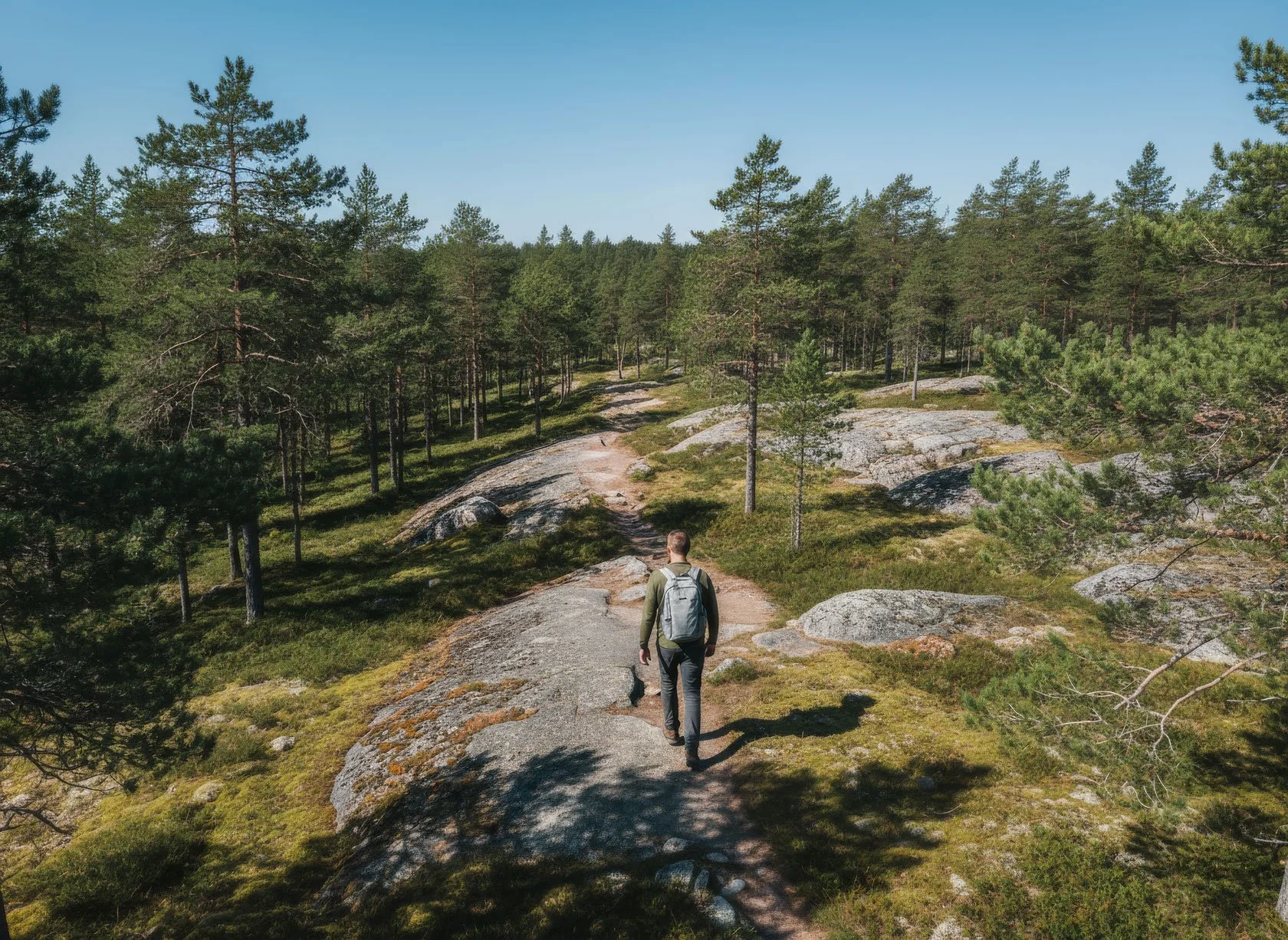
Vårdkallberget summit through its rocky pine forest. Källviken at the National Park. Mystic Destinations. Skuleberget, but skip Grottstigen up—take the forest route instead along the Lynx segment (Norrstigen). Longer loop, better grip, easier to climb if it gets worse. Bring a thermos. Start early. You'll be back by lunch, warm and satisfied.
If it's downpour + 8°C + you have no gear + you arrive Monday and leave Friday and the concert is Tuesday = stay cozy.
Protect your must-have (the concert, the summit view, the park) for tomorrow or Thursday. Today, you do something else. Naturum museum. Sailor's Club House. Your accommodation with a book and the sea view. This isn't failure. This is strategy.
If it's storm + wind = always stay in. No exceptions. No "but I really want to." The High Coast is beautiful in rain. In a storm, the forest can be genuinely dangerous. We don't negotiate on this.
What You Actually Need (If You Go Out)
A proper shell jacket. Not a fashion raincoat—a real shell that breathes but keeps you dry.
A warm, breathable mid-layer. Cotton is your enemy when it gets wet.
Shoes with real grip. Not smooth soles, not street shoes. Rocks and roots are slippery when wet—and we have a lot of both.
Gloves and a hat. You lose heat fast when you're wet—hands and head first. Gloves may sound strange in summer, but spring and autumn are a different story. And even in June or August, a windy evening at the foot of the mountain can feel surprisingly chilly.
A thermos, or at least a warm-up plan. Tea or coffee at the Sailor's Club House after. A hot shower at home. Something warm waiting for you.
A shorter hike and an early start. Better energy. You're not trying to summit everything. You're trying to be outside and feel good about it.
Don't worry—if you're not sure, ask us. We know these trails in every condition. We know what's safe and what's not. We've been here 20 years. That's what we're here for.
If You Stay Cozy: Real Options

Stay in (cozy mode)
Cooking. Your playlist. Slow rhythm. The High Coast isn't just outdoors. Sometimes it's in a kitchen (or kitchenette!) with good people and good food. Sometimes that's the memory that stays with you.
Your accommodation. Seaside. Books. A slow day. Sometimes the best rainy day is the one where you don't go anywhere. You rest. You reset. You remember why you came to the North in the first place.
Sailor's Club House is ours. Books, memorabilia, WiFi, a lounge that feels like a sailors-and-hikers community room, not a café. Warm espresso. Maps. Souvenirs. A place to sit and talk to other guests, or sit and be quiet. This is our secret. This is where people meet—and why they come back.

Local (15–30 minutes)
Naturum Höga Kusten sits at the foot of Skuleberget (east side, near the E4). It's a museum about the geology, the landscape, why this place is a UNESCO World Heritage site. There's a café. There are interactive exhibits. If you have kids, there's a play area. You get the story of the landscape without needing to hike it. On a rainy day, that's not a consolation prize. That's actually interesting—and always worth it.

Drive to Comfort (30–45 minutes to the north)
Örnsköldsvik Waterfront + City Center. A proper Nordic city walk. Shopping if you want it. Café if you want to sit. The waterfront if you want to look at the sea. Less dramatic than the coast, but real. Sometimes that's exactly what you need.
Paradiset Bad Spa. Sauna. Steam rooms. Salt pool. Real relax. Not a tourist trap. This is where locals go to unwind. Check the summer opening hours before you go—it's seasonal—but if it's open, it's worth it. You go in stressed about the weather. You come out warm and quiet.
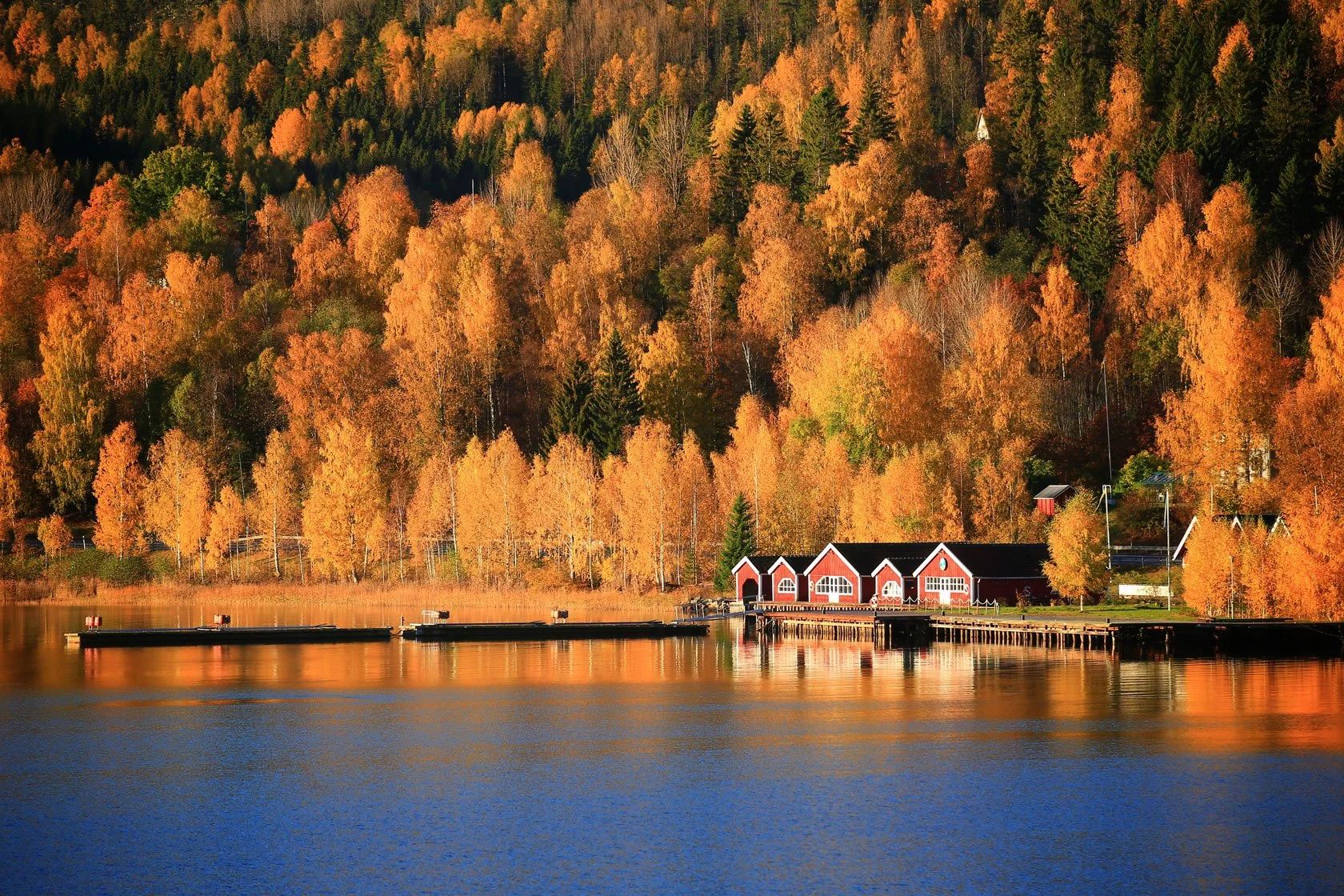
Skagsudde Lighthouse. A walk. Red fishing village huts. The view across the archipelago. You might think a lighthouse is better in sunshine. You're wrong. Rain makes Skagsudde more beautiful. The mist, the red huts, the quiet—it's the real High Coast. It's moody. It's authentic. It's worth the drive.
The Real Talk
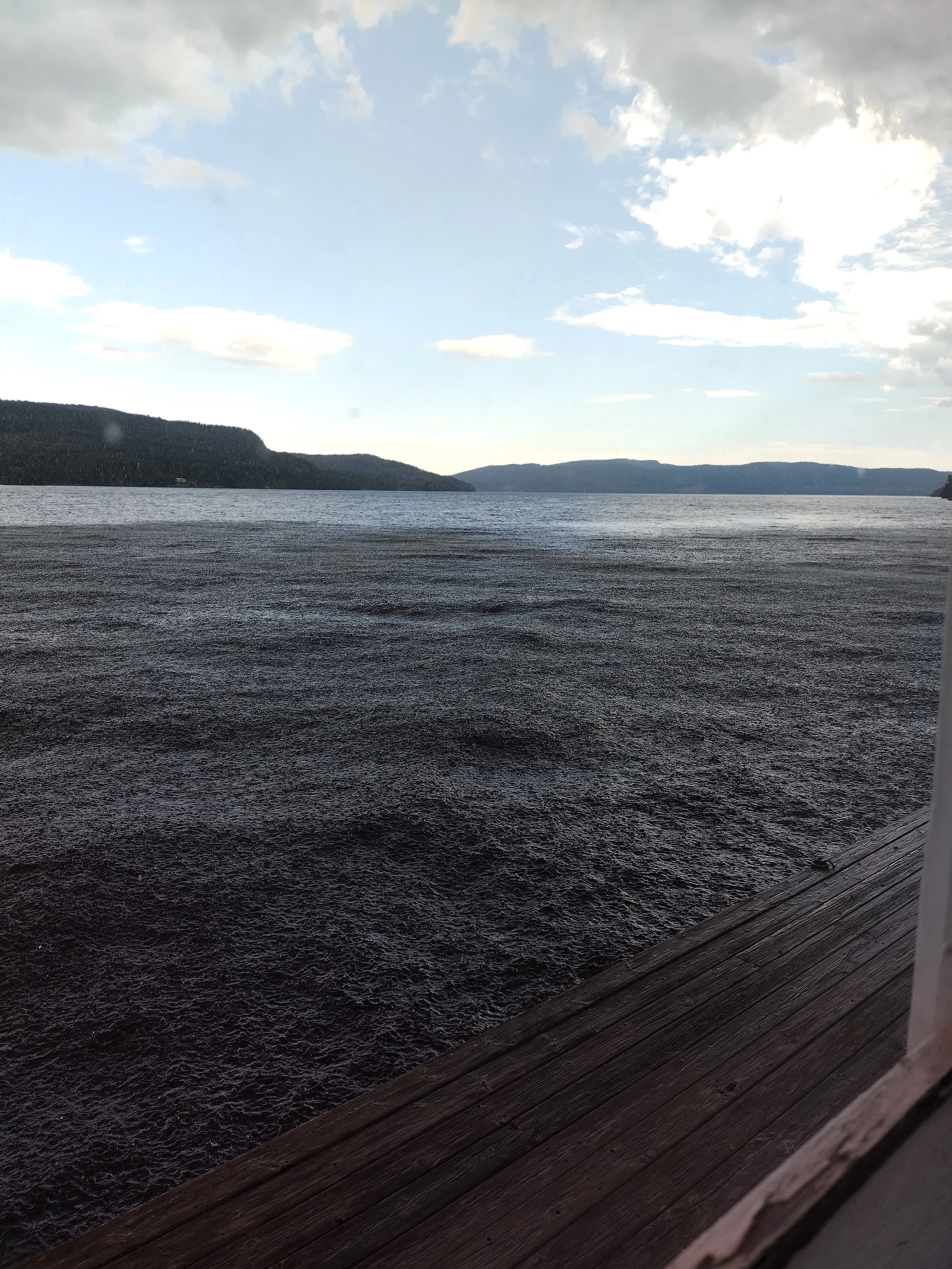
Every rainy day is different. Every guest is different. So here's the thing: don't guess. Talk to us.
Before you arrive, wondering about rain? Message us. We'll tell you what to expect and what to pack. We'll ask you the questions above. We'll help you decide what makes sense for your time, your gear, your must-haves.
During your stay, weather changed? Talk to us. We know alternatives. We can adjust. We've done this 200+ times.
Set Your Rainy-Day Base Camp (Docksta)
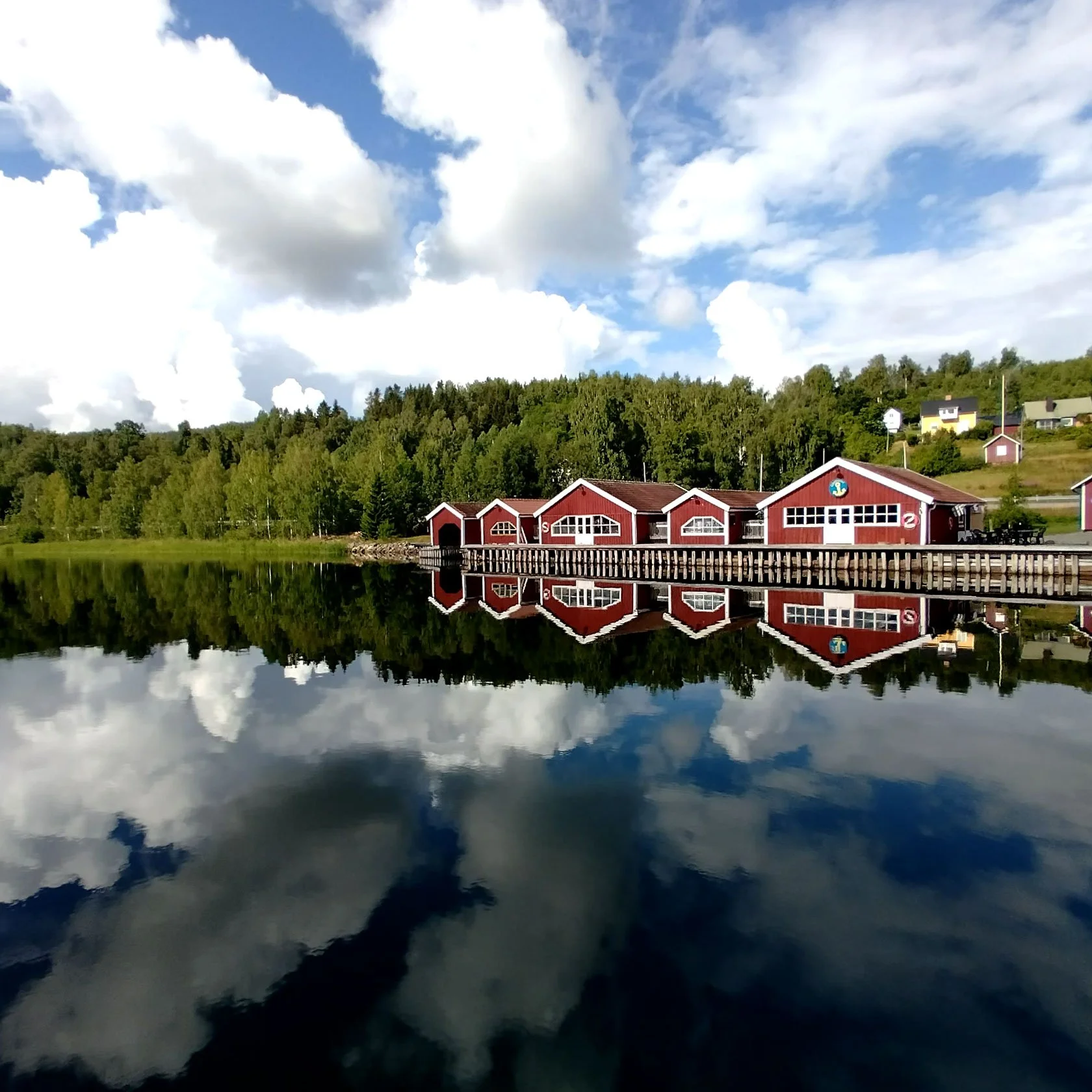
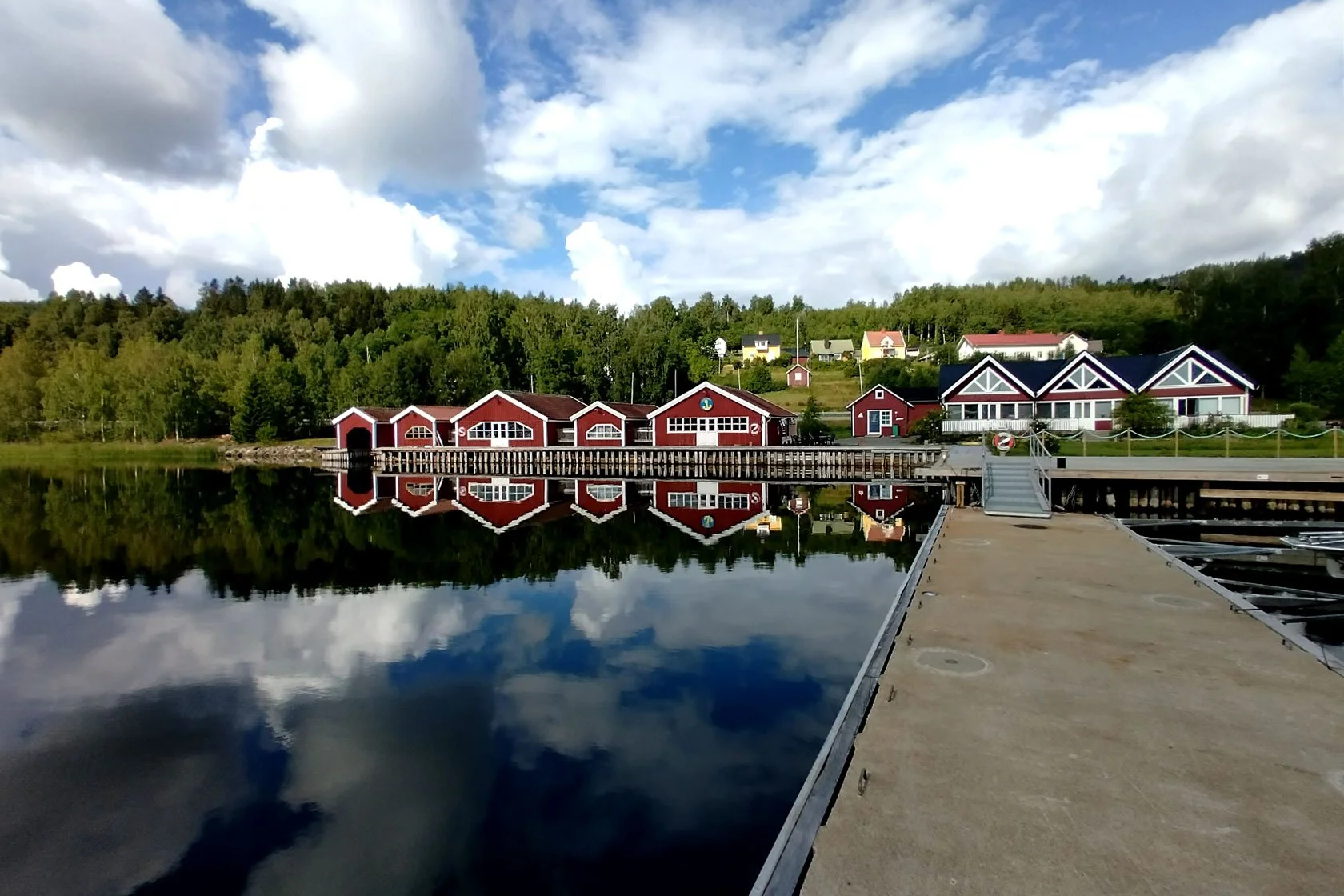
If you want a simple, safe starting point close to Skuleberget and Skuleskogen, our waterfront accommodations at the Docksta marina are designed for exactly this kind of trip: short stays, changing weather, and a lot you want to fit in.
Seaside location in Docksta (marina)
Practical comfort for a rest day (and a warm reset)
Local advice from hosts who know the trails in every condition
Discover our holiday rentals: https://dockstahavet.se/vacation-overnight-rentals
And if you prefer planning and messaging inside Airbnb, you can find us there too.
And one more thing—because many visitors imagine the north as permanently grey: it's usually not.
Docksta sits in the heart of the archipelago. The sea keeps the climate milder than you'd expect, and the mountains and fjords around us offer real shelter. In summer (and yes, climate change plays a role), the weather can feel surprisingly "Mediterranean."
That's why it's easy to forget the fleece and the proper rain shell you normally pack for Sweden. So even if the forecast looks fine: bring one warm layer, and one piece of real rain protection. Not because it will rain every day—but because when it does, you'll still be able to enjoy your day.
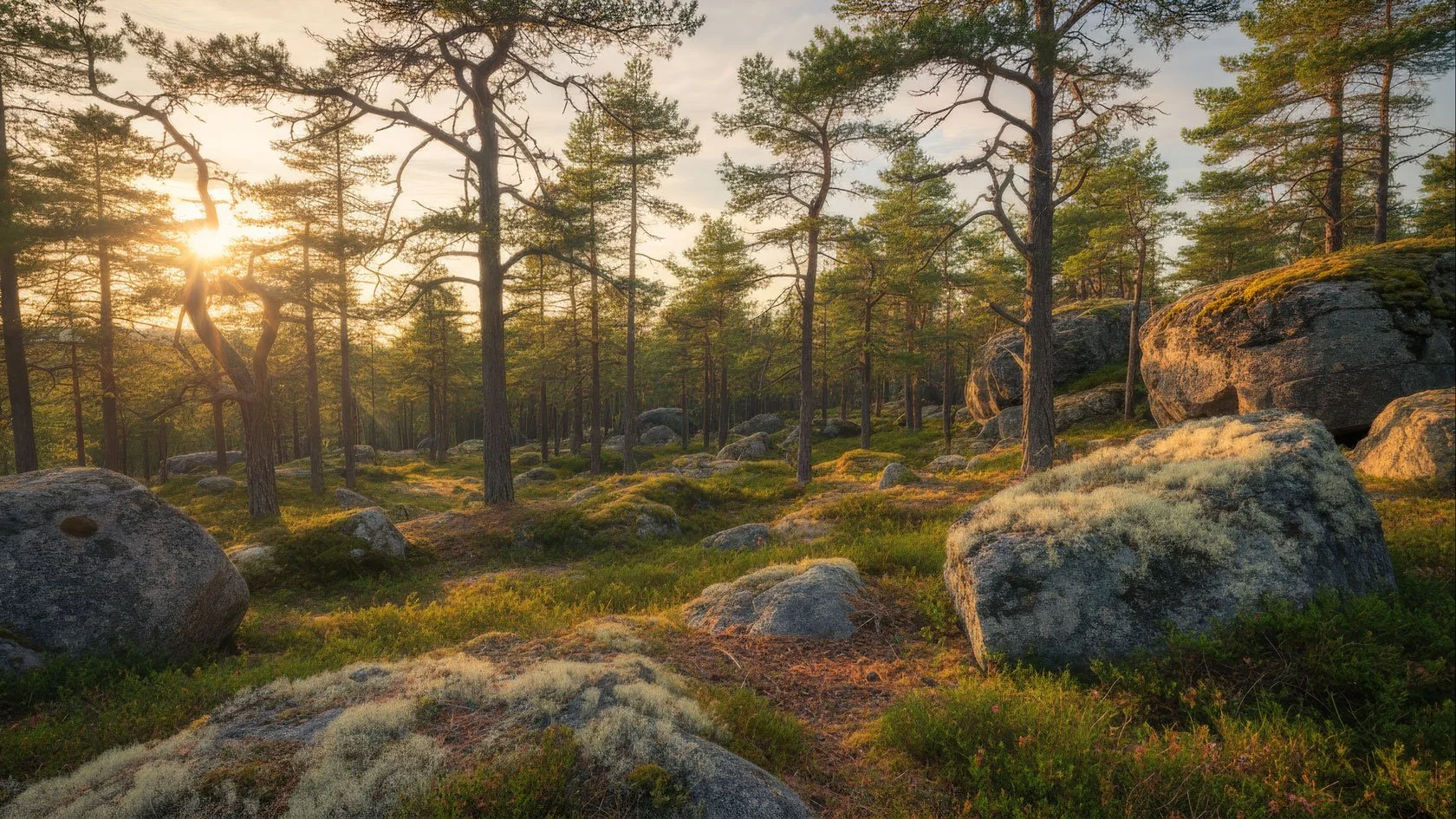
The forest is waiting. Rain or shine.
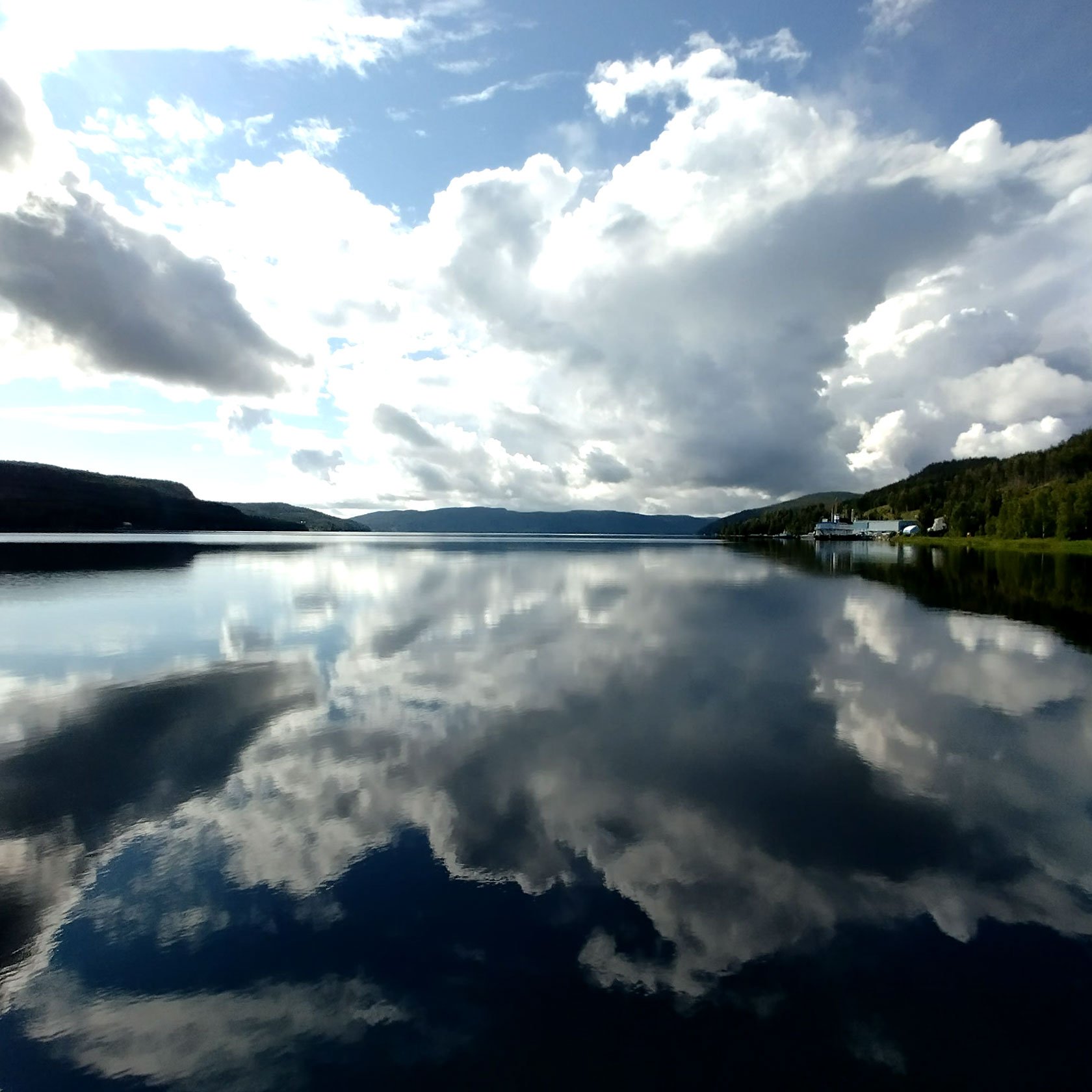
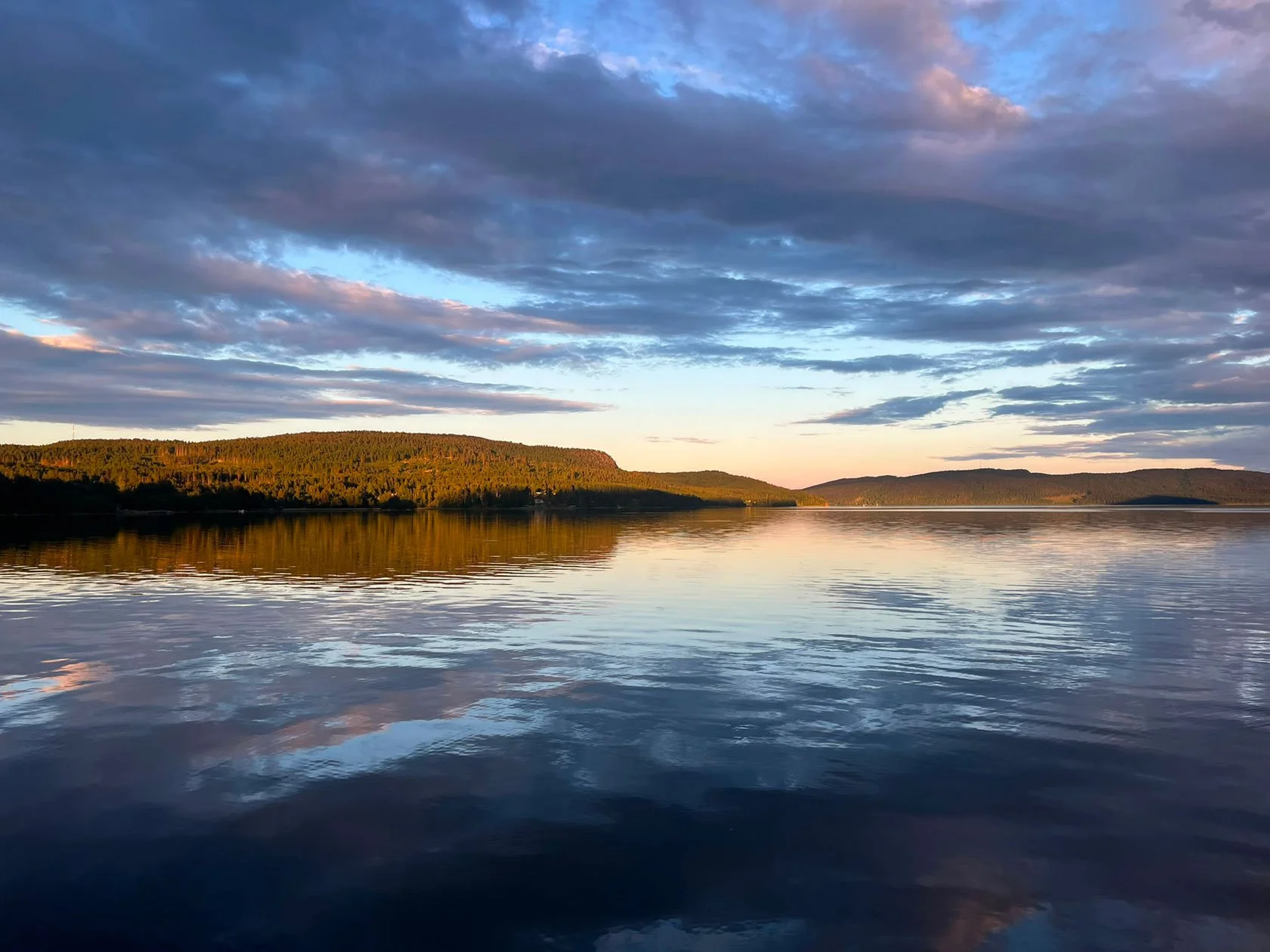
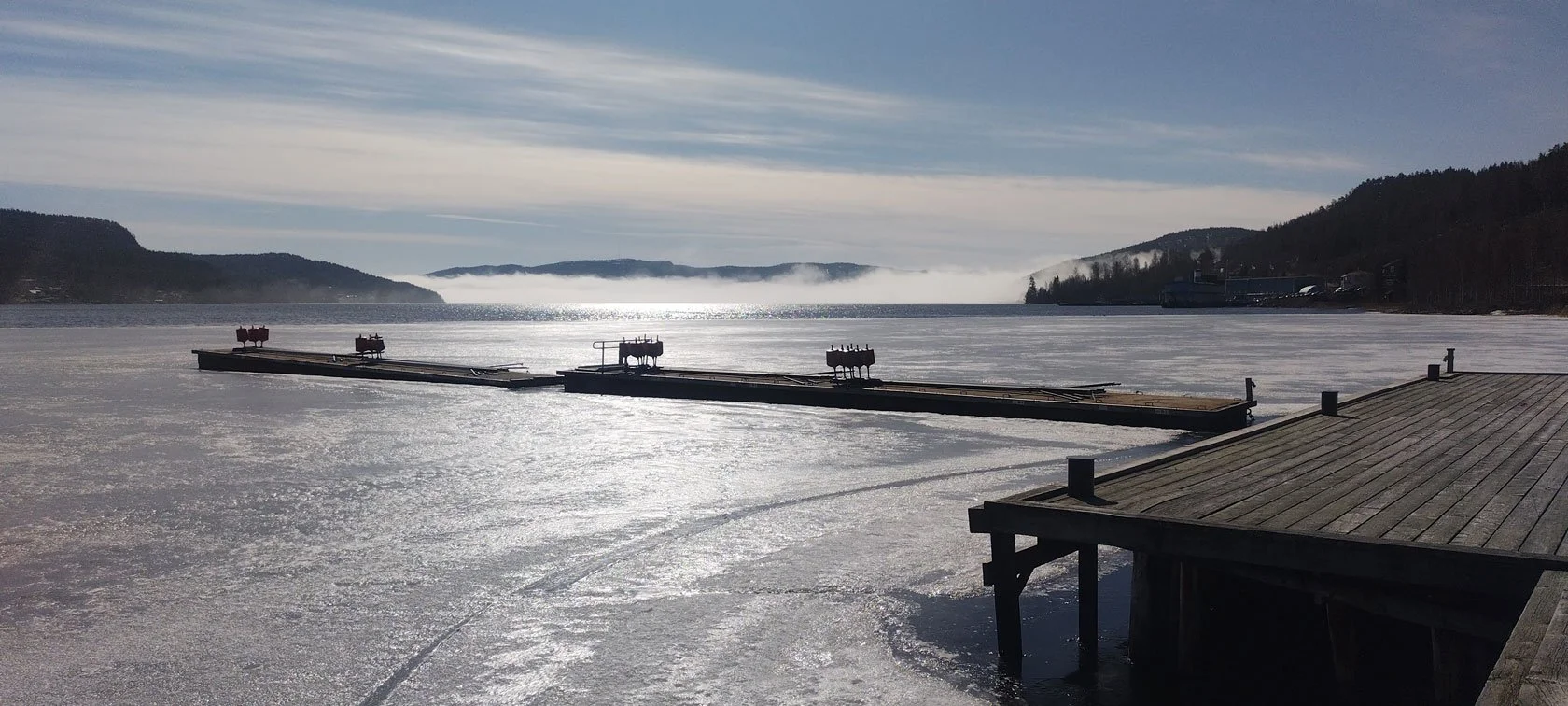
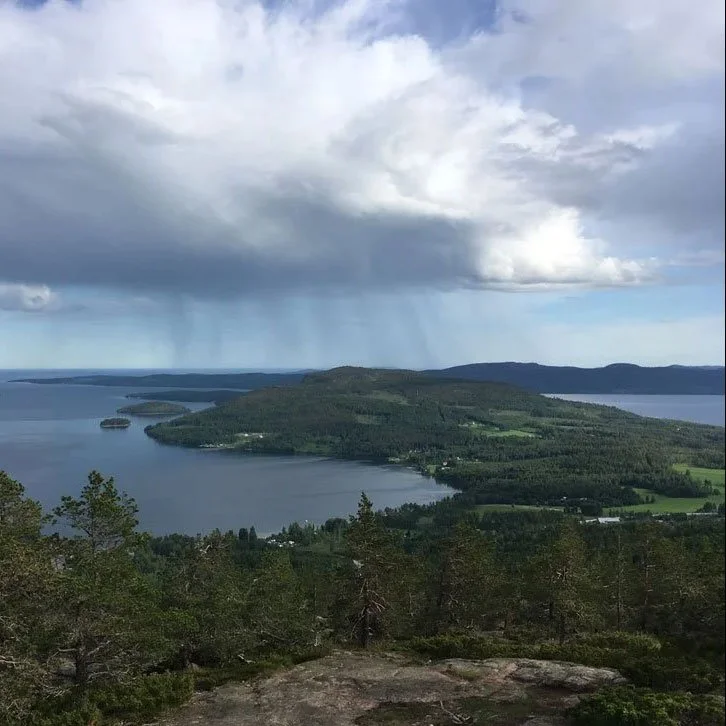
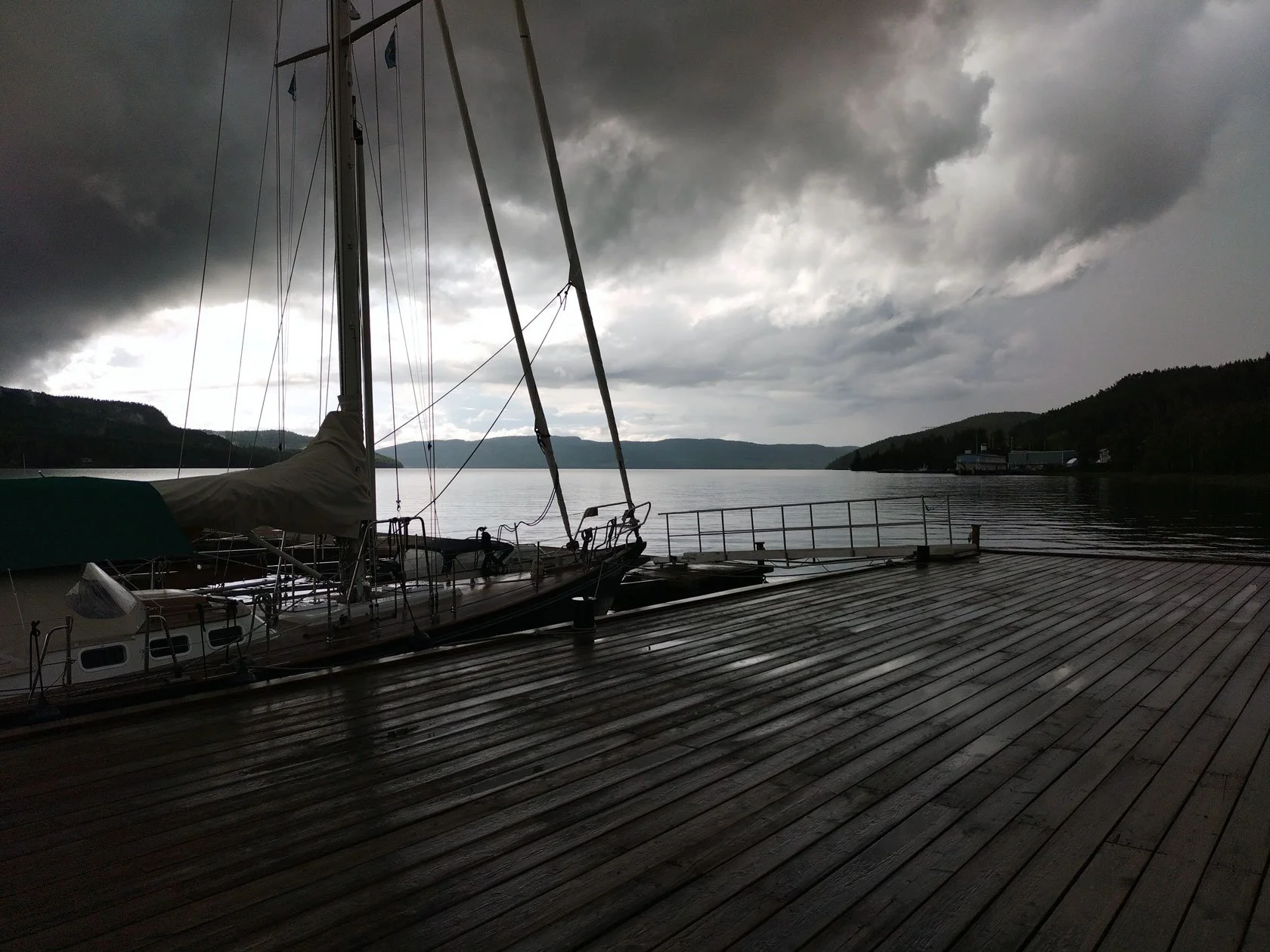
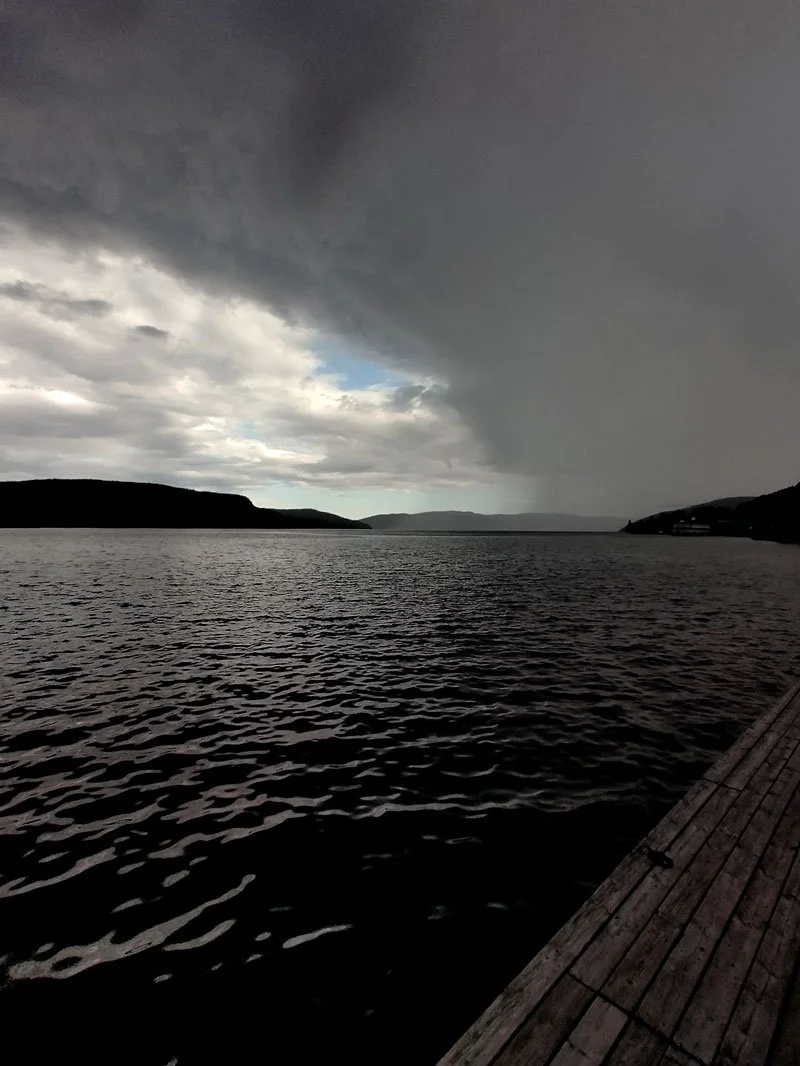
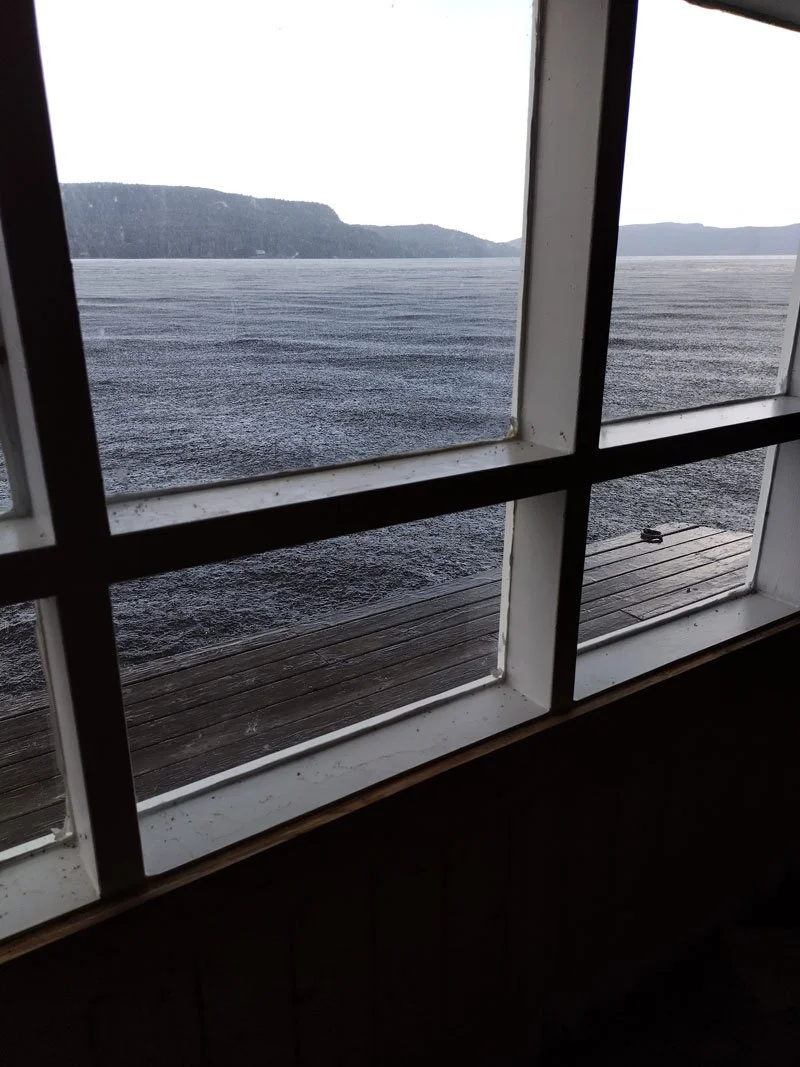
Docksta fjord, seaview from the pier at Docksta Havet Base Camp

Tommaso De Rosa
If you’d like a hand planning your stay at our waterfront marina accommodations—or you’re trying to pick the best day for Skuleskogen National Park or Mount Skuleberget when the forecast looks uncertain—just message me via Airbnb chat (see my host profile). I’m happy to help you build a simple Plan A + Plan B, based on your time, your must-have hike, and the kind of weather you’re actually facing.
_Tommaso
If you prefer, you can also reach me by email or WhatsApp at +46 76 313 6909.
P.S. I’m a trail runner. I explore the High Coast with a “hiking mindset” (curious, flexible, and route-focused). Below you’ll find the routes and places I’ve highlighted in these posts.