forest pause

After Skogspaus: when the forest answers back

Intro (a note in time)

This post comes after the book.
But I’m placing it here on purpose, like an extra chapter left outside the cover, for whoever arrives without knowing there was a book at all.

I’m Tommaso, and Skogspaus is the forest pause I host here in Docksta, on Sweden’s High Coast.

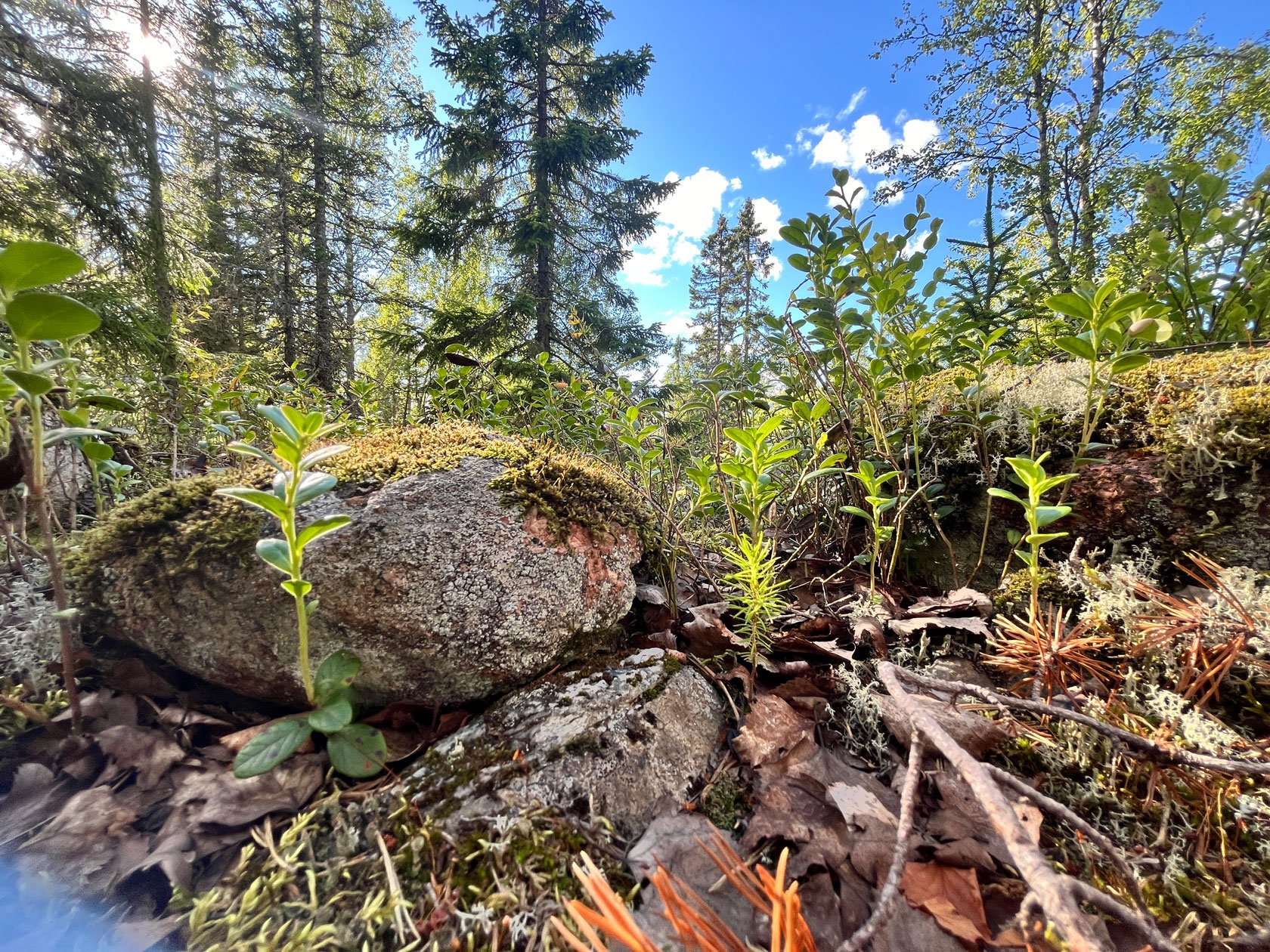
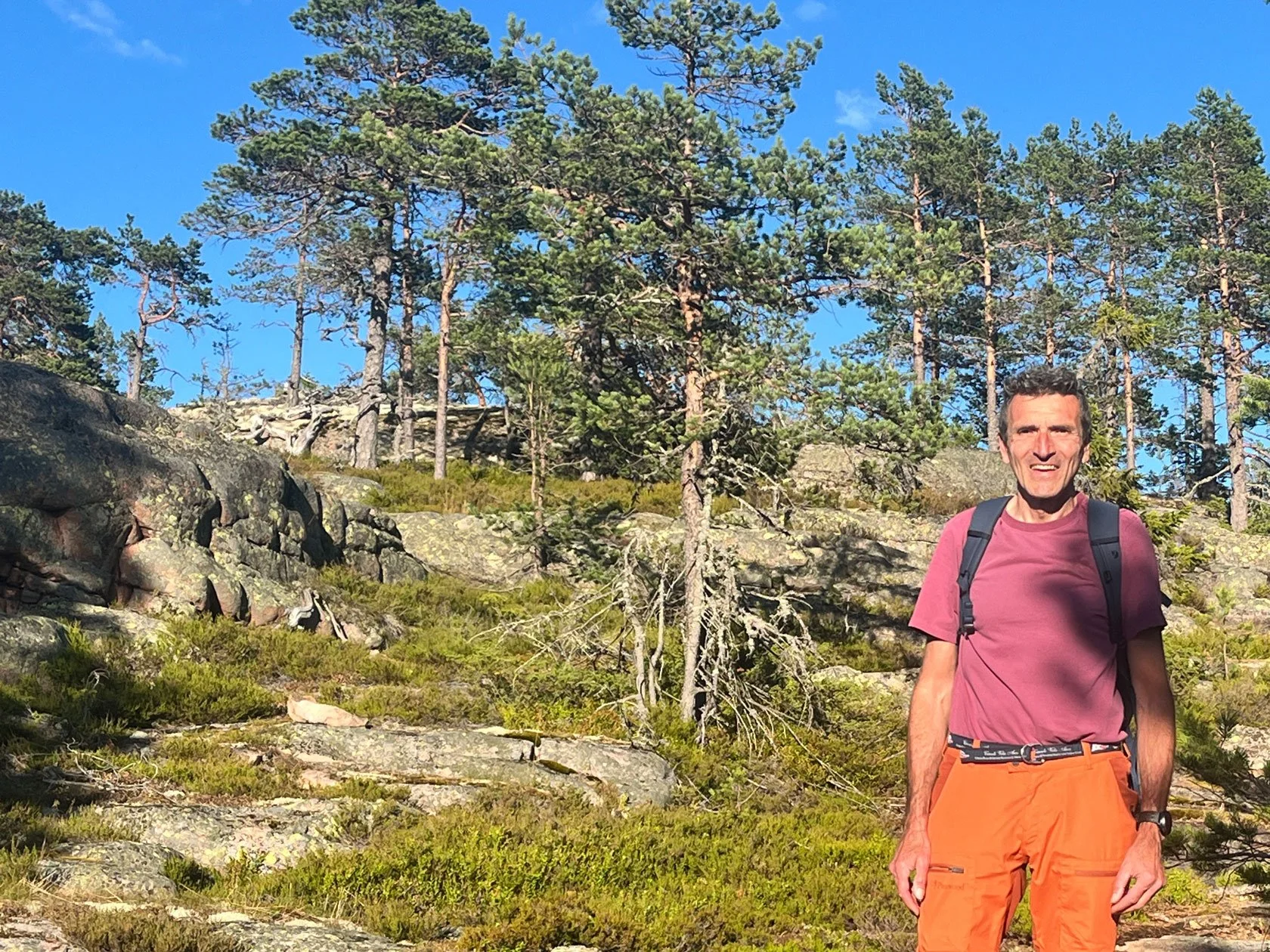
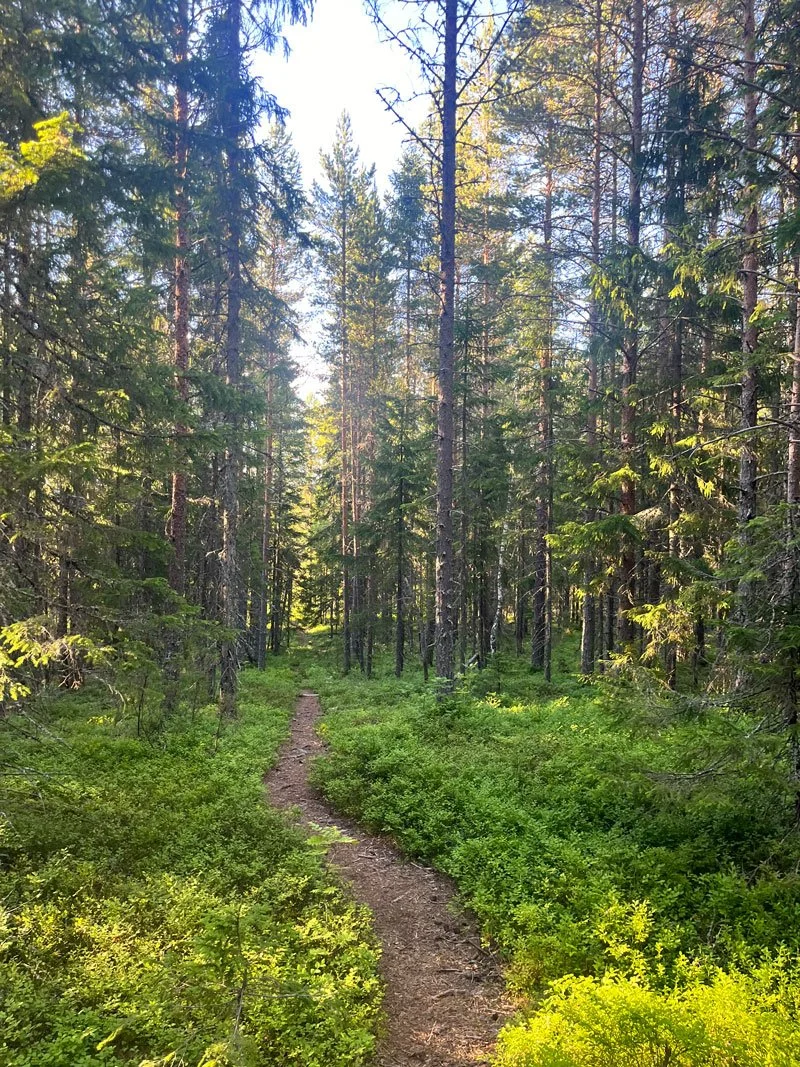
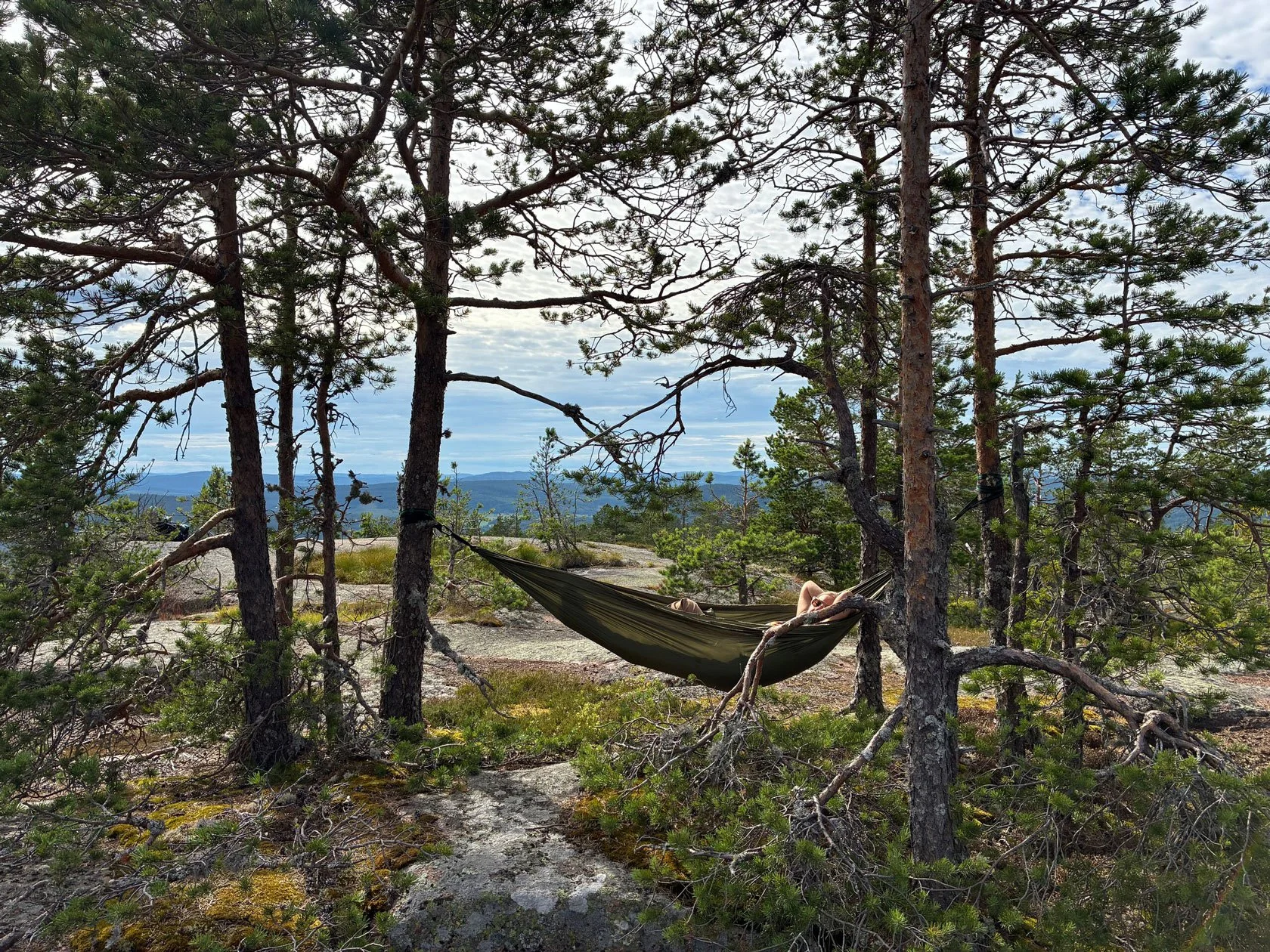
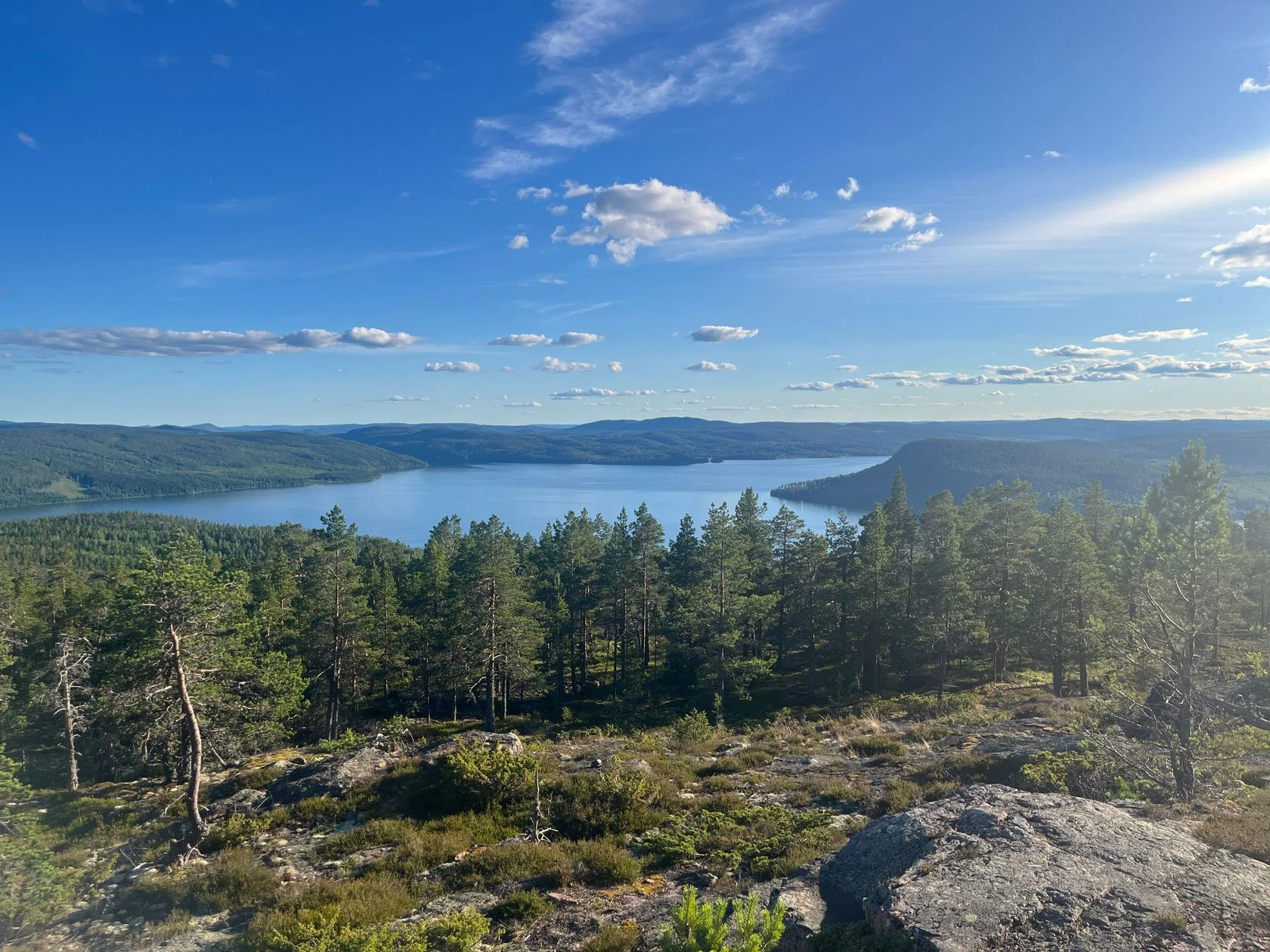
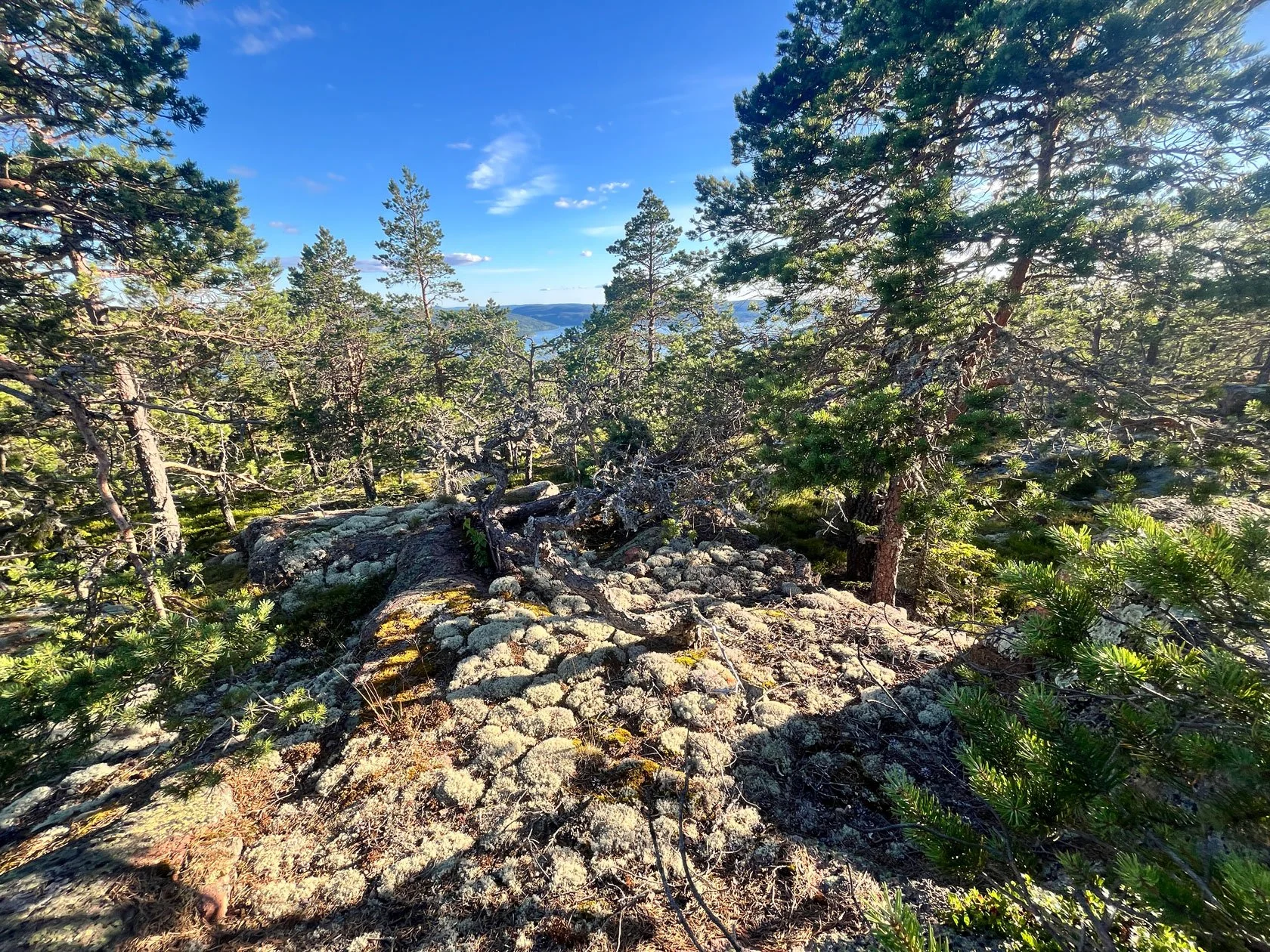
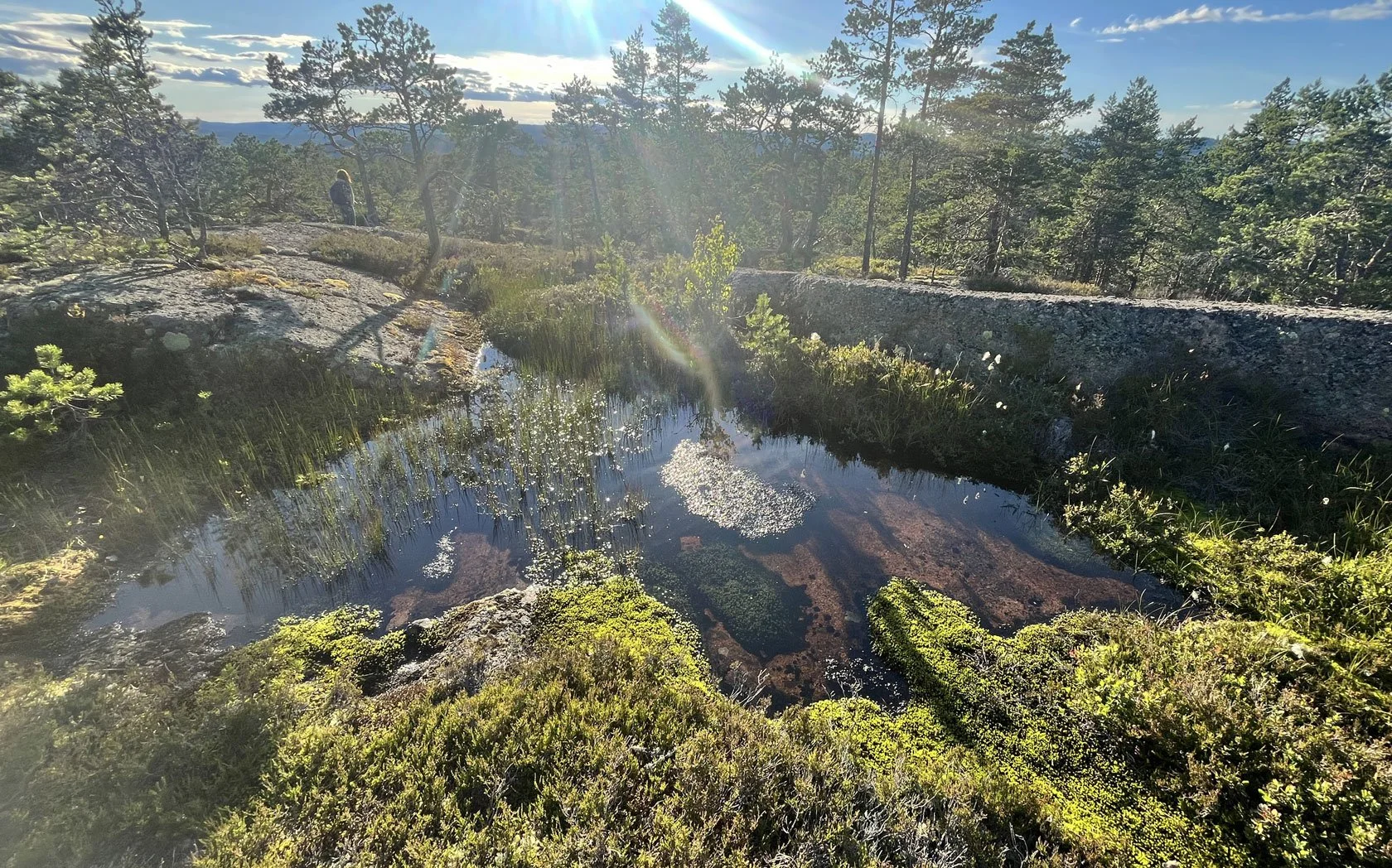
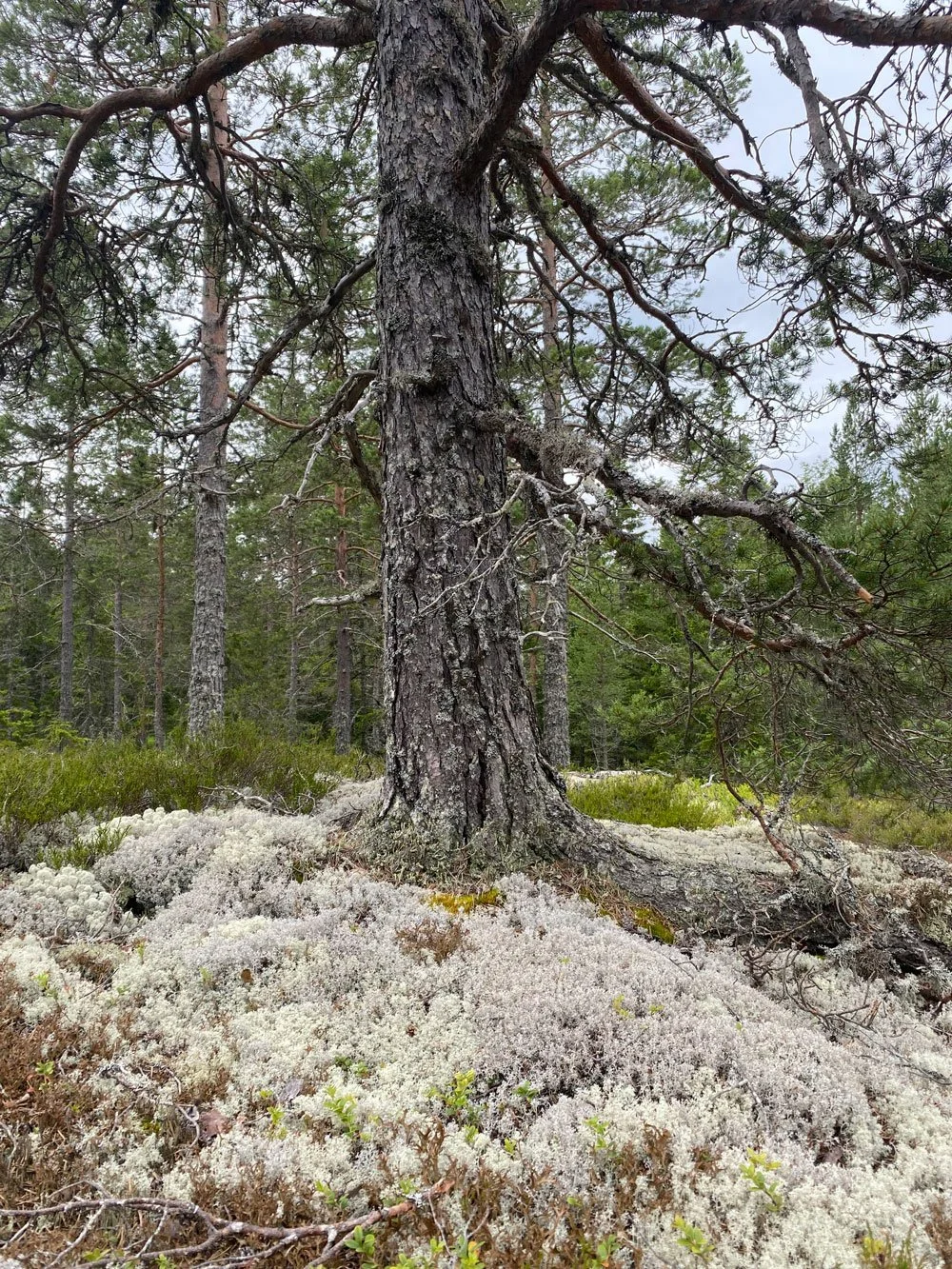
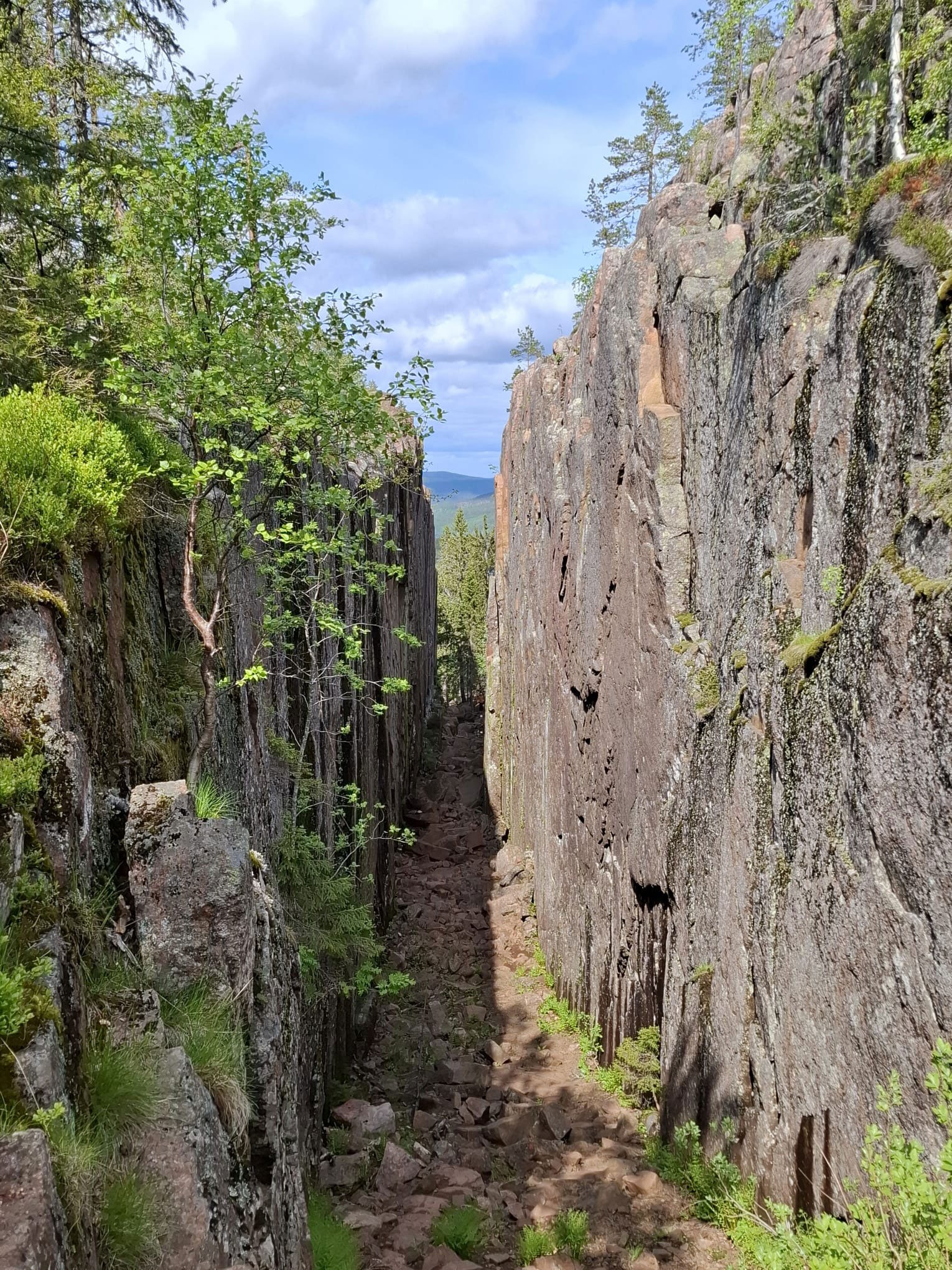
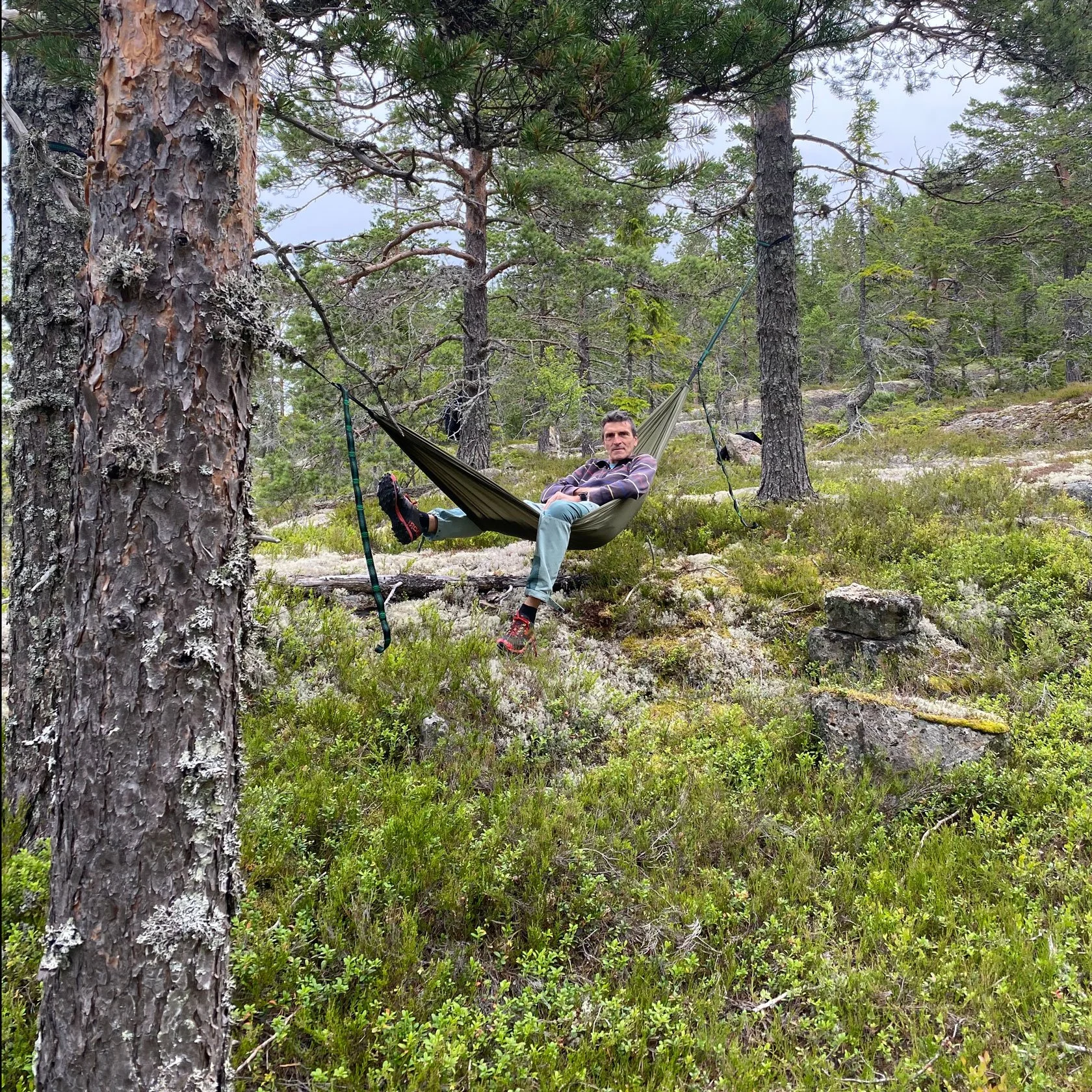
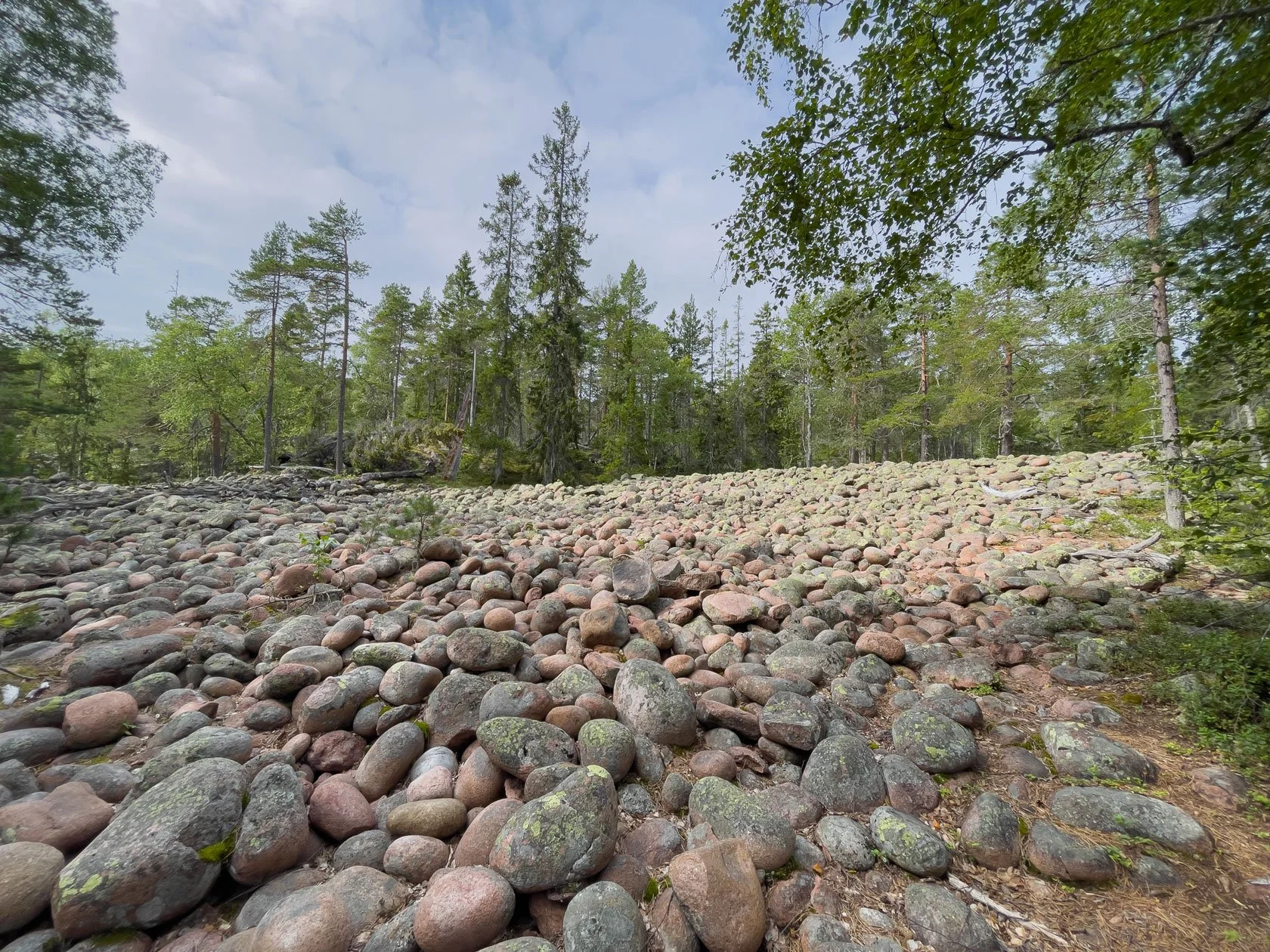
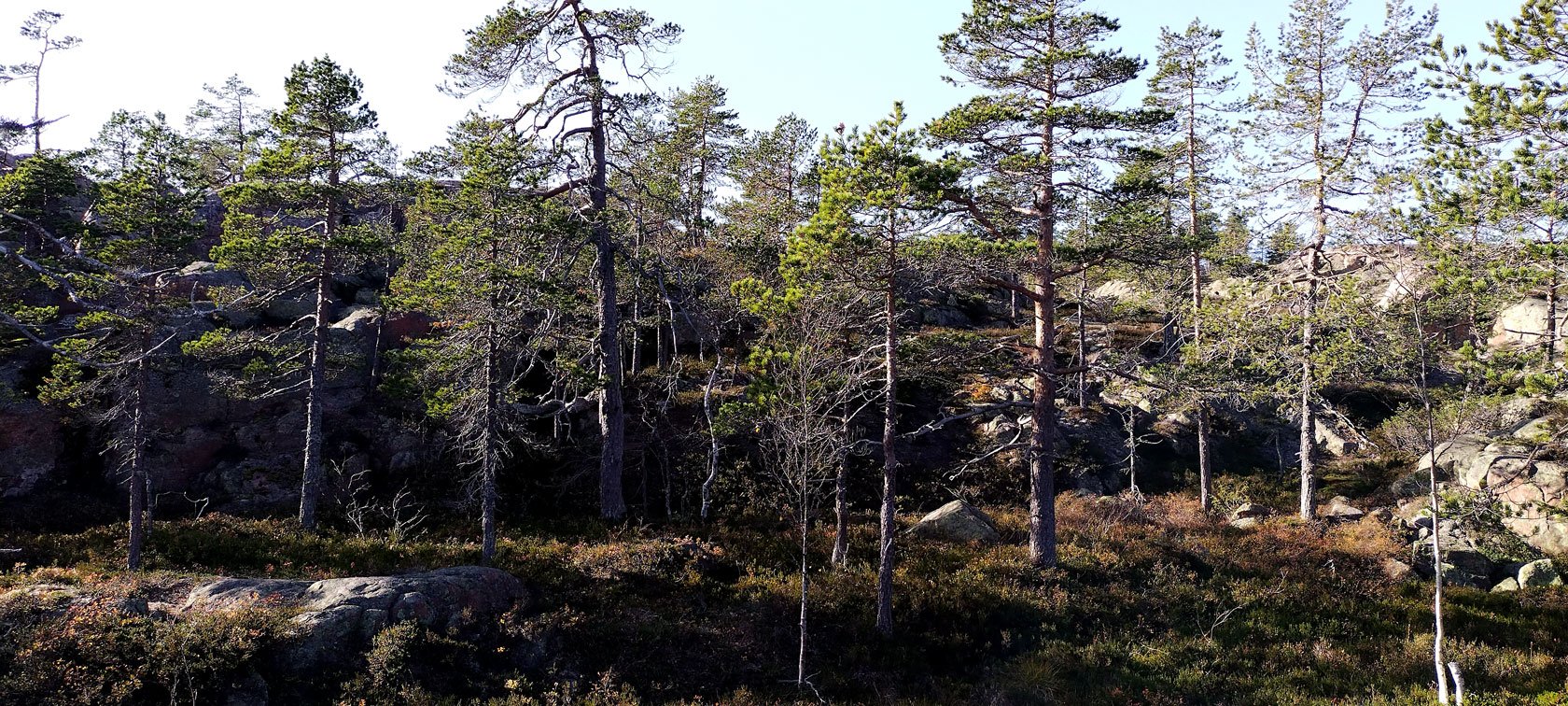
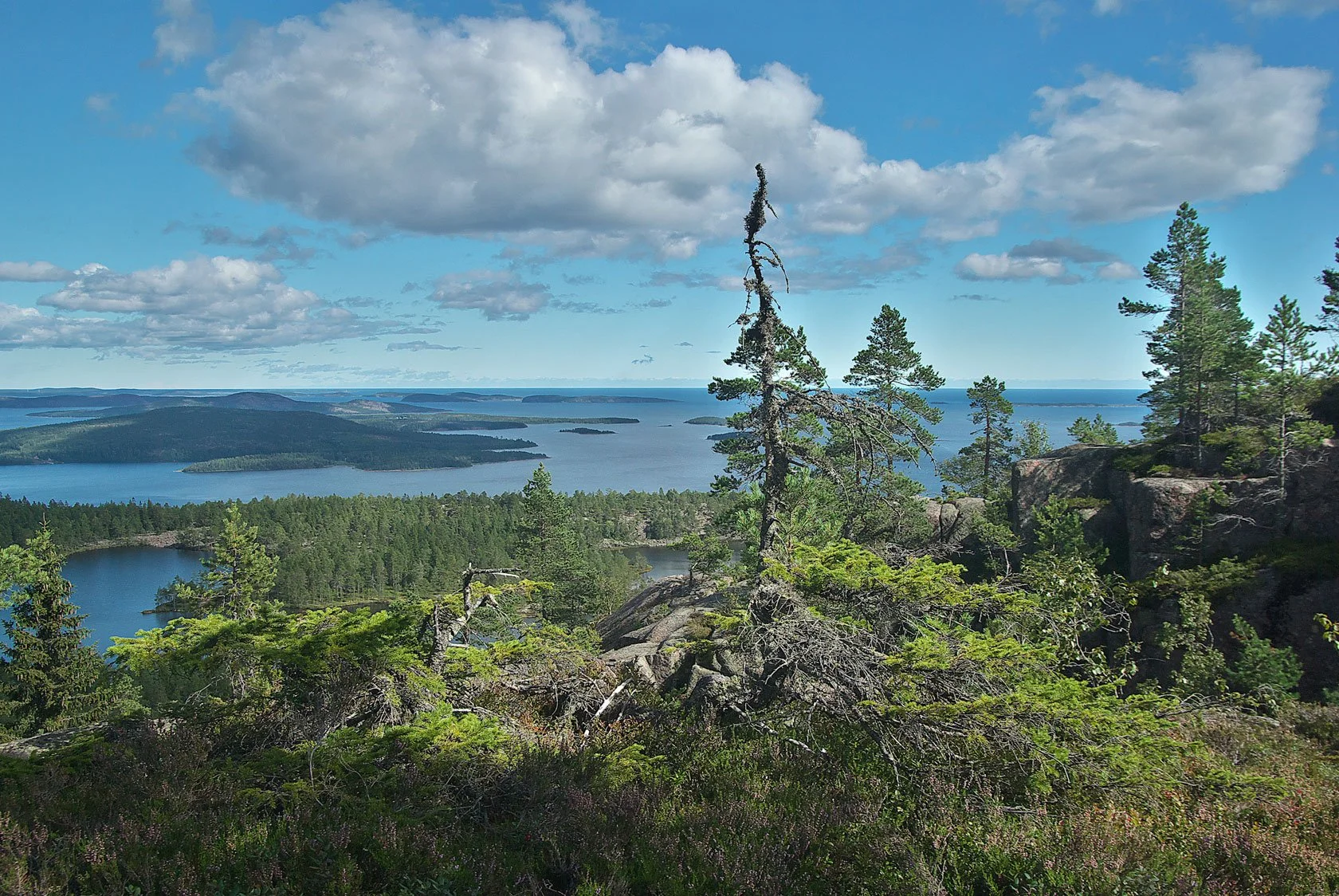
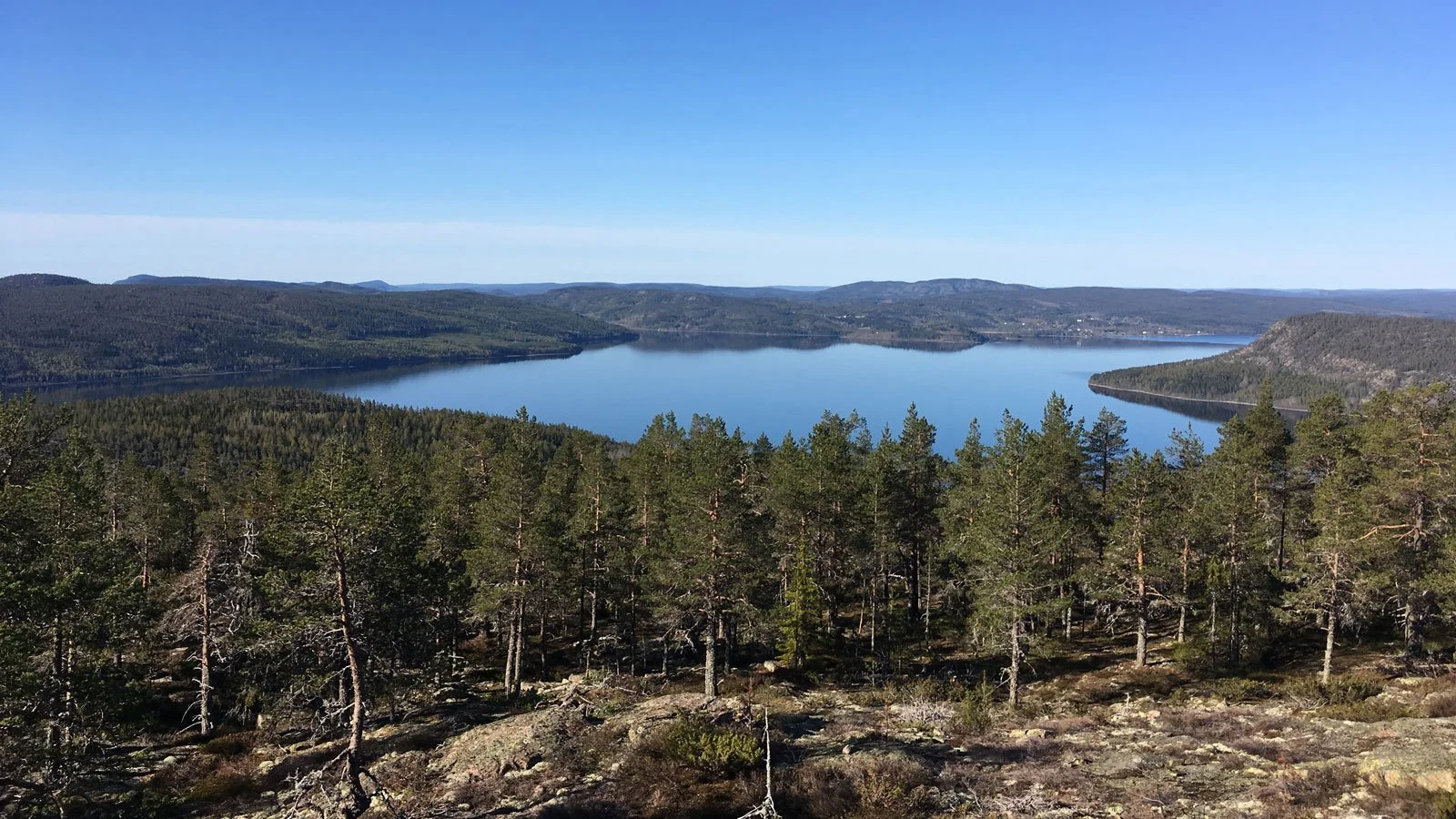
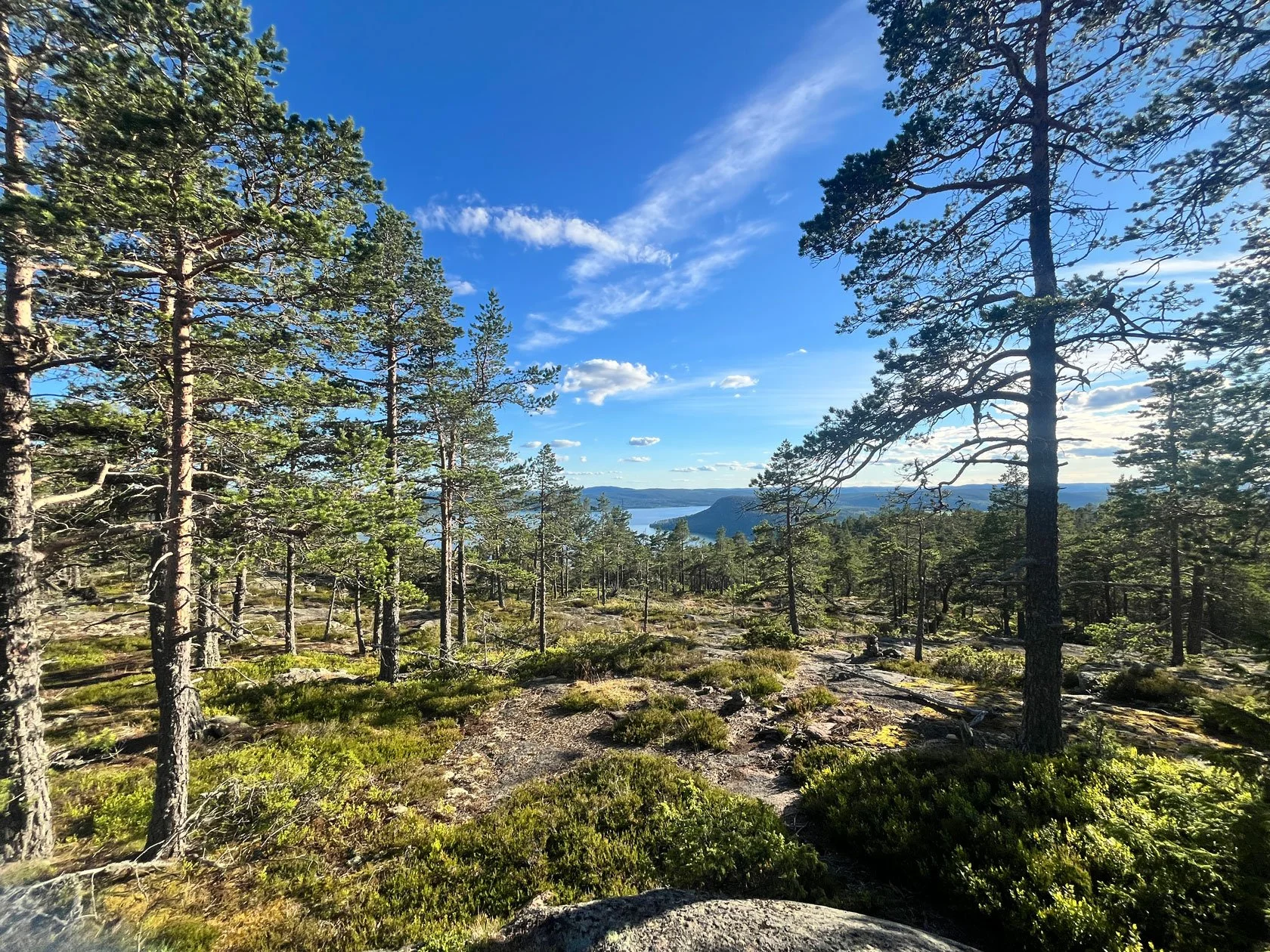
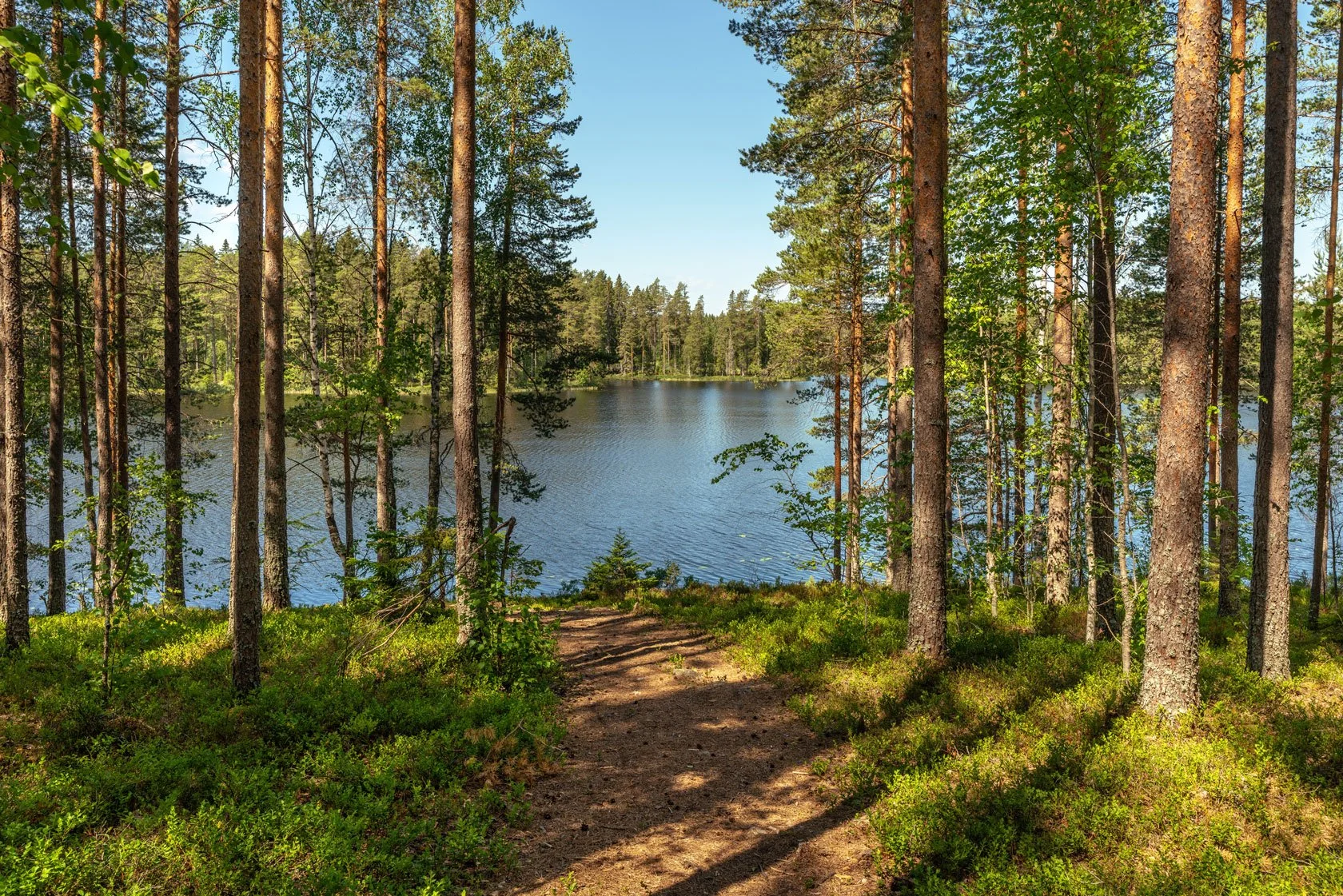
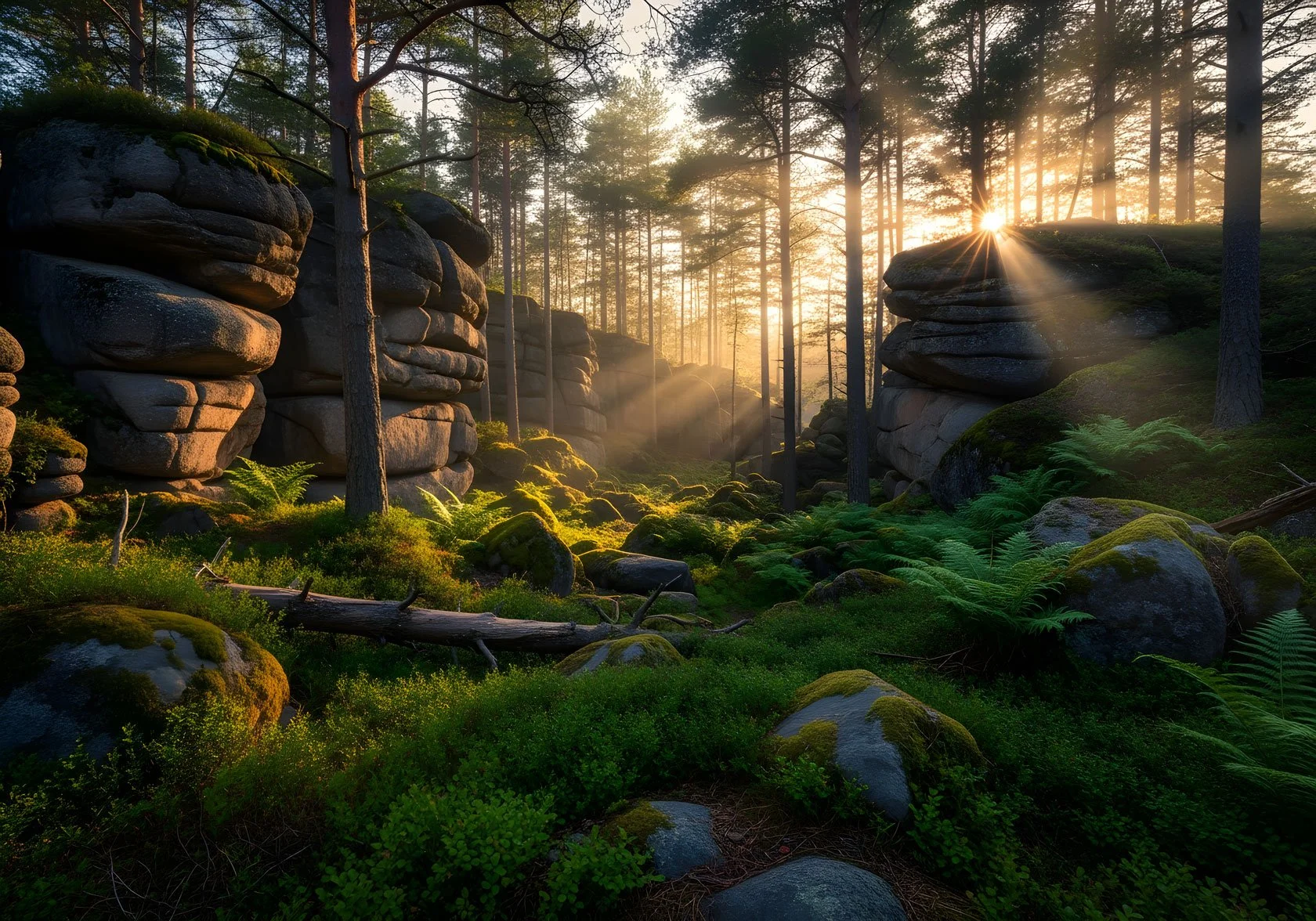
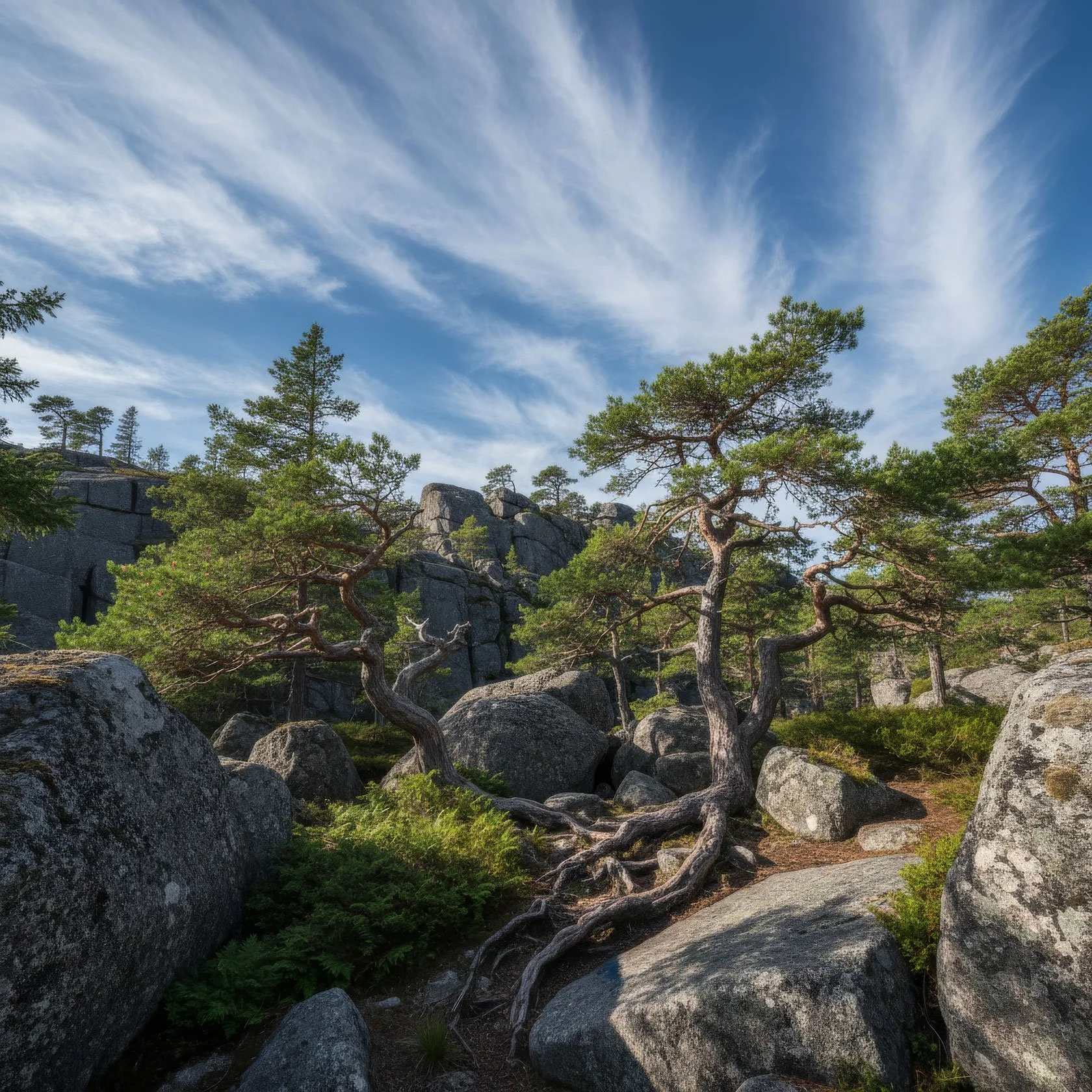
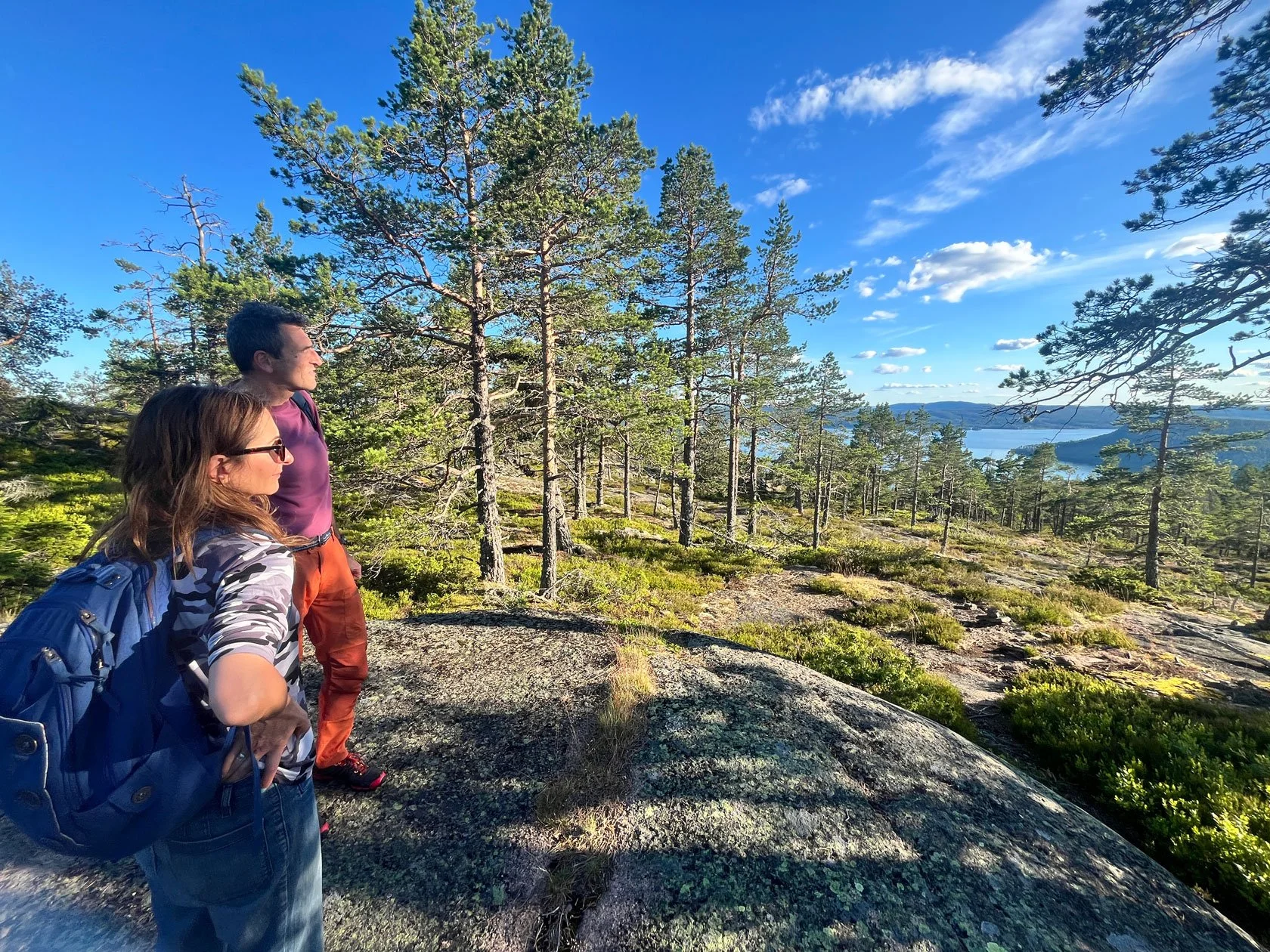
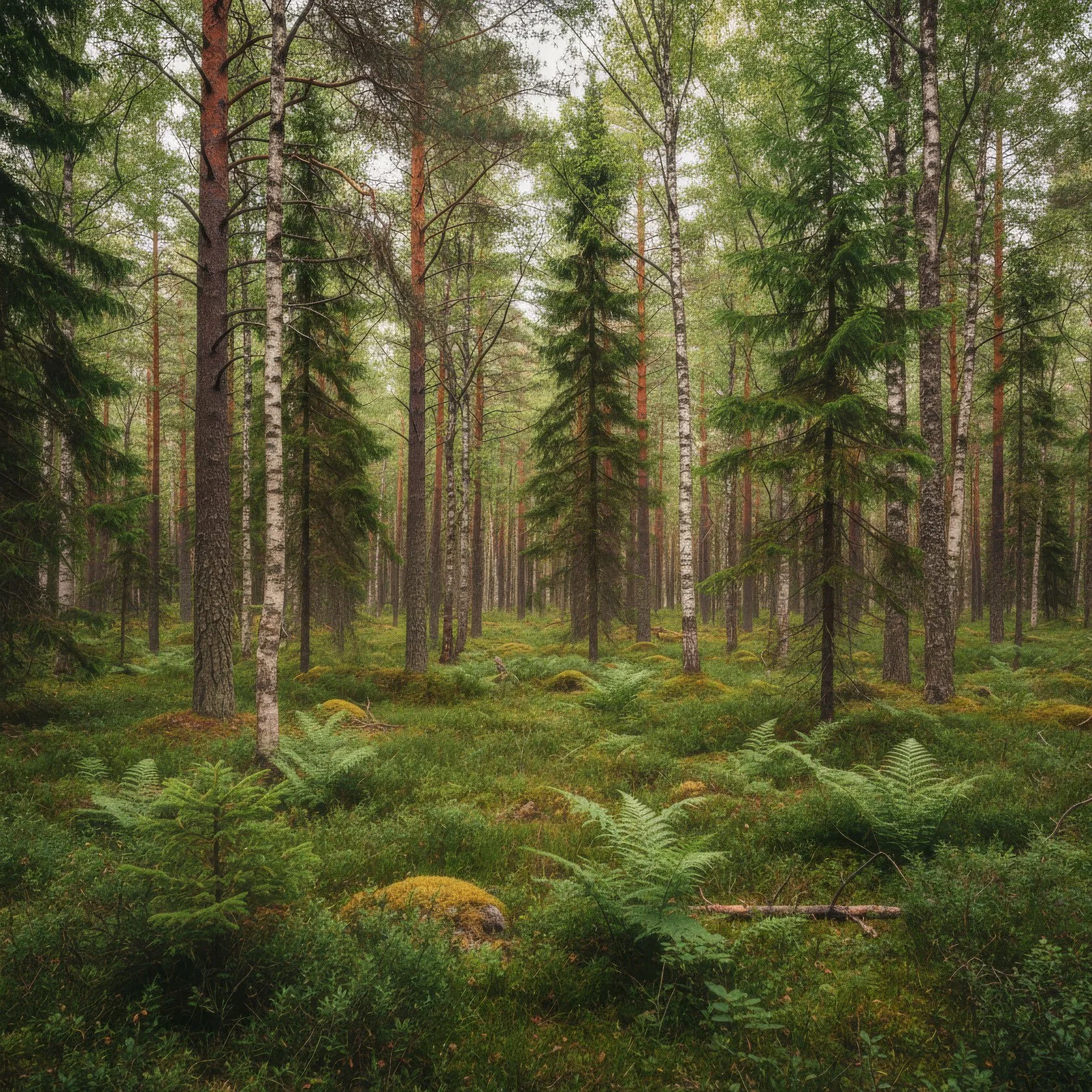
We walked in a rocky pine forest above the harbour, where the light moves slowly and the ground feels soft in a way you don’t expect.

Some chapters can’t be written in advance. They appear only after the last page, when the language has had time to leave your hands and pass through someone else’s life.

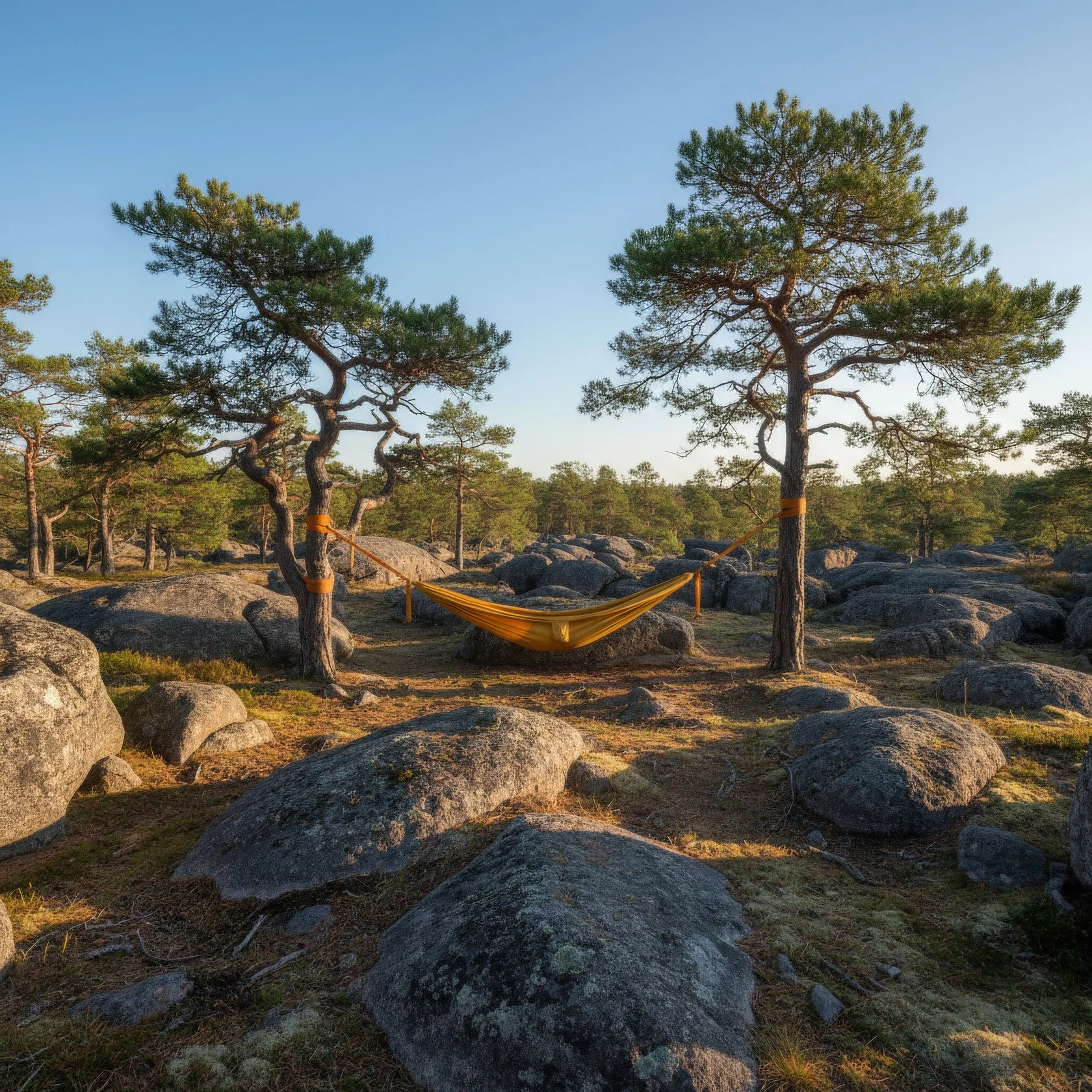
After the pages were closed. After the first guests left. After the hammock was packed away.

That day the light was unusually soft for summer, and even the forest floor felt alive under our feet.

Not as an update, not as a correction, and not as a marketing story.

It comes from an extraordinary period: the moment when Skogspaus stopped being only my language and became something that could return through other people’s lives.

And it also comes after the first real return: our very first Skogspaus Airbnb Experience here in Docksta. I wrote that story separately (you can read it here), but it sits behind every line you’re about to read.
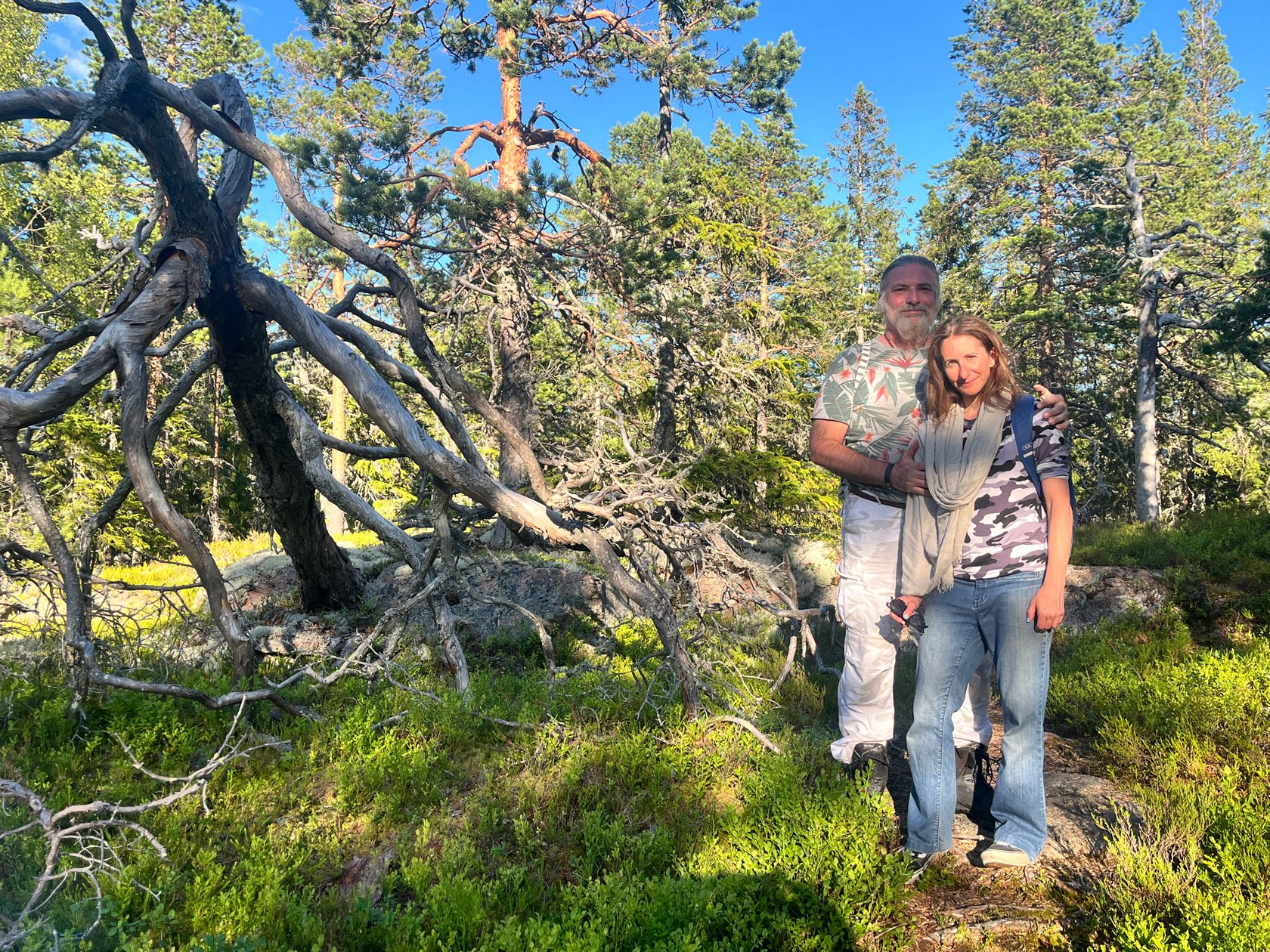
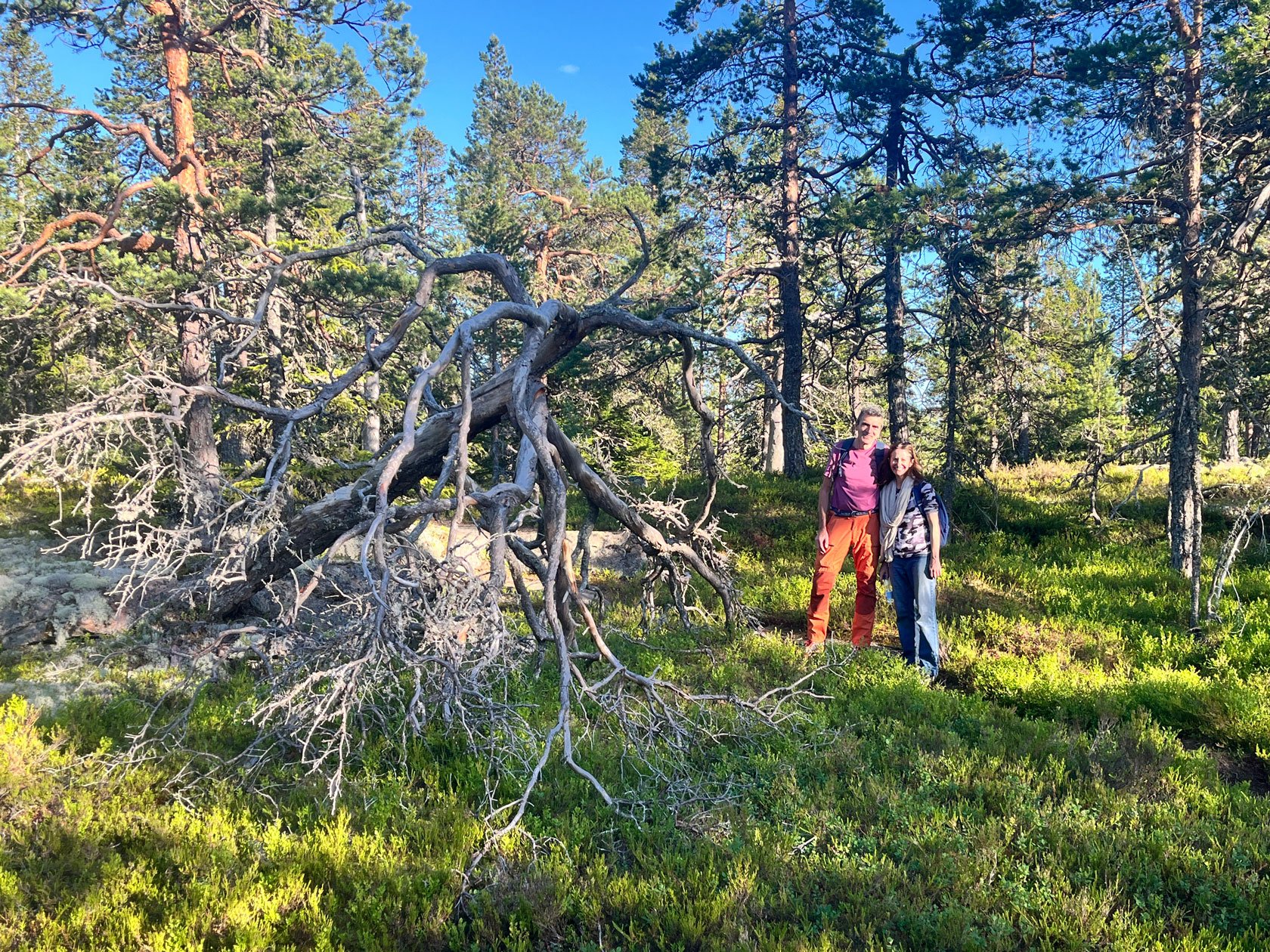
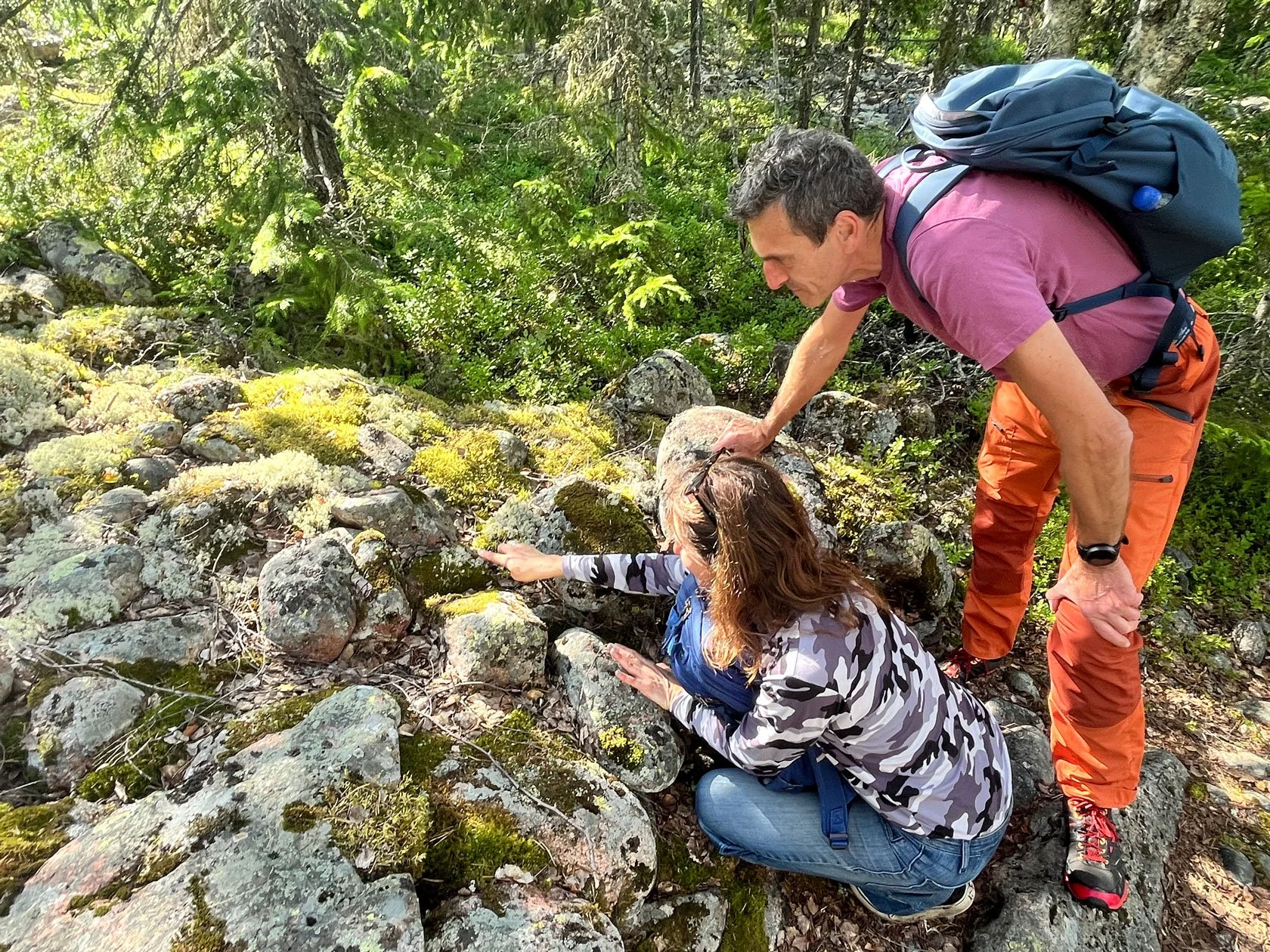
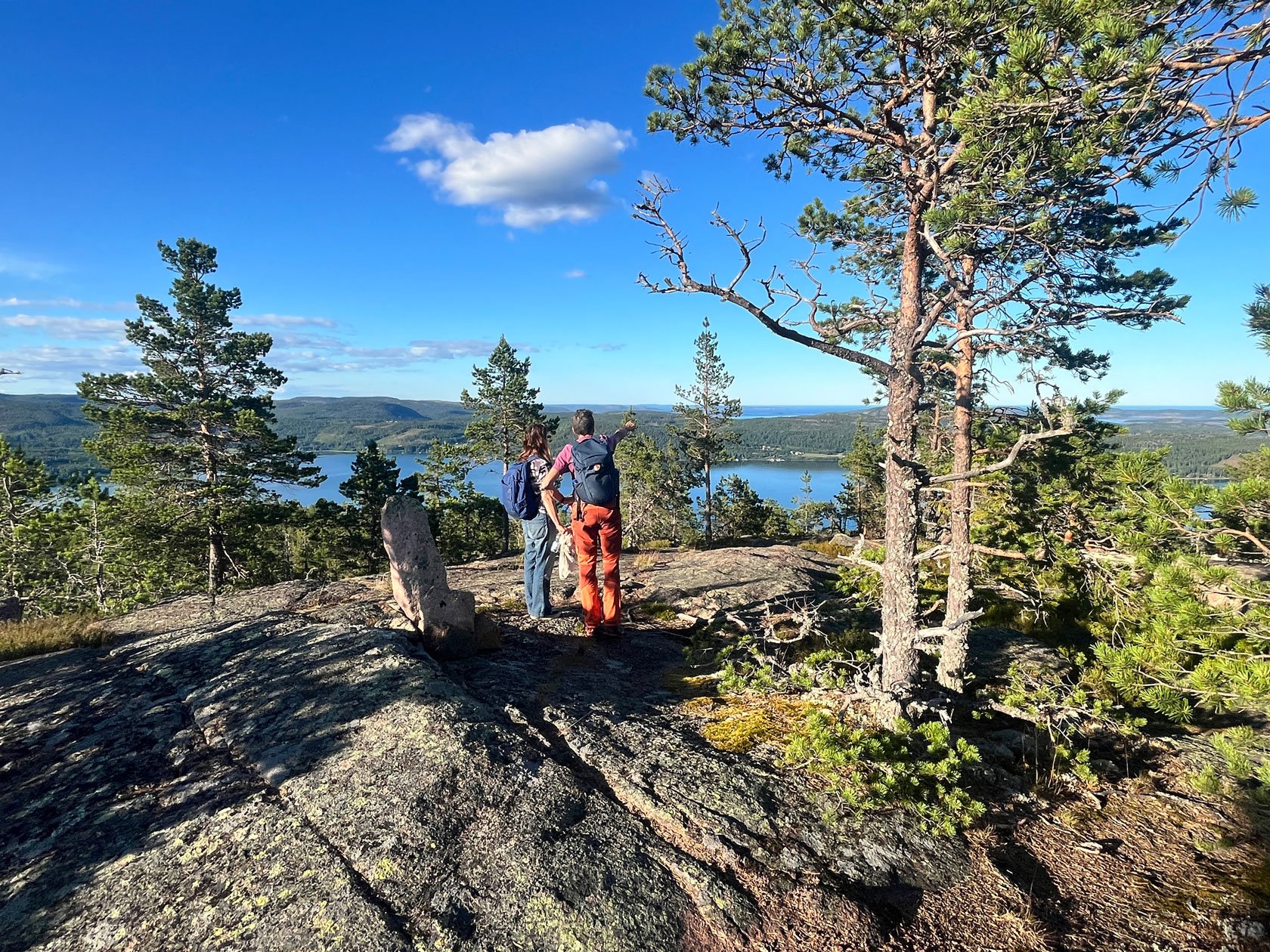
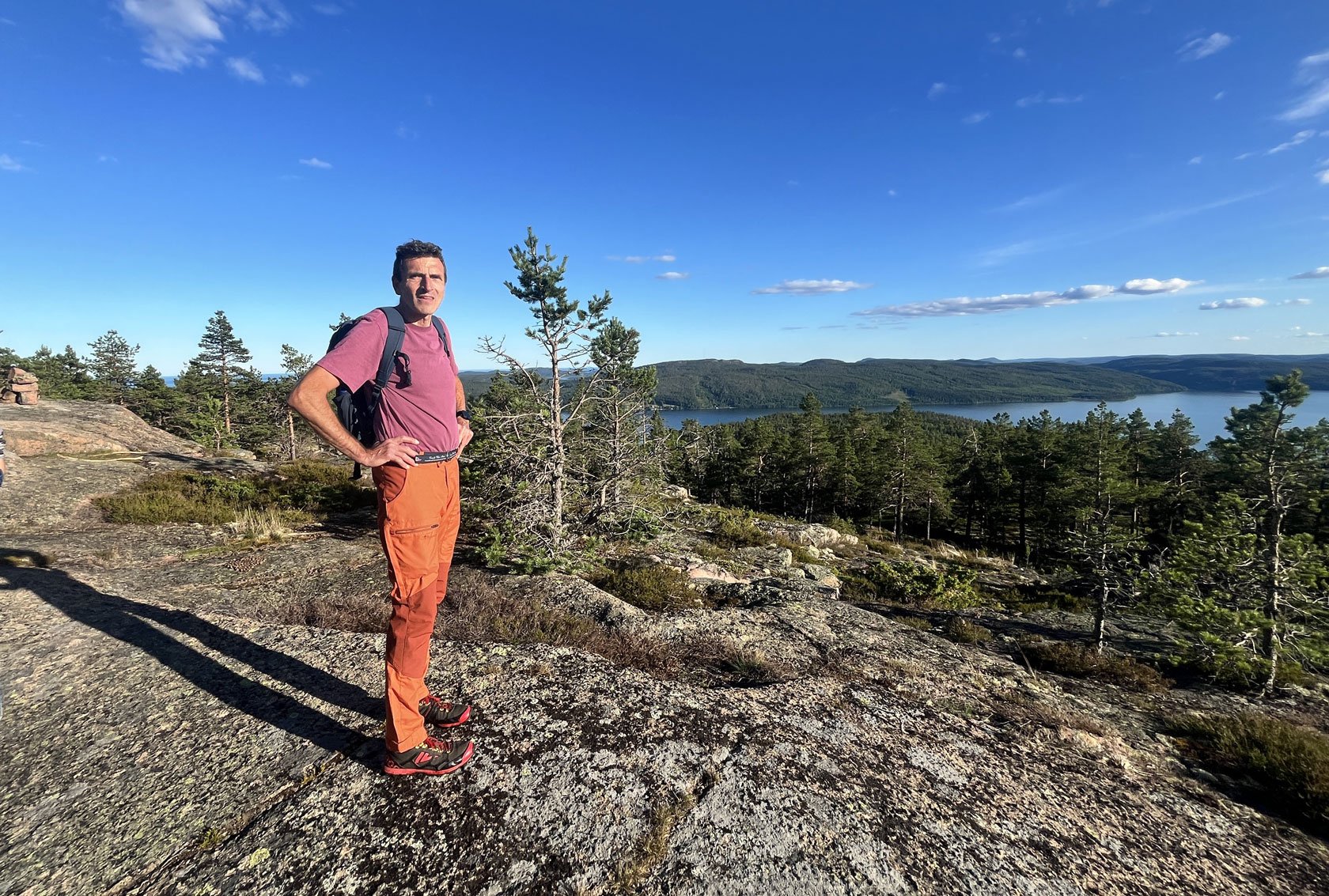
Laurie and Craig from New York were our very first Forest Guests here in Höga Kusten. Not for a checklist. Not for performance. They came for a pause. And the forest did its part.
 

Beyond the experience

An experience ends. A booking ends. A trip ends.

But sometimes a place keeps moving inside you.

That is the real value of what the forest whispers: not the message I deliver, but the awareness that Skogspaus, and these pages, can unlock in someone who is ready to receive.

Not everyone will receive the same thing.

People arrive with different stories, different tiredness, different questions. The forest changes with light, wind, season, and mood. There is no single “right” response.

And that is the point.
 

The whisper is not a slogan

I am careful with the word “whisper”.

A whisper is not a promise you can standardize. It’s not a technique. It’s not a takeaway list.

It is a relationship that begins when you stop extracting and start receiving.

In the forest, this can look like attention becoming soft again. In life, it can look like a different way of listening.


What a reader gave back

One of our first Skogspaus guests—visiting from New York—wrote to me after the experience, while reading the first chapters.

She didn’t write, “I liked it.”

She connected the idea of receiving rather than extracting to her work with children who communicate differently. She described entering their world as similar to entering a forest: you become quiet, you learn a new way of listening, and you stop imposing your sense of order.

Then she named something else I recognize in myself: the achievement orientation.

Even on a beautiful hike, the clock can take over. We start getting through instead of arriving.

And she repeated one of the most humbling ideas in Skogspaus: that a place also needs time to adjust to our arrival.

Reading her words, I felt admiration, and a kind of silence.

A few days later, the forest answered again, through someone else’s words.

“It is not often that I / we meet a person who inspires… something deeper and richer than a simple anticipated experience.”
— Craig K. (New York)
 

What the book is (and what it is not)

I didn’t plan to write this chapter. It arrived.

I realize something here: on the blog I often point to the book with a small CTA, but I rarely speak about it directly.

So let me say it simply.

Skogspaus is not a “nature book.” It’s not a productivity tool. It’s not a self-help program dressed in pine needles.

It’s a Forest Guest bible: a practical, gentle companion for learning to receive rather than extract.

Not a method to master—more like a way back to attention, as a guest.

It doesn’t ask you to add more.

It asks you to remove noise.

To enter places — and moments — with less achievement orientation, less rearranging, less forcing.

To practice a different kind of attention.

And to remember that a place is not an object.

A place is a relationship.

In the book, you’ll find small things that change the day: a simple way to enter a place without taking it over; a reminder that attention can move gently, like a hand on bark—color, texture, light, motion, pattern; a way to notice when achievement orientation has quietly returned (and to let it go again).

A humbling thought I keep needing—that the place also adjusts to your arrival—and a portable pause, something you can open when life is loud and you want the pace to soften.
 

Why I wrote it

I wrote Skogspaus because I kept seeing the same pattern.

People arrive in the High Coast with full days and full minds. They want the views, the hikes, the “best spots.”

And then, somewhere between the parking lot and the summit, they realize they are still carrying the same speed.

Skogspaus was my attempt to protect a different possibility: a pause that is not a reward at the end of performance, but a way of entering the world.

The experience is a shared pause in a real place, held by a human rhythm.
The book is the portable version of that rhythm, something you can reopen when you’re far from the High Coast.

Not a replacement for the forest.

A way to meet it differently.
 

If she is not the only one

This is where I become careful, and hopeful.

If she is not the only one who hears something, if other guests, other readers, in other seasons, in other forests, begin to respond in their own way, then I can say this:

The forests are getting what they wanted.

Not followers. Not content. Not a brand.

Just humans who remember how to be guests again.
 

My role

My role is small.

I protect the pace. I build a simple container. I remove friction. I keep the invitation honest.

Then I step back.

Because the protagonist is not the mentor.

It’s the place.

And when the place answers back through someone’s life, I can only be grateful — and a little speechless.
 

A quiet ending (and a real invitation)

If you’ve lived the experience and you notice the forest still moving inside you days later, you can write to me—just a few lines is enough.

Not to review. Not to rate.

Just to share what you received.

And if you can’t come to Docksta—or if you want to carry the pause beyond a single afternoon—the Skogspaus book is the closest way to bring the guest mindset home.

It’s not a souvenir.

It’s a companion.

A small book that helps you practice the same invitation, again and again: enter as a guest, slow down, and listen for what the place is already whispering.

If the forest is still moving inside you a few days later, you can write to me—even three lines. I read them slowly.
If you want to live Skogspaus in Docksta, it’s live on Airbnb Experiences.


Image note: Most images in this post are excerpts from the Skogspaus book. The two photos from our first experience are published with kind permission from Laurie and Craig. Photo credit: © Craig K. (New York).

Related
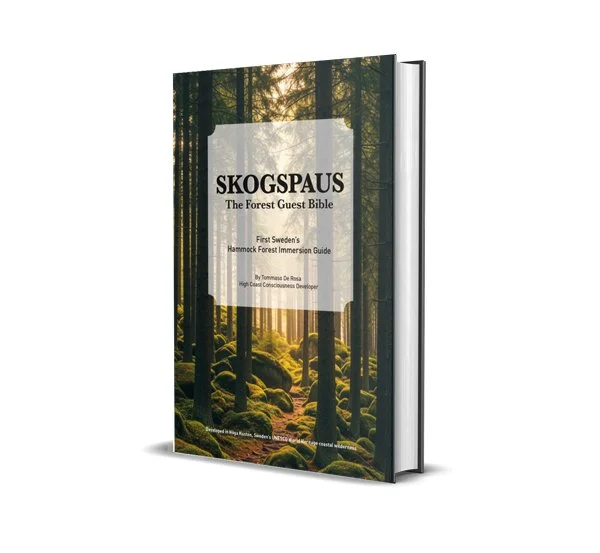
  1. Read: From New York to a Rocky Pine Forest (our first Skogspaus Airbnb Experience)

  2. Explore: Skogspaus: Forest Pause in the High Coast (all posts)

  3. Go deeper: The Skogspaus book

First Skogspaus Airbnb Experience: From New York to a Rocky Pine Forest in the High Coast

Recently we hosted our very first Skogspaus Airbnb Experience here at Docksta Havet Base Camp.

Laurie and Craig came from New York. They found Skogspaus through our website, then crossed over to Airbnb to book and reach out. That small detail matters to me: it means the idea travels well when it’s explained simply and honestly.

Not for a checklist. Not for a performance. Not for a “retreat package.”

They came for a pause.

This post is a milestone note, but it’s also a practical guide. If you’re planning a trip to Höga Kusten and you’re curious about Skogspaus, here’s what it is (and what it isn’t), how it fits into a hiking day, and how to know if it’s for you.


Meet your mentor

I’m Tommaso, your Skogspaus mentor and host at Docksta Havet Base Camp.

I’m not here to “teach nature” or run a retreat. I don’t add techniques. I protect the pace.

Think of me as your local base camp person: part marina host, part trail friend, part calm guide. My job is to make the High Coast feel simple and real, so you can travel lighter and let the place do what it already knows how to do.


Most of the photos in this post are published thanks to the kindness of Laurie and Craig. Photo credit: © Craig K. (New York).


What Skogspaus is (and what it is not)

Skogspaus is a guided forest pause with hammocks in a rocky pine forest near Docksta, in Sweden’s High Coast UNESCO World Heritage area.

It is:

  • A slow entry into the forest

  • A quiet hammock pause (the heart of the experience)

  • A gentle return walk back to everyday pace

It is not:

  • A hike

  • A workout

  • A “retreat package” with a checklist

  • Therapy

  • A nature lecture

The simplest frame is this: we enter the forest as guests. We travel lighter, we lower our voice, and we let the place set the pace.


Why we built this at Docksta Havet Base Camp

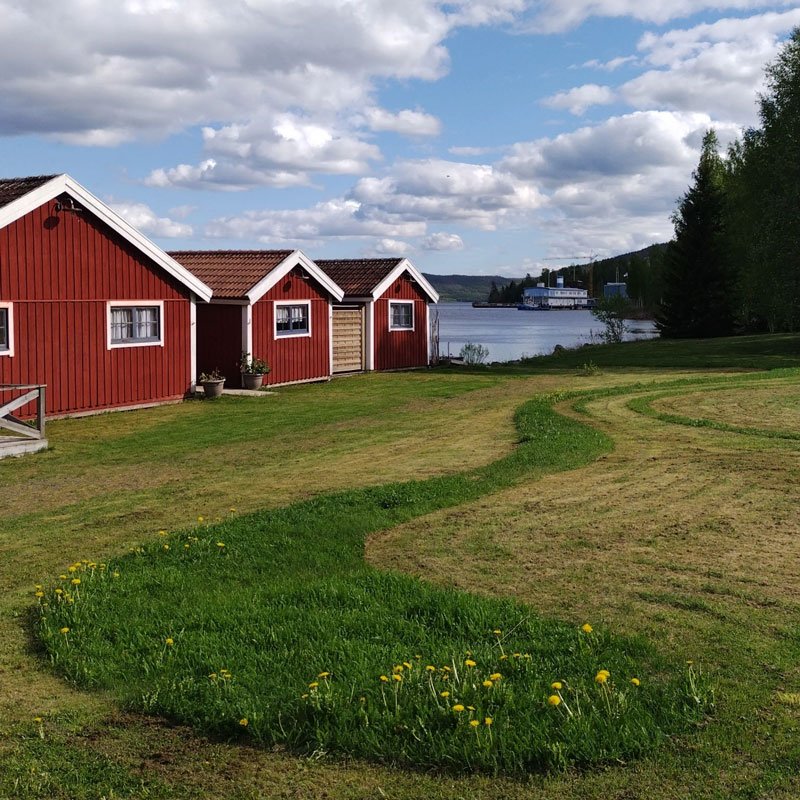
Docksta Havet is a marina (gästhamn) and a small collection of seaside accommodations. But we’ve always seen it as a base camp: a place that helps you discover Höga Kusten with less friction—and more depth.

Some guests arrive by boat, some by car, some with backpacks and big plans. Many arrive full: excited, switched on, already moving fast.

Skogspaus exists for that moment when you don’t need another activity. You need a real pause. A break that changes your pace—so you can arrive as a guest, not as a schedule.


How the idea travels (and why this matters to us)

Skogspaus is a small, specific idea. It’s not “another activity in the High Coast” — it’s a way in.

People discover it online, feel that it’s honest, and then something interesting happens: the idea becomes a real trip.

A page turns into a plan. A plan turns into a flight.

And then, here in Docksta, the High Coast does what it does best: the rocky pine forest whispers the rest — more effectively than any words I could write.

Yesterday, for the first time, that loop became real in the simplest possible way.


From New York to a Rocky Pine Forest (a milestone)

A note from yesterday (our first session)

The forest did its part.

There was that evening light in the needles, the quiet that doesn’t feel empty, and the kind of pace that makes your shoulders drop without you noticing.

Laurie and Craig were wonderful Forest Guests: curious, respectful, and willing to slow down. I’m genuinely grateful they were the first.

And at some point in the hammock pause, you could feel it: the travel was over. The forest had taken over.


What guests actually take home (the simplest insight)

One of the most beautiful things our first guests brought home was this: a sense that beauty is abundant.

Not only in big views. Not only in something new.

Abundant in a small patch of forest, if you pause and open your eyes.

A few days after the experience, Laurie wrote me this (shared with permission):

“Something I have been feeling repeatedly from the pause is the sense that there is abundant beauty everywhere, and all I need to do is pause and open my eyes, becoming attentive to the wonder around me.

As I sat looking at the patch of forest, I recognized how easy it is to grow desensitized to beauty when we are constantly primed to look at something new — via the internet or a stream of media. Something slow and still, like the forest, can seem so simple.

In reality, however, there are so many ways I found to reconnect with a sense of stimulation. When I got attuned to colors, I could shift my attention to textures and find new delight. When I became attuned to texture, I started to focus on light and shadows. Then I looked for motion or stillness, then I looked for patterns. On and on this went, leaving me with such a sense of abundance.”

— Laurie (New York)

In the hammock pause, attention can become a gentle ladder:

  • Colors

  • Textures

  • Light and shadows

  • Motion and stillness

  • Patterns

And then, without forcing anything, a feeling of richness appears.

Not because the forest changed, but because the gaze softened and became attentive again.

“I learned much about myself and my perceptions. This was a revelatory experience.”

— Laurie (New York)

That’s the part I want to protect as Skogspaus grows: not more “content”, but a true place, a simple container, and the courage to pause.


The same invitation, every time

What Laurie brought home is precious - and it’s also just one way the forest can meet a guest.

Skogspaus isn’t built around repeating a “successful session.” The forest changes with light, wind, season, and mood - and people arrive with different stories, different tiredness, different questions. There isn’t a right or wrong way to do it. There is only the same simple invitation: enter as a guest, slow down, and listen for what the place is already whispering.

If you’re curious about the deeper ideas behind this - and how to carry the pause with you beyond Docksta - the Skogspaus book is the quiet continuation.


How Skogspaus fits into a hiking day (practical planning)

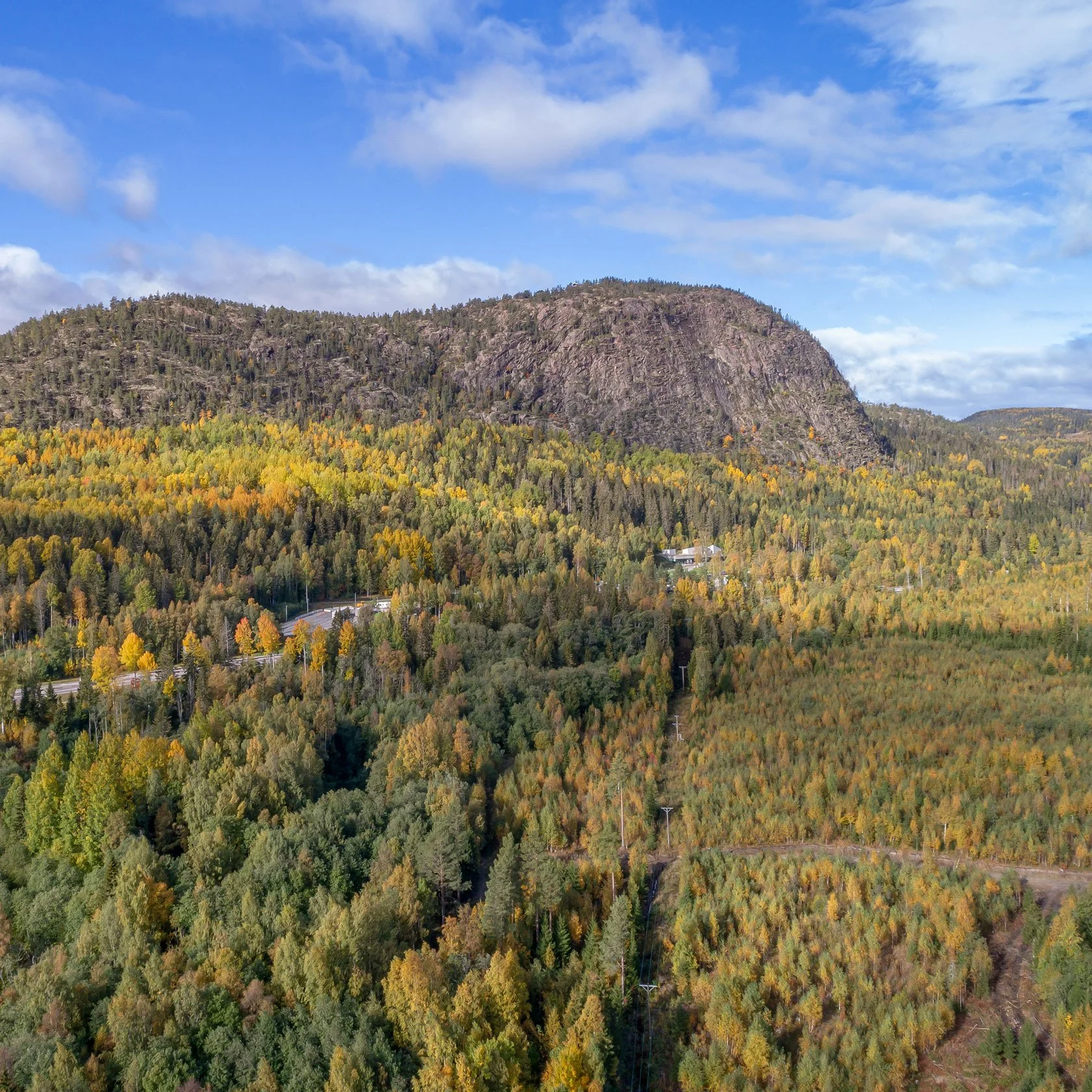
Most people come to Docksta to hike Skuleberget, explore Skuleskogen National Park, or do a mix of sailing, biking and walking.

Skogspaus works best when it’s planned as the “soft landing” after your adventure.

Recommended rhythm (example day)

  • Morning: coffee at the marina (optional: bike rental)

  • Midday: hike at your own pace

  • Afternoon: return, hydrate, add a warm layer

  • Skogspaus: start around 15:30 (latest 16:00)

  • Evening: slow dinner, quiet sleep


If you plan Skuleskogen National Park

Skuleskogen can easily become a longer, more demanding day than you expect.

If your goal is to keep Skogspaus comfortable and unhurried, I usually recommend:

  • Driving to the South entrance (instead of biking all the way from Docksta)

  • Choosing a shorter loop

  • Keeping a relaxed time margin for the return

Skogspaus works best when there’s still some softness left in your day.


A simpler “Skogspaus day” (3 ready-made options)

Skuleskogen is wonderful — but it can be a bigger day than you expect.

If you want Skogspaus to stay comfortable and unhurried, here are a few rhythms that pair beautifully with a forest pause (and still feel very “High Coast”):

Option 1 — Skuleberget, but light (big views, low friction)

Skuleberget doesn’t have to be a full expedition.

Park the car and choose your style: the lift, a shorter hike, or a simple bike approach. You still get the iconic panorama — without arriving to Skogspaus in “survival mode”.

Grab&Go plan: Skuleberget by bike: 3 easy options from Docksta

Option 2 — Via Ferrata at Skuleberget (the active dream + the quiet downshift)

If you’ve been craving something more intense, the Via Ferrata is a clean, focused effort — and it creates a beautiful contrast with Skogspaus later.

Big energy, then a deep downshift: from rock and adrenaline to hammock and silence.

Grab&Go plan: Via Ferrata at Skuleberget: a day plan from Docksta

Option 3 — Seaside reset at the marina (especially if you’re staying on the water)

A slow marina day can be the perfect setup: coffee, a swim, a nap, a little reading.

Then we meet in the afternoon and let the forest hold the second half of your day.

Docksta rhythm (water + long light): Midsommar in the High Coast: the “third time” of the day

If you tell me your dates and your style — quiet, classic, or active — I’ll suggest the simplest rhythm and the best start time so everything fits naturally.


What to bring (simple)

  • Water

  • Good-grip shoes

  • A wind layer (the forest can feel cooler)

  • Long pants and socks (comfort against mosquitoes/ticks)


What happens (in simple steps)

We meet, we enter the forest slowly, we settle into the hammocks, we stay quiet for a long pause, and we walk back gently.

The goal isn’t distance, it’s a real downshift.


Who Skogspaus is for (and who it isn’t)

Skogspaus is for you if:

  • You like nature but you don’t want performance

  • You want a calm, held way to reconnect

  • You’re curious about the High Coast, but you prefer depth over speed

  • You’re open to quiet (no pressure to talk)

Skogspaus is not for you if:

  • You want a high-energy group activity

  • You want a long hike with a destination goal

  • You want a “retreat program” full of exercises

  • You want to be taught plant names, mushrooms, or wildlife facts


The hammock is the point (why it works)

A hammock changes the rules.

When you lie down, you can’t keep “doing” in the same way. The body receives. The mind follows.

That’s why the experience is designed around a long, quiet hammock pause.

The walk-in is slow, the return is gentle, but the heart is simply being held by the forest.


If you’re coming to Höga Kusten: a gentle invitation

I’m Tommaso, host at Docksta Havet Base Camp — a small guest harbour and simple waterfront lodgings in the heart of Sweden’s UNESCO High Coast. I spend my seasons between sea and forest, helping guests find the kind of outdoor days that feel real (not rushed).

If you’re planning a High Coast trip and you want a quiet, held way to reconnect, Skogspaus is now live on Airbnb Experiences.

If you’re staying with us at Docksta Havet Base Camp, we can also help you plan your hiking day so Skogspaus fits naturally into it, just tell me your dates and your style (quiet, classic, or active).

🌲Go deeper: The Skogspaus book

If you can’t come to Docksta, the book is the closest way to bring the pause home — rooted in a rocky pine forest.


Before You Arrive in the High Coast: A Forest Guest Note

The High Coast, Slowly: A Quiet Pause Under Rocky Pines — If You’re Still Dreaming of Your Summer, Keep Reading.

Between Land and Sea: A Hammock Immersion in the High Coast

Maybe you haven’t been here yet.

Maybe you’re still looking at maps, photos, and ferry timetables, trying to imagine what the High Coast feels like.

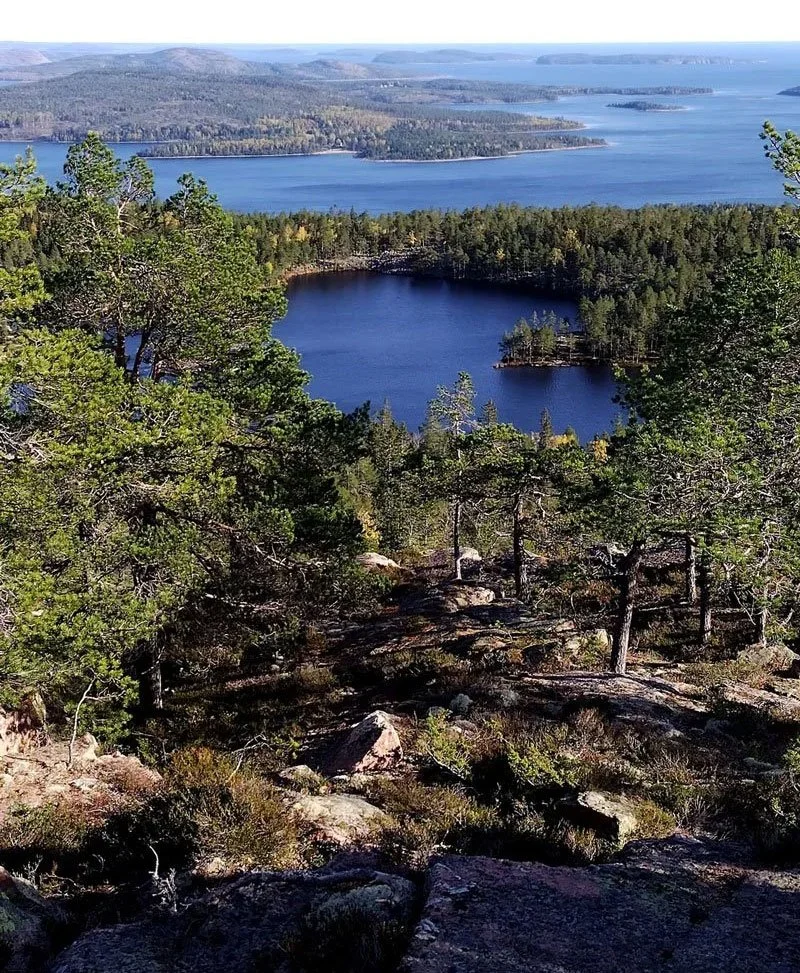
This is a place where pines grow on rock above the fjord, where salt and resin share the same air, and where Nordic light — especially around the Summer Solstice — quietly changes your rhythm. A UNESCO landscape, yes — but more than that: a living threshold between sea and mountain.

And if you ever stay with us, I’ll be your host when you arrive. We haven’t met yet, and that’s fine. Some places — and some hosts — should meet you slowly.

I’m the kind of host who draws on maps, talks weather, and keeps a hammock in the car — just in case the day asks for a pause.

Before the check-in, before the dock lines, before the first hike plan, I like to offer one gentle idea — not a program, not a product, not a promise. Just a way of arriving.


The Forest Guest

In the High Coast, it’s easy to become a collector.

Collect the icons. Collect the viewpoints. Collect the perfect weather window.

But there is another role available here — quieter, older, and surprisingly powerful:

To be a guest.

Not an occupier. Not a consumer of nature.

A guest.

A guest arrives with attention. A guest listens before speaking. A guest leaves the place lighter than they found it.

If that sounds a bit too serious, keep it simple: it just means we try to be gentle with the place.


A hammock forest immersion, in a rocky pine forest

There are forests that feel like a room.

And there are forests that feel like a threshold.

Here, above the fjord, the ground is not soft in the usual way — it’s ancient, sculpted, patient. Silence is still possible. And when the wind calms, you can hear how much space there is.

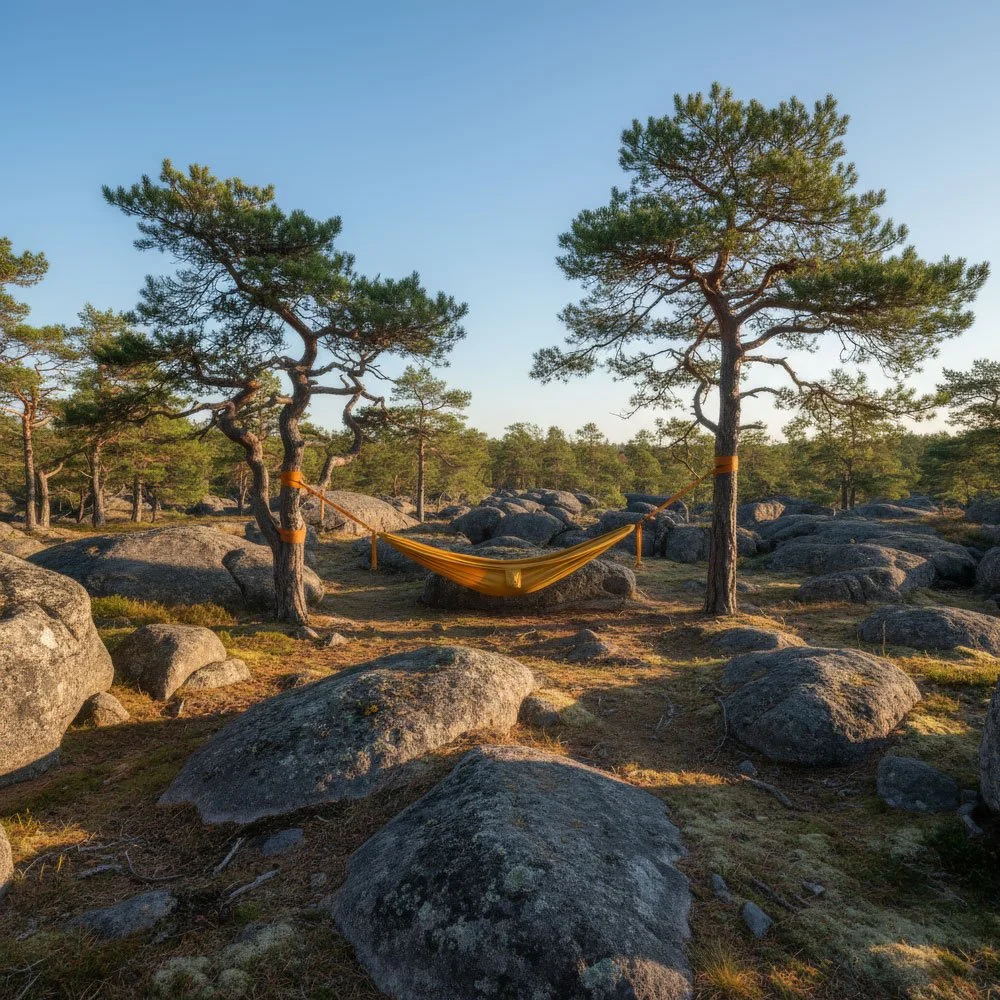
A hammock forest immersion is simple: you walk a little, you hang your hammock, and you let the forest hold you for a while.

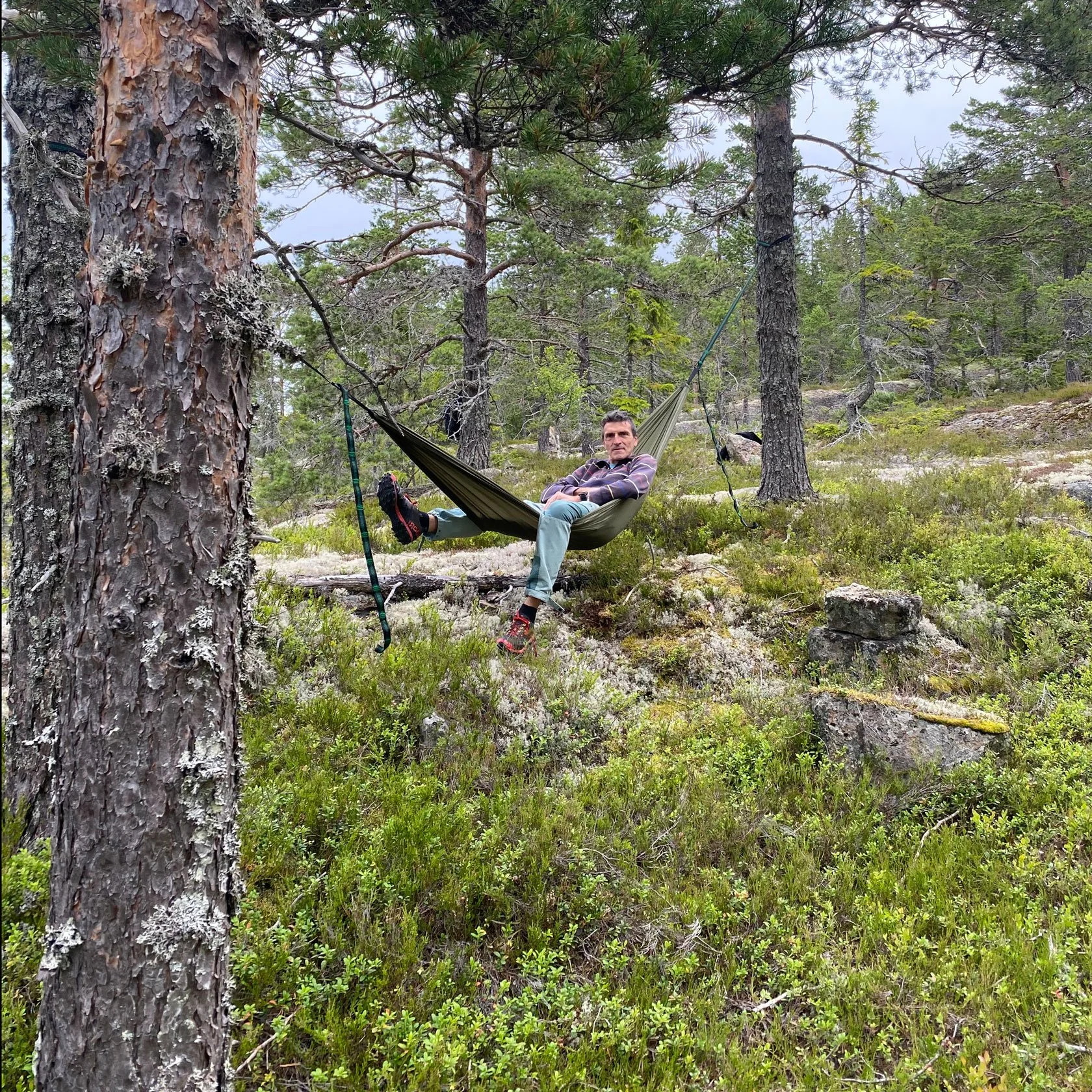
We walk in without hurry. I pick two trees that feel kind to the hammock. A strap, a small check, a quiet nod. Then you lie back and the forest does what it does: light moving, a few sounds you didn’t notice before, your breath finally not in a rush.

Not a retreat. Not a performance hike. Not a wellness show.

Just presence.


Why spring to late summer feels like a quiet invitation

There’s a long window — from late May and June, all the way into late August — when the High Coast changes its voice.

In spring, the light returns and everything feels possible again.

In high summer, the canopy is lush, the sea is warmer, and the days stretch out.

And then, toward late August, something soft happens: the trails breathe, the sea becomes quieter, and nights start to darken again.

For me, this whole season is perfect for a hammock forest immersion — a gentle pause inside your adventure, not after it.


If curiosity finds you

If this note touches something in you, keep it simple.

When you arrive, tell me one thing:

  • Are you here to hike, to sail, to run, or to rest?

And I’ll point you toward a quiet forest mood that fits your days — a place where the rocky pines and the High Coast light do their quiet work.

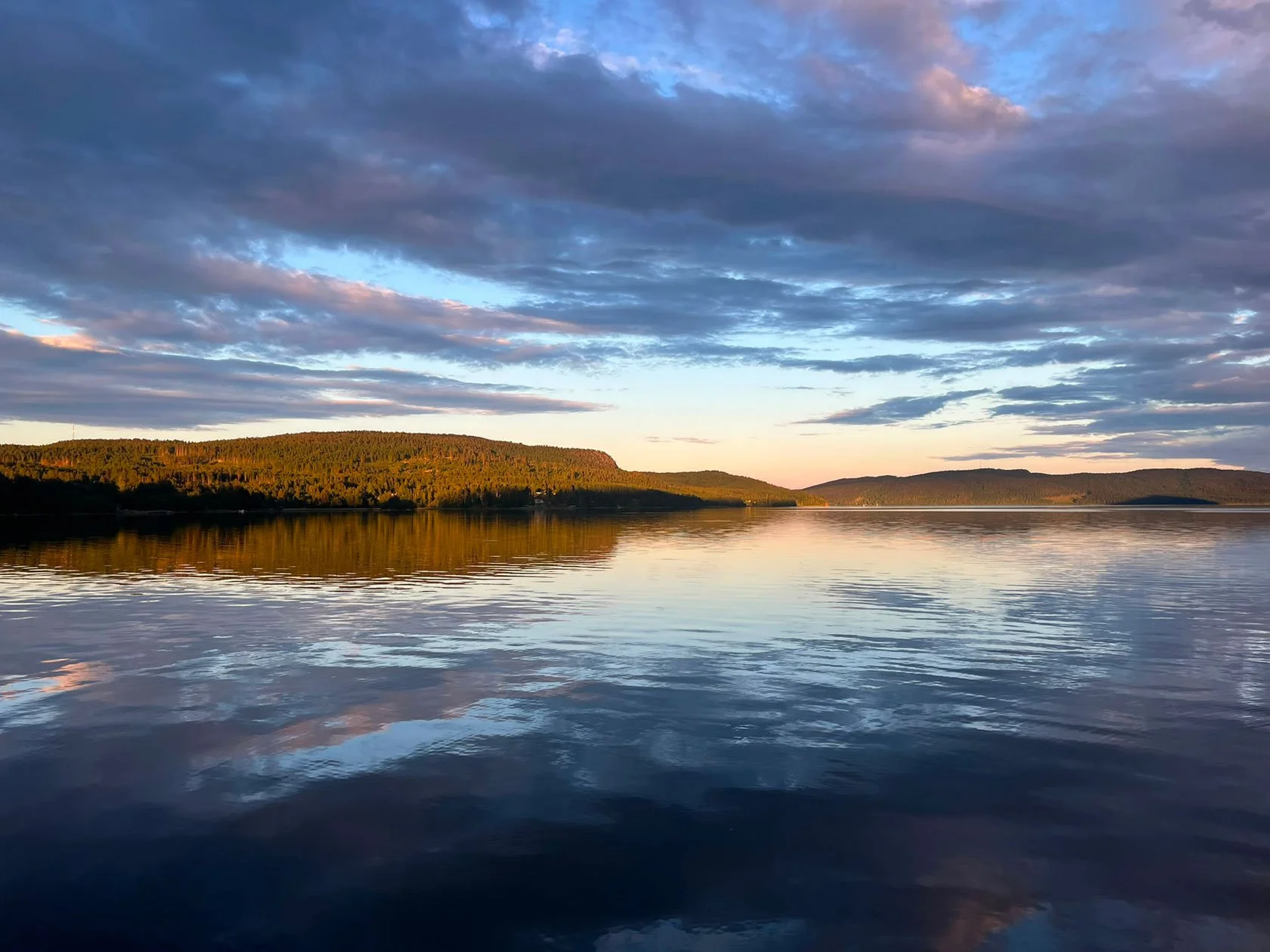
Sometimes guests ask about the night sky too. When the nights return, the High Coast can surprise you with aurora — even this far south. On clear nights, the fjord becomes a mirror. If you want to time it, I check yr.no for cloud cover and its integrated aurora forecast.
Sometimes it’s nothing. Sometimes it’s a quiet glow. And sometimes it’s a memory you take home for years.
 

Three gentle invitations (in the forest)

If you ever stay with us, this is the kind of thing I share with a bit of shyness — not to turn the forest into a postcard, and not to promise a transformation, but to remind you where you are.

These rocky pine forests have their own quiet protagonists. Some are obvious: wind in the canopy, light moving across stone, the scent of resin after a warm day. Some are smaller: a sudden hush when a bird passes close, the soft creak of hammock straps, the moment your shoulders finally drop.

Sometimes the real shift doesn’t happen when we do more. It happens when we finally pause.

A hammock forest immersion is exactly that: a few quiet hours under the canopy, held by rocky pines and High Coast light — where your body remembers how to downshift, and your mind stops trying to “use” the landscape.

If you feel that little yes inside you, you don’t have to decide much. This pause can meet you in three forms: together in the forest (it has one name: Skogspaus), on the page (the e-book that grew from these same mornings between pines, silence, and hammocks), or in your own rhythm (with a simple hammock kit you can borrow, so the pause can happen on an ordinary day too).

Ciao for now,

Tom

SV 🇸🇪 - Kanske har du inte varit här ännu.
Höga Kusten är en plats mellan land och hav, där tallar växer på klippor ovanför fjorden.
En hängmattepaus i skogen är bara det: en stilla stund som låter landskapet göra sitt.

FI 🇫🇮 - Ehkä et ole ollut täällä vielä.
Korkearannikko on paikka maan ja meren välissä, missä männyt kasvavat kallion päällä vuonon yllä.
Riippumattohetki metsässä on pieni, lempeä tauko — ja joskus juuri se riittää.

DE 🇩🇪 - Vielleicht warst du noch nie hier.
Die Hohe Küste liegt zwischen Land und Meer, mit Kiefern auf Fels über dem Fjord und Licht, das den Takt verändert.
Eine Hängematten-Pause im Wald ist genau das: ein stiller Moment, der dich langsamer werden lässt.


More Skogspaus reads (Forest Pause):

(Slow forest practices, gentle stories, and practical notes)


Micro‑guides and local tips for Höga Kusten:

(Day trips, hikes, viewpoints and quiet forest pauses)