
Intro (a note in time)
This post comes after the book.
But I’m placing it here on purpose, like an extra chapter left outside the cover, for whoever arrives without knowing there was a book at all.
I’m Tommaso, and Skogspaus is the forest pause I host here in Docksta, on Sweden’s High Coast.
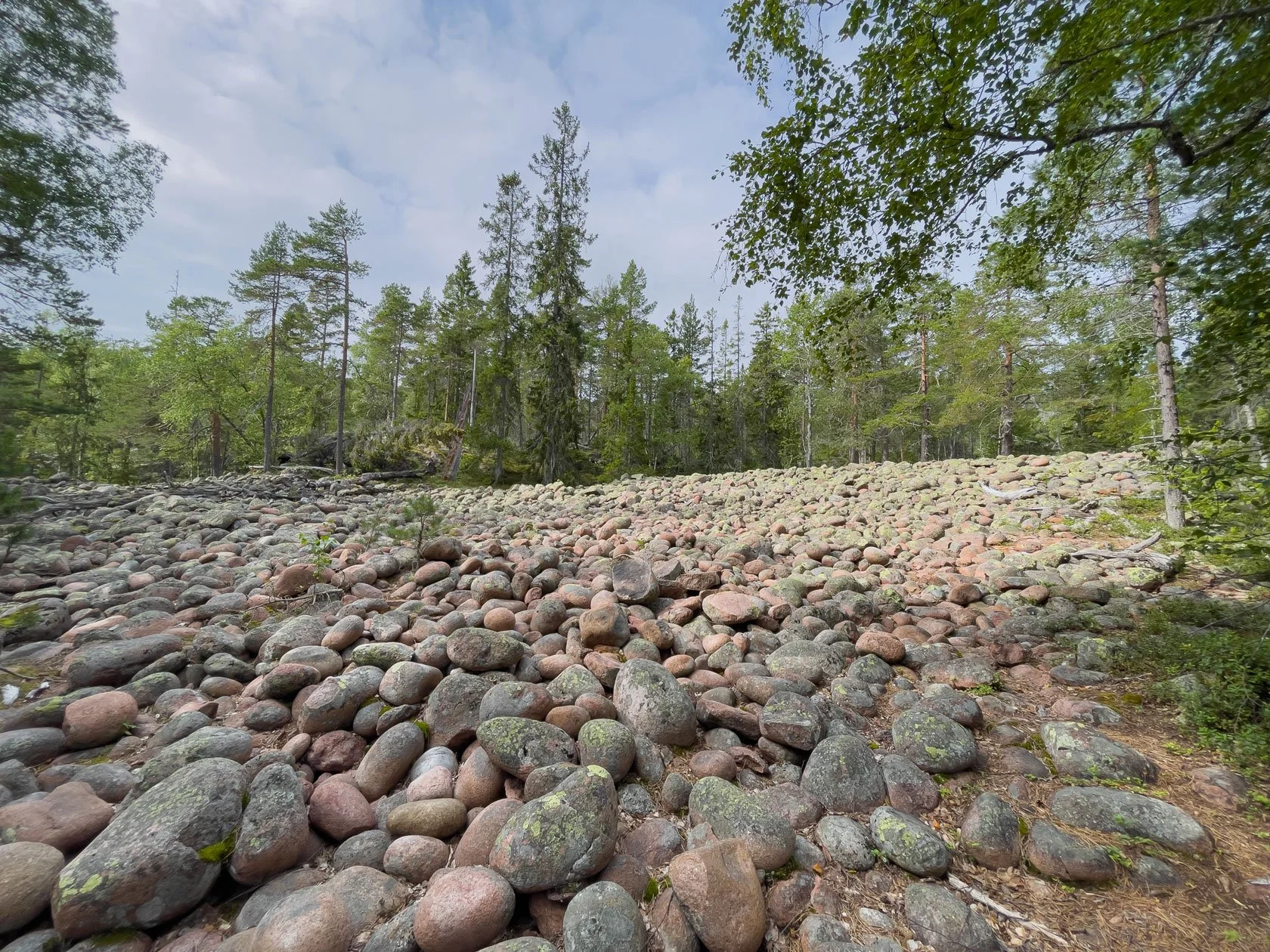
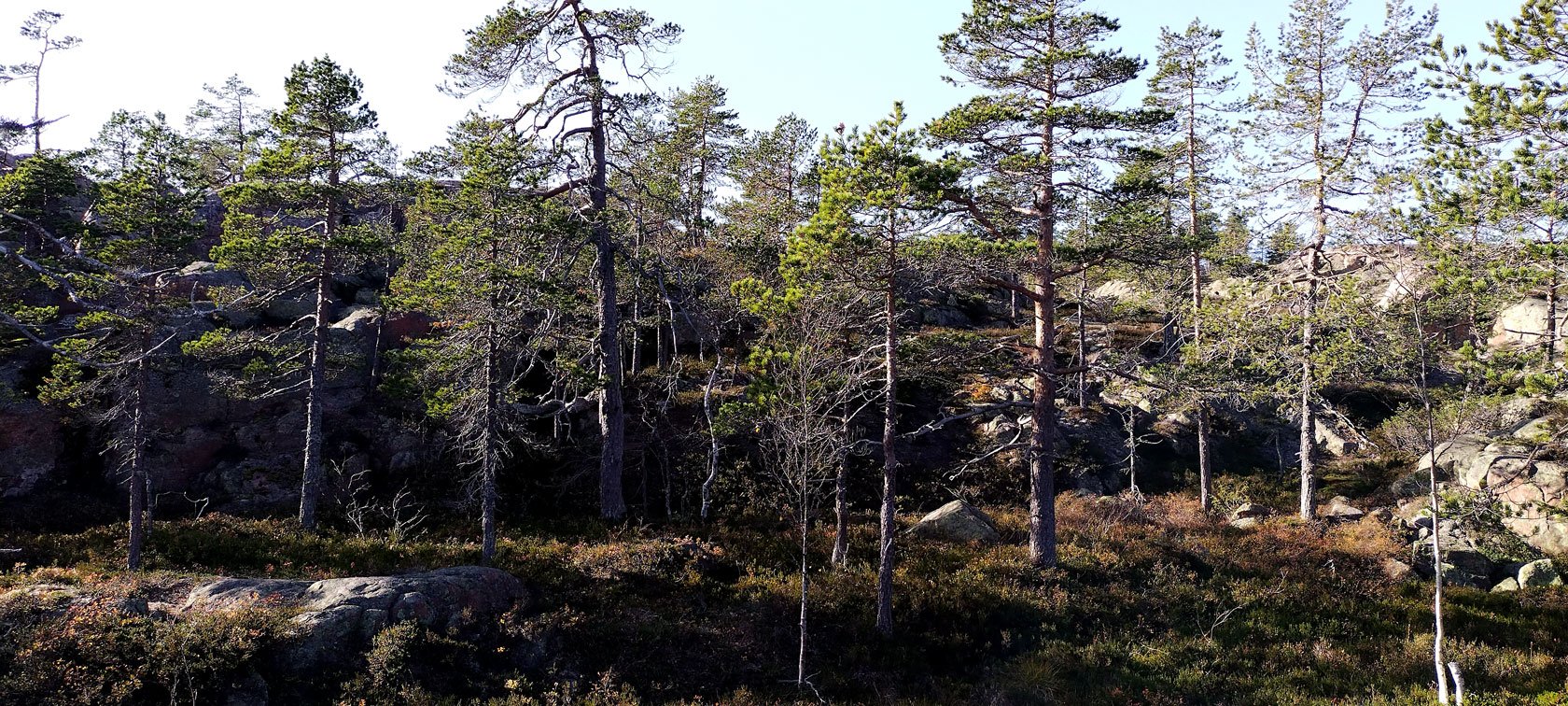
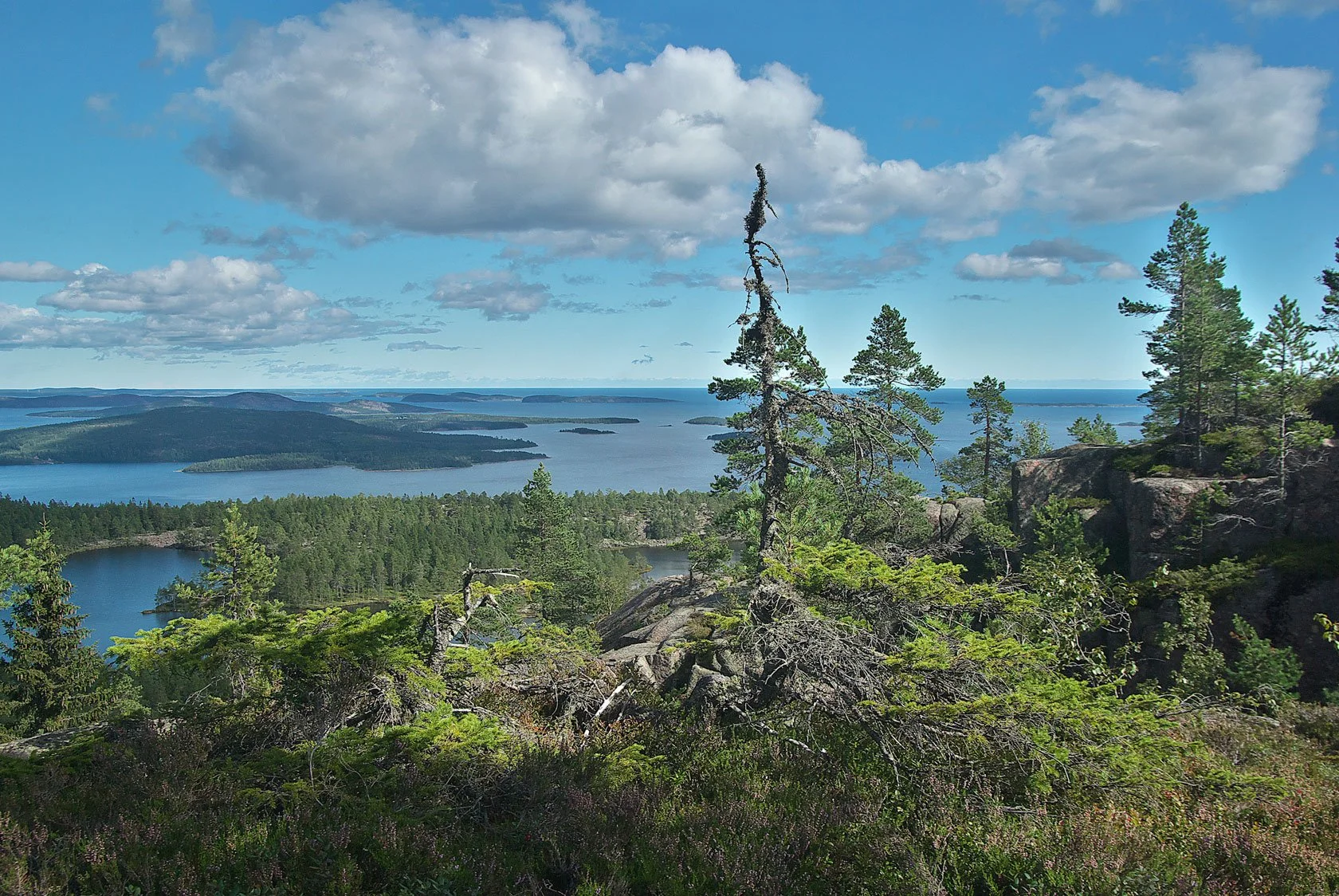
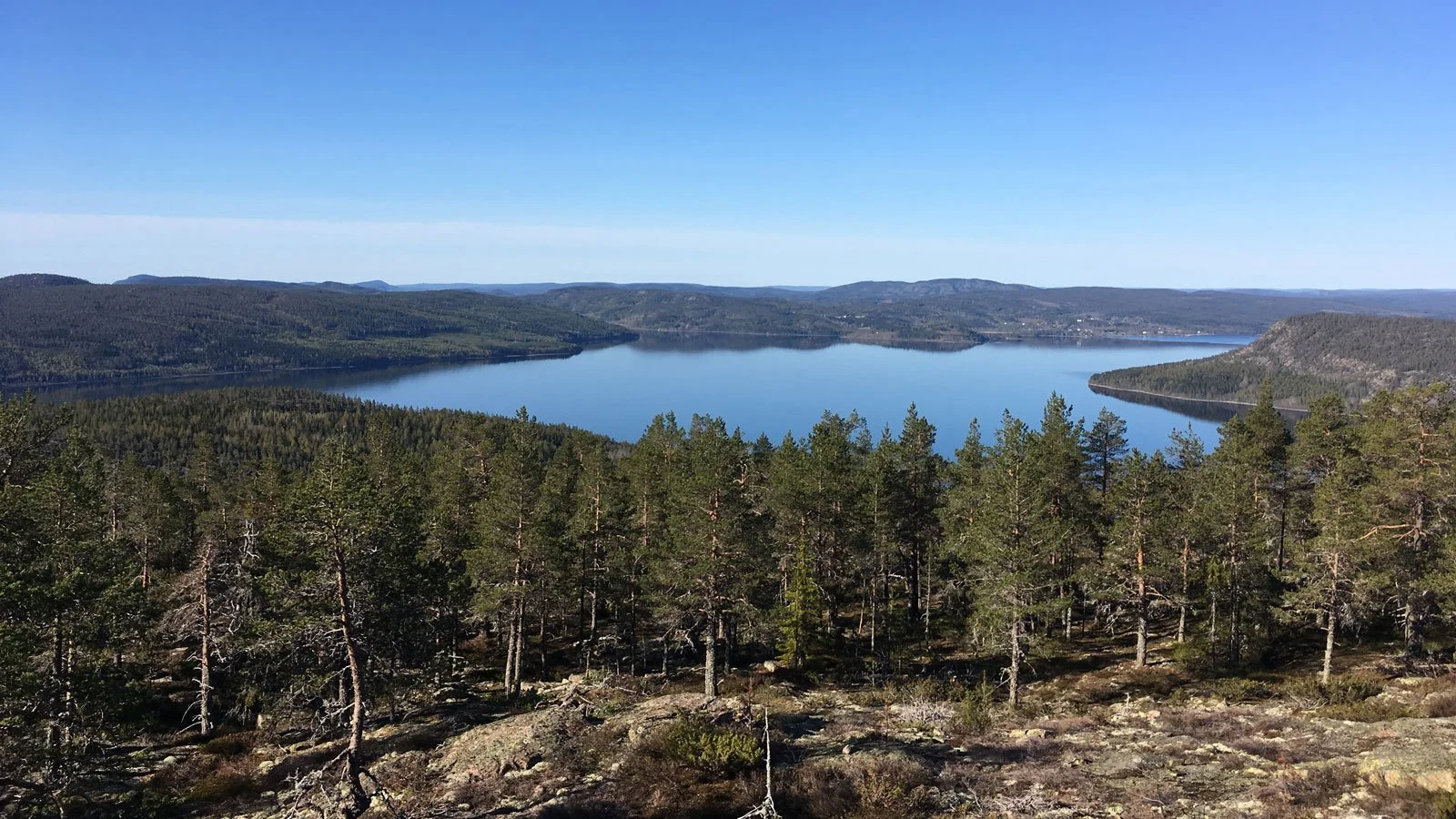
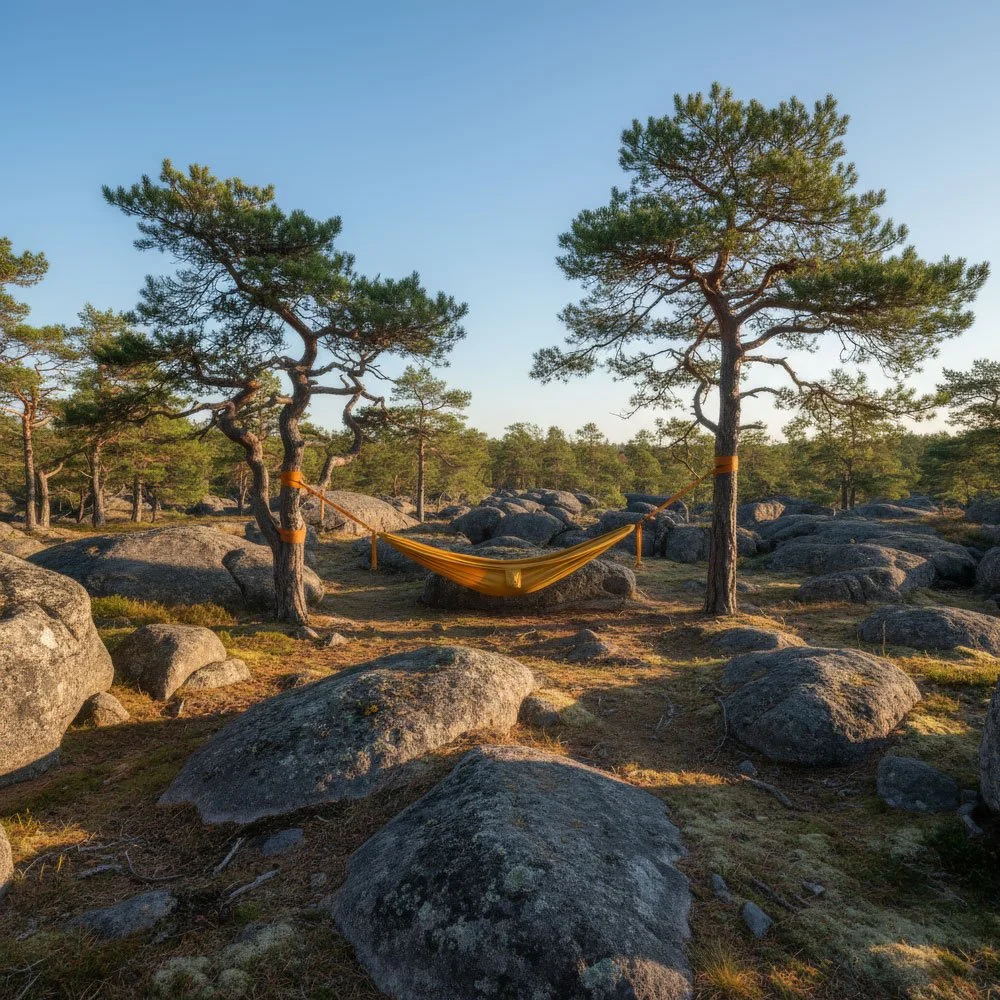
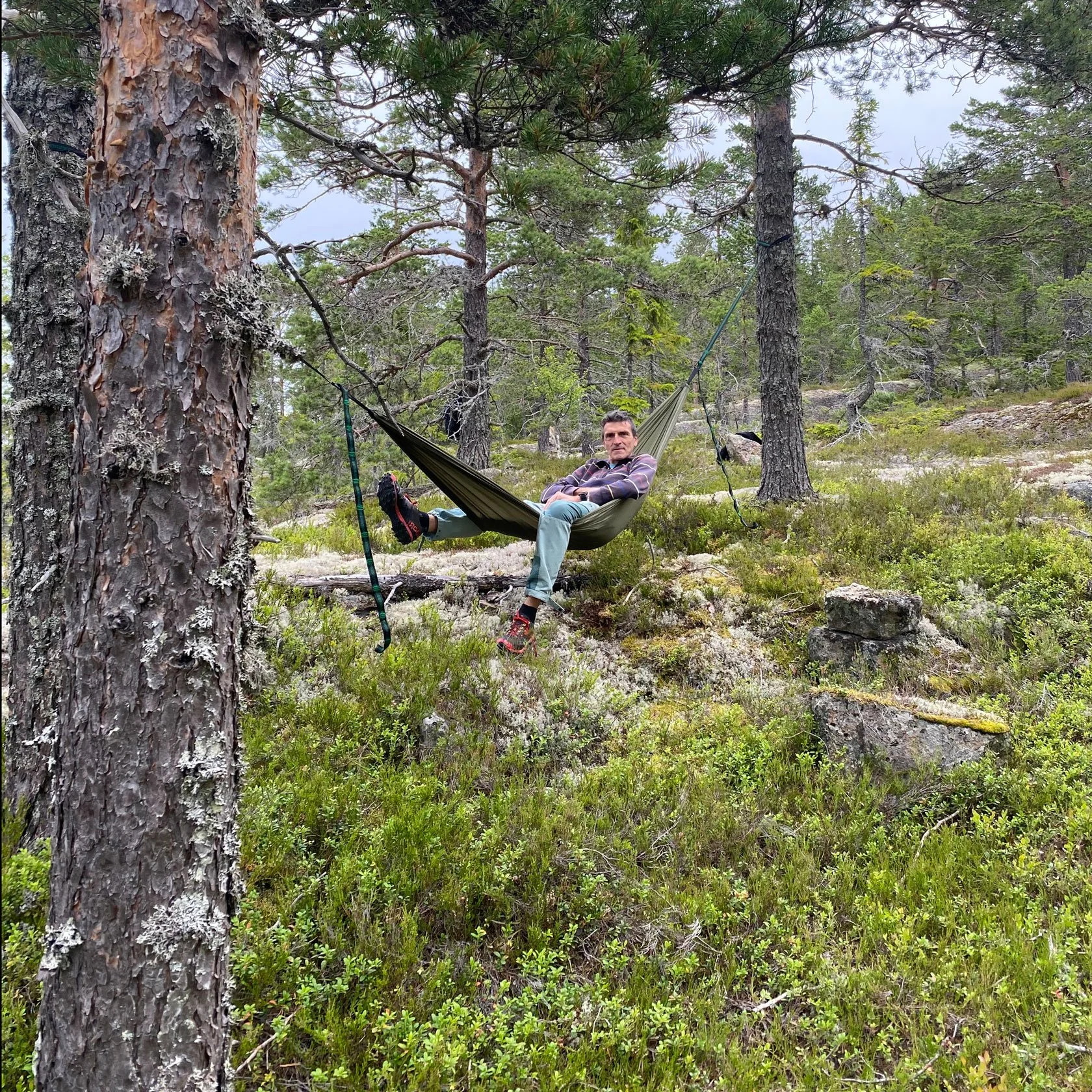
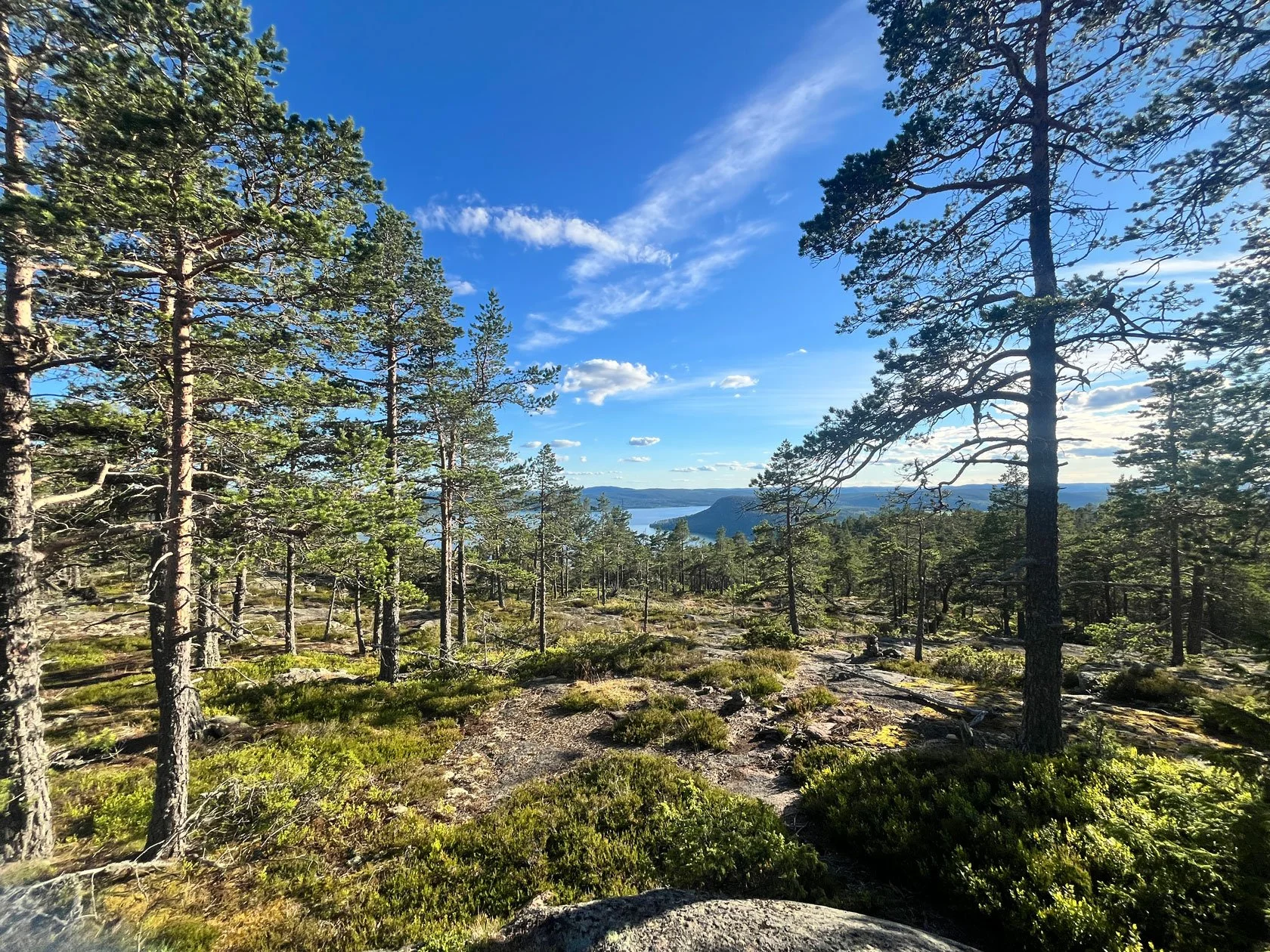
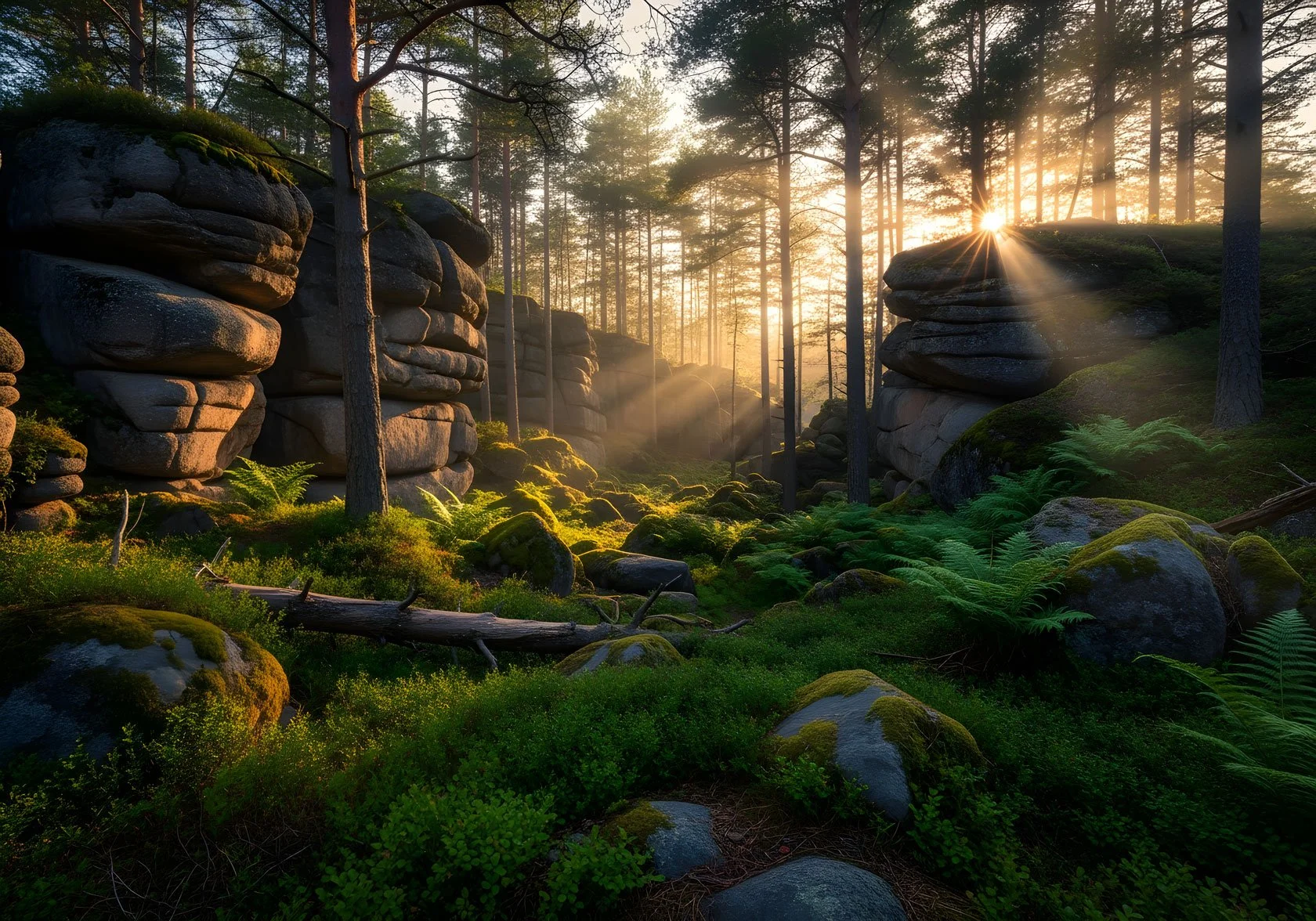
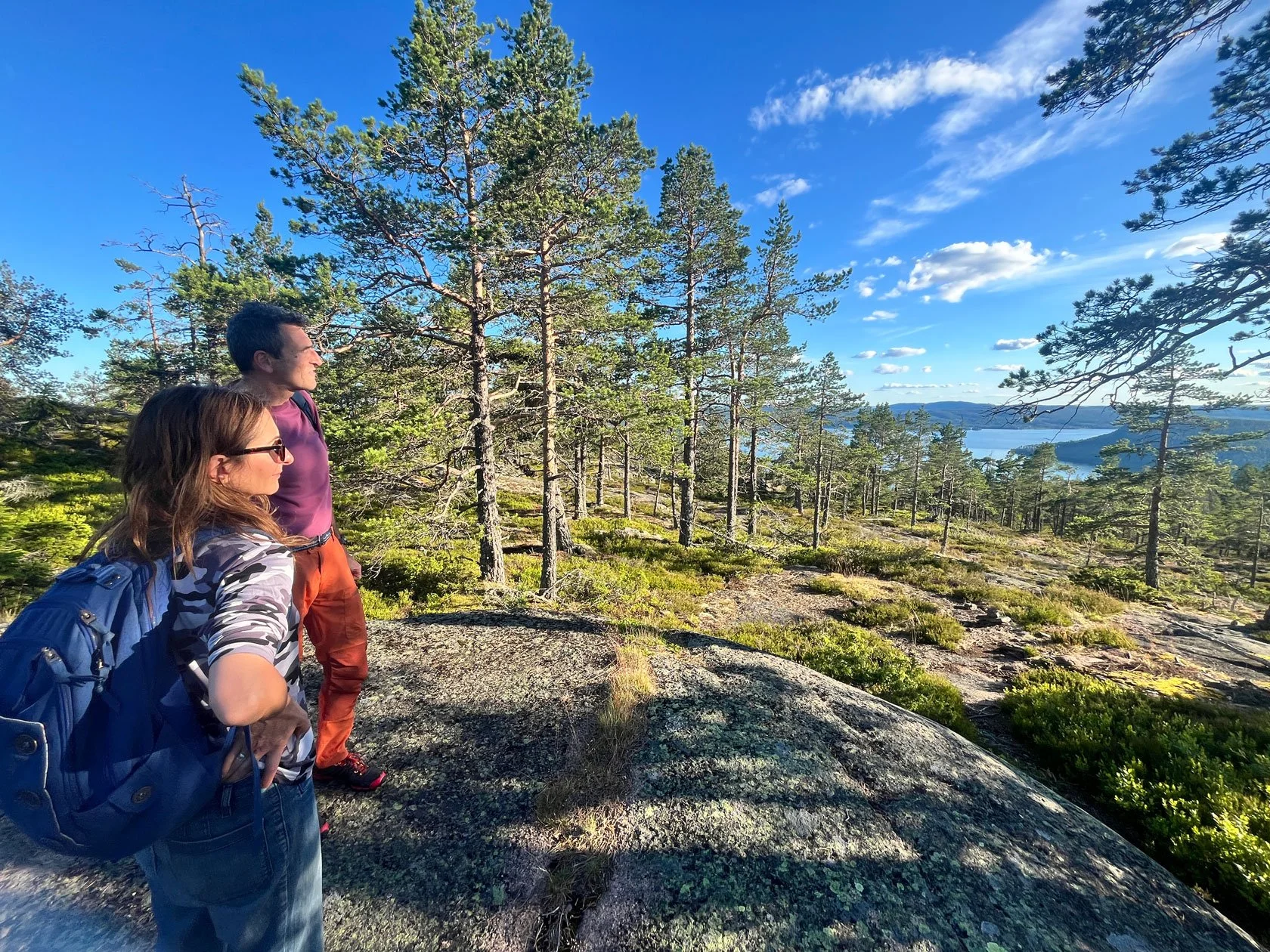
We walked in a rocky pine forest above the harbour, where the light moves slowly and the ground feels soft in a way you don’t expect.
Some chapters can’t be written in advance. They appear only after the last page, when the language has had time to leave your hands and pass through someone else’s life.
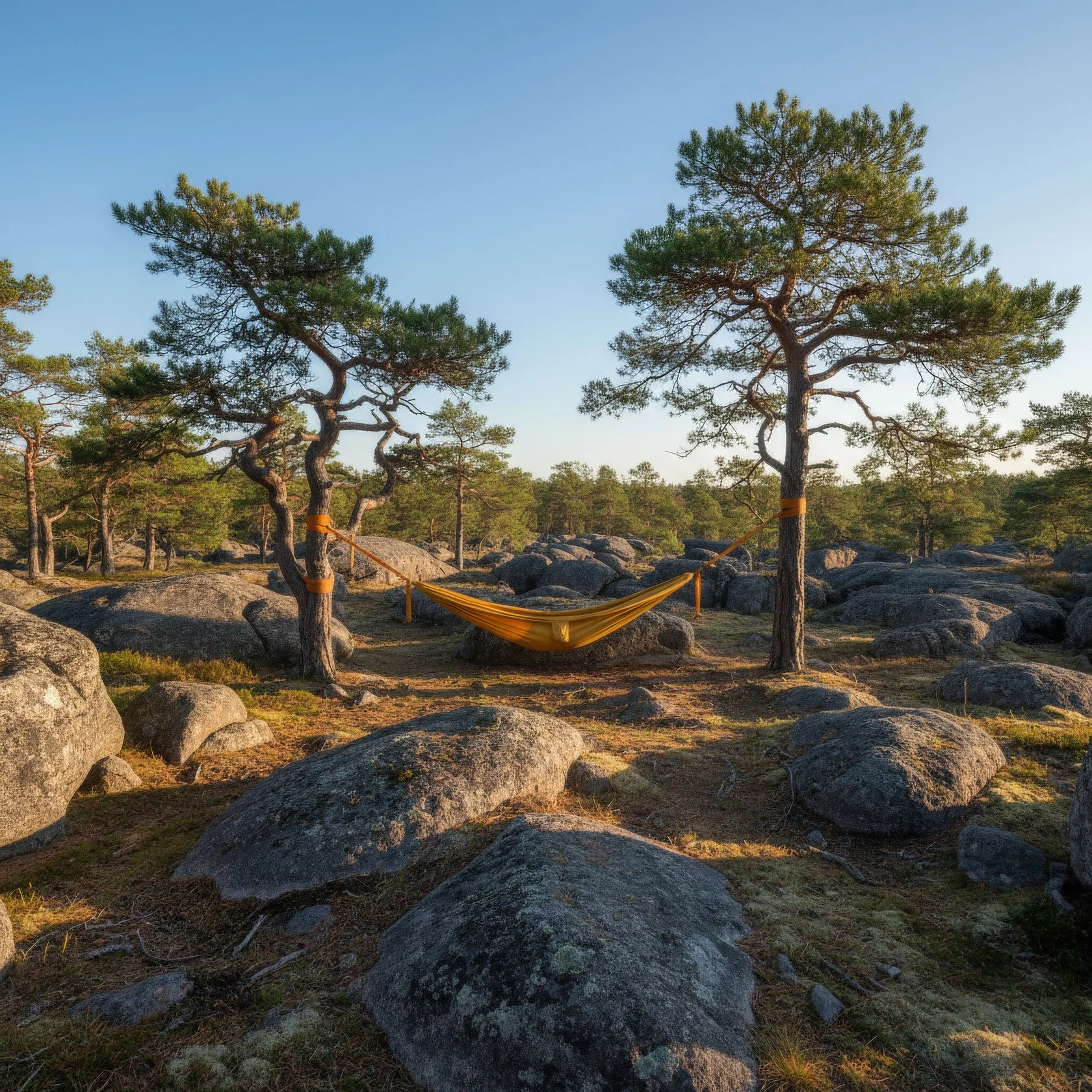
After the pages were closed. After the first guests left. After the hammock was packed away.
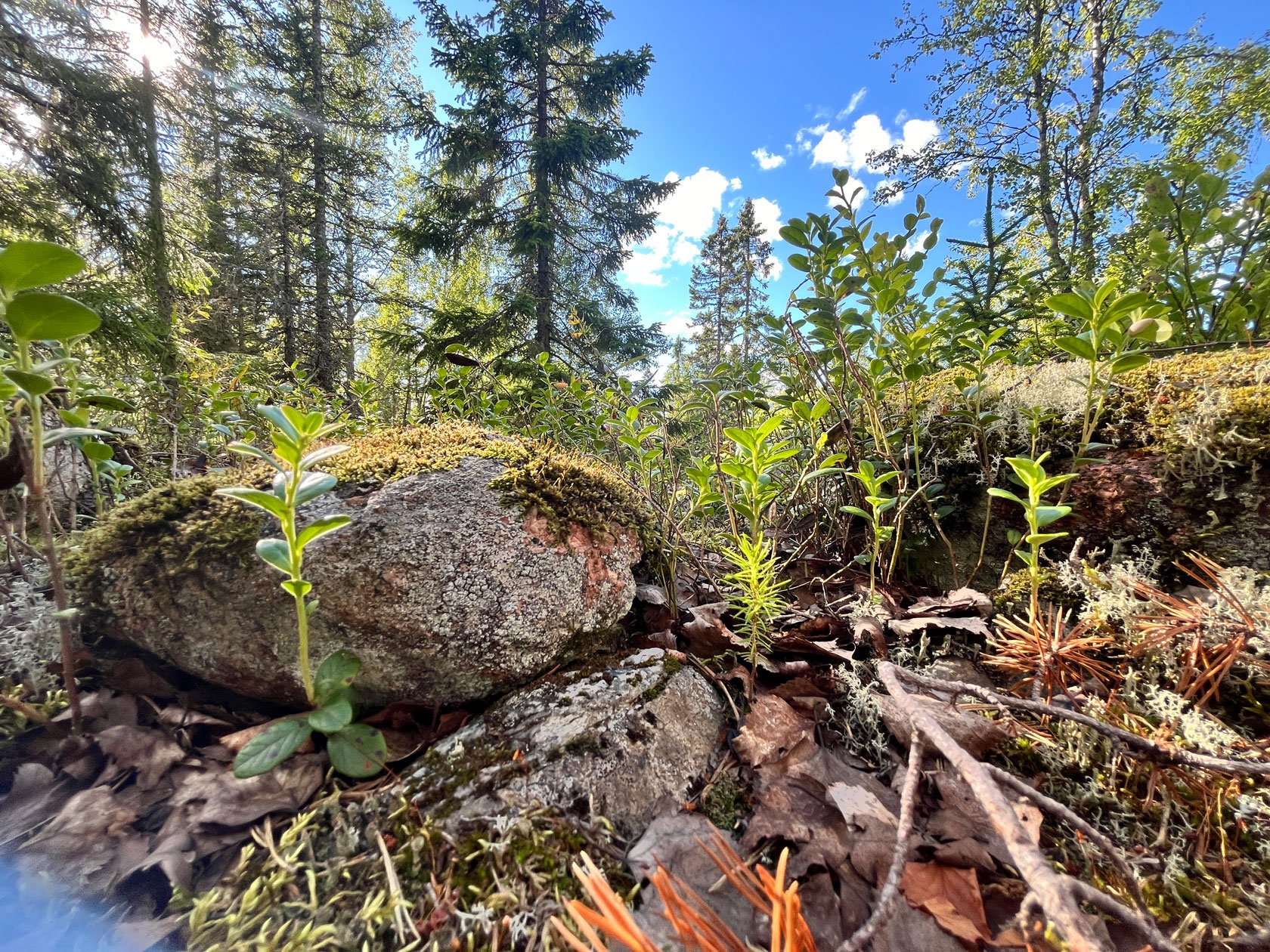
That day the light was unusually soft for summer, and even the forest floor felt alive under our feet.
Not as an update, not as a correction, and not as a marketing story.
It comes from an extraordinary period: the moment when Skogspaus stopped being only my language and became something that could return through other people’s lives.
And it also comes after the first real return: our very first Skogspaus Airbnb Experience here in Docksta. I wrote that story separately (you can read it here), but it sits behind every line you’re about to read.
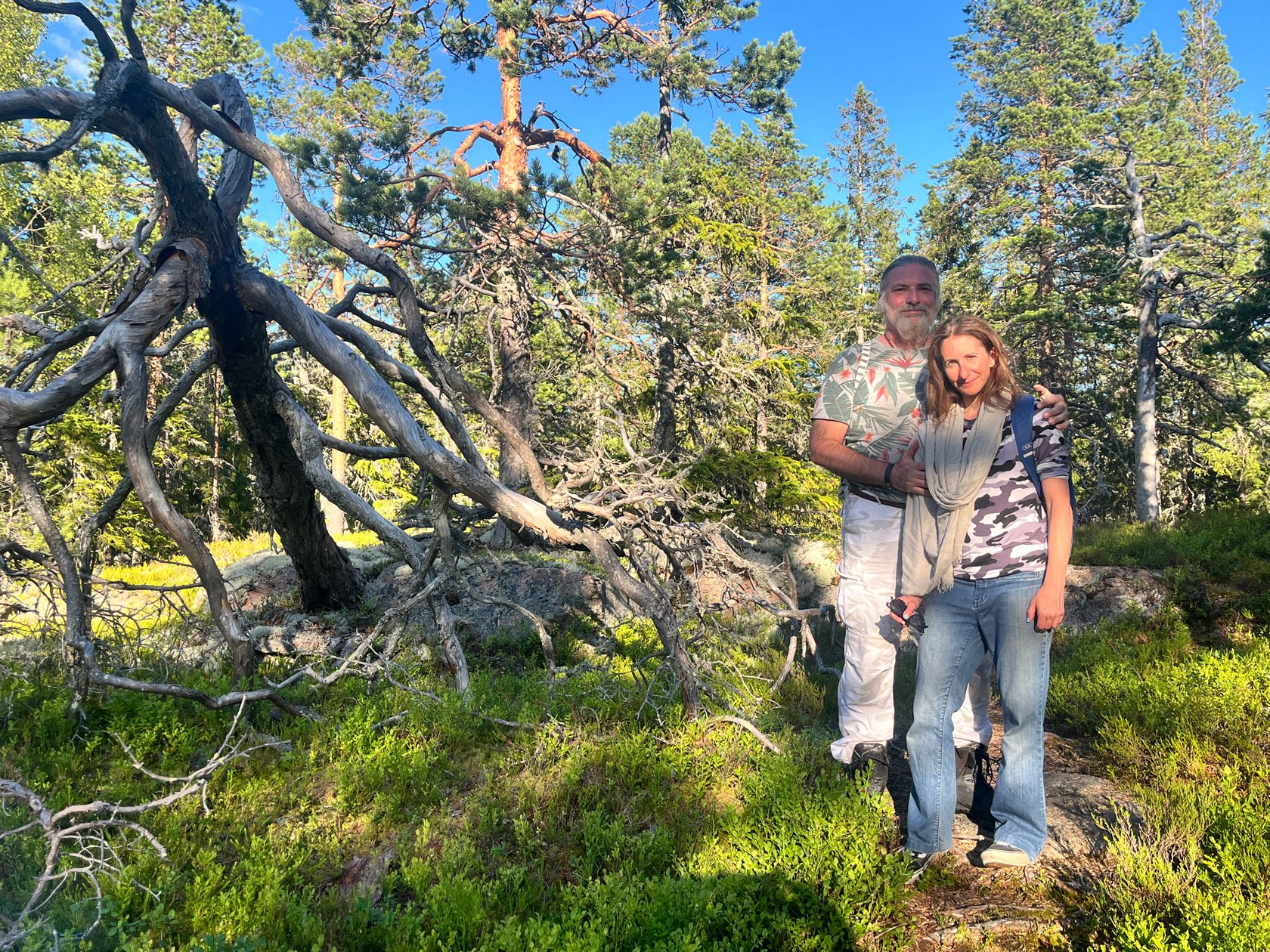
Laurie and Craig from New York were our very first Forest Guests here in Höga Kusten. Not for a checklist. Not for performance. They came for a pause. And the forest did its part.
Beyond the experience
An experience ends. A booking ends. A trip ends.
But sometimes a place keeps moving inside you.
That is the real value of what the forest whispers: not the message I deliver, but the awareness that Skogspaus, and these pages, can unlock in someone who is ready to receive.
Not everyone will receive the same thing.
People arrive with different stories, different tiredness, different questions. The forest changes with light, wind, season, and mood. There is no single “right” response.
And that is the point.
The whisper is not a slogan
I am careful with the word “whisper”.
A whisper is not a promise you can standardize. It’s not a technique. It’s not a takeaway list.
It is a relationship that begins when you stop extracting and start receiving.
In the forest, this can look like attention becoming soft again. In life, it can look like a different way of listening.

What a reader gave back
One of our first Skogspaus guests—visiting from New York—wrote to me after the experience, while reading the first chapters.
She didn’t write, “I liked it.”
She connected the idea of receiving rather than extracting to her work with children who communicate differently. She described entering their world as similar to entering a forest: you become quiet, you learn a new way of listening, and you stop imposing your sense of order.
Then she named something else I recognize in myself: the achievement orientation.
Even on a beautiful hike, the clock can take over. We start getting through instead of arriving.
And she repeated one of the most humbling ideas in Skogspaus: that a place also needs time to adjust to our arrival.
Reading her words, I felt admiration, and a kind of silence.
A few days later, the forest answered again, through someone else’s words.
“It is not often that I / we meet a person who inspires… something deeper and richer than a simple anticipated experience.”
— Craig K. (New York)
What the book is (and what it is not)
I didn’t plan to write this chapter. It arrived.
I realize something here: on the blog I often point to the book with a small CTA, but I rarely speak about it directly.
So let me say it simply.
Skogspaus is not a “nature book.” It’s not a productivity tool. It’s not a self-help program dressed in pine needles.
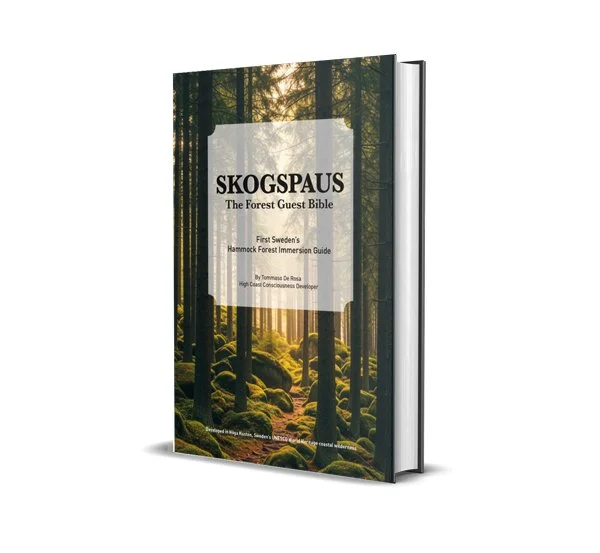
It’s a Forest Guest bible: a practical, gentle companion for learning to receive rather than extract.
Not a method to master—more like a way back to attention, as a guest.
It doesn’t ask you to add more.
It asks you to remove noise.
To enter places — and moments — with less achievement orientation, less rearranging, less forcing.
To practice a different kind of attention.
And to remember that a place is not an object.
A place is a relationship.
In the book, you’ll find small things that change the day: a simple way to enter a place without taking it over; a reminder that attention can move gently, like a hand on bark—color, texture, light, motion, pattern; a way to notice when achievement orientation has quietly returned (and to let it go again).
A humbling thought I keep needing—that the place also adjusts to your arrival—and a portable pause, something you can open when life is loud and you want the pace to soften.
Why I wrote it
I wrote Skogspaus because I kept seeing the same pattern.
People arrive in the High Coast with full days and full minds. They want the views, the hikes, the “best spots.”
And then, somewhere between the parking lot and the summit, they realize they are still carrying the same speed.
Skogspaus was my attempt to protect a different possibility: a pause that is not a reward at the end of performance, but a way of entering the world.
The experience is a shared pause in a real place, held by a human rhythm.
The book is the portable version of that rhythm, something you can reopen when you’re far from the High Coast.
Not a replacement for the forest.
A way to meet it differently.
If she is not the only one
This is where I become careful, and hopeful.
If she is not the only one who hears something, if other guests, other readers, in other seasons, in other forests, begin to respond in their own way, then I can say this:
The forests are getting what they wanted.
Not followers. Not content. Not a brand.
Just humans who remember how to be guests again.
My role
My role is small.
I protect the pace. I build a simple container. I remove friction. I keep the invitation honest.
Then I step back.
Because the protagonist is not the mentor.
It’s the place.
And when the place answers back through someone’s life, I can only be grateful — and a little speechless.
A quiet ending (and a real invitation)
If you’ve lived the experience and you notice the forest still moving inside you days later, you can write to me—just a few lines is enough.
Not to review. Not to rate.
Just to share what you received.
And if you can’t come to Docksta—or if you want to carry the pause beyond a single afternoon—the Skogspaus book is the closest way to bring the guest mindset home.
It’s not a souvenir.
It’s a companion.
A small book that helps you practice the same invitation, again and again: enter as a guest, slow down, and listen for what the place is already whispering.
If the forest is still moving inside you a few days later, you can write to me—even three lines. I read them slowly.
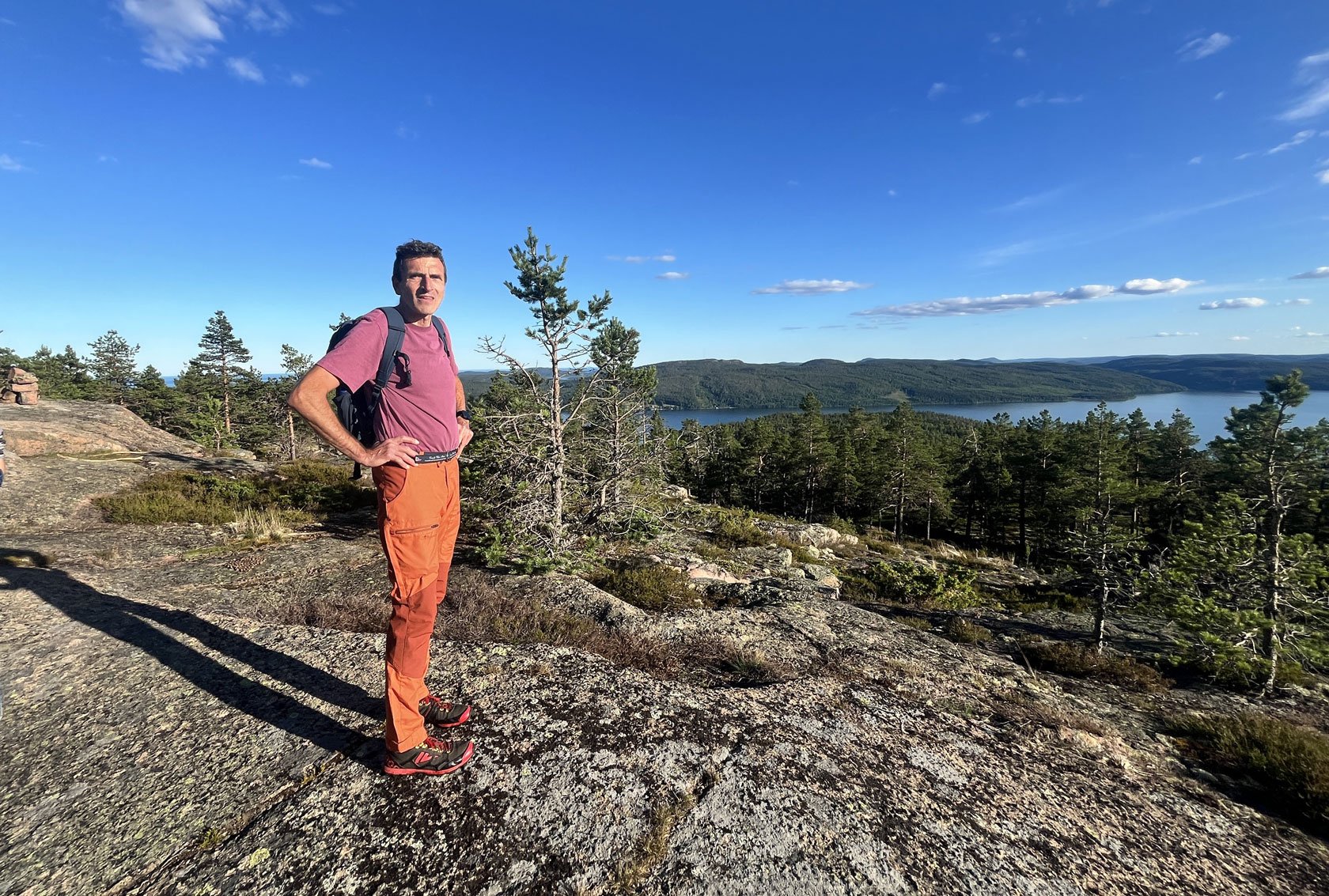
If you want to live Skogspaus in Docksta, it’s live on Airbnb Experiences.
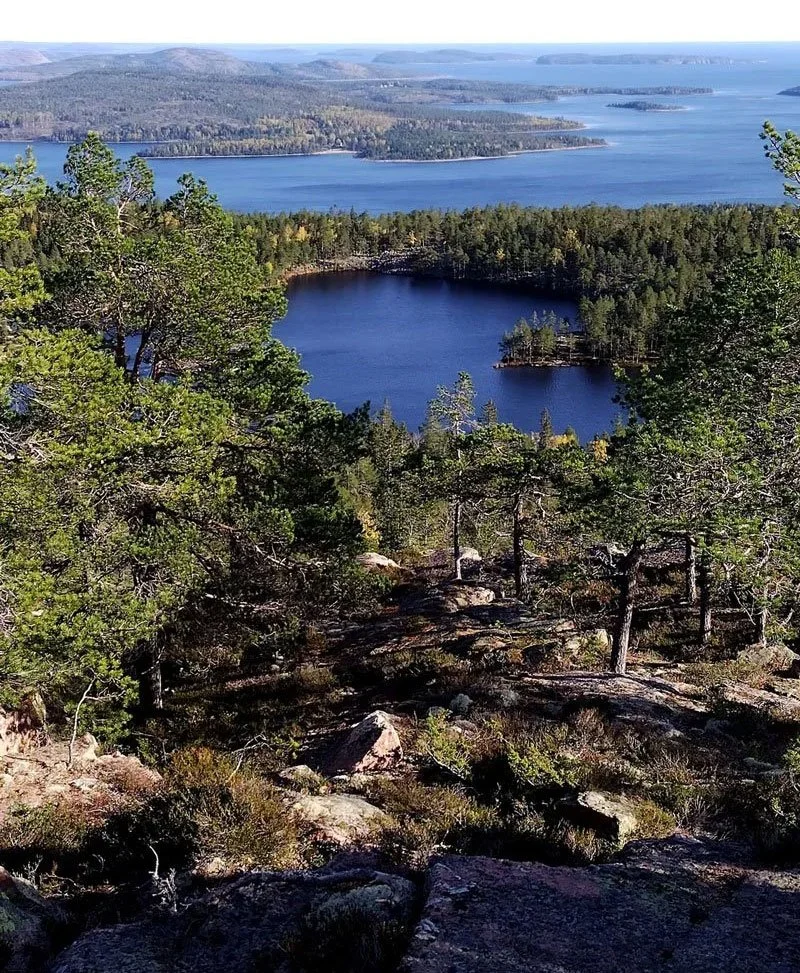
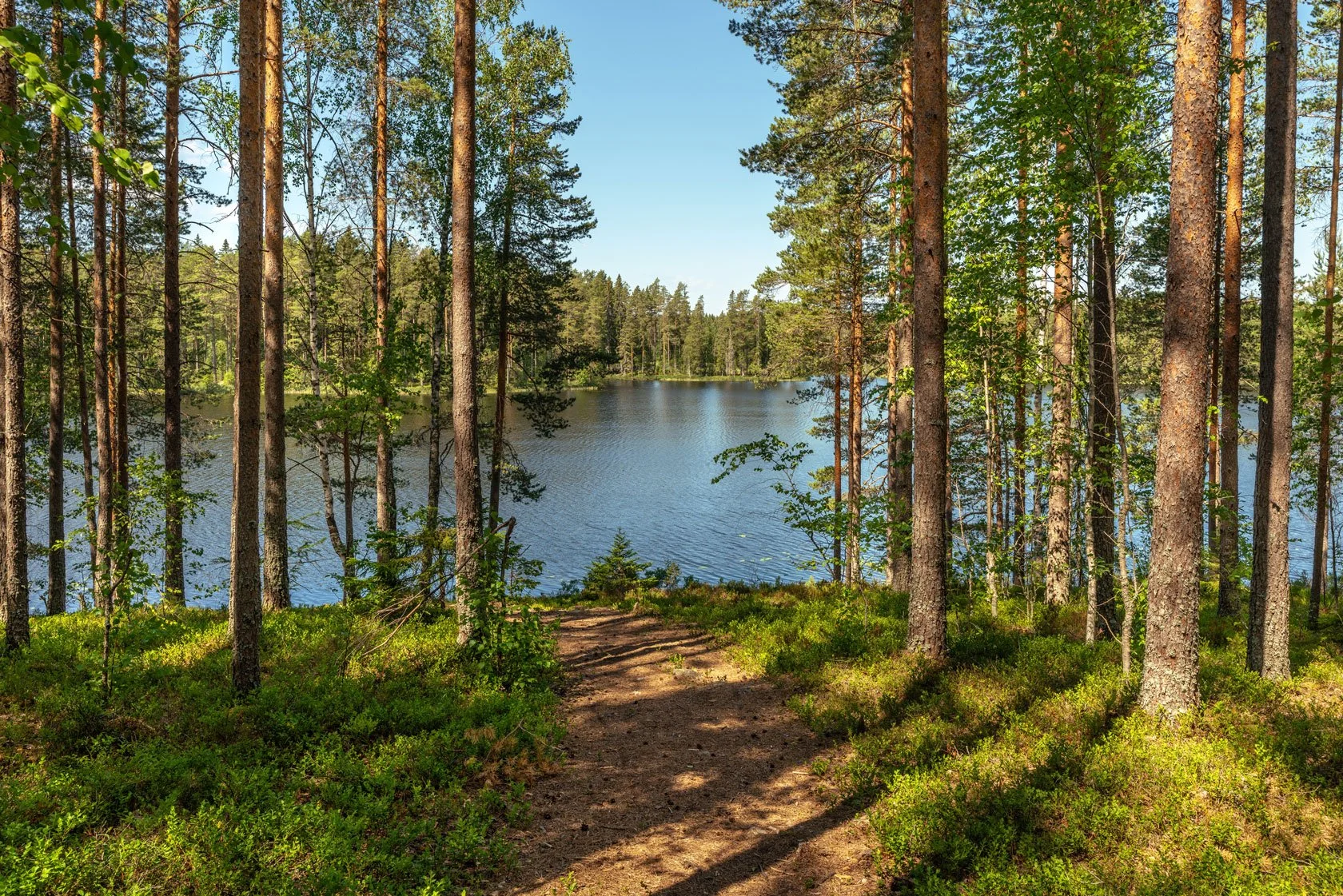
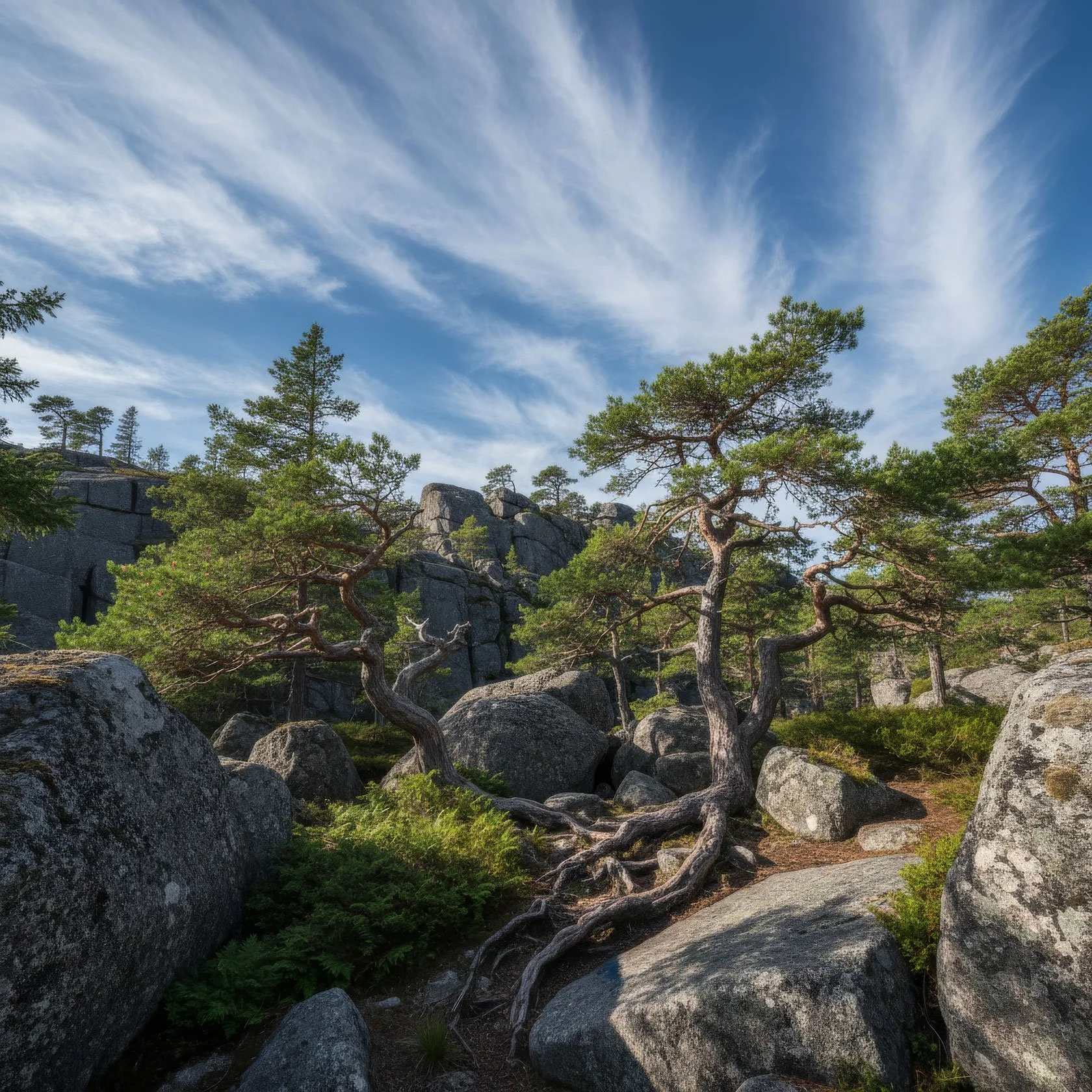
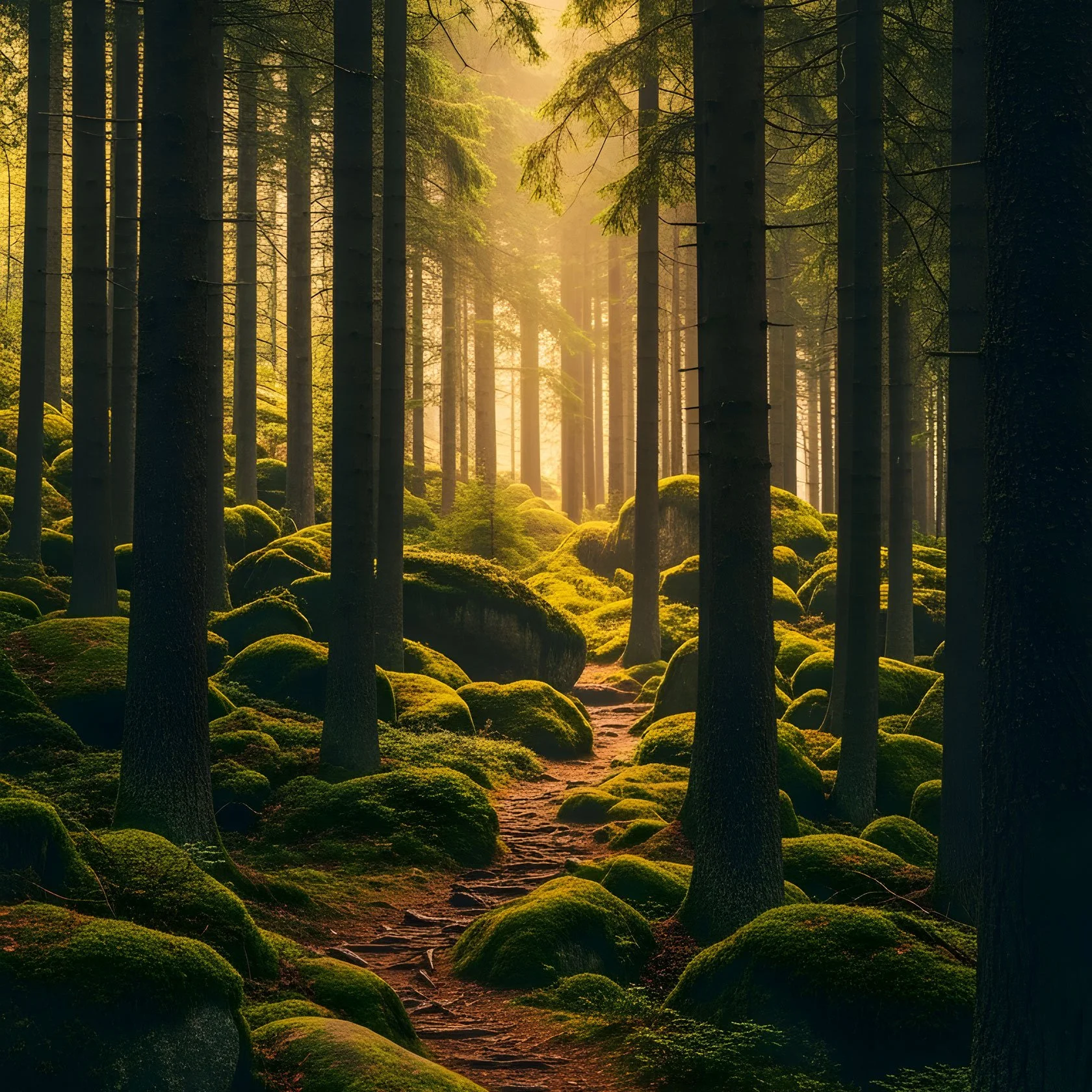
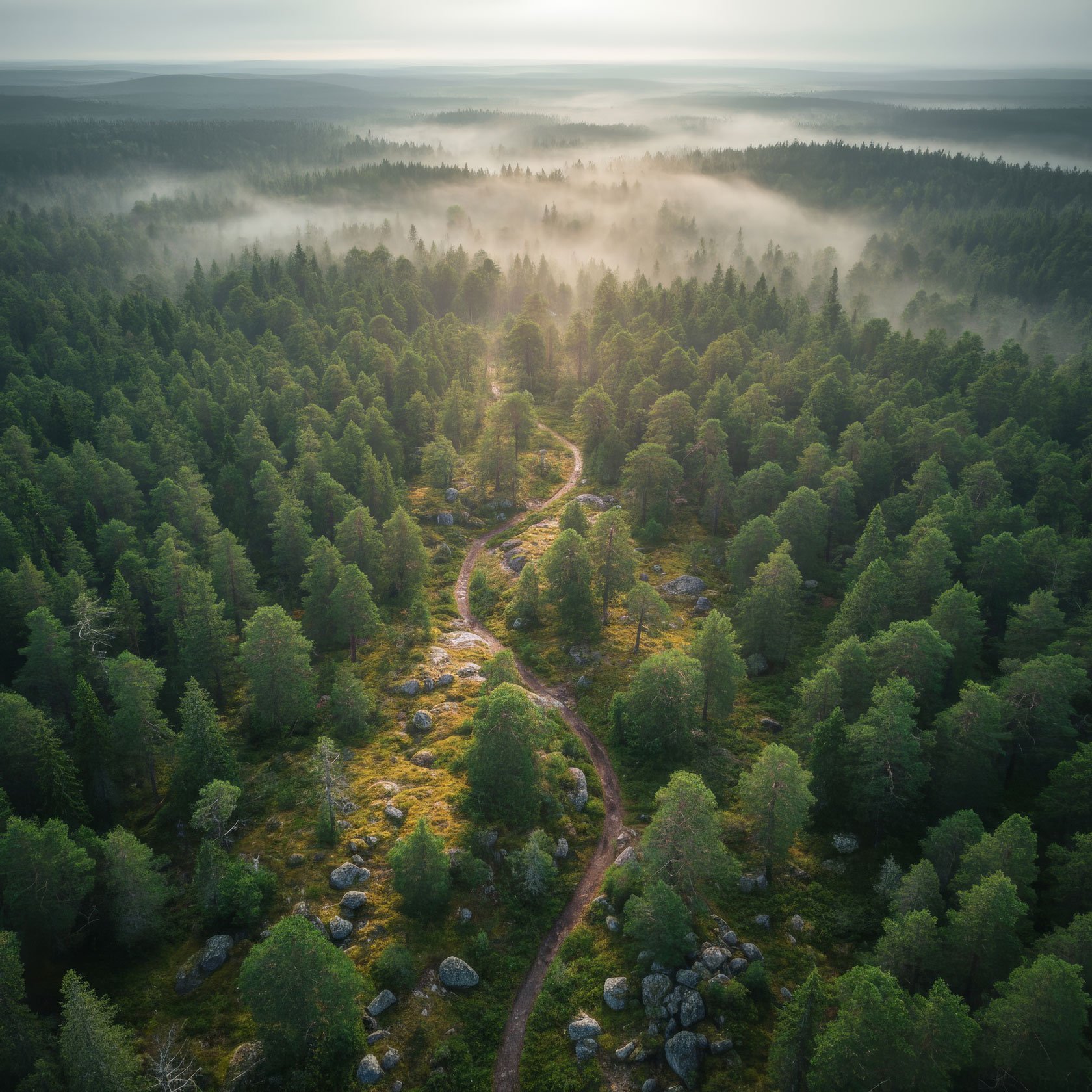
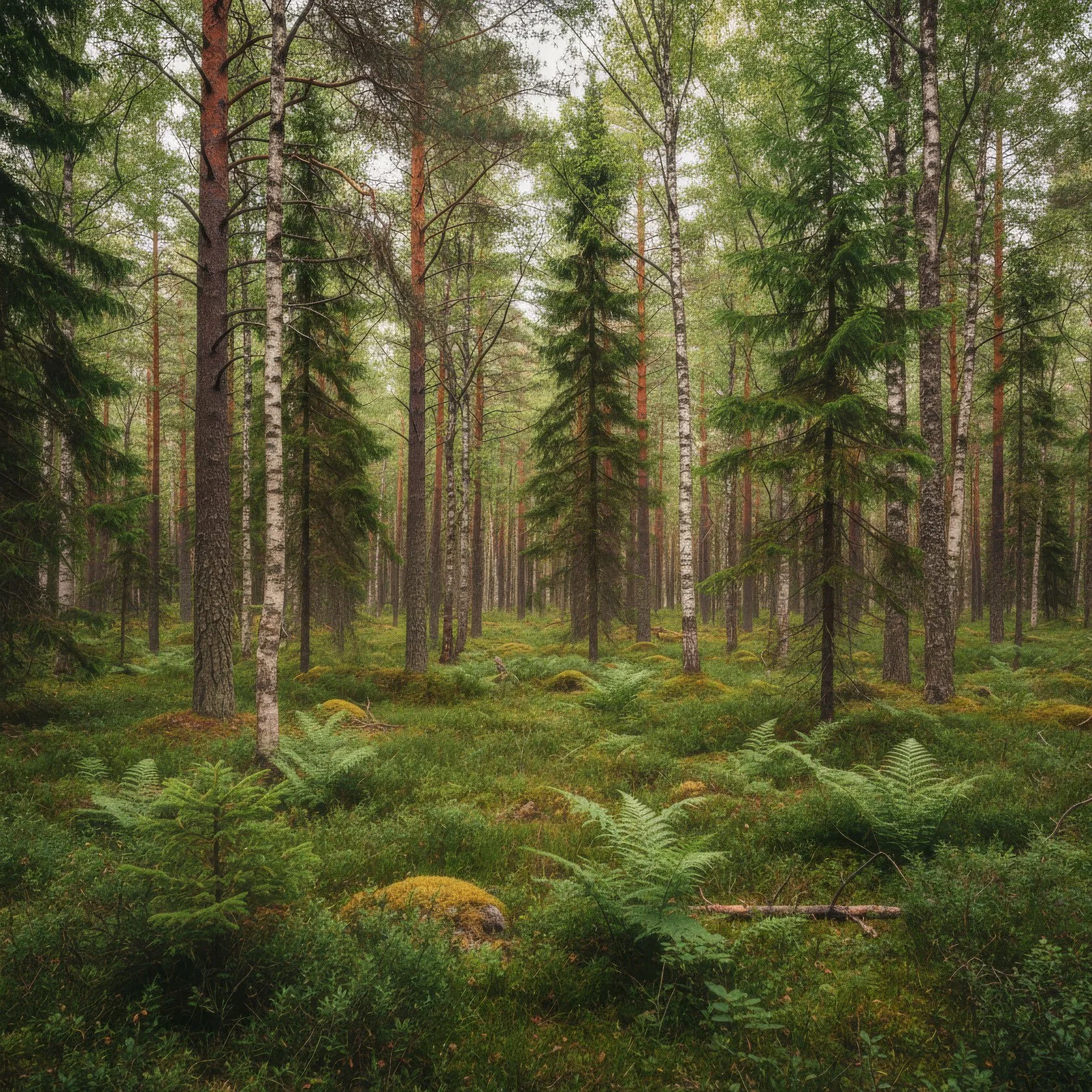
Image note: Most images in this post are excerpts from the Skogspaus book. The two photos from our first experience are published with kind permission from Laurie and Craig. Photo credit: © Craig K. (New York).
Related