Skogspaus Forest Guest

After Skogspaus: when the forest answers back

Intro (a note in time)

This post comes after the book.
But I’m placing it here on purpose, like an extra chapter left outside the cover, for whoever arrives without knowing there was a book at all.

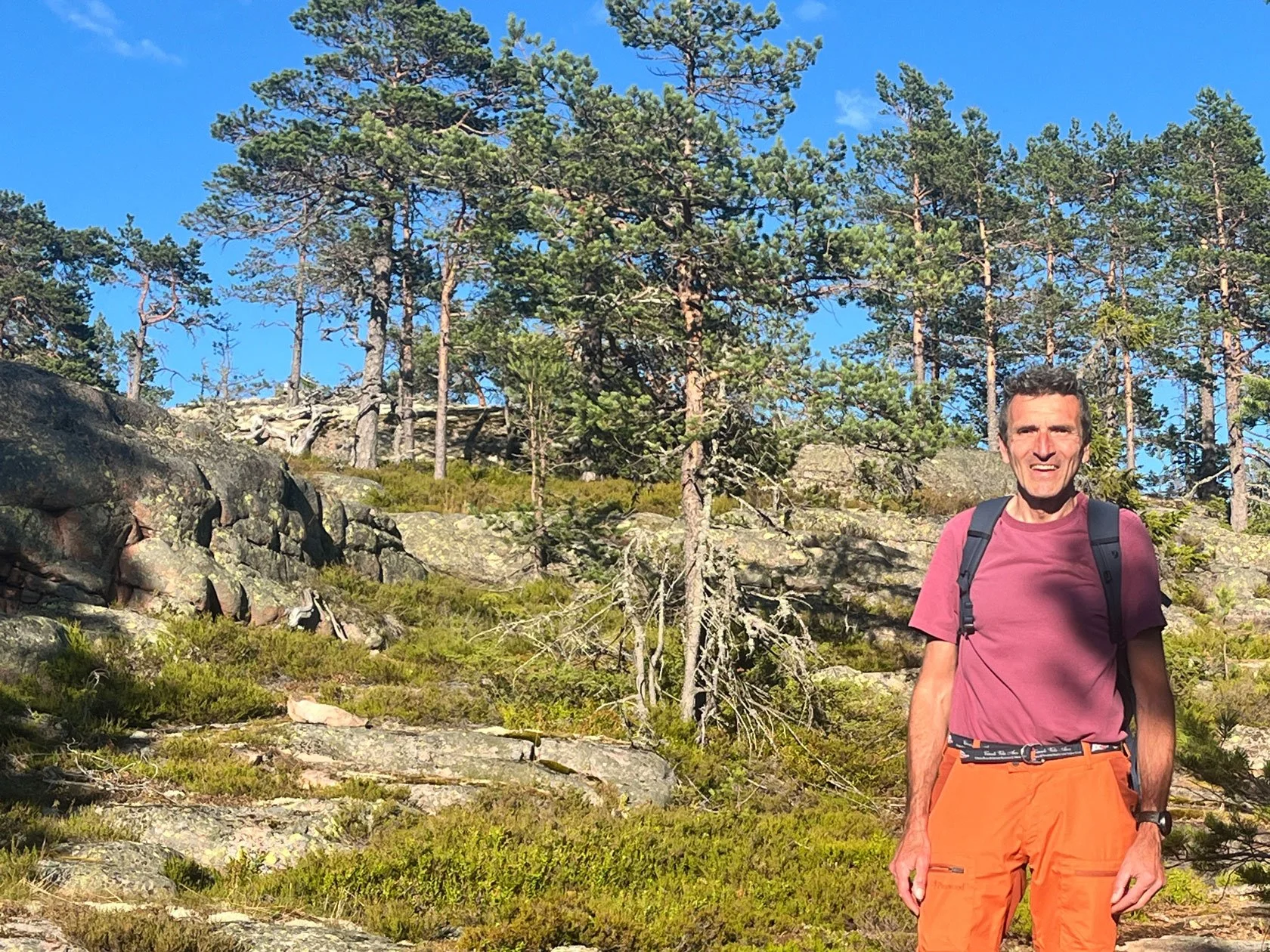
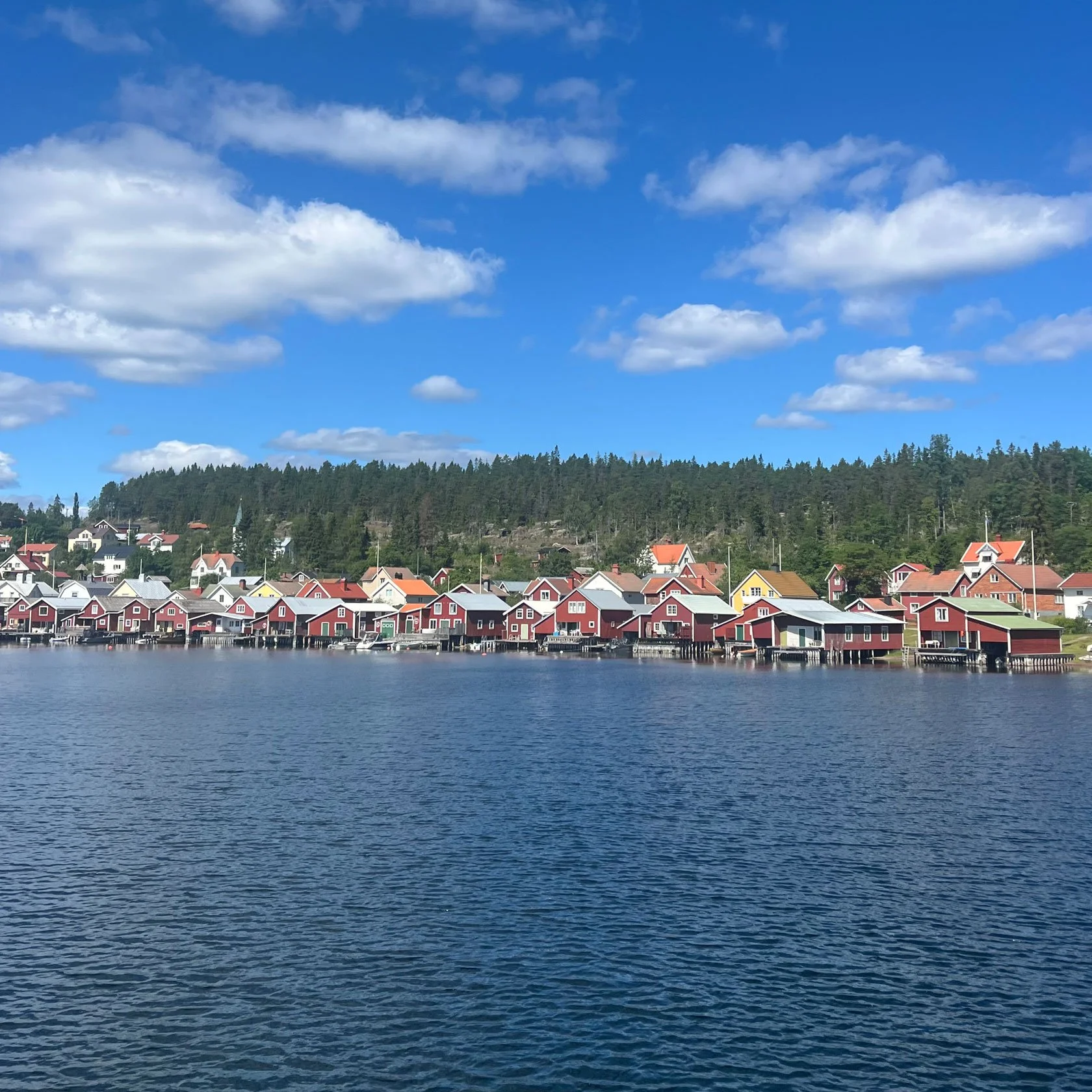
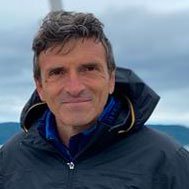
I’m Tommaso, and Skogspaus is the forest pause I host here in Docksta, on Sweden’s High Coast.

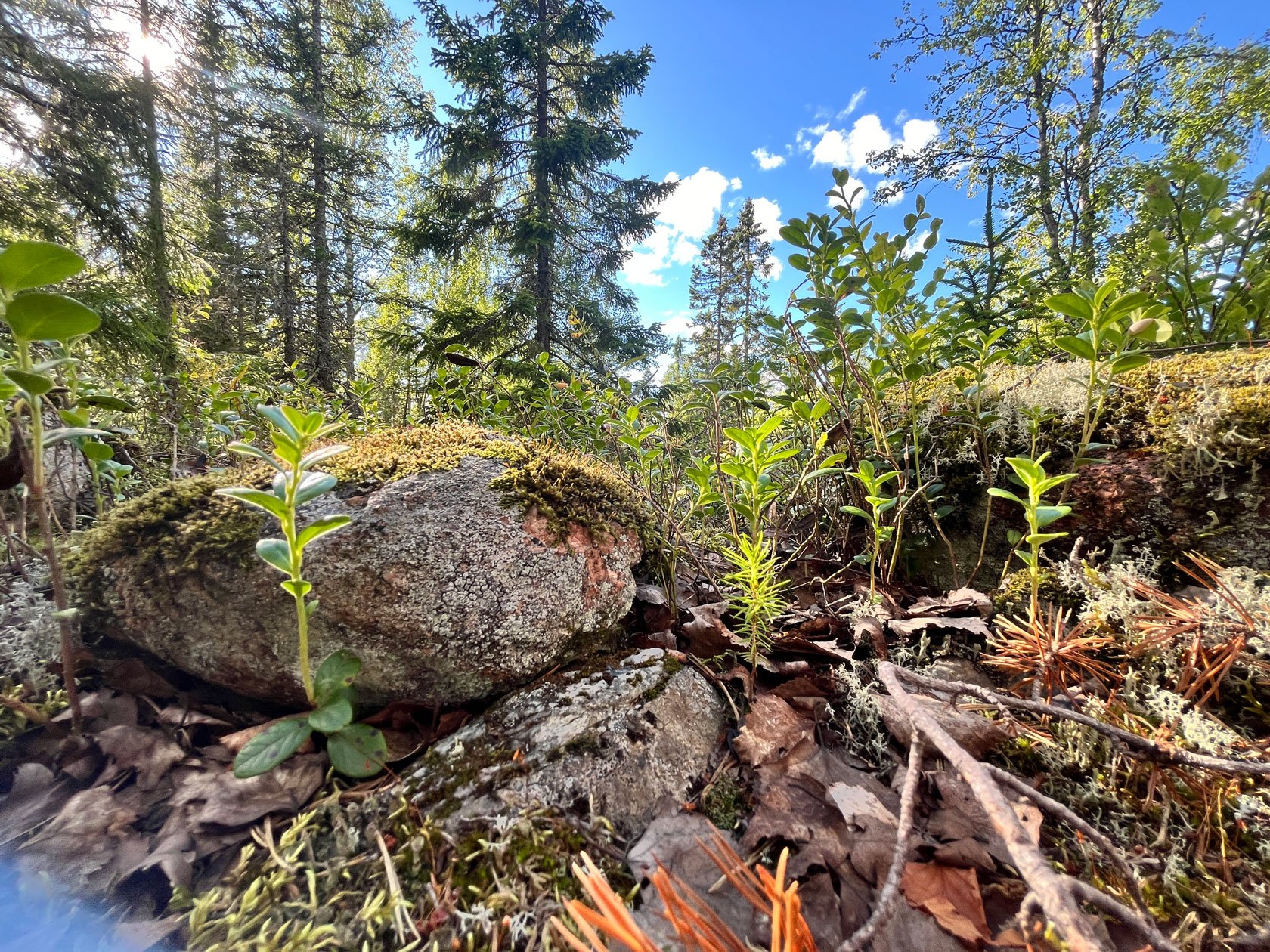
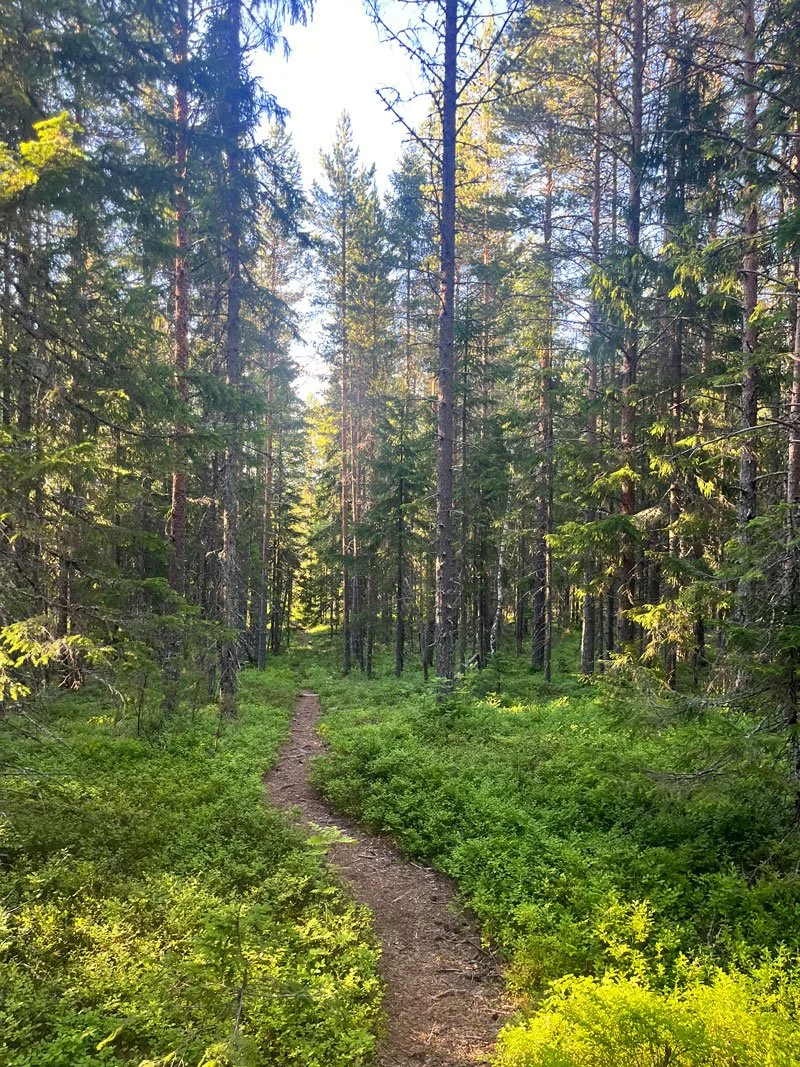
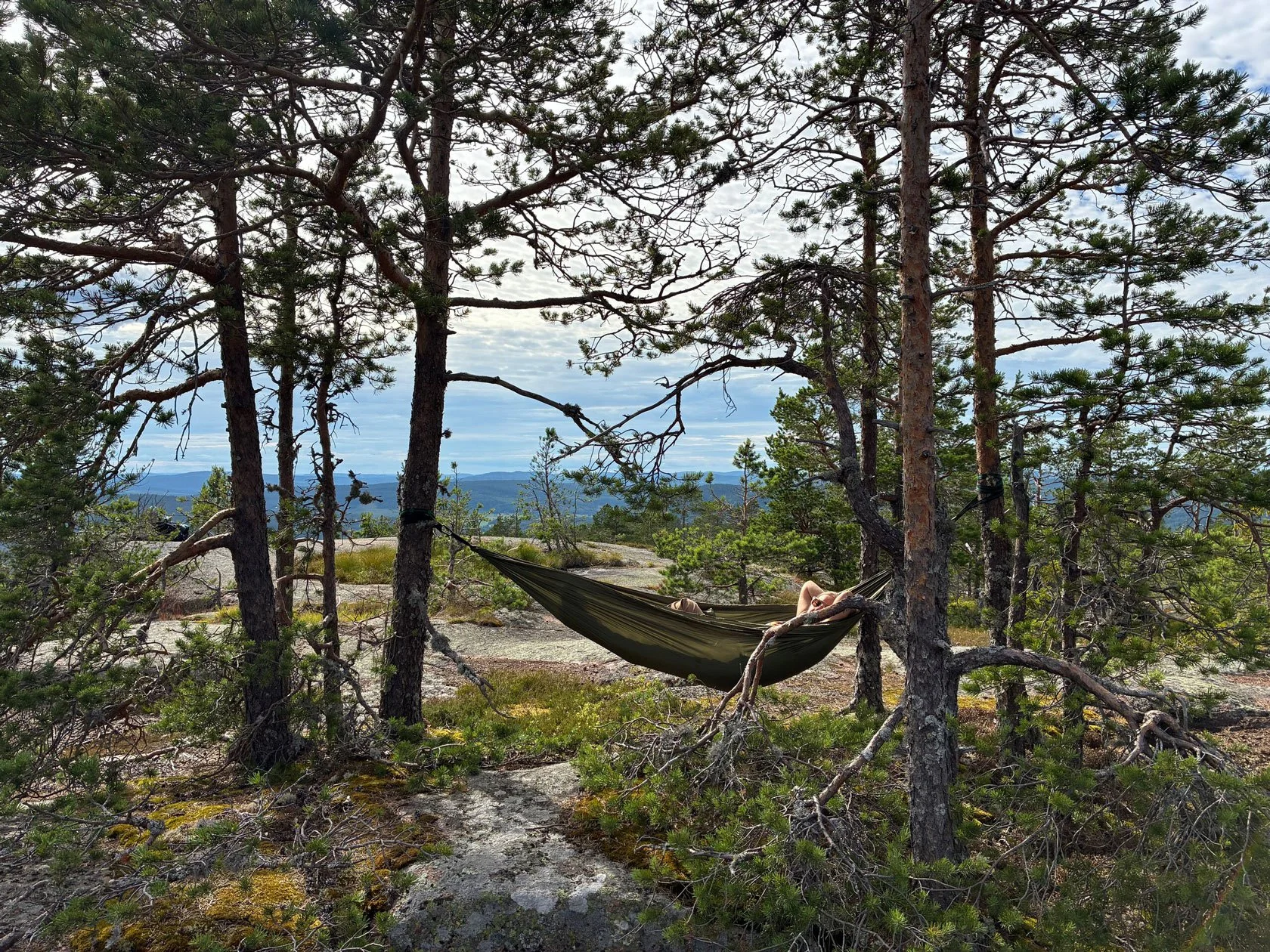
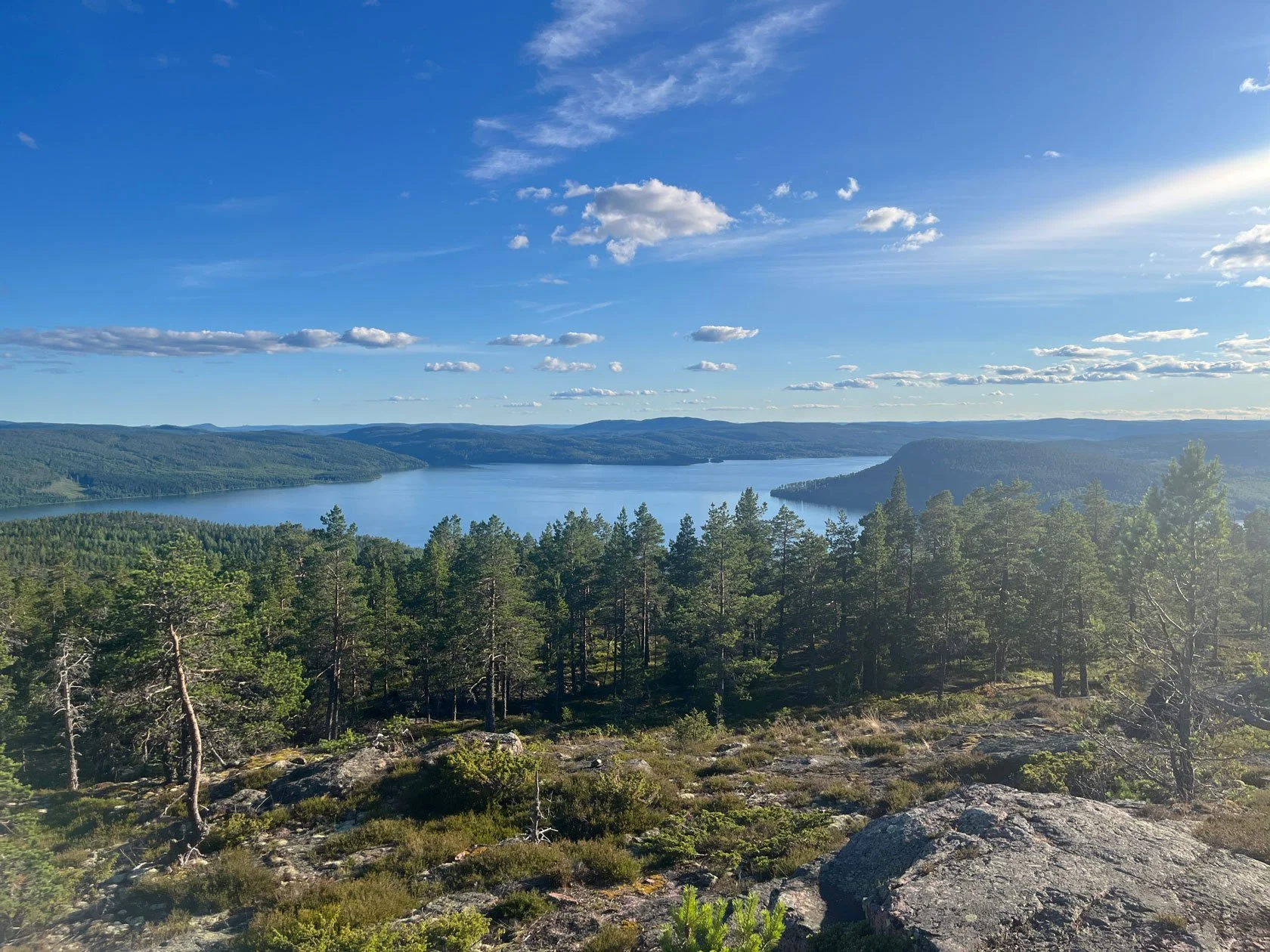
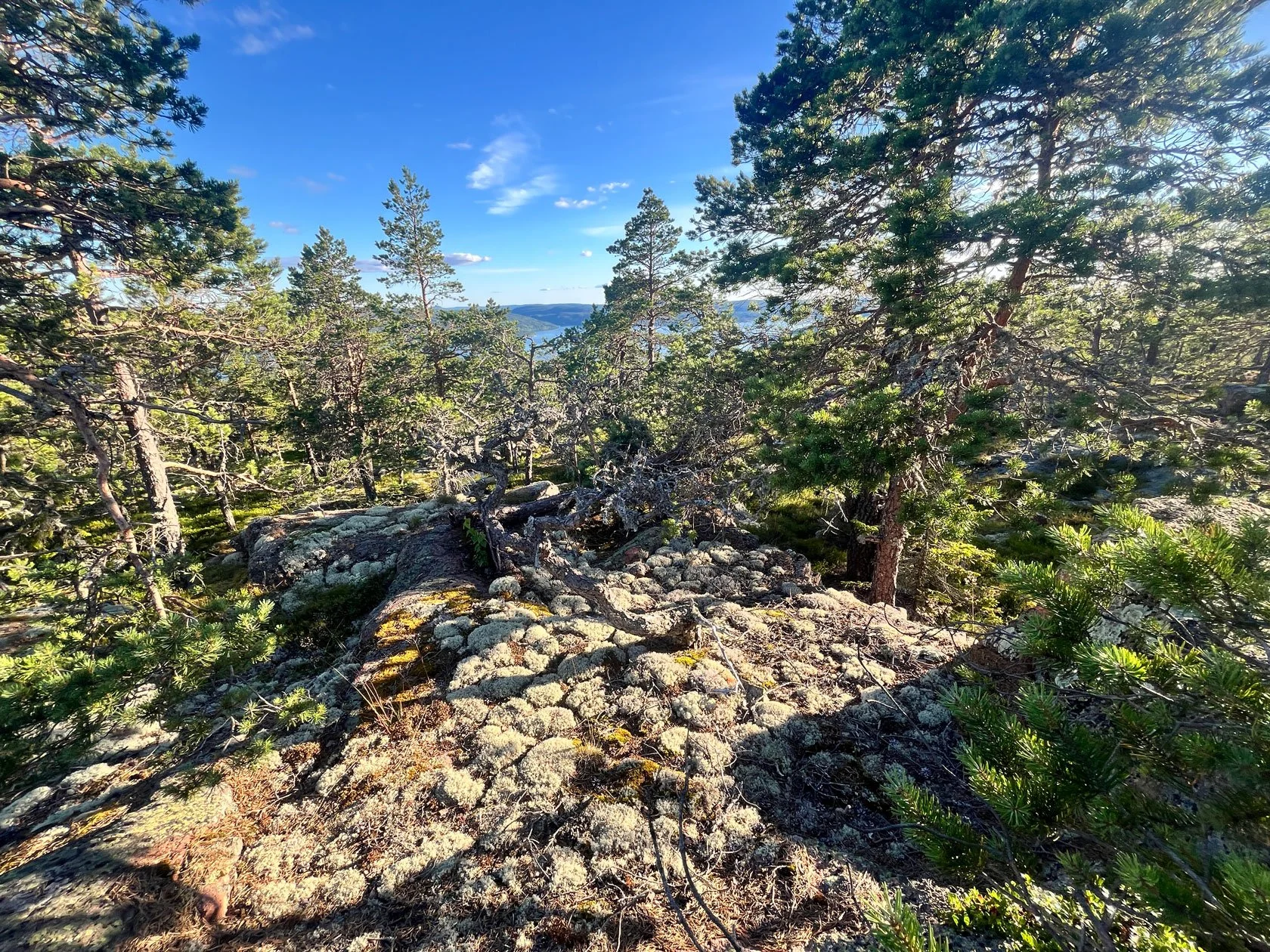
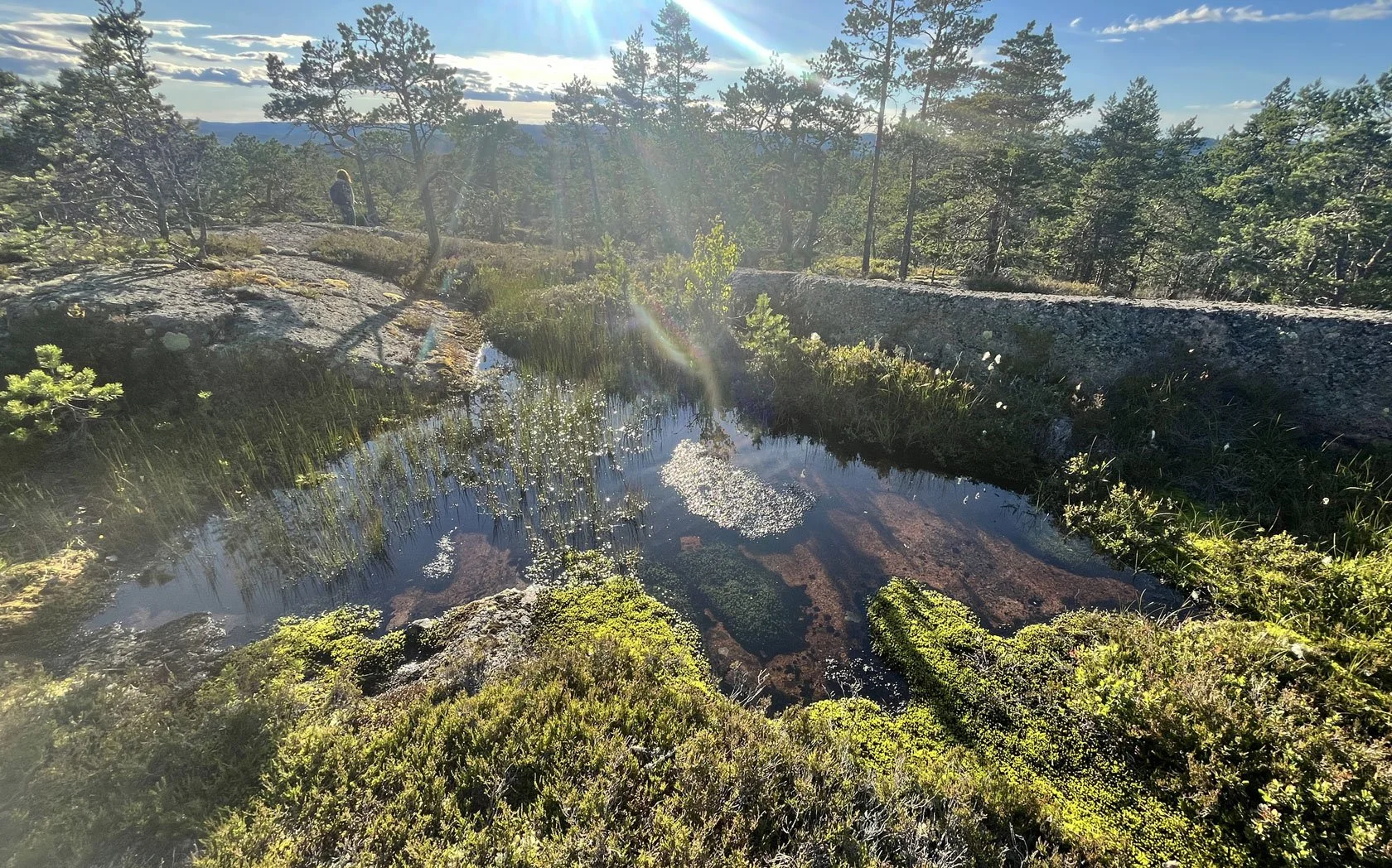
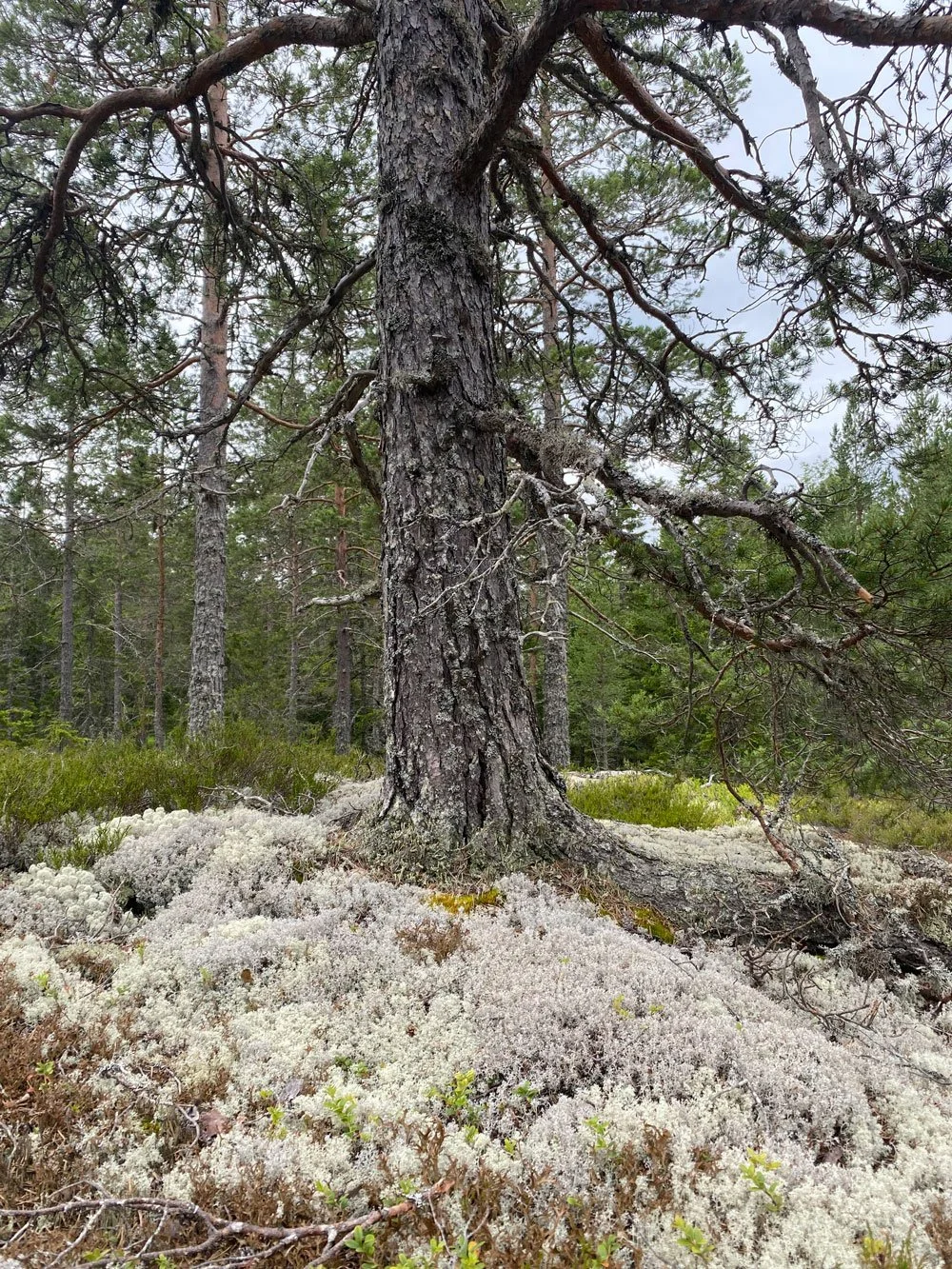
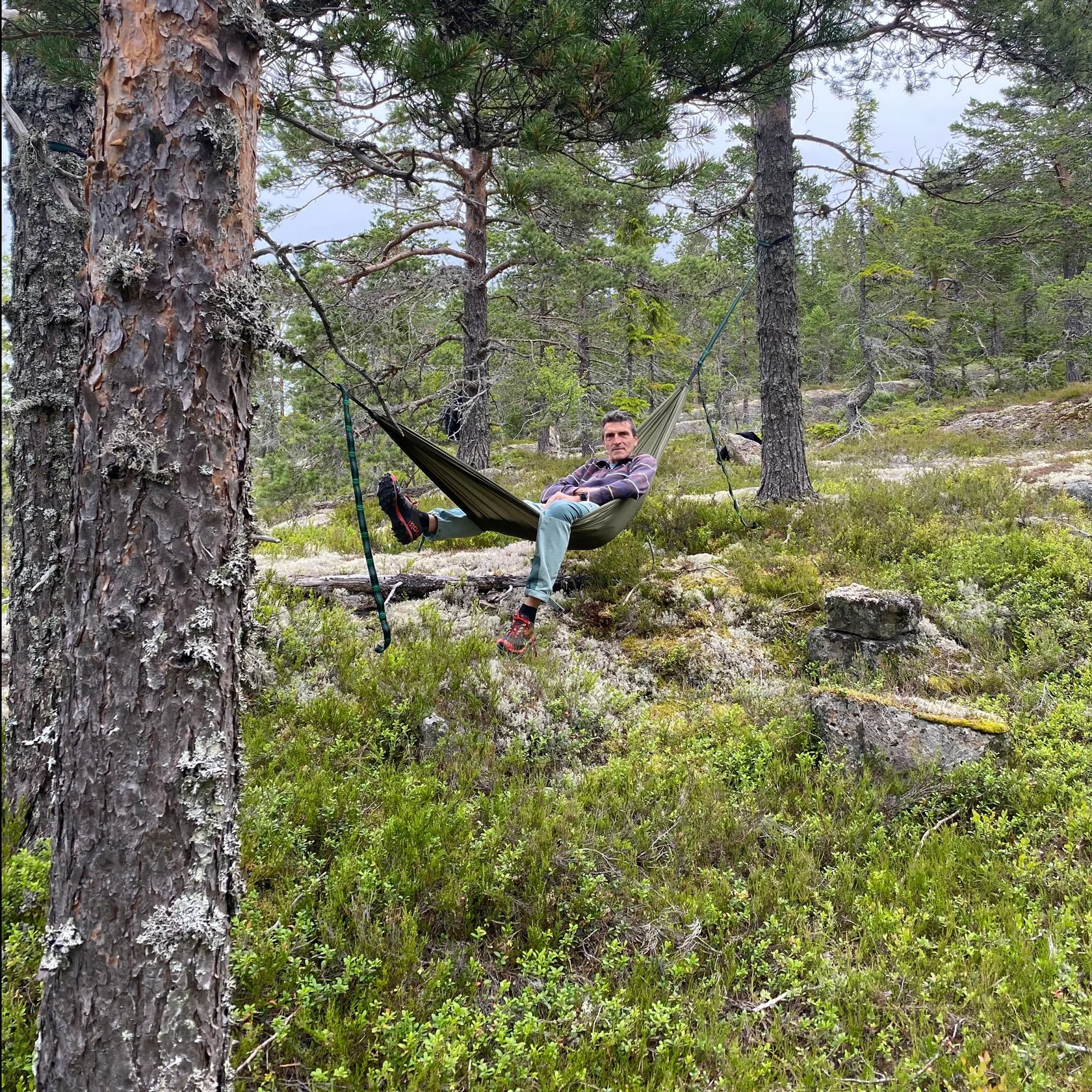
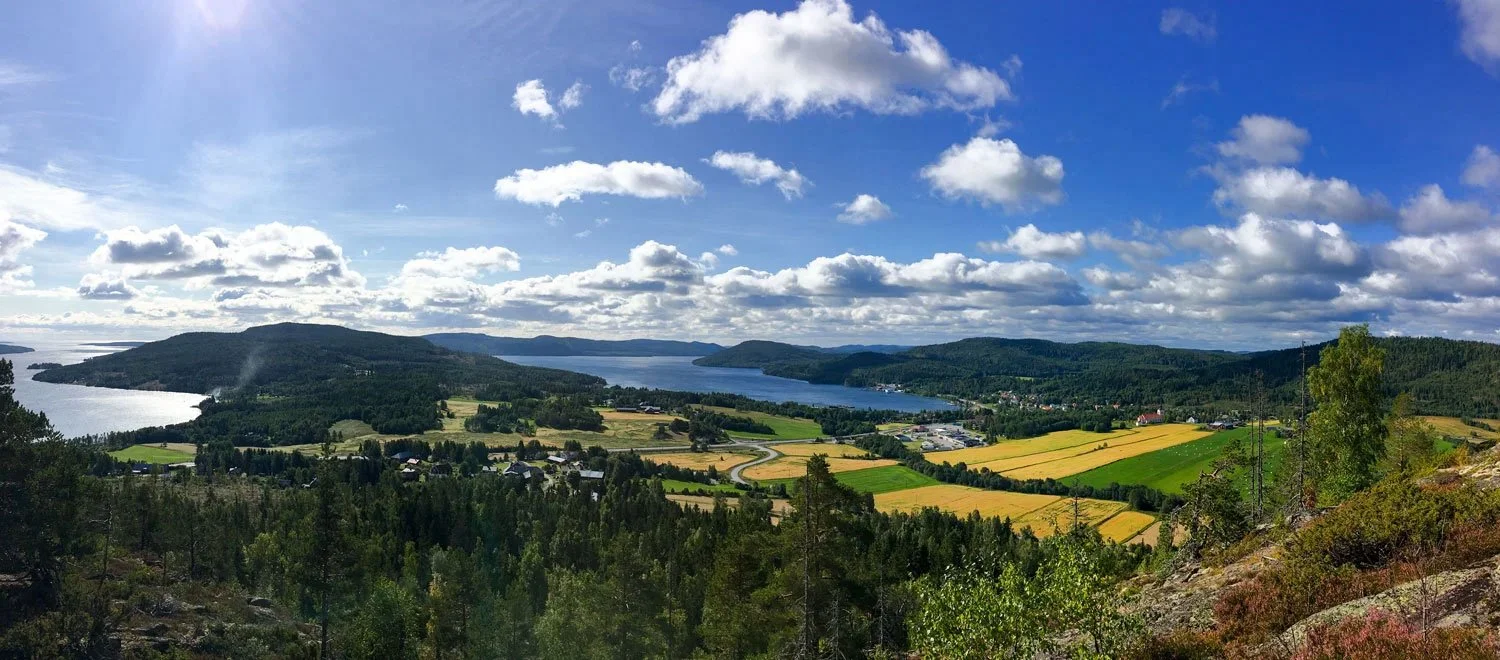
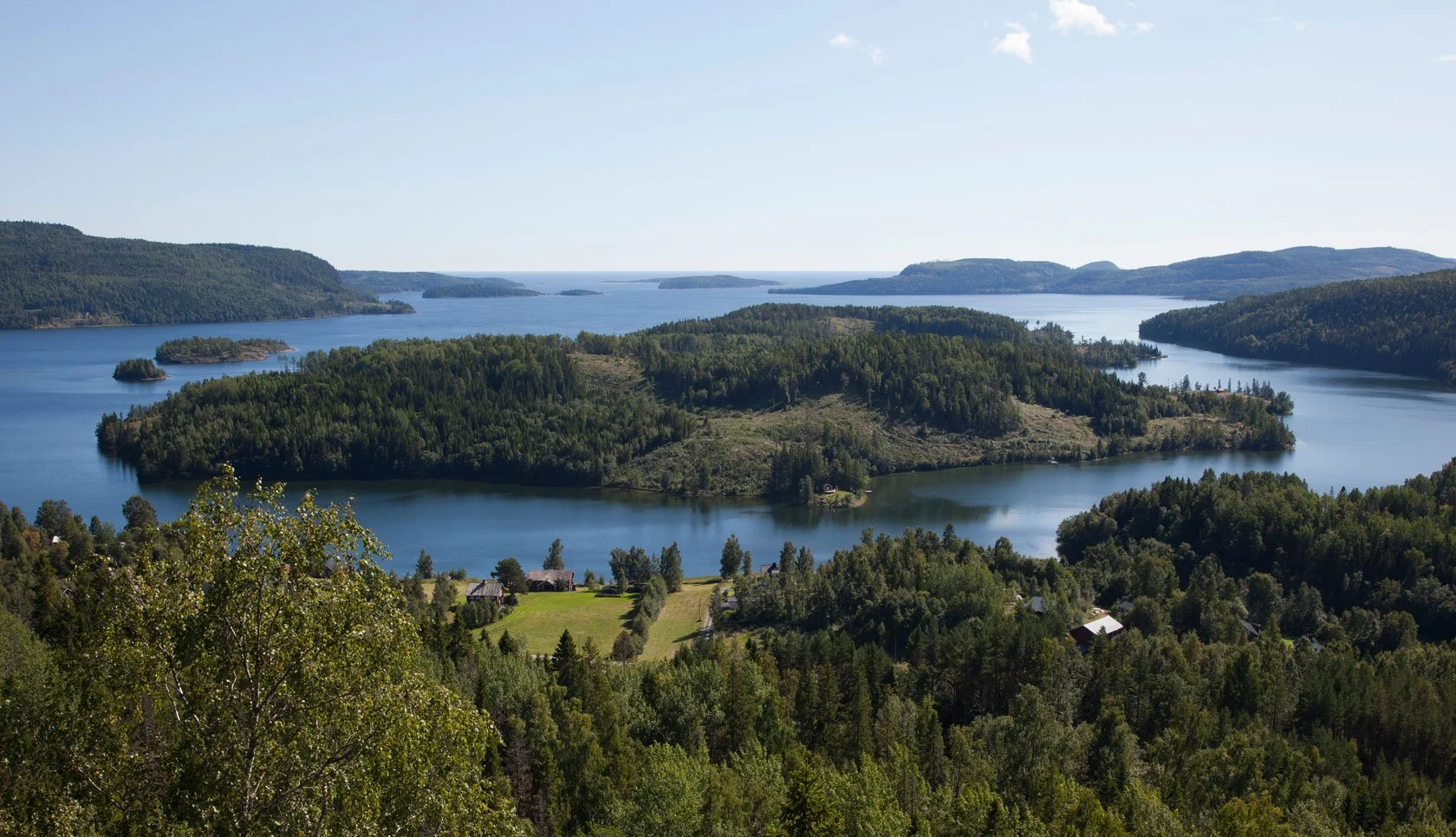
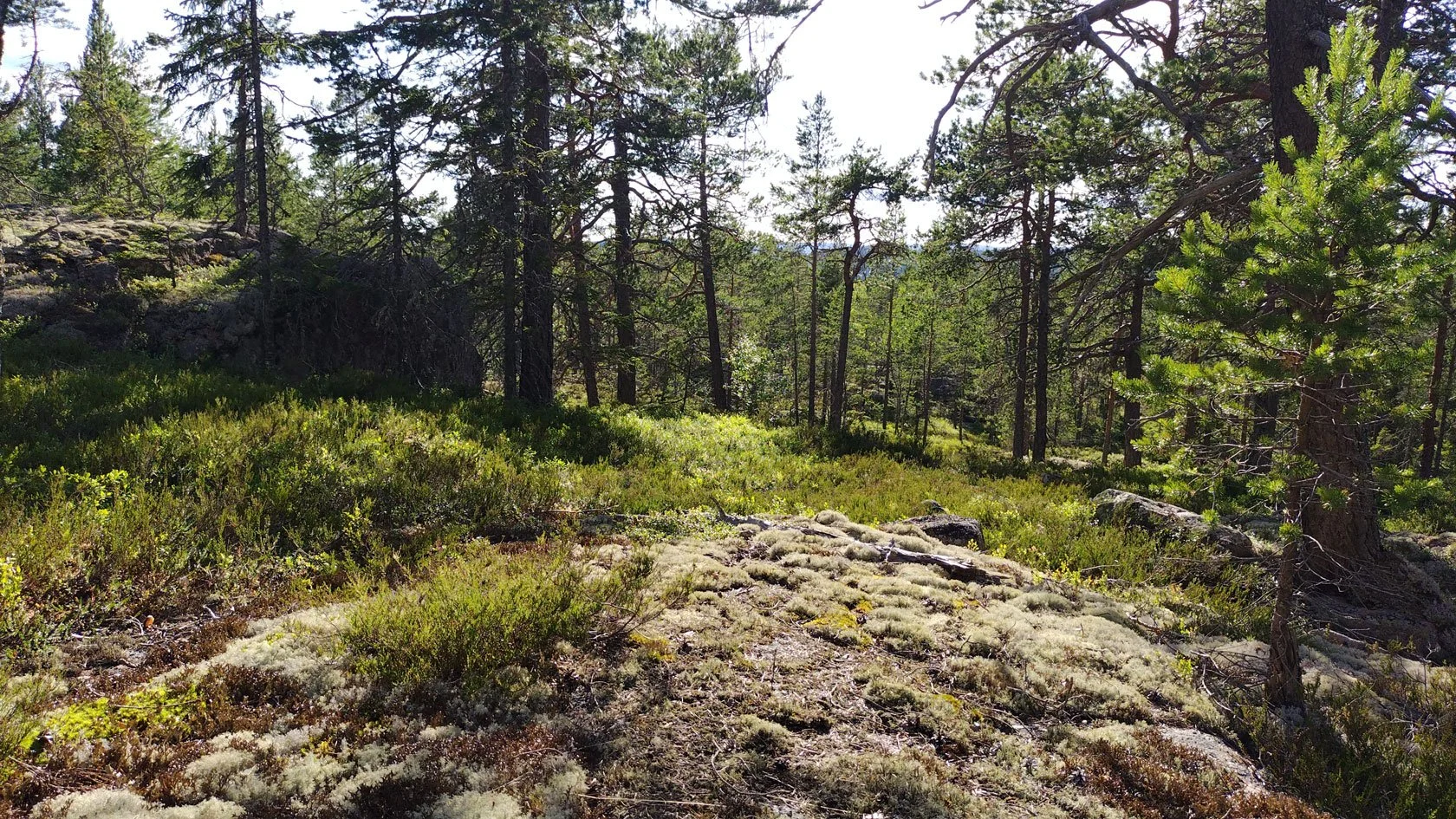
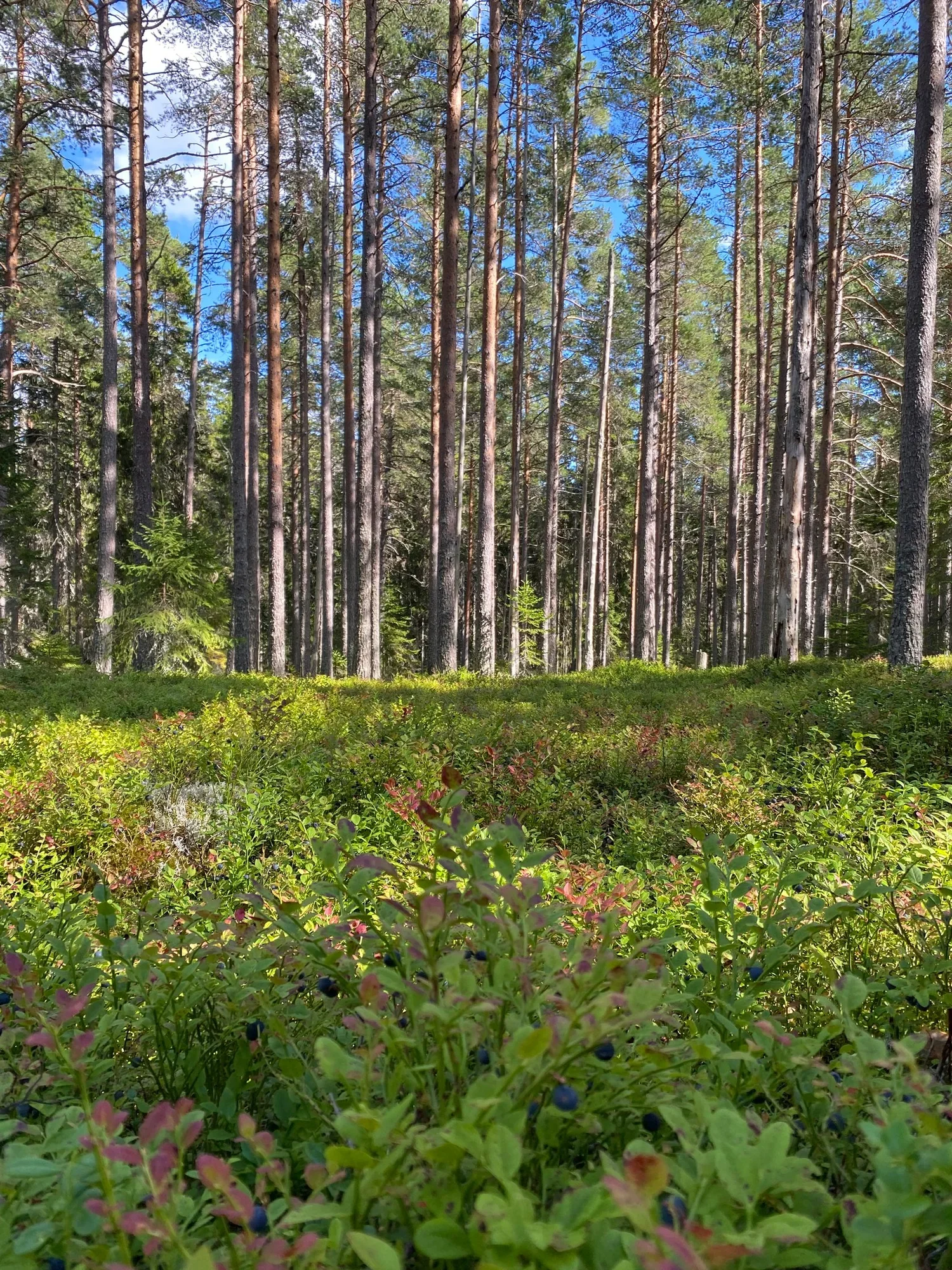
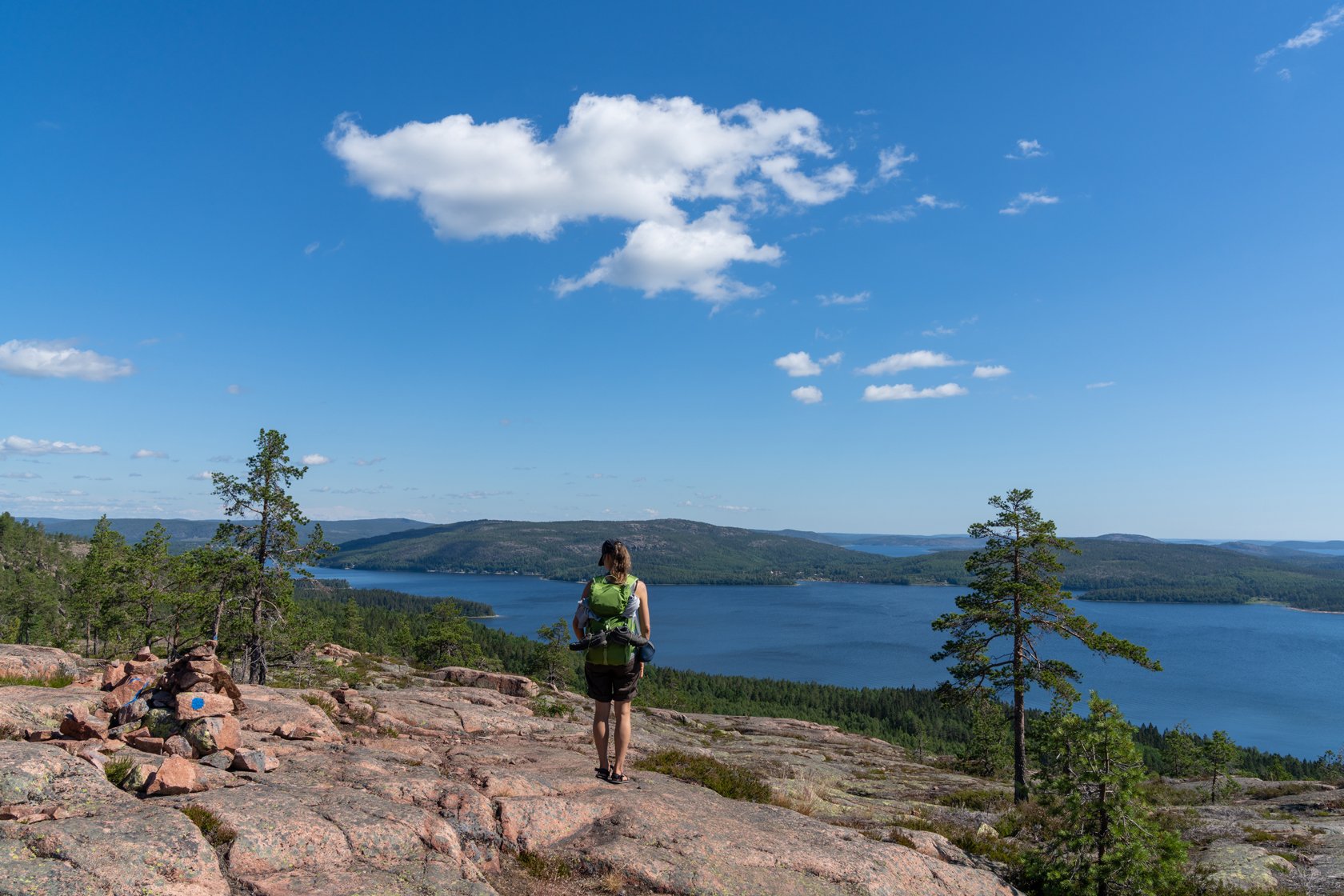
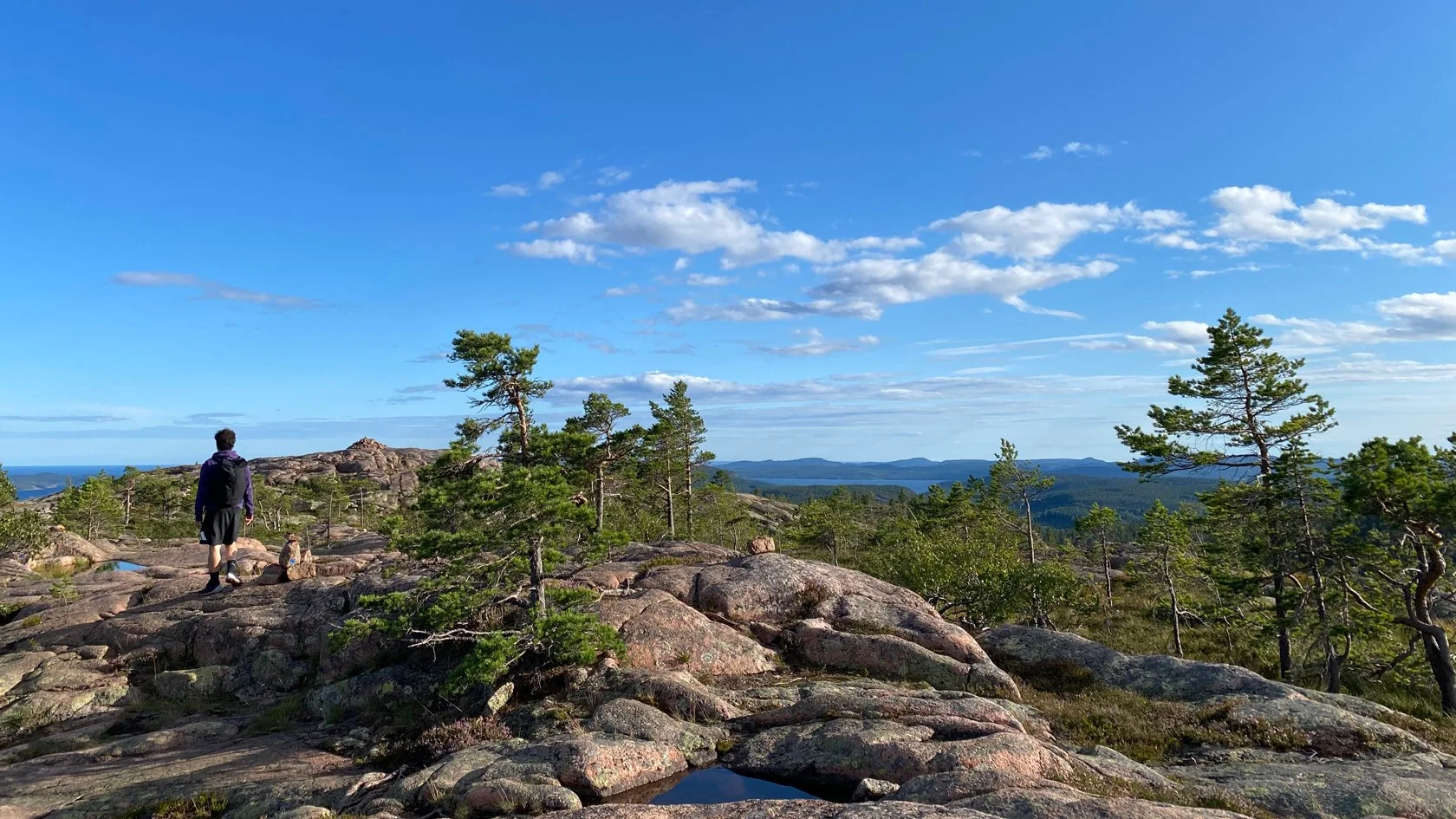
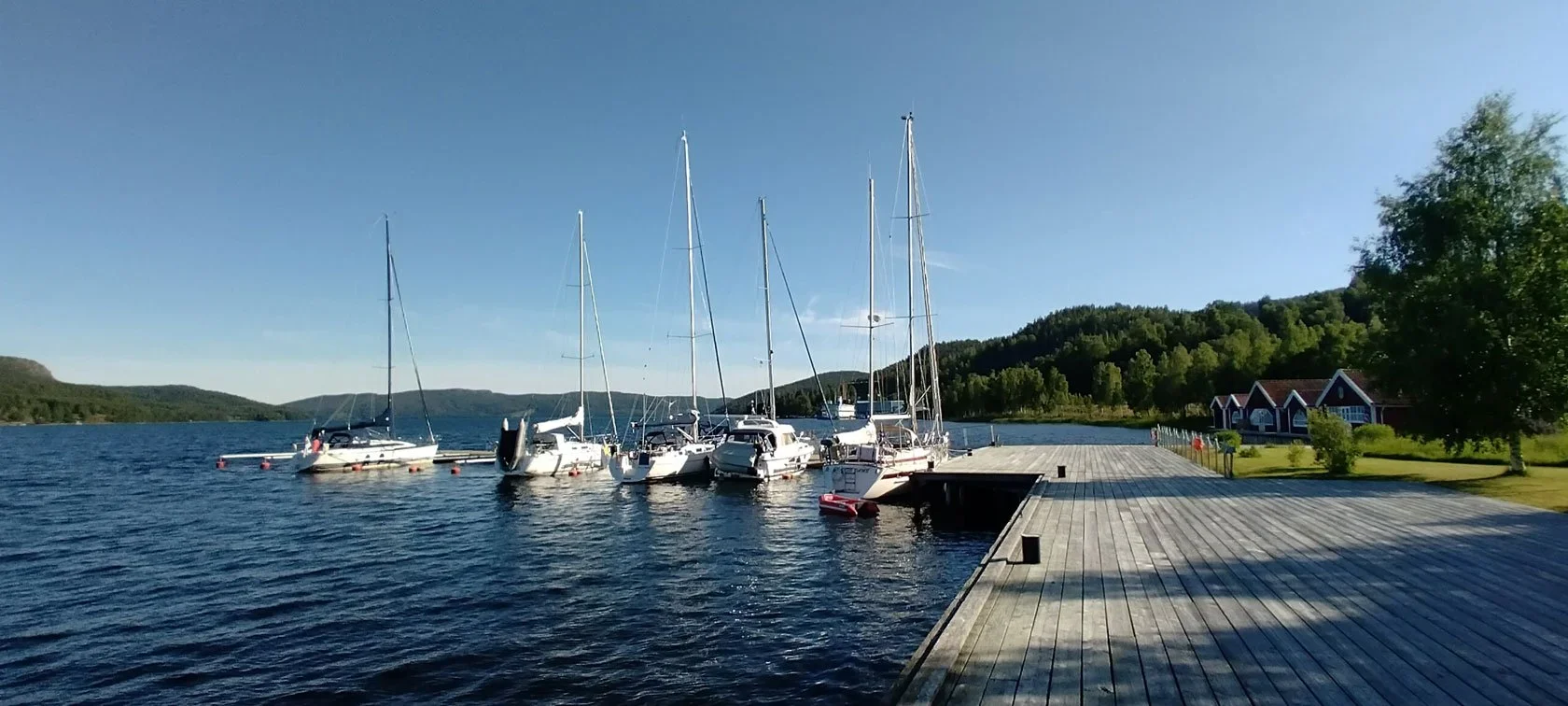
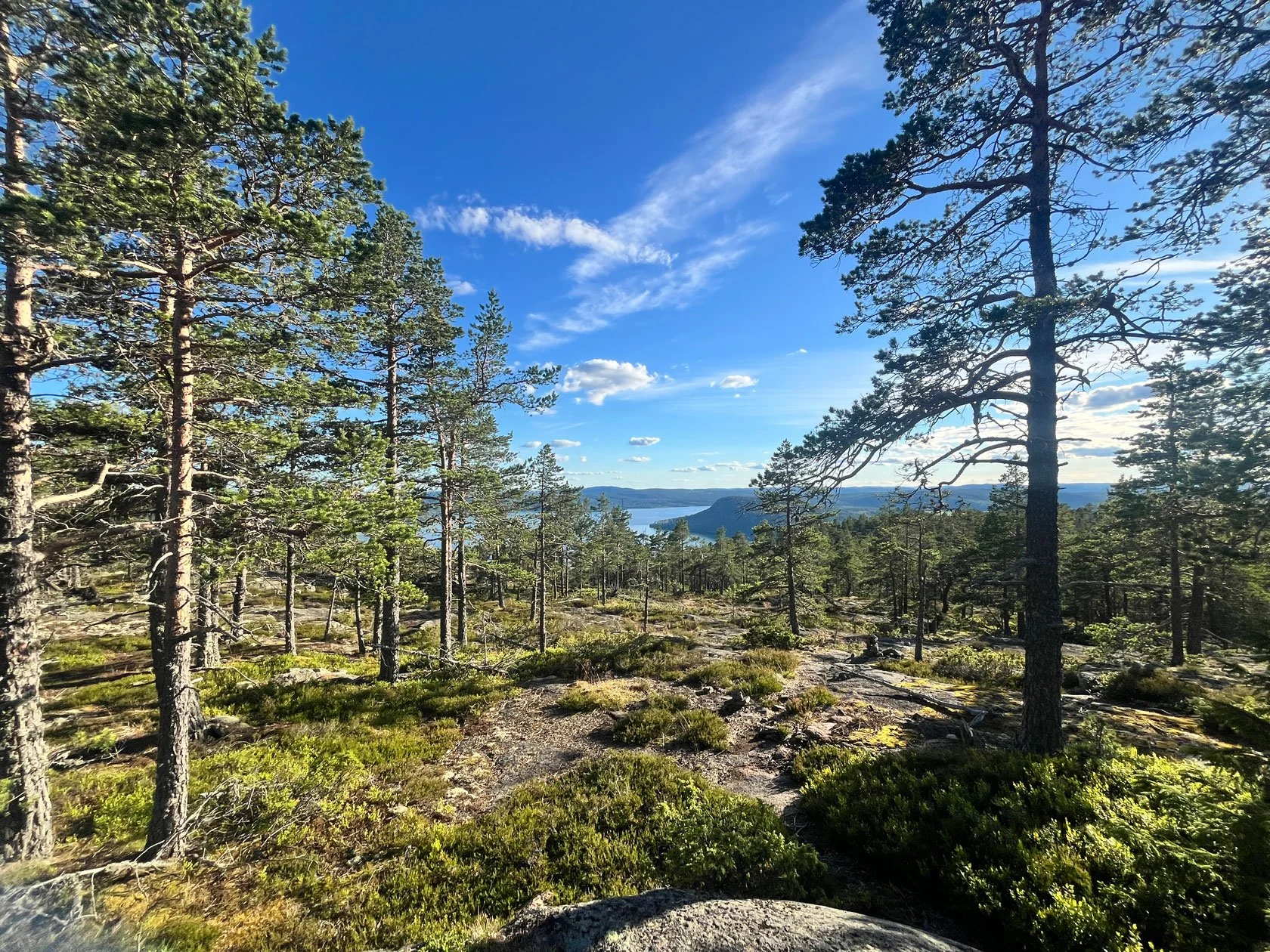
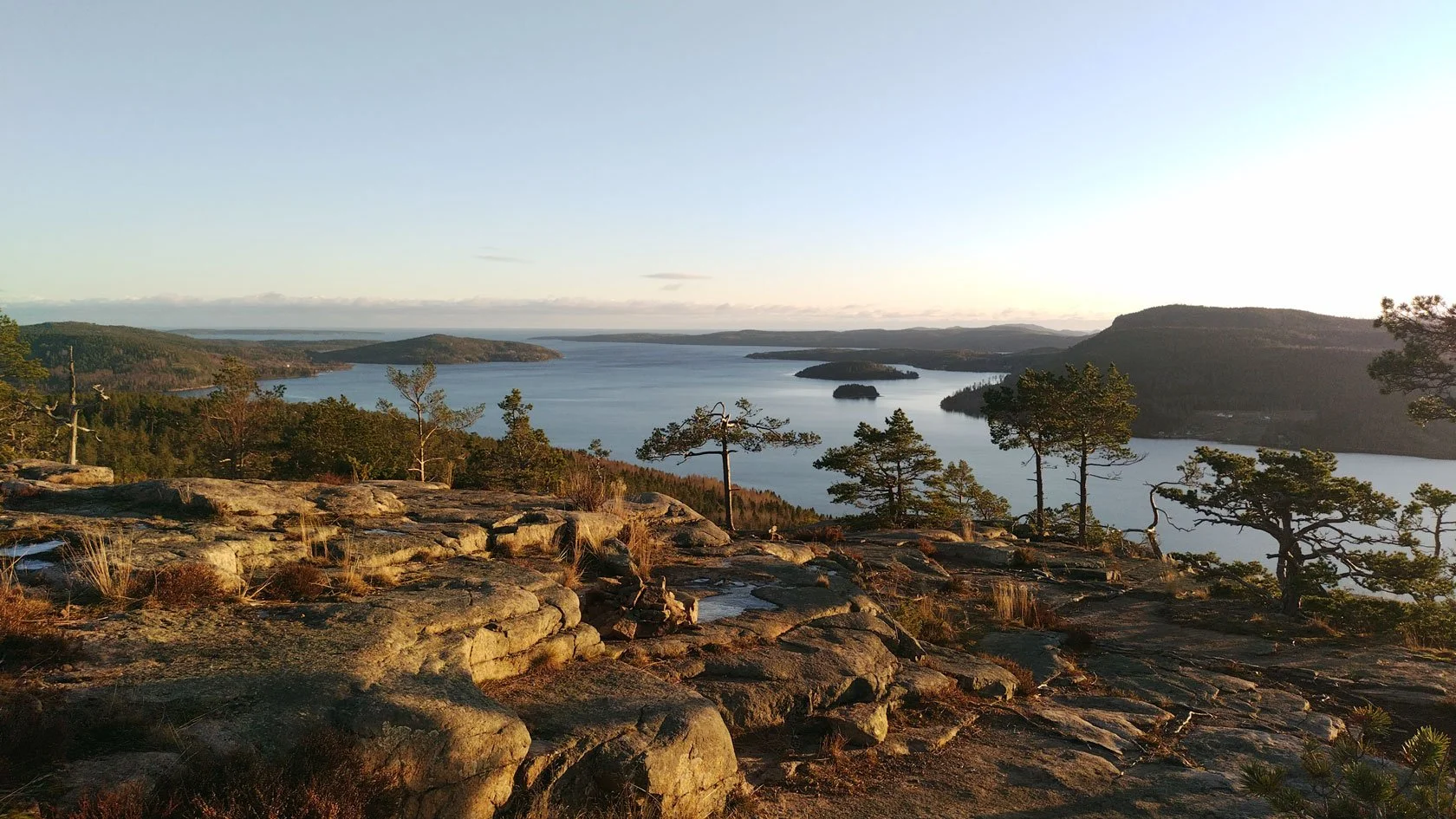
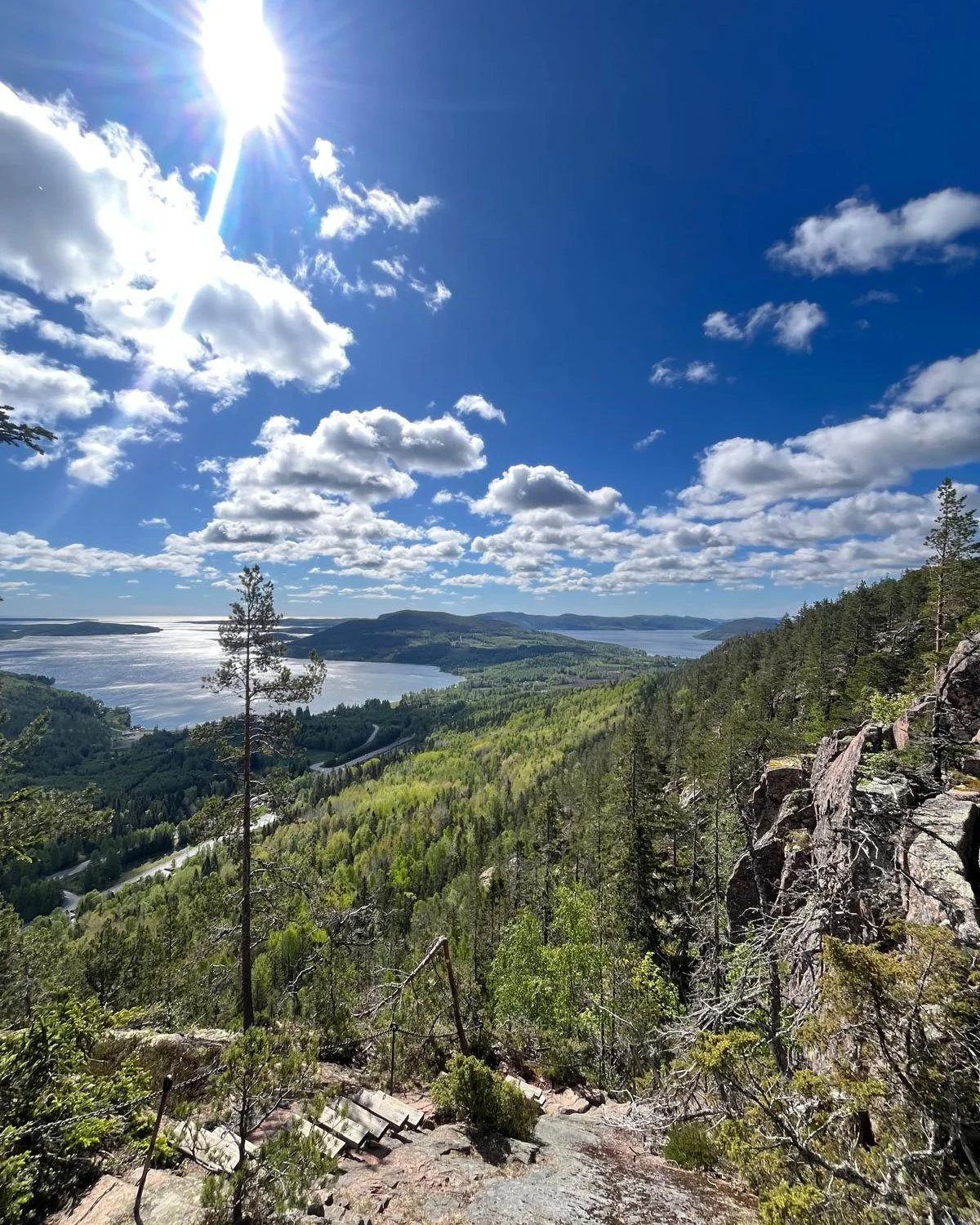
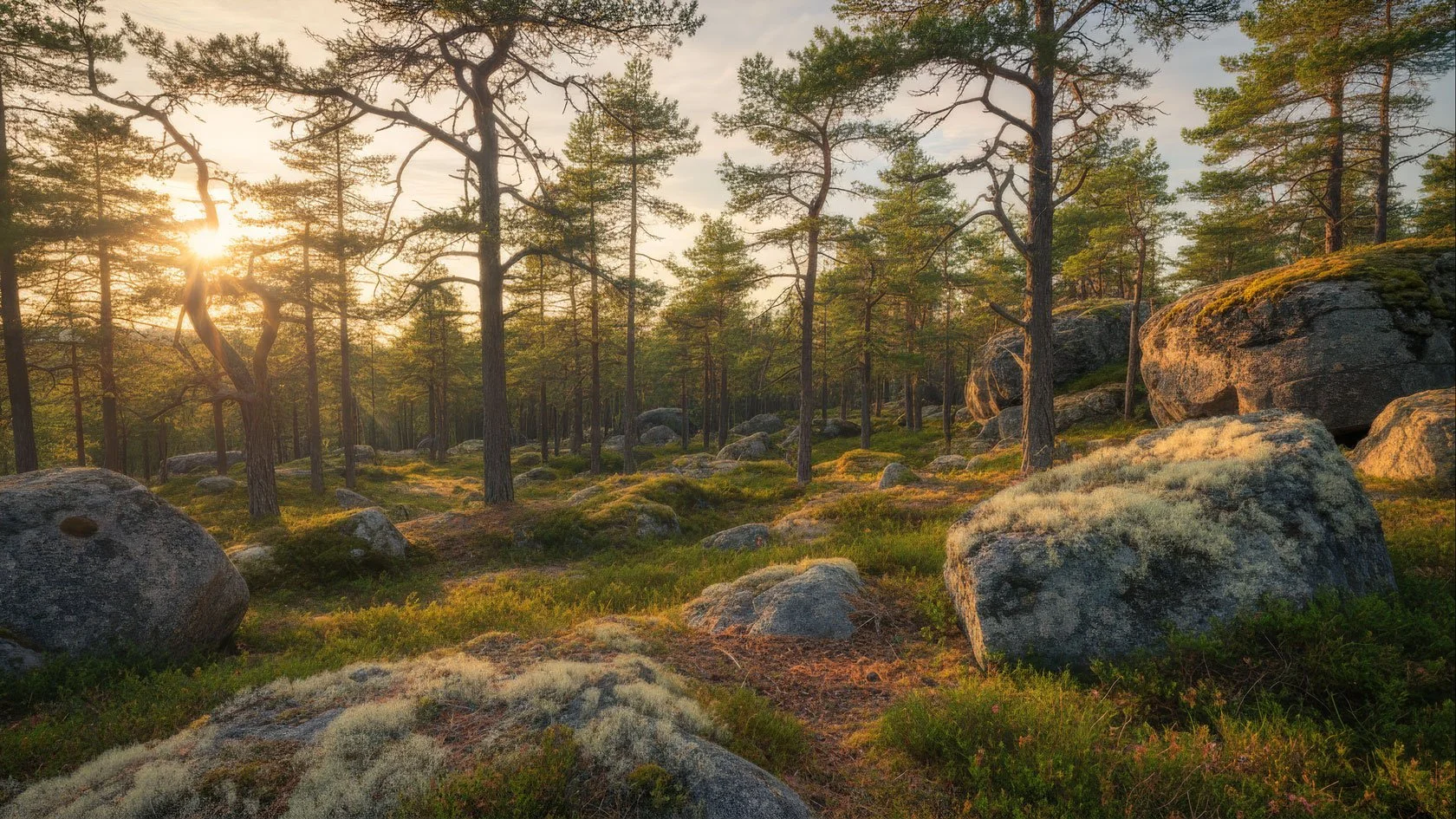
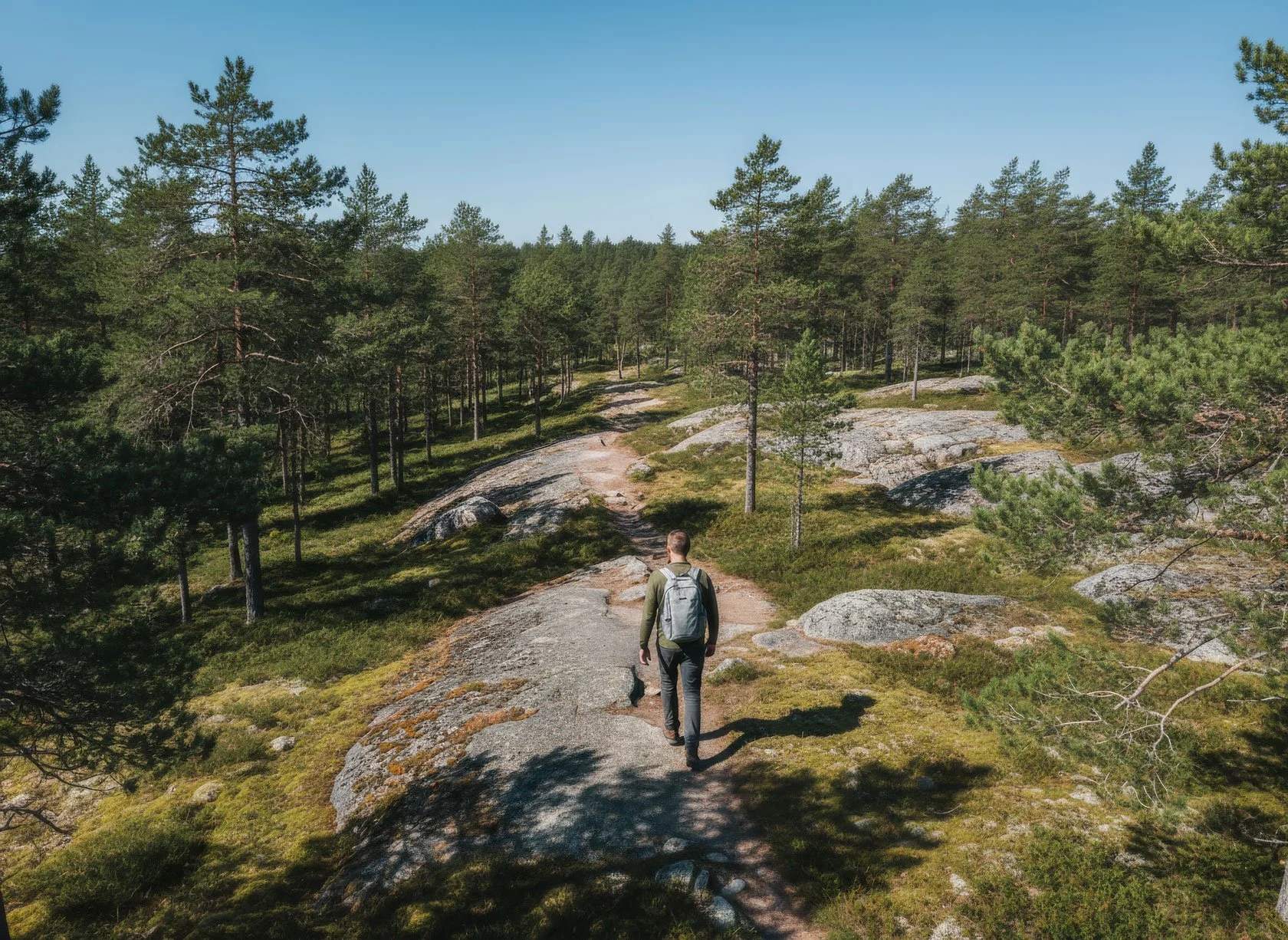
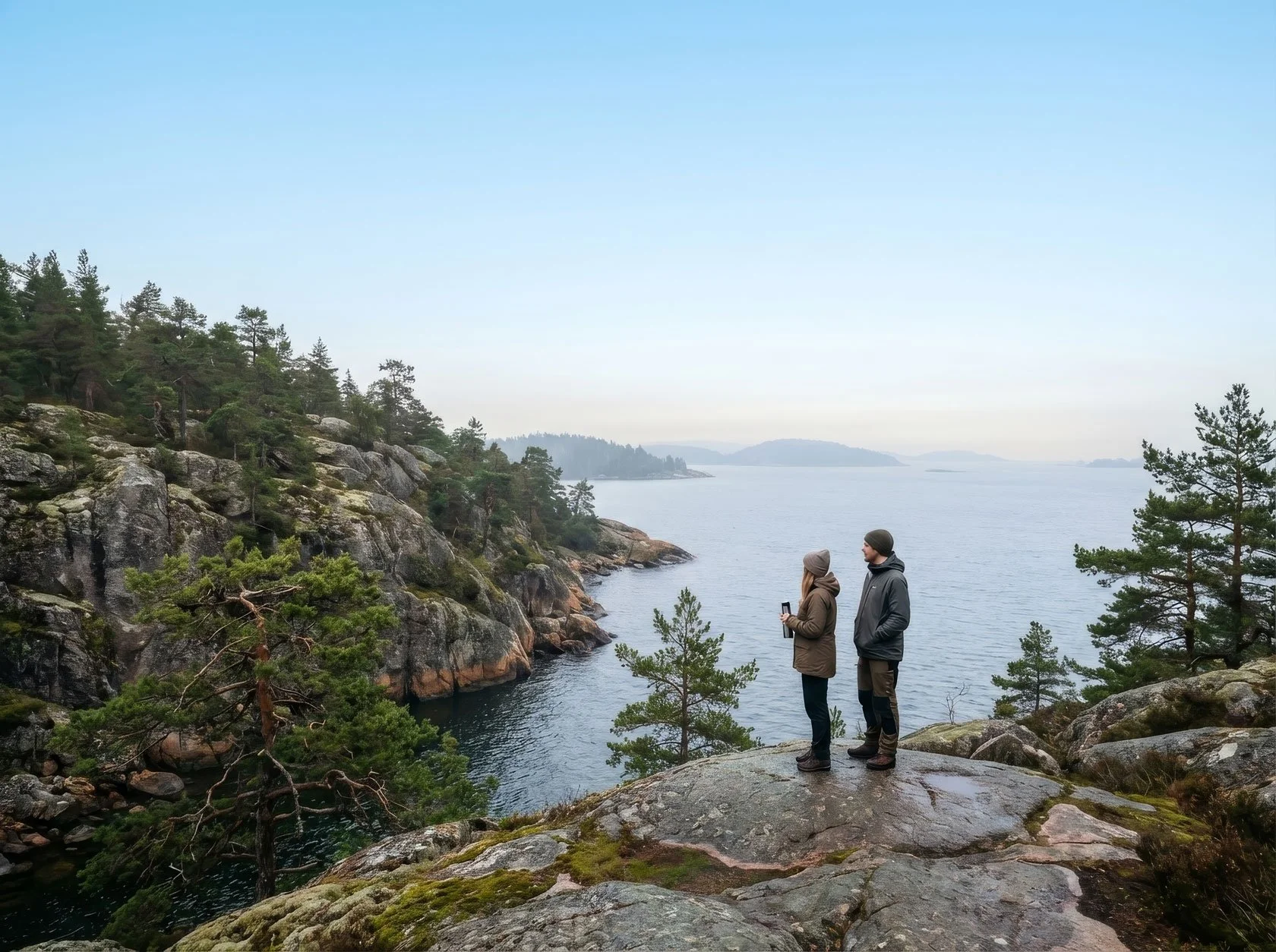
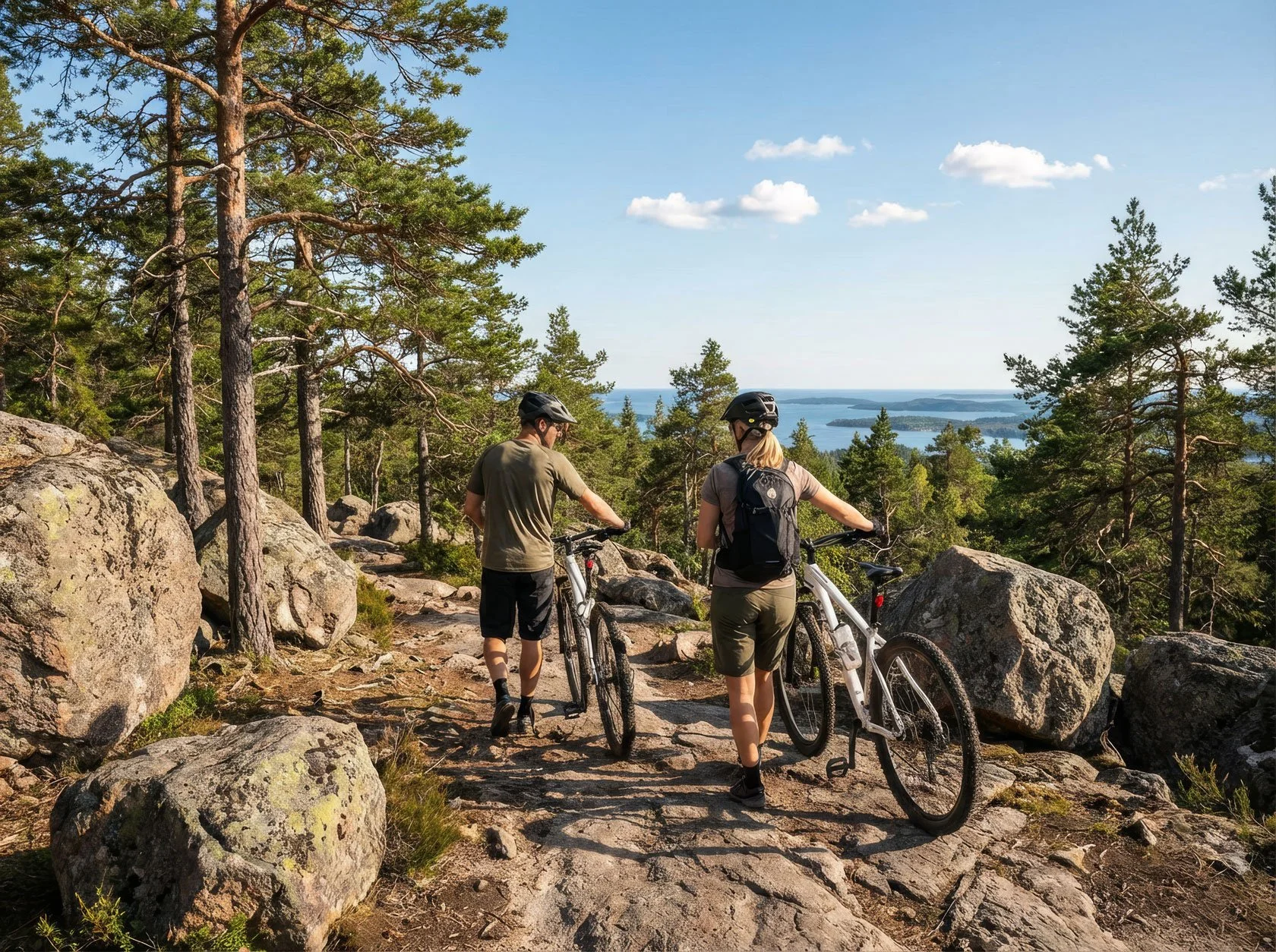
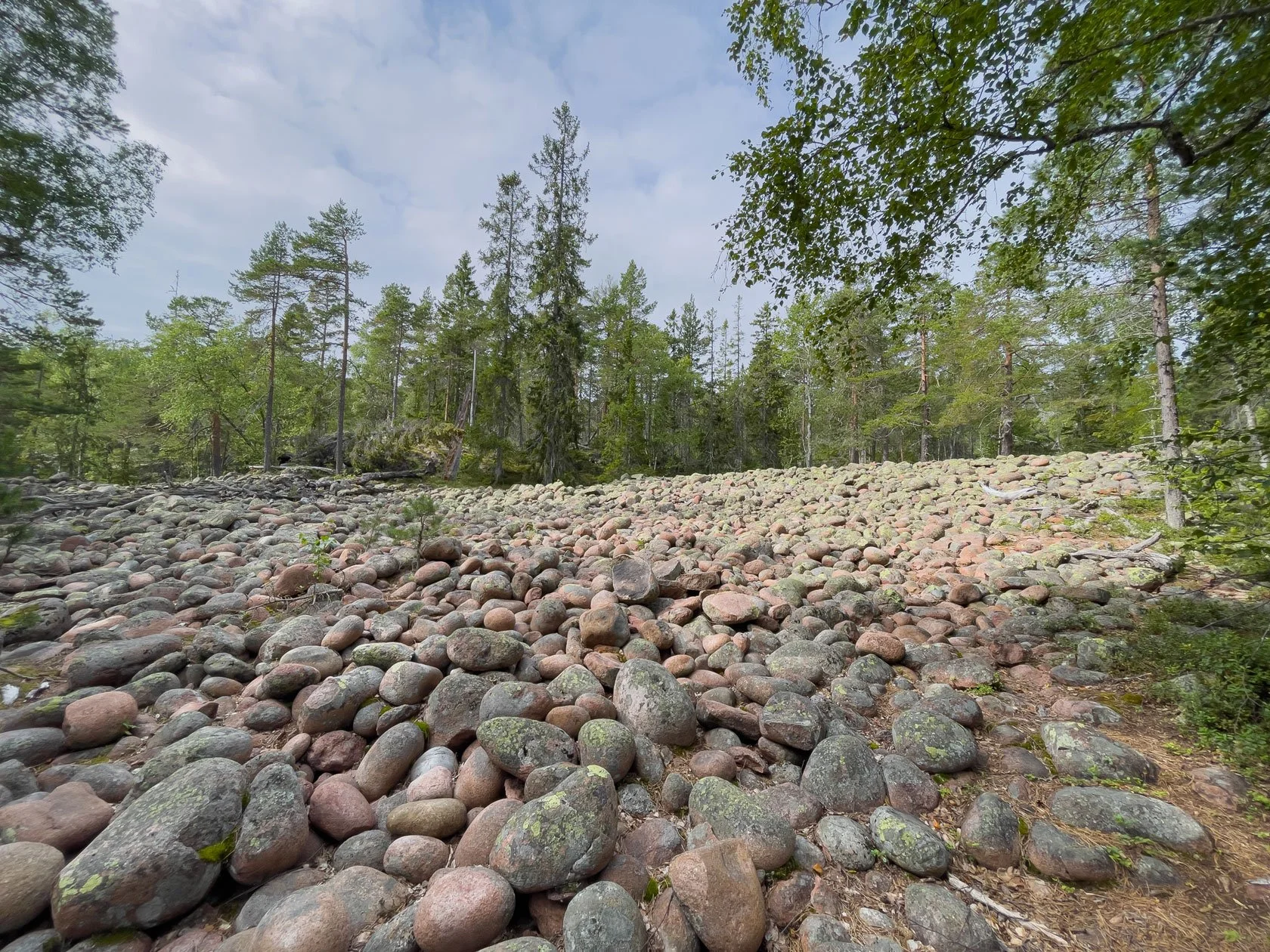
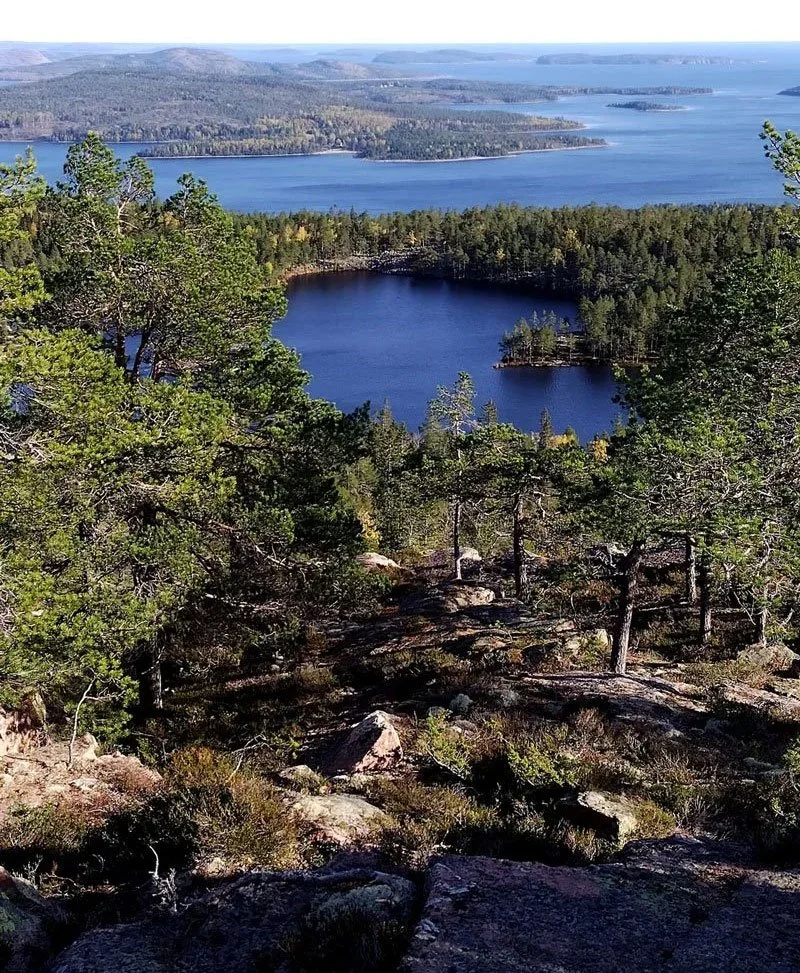
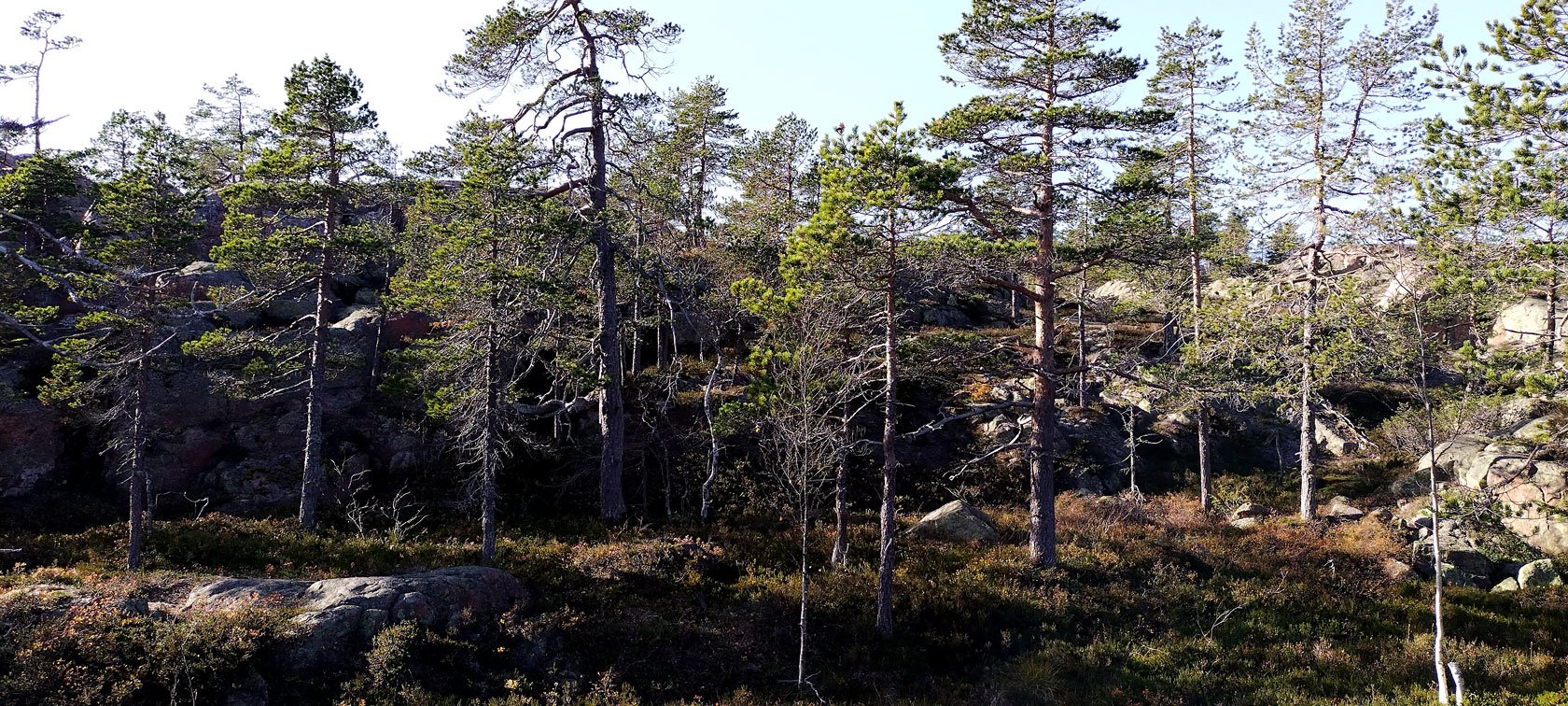
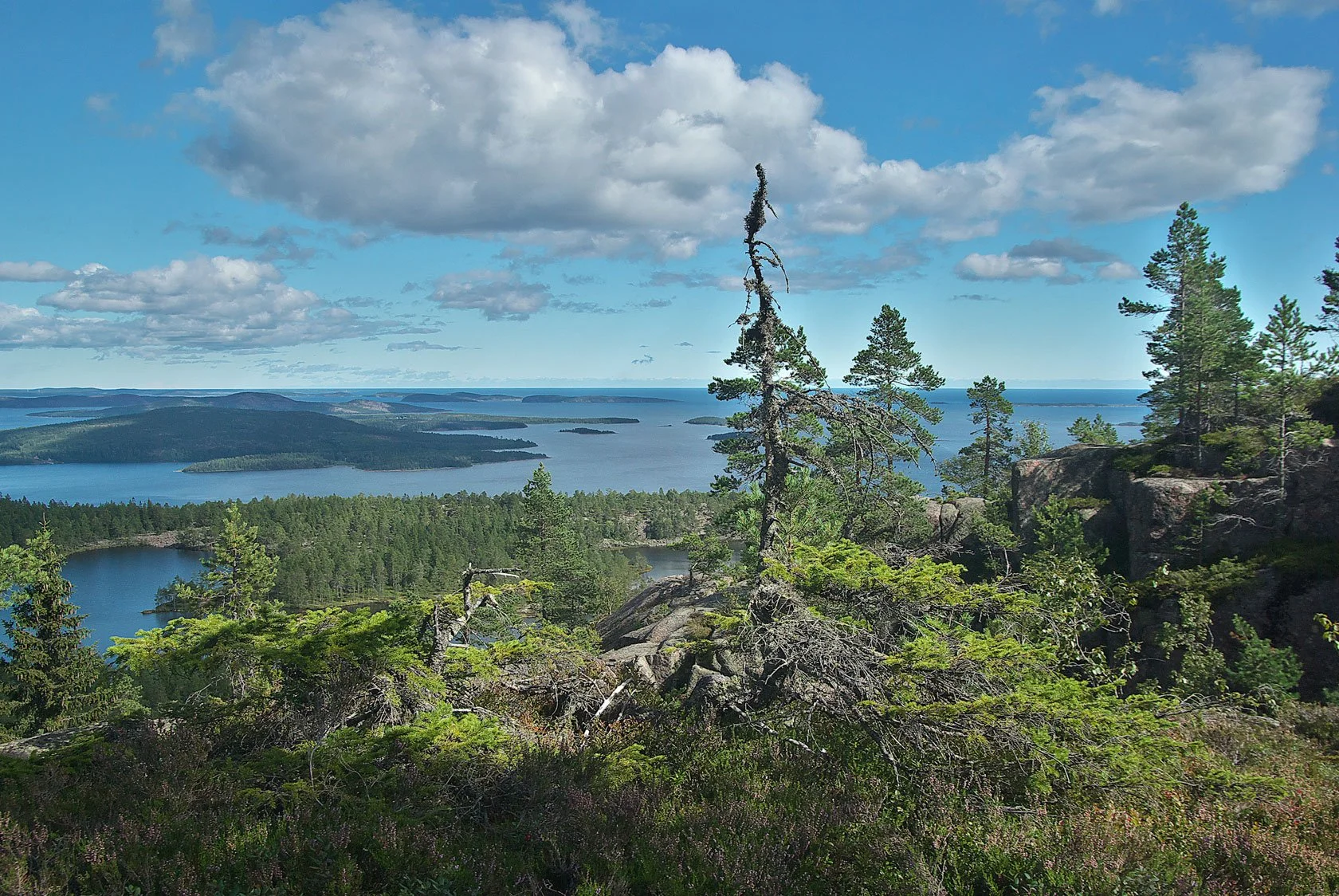
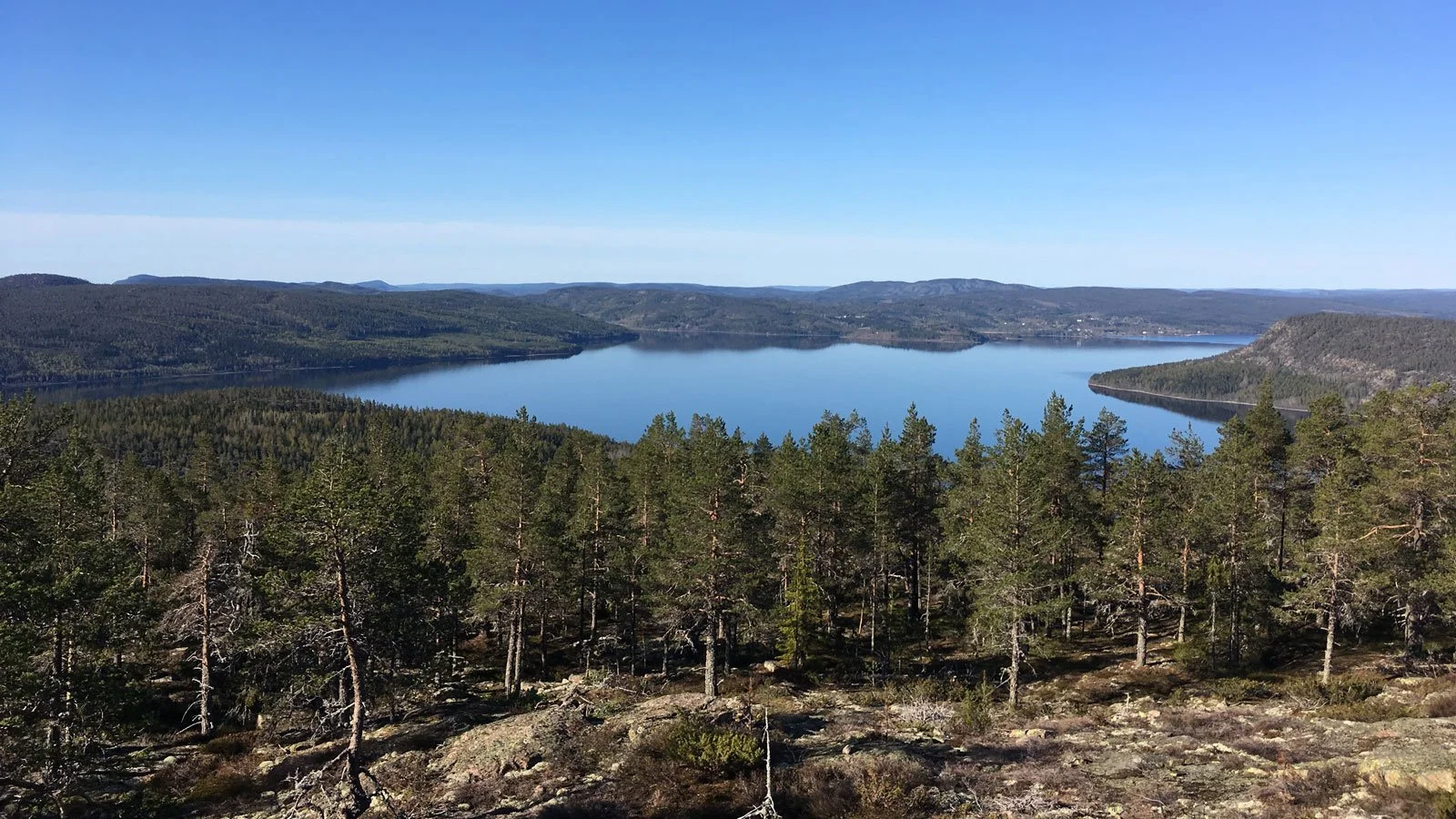
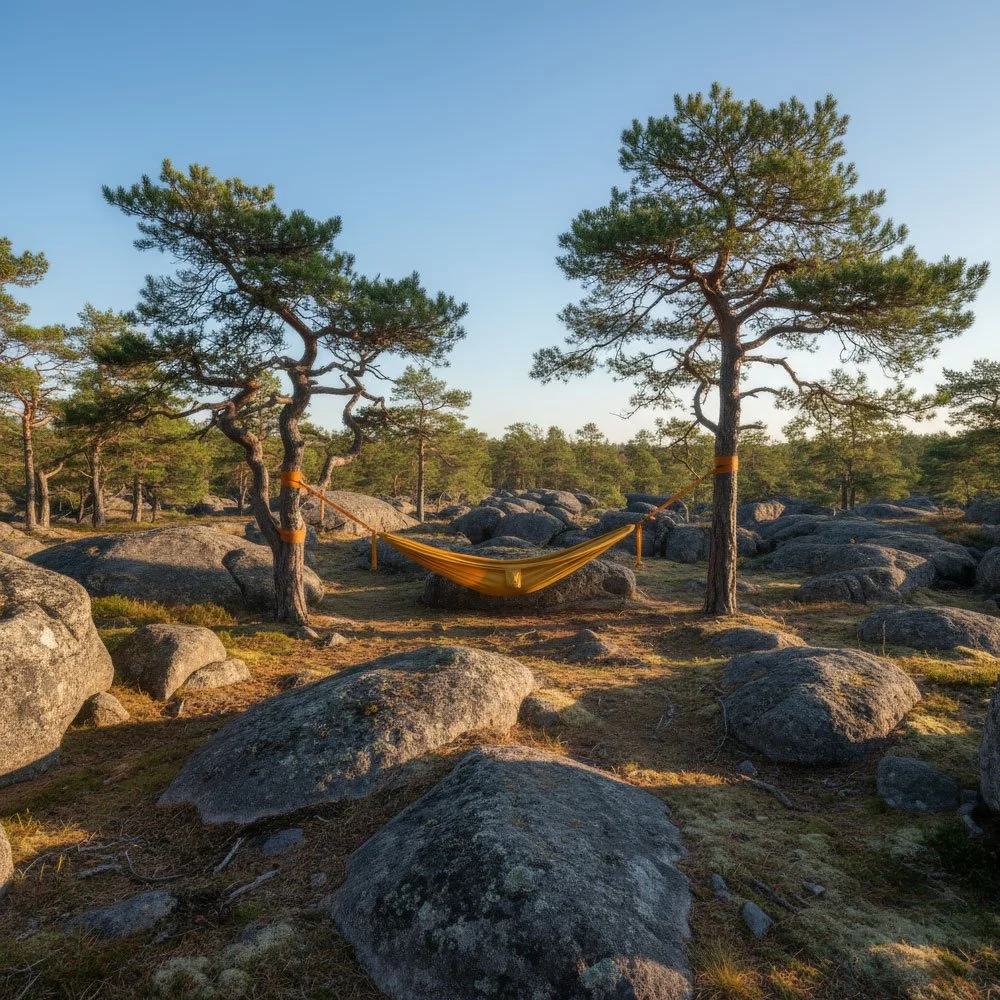
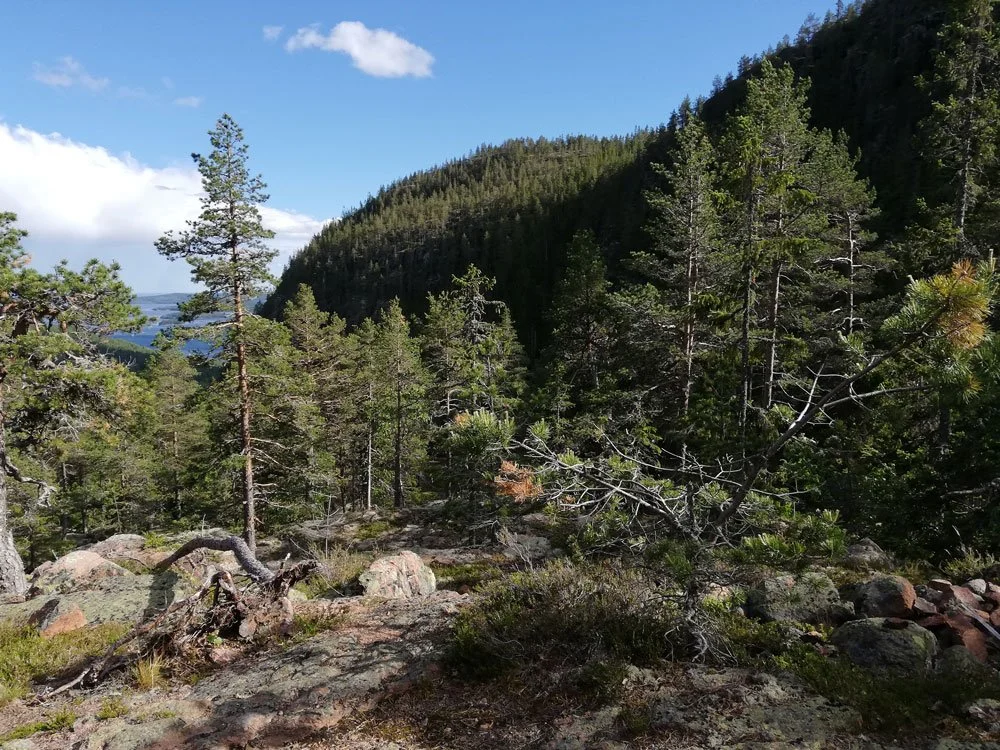
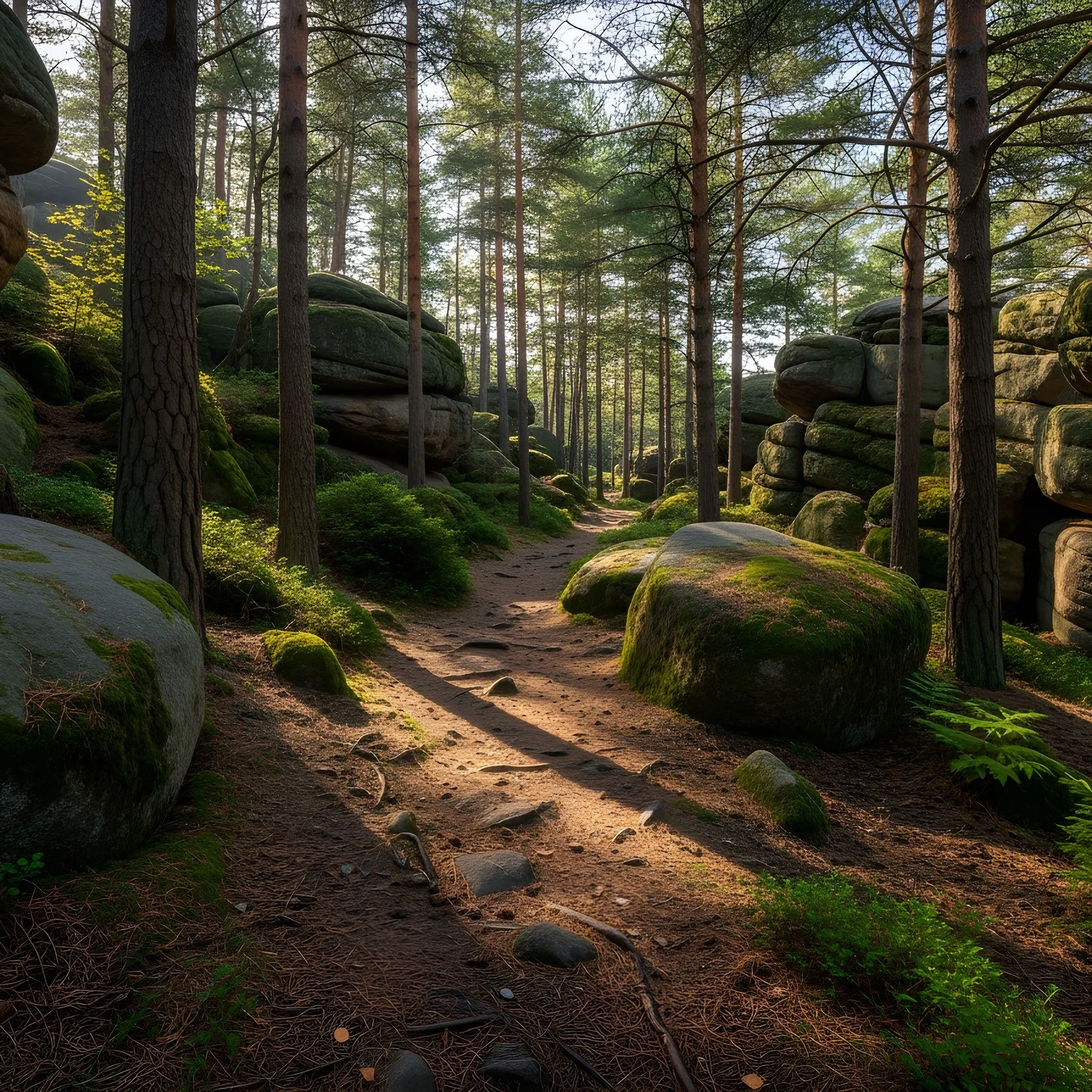
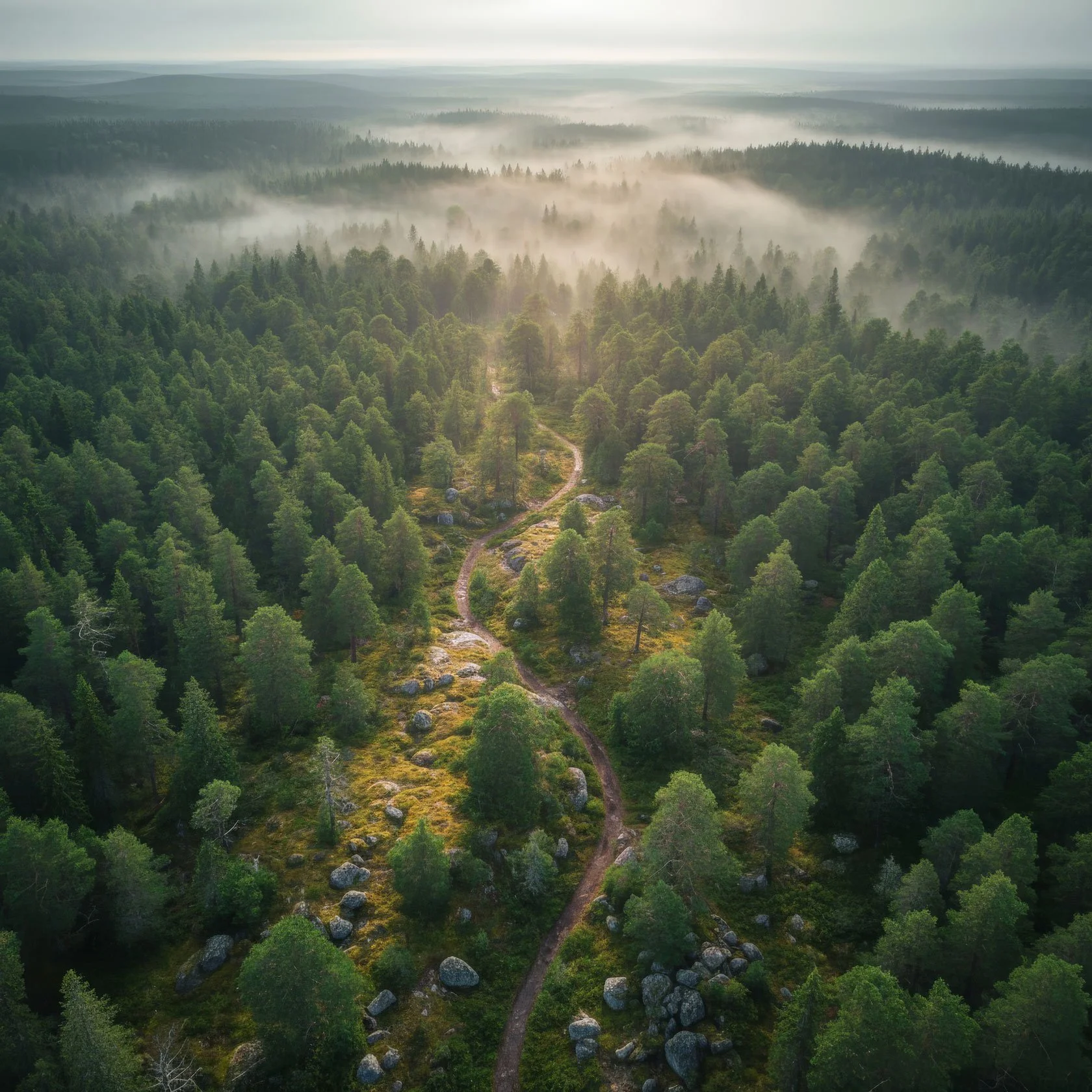
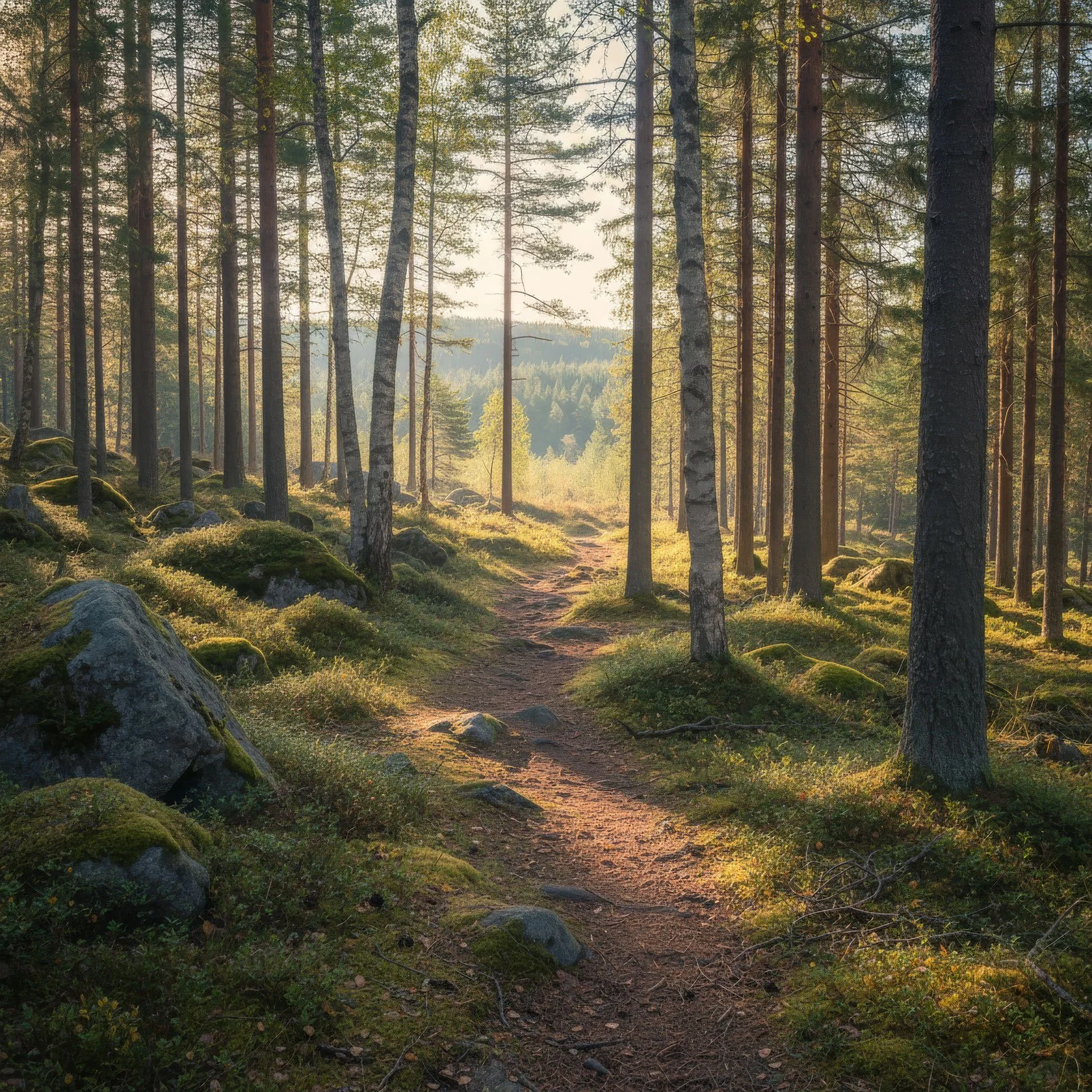
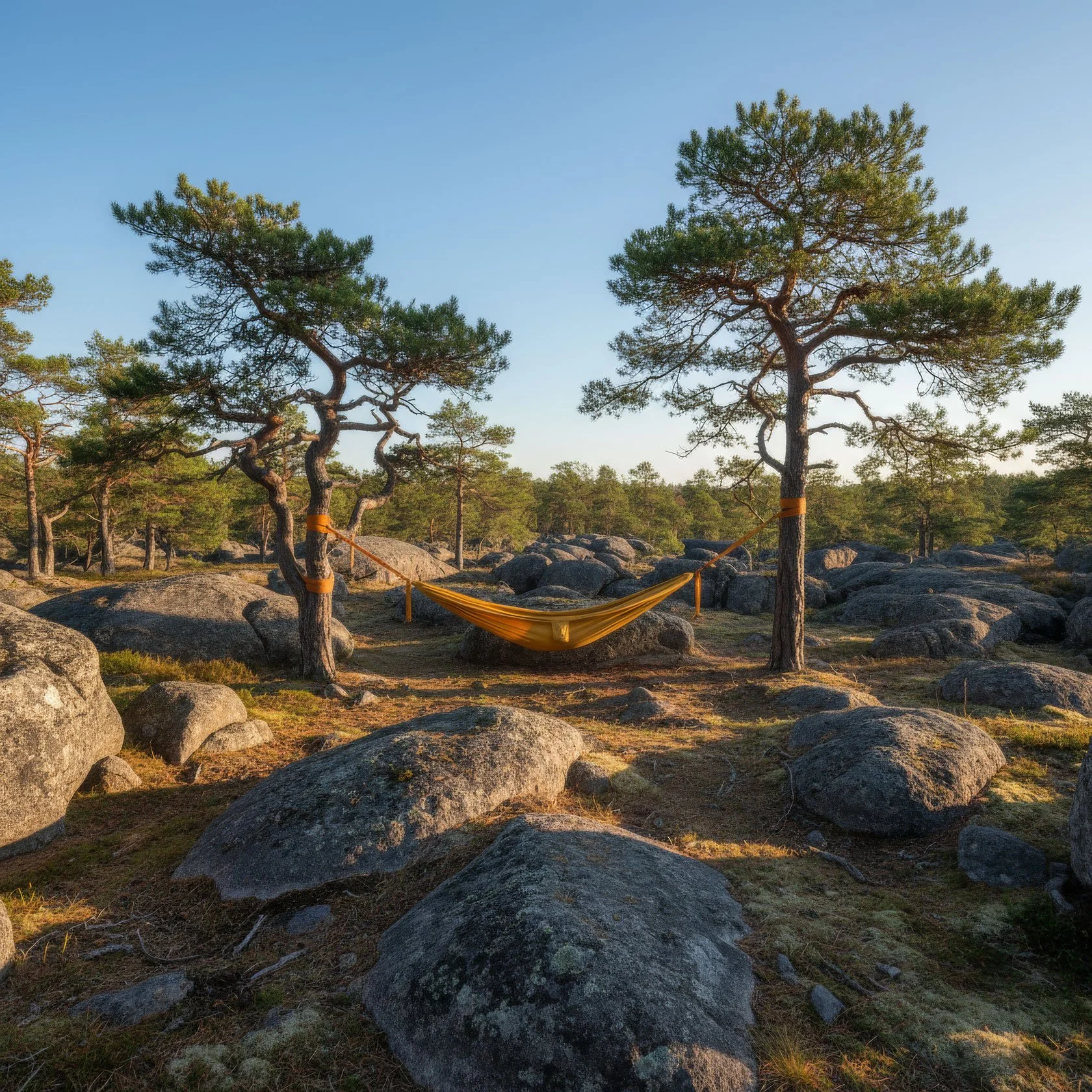
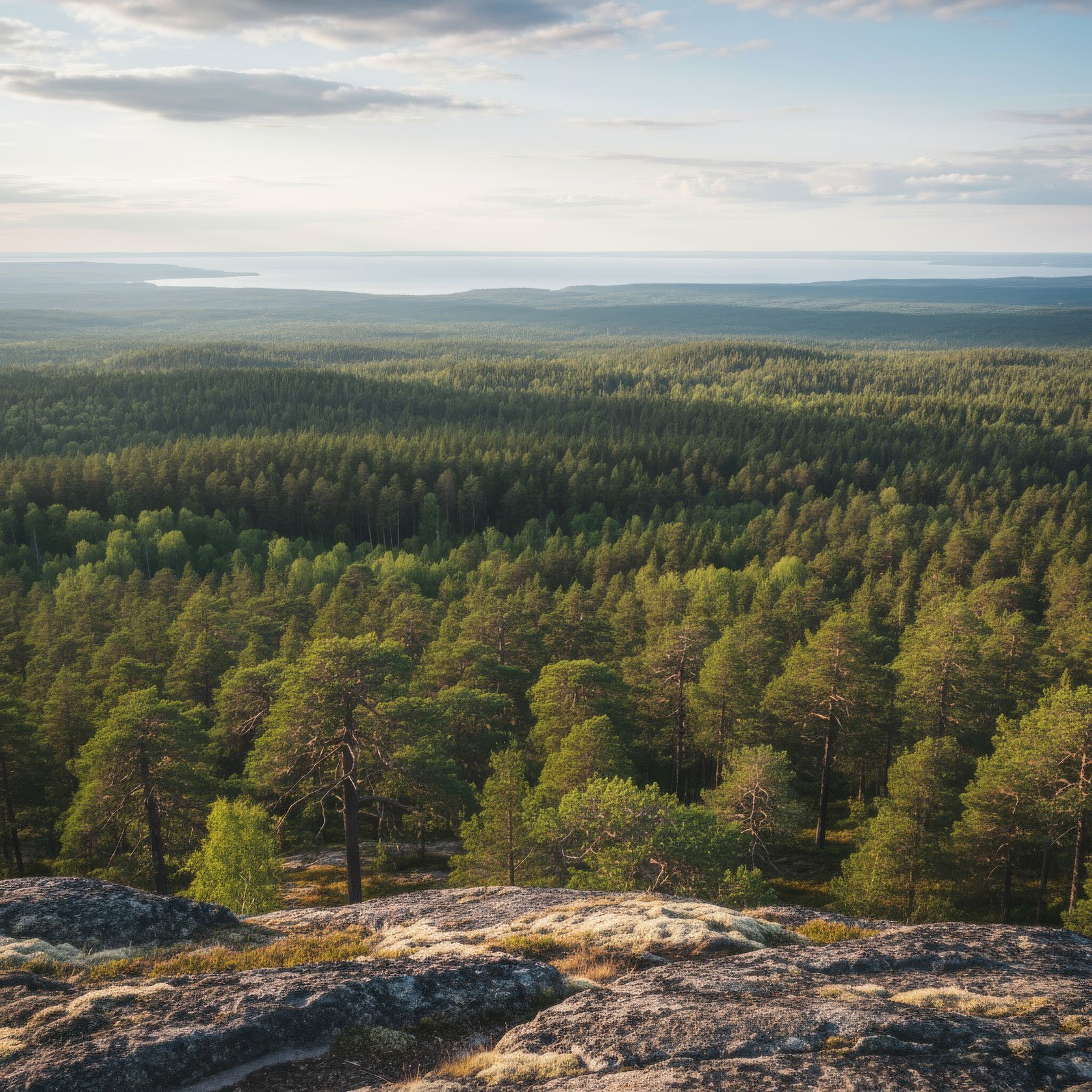
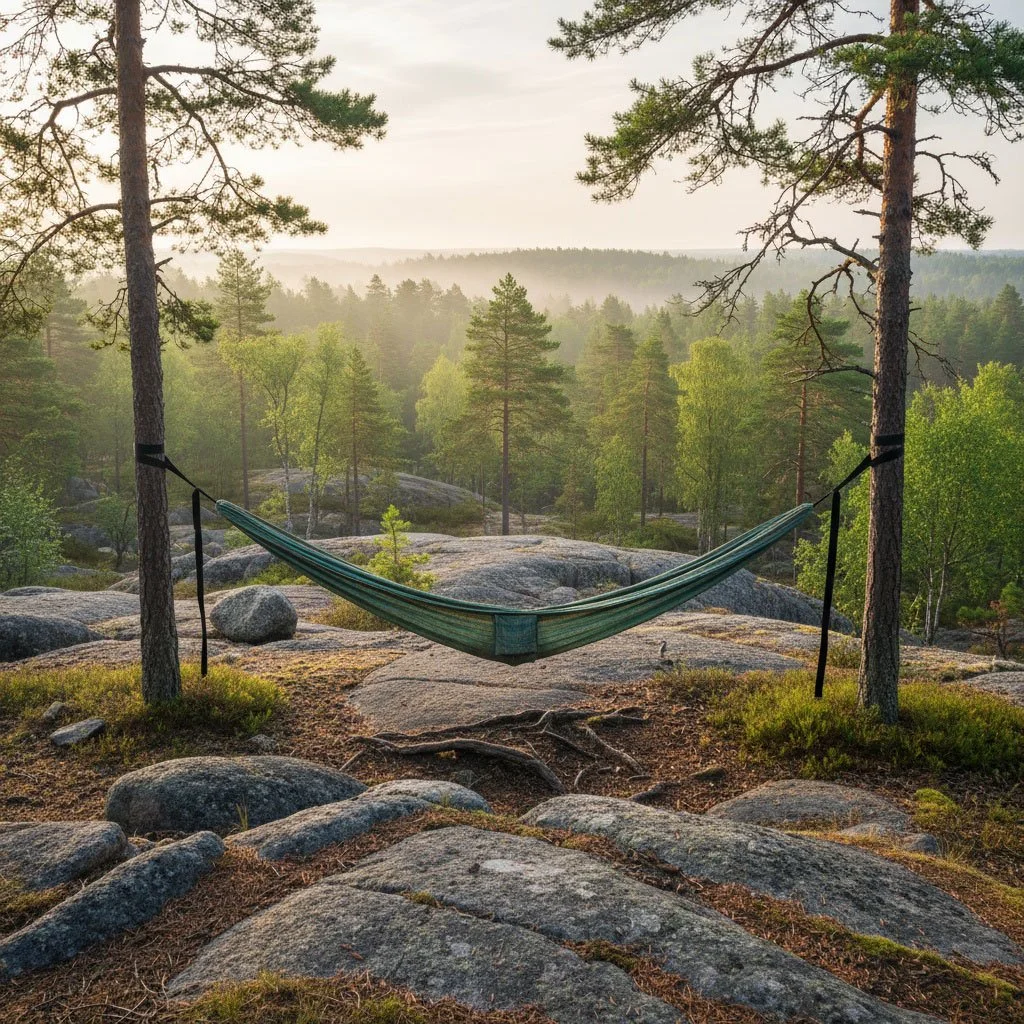
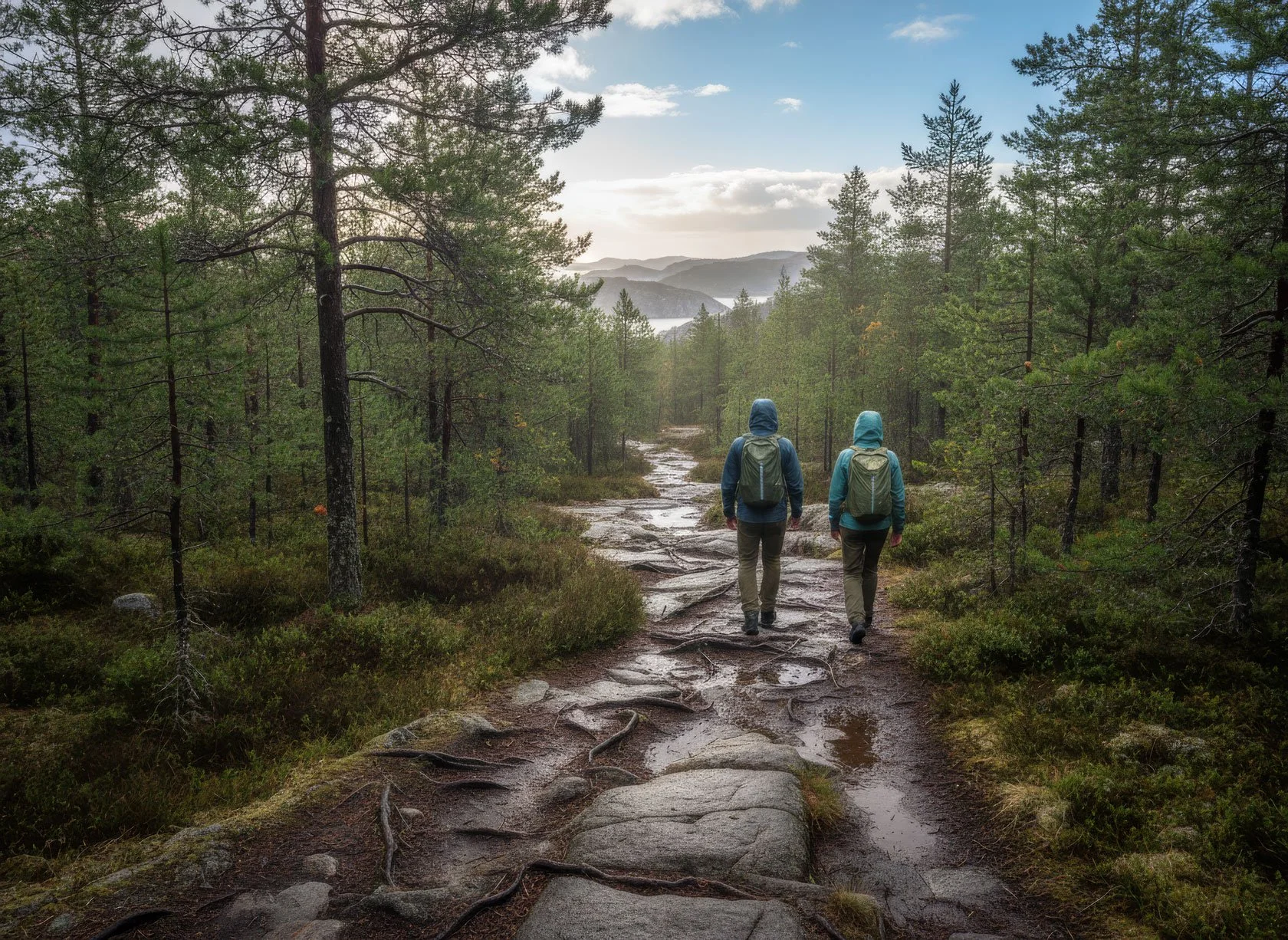
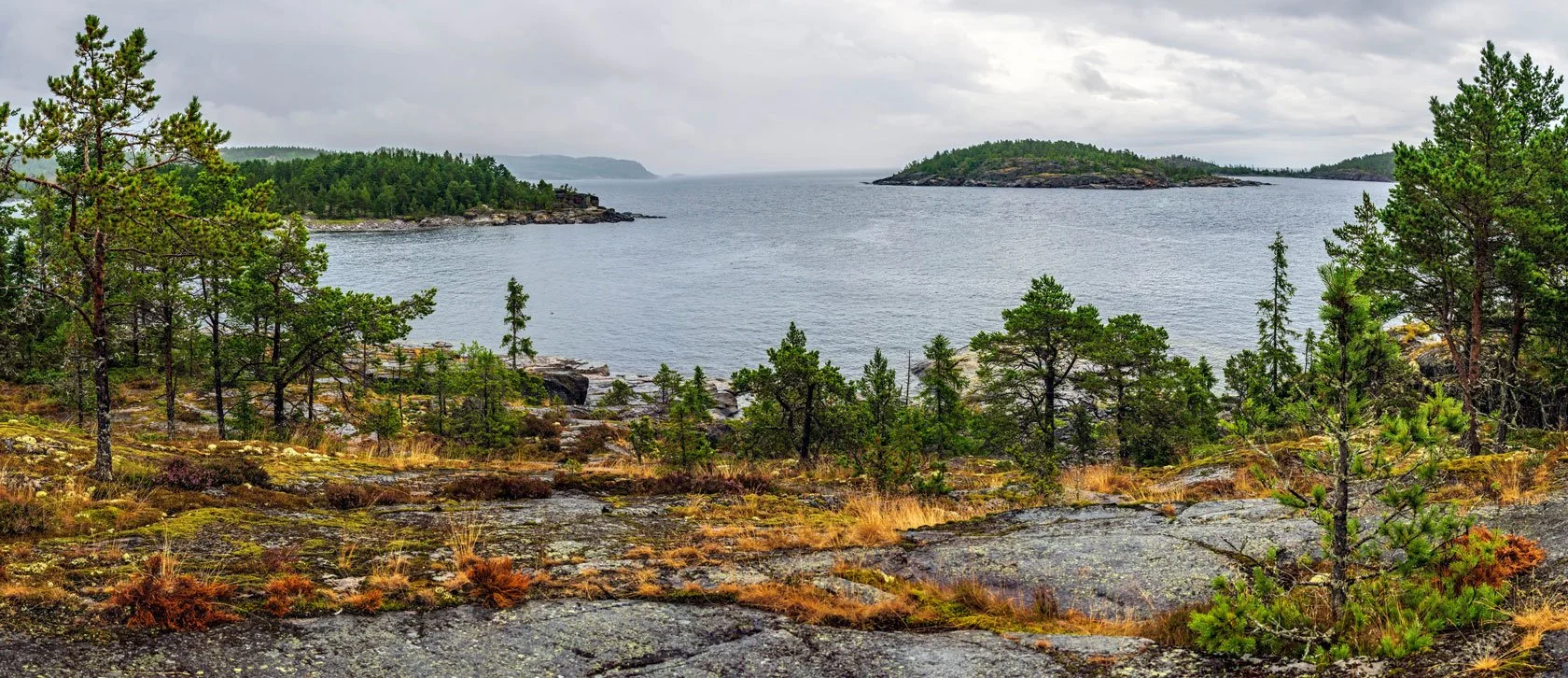
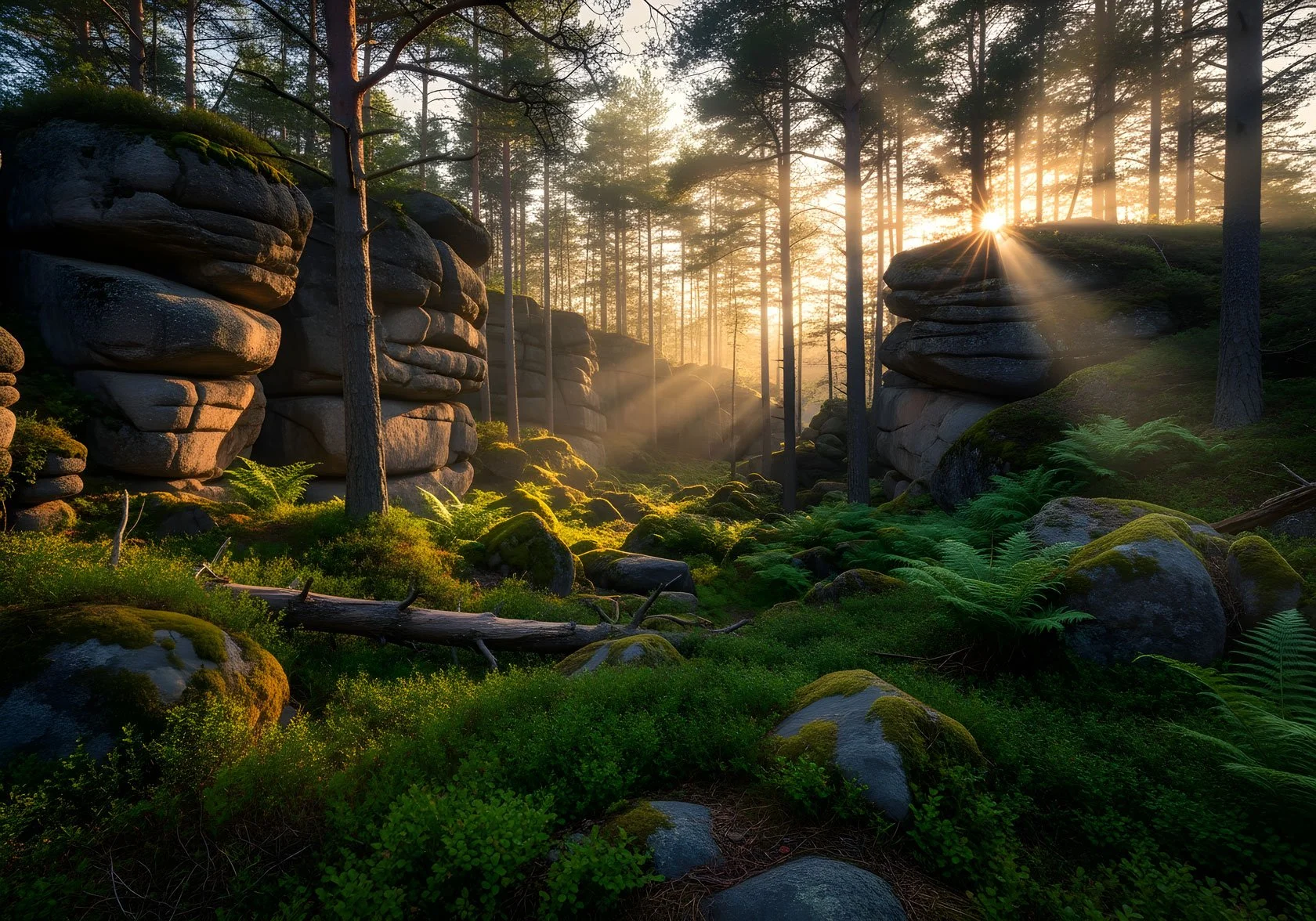
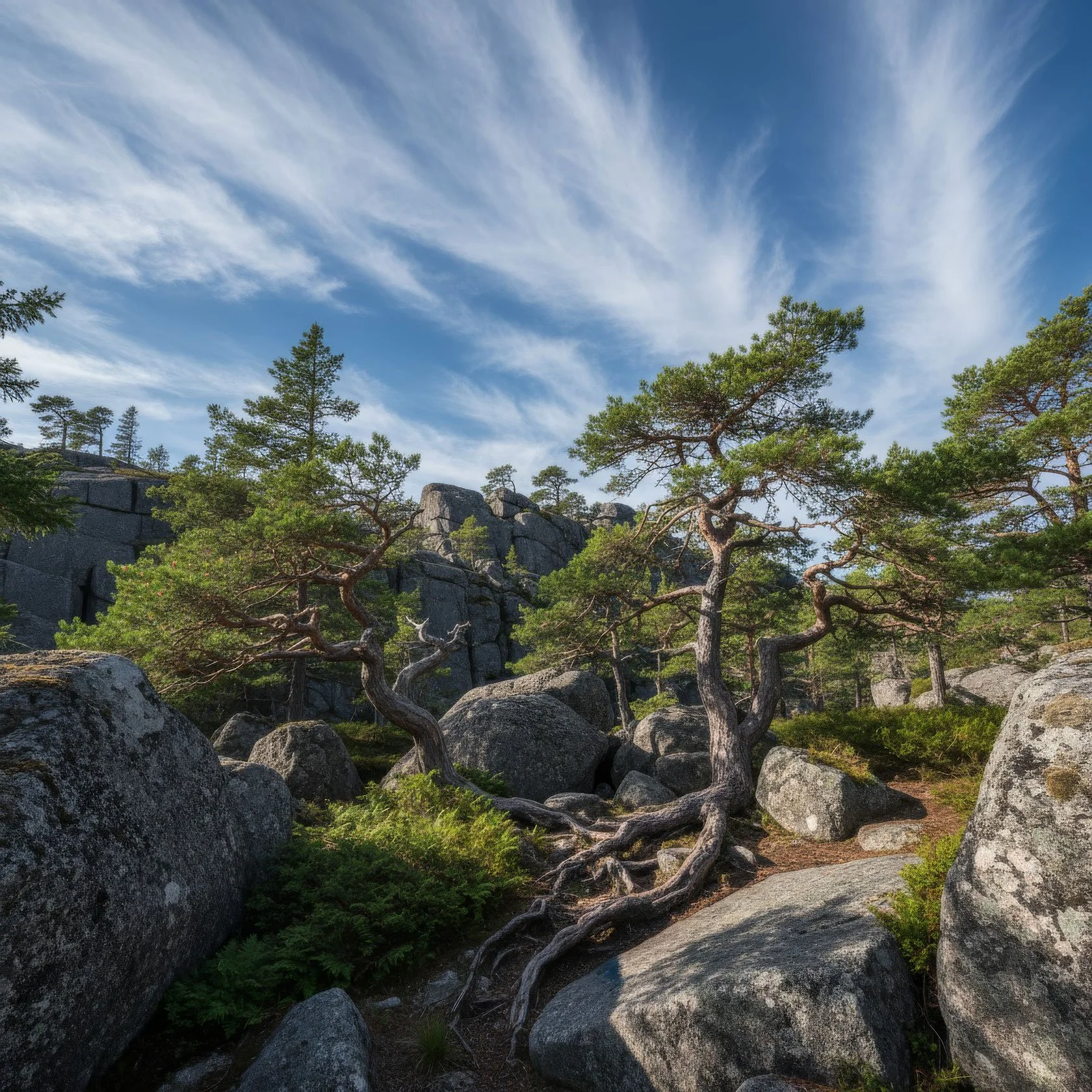
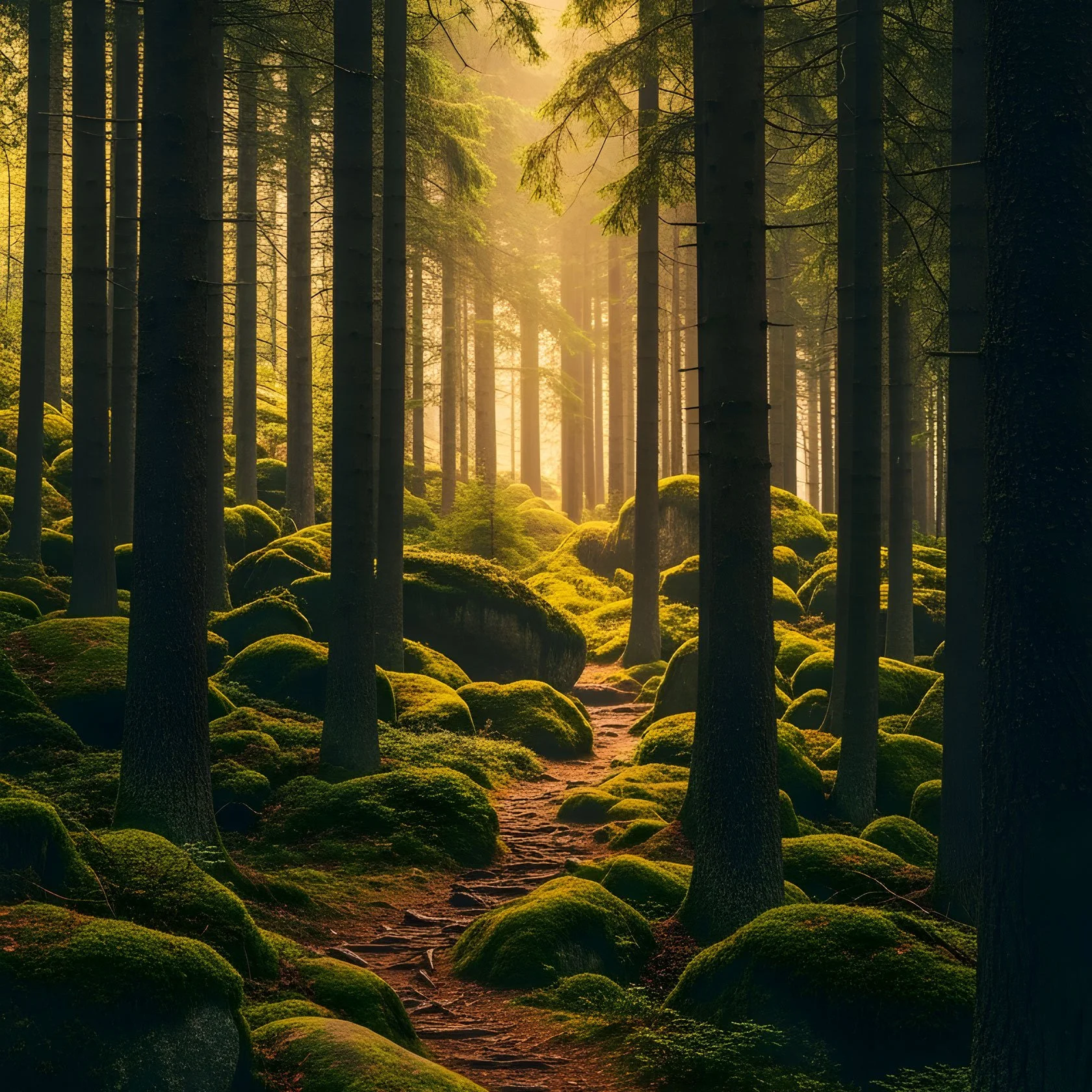
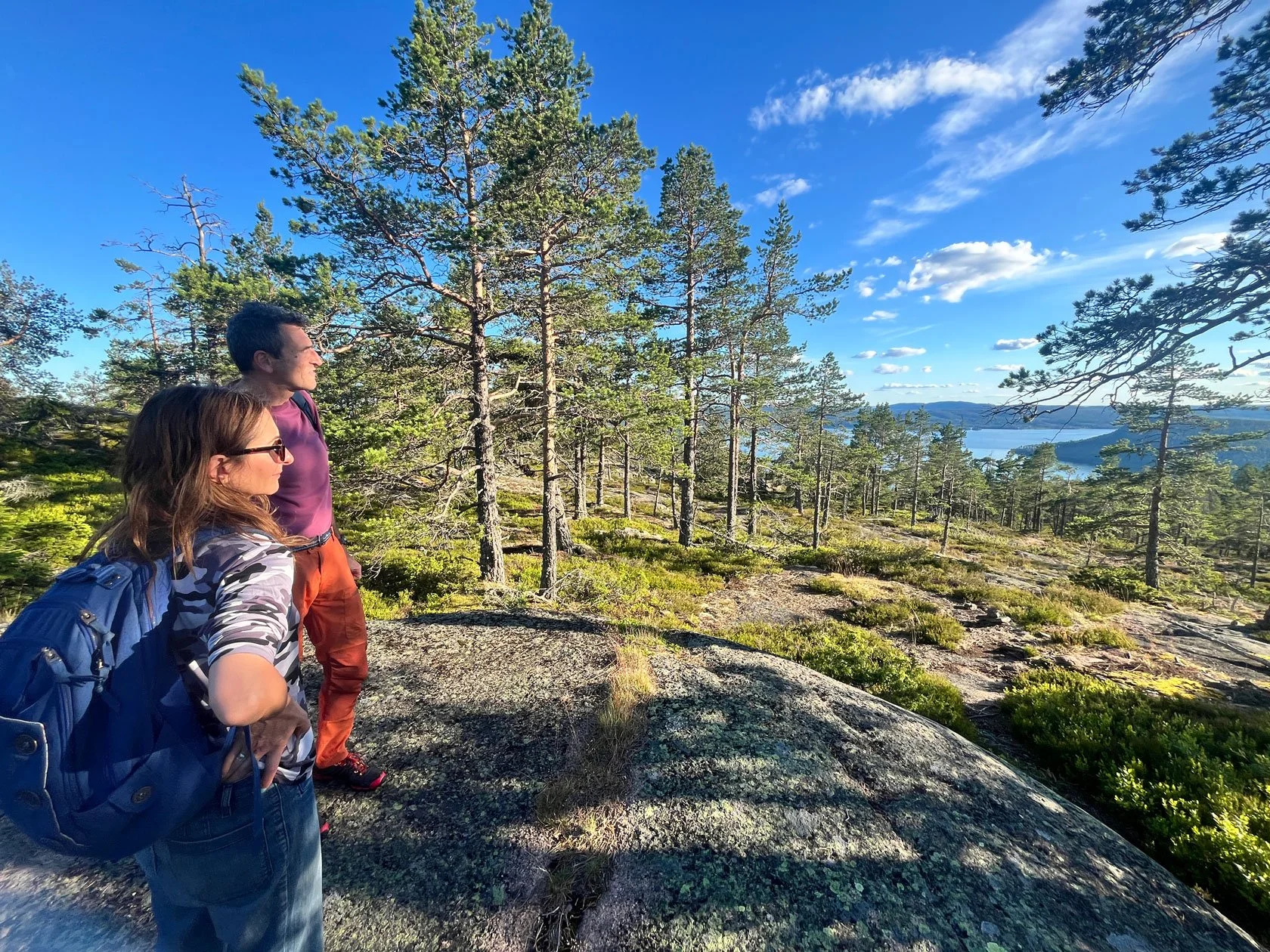
We walked in a rocky pine forest above the harbour, where the light moves slowly and the ground feels soft in a way you don’t expect.

Some chapters can’t be written in advance. They appear only after the last page, when the language has had time to leave your hands and pass through someone else’s life.

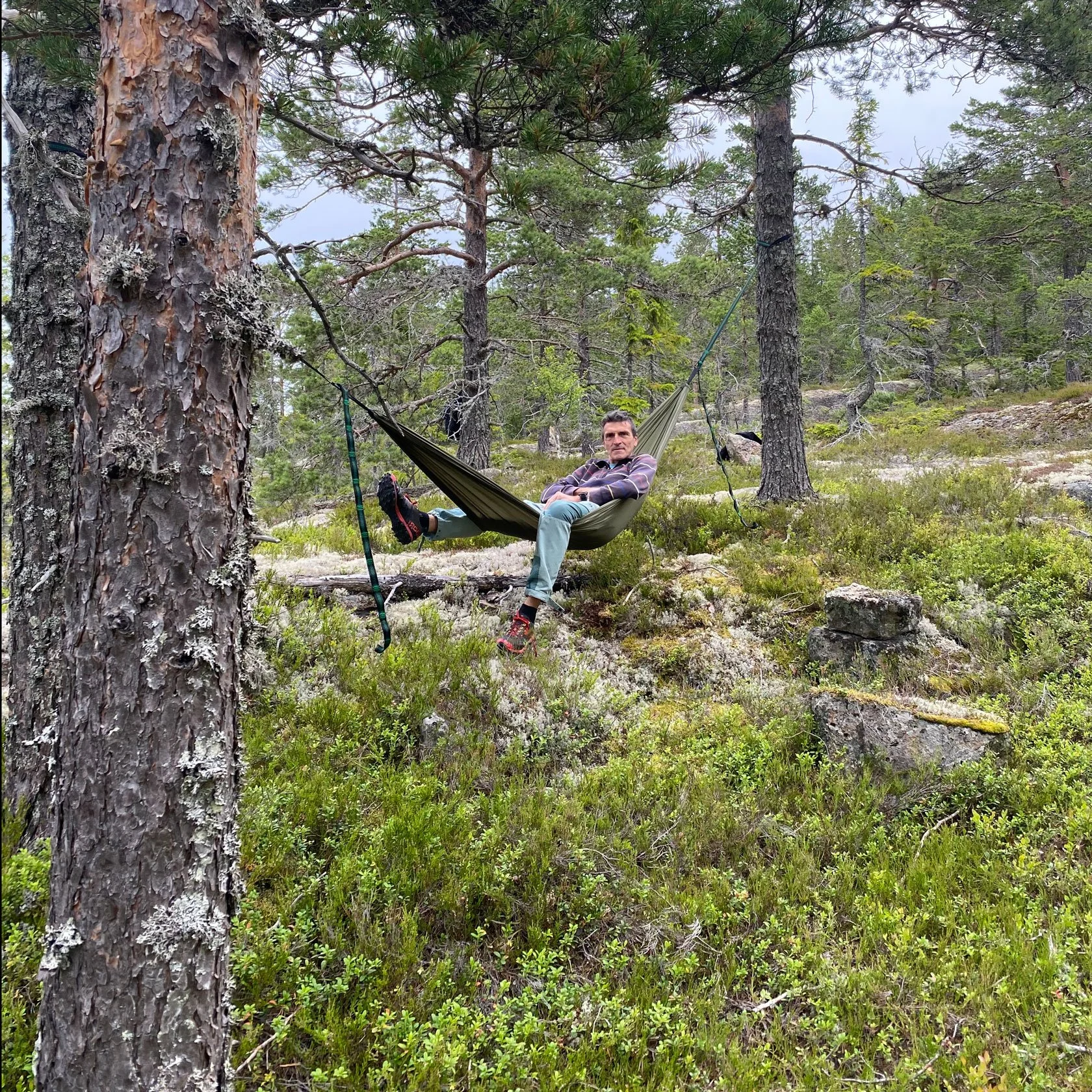
After the pages were closed. After the first guests left. After the hammock was packed away.

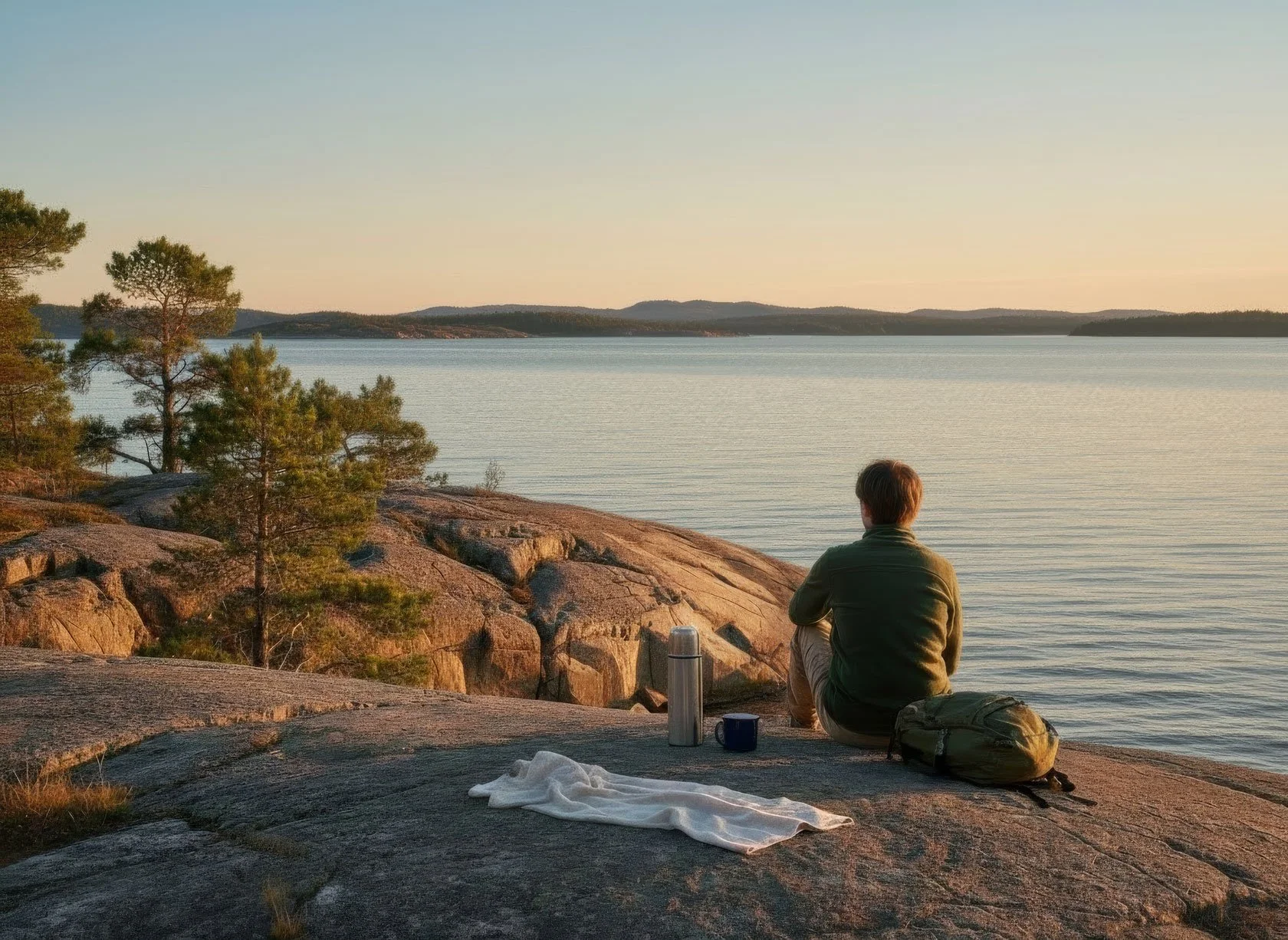
That day the light was unusually soft for summer, and even the forest floor felt alive under our feet.

Not as an update, not as a correction, and not as a marketing story.

It comes from an extraordinary period: the moment when Skogspaus stopped being only my language and became something that could return through other people’s lives.

And it also comes after the first real return: our very first Skogspaus Airbnb Experience here in Docksta. I wrote that story separately (you can read it here), but it sits behind every line you’re about to read.
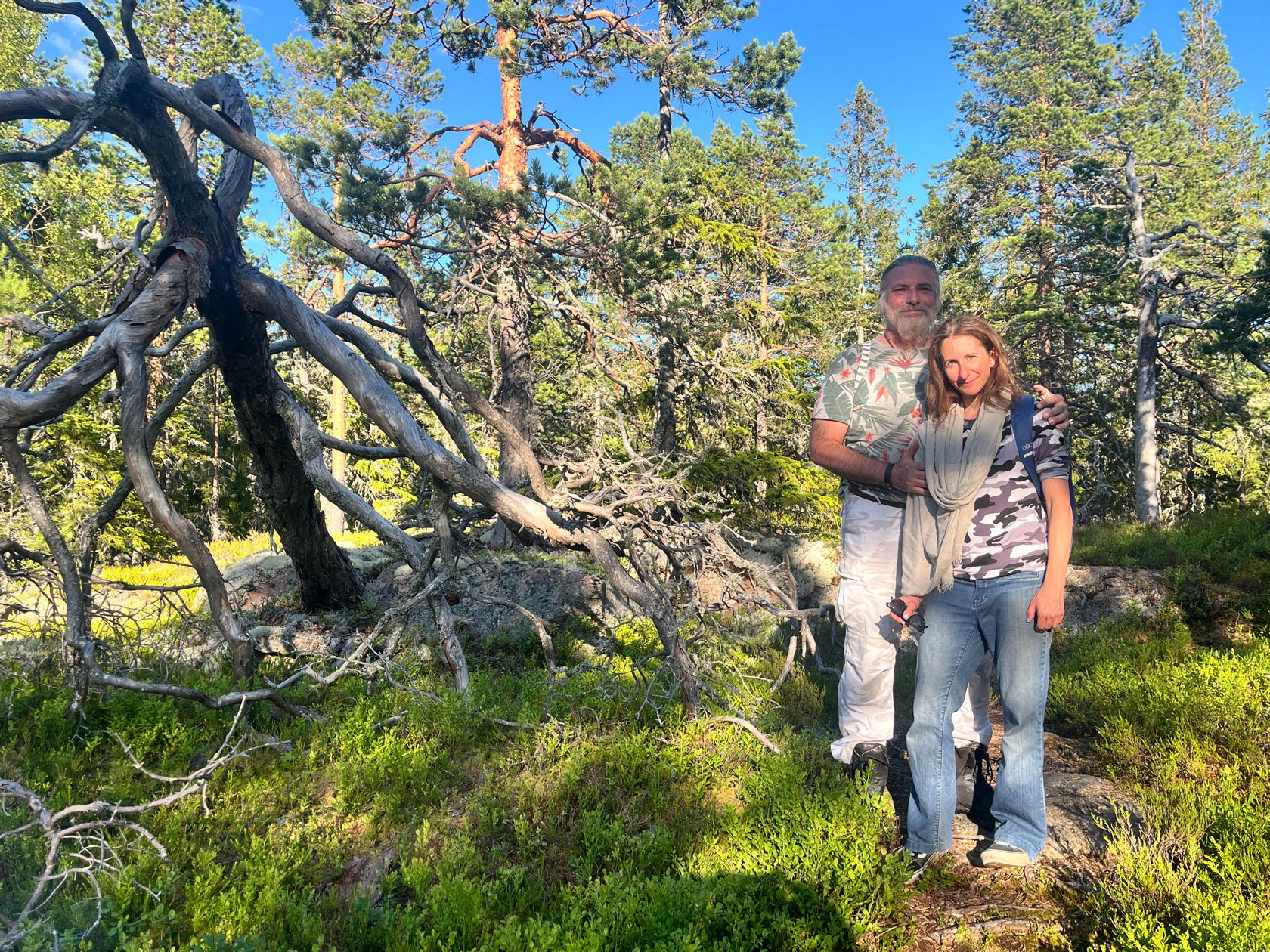
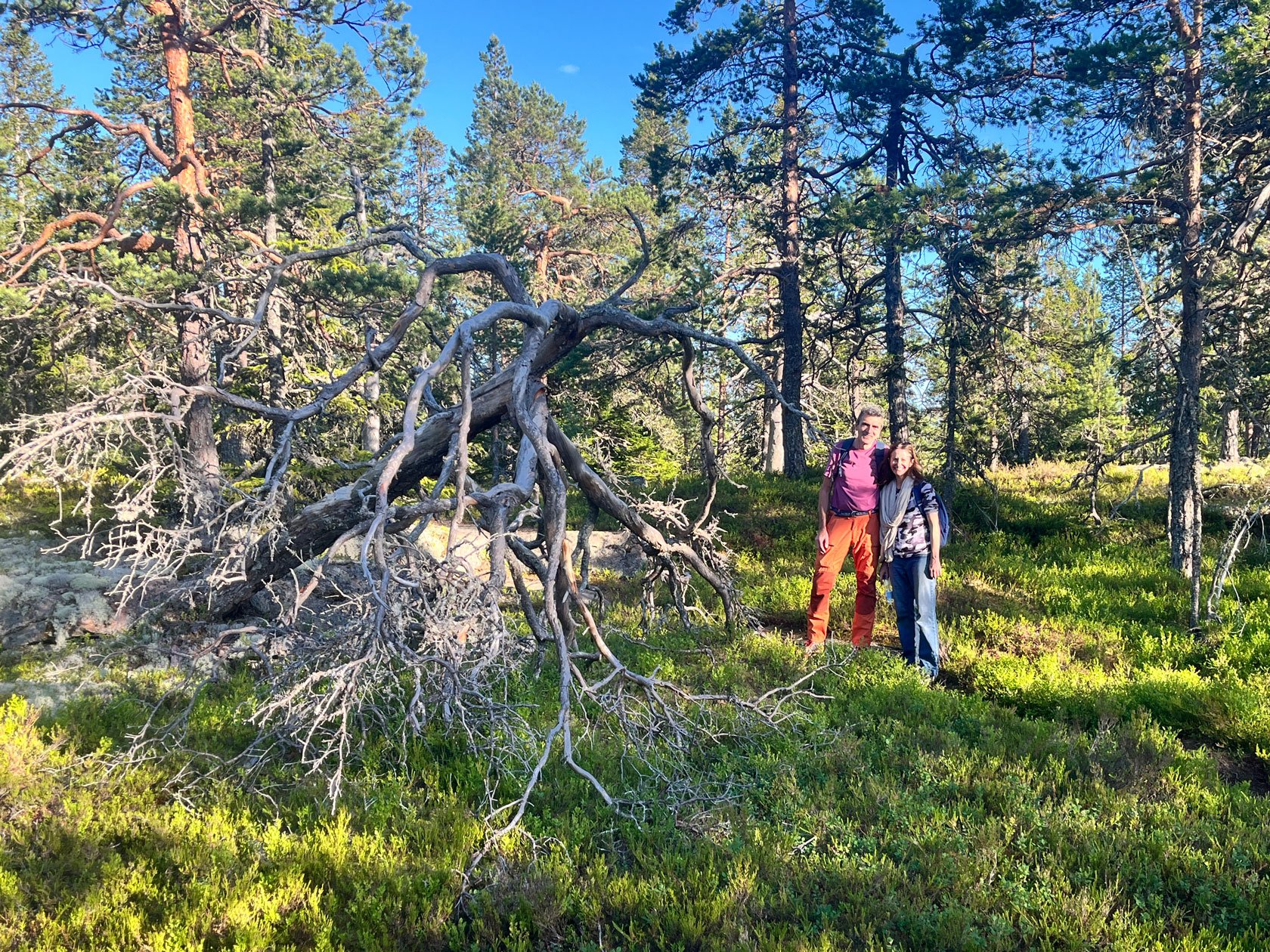
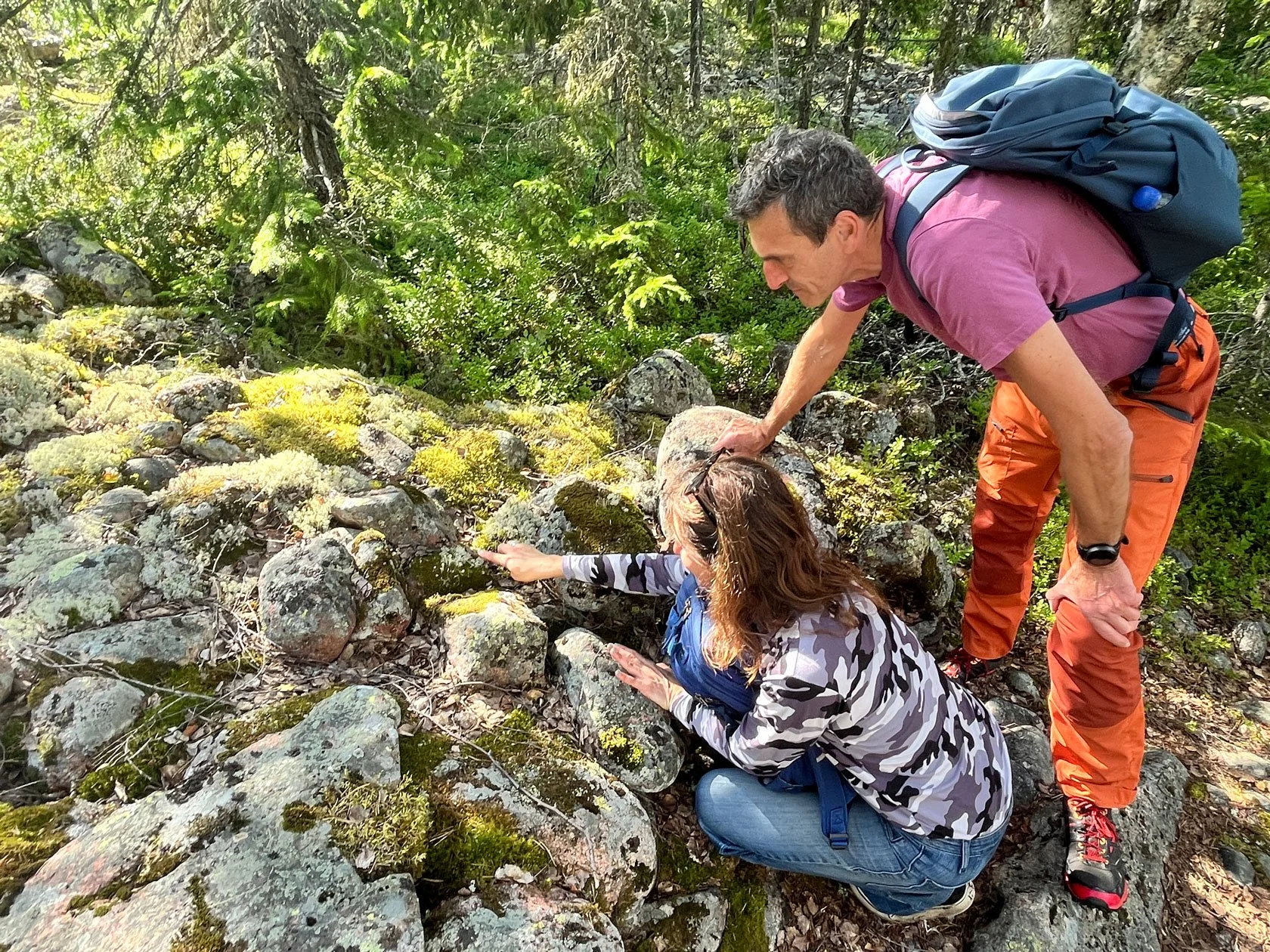
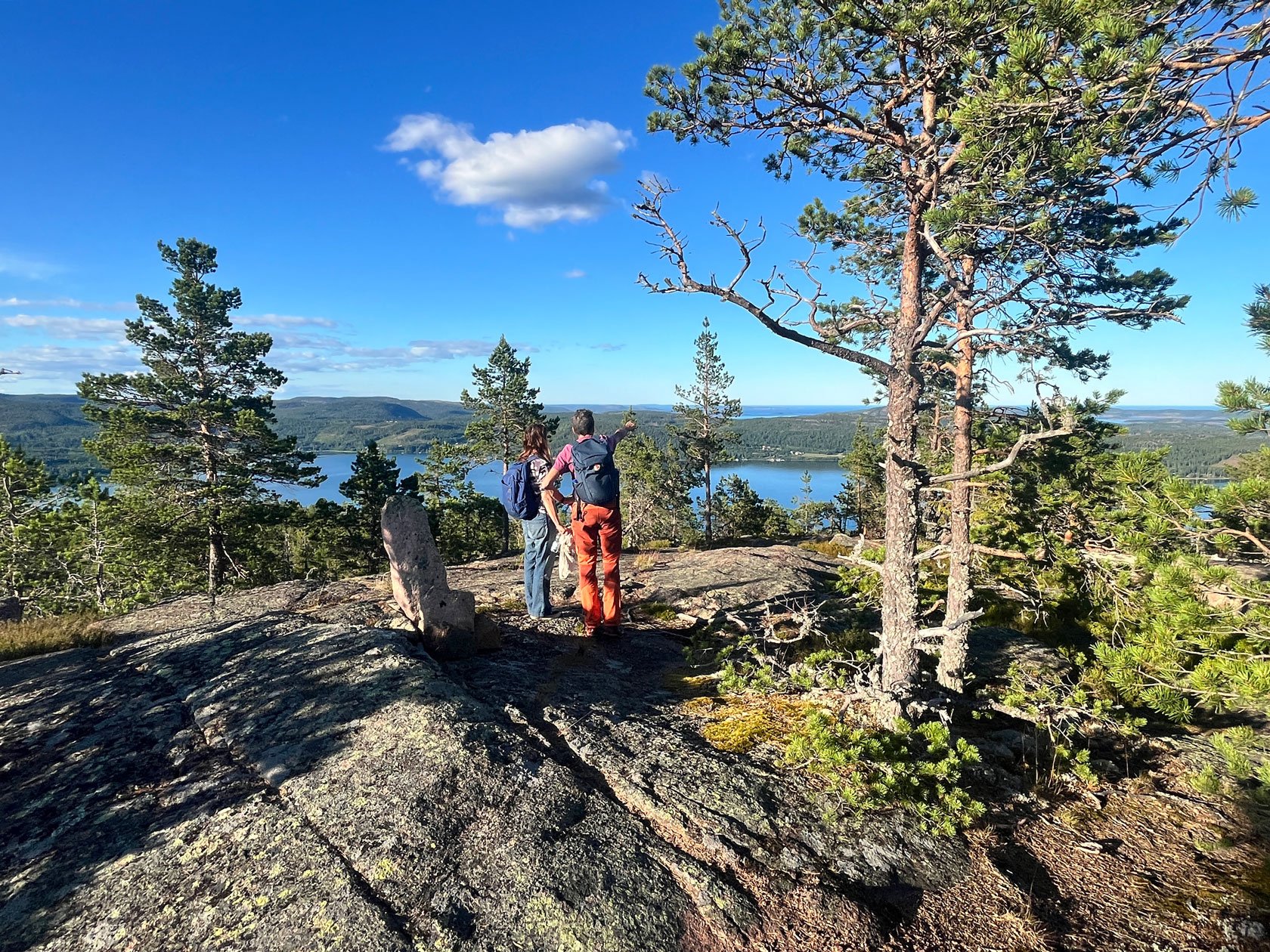
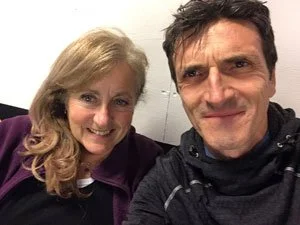
Laurie and Craig from New York were our very first Forest Guests here in Höga Kusten. Not for a checklist. Not for performance. They came for a pause. And the forest did its part.
 

Beyond the experience

An experience ends. A booking ends. A trip ends.

But sometimes a place keeps moving inside you.

That is the real value of what the forest whispers: not the message I deliver, but the awareness that Skogspaus, and these pages, can unlock in someone who is ready to receive.

Not everyone will receive the same thing.

People arrive with different stories, different tiredness, different questions. The forest changes with light, wind, season, and mood. There is no single “right” response.

And that is the point.
 

The whisper is not a slogan

I am careful with the word “whisper”.

A whisper is not a promise you can standardize. It’s not a technique. It’s not a takeaway list.

It is a relationship that begins when you stop extracting and start receiving.

In the forest, this can look like attention becoming soft again. In life, it can look like a different way of listening.
 

What a reader gave back

One of our first Skogspaus guests—visiting from New York—wrote to me after the experience, while reading the first chapters.

She didn’t write, “I liked it.”

She connected the idea of receiving rather than extracting to her work with children who communicate differently. She described entering their world as similar to entering a forest: you become quiet, you learn a new way of listening, and you stop imposing your sense of order.

Then she named something else I recognize in myself: the achievement orientation.

Even on a beautiful hike, the clock can take over. We start getting through instead of arriving.

And she repeated one of the most humbling ideas in Skogspaus: that a place also needs time to adjust to our arrival.

Reading her words, I felt admiration, and a kind of silence.

A few days later, the forest answered again, through someone else’s words.

“It is not often that I / we meet a person who inspires… something deeper and richer than a simple anticipated experience.”
— Craig K. (New York)
 

What the book is (and what it is not)

I didn’t plan to write this chapter. It arrived.

I realize something here: on the blog I often point to the book with a small CTA, but I rarely speak about it directly.

So let me say it simply.

Skogspaus is not a “nature book.” It’s not a productivity tool. It’s not a self-help program dressed in pine needles.

It’s a Forest Guest bible: a practical, gentle companion for learning to receive rather than extract.

Not a method to master—more like a way back to attention, as a guest.

It doesn’t ask you to add more.

It asks you to remove noise.

To enter places — and moments — with less achievement orientation, less rearranging, less forcing.

To practice a different kind of attention.

And to remember that a place is not an object.

A place is a relationship.

In the book, you’ll find small things that change the day: a simple way to enter a place without taking it over; a reminder that attention can move gently, like a hand on bark—color, texture, light, motion, pattern; a way to notice when achievement orientation has quietly returned (and to let it go again).

A humbling thought I keep needing—that the place also adjusts to your arrival—and a portable pause, something you can open when life is loud and you want the pace to soften.
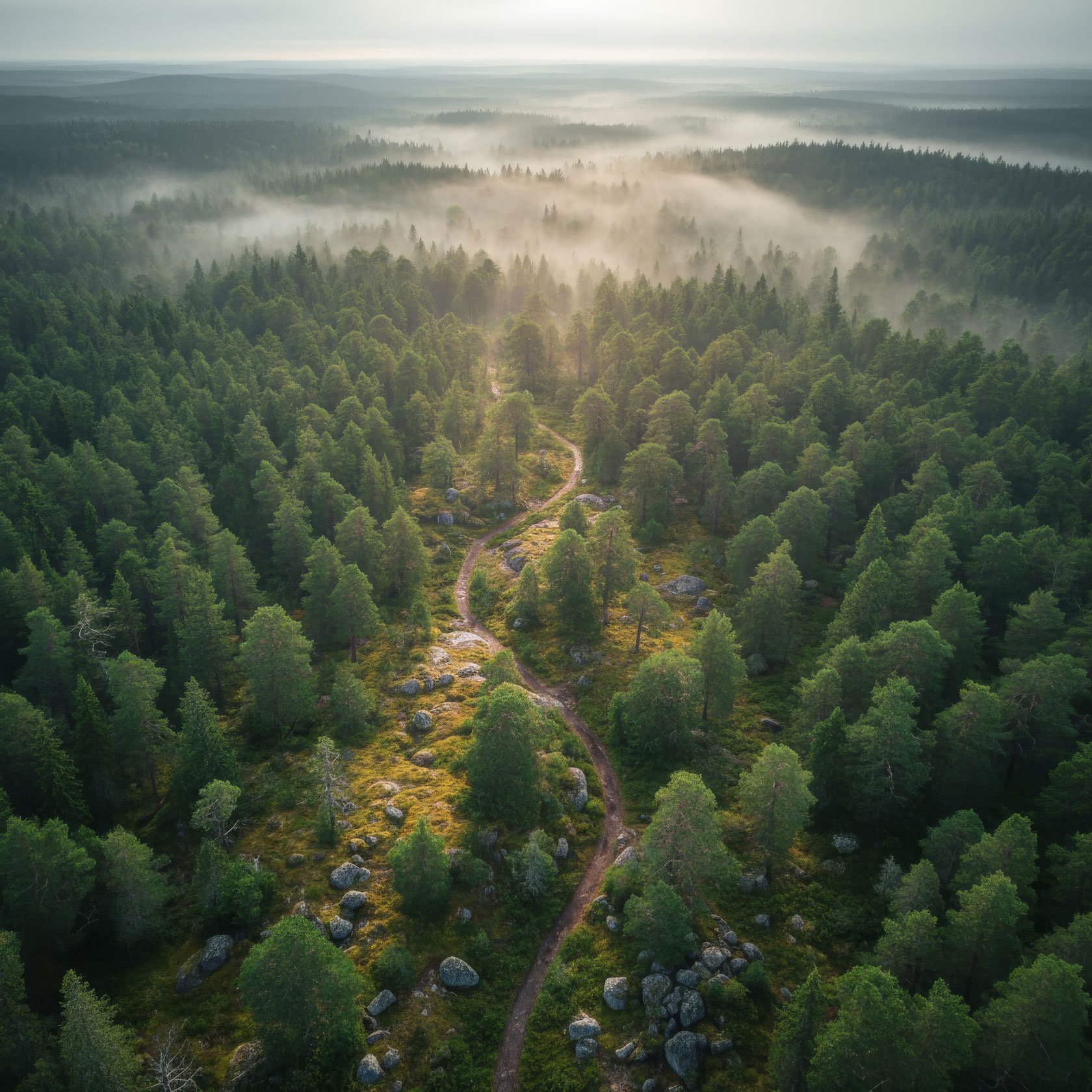
 

Why I wrote it

I wrote Skogspaus because I kept seeing the same pattern.

People arrive in the High Coast with full days and full minds. They want the views, the hikes, the “best spots.”

And then, somewhere between the parking lot and the summit, they realize they are still carrying the same speed.

Skogspaus was my attempt to protect a different possibility: a pause that is not a reward at the end of performance, but a way of entering the world.

The experience is a shared pause in a real place, held by a human rhythm.
The book is the portable version of that rhythm, something you can reopen when you’re far from the High Coast.

Not a replacement for the forest.

A way to meet it differently.
 

If she is not the only one

This is where I become careful, and hopeful.

If she is not the only one who hears something, if other guests, other readers, in other seasons, in other forests, begin to respond in their own way, then I can say this:

The forests are getting what they wanted.

Not followers. Not content. Not a brand.

Just humans who remember how to be guests again.
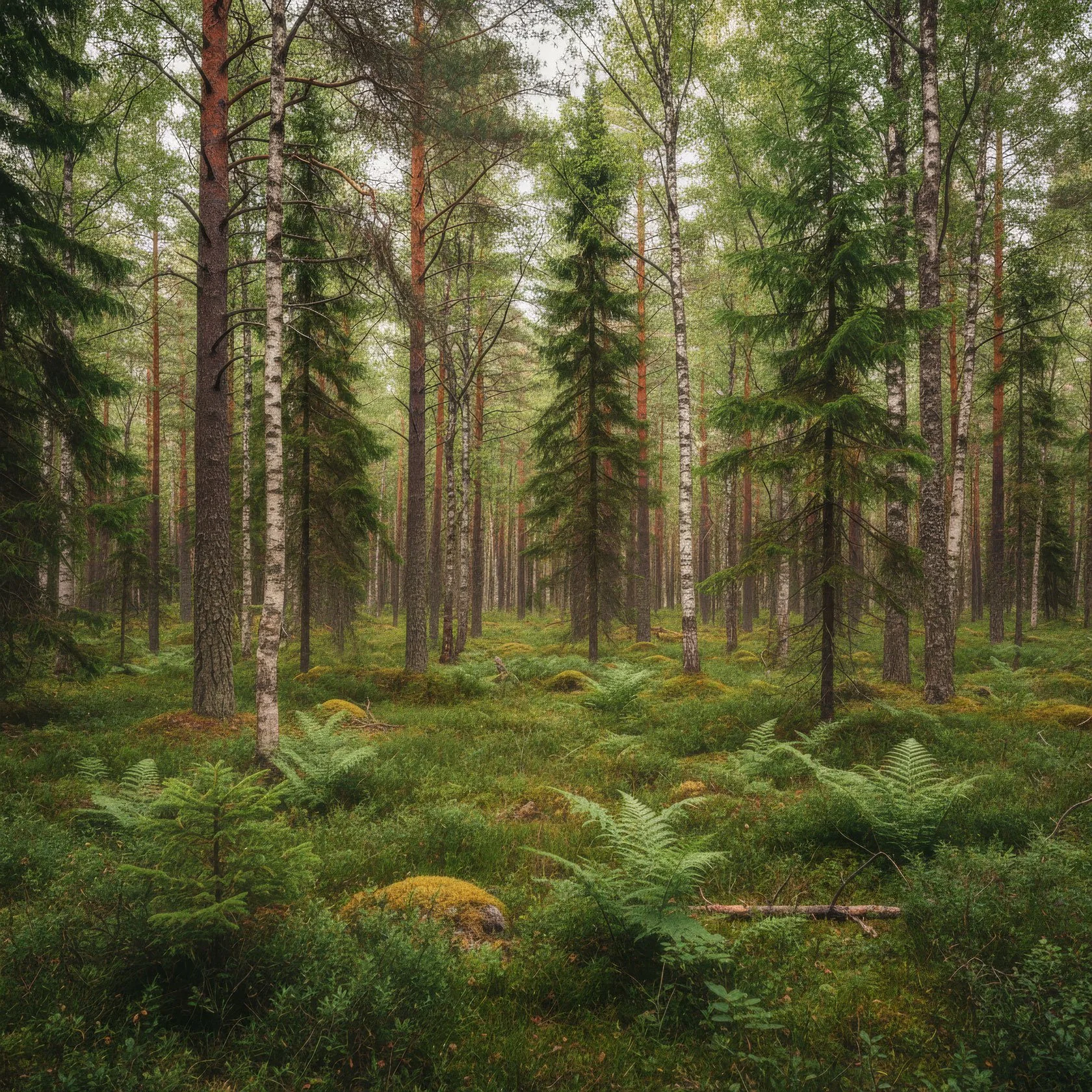
 

My role

My role is small.

I protect the pace. I build a simple container. I remove friction. I keep the invitation honest.

Then I step back.

Because the protagonist is not the mentor.

It’s the place.

And when the place answers back through someone’s life, I can only be grateful — and a little speechless.
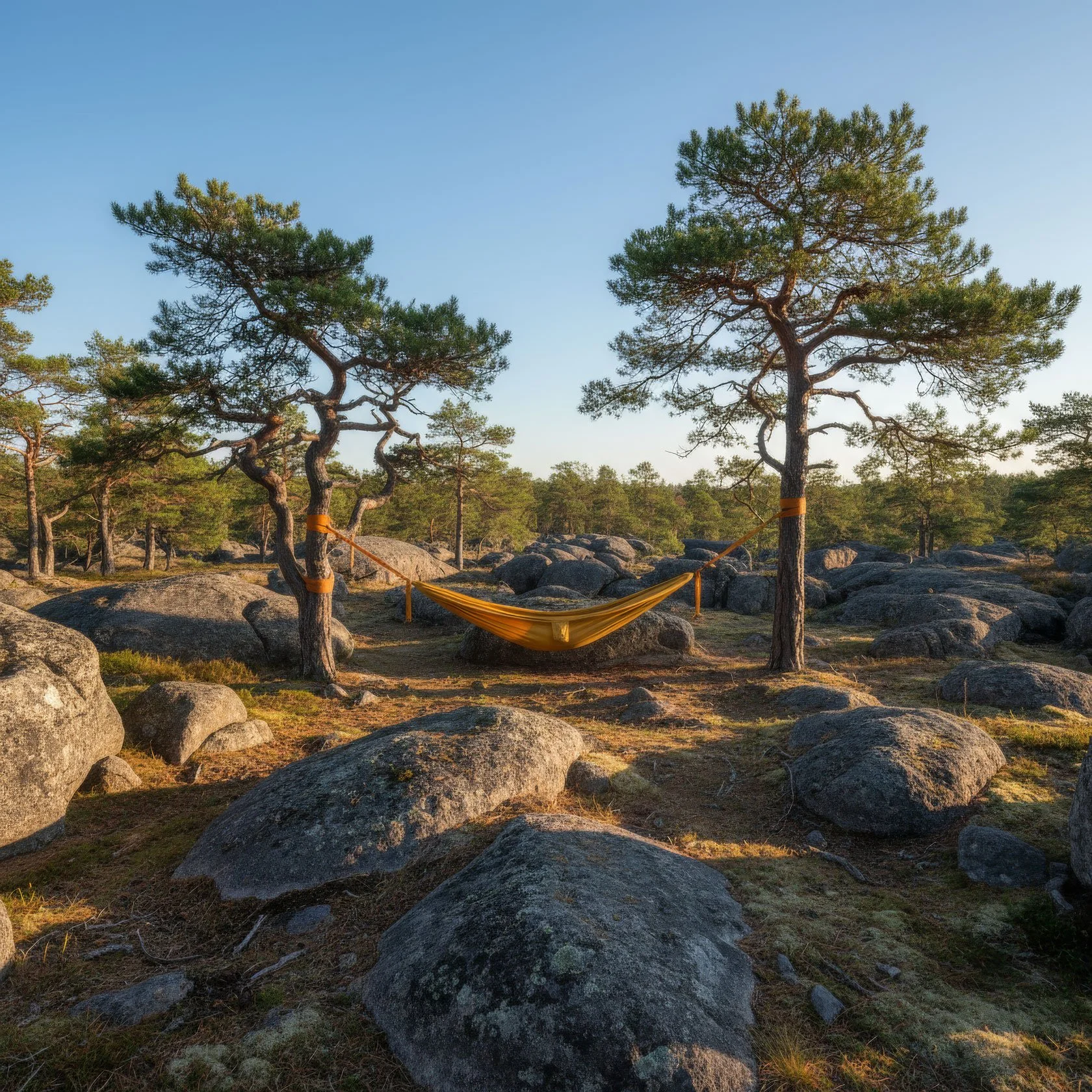
 

A quiet ending (and a real invitation)

If you’ve lived the experience and you notice the forest still moving inside you days later, you can write to me—just a few lines is enough.

Not to review. Not to rate.

Just to share what you received.

And if you can’t come to Docksta—or if you want to carry the pause beyond a single afternoon—the Skogspaus book is the closest way to bring the guest mindset home.

It’s not a souvenir.

It’s a companion.

A small book that helps you practice the same invitation, again and again: enter as a guest, slow down, and listen for what the place is already whispering.

If the forest is still moving inside you a few days later, you can write to me—even three lines. I read them slowly.
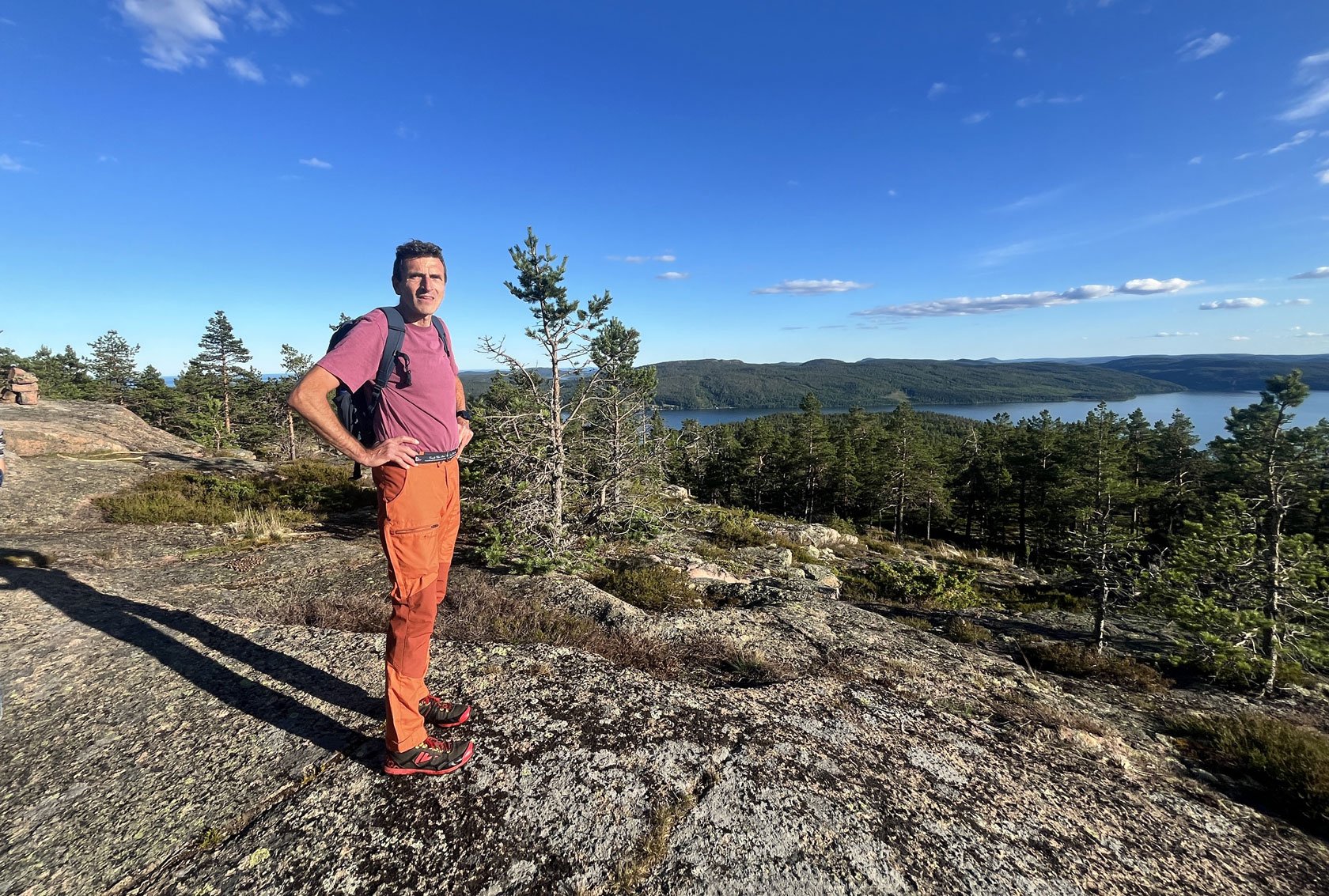
If you want to live Skogspaus in Docksta, it’s live on Airbnb Experiences.


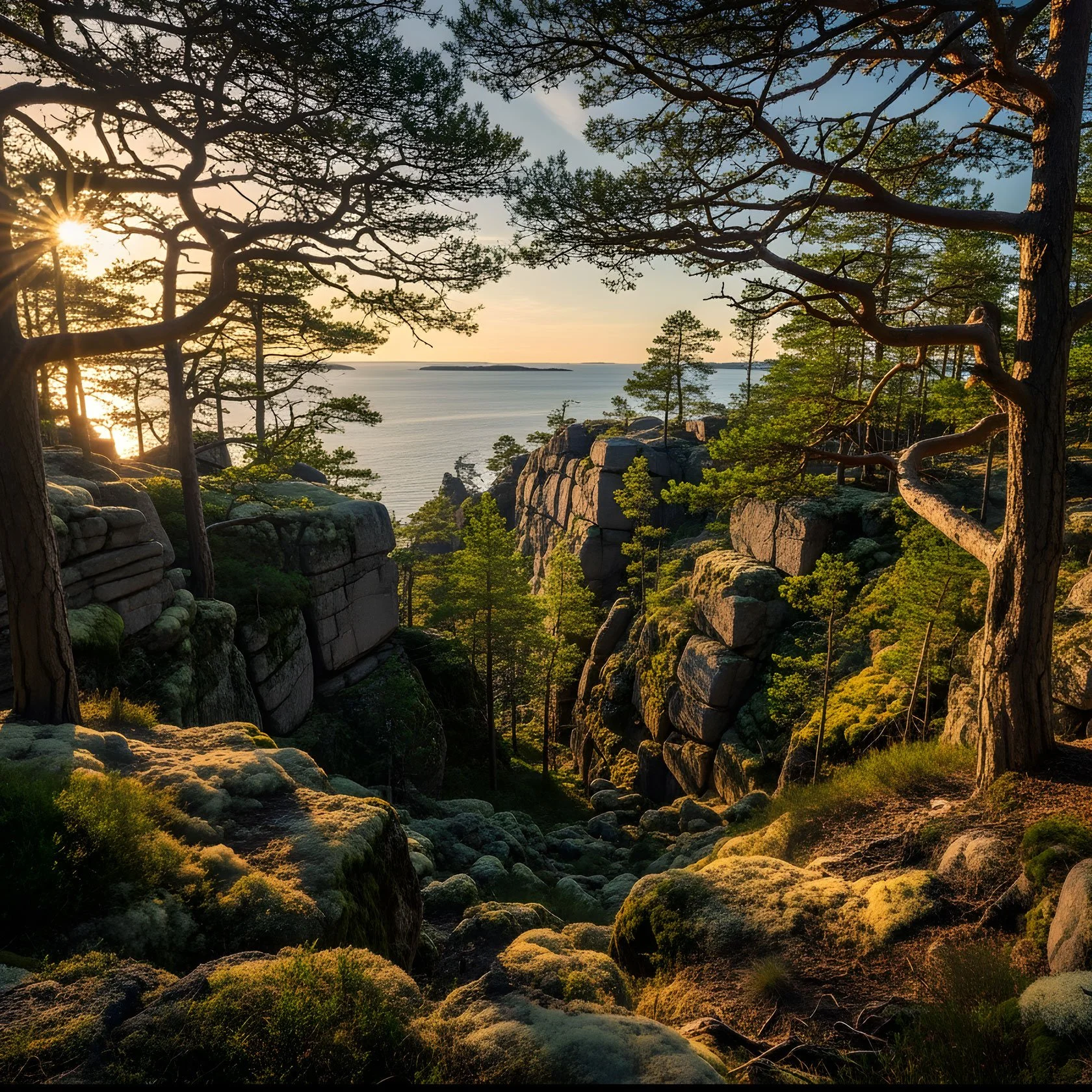
Image note: Most images in this post are excerpts from the Skogspaus book. The two photos from our first experience are published with kind permission from Laurie and Craig. Photo credit: © Craig K. (New York).

Related
  1. Read: From New York to a Rocky Pine Forest (our first Skogspaus Airbnb Experience)

  2. Explore: Skogspaus: Forest Pause in the High Coast (all posts)

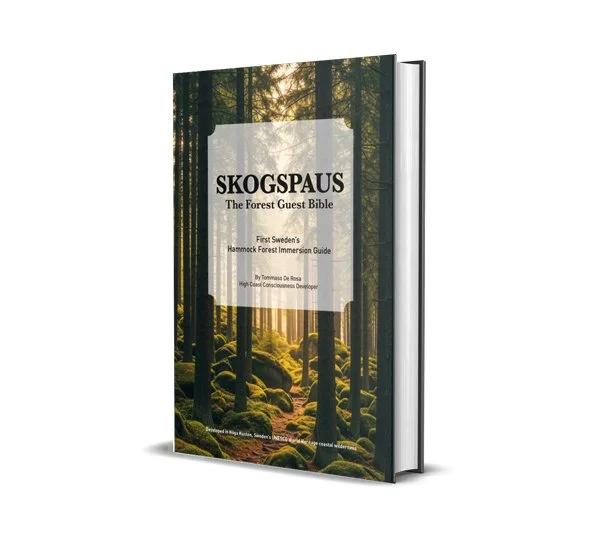
  3. Go deeper: The Skogspaus book

First Skogspaus Airbnb Experience: From New York to a Rocky Pine Forest in the High Coast

Recently we hosted our very first Skogspaus Airbnb Experience here at Docksta Havet Base Camp.

Laurie and Craig came from New York. They found Skogspaus through our website, then crossed over to Airbnb to book and reach out. That small detail matters to me: it means the idea travels well when it’s explained simply and honestly.

Not for a checklist. Not for a performance. Not for a “retreat package.”

They came for a pause.

This post is a milestone note, but it’s also a practical guide. If you’re planning a trip to Höga Kusten and you’re curious about Skogspaus, here’s what it is (and what it isn’t), how it fits into a hiking day, and how to know if it’s for you.


Meet your mentor

I’m Tommaso, your Skogspaus mentor and host at Docksta Havet Base Camp.

I’m not here to “teach nature” or run a retreat. I don’t add techniques. I protect the pace.

Think of me as your local base camp person: part marina host, part trail friend, part calm guide. My job is to make the High Coast feel simple and real, so you can travel lighter and let the place do what it already knows how to do.


Most of the photos in this post are published thanks to the kindness of Laurie and Craig. Photo credit: © Craig K. (New York).


What Skogspaus is (and what it is not)

Skogspaus is a guided forest pause with hammocks in a rocky pine forest near Docksta, in Sweden’s High Coast UNESCO World Heritage area.

It is:

  • A slow entry into the forest

  • A quiet hammock pause (the heart of the experience)

  • A gentle return walk back to everyday pace

It is not:

  • A hike

  • A workout

  • A “retreat package” with a checklist

  • Therapy

  • A nature lecture

The simplest frame is this: we enter the forest as guests. We travel lighter, we lower our voice, and we let the place set the pace.


Why we built this at Docksta Havet Base Camp

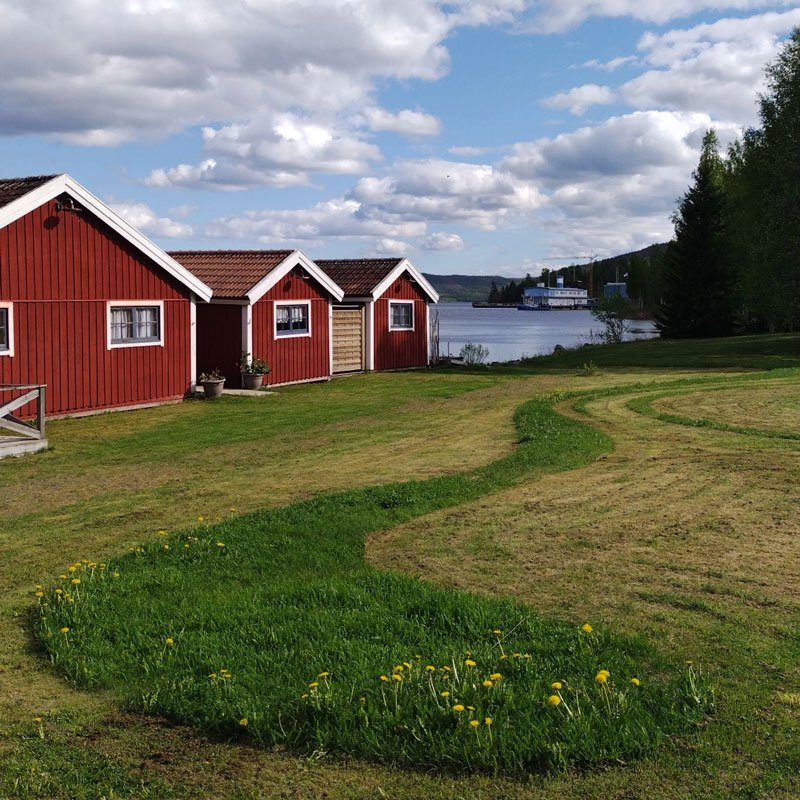
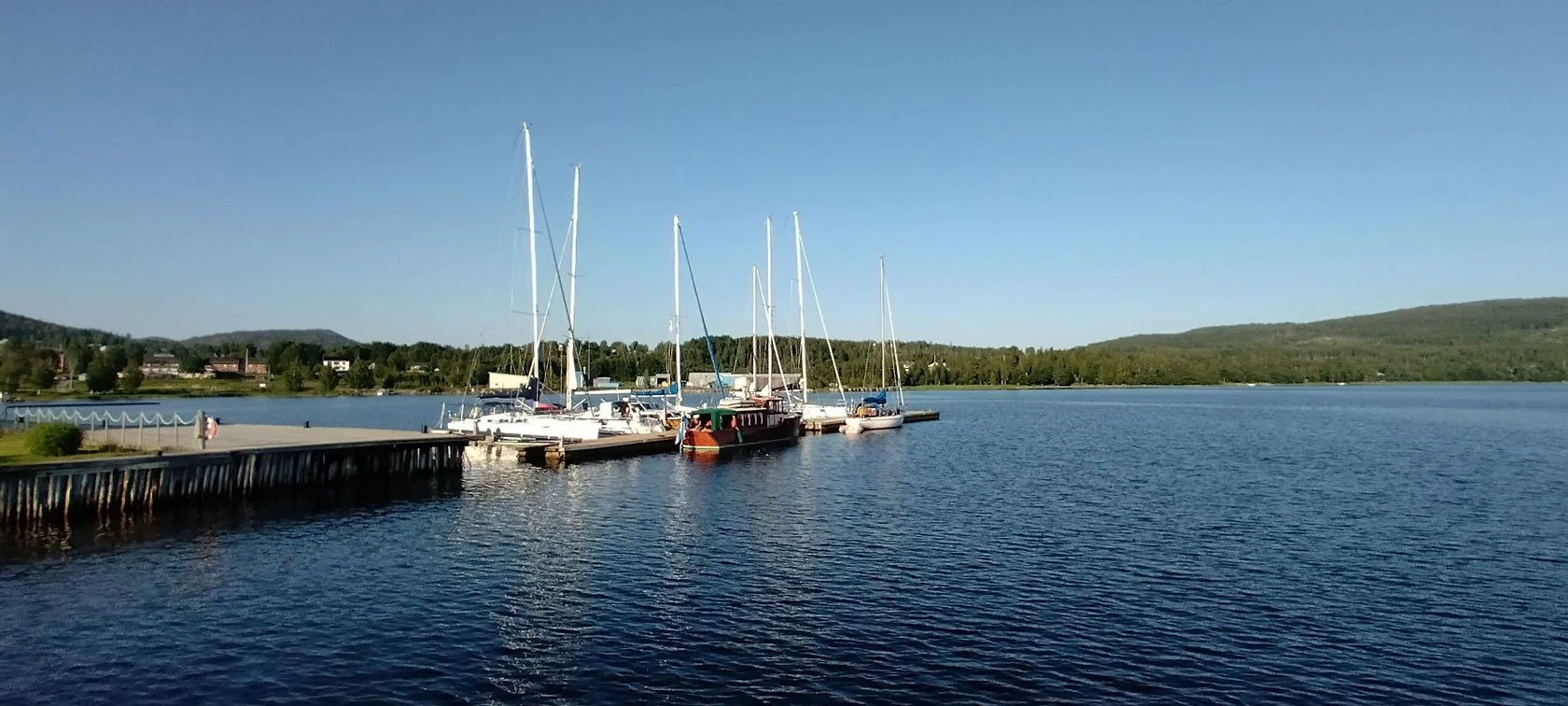
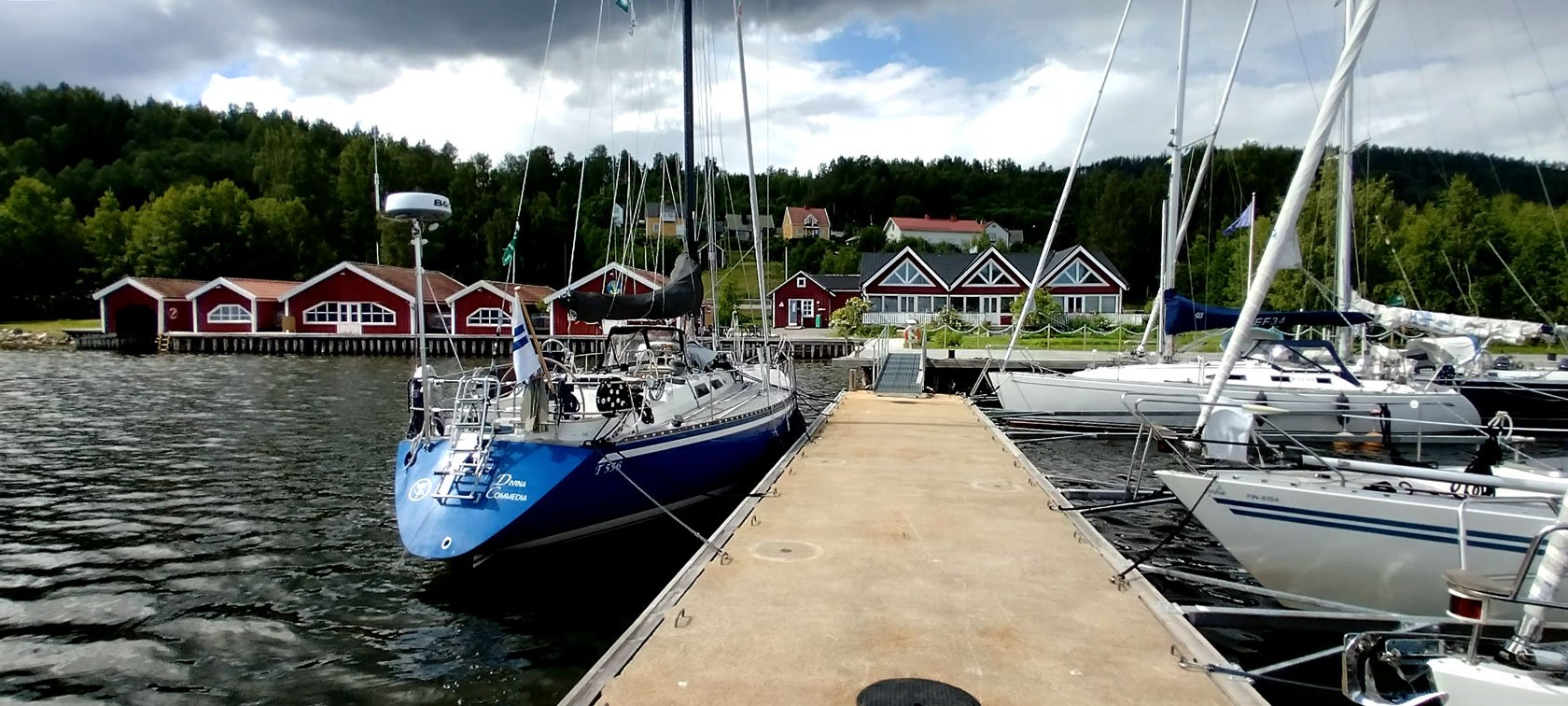
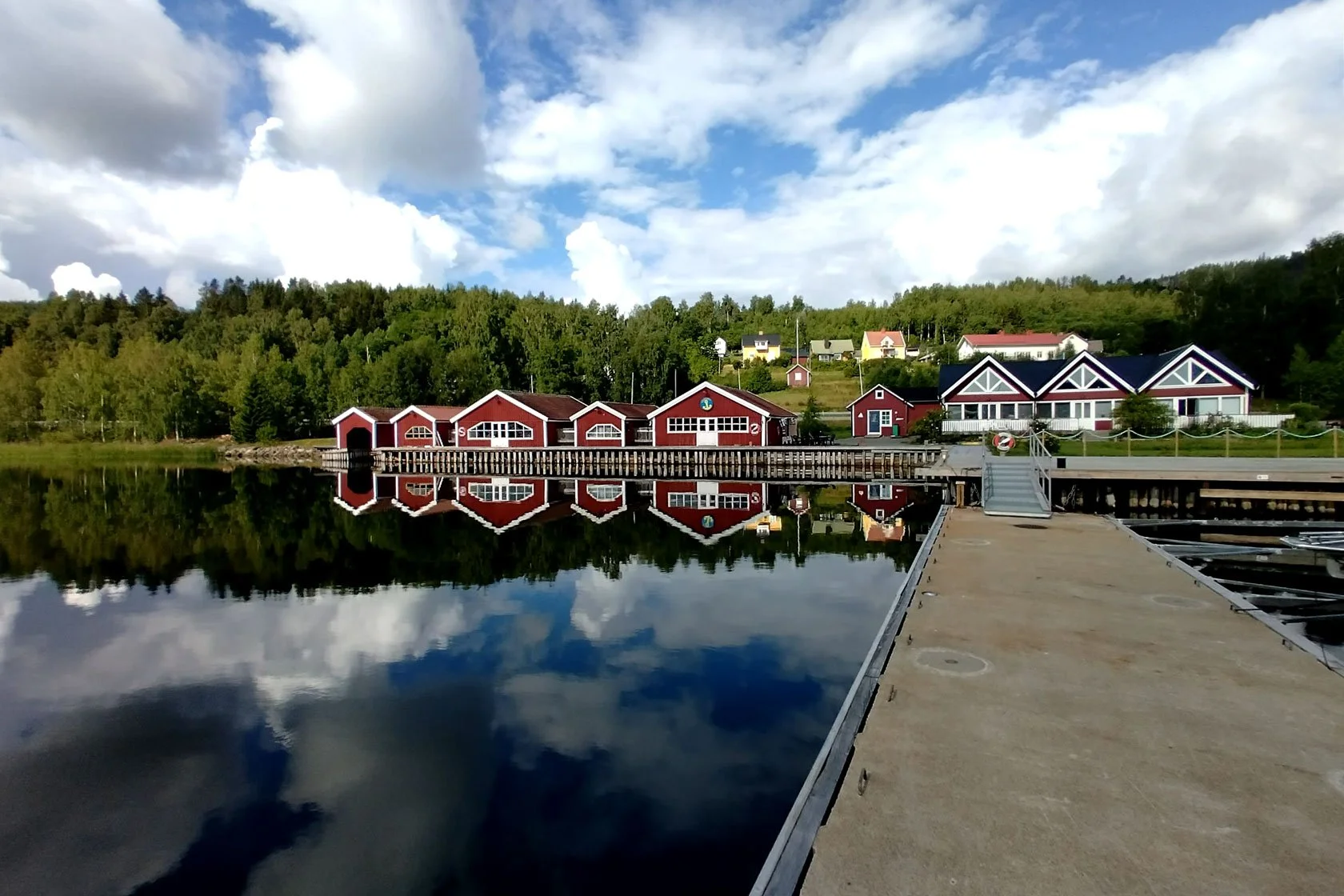
Docksta Havet is a marina (gästhamn) and a small collection of seaside accommodations. But we’ve always seen it as a base camp: a place that helps you discover Höga Kusten with less friction—and more depth.

Some guests arrive by boat, some by car, some with backpacks and big plans. Many arrive full: excited, switched on, already moving fast.

Skogspaus exists for that moment when you don’t need another activity. You need a real pause. A break that changes your pace—so you can arrive as a guest, not as a schedule.


How the idea travels (and why this matters to us)

Skogspaus is a small, specific idea. It’s not “another activity in the High Coast” — it’s a way in.

People discover it online, feel that it’s honest, and then something interesting happens: the idea becomes a real trip.

A page turns into a plan. A plan turns into a flight.

And then, here in Docksta, the High Coast does what it does best: the rocky pine forest whispers the rest — more effectively than any words I could write.

Yesterday, for the first time, that loop became real in the simplest possible way.


From New York to a Rocky Pine Forest (a milestone)

A note from yesterday (our first session)

The forest did its part.

There was that evening light in the needles, the quiet that doesn’t feel empty, and the kind of pace that makes your shoulders drop without you noticing.

Laurie and Craig were wonderful Forest Guests: curious, respectful, and willing to slow down. I’m genuinely grateful they were the first.

And at some point in the hammock pause, you could feel it: the travel was over. The forest had taken over.


What guests actually take home (the simplest insight)

One of the most beautiful things our first guests brought home was this: a sense that beauty is abundant.

Not only in big views. Not only in something new.

Abundant in a small patch of forest, if you pause and open your eyes.

A few days after the experience, Laurie wrote me this (shared with permission):

“Something I have been feeling repeatedly from the pause is the sense that there is abundant beauty everywhere, and all I need to do is pause and open my eyes, becoming attentive to the wonder around me.

As I sat looking at the patch of forest, I recognized how easy it is to grow desensitized to beauty when we are constantly primed to look at something new — via the internet or a stream of media. Something slow and still, like the forest, can seem so simple.

In reality, however, there are so many ways I found to reconnect with a sense of stimulation. When I got attuned to colors, I could shift my attention to textures and find new delight. When I became attuned to texture, I started to focus on light and shadows. Then I looked for motion or stillness, then I looked for patterns. On and on this went, leaving me with such a sense of abundance.”

— Laurie (New York)

In the hammock pause, attention can become a gentle ladder:

  • Colors

  • Textures

  • Light and shadows

  • Motion and stillness

  • Patterns

And then, without forcing anything, a feeling of richness appears.

Not because the forest changed, but because the gaze softened and became attentive again.

“I learned much about myself and my perceptions. This was a revelatory experience.”

— Laurie (New York)

That’s the part I want to protect as Skogspaus grows: not more “content”, but a true place, a simple container, and the courage to pause.


The same invitation, every time

What Laurie brought home is precious - and it’s also just one way the forest can meet a guest.

Skogspaus isn’t built around repeating a “successful session.” The forest changes with light, wind, season, and mood - and people arrive with different stories, different tiredness, different questions. There isn’t a right or wrong way to do it. There is only the same simple invitation: enter as a guest, slow down, and listen for what the place is already whispering.

If you’re curious about the deeper ideas behind this - and how to carry the pause with you beyond Docksta - the Skogspaus book is the quiet continuation.


How Skogspaus fits into a hiking day (practical planning)

Most people come to Docksta to hike Skuleberget, explore Skuleskogen National Park, or do a mix of sailing, biking and walking.

Skogspaus works best when it’s planned as the “soft landing” after your adventure.

Recommended rhythm (example day)

  • Morning: coffee at the marina (optional: bike rental)

  • Midday: hike at your own pace

  • Afternoon: return, hydrate, add a warm layer

  • Skogspaus: start around 15:30 (latest 16:00)

  • Evening: slow dinner, quiet sleep


If you plan Skuleskogen National Park

Skuleskogen can easily become a longer, more demanding day than you expect.

If your goal is to keep Skogspaus comfortable and unhurried, I usually recommend:

  • Driving to the South entrance (instead of biking all the way from Docksta)

  • Choosing a shorter loop

  • Keeping a relaxed time margin for the return

Skogspaus works best when there’s still some softness left in your day.


A simpler “Skogspaus day” (3 ready-made options)

Skuleskogen is wonderful — but it can be a bigger day than you expect.

If you want Skogspaus to stay comfortable and unhurried, here are a few rhythms that pair beautifully with a forest pause (and still feel very “High Coast”):

Option 1 — Skuleberget, but light (big views, low friction)

Skuleberget doesn’t have to be a full expedition.

Park the car and choose your style: the lift, a shorter hike, or a simple bike approach. You still get the iconic panorama — without arriving to Skogspaus in “survival mode”.

Grab&Go plan: Skuleberget by bike: 3 easy options from Docksta

Option 2 — Via Ferrata at Skuleberget (the active dream + the quiet downshift)

If you’ve been craving something more intense, the Via Ferrata is a clean, focused effort — and it creates a beautiful contrast with Skogspaus later.

Big energy, then a deep downshift: from rock and adrenaline to hammock and silence.

Grab&Go plan: Via Ferrata at Skuleberget: a day plan from Docksta

Option 3 — Seaside reset at the marina (especially if you’re staying on the water)

A slow marina day can be the perfect setup: coffee, a swim, a nap, a little reading.

Then we meet in the afternoon and let the forest hold the second half of your day.

Docksta rhythm (water + long light): Midsommar in the High Coast: the “third time” of the day

If you tell me your dates and your style — quiet, classic, or active — I’ll suggest the simplest rhythm and the best start time so everything fits naturally.


What to bring (simple)

  • Water

  • Good-grip shoes

  • A wind layer (the forest can feel cooler)

  • Long pants and socks (comfort against mosquitoes/ticks)


What happens (in simple steps)

We meet, we enter the forest slowly, we settle into the hammocks, we stay quiet for a long pause, and we walk back gently.

The goal isn’t distance, it’s a real downshift.


Who Skogspaus is for (and who it isn’t)

Skogspaus is for you if:

  • You like nature but you don’t want performance

  • You want a calm, held way to reconnect

  • You’re curious about the High Coast, but you prefer depth over speed

  • You’re open to quiet (no pressure to talk)

Skogspaus is not for you if:

  • You want a high-energy group activity

  • You want a long hike with a destination goal

  • You want a “retreat program” full of exercises

  • You want to be taught plant names, mushrooms, or wildlife facts


The hammock is the point (why it works)

A hammock changes the rules.

When you lie down, you can’t keep “doing” in the same way. The body receives. The mind follows.

That’s why the experience is designed around a long, quiet hammock pause.

The walk-in is slow, the return is gentle, but the heart is simply being held by the forest.


If you’re coming to Höga Kusten: a gentle invitation

I’m Tommaso, host at Docksta Havet Base Camp — a small guest harbour and simple waterfront lodgings in the heart of Sweden’s UNESCO High Coast. I spend my seasons between sea and forest, helping guests find the kind of outdoor days that feel real (not rushed).

If you’re planning a High Coast trip and you want a quiet, held way to reconnect, Skogspaus is now live on Airbnb Experiences.

If you’re staying with us at Docksta Havet Base Camp, we can also help you plan your hiking day so Skogspaus fits naturally into it, just tell me your dates and your style (quiet, classic, or active).

🌲Go deeper: The Skogspaus book

If you can’t come to Docksta, the book is the closest way to bring the pause home — rooted in a rocky pine forest.


What’s New for Your 2026 High Coast Days (A Base Camp Recap)

Docksta Havet Base Camp:

Your starting point for the High Coast — by sea or by trail

Spring 2026: first sailors from Stockholm Archipelago exploring Skuleskogen National Park

Arrive by boat or car, grab an espresso, and we’ll help you choose the right High Coast day. Here’s what last season looked like — and what we’re building for 2026.

At a glance (Docksta Base Camp):

  • Guest harbour (since 2006) + waterfront stays (since 2022)

  • Grab&Go rentals + local day plans (routes, shortcuts, tips)

  • Skuleberget / Skuleskogen access (sea → mountain, no overplanning)

Some places are where you sleep. A base camp is where your day gets easier — the kind of place where you arrive with a plan, and leave with a better one.

Docksta Havet Base Camp sits right at the meeting point of sea and mountain in Sweden’s High Coast (Höga Kusten) UNESCO World Heritage area. Since 2006 we’ve welcomed sailors, hikers, runners, couples, families, and workation guests who want the same thing: a simple, safe starting point — and local guidance that makes the whole landscape feel accessible.

This is what 2025 looked like from our pier — and what we’re building for 2026.

A quick scene from last season

A typical day looked like this: a sailboat arriving with a couple of folding e-bikes on the deck, a couple checking in with a backpack and a question, someone asking about wind and someone else asking about trails. Espresso in the Sailor’s Club House. A paper map of the National park on the table. And that familiar moment where a guest realizes: “Oh — I can actually do a lot from here.”

Spring 2026: Lodging seaside at the Base Camp and discover the High Coast

That’s the whole idea.

2025: A year of momentum (and a lot of small, meaningful moments)

2025 was one of those seasons where the days moved fast — check-ins, dock lines, weather windows, trail tips, “where should we go today?” conversations.

A few highlights we’re proud of:

  • A guest harbor that stays personal. We hosted over 70% of crews from abroad in 2025 (and 84% were on sailboats). We’re still small enough to know what’s happening on the pier, and experienced enough to help you make good decisions when the weather changes.

  • Seaside stays that feel like a secret. Our waterfront lodgings (from minimalist to more comfortable) kept proving something we believe deeply: you don’t need more stuff — you need the right place.

  • The base camp idea got sharper. More guests arrived “gearless” (or with limited time) and still managed to have a full High Coast day. That’s exactly why we built our little ecosystem: marina + accommodations + guidance + simple rentals.


Since 2022: the stay side of Docksta Havet

Since 2022 we’ve rebuilt the stay side of Docksta Havet so that even if you don’t arrive by boat, you can still experience the pier life — and use this place as your starting point for the High Coast.

For you, that means:

  • You don’t need a detailed itinerary before you arrive

  • You can decide based on weather, energy, and season

  • You get local guidance that’s practical (not “tour guide” style)

If you’re staying with us, the pier becomes your living room — and the High Coast becomes your day plan.


What makes Docksta Havet different (in one sentence)

We’re the only base camp in Höga Kusten that combines a welcoming and safe guest harbor, waterfront accommodations, and hands-on local guidance — so you can explore both sea and mountain without overplanning or overpacking.

The essentials: what you’ll find here

Whether you come by sailboat, car, or bus, you’ll find the practical basics that make a trip easier:

  • A personal guest harbor in Docksta — welcoming sailors since 2006

  • Safe moorings and flexible berthing options

  • Service house (toilets, showers, laundry, dishwashing)

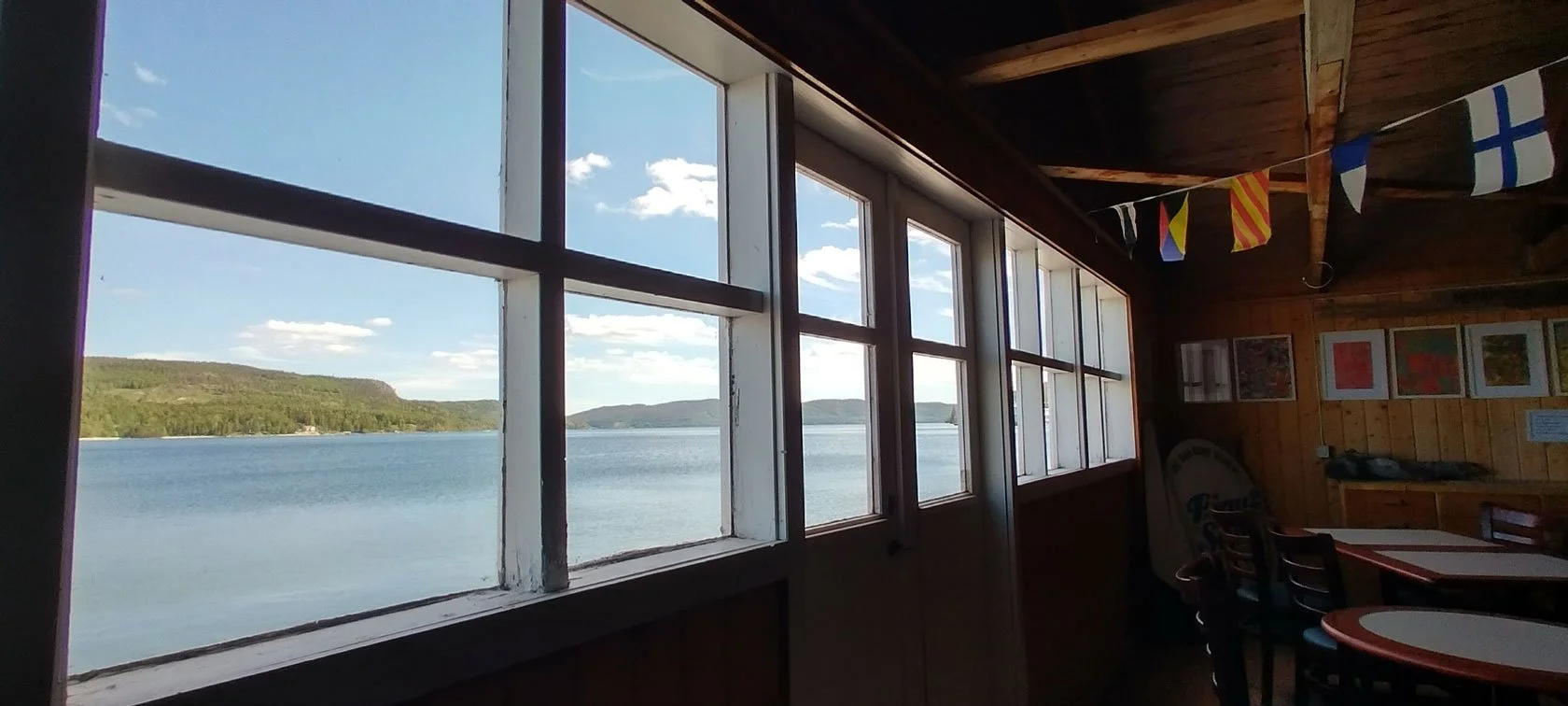
  • A relaxed Sailor’s Club House vibe: espresso, books, WiFi, lounge corners, and small boutique finds

And then there’s the part that doesn’t fit in a checklist: the conversations, the local shortcuts, and the “do this today, save that for tomorrow” kind of advice.

Spring 2026: in May, moorings and services for sailors and our lodging were operative


2026: What we’re building (so your High Coast day gets even easier)

We’re going into 2026 with a clear goal: make Docksta Havet Base Camp even more useful for people who want authentic adventure with minimal friction.

1)

Outdoor Ready / Grab&Go (gear + routes + local tips)

If you want to hike, bike, or spend a few hours in the forest — but you don’t want to buy gear, pack gear, or fly with gear — our Grab&Go rentals are designed for you.

Gear is easy. The day plan is the value.

Gear helps. But it’s not the point.
What’s harder is knowing where to go when the wind shifts, the clouds sit low, or you only have a few hours. Grab&Go comes with the base camp mindset: we point you to routes and spots that work from here — and we’ve begun writing them down in Guides & Stories, so you can borrow our shortcuts.

Most routes and activities we suggest start within easy reach of the pier — and bring you back in time for an espresso, a shower, and a calm evening by the water.

Simple, fair pricing. No deposit. Easy pickup/return.

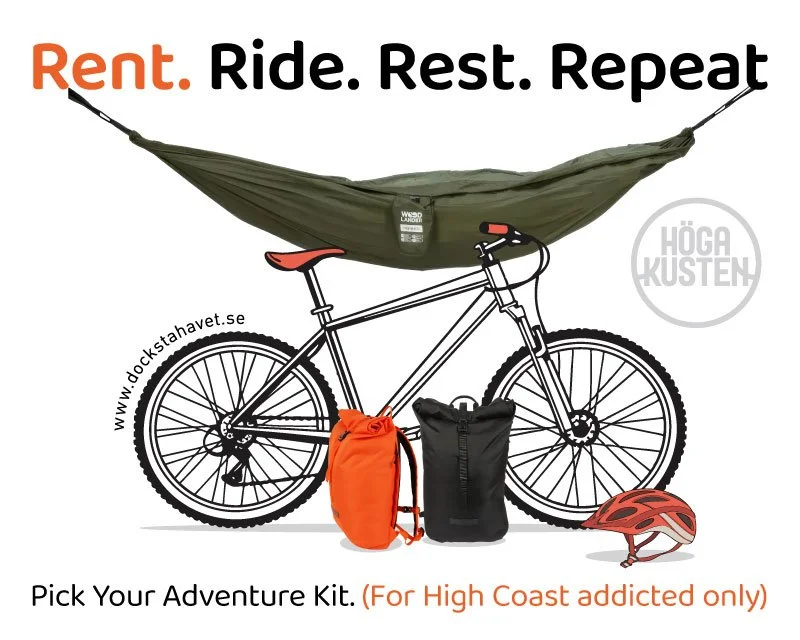
WHAT YOU CAN RENT (guide prices)

  • Bike rental

    • Short trips (Skuleberget / concert nights): 150 SEK/day

    • Full-day adventures (National Park): 200 SEK/day

  • Simple add-ons

    • Daypack: 50 SEK/day

    • Hammock: 75 SEK/day

  • Perfect Forest Day Kit (bike + daypack + hammock): 250 SEK/day

  • See exact prices and how to reserve >

If you’re staying with us, you’ll also get priority access and a few small “base camp perks” (like free Nordic walking poles when available).


2)

Skogspaus: a slower High Coast day (and a different kind of memory)

In 2026 we’re making more room for something we’ve always believed in: the High Coast isn’t only about ticking off viewpoints. Sometimes the most valuable thing is to arrive, slow down, and let the landscape do its work.

Skogspaus is our small, guided hammock-based forest immersion — a quiet reset for people who want to reconnect, not perform. It’s also part of what Docksta Havet Base Camp is becoming: not just a place to sleep or dock, but a place where your day gets a little more intentional.

Practical details (at a glance): small groups (2–4), ~3 hours, 650 SEK/person.

If you’re curious about what it looks like in practice, here’s the full story: Skogspaus Experience

If you’ve been running hard (work, life, training), Skogspaus is a reset button.


3)

Workation Escape: work seriously, recover on purpose

In 2026 we’re treating workation less like a “deal” and more like a practice: a rhythm. Focused work blocks, then real recovery — not as a reward, but as part of how you stay sharp.

Workation Escape is our way of supporting that rhythm from the pier: a calm place to work, and nature close enough that a short break can actually reset your head. We’ve been exploring this idea in our micro work breaks / Nordic nature resets approach — small, repeatable pauses that change the whole day.

The best windows tend to be May–June and late August–September, when the High Coast is still alive but the pace is calmer.

If you want the deeper context, here’s the story: Micro Work Breaks: Nordic Nature Resets

Who Docksta Havet is for (and who it’s not)

We’re a great fit if you:

  • love sea + mountain landscapes

  • want local guidance without a “tour” feeling

  • appreciate simple, honest hospitality

  • want a base camp that helps you do more with less

We’re not the right place if you’re looking for a party marina, loud nightlife, or a resort-style “everything included” setup.


How to plan your stay (simple version)

  1. Choose your base: come by boat, book a waterfront stay, or drop in for a day

  1. Decide your “one big thing”: hike, bike, forest immersion, or a slow day by the pier

  1. Add the missing piece: Grab&Go gear, a Skogspaus session, or a longer workation rhythm

If you’re unsure, ask us. That’s literally the point of a base camp.


Ready for 2026?

If you want a High Coast experience that feels real — not overproduced — we’d love to host you.

See you on the pier — and maybe on the trail.


We’re Anna & Tommaso — the people behind the guest harbour at Docksta Havet Base Camp. In season, you’ll usually find us somewhere between dock lines, espresso, and a paper map on the table. We love helping guests turn a simple stop into a real High Coast day (by sea or by trail). If you arrive with a rough plan, we’ll help you leave with a better one — Quick question? WhatsApp us


A Living Map for Exploring the High Coast:

Click a Pin, Start a Day (From Docksta Havet Base Camp)

Tip 👉 open the map in full screen for easier planning on mobile

Before You Arrive in the High Coast: A Forest Guest Note

The High Coast, Slowly: A Quiet Pause Under Rocky Pines — If You’re Still Dreaming of Your Summer, Keep Reading.

Between Land and Sea: A Hammock Immersion in the High Coast

Maybe you haven’t been here yet.

Maybe you’re still looking at maps, photos, and ferry timetables, trying to imagine what the High Coast feels like.

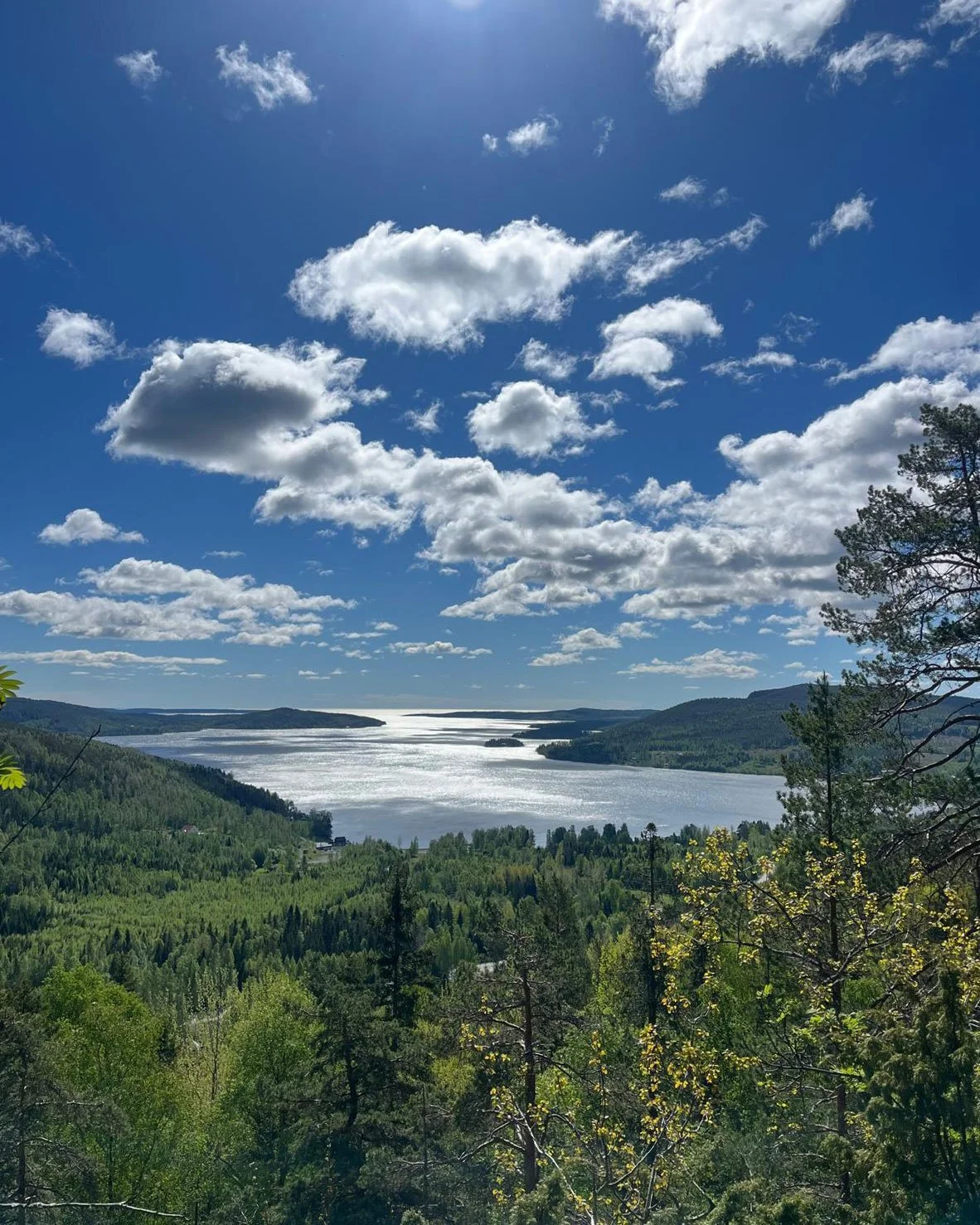
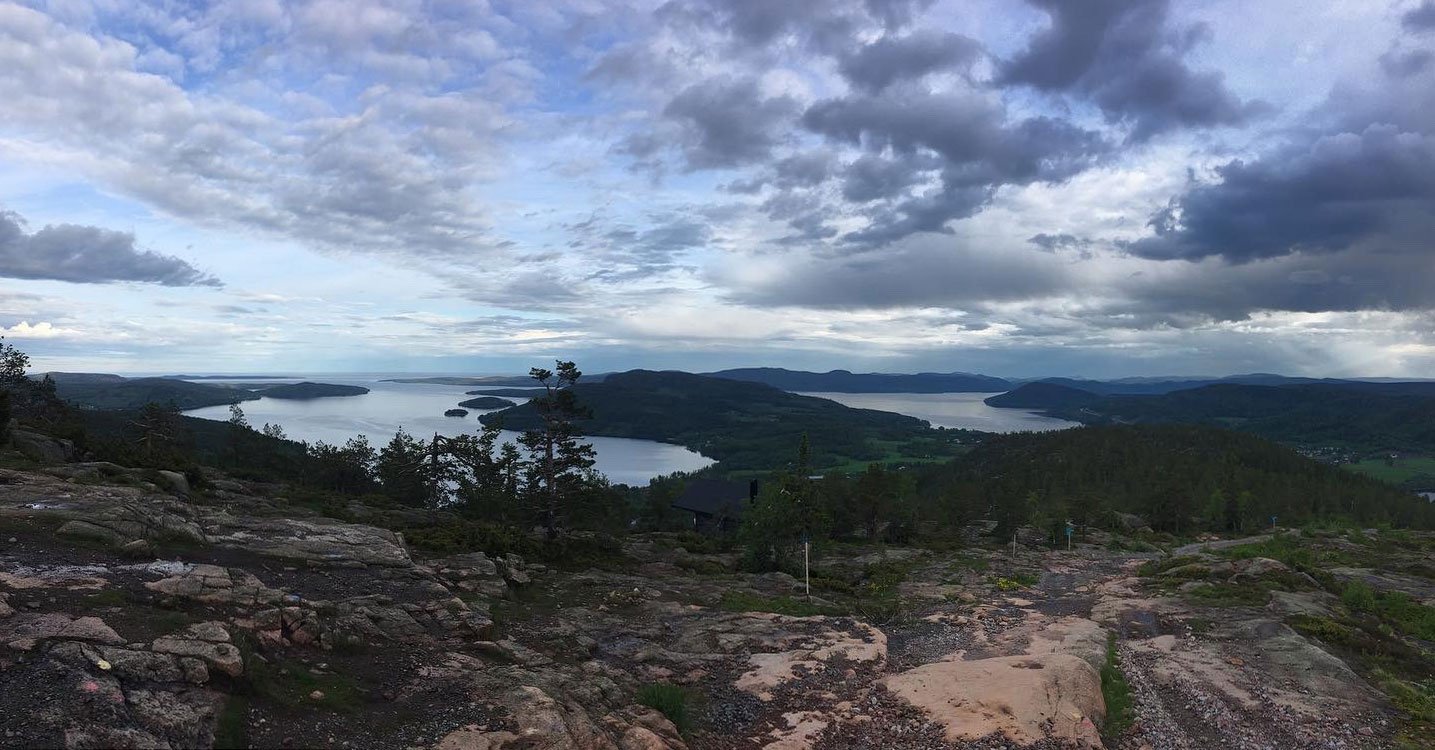
This is a place where pines grow on rock above the fjord, where salt and resin share the same air, and where Nordic light — especially around the Summer Solstice — quietly changes your rhythm. A UNESCO landscape, yes — but more than that: a living threshold between sea and mountain.

And if you ever stay with us, I’ll be your host when you arrive. We haven’t met yet, and that’s fine. Some places — and some hosts — should meet you slowly.

I’m the kind of host who draws on maps, talks weather, and keeps a hammock in the car — just in case the day asks for a pause.

Before the check-in, before the dock lines, before the first hike plan, I like to offer one gentle idea — not a program, not a product, not a promise. Just a way of arriving.


The Forest Guest

In the High Coast, it’s easy to become a collector.

Collect the icons. Collect the viewpoints. Collect the perfect weather window.

But there is another role available here — quieter, older, and surprisingly powerful:

To be a guest.

Not an occupier. Not a consumer of nature.

A guest.

A guest arrives with attention. A guest listens before speaking. A guest leaves the place lighter than they found it.

If that sounds a bit too serious, keep it simple: it just means we try to be gentle with the place.


A hammock forest immersion, in a rocky pine forest

There are forests that feel like a room.

And there are forests that feel like a threshold.

Here, above the fjord, the ground is not soft in the usual way — it’s ancient, sculpted, patient. Silence is still possible. And when the wind calms, you can hear how much space there is.

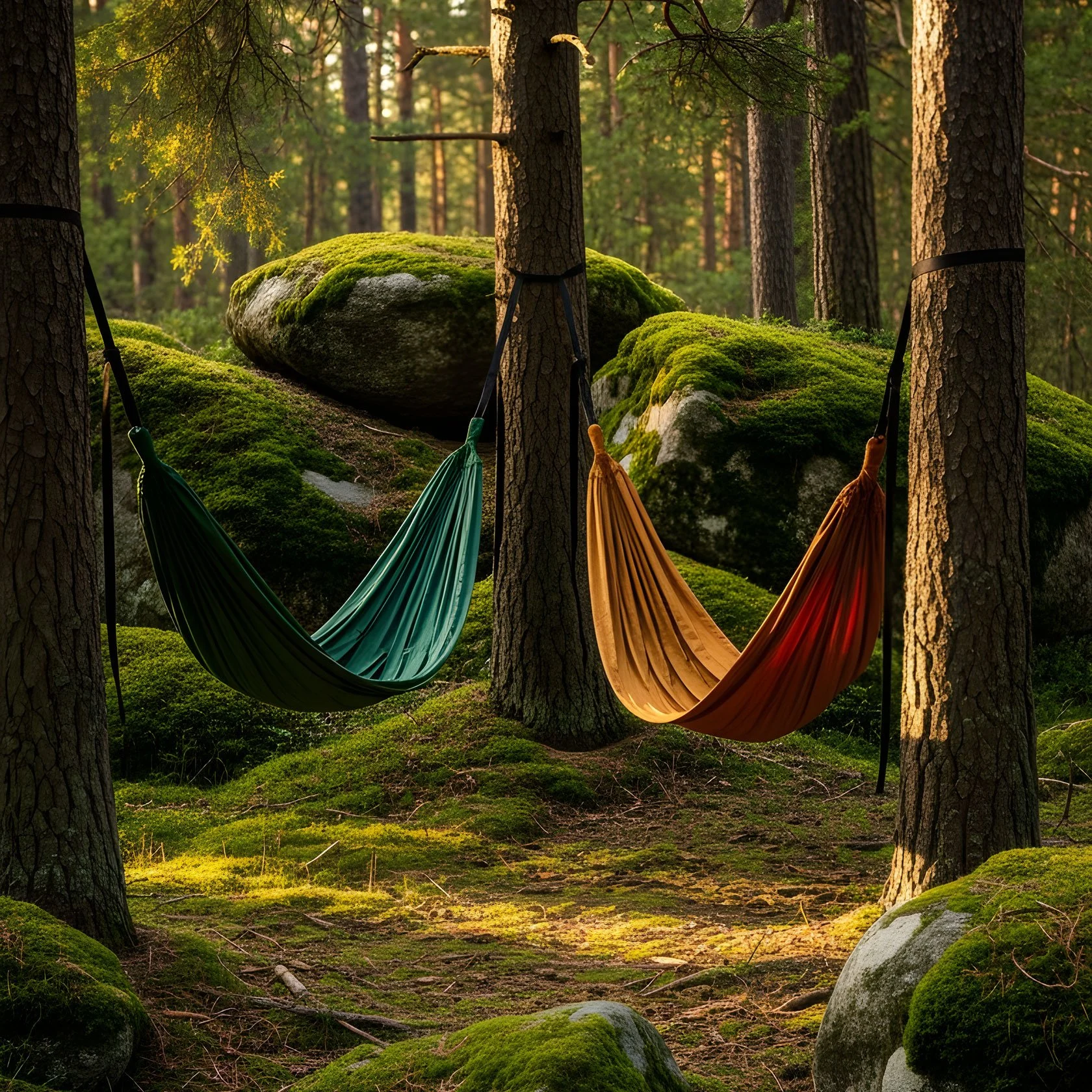
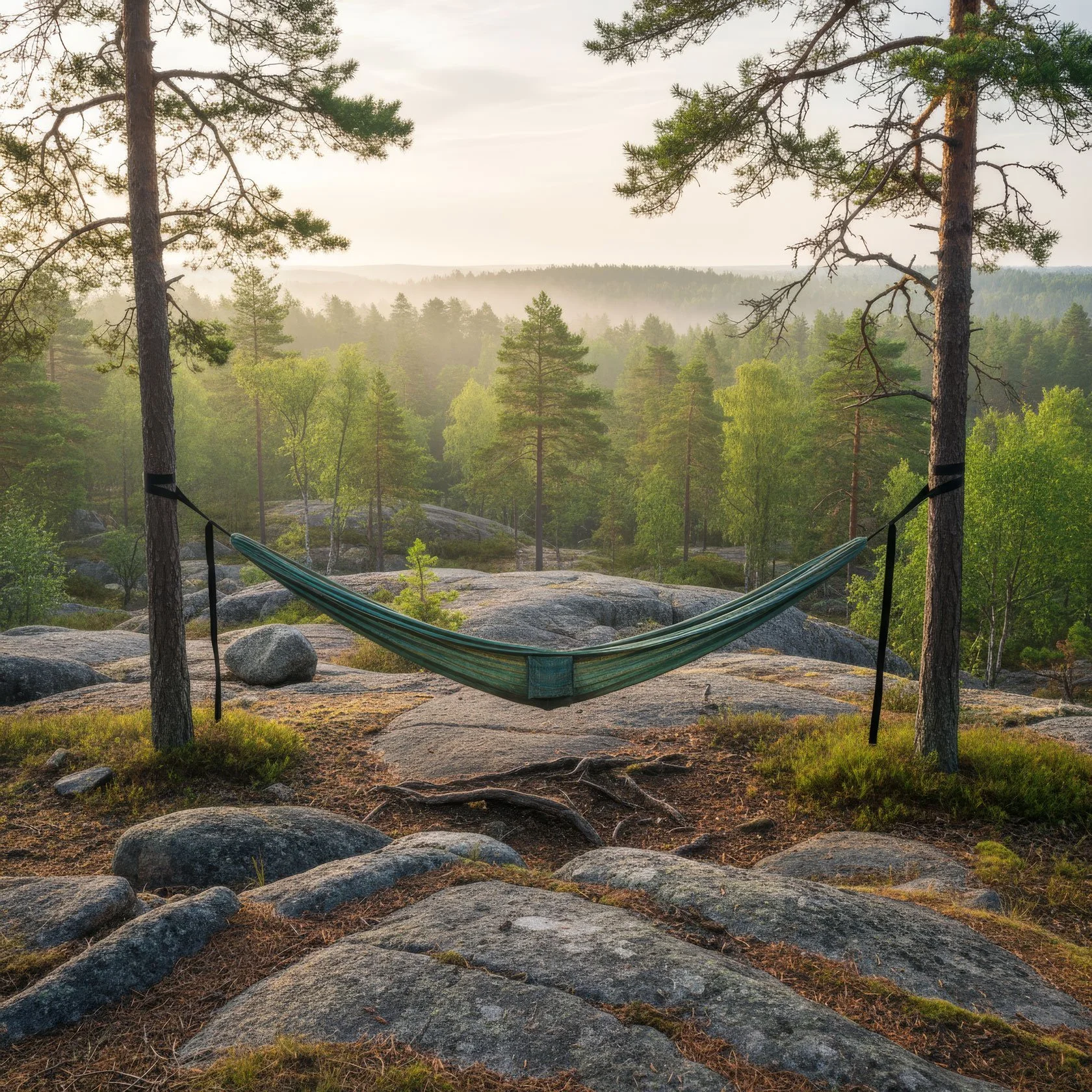
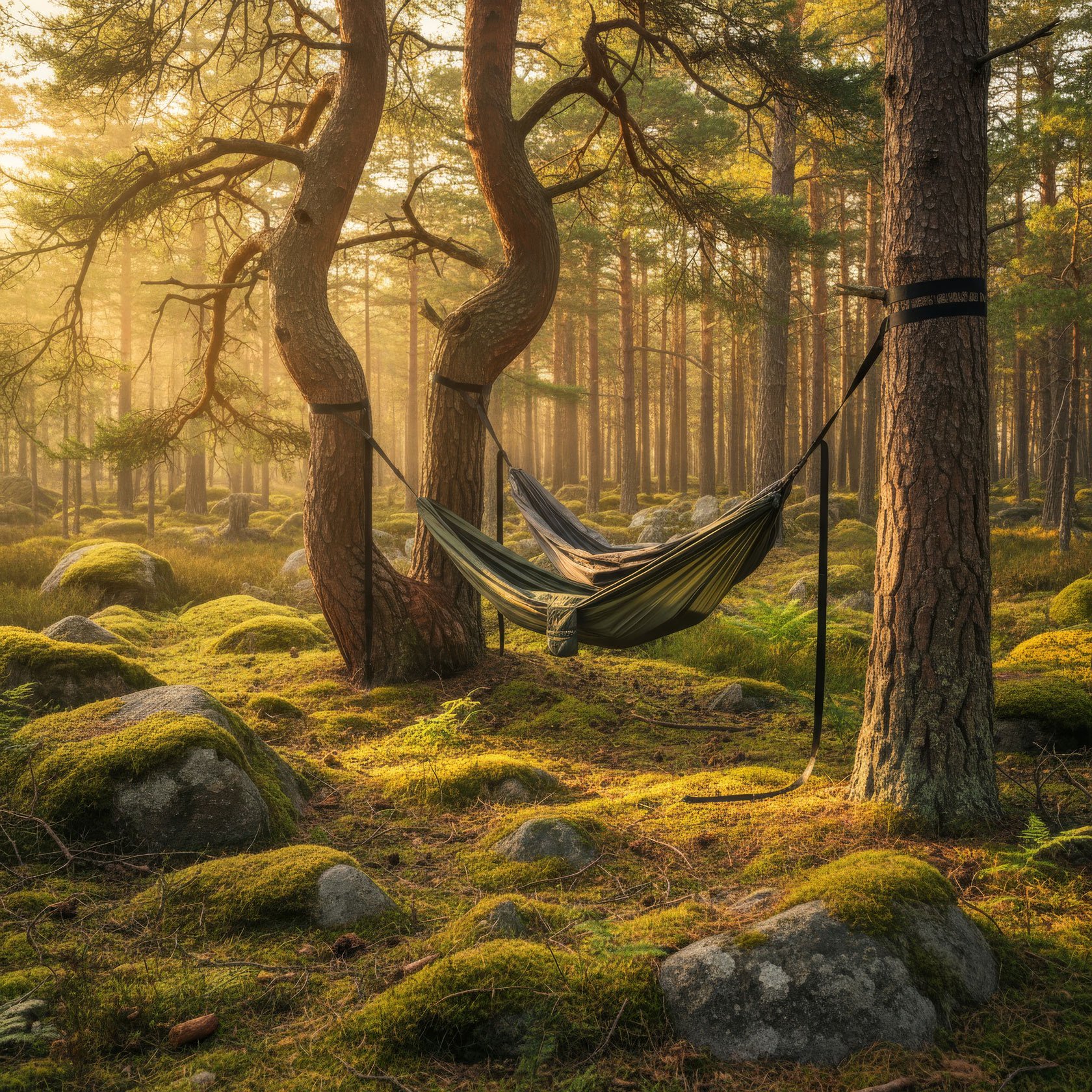
A hammock forest immersion is simple: you walk a little, you hang your hammock, and you let the forest hold you for a while.

We walk in without hurry. I pick two trees that feel kind to the hammock. A strap, a small check, a quiet nod. Then you lie back and the forest does what it does: light moving, a few sounds you didn’t notice before, your breath finally not in a rush.

Not a retreat. Not a performance hike. Not a wellness show.

Just presence.


Why spring to late summer feels like a quiet invitation

There’s a long window — from late May and June, all the way into late August — when the High Coast changes its voice.

In spring, the light returns and everything feels possible again.

In high summer, the canopy is lush, the sea is warmer, and the days stretch out.

And then, toward late August, something soft happens: the trails breathe, the sea becomes quieter, and nights start to darken again.

For me, this whole season is perfect for a hammock forest immersion — a gentle pause inside your adventure, not after it.


If curiosity finds you

If this note touches something in you, keep it simple.

When you arrive, tell me one thing:

  • Are you here to hike, to sail, to run, or to rest?

And I’ll point you toward a quiet forest mood that fits your days — a place where the rocky pines and the High Coast light do their quiet work.

Sometimes guests ask about the night sky too. When the nights return, the High Coast can surprise you with aurora — even this far south. On clear nights, the fjord becomes a mirror. If you want to time it, I check yr.no for cloud cover and its integrated aurora forecast.

Sometimes it’s nothing. Sometimes it’s a quiet glow. And sometimes it’s a memory you take home for years.


Three gentle invitations (in the forest)

If you ever stay with us, this is the kind of thing I share with a bit of shyness — not to turn the forest into a postcard, and not to promise a transformation, but to remind you where you are.

These rocky pine forests have their own quiet protagonists. Some are obvious: wind in the canopy, light moving across stone, the scent of resin after a warm day. Some are smaller: a sudden hush when a bird passes close, the soft creak of hammock straps, the moment your shoulders finally drop.

Sometimes the real shift doesn’t happen when we do more. It happens when we finally pause.

A hammock forest immersion is exactly that: a few quiet hours under the canopy, held by rocky pines and High Coast light — where your body remembers how to downshift, and your mind stops trying to “use” the landscape.

If you feel that little yes inside you, you don’t have to decide much. This pause can meet you in three forms: together in the forest (it has one name: Skogspaus), on the page (the e-book that grew from these same mornings between pines, silence, and hammocks), or in your own rhythm (with a simple hammock kit you can borrow, so the pause can happen on an ordinary day too).

Ciao for now,

Tom

SV 🇸🇪 - Kanske har du inte varit här ännu.
Höga Kusten är en plats mellan land och hav, där tallar växer på klippor ovanför fjorden.
En hängmattepaus i skogen är bara det: en stilla stund som låter landskapet göra sitt.

FI 🇫🇮 - Ehkä et ole ollut täällä vielä.
Korkearannikko on paikka maan ja meren välissä, missä männyt kasvavat kallion päällä vuonon yllä.
Riippumattohetki metsässä on pieni, lempeä tauko — ja joskus juuri se riittää.

DE 🇩🇪 - Vielleicht warst du noch nie hier.
Die Hohe Küste liegt zwischen Land und Meer, mit Kiefern auf Fels über dem Fjord und Licht, das den Takt verändert.
Eine Hängematten-Pause im Wald ist genau das: ein stiller Moment, der dich langsamer werden lässt.


More Skogspaus reads (Forest Pause):

(Slow forest practices, gentle stories, and practical notes)


Micro‑guides and local tips for Höga Kusten:

(Day trips, hikes, viewpoints and quiet forest pauses)

Forest Pause in the High Coast

Forest Pause in the High Coast (Sweden) — From outdoor doing to forest being

Looking for a calmer High Coast moment? Try a simple forest pause: less route, more room. A no-guru guide to slowing down in pine forests—plus a gentle way to try it from Docksta.

🌿

THE FOREST IS NOT ONLY FOR DOING

Most people come to the High Coast with an outdoor verb in their pocket.

Hike. Run. Climb. Collect viewpoints. Tick the classics.

I love those verbs. I live inside them too.

But there’s another verb the High Coast teaches—quietly, stubbornly, almost against our will:

Pause. Not as “rest after the workout”. Not as “recovery so you can perform again”. Just… pause.

A forest pause is a different kind of outdoor life. It’s not about distance, elevation, or proving anything to yourself. It’s about letting the landscape do what it does best when you stop interrupting it.


Sweden is experimenting with a simple idea

In Sweden, the conversation around nature as support for wellbeing has become more serious in recent years. Not as a trend, but as a practical response to a very modern problem:

we live fast, and we rarely fully arrive anywhere.

A forest pause doesn’t need to be mystical. It can be evidence-friendly and still deeply human.

You don’t have to “believe” in the forest.

You just have to give it time.


My first real pause wasn’t planned

I didn’t discover this through a retreat.

I discovered it the way many good things happen in the High Coast:

by being a little tired, a little curious, and finally willing to stop.

I had been moving through these landscapes like many of us do—measuring, optimizing, chasing the next “best section”. Even when I was alone, I was still performing for an invisible audience.

Then one day I hung a hammock between two pines.

No big plan.

Just a small decision: I’m not going anywhere for a while.

And something changed.

Not fireworks. Not a revelation.

More like a quiet re-ordering.

The forest stopped being a backdrop.

It became a relationship.

I should probably introduce myself properly.

I’m Tommaso — sailor-turned-trail-runner, host at Docksta Havet Base Camp, and the kind of person who keeps learning life from pine forests and weather shifts.

The full story of that first pause is a bit more complex (and honestly, more interesting) than this short version. If you’re curious about what really happened — and what the High Coast forests kept whispering after that day — it lives inside my book Skogspaus.


🌿

TWO WAYS OF MEETING A FOREST

I’ve watched thousands of guests move through the High Coast. And I’ve noticed two very different styles of contact.

1) The forest as a route

This is the classic outdoor way:

  • You enter with a goal

  • You move through the landscape

  • You collect a view

  • You leave with a photo (and maybe sore legs)

It’s beautiful. It’s valid. It’s often the gateway.

But it can also keep the forest at arm’s length.

2) The forest as a home (not yours)

A forest pause is when the forest becomes a home you spend time in — but not your home.

You’re not here to take over the space. You’re here to arrive in it.

  • You choose one small place

  • You arrive slowly

  • You let your nervous system catch up

  • You stop scanning for “what’s next”

  • You start noticing what’s already here

This is where the High Coast becomes more than scenery.

This is where it becomes a kind of medicine — without pretending to be a clinic.


The “Forest Guest” shift (without the guru voice)

I don’t think we need more methods to feel okay.

But I do think we need a different posture.

In Swedish, skogspaus is a simple word: forest pause.

And the posture behind it is even simpler:

Enter the forest like a guest, not an owner.

A guest doesn’t conquer.

A guest doesn’t extract.

A guest pays attention.

A guest adapts.

A guest leaves the place a little better—or at least not worse.

When you approach the forest this way, the pause stops being “doing nothing”.

It becomes a form of participation.


🌿

WHAT A FOREST PAUSE LOOKS LIKE (practical, not precious)

If you want to try this in the High Coast, here’s a clean, no-drama way.

The 60–90 minute Forest Pause

  • Choose one small area (not a route)

  • Leave your phone on airplane mode (or at least face down)

  • Bring water + a wind layer (the High Coast changes mood fast)

  • Sit or hang (a rock, a mossy patch, a hammock)

  • Do nothing on purpose for 10 minutes

  • Then let your attention wander naturally

If your mind keeps making lists, that’s normal.

If you feel restless, that’s information.

If you feel bored, stay a little longer.

The forest is patient.

The hammock version (my favorite)

A hammock is not gear.

It’s a permission slip.

It gently removes you from the “must keep moving” logic.

It makes stillness comfortable enough to last.

And in the High Coast—between granite, pine, sea air, and that long northern light—this simple suspension becomes a surprisingly powerful reset.


Why the High Coast is a good teacher

The High Coast isn’t a soft landscape.

It has edges.

Granite. Wind. Sudden weather. Long distances between things.

And because of that, it teaches something modern life often forgets:

you don’t get to control everything.

A forest pause here isn’t about escaping reality.

It’s not hiking, not therapy, not a workshop. Just a simple practice of arriving.

It’s about returning to it—more slowly.


If you want to try it from Docksta (a gentle invitation)

If you’re staying in Docksta—or passing through—this is one of the simplest gifts you can give yourself:

one honest forest pause.

Not a full-day mission.

Not a performance.

Just a small, real encounter.

If you want, I can suggest a spot that matches:

  • your time window

  • the weather

  • your legs

  • your mood

And if you don’t have gear, we can keep it simple.

Sometimes the best High Coast day is not the one where you did the most.

It’s the one where you finally arrived.


A closing note (for the doers)

If you came here to hike, run, climb, or bike—good.

Do it.

Feel the land.

Earn the view.

Then, at least once, do something that feels almost wrong in a world obsessed with movement:

stop.

Hang between two pines.

Let the forest finish the sentence.

SKOGSPAUS — A FOREST PAUSE, PRACTICED AS A GUEST

Want to try a real forest pause while you’re here?

Send me your time window + legs + mood, and I’ll suggest one clean spot that fits the day.

If you’re traveling light, we can keep it simple with a hammock kit ready at the marina: https://dockstahavet.se/outdoor-gear-rental-hoga-kusten/guides-stories/grabgo-gear-the-hammock-kit-forest-pause-ready

And if you want to go deeper, I also host a guided forest pause (Skogspaus-style) — here are the full details: https://dockstahavet.se/blog/skogspaus-hammock-forest-experience-hoga-kusten

Email: dockstahavet@gmail.com

If you prefer to book directly, here’s the Skogspaus Airbnb Experience: https://airbnb.com/x/skogspaus-high-coast


🌿

ABOUT ME (Docksta base camp)

I’m Tommaso, host at Docksta Havet Base Camp — a small guest harbour and simple waterfront lodgings in the heart of Sweden’s UNESCO High Coast. I spend my seasons between sea and forest, helping guests find the kind of outdoor days that feel real (not rushed).

SKOGSPAUS (the e-book): https://ko-fi.com/s/skogspaus

Skogspaus is my way of sharing this practice with you — not as a “tour”, but as a quiet invitation to feel like a guest in the forest.


🇸🇪 SV — Kort sammanfattning:

Letar du efter en lugnare stund i Höga Kusten? Den här guiden handlar om skogspaus — en enkel “forest pause” där du stannar på en plats (inte en rutt), låter kroppen komma ikapp och bara är en stund bland tallar och granit. Vill du prova från Docksta kan jag tipsa om en plats — och om du reser lätt finns hammock-kit att låna.

🇫🇮 FI — Lyhyt yhteenveto:

Haluatko rauhallisemman hetken Korkearannikolla (Höga Kusten)? Tämä opas kertoo metsätauosta (forest pause): valitset yhden paikan (et reittiä), pysähdyt, annat kehon ja mielen rauhoittua ja vain olet hetken mäntyjen ja kallioiden keskellä. Jos olet Dockstassa, voin suositella sopivaa paikkaa — ja jos matkustat kevyesti, meiltä löytyy riippumattosetti valmiina.

2 Trails, 1 Mountain: How Skuleberget reveals the secret of flow state

Flow State on Skuleberget: The Secret of the Eagle and Elk Trails

A Forest Guest's Guide to Trail Running Consciousness along two of my favorite segments of Skuleberget Mount.


The Mountain speaks first

"Before my feet touch the trail, Skuleberget has already been running for millions of years and started emerging from the ice sheet around 10,000 years ago. These ancient rocks of the High Coast—formed during the Svecokarelian orogeny, pushed and folded by tectonic forces—understand movement in a way no GPS ever could.
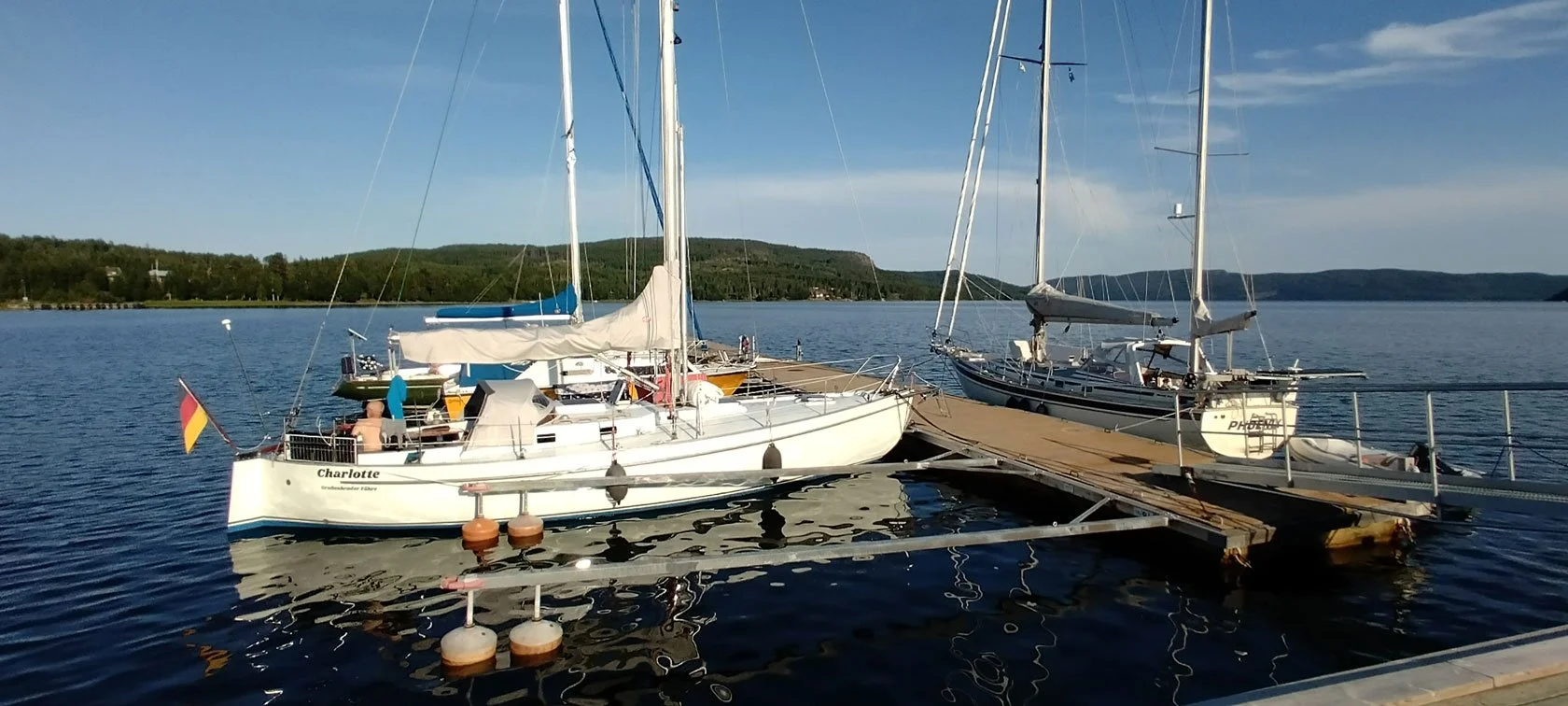
Standing at 295 meters above sea level, this mountain isn't just geography. It's a living record of geological flow, where stone rivers and glacial movements have carved narratives far more complex than any trail segment. When I run here, I'm not conquering terrain. I'm joining a conversation that began long before I was born."

Tommaso


The choice at the base

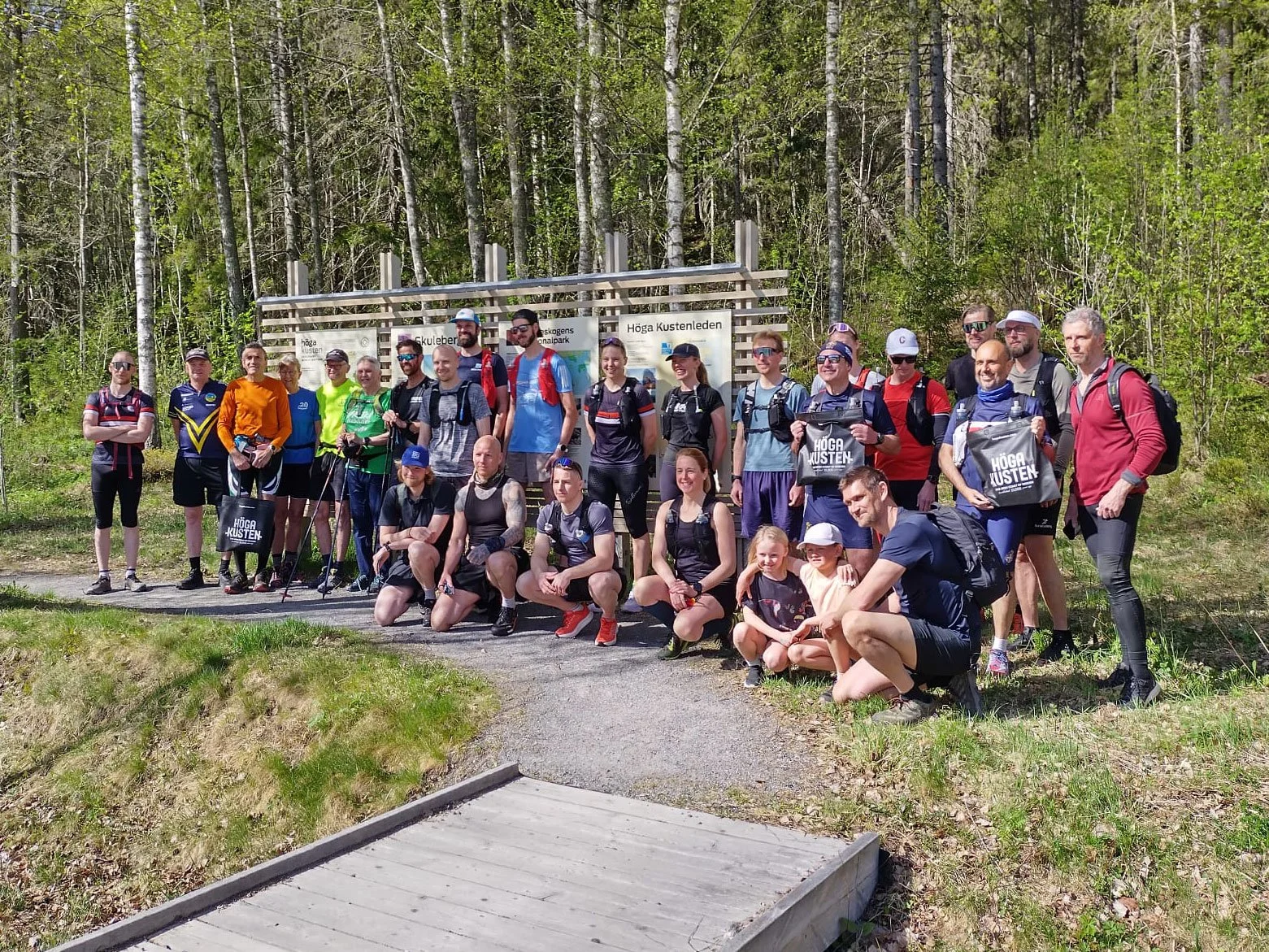
I stand at the base of Skuleberget on a May morning, my legs already humming with anticipation. Around me, other High Coast Runners gather—all grinning, all of us here for the same reason: to run 25 kilometers, climb 1,500 meters of elevation for the #BIG5 Challenge, and discover something about ourselves on this ancient mountain.

But here's what most people don't understand about Skuleberget: it's not about the summit. It's about the choice.

Every serious runner who arrives at Skuleberget faces the same decision: which path will unlock your deepest flow state today?

Approaching the base of the mountain, this isn't a question about difficulty or distance. It's about consciousness itself.


The Mountain speaks in two languages

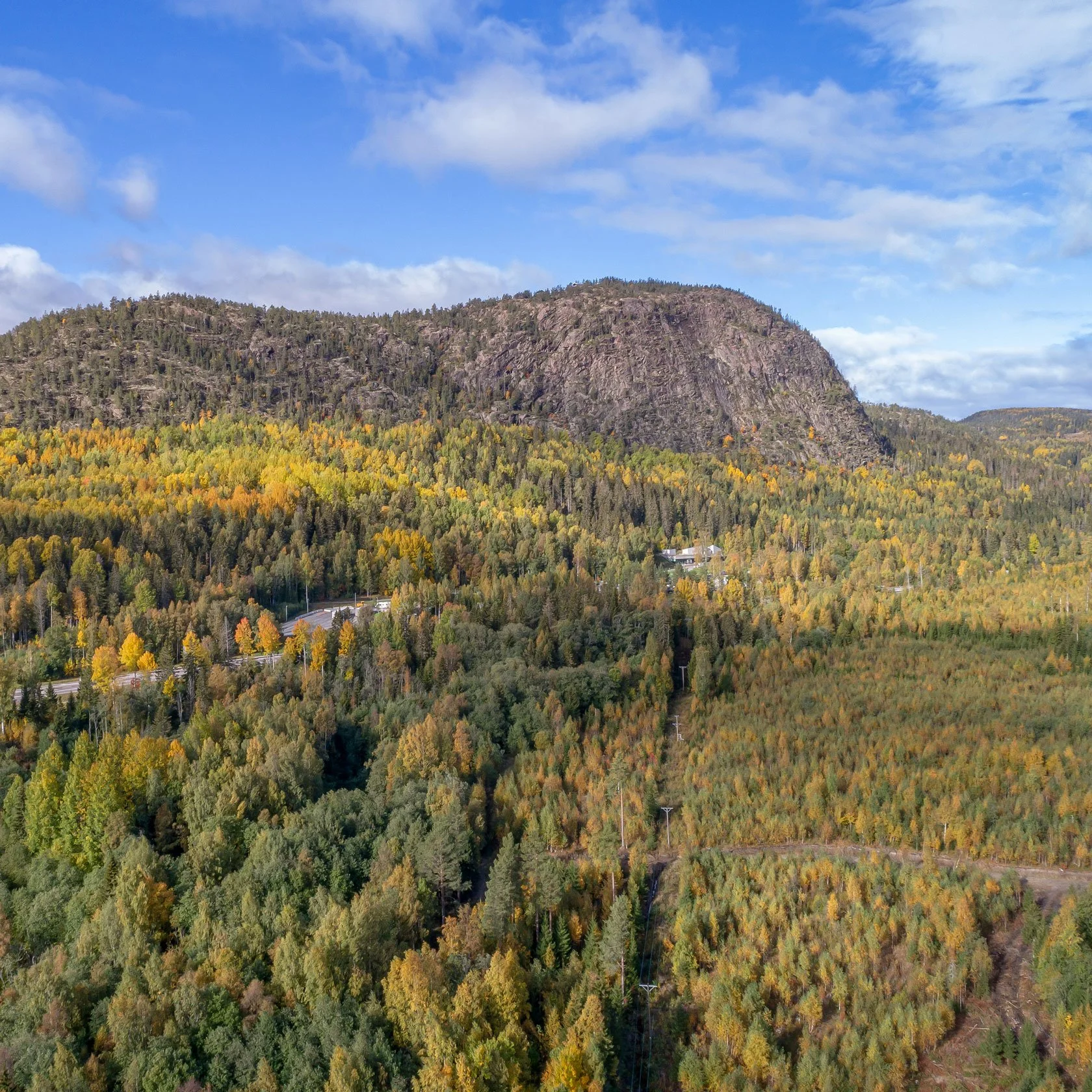
Skuleberget is one of the most iconic spots of this Swedish UNESCO World Heritage site. It's a mountain that has stood here for 900 million years, watching the ice ages come and go, witnessing the slow dance of geological time. And it speaks to runners in two distinct voices.

The first voice comes from the Eagle Trail—the direct route. Steep, relentless, demanding. It climbs 300 meters in less than a kilometer. Your heart pounds. Your quads scream. But there's something pure about it: the clarity of effort, the simplicity of suffering and transcendence. This is the path of intensity, of pushing through, of the traditional flow state we've all been taught to chase.

The second voice is the Elk Trail—the lonely long way around. It winds through forests, follows ridgelines, descends into valleys. The elevation gain is spread across the entire route. It's "gentler" on paper, but it demands something different: patience, presence, the ability to sustain effort without drama. This is the ecological flow—the kind that doesn't exhaust you, but deepens you.

Most runners choose one or like the other. But the real secret of Skuleberget is this: both are right. Both teach you something different about consciousness.


The Eagle and the Elk: A tale of two flows

The Marked Path: Performance as Destination

The Eagle Trail seduces with its promise of control. Clear markers. Defined objectives. Predictable challenges. Your GPS tracks every meter. Your watch monitors every heartbeat. The trail is mapped, measured, and manageable.

Neurologically, this represents a high-cognitive load environment. Your prefrontal cortex remains hyperactive, constantly processing performance metrics, route complexity, and competitive benchmarks.

You're thinking about the run instead of being the run.

The Occupier's Rhythm:

  • Imposed human pace

  • External validation through metrics

  • Performance as the primary metric

  • Landscape as static backdrop


The Wild Invitation: Presence as Destination

The Elk Trail doesn't appear on most maps. No needle markers guide your way. No crowds validate your effort. Just you, ancient pines, and terrain that demands your complete presence.

When you enter this trail, something profound happens to your nervous system. Your default mode network recalibrates. Your prefrontal cortex downregulates. Interoceptive awareness amplifies. Ecological consciousness emerges.

Your foot doesn't just land; it listens. Your breath doesn't power movement; it synchronizes with the mountain's respiratory rhythm.

You're no longer running on the mountain—you're running with it.


What I've learned running these trails

I don't remember how many times I've run these two segments. Not because I'm chasing a personal record or a Strava crown. But because each run reveals something new about what it means to be present.

On the Eagle path, I learned that flow isn't about speed. It's about surrender to the mountain's pace.

On the Elk path, I discovered that the best runs happen when I stop trying to "run well" and start listening to what my body wants to do.

The Skogspaus G.U.E.S.T. principles in motion on two opposite faces of the mountain

G - GENTLE

  • 🦅 segment: Social gentleness

  • 🫎 segment: Ecological gentleness

U - UNDERSTANDING

  • 🦅 segment: Human systems

  • 🫎 segment: Natural ecosystems

E - EMPATHETIC

  • 🦅 segment: Runner empathy

  • 🫎 segment: Landscape empathy

S - SUSTAINABLE

  • 🦅 segment: Social sustainability

  • 🫎 segment: Ecological sustainability

T - TRANSFORMATIVE

  • 🦅 segment: Performance transformation

  • 🫎 segment: Consciousness transformation

The Flow State Revolution

Traditional Flow:

  • Overcome resistance

  • Individual achievement

  • External metrics

  • Competitive mindset

Forest Guest Flow:

  • Dance with resistance

  • Ecological participation

  • Internal resonance

  • Collaborative mindset

Neurological Evidence

Emerging research in ecological neuroscience suggests that:

  • Flow states are not just psychological

  • They're complex neurobiological conversations

  • Environment actively participates in consciousness modulation

Your next run: An invitation

Tomorrow, when you lace up your trail shoes, you'll face a choice:

Will you run the trail, or will you let the trail run through you?

The Eagle and the Elk are waiting. Both have lessons about:

Performance 👉 vs. Presence

Achievement 👉 vs. Awareness

Occupation 👉 vs. Conversation


When the mountain becomes a mirror

Every year, in late May, something happens here which almost amazes and excites me every time.

Runners arrive—some alone, some with friends, some who've never met before. They come from Finland, Germany, Italy, all over—drawn by word that Skuleberget teaches something you can't learn racing or training elsewhere.

They come because they want to know what it feels like to run with the mountain, not against it.

And when they stand at the base—at that same choice point where I stand every time—something shifts. Segments like the Eagle and the Elk aren't just trails anymore. They're mirrors. Each runner sees themselves in the mountain's two voices.

Some discover they need the clarity of the steep path. Others find their truth in the patient, winding way. Most learn that both kind of paths are sacred.

This is the story behind the #BIG5 Challenge. If you want to understand the full journey—from its origins to the traditions that make it unique— read: The Skuleberget #BIG5 Challenge: Where Trail Running Meets Nordic Soul.


The #BIG5 Challenge: Five paths, one mountain

This is why we created the #BIG5 Challenge.
Not as a race. Not as a competition. But as an invitation to meet yourself on the same mountain where thousands of runners have already found something they didn't know they were looking for.

Five animal paths. Five different states of consciousness:

LYNX – The hunter's awareness. Acute, focused, predatory presence.

ELK – The wanderer's rhythm. Steady, sustainable, connected to the herd.
BEAR – The grounded power. Strength meeting earth, rooted and real.
EAGLE – The expansive view. Perspective from altitude, seeing the whole landscape.

FOX – The intelligent adaptation. Cunning, responsive, dancing with terrain.

Each teaches something different. Each reveals a different part of you.

Know all the #BIG5 segments— read: Trail running in the High Coast: The #BIG5 Paths of the Skuleberget Mount


After the run: The real gathering

Here's what I've learned: the challenge at Skuleberget doesn't end at the finish.

It ends when we gather at the marina clubhouse—sweaty, tired, alive. When we share stories over espresso and snacks. When we sit by the sea and remember why we run. When a stranger from Finland becomes a friend because you both discovered something true about yourselves on the same mountain.

This is where you discover that the real magic doesn’t happen on the summit only. In the #HighCoastRunner community. In the collective understanding that we're all here for the same reason: to let the mountain teach us something about presence, flow, and what it means to be fully alive on a trail.


Your invitation

The 6th #BIG5 Challenge is May 30th, 2026: Five uphill segments on Skuleberget, run together. No timing. No podium. No entry fee. But make no mistake: this is a serious mountain day.

It’s recommended for trail runners with a solid training base—people who respect steep terrain, long effort, and changing conditions. Distance and elevation don’t tell the whole story here. The mountain does.

If you feel called, you’re welcome.

Bring a minimal backpack and a light soul. The rest will follow.

We may keep this edition small (around 50 runners) to protect the spirit – we keep it intimate so everyone gets the care, the community, and the real experience.

Ready?

Join the High Coast Runner Club on Strava

Pls. confirm your spot at the 2026 edition of the #BIG5 Challenge: tominthehighcoast@gmail.com | +46 76 3136909

See you on the trails.

Tommaso :)


The Mountain doesn't end at the finish of your path

Skuleberget is one of those places that doesn't care about your plans. You can come here for a technical trail running session, a panoramic hike with a friend, a quiet solo climb when life feels loud—or a hard session on steep ground when you need to remember what you're made of. Either way, the mountain gives you the same kind of honesty: clear air, simple effort, and that calm tiredness that feels like truth.

And if you return often enough, you start to understand something else too: we don't come here only to "train". We come here to meet ourselves—again and again—on the same trail.


Tommaso De Rosa

Co-creator, Skuleberget #BIG5 Challenge

For any inquiries about the challenge, feel free to contact me:

Tommaso De Rosa

@tominthehighcoast

+46 (0)76.3136909

or +39.335.1309207 (WhatsApp too)
dockstahavet@gmail.com

P.S. - I'm also the author of SKOGSPAUS: The Forest Guest Bible, a 10-lesson guide to Forest Guest Consciousness. Read it below with 50% OFF.

Want to go deeper into Forest Guest Consciousness?

Entering the forest is more than just a run. Most of our running sessions begin with urgency: lacing shoes, checking watches, setting goals. We treat forests as backdrops for our performance, landscapes to cross rather than conversations to enter. SKOGSPAUS Forest Guest Consciousness and P.A.U.S.E. methodology offer a different approach: your first steps into the forest become a dialogue, bringing mindfulness and flow to every outdoor session, even an intense trail run. SKOGSPAUS isn't a training method. It's a way of being in the forest.

My e-book—a 10-lesson guide to presence, flow, and ecological awareness—shows you how to transform every trail into a conversation with the mountain.

Get 50% OFF with this code:

HIGHCOASTRUNNER

at this link:

https://ko-fi.com/skogspaus/link/HIGHCOASTRUNNER

 
Summary Block
This block has no content yet. Items you add to the page connected to this block will display here.

A Forest Hammock Pause is the First Airbnb Experience in Höga Kusten

A slow, guided forest immersion with hammocks in Sweden's UNESCO High Coast – now bookable on Airbnb

In Docksta, on Sweden's High Coast, I invite you to a slow, guided forest immersion with a hammock pause, stories and quiet time in one of the country's most beautiful UNESCO landscapes.

This is the first Airbnb Experience in Höga Kusten – and it's not a fast hike, a fitness tour or a 'forest bathing workshop'. It's a Skogspaus: a forest pause, a way of arriving in the forest as a guest, not an occupier.

Look up the experience on Airbnb:
SKOGSPAUS, Nature Reconnection in High Coast →

New to Airbnb Experiences? They're small-group activities hosted by locals who share their passion and knowledge – not tours, but immersive practices. Skogspaus Experience in Höga Kusten is designed to be slow, personal, and rooted in immersive forest practice. About Airbnb Experiences →


What is Skogspaus?

"Skogspaus means 'forest pause' in Swedish. It's a practice I've developed over many years of living and working on the High Coast, spending time in the old pine forests above Docksta.

What it is not: it's not meditation, not hiking, not therapy. It's a way of being a guest in the forest: arriving slowly, listening, noticing how the place receives you, and letting the forest reflect something back.

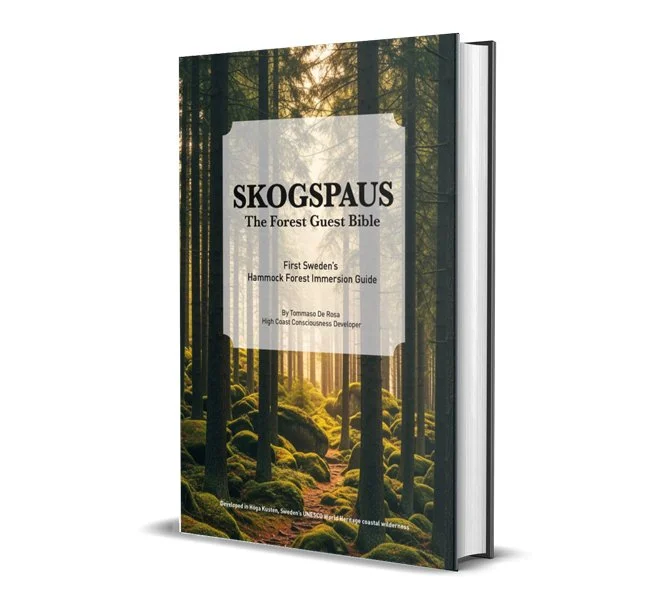
I've written about this practice in depth in Skogspaus: The First Forest Guest Bible, a book that explores the principles of Forest Guest Consciousness and how to bring them into your life, work and leadership.

This Airbnb Experience is a practical introduction to Skogspaus – a few hours in the forest, with hammocks, guidance and quiet time, so you can feel what it means to pause and be received by a place.”


What we'll do

We meet at Docksta Havet Base Camp, a small guest harbour by the sea. I'll welcome you, share a few safety notes and explain what it means to enter the forest as a guest, not an occupier.

Then we’ll reach a rocky pine forest above Docksta – a mix of old pines, moss, rocks and sea views, part of the UNESCO World Heritage High Coast landscape. We’ll start walking into the woods: it's a gentle walk, about 3–4 km in total, on small trails and soft mossy ground, away from crowds and noise.

Along the way, I'll invite you to notice sounds, smells, textures: simple ways to start 'arriving' before we even stop.

When we reach the spot I've chosen for the day, I'll help you set up your hammock safely between the trees. Then we'll do a short guided practice together: how to arrive in the hammock, how to breathe, how to listen to what the forest reflects back to you.

After that, silence. Your time. No pressure to 'meditate correctly': the forest does half of the work, you just stay open.

When we're ready, we'll come out of the hammocks gently. If you want, you can share what you noticed. If you prefer to stay quiet, that's fine too. I'll give you a few simple suggestions on how to bring this pause back home, wherever you are.

We walk back to Base Camp with a different rhythm than when we left. I'll close with a few words, some practical tips, and the feeling of having made space.


A UNESCO World Heritage coastal landscape

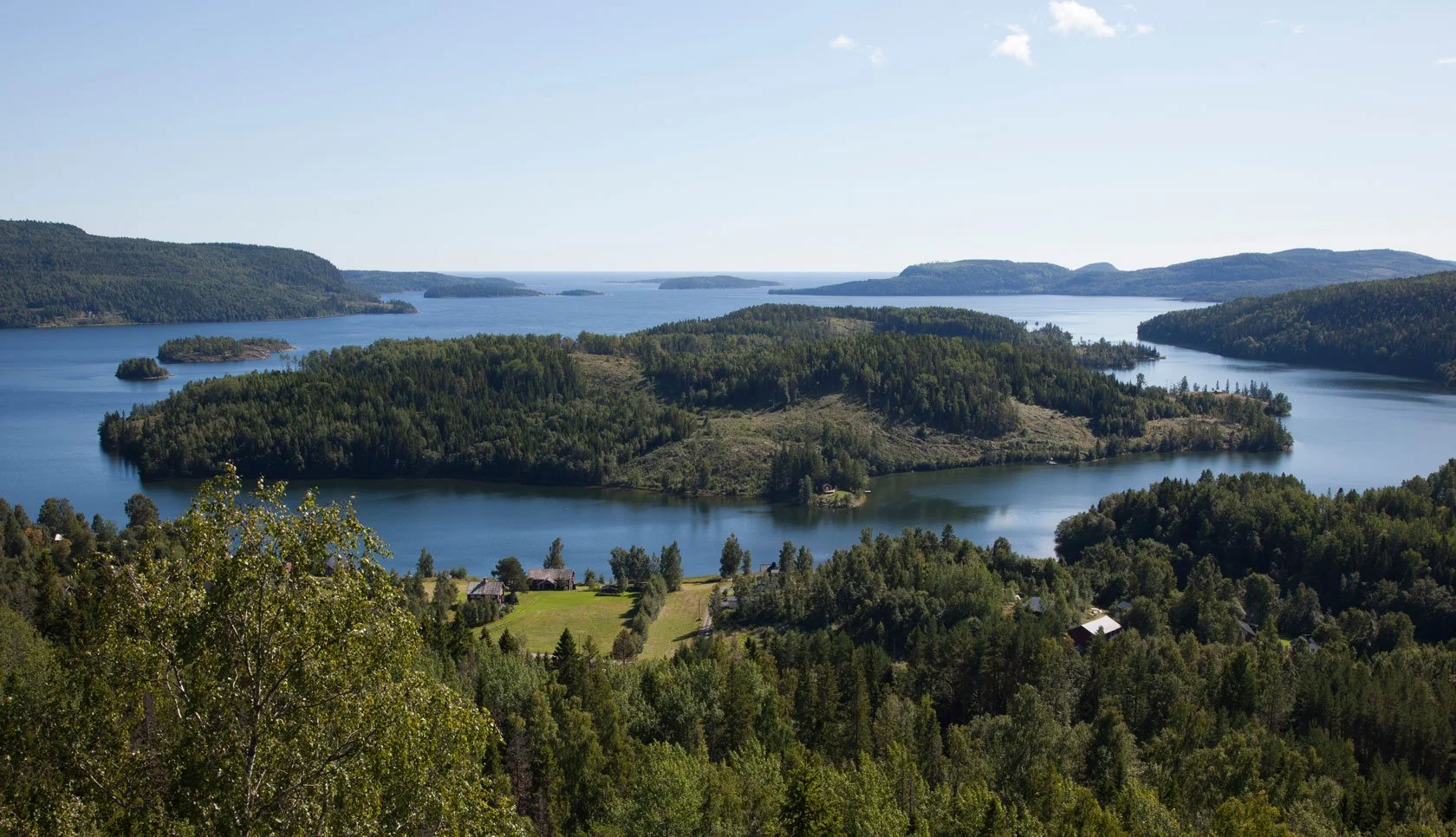
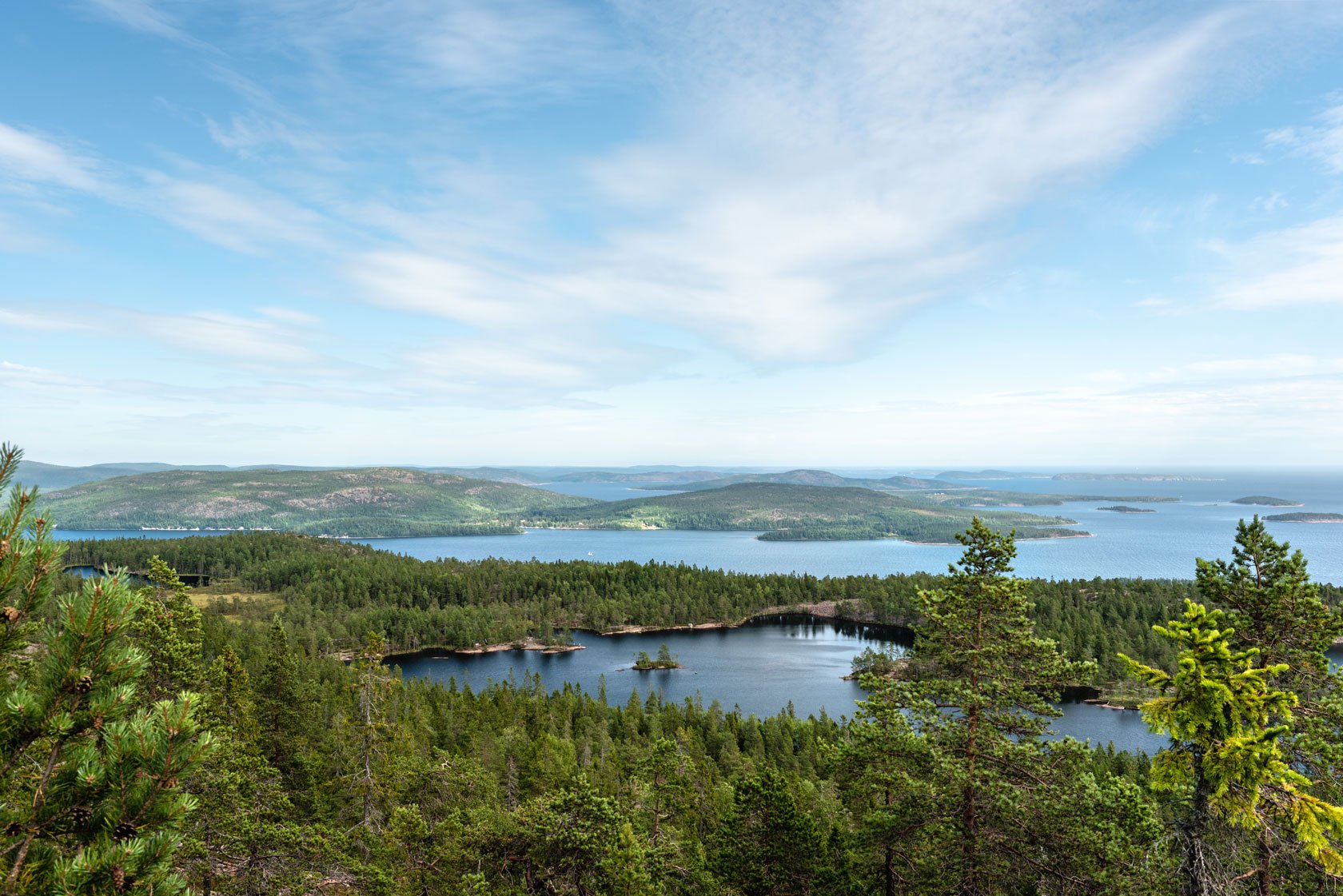
The High Coast (Höga Kusten) is Sweden's only natural UNESCO World Heritage site, recognized in 2000 for its dramatic rocky coastline, ancient forests and unique geology.

What makes this place truly extraordinary is that it's still rising from the sea. Every year, the land lifts 8–10 millimeters higher as the earth's crust rebounds from the massive ice sheet that once pressed it down over two kilometers deep. Walking these forests, you're witnessing geological time in motion – a landscape still becoming itself.

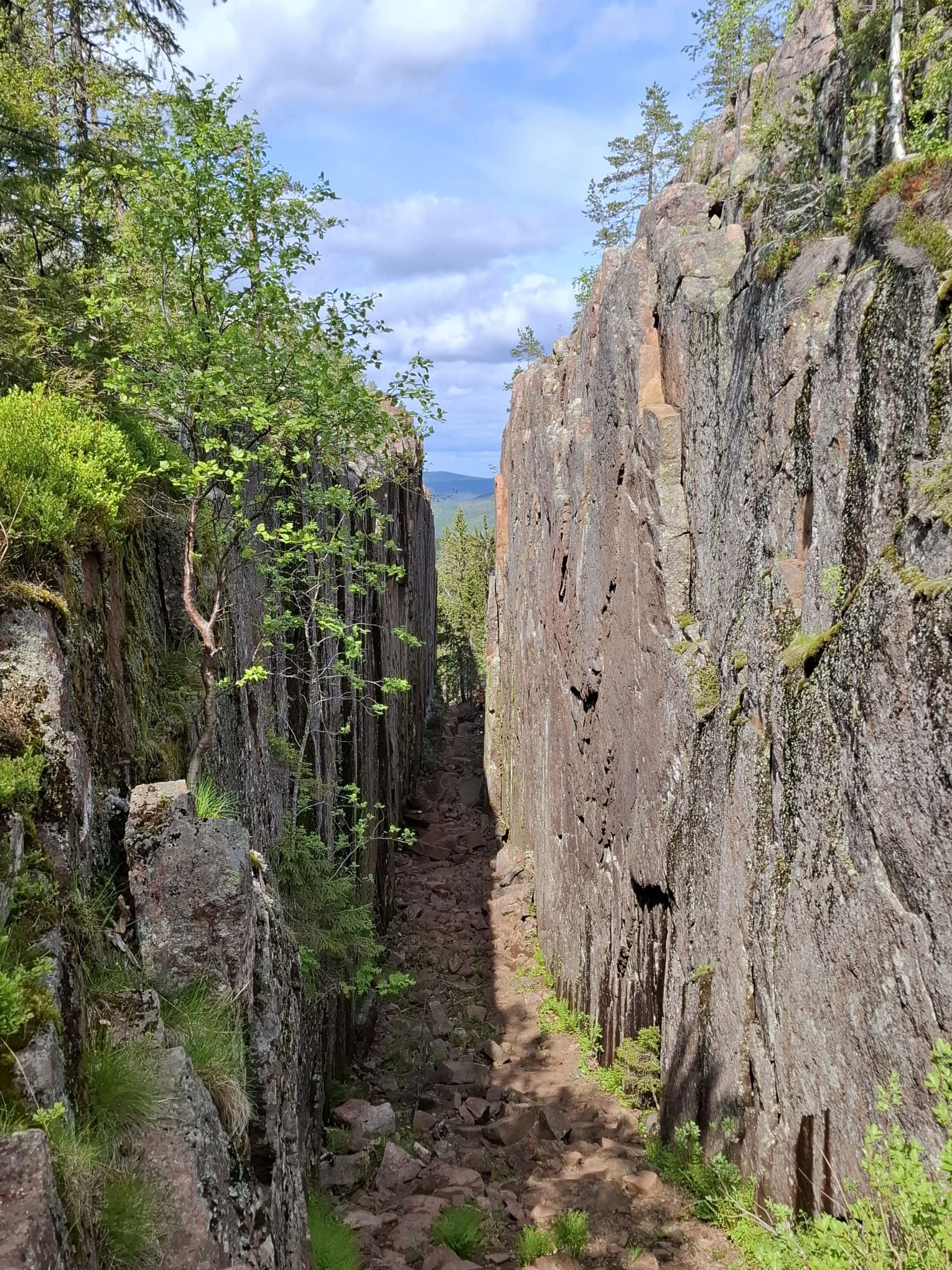
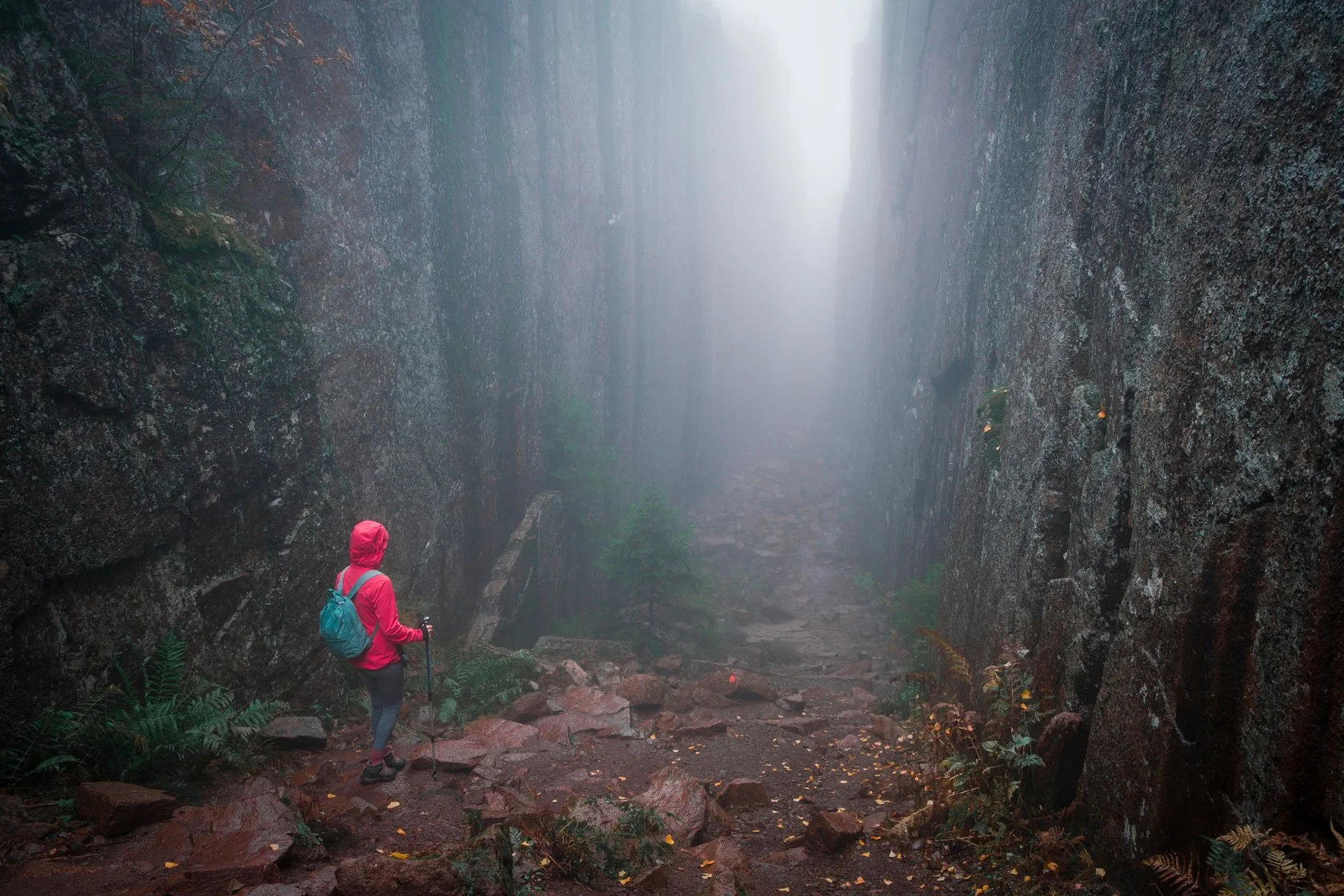
The forests here are ancient and wild. Old Scots pines cling to granite outcrops that plunge directly into the Baltic. Trails wind through Skuleskogen National Park, and the famous Slåttdalskrevan – a dramatic crevice carved by glacial meltwater – offers a glimpse into the raw forces that shaped this landscape.

This is the perfect setting for Skogspaus: a place where the forest's own ancient rhythms teach you how to slow down, listen, and be a guest in something far larger than yourself.

The forests around Docksta are quiet, wild and beautiful – the ideal place for a slow forest pause.


Who is this for?

My hammock forest immersion is a small‑group, slow experience, suitable for 2–4 guests max, to keep the experience quiet and personal.

You should be able to walk slowly on uneven forest ground for about 3–4 km in total, with some roots and rocks. No previous hiking or meditation experience needed – just curiosity and a bit of openness.

This experience is for you if:

  • You want to slow down and feel something real in nature, not just 'do' an activity.

  • You're curious about forest immersion, hammock pauses or mindful presence in the wild.

  • You're staying in Höga Kusten and looking for something different from the usual hikes and viewpoints.

  • You've read about Skogspaus or Forest Guest Consciousness and want to experience it in person.

I host only a few sessions per week to keep the forest and the pauses special.


Ready to pause in the forest?


About your host

See my host profile and contact me on Airbnb

I’m Tommaso, an Italian host who lives on Sweden's High Coast from spring to fall. I've been practicing forest pauses with a hammock here for many years. I run Docksta Havet Base Camp, not only a small guest harbour and simple lodgings to stay by the sea if you are on holiday here, but a unique starting point to unlock the best outdoor experiences in the heart of the UNESCO world heritage. You are next door to Skuleberget (concerts, chairlift, Via Ferrata, trails) the ferry to Ulvön island, and within easy reach of Skuleskogen National Park.

Skogspaus is my way of sharing this practice with guests – not as a 'tour', but as a quiet invitation to feel like a guest in the forest.

I'm also the author of a book that explores the principles of Forest Guest Consciousness and how they can transform the way we live, work and lead. Want to go deeper? Read Skogspaus: The First Forest Guest Bible and explore the full practice of Forest Guest Consciousness.

Staying in Höga Kusten? Docksta Havet Base Camp offers simple, seasonal places to stay by the sea – the perfect base for your High Coast slow adventure.

If you would like assistance planning your stay in one of our waterfront accommodations at the marina, need hiking advice at Skyleskogen Park or Mount Skuleberget, or have any other questions regarding things to do on the High Coast during the summer, please contact me via the Airbnb chat. You are welcome :)

Please write me by email or WhatsApp at +46.763136909

P.S. I like to explore new routes with a hiking mindset, especially those on the High Coast. Here below you find what I highlighted in these blog posts.