A beautiful upgrade to Höga Kustenleden — and what changes when you hike loaded near Skuleberget / Skuleskogen
Hiking Höga Kustenleden loaded? A smart stopover near Skuleberget
A practical note for hikers carrying 10–15 kg: traction, daylight, and wet rock matter more than distance. Plus practical tips + a calm Docksta base to hike lighter.
See the Naturkartan map: https://www.naturkartan.se/sv/hogakustenleden
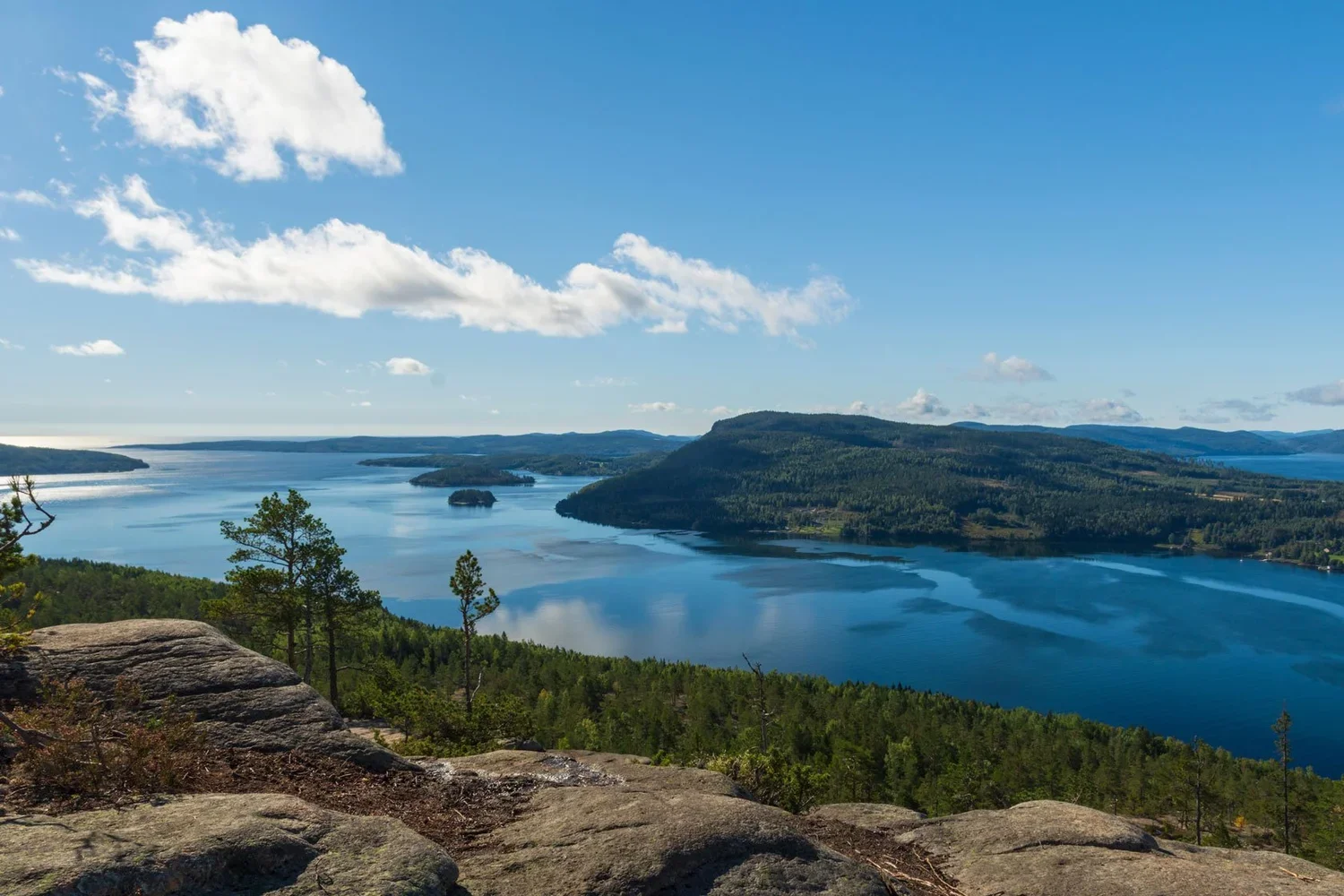
Since 2025, the Getsvedjeberget “up-and-down” segment — including the Predikstolen viewpoint — is officially part of the Höga Kustenleden. This year it’s no longer “new”: it’s consolidated.
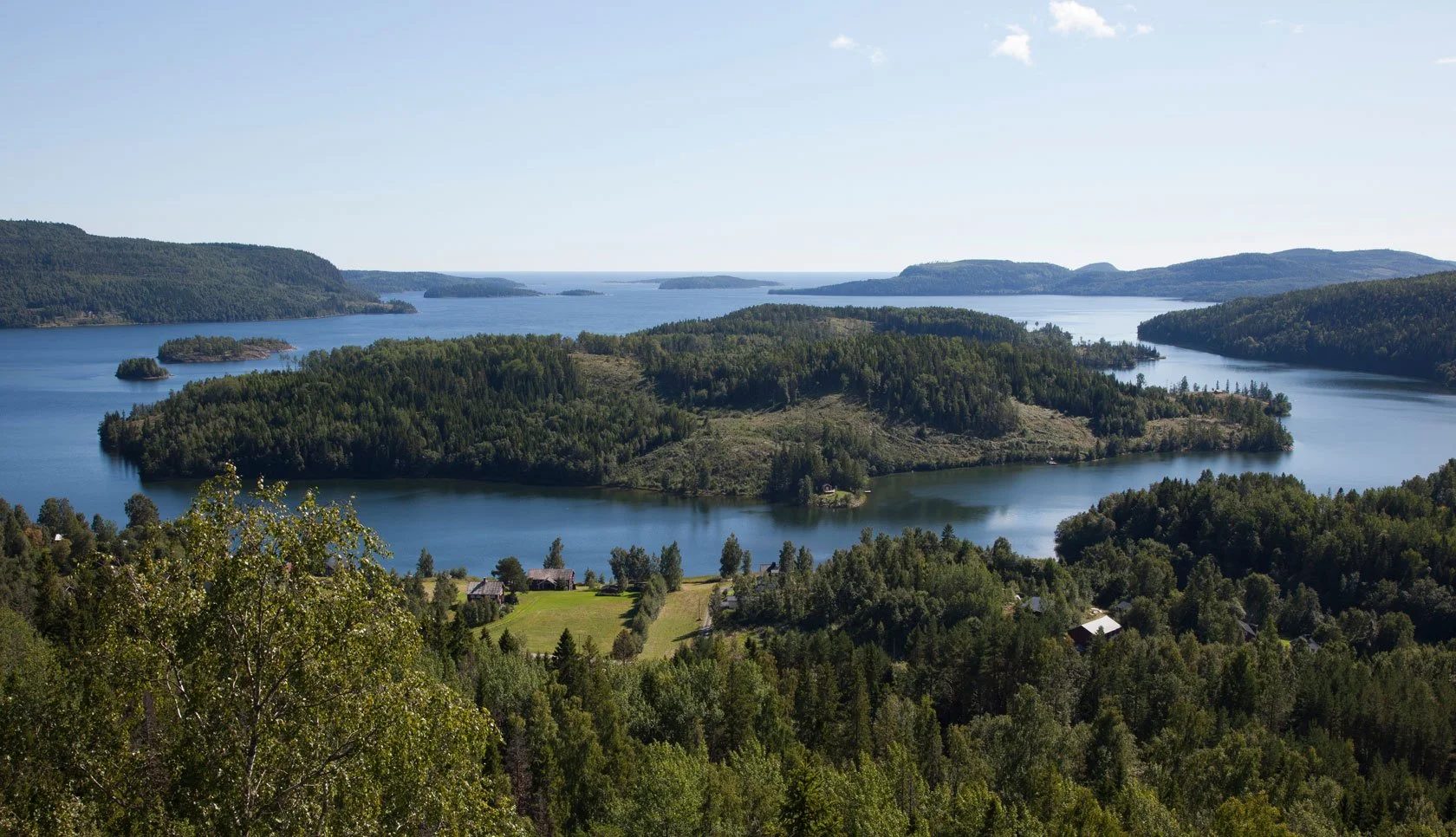
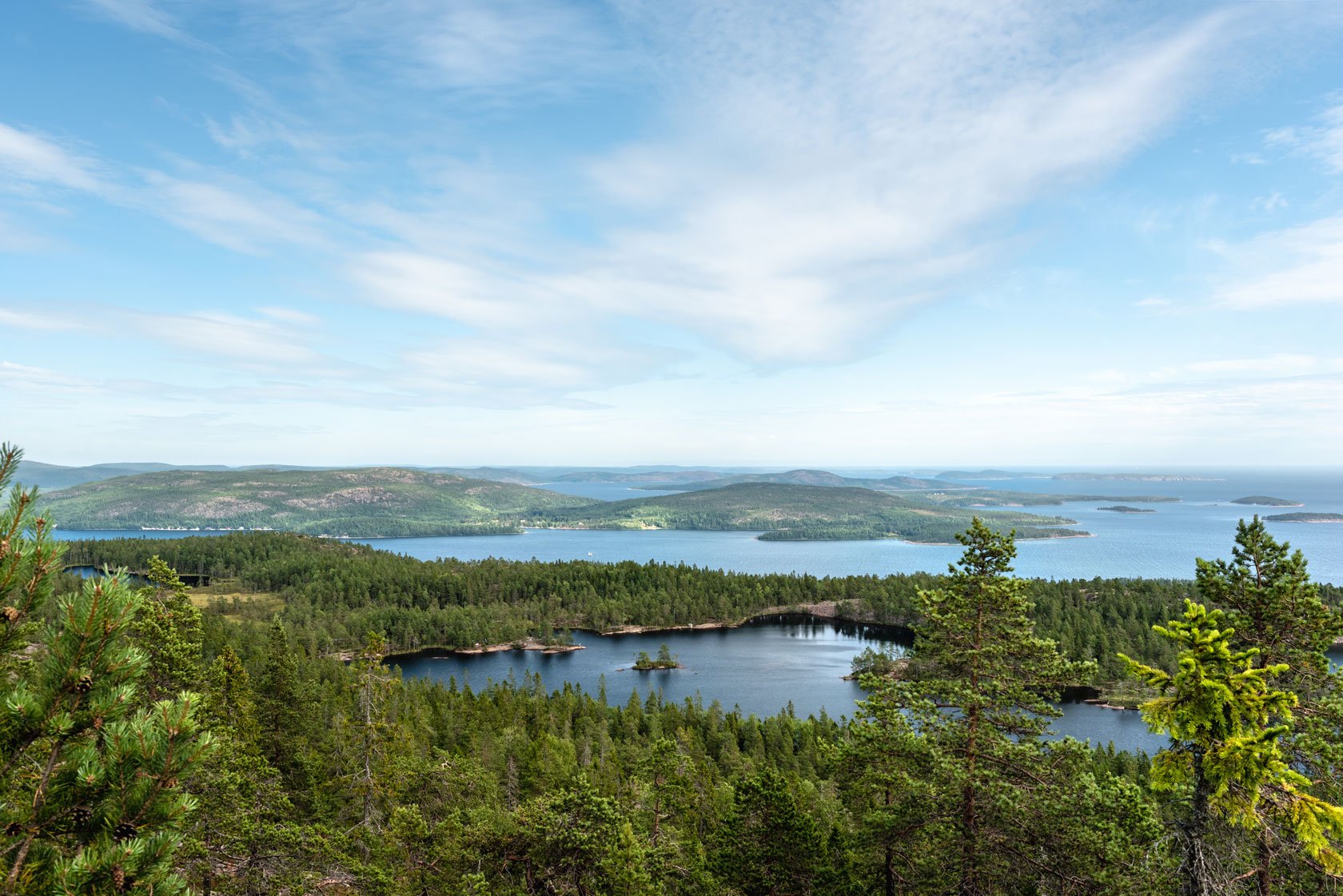
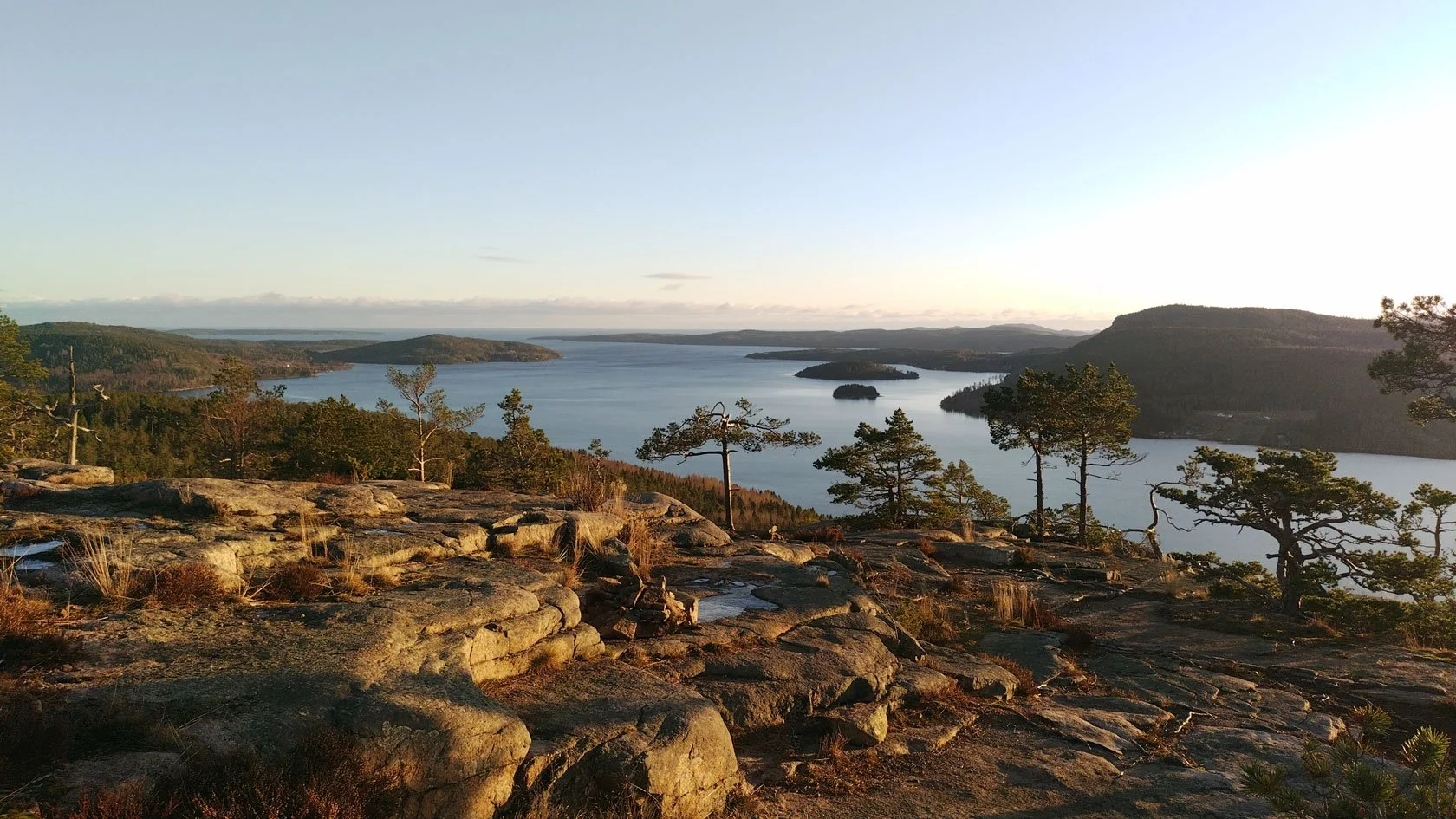
And honestly, it’s a beautiful upgrade. The line is scenic, the fjord views are wide and dramatic, and the forest path on the northern face of the mountain is breathtaking.
For day hikers with a light pack—and for trail runners (it’s a popular Strava segment and part of the Höga Kusten Trail race routes)—this variation often feels like a premium version of the older classic connection between Entré Syd and the east side of Skuleberget.
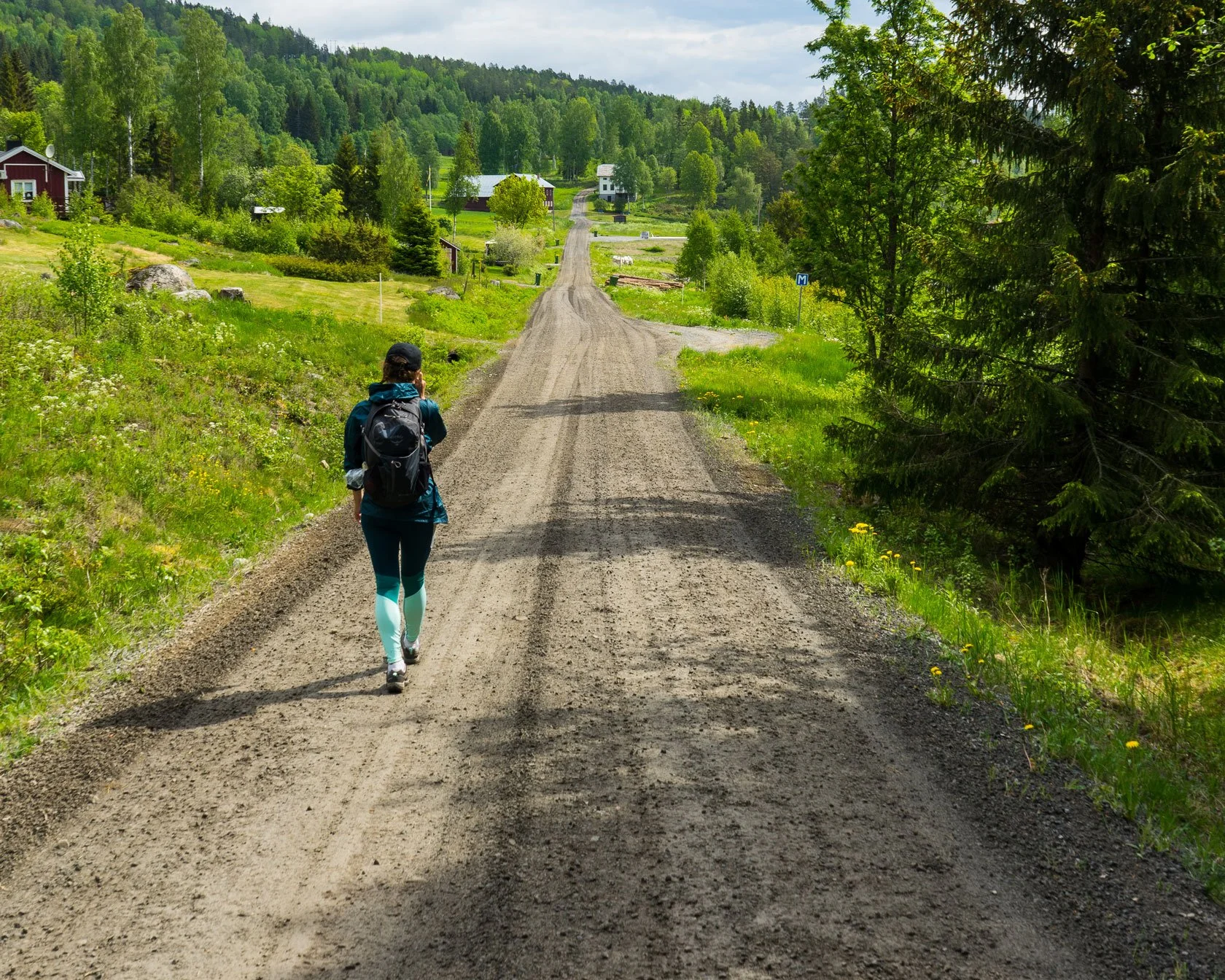
But if you’re hiking with a loaded trekking backpack (often 10–15 kg), one short section can feel very different than it looks on the map.
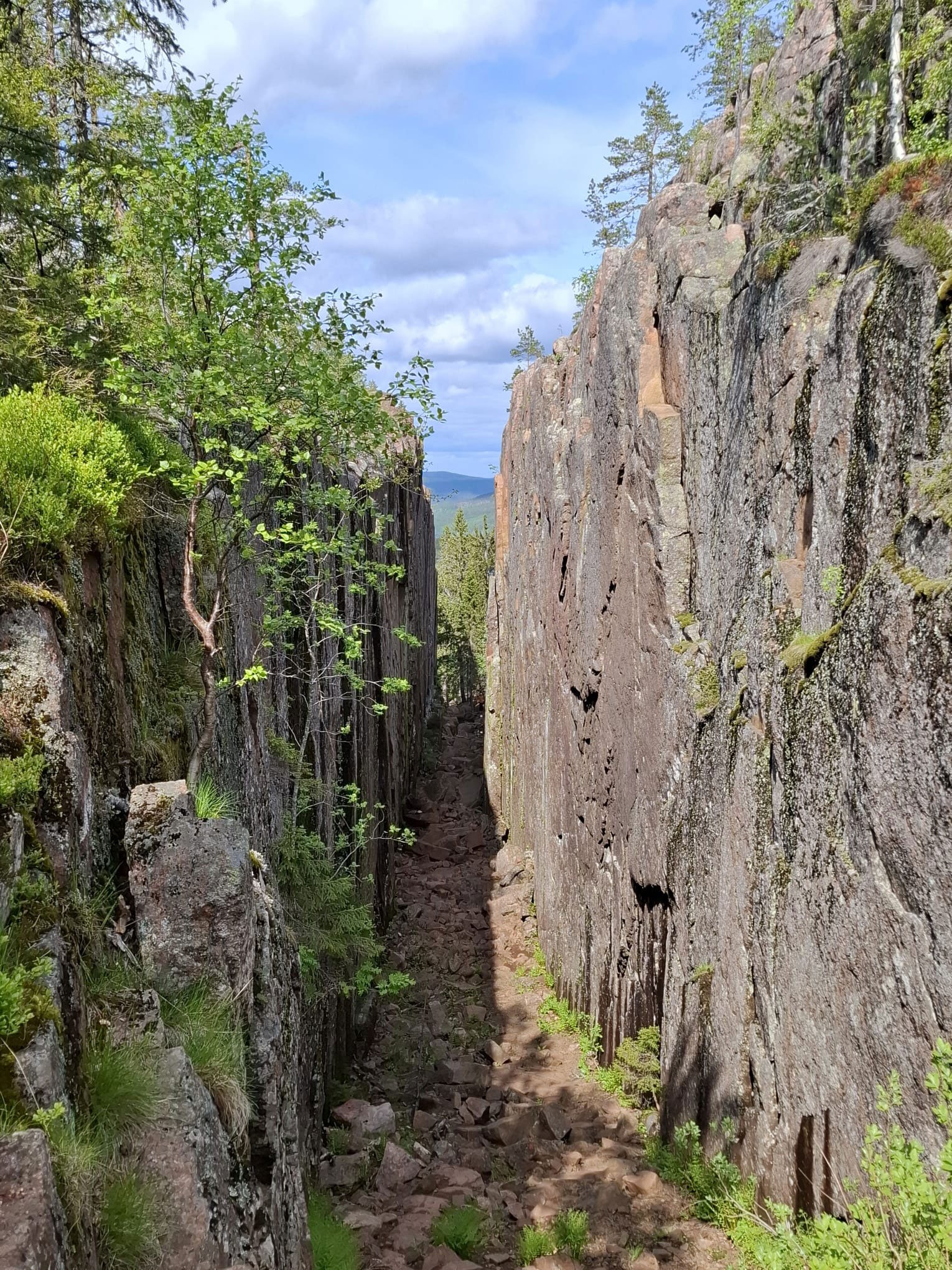
There’s just one practical detail worth saying out loud, especially if you’re walking to or from Skuleskogen National Park with a trekking backpack (often 10–15 kg). The short section between the Getsvedjeberget summit and Sveasand (the camping area) is steep and technical, and with a loaded pack it can feel surprisingly demanding—particularly if you mentally label it as a “transfer stretch” rather than a short, real mountain segment.
Conditions that change the experience (wet rock + darkness)

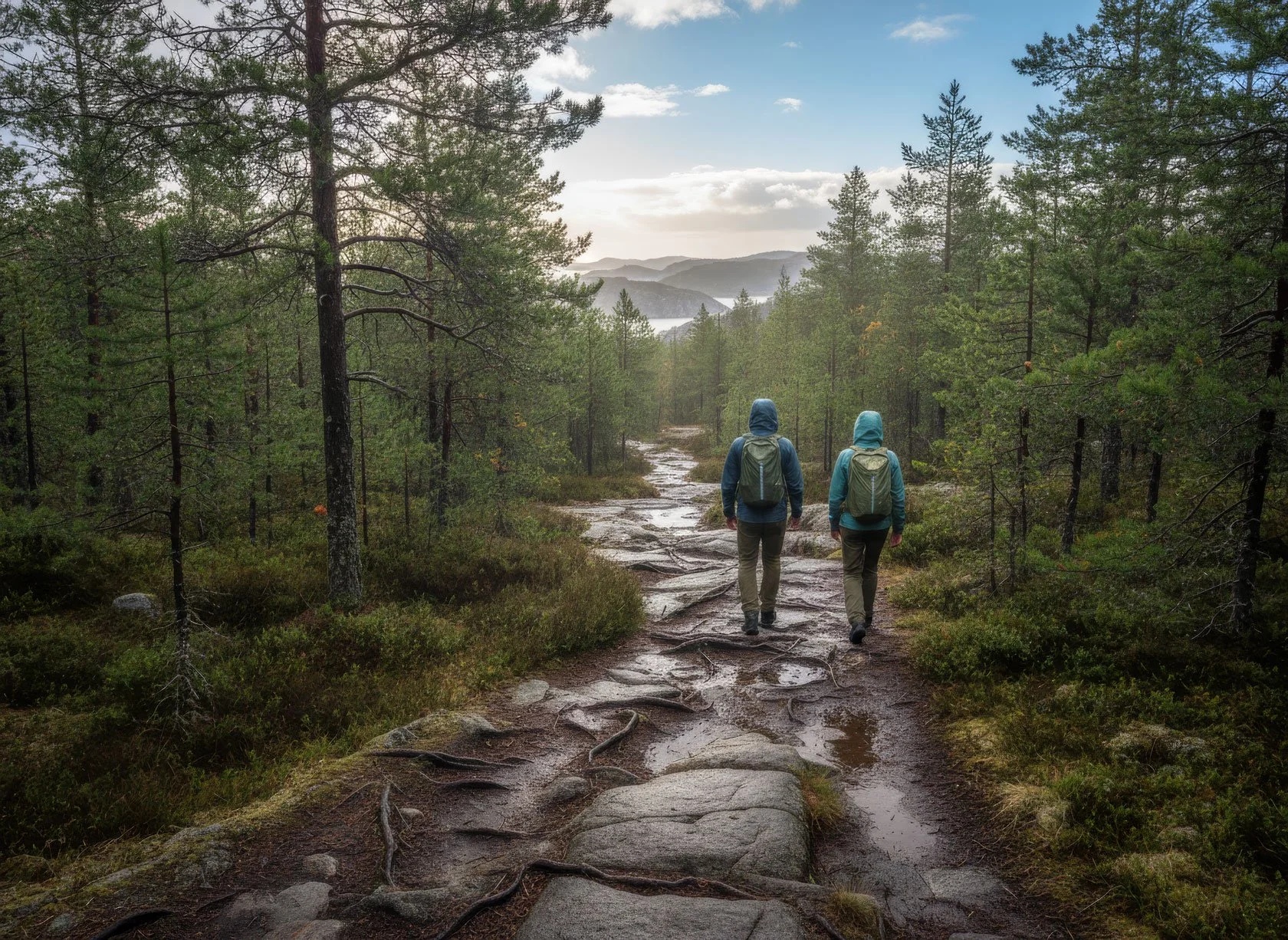
Nothing dramatic—just something to plan for. In wet weather the rocks and stones can be slippery, and in early/late season the combination of darkness + fatigue + a heavy pack changes the experience.
The key planning point: not more km, more time
On a dry day with a light pack it can feel quick; with a loaded pack (and wet rock), the same stretch often becomes a slow, careful 20–40 minutes of footwork.
And here’s the point worth keeping in mind: on the map, this variation doesn’t add much distance. In real life, it often adds time — steep rock, careful footwork, and more micro-stops when you’re carrying 10–15 kg. Same map distance, different pace. If you account for it, it becomes pure quality.
A quick decision rule (so you choose well today)

Choose the Getsvedjeberget / Predikstolen line if you have daylight, decent traction, and you’re happy with a short technical section for big views.
Be cautious with a loaded pack (10–15 kg) in wet weather or low light: it’s not dangerous, but it’s slower and more demanding than it looks on the map.
If you’re tired, it’s late, or the rock is wet: plan a time buffer, not a distance buffer.
If you’re passing through Docksta, we can help you choose the best variation for today—based on weather, daylight, and how heavy your pack is.
Skuleberget summit climbs (also added in 2025)
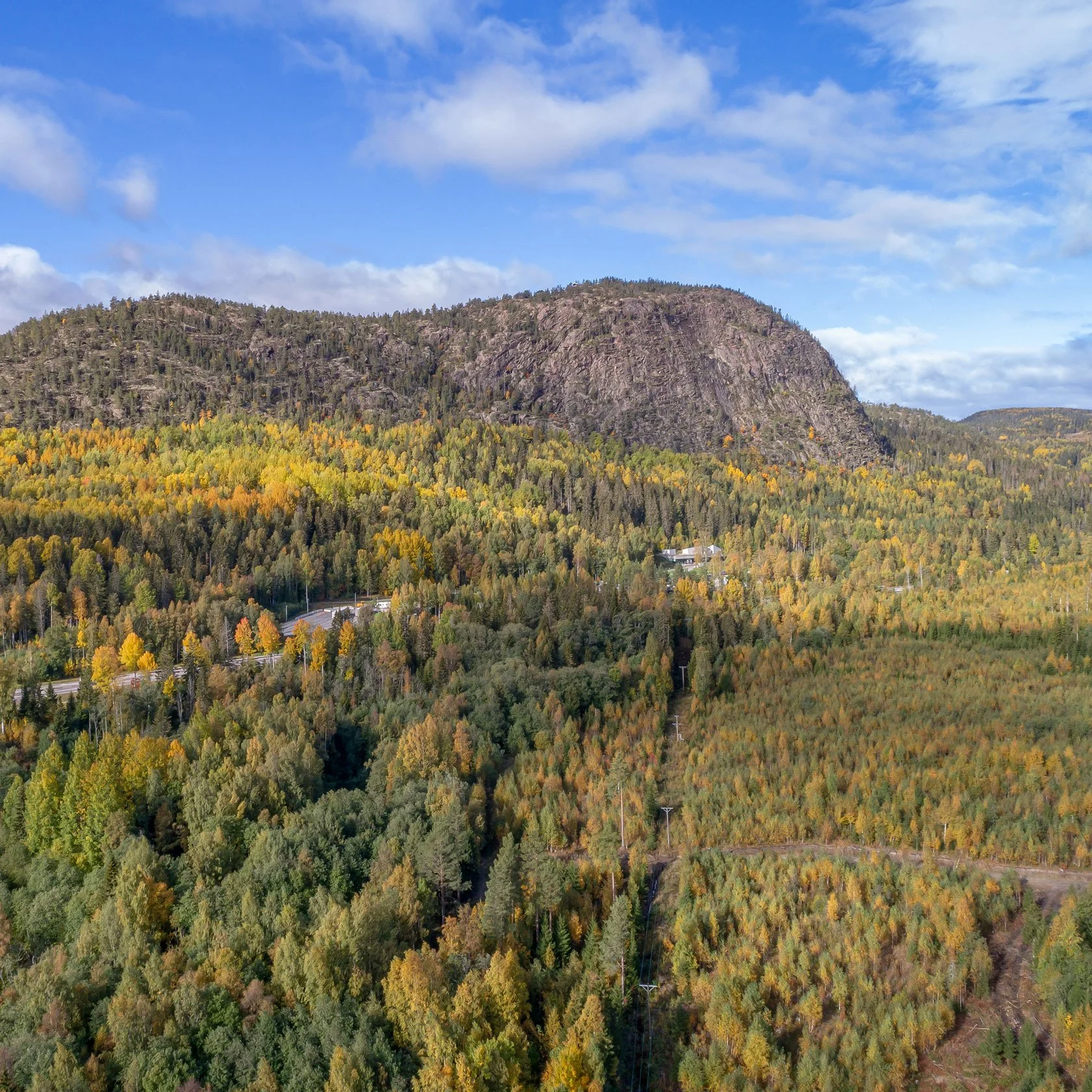
On top of that, the 2025 route also added the climbs up to the top of Skuleberget (before, the trail used to skirt the mountain).
If you’re here in summer, reaching the summit in the never-ending daylight should absolutely be high on your list. But it also adds meaningful elevation gain on technical terrain—and that can be a big surprise if you’re travelling loaded, especially after a long approach from the National Park, or if you’re starting in Docksta and moving north.
If you want to understand these two “new” climbs in a simple way, I’ve described them in my classic guide to the BIG5 Skuleberget trails—including Lynx and Fox, the two steep, rocky segments that are now part of the Höga Kustenleden. With a light pack they feel playful. With a loaded backpack, they’re still beautiful—just slower, and more demanding:
Paths of the Skuleberget (BIG5)
It’s a delicate point because it’s easy to underestimate when you read the map. Last summer, a number of hikers (and bikepackers too) discovered it the hard way. After talking with many of them here at the base camp, the pattern was always the same: the route is stunning—but it’s not “easy mileage” when you’re carrying your life on your back.
(If you like checking an official description of the Predikstolen / Getsvedjeberget climb, the Höga Kusten tourism site has a good short overview too.)
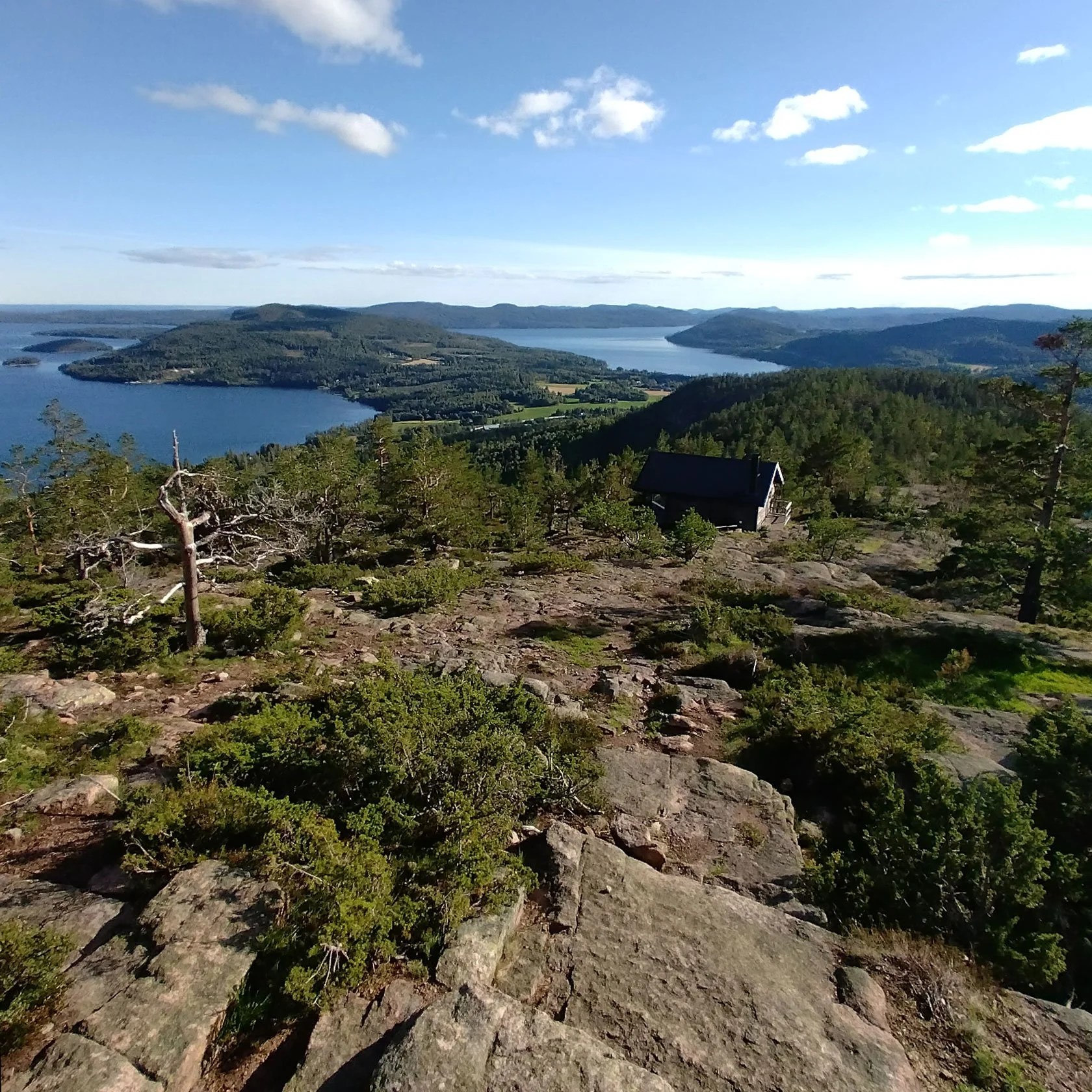
Hiker stopover in Docksta (sleep well, hike lighter)
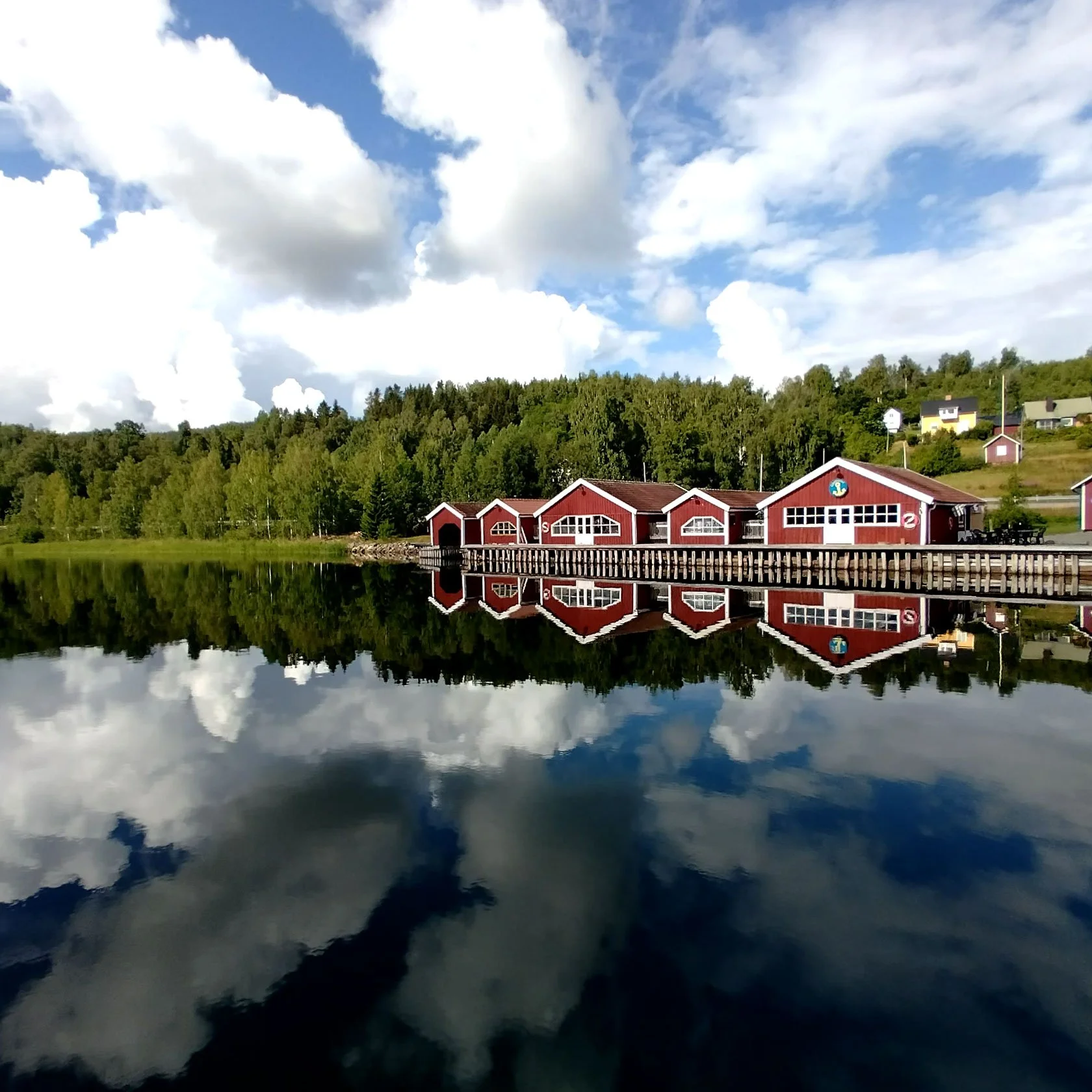
If you’re walking Höga Kustenleden with a loaded backpack (often 10–15 kg), Docksta can be a perfect 2-night reset near Skuleberget / Skuleskogen.
Not a “detour”. A smart pause: a real bed, a warm shower, and a calm base by the water — so you can enjoy the steep, rocky segments with a lighter setup.
Why it helps (especially in wet weather):
You can leave the heavy pack and go out with a light daypack for Skuleberget / Getsvedjeberget
You get a comfort buffer if the weather turns (wet rock + fatigue is the real combo)
You turn a “transfer stretch” into a quality day (views + footwork, not stress)
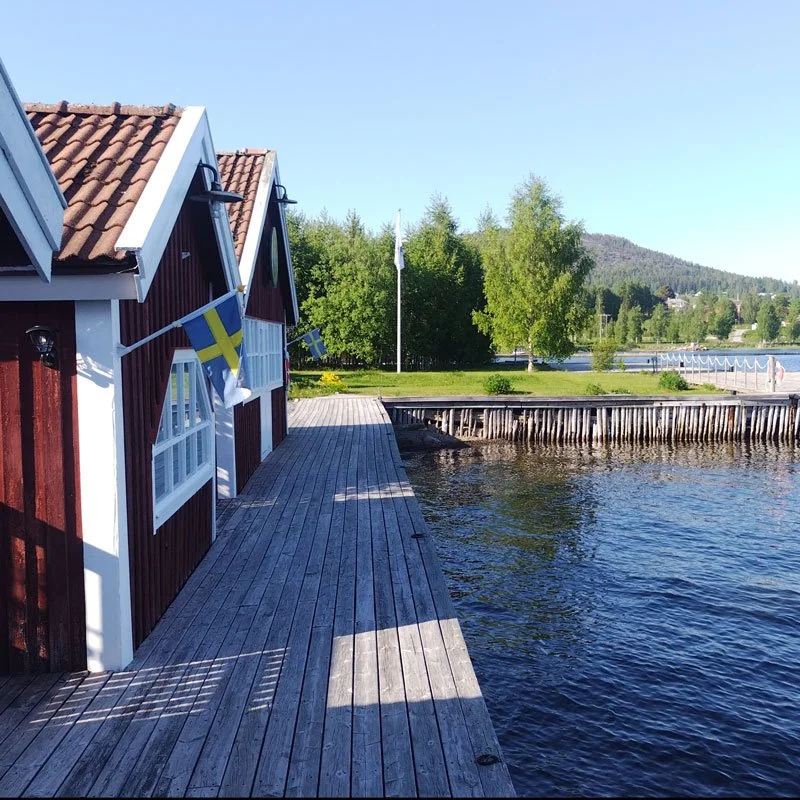
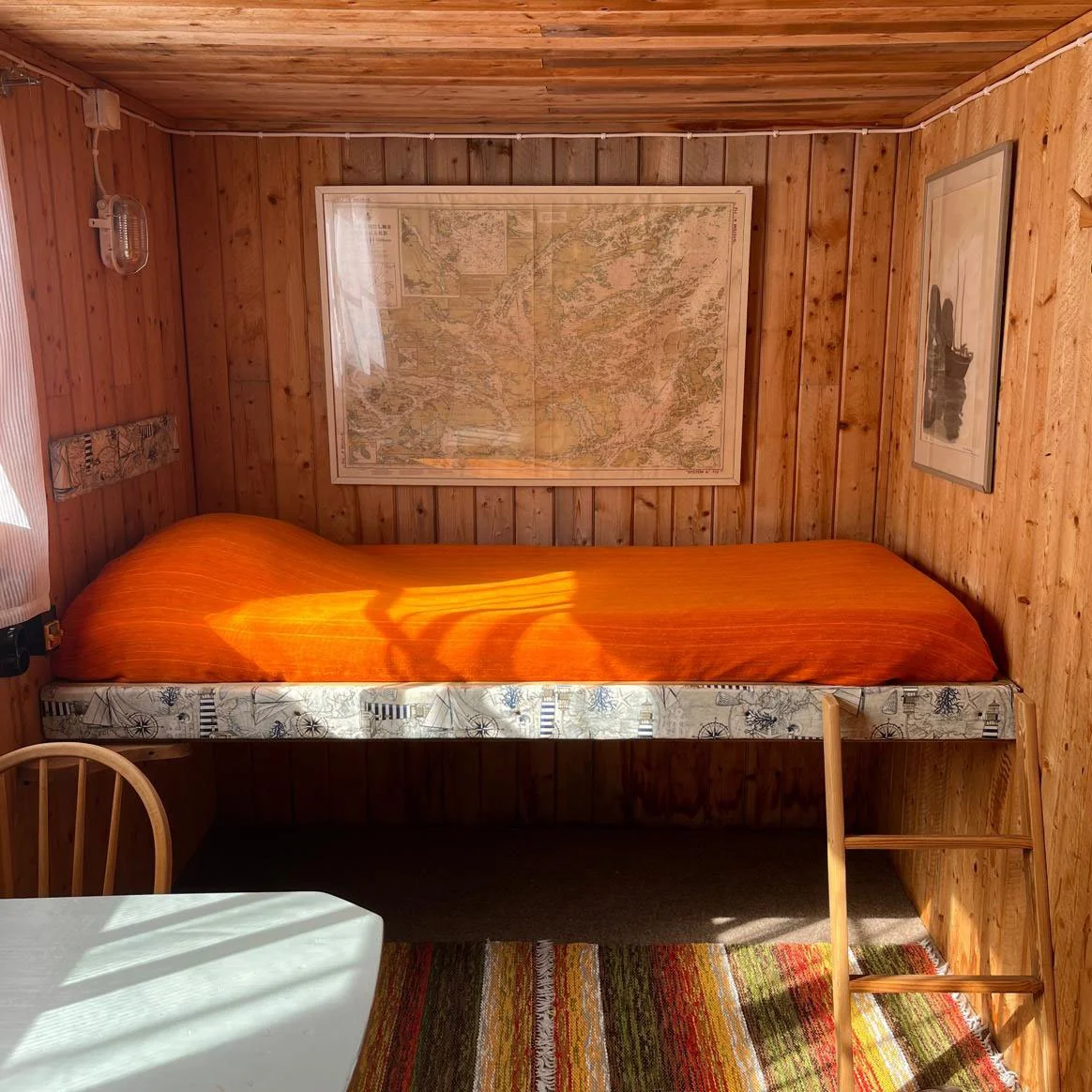
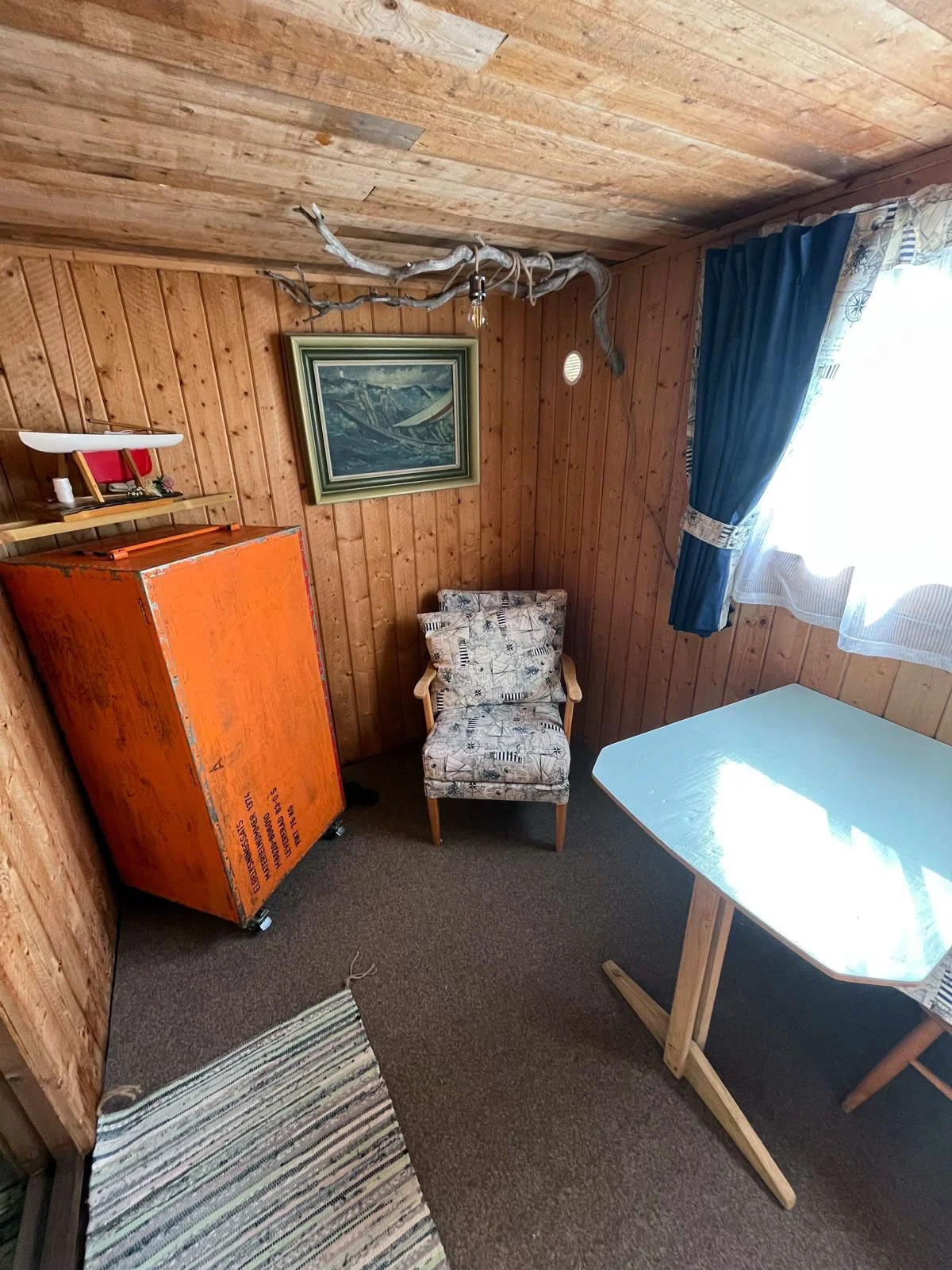
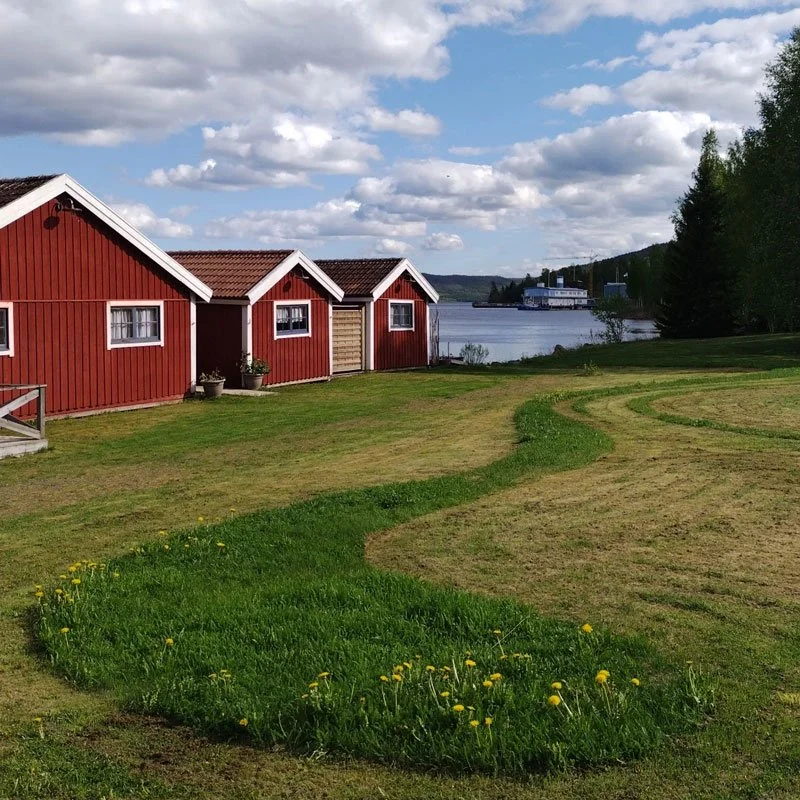
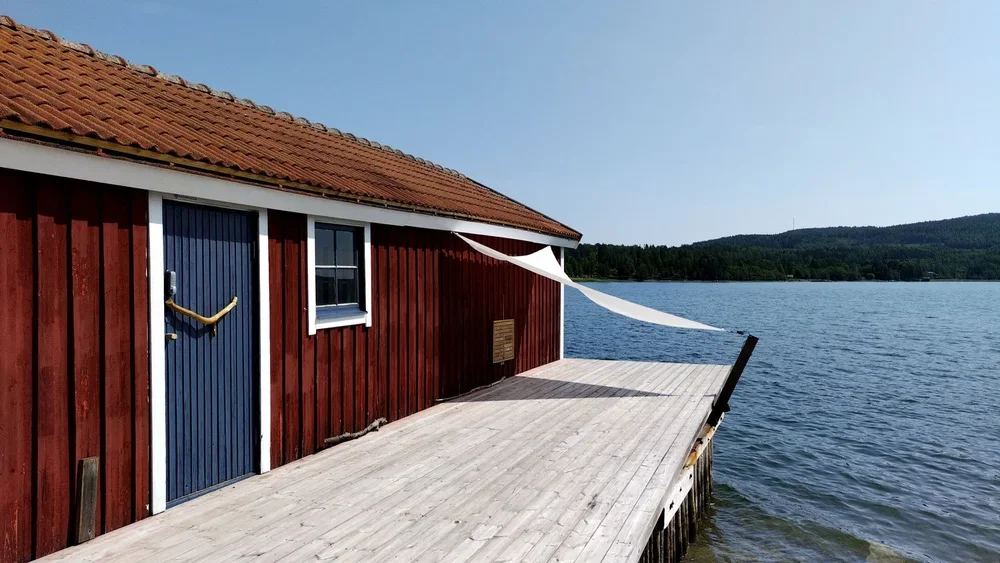
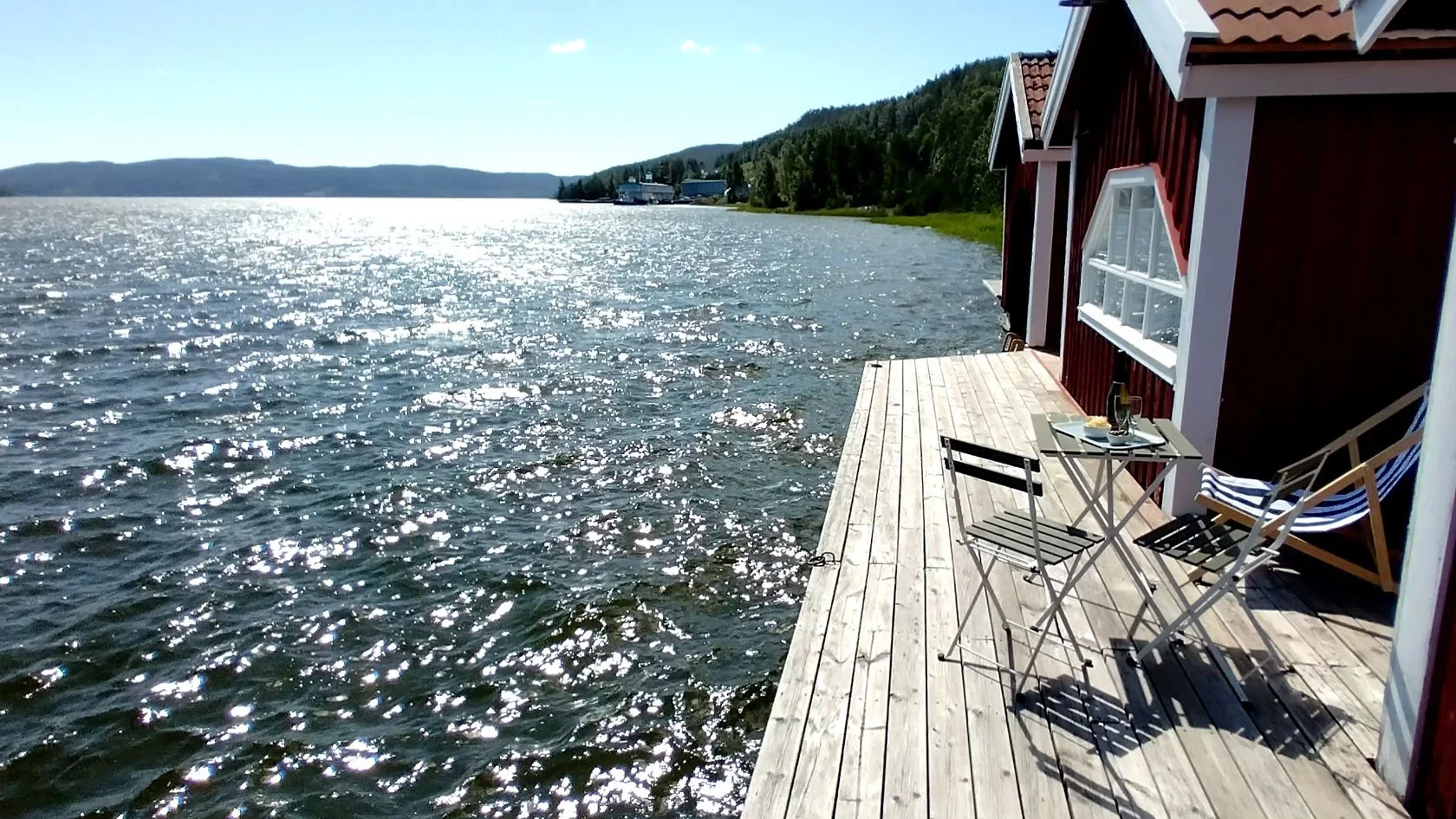
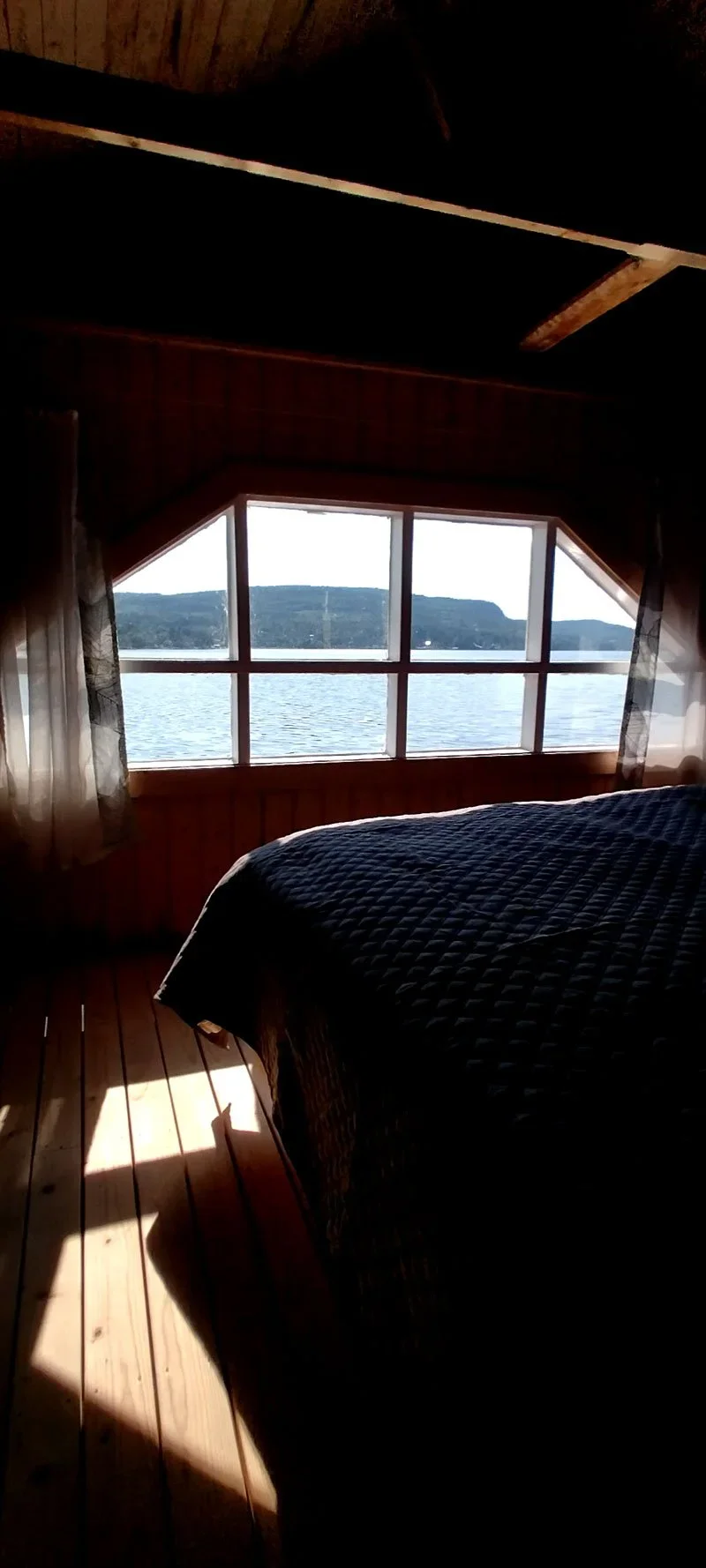
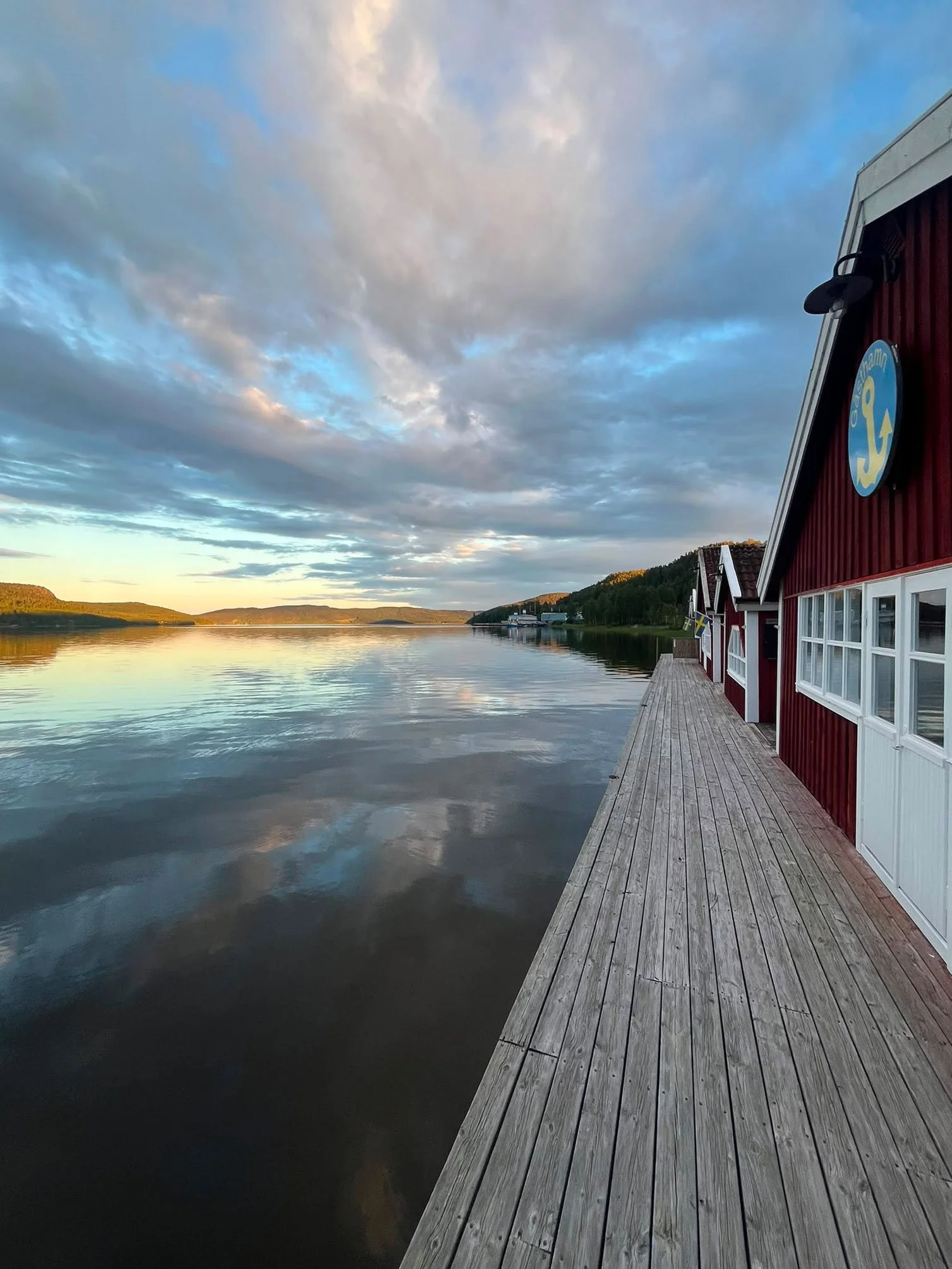
simple stay options for hikers
The Boathouse (waterfront, minimalist, perfect for a quiet recovery night) — bookable on Airbnb
The Crew Cabin (simple, practical, hiker-first) — bookable on Airbnb (limited availability)
The Dockhouse (sea lovers sleeps above the water) — bookable on Airbnb
Quick question? Contact us on Airbnb

If you stop in Docksta: 4 low-friction day ideas (with a lighter pack)
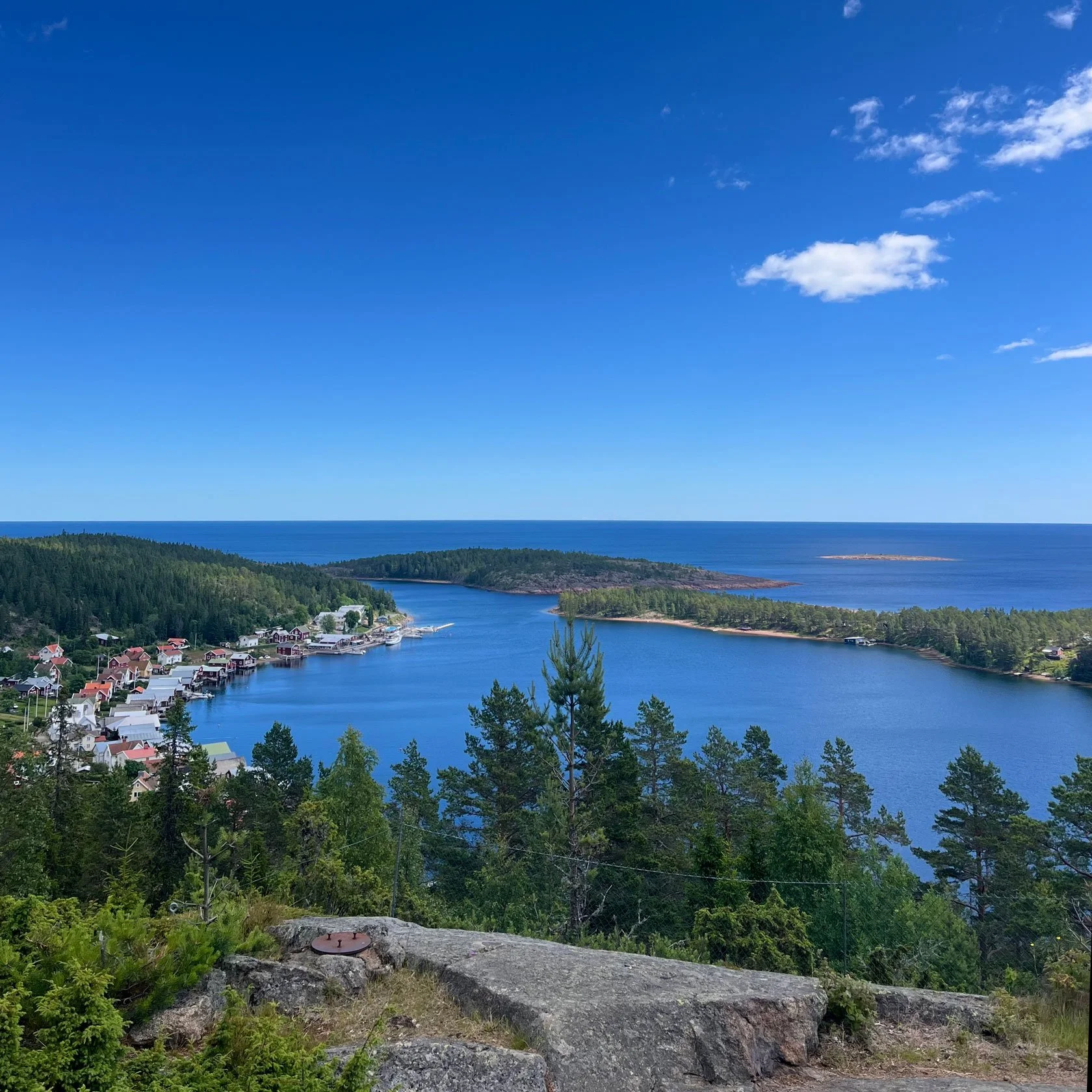

Getsvedjeberget + Predikstolen viewpoint as a focused day hike (big views, short technical section)
Skuleberget summit in the long evening light (best when you’re not carrying your whole life)
Ulvön island as a softer recovery day if legs are cooked or weather is unstable
Via Ferrata (Skuleberget), perfect as a “change of rhythm” day: less distance, more focus. Great if your legs are cooked but you still want a High Coast highlight

Want a quick “today decision” for your direction?
If you tell us your direction, today’s timing, and how heavy your pack is, we’ll suggest the best variation for today (weather + daylight + traction).
Quick question? WhatsApp at +46.763136909
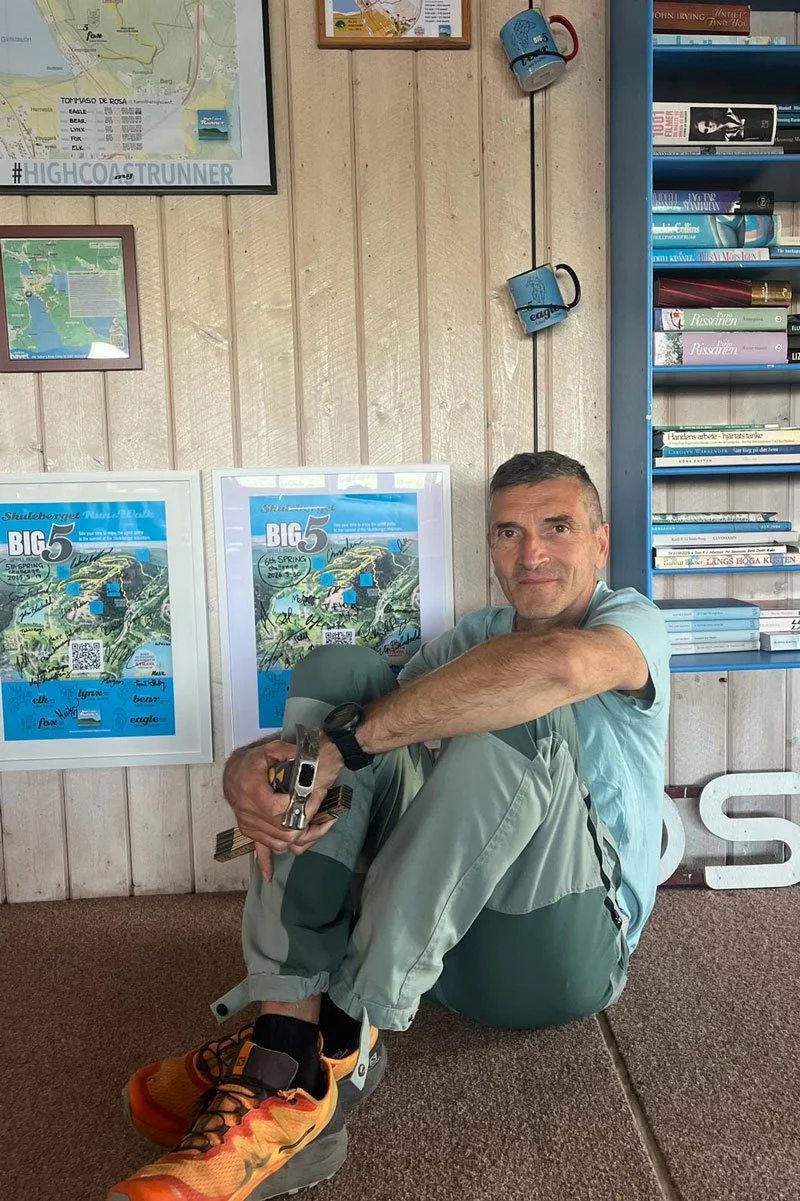
Tommaso De Rosa
See my host profile and message me on Airbnb
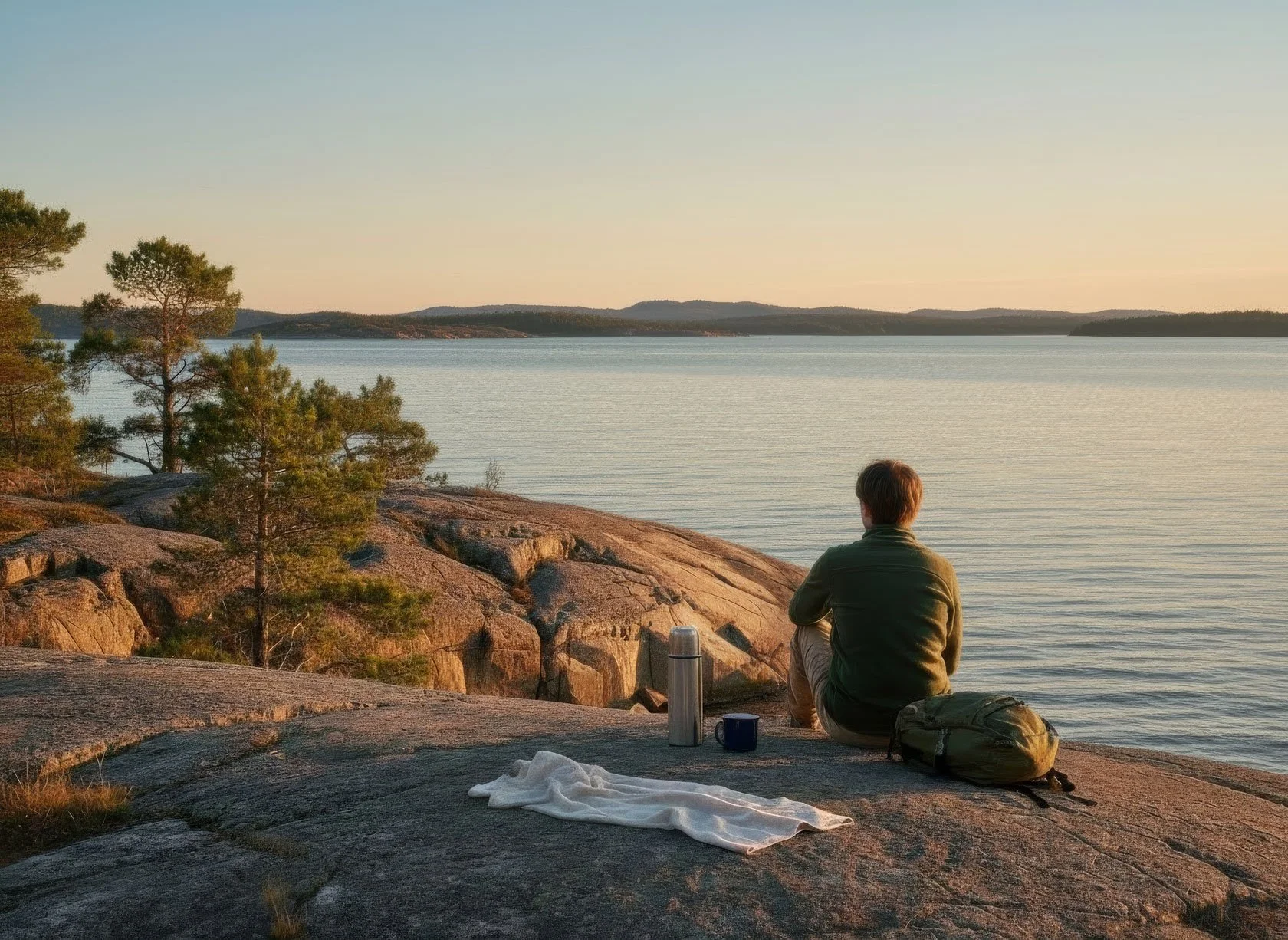
After hours on the trail, a good stopover isn’t “doing more” — it’s recovering well. If you’re walking the Höga Kustenleden and want a calm base near Docksta, I’ll help you shape a simple next step: Skuleberget, Skuleskogen, a swim, a quiet evening, and a realistic plan for tomorrow.
CONTACT ME by email or WhatsApp at +46.763136909 with your dates and your pace — I’ll keep it simple and real.