Workation

WOC 2029 Orienteering Base in Sweden’s High Coast — Peak Performance Weeks

A base for team weeks — or workation — that feels like yours

WOC 2029 build-up in Sweden’s High Coast: train, recover, and work in a simple base-camp rhythm.
Some weeks are built around performance.

Not the loud, social-media kind.

The quiet kind.

The kind where you want your routines to stay intact: sleep, food, training, recovery, focus.

And you want logistics to stop stealing energy.

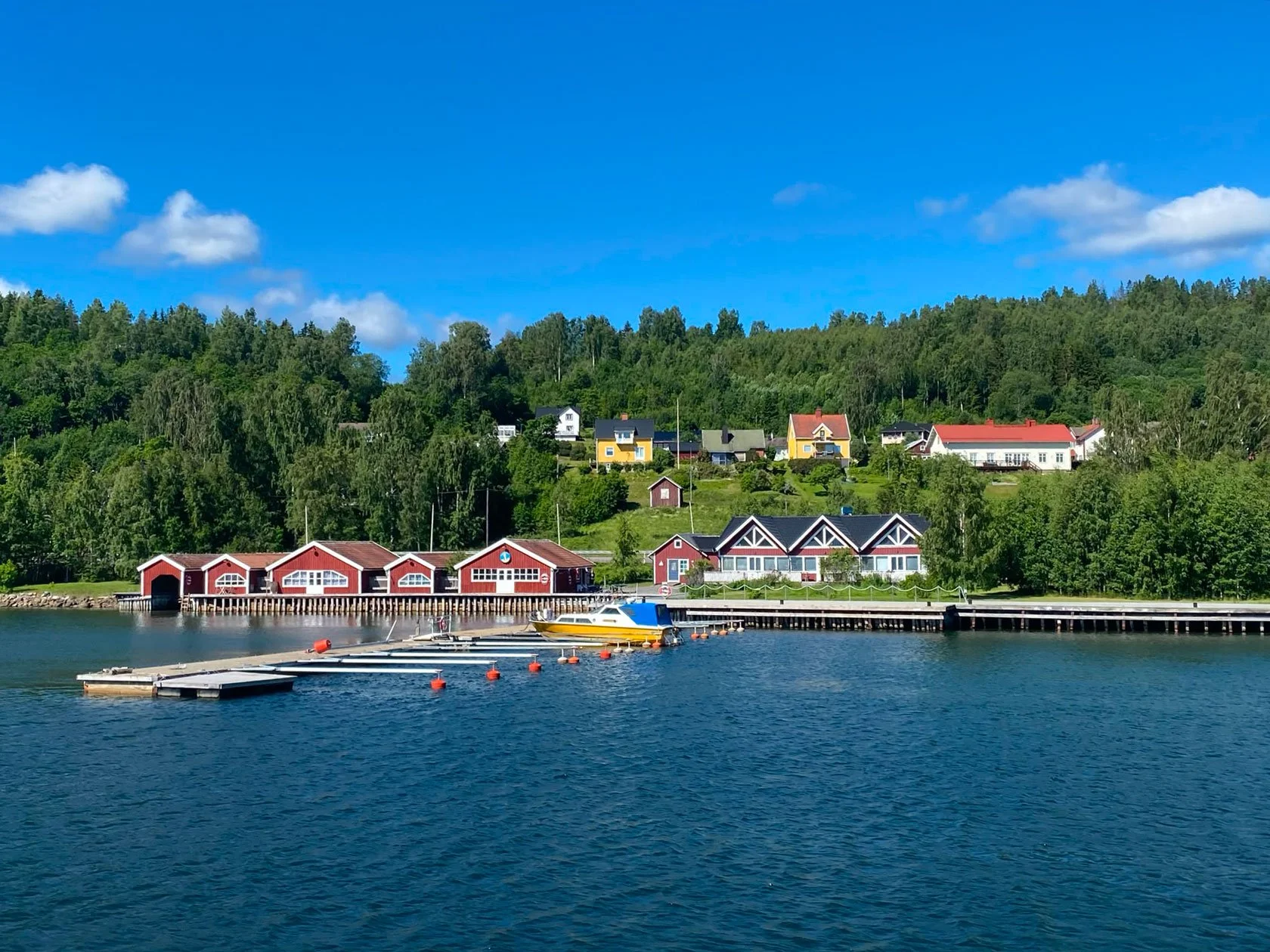
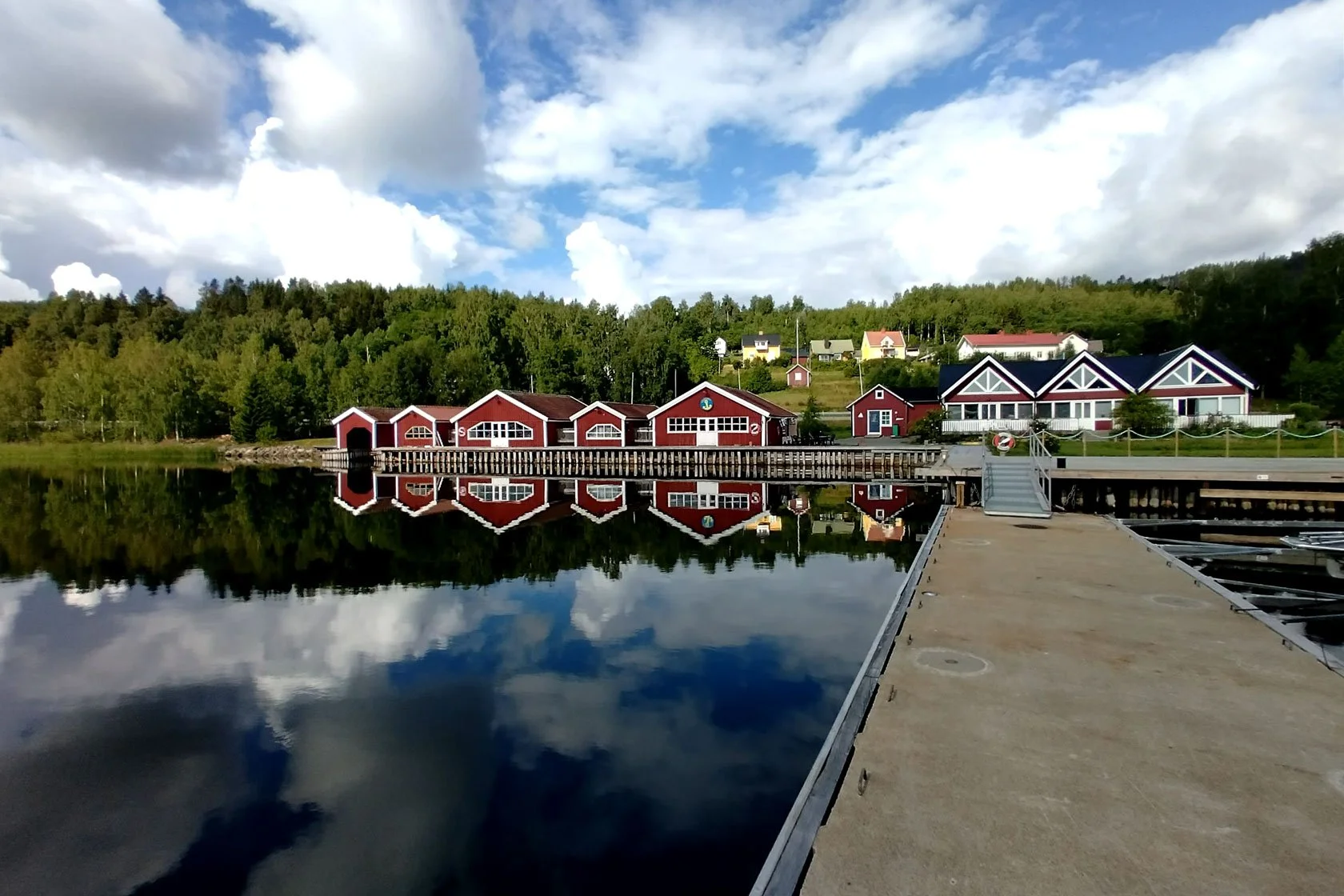
That’s the idea behind Peak Performance at Docksta Havet Base Camp — a calm “o-basecamp” by the sea in Sweden’s High Coast.

A place that feels like yours for a few days.


Who this is for

This post is written for:

  • Orienteering teams and clubs planning training blocks in the WOC 2029 build-up (2027–2029)

  • Coaches, staff, and support crews who need calm nights and a reliable rhythm

  • Focused professionals who want a workation with real recovery (especially May–June and September)

If you’re looking for a full “sports camp program” with scheduled sessions and a loud agenda — this isn’t that.

You bring your plan.

We protect the environment.

Start here: → Explore WOC 2029 team weeks & stays

Planning a build-up block in the High Coast? Here’s the main hub with stays + rhythm + practical notes. Stays, team setups, best periods, and the simplest way to request availability.


The part that doesn’t fit into a spreadsheet
There’s a practical side to planning a strong week: maps, travel, vans, laundry, meal rhythm, sleep.

And then there’s the part that doesn’t fit neatly into a spreadsheet.

The feeling of arriving somewhere and thinking:

Ok — this place is ours for a few days.

Not in a luxury sense.

Not in an “exclusive resort” sense.

More like this: you’re not passing through a system.

You’re moving into a base.


Why human-scale base camps matter
Docksta Havet Base Camp is intentionally human-scale.

Not as a limitation.

As a design choice.

Because when a place is human-scale, it can be fully present.

Not a front desk.

Not rotating staff.

Real humans on-site.

And attention to the details that make a week feel smooth:

  • Arrivals that don’t feel like a puzzle

  • Quiet nights that actually feel quiet

  • Wet shoes, drying gear, and the small frictions nobody puts in the brochure

  • The morning flow — the first 20 minutes that decide the tone of the day

For teams and focused guests, that translates into something very concrete:

Less friction. More usable energy.


Peak Performance (what it means here)
“Peak Performance” is our simple container for weeks where the goal is to train well, recover deeply, and keep life calm.

It’s not a program we run on you.

It’s an environment we protect.

A place where routines can stay intact.

Where the week doesn’t get noisy for boring reasons.


The hidden performance advantage: mornings
If you travel solo, mornings carry a lot.

If you travel as a team, mornings carry even more.

You wake up and you have to decide:

  • Whether or not?

  • Long session or shorter technical work?

  • Drive, jog, or just step outside first?

A base camp should make the first move easy.

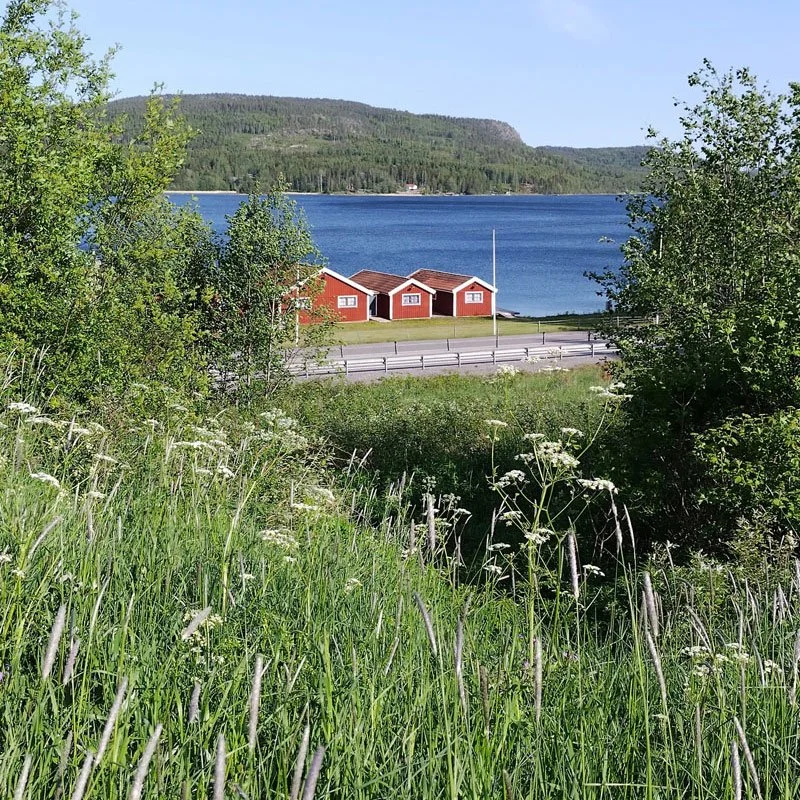
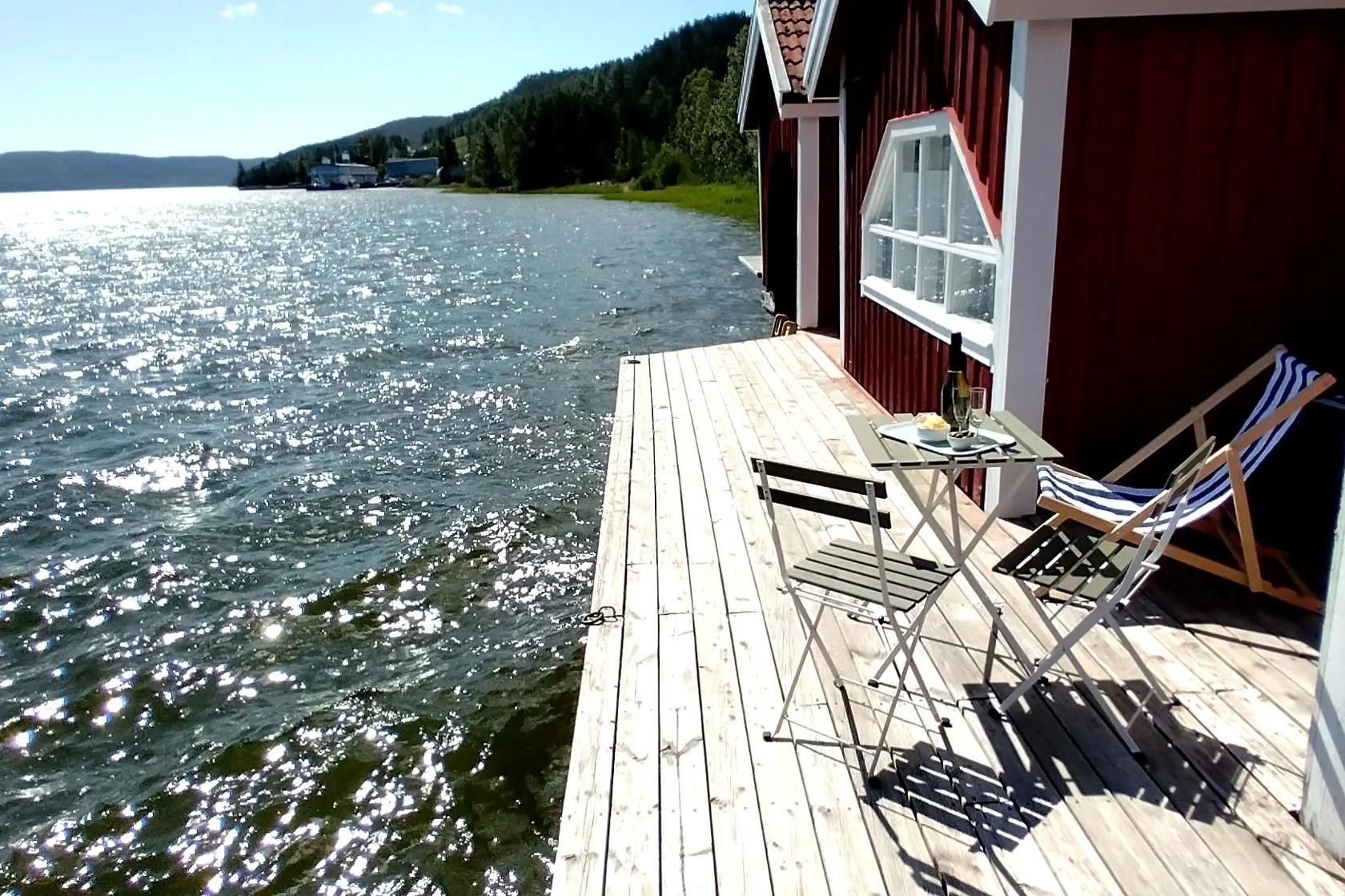
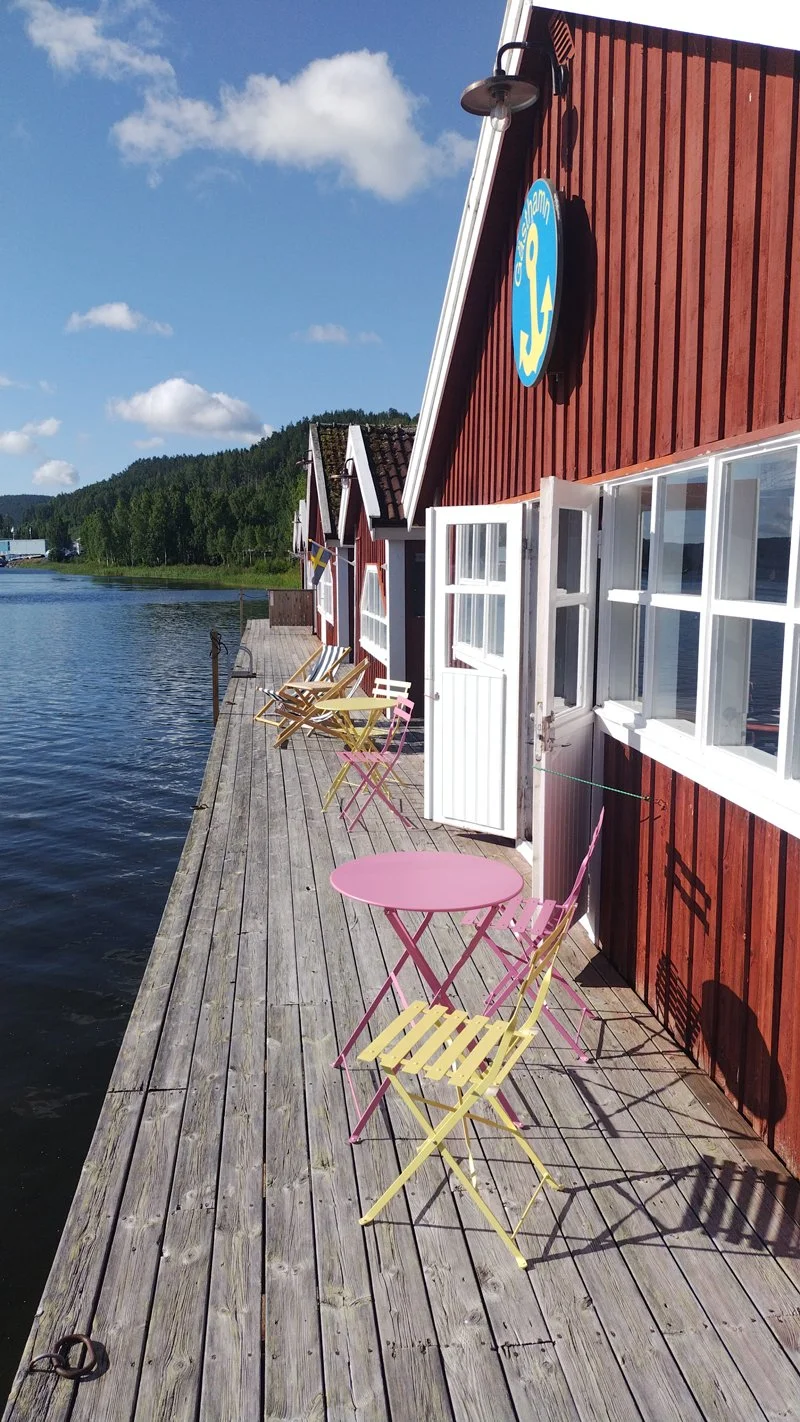
Here, the sea is right outside.

Even a short pier walk can shift the nervous system from travel mode to training mode.

Not motivational.

Not dramatic.

Just a clean start.


When a team week becomes a “home base”
Sometimes teams ask about exclusive use.

The question is practical — but the reason is often emotional.

Because when a place is truly yours for a week, something shifts:

  • You stop negotiating space

  • You stop adapting to other guests

  • You can keep routines intact

  • You can recover without feeling observed

I imagine it very clearly: flags on the poles, a team banner on the grass near the docks, maps on the table, a quiet morning coffee — and that calm confidence you get when logistics are not fighting you.

On selected dates (and depending on season), a base camp takeover can be possible: multiple units + shared spaces aligned around one team or organization.


Workation — but with real recovery
For some guests, the “team week” is not a sports team.

It’s a small group of professionals, founders, writers, or remote workers who need a calm base to work seriously — and regenerate deeply.

A good workation is not a holiday.

It’s a rhythm:

  • Focused work blocks

  • Simple logistics

  • Nature resets (sea + forest)

  • Sleep that actually restores you

May–June and September are often the sweet spot.
If you want a simple 1–3 week rhythm you can copy (deep work + real recovery), start here: Micro Work‑Break in Höga Kusten


Best periods for focused weeks (simple truth)
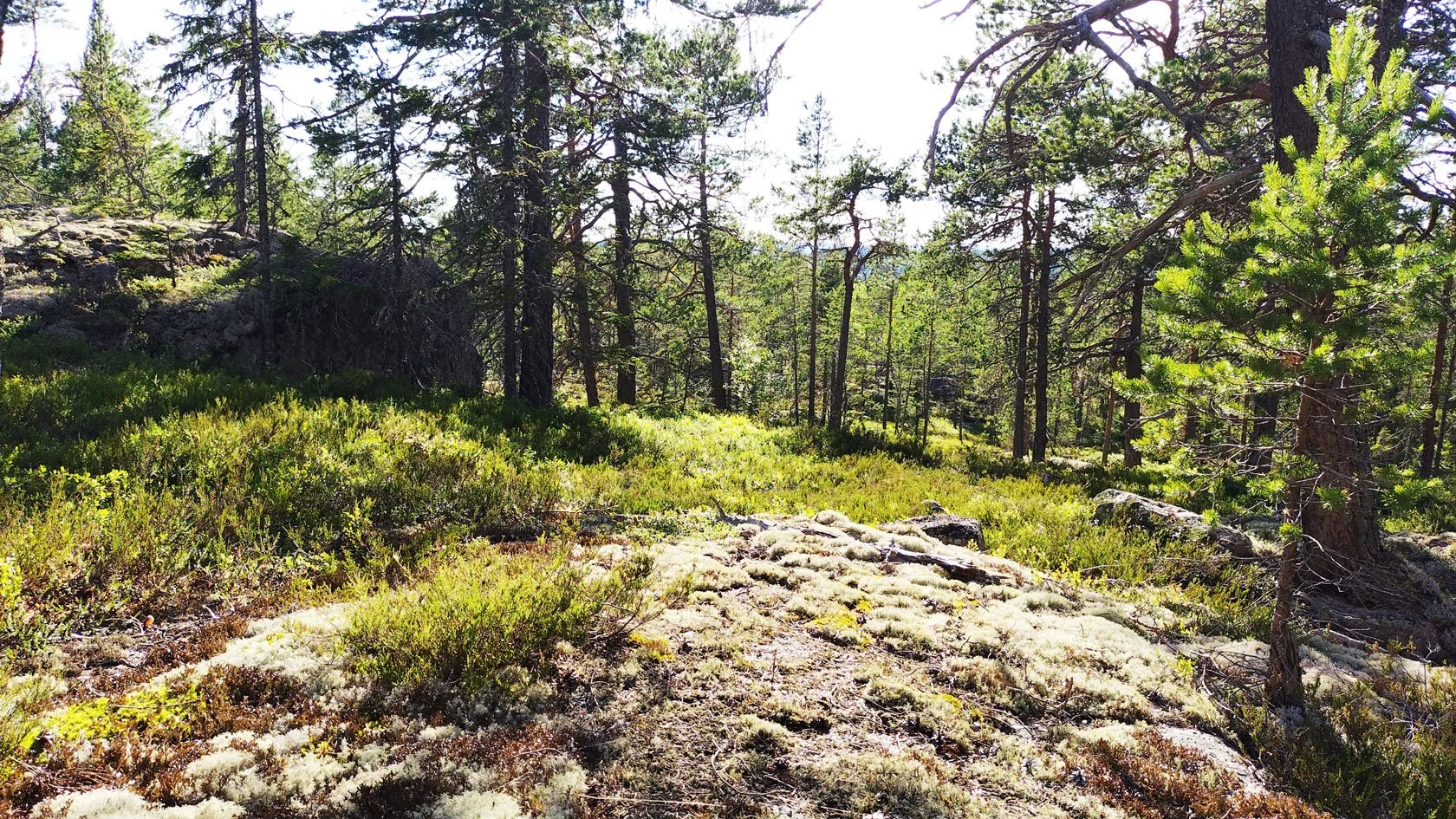
If you want the High Coast to feel supportive (not chaotic), shoulder seasons are your friend.

  • May–June: calmer, more flexible, more recovery-friendly

  • September: crisp conditions, strong rhythm, quiet confidence

July–August is typically busier (summer stays), so coordinated setups are more limited.


A small note about WOC 2029

Docksta Havet Base Camp is an independent accommodation provider — not an official WOC site.

For official embargo information and event rules, always follow WOC 2029 organizers and federation channels: IOF International Orienteering Federation

If you want a Peak Performance week here (simple next step)

If you’re considering a focused week in the High Coast (2027–2029), send me:

  • Dates (or 2–3 options)

  • Headcount

  • Team type (club / national / mixed)

  • Your preferred rhythm (hard camp vs balanced camp)

From there, I’ll suggest the lowest-friction setup: which units fit best, how to keep mornings smooth, and how to place one High Coast “wow” moment without draining the week.

Start here (2 minutes): WOC 2029 stays + team setup in the High Coast

Quick question? WhatsApp Tommaso: +46 76 313 6909

Request availability for WOC build-up weeks (2027–2029): Contact Docksta Havet Base Camp


Know your host
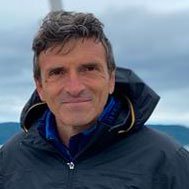
Tommaso — host, trail runner (orienteer passionate), and “base camp” person

I’m Tommaso. I run Docksta Havet Base Camp together with Anna.

I’m a trail runner and a long-time sailor, and I’ve spent years learning one simple thing: the best weeks don’t feel “full.” They feel clear.

That’s what I care about as a host — not creating more activity, but protecting the conditions that make a focused week possible: calm nights, smooth mornings, and a place where you can keep your routines intact.

If you’re planning a WOC 2029 build-up week (or a recovery-first workation), tell me your dates and your rhythm — and I’ll help you design the simplest setup.
 

If you’re building toward WOC 2029:
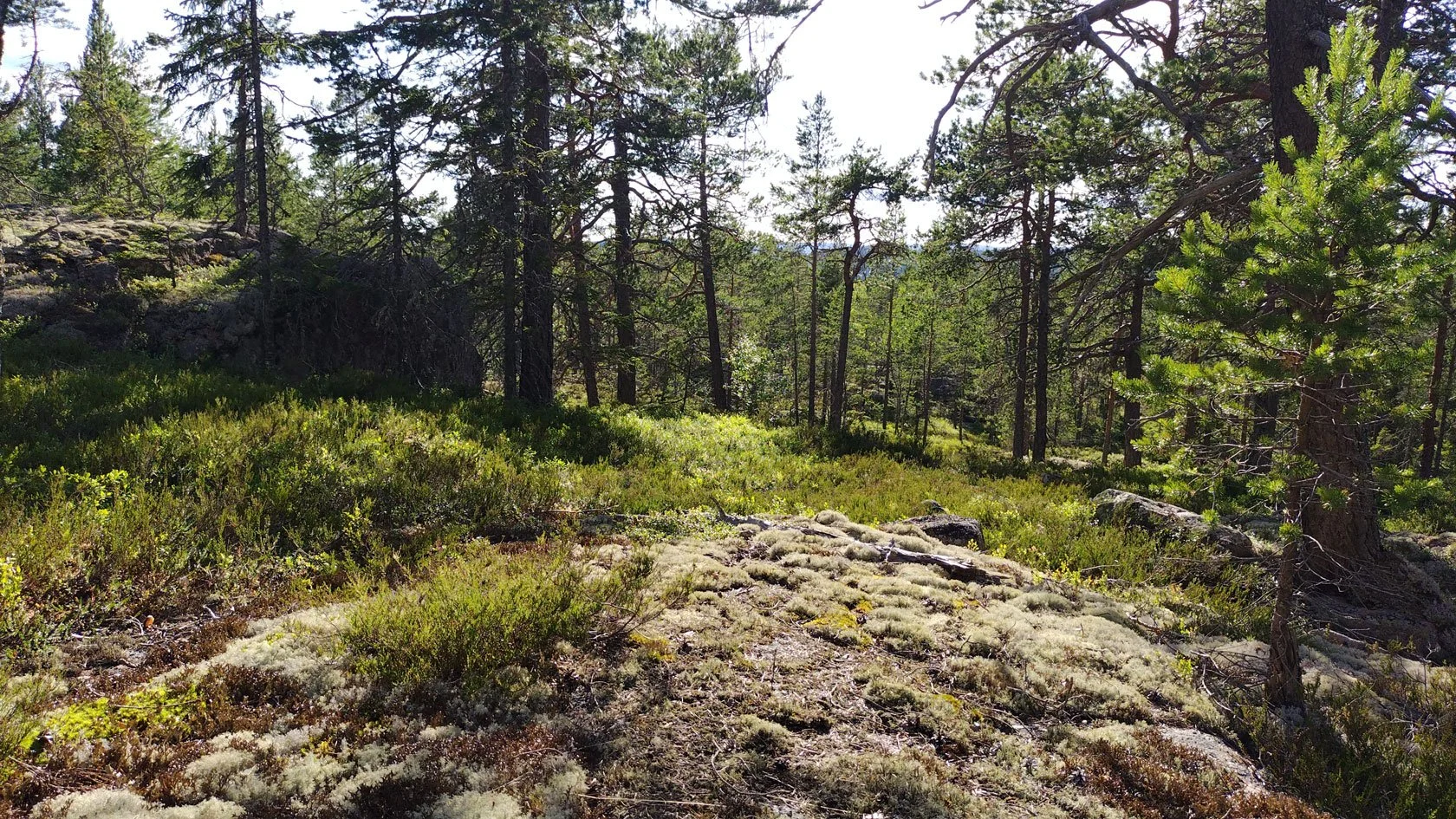
Same Work. Cleaner Head. A Micro Work‑Break + Nordic Nature Resets

Micro Work‑Break in Sweden’s High Coast (3–7 Days)

Not a retreat. Not a coworking hype week. Just a simple 3–7 day rhythm: same work, cleaner head — in Sweden’s High Coast.

A simple 3–7 day workation rhythm for young professionals: deep work, Nordic nature resets, and a calm base by the sea in Sweden’s High Coast (Höga Kusten UNESCO).

There’s a specific kind of tired I see a lot.

Not “I need a vacation” tired. More like: “I’m doing fine, but I’m always on.”

So this isn’t about escaping work. It’s about changing the signal for a few days.

Same tasks. Cleaner head. Sea air in the morning. Trails and forest in the afternoon. Long Nordic light in the evening.

Docksta is one of those places where it’s all close: mountains, forests, archipelago — inside the Höga Kusten UNESCO World Heritage landscape shaped by post‑glacial uplift.

That’s why 3–7 days here can feel like more than a break.


What a Micro Work‑Break is (my simple definition)

A Micro Work‑Break is a short, intentional work‑and‑nature reset (3–7 days) for people who are building a career (and a life) at the same time.

You keep the work. You change the signal.

It’s designed to help you get back one piece of your life you feel you’re losing:

  • your attention (without constant switching)

  • your body (without living in a chair)

  • your evenings (without scrolling yourself into midnight)

  • your sleep (without carrying the day into the night)

  • your sense of direction (without overthinking everything)

It’s not about doing less — it’s about doing it without the noise, for long enough that your system actually settles.

What it is

  • Short by design: long enough to shift your rhythm, short enough to stay light

  • Simple: one daily work block + one daily reset outside

  • No performance: no program, no “transformation week”

  • Nordic‑nature backed: sea air, forests, trails, viewpoints — inside a UNESCO World Heritage landscape

What it isn’t

  • a retreat with a schedule

  • a networking week

  • a “work from beach” fantasy

  • a productivity bootcamp

  • a place that tries to entertain you


Why this works (25–35, building years)

If you’re in your 20s or 30s and you’re building something — career, business, portfolio, client work — the brain rarely turns off.

The problem is not motivation. It’s fragmentation.

Constant switching. Background noise. The feeling that even rest must be “earned”.

A Micro Work‑Break works because it removes two things at once:

  • too many choices (what to do, where to go, what’s worth it)

  • too much stimulation (screens, city rhythm, social pressure)

And it replaces them with something simple:

  • one clear work block

  • one real reset outside

  • one calm evening

The goal is not to do more. The goal is to work clean — and feel human again.


The Docksta rhythm

Copy/paste this and make it yours.

Here’s the version that works for most people — minimalist, realistic, repeatable:

  • Morning: Deep Work (2–3 hours)
    One task. One document. No multitasking.

  • Midday: Reset (45–90 minutes)
    A trail, a shoreline walk, a short climb — something that changes your breathing.

  • Afternoon: Light Work (60–120 minutes)
    Admin, emails, editing, planning.

  • Evening: Low stimulation
    Simple food. Slow walk. Early sleep.

You don’t need a perfect week. You need a rhythm that doesn’t get eaten by noise.


Why the High Coast helps (Nordic nature, not a playground)

The High Coast is big — and that’s exactly why it works.

You can go from sea level to panoramic views fast. You can hike, run, bike, or simply walk until your nervous system remembers how to downshift.

And because this landscape isn’t built for entertainment, it does something rare: it gives you space to think without asking you to perform.

Here, nature isn’t decoration. It’s the infrastructure.


Why the High Coast works (for real life, not for content)

The High Coast isn’t a “playground” built to keep you busy. It’s the opposite: a big, quiet landscape that doesn’t demand anything from you.

You can get a real reset fast — sea air, forest trails, a viewpoint — and still be back in time for a clean work block. That’s the point: nature that fits into your day, not a day that gets swallowed by planning.


The July note (without changing the strategy)

My honest advice is still: May–June and mid‑August to mid‑September are the sweet spots for a Micro Work‑Break.

But yes — July can work, especially for international guests who travel when they can.

The trick is to choose a July rhythm that protects quiet:

  • work early (before the day gets busy)

  • reset late (long light evenings are your friend)

  • keep adventures micro (short trails, short rides, one good viewpoint)

You don’t need the empty season. You need a rhythm that doesn’t get eaten by noise.


Docksta as a base camp (not a concept hotel)

Docksta Havet is a small waterfront base camp. Not a resort. Not a coworking space with a “nature view”.

You get:

  • reliable WiFi

  • quiet work corners (and espresso energy)

  • immediate access to trails, viewpoints, and sea resets

  • a host who actually lives the landscape

If you want to keep it simple, just choose a waterfront stay and build your rhythm around it.


Outdoor Ready = arrive light, still get a full High Coast day.

If you travel light, you can also unlock an Outdoor Ready day with simple gear rental (Grab&Go) — bike, daypack, hammock kit — without bringing half your basement.


If you can stay longer (Workation Escape, 7–21 days)

Sometimes 3–7 days is exactly what you need: a clean reset and a softer landing back into life.

But if you feel you’re carrying something heavier — a bigger decision, a longer creative project, or a season of “I need to rebuild my rhythm” — then the deeper format is a Workation Escape (7–21 days).

Same philosophy, more space:

  • less rushing

  • more repetition (this is where calm becomes real)

  • more nature windows

  • a rhythm you can actually take home

If you’re unsure, start with the Micro Work‑Break. It’s the honest entry point.

Go deeper (Workation Escape index)

If you want the longer format (7–21 days) and the full library of quiet routes and shoulder‑season rhythms: → Workation Escape [index]


Start here (practical)

If you want the practical overview (timing, rhythm, and simple planning), start here: → Micro Work‑Break guide

Prefer a quick starting point? Open our practical Mini-Guides: 🇬🇧 English → | 🇸🇪 Svenska → | 🇩🇪 Deutsch → | 🇫🇮 Suomi → | 🇮🇹 Italiano →

If you want one human answer before you decide anything, send me:

  • your dates

  • one piece of your life you want back

  • your preferred pace (calm / medium / active)

I’ll suggest a simple rhythm that fits.


Meet your host

Tommaso De Rosa

See my host profile and message me on Airbnb chat.

If you want one simple recommendation, message me on Airbnb with your dates + pace. I’m quick to reply (especially in season).


Quiet Workation in Sweden’s High Coast: A Micro Work-Break in Docksta

The 3–5 Day Micro Work-Break (Sea-to-Forest Resets Included)

Quiet productivity for experienced professionals: focused mornings, gentle nature resets, and a calm base by the sea in Sweden’s High Coast (Höga Kusten UNESCO).

Workation in the High Coast isn’t a trend here — it’s geography. Docksta sits where the sea meets the archipelago and its mountains. Forest and trails start almost from the waterline, inside the Höga Kusten UNESCO World Heritage landscape shaped by post-glacial uplift.

Docksta Havet is a Base Camp: quiet waterfront stays, reliable WiFi, and the kind of local route knowledge that turns a few days away into a real rhythm — not a “program”.

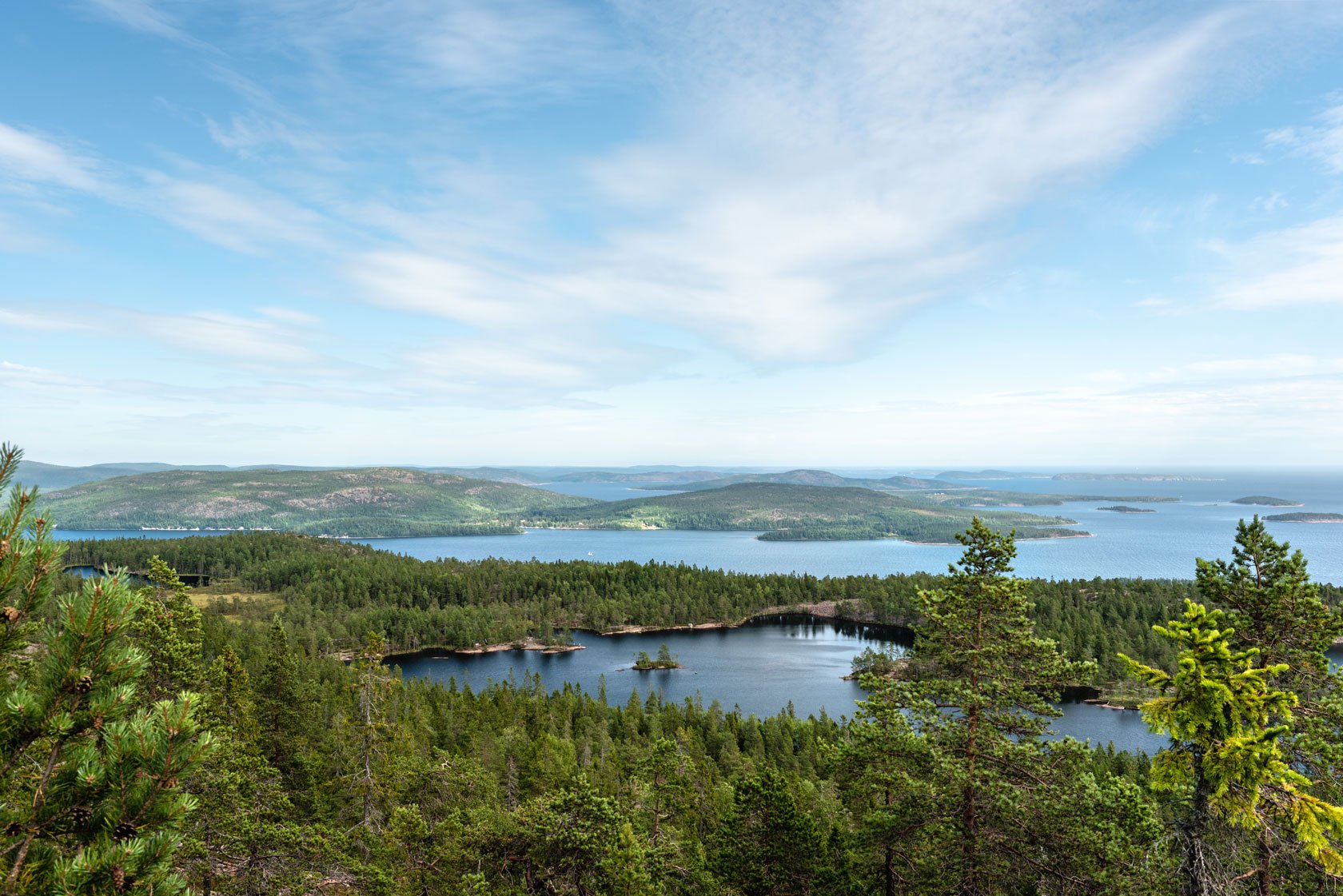
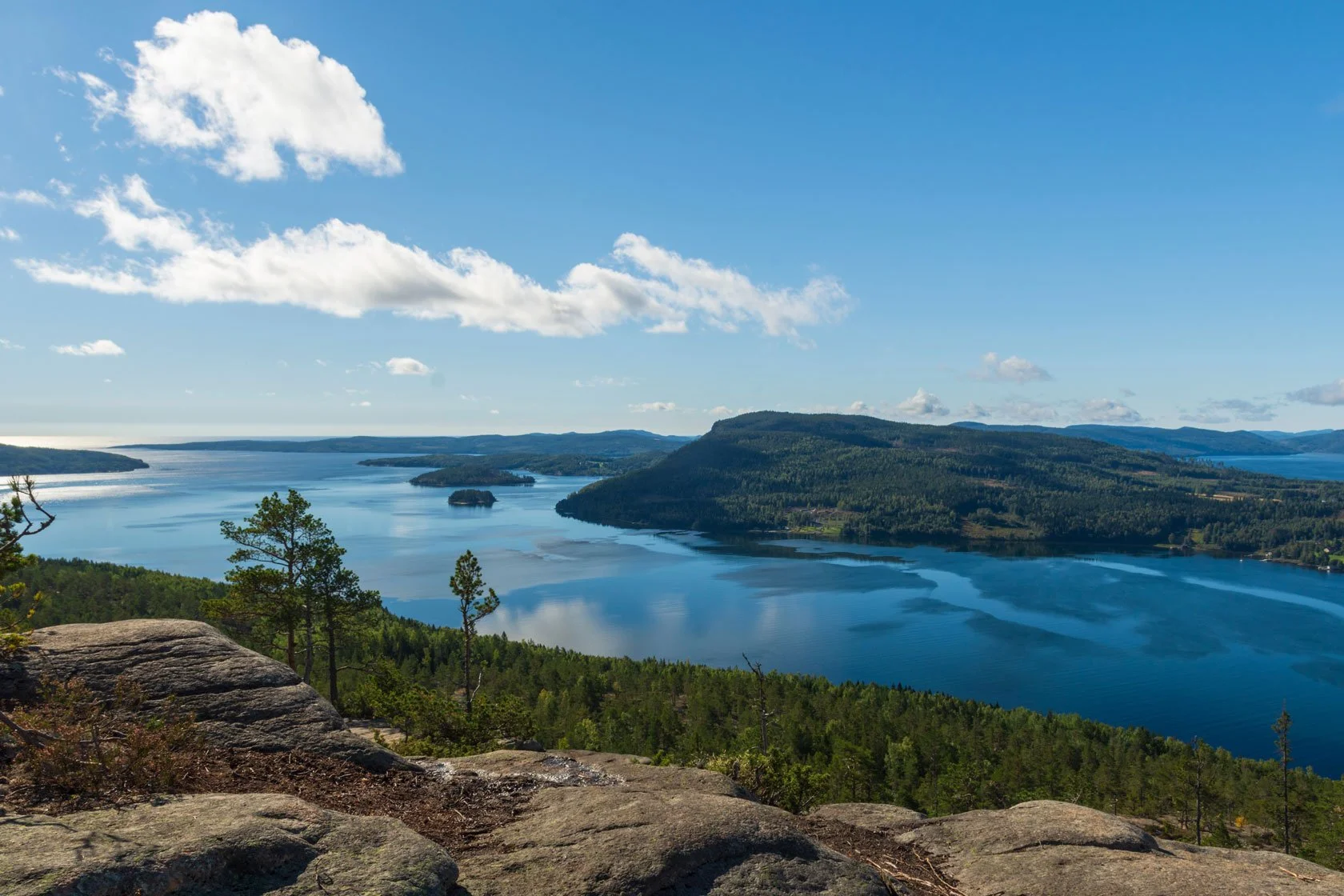
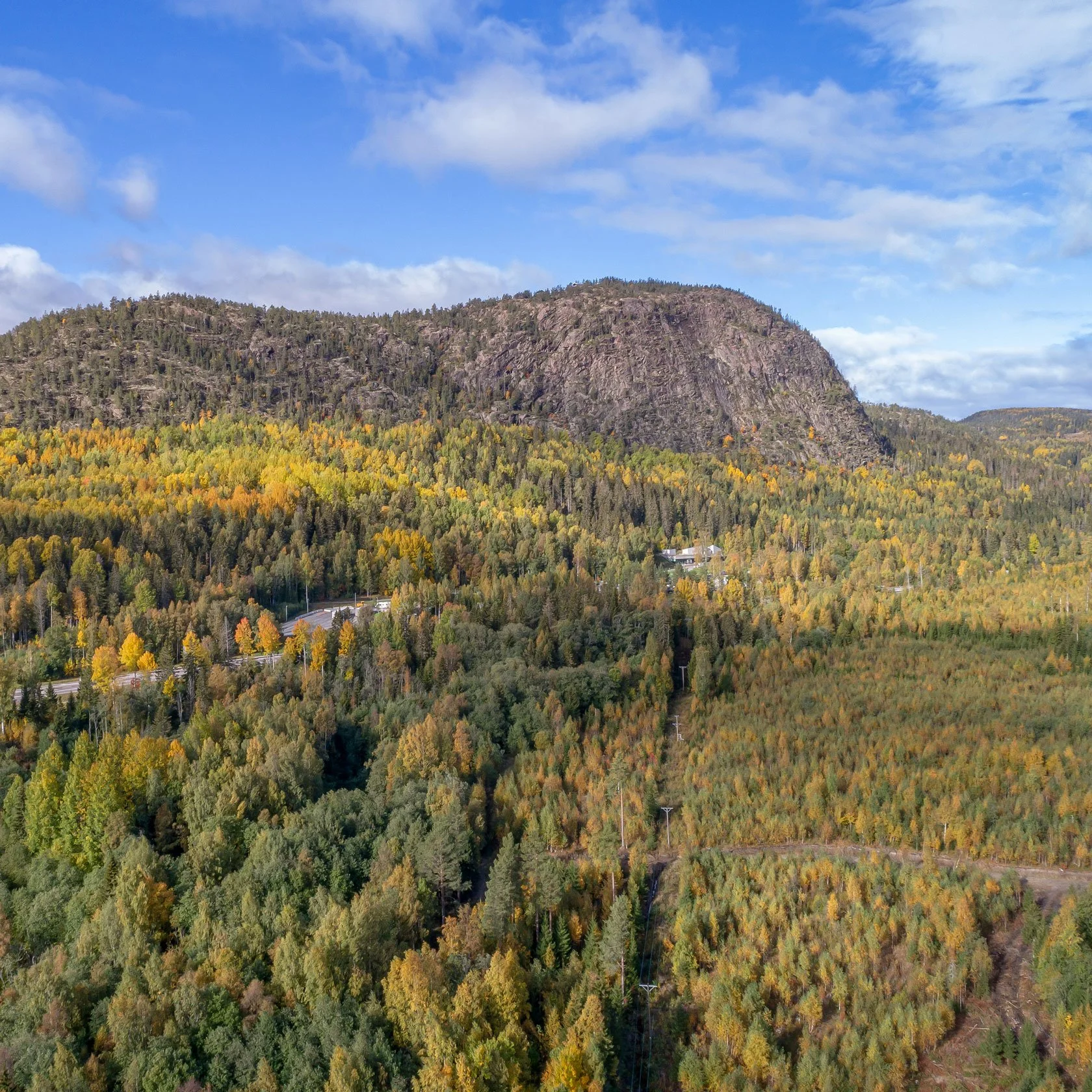
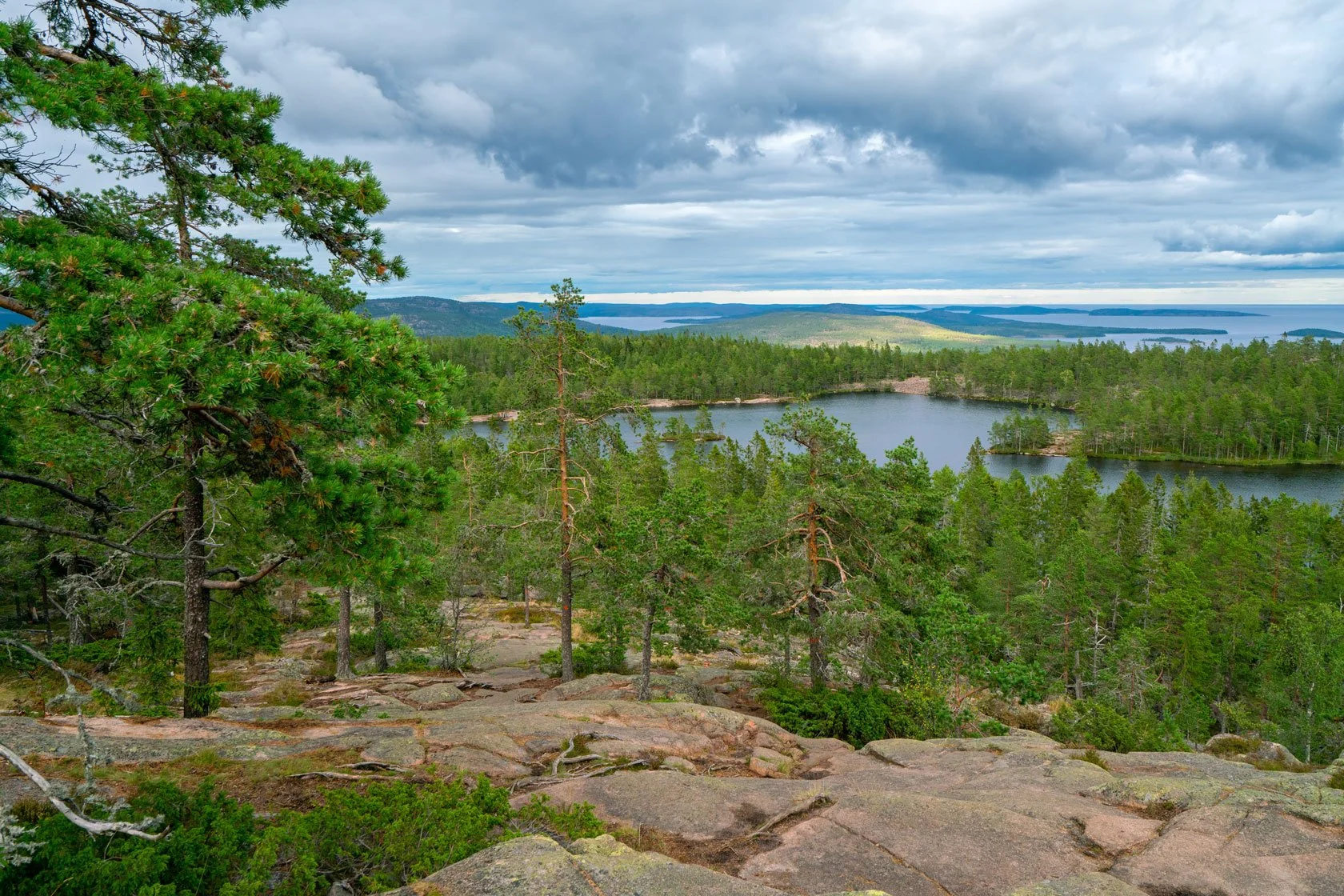
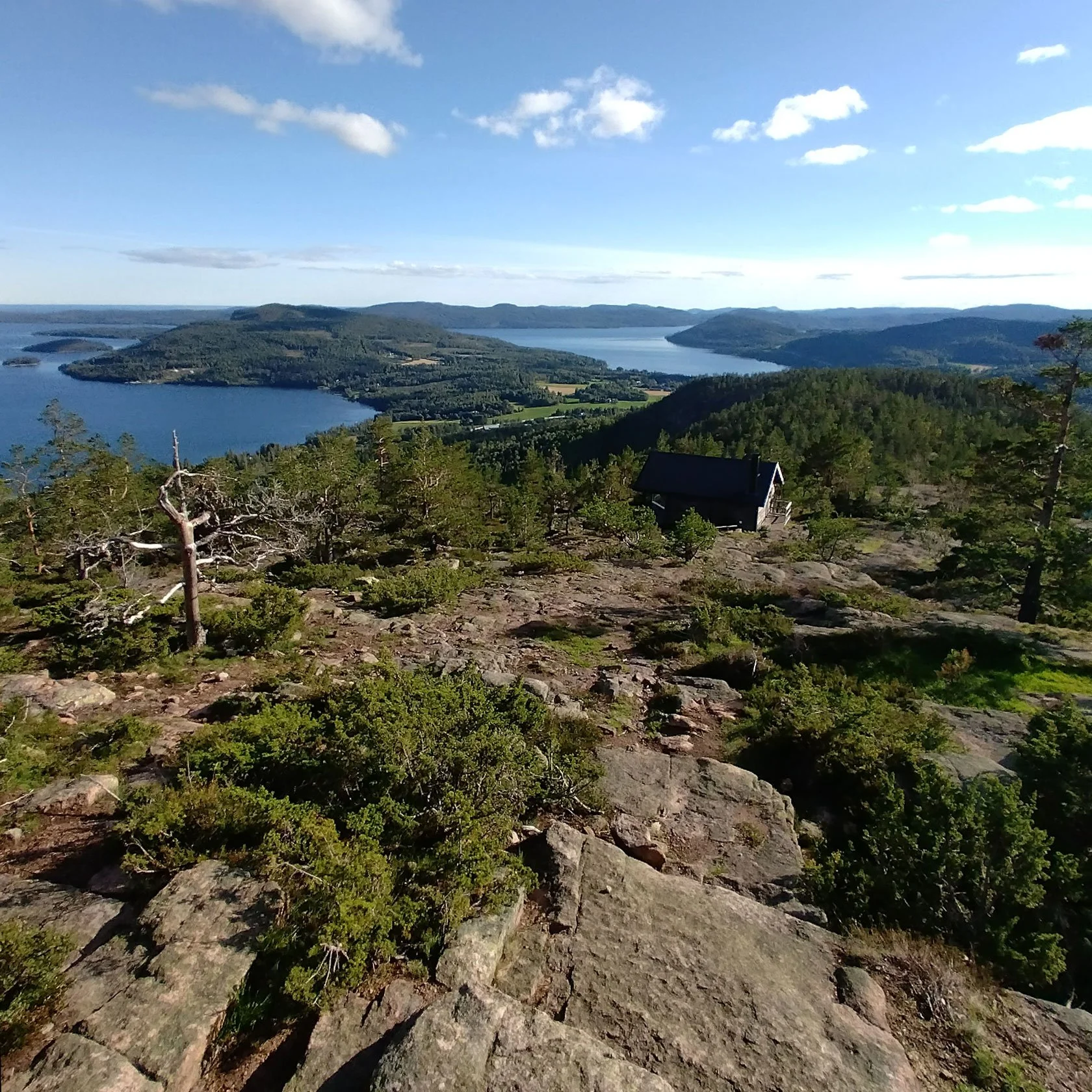
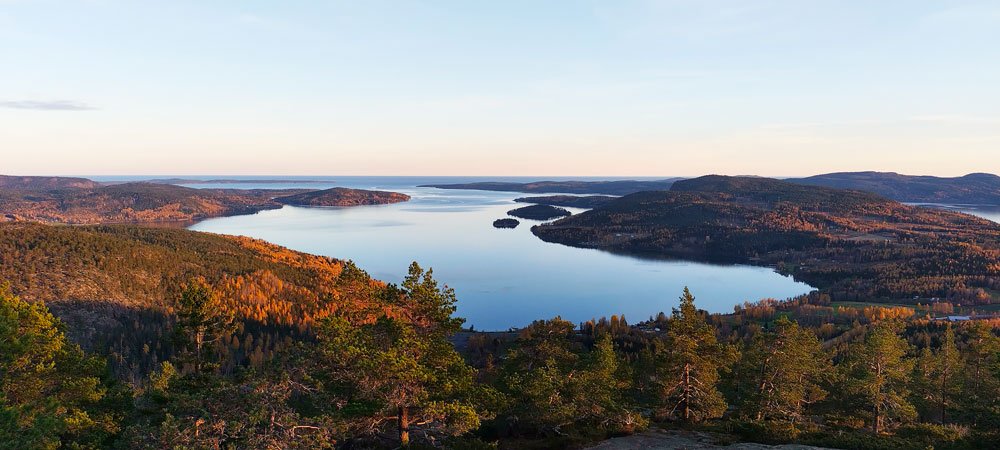
Skuleberget summit view: one steady climb, a wide horizon — and your mind remembers “space”.

At some point, productivity stops being a sport.

You still want to create, decide, write, plan. But you don’t want noise. You don’t want hustle. And you definitely don’t want a schedule that feels like another job.

You want quiet productivity: the kind that comes from good sleep, clean air, and a pace that respects your energy.

That’s why shoulder season in the High Coast is so powerful. Not because it’s perfect — because it’s honest. Space on the trails. Calm in the evenings. And a landscape that helps you reset without asking you to perform.

In the Höga Kusten, nature isn’t decoration — it’s a system. The coastline is still rising after the Ice Age, trails start almost from the waterline, and a short break can genuinely stabilize attention and mood (not just add steps).

Docksta Havet is built for that rhythm: calm mornings, strong coffee, a quiet base by the sea, and a host who lives the territory daily — and will tell you what’s realistic, what’s overrated, and what to do when weather changes.

This page is a simple entry point for a Micro Work-Break (3–5 days): when to come, how to structure your days, and how to use the High Coast as a quiet performance partner — not as another thing to consume.

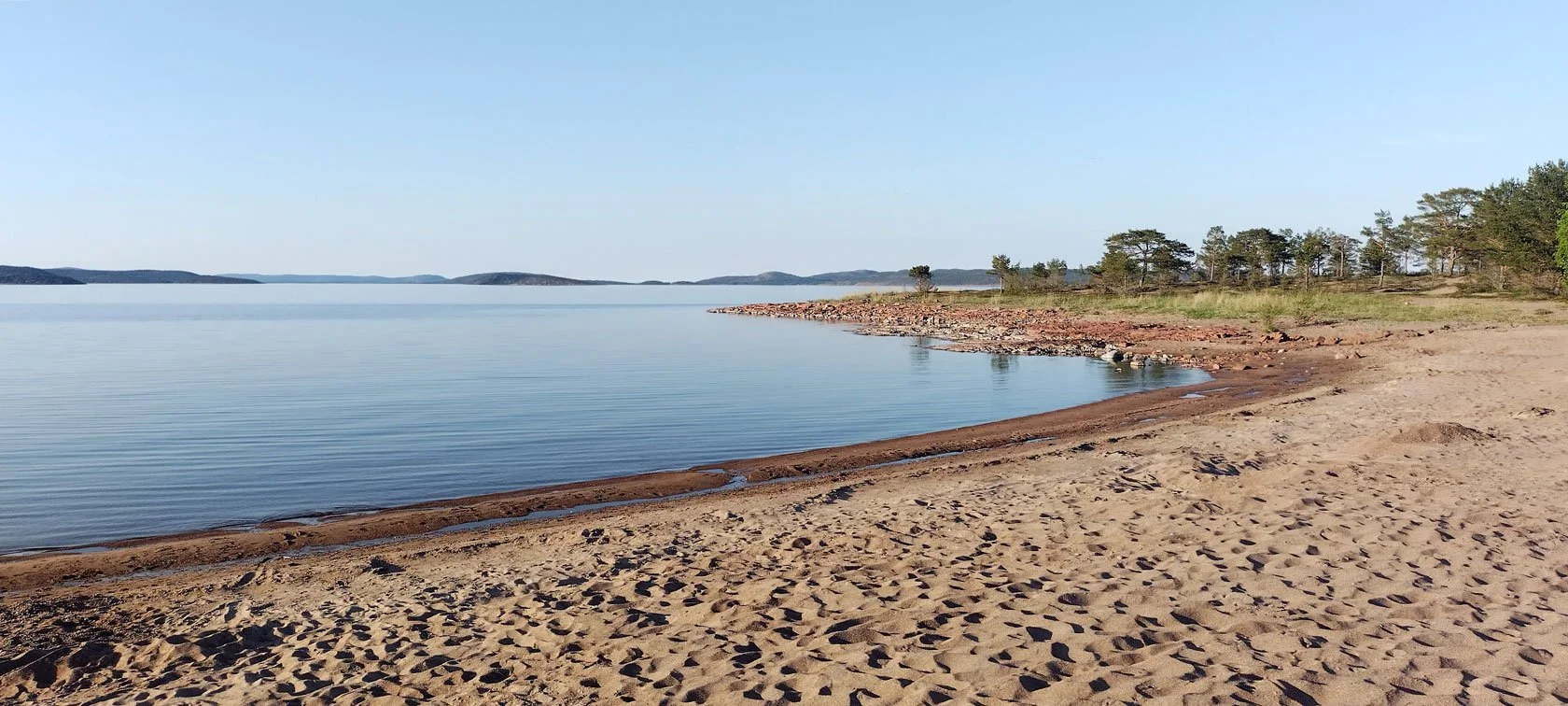
Storsand / Norrfällsviken: long shoreline, clean wind, and the simplest reset of all — a slow walk with no agenda.


Quiet productivity (a definition you can feel)

  • Focused work in short, high-quality blocks

  • Recovery as part of the plan (not a reward)

  • Nature as a stabilizer for attention and mood

It’s not about doing less. It’s about doing what matters — with less friction.


Micro Work-Break vs Workation Escape (simple guide)

Two formats, same philosophy:

  • Micro Work-Break (3–5 days): regain clarity, make one decision, soften the nervous system

  • Workation Escape (7–21 days): change rhythm, build momentum, finish something meaningful

Both are valid. The difference is how deep you want the reset to go.

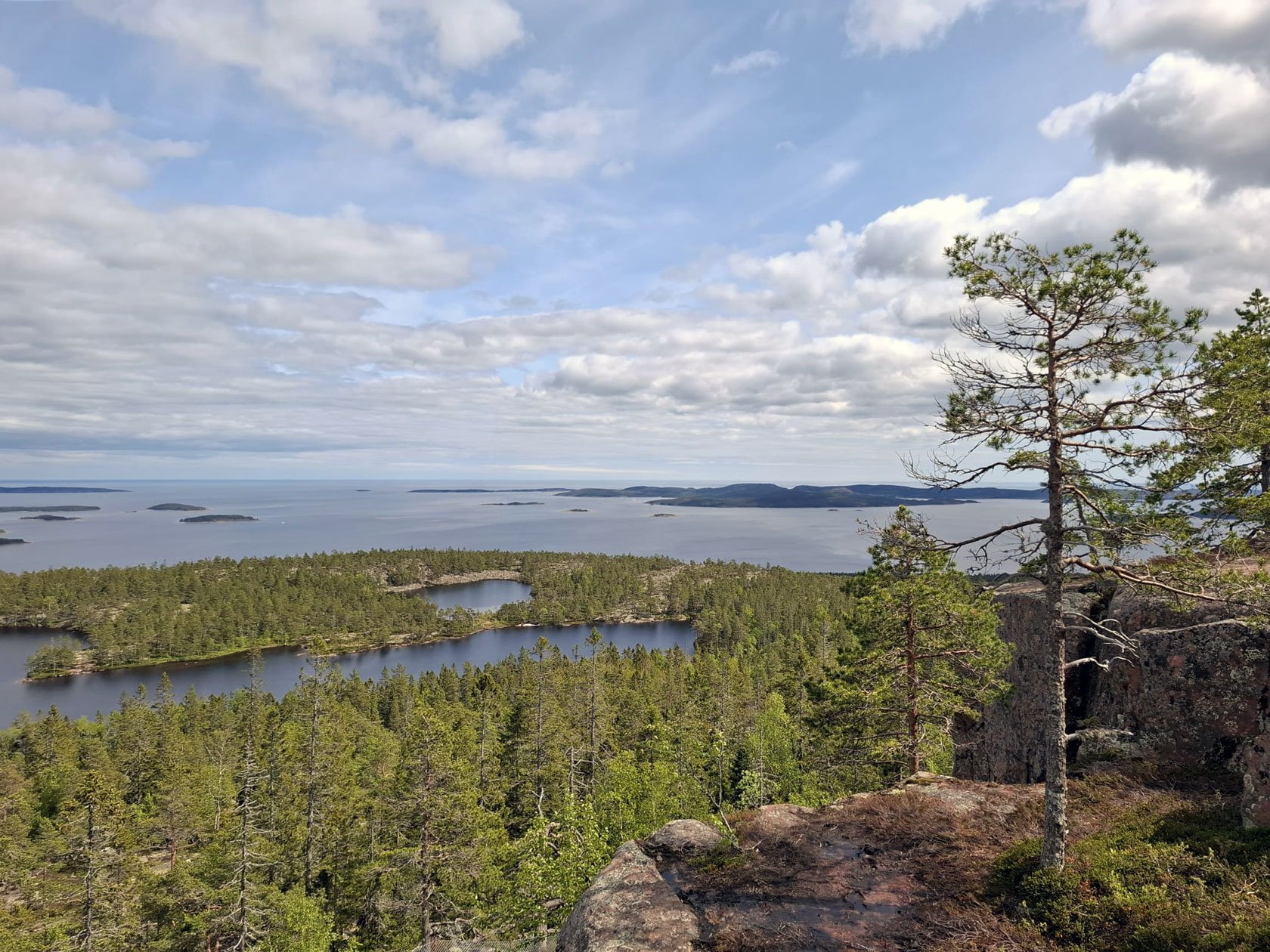
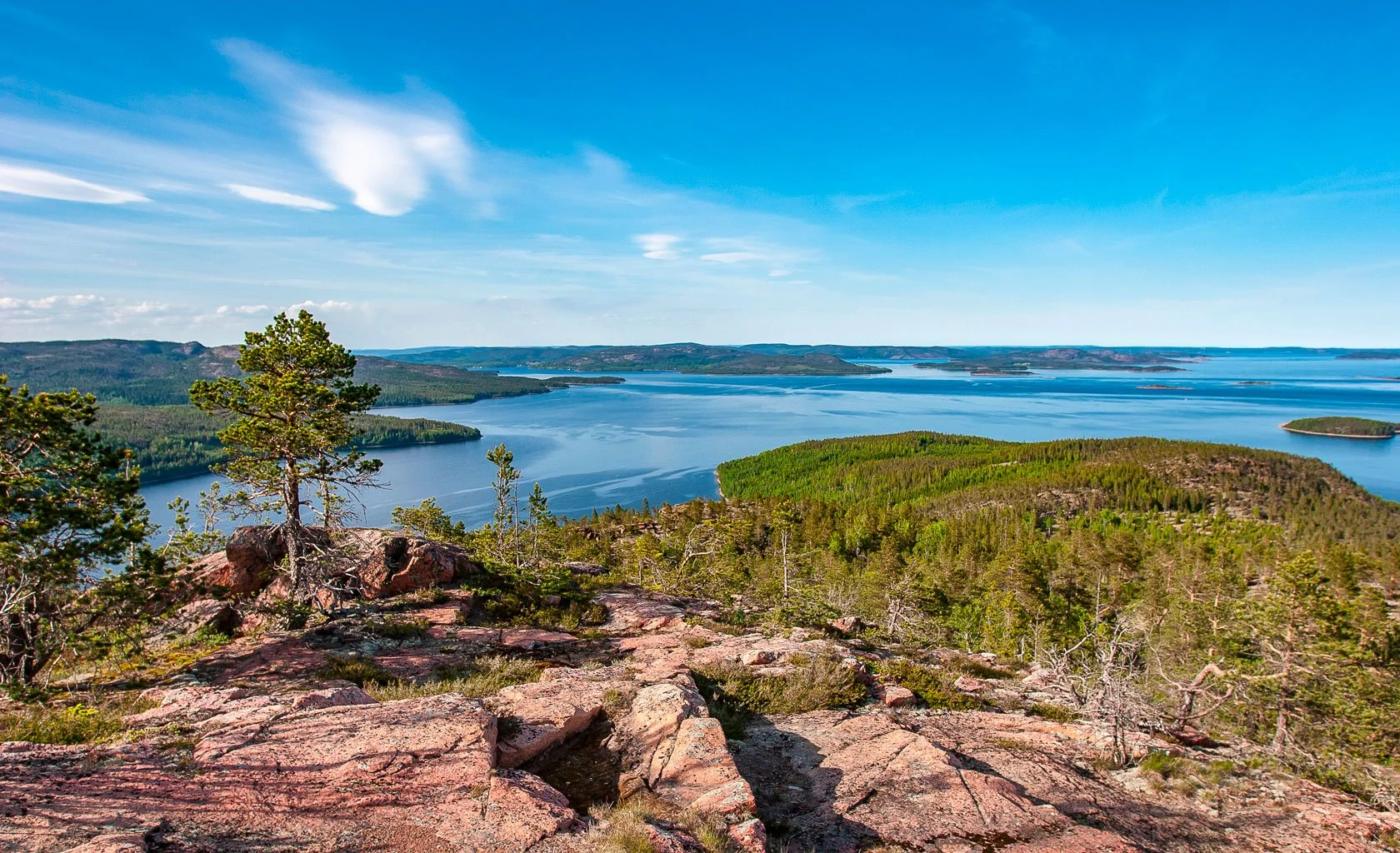
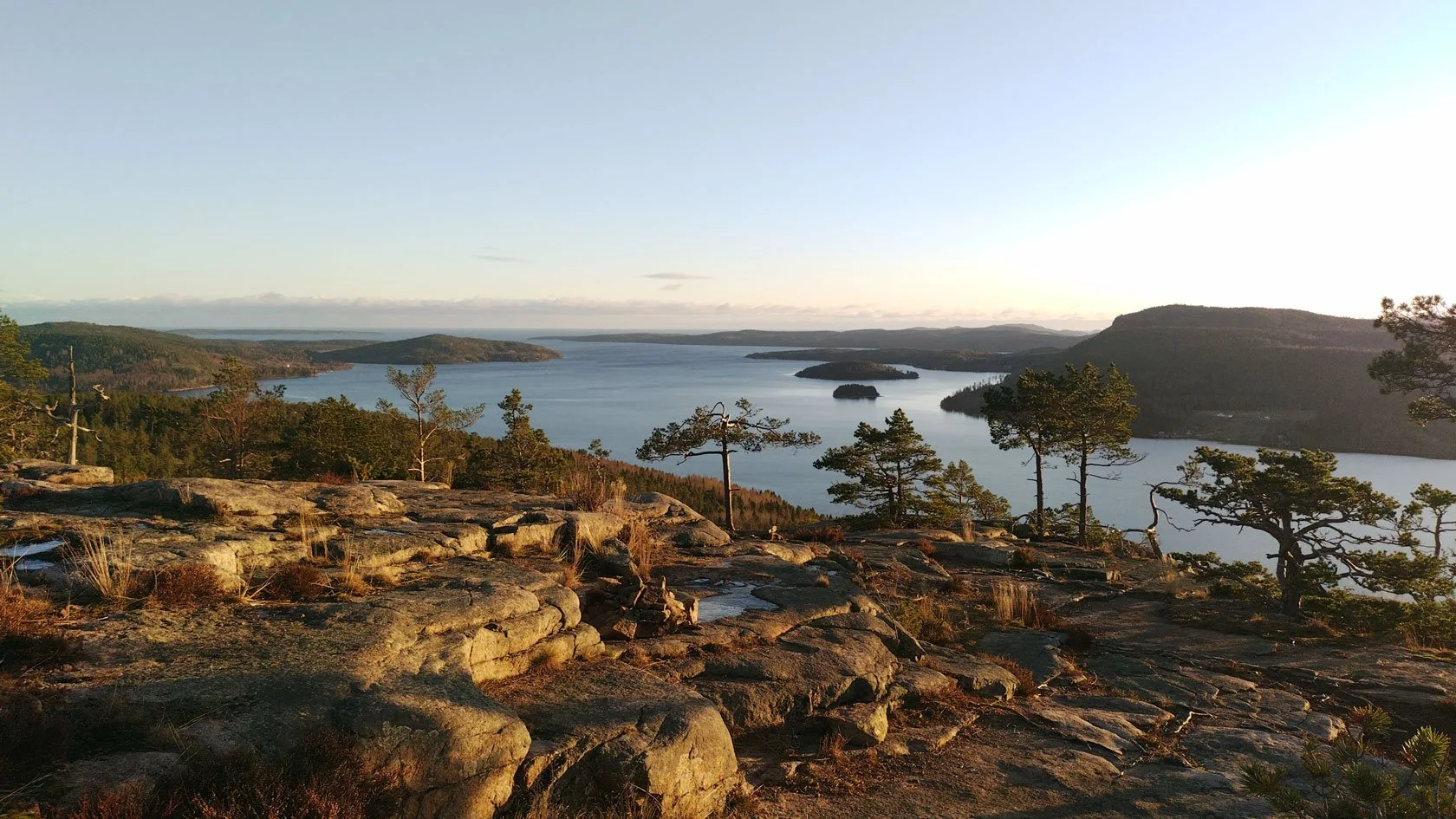
Slåttdalsberget: the archipelago from above — a reminder that perspective is a physical place, not a mindset trick.


A gentle day rhythm (example)

  • Morning focus (60–120 minutes)Writing, planning, strategy, creative work.

  • Long nature time (90–180 minutes)Not performance. Just movement.

  • Light admin (30–60 minutes)Keep the system alive.

  • Early evening quietSimple dinner, shoreline walk, early sleep.

This is where good decisions happen. Not in the rush. In the calm.


Season notes (for international guests)

If you’re planning from abroad, here’s the simple truth:

  • July is beautiful — and busy. Still doable, if you protect mornings and keep resets simple.

  • May–mid-June and mid-Aug–mid-Sept are the sweet spots for quiet productivity: more space, less noise, more “room between steps”.

And one small cultural detail: for many international travellers, August still feels like holiday season. Locally, it’s often the return.

That contrast is exactly why late summer can work so well: you’re not escaping life — you’re re-entering it with a softer landing.

Trysunda (above), Ulvön (below): island time. The kind of day that makes the next morning’s work feel lighter.: island time. The kind of day that makes the next morning’s work feel lighter.


Sea-to-forest resets (the High Coast advantage)

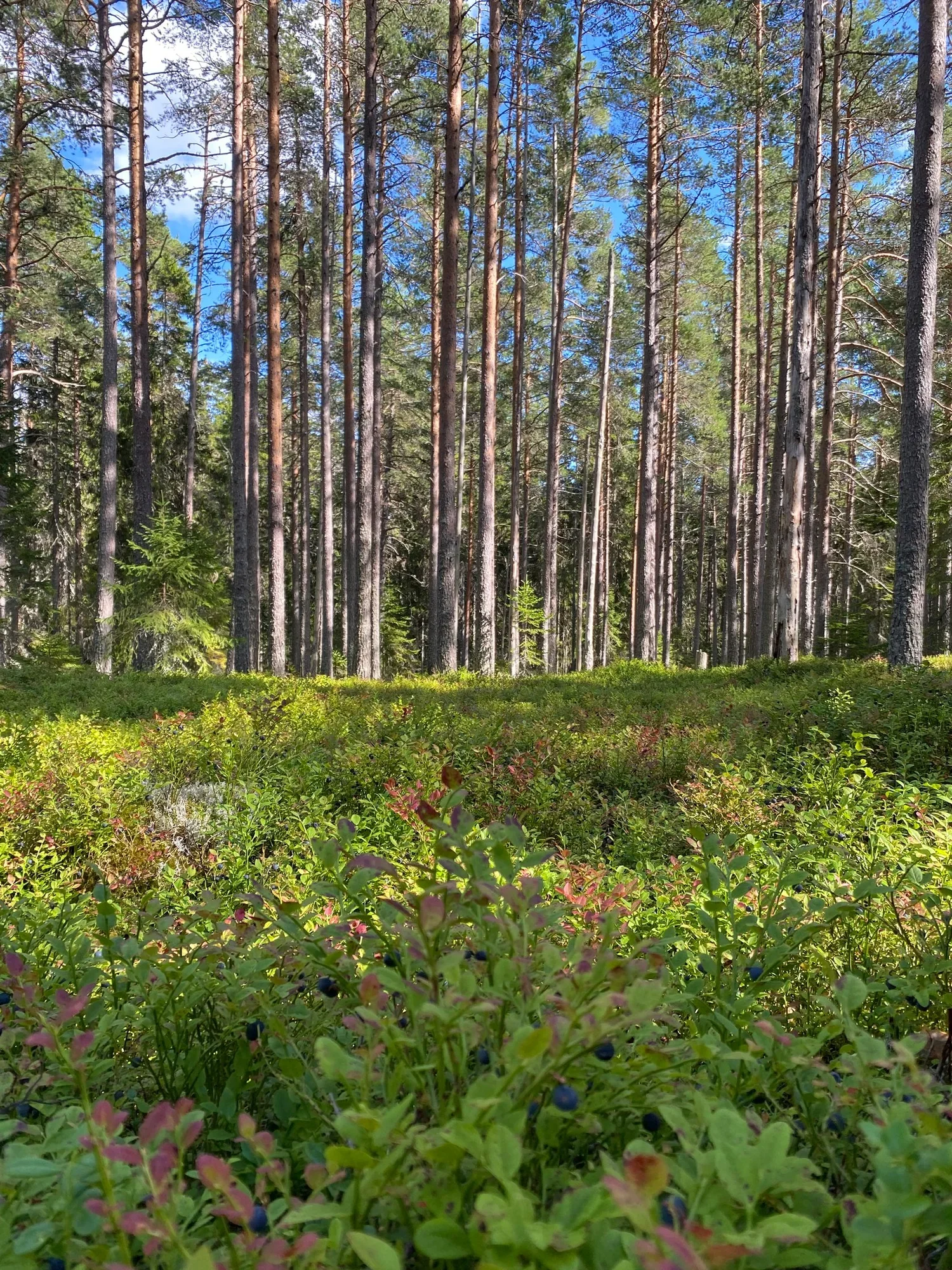
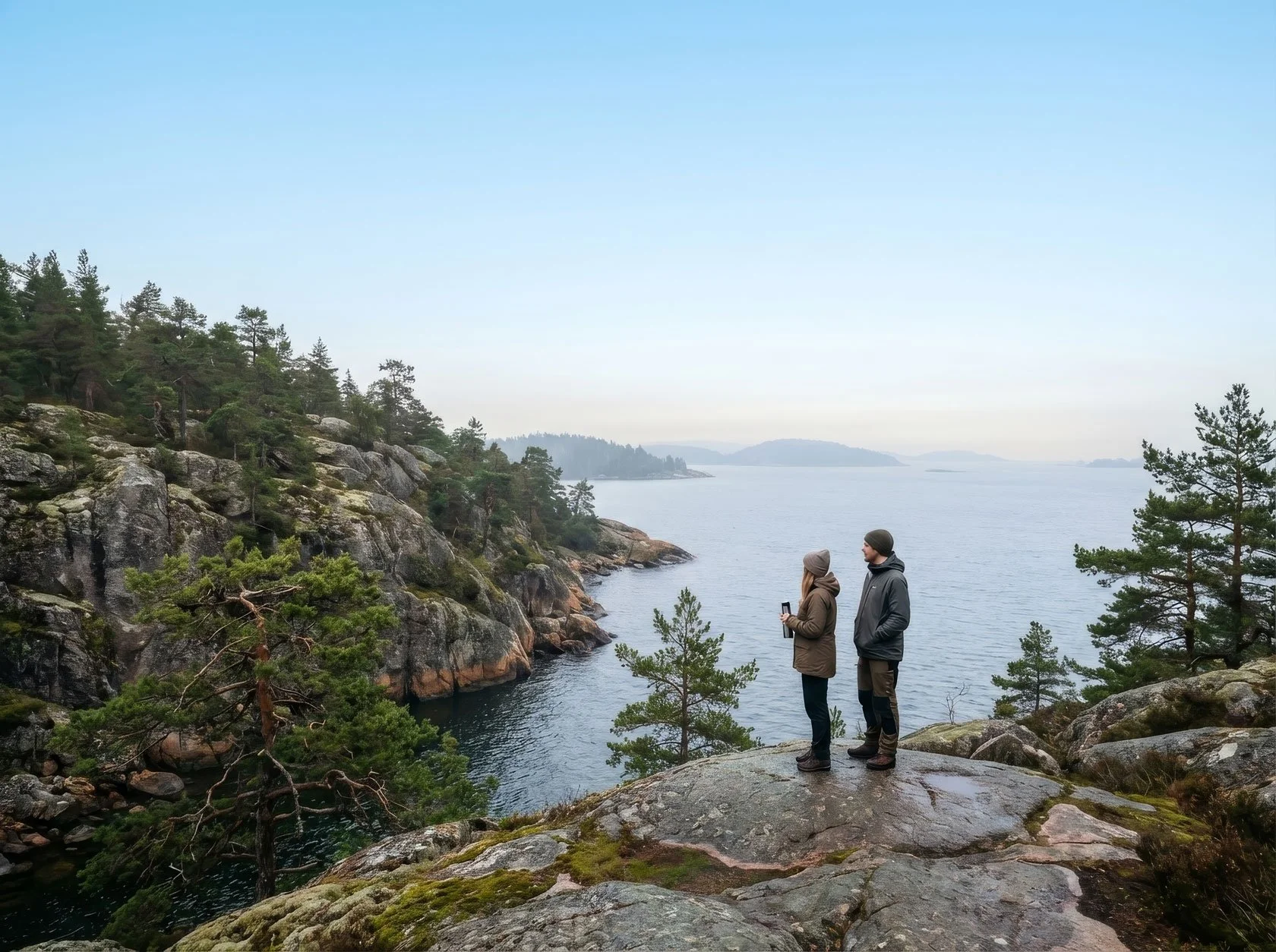
In the High Coast you can do something rare in Northern Europe: step out of a waterfront base and be on a world-class trail within minutes.

That sea-to-forest proximity is what makes a micro work-break feel effortless — and why Docksta works as a real Base Camp.

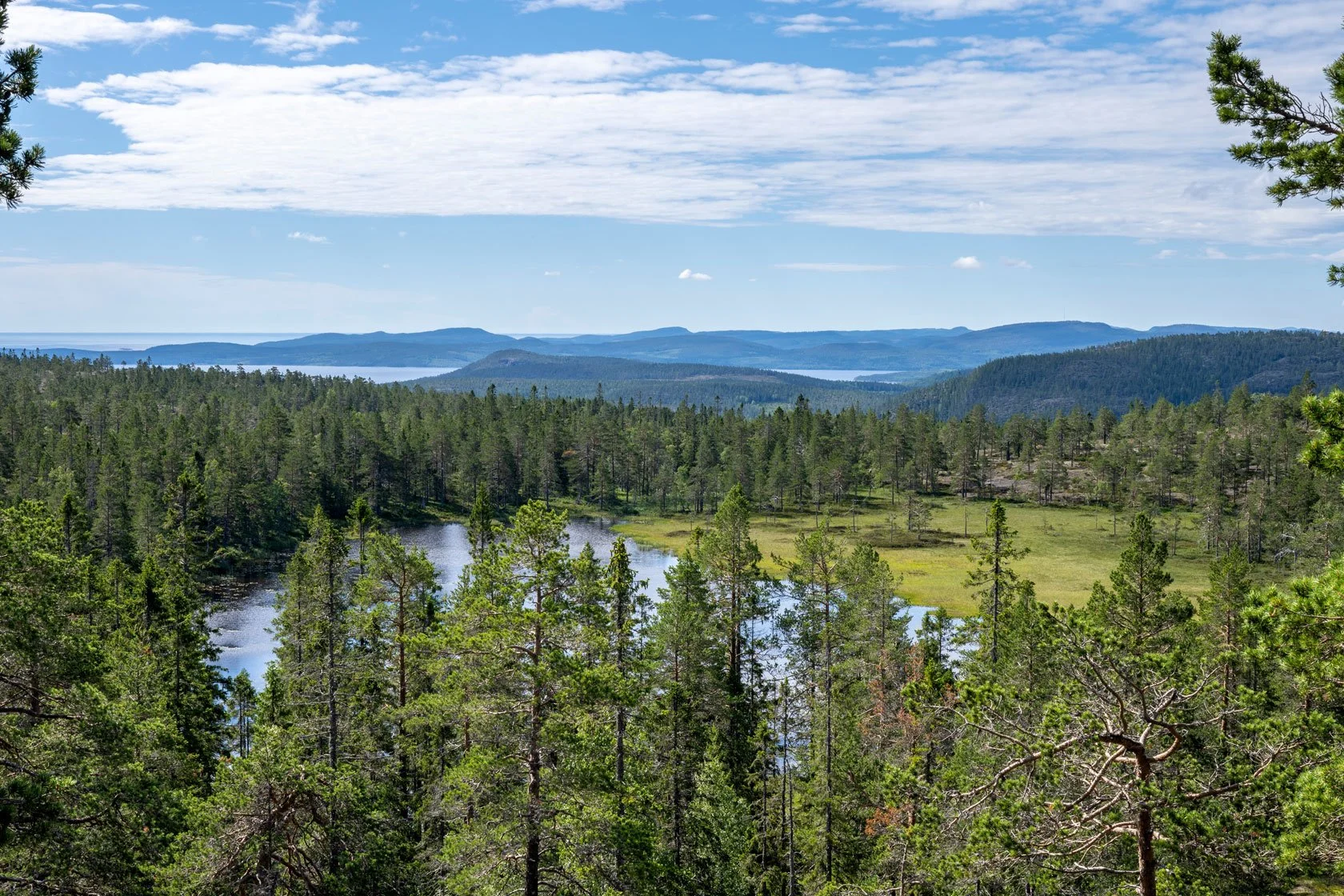
Getsvedjeberget (Predikstolen): fjord-like views without the crowds — a short, high-impact reset.


The Base Camp Library (free, curated, web-based)

If you’re still reading, you’re probably the kind of traveller who doesn’t want generic tips. You want the right information — fast.

So I’ve organized my best local knowledge into a small Base Camp Library. These are not “blog categories”. They’re curated index pages that work like field guides: practical, updated, built to reduce friction (routes, logistics, season notes, and Plan B options).

All our resources to deepen are free, practical, updated — written by your host in Docksta.

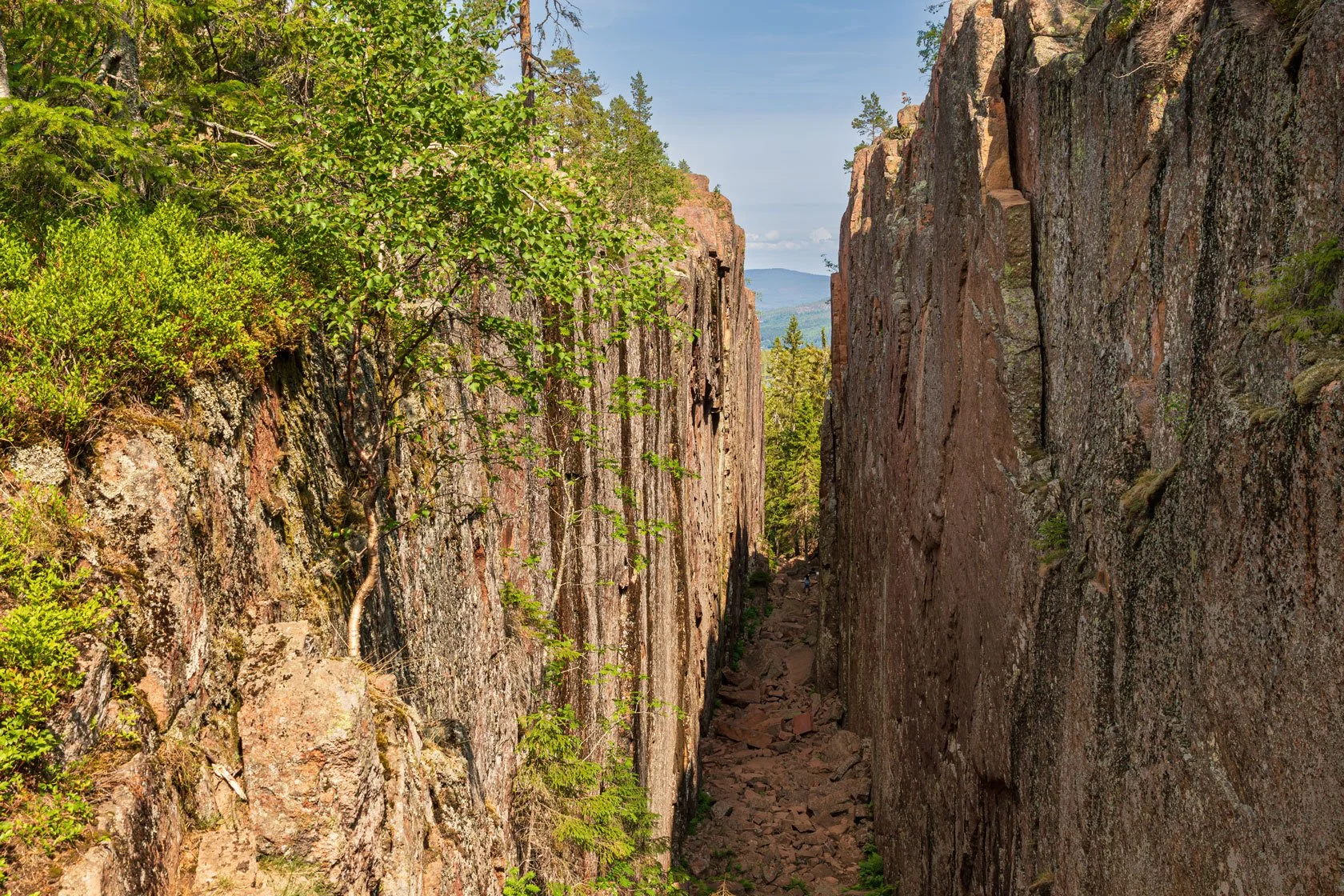
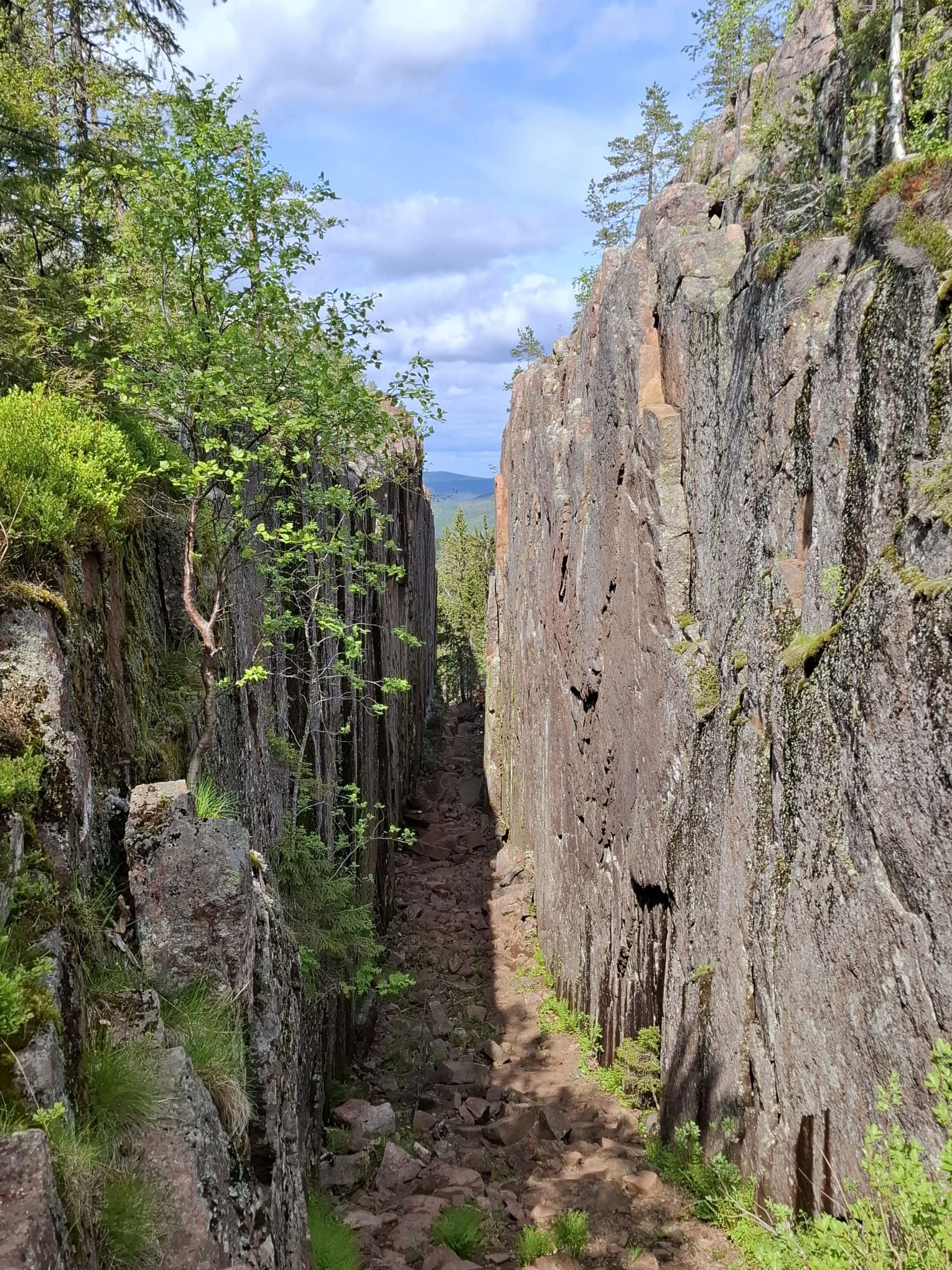
Slåttdalskrevan: a crack in the rock, a pause in the mind. This landscape is still moving — and it moves you too.


The 5 Mini-Guides (free, multilingual)

If you prefer a simple starting point, I also keep a set of short, web-based mini-guides in five languages — designed for quick planning: less scrolling, more clarity.

Open our Mini-Guides (5 languages): 🇬🇧 English → | 🇸🇪 Svenska → | 🇩🇪 Deutsch → | 🇫🇮 Suomi → | 🇮🇹 Italiano →


Docksta Base Camp (practical, calm, human)

Docksta Havet is not a wellness product.

It’s a base camp by the sea, with:

  • Reliable WiFi

  • Dedicated spaces

  • Long light evenings in summer

  • Immediate access to trails and mountain resets

And something that matters more than it sounds: a human point of contact.

If you tell me your pace (slow / medium) and your focus (write / plan / recover), I’ll suggest:

  • The best season window

  • A realistic day plan

  • The simplest “don’t overthink it” route options


Start here (two simple paths)


Message your host

One message is enough. Tell me your dates + pace, and I’ll point you in the right direction.

If you want one simple recommendation, message me with:

  • Your dates (3–5 days or 7–21 days)

  • Your pace

  • Whether you want more sea walks or more forest trails

I’ll answer like a host, not like a sales page.


Meet your host

Tommaso De Rosa

See my host profile and contact me on Airbnb chat. I’m Quick to reply, especially in season :)