Peak Performance

Peak Performance: High Coast Field Notes — Preparing for WOC 2029

Peak Performance — High Coast Field Notes, No. ZERO

Peak Performance starts before the forest

Field notes from the High Coast for orienteers planning training in Sweden: practical reflections on forest conditions, recovery, team rhythm and longer stays while preparing for WOC 2029 near Örnsköldsvik.
Some outdoor days begin with a map. Others begin earlier: with last night’s sleep, a weather check, a quiet breakfast, dry shoes — or the simple decision to leave enough time before stepping into unfamiliar forest.

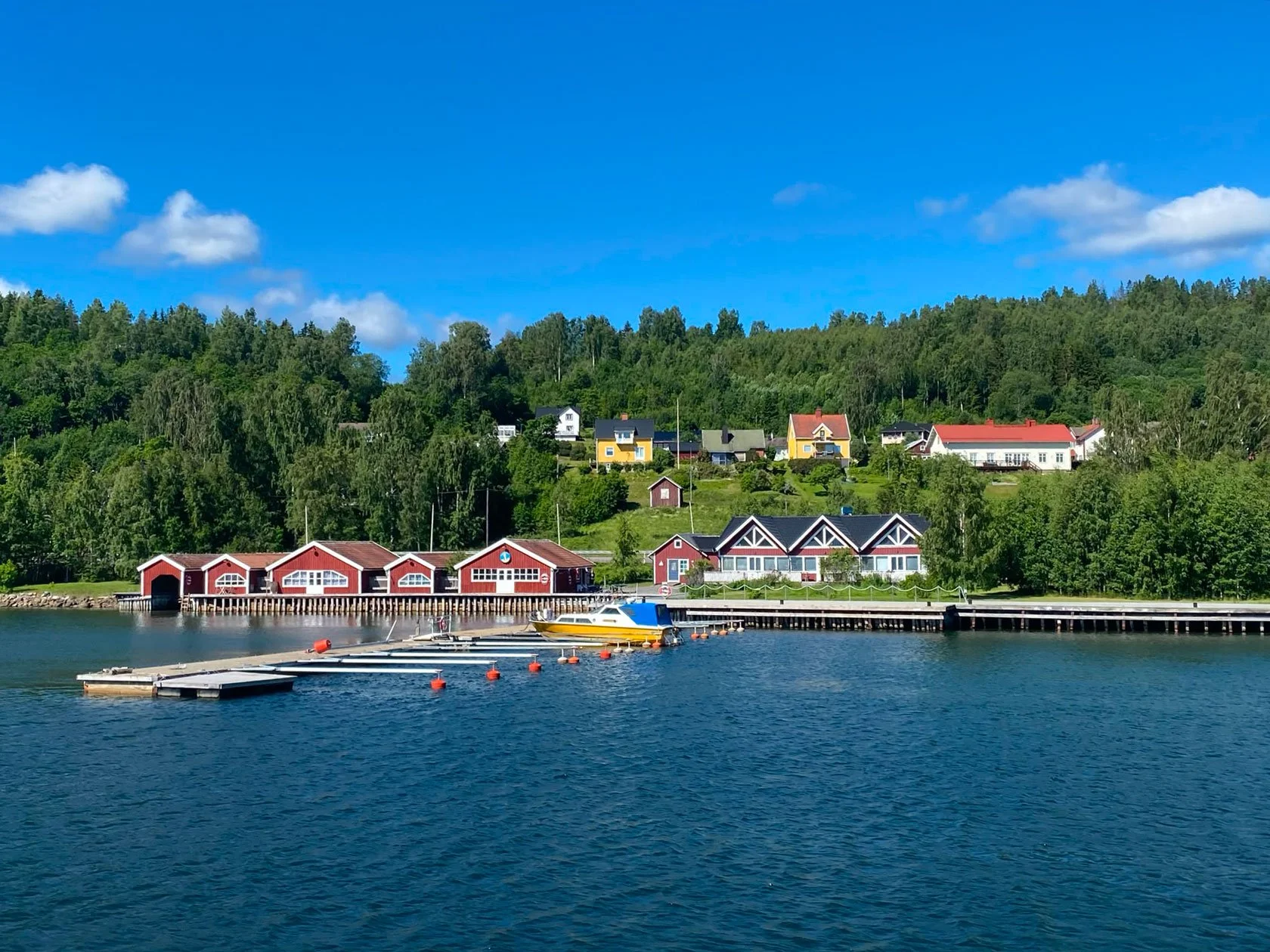
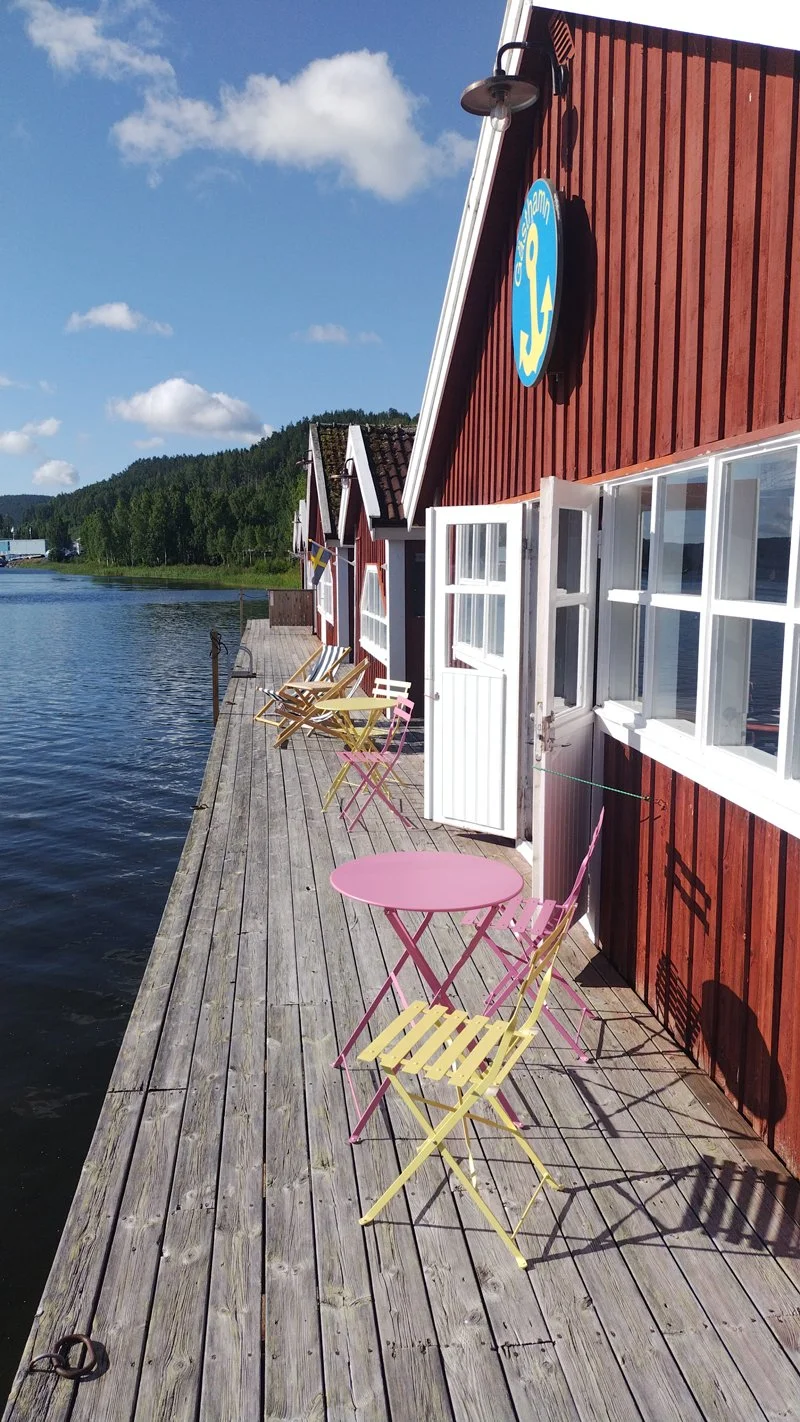
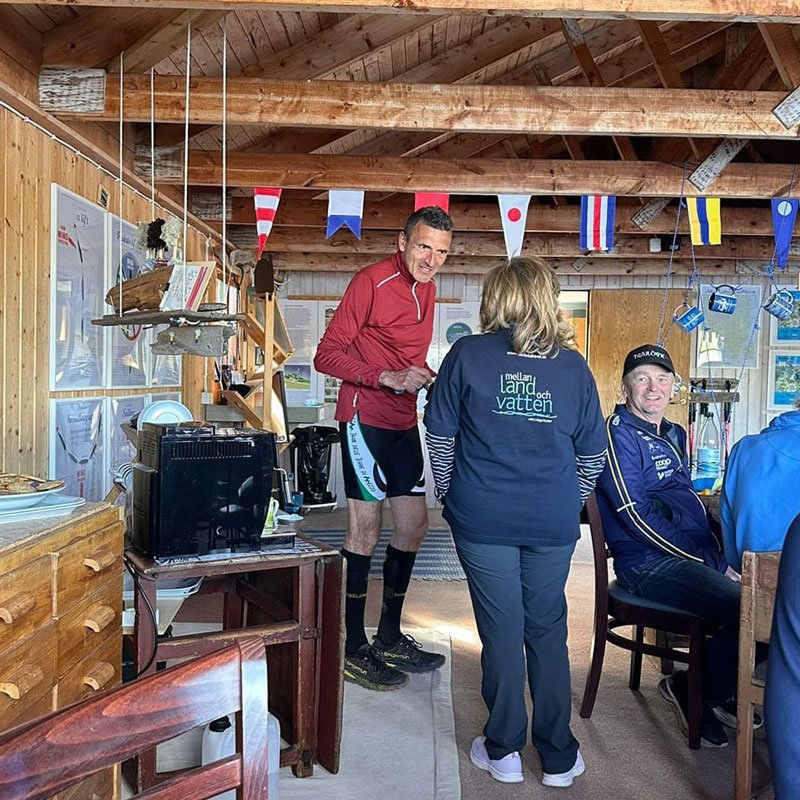
I live and work by the water in Docksta, on Sweden’s High Coast. I run trails, host people who come here to move and recover, and I am still learning orienteering through the forest culture around me. From the harbour, I often see the ordinary rhythm around a day outside: wet kit drying, maps reopened on a table, coffee and food, another look at the weather, and conversations becoming quieter as the day settles.

This series comes from those moments.

What these field notes are

Peak Performance — High Coast Field Notes is a short series for orienteers planning training in Sweden, with reflections on forest attention, recovery and the small practical things between one outdoor day and the next.

They are written first for orienteers, and also for trail runners, hikers and forest-minded visitors. They are not coaching instructions, technical navigation advice or official information connected to WOC 2029. I am not here to explain how to navigate better, replace a coach or make promises about performance.

I am simply sharing observations from a real place: as a High Coast host, a trail runner, a forest guest and an orienteer who is still learning.

The map and the place

A map is essential. It offers contours, symbols, distance, direction and structure.

But the forest adds the conditions a map cannot fully hold: moisture underfoot, visibility, weather, vegetation, changing light, tiredness, pace and attention.

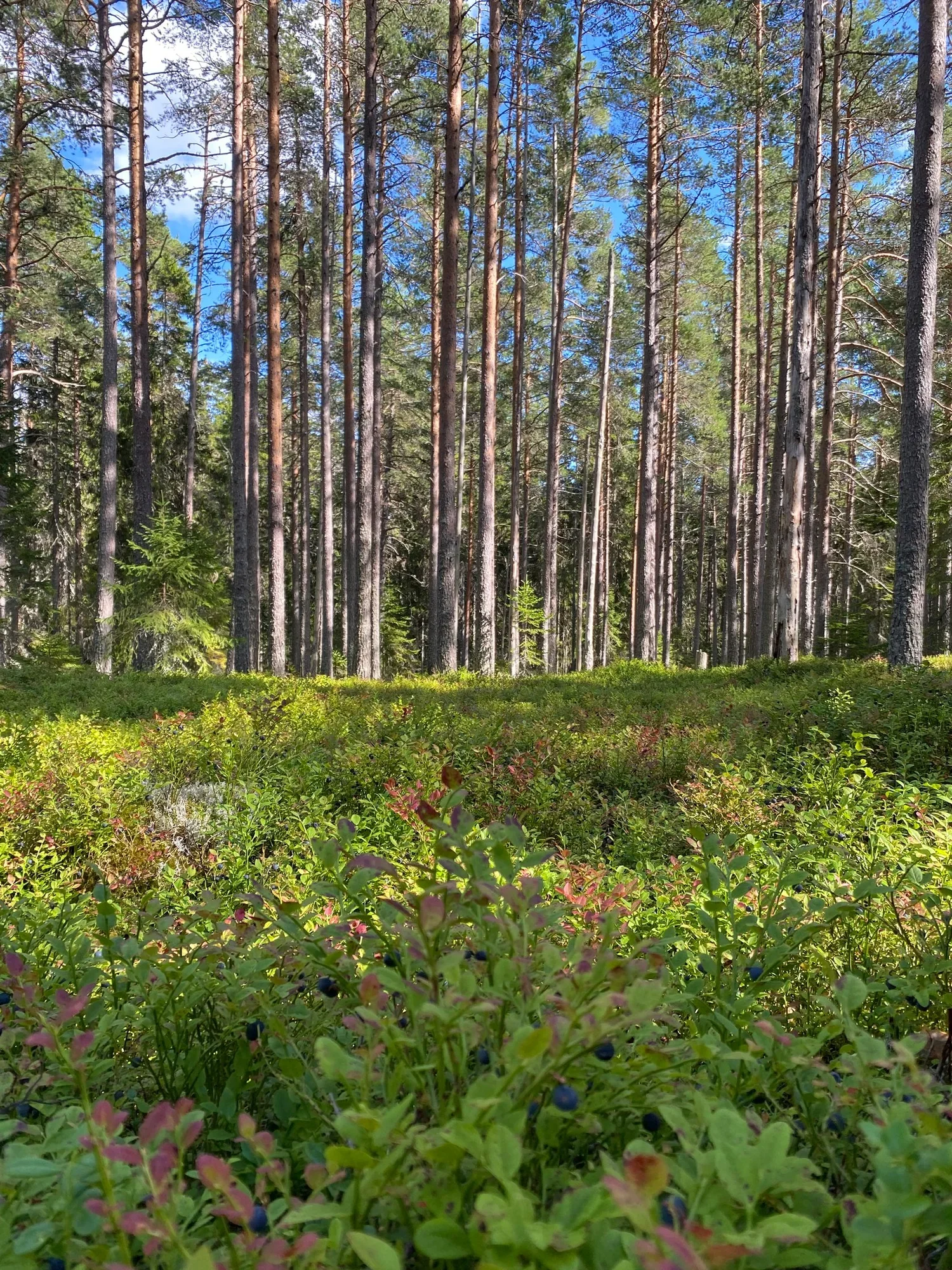
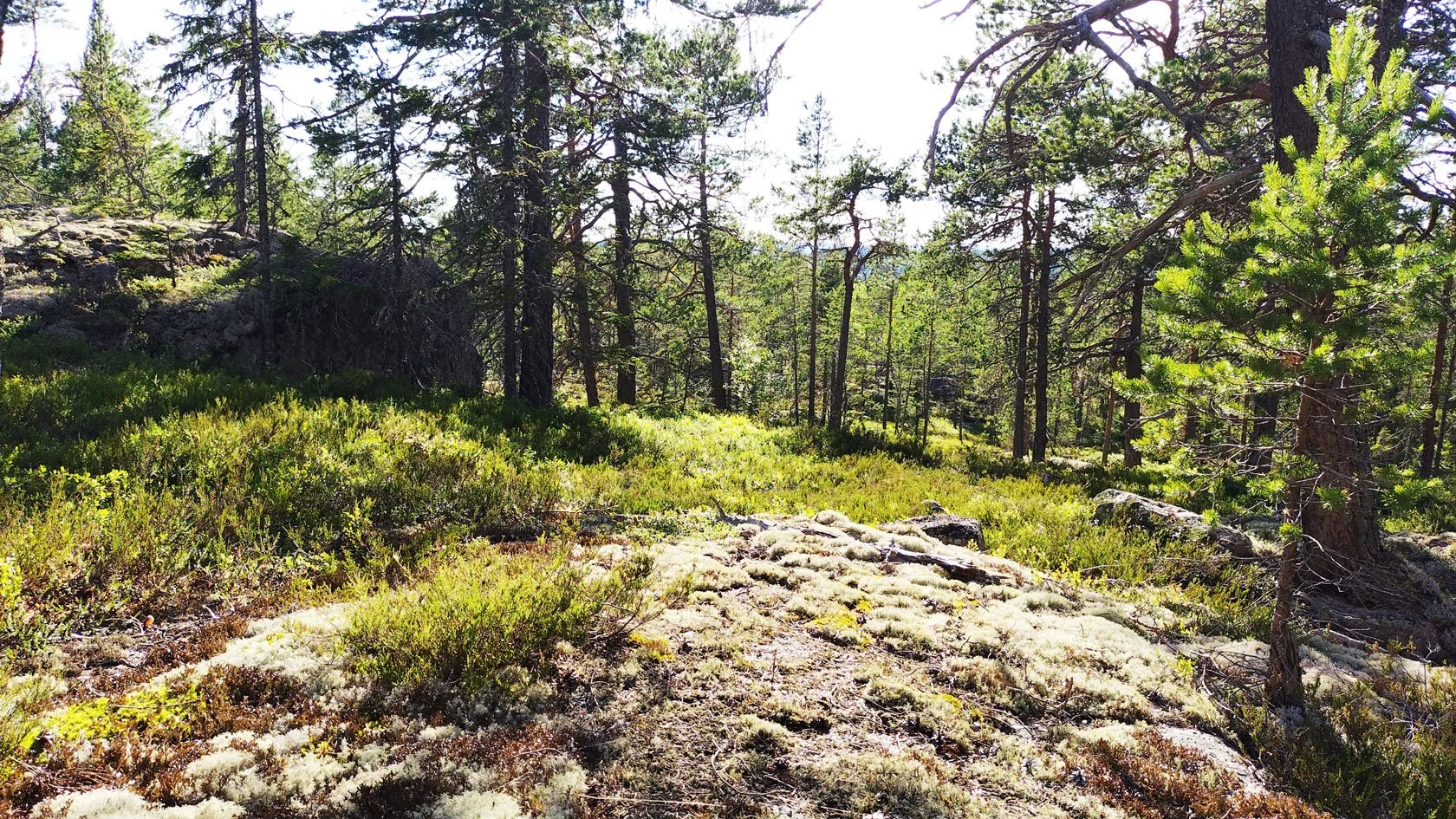
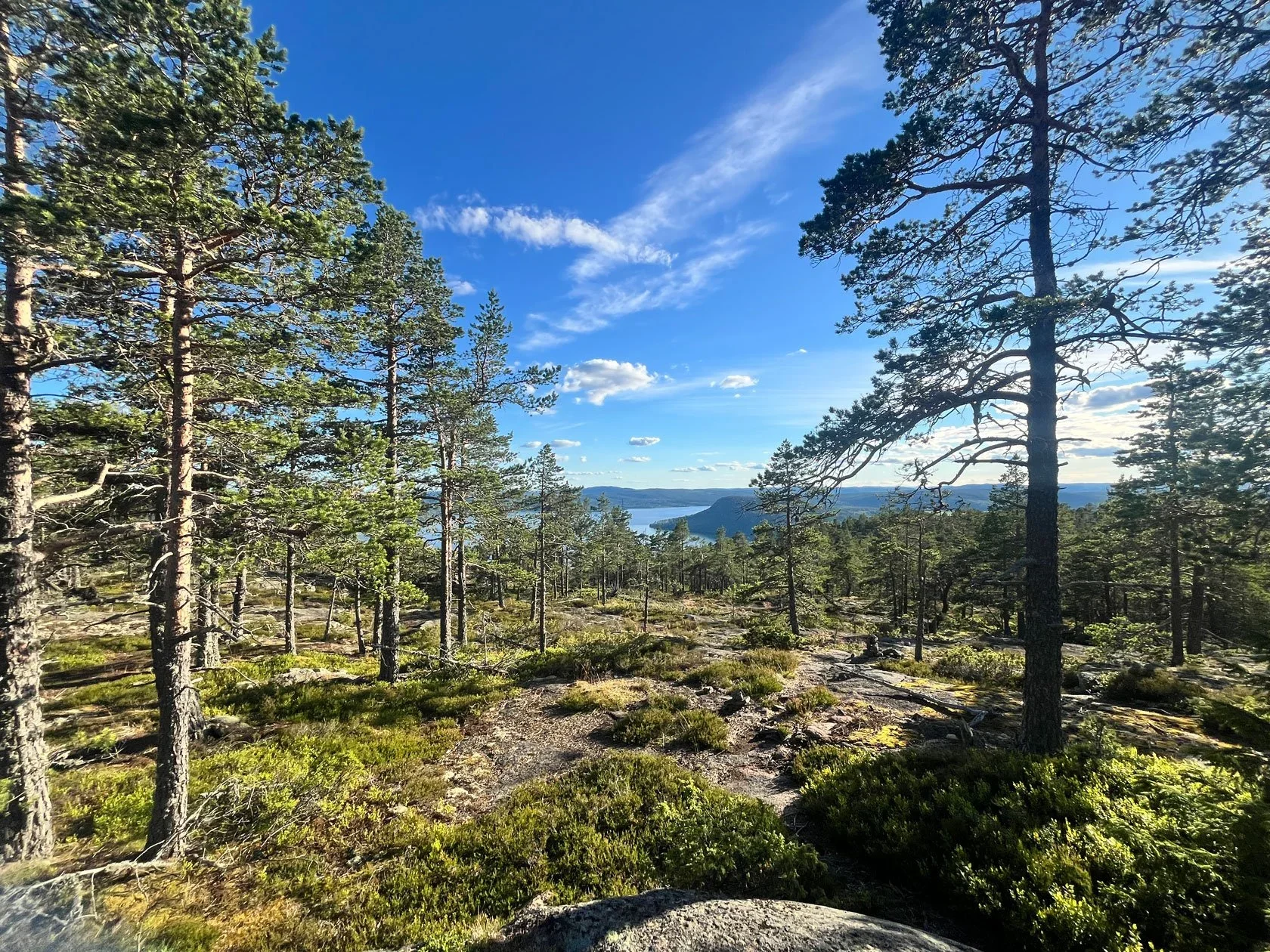
That is especially true here. The High Coast is not one kind of landscape. There are coastal views, granite, ridges, pine forest, mixed woodland, wet ground, young growth and steeper sections. Conditions change with the season and weather. The same area can ask something different of you from one day to the next.

These notes are not a technical guide to the region. For current access, event and local conditions, always use reliable local and official information. They are an invitation to arrive with curiosity, give the landscape enough time, and notice what it is actually asking of you.

A forest guest

Skogspaus has helped me find words for something I was already learning outdoors: the forest is not only a place to use.

To be a forest guest is not a mystical idea. It is practical. You do not assume that the terrain will behave exactly as expected. You notice a wetter slope, changing visibility, fading light or tired legs. You adjust. You take the place seriously enough to let it shape your decisions.

Orienteering makes this very concrete. Attention is not separate from movement. It is part of movement.

The five notes

The series follows a simple progression:

  1. A Map Is Essential. The Forest Adds Context. A map gives information; the forest gives the conditions around it.

  2. When You Lose Clarity: A Small Reset Before the Next Decision. A quiet, practical way to make the next decision smaller when attention starts to fade.

  3. Peak Performance Has a Base: Less Friction Between Forest Days. Sleep, food, dry kit, map space and a calm plan for tomorrow.

  4. The Value of Not Adding Another Thing. Why a little unfilled time can be useful during a full week outdoors.

  5. After the Forest: The Conversation Around the Map. What a shared forest day can become when it continues over food, maps and ordinary conversation.


A place for the day to land
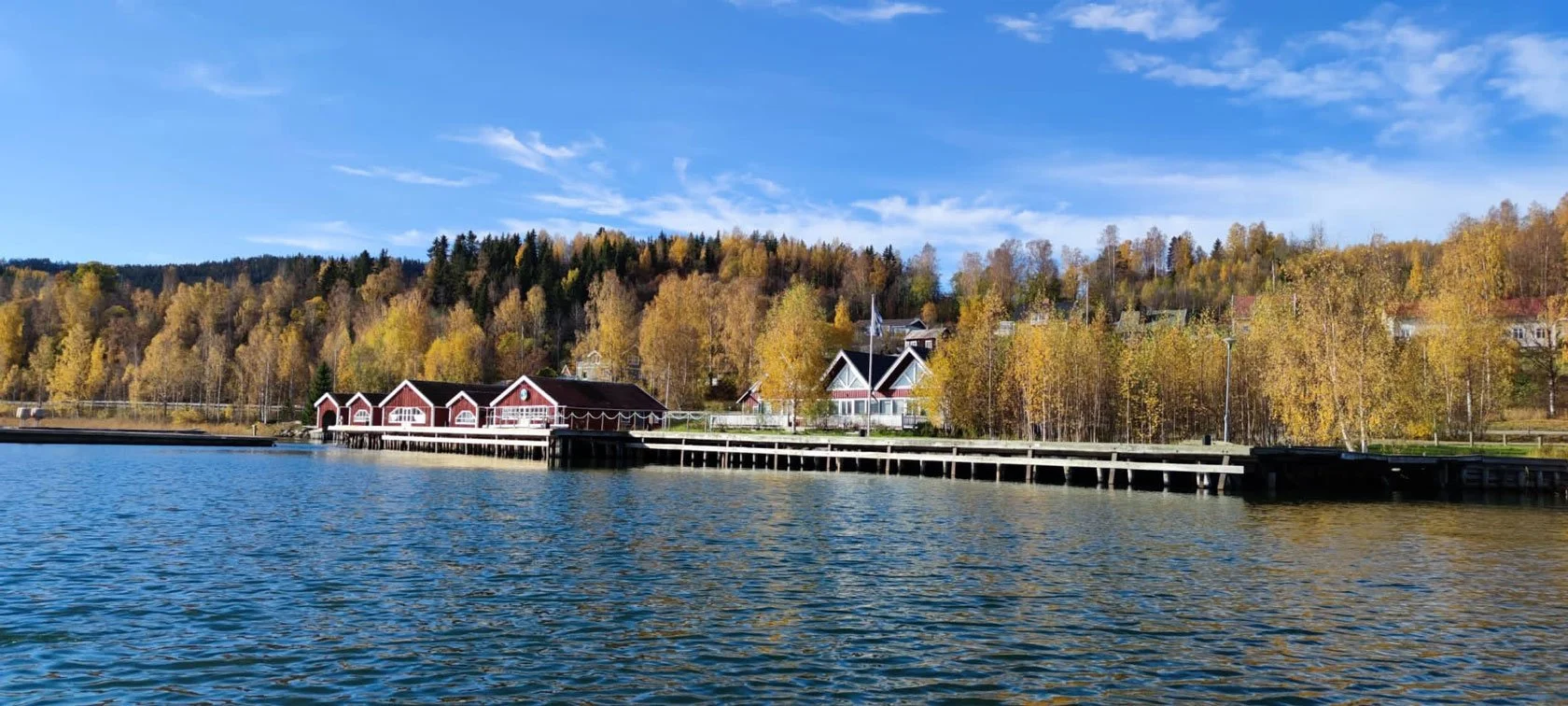
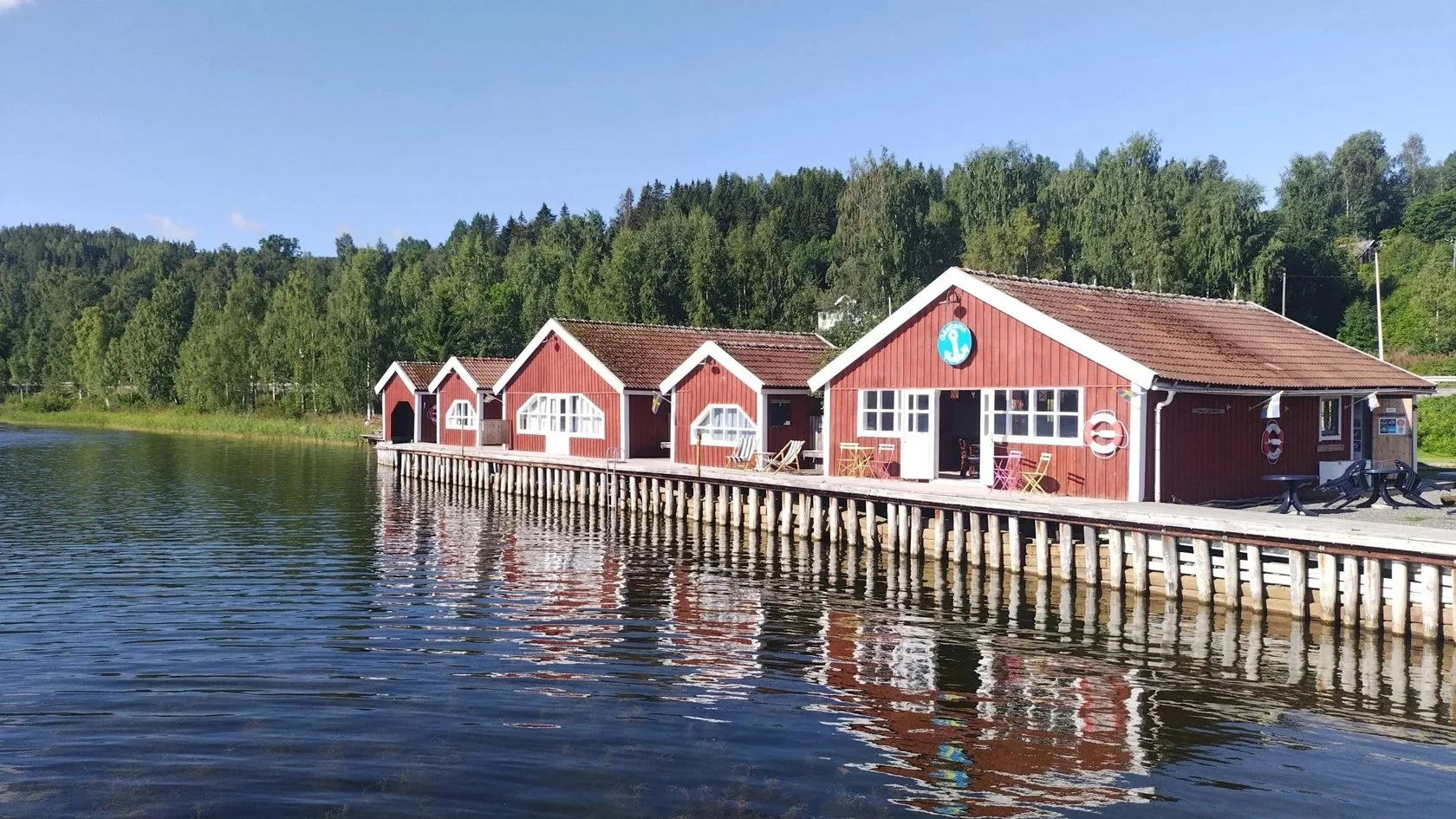
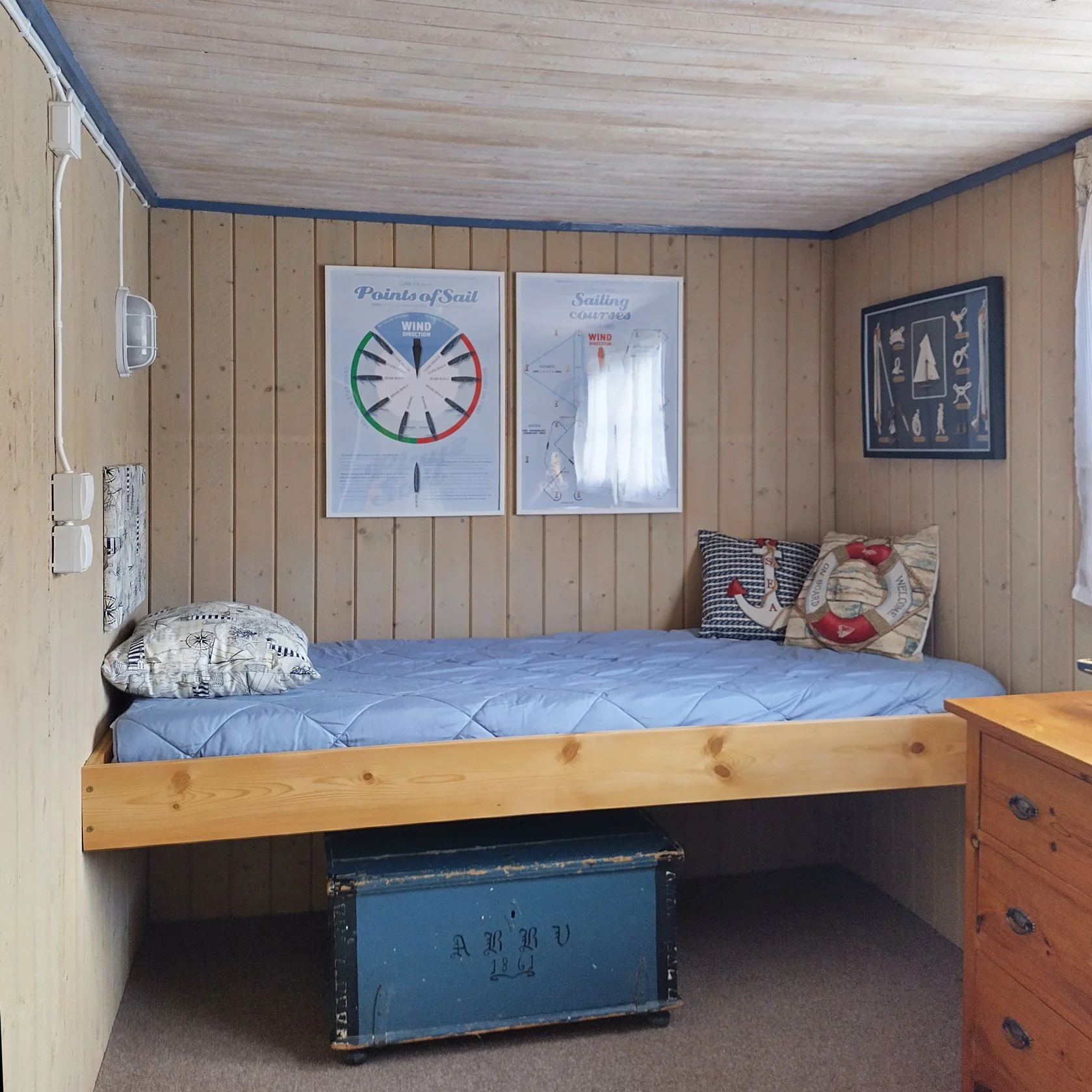
Docksta Havet Base Camp is the place from which these notes are written. It is a human-scale waterfront base in the High Coast, with a small collection of distinctive places to stay and the practical room to settle into your own rhythm: self-catering, drying equipment, maps, recovery and the next day outdoors.

A good base does not create performance. It removes some of the friction around it.

If you are planning orienteering training in Sweden, a High Coast training week, or time outdoors as a runner or hiker, I hope these field notes offer a useful companion: not a set of answers, but a few observations to carry into the forest.

Start the series: a map is essential. The forest adds context.

This is the opening note of Peak Performance — High Coast Field Notes. The next field note will follow soon.

Want to keep the notes together? A free short reading guide for orienteers, trail runners, hikers and forest-minded teams is taking shape.
 

About the writer

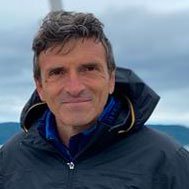
I’m Tom, host at Docksta Havet Base Camp in the High Coast of Sweden. I live and work from this coastline, and I spend much of my own time running local trails and diving into forest orienteering with the Skogslöparna community around Själevad.

These notes come from my own perspective: a host, trail runner and orienteer still learning — not from an official WOC role, nor as technical navigation advice. My aim is simply to share useful, grounded reflections for teams and visitors preparing time in this part of Sweden.

Planning a team stay near Örnsköldsvik? Explore the practical accommodation and base-camp information here: WOC 2029 stays at Docksta Havet Base Camp.


Follow the Field Notes

These notes grow slowly, one forest day at a time. They are for orienteers and others who come to the High Coast to train, move, recover and spend real time outdoors.
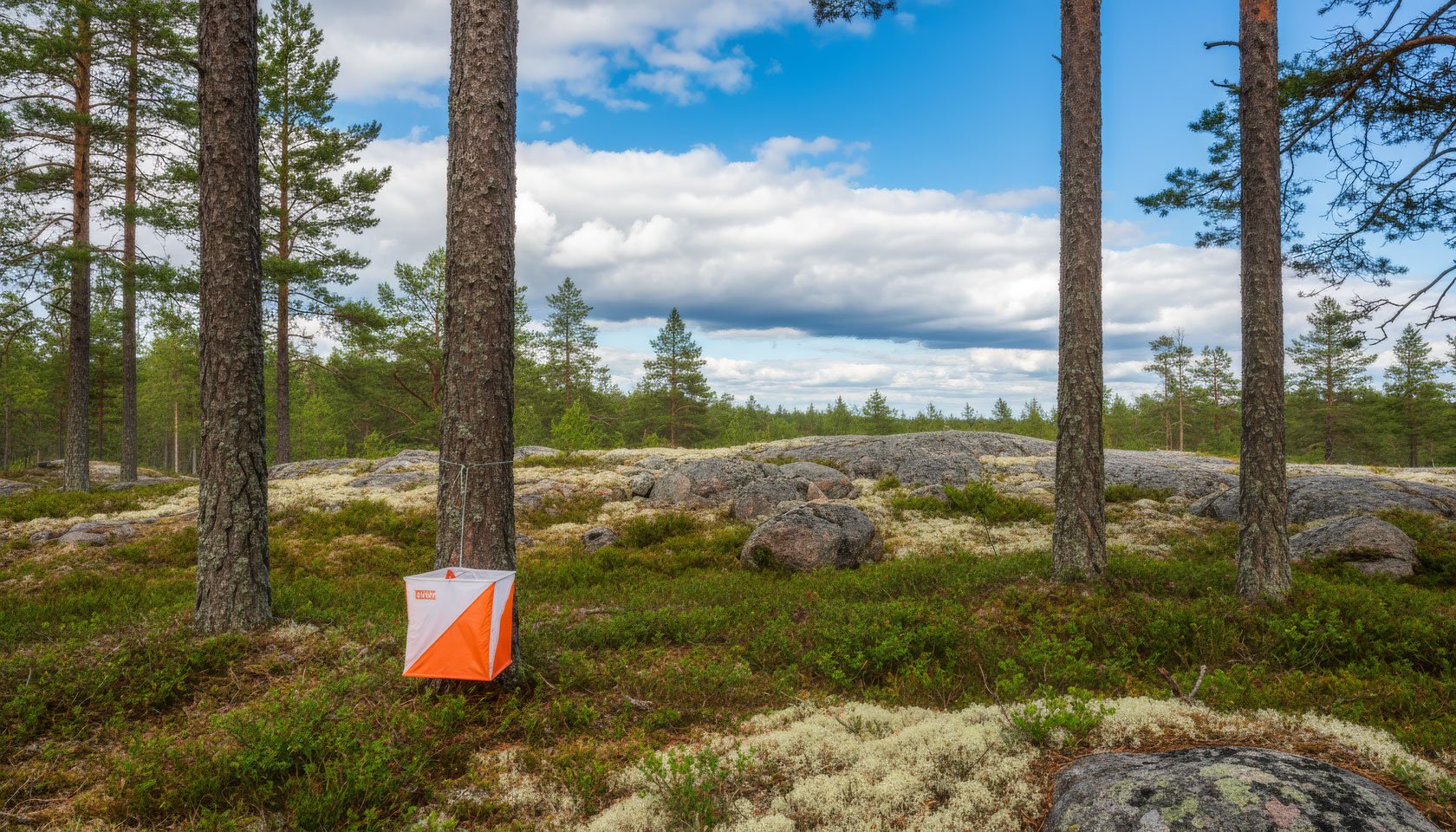
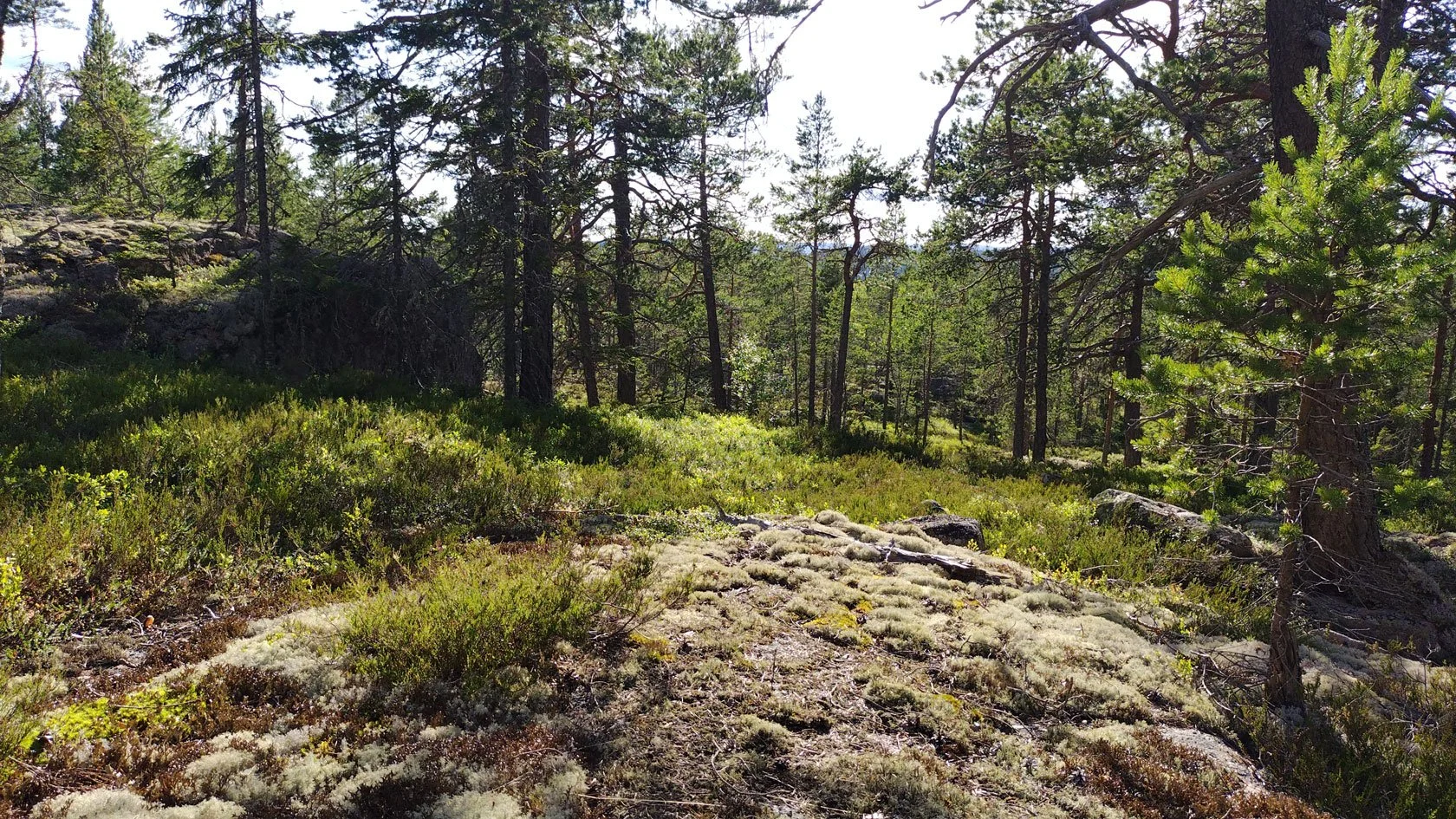
A slower way to meet the forest

These notes are partly shaped by Skogspaus: a practice of slowing down enough to notice what the forest is asking of you. If you are curious about that side of the work, explore Tom’s Skogspaus notes and forest reflections.


WOC 2029 Orienteering Base in Sweden’s High Coast — Peak Performance Weeks

A base for team weeks — or workation — that feels like yours

WOC 2029 build-up in Sweden’s High Coast: train, recover, and work in a simple base-camp rhythm.

Some weeks are built around performance.

Not the loud, social-media kind.

The quiet kind.

The kind where you want your routines to stay intact: sleep, food, training, recovery, focus.

And you want logistics to stop stealing energy.

That’s the idea behind Peak Performance at Docksta Havet Base Camp — a calm “o-basecamp” by the sea in Sweden’s High Coast.

A place that feels like yours for a few days.


Who this is for

This post is written for:

  • Orienteering teams and clubs planning training blocks in the WOC 2029 build-up (2027–2029)

  • Coaches, staff, and support crews who need calm nights and a reliable rhythm

  • Focused professionals who want a workation with real recovery (especially May–June and September)

If you’re looking for a full “sports camp program” with scheduled sessions and a loud agenda — this isn’t that.

You bring your plan.

We protect the environment.

Start here: → Explore WOC 2029 team weeks & stays

Planning a build-up block in the High Coast? Here’s the main hub with stays + rhythm + practical notes. Stays, team setups, best periods, and the simplest way to request availability.


The part that doesn’t fit into a spreadsheet

There’s a practical side to planning a strong week: maps, travel, vans, laundry, meal rhythm, sleep.

And then there’s the part that doesn’t fit neatly into a spreadsheet.

The feeling of arriving somewhere and thinking:

Ok — this place is ours for a few days.

Not in a luxury sense.

Not in an “exclusive resort” sense.

More like this: you’re not passing through a system.

You’re moving into a base.


Why human-scale base camps matter

Docksta Havet Base Camp is intentionally human-scale.

Not as a limitation.

As a design choice.

Because when a place is human-scale, it can be fully present.

Not a front desk.

Not rotating staff.

Real humans on-site.

And attention to the details that make a week feel smooth:

  • Arrivals that don’t feel like a puzzle

  • Quiet nights that actually feel quiet

  • Wet shoes, drying gear, and the small frictions nobody puts in the brochure

  • The morning flow — the first 20 minutes that decide the tone of the day

For teams and focused guests, that translates into something very concrete:

Less friction. More usable energy.


Peak Performance (what it means here)

“Peak Performance” is our simple container for weeks where the goal is to train well, recover deeply, and keep life calm.

It’s not a program we run on you.

It’s an environment we protect.

A place where routines can stay intact.

Where the week doesn’t get noisy for boring reasons.


The hidden performance advantage: mornings

If you travel solo, mornings carry a lot.

If you travel as a team, mornings carry even more.

You wake up and you have to decide:

  • Whether or not?

  • Long session or shorter technical work?

  • Drive, jog, or just step outside first?

A base camp should make the first move easy.

Here, the sea is right outside.

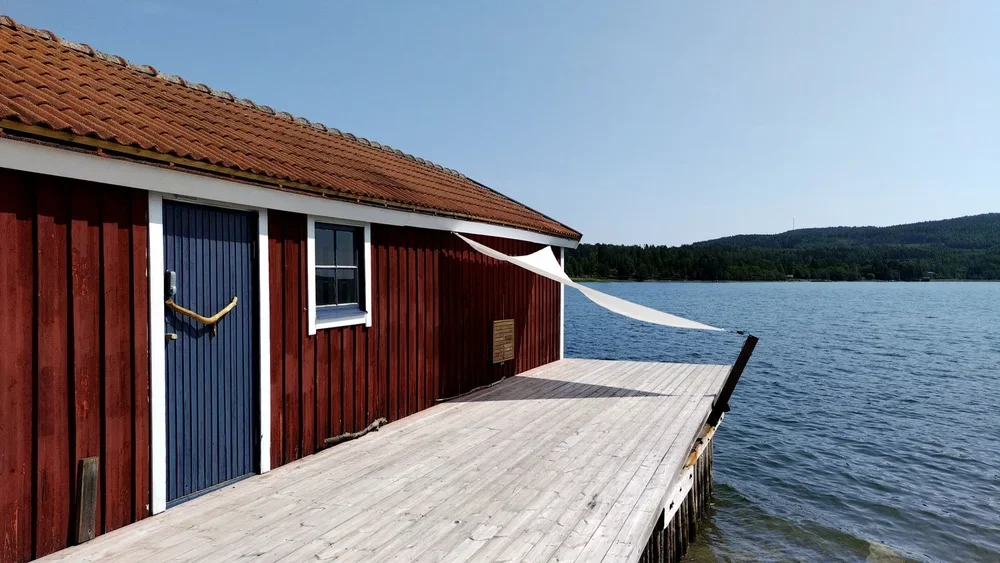
Even a short pier walk can shift the nervous system from travel mode to training mode.

Not motivational.

Not dramatic.

Just a clean start.


When a team week becomes a “home base”

Sometimes teams ask about exclusive use.

The question is practical — but the reason is often emotional.

Because when a place is truly yours for a week, something shifts:

  • You stop negotiating space

  • You stop adapting to other guests

  • You can keep routines intact

  • You can recover without feeling observed

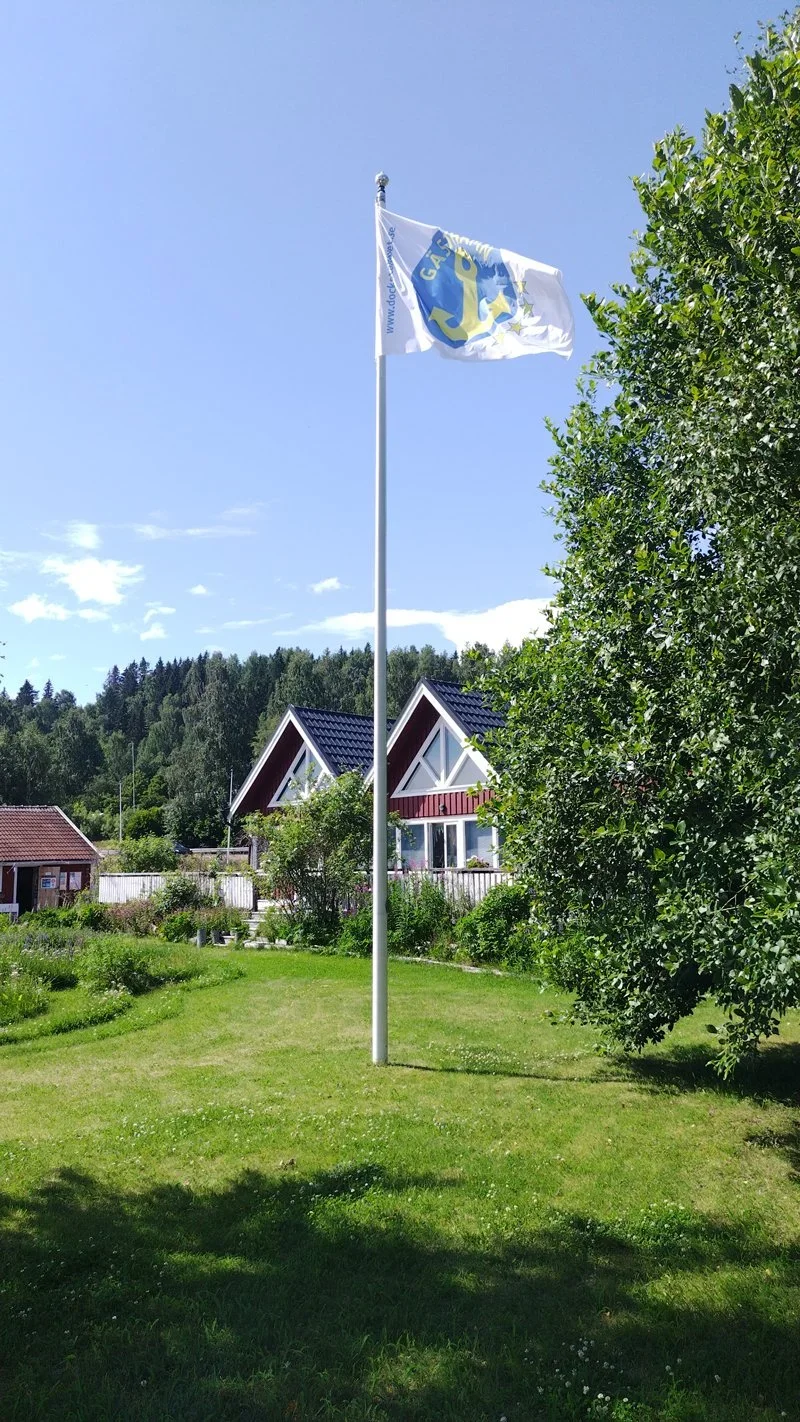
I imagine it very clearly: flags on the poles, a team banner on the grass near the docks, maps on the table, a quiet morning coffee — and that calm confidence you get when logistics are not fighting you.

On selected dates (and depending on season), a base camp takeover can be possible: multiple units + shared spaces aligned around one team or organization.


Workation — but with real recovery

For some guests, the “team week” is not a sports team.

It’s a small group of professionals, founders, writers, or remote workers who need a calm base to work seriously — and regenerate deeply.

A good workation is not a holiday.

It’s a rhythm:

  • Focused work blocks

  • Simple logistics

  • Nature resets (sea + forest)

  • Sleep that actually restores you

May–June and September are often the sweet spot.

If you want a simple 1–3 week rhythm you can copy (deep work + real recovery), start here: Micro Work‑Break in Höga Kusten


Best periods for focused weeks (simple truth)

If you want the High Coast to feel supportive (not chaotic), shoulder seasons are your friend.

  • May–June: calmer, more flexible, more recovery-friendly

  • September: crisp conditions, strong rhythm, quiet confidence

July–August is typically busier (summer stays), so coordinated setups are more limited.


A small note about WOC 2029

Docksta Havet Base Camp is an independent accommodation provider — not an official WOC site.

For official embargo information and event rules, always follow WOC 2029 organizers and federation channels: IOF International Orienteering Federation

If you want a Peak Performance week here (simple next step)

If you’re considering a focused week in the High Coast (2027–2029), send me:

  • Dates (or 2–3 options)

  • Headcount

  • Team type (club / national / mixed)

  • Your preferred rhythm (hard camp vs balanced camp)

From there, I’ll suggest the lowest-friction setup: which units fit best, how to keep mornings smooth, and how to place one High Coast “wow” moment without draining the week.

Start here (2 minutes): WOC 2029 stays + team setup in the High Coast

Quick question? WhatsApp Tommaso: +46 76 313 6909

Request availability for WOC build-up weeks (2027–2029): Contact Docksta Havet Base Camp


Know your host

Tommaso — host, trail runner (orienteer passionate), and “base camp” person

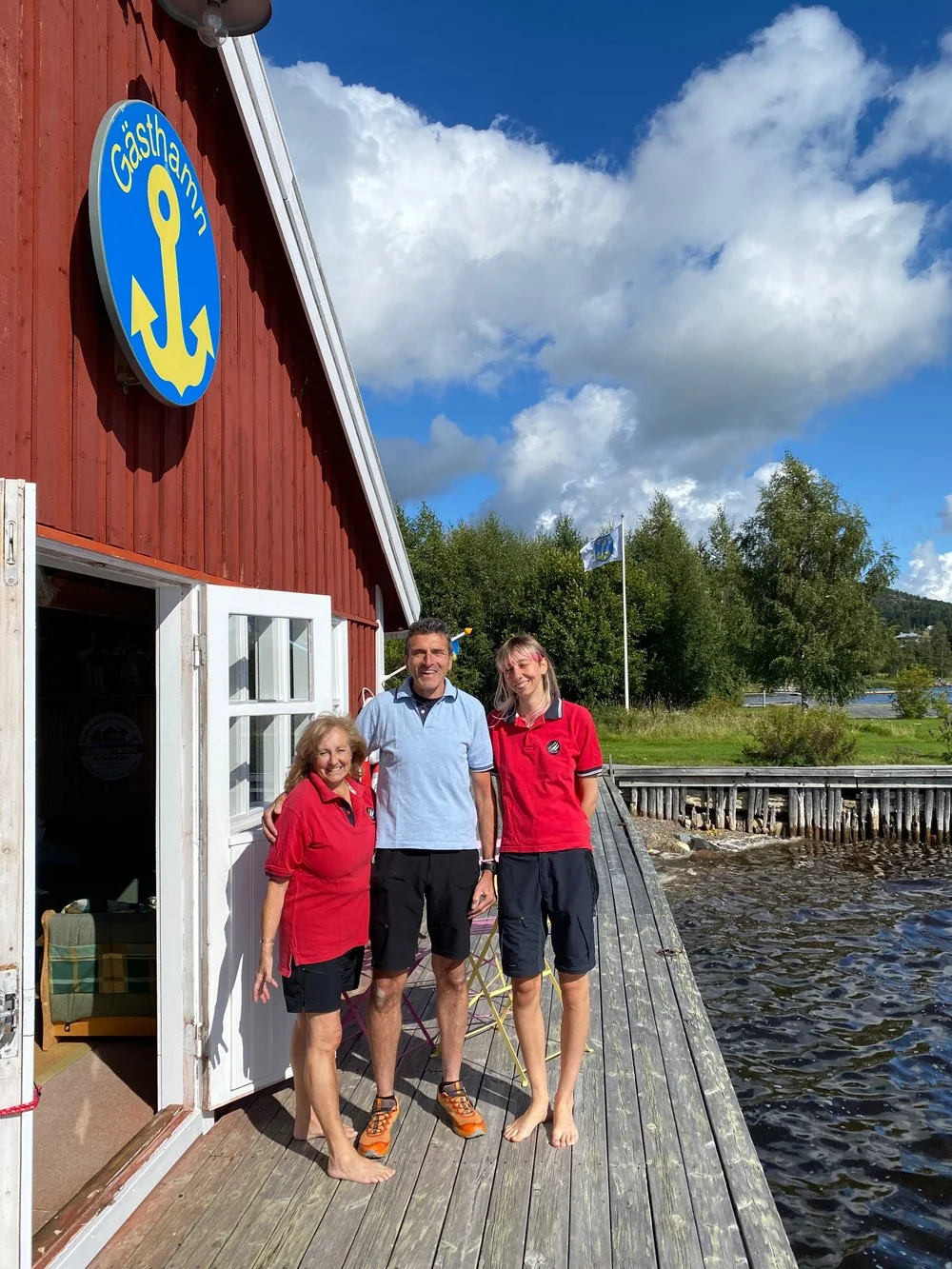
I’m Tommaso. I run Docksta Havet Base Camp together with Anna.

I’m a trail runner and a long-time sailor, and I’ve spent years learning one simple thing: the best weeks don’t feel “full.” They feel clear.

That’s what I care about as a host — not creating more activity, but protecting the conditions that make a focused week possible: calm nights, smooth mornings, and a place where you can keep your routines intact.

If you’re planning a WOC 2029 build-up week (or a recovery-first workation), tell me your dates and your rhythm — and I’ll help you design the simplest setup.


If you’re building toward WOC 2029:

Docksta inför WOC 2029: en base camp i mänsklig skala för orienteringsveckor (2027–2029)

WOC 2029 kommer till Höga Kusten.

Och jag märker redan nu hur många börjar tänka i samma riktning: logistik, lugn rytm, bra återhämtning, enkel vardag.

Jag driver Docksta Havet Base Camp i Docksta hamn, och jag vill dela en idé tidigt:

En bas i mänsklig skala — praktisk, lugn och byggd för orienteringsveckor och internationella besökare (från 2027 och framåt).

Jag heter Tommaso — och jag bor mitt emellan hav och skog.

I Docksta driver jag en gästhamn och några boenden precis vid vattnet. Jag är inte ett hotell — och jag försöker inte vara det.

Jag gillar base camp-tänket: en plats där du kan landa, få ordning på logistiken, återhämta dig — och sedan ut i skogen igen.

Och eftersom orientering alltid handlar om rytm (träning, karta, återhämtning, mat, sömn) så känns det här… naturligt.

Först: en viktig sak (så att allt är tydligt)

Det här är inte en officiell WOC-sida och jag representerar inte arrangören.

Det här är ett privat initiativ från Docksta Havet Base Camp (Docksta hamn) — inget uppdrag från arrangören.

Jag delar bara vad jag bygger upp på min egen plats i Docksta — och jag gör det för att skapa kontakt tidigt, särskilt med lag och klubbar som jobbar internationellt.

Den praktiska delen finns samlad här (på engelska – det är sidan jag delar med internationella gäster):

/woc-2029-stays/

Där finns boendeupplägg, logistik och svar på vanliga frågor.


Context & officiella länkar (WOC 2029)

Docksta Havet Base Camp är ett fristående boendealternativ och inte en officiell WOC 2029‑sida eller boendepartner.

För officiella uppdateringar, se IOF International Orienteering Federation (officiell webbplats).

Lokal klubbkontakt / nyheter: Skogslöparna och Nolaskogsarna.

Varför jag skriver detta redan nu (2026)

För att de bästa veckorna planeras i god tid.

Jag tror att 2027–2029 kommer många vilja göra:

  • träningsveckor i området

  • pre-camp eller post-camp innan/efter tävlingar

  • enklare logistik för coacher, staff, media och supporters

  • lugna dagar där man kan jobba seriöst — utan att bo mitt i allt

Jag vill att Docksta Havet Base Camp ska vara ett alternativ för just den typen av vistelser.

Många svenska klubbar får internationella gäster under build-up-åren. Jag vill att det ska vara enkelt för er att peka på en lugn, praktisk bas — utan att allt blir ett projekt.

En plats som känns som din (mänsklig skala = fullt fokus)

Det finns en praktisk sida av en bra vecka: kartor, resor, bilar, tvätt, matrytm, sömn.

Och så finns det den delen som inte riktigt får plats i ett kalkylark:

Känslan av att komma fram och tänka: okej — det här är vår plats i några dagar.

Inte i lyx- eller resort-mening.

Mer som detta: du passerar inte genom ett system. Du flyttar in i en bas.

“Med en dedikerad bas blir det lättare för ett lag att vara närvarande.”
— Docksta Havet Base Camp

Docksta Havet Base Camp är byggt i mänsklig skala — med flit.

Det betyder något väldigt konkret: gäster här blir aldrig siffror. De har namn. De har en rytm. Och om de vill dela en historia — så finns det utrymme.

En plats i mänsklig skala kan vara 100% närvarande.

Inte en reception. Inte roterande personal.

Riktiga människor på plats, som bryr sig om detaljerna som gör en vecka smidig: ankomst, lugna kvällar, morgonflöde, blöta skor, torkning av utrustning — de små friktionerna som stjäl energi.

Och ja — ibland kan en orienteringsvecka kännas som att flytta in i sin egen “hemma-bas”.

Jag ser det framför mig: en lagflagga på gräset vid bryggan, vimplar på våra flaggstänger, kartor på bordet, en tyst morgonkaffe — och den där lugna känslan när logistiken inte slåss mot dig.

Vad jag menar med Peak Performance (på ett mänskligt sätt)

För mig handlar Peak Performance inte om hårdare träning.

Peak Performance, för mig, är inte en slogan. Det är bara ett sätt att beskriva det som gör en vecka hållbar.

Det handlar om att göra det lätt att hålla en bra rytm:

  • sova bra

  • äta enkelt

  • ha plats för korta kartgenomgångar

  • kunna tvätta, ladda, återställa

  • ha lugn nog att faktiskt återhämta sig

Det är ofta där en bra vecka avgörs.

Inte bara lag: en bra bas även dag för dag (familj, supporters, “rest day”)

Alla som reser med orientering har inte samma schema.

Ibland tränar någon. Ibland tävlar någon. Ibland är du med som partner, förälder, vän, supporter — eller bara nyfiken på området.

Då blir frågan enkel:

Vad gör jag en rest day? Vad gör jag medan andra är i skogen?

För mig är Docksta också en bas för just det.

En plats där du kan ha en lugn morgon vid vattnet, sedan välja en “en bra dag”-plan i Höga Kusten — och komma tillbaka till en trygg hamn på kvällen.

Om du vill ha inspiration för pauserna mellan eventdagar:

En liten bild av platsen (för att du ska känna stämningen)

Jag tror att vissa platser behöver ses — inte för att imponera, utan för att du ska förstå rytmen.

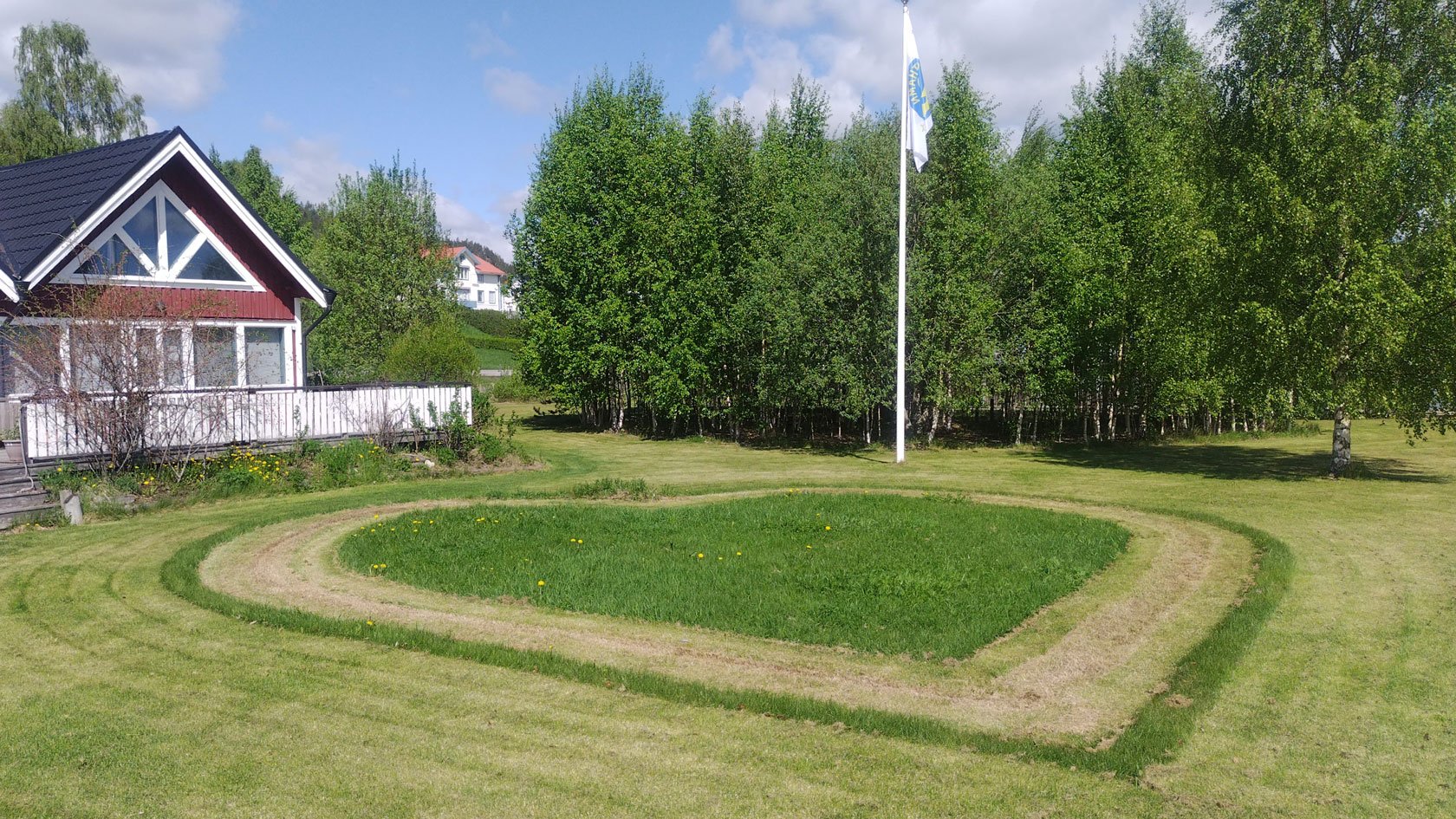
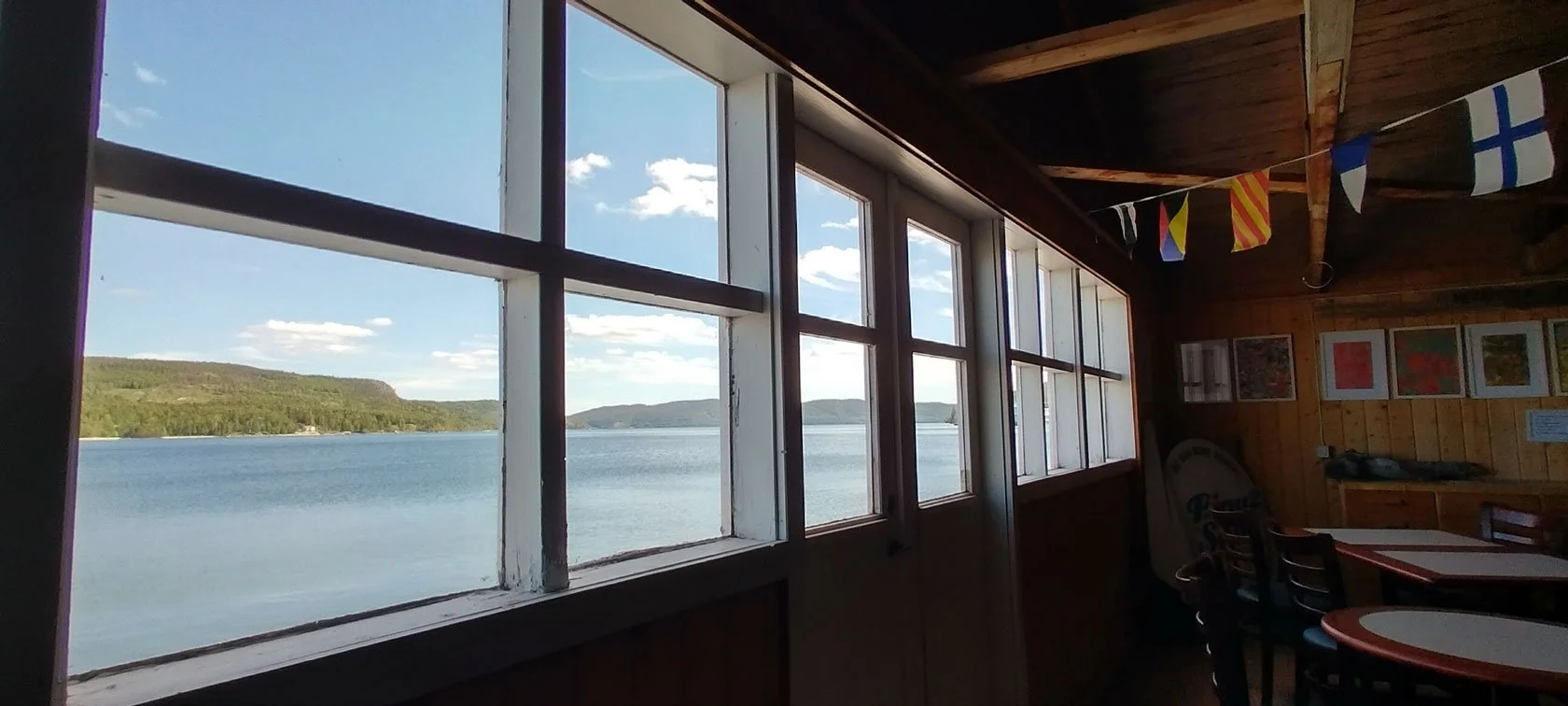
Här är några bilder från vår vardag i hamnen: bryggor och kvällsljus, boenden vid vattnet, och Club House-känslan (bord för kartor, enkel vardag).

Det är inte en resort. Det är en bas.

Om du vill prata — gör det enkelt

Om du representerar ett lag, en klubb eller en organisation och vill bolla ett upplägg för 2027–2029: skriv till mig. Den praktiska informationen (boendeupplägg, logistik, FAQ) finns här: /woc-2029-stays/

Jag svarar snabbt och kan föreslå ett upplägg utifrån datum och antal personer.

Skriv gärna antal personer + ungefärliga datum (och om ni vill ha exklusivitet).

Länkar (all praktisk info om WOC 2029 stays)

Start here:

Fördjupning:

Det här är bara en tidig idé — men jag ville lägga den på bordet redan nu.

Jag ser fram emot att följa hur Höga Kusten fylls av orienteringsrytm de kommande åren.

Om oss på Docksta Havet

Docksta Havet Base Camp drivs av mig, Tommaso, och Anna. Vi har varit på plats i Docksta hamn sedan 2006.

Jag trivs bäst i skogen och på stigar — trail, lugna långpass och Skogspaus. Orientering är jag fortfarande ny på, men jag lär mig gärna av de bästa här uppe (Skogslöparna i Själevad).

_ Tommaso

PS. Om du är en svensk klubb med internationella gäster: jag är extra nyfiken på samarbeten där vi gör det lätt för dem att komma hit — utan att det blir “projekt” av allt.