
Peak Performance — High Coast Field Notes, No. ZERO
Peak Performance starts before the forest
Field notes from the High Coast for orienteers planning training in Sweden: practical reflections on forest conditions, recovery, team rhythm and longer stays while preparing for WOC 2029 near Örnsköldsvik.
Some outdoor days begin with a map. Others begin earlier: with last night’s sleep, a weather check, a quiet breakfast, dry shoes — or the simple decision to leave enough time before stepping into unfamiliar forest.
I live and work by the water in Docksta, on Sweden’s High Coast. I run trails, host people who come here to move and recover, and I am still learning orienteering through the forest culture around me. From the harbour, I often see the ordinary rhythm around a day outside: wet kit drying, maps reopened on a table, coffee and food, another look at the weather, and conversations becoming quieter as the day settles.
This series comes from those moments.
What these field notes are
Peak Performance — High Coast Field Notes is a short series for orienteers planning training in Sweden, with reflections on forest attention, recovery and the small practical things between one outdoor day and the next.
They are written first for orienteers, and also for trail runners, hikers and forest-minded visitors. They are not coaching instructions, technical navigation advice or official information connected to WOC 2029. I am not here to explain how to navigate better, replace a coach or make promises about performance.
I am simply sharing observations from a real place: as a High Coast host, a trail runner, a forest guest and an orienteer who is still learning.
The map and the place
A map is essential. It offers contours, symbols, distance, direction and structure.
But the forest adds the conditions a map cannot fully hold: moisture underfoot, visibility, weather, vegetation, changing light, tiredness, pace and attention.
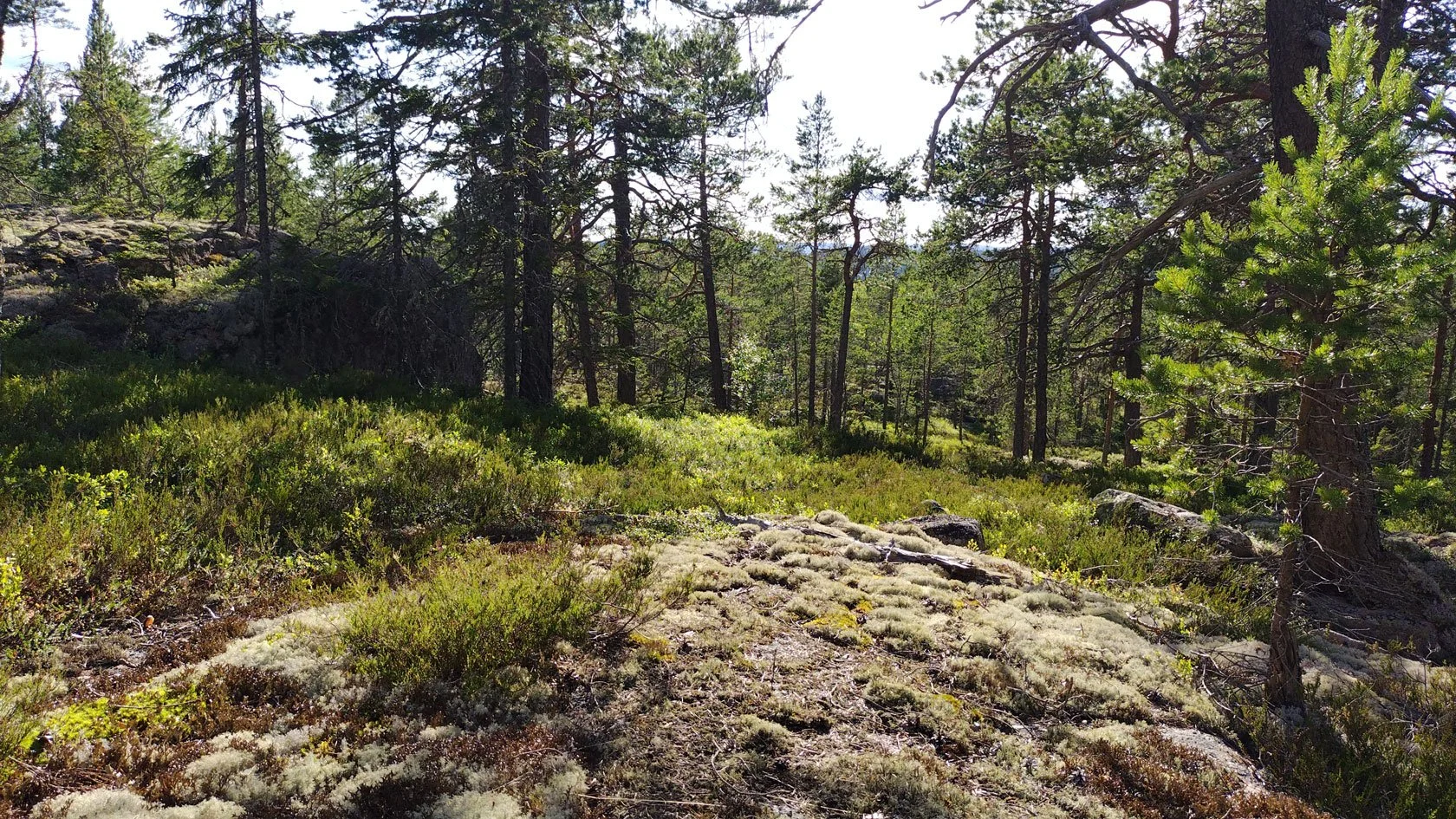
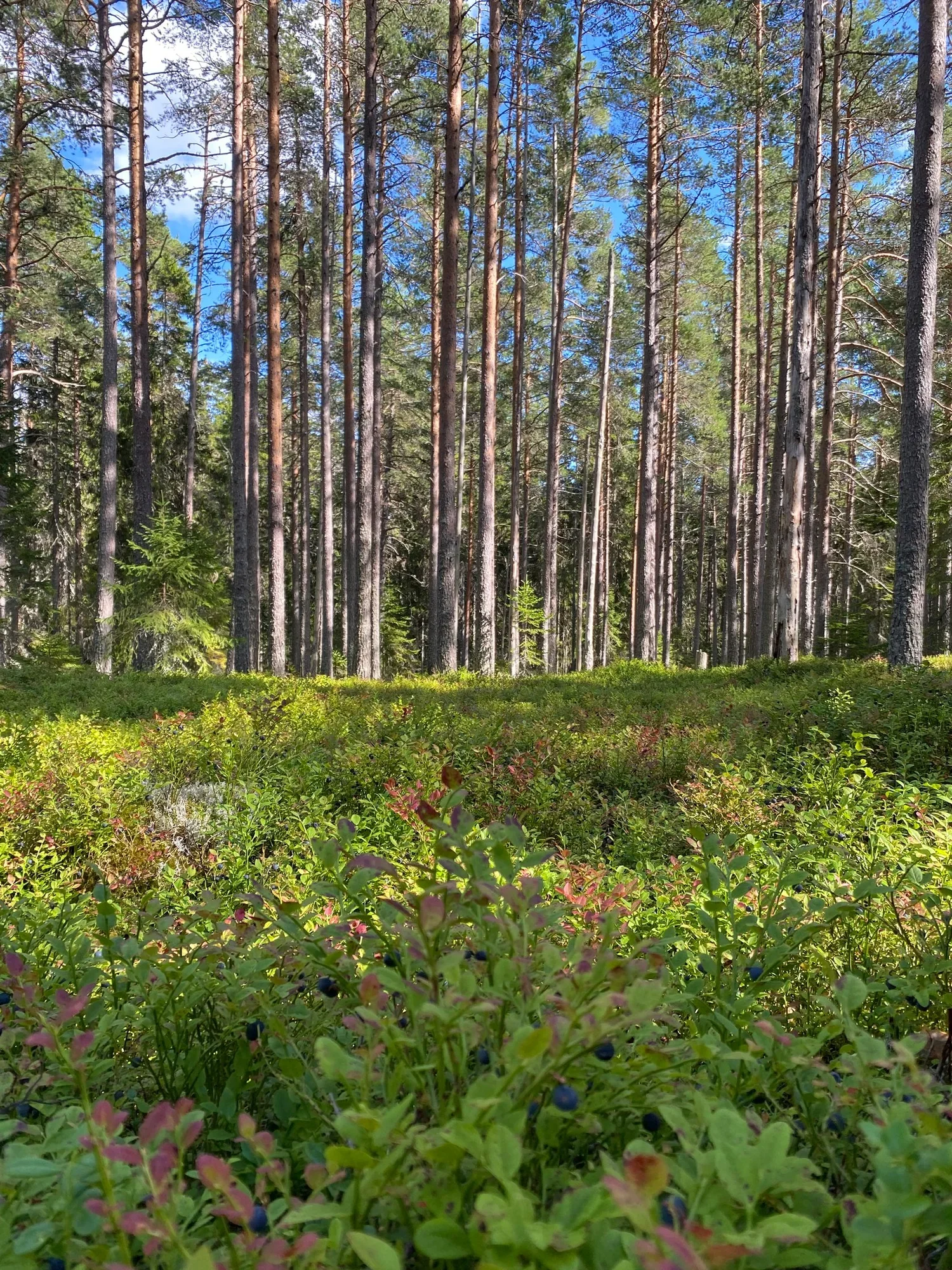
That is especially true here. The High Coast is not one kind of landscape. There are coastal views, granite, ridges, pine forest, mixed woodland, wet ground, young growth and steeper sections. Conditions change with the season and weather. The same area can ask something different of you from one day to the next.
These notes are not a technical guide to the region. For current access, event and local conditions, always use reliable local and official information. They are an invitation to arrive with curiosity, give the landscape enough time, and notice what it is actually asking of you.
A forest guest
Skogspaus has helped me find words for something I was already learning outdoors: the forest is not only a place to use.
To be a forest guest is not a mystical idea. It is practical. You do not assume that the terrain will behave exactly as expected. You notice a wetter slope, changing visibility, fading light or tired legs. You adjust. You take the place seriously enough to let it shape your decisions.
Orienteering makes this very concrete. Attention is not separate from movement. It is part of movement.
The five notes
The series follows a simple progression:
A Map Is Essential. The Forest Adds Context. A map gives information; the forest gives the conditions around it.
When You Lose Clarity: A Small Reset Before the Next Decision. A quiet, practical way to make the next decision smaller when attention starts to fade.
Peak Performance Has a Base: Less Friction Between Forest Days. Sleep, food, dry kit, map space and a calm plan for tomorrow.
The Value of Not Adding Another Thing. Why a little unfilled time can be useful during a full week outdoors.
After the Forest: The Conversation Around the Map. What a shared forest day can become when it continues over food, maps and ordinary conversation.
A place for the day to land
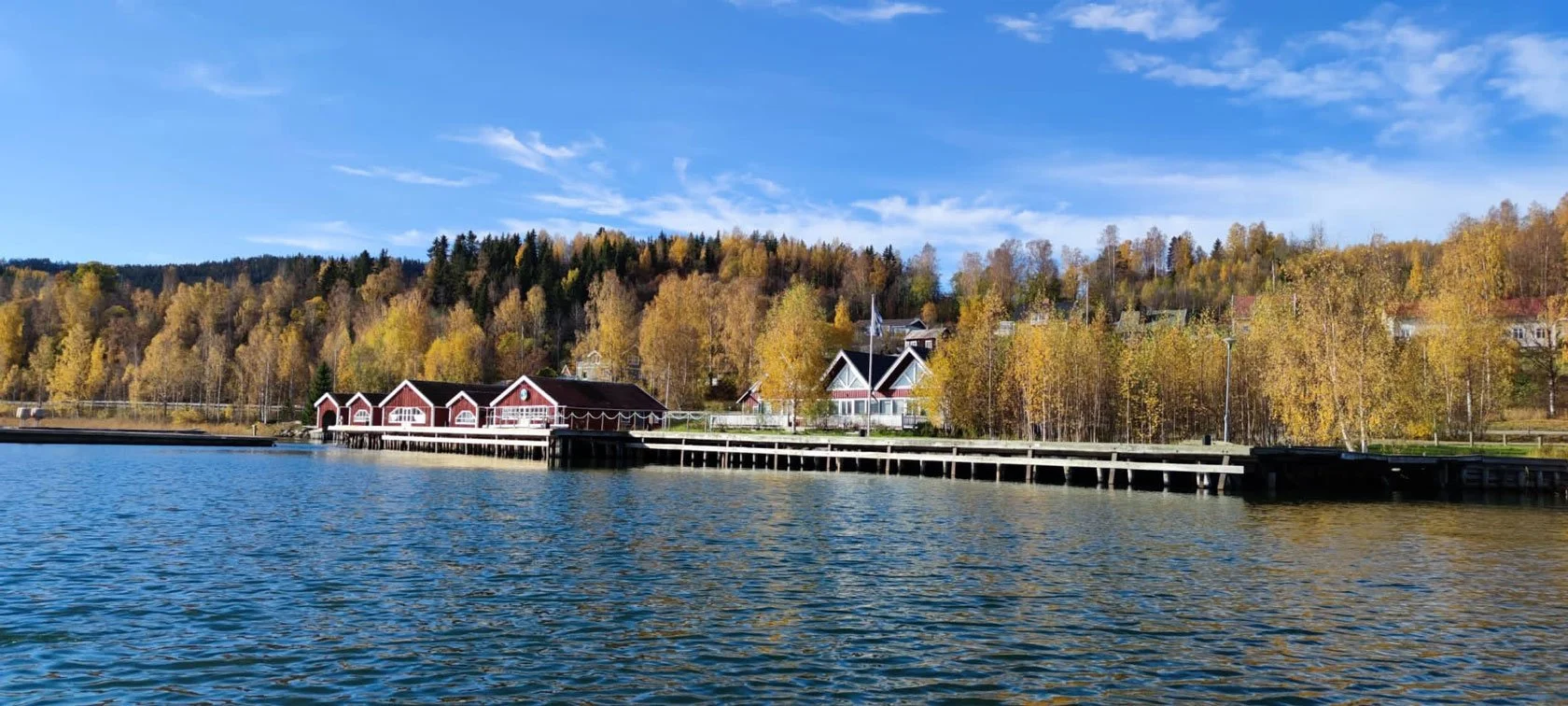
Docksta Havet Base Camp is the place from which these notes are written. It is a human-scale waterfront base in the High Coast, with a small collection of distinctive places to stay and the practical room to settle into your own rhythm: self-catering, drying equipment, maps, recovery and the next day outdoors.
A good base does not create performance. It removes some of the friction around it.
If you are planning orienteering training in Sweden, a High Coast training week, or time outdoors as a runner or hiker, I hope these field notes offer a useful companion: not a set of answers, but a few observations to carry into the forest.
Start the series: a map is essential. The forest adds context.
This is the opening note of Peak Performance — High Coast Field Notes. The next field note will follow soon.
Want to keep the notes together? A free short reading guide for orienteers, trail runners, hikers and forest-minded teams is taking shape.
About the writer
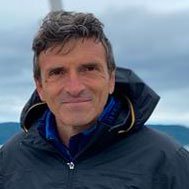
I’m Tom, host at Docksta Havet Base Camp in the High Coast of Sweden. I live and work from this coastline, and I spend much of my own time running local trails and diving into forest orienteering with the Skogslöparna community around Själevad.
These notes come from my own perspective: a host, trail runner and orienteer still learning — not from an official WOC role, nor as technical navigation advice. My aim is simply to share useful, grounded reflections for teams and visitors preparing time in this part of Sweden.
Planning a team stay near Örnsköldsvik? Explore the practical accommodation and base-camp information here: WOC 2029 stays at Docksta Havet Base Camp.
Follow the Field Notes

These notes grow slowly, one forest day at a time. They are for orienteers and others who come to the High Coast to train, move, recover and spend real time outdoors.
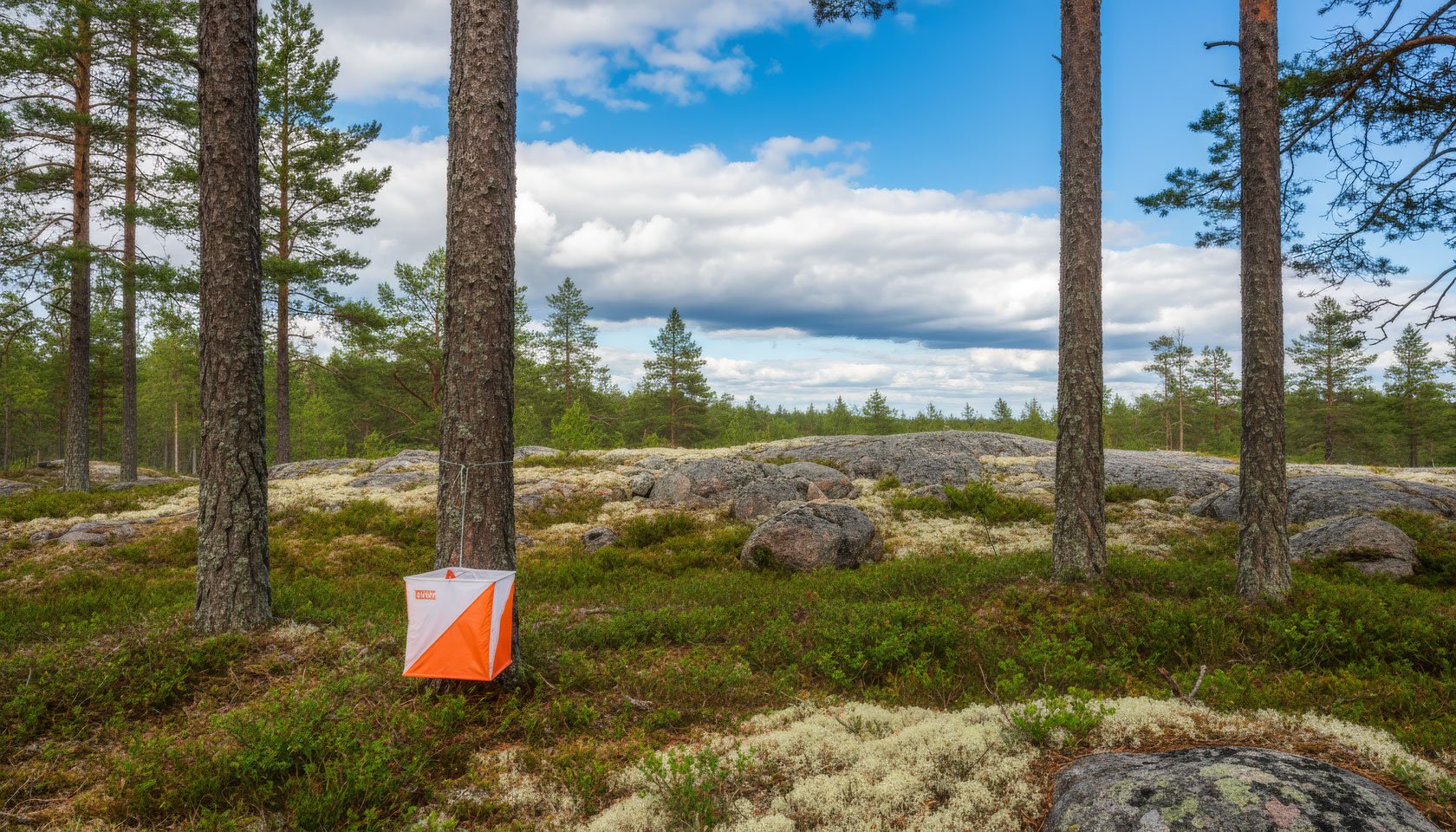

A slower way to meet the forest
These notes are partly shaped by Skogspaus: a practice of slowing down enough to notice what the forest is asking of you. If you are curious about that side of the work, explore Tom’s Skogspaus notes and forest reflections.