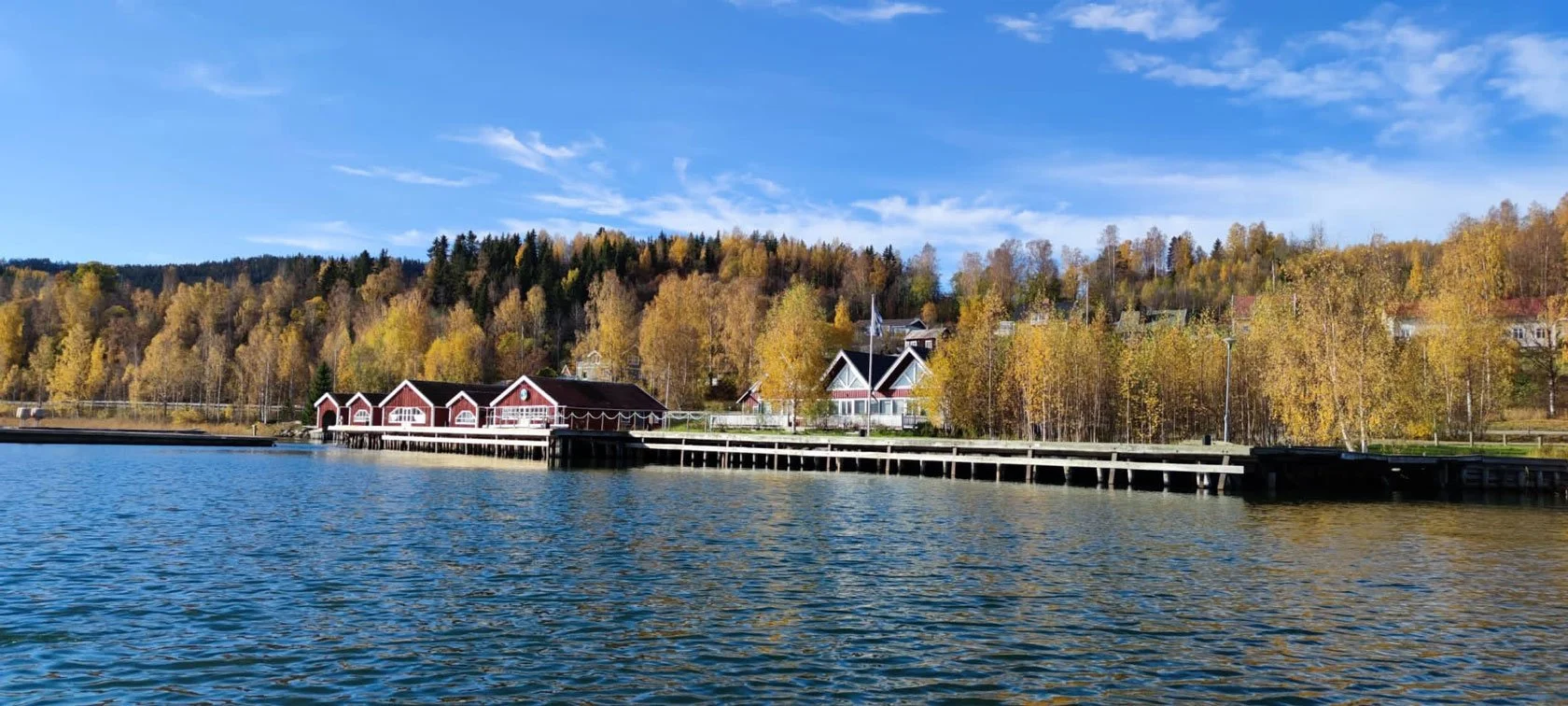
A starting point for the High Coast

There is a place in Docksta where the mountains are never far from the sea.

Boats arrive here. People come to stay by the water, to walk in the forest, to find their way up a mountain — or simply to spend some time watching the fjord.

Some arrive with a plan. Others begin to make one after they get here.

Docksta Havet is a guest harbour and a place to stay, but we have always imagined it as something more: a starting point for discovering the High Coast in your own way.

A conversation on the pontoon might help you choose where to go. A quiet morning by the water might be enough to make you stay a little longer. The mountains, the forest and the coast are all part of the day from here.

We call it a Base Camp. Not because everyone comes looking for an adventure, but because everyone can find their own way to begin.

The place has changed over the years, and so have we. But its story began long before we arrived.
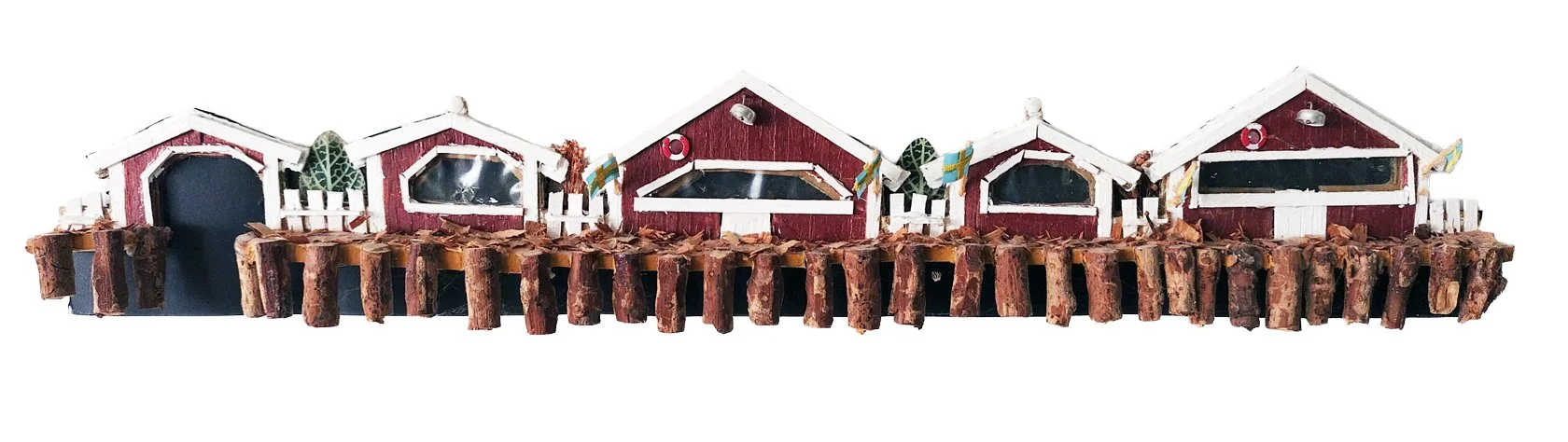
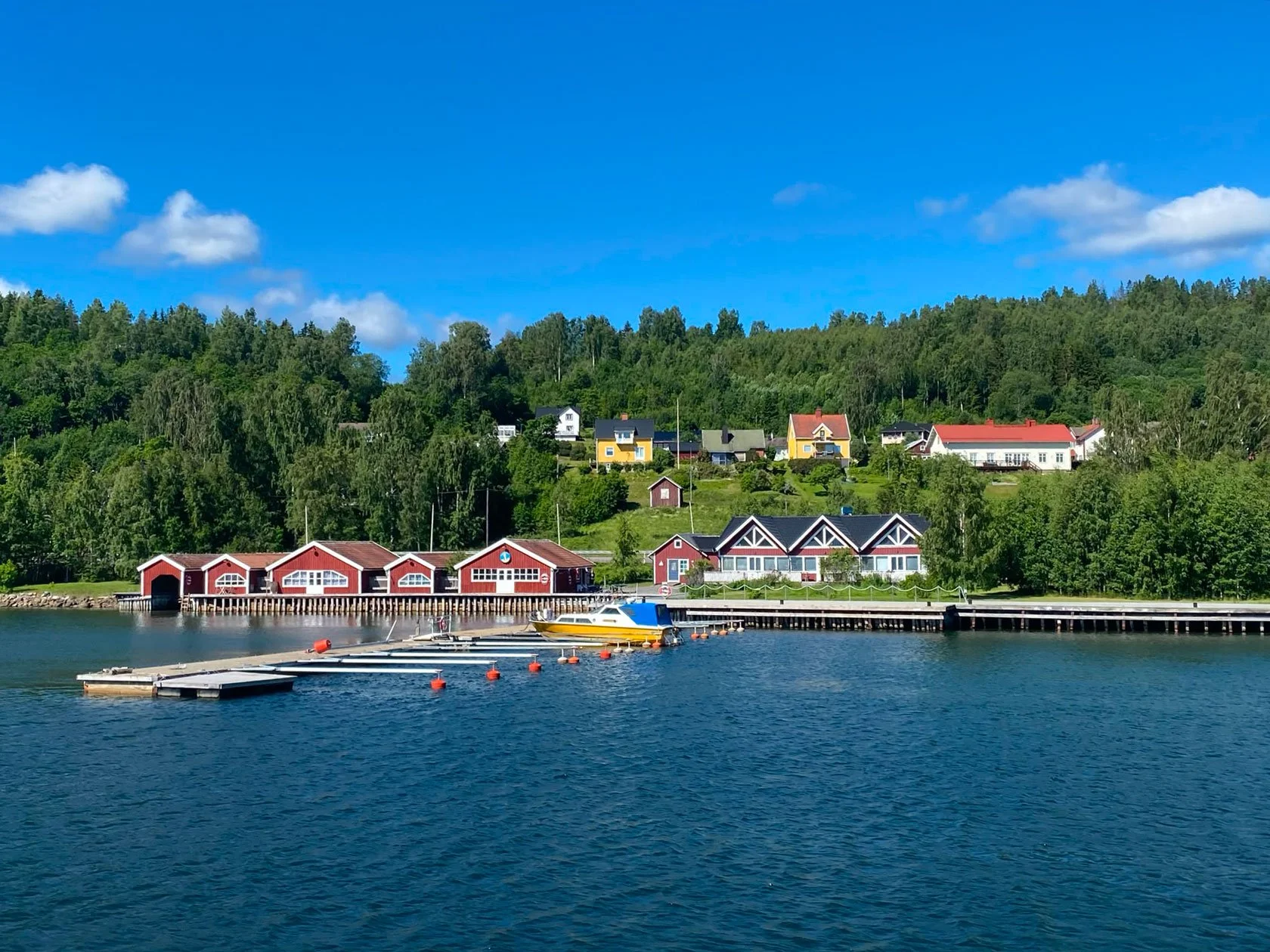
 The story of Docksta’s waterfront

For generations, life around Docksta was shaped by the forest and the sea. Timber, fishing and boatbuilding were woven into the life of the area.

In 1905, Nils and Carl Sundin began building boats here. Over time, the craft evolved: wood gave way to aluminium, and Dockstavarvet developed its expertise in boats for professional use. The yard still carries that boatbuilding heritage forward today.

In the 1970s, tourism began to be considered as part of a future for the High Coast.

Here in Docksta, the waterfront would soon become part of that wider story.

A place with a purpose

In 1974, the Höga Kusten-utredningen identified Docksta and the area around Skuleberget as a place with exceptional potential for the development of recreation in the High Coast. It described Docksta as a natural centre for connections — a meeting point between land and sea. → Read the 1974 report excerpt

In the late 1970s, a marina, restaurant and docks took shape here in Docksta: a place where people could arrive by boat, spend time by the water and discover the coast.

For a time, the place had an active life. But the region around it was changing.

During the 1980s, the forestry and timber industries that had helped shape communities along the coast and inland faced difficulties. People left in search of work and new possibilities, and communities changed.

The changes were also felt here. The early momentum at the marina gradually faded. Activities came to an end, and eventually the restaurant closed.

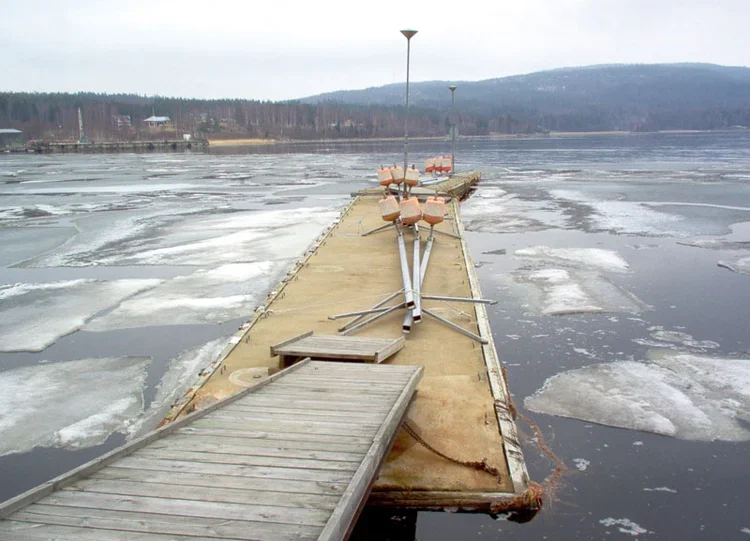
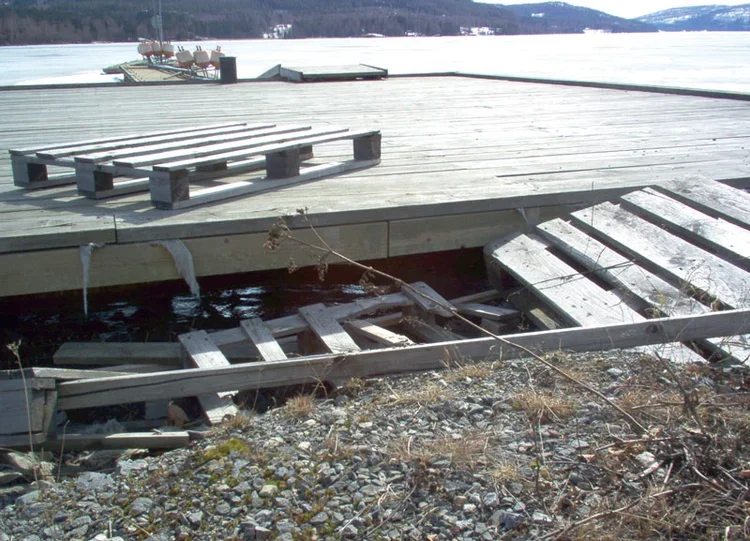
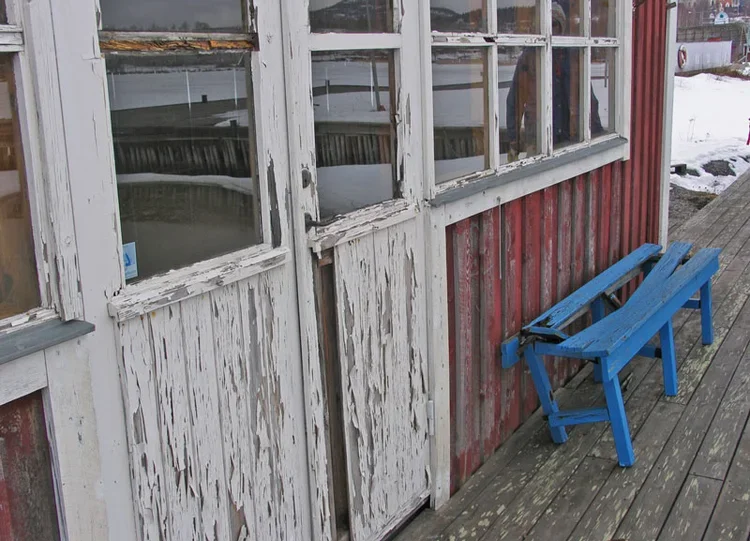
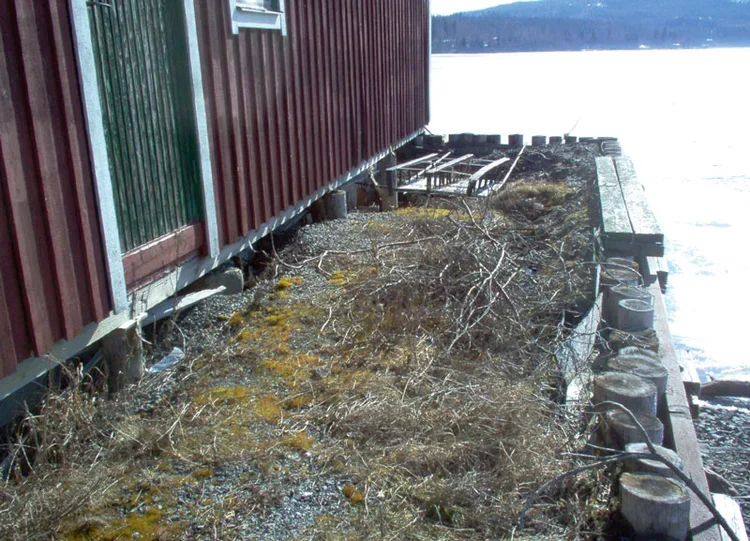
For a couple of years, the property was left without active management. By the time we arrived, the buildings and facilities were in a state of serious disrepair.

In 2006, we bought the property and began a new chapter.

The place we care for

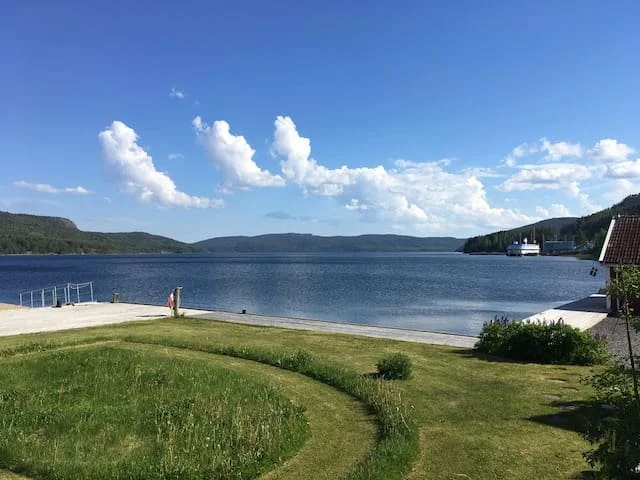
Docksta Havet is a privately owned waterfront property of approximately 9,000 square metres, stretching along Dockstafjärden.

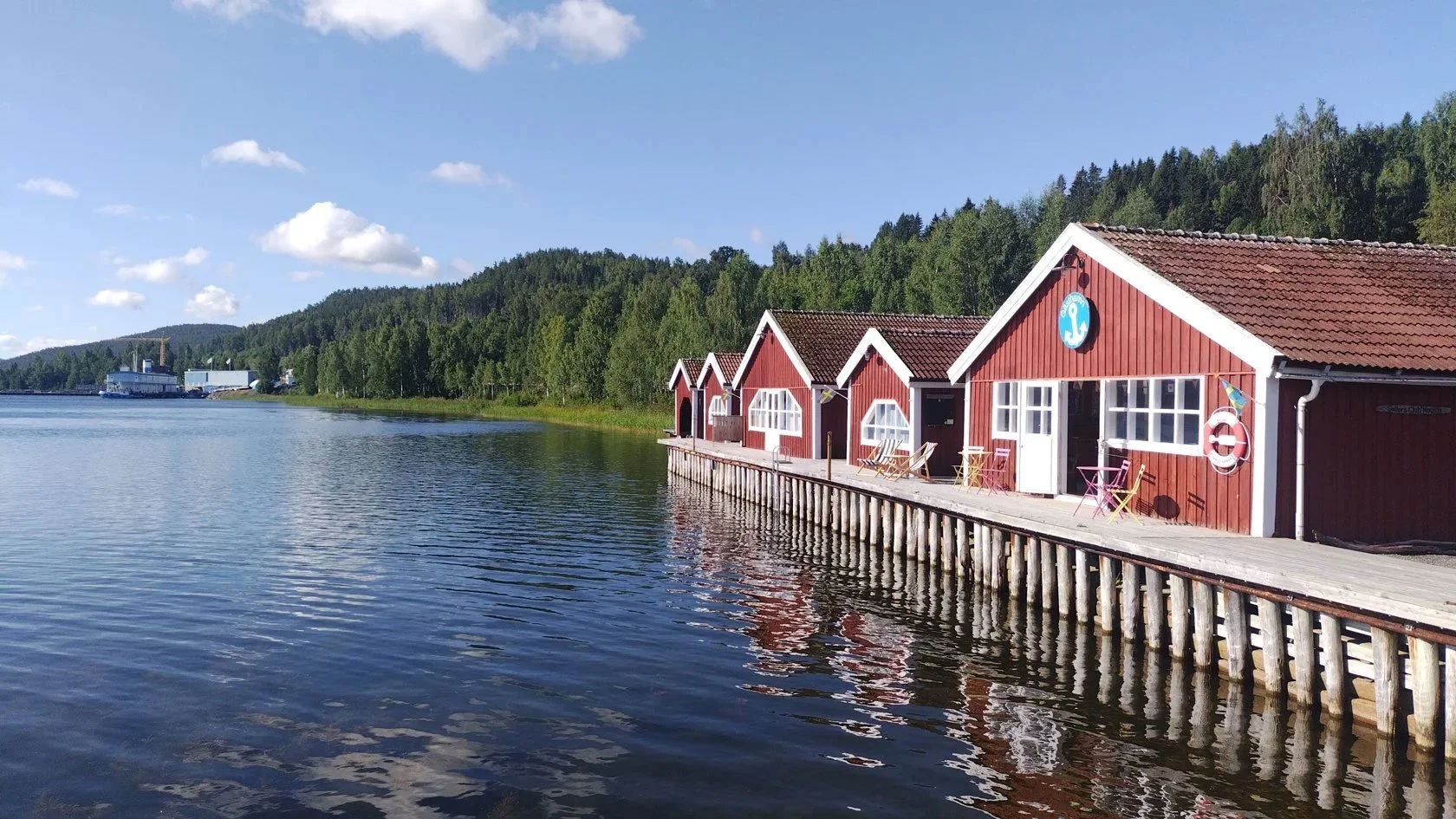
It includes the guest harbour and its piers, the old docks and boathouses, the marina service building, Havets Hus and the spaces around them.

People sometimes imagine that we manage a public harbour. In fact, the harbour is part of this private property — a place we bought in 2006 and have cared for and developed ever since.

 April 2006 — Docksta Havet was born

In April 2006, we bought the property in Docksta.

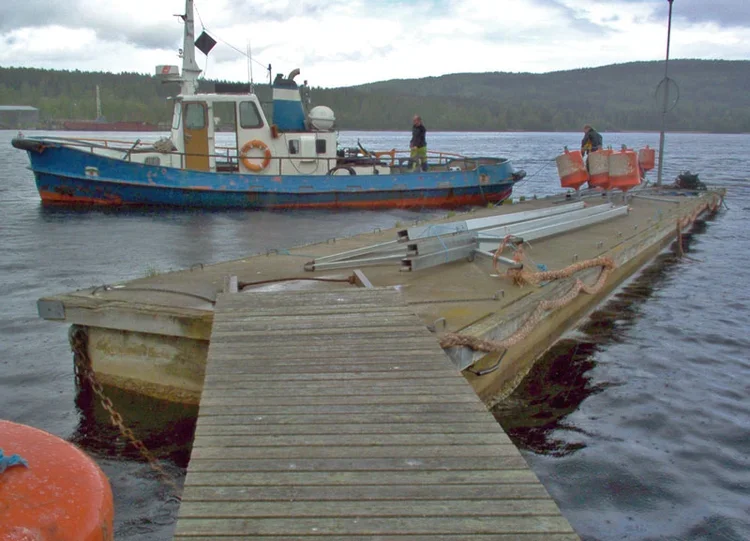
The marina had been active before, but the spaces and pontoons had been left unattended for some time. There was a great deal of work to do.

That same summer, we reopened the guest harbour. It was our first season at Docksta Havet.

From the beginning, the idea was about more than a harbour. Sailing was at its (and our) heart, but the place was also imagined for people who did not have a boat: somewhere to arrive, meet and begin discovering the High Coast. The High Coast had been inscribed on the UNESCO World Heritage List a few years earlier.

The words were already there in our original tagline: Your base camp to start enjoying the High Coast.


Before the Base Camp

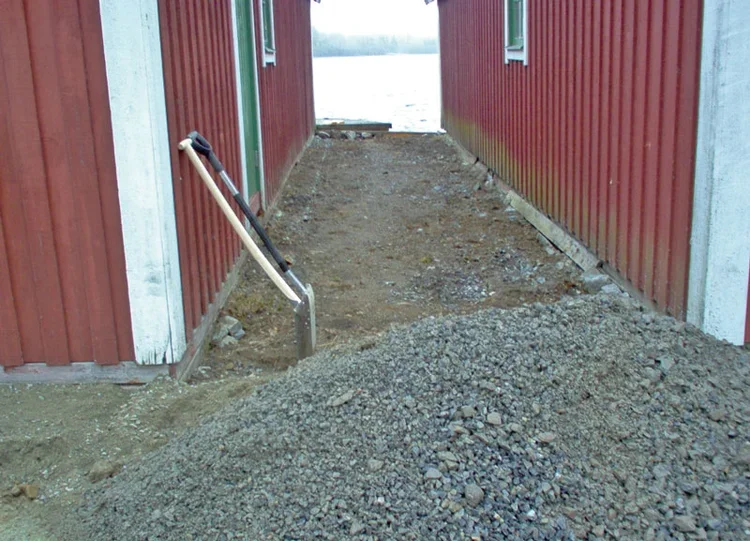
A look at the harbour before we began restoring it in 2006.


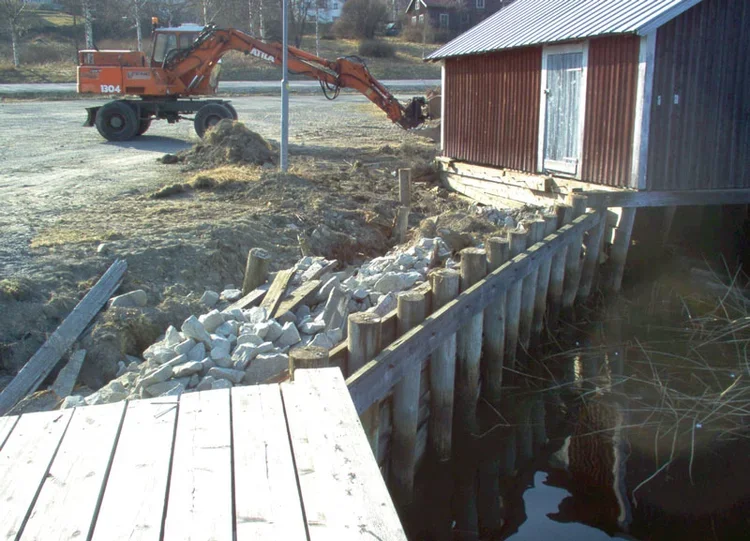
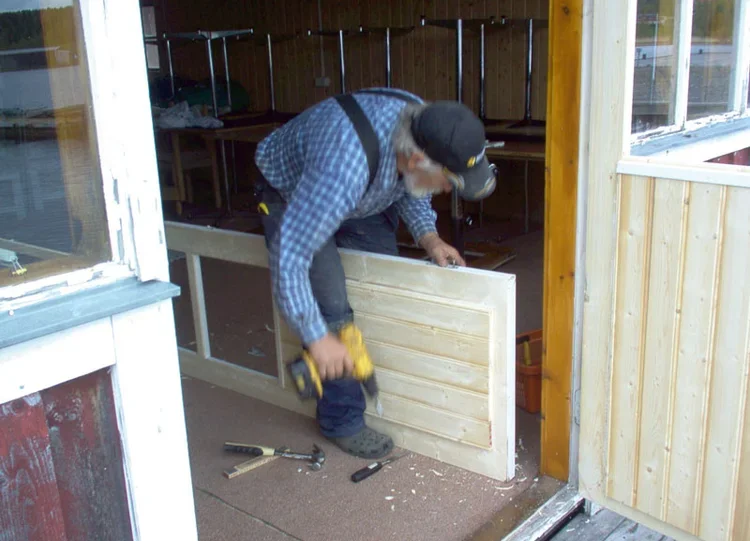
The first steps · April 2006

The first maintenance and restoration work marked the beginning of a new chapter for the harbour.

 Making the vision real

While I was working in Milan, Anna was here in Sweden, following the project and the work on the ground.

Her practical vision guided the transformation of the spaces and the restoration of the piers and pontoons, helping make the place ready to welcome sailors and other visitors.

Before the paths, projects and ideas that came later, there was Anna’s work: seeing what needed to be done and helping make it happen.

That first season was only the beginning. But without her, Docksta Havet would not be the place it is today.

 Torget: where people and ideas meet

We called it Torget mitt i Höga Kusten — a square in the heart of the High Coast.

The idea was to make room for encounters: a place between land and water where people, projects and ideas could come together.

In the summer of 2006, artist Nik Ferrando brought his exhibition ephemerae to Docksta Havet. It became one of the first stories of Torget — and one of the ways the place began to welcome more than boats.

Other ideas and encounters followed. They are part of the story of Docksta Havet, and there is still room for new ones. → Discover other stories of Torget

The compass rose and il Boschetto, the little grove


Bringing green to the waterfront

When we arrived, the marina looked very different. There were no lawns, trees or gardens here — just a large gravel area where people could park close to the restaurant, the piers and the docks.

One of our first steps was to bring green to the waterfront. We created areas of grass and added flowers and plants close to the water and the piers.

The old photographs show that change. What had been a place mainly for parking was beginning to become a place where people could spend time.

A square by the water

For Torget, we dreamed of covering a circular space, 25 metres across, with a walkable wooden platform — a terrace that would become a kind of square.

A compass rose for the High Coast

The platform would have been made with different woods and shapes, forming a compass rose aligned with the four cardinal directions.

Carved into the boards would have been the names of places across Höga Kusten, each pointing in its own direction: familiar destinations alongside smaller and more outlying places.

It was a way of bringing the region into the square — and of showing that there are many directions to explore from here.

 What grew instead

The wooden platform was never built.

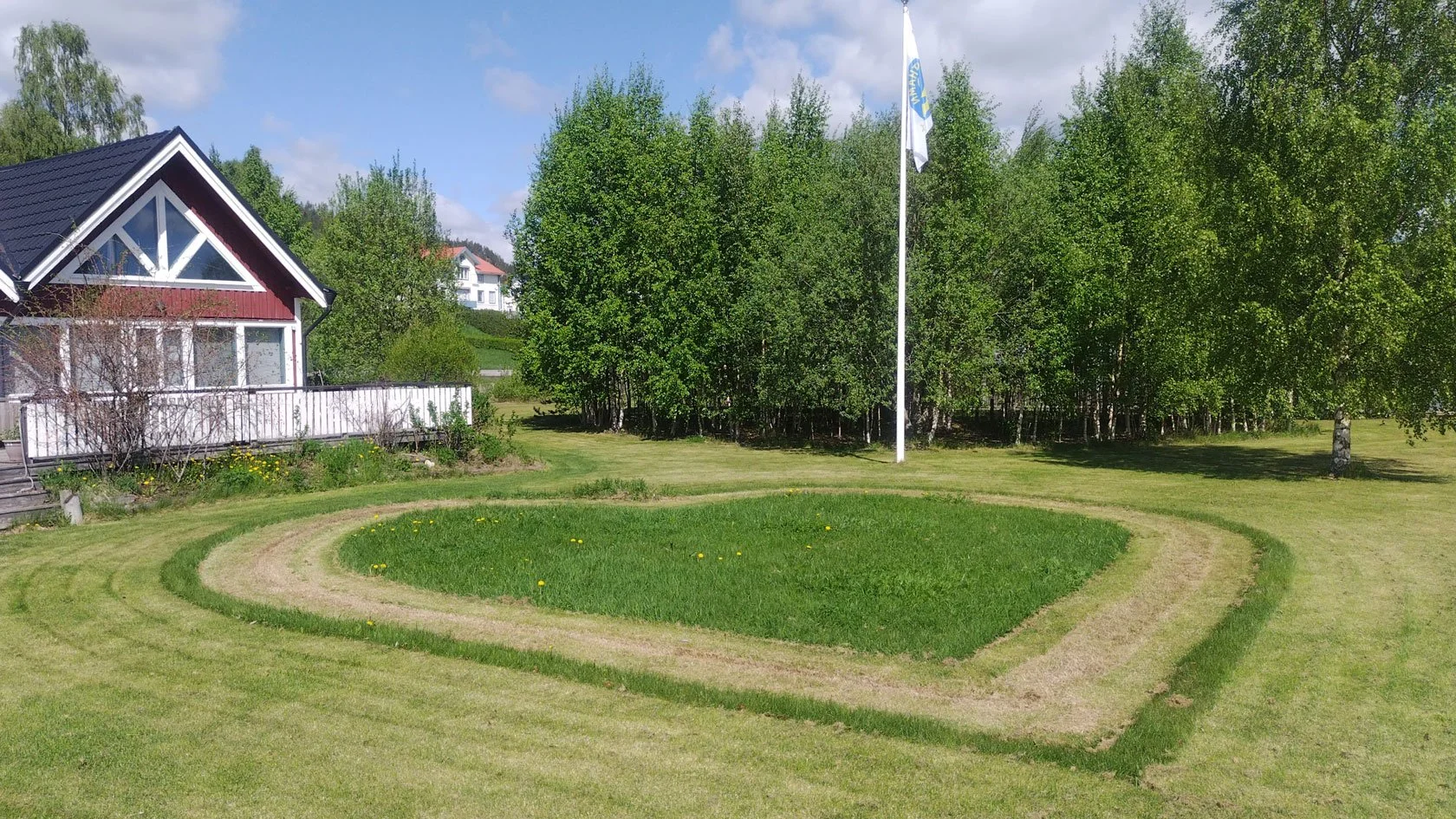
In the circular space, birches and pines began to grow on their own. We chose to let them stay and protected them, even when others suggested clearing them away.

Today, we call this place il Boschetto — the little grove.

Birds nest among the trees. Their branches soften the view and sound of the E4 for people staying by the water. And the grove has become part of the waterfront we know today.

The Compass Rose remains an idea we once drew. The Boschetto is what grew in its place.

 The old wooden boat at Docksta Havet

Not everything that became part of Docksta Havet was something we had planned.

The little grove grew on its own. The boat was already here when we arrived.
Inside one of the old docks at Docksta Havet, there is a wooden boat.

She was built locally, with a distinctive structure, and belongs to a time when boats like her moved along this coast with oars and small sails. She may date from the late 1800s, before small inboard engines became common in fishing boats.

A skötbåt was used to fish Baltic herring with nets. But boats were also part of everyday life along the coast. To move dairy cows to their summer pastures, people would join two boats with a wooden platform, load the animals and row them across to the islands, particularly Ulvön.

When we arrived in 2006, the boat was outside, on the gravel area behind the docks. The previous owner had used her to hold an advertising sign for the marina restaurant. I have photographs from that year, and older images in which she can also be seen.

We did not want to leave her exposed to the weather and risk losing her. Anna, with the help of Peter and a neighbour of mine, had her moved inside one of the larger docks.

She is still there today.

You can see her in photographs from Nik Ferrando’s ephemerae exhibition, from Apuliens Aperitivo and from Inbound Marketing. She has quietly remained part of the life of this place, even as that life has changed around her.

We also wanted to know more about where she came from. An appeal and a search through the Västernorrland County Museum’s photo archive led us to a possible connection with Wille Norberg, a fisherman from Docksta, and his boat at Sandviken. We cannot be certain it is the same boat, but the search gave us a way into her story.

→ Read the story of the skötbåt

 The years that shaped Docksta Havet

A place does not stay alive simply because it has a good beginning.

Over the years, Docksta Havet has changed. We have adapted, explored new ideas and found ways to keep going. For much of that time, the business could not always have the same focus it has had in recent years. Life was happening alongside it.

There were storms that damaged pontoons and buildings, sometimes destroying work that had only recently been completed. There were small setbacks and larger ones. Some difficulties could be repaired; others stayed with us longer.

People helped us. Others walked part of the way with us. There were also obstacles, and not every challenge was resolved.

This has never been a story of everything falling neatly into place, or of effort alone being enough. But, in different ways and through different seasons of our lives, we have kept going.

Today, Docksta Havet is still here, with its harbour and waterfront spaces part of the same place.

And so is something of the original idea: care for this place, a personal welcome, and the belief that a harbour can be a starting point for more than a journey on the water.


A moment at the harbour

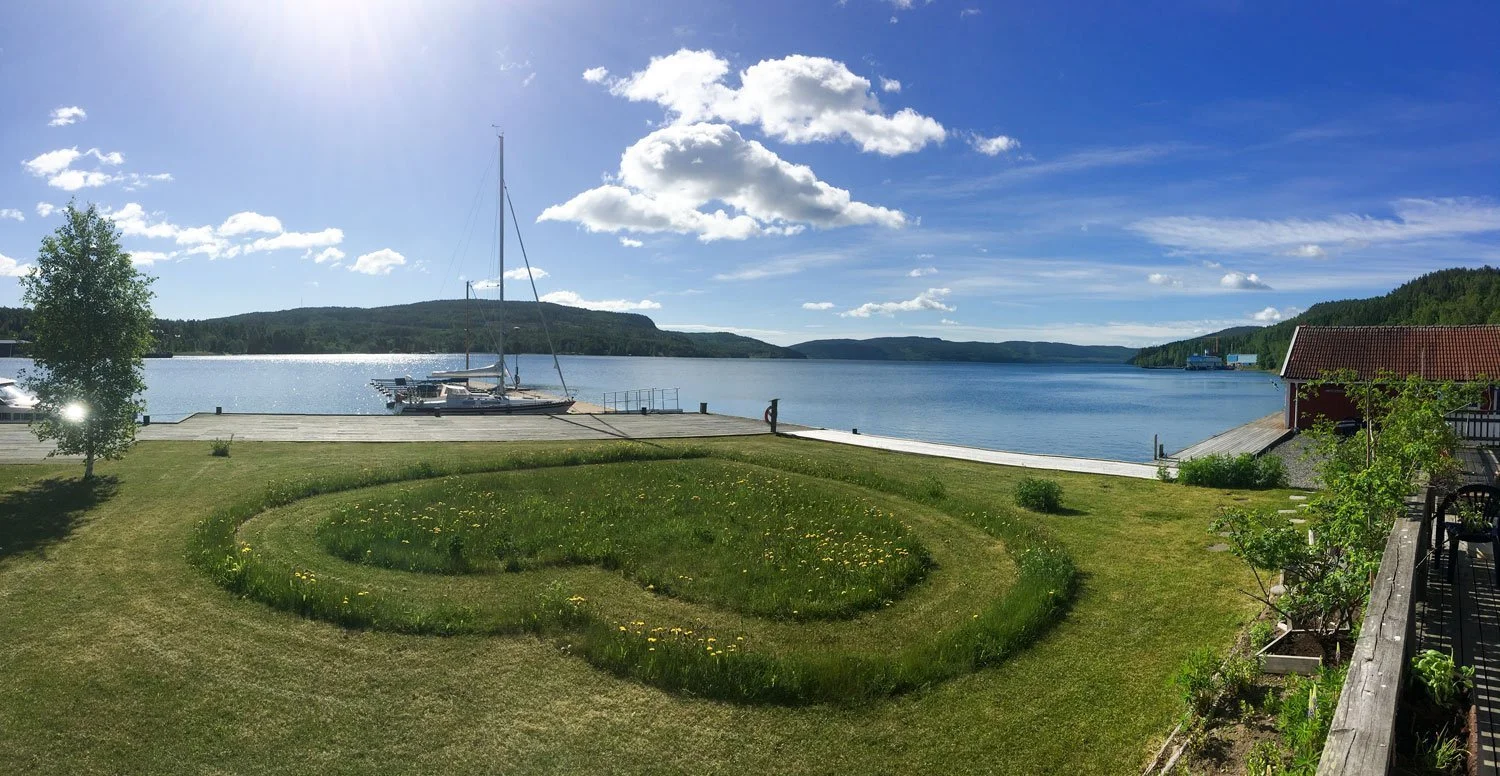
A glimpse of life at Docksta Havet a few years ago.

 Docksta Havet today: your Base Camp

Today, Docksta Havet brings together a guest harbour, waterside places to stay and ideas for exploring the High Coast.

You might arrive by boat or come to spend a few days by the sea. You might head for the mountains, discover the forest, or find that what you needed was simply a little time to slow down.

There is no single way to experience this place.

Docksta Havet is still evolving. The spirit that brought it to life in 2006 is still here — and the story continues with the people who arrive.


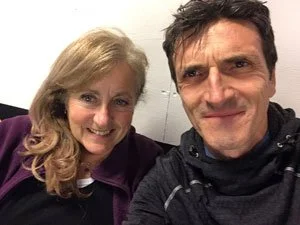
Meet Tommaso & Anna at Docksta Havet Base Camp

We’re Anna and Tommaso. In 2006, we began caring for this stretch of waterfront and imagining what it could become.

Today, Docksta Havet is still a place we look after personally. Whether you arrive by boat or come to stay by the water, we’re here to welcome you and help you find your own way into the High Coast.