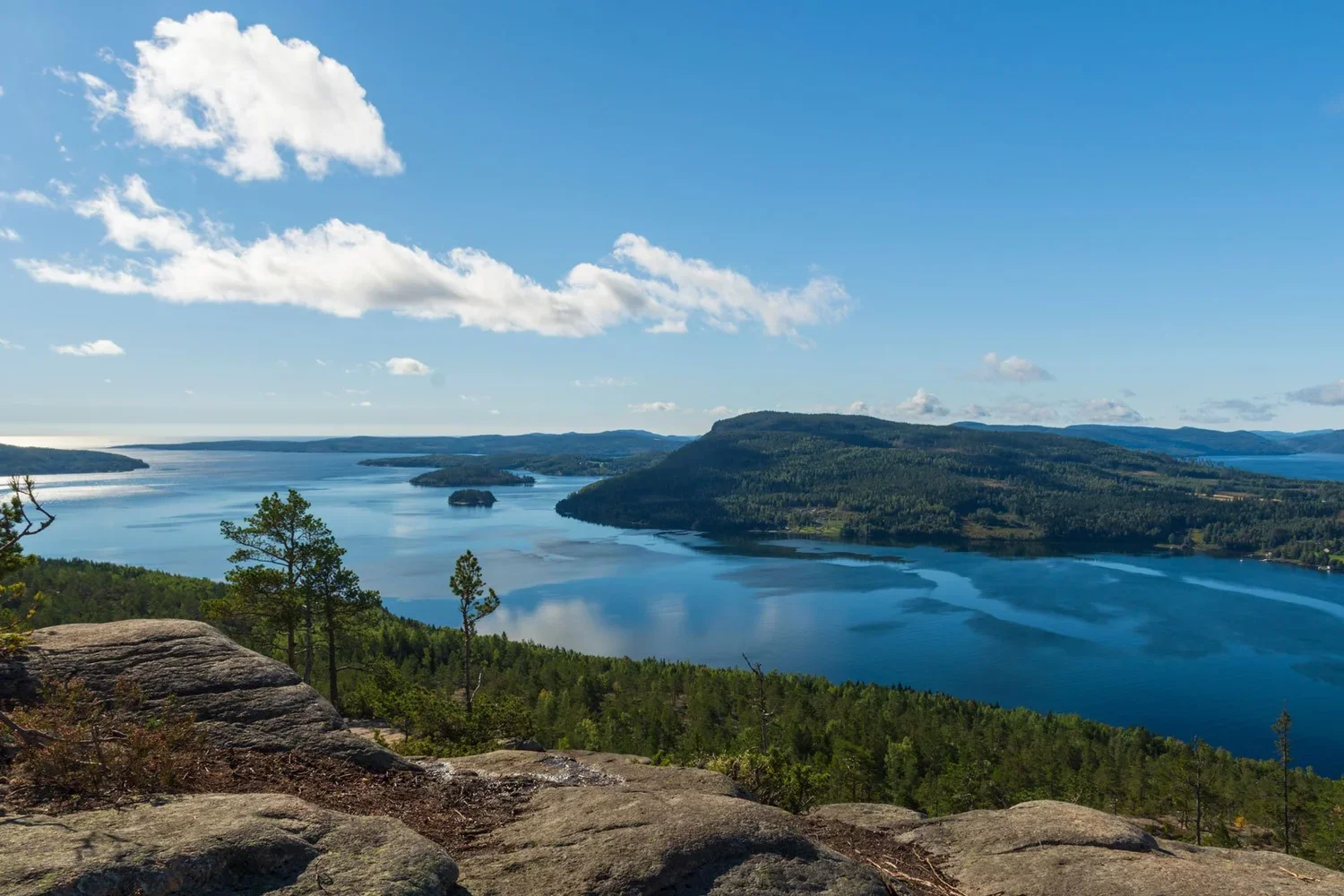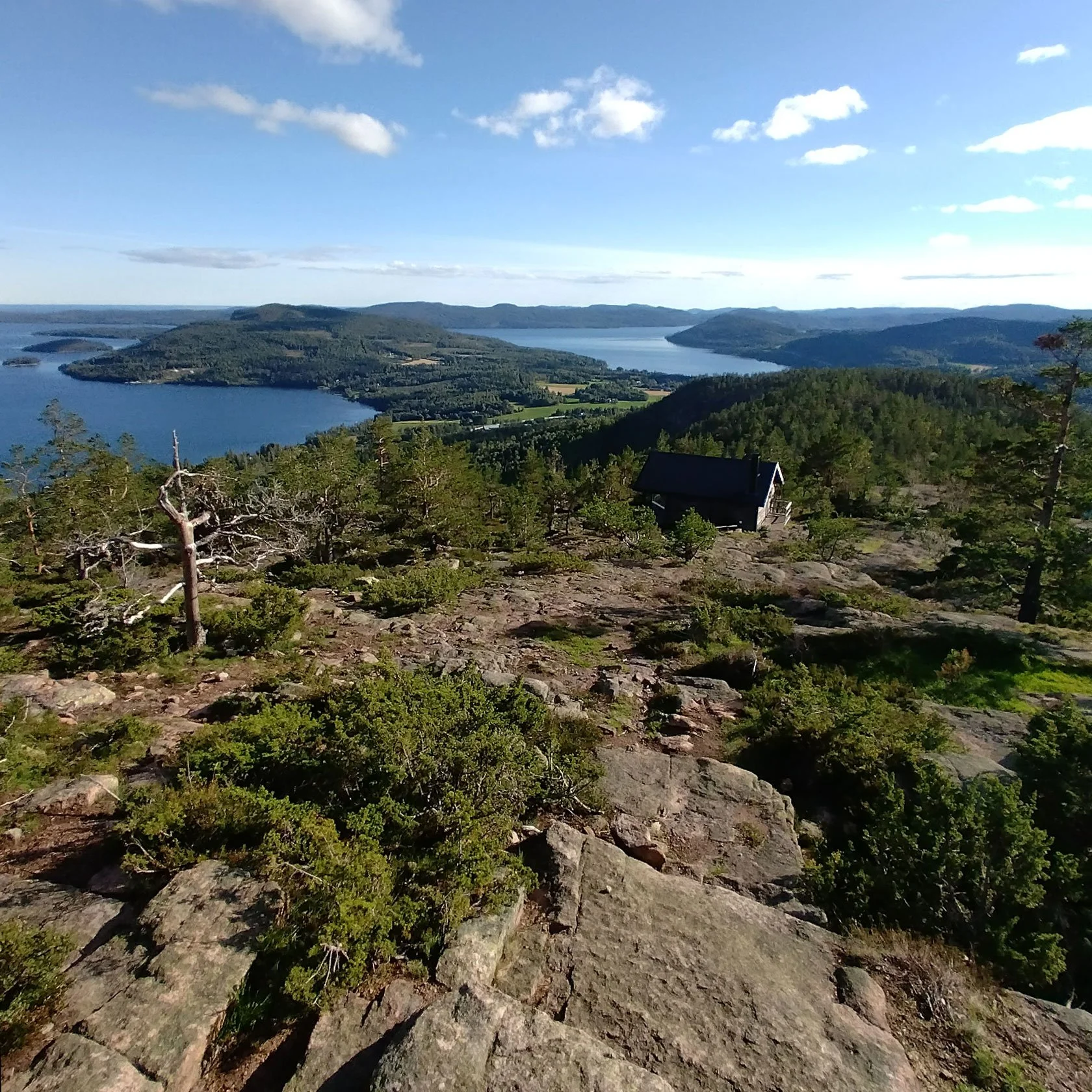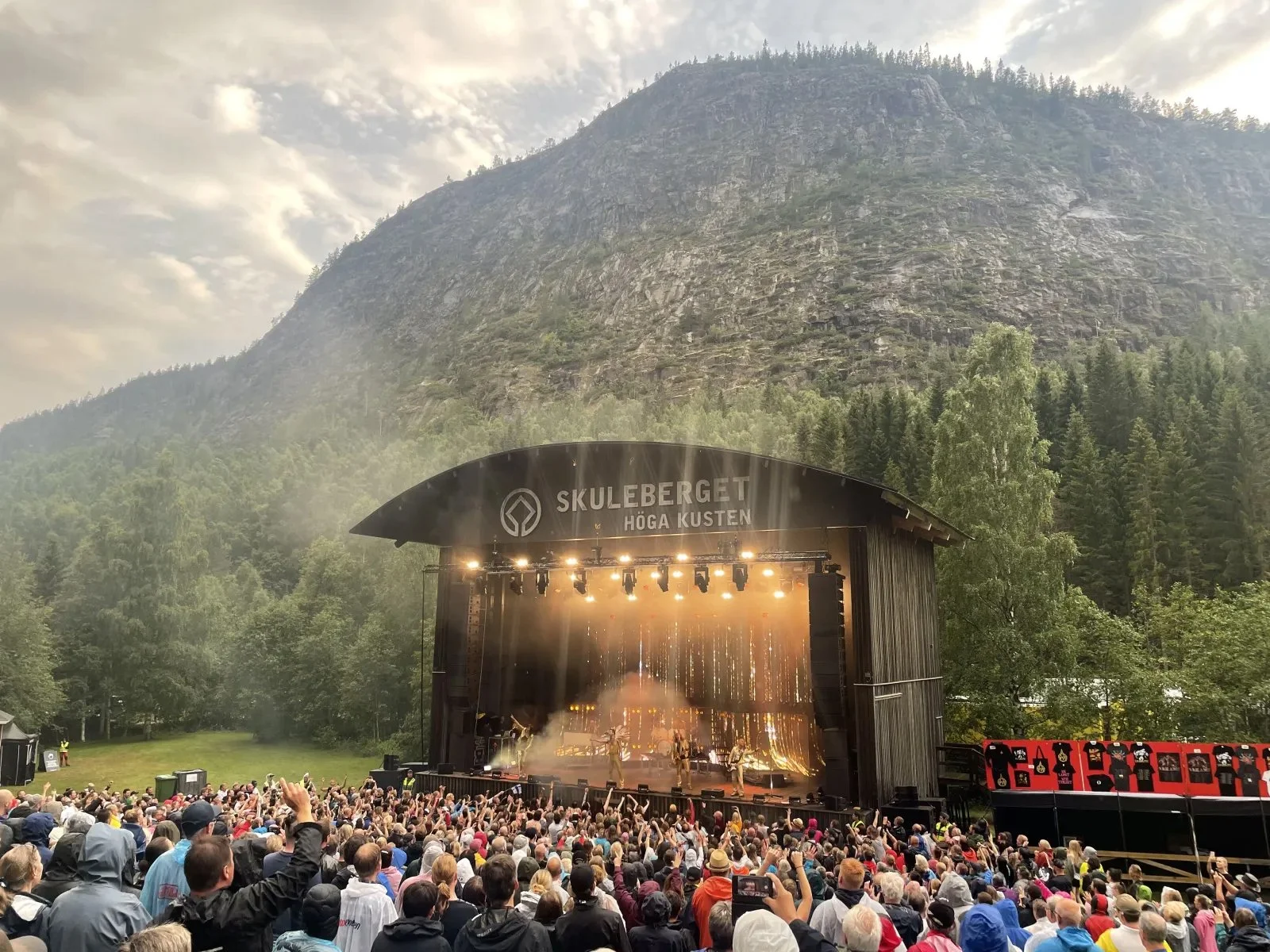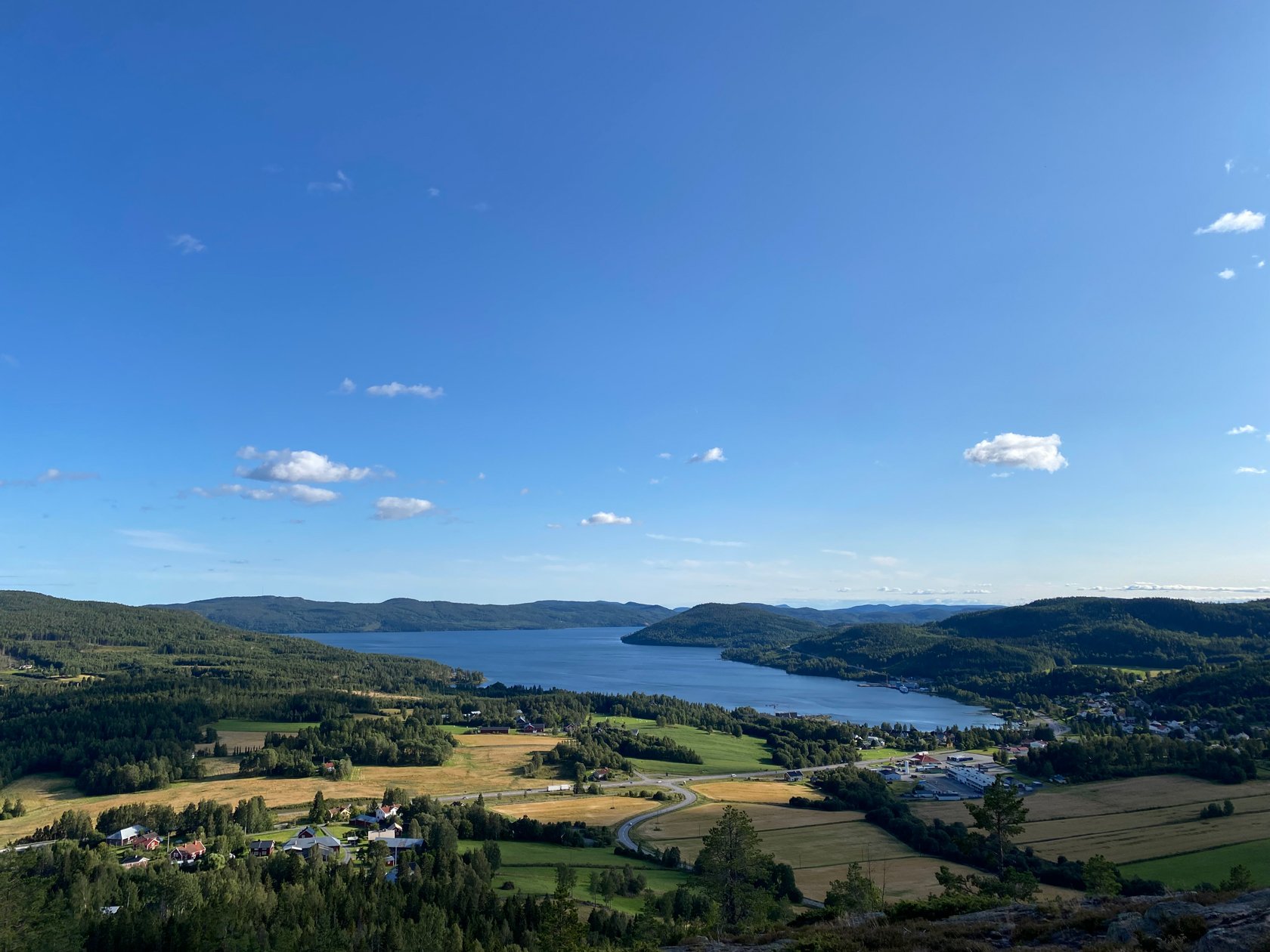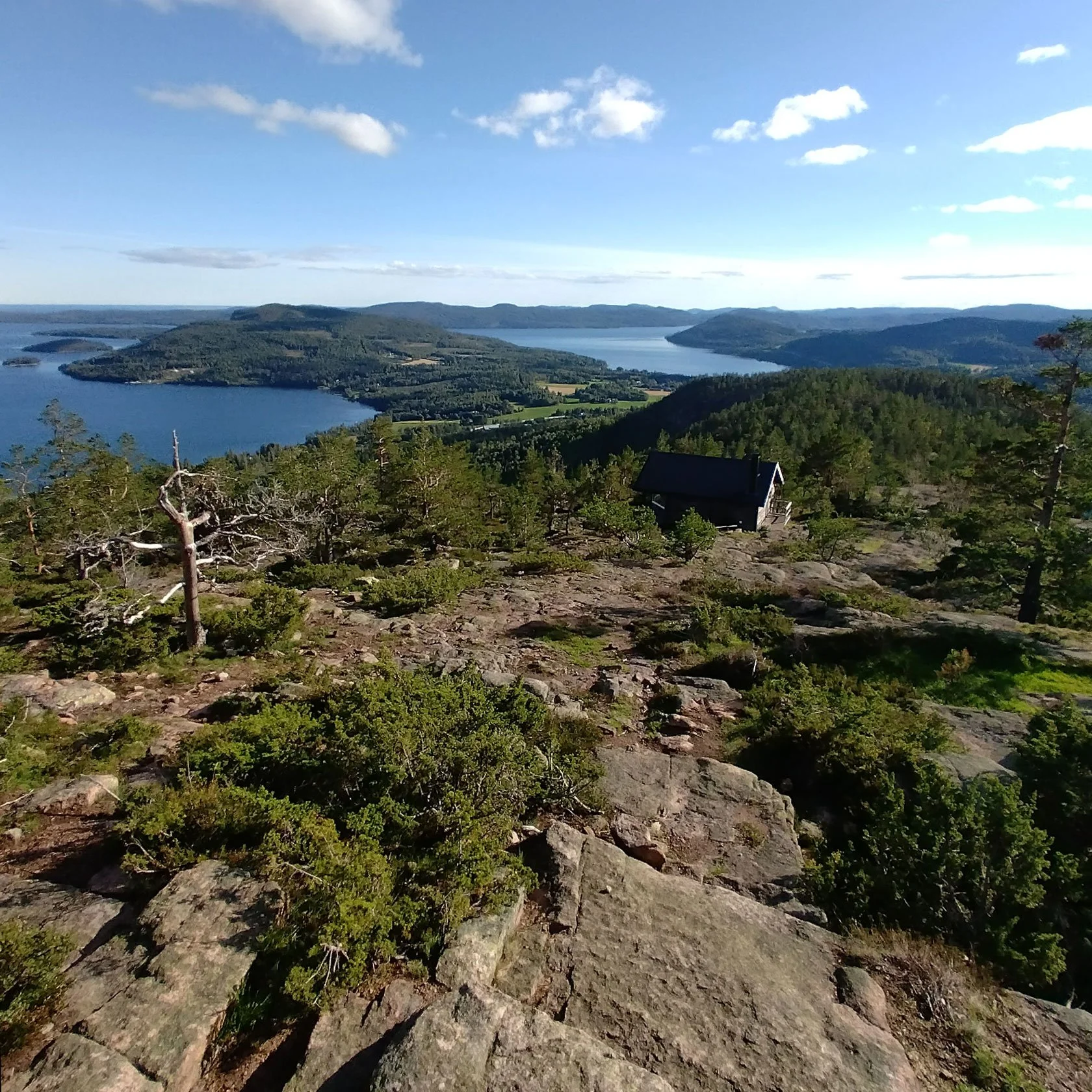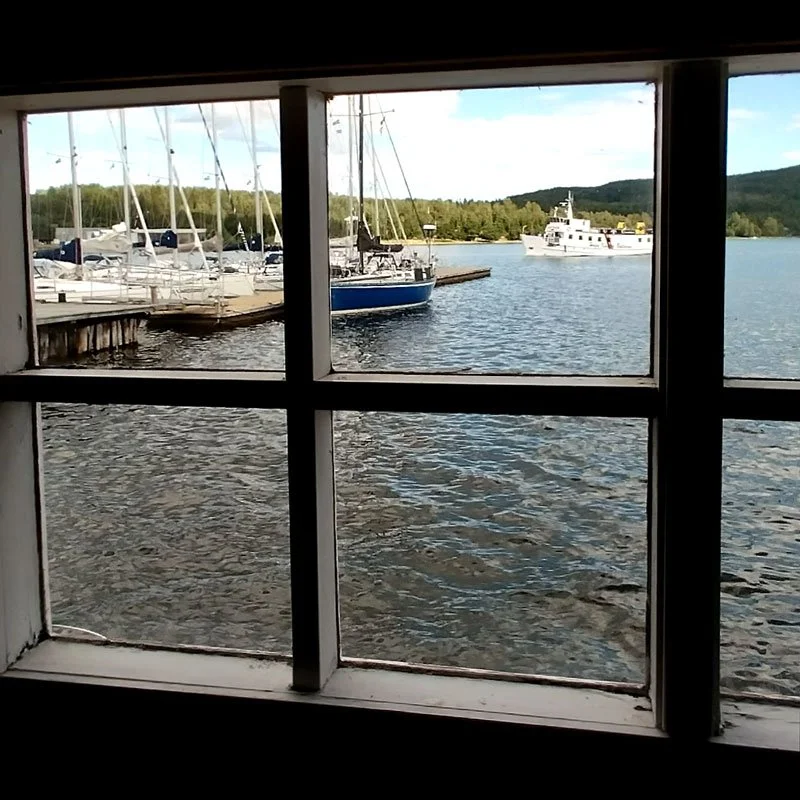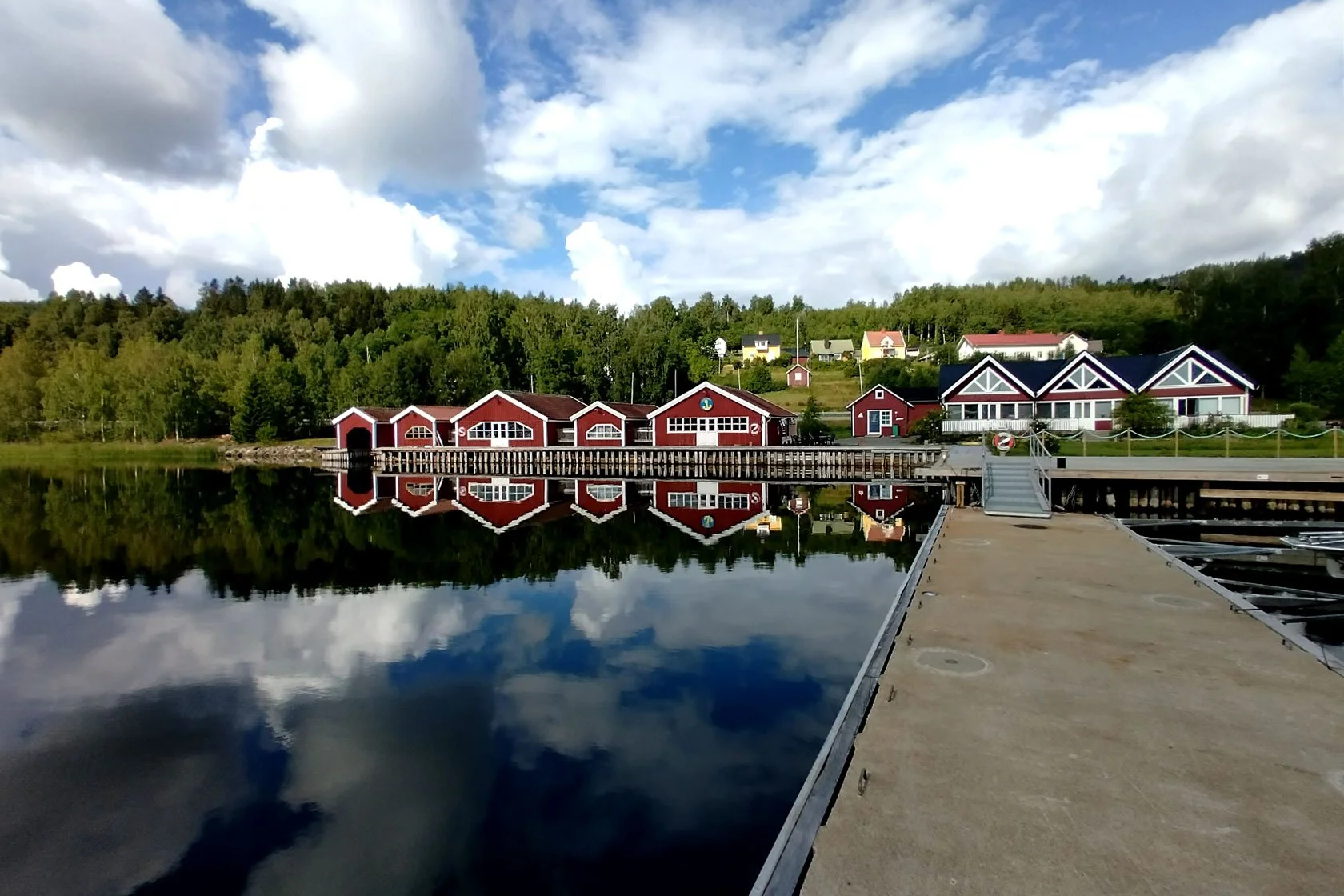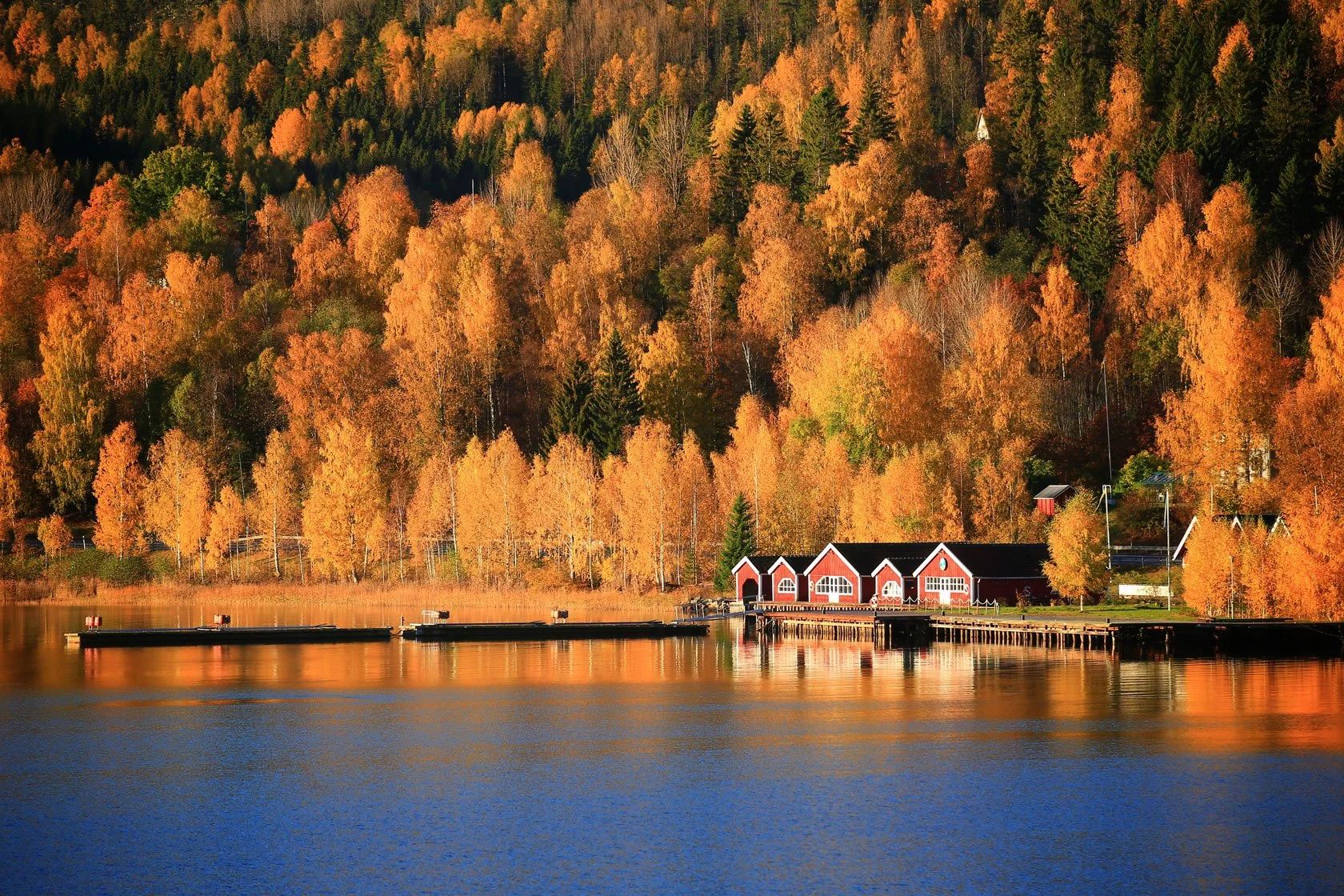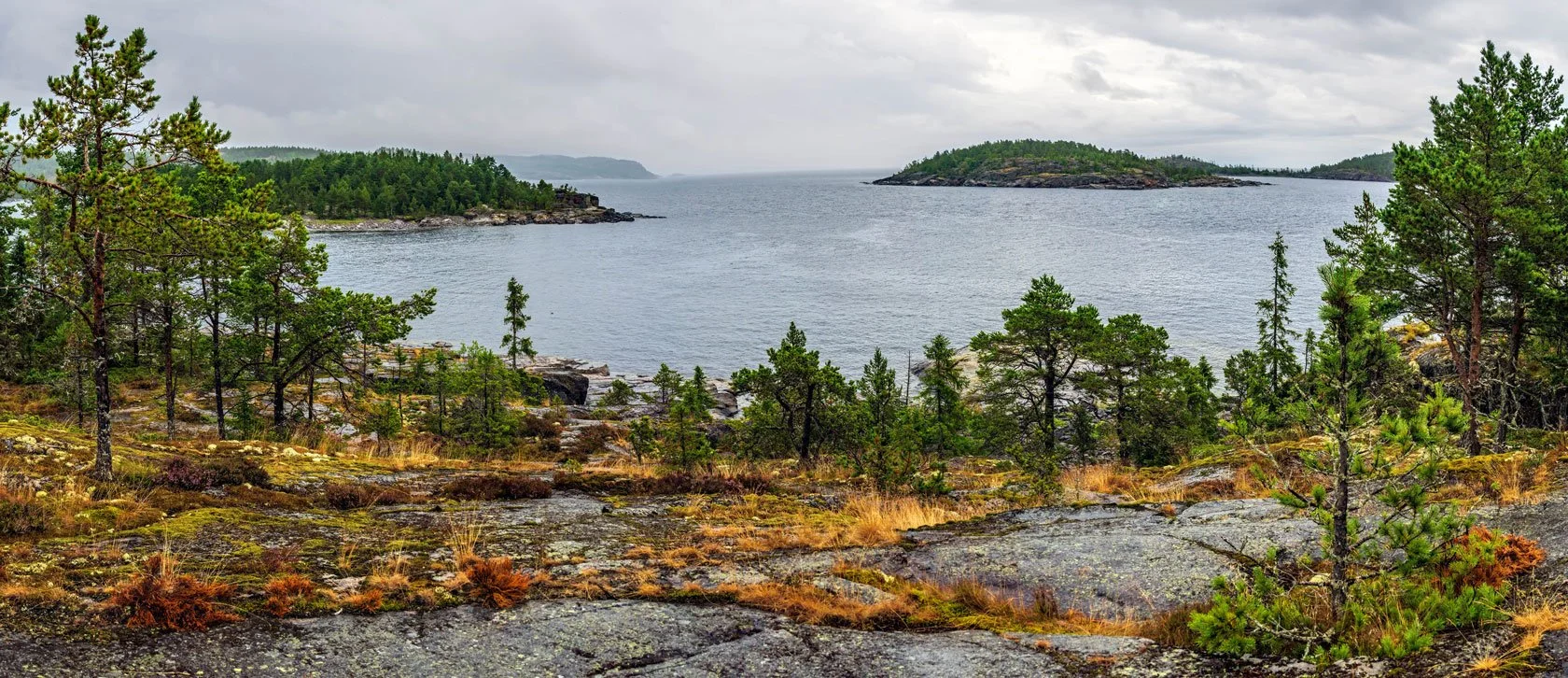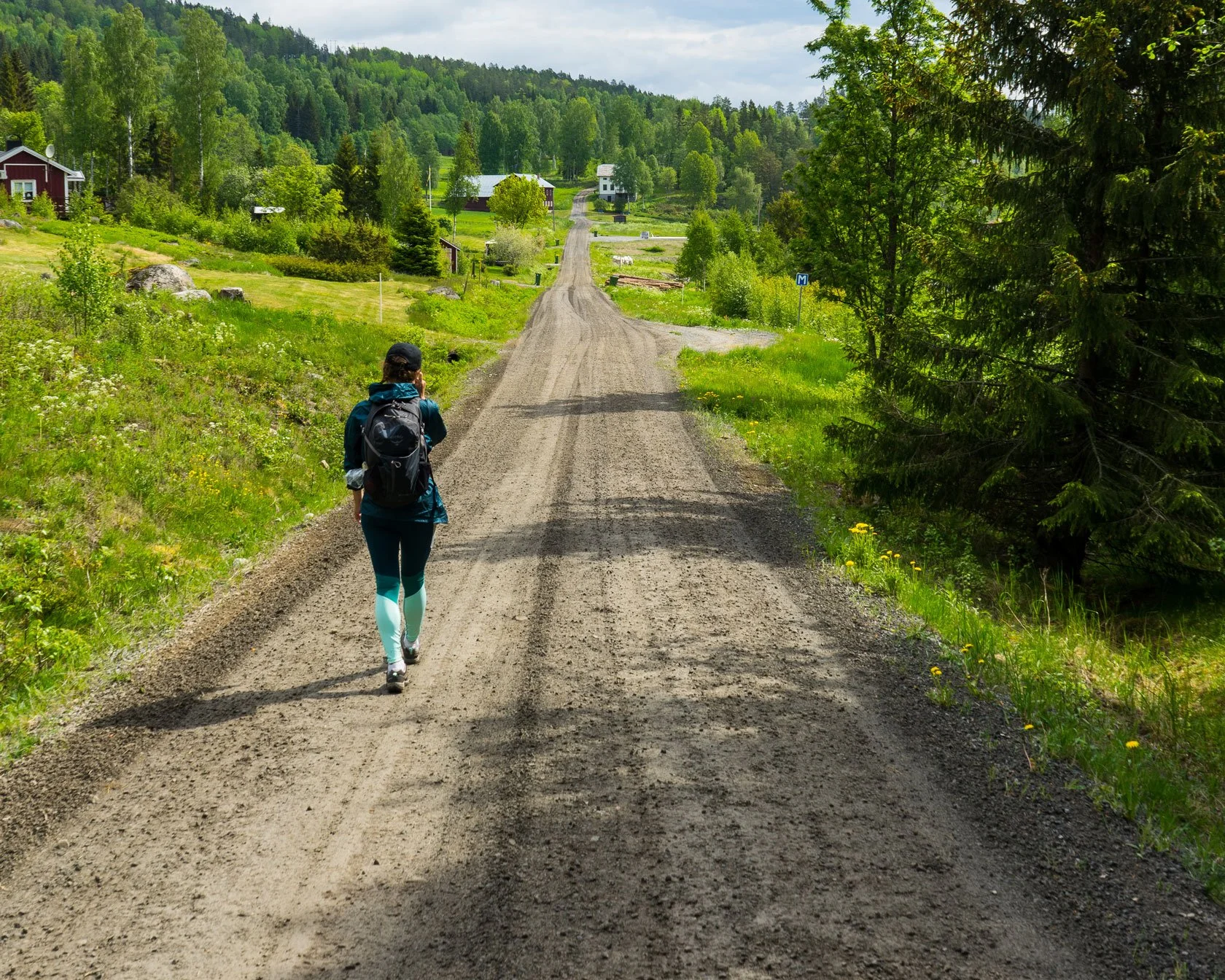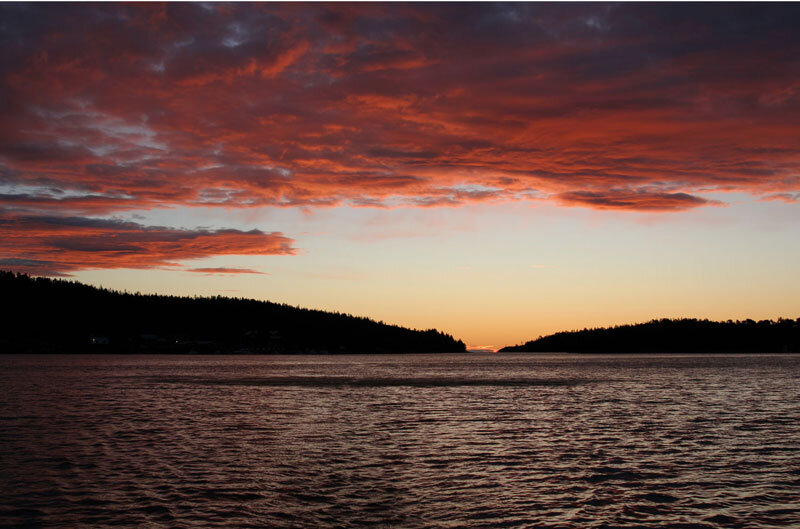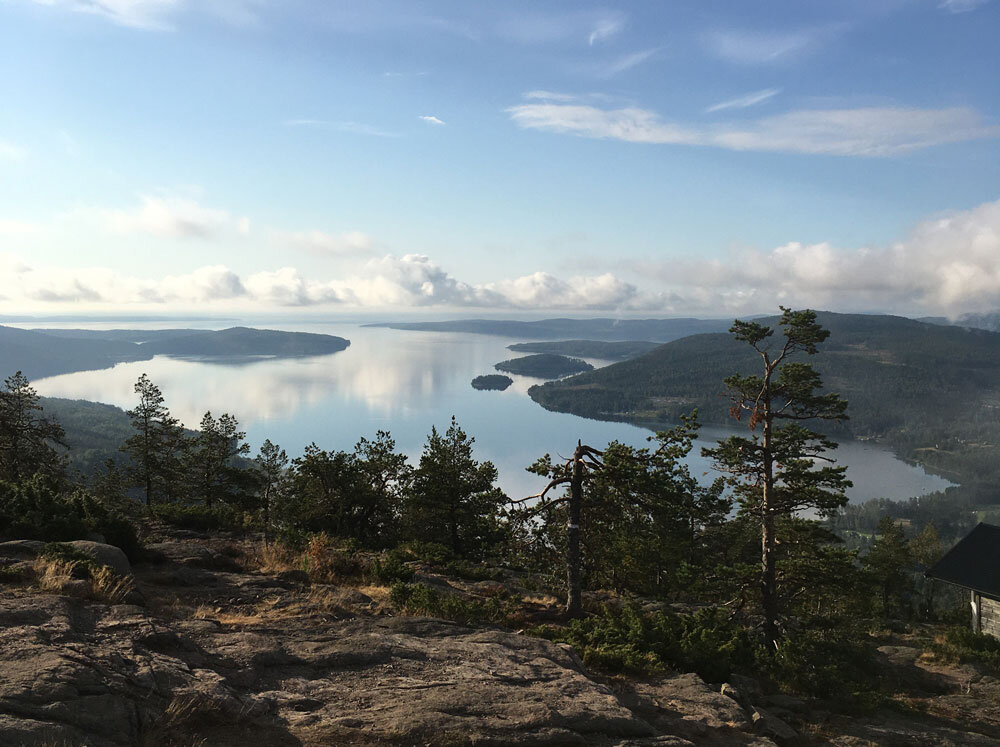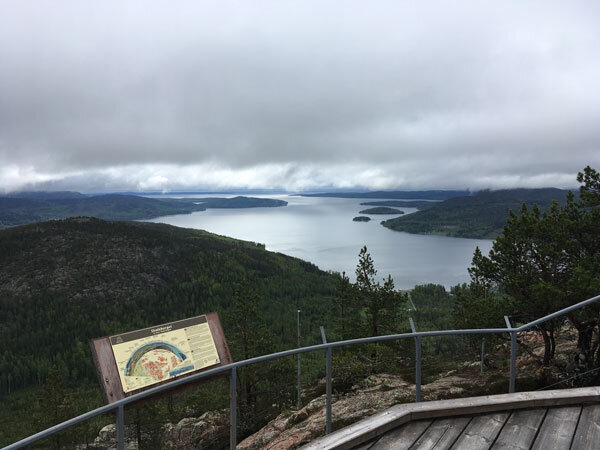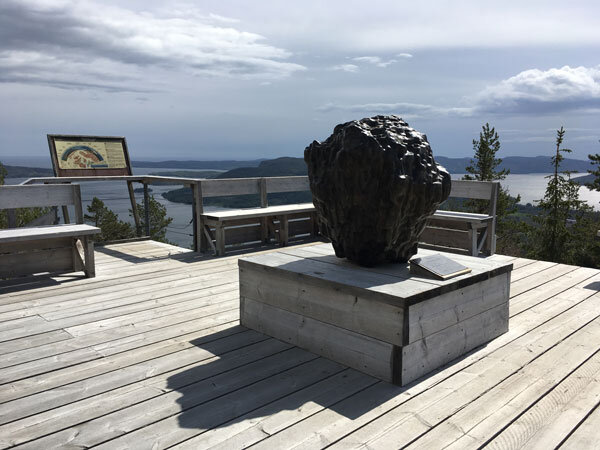
Docksta

The High Coast is Big. Here's how to make it feel easy (Base Camp in Docksta)

Base Camp hosting in Docksta (and why it changes your whole High Coast holiday)

Why your accommodation is your strategy. Base Camp hosting in Docksta: one calm base, local expertise, realistic day trips. Intentional High Coast holidays.

The High Coast is generous. But it doesn't like being rushed. And it doesn't reward random planning.

Höga Kusten is a vast destination — and most people underestimate distances, timing, and how quickly, sometimes, weather can change a plan. This post is for intentional holiday couples who want to explore more and stress less.

I'll show you the Base Camp method we've built at Docksta Havet: choose one strategic base, build a small menu of day trips, keep one buffer slot — and let local expertise turn a beautiful territory into a holiday that actually feels easy.

And the funny thing is: I don't usually explain it like this. It usually starts with an espresso and a map.

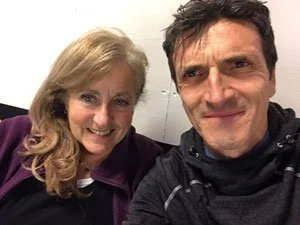
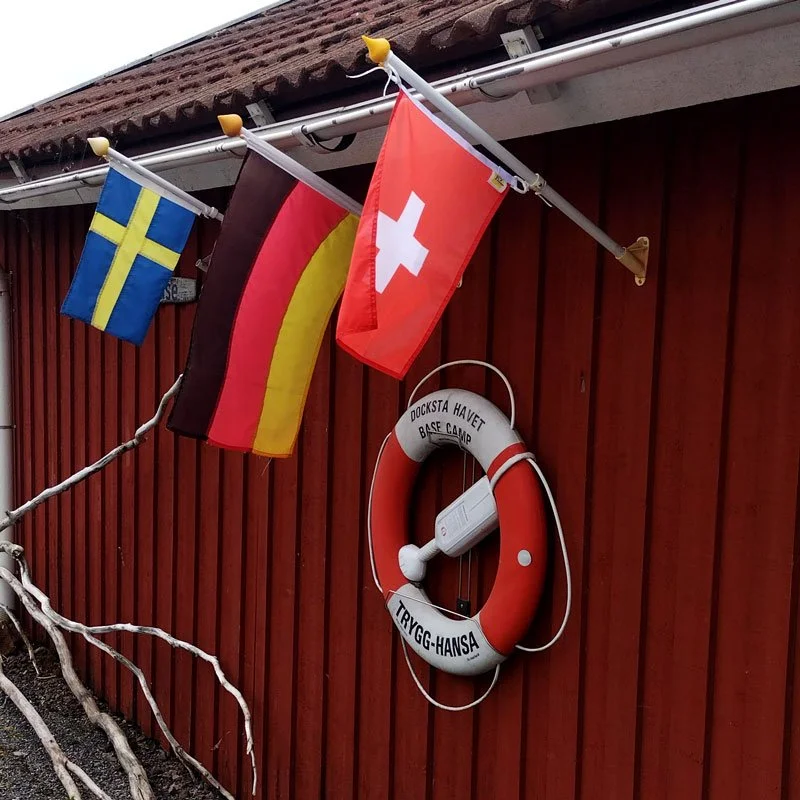
I'm Tommaso, your host at Docksta Havet Base Camp — and this is how I help my guests explore the High Coast and make the adventure feel easy.


It's mid afternoon. A couple arrives — they're a bit tired, they've driven north all day, rushing early from south of Stockholm, and they just want to land.

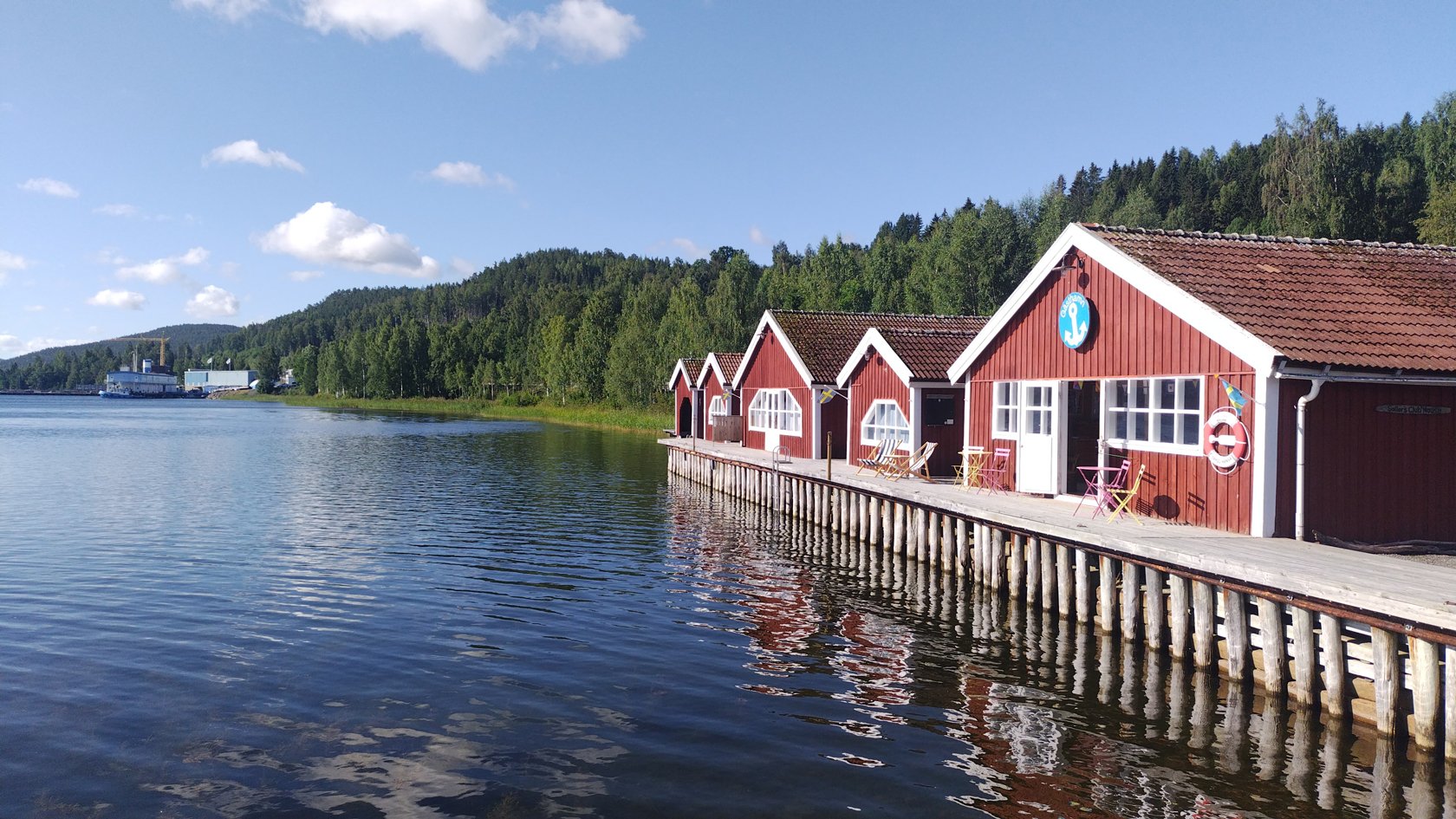
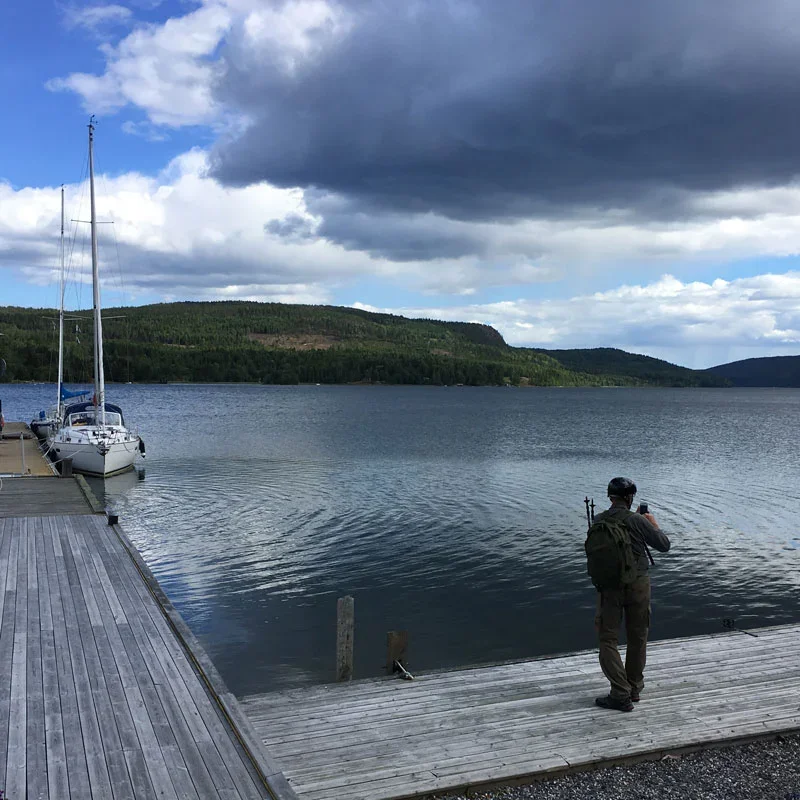
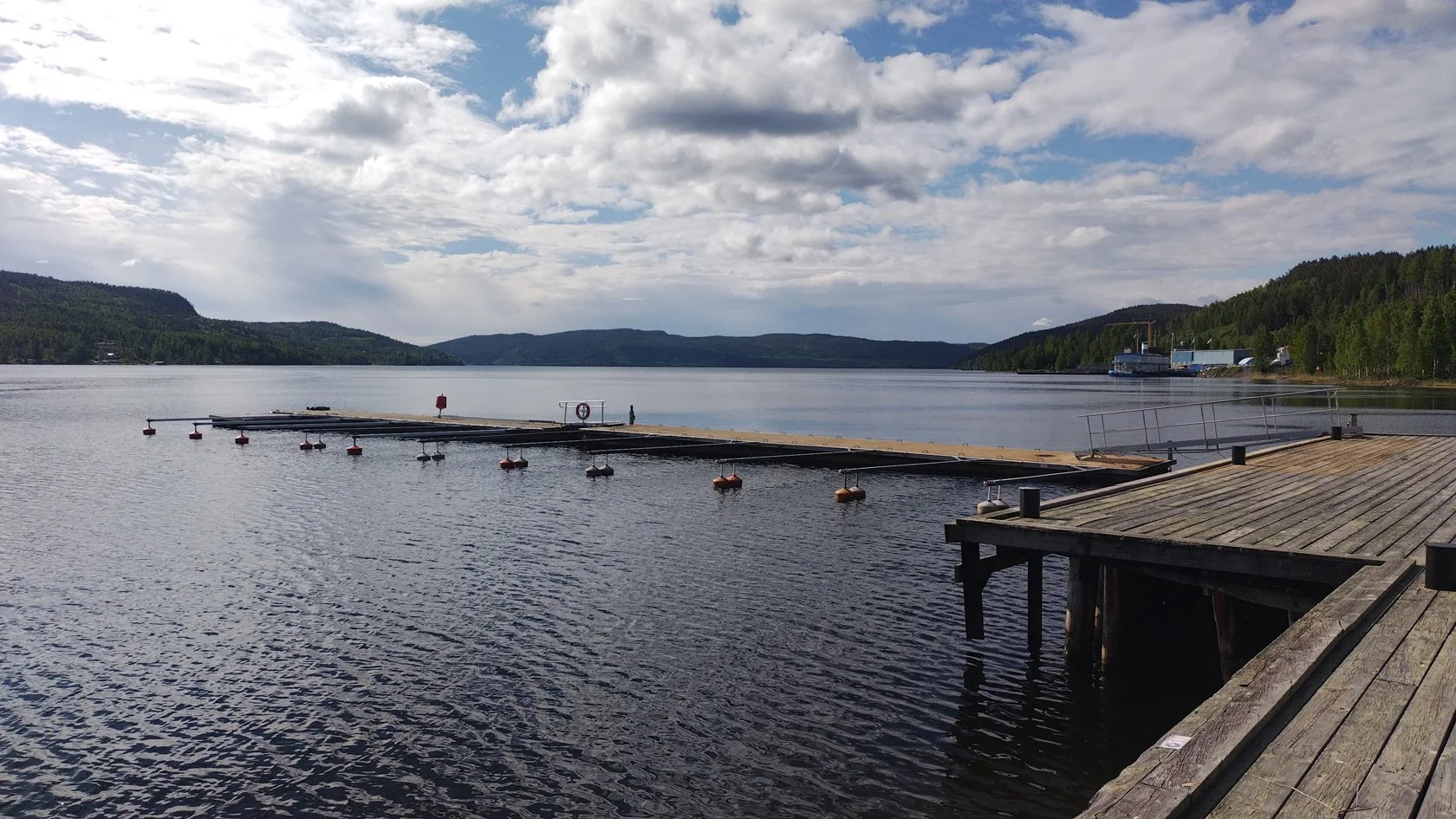
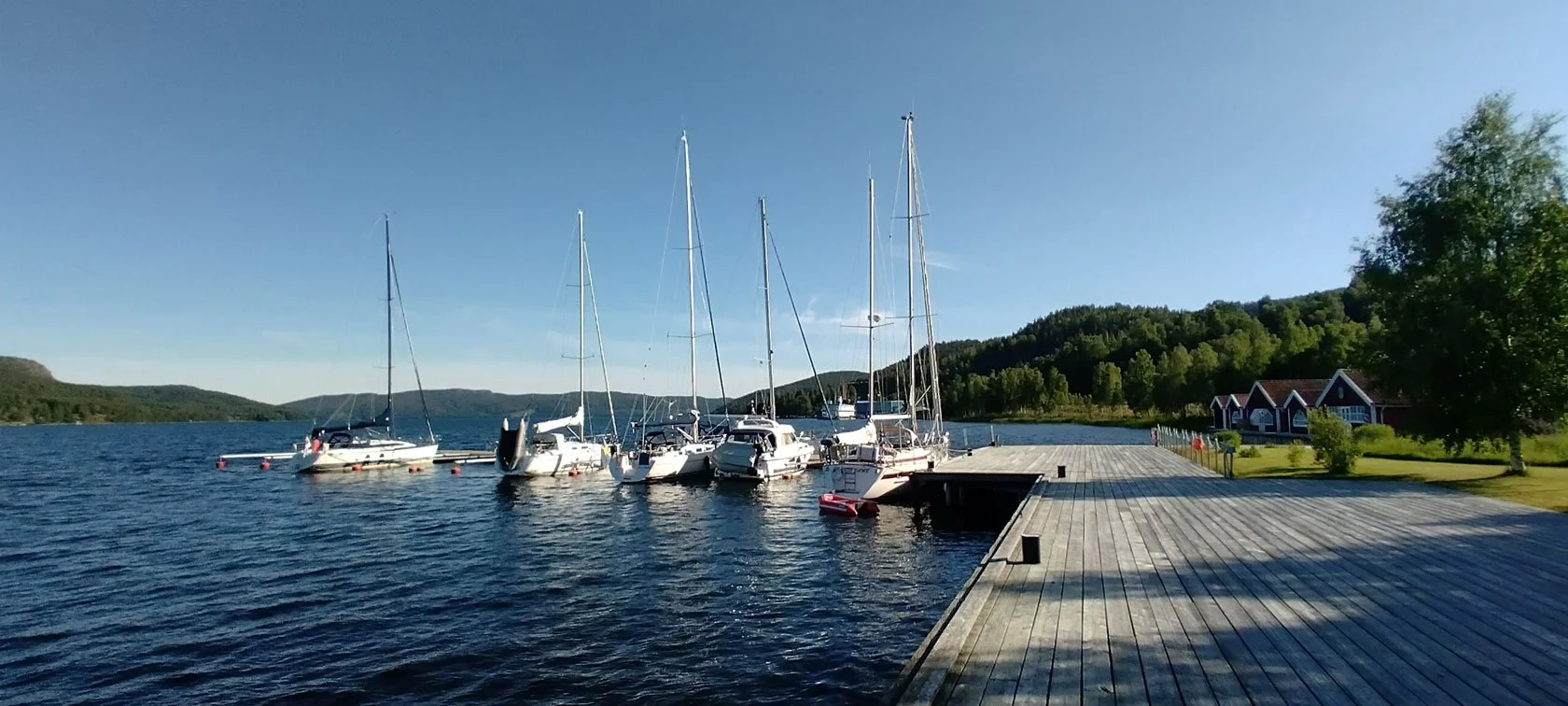
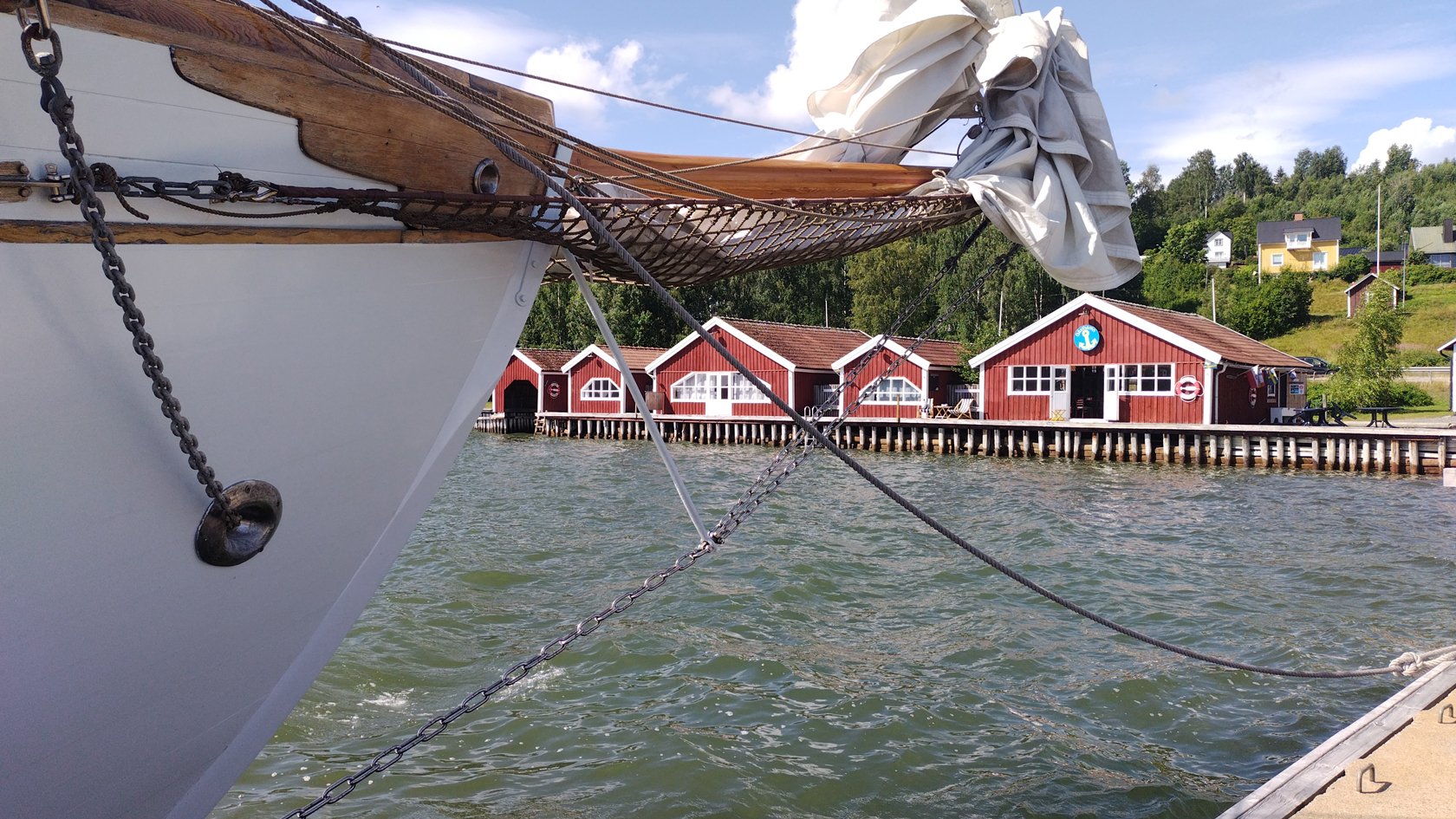
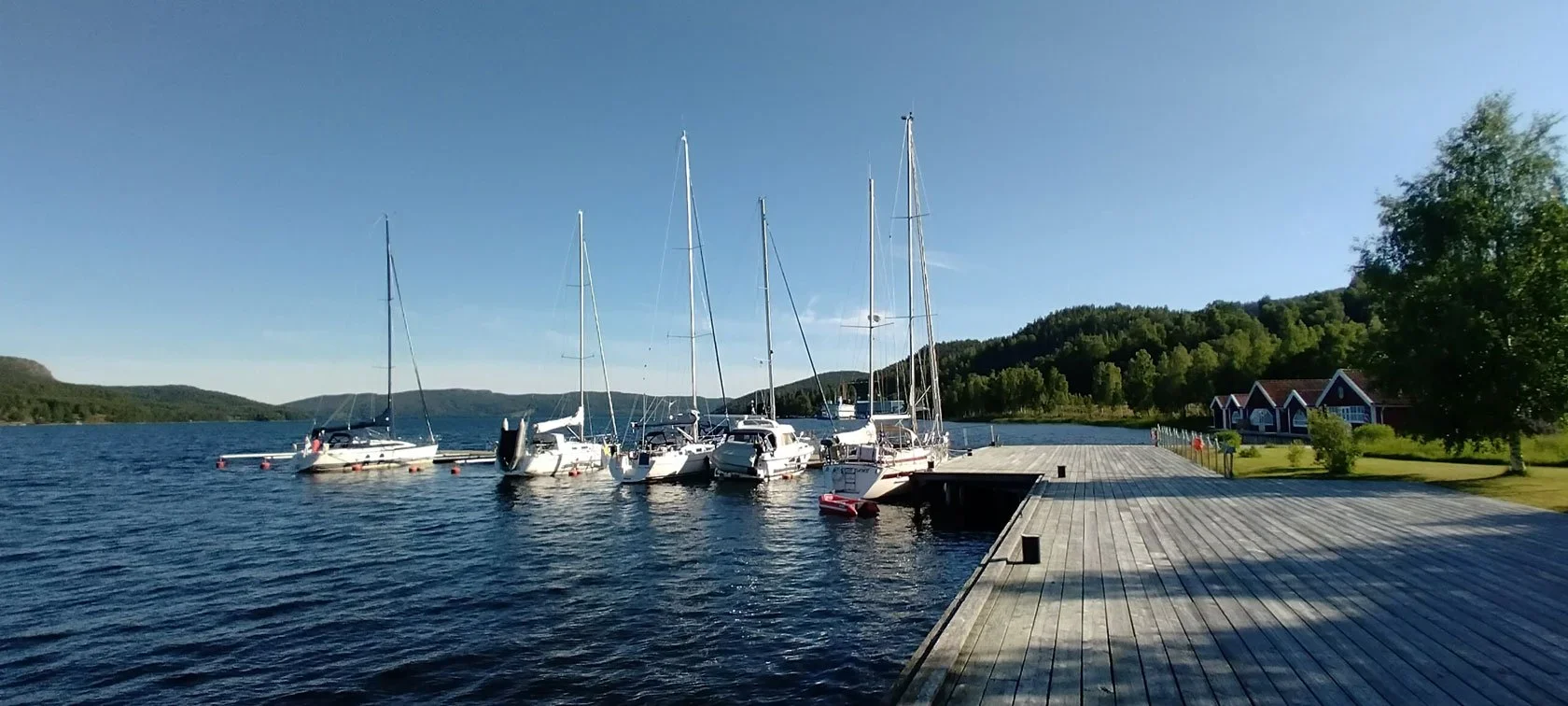
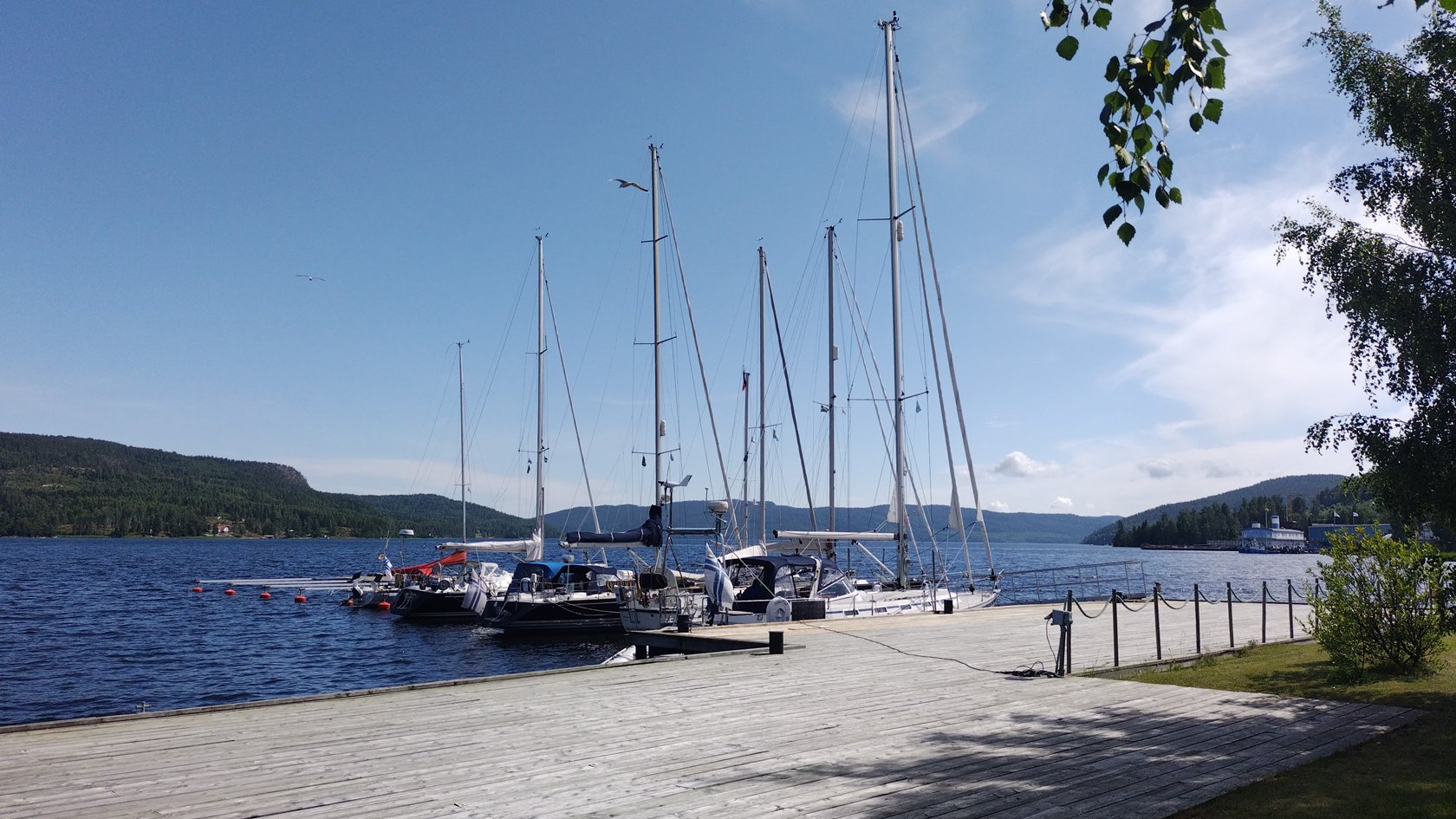
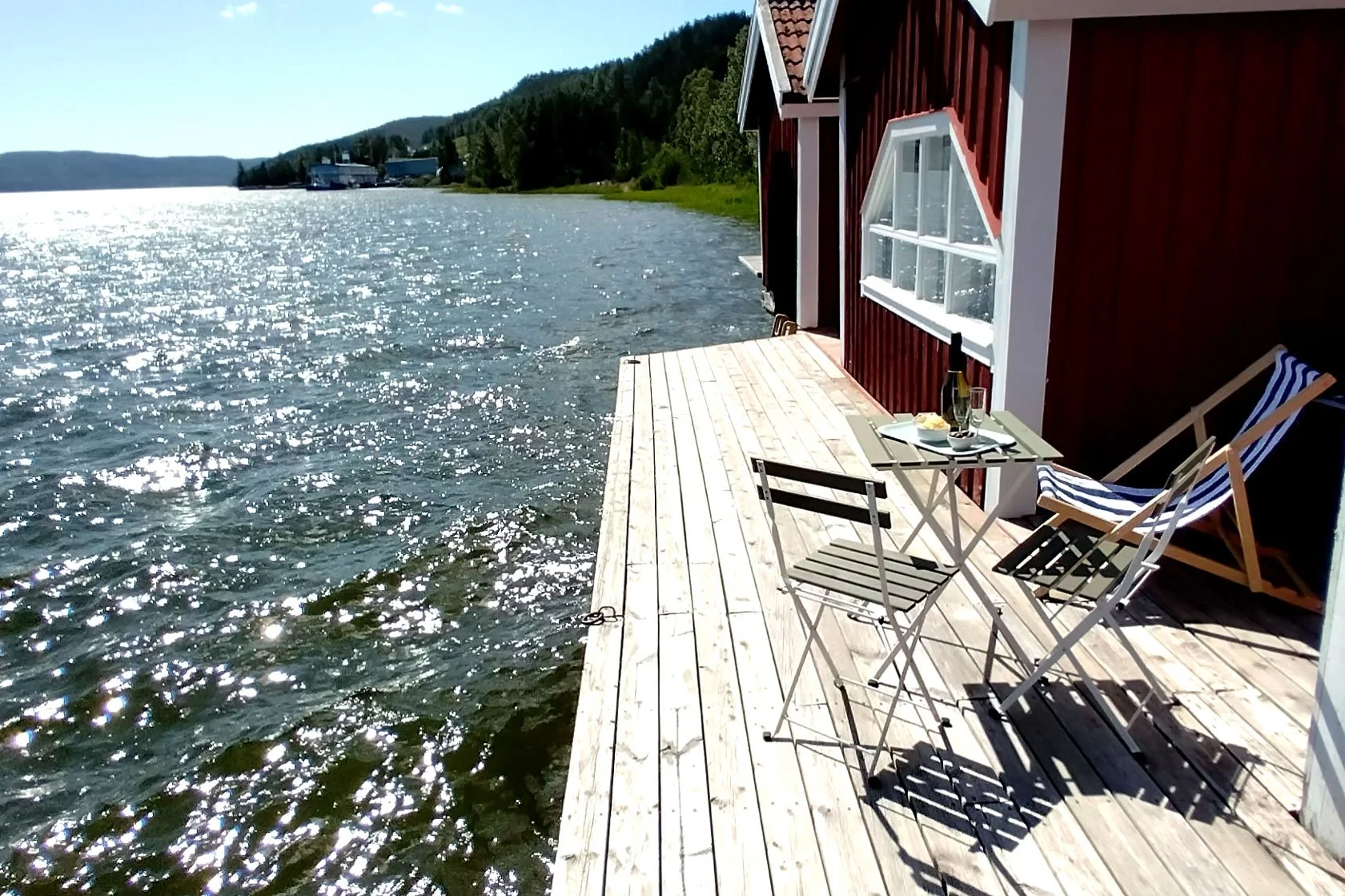
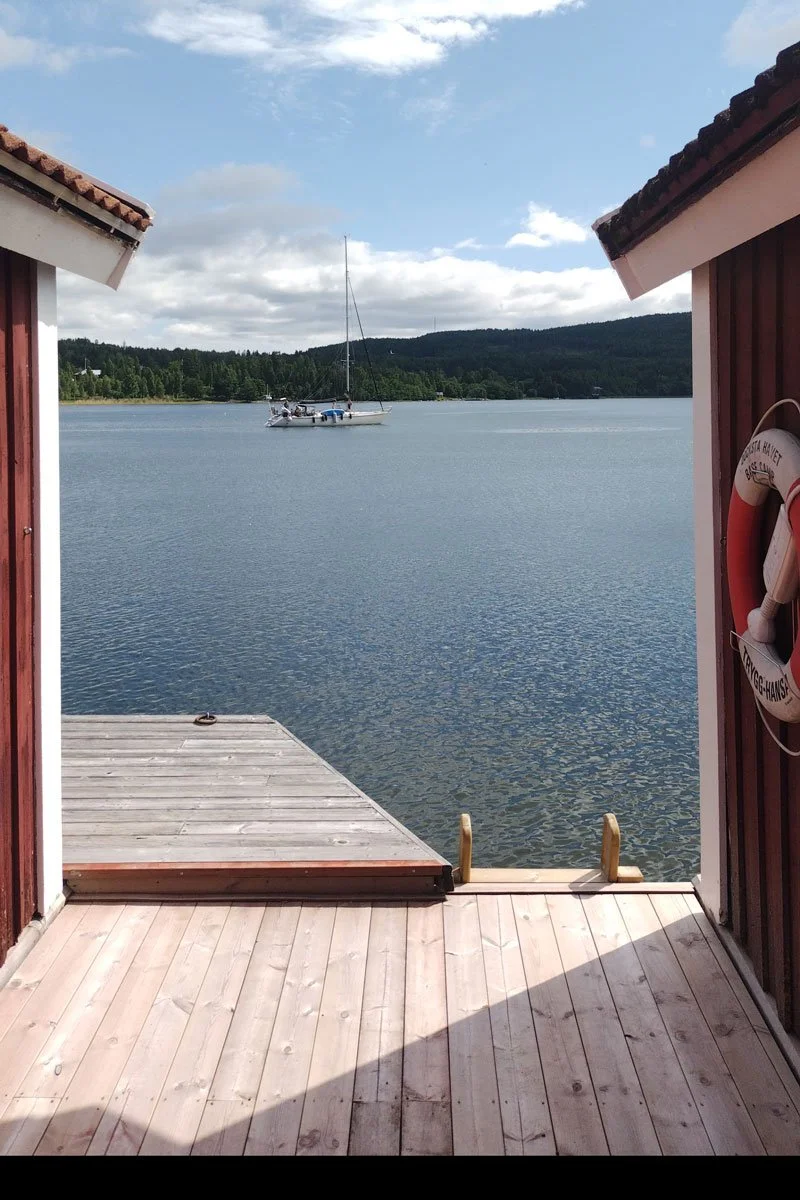
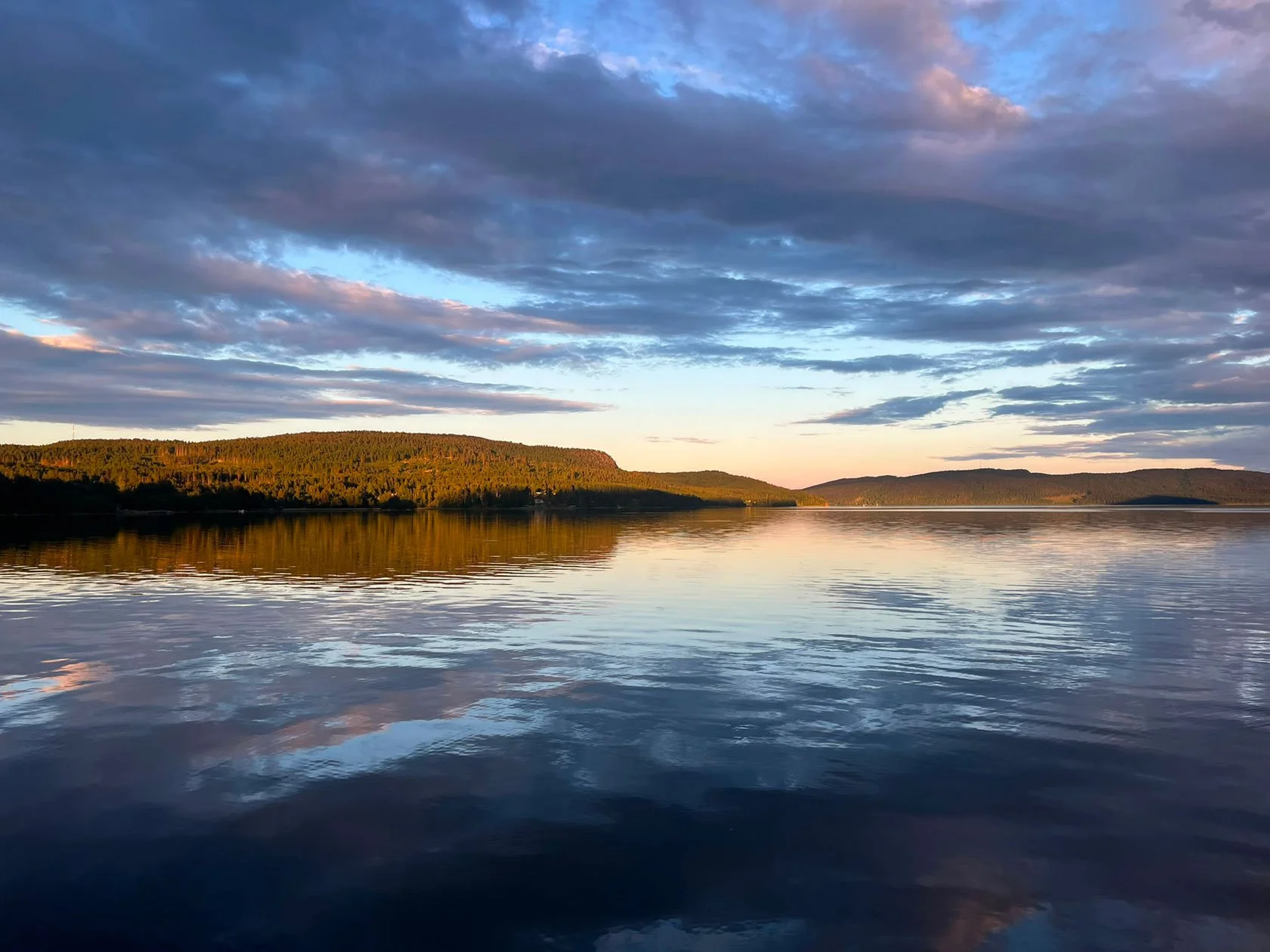
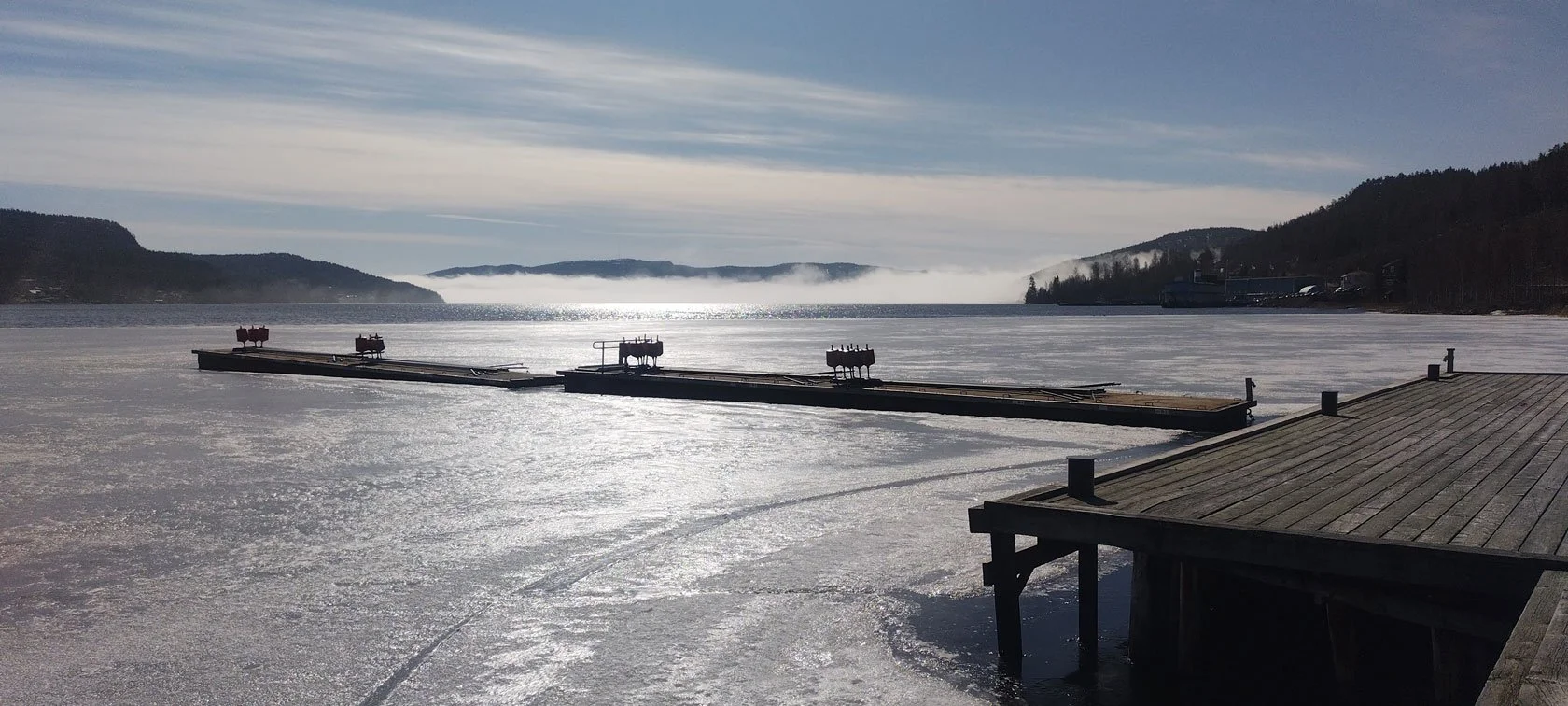
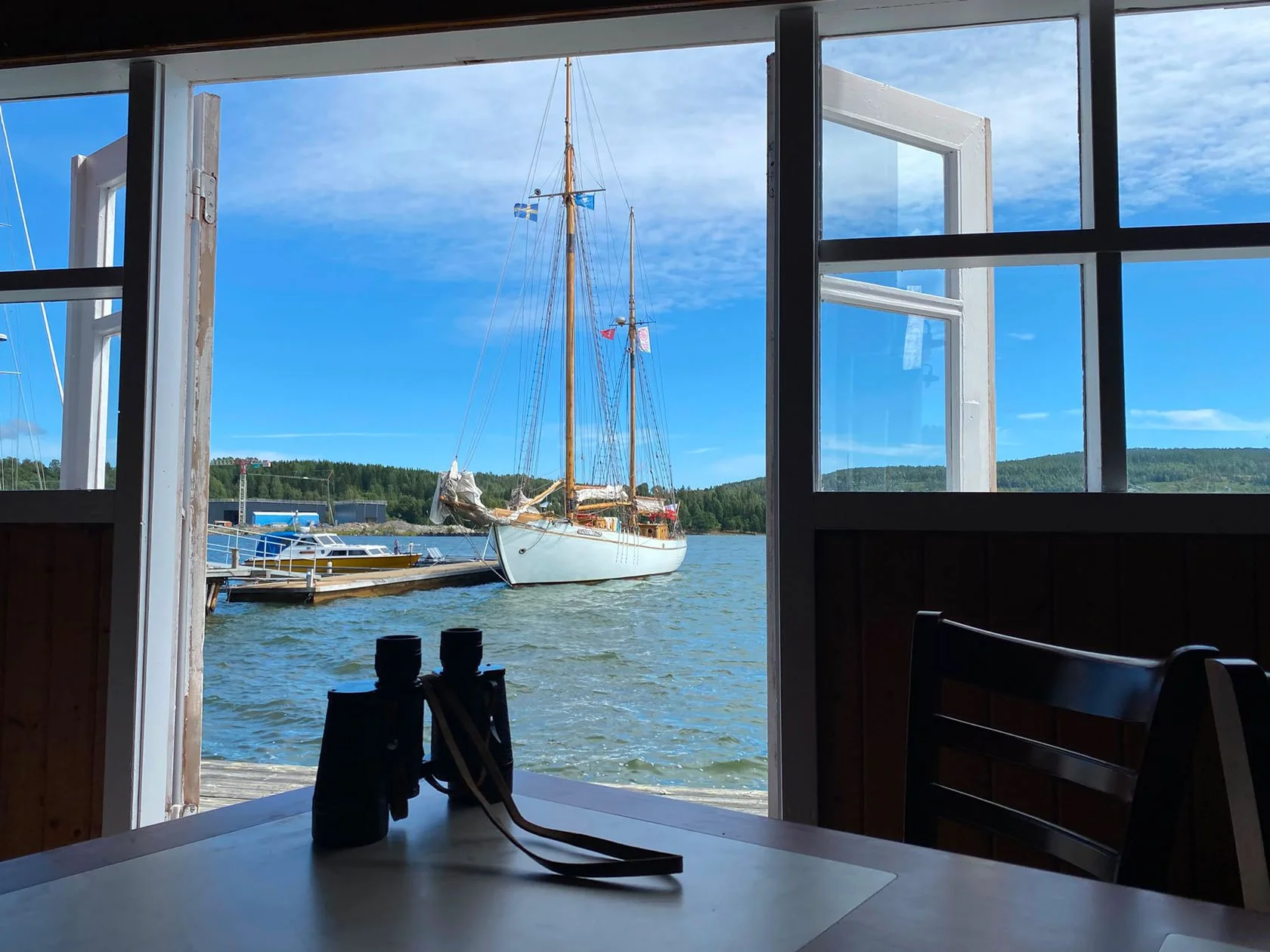
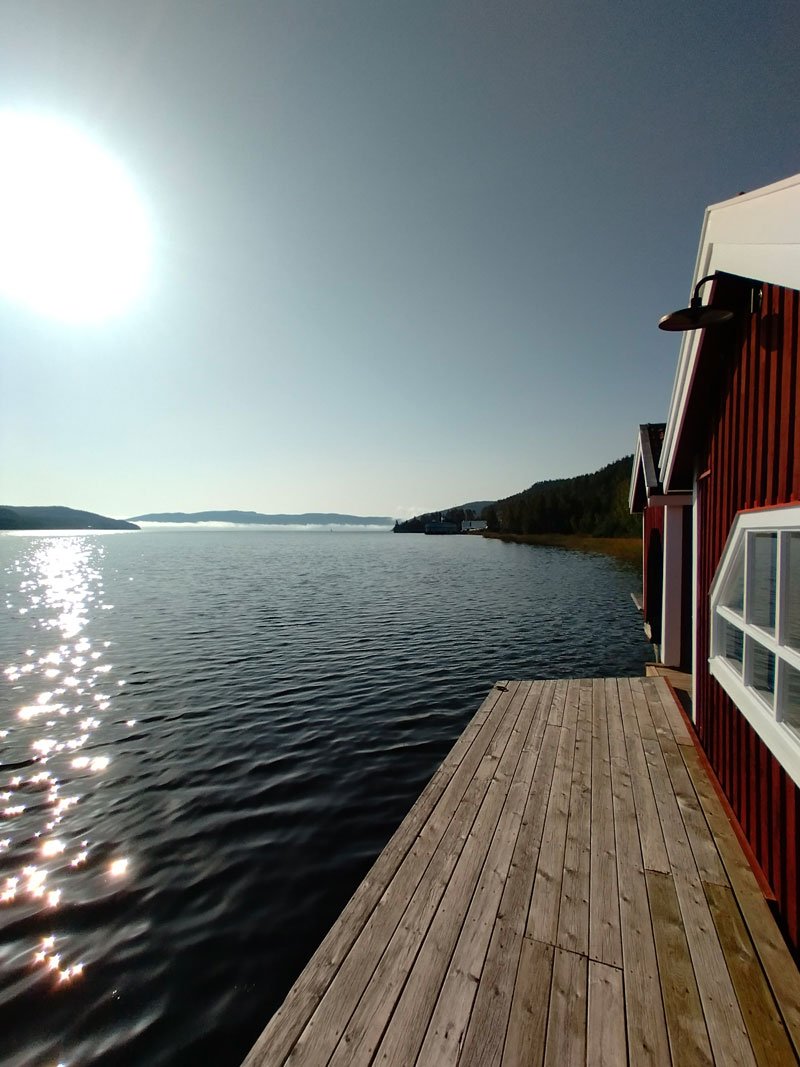
Not too late for an espresso, I make it for them. We stand on the pier for five minutes. They look at the water, they breathe.

Then one of them pulls out their phone and opens Google Maps.

"So… what should we do tomorrow?"

And I see the moment: the map is full. Skuleskogen. Skuleberget. Ulvön. Trails. Viewpoints. A concert in the forest. Ferries. Roads that look small but take longer than expected.

The question isn't really "what should we do?"

It's: "Where do we even start?"

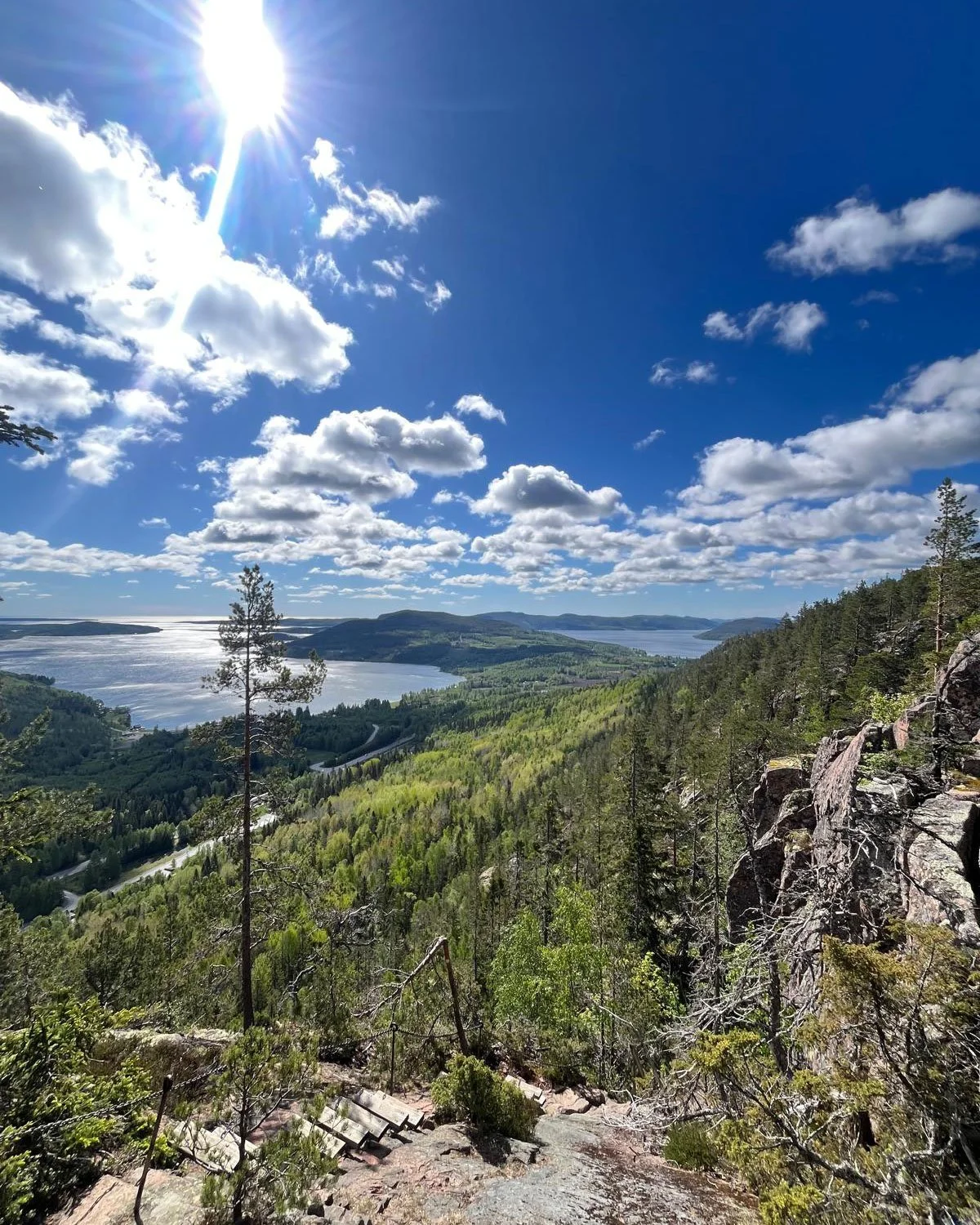
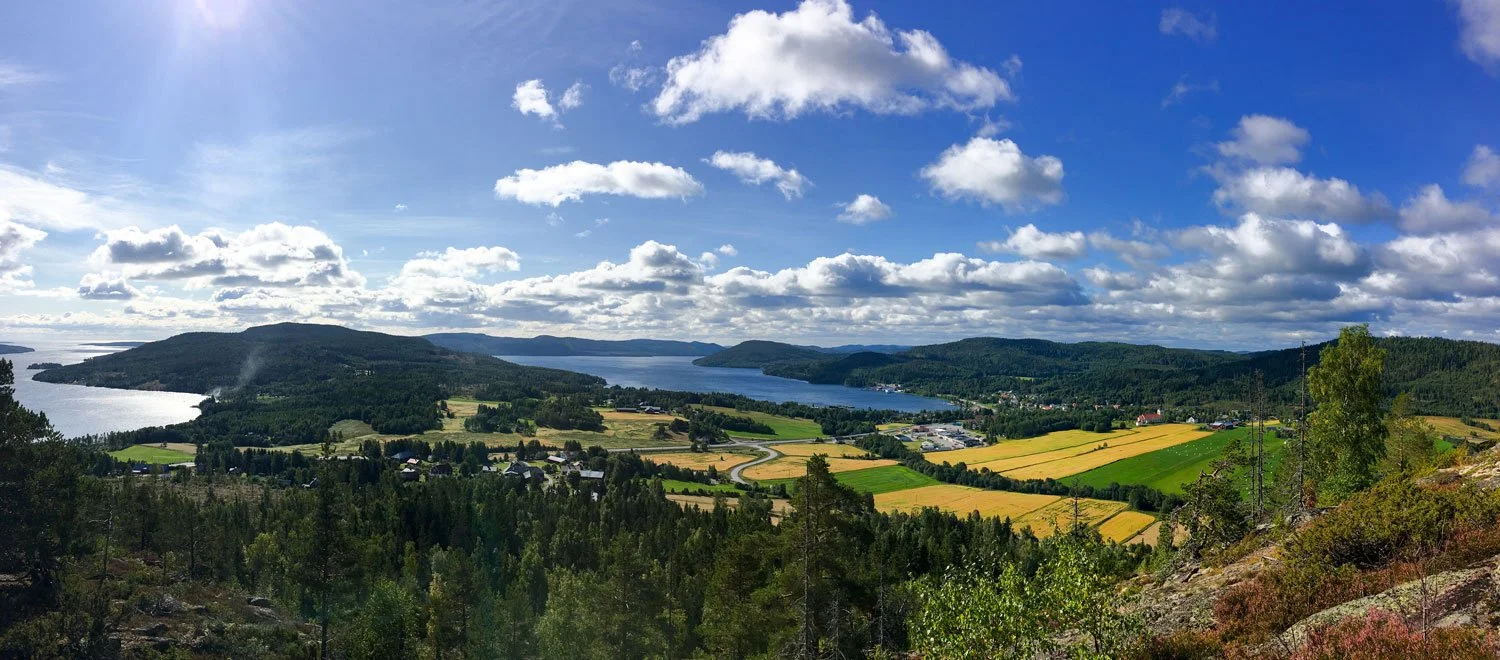
Because the High Coast (Höga Kusten) is not a compact destination. It's a territory.

And that's why, here, your accommodation isn't just where you sleep.

It's your base. Your rhythm. Your logistics. Your mood.


The mistake (that smart travellers still make)

Most people do one of these things:

  • they try to do too much, moving around every day, always in transit

  • or they do too little, because the region feels overwhelming and they don't want to gamble with time

Both are understandable. Both are common.

But there's a third way — the one we've been building at the Marina for twenty years.


Docksta Havet was created as a Base Camp (not a slogan — a method)

Base Camp is not a label for us. It's a method.

Docksta Havet was built around one idea: in the High Coast, the smartest luxury is not doing more — it's doing the right things, from the right place. A Base Camp means you sleep well, you move less, and you explore deeper. It means local orientation, honest advice, and a host who's present — not just a code on a door. If Höga Kusten is vast (it is), your base is your strategy. And this is what we do, every day, all season.

Sometimes guests nod politely when I say "Base Camp". Then the next morning they come back from their first day out and say something like:

"We thought we needed a full plan… but this feels easier than we expected."

That's the point.

A Base Camp is not about controlling your holiday. It's about making discovery feel simple.


The Base Camp rule (works for everyone)

Whether you travel by car, public transport, bike, boat, motorbike, or on foot, the logic is the same:

  1. Choose one base that gives you options

  2. Pick a small menu of day trips (not a checklist)

  3. Keep one buffer slot for weather, rest, or spontaneity

That's it.

This is how the High Coast becomes a holiday instead of a logistics project.


High Coast in 48 hours (from Docksta)

48 hours here means: arrive day 1 afternoon, full day 2, leave day 3 morning.

A realistic example. Let's say you only have two nights — the classic "short High Coast escape".

Day 1 (arrival day)

Arrive, drop your stuff, and do something small but iconic. A viewpoint. A short trail. A pier walk. A quiet evening by the water.

Not because you need to "tick a box" — but because it changes your nervous system after travel.

Host tip #1 (arrive early = you gain a whole evening):
Check-in starts at 3pm. If you arrive at Docksta not too late, you don't just "sleep here" — you get a real slice of the day: time to reset, a slow espresso, and that long High Coast summer light on the water. Sometimes the best first activity is simply standing on the pier and doing nothing.

Day 2 (one big day)

Choose one flagship experience: Skuleskogen or Skuleberget or an island day. Do it properly, without rushing. Come back to the same base, same bed, same calm.

Host tip #2 (one wish, not the whole bucket list):
Pick one main goal for the day — and let it be enough. The High Coast rewards depth, not speed. When you do one thing well, you come back with a real memory (and still enough energy for a quiet evening).

Day 3 (departure morning)
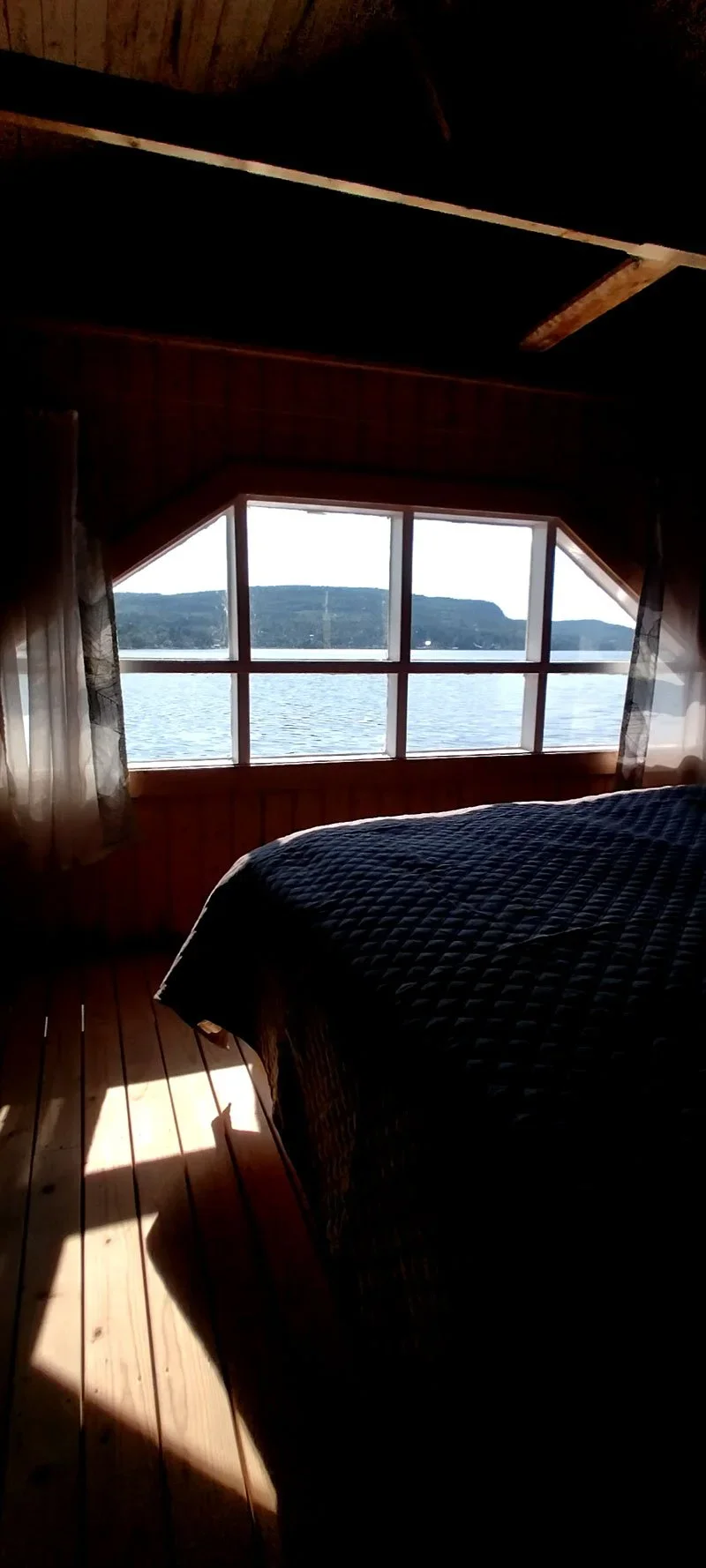
Check-out is by 11am — but the morning is still yours. Coffee by the sea, a last slow walk on the piers… or a short "goodbye hike" if you want to move your body before driving again.

Host tip #3 (use the morning for a small secret):
Departure mornings are perfect for something simple and close — like Per Olsbo, or another short local walk I can recommend based on your timing. It's a small ending, but it often becomes the moment people remember most.

This is how people end up saying:

"We explored less frantically… and felt so much more."

Three nights? Even better. Because if you have 3 nights, you don't need 20 options. You need 3 good ones — and time to actually rest between them.

One more thing that helps (especially for first‑timers): I’ve put together free web‑based High Coast mini‑guides in 5 languages. No download, no payment — just open and start planning.

It’s the same kind of orientation I give at the pier — just in your language.

Free mini-guides (5 languages): English → | Svenska → | Deutsch → | Suomi → | Italiano →


Why Docksta works as a Base Camp

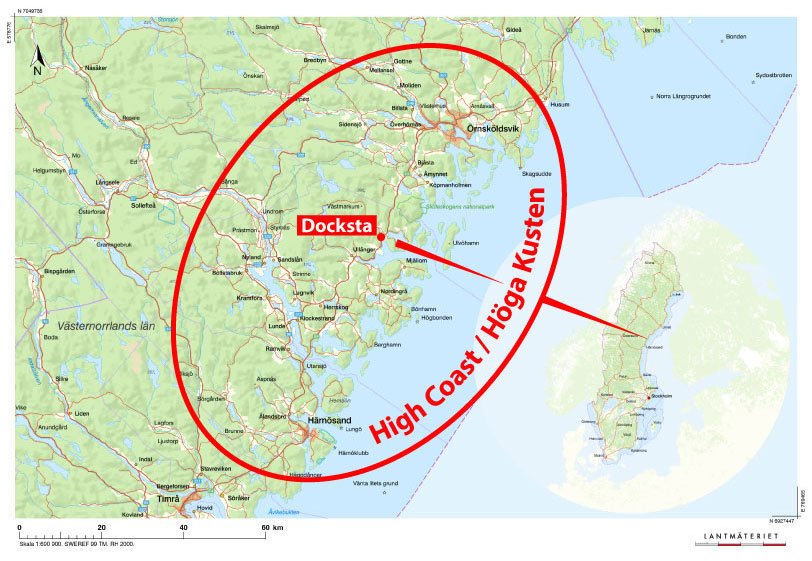
Back in 2006 we even used to say we were "mitt i Höga Kusten" — and in a way it's true. But Docksta is not "in the middle of everything". The High Coast doesn't really have a single middle.

What Docksta is, is strategic. Because from here you get:

  • access to both sea + mountain vibes (mellan land och vatten)

  • day trips in multiple directions — with a wide variety of outdoor fun

  • a re-energizing waterfront place to recover (quiet evenings, slow mornings)

  • and — this is the part you don't find on booking photos — local orientation: the small choices that turn a big territory into an easy adventure

Because the real time-saver is not driving faster. It's making better choices.


If this sounds like your kind of trip

This is for intentional holiday couples.

The ones who want nature, but not chaos. Freedom, but with a smart structure. A place that feels personal, not anonymous.

You don't want to "collect" the High Coast. You want to feel it.

And you want your days to have a rhythm:

  • one good hike

  • one good view

  • one quiet evening

  • one morning that starts slowly

  • and enough space to be surprised

Base Camp hosting is built exactly for that.


Different travellers, same Base Camp logic

Whether you arrive with kids, with a boat, or alone with just one small backpack, the idea stays the same: fewer transitions, better choices, and a calm place to land.

If you're a family: Base Camp means fewer transitions, fewer negotiations, more calm.

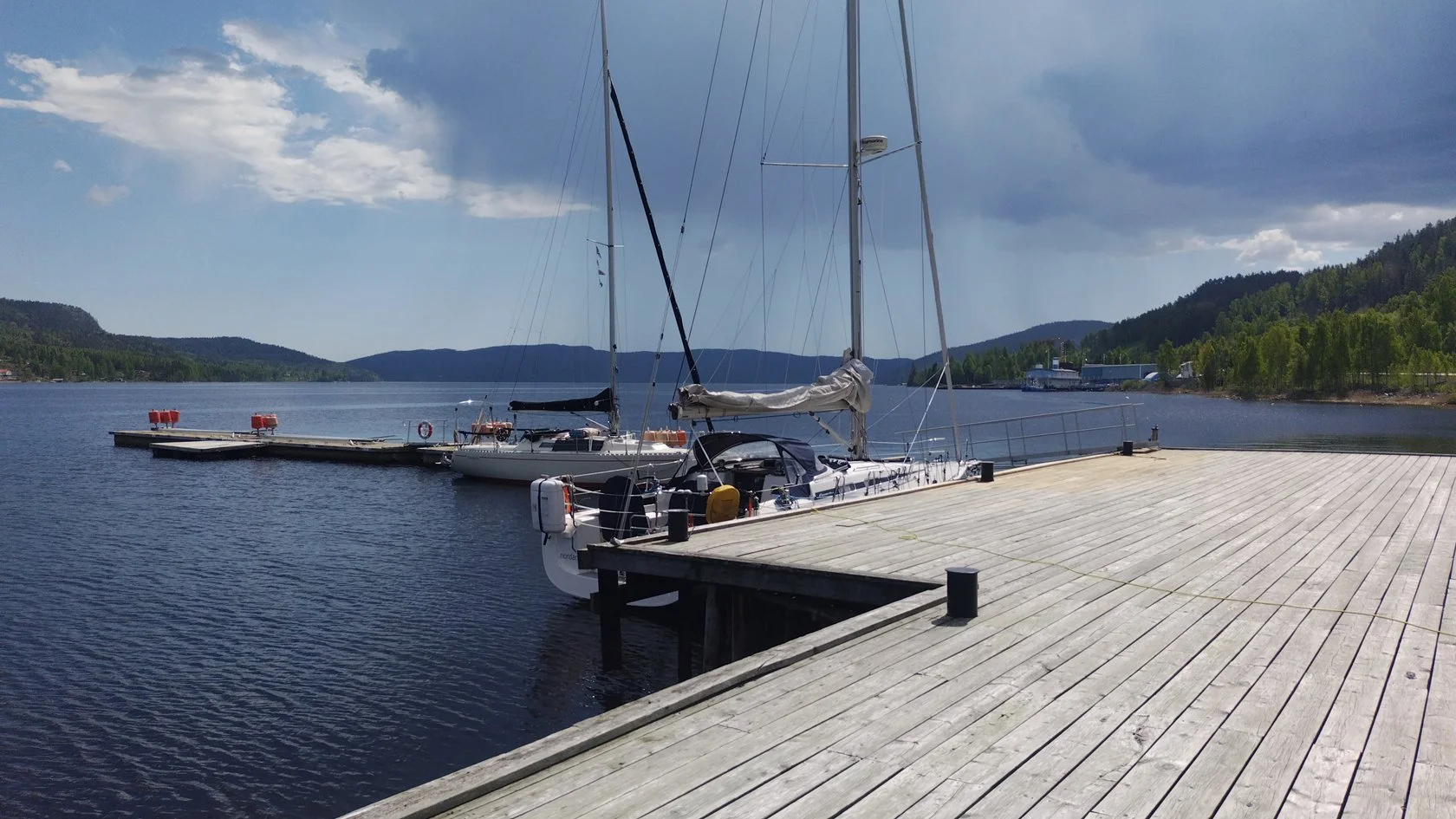
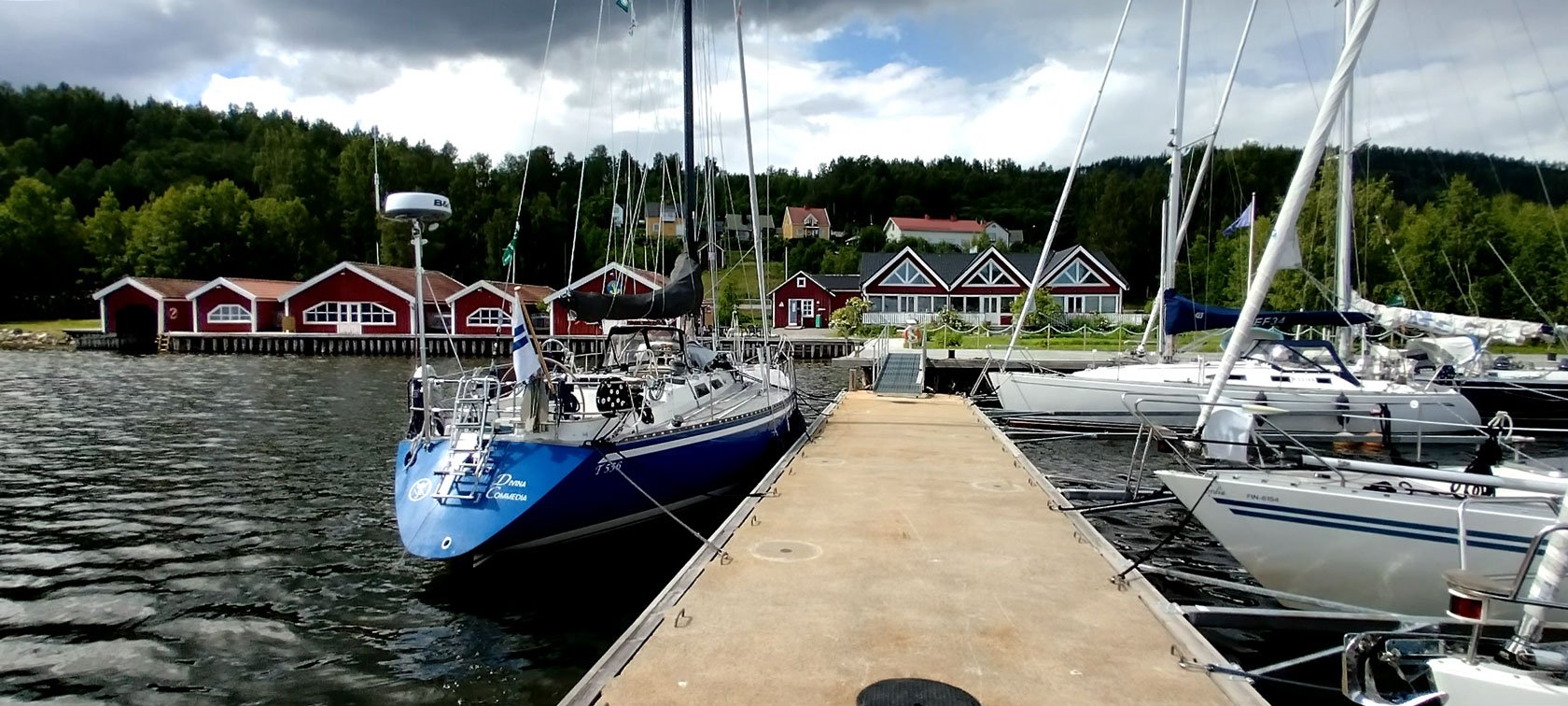
If you're a sailor: Base Camp means safe mooring and shore leave that turns into discovery (not just services).

If you're a hiker or trail runner: Base Camp means a quiet place to recover, people who understand your goals with real local tips on routes and timing, and someone who understands why you came.

If you're on a motorbike / road trip: Base Camp means that even one night can feel like a real High Coast moment.


Visual guide (interactive map)

My recommended High Coast destinations from Docksta — zoom in and save it for later. Read also: Exploring the High Coast, the destinations (Real Days, Not Checklists) >


Start here: my Base Camp Shelf (4 ways to choose your days)

When you're building your High Coast menu from Docksta, I usually think in shelves. Not because it's a rigid system — but because it reflects how people actually explore: some days you want the iconic moments, some days you want the adrenaline, and some days you just want to disappear into quiet forest.


Anchor Days (must-have)

These are the days that define a High Coast visit. First-timers, repeat guests — everyone comes back to these:


Hidden in Plain Sight (classic highlights, deeper rewards)

These are the names you'll see in every official guide — and that's fine. The difference is that, with the right timing and a couple of local details, they stop being "tourist stops" and become real High Coast moments:

  • Bönhamn village

  • Norrfällsviken & Storsand (village + one of the most special beaches in the area)


Peak Moments (adventure + viewpoints)

The days that make you feel alive. Big energy, big photos, big stories:


Slow Gold (quiet forests + islands)

The ones people don't always plan for — but they're often the days that stick with you. Less famous, more yours:

You'll find detailed guides & stories here:


Base camp isn’t just a holiday concept anymore.

More and more people travel with a laptop in the bag — not to “work on vacation”, but to live with a bit more space: a few focused hours, then a real trail, then the sea. The same logic applies: one base, a few good days, no logistics spiral.

One calm base. Real days. Enough space to breathe.

If that’s your rhythm, you’ll probably like our Workation Escape (quiet waterfront stays + nature access).


Why I call it Base Camp (a 2 decades story)

And here's the thing: Docksta Havet was built on this Base Camp idea from day one. In 2026 it will be twenty years since we bought the property and started shaping it as a thinking point for High Coast exploration. From the start, we were already encouraging sailors to go up Skuleberget — not just to dock and leave, but to actually step into the landscape. The concept has been our compass ever since.


Rainy day? Still fine.

The High Coast is honest. Sometimes it rains. Sometimes it's windy. A Base Camp helps because you don't panic-plan — you adapt.

[See: Rainy Day in the High Coast: Real Talk]


Know your host (and what else lives inside this Base Camp)

Docksta Havet is a Base Camp because we've been building it like that for twenty years — but also because I’m not just a host. I've spent most of my life working with communication, and I've spent just as much time learning what nature does to us when we finally slow down.

That's why, alongside day trips and logistics, you'll also find two things that are very close to my heart:

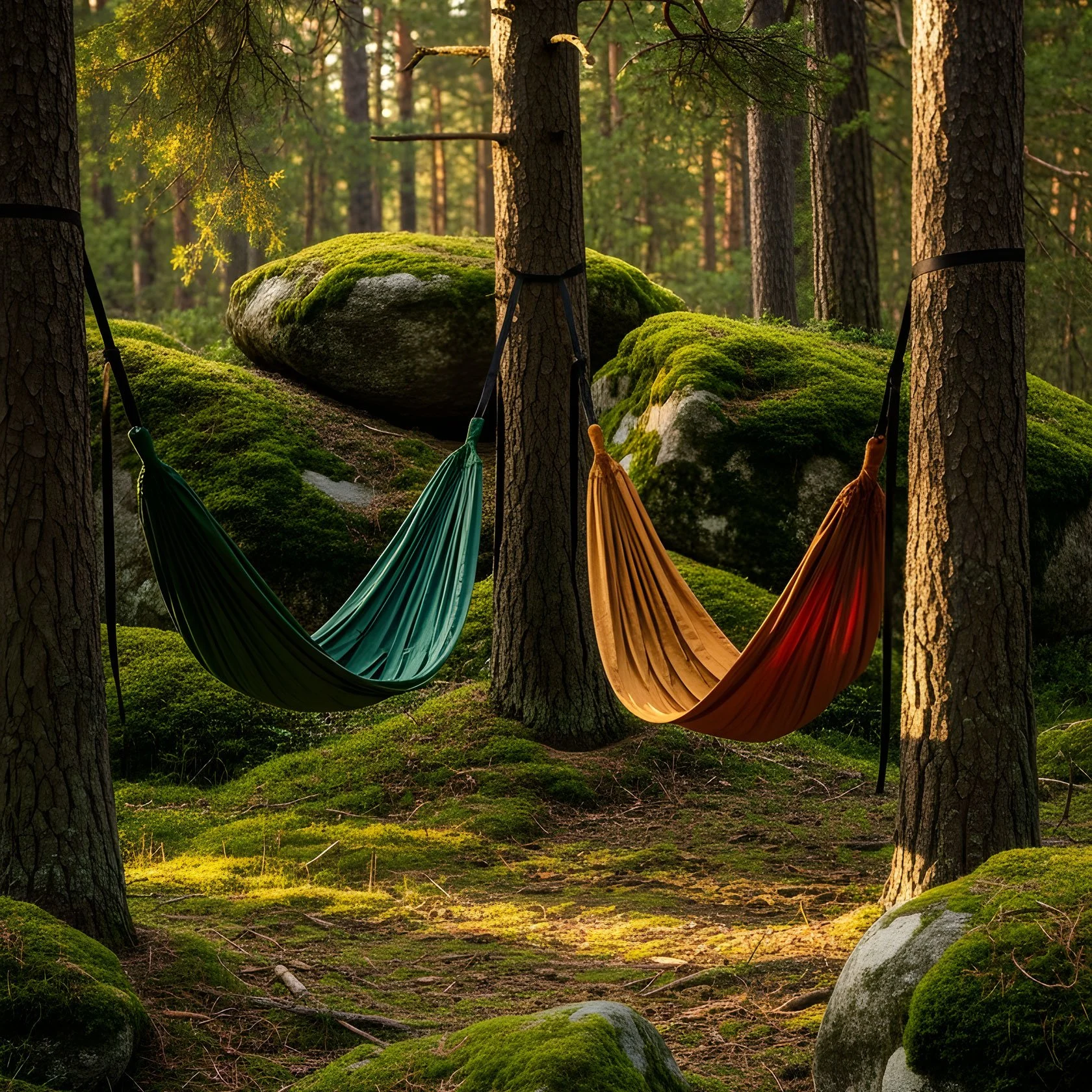
  • SKOGSPAUS Experience — a guided hammock forest immersion (small groups, slow pace, real reset). It's for couples who don't want to "do more", but want to come back from the High Coast feeling lighter. [Discover more]

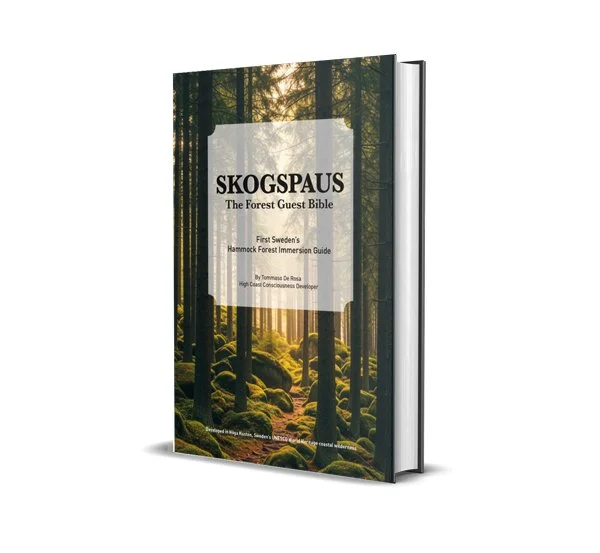
  • SKOGSPAUS (the book) — the deeper framework behind this way of hosting and exploring: presence, listening, and the art of not rushing what matters. If you want to bring the High Coast’s forest whispers home, this is where they live. [https://ko-fi.com/skogspaus/shop]

You don't need any of this to enjoy the High Coast.

But if you're the kind of traveller who feels that a holiday can be both beautiful and meaningful — you'll understand why it belongs here.

And this is often what couples tell me at the end:

"We thought we needed a full list. We left with one perfect memory."


Want me to sanity-check your plan?

Want me to sanity-check your plan?

Send me three things: your dates (or rough window), how many days you have, and what kind of day you’re really after. I’ll tell you what’s realistic from Docksta — and what’s not worth the effort.

The goal isn’t to do everything.

It’s to come back to the pier at the end of the day and feel: “Yes. That was it.”

If you want a base that makes that easy, Docksta Havet Base Camp is right on the water — close to the trails, the viewpoints, and the heart of the World Heritage Site’s beauty.

Book your base:

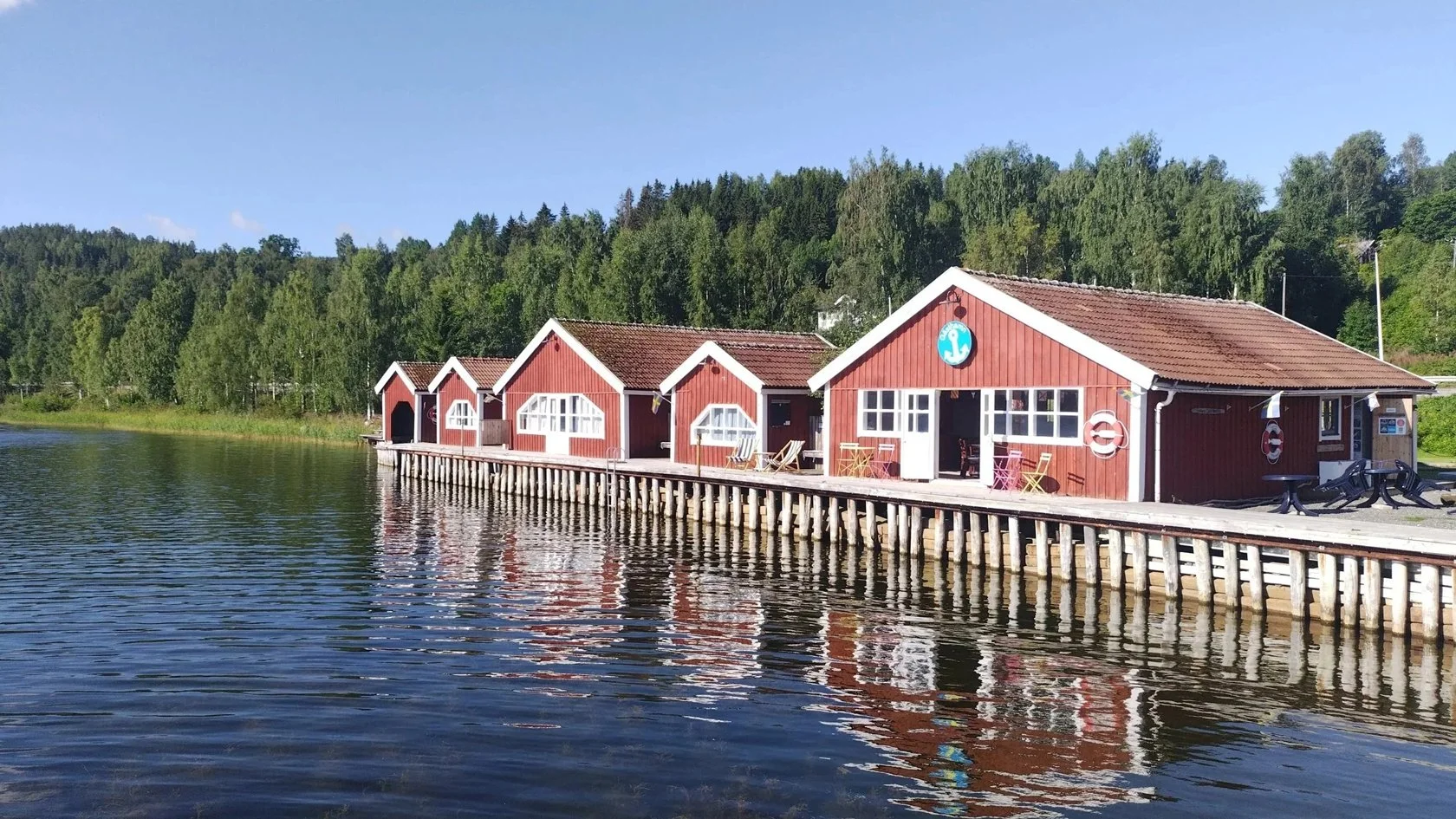
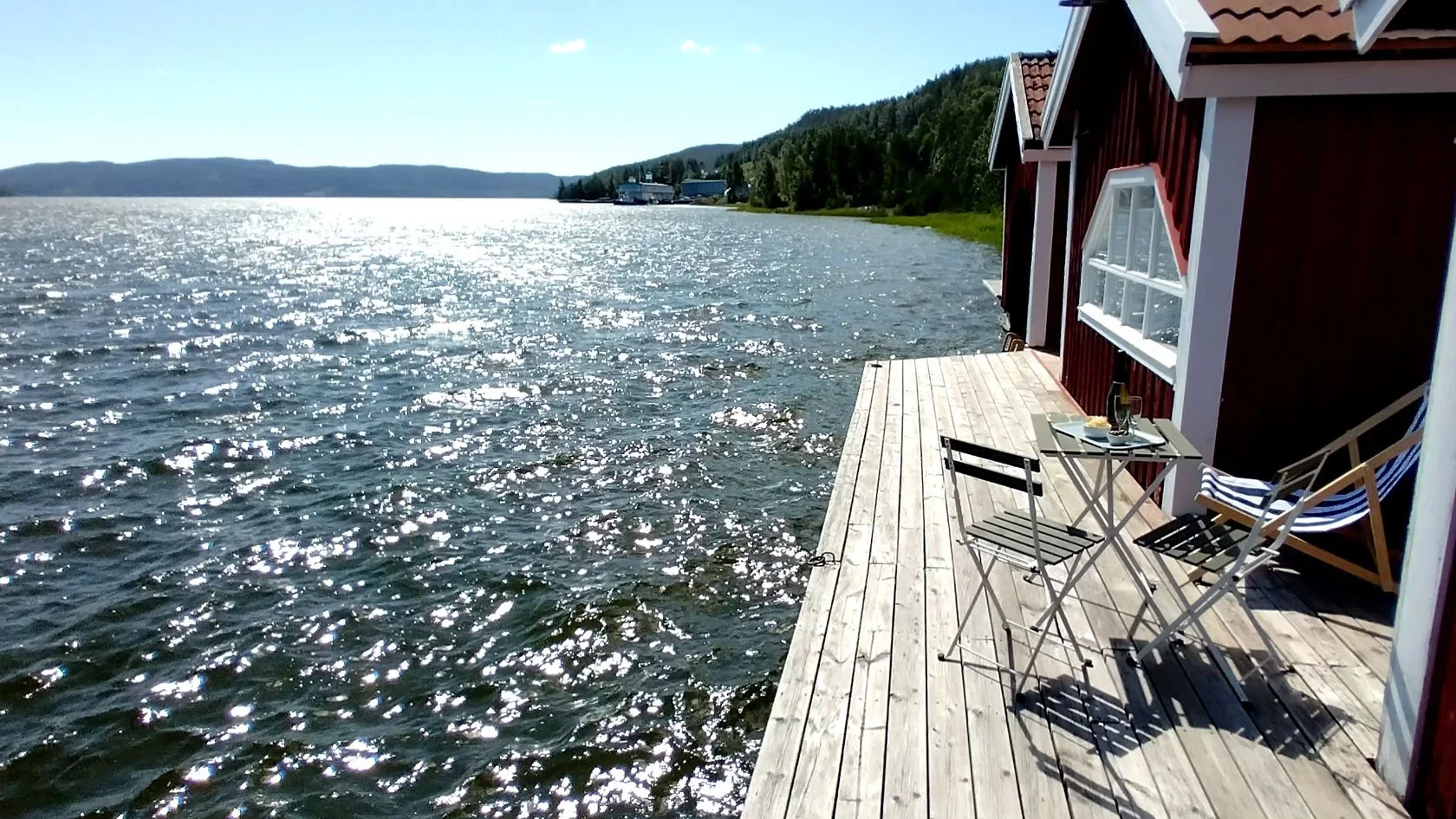
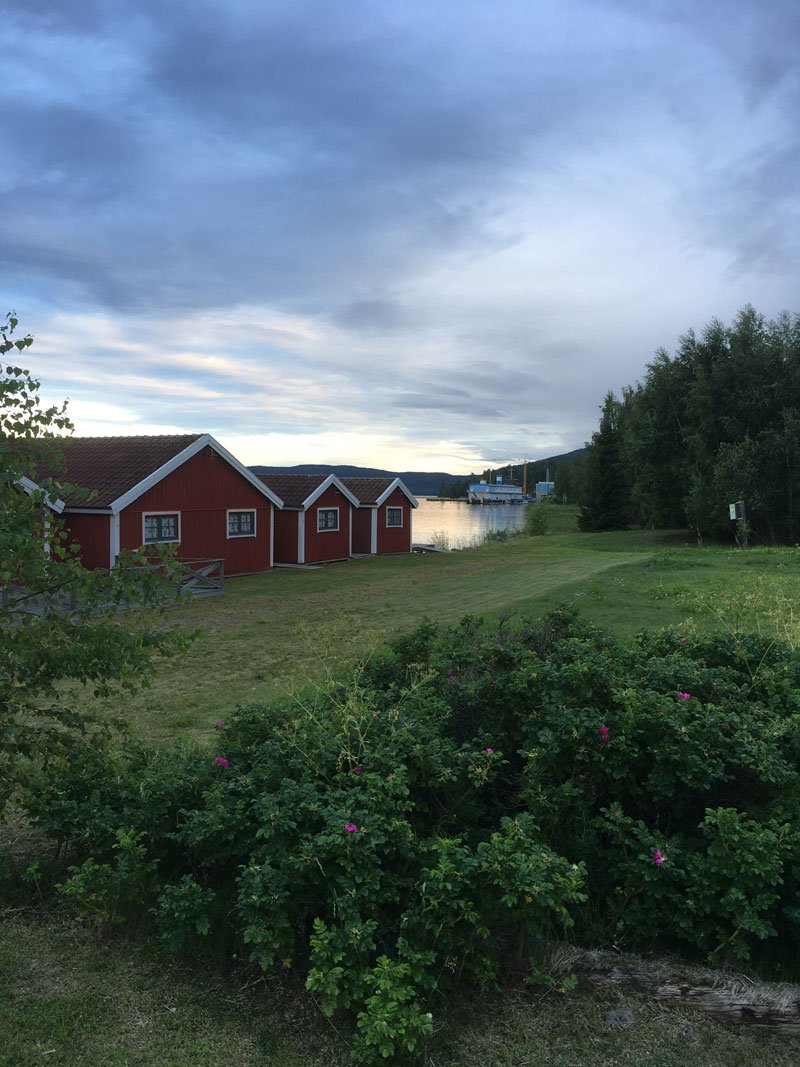
  • the Boathouse [See more] — minimalist, over the water

  • the Dock House [See more] — cozy for couples

  • the Guest House [See more] — spacious + seafront + full kitchen

Ask me: dockstahavet@gmail.com

See you on the pier!

_Tommaso

Forest Pause in the High Coast

Forest Pause in the High Coast (Sweden) — From outdoor doing to forest being

Looking for a calmer High Coast moment? Try a simple forest pause: less route, more room. A no-guru guide to slowing down in pine forests—plus a gentle way to try it from Docksta.

🌿

THE FOREST IS NOT ONLY FOR DOING

Most people come to the High Coast with an outdoor verb in their pocket.

Hike. Run. Climb. Collect viewpoints. Tick the classics.

I love those verbs. I live inside them too.

But there’s another verb the High Coast teaches—quietly, stubbornly, almost against our will:

Pause. Not as “rest after the workout”. Not as “recovery so you can perform again”. Just… pause.

A forest pause is a different kind of outdoor life. It’s not about distance, elevation, or proving anything to yourself. It’s about letting the landscape do what it does best when you stop interrupting it.


Sweden is experimenting with a simple idea

In Sweden, the conversation around nature as support for wellbeing has become more serious in recent years. Not as a trend, but as a practical response to a very modern problem:

we live fast, and we rarely fully arrive anywhere.

A forest pause doesn’t need to be mystical. It can be evidence-friendly and still deeply human.

You don’t have to “believe” in the forest.

You just have to give it time.


My first real pause wasn’t planned

I didn’t discover this through a retreat.

I discovered it the way many good things happen in the High Coast:

by being a little tired, a little curious, and finally willing to stop.

I had been moving through these landscapes like many of us do—measuring, optimizing, chasing the next “best section”. Even when I was alone, I was still performing for an invisible audience.

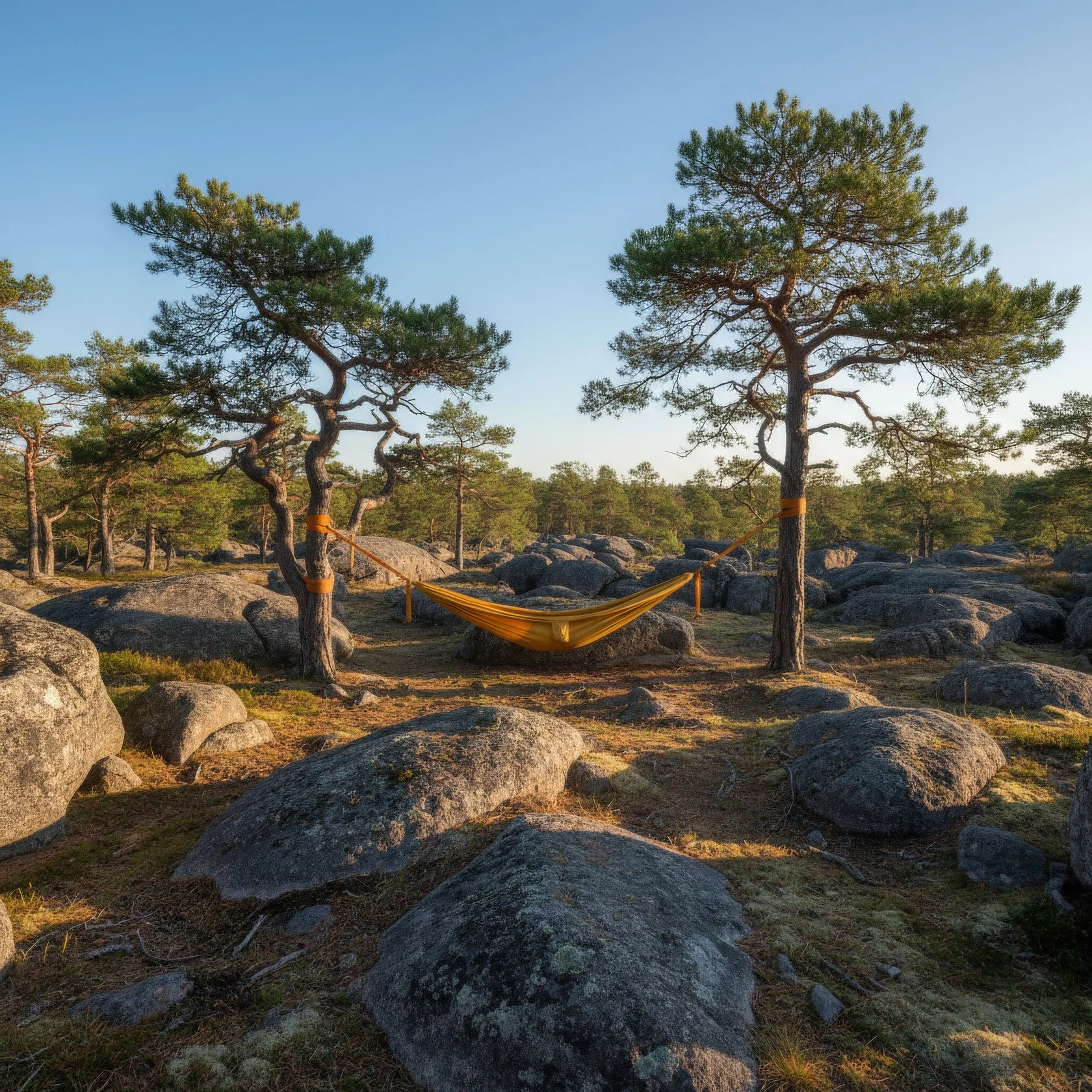
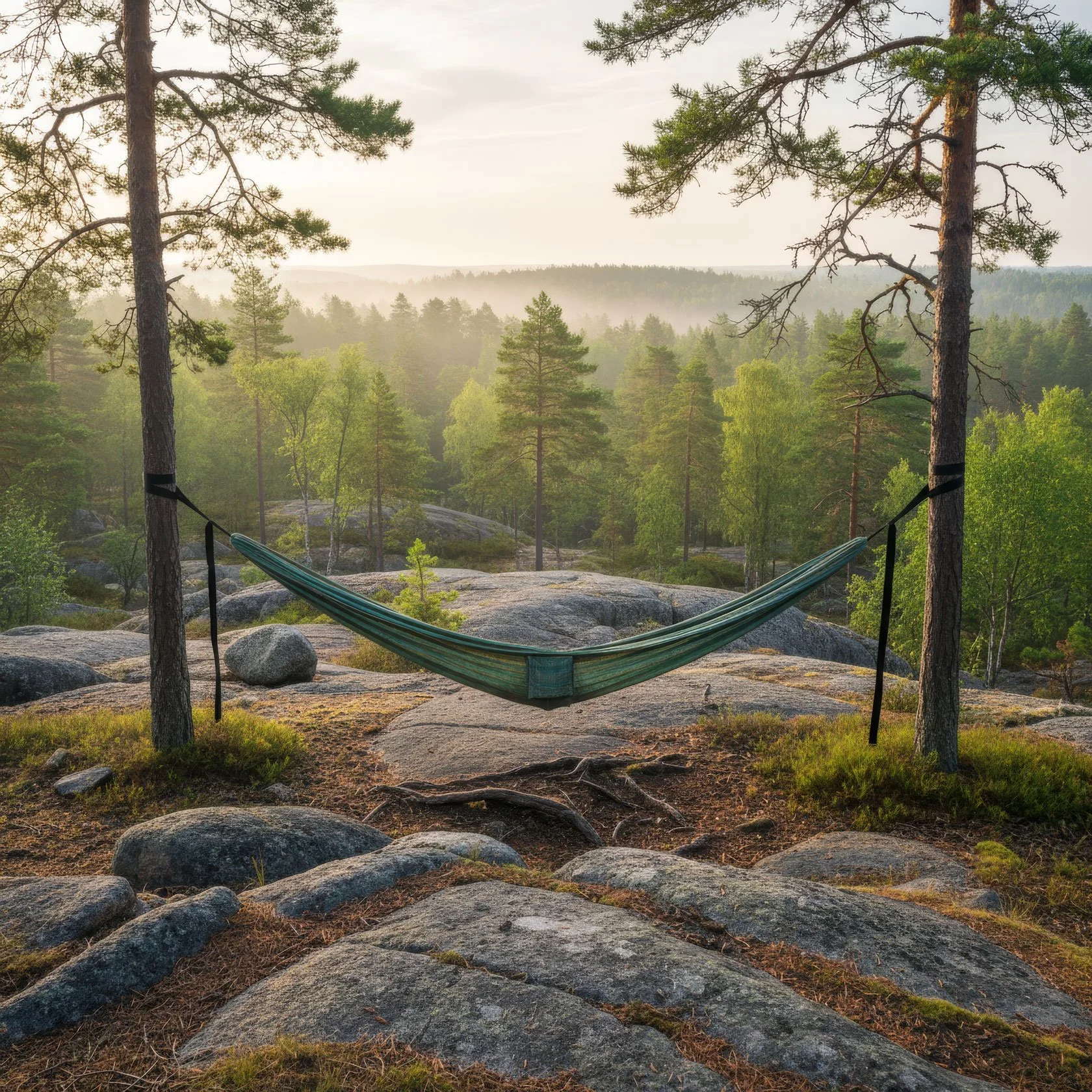
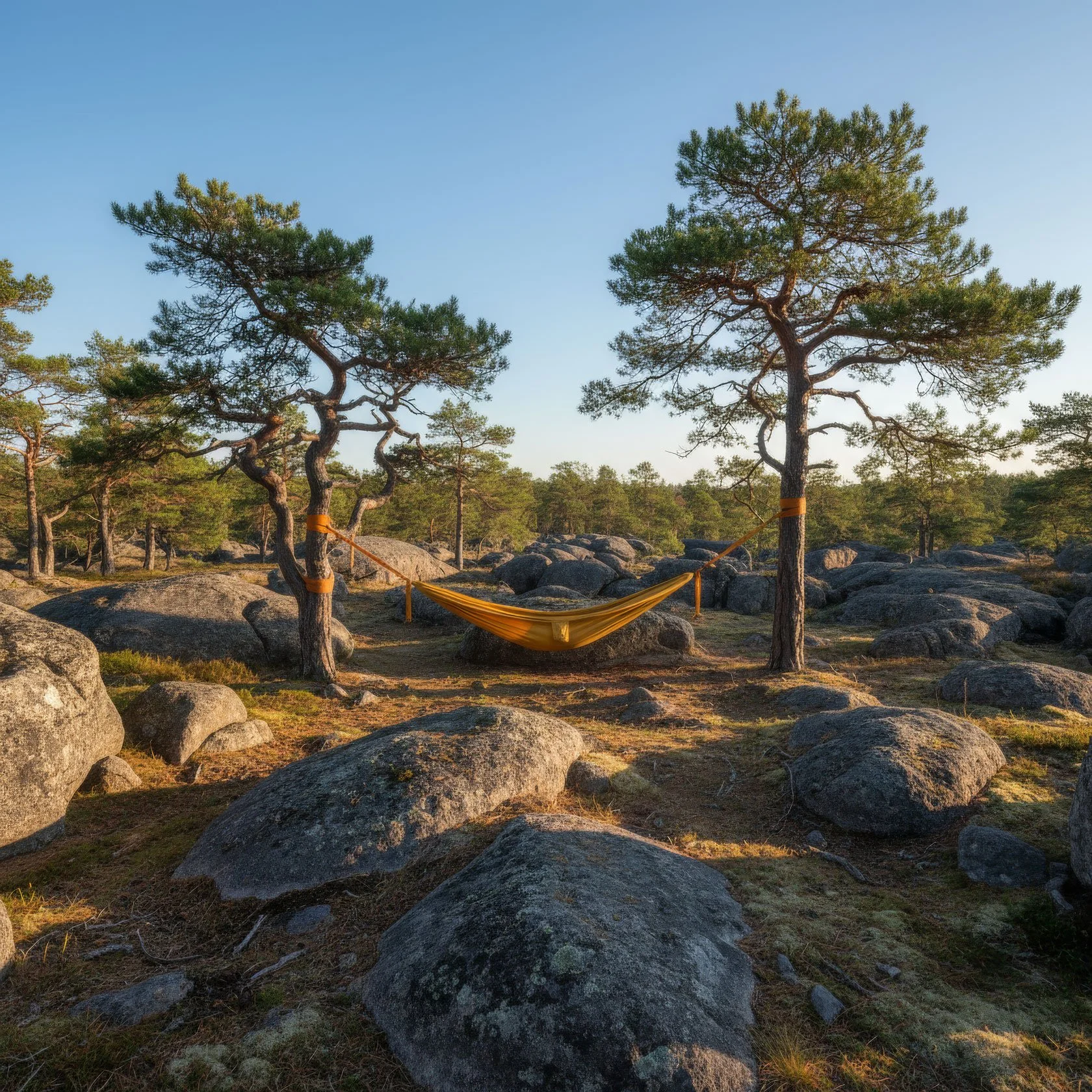
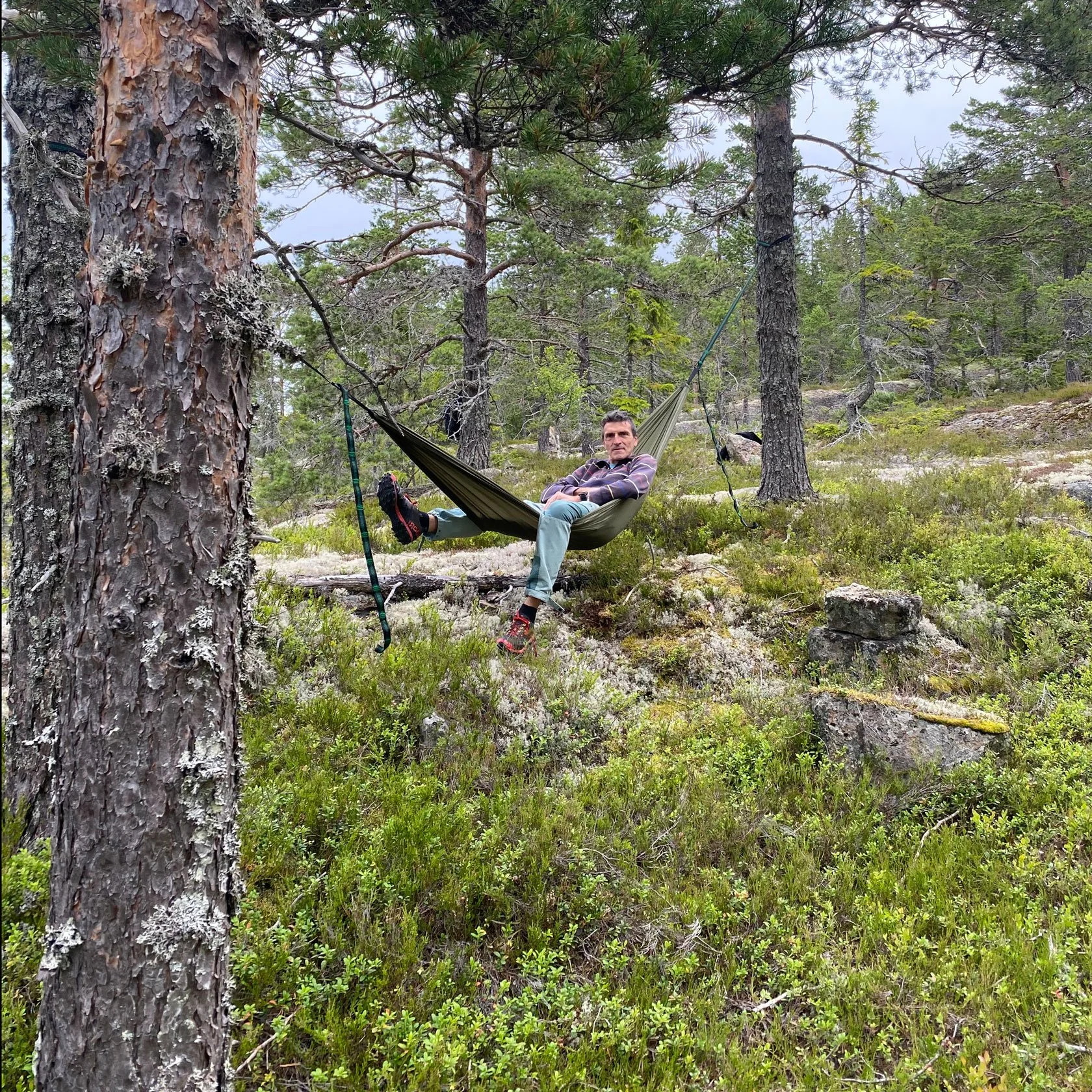
Then one day I hung a hammock between two pines.

No big plan.

Just a small decision: I’m not going anywhere for a while.

And something changed.

Not fireworks. Not a revelation.

More like a quiet re-ordering.

The forest stopped being a backdrop.

It became a relationship.

I should probably introduce myself properly.

I’m Tommaso — sailor-turned-trail-runner, host at Docksta Havet Base Camp, and the kind of person who keeps learning life from pine forests and weather shifts.

The full story of that first pause is a bit more complex (and honestly, more interesting) than this short version. If you’re curious about what really happened — and what the High Coast forests kept whispering after that day — it lives inside my book Skogspaus.
 

🌿

TWO WAYS OF MEETING A FOREST

I’ve watched thousands of guests move through the High Coast. And I’ve noticed two very different styles of contact.

1) The forest as a route
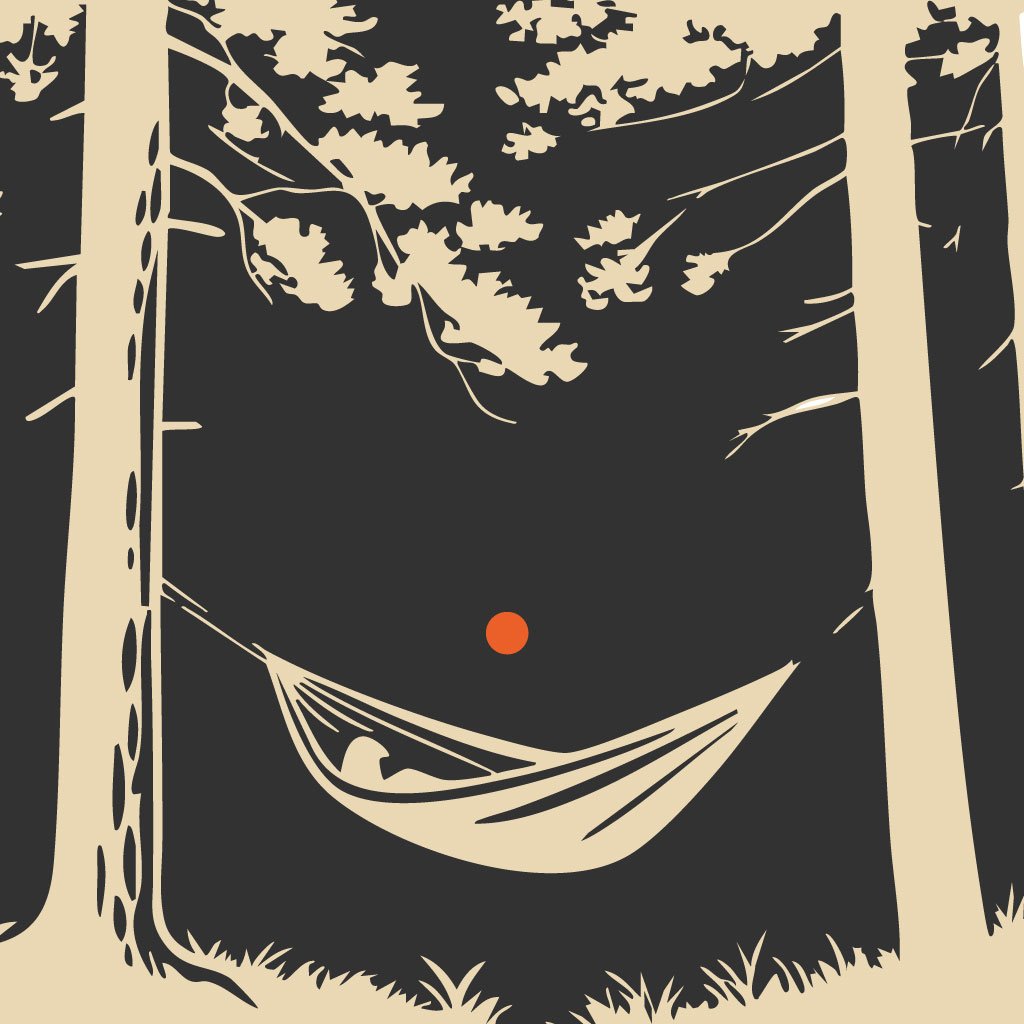
This is the classic outdoor way:

  • You enter with a goal

  • You move through the landscape

  • You collect a view

  • You leave with a photo (and maybe sore legs)

It’s beautiful. It’s valid. It’s often the gateway.

But it can also keep the forest at arm’s length.

2) The forest as a home (not yours)

A forest pause is when the forest becomes a home you spend time in — but not your home.

You’re not here to take over the space. You’re here to arrive in it.

  • You choose one small place

  • You arrive slowly

  • You let your nervous system catch up

  • You stop scanning for “what’s next”

  • You start noticing what’s already here

This is where the High Coast becomes more than scenery.

This is where it becomes a kind of medicine — without pretending to be a clinic.


The “Forest Guest” shift (without the guru voice)

I don’t think we need more methods to feel okay.

But I do think we need a different posture.

In Swedish, skogspaus is a simple word: forest pause.

And the posture behind it is even simpler:

Enter the forest like a guest, not an owner.

A guest doesn’t conquer.

A guest doesn’t extract.

A guest pays attention.

A guest adapts.

A guest leaves the place a little better—or at least not worse.

When you approach the forest this way, the pause stops being “doing nothing”.

It becomes a form of participation.


🌿

WHAT A FOREST PAUSE LOOKS LIKE (practical, not precious)

If you want to try this in the High Coast, here’s a clean, no-drama way.

The 60–90 minute Forest Pause

  • Choose one small area (not a route)

  • Leave your phone on airplane mode (or at least face down)

  • Bring water + a wind layer (the High Coast changes mood fast)

  • Sit or hang (a rock, a mossy patch, a hammock)

  • Do nothing on purpose for 10 minutes

  • Then let your attention wander naturally

If your mind keeps making lists, that’s normal.

If you feel restless, that’s information.

If you feel bored, stay a little longer.

The forest is patient.

The hammock version (my favorite)

A hammock is not gear.

It’s a permission slip.

It gently removes you from the “must keep moving” logic.

It makes stillness comfortable enough to last.

And in the High Coast—between granite, pine, sea air, and that long northern light—this simple suspension becomes a surprisingly powerful reset.


Why the High Coast is a good teacher

The High Coast isn’t a soft landscape.

It has edges.

Granite. Wind. Sudden weather. Long distances between things.

And because of that, it teaches something modern life often forgets:

you don’t get to control everything.

A forest pause here isn’t about escaping reality.

It’s not hiking, not therapy, not a workshop. Just a simple practice of arriving.

It’s about returning to it—more slowly.


If you want to try it from Docksta (a gentle invitation)

If you’re staying in Docksta—or passing through—this is one of the simplest gifts you can give yourself:

one honest forest pause.

Not a full-day mission.

Not a performance.

Just a small, real encounter.

If you want, I can suggest a spot that matches:

  • your time window

  • the weather

  • your legs

  • your mood

And if you don’t have gear, we can keep it simple.

Sometimes the best High Coast day is not the one where you did the most.

It’s the one where you finally arrived.


A closing note (for the doers)

If you came here to hike, run, climb, or bike—good.

Do it.

Feel the land.

Earn the view.

Then, at least once, do something that feels almost wrong in a world obsessed with movement:

stop.

Hang between two pines.

Let the forest finish the sentence.

SKOGSPAUS — A FOREST PAUSE, PRACTICED AS A GUEST

Want to try a real forest pause while you’re here?

Send me your time window + legs + mood, and I’ll suggest one clean spot that fits the day.

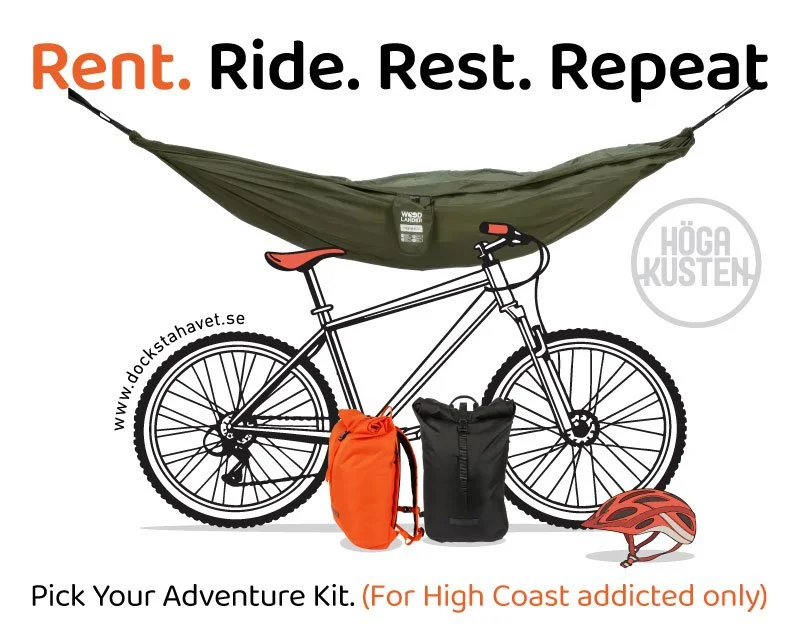
If you’re traveling light, we can keep it simple with a hammock kit ready at the marina: https://dockstahavet.se/outdoor-gear-rental-hoga-kusten/guides-stories/grabgo-gear-the-hammock-kit-forest-pause-ready

And if you want to go deeper, I also host a guided forest pause (Skogspaus-style) — here are the full details: https://dockstahavet.se/blog/skogspaus-hammock-forest-experience-hoga-kusten

Email: dockstahavet@gmail.com

If you prefer to book directly, here’s the Skogspaus Airbnb Experience: https://airbnb.com/x/skogspaus-high-coast


🌿

ABOUT ME (Docksta base camp)

I’m Tommaso, host at Docksta Havet Base Camp — a small guest harbour and simple waterfront lodgings in the heart of Sweden’s UNESCO High Coast. I spend my seasons between sea and forest, helping guests find the kind of outdoor days that feel real (not rushed).

SKOGSPAUS (the e-book): https://ko-fi.com/s/skogspaus

Skogspaus is my way of sharing this practice with you — not as a “tour”, but as a quiet invitation to feel like a guest in the forest.


🇸🇪 SV — Kort sammanfattning:

Letar du efter en lugnare stund i Höga Kusten? Den här guiden handlar om skogspaus — en enkel “forest pause” där du stannar på en plats (inte en rutt), låter kroppen komma ikapp och bara är en stund bland tallar och granit. Vill du prova från Docksta kan jag tipsa om en plats — och om du reser lätt finns hammock-kit att låna.

🇫🇮 FI — Lyhyt yhteenveto:

Haluatko rauhallisemman hetken Korkearannikolla (Höga Kusten)? Tämä opas kertoo metsätauosta (forest pause): valitset yhden paikan (et reittiä), pysähdyt, annat kehon ja mielen rauhoittua ja vain olet hetken mäntyjen ja kallioiden keskellä. Jos olet Dockstassa, voin suositella sopivaa paikkaa — ja jos matkustat kevyesti, meiltä löytyy riippumattosetti valmiina.

Skuleskogen National Park Day Hike Itinerary | High Coast

The "Base Camp" itinerary to experience Skuleskogen in summer

Skuleskogen National Park hiking itinerary from Docksta (High Coast, Sweden): entrance, route logic, bike+hike option, what to pack, and how to make the day memorable.

Skuleskogen in one minute: what makes it special

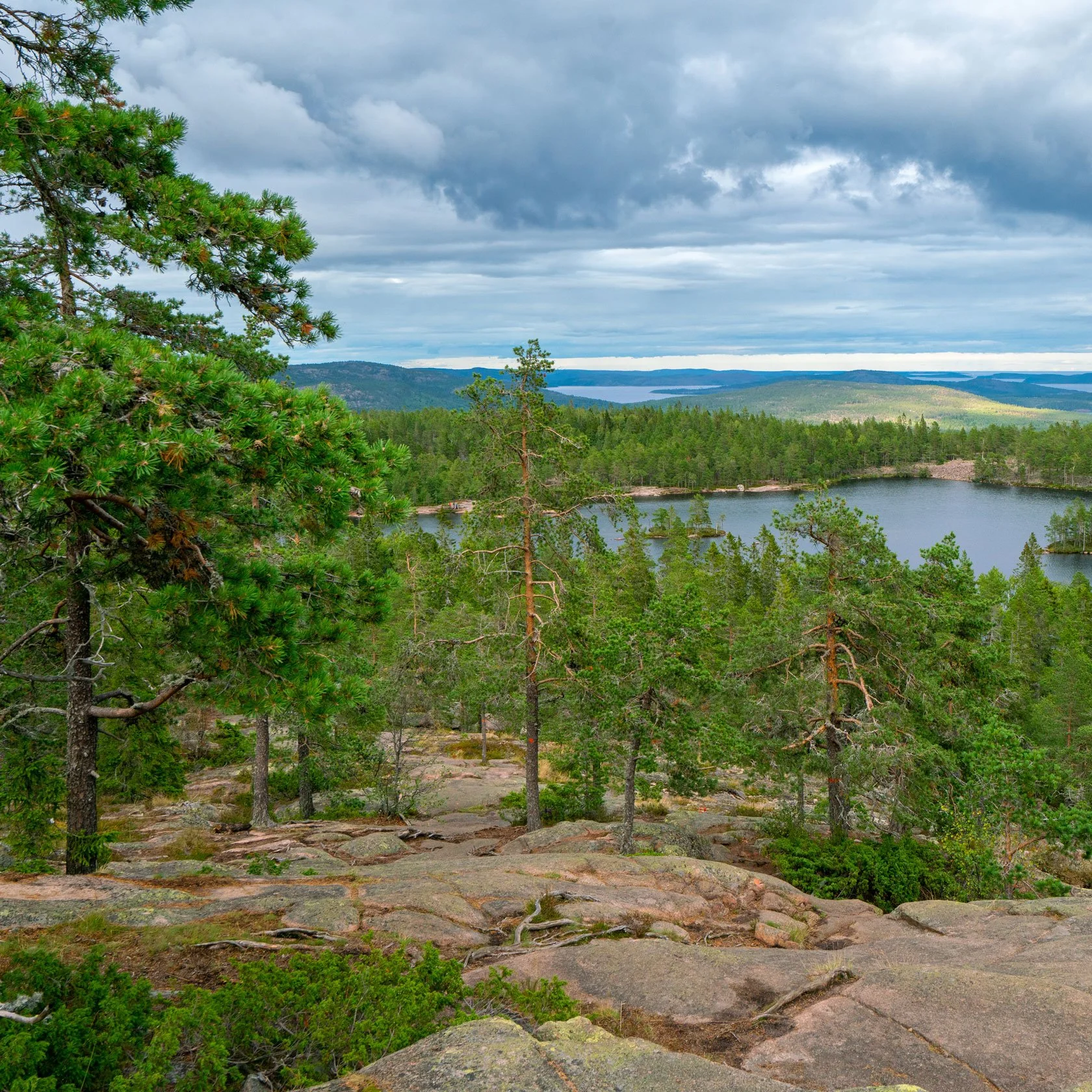
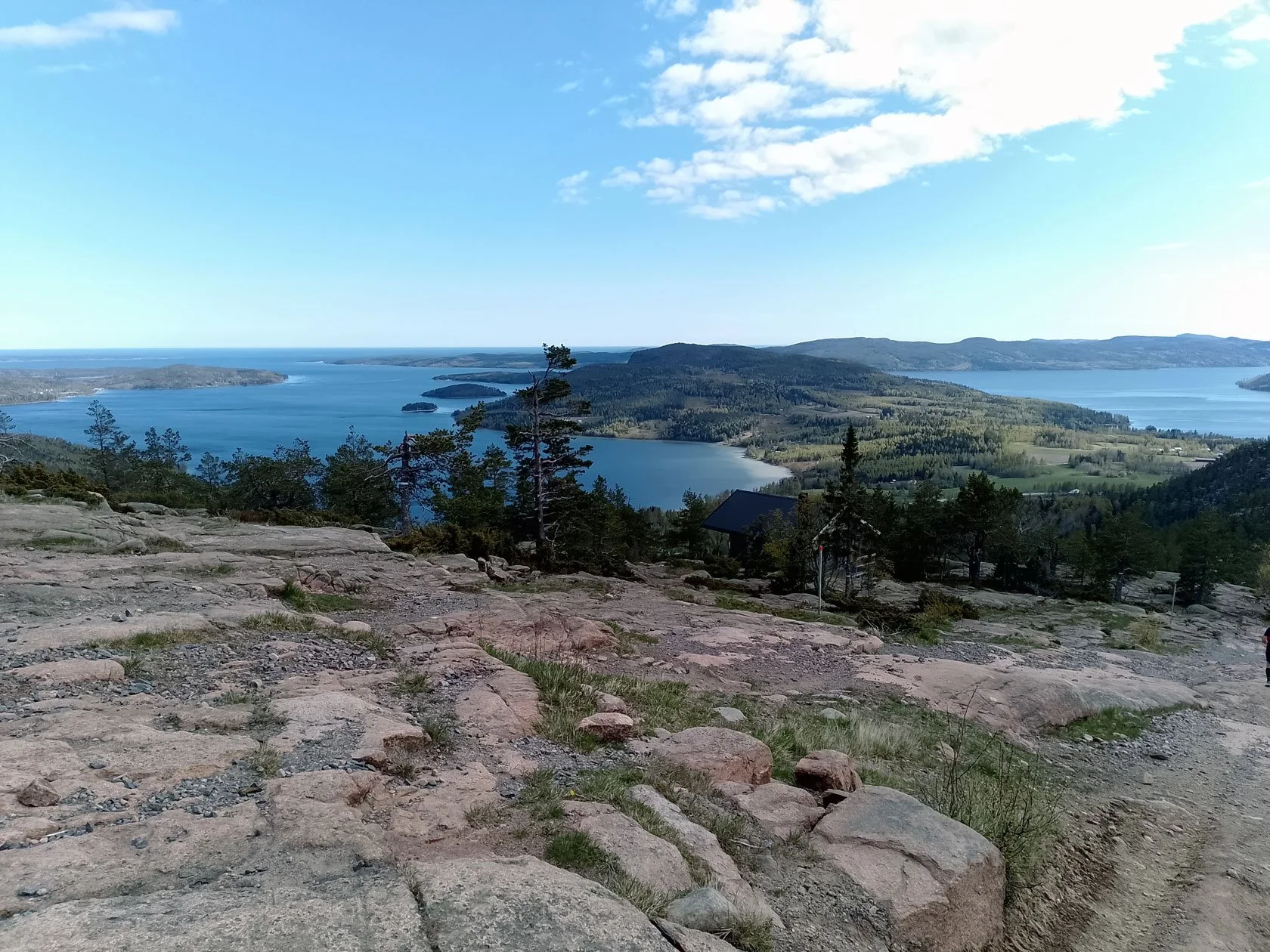
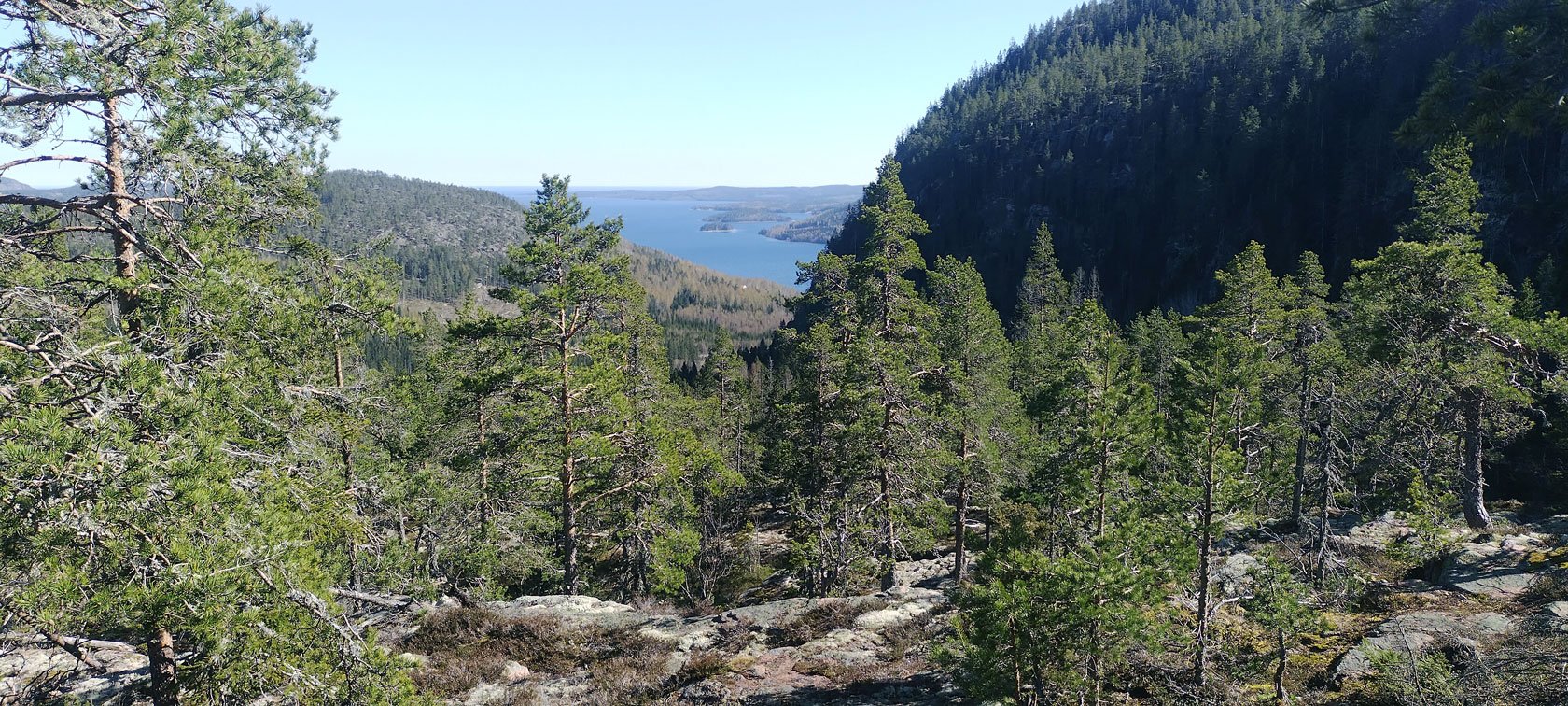
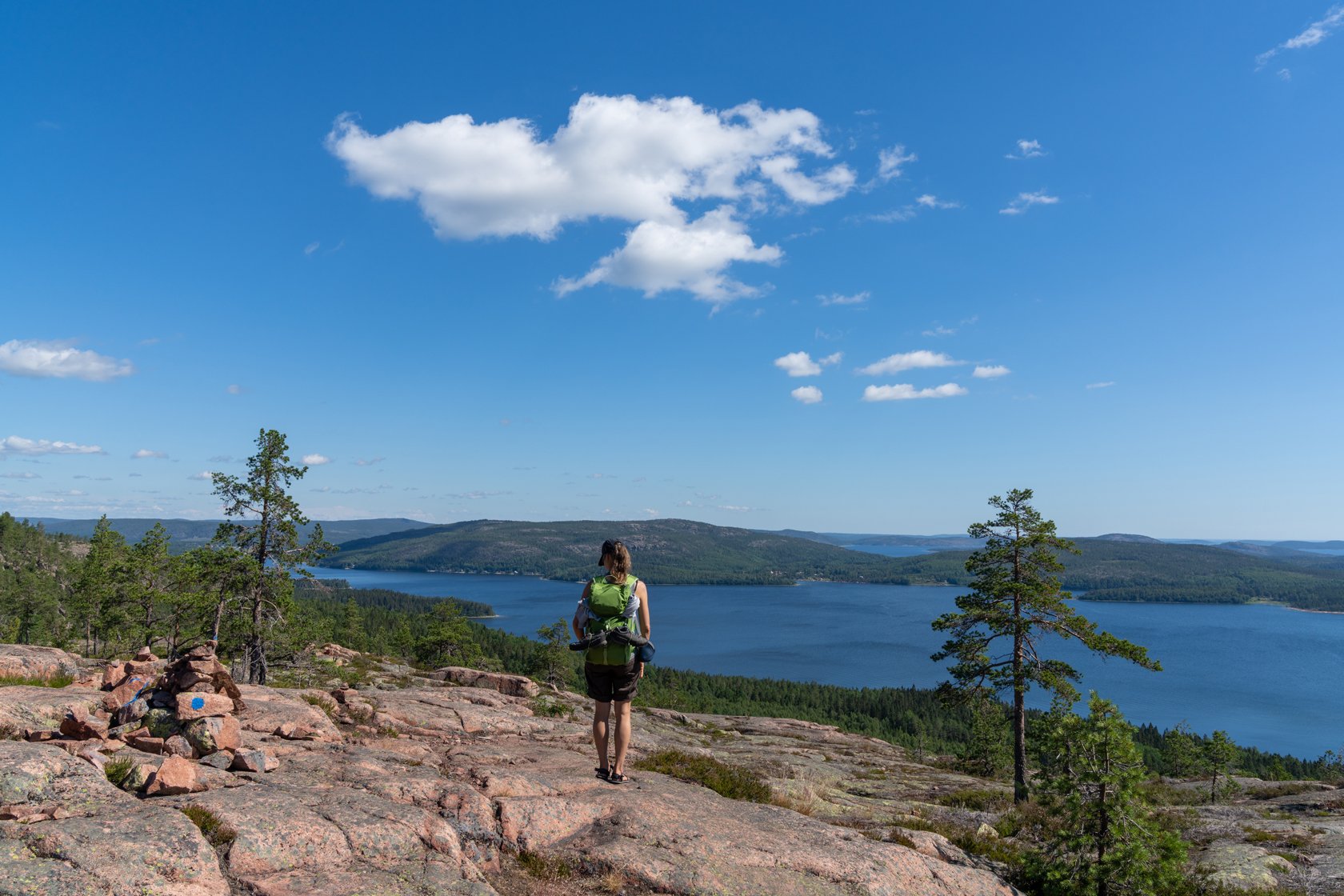
Skuleskogen National Park sits in the High Coast UNESCO World Heritage landscape — famous for land uplift after the Ice Age, dramatic coastline geology, and the meeting point of deep sea and high islands.

What you’ll feel here:

  • Scale: forest and sea in the same breath

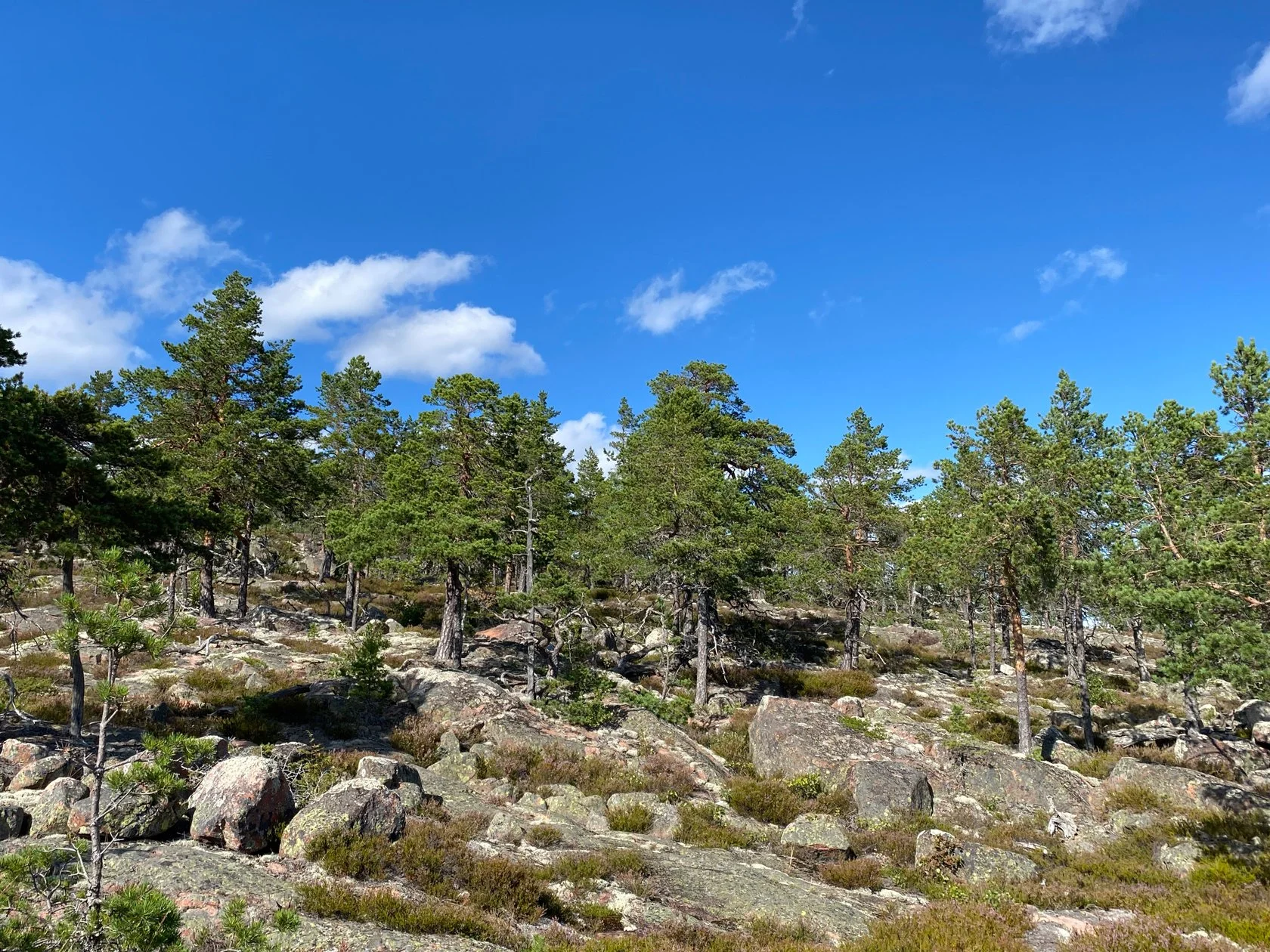
  • Texture: red granite, smooth rock slabs, boardwalks, moss, and lakes

  • Time: visible geology, not hidden in a museum

If you only have time for one national park-style day in the High Coast, Skuleskogen is the one.


A practical one-day loop

You don't need to be a "proper hiker" to have a big day in Skuleskogen.

You just need one good plan.

If you want one Skuleskogen day that feels complete — not rushed, not random — this is the loop. It starts the way the High Coast wants you to start: by the sea.

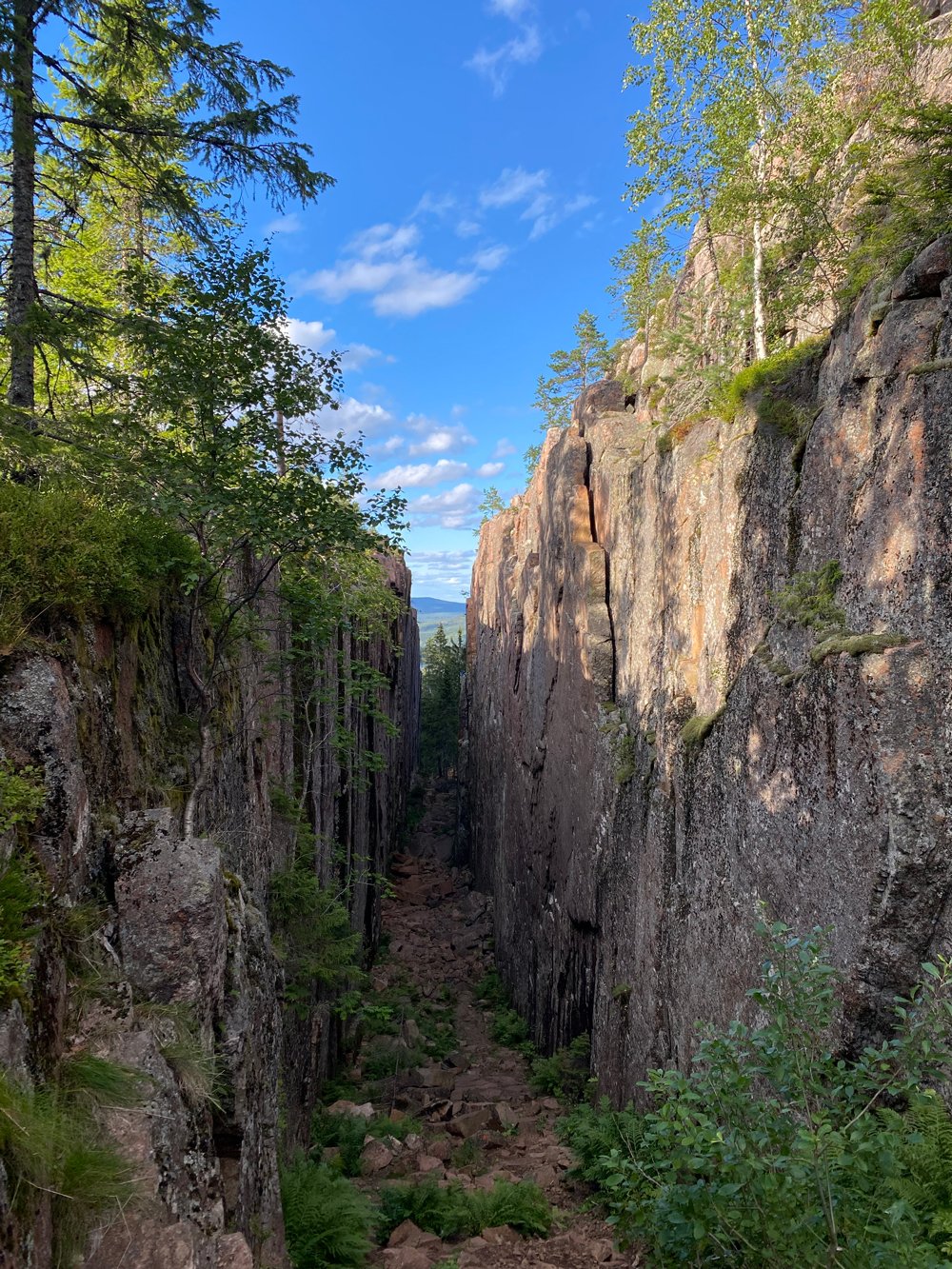
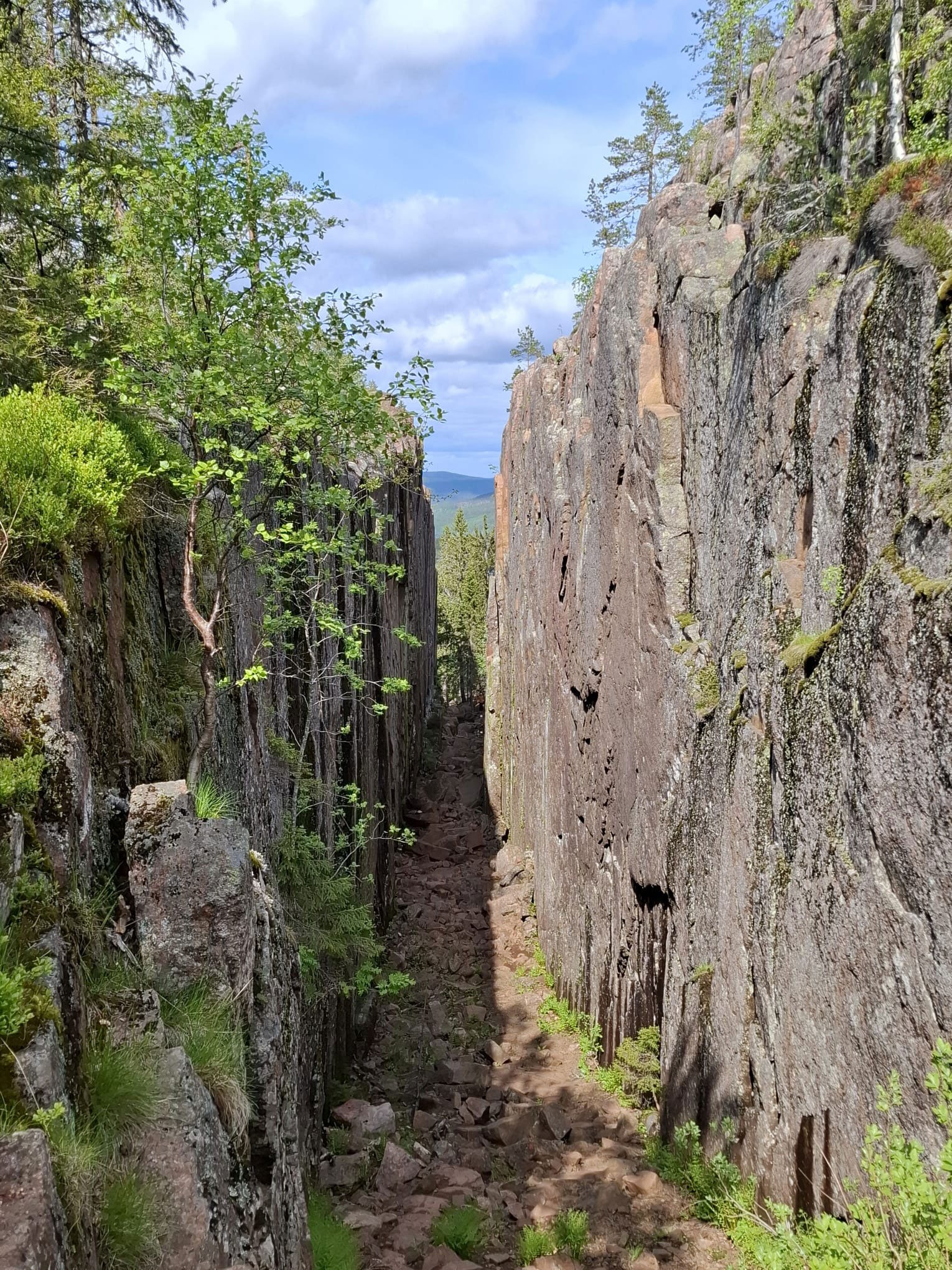
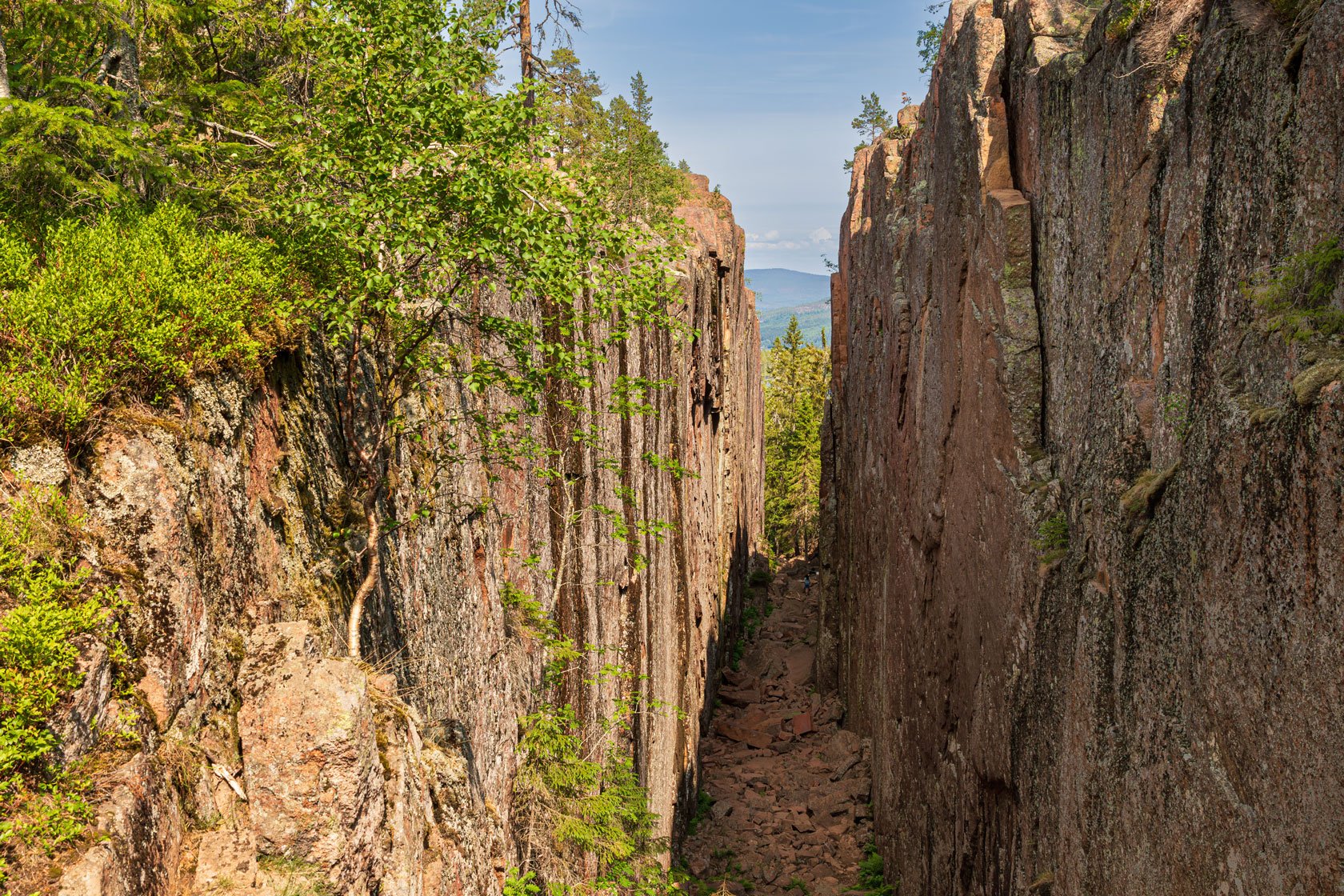
Then it pulls you gently inland: a great path in deep rocky pine forest, pristine lakes, the iconic Slåttdalsskrevan crevice, a final push to Slåttdalsberget, and then you return with that quiet feeling of: we really did it.

This is the itinerary I share with guests at Docksta Havet Base Camp when they ask:

“Tommaso… if we only have one day in Skuleskogen, what should we do?”


Quick facts (so you can decide fast)

  • Best for: first-time visitors who want the “real” Skuleskogen in one day

  • Start from: the South Entrance (Entré Syd) — best access to the classic Skuleskogen highlights

  • Style: full-day loop (forest + granite + view + sea)

  • Distance / time: plan for a full day; the hiking part is typically 4–6 hours depending on pace and breaks

  • Season: late May–September

  • Terrain: roots, rock, some steeper sections near the crevice/summit

  • Our Base Camp promise: we’ll help you fine-tune (or adapt) the plan based on weather, energy, and daylight


Why this loop (and why it feels different)

Many people do Skuleskogen as a quick “there-and-back” to the crevice.

It works.

But it often becomes a single highlight chase — and, honestly, the most direct way up from the parking area can feel short but surprisingly challenging (steeper, more demanding, less rhythm).

Our loop is different. It’s built around flow:

  • Sea → forest → lakes → crevice → summit → return

  • A day that grows in intensity, instead of starting with the hardest push

  • A route that makes you feel you entered the national park, not just “visited a spot”

And yes: it’s also a little statement.

I’m a host who suggests the best, not just the obvious.


The “All‑Park‑Spots‑Inclusive” Loop (the route)

This is the sequence we recommend, starting from the Southerly entrance:

  1. Coastline start — down to Källviken, the Path by the sea sets the pace

  2. Näskebodarna — one of those places that feels like a secret even when it’s on the map

  3. The lakes — quiet inland Skuleskogen, the deep-green part

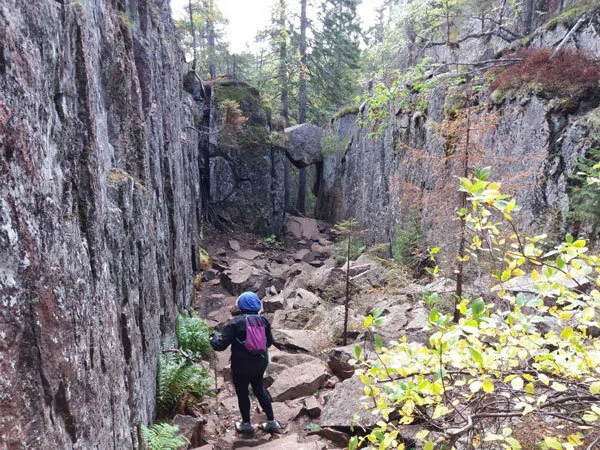
  4. Slåttdalsskrevan — the famous crevice (and yes, it’s worth it)

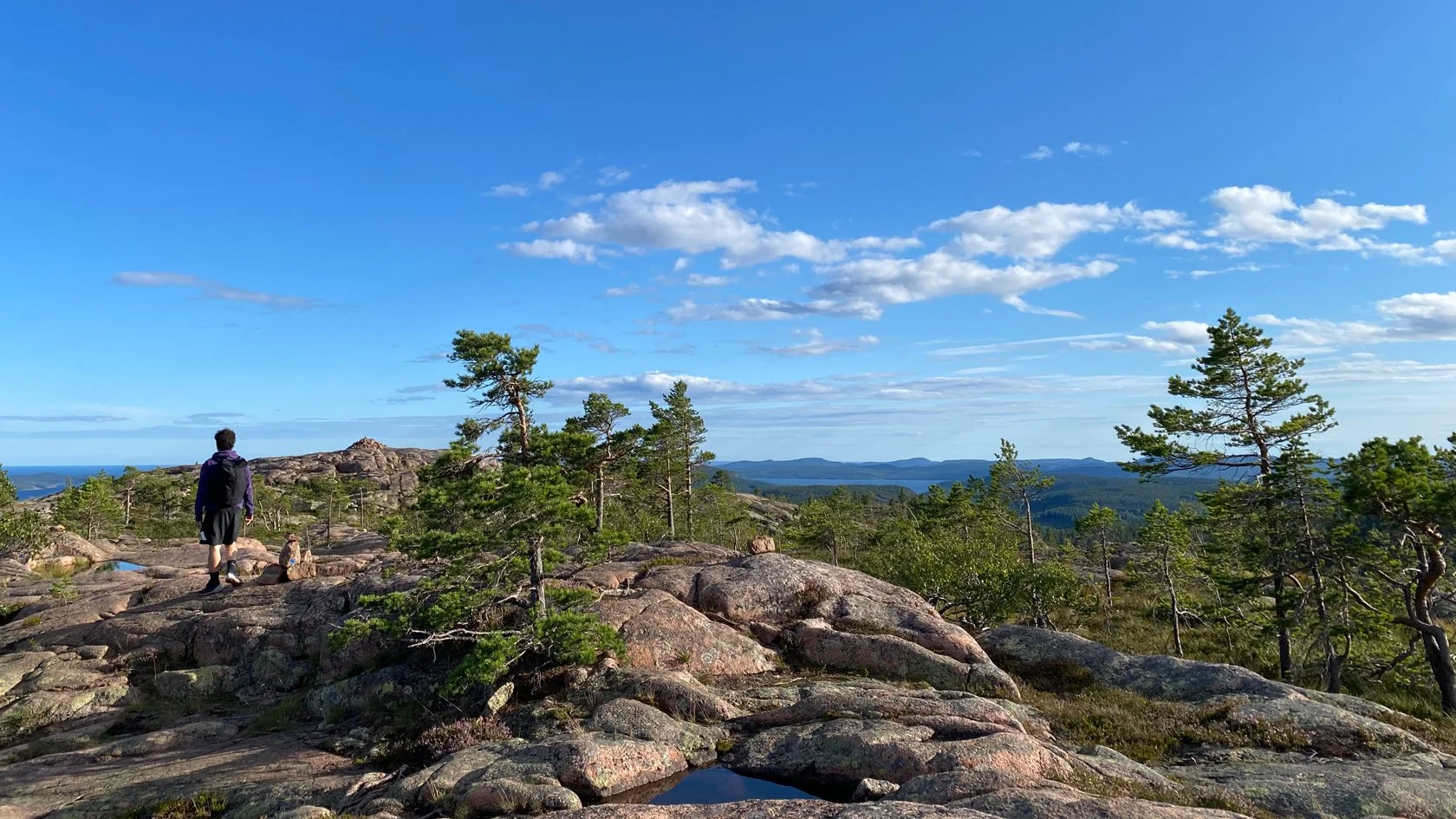
  5. Slåttdalsberget summit — the “open granite + horizon” moment

  6. Return — the loop closes, and the day feels complete

If you’re staying with us, we’ll point you to the right entrance/parking logic for this loop and the best direction depending on weather.


The Base Camp way to reach the park: bike + hike (highly recommended)

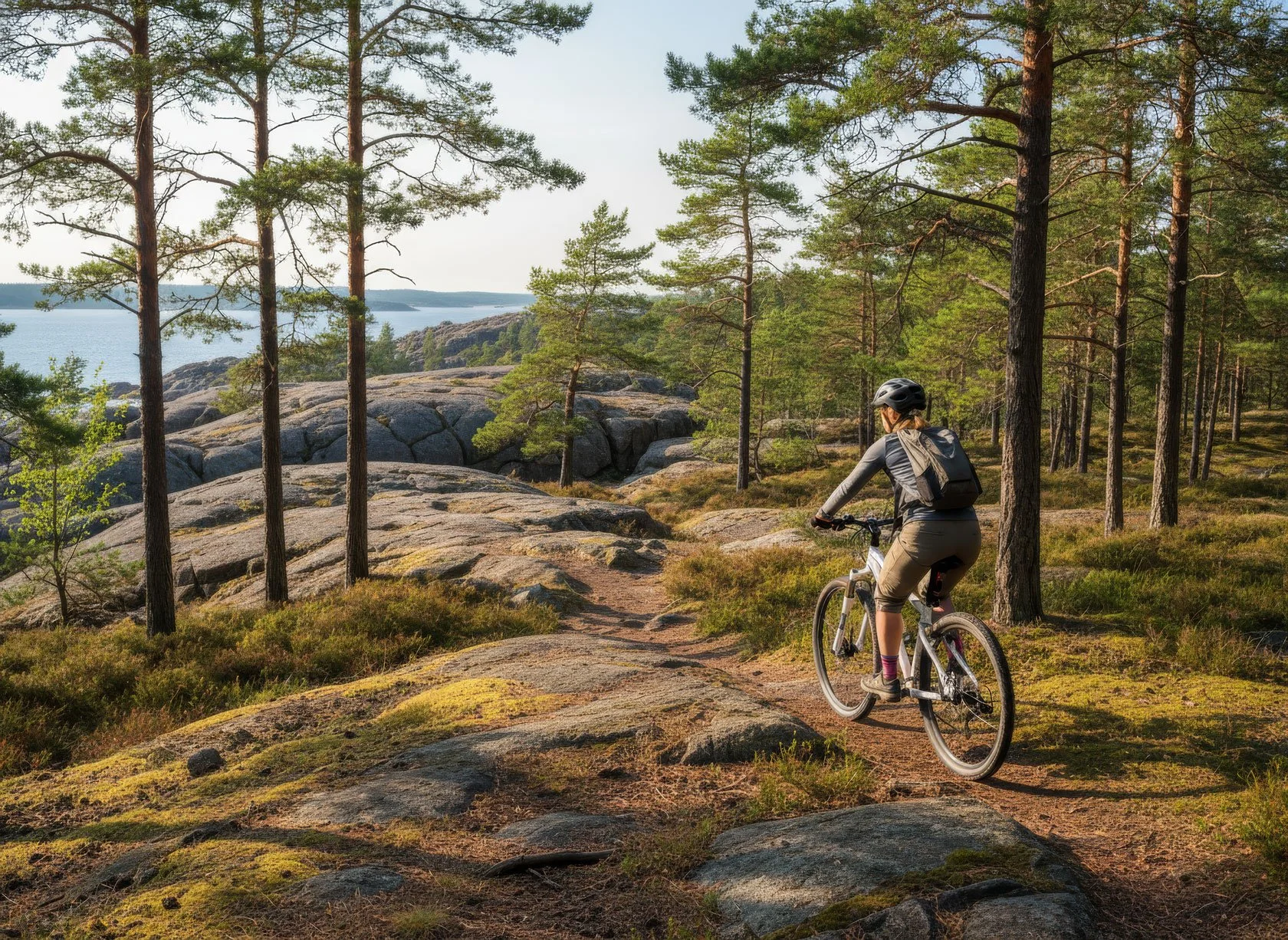
We recommend reaching Skuleskogen by bike whenever it fits your day.

Not because we rent bikes.

Because [approaching the national park is part of the experience] link a story

You start along the sea, then you roll toward Entré Syd through forest — and by the time you step onto the trail, you already feel like you’re inside a story.

If you want the full Bike‑First version of this day (route logic + timing), here’s our plan → Skuleskogen National Park (Bike‑First Day Plan from Docksta)

If you want to keep it effortless, you can borrow the missing pieces from our → Grab&Go Outdoor Gear Rental

Why it’s so good:

  • The approach becomes a warm-up (body + mind)

  • You avoid the “parking stress” feeling

  • You turn one hike into a full High Coast day

  • You arrive with that quiet pride: we earned this

It’s not for everyone — and that’s exactly the point.

If bike is not your thing (car is totally fine)

If you prefer to drive, drive.

If you have less time, less energy, or you’re traveling with kids and want a simpler logistics day, we’ll adapt the plan.

The goal is not to prove anything.

The goal is to have a beautiful day in Skuleskogen — guided by someone who knows what actually works.

Car‑free planning notehere’s how Skuleskogen works without a car (and what to check each season).


What to pack (minimal backpack, smart choices)

Skuleskogen rewards simplicity — but you want to be prepared.

Bring:

  • Water (more than you think), thermos coffee (optional but excellent)

  • Lunch + snacks

  • Windproof layer (the coast changes mood quickly)

  • Light rain jacket if forecast is uncertain

  • Small first aid / blister care

  • Power bank if you rely on your phone

If you want the full checklist + a few Base Camp tricks, read → Get ready for your day hike.


Time plan (so the day doesn’t drift)

A simple rhythm that works:

  1. Morning: approach (bike or car) + start the loop from the entrance of the park

  2. Midday: lakes + lunch break

  3. Early afternoon: crevice + summit push, then back to Entré Syd — or down at Källviken for an extra (optional) dip in the sea

  4. Late afternoon: return + back to Docksta

  5. Evening: shower, espresso, and the “we did it” silence


Safety + trail etiquette (High Coast common sense)

  • Stay on marked trails (protects the park and your ankles)

  • Roots + wet rock are the real danger, not distance

  • Wind can change the day fast — bring a layer

  • Pack out your trash

  • If you meet wildlife: keep distance, stay calm


Where to stay: three seaside options at Docksta Havet Base Camp

If you want Skuleskogen as a day trip, Docksta Havet is designed for that.

The Boathouse (1–2 guests)

Minimalist, right by the sea. Wake up, coffee, go.

The Dock House (couples)

A romantic cabin over the water. Summer-only, simple, very High Coast.

The Guest House (up to 4)

For families or friends who want space, a real kitchen, and a comfortable base.


Final note from your host

Skuleskogen is not about collecting highlights.

It’s about a full day that has rhythm.

Sea first. Then forest. Then the crevice. Then the summit.

If you’re staying with us, tell me what kind of day you want — and we’ll tune this loop to fit you.

Minimal backpack. Light soul.

Tommaso


If you want more bike‑first High Coast days, choose your mode here https://dockstahavet.se/blog/bike-from-docksta-choose-your-mode-high-coast


inspire you to explore the High Coast:

Bike from Docksta: Choose Your Mode (4 High Coast Days, Half‑day to Full‑day)

Choose your mode (not your distance)

Some guests arrive in Docksta with a plan. Many don’t.

They arrive with a short stay, light luggage, and a very real wish:

“We want one proper High Coast day… but we don’t want to turn it into a logistics project.”

That’s exactly why we built Grab&Go at Docksta Havet Base Camp: bike rental + simple outdoor kits + local advice. Not only for our own guests — everyone is welcome to use it (external visitors too).

This post isn’t a list of distances. It’s how I help people choose a day that fits: your energy, your mood, and how much friction you want.

Whether you’re staying with us or just passing through, you’re invited to use our Grab&Go gear and local advice—this base camp is for everyone.


🇸🇪 Kort på svenska:

Det här inlägget är en snabbguide till fyra olika cykelutflykter från Docksta – från klassiska vyer till tysta skogar och vilda toppar. Oavsett om du är gäst hos oss eller bara passerar, kan du hyra cykel & utrustning via Grab&Go. Behöver du tips? Skriv till mig!

🇫🇮 Lyhyt suomeksi:

Tämä postaus on tiivis opas neljään erilaiseen pyöräretkeen Dockstasta – klassisista maisemista hiljaisiin metsiin ja villiin huippuun. Olitpa vieras tai ohikulkija, voit vuokrata pyörän ja varusteet Grab&Go-palvelusta. Kysy rohkeasti vinkkejä!


Before you choose: 3 questions I always ask

  1. Do you want views, forest silence, or a bit of adventure?

  2. Is today a half‑day (3–5 hours) or a full day?

  3. Do you want “easy and satisfying” or “wild and spacious”?

If you tell me those three things, I can usually suggest one clean plan in 30 seconds.


See the routes on the Living Map

Open the Living Map (built with Google My Maps—my personal way to highlight the High Coast’s best spots) and pick a pin for your time and legs.


Four Ways to Ride the High Coast (from Docksta)


Mode 1: Classic + flexible (Half‑day 3–5h) — Skuleberget

Best for: couples / solo / families / sailors ashore

Skuleberget is the classic High Coast highlight, but what makes it great is flexibility. You can keep it gentle, or you can make it a real challenge.

This mode is perfect if you want a “guaranteed wow” view and the option to scale the effort up or down.

What this mode can include (choose one, don’t stack everything):

  • A scenic ride + a short hike to the top

  • Naturum (museum/visitor center) when you want context

  • Via Ferrata when you want adrenaline

  • Naturscen when your day is built around a concert


Grab&Go suggestions for your excursion to Skuleberget:


Mode 2: Wild + grounded (Full day, but keep it simple) — Skuleskogen National Park

Best for: couples / solo / families / sailors ashore

Skuleskogen is where the High Coast truly reveals itself: ancient forest, granite cliffs, and quiet bays. This isn’t a “check it off your list” stop—it’s a place to slow down, cross real landscapes, and let the nature do its work.

This mode is perfect if:

  • You want to feel what a real national park is—moving at the right pace, not rushing from point to point.

  • You’re open to a full day outside, but not interested in “conquering” every trail—just experiencing the best sections.

  • You’re curious about the park’s unique character, and want a route that connects the most meaningful places.

My hosting rule for Skuleskogen: pick the sections that matter, and let your trek be enough. I’ll suggest a route that gives you a true sense of this world-class natural heritage—challenging in parts, but always within reach, and never about the fastest time.

If you want a deeper hiking overview, this is the trek I recommend for really enjoying Skuleskogen: Hiking the National Park Skuleskogen >


Grab&Go suggestions for your excursion to Skuleskogen:


Mode 3: Easy + local + marina-friendly (Half‑day 3–5h) — Vårdkallberget

Best for: couples / solo / families / sailors ashore

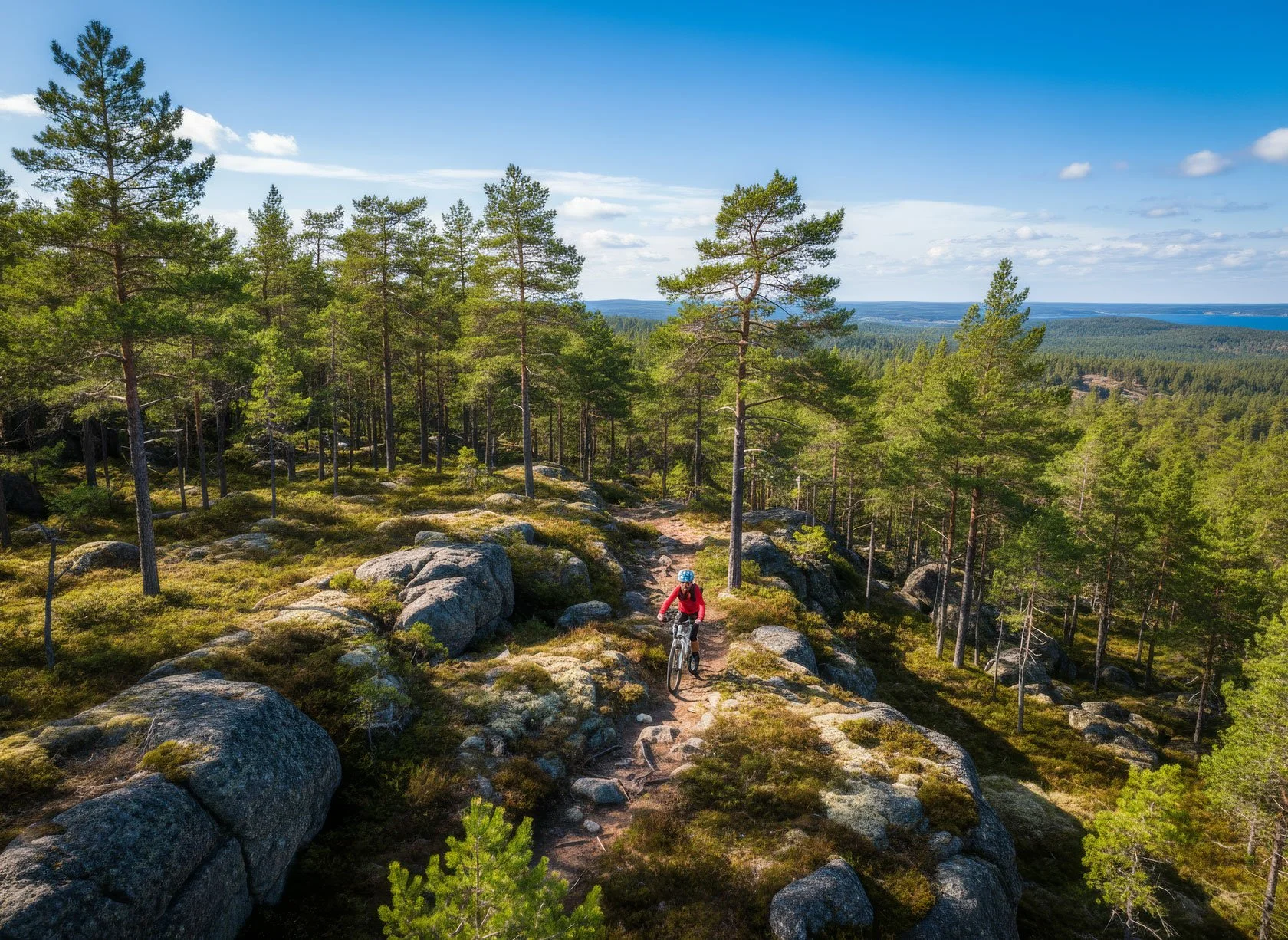
Vårdkallberget is one of my favorite “low friction, high reward” days. It’s close, it’s satisfying, and it has that wild flavor—real rocky pine forest, sweeping views, and almost no crowds. You get a true High Coast hiking experience, but without the extremes.

This mode is perfect if:

  • You want a taste of the wild, but don’t want to spend the whole day or tackle steep climbs.

  • You’re after a fantastic view, forest silence, and a summit that feels earned—but is still accessible from the marina or village.

  • You’re looking for a mix of easy riding and walking, where the mountain is nearly as high as Skuleberget, but the way up stays gentle and inviting.

Last summer, a guest biked and walked up here “just for the view”—but ended up napping in the shelter nearby the summit, reading, and calling it their favorite memory of the trip.


Grab&Go suggestions for your excursion to Vårdkallberget:


Mode 4: Space + wilderness (Full day / big legs) — Nätra Fjällskog

Best for: couples / solo / families / sailors ashore

Nätra Fjällskog isn’t just another forest—it’s one of the High Coast’s best-kept secrets. While most visitors stick to the “classics,” this is where you experience the wild, spacious side of Sweden that even many locals overlook.

Imagine a place where ancient pine and spruce forests stretch for miles, the ground is soft with moss, and the silence is so deep you can hear your own breath. Here, you’ll find a real trail system (not just a single viewpoint), winding through a mosaic of old shepherd’s huts, hidden clearings, and dramatic coastline panoramas. In the right spots, you catch sweeping sea views that feel almost private—pure High Coast contrast.

What makes Nätra special?

  • It’s authentic: This is a “for locals, by locals” wilderness, rarely promoted to international guests—which means you’ll likely have the trails (and the silence) all to yourself.

  • It’s true wilderness, but accessible: The landscape is wild and untamed, yet the main routes are within reach for a strong day’s ride and hike, especially if you’re up for a real adventure.

  • It’s a living landscape: You’ll cross ground shaped by centuries of shepherding and forest life, with rich biodiversity and a real sense of Swedish nature heritage.

This mode is perfect if:

  • You’ve already checked off the famous spots and crave something raw, spacious, and genuinely “northern.”

  • You want to feel like a local explorer—venturing into a place that’s not on the standard tourist map.

  • You’re looking for deep forest immersion, solitude, and a day that stays with you long after you leave.

No one else is sending guests here by bike, but I do—because Nätra deserves to be experienced by those who want more than just the highlights. If you’re ready for a High Coast day that feels like a discovery, this is it.


Grab&Go suggestions for your excursion to Nätra Fjällskog:


What Makes a Real High Coast Day

Most people think a “real” High Coast day has to be long. I don’t. A real day is the one that matches your body and your mood. Sometimes it’s Skuleberget and a slow coffee after. Sometimes it’s Skuleskogen and one quiet bay. The point isn’t to collect places—it’s to come back with that calm feeling of we did something true today.

A lot of guests arrive without gear—and that’s not a problem. It’s just a different style of travel. You don’t need to own a mountain of equipment to have a proper day outside. You need one simple tool (a bike), a few essentials, and one clean plan. That’s what Grab&Go is for: less friction, more day.

Docksta is where we are, yes. But a base camp isn’t just a location—it’s a relationship. It’s someone who tells you: “Don’t do everything. Do this.” If you tell me your time window and your mood, I’ll point you to the version of the High Coast that fits today—and you’ll spend your energy on the experience, not on logistics.

If you’re just passing through, you can still have a day that feels like you belonged here for a moment. Pick one mode. Leave space for a swim, a snack you actually enjoy, and a slow return to the marina. The High Coast rewards the people who don’t rush it.


Grab&Go: bike rental + simple kits (for guests and external visitors)

Bike rental: from 150 SEK/day. No deposit. Quick pick‑up at Docksta Havet — and I’ll help you choose a simple route

Grab&Go is built for travelers who arrive light — and for locals/external visitors who want an easy way to get out.

I built Grab&Go because so many guests arrived light, but left wishing they’d done more. This is my way of making adventure easy—no gear, no problem.

Full details:


Want an even easier day? (Families, recovery days, short evenings)

Docksta has small walks that work beautifully when you want something gentle:


If you want the “Start Here” shelf


A small closing note

A bike changes the High Coast. It turns “we don’t have a car” into “we have options.”

If you want a personal recommendation, send me three things:

  • How many hours you have (half‑day or full day)

  • Your energy level (easy / medium / big legs)

  • Your mood (views / forest / adventure / event day)

I’ll suggest one clean plan that fits your day.

The High Coast isn’t about how much you fit in, but how much you let in.

Slow down, choose one thing, and let the place do its work.

P.S. Every route here is one I’ve biked, hiked, and shared with guests—so if you want a tip that’s not in the guide, just ask.


Meet Your Host

Tommaso De Rosa

If you want to plan your High Coast days with a bit more calm and a bit less guessing, just send me a message.
You’ll find me on Airbnb (see my host profile and chat anytime), or you can write to me by email or WhatsApp at +46 76 3136909.


If you’re curious about a different kind of pause, I sometimes guide slow hammock immersions in the forest—what I call Skogspaus.
It’s less about “doing” and more about letting the forest do its work. If you want to know what that feels like, you can read more here:


Grab&Go suggestions: WHERE TO RIDE


to inspire you to explore the High Coast:

Vacation lodgings along the Höga Kusten Leden ideal for trekkers

While trekking, sometimes all you want is a place to rest and spend the night; other times, you want an experience in and of itself.

Set your trekking base camp

These coastal Airbnbs are a little different from other places you might stay. They are located at the Docksta marina, along the Höga Kusten Leden route (Etapp 5: Ullånger–Skuleberget).

They are in a prime location near Skuleskogen National Park and the Skuleberget Mount trails.

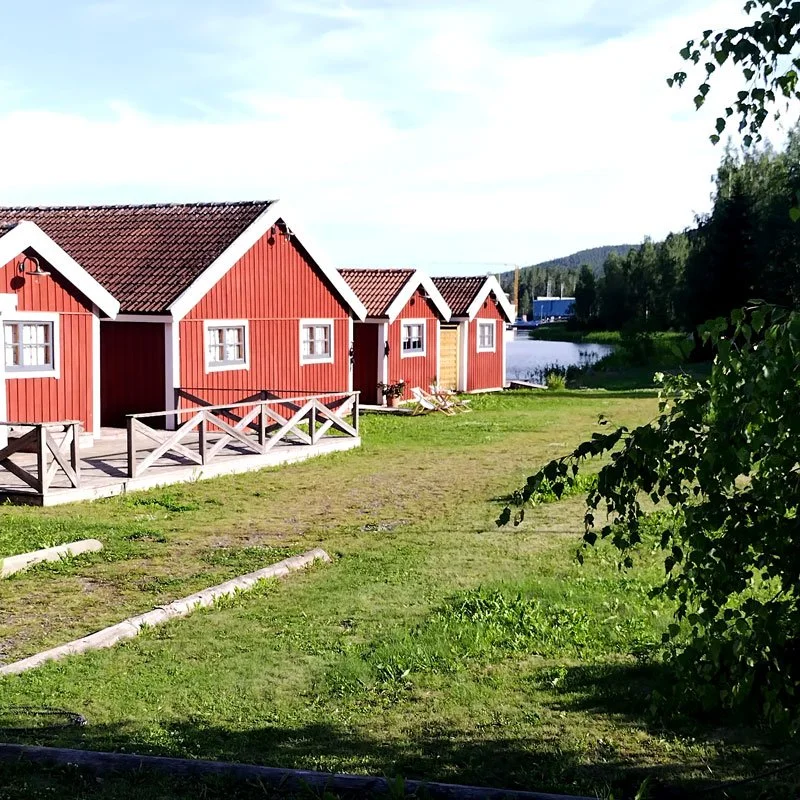
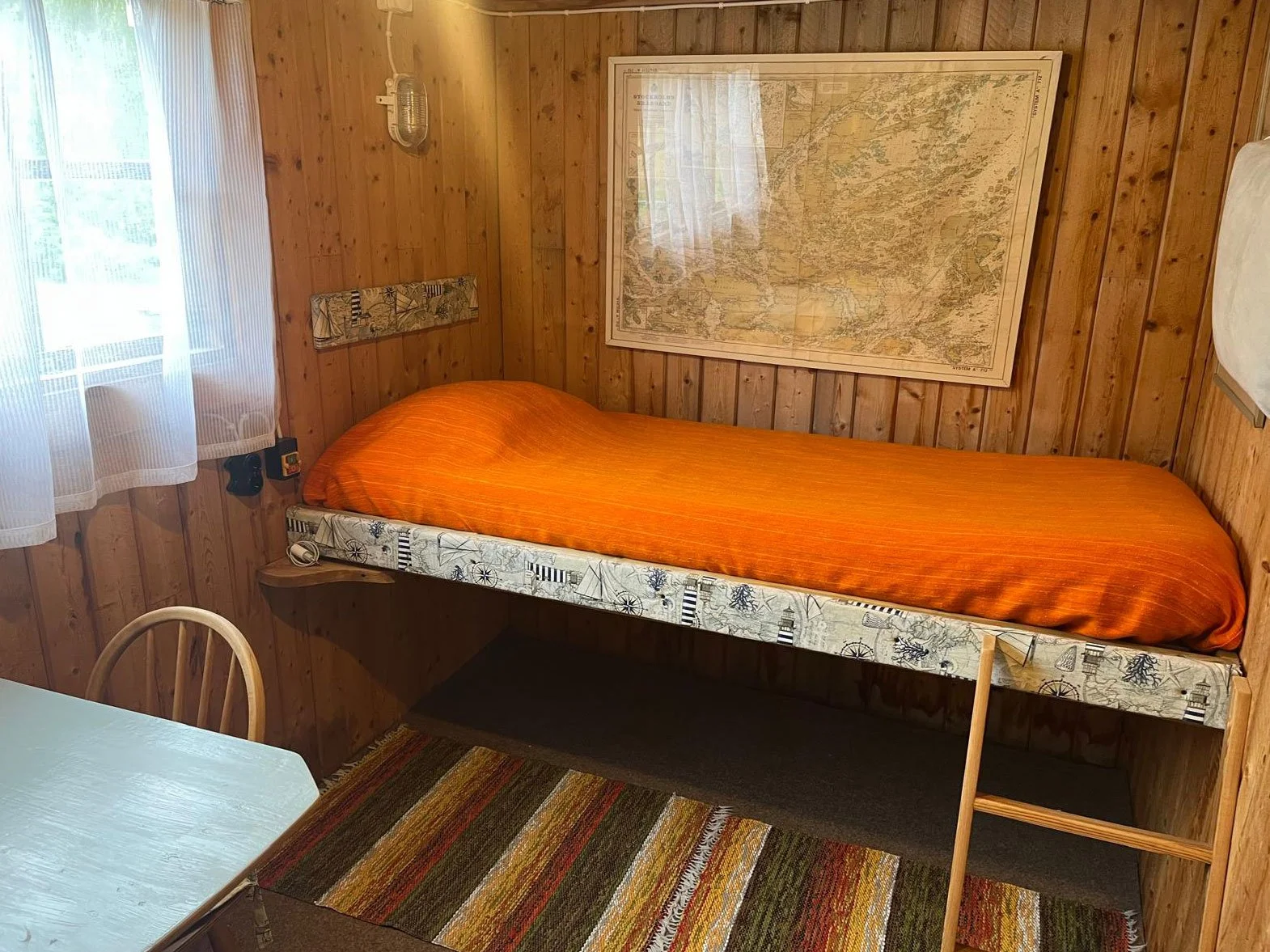
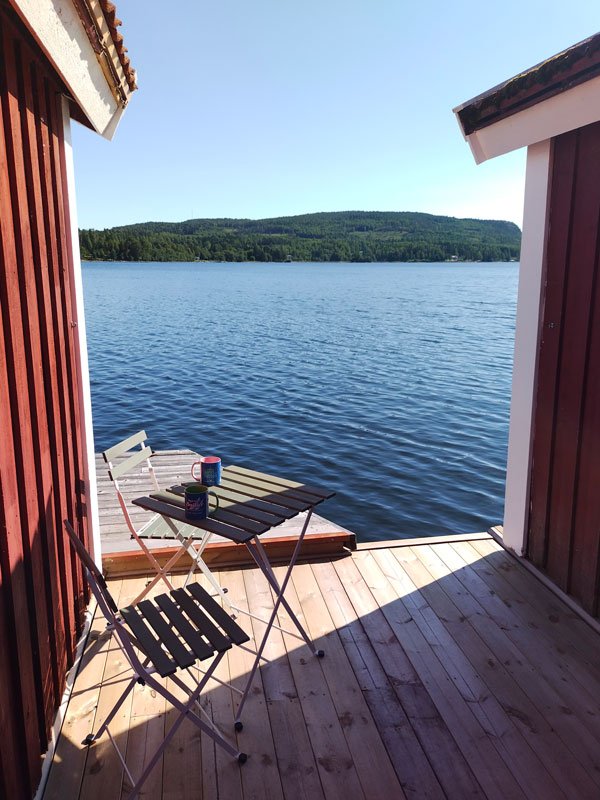
You find one or two sleeps in the comfortable, tiny room of a real Nordic boathouse.

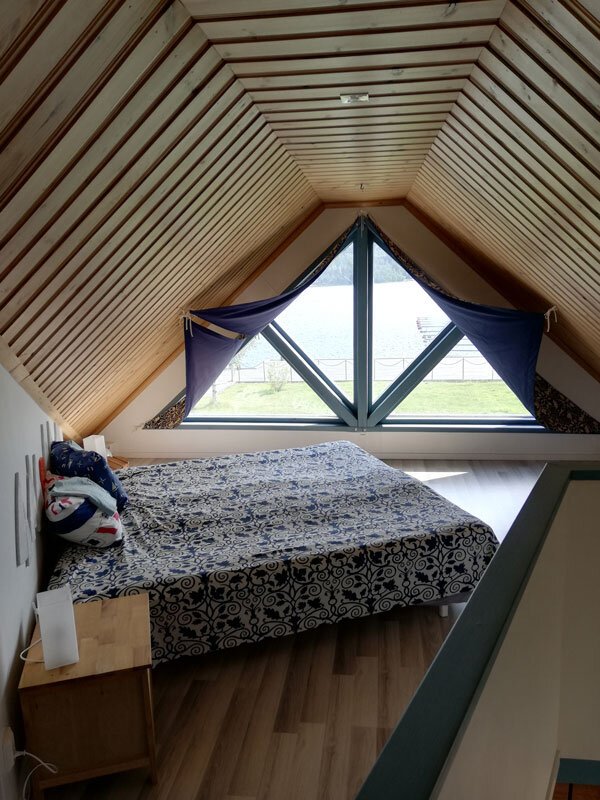
In the dock house, which is a glamorous lodging above the sea, you will find a 40sqm cabin with a spectacular double bed facing the sea, living room, and kitchenette.

For families or a group of friends, a spacious, well-equipped apartment overlooking the Docksta fjord with a breathtaking sea view is ideal.


Highlighting the Boathouse's features for backpackers

During your trekking vacation, the Boathouse is an ideal place to locate a safe haven in inclement weather or to have a "rest" day to recover.

Accommodation: 2 sleeps - 1 bedroom (~ 8 sqm)

1 sleep: 350:-sek

or 2 sleeps: 650:-sek

DURING THE SUMMER ONLY:
check on AIRBNB the availability of the boathouse between May and September.


Flexible check-in and check-out times and last-minute reservations (we are aware that you can hike from the forest)

• When you arrive, your bed is already made; bed lines are included.

• There is a “towel kit” available at 50:- sek if you are traveling with little luggage (1x 140x70, 1x 70x50, 1x 50x30).

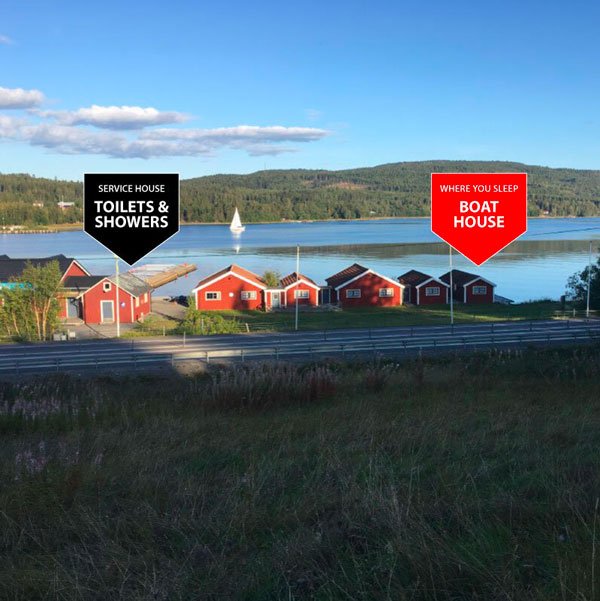
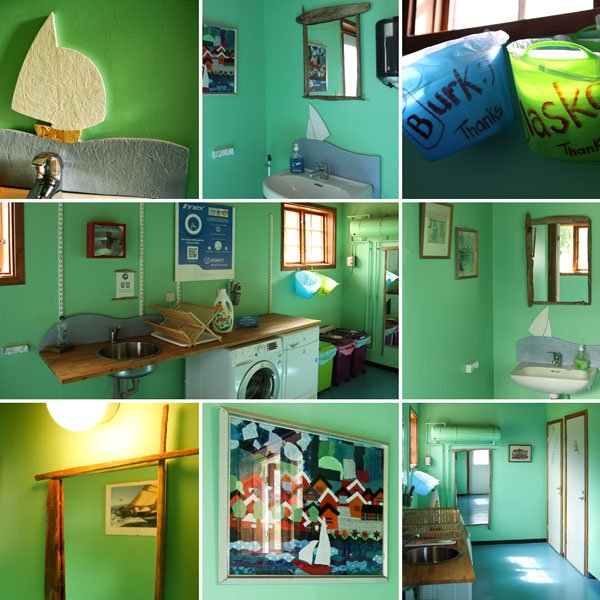
SERVICE HOUSE - A laundry room, a countertop for dishwashing, a changing room, toilets, and warm water showers available all day.

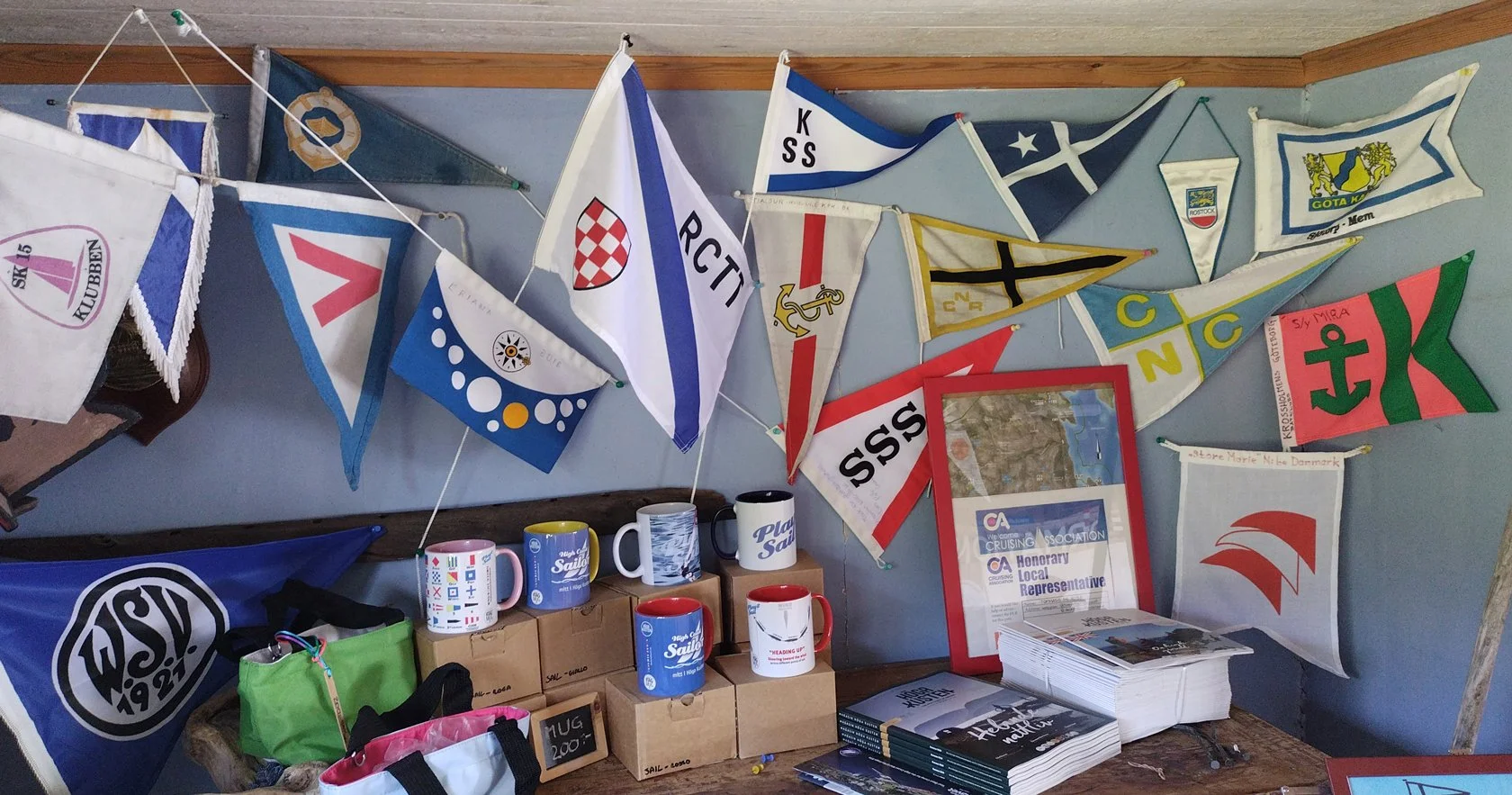
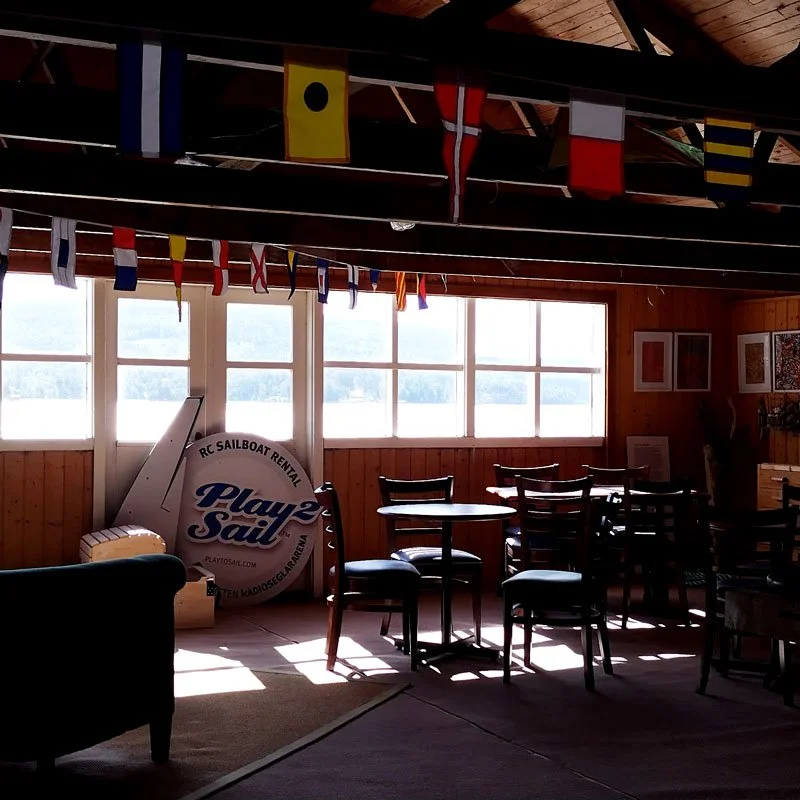
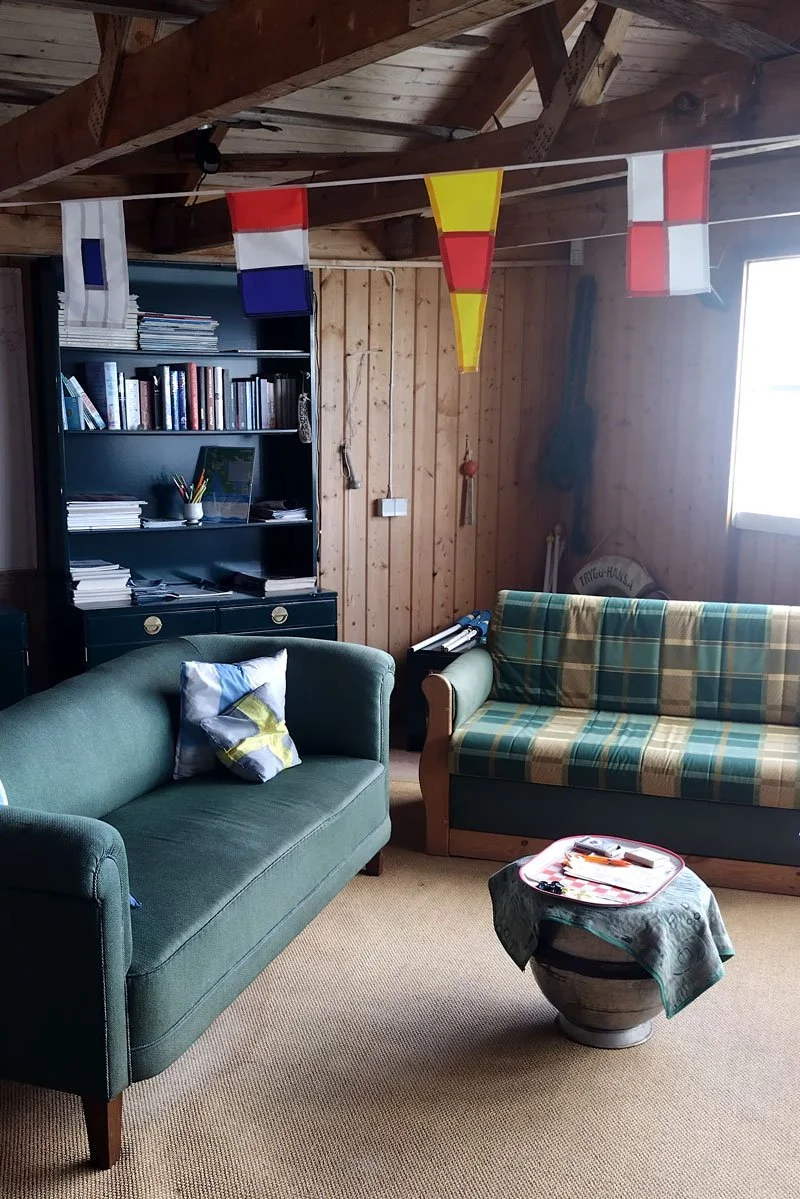
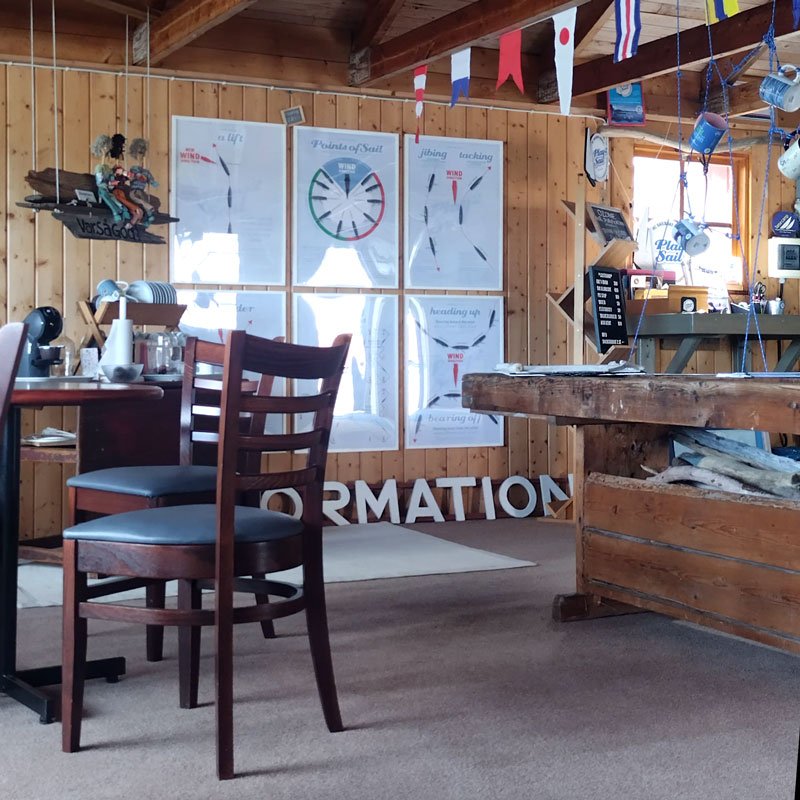
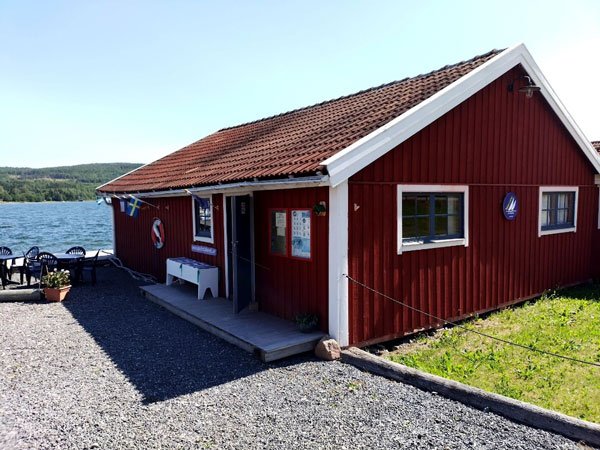
• You're welcome into the Sailor's Club House, with free espresso coffee and a living area.

• You can park free your car or motorcycle at the marina and recover your sporting equipment, such as bikes and kayaks, into the boathouse.

MTBs are available for rental (100:- sek/day)

200 meters from the ICA supermarket in Docksta or the Höga Kusten Leden track that crosses the village's main road.

• 50 meters from the "Docksta Marina" bus stop on the E4 (in summer, the bus that takes you to the national park stops here as well).

• 50 meters from the dock of the ferry "Höga Kusten Trafik," which cruises to Ulvön island.


Some ideas and tips to make the most of your vacation break in Docksta:

👉 The highest point of land in the globe to have been raised by a postglacial isostatic rebound is located at 286 meters above sea level highest at the summit of Skuleberget Mounth: there are beautiful trails to reach it.

👉 Hiking the Skuleskogen national park's wonderful routes and taking in its breathtaking scenery should take up an entire day.

👉 Naturum Museum, Via Ferrara, and concerts at Skuleberget Mount: have fun with outdoor activities a step away from the marina.

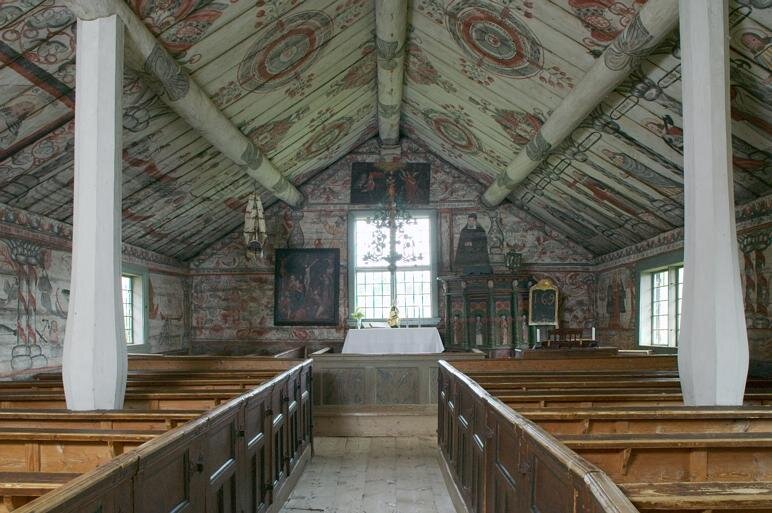
👉 The old church of the village (2 km from the marina) and Per-Olsbo wind shelter (at 3,8 km)  can be reached with an easy walk along the southerly segment of the Höga Kusten Leden.

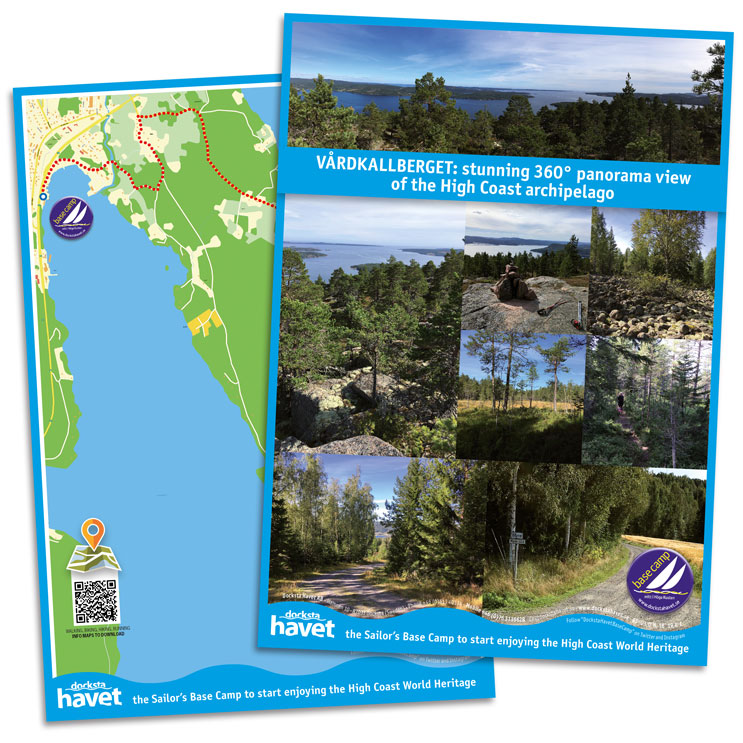
👉 The magnificent trail that leads to the summit of Vårdkallberget Mount is surrounded by rocky pine forests.

👉 A day trip with the ferry to discover the renowned Ulvön island and beauty of the archipelago: the ferry starts from the harbor in Docksta at 10am.

👉 The outdoor sessions of functional group training with Marcus Lindberg (every Monday or Wednesday at 6:30 in Berg).

👉 Shops & Highlights in Docksta: that’s my guide >


Your holiday accommodation at our Airbnb is just a step from the trails at Skuleskogen National Park and Skuleberget mountain in Docksta. We are seaside and perfectly located to explore the top spots in the paradise for trail running Höga Kusten.


Tommaso De Rosa

See my host profile and contact me on Airbnb

If you would like assistance planning your stay in one of our waterfront accommodations at the marina, need hiking advice at Skyleskogen Park or Mount Skuleberget, or have any other questions regarding things to do on the High Coast during the summer, please contact me via the Airbnb chat. You are welcome :)

_Tommaso

Please write me by email or WhatsApp at +46.763136909


P.S. I’m a trail runner. I like to explore new routes with a hiking mindset, especially those on the High Coast. Here below you find what I highlighted in these blog posts.

3 days in Docksta: discovering its classic day tours (without a car or a boat)

Exploring-Hoga-Kusten-High-Coast-Docksta.jpeg

If you are lucky to spend your holiday in the High Coast, the Skuleskogen national park, the Ulvön island, and the Skuleberget mountain have to keep a priority place into your summer’s bucket list.

In Docksta, you find the perfect “base camp” to start visit them.


You can even leave your personal means of transport at rest - your own car or boat is not essential to discover the surroundings of Docksta.

Here you have some transportation alternatives:

  • by free bus service, you can reach the nearest entrances of the park;

  • by ferry from Docksta, you can reach the typical fishing village of Ulvön;

  • by walking you can conquer the summit of the Skuleberget just following its beautiful paths or taking the chairlift (if you are not confident with hiking uphill).


DAY 1#

Hiking the Skuleskogen best trails

hoga-kusten-national-park-skuleskogen-hiking-trailrunning-overview-archipelago.jpg

The National Park is the target of a full day spent hiking and enjoying the beauty of the Höga Kusten world heritage outdoors.

The bus starts from Kustlådan campsite 2km south of the village and stops at Docksta Marina on the E4 (just 50 meters from our piers), then it picks up people at the campsites on the southwest side of the Skuleberget and at the museum & Tourist High Coast Center on the east side, and has a last stop to the campsite at Veåsand before to leave you at the southern entrance of the park. From there, you enter some of the best trails and the most popular spots.

This bus service operates during the summer: here you find more info about how to easily reach the park from Docksta with the summer bus >

One spot recommended:

Start visiting the beaches at the Kälaviken bay and walk the suggestive path in the forest alongside the coastline and step on its beautiful spots seaside. In the morning particularly, it’s an amazing walk with the rays of the low sun entering in the wood from the sea.


DAY 2#

Cruising to the charming Ulvön

view-village-of-ULVON-island-high-coast-hoga-kusten-top-spot-from-docksta.jpg

It is the ideal trip to discover the beauty of the archipelago and the magic of a renowned fishing village: for its traditional houses and docks and for the delicacy of its fermented fish, the surströmming.

During the summer, the ferry M/S Kusttrafik starts from the harbor in Docksta every morning at 10am. The cruise along the Docksta and Ullångersfjärden covers the nautical miles to Ulvön in one hour while people enjoy the view of the natural coastline from the deck.

High-Coast-Hoga-Kusten-Ulvohamn-morning-view-from-the-sea.jpg
 
overview-village-of-ULVON-island-from-lotsberget-high-coast-hoga-kusten-top-spot-from-docksta.jpg

One spot recommended:

Don't miss the short walk to the step up at the Lotsberget hill to the high viewpoint over the village and the harbor or an incursion on the coastline close to the bay of Flågstängsberget that faces toward the open sea to east.


DAY 3#

Up-up-up to the Skuleberget

view-from-the-summit-of-skuleberget-mountain-in-docksta-hoga-kusten.jpg

Walking its trails or taking the chairlift to reach the summit, from the top of the mountain the views over the surroundings are always astonishing.

If you're based in Docksta, the slopes of the mountain are one step away from your front door (and from the piers of the Marina, too). But you can also have an enjoyable ride, lock your bike and start hiking, taking the chairlift, or visiting the museum about the High Coast World Heritage, or… climbing up a route of the Via Ferrata!

ONE SPOT RECOMMENDED:

The Naturum Höga Kusten Museum lies at the foot of the Skuleberget mountain about 3 km walking or biking north of the village: if you want to know more about the highest uplift of the land in the world, and geology & landscapes of the High Coast, start there!


Staying in Docksta even few days during your holiday, you will notice that there is no shortage of things to discover and do around here outdoor.

If using your car isn't in your plan or you decided to safely dock your boat, start from here to discover the coastline and inland beauty of the High Coast, where the heart of the world heritage beats even stronger.


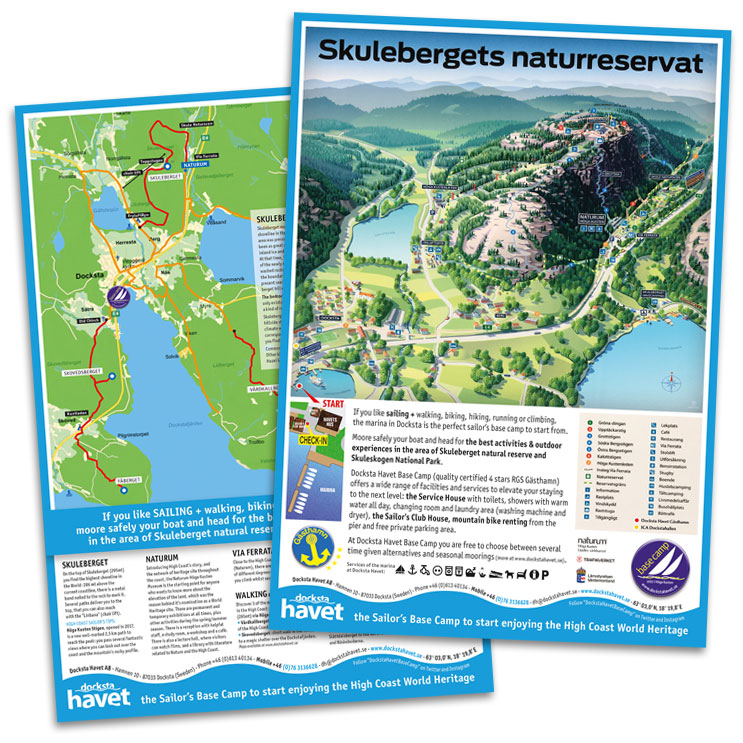
FREE HIGH COAST INFO MAPS:

HANG YOUR #HÖGAKUSTEN PASSION ON A WALL:


We suggest you these readings:

Finnish Sailors (on a beautiful boat) cruising the High Coast [VIDEO]

S/Y Ottiliana moored at Docksta Havet Base Camp

We collected some videos shared by the crew of the finnish sailing boat "Ottiliana" during their last summer cruising into the Höga Kusten. Particularly, they report their experience into the area of Skuleberget, the moment of taking off from the pier of the marina in Docksta and very nice moments of sailing into the Ullångersfjärden and Dockstafjärden.

VIDEO I

S/Y OTTILIANA sailing the Ullångersfjärden to Docksta

Höga Kusten tour 2017

HIGH COAST SAILOR'S TIPS | Explore with your boat the more internal coast: sailing to Skuleberget and Skuleskogen National Park >


VIDEO II

High Coast Sailors & Friends exploring the top of Skuleberget starting #fromthepier at Docksta Havet Base Camp

Höga Kusten tour 2017


VIDEO III

Great sunny & windy sailing from Docksta to discover the stunning coastline of the Höga Kusten World Heritage

Höga Kusten tour 2017

 
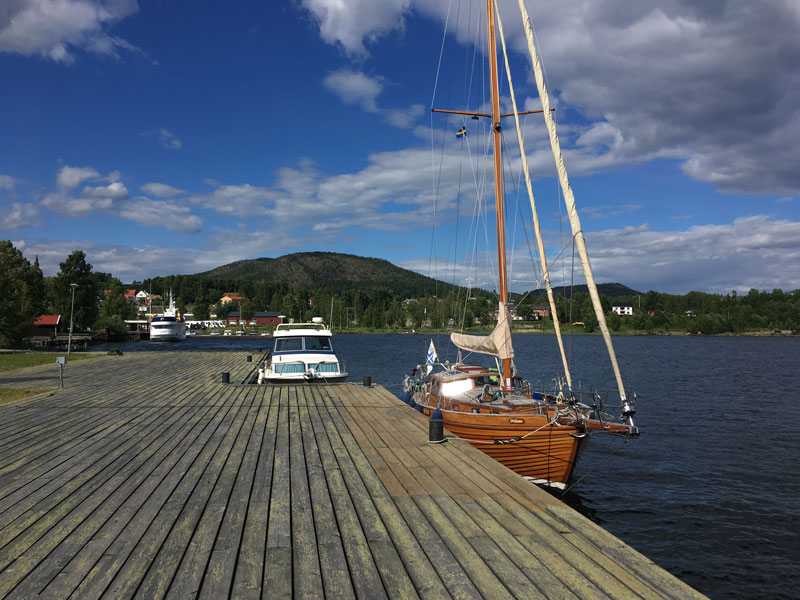
S/Y Ottiliana moored at Docksta Havet Base Camp with on background the Skuleberget

S/Y Ottiliana moored at Docksta Havet Base Camp with on background the Skuleberget


Short presentation of Ottiliana and content of her YouTube channel.

FEW INFO ABOUT THE BEAUTIFUL WOODEN BOAT "OTTILIANA"

S/Y Ottiliana is a traditionally clinker built cutter rigged sailing boat. Materials used to build her are finnish pine, teak, mahogny, iroko and Siberian larch. Grand Scylla type boat was built in Luvia Sådö boat yard by Björn "Nalle" Nyberg and launched 2003. Here will be shown videos of maintaining and sailing Ottiliana in the Baltic and in the archipelago.


Setting new secure moorings for sailors in Docksta

Docksta Havet guest harbour

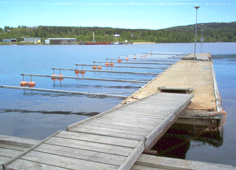
2006/06/07: The moorings at the Y-boom on the floating wharfs are back available and full working for Sailors cruising to Docksta!

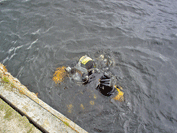
Today the extraordinary mantainance jobs on the wharf of the guest harbour are concluded. The floating wharf has been fixed and straightened: the anchoring systems has been checked and fixed and the Y-boom arms are back in function.