sailing

Docksta Guest Harbour (Gästhamn): the Base Camp Stop for the High Coast — Not Just a Berth

Docksta Havet Base Camp — Marina & Guest Harbour

A small marina in the heart of the High Coast UNESCO World Heritage area — built for long-distance cruising crews who want one real High Coast day ashore — without turning it into a complicated project. Stay 2–3 nights, reset on land, get local planning tips, and explore the High Coast from the pier.
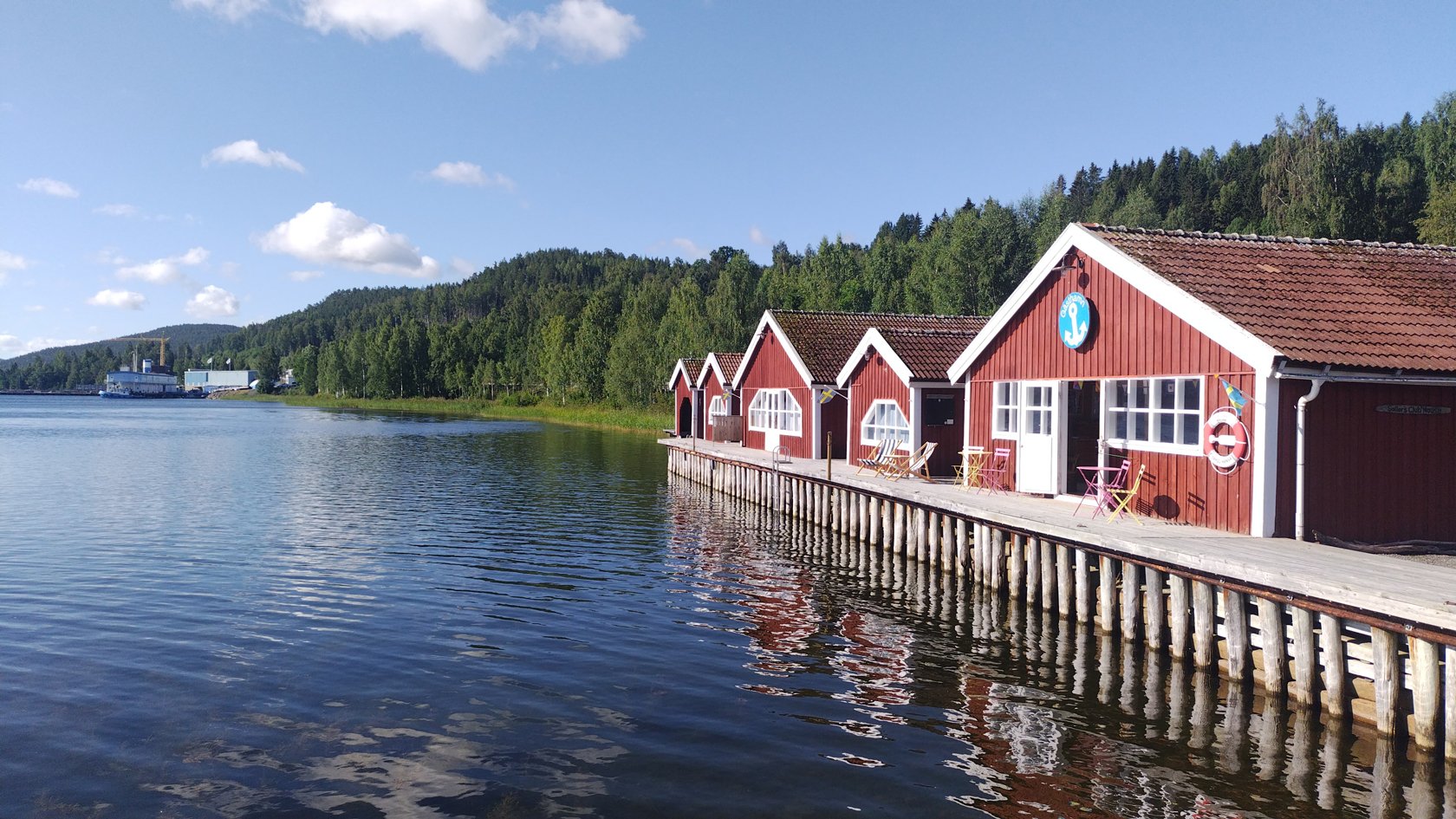
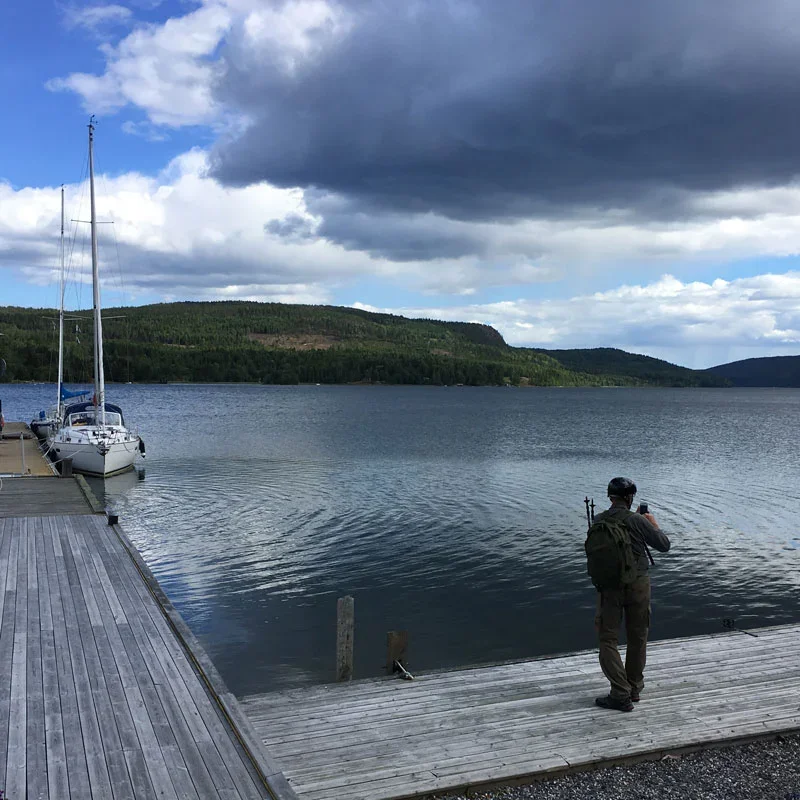
Moor safely → reset → one great day ashore (Skuleskogen, Skuleberget, ferrata, bike).
 

The marina is more than a berth: why long-distance cruisers stay 2–3 nights and use Docksta as their High Coast base camp

Most guest harbours are built for one night: you arrive, you sleep, you leave.

Docksta isn’t a “sleep-and-go” berth. It’s a Base Camp stop — the kind that makes the High Coast actually doable.

Safe mooring is the condition. Once the boat is safe, the crew can finally think clearly. Your nervous system drops, decisions get easier, and the real value can begin: calm logistics, a human host, and a simple menu of memorable days ashore — chosen in the right weather window.

Quick answer: Docksta Guest Harbour is best used as a 2–3 night base-camp stop. Moor safely, reset properly (showers, laundry, WiFi), then choose one great day ashore — Skuleberget, Skuleskogen, Via Ferrata, or a bike day. We’ll help you pick the right day and the best weather window to leave.
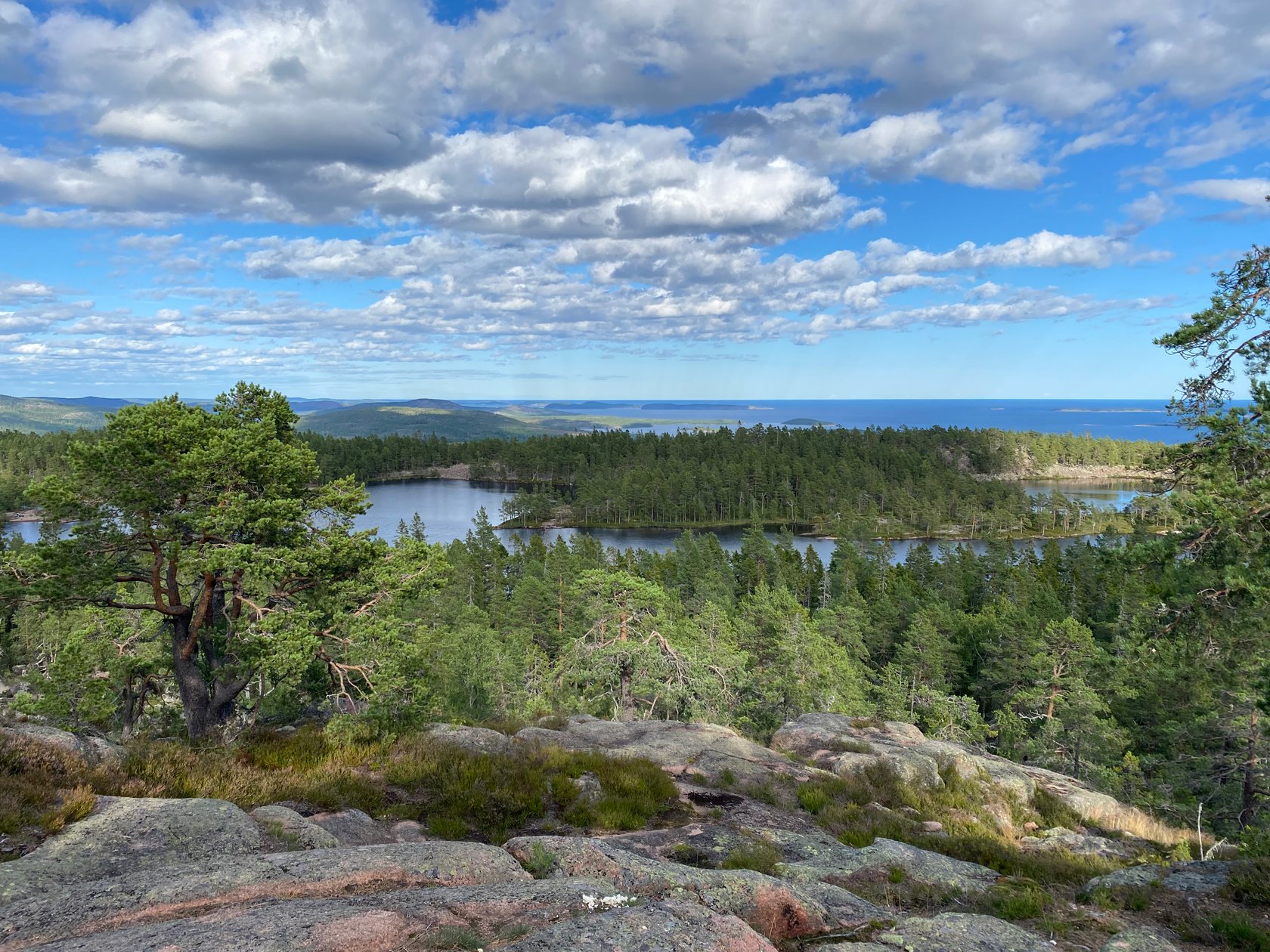
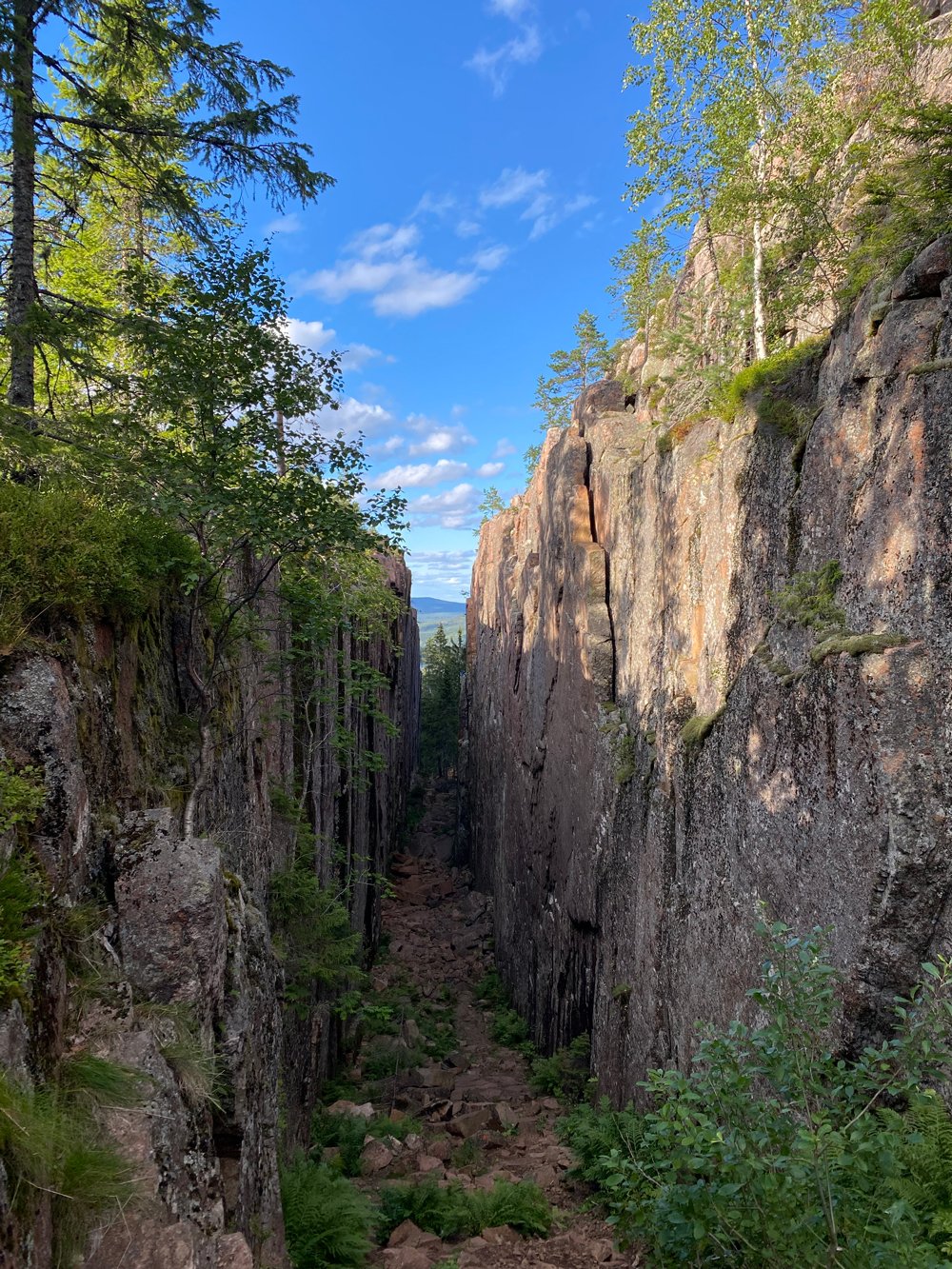
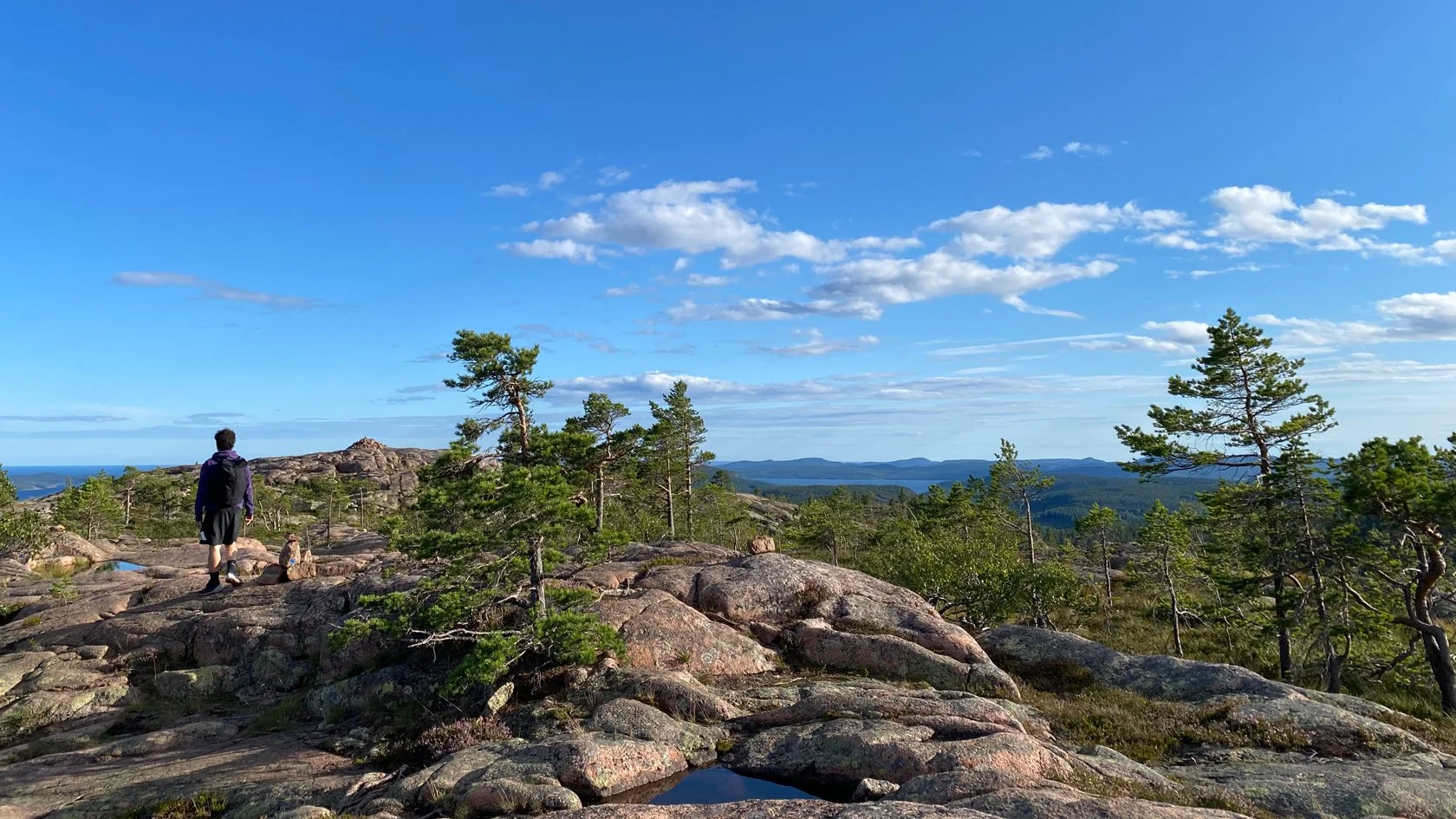
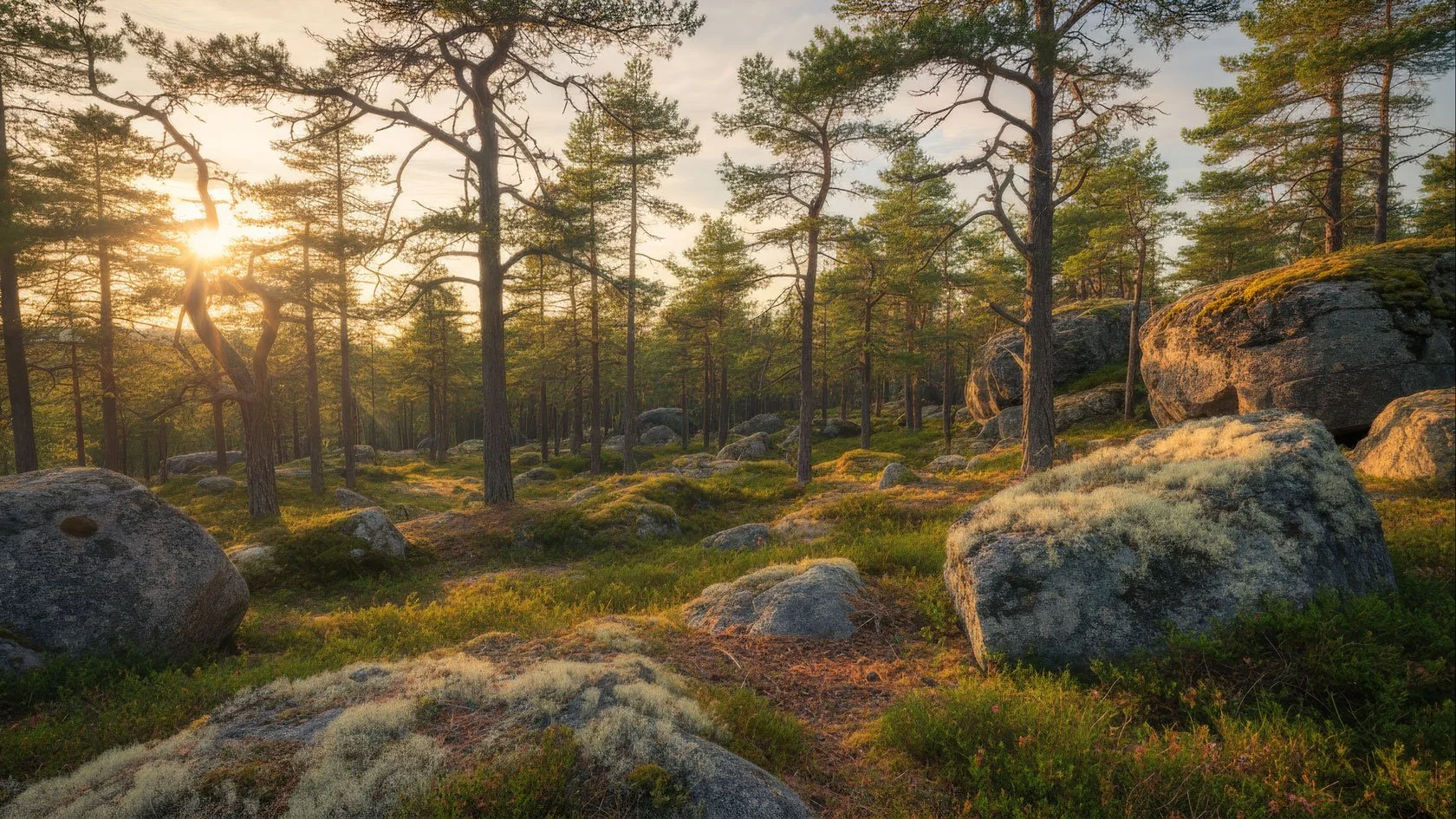
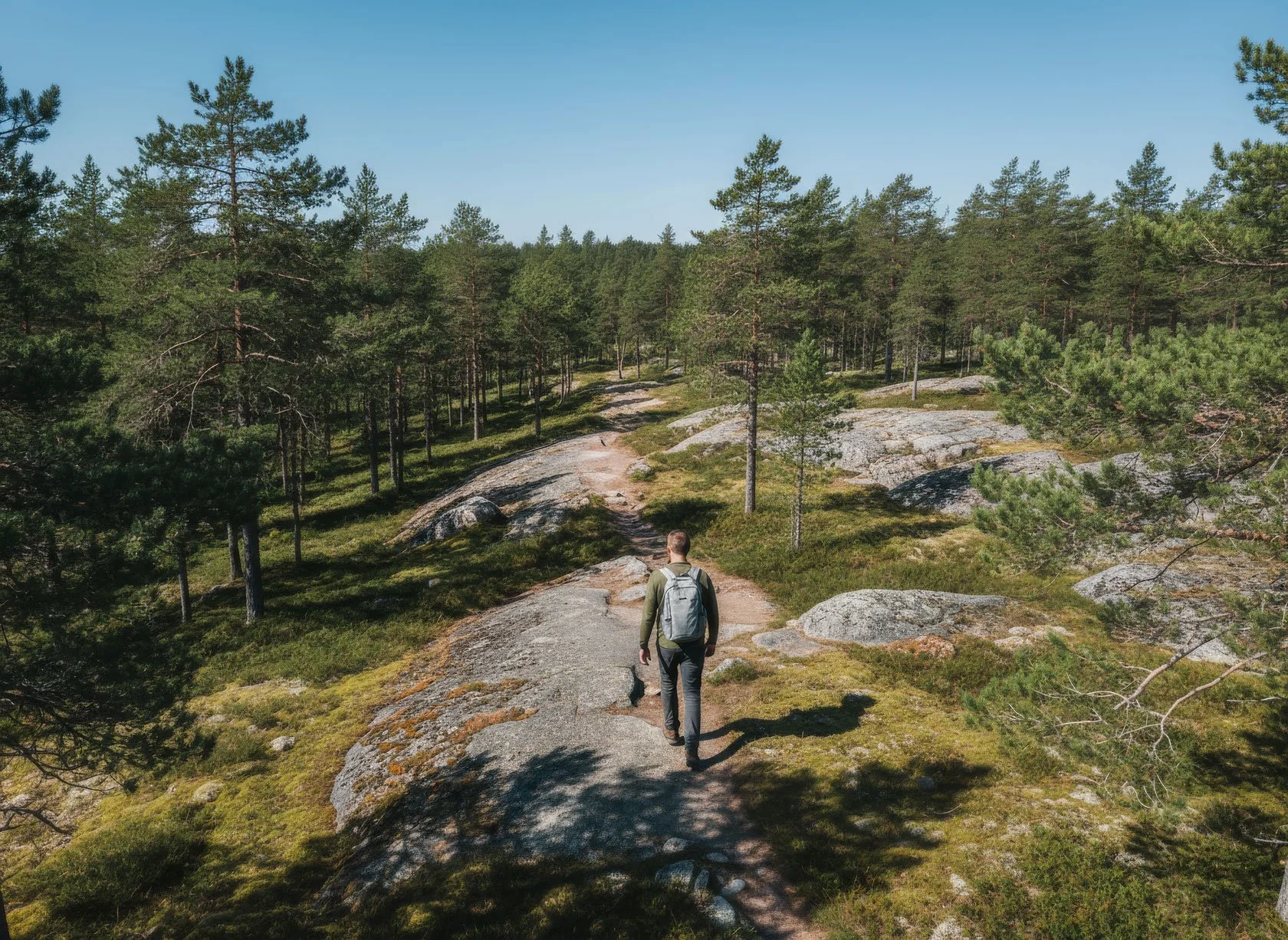
Pick the National Park day: bike out, hike in — Skuleskogen’s forest + coastline in one clean mission.

Pick the vertical mission: Via Ferrata at Skuleberget — best on a stable weather window.
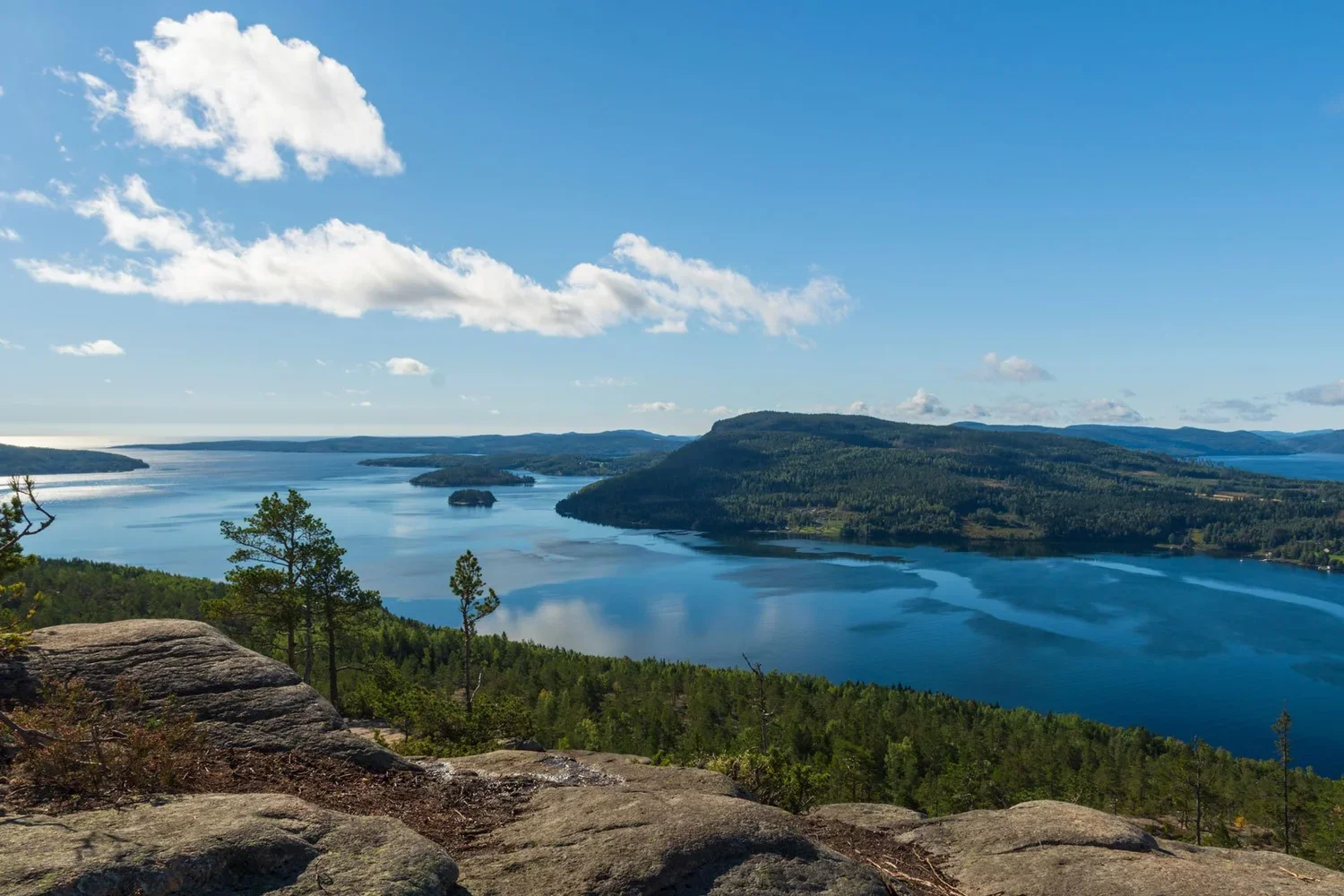
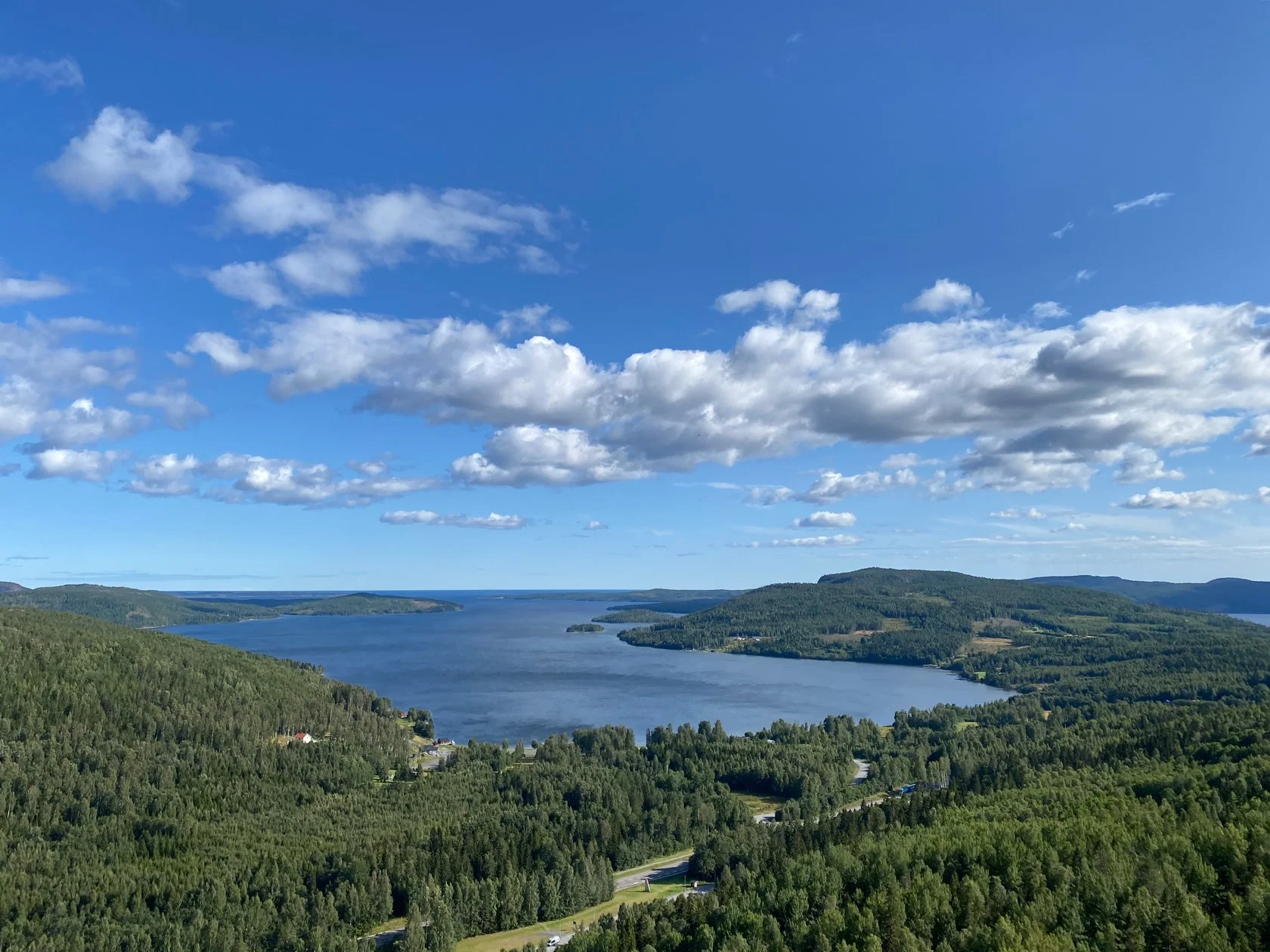
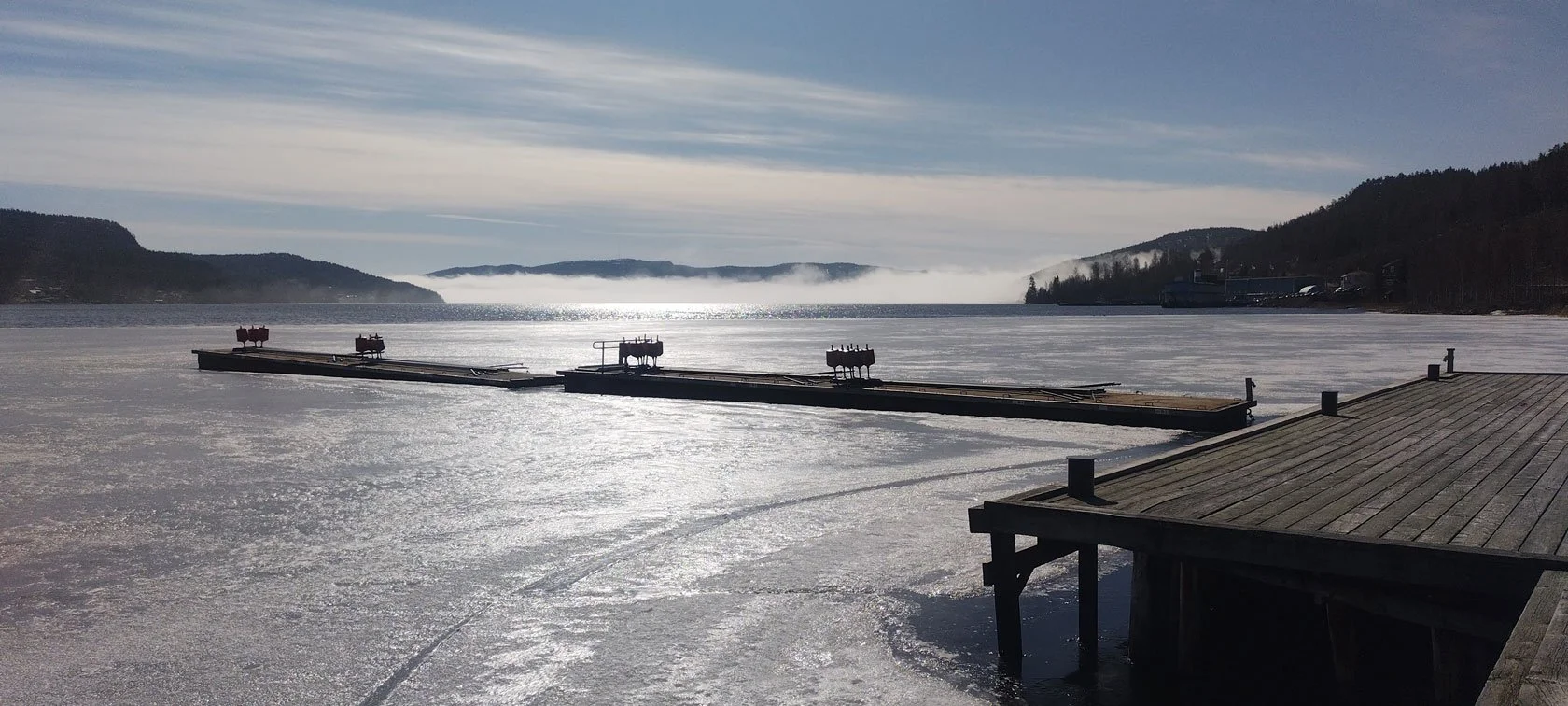
Pick breathtaking views from the peaks surrounding the marina — the High Coast, in layers.
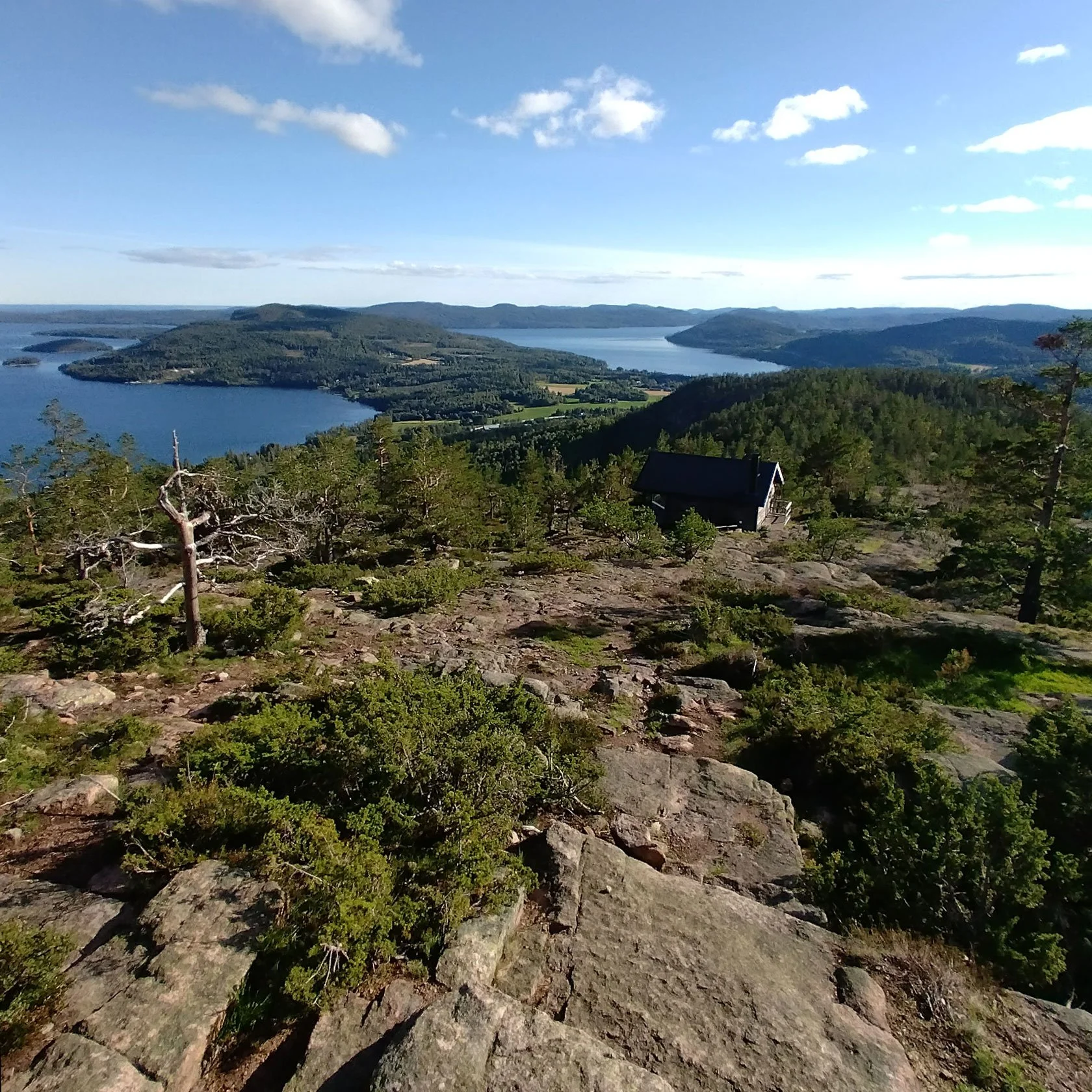
Pick your Skuleberget version: summit hike, chairlift + short walk, or an evening excursion.
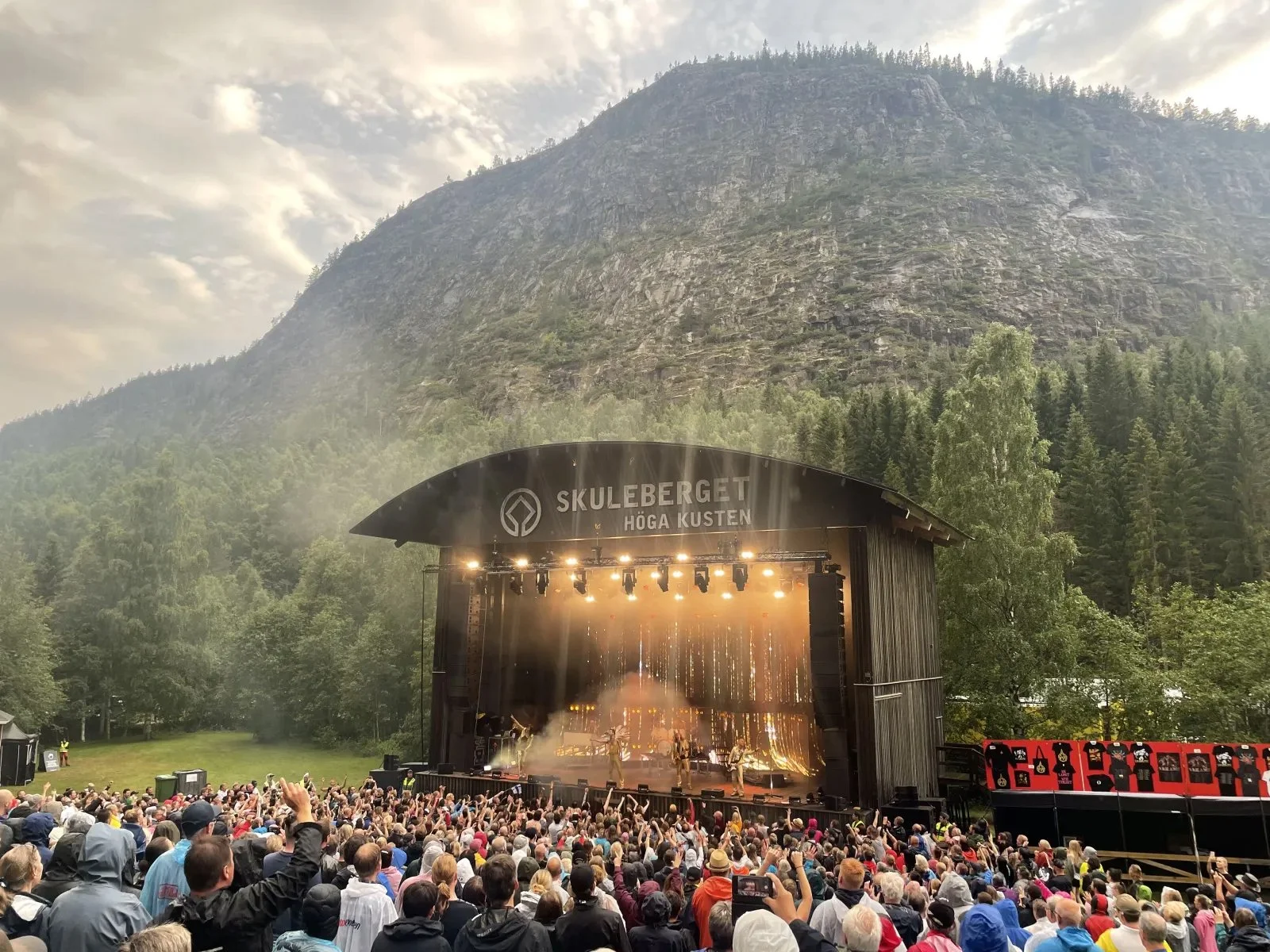
…then pick Skuleberget’s summer events at its feet (Naturscen).


Today’s Base Camp menu (pick one):
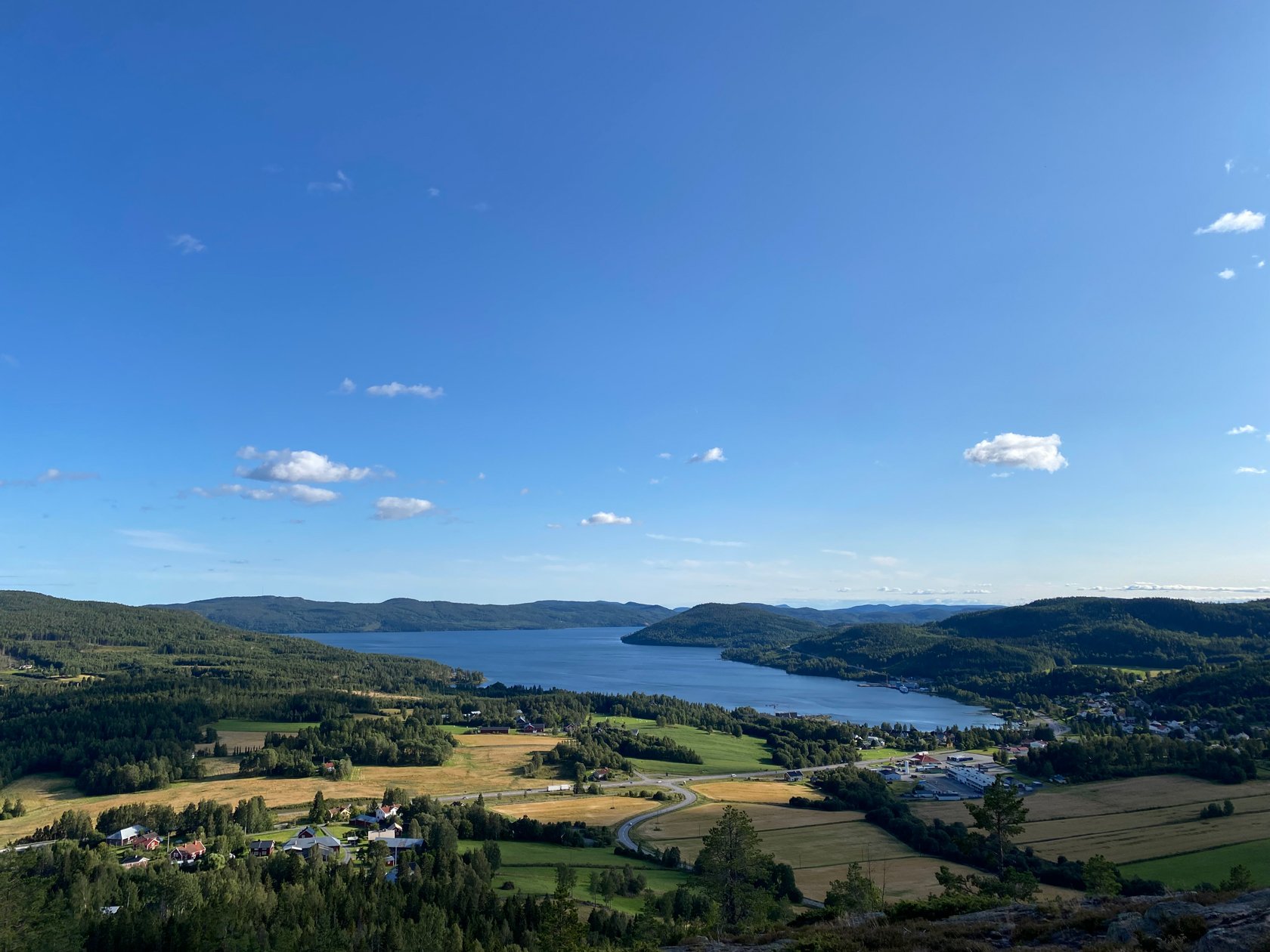
  1. Skuleberget — iconic views

    Choose your version: summit hike / chairlift + short walk / evening excursion (June–July)

    Concert night — local live music (when it’s on) — We’ll tell you what’s happening and how to get there without hassle

  2. Skuleskogen National Park — forest + coastline

    Best for a quieter rhythm and a full “High Coast” day

  3. Via Ferrata (Skuleberget) — vertical mission (weather-sensitive)

    2 km from Docksta

    Gear + safety briefing handled by the Via Ferrata team

    We’ll help you with the simplest timing + commute plan (walk or bike)

  4. Bike day — reset + explore (not just commuting)

    Swing by the Club House for a coffee (on us)

    We’ll suggest a loop that fits your crew, time, and legs

  5. Plan B — add a good High Coast day

    • Plan B (comfort day on the pier): a proper reset — shower + laundry, coffee, maps, and a calm plan while the forecast moves on

    • Plan B (easy walk): a low-commitment viewpoint walk to a special spot near the marina

    • Plan B (hidden-spot hike): an unexpectedly memorable few-hours hike outside the tourist-office menu — we’ll point you to the right one for today

    • Plan B (forest reset): a quiet forest pause — Skogspaus-style, no performance, just reset

And in places like the High Coast, that one-night rhythm quietly makes you miss the point.

Because the High Coast isn’t a postcard coastline you “see” from the deck. It’s a place you enter: legs on trails, elevation, forests, national-park coastline, weather windows — and the kind of reset your crew only gets when time is on your side.

Docksta Guest Harbour (Docksta Gästhamn) is different by design. We’re a base-camp stop: a safe place to moor and reset, and a simple launchpad for two or three real days ashore — without turning it into a complicated project.

If you’re a long-distance cruiser, you already know the truth: the best stops aren’t just the ones with the prettiest pontoon. They’re the ones that give your crew a good day.


A harbour with a mission (a short story, not a slogan)
Docksta is a natural waypoint for Baltic Sea cruisers, right in the heart of the Höga Kusten / High Coast UNESCO World Heritage area.

When this gästhamn was brought back to life in 2006, the idea wasn’t just “more berths”. It was to create a small, safe harbour where visiting crews could reset properly — and then actually reach the High Coast: mountains, forests, national park coastline, and those long Nordic summer evenings that don’t fit inside a one-night stop.

That mission is still the same today.

Not just a berth. A base-camp stop.


Not just a berth. A base-camp stop.
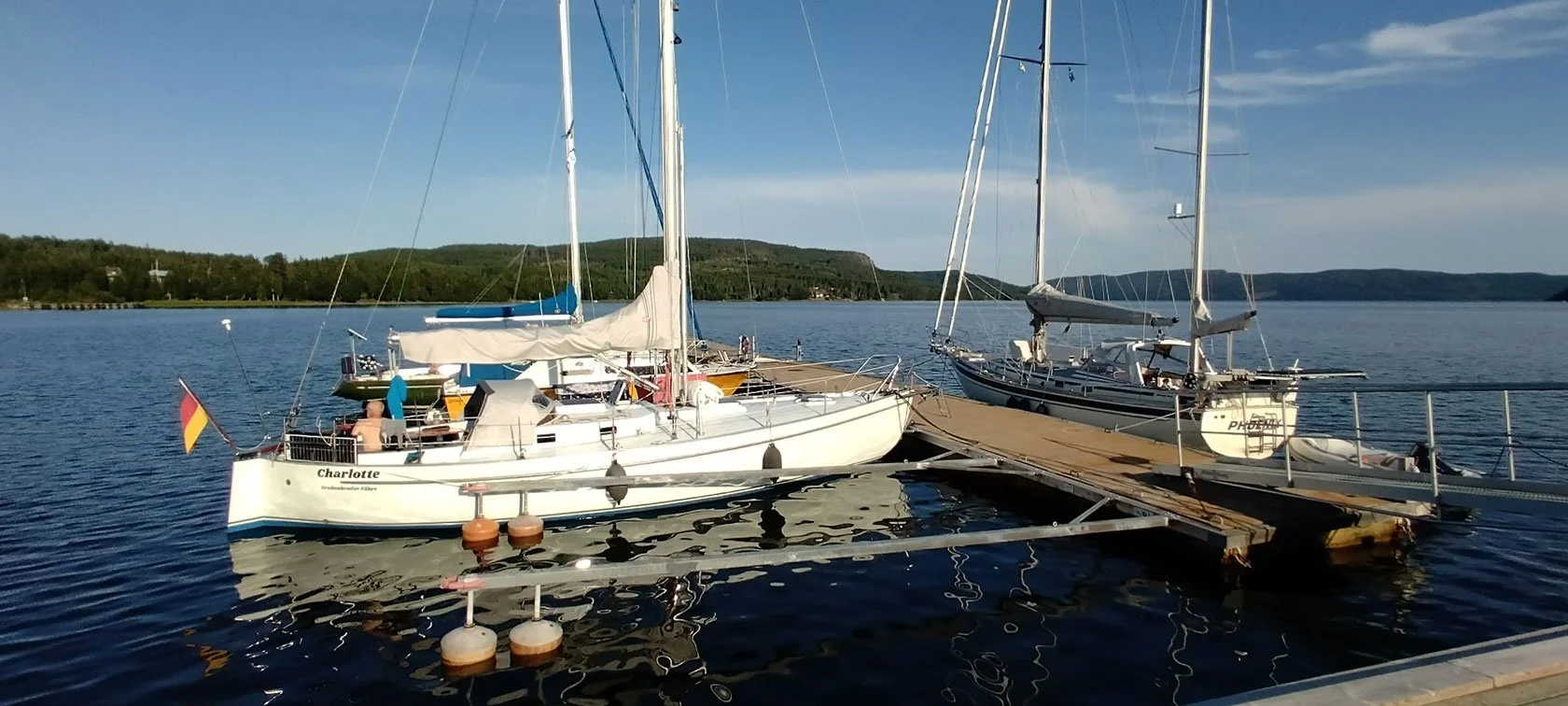
A base camp is not “luxury”, it isn’t “more facilities”. It’s low friction + better decisions.

Safe mooring and reset services are the condition. The real value is what happens next: a calm rhythm, a human host, and simple pointers that help you choose fast — so the High Coast actually happens (on the right day, in the right window).

It’s the difference between:“We stopped somewhere.” and “We had one great day ashore — and left on a better window.”


Make the bucket-list spots doable.
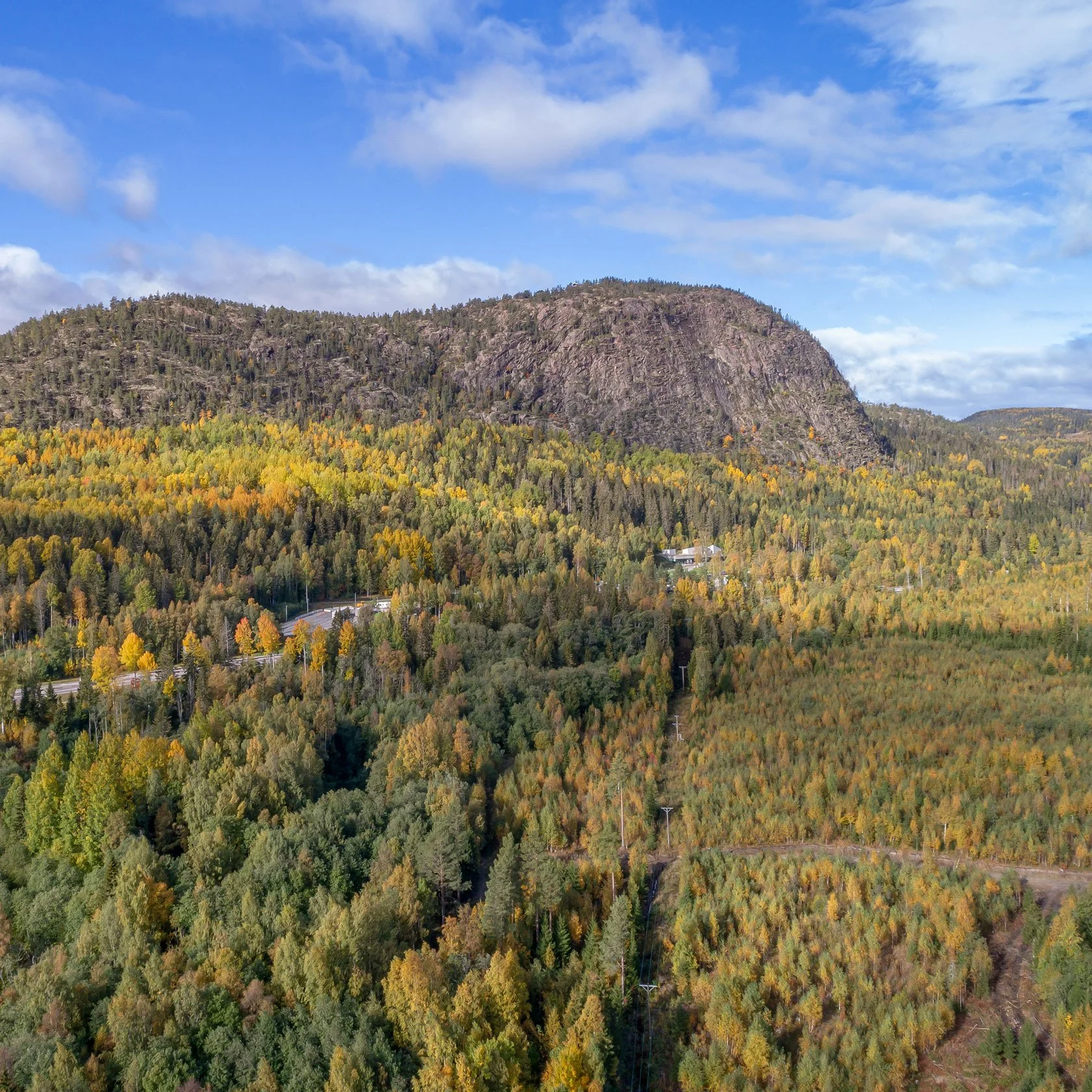
From Docksta, the High Coast’s iconic places are not “somewhere else on the map”. They’re close — but they only feel close if your logistics are calm and you have a little buffer. That’s what a base-camp stop is: safe mooring, hot showers, laundry, and a simple plan for the day ashore.

Skuleskogen works best as a true full-day mission — and it only feels easy when you can leave the boat behind with confidence. With safe mooring and us present in the harbour, you can stay out for hours, take the weather window, and return late without that quiet “we should get back to the boat” stress. If you don’t have bikes onboard, our bikes make the commuting part simple — and we’ll give you the entry point, maps, and a route that fits your crew.

Via Ferrata at Skuleberget is a perfect Base Camp day: it’s just a couple of kilometers from your mooring, but it’s weather-sensitive — they close the routes in rain, wet rock, extreme heat, or thunderstorms. Stay 2–3 nights and you can wait for the dry window. Gear and safety briefing are handled by Via Ferrata; we’ll help you with commuting (bike or walk) and a simple day plan.

Sometimes the best Base Camp day is a bike day: not a mission, just movement — a loop, a swim spot, a viewpoint, a quiet café moment — the kind of day that makes a crew feel human again.

Skuleskogen’s granite coves. Skuleberget’s big views and summer evenings. A Via Ferrata day. A coastal walk in late light. Even a simple bike loop for dinner and an outdoor concert atmosphere. When you’re not rushing to leave, these spots become visible, reachable, and enjoyable — not just names in a guide.

That’s why one extra night matters.

Add one night in Docksta, and the High Coast stops being a “pass-through coastline” and becomes a day you can actually live.

 

The Base Camp rhythm (simple, repeatable)
Moor safely → Reset properly → Choose one great day ashore → Return → Leave on a better weather window

Docksta Gästhamn is built around that rhythm.

Same mood. More sustainable.

You moor safely, reset properly (hot showers, laundry, calm logistics), then choose your “big day ashore”.

And yes — we help to shape it. Not with complicated guiding, but with simple planning pointers: timing, weather sense, the right trailhead, and routes that fit your crew. So you can choose fast and go enjoy the day.
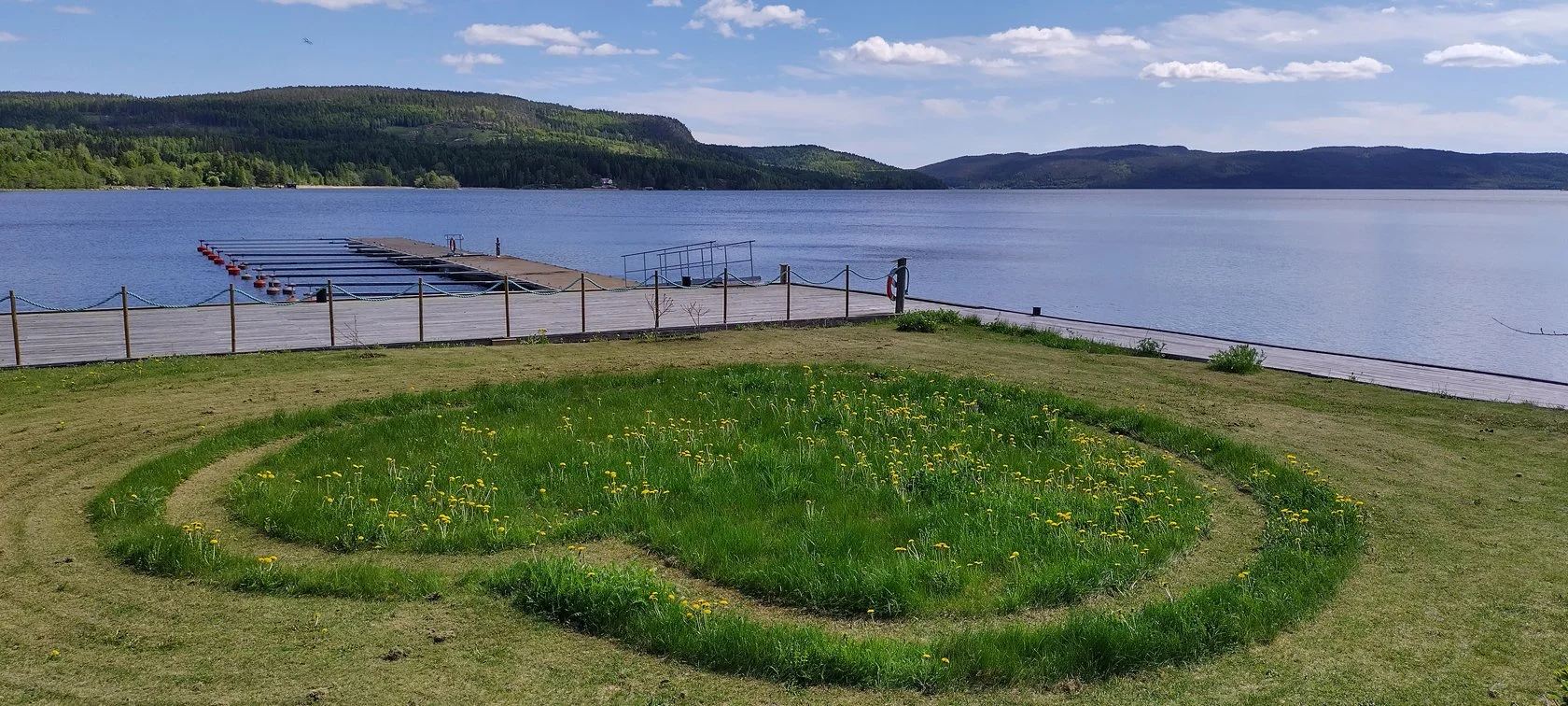
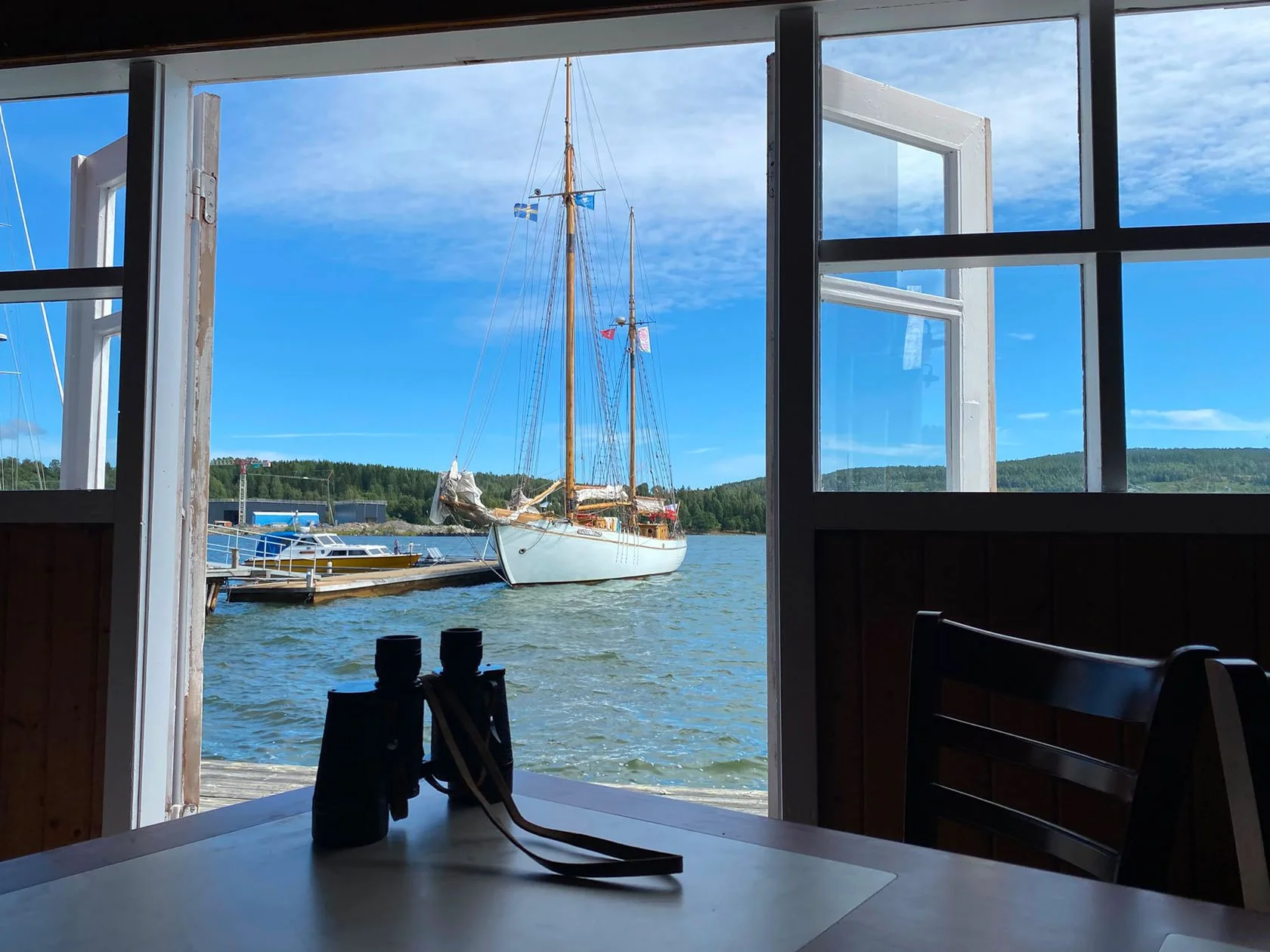
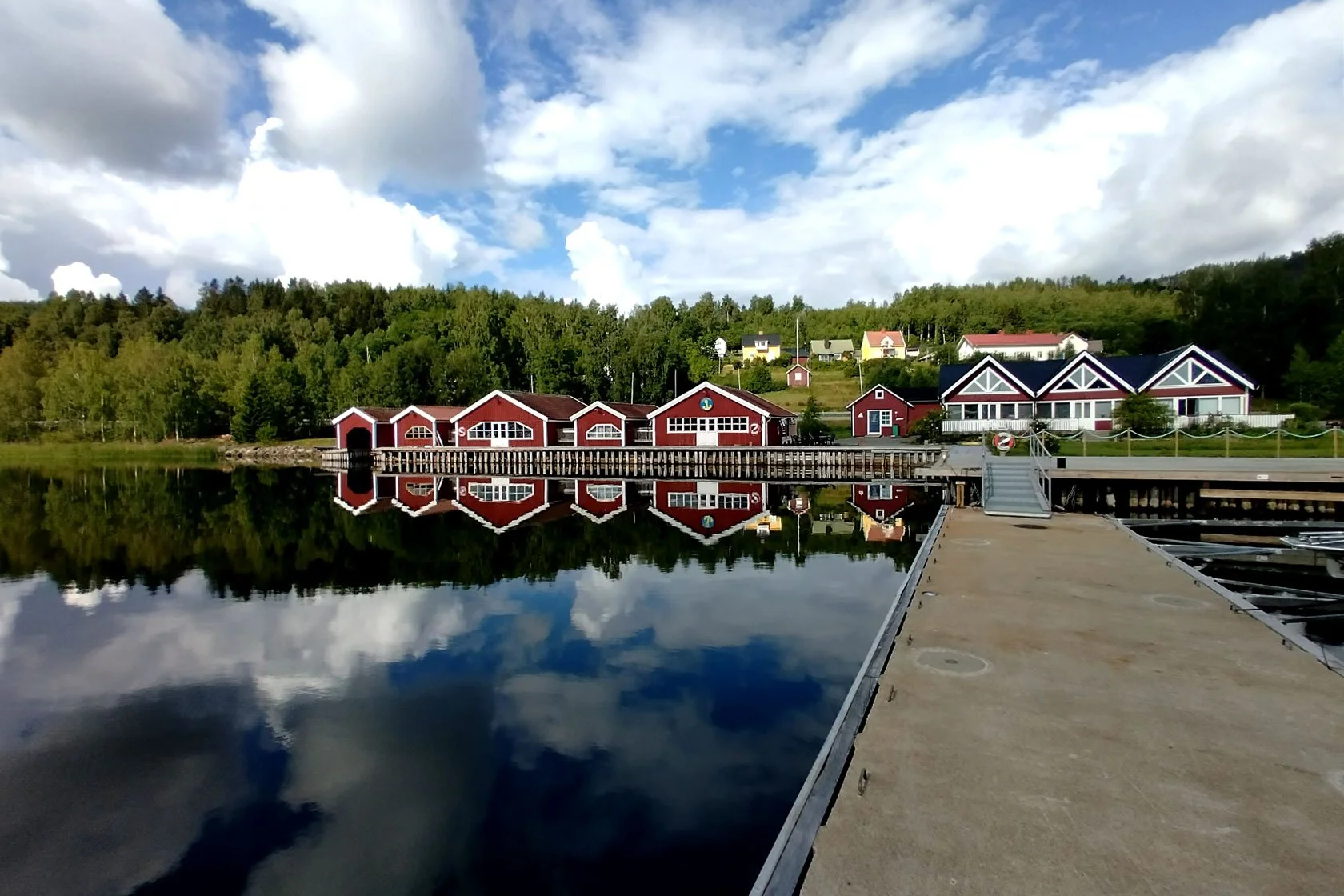
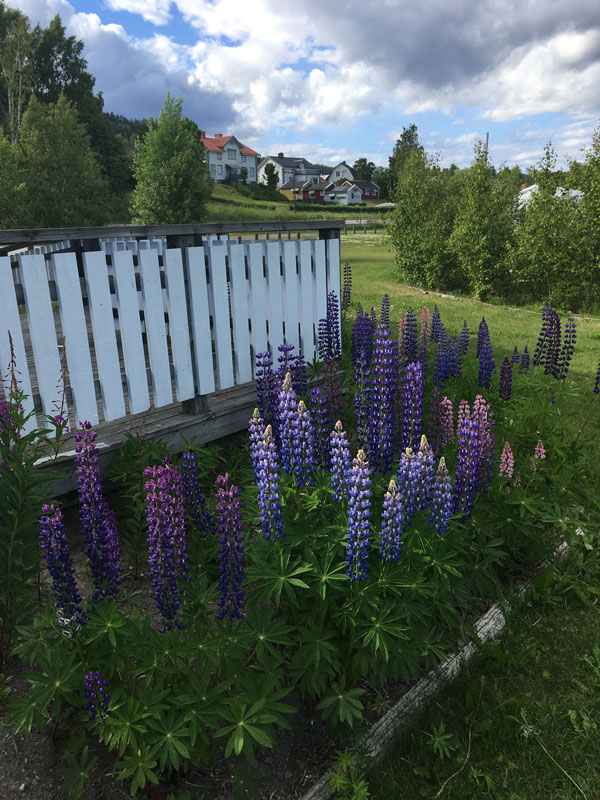
Pick the small details — from the pier to the forest, the rhythm keeps showing up.

Photo courtesy of Federica Consonni (thank you!). © Federica Consonni.


Why “one-night harbours” often waste the High Coast

One night is enough to sleep. It’s rarely enough to experience the High Coast — because this coast is made of weather windows, elevation, and real legs on trails.

A one-night stop is often too short for:

  • a proper shower + laundry reset

  • a calm plan for the next day (based on weather and energy)

  • a full day ashore that feels worth leaving the boat for

  • a buffer day when the forecast changes (because it will)

Most harbours are built around a one-night stop — and honestly, for many crews that’s the sensible default.

We’re built for a 2–3 night rhythm, because in the High Coast two or three nights change everything: this place runs on weather windows, elevation, and real legs on trails — and you need time for it. With that rhythm you get a real reset, plus daily local guidance from us on what to do today (based on weather, energy, and time), including beautiful walk-and-bike spots most visitors never find. And if what you need is not “more doing” but a deeper pause, Skogspaus is here too.

What changes when you stay 2–3 nights (in practice)

  • You stop rushing decisions.

  • Your crew becomes human again (sleep, dry gear, clean clothes).

  • You can pick the right day for the mountain / ferrata.

  • You can wait out a front instead of forcing a bad window.

  • The High Coast becomes something you do, not something you pass.


What a base-camp guest harbour actually means (in practice)

We keep it simple. A base camp is a few things done well — consistently.

What you get in Docksta (Base Camp style):

  • Weather-window thinking: we help you pick the best day to go — and the best day to leave

  • 5-minute planning pointers: timing, trailhead choice, and route “weight” for your crew

  • A menu, not an itinerary: mountain / national park / ferrata / forest / bike — choose by mood + legs

  • Present hosting: someone on the pontoons when it matters (arrival, wind shifts, timing)

  • A calm decision corner: espresso, paper maps, and WiFi when you need to check forecasts

Safe mooring, calm logistics

Arrive, tie up, breathe. A safe stop means your crew can actually relax — and that’s when good decisions become easy.

Harbour hosts who help you choose the right day (not just the right dock)

A base camp is human. We’re there when you arrive, when the wind shifts, and when timing matters. Bring a rough idea — we’ll help you shape the simplest plan for tomorrow.

Reset services that make 2–3 nights realistic

This is the unglamorous part that long-distance cruisers understand immediately:

  • hot showers and toilets

  • laundry

  • dishwashing corner

  • WiFi when you need it

The Sailor’s Club House as a meeting point

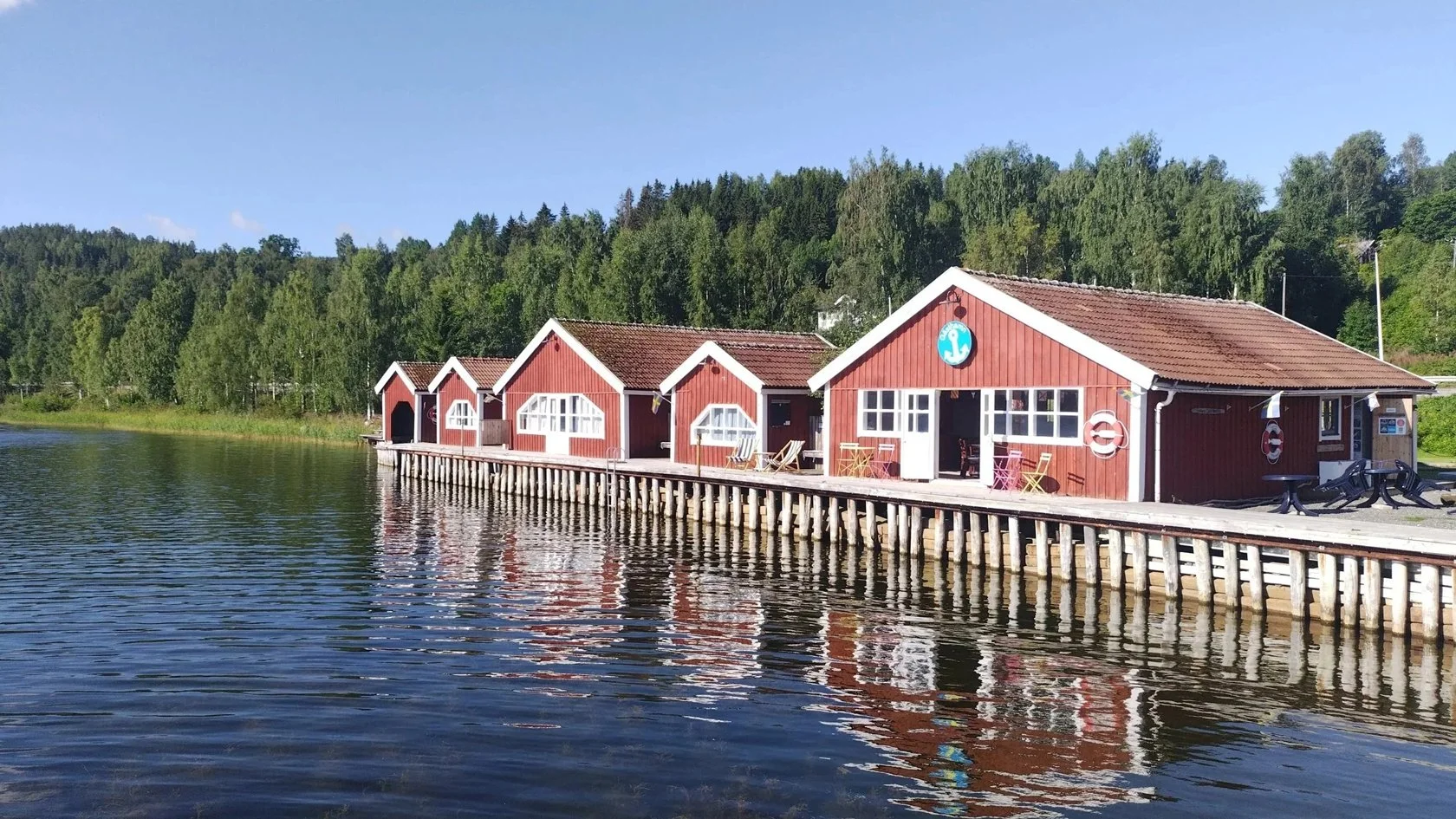
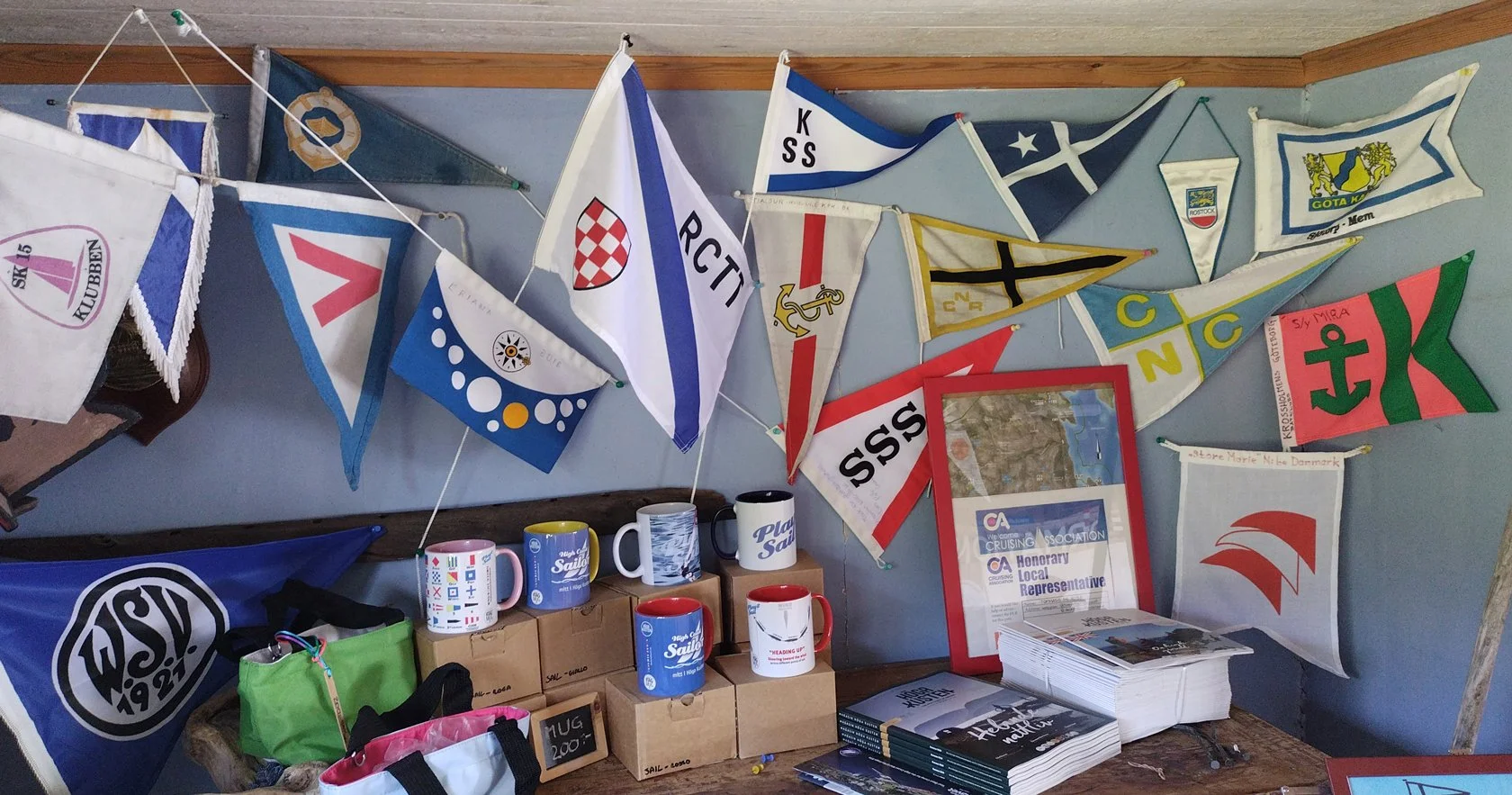
Then there’s the part that makes it feel like a place (not a parking lot): the Sailor’s Club House. A warm corner, booksharing, paper maps on the table, the quiet hum of WiFi when you need to check a forecast — and yes, espresso.

Small comforts. Big difference.


Guest Harbour essentials (20 sec)
  • Prices + facilities + approach + berthing: Guest Harbour page

  • Season: mid‑May to mid‑September

  • Languages: English, Swedish, Italian (and some German)

  • Fastest contact: WhatsApp +46 76 313 66 28

    We usually reply fast (often within the hour in season)

  • Tell us: boat length + ETA + nights (1/2/3) + tomorrow mood (mountain/park/ferrata/bike)

    We’ll suggest the simplest plan — and the best weather window to leave.

  • Best used as a 2–3 night Base Camp stopover.
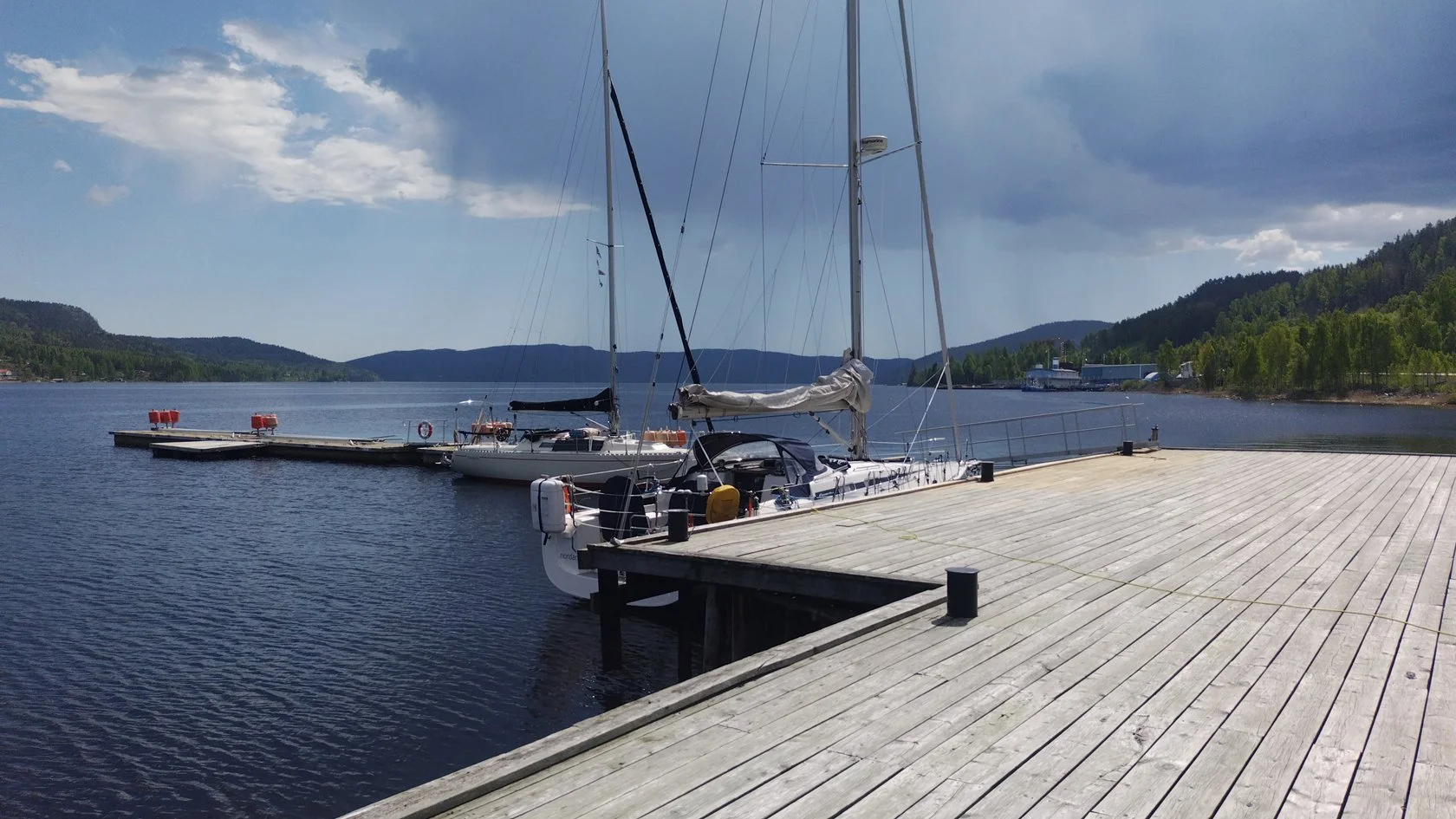
Sailors find the Base Camp operative from the early spring to early autumn.


Choose your “big day ashore” (menu, not itinerary)
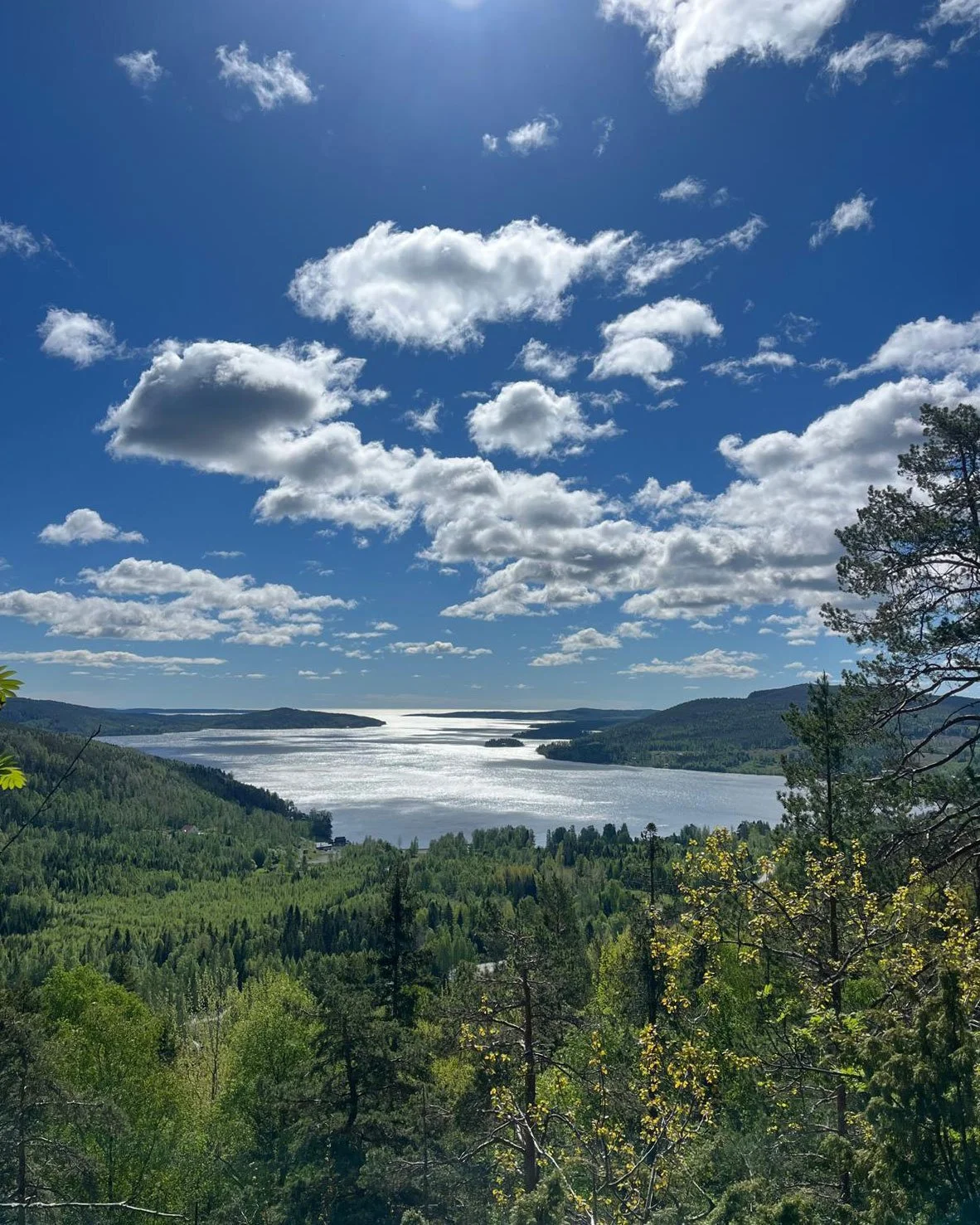
You don’t need a rigid plan. You need a menu — and the freedom to choose based on weather, energy, and mood (with your yacht safely moored).

  • Clear sky → Skuleberget

  • Quiet + softer legs → Skuleskogen

  • Stable conditions + mission → Via Ferrata

  • Motion without mission → Bike day

Your Base Camp menu

  1. Skuleberget day (3 versions, same mountain):

    Summit hike: the classic “stamp” day with the biggest payoff.

    Decision rule: choose this on the clearest day (best visibility window).

    Chairlift + short walk: a smart High Coast moment with lighter legs (great with kids, tired crews, or as a recovery day).

    Decision rule: choose this when you want views without turning the day into a performance test.

    Evening excursion (June–July): a low-friction late-light mission: go later, breathe, watch the long Nordic evening, come back to the pier.

    Decision rule: choose this when the day is busy or hot, and you want the best light with the least logistics

  2. Skuleskogen National Park day: forest + coastline, granite coves, a full High Coast classic.

    Decision rule: choose this when you want a full day ashore — we’ll help you build the simplest plan (best entry point, timing, and a route that fits your crew). If you don’t have bikes onboard, our bikes make the commuting part easy.

  3. Via Ferrata day: vertical contrast — a story your crew will tell

    Decision rule: choose this when you want “one big mission” and stable conditions. If the forecast is unstable, don’t force it — Via Ferrata closes routes in rain/wet rock and can stay closed until the wall dries. Use Docksta as Base Camp, watch the window, then go.

  4. Bike day (break the onboard rhythm): On a long cruise, a bike day isn’t “just transport” — it’s a reset tool. You move, you laugh, you explore small roads and unexpected corners, and the crew’s mood changes.

    Decision rule: choose this when you want motion without another “big climb”.

    Ask in the Club House: “We’re a crew — what’s the simplest bike loop for today?” (Coffee first.)

How it works: swing by the Club House, have an espresso with us, tell us what your crew wants (easy / scenic / swim / dinner vibe), and we’ll point you to a simple loop. If you want it even lighter: a short ride + a coastal walk is often the perfect combo.

Want the overview hub to browse and choose? Explore Höga Kusten (index)


New to the High Coast by boat?


The 2–3 night playbook (how to use Docksta)

Here’s the simplest way to think about it.

  • Night 1 — Arrive + reset

Moor safely. Shower. Laundry. Espresso. Sleep.

 
  • Day 1 — Big mountain day (or go evening)
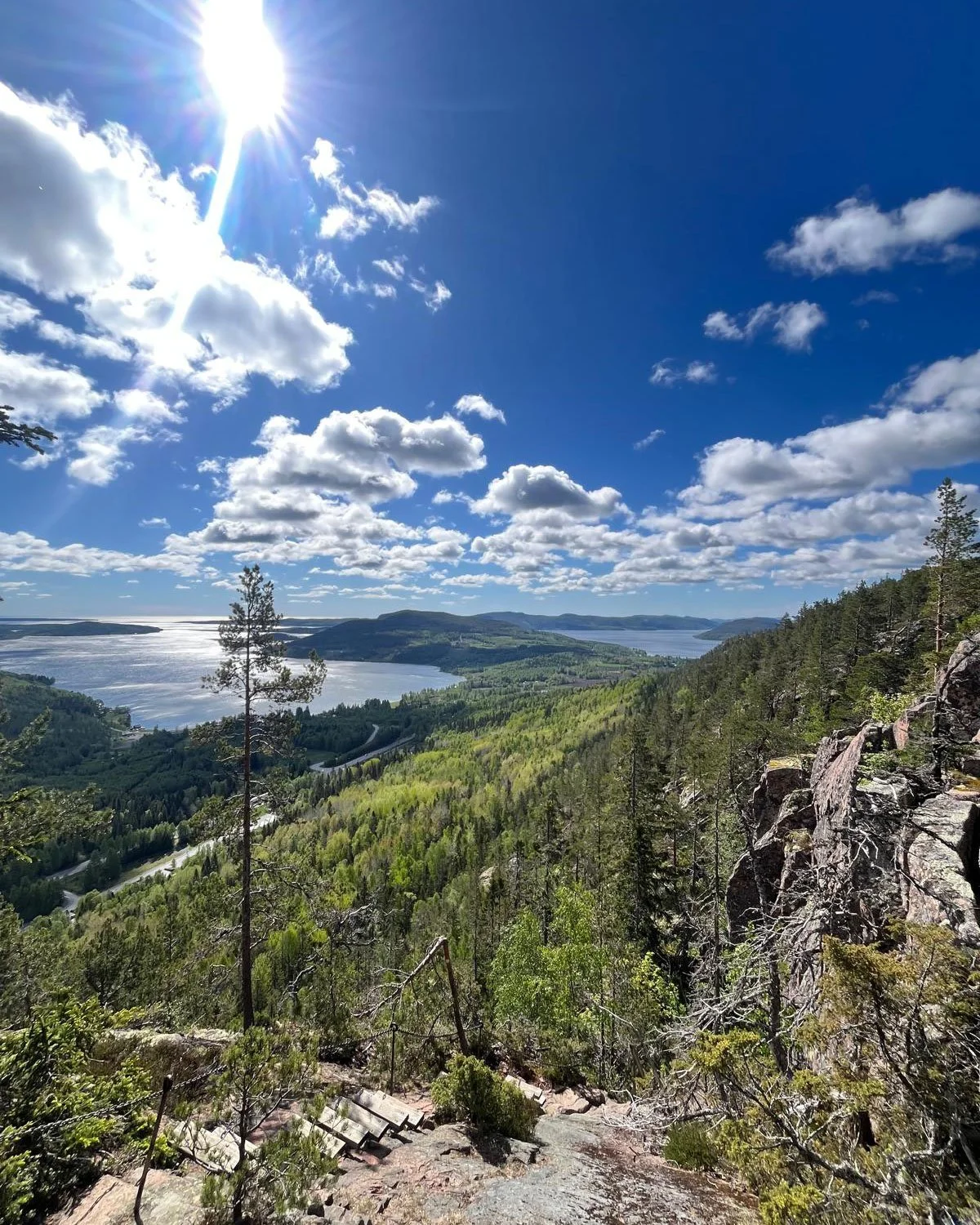
Skuleberget is the obvious first choice: iconic views and a proper “stamp” day.

Skuleberget is not just a peak, but a whole mountain landscape you can enter in different ways. If you want a classic hike, you’ll find routes with different “weights”: short and steep, longer and gentler, always with big views as a reward. And if your legs need a break (or you’re travelling with kids, or you simply want to save energy for tomorrow), the lift becomes a smart tool: it brings you to an overview point and still gives you a real High Coast moment without turning the day into a performance test. Skuleberget hike day plan

Skuleberget also lives at its feet, especially in summer evenings: outdoor concerts, simple food-and-music nights, that relaxed “after the hike” atmosphere where you don’t need to plan much — you just show up, breathe, and let the light do the rest. It’s an easy bike commute from Docksta too: a pleasant ride south along the coast, perfect for a low-friction evening loop (dinner, a concert, then back to the pier). And if you want the adrenaline version of the same mountain, the Via Ferrata turns it into a vertical day. Via Ferrata day plan from Docksta →

 
  • Day 2 — National park quiet day (or bike day)
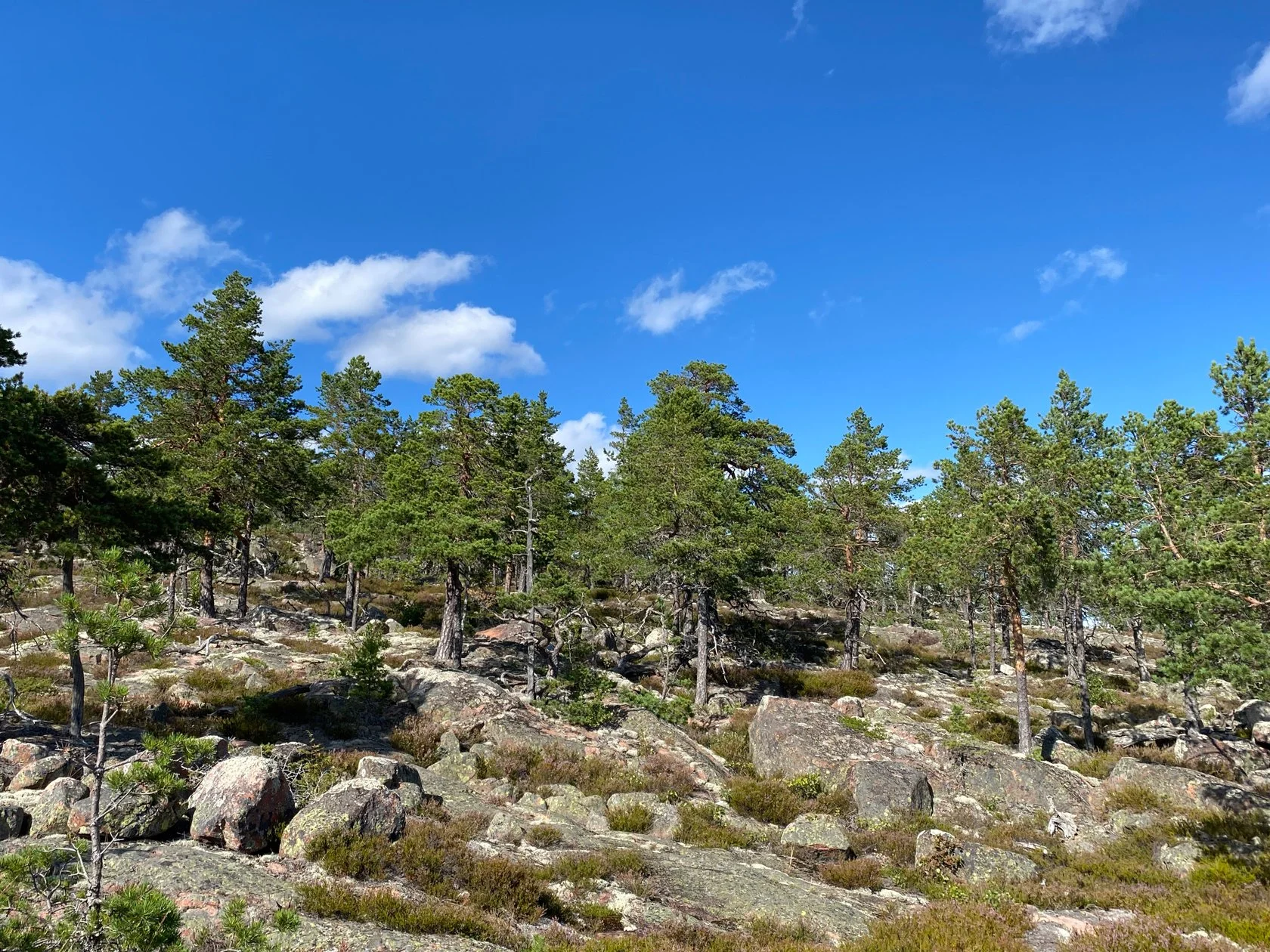
Skuleskogen National Park is the obvious first pick: granite, old forest, quiet coves, and that calm Nordic wilderness that stays with you. With your boat safely moored and us present at the harbour, you can stay out for hours and let the day unfold without worrying. And from Docksta it’s not “car-or-nothing”: you can reach the park by bike. For sailors travelling light, that bike option is more than transport — it’s bypart of the day. One extra night here doesn’t just buy you time; it buys you access, and a smoother rhythm. Skuleskogen National Park itinerary
Or make it a bike day (simple, local, surprisingly satisfying): Outdoor gear rental / bike rental

 
  • Night 3 (optional) — Weather buffer / recovery / “just being here”

This is the night that often saves a season: you wait out a front, you recover, you enjoy the pier rhythm, you leave on a better window.

Simple decision rules

  • If the forecast is unstable → keep Night 3 as buffer.

  • If the crew is tired → choose Skuleskogen before Skuleberget.

  • If you want the iconic High Coast “stamp” → Skuleberget first.

  • If you want movement without mission → bike day.

That’s the point of Docksta as a starting point: when your boat is safe and your logistics are easy, you can go later in the afternoon, stay out for the best light, and still come back to comfort. You’re not “passing through” the High Coast — you’re giving it the right rhythm, so the iconic places don’t just appear on a map… they land in your body and memory.


A harbour crews trust (and why)
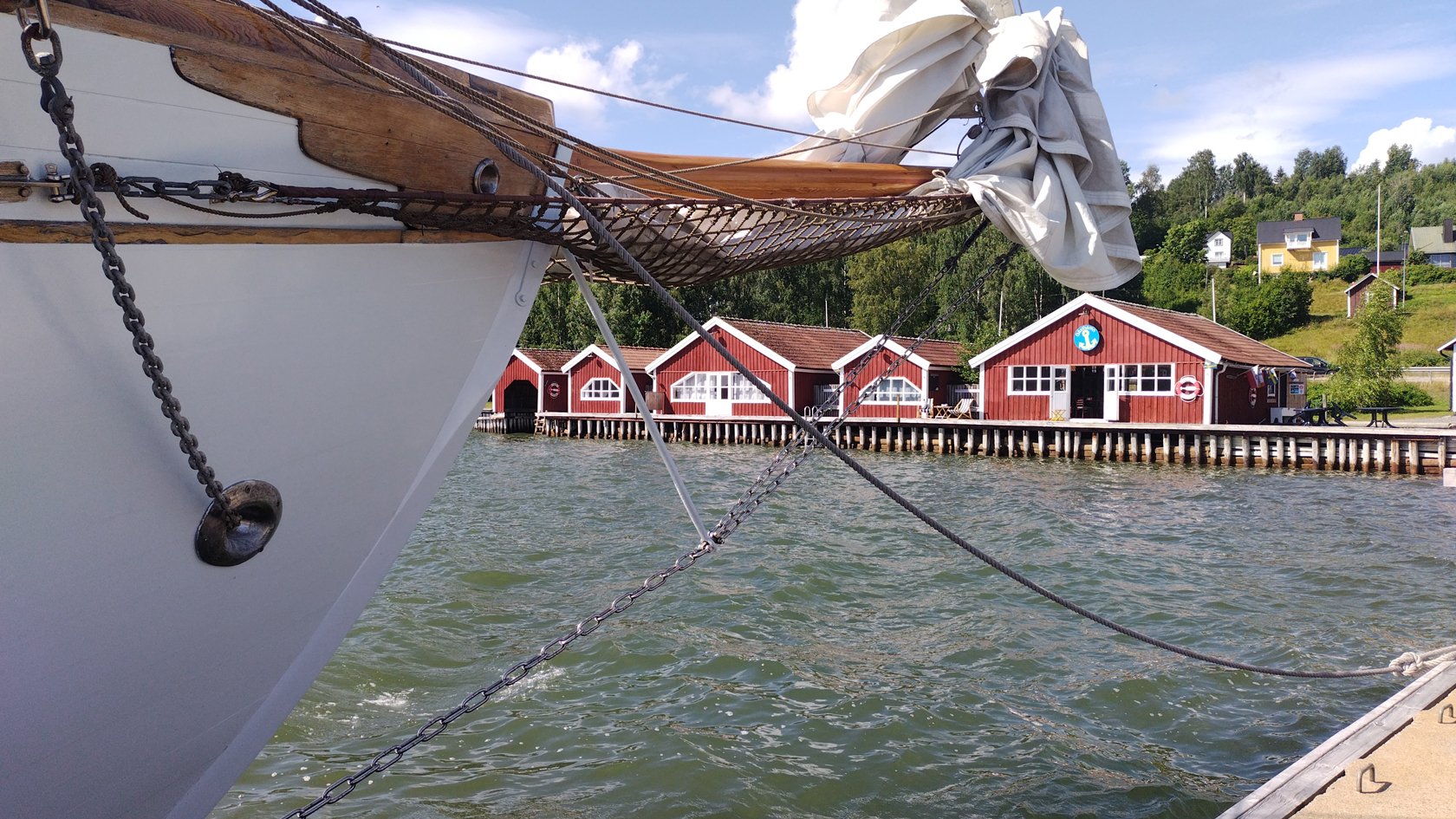
  • Recognized in sailors’ networks: Tommaso is Honorary Local Representative (HLR) for the High Coast for the CA Cruising Association.

  • Present-on-the-pontoons hosting: we welcome you, help you berth, share routes — and we’re there when timing and weather decisions matter.

  • Local guidance that turns a stop into a mission ashore: every day we help crews choose what to do today (weather windows, energy, time) and how to keep it simple — where to go, how to get there, what to skip, and when to leave the boat.

  • Easy “mode switch” from Sailor to Hiker: bikes and simple gear are here, so you can step off the pontoon and into a walk, a hike, or a bike loop without turning it into a project.

  • A proper reset on land: clean showers/toilets, laundry, dishwashing — plus the Sailor’s Club House (espresso, WiFi, maps, books, calm corners).

  • Clear, maintained online info (before you arrive): our website and blog share practical High Coast knowledge for international crews — and we keep our sailor-facing channels updated in season.

  • Instagram (in-season updates + pier life): @dockstahavetbasecamp


Logistics advantages that matter to long-distance crews (E4 + ICA + crew management)

A base camp isn’t only trails and views. It’s also the boring things that keep a crew functioning.

Docksta is unusually strong on logistics:

  • E4 + bus access nearby, which makes it easier for crew changes, friends joining for a day, or meeting someone without a car project.

  • ICA supermarket close by (provisioning is simple and fast).

  • The combination of safe mooring + real reset services + easy provisioning is rare — and it’s exactly what makes a 2–3 night stop realistic.


Crew changes are part of long-distance cruising — this is how we make them easy.

Temporary lodging for crew or friends passing through (ask us)

Sometimes the best thing you can do for a crew is simple: one night in a real bed by the sea — or a place for friends and family who arrive by bus while you’re still living the boat rhythm.

What makes it different here is that our waterfront lodging isn’t “separate from the harbour”. It’s part of the same Base Camp spirit: pier life, a proper reset, and easy access to real High Coast days — even if you’re not sleeping onboard.

If that’s your situation, just ask us. We’ll tell you what’s possible in the moment — a one-night stay, a short stopover, or a simple crew-change reset. Minimalist or more comfortable, always waterfront, always close to the pier, and sometimes the easiest way to spend one good evening together without turning the boat into a temporary camp.

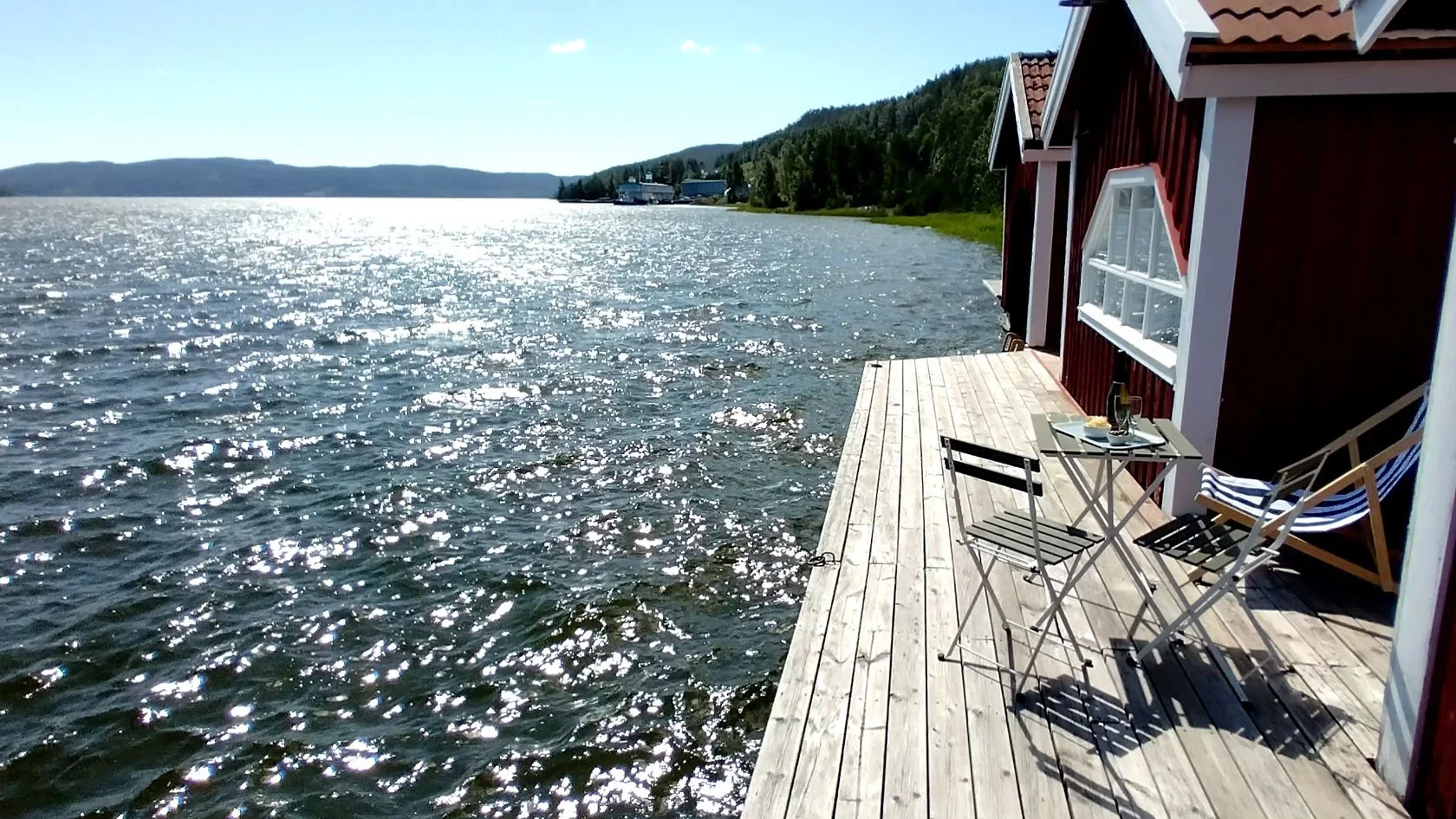
All our waterfront accommodations at the Base Camp are bookable on Airbnb.


Who this is for (and who it isn’t)
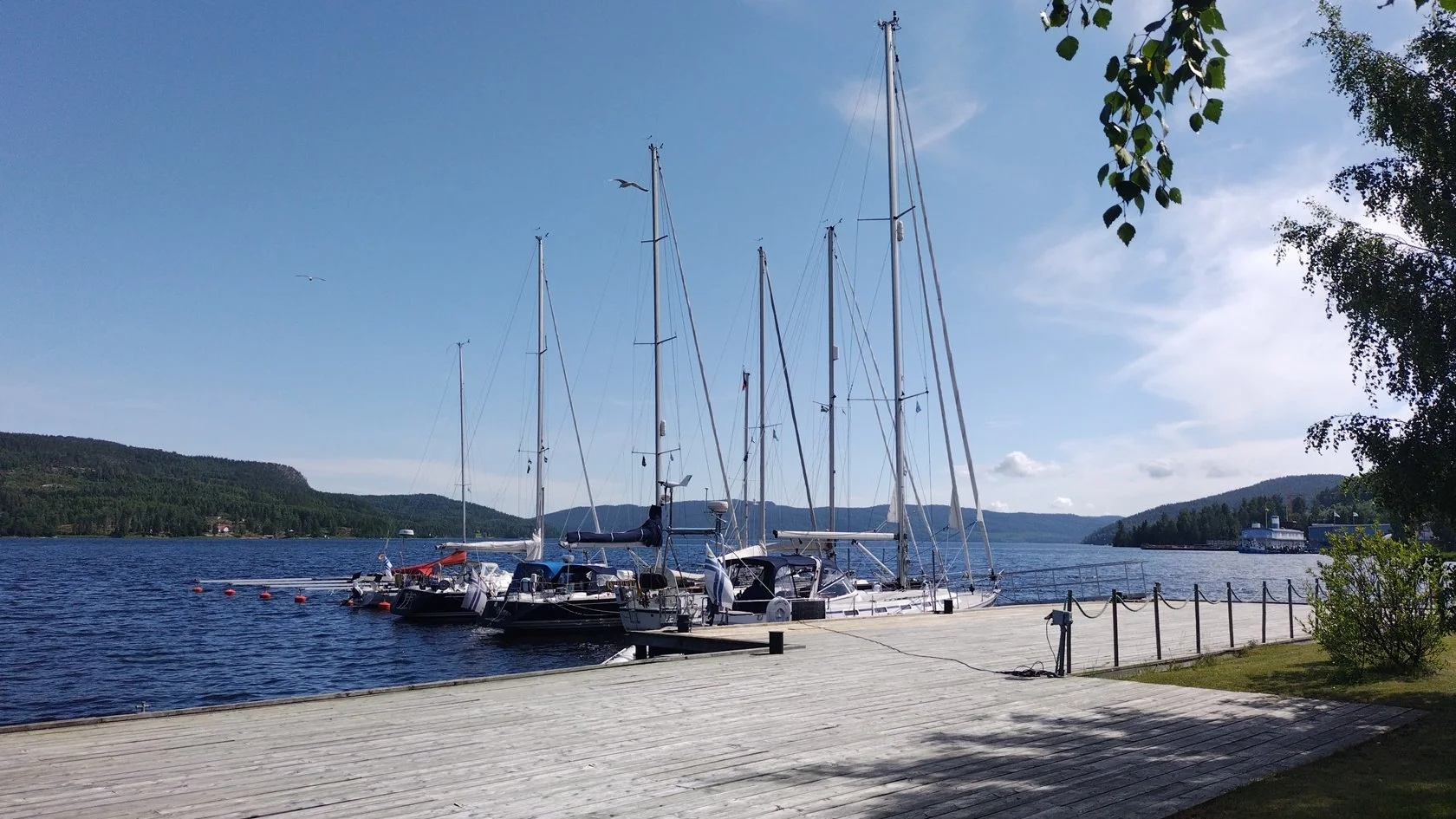
Docksta Gästhamn is especially good for:

  • international long-distance cruisers who want more than a temporary approach

  • crews who value safe mooring + real reset services

  • sailors who want meaningful days ashore without friction

  • anyone who likes the idea of a harbour that feels like a base camp, not a transit stop

It’s not for everyone. If you only want the cheapest one-night sleep-and-go, there are other places that do that well.

But if you want the High Coast to happen and one great High Coast day ashore — and a harbour that makes it simple — Docksta is built for that.


Message the harbour host (fastest way to get the simplest plan)

Message the harbour host with

1) boat length + ETA

2) dates + how many nights you can stay (1/2/3)

3) tomorrow mood: mountain / park / ferrata / bike

We’ll suggest the simplest plan — and the best weather window to leave.

Quick question? WhatsApp us or call +46 76 313 66 28.
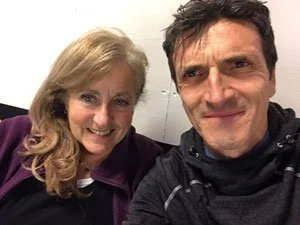
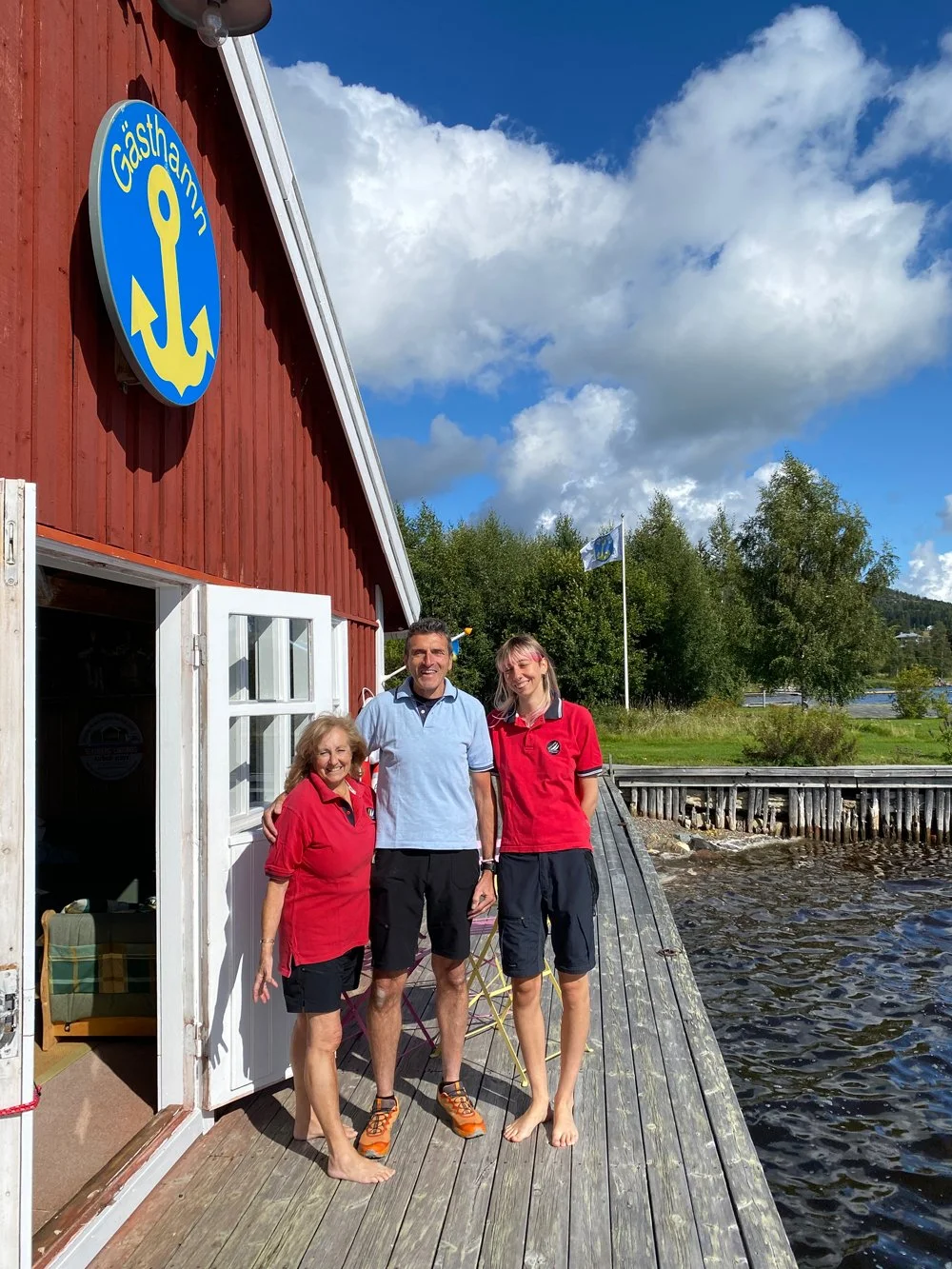
Anna & Tommaso here — your harbour hosts. We’re on the pontoons, then in the Club House with espresso + paper maps. Bring a rough idea — we’ll help you shape the simplest plan for your crew and the weather window. One message with ETA + nights + mood — and we’ll send back the simplest plan + best window to leave.
 

Master Radio Sailing with Play2Sail: your ultimate FAQs guide

Discover sailing with Play2Sail: insights from our rc sailing academy FAQ guide

Welcome to the Play2Sail smart FAQ guide, where we transform sailing novices into confident sailors and rc yachting enthusiasts of all levels can find answers to their most pressing questions.

Whether you're interested in radio-controlled yachting or learning the essentials of sailing, our comprehensive FAQs and resources are here to guide you every step of the way to enhance your sailing journey or to refine your skills.

Over the years, we've had the privilege of hosting numerous RC sailing academy sessions on our piers, where sailors of all levels gather to learn, share, and enjoy the art of sailing. During these sessions, we've listened to your most pressing questions and curiosities, which have inspired this comprehensive FAQ guide. Whether you're setting sail for the first time or honing your skills in RC yachting, our FAQs provide valuable insights to enhance your sailing journey.

From understanding wind dynamics to mastering steering techniques, our guide is designed to answer your questions and help you navigate the waters with confidence.

Explore RC Sailing with confidence:
Free resources at your fingertips >

Start your saiing adventure with our free online resources, designed expecially for beginners. Learn the basics, gain essential skills, and build your confidence with expert tips, and easy-to-follow guides. No fees, no membership - just pure learning and fun. Discover Play2Sail Academy today!


Starting with RC Sailing

  • Beginner's Guide:

    FAQ: What resources are available to help beginners start sailing a radio-controlled yacht?

    Answer: The Play2Sail e-manual provides comprehensive guidance. Learn more.

Sailing Basics and Techniques

  • Understanding the Wind:

    FAQ: How can I use the wind to move my boat in the desired direction?

    Answer: Adjust the sails to keep air flowing over them, generating lift. Learn more.

  • Sailing Terms and Points:

    FAQ: What are the basic points of sail?

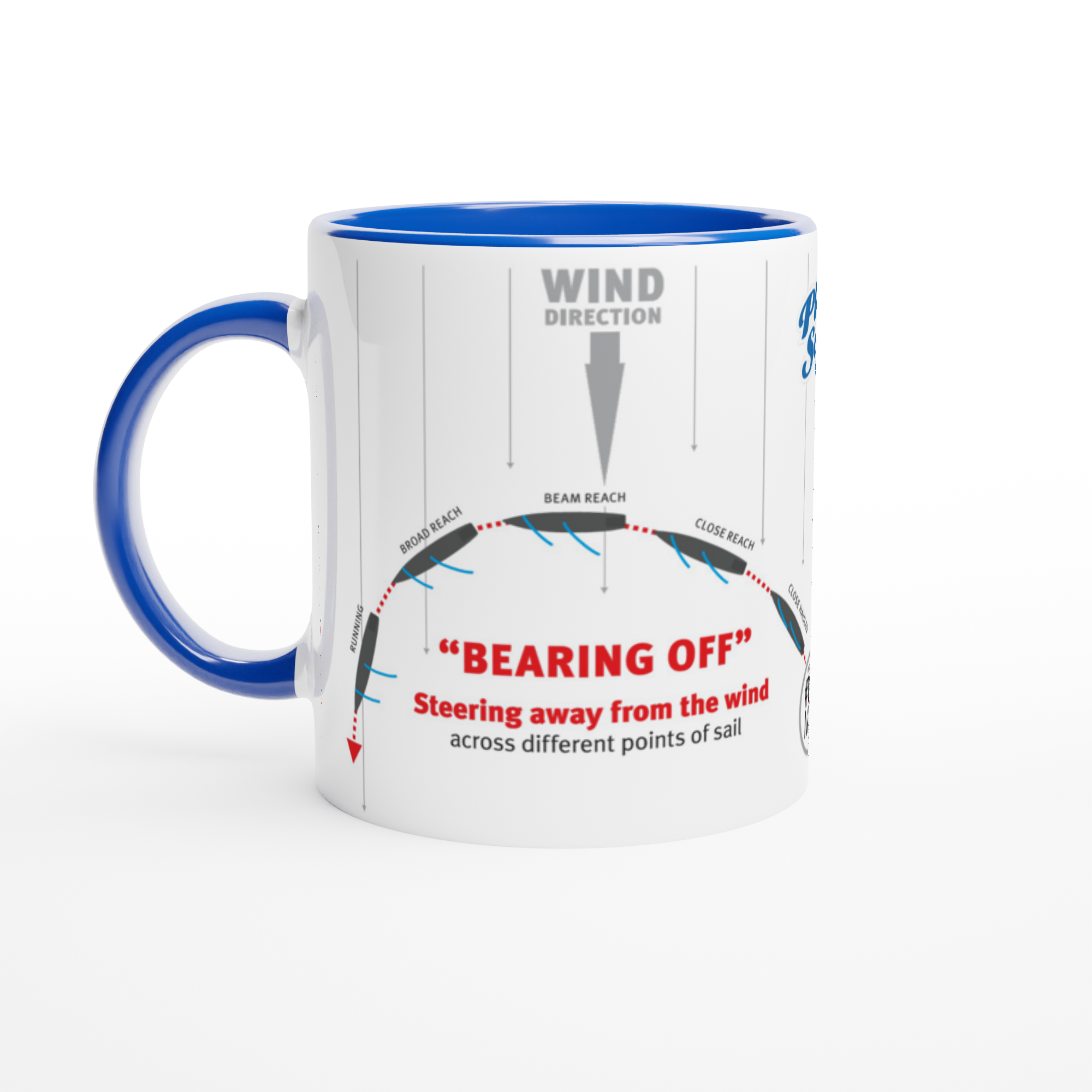
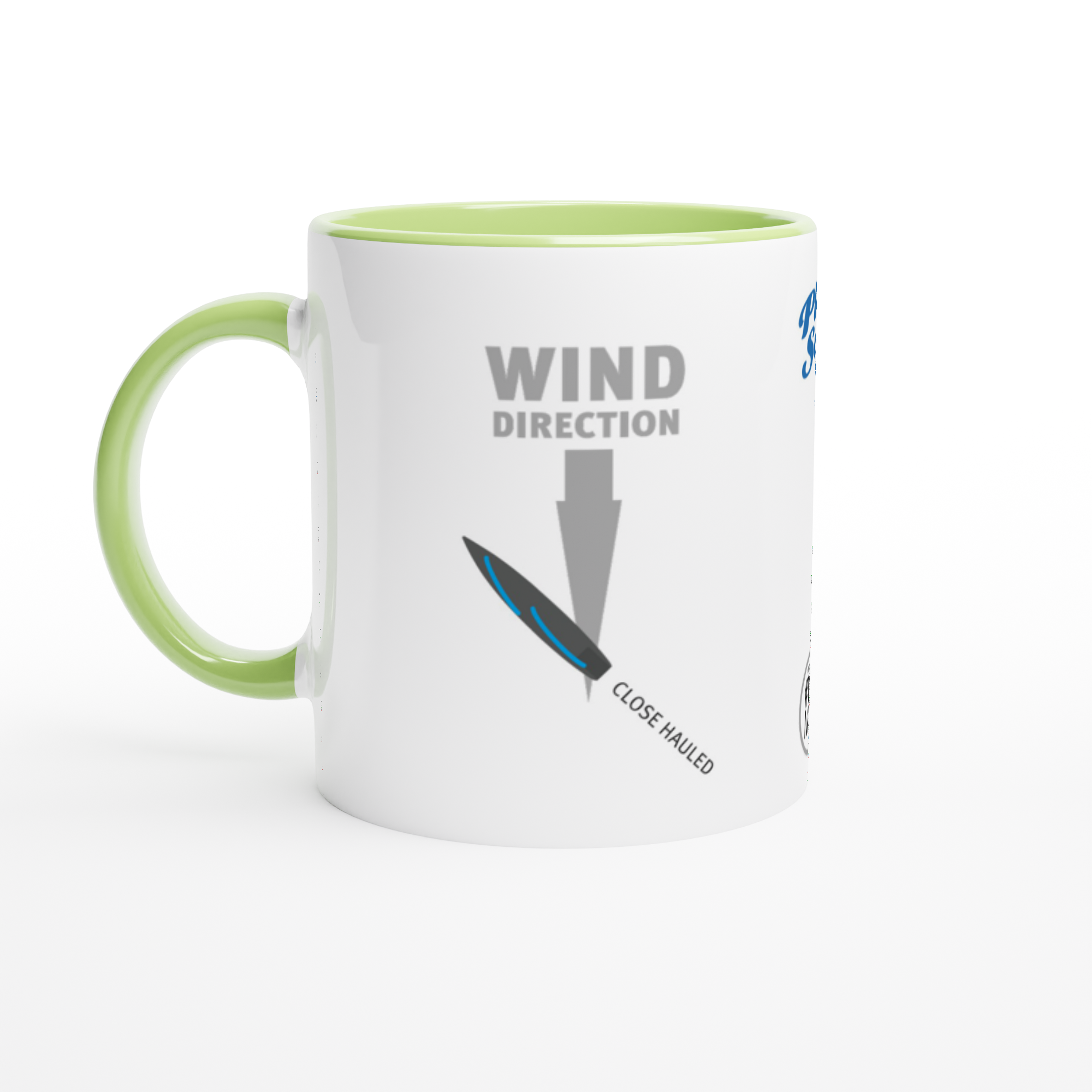
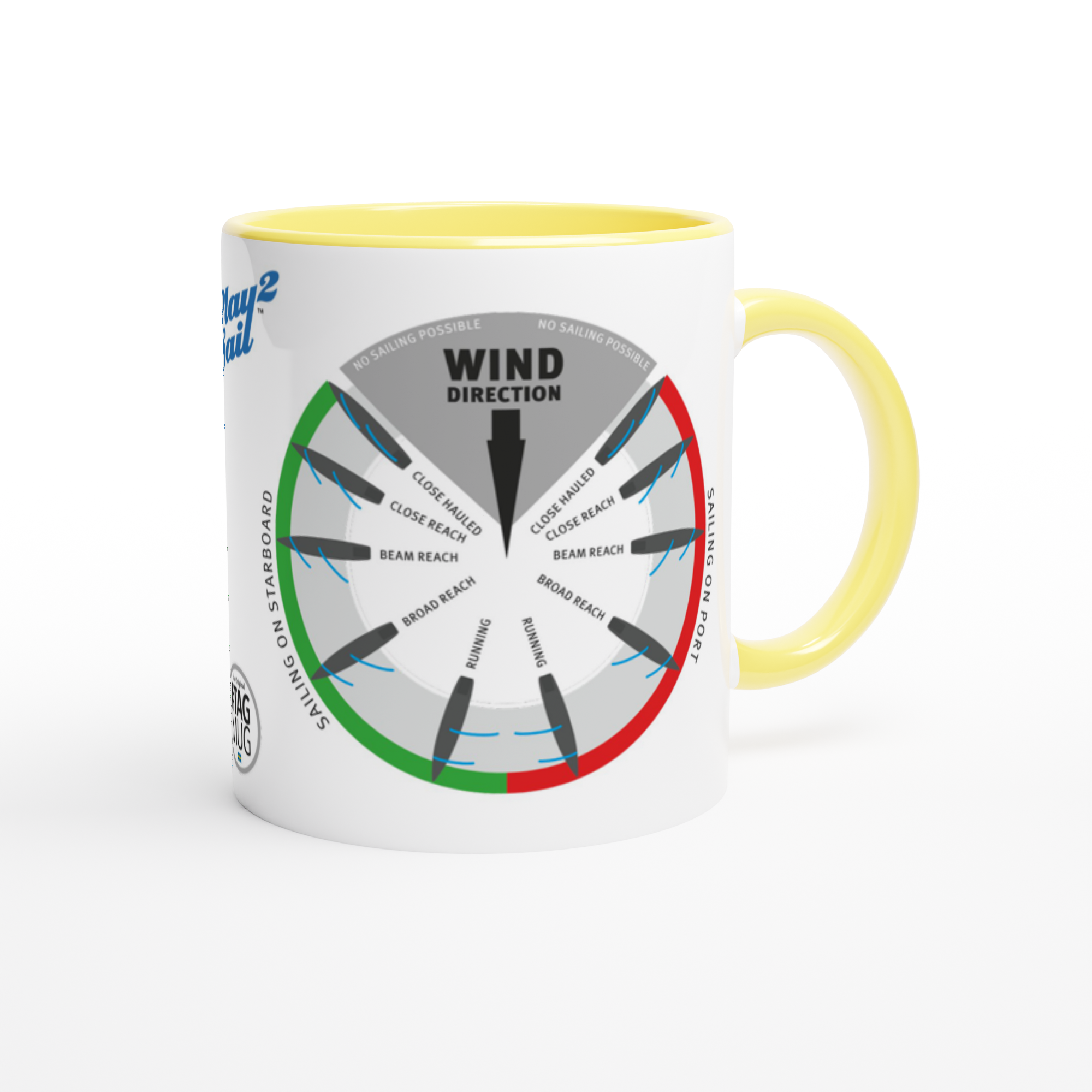
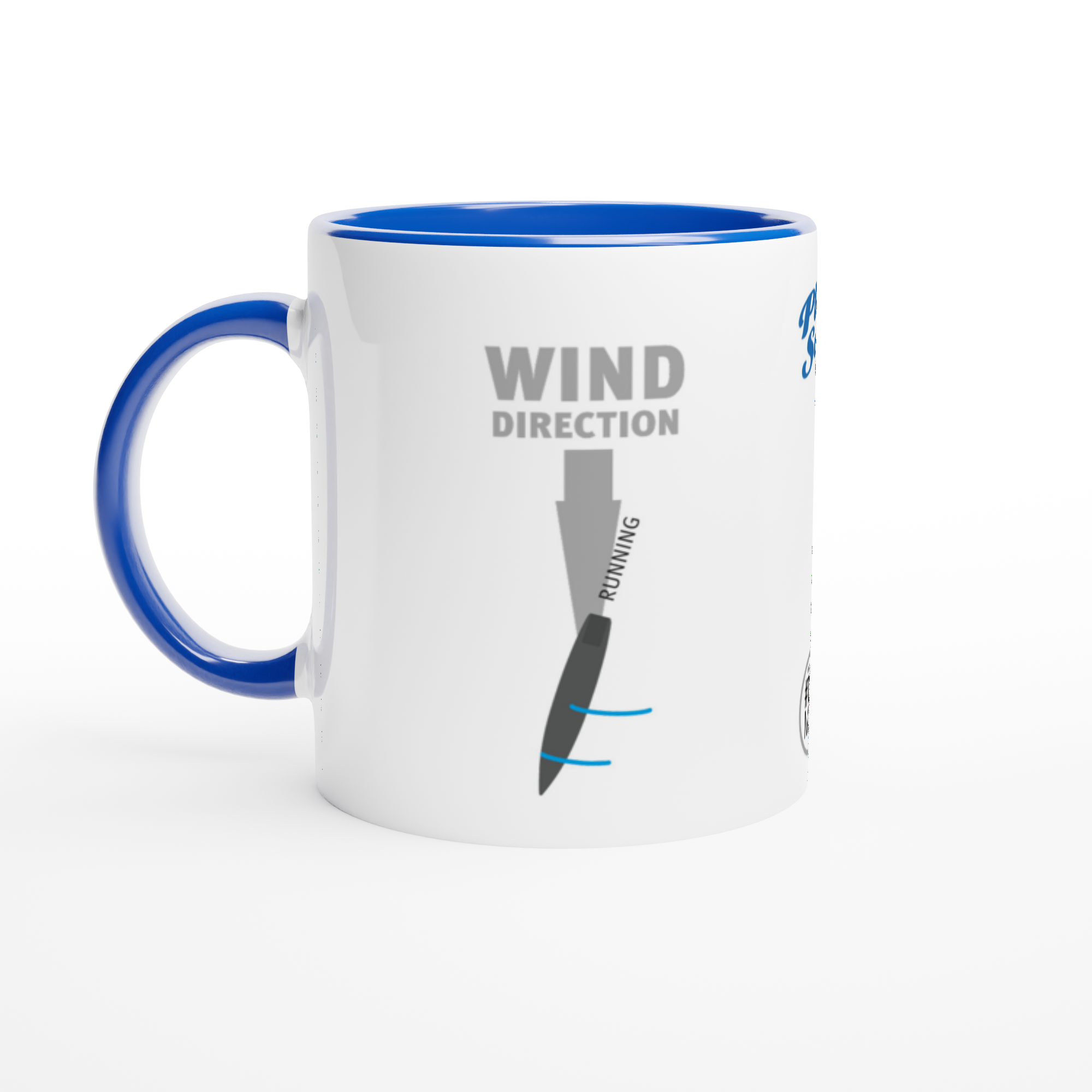
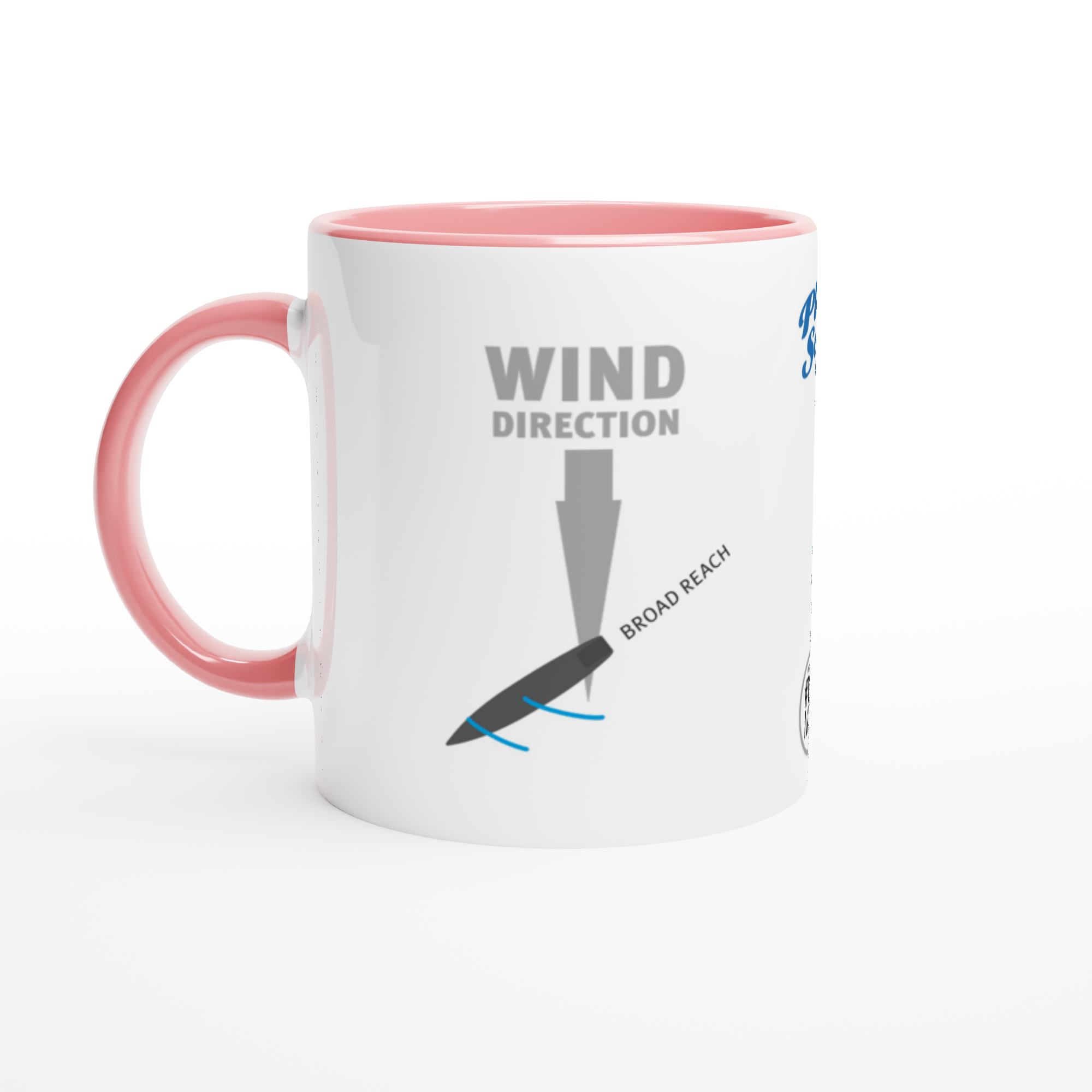
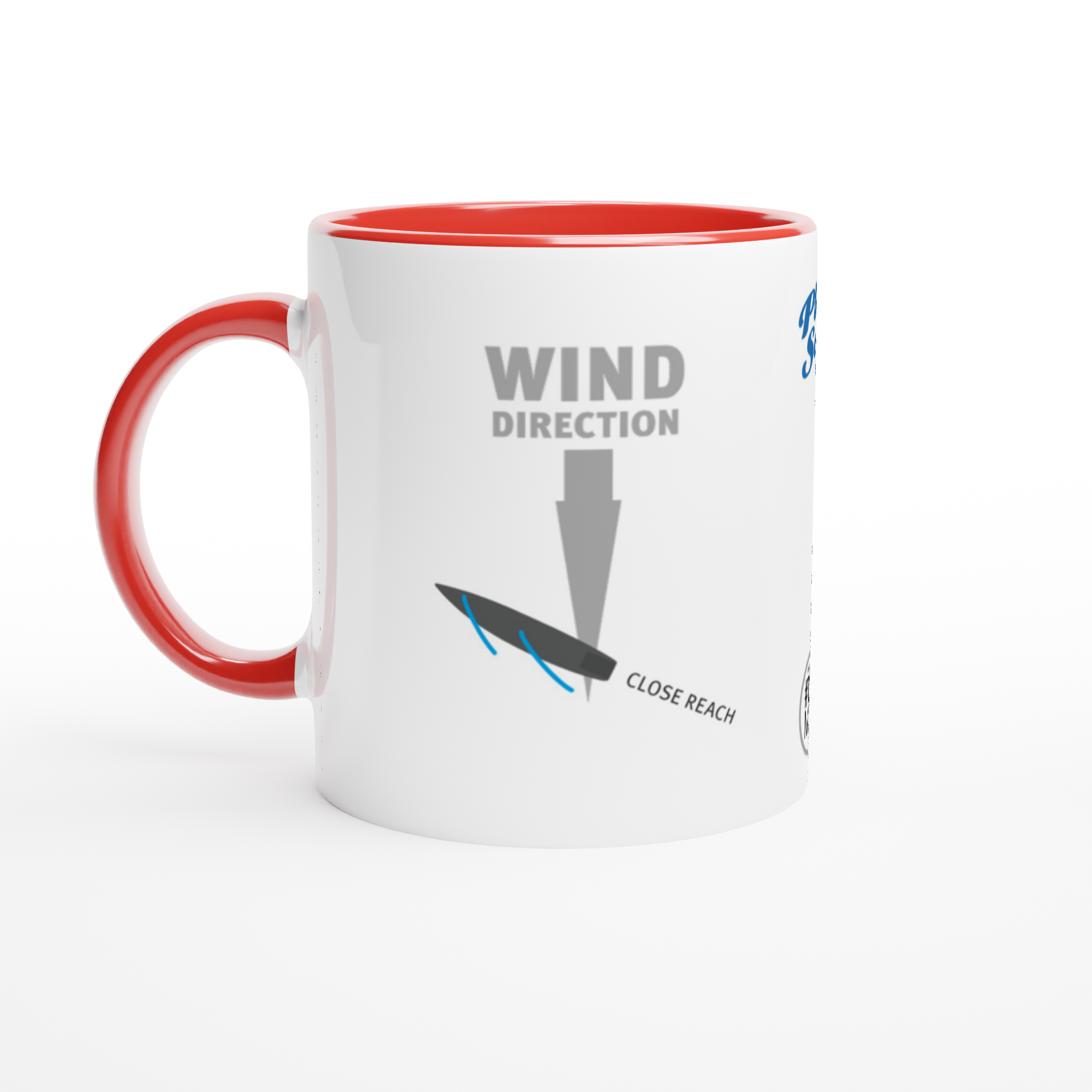
    Answer: Includes close hauled, beam reach, and running downwind. Explore the diagram.

    FAQ: What is the "no-go zone" in sailing?

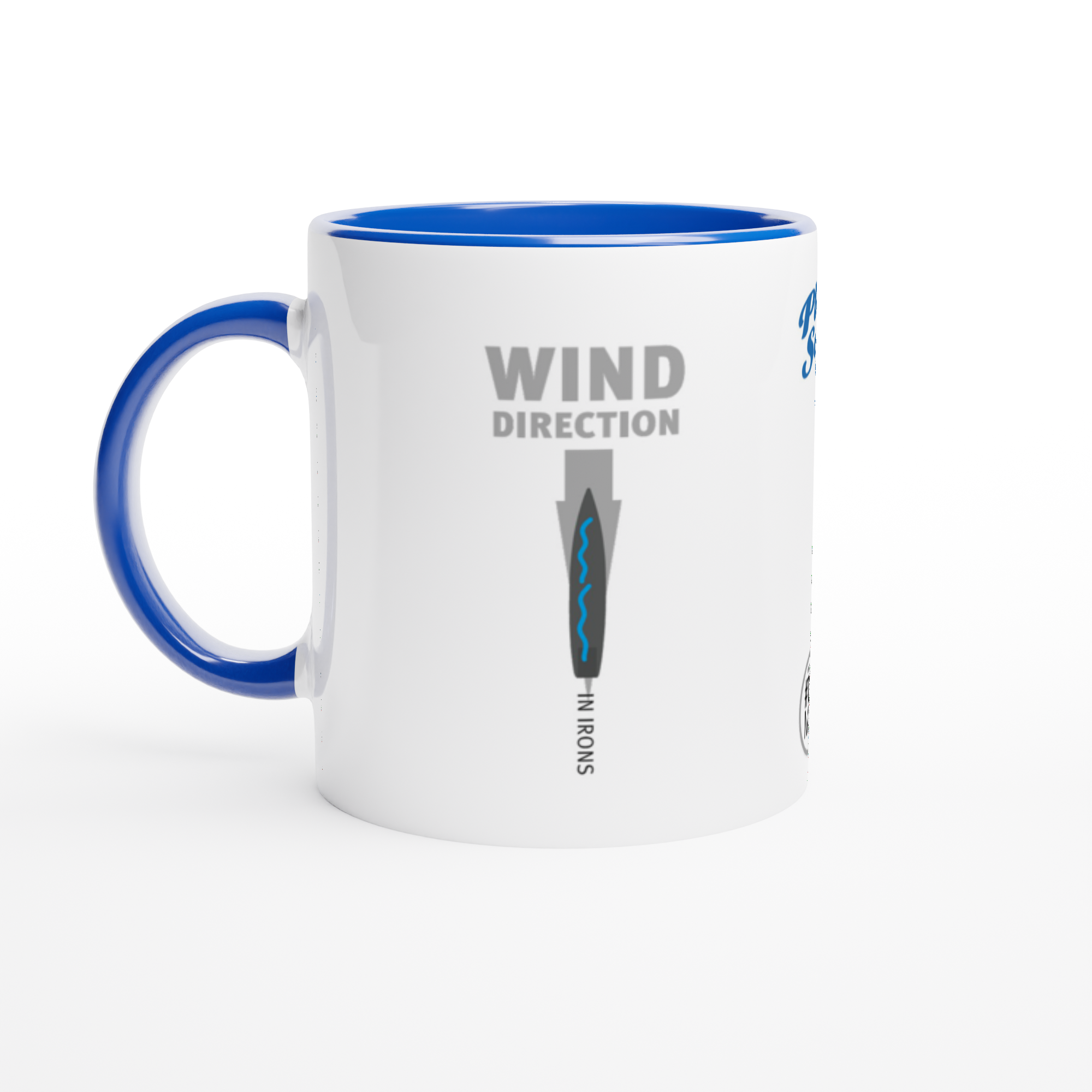
    Answer: It's an area where the boat cannot sail directly into the wind, extending 45° on either side. Understand more.

Yachting Terminology

  • Learning the Language:

    FAQ: What is the bow of a boat?

    Answer: The front of the boat. Learn more.

Wind Direction and Management

  • Checking Wind Direction:

    FAQ: What are some easy ways to check the wind direction while sailing?

    Answer: Use flags, smoke, clouds, or meteorological stations. Explore methods.

Steering Techniques

  • Mastering Steering:

    FAQ: What are the basic actions to master steering a radio-controlled sailboat?

    Answer: Actions include directing, moving, accelerating, changing direction, stopping, luffing, or bearing away. Learn more.

Radio Sailing Control

  • Using the Radio Unit:

    FAQ: How does the radio unit control the sailboat?

    Answer: It controls the rudder and sail trim using a two-stick surface transmitter. Learn more.

Sail Trimming Techniques

  • Trimming for Speed:

    FAQ: Why is sail trimming important for a radio-controlled sailboat?

    Answer: It maximizes efficiency by catching the wind effectively. Learn more.

Docking and Un-Docking Techniques

  • Leaving and Returning to the Pier:

    FAQ: How do I leave the pier with a radio-controlled sailboat when the pier is downwind?

    Answer: Sail upwind by turning the bow slightly away from the no-go zone and tightening the sails. Learn more.

Understanding Wind Shifts

  • Managing Wind Shifts:

    FAQ: How do wind shifts affect my radio-controlled sailboat during a race?

    Answer: They create opportunities or losses; managing lifts and headers is crucial. Learn more.

Fast Sailing Techniques

  • Gaining Speed:

    FAQ: How can I make my RC sailboat sail faster?

    Answer: Trim and adjust the sails for maximum efficiency and catch more wind strength. Learn more.

Sailing Racing Rules

  • Understanding the Rules:

    FAQ: What is the basic principle behind the rules of sailing racing?

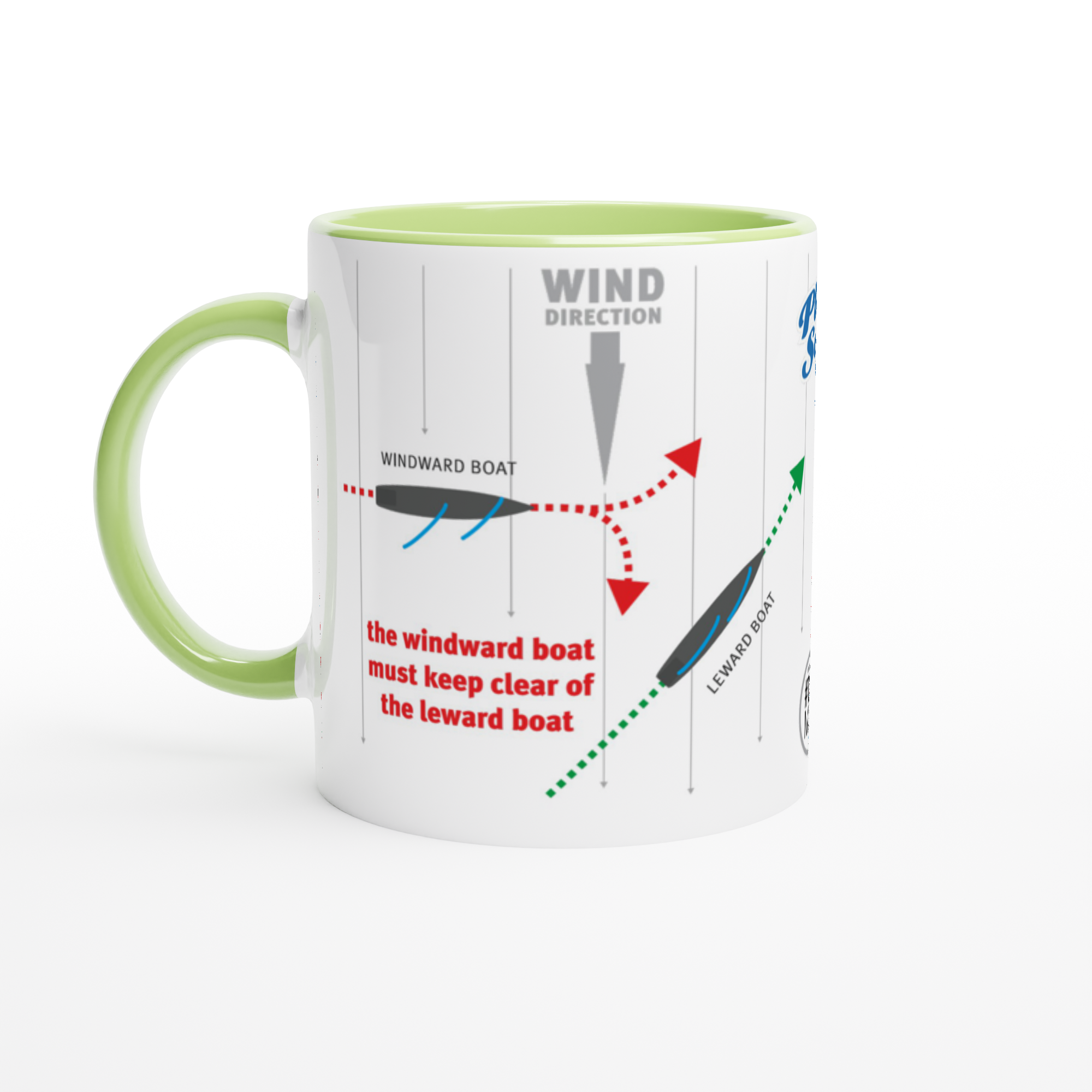
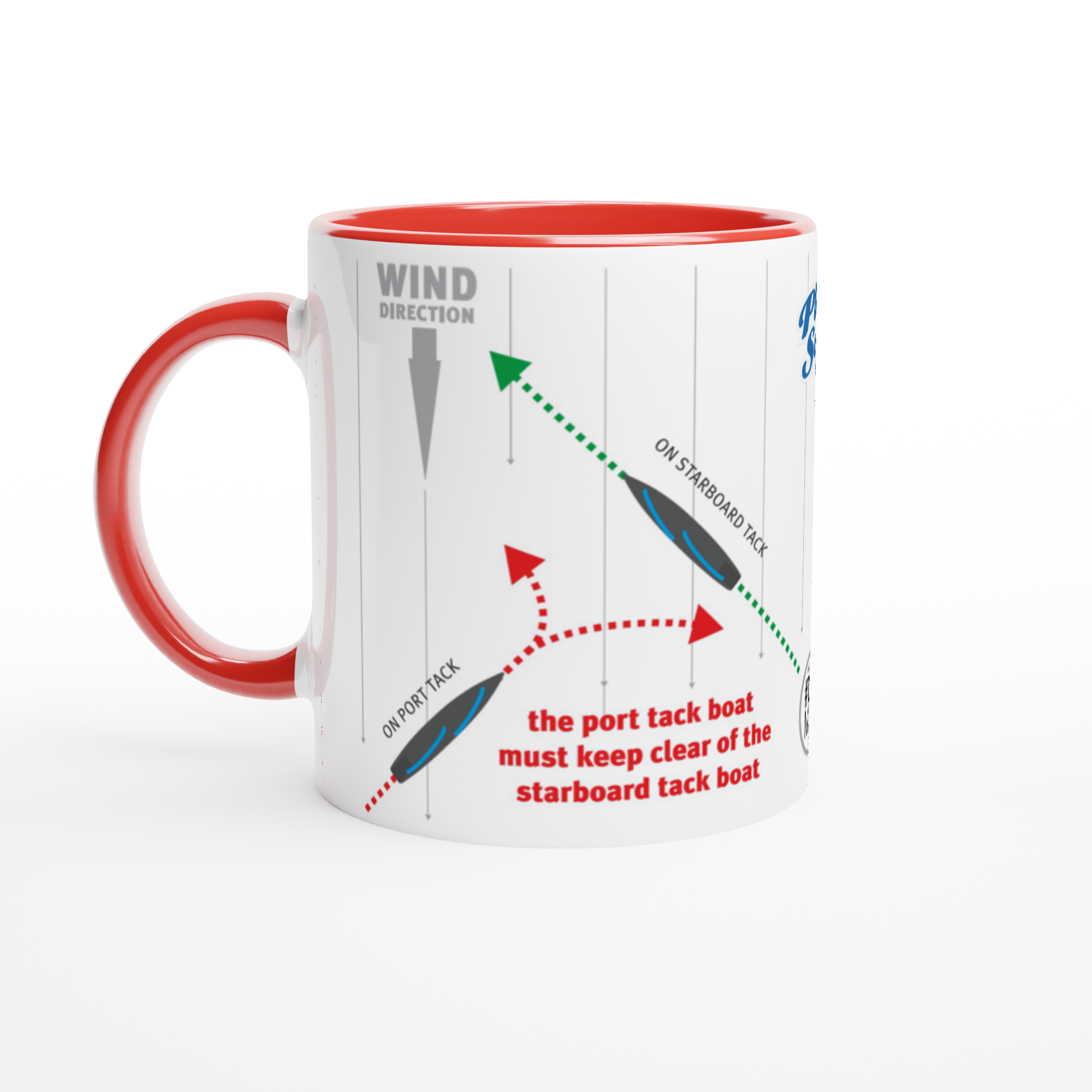
    Answer: Avoid collisions, ensuring safety and sportsmanship. Learn more.

RC Sailing Regatta Preparation

  • Preparing for Competition:

    FAQ: What are the fundamental tips for preparing for your first RC sailing regatta?

    Answer: Practice essential maneuvers and focus on boat handling. Learn more.

    FAQ: How can I handle distractions during a regatta?

    Answer: Stay focused on steering and trimming sails. Read more.

RC Yachting Race Courses

  • Exploring Race Courses:

    FAQ: What are the different race courses available for radio yachting at the Play2Sail Arena?

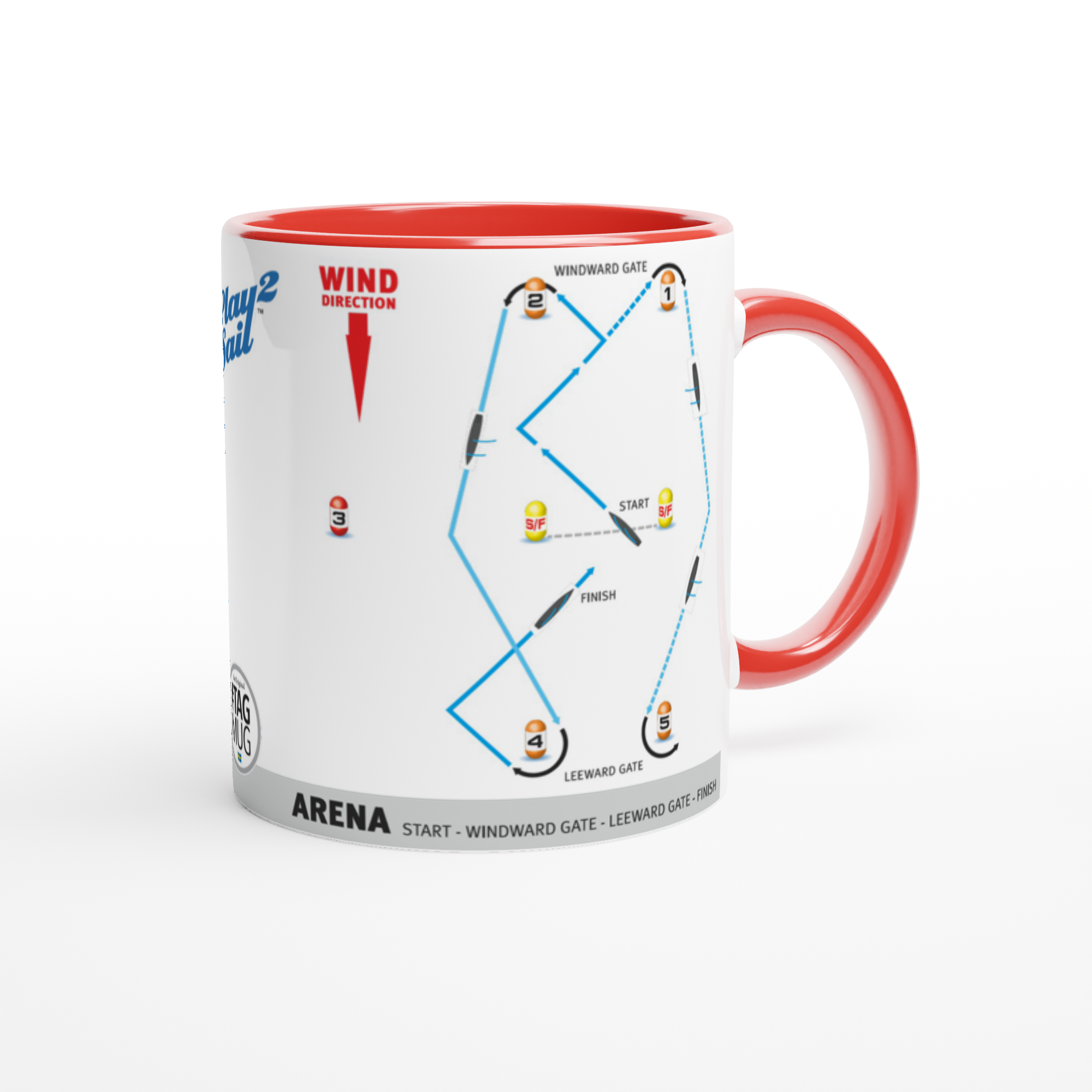
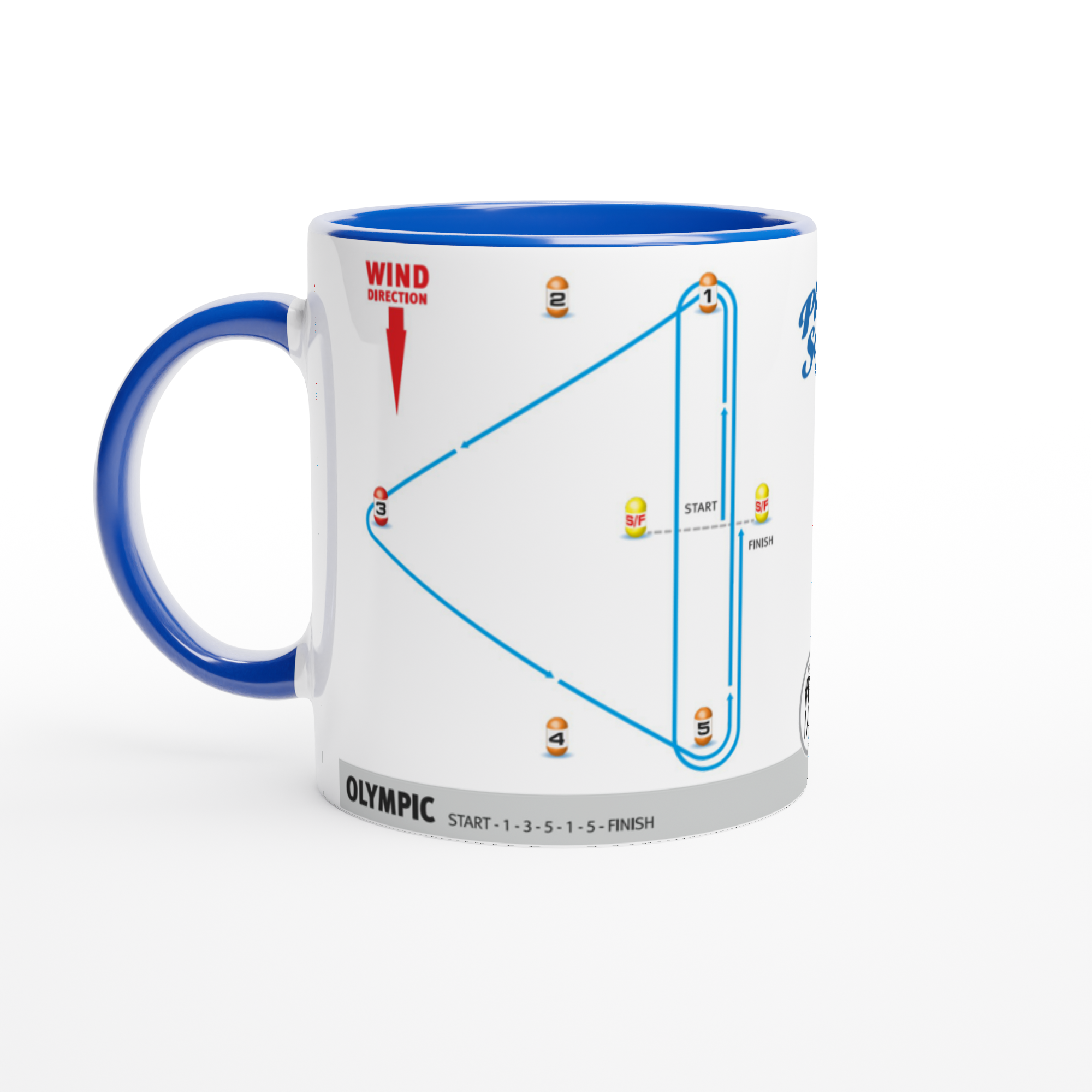
    Answer: Courses include "Olympic," "Triangle," "Windward-Leeward," and "Arena." Learn more.

    FAQ: How is the starting line set for these race courses?

    Answer: It's set into the wind, perpendicular to the wind direction. Explore starting line details.


Instructors' top picks: the 7 most asked questions at Play2Sail Academy

At Play2Sail Academy, we are passionate about sharing our knowledge and love for sailing. Over countless conversations on the Academy's piers, we’ve identified a few recurring questions that resonate with sailors of all levels. These FAQs not only reflect common curiosities but also offer valuable insights into the art of sailing. Here are the top five questions that our instructors love to answer, providing guidance and inspiration to help you navigate your sailing journey with confidence.

“What are the fundamental tips for preparing for my first RC sailing regatta?”

  • Answer: Practice essential maneuvers like tacks, gybes, and mark roundings. Stay focused on boat handling and sail trimming for maximum efficiency. Learn more about regatta preparation.

“How important is it to know the rules of sailing racing?”

“What is a "header" in sailing?”

  • Answer: A header occurs when the wind shifts towards the bow, causing the sails to luff. This requires steering adjustments to maintain course. Understand headers and their impact.

”What is the range limitation of the radio control system?”

  • Answer: The range is limited by the radio transmitter and receiver capabilities and your visibility. It's recommended to sail within the area marked by floating marks for optimal control. Read more about range and control.

“How can I detect wind shifts without a compass or landmarks?”

  • Answer: Relate your position to other sailboats to detect wind shifts. A header on one tack is automatically a lift on the other, so observe your opponents. Learn how to detect wind shifts.

“What are the key steps to set an effective starting strategy for an RC sailboat regatta?”

“What are some easy ways to check the wind direction while sailing?”

  • Answer: You can check the wind direction by observing flags, smoke, moving clouds, or using meteorological weather stations. Feeling the wind on your face or looking at water ripples also helps. Explore easy methods to check wind direction.


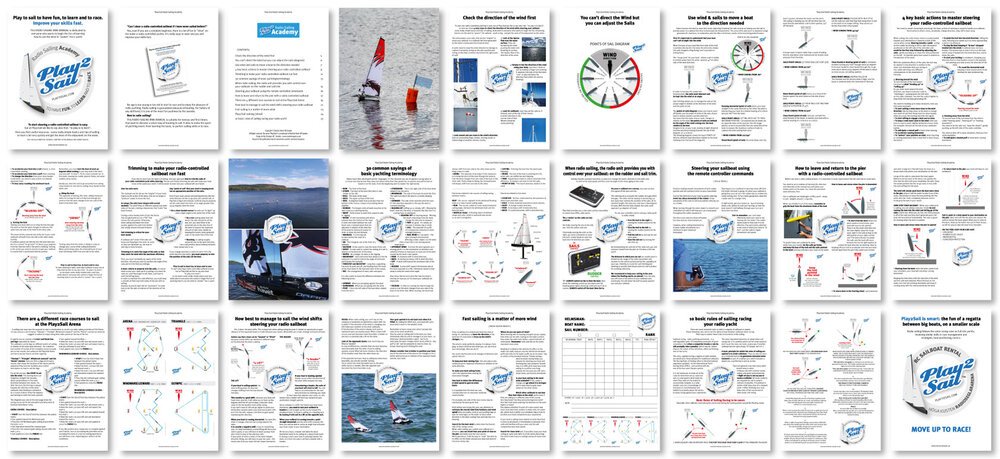
Get more with our Play2Sail e-manual:
download it now!

It is a digital publication that is downloadable in a printable .pdf format file. RC Sailors from 🇺🇸🇬🇧🇦🇺🇸🇪🇳🇿🇨🇦🇮🇹🇿🇦🇳🇱🇩🇪🇫🇷🇮🇳🇭🇰… have already downloaded it.

Don't miss the opportunity to elevate your rc sailing experience and sail with confidence:

Embarking on your sailing journey with the Play2Sail guide is just the beginning of an exciting adventure in mastering the art of RC yachting. Our resources are crafted to equip you with the knowledge and confidence you need to navigate the waters with ease and skill. Whether you're a novice or an experienced sailor, our comprehensive Play2Sail e-manual is packed with expert tips, detailed diagrams, and practical advice to enhance your sailing skills and understanding.

This manual is your essential resource for mastering the seas, offering insights that cater to both beginners and seasoned sailors. Don't miss the opportunity to elevate your sailing experience and sail with confidence.

But that's not all! Enhance your sailing experience with our exclusive Play2Sail-themed products available in our e-shop. Discover our sailing mugs and premium sailing posters, perfect for capturing the spirit of your RC yachting passion.


SHARE YOUR #SAILING PASSION: order online exclusive mugs & posters

Shop Play2Sail Products and Save 10% with Code: SAIL10

Easy and safe moorings for yachts cruising the Höga Kusten [GÄSTHAMN]

safe-berthing-alongside-the-piers-hoga-kusten-high-coast-docksta.jpg

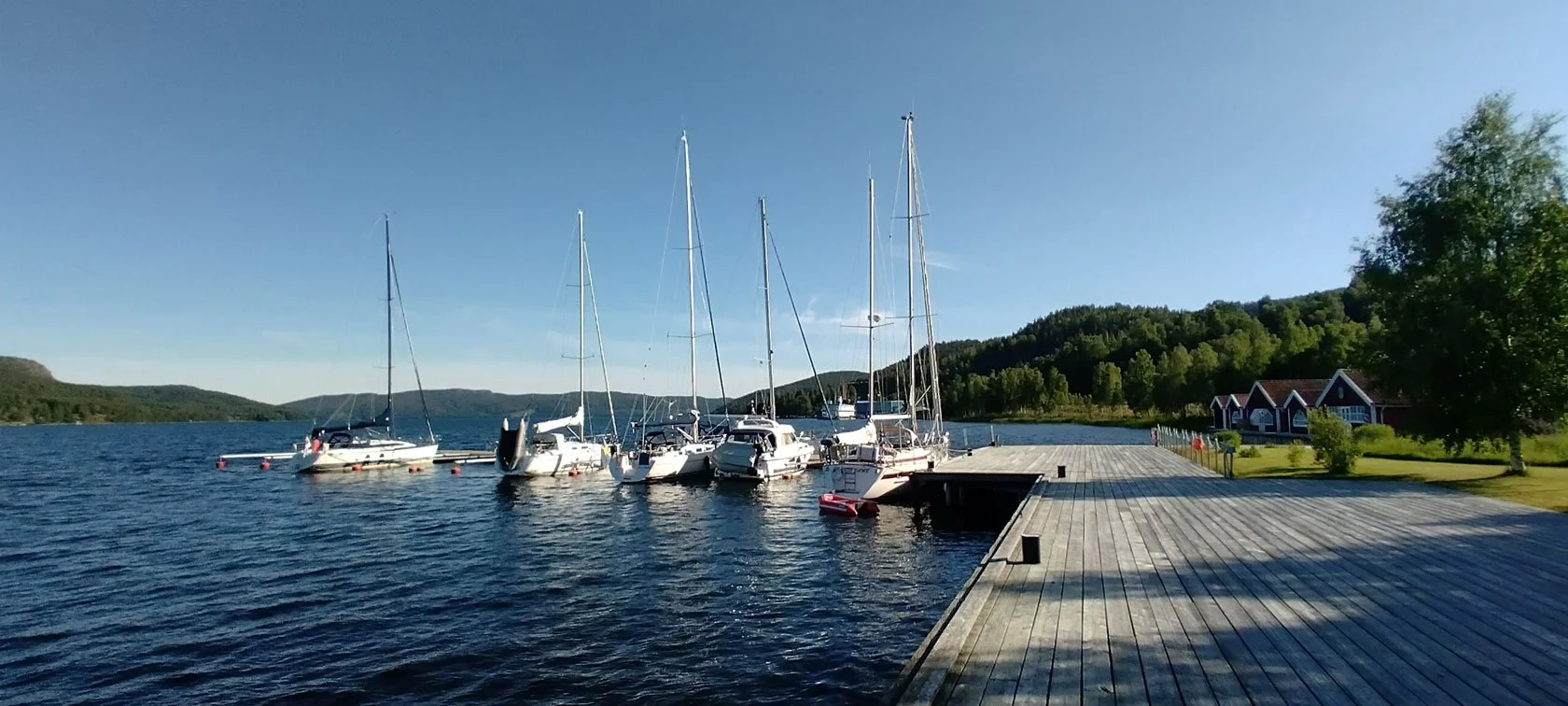
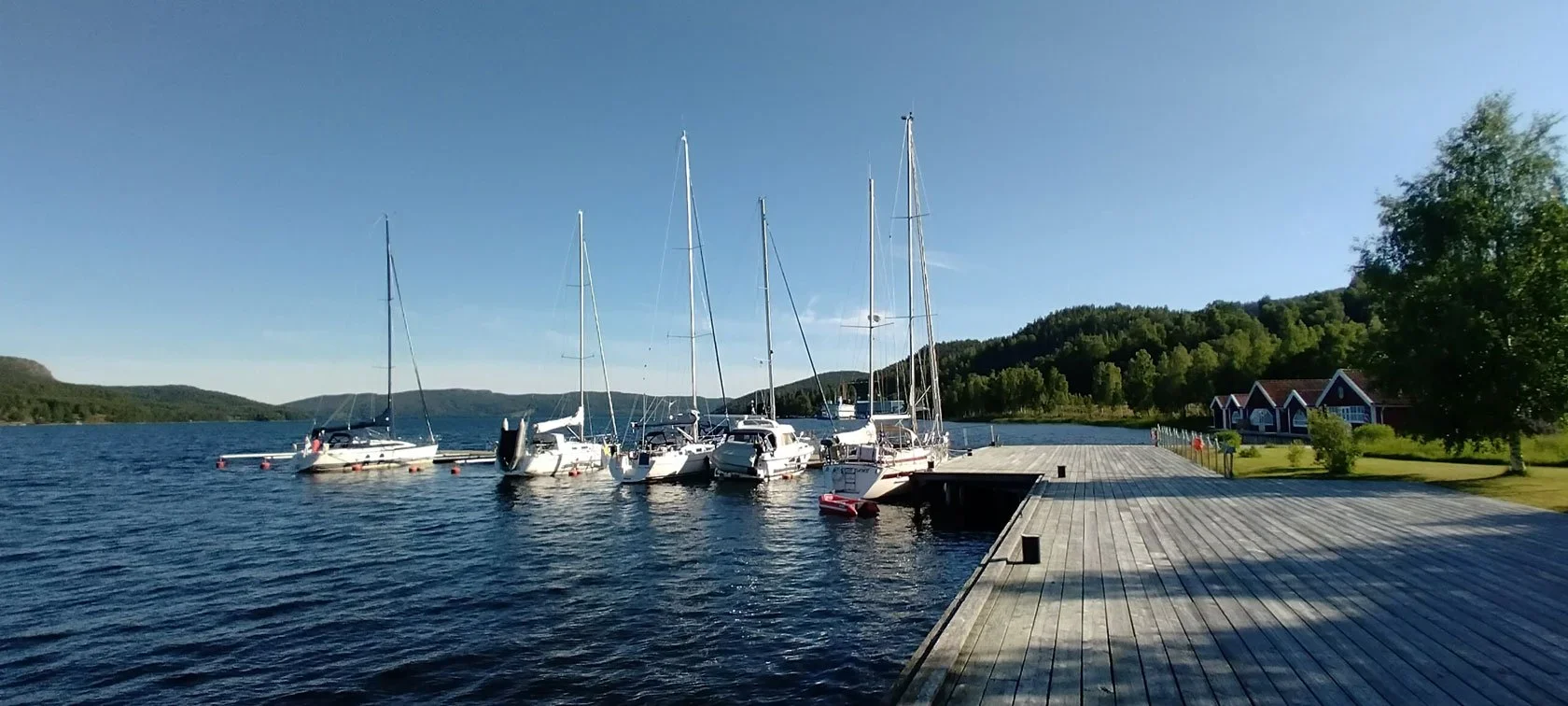
To daily or long distance sailors visiting the area of the Skuleberget mountain and the Skuleskogen national park during their holidays in the High Coast, the guest harbor in Docksta provides over 15 single berths for boats of any sizes.


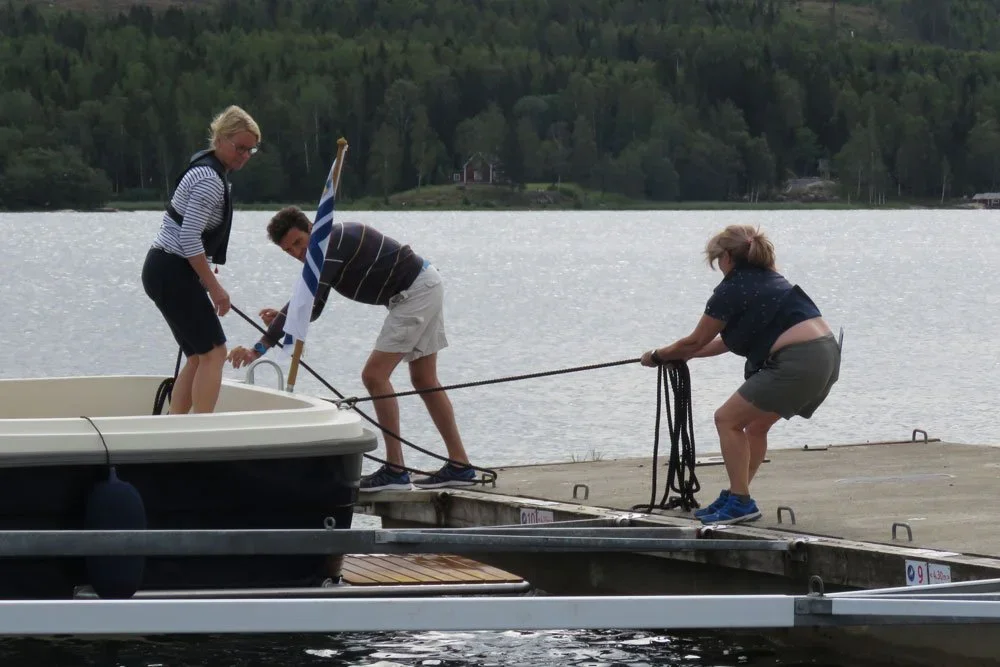
At your arrival at Docksta Havet gästhamn, if possible, we assist you during your approach at the harbour and help you while you are mooring your boat.

We assign your own berthing space, so you not have to share the space on the dock with another boat.


Yachts can safely & easily docking in 3 ways:

 1#
between y-booms mooring:

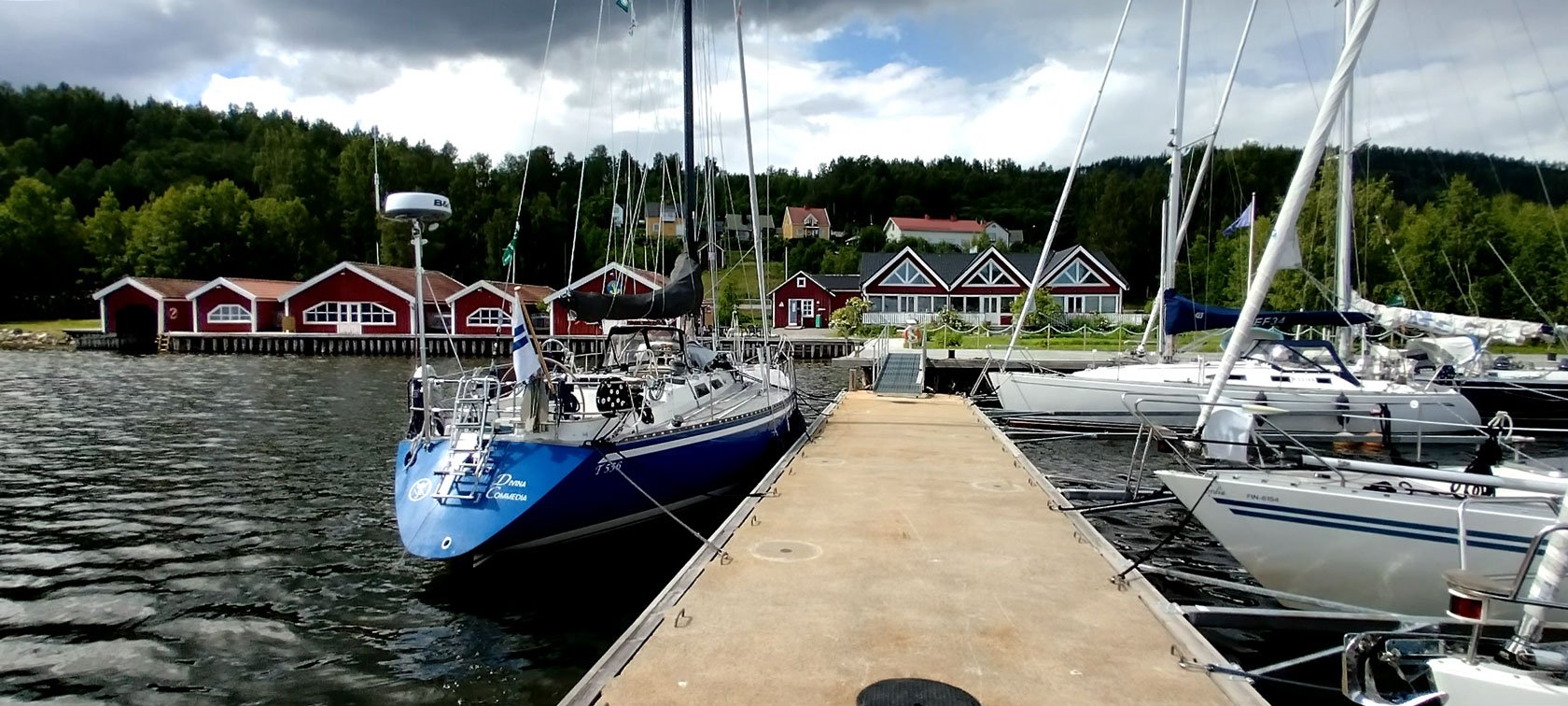
There are 10 single berths between y-booms (8m) which have different widths: from 3.3m to 4.6m. All seats on the floating docks have deep water and are suitable for mooring sailboats with bulb keels.
There are 10 single berths between y-booms (8m) which have different widths: from 3.3m to 4.6m. All seats on the floating docks have deep water and are suitable for mooring sailboats with bulb keels.
 

2#
berthing alongside the main pier:

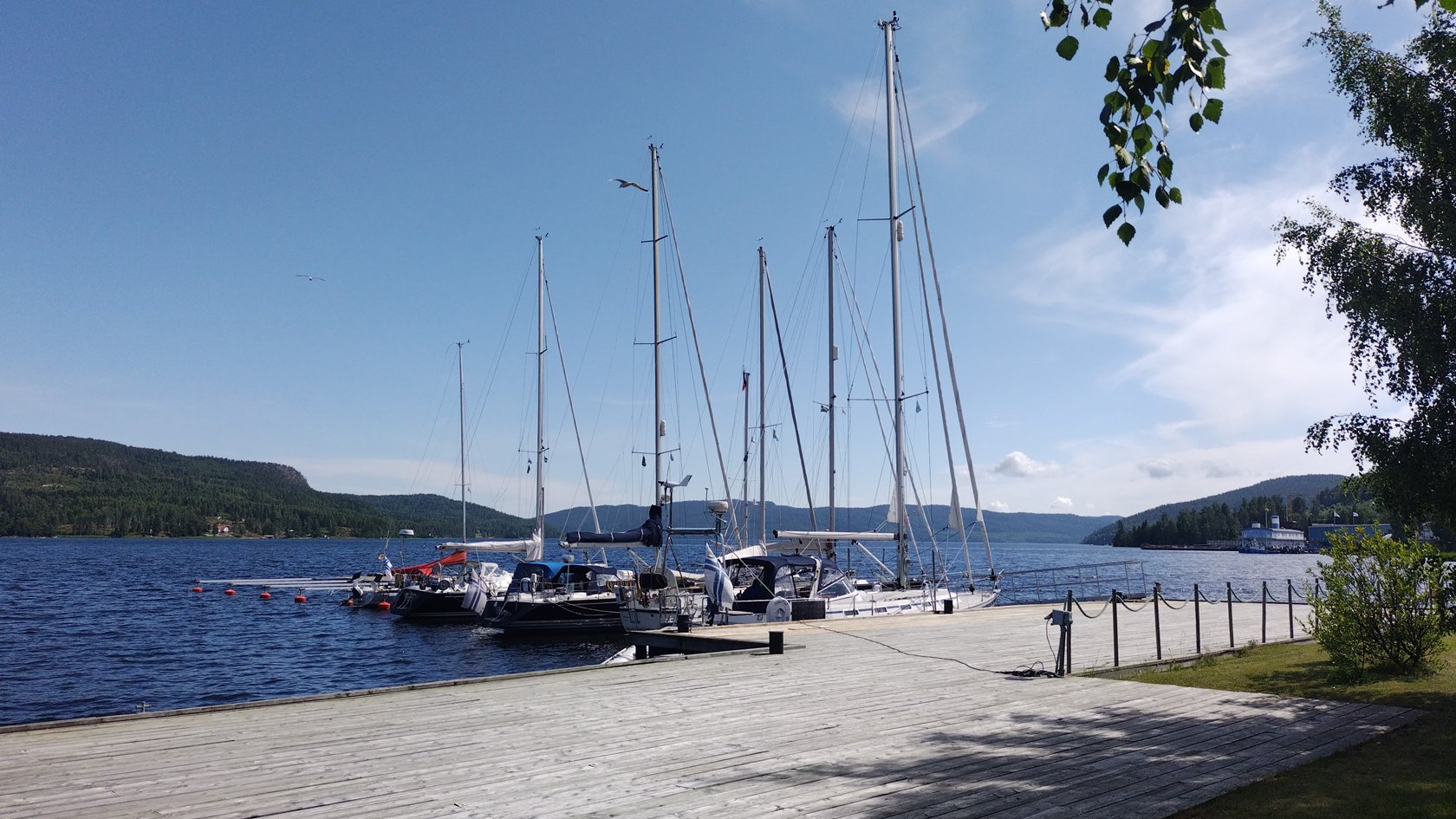
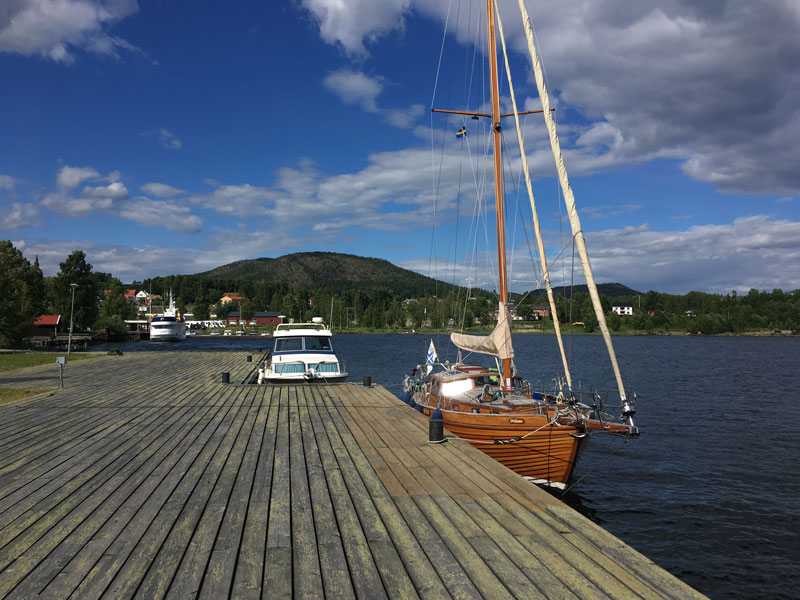
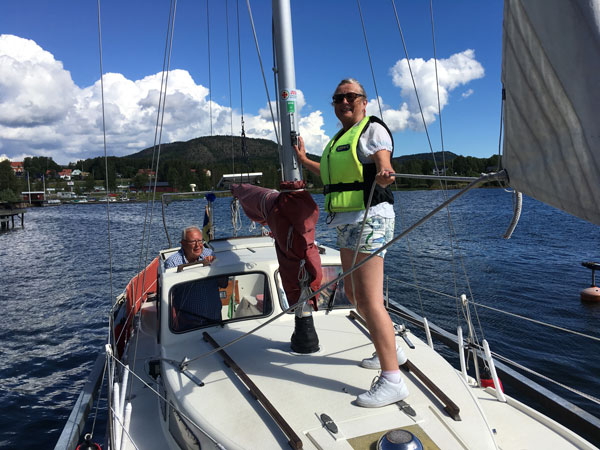
Alongside the southerly section of the main pier, the water is deep to easily moor a sailing or motor boat even more than 55/60'. We reserve the northerly section of the pier for motor yachts only.

Alongside the southerly section of the main pier, the water is deep to easily moor a sailing or motor boat even more than 55/60'. We reserve the northerly section of the pier for motor yachts only.


3#
docking external on the floathing wharfs, alongside the south side of the pontoons:

saiboats-moored-alongside-the-pontoons-in-docksta-hoga-kusten.jpg
Moorings are well protected from the main winds. Southerly winds form small waves in the Dockstafjärden.

Moorings are well protected from the main winds. Southerly winds form small waves in the Dockstafjärden.


All boats places have proper marine bollards or eye bolts suitable for safely mooring pleasure boats.


We assign the boat places considering the boat dimensions in relation with the spaces availability, but also the winds conditions or, when is possible, to facilitate the crew in getting on and off the boat on the piers (mooring alongside).

sailyacht-safely-moored-alongside-the-main-pier-in-docksta-hoga-kusten.jpg
 

If you want information or have specific needs, you can contact us; if we are on the docks when you arrive, talk with us before starting mooring.

If you’re concerned about the ability of your crew to maneuver into the allocated berth, it’s worth asking for an alternative.

Please note, some berths that may seem available because they are not occupied, may actually be booked: if possible, we indicate them with a "booked" sign :)


Know where you are berthing your boat

where-to-moor-a-boat-safely-docksta-skuleberget-skuleskogen.jpg

For Sailors visiting our marina for the first time, here is the layout of the pontoons - and the berth numbering system used.

With this information at hand, when you call us to book your berth - if you're directed into somewhere like: "First pontoon, berth nr. 03 between y-booms" or "alongside the main pier" - you can figure out exactly where you're going :)

With this information at hand, when you call us to book your berth - if you're directed into somewhere like: "First pontoon, berth nr. 03 between y-booms" or "alongside the main pier" - you can figure out exactly where you're going :)


where-is-docksta-havet-guest-harbour.jpg

DOCK YOUR BOAT AT A SAFE GÄSTHAMN

In case you’re wondering why sailors need a safe harbor: a safe harbor is the guarantee of a safe place to dock your boat without having to worry about the rough waters, bad weather conditions or other yachts moored nearby.

In a safe harbor, you can kick back, relax, and enjoy your stay at the marina without safety concerns.

Docksta Havet Gästhamn is one of the harbor in the Höga Kusten with the safest moorings where to berth a yacht. It’s a sailors friendly marina located in Docksta in the heart the High Coast World Heritage.

Our marina is nestled deeper in the cove, providing your boat with more protection since the hills protect the piers, waves are not so big and there is less wind. So if you’re on the hunt for a safe harbor during your sailing holiday in the Hüoga Kusten, your are welcome! :)

WOULD YOU LIKE TO BOOK A SPOT? CALL US (076) 3136628


SHARE YOUR #HIGHCOASTSAILOR PASSION:


Docksta is the landmark for Baltic Sea cruisers in the Höga Kusten

When in 2006 the area and the structures of the marina in Docksta were restored, the first goal was to reintroduce moorings, facilities and dedicated services to support sailors & cruisers. It was too long that Docksta was waiting to welcome the long distance sailors again. Second goal was to support sailing experiences within the High Coast and to awake new focus and interest in the natural, cultural and touristic coastal assets of the Höga Kusten / High Coast UNESCO World Heritage.


The beauty of the High Coast waters and its natural coastlines is a great value to share within the international sailing community.

In the Baltic Sea, two general growing trends involve more long distance cruisers:

  • still looking for sailing more close to the Nature, they are escaping from even nice sailing destinations that during the summer are too crowded of boats & people;

  • they don't just love sailing open waters or wild mooring: sailors move inland for great outdoor experiences to share with people onboard.

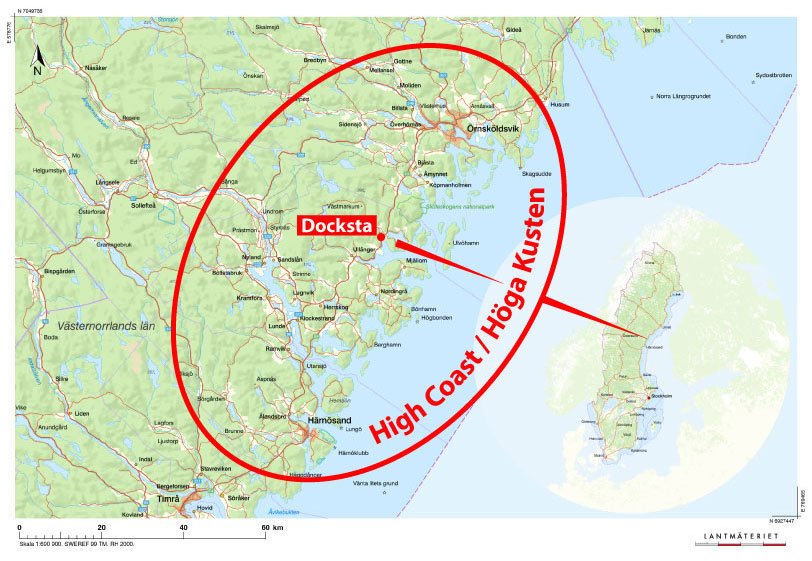
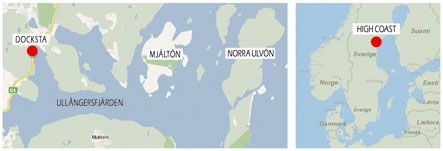
Docksta-in-the-map-of-sweden-and-the-high-coast.jpeg

So, year after year, more boats and crews are sailing up to the northern part of the Baltic Sea and heading to the Swedish High Coast & the Finnish Kvarken Archipelago.

 
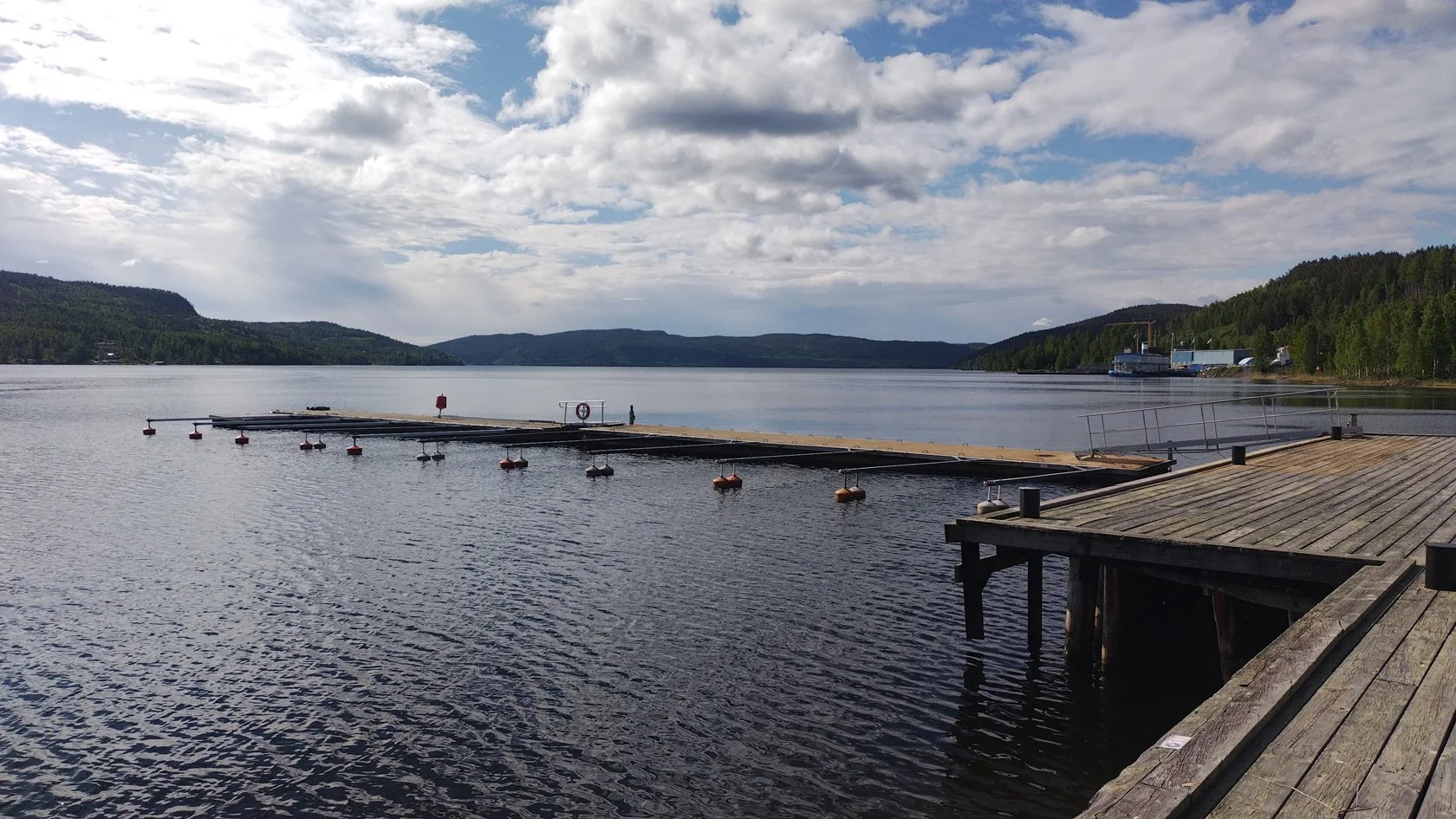
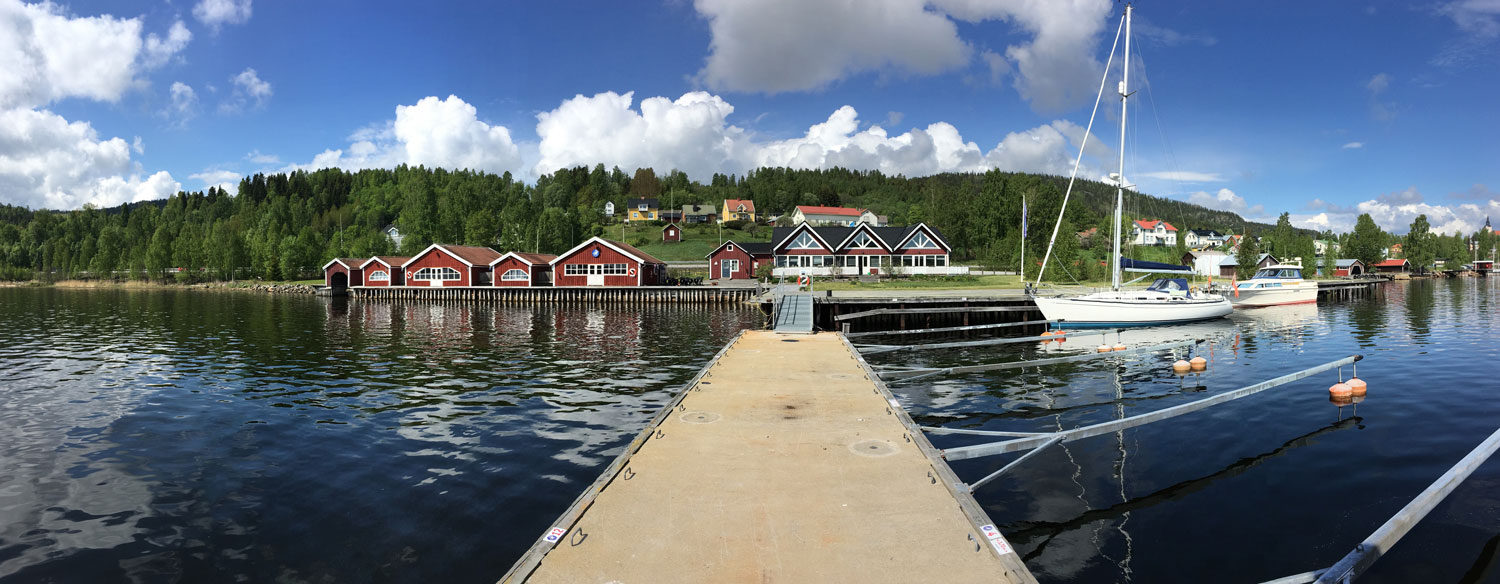
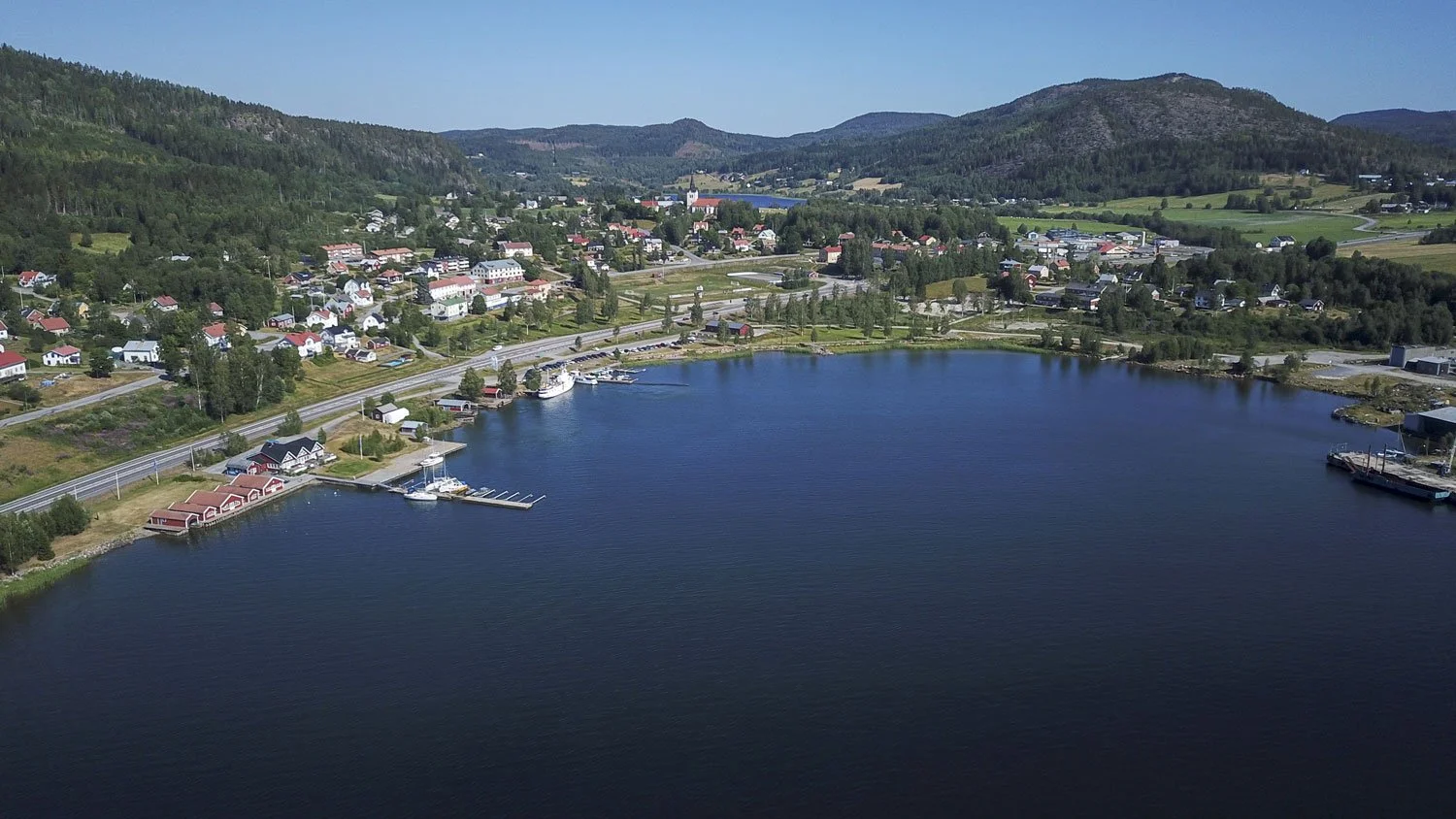
Overview of the piers of the "gästhamn" and Dockstafjärden.

Overview of the piers of the "gästhamn" and Dockstafjärden.

Docksta has become a landmark for many Baltic Sea Cruisers in discovering the best spots: here they can safely moor their sailboats or motor yachts but also can discover the best that the High Coast has to offer ashore.


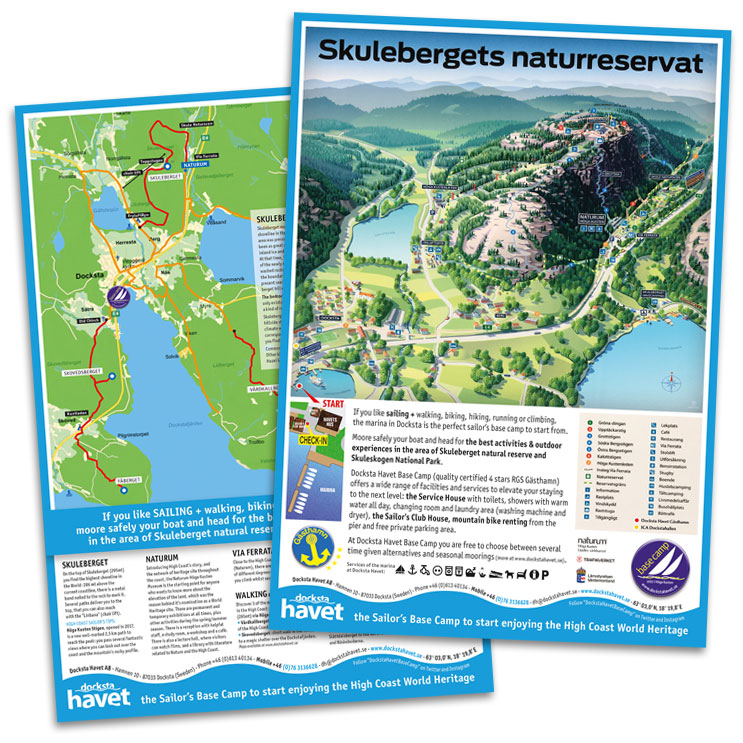
The guest harbour's location is in the heart of the UNESCO world heritage: in Docksta, we encourage people to pair sailing with walking, biking, hiking (and trail running!) from the piers.

Sailors left their yachts safely moored and start from the marina to enjoy the natural surroundings, the main outdoor activities & the events around Skule mountain.

We highlight them the most stunning paths around Docksta, at different levels of difficulty but overall quite easy and accessible to any family. The national park of Skuleberget is easy to reach from our piers also by bicycle (sailors can also rent our MTB).

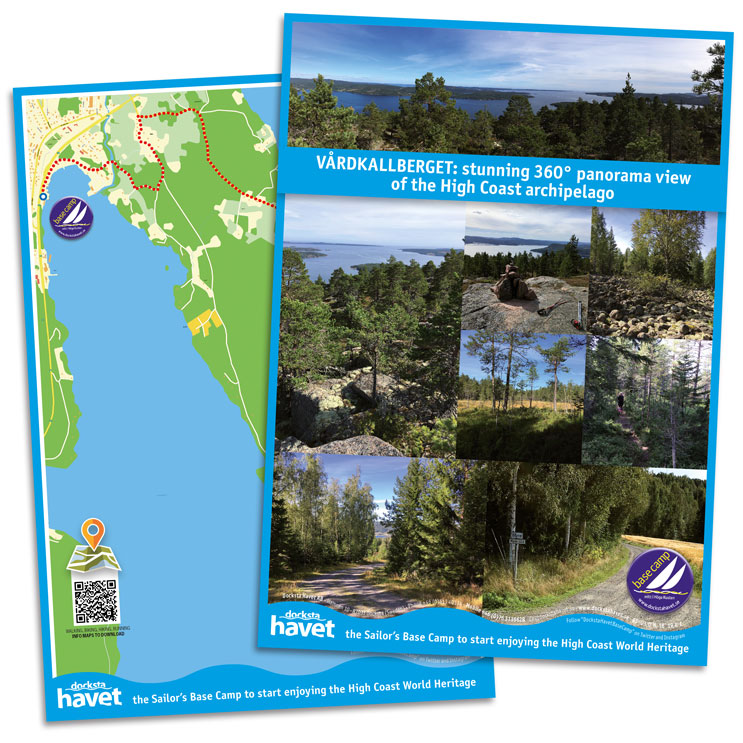
We engage them, online and onsite, with free maps for hiking / walking / running

Where is Docksta Havet gästhamn in the Höga Kusten
Docksta Havet overview of the guest harbour
 

Baltic Cruisers in the Höga Kusten are coming at Docksta Havet guest harbor from all over the nordic Countries (Sweden, particularly from south of Sweden and Stockholm, Finland, Denmark and Norway), and from abroad (mainly Germany, UK, Holland and POLAND).

In the gästhamn they find fresh water to refill their tanks and electricity to recharge the boat's batteries, comfortable toilets & showers, a washing machine & dryer to refresh onboard linens & laundry. Docksta village offers useful commercial facilities and shops easy to reach from the piers and connections with the bus lines, the main road (E4) or local TAXI services. On average, they stop at the moorings for a couple of nights.


At Docksta Havet Base Camp, sailors find support across three main assets:

Welcoming them with facilities and quality services for crew and boats moored at the guest harbour.

Informing them about the best outdoor activities & natural assets in the area of Skuleberget and Skuleskogen.

Engaging them in nautical activities & pop-up events on the "waterfront" playground in Docksta and in the Sailor's Club House.


At Docksta Havet Base Camp we care of boat & crew: if possible, we assist sailors during their docking and help them while they are mooring the boat.

At Docksta Havet Base Camp we care of boat & crew: if possible, we assist sailors during their docking and help them while they are mooring the boat.


Skippers, crew and their Guests are welcome into the Sailor's Club House:


For sailors entusiasts that are dreaming to sail the waters of the Höga Kusten UNESCO world heritage in Sweden, online we share topics about sailing and outdoor from the High Coast. 


Highlighting what High Coast Sailors love to do:


SHARING MAPS & TIPs to get the most:

 
sailing-docksta-havet-base-camp-hoga-kusten.jpg

Docksta Havet is HLR: Cruising Association Honorary Local Representative for the High Coast

Docksta Havet CA Honorary Local Representative for Cruising Association in the High Coast.jpeg
CA Cruising Association crest.

CA Cruising Association crest.

The network of CA Honorary Local Representatives (HLRs) aim to support Cruising Association members while they are visiting or planning to visit specific harbors/ports, or areas like the Höga Kusten, by providing helpful assistance, information and advice - plus a friendly welcome! - to yachtsmen and their crew.

CA Baltic Section of Cruising Association

CA Baltic Section of Cruising Association

Founded in 1908, the Cruising Association ("CA" website is www.cruising.org.uk) has several thousand members, of whom about 900 are "CA Baltic section" members that means they have sailed in Baltic Sea, or are interested in sailing in all the Countries bordering the Baltic Sea - Germany, Denmark, Norway, Sweden, Finland, Russia, Estonia, Latvia, Lithuania and Poland (Greenland, Iceland and the Faroe Islands also form part of the section). Quite a few members are non-British, and/or non-UK-based.

The aim of CA is to encourage cruising in sail yachts and motor yachts. What is really impressive is how CA Members like and are effective to share experiences, knowledge, and fun to get the most out of their cruising. Information is distribuited through the section's newsletter, website and the forum. For info, please contact the Section Secretaries, Graham and Fay Cattell, at baltic@theca.org.uk or CA staff at office@theca.org.uk.


Docksta-Havet-gasthamn-hoga-kusten.jpg

Docksta Havet Base Camp is a guest harbour member of the Riksföreningen Gästhamnar Sverige (RGS), its quality is certified 4 stars out of 5.


the-sailors-club-house-docksta-havet-17.jpg
 

Here you can reach or contact us:

Docksta Havet AB
Hamnen 10 - 87396 Docksta - Sweden
phone: +46 76 3136628
email: dockstahavet@gmail.com

Australian Sailors enjoy the High Coast sailing even late in the season

Even late in September - definitely "low" season, for Baltic cruisers - two Australian sailors enjoy the natural beauty of our coastal heritage.

This beautiful black sailing boat, flying Canadian flag and coming from Vancouver, paid a visit at Docksta Havet Base Camp. High Coast Sailors and their boats have always great stories to share with us! This time was no exception.

The boat was designed by the designer of the two "Gretel", Australian America's Cup yachts, and built in Canada by one of the two sailors onboard. "Skookum I" has a twin sister in Sidney. She was built - and is owned, by the second sailor aboard.

Skookum I, designed by Alan Payne and built in Canada

Skookum I, designed by Alan Payne and built in Canada

They have been exploring the Höga Kusten World Heritage together for the first time, cruising from south of Helsinki for a quick tour before the winter.

The crew of Skookum I arrives at Docksta marina's pier

During the couple of days spent at the marina in Docksta, they went to the Skuleberget but they have been not lucky with the weather, it was raining and foggy. So, they enjoyed riding to  Naturum and had lunch there.

Skookum I tender bikes are ready to take off the pier for Naturum
 

Free download here the map of the best outdoor activities
in the area of Skuleberget
, starting from the pier of Docksta Havet.


It was really nice to have them moored at the Base Camp and have a coffee together at the Sailor's Club House talking about boats & sailing! Here you see the short video we collected when they left the mooring to continue their cruising.


Finnish Sailors (on a beautiful boat) cruising the High Coast [VIDEO]

S/Y Ottiliana moored at Docksta Havet Base Camp

We collected some videos shared by the crew of the finnish sailing boat "Ottiliana" during their last summer cruising into the Höga Kusten. Particularly, they report their experience into the area of Skuleberget, the moment of taking off from the pier of the marina in Docksta and very nice moments of sailing into the Ullångersfjärden and Dockstafjärden.

VIDEO I

S/Y OTTILIANA sailing the Ullångersfjärden to Docksta

Höga Kusten tour 2017

HIGH COAST SAILOR'S TIPS | Explore with your boat the more internal coast: sailing to Skuleberget and Skuleskogen National Park >


VIDEO II

High Coast Sailors & Friends exploring the top of Skuleberget starting #fromthepier at Docksta Havet Base Camp

Höga Kusten tour 2017


VIDEO III

Great sunny & windy sailing from Docksta to discover the stunning coastline of the Höga Kusten World Heritage

Höga Kusten tour 2017

 
S/Y Ottiliana moored at Docksta Havet Base Camp with on background the Skuleberget

S/Y Ottiliana moored at Docksta Havet Base Camp with on background the Skuleberget


Short presentation of Ottiliana and content of her YouTube channel.

FEW INFO ABOUT THE BEAUTIFUL WOODEN BOAT "OTTILIANA"

S/Y Ottiliana is a traditionally clinker built cutter rigged sailing boat. Materials used to build her are finnish pine, teak, mahogny, iroko and Siberian larch. Grand Scylla type boat was built in Luvia Sådö boat yard by Björn "Nalle" Nyberg and launched 2003. Here will be shown videos of maintaining and sailing Ottiliana in the Baltic and in the archipelago.