Base Camp hosting in Docksta (and why it changes your whole High Coast holiday)
Why your accommodation is your strategy. Base Camp hosting in Docksta: one calm base, local expertise, realistic day trips. Intentional High Coast holidays.
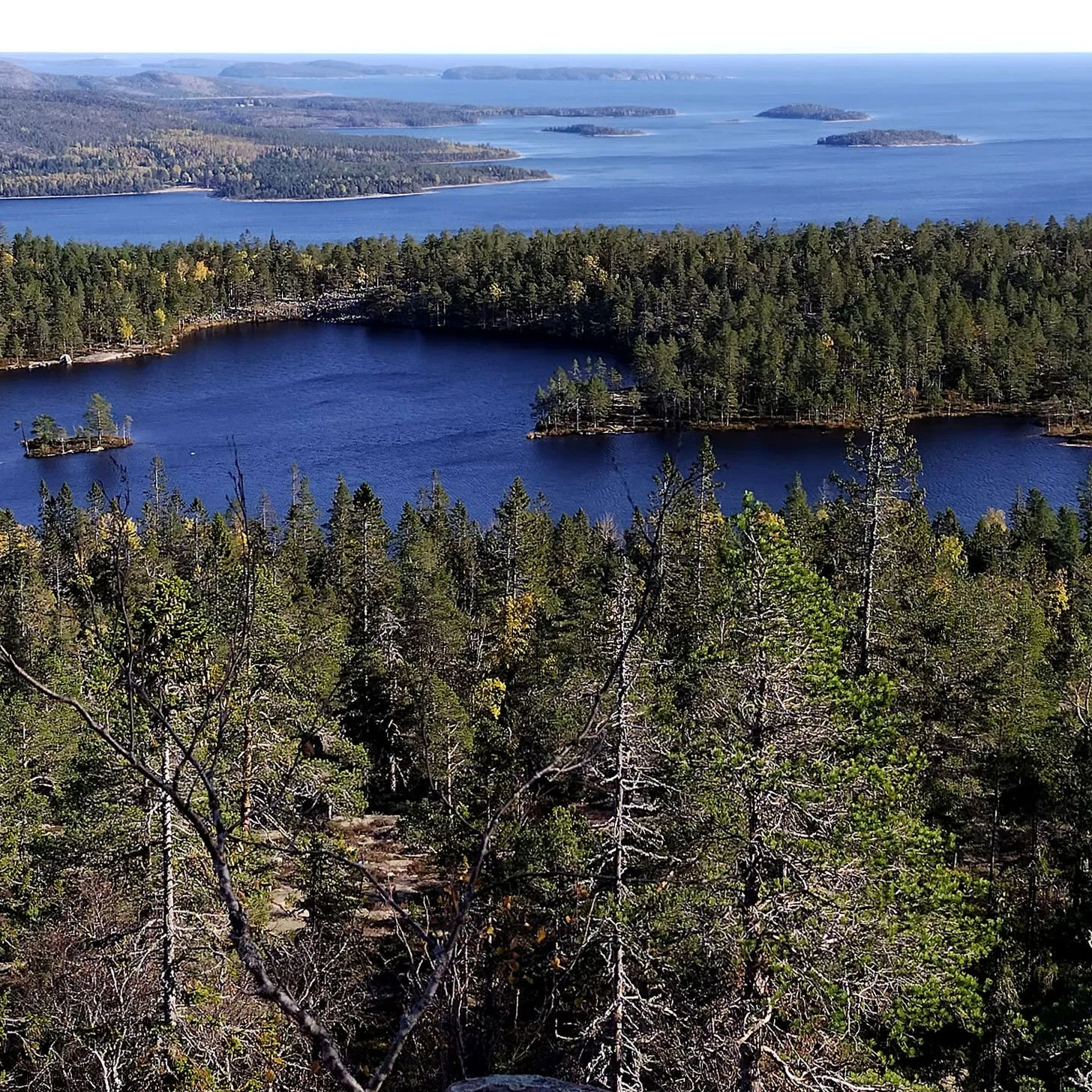
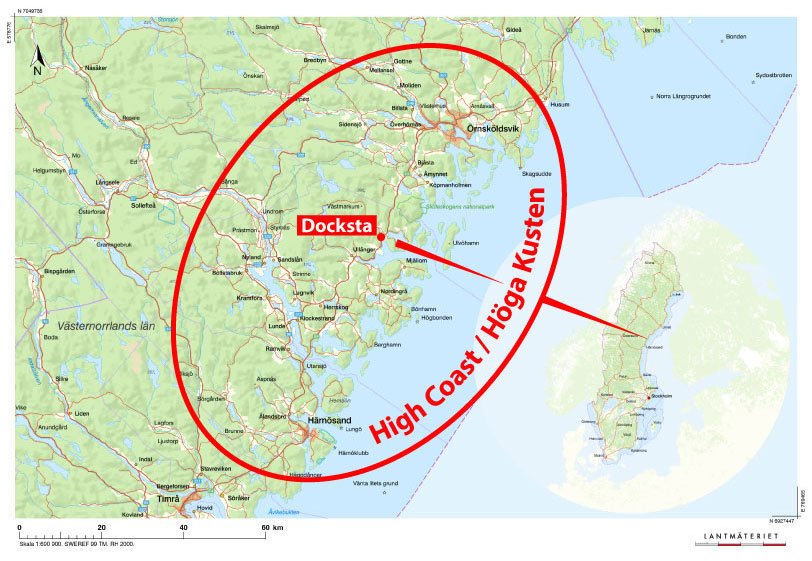
The High Coast is generous. But it doesn't like being rushed. And it doesn't reward random planning.
Höga Kusten is a vast destination — and most people underestimate distances, timing, and how quickly, sometimes, weather can change a plan. This post is for intentional holiday couples who want to explore more and stress less.
I'll show you the Base Camp method we've built at Docksta Havet: choose one strategic base, build a small menu of day trips, keep one buffer slot — and let local expertise turn a beautiful territory into a holiday that actually feels easy.
And the funny thing is: I don't usually explain it like this. It usually starts with an espresso and a map.
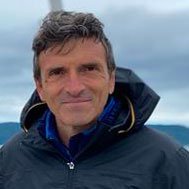
I'm Tommaso, your host at Docksta Havet Base Camp — and this is how I help my guests explore the High Coast and make the adventure feel easy.
It's mid afternoon. A couple arrives — they're a bit tired, they've driven north all day, rushing early from south of Stockholm, and they just want to land.
Not too late for an espresso, I make it for them. We stand on the pier for five minutes. They look at the water, they breathe.
Then one of them pulls out their phone and opens Google Maps.
"So… what should we do tomorrow?"
And I see the moment: the map is full. Skuleskogen. Skuleberget. Ulvön. Trails. Viewpoints. A concert in the forest. Ferries. Roads that look small but take longer than expected.
The question isn't really "what should we do?"
It's: "Where do we even start?"
Because the High Coast (Höga Kusten) is not a compact destination. It's a territory.
And that's why, here, your accommodation isn't just where you sleep.
It's your base. Your rhythm. Your logistics. Your mood.
The mistake (that smart travellers still make)
Most people do one of these things:
they try to do too much, moving around every day, always in transit
or they do too little, because the region feels overwhelming and they don't want to gamble with time
Both are understandable. Both are common.
But there's a third way — the one we've been building at the Marina for twenty years.
Docksta Havet was created as a Base Camp (not a slogan — a method)
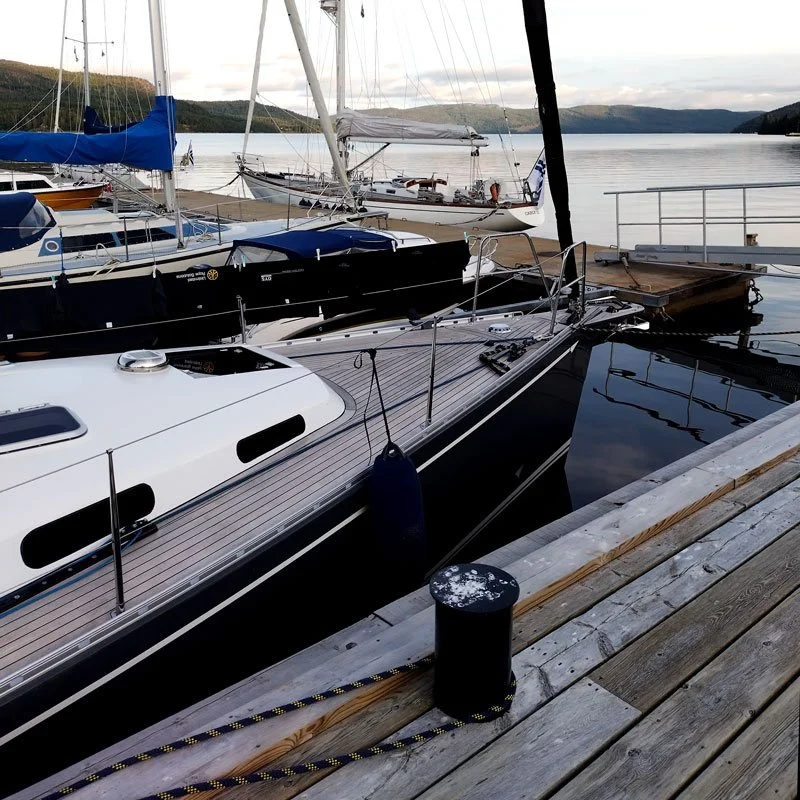
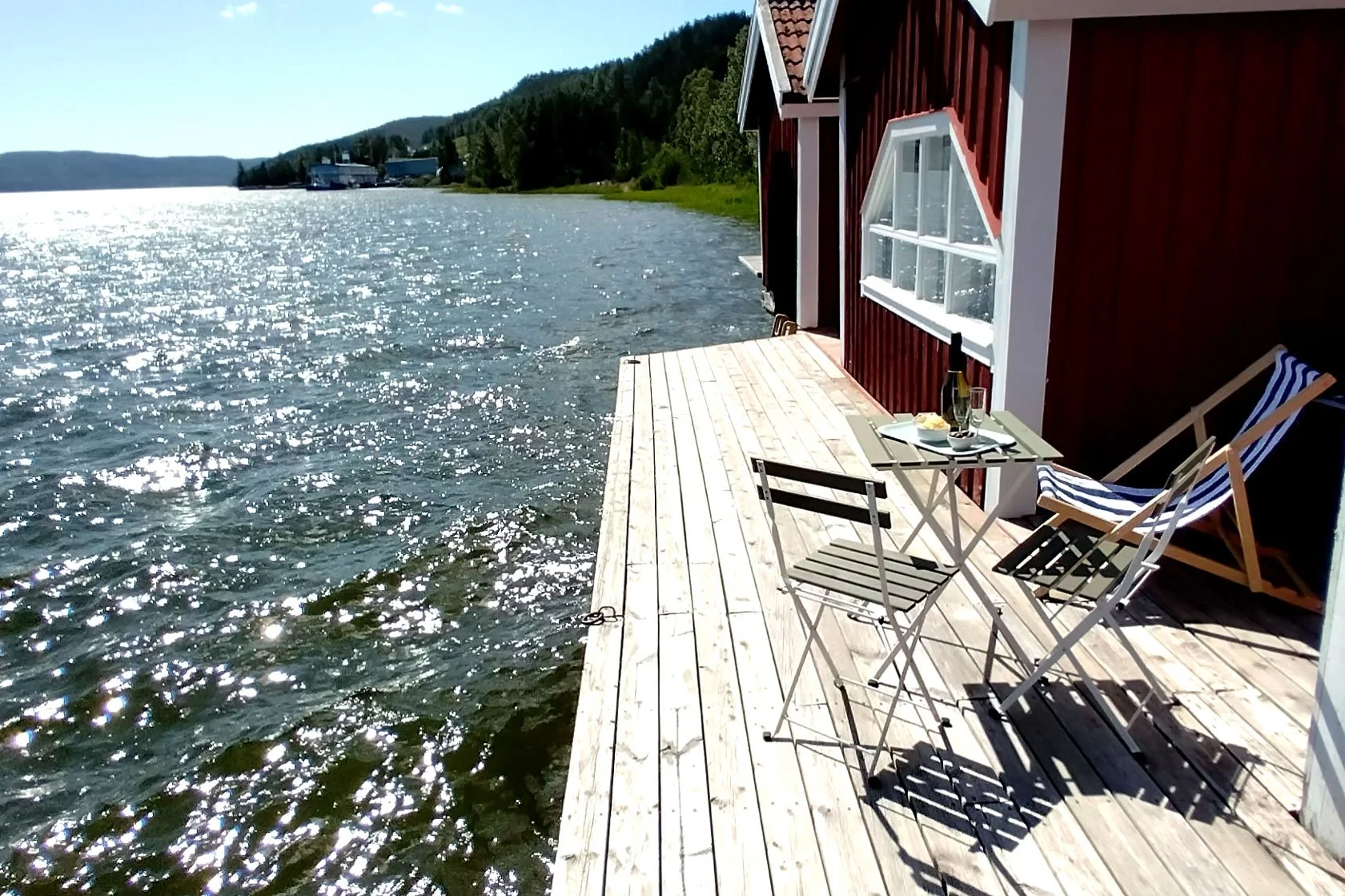
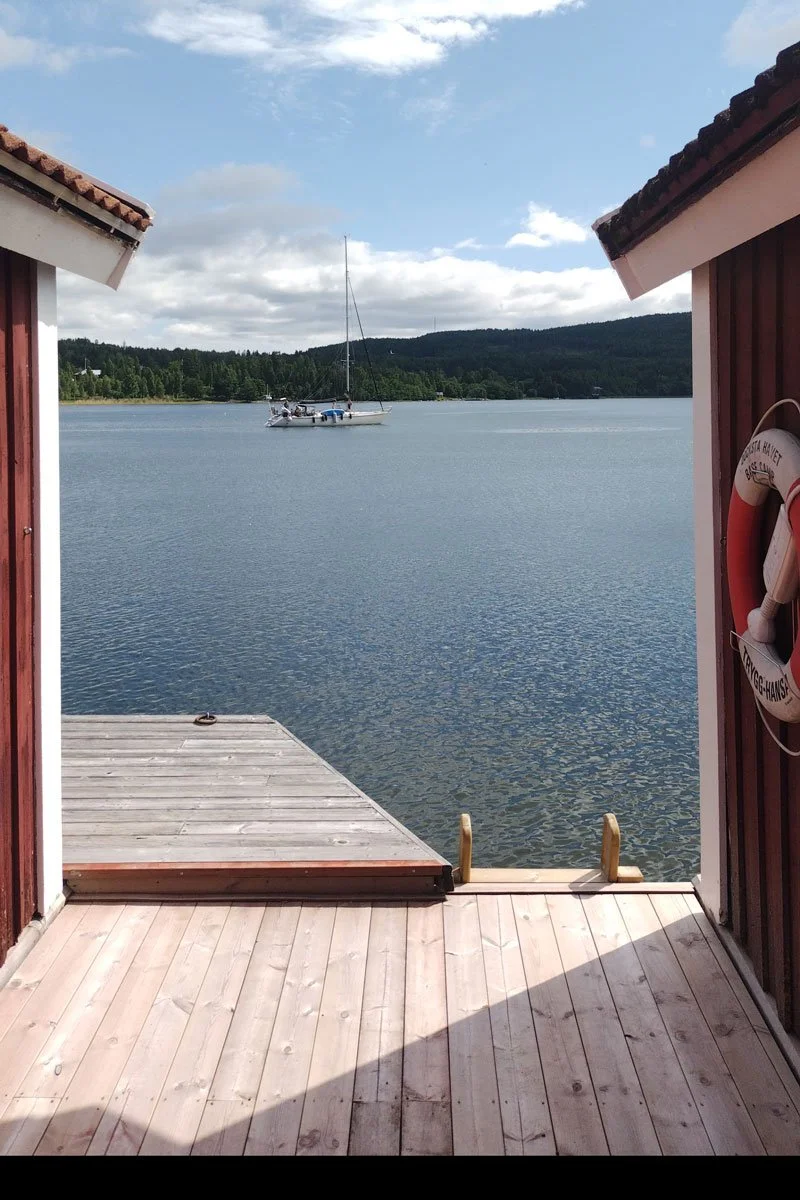
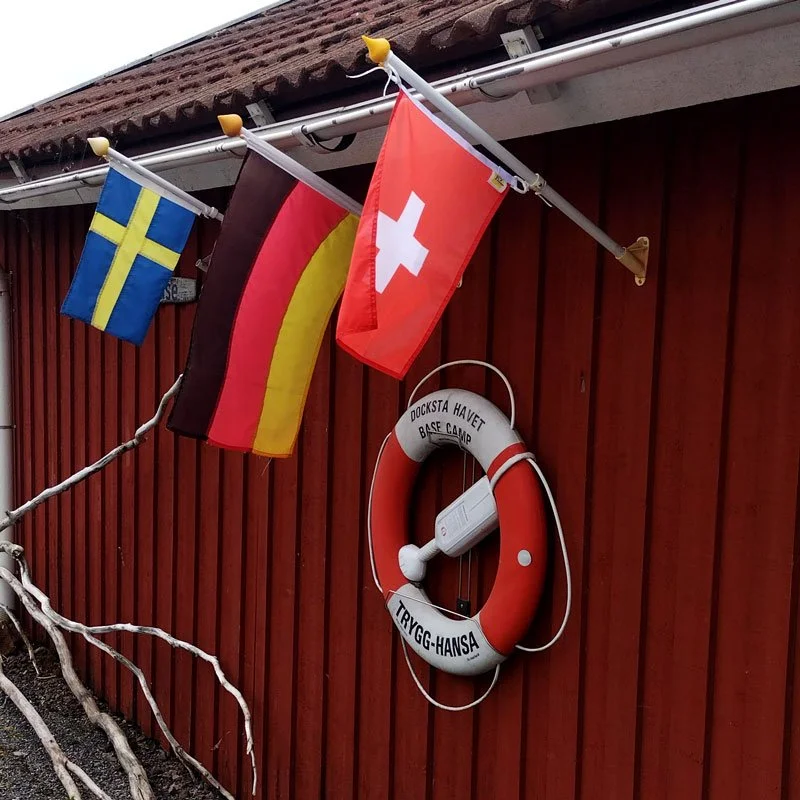
Base Camp is not a label for us. It's a method.
Docksta Havet was built around one idea: in the High Coast, the smartest luxury is not doing more — it's doing the right things, from the right place. A Base Camp means you sleep well, you move less, and you explore deeper. It means local orientation, honest advice, and a host who's present — not just a code on a door. If Höga Kusten is vast (it is), your base is your strategy. And this is what we do, every day, all season.
Sometimes guests nod politely when I say "Base Camp". Then the next morning they come back from their first day out and say something like:
"We thought we needed a full plan… but this feels easier than we expected."
That's the point.
A Base Camp is not about controlling your holiday. It's about making discovery feel simple.
The Base Camp rule (works for everyone)
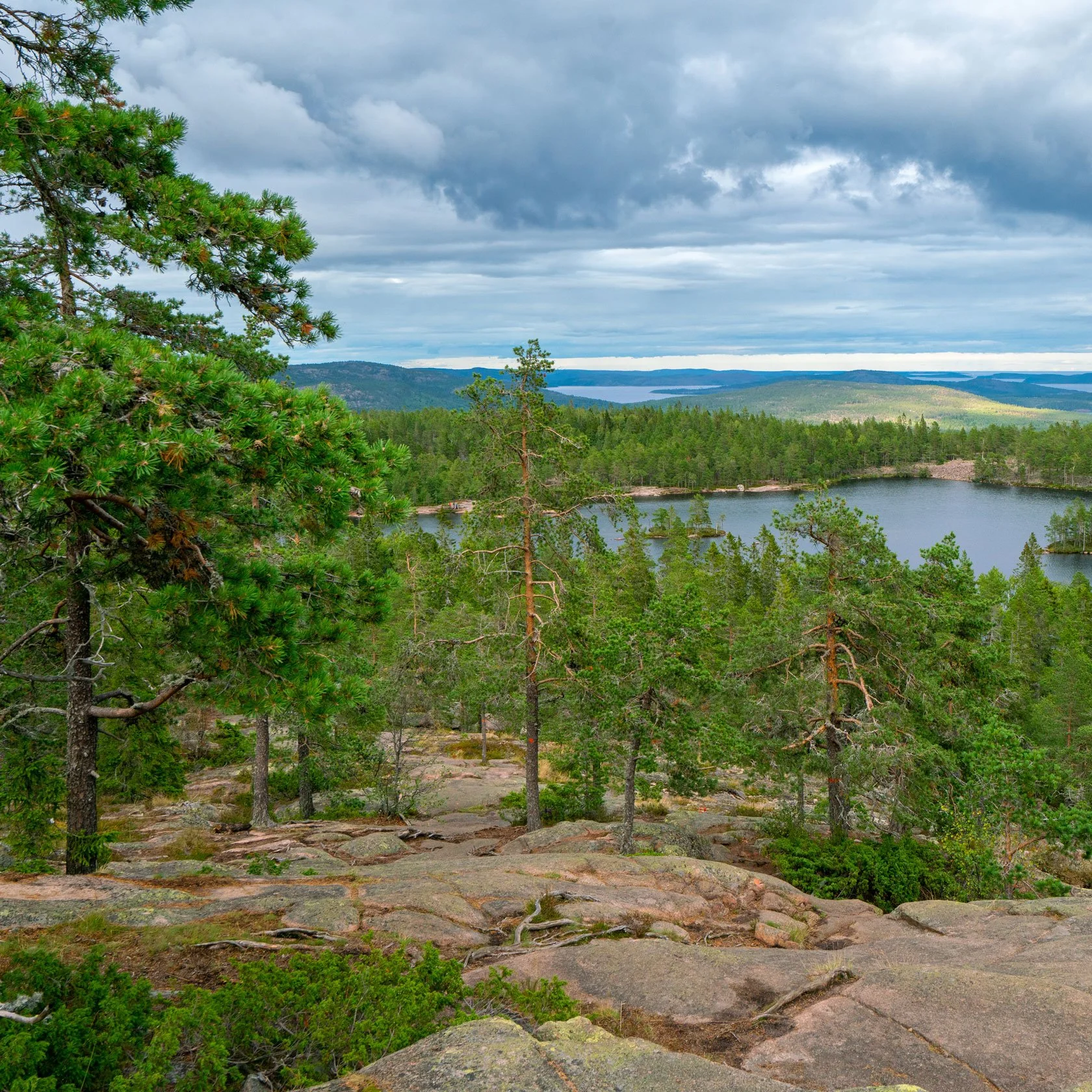
Whether you travel by car, public transport, bike, boat, motorbike, or on foot, the logic is the same:
Choose one base that gives you options
Pick a small menu of day trips (not a checklist)
Keep one buffer slot for weather, rest, or spontaneity
That's it.
This is how the High Coast becomes a holiday instead of a logistics project.
High Coast in 48 hours (from Docksta)
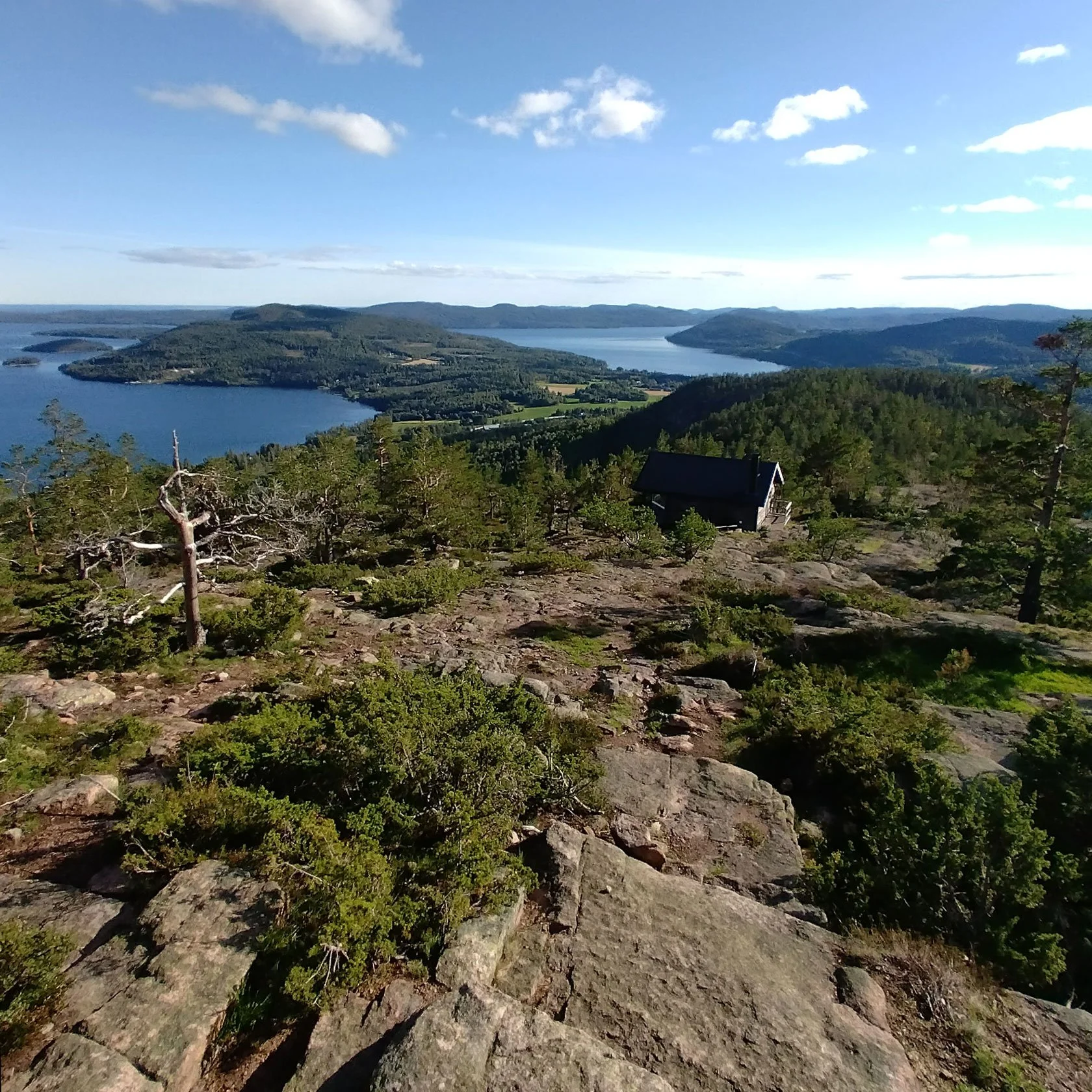
48 hours here means: arrive day 1 afternoon, full day 2, leave day 3 morning.
A realistic example. Let's say you only have two nights — the classic "short High Coast escape".
Day 1 (arrival day)
Arrive, drop your stuff, and do something small but iconic. A viewpoint. A short trail. A pier walk. A quiet evening by the water.
Not because you need to "tick a box" — but because it changes your nervous system after travel.
Host tip #1 (arrive early = you gain a whole evening):
Check-in starts at 3pm. If you arrive at Docksta not too late, you don't just "sleep here" — you get a real slice of the day: time to reset, a slow espresso, and that long High Coast summer light on the water. Sometimes the best first activity is simply standing on the pier and doing nothing.
Day 2 (one big day)
Choose one flagship experience: Skuleskogen or Skuleberget or an island day. Do it properly, without rushing. Come back to the same base, same bed, same calm.
Host tip #2 (one wish, not the whole bucket list):
Pick one main goal for the day — and let it be enough. The High Coast rewards depth, not speed. When you do one thing well, you come back with a real memory (and still enough energy for a quiet evening).
Day 3 (departure morning)
Check-out is by 11am — but the morning is still yours. Coffee by the sea, a last slow walk on the piers… or a short "goodbye hike" if you want to move your body before driving again.
Host tip #3 (use the morning for a small secret):
Departure mornings are perfect for something simple and close — like Per Olsbo, or another short local walk I can recommend based on your timing. It's a small ending, but it often becomes the moment people remember most.
This is how people end up saying:
"We explored less frantically… and felt so much more."
Three nights? Even better. Because if you have 3 nights, you don't need 20 options. You need 3 good ones — and time to actually rest between them.

One more thing that helps (especially for first‑timers): I’ve put together free web‑based High Coast mini‑guides in 5 languages. No download, no payment — just open and start planning.
It’s the same kind of orientation I give at the pier — just in your language.
Free mini-guides (5 languages): English → | Svenska → | Deutsch → | Suomi → | Italiano →
Why Docksta works as a Base Camp
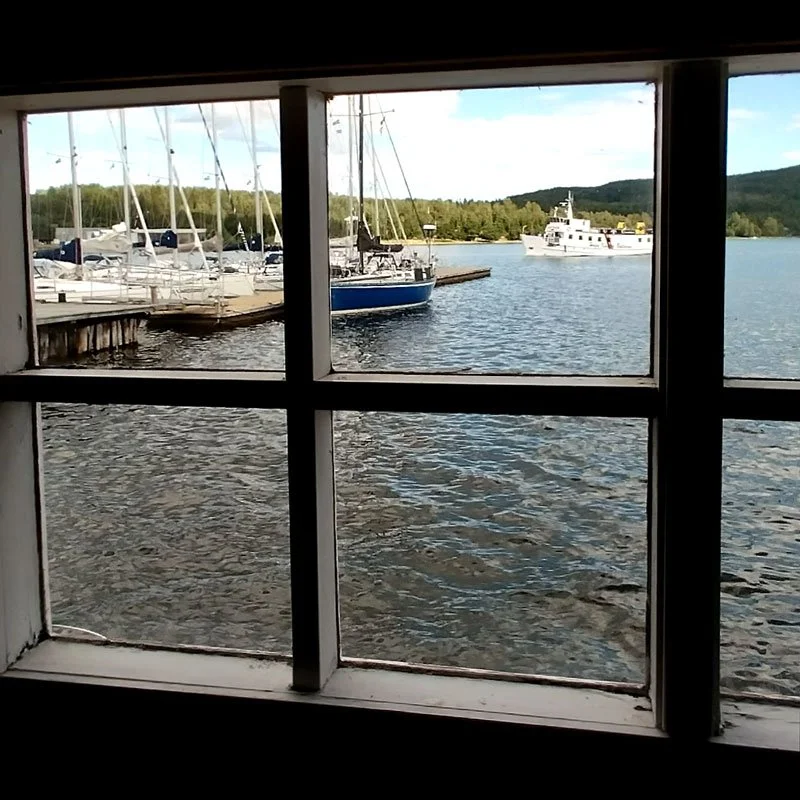
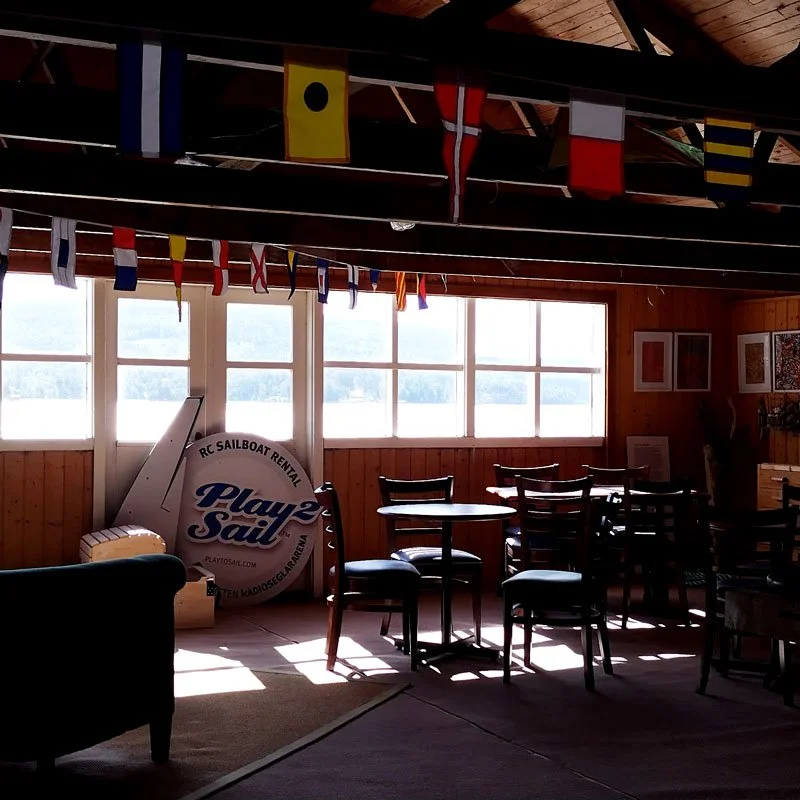
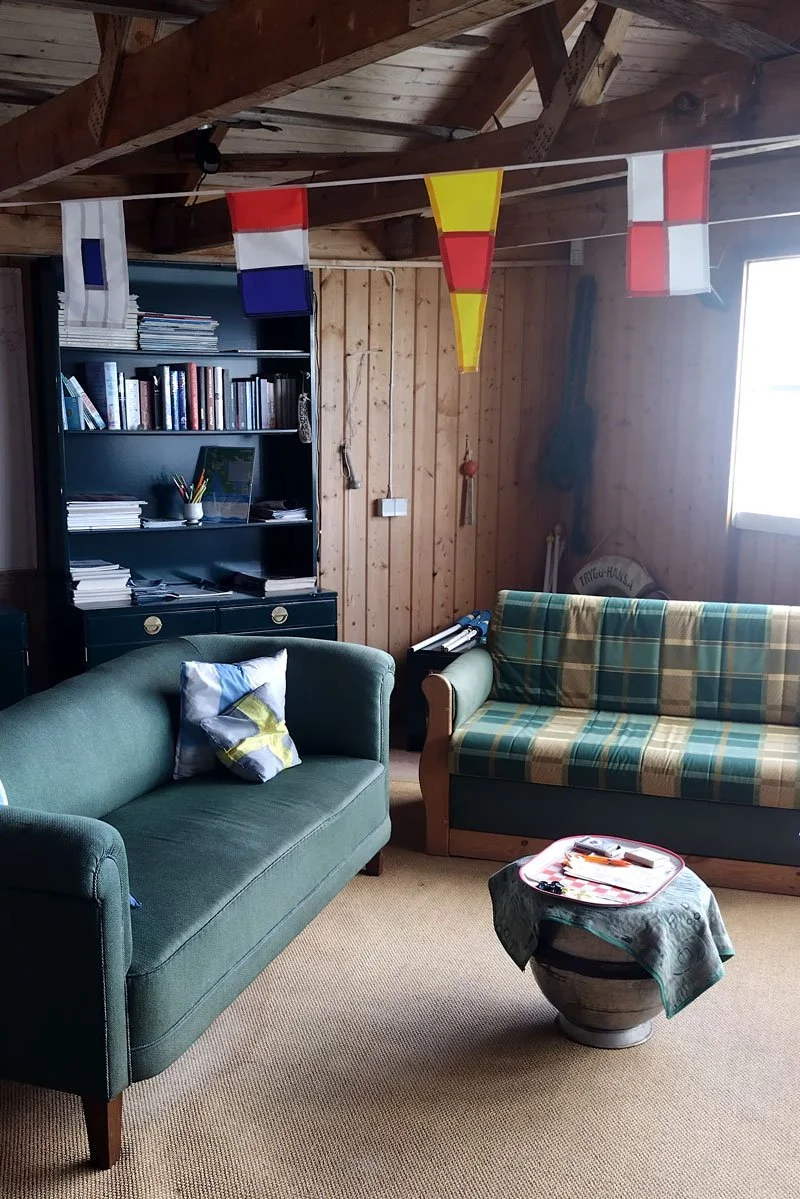
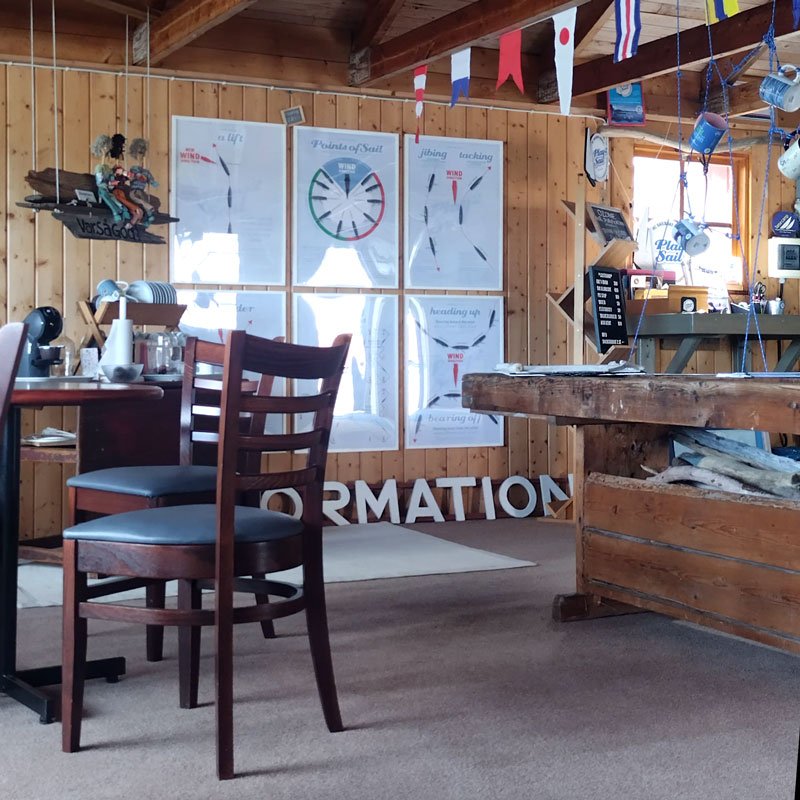
Back in 2006 we even used to say we were "mitt i Höga Kusten" — and in a way it's true. But Docksta is not "in the middle of everything". The High Coast doesn't really have a single middle.
What Docksta is, is strategic. Because from here you get:
access to both sea + mountain vibes (mellan land och vatten)
day trips in multiple directions — with a wide variety of outdoor fun
a re-energizing waterfront place to recover (quiet evenings, slow mornings)
and — this is the part you don't find on booking photos — local orientation: the small choices that turn a big territory into an easy adventure
Because the real time-saver is not driving faster. It's making better choices.
If this sounds like your kind of trip

This is for intentional holiday couples.
The ones who want nature, but not chaos. Freedom, but with a smart structure. A place that feels personal, not anonymous.
You don't want to "collect" the High Coast. You want to feel it.
And you want your days to have a rhythm:
one good hike
one good view
one quiet evening
one morning that starts slowly
and enough space to be surprised
Base Camp hosting is built exactly for that.
Different travellers, same Base Camp logic
Whether you arrive with kids, with a boat, or alone with just one small backpack, the idea stays the same: fewer transitions, better choices, and a calm place to land.
If you're a family: Base Camp means fewer transitions, fewer negotiations, more calm.
If you're a sailor: Base Camp means safe mooring and shore leave that turns into discovery (not just services).
If you're a hiker or trail runner: Base Camp means a quiet place to recover, people who understand your goals with real local tips on routes and timing, and someone who understands why you came.
If you're on a motorbike / road trip: Base Camp means that even one night can feel like a real High Coast moment.

Visual guide (interactive map)
My recommended High Coast destinations from Docksta — zoom in and save it for later. Read also: Exploring the High Coast, the destinations (Real Days, Not Checklists) >
Start here: my Base Camp Shelf (4 ways to choose your days)
When you're building your High Coast menu from Docksta, I usually think in shelves. Not because it's a rigid system — but because it reflects how people actually explore: some days you want the iconic moments, some days you want the adrenaline, and some days you just want to disappear into quiet forest.
Anchor Days (must-have)
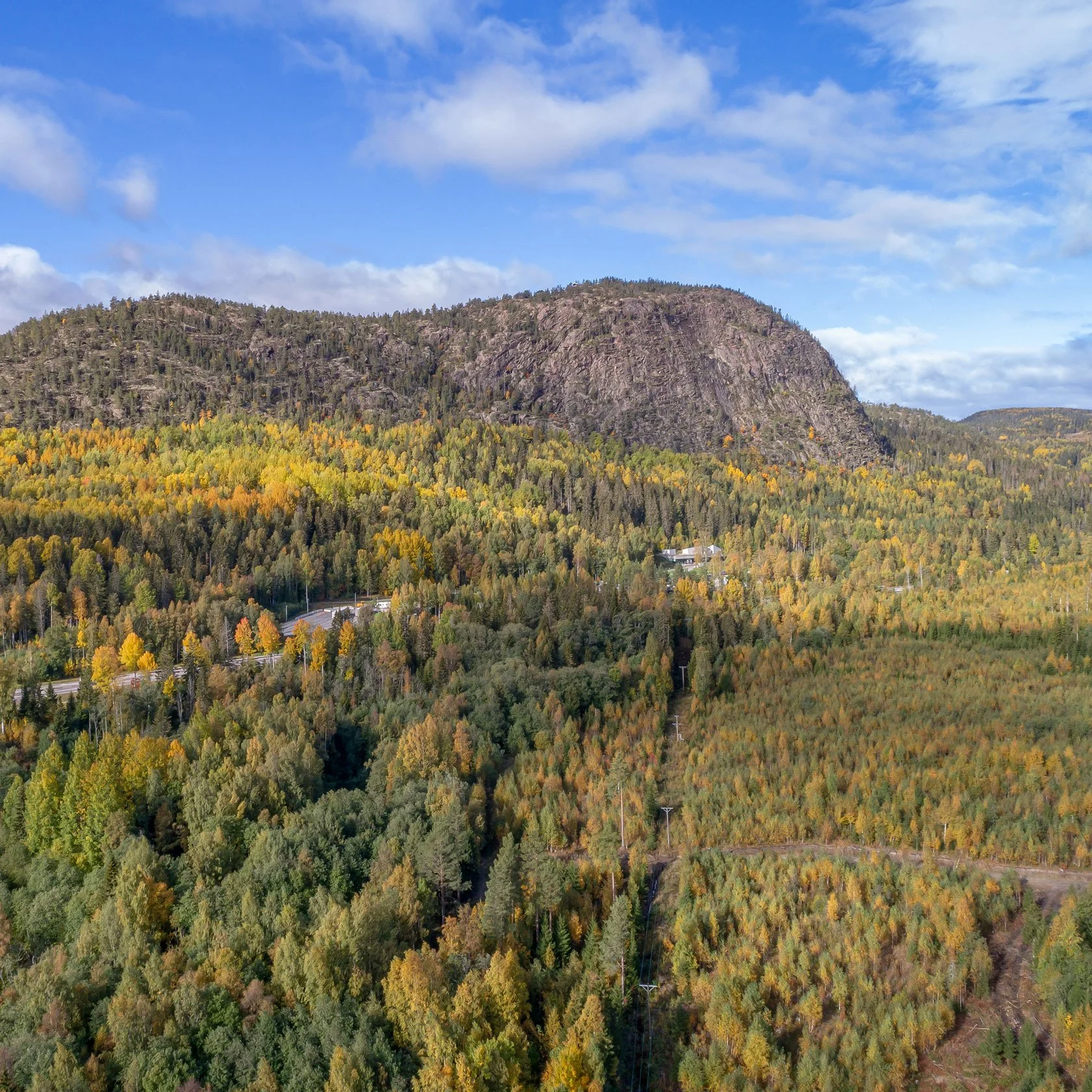
These are the days that define a High Coast visit. First-timers, repeat guests — everyone comes back to these:
Skuleskogen National Park • [Read this post: Hiking Skuleskogen] • [Browse the guide: Skuleskogen Guides & Stories]
Skuleberget Mount (viewpoint, cable car, or a full excursion along its magic trails) • [Read this post: Excursion at Skuleberget] • [Browse the guide: Skuleberget Guides & Stories]
Hidden in Plain Sight (classic highlights, deeper rewards)
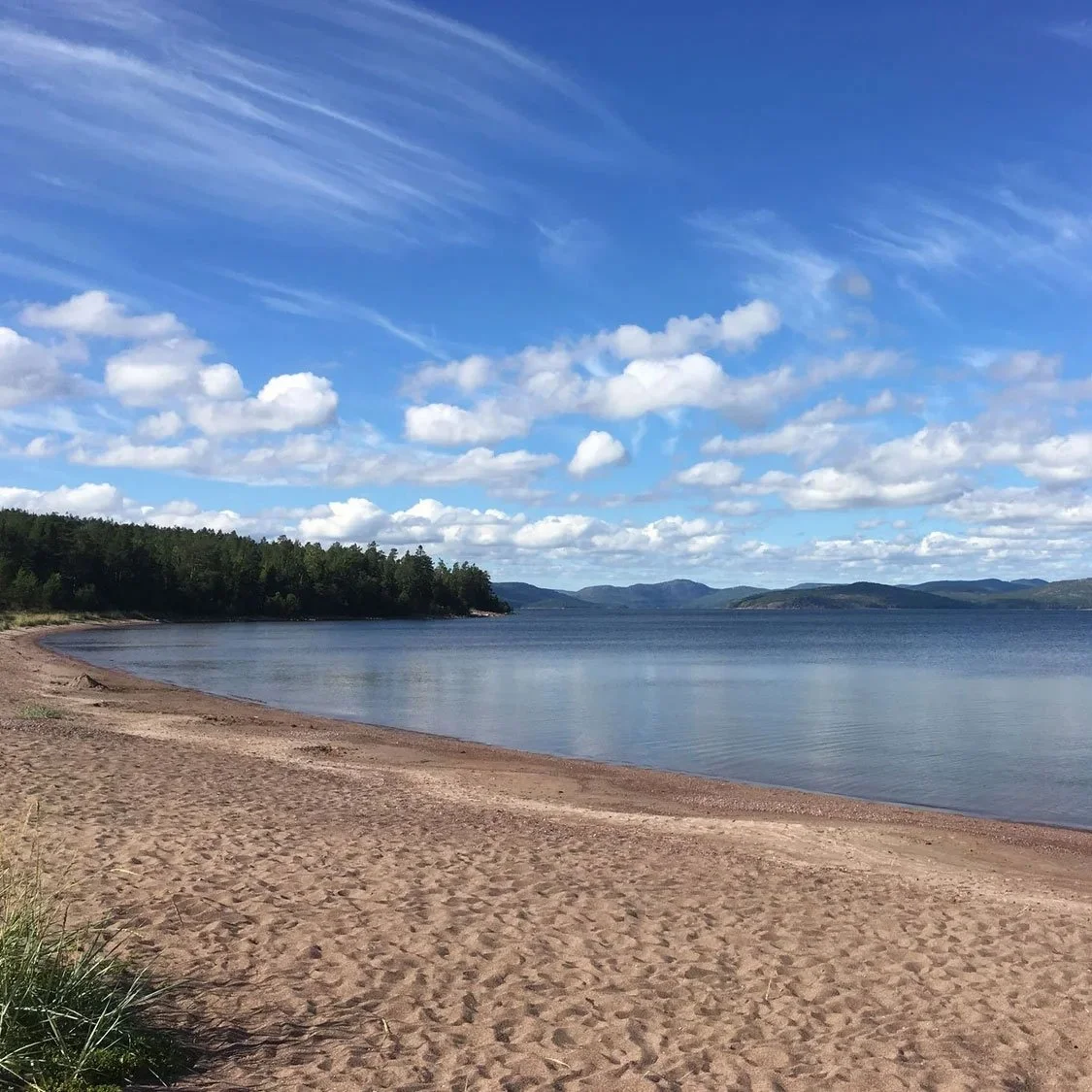
These are the names you'll see in every official guide — and that's fine. The difference is that, with the right timing and a couple of local details, they stop being "tourist stops" and become real High Coast moments:
Bönhamn village
Norrfällsviken & Storsand (village + one of the most special beaches in the area)
Peak Moments (adventure + viewpoints)
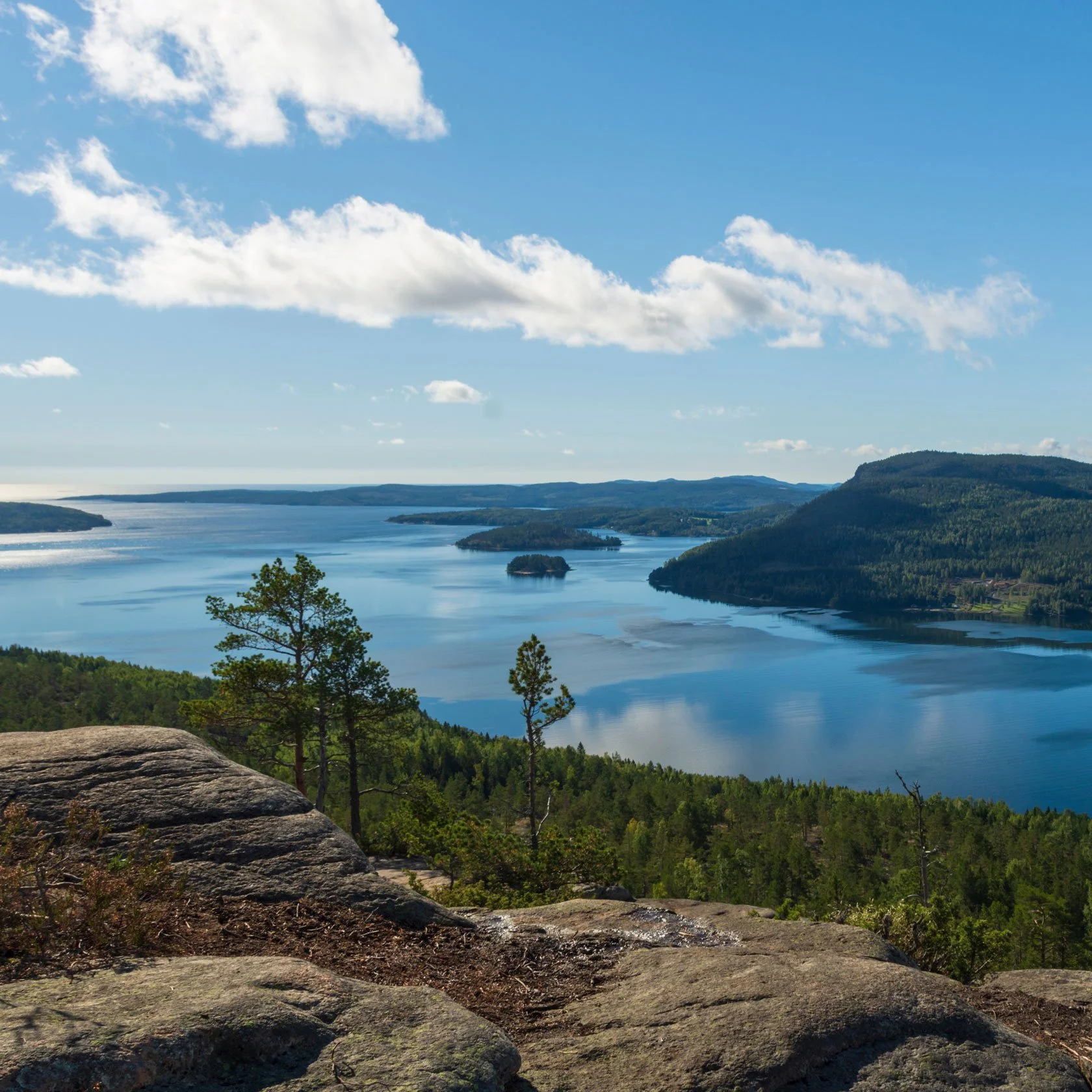
The days that make you feel alive. Big energy, big photos, big stories:
Ulvön (island ferry + village + time) • [Read this post: Ulvöleden Trail]
Via Ferrata on Skuleberget • [Browse the guide: Via Ferrata Guides & Stories]
Predikstolen viewpoint • [Browse the guide: Getsvädjeberget Guides & Stories]
Naturscen concerts (logistics + magic) • [Browse the guide: Naturscen Guides & Stories]
Slow Gold (quiet forests + islands)

The ones people don't always plan for — but they're often the days that stick with you. Less famous, more yours:
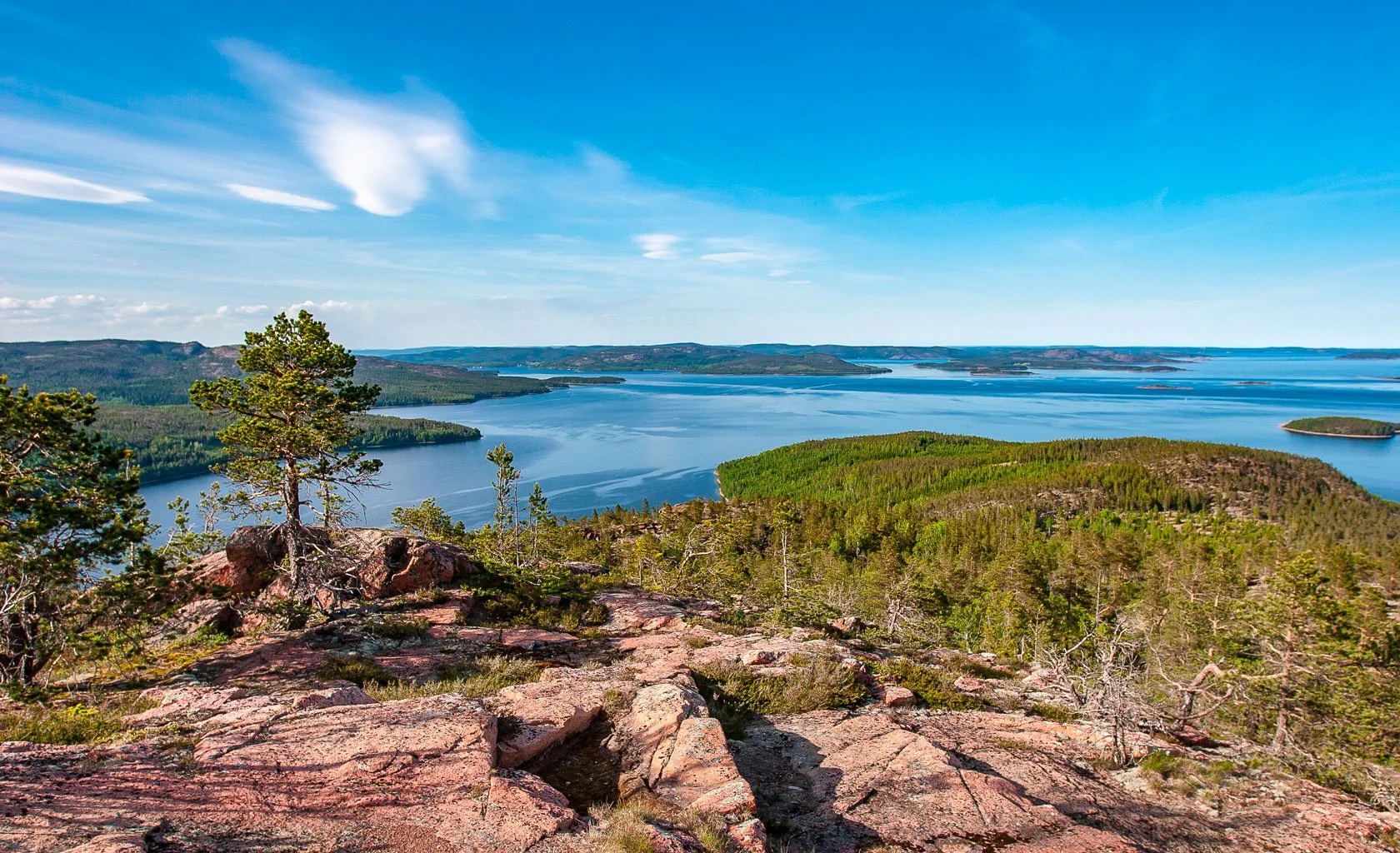
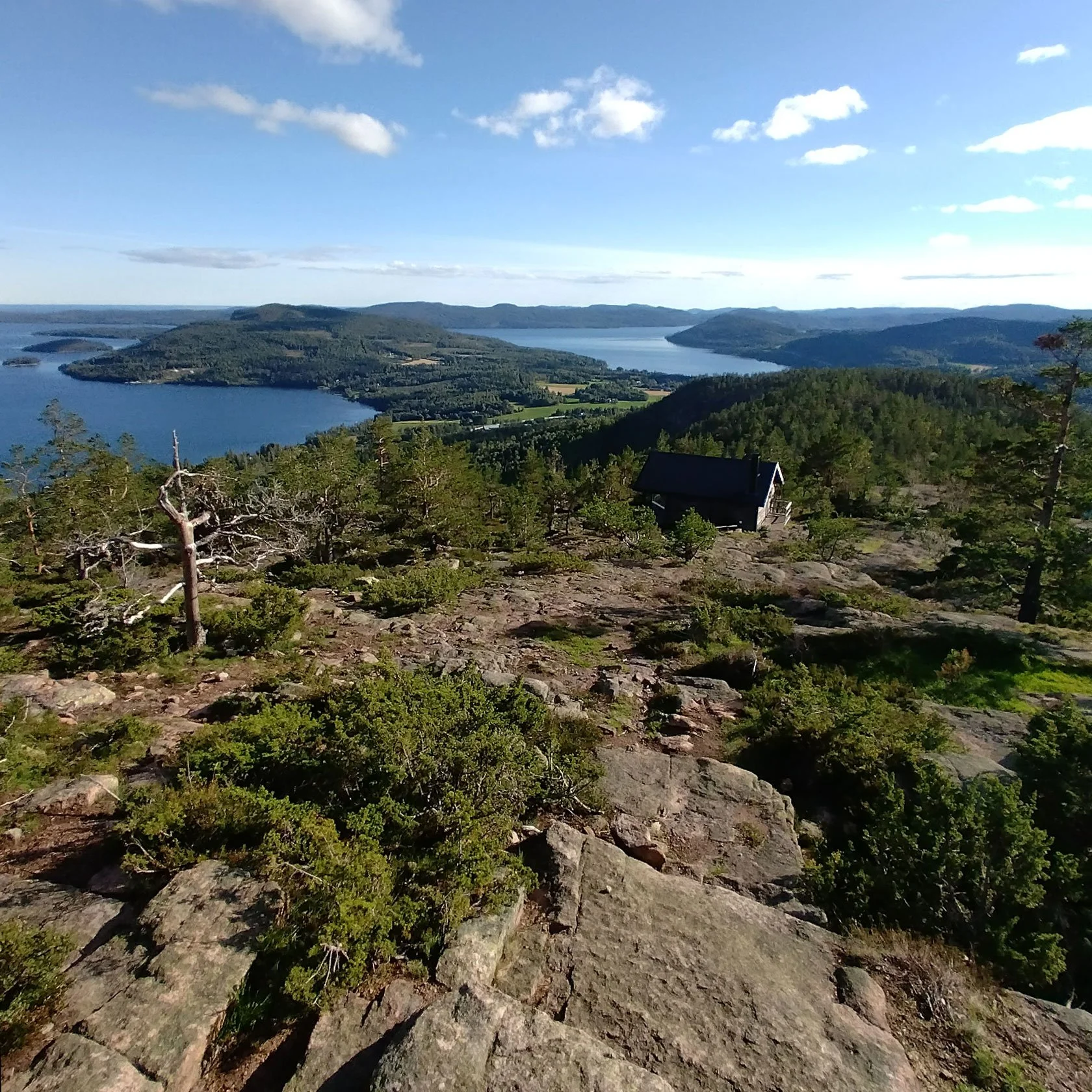
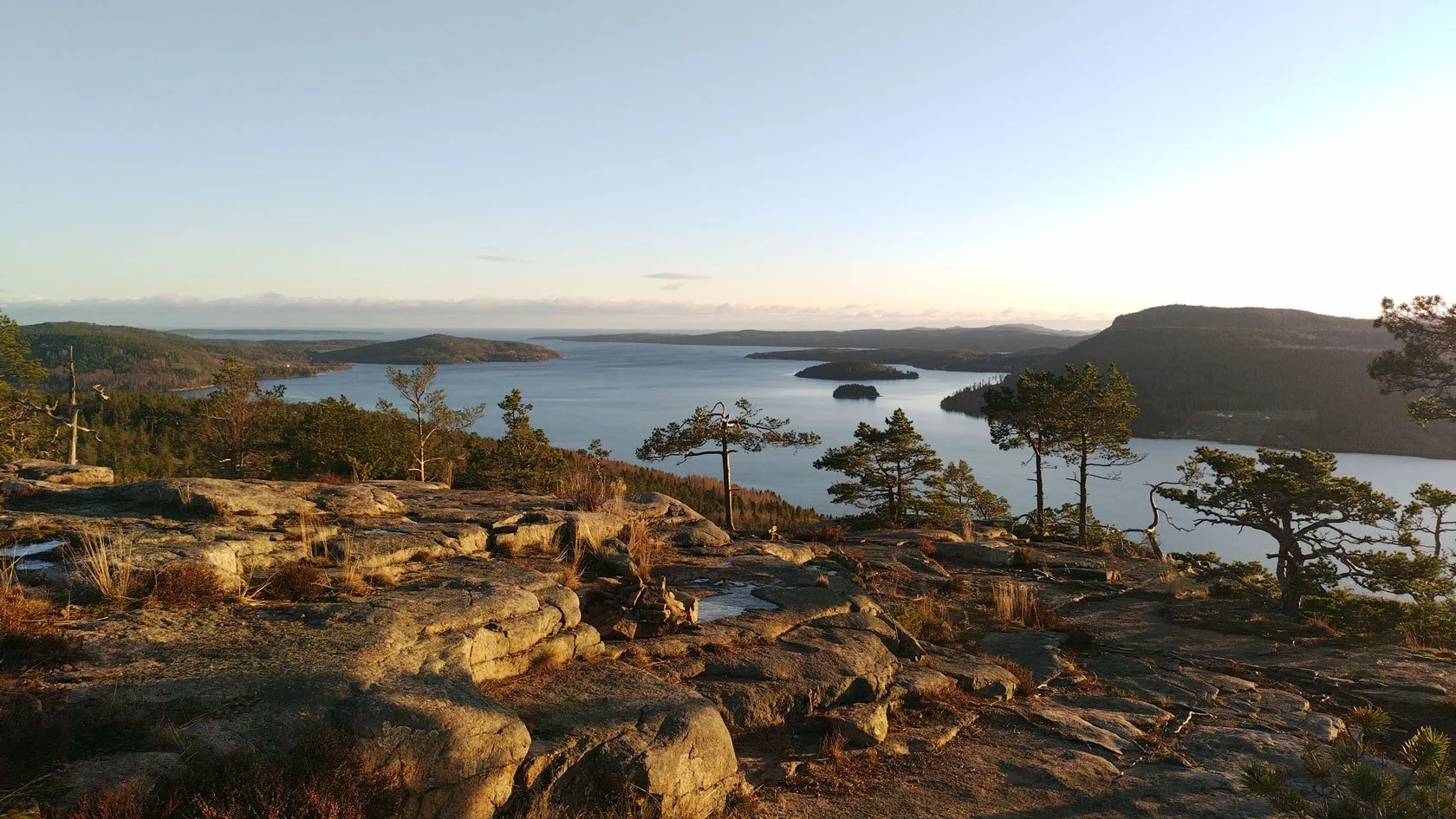
Vårdkallberget Mount (rocky pine forest + panoramic view + “He” shelter) • [Read this post: Wild Hike at Vårdkallberget] • [Browse the guide: Vårdkallberget Guides & Stories]
Per Olsbo (wind shelter + view point + Höga Kusten Leden) • [Read this post: Walk to a Magic Shelter] • [Browse the guide: Per Olsbo Guides & Stories]
Trysunda island
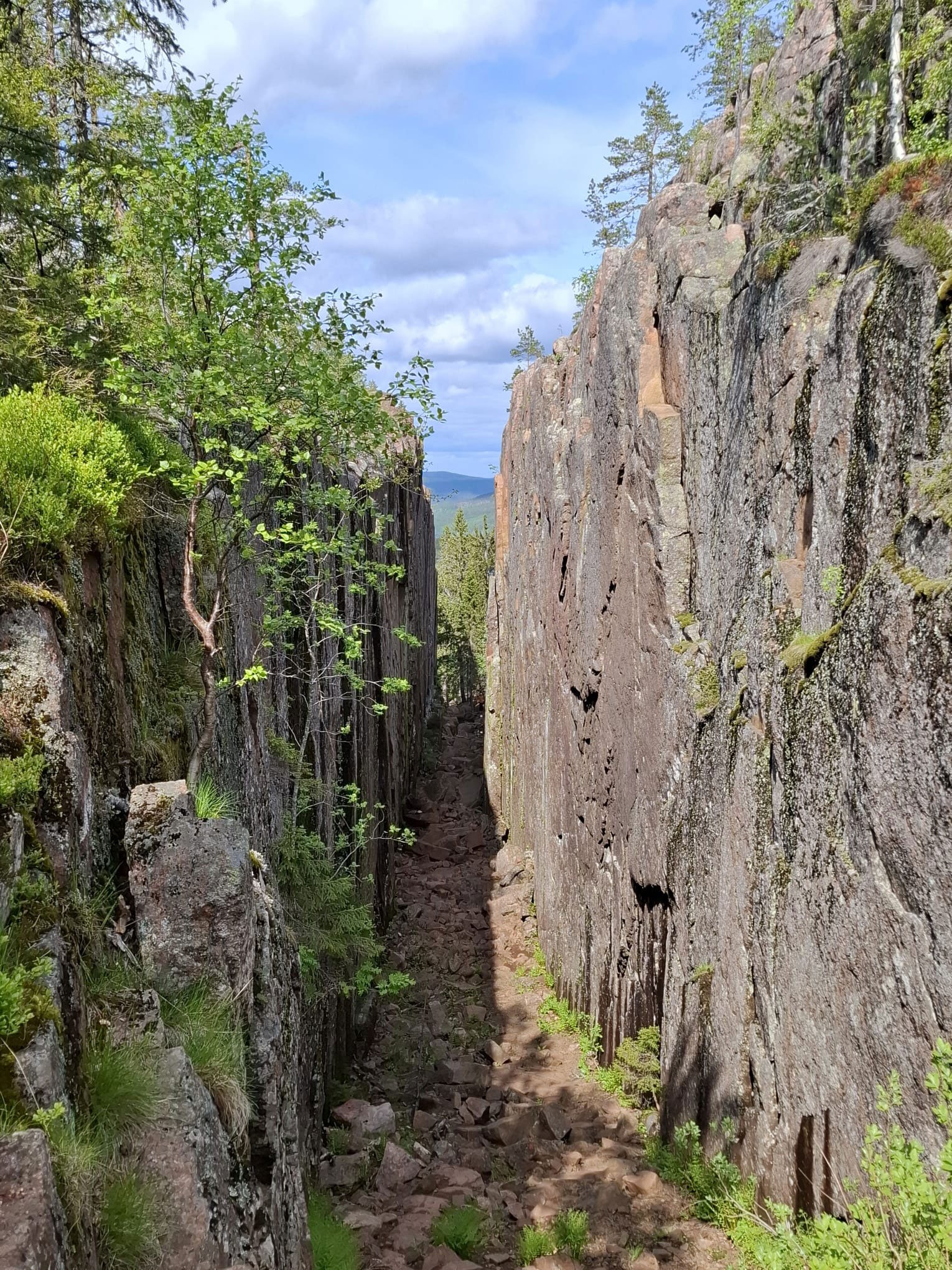
Rotsidan (nature reserve + diabase stones beach) • [Read this post: The Rocky Cliffs of Rotsidan]
Nätra Fjällskog • [Browse the guide: Nätra Fjällskog Guides & Stories]
You'll find detailed guides & stories here:

Base camp isn’t just a holiday concept anymore.
More and more people travel with a laptop in the bag — not to “work on vacation”, but to live with a bit more space: a few focused hours, then a real trail, then the sea. The same logic applies: one base, a few good days, no logistics spiral.
One calm base. Real days. Enough space to breathe.
If that’s your rhythm, you’ll probably like our Workation Escape (quiet waterfront stays + nature access).
Why I call it Base Camp (a 2 decades story)
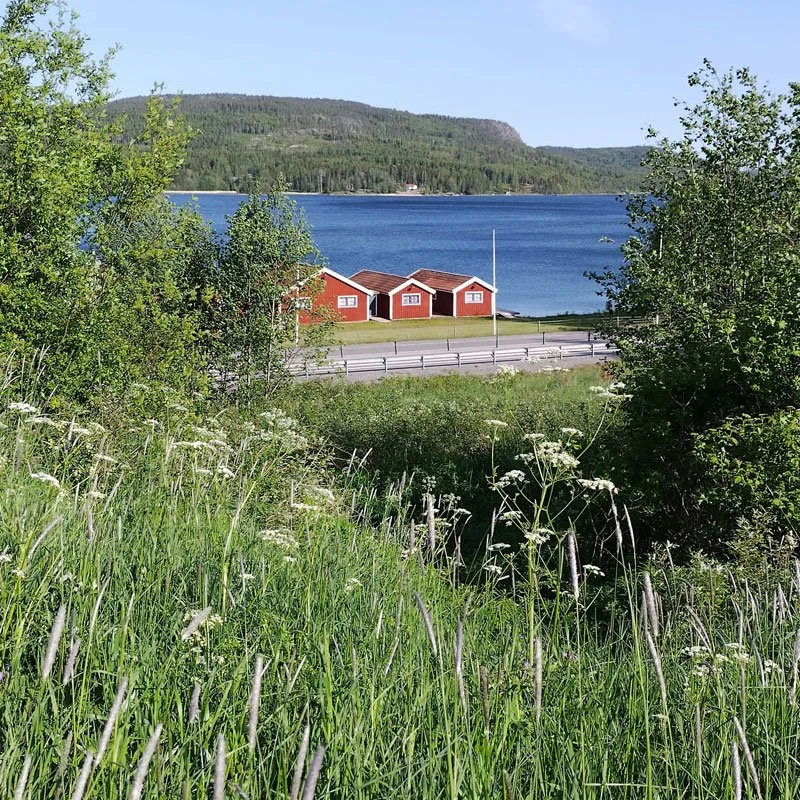
And here's the thing: Docksta Havet was built on this Base Camp idea from day one. In 2026 it will be twenty years since we bought the property and started shaping it as a thinking point for High Coast exploration. From the start, we were already encouraging sailors to go up Skuleberget — not just to dock and leave, but to actually step into the landscape. The concept has been our compass ever since.
Rainy day? Still fine.
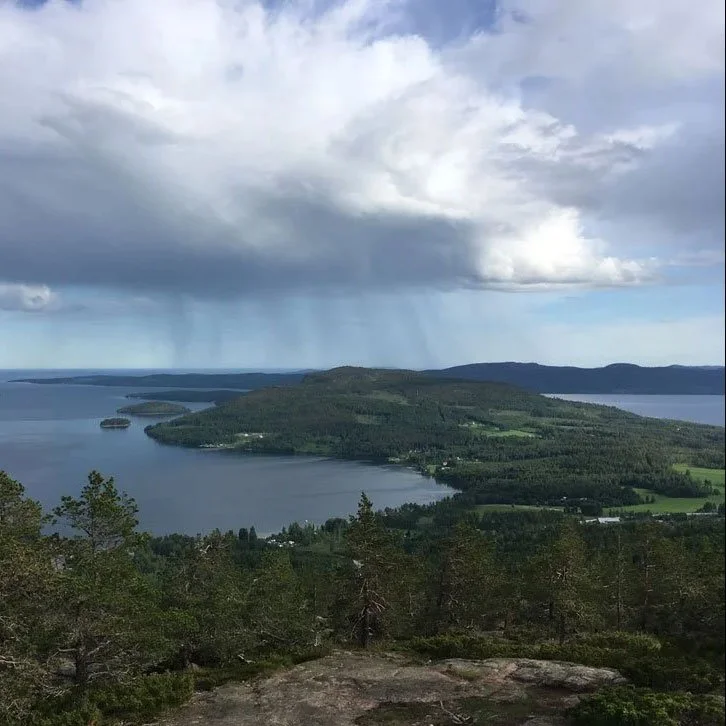
The High Coast is honest. Sometimes it rains. Sometimes it's windy. A Base Camp helps because you don't panic-plan — you adapt.
Know your host (and what else lives inside this Base Camp)
Docksta Havet is a Base Camp because we've been building it like that for twenty years — but also because I’m not just a host. I've spent most of my life working with communication, and I've spent just as much time learning what nature does to us when we finally slow down.
That's why, alongside day trips and logistics, you'll also find two things that are very close to my heart:
SKOGSPAUS Experience — a guided hammock forest immersion (small groups, slow pace, real reset). It's for couples who don't want to "do more", but want to come back from the High Coast feeling lighter. [Discover more]
SKOGSPAUS (the book) — the deeper framework behind this way of hosting and exploring: presence, listening, and the art of not rushing what matters. If you want to bring the High Coast’s forest whispers home, this is where they live. [https://ko-fi.com/skogspaus/shop]
You don't need any of this to enjoy the High Coast.
But if you're the kind of traveller who feels that a holiday can be both beautiful and meaningful — you'll understand why it belongs here.
And this is often what couples tell me at the end:
"We thought we needed a full list. We left with one perfect memory."
Want me to sanity-check your plan?
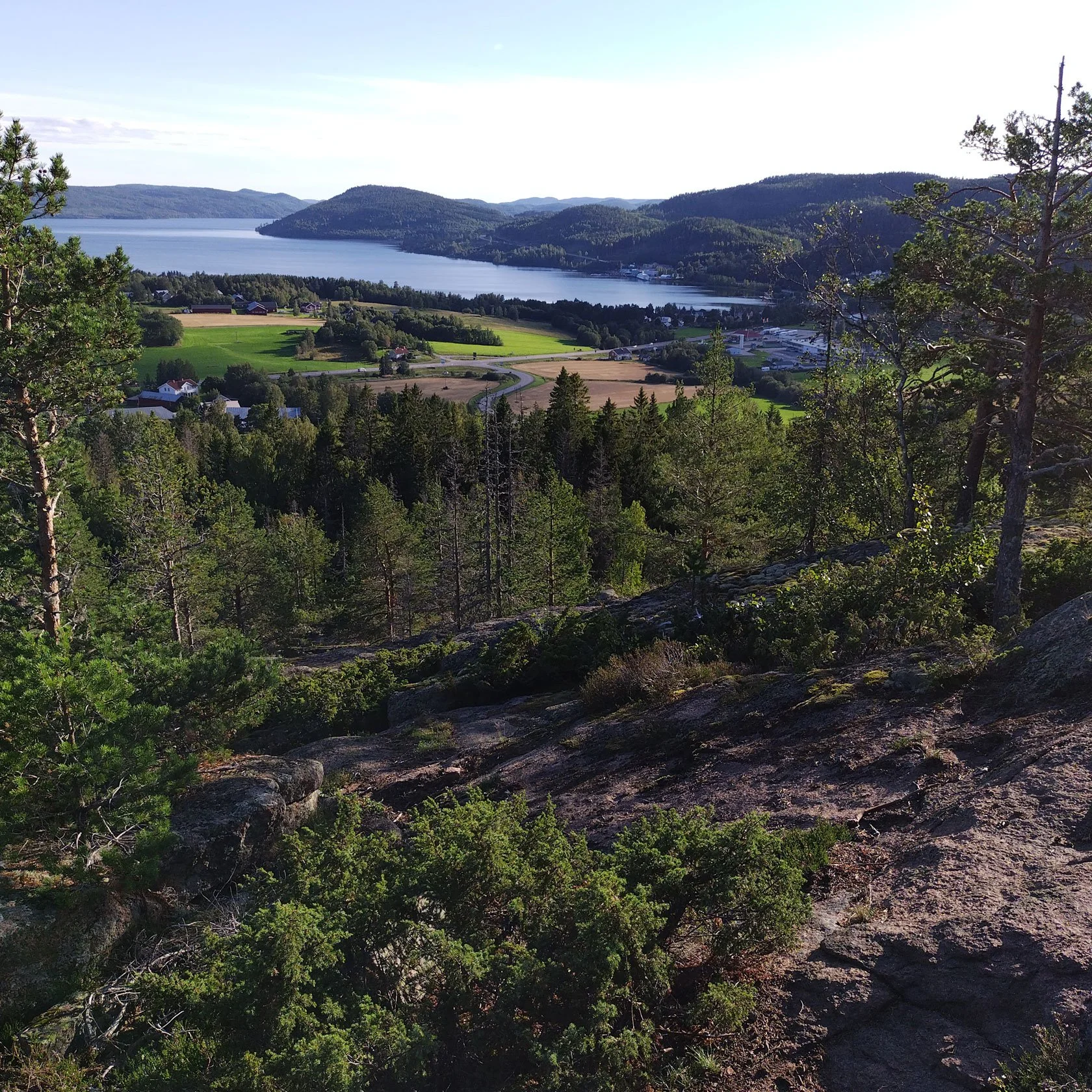
Want me to sanity-check your plan?
Send me three things: your dates (or rough window), how many days you have, and what kind of day you’re really after. I’ll tell you what’s realistic from Docksta — and what’s not worth the effort.
The goal isn’t to do everything.
It’s to come back to the pier at the end of the day and feel: “Yes. That was it.”
If you want a base that makes that easy, Docksta Havet Base Camp is right on the water — close to the trails, the viewpoints, and the heart of the World Heritage Site’s beauty.
Book your base:
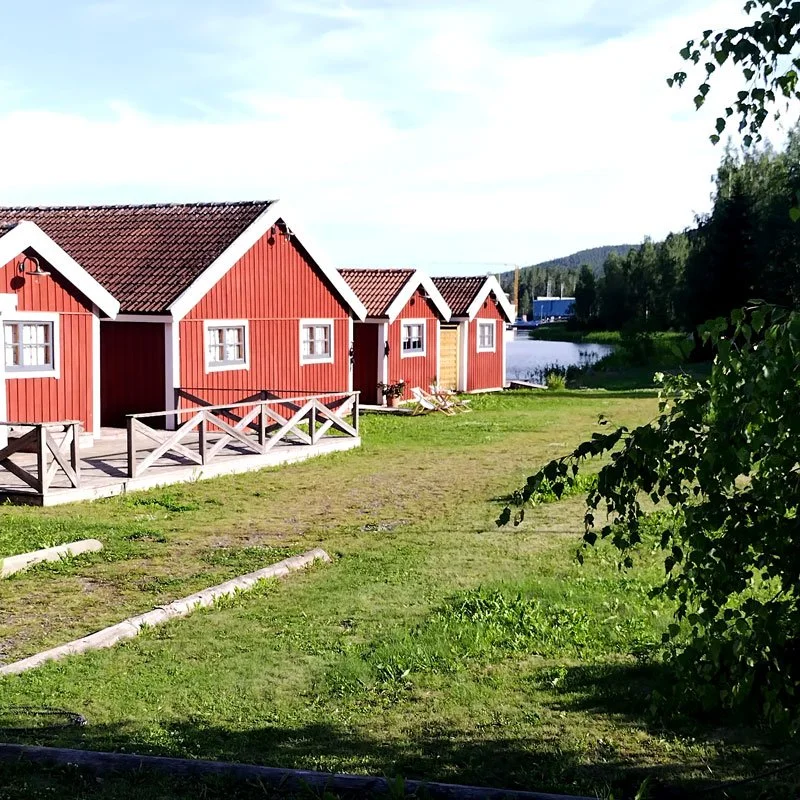
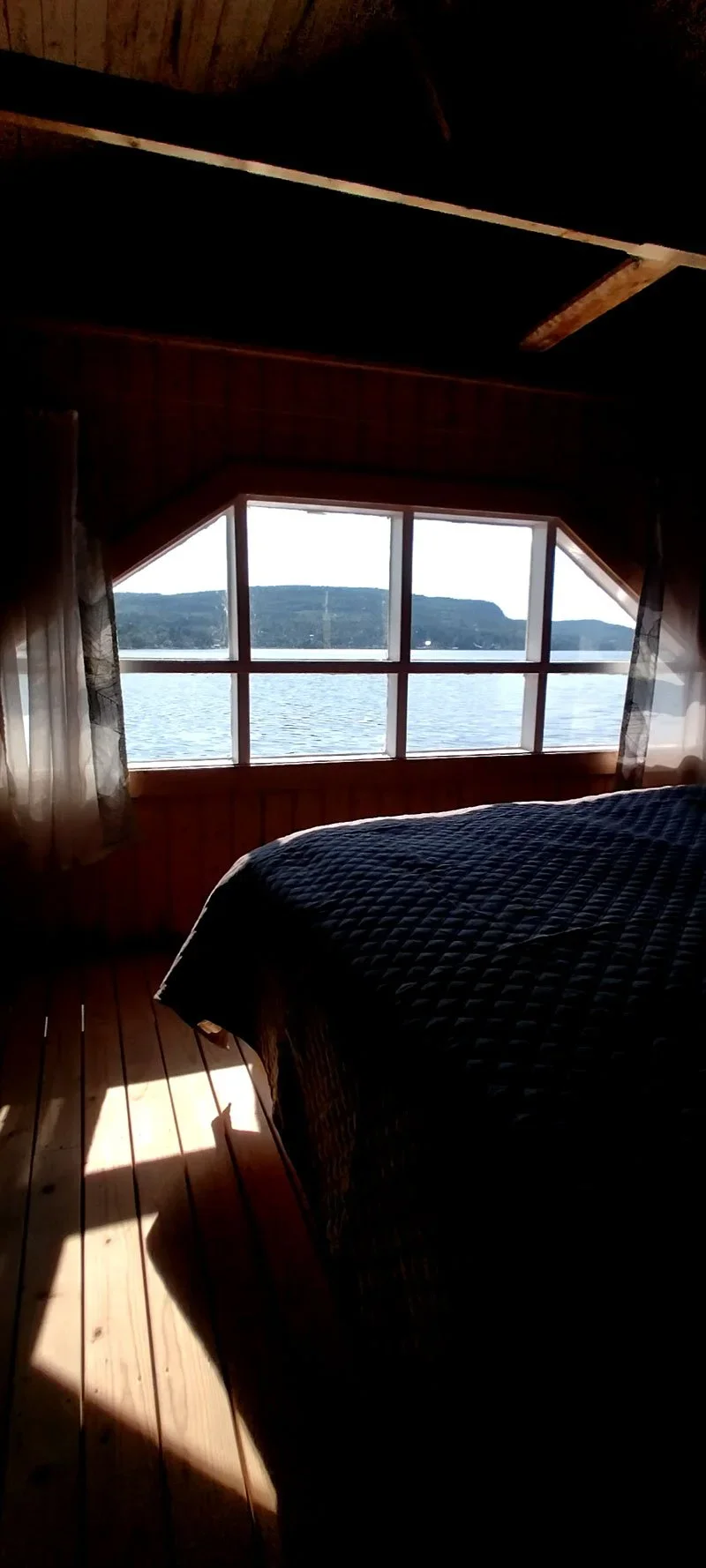
the Boathouse [See more] — minimalist, over the water
the Dock House [See more] — cozy for couples
the Guest House [See more] — spacious + seafront + full kitchen
Ask me: dockstahavet@gmail.com
See you on the pier!
_Tommaso