The High Coast is still rising from the sea (and it changes your rhythm)
The High Coast (Höga Kusten) in Sweden is still emerging from the sea after the Ice Age. A first-person note from Docksta on moving through geological time—and finding a slower rhythm.
If I had to explain the High Coast to someone who’s never been here, I wouldn’t start with trails.
I’d start with something stranger.
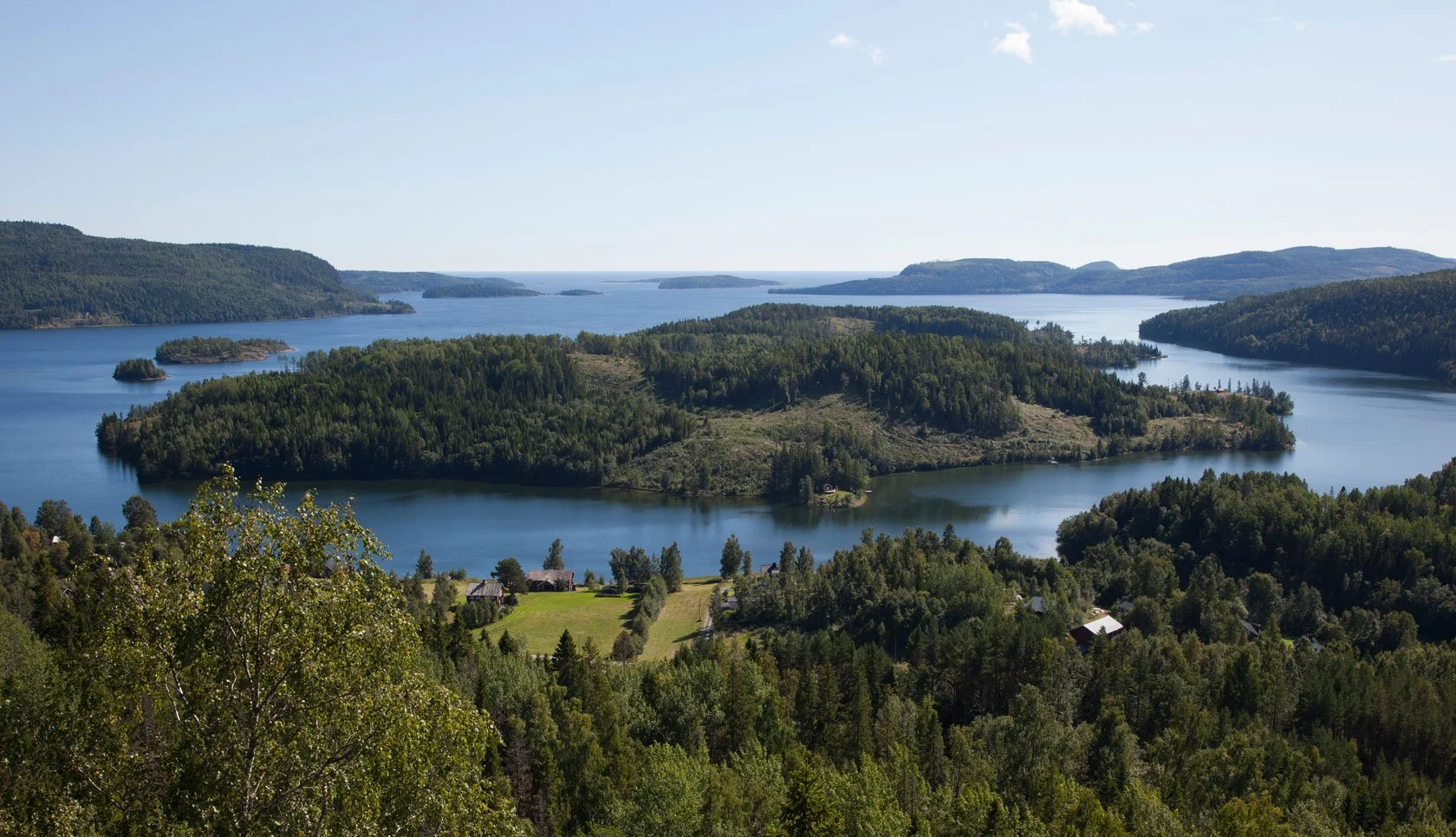
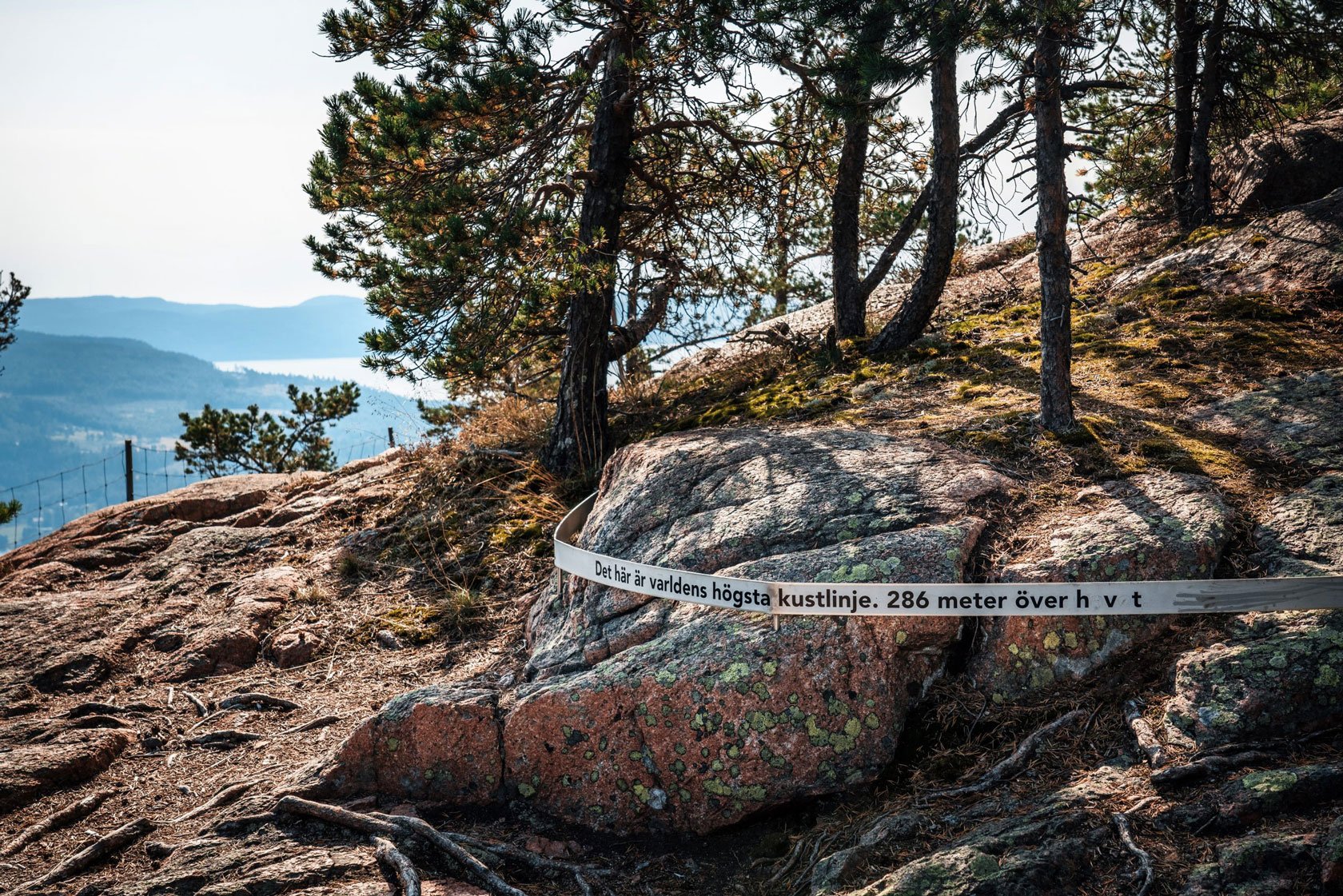
Here, the land is still rising from the sea.
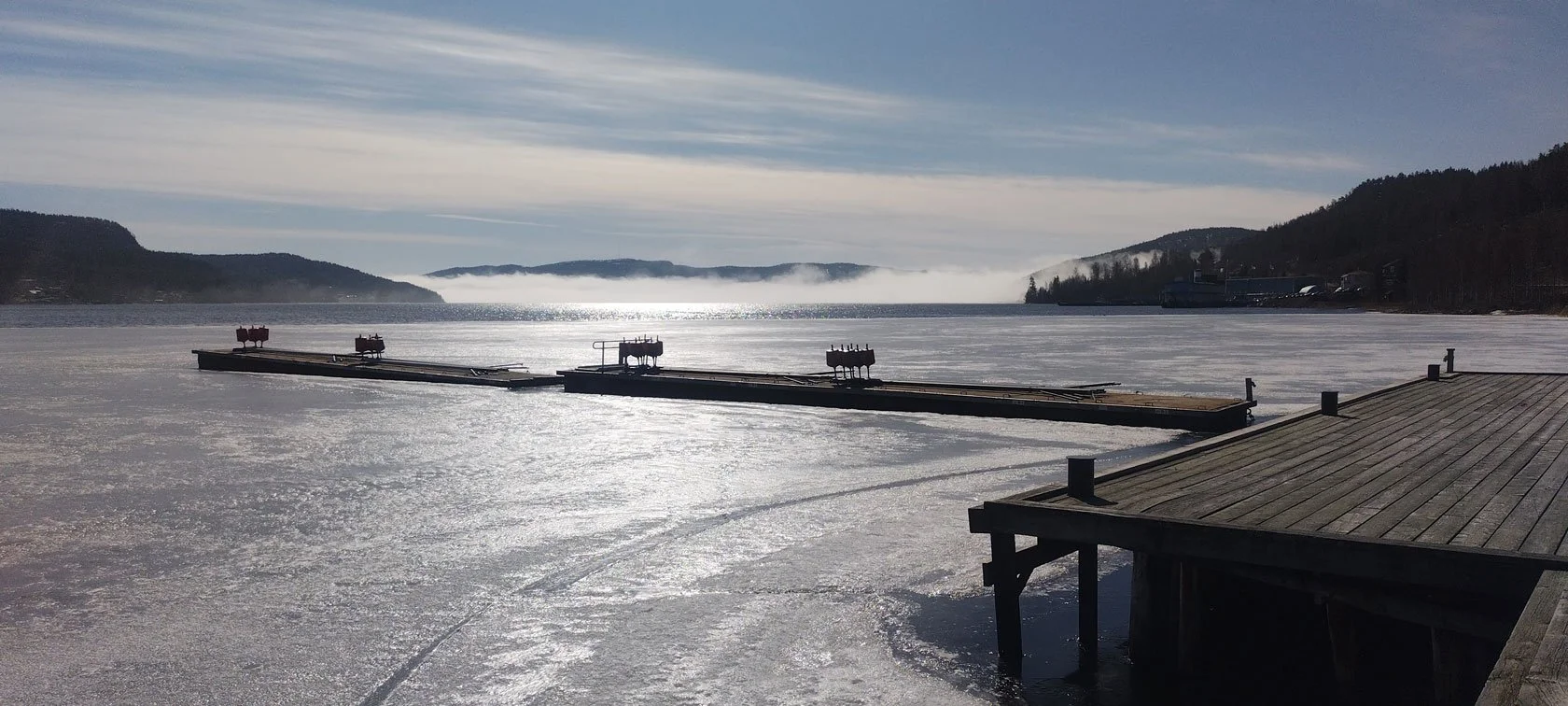
I live in Docksta, on the edge of the High Coast (Höga Kusten), Sweden. Not as a metaphor — literally. After the last Ice Age, this part of Sweden (Höga Kusten / the High Coast) is still slowly rebounding upwards. The landscape isn’t “done”. It’s ongoing.
The first time I truly understood that, I stopped.
And from that day on, every walk — and every run — began to carry a different rhythm.

I wasn’t a trail runner. I watched the High Coast from the water

When I first arrived here, sailing was my real passion.
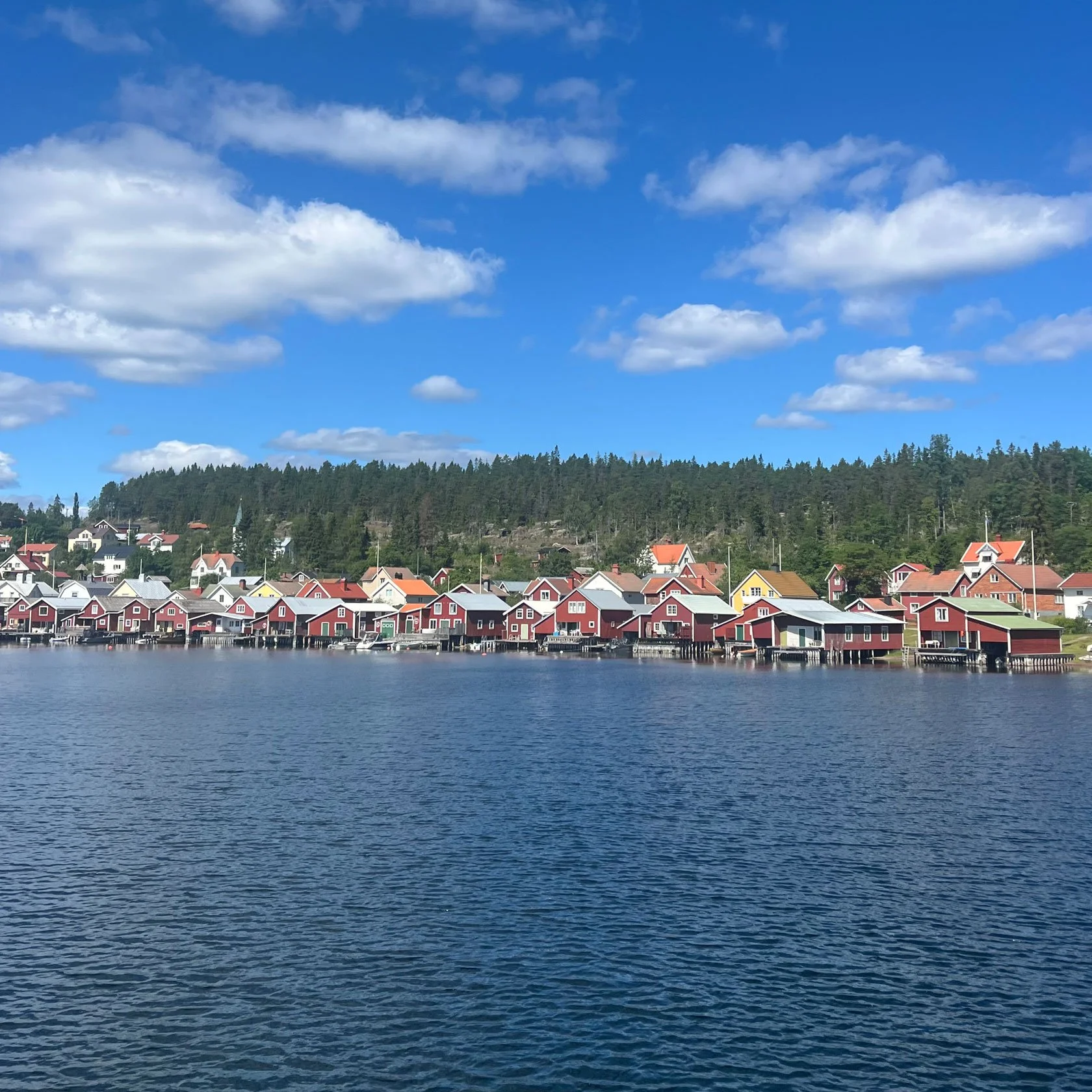
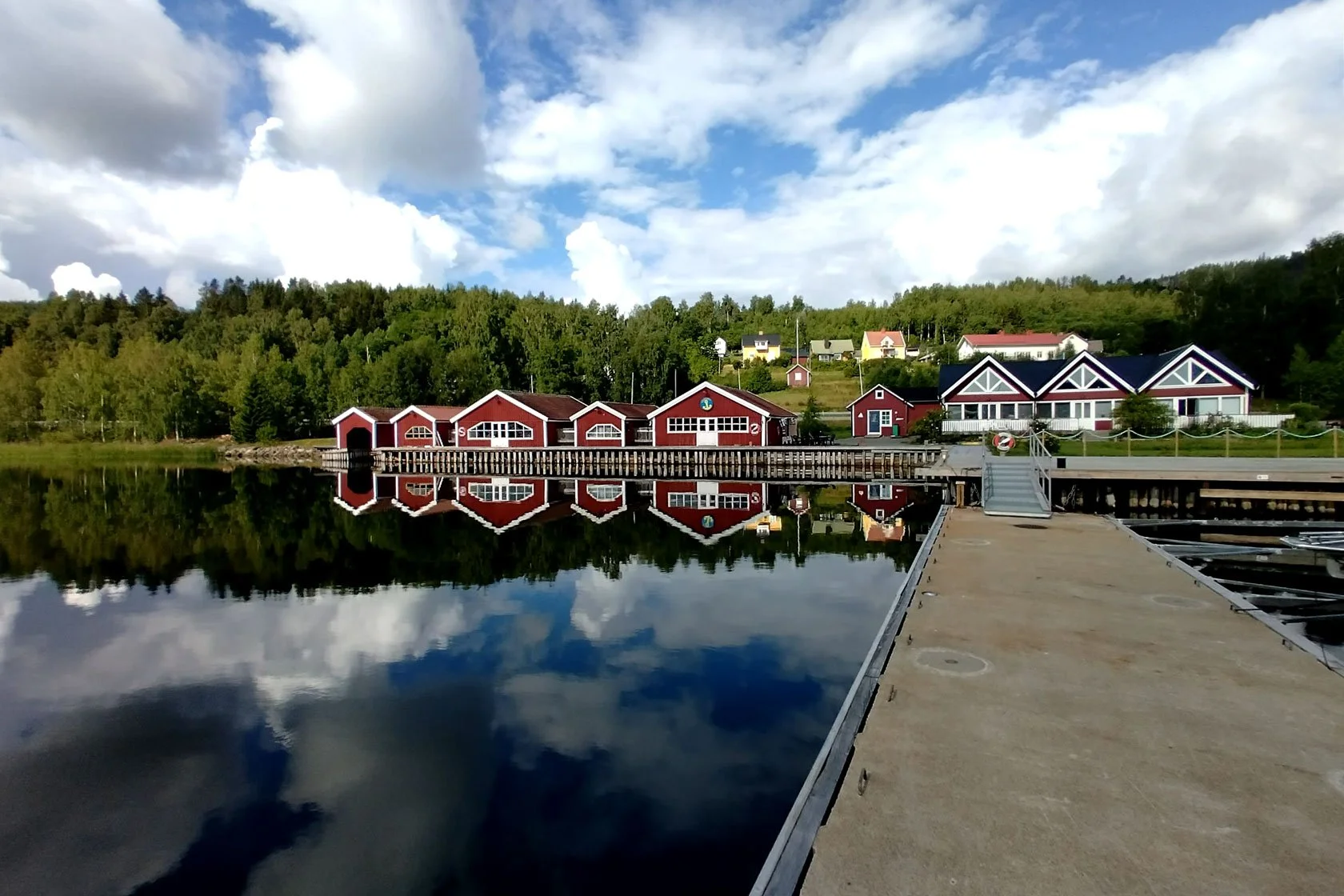
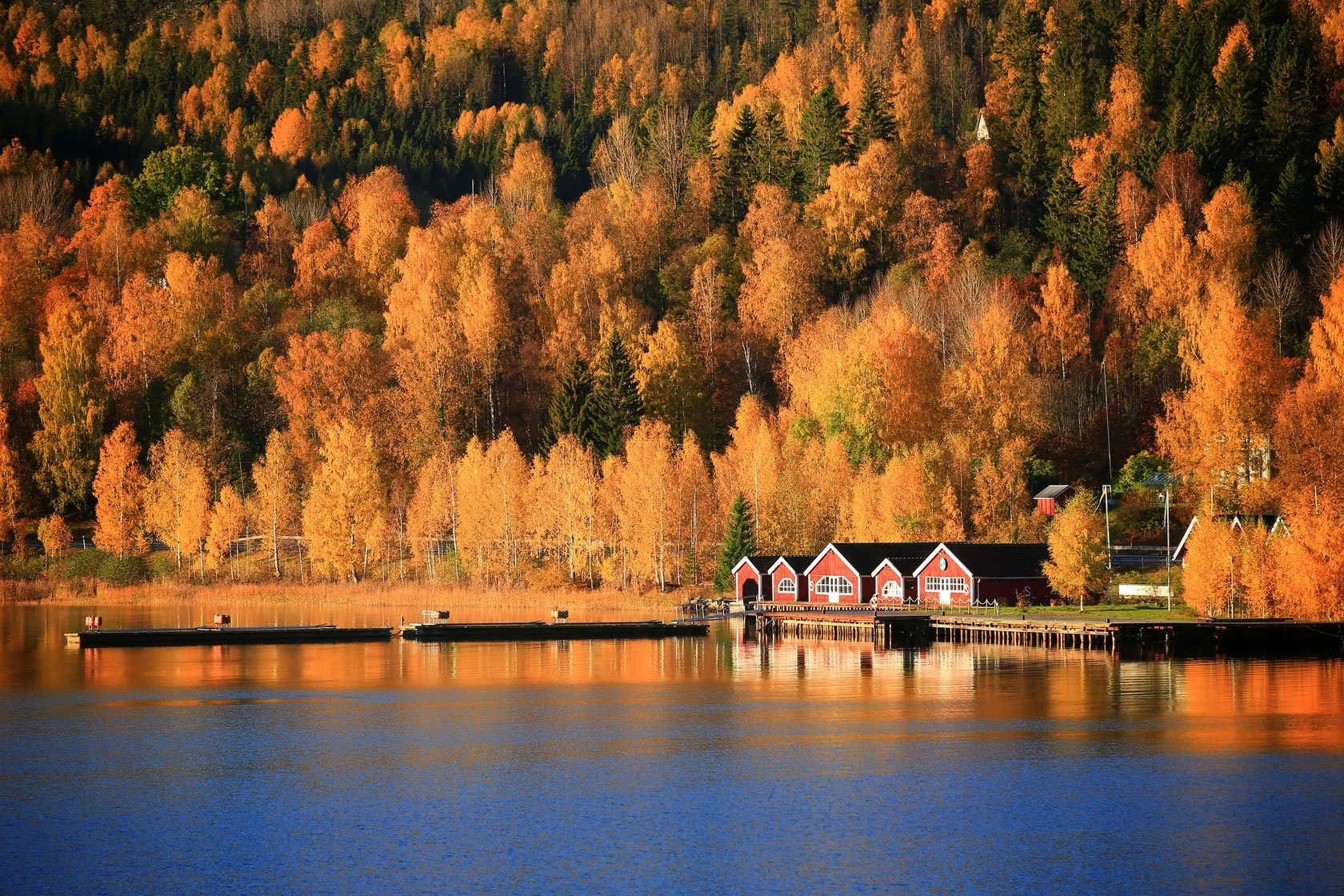
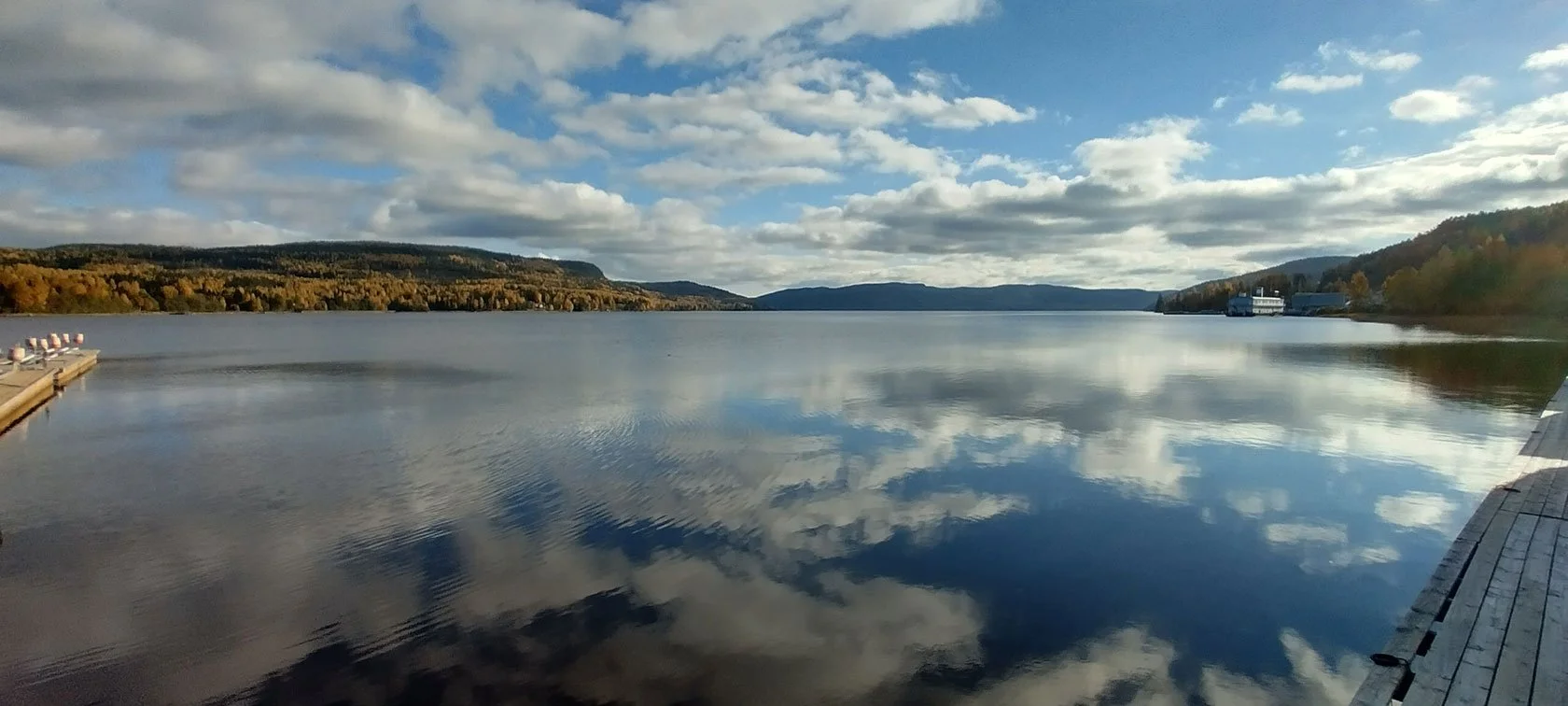
For years I knew the High Coast from a beautiful distance: from the archipelago, from the Baltic, from the pier of our marina in Docksta.
I saw it the way you see a mountain wall from far away: dramatic, clean, almost theatrical.
Then I started walking (thanks to Anna).
And then running — partly out of curiosity, partly because a friend once told me: “Tommaso, you could run. You look like you were born to run.”
The story of how I became a trail runner is long.
But the story of how the High Coast changed my rhythm is simpler.

The land that rises from the sea (and forces you to look again)
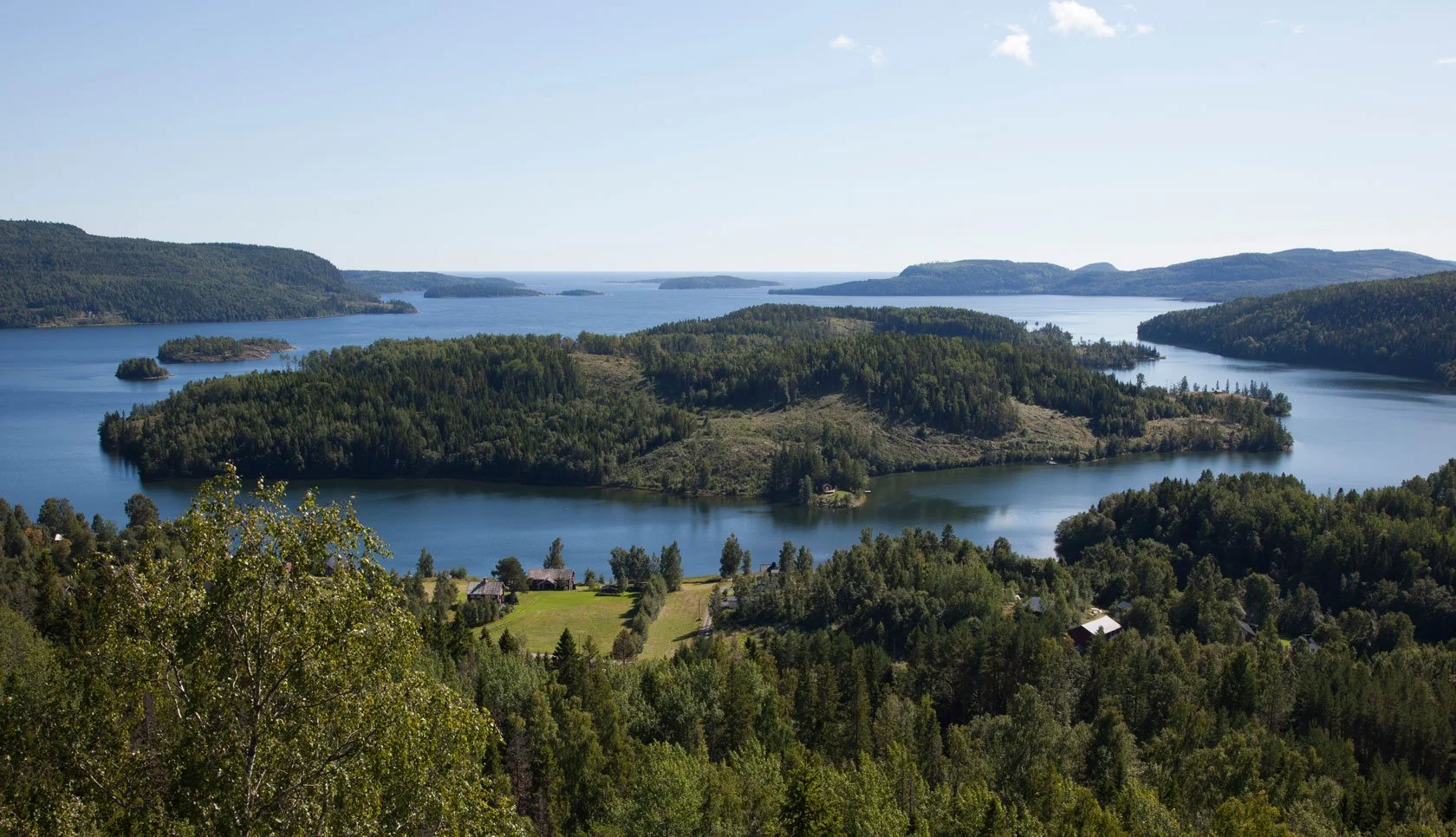
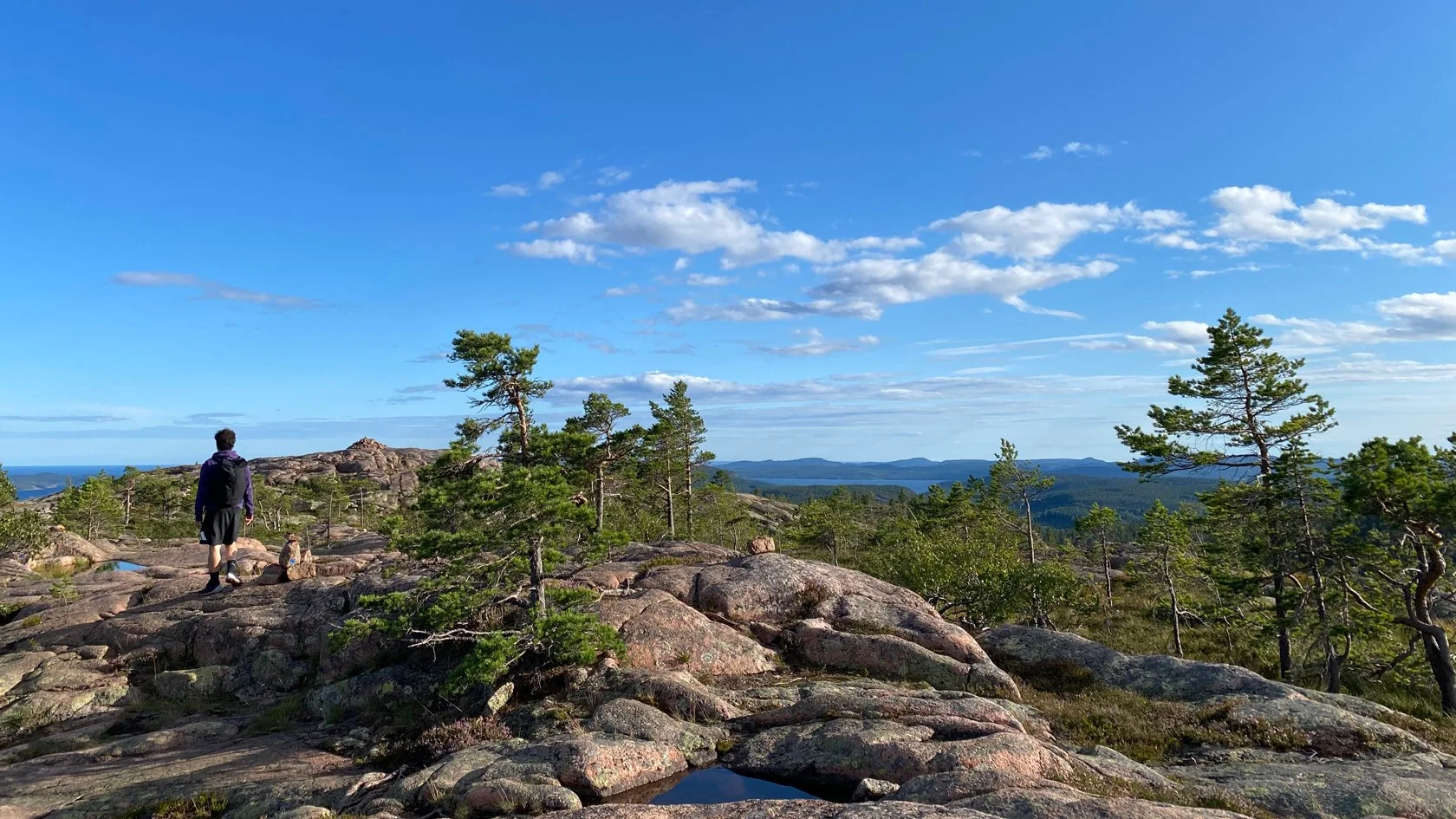
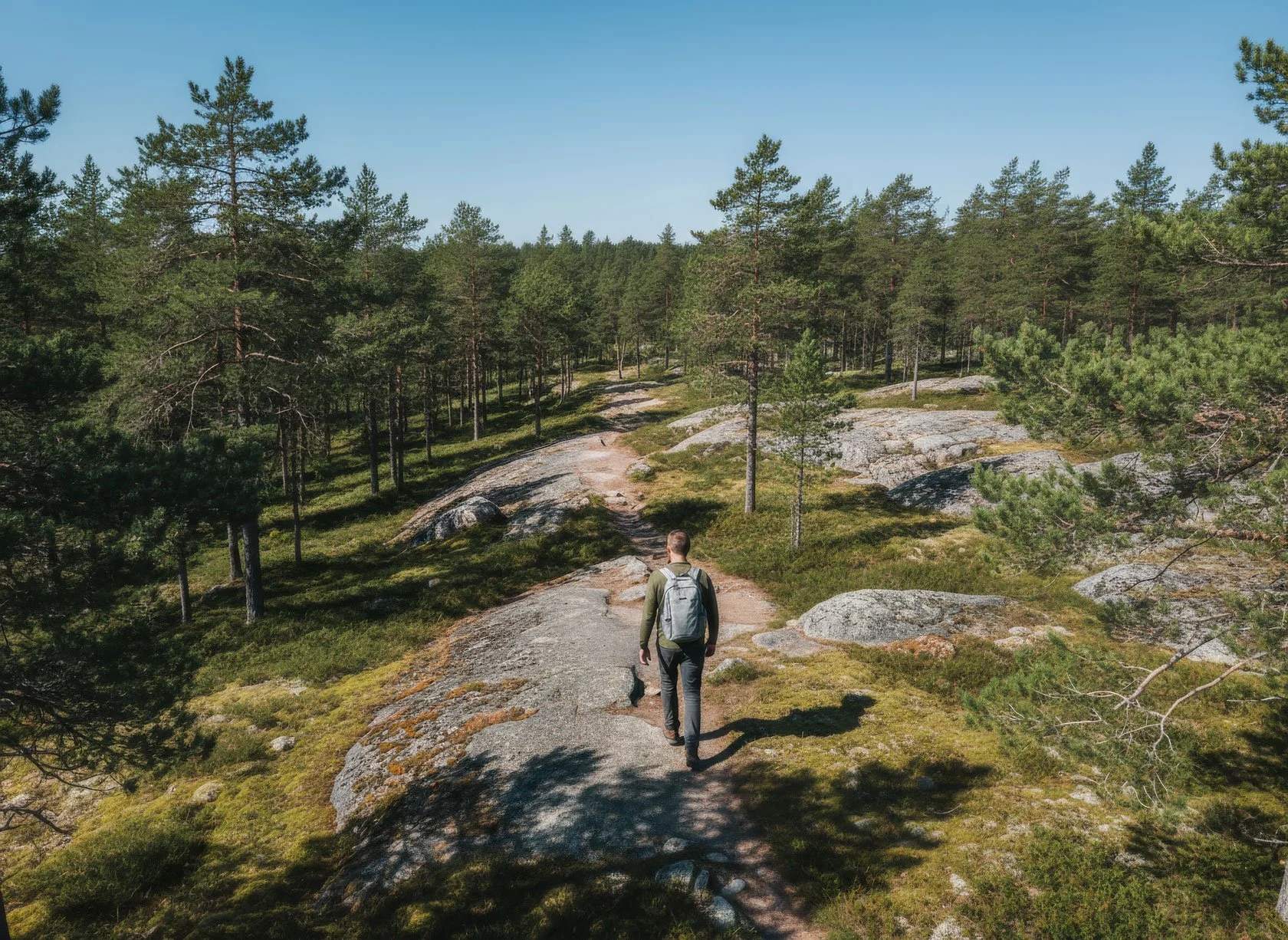
There’s a thought that comes back to me sometimes, when I’m under the pines, on a rocky ridge, or on a stretch of trail that looks like “just a trail”.
This used to be sea.
And not in a vague, poetic sense. In a way that shifts your perspective.
The idea that the ground beneath my feet was underwater when the pyramids were being built — that stopped me in my tracks. It made me look around with new eyes.
Because at that point you’re not only moving through a forest.
You’re moving through geological time.
And once that lands in your body, something changes: the High Coast stops being “a beautiful place” and becomes a place that educates you.
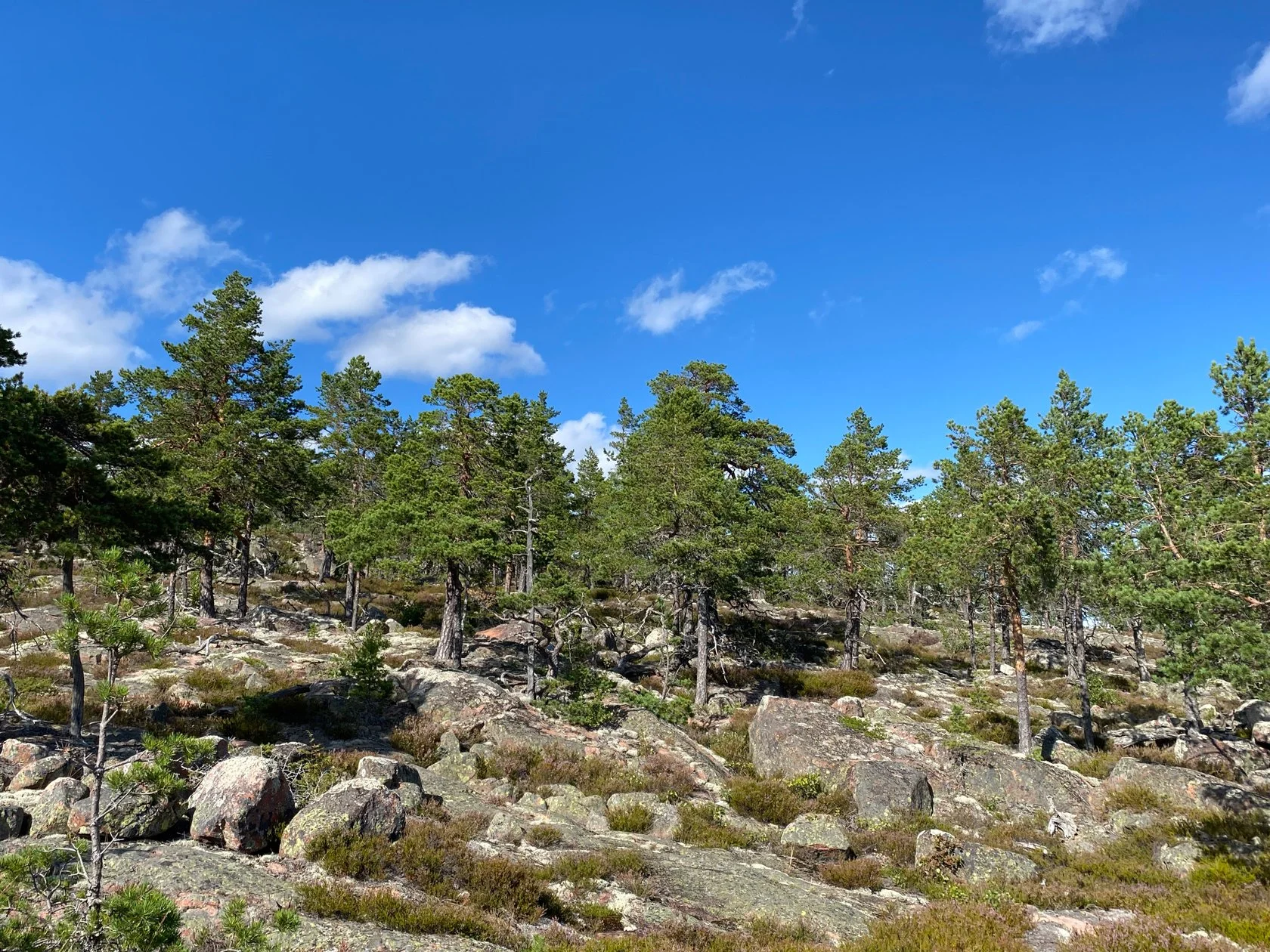
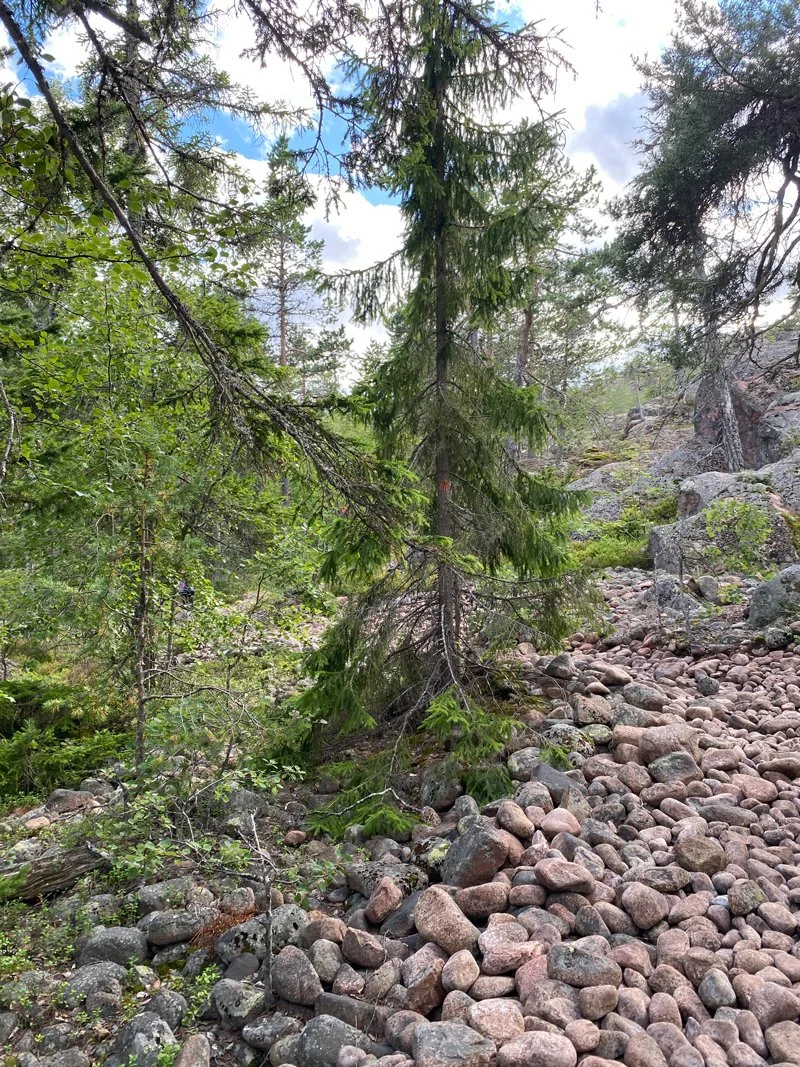
If you want the geological backstory in a bit more detail, here’s a deeper note on the High Coast uplift: Höga Kusten: the world’s highest uplift of land.
Why these forests feel different (ancient rock, young landscape)
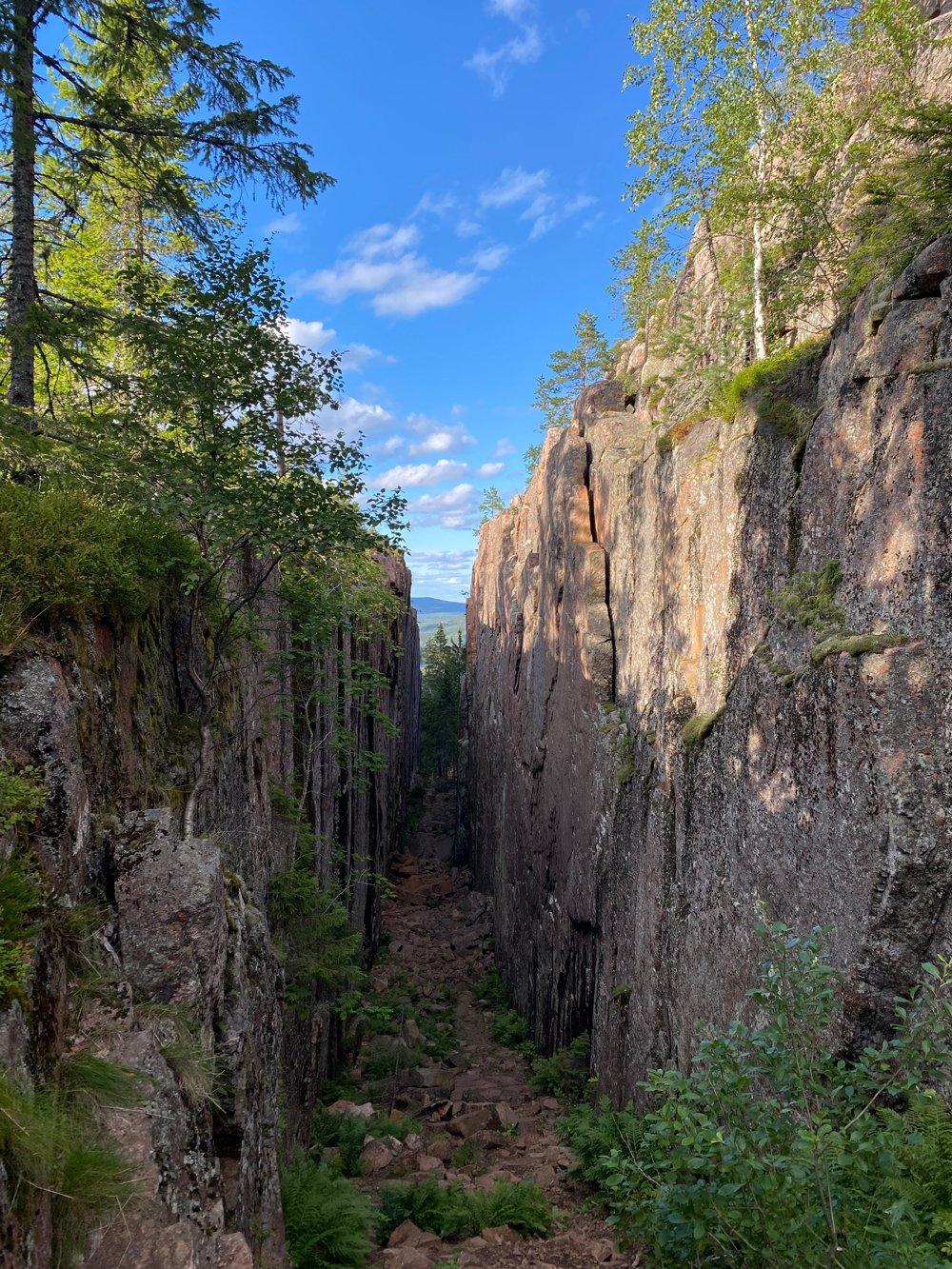
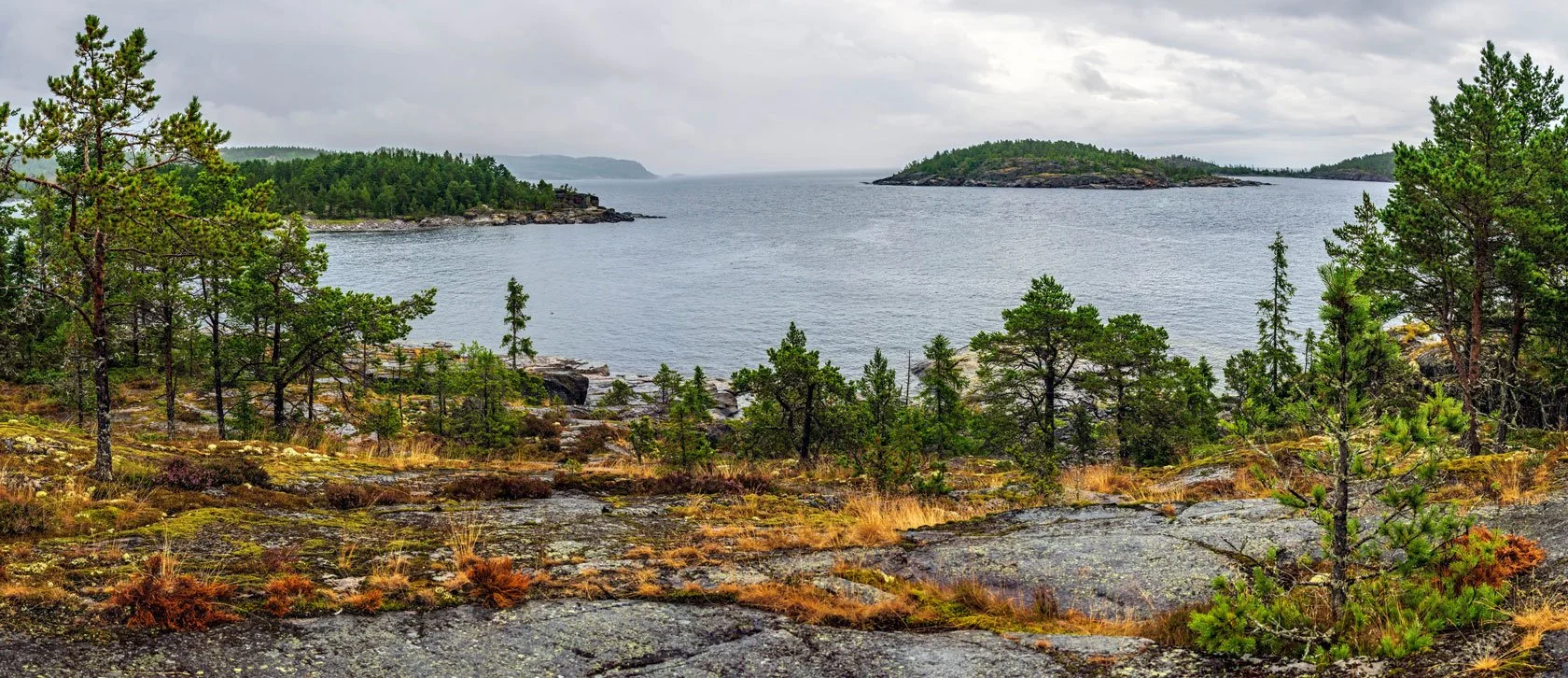
The High Coast lives inside a contrast I’ve rarely felt elsewhere.
On one side, there’s something ancient and solid: granite, hard foundations, a sense of deep time.
On the other, there’s a landscape that is young — still forming, still emerging, still becoming.
It’s as if you’re walking (or running) through a place that is both:
timeless — because the rock feels immovable
transforming — because the coastline, the heights, the relationship with the sea are still changing
Maybe that’s why the forest here doesn’t feel like decoration.
It feels like presence.
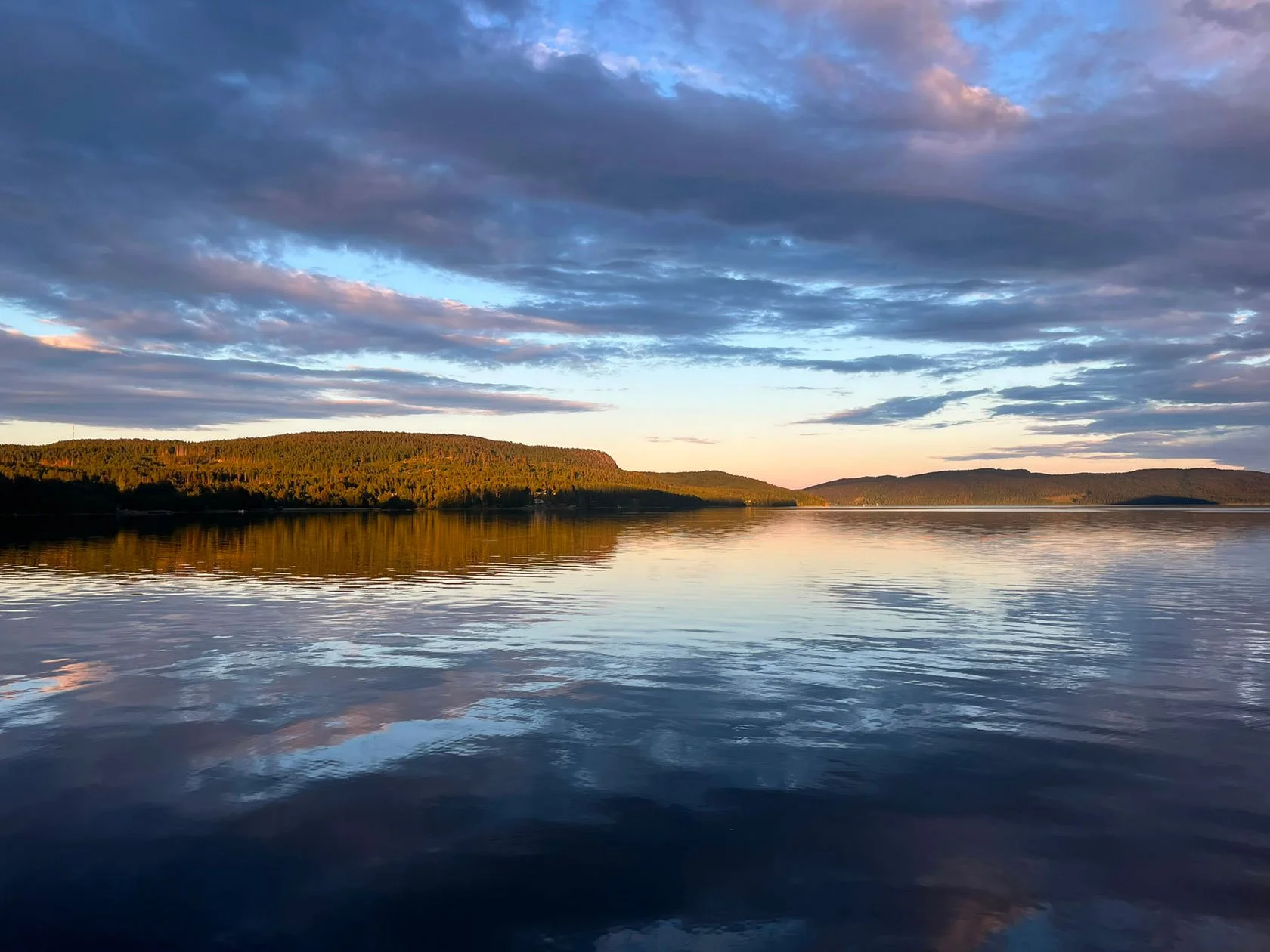
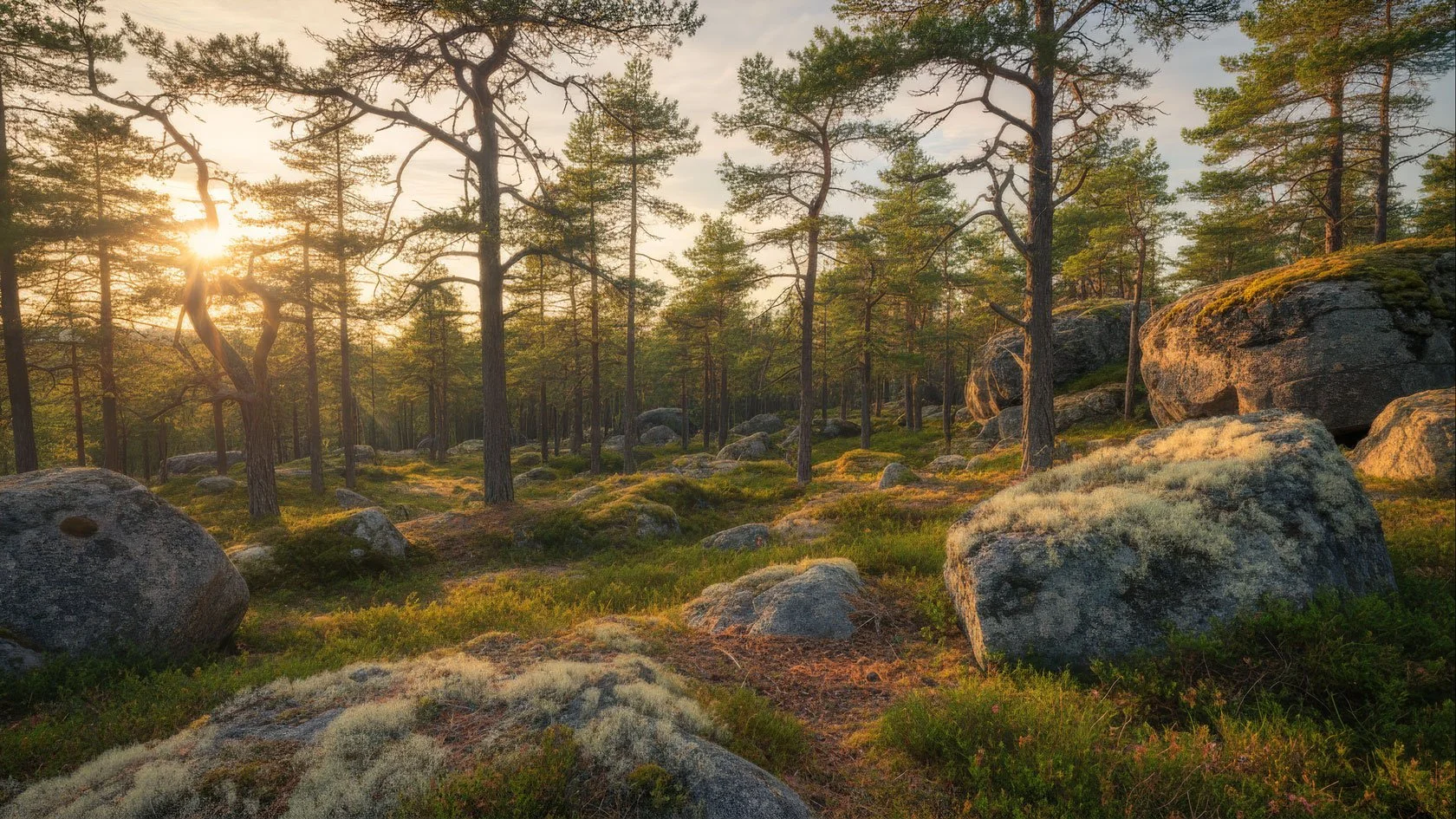
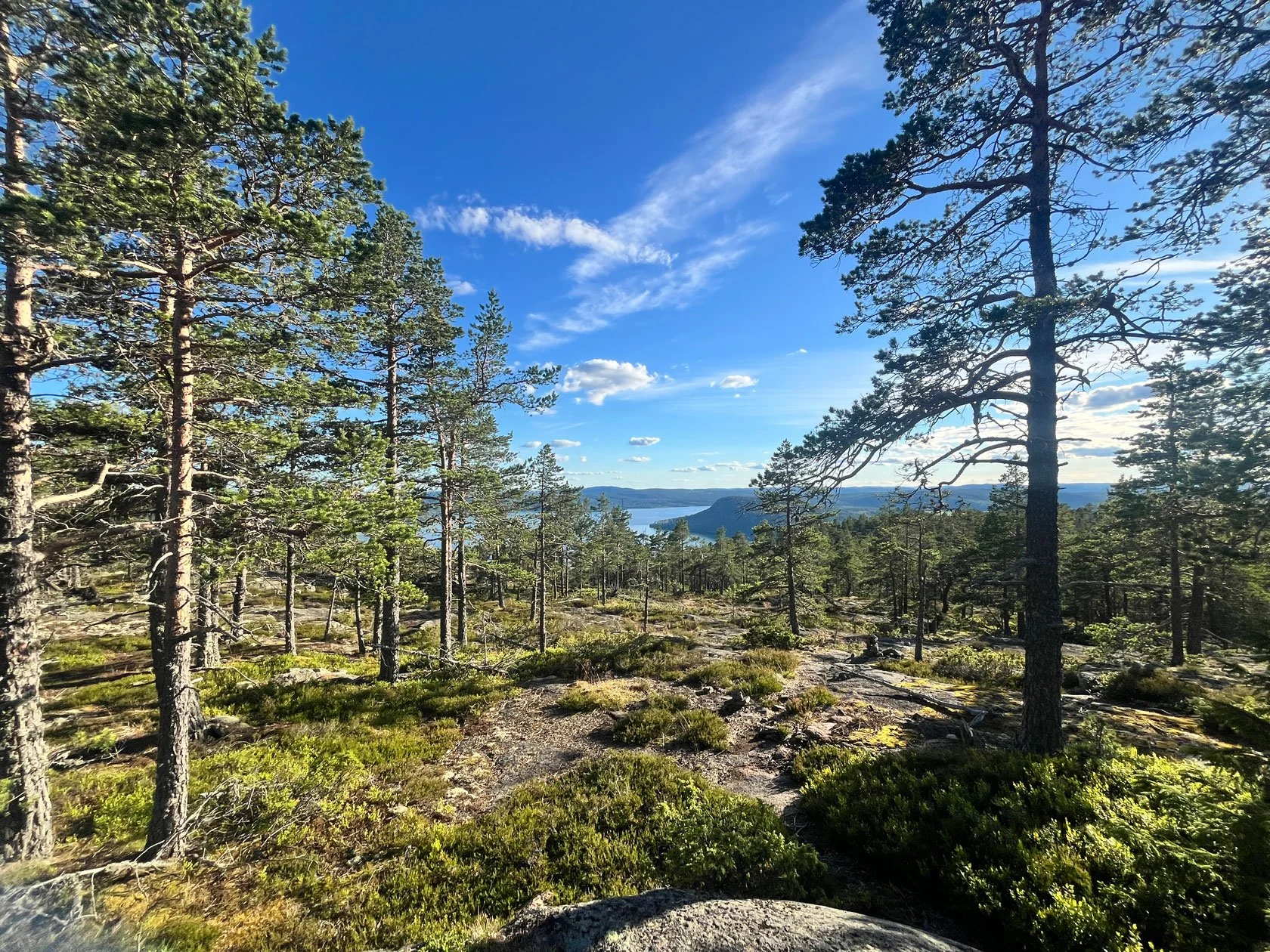
Light behaves differently in these rocky pine woods. Wind arrives from the Baltic with a very specific character. And the whole place carries a quiet reminder: you’re not just visiting nature — you’re visiting a living process.
My shift in rhythm: from performance to presence
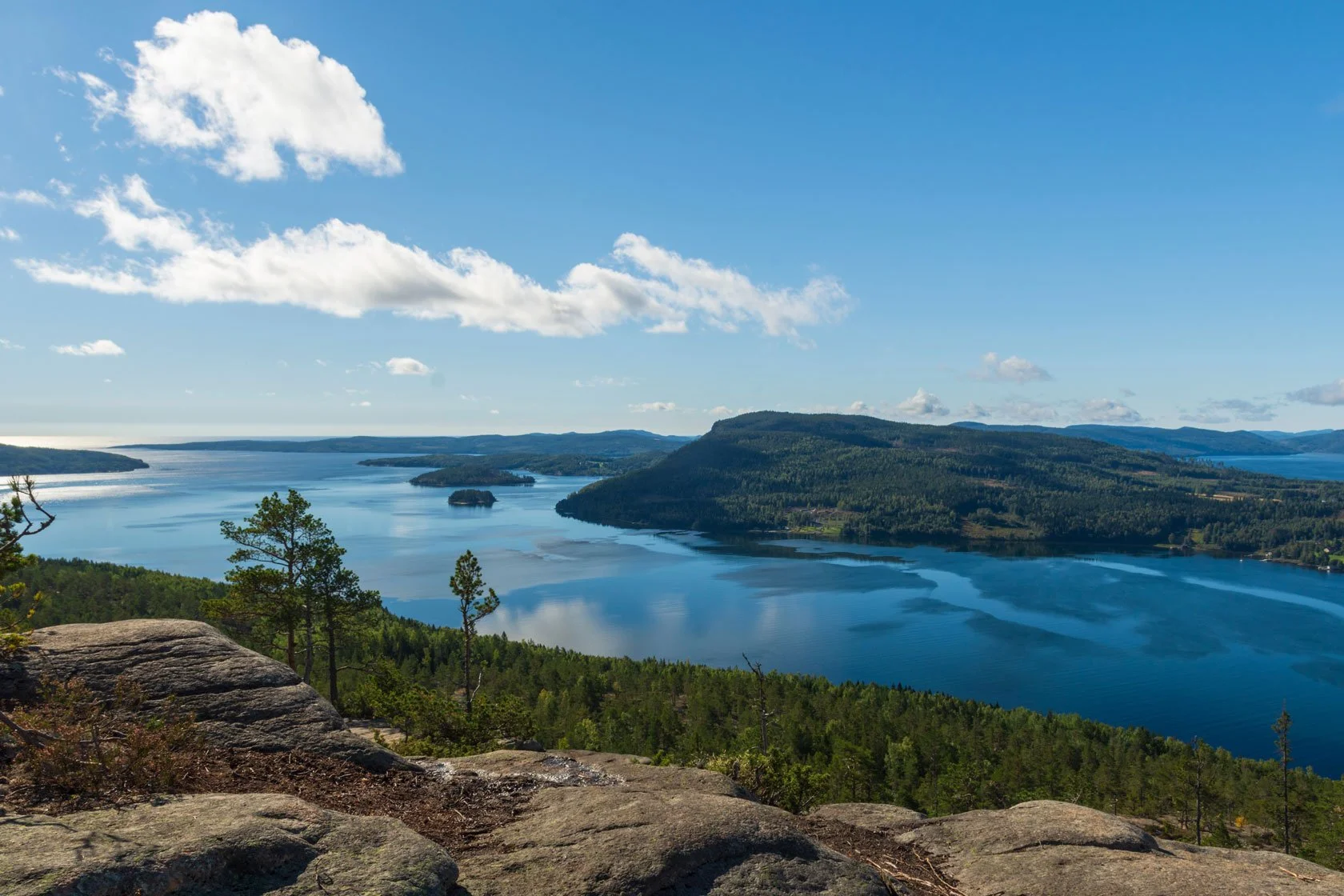

When you start to feel this — that the landscape is not only beautiful, but alive and ongoing — the way you move changes too.
I’m not saying you must go slow.
I’m saying that here, speed isn’t always the right question.
Sometimes the right question is: What am I missing?
For years I thought “seeing” meant doing: kilometres, summits, segments, photos.
Then I realised the High Coast asks for a different skill: the ability to stay.
To stay long enough to notice that the forest isn’t silent.
To stay long enough to feel that wind is not just wind.
To stay long enough to understand you’re not in a park — you’re in a place with memory.
And when a place has memory, you can’t be only a passer-by.
You become, whether you want it or not, a guest.
If you come here: you don’t need to do everything. You need to choose well
The High Coast is big. Options are many.
And because of that, days can easily become “too much”.
Too much planning. Too much ambition. Too much list.
But days are small — and precious.
And weather and mood change everything.
Some days are for ridges and long views.
Some days are for deep forest and shelter.
Some days are for pushing.
Some days are for breathing.
Often, the difference between a good day and a confusing day isn’t what you do.
It’s how you choose.
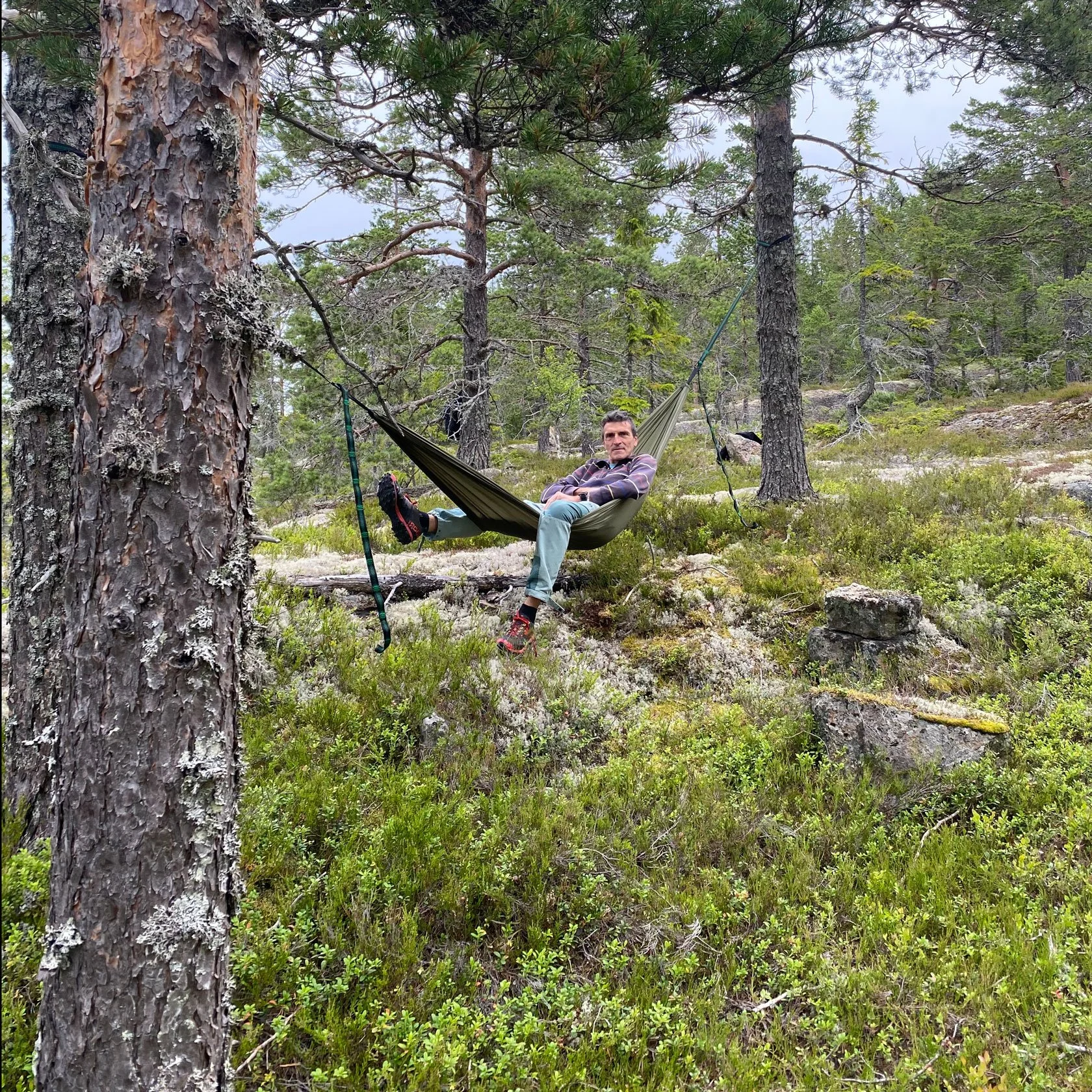
If you want a simple way to choose well, start here: Before you arrive: a High Coast forest guest note.
A simple invitation
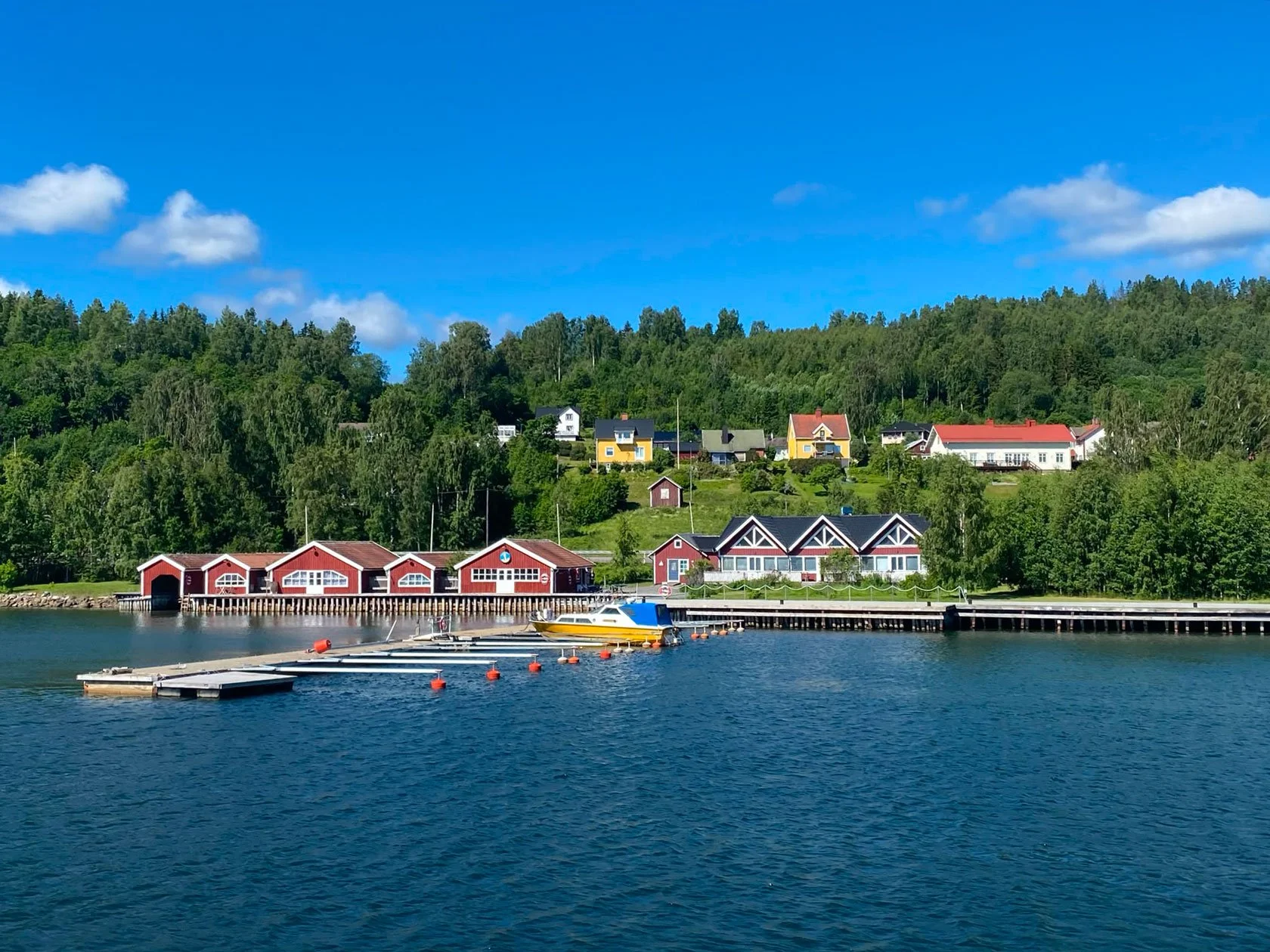
If you pass through Docksta and want help choosing the right rhythm for your day — based on weather, season, and mood — message me on WhatsApp :)
I won’t sell you a “package”.
I’ll help you make the High Coast readable.
That’s the whole idea of a base camp.
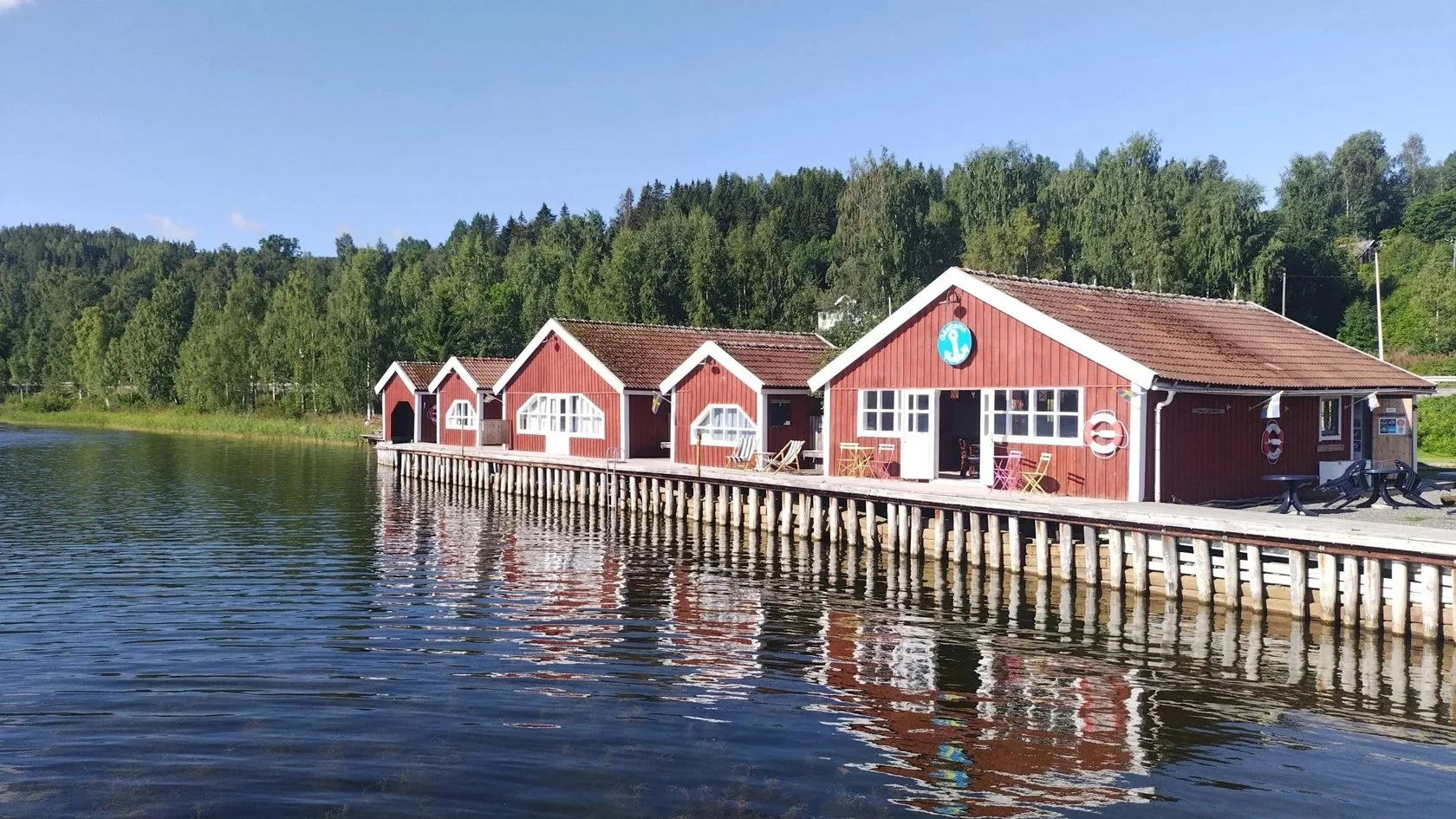
About me
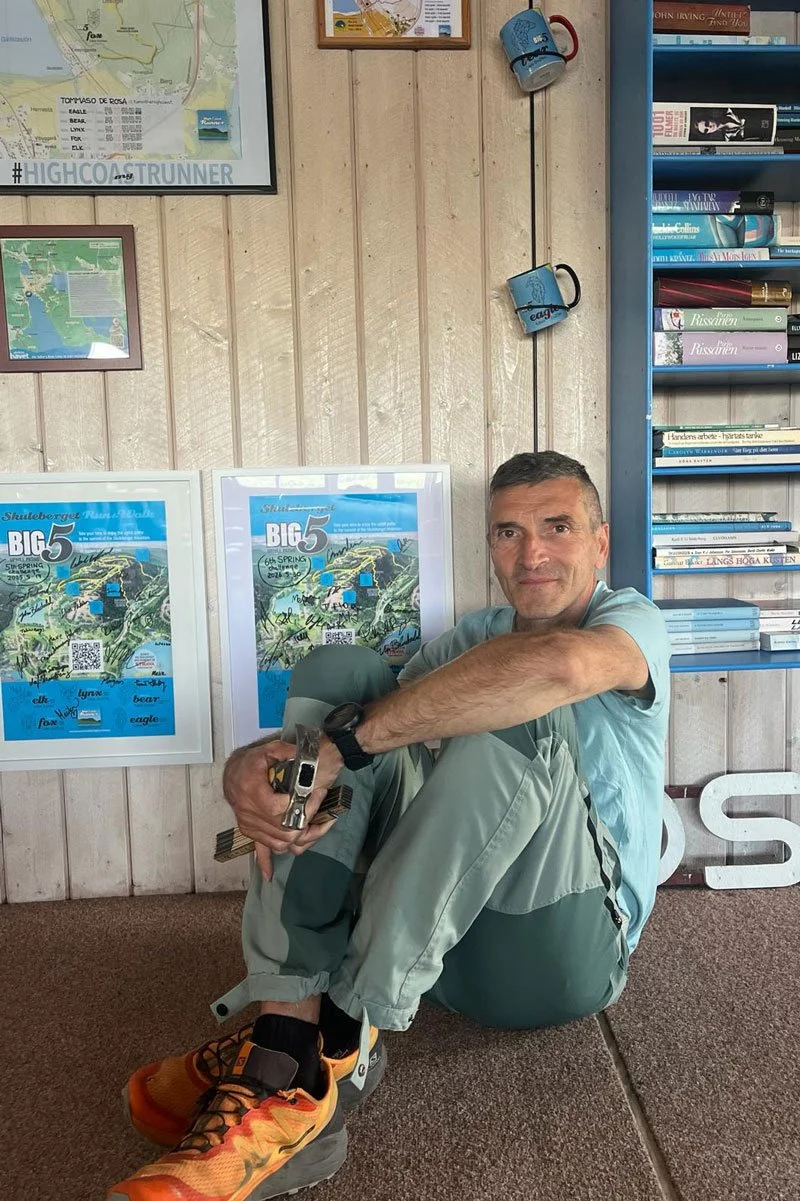
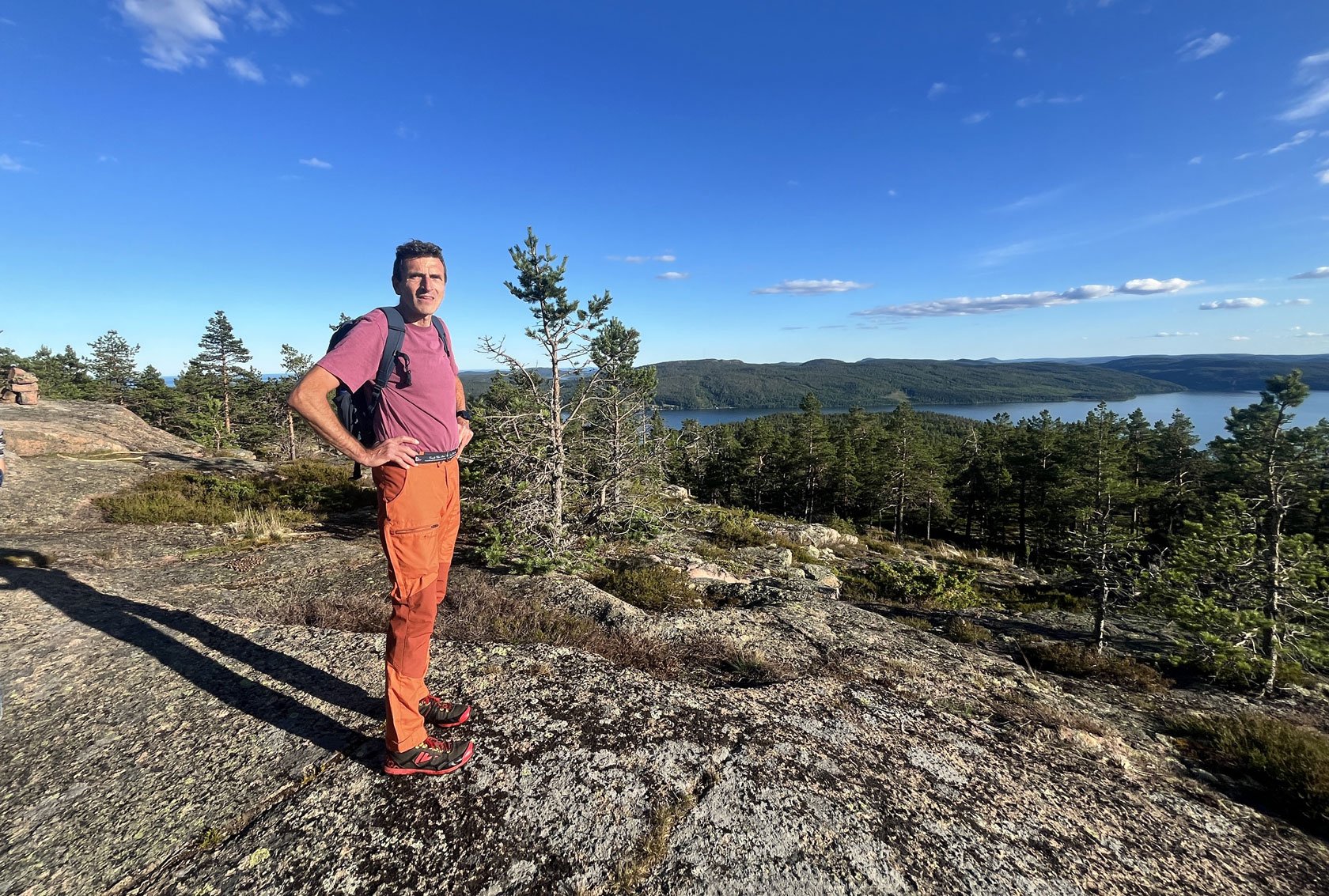
I’m Tommaso (Tom). I live between sea and mountains, and in summer I host at Docksta Havet Base Camp — a marina and a few simple waterfront places to stay, right where the High Coast starts to feel stronger.
In summer my work is simple: I’m here. I listen, ask a few good questions, and help guests turn a huge map into readable days — based on weather, season, and mood.
If you’re planning a stay, you can explore our Base Camp lodgings, or travel lighter and pick up the missing piece with Grab&Go gear rental.
Explore Höga Kusten — one readable day at a time
A small collection of posts to help you plan less, see more, and let the landscape set the pace