Yes, the sea freezes here.
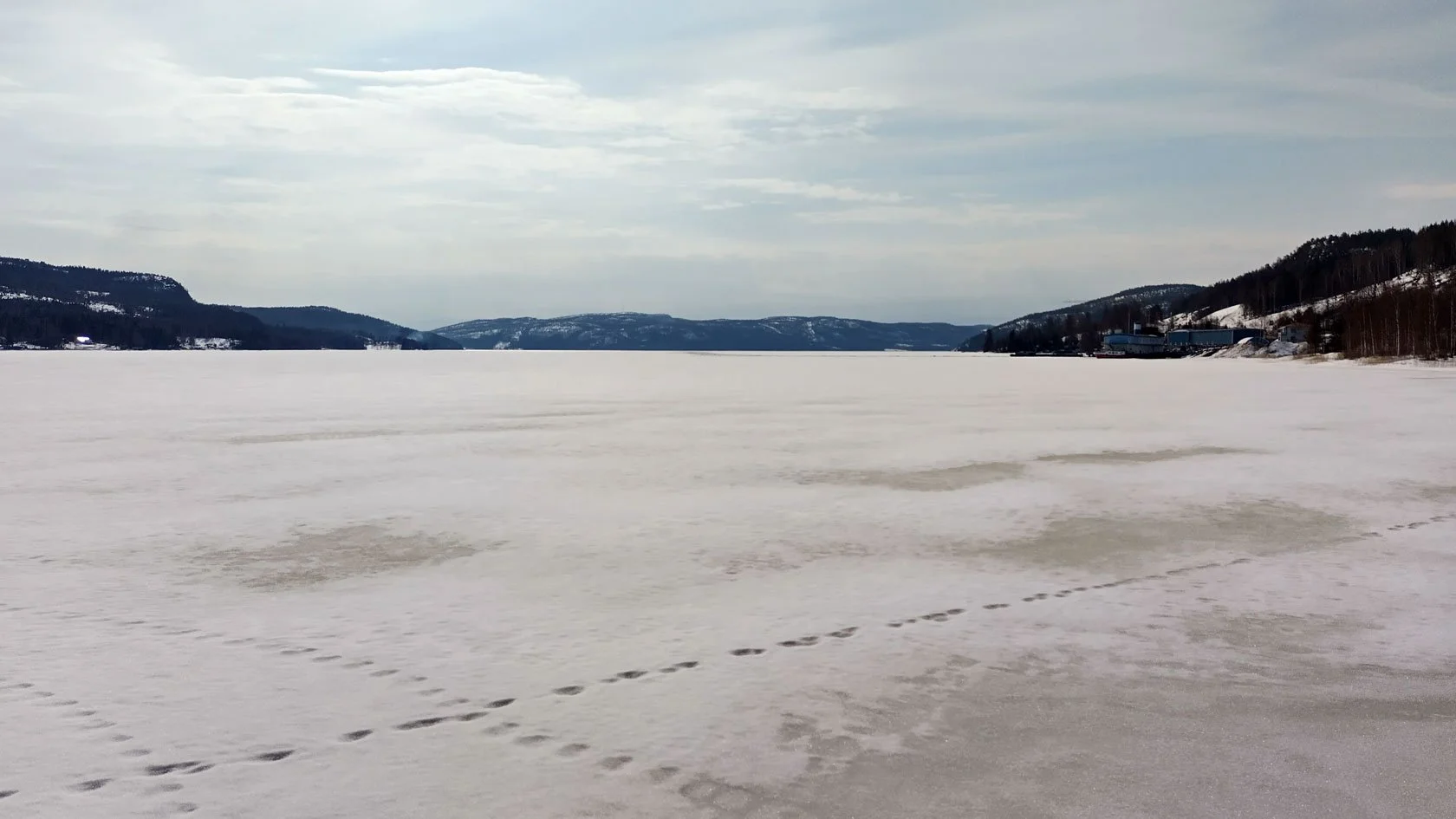
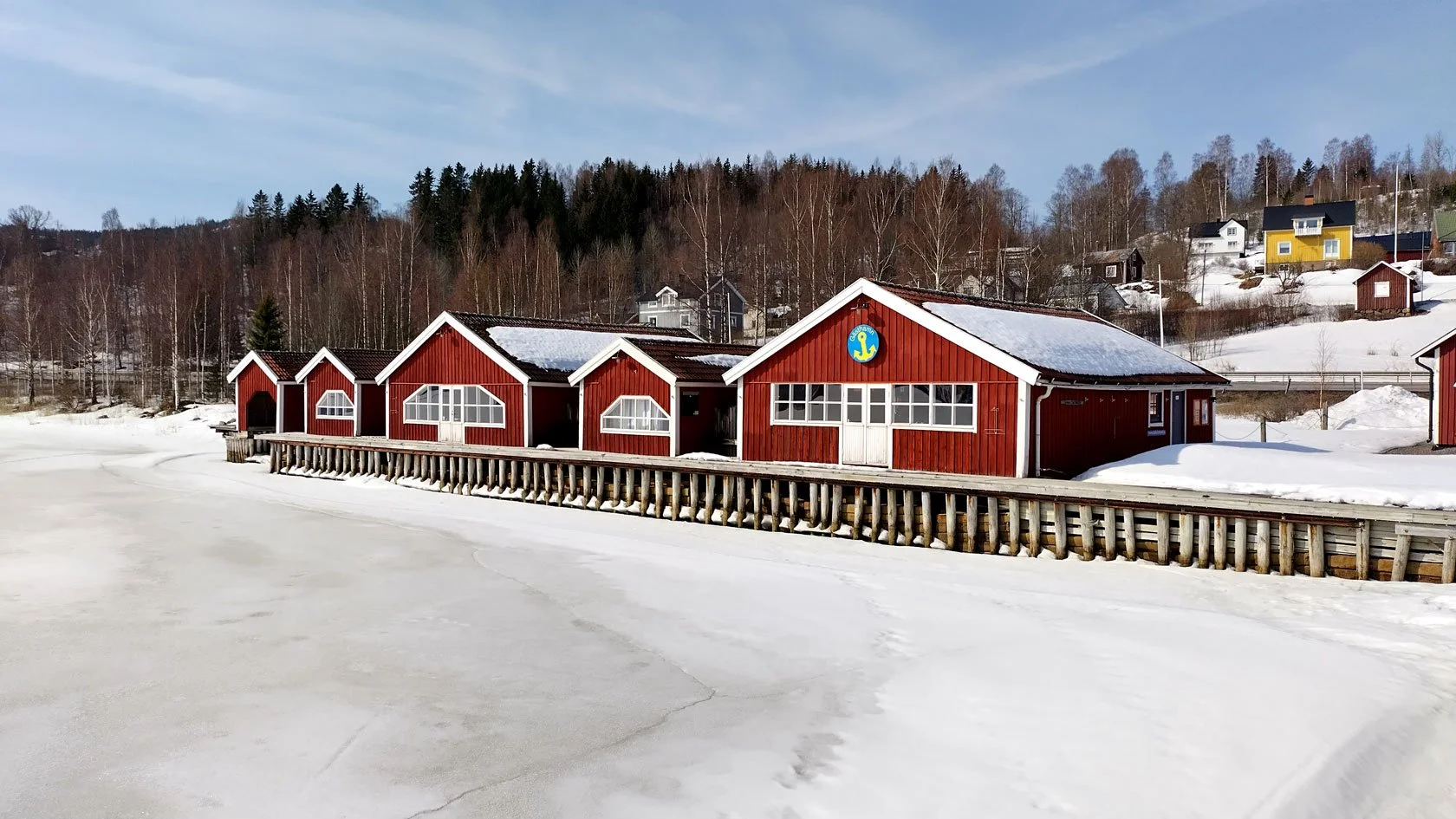
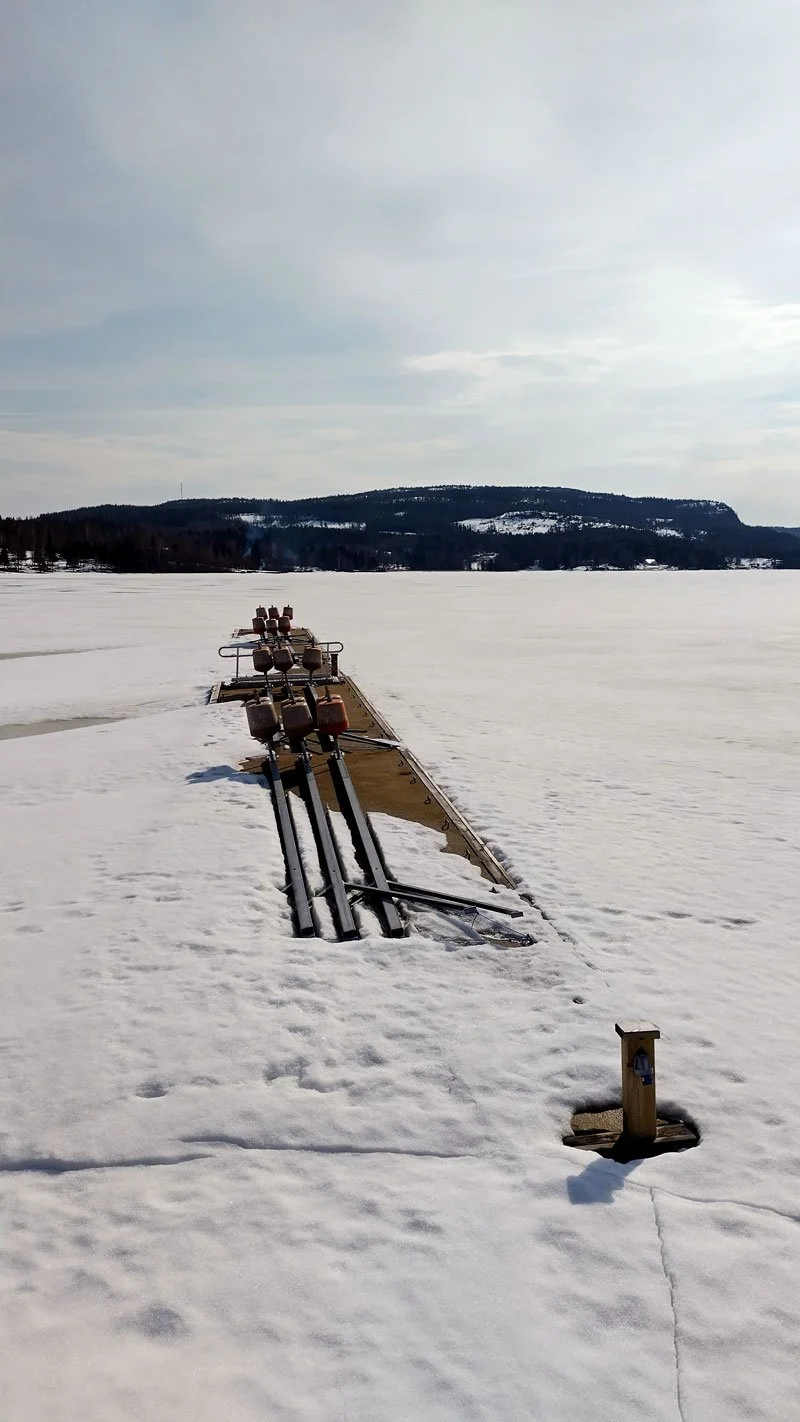
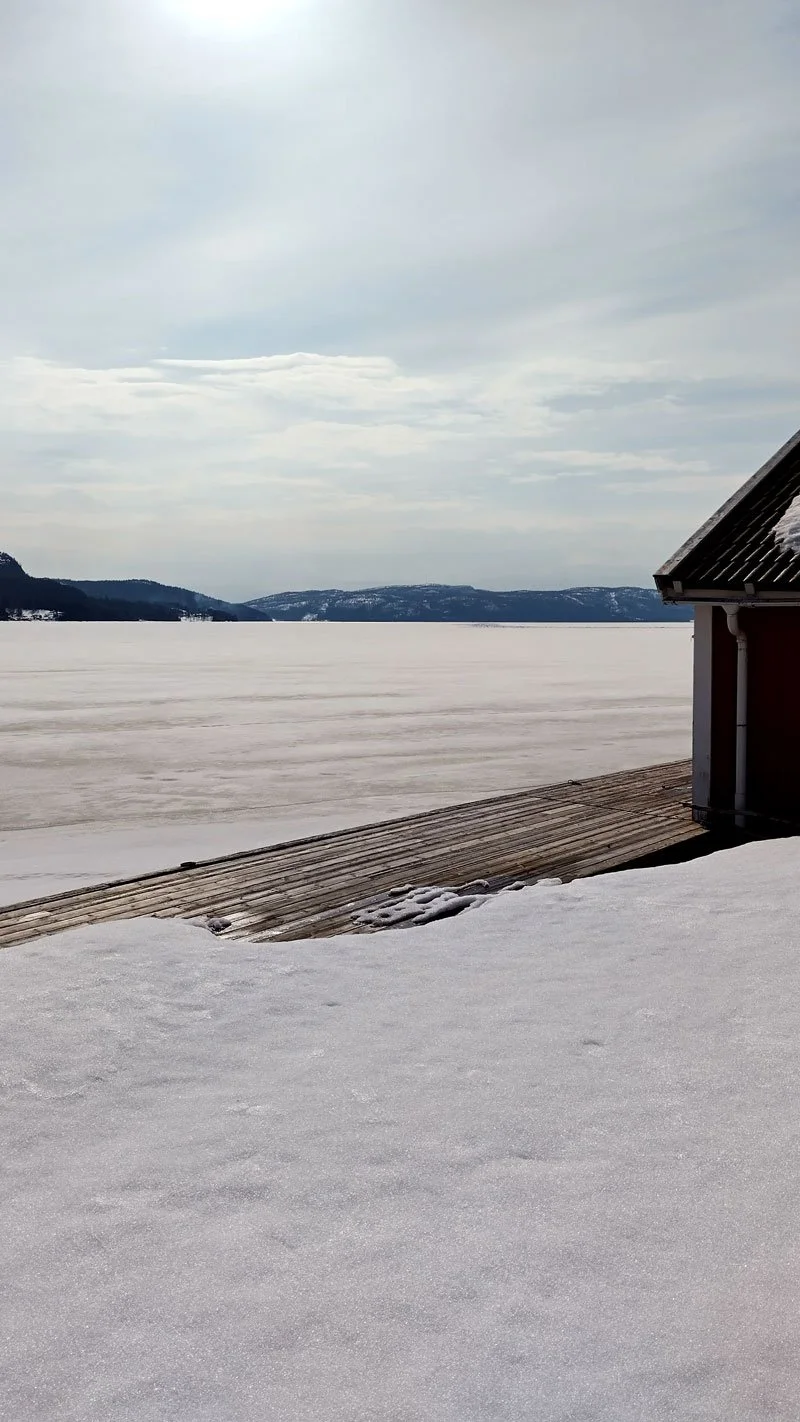
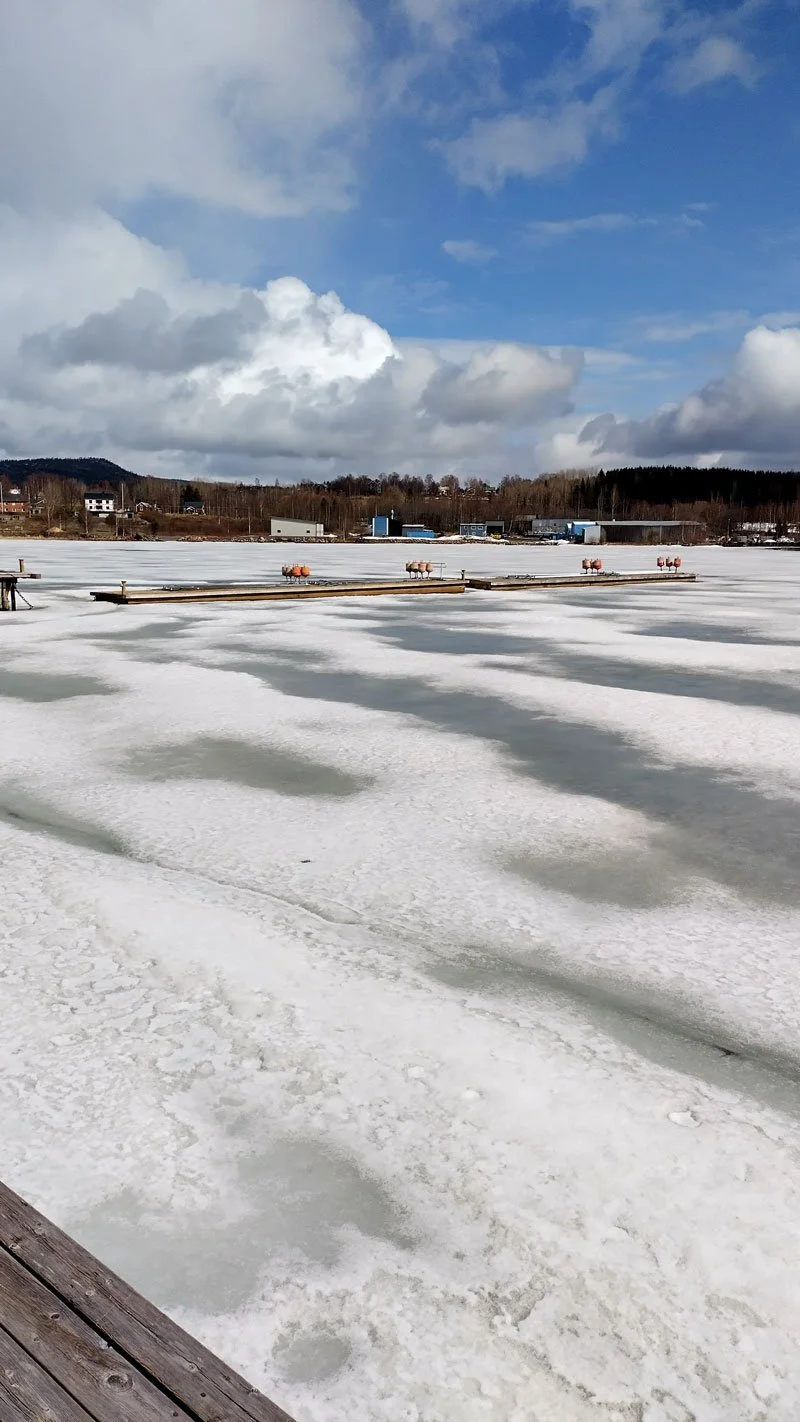
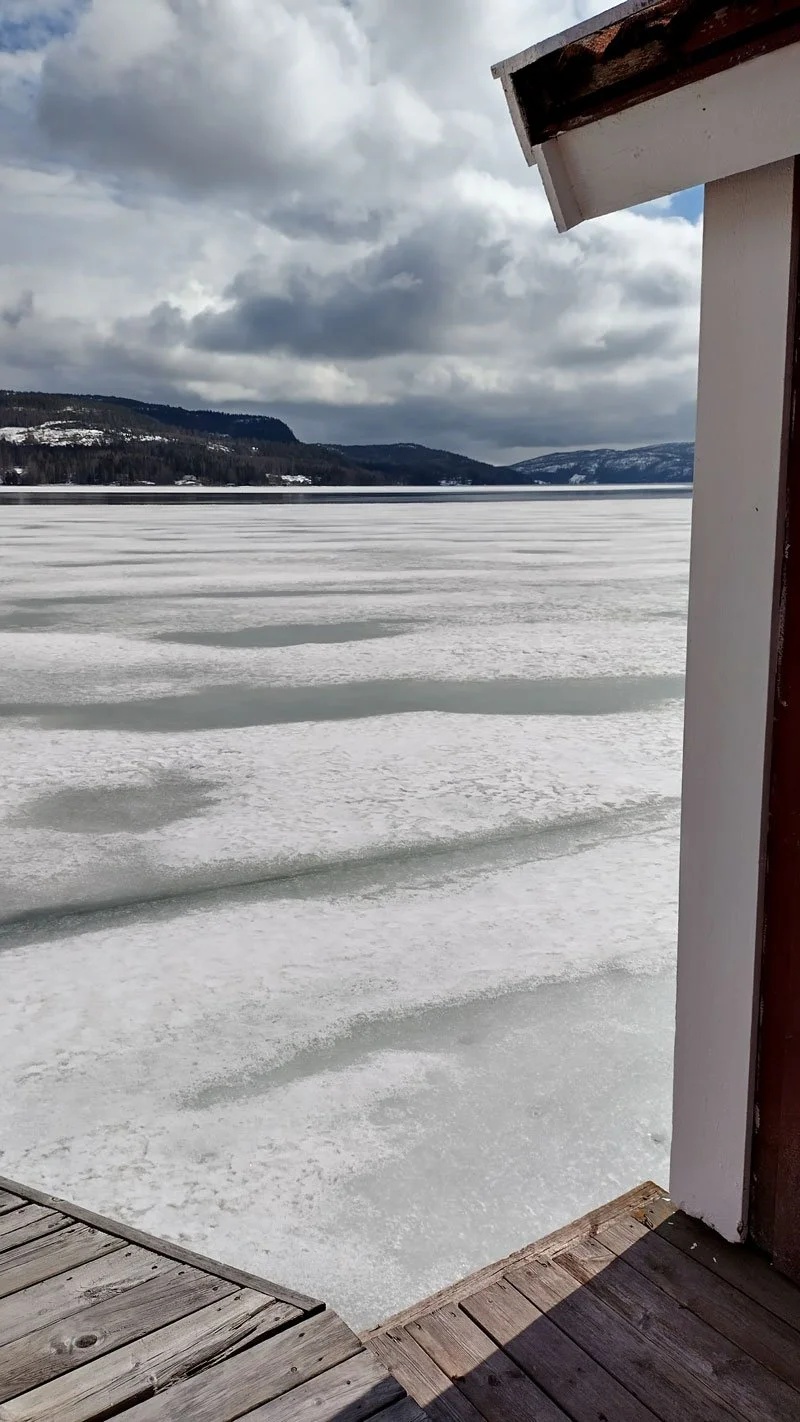
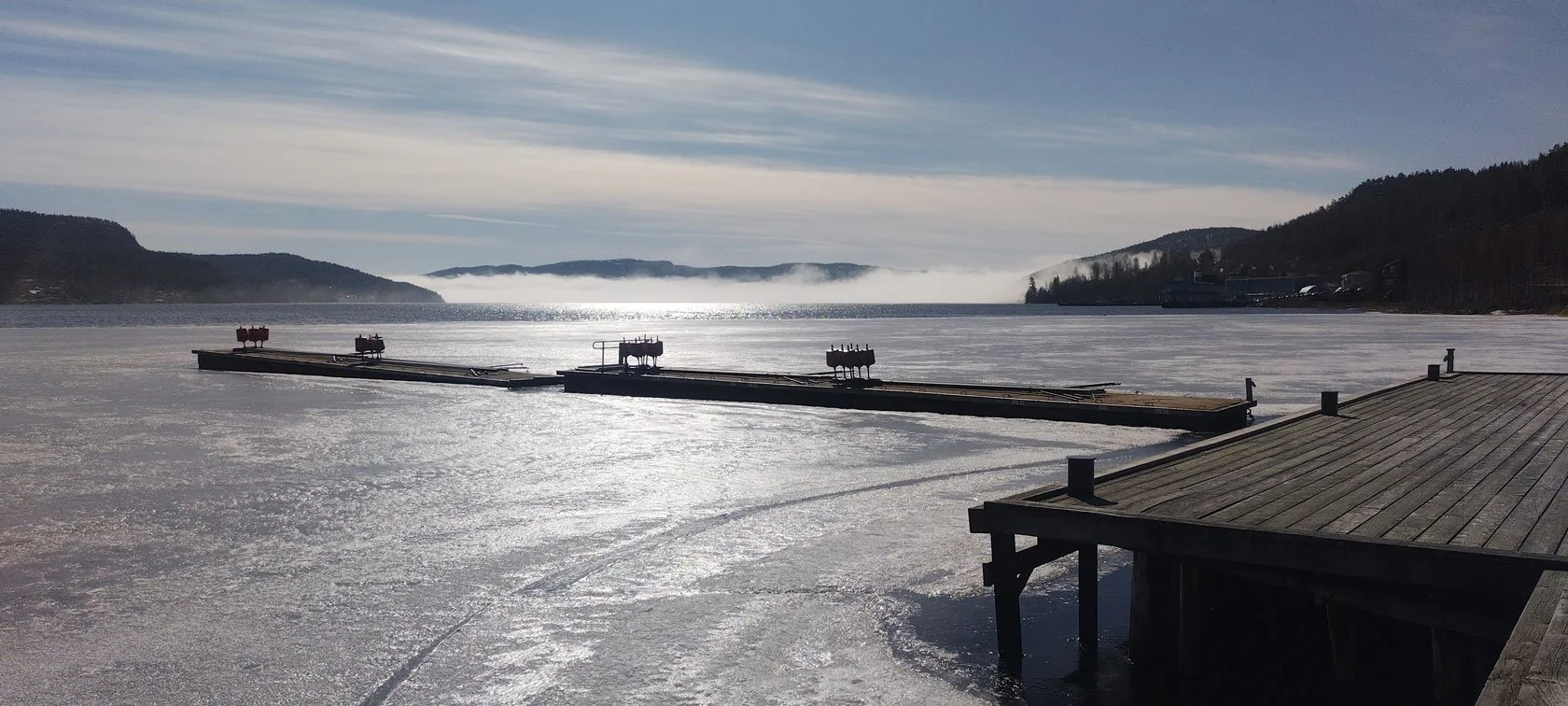
Let me tell you about a particular memory: a late‑winter week at our marina, when the ice begins to let go and the fjord starts breathing again. I watched it from the docks — and I wasn’t the only one enjoying the first sun.
Ice usually begins forming here sometime between November and December, then reaches its maximum in late February or early March. But the High Coast doesn’t really do strict rules.
In winter 2026, a few unusual cold spells froze roughly one‑third of the Baltic Sea — and the Gulf of Finland saw its thickest ice in 15 years. And still, I also remember winters when our fjord stayed almost completely free of ice, or only partially frozen: thin sheets that the wind and waves could break overnight, the moment temperatures rose even a little.
I once read a passage by Swedish sailor‑writer Björn Larsson about Lake Vättern freezing almost instantly — in something like twenty minutes. That image stayed with me, because the opposite can happen too: the sea letting go of the ice can be just as fast.
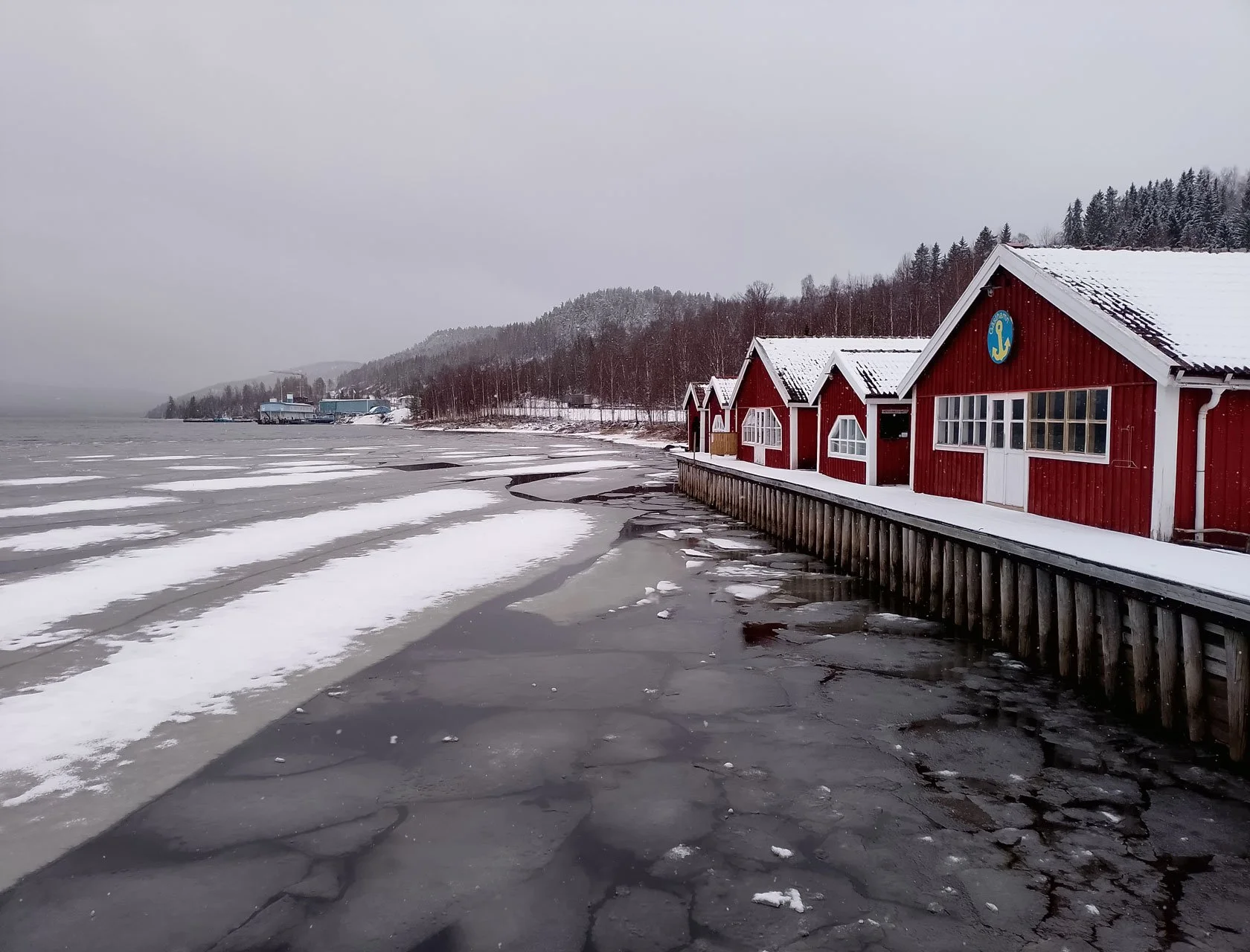
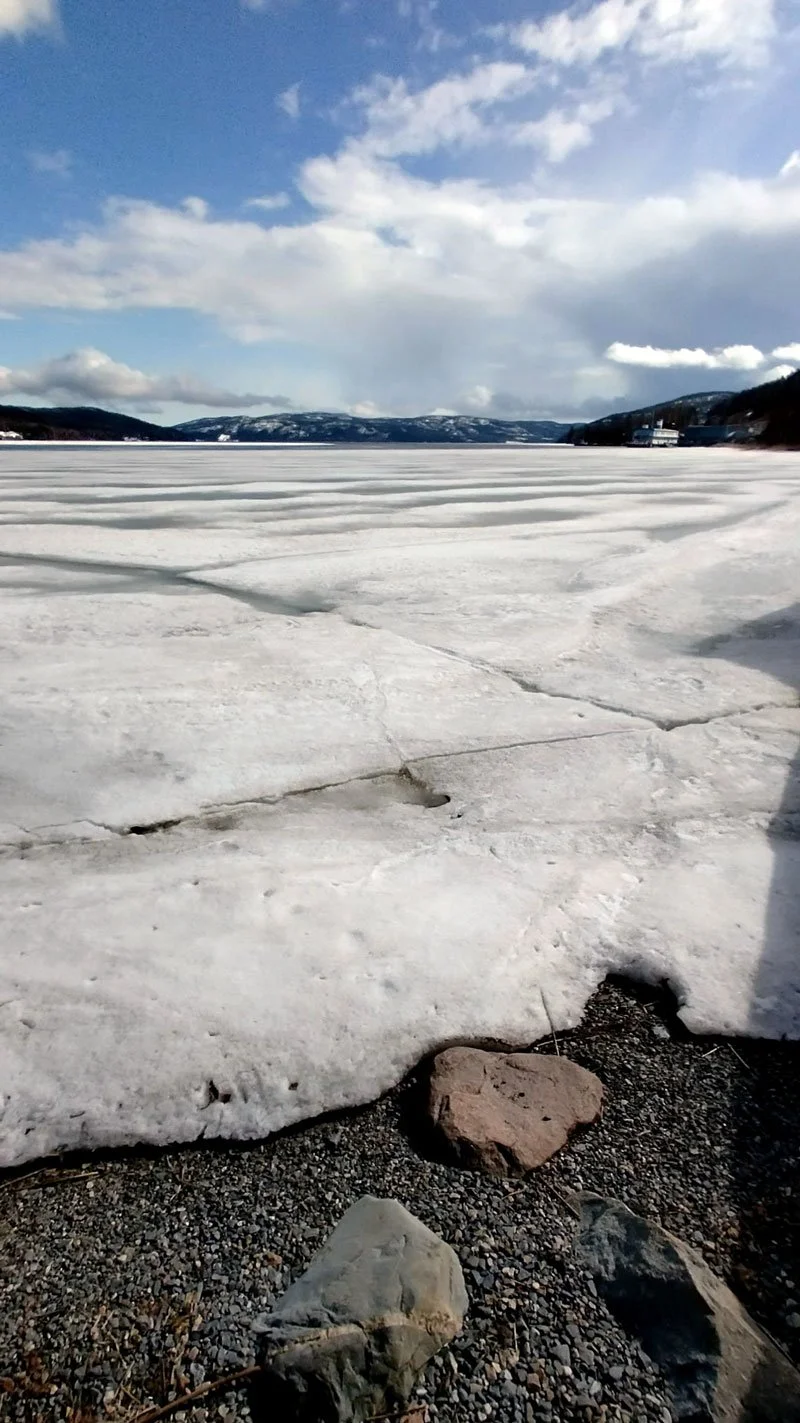
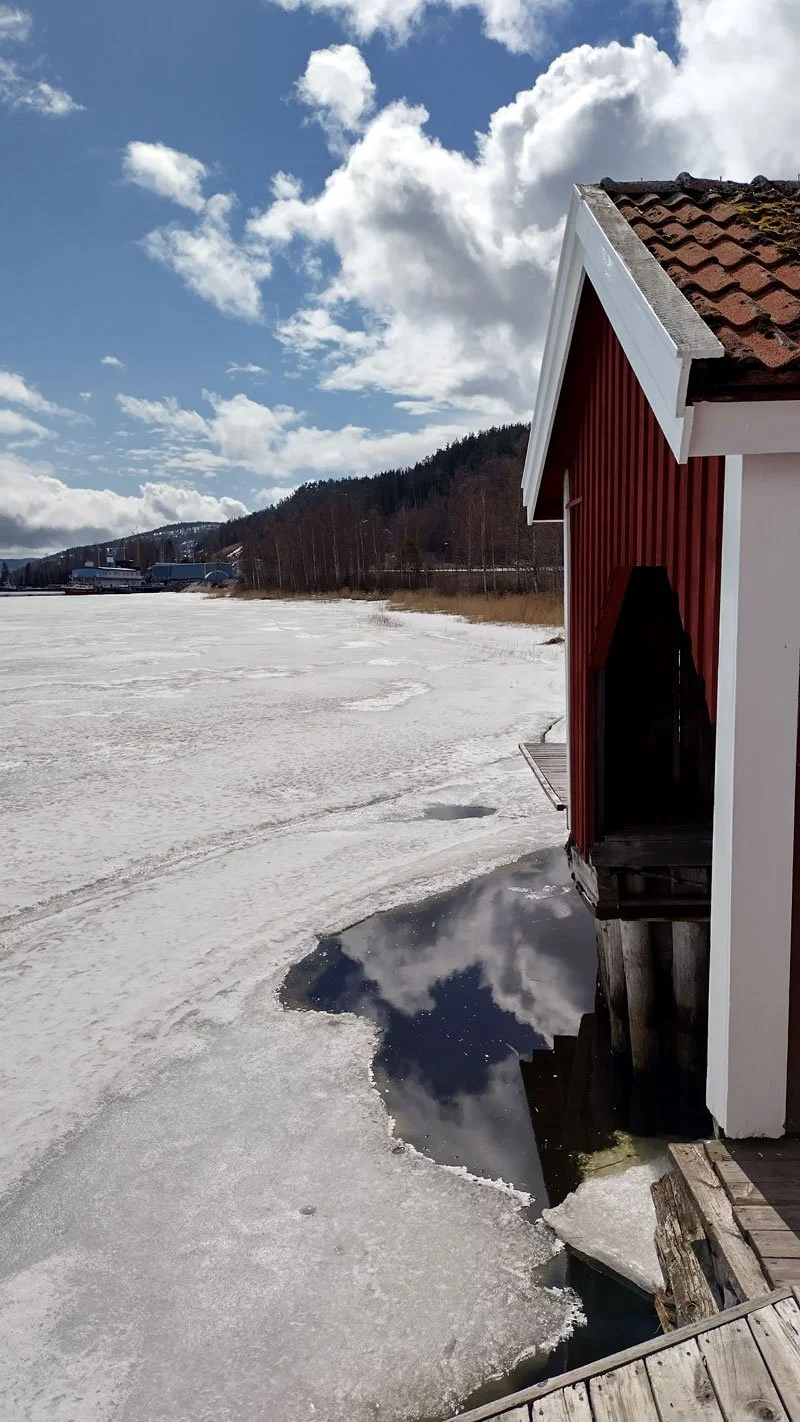
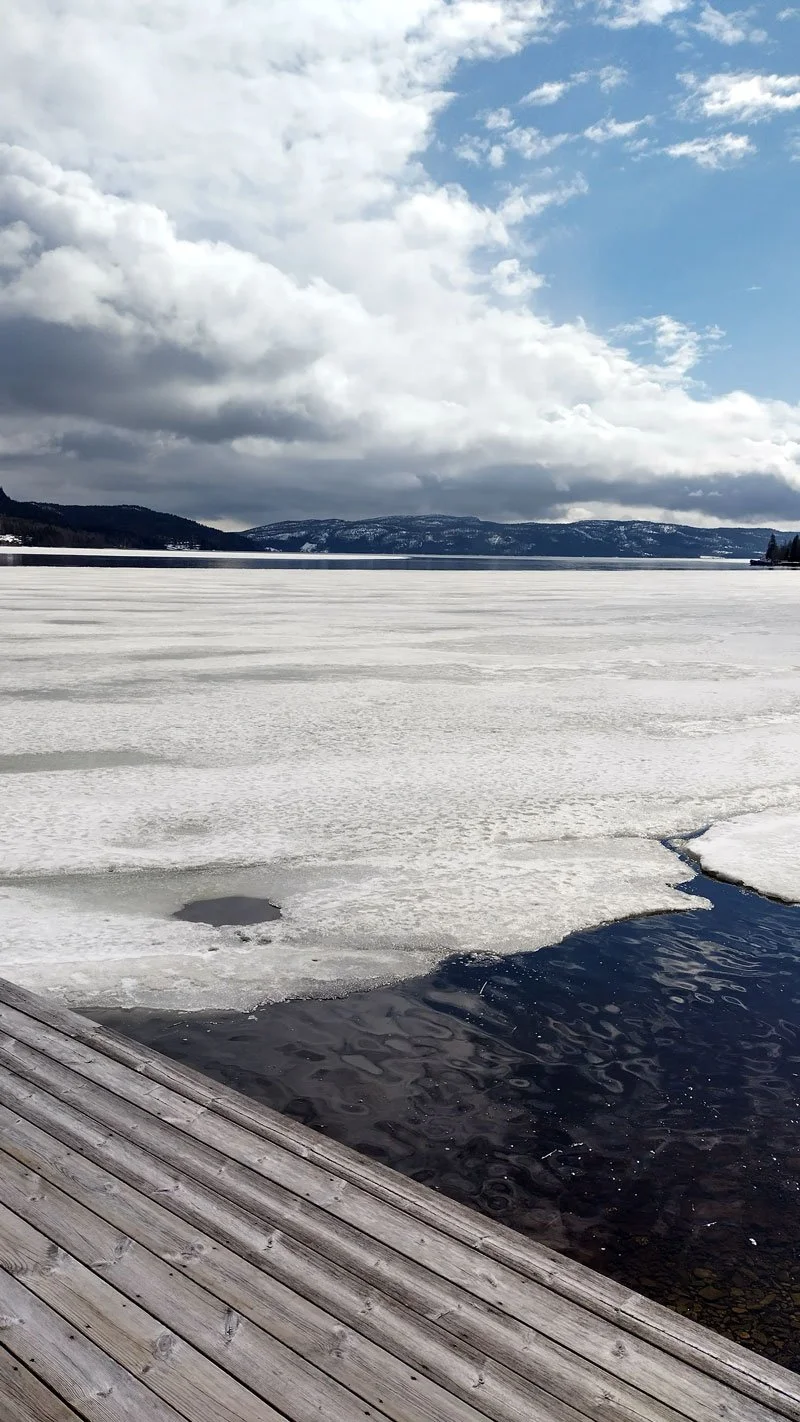
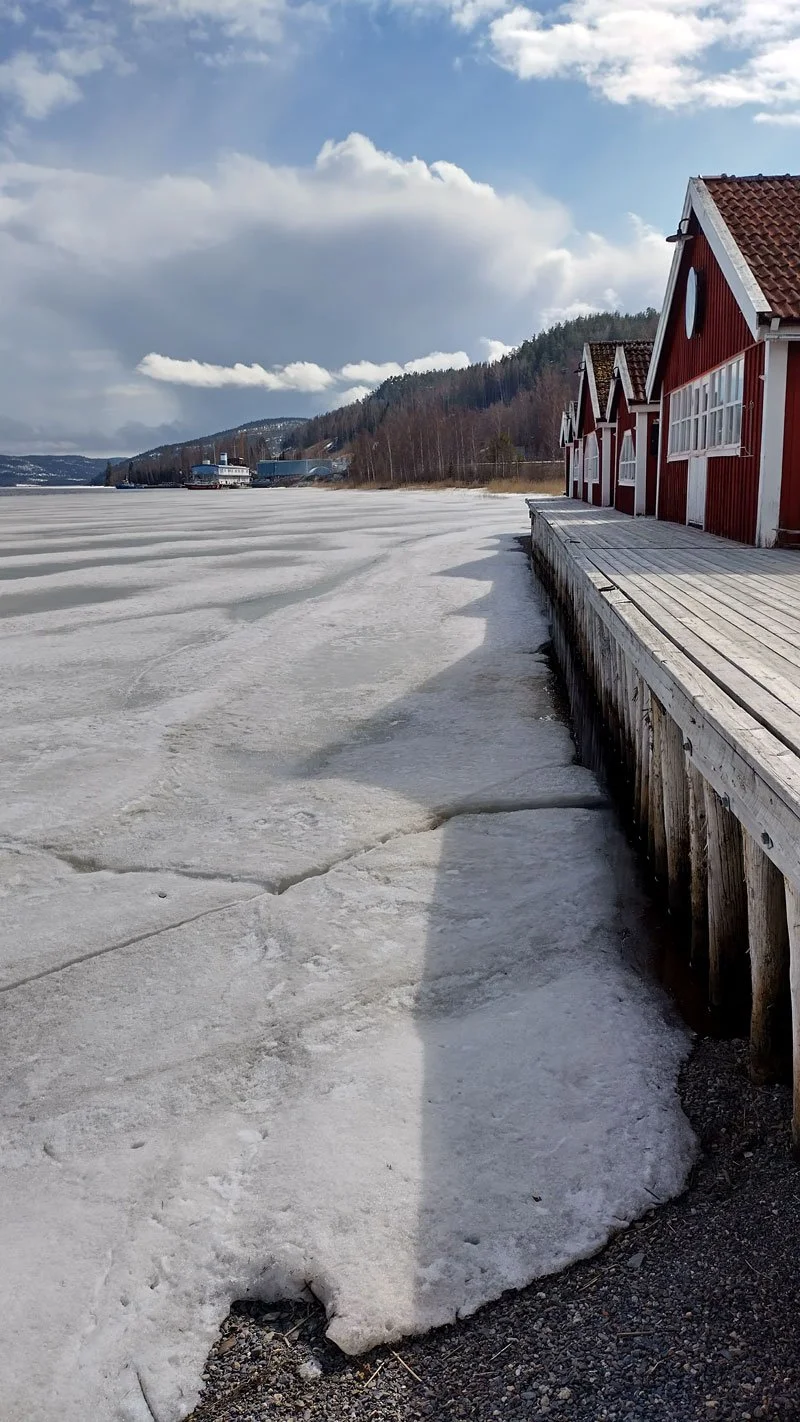
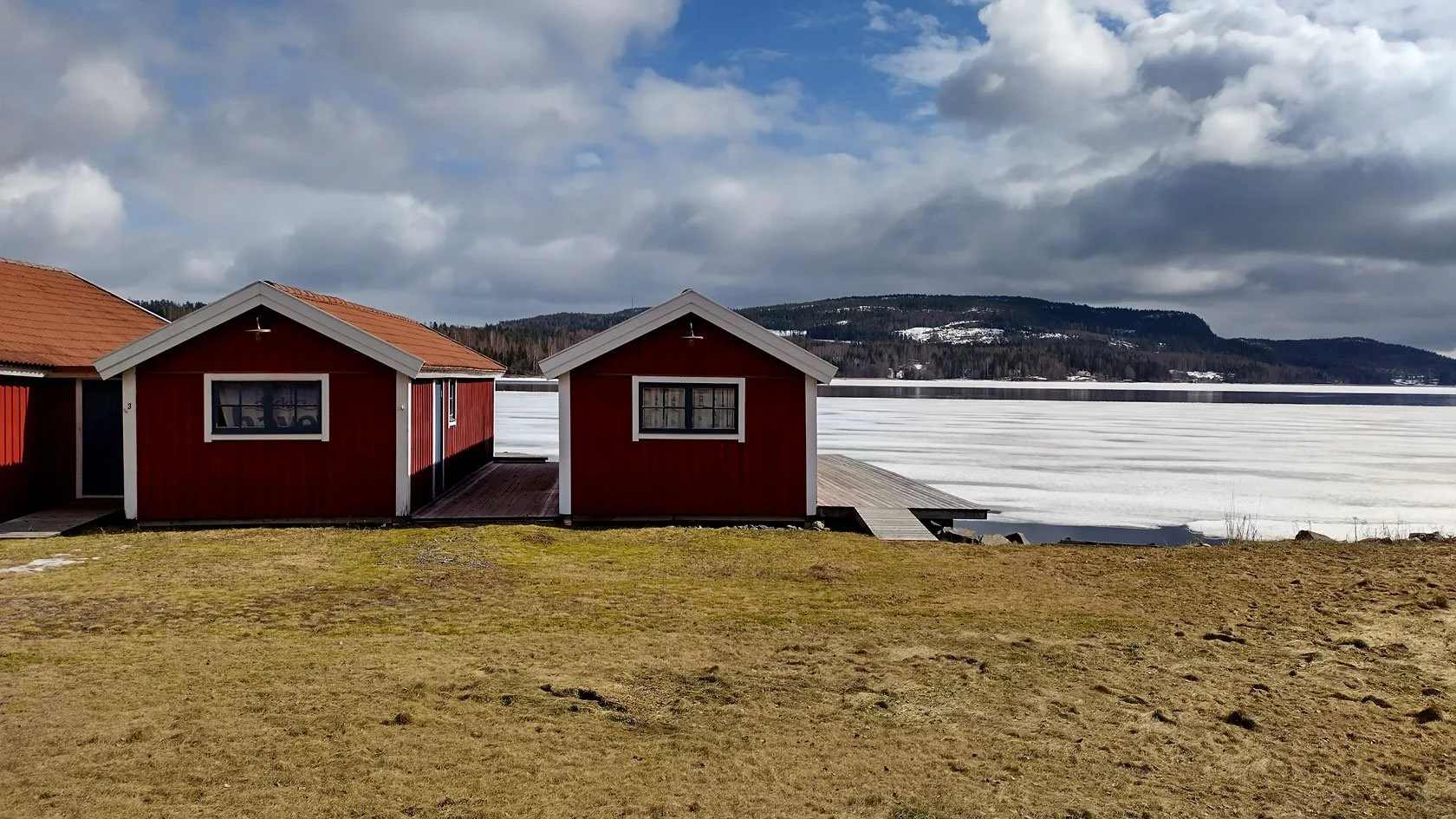
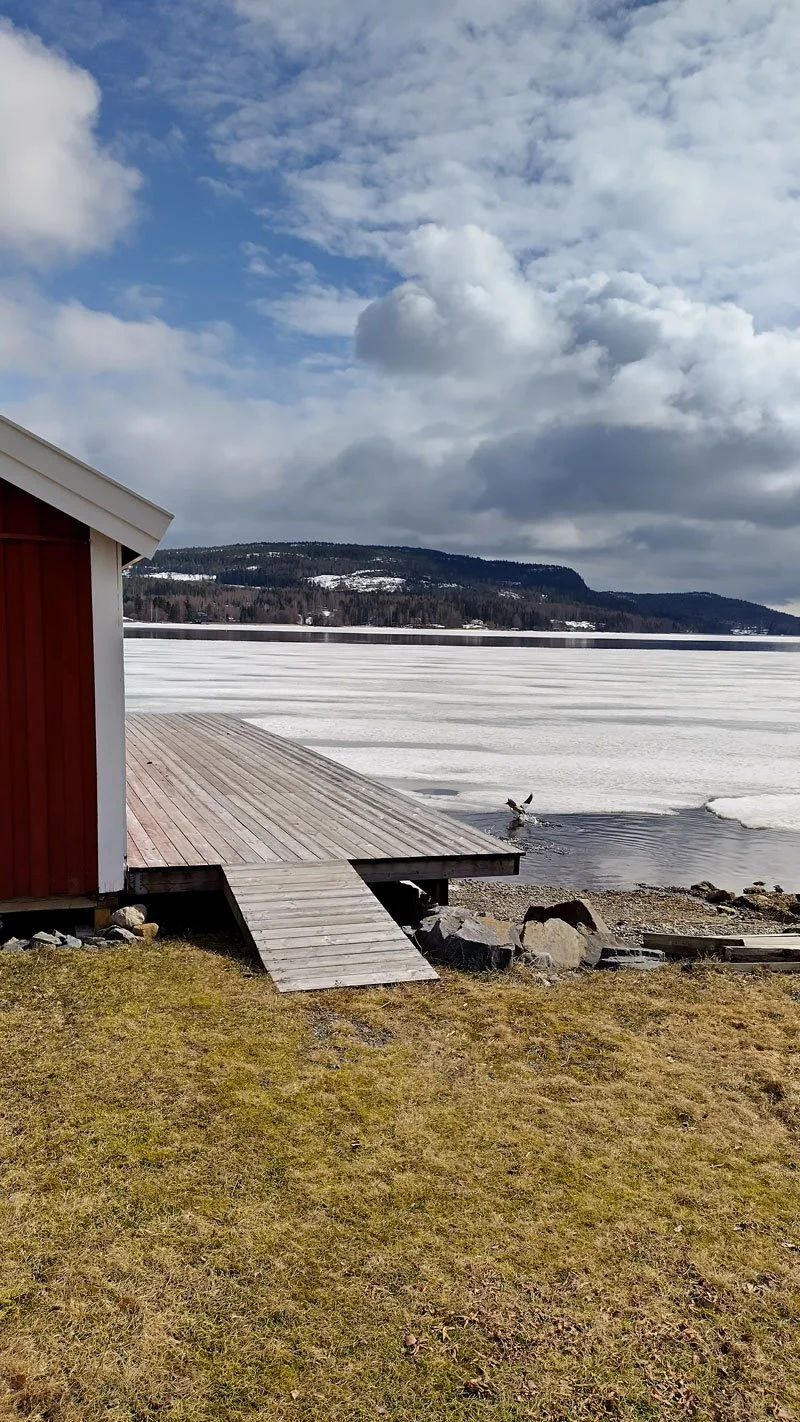
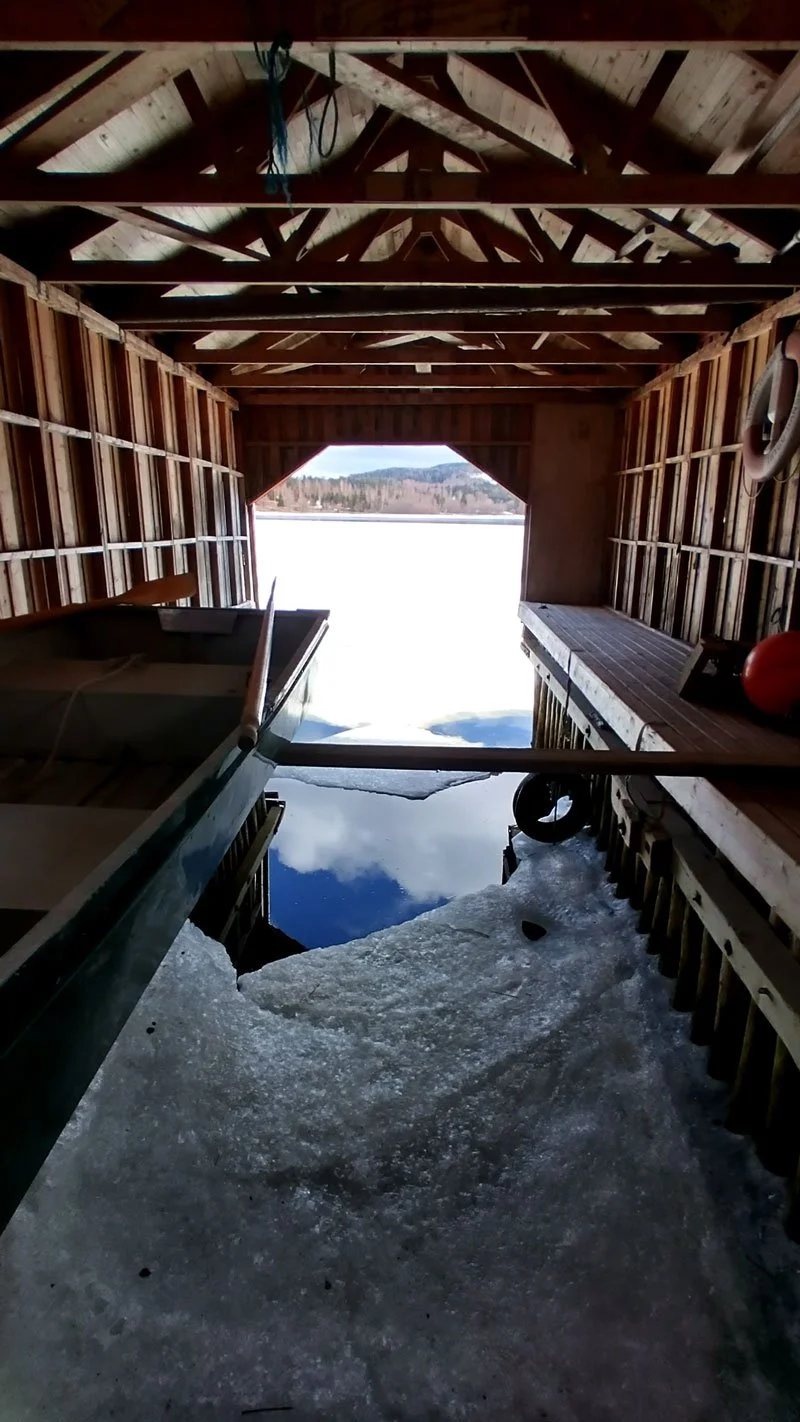
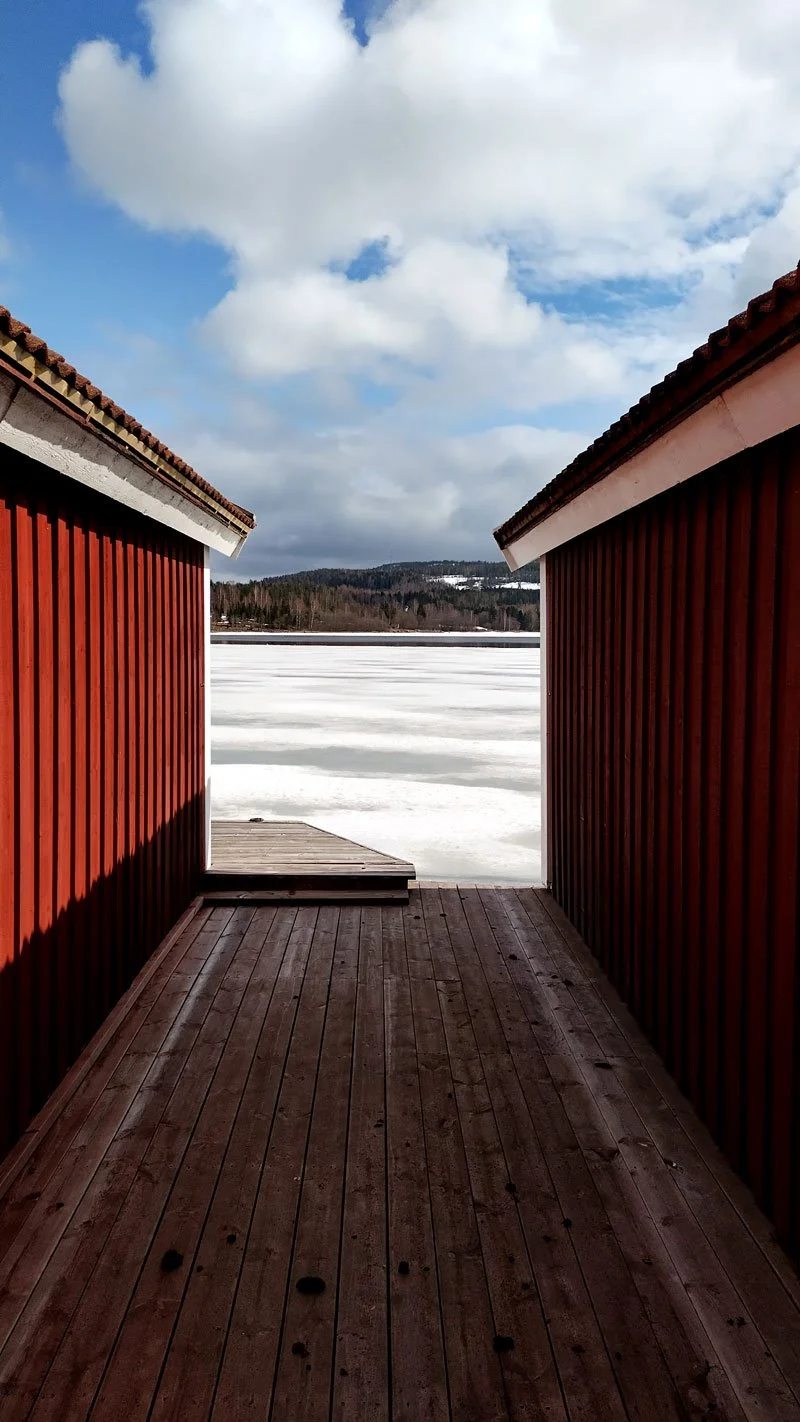
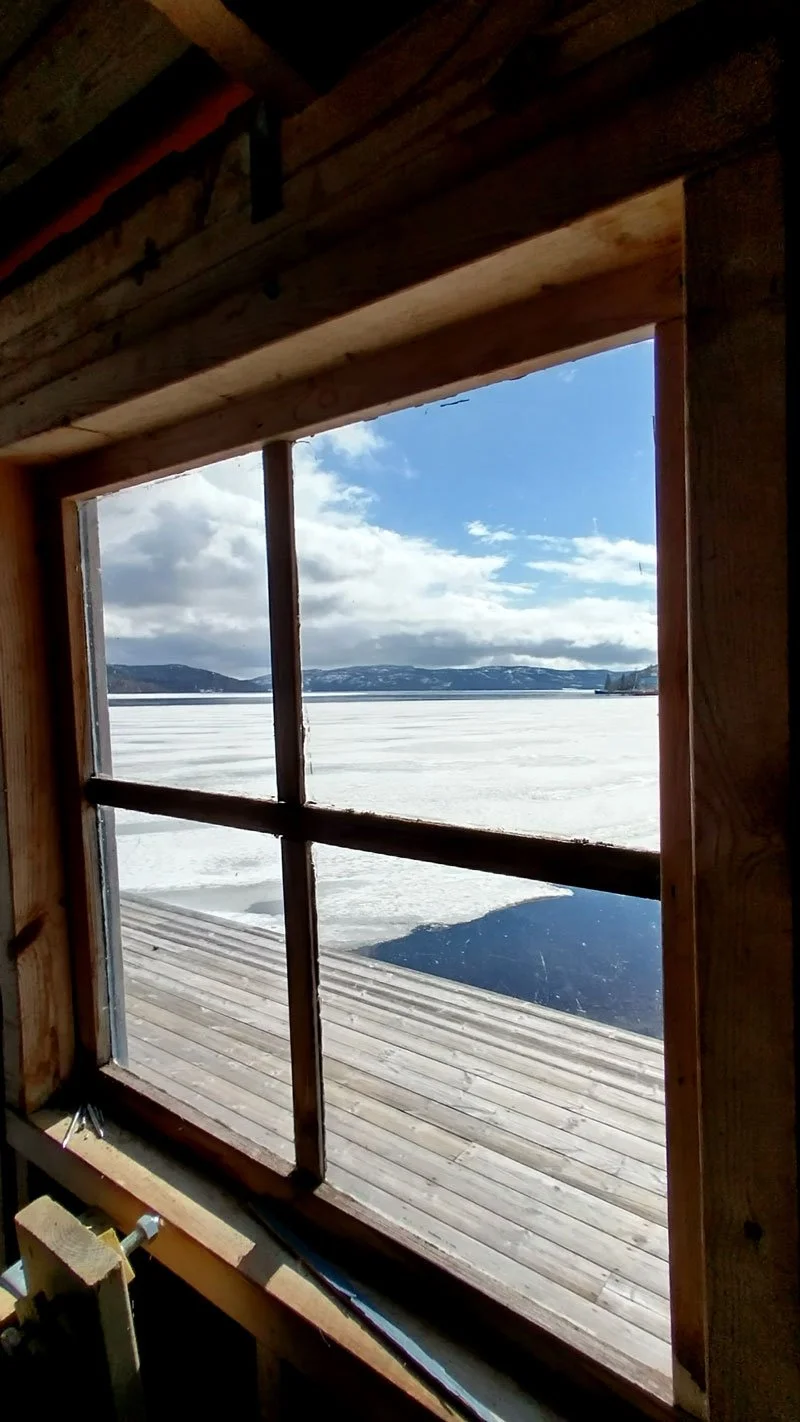
At the marina, the process usually starts with fractures. First along the edges — where the ice meets the shoreline — then along the lines of the docks and the floating pontoons. As temperatures rise, the sheet breaks into pieces: small or large, like little drifting islands.
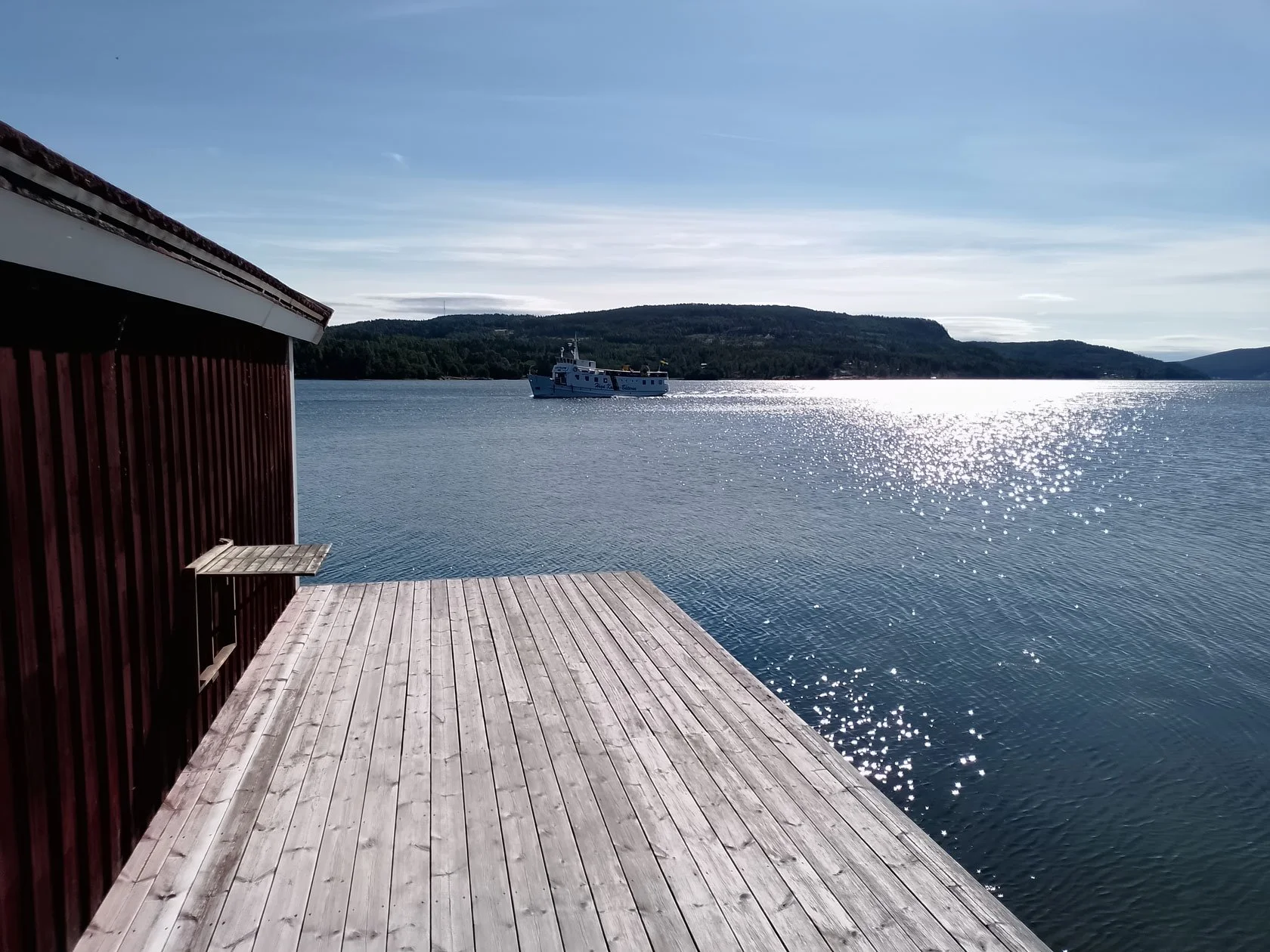
And once those islands detach, it doesn’t take much. A light breeze from the north is enough to set them in motion — quietly, but quickly — sliding toward the mouth of the fjord. I’ve watched it from these docks: sometimes the ice doesn’t take more than twenty minutes to “disappear”, sailing silente to the South.
Out at sea, the water often clears first. Here, at the inner end of the fjord — where our marina sits — we’re usually the last to be released.
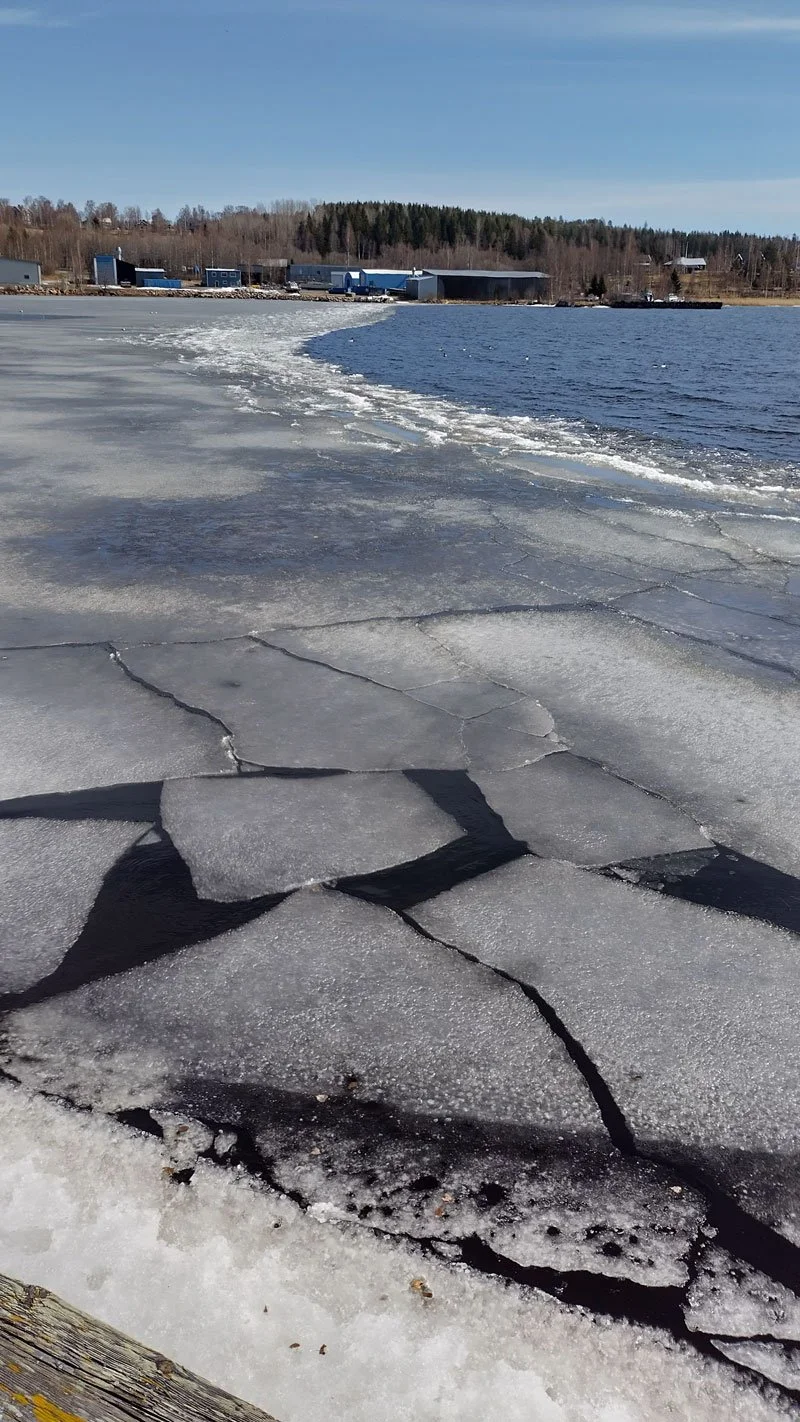
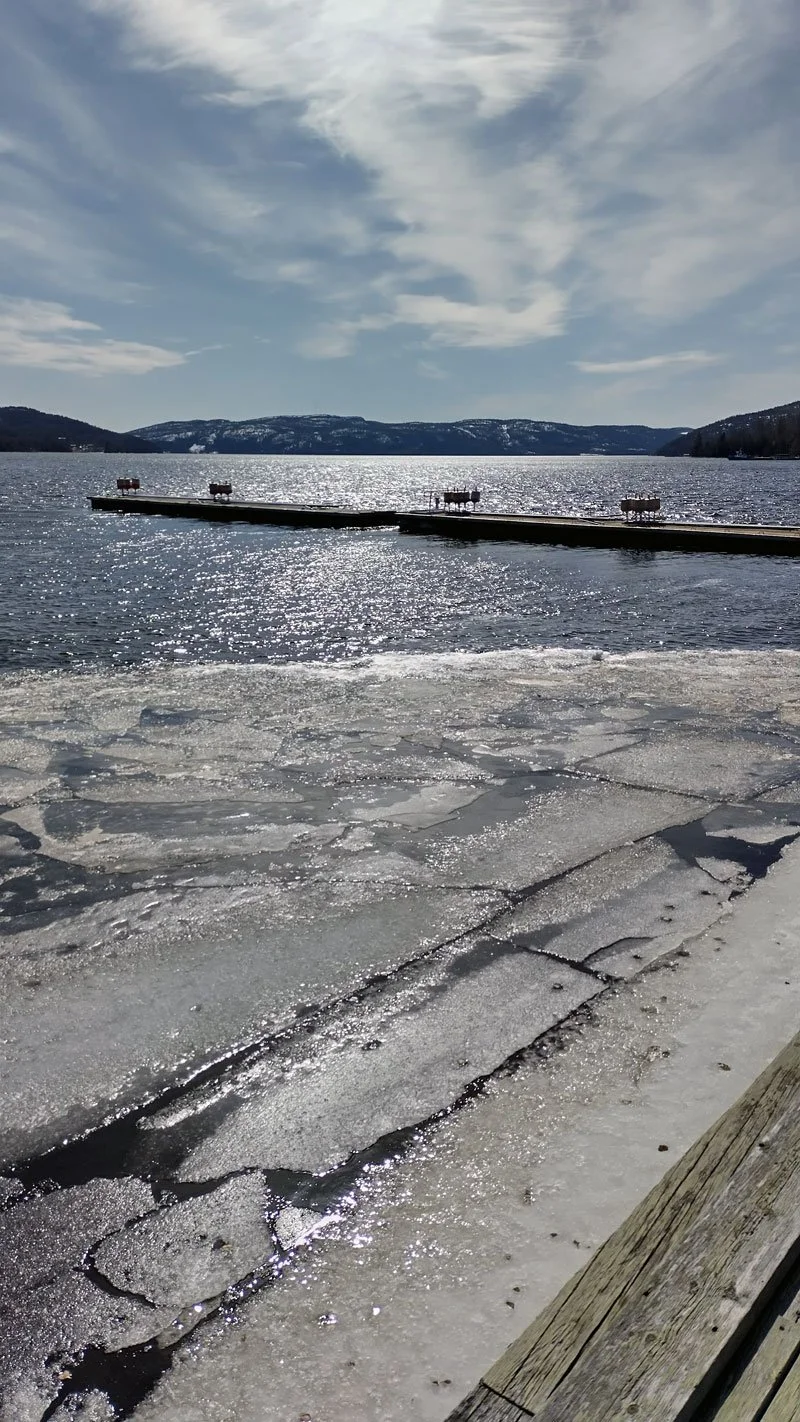
So that week, I started doing what hosts do when the season is changing: I checked the fjord the way you check a mood.
Over six days during the first week of May, the ice retreated a little more each morning. The light grew warmer. From the docks, you could see the ice losing its confidence — a darker line here, a soft crack there, a patch of open water widening with every hour of sun.
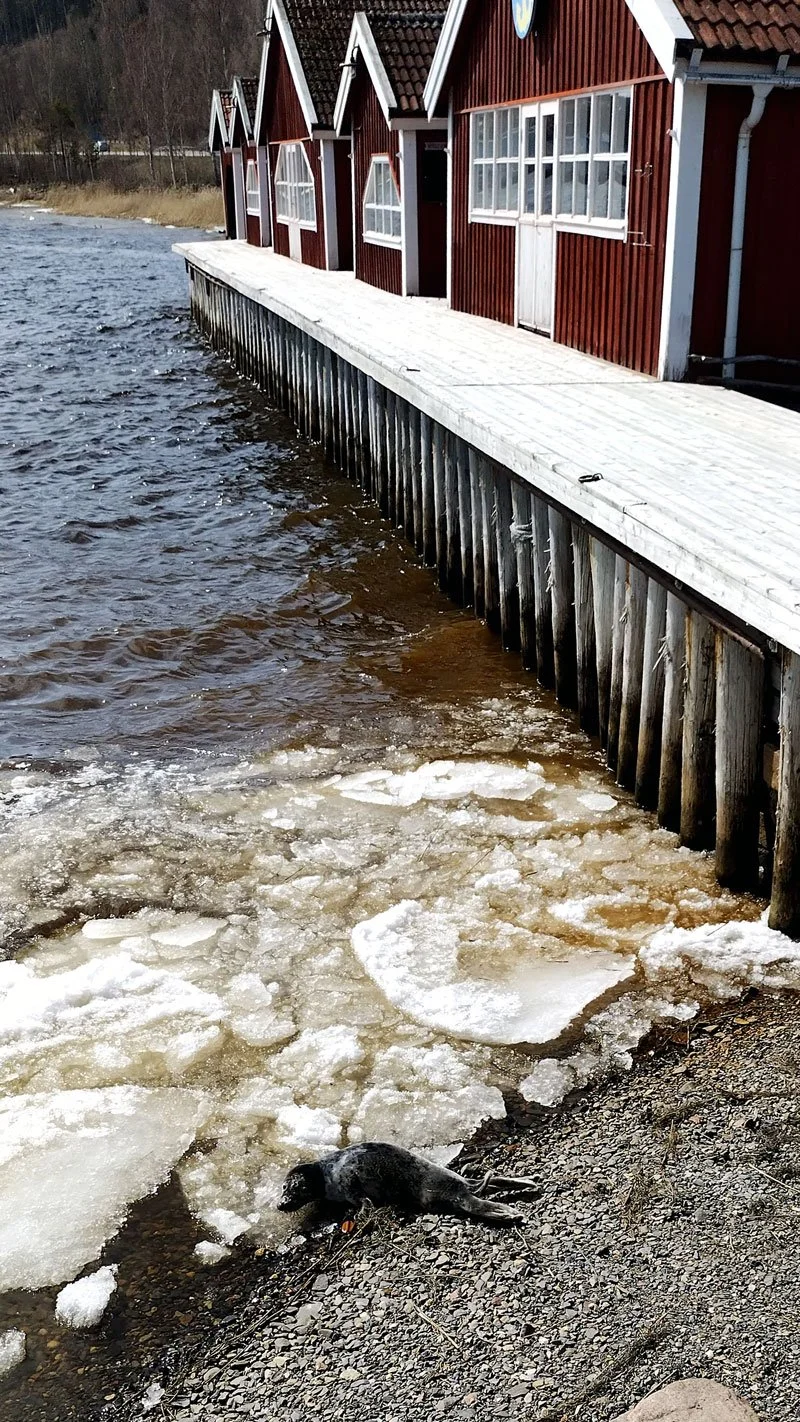
A Quiet Visitor
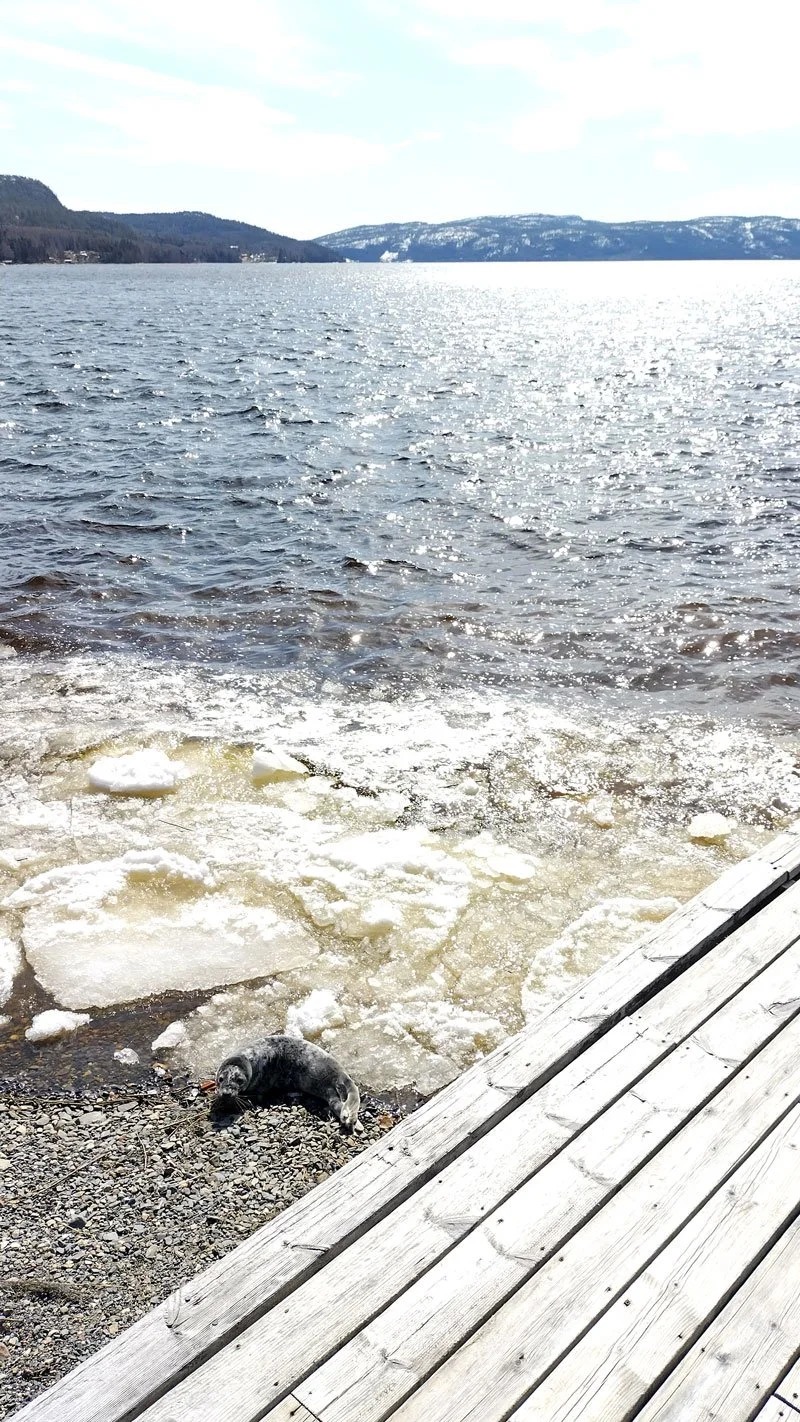
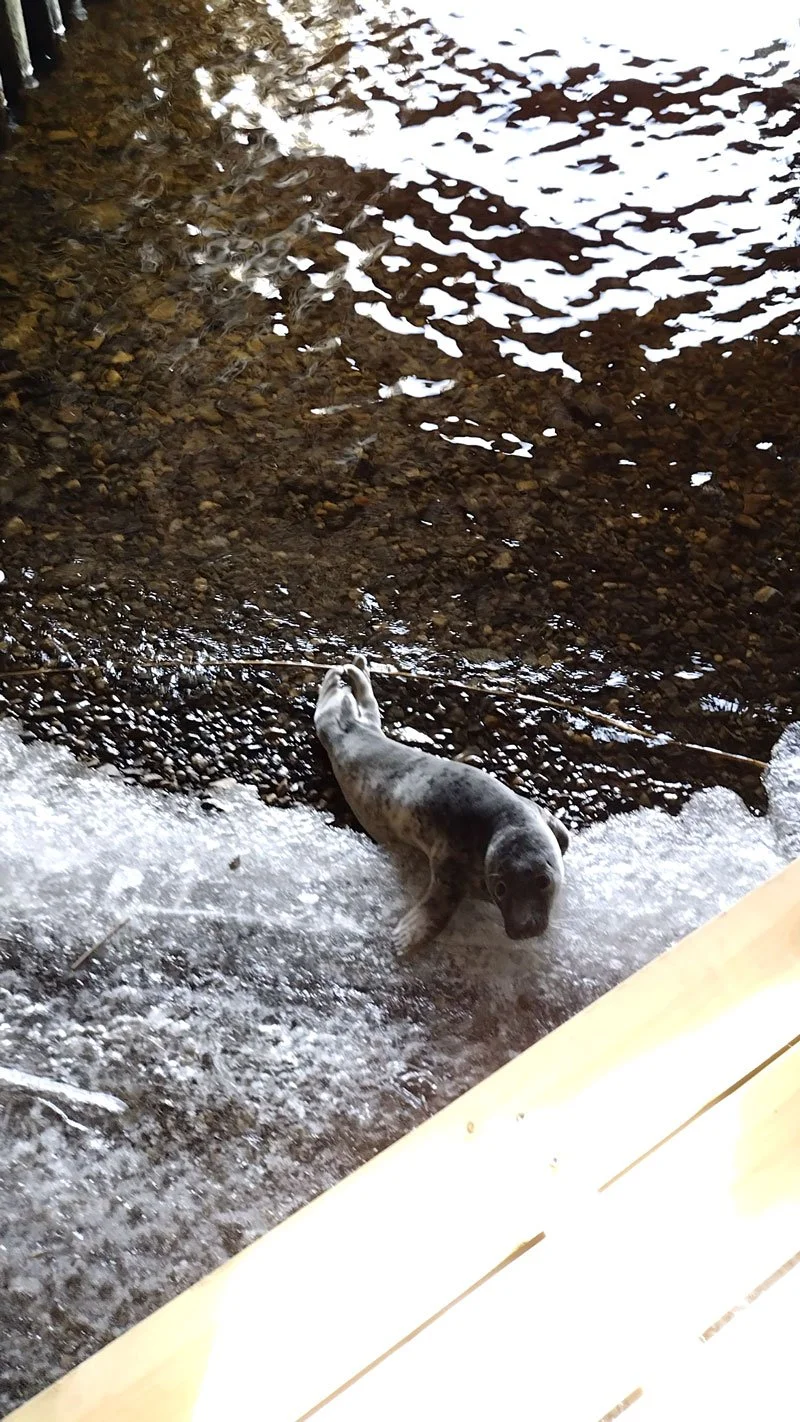
And then, quietly, the unexpected guest appeared. Not as a show, not as a “look everyone” moment — just a presence, resting in the sun as if it had always belonged to this in‑between season. I kept my distance, watched for a few minutes, and let the marina stay quiet.
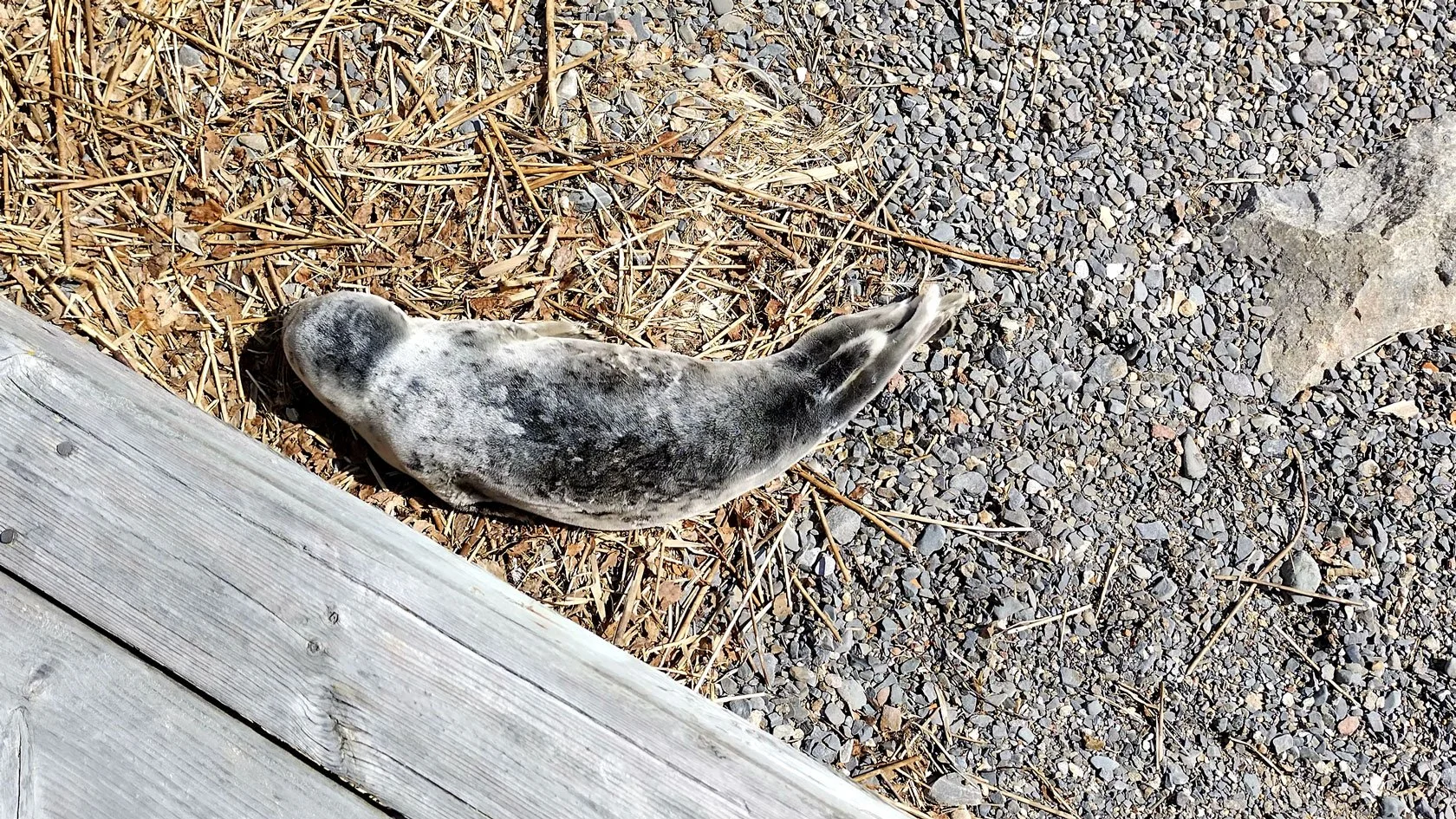
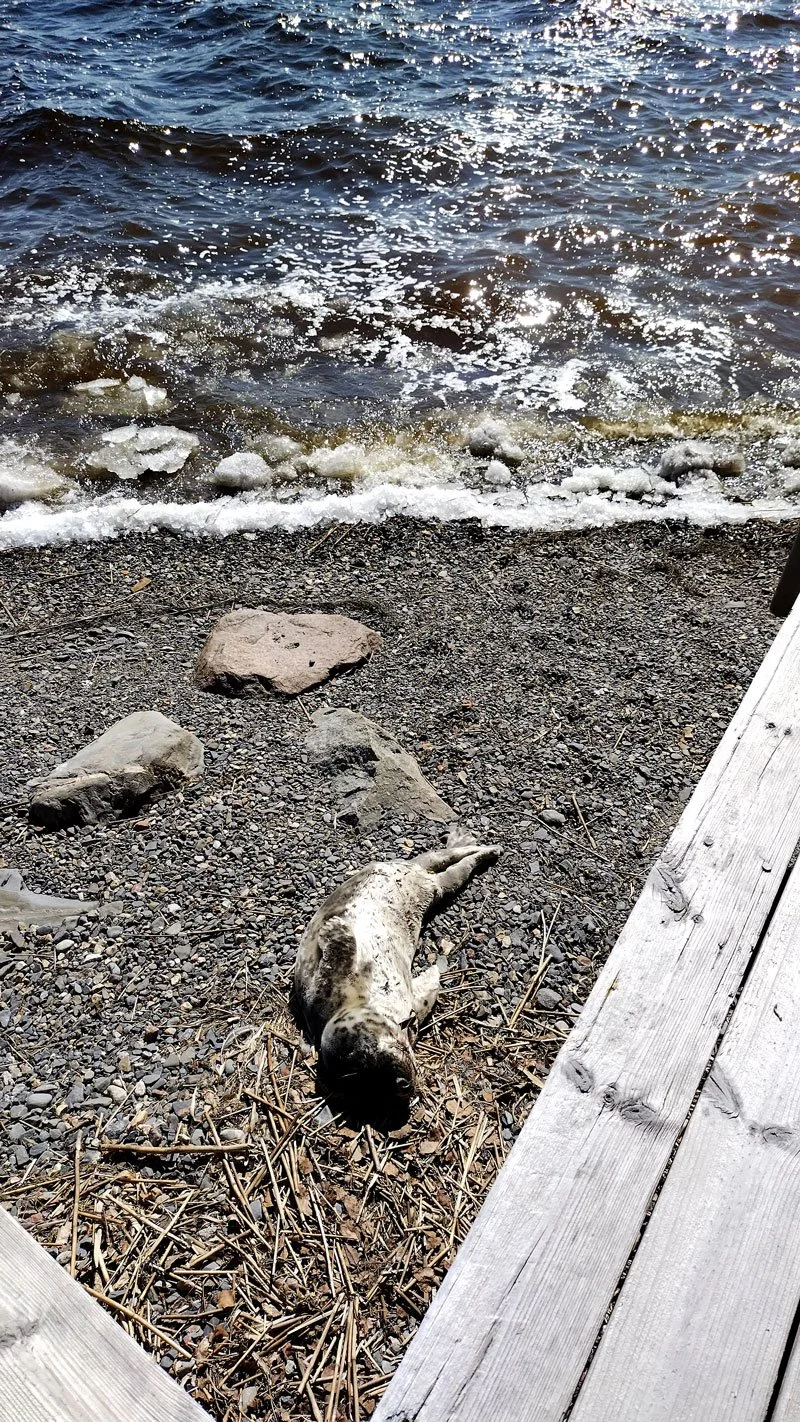
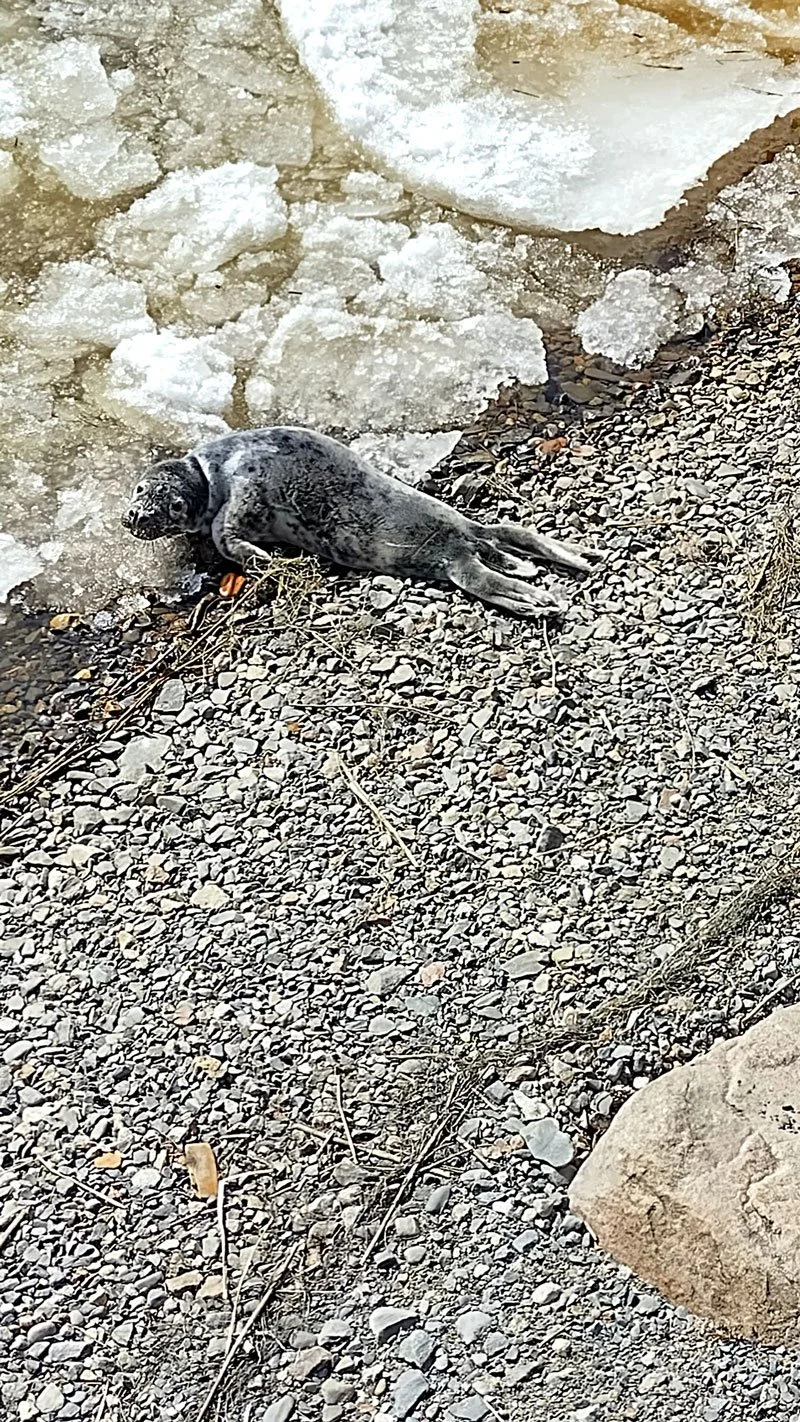
I didn’t take these photos to “share a sighting”. I took them because they capture something rare: the sea changing state, the fjord waking up — and a calm presence that reminded me how gentle this place can be when we don’t try to own the moment.
A small note, before we go on: if you ever spot wildlife resting near the shore, please give it space. No approaching, no noise, no drones — just quiet respect.
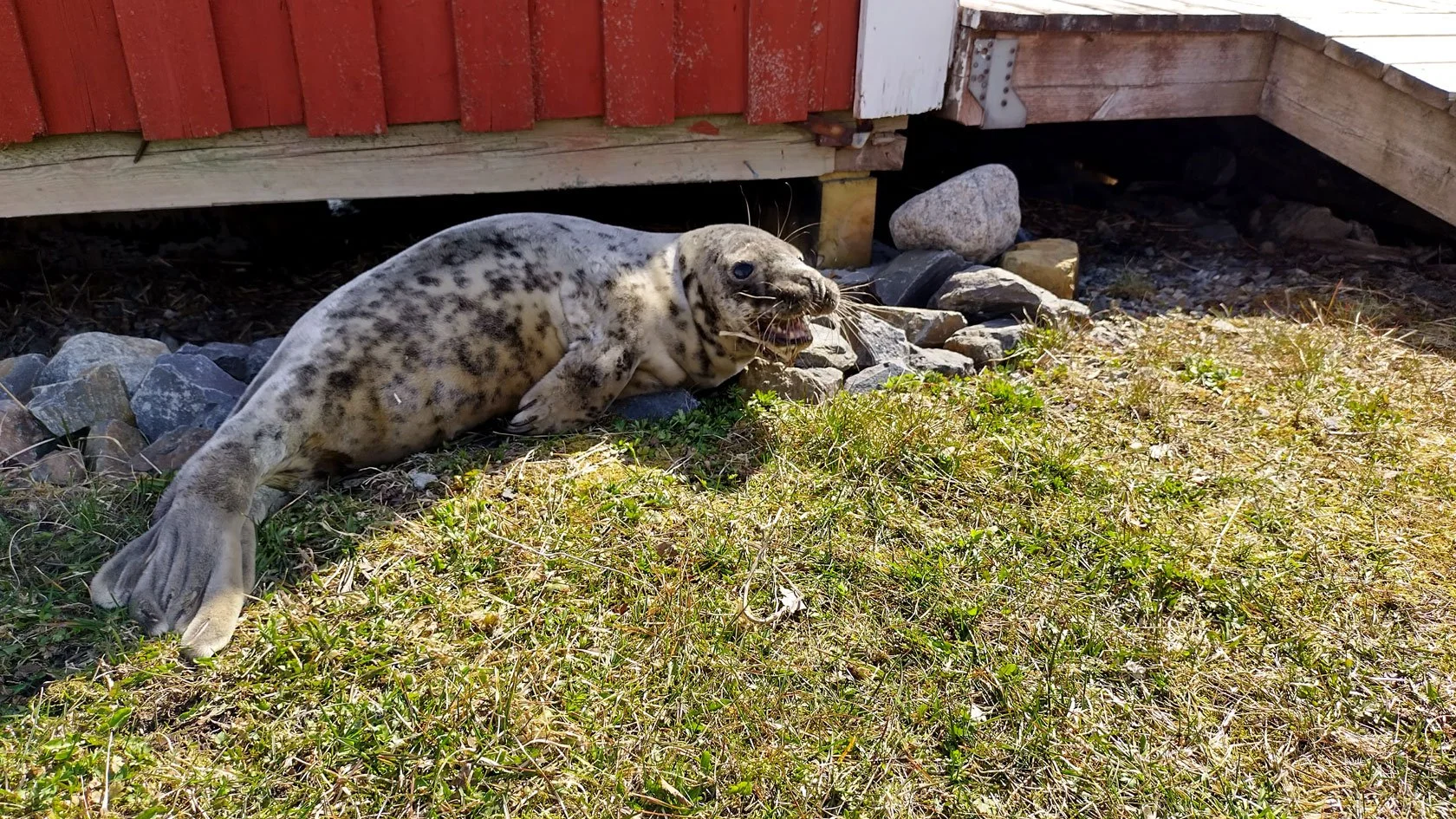
And that quiet visitor - a young seal — likely a harbour seal, kept returning, as if it had chosen our marina as its late‑winter sun terrace.
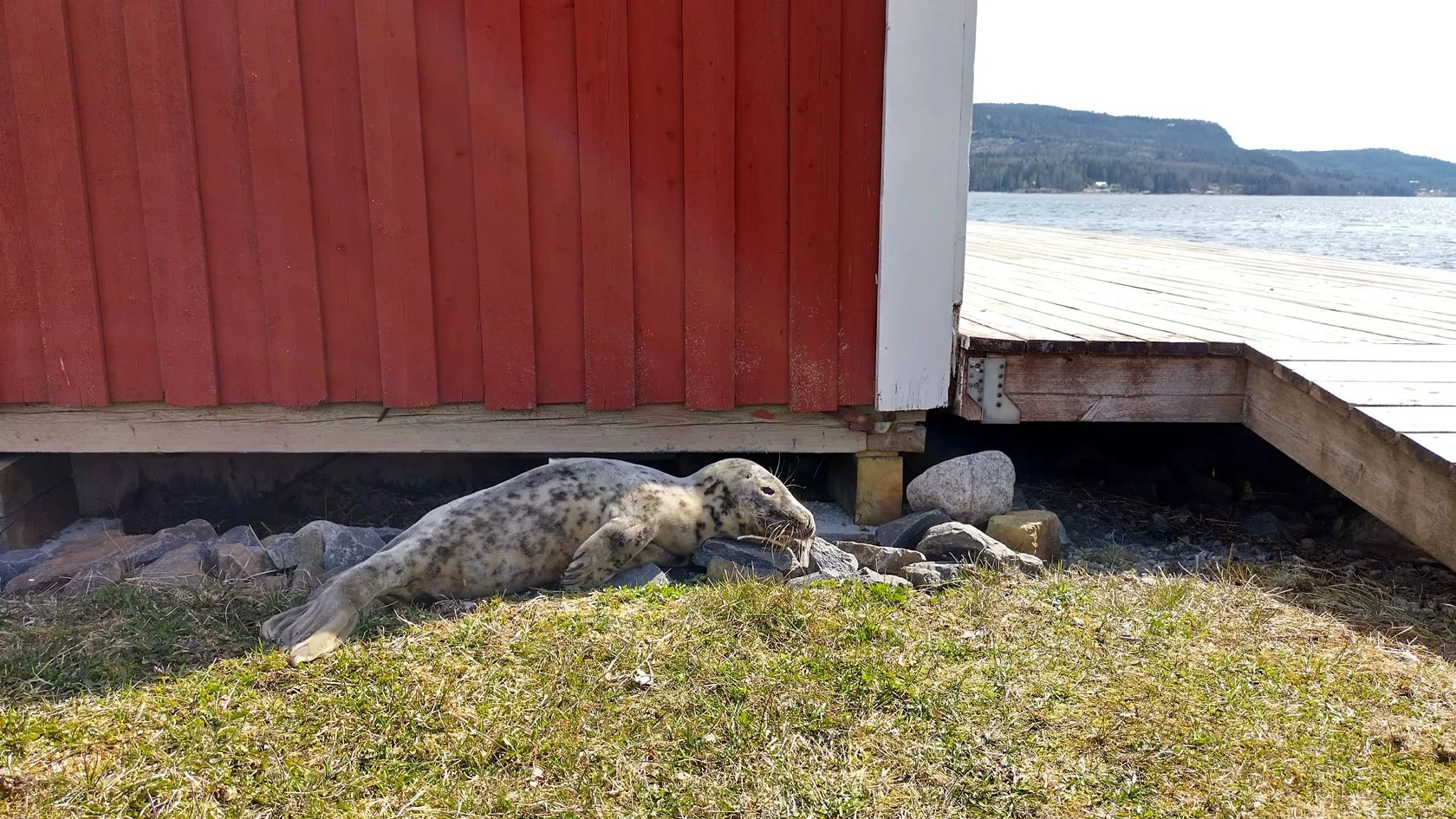
After a couple of days — when the ice was almost gone — I met her again near the boathouse. She was simply there, stretched out in the sun on a small patch of grass by the harbour, calm and unbothered. Cars passed now and then on the E4, and we were nearby with a few winter tasks to do in the basin (tasks that, of course, suddenly felt much less important).
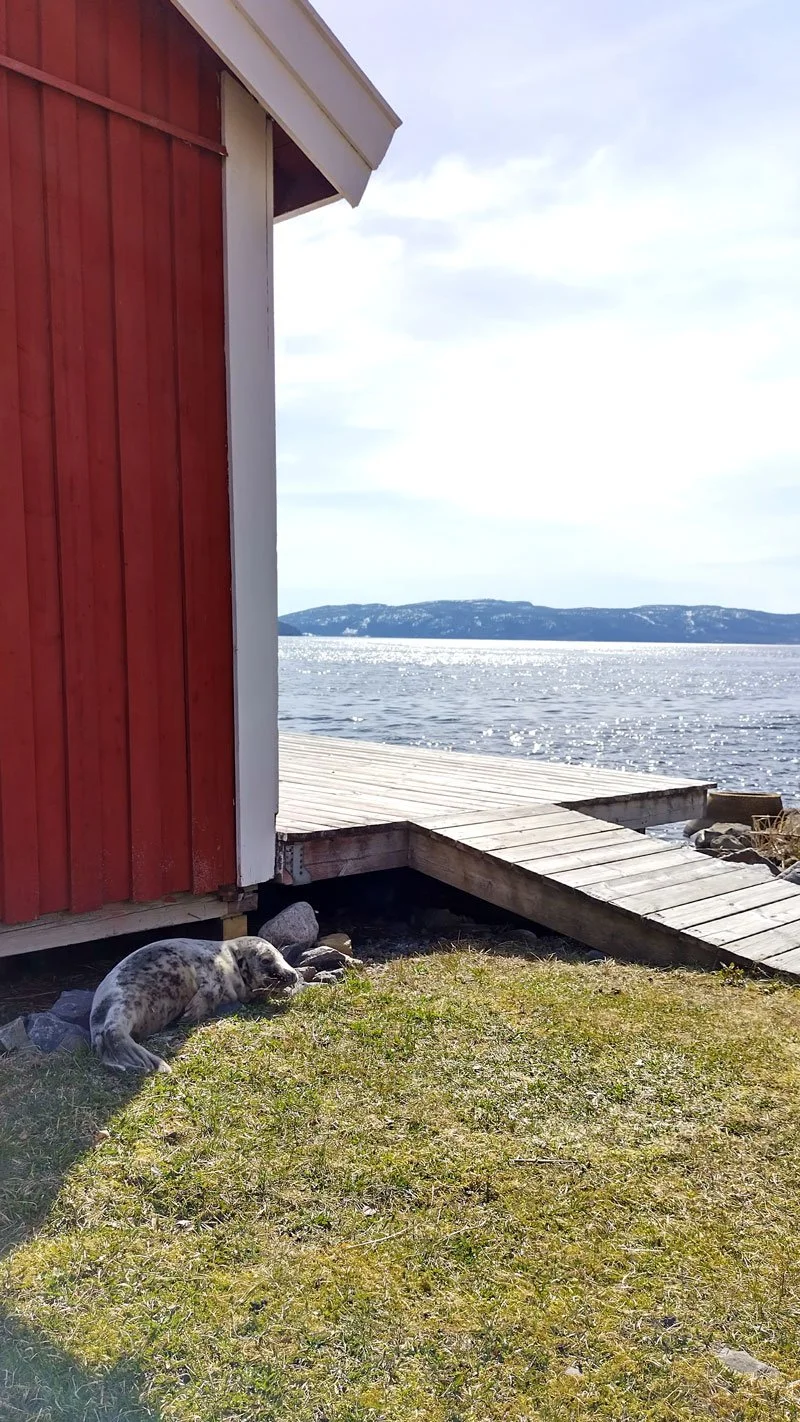
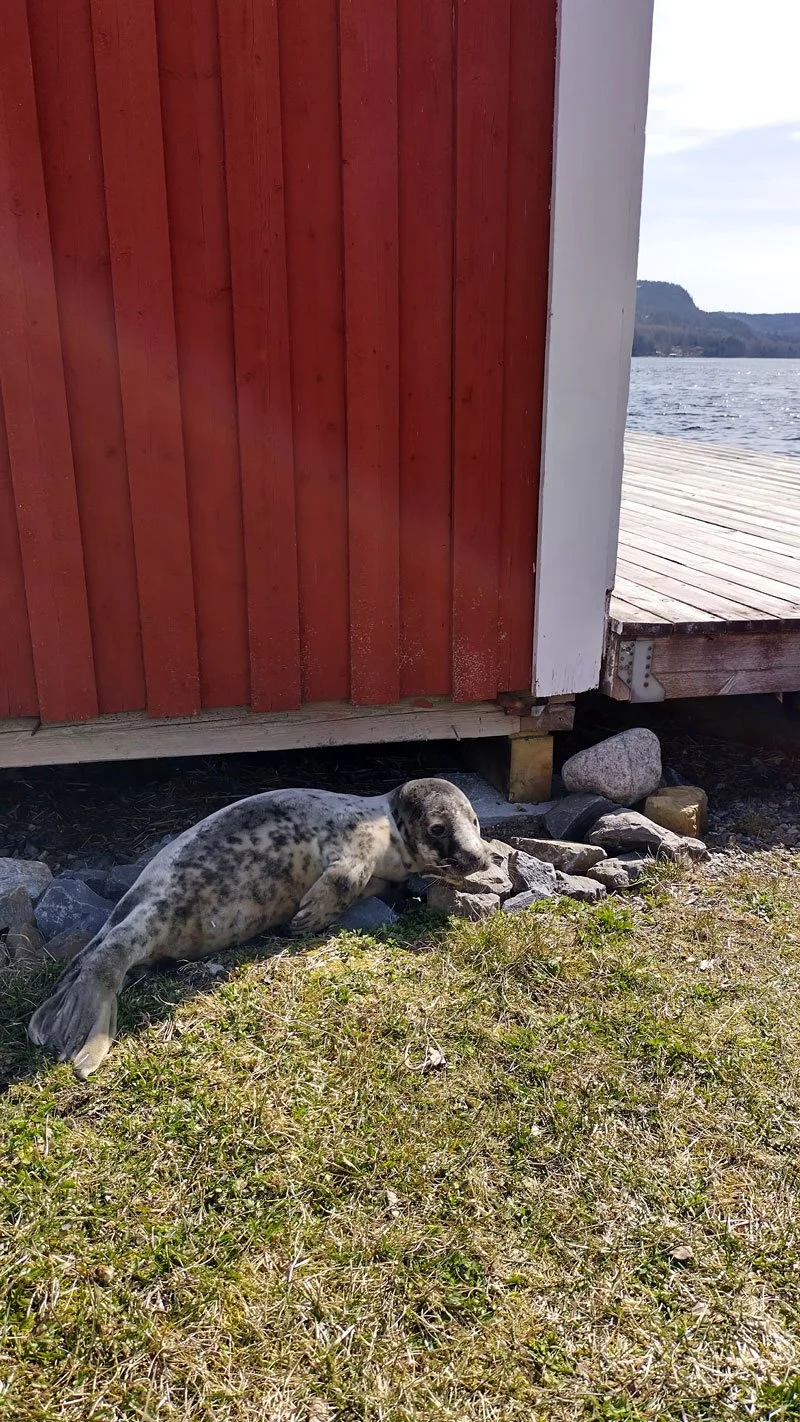
For a moment I caught myself wondering how she had moved so far in, how she had chosen that exact spot. And then, as quietly as she had arrived, she slipped away. One second she was resting in the light, the next she disappeared under the edge of the harbour — and a little later she was back where she belonged, returning to the sea from her small shoreline.
Seeing seals out in the archipelago isn’t unusual. I’ve spotted their round heads more than once while sailing, and it’s not rare for people to mention seeing them fishing in the fjords.
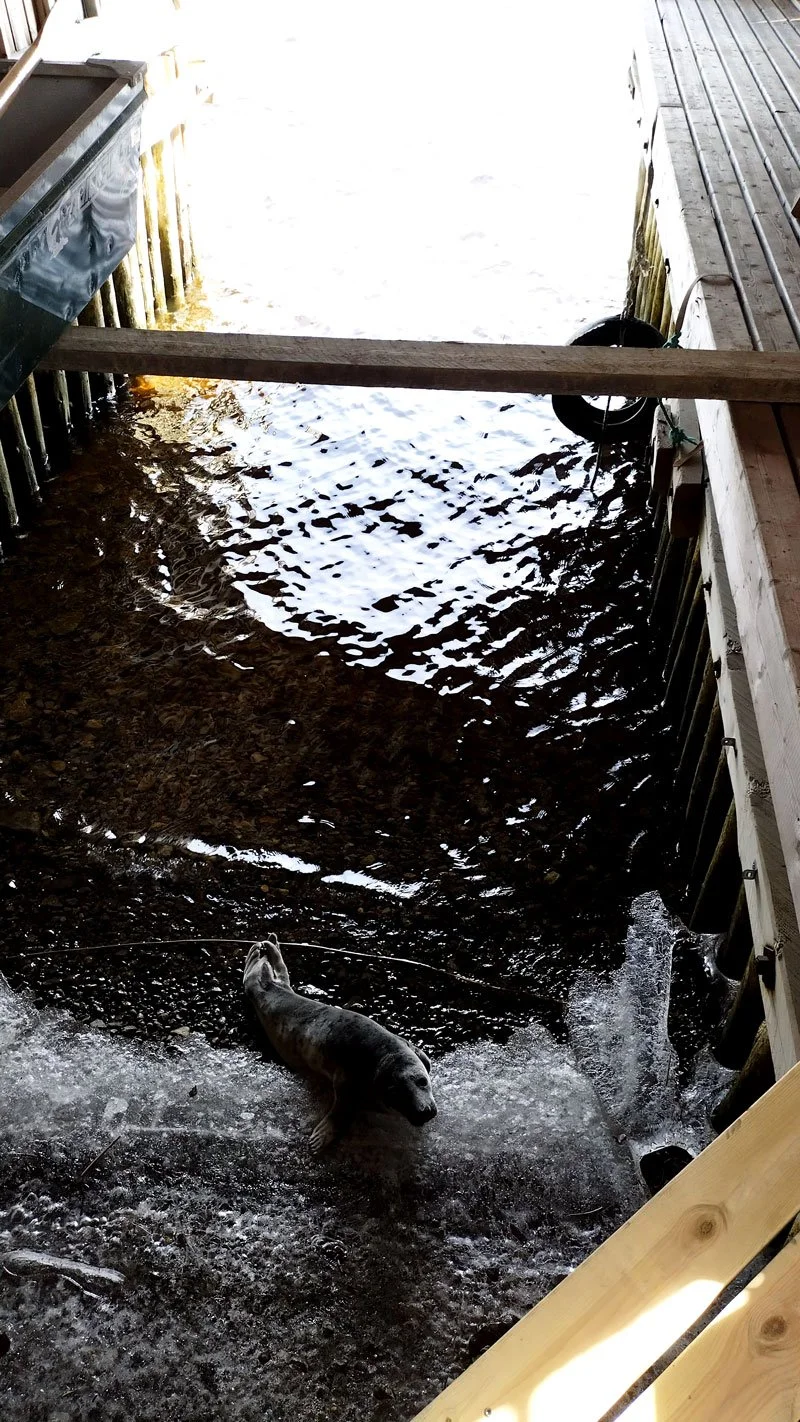
We had even seen a seal or two during summer, fishing near the docks. A couple of guests told me they had watched one dive under the pontoons. And in late winter I had sometimes noticed a seal resting farther away, on the edge of the ice where the open sea begins again. But I had never experienced an encounter this close — and in the last two winters, it hasn’t happened again.
Last summer, I spoke with a marine biologist who told me that, from time to time, a young seal will separate from its group and spend a period alone — exploring, resting, learning its own rhythm. I don’t know if that was the case here. I only know what it felt like: a small reminder that the marina is not just ours. It’s part of a living coastline.
If you ever stay in one of our boathouses, this is the kind of story I share with a bit of shyness — not to promise sightings, and not to turn wildlife into a postcard, but to remind you where you are.
These docks have their own protagonists. Some are loud and obvious: gulls, little terns, and the swallows that return each year to nest near the water. Some are quieter: families of water birds moving through the fjord at sunrise, the occasional fox or badger passing by when the harbour is still asleep. And sometimes — rarely, unexpectedly — a visitor arrives from the sea and rests for a while in the sun.

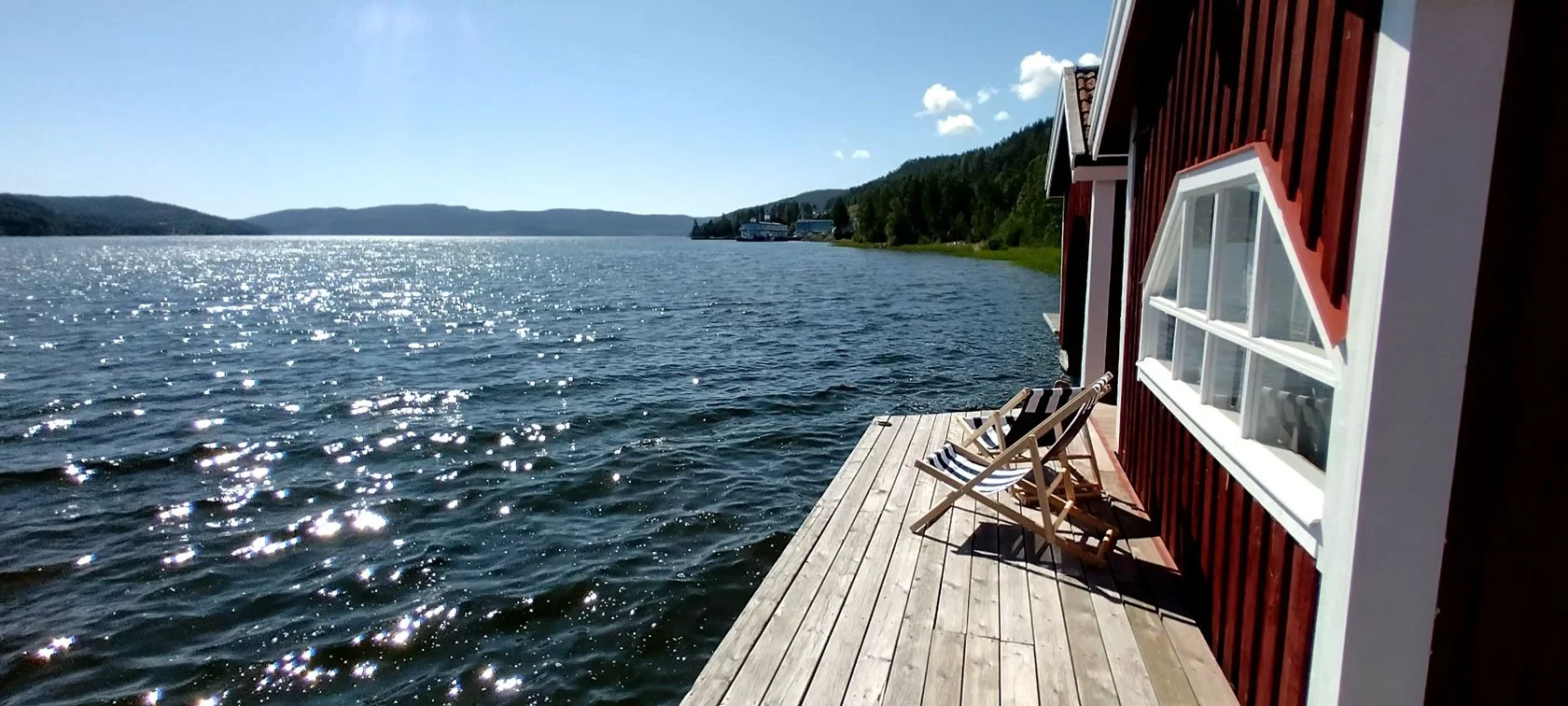
That’s why the boathouses feel the way they do. You’re not just “close to nature” in a generic sense — you’re right on the edge of a living coastline. Morning coffee with the sound of wings. A late‑evening sky reflected on the fjord. The simple privilege of being here, as a guest.
If this is your kind of stay, you’ll find our boathouses here:

More Seaside Stays (Docksta Havet Base Camp)