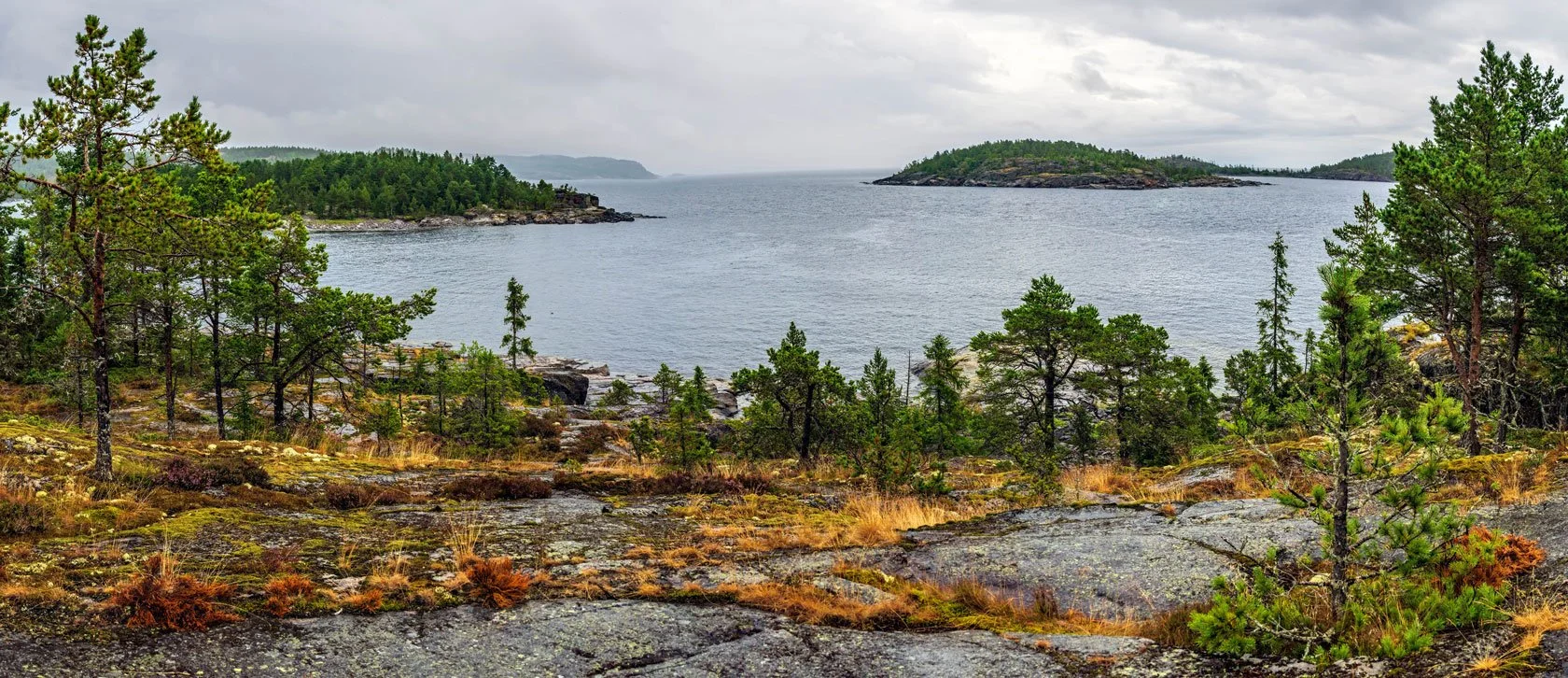
A breathable, light-soul summer (no hero mode required)
Coolcation in Sweden means a milder summer escape. But it’s not only about weather — it’s about how your days feel when you don’t have to fight the heat. That’s why, in this post, I’ll share both: why the High Coast (Höga Kusten) feels breathable (sea breeze, rocky pine forests, long light), and a simple 3‑day rhythm with Docksta as a calm starting point between forest and sea — the kind of place where you can keep your days simple.
A trend with a real body behind it
“Coolcation” is a trendy word, yes.
But the feeling behind it is very real: you want summer without being cooked by summer.
A place where you can walk, sleep, and think.
The High Coast is not cold. It’s just… breathable.
Some days are genuinely warm here too. The difference is that you usually still have wind, water, and timing on your side — and that changes how the day feels.
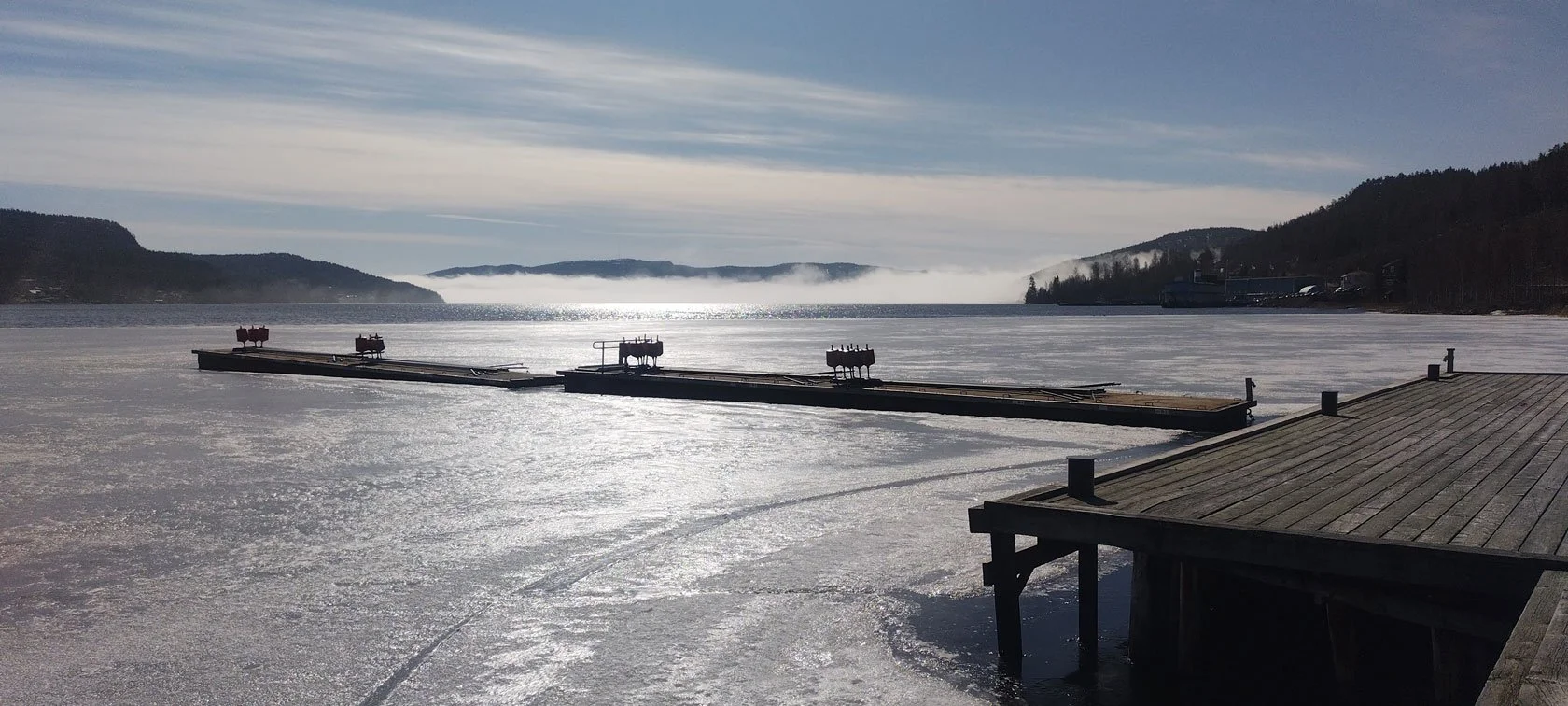
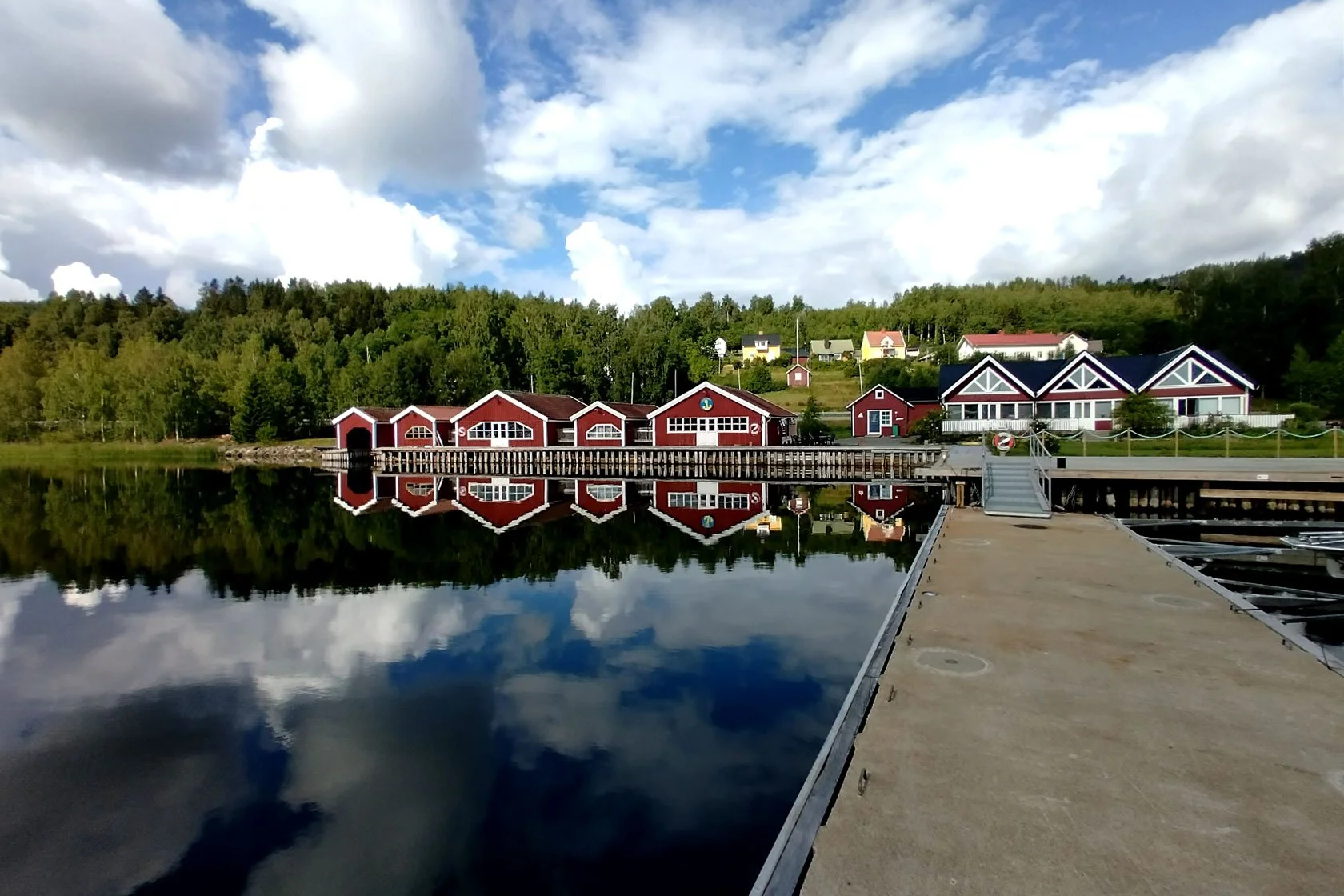
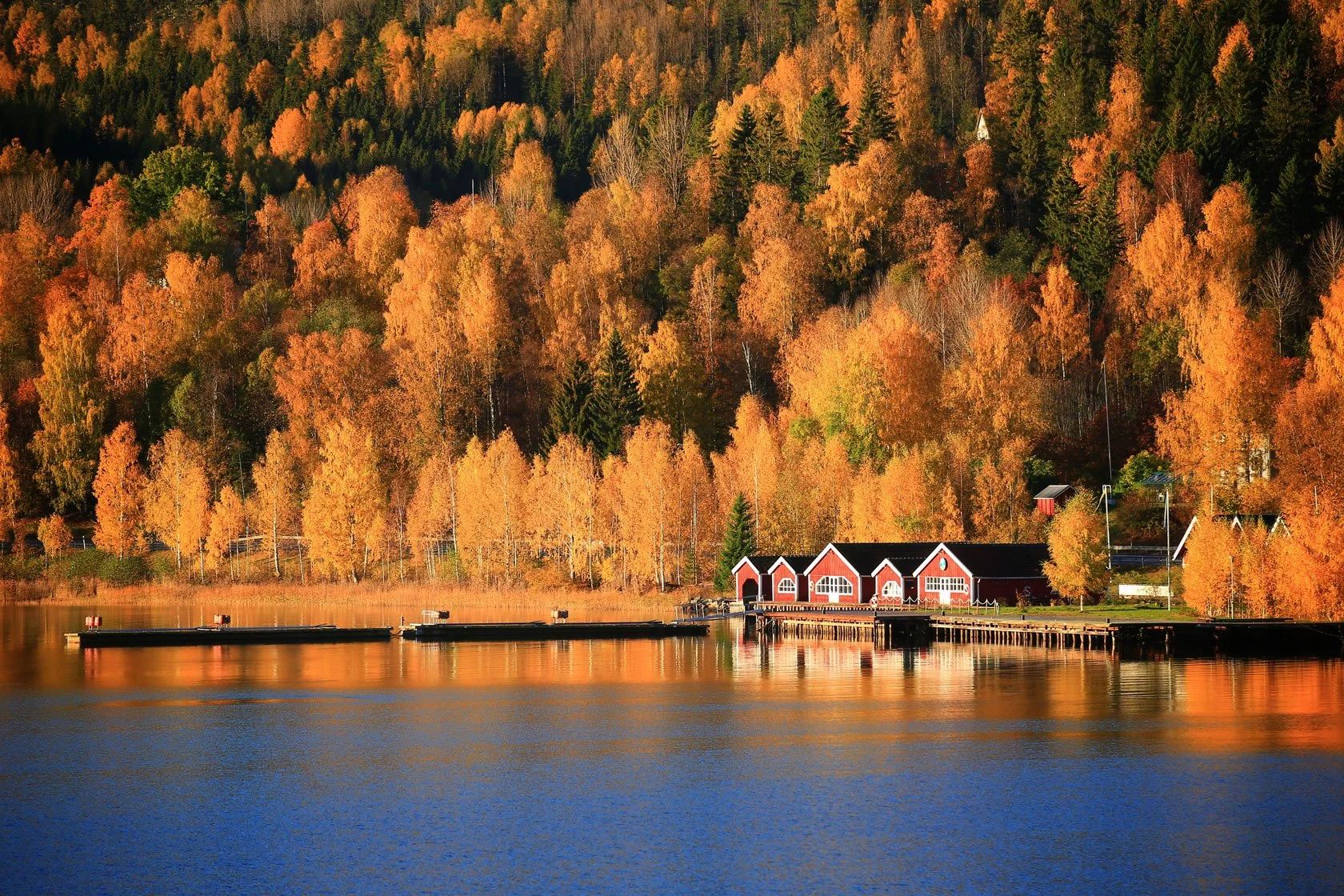
I host by the water in Docksta. In July, I watch guests arrive from warmer places with the same expression: relief.
What is a coolcation? (simple definition)
A coolcation is a summer holiday in a milder climate — chosen on purpose, not as a compromise. Less heat stress, more outdoor time, better sleep, and a slower rhythm.
The hidden cost of hot-summer travel
Heat doesn’t just change the temperature. It changes the day.
In very hot destinations, you start negotiating with your own body: when to walk, where to hide, how to sleep, how to recover. You end up planning around shade, air conditioning, and “survival hours”.
A coolcation is a different kind of luxury: energy that lasts.
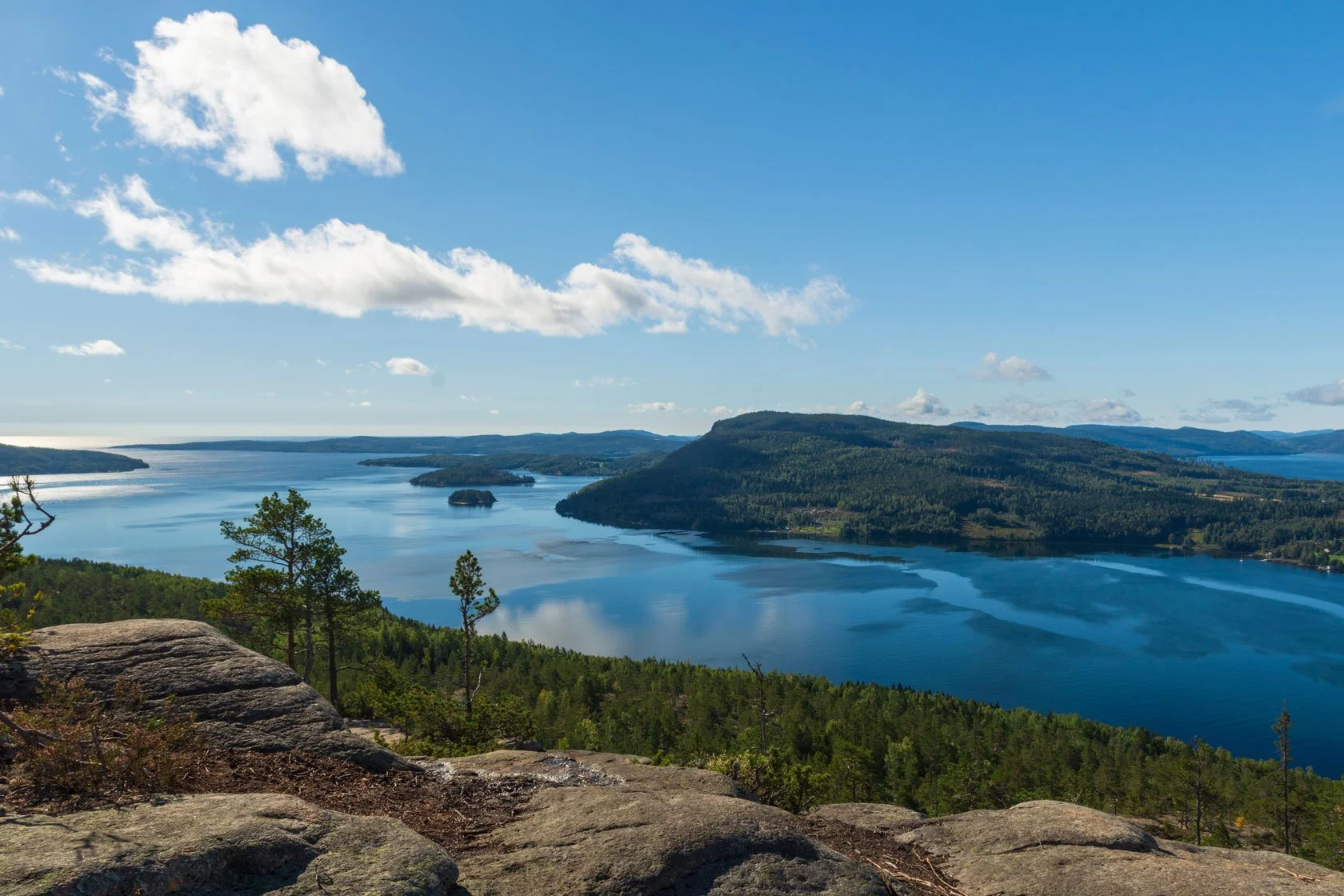
Why the High Coast stays breathable (even in summer)
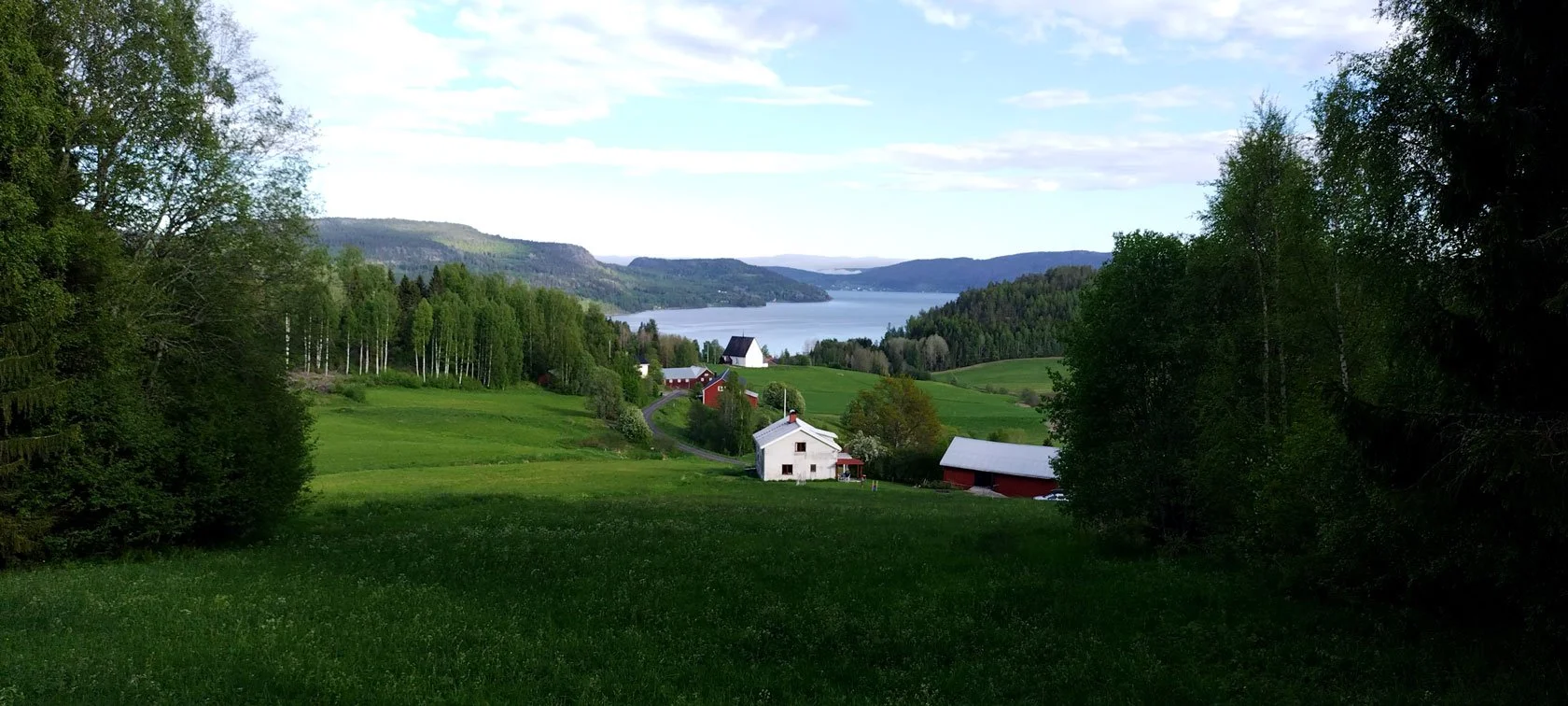
It’s a mix of small things that add up.
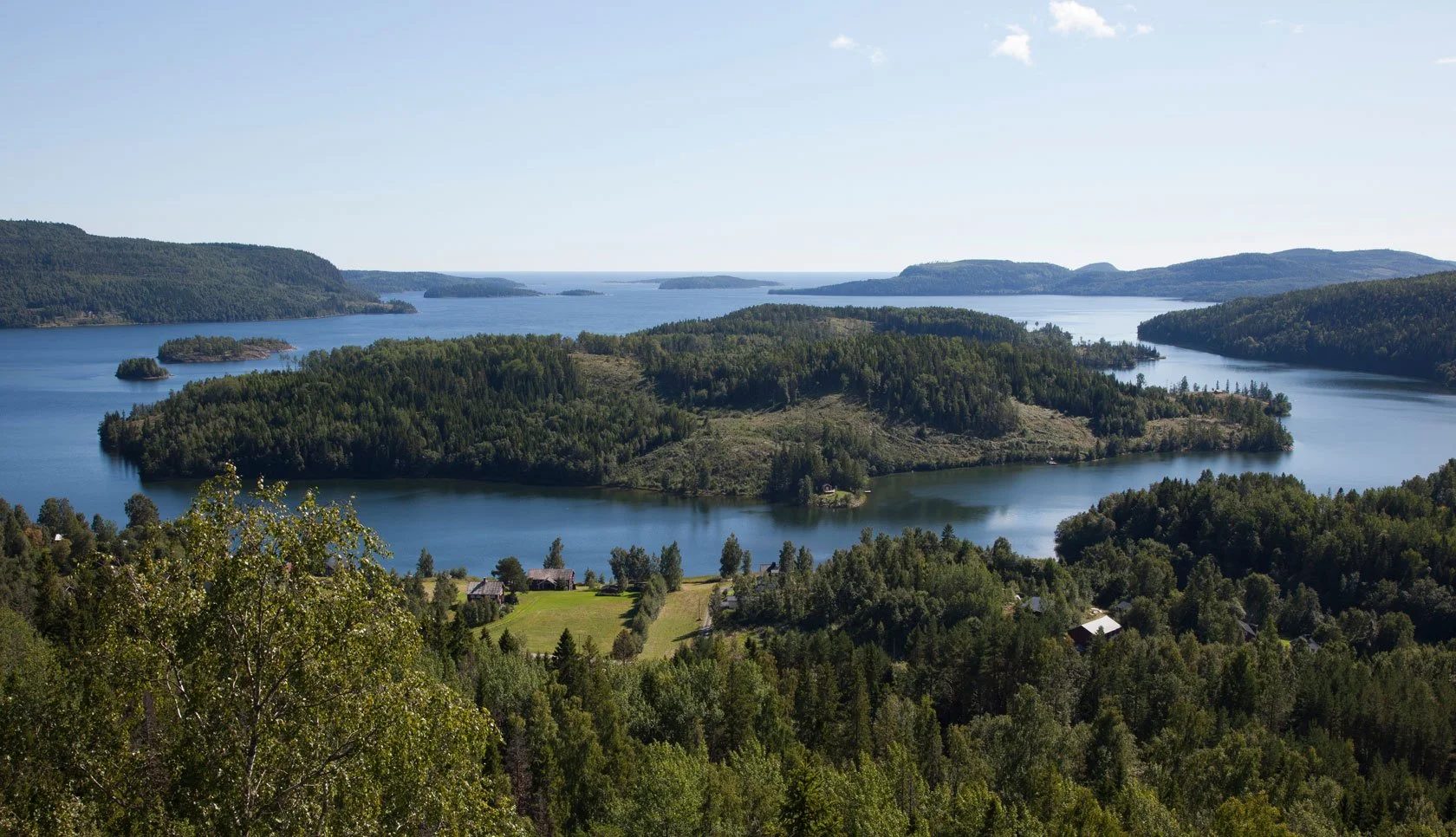
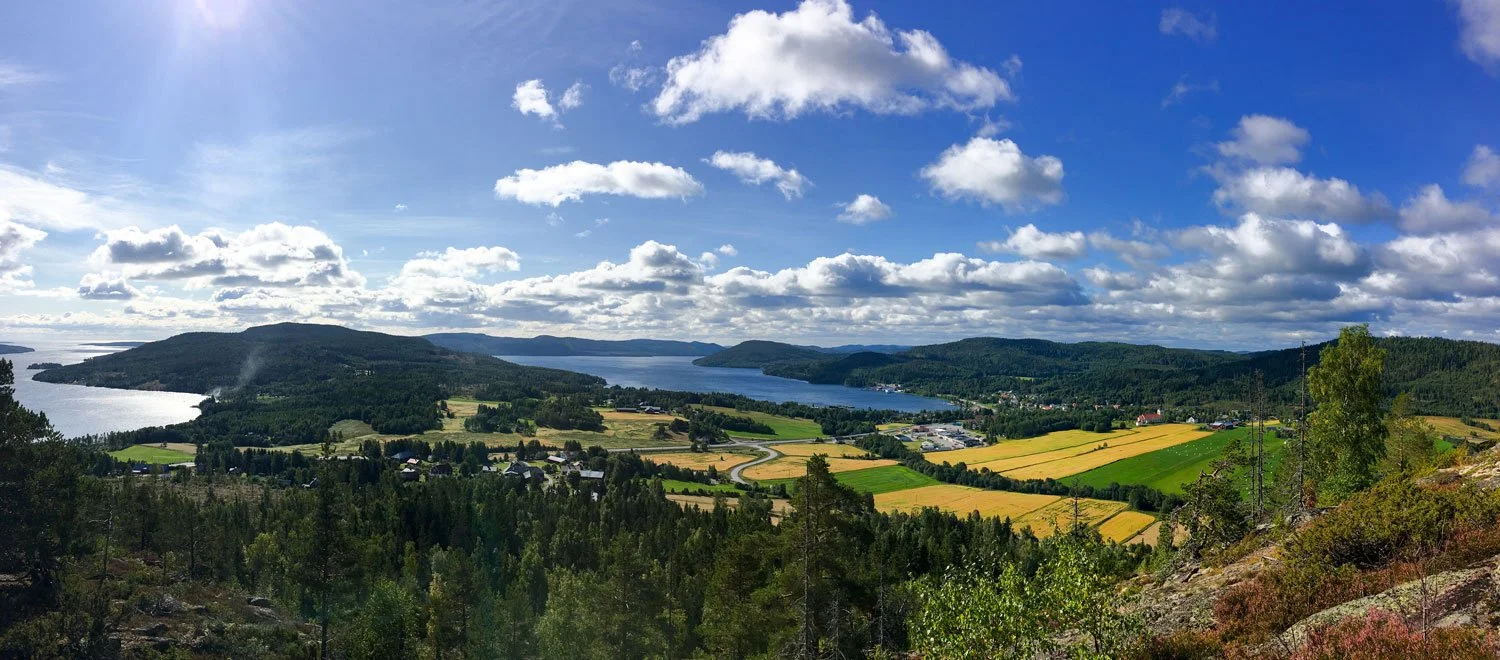
The sea is close. Air moves.
The landscape is open. You feel space.
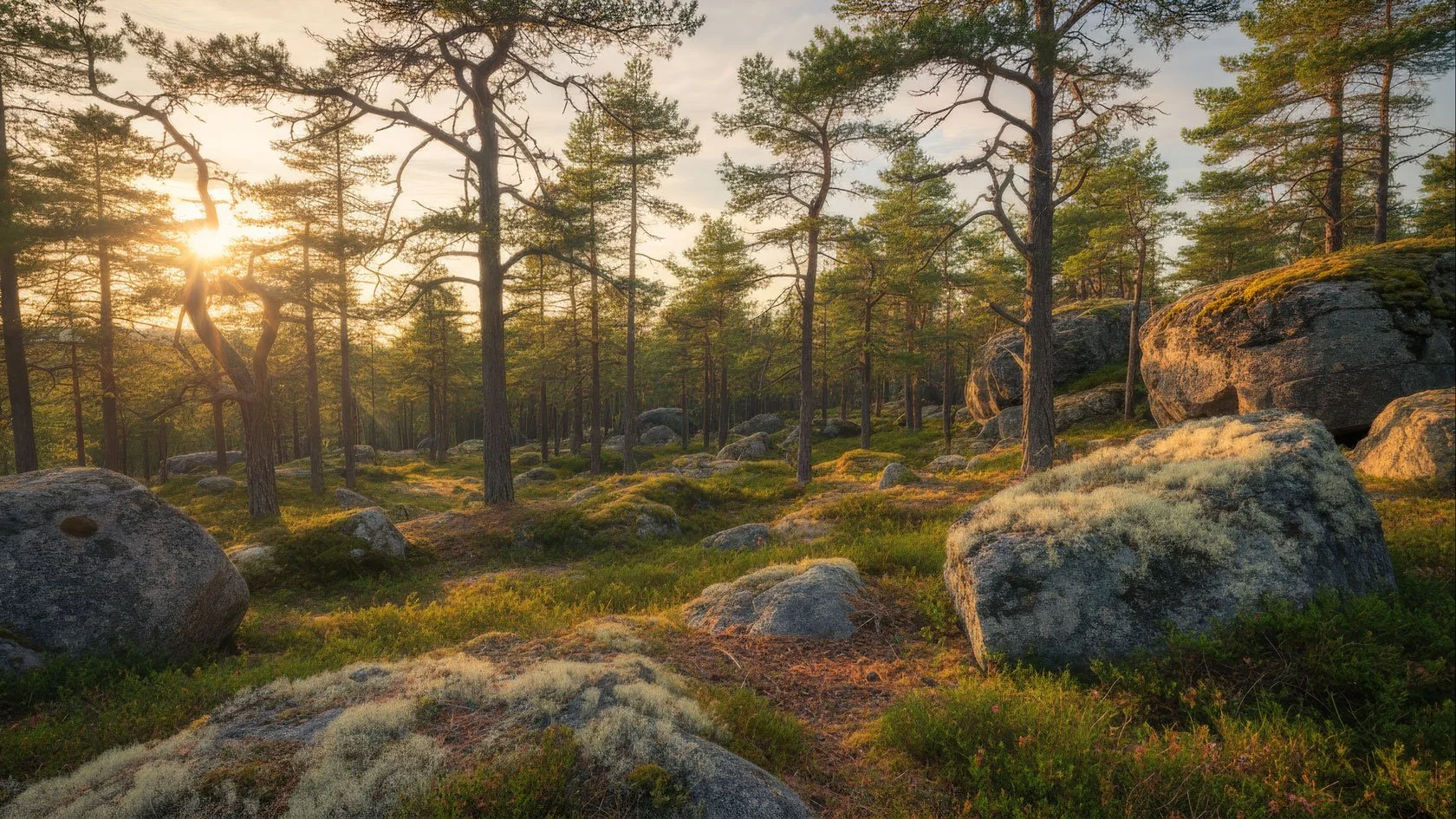
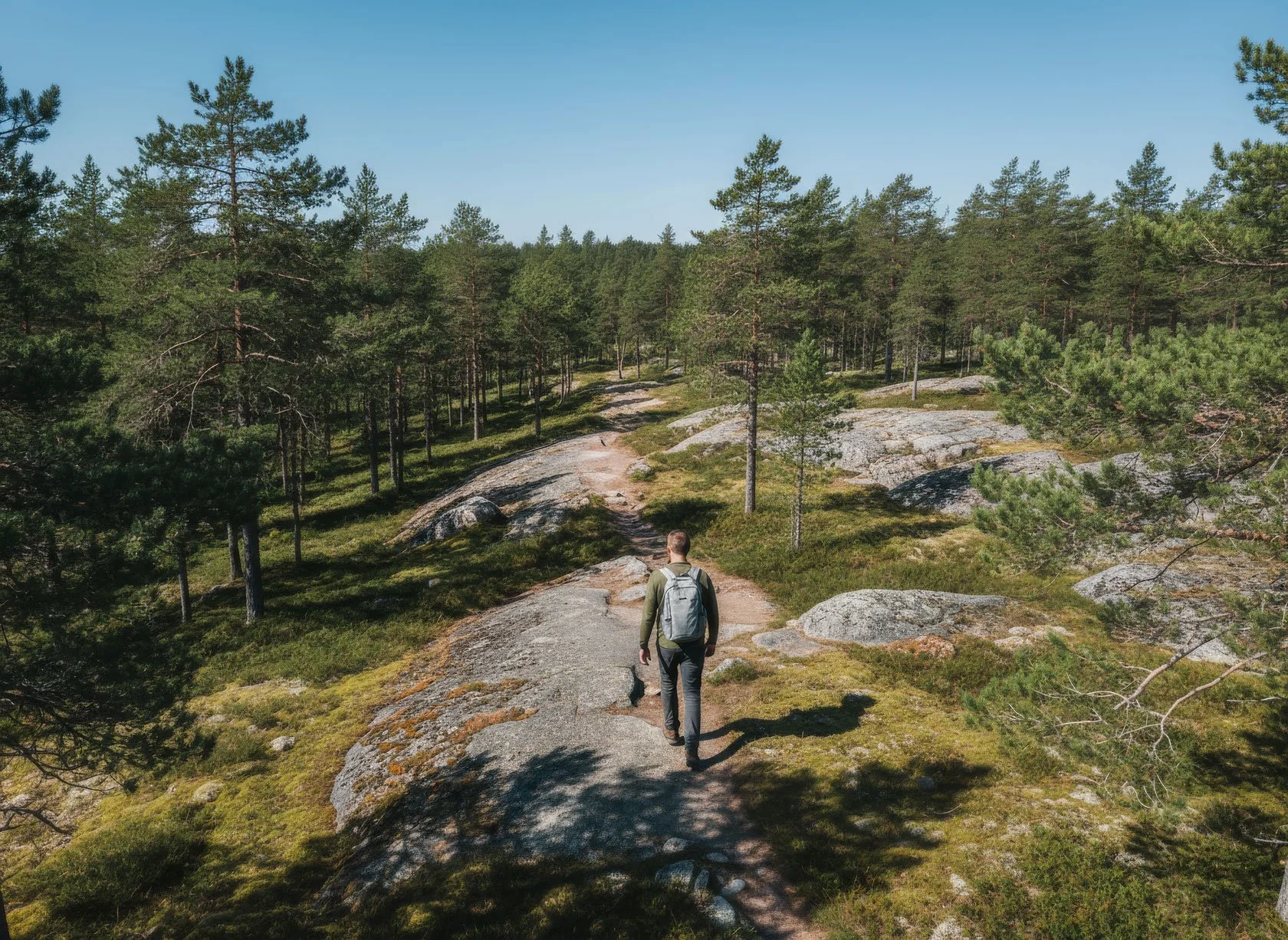
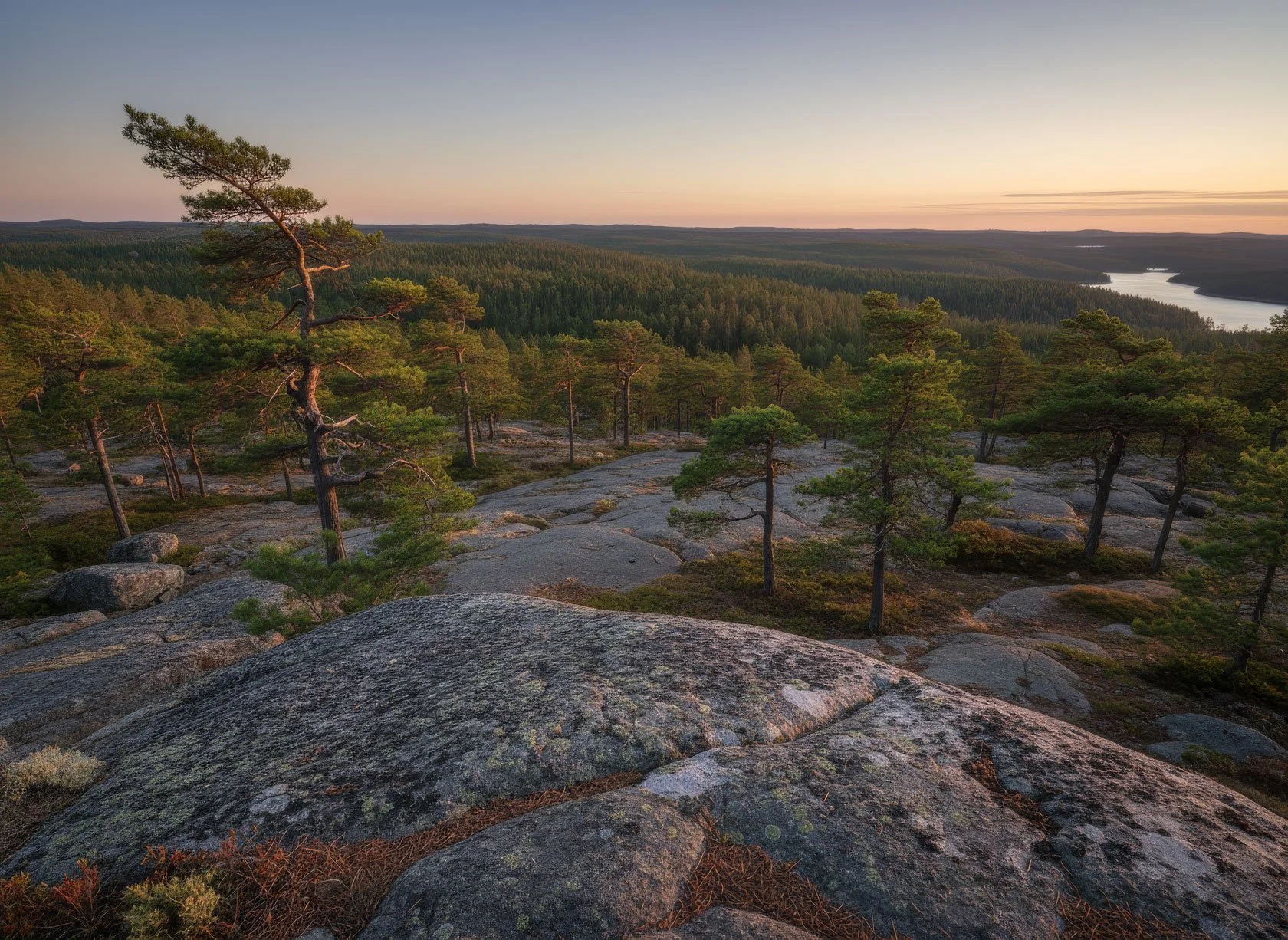
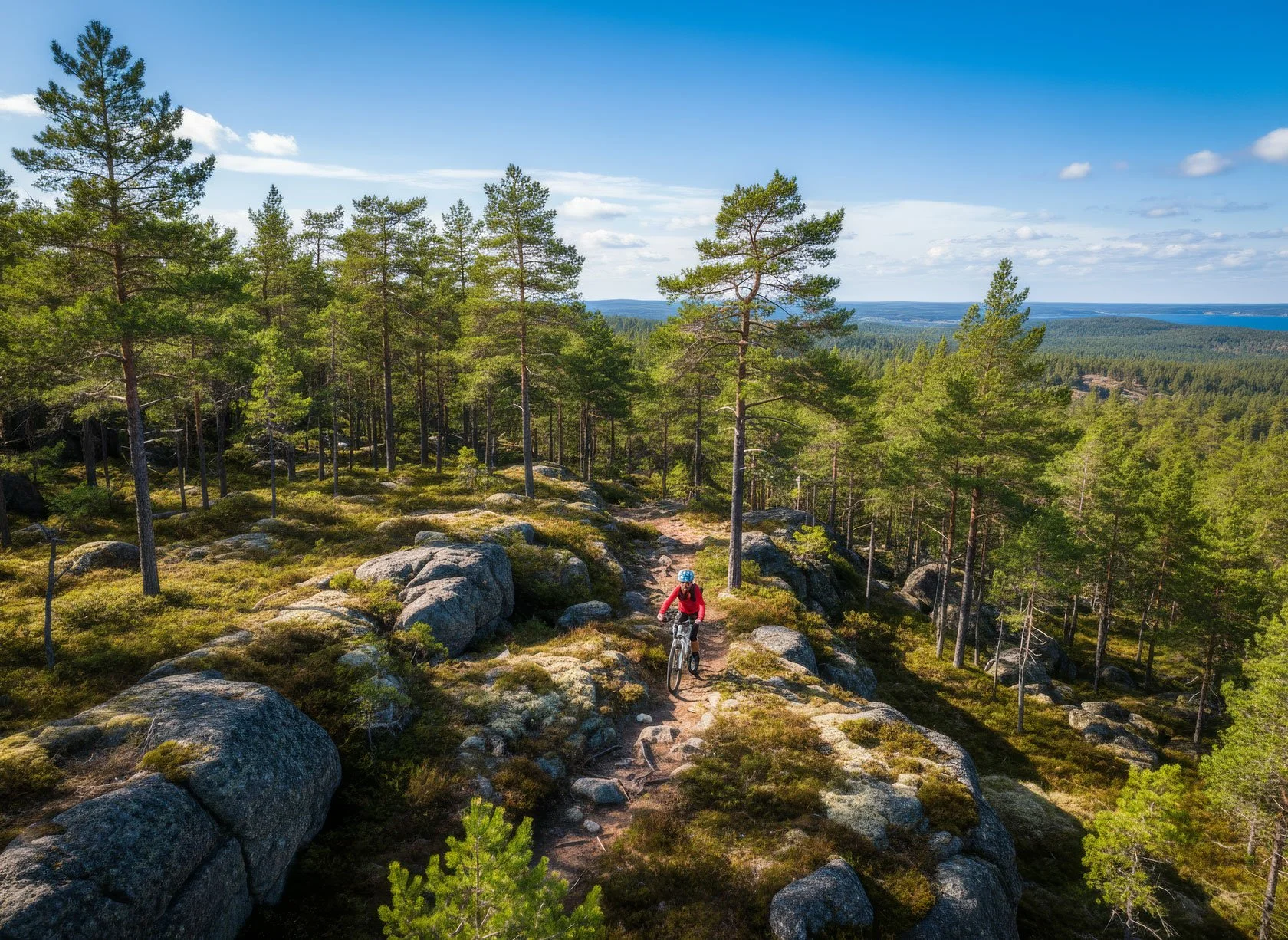
The forests are rocky pine forests. Dry, scented, not heavy.
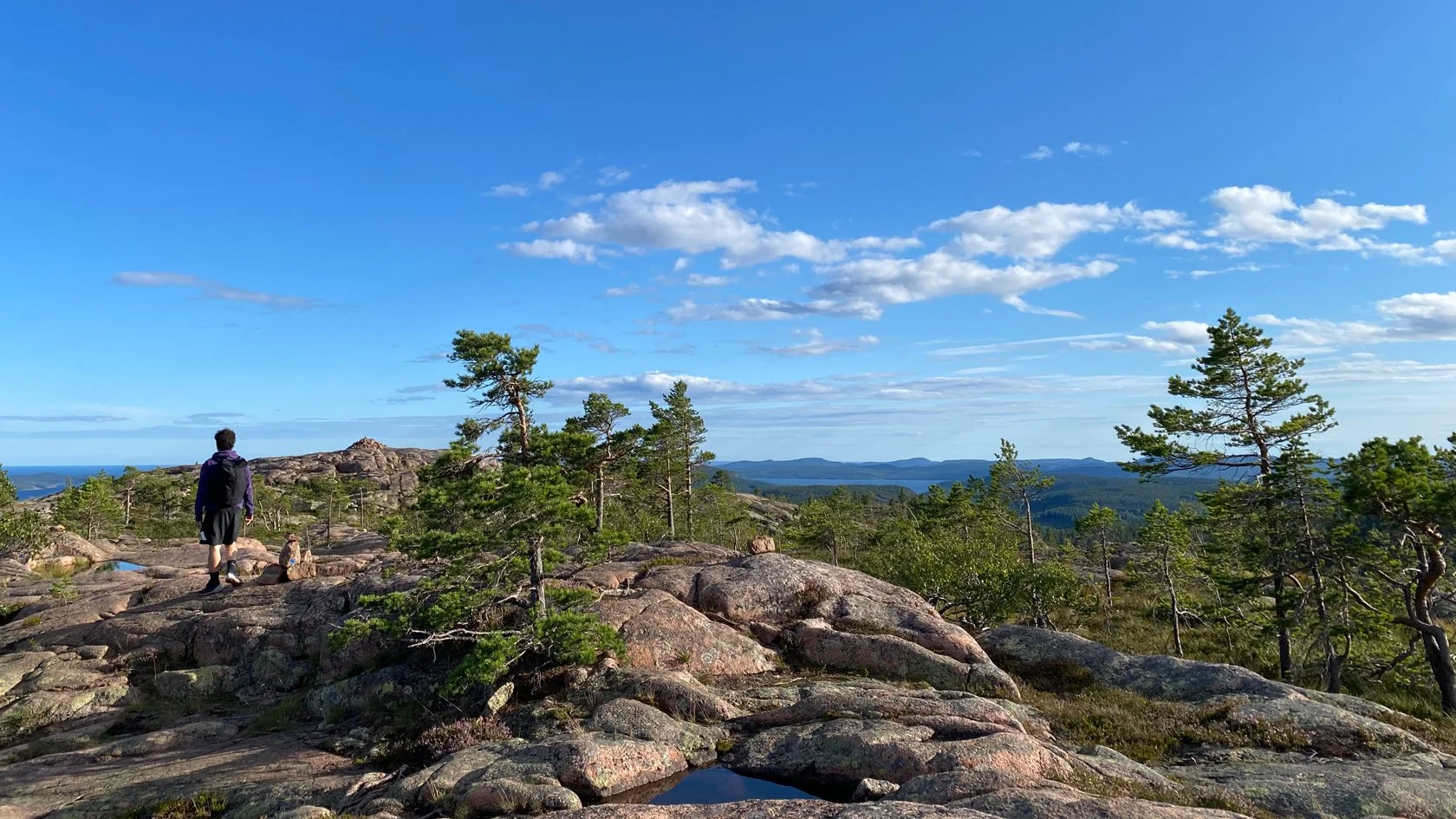
The light is long. You can hike earlier or later and avoid the warmest hours. In practice, the coolest hours often feel like a gift: early morning when the forest is still quiet, and late evening when the sun stays low and the air starts moving again. Even on warm days, a small shift in timing — and a light wind layer in your daypack — can change everything.
And when you pause — on a rock, by a beach, under pines — the day stops being a race.
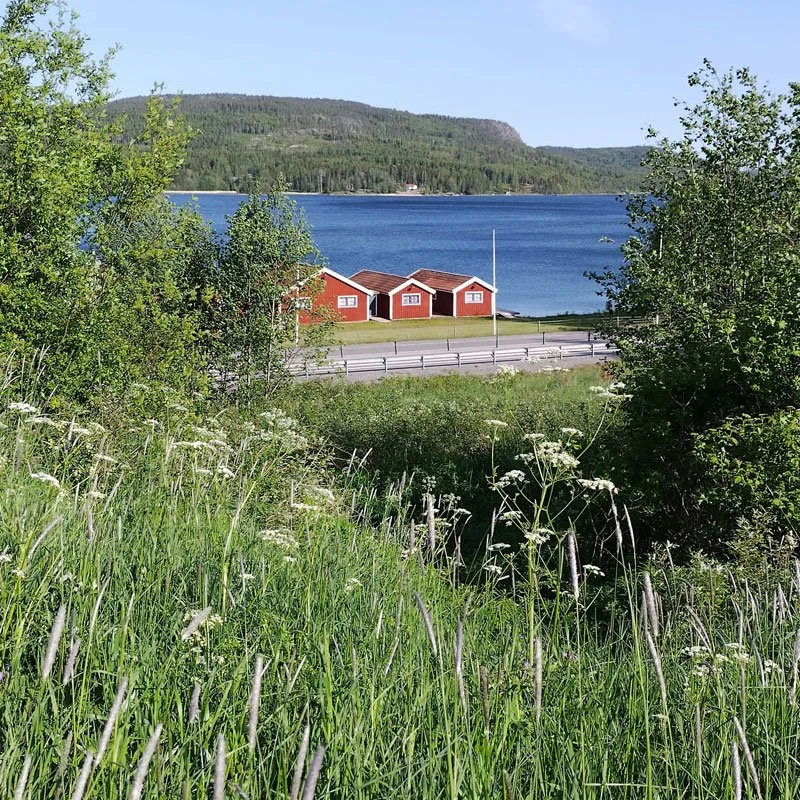
Why “base camp” matters even more in a coolcation
Here’s the part most coolcation articles miss: cool air doesn’t help if you spend your holiday inside a car.
A base camp turns the climate advantage into a real experience. You sleep well, you wake up without decisions, and you can reach trails, water, and ferry days without repacking your whole life.
Less moving. More living.
If you want a simple starting point, here’s our Docksta Base Camp start-here guide: https://dockstahavet.se/blog/start-here-high-coast-day-trips-docksta
A coolcation is not “doing less”. It’s doing it differently
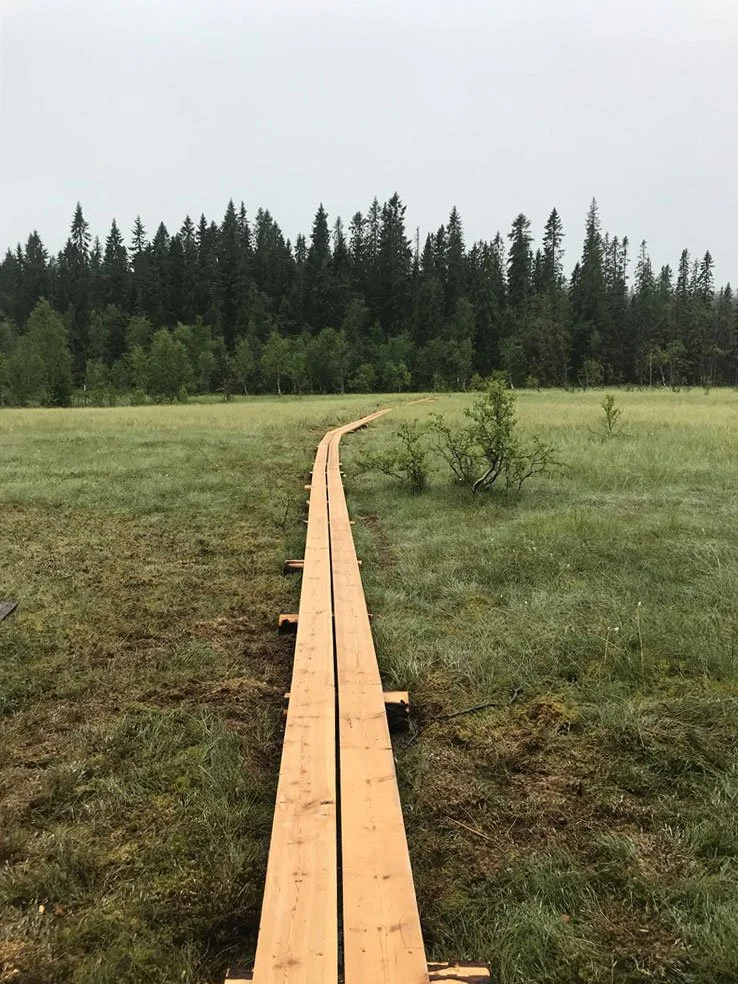
In hot climates, you often plan around shade and air conditioning.
Here you plan around light and wind.
A good High Coast day can be:
A morning hike
A long lunch with no agenda
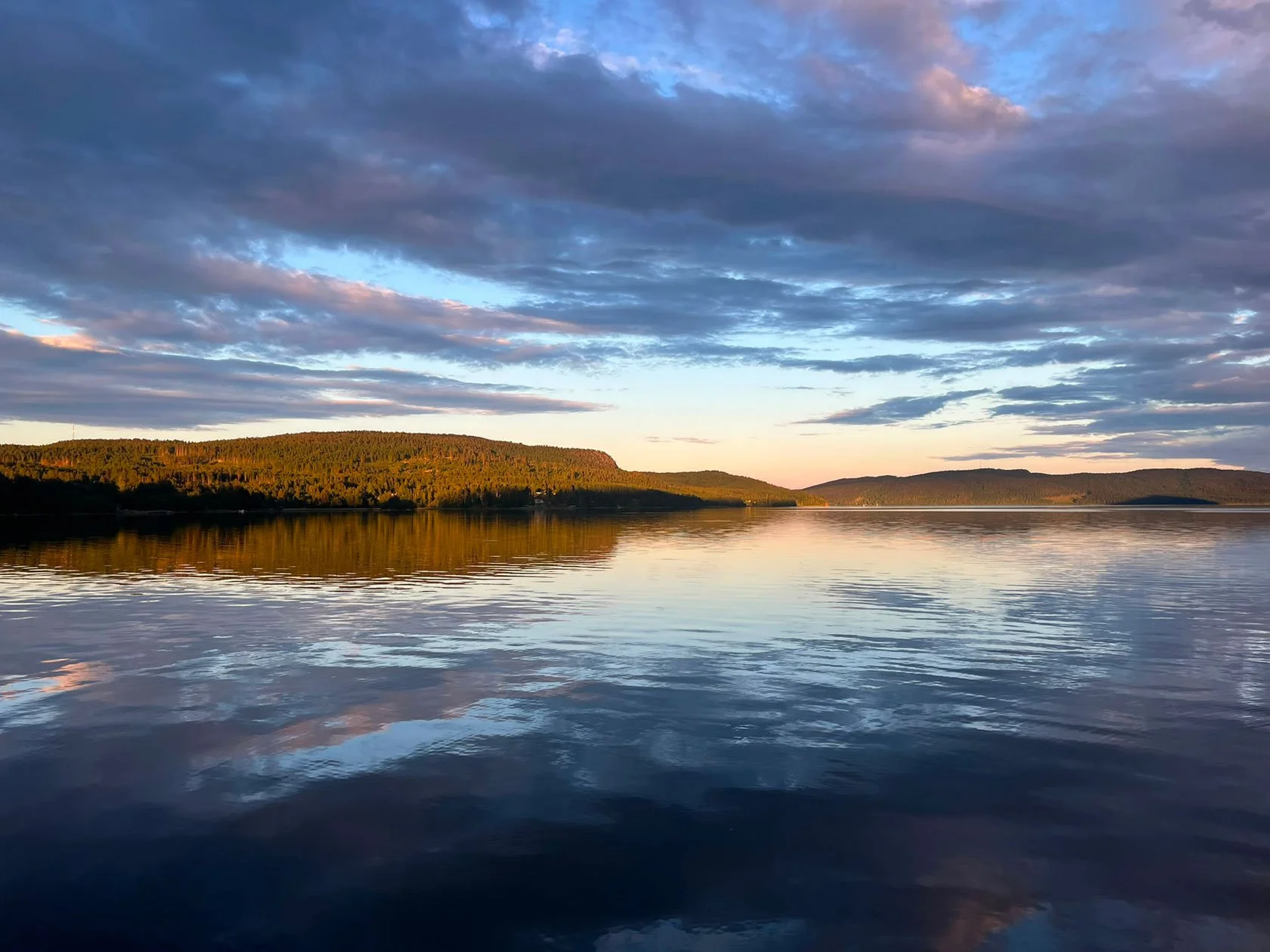
A swim when the fjord is calm
A slow evening walk while the light refuses to leave
Coolcation isn’t anti-summer. It’s pro-summer.
This isn’t about escaping joy, beaches, or light.
It’s about escaping the part of summer that makes everything harder: sticky nights, overheated cities, and days that feel like a task.
In the High Coast, summer still has warmth — but it also has breathing room.
Quick note: Coolcation is a recognised travel trend
Travellers are increasingly choosing milder summer destinations for comfort, sleep, and outdoor time — not just for “nice weather”.
A simple 3-day coolcation rhythm (High Coast)
Think of it as a base camp rhythm: one anchor per day, one blank space, and water every day if you can.
Three simple rules for a breathable High Coast day
One anchor per day. Not five.
Start early or start late. Let the light work for you.
Leave a blank space. Swim, nap, second coffee, slow walk — that’s not “wasted time”. That’s the reset.
Day 1: arrive + water
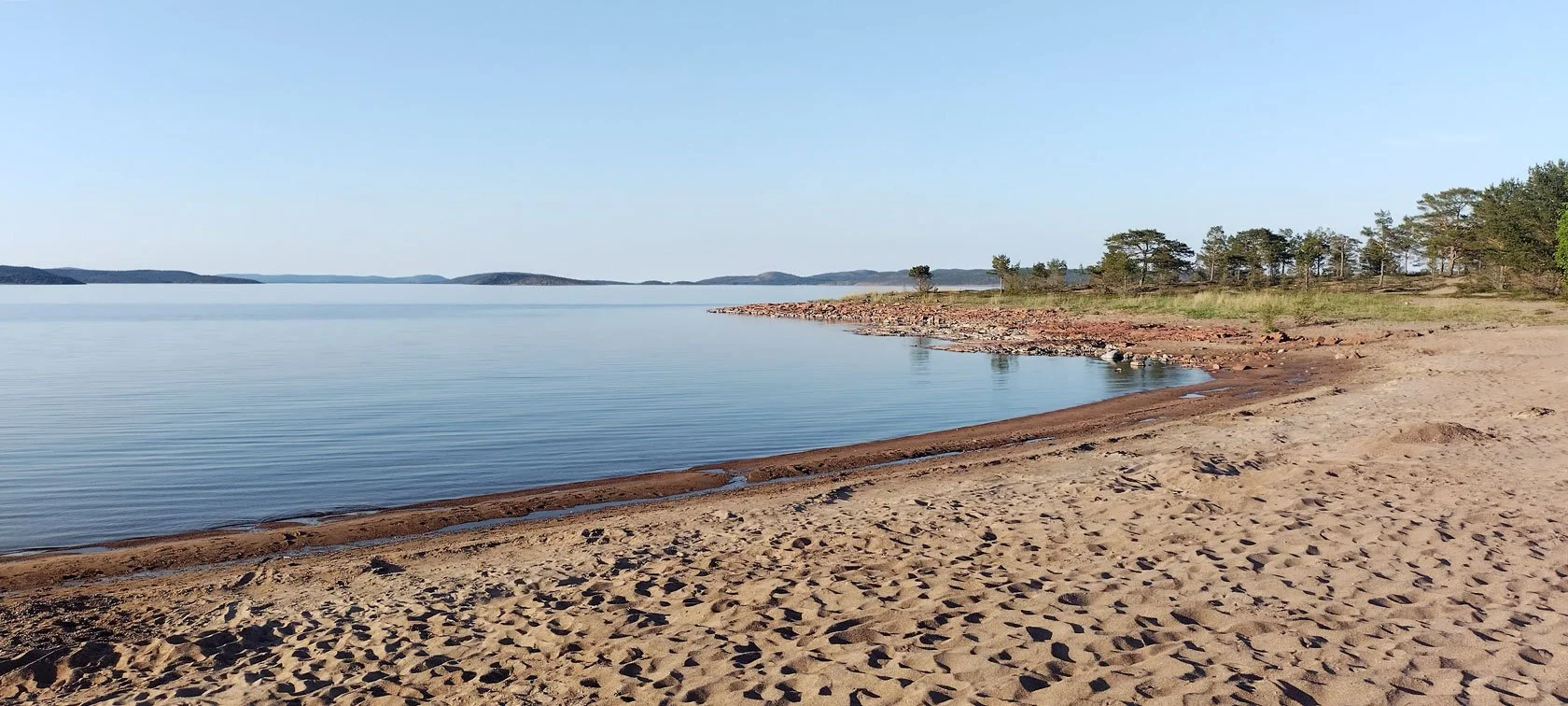
Short coastal walk
Swim if the weather is kind
Early night (Nordic light can trick your body)
Day 2: one real hike
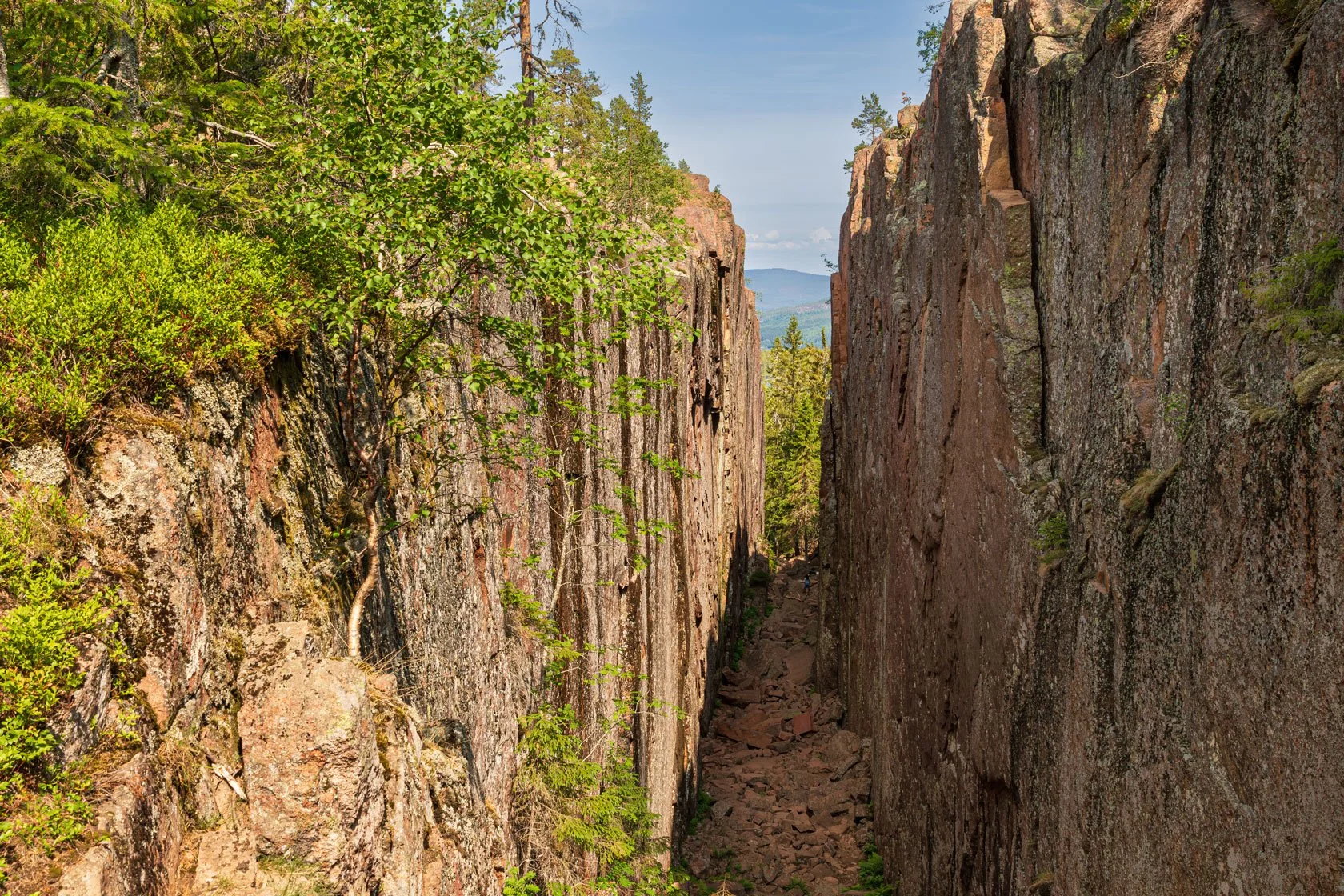
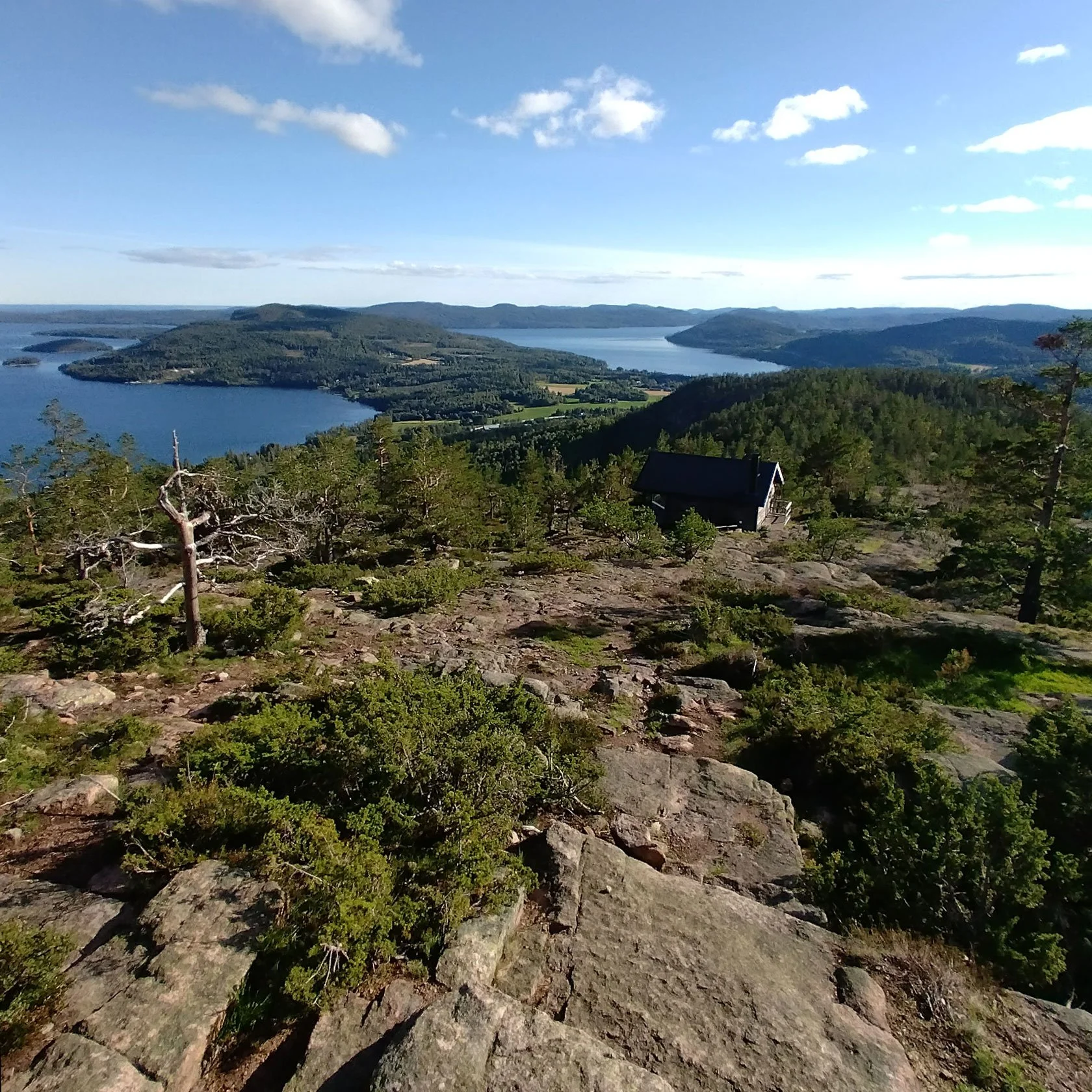
Skuleberget or Skuleskogen (not both)
Bring a layer; wind changes everything
Leave space for a second coffee

Day 3: micro-adventure
Ferry day (Ulvön) or a bike day or a “do nothing” day
What to bring for a breathable summer:
A light wind layer
A towel you don’t mind using often
A small daypack
Shoes that can handle rock
Remember the third rule: leave a blank space

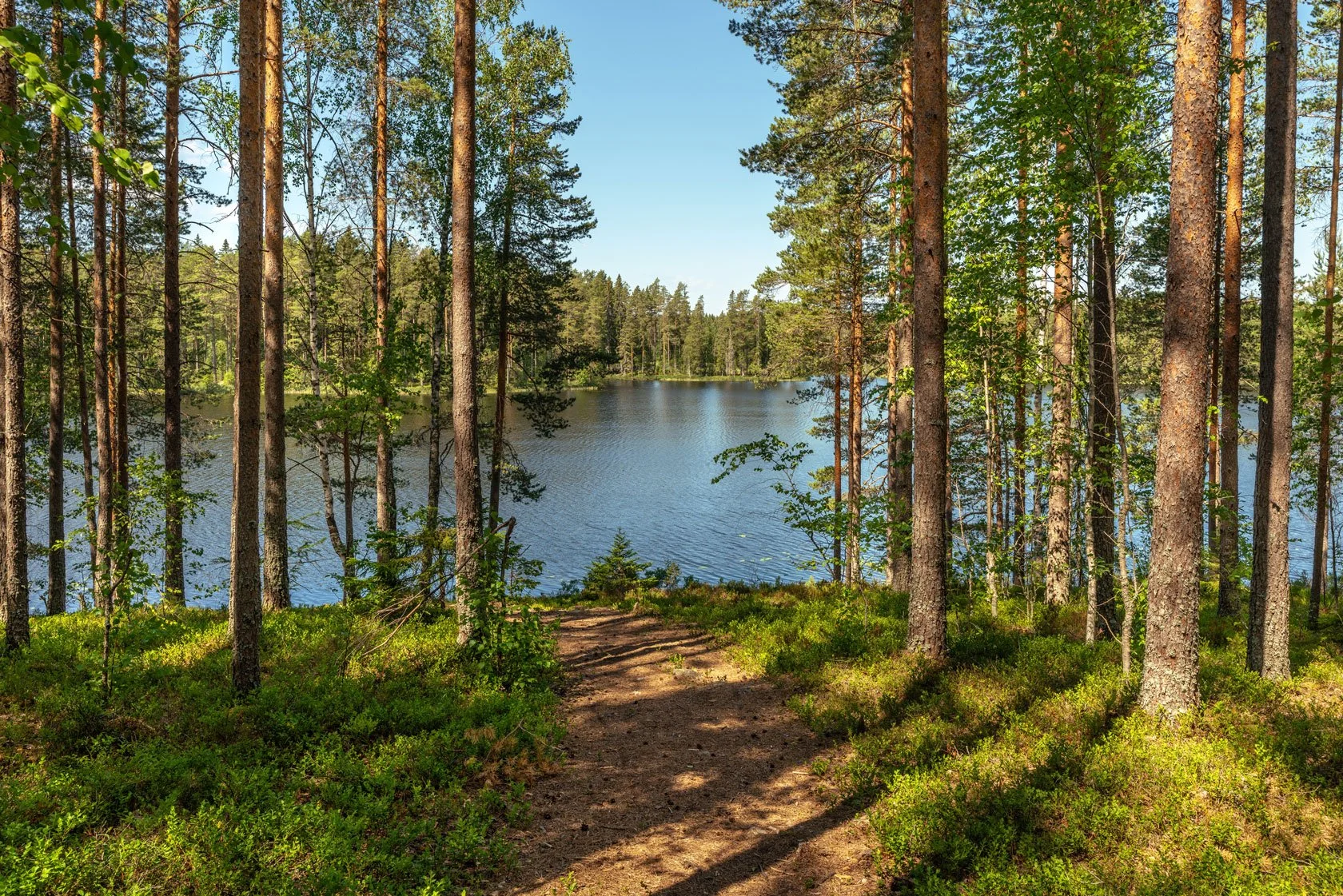
In the High Coast, that blank space can be very simple: a short forest pause. Walk a few minutes under pines, find a flat rock or a quiet spot, lie down for 20–40 minutes, and let your body cool down and reset — no agenda, no performance.
If you want a gentle, real example of what that can look like (hammock + rocky pine forest + slow breathing), I wrote a note here:
https://dockstahavet.se/blog/skogspaus-hammock-forest-experience-hoga-kusten
The simplest coolcation upgrade: sleep by the water

If you want the High Coast to feel truly breathable, don’t just visit the sea — sleep next to it.
When you stay right on the waterfront, the day becomes simpler: a morning dip without planning, a late walk when the light refuses to leave, and that small sea breeze that makes even warm days feel lighter.
If you’re coming for a coolcation, this is the easiest base camp choice: wake up by the water, hike one trail, come back to calm.
Couples, solo travellers, and small families — three simple seaside stays.
And if you want your days to start without logistics
We’ve been building a small Outdoor Ready / Grab&Go corner — so everyone can rent a daypack (and a few simple essentials) and head out without turning the morning into logistics.
If you’re curious, here’s the practical page: https://dockstahavet.se/outdoor-gear-rental-hoga-kusten
Light soul. Tiny rucksack. A summer that lets you breathe.
Below you’ll find our Explore posts:
maps, guides, and “start here” planning pieces.