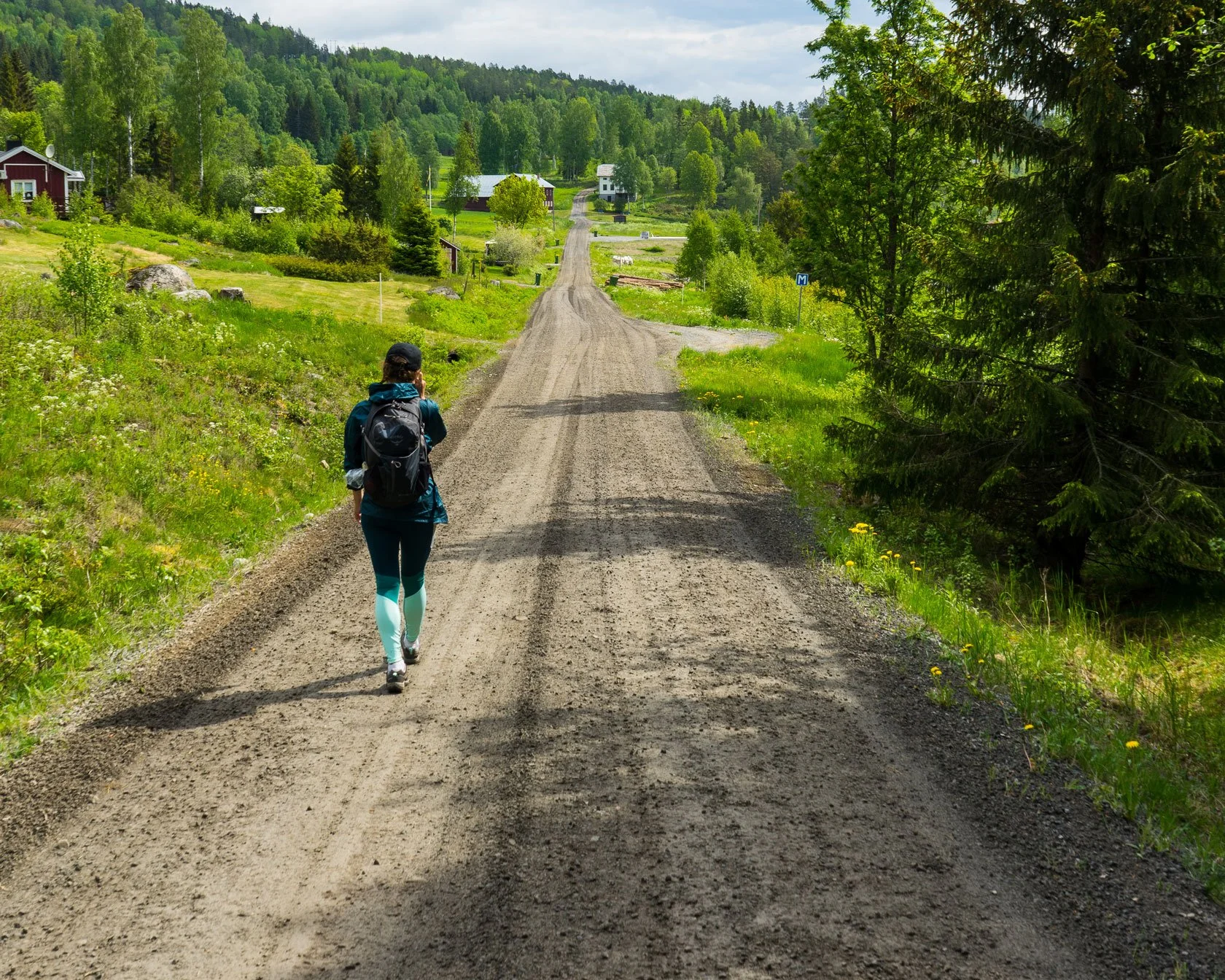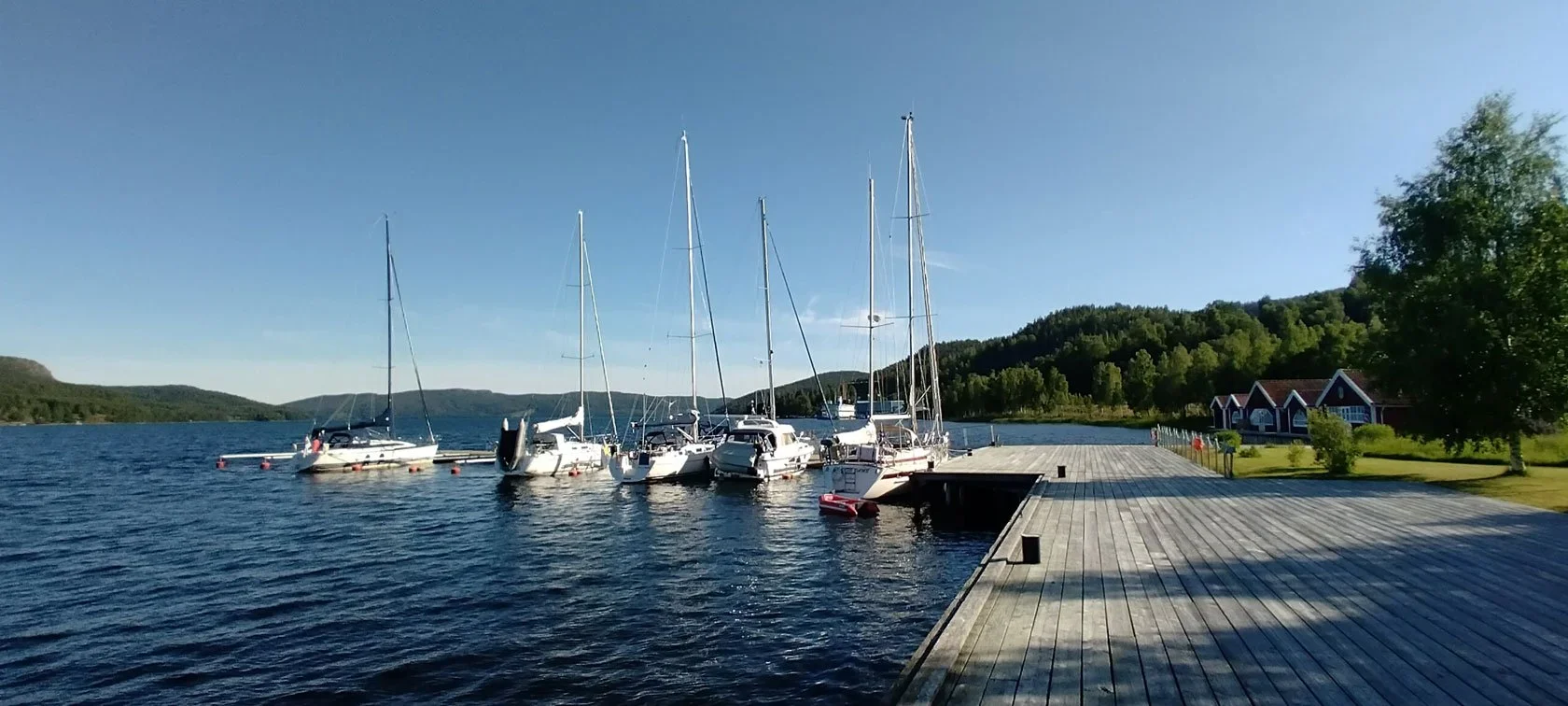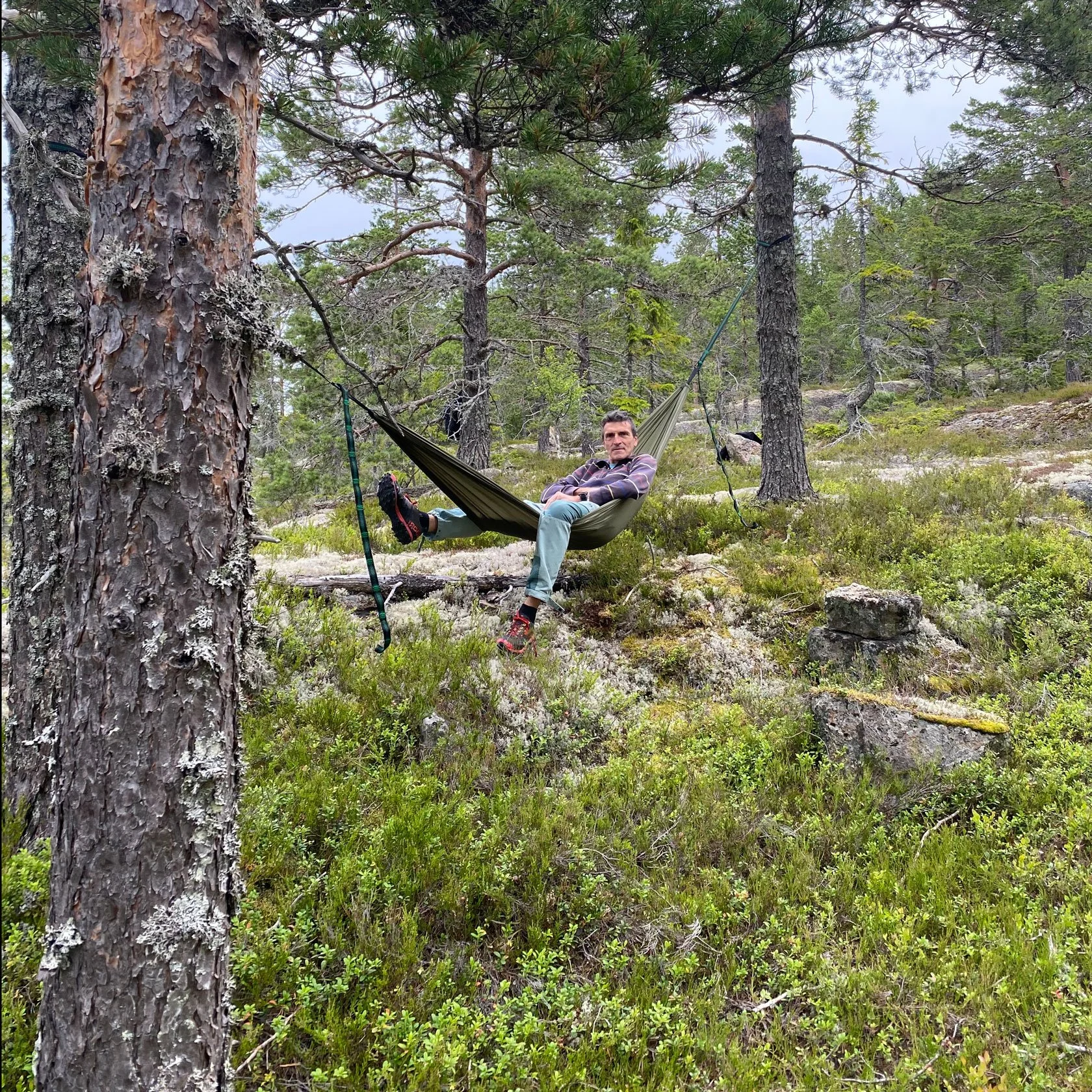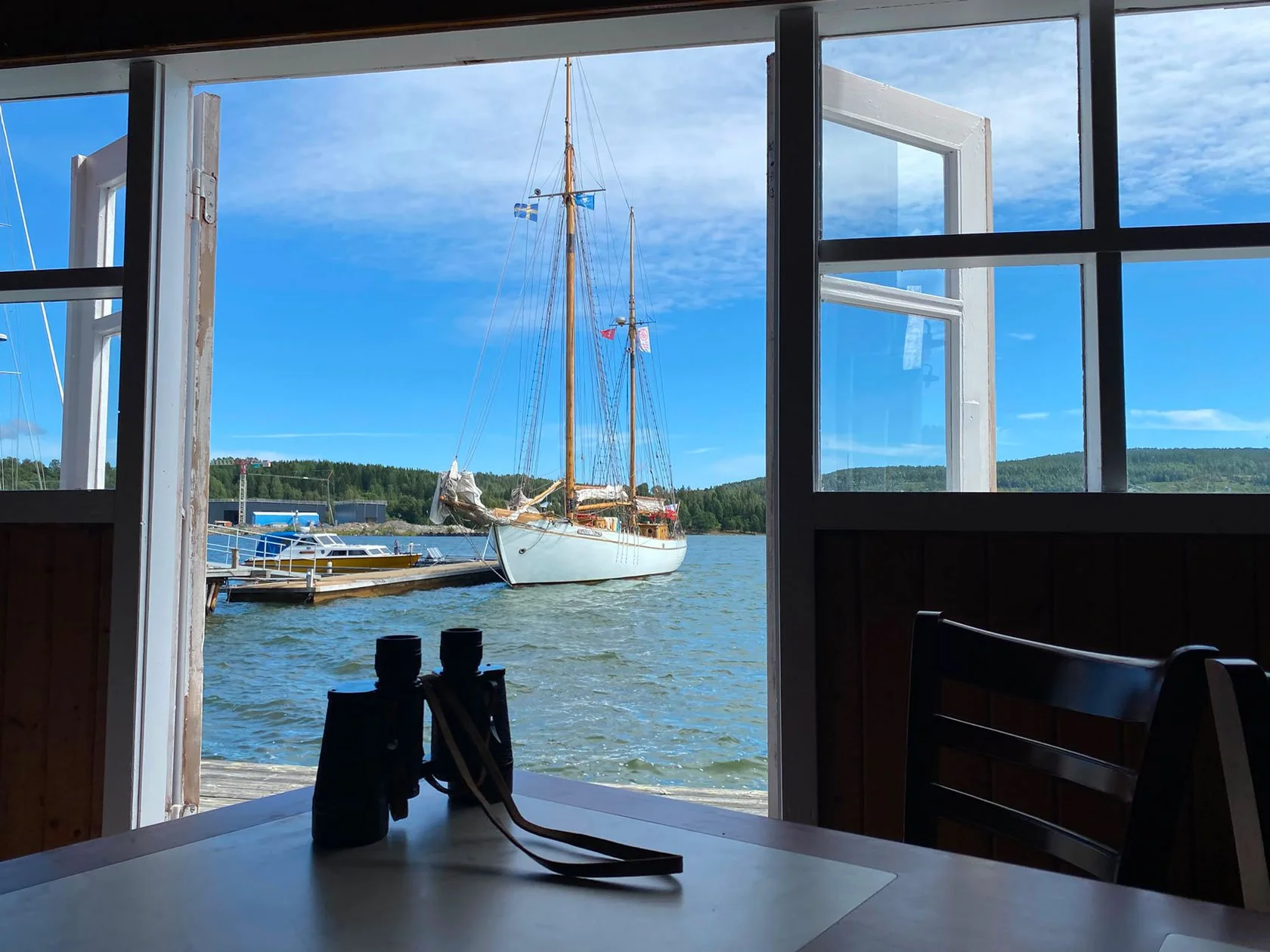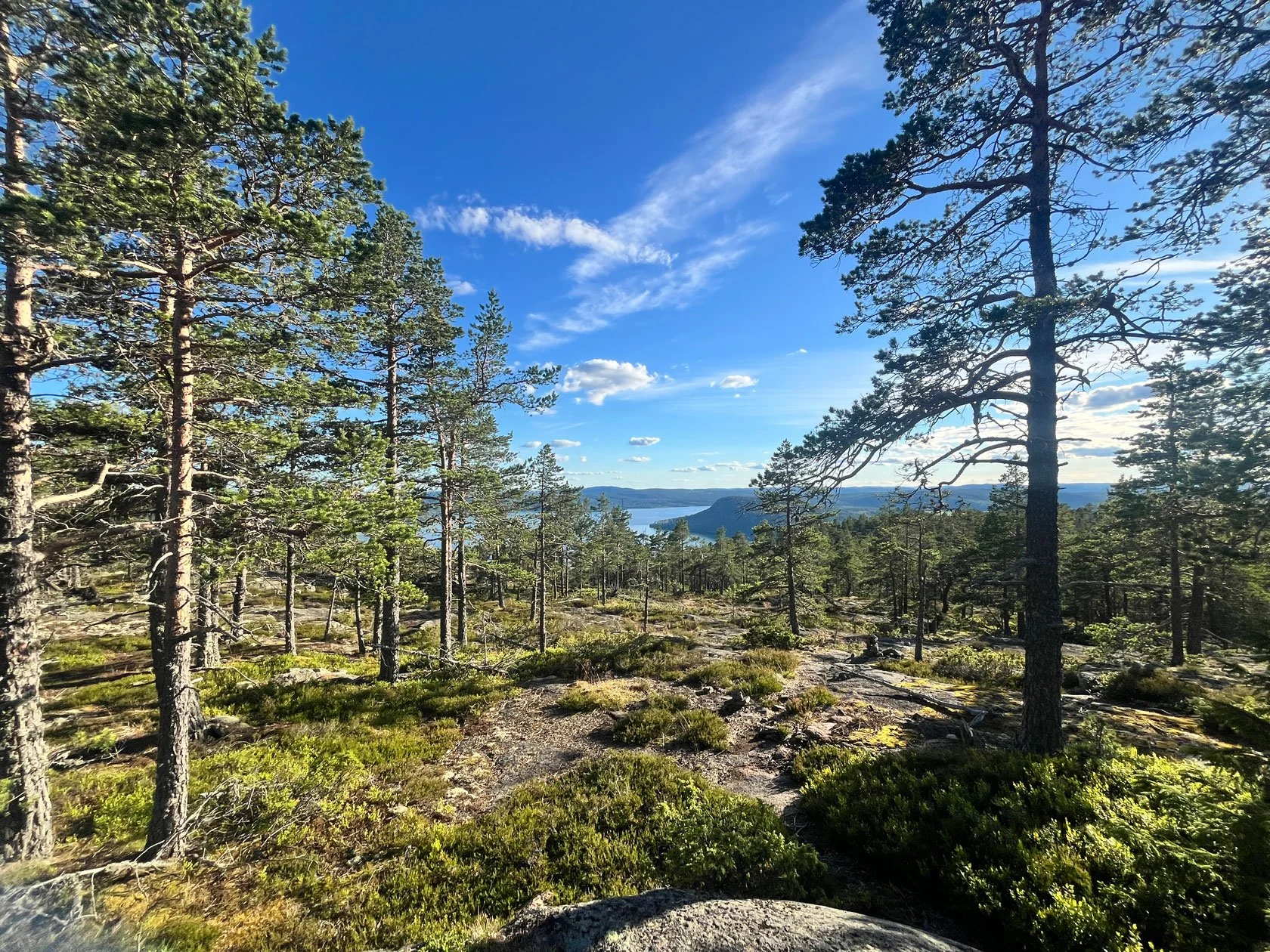
Bike and Hike from Docksta

Höga Kustenleden, without hero mode

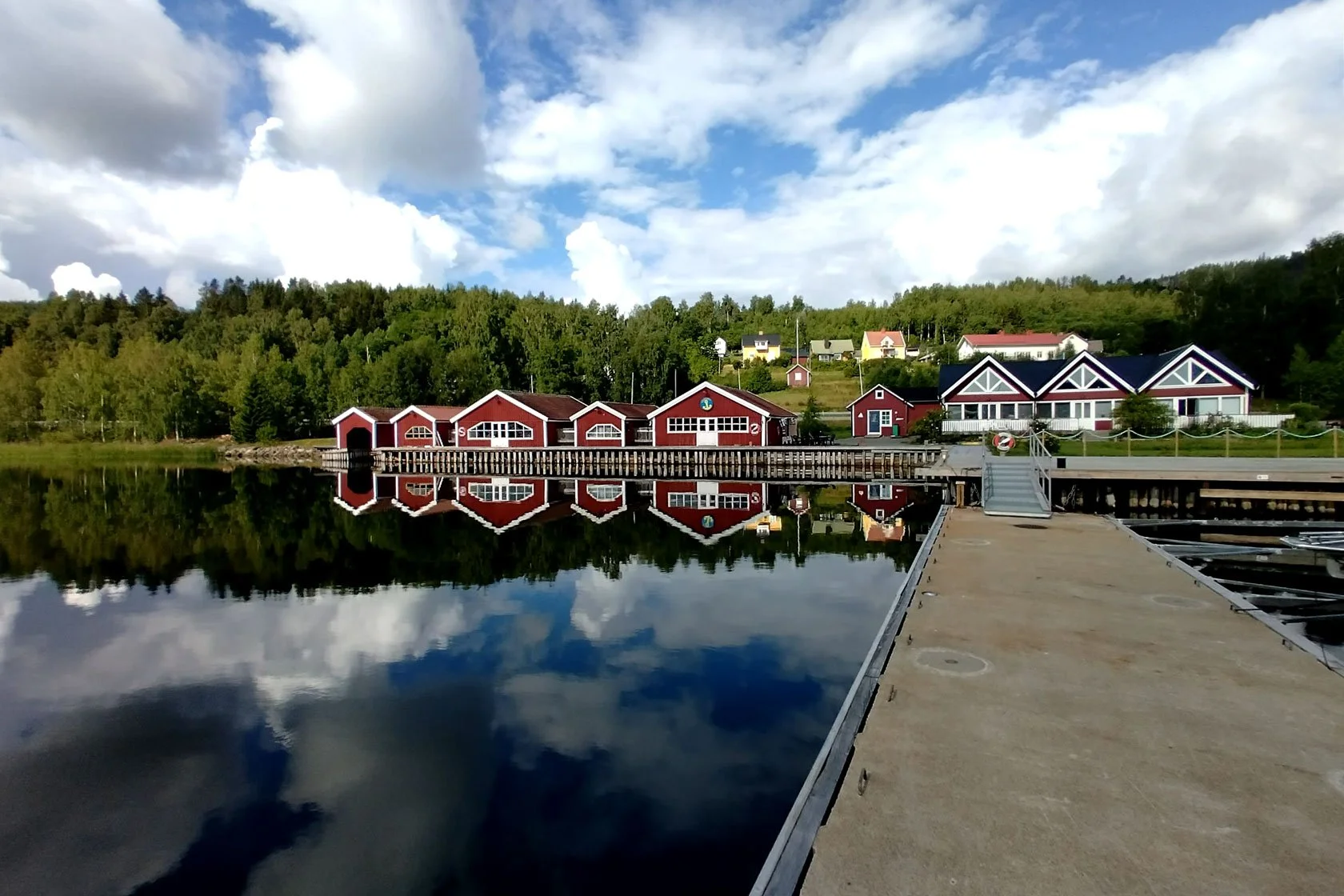
A quiet, practical way to enter the High Coast trail—one section at a time, with a base-camp rhythm

A host’s trail note on Höga Kustenleden: what it really feels like, how to hike it without “hero mode,” and three easy doors into the trail from Docksta.
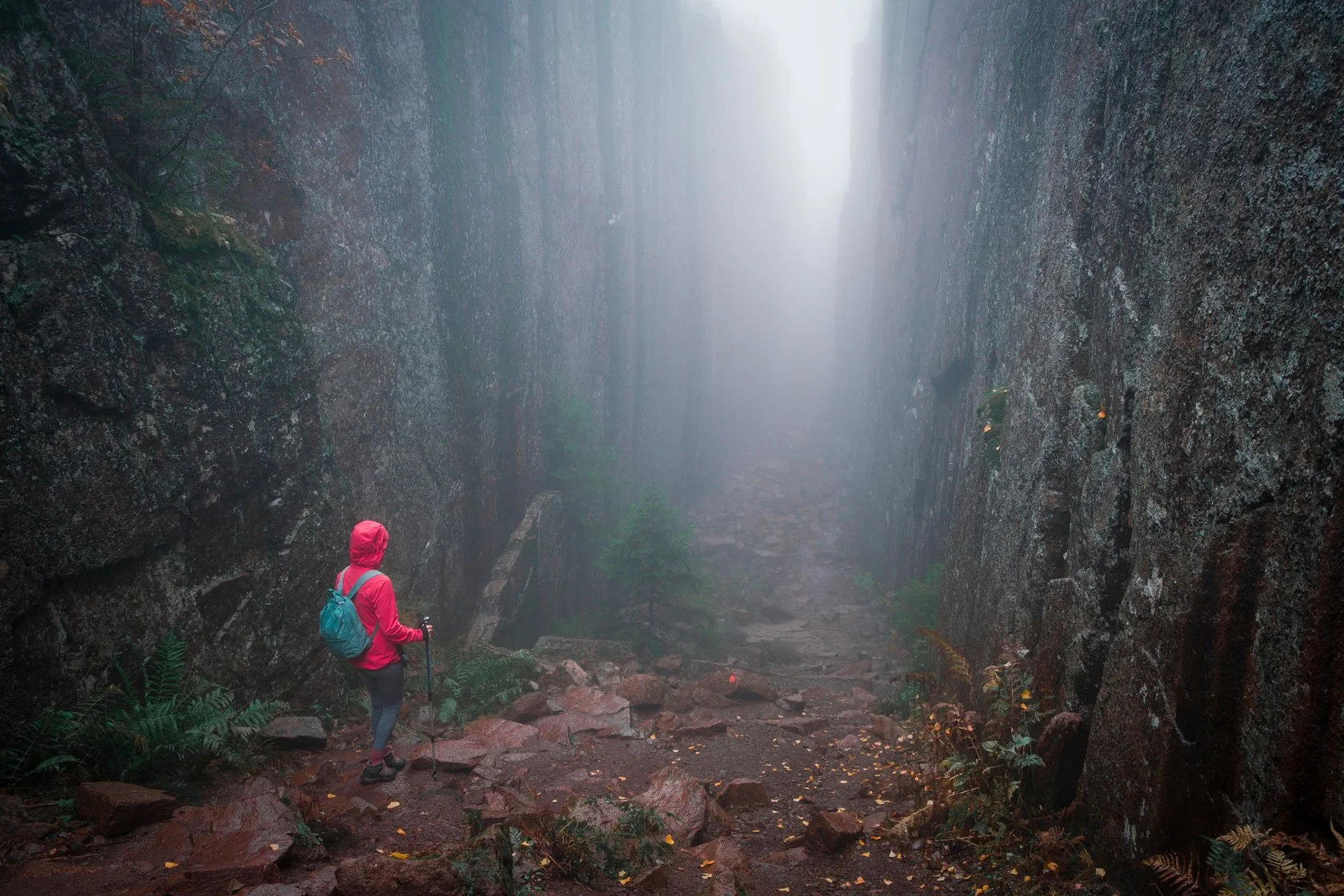
Some trails are about distance. This one is more about attention.

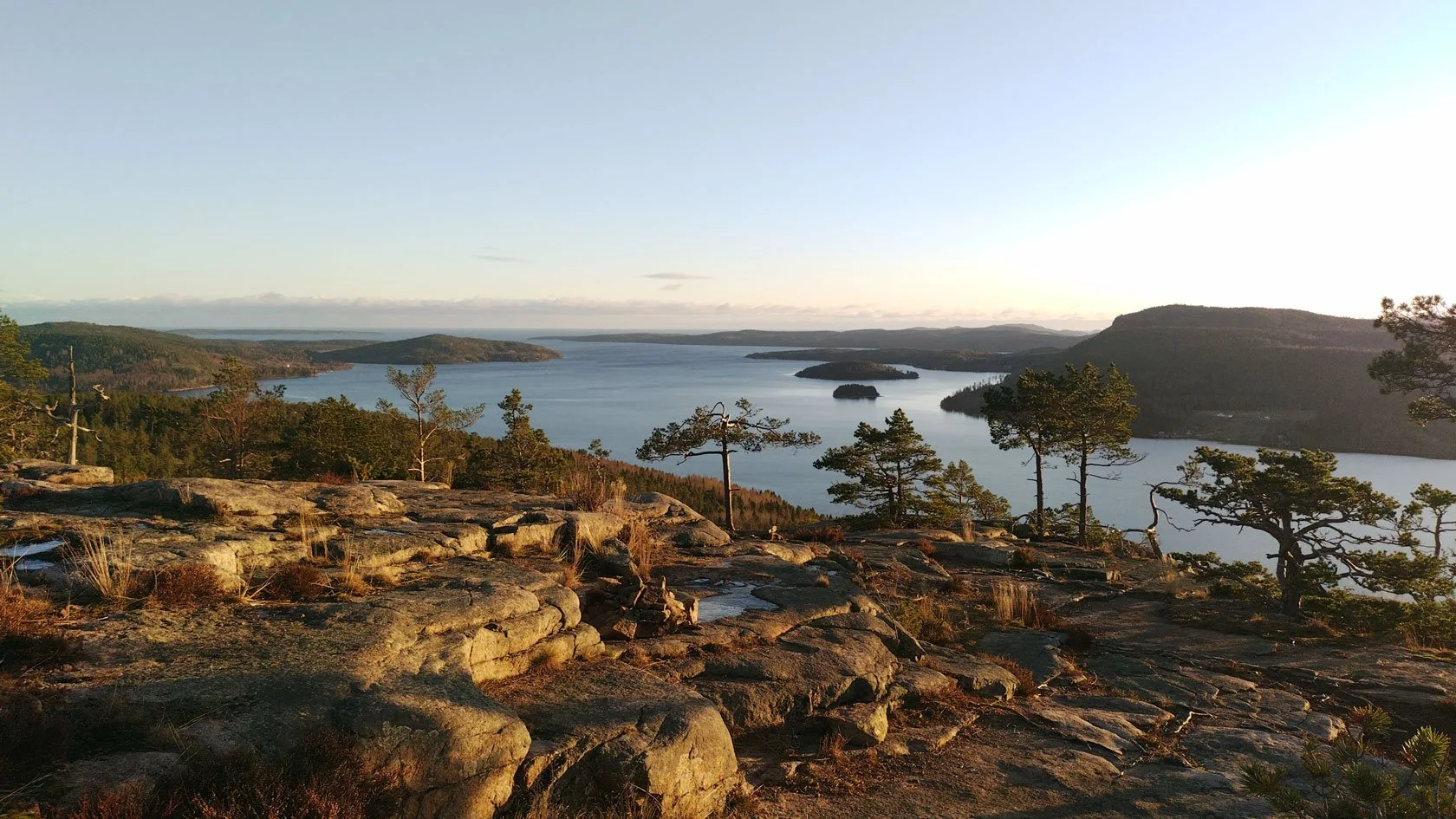
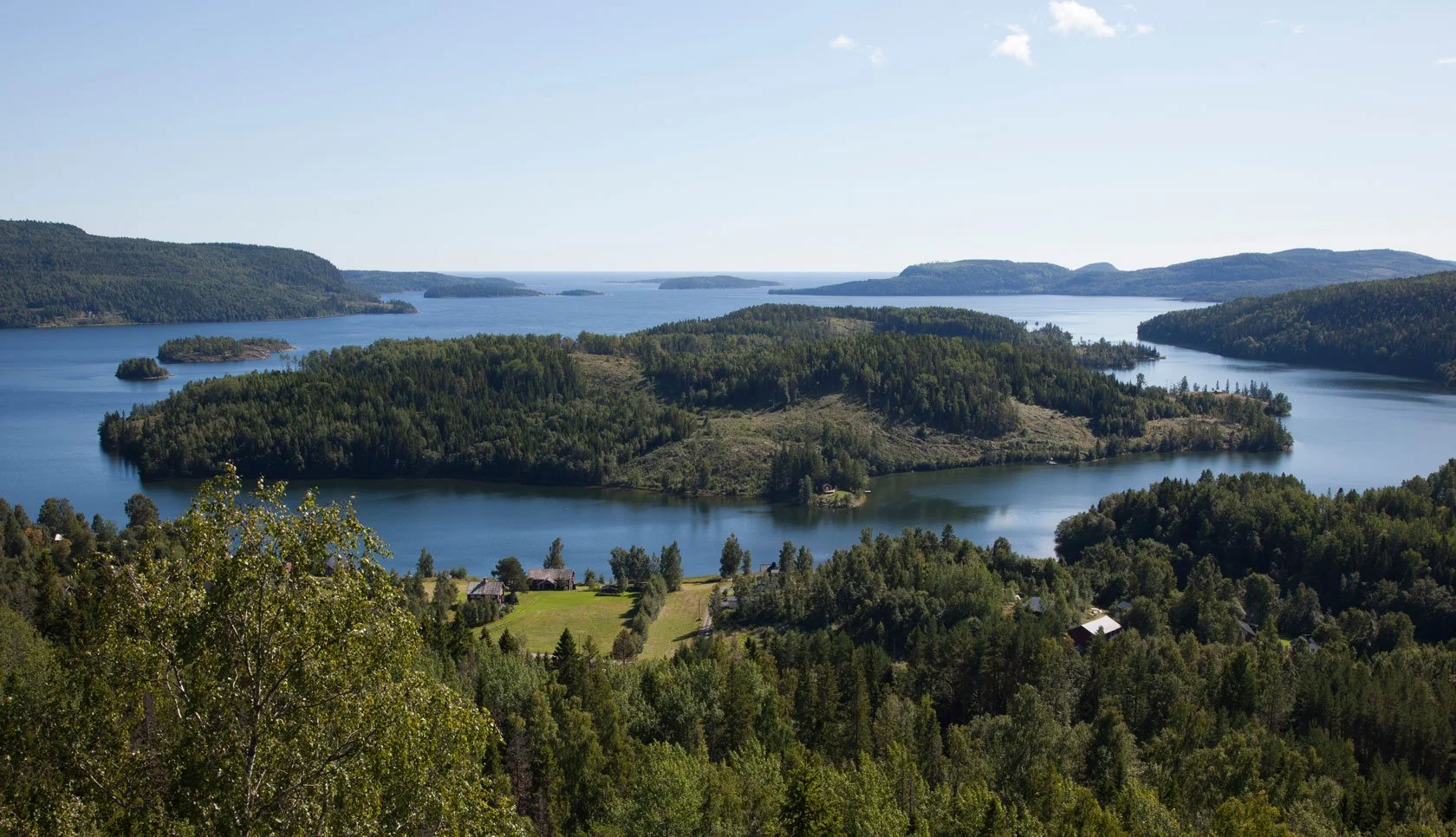
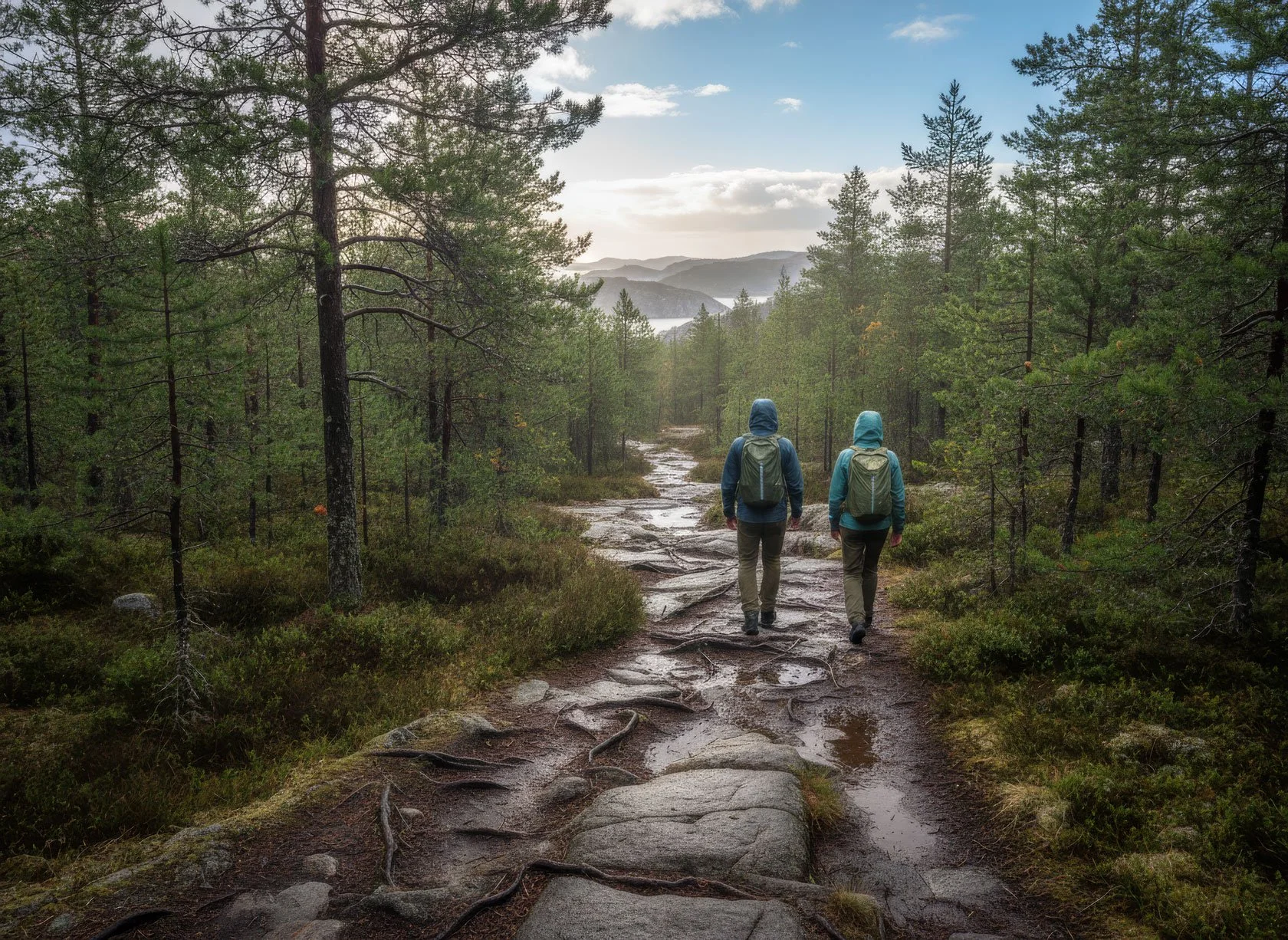
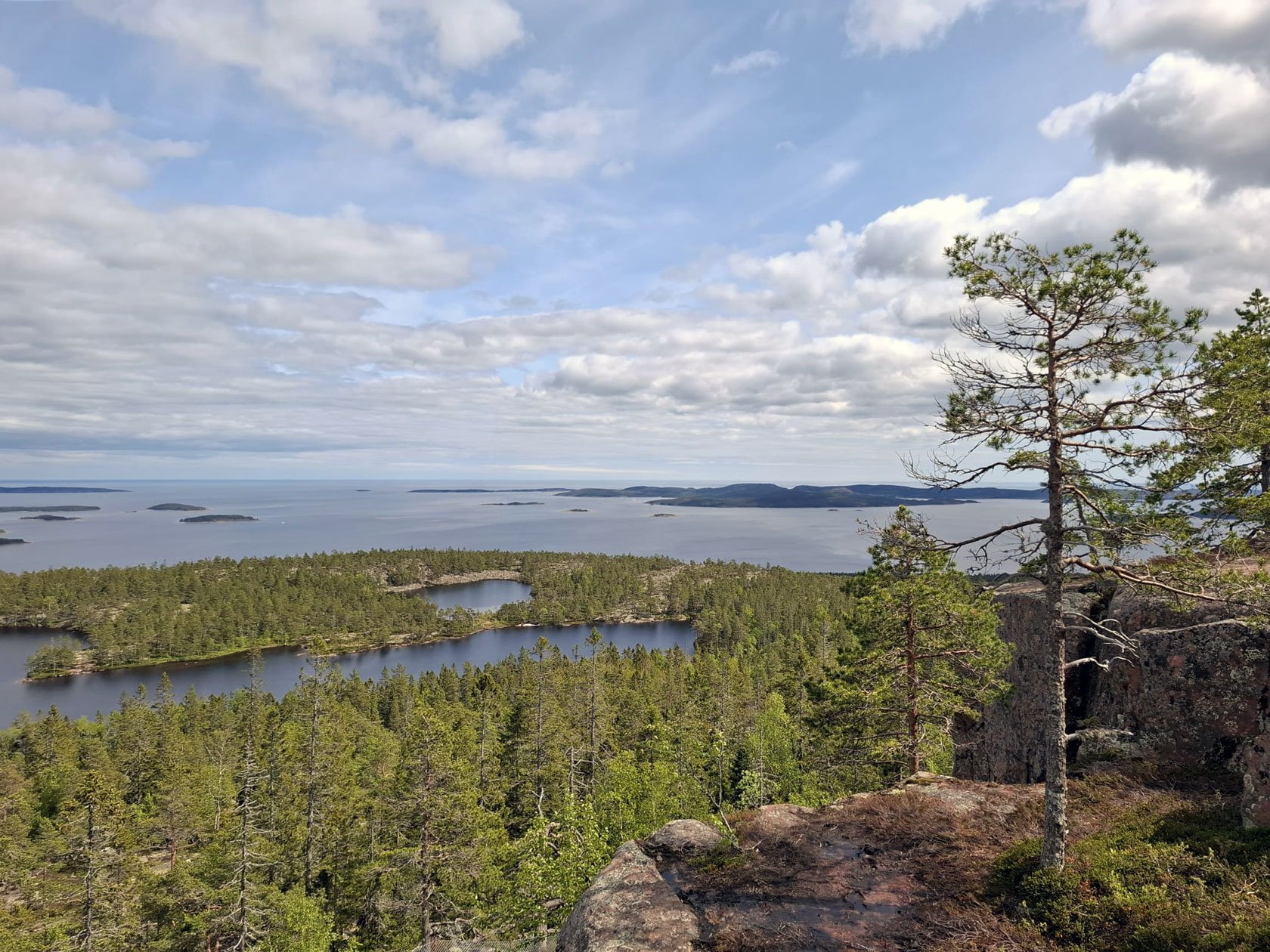
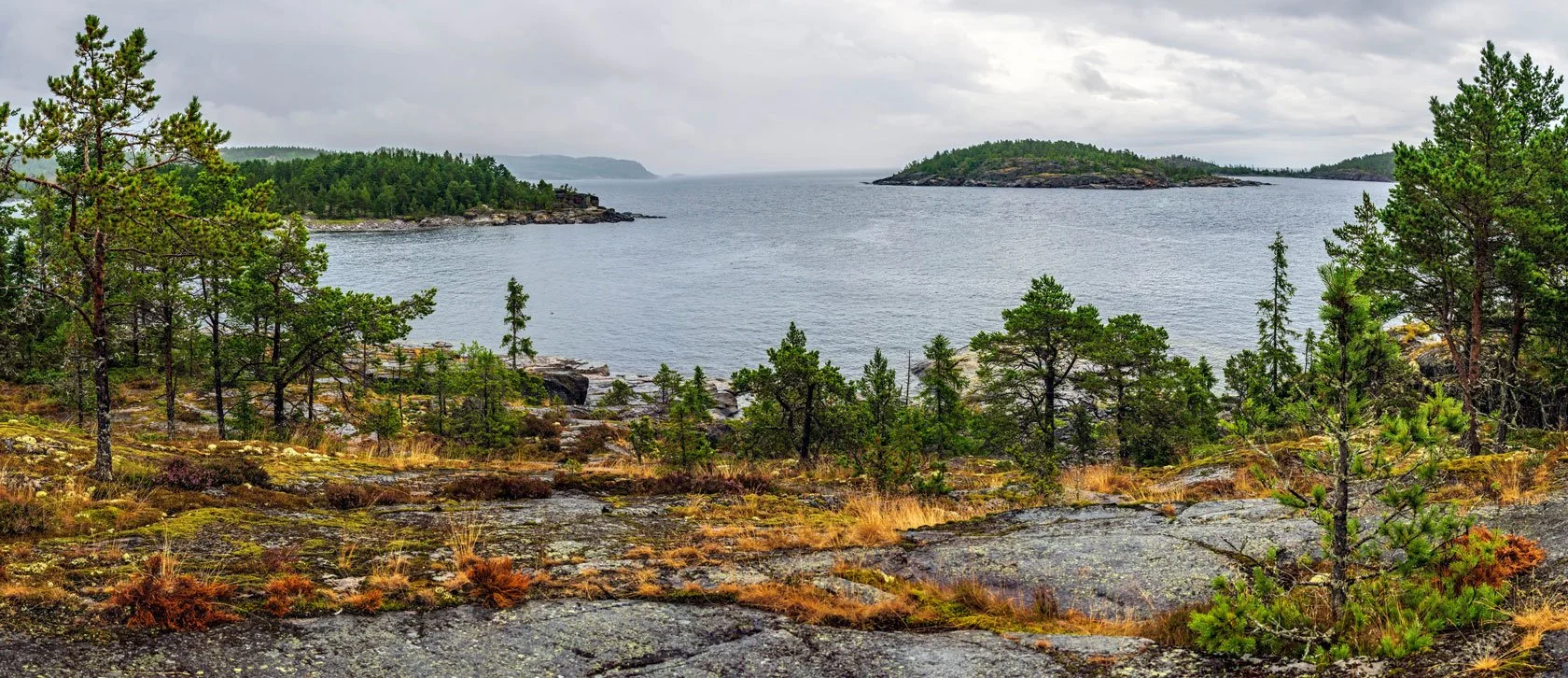
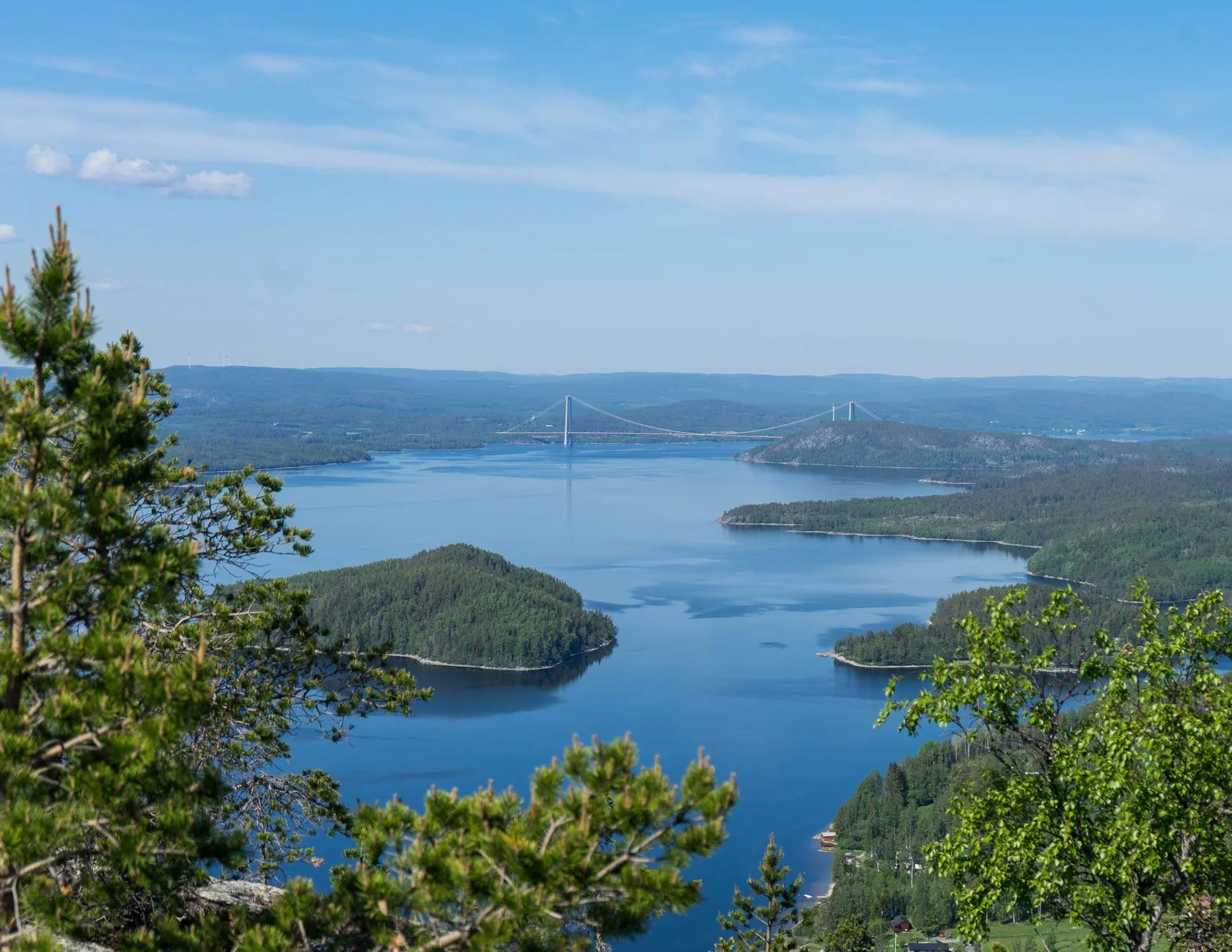
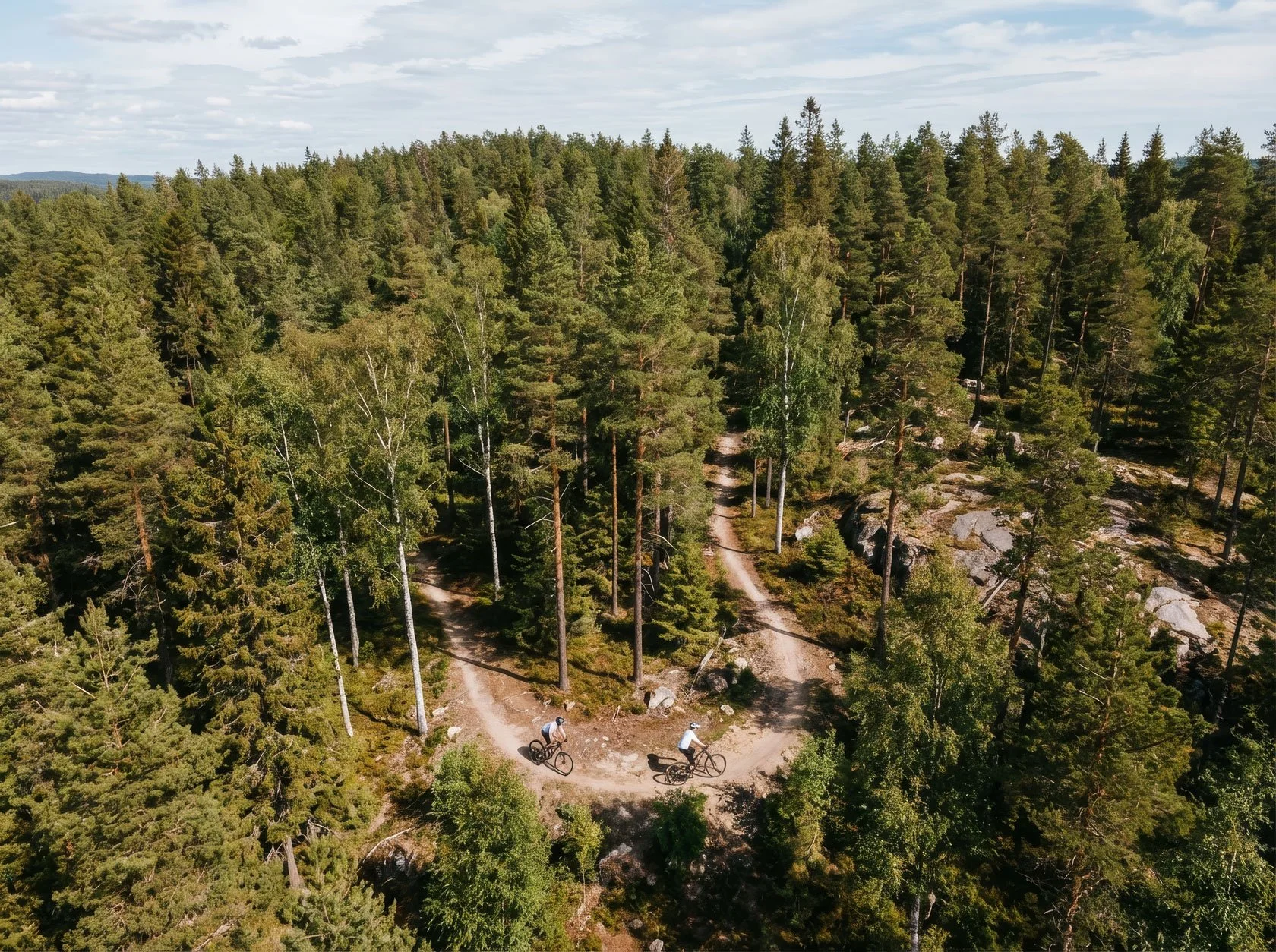
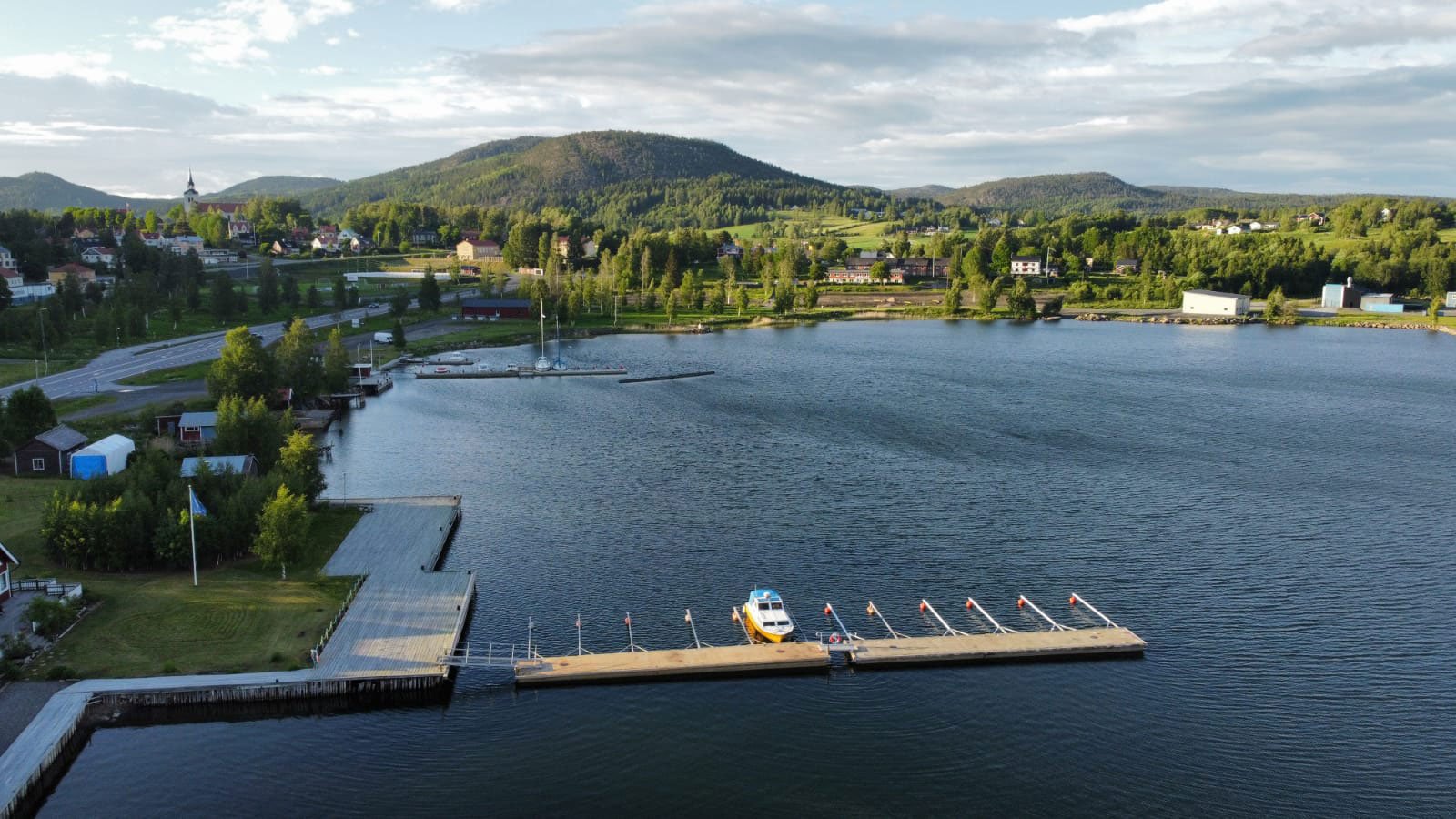
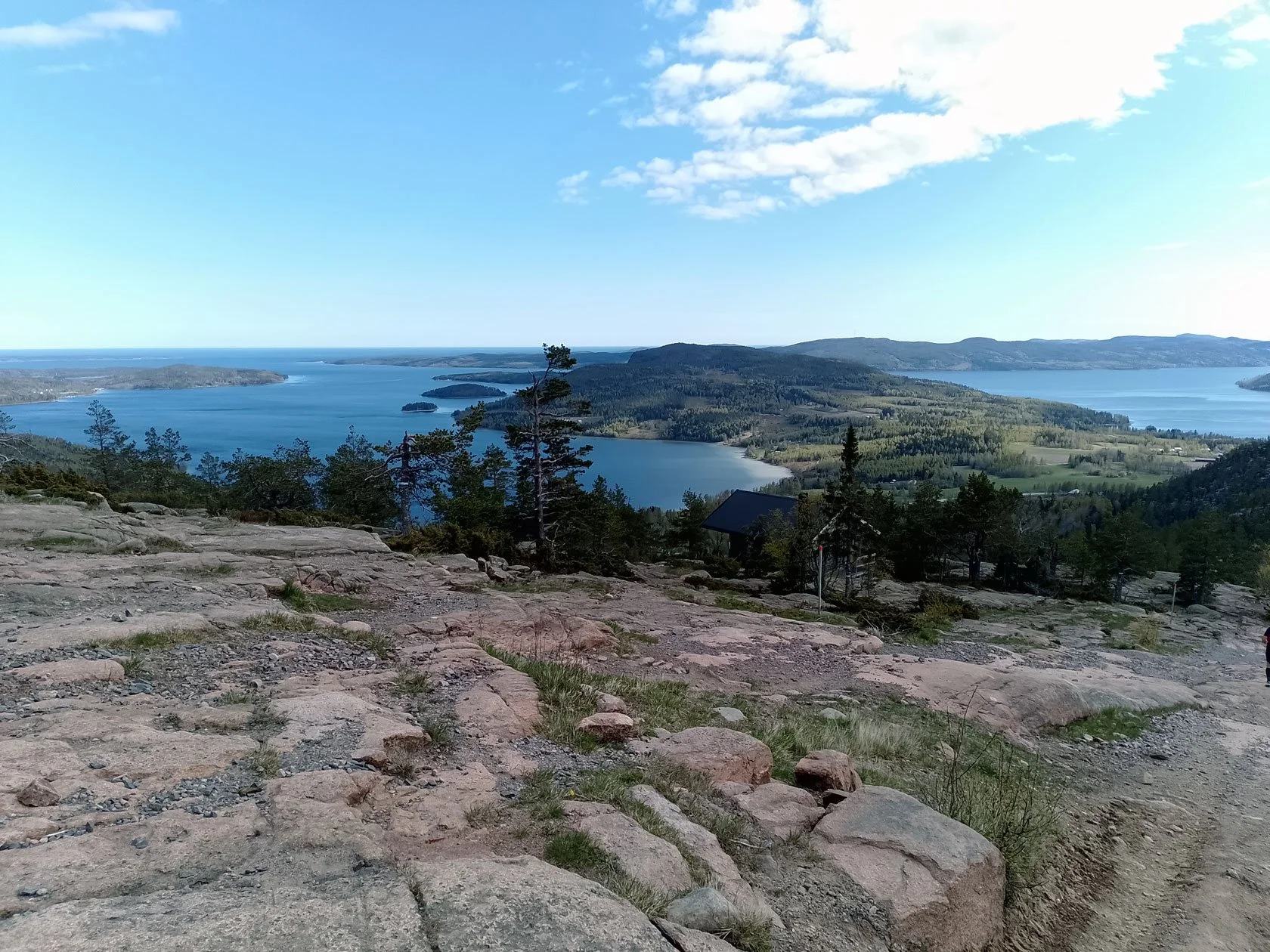
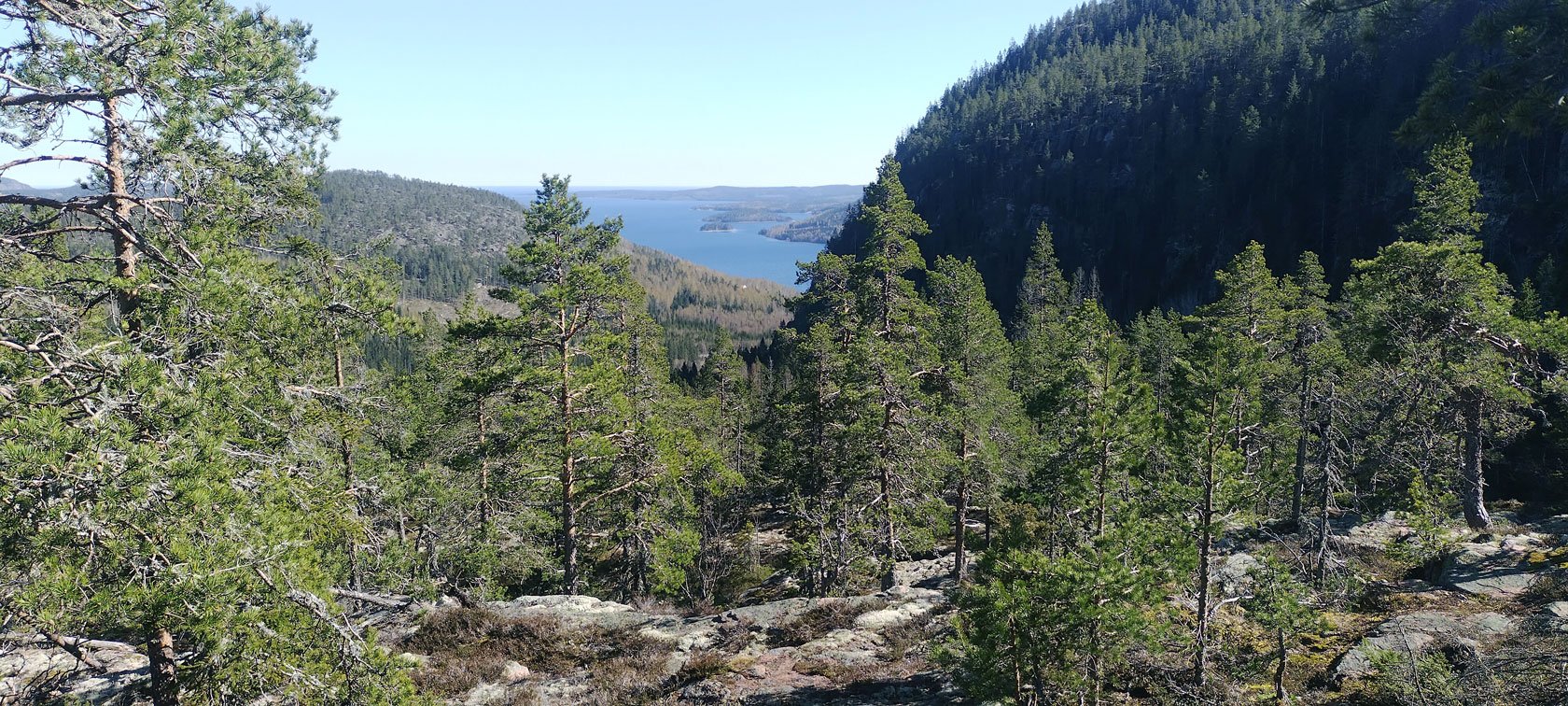
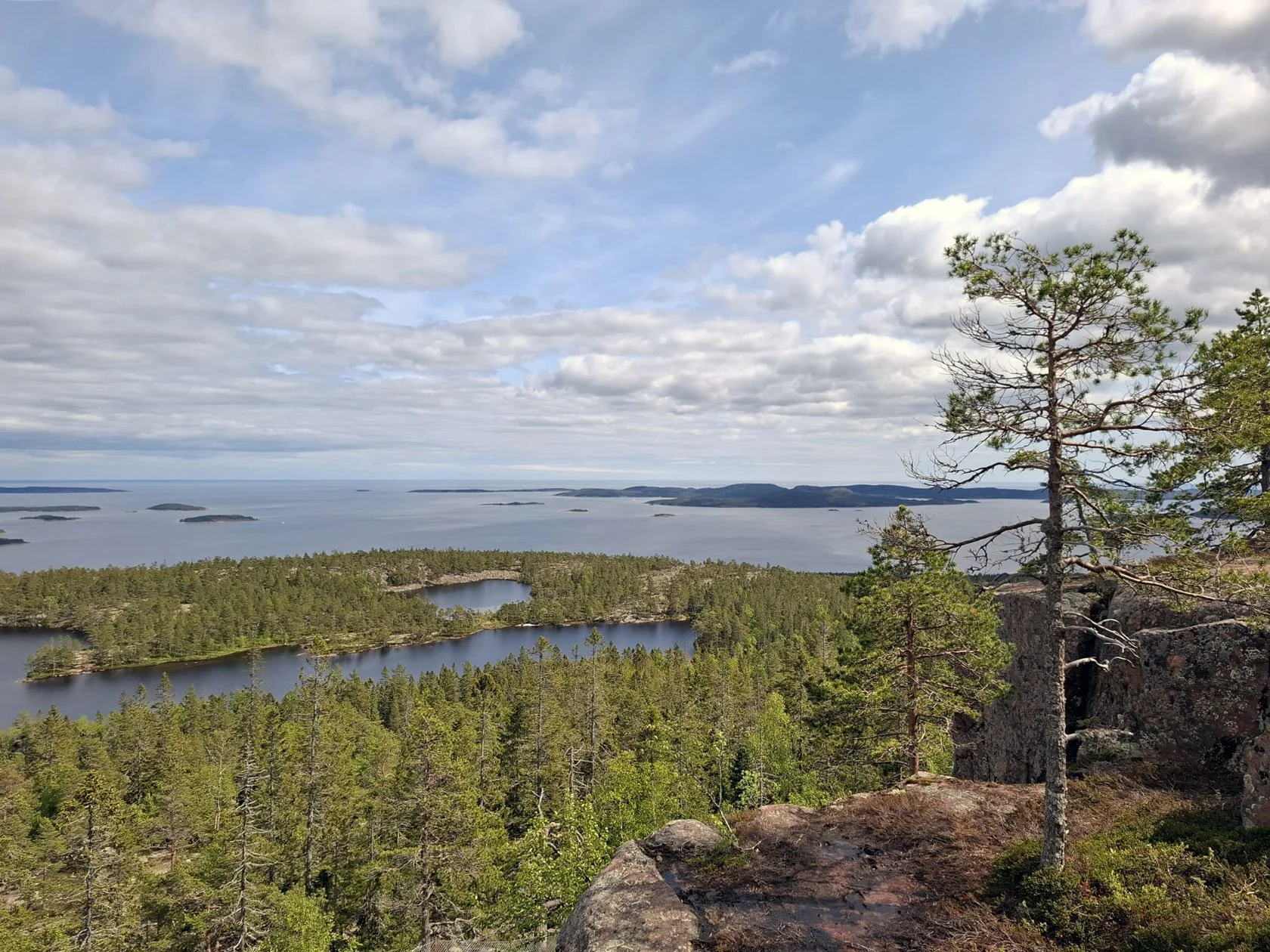
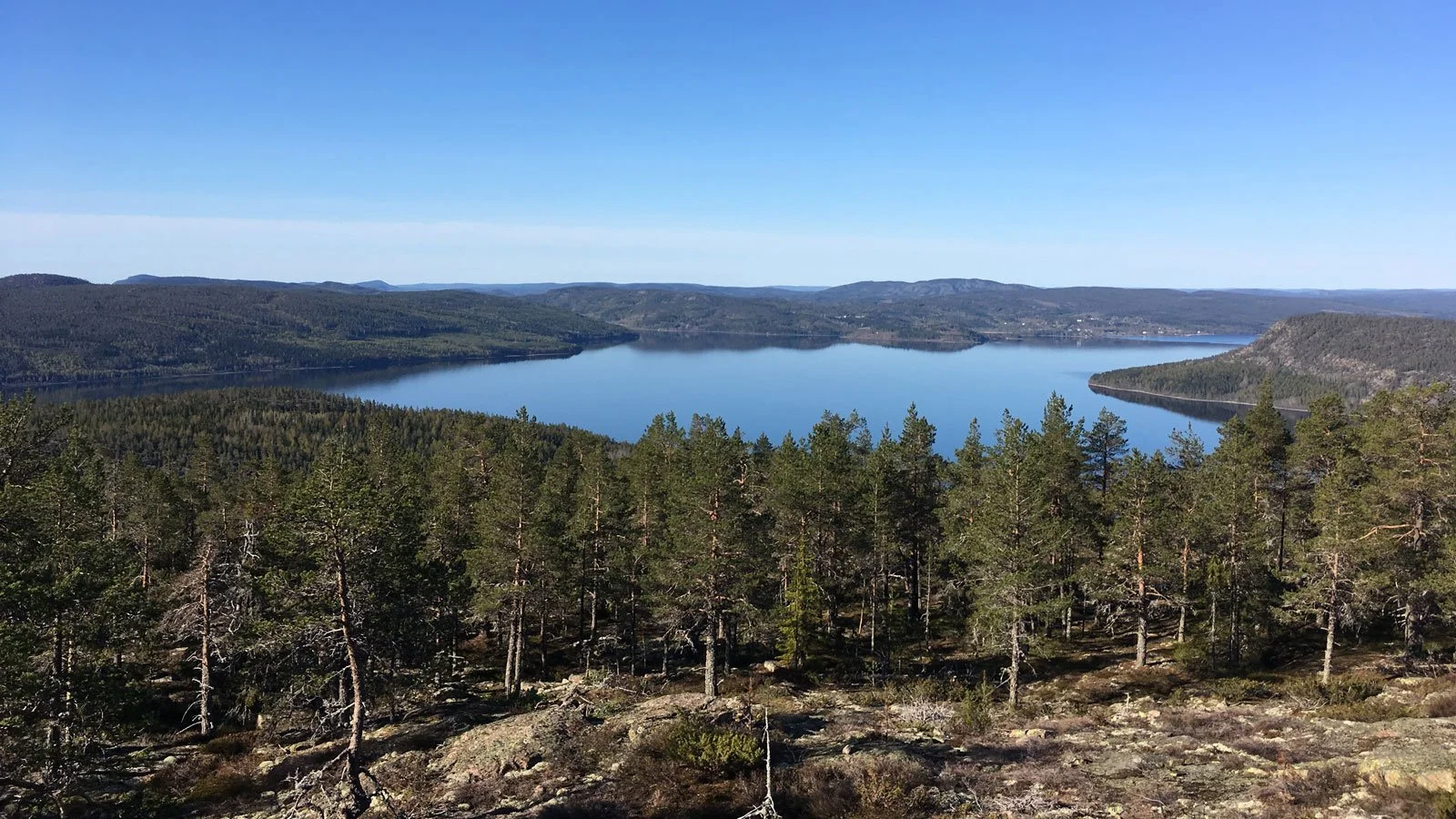
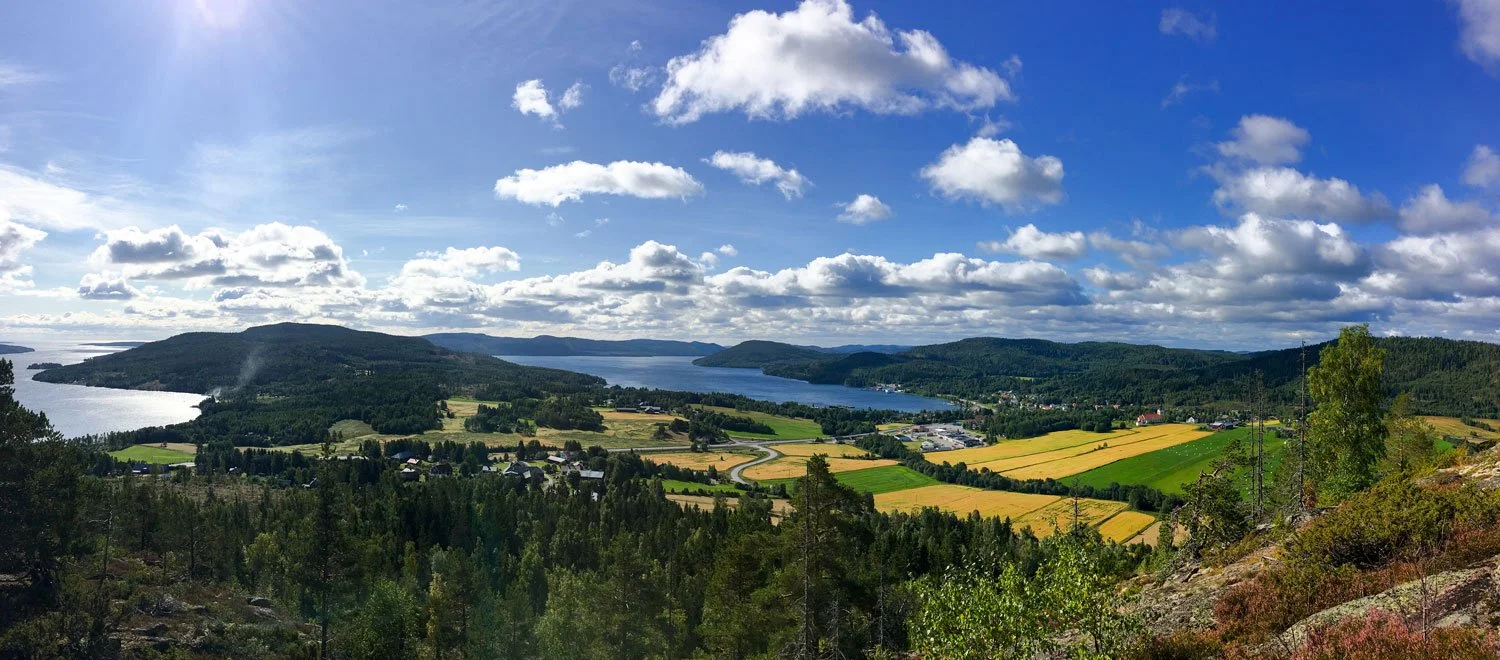
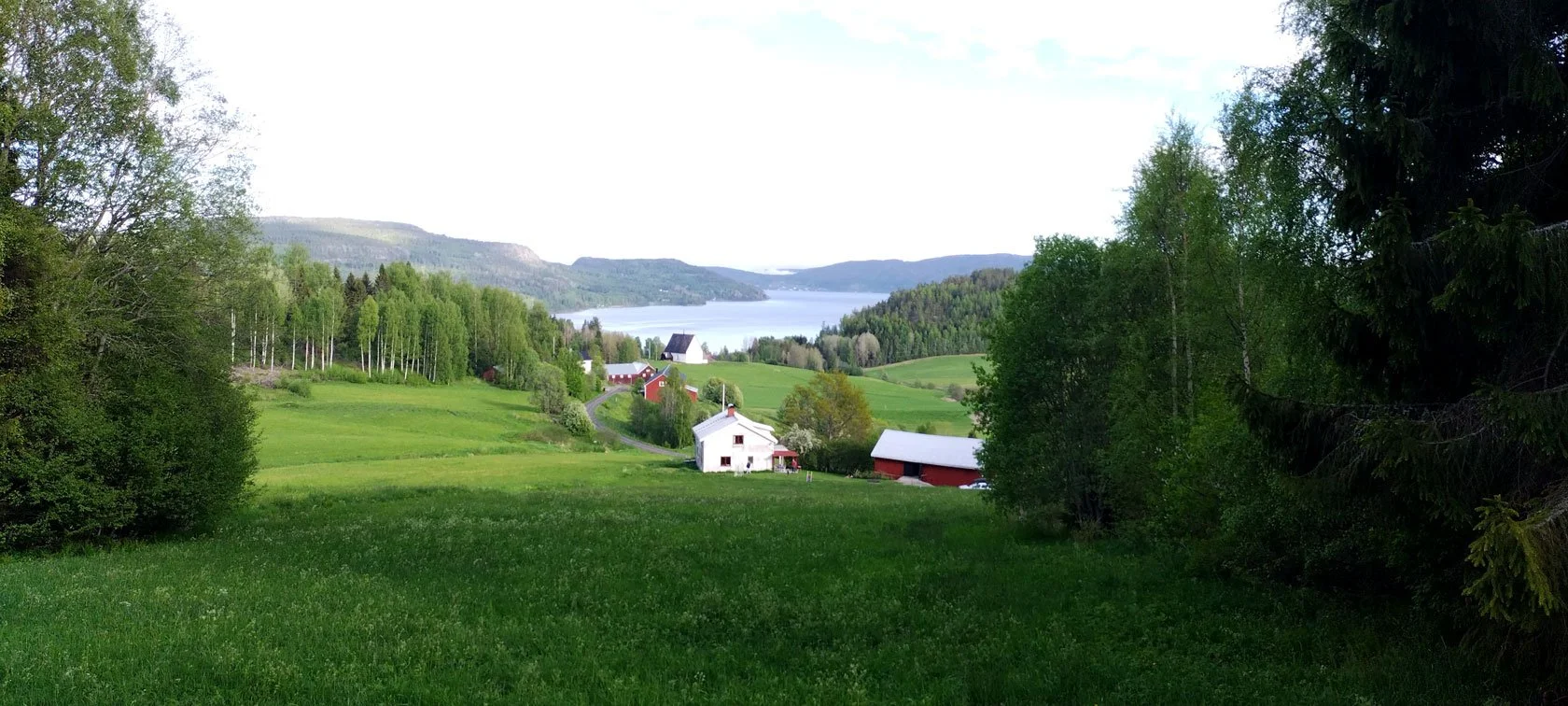
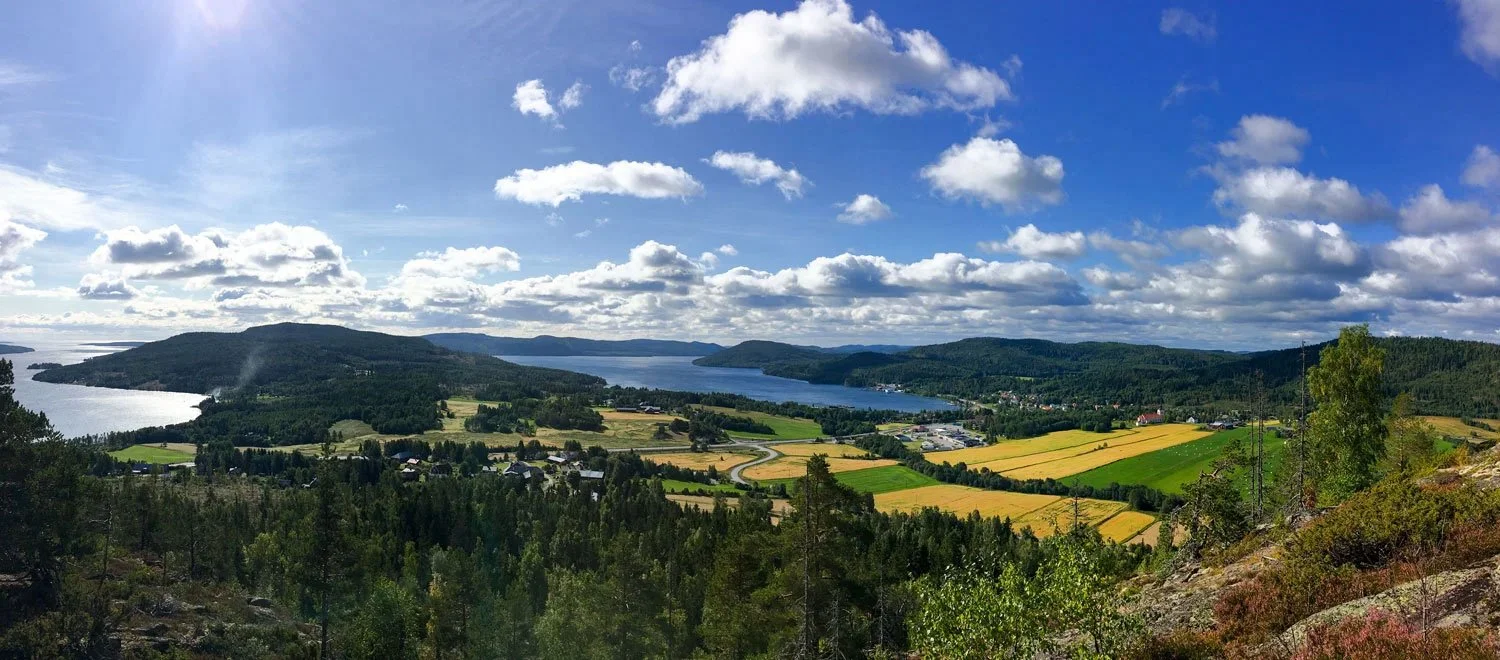
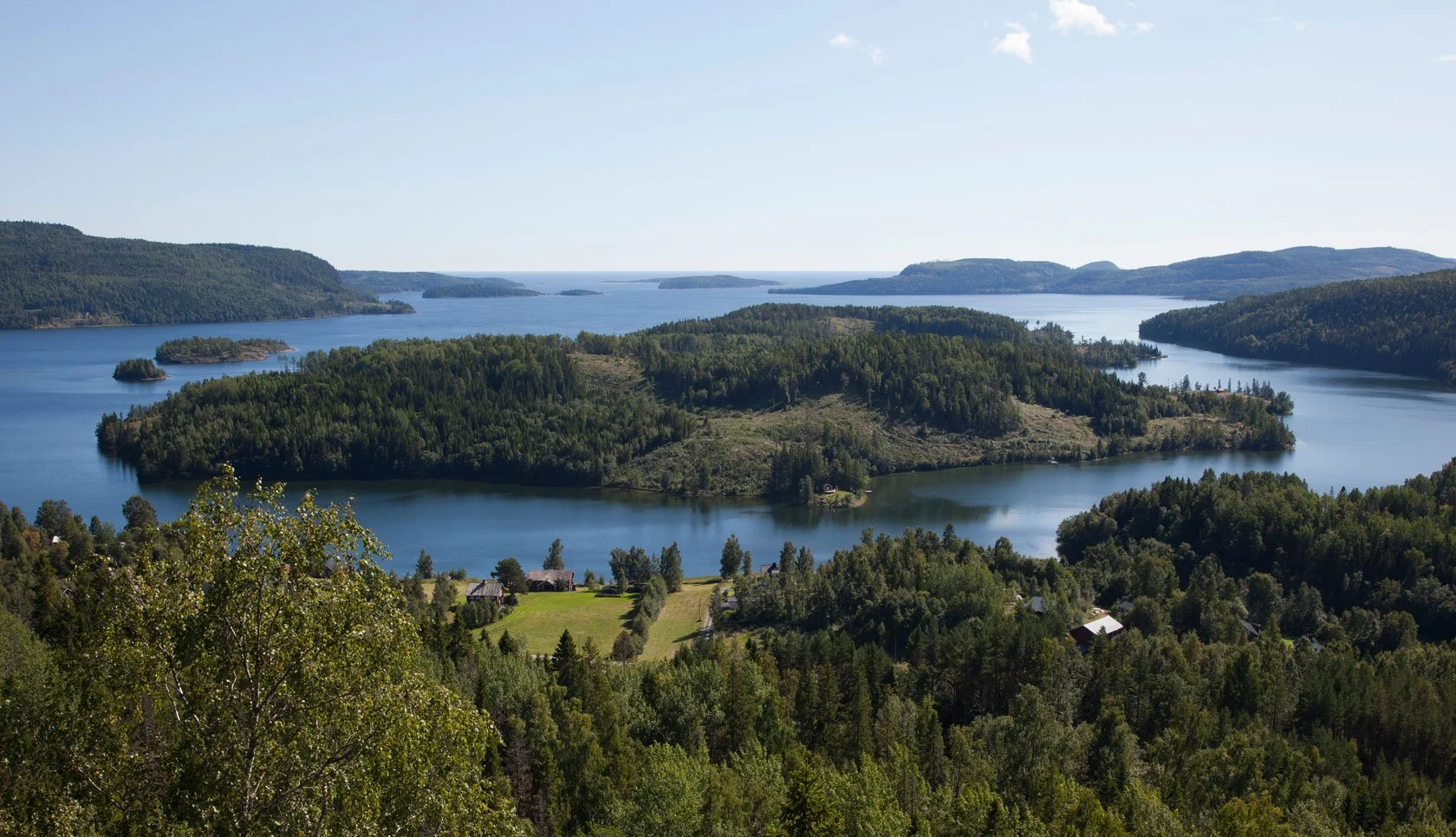
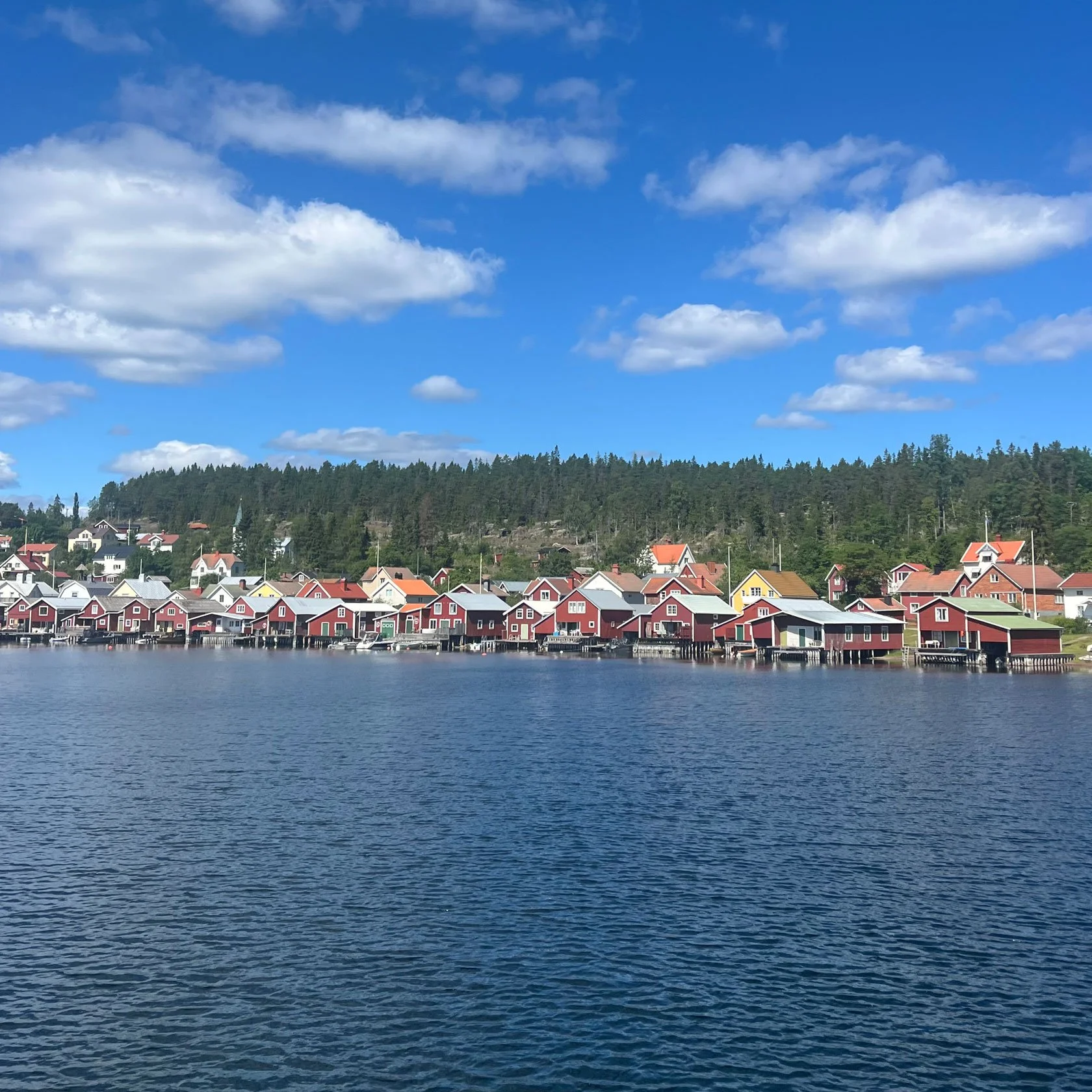
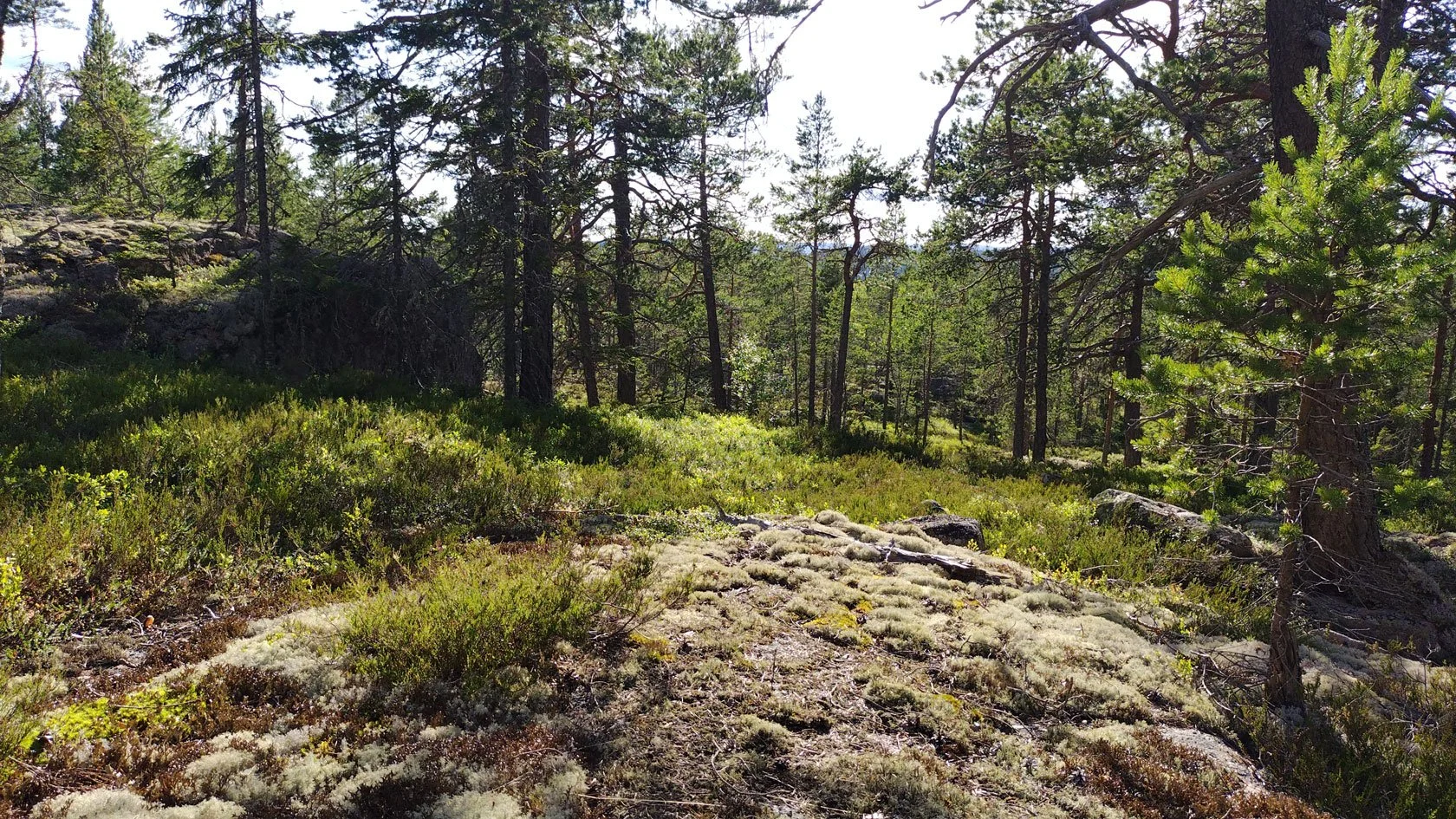
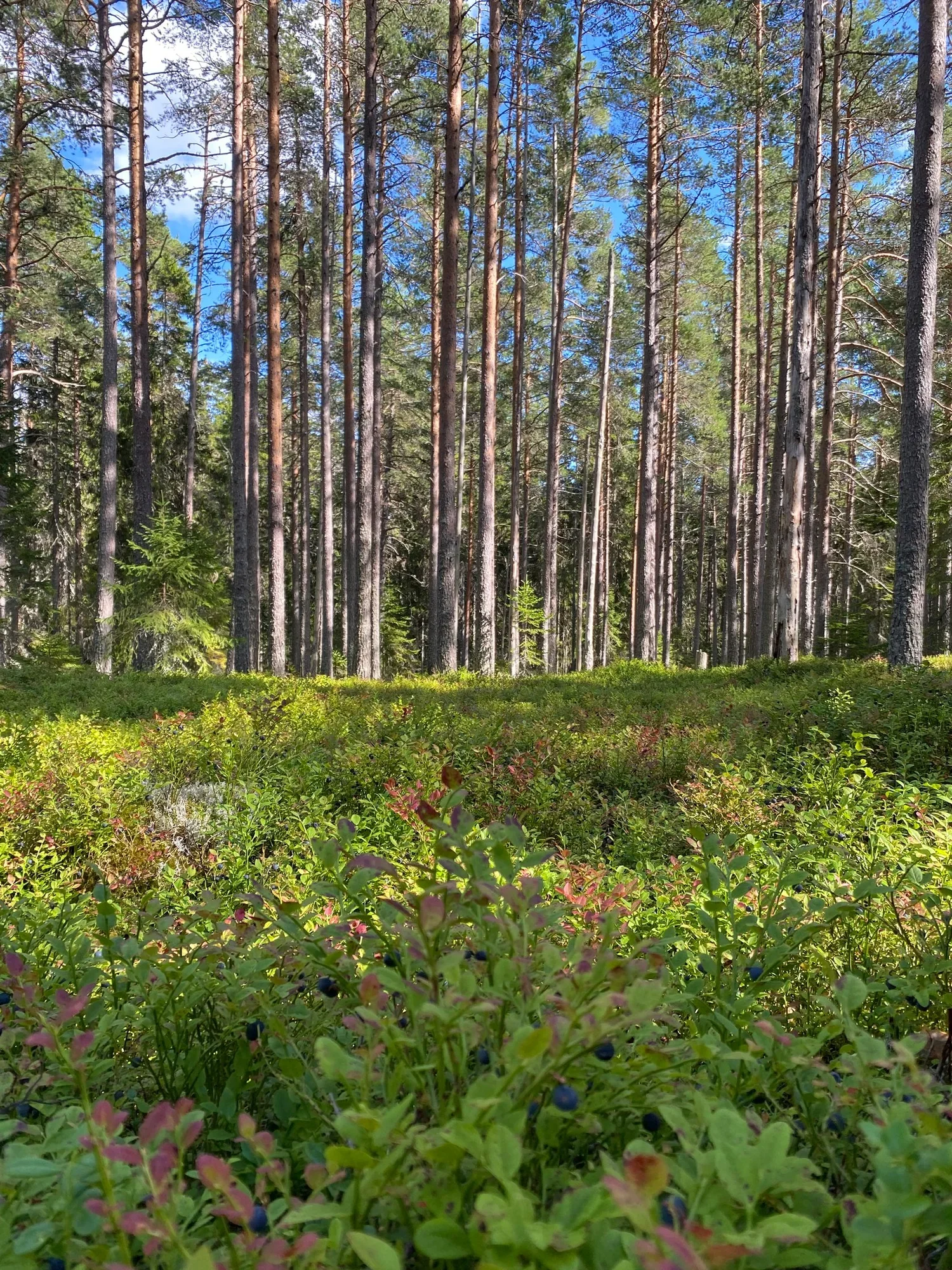
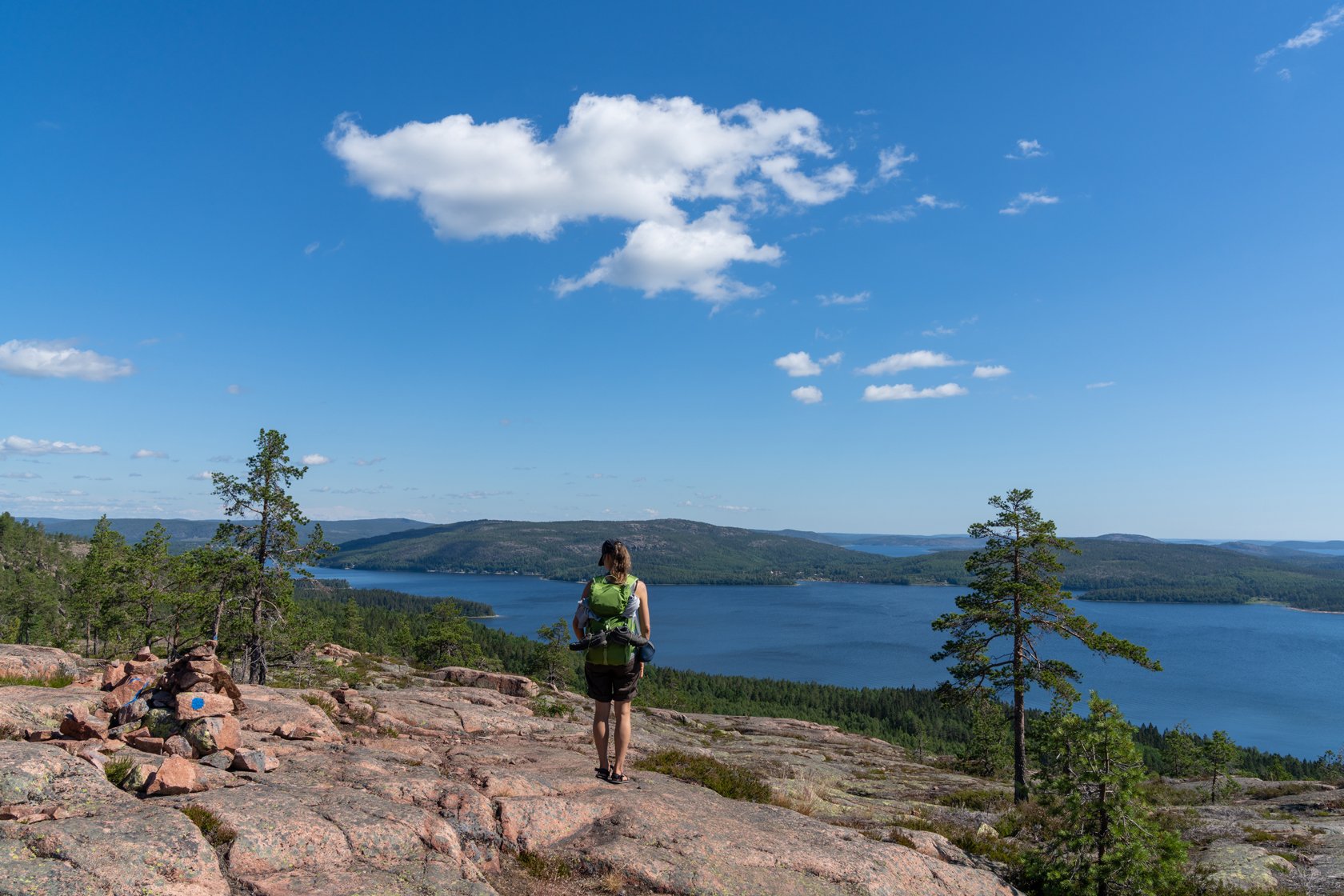
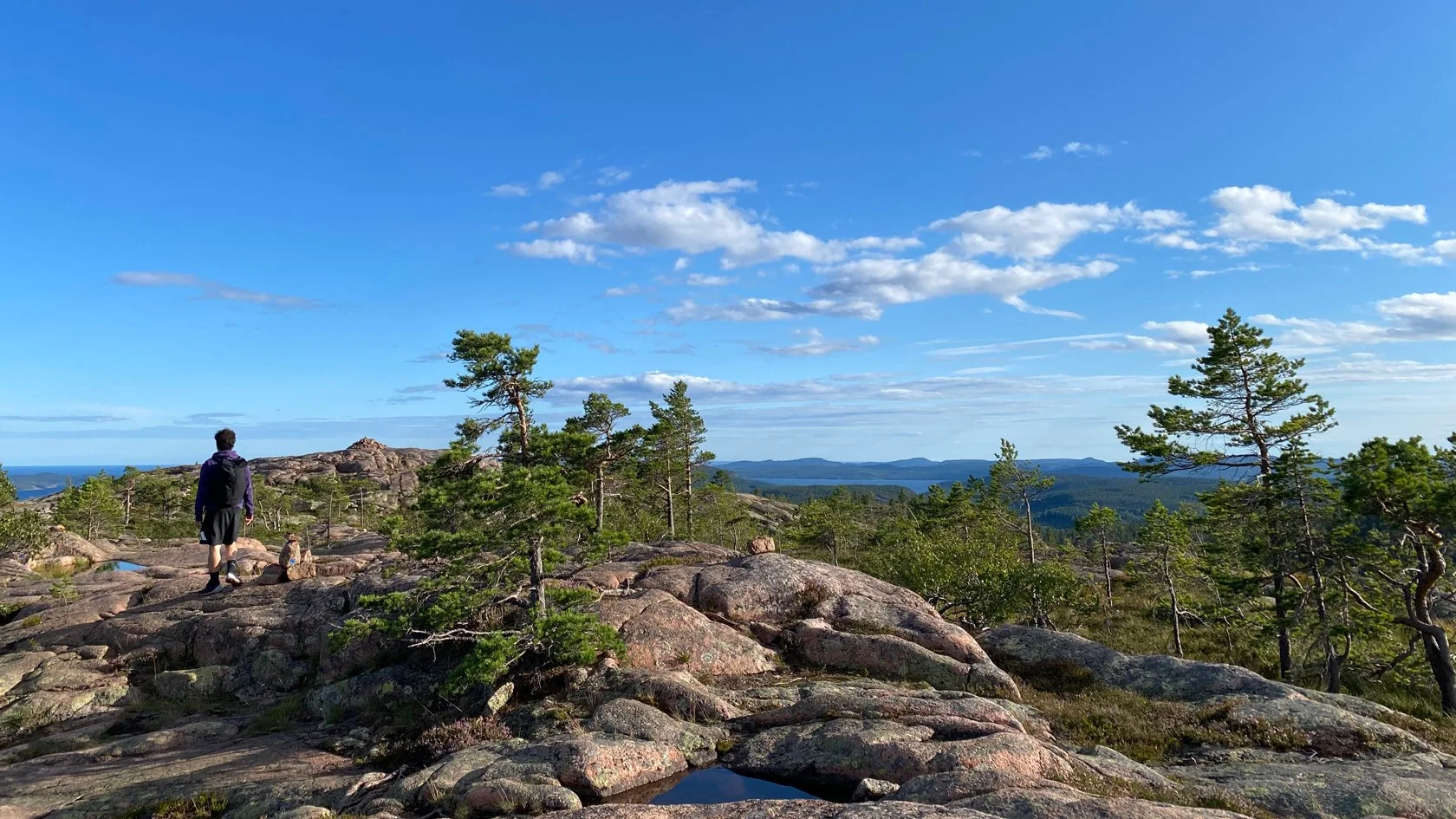
Höga Kustenleden runs through an UNESCO heritage landscape that keeps switching rooms: rocky pine forest, open cliffs, quiet coves, long views over the archipelago and its fjords and islands. You’re never far from water — and you’re never fully protected from wind. That’s part of the lesson.

I’m not writing this as a guru, or as a “proper” thru-hiker. I’m writing it as a host who watches hikers arrive, rest, dry their gear, and head back out again — and who has learned a few quiet things from this coastline.

Quick context (for first‑timers):

Höga Kustenleden is the long‑distance hiking trail through Sweden’s High Coast UNESCO World Heritage landscape. It runs south → north (from the Hornöberget area to Örnsköldsvik) and is usually hiked in sections. Because distances and stage numbering vary across sources, the safest reference is the official map.

Höga Kustenleden Map: https://www.naturkartan.se/sv/hogakustenleden

Tourism overview: https://www.hogakusten.com/en

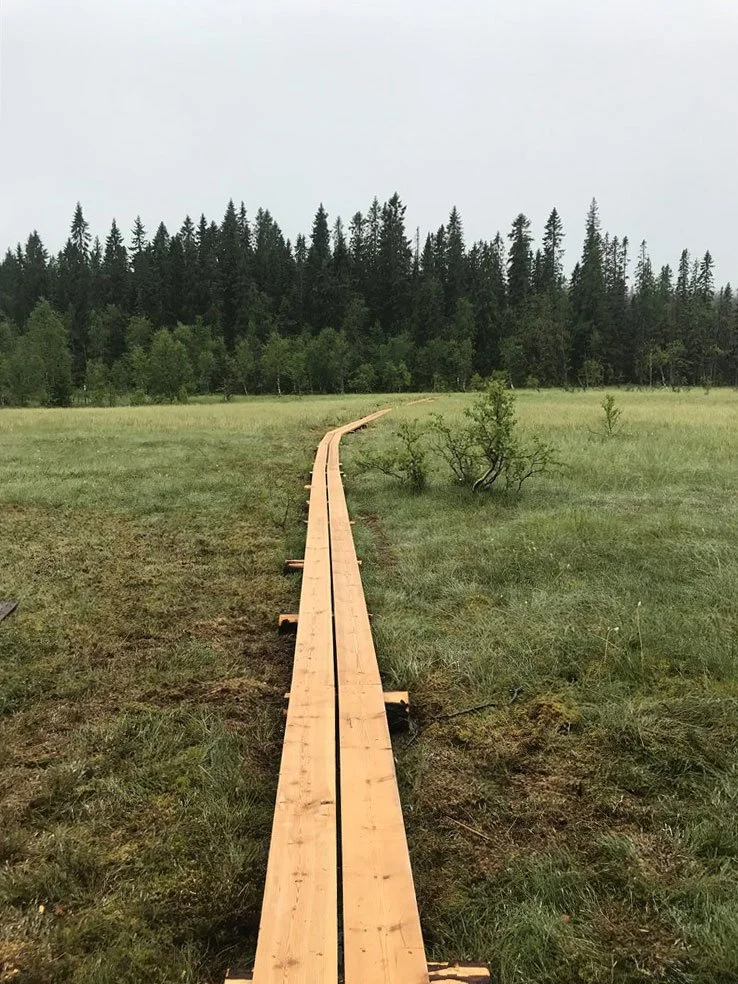
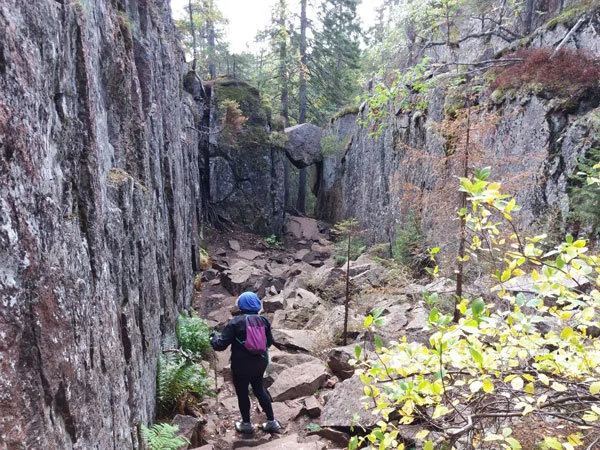
“Expect “more time than kilometers”: steep granite, roots, and short technical climbs”

If you’re planning from Docksta (without hero mode), this Base Camp map helps you choose day trips by time, energy, and weather:

https://dockstahavet.se/blog/hoga-kusten-map-day-trips-from-docksta


What Höga Kustenleden really feels like (in plain words)
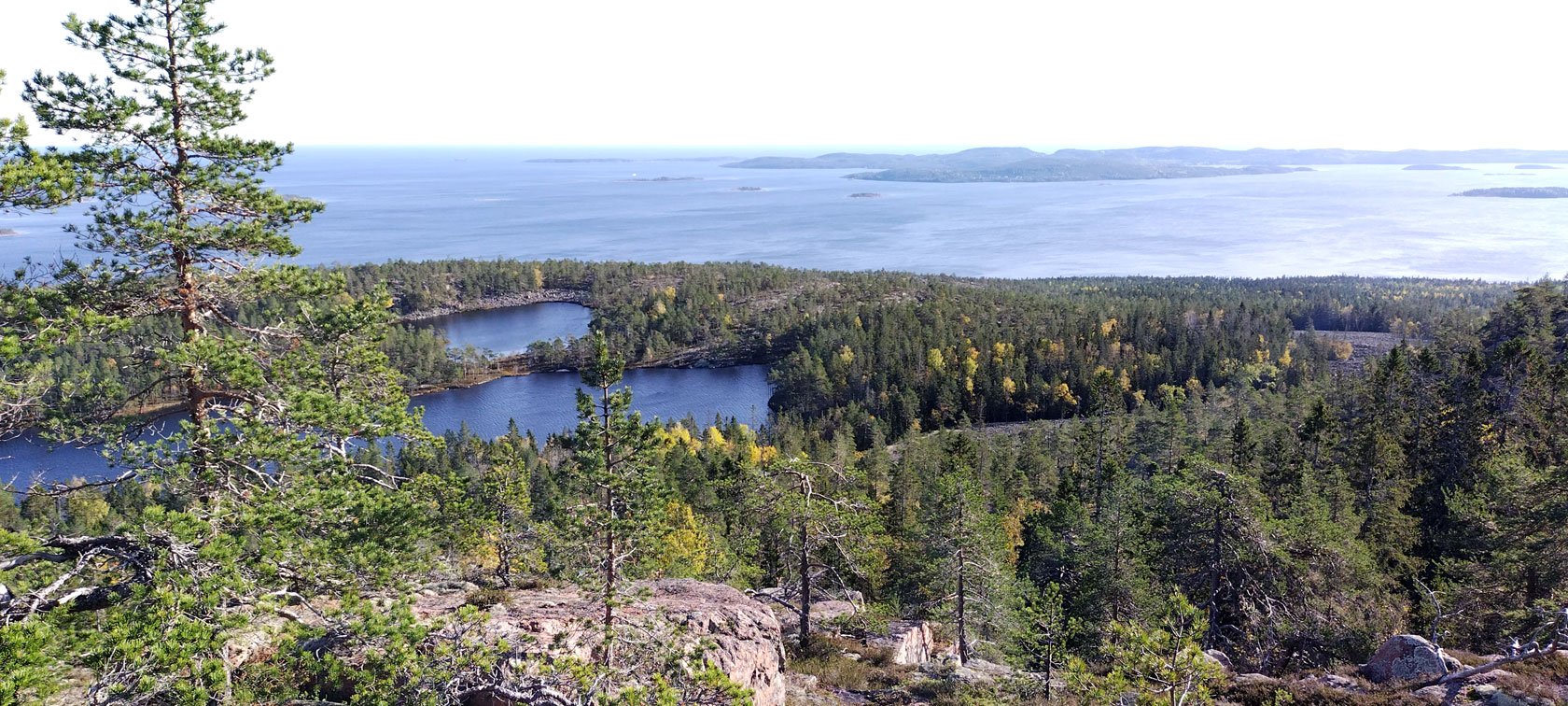
The High Coast of Sweden is not gentle, but it’s not harsh either. It’s honest.

Rock makes you slow down.
Wind edits your plan.
The sea and lakes keep showing up in the background, like a reminder to breathe.

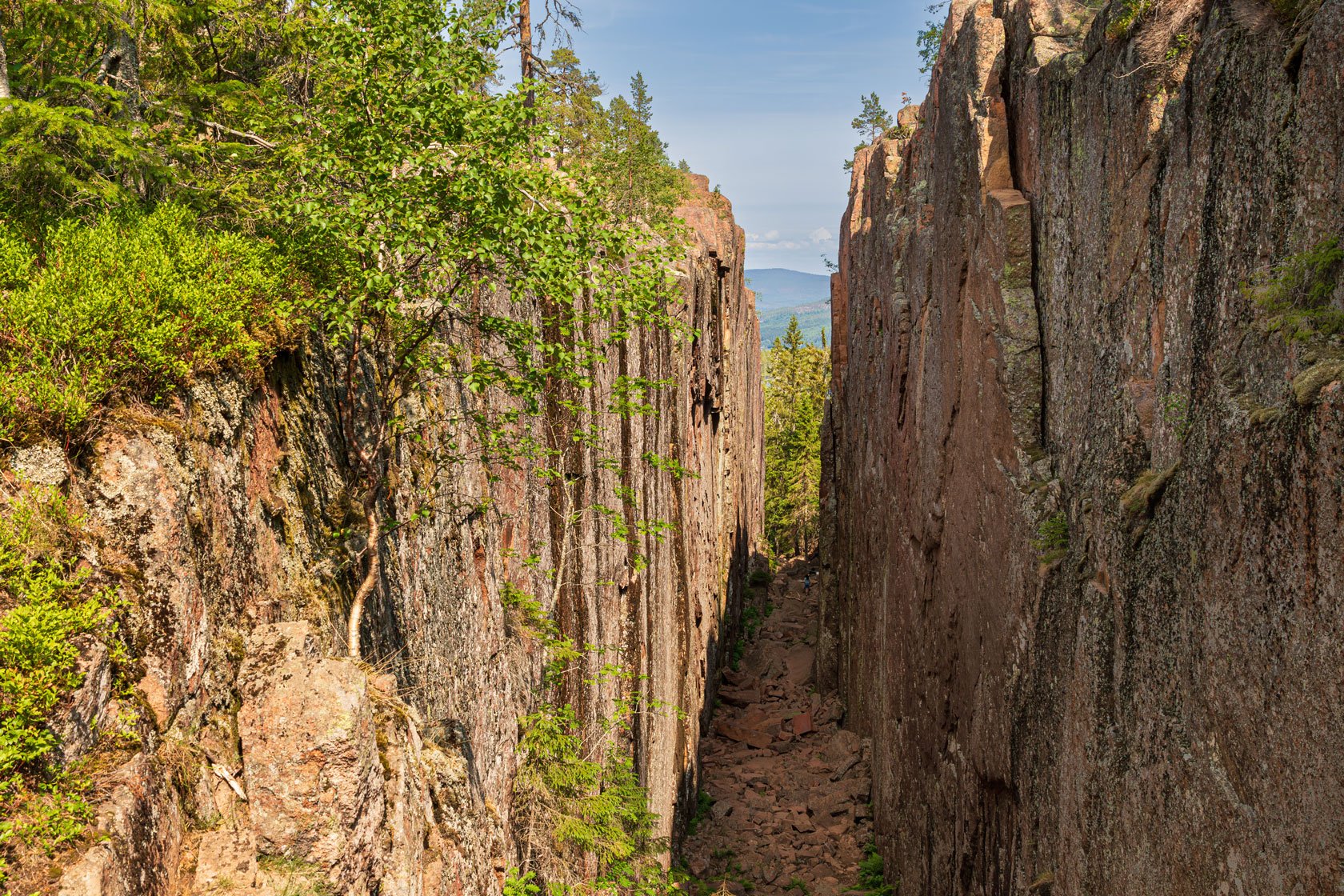
Some sections feel like a balcony over the water. Others feel like a corridor of trees and red granite stone. And then, suddenly, the view opens — and you realise you’ve been holding your breath for no reason.


A trail you can enter in small pieces (you don’t need to “do it all”)
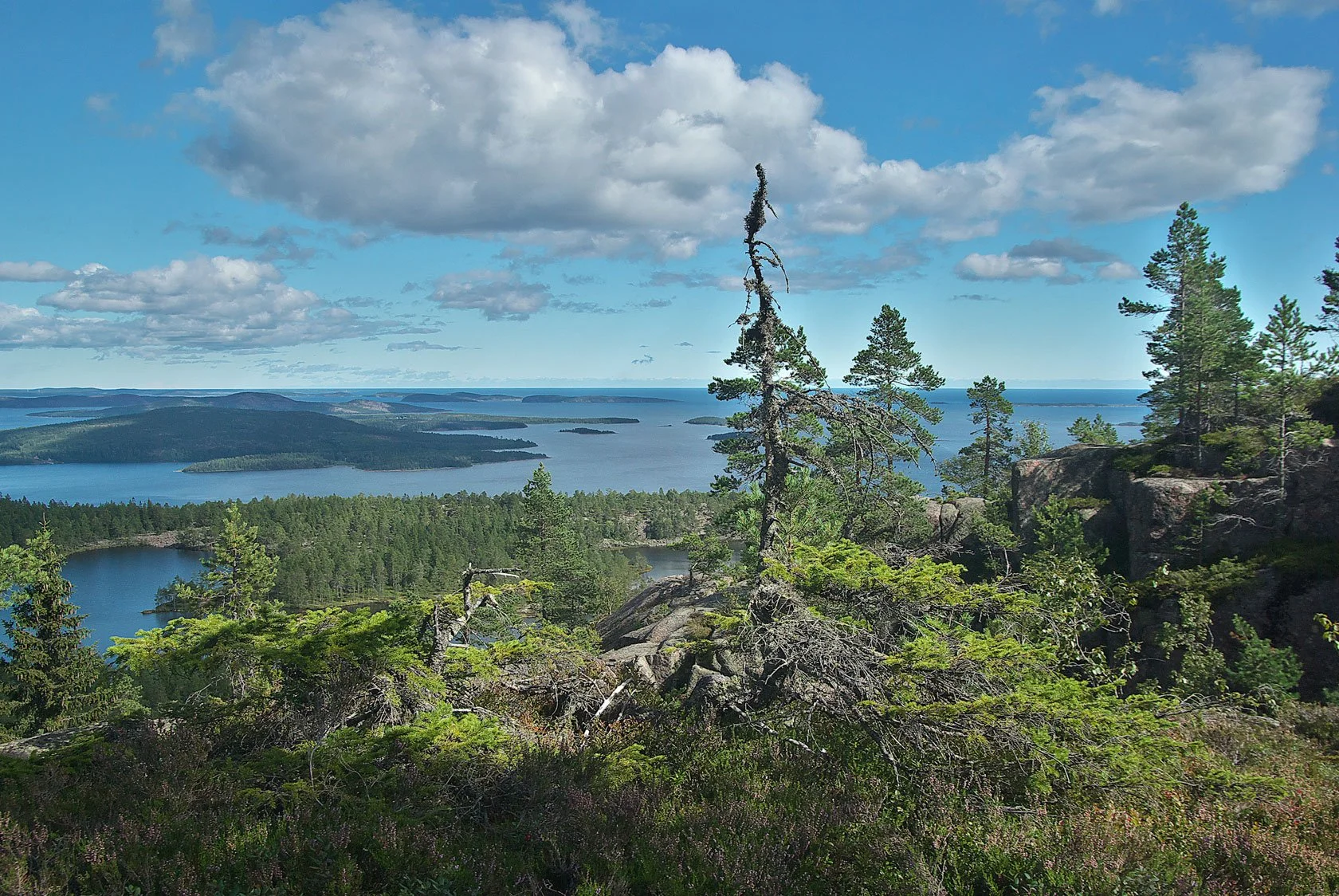
Yes, Höga Kustenleden is a long trail — the kind many hikers walk with a backpack.

But you don’t have to “complete” it to belong to it.

You can enter it in small pieces:

  • one section

  • one viewpoint

  • one honest day

  • one night of real sleep

  • and then another day, if you want

This is the opposite of hero mode. It’s the base-camp way of hiking: go out, come back, rest, go out again.


The “forest guest” mindset (a different kind of strength)
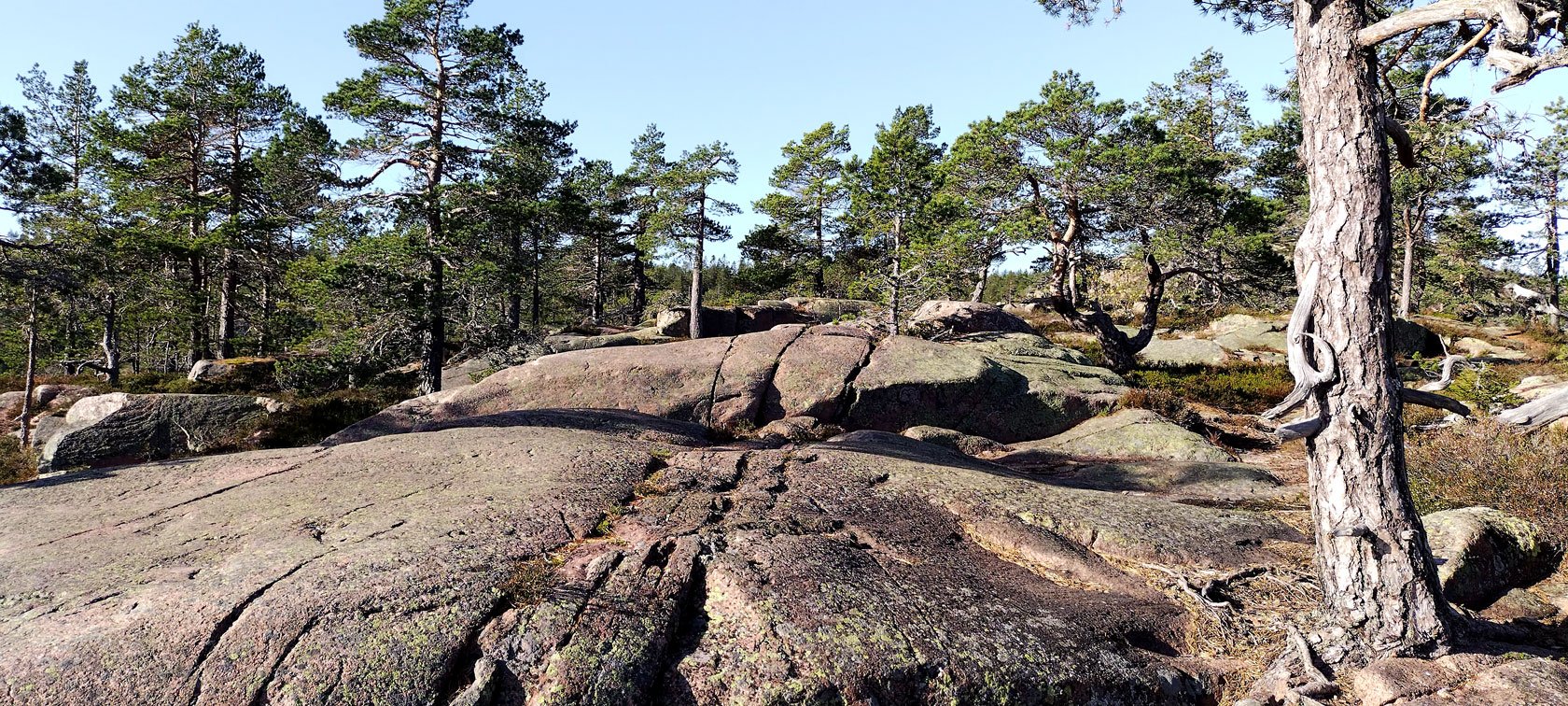
Out here, the strongest move is often the simplest one: a lighter grip on the schedule.

A forest guest doesn’t try to conquer the day.
A forest guest pays attention.

You notice where the rock is warm.
You feel when the wind shifts.
You stop before you’re exhausted.
You leave space — not as “wasted time”, but as recovery.

That’s not philosophy. That’s how you keep hiking tomorrow.


A day on the trail that counts (even if it looks small)

Here’s a day that counts — even if it looks small.

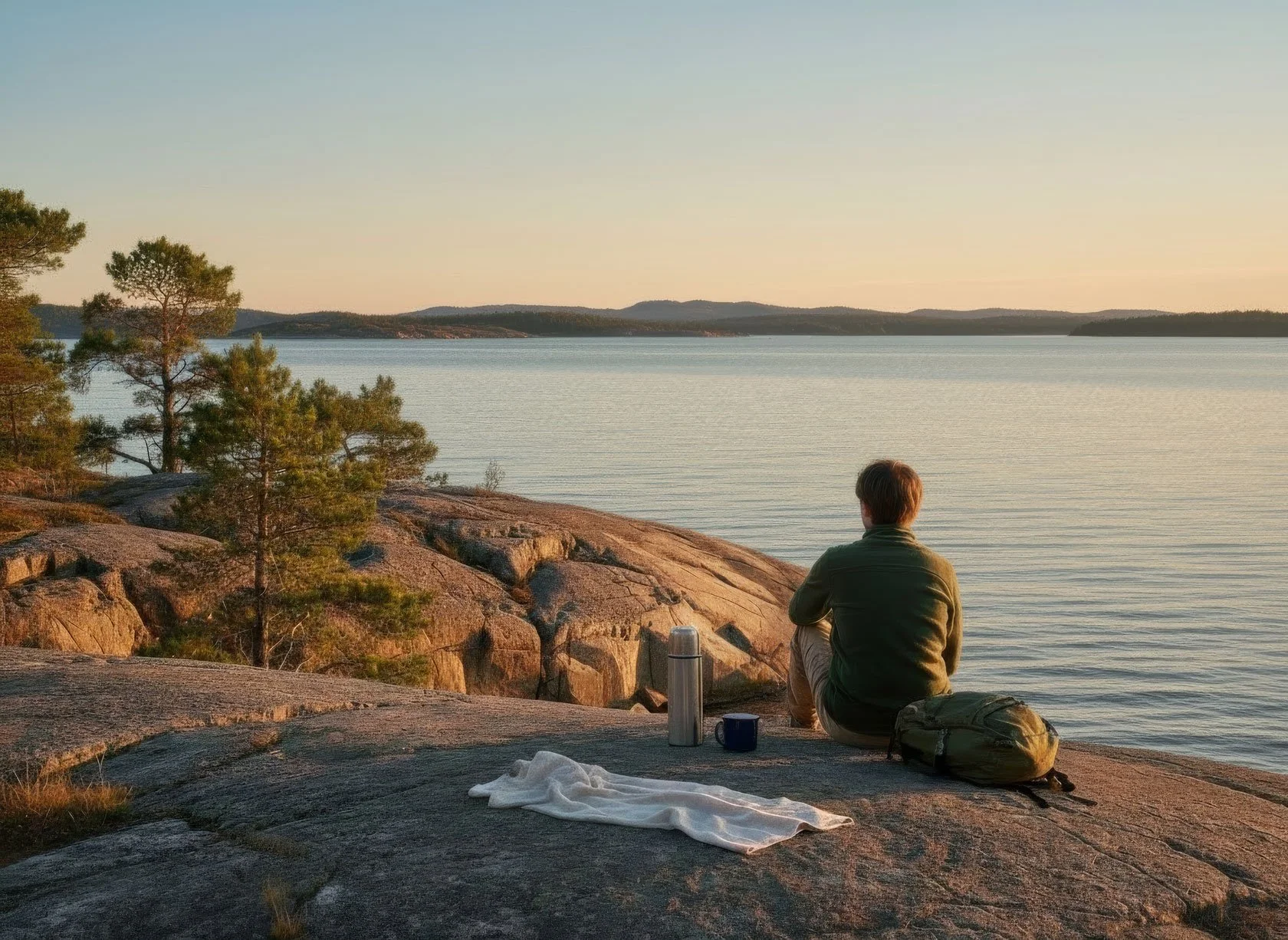
In the High Coast, hiking often starts with ordinary gestures: stepping outside before you’re fully “ready”, carrying a light layer because wind changes the story, bringing coffee in a thermos, and letting the landscape set the pace.

  • Morning (no heroics): a short hike while the air is still cool and the forest feels quiet.

  • Midday: lunch outside — simple food tastes better when you sit on a warm rock and watch the light move.

  • Afternoon: a swim if the weather is kind, or just a long pause by the fjord with your feet in the water.

  • Evening: a slow walk when the light goes soft and refuses to leave.

And somewhere in the middle, if you want a deeper reset without making it a “thing”: step under the pines for 20 minutes, breathe, and let your nervous system catch up with your body.

Seasonal note: in June/July the light can feel endless (beautiful, but it can also trick your sleep). From mid‑August, nights become more like nights again — deeper rest, more colourful sunsets, and in the High Coast the first auroras can start showing up on the right evenings.


Where a base camp becomes a partner (not a “service”)
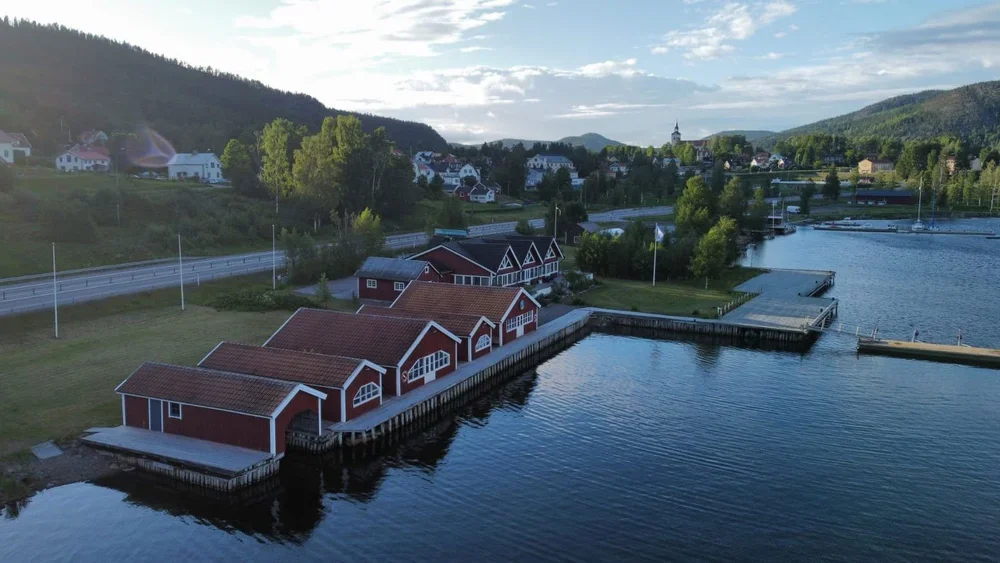
Long trails are not only about moving. They’re also about landing.

A good base camp is not there to make the hike “easy”.
It’s there to make it sustainable.

A place where you can:

  • sleep deeply

  • dry your gear

  • take a real shower

  • eat something simple

  • and start again without friction

That’s what many hikers are actually looking for: not luxury, not hardship — just a calm, flexible landing spot between days.


Practical planning notes (three doors into Höga Kustenleden from Docksta)

If you want a practical way in — without turning the trail into a checklist — here are three nearby segments/spots I often point guests to. Think of them as three doors into Höga Kustenleden: each one gives you a real taste of the landscape, without requiring “hero mode”.

1) Per Olsbo wind shelter (the quiet trail culture stop)

This is one of those simple places that feels like a reward: a roof over your head, a guest book, the feeling of being inside the trail culture. It’s approachable, calm, and perfect for a half‑day with a proper pause.


2) Predikstolen (Getsvedjeberget) — short, steep, worth the attention

Predikstolen is one of the most photographed viewpoints in the High Coast — and yes, the panorama really is special. Just one honest note: the final segment is short but steep and a bit technical, both up and down. It’s doable for many people, but it rewards a steady pace, good grip, and a calm head (especially if it’s wet or windy).

Predikstolen Viewpoint (Getsvedjeberget) — what to expect
https://dockstahavet.se/outdoor-gear-rental-hoga-kusten/guides-stories/predikstolen-viewpoint-getsvedjeberget-what-to-expect


3) Skuleberget summit — the iconic climb, close enough to feel “local”
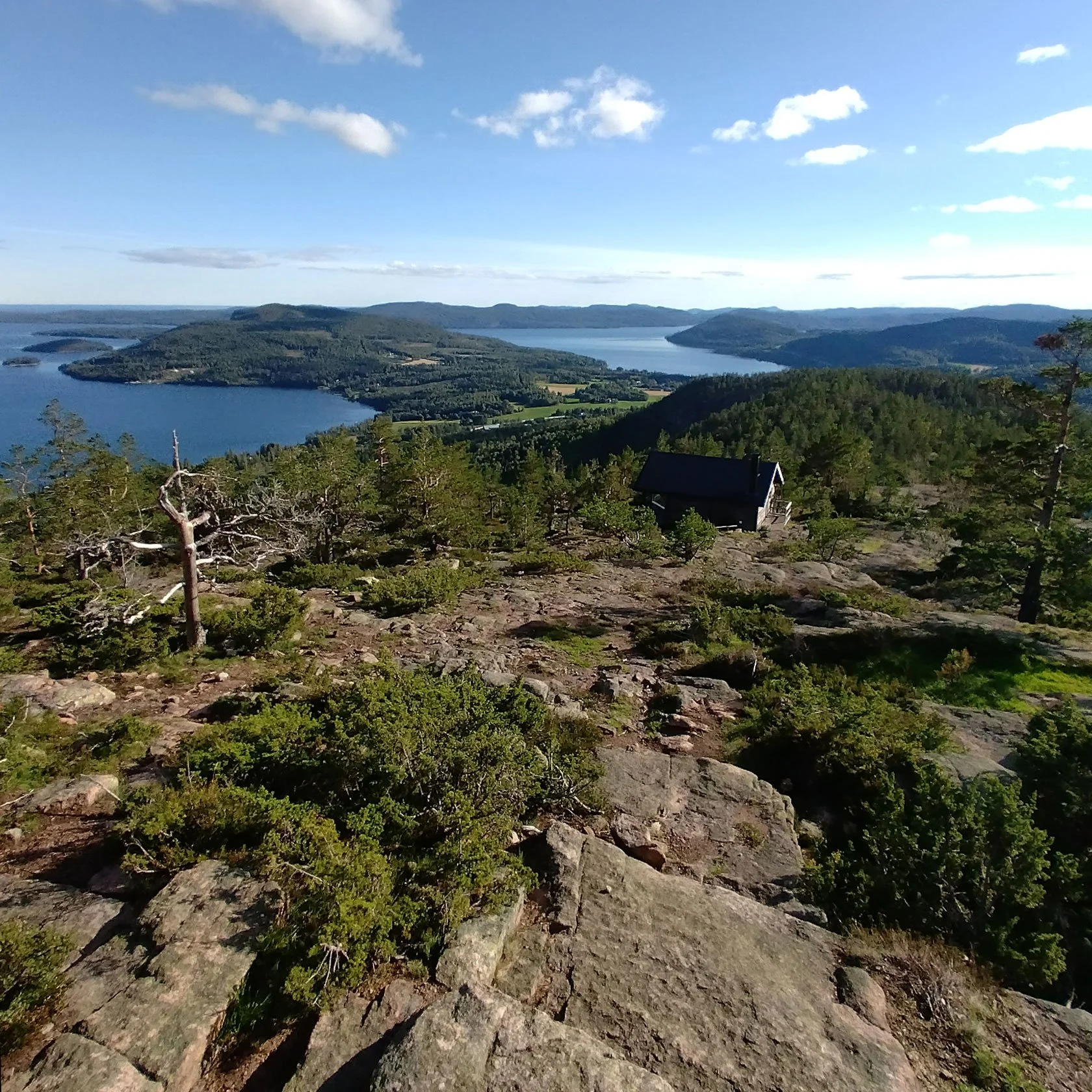
Skuleberget is the classic High Coast mountain day — and the best part is that it’s close. From Docksta, you can reach the foot of the mountain in under 2 km, and then choose a route that fits your legs and the weather. The summit gives you that “balcony over the fjords” feeling — and the descent on Höga Kusten Stigen is pure light and sea‑view rhythm.

Hike at the Skuleberget Mount along the Höga Kusten Stigen
https://dockstahavet.se/blog/explore-the-hoga-kusten/hike-at-the-skuleberget
 

Optional: the island extension (Ulvönleden)

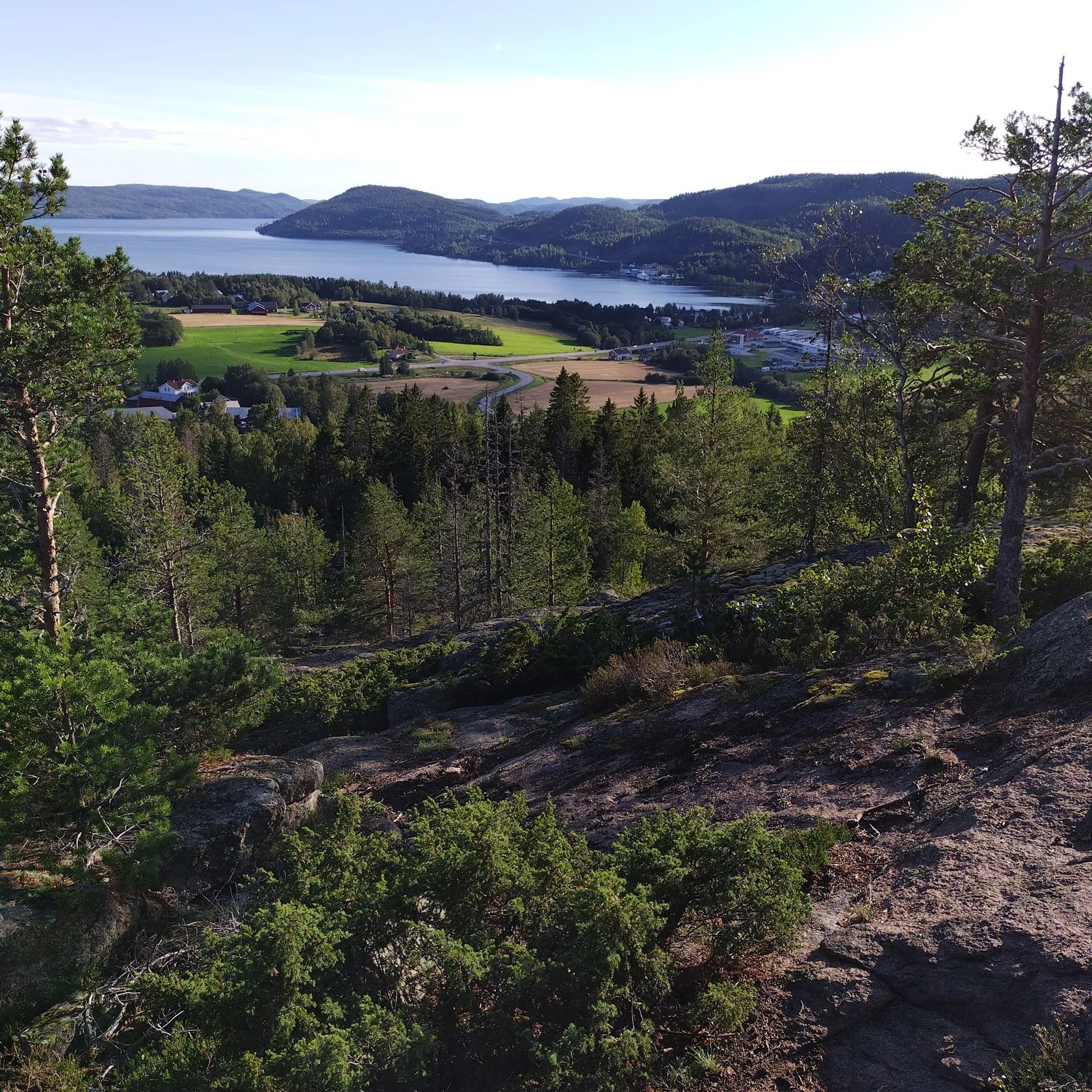
If you want a different kind of trail day — one with ferry rhythm, sea air, and an island mood — Ulvönleden is a beautiful extension to keep in mind.

Ulvöleden Trail Guide
https://dockstahavet.se/blog/ulvoleden-trail-guide


Optional: a simple packing list (day hikes, High Coast reality)

If you want a practical checklist (layers, water, rock‑friendly shoes), I keep it here:

Basic tips to get ready for your day hike (or run) on High Coast paths:
https://dockstahavet.se/blog/explore-hoga-kusten/get-ready-your-day-hike


A quiet ending

You don’t need to be a “real hiker” to walk Höga Kustenleden.

You just need one day where you move with respect — for the landscape, for your body, and for the fact that wind and rock will always have the final word.

From here you’ve got two easy doors:

  • DIY door: pick one of the three segments above, pack light, go slow, come back and rest.

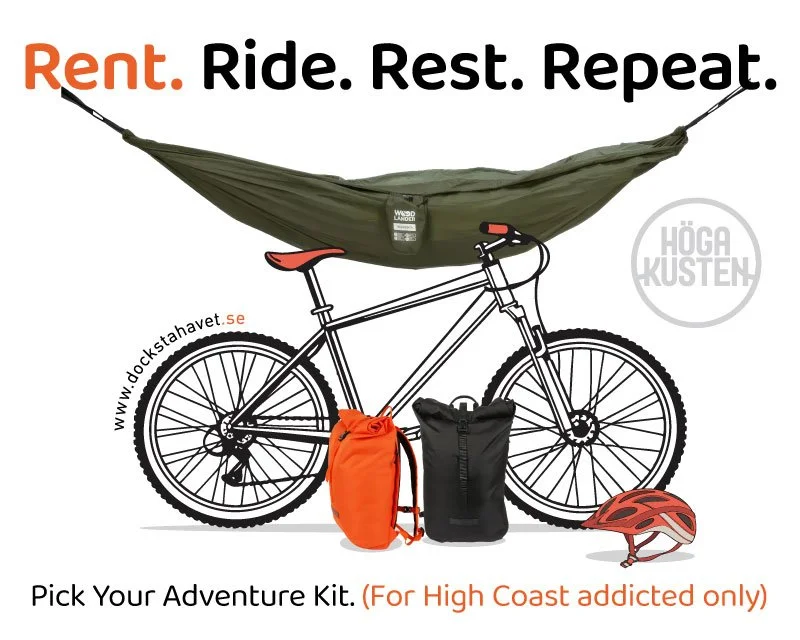
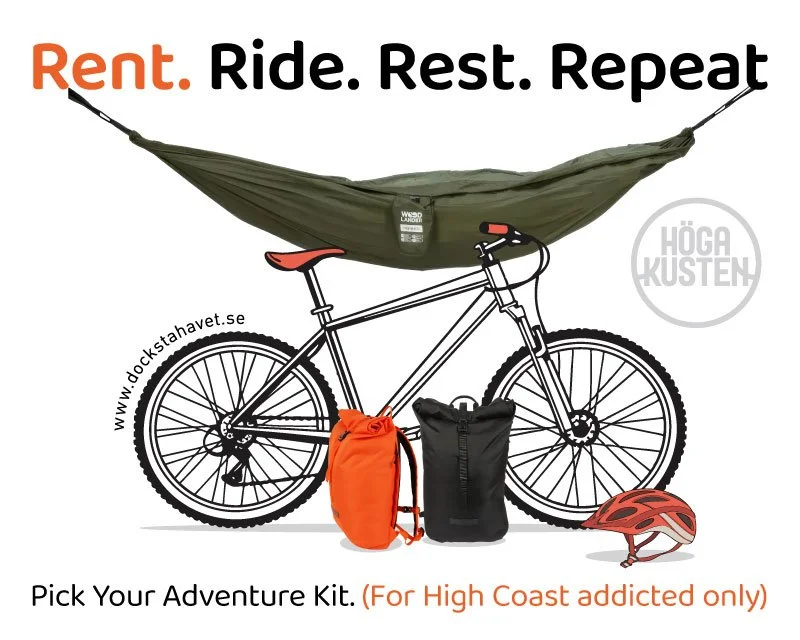
  • Grab&Go door: if you arrive without gear (or without the will to plan), start bike-first and let me set you up with a daypack + the essentials — hammock kit optional, depending on your mood.

Either way: no hero mode required. Just attention.

Light soul. Tiny rucksack. One section at a time.


Tommaso De Rosa

I host hikers and sailors at Docksta Havet, right where the High Coast trail culture passes through: people arrive, dry their gear, sleep deeply, and head out again. Over the years—also as a trail runner—I’ve learned the High Coast the slow way: one section at a time, in all kinds of wind, rock, and light. That’s why I write these notes the way I do: practical, calm, and meant for real days (not hero stories).

If you’re staying in our waterfront marina lodgings (Airbnb) and you want a simple recommendation—which section fits your time, your legs, and the kind of day you’re after—message me via Airbnb chat (from my host profile). I’ll point you to one good “door” into the trail, and a base-camp rhythm that makes it sustainable.

_Tommaso

If you prefer, you can also reach me on WhatsApp: +46 76 313 6909.

P.S. If you’re not sure where to start, scroll back to the three doors into Höga Kustenleden from Docksta—choose one, and let that be enough for today.


Below you’ll find our Hiking posts:

destinations, trail guides, and local advice
Bike Rental in Docksta (High Coast): 3 Bike + Hike Plans (Few Hours to Full Day)

3 MTB-first plans where the bike is part of the adventure (not just transport)

Rent an MTB in Docksta (High Coast) and choose one of three bike + hike outings: Vårdkallberget, Skuleskogen National Park, or Nätra Fjällskog. Map + local tips.

Looking for bike rental in Docksta (Höga Kusten)?

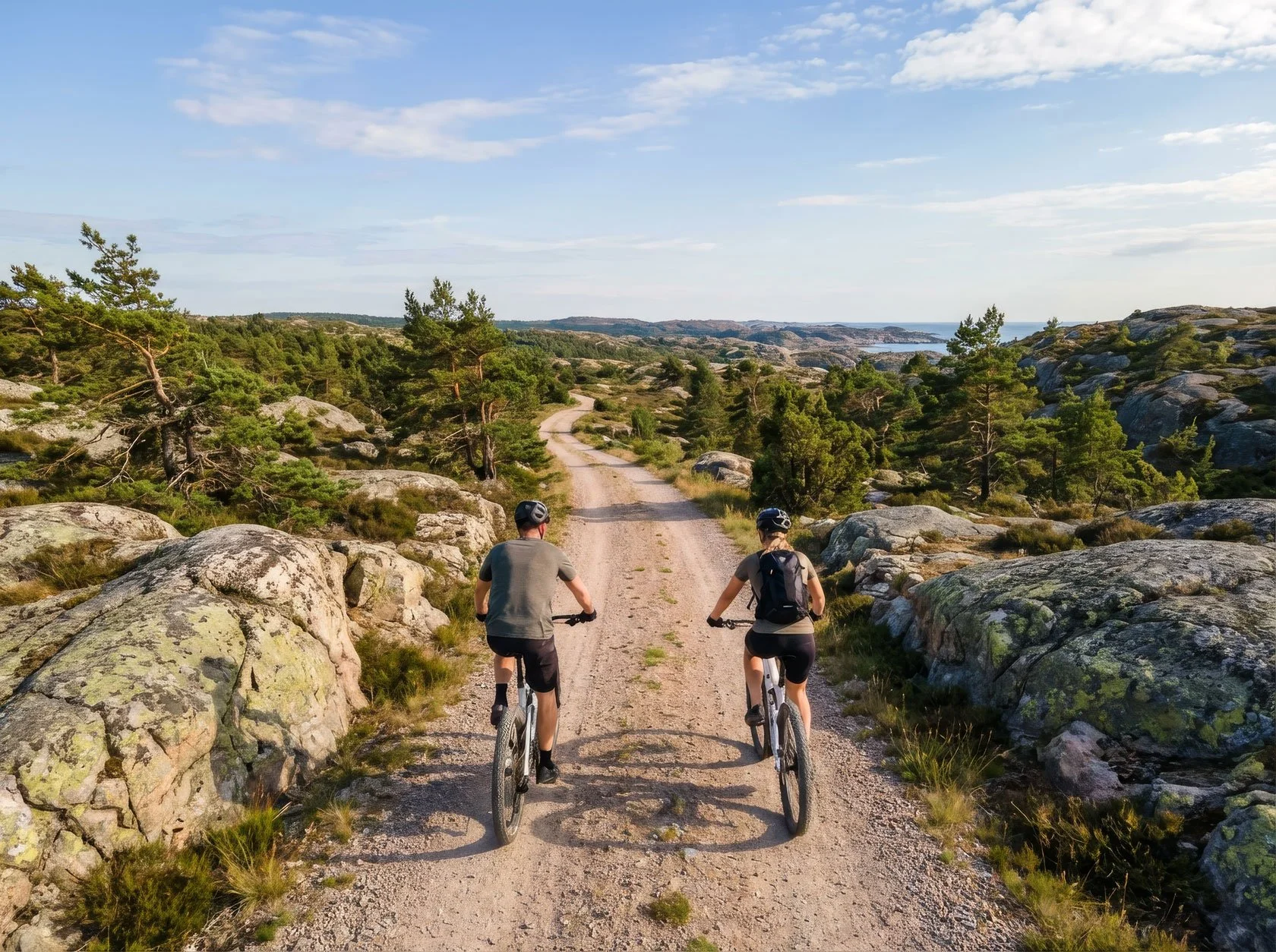
If you're searching for bike rental in Docksta (Höga Kusten / the High Coast), this is the simplest way to use an MTB here: ride from the marina to a trailhead, hike one focused section, then roll back by sea and forest without overplanning, and without spending the whole day in transit.

It's simple, but it's real.

Some people arrive in Docksta with a plan. Most don't.

They arrive with a car full of road-trip momentum, or a backpack that's a little too light, and the same quiet question:

"We want one real High Coast moment… but we want to keep it simple."

I'm Tommaso, and I run Docksta Havet Base Camp — right by the sea, right where the mountain-and-trail world begins. Grab&Go is our simple MTB + outdoor gear rental (plus local advice that keeps your day light).

This post is a practical menu: three MTB-first plans you can start from Docksta in 3–4 hours (or stretch into a full day if you want).


Quick facts (so you can decide fast)

Time window: 3–4 hours (Vårdkallberget) • 4–7 hours (Skuleskogen, depending on loop) • 5–8 hours (Nätra, big legs)

Best for: travelers without gear, short stays, "one good outing" days

Bike: MTB (gravel ready)

Terrain: mixed road + gravel sections (cycling) + trails (hiking)

What to bring: water, wind layer, snack, shoes you trust (optional: a hammock)

Best timing: mornings for the longer outings — but late afternoon/evening in early summer can be magic (the light is the main character)


Bike-to-trailhead distances (from Docksta Havet marina):

  • Vårdkallberget: ~4 km

  • Skuleskogen National Park: ~10 km

  • Nätra Fjällskog: ~15 km

If you're unsure what's realistic today, it's best to ask me first — weather and legs matter more than maps

Want the "pin" version? Save our Docksta Havet Google Map with trailheads, viewpoints, and small practical stops: https://www.google.com/mymaps/viewer?mid=1U9WYmvt_VKFYZR2coP_935KNA5f2NxI&hl=en


A small note (because this matters)

The bike isn't just a cool alternative to the car.

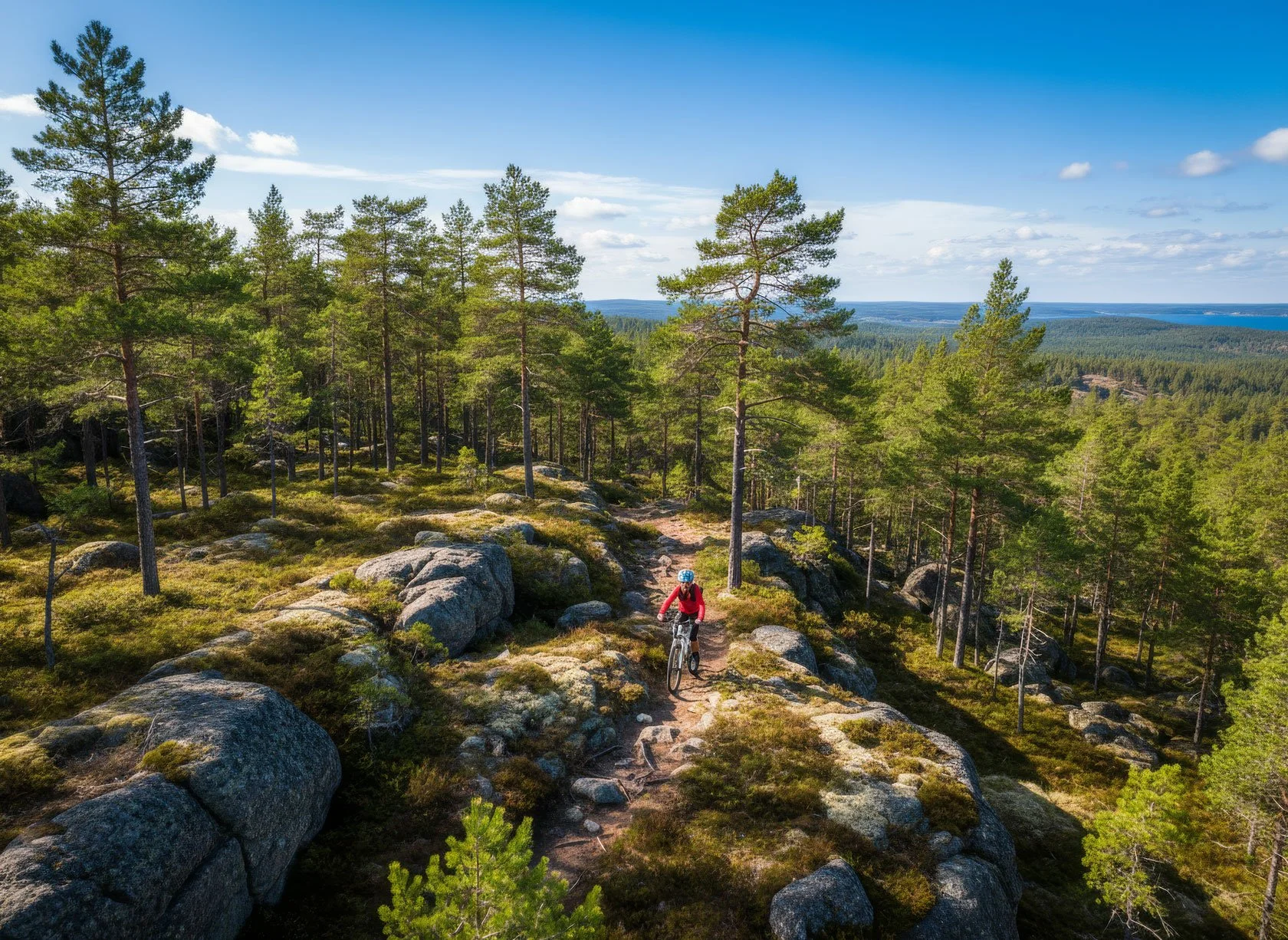
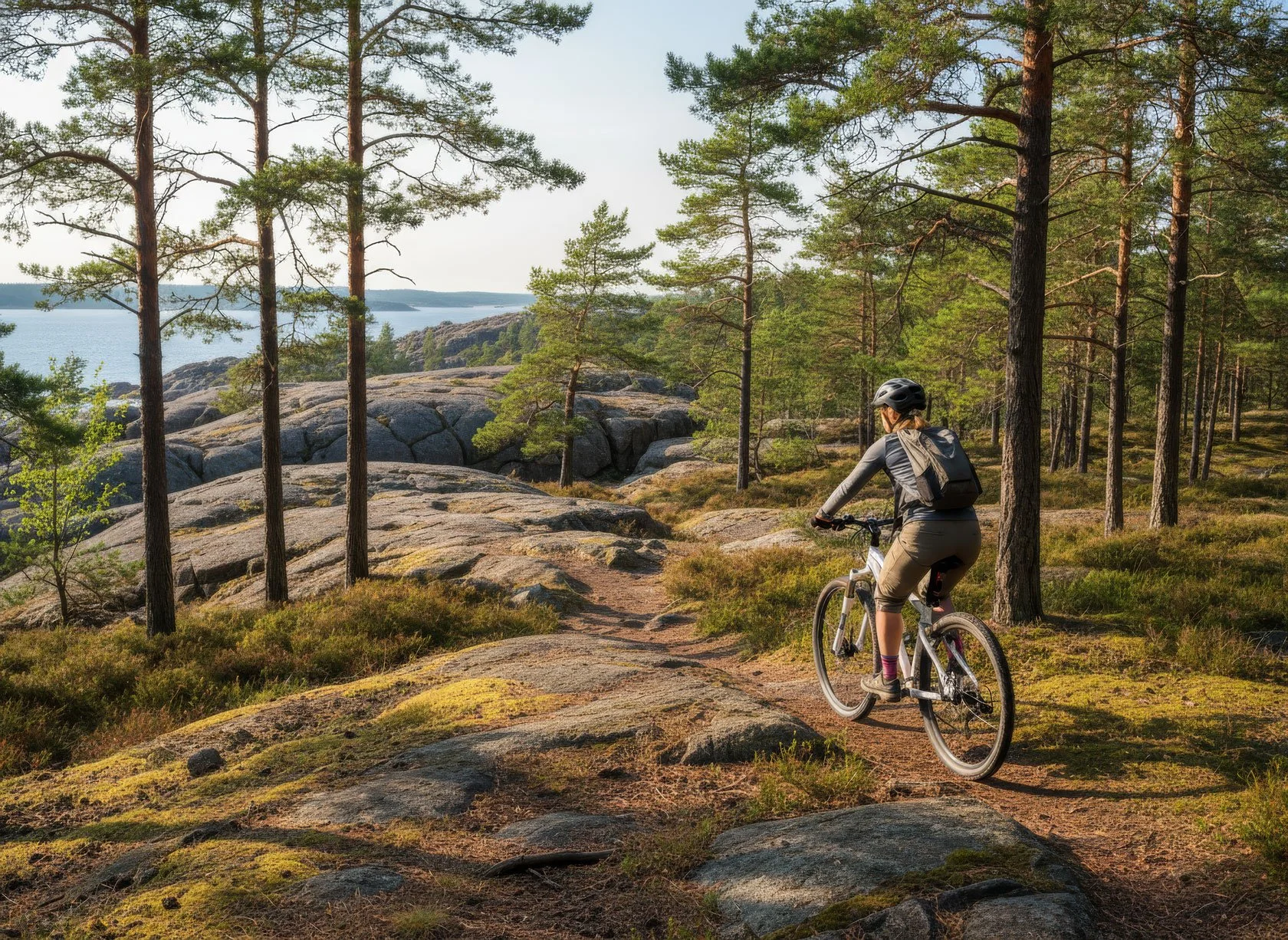
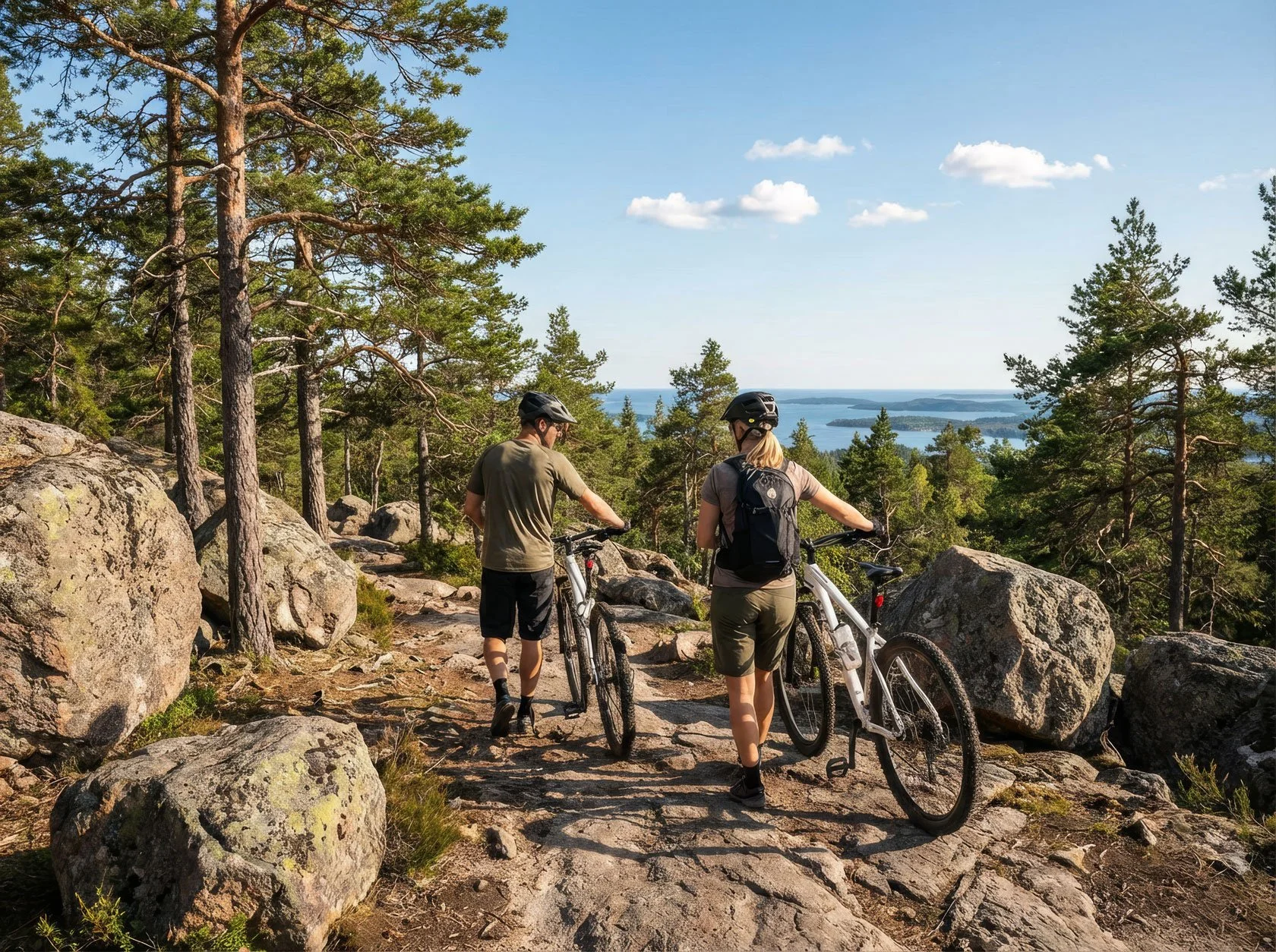
Here, riding is part of the High Coast experience: you cross a beautiful territory between forests and sea, roll over green ridges, mix gravel stretches and quiet roads — and you arrive at the trailhead already inside the landscape. These plans are bike + hike by design: the MTB gets you there, and the walk gives you the "High Coast moment".


Option 1 (⭐ Easy): Vårdkallberget — a very local secret, off the beaten track

Vårdkallberget is one of those "why didn't we do this earlier?" spots. It's close, it's quietly epic, and it gives you that real High Coast feeling — rock, pine, sea air — without committing to a full-day mission.

Why it works: easy from Docksta, big archipelago views, and a wild rocky forest that still feels like a local secret.

A gentle rhythm:

  • Bike out from Docksta

  • Short hike + viewpoint moment at the summit & the "He" wind shelter (Arknat)

  • Roll back for a swim, espresso, or a slow evening

If you want the simplest version (with the smoothest timing), here's the quick guide:

Resources: Browse the guide: Vårdkallberget — easy bike + hammock pause

Extra (if you want a deeper "wild High Coast" story): A wild hike on the High Coast


Option 2 (⭐⭐ Medium): Skuleskogen National Park — the wild heart of the High Coast World Heritage area

Skuleskogen is where you feel how ancient the High Coast is: old forest, red granite, and quiet bays. If you have medium legs and you want a day that feels truly out there, this is it.

Why it works: it's a must‑have national park day — and it can stay very doable if you choose the right loop/section and keep the plan simple.

A clean approach:

  • Bike out with a simple route (I'll suggest the smoothest start)

  • Do one focused trail section (forest + coastline)

  • Roll back before you're cooked

If you want the best trail choice inside the park (without overplanning), start here:

Resources: Read this post: Hiking in Skuleskogen • Browse the guide: Skuleskogen bike-first day plan


Option 3 (⭐⭐⭐ Big legs): Nätra Fjällskog — where the High Coast reveals itself to those who go deeper

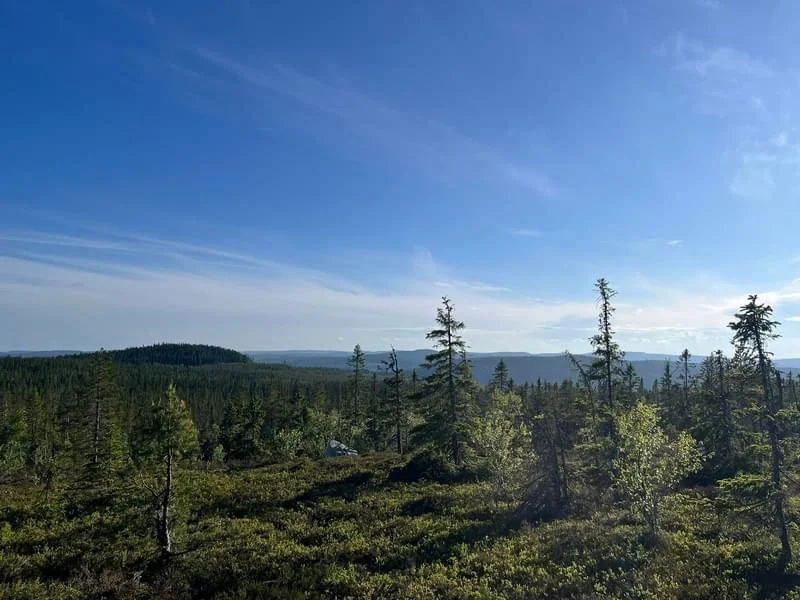
If you've already done the classic highlights — or you simply want true space — explore the quieter side: forested ridges above the coastline, with that big‑north feeling most visitors are never introduced to.

Nätra Fjällskog is the "big legs" choice: more solitude, more trail time, and zero crowd energy. It's the kind of day that makes people say: "Ok… now we're really in the true north."

A good way to do it:

  • Bike out early-ish

  • Keep the plan simple (one main objective)

  • Bring a wind/rain layer and proper fuel — you'll need the energy for this one

If you want space and silence (and a plan that stays clean), this is the one:

Resources: Browse the guide: Nätra Fjällskog — a day of moss, silence and space


Want to keep it frictionless? Grab&Go (MTB + small essentials)

Grab&Go is built for travelers who arrive light.

You can rent:

  • MTB rental (road + gravel ready)

  • Daypack (50 SEK/day)

  • Hammock kit (75 SEK/day)

  • Perfect Forest Day Kit (MTB + daypack + hammock): 250 SEK/day

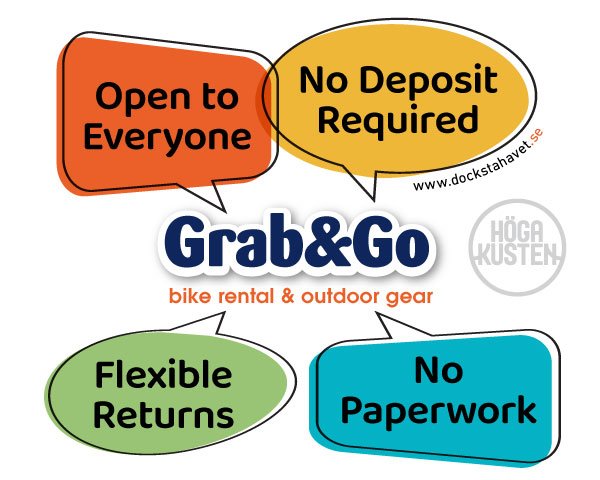
No deposit. No paperwork. Most days, walk-ins work — but if you're visiting during peak dates or events, it's best to ask me first.

Full details:

Grab&Go overview: https://dockstahavet.se/outdoor-gear-rental-hoga-kusten

Pricing & booking: https://dockstahavet.se/outdoor-gear-rental-hoga-kusten/pricing-booking


Want more ideas (without the overwhelm)?


Free High Coast mini-guides (5 languages)

One more thing that helps (especially for first‑timers): I've put together free web-based High Coast mini-guides in 5 languages. No download, no payment — just open and start planning.

Free mini-guides (5 languages): English → | Svenska → | Deutsch → | Suomi → | Italiano →


A small closing note

These rides aren't about "doing the High Coast". They're about entering it.

Bike out, hike one honest section, come back salty and calm — and you'll understand why Docksta is a base camp, not just a dot on the map.

Want me to pick the cleanest plan for today?

Send: hours + legs + mood → I’ll suggest one route that matches the weather and your energy.

Email: dockstahavet@gmail.com


🇸🇪 Kort på svenska

Det här inlägget är en enkel meny för dig som vill uppleva Höga Kusten utan att krångla. Från Docksta kan du med MTB nå fina utsikter och skogsstigar på 2–4 timmar (easy/medium/big legs). Behöver du utrustning? Grab&Go är vår enkla uthyrning av MTB, dagsryggsäck och hängmatte-kit. Skriv gärna till mig först så tipsar jag om den smidigaste rutten för just din dag.

🇫🇮 Lyhyt suomeksi

Tämä postaus on selkeä valikko sinulle, joka haluat kokea Korkean Rannikon (Höga Kusten) ilman turhaa säätöä. Dockstasta pääset maastopyörällä hienoille reiteille 2–4 tunnissa (easy/medium/big legs). Jos matkustat kevyellä varustuksella, Grab&Go-vuokrauksesta saat maastopyörän, päivärepun ja riippumattosetin. Lähetä minulle viesti ensin, niin suosittelen helpoimman suunnitelman sään ja energiatason mukaan.


Grab&Go suggestions: WHERE TO RIDE

Skuleskogen Nationalpark (Hochküste): Eingänge, die ikonische Runde und ein Tagesplan, der einfach funktioniert

Skuleskogen Nationalpark (High Coast): Premium‑Tageswanderung — Eingänge, Route & Bike+Hike Option

Plane einen perfekten „Wow‑Tag“ im Skuleskogen Nationalpark. Klare Wahl des Eingangs, Toiletten‑Infos, Packliste und eine Schritt‑für‑Schritt‑Runde zur Slåttdalsskrevan, zu Seen — und mit einem Strand‑Finale.

Skuleskogen ist nicht „einfach nur eine Wanderung“. Es ist wie ein lebendiges Geografie‑Buch: Wald, Granit und Meer treffen hier so direkt aufeinander, wie man es in Europa kaum kennt. Berge, die scheinbar direkt aus der Ostsee aufsteigen, alte Täler, glatte Felsplatten, die von Wellen geformt wurden — und überall die Spuren der Landschaft, die sich noch immer aus dem Wasser hebt.

Dieser Guide ist für deutsche Reisende gedacht, die Skuleskogen wirklich erleben wollen: mit klarer Logistik, einer empfohlenen Tagesroute und den kleinen Details, die den Tag leicht machen.

Vom Steg in Docksta spürt man fast, wie einen die Hochküste ins Landesinnere zieht. Gäste kommen mit dem Segelboot, mit Auto oder Motorrad, manchmal mit dem Bus — oder zu Fuß auf dem Höga Kustenleden. Und innerhalb eines Tages fällt fast immer derselbe Name: Skuleskogen.

Gerade bei unseren deutschen Gästen steht der Park fast immer ganz oben auf der Liste. Und ich verstehe das: Du willst einen „Wow‑Tag“, der nicht gehetzt ist, nicht improvisiert — und nicht nur aus einem Screenshot einer Wanderkarte besteht.

Darum habe ich diesen Guide geschrieben: die richtigen Eingänge, eine ikonische Runde und ein Tagesplan, der sich einfach gut anfühlt.

Für wen dieser Guide ist

Dieser Guide passt zu dir, wenn du:

  • als Paar an der Höga Kusten / High Coast mit dem Auto unterwegs bist und einen richtig guten Natur‑Tag suchst

  • gerne wanderst und eine saubere Tagesroute willst (nicht nur eine Liste von Spots)

  • mit dem Boot an der Hochküste ankommst und einen Nationalpark‑Tag von deinem „Base Camp“ aus planst

Der Fokus liegt auf Tagesgästen, die einen klaren Plan wollen — und trotzdem ein tiefes Erlebnis.


Skuleskogen in einer Minute: Was ihn so besonders macht

Der Skuleskogen Nationalpark liegt in der UNESCO‑Welterbe‑Landschaft der High Coast — bekannt für die Landhebung nach der Eiszeit, dramatische Küstengeologie und das direkte Nebeneinander von tiefem Meer und hohen Inseln.

Was du hier spürst:

  • Weite: Wald und Meer im selben Atemzug

  • Textur: roter Granit, glatte Felsplatten, Stege, Moos und Seen

  • Zeit: Geologie sichtbar — nicht im Museum versteckt

Wenn du an der Hochküste nur Zeit für einen Nationalpark‑Tag hast: Skuleskogen ist der richtige.


Die „Logik“ des Parks: Eingänge und wie du den richtigen wählst

Skuleskogen hat drei Haupteingänge: Süd, West und Nord. Den richtigen Eingang zu wählen ist schon die halbe Erfahrung.

Süd (Entré Syd)

  • Der schnellste Zugang zu den bekanntesten Highlights

  • Ideal für Erstbesucher, die die ikonische Route wollen

  • Beste Wahl, wenn du in Docksta wohnst und die Klassiker ohne Reibung erleben willst

West (Entré Väst)

  • Am zugänglichsten, wenn du aus dem Norden kommst und mit dem Bus anreist

  • Gut, wenn du tiefer in den Park willst (inkl. Option auf längere Tour / Hütten‑Übernachtung)

Nord (Entré Nord)

  • Ruhiger, „waldiger“, einfache Infrastruktur

  • Natürlich, wenn du den Höga Kustenleden (Nord–Süd) durch diese Gegend wanderst


Das Signature‑Erlebnis: Slåttdalsskrevan + Slåttdalsberget

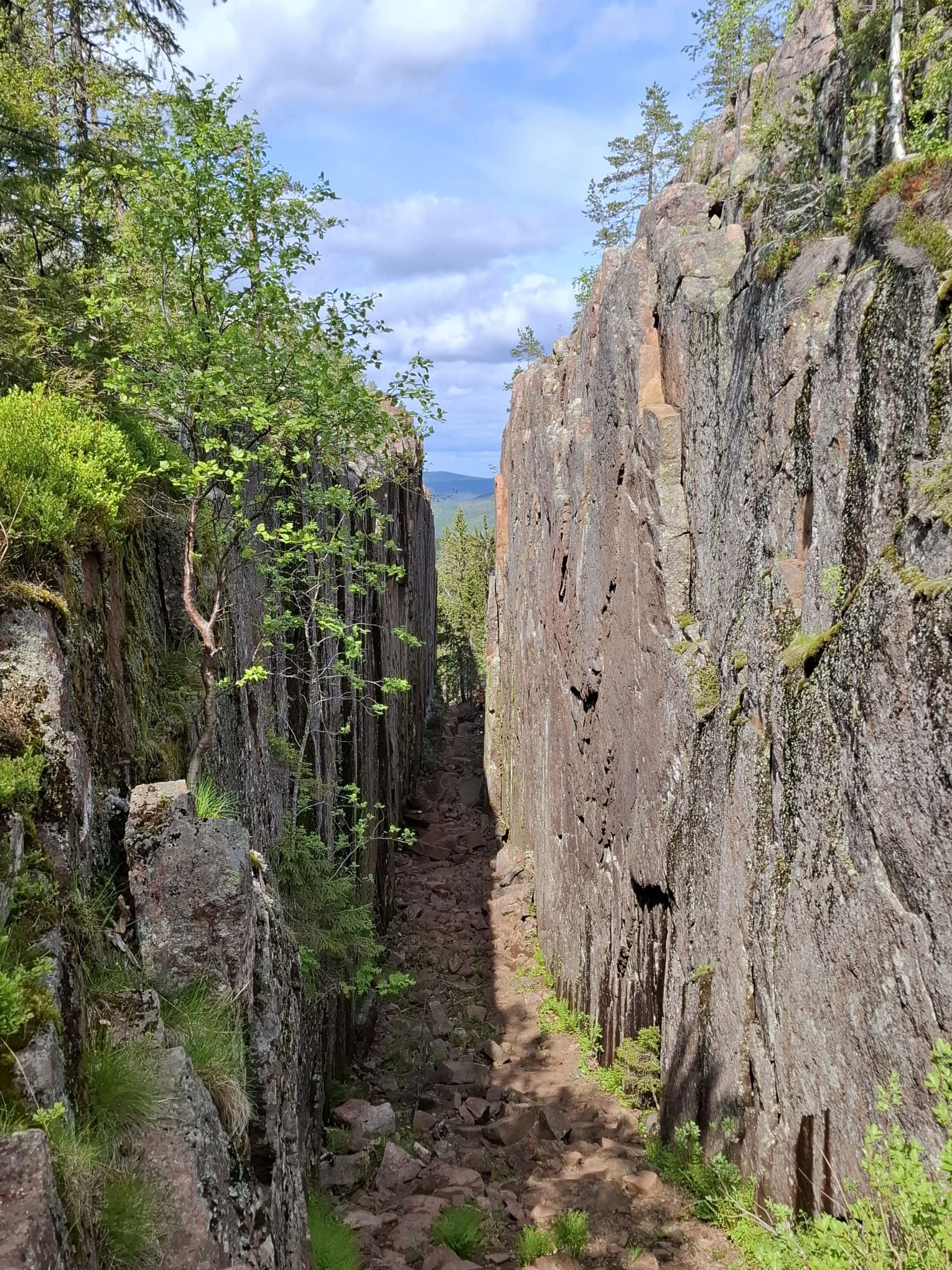
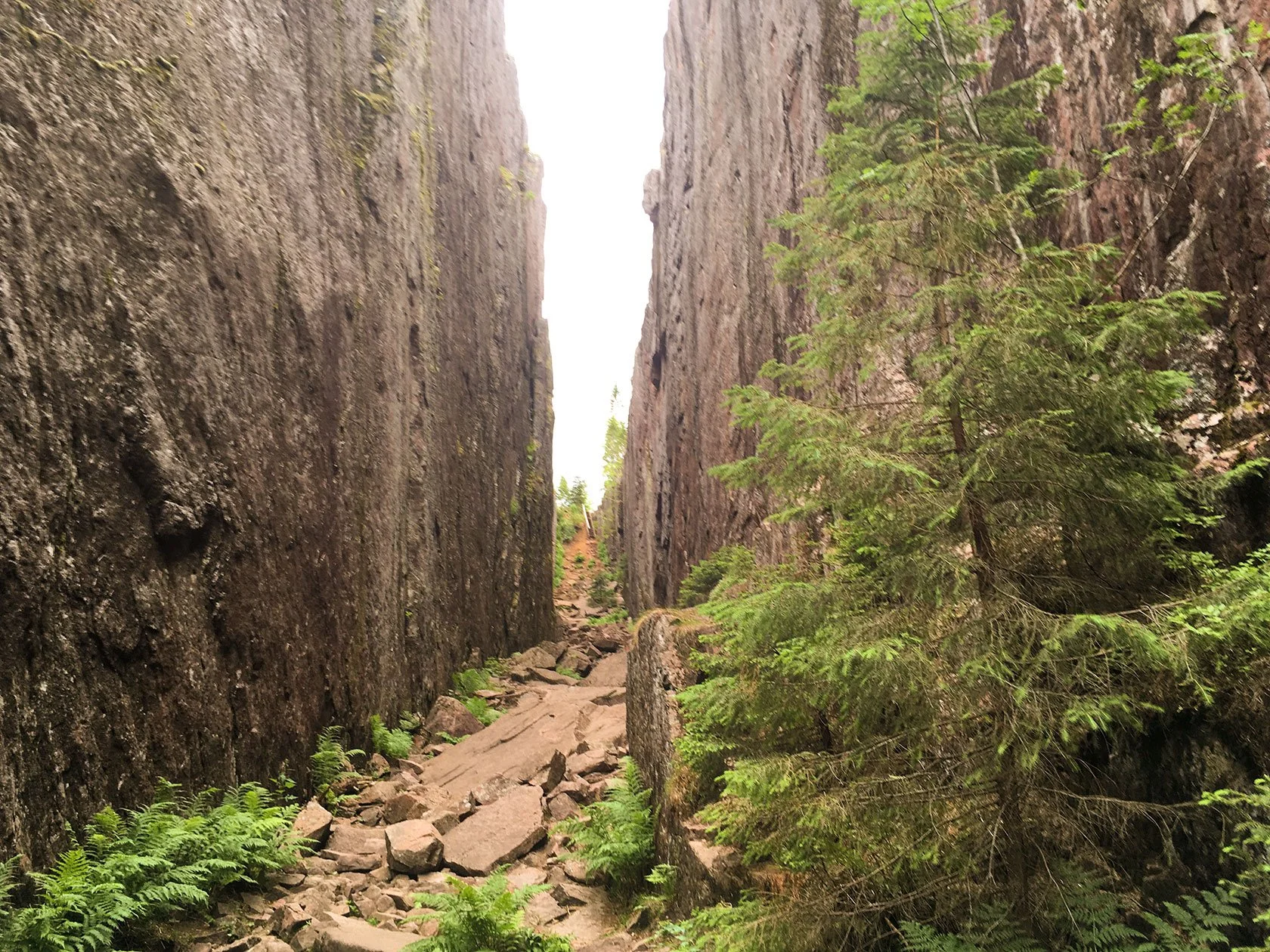
Wenn Skuleskogen nur ein „Must‑See“ wählen dürfte, wäre es die Slåttdalsskrevan — eine dramatische Felsspalte im Berg Slåttdalsberget.

Auf der offiziellen Seite der schwedischen Nationalparks wird sie als ca. 200 Meter lang und bis zu 30 Meter hoch beschrieben. Es ist einer dieser Orte, an denen man automatisch leiser spricht.

Und wenn du den kurzen Abstecher auf den flachen, felsigen Gipfel des Slåttdalsberget dranhängst, bekommst du einen der schönsten Panoramablicke über den Schärengarten und die Parklandschaft.


Empfohlene Tagesroute (die Docksta‑Havet‑Runde)

Das ist die Runde, die ich empfehle, wenn du Skuleskogen an einem Tag „richtig“ spüren willst: Küste, alter Wald, Seen, die Spalte, ein Gipfelblick — und ein ruhiges Ende.

Auf einen Blick

  • Distanz / Höhenmeter / Zeit: ca. 11,4 km, D+321 m, ca. 4–6 Stunden (mittel)

  • Start / Ziel: Entré Syd (Südeingang)

  • Stil: Küste → Wald → Seen → Spalte → Gipfel → Stege → Strand‑Finale

Schritt für Schritt

  1. Starte am Parkplatz Entré Syd.

  2. Küsten‑Warm‑up Richtung Näske bodarna: ein wunderschöner Pfad zwischen Wald und Meer.

  3. Aufstieg zu den Tärnättvattnen‑Seen (blaue Markierung). Perfekt für Pause und Lunch — und an warmen Tagen auch für einen erfrischenden Sprung ins Wasser.

  4. Der „Wow‑Kern“: durch die Slåttdalsskrevan (Nord → Süd). Nimm dir Zeit — hier geht es um Präsenz, nicht um Tempo.

  5. Optional (sehr empfohlen): kurzer Abstecher auf den Gipfel Slåttdalsberget. Kaffee schmeckt dort besser. Stille auch.

  6. Abstieg zurück durch den Wald (orange Markierung + Steg‑Abschnitte). Ein weicherer Rhythmus.

  7. Abschluss am Strand Kälsviken (Kälsviken / Kälsaviken). Wenn’s passt: ein Bad. Wenn nicht: Snack, Sonne, und dieses „wir haben’s wirklich gemacht“-Gefühl.

  8. Zurück zum Parkplatz Entré Syd — wo dein Auto steht oder dein Fahrrad abgeschlossen ist.

Toiletten (gut zu wissen)

Toiletten gibt es bei:

  • Entré Syd

  • Näske bodarna

  • Tärnättvattnen

  • Kälsviken


Warum diese Runde funktioniert

Es gibt viele Wege im Skuleskogen. Diese Runde ist ausgewogen: Sie bringt dich zu den Signature‑Orten, ohne dass der Tag zur Mission wird.


Noch unsicher bei der Planung?

Wenn du mir deine Reisedaten, dein Tempo und deine Wünsche (Aussicht / Waldstille / Bad) schickst, empfehle ich dir die passende Variante.

Und falls du lieber selbst planst: kompletter Skuleskogen‑Itinerary (🇬🇧) — Schritt für Schritt → [ https://dockstahavet.se/blog/hiking-in-skuleskogen ]


Was du zusätzlich sehen kannst (wenn du mehr Zeit hast)

Je nach Eingang und Energie werden u.a. empfohlen:

  • Tärnättholmarna (Halbinseln mit schmalen Sandverbindungen; Hütten möglich)

  • Kälsviken (Sandstrand nahe Entré Syd)

  • Nylandsruten & Långtjärnhällorna (Aussichten/Schleifen nahe Entré Väst)

  • Näske bodarna (historischer Bereich, sehr schöner Tageswalk)


Anreise: Auto, Bike + Hike, Bus — und „Base‑Camp‑Denken“

Bike + Hike (die smarte Sommer‑Option)

Hier ist der Move, der vieles leichter macht: Parke in Docksta, leihe dir ein Grab&Go‑Bike, fahre nach Skuleskogen, schließe das Rad am Eingang ab — und wandere deine Route.

Warum das zählt:

  • Parkstress reduziert: Du parkst einmal in Docksta (ruhig, organisiert), nicht am überfüllten Parkeingang.

  • Flexibel: Kein Shuttle‑Fahrplan, kein Taxi‑Timing — du bestimmst deinen Tag.

  • Die Fahrt gehört dazu: Die ca. 8–10 km entlang der Küste sind ein Warm‑up, kein Parkplatz‑Chaos.

  • Car‑light Sommer: Wenn mehr Besucher so anreisen, bleiben die Zufahrtsstraßen ruhiger — besser für alle.

Genau dafür ist Grab&Go gedacht: nicht nur „ein Fahrrad mieten“, sondern „den Tag smarter machen“.

Skuleskogen Bike‑First Day Plan (🇬🇧) → [ https://dockstahavet.se/outdoor-gear-rental-hoga-kusten/guides-stories/skuleskogen-national-park-bikefirst-day-plan-from-docksta ]

Kostenlos (Deutsch): Wenn du die Hochküste zum ersten Mal besuchst, hol dir hier meine Mini‑Guide mit praktischen Basics und lokalen Tipps → [ https://dockstahavet.se/de/entdecken-sie-die-hochkuste ]

Mit dem Auto (direkt und flexibel)

Alle drei Eingänge sind von der E4 aus ausgeschildert. Für Paare ist das die einfachste, flexibelste Variante.

Hinweis: In der Hochsaison (Juli–Anfang August) kann es an manchen Tagen zu Parkplatzdruck kommen. Wer kann, wählt Juni oder Ende August für ein ruhigeres Erlebnis.

Mit dem Bus (ohne Auto)

Laut regionaler Besucherinfo verbindet Bus 50 Härnösand / Örnsköldsvik. Man kann bei Skule Entré Väst E4 aussteigen und den letzten Abschnitt zu Fuß gehen. Bitte Fahrplan immer aktuell prüfen.

Mit dem Boot (für Segler)

Wenn du per Boot ankommst, ist die Base‑Camp‑Frage entscheidend: Wo kannst du schlafen, duschen, runterfahren — und den Parktag ruhig planen?

Genau so denken wir in Docksta Havet: sicherer Hafen‑Rhythmus, dann ein Waldtag.


Wann du gehen solltest (und wie sich die Saison anfühlt)

Skuleskogen ist im Juni nicht derselbe Park wie Ende August.

  • Frühsommer: langes Licht, frisches Grün, beliebte Wege werden voller

  • Hochsommer: Bade‑Tage möglich, aber mehr Menschen und Parkplatzdruck

  • Spätsommer/Frühherbst: ruhiger, tiefere Farben, kontemplativer


Sicherheit & Regeln (damit der Tag schön bleibt)

Skuleskogen ist freundlich — aber echte Natur.

  • Wetter kann auf Granit und Aussichtspunkten schnell kippen

  • Felsen (und besonders Wurzeln) können nach Regen rutschig sein

  • Zecken gibt es in Schweden: danach kurz checken

  • Feuerregeln respektieren

  • Leave no trace: Der Park bleibt wild, weil Besucher sich wie Gäste verhalten

Für aktuelle Regeln/Updates: vorab die offiziellen Nationalpark‑Infos checken.


Packliste (skandinavien‑tauglich, simpel)

  • Wasser (mehr als du denkst)

  • Windjacke + leichter Regenschutz

  • Gute Schuhe (Grip zählt)

  • Snacks/Lunch (mehr als du denkst) + ein Comfort‑Item (Kaffee, Schokolade, Obst)

  • Offline‑Karte (oder Download)

  • Kleines Erste‑Hilfe‑Set (Blasenpflaster sind der wahre Held, wenn die Schuhe noch nicht perfekt eingelaufen sind)

Basic tips to get ready for your day hike (🇬🇧) → [ https://dockstahavet.se/blog/explore-hoga-kusten/get-ready-your-day-hike ]


Wenn du’s easy willst: Docksta als Base Camp

Dieser Guide ist content‑first — aber wenn du hier bist, stellst du dir wahrscheinlich auch die praktische Frage:

„Wo übernachte ich, damit sich dieser Tag leicht anfühlt?“

Docksta ist eine natürliche Basis für Skuleskogen und die Hochküste.

Für Paare (Seaside‑Stays)

Drei verschiedene Seaside‑Stays — jede mit eigenem Charakter, alle direkt am Wasser.

Schlaf am Meer, bleib nah an allem, und nutze Docksta als dein High‑Coast‑Base‑Camp: Skuleskogen Nationalpark und der Skuleberget sind schnell erreichbar — und auch die Fähre nach Ulvön ist nicht weit.

  • Boathouse (minimalistisch, über dem Wasser)

  • Dock House (komfortabel, ruhig, perfekt für Paare)

  • Guest House (voll ausgestattet, mit starkem Meerblick)


Für Segler

Mehr als ein Liegeplatz: dein High‑Coast‑Base‑Camp zwischen Meer und Trails. Boot sicher ablegen, heiß duschen, Espresso & lokale Tipps im Sailor's Club House — und dann Skuleskogen (oder Skuleberget) entspannt erleben.

Was dich erwartet:

  • Y‑Bäume / längsseits

  • Service House (Duschen, WC, Laundry)
  • Club House (Lounge, Espresso, WiFi)

  • Fahrrad‑ & Outdoor‑Ausrüstungsverleih


Sailing Guide to Höga Kusten: Sweden's UNESCO Archipelago (🇬🇧) — (FREE web resource: no download, no registration) → [ dockstahavet.se/high-coast-sailor-mini-guide ]

Für alle, die leicht reisen wollen

Kein Gear? Kein Problem.

Wenn du „car‑light days" magst: Bike‑first ab Docksta, Rad am Eingang abschließen, dann wandern.

Grab&Go ist kein klassischer Ausrüstungsverleih — es ist ein einfacher Weg zu einem Outdoor‑Ready‑Tag. Holst du dein Setup (Bike, Daypack, Hammock oder Bundle) in wenigen Minuten ab, bekommst einen simplen „Today‑Plan" — und los geht's. Flexible Rückgabe, Zahlung per Karte


Ein letzter Hinweis (von einem lokalen Host)

Skuleskogen belohnt eine bestimmte Haltung: nicht erobern, nicht sammeln — sondern besuchen.

Wenn du willst, schreib mir kurz:

  • deine Reisedaten

  • dein Fitnesslevel

  • ob du eher Aussicht, Waldstille oder ein Bad willst

… und ich sage dir, welcher Eingang und welches Timing am besten passt.

E‑Mail: dockstahavet@gmail.com — oder WhatsApp: +46 763 136 909 (kurz & direkt).

Tommaso — Host bei Docksta Havet Base Camp. Ich lebe die Saison direkt am Wasser und helfe Gästen seit Jahren dabei, die Hochküste leicht (und nicht gehetzt) zu erleben.


Bike from Docksta: Choose Your Mode (4 High Coast Days, Half‑day to Full‑day)

Choose your mode (not your distance)

Some guests arrive in Docksta with a plan. Many don’t.

They arrive with a short stay, light luggage, and a very real wish:

“We want one proper High Coast day… but we don’t want to turn it into a logistics project.”

That’s exactly why we built Grab&Go at Docksta Havet Base Camp: bike rental + simple outdoor kits + local advice. Not only for our own guests — everyone is welcome to use it (external visitors too).

This post isn’t a list of distances. It’s how I help people choose a day that fits: your energy, your mood, and how much friction you want.

Whether you’re staying with us or just passing through, you’re invited to use our Grab&Go gear and local advice—this base camp is for everyone.


🇸🇪 Kort på svenska:

Det här inlägget är en snabbguide till fyra olika cykelutflykter från Docksta – från klassiska vyer till tysta skogar och vilda toppar. Oavsett om du är gäst hos oss eller bara passerar, kan du hyra cykel & utrustning via Grab&Go. Behöver du tips? Skriv till mig!

🇫🇮 Lyhyt suomeksi:

Tämä postaus on tiivis opas neljään erilaiseen pyöräretkeen Dockstasta – klassisista maisemista hiljaisiin metsiin ja villiin huippuun. Olitpa vieras tai ohikulkija, voit vuokrata pyörän ja varusteet Grab&Go-palvelusta. Kysy rohkeasti vinkkejä!


Before you choose: 3 questions I always ask

  1. Do you want views, forest silence, or a bit of adventure?

  2. Is today a half‑day (3–5 hours) or a full day?

  3. Do you want “easy and satisfying” or “wild and spacious”?

If you tell me those three things, I can usually suggest one clean plan in 30 seconds.


See the routes on the Living Map

Open the Living Map (built with Google My Maps—my personal way to highlight the High Coast’s best spots) and pick a pin for your time and legs.


Four Ways to Ride the High Coast (from Docksta)


Mode 1: Classic + flexible (Half‑day 3–5h) — Skuleberget

Best for: couples / solo / families / sailors ashore

Skuleberget is the classic High Coast highlight, but what makes it great is flexibility. You can keep it gentle, or you can make it a real challenge.

This mode is perfect if you want a “guaranteed wow” view and the option to scale the effort up or down.

What this mode can include (choose one, don’t stack everything):

  • A scenic ride + a short hike to the top

  • Naturum (museum/visitor center) when you want context

  • Via Ferrata when you want adrenaline

  • Naturscen when your day is built around a concert


Grab&Go suggestions for your excursion to Skuleberget:


Mode 2: Wild + grounded (Full day, but keep it simple) — Skuleskogen National Park

Best for: couples / solo / families / sailors ashore

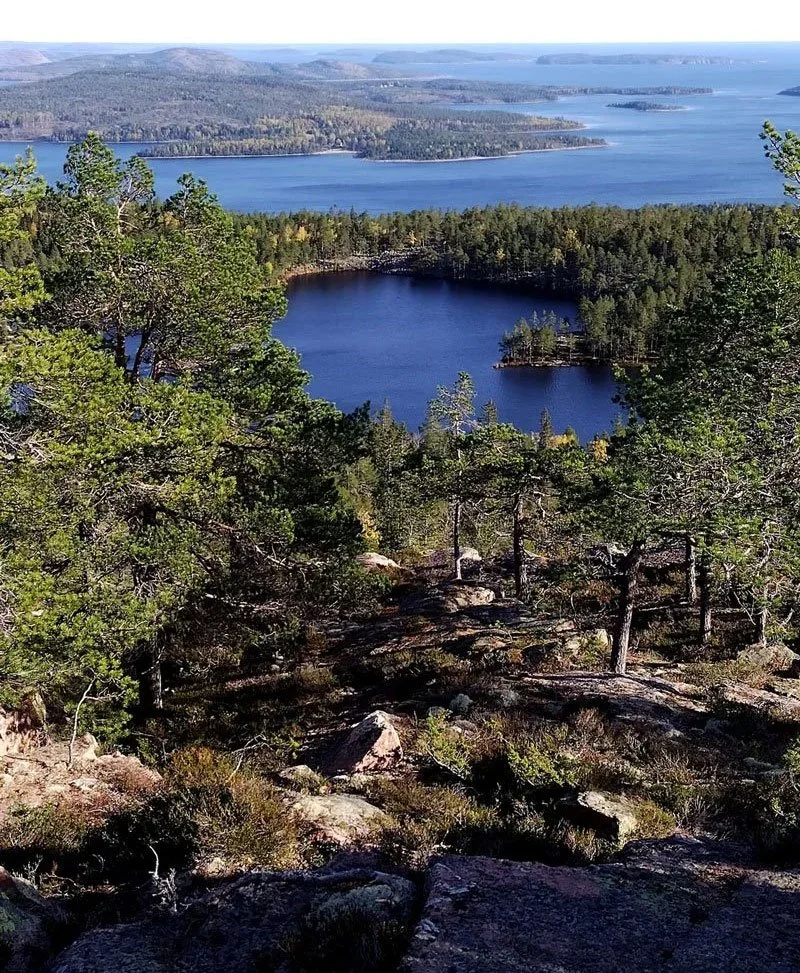
Skuleskogen is where the High Coast truly reveals itself: ancient forest, granite cliffs, and quiet bays. This isn’t a “check it off your list” stop—it’s a place to slow down, cross real landscapes, and let the nature do its work.

This mode is perfect if:

  • You want to feel what a real national park is—moving at the right pace, not rushing from point to point.

  • You’re open to a full day outside, but not interested in “conquering” every trail—just experiencing the best sections.

  • You’re curious about the park’s unique character, and want a route that connects the most meaningful places.

My hosting rule for Skuleskogen: pick the sections that matter, and let your trek be enough. I’ll suggest a route that gives you a true sense of this world-class natural heritage—challenging in parts, but always within reach, and never about the fastest time.

If you want a deeper hiking overview, this is the trek I recommend for really enjoying Skuleskogen: Hiking the National Park Skuleskogen >


Grab&Go suggestions for your excursion to Skuleskogen:


Mode 3: Easy + local + marina-friendly (Half‑day 3–5h) — Vårdkallberget

Best for: couples / solo / families / sailors ashore

Vårdkallberget is one of my favorite “low friction, high reward” days. It’s close, it’s satisfying, and it has that wild flavor—real rocky pine forest, sweeping views, and almost no crowds. You get a true High Coast hiking experience, but without the extremes.

This mode is perfect if:

  • You want a taste of the wild, but don’t want to spend the whole day or tackle steep climbs.

  • You’re after a fantastic view, forest silence, and a summit that feels earned—but is still accessible from the marina or village.

  • You’re looking for a mix of easy riding and walking, where the mountain is nearly as high as Skuleberget, but the way up stays gentle and inviting.

Last summer, a guest biked and walked up here “just for the view”—but ended up napping in the shelter nearby the summit, reading, and calling it their favorite memory of the trip.


Grab&Go suggestions for your excursion to Vårdkallberget:


Mode 4: Space + wilderness (Full day / big legs) — Nätra Fjällskog

Best for: couples / solo / families / sailors ashore

Nätra Fjällskog isn’t just another forest—it’s one of the High Coast’s best-kept secrets. While most visitors stick to the “classics,” this is where you experience the wild, spacious side of Sweden that even many locals overlook.

Imagine a place where ancient pine and spruce forests stretch for miles, the ground is soft with moss, and the silence is so deep you can hear your own breath. Here, you’ll find a real trail system (not just a single viewpoint), winding through a mosaic of old shepherd’s huts, hidden clearings, and dramatic coastline panoramas. In the right spots, you catch sweeping sea views that feel almost private—pure High Coast contrast.

What makes Nätra special?

  • It’s authentic: This is a “for locals, by locals” wilderness, rarely promoted to international guests—which means you’ll likely have the trails (and the silence) all to yourself.

  • It’s true wilderness, but accessible: The landscape is wild and untamed, yet the main routes are within reach for a strong day’s ride and hike, especially if you’re up for a real adventure.

  • It’s a living landscape: You’ll cross ground shaped by centuries of shepherding and forest life, with rich biodiversity and a real sense of Swedish nature heritage.

This mode is perfect if:

  • You’ve already checked off the famous spots and crave something raw, spacious, and genuinely “northern.”

  • You want to feel like a local explorer—venturing into a place that’s not on the standard tourist map.

  • You’re looking for deep forest immersion, solitude, and a day that stays with you long after you leave.

No one else is sending guests here by bike, but I do—because Nätra deserves to be experienced by those who want more than just the highlights. If you’re ready for a High Coast day that feels like a discovery, this is it.


Grab&Go suggestions for your excursion to Nätra Fjällskog:


What Makes a Real High Coast Day

Most people think a “real” High Coast day has to be long. I don’t. A real day is the one that matches your body and your mood. Sometimes it’s Skuleberget and a slow coffee after. Sometimes it’s Skuleskogen and one quiet bay. The point isn’t to collect places—it’s to come back with that calm feeling of we did something true today.

A lot of guests arrive without gear—and that’s not a problem. It’s just a different style of travel. You don’t need to own a mountain of equipment to have a proper day outside. You need one simple tool (a bike), a few essentials, and one clean plan. That’s what Grab&Go is for: less friction, more day.

Docksta is where we are, yes. But a base camp isn’t just a location—it’s a relationship. It’s someone who tells you: “Don’t do everything. Do this.” If you tell me your time window and your mood, I’ll point you to the version of the High Coast that fits today—and you’ll spend your energy on the experience, not on logistics.

If you’re just passing through, you can still have a day that feels like you belonged here for a moment. Pick one mode. Leave space for a swim, a snack you actually enjoy, and a slow return to the marina. The High Coast rewards the people who don’t rush it.


Grab&Go: bike rental + simple kits (for guests and external visitors)

Bike rental: from 150 SEK/day. No deposit. Quick pick‑up at Docksta Havet — and I’ll help you choose a simple route

Grab&Go is built for travelers who arrive light — and for locals/external visitors who want an easy way to get out.

I built Grab&Go because so many guests arrived light, but left wishing they’d done more. This is my way of making adventure easy—no gear, no problem.

Full details:


Want an even easier day? (Families, recovery days, short evenings)

Docksta has small walks that work beautifully when you want something gentle:


If you want the “Start Here” shelf


A small closing note

A bike changes the High Coast. It turns “we don’t have a car” into “we have options.”

If you want a personal recommendation, send me three things:

  • How many hours you have (half‑day or full day)

  • Your energy level (easy / medium / big legs)

  • Your mood (views / forest / adventure / event day)

I’ll suggest one clean plan that fits your day.

The High Coast isn’t about how much you fit in, but how much you let in.

Slow down, choose one thing, and let the place do its work.

P.S. Every route here is one I’ve biked, hiked, and shared with guests—so if you want a tip that’s not in the guide, just ask.


Meet Your Host

Tommaso De Rosa

If you want to plan your High Coast days with a bit more calm and a bit less guessing, just send me a message.
You’ll find me on Airbnb (see my host profile and chat anytime), or you can write to me by email or WhatsApp at +46 76 3136909.


If you’re curious about a different kind of pause, I sometimes guide slow hammock immersions in the forest—what I call Skogspaus.
It’s less about “doing” and more about letting the forest do its work. If you want to know what that feels like, you can read more here:


Grab&Go suggestions: WHERE TO RIDE


to inspire you to explore the High Coast: