High Coast Travel Stopovers

Getsvedjeberget & Predikstolen: the Höga Kusten Leden's new “over-the-top” segment

A beautiful upgrade to Höga Kustenleden — and what changes when you hike loaded near Skuleberget / Skuleskogen

Hiking Höga Kustenleden loaded? A smart stopover near Skuleberget

A practical note for hikers carrying 10–15 kg: traction, daylight, and wet rock matter more than distance. Plus practical tips + a calm Docksta base to hike lighter.
See the Naturkartan map: https://www.naturkartan.se/sv/hogakustenleden

Since 2025, the Getsvedjeberget “up-and-down” segment — including the Predikstolen viewpoint — is officially part of the Höga Kustenleden. This year it’s no longer “new”: it’s consolidated.

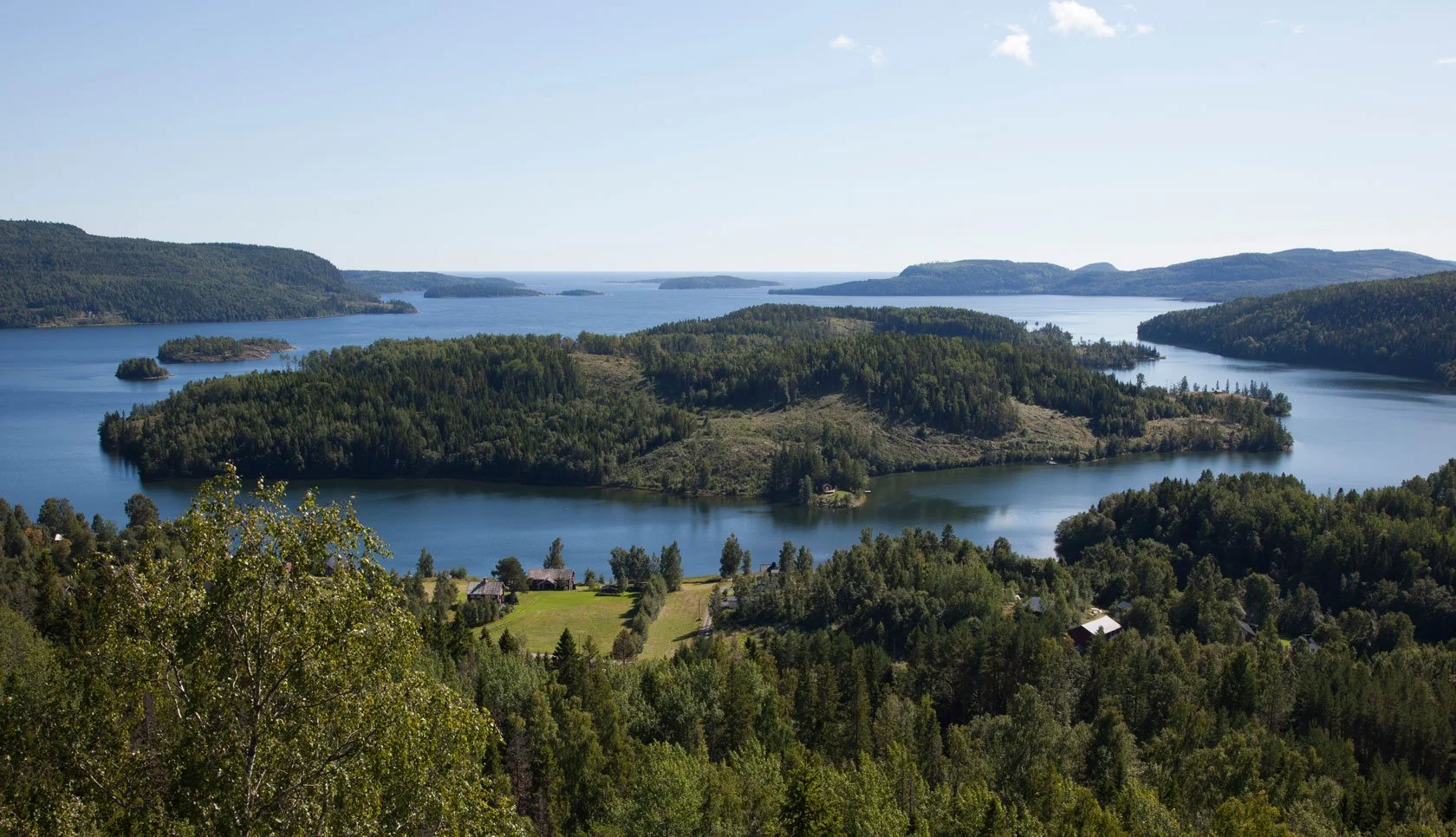
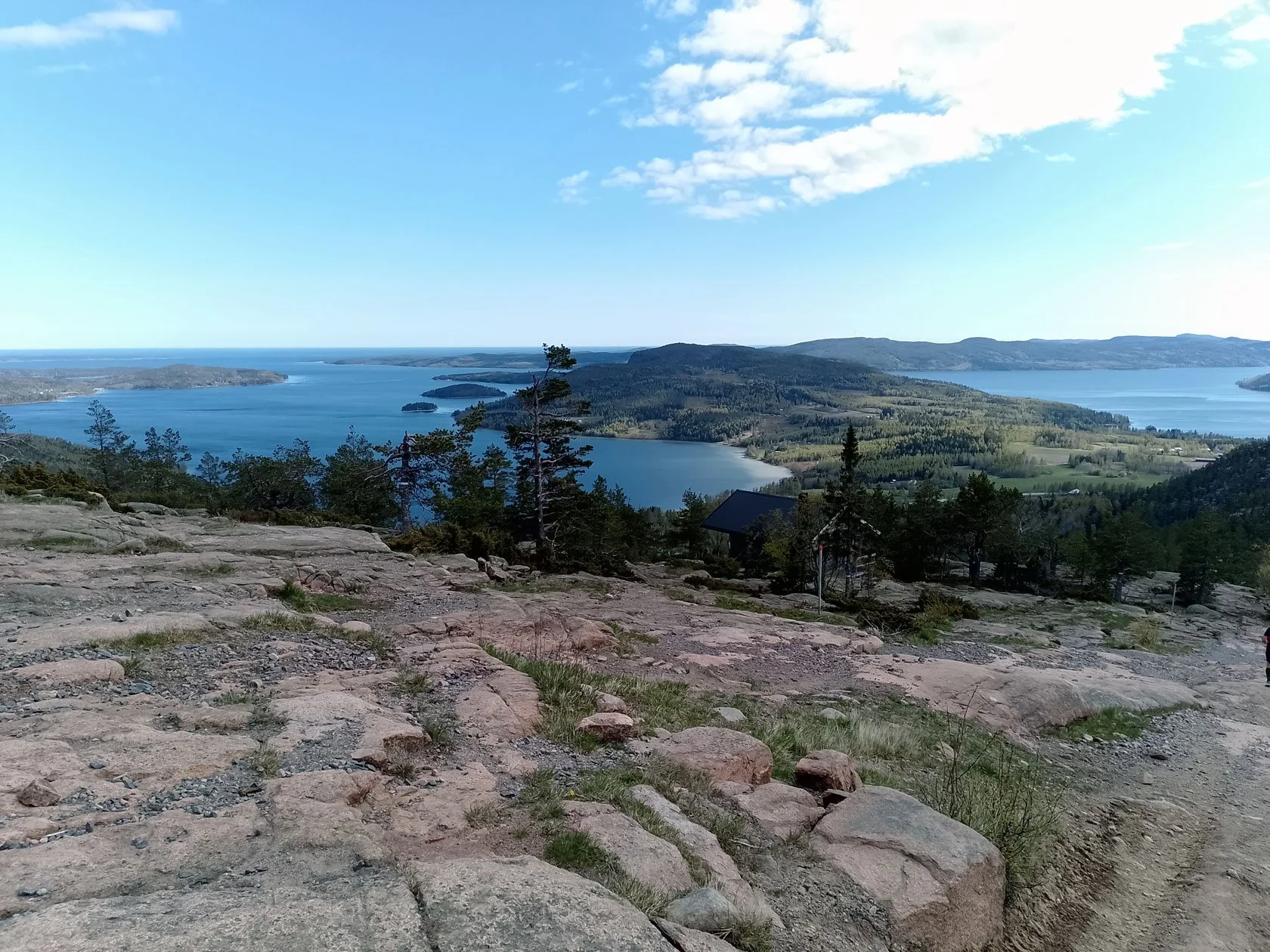
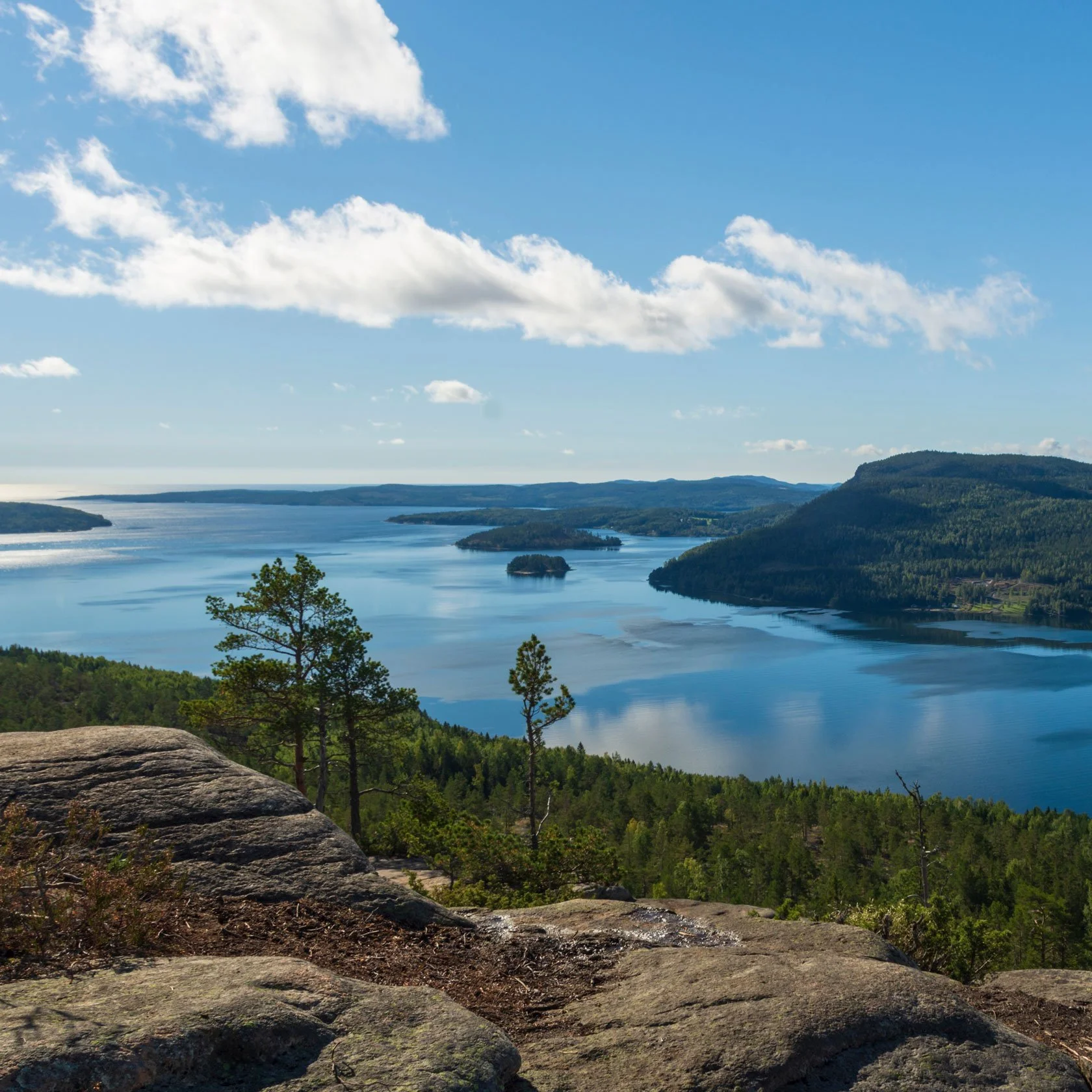
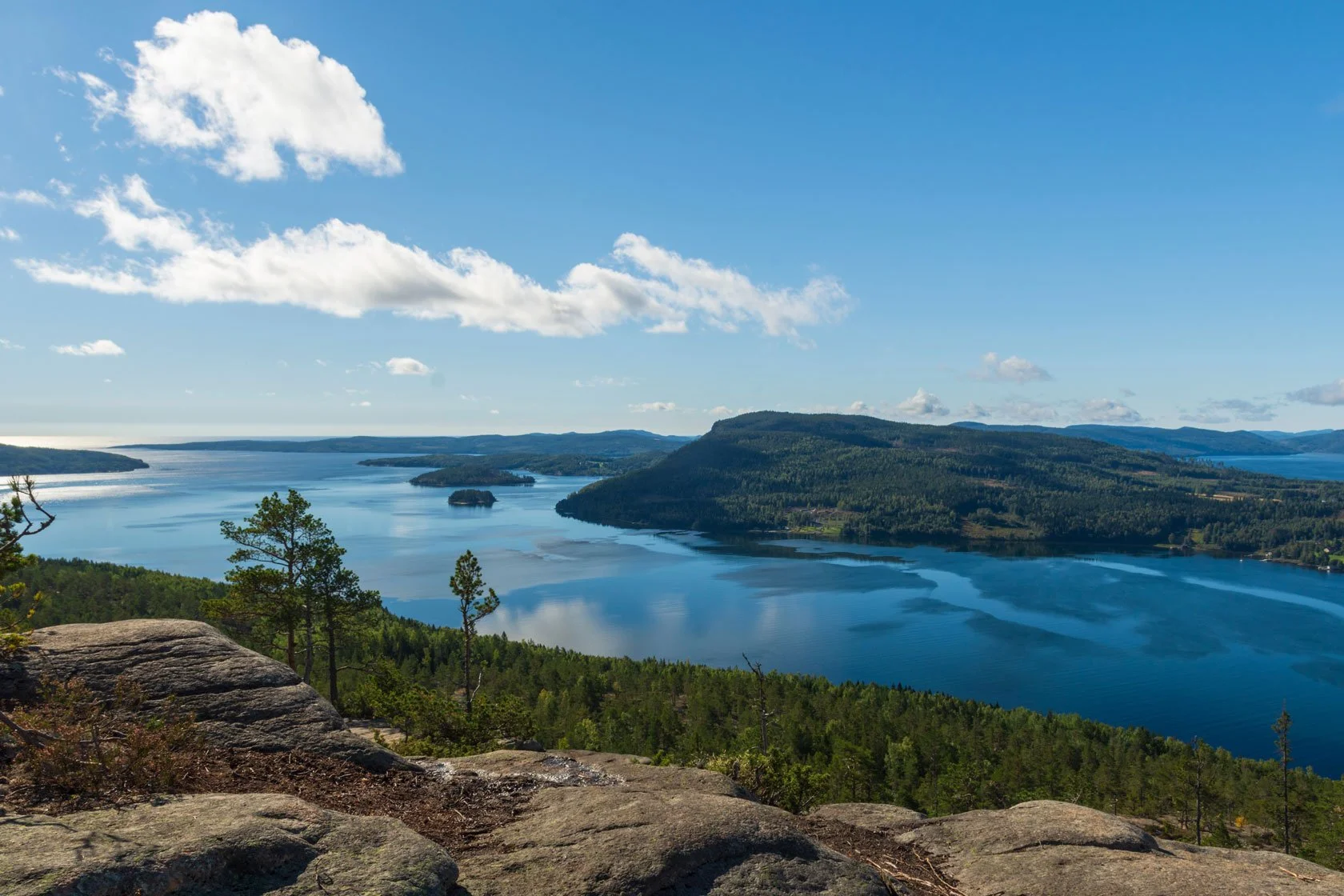
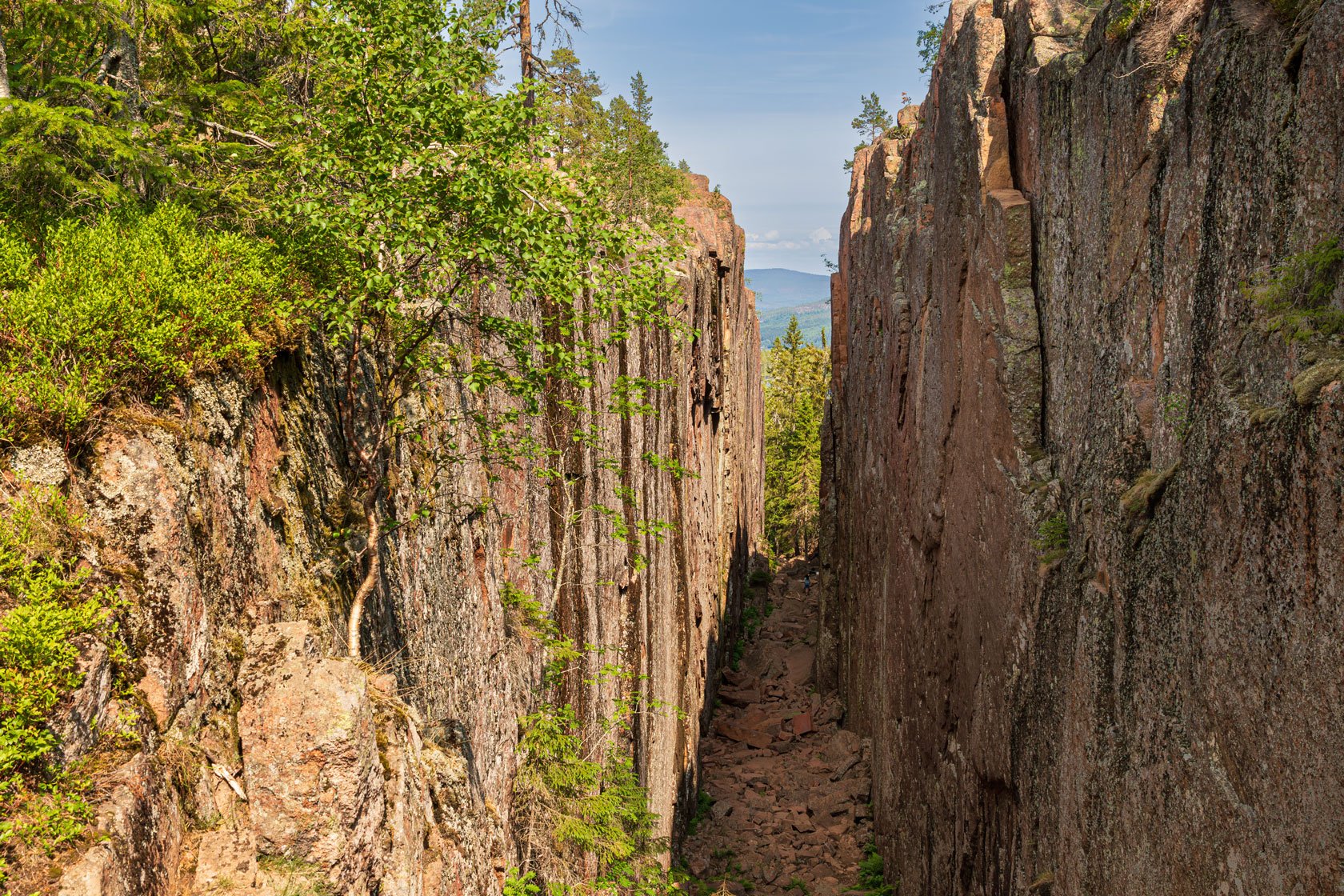
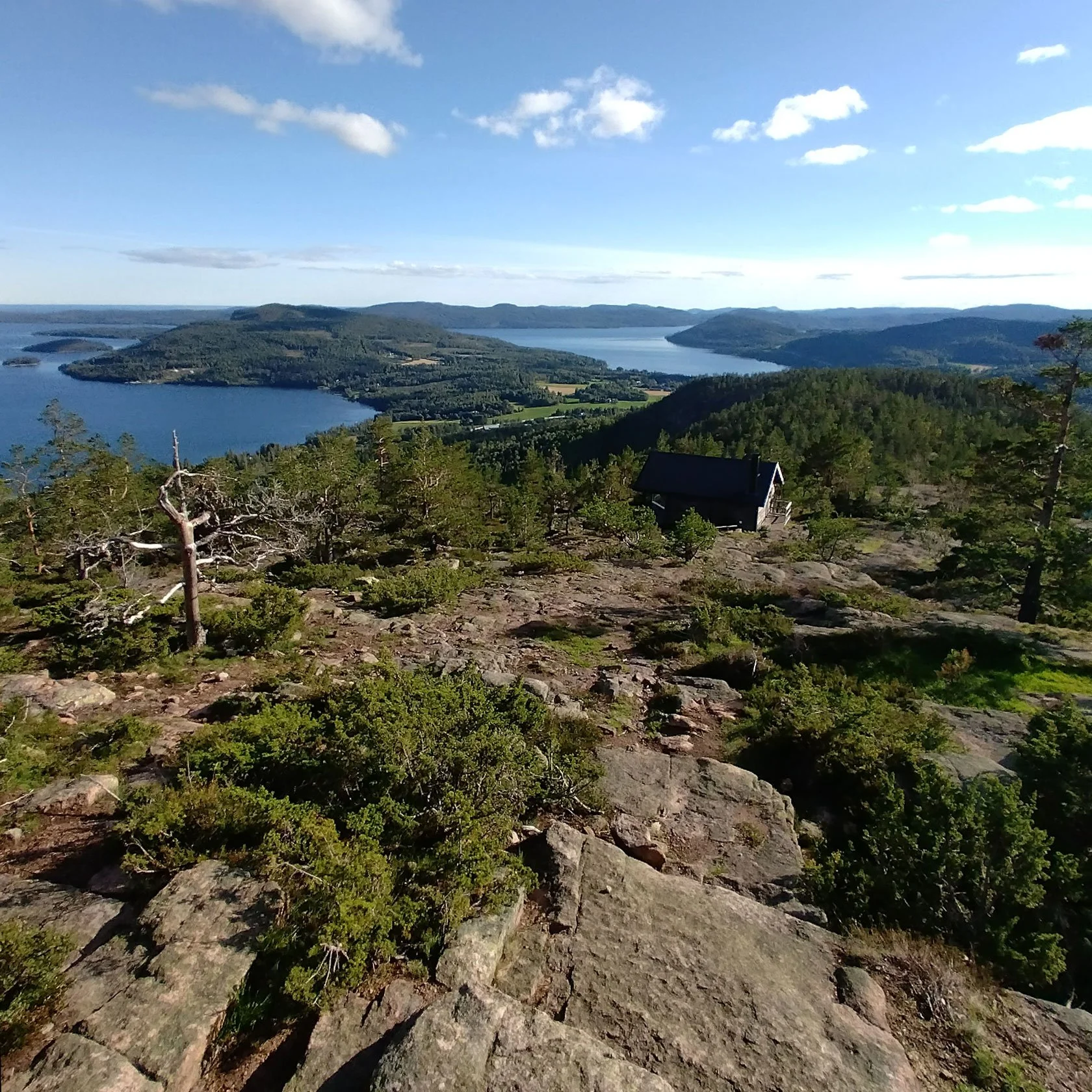
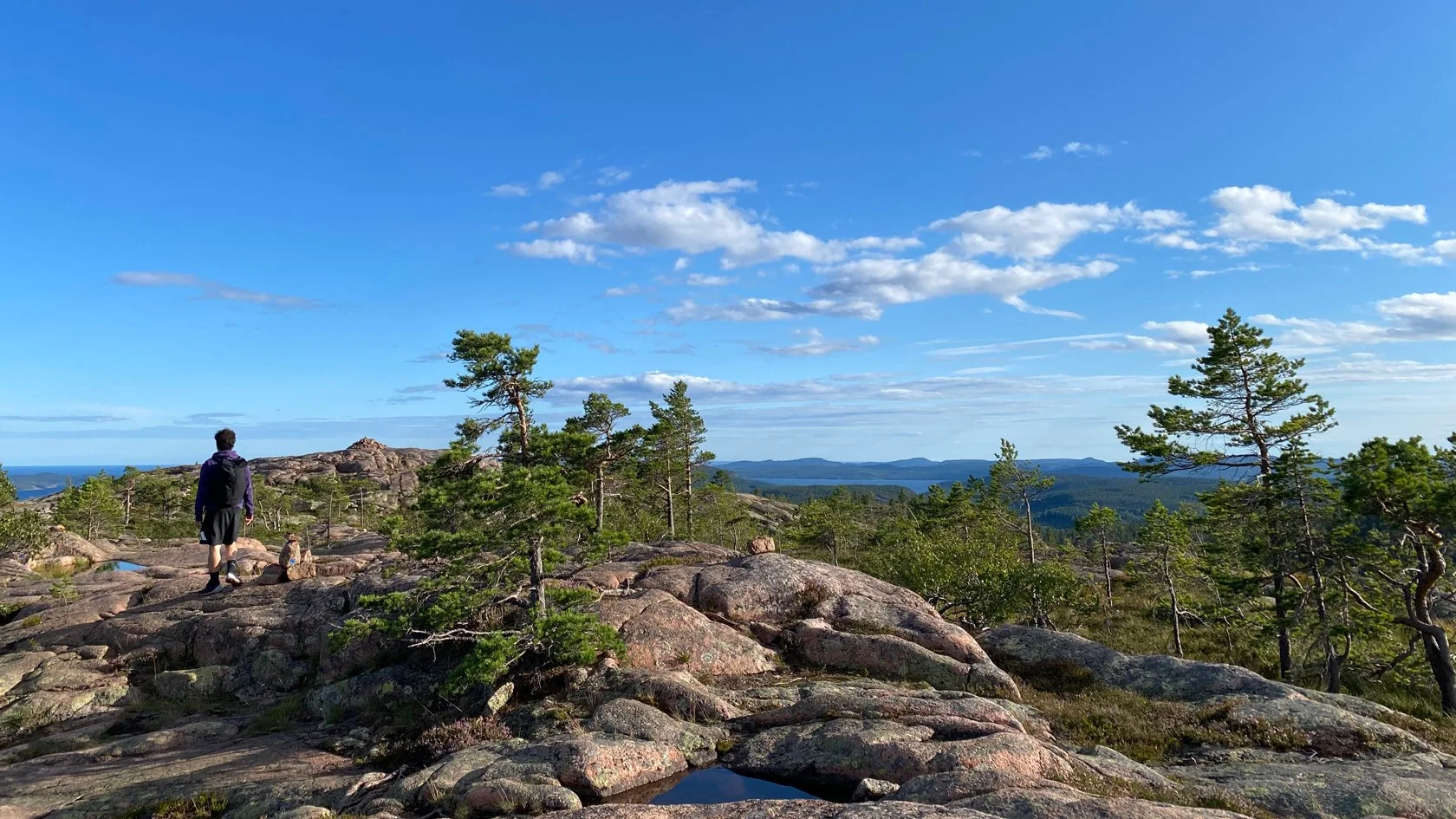
And honestly, it’s a beautiful upgrade. The line is scenic, the fjord views are wide and dramatic, and the forest path on the northern face of the mountain is breathtaking.

For day hikers with a light pack—and for trail runners (it’s a popular Strava segment and part of the Höga Kusten Trail race routes)—this variation often feels like a premium version of the older classic connection between Entré Syd and the east side of Skuleberget.

But if you’re hiking with a loaded trekking backpack (often 10–15 kg), one short section can feel very different than it looks on the map.

There’s just one practical detail worth saying out loud, especially if you’re walking to or from Skuleskogen National Park with a trekking backpack (often 10–15 kg). The short section between the Getsvedjeberget summit and Sveasand (the camping area) is steep and technical, and with a loaded pack it can feel surprisingly demanding—particularly if you mentally label it as a “transfer stretch” rather than a short, real mountain segment.


Conditions that change the experience (wet rock + darkness)

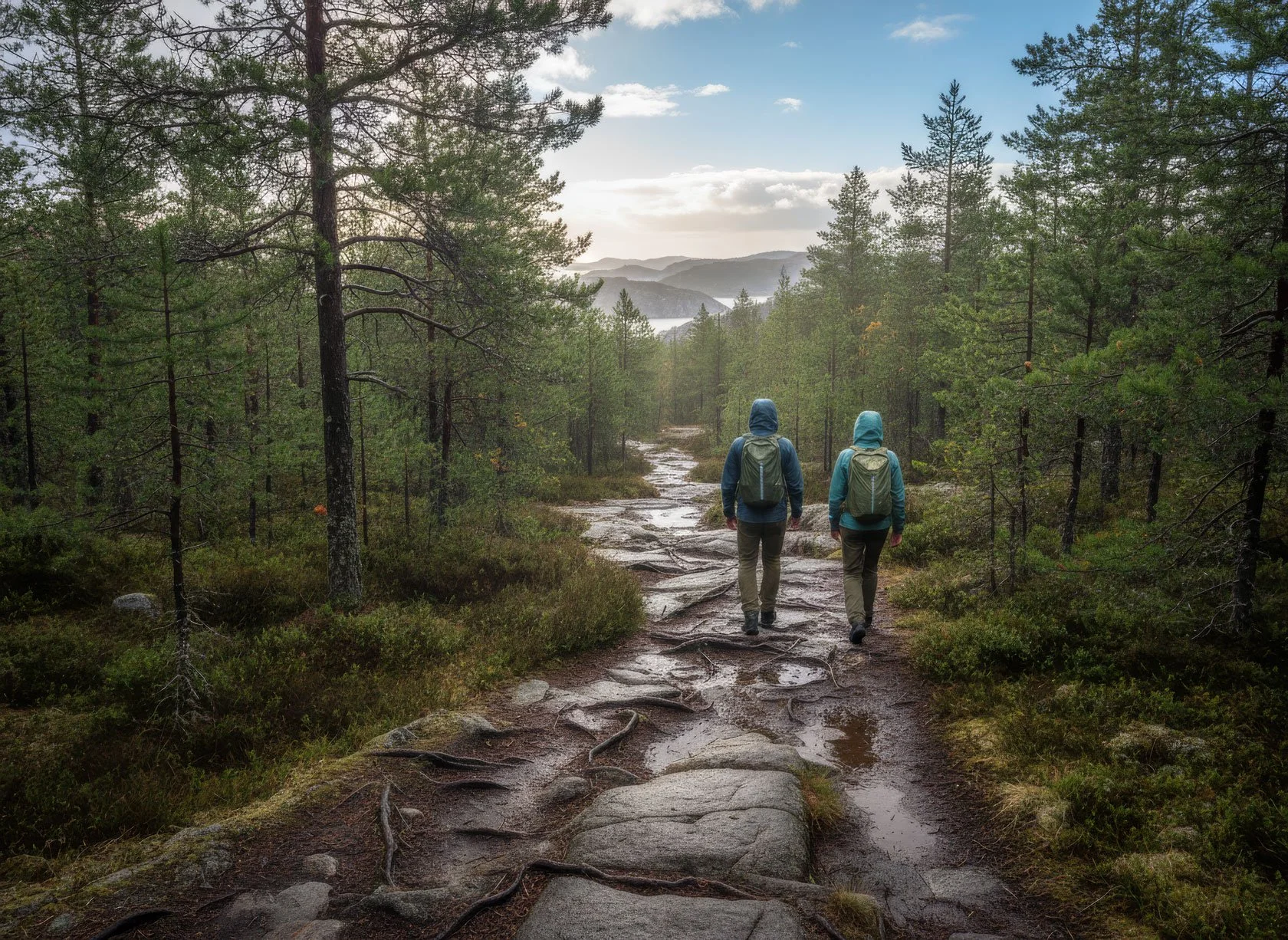
Nothing dramatic—just something to plan for. In wet weather the rocks and stones can be slippery, and in early/late season the combination of darkness + fatigue + a heavy pack changes the experience.

The key planning point: not more km, more time

On a dry day with a light pack it can feel quick; with a loaded pack (and wet rock), the same stretch often becomes a slow, careful 20–40 minutes of footwork.

And here’s the point worth keeping in mind: on the map, this variation doesn’t add much distance. In real life, it often adds time — steep rock, careful footwork, and more micro-stops when you’re carrying 10–15 kg. Same map distance, different pace. If you account for it, it becomes pure quality.


A quick decision rule (so you choose well today)

  • Choose the Getsvedjeberget / Predikstolen line if you have daylight, decent traction, and you’re happy with a short technical section for big views.

  • Be cautious with a loaded pack (10–15 kg) in wet weather or low light: it’s not dangerous, but it’s slower and more demanding than it looks on the map.

  • If you’re tired, it’s late, or the rock is wet: plan a time buffer, not a distance buffer.

If you’re passing through Docksta, we can help you choose the best variation for today—based on weather, daylight, and how heavy your pack is.


Skuleberget summit climbs (also added in 2025)
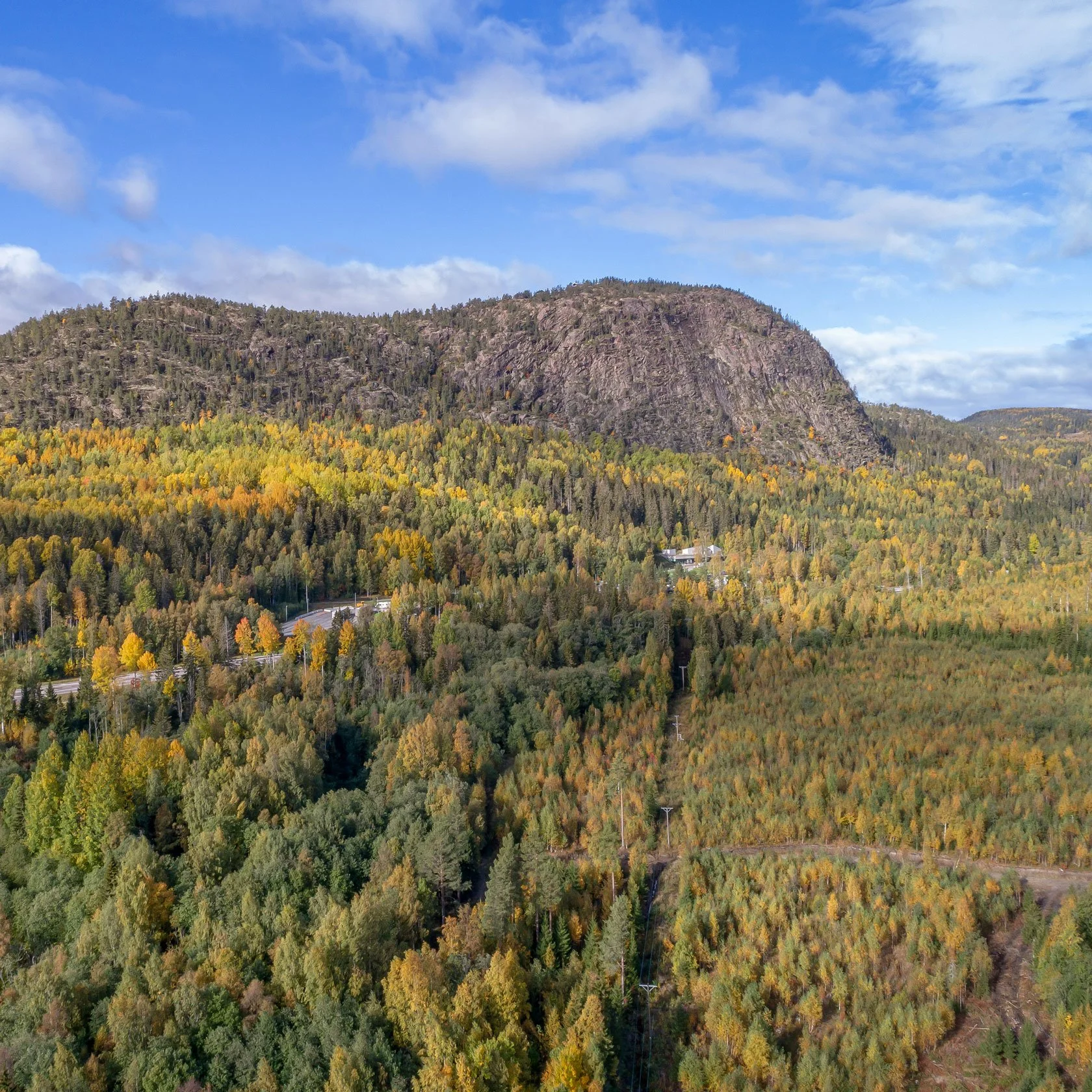
On top of that, the 2025 route also added the climbs up to the top of Skuleberget (before, the trail used to skirt the mountain).

If you’re here in summer, reaching the summit in the never-ending daylight should absolutely be high on your list. But it also adds meaningful elevation gain on technical terrain—and that can be a big surprise if you’re travelling loaded, especially after a long approach from the National Park, or if you’re starting in Docksta and moving north.

If you want to understand these two “new” climbs in a simple way, I’ve described them in my classic guide to the BIG5 Skuleberget trails—including Lynx and Fox, the two steep, rocky segments that are now part of the Höga Kustenleden. With a light pack they feel playful. With a loaded backpack, they’re still beautiful—just slower, and more demanding:

Paths of the Skuleberget (BIG5)

It’s a delicate point because it’s easy to underestimate when you read the map. Last summer, a number of hikers (and bikepackers too) discovered it the hard way. After talking with many of them here at the base camp, the pattern was always the same: the route is stunning—but it’s not “easy mileage” when you’re carrying your life on your back.

(If you like checking an official description of the Predikstolen / Getsvedjeberget climb, the Höga Kusten tourism site has a good short overview too.)
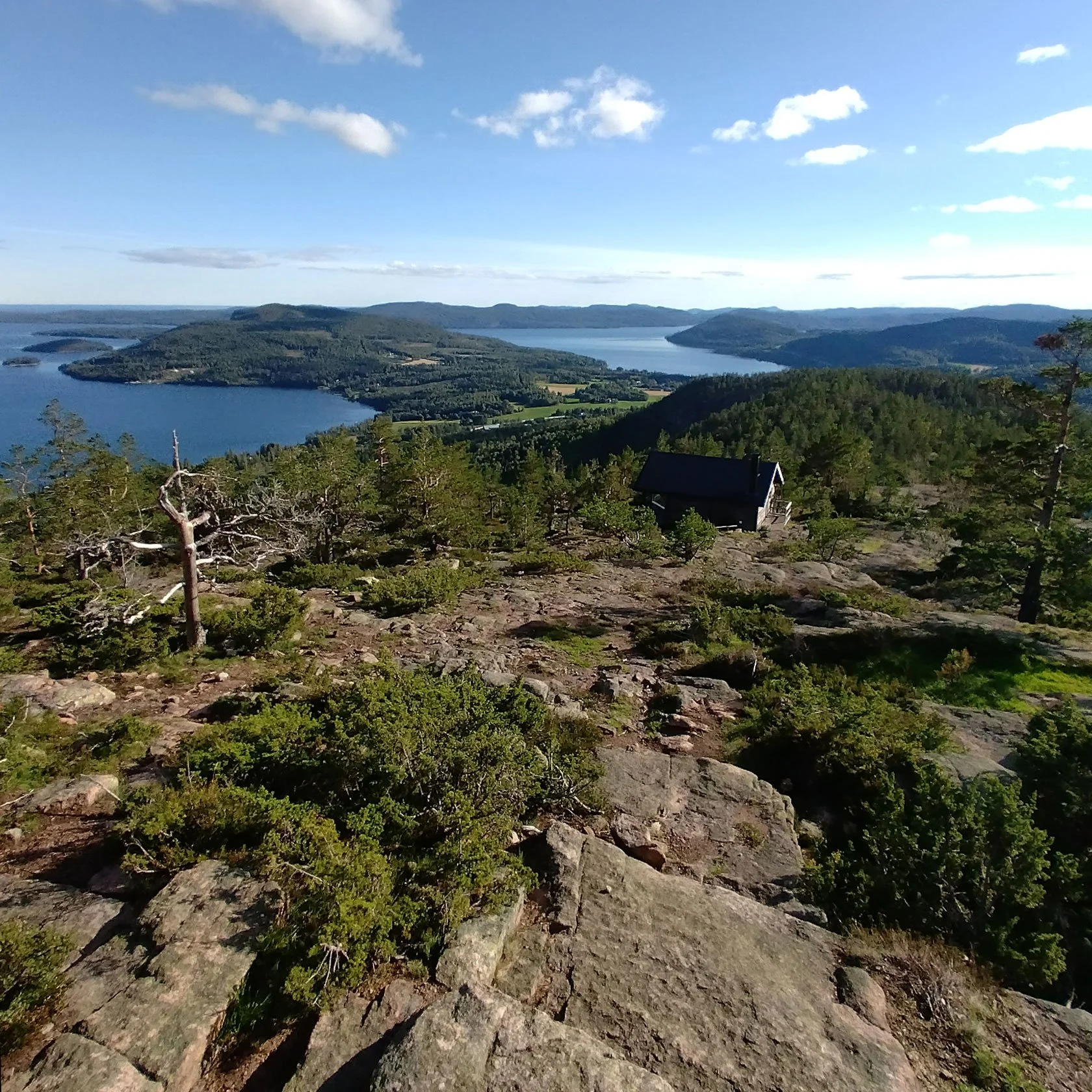
 

Hiker stopover in Docksta (sleep well, hike lighter)
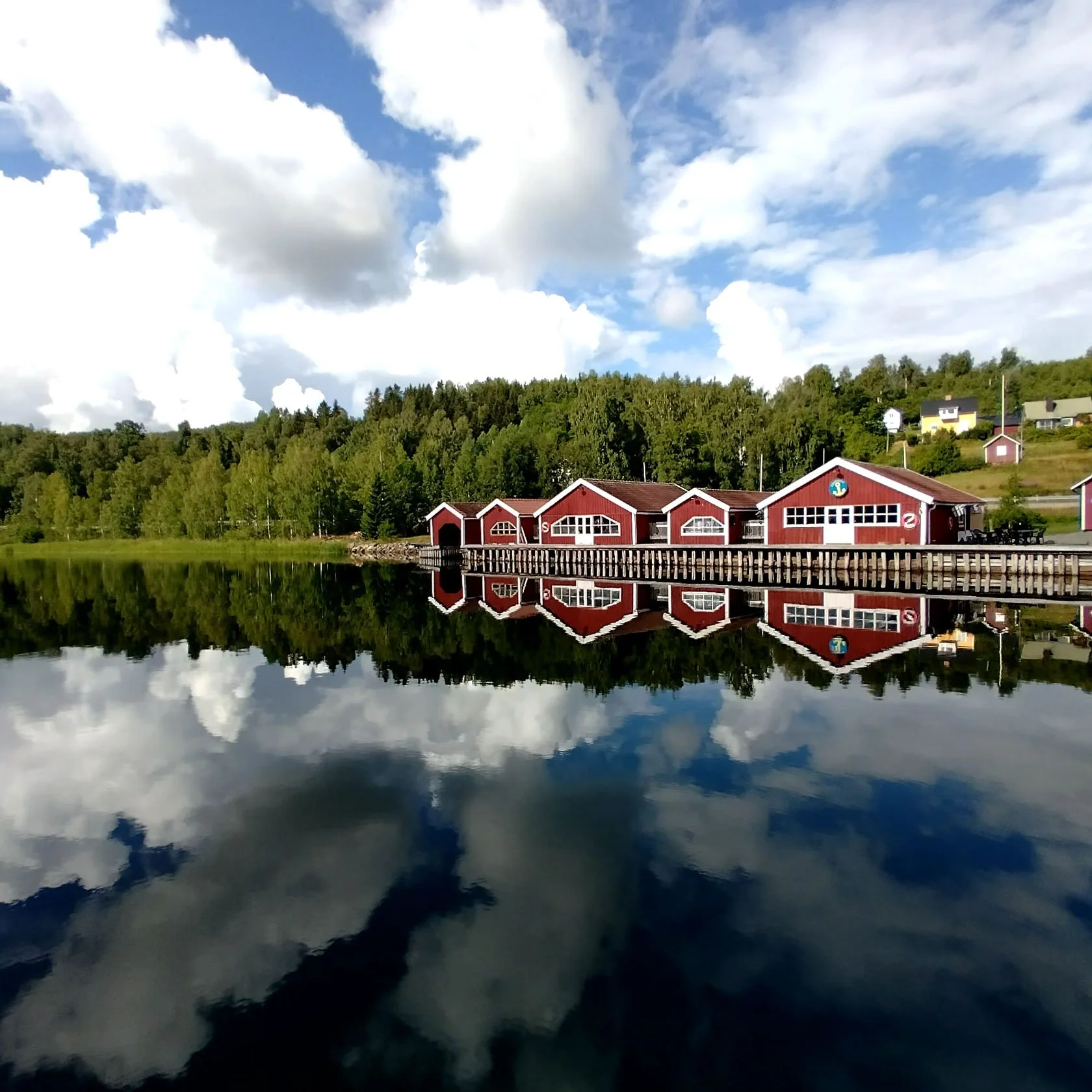
If you’re walking Höga Kustenleden with a loaded backpack (often 10–15 kg), Docksta can be a perfect 2-night reset near Skuleberget / Skuleskogen.

Not a “detour”. A smart pause: a real bed, a warm shower, and a calm base by the water — so you can enjoy the steep, rocky segments with a lighter setup.

Why it helps (especially in wet weather):

  • You can leave the heavy pack and go out with a light daypack for Skuleberget / Getsvedjeberget

  • You get a comfort buffer if the weather turns (wet rock + fatigue is the real combo)

  • You turn a “transfer stretch” into a quality day (views + footwork, not stress)
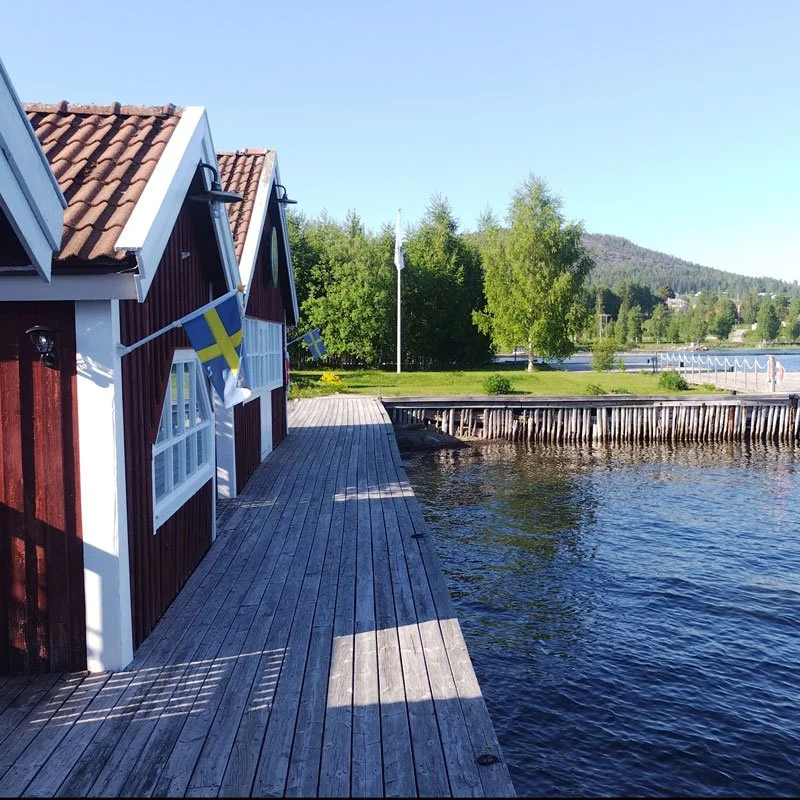
simple stay options for hikers


If you stop in Docksta: 4 low-friction day ideas (with a lighter pack)
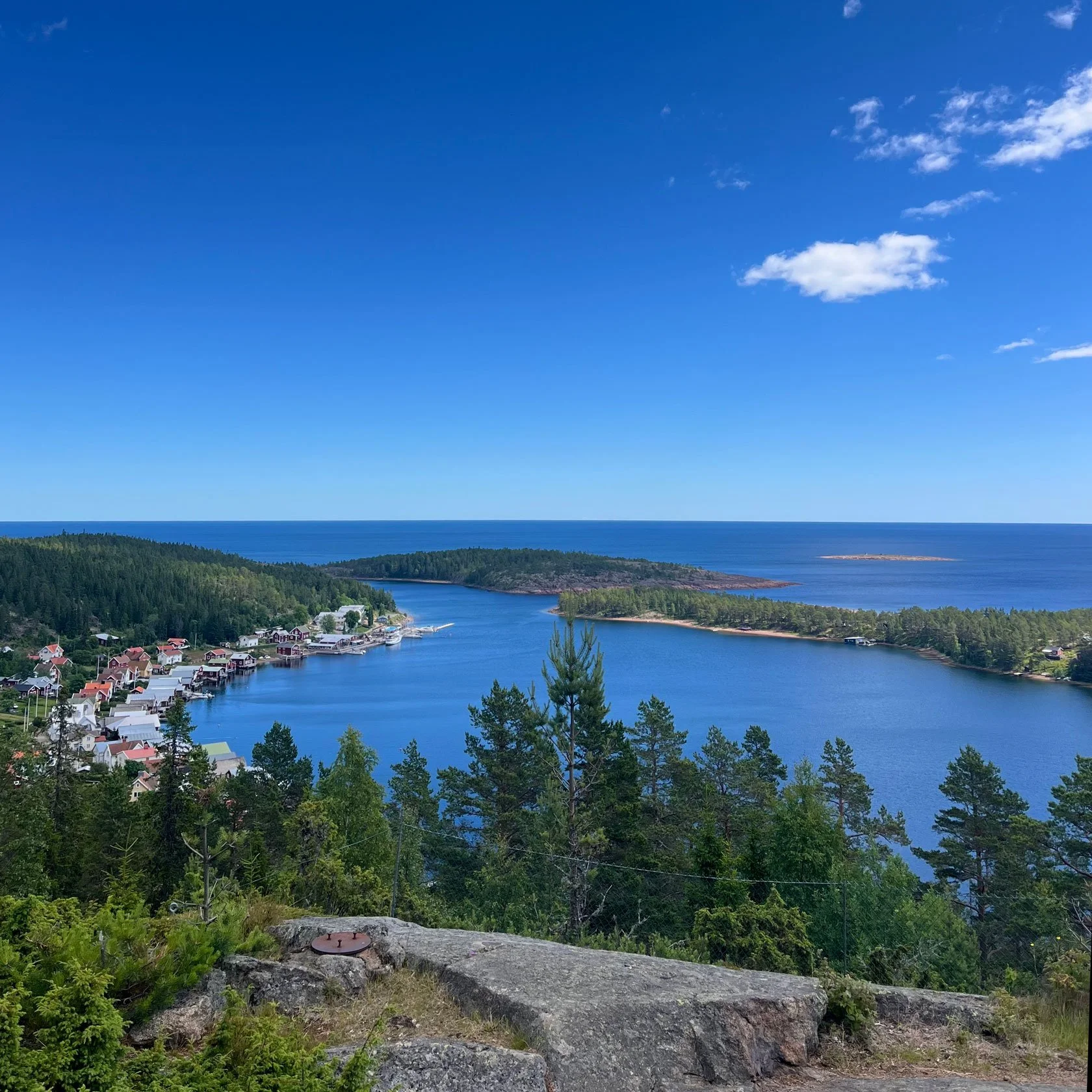
 

Want a quick “today decision” for your direction?

If you tell us your direction, today’s timing, and how heavy your pack is, we’ll suggest the best variation for today (weather + daylight + traction).
Quick question? WhatsApp at +46.763136909
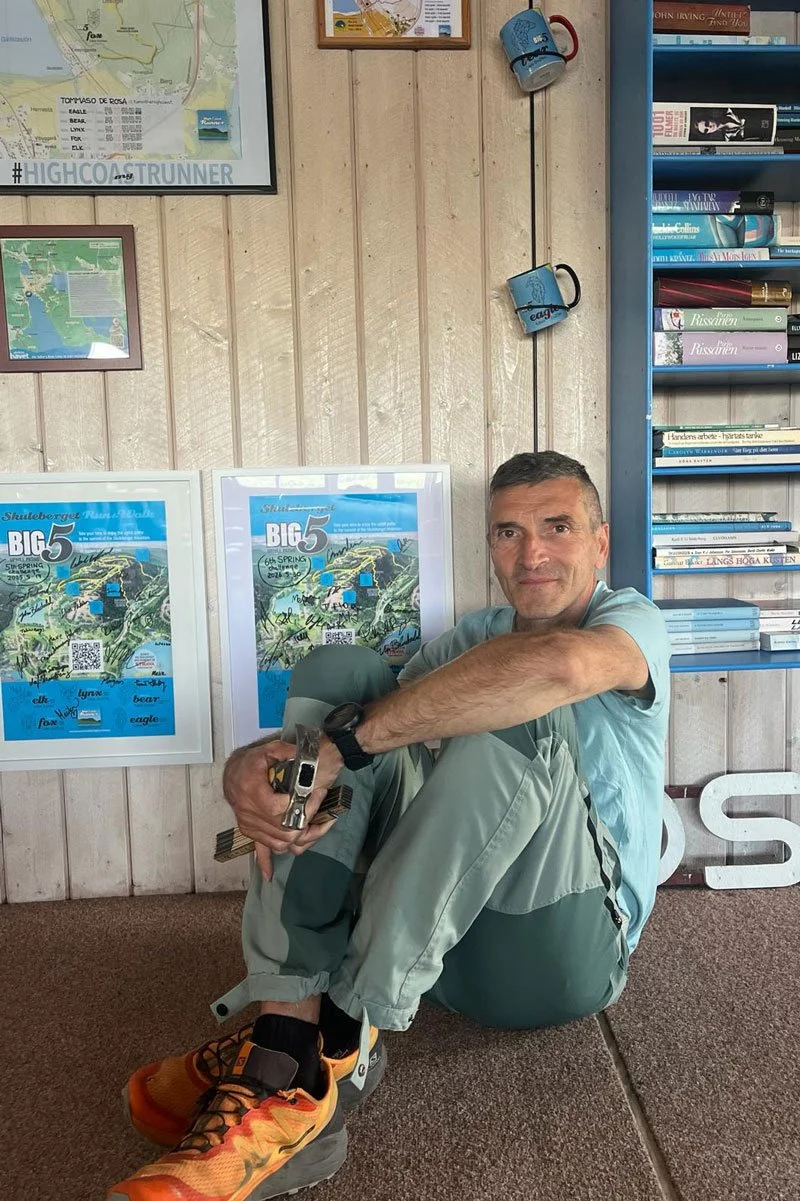
Tommaso De Rosa

See my host profile and message me on Airbnb

After hours on the trail, a good stopover isn’t “doing more” — it’s recovering well. If you’re walking the Höga Kustenleden and want a calm base near Docksta, I’ll help you shape a simple next step: Skuleberget, Skuleskogen, a swim, a quiet evening, and a realistic plan for tomorrow.

CONTACT ME by email or WhatsApp at +46.763136909 with your dates and your pace — I’ll keep it simple and real.
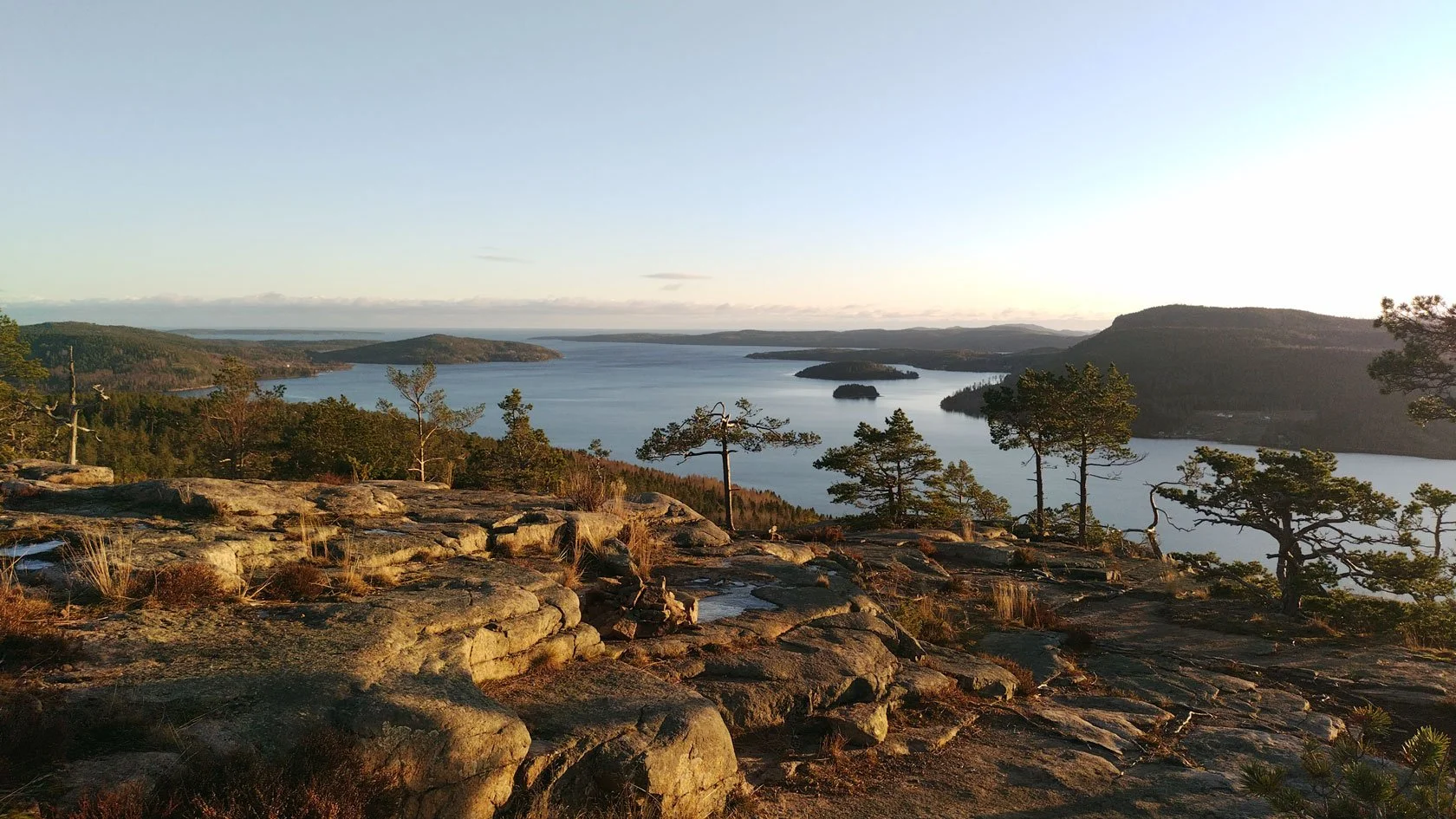
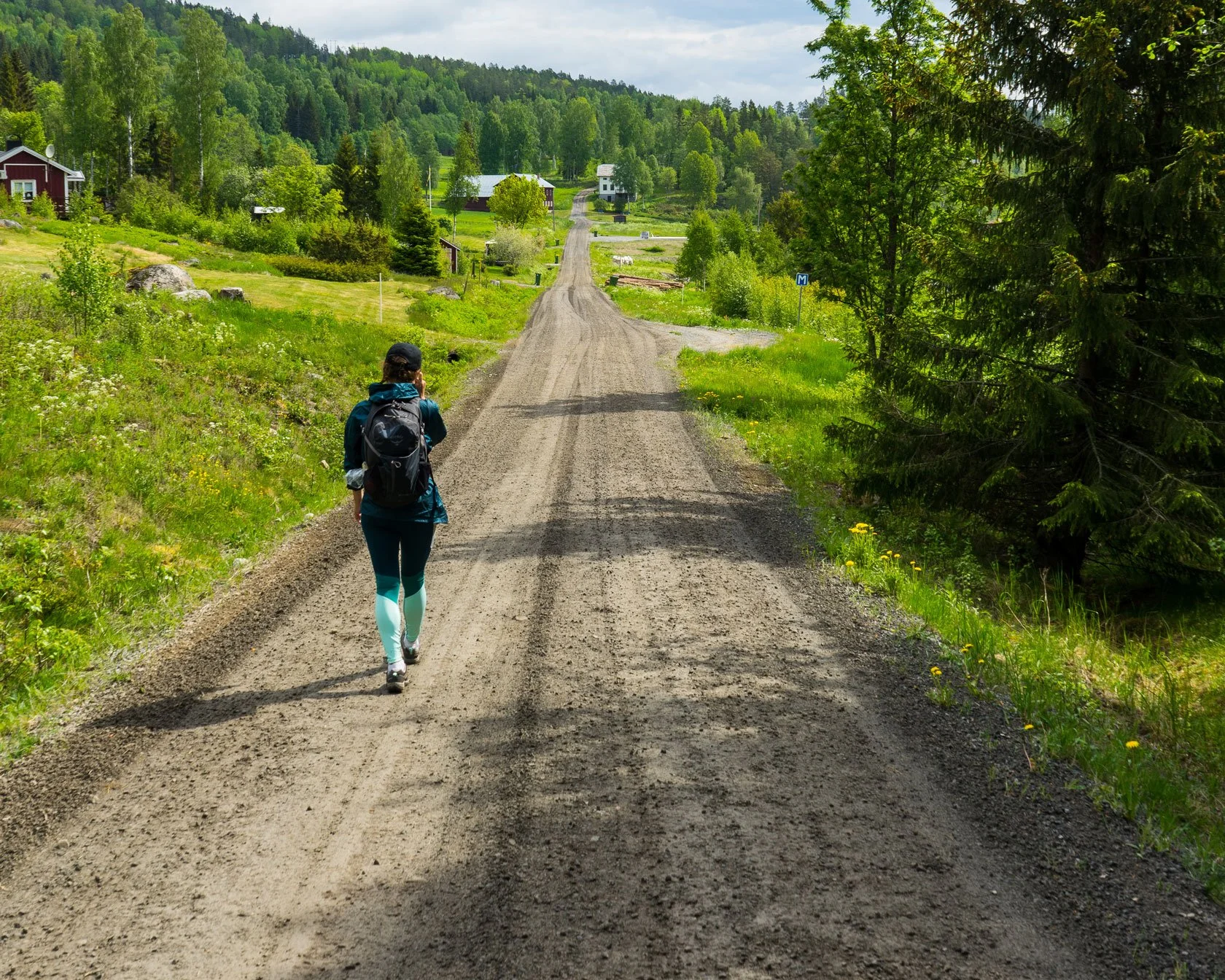
 

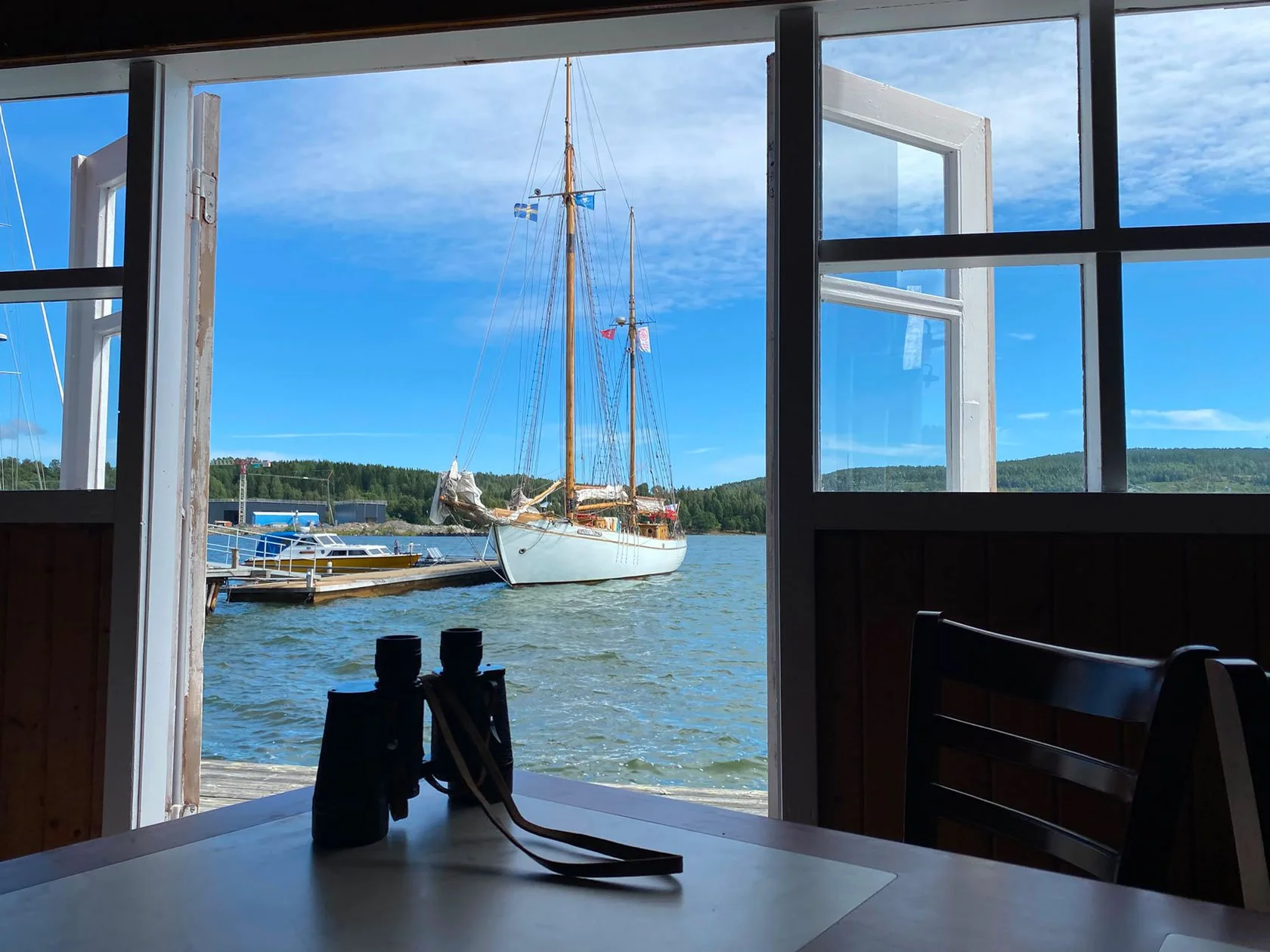
High Coast Stopover for Sailors (Docksta): the smart 2–3 night pause between sea and mountains

A simple idea: turn one harbour night into a real High Coast day

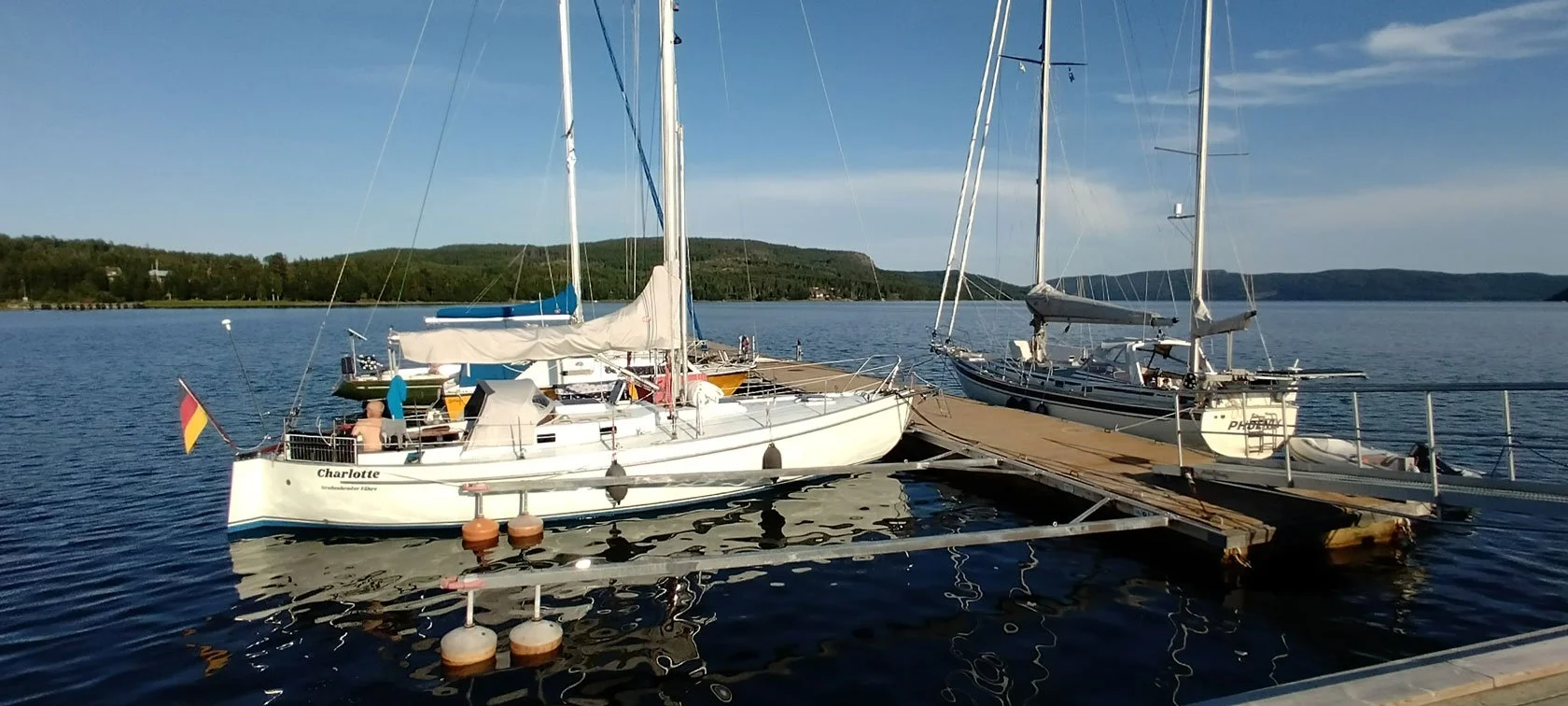
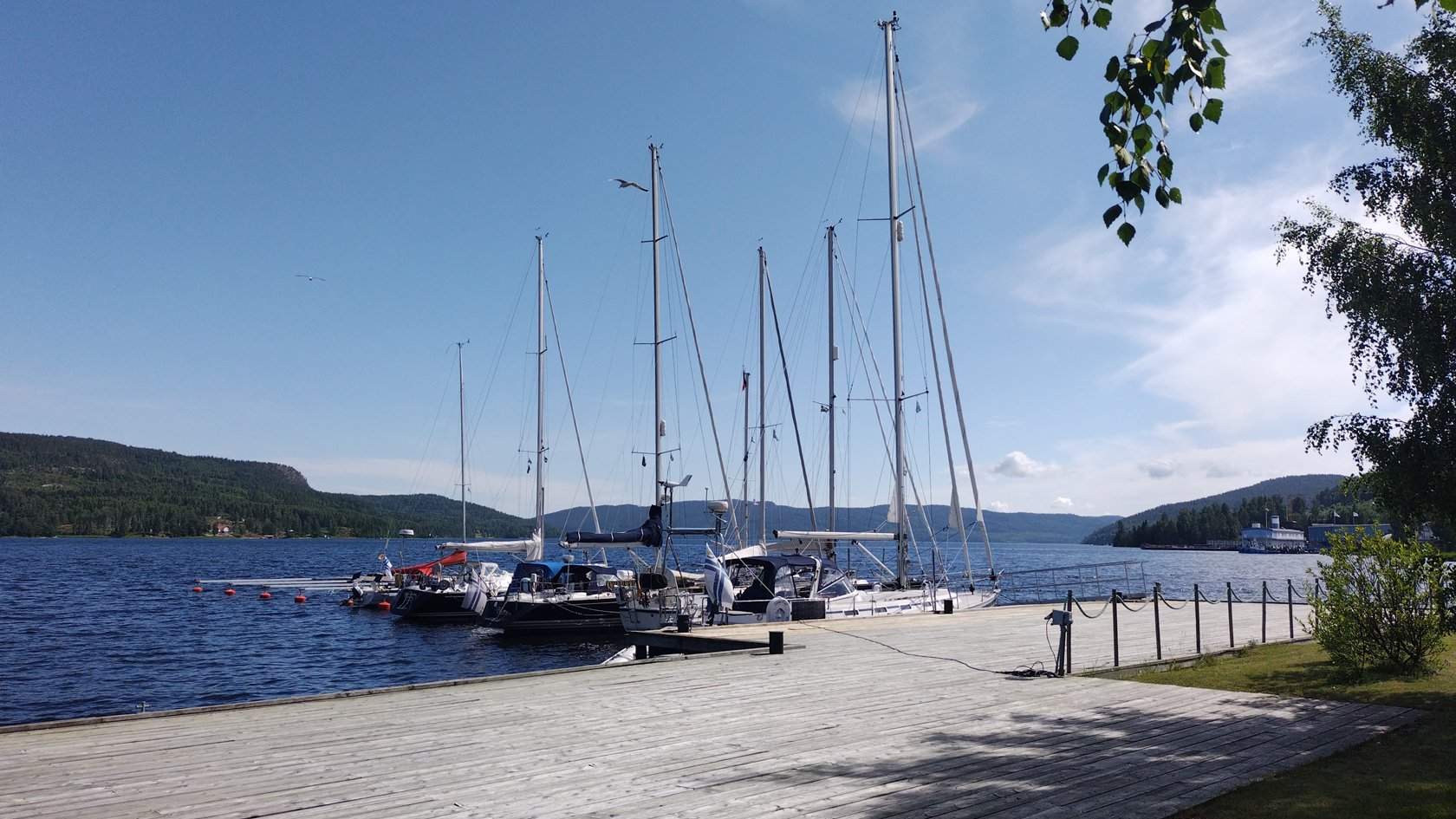
A welcoming, safe guest harbour at the foot of Skuleberget, with personal hosting. Stop 2–3 nights, reset, and explore the High Coast with local guidance and Grab&Go gear. Plus, it’s one of those rare harbours where provisioning and fuel are genuinely easy on foot.


You can sail the High Coast and still miss it

Not because the archipelago isn’t beautiful — it is — but because this coastline reveals itself slowly.

If you only stop for a quick overnight mooring, you may leave before you’ve felt what makes Höga Kusten a UNESCO World Heritage site: the short climb that opens into big views, the pine forest that quiets the mind, the simple rhythm of sea → mountain → sea.

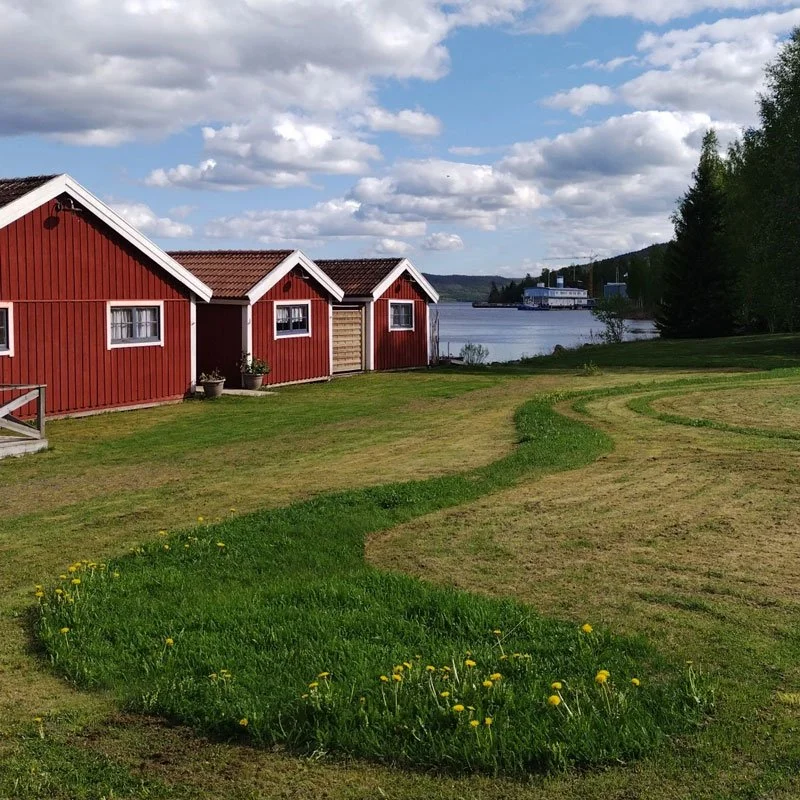
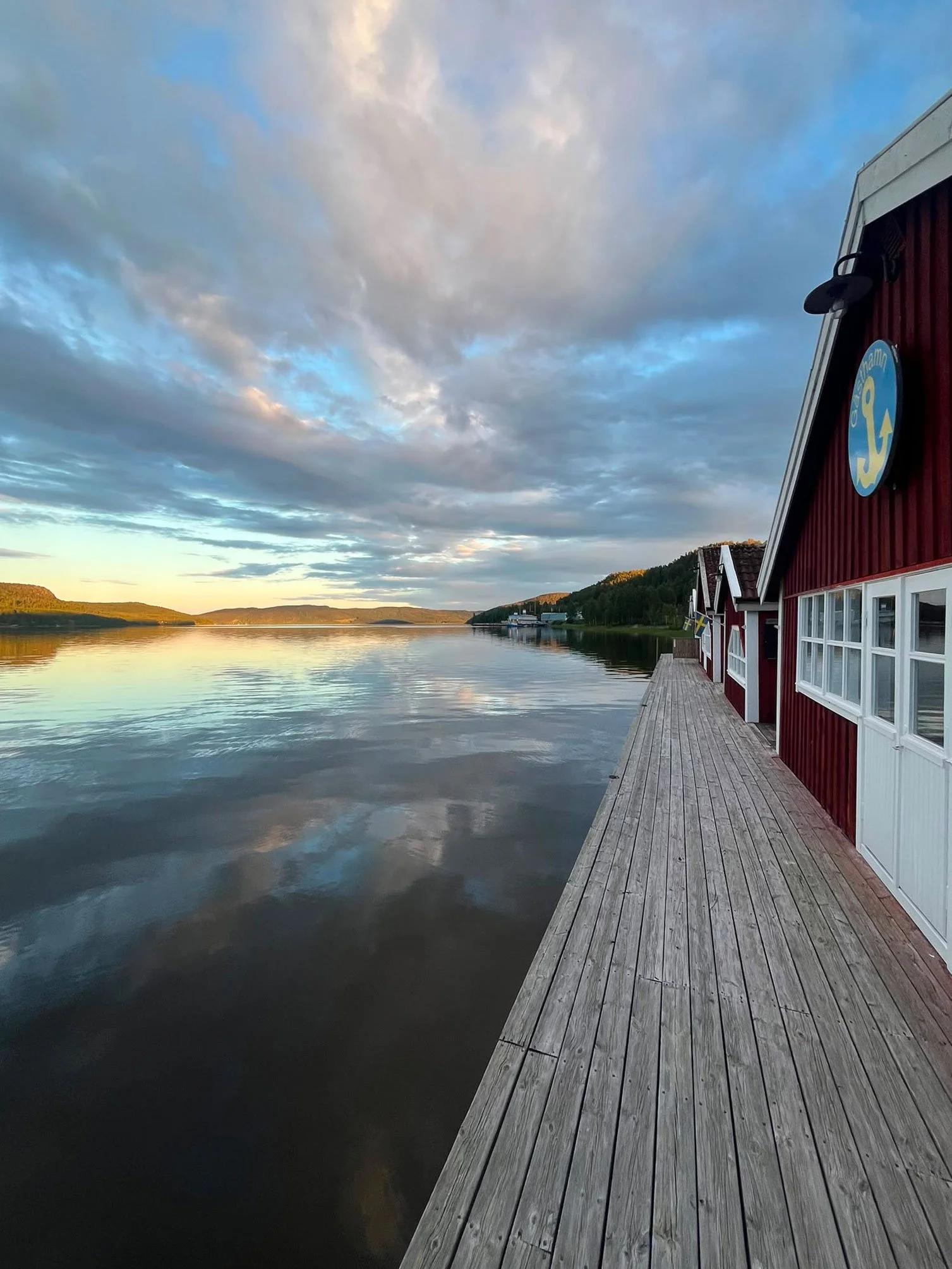
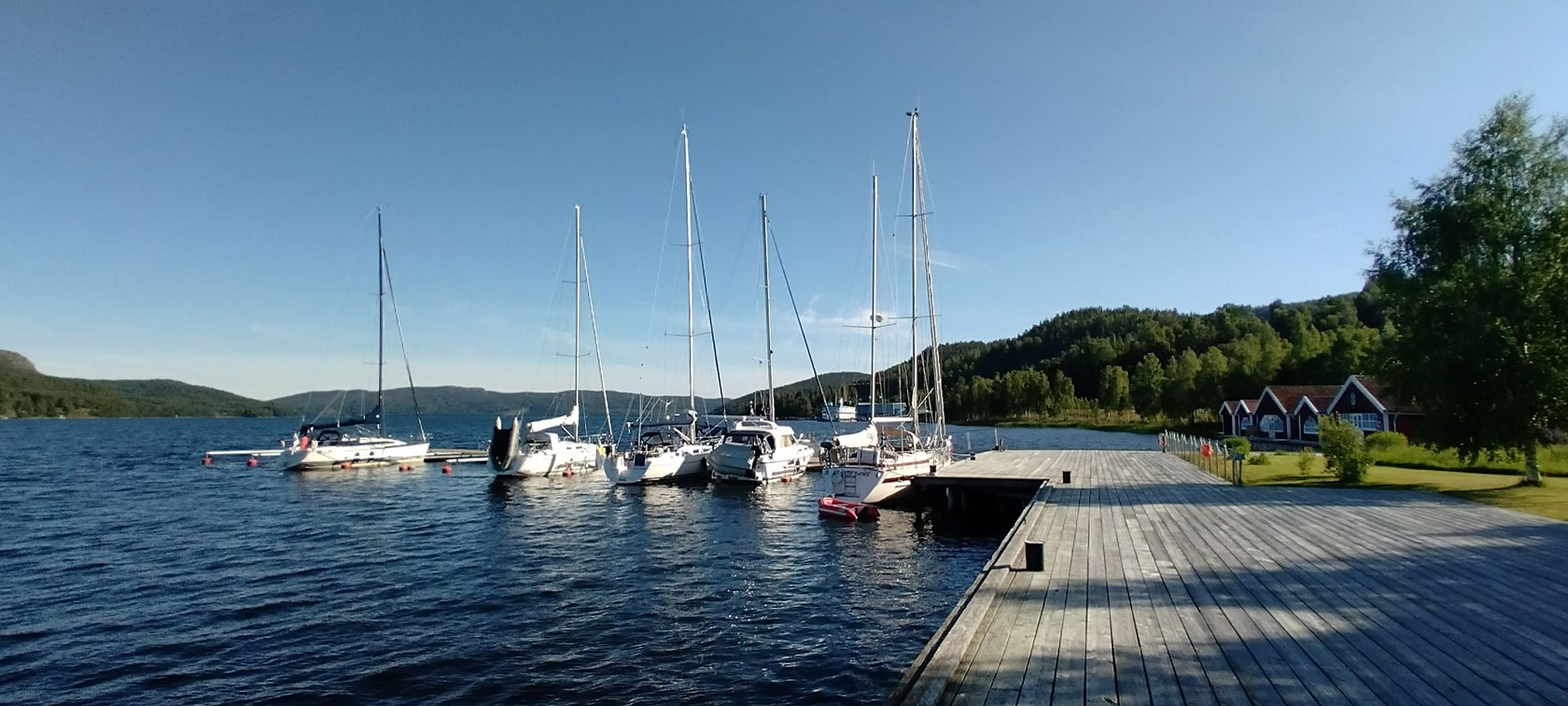
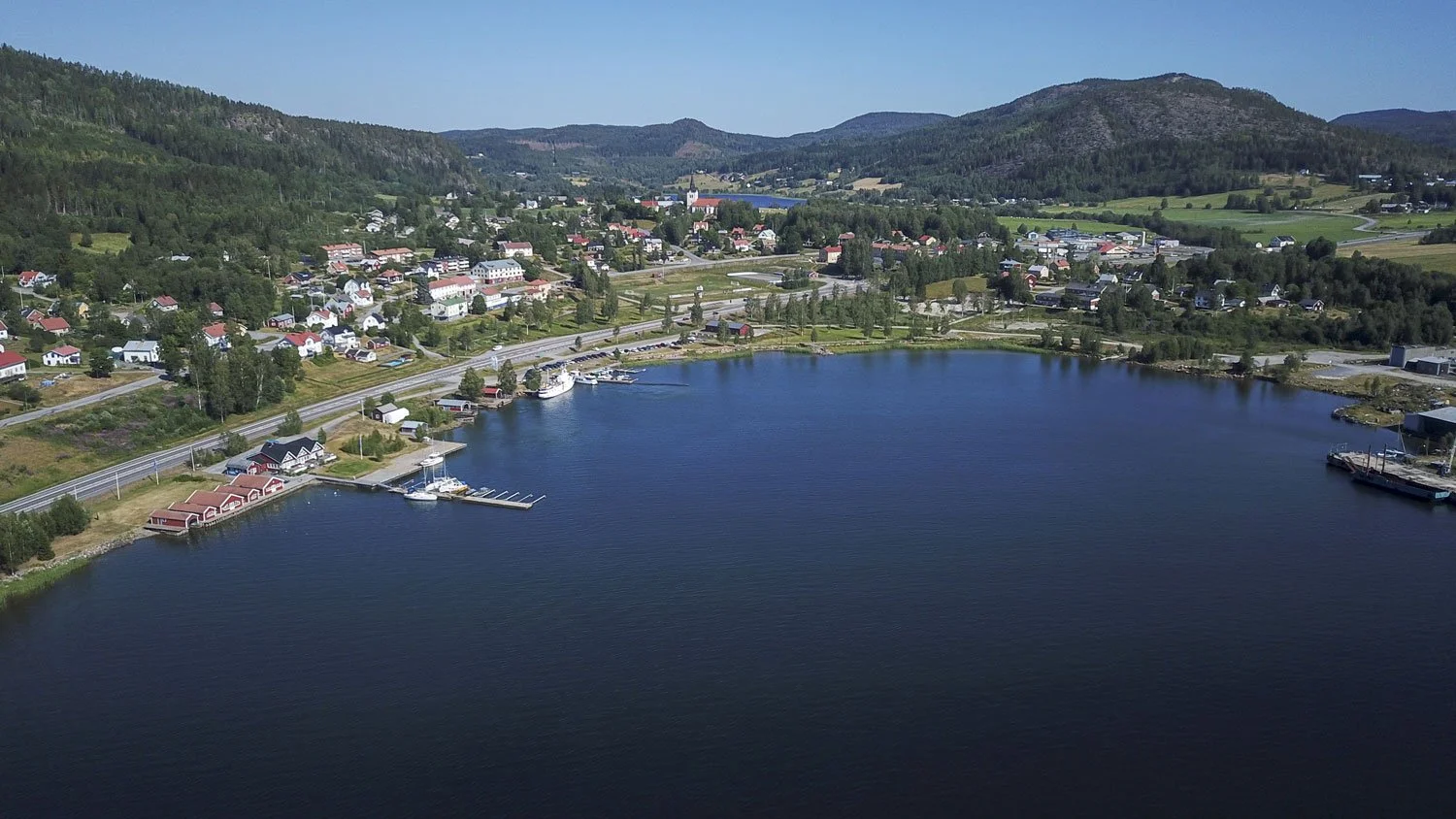
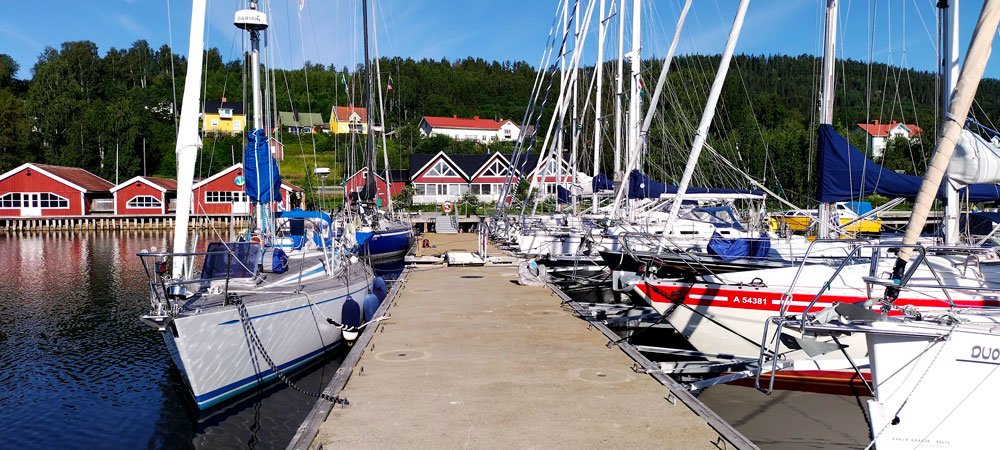
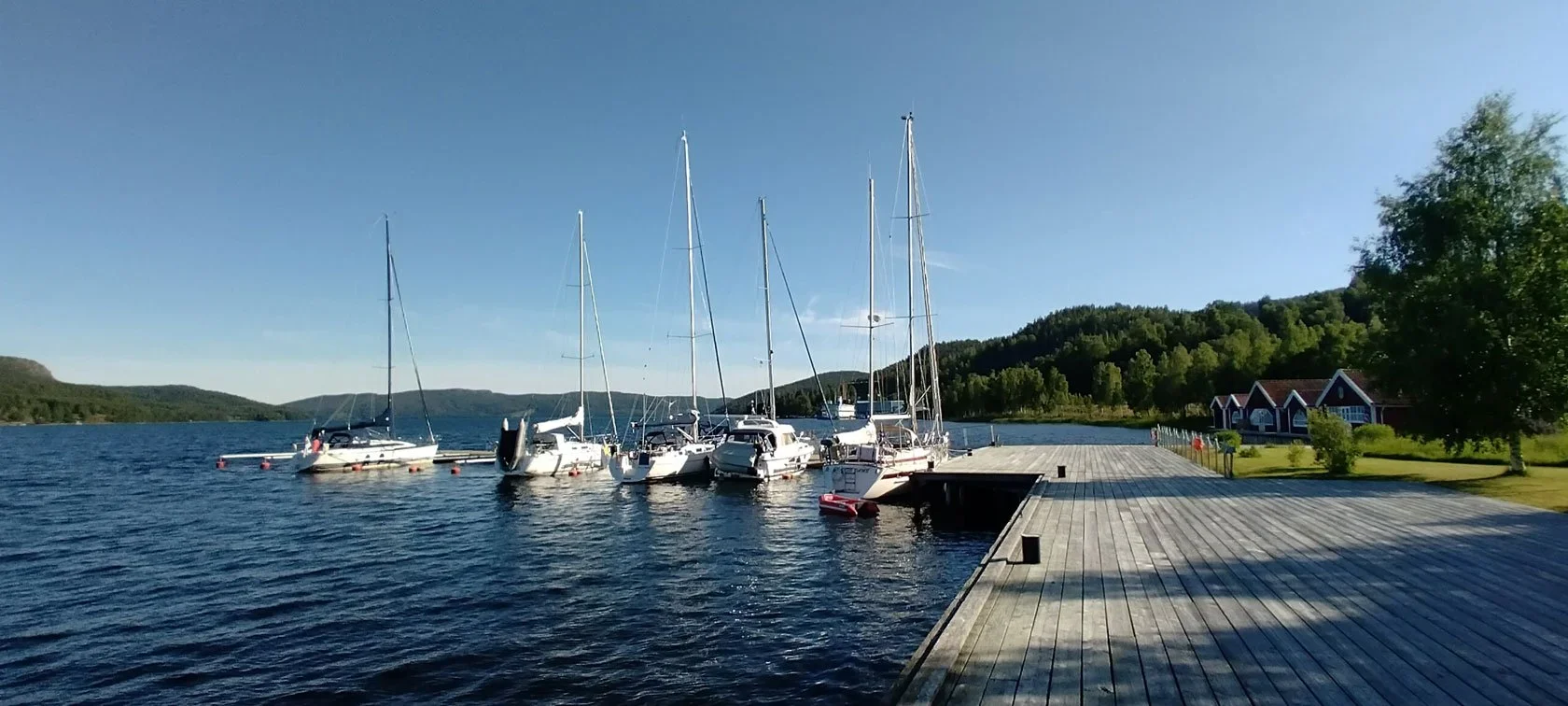
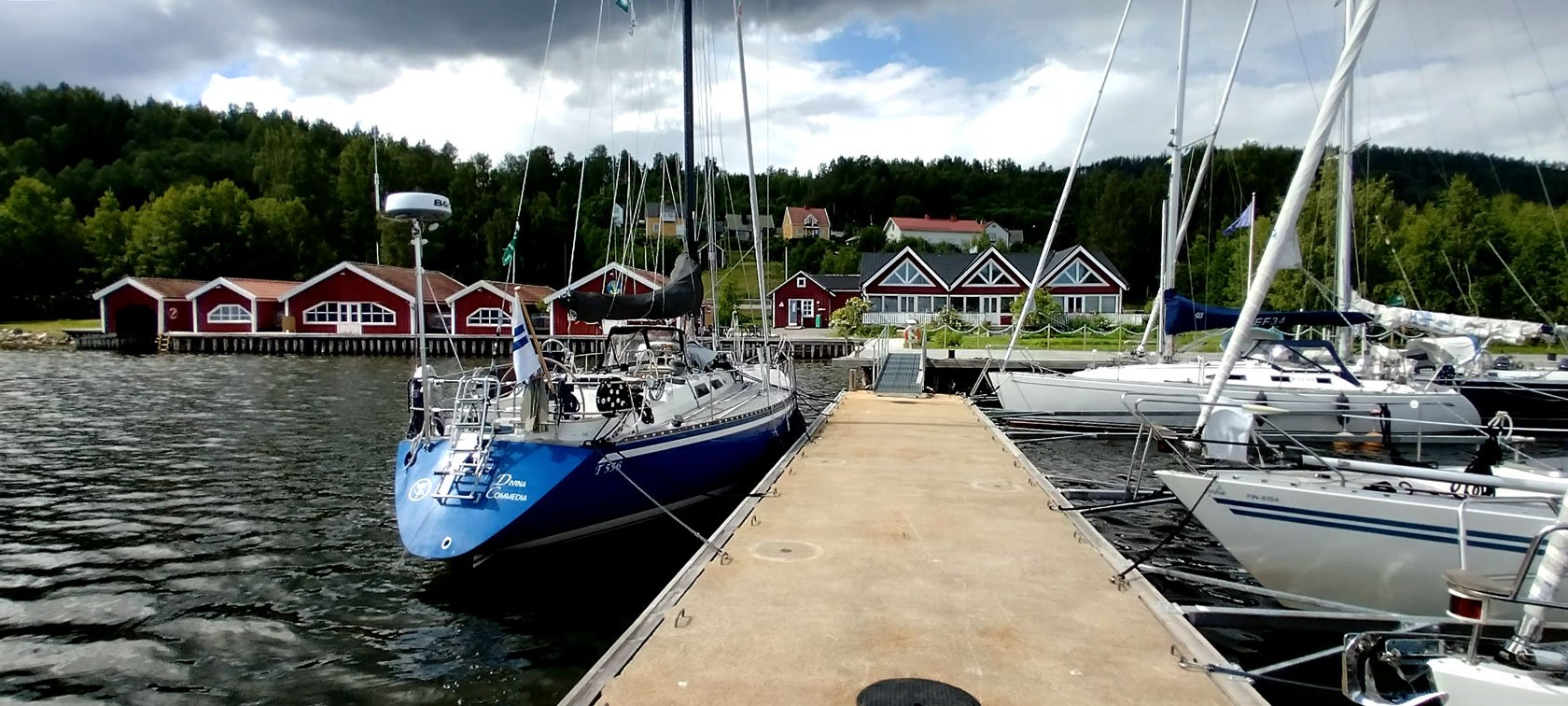
Docksta Havet is a small, calm guest harbour at the foot of Skuleberget. Since 2006, we’ve welcomed international crews who want a stop that’s both safe and useful: a practical base camp that makes it easy to explore Skuleberget and Skuleskogen — without stress, without a car, and without turning the boat into a gear warehouse.


Moor safely. Reset properly. Explore Skuleberget and Skuleskogen like a local — then sleep by the sea.

If you’re part of the 70% of our sailors who arrive from abroad, this is one of the simplest ways to “unlock” the High Coast in a short weather window.

Why Docksta is a smart High Coast stopover for sailors

A quick overnight berth can be perfect when you’re simply moving along the coast.

But if you’re here to discover the High Coast — especially as an international crew — what makes the difference is often not the pontoon itself. It’s the human layer: local tips, timing, and the kind of shore‑leave ideas you only get from people who know both the sea and the mountains.

We don’t believe in shouting “we’re the best.” We believe in making your stop work — and in welcoming you like a guest, not processing you like a transaction.

Here’s what makes Docksta a strong choice when you want more than a berth:

  • A protected, well-kept guest harbour with a long track record (certified guest harbour; hosting sailors since 2006)

  • A rare location: you’re moored close to the High Coast “hot spots” — Skuleberget and Skuleskogen National Park are not “a day trip away”, they’re your backyard

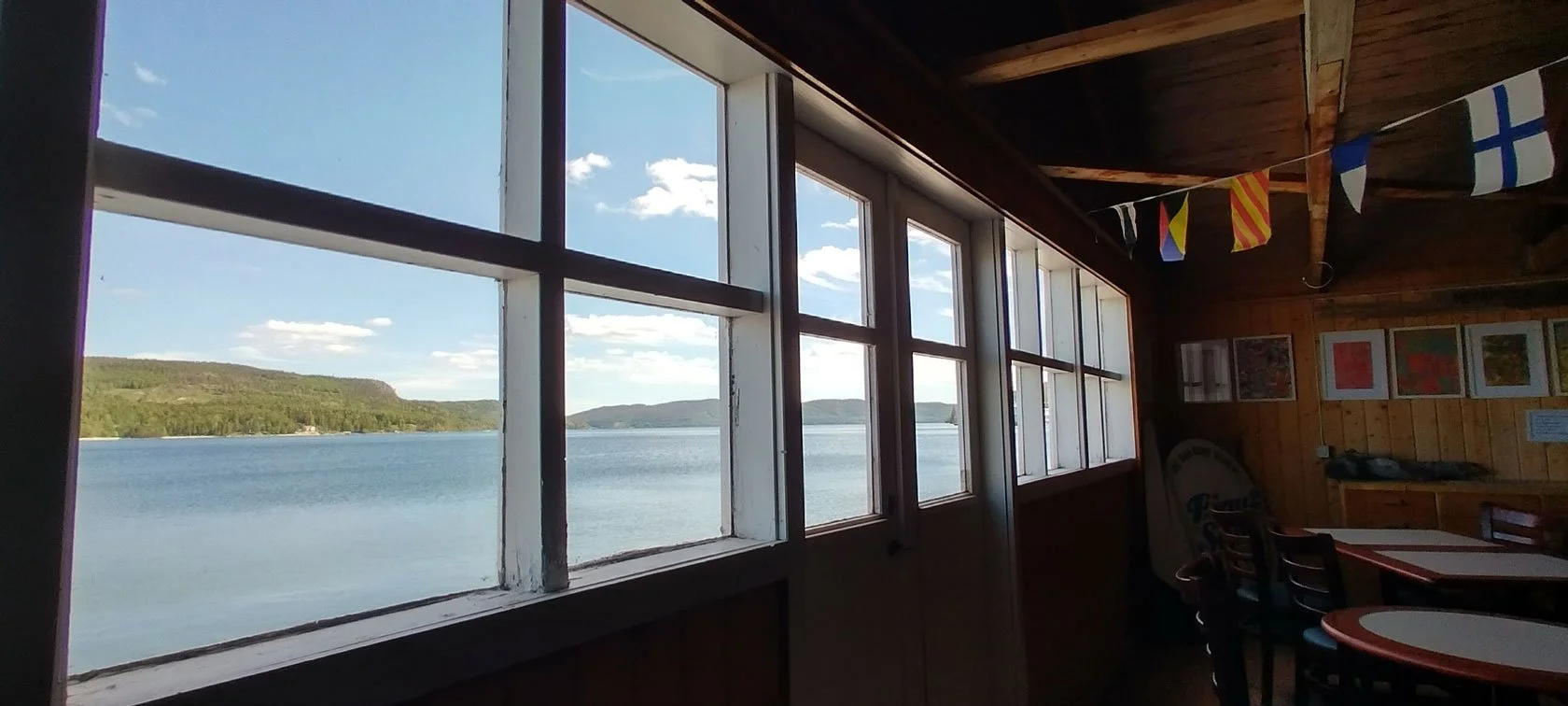
  • A real Sailors’ Club House: WiFi, espresso, calm lounge energy, practical local knowledge, and the kind of atmosphere where crews actually recover

  • Practical services that matter on a cruise: showers, toilets, laundry, dishwashing, recycling, free parking — plus bus stops just a few steps from the piers

  • Provisioning + fuel, without detours: a supermarket (ICA) close to the marina for the crew’s pantry, and a nearby fuel station for an easy refill window.

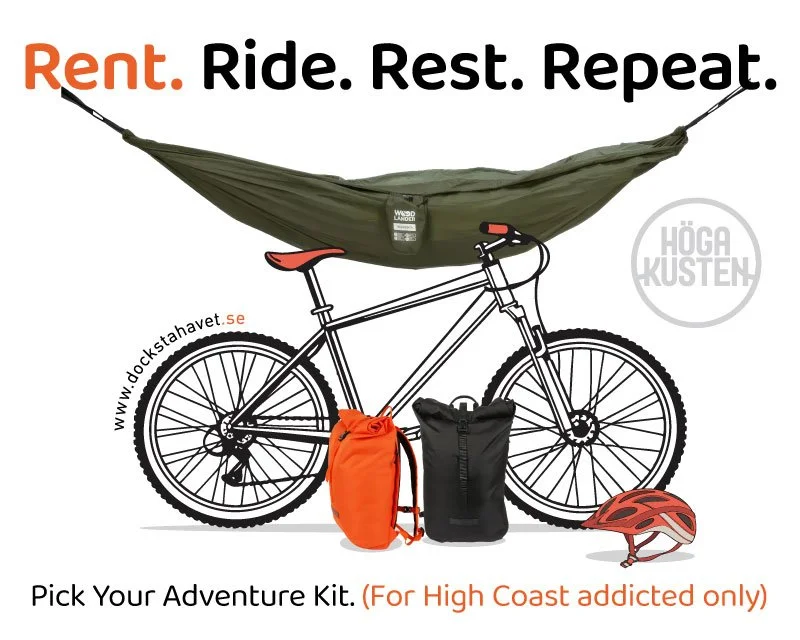
  • Outdoor Ready / Grab&Go gear so you can explore even if you didn’t pack for hiking: bikes, daypacks, hammocks, simple kits

  • Personal hosting: we don’t outsource the local expertise — we share it (and yes, we’re sailors too)


The High Coast problem: the window is short

In the High Coast, the best days often come in small pockets.

If your plan is “arrive late, sleep, leave early”, you’ll likely miss the summit, the forest, and the feeling that makes this coastline a World Heritage site.

That’s why we recommend a different rhythm:


The recommended rhythm: 2–3 nights (the “High Coast Stopover”)

Night 1 — Safe mooring + reset

Arrive, tie up, shower, laundry if needed, and let the crew come back to baseline.

This is not wasted time. It’s what makes the next day feel like a real expedition instead of a rushed checklist.

Day 2 — Skuleberget or Skuleskogen (with or without a car)

This is the heart of the stopover: you leave the boat safely moored, and you step straight into the High Coast.

From Docksta you can build a full day that feels “big” but stays logistically simple — even if you don’t have a car.

  • Skuleberget for the iconic views, the summit feeling, and the easiest “big day” payoff in the area

  • Skuleskogen National Park for forest trails, coastline, and that quiet Nordic depth that makes you breathe differently

To make this easy (and premium), we’ll point you to our best planning resources:

  • Skuleskogen deep‑dive (routes + practical tips)

  • Skuleberget guide (what to do, what to skip, timing)

  • Outdoor Ready / Grab&Go stories (how to explore without carrying extra gear onboard). See prices + what’s included (bikes, daypacks, kits): Grab&Go overview >

Don’t have the right gear onboard? That’s exactly why we built Outdoor Ready / Grab&Go: bikes, daypacks, hammocks, and simple kits that turn shore leave into a real High Coast day.


Night 2 — The premium part: sleep by the sea after the mountain day

This is where the High Coast becomes a memory.

You come back tired in the good way, make coffee, plan tomorrow, and sleep with the boat safely moored.


Optional Day 3 — The “slow bonus day”

If the weather is good, a third day gives you room for:

  • a second trail (shorter, more playful)

  • a proper recovery morning

  • a calm departure window


What you really get here (for sailors)

If you only read one section, read this.

  • Safe mooring in a protected fjord setting

  • Fast access to Skuleberget and Skuleskogen (the High Coast icons)

  • Club House with WiFi, espresso, books, lounge space

  • Showers, toilets, laundry, dishwashing

  • Supermarket nearby for provisioning + fuel station close to the harbour (easy logistics for cruising crews)

  • Outdoor Ready / Grab&Go gear: bikes and simple kits to reach trails without friction

  • Local guidance: routes, timing, “what’s worth it today” decisions


Make it easy: a simple “Stopover Package” logic (no complexity)

We keep operations simple — but we make value visible.

When you stop in Docksta, think in three layers:

  1. Mooring (Base): the safe, calm night

  1. Practical add‑ons: laundry, lounge, recovery, supplies

  1. Experience add‑ons: Outdoor Ready gear, maps, routes, micro‑guides

This is how a “standard harbour fee” becomes a premium High Coast day.

Click a Pin, Start a Day (From Docksta Havet Base Camp)

Tip 👉 open the map in full screen for easier planning on mobile.


Who this is perfect for

  • International crews doing a Sweden/Finland/Åland/High Coast route

  • Couples and small crews who want one mountain day without turning the boat into a hiking warehouse

  • Sailors who value calm, cleanliness, and real hosting

  • Anyone who wants a smart stopover instead of “another harbour night”


Turn your stop into a High Coast highlight

If you’re sailing the High Coast this season, don’t just pass by.

Make Docksta your Sailors’ Base Camp for 2–3 nights.

  • Moor at our pontoons (guest harbour)

  • Use Docksta as your launch point for Skuleberget and Skuleskogen

  • Ask us on arrival about the best plan for today’s weather window

  • Message WhatsApp or call +46 763136628 (harbour host)
    Tell me your ETA + what kind of shore leave you want (Skuleskogen / Skuleberget / bike day / bad-weather plan).

Practical notes (quick)

Season: mid‑May to mid‑September

  • Languages: English, Swedish, Italian (and some German)

  • Best for: 2–3 night stopovers

Docksta Havet Base Camp is the guest harbour where your High Coast stop becomes a real mountain-and-sea day: safe mooring, Sailors’ Club House, practical services, and Outdoor Ready gear — right by Skuleberget and Skuleskogen National Park.


Planning a stop in Docksta?

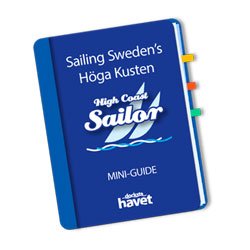
Download our High Coast Sailor Mini-Guide - a practical shore-leave companion with:

  • Simple ideas for 24-48-72 hours

  • What to do when the weather window is short

  • The easiest ways to reach Skuleskogen National Park and Skuleberget

  • A few local -do this, skip that- notes (the kind you only get from hosts)

Download the mini-guide and turn a quick harbour night into a real High Coast day.


A note from your harbour host

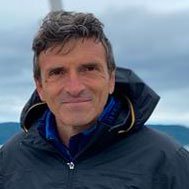
I’m Tommaso. I live the High Coast from these piers in Docksta—right where the sea meets the mountains—and I love helping crews turn a simple stop into a real shore‑leave adventure.

When you arrive and you see me on the docks, say hi. Tell me what kind of day you want: Skuleskogen National Park, Skuleberget, or a calm Plan B (coffee, a short walk, and a good view). I’ll point you in the right direction—with the right trail, the right timing, and the small local details that make the day easy.

Tommaso De Rosa — harbour host at Docksta Havet


Below you’ll find all my Sailing posts — routes, stopovers, and local tips:

Solo Travel in Sweden: A Quiet High Coast Base Camp for First-Timers

High Coast for Solo Travellers: A Gentle 24–48h Plan

First time solo in Sweden’s High Coast (Höga Kusten)? Don’t overplan. Use Docksta as a calm base camp for Skuleberget, Skuleskogen, Ulvön and car-free bike + hike days—with a gentle 24–48h structure.

Before you arrive

If you’re planning a solo trip to Sweden, you’ve probably noticed two things.

First: the country looks vast on a map. Second: the internet gives you a lot of options—sometimes too many.

This is a small, quiet note from the High Coast (Höga Kusten), written for first-timers who want nature without stress.

I’m Tom. In summer I host at Docksta Havet—right by the water, at the edge of the High Coast trails. I’m not here to sell you a “perfect experience”. I just want you to arrive with a light soul and a tiny rucksack.

(If you’re already curious about logistics: Docksta is easier than it looks. I keep a practical guide here:  https://dockstahavet.se/blog/how-to-get-to-docksta — but you don’t need it yet.)


Is the High Coast good for solo travellers?

Yes—especially if you like places where the day can be simple.

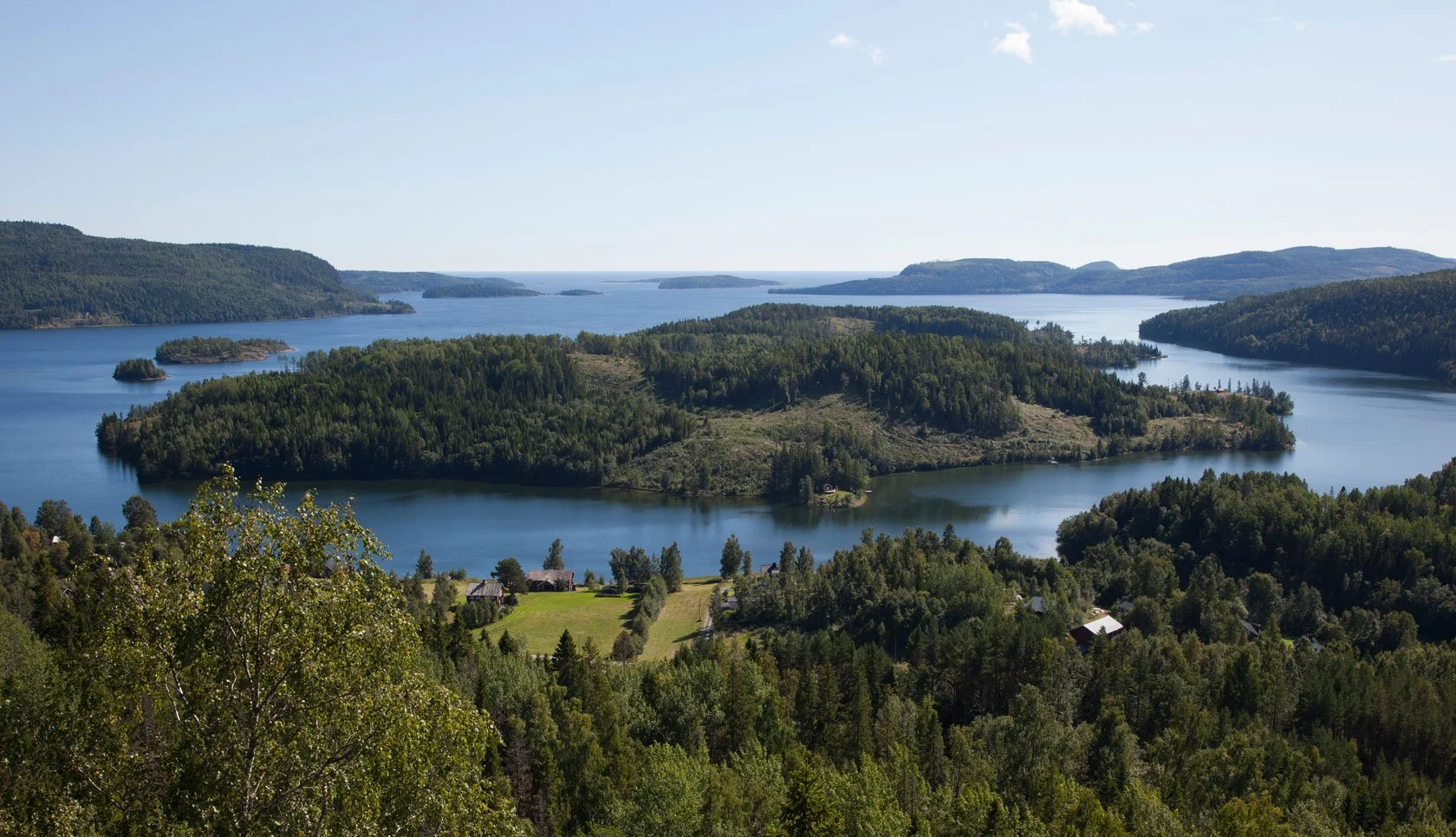
The High Coast is a UNESCO World Heritage landscape, shaped by the world’s fastest land uplift after the Ice Age. That sounds like geology (and it is), but what you feel is more human: cliffs rising from the sea, rocky pine forests, a wide archipelago, and a kind of space that makes your nervous system exhale.

It’s not a city break. The High Coast—land and archipelago together—is a landscape break.

Here, solo travel doesn’t mean “being alone”. It means you can move at your own pace: a slow breakfast, a trail that starts when you’re ready, a swim when the light feels right.

And because Sweden has a strong outdoor culture, being on your own in nature is normal here—not strange.


The High Coast is big (and that’s good news)

A small warning (and a relief): the High Coast is bigger than most people expect.

That’s why I don’t recommend trying to “see it all” on a first visit — not for solo travellers, not for couples, not for families. Especially if you only have a short stay.

Instead, pick one small area and go deep. The High Coast rewards the slower choice.

Docksta is one of those places that works well as a base camp because, from here, you can reach:

  • Skuleberget (iconic viewpoint, chairlift, and flexible trails)

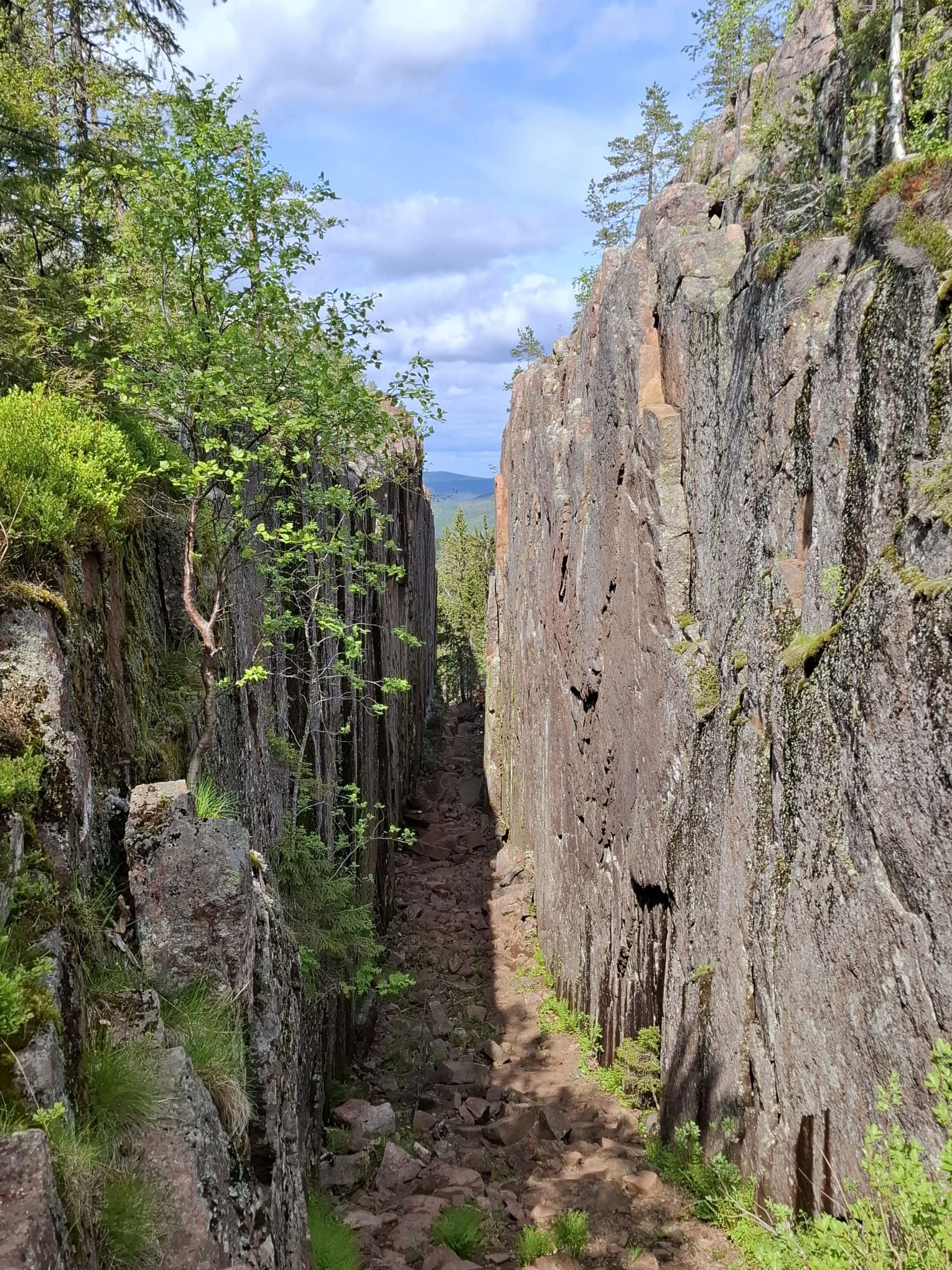
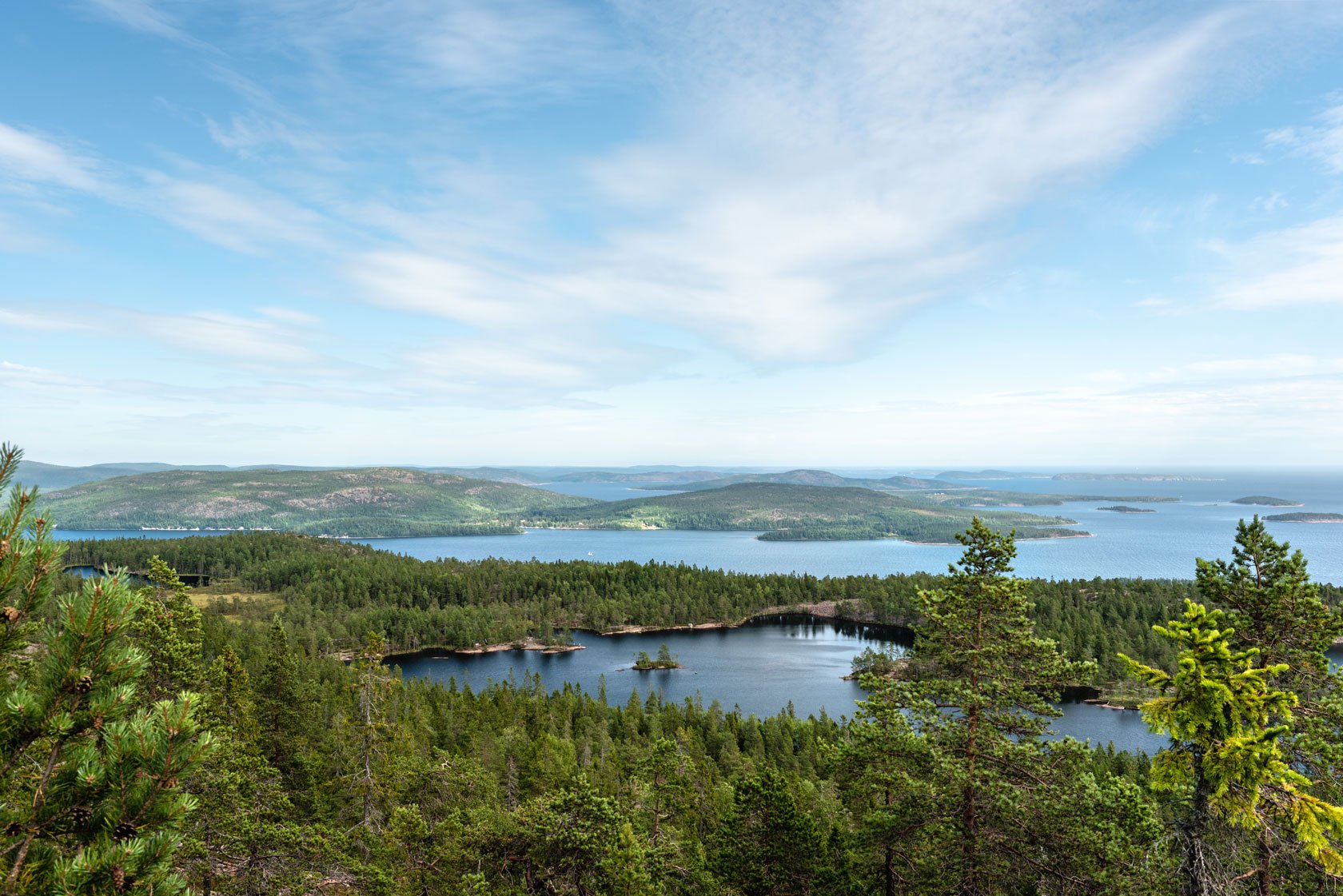
  • Skuleskogen National Park (sea → forest → lakes → crevice → summit with a stunning archipelago view)

  • Ulvön and the archipelago (ferry days when the weather is kind)

  • Sections of the Höga Kustenleden (for hikers moving through)

If you want a calm way to plan, start with this hub page:
https://dockstahavet.se/blog/start-here-high-coast-day-trips-docksta

And if you prefer one “ready-made day” to copy-paste into your trip, these two are solid:


Base camp mindset (so you don’t overplan)

Many solo travellers try to design a perfect route.
I’d suggest something softer: choose a base camp.

A base camp is not a luxury. It’s a way to reduce decisions and enhance opportunities.
From one stable place you can:

  • hike Skuleberget without changing beds

  • visit Skuleskogen without packing your whole life

  • take a ferry day trip (like Ulvön) when the weather is kind

  • rest & recharge when your body asks for it

And if you’re hiking the Höga Kustenleden, a base camp night can be a small reset: shower, laundry, real sleep — then back to the trail.

And sometimes the best base camp is the one you didn’t plan — it’s simply where you stop.


E4 stopover (tiny base camp mindset)

Even if you’re just passing through on the E4 (northbound or southbound), a one-night stopover can become more than “sleep and go.”
With a base camp mindset, you arrive, shower, reset, and wake up with a real choice: keep driving — or take a small High Coast micro-adventure before you move on.

If you want to scan the logic (and steal a ready-made idea), these three notes are a good place to start:


A gentle 24–48 hour solo plan (High Coast)

If you want a simple structure, here’s one that works.

Day 1 (arrive + land in the landscape)

  • Arrive, drop your bag, take a short walk by the water

  • Choose one “icon” only (not five): a viewpoint or a beach

  • End the day early. In Nordic light, tiredness can hide.

Day 2 (one real trail, no rush)

  • Pick one main hike: Skuleberget or Skuleskogen (not both)

  • Bring water, a warm layer, and something small to eat

  • Leave space for a swim, a nap, or a second coffee

If you stay longer, you can add a ferry day, a bike day, or a slow “nothing day”.


Without a car (a real solo-traveller question)

Many solo travellers don’t want to drive. Good. The High Coast can still work — if you choose your base camp carefully.
Docksta is one of the few places where you can build a simple day around bike + hike (and still come back to a shower, espresso, and real rest).

If you want a concrete example, here’s a full plan for Skuleskogen without a car (bike + trail logic) >


Local clarity (so you don’t carry the planning alone)

When you travel solo, the hardest part is often not the hiking — it’s the small decisions.

A good base camp gives you something simple: local clarity. You arrive, you ask one question, and the day becomes lighter. Not a long briefing — just a few tailored suggestions that match your pace, the weather, and the season.

And if you prefer to explore quietly on your own, you can also use our free mini-guides (in five languages) — a small premium resource, available with one click on the website.


Free mini-guides (5 languages): English → | Svenska → | Deutsch → | Suomi → | Italiano →


If you want one quiet upgrade

If you stay at Docksta Havet and you want solo travel to feel easy, there are two small things that help.

First: a simple, flexible place to sleep by the water — especially when plans are last-minute.
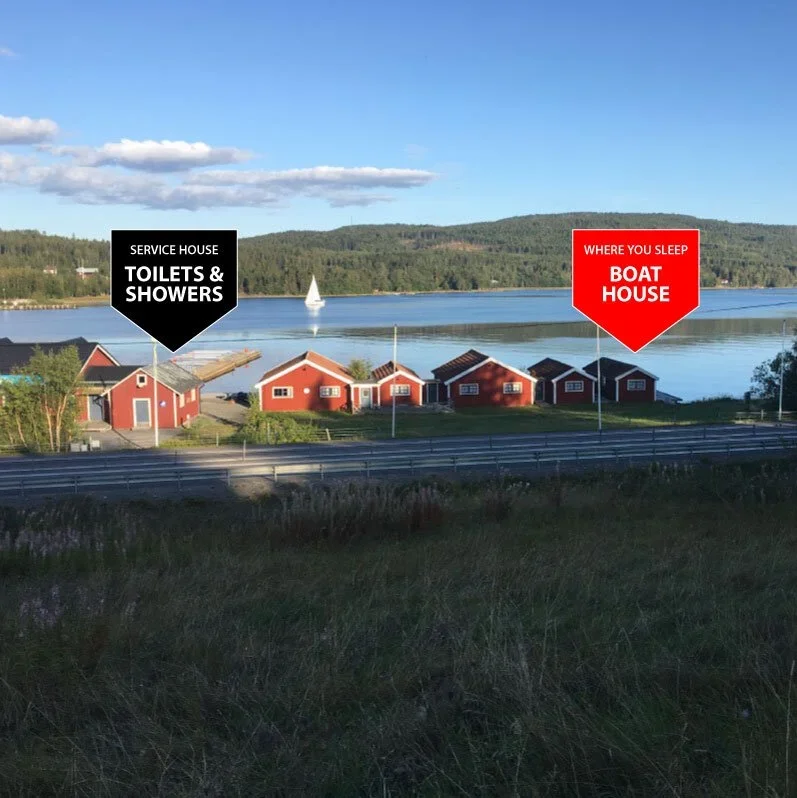
The Boathouse + Kitchenette is minimalist, affordable, and made for light travellers (even for a one-night E4 stopover when you just need a real reset).


Second: the ability to head out without buying gear.
If you want your day to start with curiosity — not logistics — you can use our Outdoor Ready / Grab&Go kits (bike, daypack, hammock, small essentials) and build a clean High Coast day from your base camp.

If that sounds like your kind of solo travel, start here:


“Light bag. Clear head. One base camp — and the High Coast opens up.”


Short extracts (SV / FI / DE)

SV 🇸🇪 – Kanske har du inte varit här ännu.
Höga Kusten är en plats mellan land och hav, där tallar växer på klippor ovanför fjorden.
Om du reser ensam: välj ett basläger, gör dagen enkel, och låt ljuset och vinden visa vägen.

FI 🇫🇮 – Ehkä et ole ollut täällä vielä.
Korkearannikko on paikka maan ja meren välissä, missä männyt kasvavat kallion päällä vuonon yllä.
Jos matkustat yksin: valitse yksi tukikohta, pidä päivä kevyenä ja anna valon ja tuulen tehdä loput.

DE 🇩🇪 – Vielleicht warst du noch nie hier.
Die Hohe Küste liegt zwischen Land und Meer, mit Kiefern auf Fels über dem Fjord und Licht, das den Takt verändert.
Wenn du allein reist: wähle ein Basecamp, halte den Tag einfach — und lass Wind und Licht den Rhythmus bestimmen.


All Guides & Stories (browse the full shelf):


E4 High Coast Stopover: Stop Differently in Docksta

Driving North? Stop Here Instead

Premium stopover on the E4: a simple Boathouse, local hosting, and one real High Coast moment. 400 SEK/pax. Last‑minute bookings + flexible check‑in. Not the cheapest—the smartest stop north.


You're on the E4. It's late afternoon, or maybe you've been driving since dawn. The road is long, and somewhere ahead—maybe tonight, maybe tomorrow—you'll reach your destination. But right now, you're tired. You need to stop.

Most people choose a car stop in a parking area along the E4, or the cheapest room in an aseptic motel. They sleep badly (or grab just a couple of hours), wake up groggy, and drive on without ever arriving anywhere.

I used to do the same thing.

Then I realized: the High Coast isn't something you pass through on your way north. It's something you stop into. And if you stop right, even one night changes how you feel about the whole journey.


🇸🇪 Svenska (kort, praktiskt)

Kör du norrut på E4 och behöver en bra nattpaus? Docksta Havet i Docksta är ett enkelt stopover vid marinan: Boathouse vid havet, dusch & toalett, gratis parkering, och sängen är bäddad när du kommer. Du får också ett snabbt lokalt tips för en kort promenad/utsikt i Höga Kusten om du har energi. 400 SEK/person.

🇫🇮 Suomeksi (lyhyt, käytännöllinen)

Ajetko pohjoiseen E4:ää ja tarvitset hyvän yöpysähdyksen? Docksta Havet Dockstassa on helppo stopover satamassa: Boathouse meren äärellä, suihku & wc, ilmainen pysäköinti, ja sänky on pedattu valmiiksi saapuessa. Saat myös nopean paikallisvinkin lyhyeen kävelyyn/näköalapaikkaan Höga Kustenissa, jos sinulla on energiaa. 400 SEK/hlö.


What I Mean by “Stop Right”

When you pull into Docksta Havet, something shifts. You're not checking into a room. You're arriving at a small base camp along your way—between sea and mountains, run by people who actually live here and know what matters.

Here's what that means in practice:

You're welcomed, not processed. I ask one real question: "What kind of night do you need?" Not "smoking or non-smoking." Not "early checkout?" I mean: Are you completely wiped and need deep sleep? Or do you have energy for one small adventure before bed?

You get a plan that fits your time. Not a list of 50 things to do. One simple, real High Coast moment—something you can actually do in the time you have.

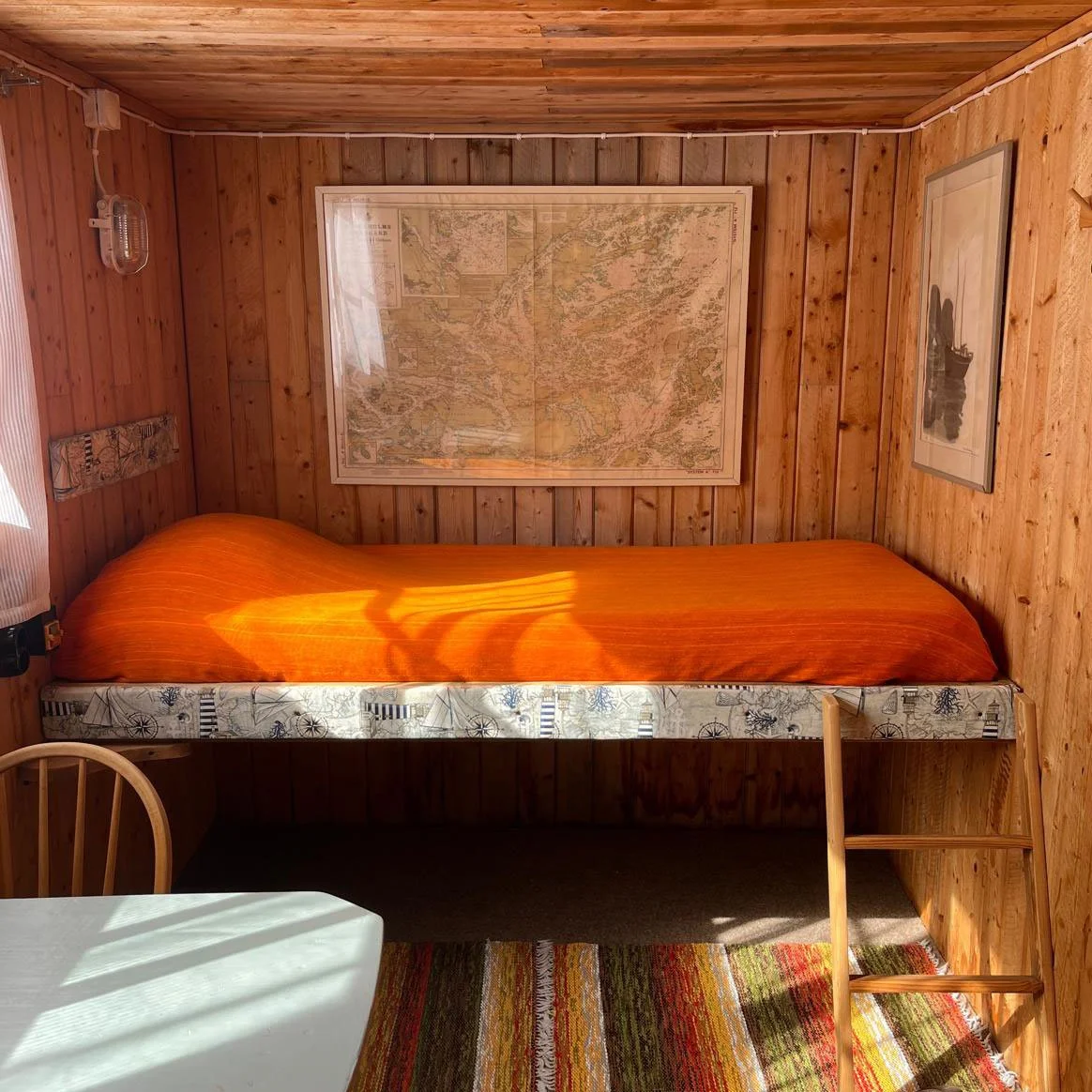
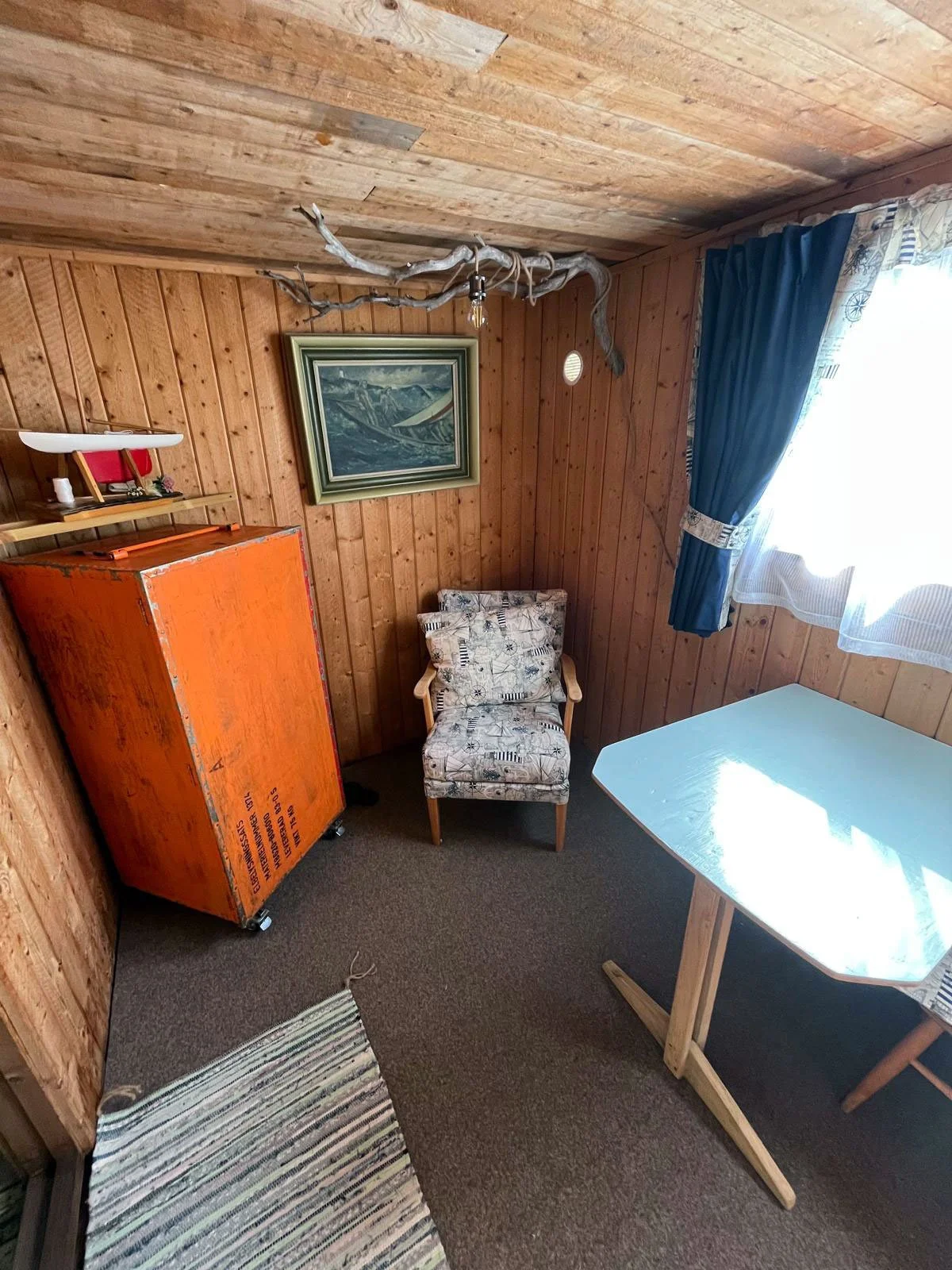
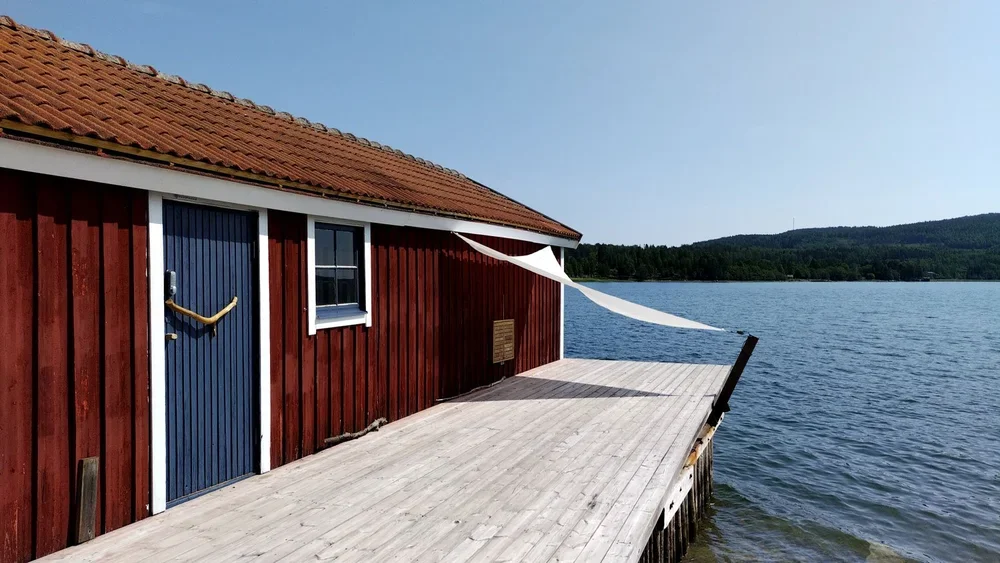
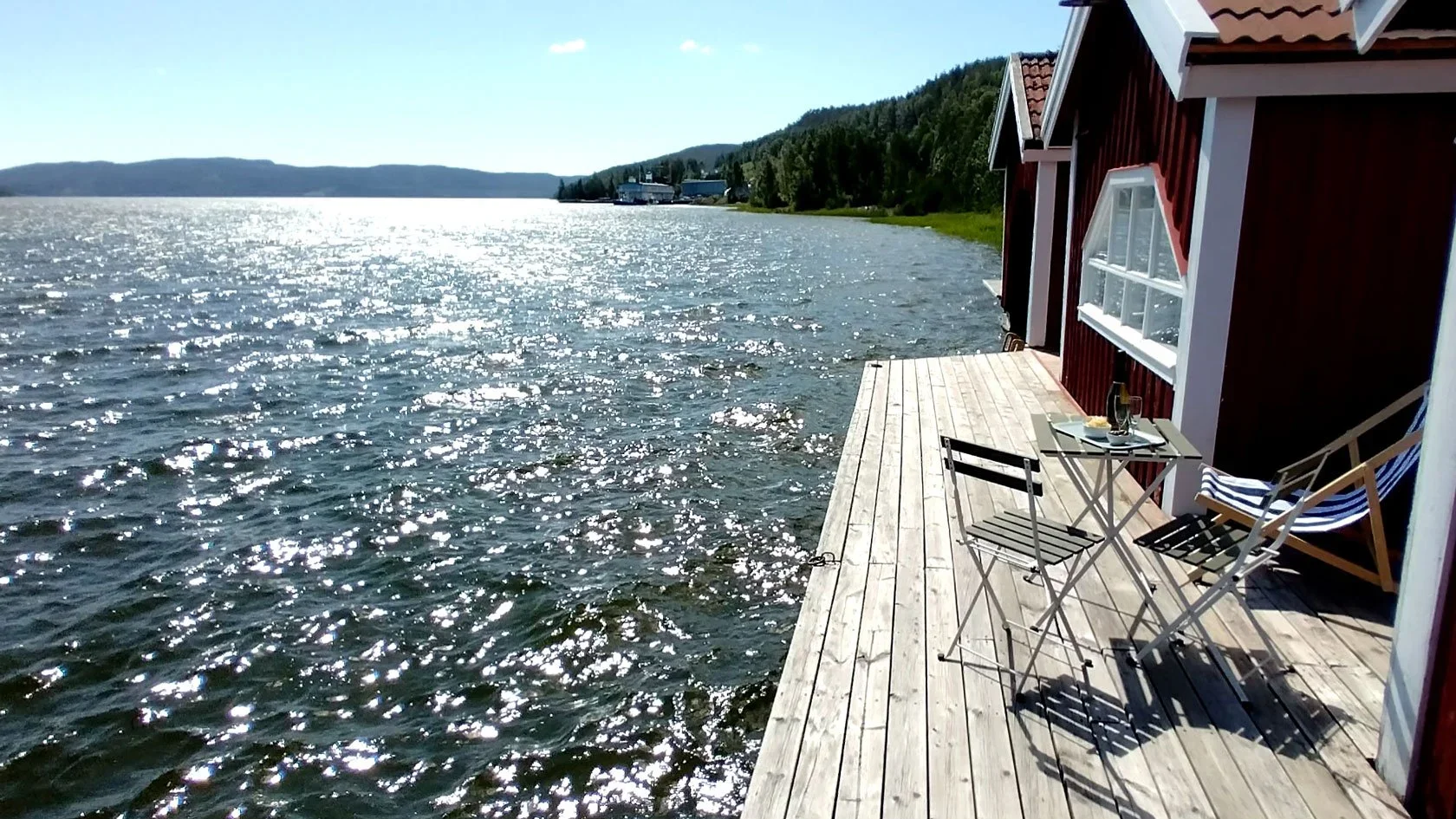
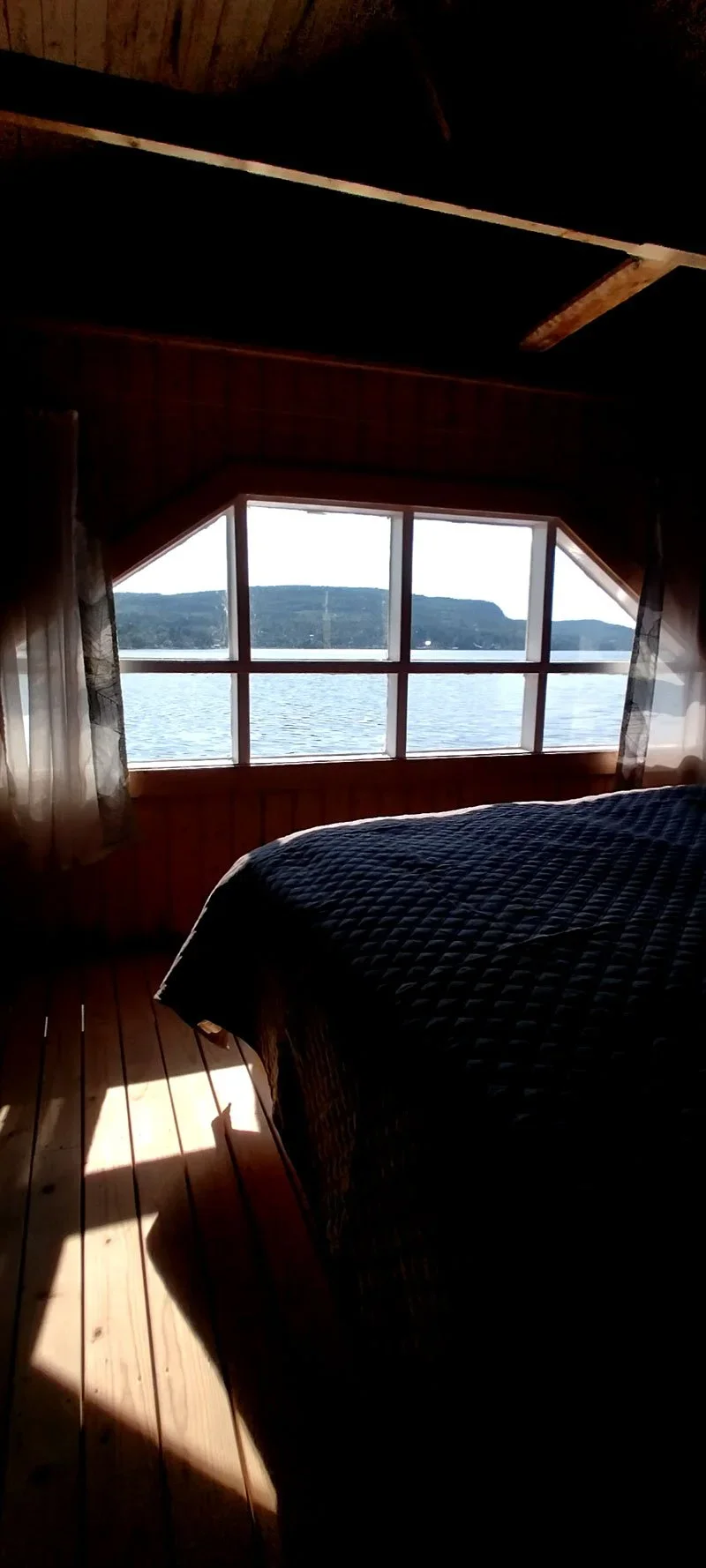
You sleep between sea and forest. Our Boathouse is minimal—bed, shower, dock access, forest at your door. No unnecessary stuff. No parking lot outside your window. Just the actual High Coast, close enough to hear it.

You leave charged, not just less tired. This is the difference. You don't just rest. You arrive somewhere, even if it's only for a night.


The Boathouse: Simple, Iconic, Honest

One night is 400 SEK per person. That's intentional.
The Boathouse is simple because we believe the luxury here isn't a fancy bed—it's waking up between sea and forest with a clear plan for your first High Coast moment.

And a small detail that matters when you're travelling (especially in this area): bed linens are included, and your bed is already made when you arrive.

You get:

  • A waterfront bed (made when you arrive)

  • Toilet & shower

  • Direct access to the dock and private beach

  • Free private car/bike parking slot

  • Free Wi‑Fi at the Sailor’s Club House

  • Local knowledge (included)

Make It Premium in 2 Minutes (Small details)

  • Bed linens are included

  • Your bed is already made when you arrive

  • Towels kit available (50 SEK) if you are traveling with little luggage (1x 140x70, 1x 70x50, 1x 50x30)

  • Kitchenette access (optional): 50 SEK

  • Grab&Go gear if you need it (bike, daypack, hammock rental)

What you do get: a person who knows the light, the weather, the shortcuts, and why people sail and hike here.


Your Micro-Adventure Menu

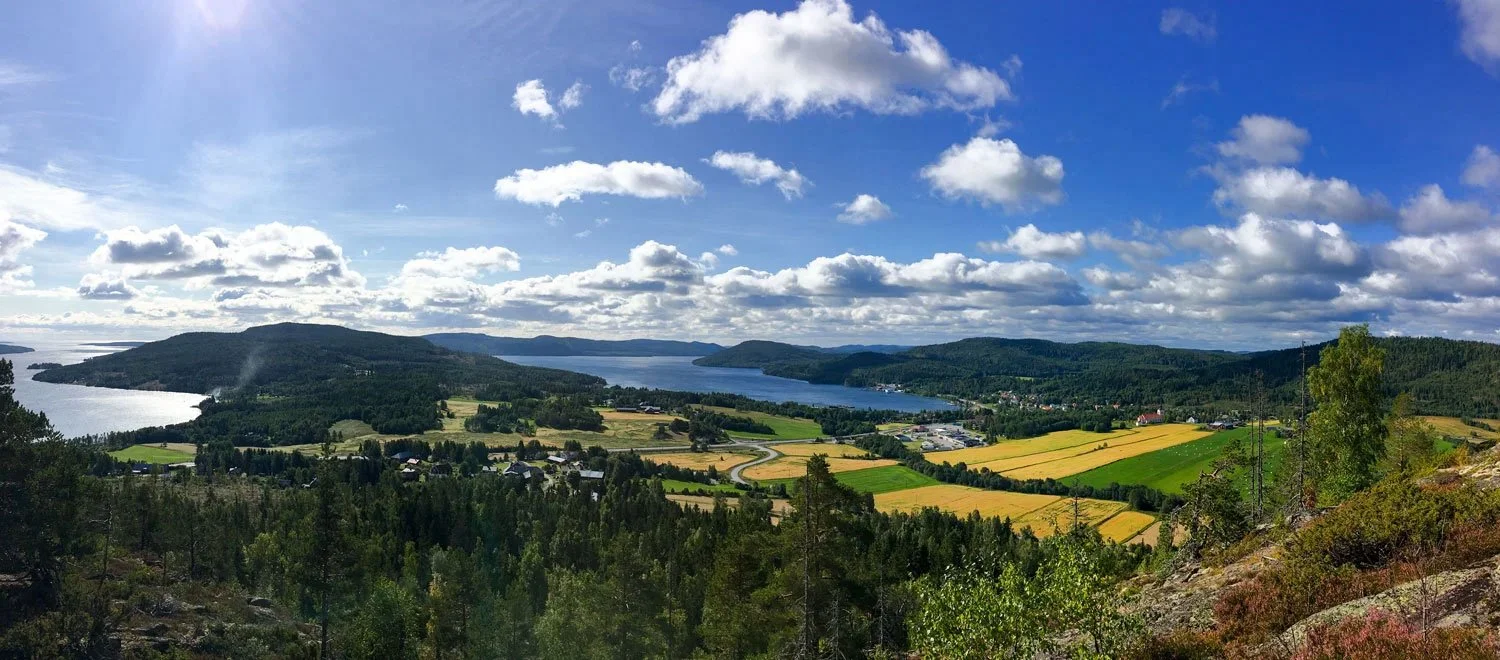
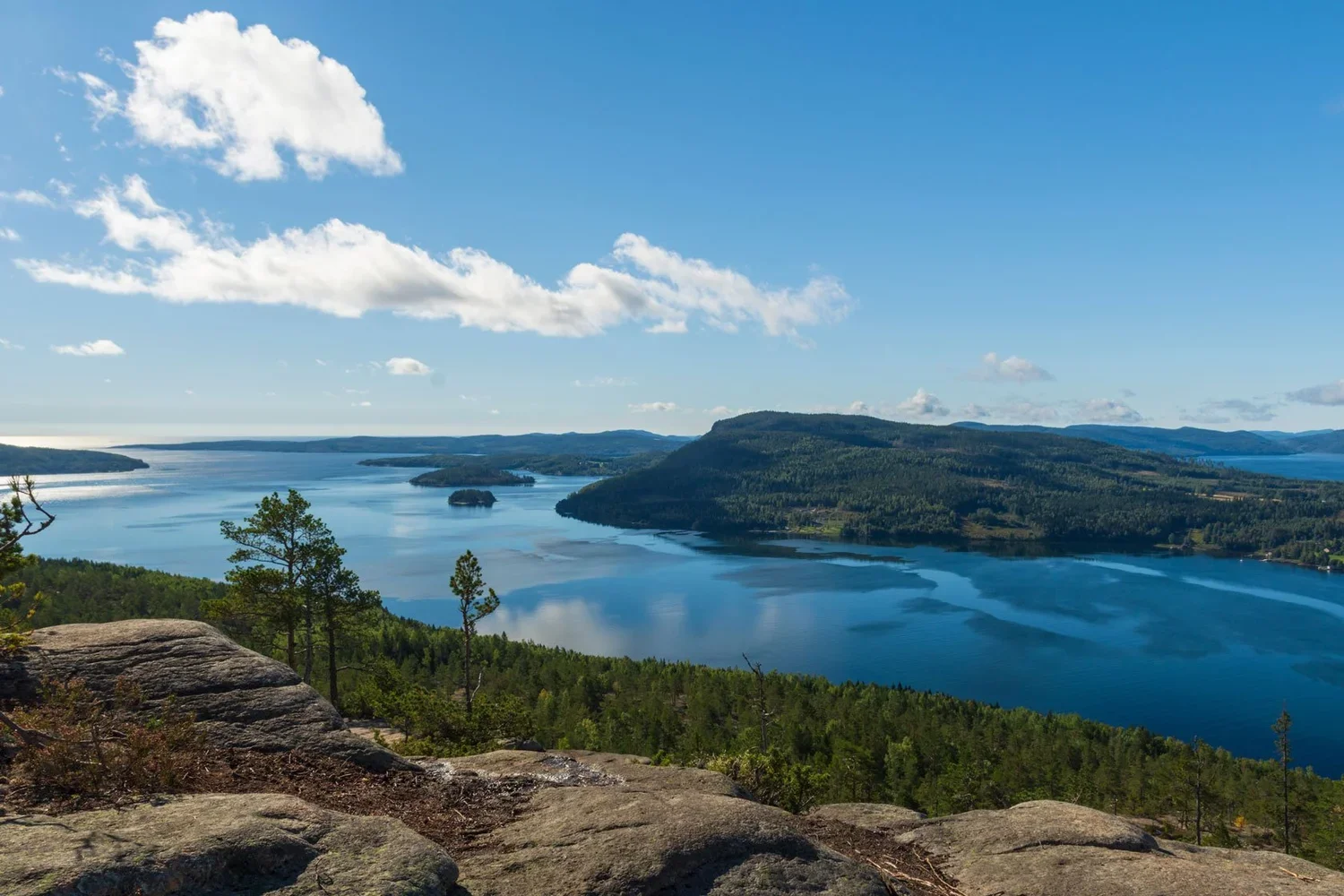
Don’t miss this super-view from the summit of the Skuleberget Mount

Arrive late (after 20:00): Quiet Reset

Check-in. Shower. Sleep deeply. In the morning, before you drive on, I'll suggest something small: pier air + espresso in our Sailor's Club House. Five minutes of silence. A map. Then you're ready.

You'll feel the difference.

Arrive mid-afternoon: Sunset That Feels Like the High Coast

I'll point you to the easiest viewpoint or shoreline walk—the one where the light actually looks like a postcard. 60–90 minutes. Zero gear needed. You'll understand why people sail here.

Arrive early: One Real Hike

If you’ve been sitting for hours, Skuleberget is the best kind of leg-stretch: a real view, a real reset, without turning your travel day into a complicated project.

I suggest one iconic trail (not too long, not too easy). I tell you what to pack if you own nothing. I give you a weather plan B. You'll have a real High Coast moment and still sleep well.

Option 1: Skuleberget summit hike (best in the long light)

If you can do one thing, do this.

In summer, Skuleberget is beautiful in the late afternoon and evening. From mid-May to mid-July, the light is the main character — and it’s often quieter up there too.

Read more: https://dockstahavet.se/outdoor-gear-rental-hoga-kusten/guides-stories/skuleberget-summit-hike-simple-plan

Option 2: Per Olsbo — an easy walk for everyone

A short ride + a short walk. Calm, grounding, and perfect after a long drive.

Read more: https://dockstahavet.se/outdoor-gear-rental-hoga-kusten/guides-stories/per-olsbo-shelter-hga-kustenleden-bike-short-hike-plan

Legs want movement: Bike loop from Docksta

A short loop that feels epic. We have bikes to rent (Grab&Go, starting 150 SEK/day) if you didn't bring one. You'll see why locals ride here.

(Travelling by bike or hiking through? Same idea—we'll help you pick the best micro-plan for your energy and the weather.)


Why This Matters

You're not just tired. You're in transit. And transit can feel like a void—just time passing between one place and another.

But the High Coast doesn't have to feel that way. Even one night here can feel like you actually stopped somewhere. Like you didn't just sleep, but arrived.

That's the difference between a motel and a base camp.


Make It Premium in 2 Minutes (Gear)

Missing gear? We have simple Grab&Go rentals:

  • Bike rental: starting 150 SEK/day

  • Day hike pack: 80 SEK/day

  • Hammock kit: 120 SEK/day

No deposit. Pay by card or Swish. Return whenever.


One More Thing

If you can add one extra night, everything changes. You can actually breathe here. Hike properly. Sit in the forest. Sail. Watch the light change. We'll help you see why people come back.

Ready to Stop Differently?

Send me two things (even before booking):

  1. What time you arrive

  2. Car / hiking / bike

I'll suggest your best "one-night High Coast plan"—and make sure you're not just rested, but charged when you drive on.

The forest is waiting. The sea is waiting. And there's always room at the base camp.


Know your host

Tommaso De Rosa
See my host profile and contact me on Airbnb

Driving north on the E4 and need a smart stopover? I can help you make the most of your essential recovery time in the High Coast.

Whether you need advice on what to do in the time you have (a quiet reset, a sunset walk, or a real hike), want tips for Skuleberget or Skuleskogen National Park, or have questions about bike rentals, gear, or local shortcuts—contact me via Airbnb chat.

Smart drivers know: after hours on the road, your body and mind need this strategic pause. I'm here to ensure your stopover becomes a journey highlight—not just rest, but arrival.

The forest is waiting. 🌲

Tommaso

Please write me by email or WhatsApp at +46.763136909

 
Summary Block
This block has no content yet. Items you add to the page connected to this block will display here.