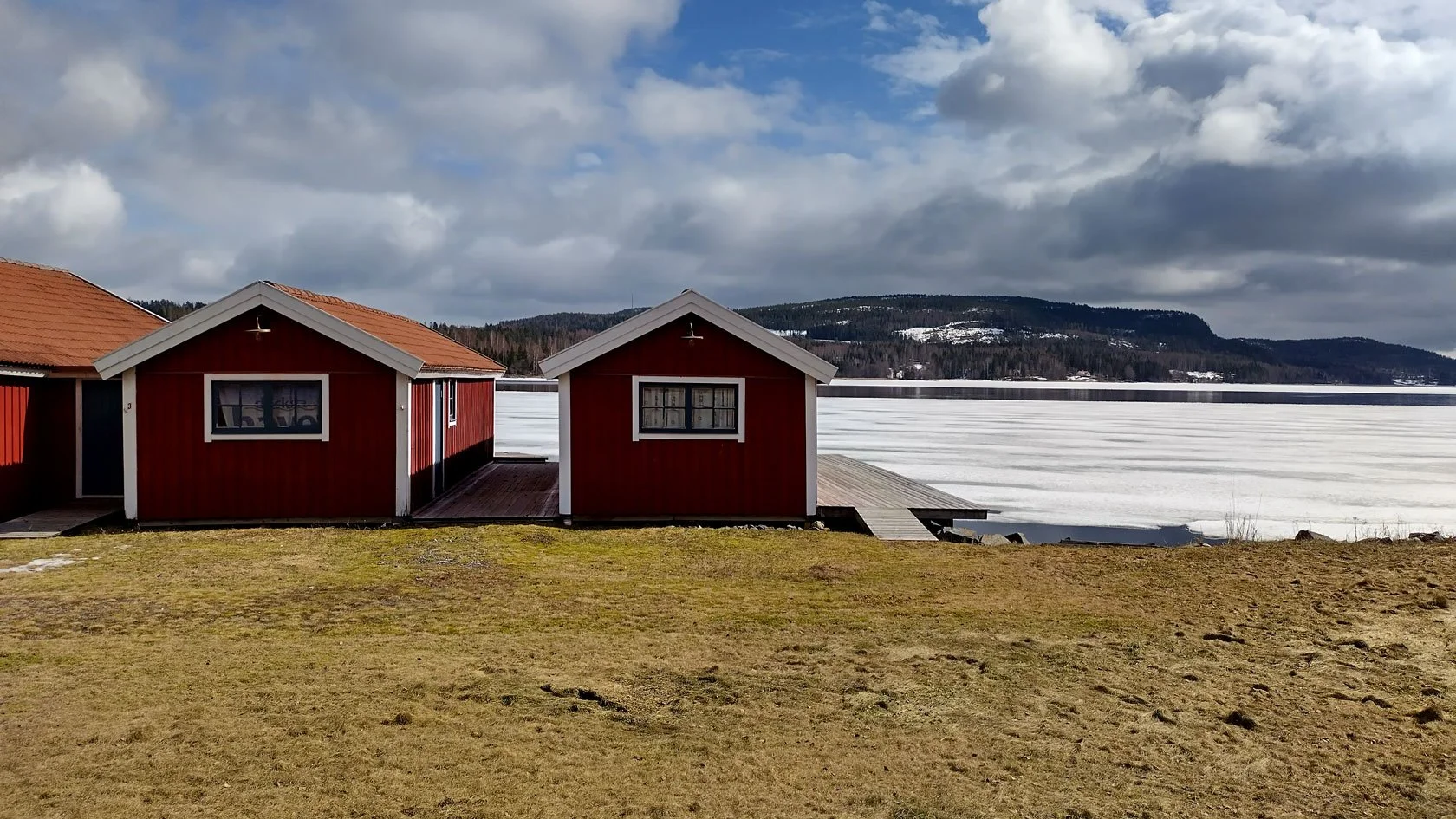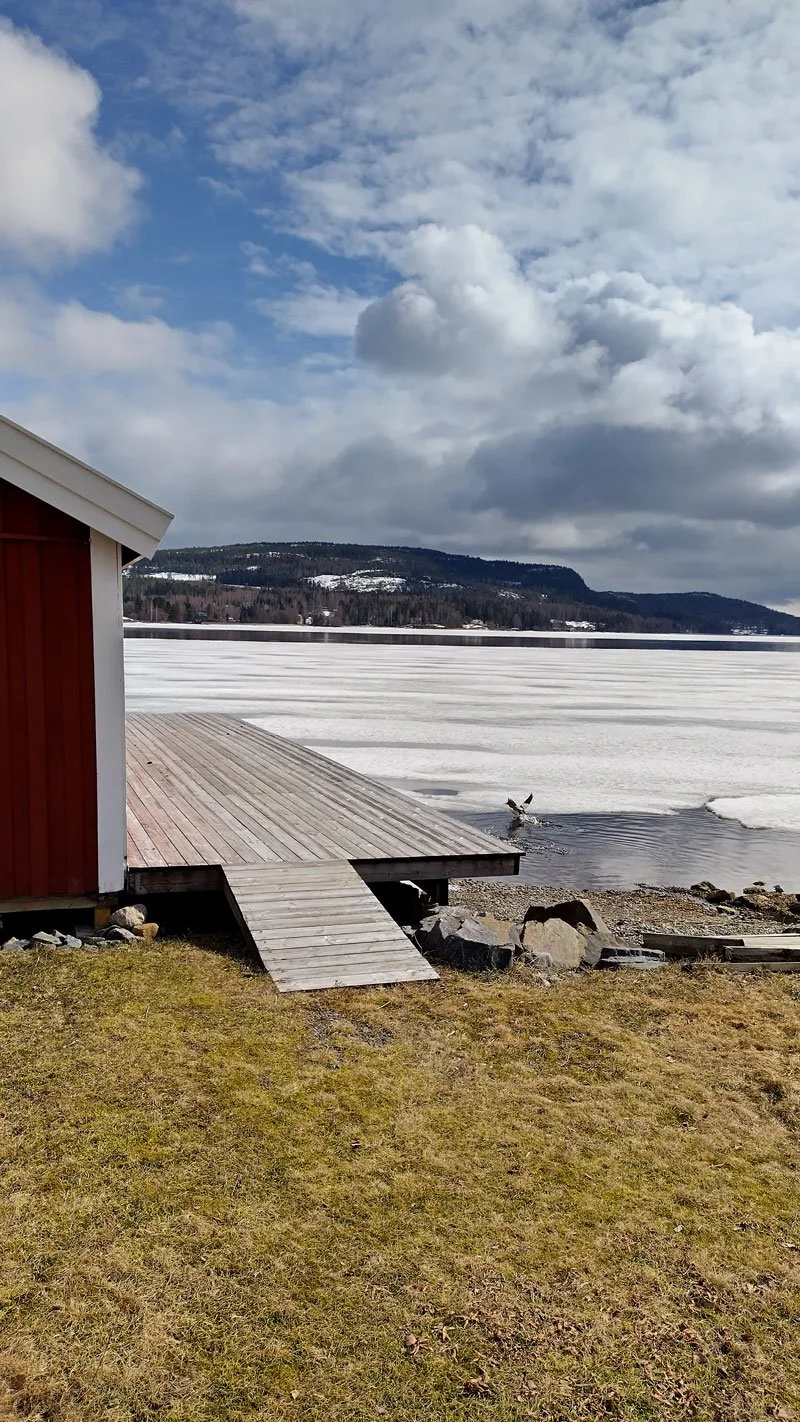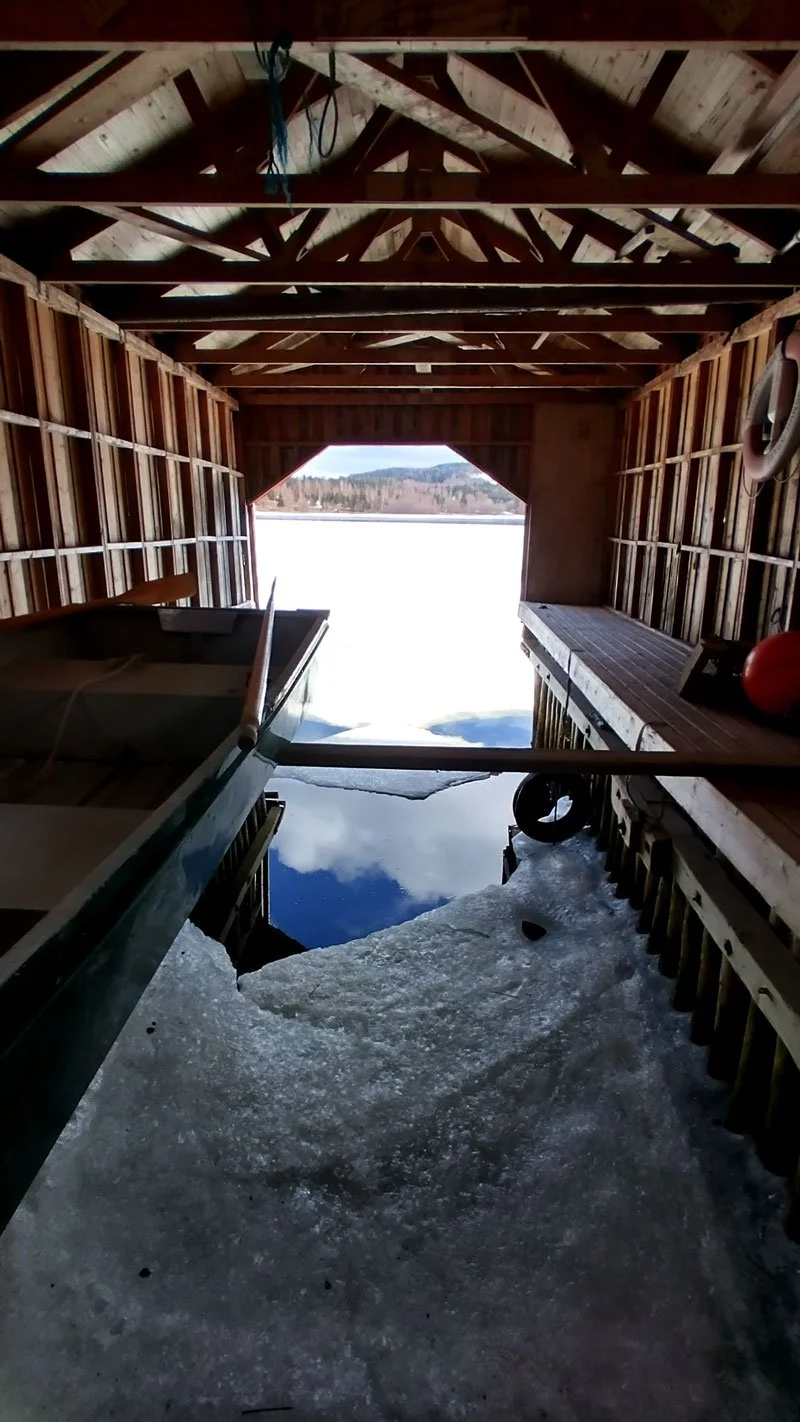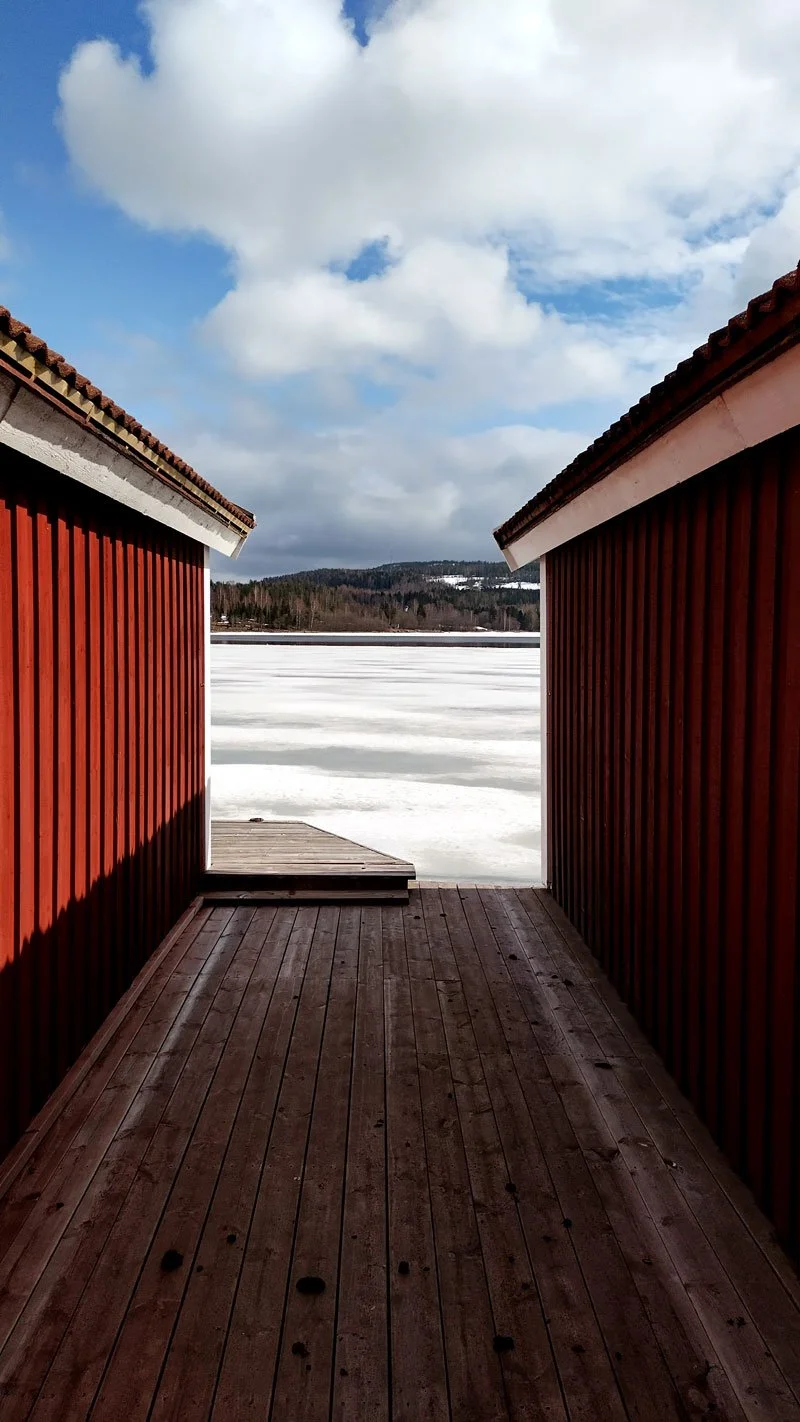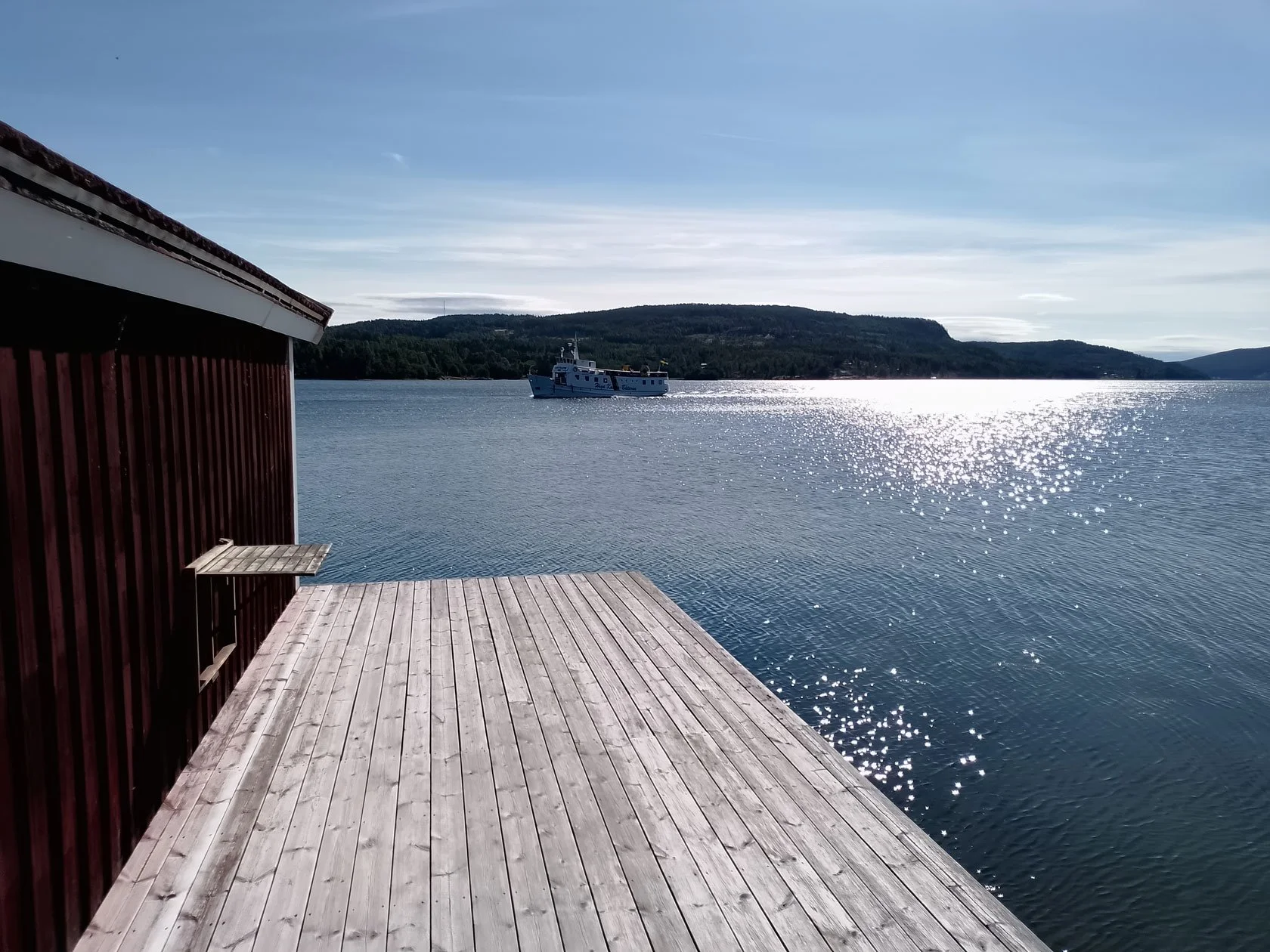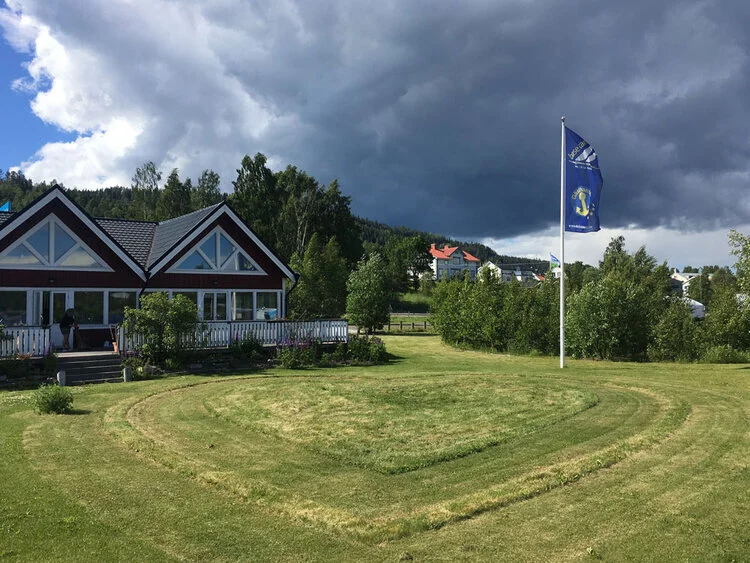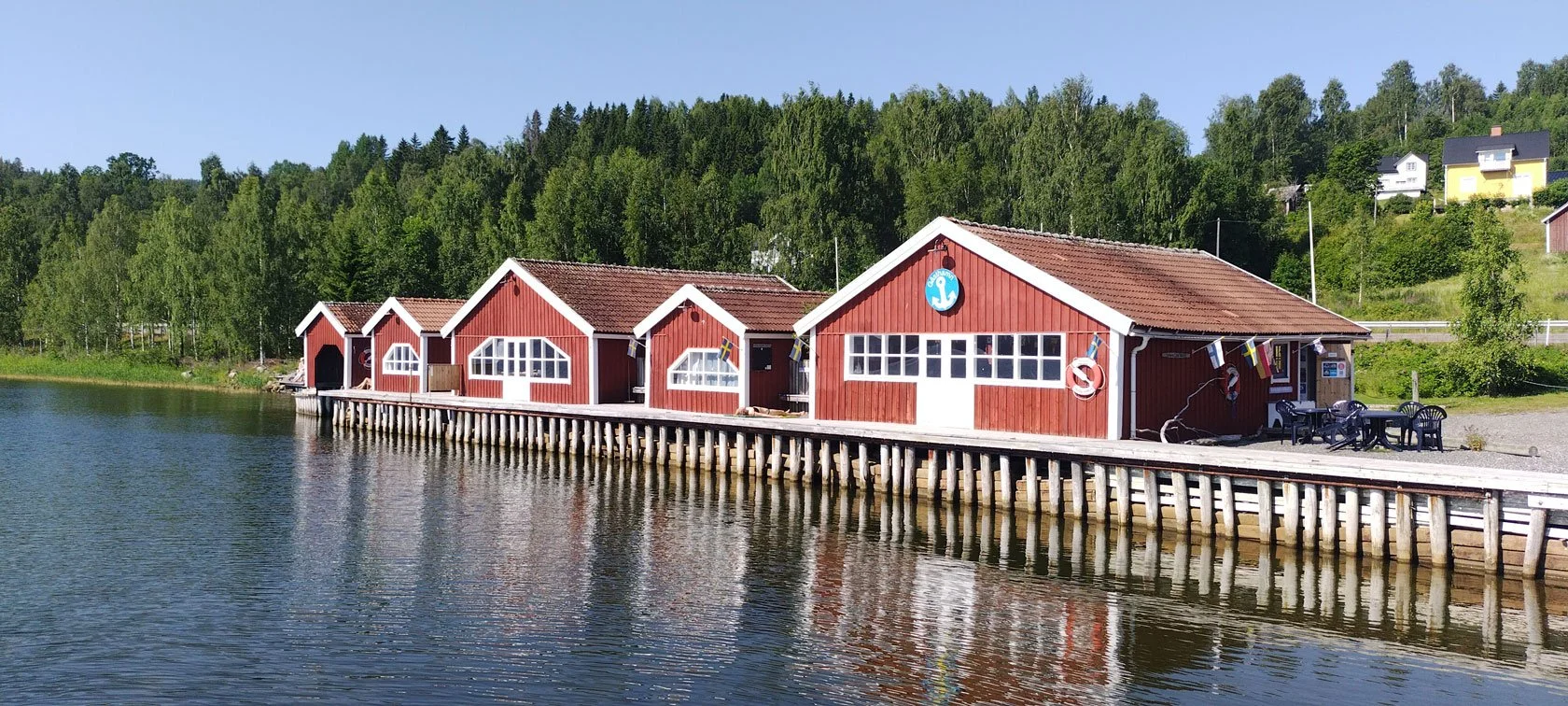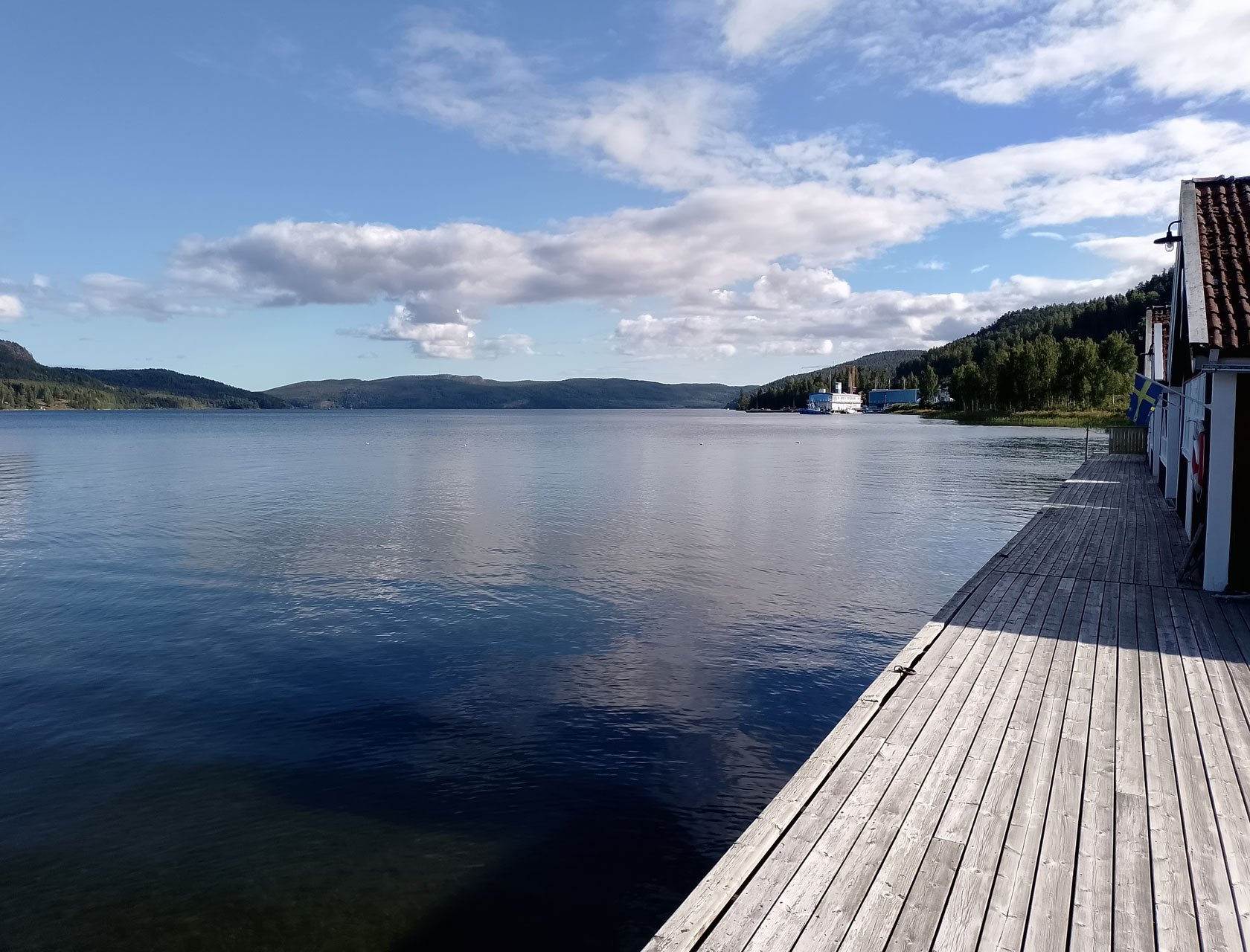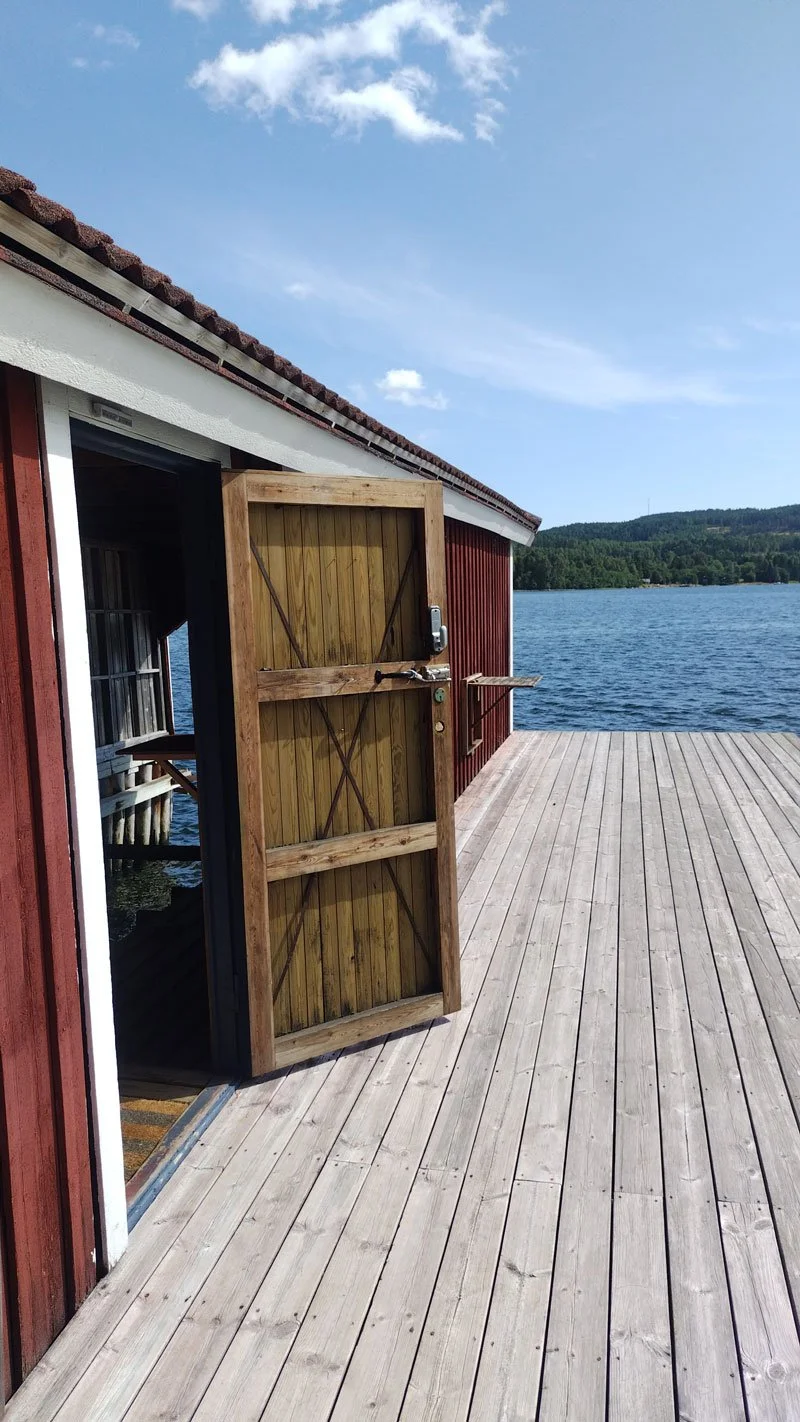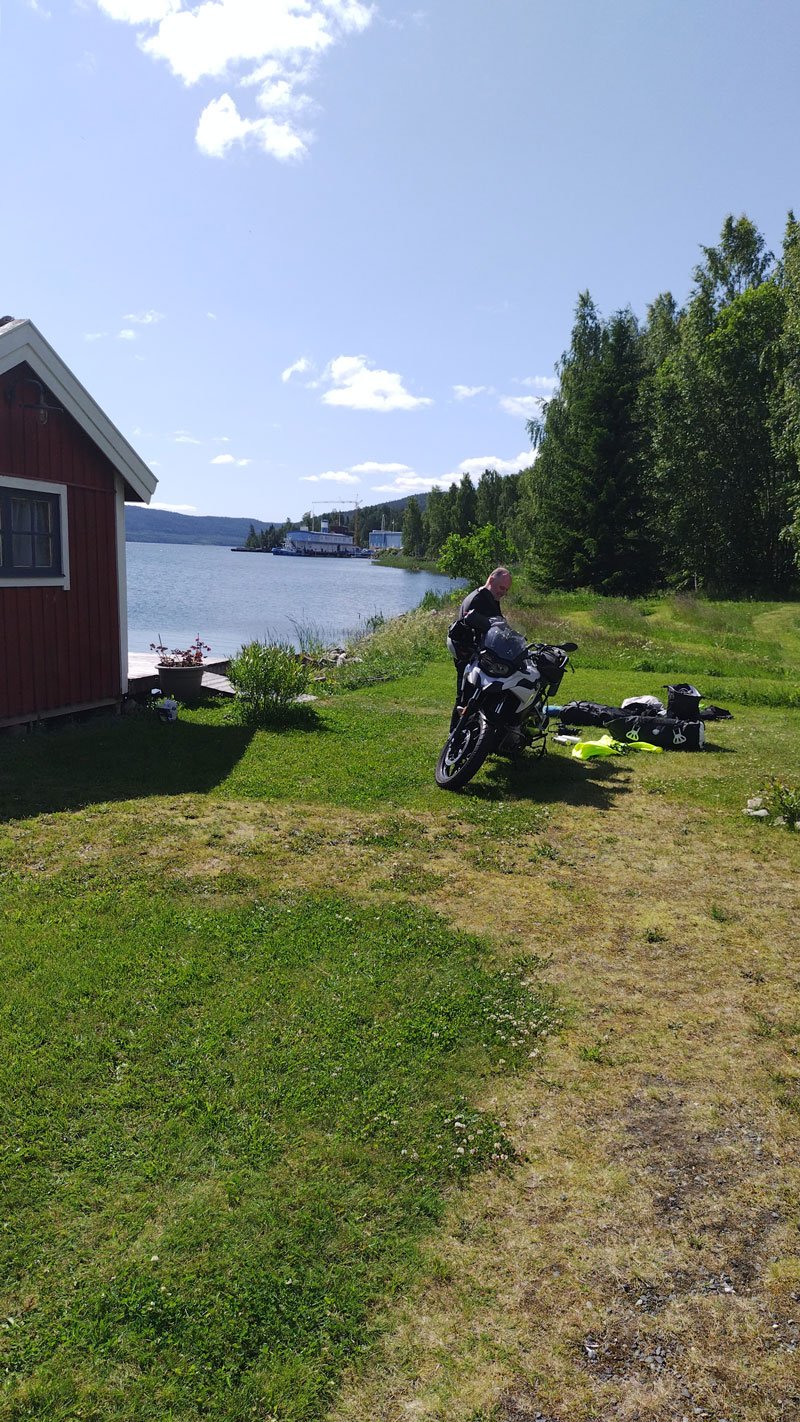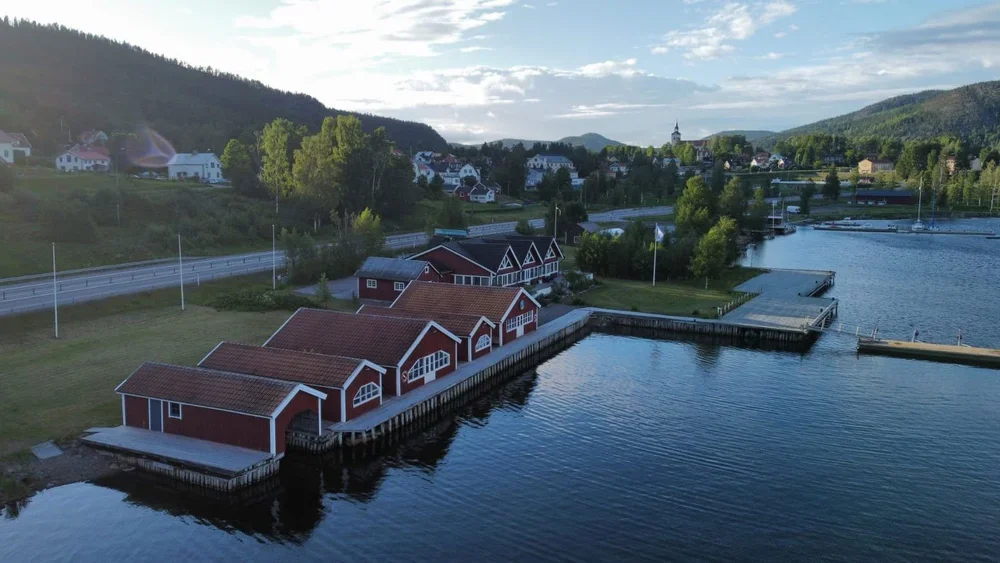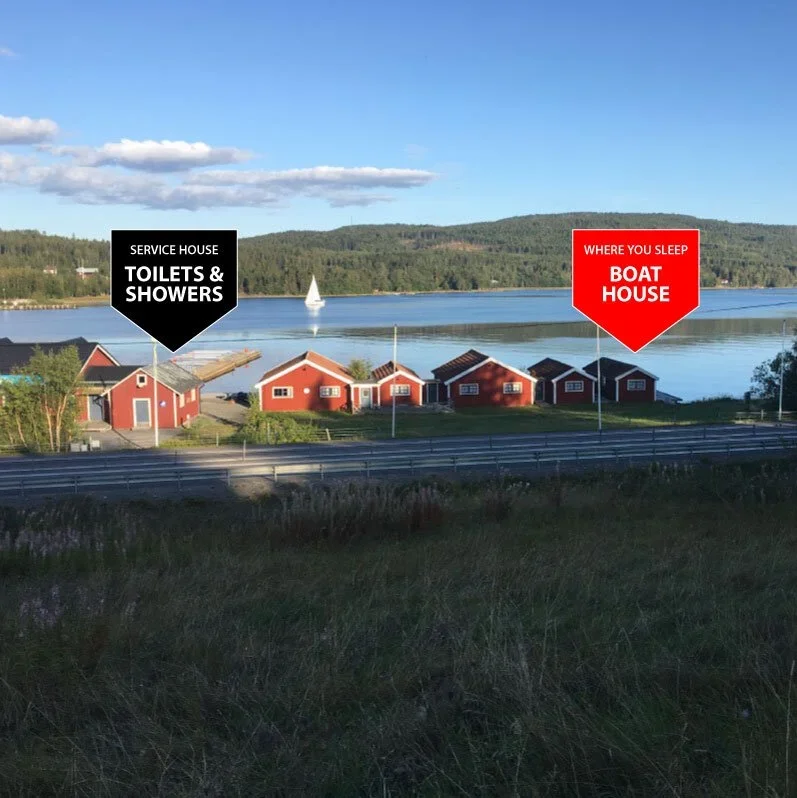
Boathouse

When the Sea Unfroze: High Coast Break‑Up Season (and an Unexpected Guest)

Yes, the sea freezes here.
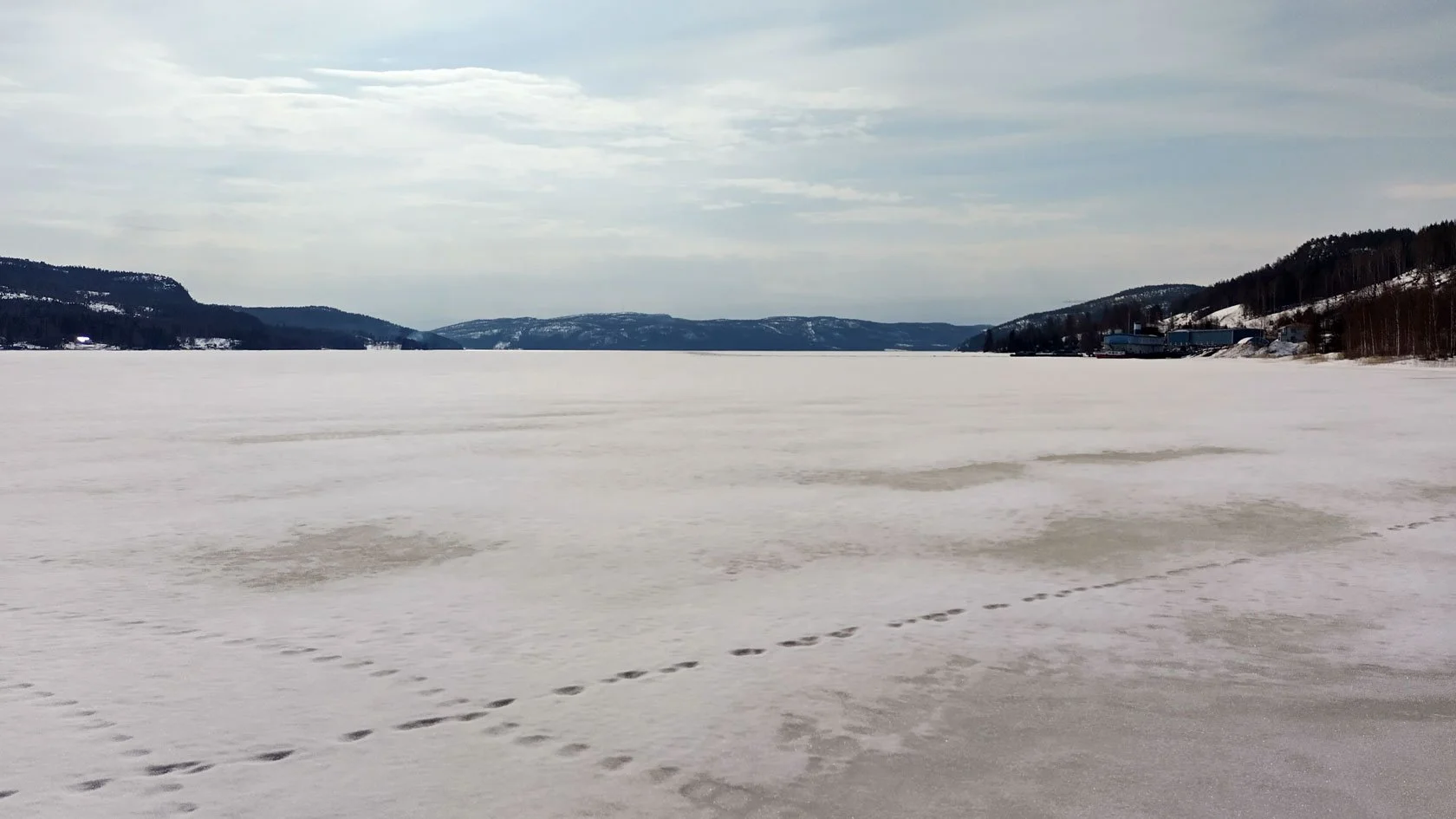
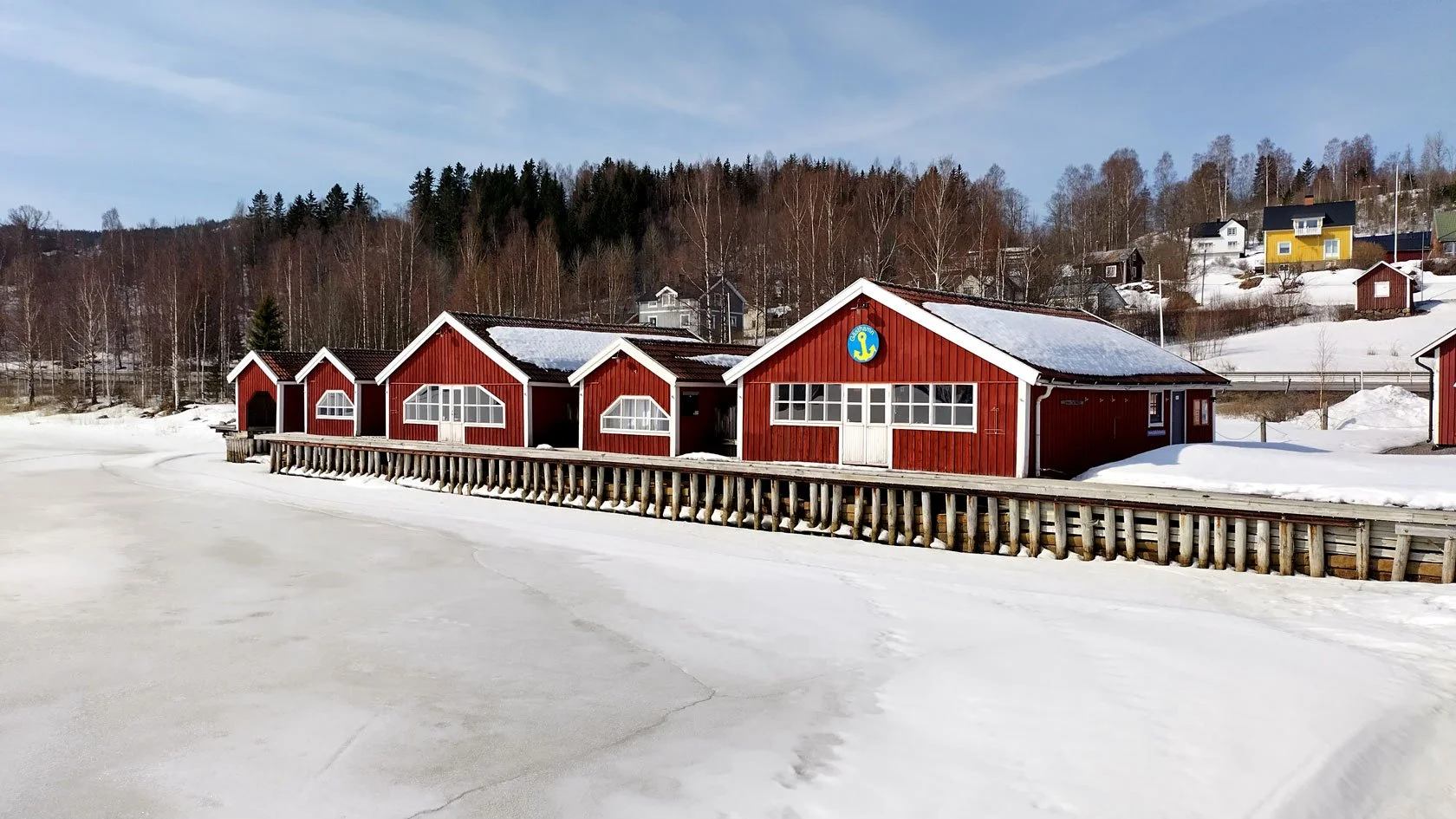
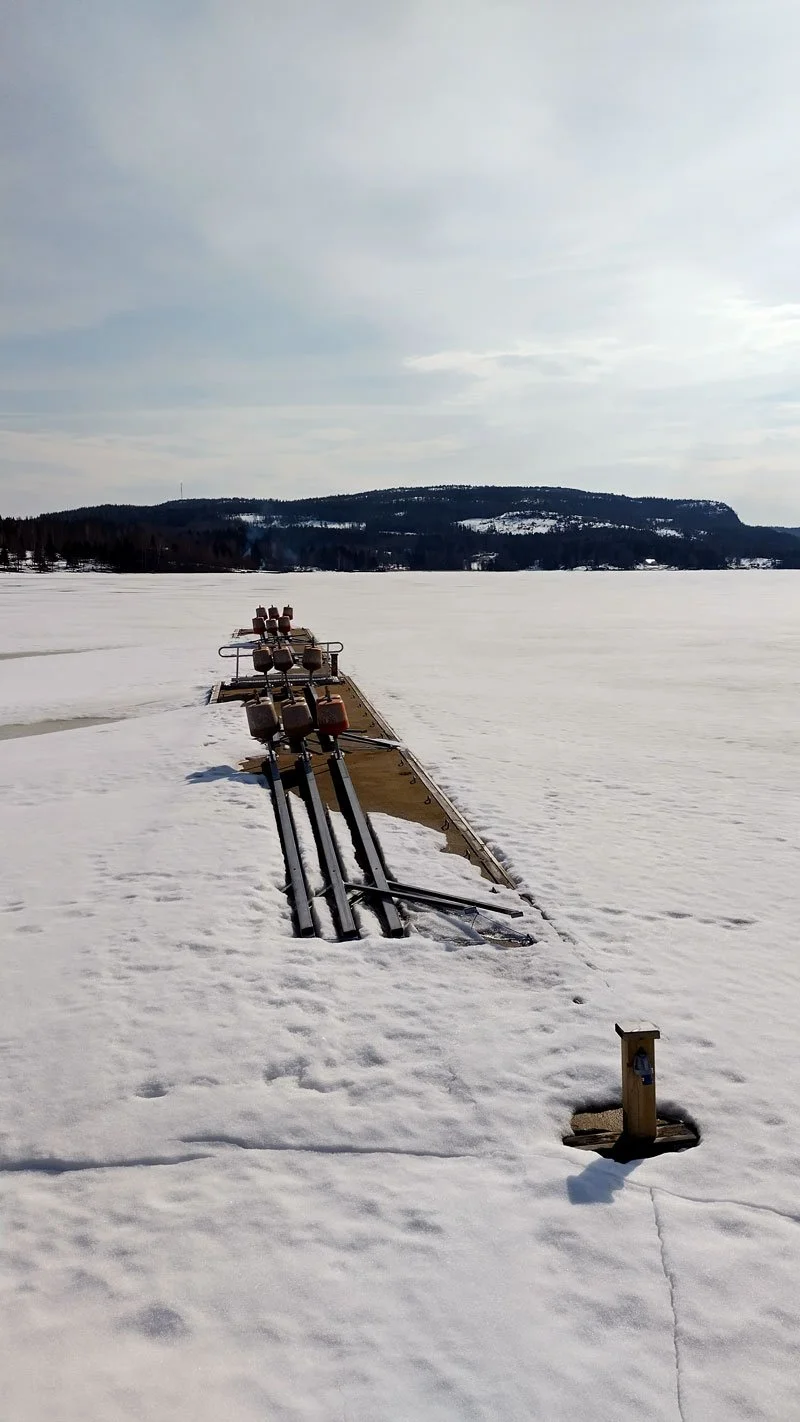
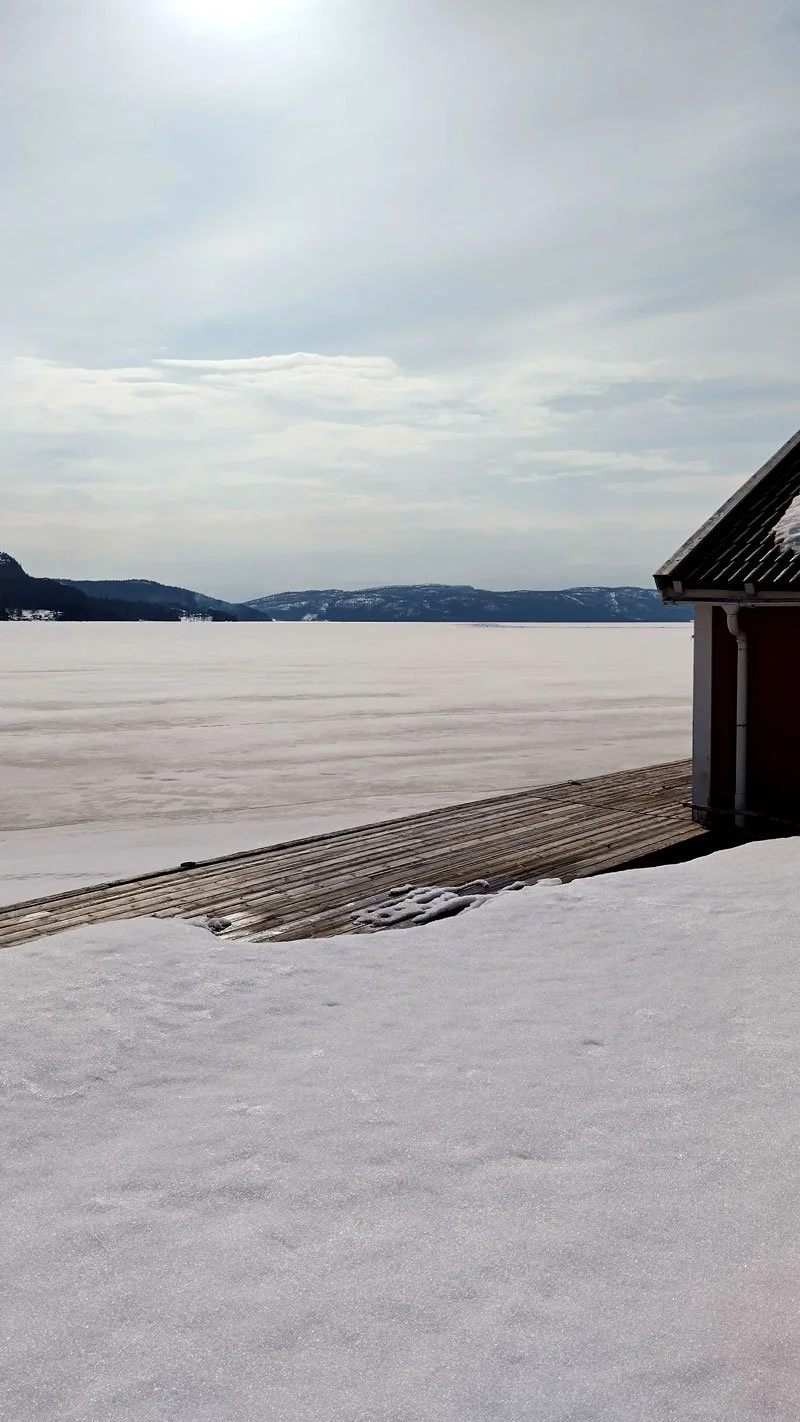
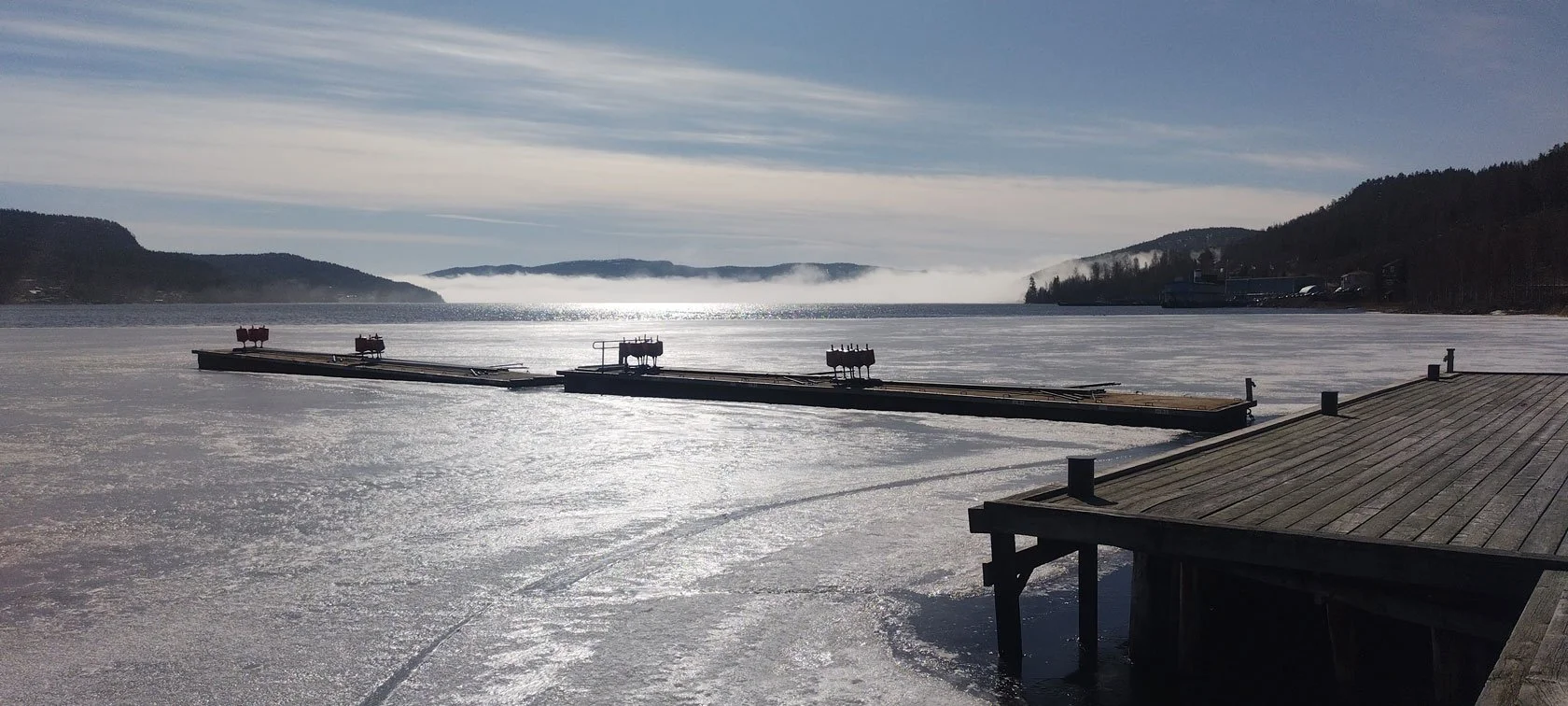
Let me tell you about a particular memory: a late‑winter week at our marina, when the ice begins to let go and the fjord starts breathing again. I watched it from the docks — and I wasn’t the only one enjoying the first sun.

Ice usually begins forming here sometime between November and December, then reaches its maximum in late February or early March. But the High Coast doesn’t really do strict rules.

In winter 2026, a few unusual cold spells froze roughly one‑third of the Baltic Sea — and the Gulf of Finland saw its thickest ice in 15 years. And still, I also remember winters when our fjord stayed almost completely free of ice, or only partially frozen: thin sheets that the wind and waves could break overnight, the moment temperatures rose even a little.

I once read a passage by Swedish sailor‑writer Björn Larsson about Lake Vättern freezing almost instantly — in something like twenty minutes. That image stayed with me, because the opposite can happen too: the sea letting go of the ice can be just as fast.
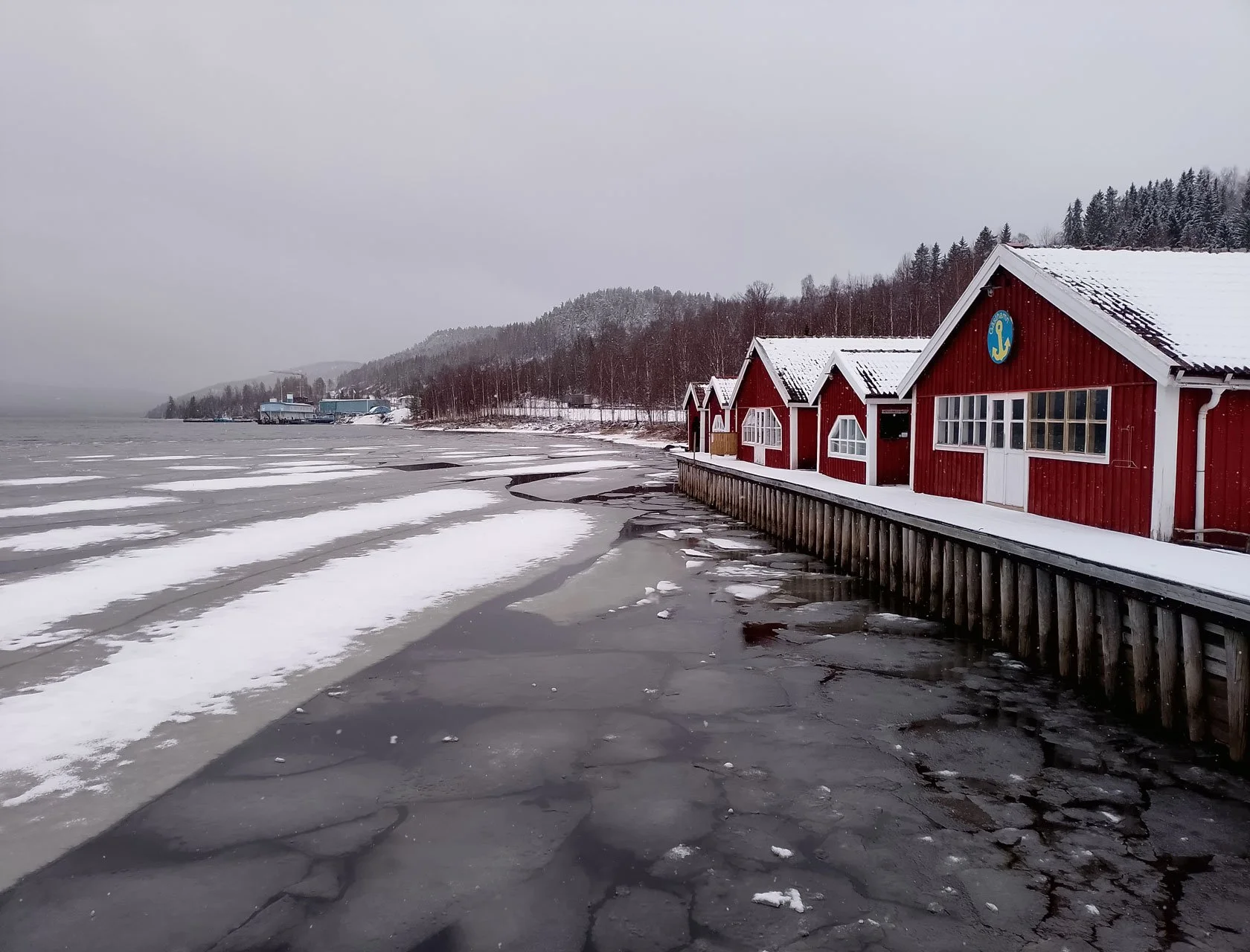
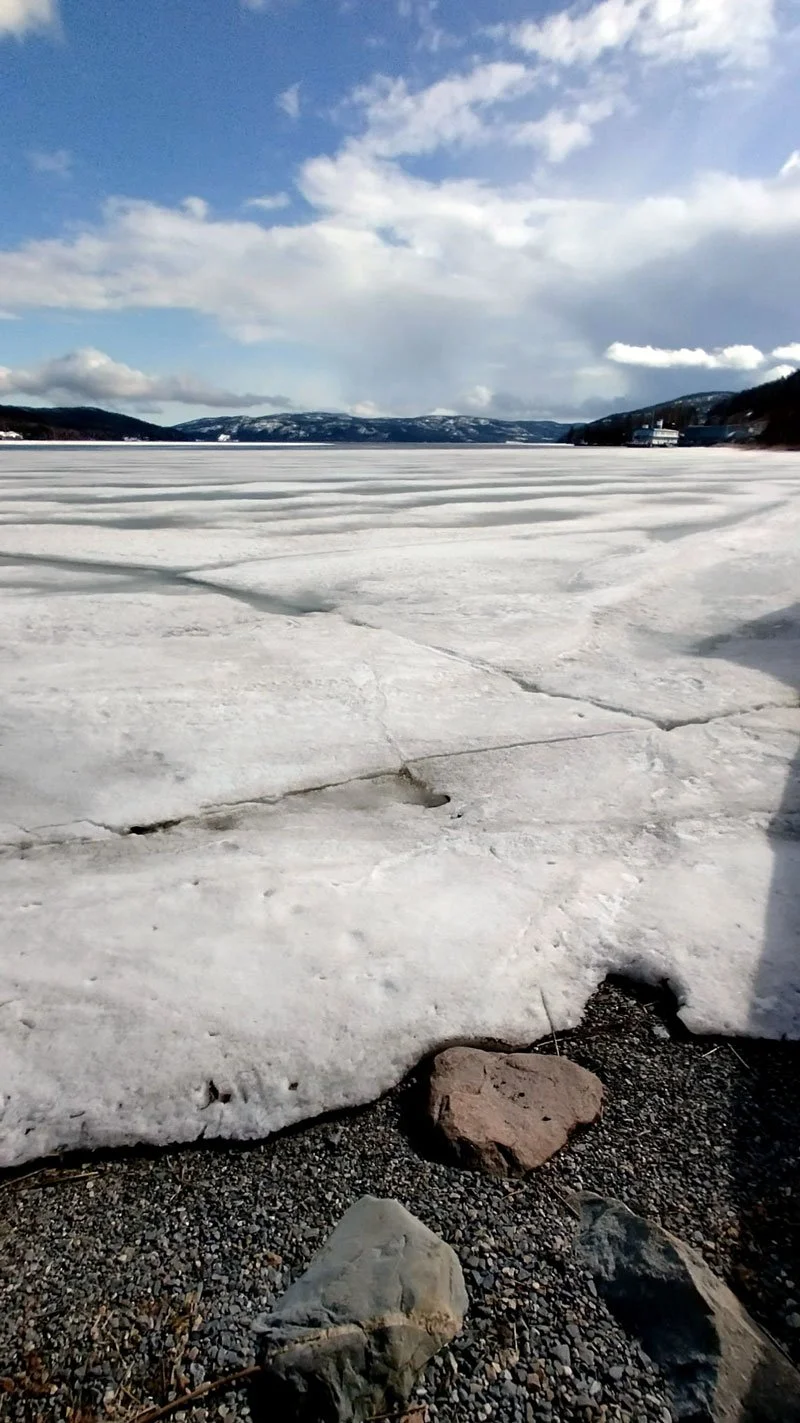
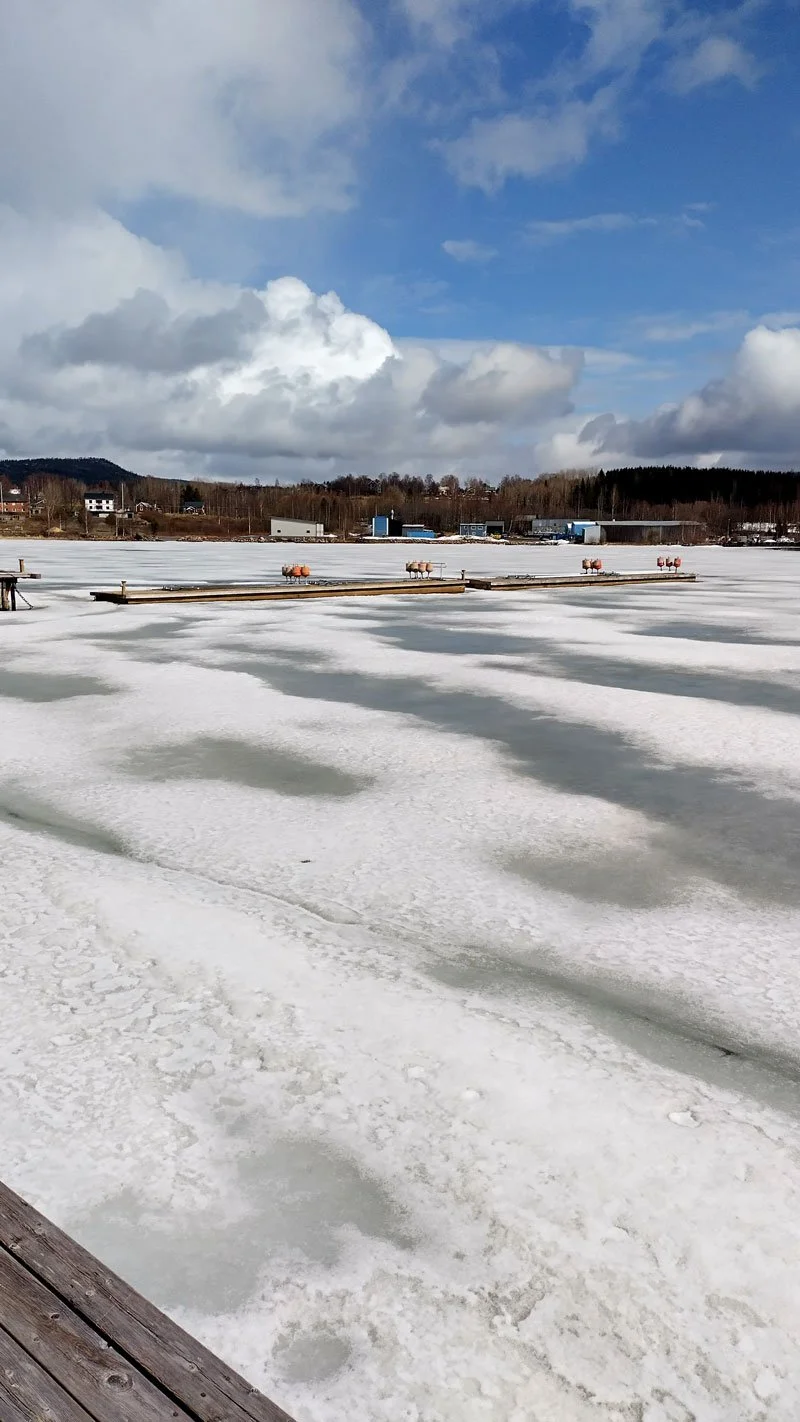
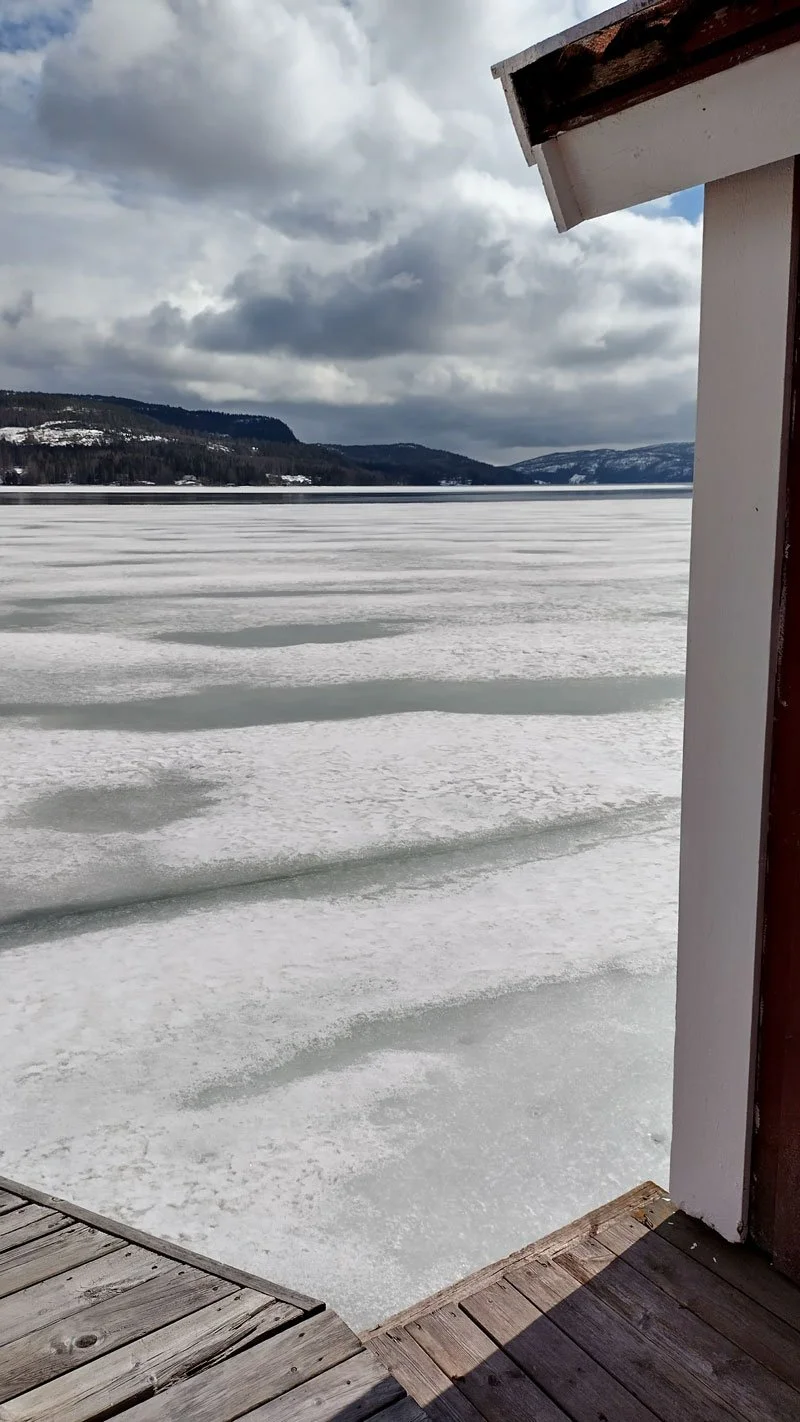
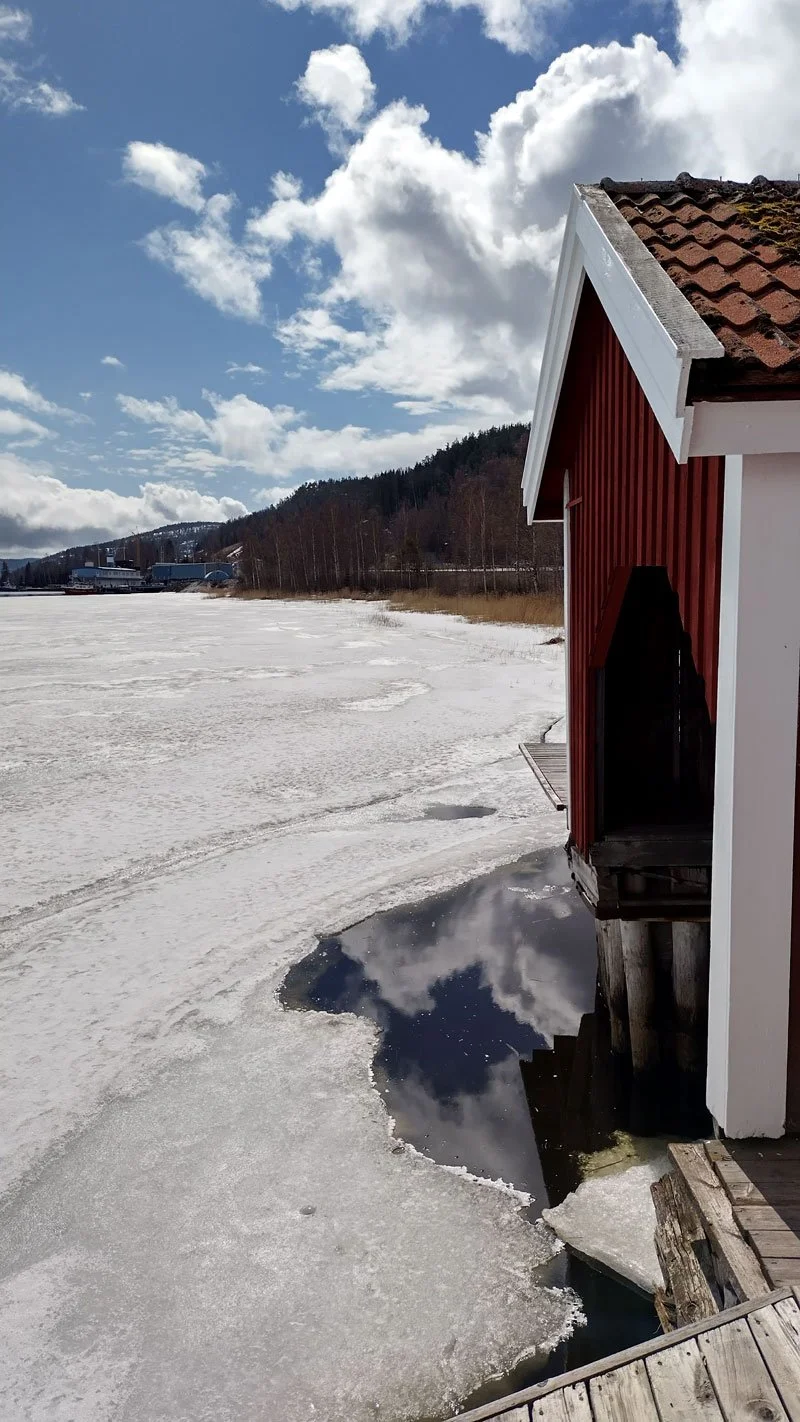
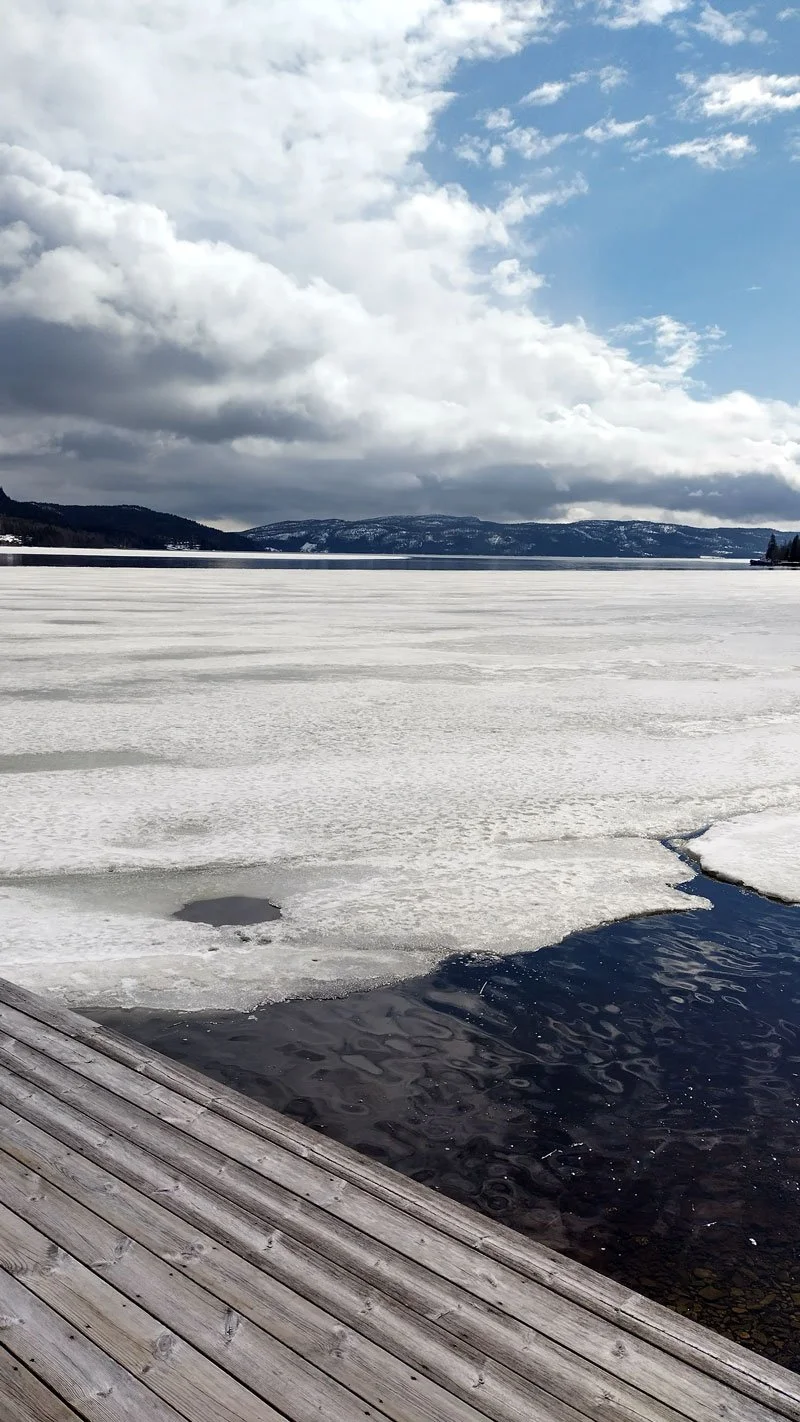
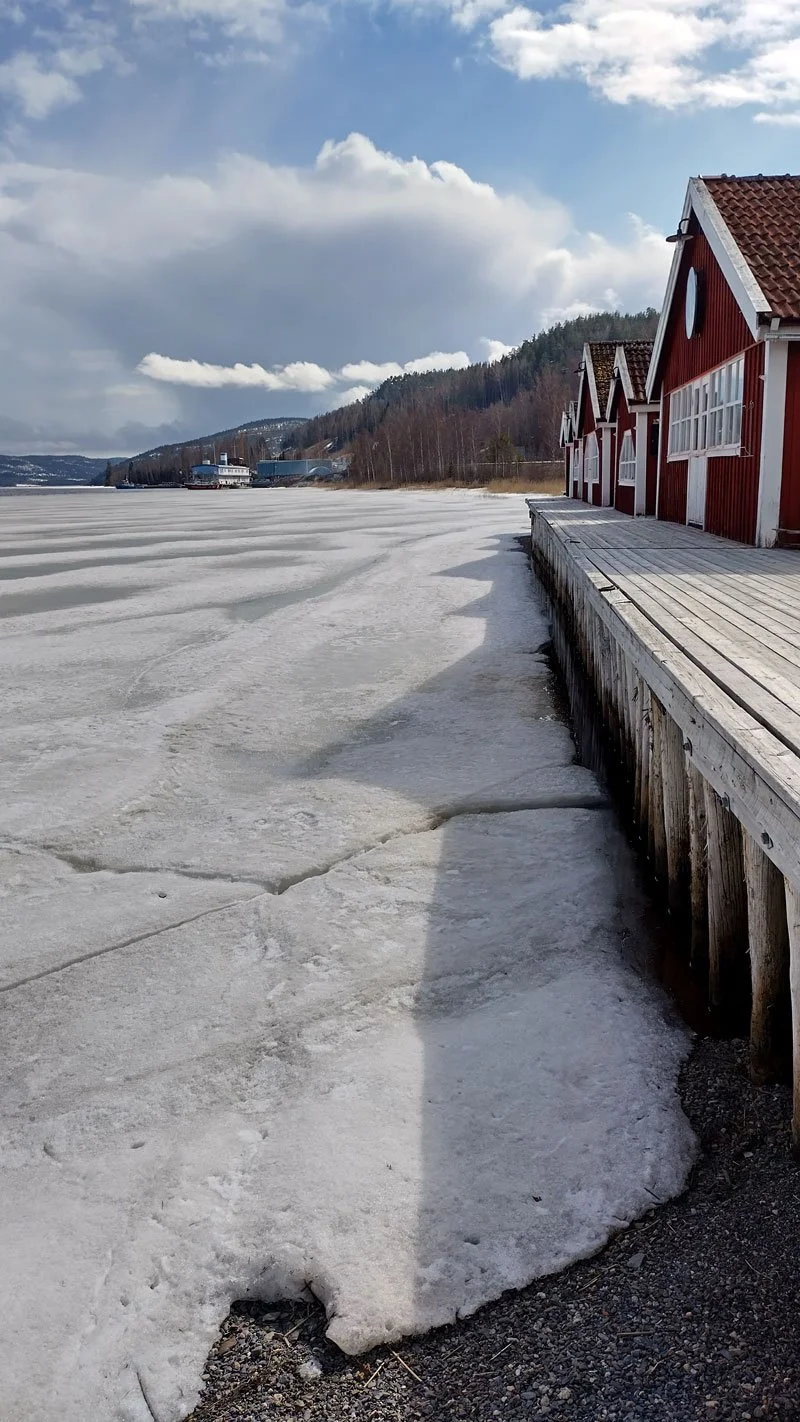
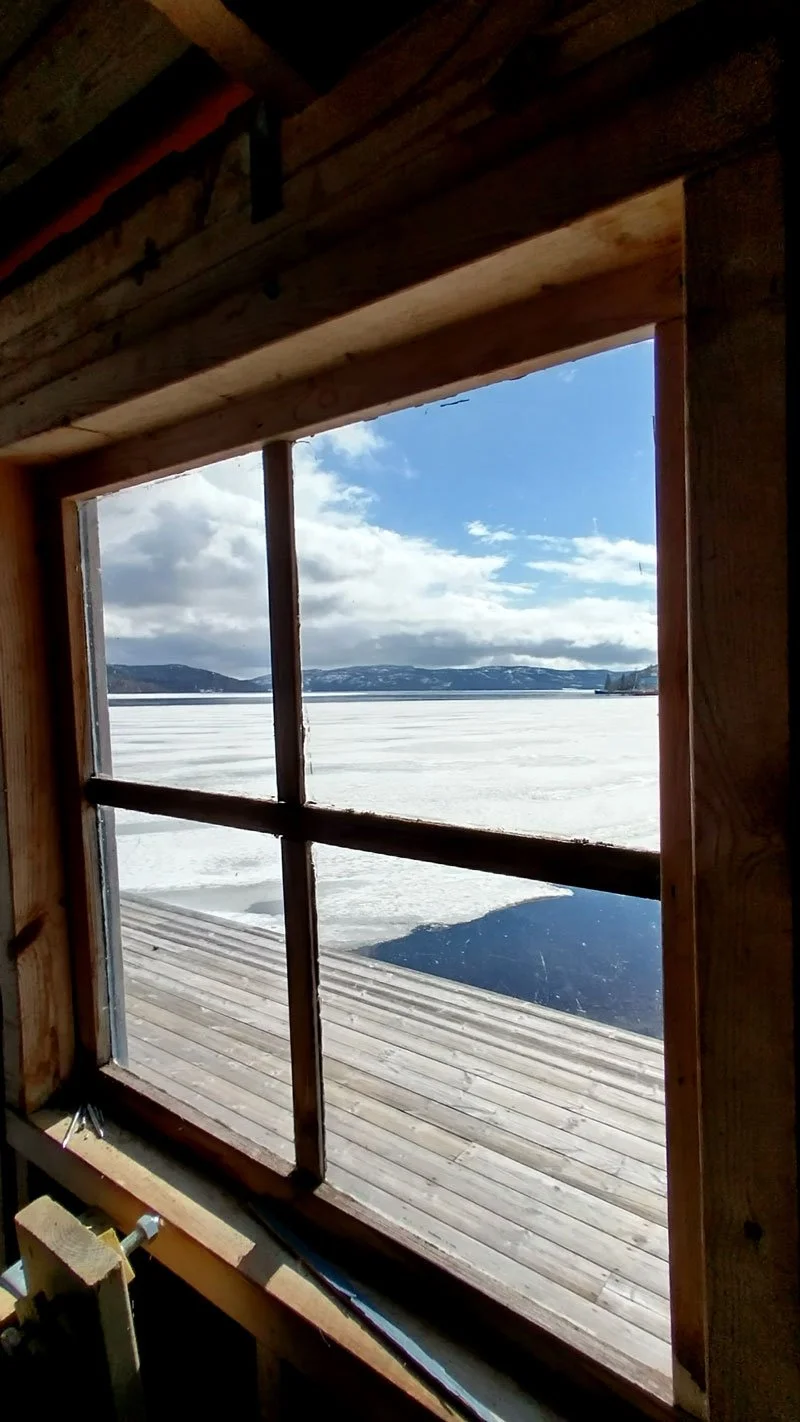
At the marina, the process usually starts with fractures. First along the edges — where the ice meets the shoreline — then along the lines of the docks and the floating pontoons. As temperatures rise, the sheet breaks into pieces: small or large, like little drifting islands.

And once those islands detach, it doesn’t take much. A light breeze from the north is enough to set them in motion — quietly, but quickly — sliding toward the mouth of the fjord. I’ve watched it from these docks: sometimes the ice doesn’t take more than twenty minutes to “disappear”, sailing silente to the South.

Out at sea, the water often clears first. Here, at the inner end of the fjord — where our marina sits — we’re usually the last to be released.
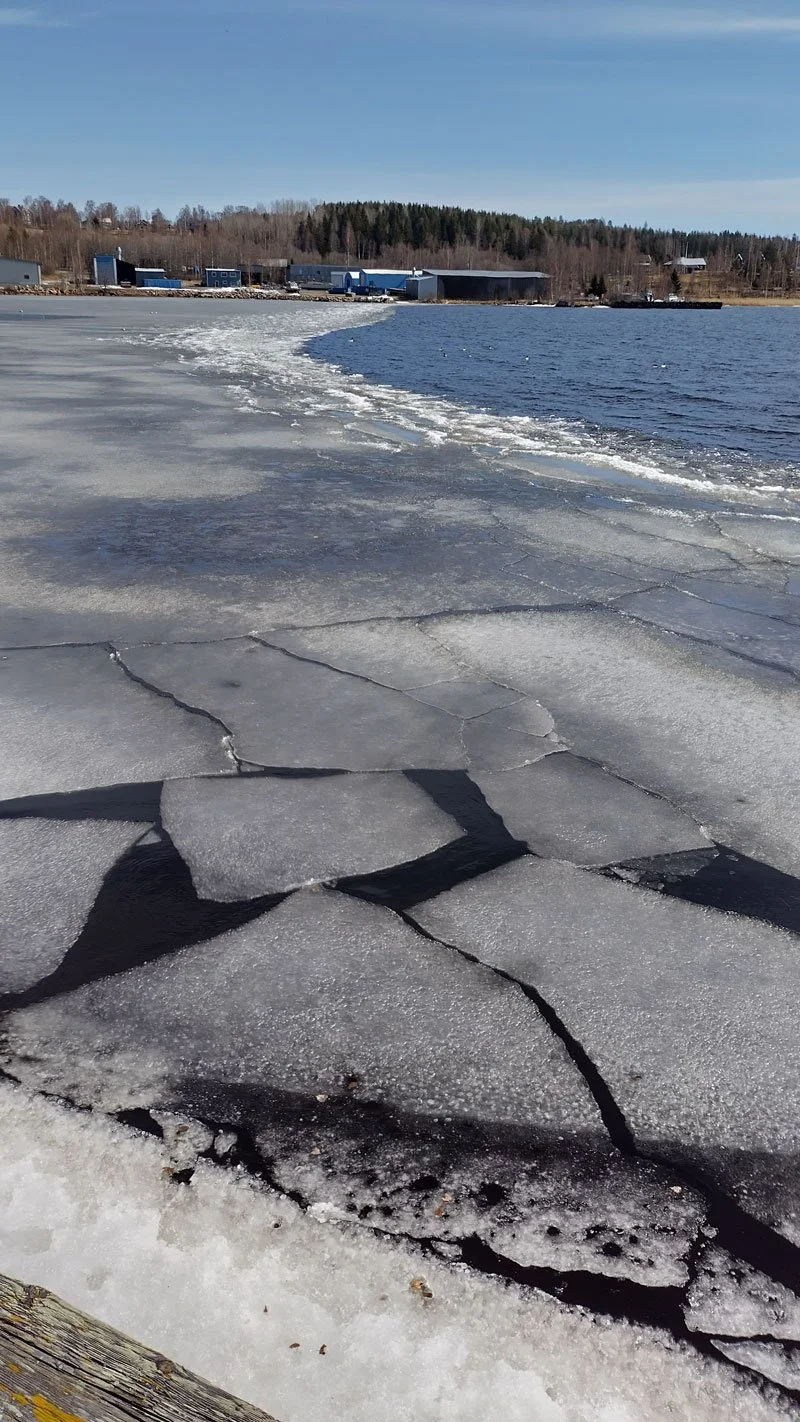
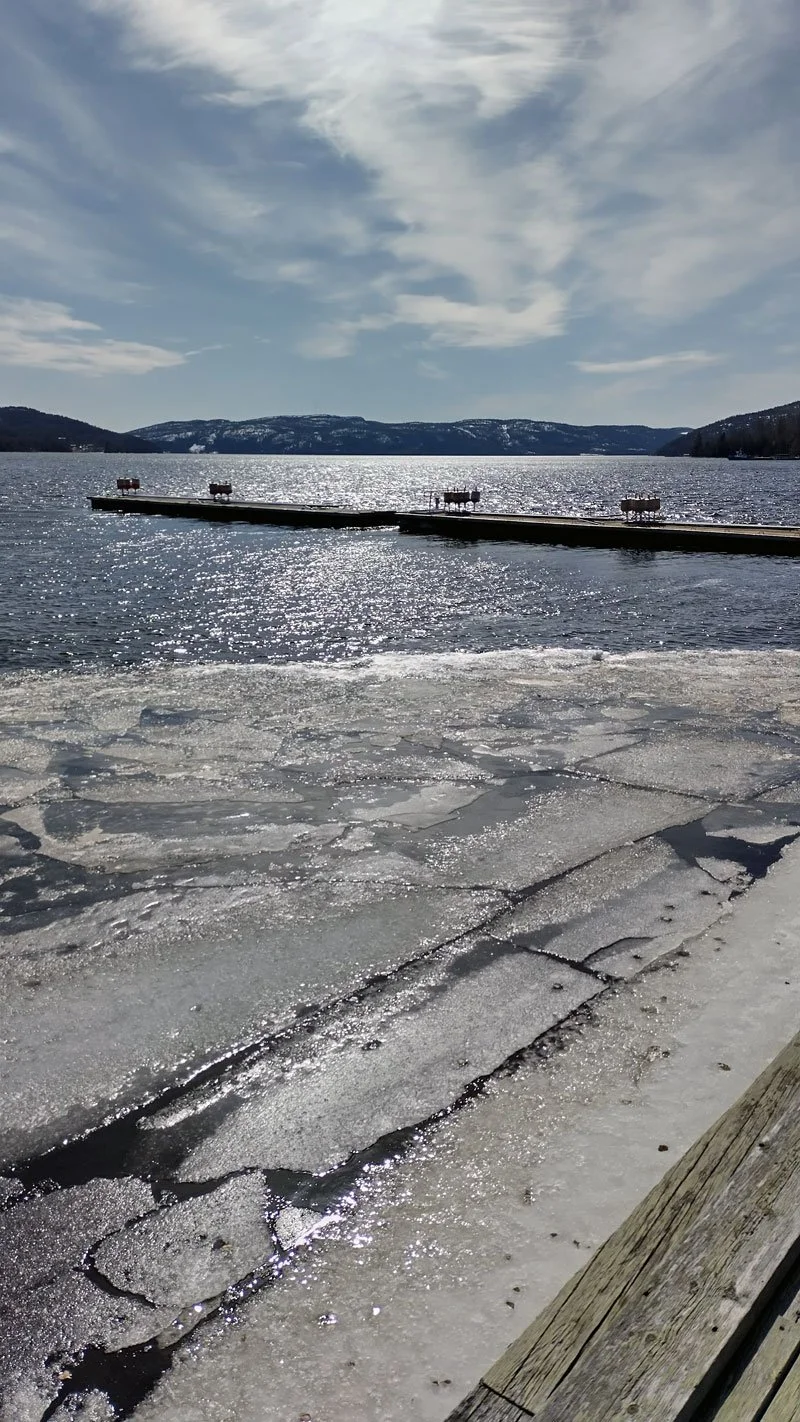
So that week, I started doing what hosts do when the season is changing: I checked the fjord the way you check a mood.

Over six days during the first week of May, the ice retreated a little more each morning. The light grew warmer. From the docks, you could see the ice losing its confidence — a darker line here, a soft crack there, a patch of open water widening with every hour of sun.
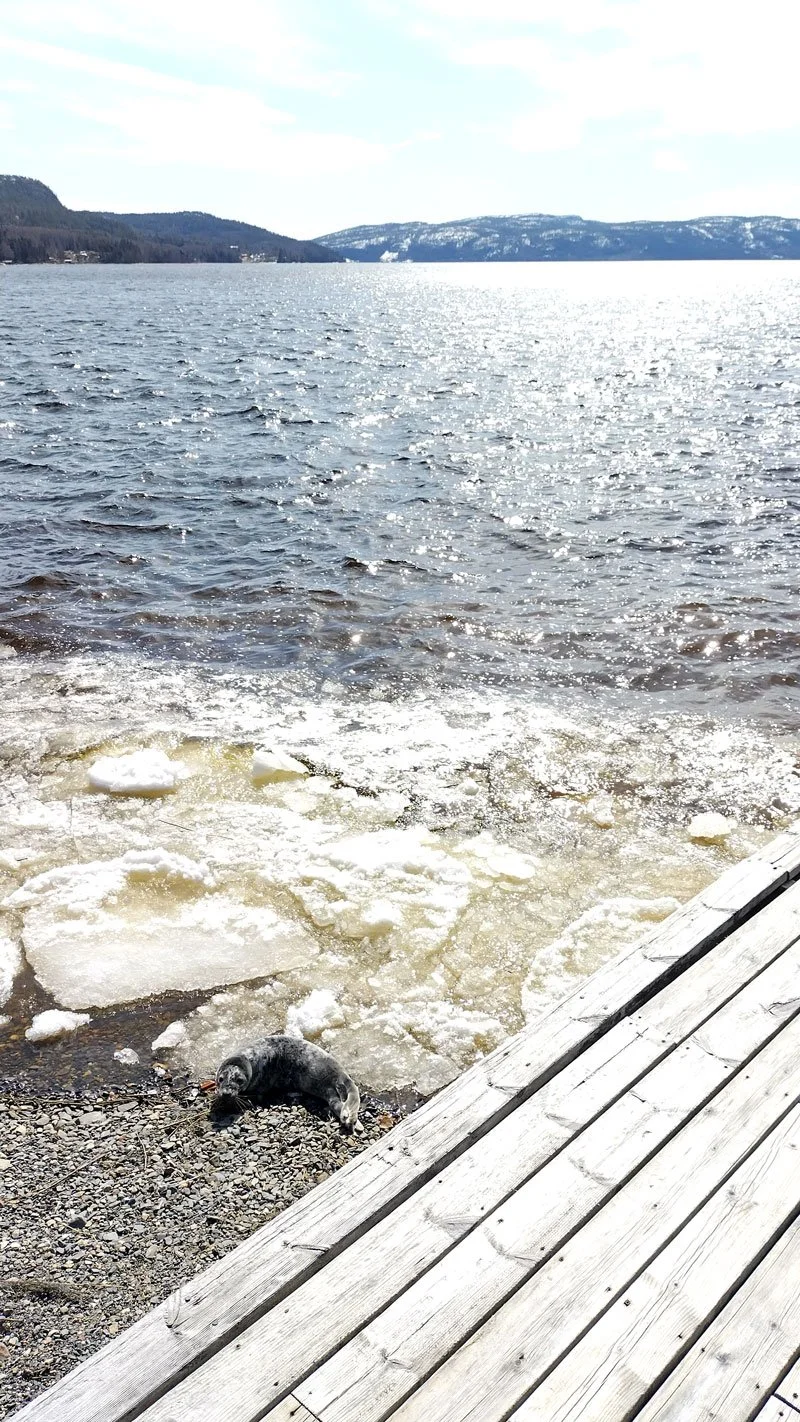
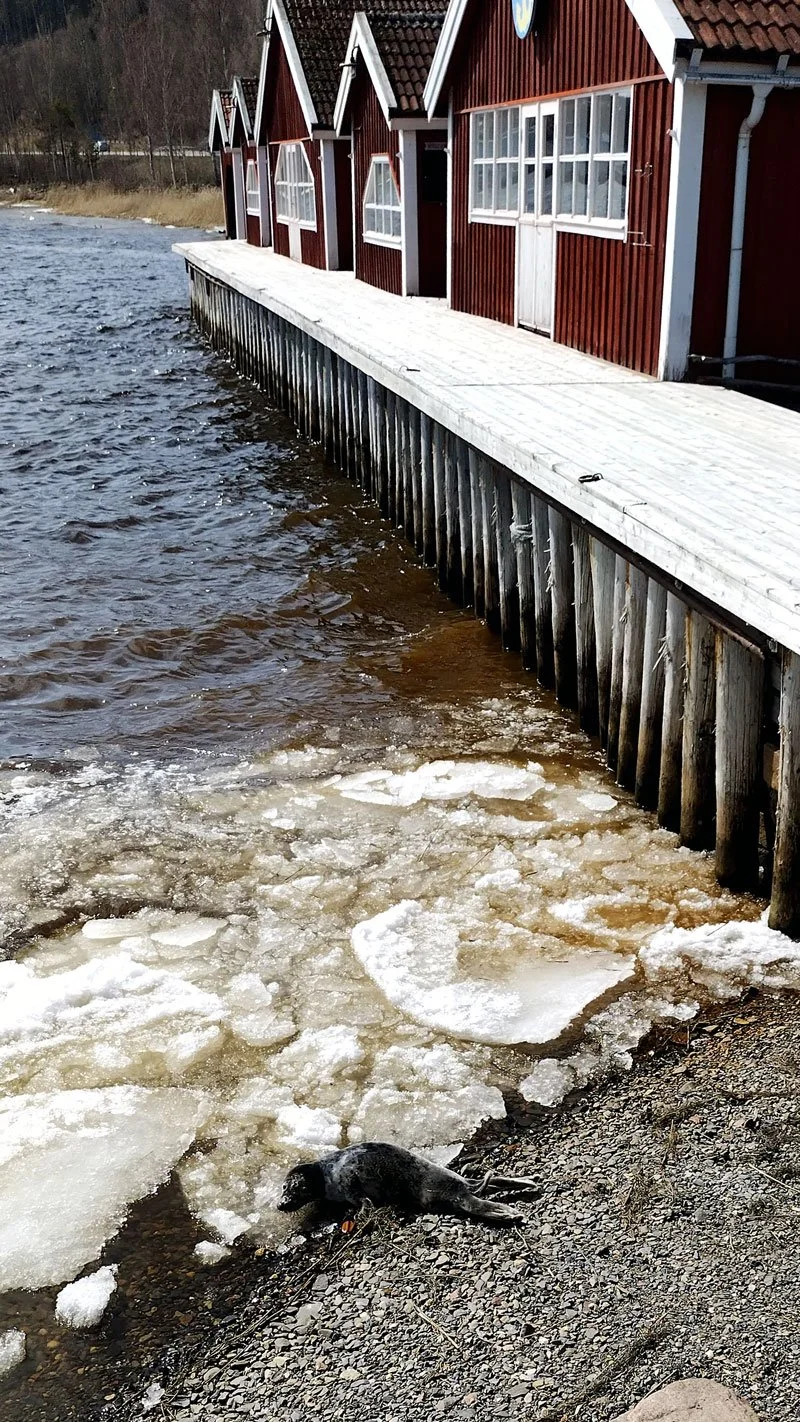
A Quiet Visitor

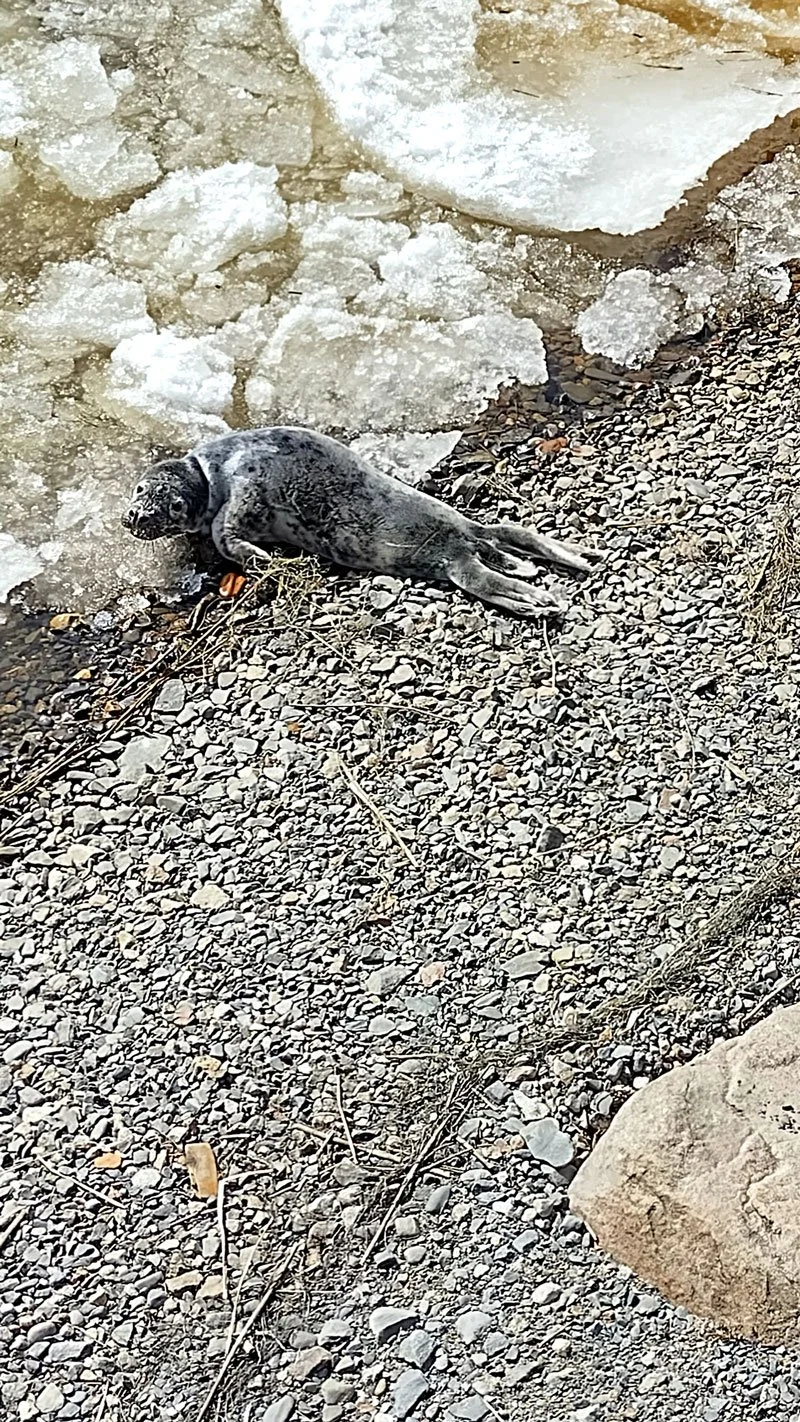
And then, quietly, the unexpected guest appeared. Not as a show, not as a “look everyone” moment — just a presence, resting in the sun as if it had always belonged to this in‑between season. I kept my distance, watched for a few minutes, and let the marina stay quiet.
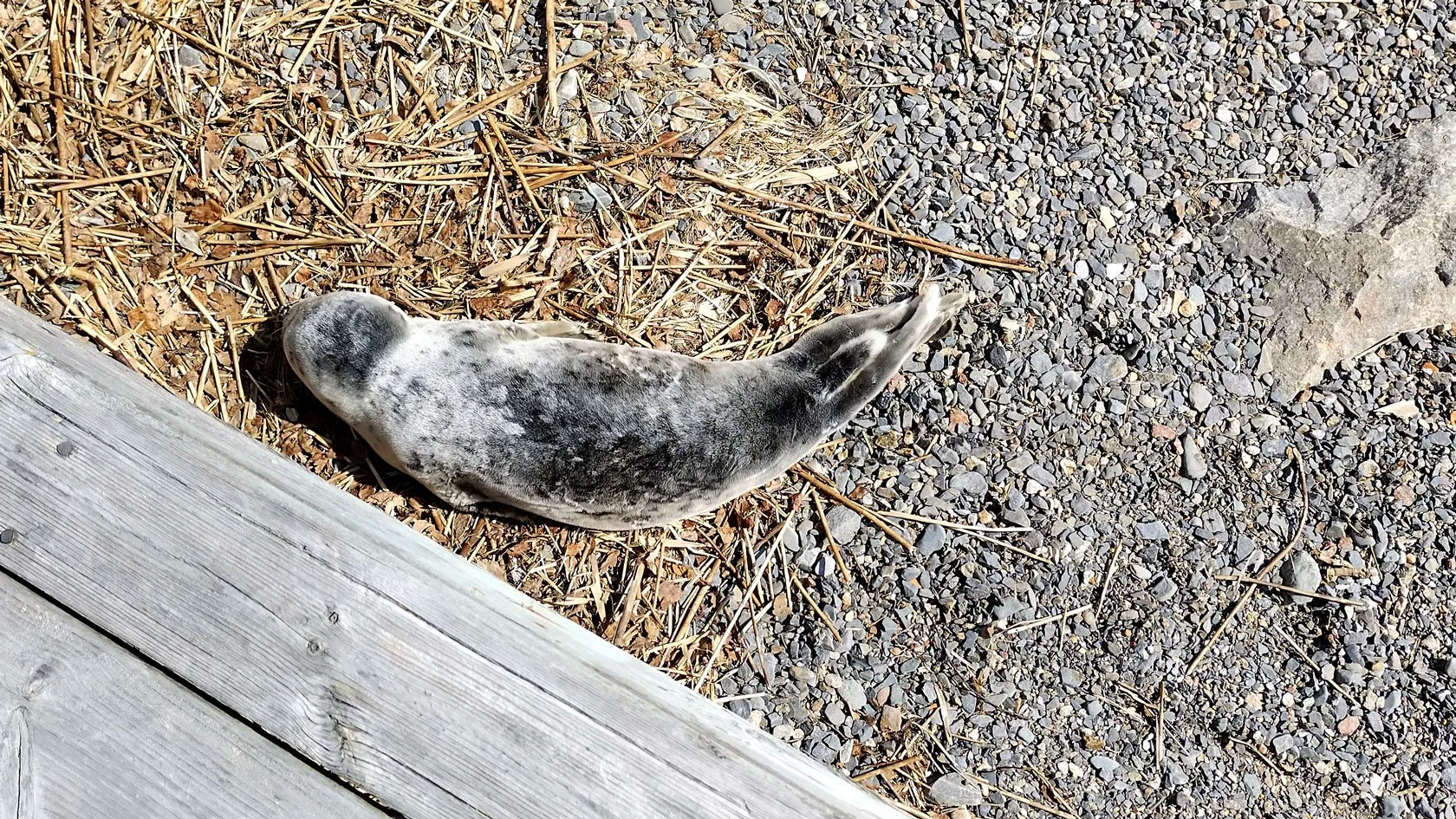
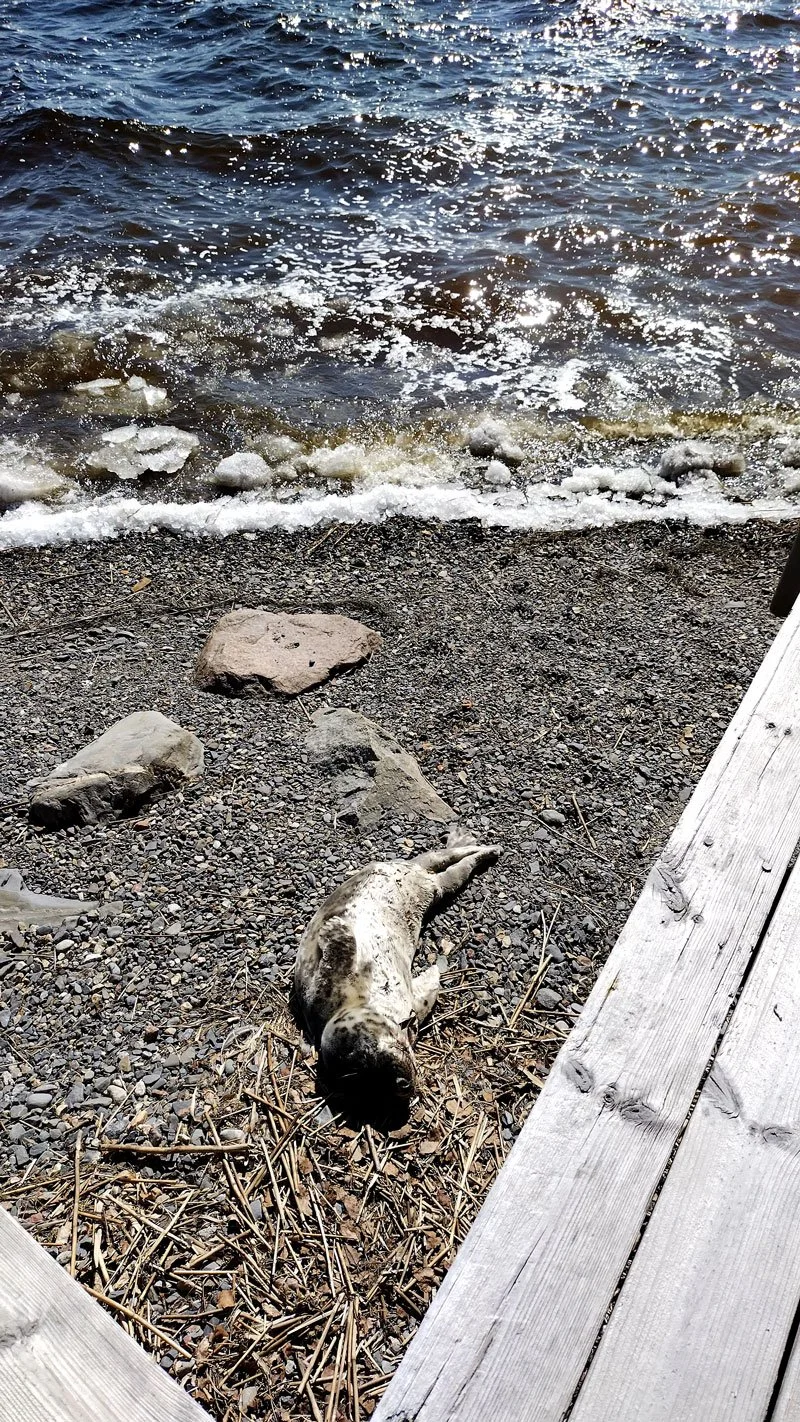
I didn’t take these photos to “share a sighting”. I took them because they capture something rare: the sea changing state, the fjord waking up — and a calm presence that reminded me how gentle this place can be when we don’t try to own the moment.

A small note, before we go on: if you ever spot wildlife resting near the shore, please give it space. No approaching, no noise, no drones — just quiet respect.

And that quiet visitor - a young seal — likely a harbour seal, kept returning, as if it had chosen our marina as its late‑winter sun terrace.
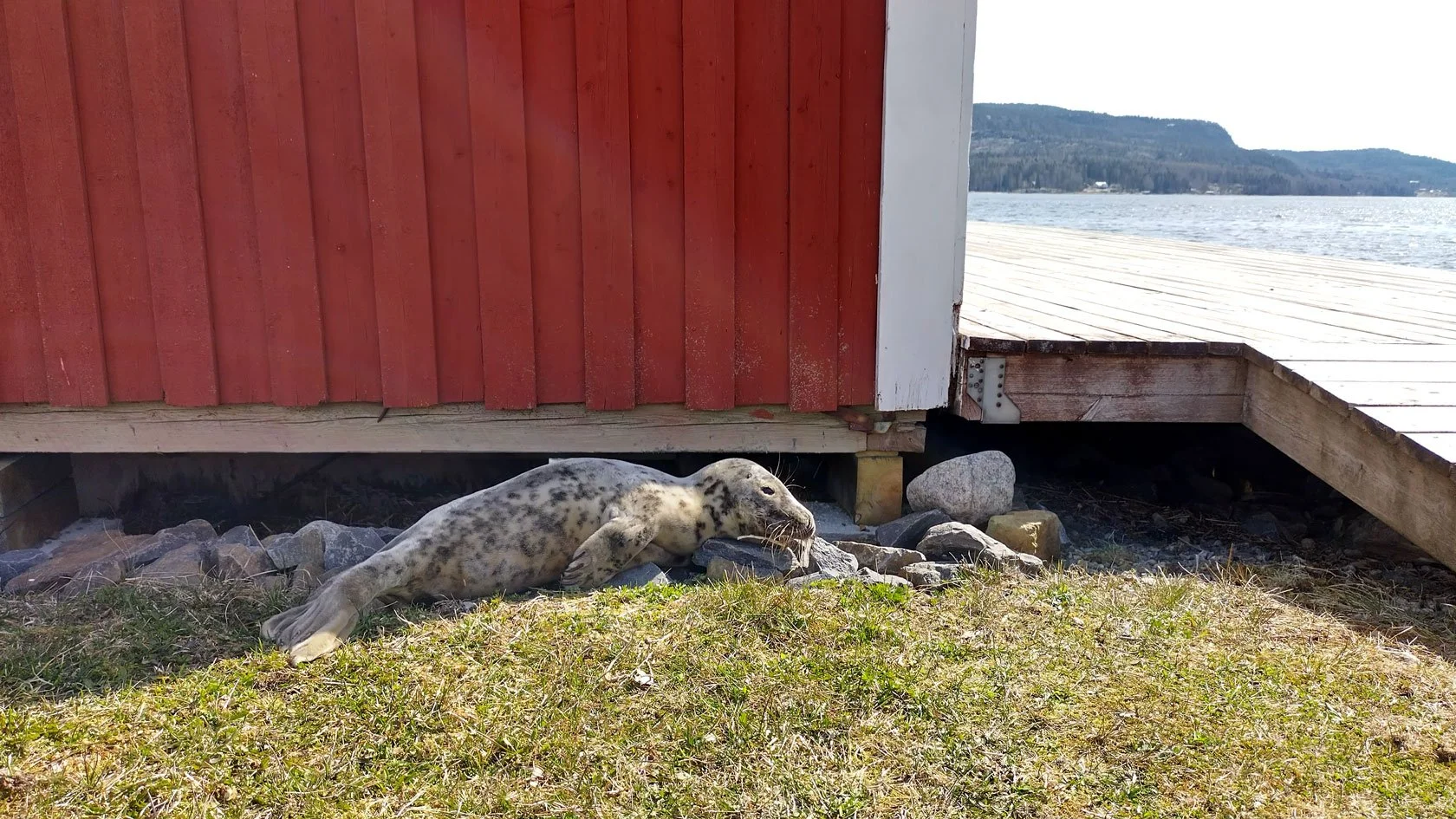
After a couple of days — when the ice was almost gone — I met her again near the boathouse. She was simply there, stretched out in the sun on a small patch of grass by the harbour, calm and unbothered. Cars passed now and then on the E4, and we were nearby with a few winter tasks to do in the basin (tasks that, of course, suddenly felt much less important).
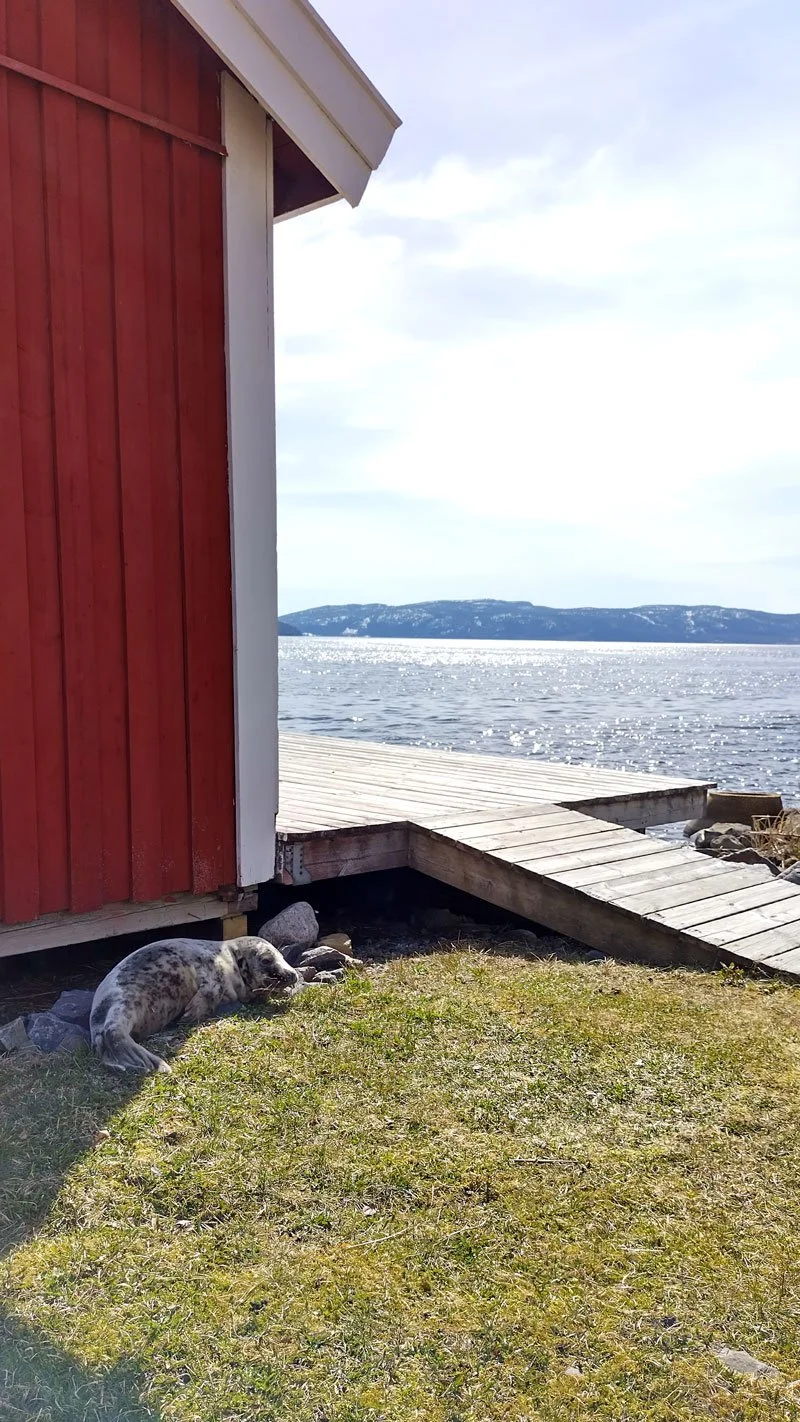
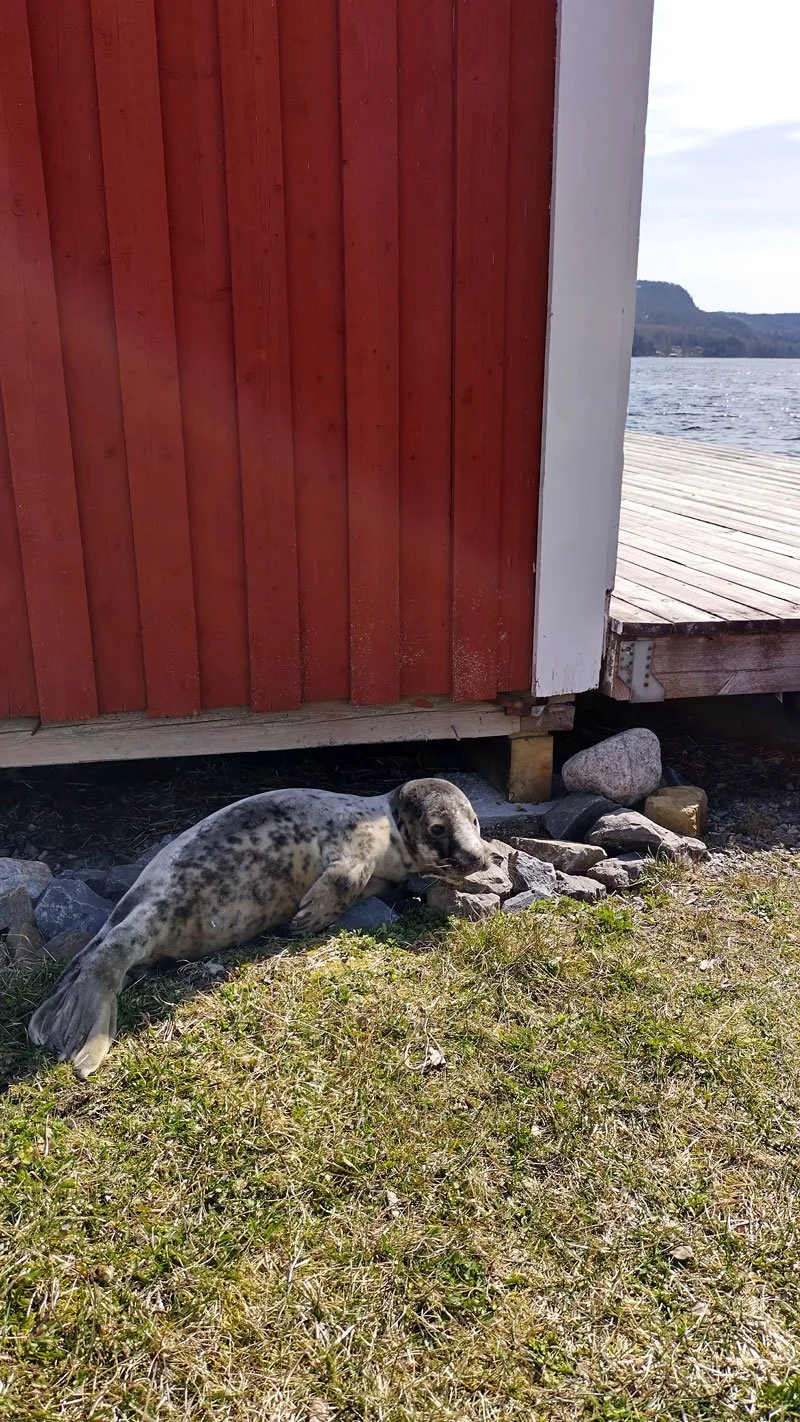
For a moment I caught myself wondering how she had moved so far in, how she had chosen that exact spot. And then, as quietly as she had arrived, she slipped away. One second she was resting in the light, the next she disappeared under the edge of the harbour — and a little later she was back where she belonged, returning to the sea from her small shoreline.

Seeing seals out in the archipelago isn’t unusual. I’ve spotted their round heads more than once while sailing, and it’s not rare for people to mention seeing them fishing in the fjords.
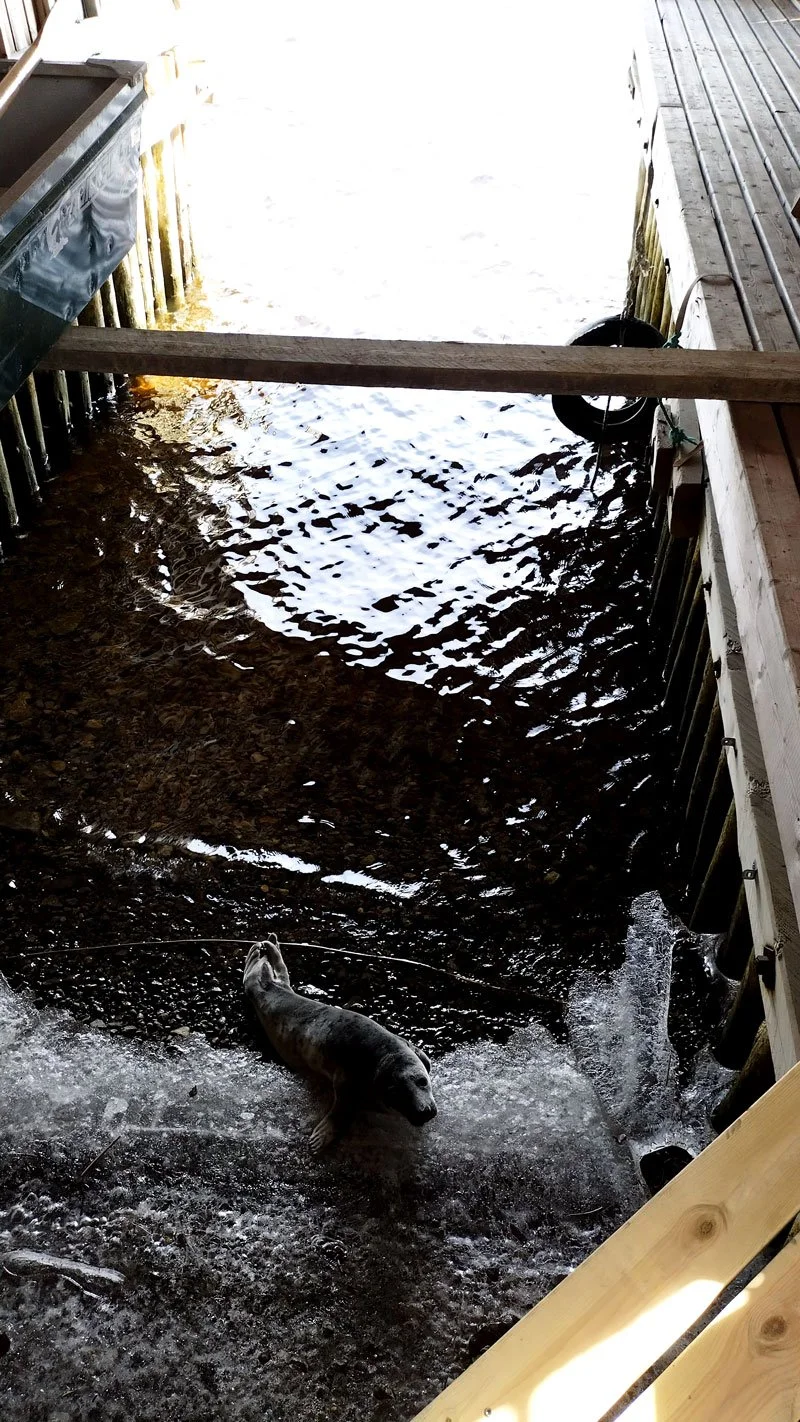
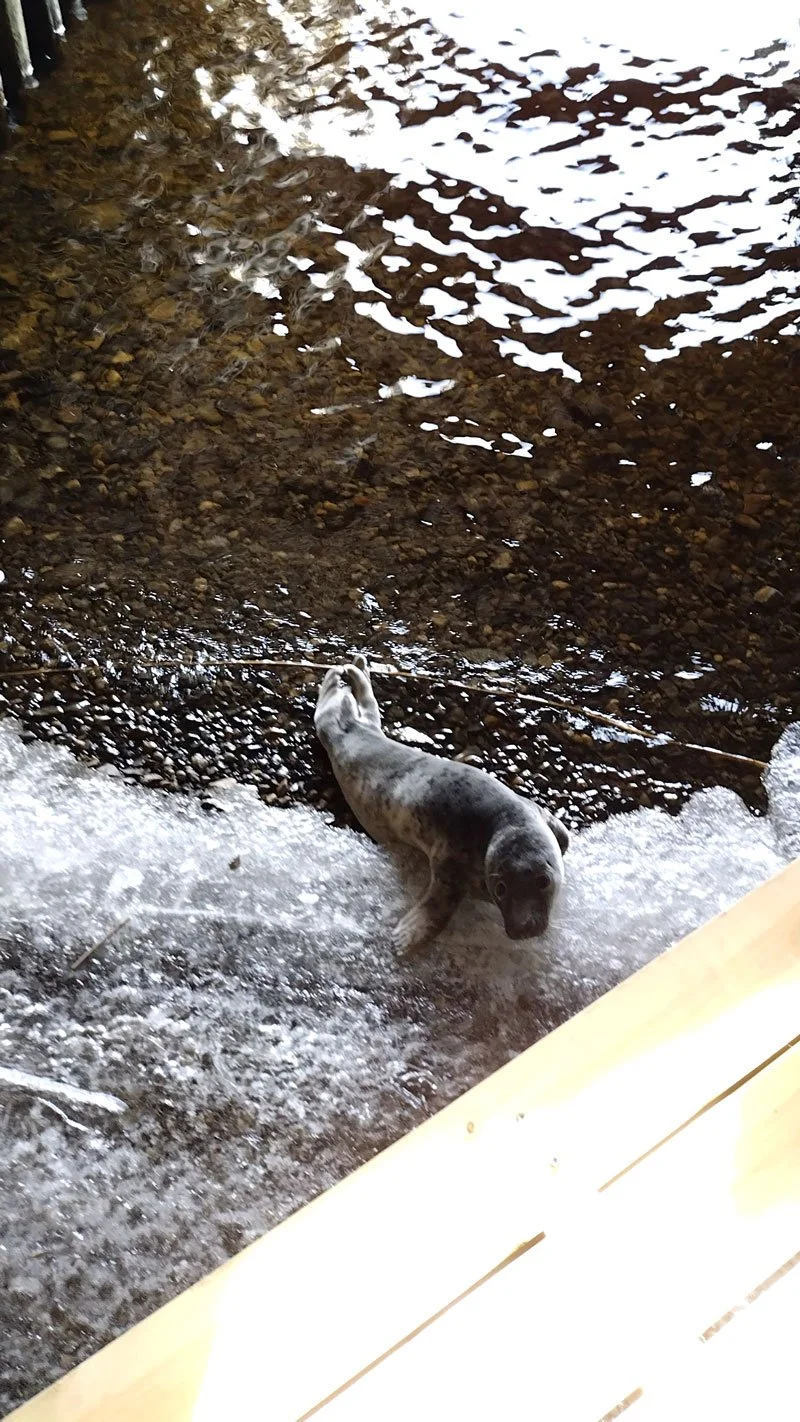
We had even seen a seal or two during summer, fishing near the docks. A couple of guests told me they had watched one dive under the pontoons. And in late winter I had sometimes noticed a seal resting farther away, on the edge of the ice where the open sea begins again. But I had never experienced an encounter this close — and in the last two winters, it hasn’t happened again.

Last summer, I spoke with a marine biologist who told me that, from time to time, a young seal will separate from its group and spend a period alone — exploring, resting, learning its own rhythm. I don’t know if that was the case here. I only know what it felt like: a small reminder that the marina is not just ours. It’s part of a living coastline.
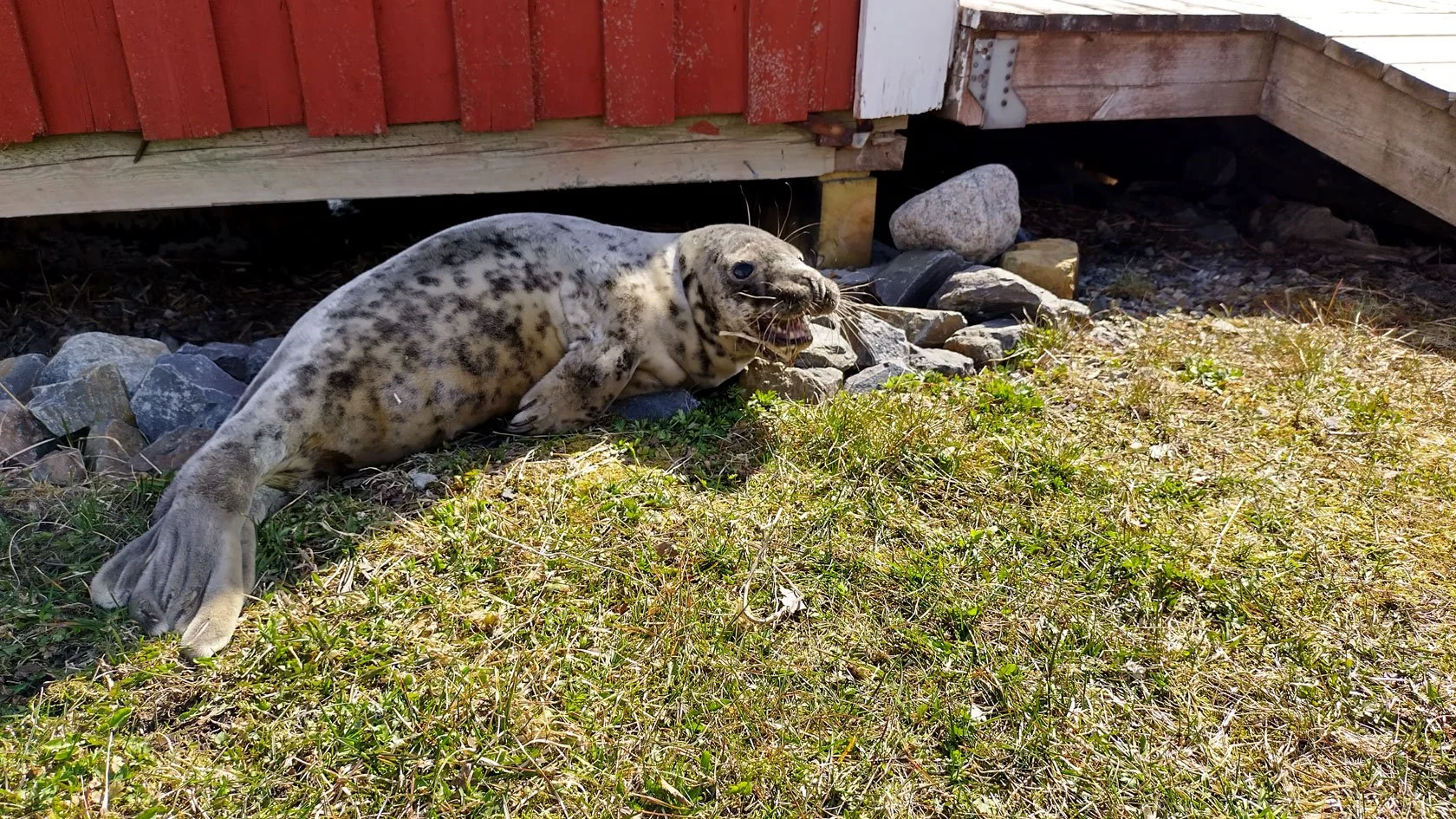
If you ever stay in one of our boathouses, this is the kind of story I share with a bit of shyness — not to promise sightings, and not to turn wildlife into a postcard, but to remind you where you are.

These docks have their own protagonists. Some are loud and obvious: gulls, little terns, and the swallows that return each year to nest near the water. Some are quieter: families of water birds moving through the fjord at sunrise, the occasional fox or badger passing by when the harbour is still asleep. And sometimes — rarely, unexpectedly — a visitor arrives from the sea and rests for a while in the sun.

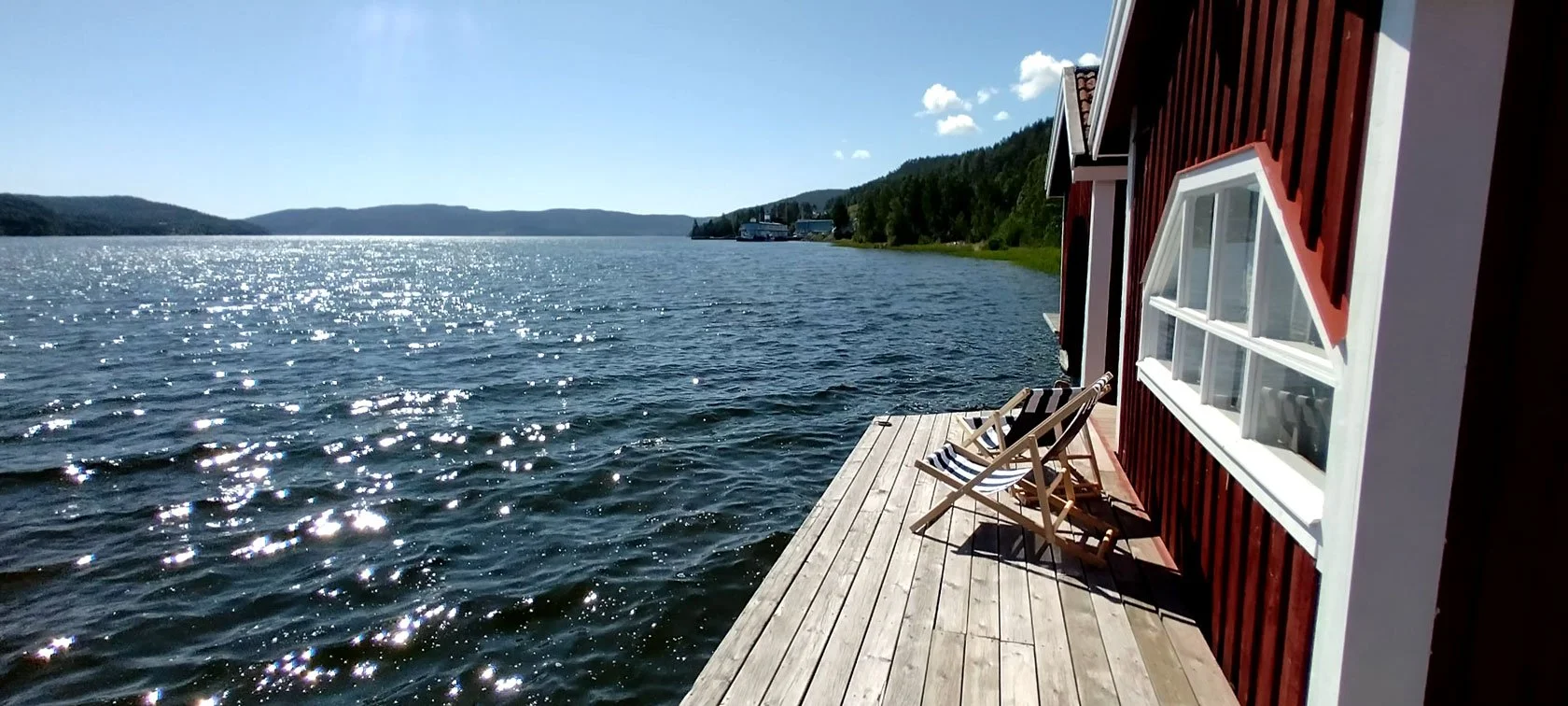
That’s why the boathouses feel the way they do. You’re not just “close to nature” in a generic sense — you’re right on the edge of a living coastline. Morning coffee with the sound of wings. A late‑evening sky reflected on the fjord. The simple privilege of being here, as a guest.

If this is your kind of stay, you’ll find our boathouses here:
 

More Seaside Stays (Docksta Havet Base Camp)
E4 High Coast Stopover: Stop Differently in Docksta

Driving North? Stop Here Instead

Premium stopover on the E4: a simple Boathouse, local hosting, and one real High Coast moment. 400 SEK/pax. Last‑minute bookings + flexible check‑in. Not the cheapest—the smartest stop north.


You're on the E4. It's late afternoon, or maybe you've been driving since dawn. The road is long, and somewhere ahead—maybe tonight, maybe tomorrow—you'll reach your destination. But right now, you're tired. You need to stop.

Most people choose a car stop in a parking area along the E4, or the cheapest room in an aseptic motel. They sleep badly (or grab just a couple of hours), wake up groggy, and drive on without ever arriving anywhere.

I used to do the same thing.

Then I realized: the High Coast isn't something you pass through on your way north. It's something you stop into. And if you stop right, even one night changes how you feel about the whole journey.


🇸🇪 Svenska (kort, praktiskt)

Kör du norrut på E4 och behöver en bra nattpaus? Docksta Havet i Docksta är ett enkelt stopover vid marinan: Boathouse vid havet, dusch & toalett, gratis parkering, och sängen är bäddad när du kommer. Du får också ett snabbt lokalt tips för en kort promenad/utsikt i Höga Kusten om du har energi. 400 SEK/person.

🇫🇮 Suomeksi (lyhyt, käytännöllinen)

Ajetko pohjoiseen E4:ää ja tarvitset hyvän yöpysähdyksen? Docksta Havet Dockstassa on helppo stopover satamassa: Boathouse meren äärellä, suihku & wc, ilmainen pysäköinti, ja sänky on pedattu valmiiksi saapuessa. Saat myös nopean paikallisvinkin lyhyeen kävelyyn/näköalapaikkaan Höga Kustenissa, jos sinulla on energiaa. 400 SEK/hlö.


What I Mean by “Stop Right”

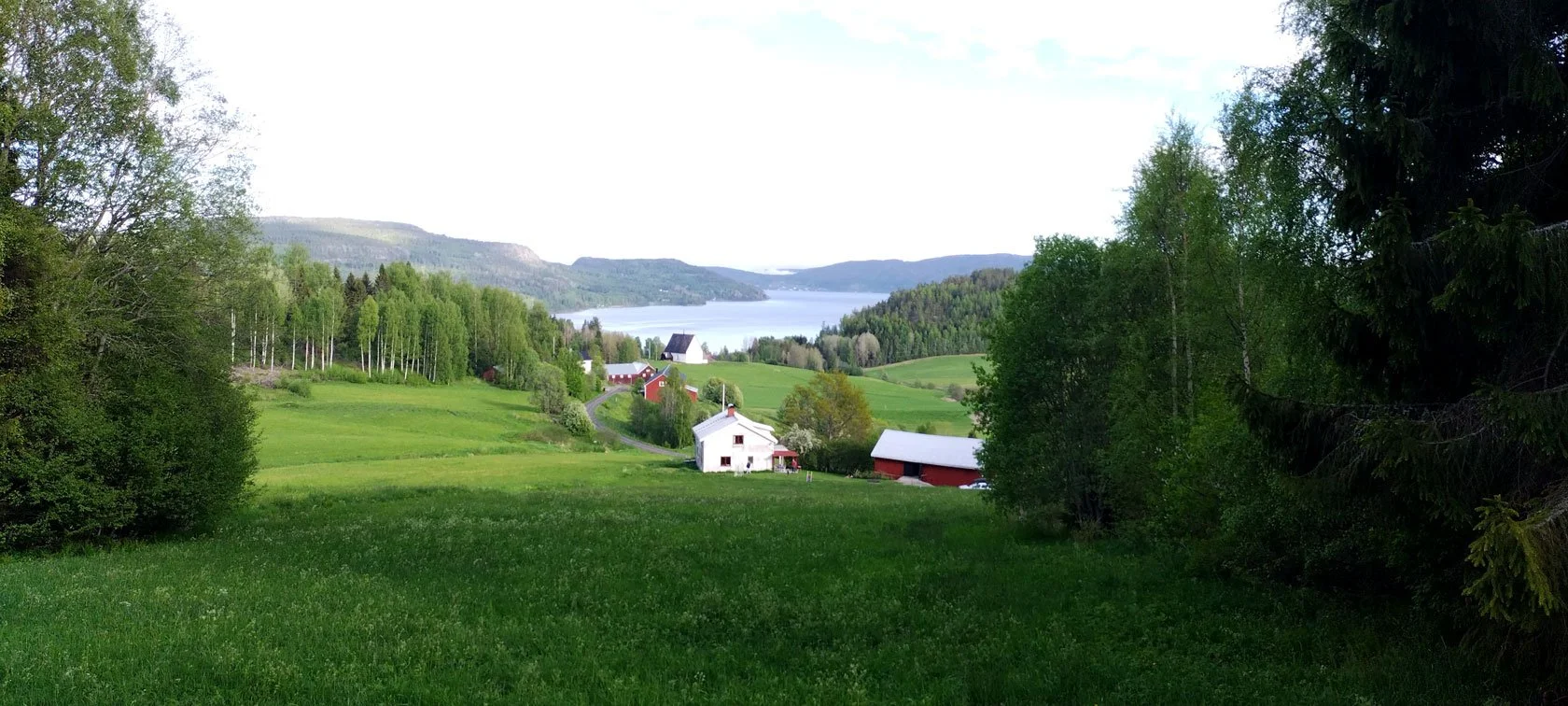
When you pull into Docksta Havet, something shifts. You're not checking into a room. You're arriving at a small base camp along your way—between sea and mountains, run by people who actually live here and know what matters.

Here's what that means in practice:

You're welcomed, not processed. I ask one real question: "What kind of night do you need?" Not "smoking or non-smoking." Not "early checkout?" I mean: Are you completely wiped and need deep sleep? Or do you have energy for one small adventure before bed?

You get a plan that fits your time. Not a list of 50 things to do. One simple, real High Coast moment—something you can actually do in the time you have.

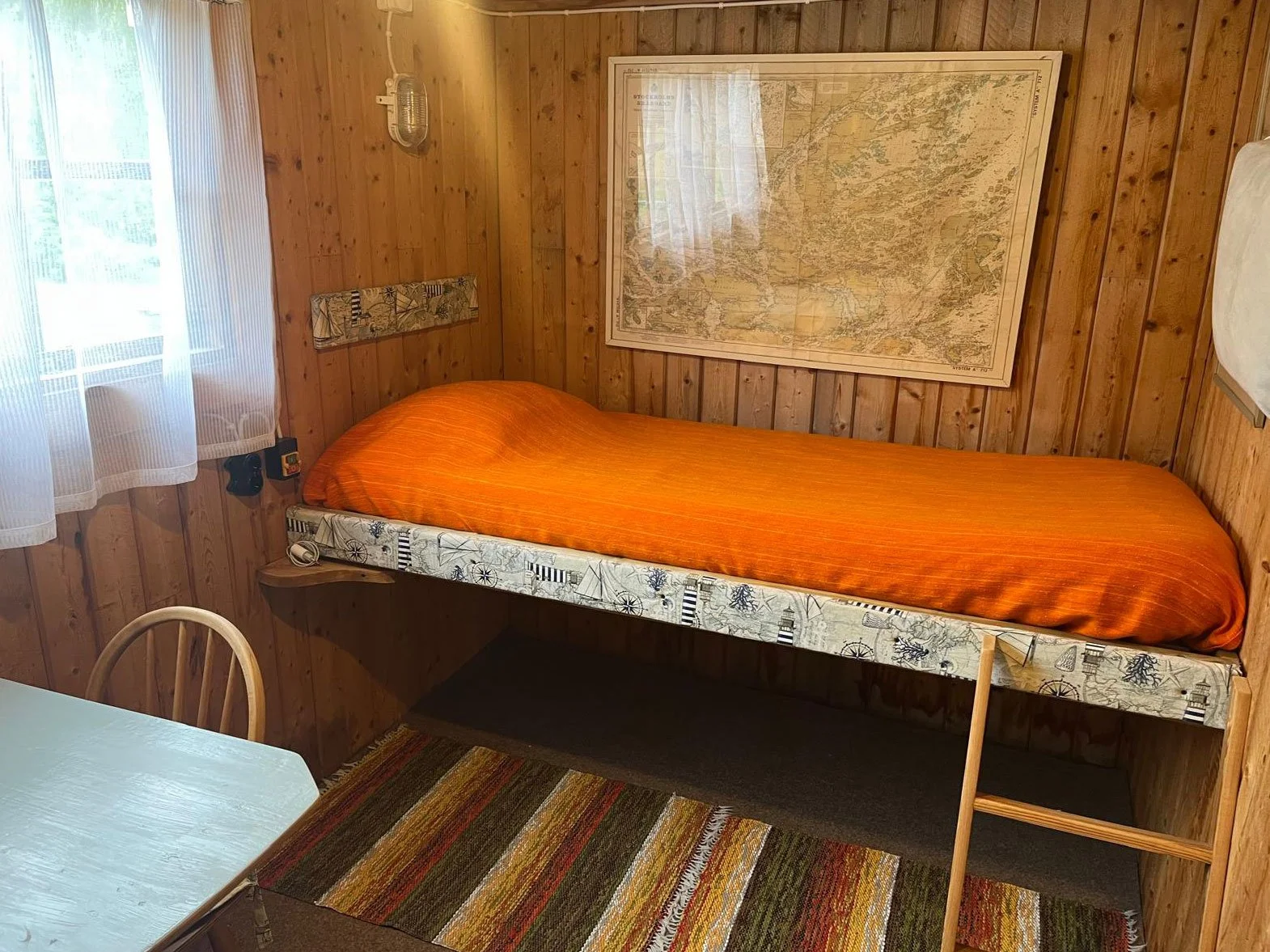
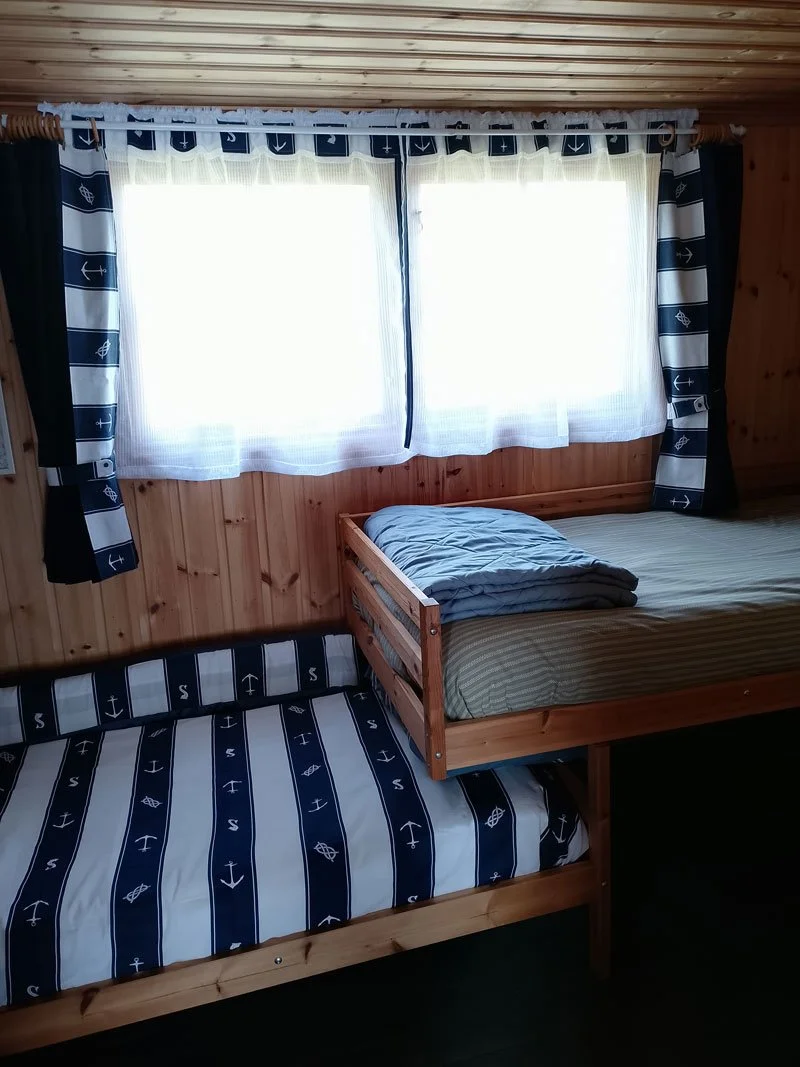
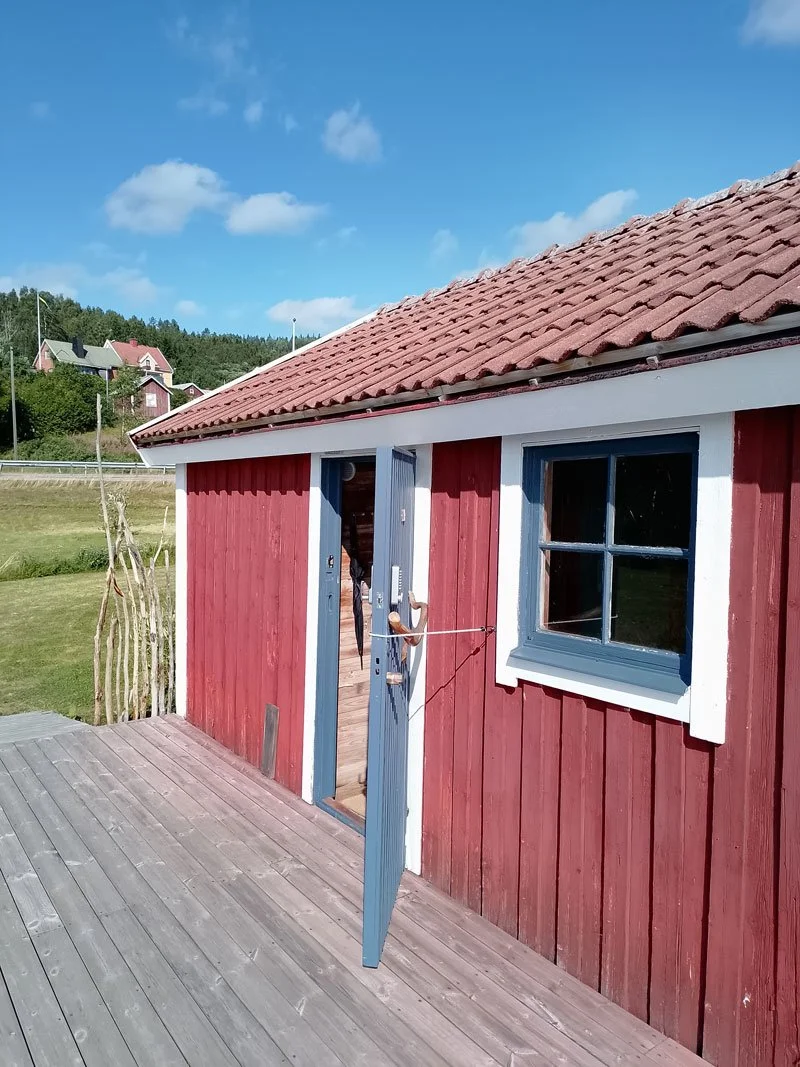
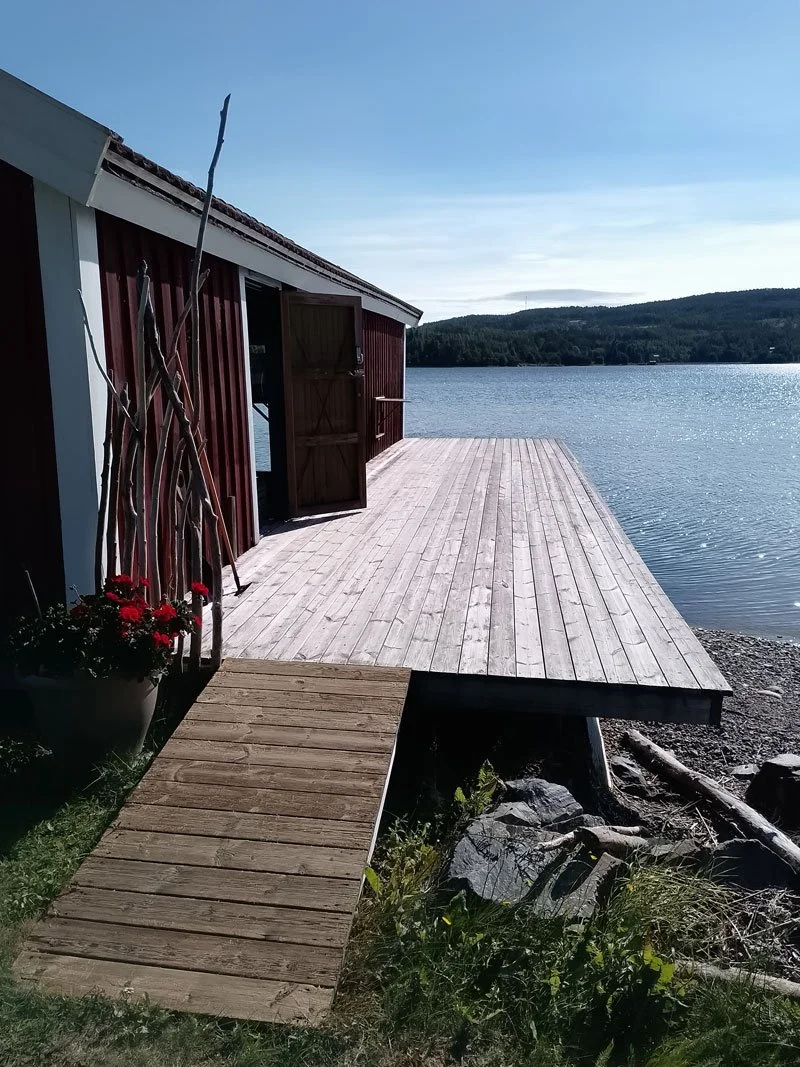
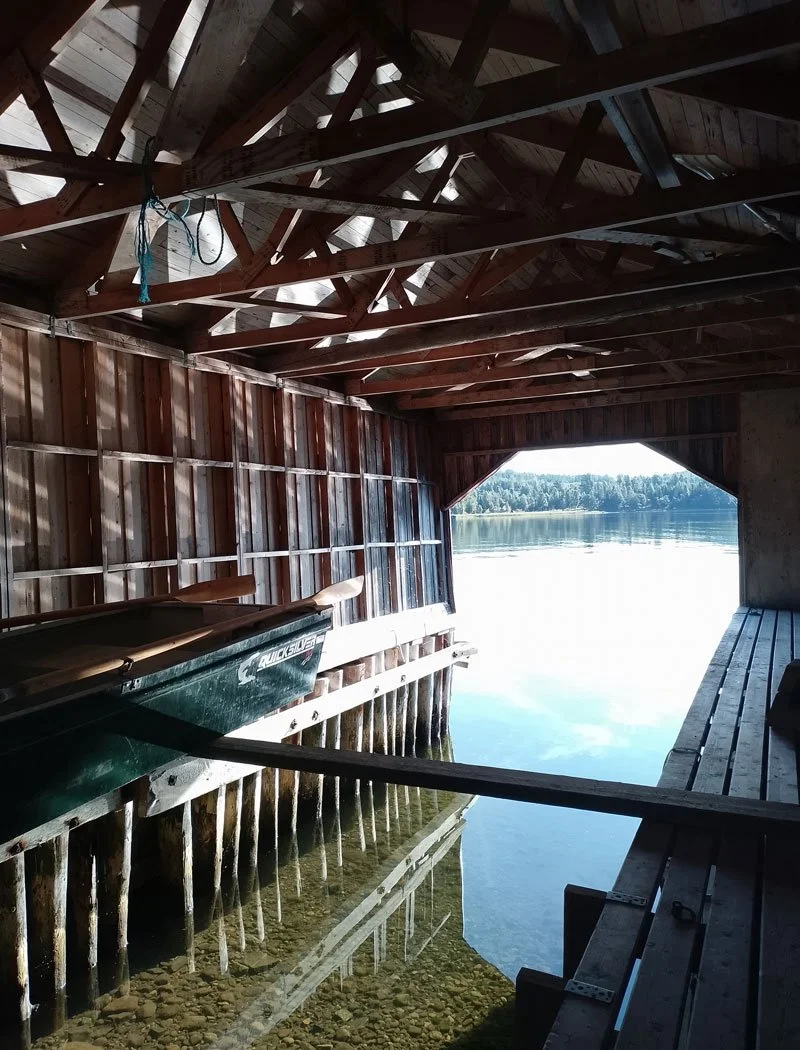
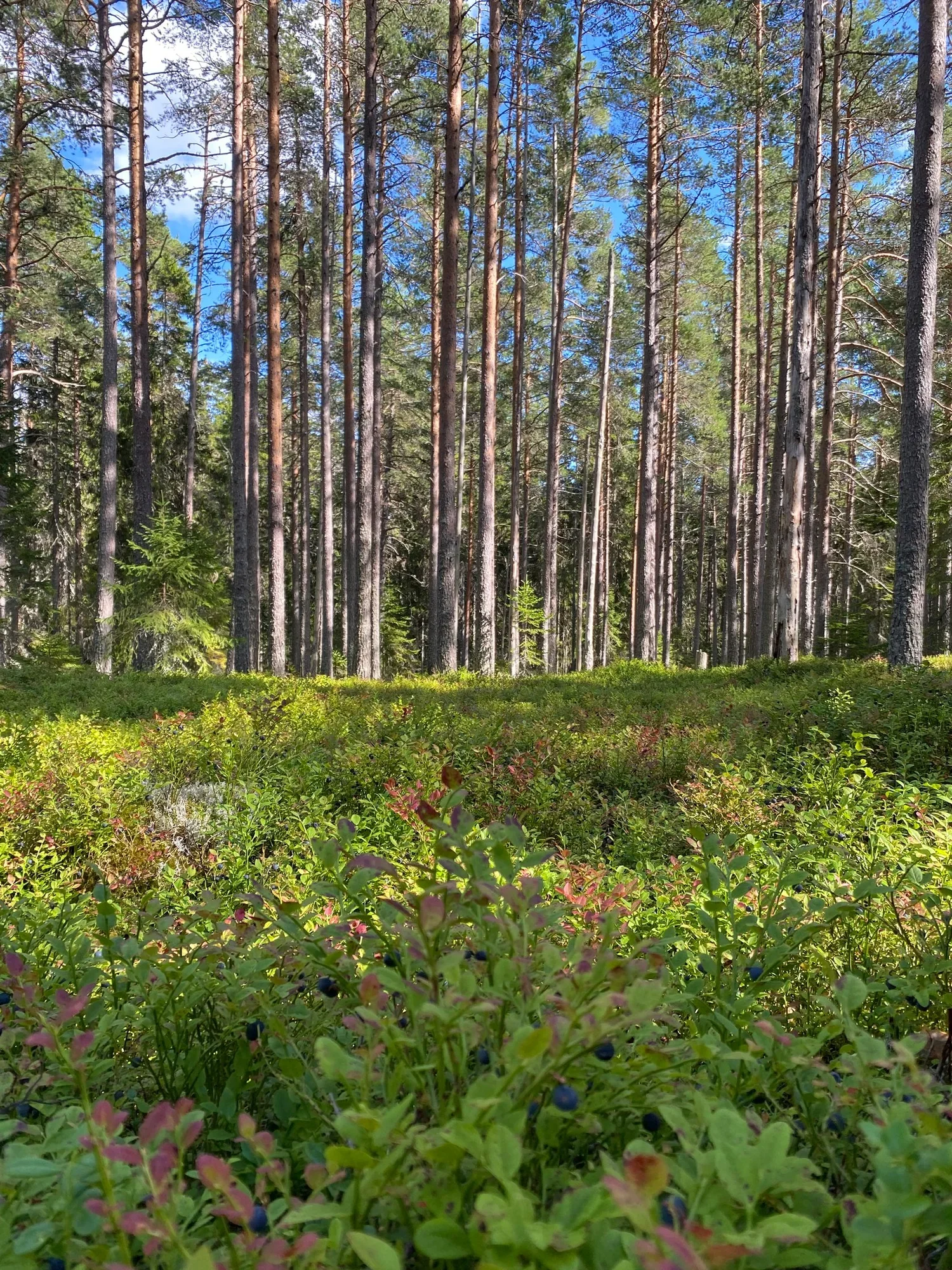
You sleep between sea and forest. Our Boathouse is minimal—bed, shower, dock access, forest at your door. No unnecessary stuff. No parking lot outside your window. Just the actual High Coast, close enough to hear it.

You leave charged, not just less tired. This is the difference. You don't just rest. You arrive somewhere, even if it's only for a night.


The Boathouse: Simple, Iconic, Honest

One night is 400 SEK per person. That's intentional.

The Boathouse is simple because we believe the luxury here isn't a fancy bed—it's waking up between sea and forest with a clear plan for your first High Coast moment.

And a small detail that matters when you're travelling (especially in this area): bed linens are included, and your bed is already made when you arrive.

You get:

  • A waterfront bed (made when you arrive)

  • Toilet & shower

  • Direct access to the dock and private beach

  • Free private car/bike parking slot

  • Free Wi‑Fi at the Sailor’s Club House

  • Local knowledge (included)

Make It Premium in 2 Minutes (Small details)

  • Bed linens are included

  • Your bed is already made when you arrive

  • Towels kit available (50 SEK) if you are traveling with little luggage (1x 140x70, 1x 70x50, 1x 50x30)

  • Kitchenette access (optional): 50 SEK

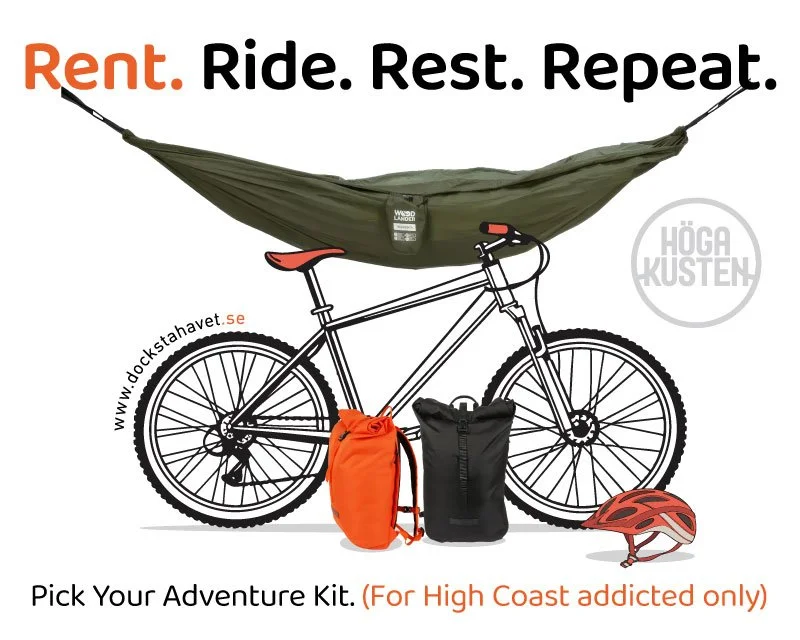
  • Grab&Go gear if you need it (bike, daypack, hammock rental)

What you do get: a person who knows the light, the weather, the shortcuts, and why people sail and hike here.


Your Micro-Adventure Menu

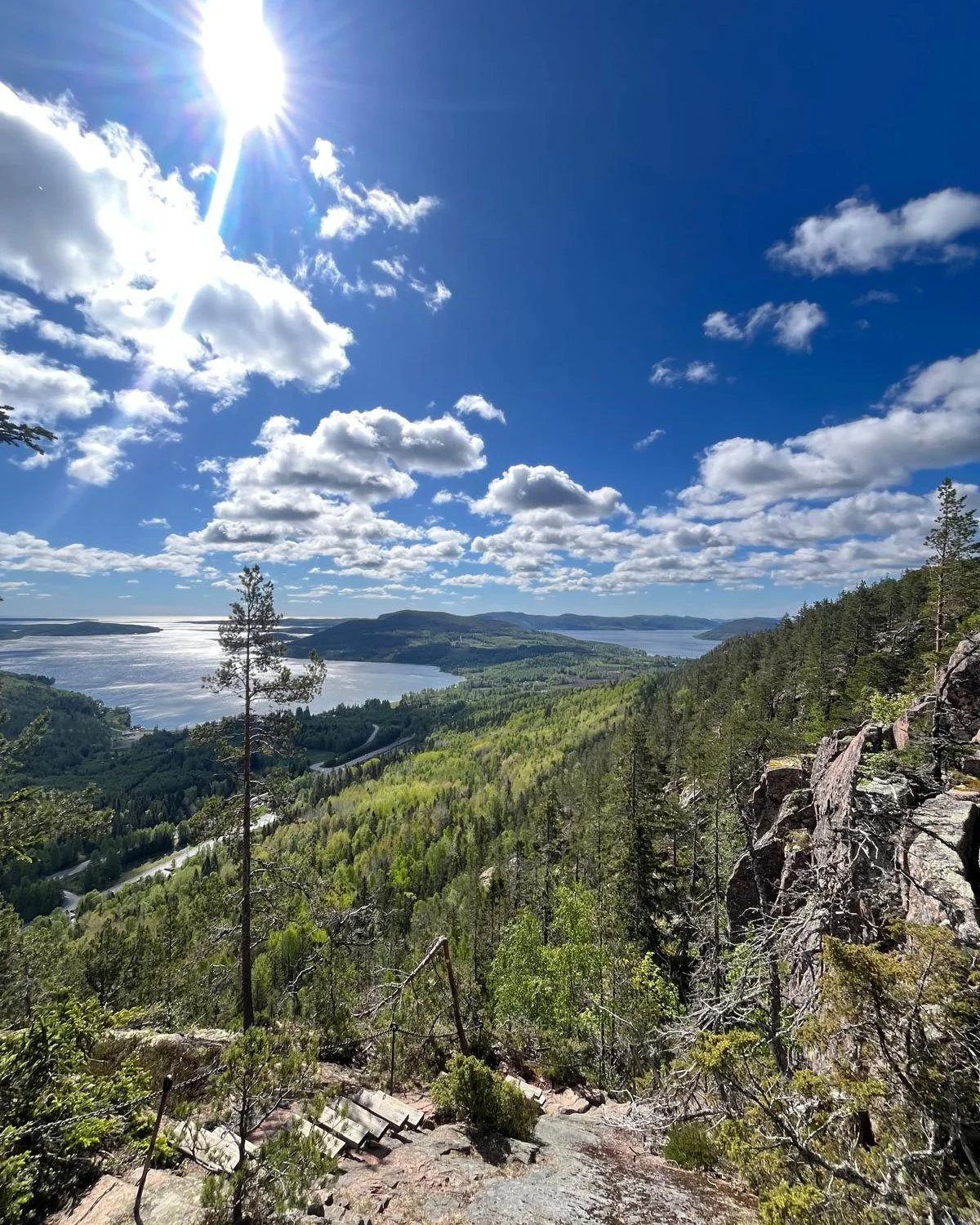
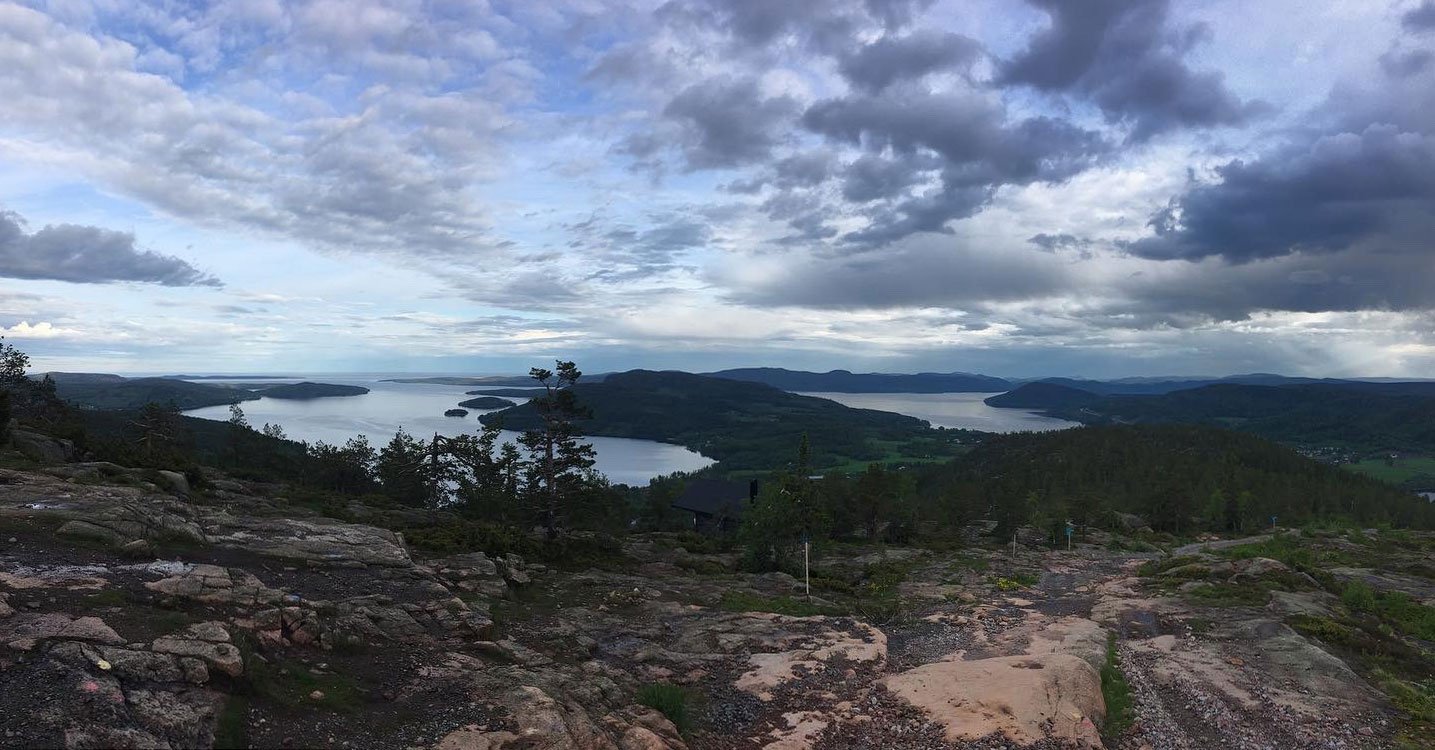
Don’t miss this super-view from the summit of the Skuleberget Mount

Arrive late (after 20:00): Quiet Reset

Check-in. Shower. Sleep deeply. In the morning, before you drive on, I'll suggest something small: pier air + espresso in our Sailor's Club House. Five minutes of silence. A map. Then you're ready.

You'll feel the difference.

Arrive mid-afternoon: Sunset That Feels Like the High Coast

I'll point you to the easiest viewpoint or shoreline walk—the one where the light actually looks like a postcard. 60–90 minutes. Zero gear needed. You'll understand why people sail here.

Arrive early: One Real Hike

If you’ve been sitting for hours, Skuleberget is the best kind of leg-stretch: a real view, a real reset, without turning your travel day into a complicated project.

I suggest one iconic trail (not too long, not too easy). I tell you what to pack if you own nothing. I give you a weather plan B. You'll have a real High Coast moment and still sleep well.

Option 1: Skuleberget summit hike (best in the long light)

If you can do one thing, do this.

In summer, Skuleberget is beautiful in the late afternoon and evening. From mid-May to mid-July, the light is the main character — and it’s often quieter up there too.

Read more: https://dockstahavet.se/outdoor-gear-rental-hoga-kusten/guides-stories/skuleberget-summit-hike-simple-plan

Option 2: Per Olsbo — an easy walk for everyone

A short ride + a short walk. Calm, grounding, and perfect after a long drive.

Read more: https://dockstahavet.se/outdoor-gear-rental-hoga-kusten/guides-stories/per-olsbo-shelter-hga-kustenleden-bike-short-hike-plan

Legs want movement: Bike loop from Docksta

A short loop that feels epic. We have bikes to rent (Grab&Go, starting 150 SEK/day) if you didn't bring one. You'll see why locals ride here.

(Travelling by bike or hiking through? Same idea—we'll help you pick the best micro-plan for your energy and the weather.)


Why This Matters

You're not just tired. You're in transit. And transit can feel like a void—just time passing between one place and another.

But the High Coast doesn't have to feel that way. Even one night here can feel like you actually stopped somewhere. Like you didn't just sleep, but arrived.

That's the difference between a motel and a base camp.


Make It Premium in 2 Minutes (Gear)

Missing gear? We have simple Grab&Go rentals:

  • Bike rental: starting 150 SEK/day

  • Day hike pack: 80 SEK/day

  • Hammock kit: 120 SEK/day

No deposit. Pay by card or Swish. Return whenever.


One More Thing

If you can add one extra night, everything changes. You can actually breathe here. Hike properly. Sit in the forest. Sail. Watch the light change. We'll help you see why people come back.

Ready to Stop Differently?

Send me two things (even before booking):

  1. What time you arrive

  2. Car / hiking / bike

I'll suggest your best "one-night High Coast plan"—and make sure you're not just rested, but charged when you drive on.

The forest is waiting. The sea is waiting. And there's always room at the base camp.


Know your host

Tommaso De Rosa
See my host profile and contact me on Airbnb

Driving north on the E4 and need a smart stopover? I can help you make the most of your essential recovery time in the High Coast.

Whether you need advice on what to do in the time you have (a quiet reset, a sunset walk, or a real hike), want tips for Skuleberget or Skuleskogen National Park, or have questions about bike rentals, gear, or local shortcuts—contact me via Airbnb chat.

Smart drivers know: after hours on the road, your body and mind need this strategic pause. I'm here to ensure your stopover becomes a journey highlight—not just rest, but arrival.

The forest is waiting. 🌲

Tommaso

Please write me by email or WhatsApp at +46.763136909

 
Summary Block
This block has no content yet. Items you add to the page connected to this block will display here.