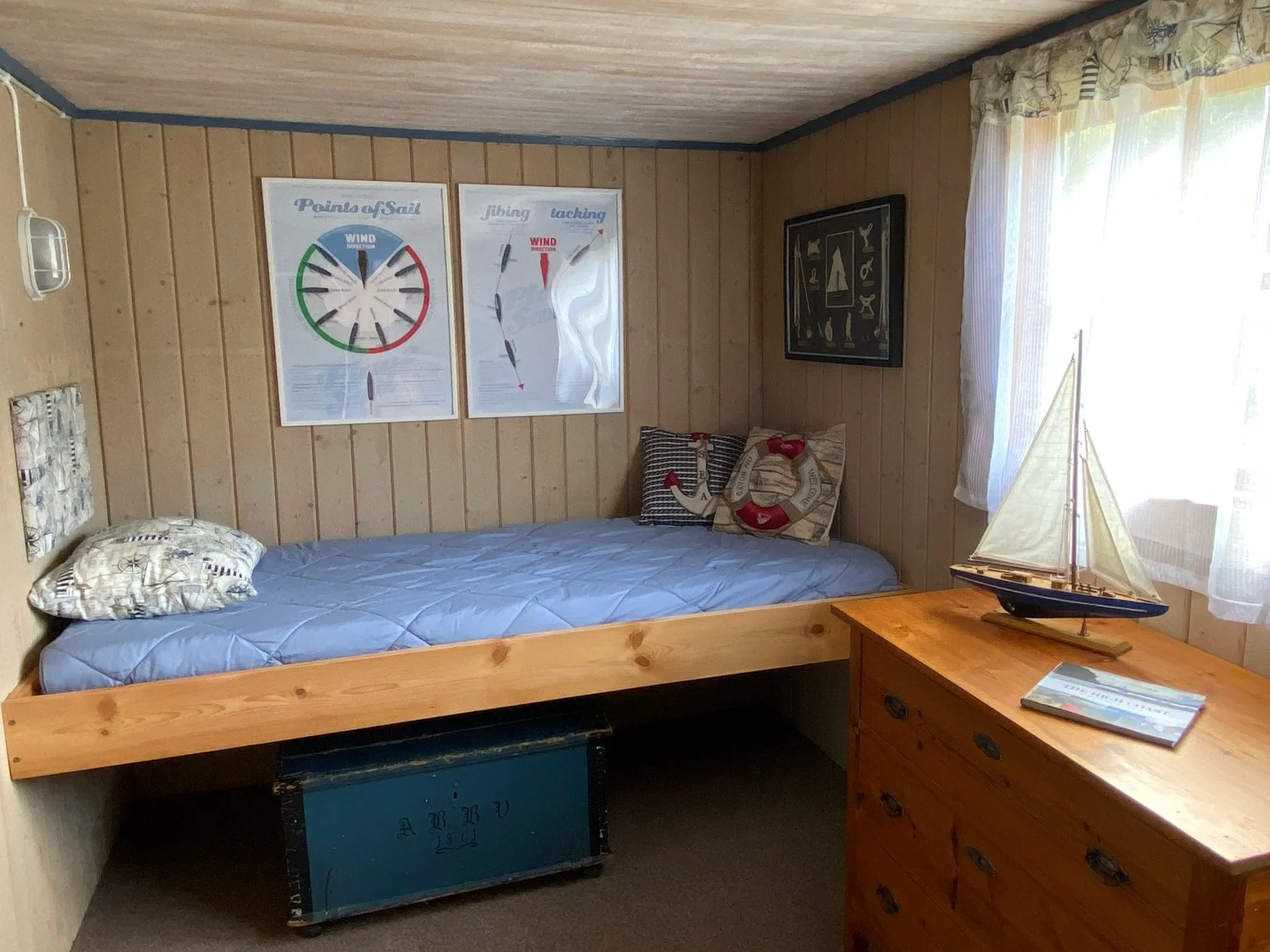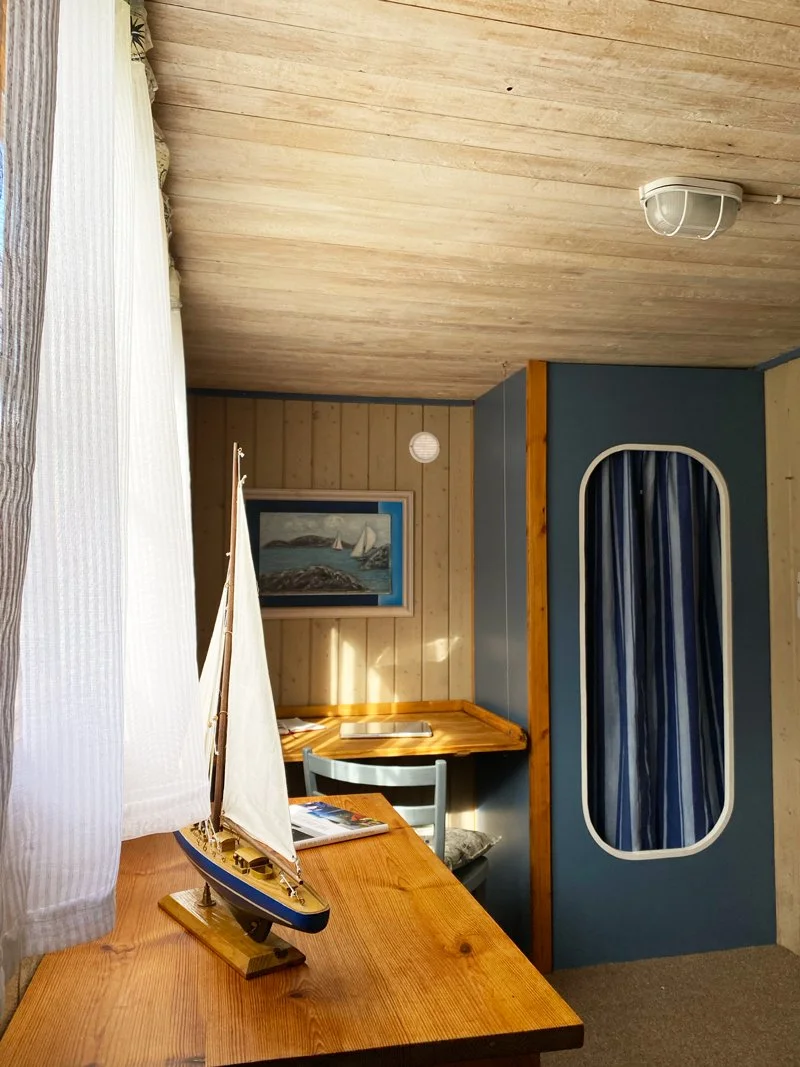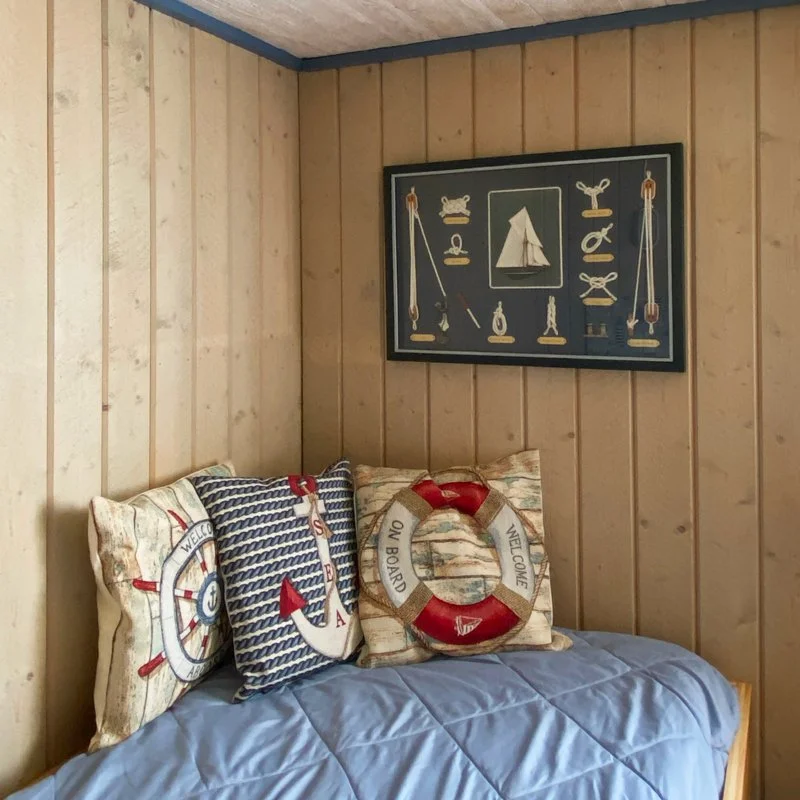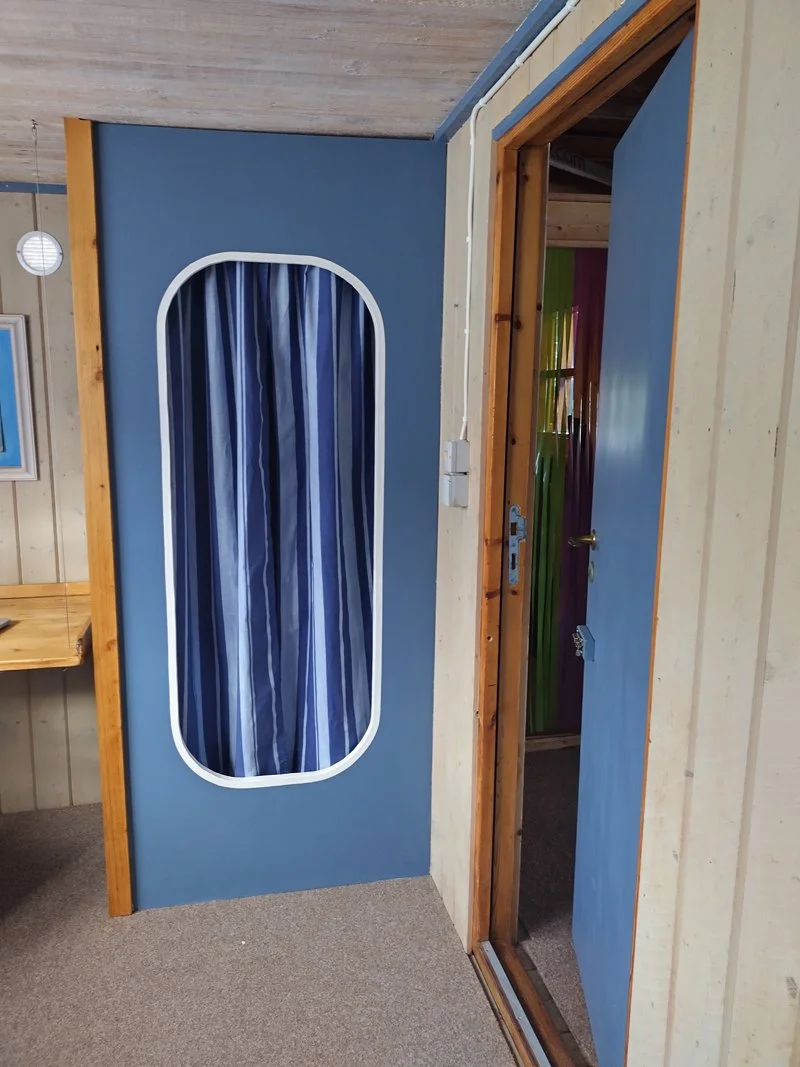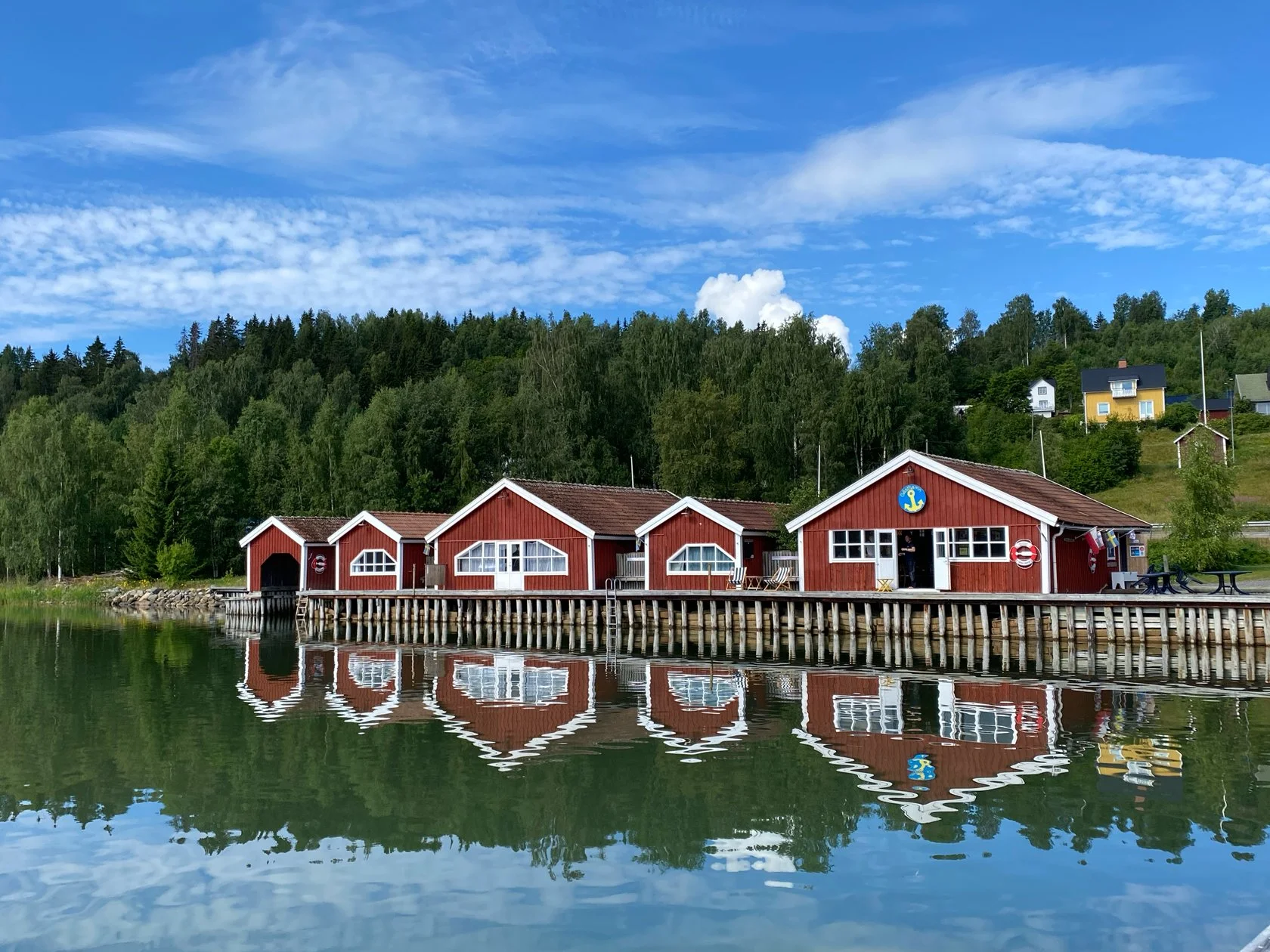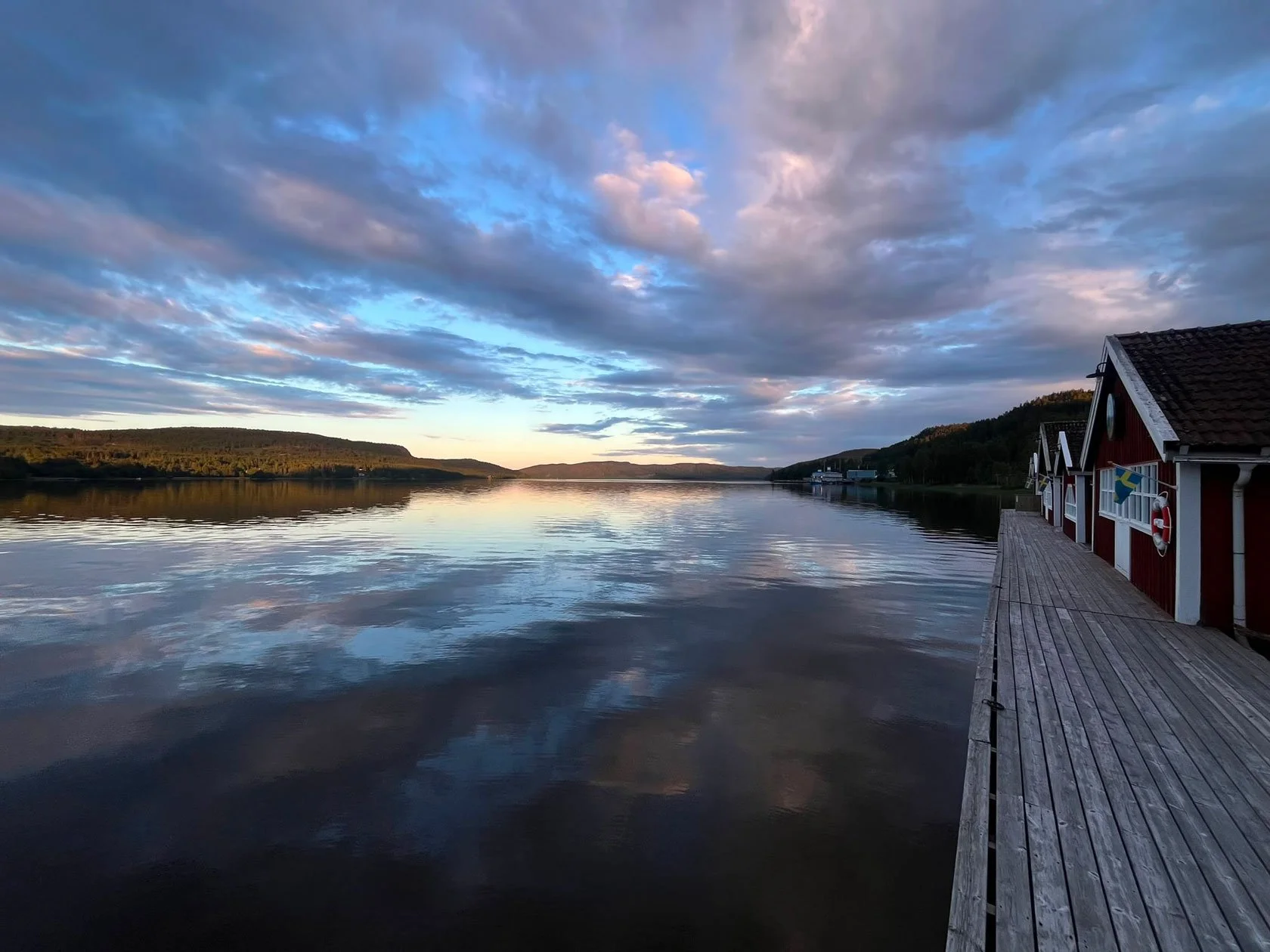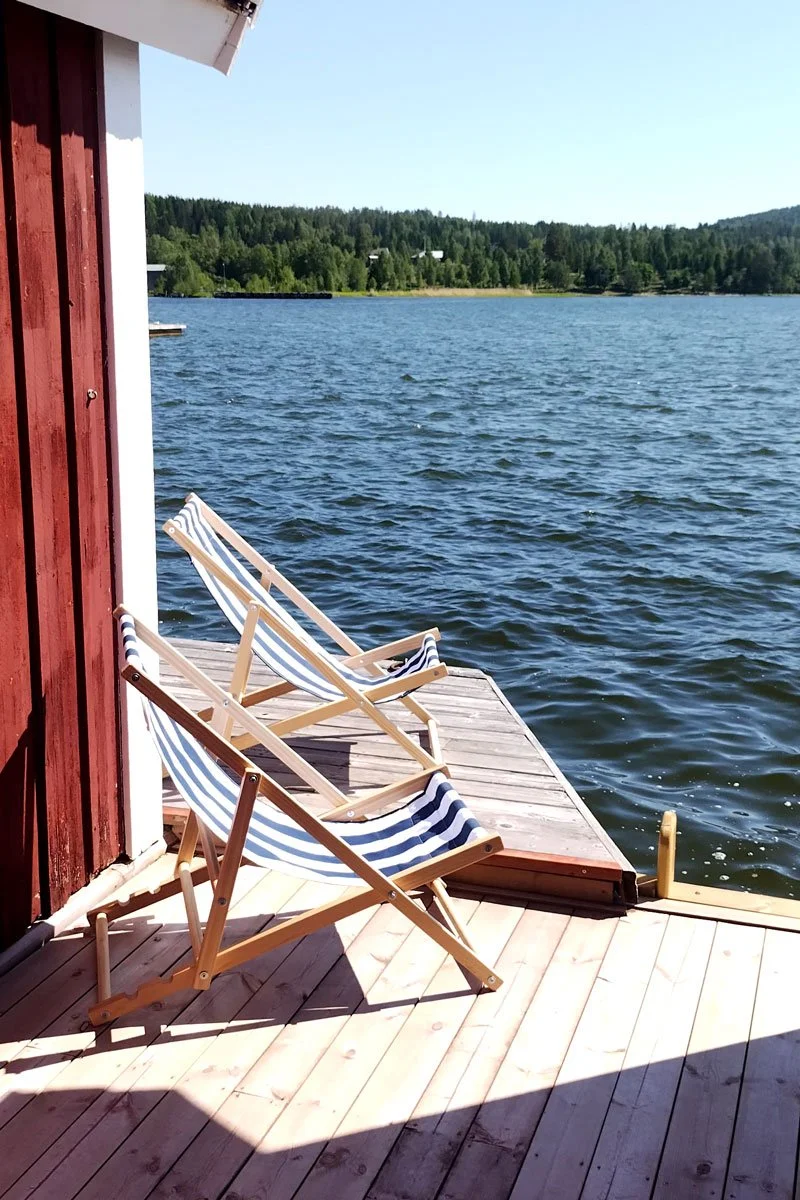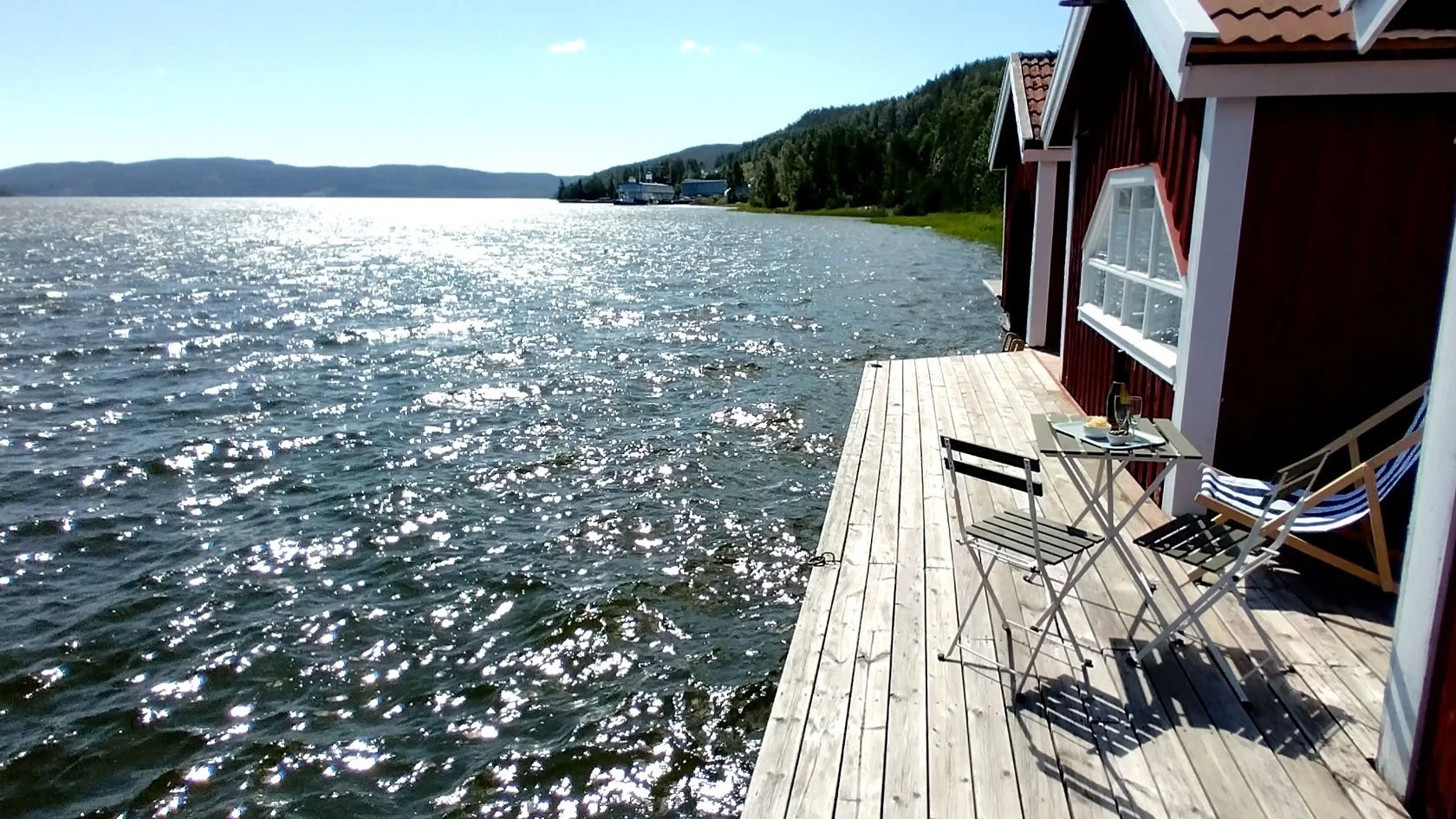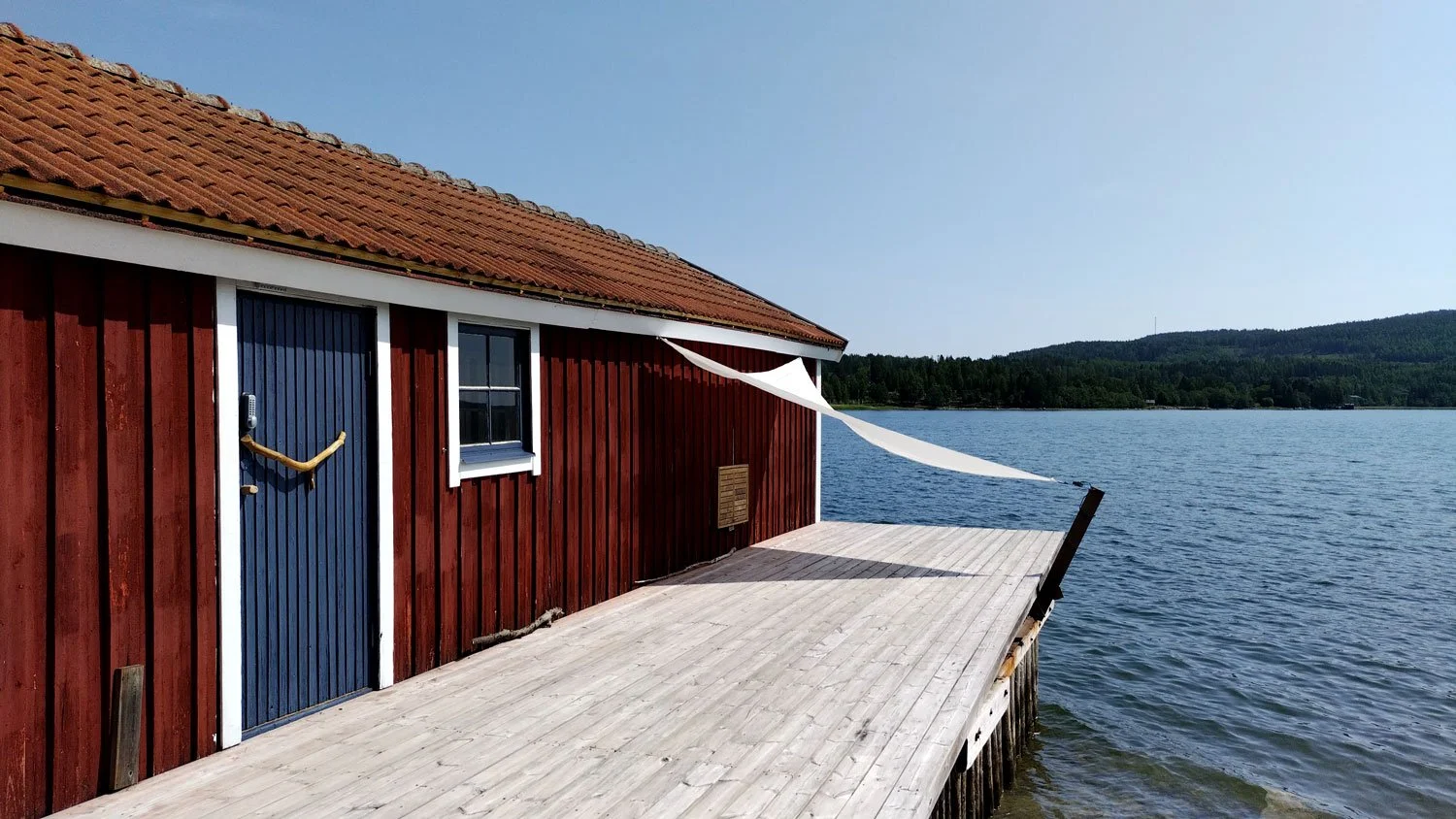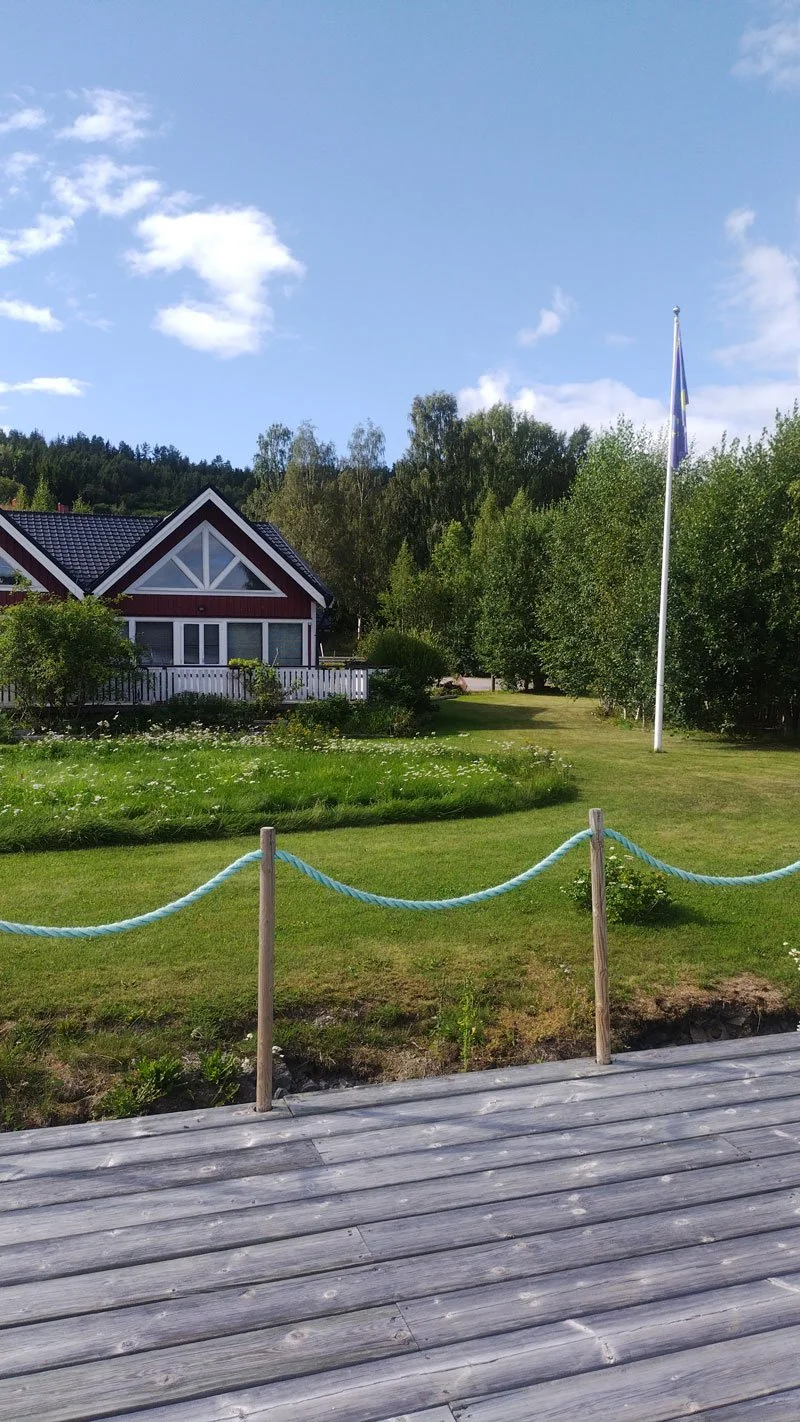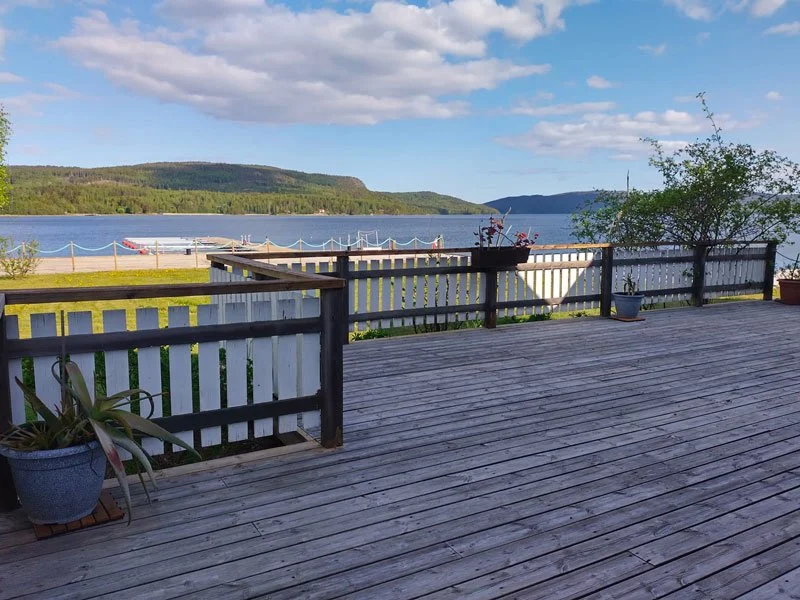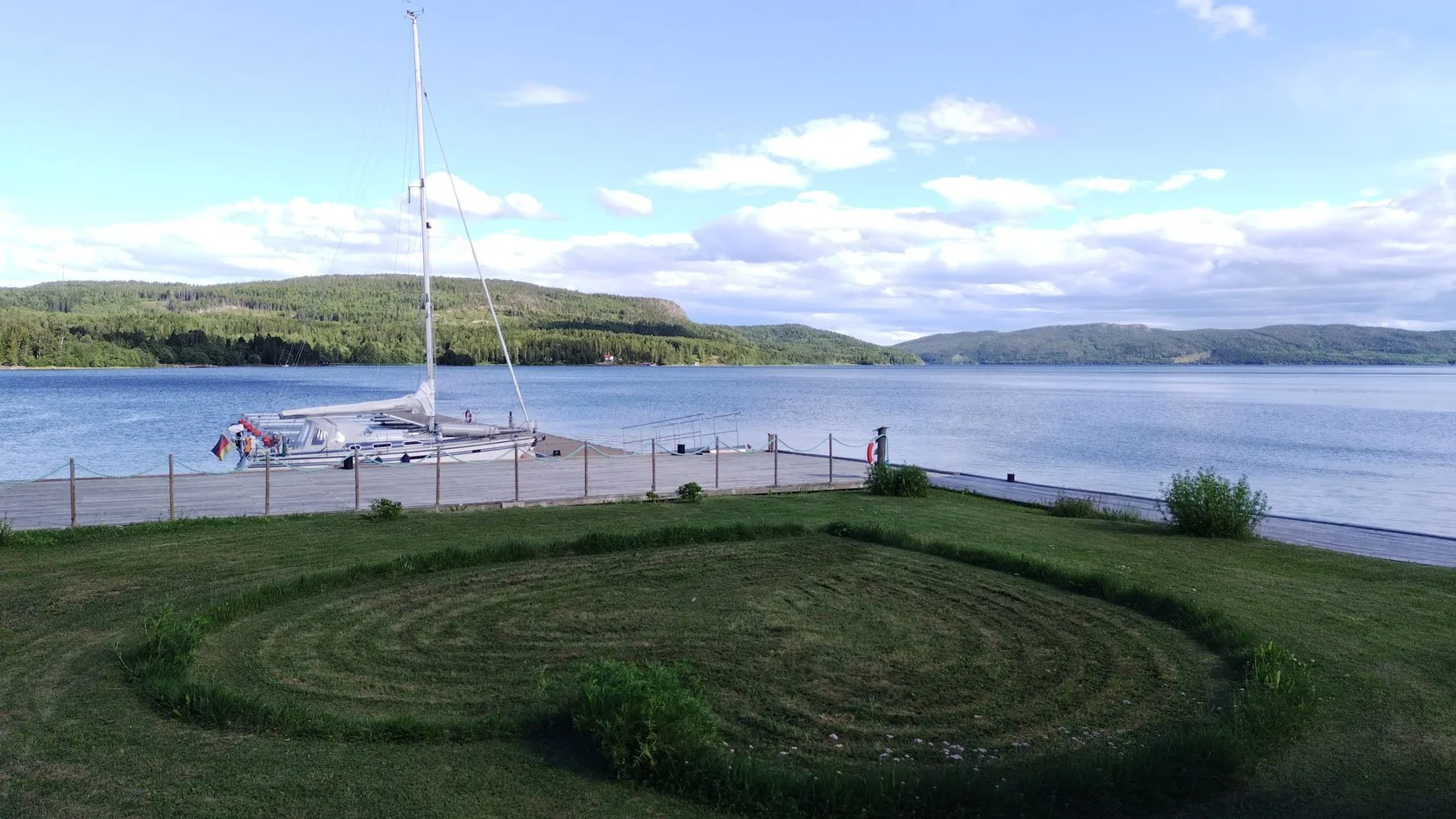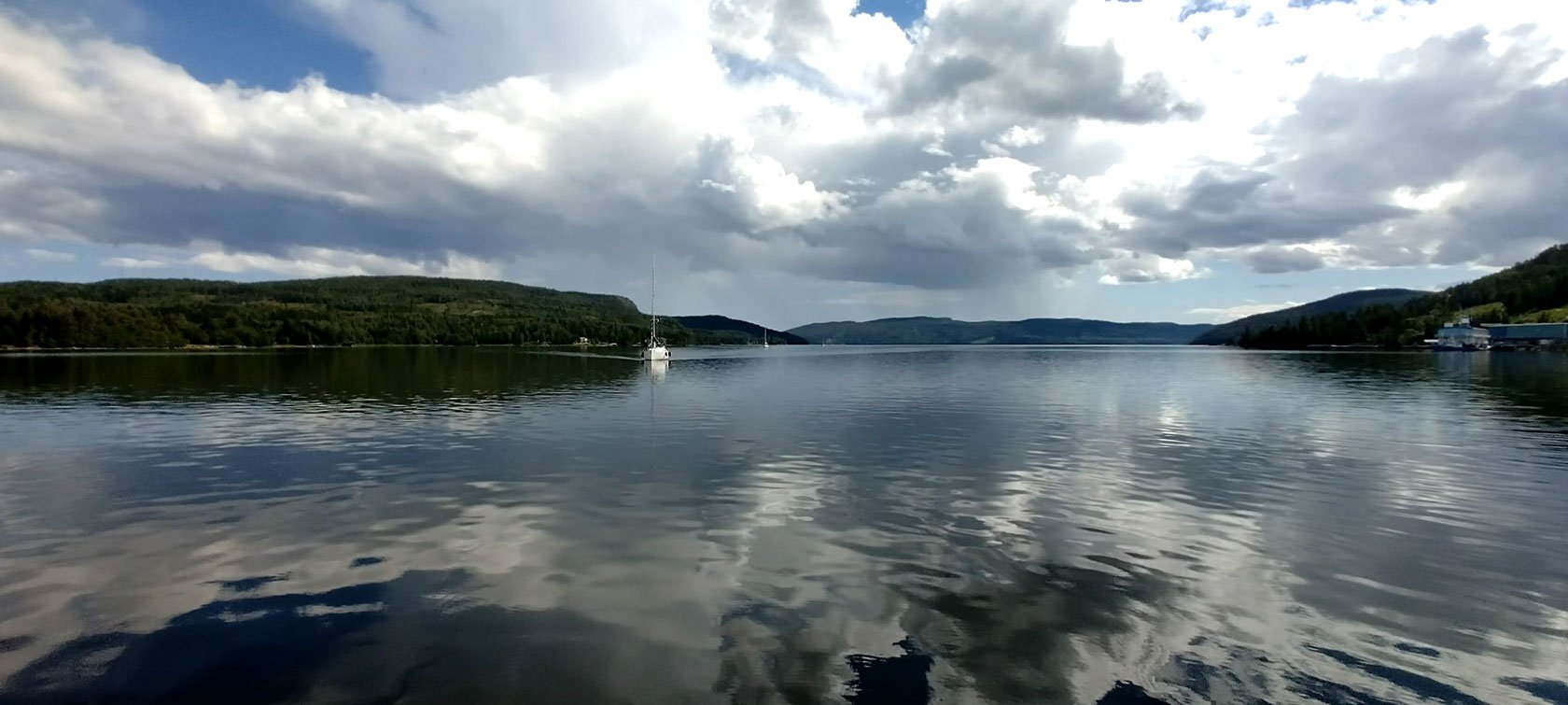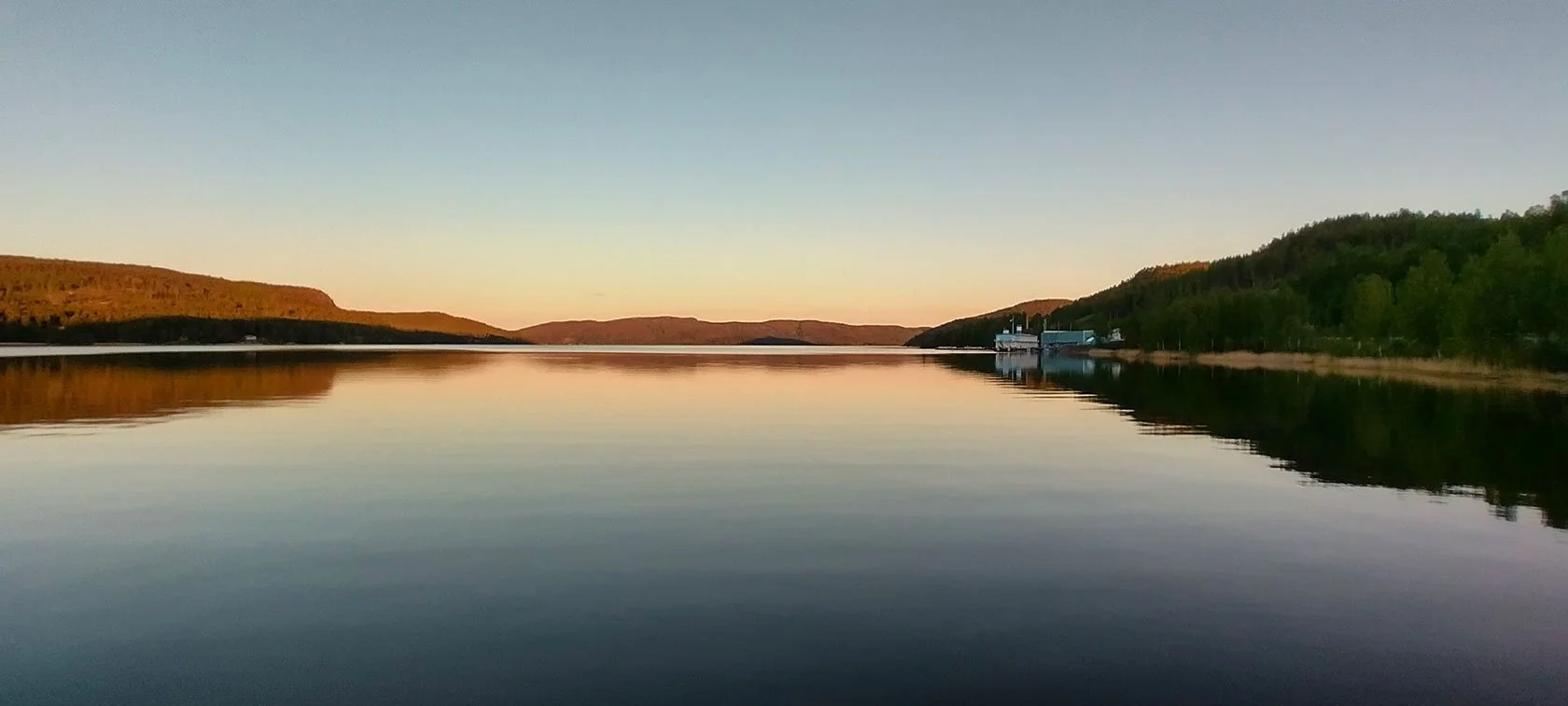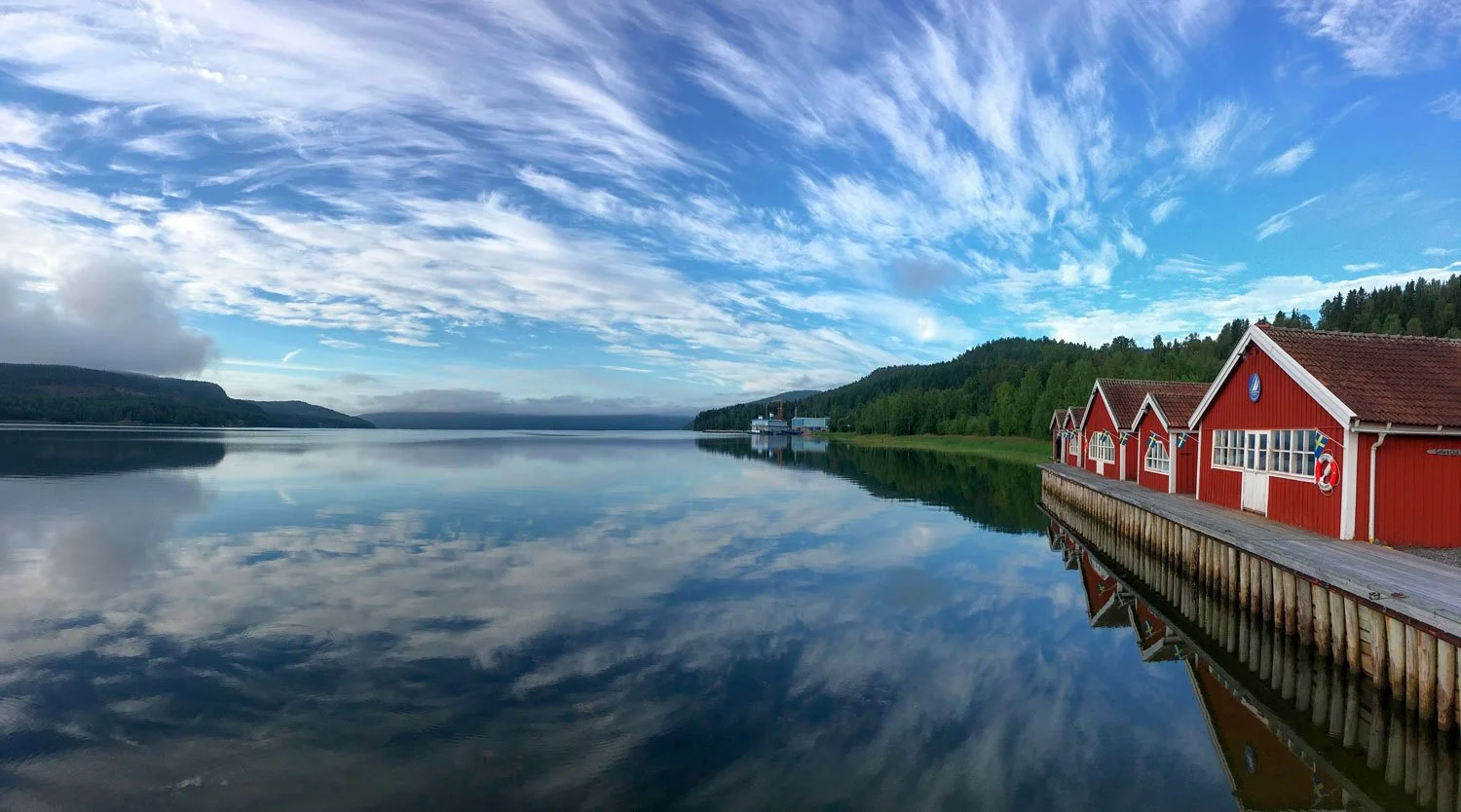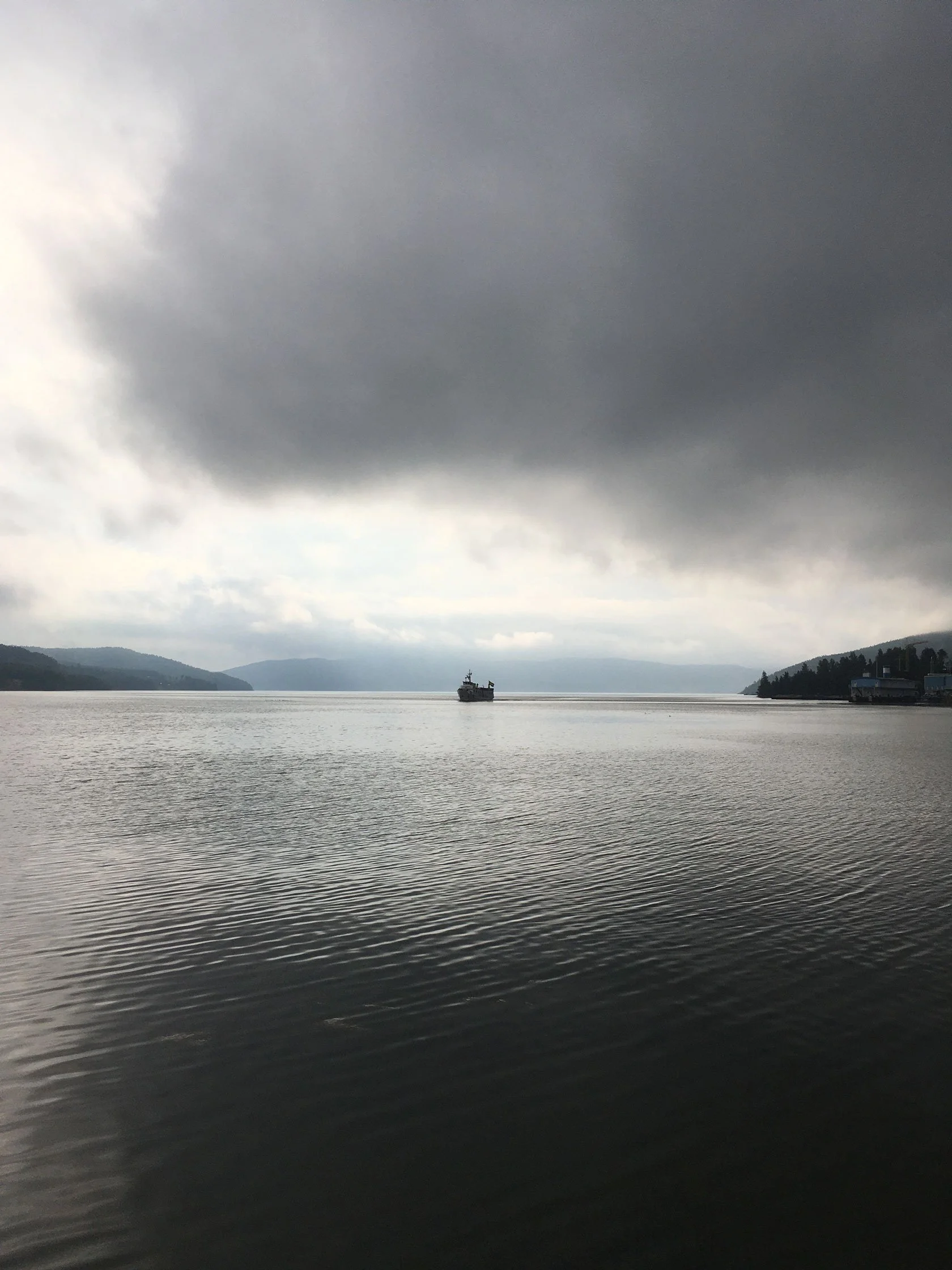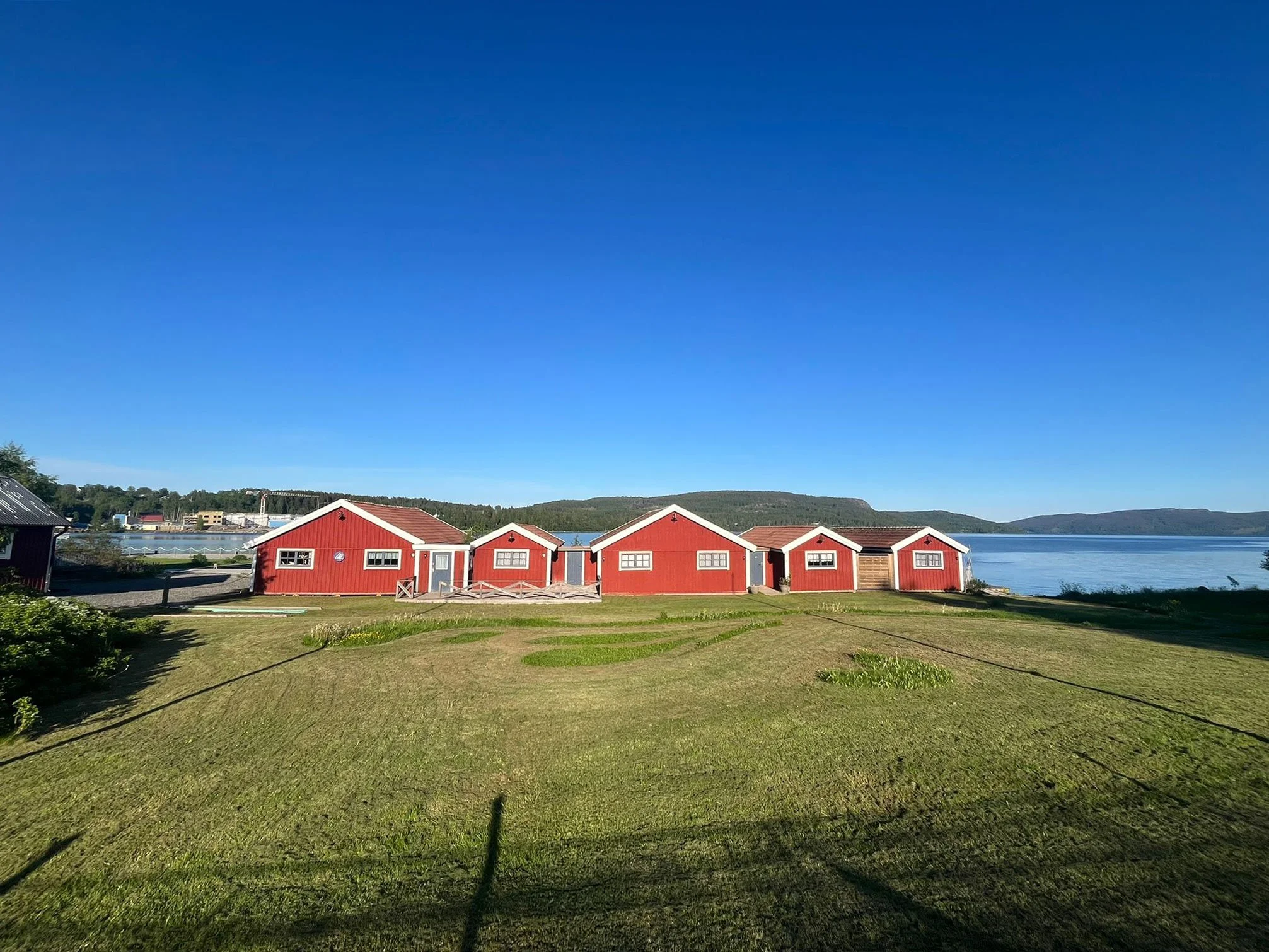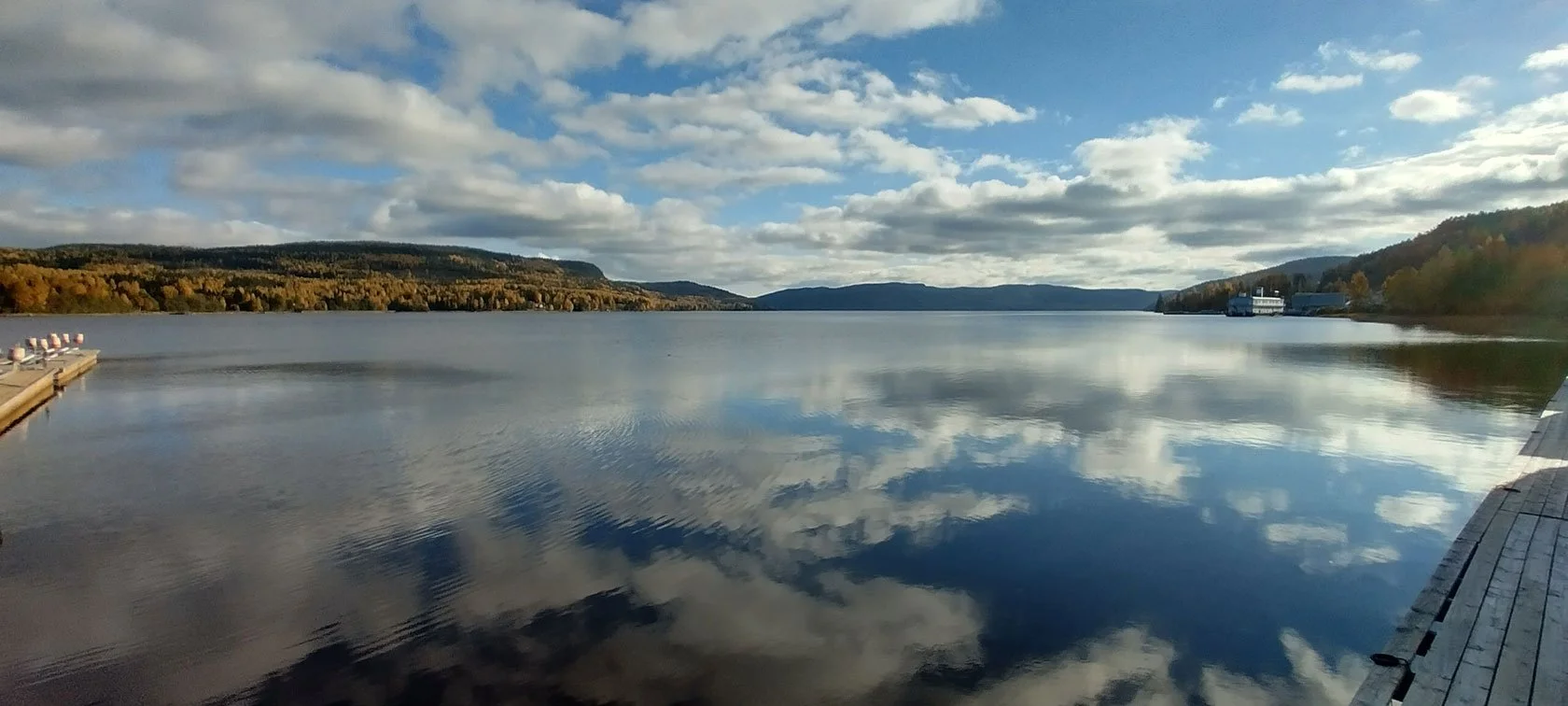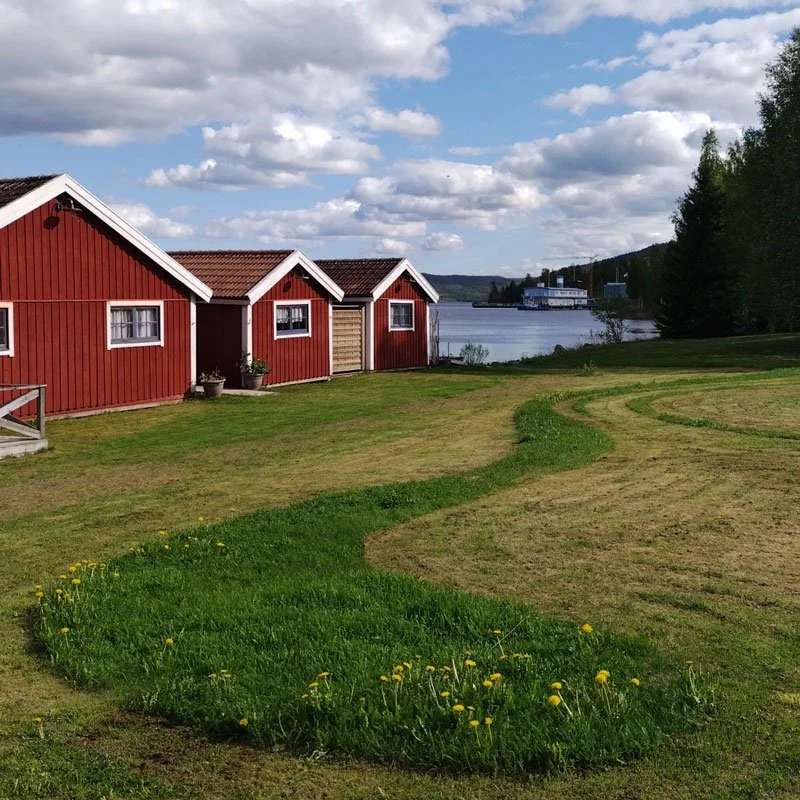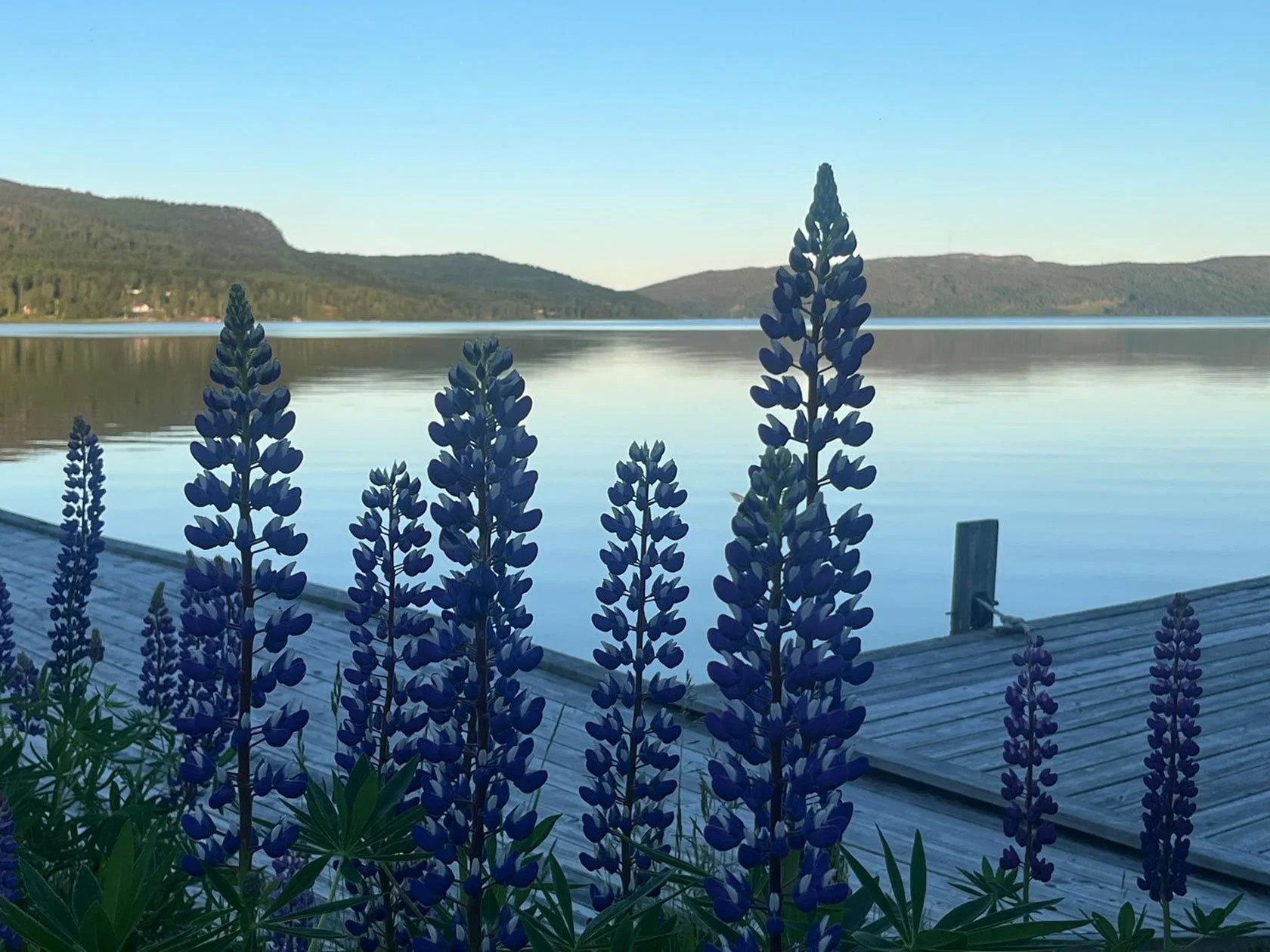
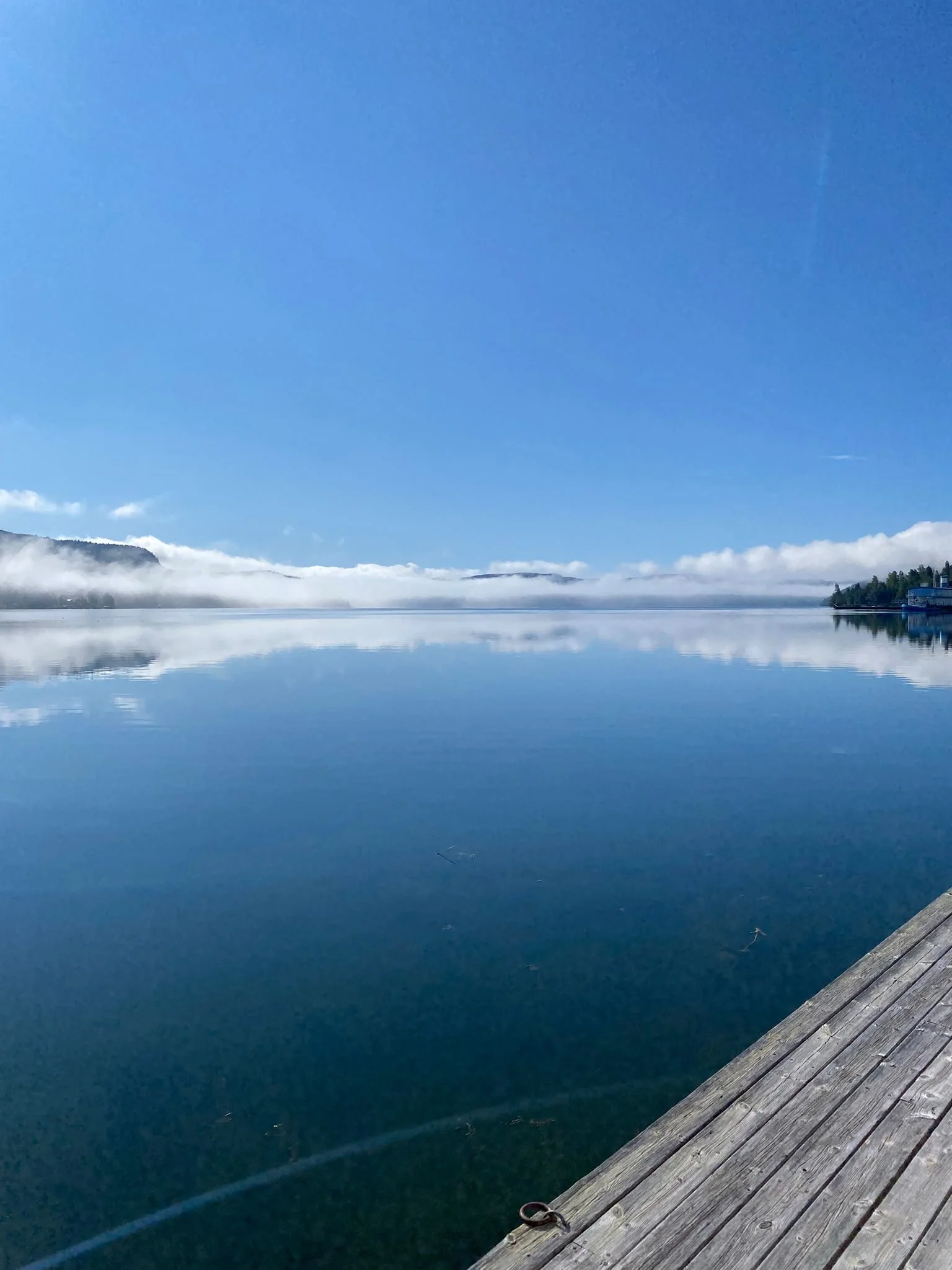
A Quiet Kind of Freedom: Solo Female Travel in Sweden’s High Coast (seen from the pier)
A note from your host
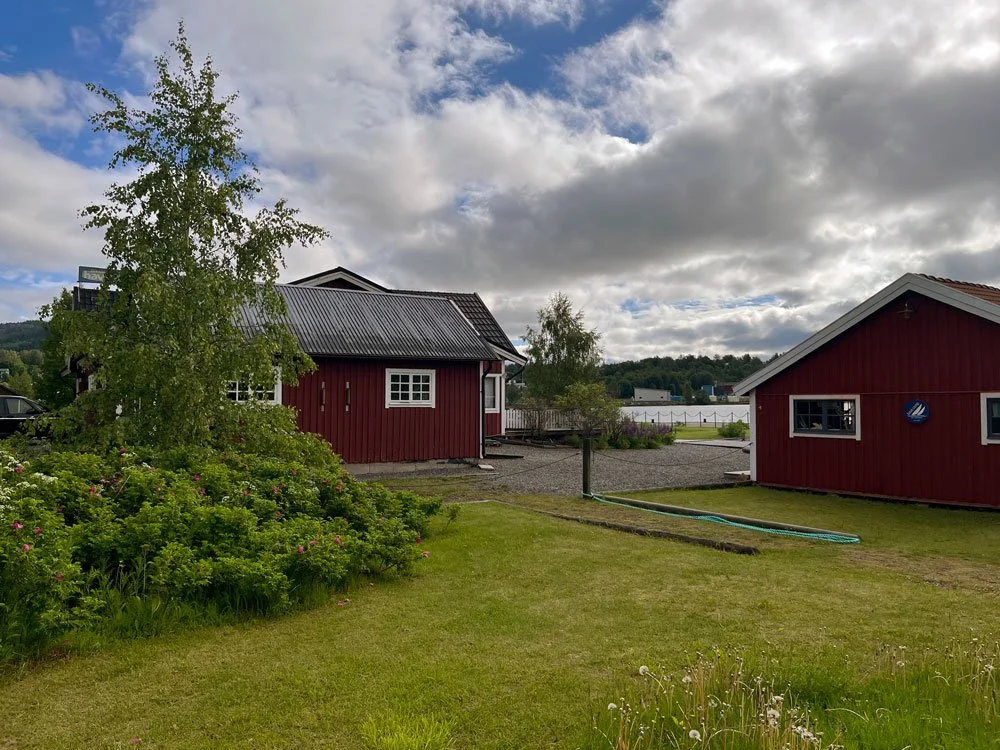
I’m Tommaso. I run Docksta Havet Base Camp with Anna.
Every season I meet women who arrive alone.
Different ages. Different countries. Different reasons.
But the same quiet intention: I want to travel on my own terms. Not as a statement. Not as a performance. Just as a normal way to move through the world.
And here in Höga Kusten (the High Coast), something beautiful happens: for many women, solo travel doesn’t feel like “bravery.” It feels like relief.
“Lower the volume” (the real luxury of solo travel)
When we talk about solo female travel, the conversation often becomes loud: danger, warnings, rules.
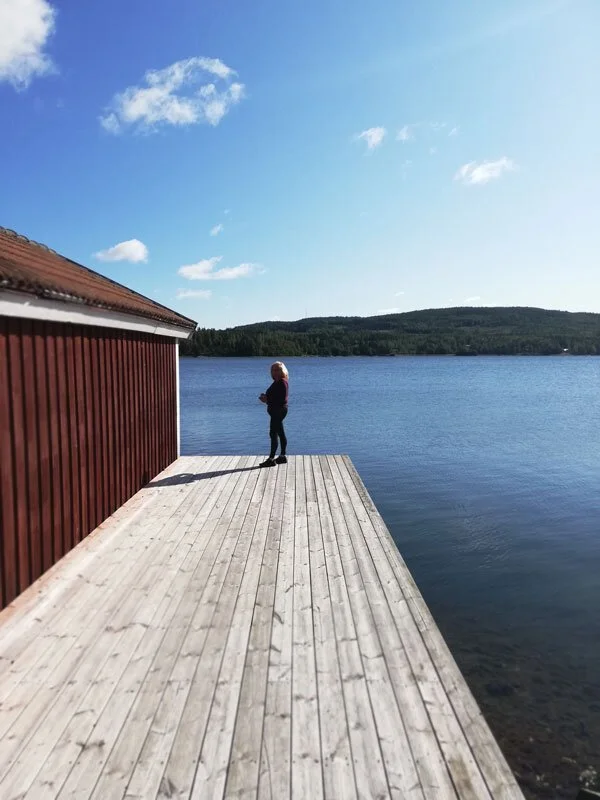
What I see from the pier is quieter.
For many guests, the biggest difference isn’t “risk vs no risk.” It’s the amount of mental energy you have to spend just to feel okay.
In some places you carry a constant background task: scanning, adjusting, avoiding, planning every step.
Here, many women tell me they can finally lower the volume.
They can walk.
They can breathe.
They can sleep.
And in the morning, they can make a simple plan without that tight feeling in the chest.
That’s not a small thing. That’s a different kind of freedom.
A note on the kind of solo travel I’m seeing
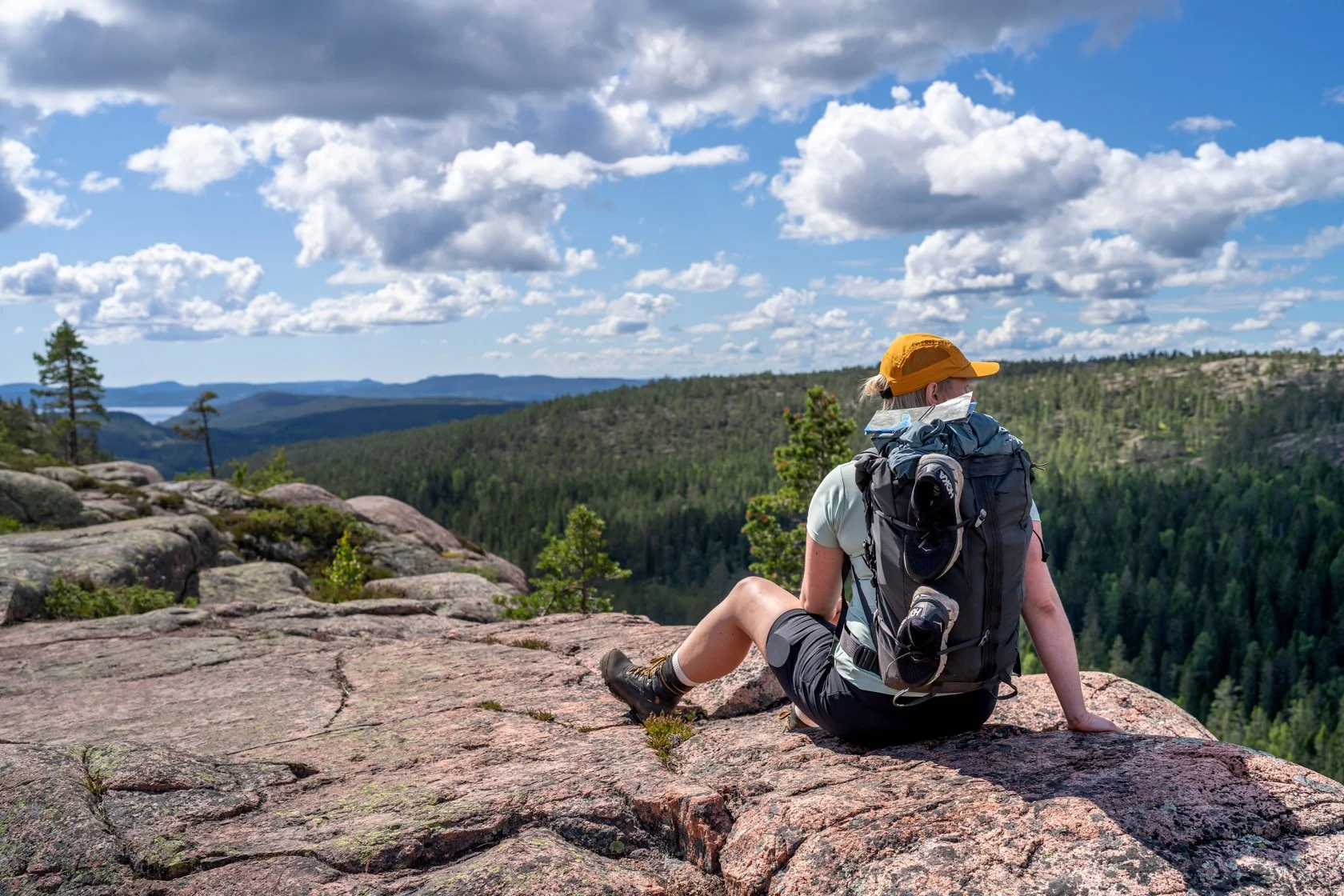
Over the last seasons, I’ve noticed a shift. More women arrive alone — not to make a statement, not to collect highlights, not to “do it right.”
Often it’s a quiet decision to travel in a cleaner way: self‑directed, spacious, and a little more honest.
What many seem to want isn’t special treatment. It’s a place where being alone doesn’t become a topic.
Where logistics are simple. Where the base is calm. Where help is reachable — without hovering.
And once those basics are in place, the landscape can do what it does best:
give you space, without asking you to perform.
Proof from a September stay (Airbnb review)
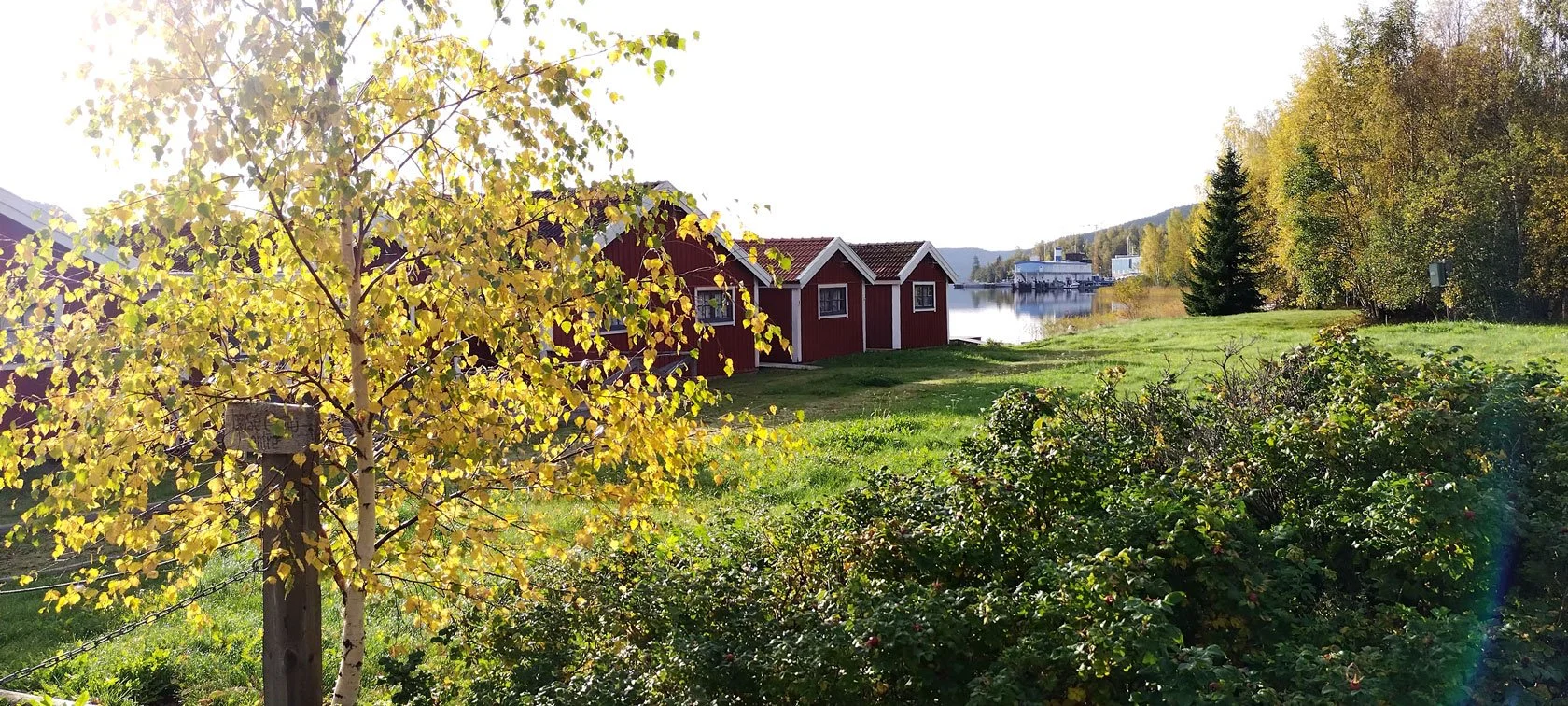
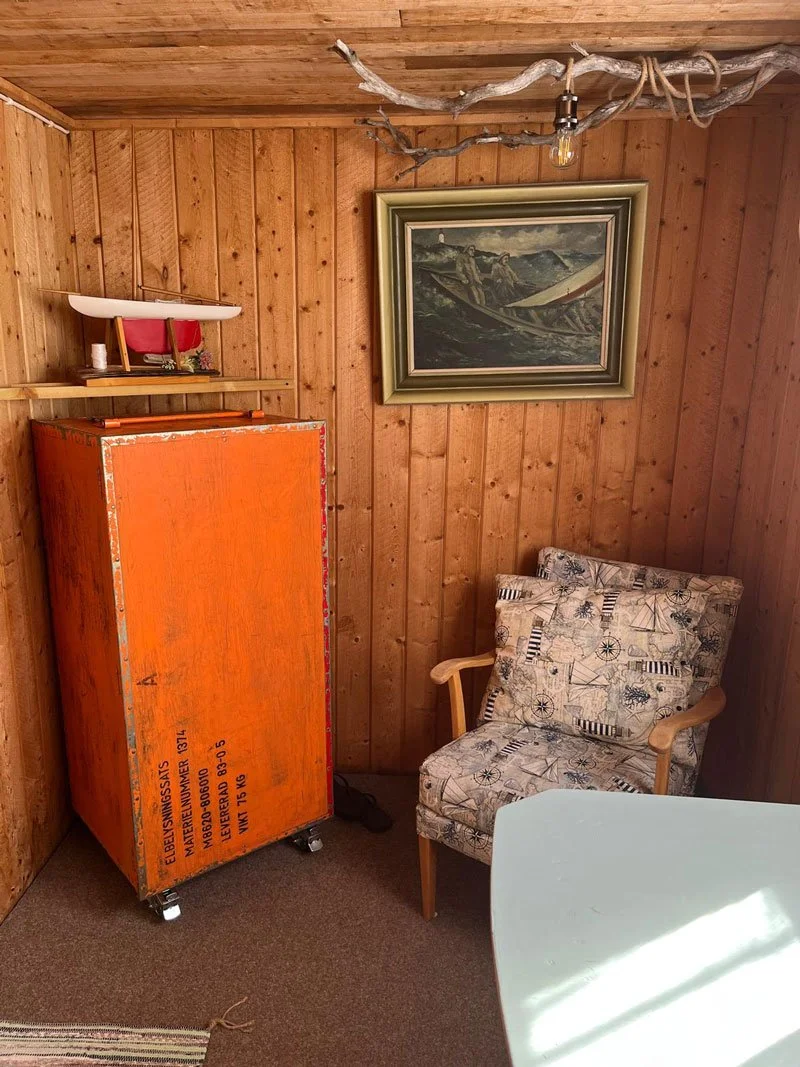
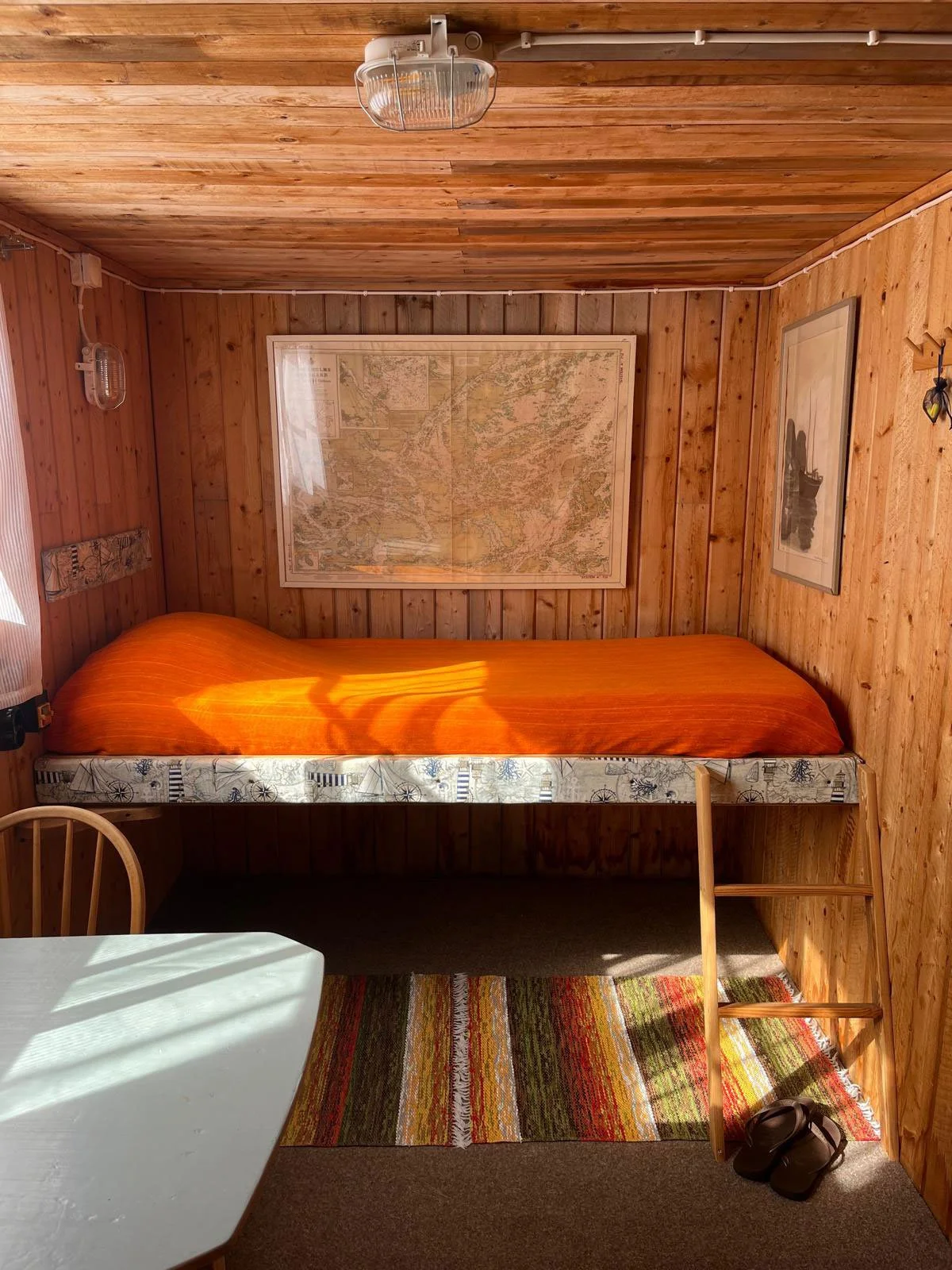
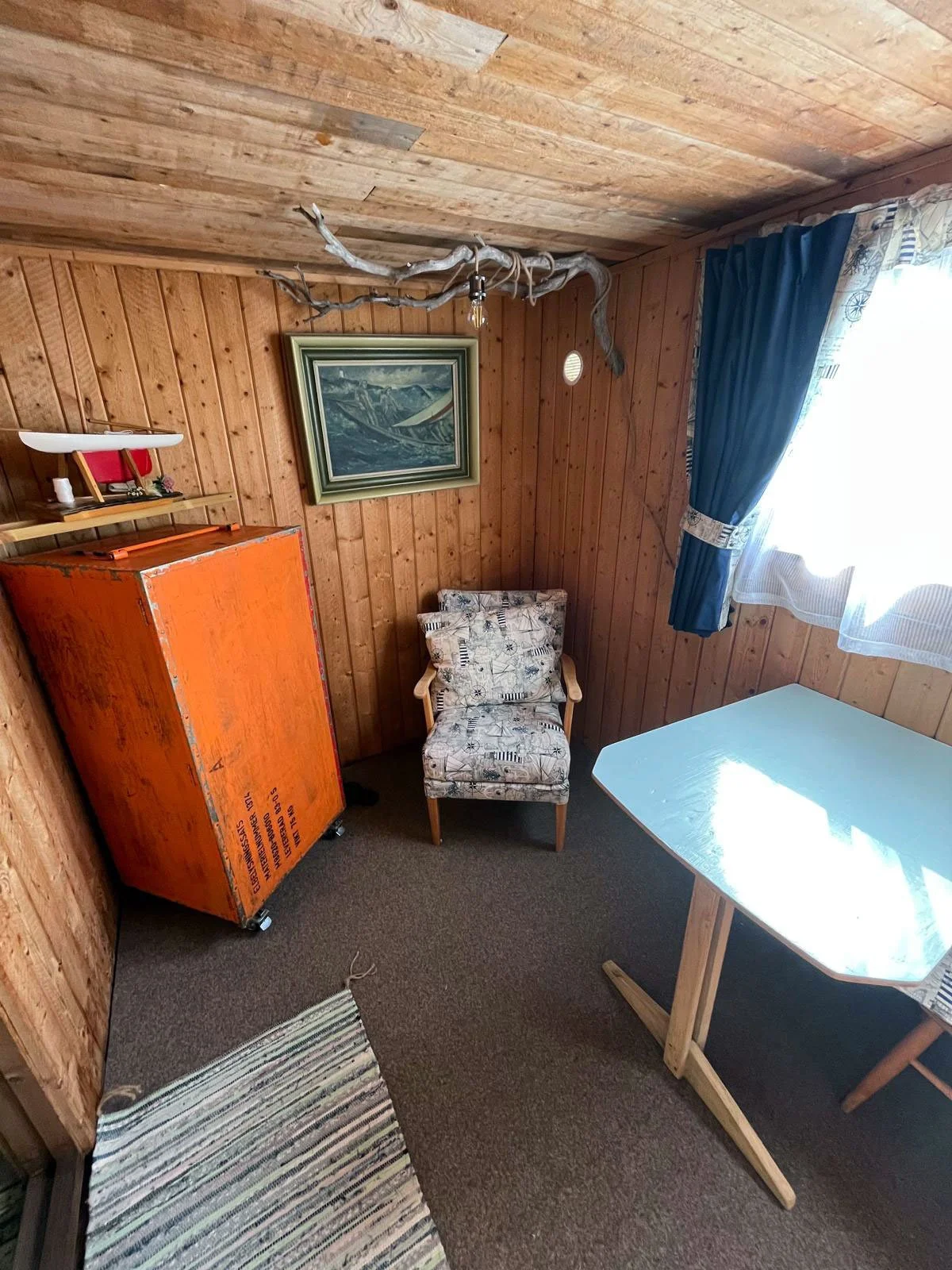
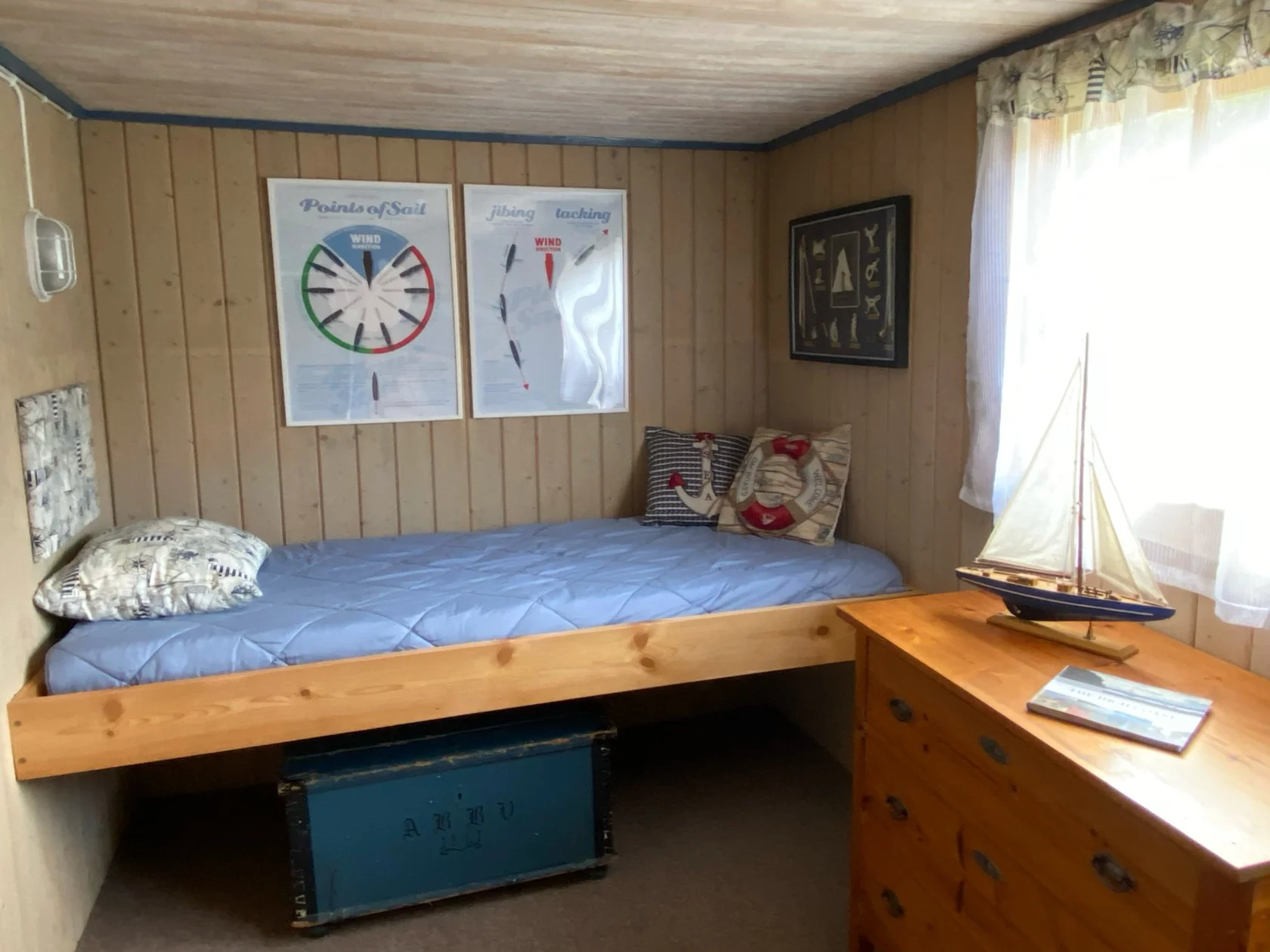
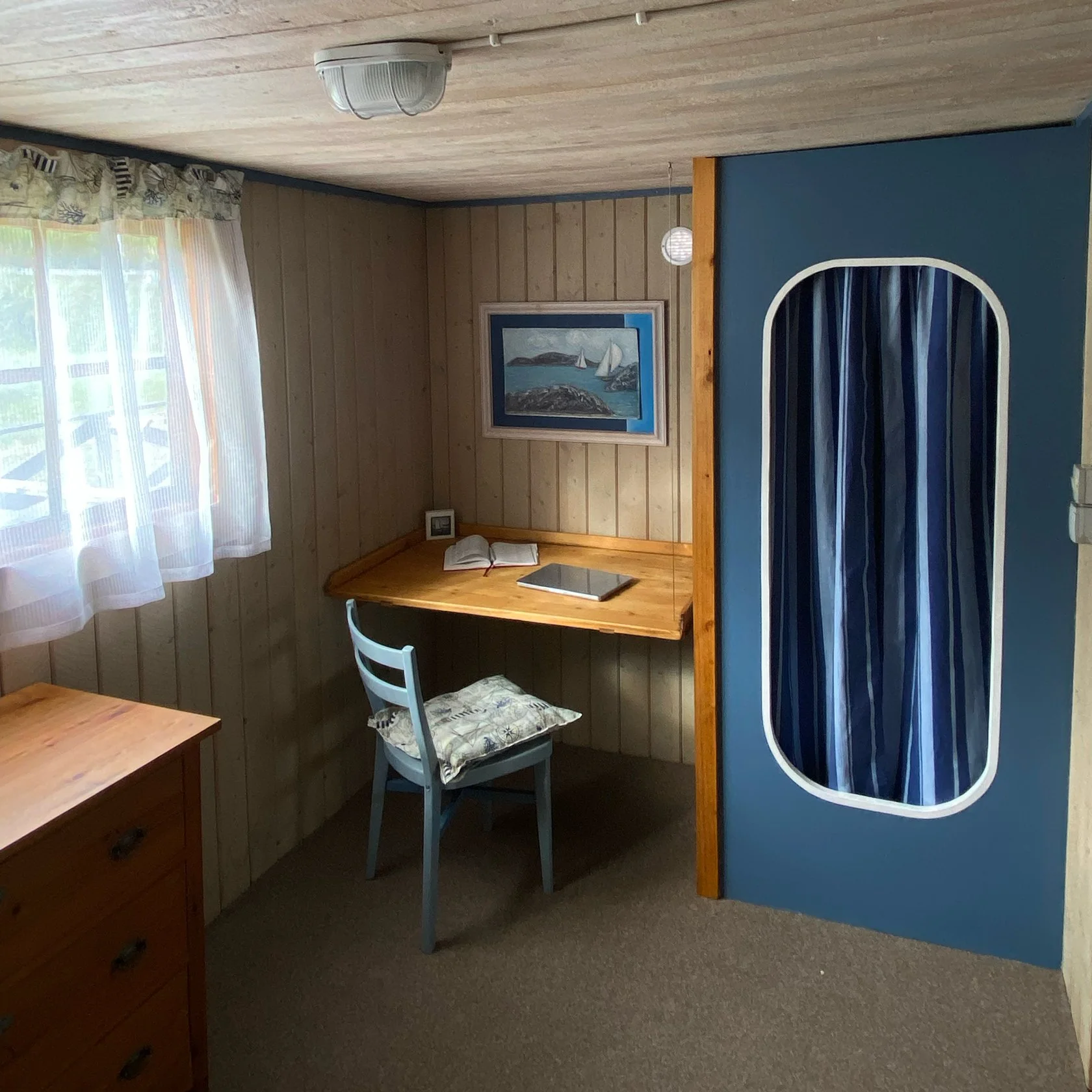
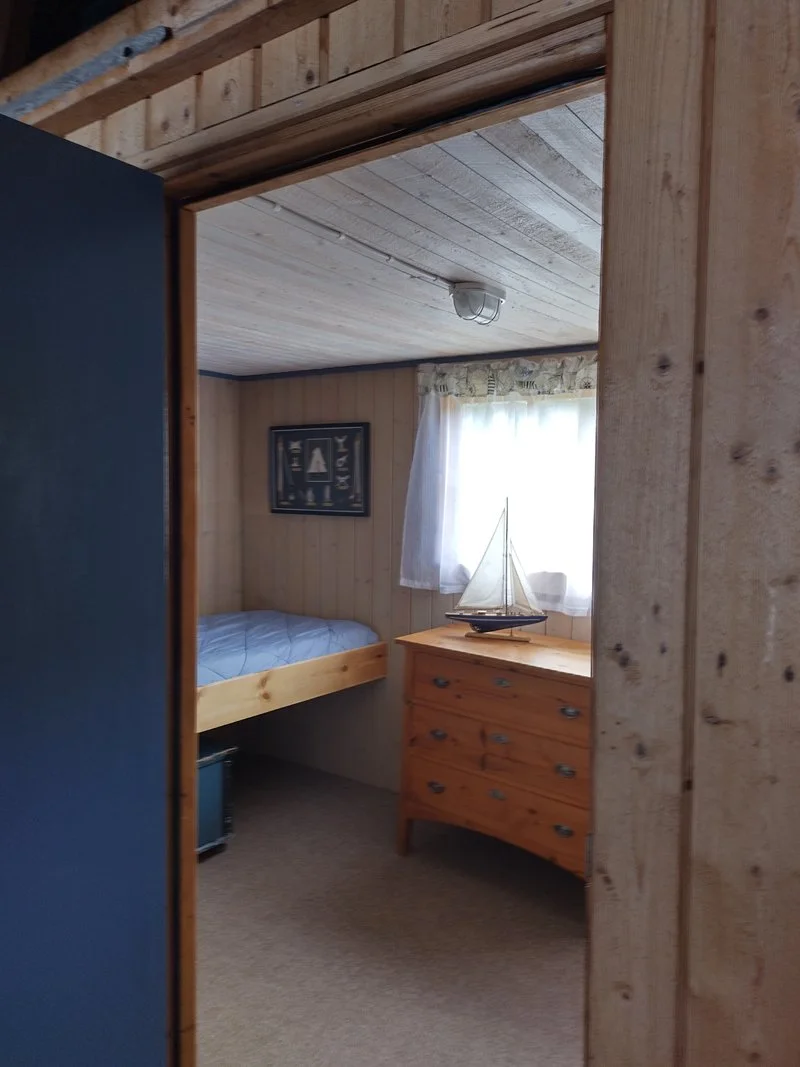
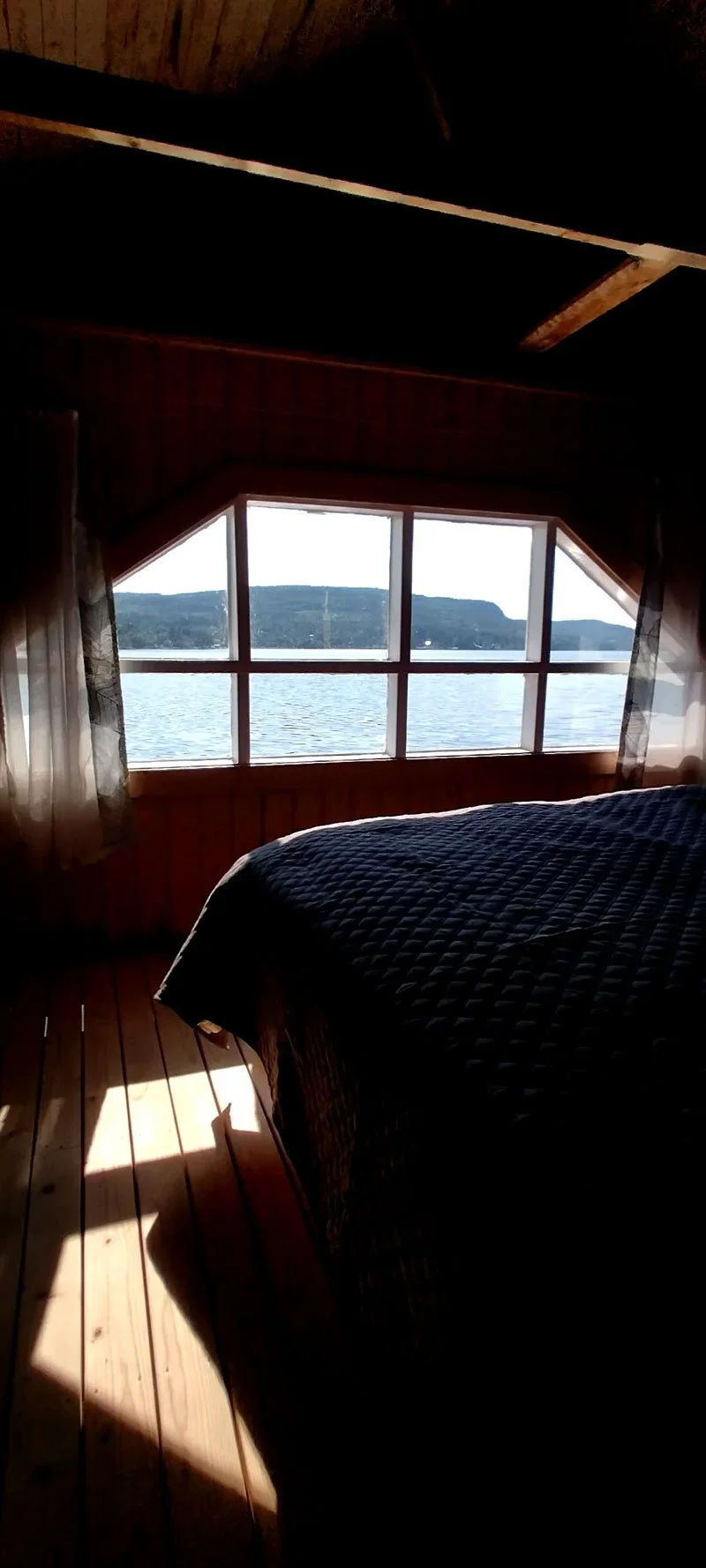
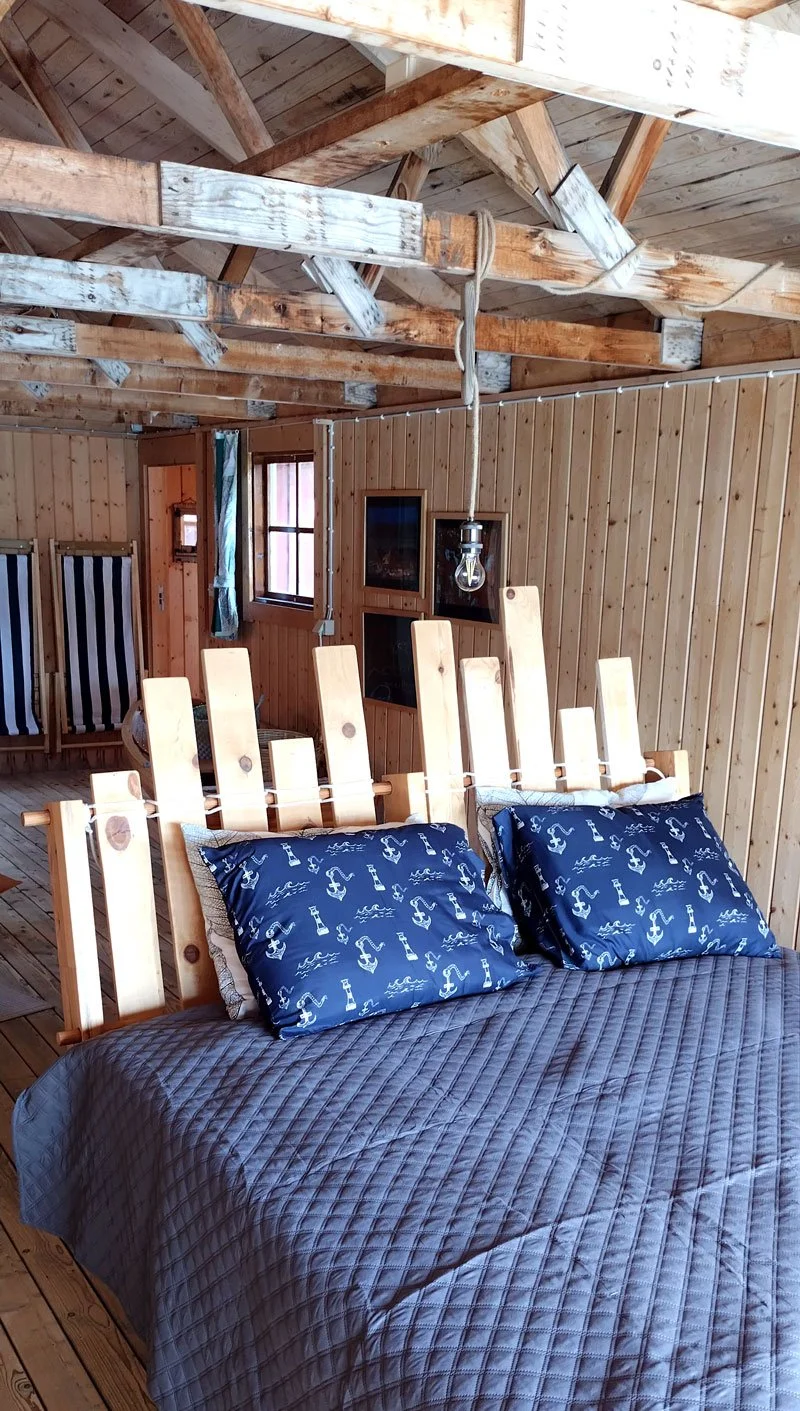
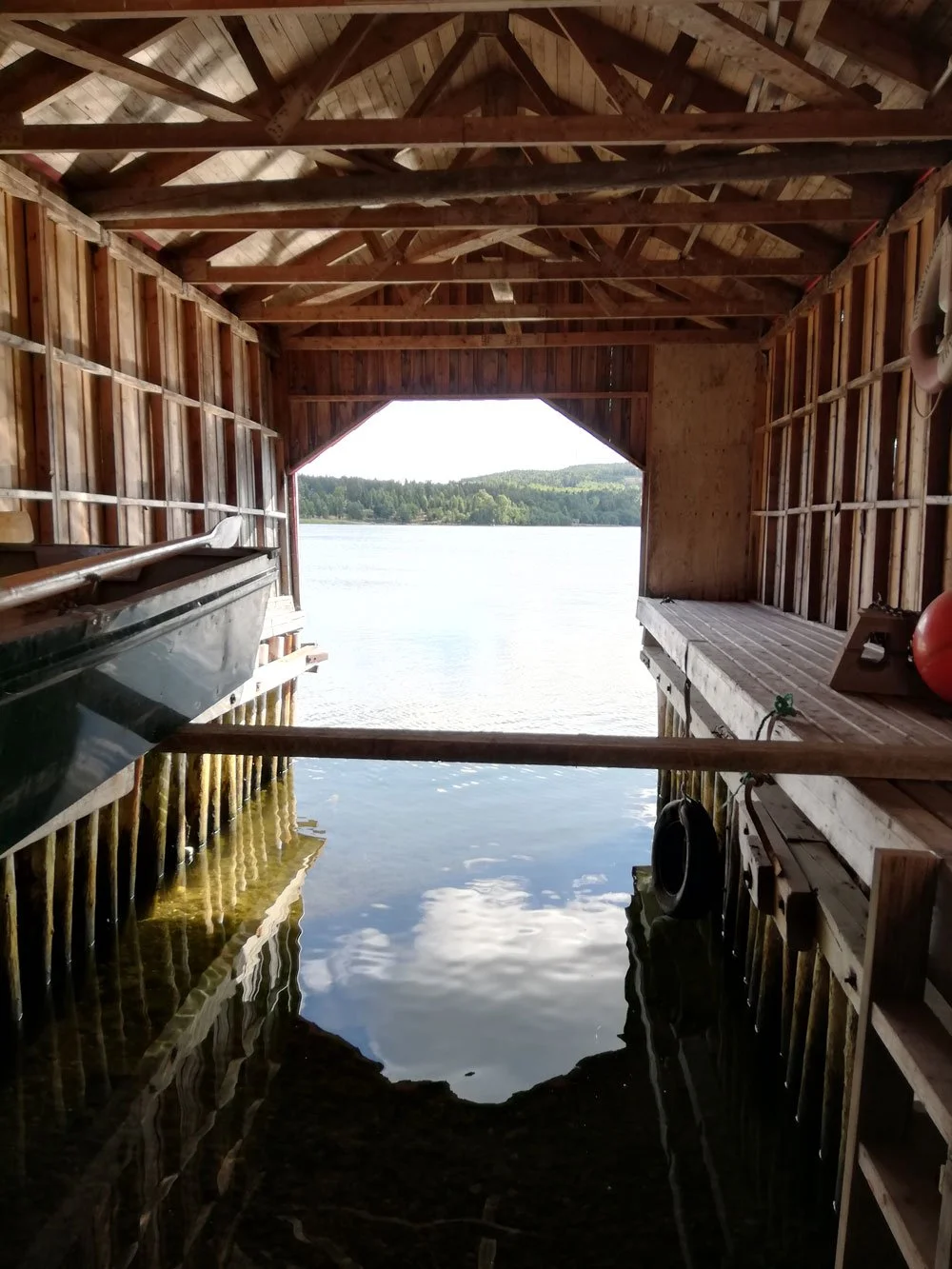
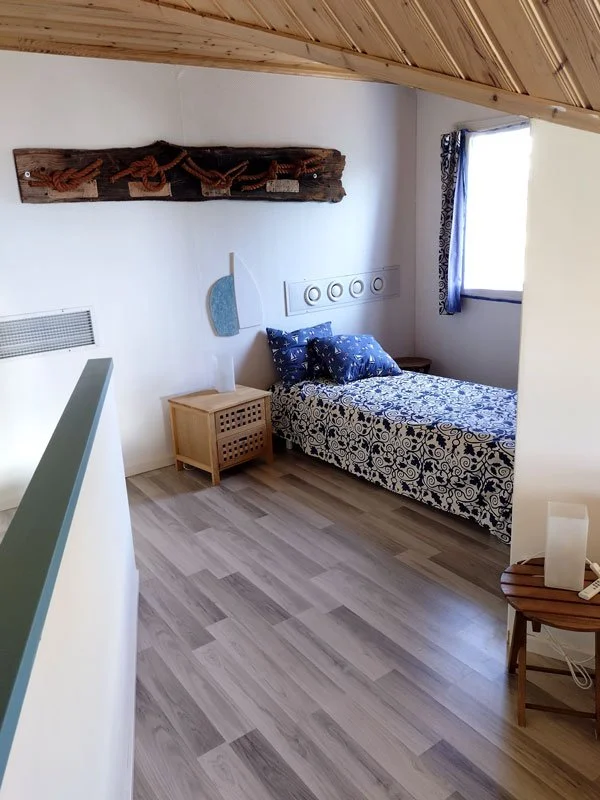
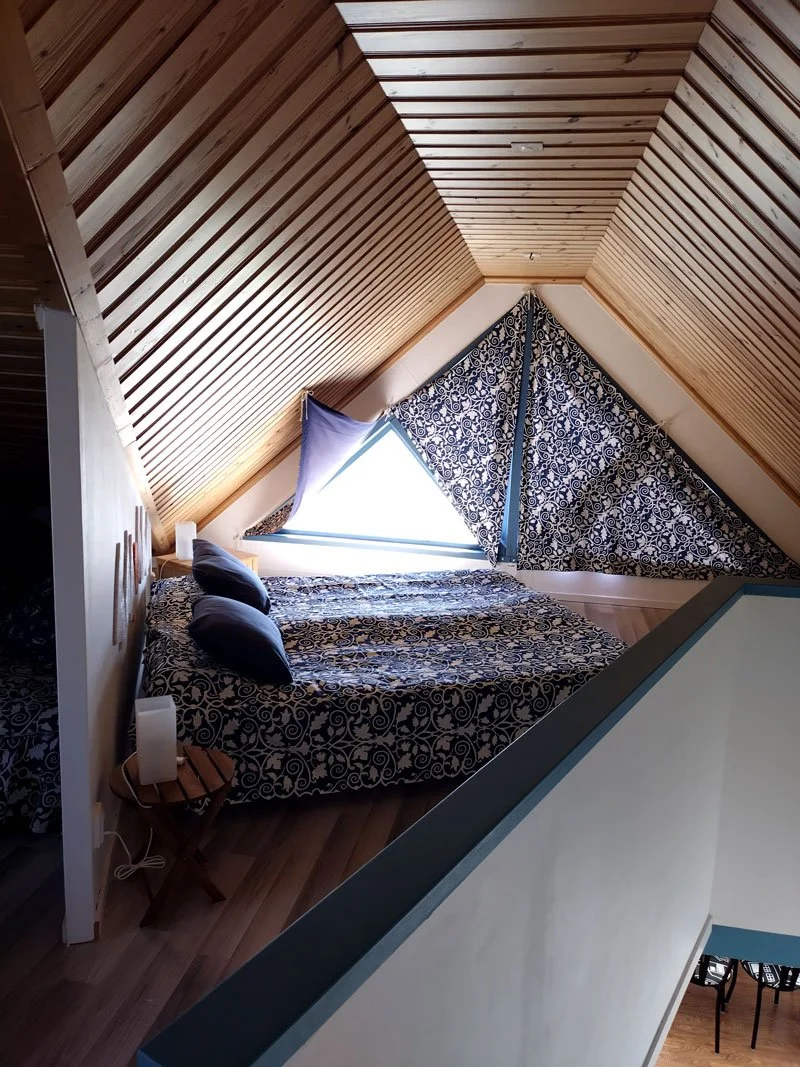
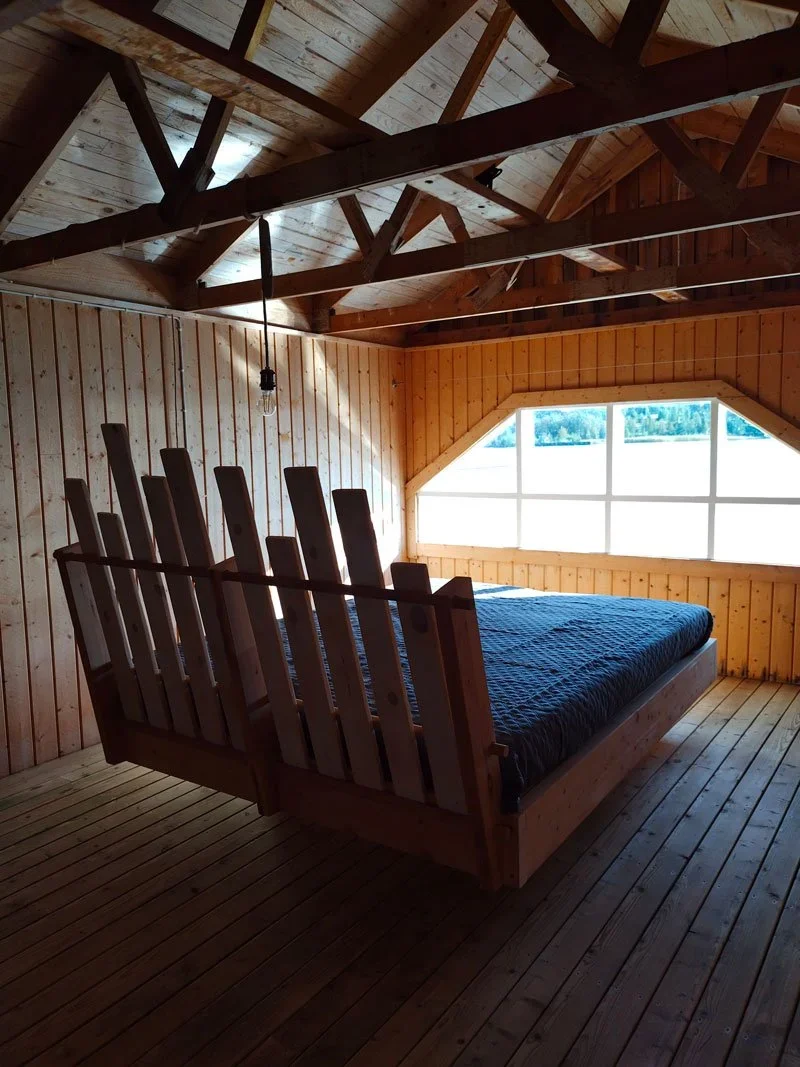
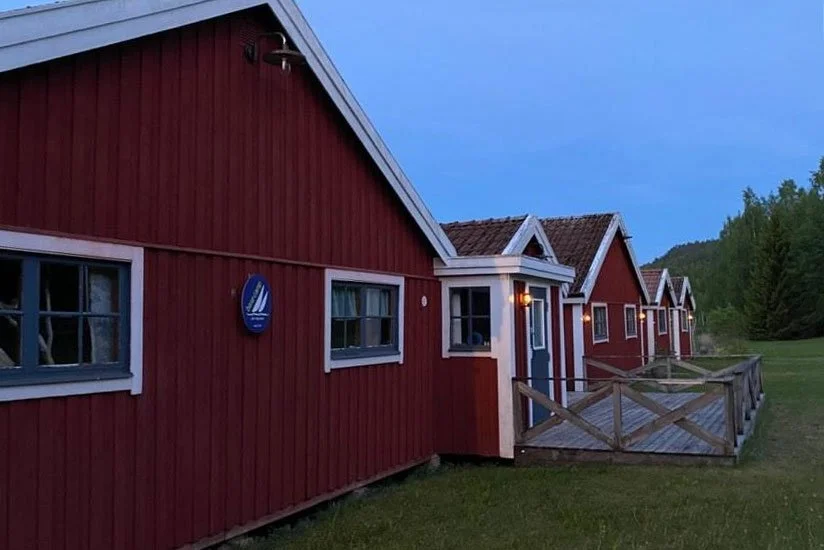
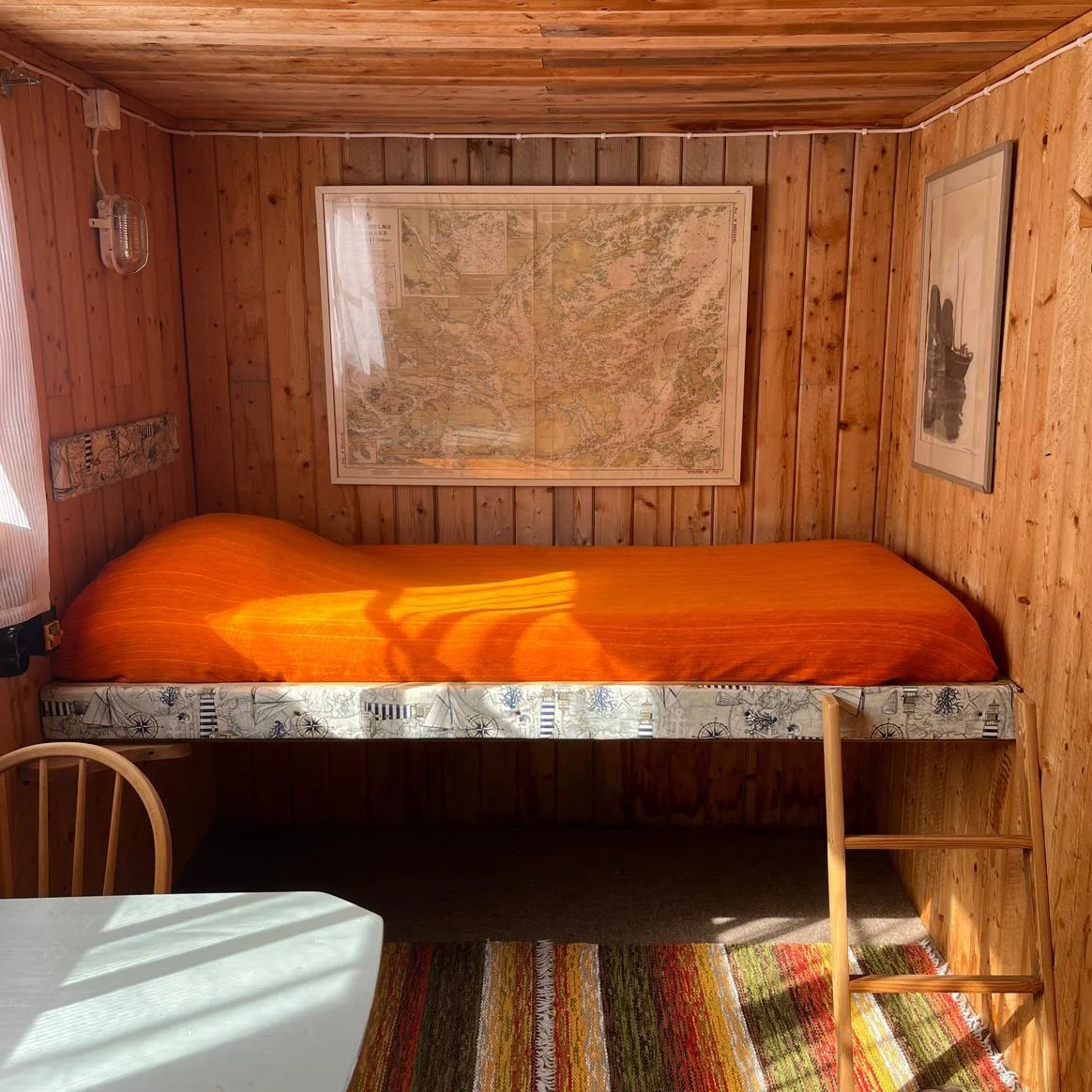
One guest wrote this after four nights in our Boathouse in September:
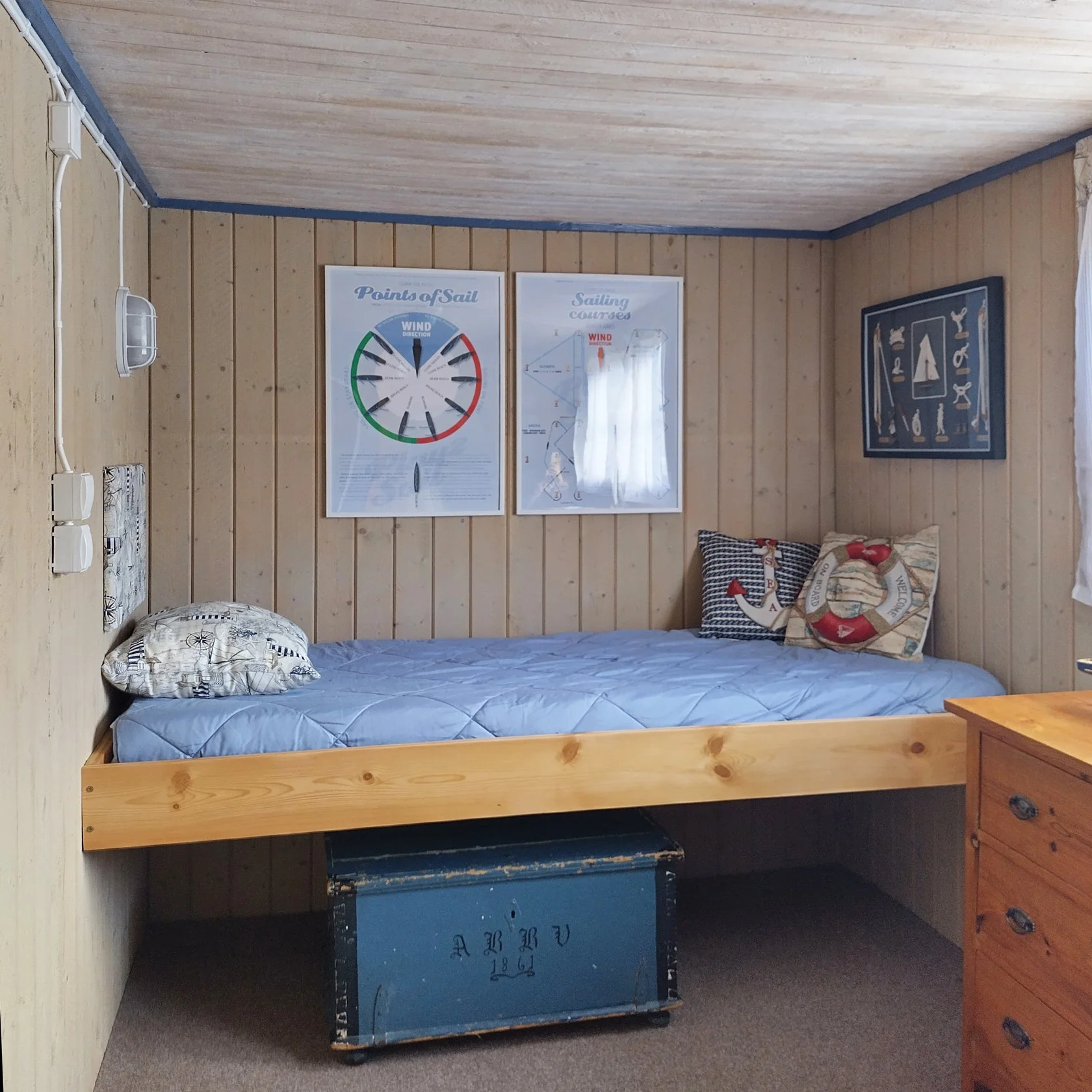
“I stayed in the boathouse and felt completely safe and comfortable throughout my entire stay — as a woman traveling alone.”
“Tommaso is friendly, warm, and attentive without ever being intrusive… always reachable… made me feel welcome from the very beginning.”
That sentence “without ever being intrusive” matters.
A good host for solo travel is not a guard.
A good host is a calm presence in the background — reachable, human, practical.
That’s how you lower the volume.
A September micro‑story: four nights, autumn colors, and simple day plans
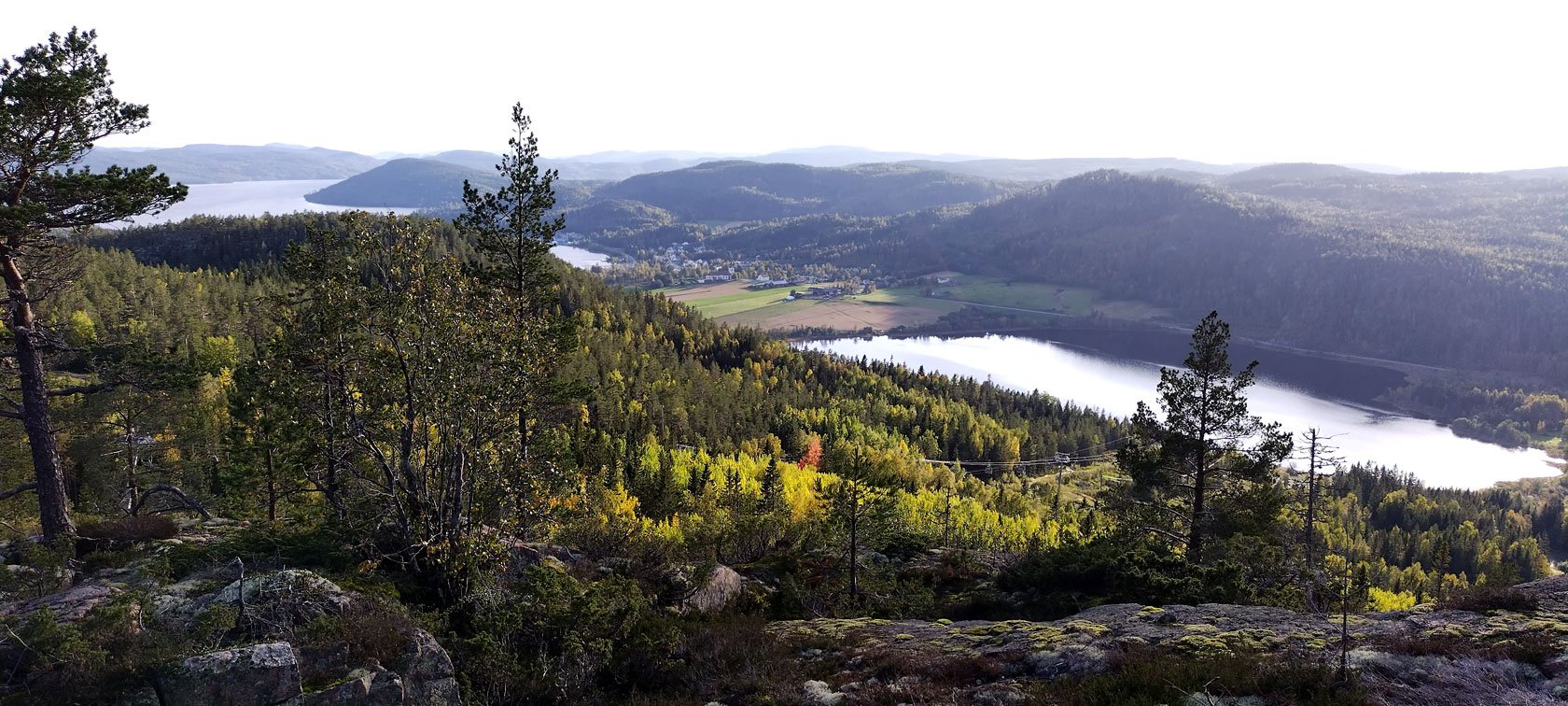
September in Docksta has a special light.
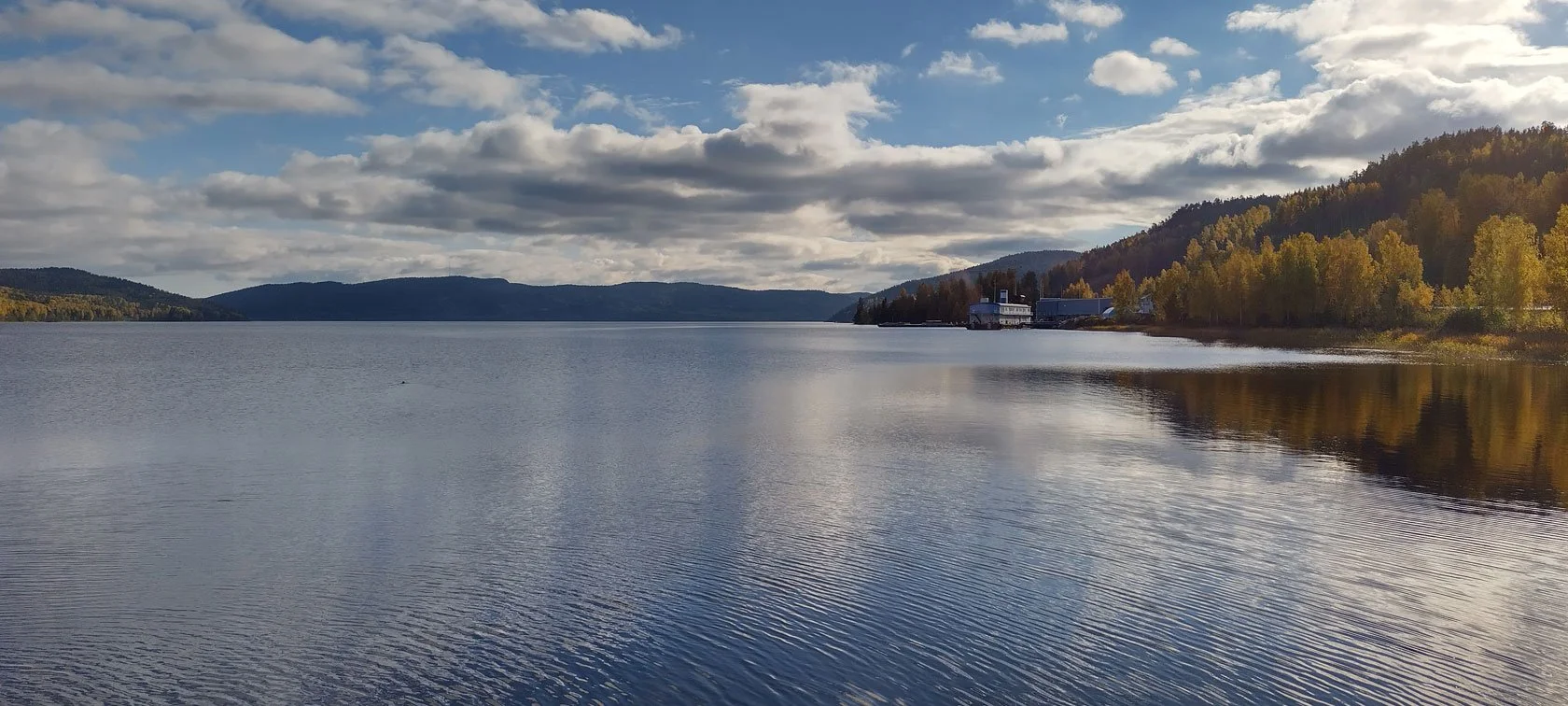
The water starts to turn darker. The air becomes cleaner. The first hints of autumn colors arrive quietly — not as a show, more like a change of tone.
This is the kind of stay I love to design with solo travelers: four nights that feel spacious, not packed.
A rhythm that alternates between “go out” and “come back.”
A base camp, not a checklist.
From the pier, this is often how it starts: a solo guest arrives in the evening with no big plan — and that’s the point.
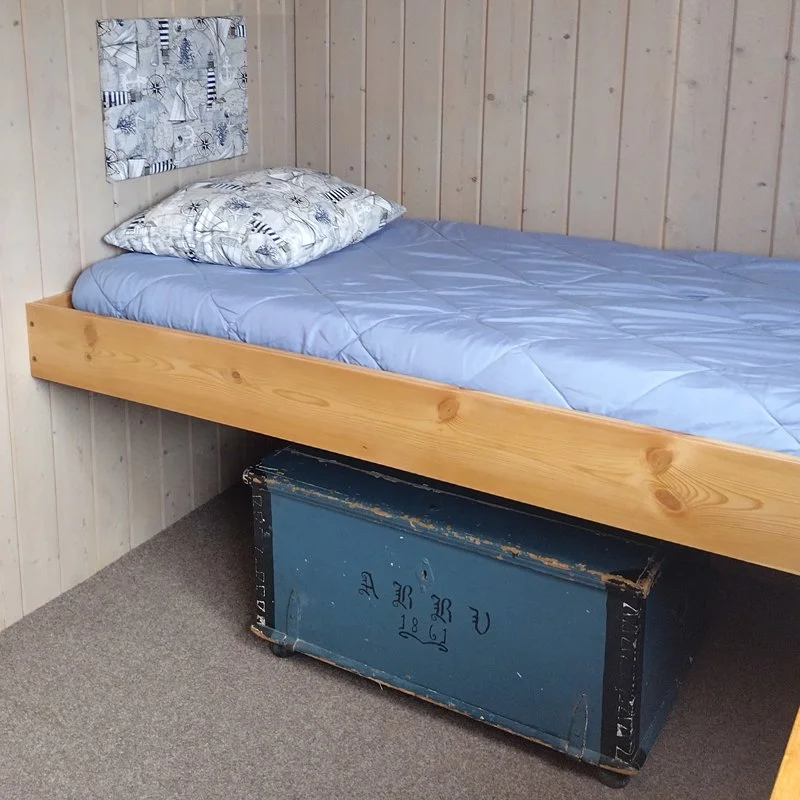
A door that closes. A hot shower. A few minutes of sea air. Sleep.
In the morning, the first move is simple — and the volume drops.
A simple 4‑day plan can look like this:
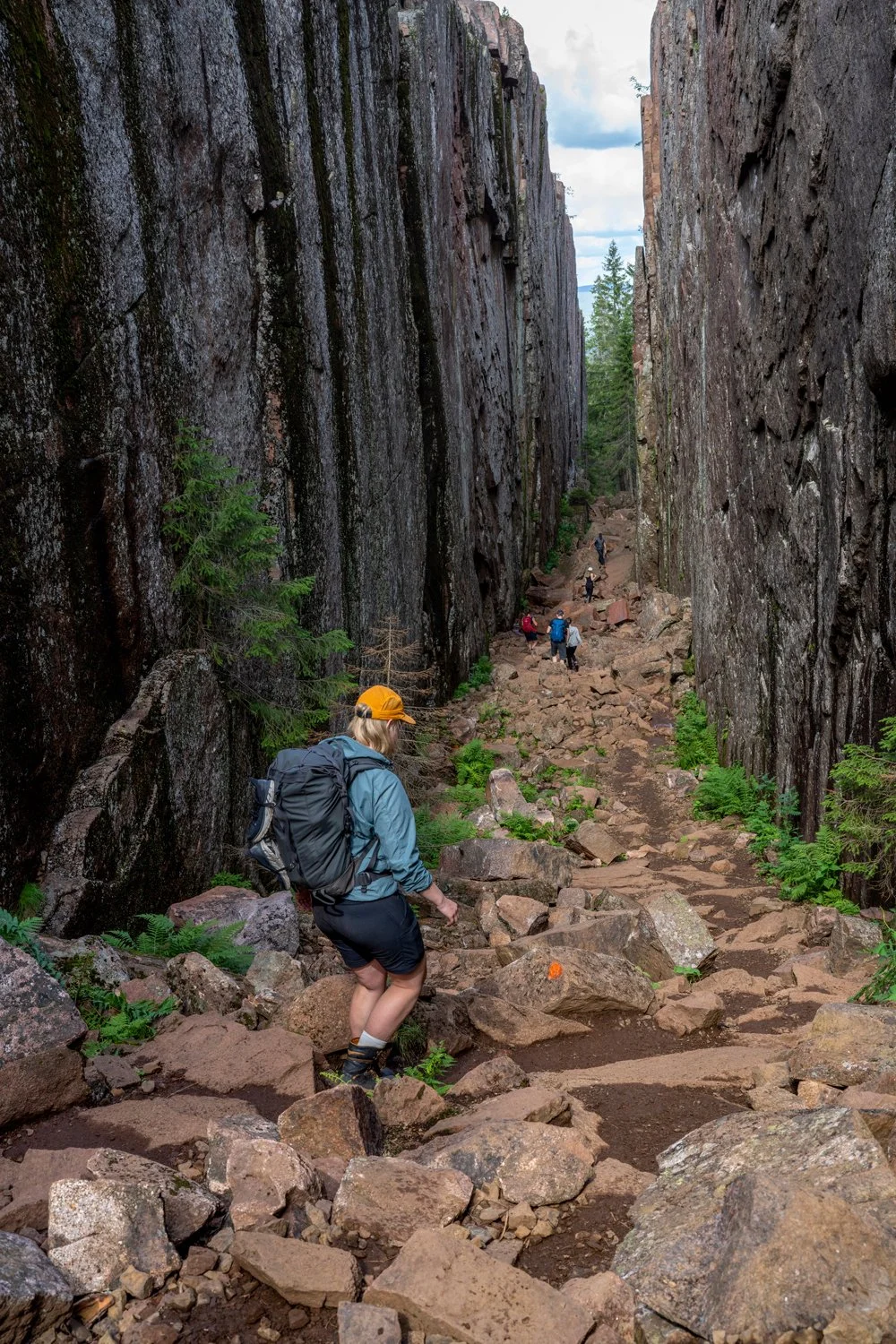
Grab&Go + Skuleskogen National Park (no gear stress): grab only what you need, be inside the forest, come back with energy left.
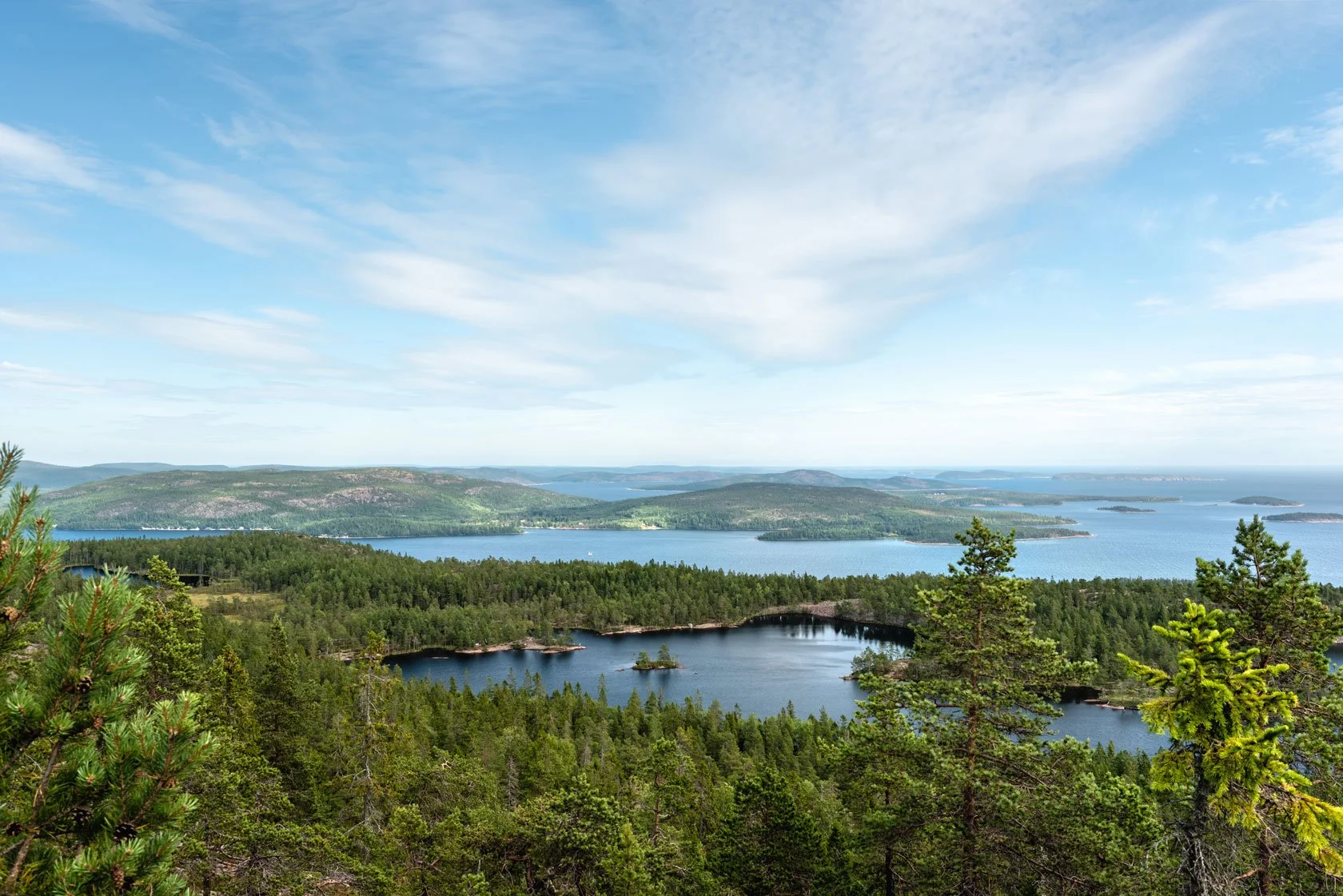
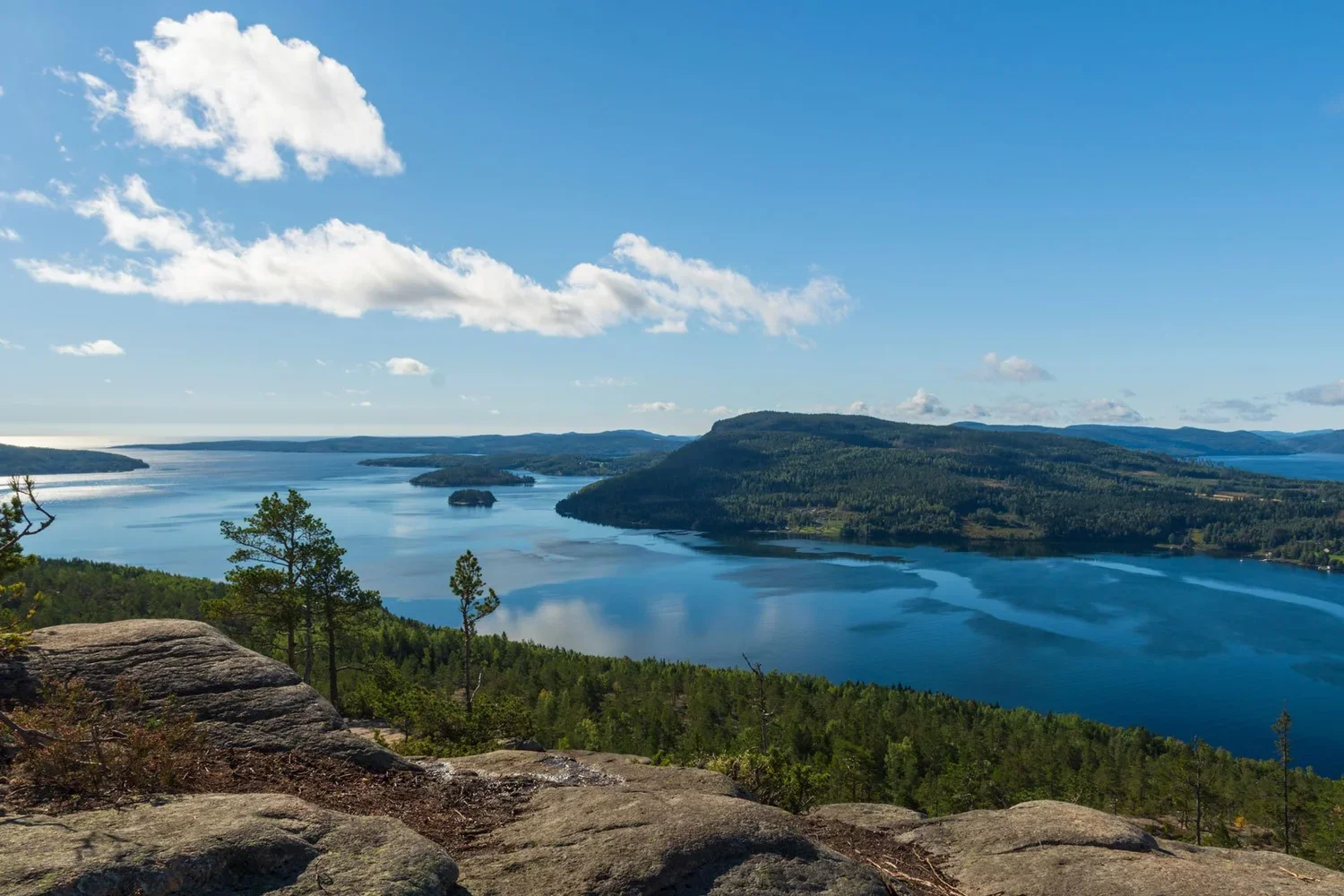
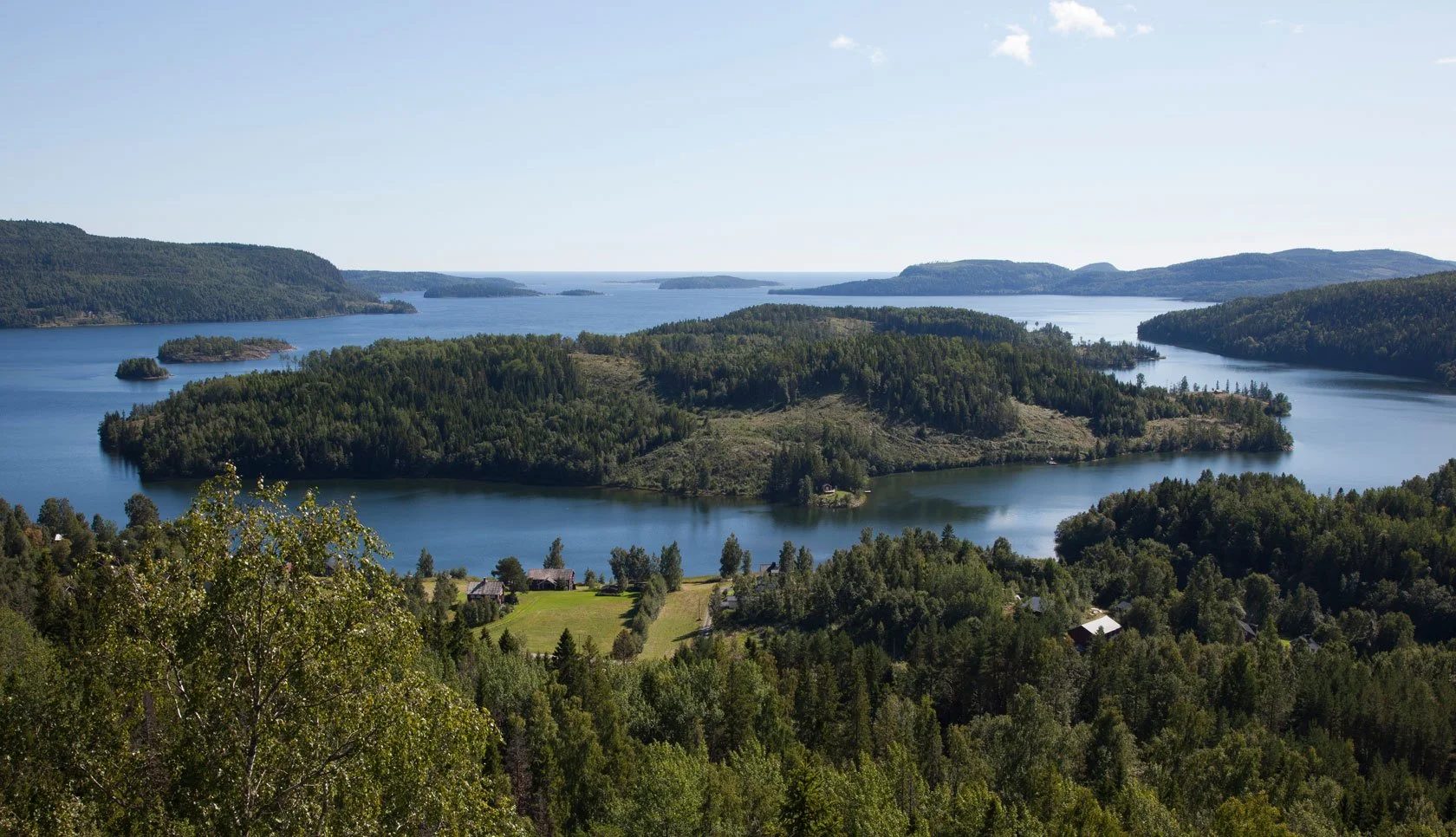
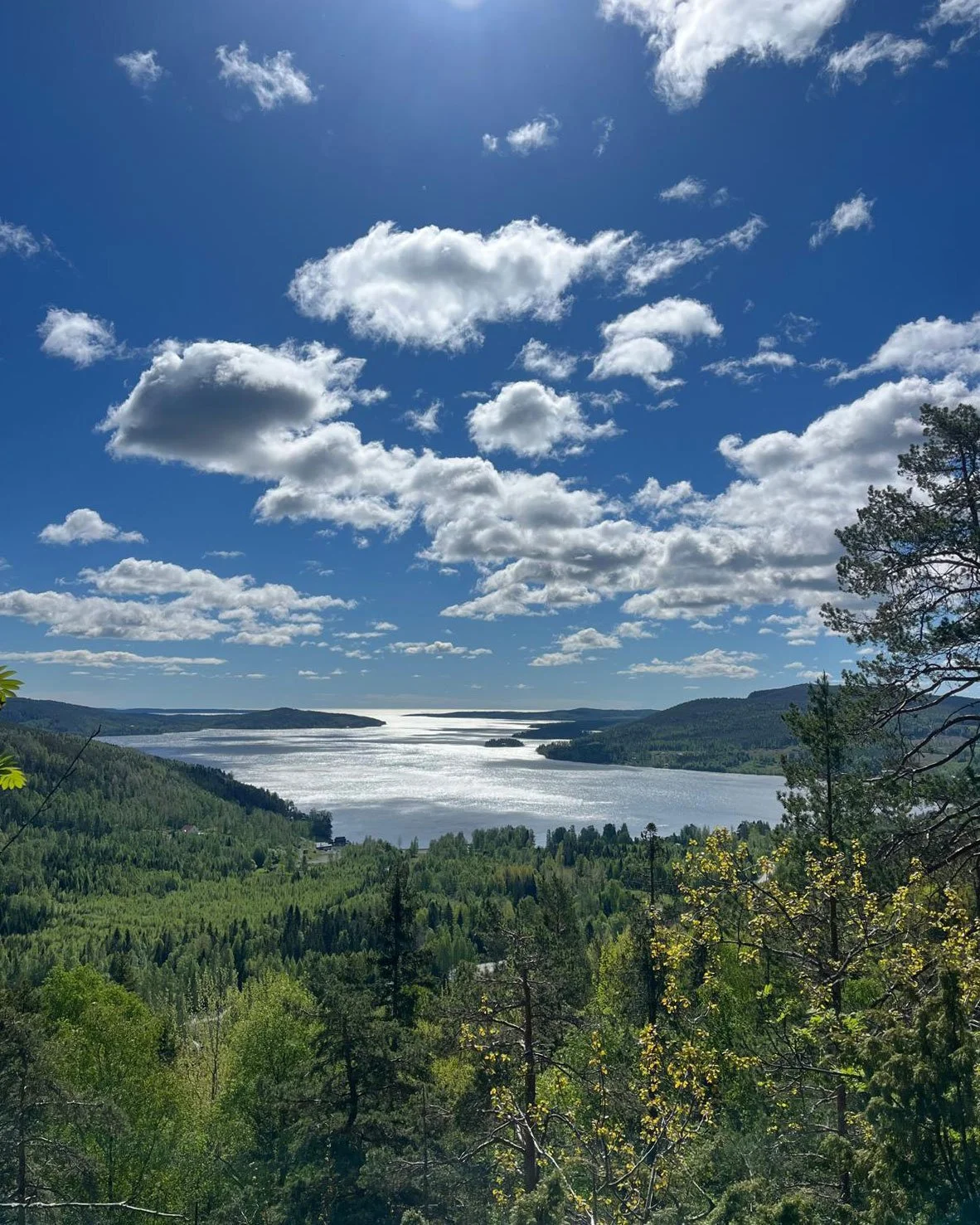
Skuleberget (the iconic High Coast “wow”): a short, steep climb — big views, clean air, and that feeling of space.
👉 When you get the best weather window, use it for the national park day.
Two-speed day:
Per‑Olsbo (a “lower the rhythm” morning): softer pace, less proving, more looking.
Vårdkallberget (a wild segment + viewpoint hike that feels earned): a clean arc — walk up, see far, come down.
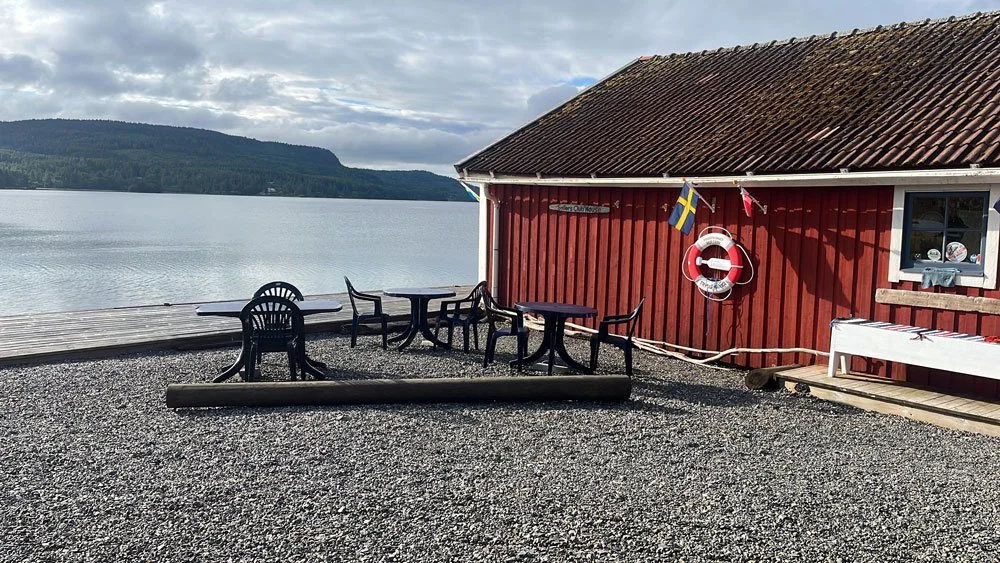
Seaside day: coffee in the Club House, a book, a short walk, a long look at the water.
This is not “doing nothing.”
This is where the trip becomes yours.
What solo women actually ask for (it’s not what people think)
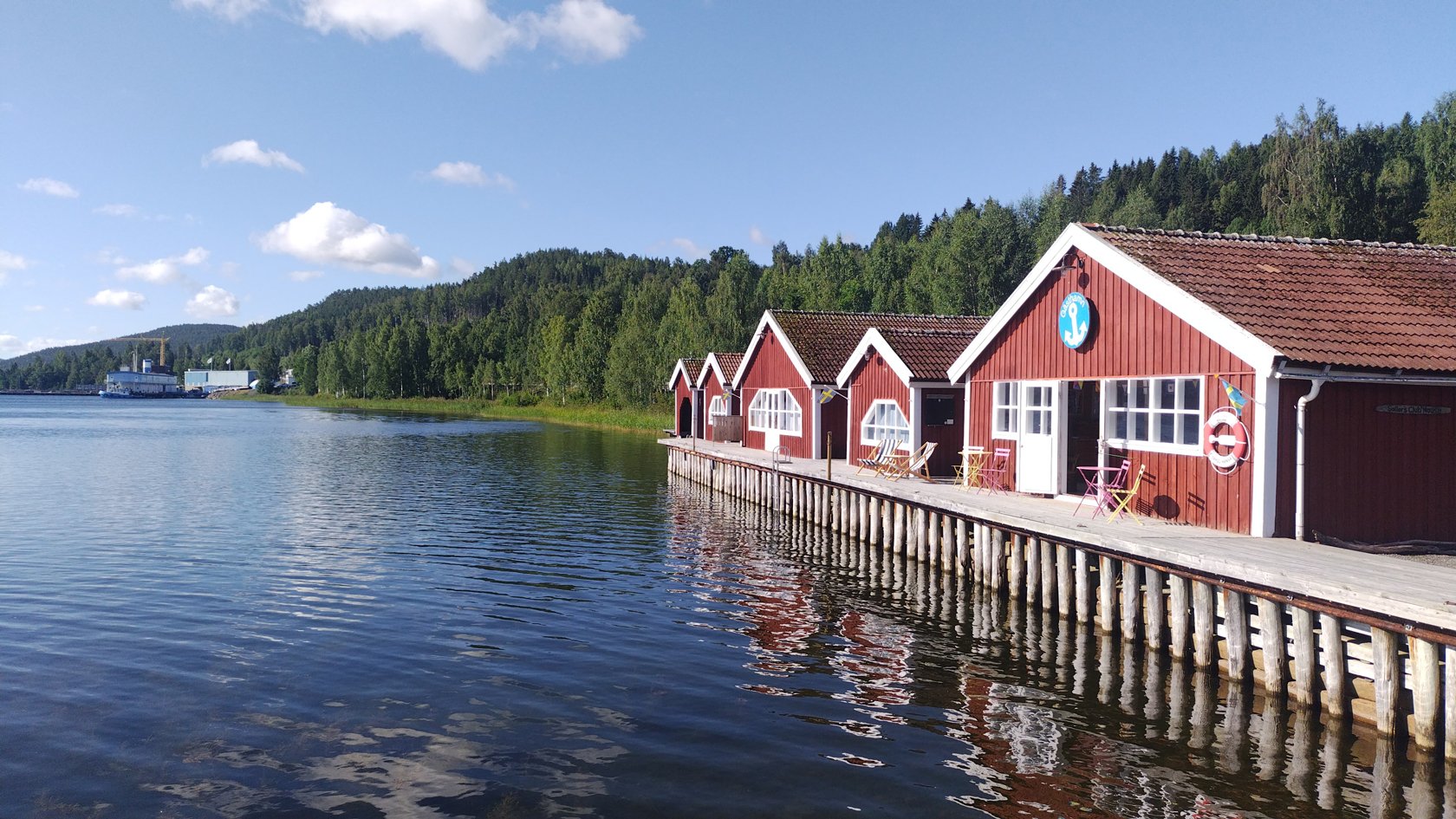
Most solo female guests don’t ask for “special treatment.”
They ask for three simple things:
Clarity
Where do I park?
How do I arrive late?
What’s the easiest first move tomorrow?
A calm base
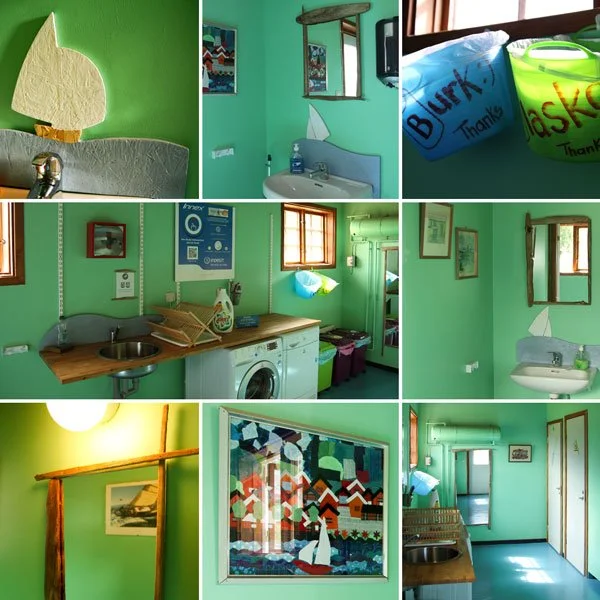
A hot shower.
A place to sit.
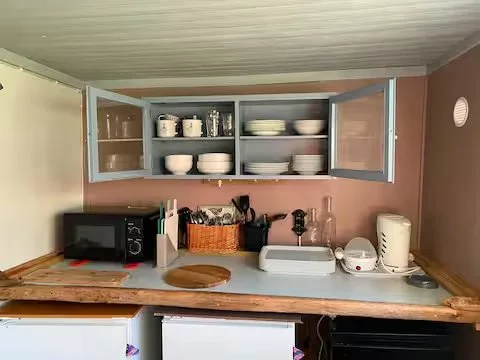
A door that closes.
Presence without intrusion
Someone reachable.
Not someone hovering.
This is exactly what a base camp should be: not a package, not a show — just a place that makes the day smoother.
The “Good Morning Start” (why mornings matter when you travel alone)
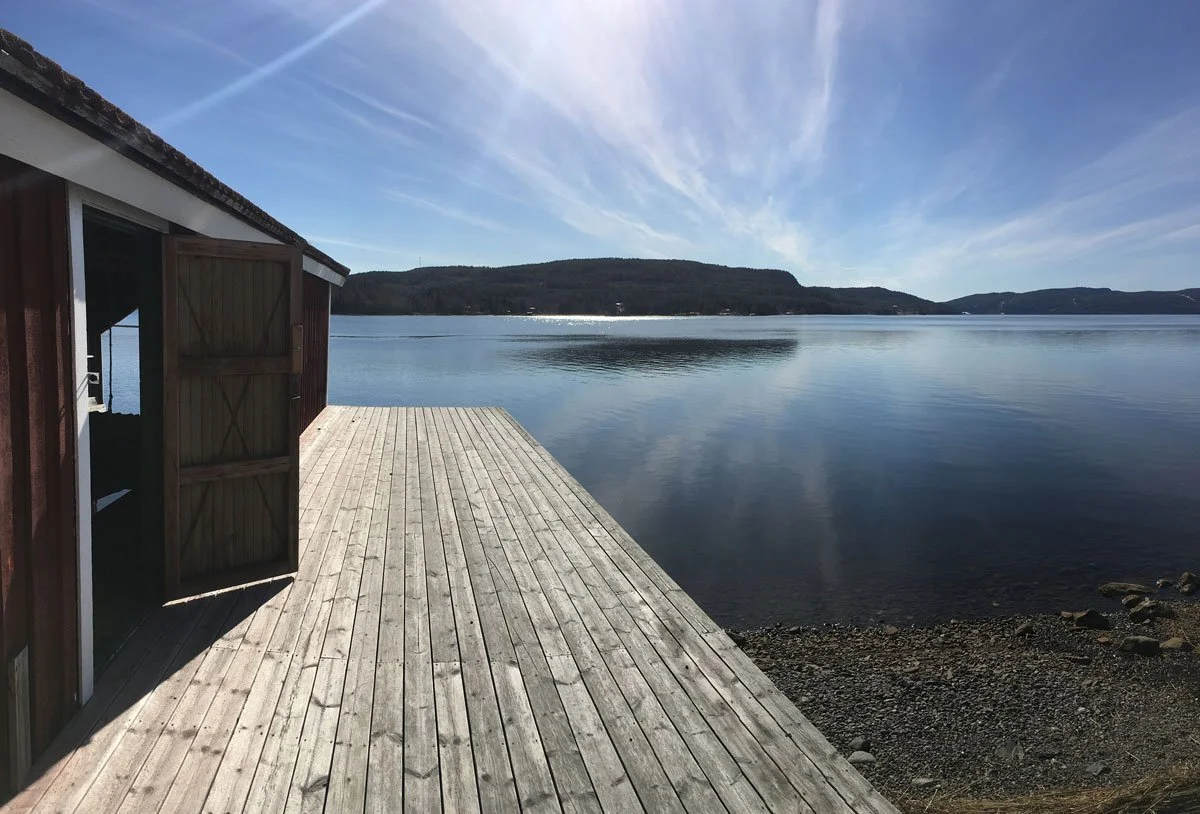
If you travel solo, mornings carry a lot.
You wake up and you have to decide:
Weather or not?
Long hike or short walk?
Bus, car, bike, or just the pier?
Where do I start so I don’t waste energy?
At Docksta Havet, the simplest tool we have is the morning itself.
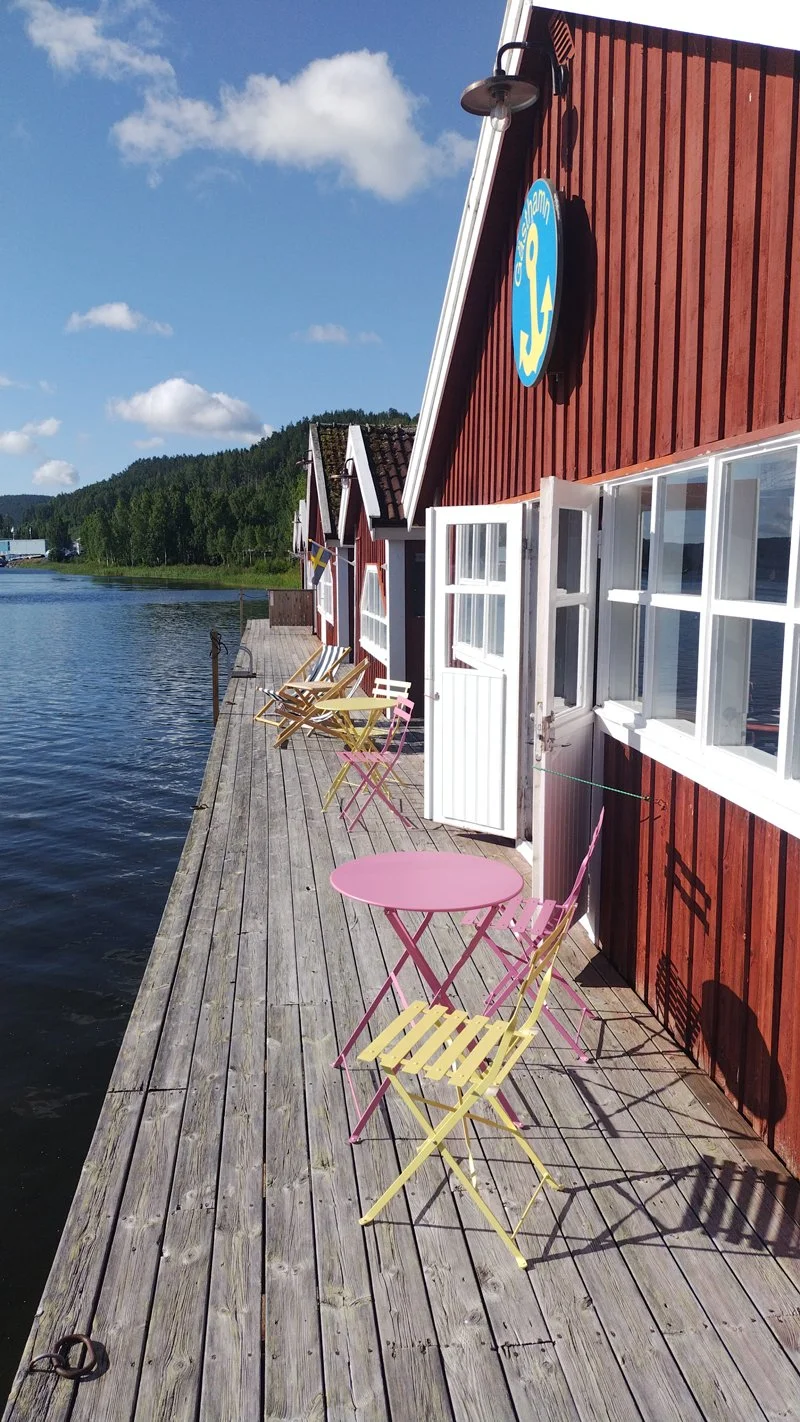
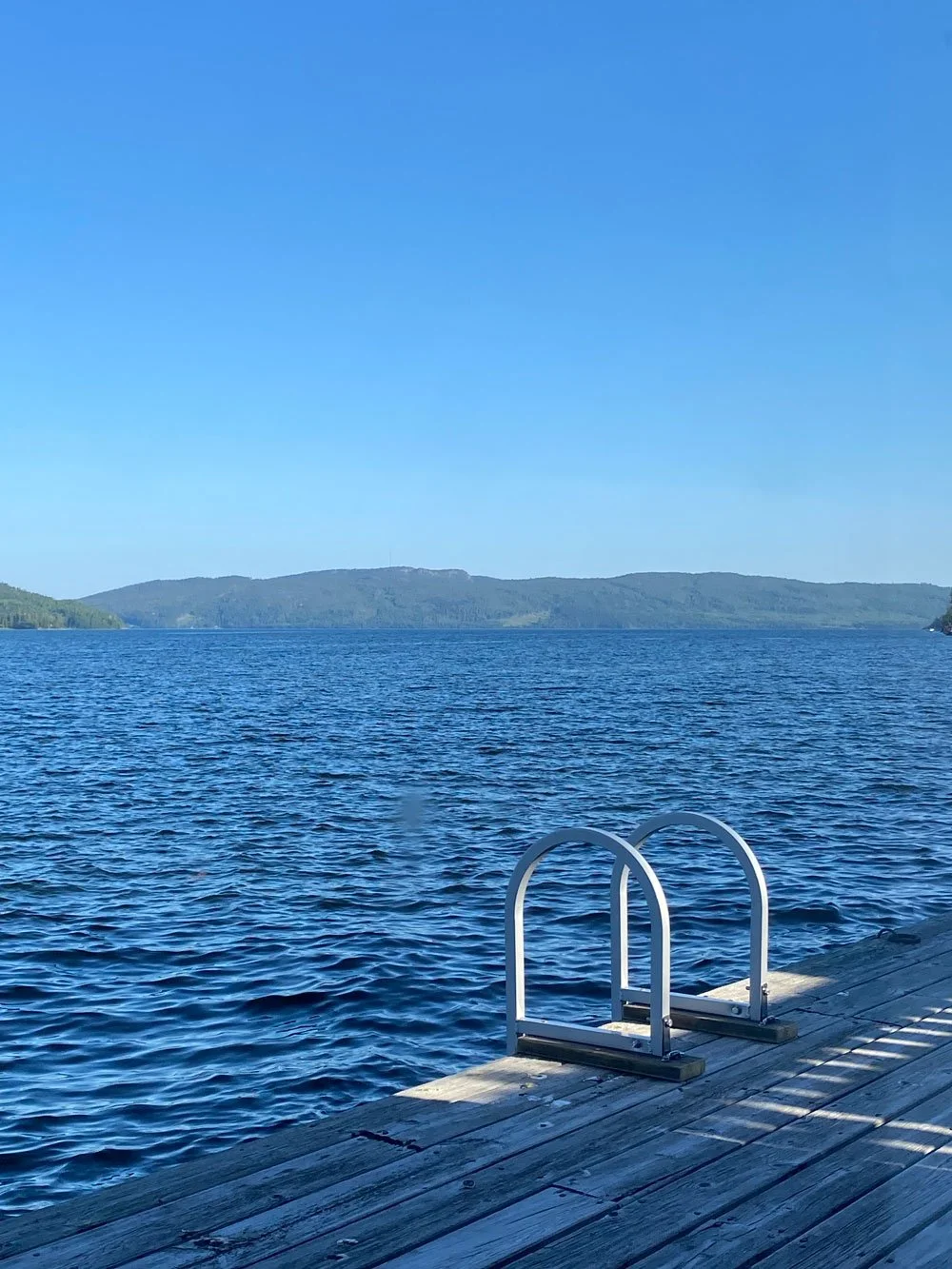
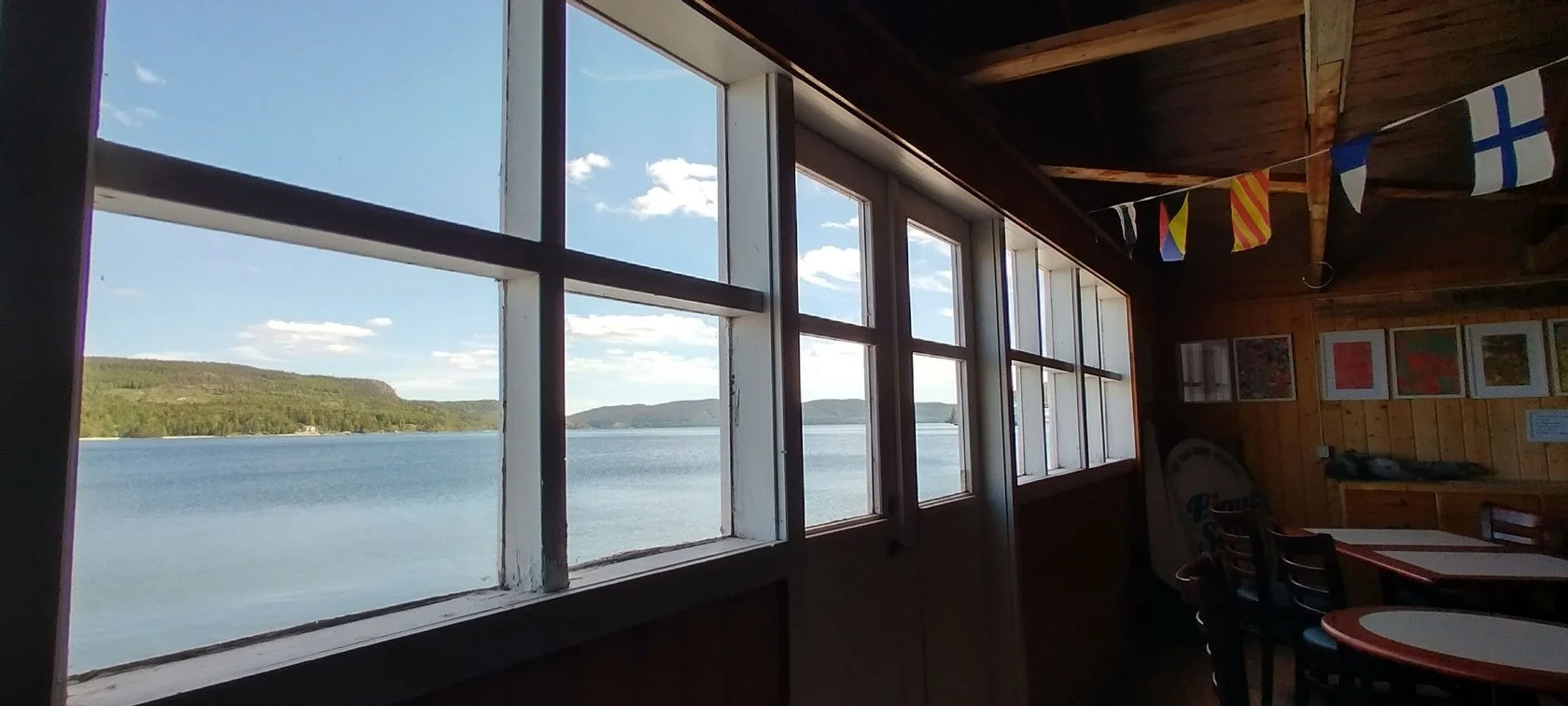
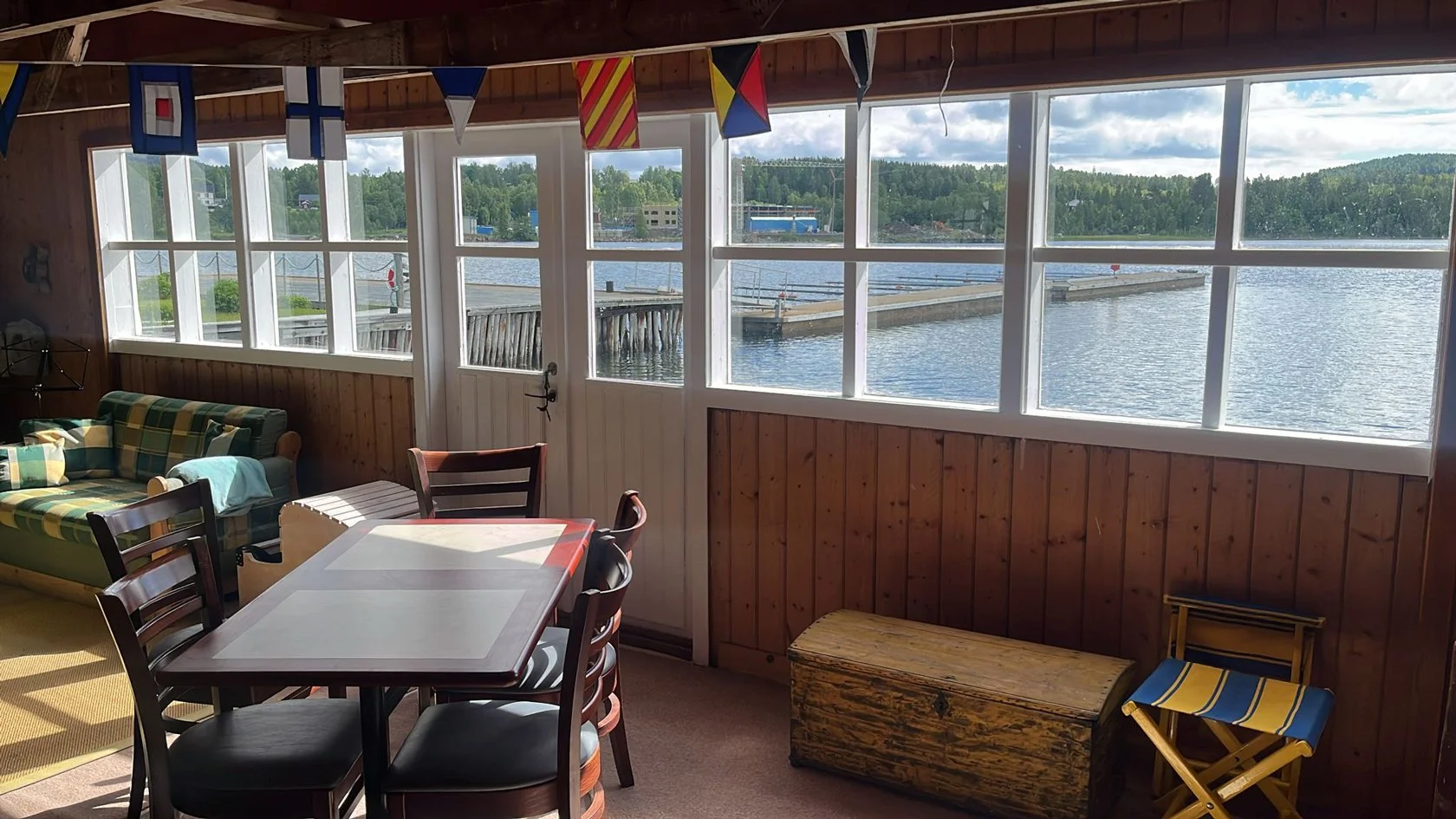
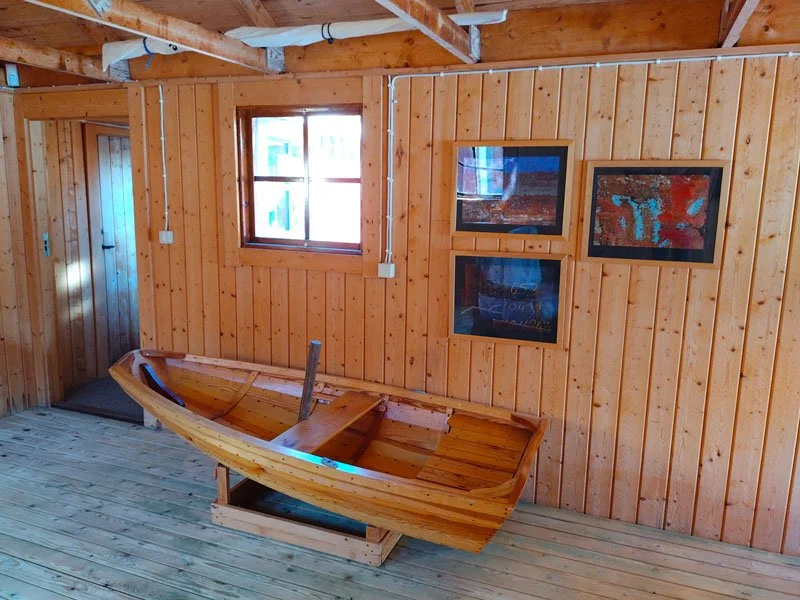
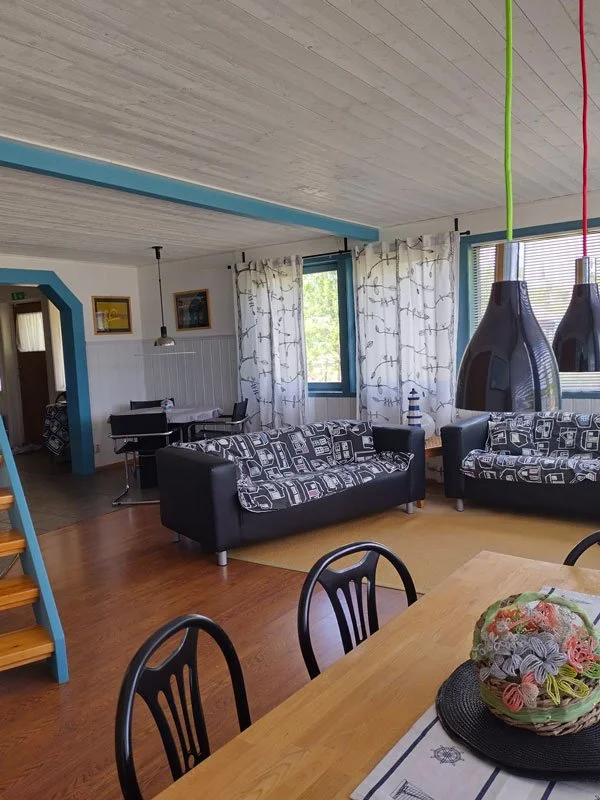
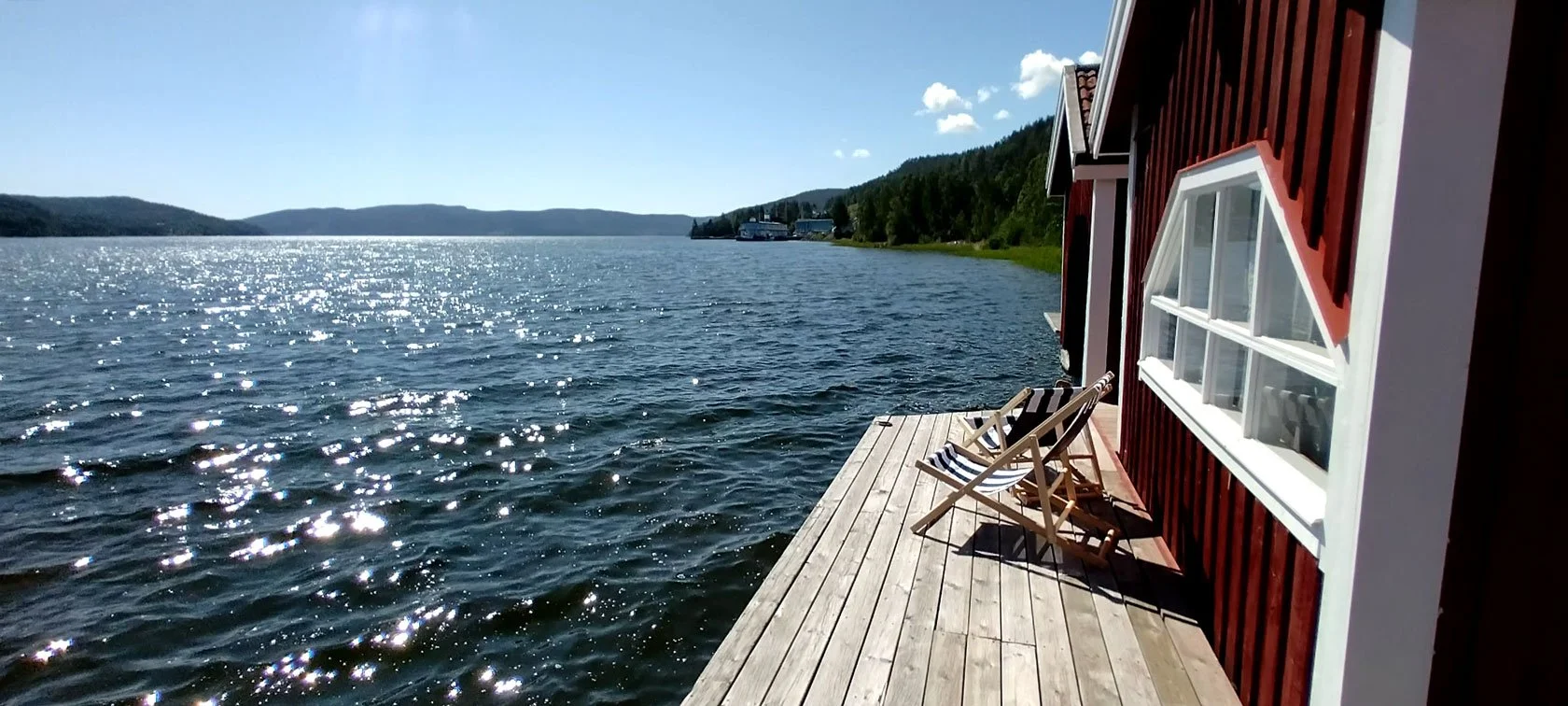
Our waterfront Club House faces the sunrise. Early light pours in through a wide fjord window. The docks are right outside the doors. Coffee and tea are there. Maps are there. The water is there.
Even if it rains, the sea is still the main character.
That’s why I call it a Good Morning Start by the Sea.
Not motivational. Not dramatic.
Just a small, practical ritual that makes the next step feel easy.
Why the High Coast works so well for solo women (without making it a big speech)
I’m not here to compare countries.
I just want to name what’s real:
Nature is accessible. You don’t need extreme skills to have a good day.
The rhythm is slower. People don’t read “being alone” as a problem.
The infrastructure is simple. Roads, trails, ferries, small towns.
The culture is respectful. You can take space without being questioned.
And the landscape helps. Water and forest don’t demand anything from you.
They don’t ask you to perform.
They just let you be.
Practical guide: how to do a solo High Coast stopover (from Docksta)
This is the part I wish every solo traveler had in her pocket.
1) Choose your travel mode (and plan around it)
By car: easiest for flexibility. You can do sunrise plans and weather pivots.
By public transport: totally possible, but you want a clear “first move” to avoid waiting around.
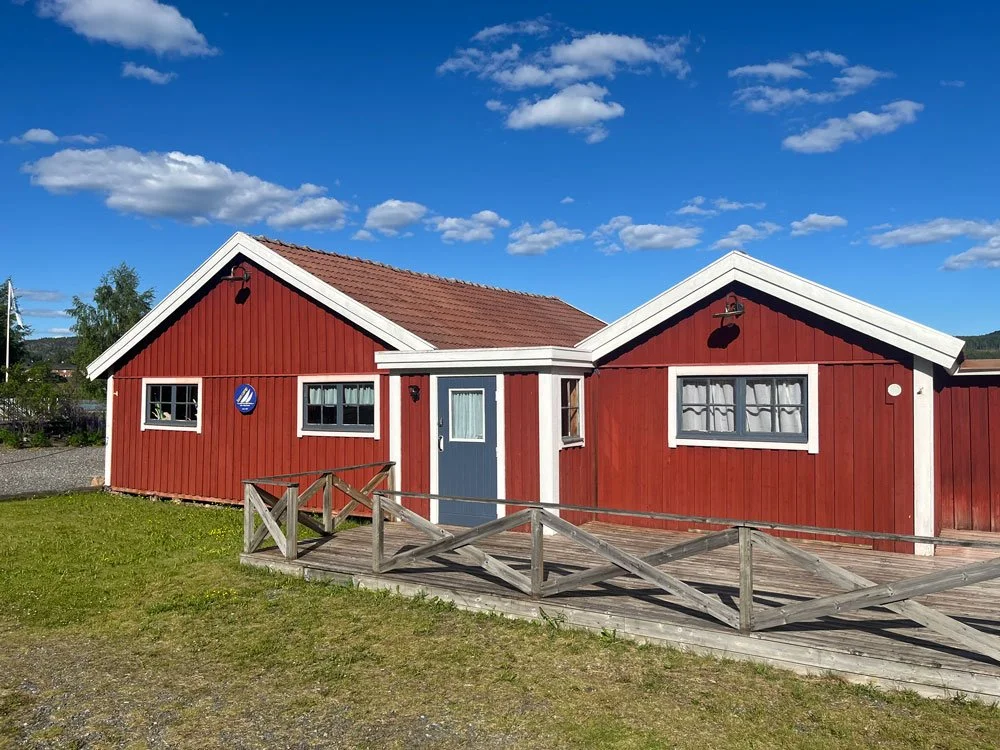
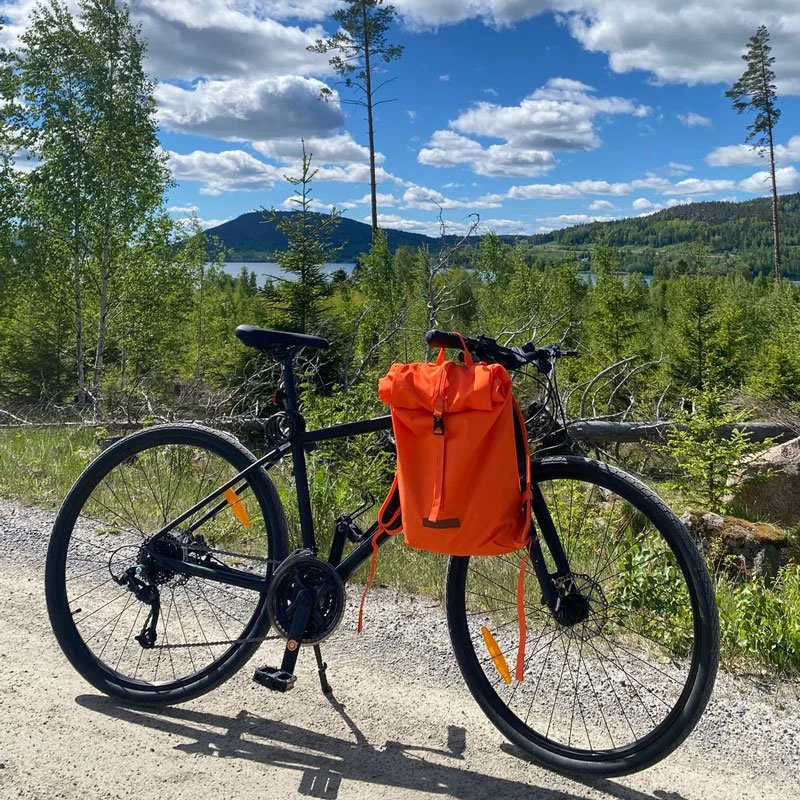
By bike / on foot: you’ll care most about showers, laundry, and a calm place to reset.
If you tell me your travel mode, I’ll suggest the simplest loop.
2) Late arrival? Make it boring (in a good way)
If you arrive late, don’t try to “win the day.”
Do the basics:
arrive
shower
eat something easy
ten minutes of sea air
sleep
The High Coast will still be here tomorrow.
3) The first move rule (my favorite trick)
When you travel alone, the first move should be easy and reversible.
Start with something that:
doesn’t lock you into a long commitment
gives you orientation
gives you a win in 30–60 minutes
From Docksta, that can be:
a short waterfront walk
a simple viewpoint
a gentle trail start
Then you decide if you want more.
4) Pick one of two day types
To keep it simple, choose one:
Day Type A: Stretch + See
1–3h walk
coffee / lunch
early evening rest
Day Type B: Half‑day outdoors
2–4h hike (Skuleberget or Skuleskogen)
slow recovery after
If you tell me your energy level, I’ll choose the right one with you.
5) Safety without fear: the calm checklist
I don’t want you to travel scared.
I want you to travel clear.
A calm checklist:
tell someone your rough plan
keep your phone charged
check weather once (not ten times)
choose trails that match your daylight and energy
And if you’re unsure, ask. That’s what hosts are for.
Meet the Base Camp team
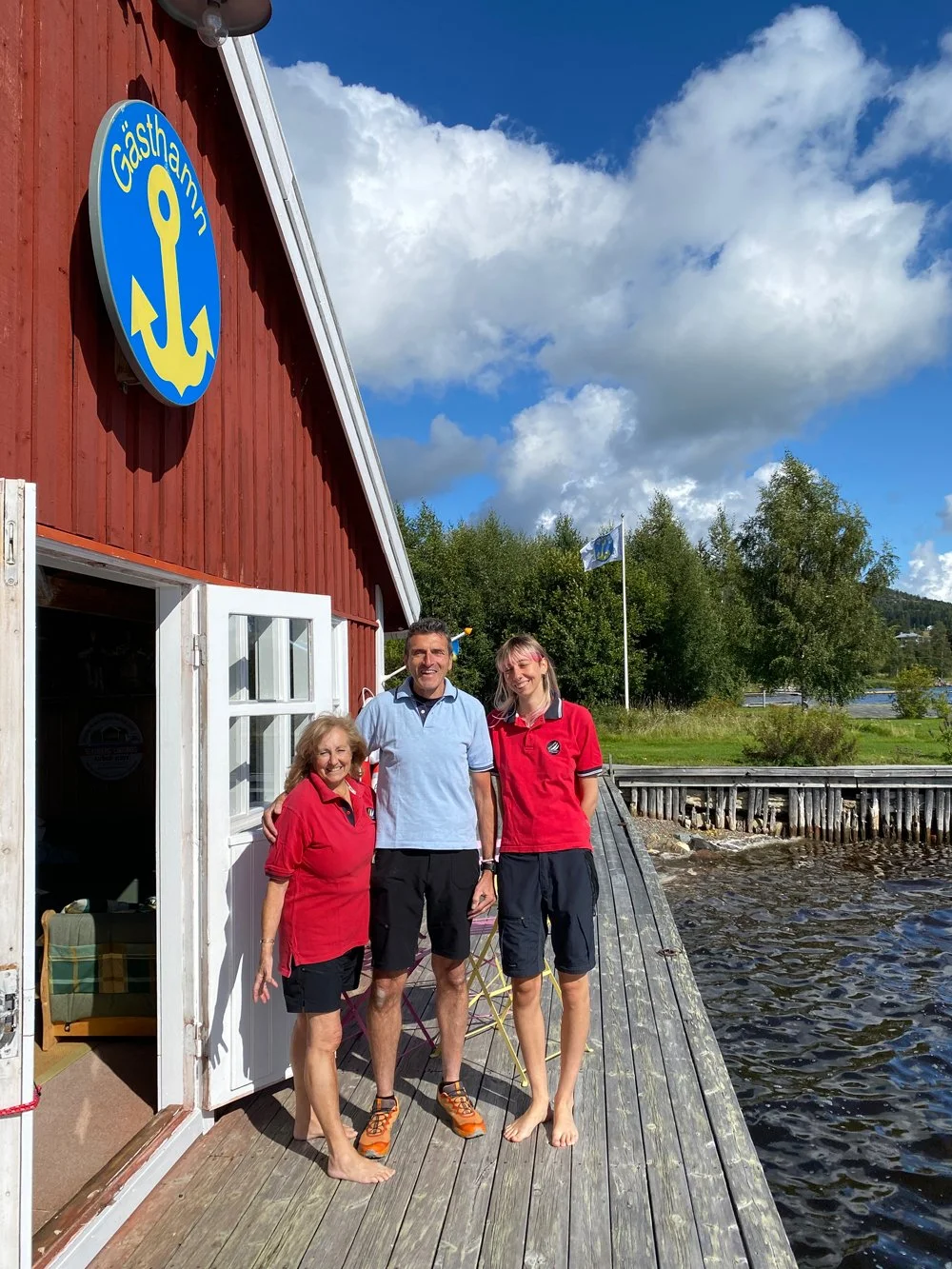
Docksta Havet Base Camp isn’t a “hosted concept.” It’s a small, hands‑on team.
It’s Anna, Tommaso & Federica — present, reachable, and practical (without hovering).
Our job is simple: help you lower the volume.
Clear arrival. A calm base. One good first move in the morning.
If you’re nearby, come by the Club House for coffee and maps and catch the pier moment.
That’s usually where good days begin.
A small invitation
If you’ve never traveled alone, you don’t need to start with a “big solo trip.”
Start with one night.
A simple stop.
A good morning.
And see what changes.
P.S. 🇮🇹 Per chi arriva dall’Italia (e vuole un ritmo “umano”)
Qui sul sito arrivano sempre più visite italiane, e spesso la domanda è la stessa: “Ok, ma la High Coast si fa davvero in 3–4 notti senza impazzire?”
La risposta è: sì — se scegli un ritmo.
Non serve “fare tutto”. Serve alternare bene: un giorno wow, un giorno foresta/parco, un giorno più lento (o jolly meteo), e una base che ti faccia atterrare.
Se vuoi un esempio pratico in italiano (Skuleberget + Skuleskogen + Vårdkallberget, con logica Base Camp), questo post è un buon punto di partenza:
Ready next / Start here
If you’re planning your High Coast days from Docksta, start here:
Midsommar + midnight light (what it feels like, and how to plan it from Docksta) → https://dockstahavet.se/blog/midsommar-high-coast-midnight-light-docksta
Coolcation in the High Coast (a summer reset rhythm: less heat, more air, more sleep) → https://dockstahavet.se/blog/coolcation-sweden-high-coast-summer-reset
Friluftsliv in plain words (the Swedish outdoor mindset—without the clichés) → https://dockstahavet.se/blog/friluftsliv-in-plain-words-high-coast
Solo in the High Coast (a first-timer friendly base-camp plan from Docksta) → https://dockstahavet.se/blog/solo-travel-sweden-high-coast-base-camp-first-timers