Docksta Havet Base Camp — Marina & Guest Harbour
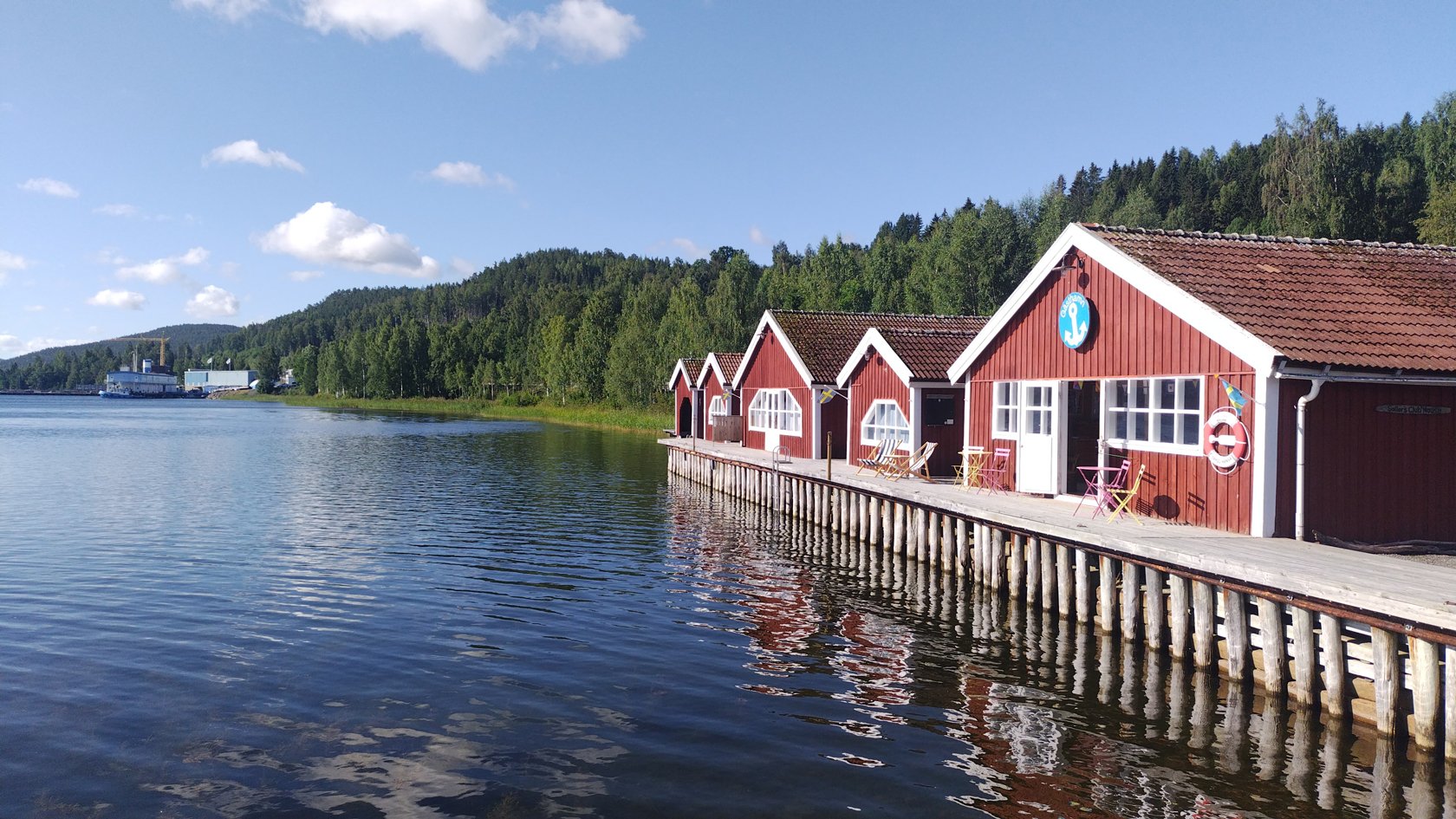
A small marina in the heart of the High Coast UNESCO World Heritage area — built for long-distance cruising crews who want one real High Coast day ashore — without turning it into a complicated project. Stay 2–3 nights, reset on land, get local planning tips, and explore the High Coast from the pier.
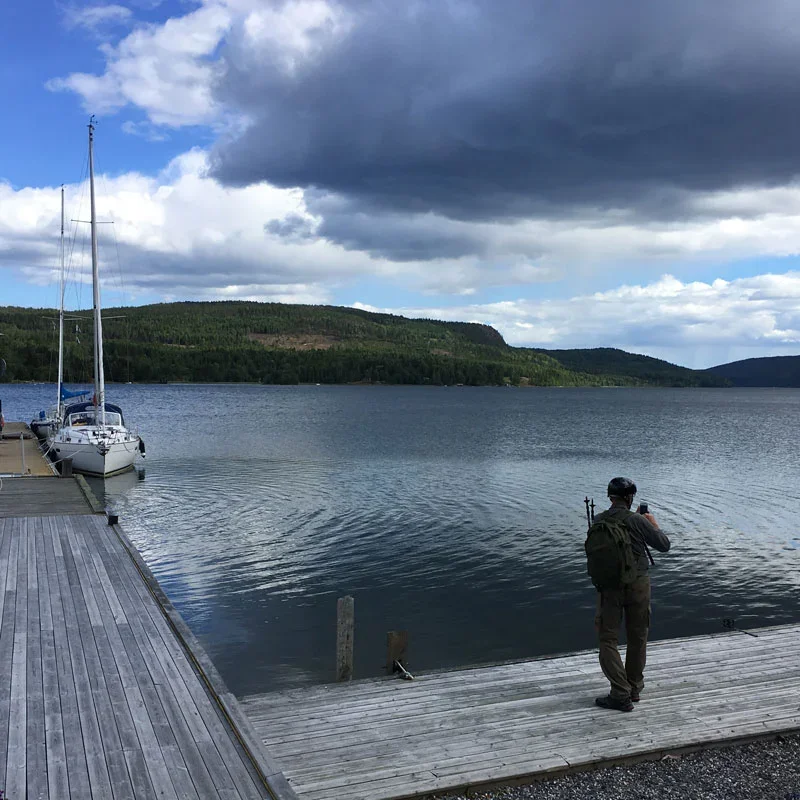
Moor safely → reset → one great day ashore (Skuleskogen, Skuleberget, ferrata, bike).
The marina is more than a berth: why long-distance cruisers stay 2–3 nights and use Docksta as their High Coast base camp
Most guest harbours are built for one night: you arrive, you sleep, you leave.
Docksta isn’t a “sleep-and-go” berth. It’s a Base Camp stop — the kind that makes the High Coast actually doable.
Safe mooring is the condition. Once the boat is safe, the crew can finally think clearly. Your nervous system drops, decisions get easier, and the real value can begin: calm logistics, a human host, and a simple menu of memorable days ashore — chosen in the right weather window.
Quick answer: Docksta Guest Harbour is best used as a 2–3 night base-camp stop. Moor safely, reset properly (showers, laundry, WiFi), then choose one great day ashore — Skuleberget, Skuleskogen, Via Ferrata, or a bike day. We’ll help you pick the right day and the best weather window to leave.
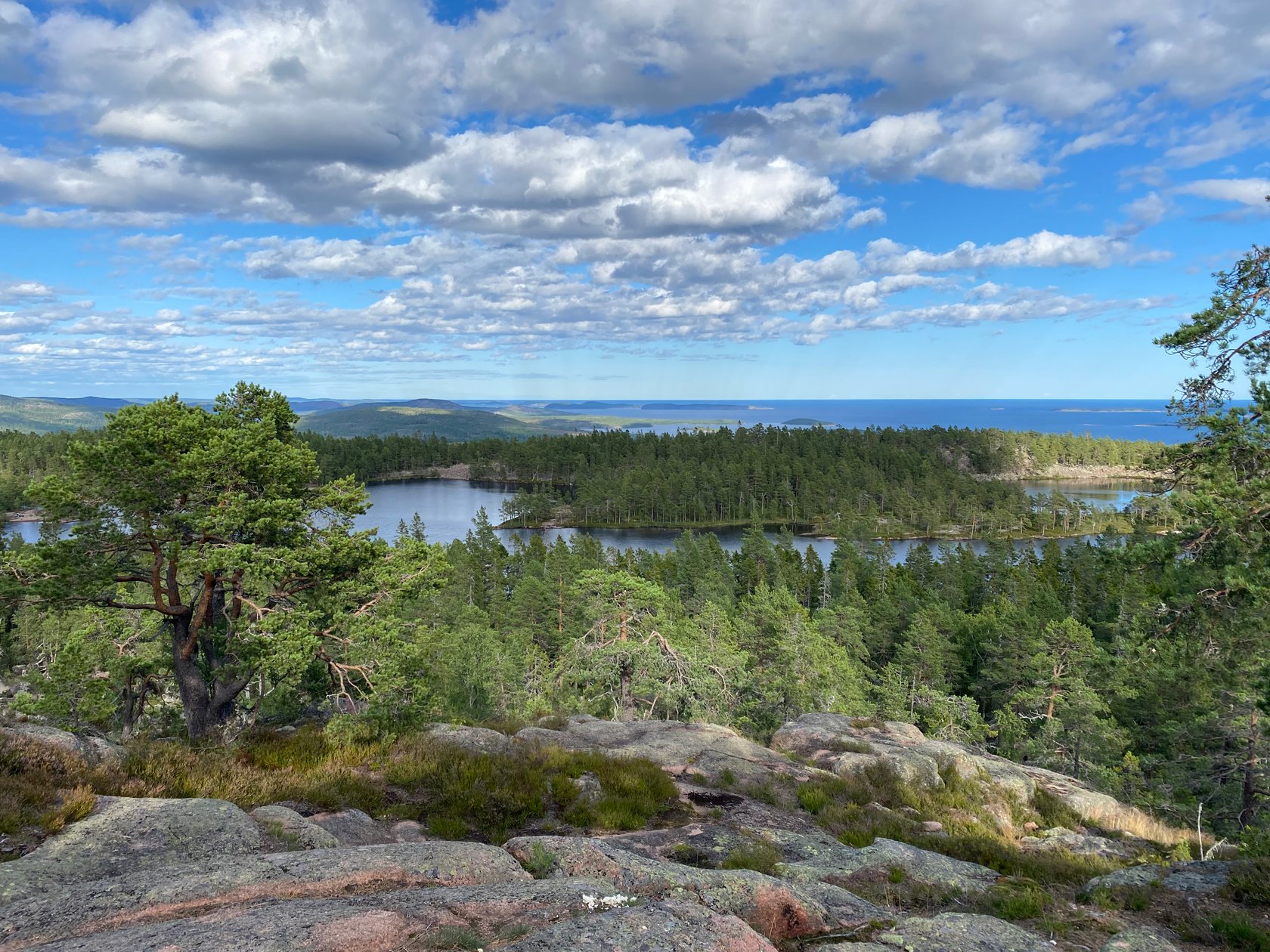
Pick the National Park day: bike out, hike in — Skuleskogen’s forest + coastline in one clean mission.

Pick the vertical mission: Via Ferrata at Skuleberget — best on a stable weather window.
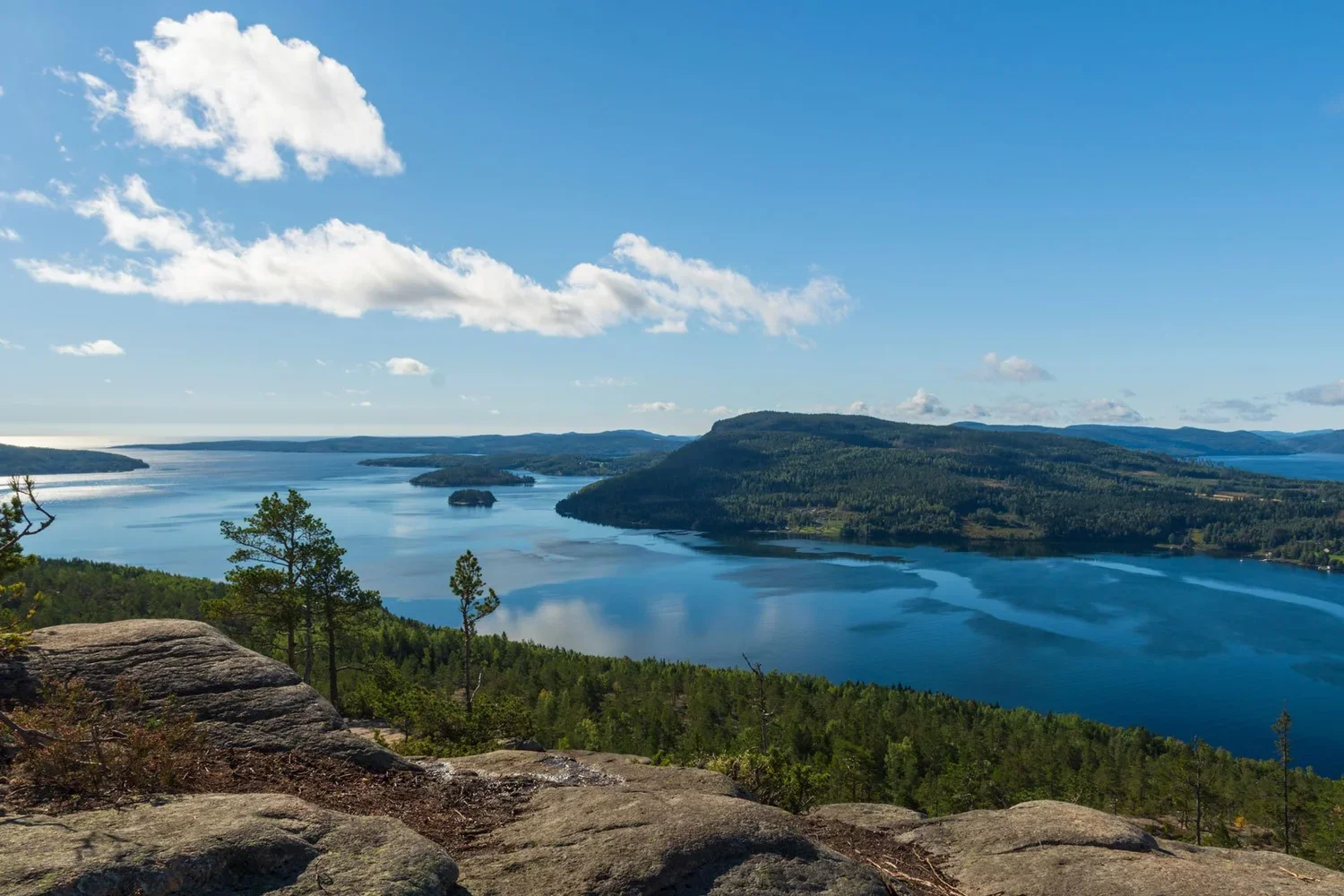
Pick breathtaking views from the peaks surrounding the marina — the High Coast, in layers.
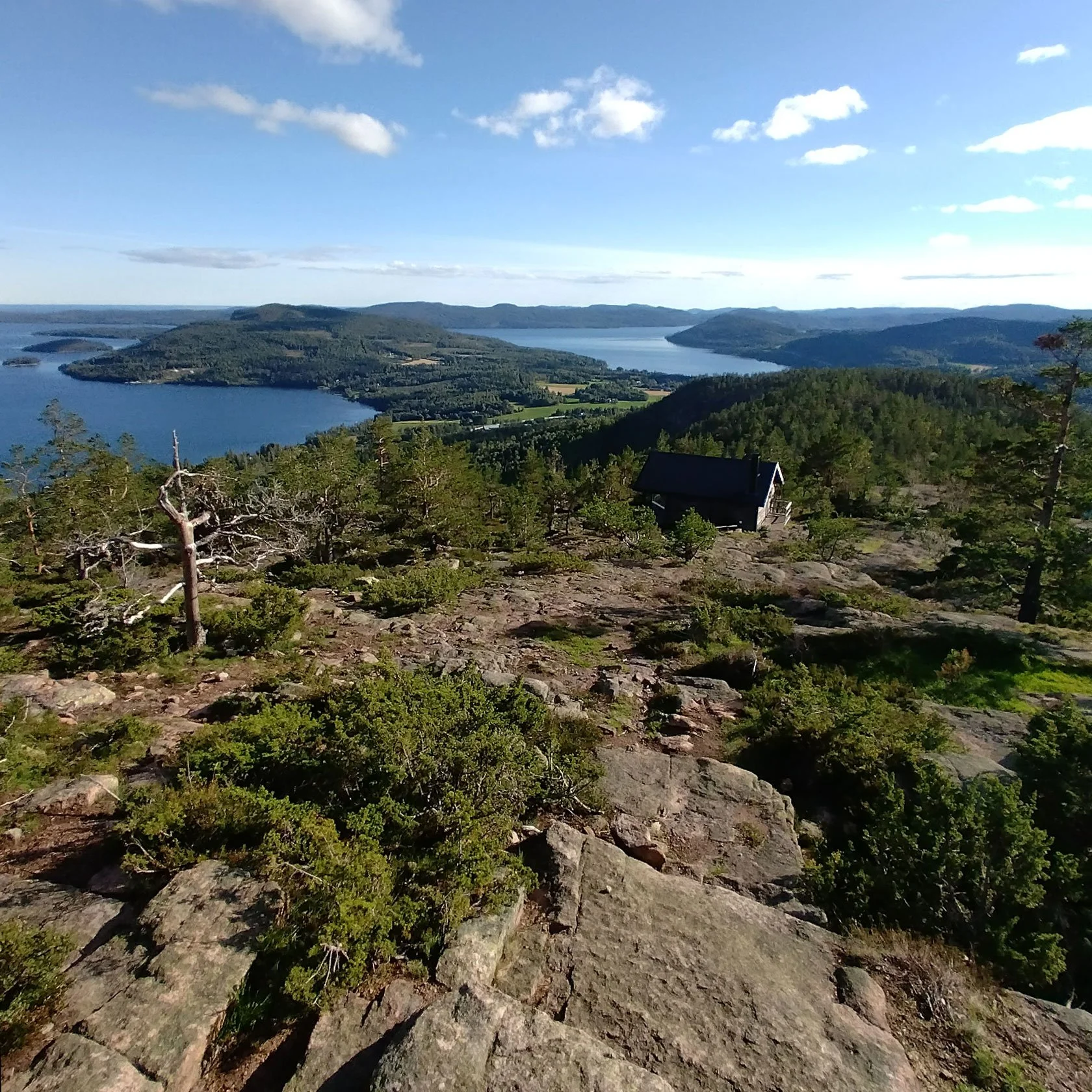
Pick your Skuleberget version: summit hike, chairlift + short walk, or an evening excursion.
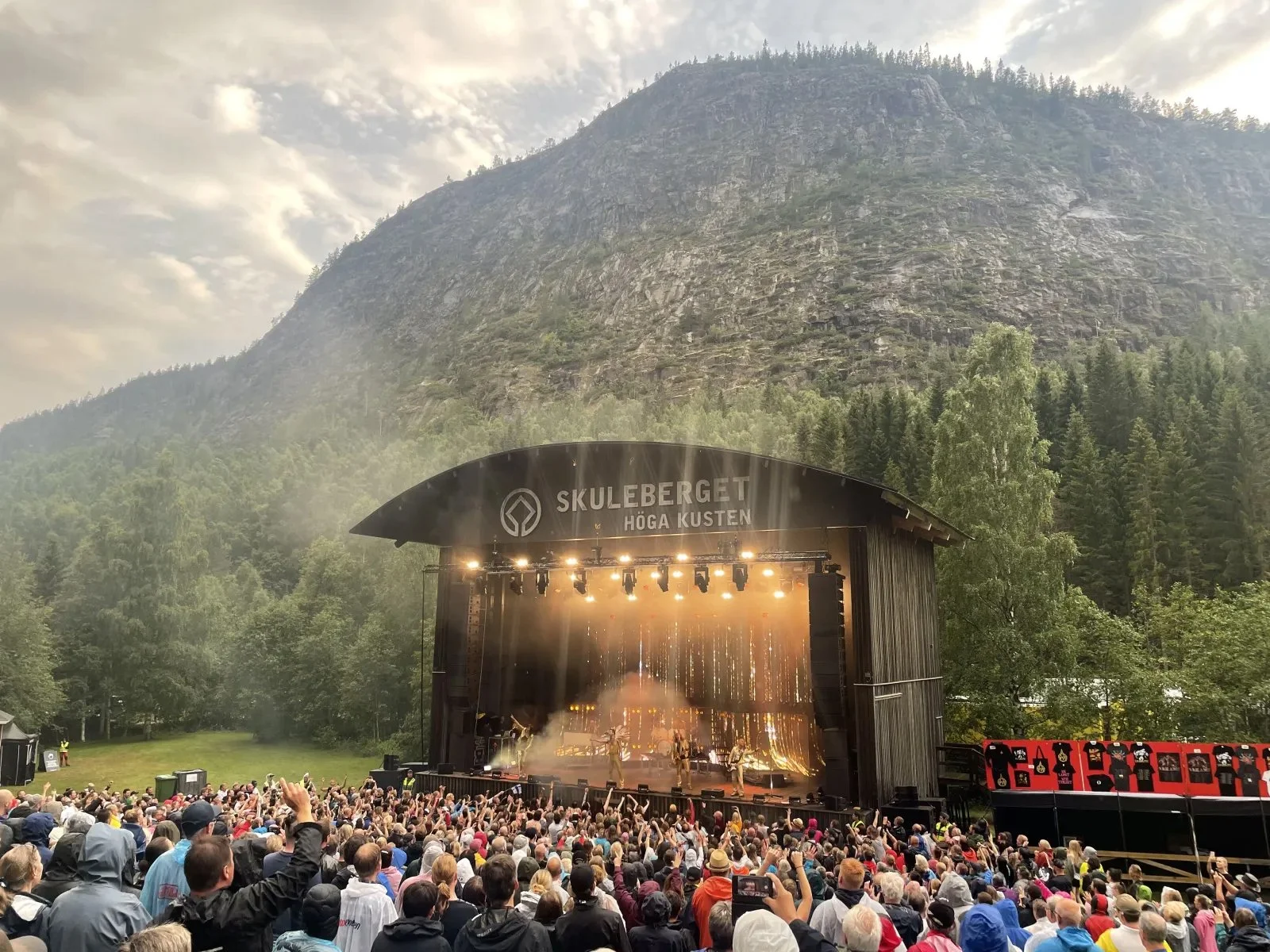
…then pick Skuleberget’s summer events at its feet (Naturscen).
Today’s Base Camp menu (pick one):
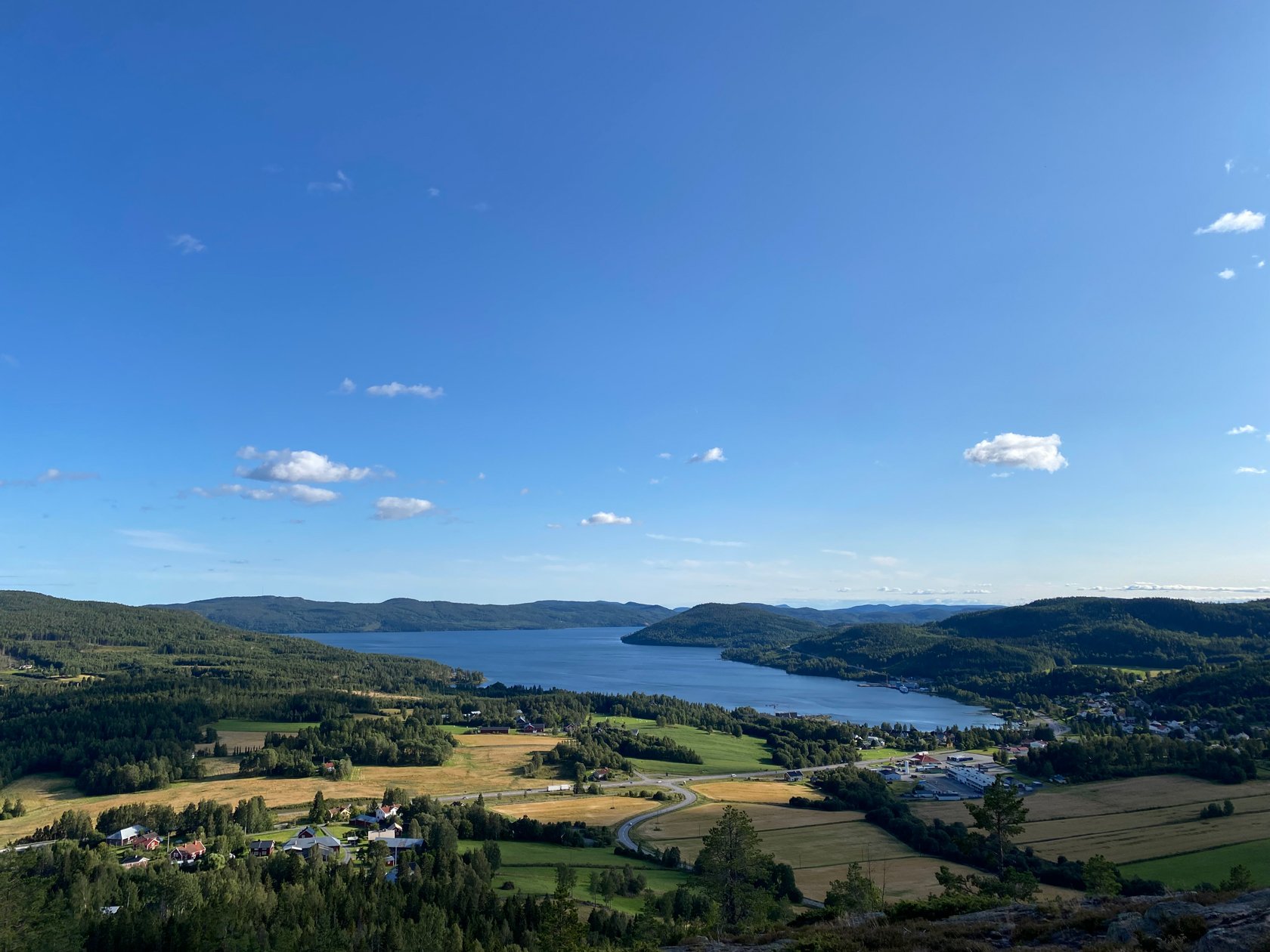
Skuleberget — iconic views
Choose your version: summit hike / chairlift + short walk / evening excursion (June–July)
Concert night — local live music (when it’s on) — We’ll tell you what’s happening and how to get there without hassle
Skuleskogen National Park — forest + coastline
Best for a quieter rhythm and a full “High Coast” day
Via Ferrata (Skuleberget) — vertical mission (weather-sensitive)
2 km from Docksta
Gear + safety briefing handled by the Via Ferrata team
We’ll help you with the simplest timing + commute plan (walk or bike)
Bike day — reset + explore (not just commuting)
Swing by the Club House for a coffee (on us)
We’ll suggest a loop that fits your crew, time, and legs
Plan B — add a good High Coast day
Plan B (comfort day on the pier): a proper reset — shower + laundry, coffee, maps, and a calm plan while the forecast moves on
Plan B (easy walk): a low-commitment viewpoint walk to a special spot near the marina
Plan B (hidden-spot hike): an unexpectedly memorable few-hours hike outside the tourist-office menu — we’ll point you to the right one for today
Plan B (forest reset): a quiet forest pause — Skogspaus-style, no performance, just reset
And in places like the High Coast, that one-night rhythm quietly makes you miss the point.
Because the High Coast isn’t a postcard coastline you “see” from the deck. It’s a place you enter: legs on trails, elevation, forests, national-park coastline, weather windows — and the kind of reset your crew only gets when time is on your side.
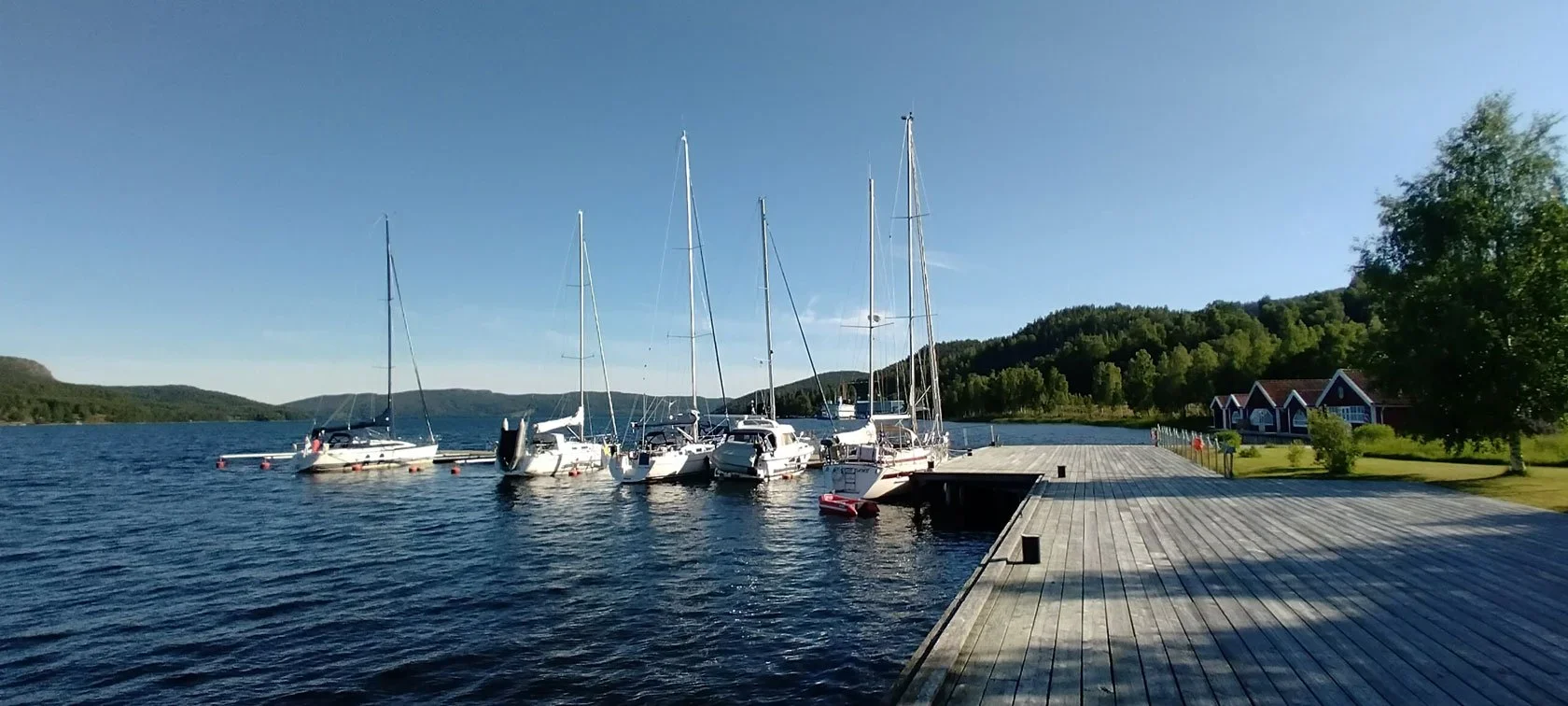
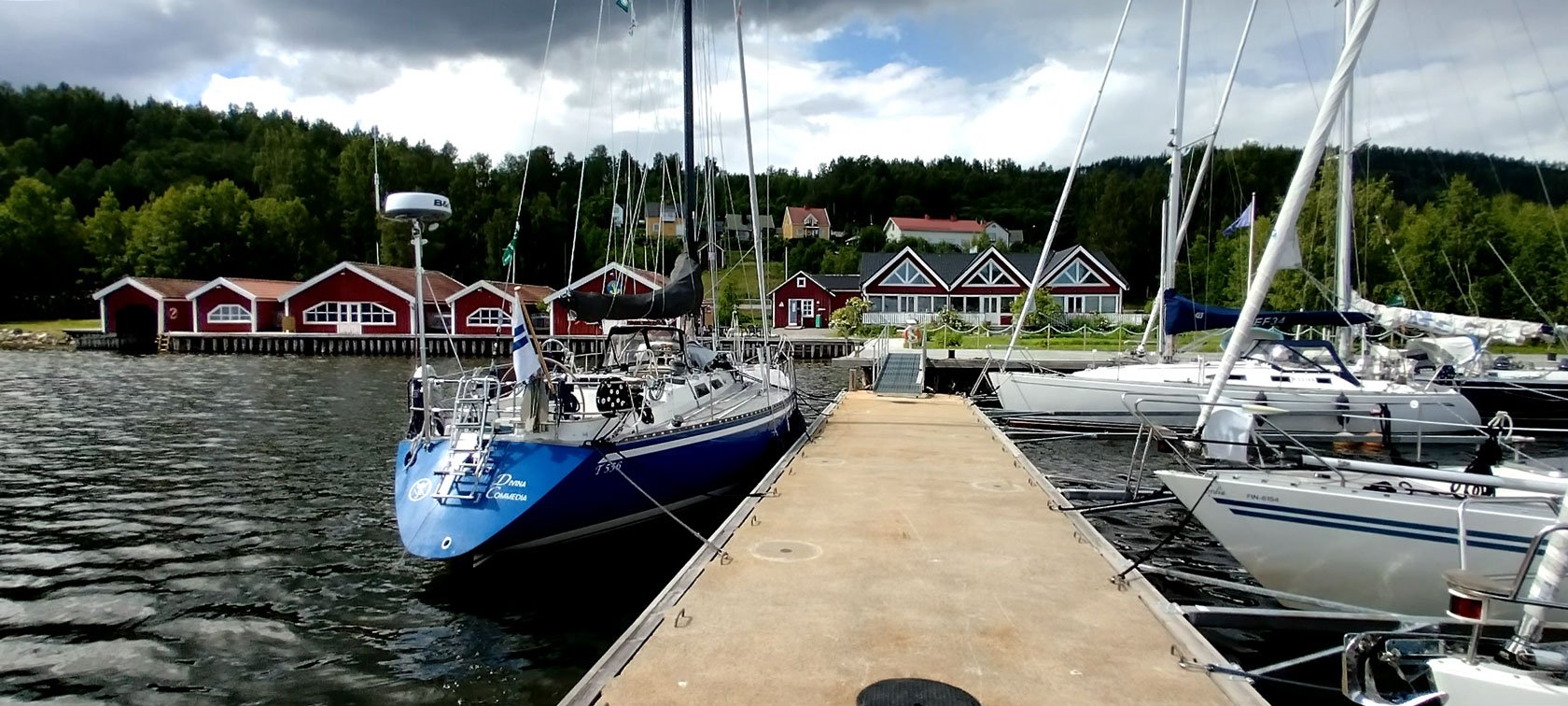
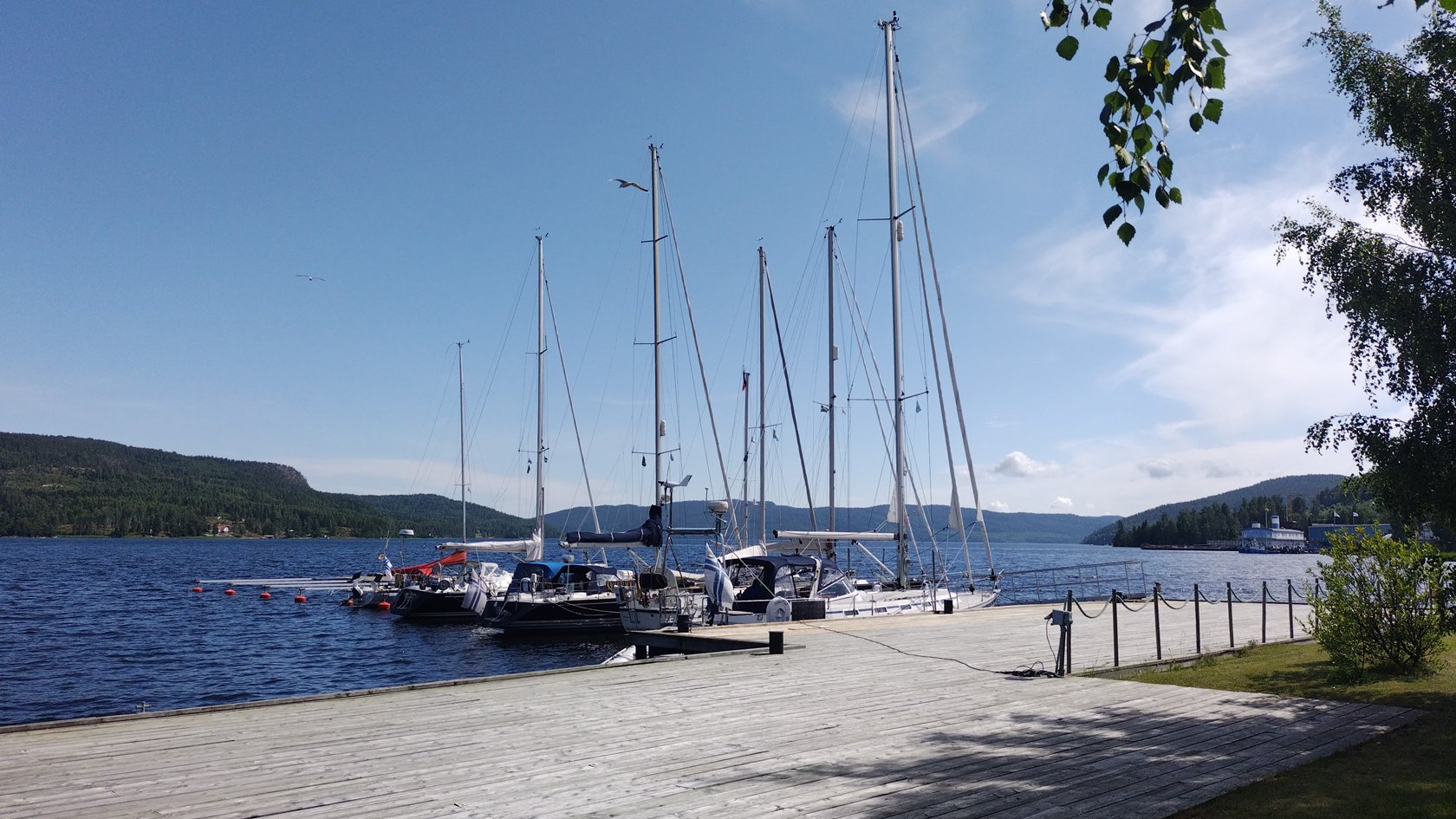
Docksta Guest Harbour (Docksta Gästhamn) is different by design. We’re a base-camp stop: a safe place to moor and reset, and a simple launchpad for two or three real days ashore — without turning it into a complicated project.
If you’re a long-distance cruiser, you already know the truth: the best stops aren’t just the ones with the prettiest pontoon. They’re the ones that give your crew a good day.
A harbour with a mission (a short story, not a slogan)
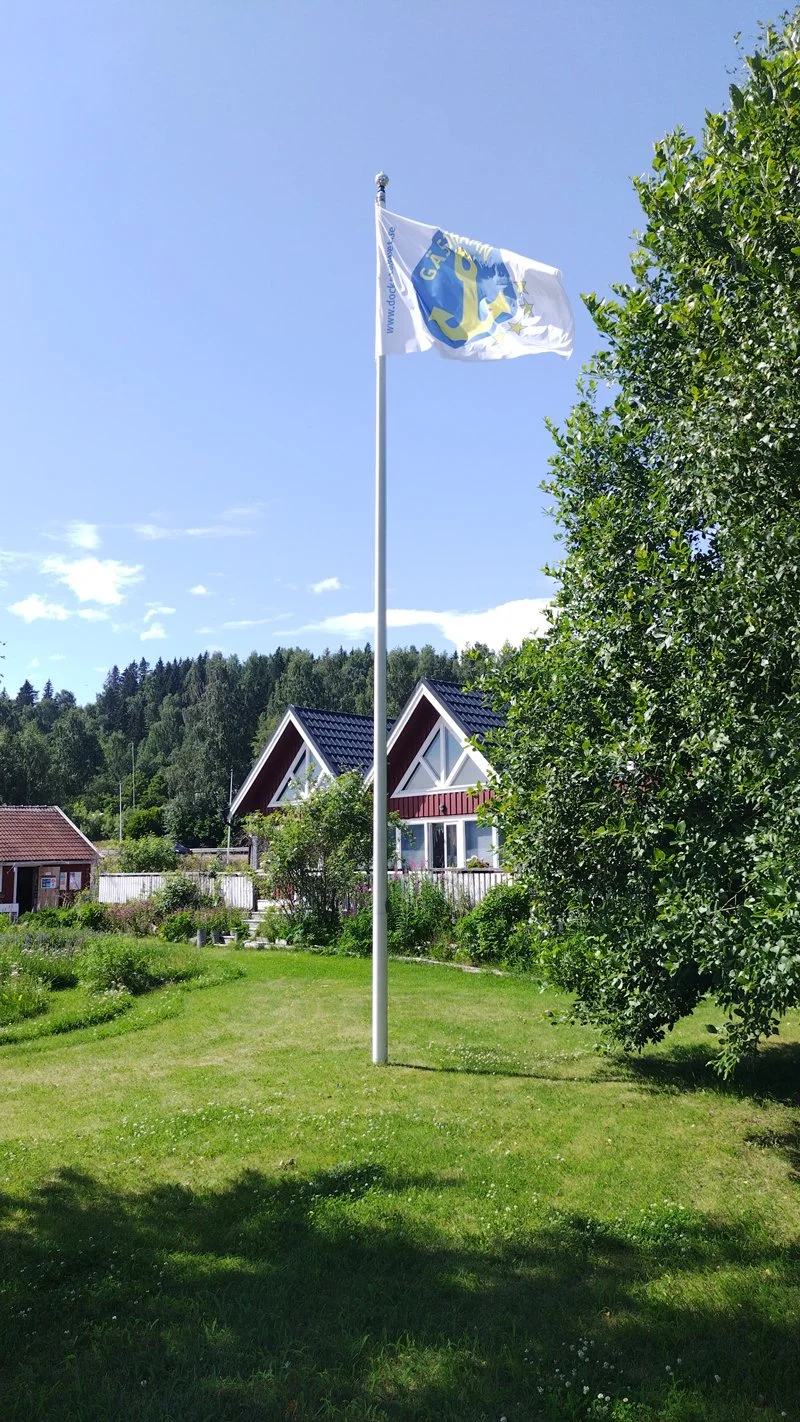
Docksta is a natural waypoint for Baltic Sea cruisers, right in the heart of the Höga Kusten / High Coast UNESCO World Heritage area.
When this gästhamn was brought back to life in 2006, the idea wasn’t just “more berths”. It was to create a small, safe harbour where visiting crews could reset properly — and then actually reach the High Coast: mountains, forests, national park coastline, and those long Nordic summer evenings that don’t fit inside a one-night stop.
That mission is still the same today.
Not just a berth. A base-camp stop.
Not just a berth. A base-camp stop.
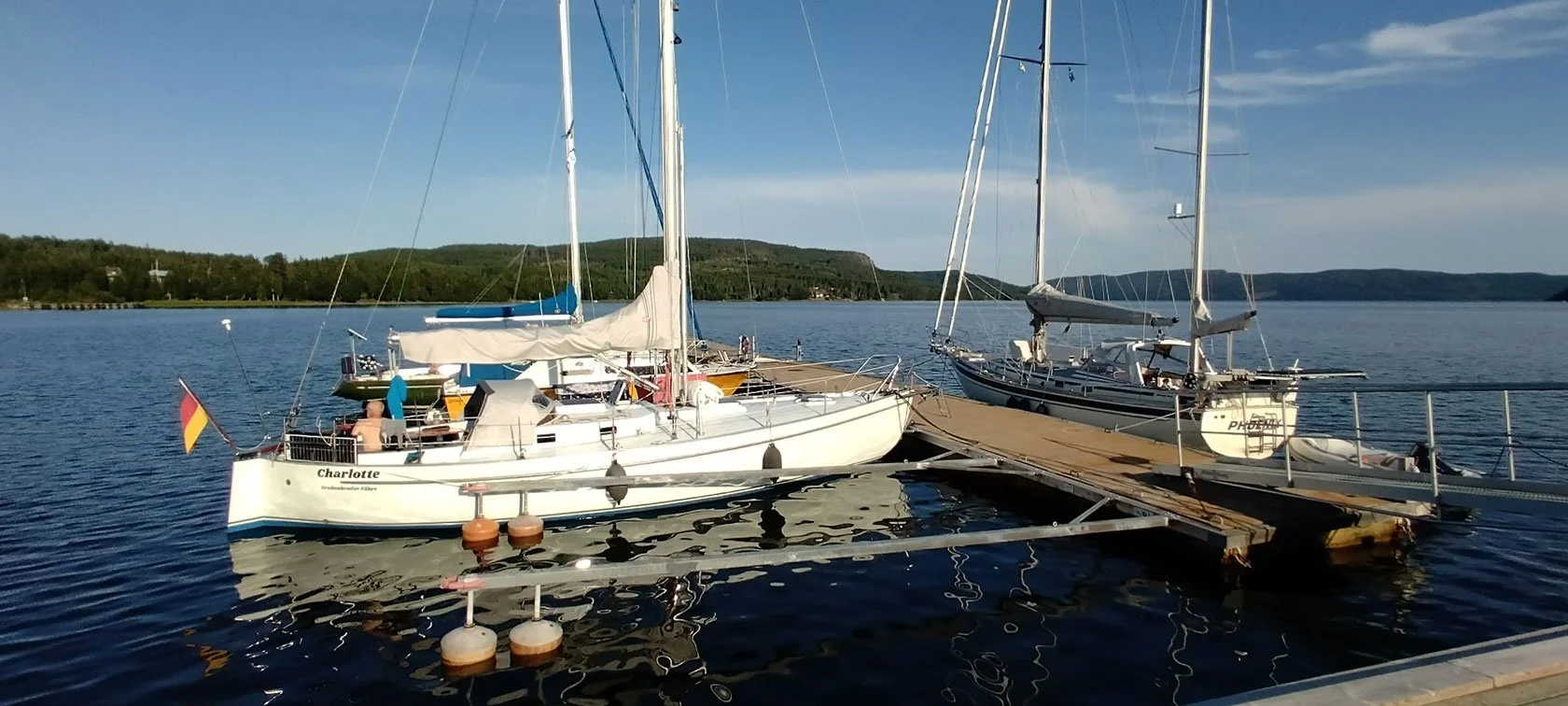
A base camp is not “luxury”, it isn’t “more facilities”. It’s low friction + better decisions.
Safe mooring and reset services are the condition. The real value is what happens next: a calm rhythm, a human host, and simple pointers that help you choose fast — so the High Coast actually happens (on the right day, in the right window).
It’s the difference between:“We stopped somewhere.” and “We had one great day ashore — and left on a better window.”

Make the bucket-list spots doable.
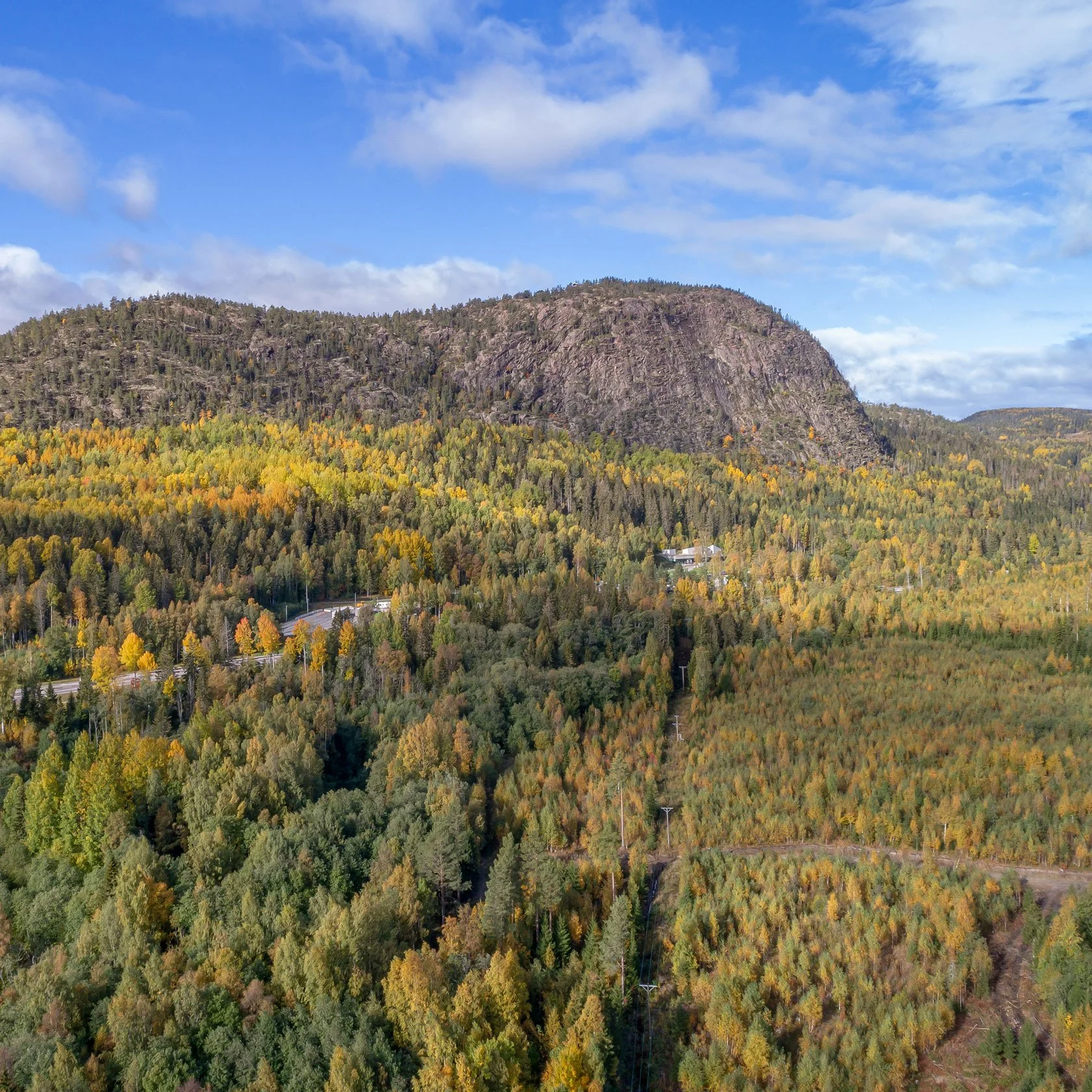
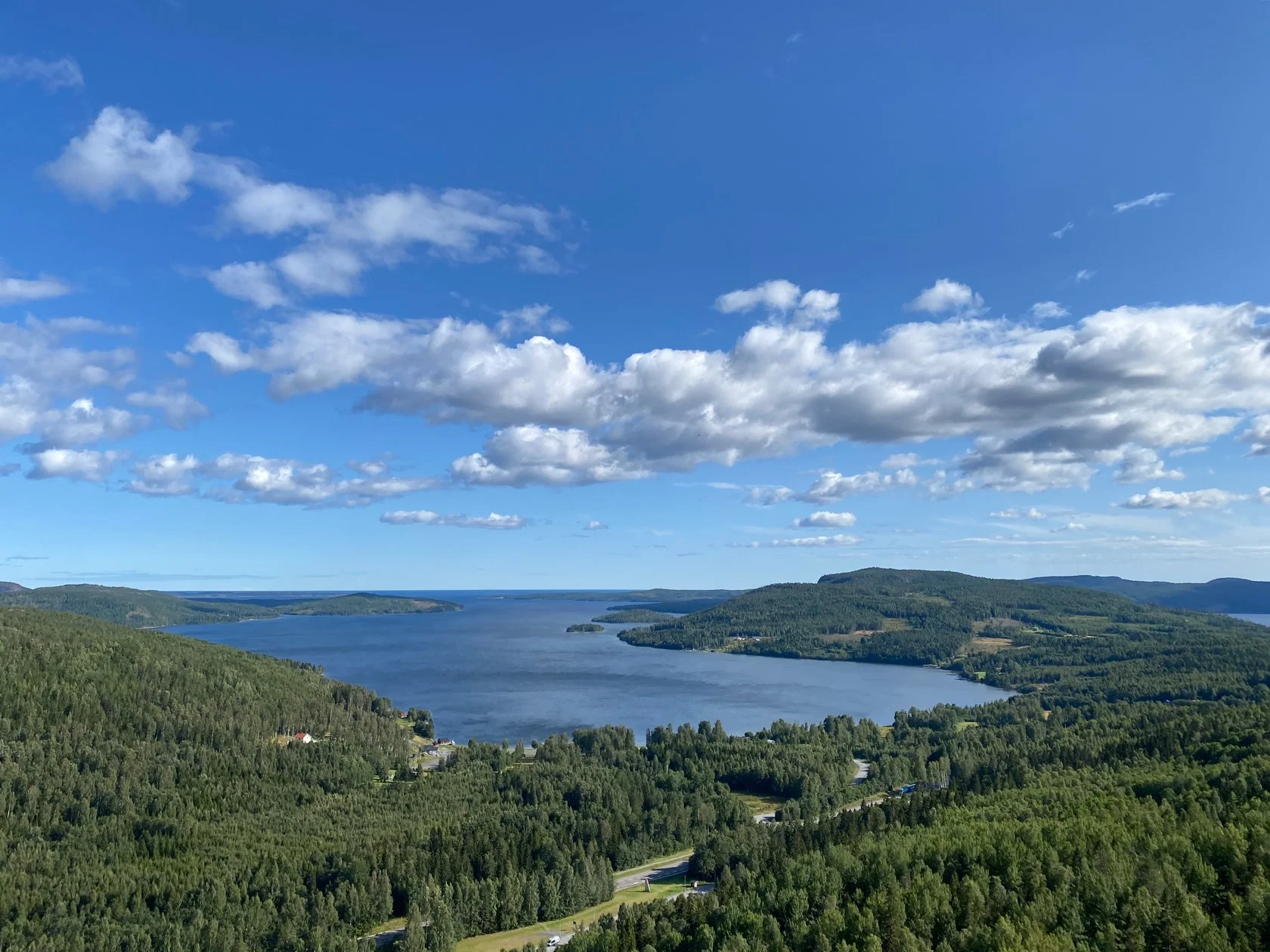
From Docksta, the High Coast’s iconic places are not “somewhere else on the map”. They’re close — but they only feel close if your logistics are calm and you have a little buffer. That’s what a base-camp stop is: safe mooring, hot showers, laundry, and a simple plan for the day ashore.
Skuleskogen works best as a true full-day mission — and it only feels easy when you can leave the boat behind with confidence. With safe mooring and us present in the harbour, you can stay out for hours, take the weather window, and return late without that quiet “we should get back to the boat” stress. If you don’t have bikes onboard, our bikes make the commuting part simple — and we’ll give you the entry point, maps, and a route that fits your crew.
Via Ferrata at Skuleberget is a perfect Base Camp day: it’s just a couple of kilometers from your mooring, but it’s weather-sensitive — they close the routes in rain, wet rock, extreme heat, or thunderstorms. Stay 2–3 nights and you can wait for the dry window. Gear and safety briefing are handled by Via Ferrata; we’ll help you with commuting (bike or walk) and a simple day plan.
Sometimes the best Base Camp day is a bike day: not a mission, just movement — a loop, a swim spot, a viewpoint, a quiet café moment — the kind of day that makes a crew feel human again.
Skuleskogen’s granite coves. Skuleberget’s big views and summer evenings. A Via Ferrata day. A coastal walk in late light. Even a simple bike loop for dinner and an outdoor concert atmosphere. When you’re not rushing to leave, these spots become visible, reachable, and enjoyable — not just names in a guide.
That’s why one extra night matters.
Add one night in Docksta, and the High Coast stops being a “pass-through coastline” and becomes a day you can actually live.

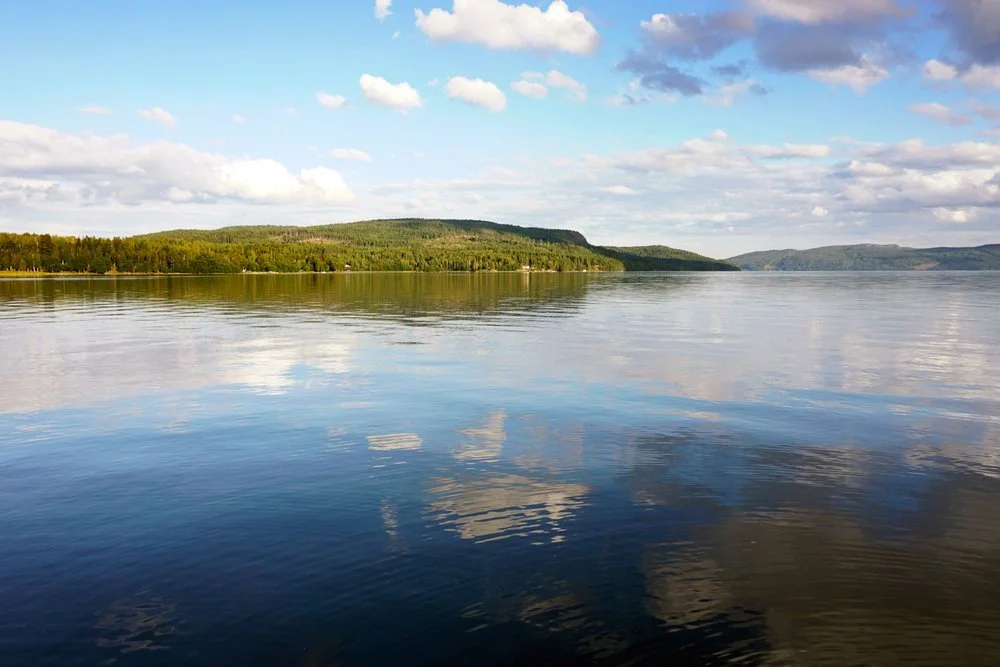
The Base Camp rhythm (simple, repeatable)
Moor safely → Reset properly → Choose one great day ashore → Return → Leave on a better weather window
Docksta Gästhamn is built around that rhythm.
Same mood. More sustainable.
You moor safely, reset properly (hot showers, laundry, calm logistics), then choose your “big day ashore”.
And yes — we help to shape it. Not with complicated guiding, but with simple planning pointers: timing, weather sense, the right trailhead, and routes that fit your crew. So you can choose fast and go enjoy the day.
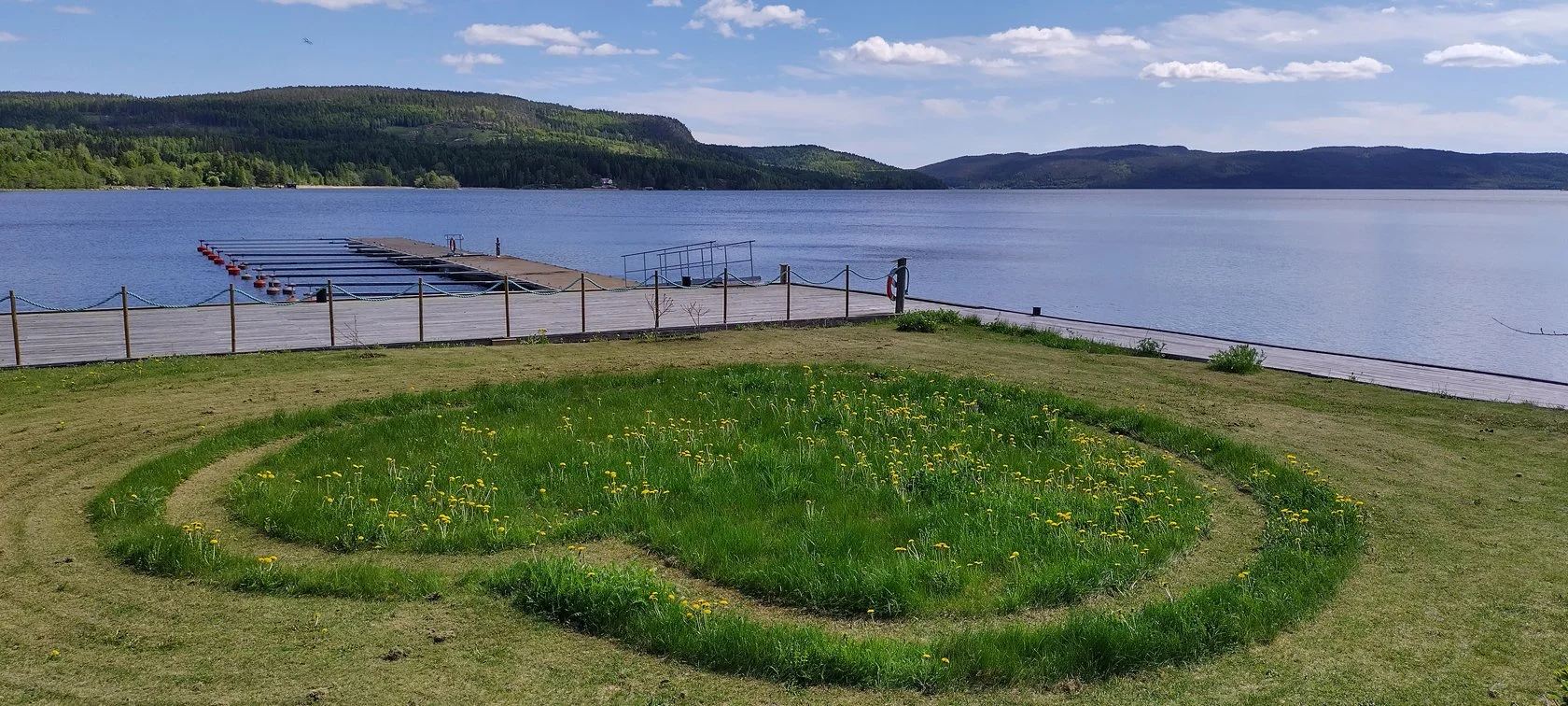
Pick the small details — from the pier to the forest, the rhythm keeps showing up.
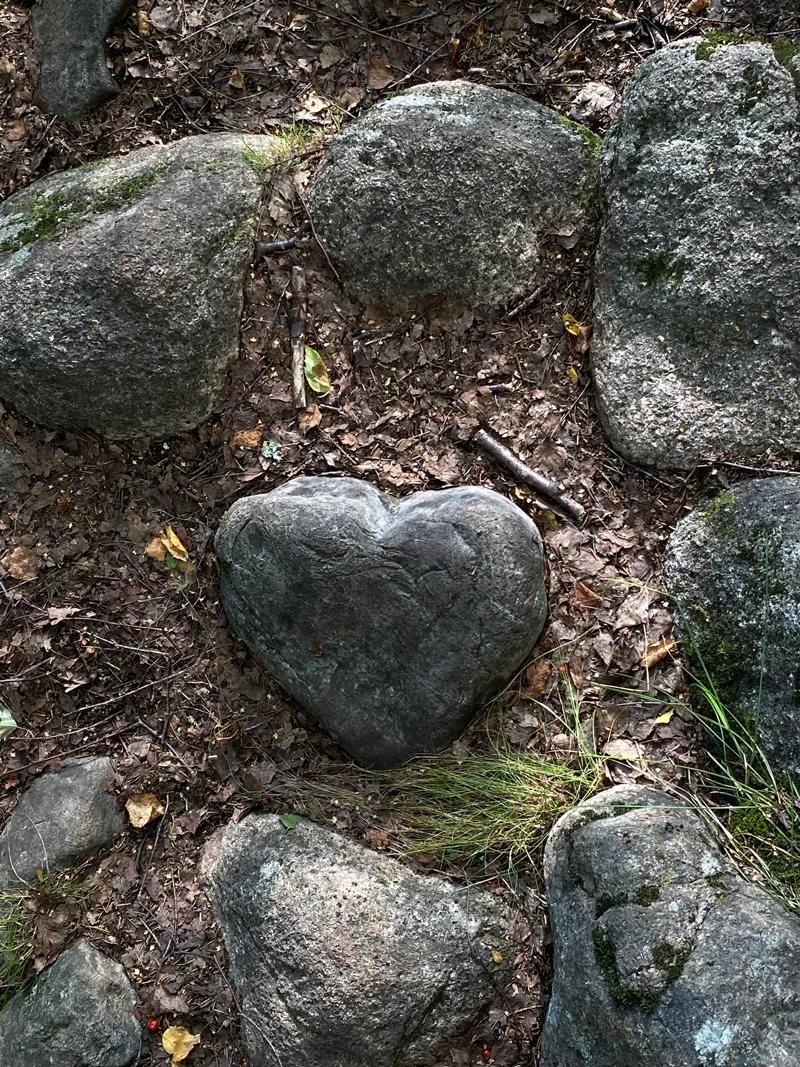
Photo courtesy of Federica Consonni (thank you!). © Federica Consonni.
Why “one-night harbours” often waste the High Coast

One night is enough to sleep. It’s rarely enough to experience the High Coast — because this coast is made of weather windows, elevation, and real legs on trails.
A one-night stop is often too short for:
a proper shower + laundry reset
a calm plan for the next day (based on weather and energy)
a full day ashore that feels worth leaving the boat for
a buffer day when the forecast changes (because it will)
Most harbours are built around a one-night stop — and honestly, for many crews that’s the sensible default.
We’re built for a 2–3 night rhythm, because in the High Coast two or three nights change everything: this place runs on weather windows, elevation, and real legs on trails — and you need time for it. With that rhythm you get a real reset, plus daily local guidance from us on what to do today (based on weather, energy, and time), including beautiful walk-and-bike spots most visitors never find. And if what you need is not “more doing” but a deeper pause, Skogspaus is here too.
What changes when you stay 2–3 nights (in practice)
You stop rushing decisions.
Your crew becomes human again (sleep, dry gear, clean clothes).
You can pick the right day for the mountain / ferrata.
You can wait out a front instead of forcing a bad window.
The High Coast becomes something you do, not something you pass.

What a base-camp guest harbour actually means (in practice)

We keep it simple. A base camp is a few things done well — consistently.
What you get in Docksta (Base Camp style):
Weather-window thinking: we help you pick the best day to go — and the best day to leave
5-minute planning pointers: timing, trailhead choice, and route “weight” for your crew
A menu, not an itinerary: mountain / national park / ferrata / forest / bike — choose by mood + legs
Present hosting: someone on the pontoons when it matters (arrival, wind shifts, timing)
A calm decision corner: espresso, paper maps, and WiFi when you need to check forecasts
Safe mooring, calm logistics
Arrive, tie up, breathe. A safe stop means your crew can actually relax — and that’s when good decisions become easy.
Harbour hosts who help you choose the right day (not just the right dock)
A base camp is human. We’re there when you arrive, when the wind shifts, and when timing matters. Bring a rough idea — we’ll help you shape the simplest plan for tomorrow.
Reset services that make 2–3 nights realistic
This is the unglamorous part that long-distance cruisers understand immediately:
hot showers and toilets
laundry
dishwashing corner
WiFi when you need it
The Sailor’s Club House as a meeting point
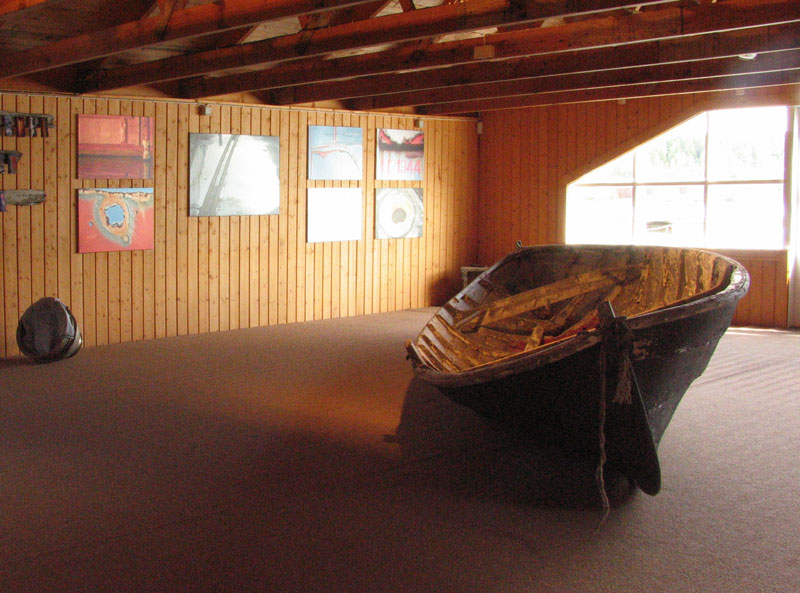
Then there’s the part that makes it feel like a place (not a parking lot): the Sailor’s Club House. A warm corner, booksharing, paper maps on the table, the quiet hum of WiFi when you need to check a forecast — and yes, espresso.
Small comforts. Big difference.
Guest Harbour essentials (20 sec)
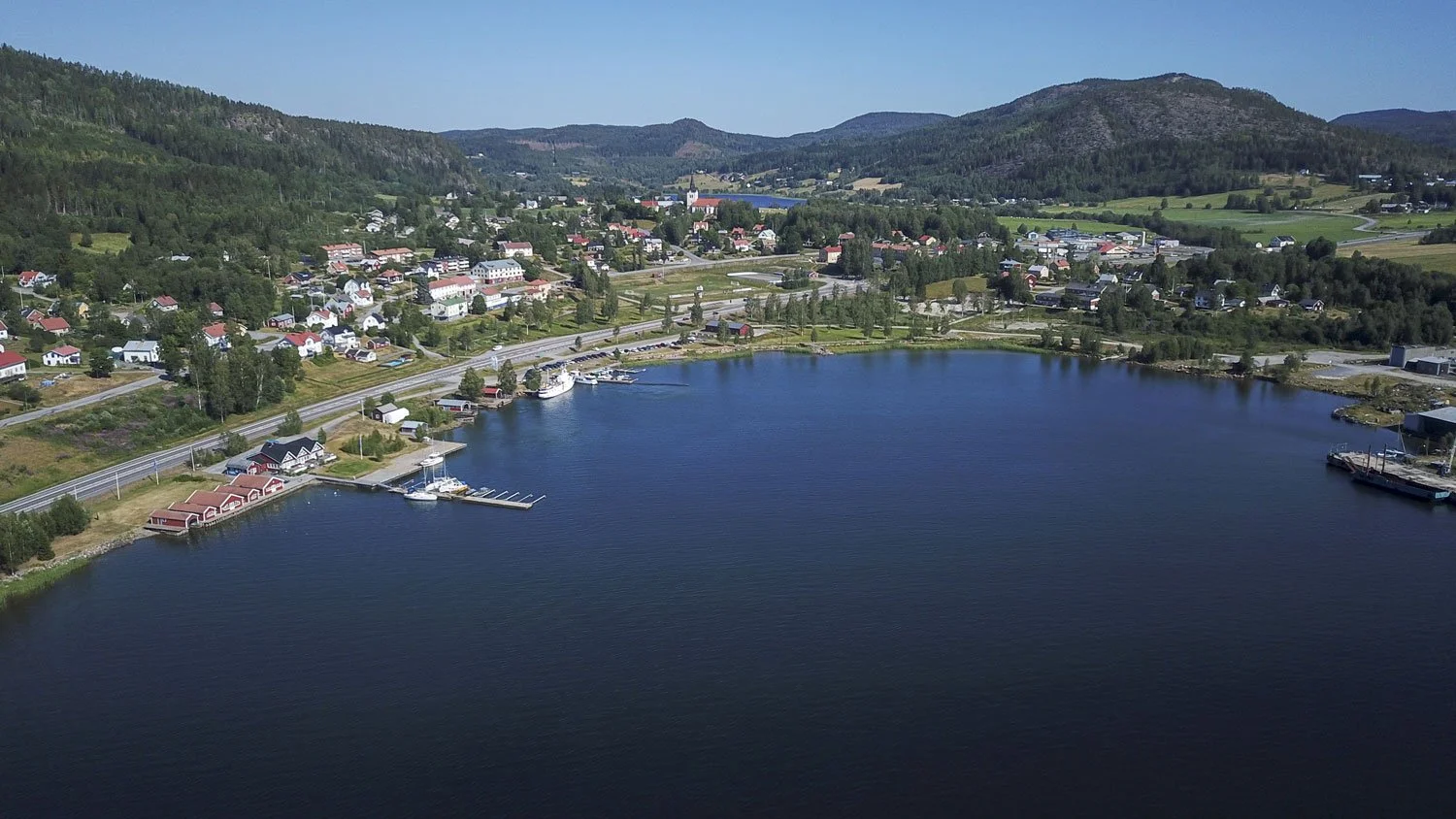
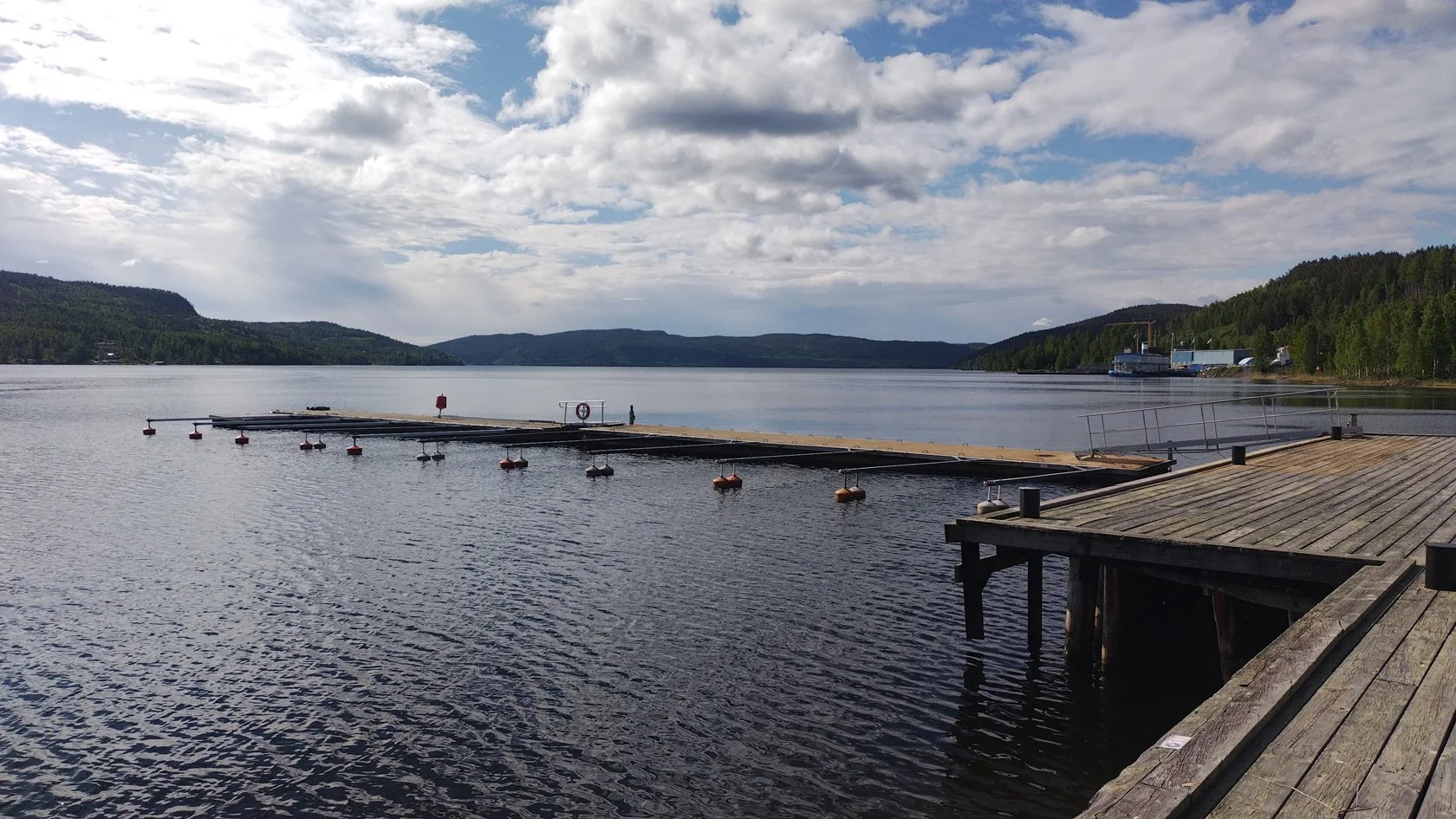

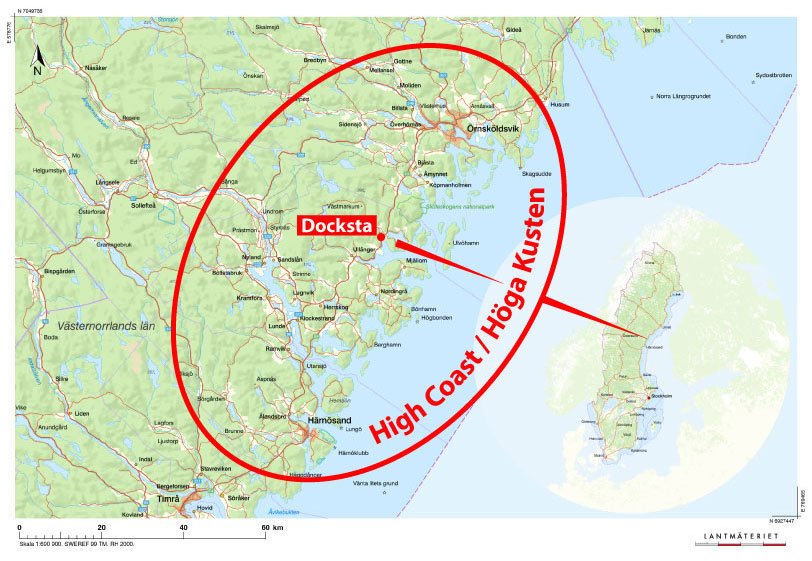

Prices + facilities + approach + berthing: Guest Harbour page →
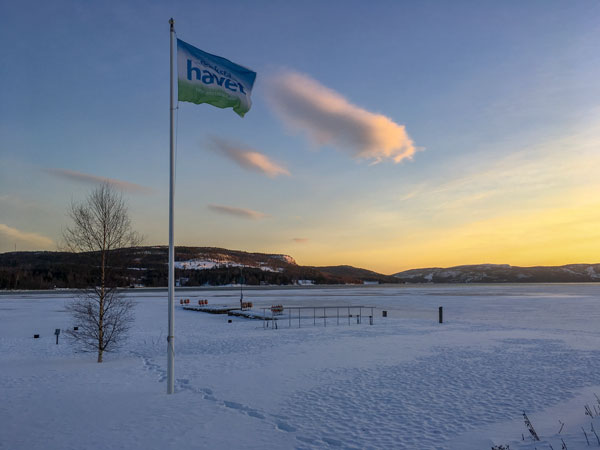
Season: mid‑May to mid‑September
Languages: English, Swedish, Italian (and some German)
Fastest contact: WhatsApp +46 76 313 66 28
We usually reply fast (often within the hour in season)
Tell us: boat length + ETA + nights (1/2/3) + tomorrow mood (mountain/park/ferrata/bike)
We’ll suggest the simplest plan — and the best weather window to leave.
Best used as a 2–3 night Base Camp stopover.
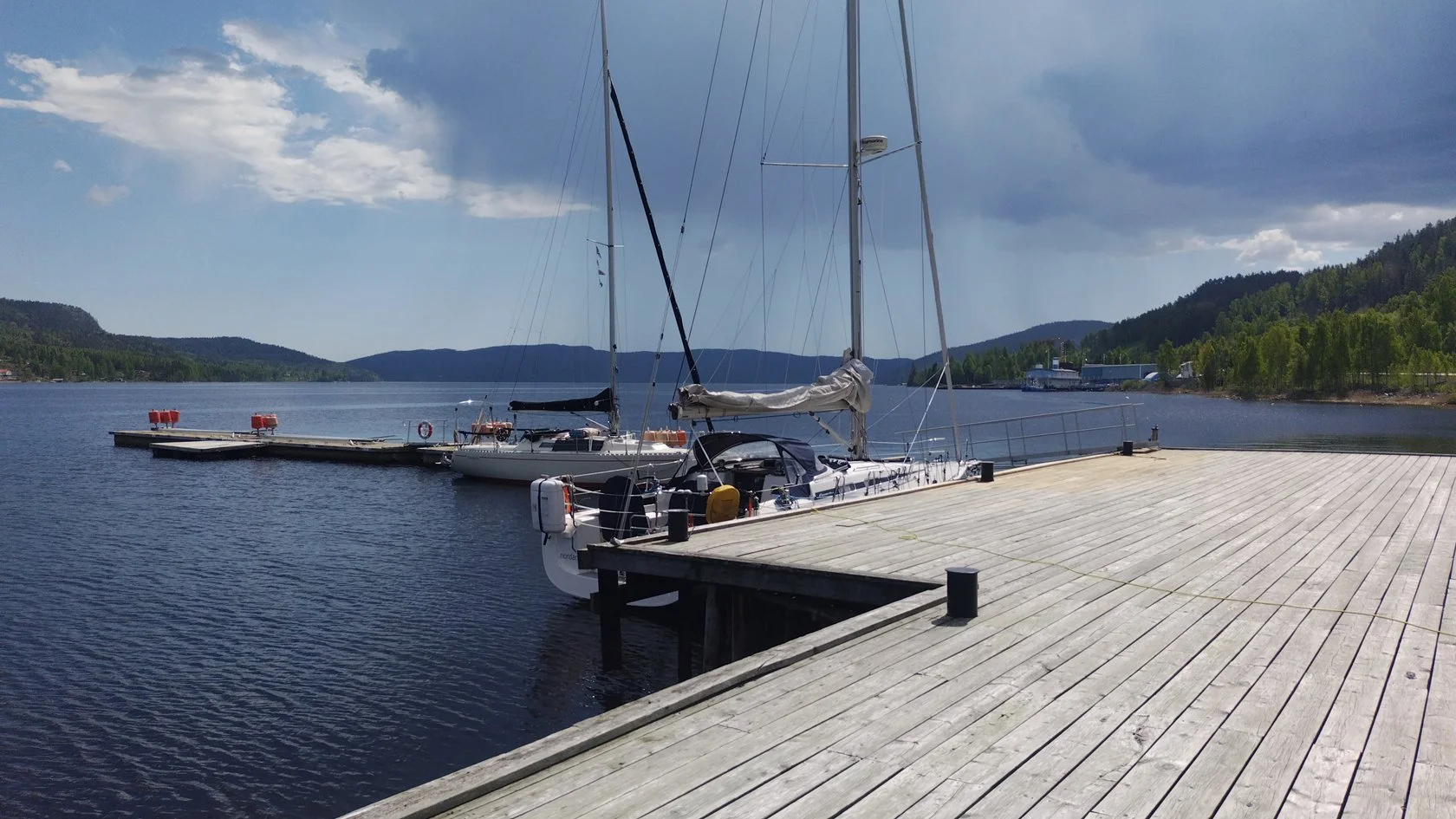
Sailors find the Base Camp operative from the early spring to early autumn.
Choose your “big day ashore” (menu, not itinerary)
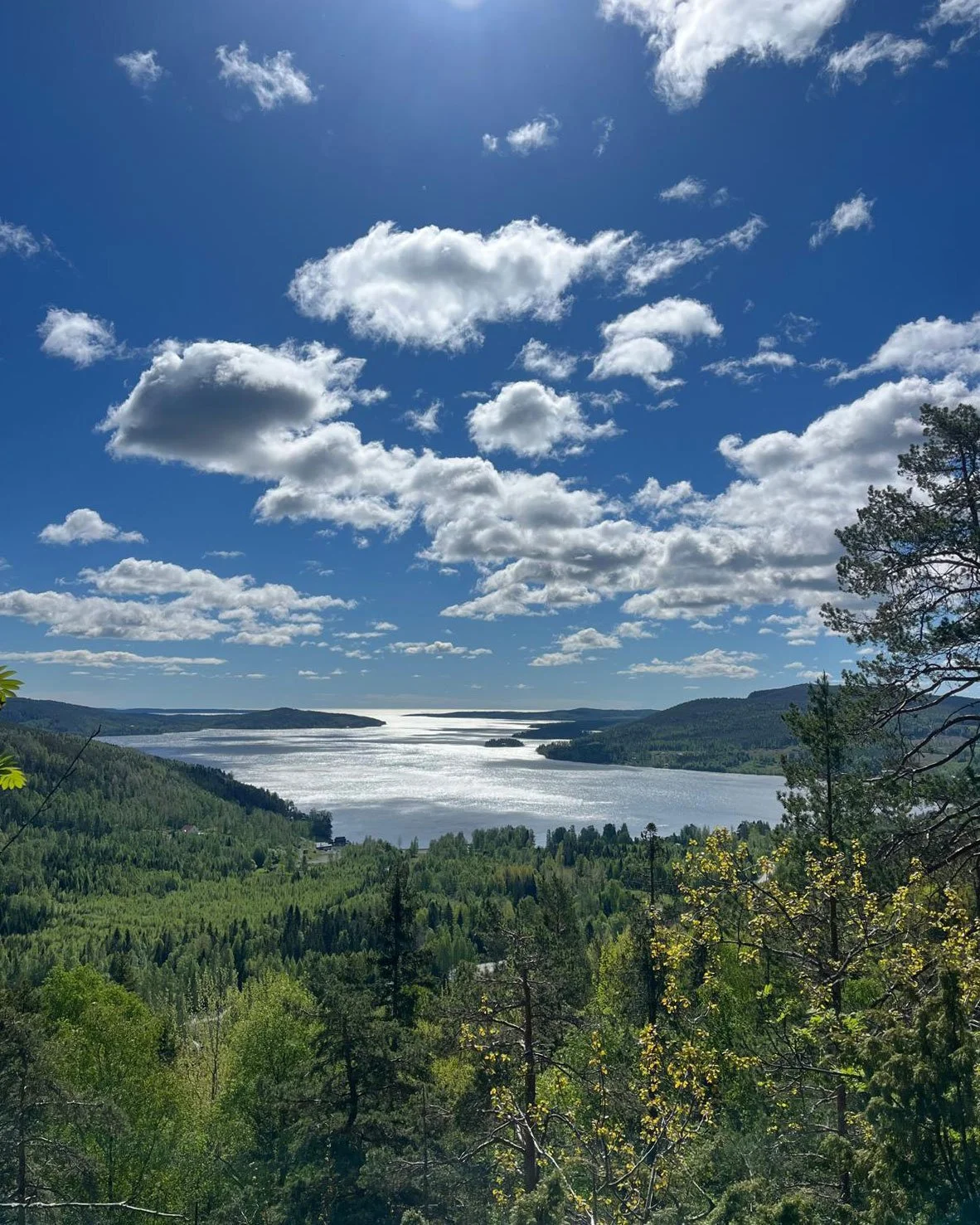
You don’t need a rigid plan. You need a menu — and the freedom to choose based on weather, energy, and mood (with your yacht safely moored).
Clear sky → Skuleberget
Quiet + softer legs → Skuleskogen
Stable conditions + mission → Via Ferrata
Motion without mission → Bike day
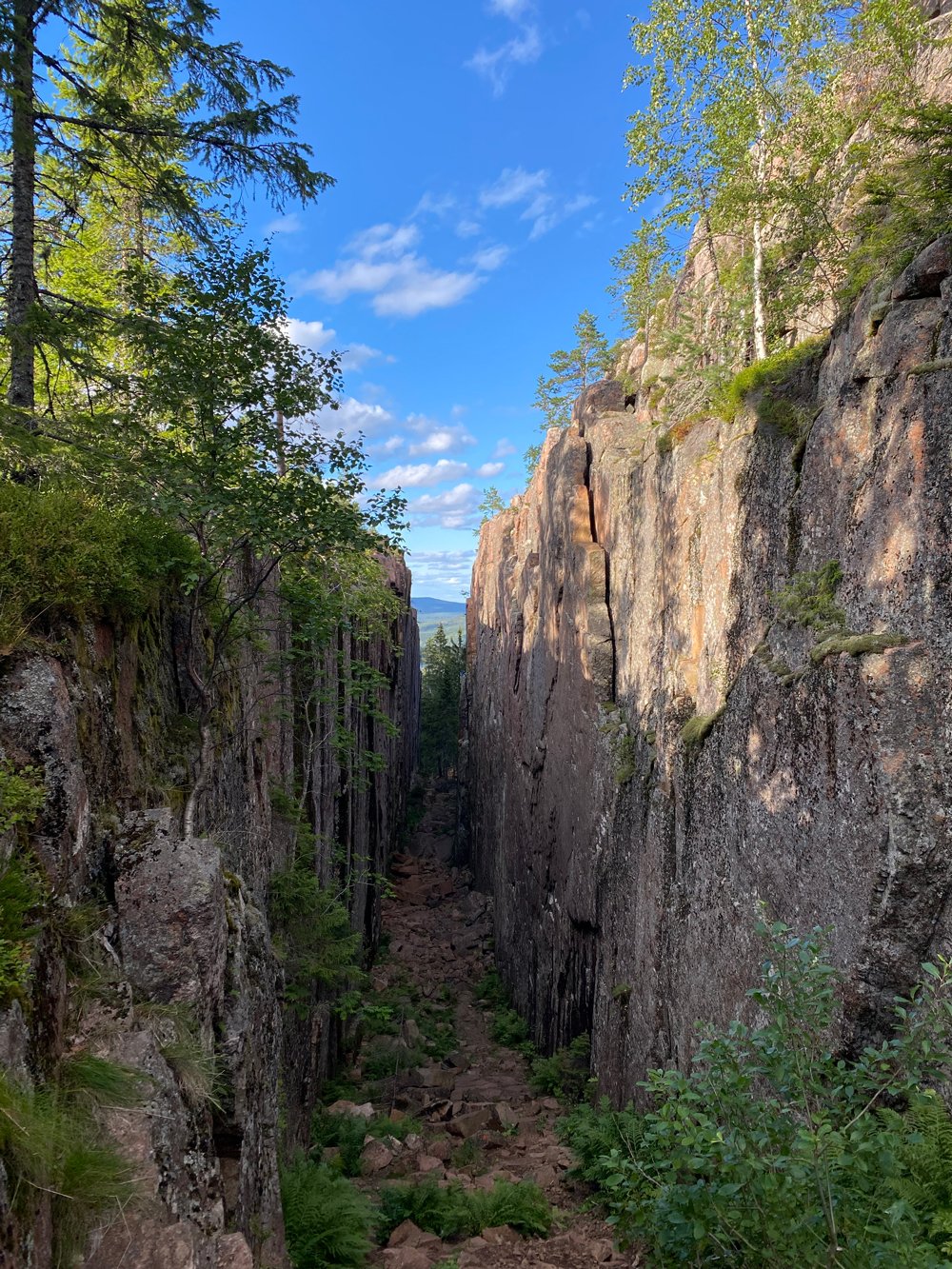
Your Base Camp menu
Skuleberget day (3 versions, same mountain):
Summit hike: the classic “stamp” day with the biggest payoff.
Decision rule: choose this on the clearest day (best visibility window).
Chairlift + short walk: a smart High Coast moment with lighter legs (great with kids, tired crews, or as a recovery day).
Decision rule: choose this when you want views without turning the day into a performance test.
Evening excursion (June–July): a low-friction late-light mission: go later, breathe, watch the long Nordic evening, come back to the pier.
Decision rule: choose this when the day is busy or hot, and you want the best light with the least logistics
Skuleskogen National Park day: forest + coastline, granite coves, a full High Coast classic.
Decision rule: choose this when you want a full day ashore — we’ll help you build the simplest plan (best entry point, timing, and a route that fits your crew). If you don’t have bikes onboard, our bikes make the commuting part easy.
Via Ferrata day: vertical contrast — a story your crew will tell
Decision rule: choose this when you want “one big mission” and stable conditions. If the forecast is unstable, don’t force it — Via Ferrata closes routes in rain/wet rock and can stay closed until the wall dries. Use Docksta as Base Camp, watch the window, then go.
Bike day (break the onboard rhythm): On a long cruise, a bike day isn’t “just transport” — it’s a reset tool. You move, you laugh, you explore small roads and unexpected corners, and the crew’s mood changes.
Decision rule: choose this when you want motion without another “big climb”.
Ask in the Club House: “We’re a crew — what’s the simplest bike loop for today?” (Coffee first.)
How it works: swing by the Club House, have an espresso with us, tell us what your crew wants (easy / scenic / swim / dinner vibe), and we’ll point you to a simple loop. If you want it even lighter: a short ride + a coastal walk is often the perfect combo.
Want the overview hub to browse and choose? Explore Höga Kusten (index) →
New to the High Coast by boat?
The 2–3 night playbook (how to use Docksta)
Here’s the simplest way to think about it.
Night 1 — Arrive + reset
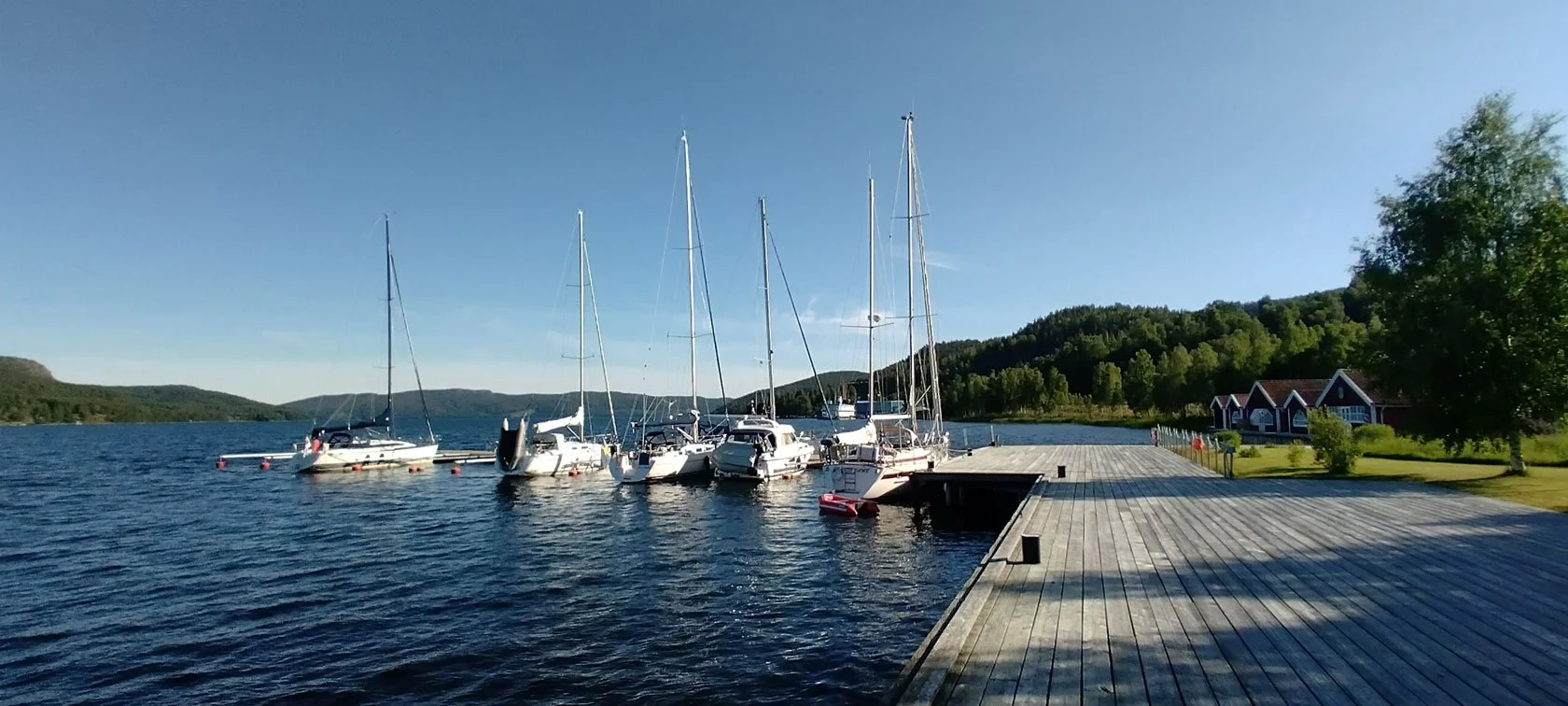
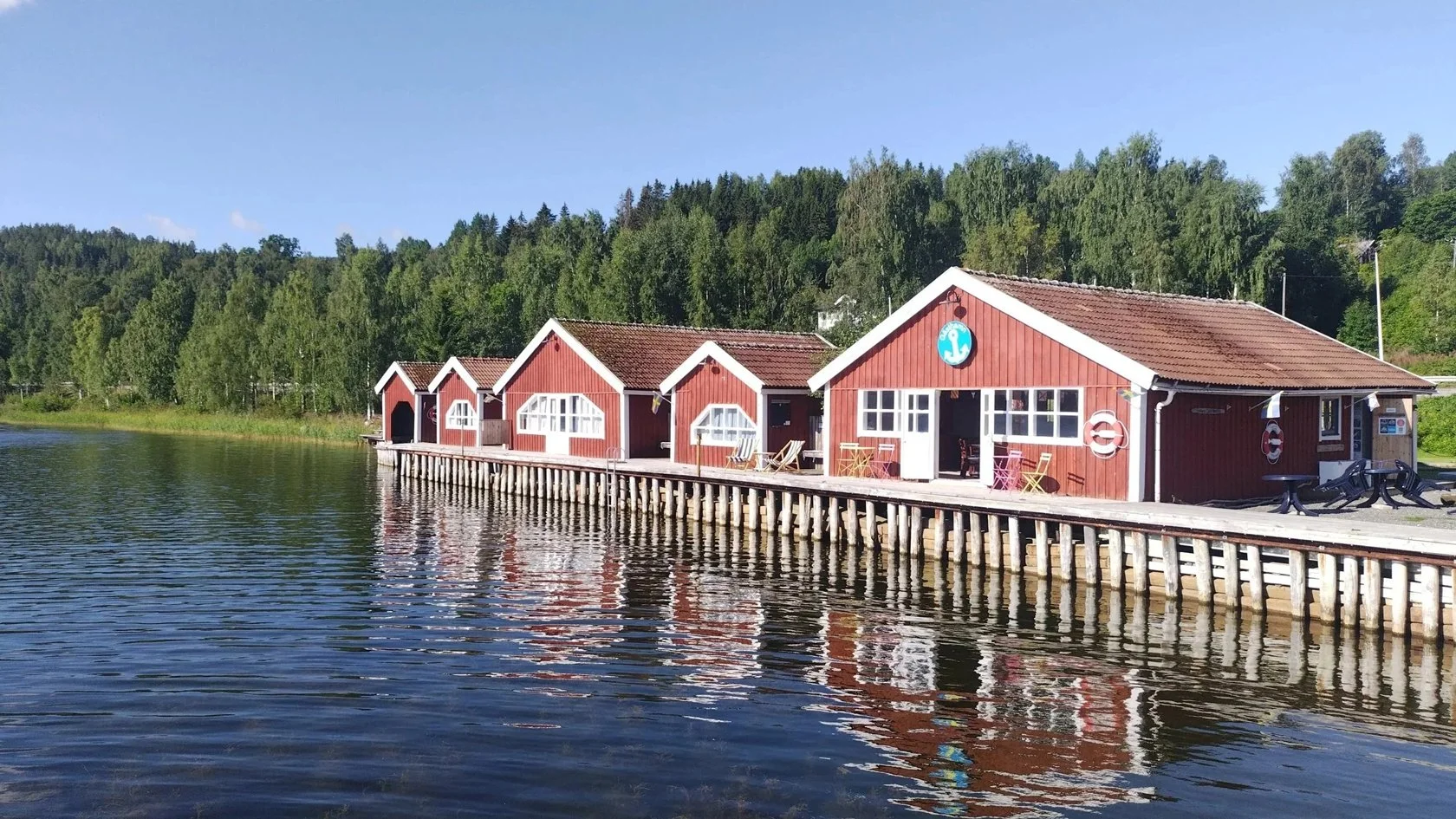
Moor safely. Shower. Laundry. Espresso. Sleep.
Day 1 — Big mountain day (or go evening)
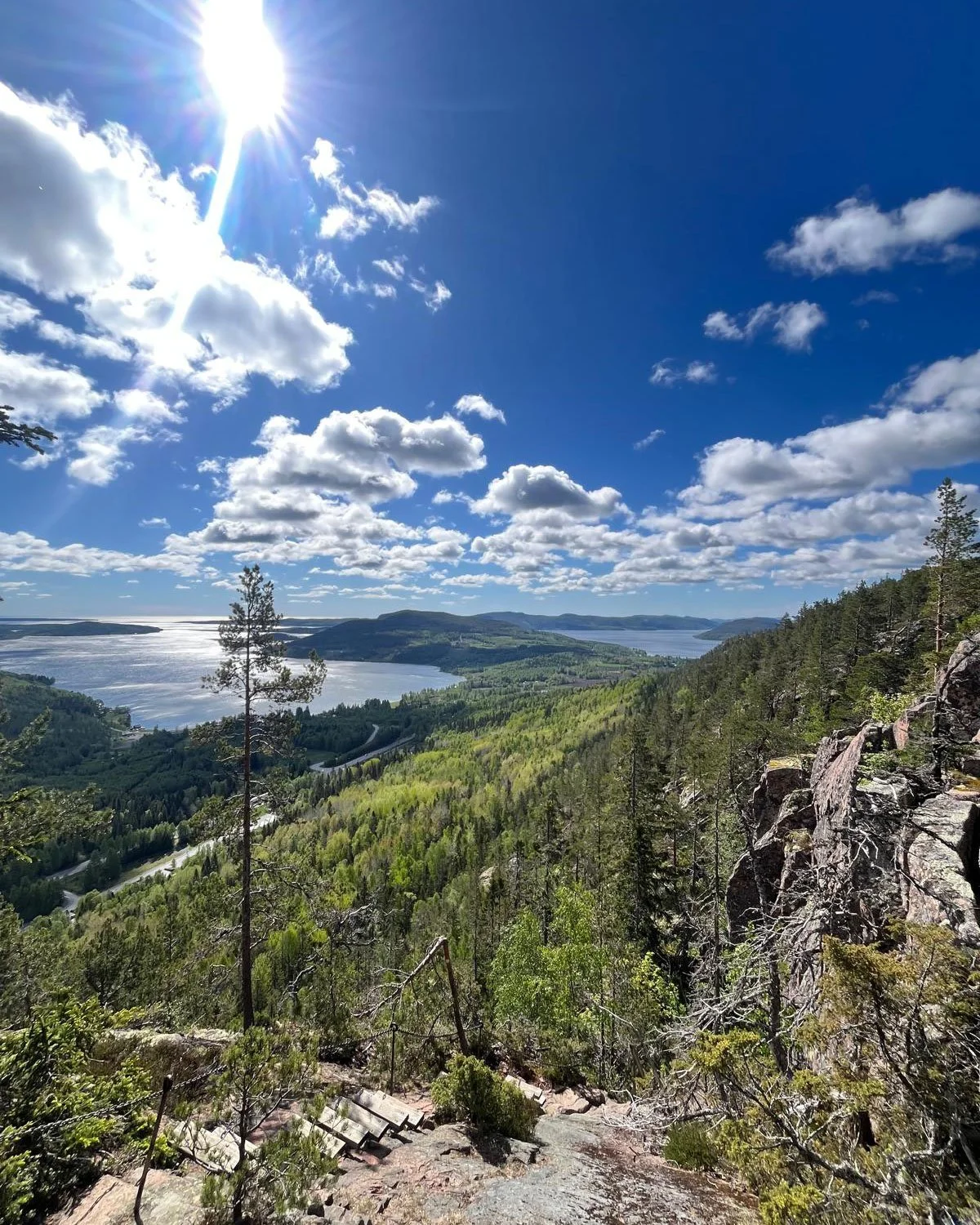
Skuleberget is the obvious first choice: iconic views and a proper “stamp” day.
Skuleberget is not just a peak, but a whole mountain landscape you can enter in different ways. If you want a classic hike, you’ll find routes with different “weights”: short and steep, longer and gentler, always with big views as a reward. And if your legs need a break (or you’re travelling with kids, or you simply want to save energy for tomorrow), the lift becomes a smart tool: it brings you to an overview point and still gives you a real High Coast moment without turning the day into a performance test. Skuleberget hike day plan →
Skuleberget also lives at its feet, especially in summer evenings: outdoor concerts, simple food-and-music nights, that relaxed “after the hike” atmosphere where you don’t need to plan much — you just show up, breathe, and let the light do the rest. It’s an easy bike commute from Docksta too: a pleasant ride south along the coast, perfect for a low-friction evening loop (dinner, a concert, then back to the pier). And if you want the adrenaline version of the same mountain, the Via Ferrata turns it into a vertical day. Via Ferrata day plan from Docksta →

Day 2 — National park quiet day (or bike day)
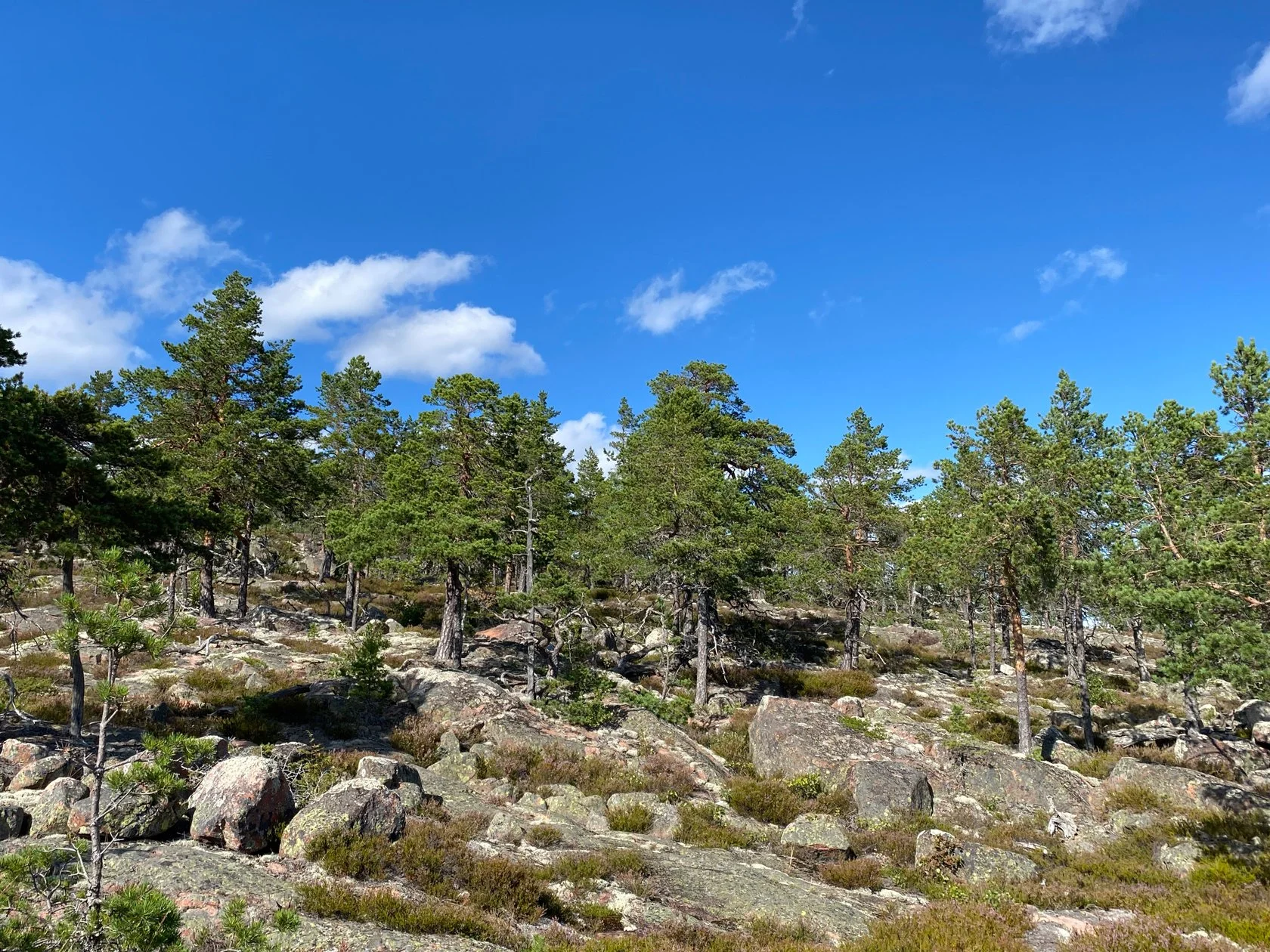
Skuleskogen National Park is the obvious first pick: granite, old forest, quiet coves, and that calm Nordic wilderness that stays with you. With your boat safely moored and us present at the harbour, you can stay out for hours and let the day unfold without worrying. And from Docksta it’s not “car-or-nothing”: you can reach the park by bike. For sailors travelling light, that bike option is more than transport — it’s bypart of the day. One extra night here doesn’t just buy you time; it buys you access, and a smoother rhythm. Skuleskogen National Park itinerary →
Or make it a bike day (simple, local, surprisingly satisfying): Outdoor gear rental / bike rental →
Night 3 (optional) — Weather buffer / recovery / “just being here”
This is the night that often saves a season: you wait out a front, you recover, you enjoy the pier rhythm, you leave on a better window.
Simple decision rules
If the forecast is unstable → keep Night 3 as buffer.
If the crew is tired → choose Skuleskogen before Skuleberget.
If you want the iconic High Coast “stamp” → Skuleberget first.
If you want movement without mission → bike day.
That’s the point of Docksta as a starting point: when your boat is safe and your logistics are easy, you can go later in the afternoon, stay out for the best light, and still come back to comfort. You’re not “passing through” the High Coast — you’re giving it the right rhythm, so the iconic places don’t just appear on a map… they land in your body and memory.
A harbour crews trust (and why)
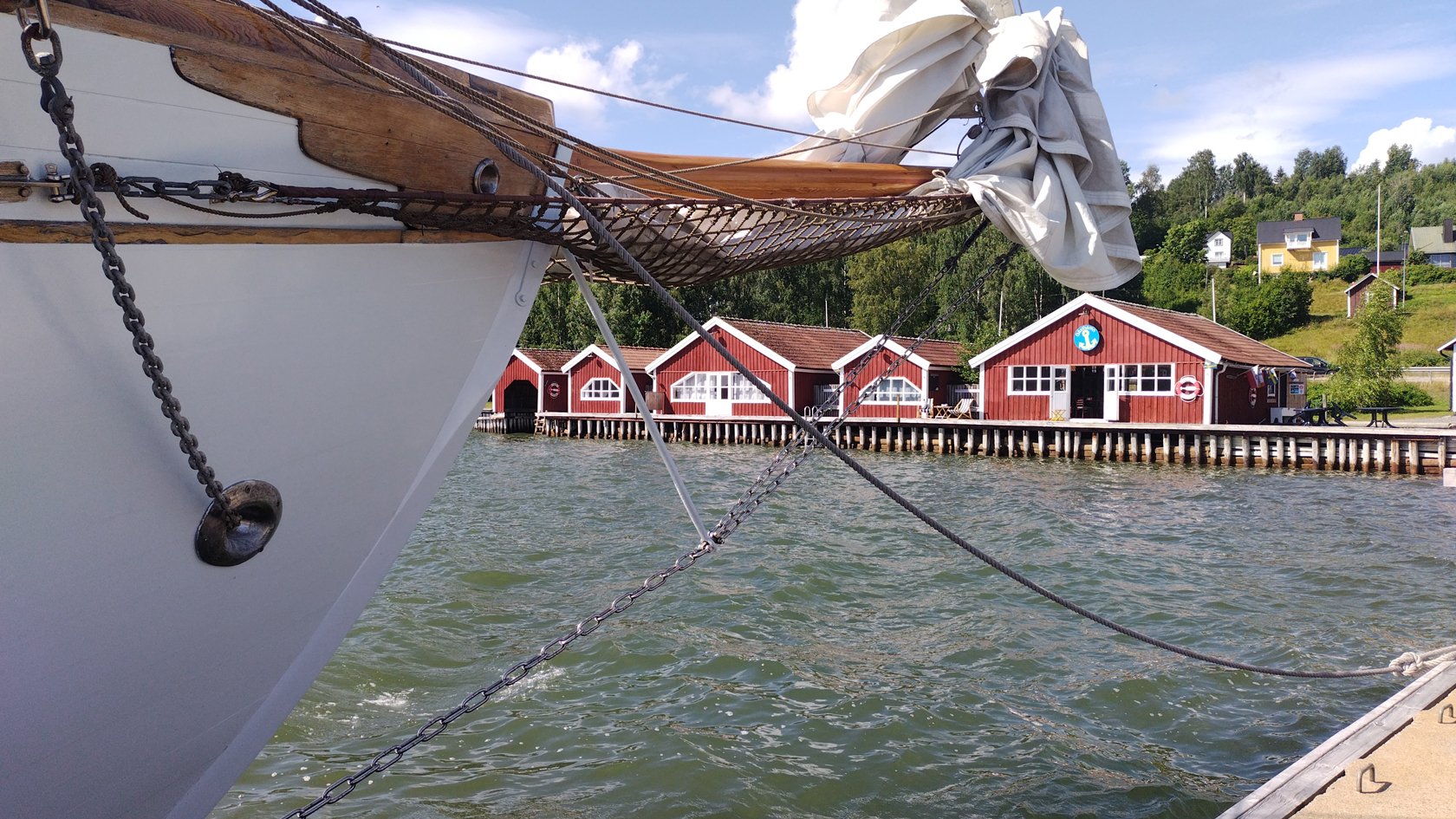
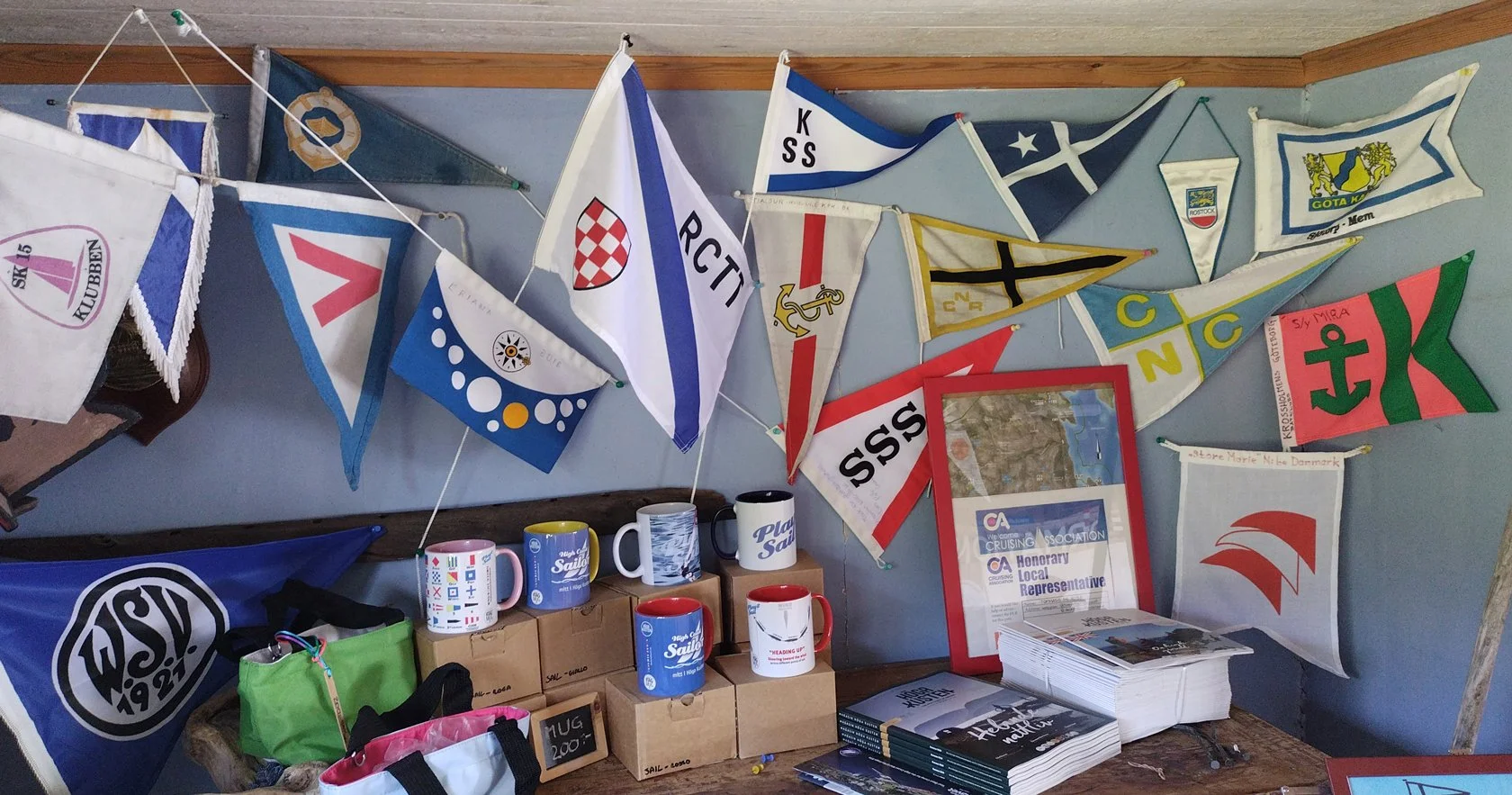
Recognized in sailors’ networks: Tommaso is Honorary Local Representative (HLR) for the High Coast for the CA Cruising Association.
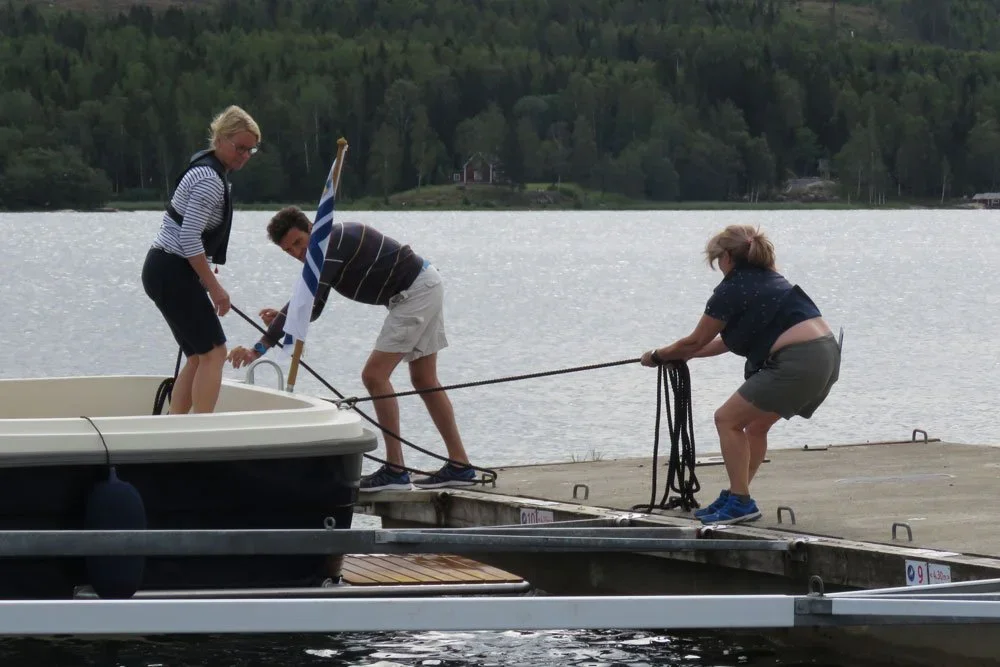
Present-on-the-pontoons hosting: we welcome you, help you berth, share routes — and we’re there when timing and weather decisions matter.
Local guidance that turns a stop into a mission ashore: every day we help crews choose what to do today (weather windows, energy, time) and how to keep it simple — where to go, how to get there, what to skip, and when to leave the boat.
Easy “mode switch” from Sailor to Hiker: bikes and simple gear are here, so you can step off the pontoon and into a walk, a hike, or a bike loop without turning it into a project.
A proper reset on land: clean showers/toilets, laundry, dishwashing — plus the Sailor’s Club House (espresso, WiFi, maps, books, calm corners).
Clear, maintained online info (before you arrive): our website and blog share practical High Coast knowledge for international crews — and we keep our sailor-facing channels updated in season.
Instagram (in-season updates + pier life): @dockstahavetbasecamp
Skippre listing (arrivals + practical info): Docksta Havet Base Camp @skippre.com
Logistics advantages that matter to long-distance crews (E4 + ICA + crew management)

A base camp isn’t only trails and views. It’s also the boring things that keep a crew functioning.
Docksta is unusually strong on logistics:
E4 + bus access nearby, which makes it easier for crew changes, friends joining for a day, or meeting someone without a car project.
ICA supermarket close by (provisioning is simple and fast).
The combination of safe mooring + real reset services + easy provisioning is rare — and it’s exactly what makes a 2–3 night stop realistic.
Crew changes are part of long-distance cruising — this is how we make them easy.
Temporary lodging for crew or friends passing through (ask us)

Sometimes the best thing you can do for a crew is simple: one night in a real bed by the sea — or a place for friends and family who arrive by bus while you’re still living the boat rhythm.
What makes it different here is that our waterfront lodging isn’t “separate from the harbour”. It’s part of the same Base Camp spirit: pier life, a proper reset, and easy access to real High Coast days — even if you’re not sleeping onboard.
If that’s your situation, just ask us. We’ll tell you what’s possible in the moment — a one-night stay, a short stopover, or a simple crew-change reset. Minimalist or more comfortable, always waterfront, always close to the pier, and sometimes the easiest way to spend one good evening together without turning the boat into a temporary camp.

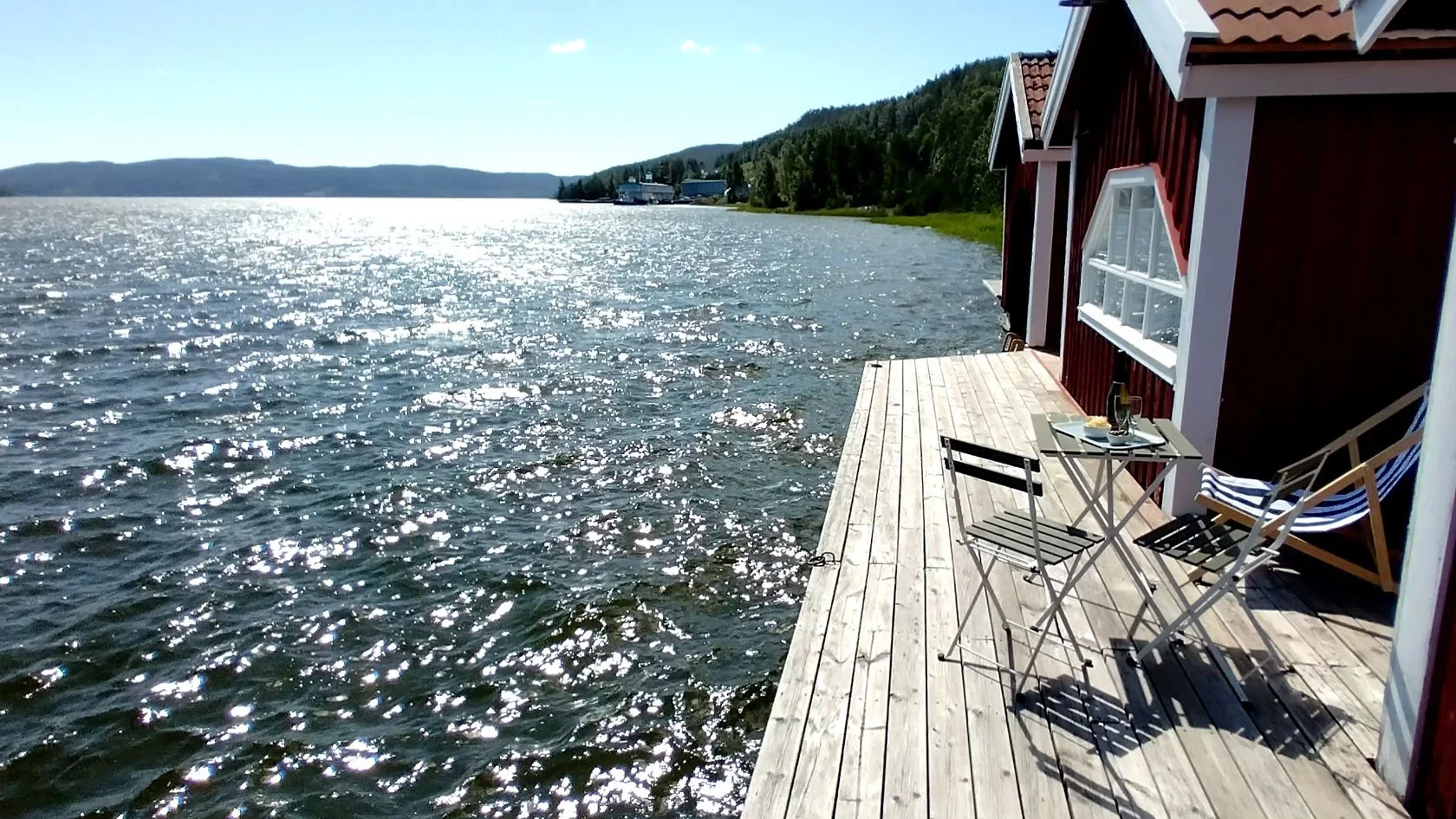
All our waterfront accommodations at the Base Camp are bookable on Airbnb.
Who this is for (and who it isn’t)
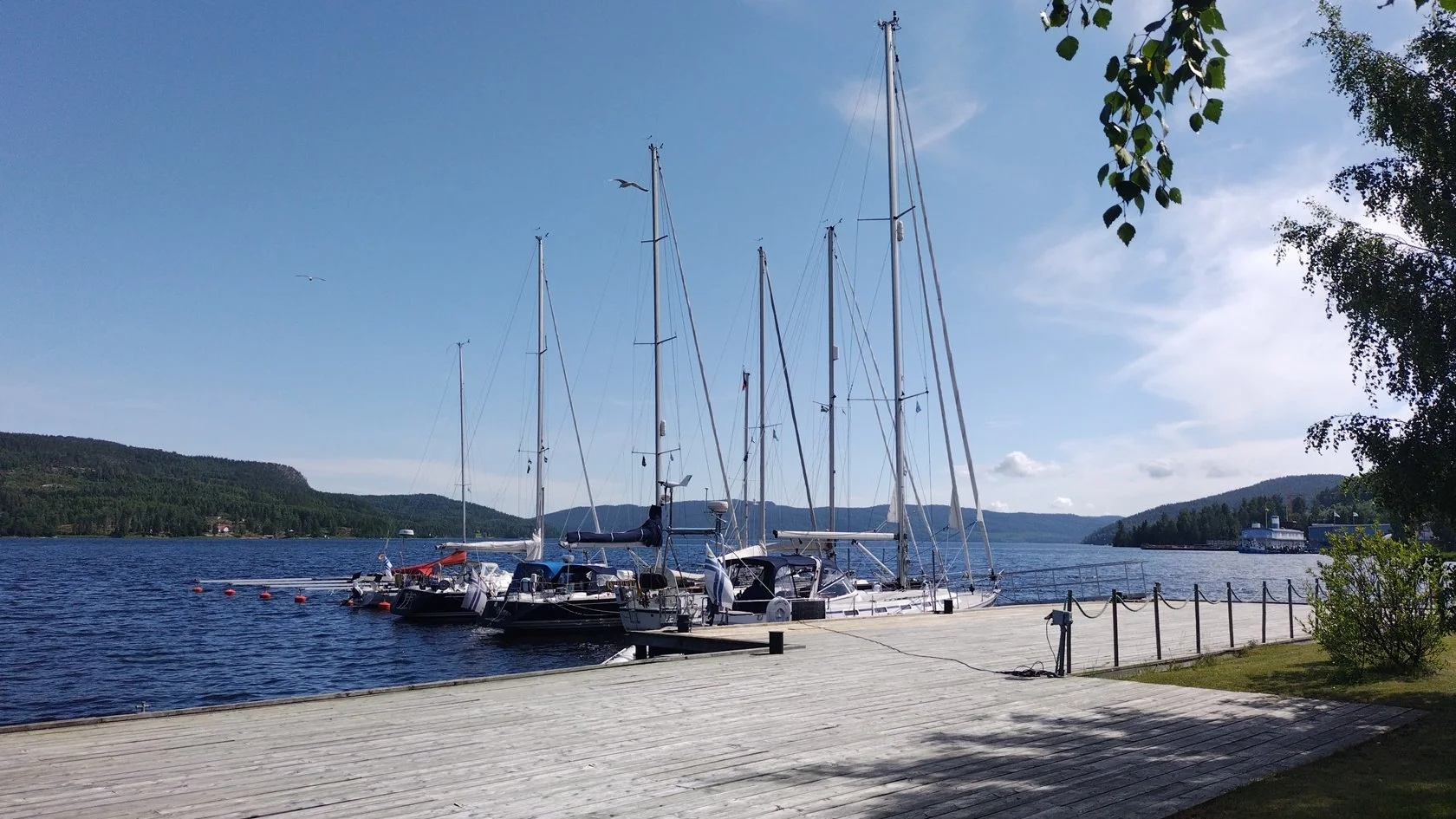
Docksta Gästhamn is especially good for:
international long-distance cruisers who want more than a temporary approach
crews who value safe mooring + real reset services
sailors who want meaningful days ashore without friction
anyone who likes the idea of a harbour that feels like a base camp, not a transit stop
It’s not for everyone. If you only want the cheapest one-night sleep-and-go, there are other places that do that well.
But if you want the High Coast to happen and one great High Coast day ashore — and a harbour that makes it simple — Docksta is built for that.
Base Camp Team 2026 (at the gästhamn)
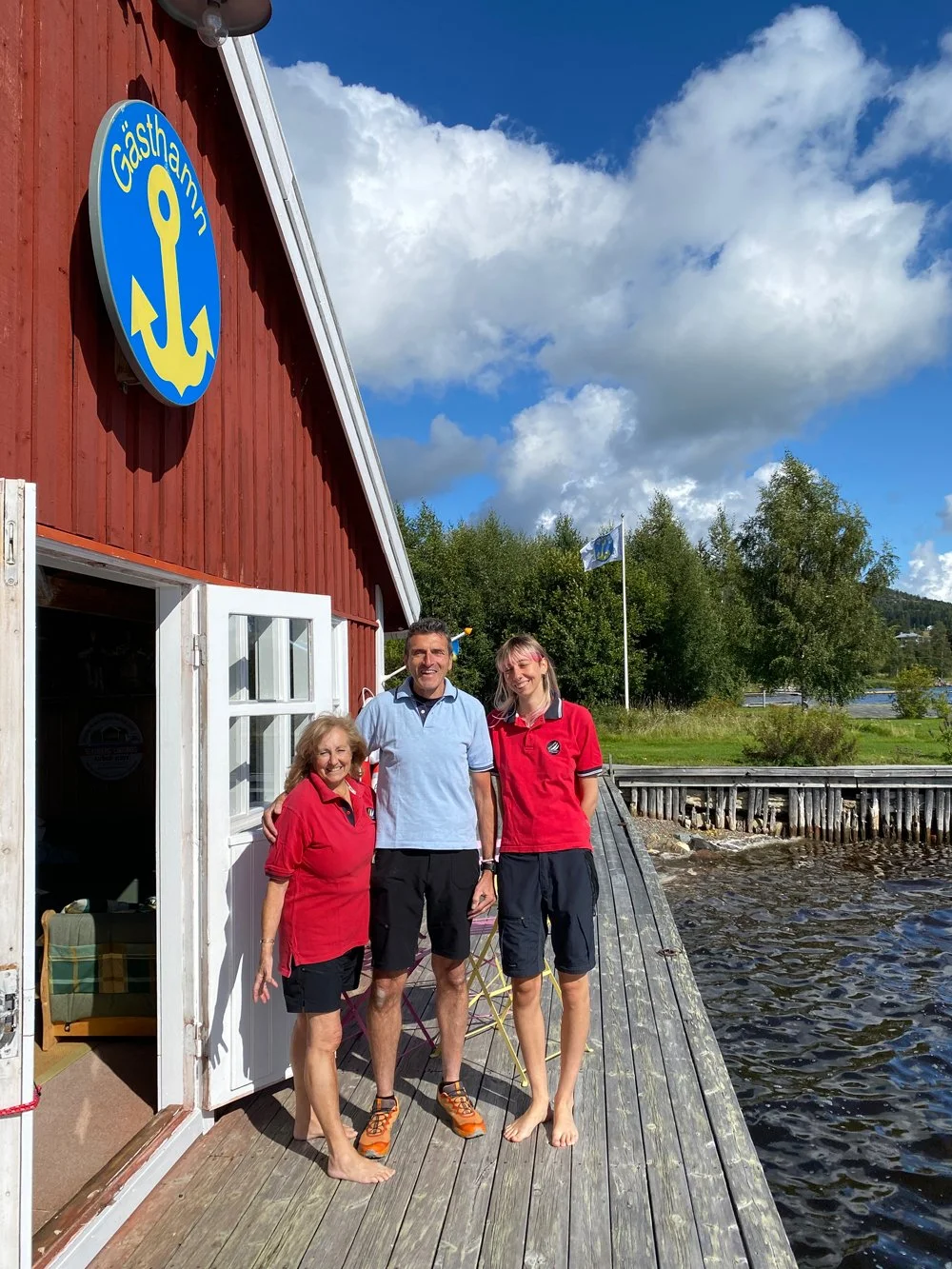
Anna & Tommaso, harbour hosts.
Federica - this season’s extra hands on the pier, and a big part of the daily rhythm (and the energy).
Plans evolve, but the goal stays the same: a personal, safe, calm harbour, plus local guidance - so you can leave with a better High Coast day.
Message the harbour host (fastest way to get the simplest plan)
Message the harbour host with
1) boat length + ETA
2) dates + how many nights you can stay (1/2/3)
3) tomorrow mood: mountain / park / ferrata / bike
We’ll suggest the simplest plan — and the best weather window to leave.
Quick question? WhatsApp us or call +46 76 313 66 28.
Anna & Tommaso here — your harbour hosts. We’re on the pontoons, then in the Club House with espresso + paper maps. Bring a rough idea — we’ll help you shape the simplest plan for your crew and the weather window. One message with ETA + nights + mood — and we’ll send back the simplest plan + best window to leave.


![Easy and safe moorings for yachts cruising the Höga Kusten [GÄSTHAMN]](https://images.squarespace-cdn.com/content/v1/594e2defd482e9221abc3588/1628499043764-VRJ0P3KYVCIC328F841D/safe-berthing-for-boats-cruising-inthe-high-coast-sweden.jpg)



![Finnish Sailors (on a beautiful boat) cruising the High Coast [VIDEO]](https://images.squarespace-cdn.com/content/v1/594e2defd482e9221abc3588/1513260791068-AC8XQ6HXPNVYFL4REDE9/ottiliana-at-docksta-mooring-skuleberget-2.jpg)