High Coast Days for Families

Outdoor activities for small groups, families & crews in Docksta (Höga Kusten)

Plan one great outdoor day from Docksta (Höga Kusten) — crew-proof, low-friction

A practical, crew-proof guide to outdoor activities from Docksta in Höga Kusten. Choose a Base Camp rhythm for your small group (sea, mountain, forest), use Easy/Medium/Full options, explore signature experiences, and follow curated itineraries and maps — with gear help when you need it.

Think of this as a field guide: how to plan one great outdoor day in Höga Kusten when you’re travelling as a crew, family, or small group.
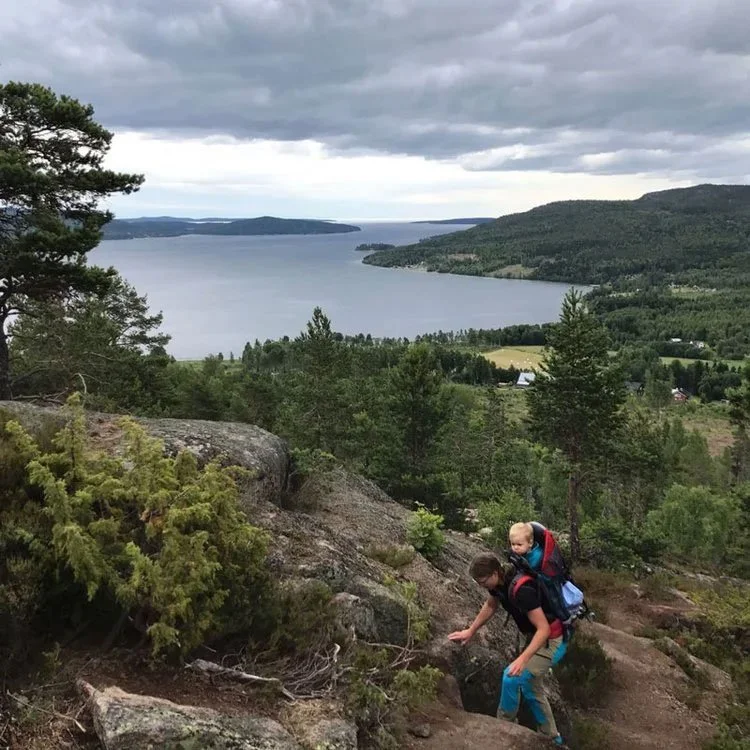
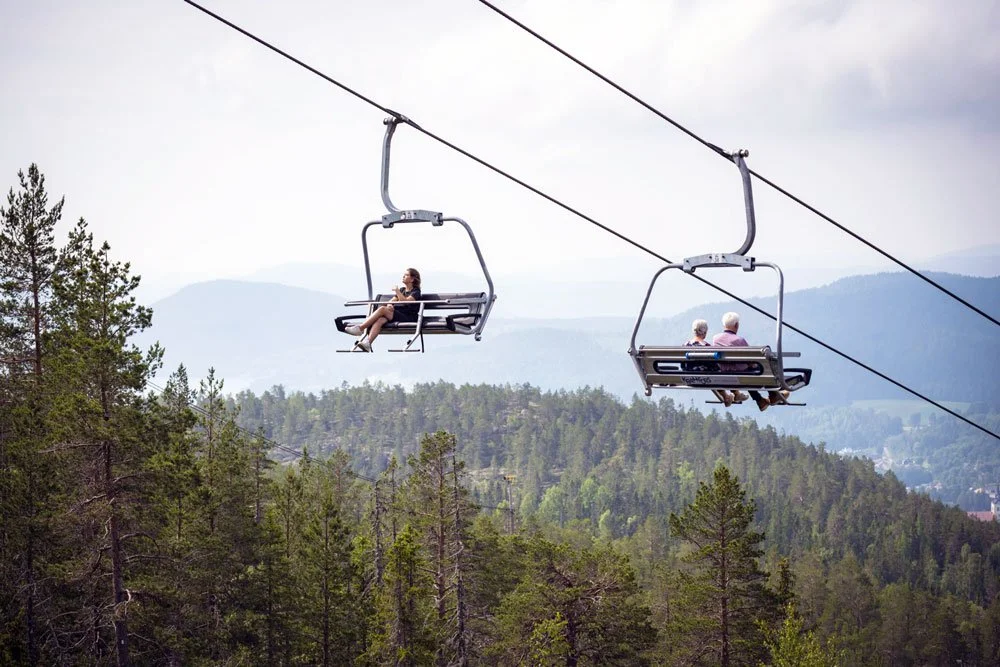
You’ve stopped in Docksta with a small group. Maybe a family. Maybe a sailing crew. Maybe friends sharing a car and a few days. And you stopped here for a reason: you want real outdoor activities — not just a bed.

Then the familiar group moment arrives:

  • one person wants a proper hike

  • one person wants a big view, but not a long day

  • one person is tired and needs an easy reset

  • someone forgot gear (or never had it)

and suddenly the outdoor day becomes a negotiation.

This post is here to make that decision easier. Not with a giant list. With a plan you can actually use.

Before we talk routes and pins, let’s do one thing: choose the mood of the day.
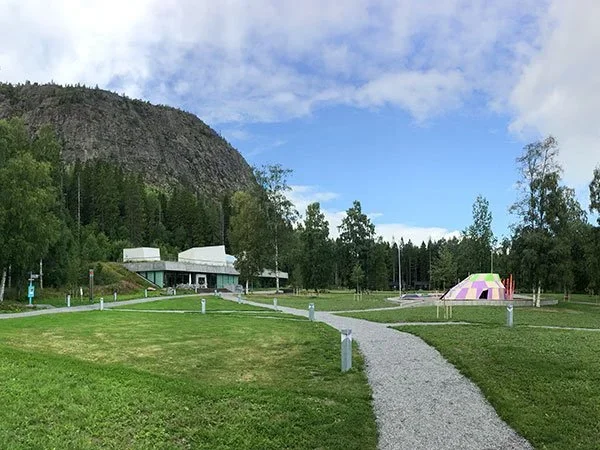
Before you scroll forever: a 20‑second way to choose

If your group is debating, use this filter:

  • Want a view / summit feeling? → go Mountain / Viewpoint

  • Want outdoors with low friction + recovery? → go Sea & Harbour Reset

  • Want quiet + decompression? → go Forest Pause

  • Want a headline adventure? → jump to Signature outdoor experiences

Then choose Easy / Medium / Full so different energy levels can still fit the same day.


If you want the “fast start” (no overthinking)
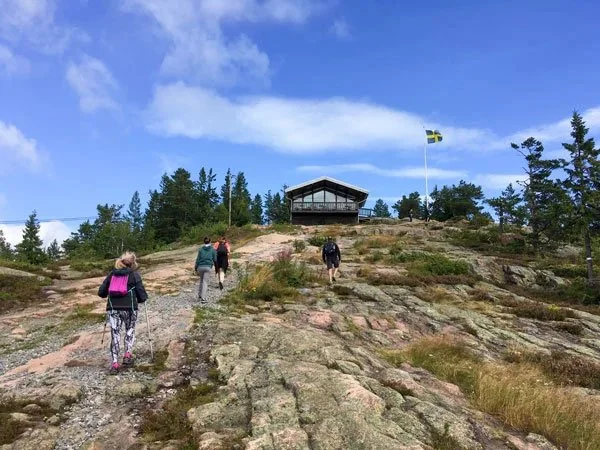
If you’d rather skip the reading and just pick a plan, here are three useful places to start:


A small story (what we mean by “Base Camp”)
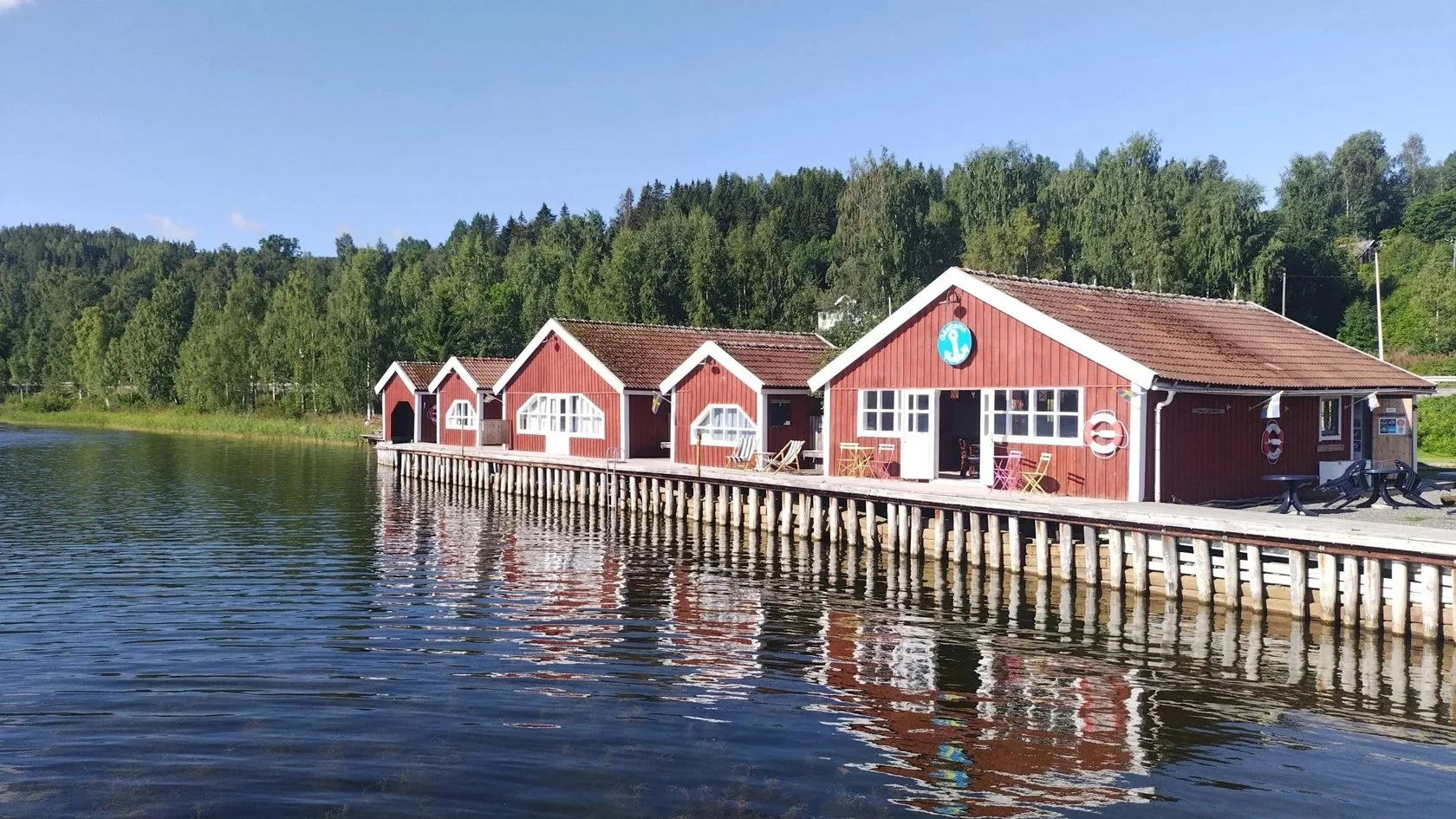
Most places show you impressive lists about how much there is to do. We’ve learned that for small groups, that’s rarely the problem.

The problem is friction: too many options, different energy levels, and the feeling that if you choose wrong you “waste” the day. Outdoor plans don’t fail because the landscape isn’t amazing — they fail because the group can’t land on a plan that fits everyone.

So we treat Docksta like a Base Camp. Not as a slogan. As a rhythm: arrive, reset, choose one clear outdoor direction, and come back to the same base to regroup — with enough energy left to enjoy the evening and still want tomorrow.

A host note (so you know there are humans here)

I’m Tom, host at Docksta Havet. If you tell me your group mix (kids / hikers / tired / mixed) and how many nights you’re staying, I’ll point you to a simple plan and the right pages to start with. → Message me via WhatsApp

Federica’s note (Base Camp field note)

“They arrived in Docksta with two cars as a small group with different moods. Someone wanted a ‘real hike’, someone wanted calm, and I could feel that classic travel tension building — the one where you lose half an hour just trying to decide.

What surprised me was how quickly it became simple once we treated it like a base camp. We reset first. Then we chose one shared outdoor moment — something everyone could do — and we gave people permission to pick their own pace for the rest.

In the evening we met again by the harbour with that quiet feeling of: ok, this stop was worth it. Not because we did the most — but because the day fit us.”


The Base Camp guest rhythm (reset → choose → regroup)
Outdoor activities are easy when you’re solo or a couple. With a crew or family, the day usually fails for one of three reasons: different energy levels, logistics friction, or missing small gear.

So here’s the rhythm we use — and you can copy it without overthinking:

Reset: arrive, breathe, shower, coffee, orient.

Choose: pick one outdoor mood that matches the group.

Regroup: come back to the same base, same pier, same evening.

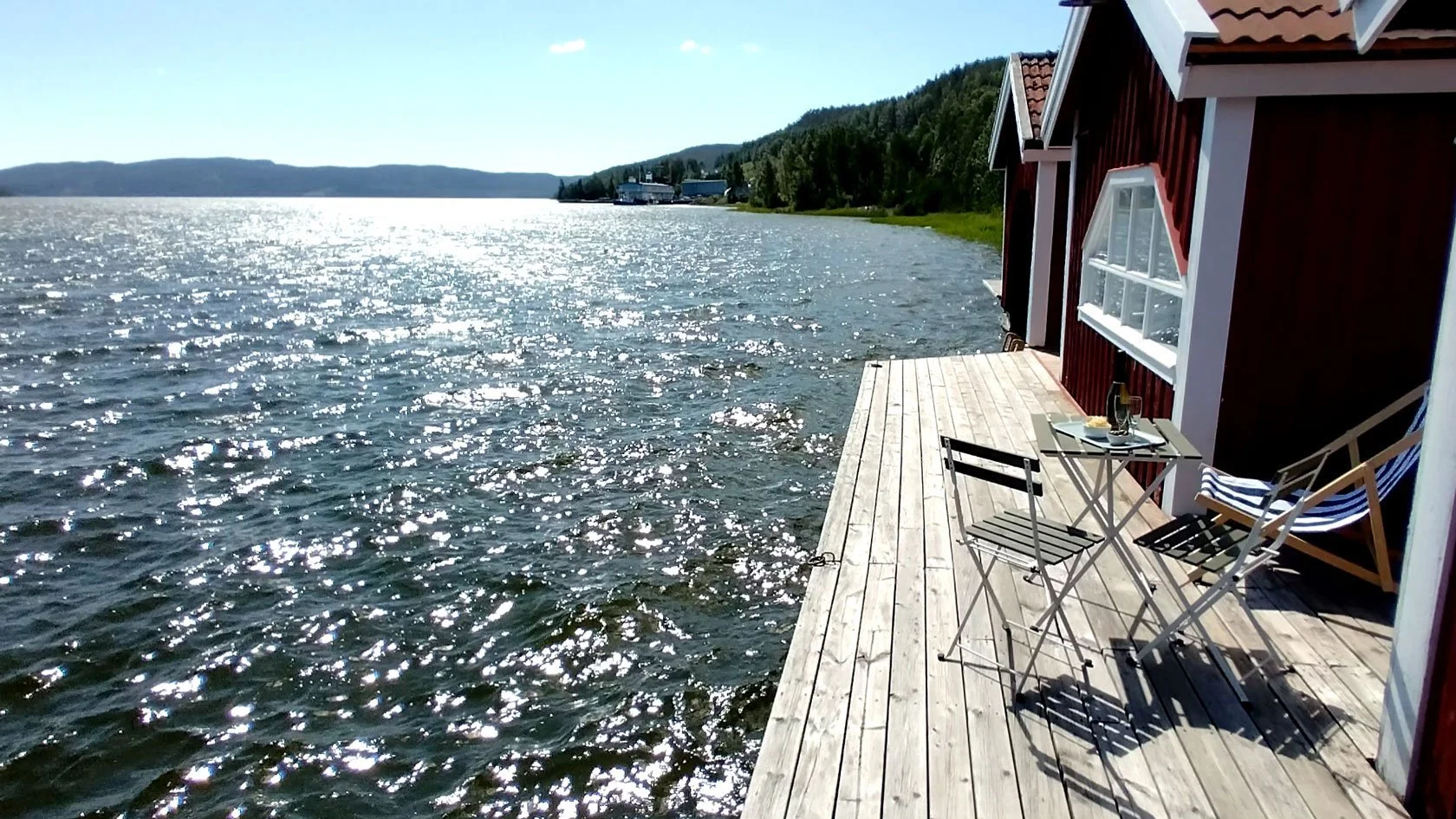
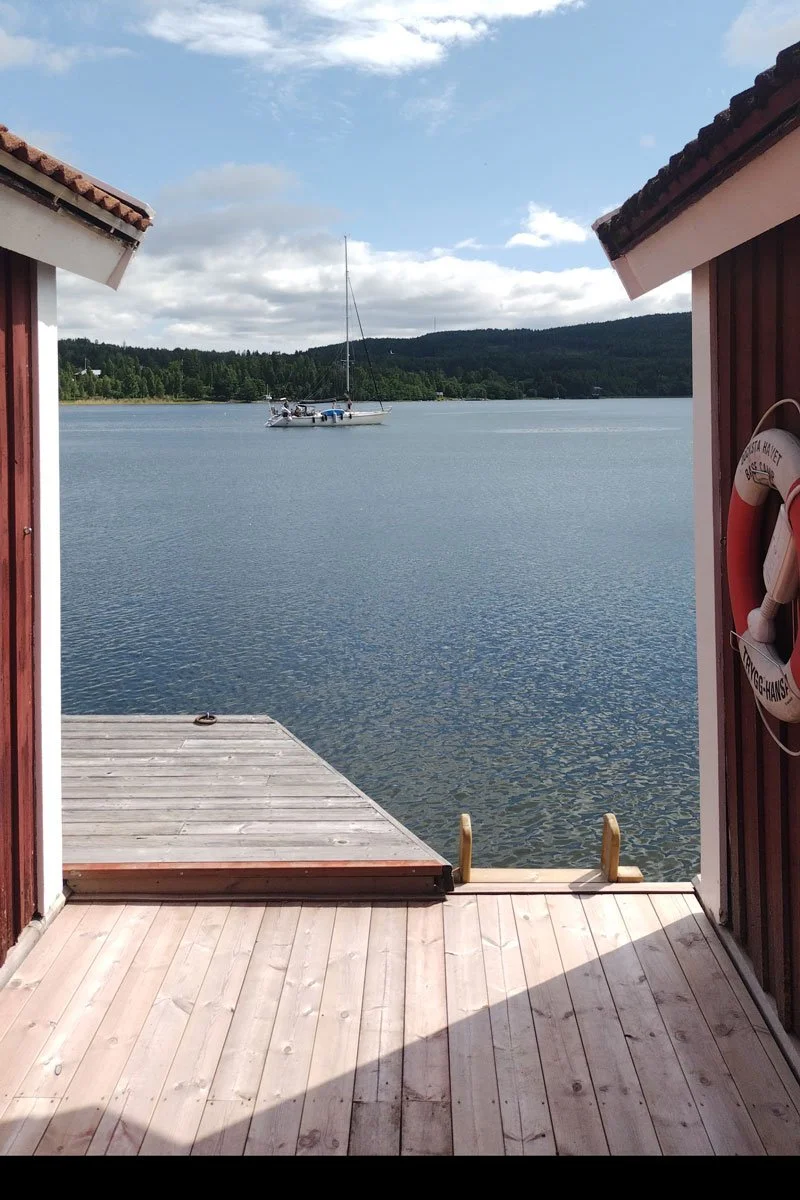
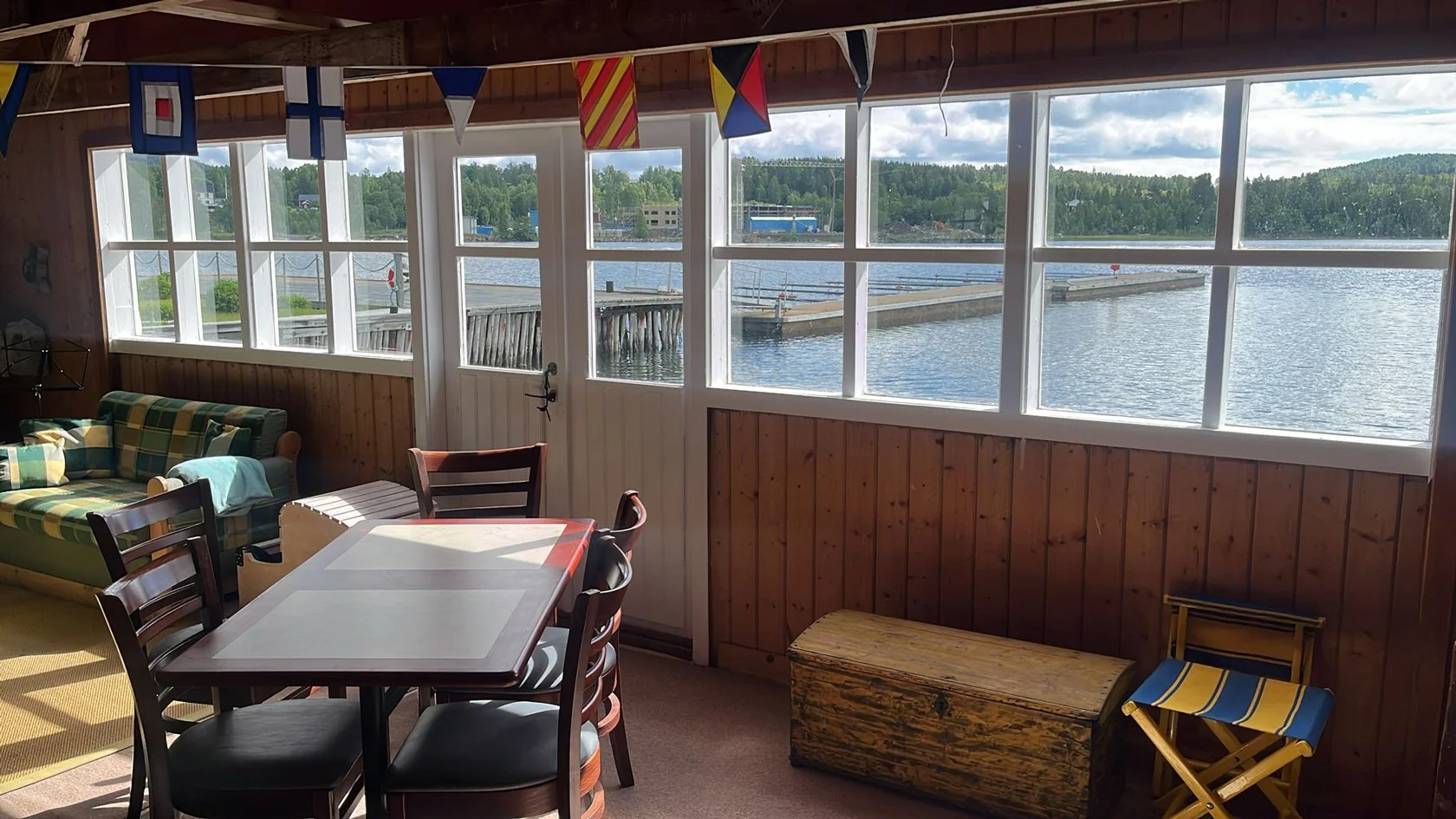
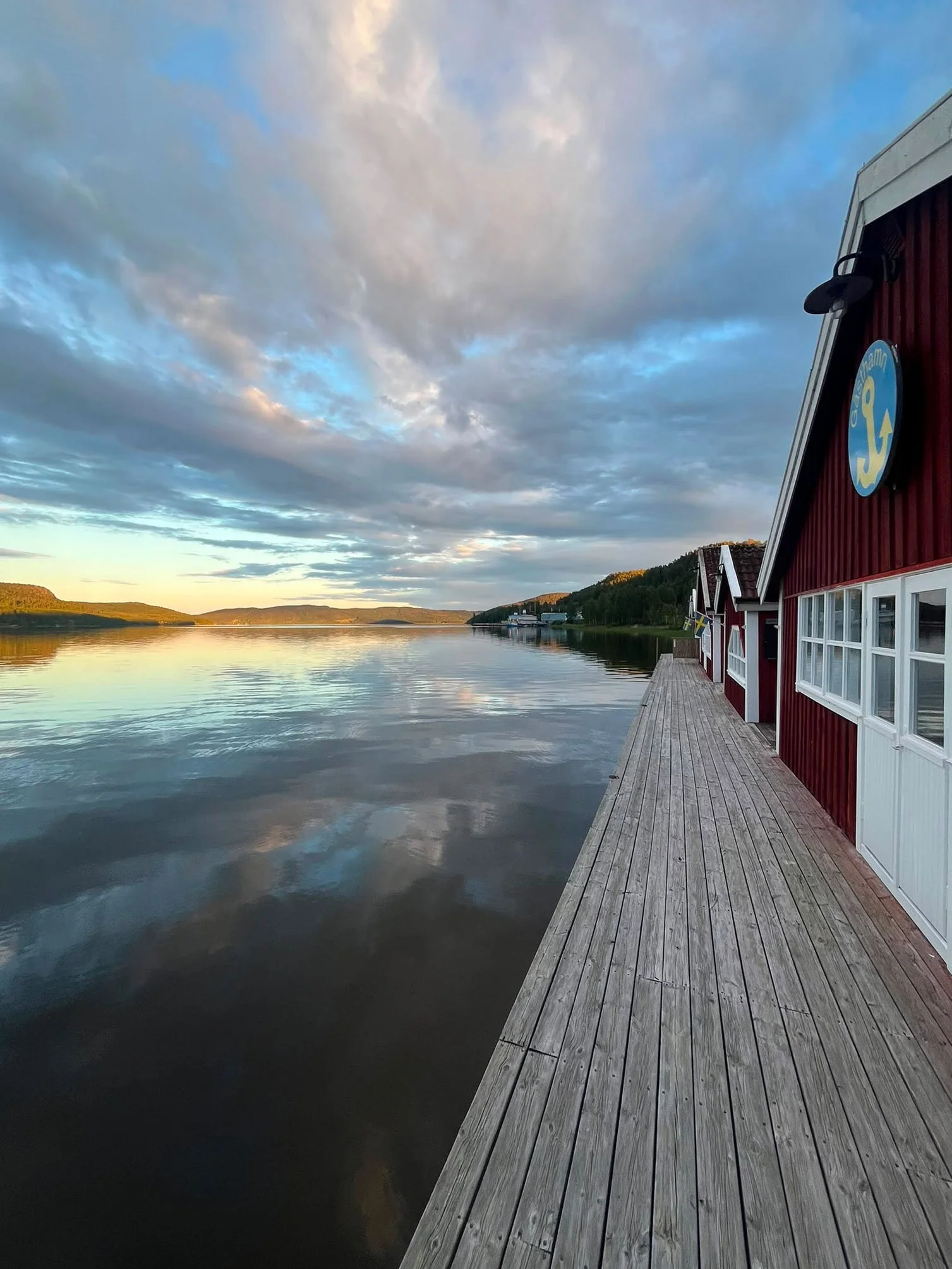
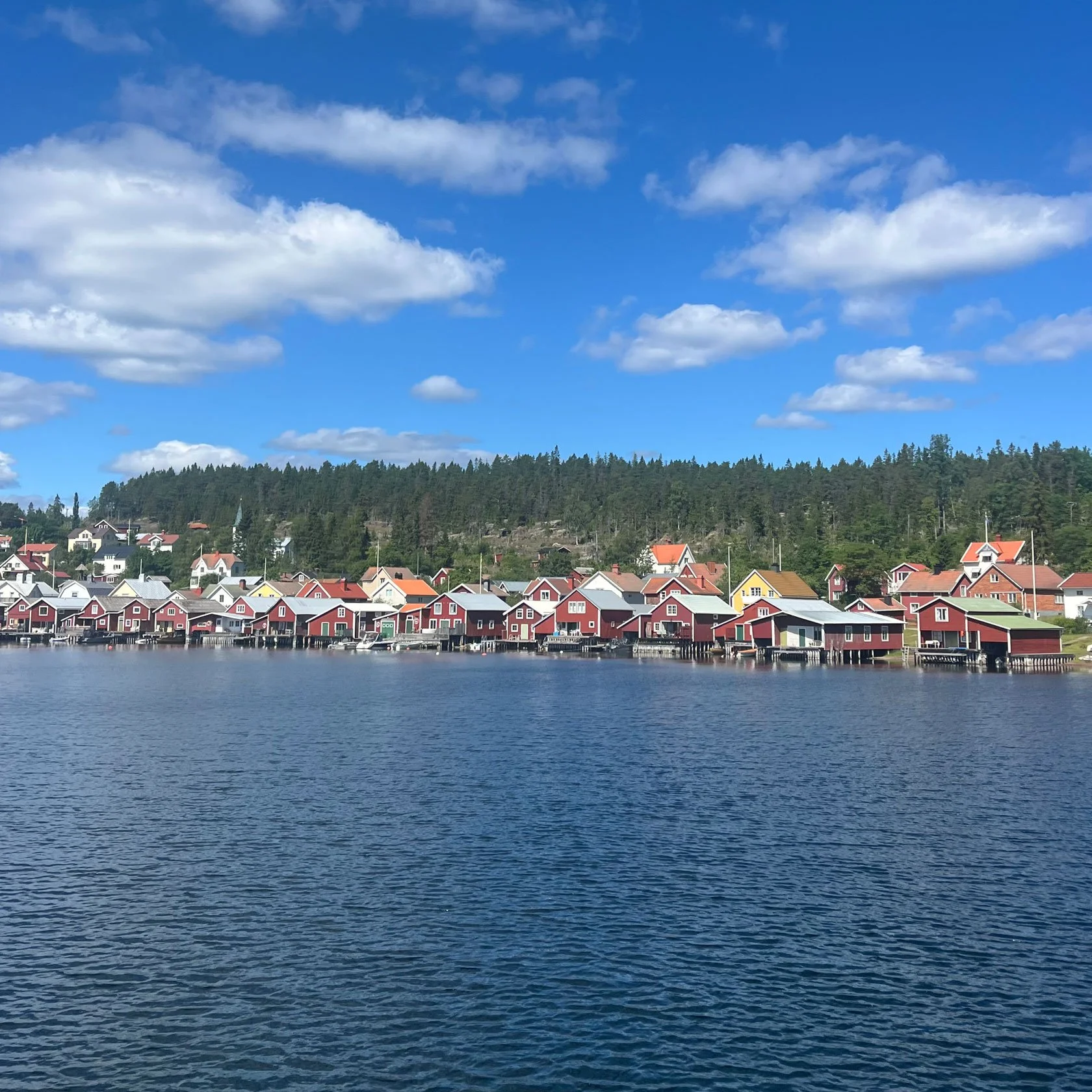
And one small detail that matters more than people expect: for many groups, the reset becomes real only when you have a place to land. If you’re staying overnight, a waterfront lodging turns Docksta into a true base camp: you wake up already in the landscape, you start earlier, and the day feels less rushed.
 

The Full‑Day Blueprint (crew-proof)
A full outdoor day with a group doesn’t need to be packed. It needs to be shaped.

Start by choosing one shared anchor — the moment everyone will remember (a viewpoint, a coastline walk, a forest pause). Keep that anchor realistic for the slowest person in the group. That’s not lowering the bar — that’s protecting the day.

Then shape the day in four beats:

Morning: reset + an easy start (low friction).

Midday: the anchor (the main outdoor moment).

Afternoon: optional upgrade — a split option for the high‑energy half while the rest takes the easy return.

Evening: regroup back at base. No rushing.

Micro-example (works surprisingly often): if half your group wants a “real hike” and half wants calm, make the shared anchor a Mountain / Viewpoint (Easy or Medium). Then split: the high‑energy half adds an extra loop, while the rest takes a Sea & Harbour reset. You still meet back at the same base — and everyone feels the day was theirs.

If you do only one thing right, do this: protect the morning. A chaotic start is what turns a full day into a compromise.


Choose your outdoor mood (three doors)
Think of these as three doors. Pick one door for the day, then decide how “big” you want it to be.

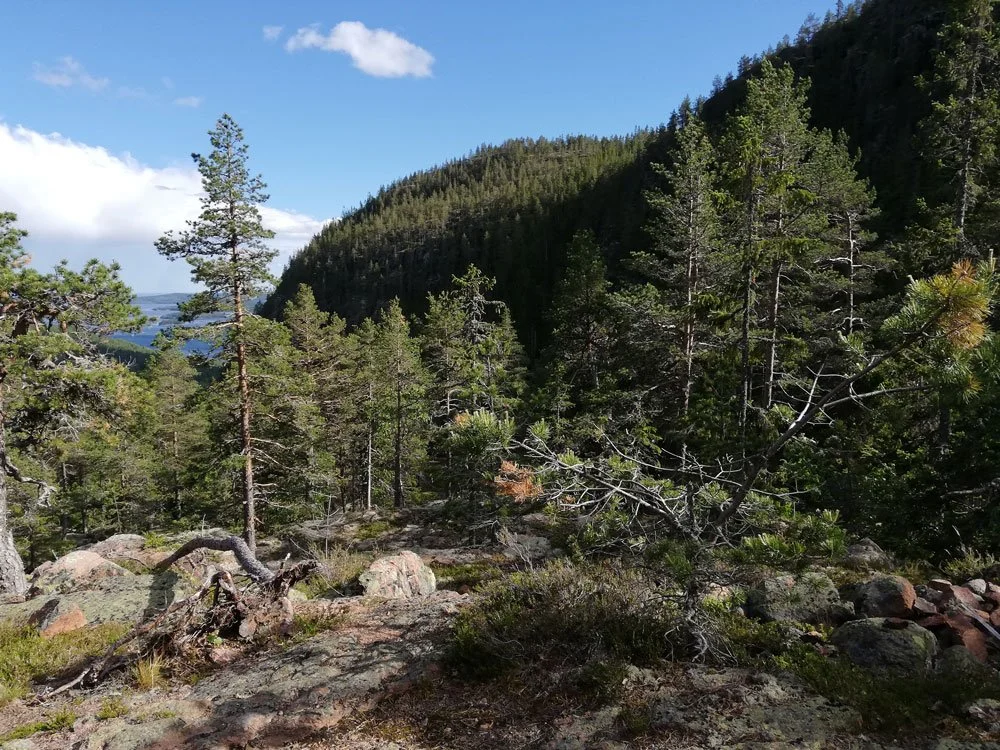
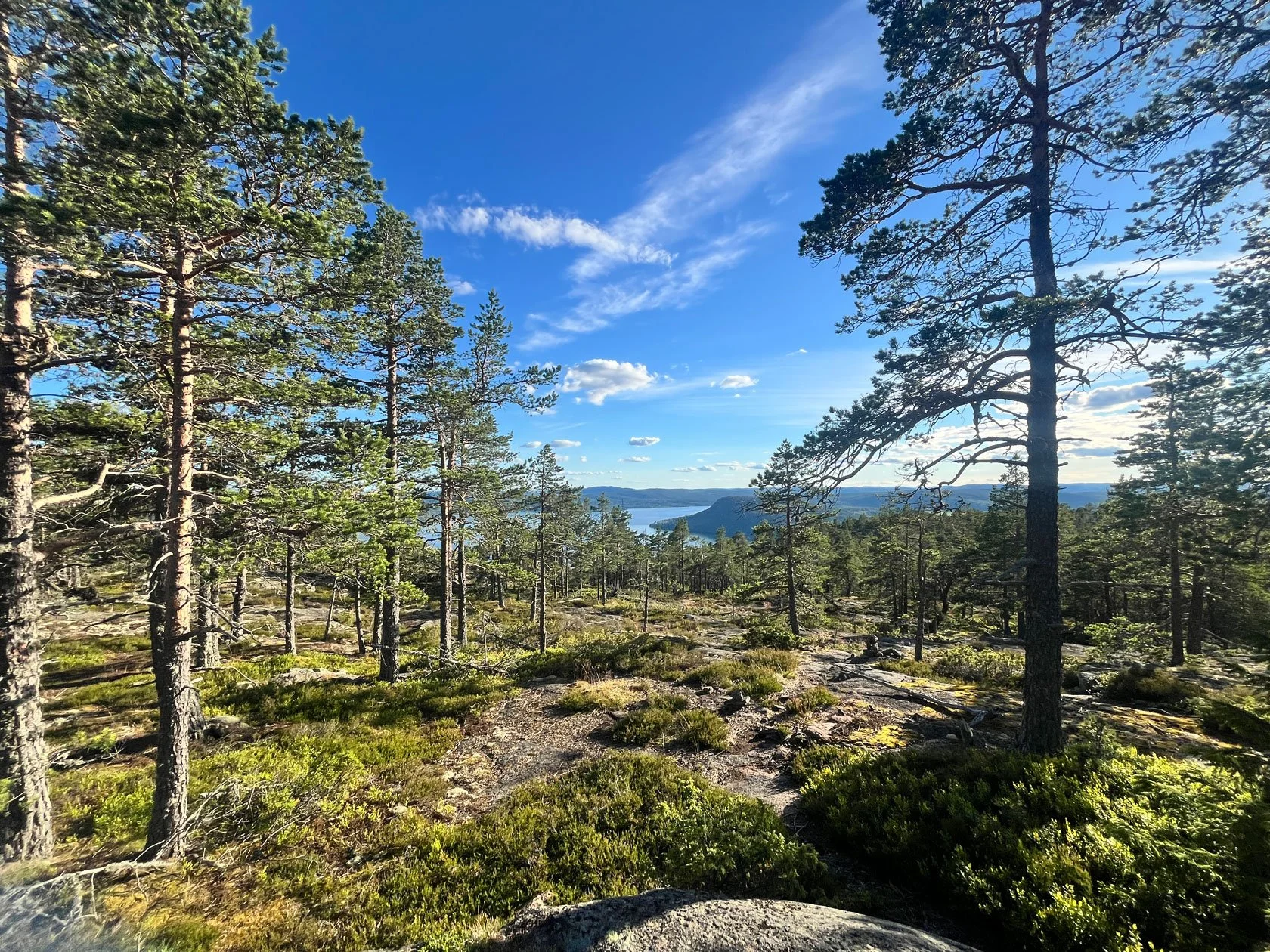
Mountain / Viewpoint Mission

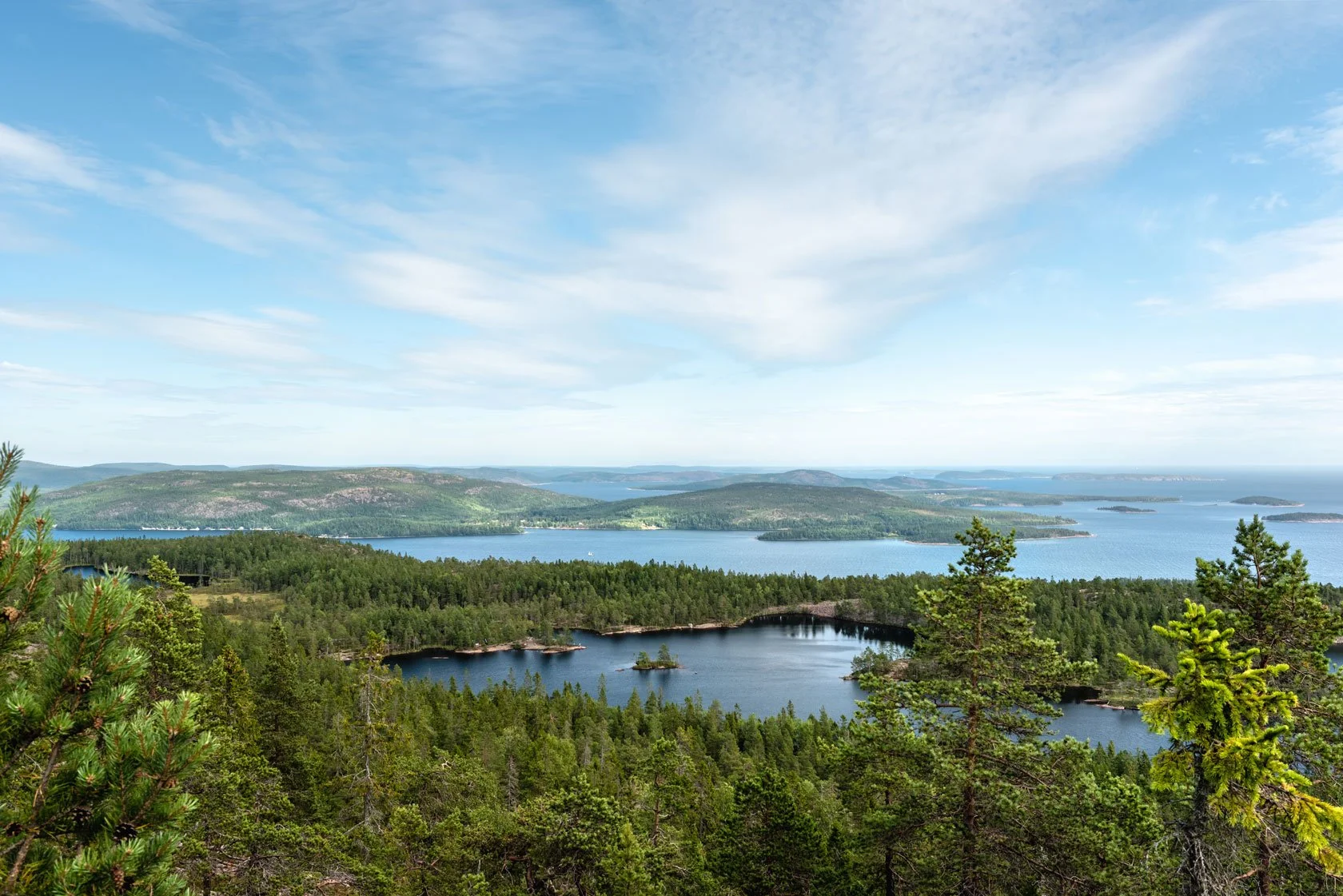
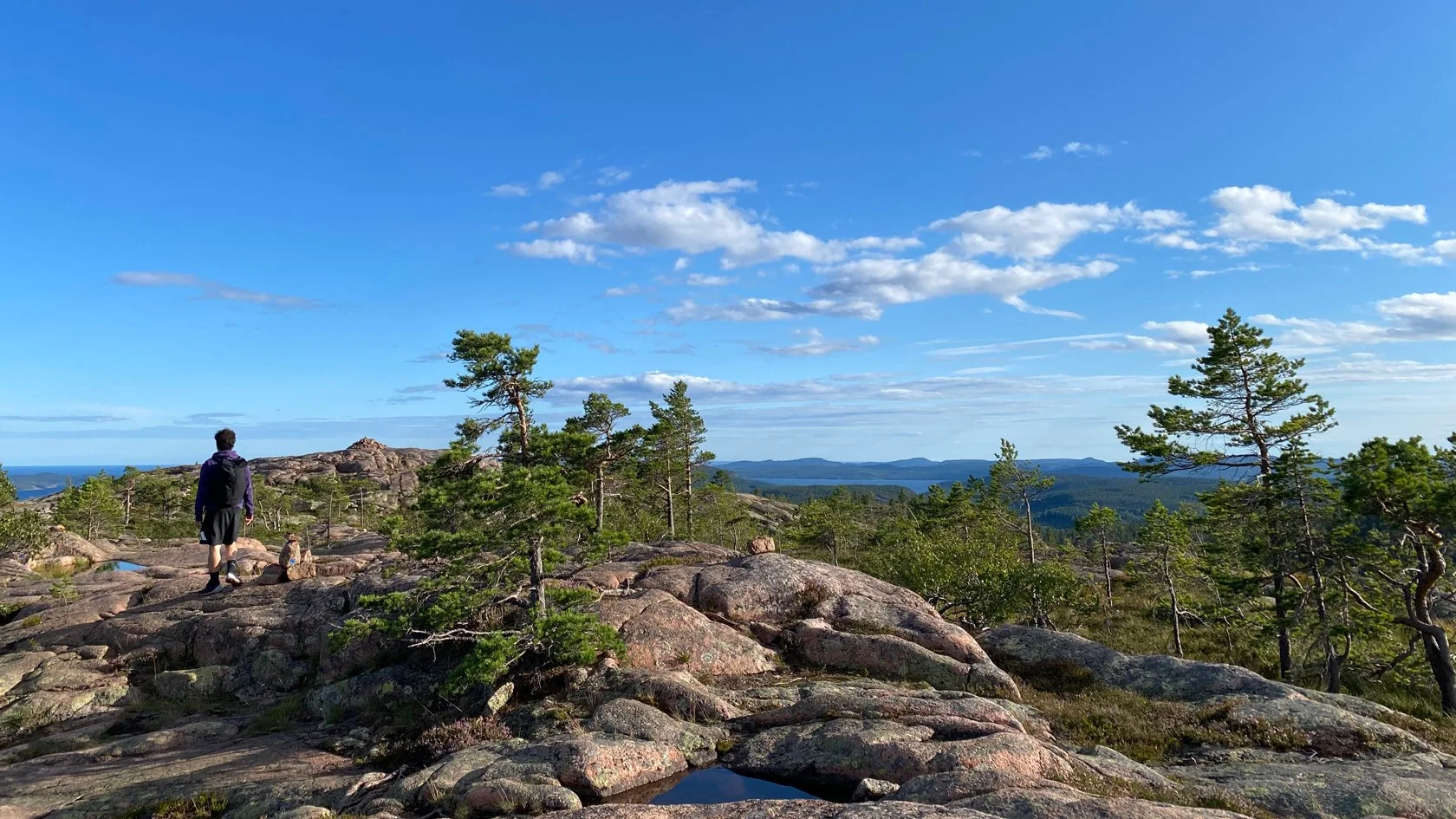
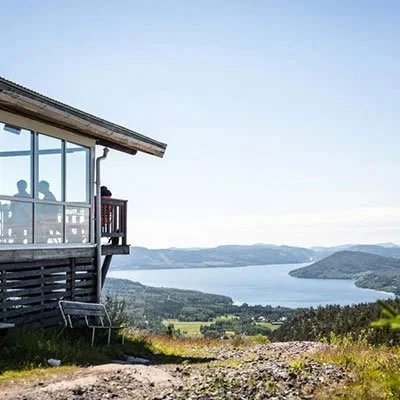
Choose this when your group needs a clear “we did it” moment — a view, a summit mood, a sense of scale.

The group trick is not to make it heroic. It’s to make it clean: a clear start, a clear turnaround point, and a plan that doesn’t punish the slower half of the crew.

Easy (60–90 min): a viewpoint mission — short approach, big reward.
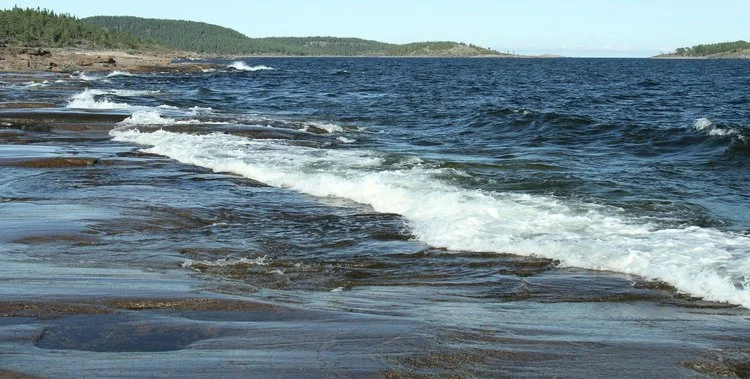
 

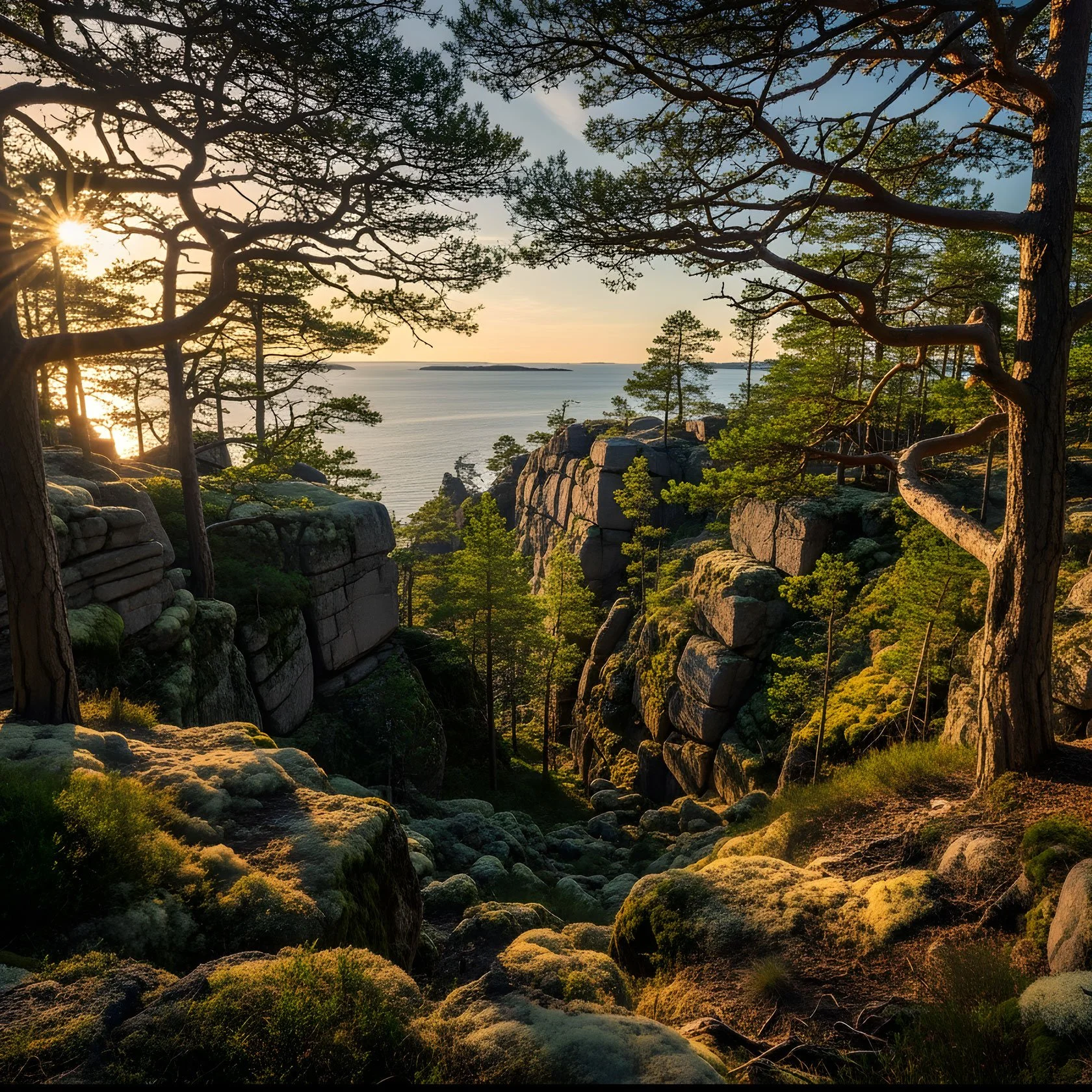
Sea & Harbour Reset

Choose this when the group needs recovery but still wants to feel outdoors — especially if you arrived late, the weather is shifting, or you can sense that everyone wants something different.

This is the day that looks “small” on paper and ends up saving the trip.

Because it removes the two things that usually break a crew: decision fatigue and logistics. You don’t need a heroic plan. You need a clean start, warm bodies, and one shared moment that feels real.

A Sea & Harbour Reset day often looks like this:

Easy (30–60 min): you stay close. You walk without planning. You let the harbour do its quiet work. Someone gets their coffee. Someone sits in the sun for ten minutes. The day starts moving again.

Medium (1–2 hours): you add one simple “small wow” point — a stretch of coastline, a viewpoint you don’t have to earn, a loop that lets the faster half walk ahead and still regroup naturally.

Full (half day): you make it a coastal day, but you keep Docksta as your return point. The goal isn’t distance — it’s that feeling in the evening: we did something good, and nobody paid for it with exhaustion.

If your crew is split between “I want a real hike” and “I can’t today”, this is your secret weapon: let the day be lighter — and protect tomorrow.


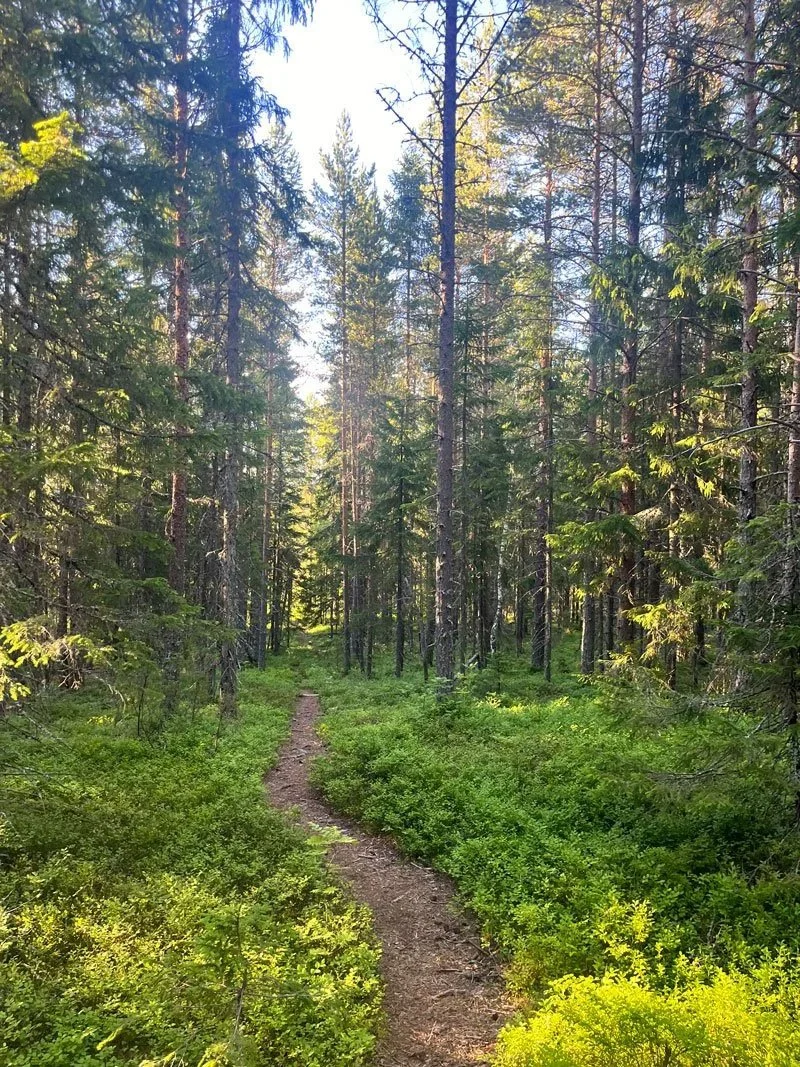
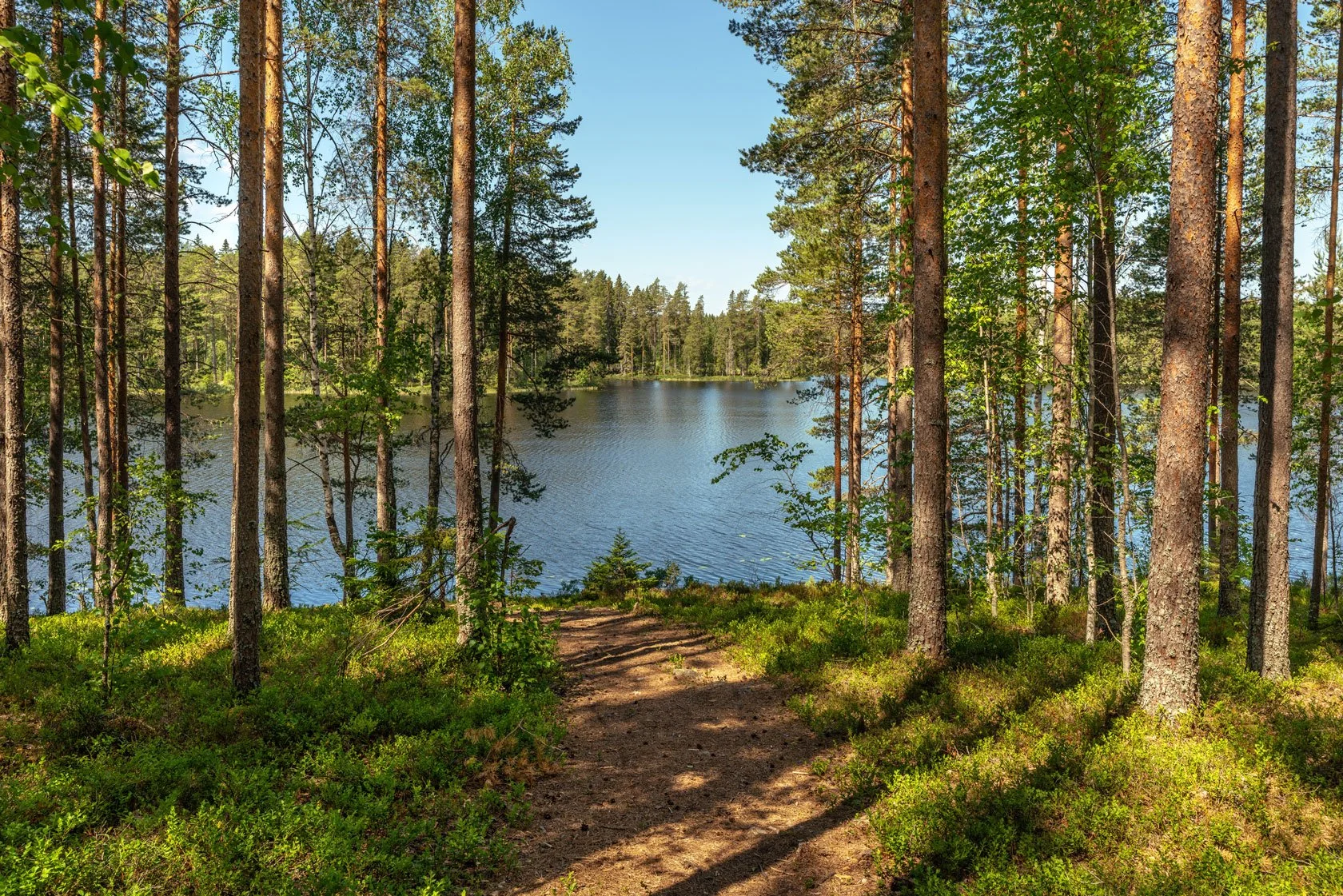
Forest Pause (outdoors, not performance)
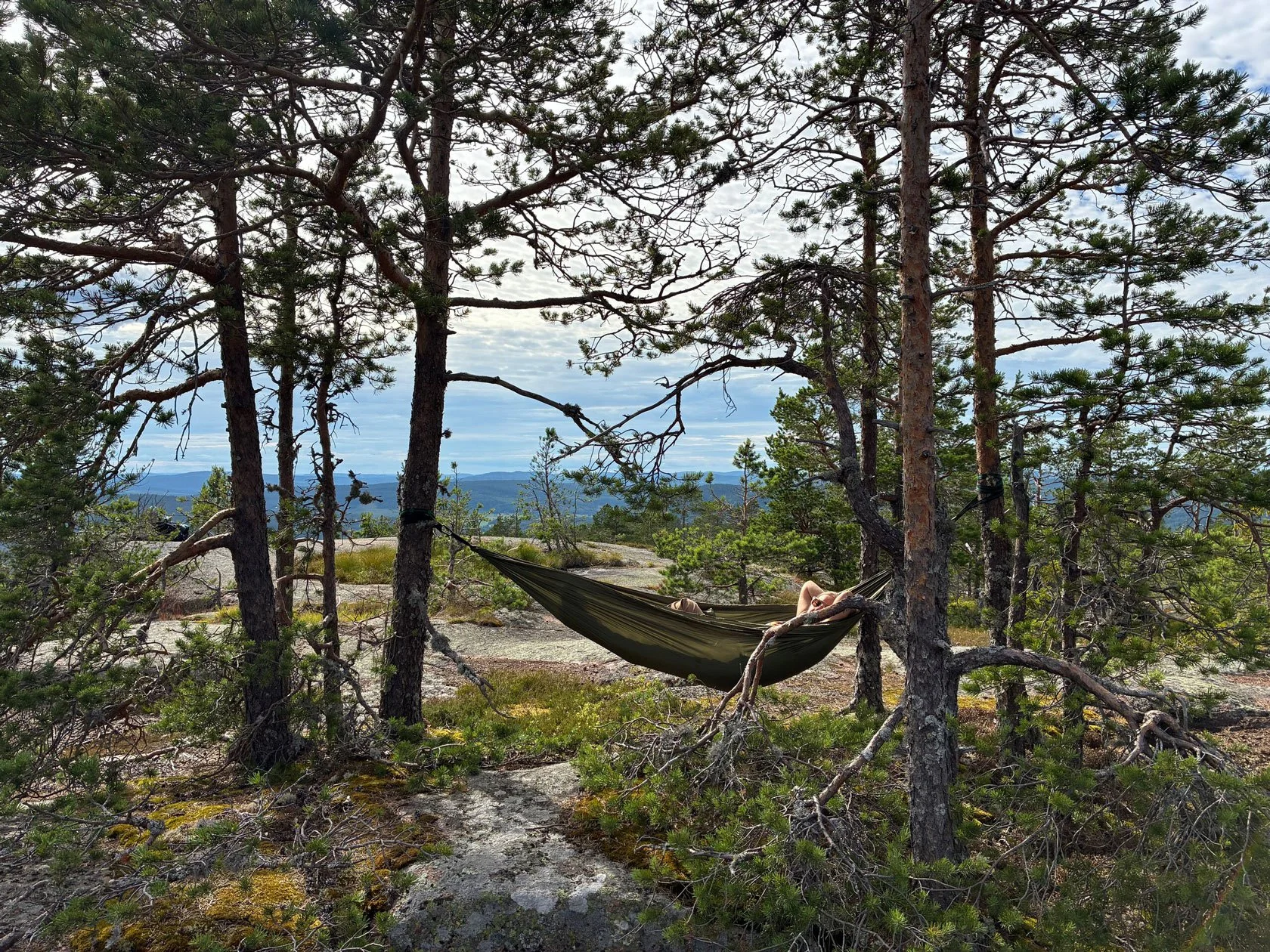
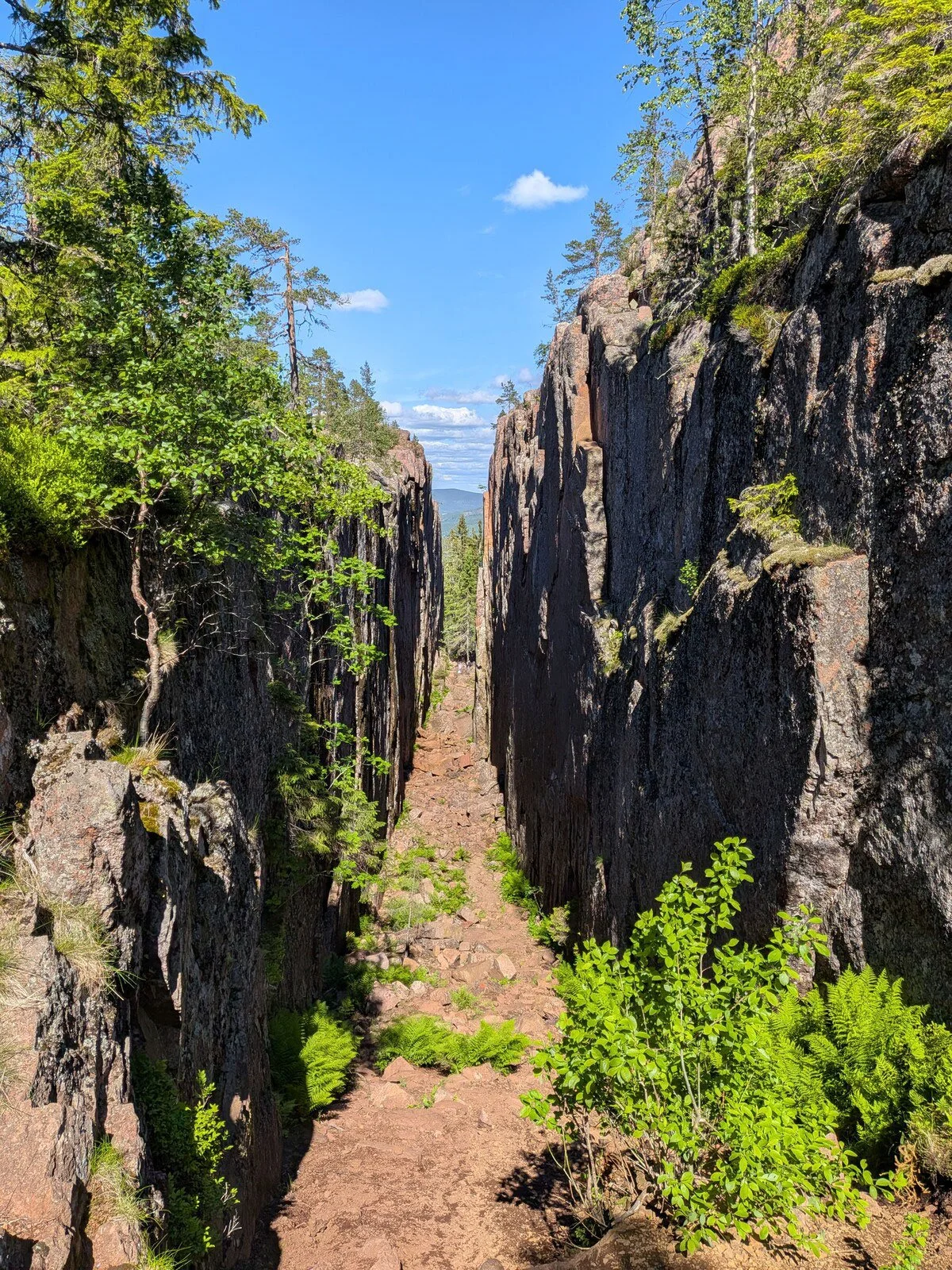
Choose this when you want the day to feel deeper, not bigger.

A forest day changes the tempo. It gives the nervous system a different kind of landscape: quieter, softer, slower. And it often makes the next day better too.

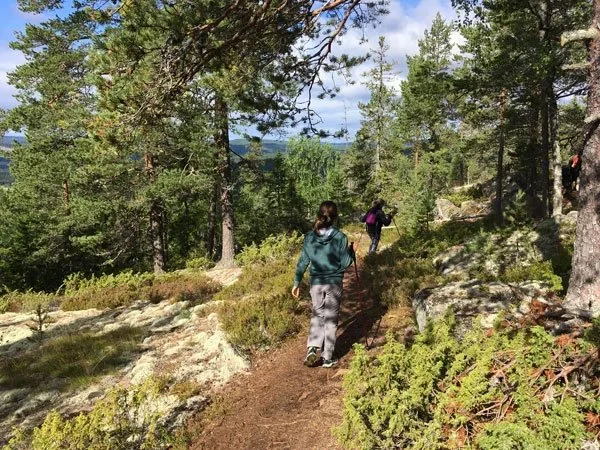
Easy (30–60 min): a short forest walk + a quiet spot.

Medium (1–2 hours): a slow loop + a real pause (snack, sit, breathe).

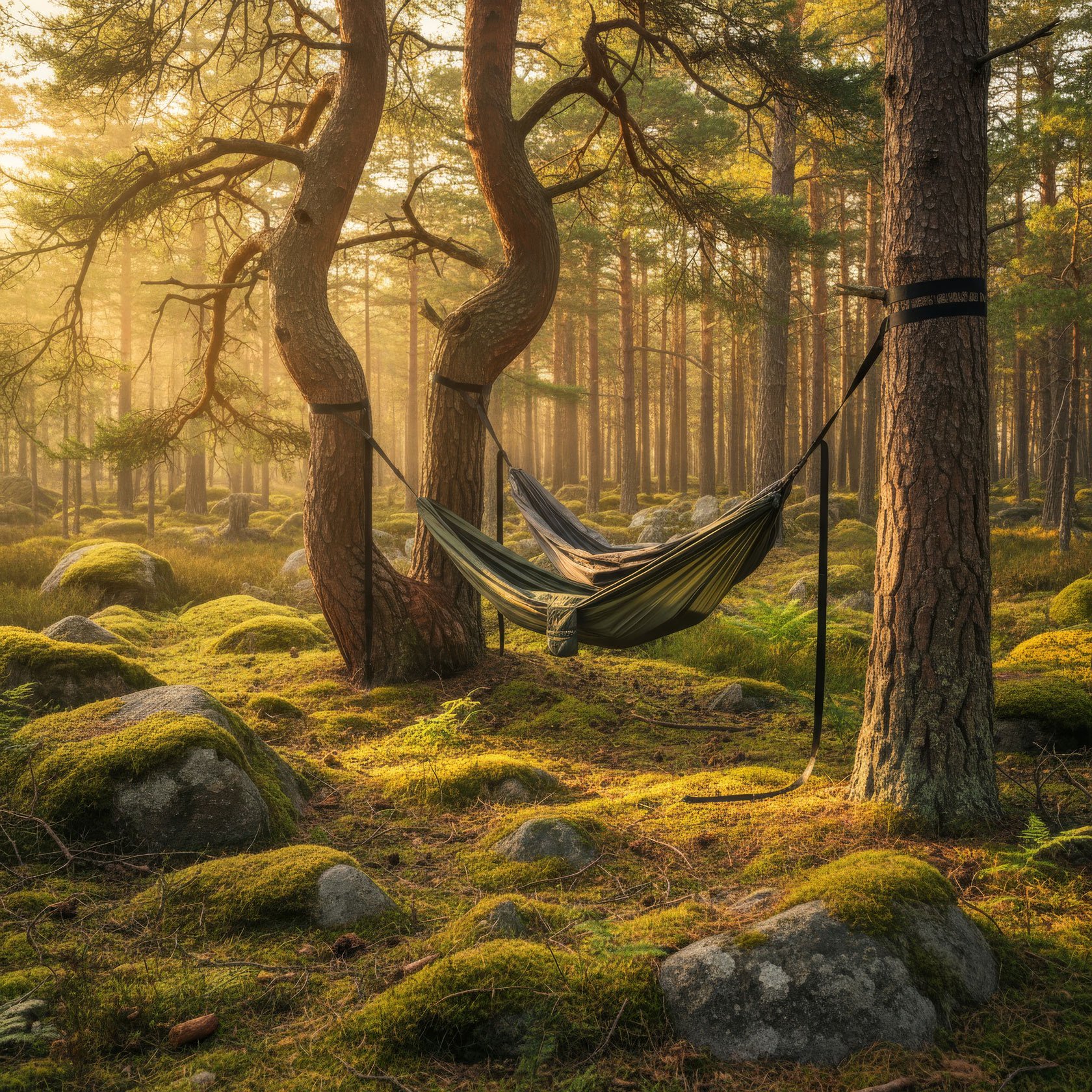
Full (3 hours, guided): Skogspaus — a guided forest immersion designed for decompression and presence.
 

Signature outdoor experiences from Docksta (ours + a few local classics)

Some groups want a clear headline activity — the kind of day you remember as the day of the trip. From Docksta, you can do that in two ways: either choose a Docksta-style experience (simple, crew-proof, low friction), or go for one of the local classics.

Our signature experiences (crew-proof by design)
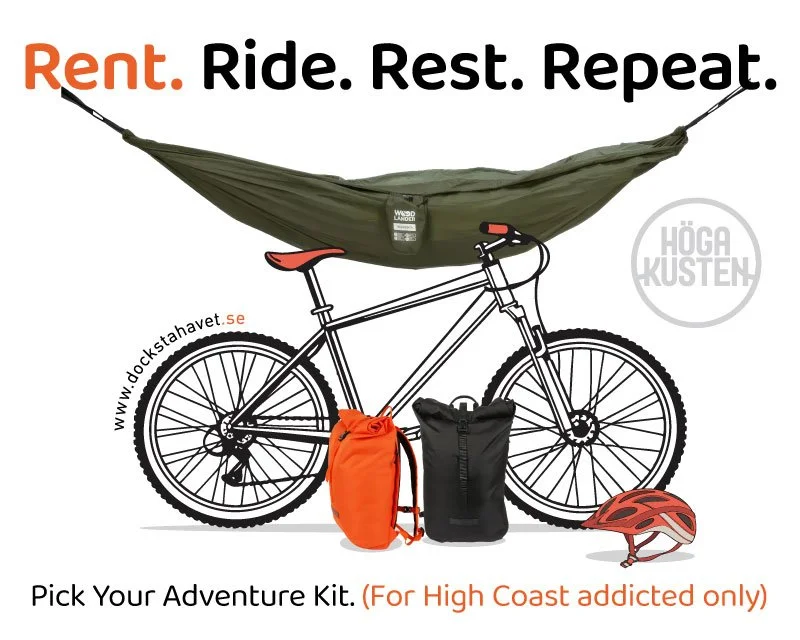
  • Outdoor Ready / Grab&Go (activities, not just gear)

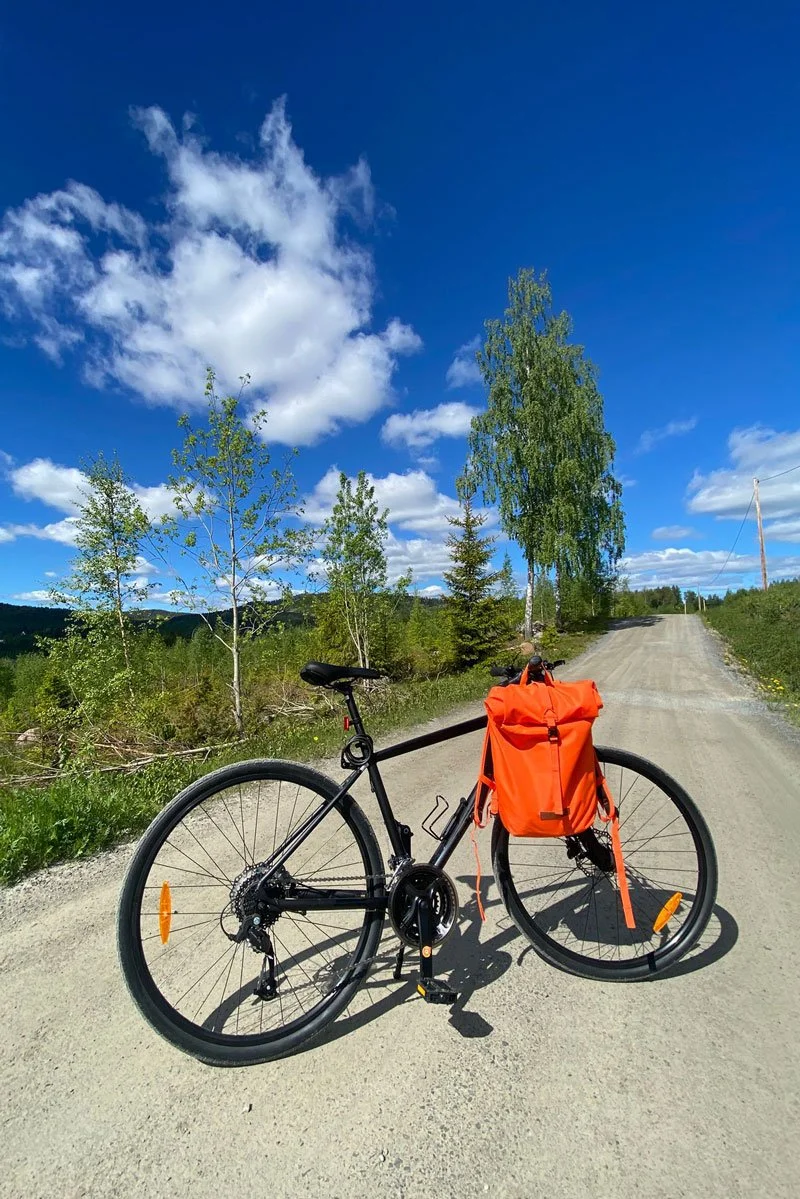
    Grab&Go is our way of making outdoor days easy for mixed groups: you choose a mood (mountain / coast / forest), we help you with the missing piece, and you go. It’s not about renting stuff — it’s about removing friction so the day actually happens. → Bike rental in Docksta and more

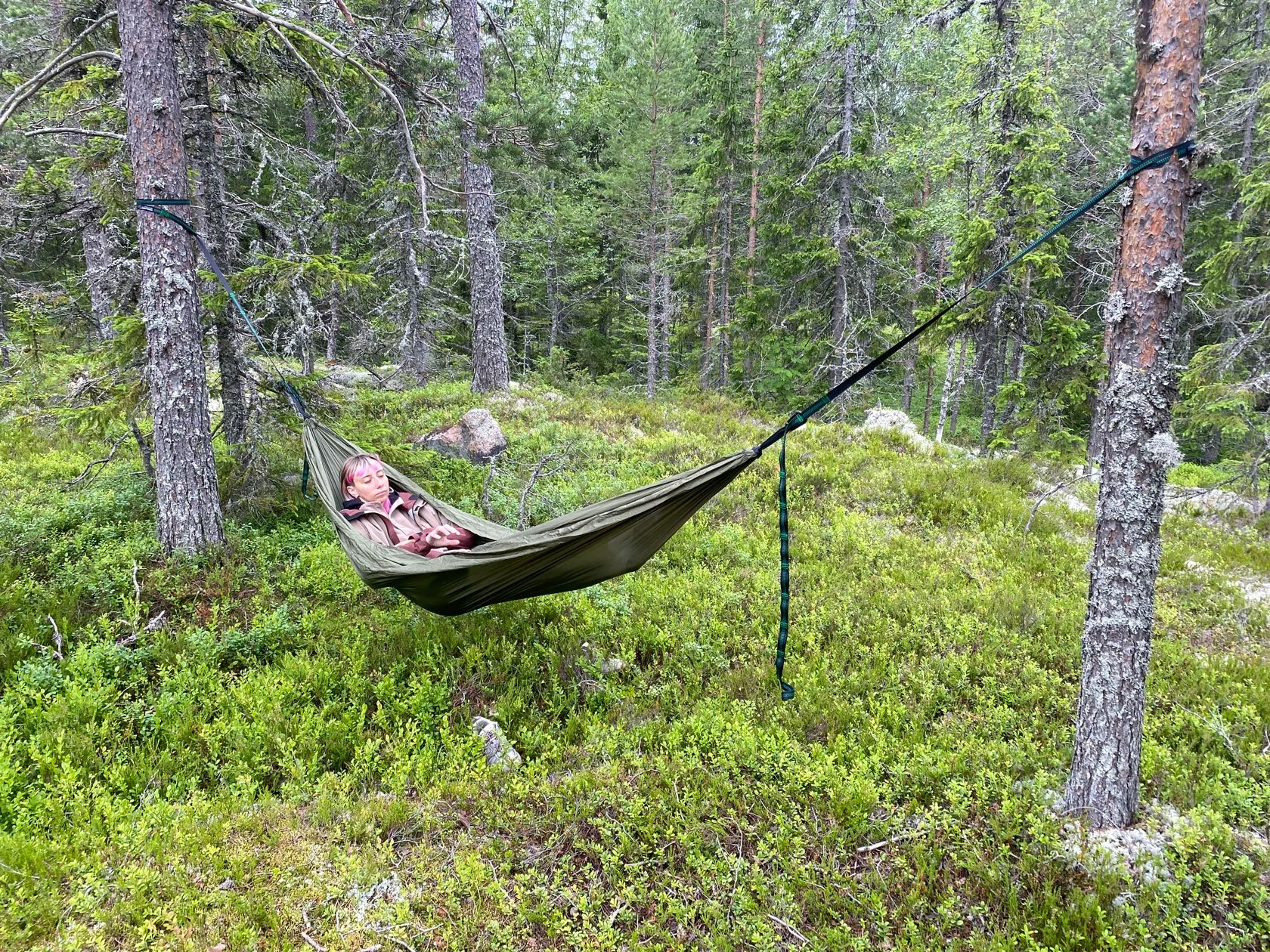
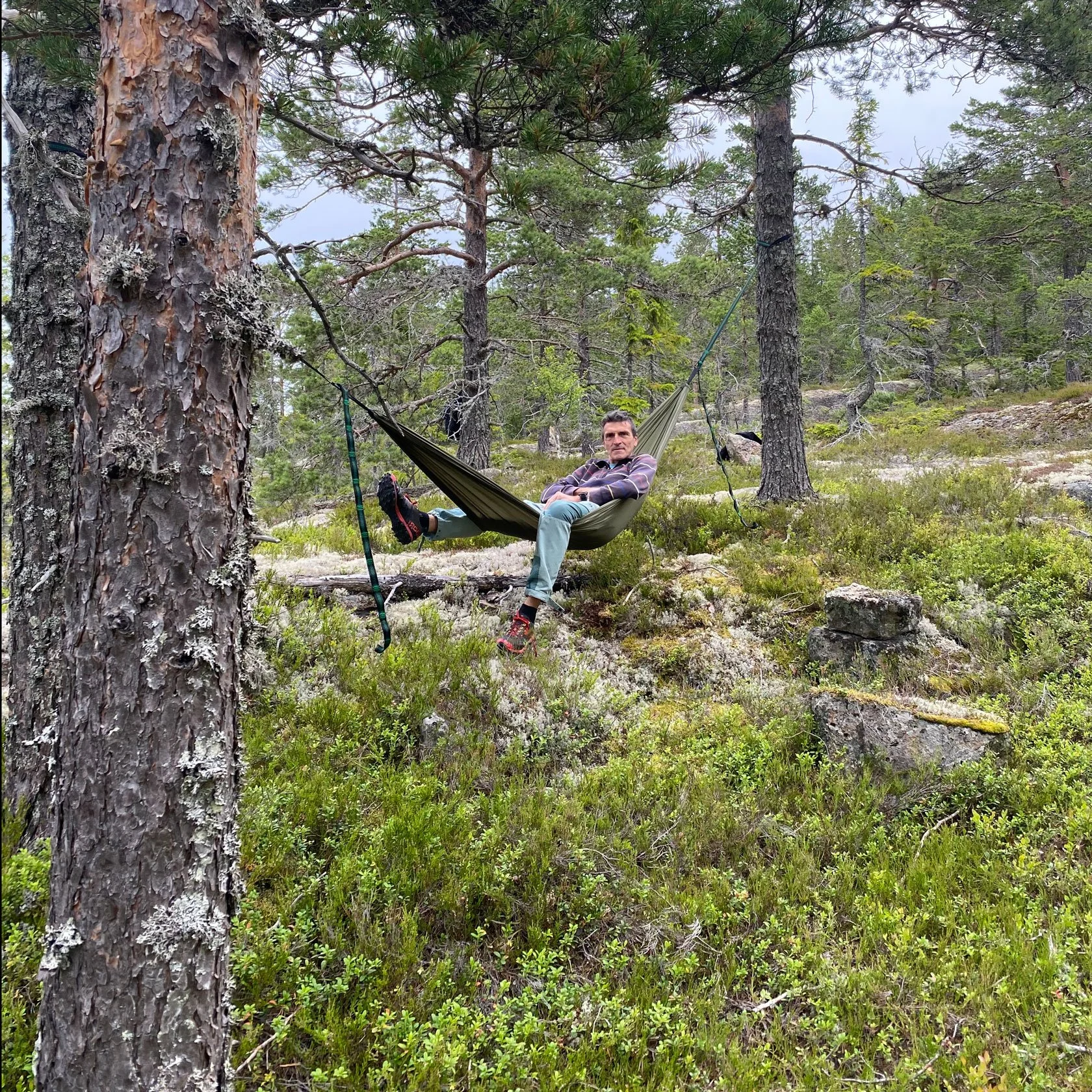
  • Skogspaus Experience (guided hammock forest immersion)

    A 3-hour guided forest immersion for groups that want something quieter and deeper — outdoors, but not performance.
 

Local classics & seasonal events (when you want something different)
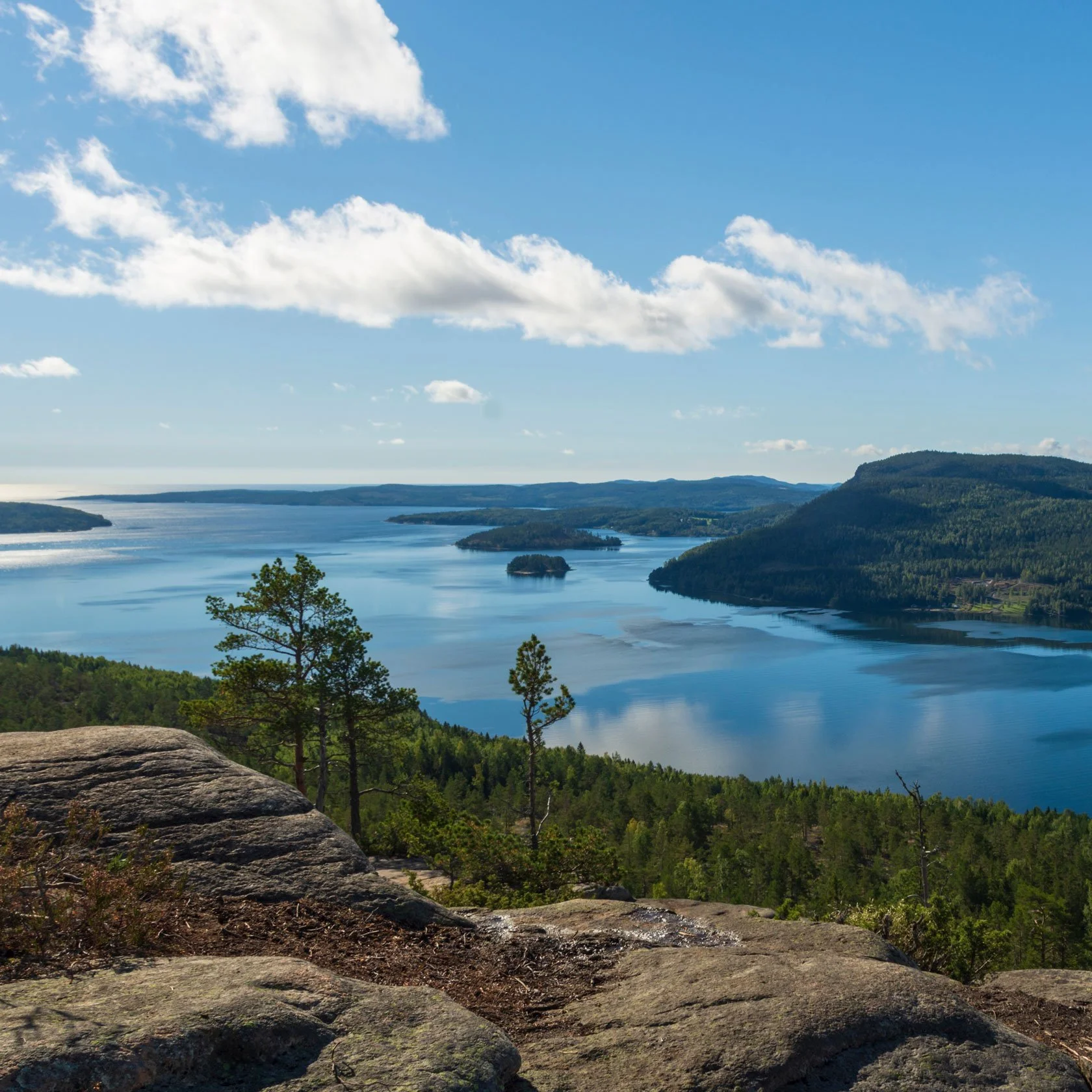
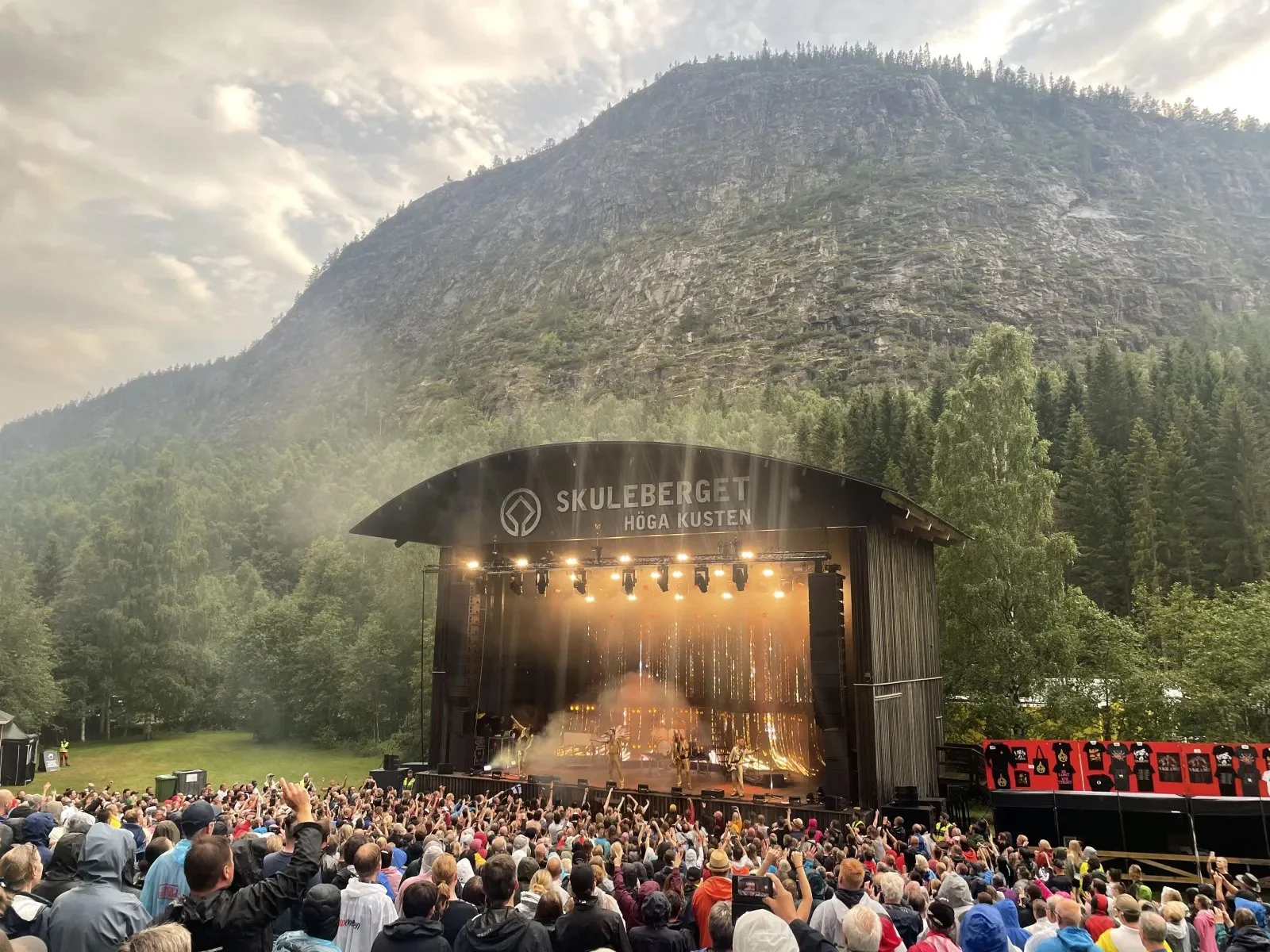
Via Ferrata, Linbana / cable car, Naturum Höga Kusten Museum, Nature concerts at Skuleberget, Friluftsbyn events & gatherings… Sometimes the best shared memory isn’t a hike. It’s a concert night, a museum stop, or a seasonal event that gives the trip a different texture.
 

Tell us your crew mix — we’ll help you choose fast

If you’d like a quick, crew-proof suggestion, send us a short message with: your group size (and ages if kids), how many nights you have, and what you want most (view / activity / calm / mix). We’ll reply with a simple plan and the best links to start with. → WhatsApp us

See you on the pier!

Tom (Docksta Havet Base Camp)
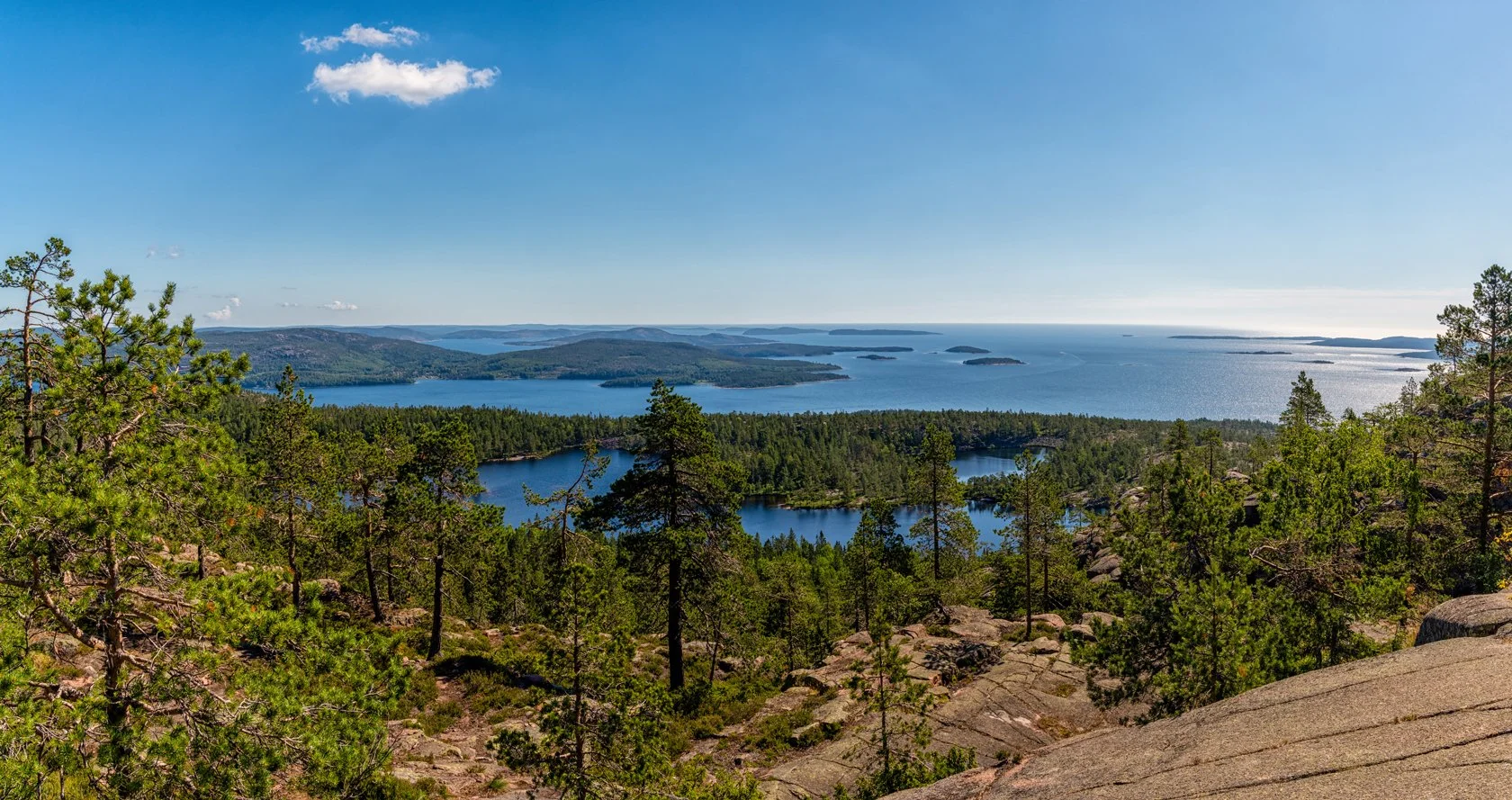
Höga Kusten in 3 giorni: un Base Camp Rhythm “easy” (Docksta come base)

3 giorni in Höga Kusten: posti veri per chi non vuole solo trekking

Docksta al centro, tappe brevi, e un host presente: non un programma da spuntare, ma un ritmo da vivere (meteo e mood inclusi).

High Coast Base Camp Rhythm significa questo: 3 giorni “easy” spostandosi in auto, con tappe brevi e senza performance. Docksta come base, qualche icona (Skuleberget, Skuleskogen), una giornata isola (Ulvön/Trysunda) se il meteo lo permette, ed un modulo extra — Skogspaus — quando serve abbassare il volume.

La domanda era semplice:
“Possiamo scoprire la High Coast in tre giorni, senza fare gli escursionisti duri e puri, ma senza sentirci persi?”

Il gruppo era un classico “mix italiano”: due ragazze e i genitori. Tutti insieme, auto, voglia di vedere posti nuovi e poco scontati. E quella necessità tutta nostra di avere un “programma” — non per correre, ma per stare tranquilli.

Io, quando mi chiedono un consiglio, non preparo un itinerario. Suggerisco un ritmo.

Qui la Costa Alta (Höga Kusten, in svedese) non si visita come una città. Si attraversa come un paesaggio: a tappe, con spazio per meteo, luce, energia, appetito, umore. Se provi a “fare tutto”, ti scappa. Se invece scegli bene, in tre giorni non fai tutto… ma ti resta tutto.

E c’è un dettaglio pratico che per chi arriva dall’Italia conta tantissimo: molti arrivano da Stoccolma con auto a noleggio. Vogliono muoversi liberi, senza complicazioni. In quel caso Docksta è perfetta: sei centrale, vicino alle icone (Skuleberget, Skuleskogen), ma puoi anche aprire verso nord o verso sud senza sentirti mai fuori mano.

Questa è la logica Base Camp: arrivi, parcheggi l’auto, respiri. E da lì, ogni giorno, scegliamo la versione migliore.


Docksta come base (e come stays sull’acqua)

Dove dormire (Base Camp lodging): non “categoria”, ma configurazione

E qui entra una cosa pratica: l’alloggio non è solo “dove dormi”. È parte del ritmo.
Se vuoi 3–4 notti davvero “easy”, ti serve un posto che ti faccia atterrare: parcheggio semplice, acqua davanti, e qualcuno che c’è.

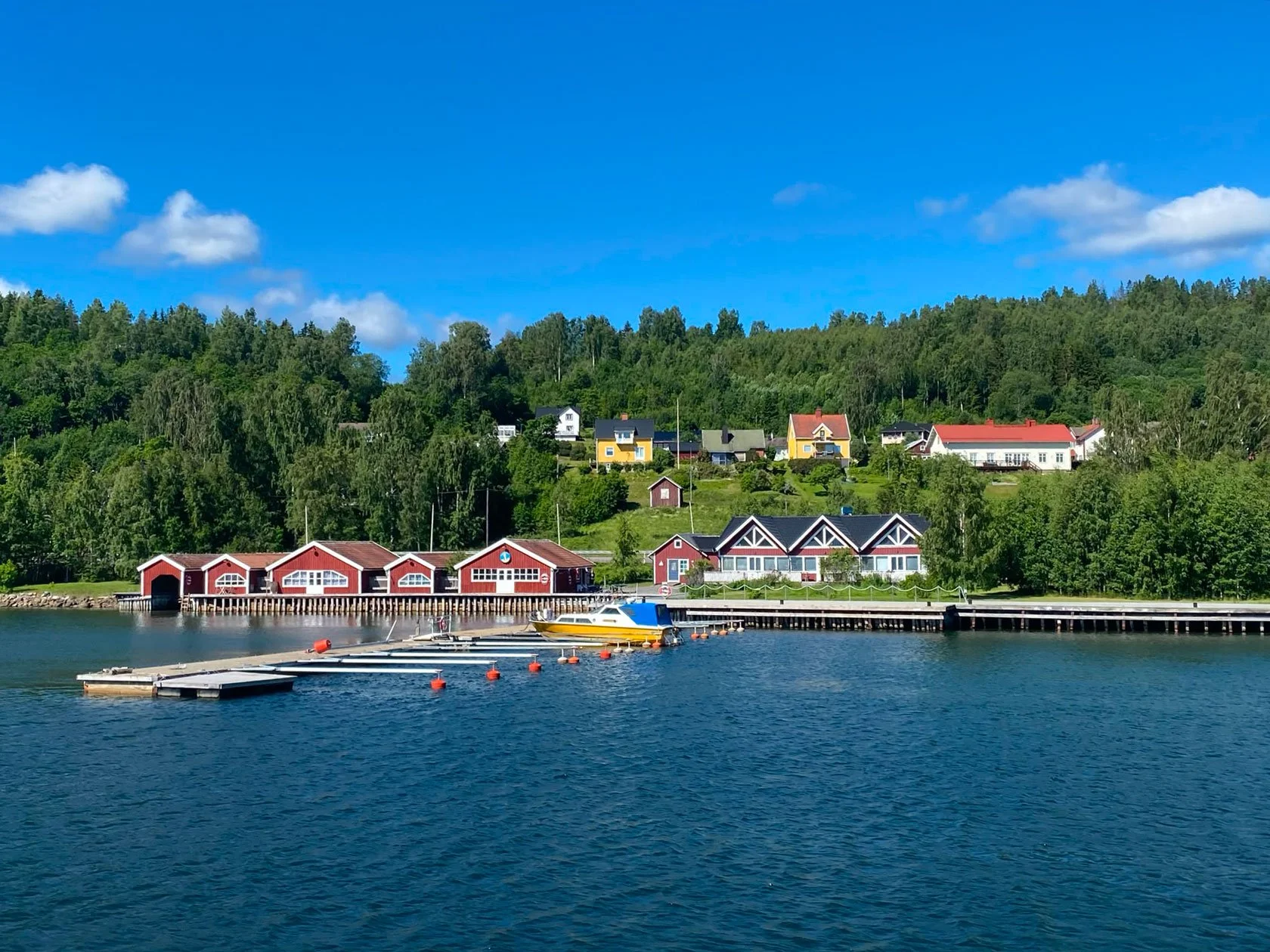
A Docksta Havet puoi dormire sull’acqua e costruire la tua base in tre modi:

  • Solo / coppia: Dock House o Boathouse — sull’acqua, zero frizione, e la costa continua anche quando “non stai facendo niente”.

  • Due coppie / amici / piccola famiglia: Guest House — cucina vera, spazio, e la libertà di non dover ottimizzare ogni sera.

  • Setup flessibile: due unità separate +, quando serve, una Crew Cabin essenziale come terza stanza di appoggio (quando disponibile).

Non è una questione di lusso. È una questione di frizione: meno logistica, più presenza. E in High Coast, questo cambia tutto.


Base Camp Rhythm: come lo disegno (senza programma rigido)

Quello che faccio con piccoli gruppi così è dividere il soggiorno in tre nuclei (tre direzioni possibili), non in tre giornate rigide.

  • Nucleo Nord: waterfront cittadino + costa vera (faro, villaggi di pesca).

  • Nucleo Cultura + costa: una tappa “strana” e nordica + villaggi e rocce sul mare.

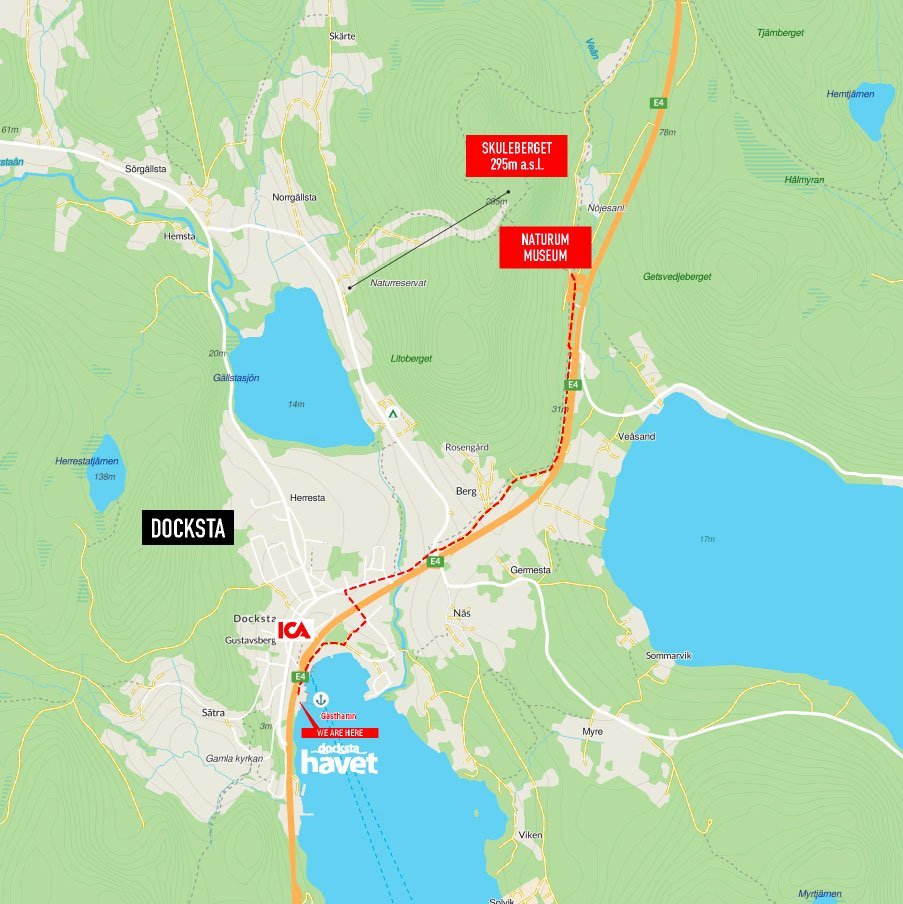
  • Nucleo Docksta-wow: logistica facile, resa altissima (Naturum + chairlift + panorama).

Poi tengo sempre pronti 1–2 jolly: Skuleskogen in versione easy, oppure una giornata isola (Ulvön/Trysunda) quando il meteo è perfetto, o il periodo della stagione permette di sfruttare i traghetti verso l’arcipelago.

Il valore non è “sapere tutto”. È la scelta assistita:

  • due domande giuste al mattino,

  • 2–3 opzioni chiare,

  • e la giornata si sistema da sola.

Non è concierge di lusso. È presenza: uno a uno, ascolto, e consigli pratici da qualcuno che vive qui e conosce cosa desidera chi la visita.


Giorno 1 (Nucleo Nord): Örnsköldsvik (Övik) + faro + fishing village

Questa è la giornata “città di mare + costa selvaggia”. Funziona perché dà varietà senza stress.

Mattina: Ö-vik in modalità easy. Passeggiata sul waterfront (porto, baia, aria di mare), poi — se vi incuriosisce — un salto alla zona Hägglunds Arena per respirare un po’ di Svezia vera (hockey culture).

Pranzo: opzione comoda in zona arena (es. ristorante Victory) o nei locali sul waterfront (ad esempio Saltmagazinet, ottimo ristorante e pizzeria italiana d.o.c.). Poi due passi in Storgatan: shopping leggero, caffè, ritmo urbano di una piccola cittadina nordica.

Pomeriggio: cambio scena. Si sale verso i trampolini di salto con gli sci di Hörnett (punto curioso e panoramico), poi si va verso la costa a Nord: Skagsudde con il suo faro, e chiusura tra Skeppsmalen e il piccolo fishing village.

È una giornata che funziona benissimo anche se non avete voglia di camminare tanto: si vive a tappe, con soste brevi ma memorabili.

Per farvi un’idea:
Övik / cosa vedere: https://www.tripadvisor.com/Attractions-g189821-Activities-Ornskoldsvik_Ornskoldsvik_Municipality_Vasternorrland_County_Midnight_Sun_Coast.html
Hägglunds Arena: https://maps.apple.com/place?place-id=I4F308D8B361EA017


Giorno 2 (Nucleo Cultura + costa): Mannaminne + Bönhamn & Rotsidan + Norrfällsviken

Questa è la giornata “High Coast inside”: prima una tappa culturale che spiazza (in senso buono), poi costa e villaggi.

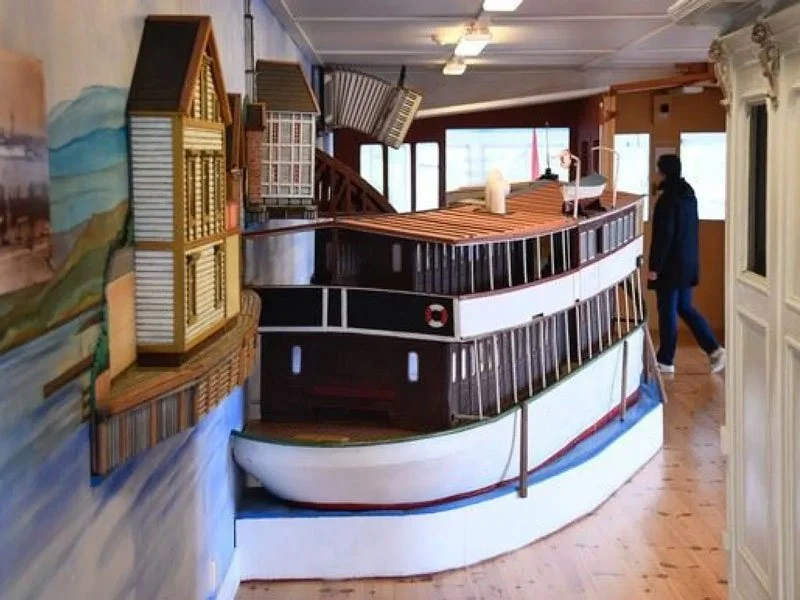
Mattina: Mannaminne. Non è un museo classico: è un open-air museum pieno di oggetti, ambienti, invenzioni, storia e arte mescolate. Perfetto per gruppi misti: ognuno trova qualcosa che lo diverte.

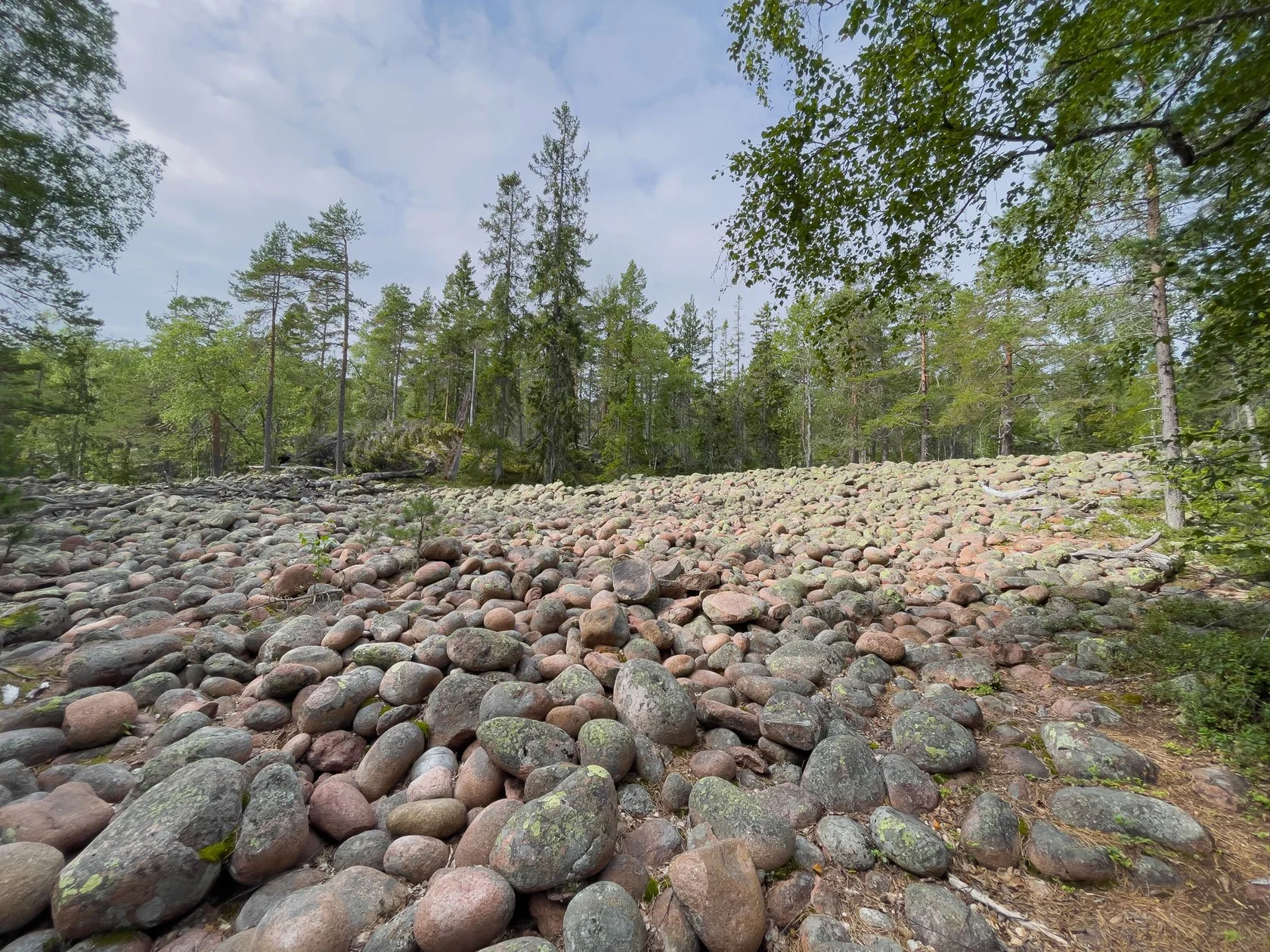
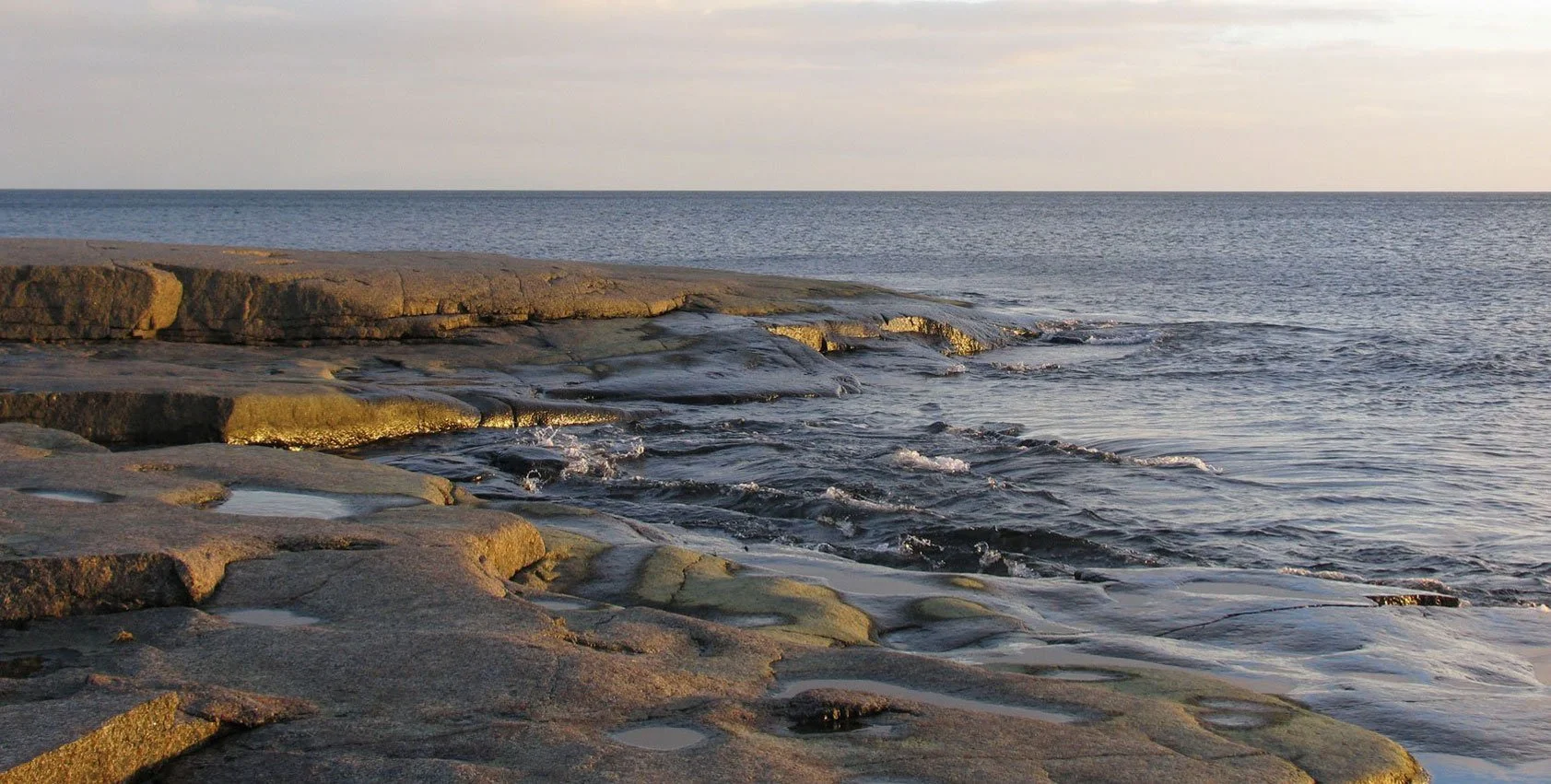
Pomeriggio: Bönhamn, villaggio di pescatori super fotogenico. Da lì, Rotsidan: non è trekking tecnico, è una passeggiata libera su una costa di rocce di granito levigate dal mare. Potete farne 20 minuti o 2 ore, senza obblighi.

Sera: Norrfällsviken. Scenario da cartolina nordica: spiaggia Storsand, casette da pesca, e se avete voglia di chiudere bene la giornata, una cena di pesce (es. Fiskfänget, quando è aperto).

Per farvi un’idea:
Mannaminne (sito ufficiale): https://www.mannaminne.se/en/
Rotsidan (info): https://www.hogakusten.com/en/rotsidan


Giorno 3 (Nucleo Docksta-wow): storia, Naturum e Skuleberget (chairlift + Kalottstigen)

Questa è la giornata “logistica facile, resa altissima”. Perfetta se volete un ritmo più morbido senza rinunciare al wow.

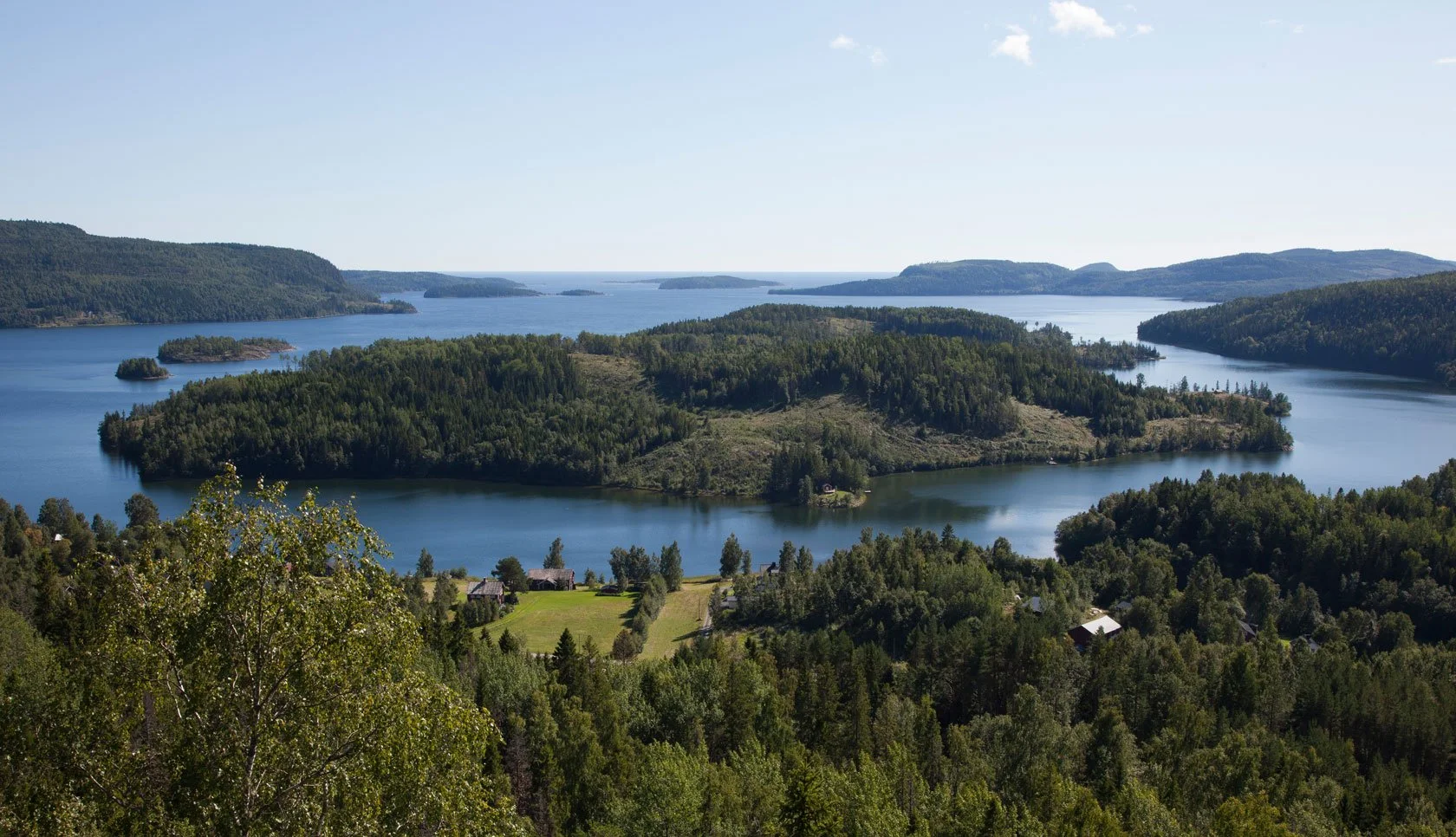
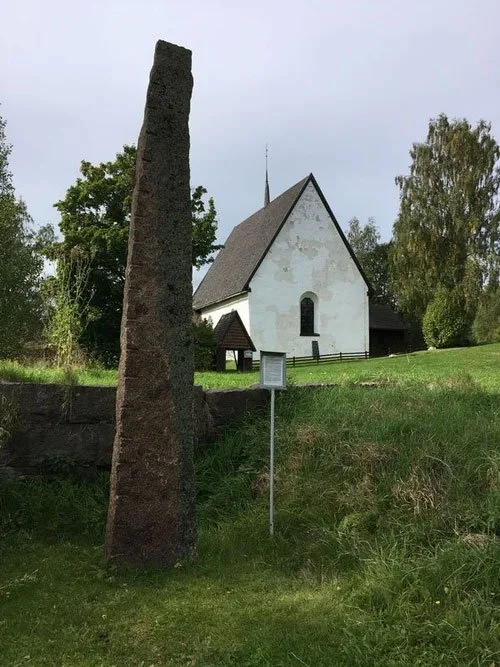
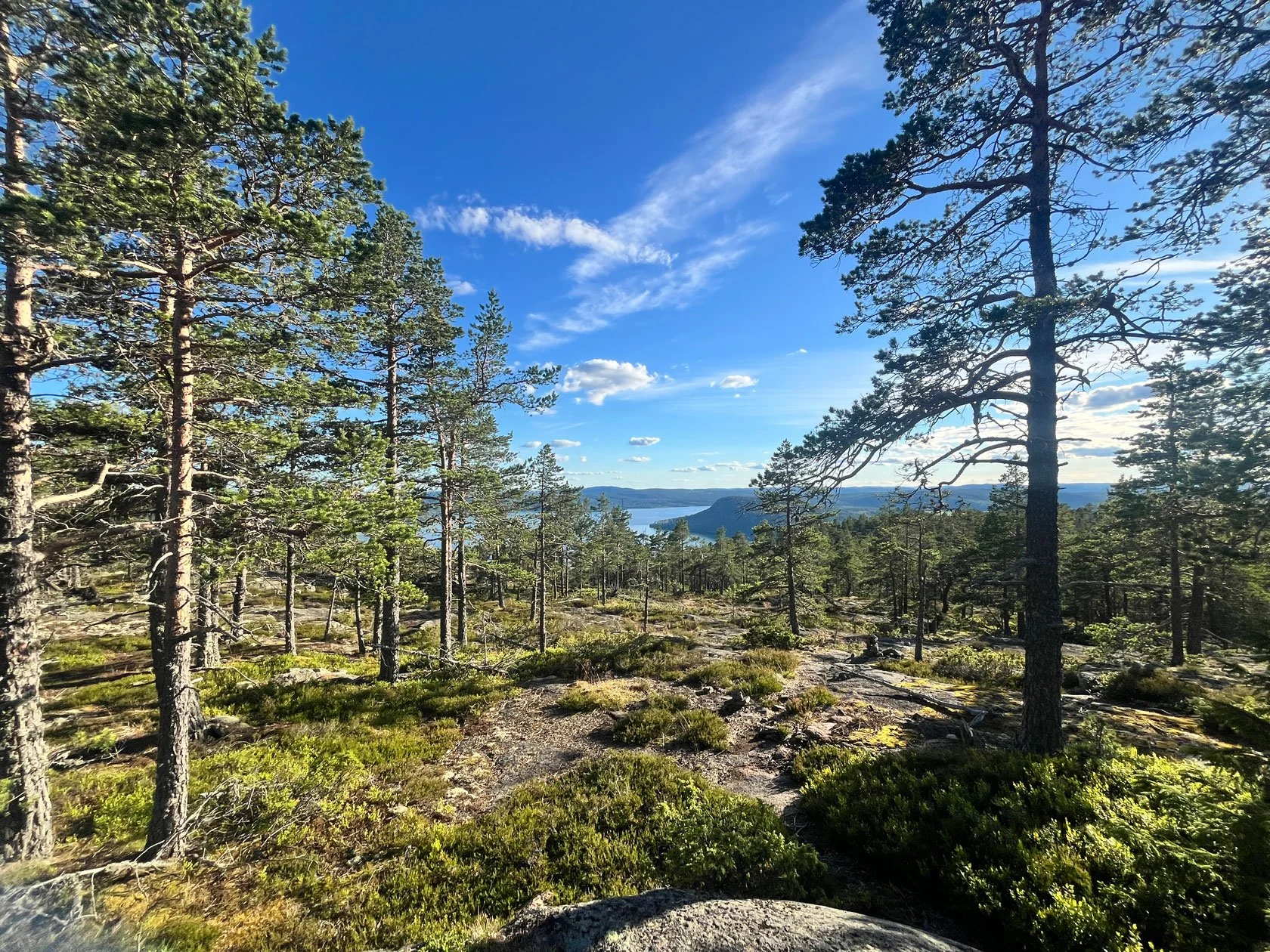
Mattina: partendo dall’antica chiesa medievale, una breve passeggiata lungo un segmento dell’Höga Kusten Leden fino a un punto panoramico speciale — giusto per respirare boschi e fiordo senza fare fatica.

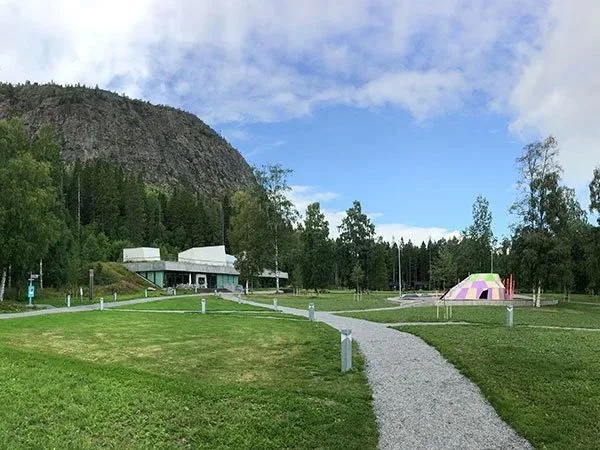
Mezzogiorno / primo pomeriggio: Naturum Höga Kusten: ideale per capire contesto UNESCO, natura e storia geologica della costa.

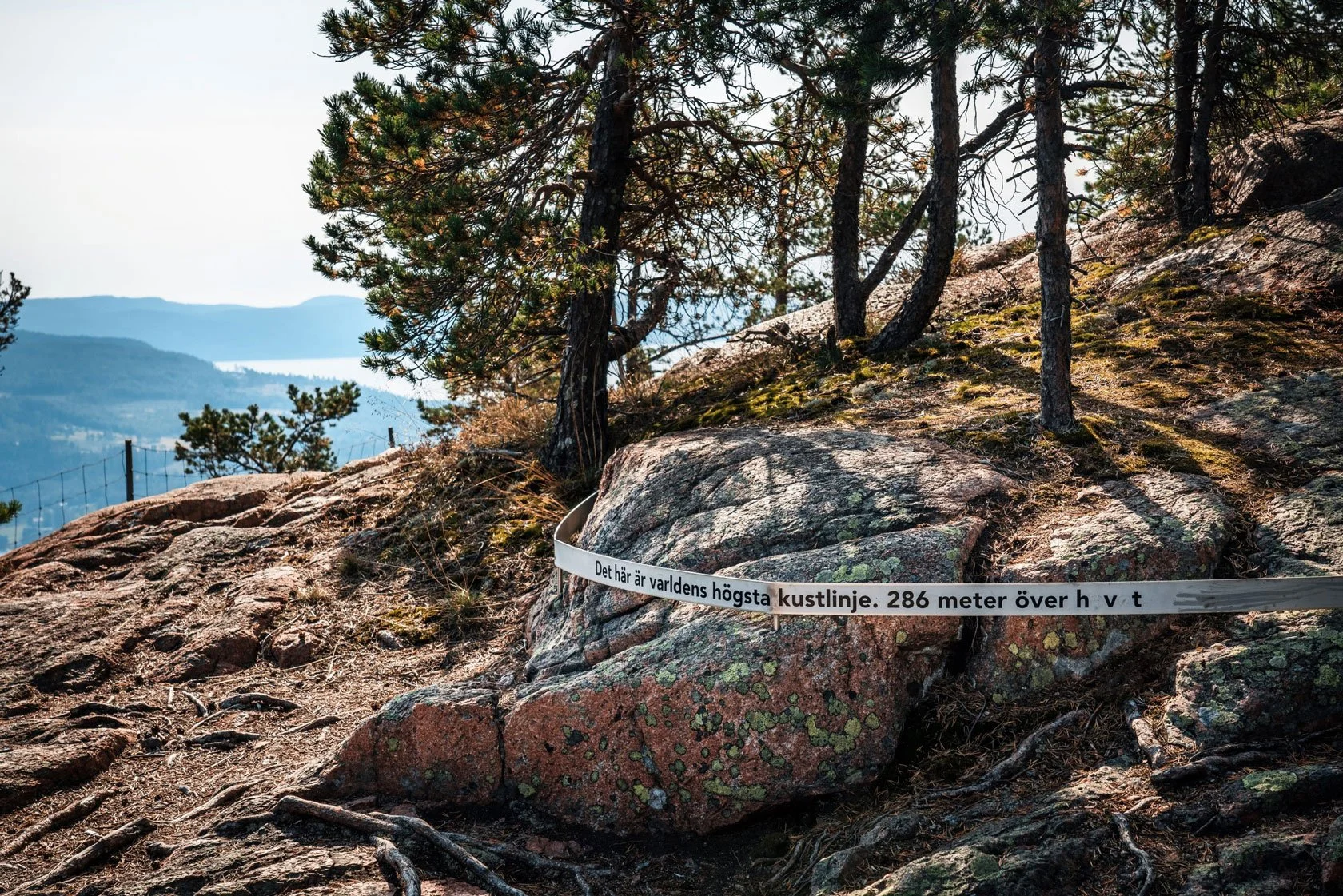
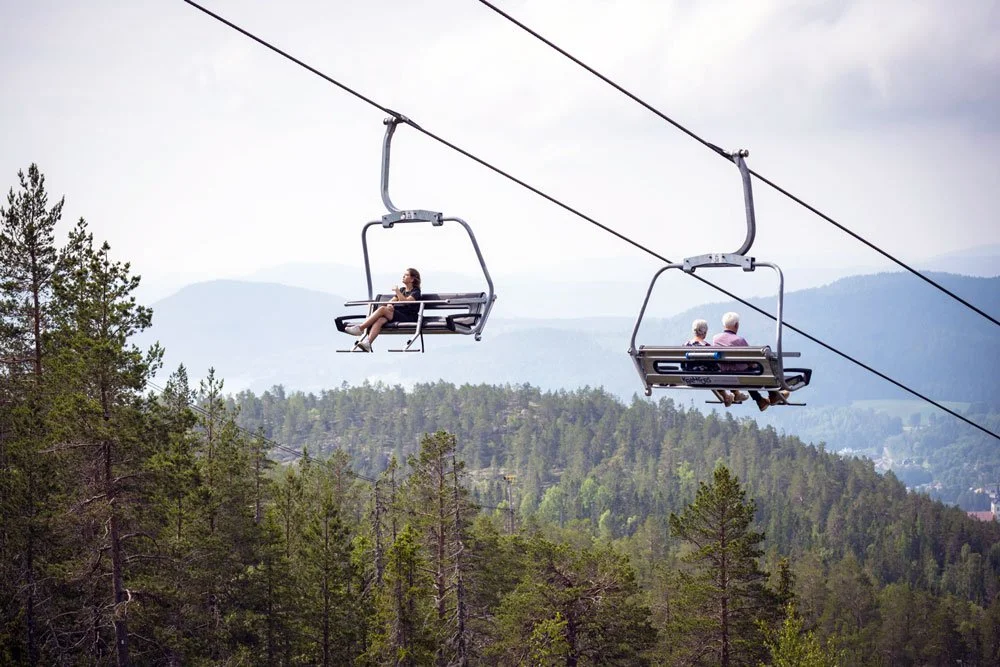
Pomeriggio: l’iconico Skuleberget. Se non siete camminatori hard, la chairlift (linbana) vi porta su (e giù) senza stress. In cima, Kalottstigen è breve, scenografico, e vi regala quella sensazione netta: “ok, siamo davvero nella High Coast”.

Per farvi un’idea:
Kalottstigen: https://www.hogakusten.com/en/kalottstigen
Chairlift (guida pratica): https://dockstahavet.se/outdoor-gear-rental-hoga-kusten/guides-stories/skuleberget-chairlift-linbana-easy-access-to-the-top


I jolly (quando meteo e mood lo chiedono)

Jolly A — Skuleskogen National Park in versione easy

Skuleskogen è uno di quei posti che “fa High Coast” anche con una camminata breve. Usalo come mezza giornata: costa, bosco, spiaggette, e stop quando avete già preso la parte migliore.

Per farvi un’idea:
https://www.sverigesnationalparker.se/en/parks/skuleskogen-national-park/
https://www.hogakusten.com/en/experiences/nature-outdoor/skuleskogen-national-park

Jolly B — Giornata isola: Ulvön o Trysunda (easy walk)

Per molti italiani questa diventa la giornata più memorabile: traghetto + villaggio + ritmo lento. Non si tratta di fare chilometri, ma di vivere una giornata nordica vera.

Per orientarvi su collegamenti e orari:
https://www.hogakusten.com/en/experiences/nature-outdoor/archipelago/ferry-ulvon


Modulo extra (non upsell): Skogspaus

A un certo punto, con gruppi così, arriva sempre un momento. Non è stanchezza fisica. È quel bisogno di abbassare il volume.

Quando succede, io propongo un modulo che non è un’attività “in più”: è un cambio di ritmo. Skogspaus.

Non è trekking. Non è performance. Non è “andiamo a fare una cosa estrema”. È una pausa guidata nel bosco, semplice e umana — fatta per chi vuole tornare a respirare bene, anche solo per tre ore.

La cosa bella è che Skogspaus non compete con il resto: lo completa. Dopo un giorno di costa e panorami, una pausa vera ti rimette al centro.


Il vero posizionamento (sussurrato)

Se dovessi riassumere Docksta Havet Base Camp in una frase, direi questa:

“Non vi consiglio quasi mai un itinerario: vi preparo piuttosto a vivere l’High Coast ad un ritmo giusto.”

Il mio lavoro d’estate è essere presente: ascoltare, fare poche domande giuste, e trasformare una mappa enorme in giornate leggibili.

La promessa non è “vi vendo un pacchetto”. È più semplice: vi ospitiamo, dandovi un punto d’appoggio

  • vi aiutiamo a scegliere bene ogni giorno,

  • in base a meteo e mood,

  • con una relazione uno a uno.


Conosci i tuoi host (Anna & Tom)

Noi siamo Anna e Tom. D’estate viviamo qui, sul molo, tra cime, espresso e meteo che cambia in fretta.
Docksta Havet per noi non è “una struttura”: è un Base Camp vero. Questo significa una cosa semplice: ci siamo. Ascoltiamo, facciamo poche domande giuste, e se possiamo ti aiutiamo, anche a scegliere il ritmo migliore per la giornata — senza stress e senza performance.


Mini guida in italiano (per orientarti in 10 minuti)

Se vuoi arrivare già “centrato”, ho scritto una mini guida in italiano su Höga Kusten: pratica, essenziale, con le cose che servono davvero per capire come muoversi (e cosa evitare).
Leggila qui: https://dockstahavet.se/it/vacanza-alla-scoperta-della-costa-alta-svedese

Scrivimi su WhatsApp (Base Camp Rhythm su misura)

Se stai pensando a un viaggio in High Coast — e vuoi vedere tanto senza correre — scrivimi su WhatsApp: +39 335 130 9207 oppure +46 76 3136909 se sei già in Svezia.

Dimmi solo: periodo e quante notti, mare vs panorami (o 50/50), e se arrivi in auto da sud o sei già in zona.

Ti rispondo con 2–3 opzioni chiare e un Base Camp Rhythm che funziona davvero.

Se preferisci guardare prima gli alloggi, li trovi su Airbnb (Docksta Havet Base Camp) — qui il mio profilo >


Come usare questa mappa per le tue escursioni

Clicca su un segnaposto 👉 apri la mappa dell’High Coast a schermo intero per pianificare più facilmente da dispositivo mobile.

Scegli il tuo stato d'animo: panorami, boschi, avventura, vita locale o un mix di tutto ciò, c'è un'escursione adatta a ogni tipo di giornata.

Scegli il tempo: 1 o 2 ore, mezza giornata o una giornata intera? Scegli ciò che fa per te ora, non ciò che dovresti vedere.

Ti serve una bici? Il nostro noleggio bici Outdoor Gear Rental / Grab&Go è aperto a tutti.