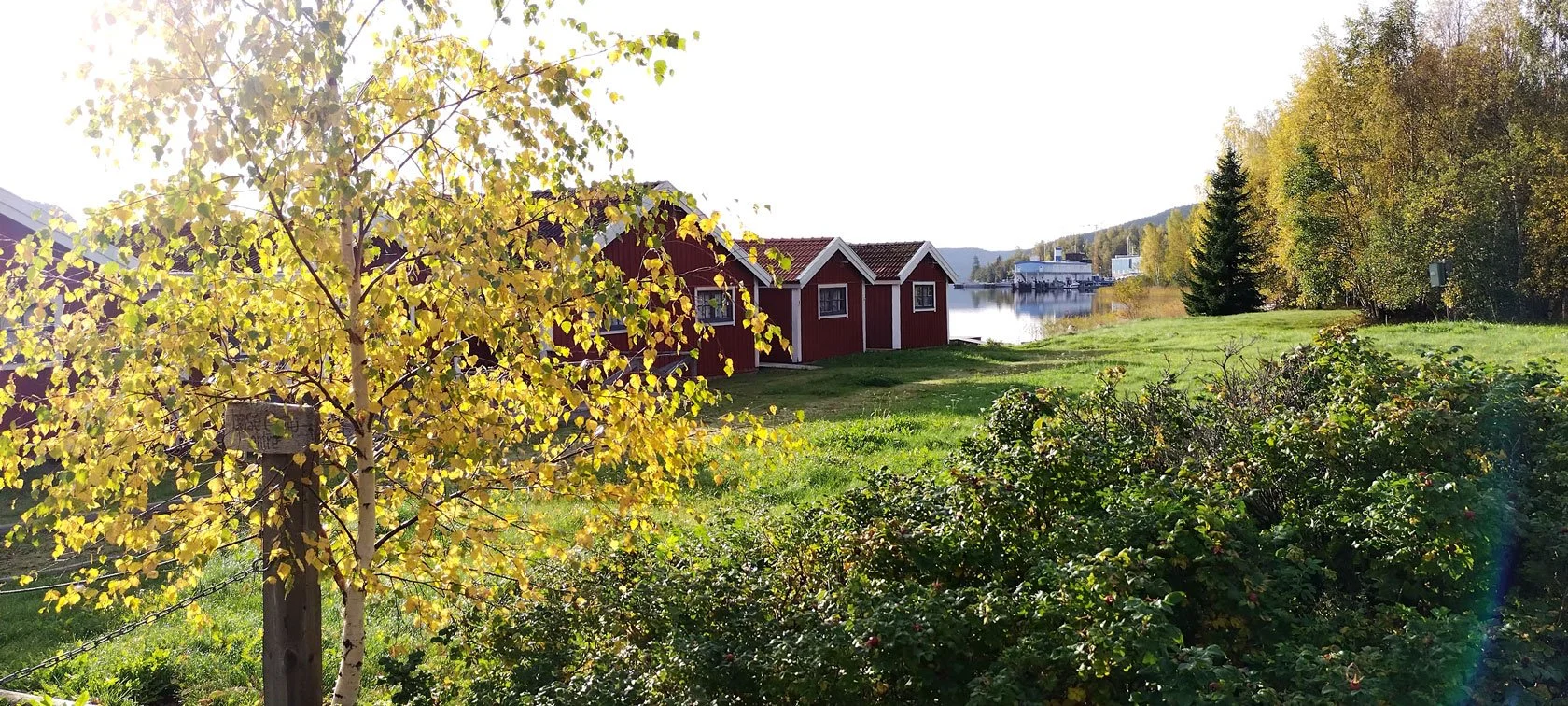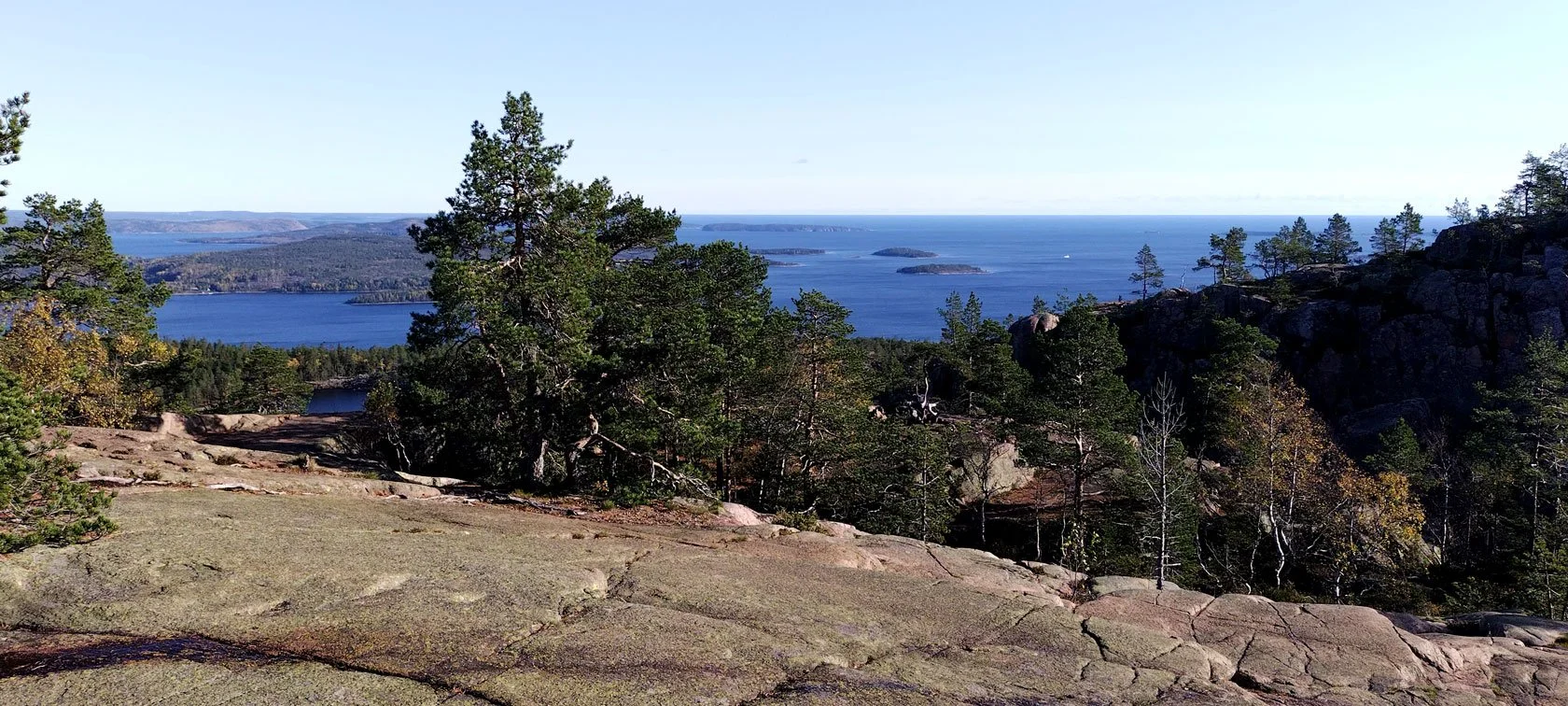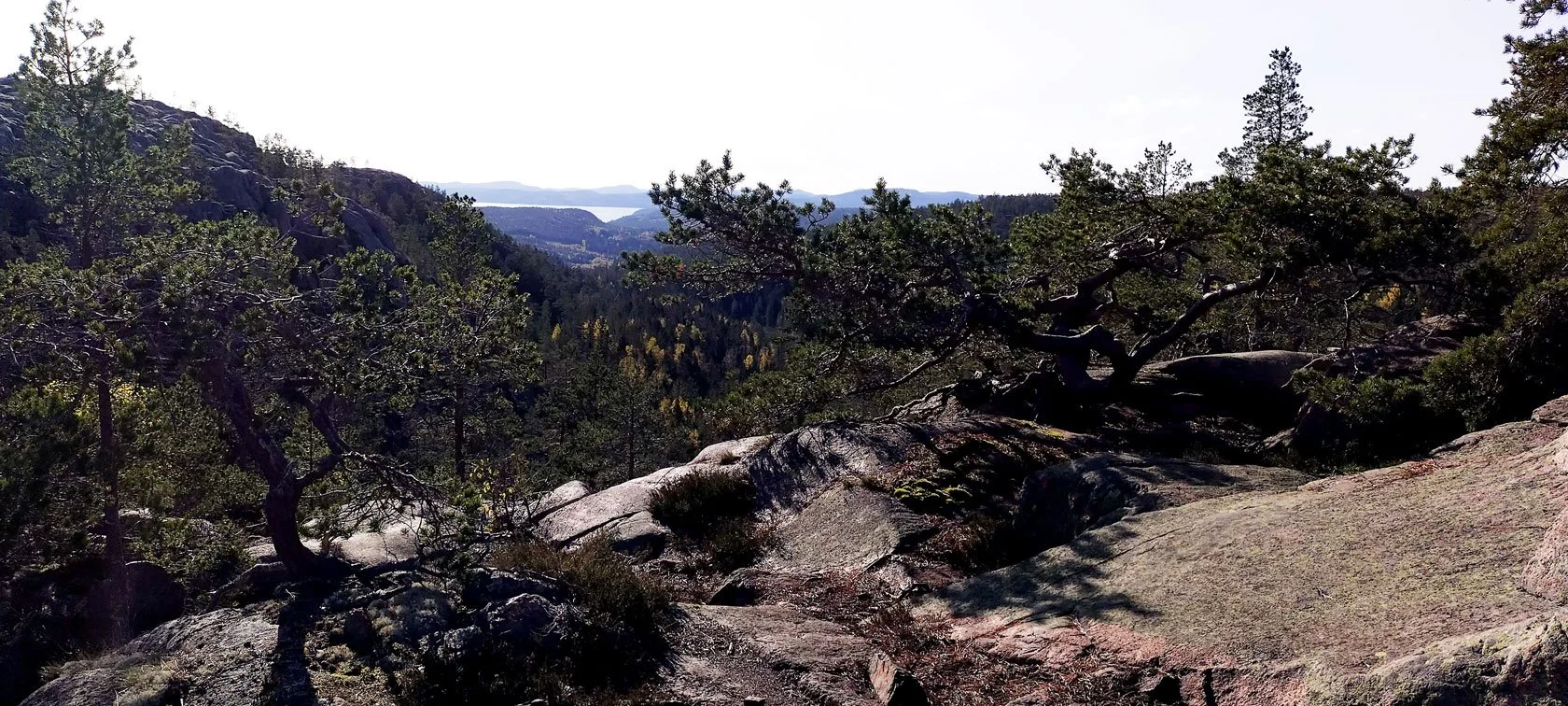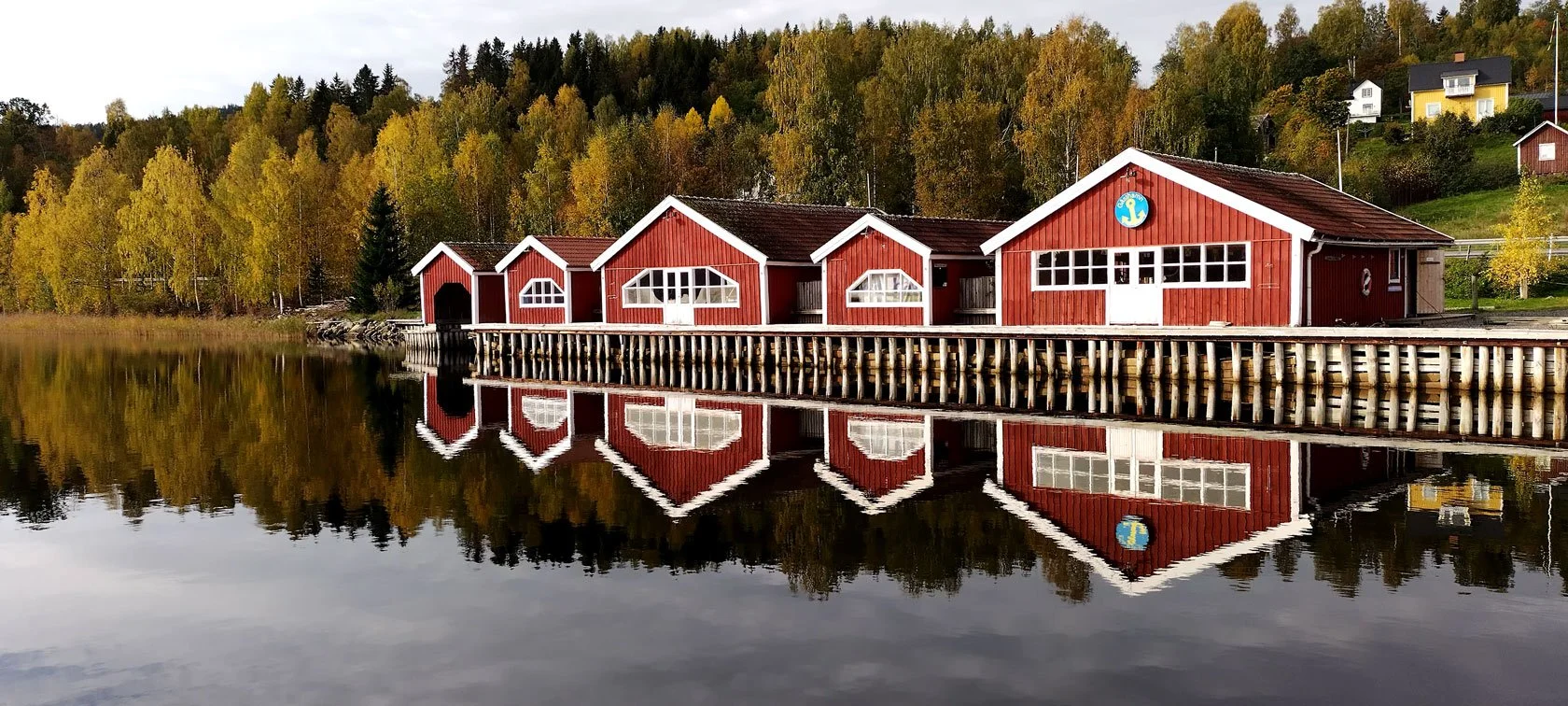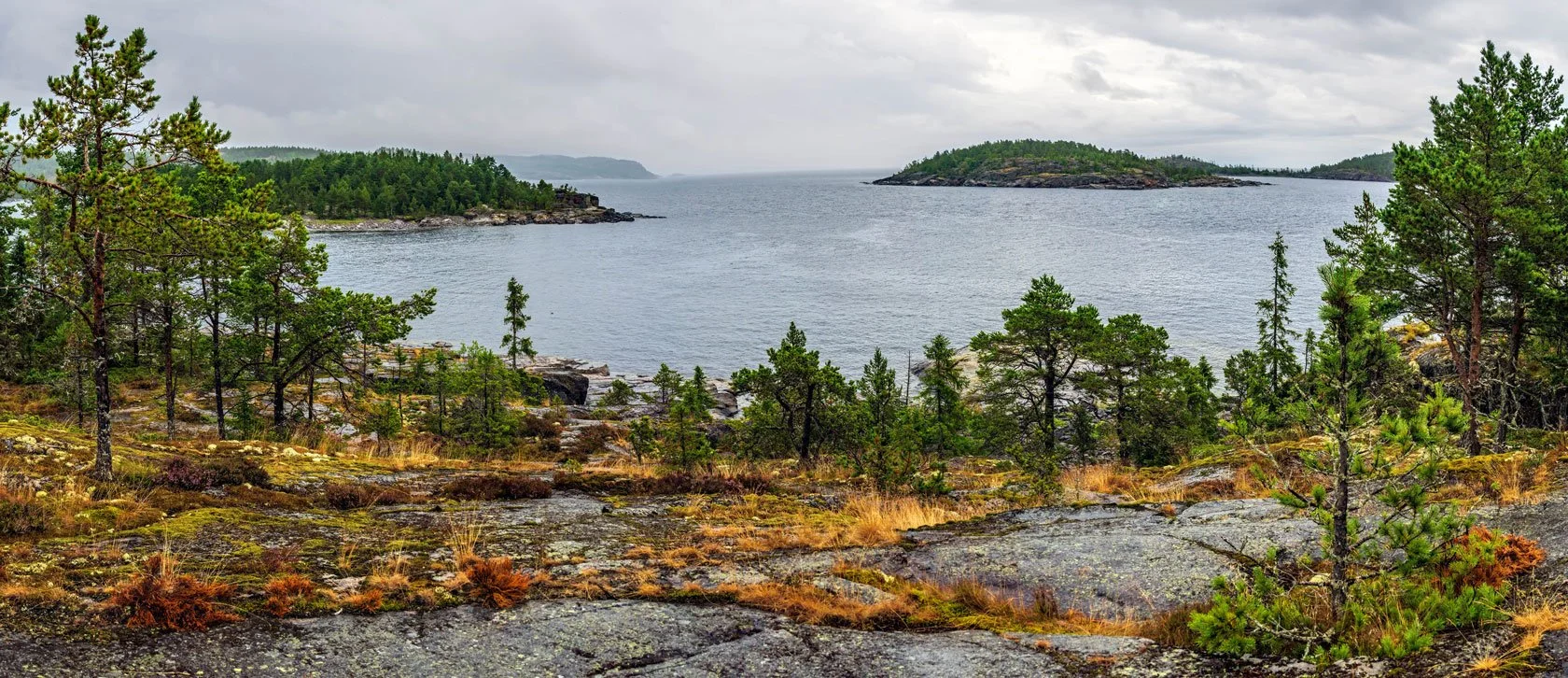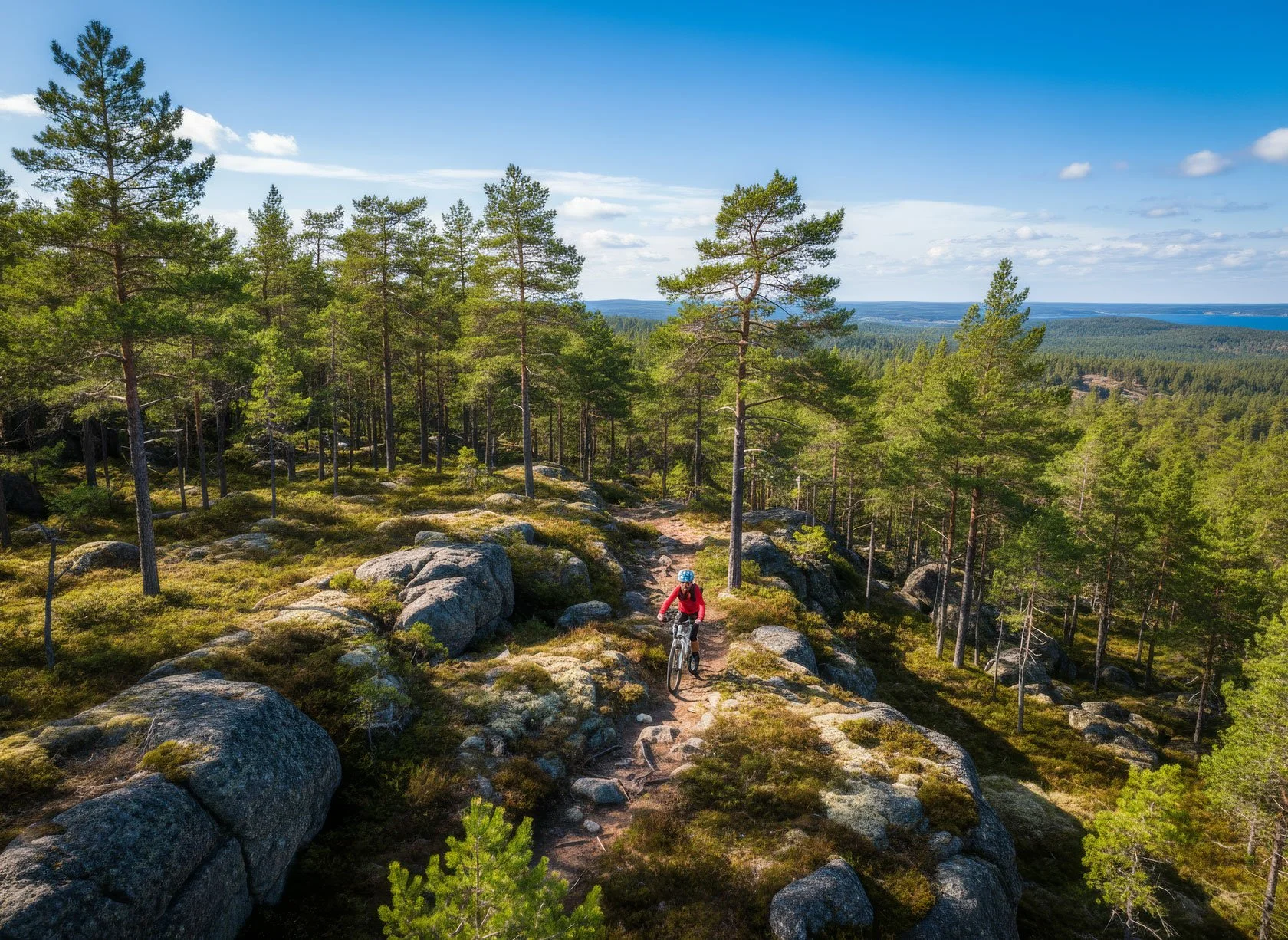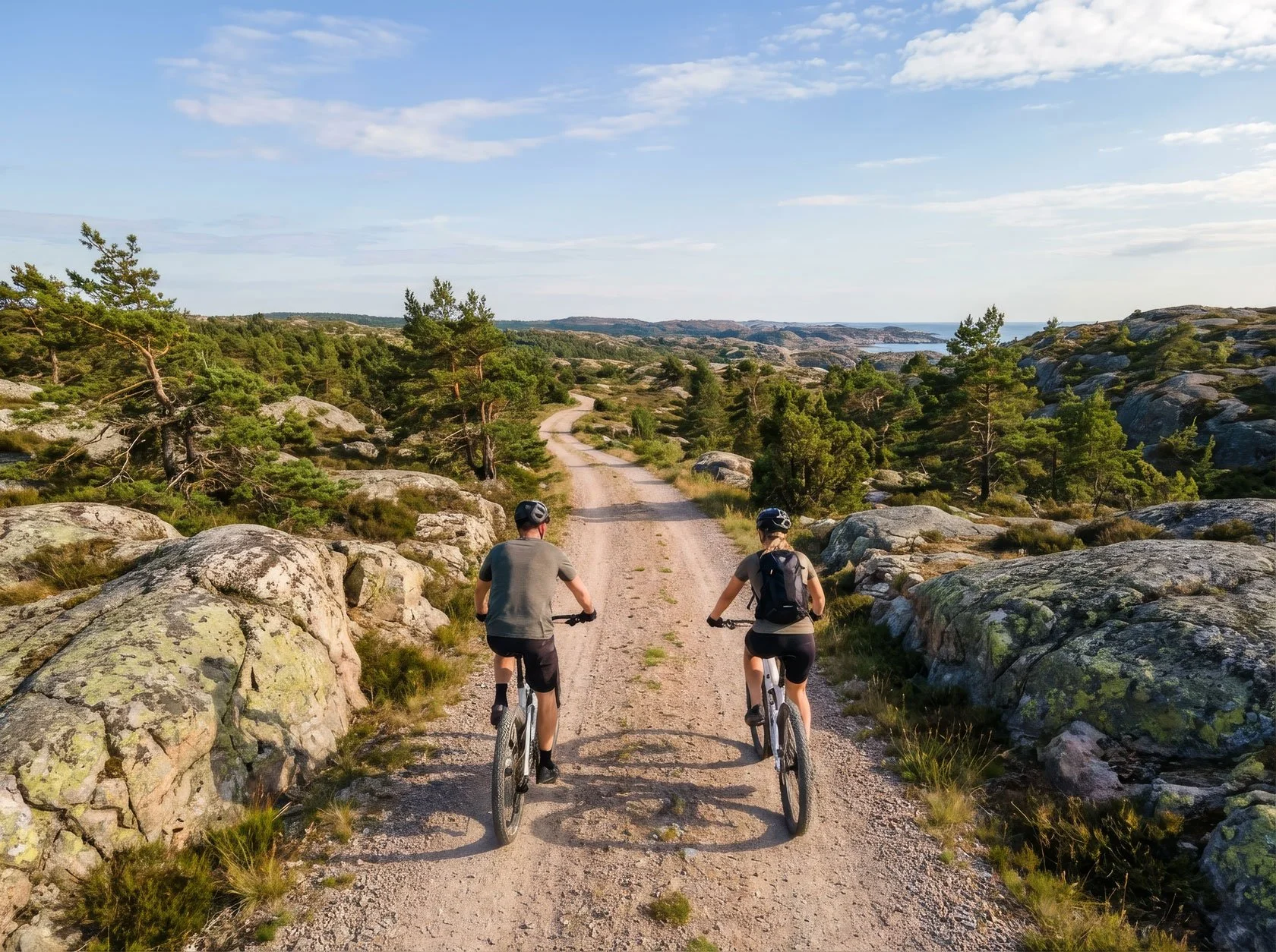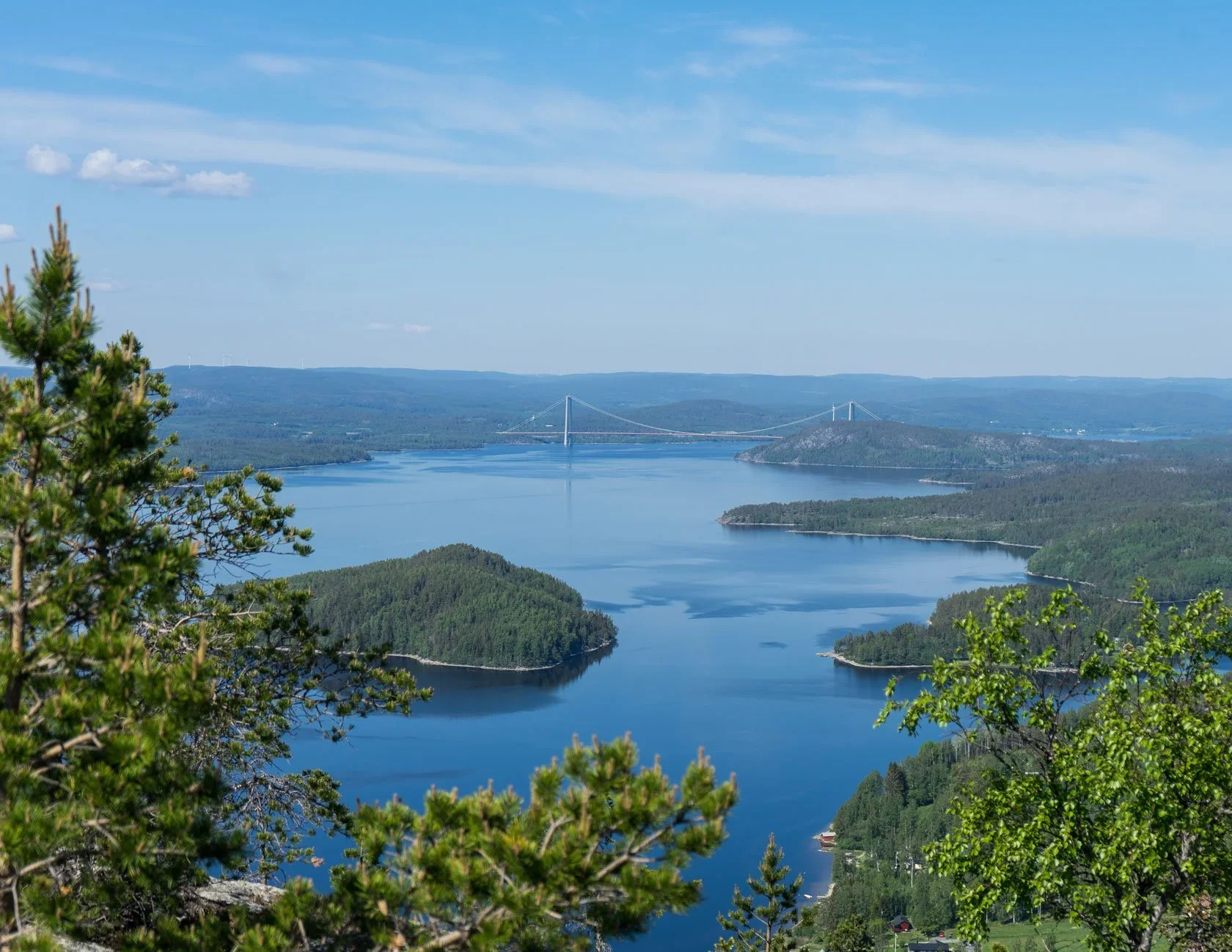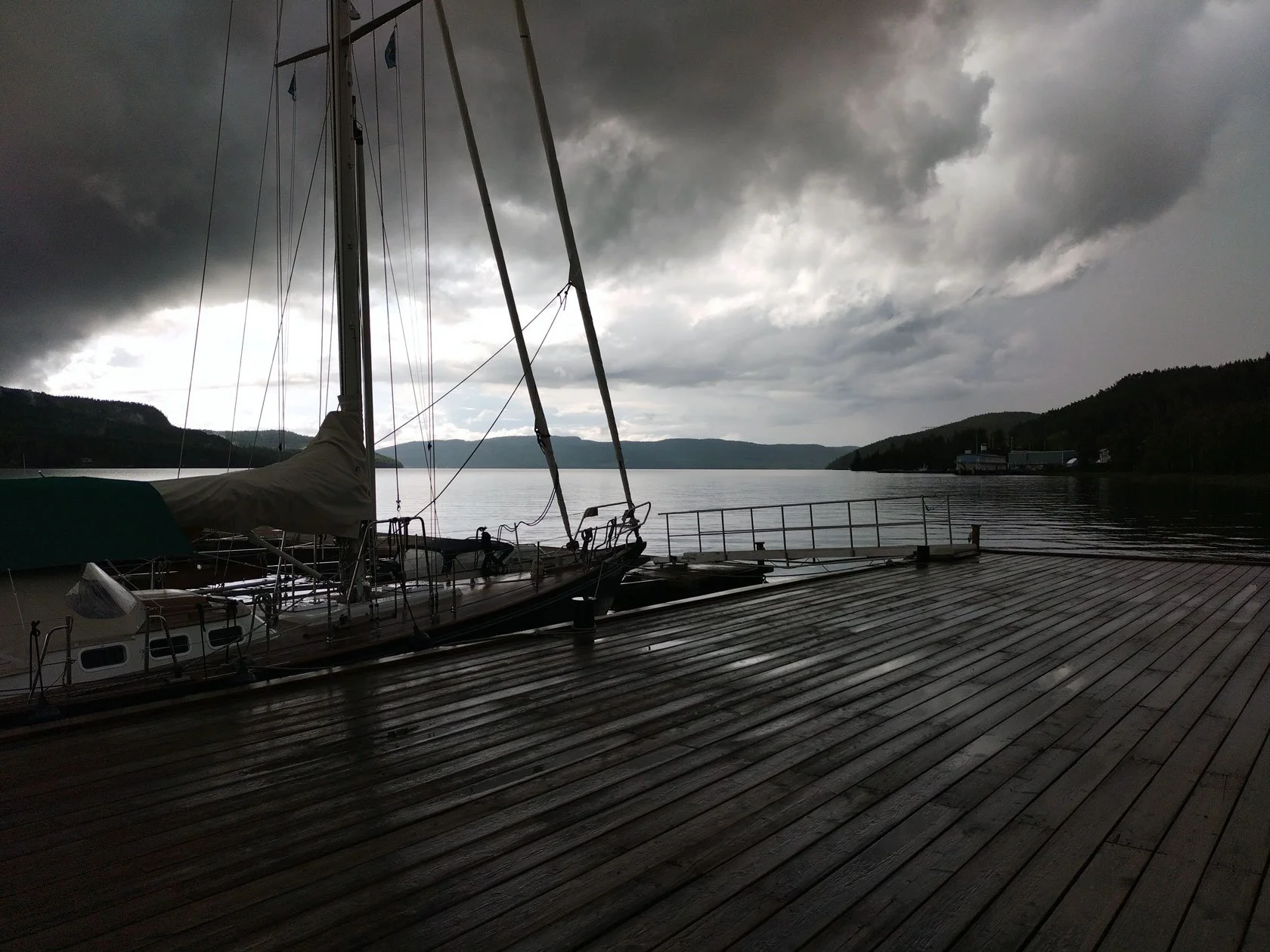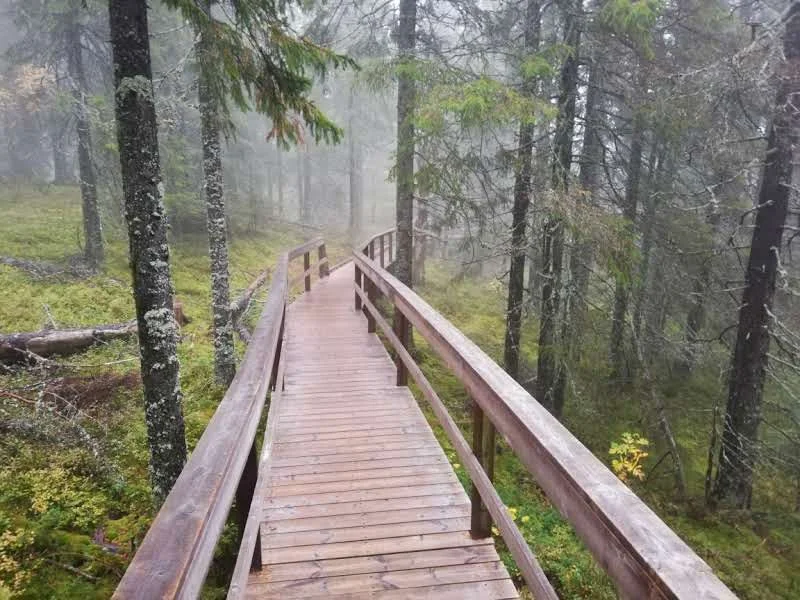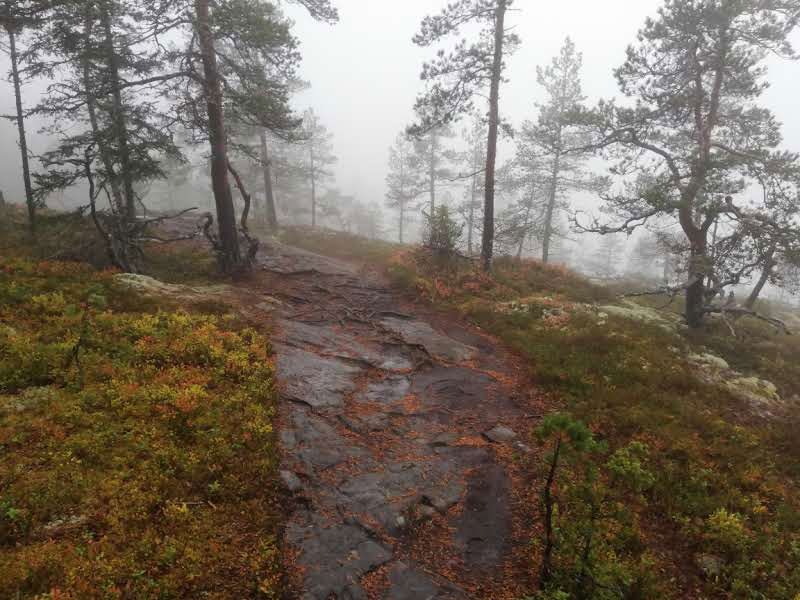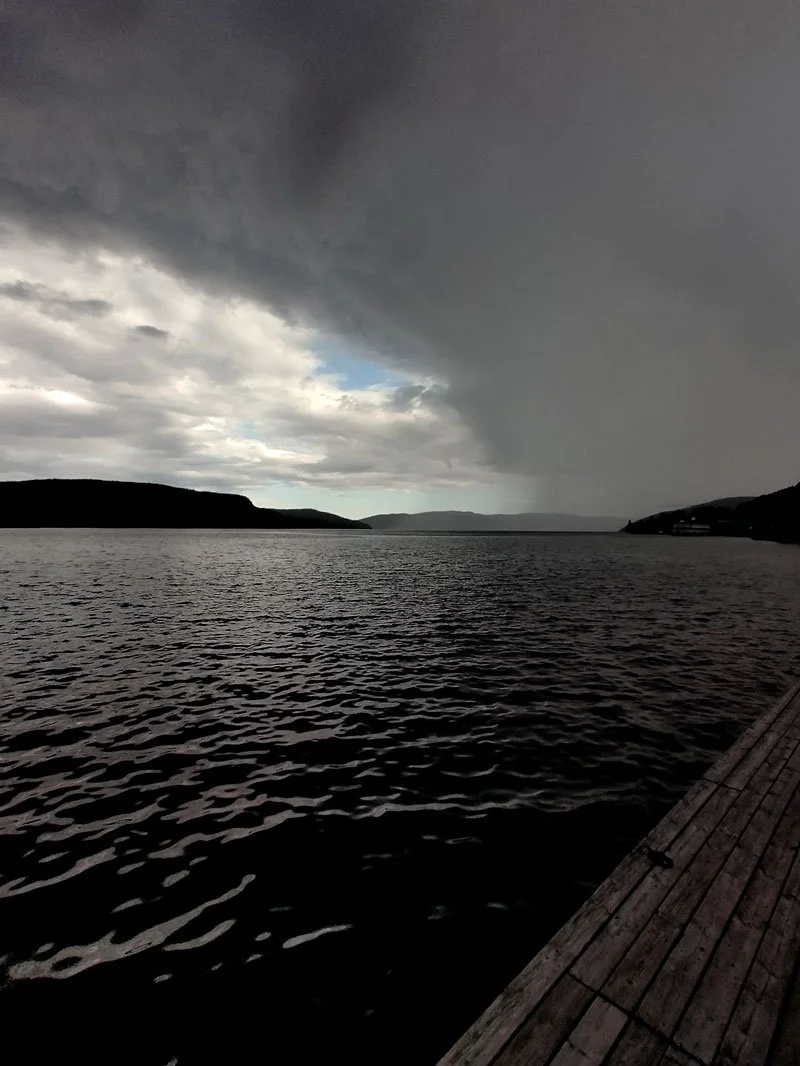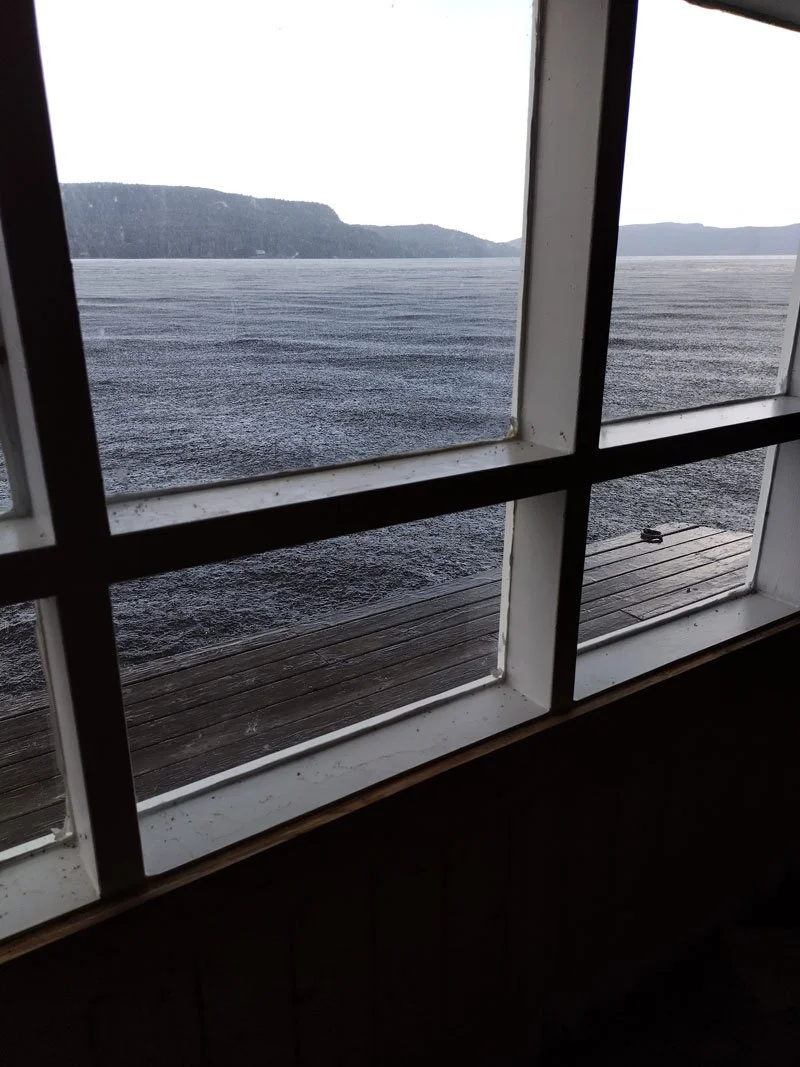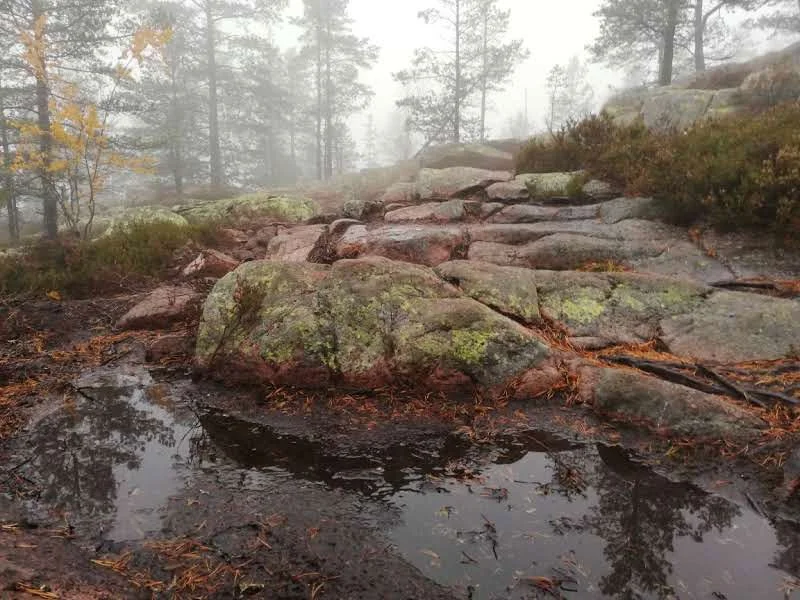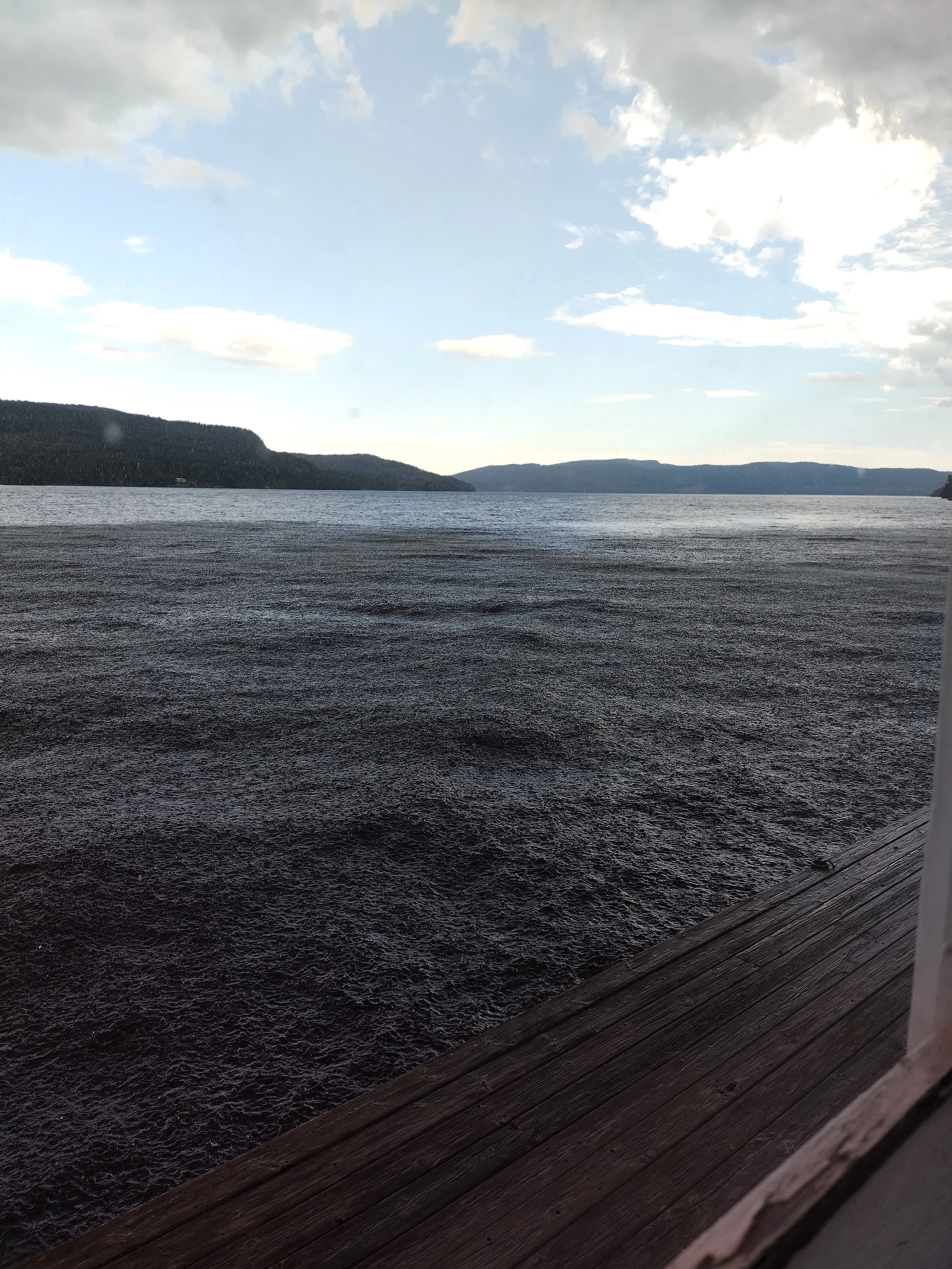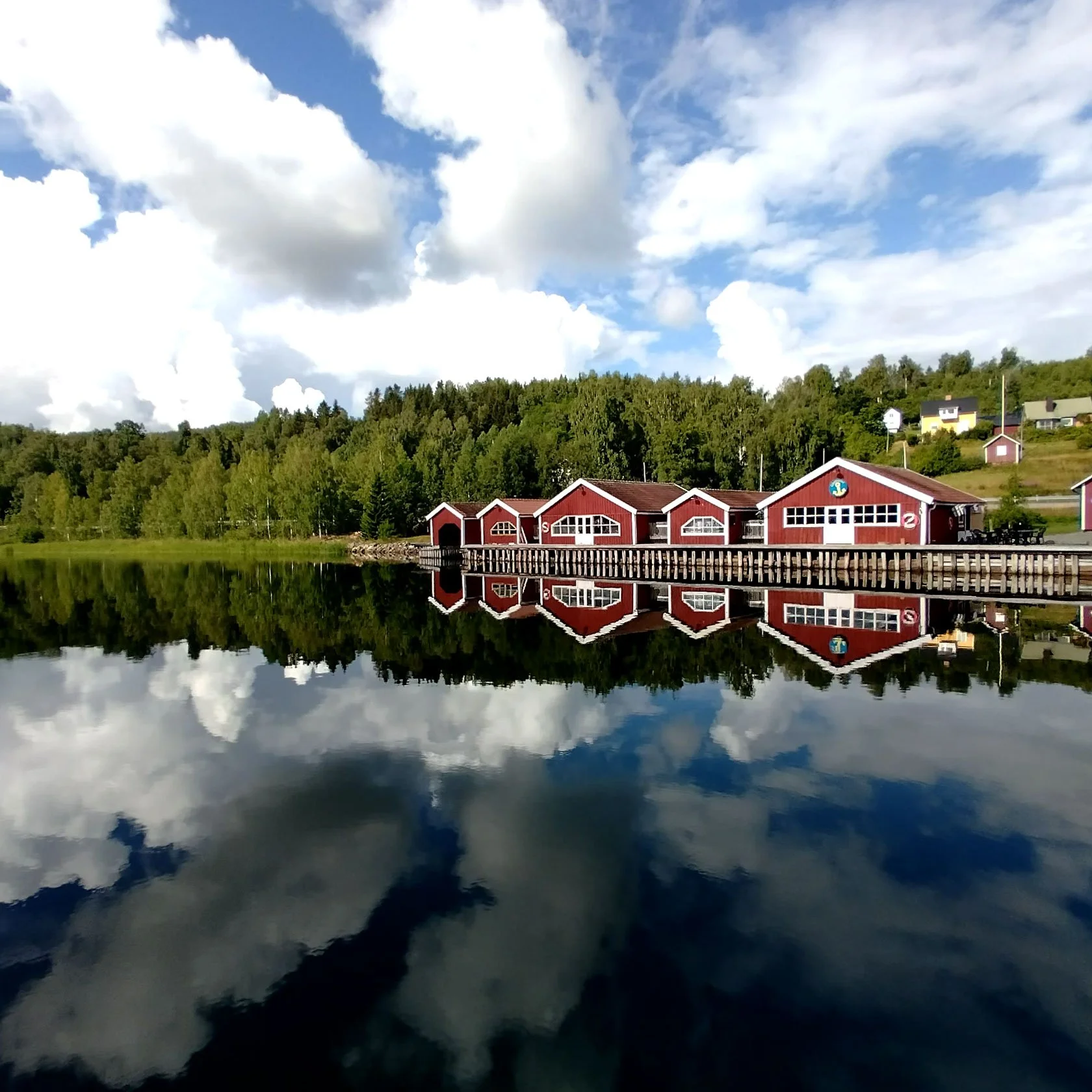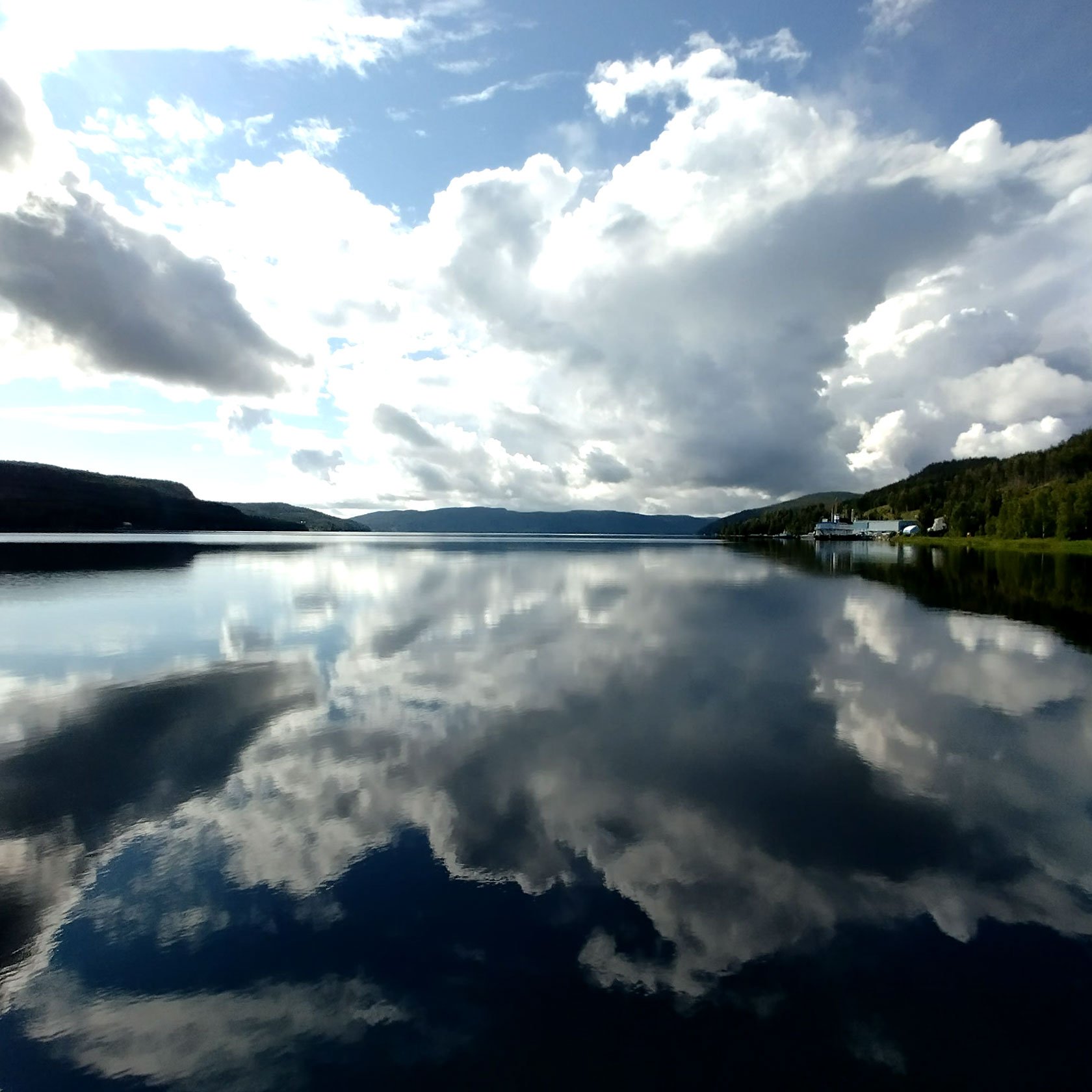
Same Work. Cleaner Head. A Micro Work‑Break + Nordic Nature Resets

Micro Work‑Break in Sweden’s High Coast (3–7 Days)

Not a retreat. Not a coworking hype week. Just a simple 3–7 day rhythm: same work, cleaner head — in Sweden’s High Coast.
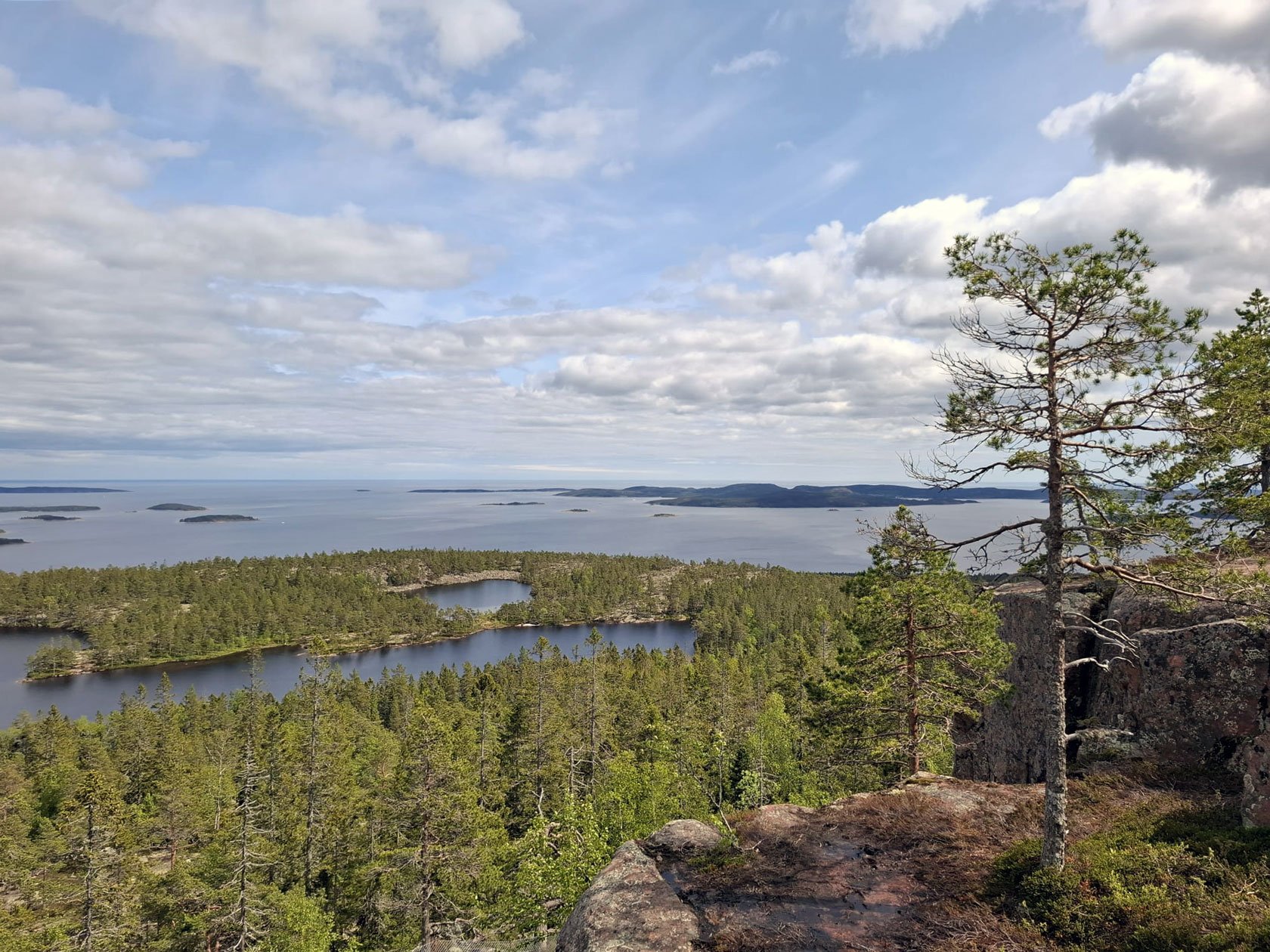
A simple 3–7 day workation rhythm for young professionals: deep work, Nordic nature resets, and a calm base by the sea in Sweden’s High Coast (Höga Kusten UNESCO).

There’s a specific kind of tired I see a lot.

Not “I need a vacation” tired. More like: “I’m doing fine, but I’m always on.”

So this isn’t about escaping work. It’s about changing the signal for a few days.

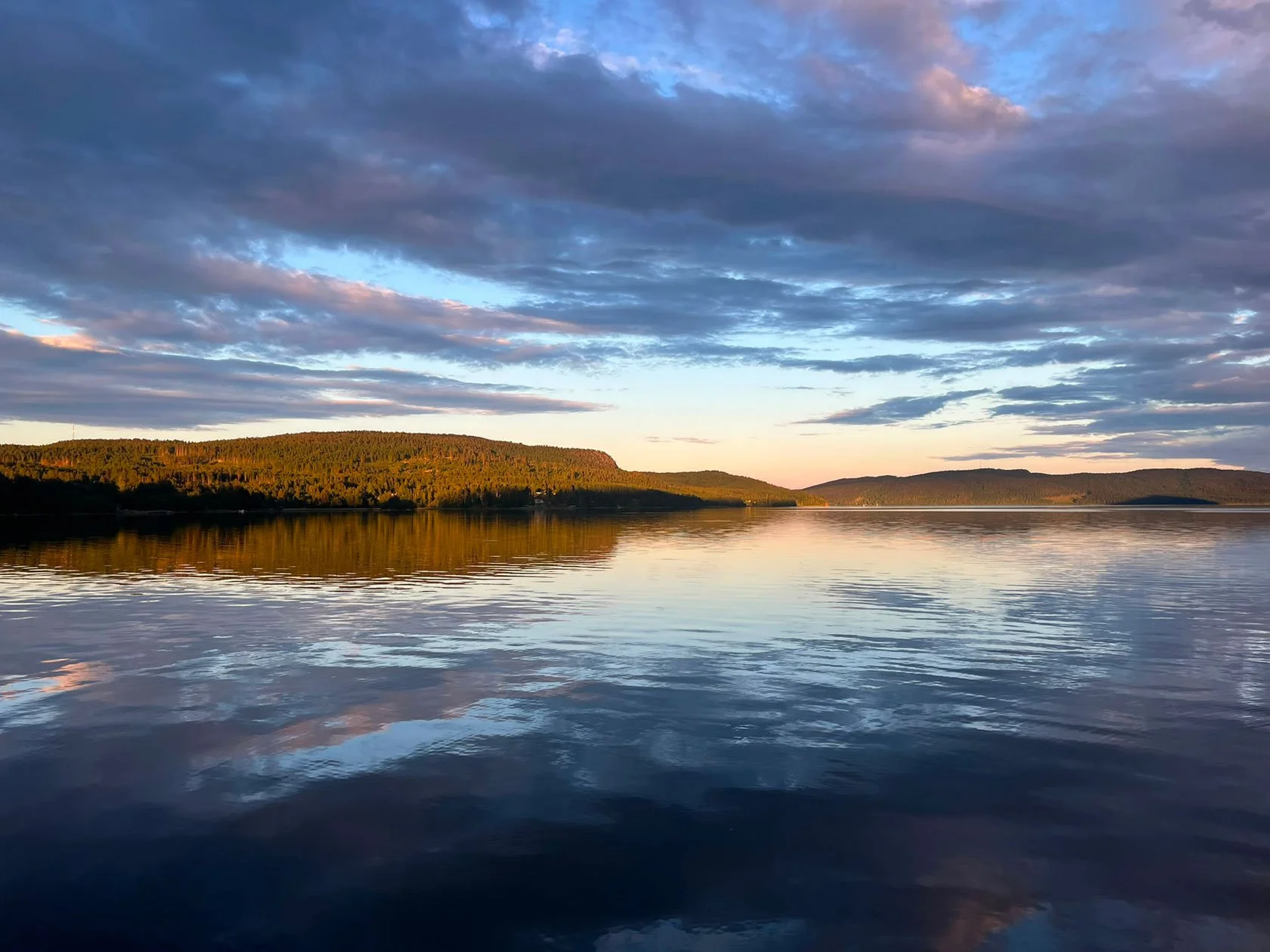
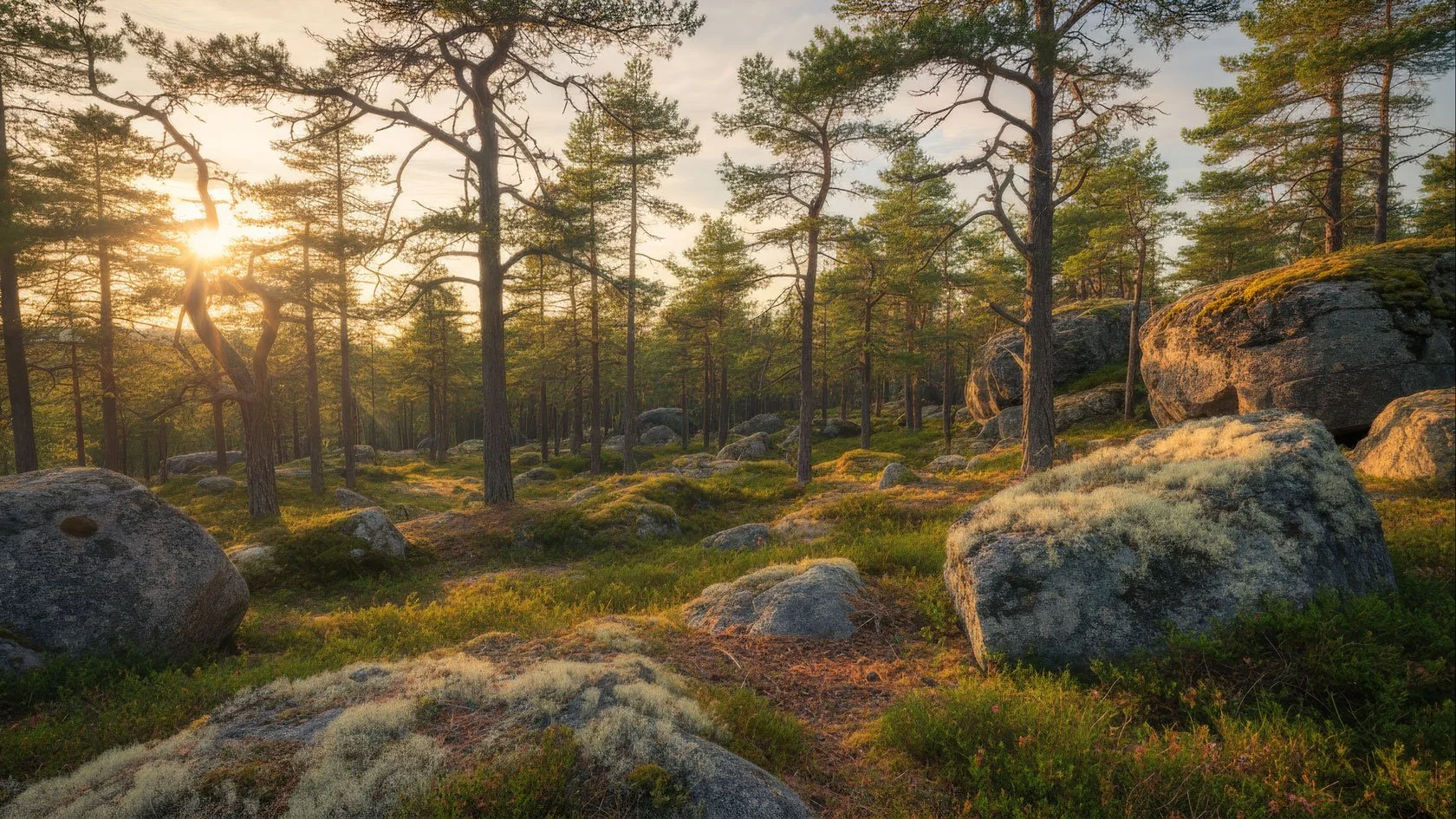
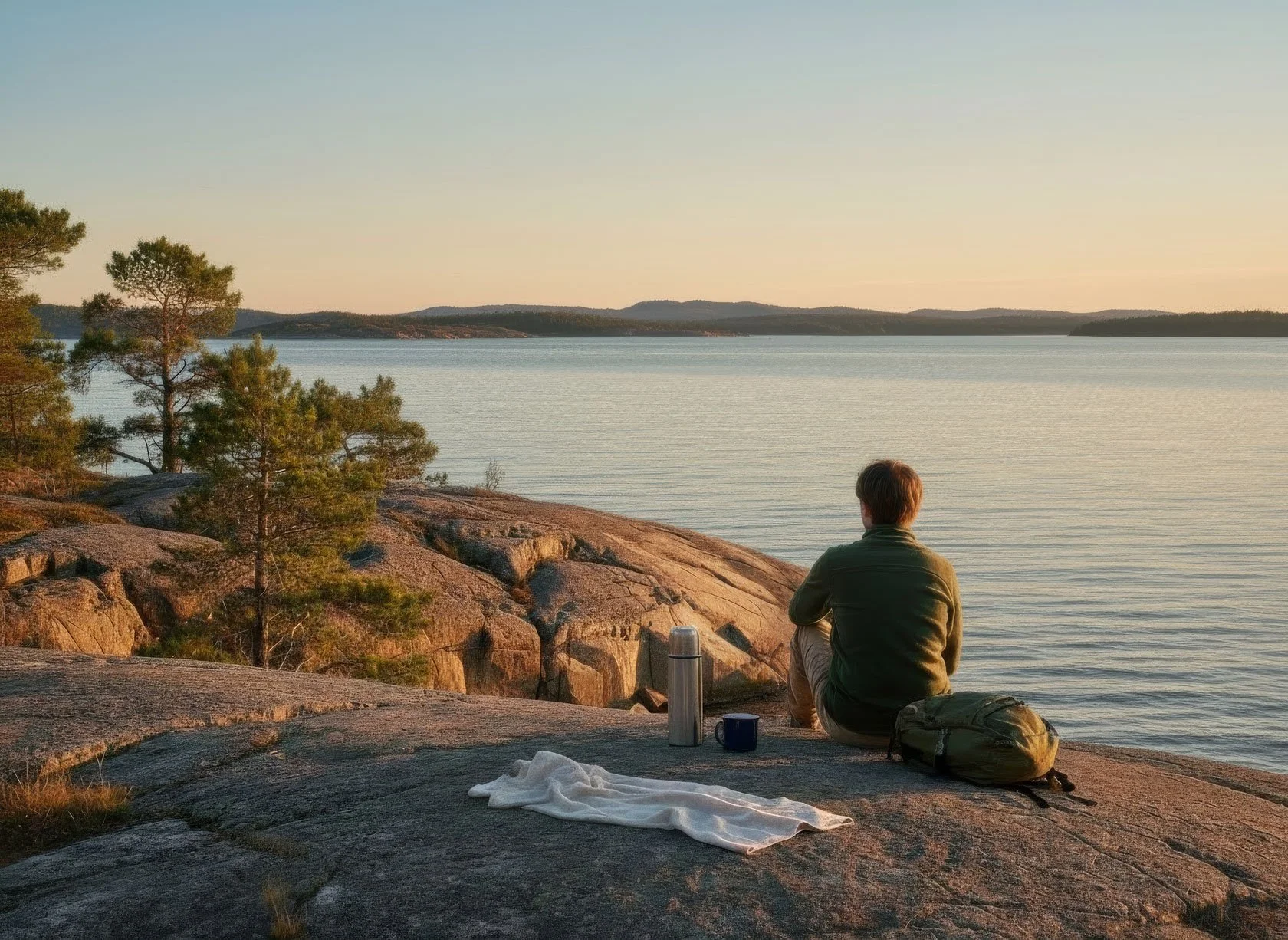
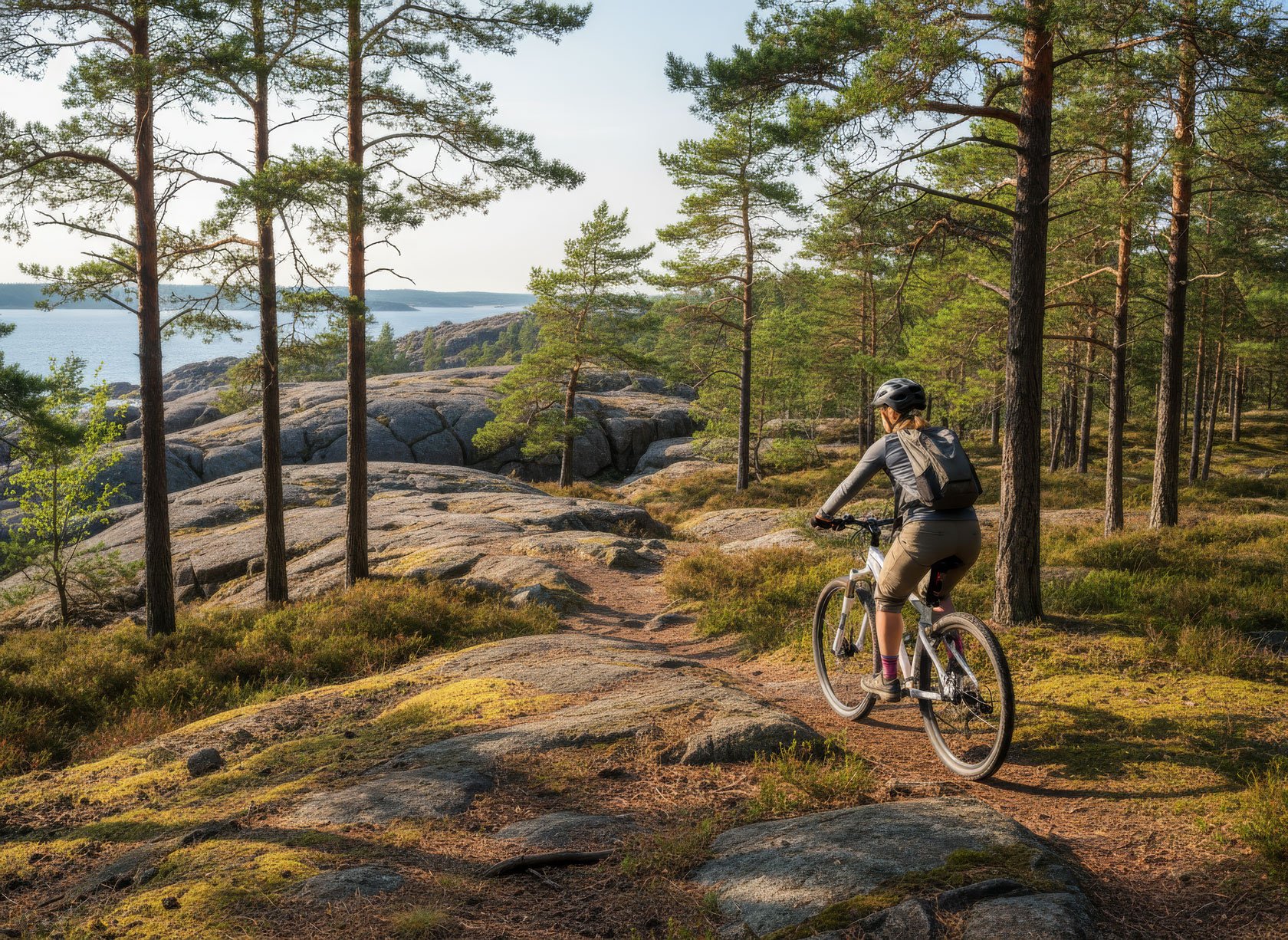
Same tasks. Cleaner head. Sea air in the morning. Trails and forest in the afternoon. Long Nordic light in the evening.

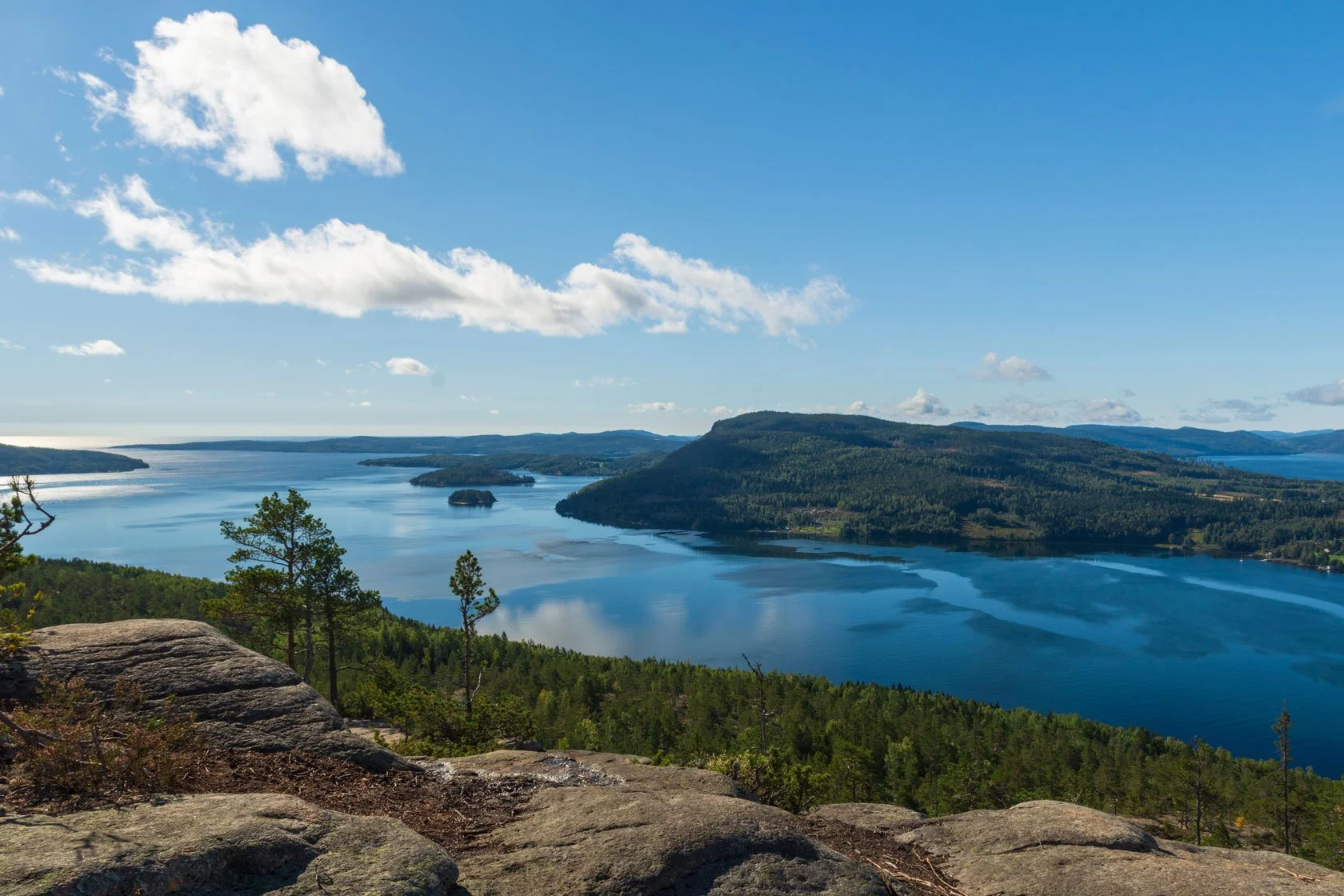
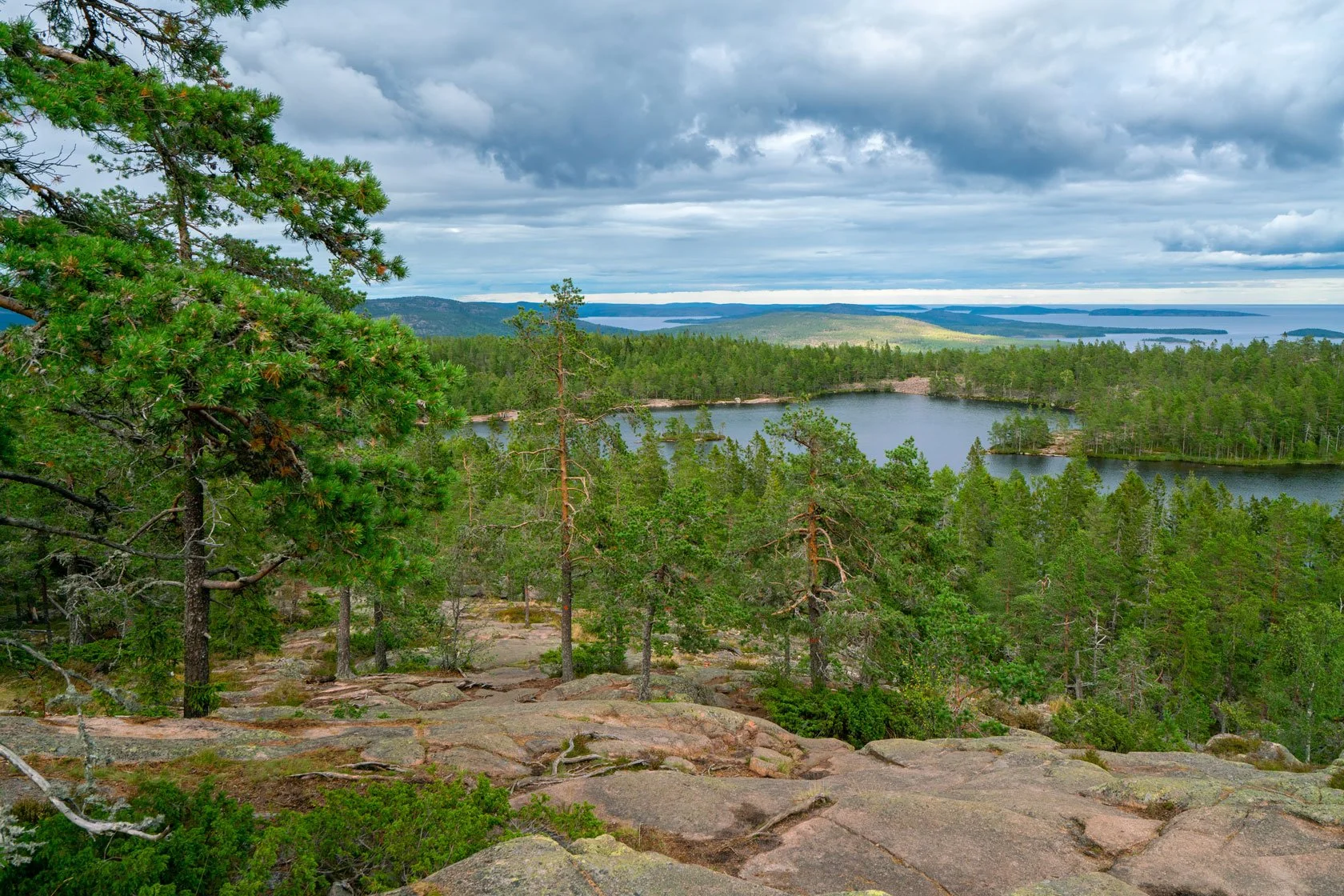
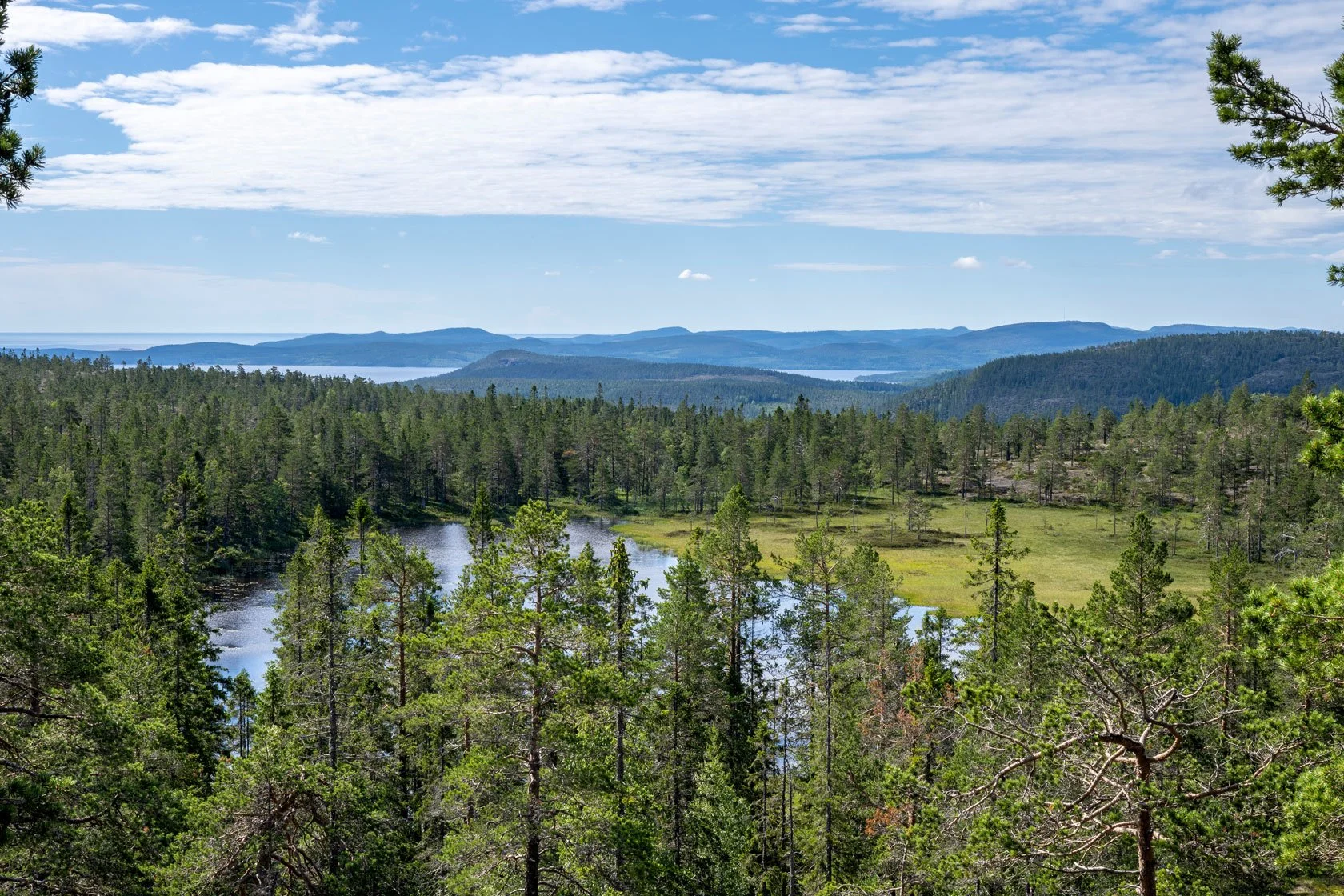
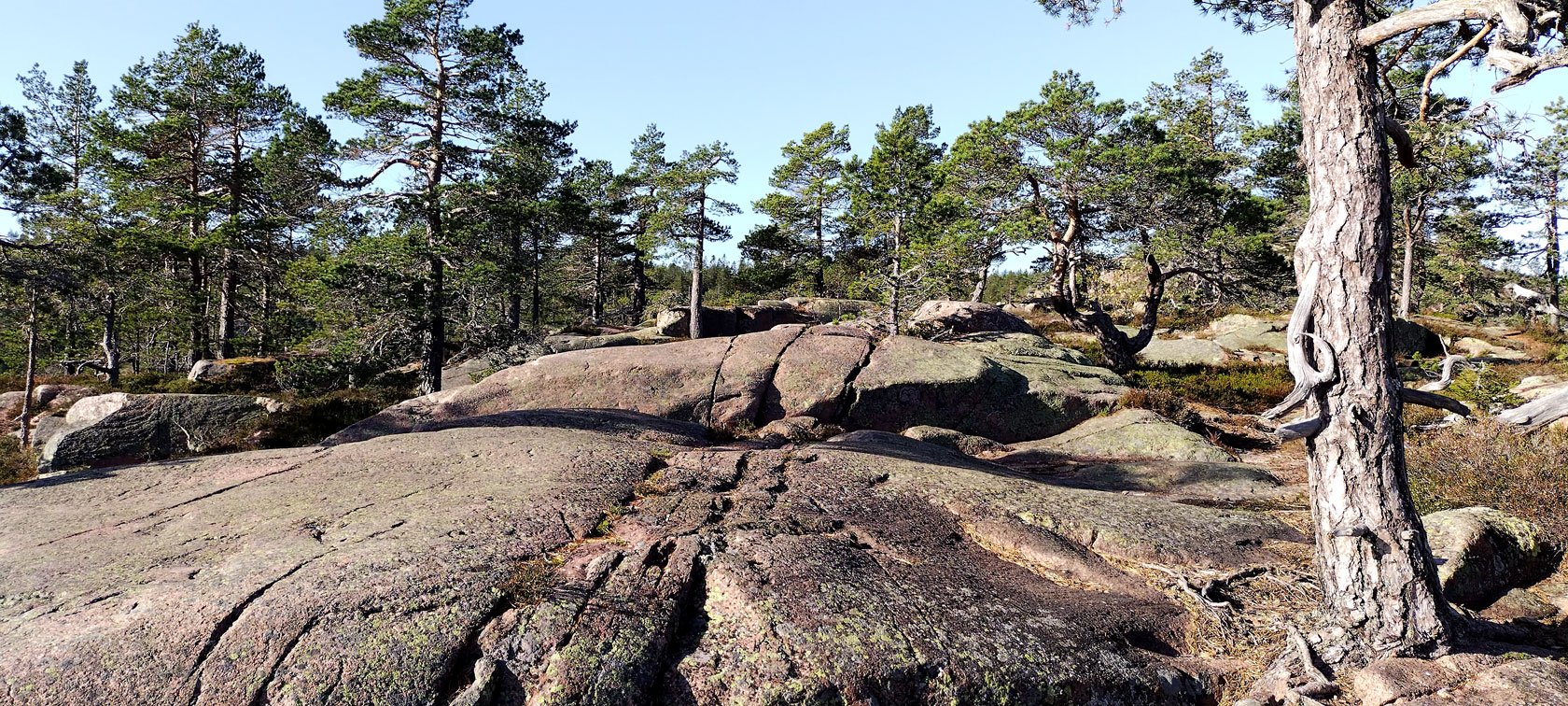
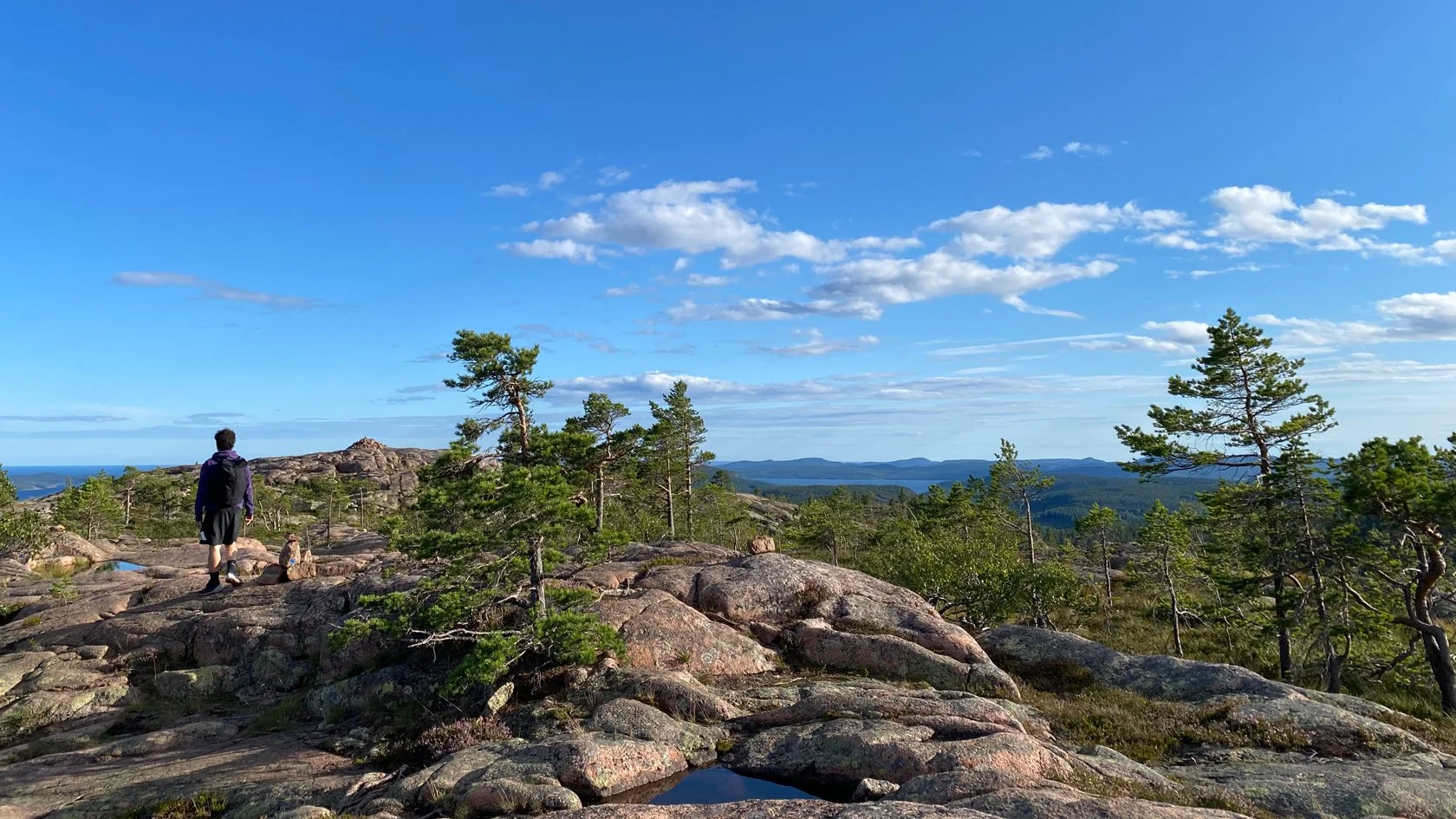
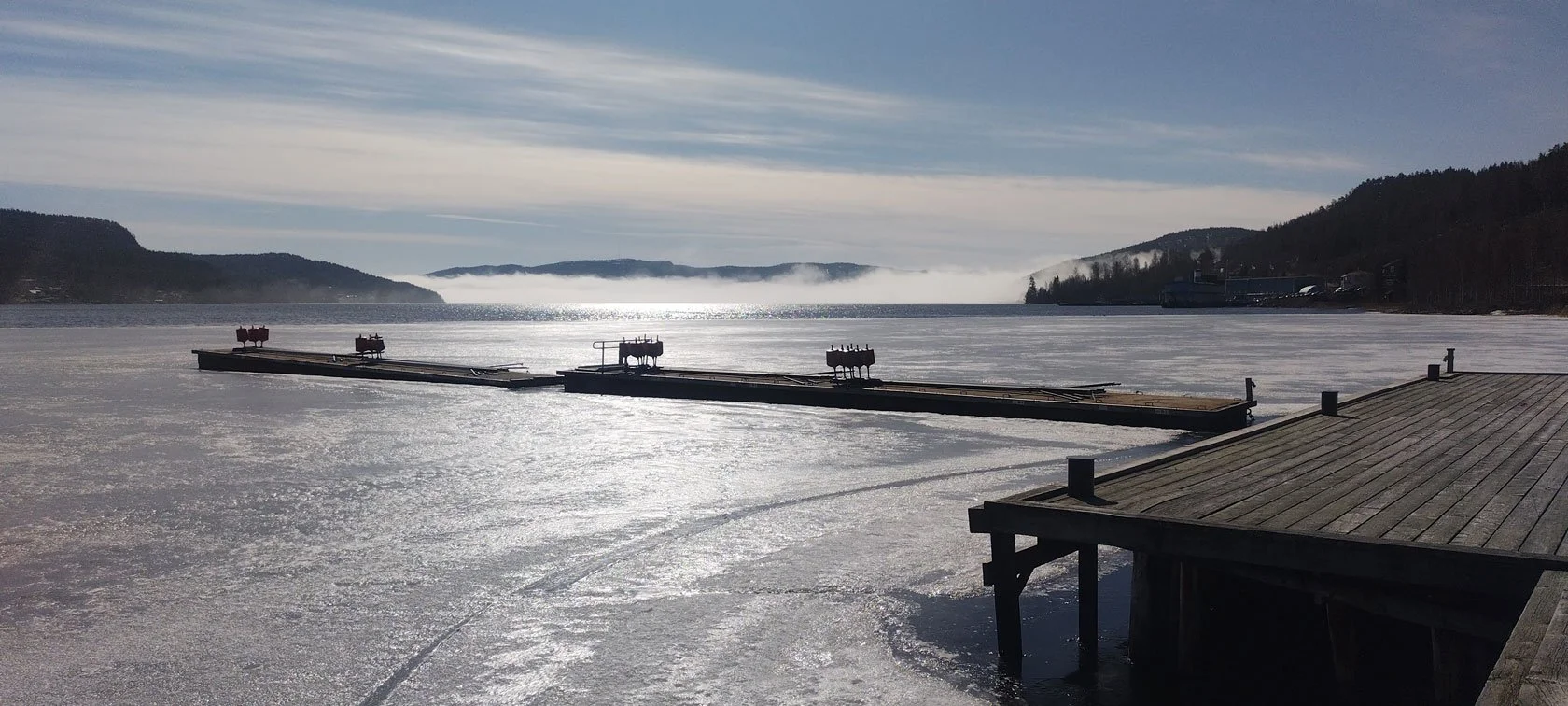
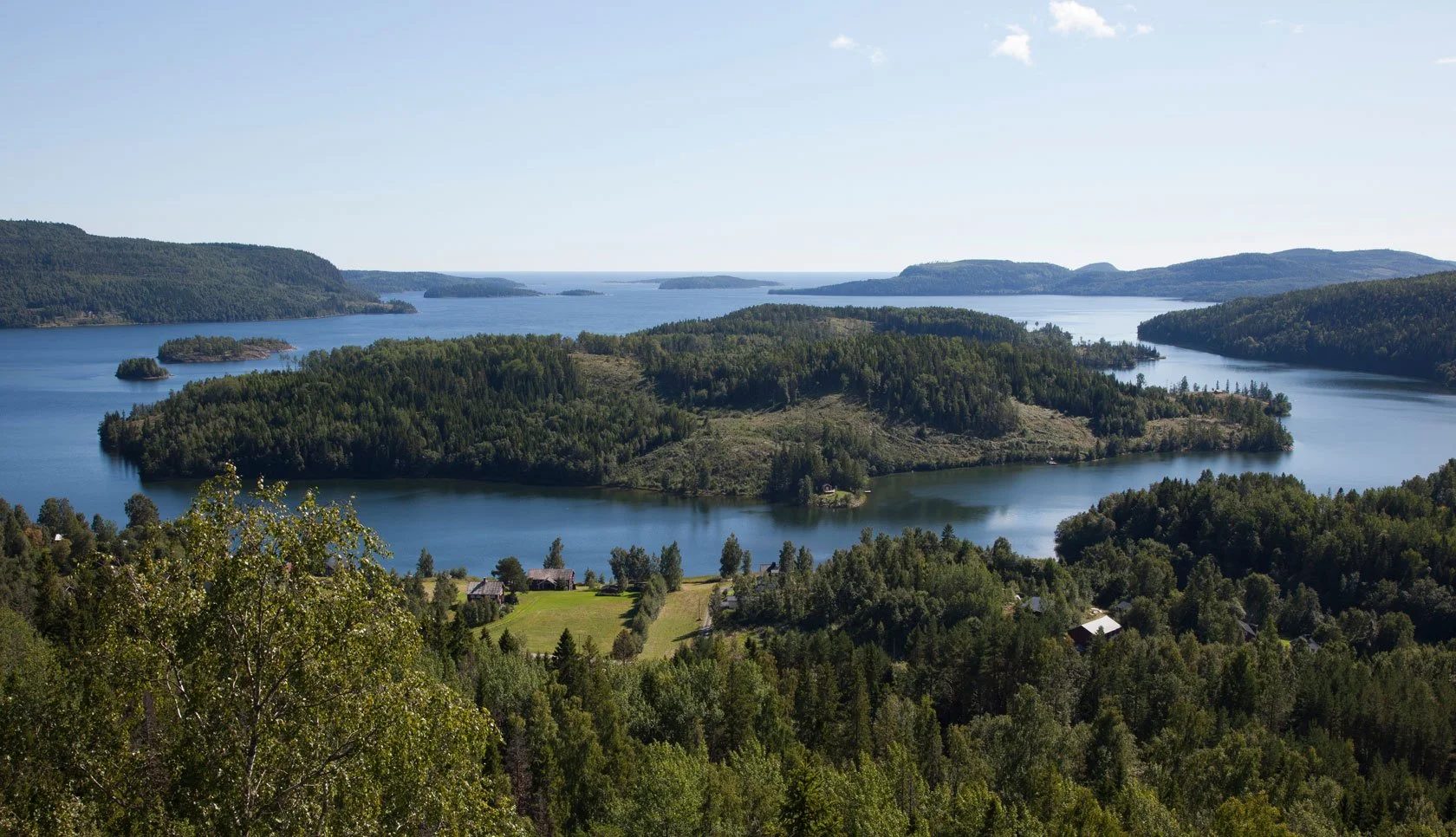
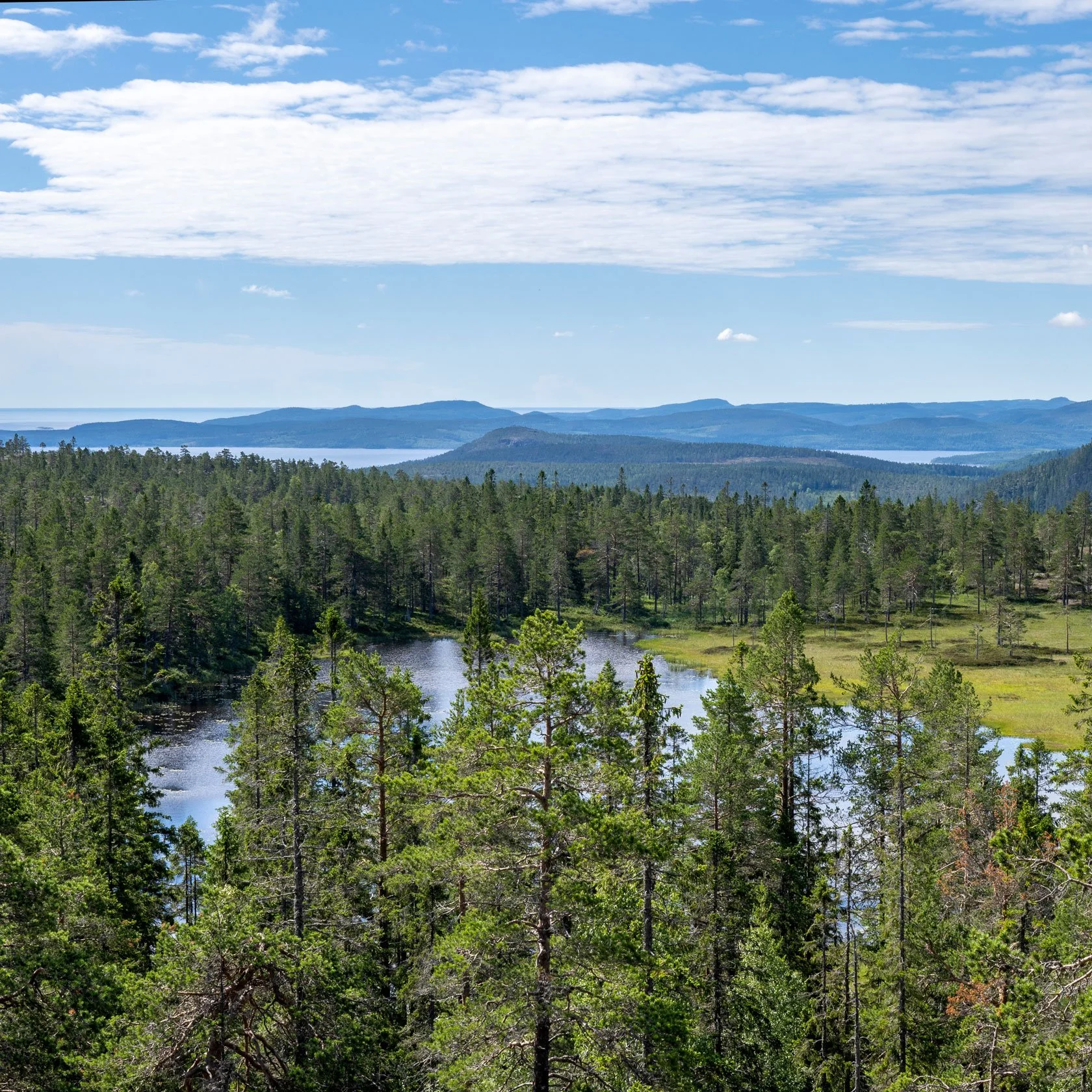
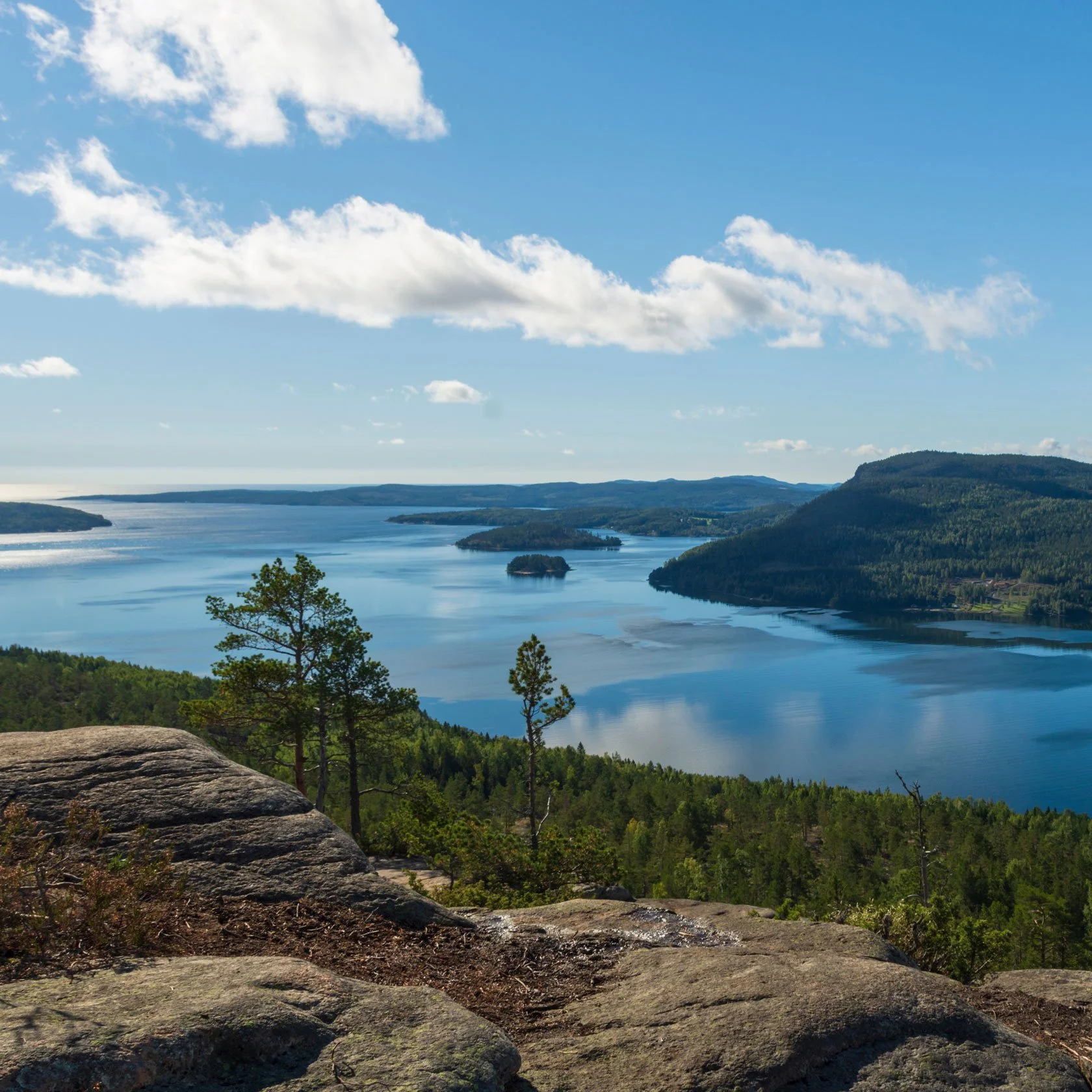
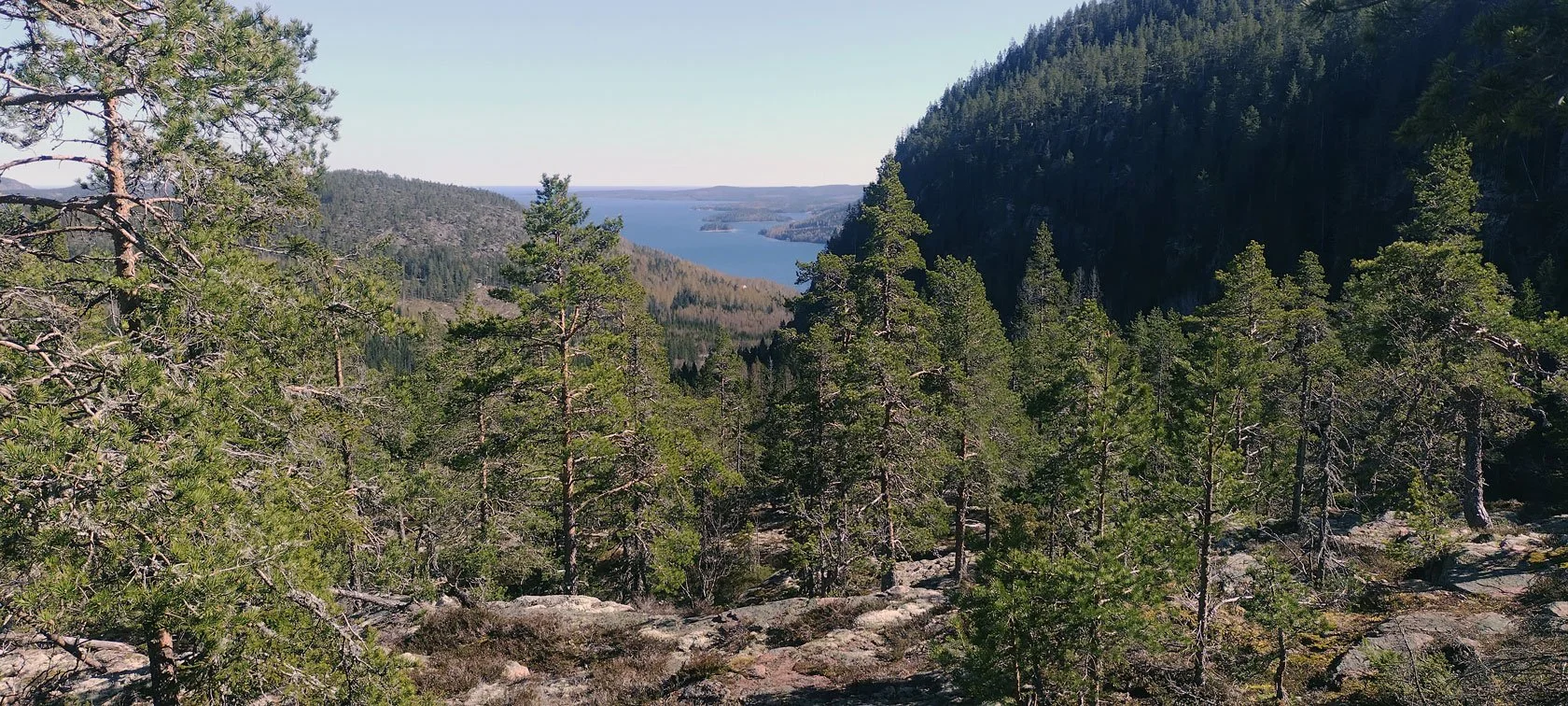
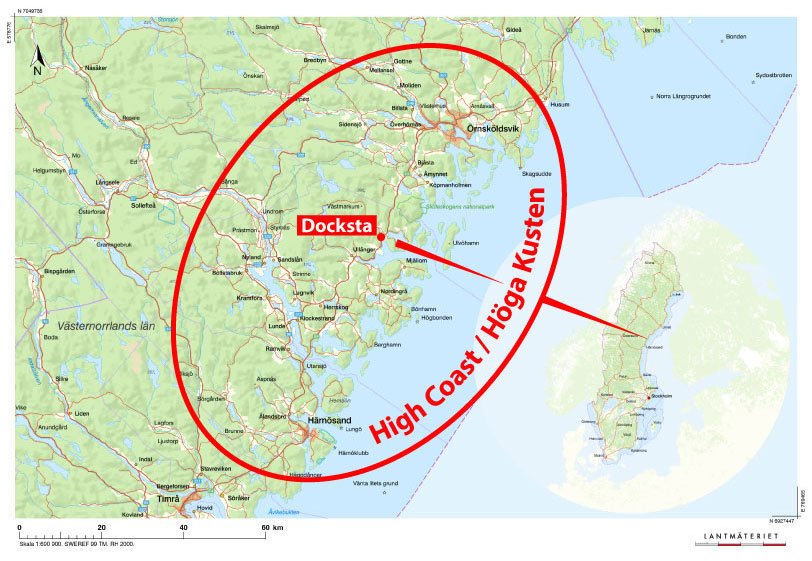
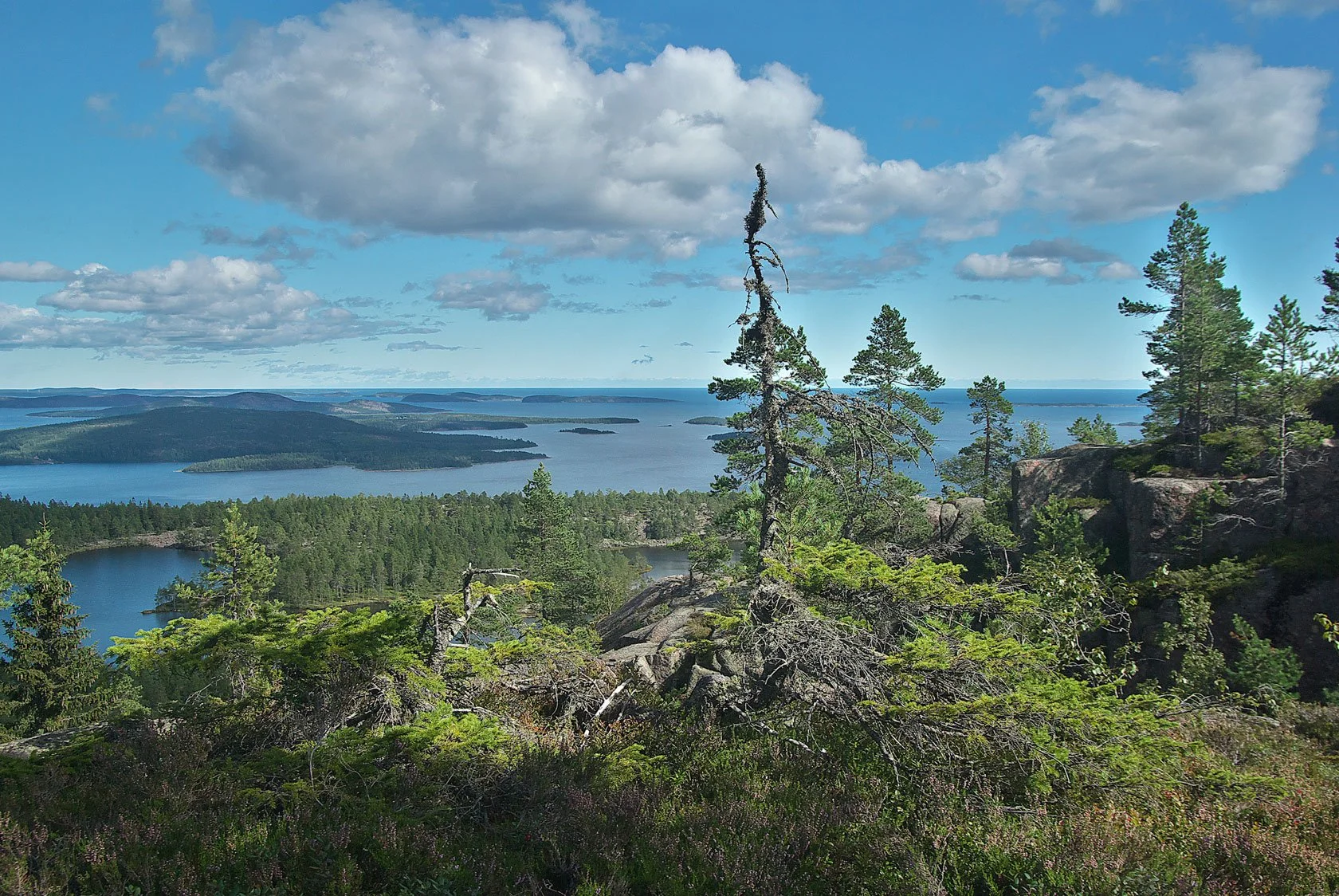
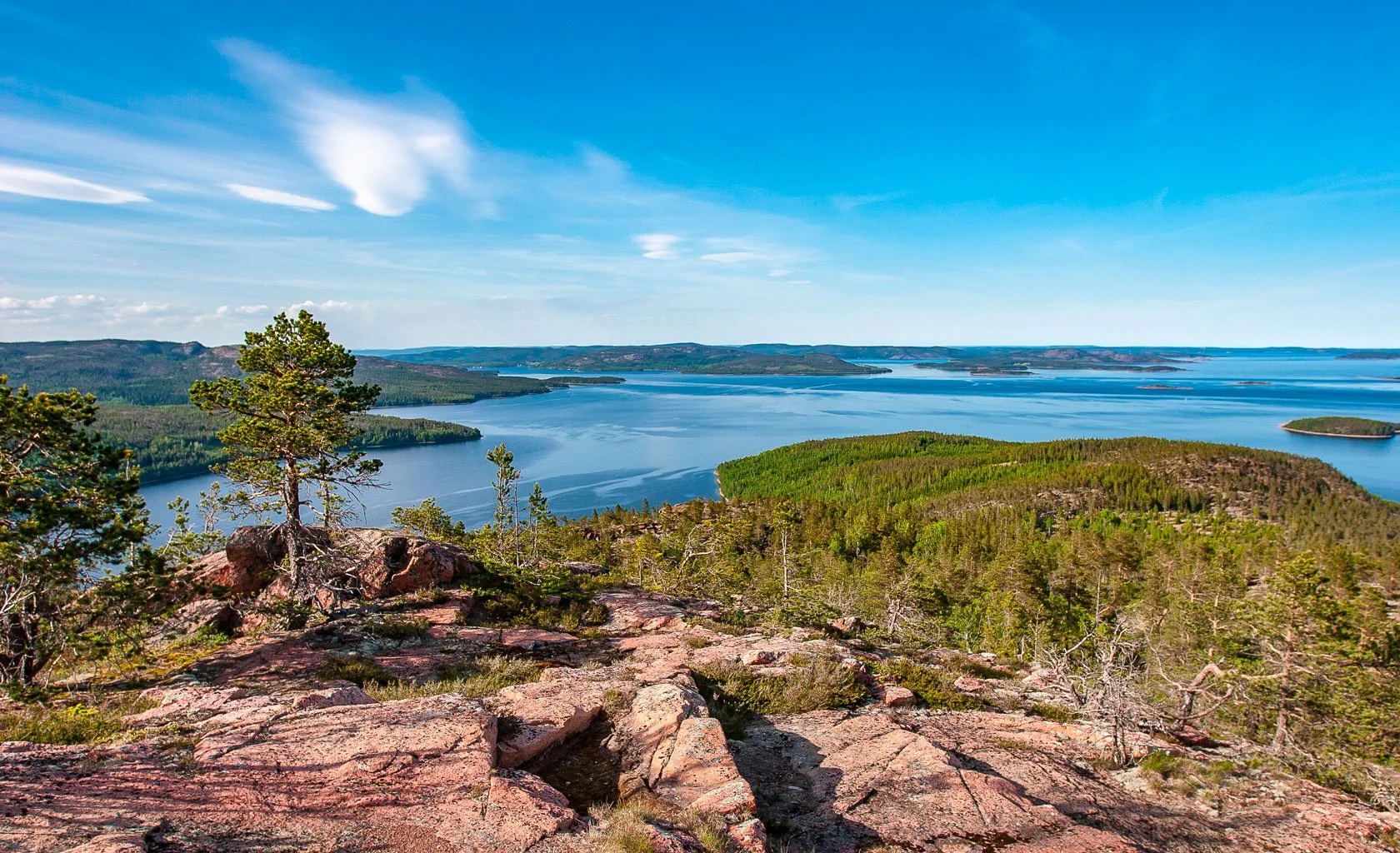
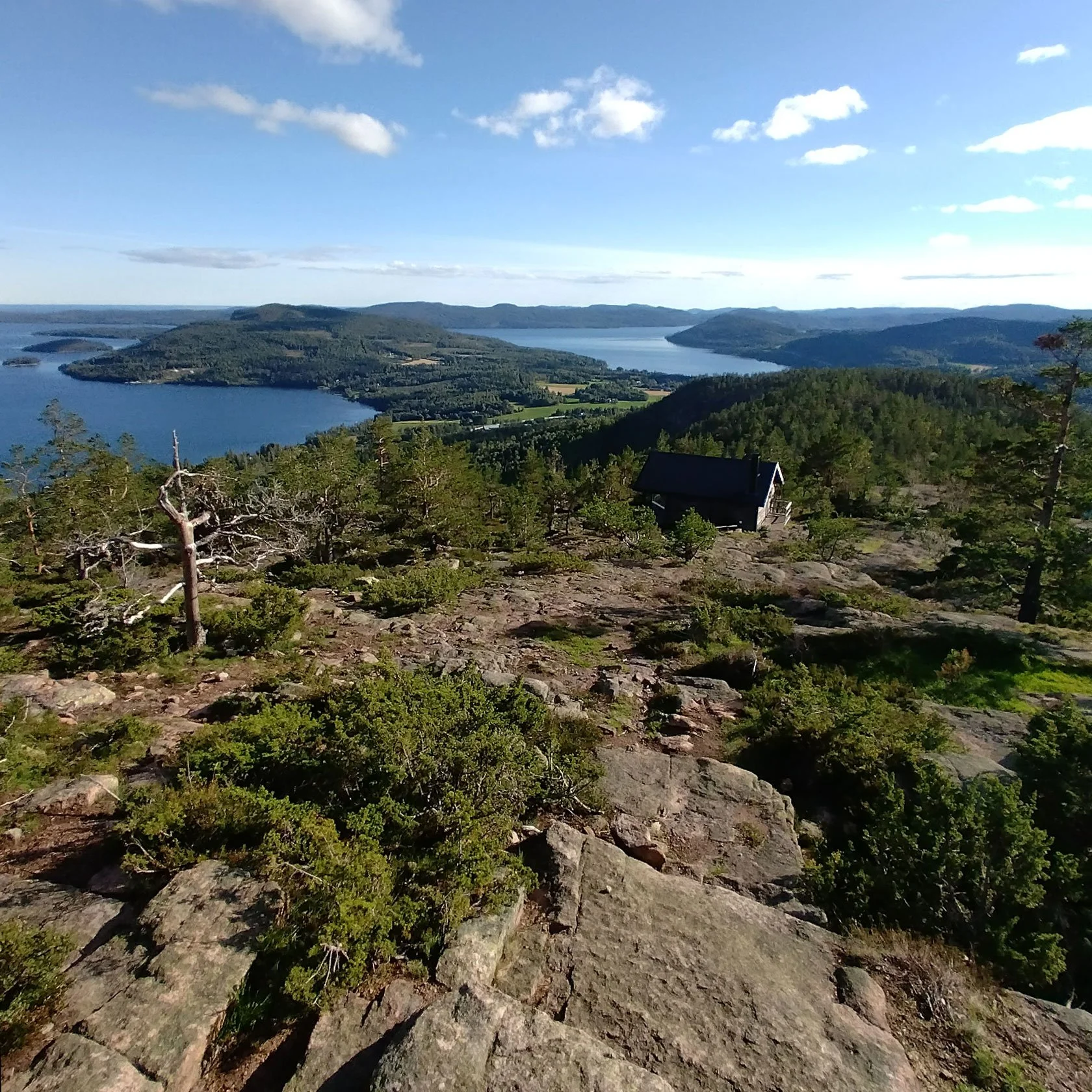
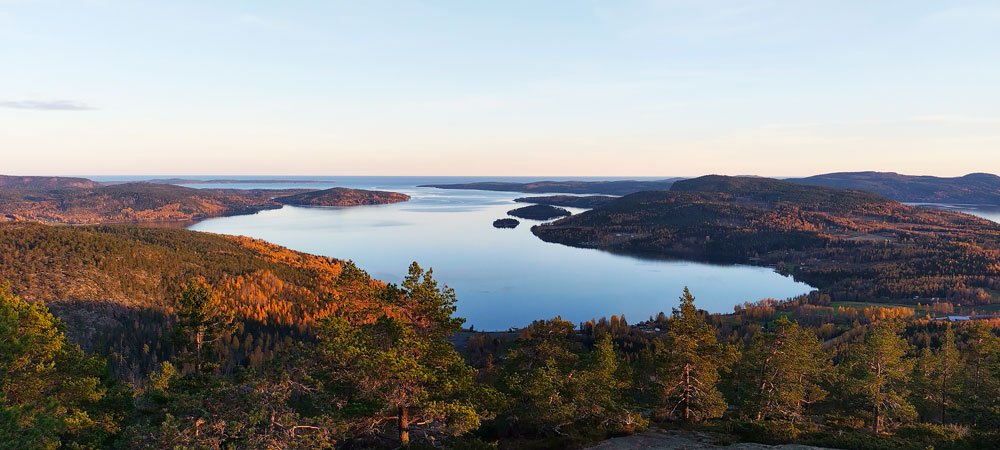
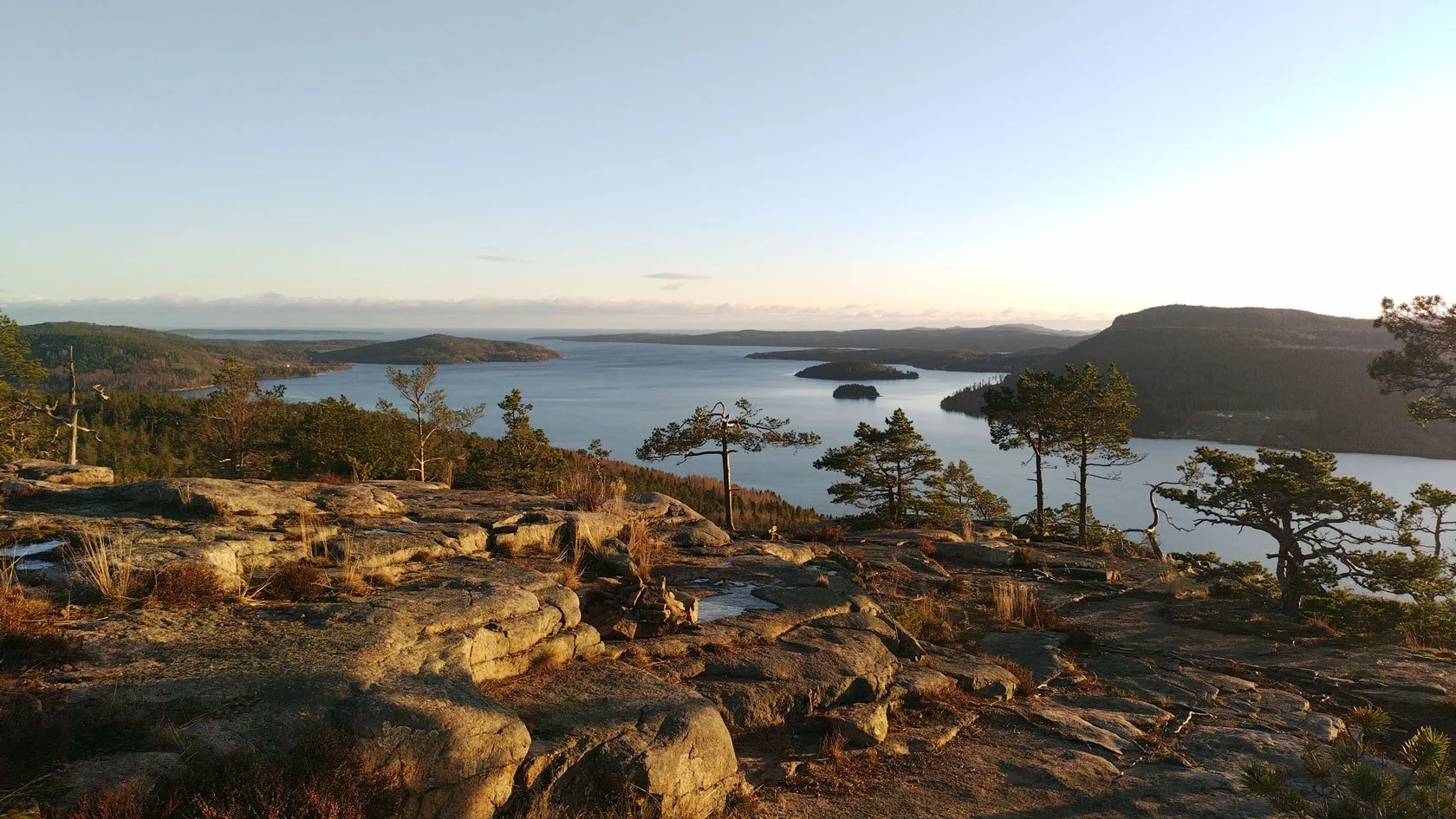
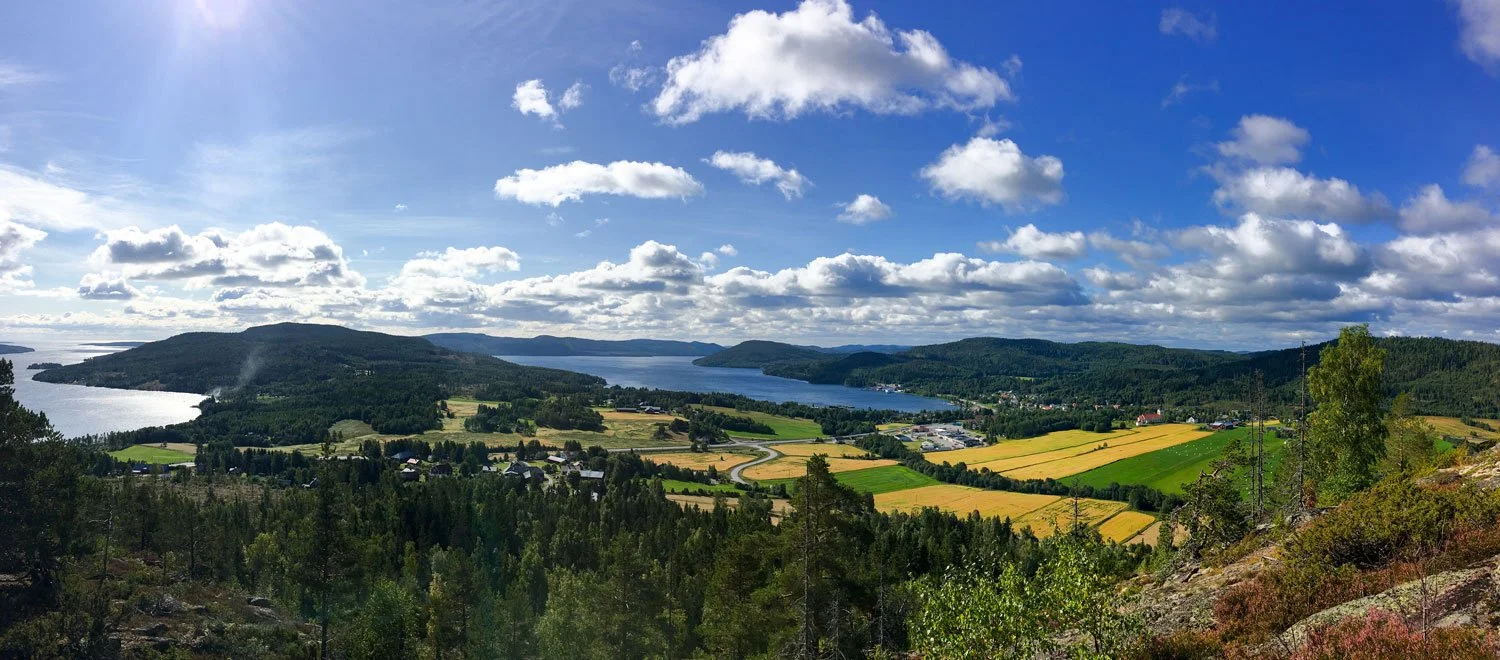
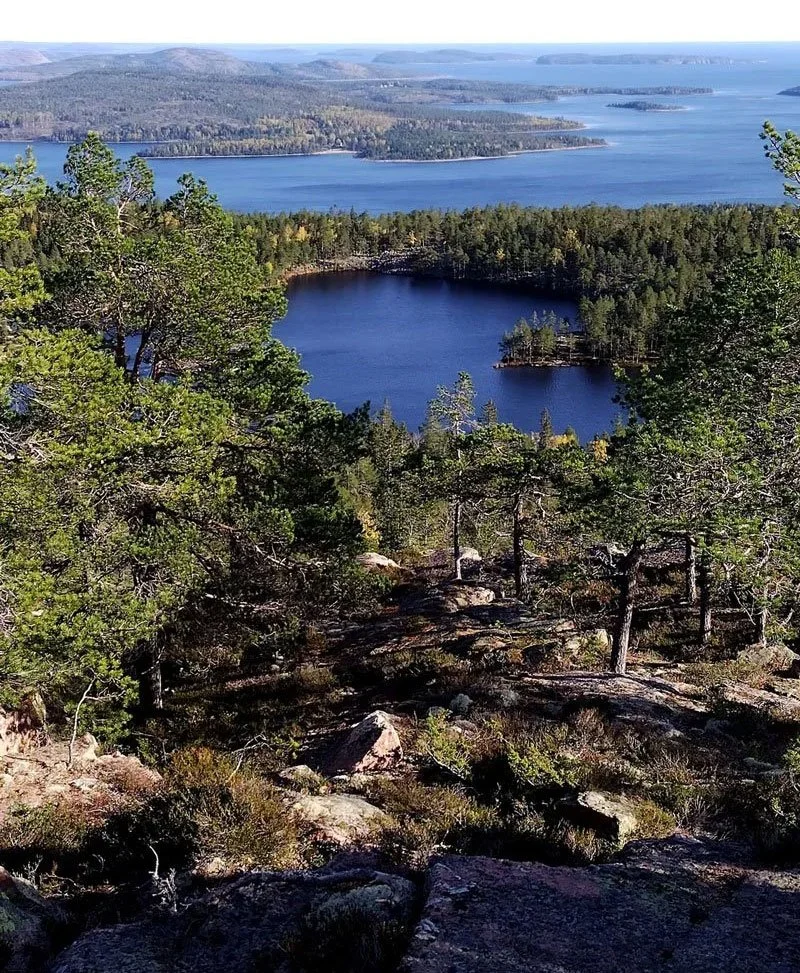
Docksta is one of those places where it’s all close: mountains, forests, archipelago — inside the Höga Kusten UNESCO World Heritage landscape shaped by post‑glacial uplift.

That’s why 3–7 days here can feel like more than a break.
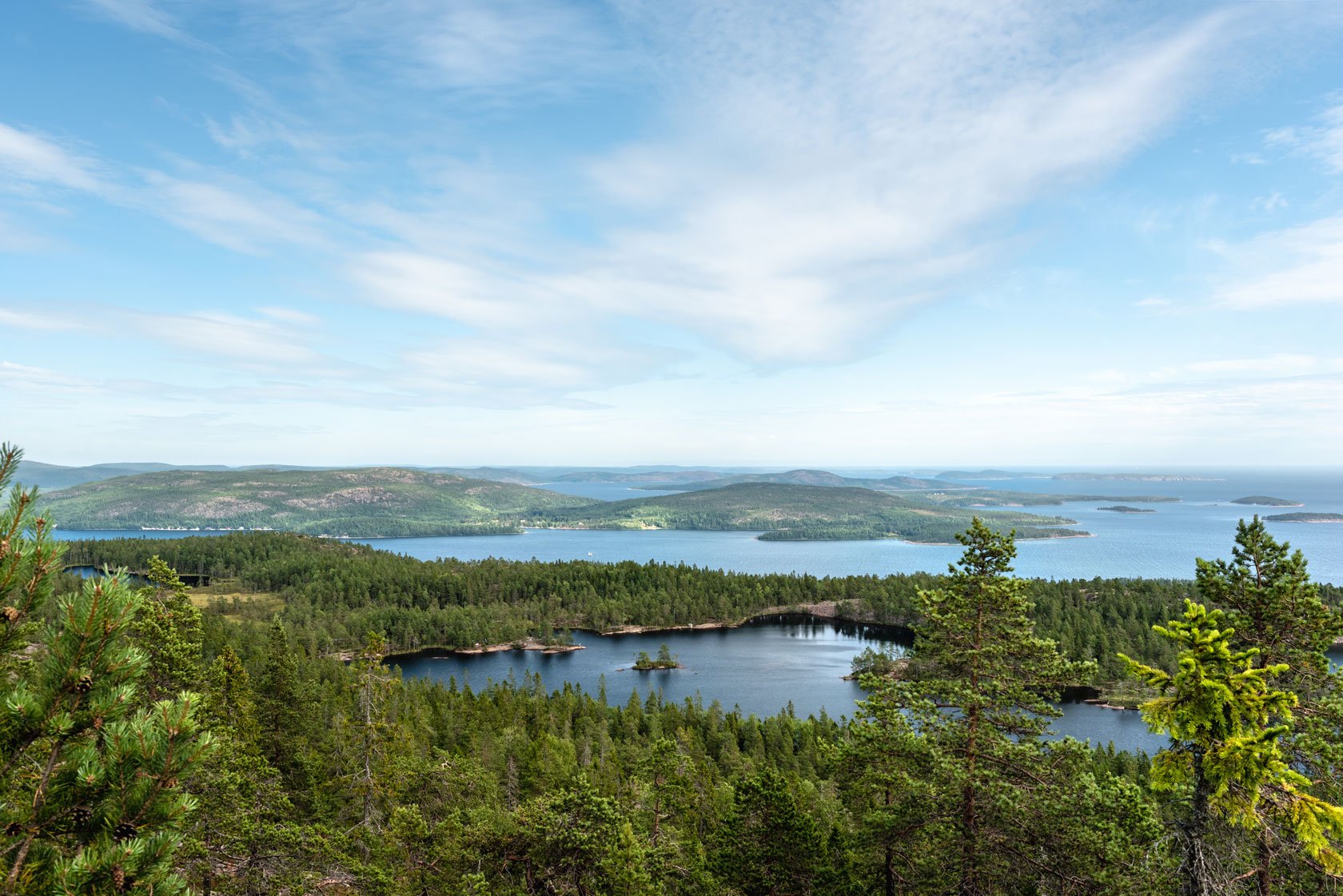
 

What a Micro Work‑Break is (my simple definition)
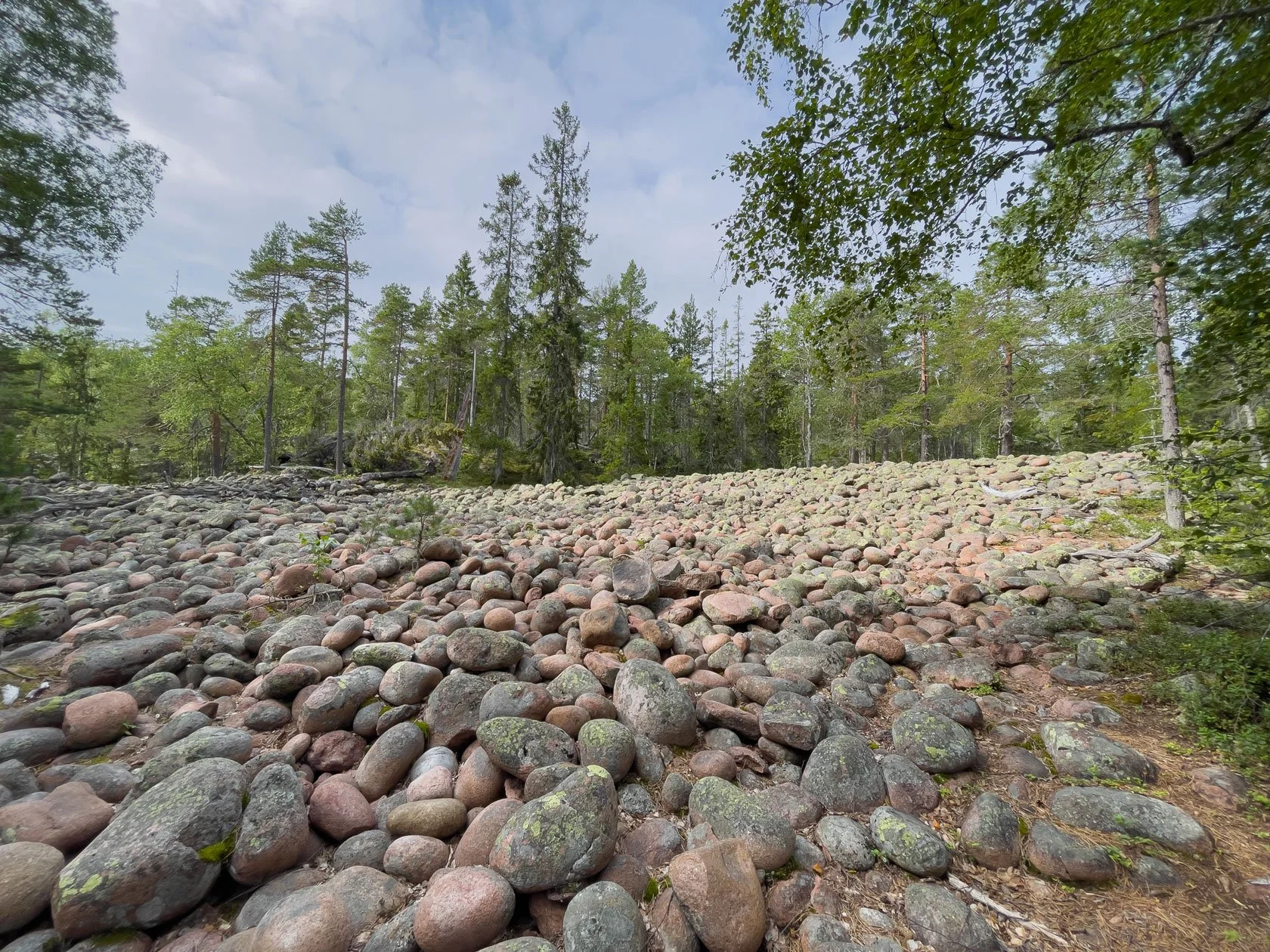
A Micro Work‑Break is a short, intentional work‑and‑nature reset (3–7 days) for people who are building a career (and a life) at the same time.

You keep the work. You change the signal.

It’s designed to help you get back one piece of your life you feel you’re losing:

  • your attention (without constant switching)

  • your body (without living in a chair)

  • your evenings (without scrolling yourself into midnight)

  • your sleep (without carrying the day into the night)

  • your sense of direction (without overthinking everything)

It’s not about doing less — it’s about doing it without the noise, for long enough that your system actually settles.

What it is

  • Short by design: long enough to shift your rhythm, short enough to stay light

  • Simple: one daily work block + one daily reset outside

  • No performance: no program, no “transformation week”

  • Nordic‑nature backed: sea air, forests, trails, viewpoints — inside a UNESCO World Heritage landscape

What it isn’t

  • a retreat with a schedule

  • a networking week

  • a “work from beach” fantasy

  • a productivity bootcamp

  • a place that tries to entertain you


Why this works (25–35, building years)
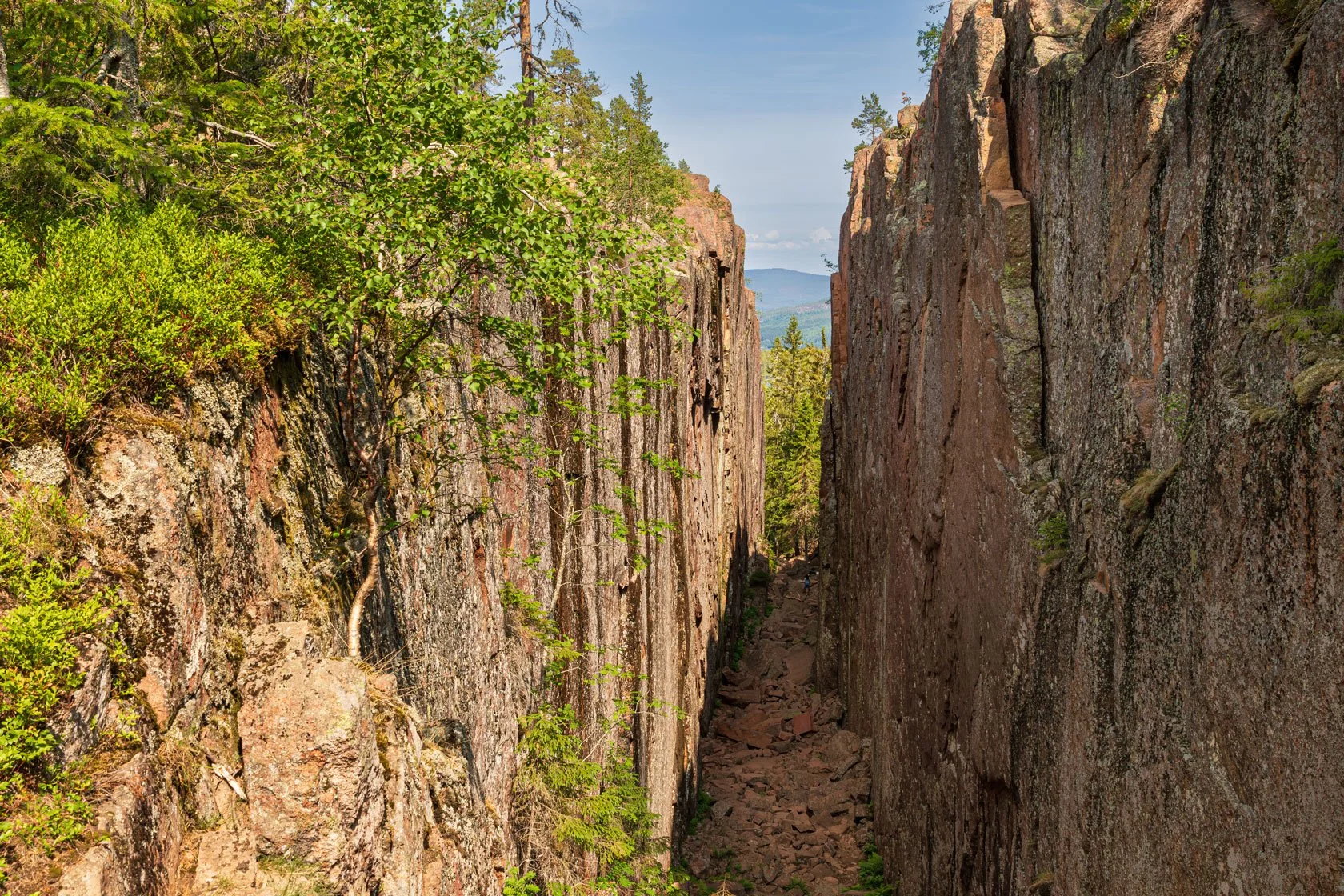
If you’re in your 20s or 30s and you’re building something — career, business, portfolio, client work — the brain rarely turns off.

The problem is not motivation. It’s fragmentation.

Constant switching. Background noise. The feeling that even rest must be “earned”.

A Micro Work‑Break works because it removes two things at once:

  • too many choices (what to do, where to go, what’s worth it)

  • too much stimulation (screens, city rhythm, social pressure)

And it replaces them with something simple:

  • one clear work block

  • one real reset outside

  • one calm evening

The goal is not to do more. The goal is to work clean — and feel human again.
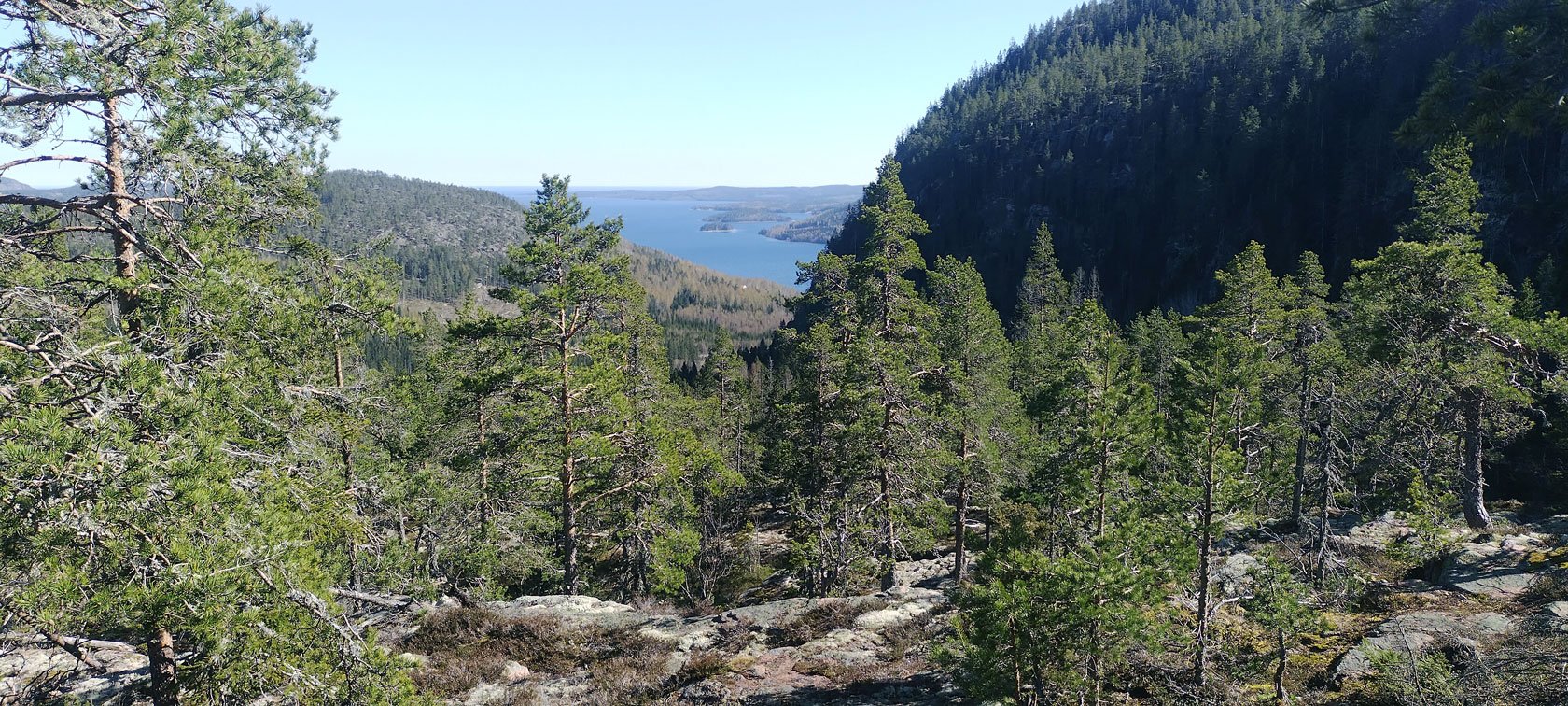
 

The Docksta rhythm

Copy/paste this and make it yours.

Here’s the version that works for most people — minimalist, realistic, repeatable:

  • Morning: Deep Work (2–3 hours)
    One task. One document. No multitasking.

  • Midday: Reset (45–90 minutes)
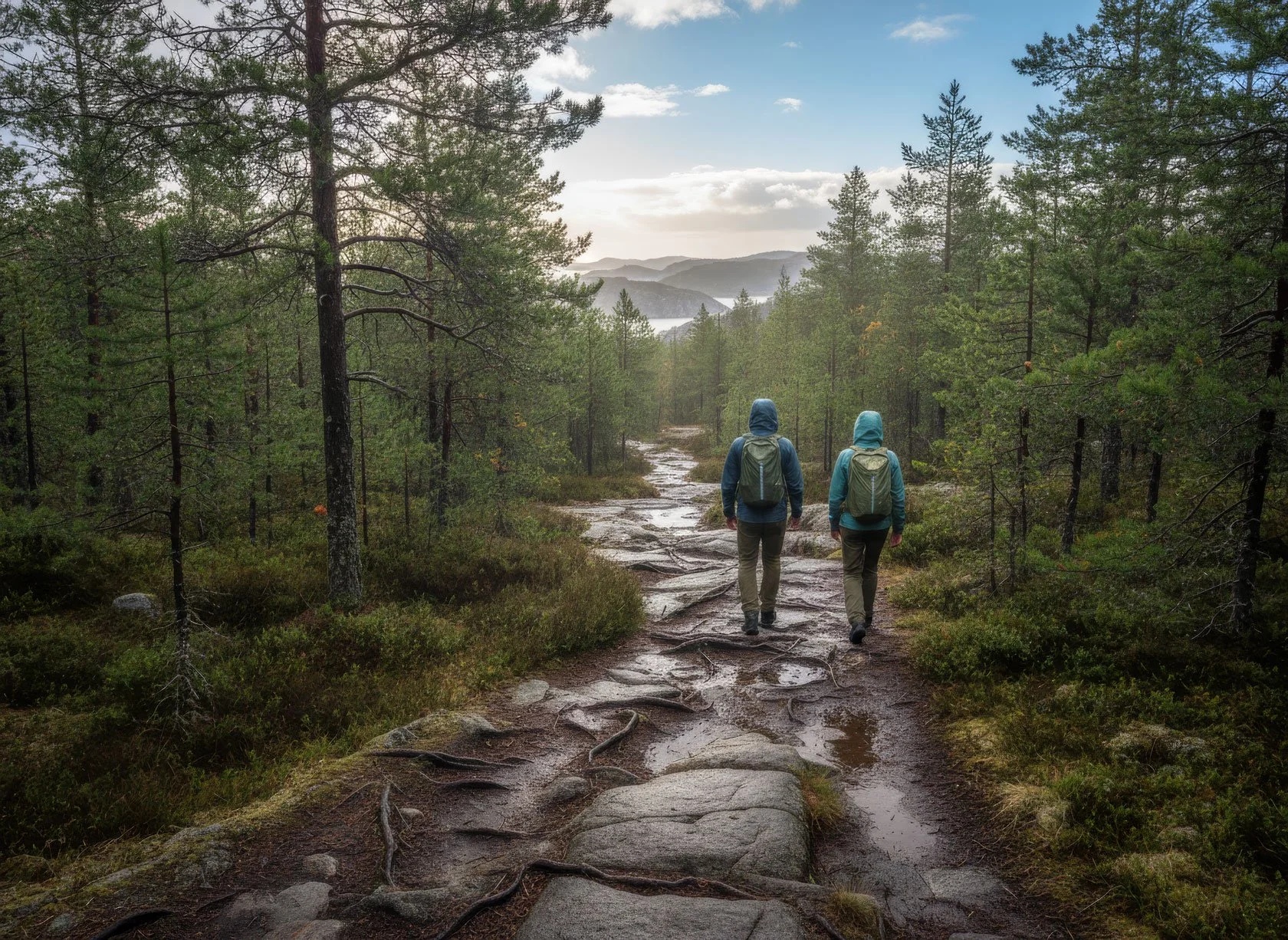
    A trail, a shoreline walk, a short climb — something that changes your breathing.

  • Afternoon: Light Work (60–120 minutes)
    Admin, emails, editing, planning.

  • Evening: Low stimulation
    Simple food. Slow walk. Early sleep.

You don’t need a perfect week. You need a rhythm that doesn’t get eaten by noise.
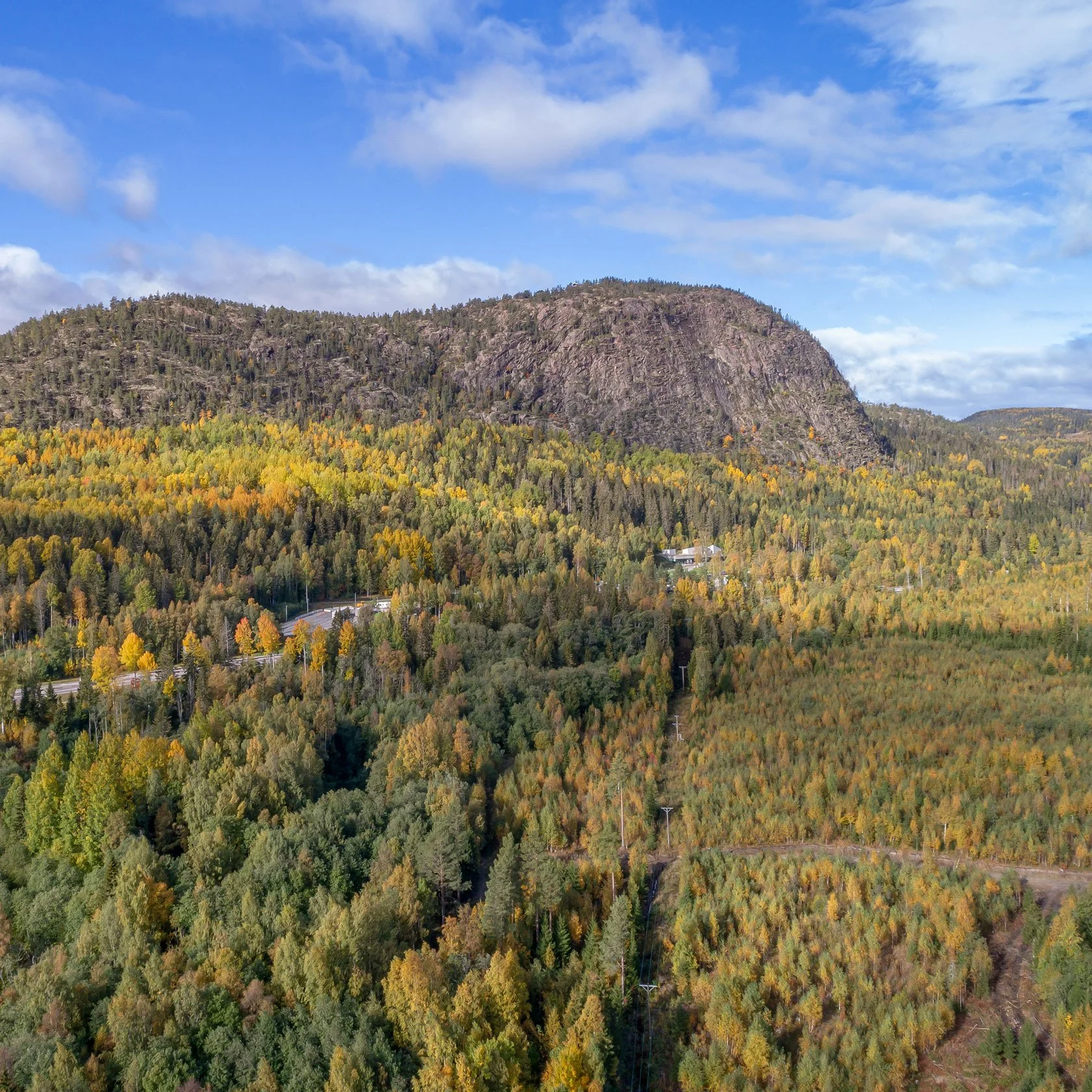
 

Why the High Coast helps (Nordic nature, not a playground)
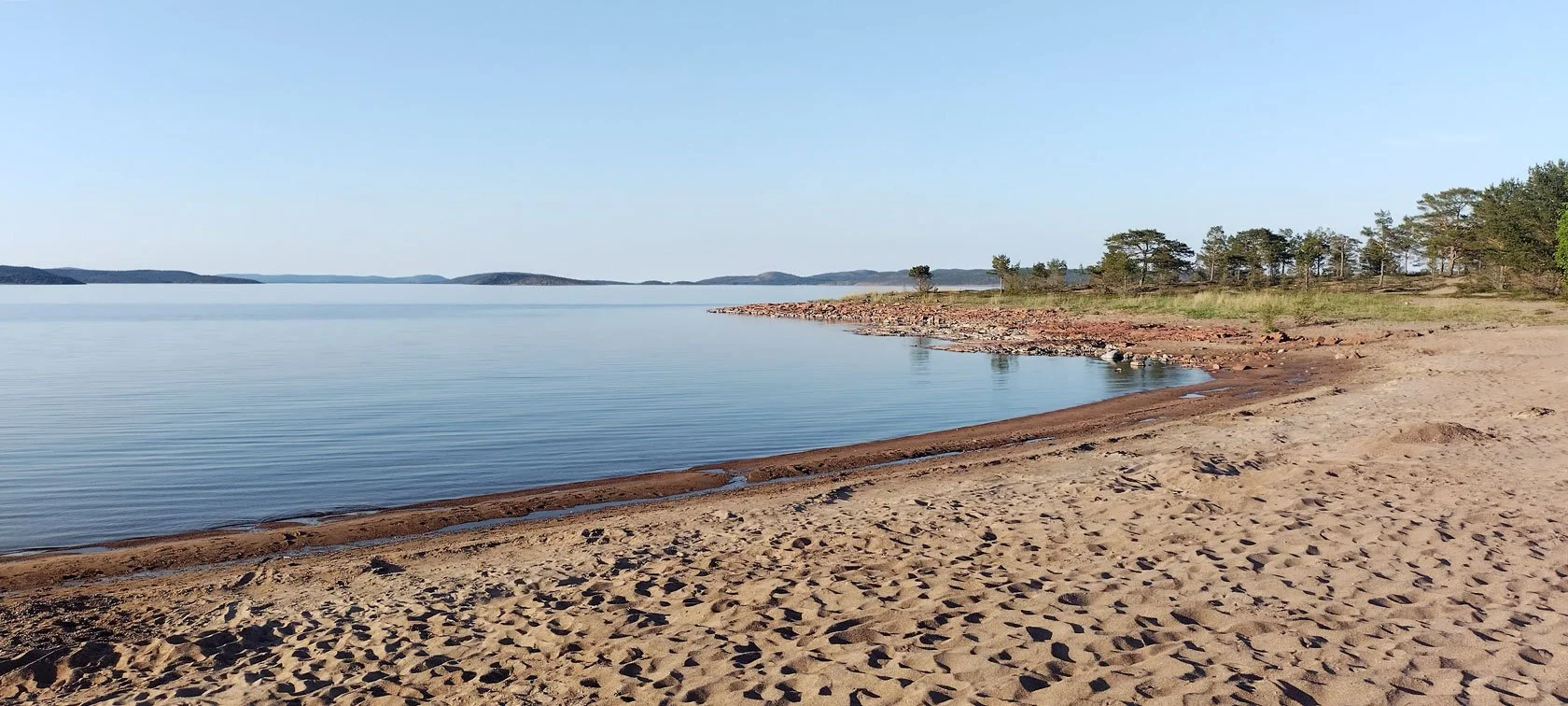
The High Coast is big — and that’s exactly why it works.

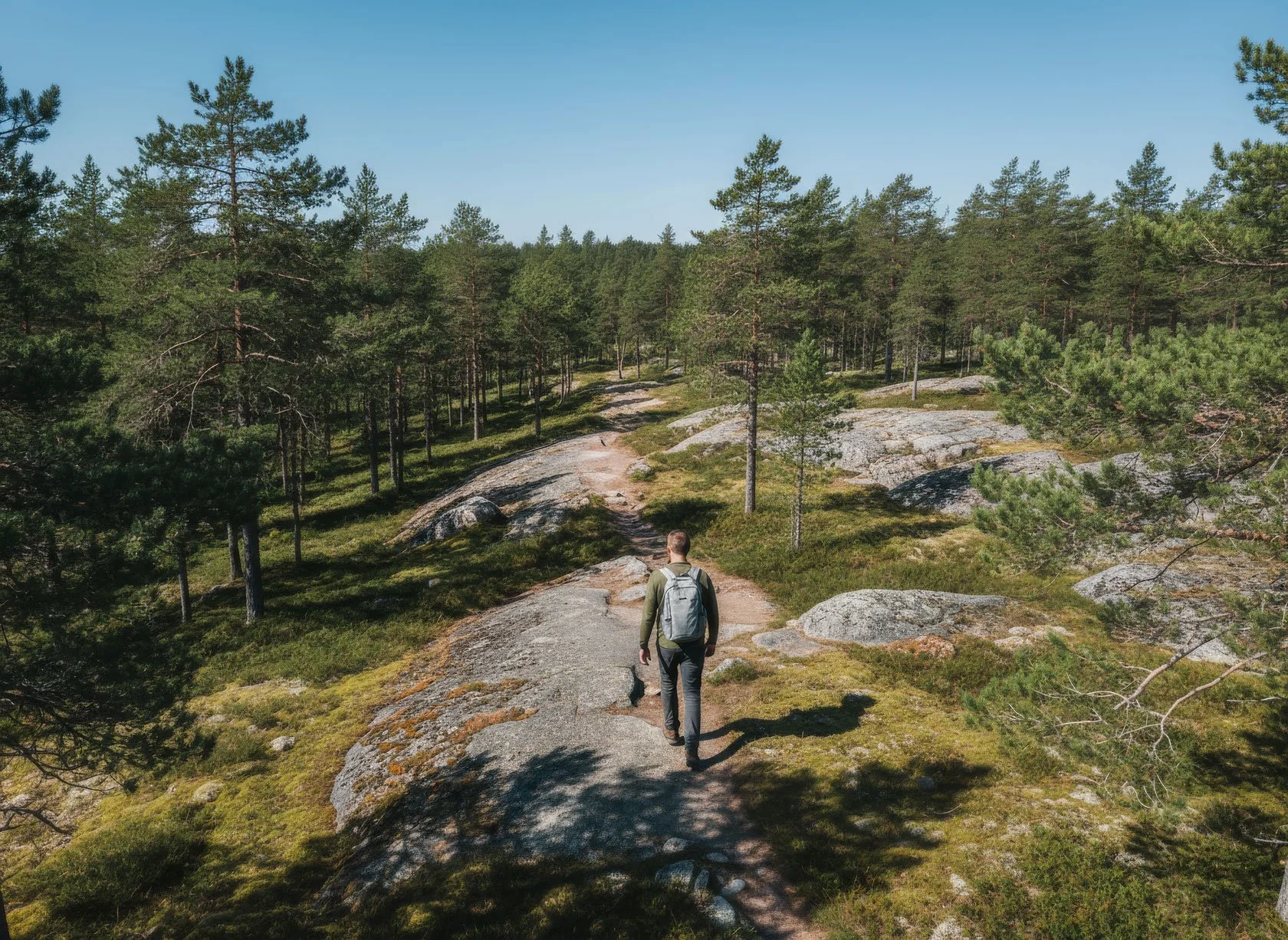
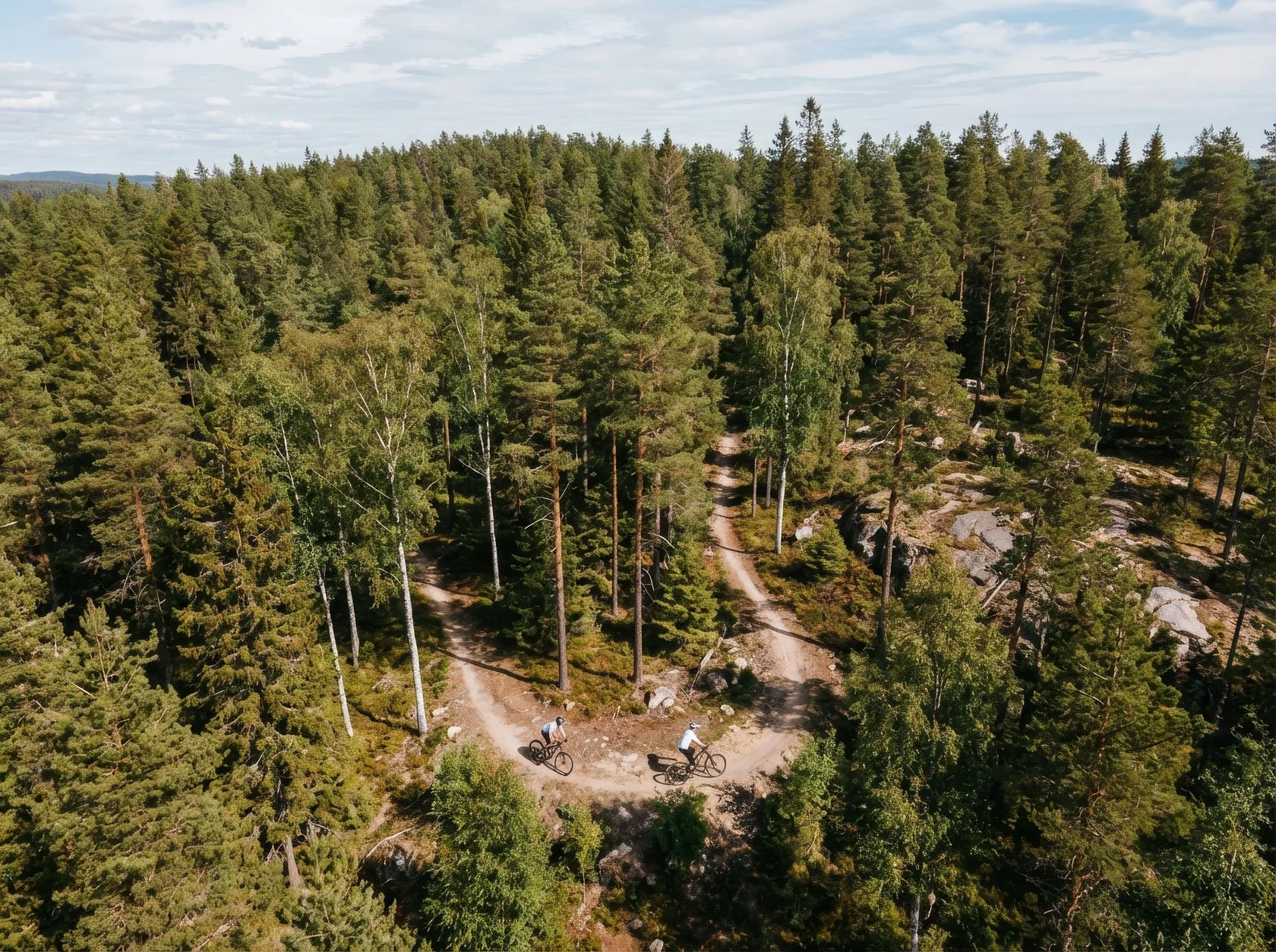
You can go from sea level to panoramic views fast. You can hike, run, bike, or simply walk until your nervous system remembers how to downshift.

And because this landscape isn’t built for entertainment, it does something rare: it gives you space to think without asking you to perform.

Here, nature isn’t decoration. It’s the infrastructure.


Why the High Coast works (for real life, not for content)
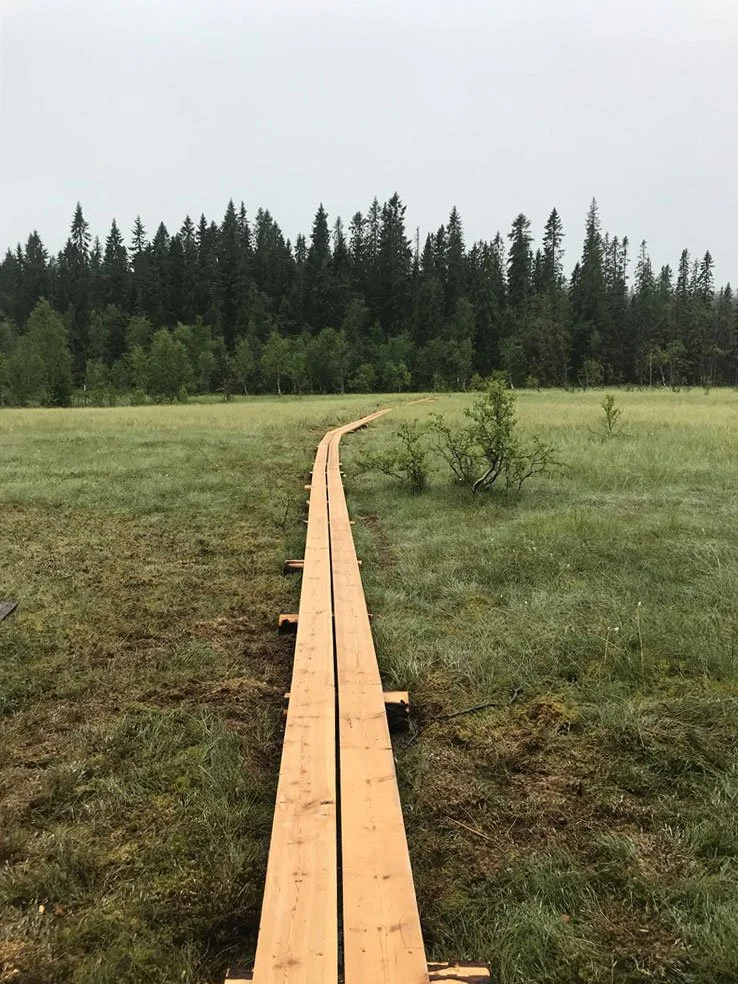
The High Coast isn’t a “playground” built to keep you busy. It’s the opposite: a big, quiet landscape that doesn’t demand anything from you.

You can get a real reset fast — sea air, forest trails, a viewpoint — and still be back in time for a clean work block. That’s the point: nature that fits into your day, not a day that gets swallowed by planning.


The July note (without changing the strategy)

My honest advice is still: May–June and mid‑August to mid‑September are the sweet spots for a Micro Work‑Break.

But yes — July can work, especially for international guests who travel when they can.

The trick is to choose a July rhythm that protects quiet:

  • work early (before the day gets busy)

  • reset late (long light evenings are your friend)

  • keep adventures micro (short trails, short rides, one good viewpoint)

You don’t need the empty season. You need a rhythm that doesn’t get eaten by noise.


Docksta as a base camp (not a concept hotel)
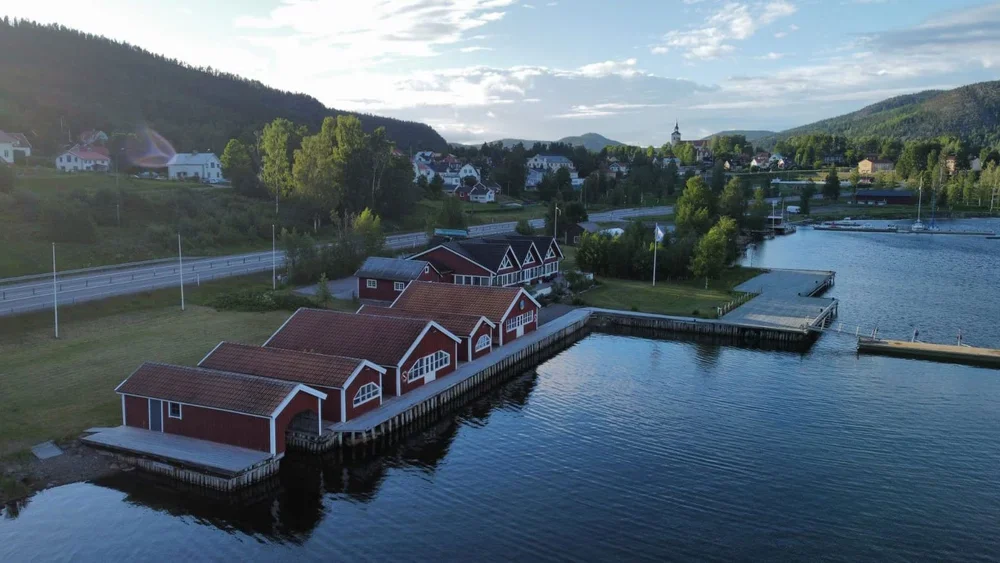
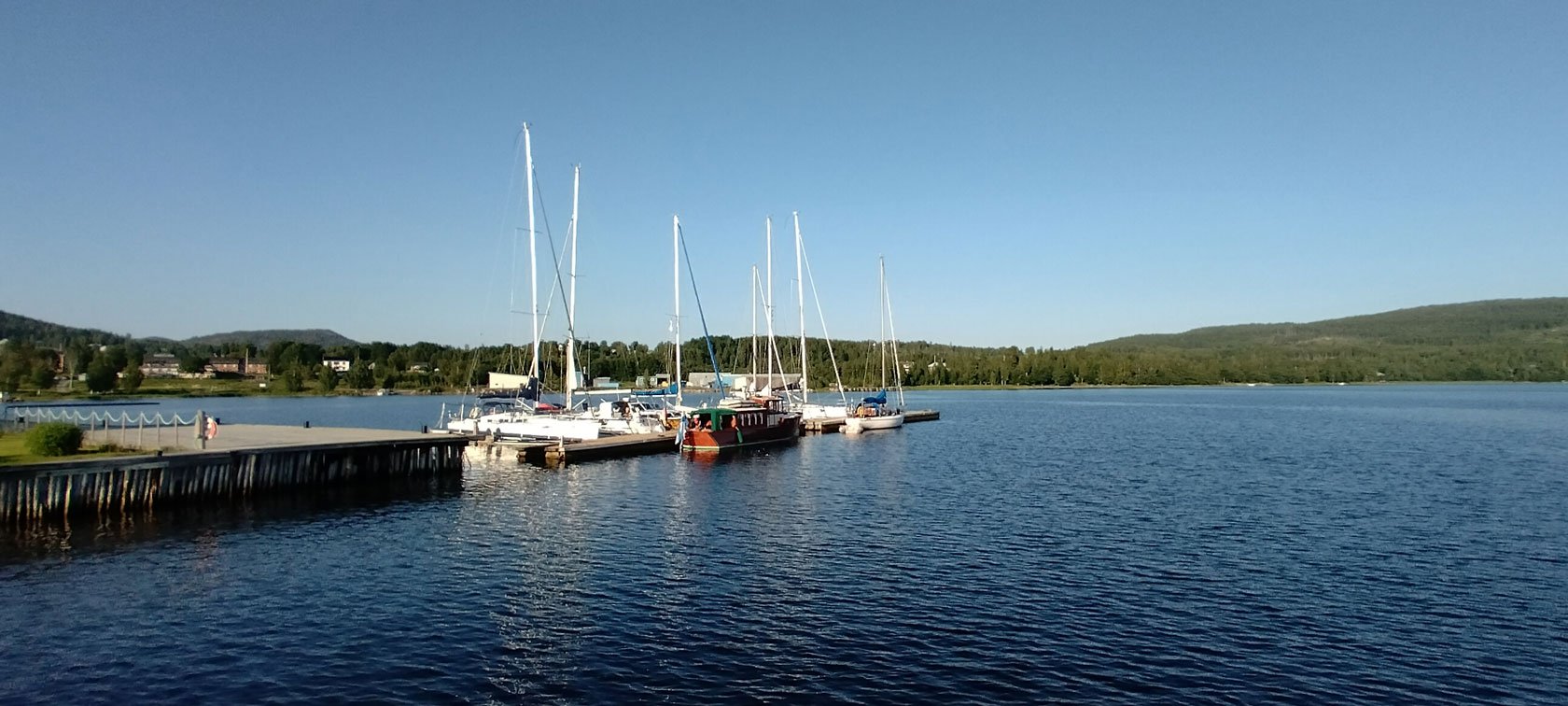
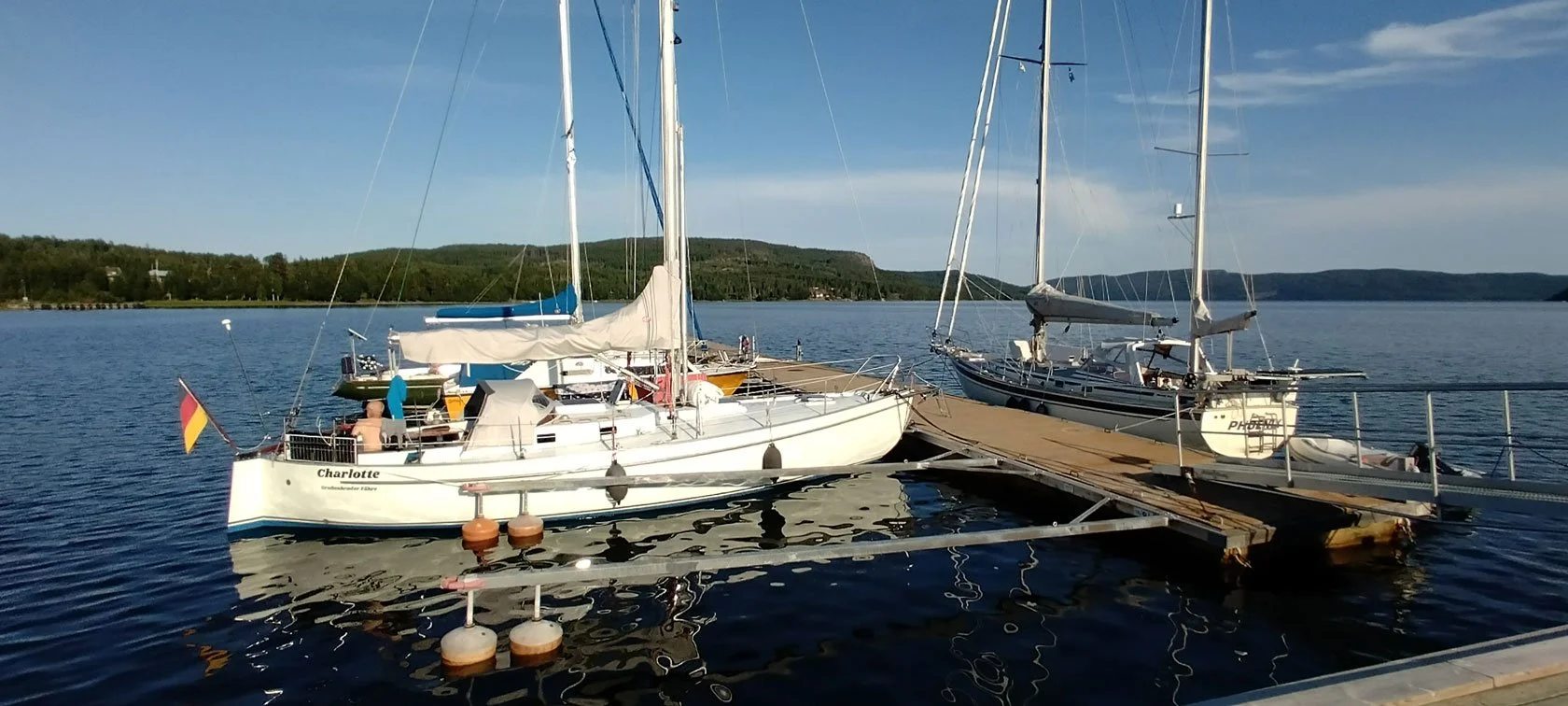
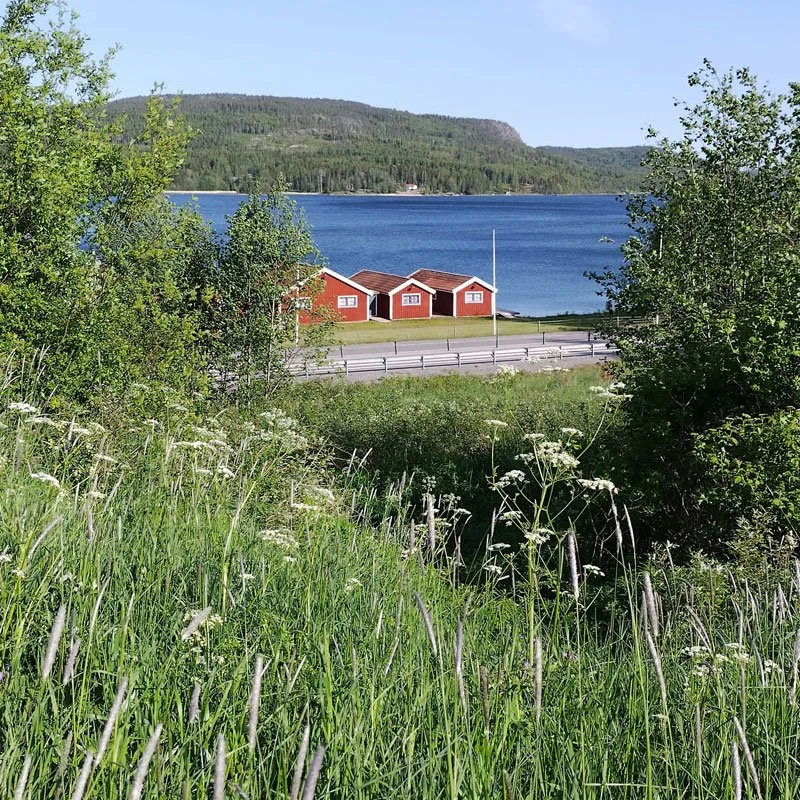
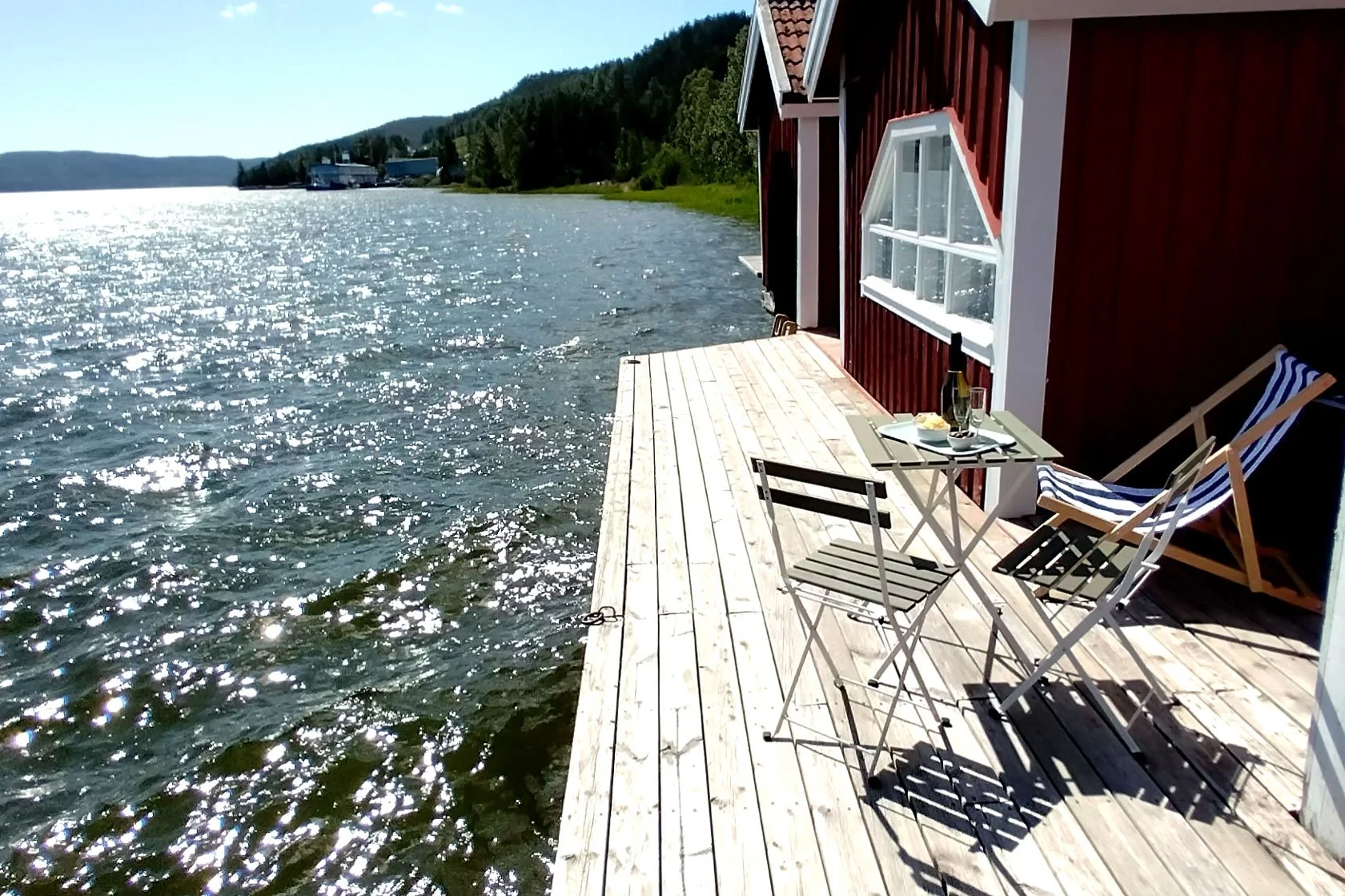
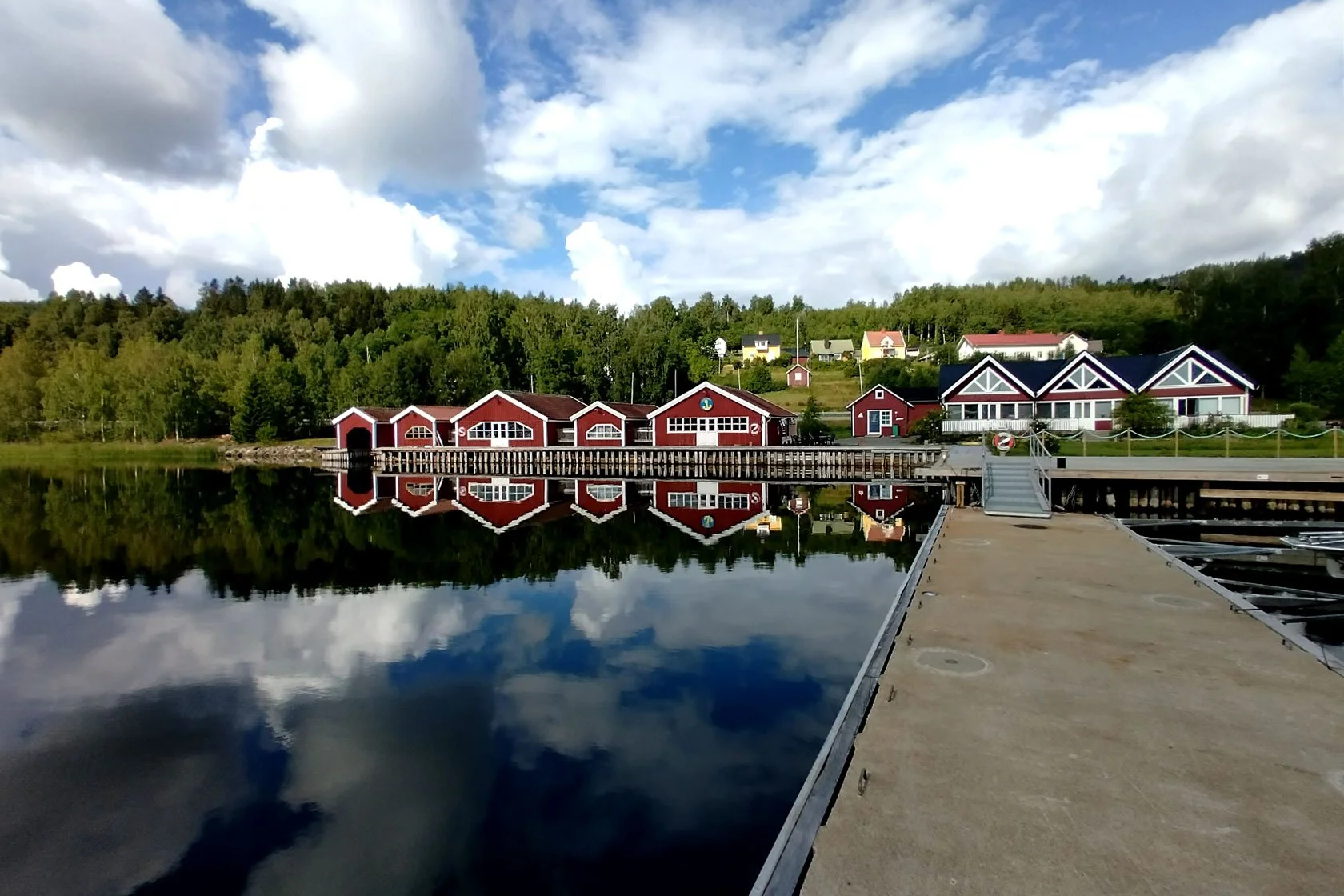
Docksta Havet is a small waterfront base camp. Not a resort. Not a coworking space with a “nature view”.

You get:

  • reliable WiFi

  • quiet work corners (and espresso energy)

  • immediate access to trails, viewpoints, and sea resets

  • a host who actually lives the landscape

If you want to keep it simple, just choose a waterfront stay and build your rhythm around it.
 

Outdoor Ready = arrive light, still get a full High Coast day.

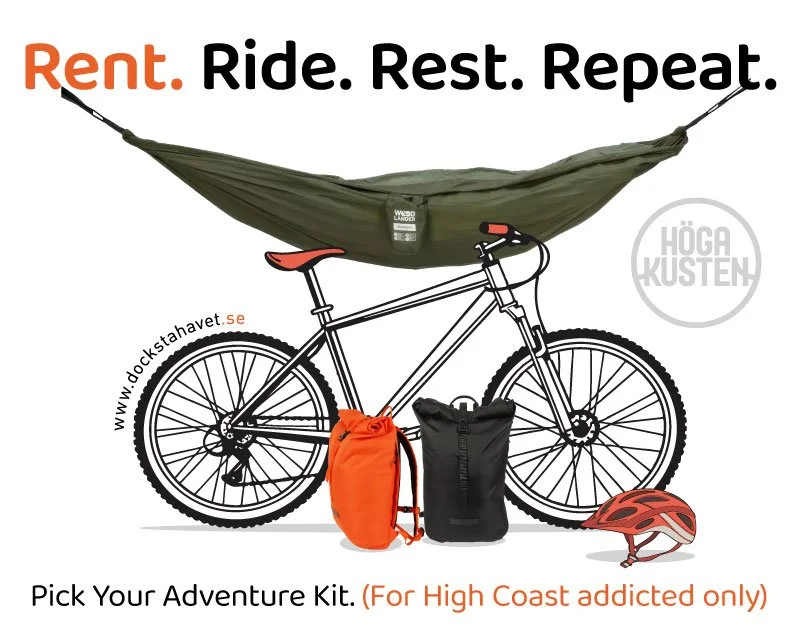
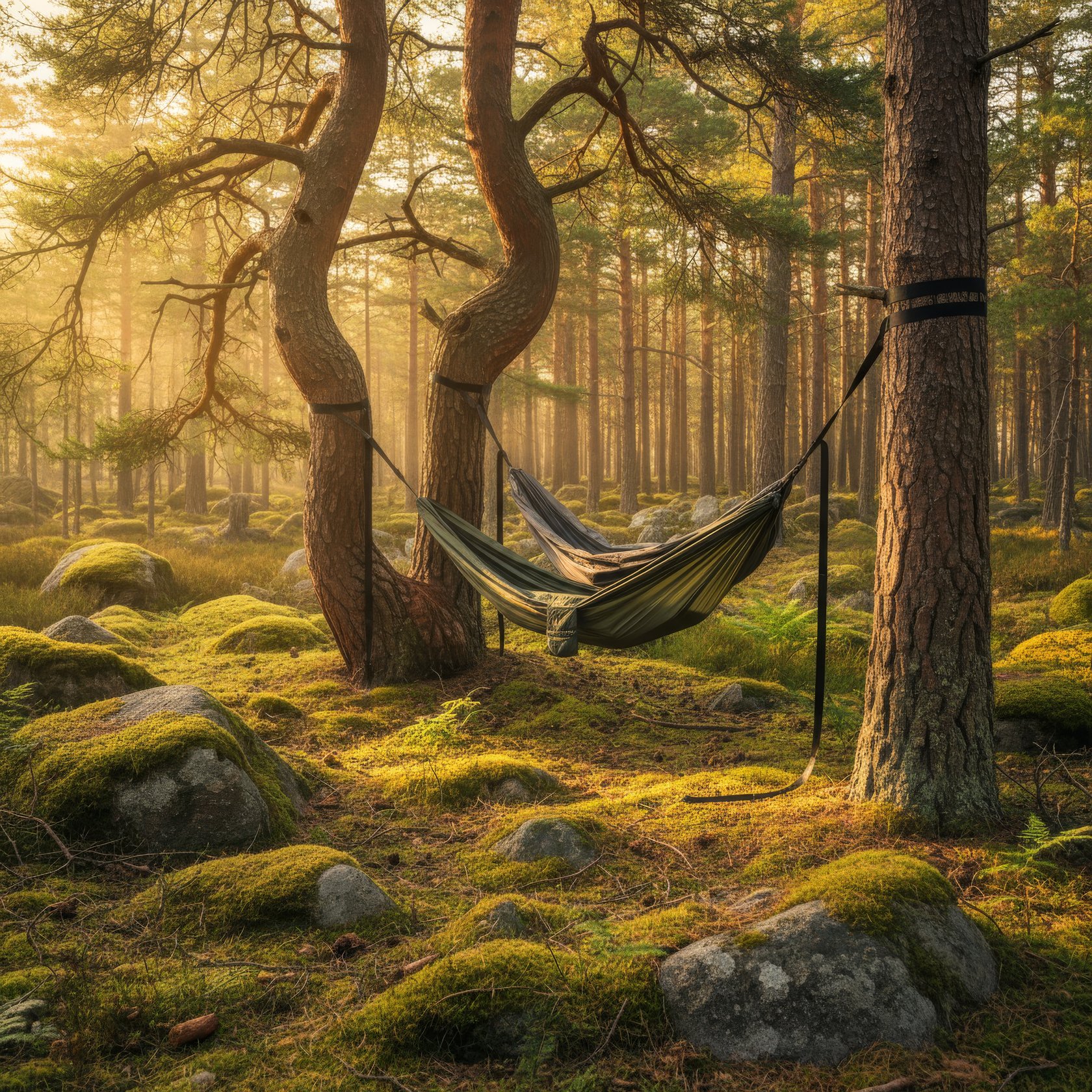
If you travel light, you can also unlock an Outdoor Ready day with simple gear rental (Grab&Go) — bike, daypack, hammock kit — without bringing half your basement.


If you can stay longer (Workation Escape, 7–21 days)

Sometimes 3–7 days is exactly what you need: a clean reset and a softer landing back into life.

But if you feel you’re carrying something heavier — a bigger decision, a longer creative project, or a season of “I need to rebuild my rhythm” — then the deeper format is a Workation Escape (7–21 days).

Same philosophy, more space:

  • less rushing

  • more repetition (this is where calm becomes real)

  • more nature windows

  • a rhythm you can actually take home

If you’re unsure, start with the Micro Work‑Break. It’s the honest entry point.

Go deeper (Workation Escape index)

If you want the longer format (7–21 days) and the full library of quiet routes and shoulder‑season rhythms: Workation Escape [index]


Start here (practical)
If you want the practical overview (timing, rhythm, and simple planning), start here: → Micro Work‑Break guide

Prefer a quick starting point? Open our practical Mini-Guides: 🇬🇧 English → | 🇸🇪 Svenska → | 🇩🇪 Deutsch → | 🇫🇮 Suomi → | 🇮🇹 Italiano →

If you want one human answer before you decide anything, send me:

  • your dates

  • one piece of your life you want back

  • your preferred pace (calm / medium / active)

I’ll suggest a simple rhythm that fits.


Meet your host
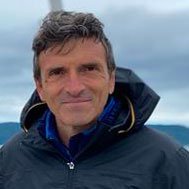
Tommaso De Rosa

See my host profile and message me on Airbnb chat.

If you want one simple recommendation, message me on Airbnb with your dates + pace. I’m quick to reply (especially in season).
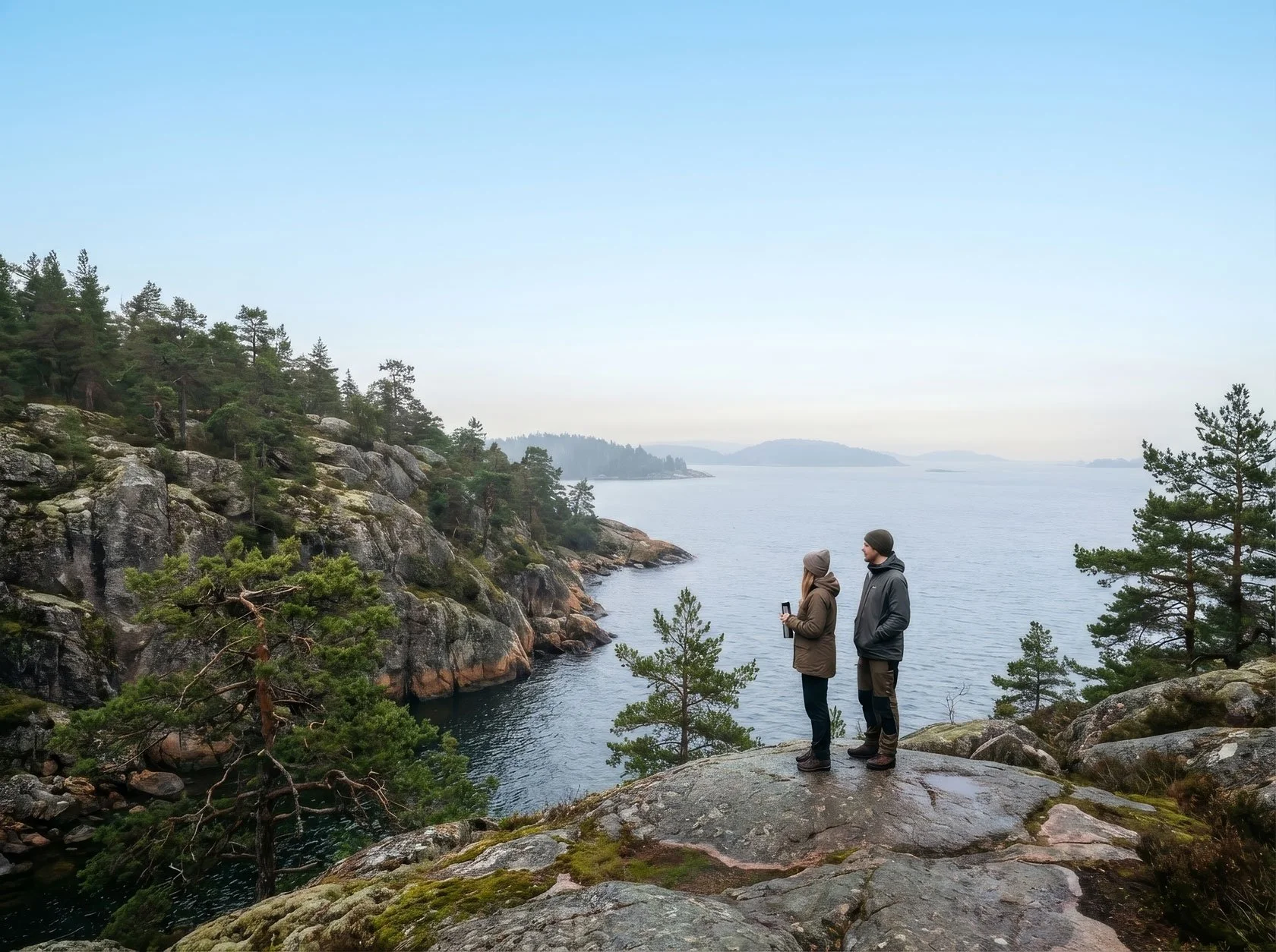
 

Autumn's First Whisper: When the High Coast Reveals Its Golden Soul

Early September in Höga Kusten: The High Coast’s Golden Season (Guide + Tips)

A host’s time‑travel note from early September in Sweden’s High Coast (Höga Kusten): golden light, Skuleberget hikes, trail running, and a chance of northern lights.

It’s February as I write this. The High Coast is still in its quiet, fully white season, and spring’s rebirth still feels far away.

But winter is exactly when I like to remember the most underrated window of the year: early September — the moment when summer softens, the forest changes tone, and everything becomes more intimate.

This post is a small time‑travel note from that season-between-seasons. And if you’ve ever felt that you don’t need more activities, but a deeper kind of reset, September is also when Skogspaus makes the most sense: a simple forest pause before the long darkness of late autumn.

Here, I remember for you.


The Magic Hour That Lasts All Day

The light has begun its gentle retreat, painting Skuleberget in shades of amber and rust. Here on the High Coast in September, the forest whispers secrets that only those who truly listen can hear – stories of transformation, reflection, and the bittersweet beauty of seasons turning.

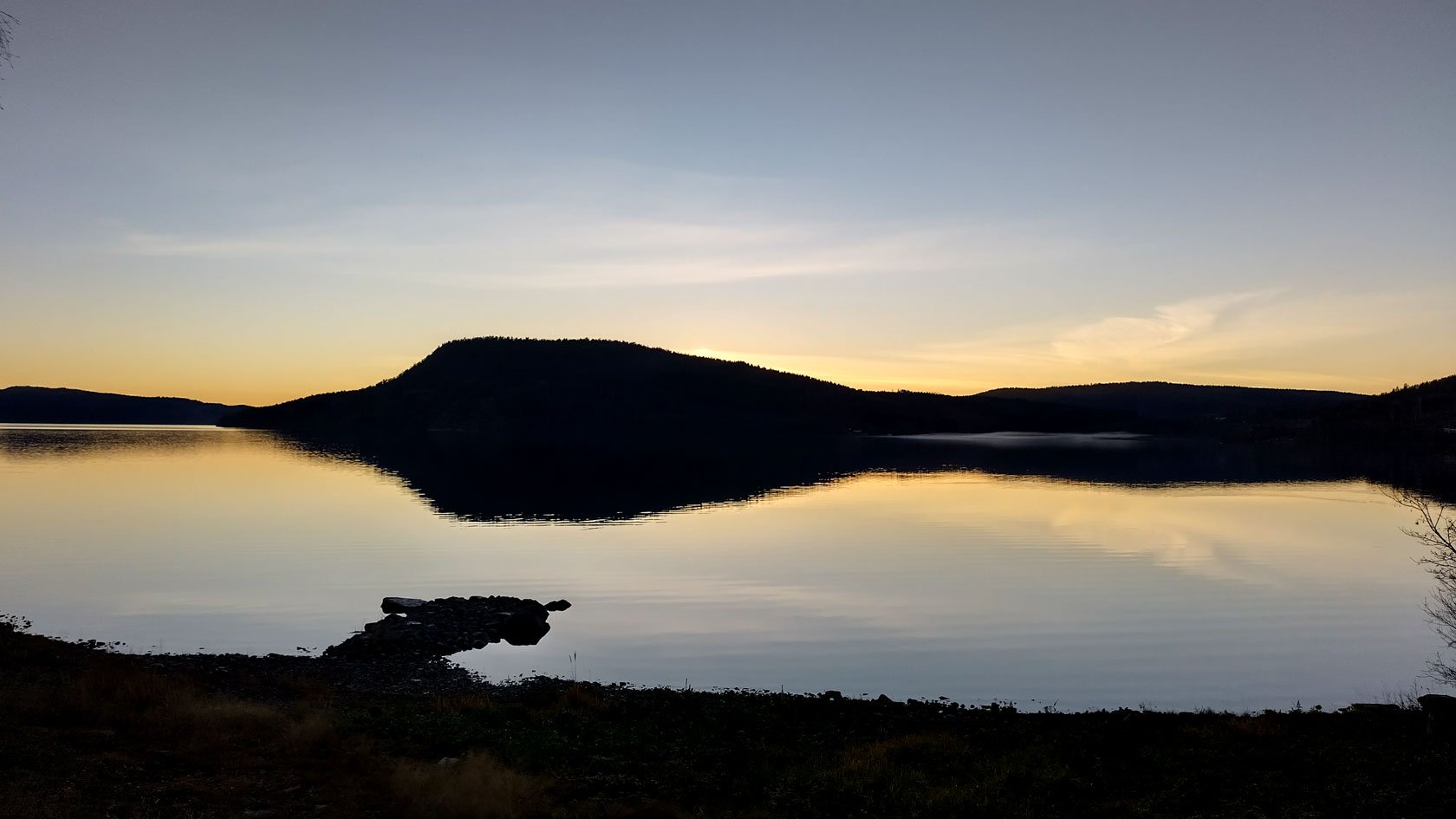
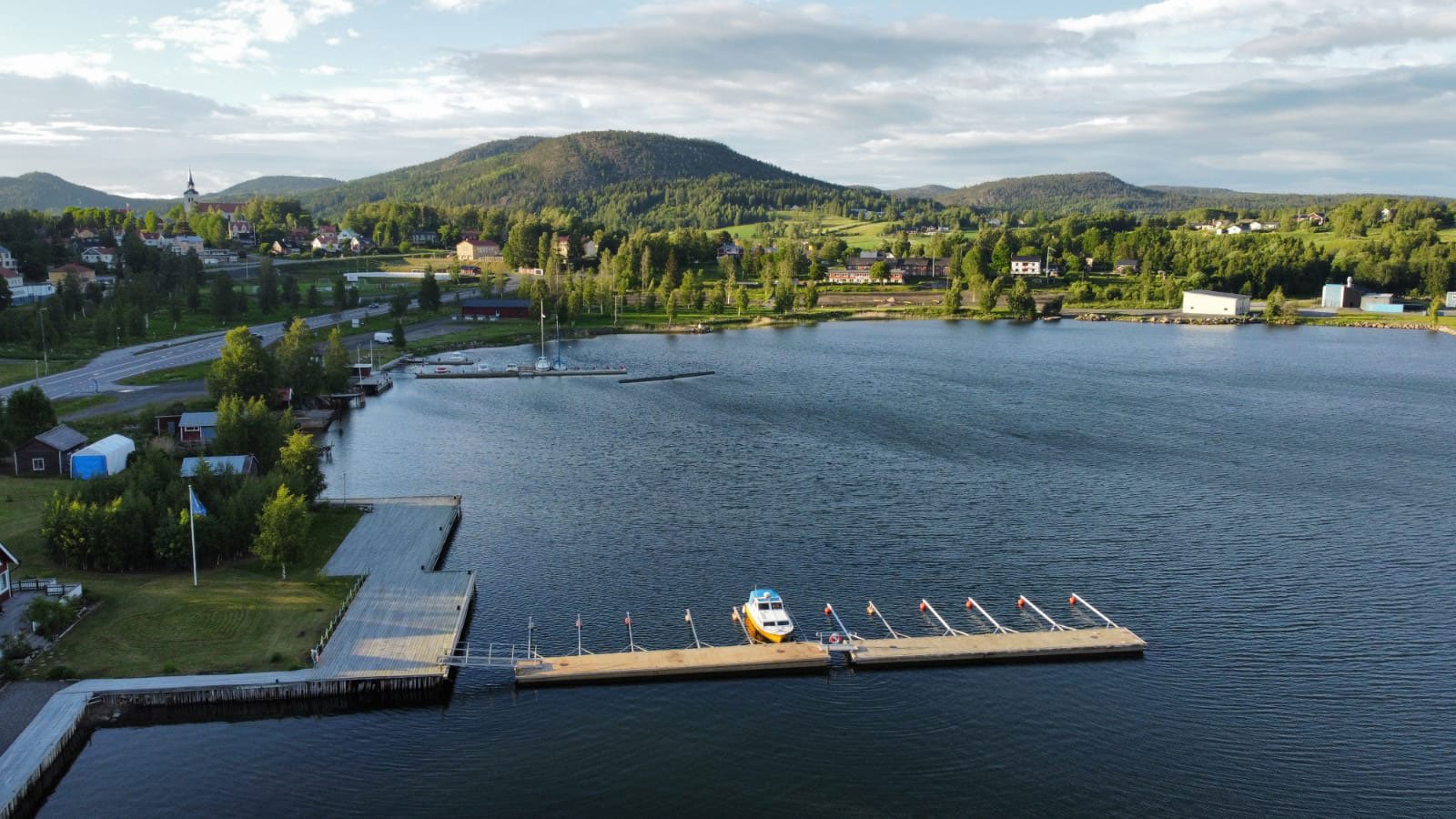
Standing on our marina dock, warm espresso aroma mixing with the crisp September air, I watched the sun cast its golden net across the Docksta fjord. There's something profoundly different about Nordic autumn light – it doesn't just illuminate; it transforms. The harsh brightness of summer has mellowed into something warmer, more intimate, like nature's own Instagram filter applied to the entire landscape.

This is the light photographers dream about, the kind that makes even the most amateur smartphone shots look like magazine covers. But more than that, it's the light that changes how we feel about a place.

September in the High Coast isn't just about what you see – it's about what stirs in your soul when the world begins its slow dance toward winter.


Skuleberget’s Autumn Symphony

Yesterday, I hiked Grottstigen up Skuleberget, and it felt like stepping into a quieter version of the mountain. The granite faces that look so stark in July light were suddenly warm — almost gentle. The birches had started to turn, not the full October fire yet, but the first honest yellows and golds that tell you the season is shifting.

From the summit, looking out over Skuleskogen National Park to the east, you can see the transition happening. Summer’s deep greens begin to break into a patchwork, changing with every gust of wind. It’s on days like this — in these early‑September runs and hikes — that I remember why the High Coast earned its UNESCO World Heritage status. Not just beautiful. Something that lands deeper.

Pro tip for autumn hikers (and trail runners): take Kalottstigen — the trail that follows the ancient coastline, from when Skuleberget was still a small island rising out of the ice. It gives you some of the best views of the shifting colours, especially in late afternoon, when that golden September light hits the rocks and trees around the summit.


Trail Running Through Liquid Gold

For trail running enthusiasts, the High Coast becomes something truly special after summer. In Docksta, early autumn brings a long weekend of racing during Höga Kusten Trail — routes that cross the national park, climb Skuleberget, and touch other panoramic summits nearby. Segments that feel brutal under July’s intense sun suddenly feel like running through liquid gold.

The temperature is perfect — cool enough to push your pace without overheating, warm enough that you don’t need layers. And the light? It’s like having a personal cinematographer following your every step.

That weekend is a magnet for passionate runners, and if you dream of staying seaside you’ll want to book well in advance (see our accommodations). For your own autumn running escape, our Guest House is an ideal home base: space to recover, a full kitchen for real meals, and a sea-view terrace that becomes even more spectacular in September light. The most iconic trails and peaks are right at your doorstep.

And when the day finally slows down, September sometimes gives you one more gift — not on the trail, but above the fjord.


Northern Lights: a September Bonus (Host Tip)

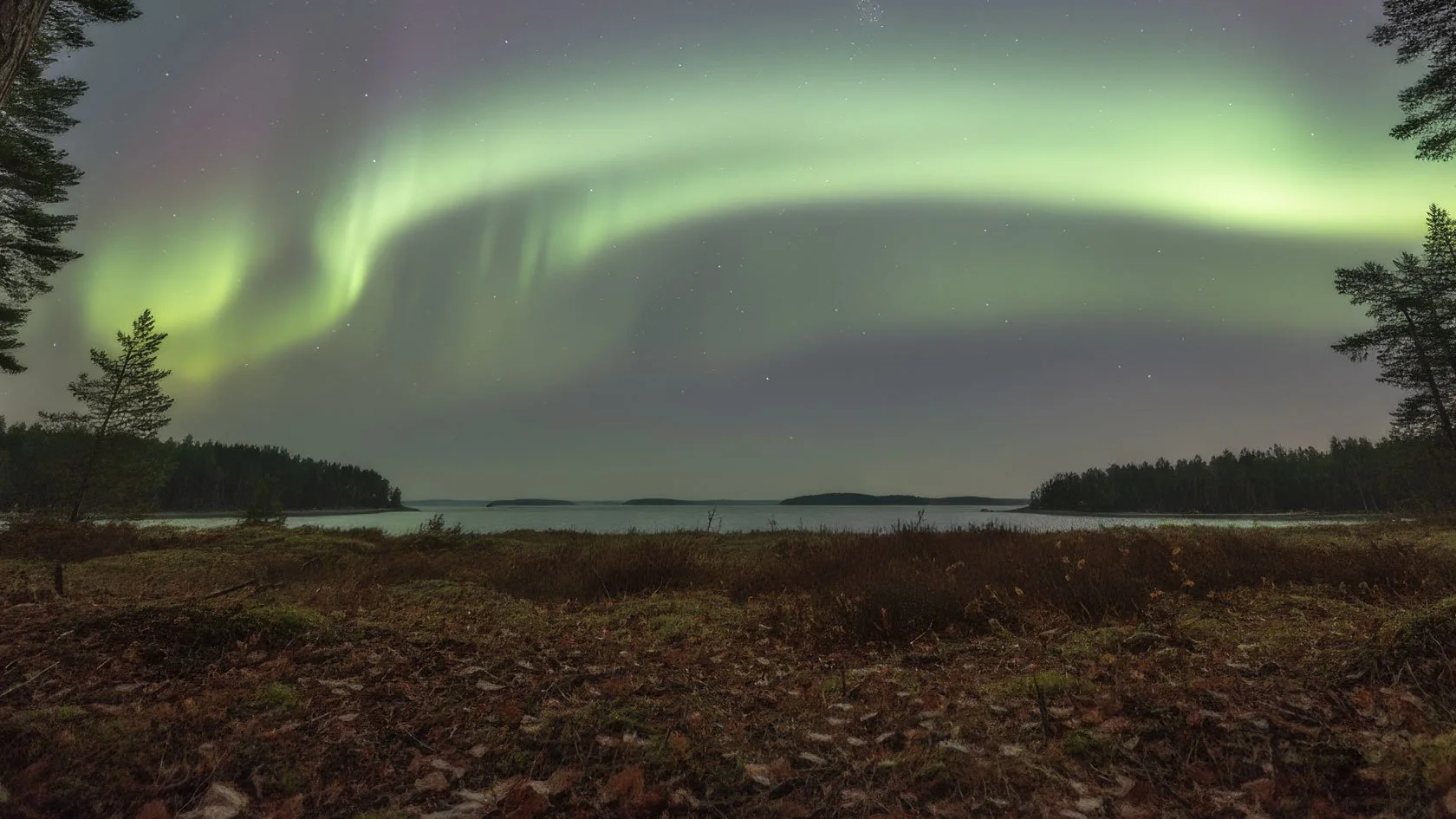
Northern lights are back, too. As the nights finally start to turn dark again (late August into early September), the sky sometimes surprises us with aurora — even here on the High Coast. You don’t have to be in Lapland to feel that kind of magic. On a clear night, the marina can become a front‑row seat: the fjord turns into a mirror, and the green movement above feels twice as alive.

If you’d like to try your luck, here’s my simple host routine. I check cloud cover first (a clear sky matters more than anything). Then I open yr.no (website, or even better the app) — reliable for our local weather, and with an integrated aurora forecast. And when the night looks promising, I step outside for ten minutes — no rush, no photos at first — just letting my eyes adjust to the dark. If you’re staying in the Boathouse, you’re already exactly where you want to be when the sky decides to dance.

Sometimes it’s nothing. Sometimes it’s a quiet glow — and that’s already enough. And sometimes it’s a memory you take home for years.

And after a night like that, the forest feels even quieter the next morning.


Skogspaus: Forest Pause in Autumn's Embrace

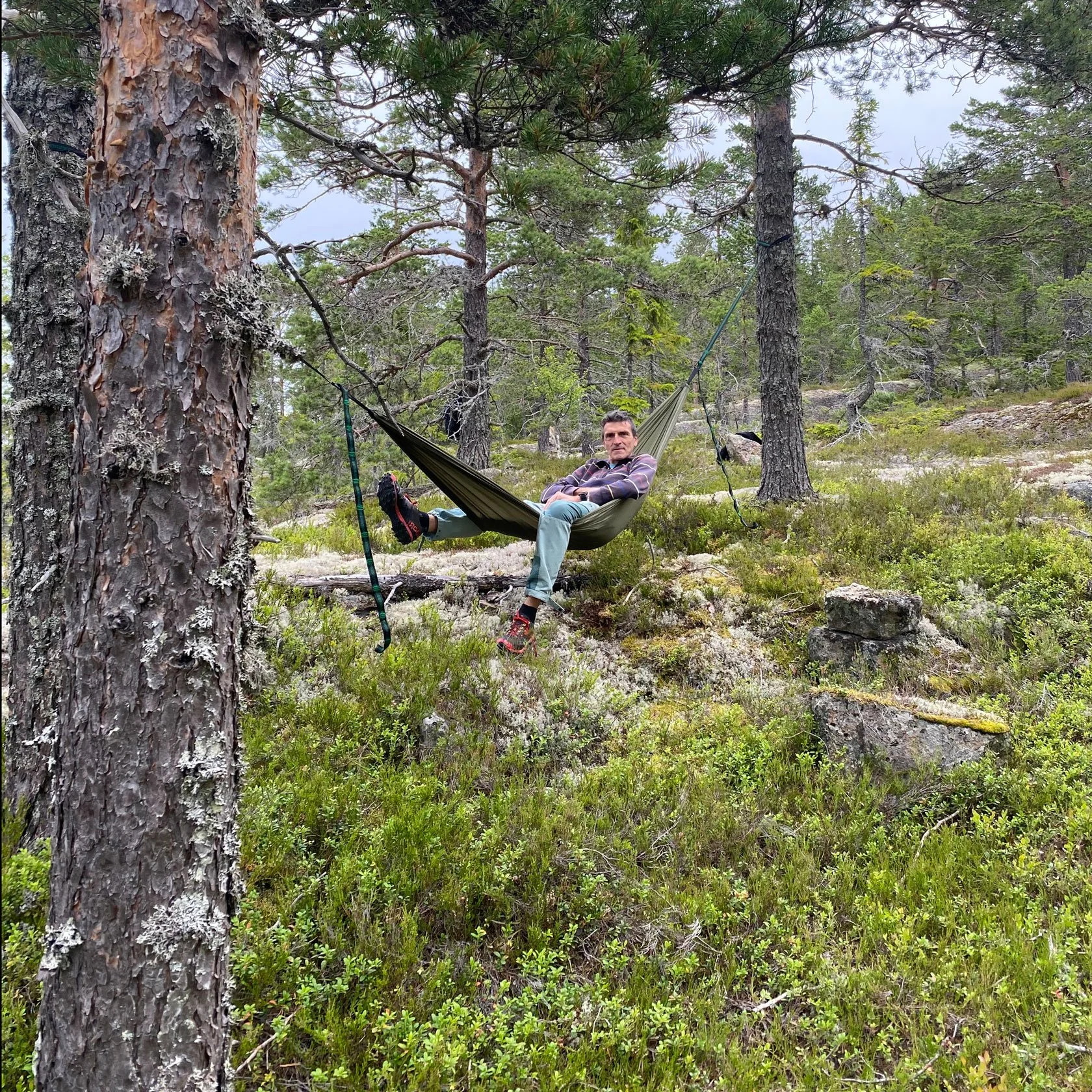
If there’s ever a time that truly inspired my hammock forest immersions, it’s September. After the first dark nights return — and the sky sometimes starts to dance again — the High Coast has a different energy then — quieter somehow, as if nature itself is taking a deep breath before winter’s long sleep. My favourite spots in the forest take on an almost mystical quality when filtered through autumn’s golden lens.

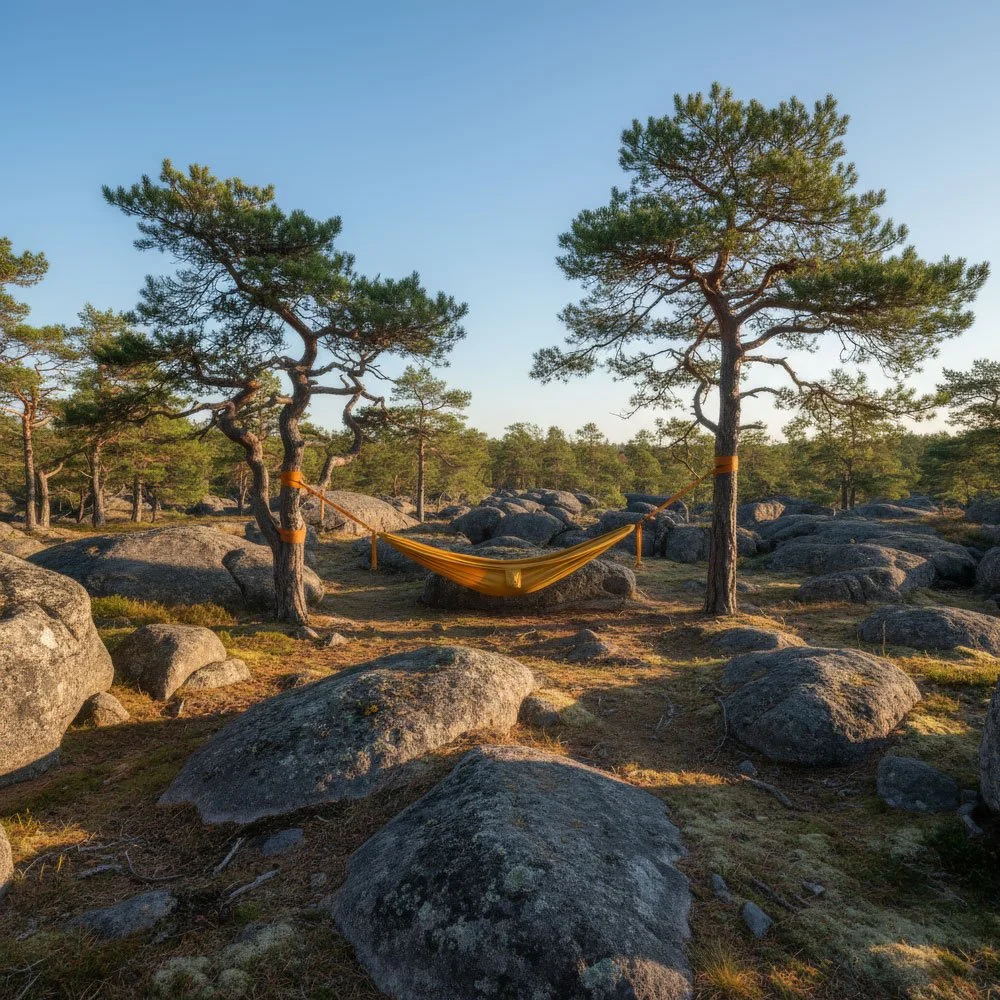
Last season, on one of the final Skogspaus weekends, I guided a couple from Germany to one of my favourite rocky pine forests near Docksta. As they settled into their hammocks, surrounded by the gentle rustling of leaves beginning their colour change, I watched something beautiful happen. The stress lines that had been etched on their faces when they arrived began to soften. The constant checking of phones stopped. They simply… breathed.

“This is what we came to the High Coast for,” she whispered to her partner, and I knew exactly what she meant. September in these mountains offers something you can’t find anywhere else — the perfect balance between summer’s energy and winter’s contemplation.

If you want to do it self-guided, we also have simple Skogspaus hammock kits (75 SEK/day) — and I’ll share a few tips for quiet spots.


Skogspaus: Experience Now, Go Deeper Later

Skogspaus has two lives.

  • One is here, in the forest: a 3-hour hammock immersion with me, bookable as an Airbnb Experience during the season (June-mid‑September).

  • The other is on the page: I’m also writing the Skogspaus book — not a trend piece, not a “self-help” manual, but a practical, lived path of nature reconnection for people who want the deeper story behind a simple pause.

  • If you’re planning an early-September stay, message me your dates — I’ll suggest the best day for the experience (and the right spot for the weather).


Sailing into Autumn's Golden Hour

While the sailing season here usually winds down by mid‑August, September offers some of the most spectacular conditions of the year for simply living by the sea. The summer buzz has thinned, leaving the archipelago feeling more intimate, more personal. The water still holds summer’s warmth while the air turns crisp — perfect for those magical late‑season coastal days.

From our fjord, watching Docksta Varvet’s vessels return in the evening light, I’m struck by how different the same view can look. The rocky skerries that felt so dramatic in July’s bright light now appear softer, more welcoming. The water reflects the sky’s changing colours like a mirror, creating double sunsets that take your breath away.

Our Boathouse, right above the water at the marina, offers front‑row seats to these autumn seaside spectacles. Imagine waking up to this view every morning — and ending your day watching the fjord glow in that incredible September light.


Planning Your Early-September High Coast Adventure

If you're reading this in winter (or early spring) and feeling that pull toward the High Coast’s softer season, here’s what you need to know:

  • Best time to visit: the first half of September offers the perfect balance — still warm enough for comfortable hiking, with that distinctive first-autumn light quality.

  • What to pack: layers. Mornings can be crisp, afternoons still warm up beautifully.

Where to stay

  • Guest House: perfect for families or groups wanting space and a full kitchen. That sea-view terrace is magic in September light.

  • Boathouse: for the minimalist traveller who wants to be as close to nature as possible.

  • Dock House: ideal for couples seeking an intimate retreat right above the water (usually available until late August — message me for current availability)

Don’t miss

  1. Sunrise hike up Skuleberget (the light is unbelievable) or late afternoon, trail running the #BIG5 segments (who dress in their warmest colors)

  2. A Skogspaus session in a changing rocky pine forest above Docksta

  3. A full day exploring the National Park (from the first steps by the sea to the panoramas above the trees and the archipelago — Skuleskogen will enchant you)

  4. Evening sea views when the archipelago turns quiet again

  5. Aurora is back: catch the dancing northern lights from your seaside base camp


The Bittersweet Beauty of Transition

There's something profoundly moving about September at Docksta Havet. It's the beginning of our goodbye to another season, but it's also when the High Coast reveals some of its most intimate secrets. The light that seemed so abundant in midsummer becomes precious now, each golden hour treasured because we know how quickly it will fade.

This is when I take longer excursions, explore new segments, linger in the hammock when the sun is already low, and finally see the landscape the way the busy summer months don’t always let you see it. Our guests slow down too — more time on the Guest House terrace, longer hikes, fewer plans… and a deeper kind of presence.


Looking Toward Spring's Promise

As I write this, watching the September light paint our marina in shades of gold, I'm already dreaming of next season. This is the time when we start planning improvements, dreaming up new experiences, and preparing for another magical summer. But it's also when we're reminded of why we fell in love with this place – not just for the busy energy of peak season, but for these quiet moments of transition when the High Coast shows its true soul.

September visitors often become our most passionate ambassadors. There's something about experiencing the High Coast in this transitional light that creates a deeper connection, a more profound appreciation for what makes this place special.

Ready to experience the High Coast’s autumn whisper for yourself? Our accommodations are available through mid-September — and trust me, early September is when the magic happens.

Ciao for now,

_Tommaso

P.S. If you’d like to keep a little thread with us between seasons, you’ll find us on Instagram: @DockstaHavetBaseCamp.

Skogspaus lives here: @Skogspausofficial.
And for the Skuleberget #BIG5 trail vibe: @Skulebergetbig5. (Plus my personal notes from the trails:
@Tominthehighcoast )

Planning an early‑September stay? Message me your dates — I’ll help you choose the best day for Skogspaus based on the forecast

Please write me by email or WhatsApp at +46.763136909


For Exploring the High Coast [index]:

For Hikers [index]:

For Forest Guests [index]:

Cykeluthyrning i Höga Kusten (Docksta)

Grab&Go MTB för dagsturer

Hyr MTB i Docksta, Höga Kusten. Grab&Go: cykel, hjälm & lås + lokala ruttips. Ingen deposition. Drop-in oftast OK. Boka via WhatsApp +46.763136628

Var hämtar jag? → Hyr MTB i Docksta – vid E4, nära Skuleberget och Skuleskogen.

Du är i Höga Kusten. Havet är nära, Skuleberget reser sig bakom byn och skogen börjar nästan direkt. Men kanske kom du med lätt packning. Kanske utan cykel. Kanske utan plan.

Grab&Go är vår enkla cykeluthyrning i Docksta (Docksta Havet Base Camp): MTB, hjälm och lås – plus lokala tips så att din dag blir bra på riktigt. Ingen deposition. Inga papper. Ingen stress.


För vem passar det här?

  • Du på semester utan egen cykel – och vill hinna både Skuleberget och kustvägarna, eller bara en "ut och rulla"-eftermiddag.

  • Ni som är par eller vänner – och vill röra er tillsammans utan att planera ihjäl er.

  • Familjer – som vill ha enkla priser, tydlig logistik och ingen stress med egen utrustning.

  • Du som kom med buss eller tåg – och vill slippa trafik, parkering och tungt bagage.

  • Spontana resenärer – som vill kunna uppleva mer med lätt packning.


Cykeluthyrning i Docksta – vad ingår?

När du hyr cykel hos oss får du:

  • MTB (mountain bike)

  • Hjälm

  • Lås

  • En snabb genomgång (inställning + säkerhet)

  • Ruttförslag (vad som är rimligt idag, beroende på tid, väder och energi)

Vi håller det enkelt: du får det du behöver för att komma ut – och du slipper onödigt krångel.


PRISER (tydligt och per dag)

Vi håller det enkelt: dagspriser – du väljer hur stor dag du vill ha.

(Kort tur eller heldag. Inga konstigheter.)

  • Cykel – Lilla rundan (Skuleberget / Naturscen)
    150 SEK/dag · 2–6 timmar från Docksta, kvällstur, "lite men bra"

  • Cykel – Stora dagen (Skuleskogen / Nätra Fjällskog)
    200 SEK/dag · Heldag från Docksta, längre runda, nationalpark

  • Dagsryggsäck 20L (tillägg)
    50 SEK/dag

  • Hängmattekit (tillägg, inkl. tarp)
    75 SEK/dag · Skogspaus, vila, "en bra sorts trötthet"

  • Perfect Forest Day Kit (cykel + ryggsäck + hängmatta)
    250 SEK/dag · En enda beslutspunkt – sen frihet. (Billigare än delarna var för sig.)

Hjälm och lås ingår i alla cykeluthyrningar.

Vill du se allt i detalj (kit, bokning & villkor)? Se priser & boka här →


Gästberättelser

🇸🇪 Anna & Jonas (Stockholm)
"Vi bodde på Tommasos Airbnb och ville cykla till Skuleberget. Han fixade allt på 10 minuter. Turen var enkel och vi var tillbaka i tid för espresso i Club House."

🇫🇮 Mika & Sari (Finland, seglare)
"Vi har lagt till i Docksta Havet flera år. I somras hyrde vi två extra cyklar till våra gäster. Vi cyklade tillsammans till Skuleskogen, gick på lederna och var tillbaka före solnedgången. Enkelt och prisvärt."

🇸🇪 Elin (Sundsvall)
"Vi körde för att se en konsert på Naturscen. Parkeringen där är kaos. Vi hittade cykeluthyrningen i Docksta, parkerade gratis och cyklade till konserten. Vi hann också se Skuleberget innan showen."


SÅ FUNKAR DET (3 steg)

  1. Skriv på WhatsApp (snabbast) eller kom förbi.

  2. Vi bekräftar och föreslår en rutt som passar din dag (kort tur / heldag / familj / "bara rulla").

  3. Hämta, betala och rulla – vi fixar hjälm och ställer in cykeln på ca 10 minuter.

Drop-in eller boka?

Drop-in funkar oftast – men skriv på WhatsApp så är du säker.
Om ni är en grupp (5+ personer) eller om du kommer under högsäsong / till event, bekräftar vi tillgänglighet innan.

Var hämtar jag?

Docksta Havet Base Camp – Hamnen i Docksta (vid E4)
Adress: Hamnen 10, 873 96 Docksta

Vill du ha exakt punkt på karta? Se karta & vägbeskrivning →

ÖPPETTIDER

Säsongen går från mitten av maj till mitten av september.
Exakta tider varierar – skriv på WhatsApp så säger vi när vi är på plats och kan ta emot dig. Det tar 2 minuter att få svar.

BETALNING (enkelt)

Vid upphämtning betalar du direkt via:

  • Swish

  • Kort (iZettle)

  • Kontant (SEK eller Euro)

Ingen deposition.

Bra att veta

  • Hjälm och lås ingår i alla cykeluthyrningar.

  • Betalning på plats (kort/Swish).

  • Vi hjälper dig välja "lagom stor dag" – så du slipper överplanera.


Varför Grab&Go (vår skillnad)

Det finns cykeluthyrning – och så finns det värdskap.

  • Baslägerläge i Docksta: lätt att nå, lätt att starta från

  • Lokala tips ingår: rutt, timing, vad som är smart idag

  • Ingen deposition, inga papper: vi jobbar med förtroende

  • Flexibel retur: inga onödiga deadlines

  • Öppet för alla: inte bara våra boendegäster

  • Snabb kontakt: du får svar snabbt och rakt


Outdoor‑ready på några minuter

Hämta upp vid Docksta marina och bli outdoor‑ready på några minuter: cykel + enkla essentials + en realistisk plan för din dag.

Du behöver inte ha med egen utrustning – bara komma som du är.

Välj din dag (Grab&Go‑planer)

  • SKULESKOGEN Nationalpark – bike‑first dagstur
    En cykel‑först plan för en nationalparksdag: mindre stress, mer tid på stig. Läs guiden →

  • NATURSCEN Skuleberget – smart konsertkväll
    Grab&Go‑cykel + enkel plan för konsertkvällar. Slippa parkeringsstress. Läs guiden →

  • SKULEBERGET + kustkänsla (halvdag)
    Rulla en kort tur, ta en paus med utsikt, och gör dagen lätt. Läs guiden →

  • NÄTRA FJÄLLSKOG – skogsdagen
    Mossa, tystnad och det där lokala som inte står på skyltarna. Läs guiden →

  • CYCLA FRÅN DOCKSTA – välj ditt upplägg

    Vill du ha en enkel plan för dagen? Här är min guide till fyra olika cykeluppläggen från Docksta – från klassiska utsikter till vilda skogar. Välj ditt upplägg


SNABBA FRÅGOR (FAQ)

  • Kan man hyra cykel i Docksta utan att bo hos er? Ja, Grab&Go är öppet för alla.

  • Behöver jag lämna deposition? Nej.

  • Kan jag avboka? Ja – gratis avbokning upp till 24 timmar innan.

  • Kan jag förlänga en dag? Ofta ja – skriv på WhatsApp så kollar vi.


HITTA OSS (Docksta)

Grab&Go Outdoor Gear Rental

Docksta Havet Base Camp
Hamnen 10, 873 96 Docksta

Öppet: maj–september (tider varierar) – skriv på WhatsApp så säger vi när vi är på plats.


Redo för en bra dag i Höga Kusten?

Skriv till oss på WhatsApp och berätta:

  • hur många ni är

  • vilken dag

  • om ni vill kort tur (150) eller heldag (200)

Vi bekräftar snabbt – och hjälper dig få en dag som känns enkel, fri och “precis lagom stor”.


Höga Kusten Micro‑Guides & Local Tips

Micro‑guides and local tips for Höga Kusten: day trips, hikes, viewpoints and quiet forest pauses. Hosted by Docksta Havet Base Camp in Docksta marina.

Skuleskogen National Park Day Hike Itinerary | High Coast

The "Base Camp" itinerary to experience Skuleskogen in summer

Skuleskogen National Park hiking itinerary from Docksta (High Coast, Sweden): entrance, route logic, bike+hike option, what to pack, and how to make the day memorable.

Skuleskogen in one minute: what makes it special

Skuleskogen National Park sits in the High Coast UNESCO World Heritage landscape — famous for land uplift after the Ice Age, dramatic coastline geology, and the meeting point of deep sea and high islands.

What you’ll feel here:

  • Scale: forest and sea in the same breath

  • Texture: red granite, smooth rock slabs, boardwalks, moss, and lakes

  • Time: visible geology, not hidden in a museum

If you only have time for one national park-style day in the High Coast, Skuleskogen is the one.


A practical one-day loop

You don't need to be a "proper hiker" to have a big day in Skuleskogen.

You just need one good plan.

If you want one Skuleskogen day that feels complete — not rushed, not random — this is the loop. It starts the way the High Coast wants you to start: by the sea.

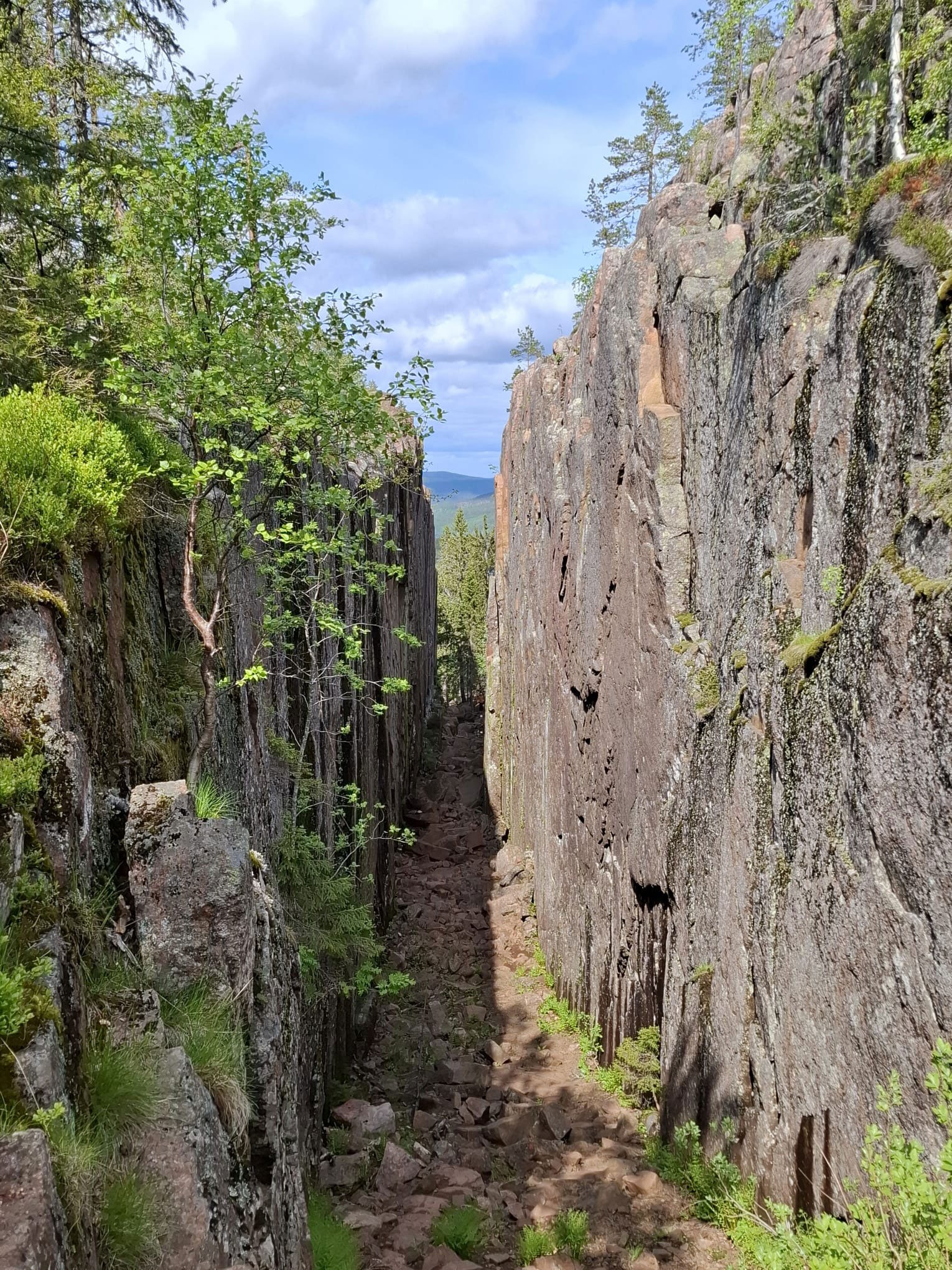
Then it pulls you gently inland: a great path in deep rocky pine forest, pristine lakes, the iconic Slåttdalsskrevan crevice, a final push to Slåttdalsberget, and then you return with that quiet feeling of: we really did it.

This is the itinerary I share with guests at Docksta Havet Base Camp when they ask:

“Tommaso… if we only have one day in Skuleskogen, what should we do?”


Quick facts (so you can decide fast)

  • Best for: first-time visitors who want the “real” Skuleskogen in one day

  • Start from: the South Entrance (Entré Syd) — best access to the classic Skuleskogen highlights

  • Style: full-day loop (forest + granite + view + sea)

  • Distance / time: plan for a full day; the hiking part is typically 4–6 hours depending on pace and breaks

  • Season: late May–September

  • Terrain: roots, rock, some steeper sections near the crevice/summit

  • Our Base Camp promise: we’ll help you fine-tune (or adapt) the plan based on weather, energy, and daylight


Why this loop (and why it feels different)

Many people do Skuleskogen as a quick “there-and-back” to the crevice.

It works.

But it often becomes a single highlight chase — and, honestly, the most direct way up from the parking area can feel short but surprisingly challenging (steeper, more demanding, less rhythm).

Our loop is different. It’s built around flow:

  • Sea → forest → lakes → crevice → summit → return

  • A day that grows in intensity, instead of starting with the hardest push

  • A route that makes you feel you entered the national park, not just “visited a spot”

And yes: it’s also a little statement.

I’m a host who suggests the best, not just the obvious.


The “All‑Park‑Spots‑Inclusive” Loop (the route)

This is the sequence we recommend, starting from the Southerly entrance:

  1. Coastline start — down to Källviken, the Path by the sea sets the pace

  2. Näskebodarna — one of those places that feels like a secret even when it’s on the map

  3. The lakes — quiet inland Skuleskogen, the deep-green part

  4. Slåttdalsskrevan — the famous crevice (and yes, it’s worth it)

  5. Slåttdalsberget summit — the “open granite + horizon” moment

  6. Return — the loop closes, and the day feels complete

If you’re staying with us, we’ll point you to the right entrance/parking logic for this loop and the best direction depending on weather.


The Base Camp way to reach the park: bike + hike (highly recommended)

We recommend reaching Skuleskogen by bike whenever it fits your day.

Not because we rent bikes.

Because [approaching the national park is part of the experience] link a story

You start along the sea, then you roll toward Entré Syd through forest — and by the time you step onto the trail, you already feel like you’re inside a story.

If you want the full Bike‑First version of this day (route logic + timing), here’s our plan → Skuleskogen National Park (Bike‑First Day Plan from Docksta)

If you want to keep it effortless, you can borrow the missing pieces from our → Grab&Go Outdoor Gear Rental

Why it’s so good:

  • The approach becomes a warm-up (body + mind)

  • You avoid the “parking stress” feeling

  • You turn one hike into a full High Coast day

  • You arrive with that quiet pride: we earned this

It’s not for everyone — and that’s exactly the point.

If bike is not your thing (car is totally fine)

If you prefer to drive, drive.

If you have less time, less energy, or you’re traveling with kids and want a simpler logistics day, we’ll adapt the plan.

The goal is not to prove anything.

The goal is to have a beautiful day in Skuleskogen — guided by someone who knows what actually works.

Car‑free planning notehere’s how Skuleskogen works without a car (and what to check each season).


What to pack (minimal backpack, smart choices)

Skuleskogen rewards simplicity — but you want to be prepared.

Bring:

  • Water (more than you think), thermos coffee (optional but excellent)

  • Lunch + snacks

  • Windproof layer (the coast changes mood quickly)

  • Light rain jacket if forecast is uncertain

  • Small first aid / blister care

  • Power bank if you rely on your phone

If you want the full checklist + a few Base Camp tricks, read → Get ready for your day hike.


Time plan (so the day doesn’t drift)

A simple rhythm that works:

  1. Morning: approach (bike or car) + start the loop from the entrance of the park

  2. Midday: lakes + lunch break

  3. Early afternoon: crevice + summit push, then back to Entré Syd — or down at Källviken for an extra (optional) dip in the sea

  4. Late afternoon: return + back to Docksta

  5. Evening: shower, espresso, and the “we did it” silence


Safety + trail etiquette (High Coast common sense)

  • Stay on marked trails (protects the park and your ankles)

  • Roots + wet rock are the real danger, not distance

  • Wind can change the day fast — bring a layer

  • Pack out your trash

  • If you meet wildlife: keep distance, stay calm


Where to stay: three seaside options at Docksta Havet Base Camp

If you want Skuleskogen as a day trip, Docksta Havet is designed for that.

The Boathouse (1–2 guests)

Minimalist, right by the sea. Wake up, coffee, go.

The Dock House (couples)

A romantic cabin over the water. Summer-only, simple, very High Coast.

The Guest House (up to 4)

For families or friends who want space, a real kitchen, and a comfortable base.


Final note from your host

Skuleskogen is not about collecting highlights.

It’s about a full day that has rhythm.

Sea first. Then forest. Then the crevice. Then the summit.

If you’re staying with us, tell me what kind of day you want — and we’ll tune this loop to fit you.

Minimal backpack. Light soul.

Tommaso


If you want more bike‑first High Coast days, choose your mode here https://dockstahavet.se/blog/bike-from-docksta-choose-your-mode-high-coast


inspire you to explore the High Coast:

Bike Rental in Docksta (High Coast): 3 Bike + Hike Plans (Few Hours to Full Day)

3 MTB-first plans where the bike is part of the adventure (not just transport)

Rent an MTB in Docksta (High Coast) and choose one of three bike + hike outings: Vårdkallberget, Skuleskogen National Park, or Nätra Fjällskog. Map + local tips.

Looking for bike rental in Docksta (Höga Kusten)?

If you're searching for bike rental in Docksta (Höga Kusten / the High Coast), this is the simplest way to use an MTB here: ride from the marina to a trailhead, hike one focused section, then roll back by sea and forest without overplanning, and without spending the whole day in transit.

It's simple, but it's real.

Some people arrive in Docksta with a plan. Most don't.

They arrive with a car full of road-trip momentum, or a backpack that's a little too light, and the same quiet question:

"We want one real High Coast moment… but we want to keep it simple."

I'm Tommaso, and I run Docksta Havet Base Camp — right by the sea, right where the mountain-and-trail world begins. Grab&Go is our simple MTB + outdoor gear rental (plus local advice that keeps your day light).

This post is a practical menu: three MTB-first plans you can start from Docksta in 3–4 hours (or stretch into a full day if you want).


Quick facts (so you can decide fast)

Time window: 3–4 hours (Vårdkallberget) • 4–7 hours (Skuleskogen, depending on loop) • 5–8 hours (Nätra, big legs)

Best for: travelers without gear, short stays, "one good outing" days

Bike: MTB (gravel ready)

Terrain: mixed road + gravel sections (cycling) + trails (hiking)

What to bring: water, wind layer, snack, shoes you trust (optional: a hammock)

Best timing: mornings for the longer outings — but late afternoon/evening in early summer can be magic (the light is the main character)


Bike-to-trailhead distances (from Docksta Havet marina):

  • Vårdkallberget: ~4 km

  • Skuleskogen National Park: ~10 km

  • Nätra Fjällskog: ~15 km

If you're unsure what's realistic today, it's best to ask me first — weather and legs matter more than maps

Want the "pin" version? Save our Docksta Havet Google Map with trailheads, viewpoints, and small practical stops: https://www.google.com/mymaps/viewer?mid=1U9WYmvt_VKFYZR2coP_935KNA5f2NxI&hl=en


A small note (because this matters)

The bike isn't just a cool alternative to the car.

Here, riding is part of the High Coast experience: you cross a beautiful territory between forests and sea, roll over green ridges, mix gravel stretches and quiet roads — and you arrive at the trailhead already inside the landscape. These plans are bike + hike by design: the MTB gets you there, and the walk gives you the "High Coast moment".


Option 1 (Easy): Vårdkallberget — a very local secret, off the beaten track

Vårdkallberget is one of those "why didn't we do this earlier?" spots. It's close, it's quietly epic, and it gives you that real High Coast feeling — rock, pine, sea air — without committing to a full-day mission.

Why it works: easy from Docksta, big archipelago views, and a wild rocky forest that still feels like a local secret.

A gentle rhythm:

  • Bike out from Docksta

  • Short hike + viewpoint moment at the summit & the "He" wind shelter (Arknat)

  • Roll back for a swim, espresso, or a slow evening

If you want the simplest version (with the smoothest timing), here's the quick guide:

Resources: Browse the guide: Vårdkallberget — easy bike + hammock pause

Extra (if you want a deeper "wild High Coast" story): A wild hike on the High Coast


Option 2 (⭐⭐ Medium): Skuleskogen National Park — the wild heart of the High Coast World Heritage area

Skuleskogen is where you feel how ancient the High Coast is: old forest, red granite, and quiet bays. If you have medium legs and you want a day that feels truly out there, this is it.

Why it works: it's a must‑have national park day — and it can stay very doable if you choose the right loop/section and keep the plan simple.

A clean approach:

  • Bike out with a simple route (I'll suggest the smoothest start)

  • Do one focused trail section (forest + coastline)

  • Roll back before you're cooked

If you want the best trail choice inside the park (without overplanning), start here:

Resources: Read this post: Hiking in Skuleskogen • Browse the guide: Skuleskogen bike-first day plan


Option 3 (⭐⭐⭐ Big legs): Nätra Fjällskog — where the High Coast reveals itself to those who go deeper

If you've already done the classic highlights — or you simply want true space — explore the quieter side: forested ridges above the coastline, with that big‑north feeling most visitors are never introduced to.

Nätra Fjällskog is the "big legs" choice: more solitude, more trail time, and zero crowd energy. It's the kind of day that makes people say: "Ok… now we're really in the true north."

A good way to do it:

  • Bike out early-ish

  • Keep the plan simple (one main objective)

  • Bring a wind/rain layer and proper fuel — you'll need the energy for this one

If you want space and silence (and a plan that stays clean), this is the one:

Resources: Browse the guide: Nätra Fjällskog — a day of moss, silence and space


Want to keep it frictionless? Grab&Go (MTB + small essentials)

Grab&Go is built for travelers who arrive light.

You can rent:

  • MTB rental (road + gravel ready)

  • Daypack (50 SEK/day)

  • Hammock kit (75 SEK/day)

  • Perfect Forest Day Kit (MTB + daypack + hammock): 250 SEK/day

No deposit. No paperwork. Most days, walk-ins work — but if you're visiting during peak dates or events, it's best to ask me first.

Full details:

Grab&Go overview: https://dockstahavet.se/outdoor-gear-rental-hoga-kusten

Pricing & booking: https://dockstahavet.se/outdoor-gear-rental-hoga-kusten/pricing-booking


Want more ideas (without the overwhelm)?


Free High Coast mini-guides (5 languages)

One more thing that helps (especially for first‑timers): I've put together free web-based High Coast mini-guides in 5 languages. No download, no payment — just open and start planning.

Free mini-guides (5 languages): English → | Svenska → | Deutsch → | Suomi → | Italiano →


A small closing note

These rides aren't about "doing the High Coast". They're about entering it.

Bike out, hike one honest section, come back salty and calm — and you'll understand why Docksta is a base camp, not just a dot on the map.

Want me to pick the cleanest plan for today?

Send: hours + legs + mood → I’ll suggest one route that matches the weather and your energy.

Email: dockstahavet@gmail.com


🇸🇪 Kort på svenska

Det här inlägget är en enkel meny för dig som vill uppleva Höga Kusten utan att krångla. Från Docksta kan du med MTB nå fina utsikter och skogsstigar på 2–4 timmar (easy/medium/big legs). Behöver du utrustning? Grab&Go är vår enkla uthyrning av MTB, dagsryggsäck och hängmatte-kit. Skriv gärna till mig först så tipsar jag om den smidigaste rutten för just din dag.

🇫🇮 Lyhyt suomeksi

Tämä postaus on selkeä valikko sinulle, joka haluat kokea Korkean Rannikon (Höga Kusten) ilman turhaa säätöä. Dockstasta pääset maastopyörällä hienoille reiteille 2–4 tunnissa (easy/medium/big legs). Jos matkustat kevyellä varustuksella, Grab&Go-vuokrauksesta saat maastopyörän, päivärepun ja riippumattosetin. Lähetä minulle viesti ensin, niin suosittelen helpoimman suunnitelman sään ja energiatason mukaan.


Grab&Go suggestions: WHERE TO RIDE

High Coast by sailboat: safe mooring + hiking from the same base camp

High Coast Sailors: Docksta Base Camp (Safe Mooring + Hiking)

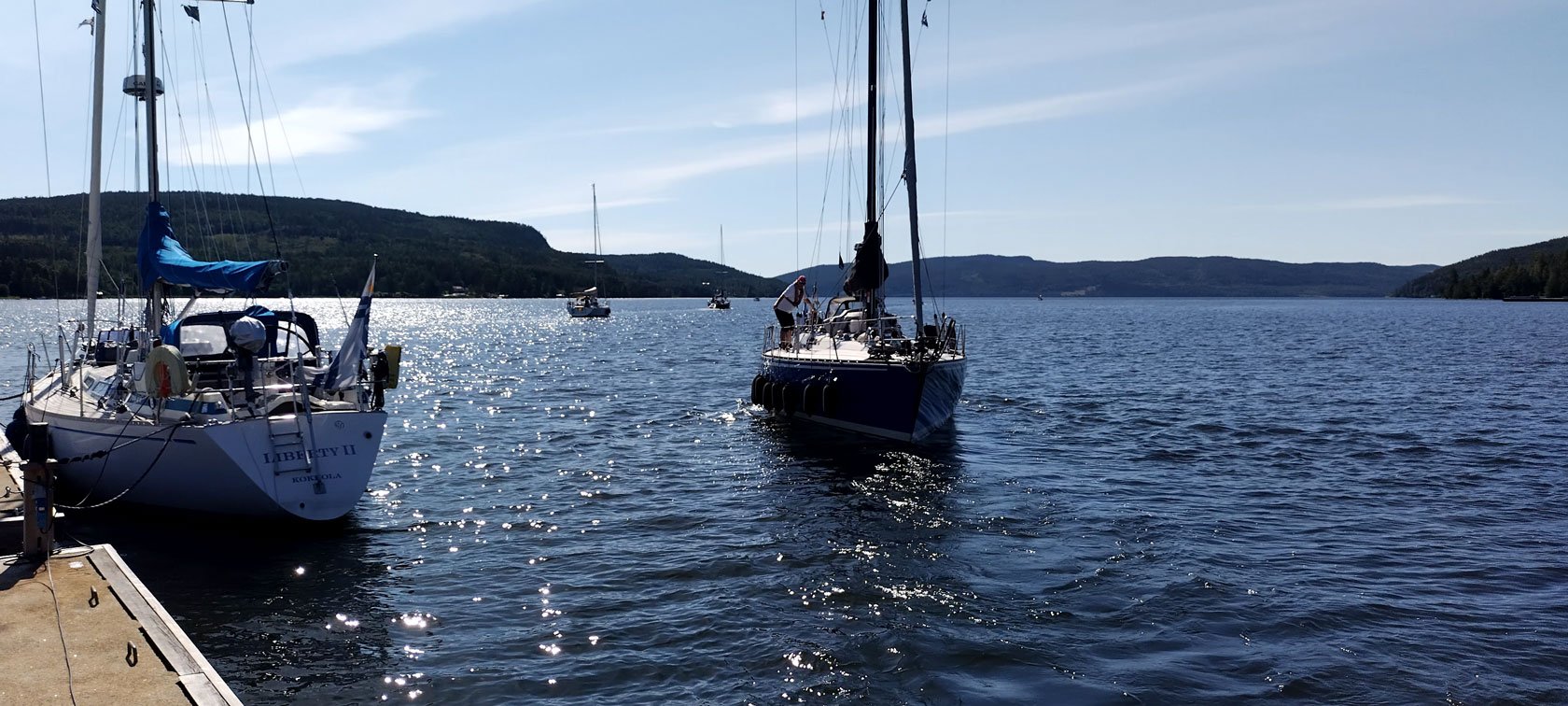
Docksta Havet is a guest harbour (gästhamn / marina) in Docksta, in the sheltered Dockstafjärden fjord, offering Y‑boom berths (finger pontoons) and alongside mooring on quays and pontoons—a calm setup when the weather shifts. Summer 2026 is our 20th season here in Docksta: two decades of welcoming crews into a harbour that’s more than a berth—it’s a sailor’s base camp, and that approach keeps crews coming back. That’s why Docksta Havet often becomes the one High Coast stop that isn’t a pit‑stop — you arrive, tie up, and your hiking day is already plugged in.

From here, turn 24–72 hours on shore into a real base‑camp day: Skuleskogen National Park first, Skuleberget next, plus Grab&Go bike rental, the Sailor’s Club House (espresso and a simple lounge to reset and plan), and a local harbour host with a solid bad‑weather plan. If you only have time for one proper shore‑leave plan in the High Coast, this is the simplest one to make work.

Predikstolen viewpoint, Getsvedjeberget. Easy hike on foot — or ride there with our bikes from Docksta Marina.


Why Docksta works as a sailor’s base camp (not just a stop)

If you’re sailing the Swedish coast, you know the pattern: you arrive, you tie up, and then you spend half your shore leave solving logistics.

Docksta is different: it’s a shore‑leave base camp — safe mooring, then real hiking without the logistics headache.

  • Protected moorings: sheltered from the main wind directions — arrive calm, sleep well, and keep your plan flexible.

  • Harbour host on site: local timing + route intel — “what makes sense today” based on wind, rain, and your shore window.

  • Over 30% of our guests are international repeat visitors—crews who come back because this stop simply works: safe mooring and an outdoors-first shore leave.

  • Want the captain’s shortcut? Start with the High Coast Sailor Mini‑Guide.


Shore leave that starts from the pontoons (Skuleskogen first)

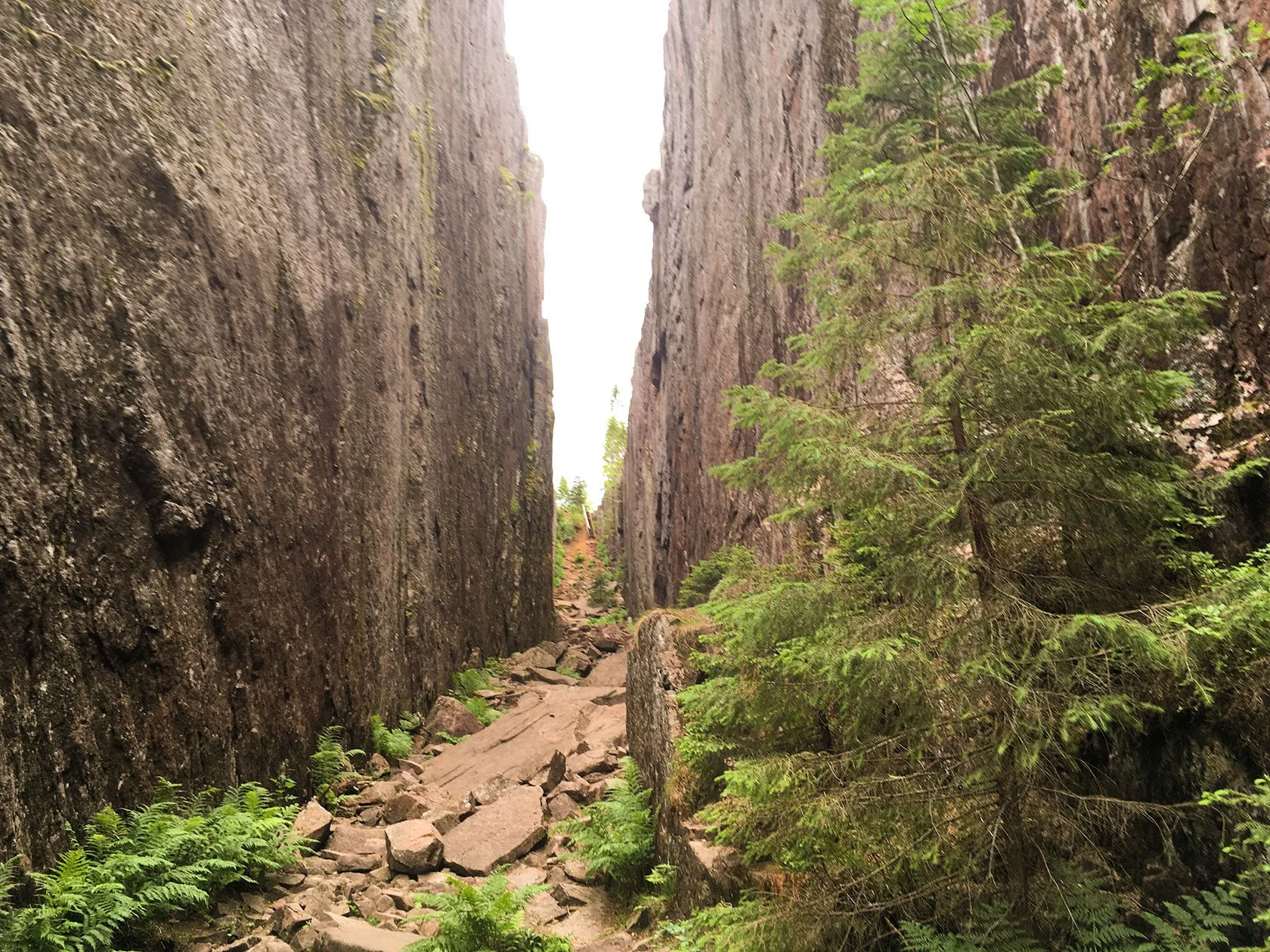
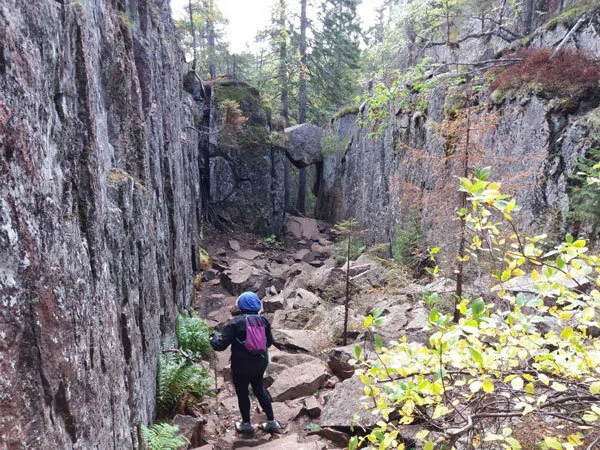
Slåttdalskrevan crevice, Skuleskogen National Park. An iconic “must-see” spot in the High Coast.

From Docksta, Skuleskogen National Park is the obvious first choice—and the easiest way to make it work is to start from Entré Syd. It gives you a clean, sailor‑friendly day plan: a proper High Coast hike with big landscapes, without turning shore leave into a transport puzzle.

There’s one loop from Entré Syd that’s become a favourite among sailors — our signature shore‑leave hike, and it’s increasingly shared between crews planning their High Coast stop. If you tell me your time window and the weather, I’ll point you to the best version (and you’ll find the detailed trail posts linked below).

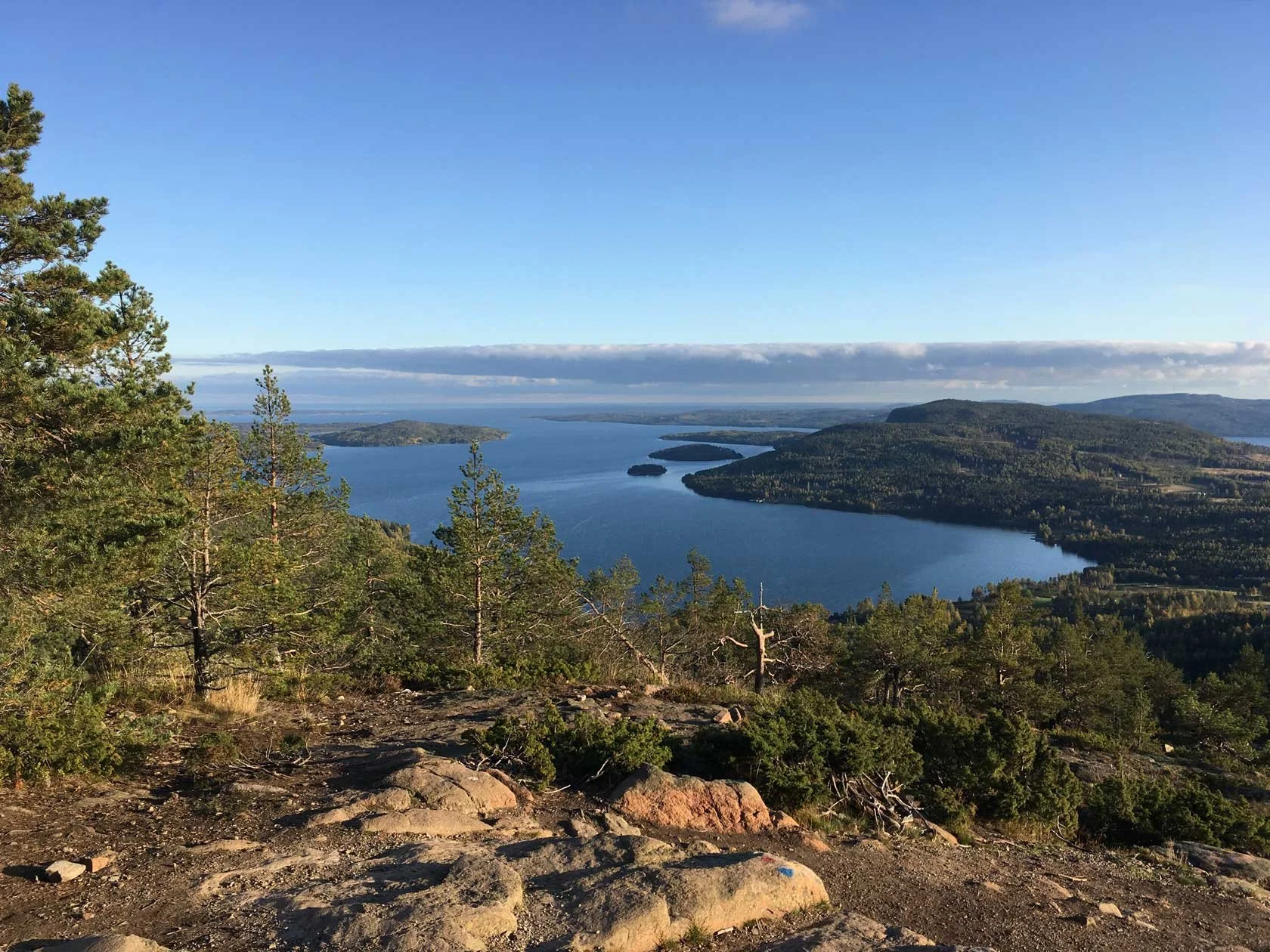
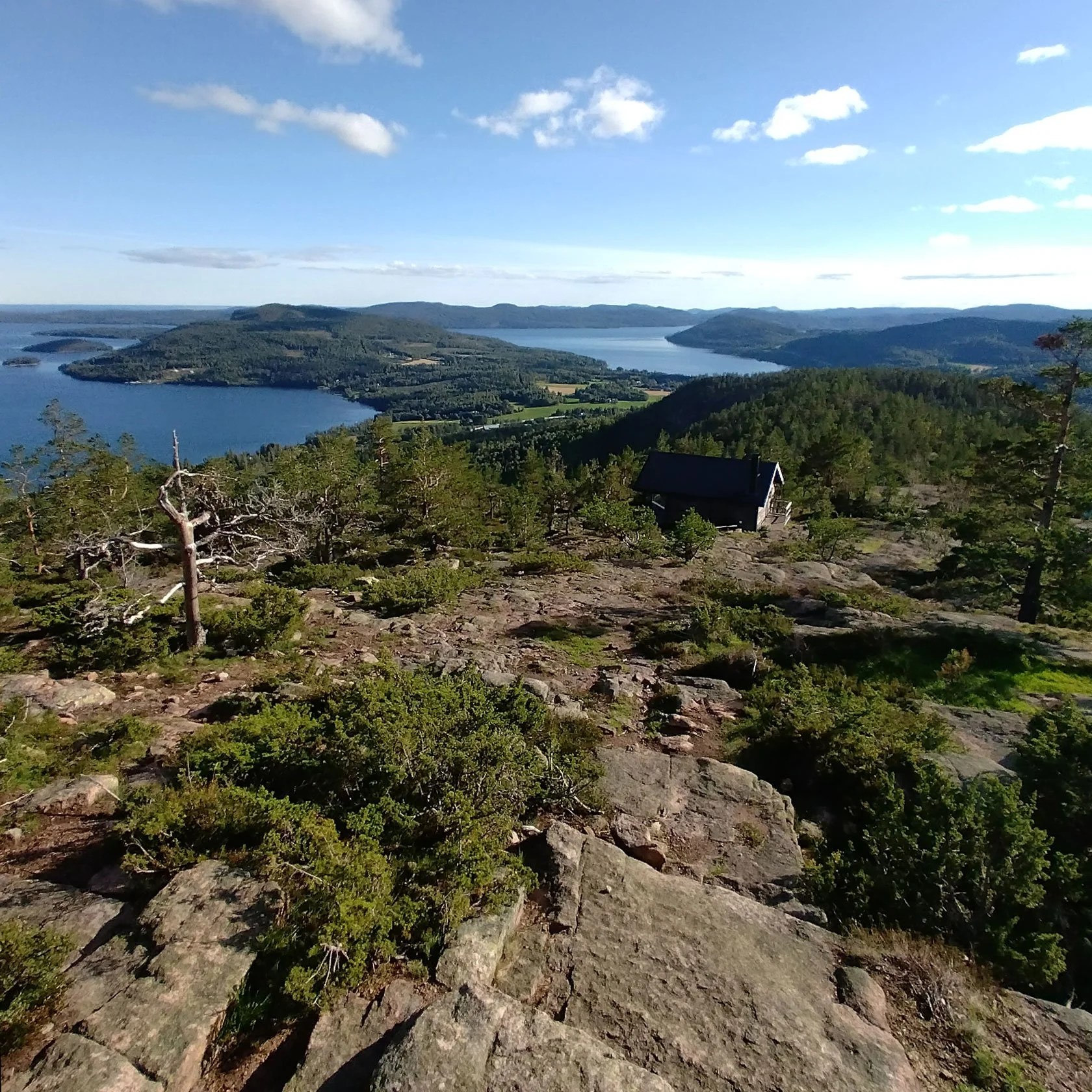
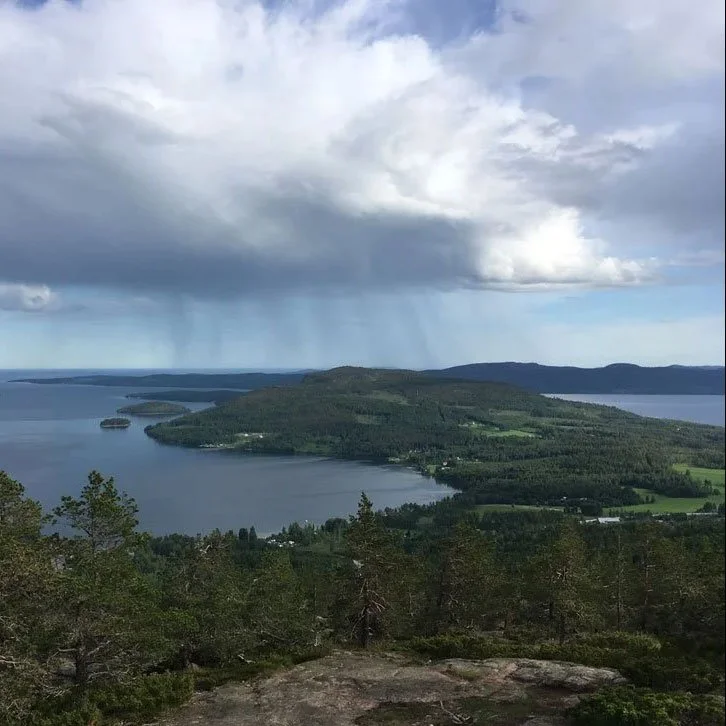
View over the High Coast fjords from the top of Skuleberget — one of our key places in Docksta. If you want the best way up (and the best loop), start here (Docksta Havet Base Camp).

For day two (or a shorter “high reward” option), Skuleberget is right there: the Naturum museum, Via Ferrata, classic summit trails, and the chairlift are all part of the same compact area—exactly the kind of shore leave sailors look for when they want maximum experience with minimum hassle.

Below you’ll find links to our Skuleskogen and Skuleberget guides (routes, timing, and Plan B options).

Via Ferrata Skuleberget (Docksta) — one of the High Coast’s most iconic adventures.


Free mini-guide for High Coast sailors

Planning your stop in Docksta? Download the High Coast Sailor Mini‑Guide: practical shore-leave ideas, what to do with 24–72 hours, and the simplest ways to reach Skuleskogen and Skuleberget.

Get it here: High Coast Sailor Mini‑Guide

It’s the fastest way to plan a 24–72h stop.


Grab&Go: shore leave mobility (bike rental, made simple)

This season we’re introducing Grab&Go: a simple way to unlock a real outdoor day even if you arrive without gear or a car. It starts with bike rental, but the idea is bigger than bikes: it’s “base-camp mobility” for sailors—quick, flexible, and built around the High Coast day rhythm.

Message me your ETA and your plan (Skuleskogen / Skuleberget / bad-weather option) and I’ll tell you what setup makes sense.

East side of Skuleberget — the unmistakable profile of Docksta’s home mountain.


The Sailor’s Club House (simple, but it changes the day)

Between sea and forest, you need one thing: a place to reset and plan.

Our Club House is that point: espresso, a warm corner to sit down, and the kind of small local guidance that saves you hours of trial-and-error when you only have one or two days.


Getting here + essentials in Docksta (E4 + shore logistics)

Docksta sits right by the E4, which makes it surprisingly easy for crews and visitors to connect by car or bus.

In the village you’ll find the basics you actually need on shore leave:

  • Grocery: ICA supermarket

  • Fuel: available locally (message me and I’ll point you to the quickest option based on your timing)

Panoramic view over the Docksta fjord, looking out from the area around Docksta’s old medieval church.


Suggested plans (choose your shore leave window)

Boardwalk trail through the wetlands of Nätra Fjällskog Nature Reserve — a perfect day trip by bike from Docksta Marina.

Panoramic view over Docksta’s two fjords from Skuleberget.

High Coast Archipelago view from the top of Slåttdalsberget, Skuleskogen National Park.

  • 24 hours: the “proper reset”

    Arrive, tie up, and keep it simple: a short outdoor loop, a viewpoint, and a calm evening. If the weather is unstable, I’ll point you to the best “low-risk, high-reward” option for the day.

  • 48 hours: Skuleskogen day + easy second day

    One full day for Skuleskogen National Park, then a second day for a shorter hike or Skuleberget—with time to enjoy the harbour and actually rest.

  • 72 hours: the High Coast base camp rhythm

    This is the sweet spot: one bigger trail day, one flexible day (bike + hike or archipelago mood), and one day that stays open for weather. You get the High Coast feeling without rushing.

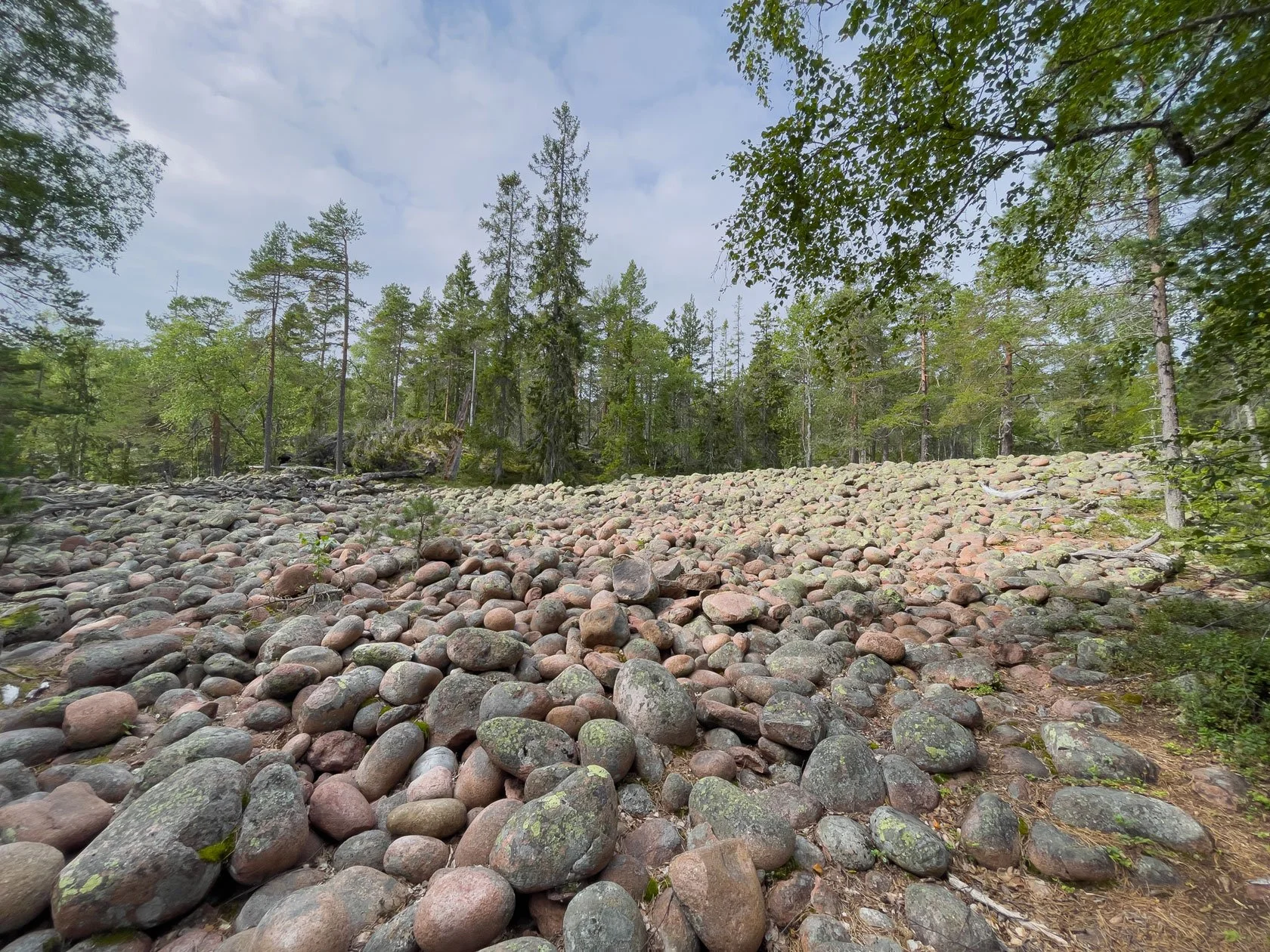
A classic klapperfält (boulder field) — one of the High Coast’s most distinctive landscapes.


Skogspaus: a 3-hour forest reset (bookable on Airbnb)

If you want a different kind of shore leave—quiet, grounded, and surprisingly powerful—there’s Skogspaus, our 3-hour forest immersion. Small groups, simple gear, and a slow rhythm designed to help you reset after days on the water (or long drives).

It’s a new experience for 2026 and you can book it on Airbnb (or message me if you’re unsure which day fits the weather).


Bad weather plan (this is why the harbour matters)

Weather is part of sailing—so your stop should work even when the forecast changes.

At Docksta, you have:

  • Safe, protected moorings — sheltered from the main wind directions. (More detail here: Safe mooring for yachts cruising.)

  • Inland options for your shore leave

  • A real Plan B for hikes and viewpoints (I’ll help you choose based on wind, rain, and timing)


Bonus: my Google Map (pins for sailors)

Open the map below, pick your weather window, and you’ll instantly see the key pins around Docksta: Skuleskogen (Entré Syd), Skuleberget (Naturum, Via Ferrata, chairlift), plus a few favourite viewpoints and shelters.


High Coast Sailors: guides & stories (start here)

Below you’ll find a small library of practical shore leave ideas: practical shore leave ideas, how to move inland, simple planning notes, and local “what works today” guidance.


Explore by category (if you’re planning ahead)

If you’re the kind of sailor who likes to save a few good ideas before casting off, this is your shortcut. Our blog is organised like a small base camp library: practical shore‑leave routes, local timing notes, and “what works today” plans—each one built around a different way of exploring (and a different kind of crew mood).

  • For exploring the High Coast: start here—essential routes, day‑trip logic, and “what makes sense today” planning

  • For Sailors: safe mooring, shore‑leave plans, and sea‑to‑mountain days from Docksta

  • For Hikers: Skuleskogen, viewpoints, trail notes, and weather‑proof alternatives

  • For Trail Runners: flow trails, vertical days, and High Coast running routes

  • For Bikers: bike days, bike + hike combos, and simple mobility without a car

  • For Workation: quiet weeks, shoulder season, and a slower rhythm for focused days

  • For Outdoor Enthusiasts: Gear rental / Outdoor Ready Grab&Go ideas, and micro‑adventures close to the harbour

  • Forest Pause Experience: Skogspaus stories and the 3‑hour hammock forest reset

Pick the category that matches your forecast (and your crew), and you’ll land on posts that make planning feel simple.


Arriving soon?

To plan fast, grab the High Coast Sailor Mini‑Guide first—then message me your ETA and I’ll help you choose the best shore leave plan for the weather window.

Message WhatsApp or call the harbour host: +46 763136628
Tell me your ETA + what kind of shore leave you want (Skuleskogen / Skuleberget / bike day / bad-weather plan).
 

A note from your harbour host

I’m Tommaso. I live the High Coast from these piers in Docksta—where the sea meets the mountains—and I love helping crews turn a simple stop into a real shore‑leave adventure. When you arrive and you see me on the docks, say hi. Tell me what kind of day you want (Skuleskogen, Skuleberget, or a calm Plan B) and I’ll point you in the right direction.

Tommaso — harbour host at Docksta Havet

Quiet Workation in Sweden’s High Coast: A Micro Work-Break in Docksta

The 3–5 Day Micro Work-Break (Sea-to-Forest Resets Included)

Quiet productivity for experienced professionals: focused mornings, gentle nature resets, and a calm base by the sea in Sweden’s High Coast (Höga Kusten UNESCO).
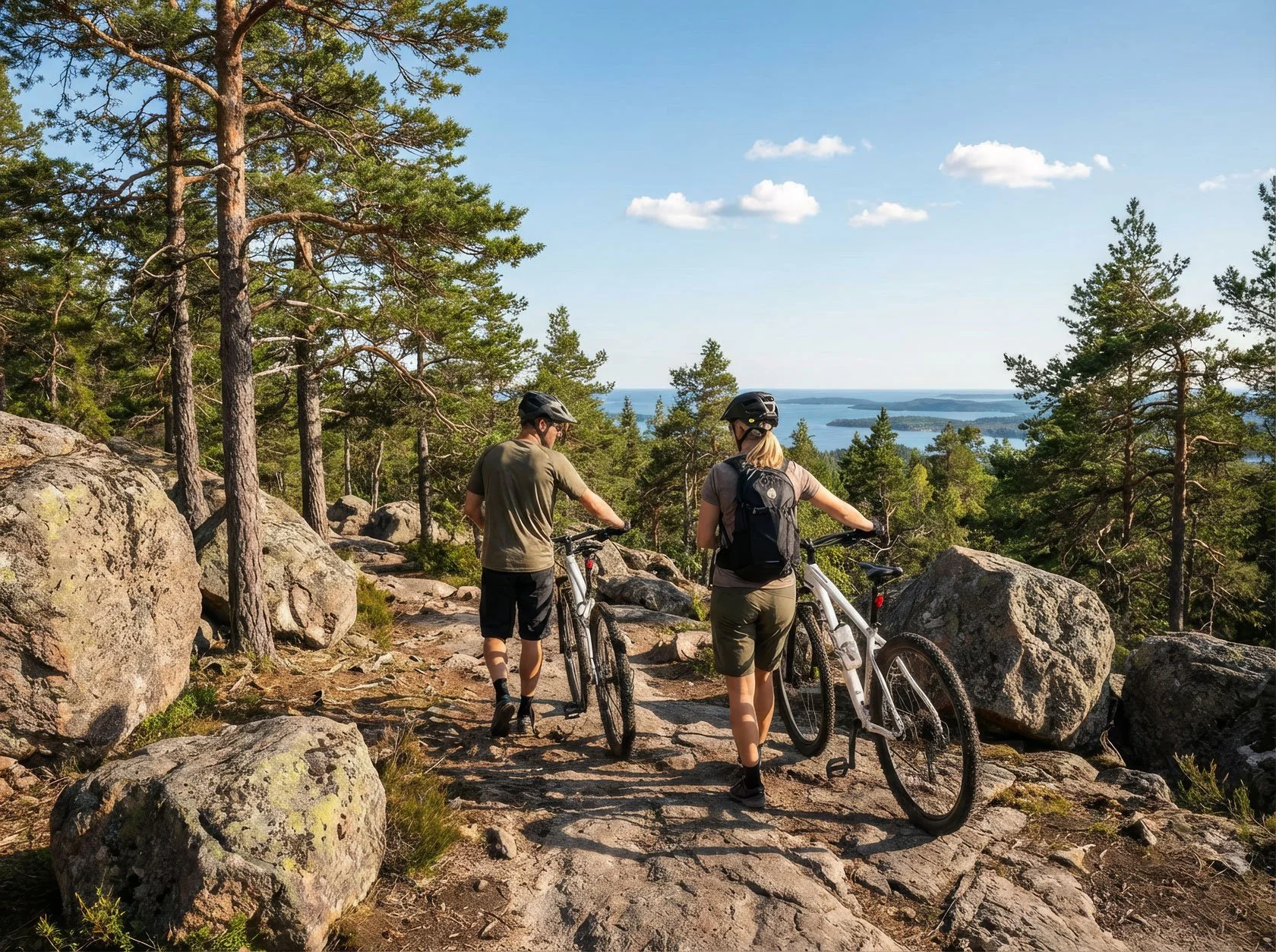
Workation in the High Coast isn’t a trend here — it’s geography. Docksta sits where the sea meets the archipelago and its mountains. Forest and trails start almost from the waterline, inside the Höga Kusten UNESCO World Heritage landscape shaped by post-glacial uplift.

Docksta Havet is a Base Camp: quiet waterfront stays, reliable WiFi, and the kind of local route knowledge that turns a few days away into a real rhythm — not a “program”.

Skuleberget summit view: one steady climb, a wide horizon — and your mind remembers “space”.

At some point, productivity stops being a sport.

You still want to create, decide, write, plan. But you don’t want noise. You don’t want hustle. And you definitely don’t want a schedule that feels like another job.

You want quiet productivity: the kind that comes from good sleep, clean air, and a pace that respects your energy.

That’s why shoulder season in the High Coast is so powerful. Not because it’s perfect — because it’s honest. Space on the trails. Calm in the evenings. And a landscape that helps you reset without asking you to perform.

In the Höga Kusten, nature isn’t decoration — it’s a system. The coastline is still rising after the Ice Age, trails start almost from the waterline, and a short break can genuinely stabilize attention and mood (not just add steps).

Docksta Havet is built for that rhythm: calm mornings, strong coffee, a quiet base by the sea, and a host who lives the territory daily — and will tell you what’s realistic, what’s overrated, and what to do when weather changes.

This page is a simple entry point for a Micro Work-Break (3–5 days): when to come, how to structure your days, and how to use the High Coast as a quiet performance partner — not as another thing to consume.

Storsand / Norrfällsviken: long shoreline, clean wind, and the simplest reset of all — a slow walk with no agenda.


Quiet productivity (a definition you can feel)

  • Focused work in short, high-quality blocks

  • Recovery as part of the plan (not a reward)

  • Nature as a stabilizer for attention and mood

It’s not about doing less. It’s about doing what matters — with less friction.


Micro Work-Break vs Workation Escape (simple guide)

Two formats, same philosophy:

  • Micro Work-Break (3–5 days): regain clarity, make one decision, soften the nervous system

  • Workation Escape (7–21 days): change rhythm, build momentum, finish something meaningful

Both are valid. The difference is how deep you want the reset to go.

Slåttdalsberget: the archipelago from above — a reminder that perspective is a physical place, not a mindset trick.


A gentle day rhythm (example)

  • Morning focus (60–120 minutes)Writing, planning, strategy, creative work.

  • Long nature time (90–180 minutes)Not performance. Just movement.

  • Light admin (30–60 minutes)Keep the system alive.

  • Early evening quietSimple dinner, shoreline walk, early sleep.

This is where good decisions happen. Not in the rush. In the calm.


Season notes (for international guests)

If you’re planning from abroad, here’s the simple truth:

  • July is beautiful — and busy. Still doable, if you protect mornings and keep resets simple.

  • May–mid-June and mid-Aug–mid-Sept are the sweet spots for quiet productivity: more space, less noise, more “room between steps”.

And one small cultural detail: for many international travellers, August still feels like holiday season. Locally, it’s often the return.

That contrast is exactly why late summer can work so well: you’re not escaping life — you’re re-entering it with a softer landing.

Trysunda (above), Ulvön (below): island time. The kind of day that makes the next morning’s work feel lighter.: island time. The kind of day that makes the next morning’s work feel lighter.


Sea-to-forest resets (the High Coast advantage)

In the High Coast you can do something rare in Northern Europe: step out of a waterfront base and be on a world-class trail within minutes.

That sea-to-forest proximity is what makes a micro work-break feel effortless — and why Docksta works as a real Base Camp.

Getsvedjeberget (Predikstolen): fjord-like views without the crowds — a short, high-impact reset.


The Base Camp Library (free, curated, web-based)

If you’re still reading, you’re probably the kind of traveller who doesn’t want generic tips. You want the right information — fast.

So I’ve organized my best local knowledge into a small Base Camp Library. These are not “blog categories”. They’re curated index pages that work like field guides: practical, updated, built to reduce friction (routes, logistics, season notes, and Plan B options).

All our resources to deepen are free, practical, updated — written by your host in Docksta.

Slåttdalskrevan: a crack in the rock, a pause in the mind. This landscape is still moving — and it moves you too.


The 5 Mini-Guides (free, multilingual)

If you prefer a simple starting point, I also keep a set of short, web-based mini-guides in five languages — designed for quick planning: less scrolling, more clarity.

Open our Mini-Guides (5 languages): 🇬🇧 English → | 🇸🇪 Svenska → | 🇩🇪 Deutsch → | 🇫🇮 Suomi → | 🇮🇹 Italiano →


Docksta Base Camp (practical, calm, human)

Docksta Havet is not a wellness product.

It’s a base camp by the sea, with:

  • Reliable WiFi

  • Dedicated spaces

  • Long light evenings in summer

  • Immediate access to trails and mountain resets

And something that matters more than it sounds: a human point of contact.

If you tell me your pace (slow / medium) and your focus (write / plan / recover), I’ll suggest:

  • The best season window

  • A realistic day plan

  • The simplest “don’t overthink it” route options


Start here (two simple paths)


Message your host

One message is enough. Tell me your dates + pace, and I’ll point you in the right direction.

If you want one simple recommendation, message me with:

  • Your dates (3–5 days or 7–21 days)

  • Your pace

  • Whether you want more sea walks or more forest trails

I’ll answer like a host, not like a sales page.


Meet your host

Tommaso De Rosa

See my host profile and contact me on Airbnb chat. I’m Quick to reply, especially in season :)

Northbound on the E4: Where Do You Stop Tonight with Your Motorbike?

E4 Northbound: A Safe Stop for Your Motorbike in Docksta (Höga Kusten)

E4 motorbike stopover in Docksta, High Coast (Höga Kusten): safe parking, hot shower, flexible check-in for riders heading north or south.

Safe parking. Hot shower. Boathouse over the water. Optional 2–4h High Coast hiking/biking adventure. Booking on Airbnb. Flexible check‑in (self check‑in available if your ETA is uncertain)

On the road? Don't type while riding.

Quick answer (when you stop): WhatsApp +46 76 3136909. Or message me on Airbnb.

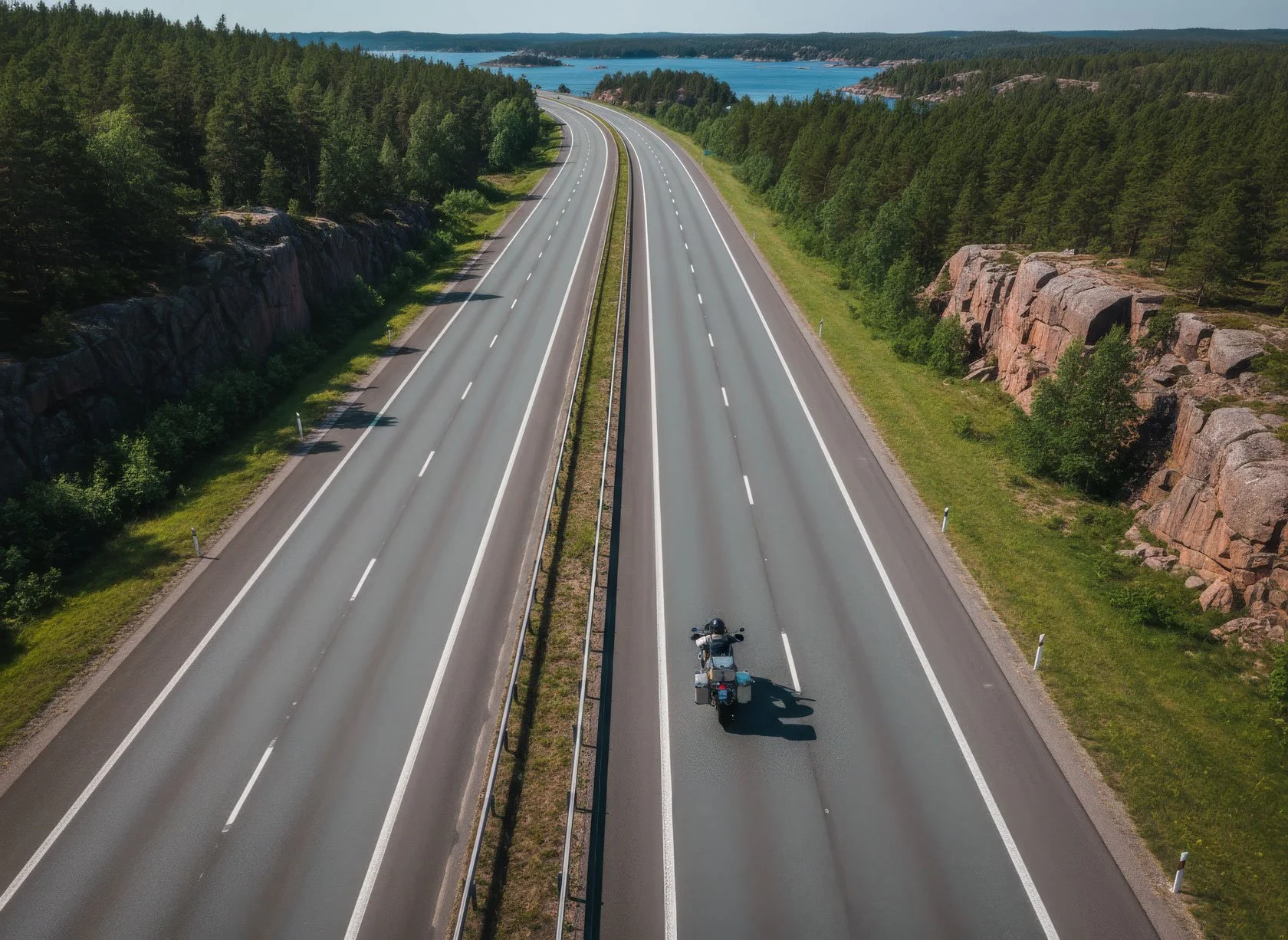
Long-distance motorcycle rider with touring panniers heading north on Sweden's E4 highway through Höga Kusten (High Coast), red granite cliffs and blue fjord visible, safe overnight stopover at Docksta Havet

Höga Kusten from the E4. If you’ve got 2–4 hours, I’ll point you to a quick outdoor mini‑adventure before you ride on.

I'm Tommaso. I run Docksta Havet, right off the E4 in Sweden's High Coast (Höga Kusten).

If you're riding north, you know the moment: it's late, the weather flips, your gloves are damp… and you ask yourself:

"Do I really want to pitch the tent tonight?"

If the answer is "not really", you're my kind of guest.

This page is written for riders (and minimalist road‑trippers in car/tent mode) who want a simple, safe, human stop — not a generic motel and not a free toilet stop on a parking area along the highway.

(Heading south? Same stop, same comfort.)


What this stop is

This is:

  • A calm base camp for you + your motorbike + your gear

  • A hot shower + dry reset before the next stretch

  • A minimalist (but charming) Boathouse literally over the water

  • A 2–4 hour outdoor plan (optional) so you actually feel the High Coast

  • A human host: you talk to me (no reception desk)

This is not: a generic motel, and not a "free toilet stop" on a highway parking area.


The core offer: the Boathouse (keep it simple)

Boathouse (solo riders + practical couples)

Minimalist room over the water. Direct access to the dock and private beach.And a small detail that matters when you're travelling: bed linens are included, and your bed is already made when you arrive.

Arrive → park safely → shower → sleep → ride.

Price: 350 SEK/person (700 SEK for 2)

Included:

  • Safe parking for motorbike + helmet/jacket/bags

  • Toilet & hot shower + clean facilities (maintained daily)

  • Free espresso at the Sailor's Club House

  • Free Wi‑Fi at the Sailor’s Club House

  • Flexible check‑in (self check‑in available if your ETA is uncertain)

  • Card payments (easy, fast) + Swish


Optional add‑ons (only if you want them)

  • Kitchenette access (optional)

    If you want to prep your own meal or fuel up for the road ahead, you can use a dedicated kitchenette for Boathouse guests at the Club House.

    50 SEK/day

  • Bike rental (Grab&Go) — no deposit

    Leave your motorbike parked and explore the High Coast on two wheels.

    starting 150 SEK/day

    No deposit

    No booking needed (first come, first served)

    Pay by card/Swish

  • Simple gear kit (Grab&Go)

    Daypack, water bottles, poles — the small essentials that make a quick outdoor hit easy.

    80–120 SEK depending on what you take

Your custom 2–4 hour outdoor plan (included)

Tell me:

  • how much time you have (2 / 3 / 4 hours)

  • weather (sun / rain / windy)

  • vibe (chill viewpoint or proper sweat)

I'll reply with a plan you can follow on the road:

  • where to go

  • how long

  • what to bring

  • parking + what to expect


Why riders choose the Boathouse (even with a tent on the bike)

Because it's not "luxury". It's strategy.

  • You don't set up camp in wind/rain/dark

  • You don't pack a wet tent in the morning

  • You start the next day dry + rested

  • And you get a night that feels like a story, not a chore

Sleeping over the water does that.


The practical stuff that actually matters

  • Safe parking: covered, calm, secure

  • Gear drying: space for wet jacket/gloves/gear

  • Resupply: ICA supermarket is a 5‑minute walk across the E4

  • Recovery: Baltic Sea swim (optional) + hot shower (highly recommended)

  • Human host: you'll talk to me, not a reception desk


The High Coast hit (optional, 2–4 hours)

If you want to turn your stop into a real High Coast memory:

  • Skuleberget viewpoint: fast payoff, fjord views, "wow Sweden" moment

  • Skuleskogen National Park: a proper half‑day loop with iconic granite + archipelago views

  • Bike loop: if you rent a bike, I'll suggest the best 2–4 hour loop for today's conditions

No overplanning. Just a clean plan that fits your window.

When you message or book, tell me your time window and your vibe.

I'll send you a simple plan you can follow without wasting time deciding.


Ready to Book the Boathouse?

Best option: book on Airbnb (fast confirmation + easy messaging)

If you're on the road and want the quickest answer, message me:

WhatsApp: +46 76 3136909 (fastest)

Email: dockstahavet@gmail.com


Grab&Go bike + gear (optional)

If you want to move light:

  • Bike rental: starting 150 SEK/day (no deposit)

You can decide on arrival.


FAQ (read this on the road)

Is this directly on the E4?

Yes. Direct roadside access, no detours.

Can I arrive late?

Yes. Riders' ETAs change. We offer flexible check‑in and self check‑in if needed.

Is parking safe for my motorbike and gear?

Yes. You'll have calm private parking and you can store helmet/jacket/bags safely.

Do you take card payments?

Yes. Card payments are standard (and Swish is available too).

Do you require a deposit for bike/gear rental?

No deposit. Grab&Go is designed to be simple.
How do I book?

Book on Airbnb (instant confirmation + easy chat): https://airbnb.com/h/docksta-havet-overnight-in-a-boathouse

or choose the ‘Boathouse + Kitchenette’ option: message me on Airbnb and I’ll confirm the right option.

Can you help me plan a quick High Coast experience?

Yes. Tell me your time window (2–4 hours, during afternoon/evening or morning) and your vibe. I'll send a simple plan.

Is this a place for "just toilets and a quick stop"?

No. We're a small base camp. If you want a proper stop (sleep + reset + optional outdoor hit), you're welcome.

What's nearby for resupply?

ICA supermarket is a 5‑minute walk across the E4. Open 08:00–20:00 (weekdays), 09:00–18:00 (weekends).

What season are you open?

Main season is mid‑May to mid‑September. Peak weeks (mid‑June to mid‑August) can fill up fast.

Getting here

Address: Hamnen 10, 873 96 Docksta, Sweden

GPS: 62.8847° N, 18.2167° E

Distance markers: 65 km north of Härnösand, 57 km south of Örnsköldsvik

One last thing

If you book, you'll probably meet me at check‑in.

You're not checking into a machine. You're checking into a place run by someone who actually knows this coast — and wants your stopover to be real.

See you on the E4.— Tommaso


Grab&Go suggestions: WHERE TO RIDE


Know your host

Tommaso De Rosa
See my host profile and message me on Airbnb

Riding the E4 and need a smart stopover? I’ll help you get the most out of your recovery time in the High Coast (Höga Kusten).

Whether you want a quiet reset, a sunset walk, or a proper 2–4h outdoor mini‑adventure (Skuleberget / Skuleskogen), or you’ve got practical questions about safe parking, late arrival, or local shortcuts—just reach out.

Quick note for riders: don’t type while riding.
Message me on Airbnb when you can, or WhatsApp me when you stop.

WhatsApp: +46 76 3136909
Email: dockstahavet@gmail.com


Skuleskogen Nationalpark (Hochküste): Eingänge, die ikonische Runde und ein Tagesplan, der einfach funktioniert

Skuleskogen Nationalpark (High Coast): Premium‑Tageswanderung — Eingänge, Route & Bike+Hike Option

Plane einen perfekten „Wow‑Tag“ im Skuleskogen Nationalpark. Klare Wahl des Eingangs, Toiletten‑Infos, Packliste und eine Schritt‑für‑Schritt‑Runde zur Slåttdalsskrevan, zu Seen — und mit einem Strand‑Finale.

Skuleskogen ist nicht „einfach nur eine Wanderung“. Es ist wie ein lebendiges Geografie‑Buch: Wald, Granit und Meer treffen hier so direkt aufeinander, wie man es in Europa kaum kennt. Berge, die scheinbar direkt aus der Ostsee aufsteigen, alte Täler, glatte Felsplatten, die von Wellen geformt wurden — und überall die Spuren der Landschaft, die sich noch immer aus dem Wasser hebt.

Dieser Guide ist für deutsche Reisende gedacht, die Skuleskogen wirklich erleben wollen: mit klarer Logistik, einer empfohlenen Tagesroute und den kleinen Details, die den Tag leicht machen.

Vom Steg in Docksta spürt man fast, wie einen die Hochküste ins Landesinnere zieht. Gäste kommen mit dem Segelboot, mit Auto oder Motorrad, manchmal mit dem Bus — oder zu Fuß auf dem Höga Kustenleden. Und innerhalb eines Tages fällt fast immer derselbe Name: Skuleskogen.

Gerade bei unseren deutschen Gästen steht der Park fast immer ganz oben auf der Liste. Und ich verstehe das: Du willst einen „Wow‑Tag“, der nicht gehetzt ist, nicht improvisiert — und nicht nur aus einem Screenshot einer Wanderkarte besteht.

Darum habe ich diesen Guide geschrieben: die richtigen Eingänge, eine ikonische Runde und ein Tagesplan, der sich einfach gut anfühlt.

Für wen dieser Guide ist

Dieser Guide passt zu dir, wenn du:

  • als Paar an der Höga Kusten / High Coast mit dem Auto unterwegs bist und einen richtig guten Natur‑Tag suchst

  • gerne wanderst und eine saubere Tagesroute willst (nicht nur eine Liste von Spots)

  • mit dem Boot an der Hochküste ankommst und einen Nationalpark‑Tag von deinem „Base Camp“ aus planst

Der Fokus liegt auf Tagesgästen, die einen klaren Plan wollen — und trotzdem ein tiefes Erlebnis.


Skuleskogen in einer Minute: Was ihn so besonders macht

Der Skuleskogen Nationalpark liegt in der UNESCO‑Welterbe‑Landschaft der High Coast — bekannt für die Landhebung nach der Eiszeit, dramatische Küstengeologie und das direkte Nebeneinander von tiefem Meer und hohen Inseln.

Was du hier spürst:

  • Weite: Wald und Meer im selben Atemzug

  • Textur: roter Granit, glatte Felsplatten, Stege, Moos und Seen

  • Zeit: Geologie sichtbar — nicht im Museum versteckt

Wenn du an der Hochküste nur Zeit für einen Nationalpark‑Tag hast: Skuleskogen ist der richtige.


Die „Logik“ des Parks: Eingänge und wie du den richtigen wählst

Skuleskogen hat drei Haupteingänge: Süd, West und Nord. Den richtigen Eingang zu wählen ist schon die halbe Erfahrung.

Süd (Entré Syd)

  • Der schnellste Zugang zu den bekanntesten Highlights

  • Ideal für Erstbesucher, die die ikonische Route wollen

  • Beste Wahl, wenn du in Docksta wohnst und die Klassiker ohne Reibung erleben willst

West (Entré Väst)

  • Am zugänglichsten, wenn du aus dem Norden kommst und mit dem Bus anreist

  • Gut, wenn du tiefer in den Park willst (inkl. Option auf längere Tour / Hütten‑Übernachtung)

Nord (Entré Nord)

  • Ruhiger, „waldiger“, einfache Infrastruktur

  • Natürlich, wenn du den Höga Kustenleden (Nord–Süd) durch diese Gegend wanderst


Das Signature‑Erlebnis: Slåttdalsskrevan + Slåttdalsberget

Wenn Skuleskogen nur ein „Must‑See“ wählen dürfte, wäre es die Slåttdalsskrevan — eine dramatische Felsspalte im Berg Slåttdalsberget.

Auf der offiziellen Seite der schwedischen Nationalparks wird sie als ca. 200 Meter lang und bis zu 30 Meter hoch beschrieben. Es ist einer dieser Orte, an denen man automatisch leiser spricht.

Und wenn du den kurzen Abstecher auf den flachen, felsigen Gipfel des Slåttdalsberget dranhängst, bekommst du einen der schönsten Panoramablicke über den Schärengarten und die Parklandschaft.


Empfohlene Tagesroute (die Docksta‑Havet‑Runde)

Das ist die Runde, die ich empfehle, wenn du Skuleskogen an einem Tag „richtig“ spüren willst: Küste, alter Wald, Seen, die Spalte, ein Gipfelblick — und ein ruhiges Ende.

Auf einen Blick

  • Distanz / Höhenmeter / Zeit: ca. 11,4 km, D+321 m, ca. 4–6 Stunden (mittel)

  • Start / Ziel: Entré Syd (Südeingang)

  • Stil: Küste → Wald → Seen → Spalte → Gipfel → Stege → Strand‑Finale

Schritt für Schritt

  1. Starte am Parkplatz Entré Syd.

  2. Küsten‑Warm‑up Richtung Näske bodarna: ein wunderschöner Pfad zwischen Wald und Meer.

  3. Aufstieg zu den Tärnättvattnen‑Seen (blaue Markierung). Perfekt für Pause und Lunch — und an warmen Tagen auch für einen erfrischenden Sprung ins Wasser.

  4. Der „Wow‑Kern“: durch die Slåttdalsskrevan (Nord → Süd). Nimm dir Zeit — hier geht es um Präsenz, nicht um Tempo.

  5. Optional (sehr empfohlen): kurzer Abstecher auf den Gipfel Slåttdalsberget. Kaffee schmeckt dort besser. Stille auch.

  6. Abstieg zurück durch den Wald (orange Markierung + Steg‑Abschnitte). Ein weicherer Rhythmus.

  7. Abschluss am Strand Kälsviken (Kälsviken / Kälsaviken). Wenn’s passt: ein Bad. Wenn nicht: Snack, Sonne, und dieses „wir haben’s wirklich gemacht“-Gefühl.

  8. Zurück zum Parkplatz Entré Syd — wo dein Auto steht oder dein Fahrrad abgeschlossen ist.

Toiletten (gut zu wissen)

Toiletten gibt es bei:

  • Entré Syd

  • Näske bodarna

  • Tärnättvattnen

  • Kälsviken


Warum diese Runde funktioniert

Es gibt viele Wege im Skuleskogen. Diese Runde ist ausgewogen: Sie bringt dich zu den Signature‑Orten, ohne dass der Tag zur Mission wird.


Noch unsicher bei der Planung?

Wenn du mir deine Reisedaten, dein Tempo und deine Wünsche (Aussicht / Waldstille / Bad) schickst, empfehle ich dir die passende Variante.

Und falls du lieber selbst planst: kompletter Skuleskogen‑Itinerary (🇬🇧) — Schritt für Schritt → [ https://dockstahavet.se/blog/hiking-in-skuleskogen ]


Was du zusätzlich sehen kannst (wenn du mehr Zeit hast)

Je nach Eingang und Energie werden u.a. empfohlen:

  • Tärnättholmarna (Halbinseln mit schmalen Sandverbindungen; Hütten möglich)

  • Kälsviken (Sandstrand nahe Entré Syd)

  • Nylandsruten & Långtjärnhällorna (Aussichten/Schleifen nahe Entré Väst)

  • Näske bodarna (historischer Bereich, sehr schöner Tageswalk)


Anreise: Auto, Bike + Hike, Bus — und „Base‑Camp‑Denken“

Bike + Hike (die smarte Sommer‑Option)

Hier ist der Move, der vieles leichter macht: Parke in Docksta, leihe dir ein Grab&Go‑Bike, fahre nach Skuleskogen, schließe das Rad am Eingang ab — und wandere deine Route.

Warum das zählt:

  • Parkstress reduziert: Du parkst einmal in Docksta (ruhig, organisiert), nicht am überfüllten Parkeingang.

  • Flexibel: Kein Shuttle‑Fahrplan, kein Taxi‑Timing — du bestimmst deinen Tag.

  • Die Fahrt gehört dazu: Die ca. 8–10 km entlang der Küste sind ein Warm‑up, kein Parkplatz‑Chaos.

  • Car‑light Sommer: Wenn mehr Besucher so anreisen, bleiben die Zufahrtsstraßen ruhiger — besser für alle.

Genau dafür ist Grab&Go gedacht: nicht nur „ein Fahrrad mieten“, sondern „den Tag smarter machen“.

Skuleskogen Bike‑First Day Plan (🇬🇧) → [ https://dockstahavet.se/outdoor-gear-rental-hoga-kusten/guides-stories/skuleskogen-national-park-bikefirst-day-plan-from-docksta ]

Kostenlos (Deutsch): Wenn du die Hochküste zum ersten Mal besuchst, hol dir hier meine Mini‑Guide mit praktischen Basics und lokalen Tipps → [ https://dockstahavet.se/de/entdecken-sie-die-hochkuste ]

Mit dem Auto (direkt und flexibel)

Alle drei Eingänge sind von der E4 aus ausgeschildert. Für Paare ist das die einfachste, flexibelste Variante.

Hinweis: In der Hochsaison (Juli–Anfang August) kann es an manchen Tagen zu Parkplatzdruck kommen. Wer kann, wählt Juni oder Ende August für ein ruhigeres Erlebnis.

Mit dem Bus (ohne Auto)

Laut regionaler Besucherinfo verbindet Bus 50 Härnösand / Örnsköldsvik. Man kann bei Skule Entré Väst E4 aussteigen und den letzten Abschnitt zu Fuß gehen. Bitte Fahrplan immer aktuell prüfen.

Mit dem Boot (für Segler)

Wenn du per Boot ankommst, ist die Base‑Camp‑Frage entscheidend: Wo kannst du schlafen, duschen, runterfahren — und den Parktag ruhig planen?

Genau so denken wir in Docksta Havet: sicherer Hafen‑Rhythmus, dann ein Waldtag.


Wann du gehen solltest (und wie sich die Saison anfühlt)

Skuleskogen ist im Juni nicht derselbe Park wie Ende August.

  • Frühsommer: langes Licht, frisches Grün, beliebte Wege werden voller

  • Hochsommer: Bade‑Tage möglich, aber mehr Menschen und Parkplatzdruck

  • Spätsommer/Frühherbst: ruhiger, tiefere Farben, kontemplativer


Sicherheit & Regeln (damit der Tag schön bleibt)

Skuleskogen ist freundlich — aber echte Natur.

  • Wetter kann auf Granit und Aussichtspunkten schnell kippen

  • Felsen (und besonders Wurzeln) können nach Regen rutschig sein

  • Zecken gibt es in Schweden: danach kurz checken

  • Feuerregeln respektieren

  • Leave no trace: Der Park bleibt wild, weil Besucher sich wie Gäste verhalten

Für aktuelle Regeln/Updates: vorab die offiziellen Nationalpark‑Infos checken.


Packliste (skandinavien‑tauglich, simpel)

  • Wasser (mehr als du denkst)

  • Windjacke + leichter Regenschutz

  • Gute Schuhe (Grip zählt)

  • Snacks/Lunch (mehr als du denkst) + ein Comfort‑Item (Kaffee, Schokolade, Obst)

  • Offline‑Karte (oder Download)

  • Kleines Erste‑Hilfe‑Set (Blasenpflaster sind der wahre Held, wenn die Schuhe noch nicht perfekt eingelaufen sind)

Basic tips to get ready for your day hike (🇬🇧) → [ https://dockstahavet.se/blog/explore-hoga-kusten/get-ready-your-day-hike ]


Wenn du’s easy willst: Docksta als Base Camp

Dieser Guide ist content‑first — aber wenn du hier bist, stellst du dir wahrscheinlich auch die praktische Frage:

„Wo übernachte ich, damit sich dieser Tag leicht anfühlt?“

Docksta ist eine natürliche Basis für Skuleskogen und die Hochküste.

Für Paare (Seaside‑Stays)

Drei verschiedene Seaside‑Stays — jede mit eigenem Charakter, alle direkt am Wasser.

Schlaf am Meer, bleib nah an allem, und nutze Docksta als dein High‑Coast‑Base‑Camp: Skuleskogen Nationalpark und der Skuleberget sind schnell erreichbar — und auch die Fähre nach Ulvön ist nicht weit.

  • Boathouse (minimalistisch, über dem Wasser)

  • Dock House (komfortabel, ruhig, perfekt für Paare)

  • Guest House (voll ausgestattet, mit starkem Meerblick)


Für Segler

Mehr als ein Liegeplatz: dein High‑Coast‑Base‑Camp zwischen Meer und Trails. Boot sicher ablegen, heiß duschen, Espresso & lokale Tipps im Sailor's Club House — und dann Skuleskogen (oder Skuleberget) entspannt erleben.

Was dich erwartet:

  • Y‑Bäume / längsseits

  • Service House (Duschen, WC, Laundry)

  • Club House (Lounge, Espresso, WiFi)

  • Fahrrad‑ & Outdoor‑Ausrüstungsverleih


Sailing Guide to Höga Kusten: Sweden's UNESCO Archipelago (🇬🇧) — (FREE web resource: no download, no registration) → [ dockstahavet.se/high-coast-sailor-mini-guide ]

Für alle, die leicht reisen wollen

Kein Gear? Kein Problem.

Wenn du „car‑light days" magst: Bike‑first ab Docksta, Rad am Eingang abschließen, dann wandern.

Grab&Go ist kein klassischer Ausrüstungsverleih — es ist ein einfacher Weg zu einem Outdoor‑Ready‑Tag. Holst du dein Setup (Bike, Daypack, Hammock oder Bundle) in wenigen Minuten ab, bekommst einen simplen „Today‑Plan" — und los geht's. Flexible Rückgabe, Zahlung per Karte


Ein letzter Hinweis (von einem lokalen Host)

Skuleskogen belohnt eine bestimmte Haltung: nicht erobern, nicht sammeln — sondern besuchen.

Wenn du willst, schreib mir kurz:

  • deine Reisedaten

  • dein Fitnesslevel

  • ob du eher Aussicht, Waldstille oder ein Bad willst

… und ich sage dir, welcher Eingang und welches Timing am besten passt.

E‑Mail: dockstahavet@gmail.com — oder WhatsApp: +46 763 136 909 (kurz & direkt).

Tommaso — Host bei Docksta Havet Base Camp. Ich lebe die Saison direkt am Wasser und helfe Gästen seit Jahren dabei, die Hochküste leicht (und nicht gehetzt) zu erleben.


Rainy Day in the High Coast: Real Talk

Rainy day in the High Coast: When to stay out, when to stay in

It's 10 a.m. at the Sailor's Club House. A couple sits across from me with a map and their phone open to the forecast. They arrived yesterday. They're planning their days.

"The park hike—Skuleskogen—that's the one we really came for," she says. He's looking at the clouds. "But the forecast says rain tomorrow and Sunday."

I watch them. This isn't really a weather question. It's a time question. They have four nights. The park is their must-have. And they're trying to solve an impossible puzzle: how do we protect the one day that matters?

This is the conversation I have most often in the High Coast.

And here's what I've learned after 20 years — and hundreds of rainy-day conversations: there's no one answer to "should we hike in the rain?" Because rain isn't the real variable. Time is. Gear is. Your attitude is. What you came for is.

So instead of a yes-or-no, I ask questions. I listen. I explain what I actually see. And usually—almost always—we find a plan that works.

That's what this is. Not a generic list of rainy-day activities. But how we actually think about it when the forecast changes and your must-have day is at stake.


🇸🇪 Svenska sammanfattning:

Det är 10 på morgonen på Sailor's Club House. Ett par sitter mittemot mig med en karta och väderprogosen på telefonen. De kom igår. De planerar sina dagar. "Parkvandringen—Skuleskogen—det är det vi egentligen kom för," säger hon. Han tittar på molnen. "Men prognosen säger regn imorgon och på söndag." Jag ser på dem. Det här är inte egentligen en väder-fråga. Det är en tid-fråga. De har fyra nätter. Parken är deras måste-ha. Och de försöker lösa ett omöjligt pussel: hur skyddar vi den ena dagen som spelar roll? Det här är samtalet jag har oftast på Höga Kusten. Och här är vad jag lärt mig efter 20 år och hundratals samtal om regniga dagar: det finns inget enkelt svar på "bör vi vandra i regn?" För regn är inte den riktiga variabeln. Tid är. Utrustning är. Din inställning är. Det du kom för är. Så istället för ja-eller-nej ställer jag frågor. Jag lyssnar. Jag förklarar vad jag faktiskt ser. Och vanligtvis—nästan alltid—hittar vi en plan som fungerar.

🇫🇮 Suomalainen yhteenveto:

Kello on 10 aamulla Sailor's Club Housessa. Pariskunta istuu minua vastapäätä kartalla ja sääennusteella puhelimessaan. He saapuivat eilen. He suunnittelevat päiviään. "Puistovaellus—Skuleskogen—se on se, jolle me oikeastaan tulimme," hän sanoo. Hän katsoo pilviin. "Mutta ennuste sanoo sadetta huomenna ja sunnuntaina." Katson heitä. Tämä ei ole oikeastaan sää-kysymys. Se on aika-kysymys. Heillä on neljä yötä. Puisto on heidän täytyy-omistaa. Ja he yrittävät ratkaista mahdotonta palapelia: kuinka suojaamme sen yhden päivän, joka on tärkeä? Tämä on keskustelu, jonka käyn useimmin Korkealla Rannikolla. Ja tässä on se, mitä olen oppinut 20 vuoden ja satojen sadepäiväkeskustelujen jälkeen: ei ole yksinkertaista vastausta "pitäisikö meidän vaeltaa sateessa?" Koska sade ei ole todellinen muuttuja. Aika on. Varustus on. Sinun asenteesi on. Se, mihin sinä tulit, on.


Before We Talk About Rain, Let's Talk About Time

You arrive Friday. The concert at Skuleberget in Docksta is Saturday evening—non-negotiable. Sunday morning, the forecast says rain all day. Monday you leave.

That's the real constraint, isn't it?

Most guests don't have a week to wait for better weather. You have three nights. Maybe four. So the question isn't "should we hike in the rain?" The question is: "what's our must-have, and when do we protect it?"

Here's what we see:

The hiker arrives with a backpack. They've got shell jackets, waterproof bags, grip shoes. They're flexible. If it rains tomorrow, they rest today and go tomorrow. They have time flexibility. They have the right gear. They're comfortable with "we'll see."

The car-holiday family arrives with a calendar. They booked the Skuleskogen hike for Wednesday. The climbing at Via Ferrata is Tuesday. The drive home is Friday morning. No flexibility. They need a framework, not a philosophy. They need to know: can we do this, and how?

Both are right. Both need different answers.

So here's what we actually do: we listen first. We ask.


The Questions We Ask (And You Should Too)

What kind of rain are we talking about? Drizzle that comes and goes, or a downpour that stays? Wind? Cold? There's a difference between 8°C in drizzle and 15°C with mist. One is manageable. One is not.(If you like checking forecasts: we often use yr.no, and the Swedish classic is smhi.se.)

How much time do you have? One night? Three? A week? If you have one night and it rains, you can't wait it out. You have to decide: do we go anyway, or do we protect something else for tomorrow?

What's your must-have? For most people, it's the Skuleskogen crevice Slåddalskrevan, or the trails at Skuleberget. Or the climbing. Some things you came for, and you're not leaving without them. Other things are nice-to-haves. The difference matters.

What's your attitude? "I came to hike no matter what" is different from "I'm flexible, but I want to maximize my time." Both are valid. They just need different advice.

What gear do you have? Shell jacket and warm layers? Or just a t-shirt? This isn't judgment. It's logistics.

Are you a hiker or a planner? Hikers are comfortable with "we'll see." They rest when it rains, they go when it clears. Planners have a calendar. They need to know the plan works, or they need to change it now.


Our Real Advice

If it's drizzle + 12°C + you have good gear + your must-have isn't time-locked = go for it.

Vårdkallberget summit through its rocky pine forest. Källviken at the National Park. Mystic Destinations. Skuleberget, but skip Grottstigen up—take the forest route instead along the Lynx segment (Norrstigen). Longer loop, better grip, easier to climb if it gets worse. Bring a thermos. Start early. You'll be back by lunch, warm and satisfied.

If it's downpour + 8°C + you have no gear + you arrive Monday and leave Friday and the concert is Tuesday = stay cozy.

Protect your must-have (the concert, the summit view, the park) for tomorrow or Thursday. Today, you do something else. Naturum museum. Sailor's Club House. Your accommodation with a book and the sea view. This isn't failure. This is strategy.

If it's storm + wind = always stay in. No exceptions. No "but I really want to." The High Coast is beautiful in rain. In a storm, the forest can be genuinely dangerous. We don't negotiate on this.


What You Actually Need (If You Go Out)

A proper shell jacket. Not a fashion raincoat—a real shell that breathes but keeps you dry.

A warm, breathable mid-layer. Cotton is your enemy when it gets wet.

Shoes with real grip. Not smooth soles, not street shoes. Rocks and roots are slippery when wet—and we have a lot of both.

Gloves and a hat. You lose heat fast when you're wet—hands and head first. Gloves may sound strange in summer, but spring and autumn are a different story. And even in June or August, a windy evening at the foot of the mountain can feel surprisingly chilly.

A thermos, or at least a warm-up plan. Tea or coffee at the Sailor's Club House after. A hot shower at home. Something warm waiting for you.

A shorter hike and an early start. Better energy. You're not trying to summit everything. You're trying to be outside and feel good about it.

Don't worry—if you're not sure, ask us. We know these trails in every condition. We know what's safe and what's not. We've been here 20 years. That's what we're here for.


If You Stay Cozy: Real Options

Stay in (cozy mode)

Cooking. Your playlist. Slow rhythm. The High Coast isn't just outdoors. Sometimes it's in a kitchen (or kitchenette!) with good people and good food. Sometimes that's the memory that stays with you.

Your accommodation. Seaside. Books. A slow day. Sometimes the best rainy day is the one where you don't go anywhere. You rest. You reset. You remember why you came to the North in the first place.

Sailor's Club House is ours. Books, memorabilia, WiFi, a lounge that feels like a sailors-and-hikers community room, not a café. Warm espresso. Maps. Souvenirs. A place to sit and talk to other guests, or sit and be quiet. This is our secret. This is where people meet—and why they come back.

Local (15–30 minutes)

Naturum Höga Kusten sits at the foot of Skuleberget (east side, near the E4). It's a museum about the geology, the landscape, why this place is a UNESCO World Heritage site. There's a café. There are interactive exhibits. If you have kids, there's a play area. You get the story of the landscape without needing to hike it. On a rainy day, that's not a consolation prize. That's actually interesting—and always worth it.

Drive to Comfort (30–45 minutes to the north)

Örnsköldsvik Waterfront + City Center. A proper Nordic city walk. Shopping if you want it. Café if you want to sit. The waterfront if you want to look at the sea. Less dramatic than the coast, but real. Sometimes that's exactly what you need.

Paradiset Bad Spa. Sauna. Steam rooms. Salt pool. Real relax. Not a tourist trap. This is where locals go to unwind. Check the summer opening hours before you go—it's seasonal—but if it's open, it's worth it. You go in stressed about the weather. You come out warm and quiet.

Skagsudde Lighthouse. A walk. Red fishing village huts. The view across the archipelago. You might think a lighthouse is better in sunshine. You're wrong. Rain makes Skagsudde more beautiful. The mist, the red huts, the quiet—it's the real High Coast. It's moody. It's authentic. It's worth the drive.


The Real Talk

Every rainy day is different. Every guest is different. So here's the thing: don't guess. Talk to us.

Before you arrive, wondering about rain? Message us. We'll tell you what to expect and what to pack. We'll ask you the questions above. We'll help you decide what makes sense for your time, your gear, your must-haves.

During your stay, weather changed? Talk to us. We know alternatives. We can adjust. We've done this 200+ times.


Set Your Rainy-Day Base Camp (Docksta)

If you want a simple, safe starting point close to Skuleberget and Skuleskogen, our waterfront accommodations at the Docksta marina are designed for exactly this kind of trip: short stays, changing weather, and a lot you want to fit in.

  • Seaside location in Docksta (marina)

  • Practical comfort for a rest day (and a warm reset)

  • Local advice from hosts who know the trails in every condition

Discover our holiday rentals: https://dockstahavet.se/vacation-overnight-rentals

And if you prefer planning and messaging inside Airbnb, you can find us there too.

And one more thing—because many visitors imagine the north as permanently grey: it's usually not.

Docksta sits in the heart of the archipelago. The sea keeps the climate milder than you'd expect, and the mountains and fjords around us offer real shelter. In summer (and yes, climate change plays a role), the weather can feel surprisingly "Mediterranean."

That's why it's easy to forget the fleece and the proper rain shell you normally pack for Sweden. So even if the forecast looks fine: bring one warm layer, and one piece of real rain protection. Not because it will rain every day—but because when it does, you'll still be able to enjoy your day.

The forest is waiting. Rain or shine.

Docksta fjord, seaview from the pier at Docksta Havet Base Camp


Tommaso De Rosa

If you’d like a hand planning your stay at our waterfront marina accommodations—or you’re trying to pick the best day for Skuleskogen National Park or Mount Skuleberget when the forecast looks uncertain—just message me via Airbnb chat (see my host profile). I’m happy to help you build a simple Plan A + Plan B, based on your time, your must-have hike, and the kind of weather you’re actually facing.
_Tommaso

If you prefer, you can also reach me by email or WhatsApp at +46 76 313 6909.

P.S. I’m a trail runner. I explore the High Coast with a “hiking mindset” (curious, flexible, and route-focused). Below you’ll find the routes and places I’ve highlighted in these posts.