Slow travel

Friluftsliv, in plain words (High Coast edition)

Small steps, long light: friluftsliv for beginners in the High Coast

Start with a base camp, take small steps, travel light, and let the landscape set the pace.
The first time you hear the word friluftsliv, it sounds like a philosophy.

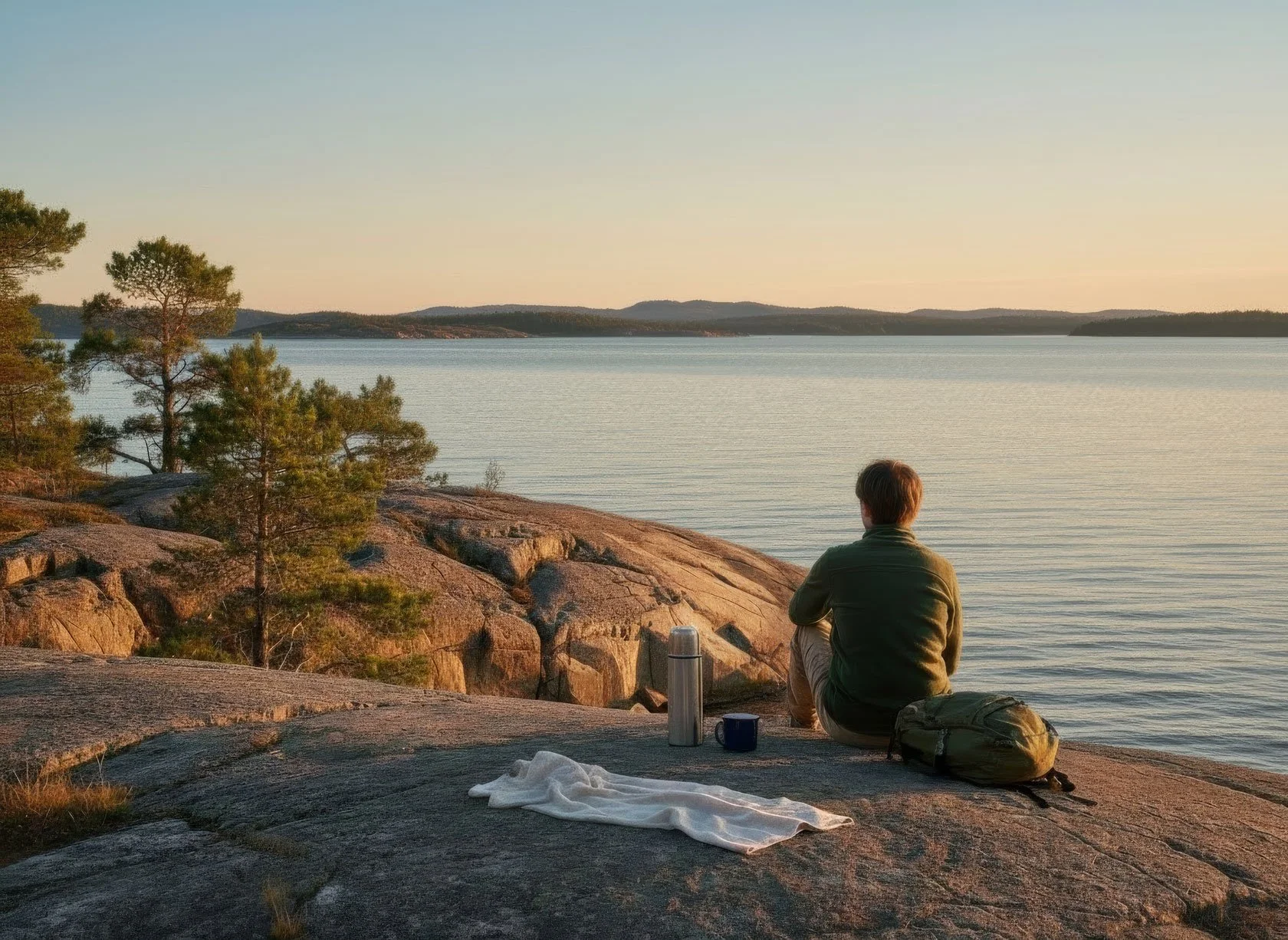
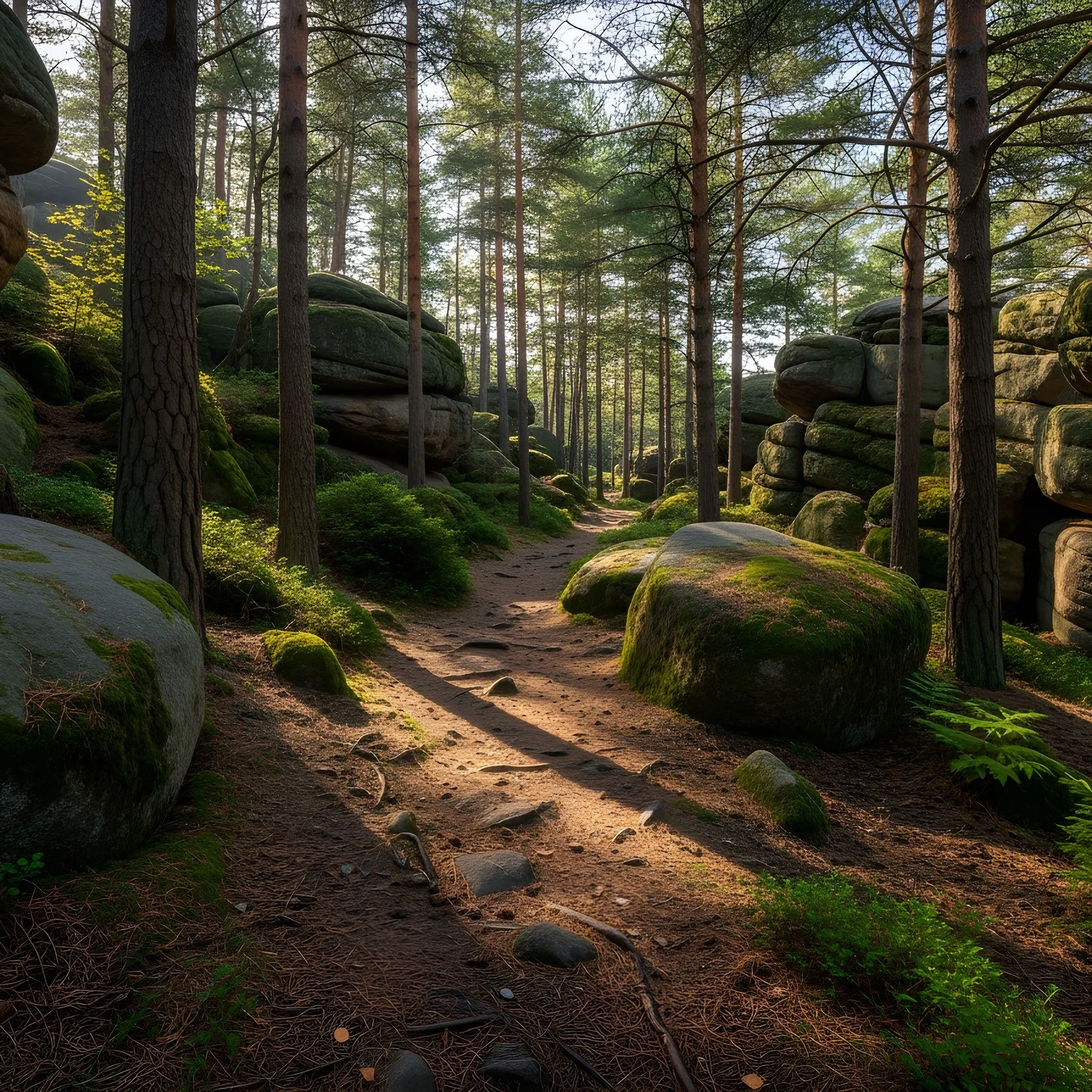
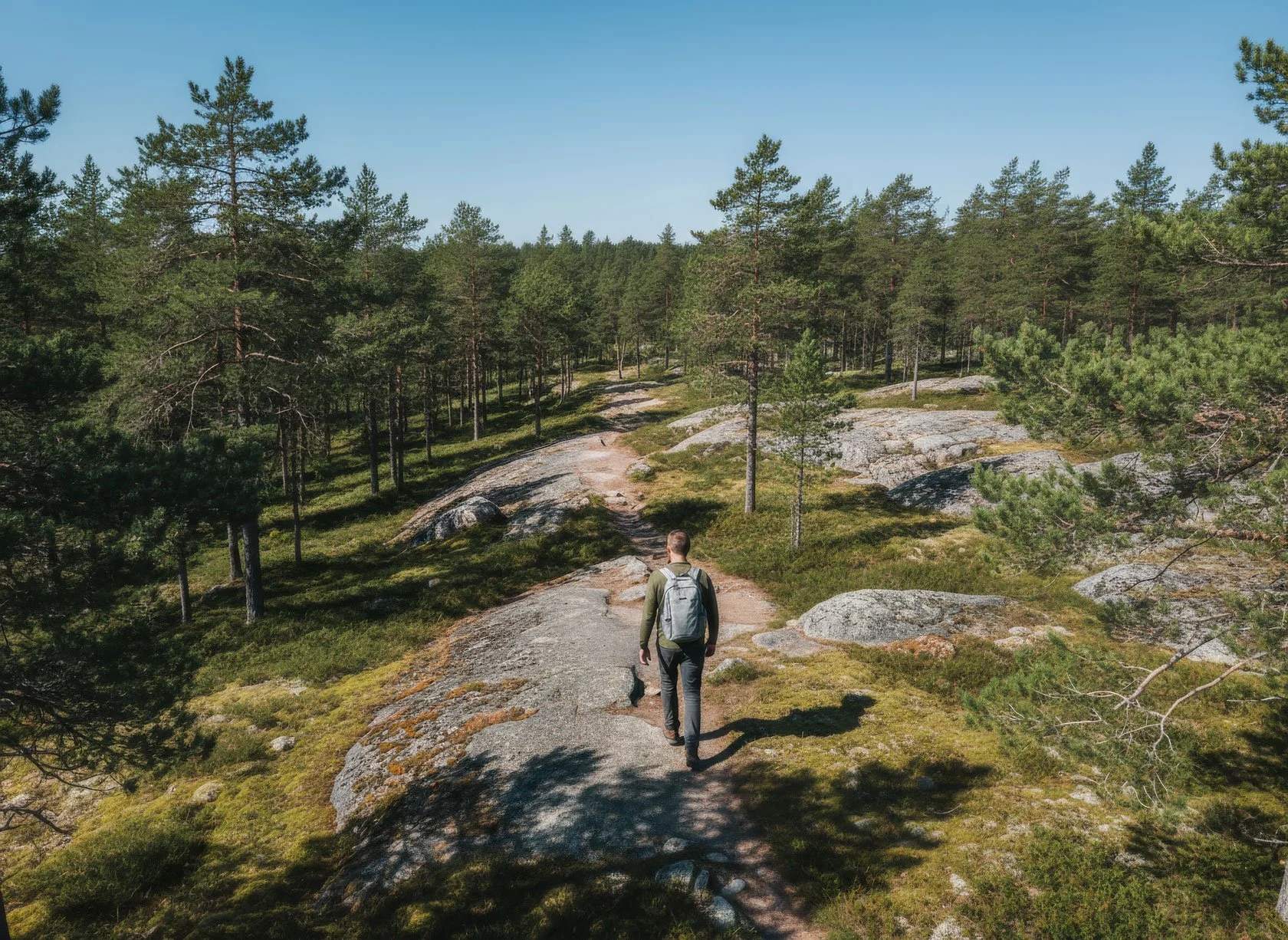
But here in Sweden it often looks much simpler: someone walking slowly in the evening light, a towel drying on a rock, a small coffee in a thermos, and no urgency to “achieve” the day.

Friluftsliv in Sweden also comes with a simple rule: don’t disturb, don’t destroy — and always leave no trace.

And if you’re a beginner, here’s the good news: it doesn’t have to be a gear hobby.

A beginner-friendly way to start: base camp + small steps

If you’re new to Sweden (or new to the outdoors), don’t start with a big plan. Start with a place.

Choose a base camp where:

  • water is close

  • trails start nearby

  • you can shower and sleep well

  • you don’t need to prove anything

That’s why I like the base camp idea. You go out. You come back. You rest. You go out again.

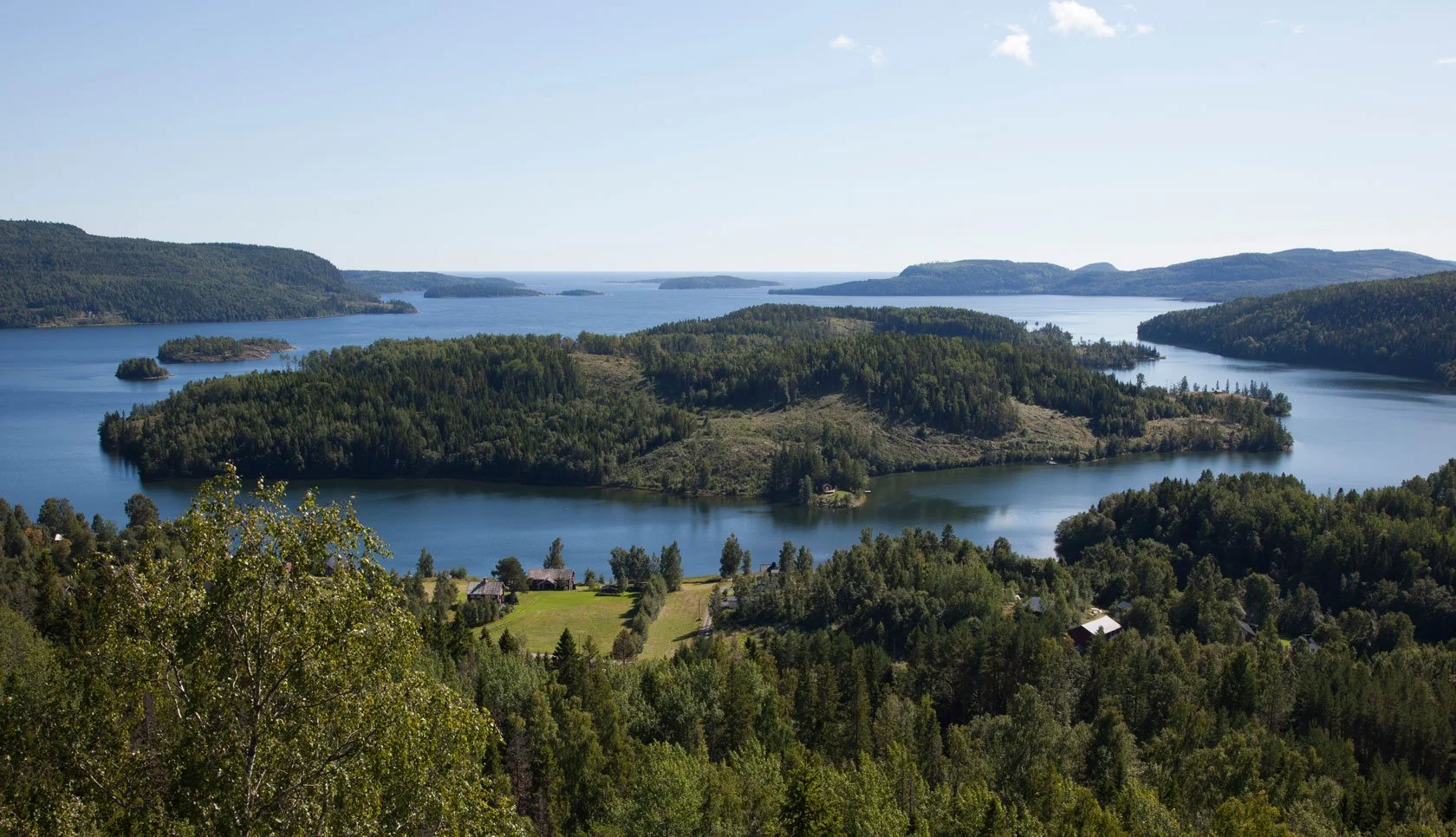
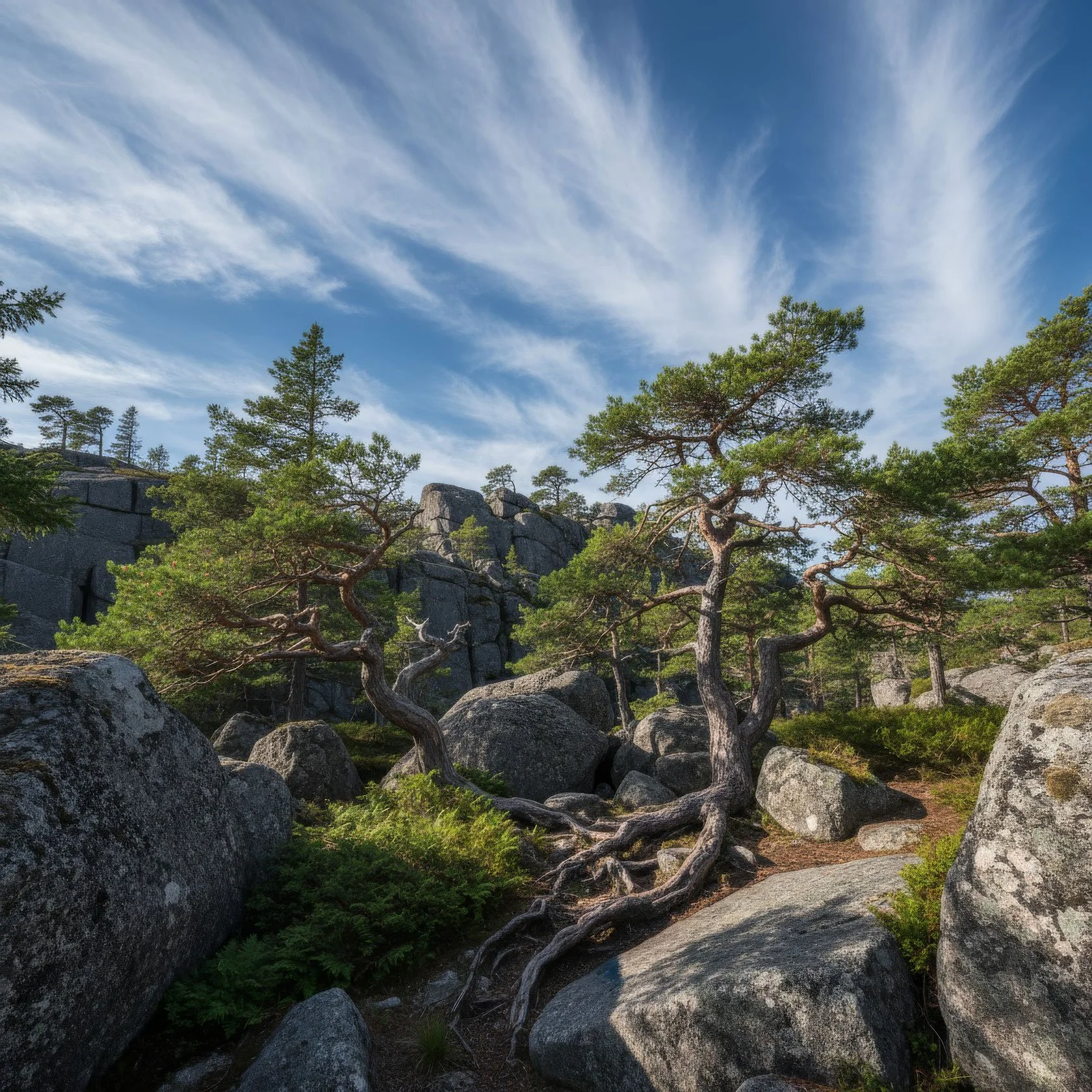
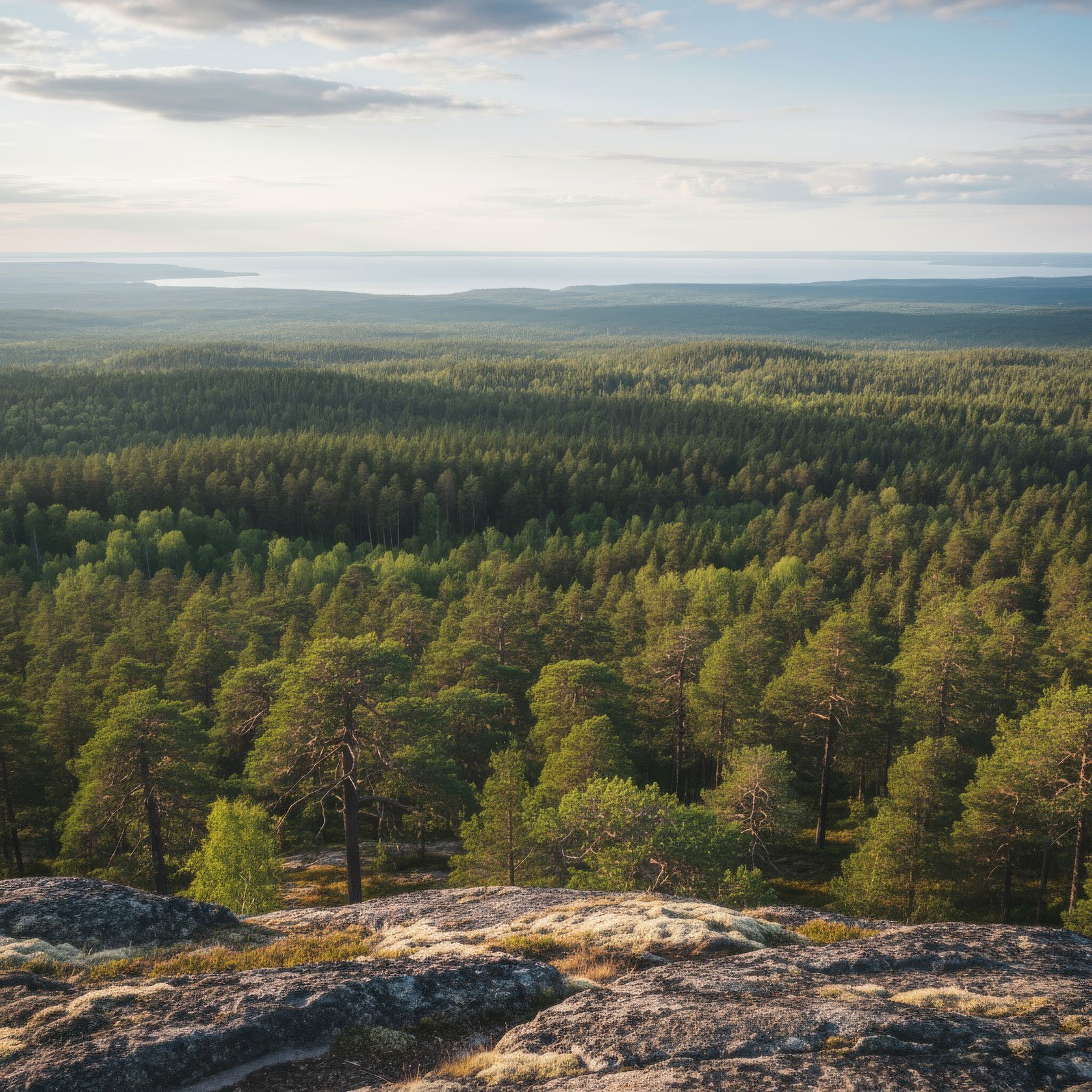
In the High Coast, that rhythm matters — because the landscape is generous, but it’s also rocky, windy, and bigger than it looks on a map.

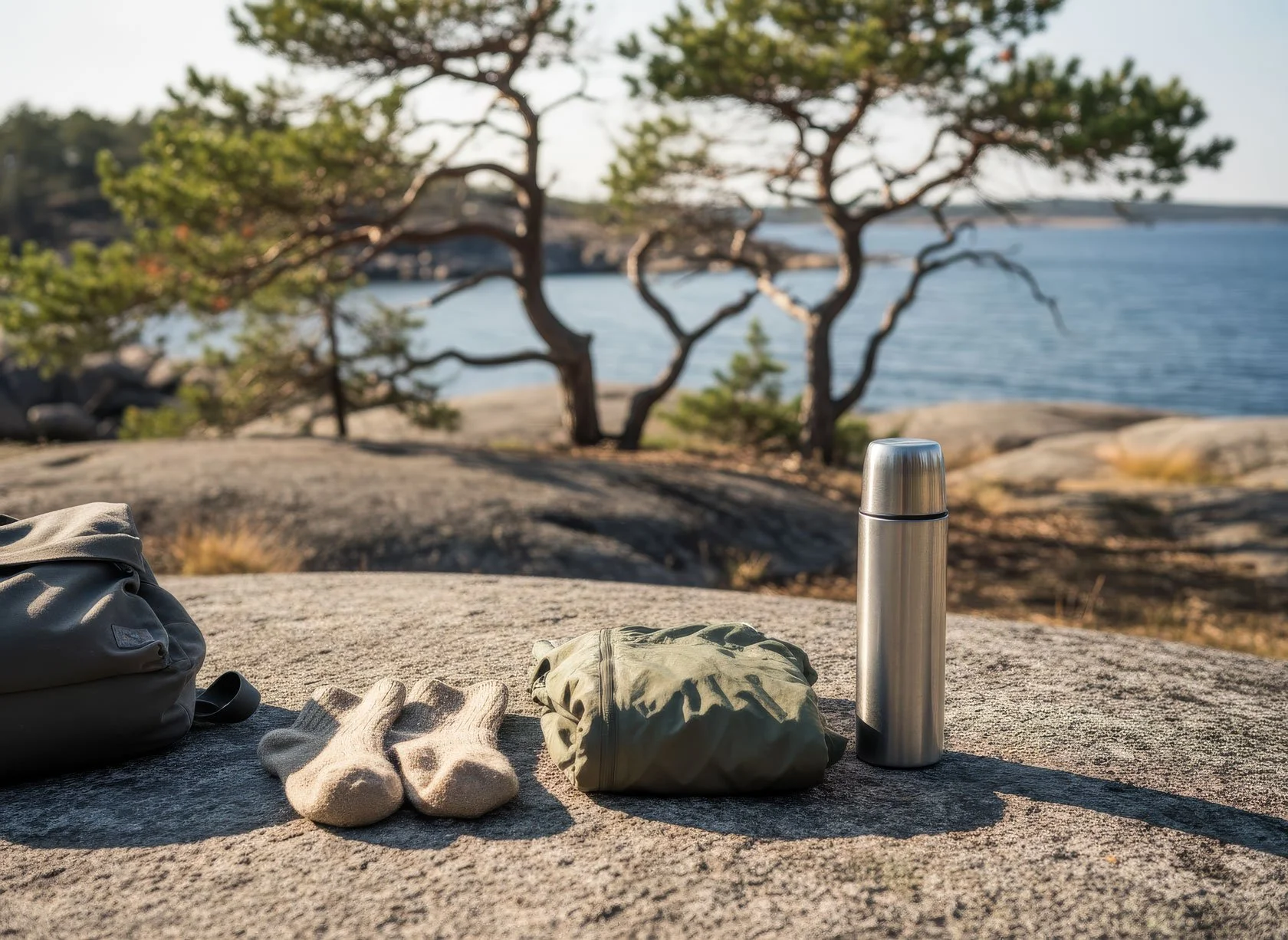
In practical terms: bring a light wind layer and a pair of dry socks — the High Coast loves simplicity, but it respects preparation.


Camping without the hassle (what people actually mean)
Many of our guests are campers — or something close to it.

They travel light, with a backpack, a sleeping bag, a small cooking kit. Some arrive by bike or motorbike. Some sleep in the car when they need to. Some mix cabins, shelters, and simple rooms depending on weather, energy, and mood.

It’s a more fluid way of travelling — not “hotel” and not “camper life” either.

What people often want is not to stop camping. They just want a safe place to land once in a while: a shower, dry gear, real sleep, and a calm base where the day can start again without friction.

In the High Coast, you can keep that freedom and still sleep by the water — with your things dry, your body rested, and the forest close enough to step into.


A beginner friluftsliv day (High Coast)
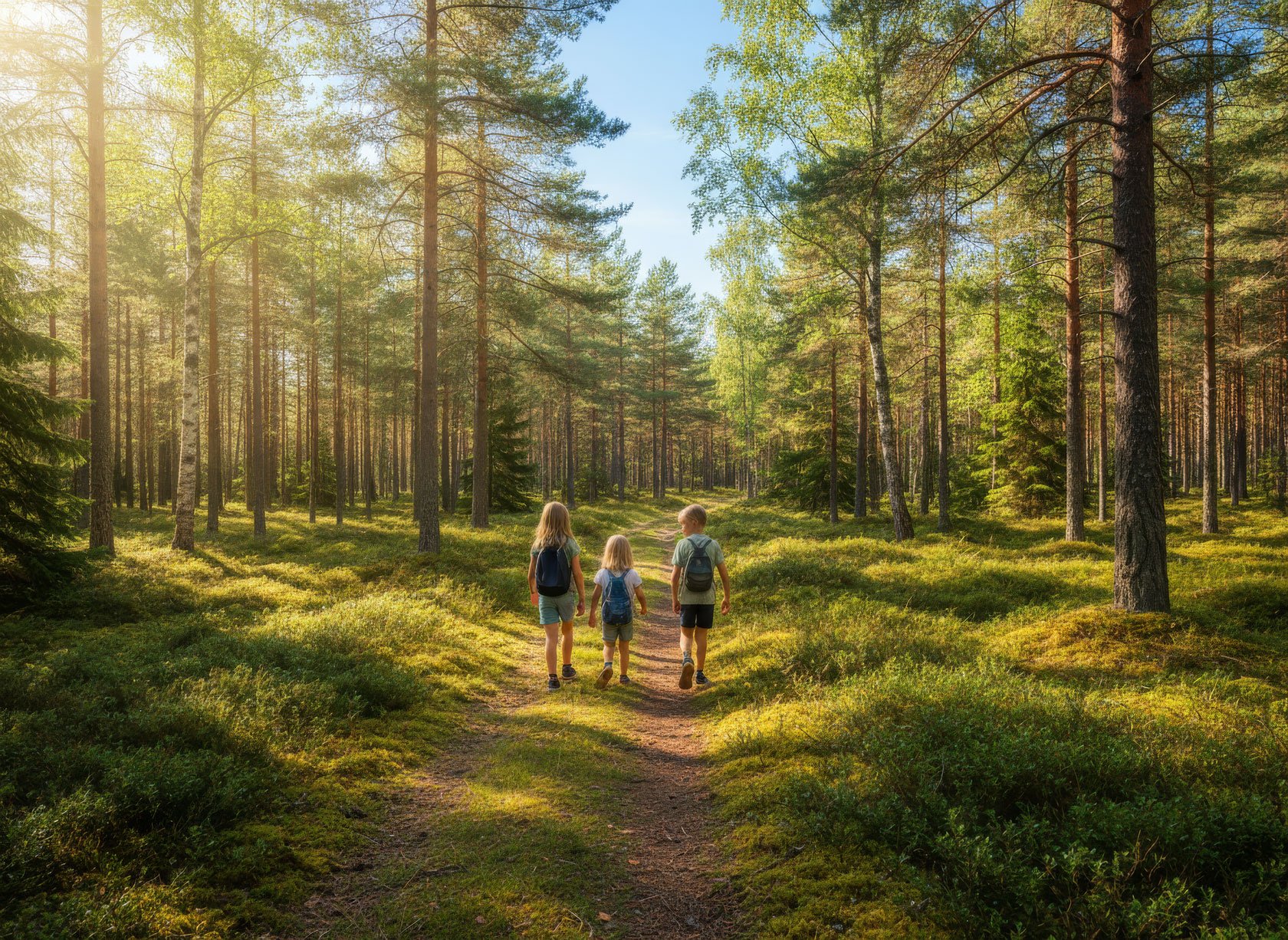
Here’s a day that counts — even if it looks small.

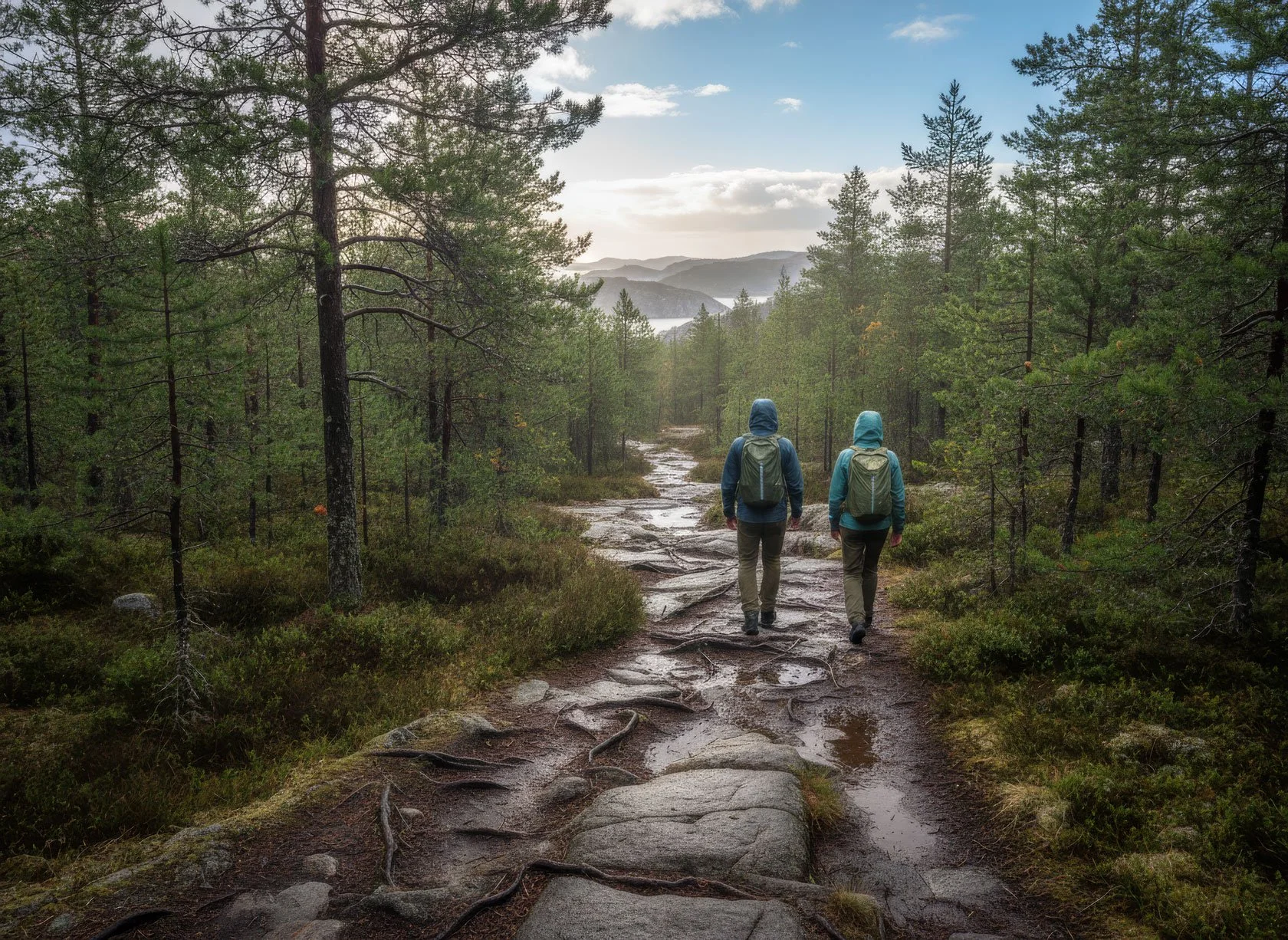
In the High Coast, friluftsliv often starts with ordinary gestures: stepping outside before you’re fully “ready”, carrying a light layer because wind changes the story, bringing coffee in a thermos, and letting the landscape set the pace.

  • Morning (no heroics): a short walk while the air is still cool and the forest feels quiet.

  • Midday: lunch outside — simple food tastes better when you sit on a warm rock and watch the light move.

  • Afternoon: a swim if the weather is kind, or just a long pause by the fjord with your feet in the water.

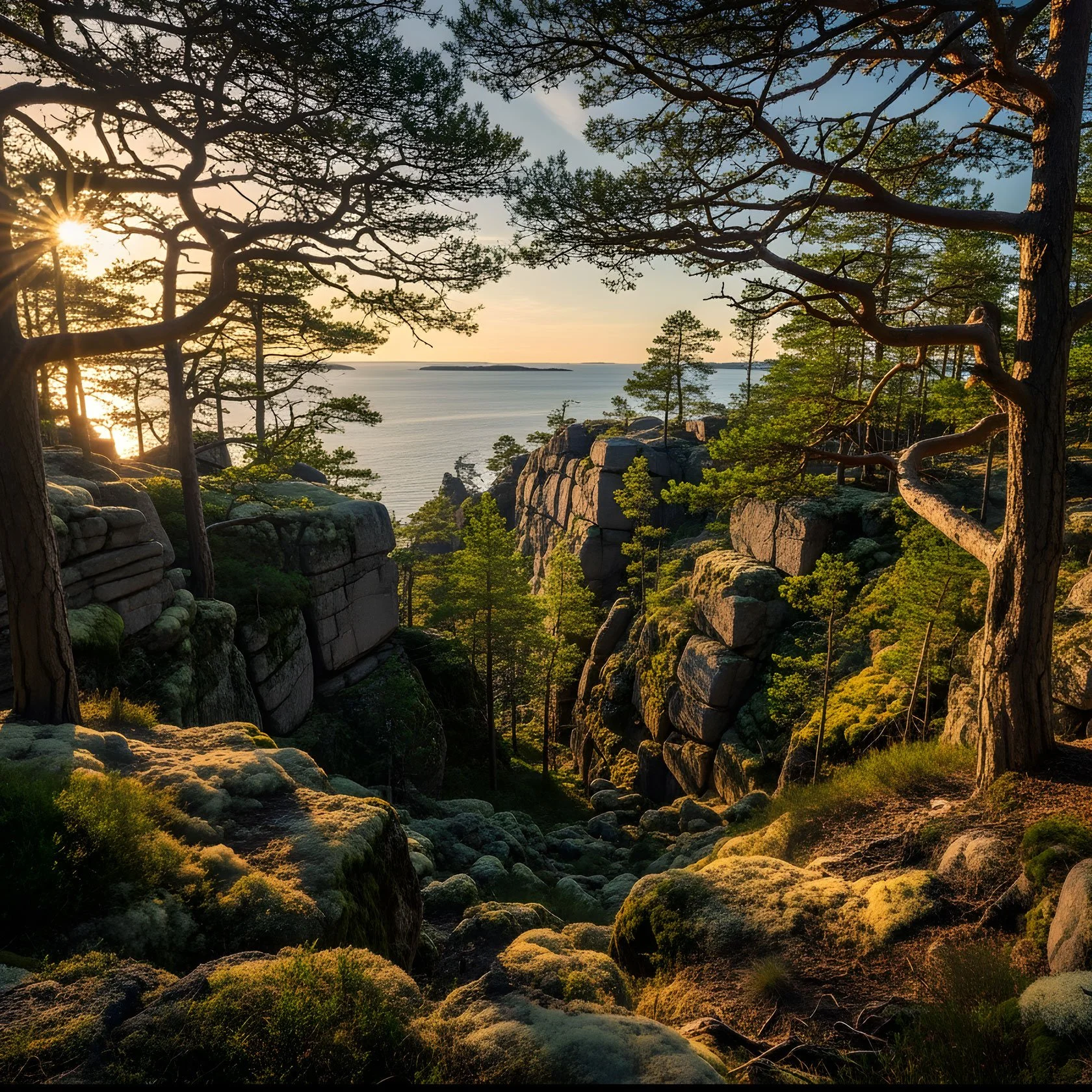
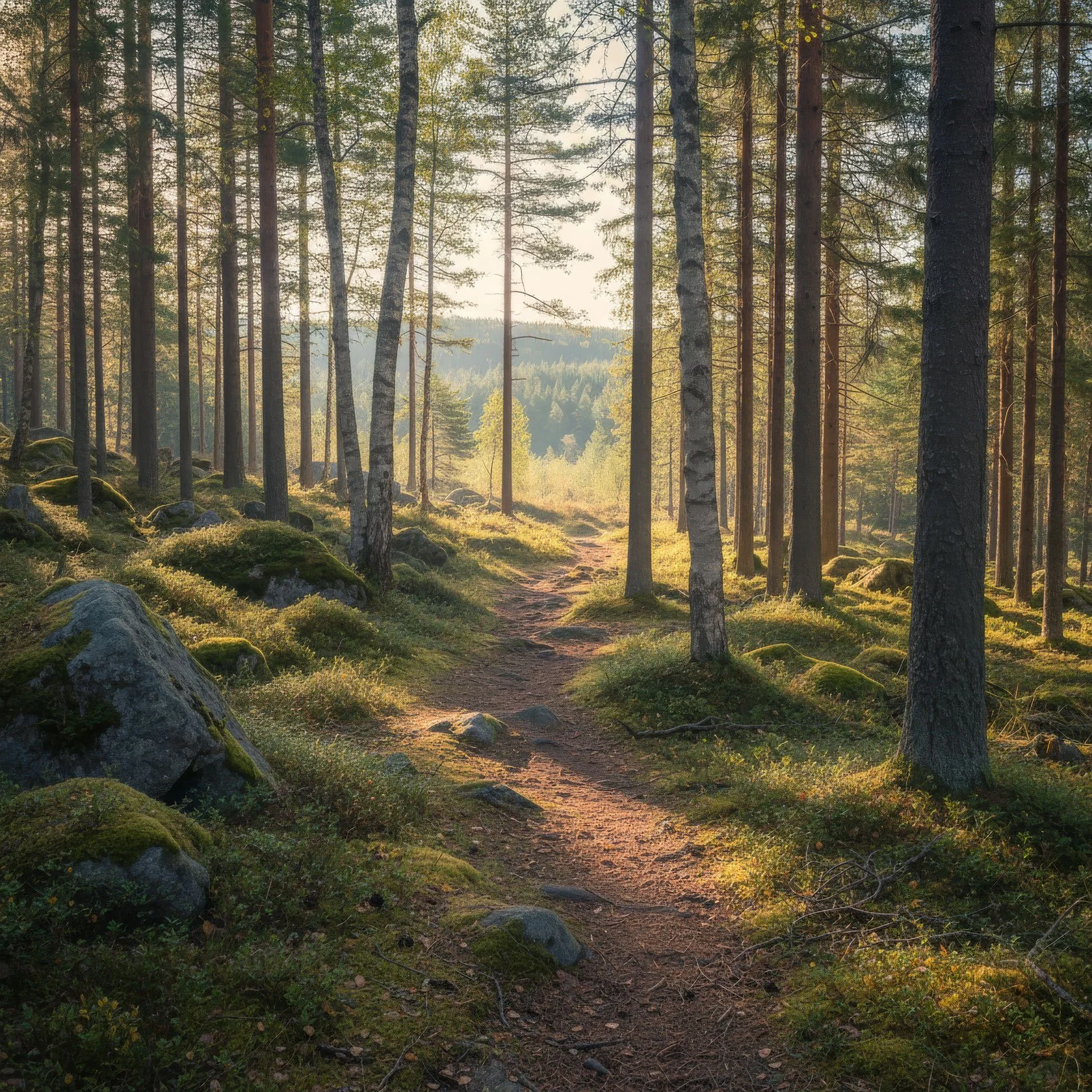
  • Evening: a slow walk when the light goes soft and refuses to leave.

And somewhere in the middle, if you want a deeper reset without making it a “thing”: step under the pines for 20 minutes, breathe, and let your nervous system catch up with your body.

Seasonal note: in July the light can feel endless (beautiful, but it can also trick your sleep). From mid‑August, nights become more like nights again — deeper rest, more colourful sunsets, and in the High Coast the first auroras can start showing up on the right evenings.

If you do one day like this, you’ve already started.

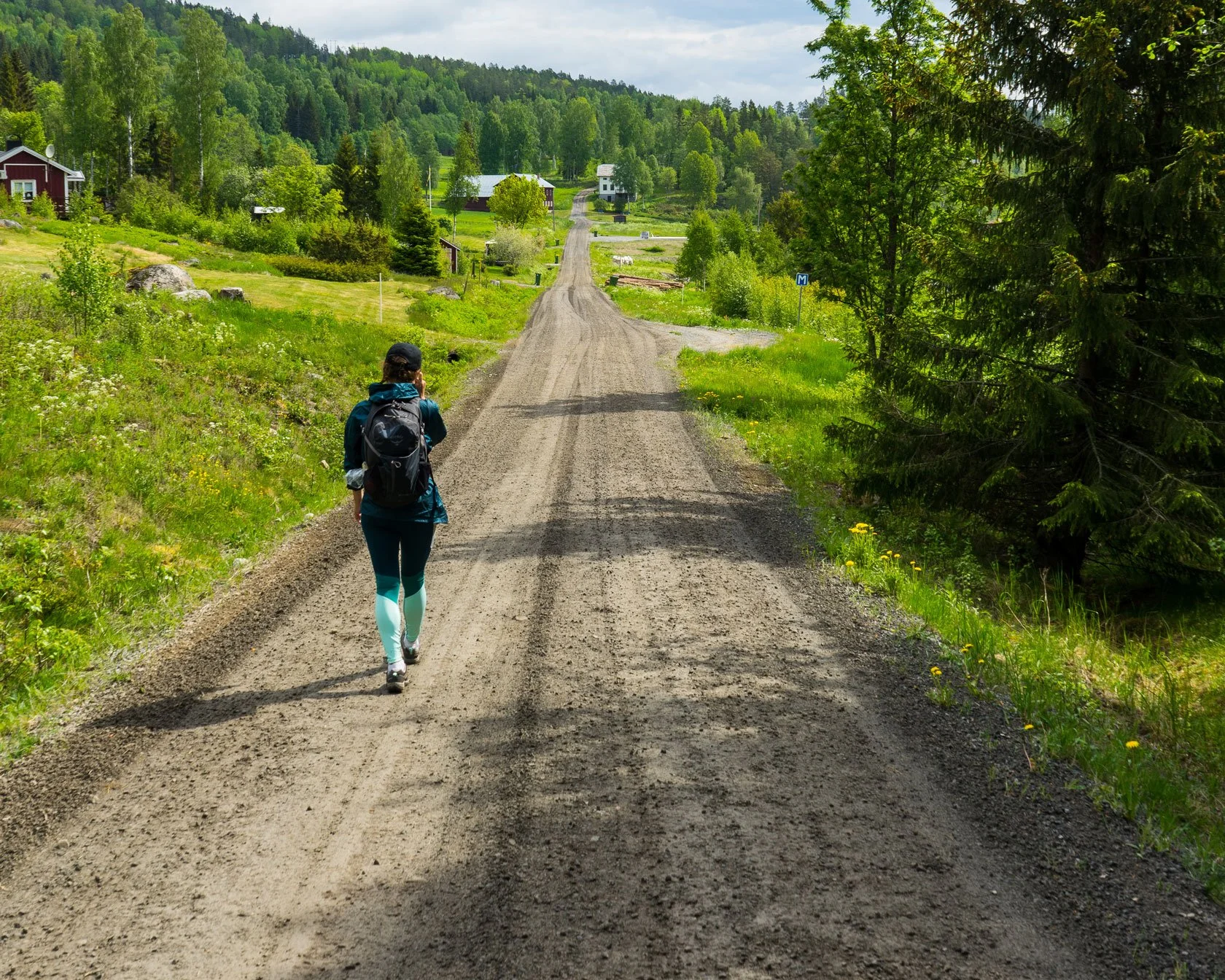
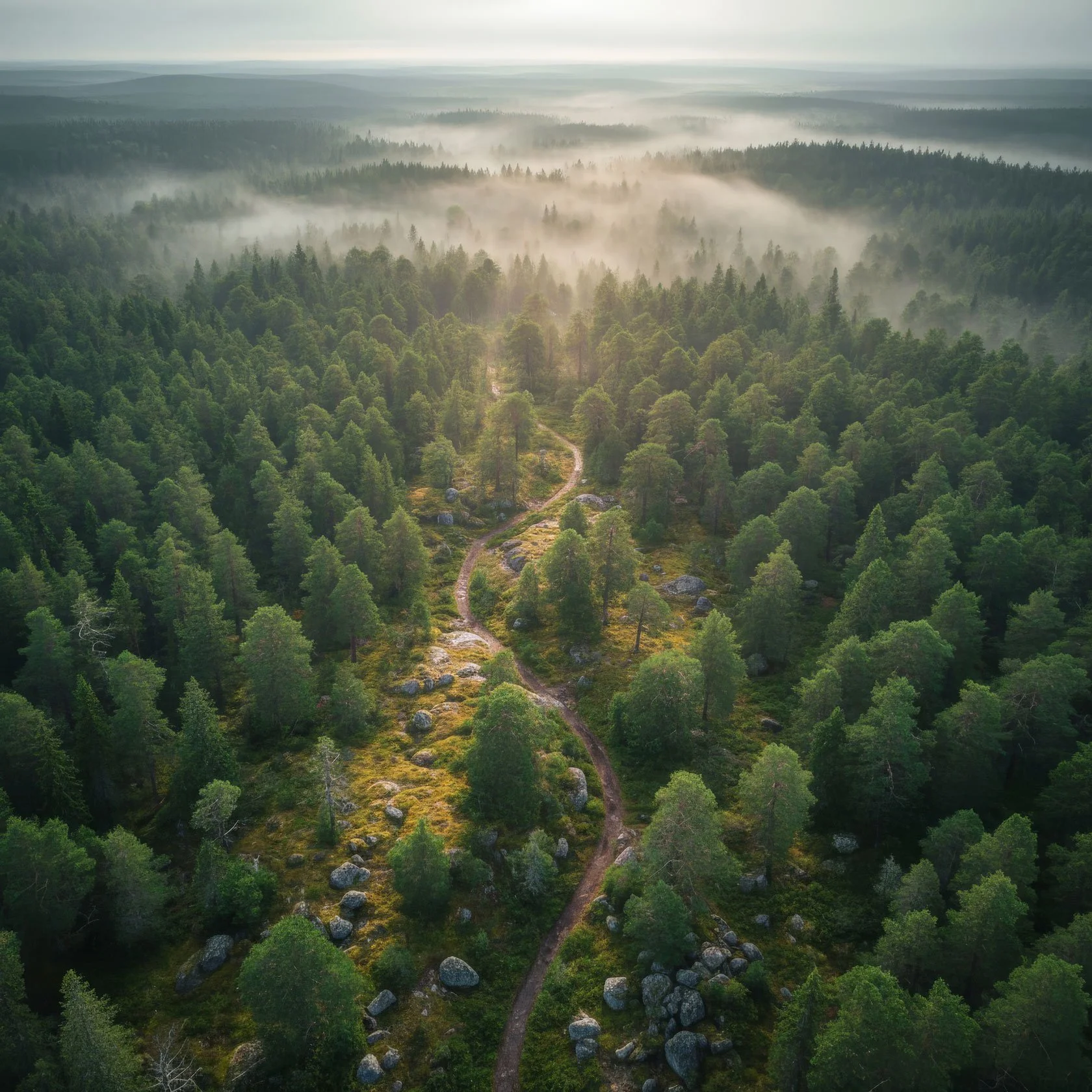
If you like trail days, the High Coast has one thread that quietly connects everything: Höga Kustenleden.

Yes, it’s a long trail (the kind many hikers walk with a backpack) — but you don’t have to “do the whole thing” to feel what it’s about. You can enter it in small pieces: one section, one viewpoint, one honest day with wind, rock, forest and sea.


Don’t wait for perfect weather (friluftsliv is a habit, not a highlight)

Friluftsliv isn’t about planning the perfect day. It’s about stepping outside anyway — even when the weather is undecided.
A short walk counts. Coffee outside counts. Sitting on a rock and doing nothing counts.

Some days it rains. That counts too.

If you’re dressed for wind and a little drizzle, the High Coast gives you something almost every day: a clearer head, a calmer body, and a small sense of “home” in the open air.

If you want a simple, practical packing list for High Coast day hikes (layers, water, rock-friendly shoes), I keep it here: https://dockstahavet.se/blog/explore-hoga-kusten/get-ready-your-day-hike


A practical way to begin (Docksta base camp note)
Grab&Go is our simple outdoor gear rental in Docksta — for anyone who wants to try friluftsliv without buying gear.
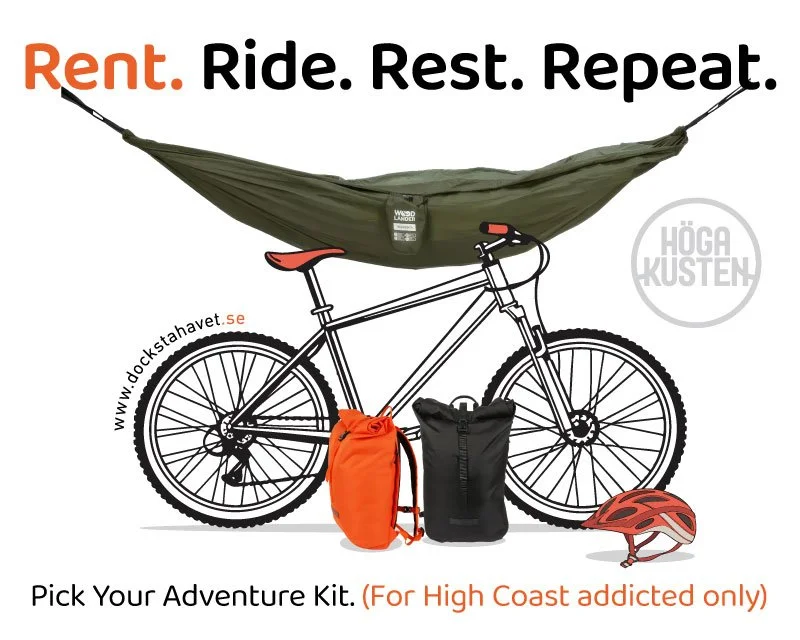
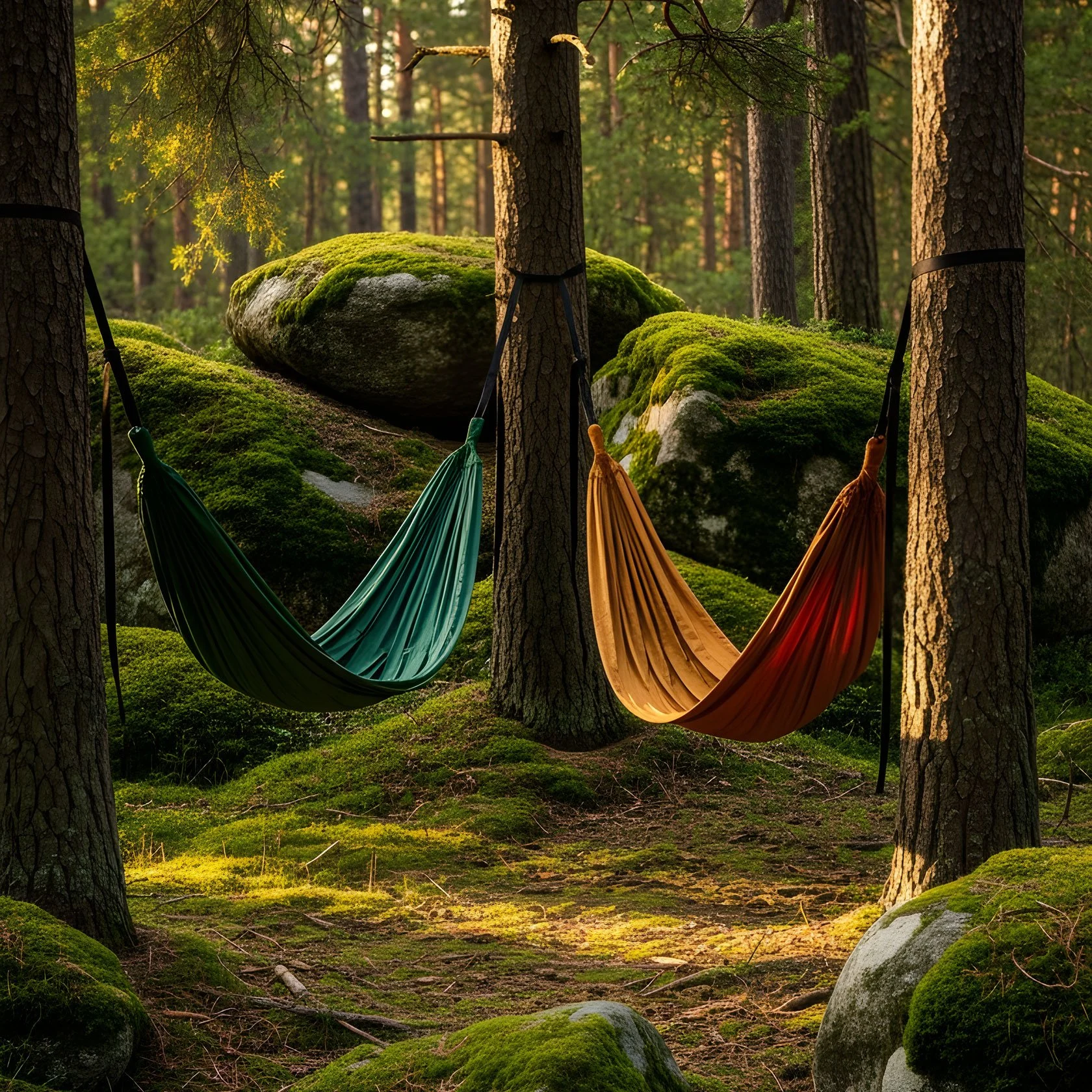
You can rent the missing piece for your day outside: a bike, a daypack, or a hammock kit. See details & prices here: /outdoor-gear-rental-hoga-kusten

If you’re staying at Docksta Havet, ask at check-in and I’ll help you choose what fits your day. And if you want local tips, I’ll point you to a good, respectful spot.

If you like the base camp rhythm — out, back, rest, repeat — here’s how Docksta can work as a simple base camp in the High Coast (and make exploring feel easy):
https://dockstahavet.se/blog/base-camp-high-coast-docksta

Small steps. Long light. A base camp between forest and sea.


Mini summary (SV / FI / DE)

SV 🇸🇪 - Friluftsliv, med enkla ord (Höga Kusten)

Friluftsliv behöver inte vara en hobby med massor av prylar. Börja smått: välj en bas nära vatten och leder, gå ut en stund, kom tillbaka, vila – och gå ut igen. I Höga Kusten spelar den rytmen roll: landskapet är generöst, men också stenigt, blåsigt och större än det ser ut på kartan.

FI 🇫🇮 - Friluftsliv selkokielellä (Korkea Rannikko / Höga Kusten)

Friluftsliv ei vaadi suuria suunnitelmia tai kallista varusteharrastusta. Aloita pienin askelin: valitse tukikohta lähellä vettä ja polkuja, käy ulkona hetki, palaa takaisin, lepää – ja lähde taas. Korkealla Rannikolla rytmi on tärkeä, koska maasto on kaunis mutta myös kivinen, tuulinen ja karttaa suurempi.

DE 🇩🇪 - Friluftsliv in einfachen Worten (Höga Kusten)

Friluftsliv muss kein Ausrüstungs‑Hobby sein. Fang klein an: Such dir ein Basecamp in der Nähe von Wasser und Wegen, geh kurz raus, komm zurück, ruh dich aus – und geh wieder los. An der Höga Kusten ist dieser Rhythmus wichtig, denn die Landschaft ist großzügig, aber auch felsig, windig und größer, als sie auf der Karte wirkt.


Next steps from your base camp:

A small selection of hiker-friendly posts — for when you’re ready to turn one good day into two.
 

Keep exploring: Grab&Go summer guides & stories:

A few more local ideas to help you plan a simple High Coast day—bike-first, hike-ready, and with the right gear when you need it.
Forest Pause in the High Coast

Forest Pause in the High Coast (Sweden) — From outdoor doing to forest being

Looking for a calmer High Coast moment? Try a simple forest pause: less route, more room. A no-guru guide to slowing down in pine forests—plus a gentle way to try it from Docksta.

🌿

THE FOREST IS NOT ONLY FOR DOING

Most people come to the High Coast with an outdoor verb in their pocket.

Hike. Run. Climb. Collect viewpoints. Tick the classics.

I love those verbs. I live inside them too.

But there’s another verb the High Coast teaches—quietly, stubbornly, almost against our will:

Pause. Not as “rest after the workout”. Not as “recovery so you can perform again”. Just… pause.

A forest pause is a different kind of outdoor life. It’s not about distance, elevation, or proving anything to yourself. It’s about letting the landscape do what it does best when you stop interrupting it.


Sweden is experimenting with a simple idea

In Sweden, the conversation around nature as support for wellbeing has become more serious in recent years. Not as a trend, but as a practical response to a very modern problem:

we live fast, and we rarely fully arrive anywhere.

A forest pause doesn’t need to be mystical. It can be evidence-friendly and still deeply human.

You don’t have to “believe” in the forest.

You just have to give it time.


My first real pause wasn’t planned

I didn’t discover this through a retreat.

I discovered it the way many good things happen in the High Coast:

by being a little tired, a little curious, and finally willing to stop.

I had been moving through these landscapes like many of us do—measuring, optimizing, chasing the next “best section”. Even when I was alone, I was still performing for an invisible audience.

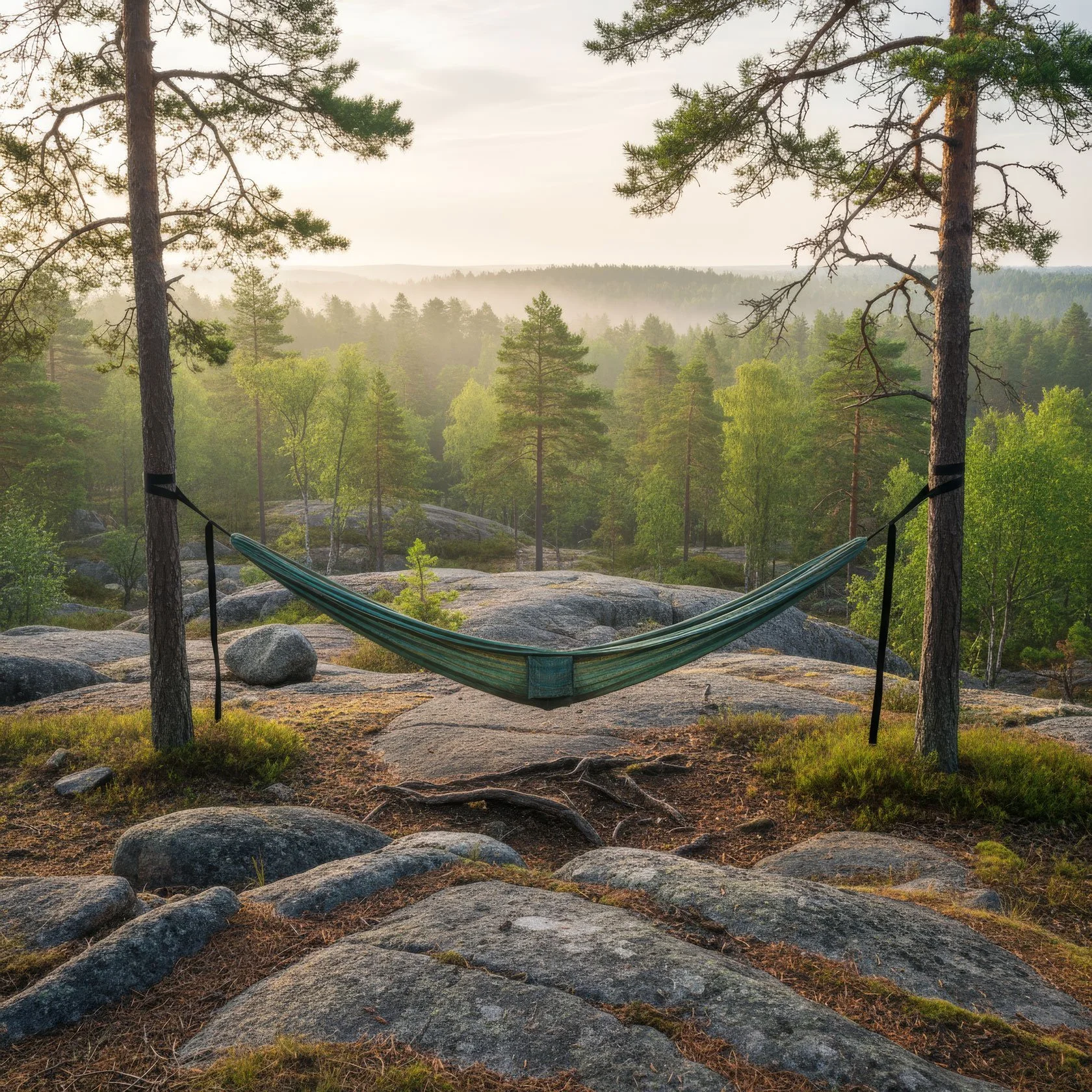
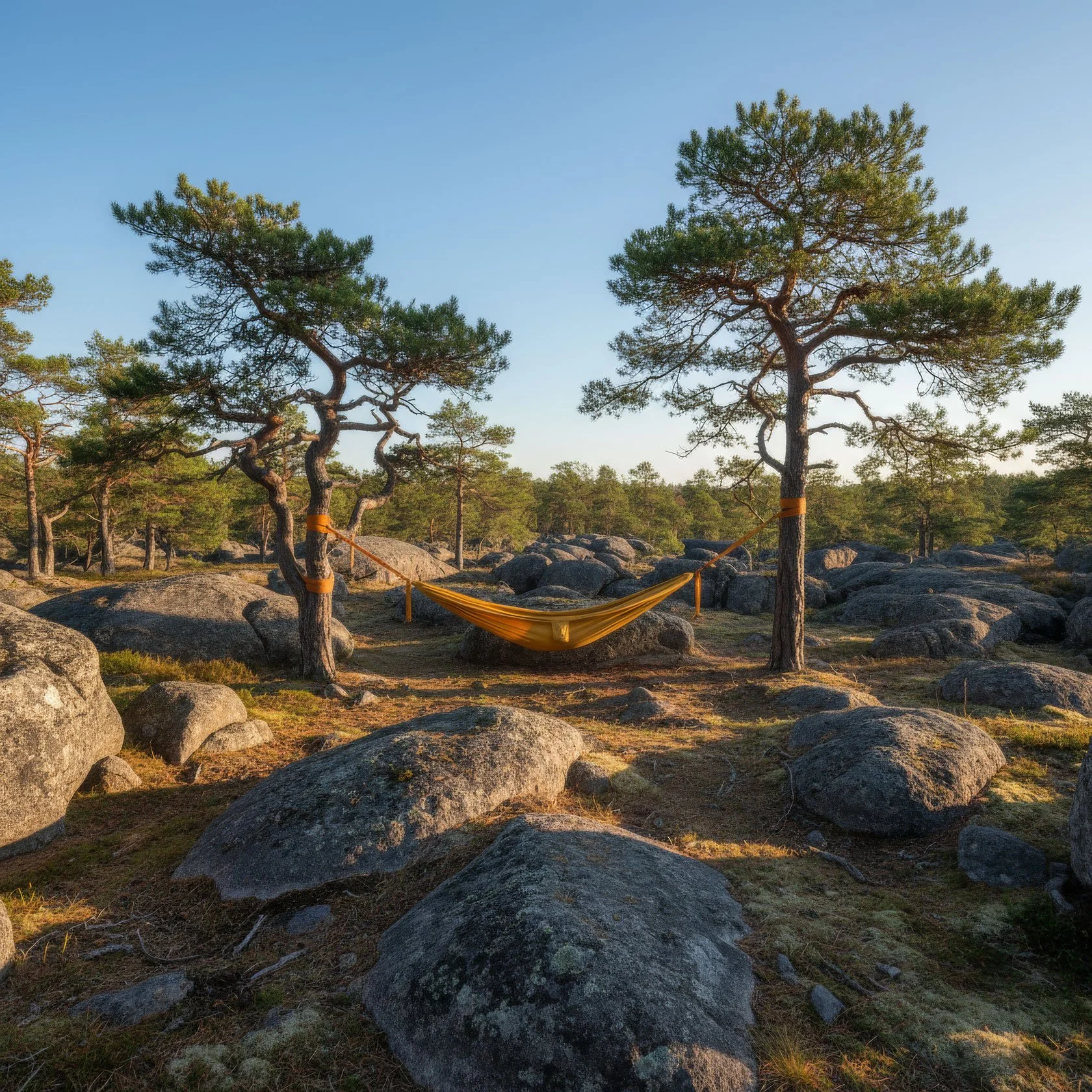
Then one day I hung a hammock between two pines.

No big plan.

Just a small decision: I’m not going anywhere for a while.

And something changed.

Not fireworks. Not a revelation.

More like a quiet re-ordering.

The forest stopped being a backdrop.

It became a relationship.

I should probably introduce myself properly.

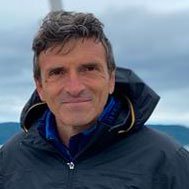
I’m Tommaso — sailor-turned-trail-runner, host at Docksta Havet Base Camp, and the kind of person who keeps learning life from pine forests and weather shifts.

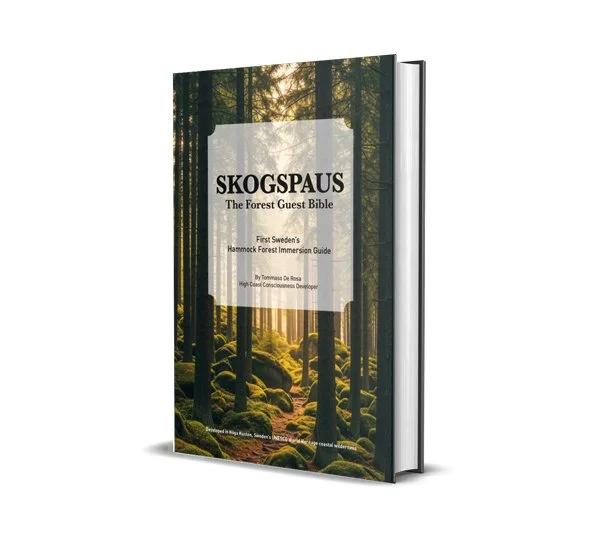
The full story of that first pause is a bit more complex (and honestly, more interesting) than this short version. If you’re curious about what really happened — and what the High Coast forests kept whispering after that day — it lives inside my book Skogspaus.


🌿

TWO WAYS OF MEETING A FOREST

I’ve watched thousands of guests move through the High Coast. And I’ve noticed two very different styles of contact.

1) The forest as a route

This is the classic outdoor way:

  • You enter with a goal

  • You move through the landscape

  • You collect a view

  • You leave with a photo (and maybe sore legs)

It’s beautiful. It’s valid. It’s often the gateway.

But it can also keep the forest at arm’s length.

2) The forest as a home (not yours)

A forest pause is when the forest becomes a home you spend time in — but not your home.

You’re not here to take over the space. You’re here to arrive in it.

  • You choose one small place

  • You arrive slowly

  • You let your nervous system catch up

  • You stop scanning for “what’s next”

  • You start noticing what’s already here

This is where the High Coast becomes more than scenery.

This is where it becomes a kind of medicine — without pretending to be a clinic.


The “Forest Guest” shift (without the guru voice)

I don’t think we need more methods to feel okay.

But I do think we need a different posture.

In Swedish, skogspaus is a simple word: forest pause.

And the posture behind it is even simpler:

Enter the forest like a guest, not an owner.

A guest doesn’t conquer.

A guest doesn’t extract.

A guest pays attention.

A guest adapts.

A guest leaves the place a little better—or at least not worse.

When you approach the forest this way, the pause stops being “doing nothing”.

It becomes a form of participation.


🌿

WHAT A FOREST PAUSE LOOKS LIKE (practical, not precious)

If you want to try this in the High Coast, here’s a clean, no-drama way.

The 60–90 minute Forest Pause

  • Choose one small area (not a route)

  • Leave your phone on airplane mode (or at least face down)

  • Bring water + a wind layer (the High Coast changes mood fast)

  • Sit or hang (a rock, a mossy patch, a hammock)

  • Do nothing on purpose for 10 minutes

  • Then let your attention wander naturally

If your mind keeps making lists, that’s normal.

If you feel restless, that’s information.

If you feel bored, stay a little longer.

The forest is patient.

The hammock version (my favorite)

A hammock is not gear.

It’s a permission slip.

It gently removes you from the “must keep moving” logic.

It makes stillness comfortable enough to last.

And in the High Coast—between granite, pine, sea air, and that long northern light—this simple suspension becomes a surprisingly powerful reset.


Why the High Coast is a good teacher

The High Coast isn’t a soft landscape.

It has edges.

Granite. Wind. Sudden weather. Long distances between things.

And because of that, it teaches something modern life often forgets:

you don’t get to control everything.

A forest pause here isn’t about escaping reality.

It’s not hiking, not therapy, not a workshop. Just a simple practice of arriving.

It’s about returning to it—more slowly.


If you want to try it from Docksta (a gentle invitation)

If you’re staying in Docksta—or passing through—this is one of the simplest gifts you can give yourself:

one honest forest pause.

Not a full-day mission.

Not a performance.

Just a small, real encounter.

If you want, I can suggest a spot that matches:

  • your time window

  • the weather

  • your legs

  • your mood

And if you don’t have gear, we can keep it simple.

Sometimes the best High Coast day is not the one where you did the most.

It’s the one where you finally arrived.


A closing note (for the doers)

If you came here to hike, run, climb, or bike—good.

Do it.

Feel the land.

Earn the view.

Then, at least once, do something that feels almost wrong in a world obsessed with movement:

stop.

Hang between two pines.

Let the forest finish the sentence.

SKOGSPAUS — A FOREST PAUSE, PRACTICED AS A GUEST

Want to try a real forest pause while you’re here?

Send me your time window + legs + mood, and I’ll suggest one clean spot that fits the day.

If you’re traveling light, we can keep it simple with a hammock kit ready at the marina: https://dockstahavet.se/outdoor-gear-rental-hoga-kusten/guides-stories/grabgo-gear-the-hammock-kit-forest-pause-ready

And if you want to go deeper, I also host a guided forest pause (Skogspaus-style) — here are the full details: https://dockstahavet.se/blog/skogspaus-hammock-forest-experience-hoga-kusten

Email: dockstahavet@gmail.com

If you prefer to book directly, here’s the Skogspaus Airbnb Experience: https://airbnb.com/x/skogspaus-high-coast


🌿

ABOUT ME (Docksta base camp)

I’m Tommaso, host at Docksta Havet Base Camp — a small guest harbour and simple waterfront lodgings in the heart of Sweden’s UNESCO High Coast. I spend my seasons between sea and forest, helping guests find the kind of outdoor days that feel real (not rushed).

SKOGSPAUS (the e-book): https://ko-fi.com/s/skogspaus

Skogspaus is my way of sharing this practice with you — not as a “tour”, but as a quiet invitation to feel like a guest in the forest.


🇸🇪 SV — Kort sammanfattning:

Letar du efter en lugnare stund i Höga Kusten? Den här guiden handlar om skogspaus — en enkel “forest pause” där du stannar på en plats (inte en rutt), låter kroppen komma ikapp och bara är en stund bland tallar och granit. Vill du prova från Docksta kan jag tipsa om en plats — och om du reser lätt finns hammock-kit att låna.

🇫🇮 FI — Lyhyt yhteenveto:

Haluatko rauhallisemman hetken Korkearannikolla (Höga Kusten)? Tämä opas kertoo metsätauosta (forest pause): valitset yhden paikan (et reittiä), pysähdyt, annat kehon ja mielen rauhoittua ja vain olet hetken mäntyjen ja kallioiden keskellä. Jos olet Dockstassa, voin suositella sopivaa paikkaa — ja jos matkustat kevyesti, meiltä löytyy riippumattosetti valmiina.