Play to sail: use wind & sails to move a boat to the direction needed

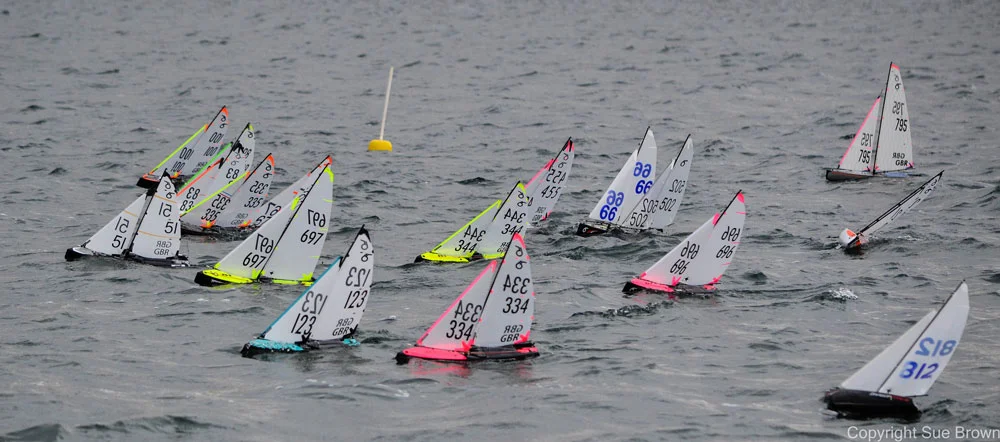
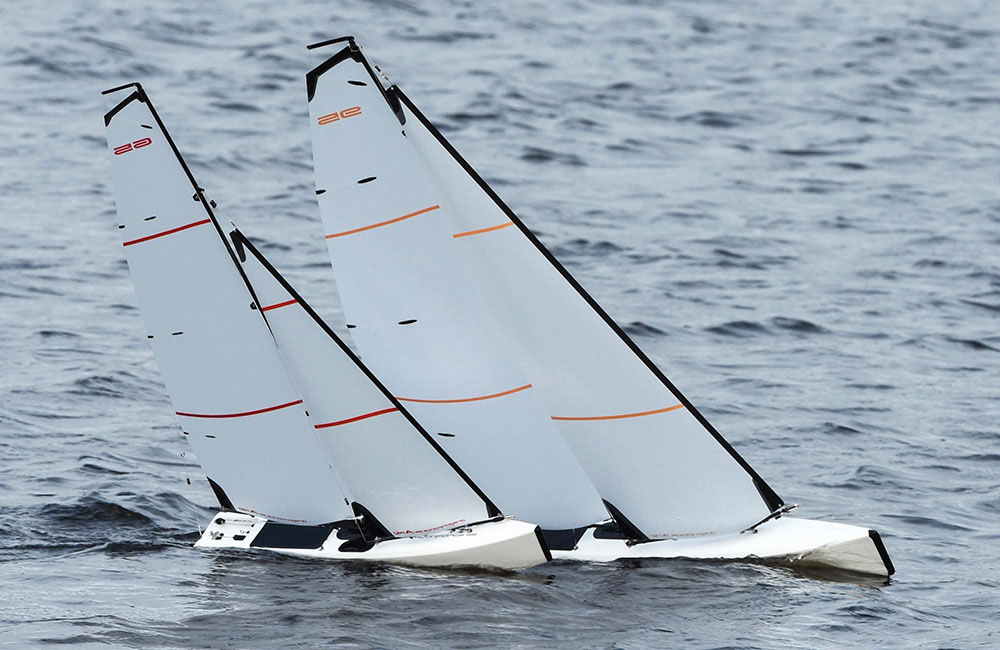
Dragon-force-65-rc-sailboats-beating.jpg
 

How to manage the effect of the wind on the sails to move your boat to the direction you need?


FOCUS: head to a destination keeping the proper points of sail

[ Radio Sailing Basics ]


Sailors harness the wind to move their boats, adjusting (trimming) the sails to keep air flowing over the sail to provide power. In a sailboat this force is harnessed into forward drive.

The curve of the sails (as in an airplane’s wing) generates lift, that force, in combination with the effect of the keel, results in the boat being pulled forward.


First it's important to understand that your boat can't sail straight into the wind.

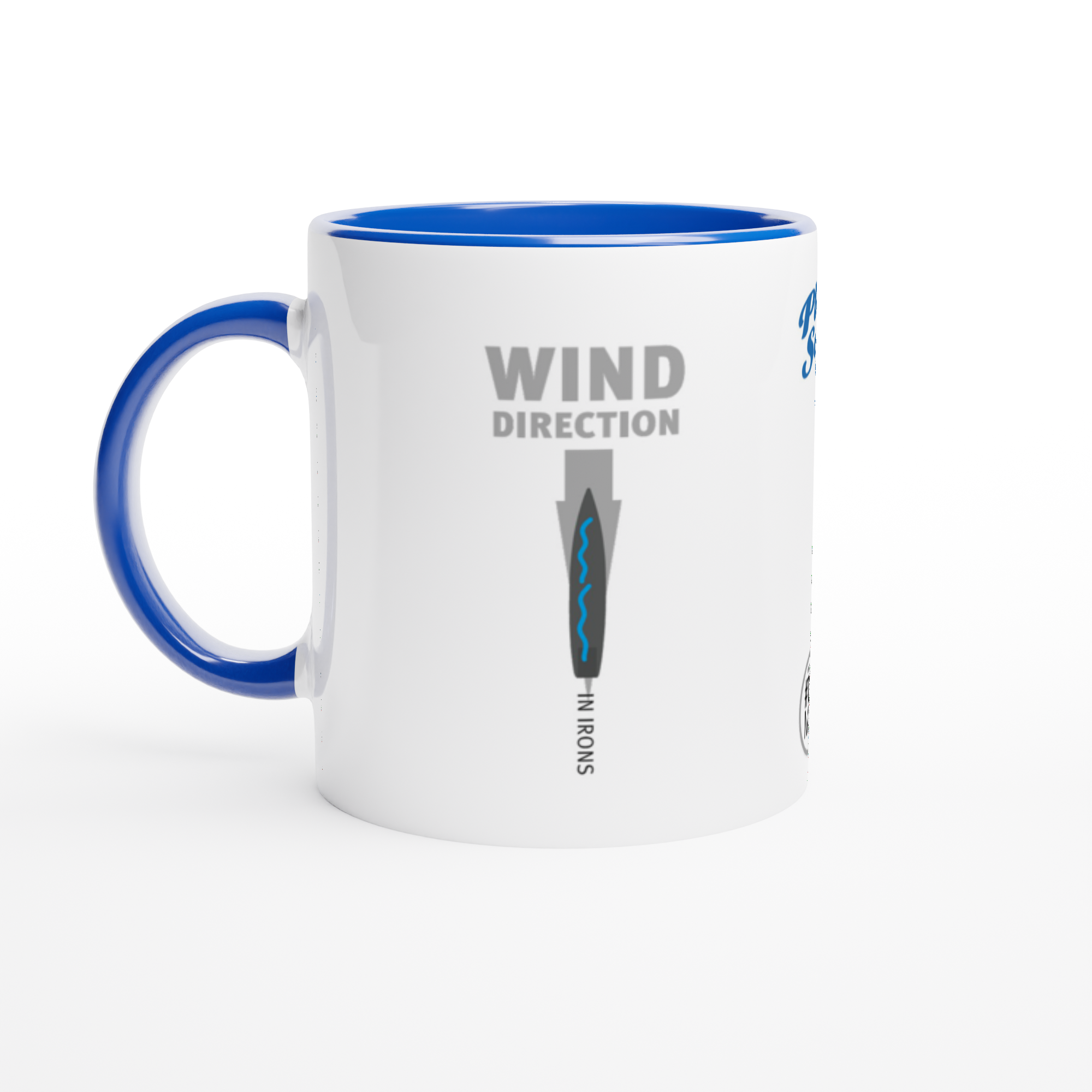
When the bow of your boat (the front side of the hull) is pointed directly into the wind, the wind only shakes the sails (imagine a flag flying) and it provides no driving force.

The "no-go zone" for your boat - where a sail is unable to motive power from the wind - extends 45° on either side of the wind direction.

Pointing your bow within the no-go zone, your sails will start to flap and your boat will come to a stop.

Pointing your bow within the no-go zone, your sails will start to flap and your boat will come to a stop.

In order to harness this power into forward drive, the sails must intersect and be kept into the wind at an angle.

Sail trimming allows you to manage the sails at the proper angle in relation at the direction of the wind and the point of sail.


Lear the basic Points of Sail

 
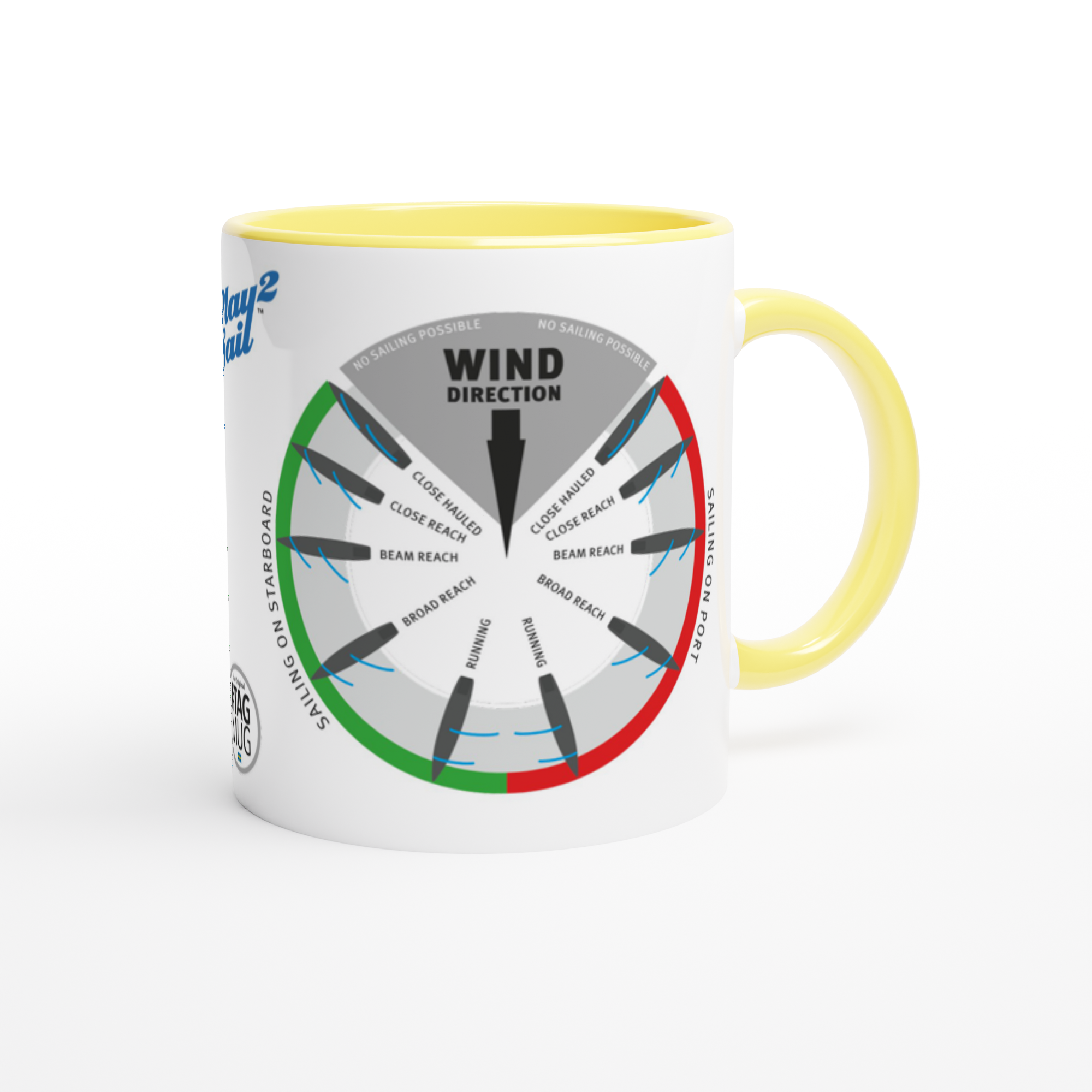
The diagram above shows the basic POINTS OF SAIL for different boat directions relative to the wind (blowing from the top of the diagram).

The diagram above shows the basic POINTS OF SAIL for different boat directions relative to the wind (blowing from the top of the diagram).


The points of sails diagram shows you how to most efficiently use the power of wind on the sails of your boat in motion toward a certain direction.

You learn that the name of your route changes in relation of the wind: the points of sails are defined by the angle of the wind coming over the boat relative to the bow.

Imagine to be on your boat, looking straight ahead at the bow (would be looking towards the top of the diagram: at 12 o'clock).

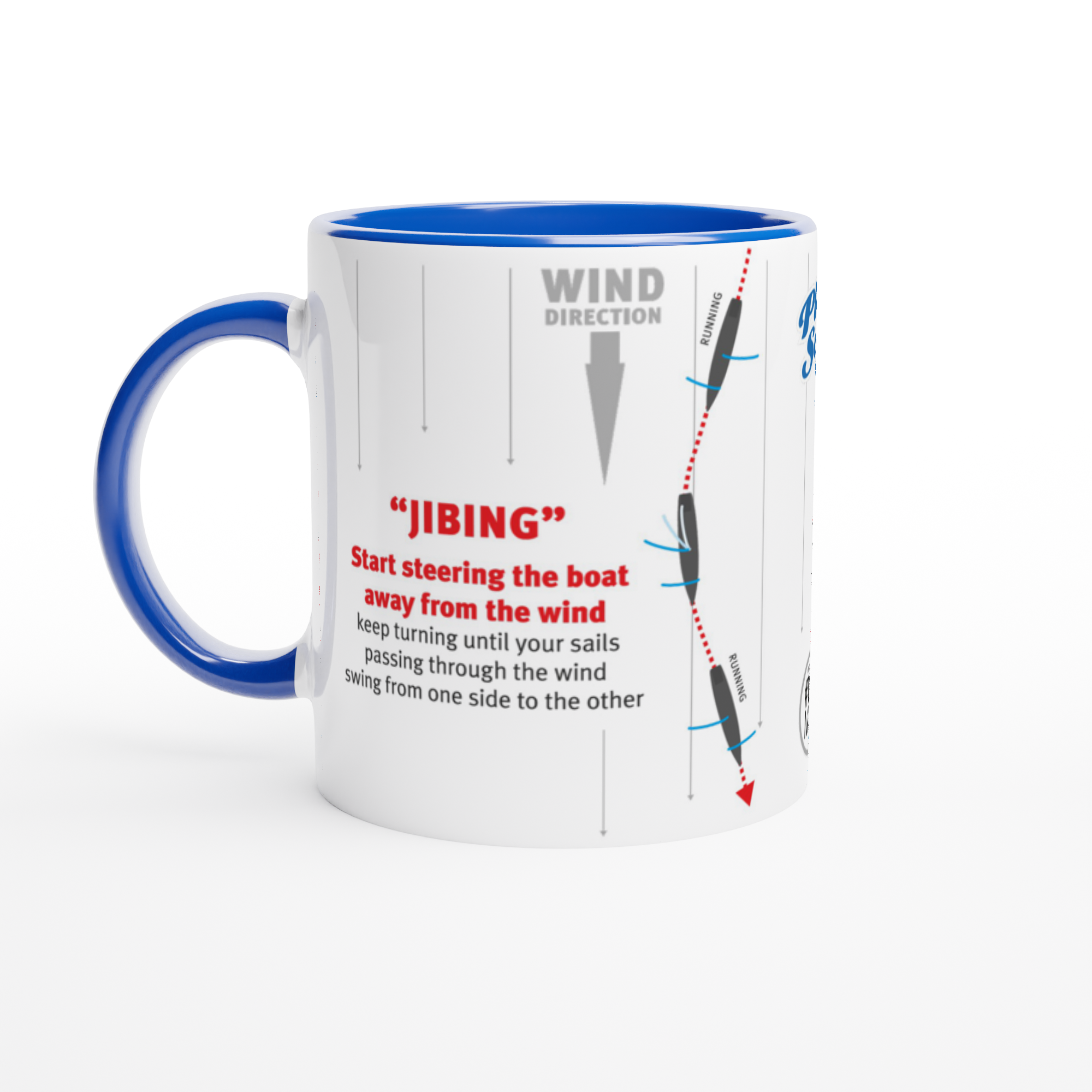
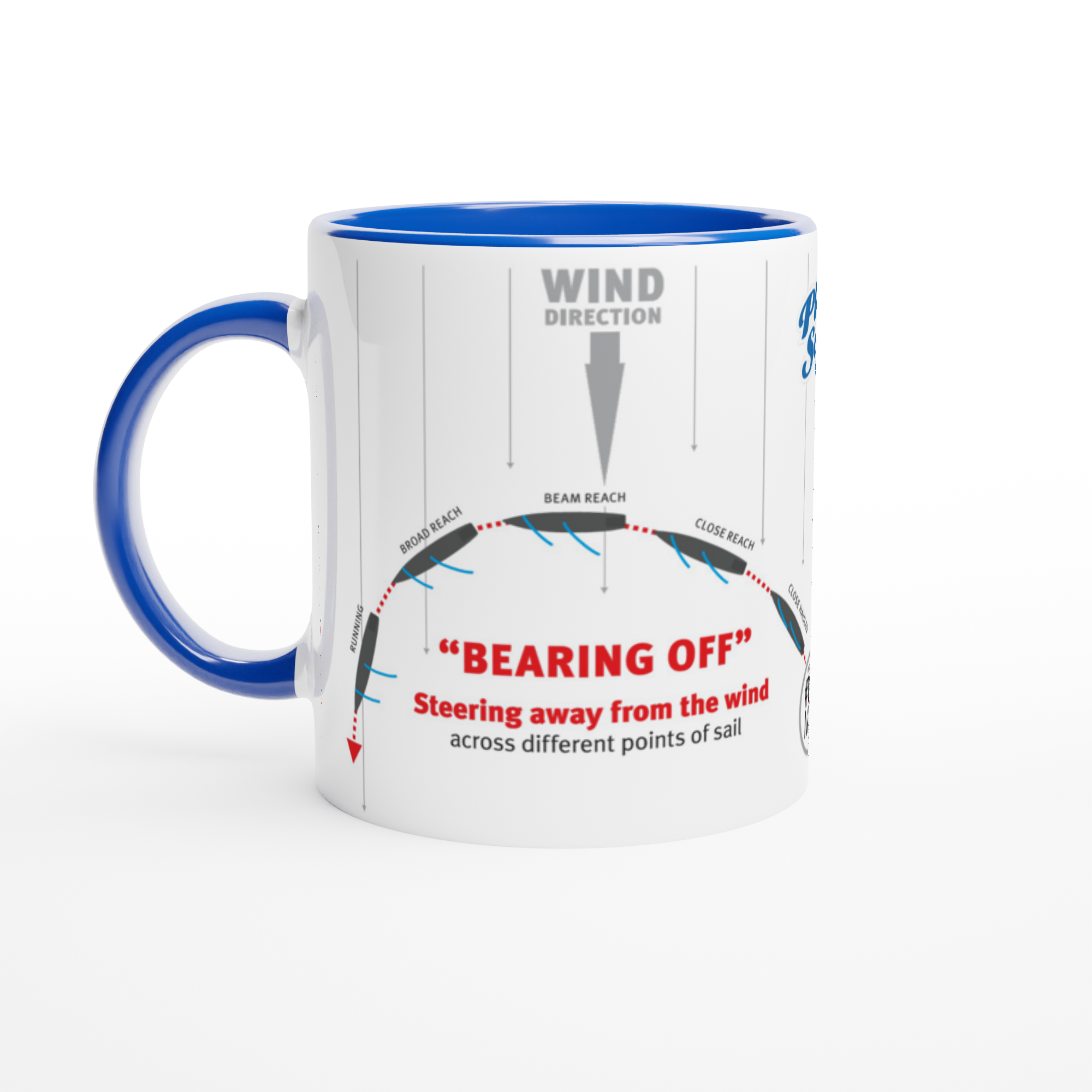
Share your #SAILING passion with an original mug [#TAGMUG E-SHOP]

Share your #SAILING passion with an original mug [#TAGMUG E-SHOP]


Explore RC Sailing with confidence:
Free resources at your fingertips >

Start your sailing adventure with our free online resources, designed especially for beginners. Learn the basics, gain essential skills, and build your confidence with expert tips, and easy-to-follow guides. No fees, no membership - just pure learning and fun. Discover Play2Sail Academy today!


When you are ready for more, delve deeper with our e-manual. It’s packed with detailed insights and practical advice to further enhance your rc sailing journey.

Sailors from 🇺🇸🇬🇧🇦🇺🇸🇪🇳🇿🇨🇦🇿🇦🇳🇱🇩🇪🇫🇷🇮🇳🇭🇰 have already downloaded it.

Sailors from 🇺🇸🇬🇧🇦🇺🇸🇪🇳🇿🇨🇦🇿🇦🇳🇱🇩🇪🇫🇷🇮🇳🇭🇰 have already downloaded it.


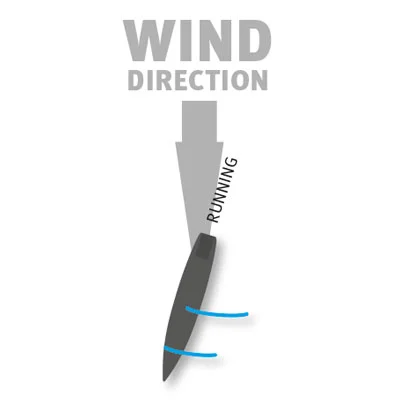
running point of sailing

wind coming from 180°

Radio sailing models running downwind: the mailsails and jibs are set to capture the wind coming at 180° degrees (sailing goosewinged).

Radio sailing models running downwind: the mailsails and jibs are set to capture the wind coming at 180° degrees (sailing goosewinged).

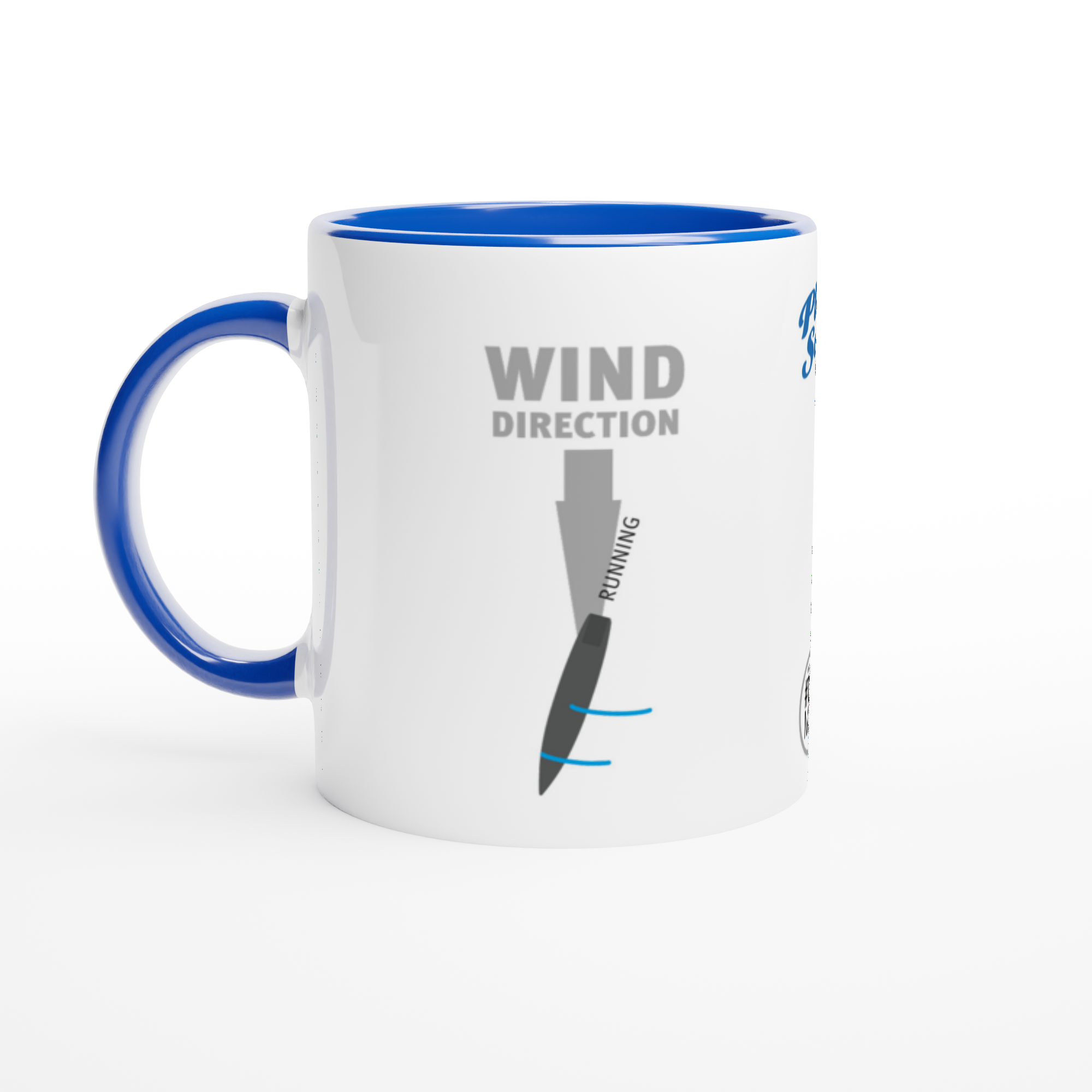
Running downwind (point of sail) points your boat straight in the same direction as the wind: the wind is intersecting your boat at a relative bearing of 6 o'clock (around 180° from the bow).


SAILS RIGHT ANGLE: Letting both out to their maximum position

Let mainsail and jib eased out on opposite sides of the boat (as into the image above), as much as possible from the centerline of the boat, to expose the maximum surface of sails to capture the wind coming from back.


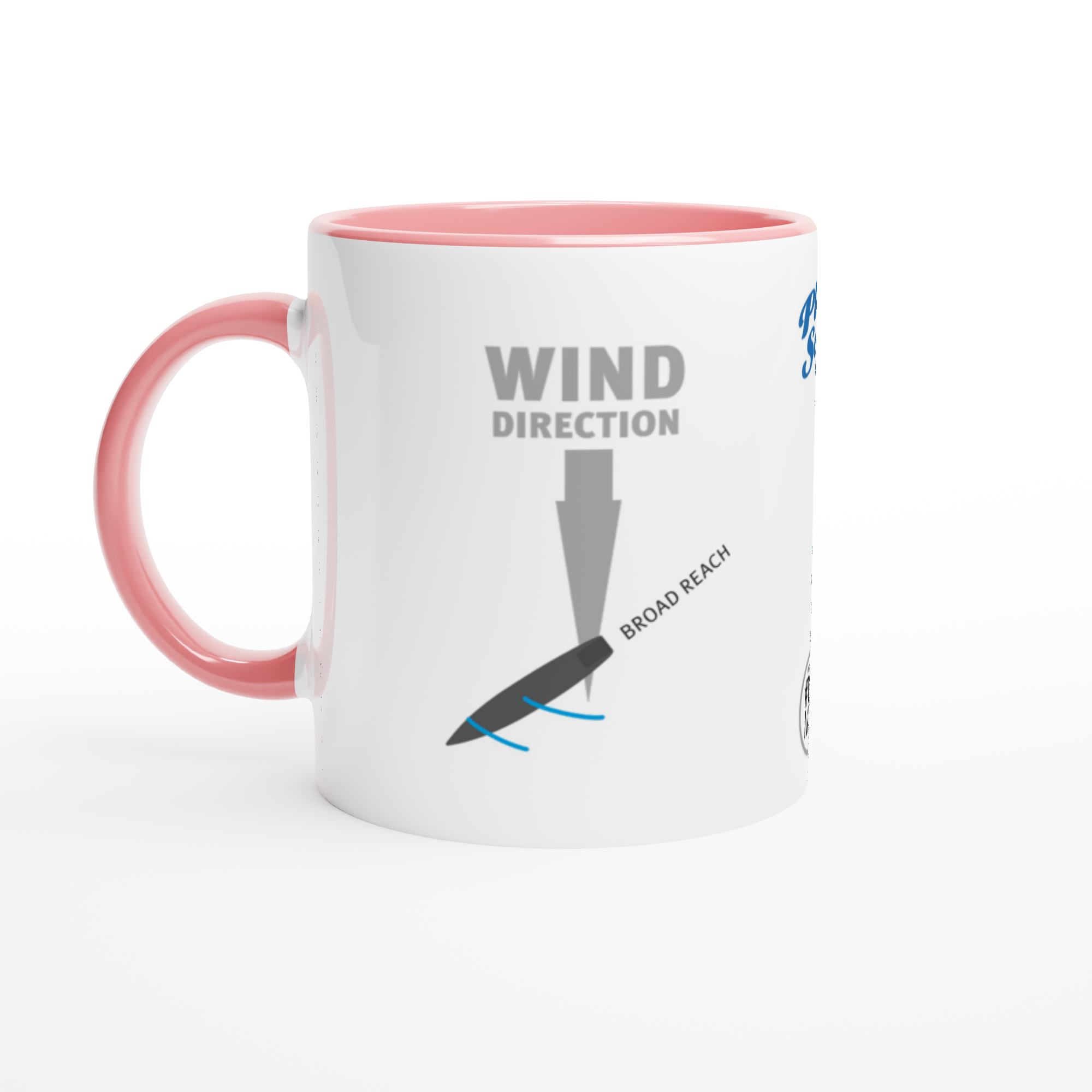
broad reach point of sailing

WIND COMING FROM 120/240°

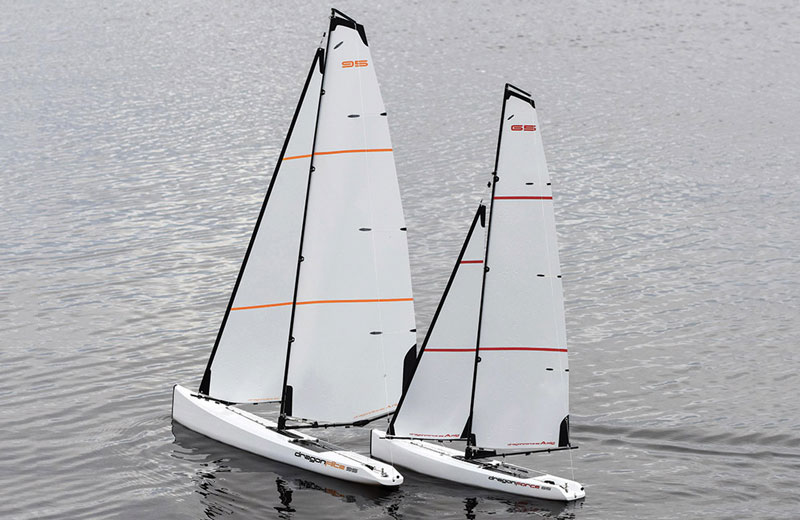
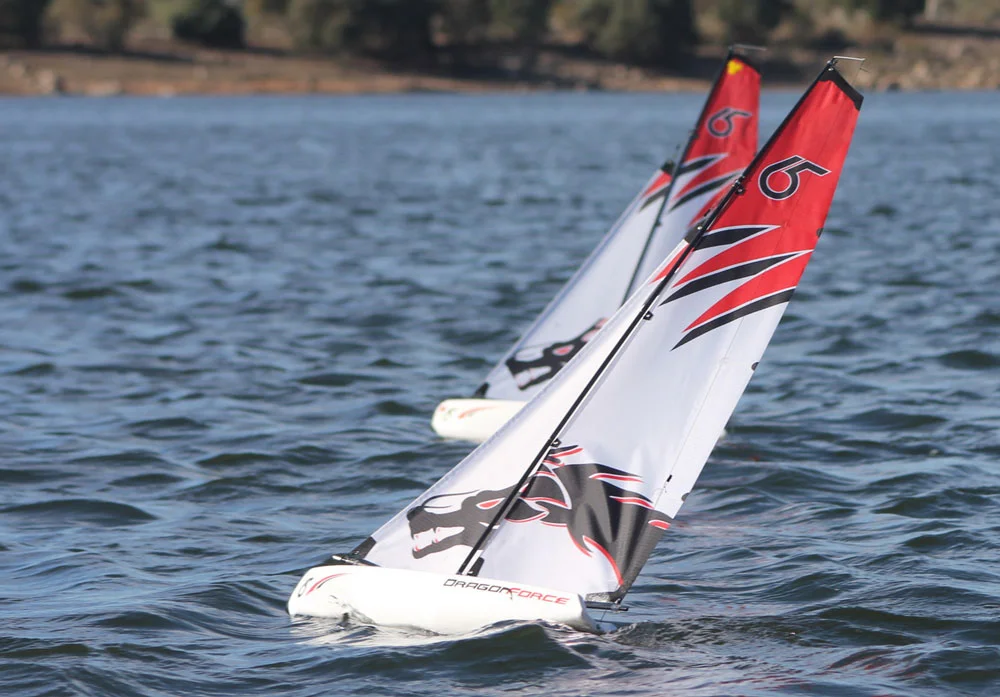
A Dragon Force 95 and a 65 sailing on a broad reach in calm waters.

A Dragon Force 95 and a 65 sailing on a broad reach in calm waters.

Broad Reach (point of sail): the wind blows over the boat's quarter, between the beam and the stern.  The sailing is heading you far off the wind (but not quite directly downwind): a bit further upwind, 135° off the wind.

A broad reach is faster rather than a point of sailing directly downwind since mainsail and jib receive more pressure from the wind.


SAILS RIGHT ANGLE: let your sails out a bit leSs.

 
Share your #SAILING passion with an exclusive INFO-POSTER PLAY2SAIL >

Share your #SAILING passion with an exclusive INFO-POSTER PLAY2SAIL >

beam reach poin of sailing

wind coming from 90/270°

Radio controlled boats sailing a fast beam reach.

Radio controlled boats sailing a fast beam reach.

Beam Reach (point of sail) moves your boat at the fastest speed: the wind blows on the side of your boat.
 

SAILS RIGHT ANGLE: let your sails out half way (Each at a position of 45°)


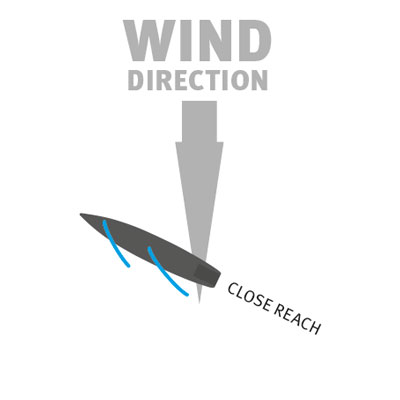
close reach point of sailing

wind coming from 60/300°

Radio yachts sailing on close reach after rounding a mark.

Radio yachts sailing on close reach after rounding a mark.

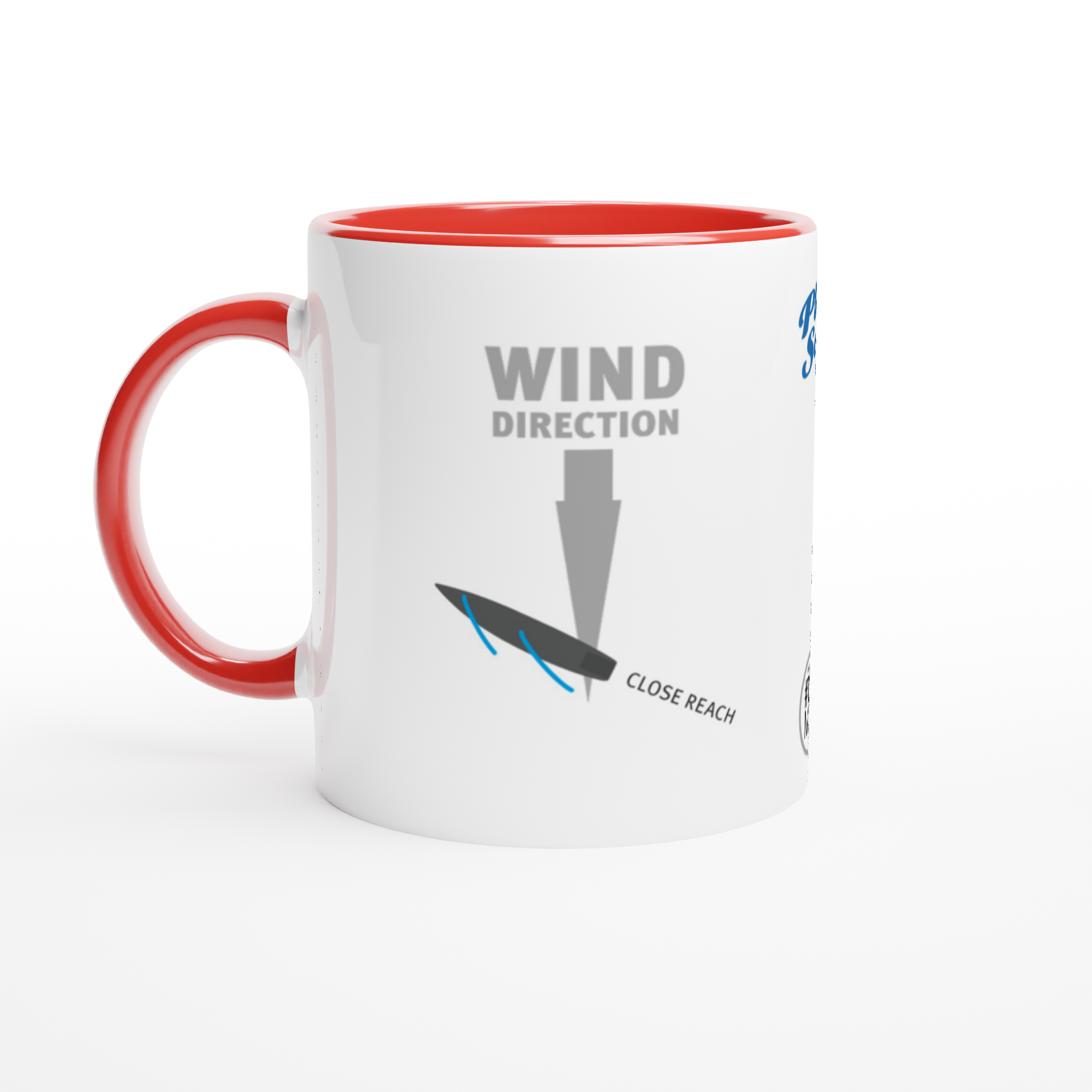
Close Reach (point of sail): here you sail with the wind forward of the beam: it reaches your boat with a relative bearing of 2 o'clock or 10 o'clock. 
 

SAILS RIGHT ANGLE: Pulling both in a little

Let the sails out until they flap then bring them in just to the point on no longer luffing. They are let out farther than when close hauled.


close hauled point of sailing

wind coming from 45/135°

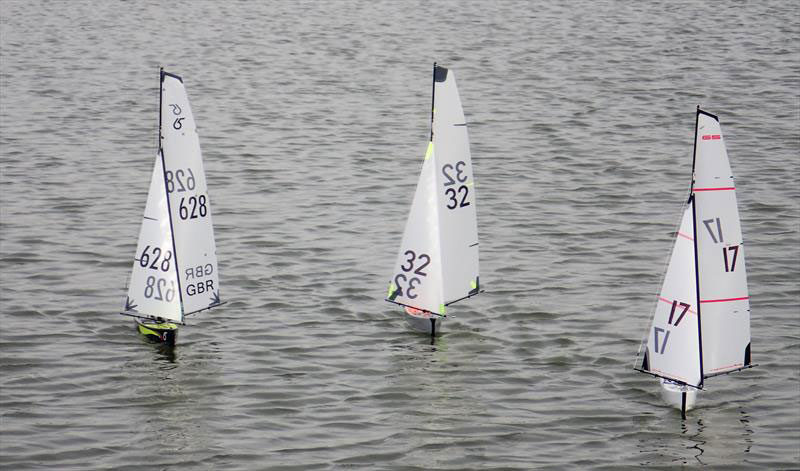
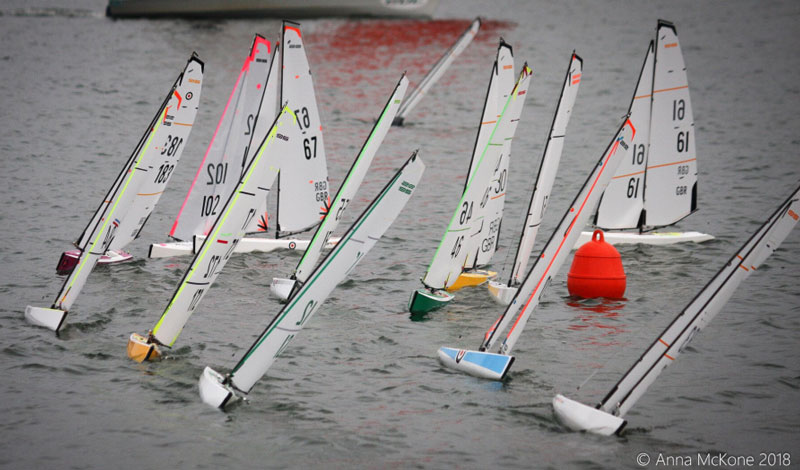
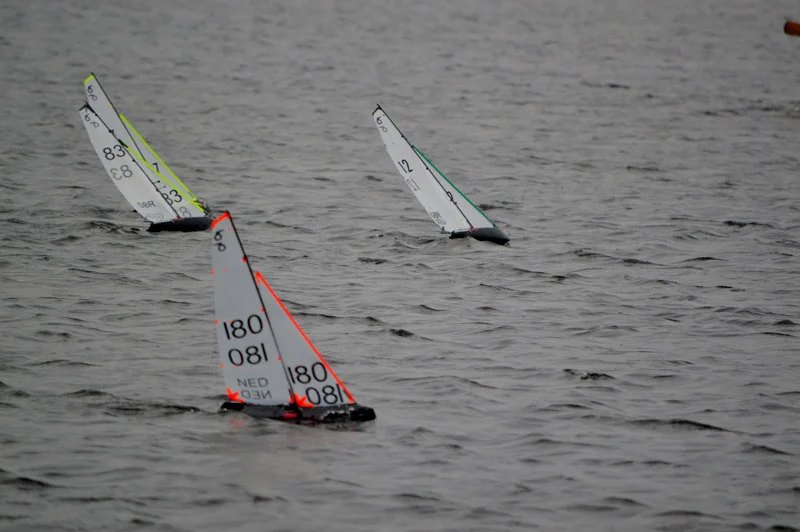
Radio yachts sailing upwind (beating) during a regatta.

Radio yachts sailing upwind (beating) during a regatta.

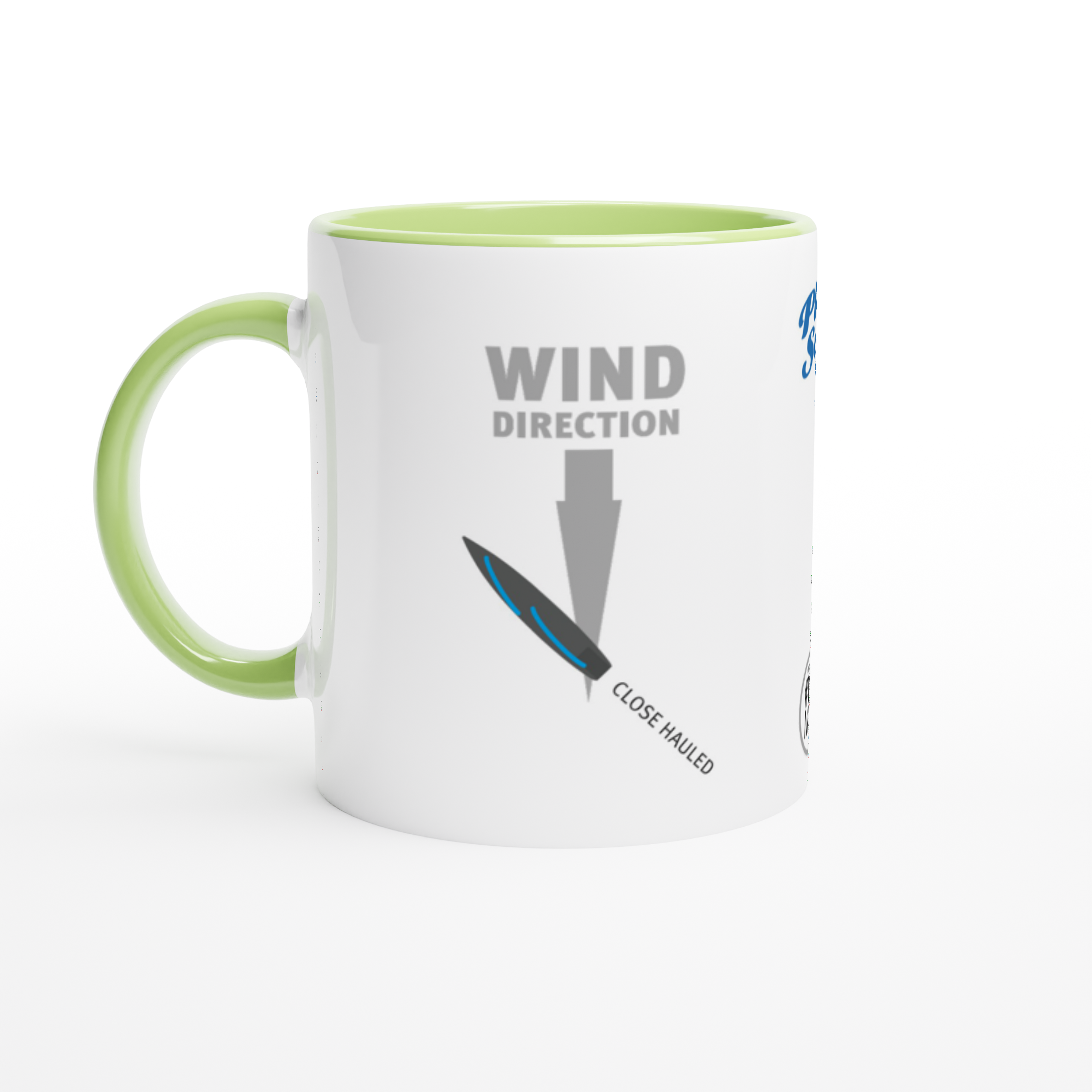
Close Hauled or Beating (point of sail) to windward involves tacking your boat through about 90 degrees from close hauled to close hauled through the no-go zone (since about 40/45 degrees off the wind is about as close as you can sailing upwind).
  

SAILS RIGHT ANGLE: Keeping pulled in

The mainsail and the jib are pulled in tight, and the boom is centered down the centerline of the boat. 


Sailing Learning made easy and simple: download the Play2Sail e-manual and improve your skills fast!


To start the radio-controlled yachting is easy but at Play2Sail we like to say also that: "to play is to learn", so here we share some really simple basics and tips of sailing, dedicated to everyone who wants to begin the fun of learning how to use the wind to "power" his sailboat - small or big - and get the most of the enjoyment on the water.

Enjoying our free RC sailing learning tips?


SHARE YOUR #SAILING PASSION:

 
Share your #SAILING passion with an exclusive INFO-POSTER PLAY2SAIL >

Share your #SAILING passion with an exclusive INFO-POSTER PLAY2SAIL >

Play to sail: basics to know the wind direction

DF65 radio sailboats sailing windward at the start of a regatta.

DF65 radio sailboats sailing windward at the start of a regatta.

To start the radio-controlled yachting is easy but at Play2Sail we like to say also that: "to play is to learn", so here we share some really simple basics and tips of sailing, dedicated to everyone who wants to begin the fun of learning how to use the wind to "power" his sailboat - small or big - and get the most of the enjoyment on the water.


FOCUS: Check from which direction the wind is blowing

[ Radio Sailing BasicS ]


The wind powers your sails, that are the “engine” to move your sailboat: in a sailboat the force generated by the wind is harnessed into forward drive.

A sailor need to know the wind direction to manage to capture it properly, acting on the sails position and acting on the steer, to direct the hull (in the right point of sail).


Check the direction of the wind first

Four easy ways to check the direction of the wind while steering your sailboat: 

 
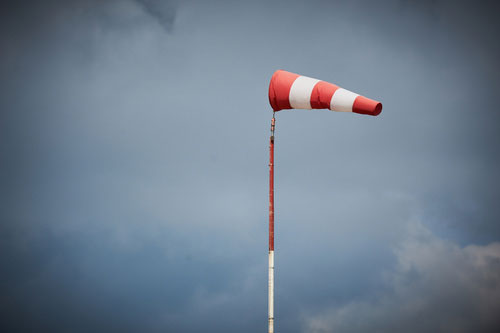
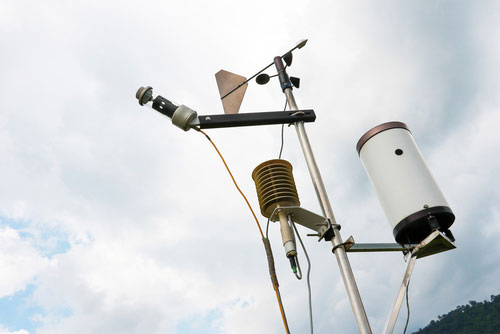
  • 1) Look around and see clues to the wind’s direction: look at surrounding flags, smoke, moving clouds or meteorological weather stations nearby.

 
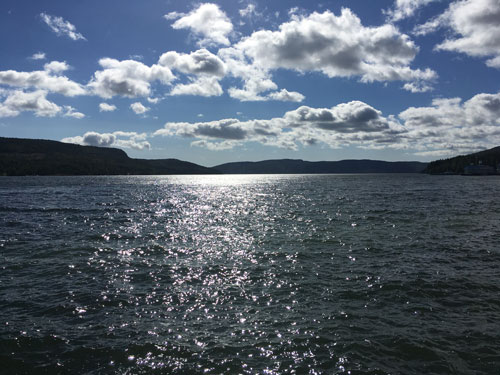
The ripples toward your point of view flow in the direction of the wind
  • 2) Look at the ripulse flow over the water surface. They are formed by the wind pushing the water and breaking its surface. The ripples flow in the direction of the wind.

 
  • 3) Simply to feel the direction of the wind using your body, your face / head or just by wetting a finger and pointing it upwards (the side of the that feels "cool" is approximately the direction from which the wind is blowing).

 
  • 4) Look for sailboats, how they set the sails or, if moored, look at the top of their masts: in which direction is the narrow side of their Windex wheather vanes pointing?


Explore RC Sailing with confidence:
Free resources at your fingertips >

Start your sailing adventure with our free online resources, designed especially for beginners. Learn the basics, gain essential skills, and build your confidence with expert tips, and easy-to-follow guides. No fees, no membership - just pure learning and fun. Discover Play2Sail Academy today!


When you are ready for more, delve deeper with our e-manual. It’s packed with detailed insights and practical advice to further enhance your rc sailing journey.

Sailing Learning made easy and simple: download the Play2Sail e-manual and improve your skills fast!


Enjoying our free RC sailing learning tips?

SHARE YOUR #SAILING PASSION:

Play to sail: 4 race courses for radio yachting

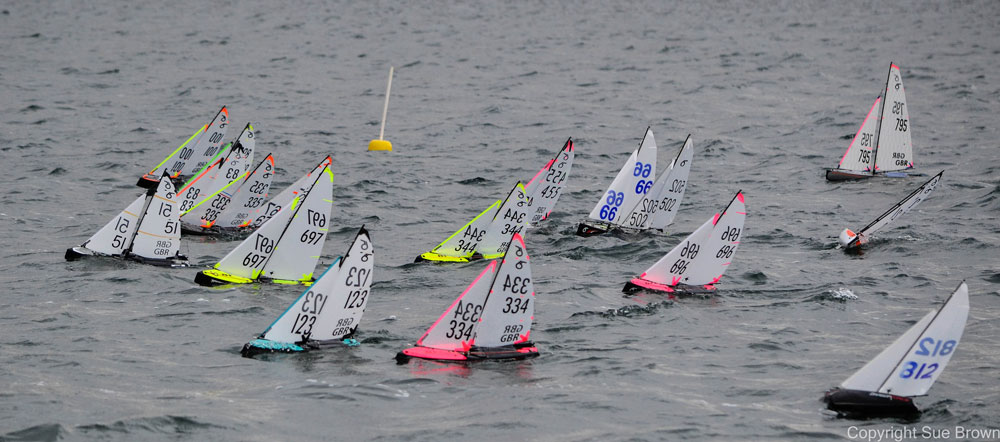
df65 radio yachts racing
 

A sailing race may have the purpose to reach a destination or, as per our radio sailing activities at P2S Arena, to race around a set of marks.

A regatta course consists of a start and finish line and legs separated by marks. The sailboats run the legs on different points of sailing in relation to the main wind direction - for a determined number of rounds of the complete course (usually one or two rounds, but sailors at the Play2Sail Arena are free to decide how to set their regatta).


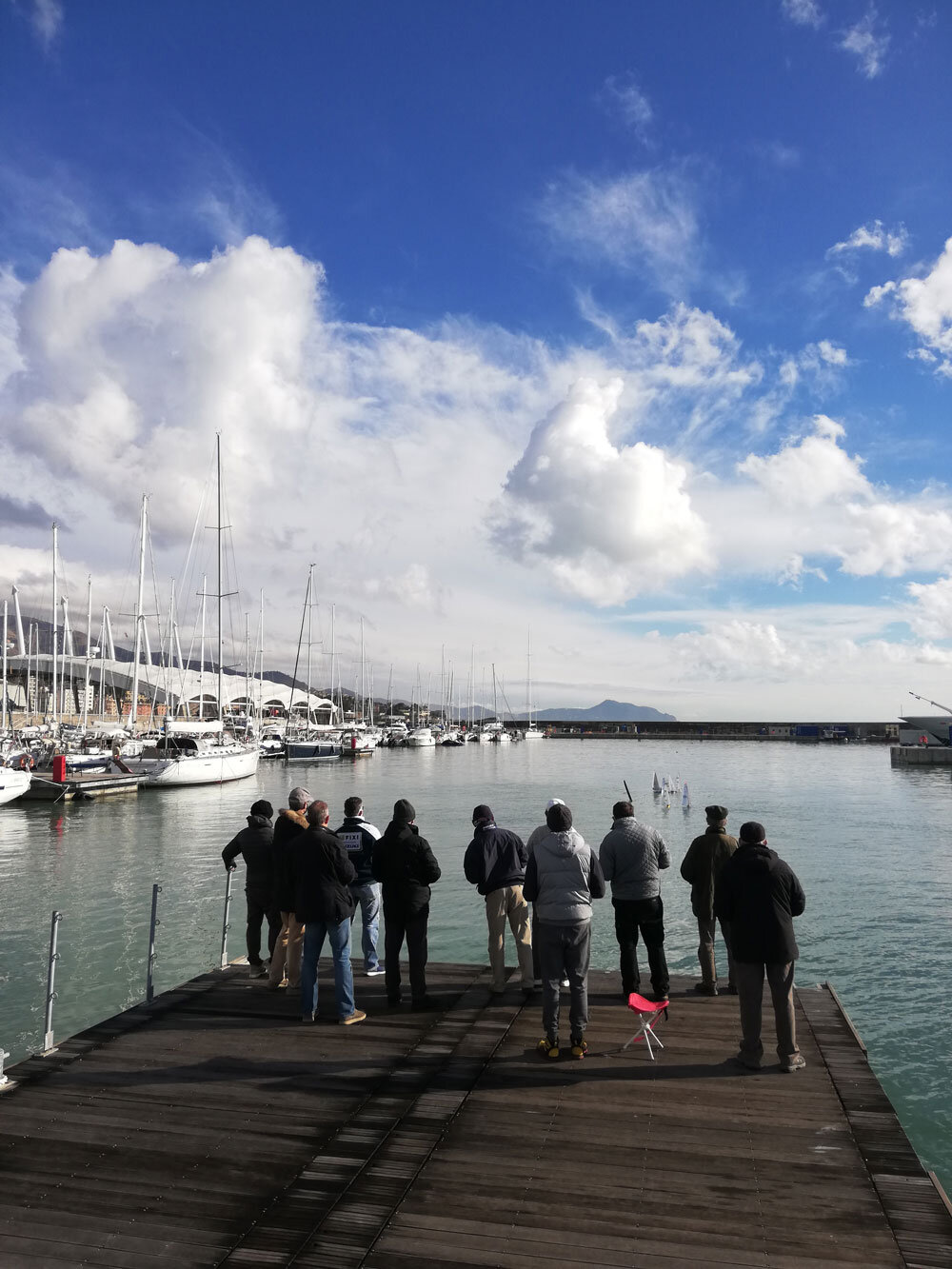
The video gives you an overview from the pier of the Play2Sail racing area at Docksta Havet.


There are 4 different race courses for rc yachting in the Play2Sail Arena

“Olympic”, “Triangle”, Windward-Leeward” and the “Arena” courses are what we suggest to sailors to enjoy racing their radio yachts at the top of the fun.

Here you find a diagram for every course, that shows the location of the marks and the sequence they must be rounded, plus a short description on how to sail the legs.

For all the courses, the START is set into the wind. The starting line is an imaginary straight line (usually about perpendicular to the wind direction) between two marks. So, after the start, the first leg is always towards the direction of the wind: sailboats need beating to windward at a course of about forty-five degrees and tacking to reach the mark upwind.

The diagrams below show the racing course set for the prevalent southerly wind at Docksta Havet Base Camp.


Elevate your RC Sailing skills:
Free resources at your fingertips >

As a skilled sailor, you know the value of continuous learning. Access our advanced free online resources to refine your techniques and build your confidence with expert insights. No fees, no membership - just pure learning and fun. Discover Play2Sail Academy today!


For a comprehensive deep dive, our e-manual is available for purchase, offering in deep knowledge and expert advice to take your skills to the next level.

Sailing Learning made easy and simple: download the Play2Sail e-manual and improve your skills fast!


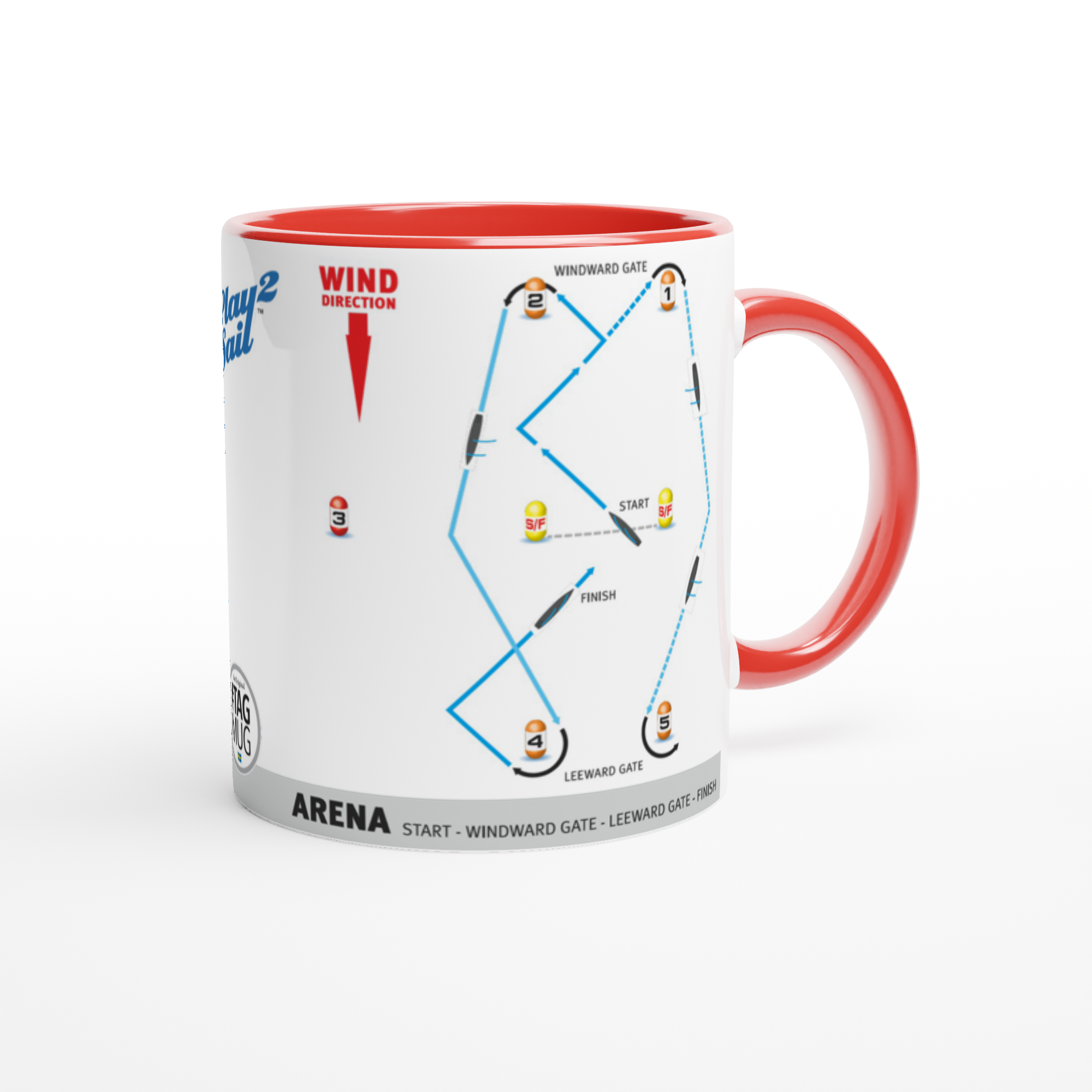
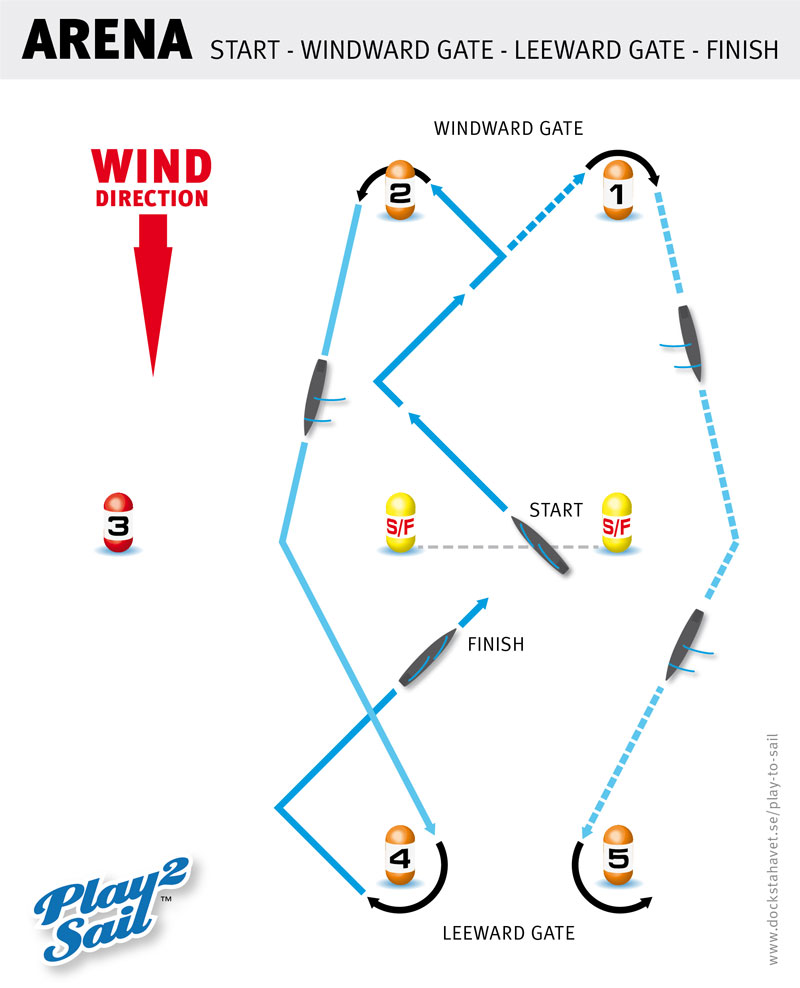
ARENA course

Play to sail - the ARENA course

Description:

  • START from the Start/Finish line between the yellow marks

  • Sail upwind toward the Windward gate

  • Pass into the Windward gate sailing around either the mark 1 or 2

  • Sail downwind toward the Leeward gate

  • Pass into the Leeward gate sailing around either the mark 4 or 5

  • Sail upwind to cross the FINISH line


TRIANGLE course

Play to sail - the TRIANGLE course

Description:

  • START from the Start/Finish line between the yellow marks

  • Sail upwind toward the Mark 1

  • Keep the mark 1 on your left and sail toward mark 3

  • Keep the mark 3 on your left and sail toward mark 5, that you will keep to your left to

  • Sail upwind and cross the FINISH line


WINDWARD/LEEWARD course

Play to sail - The windward/leeward course

Description:

  • START from the Start/Finish line between the yellow marks

  • Sail upwind toward the mark 1

  • Keep the mark 1 on your left and sail toward mark 2

  • Keep the mark 2 on your left and sail downwind toward the Leeward gate

  • Pass into the Leeward gate sailing around either the mark 4 or 5

  • Sail upwind to cross the FINISH line


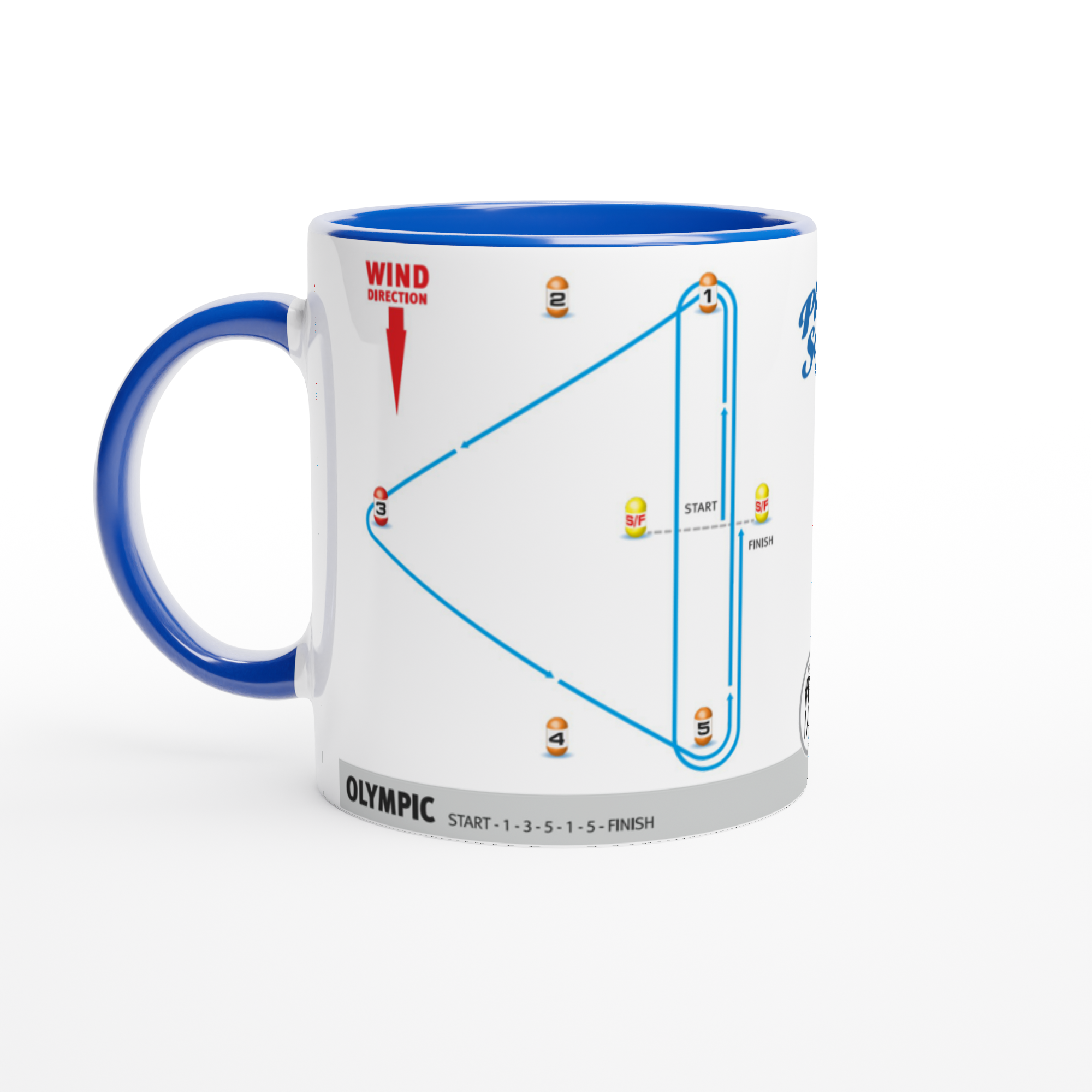
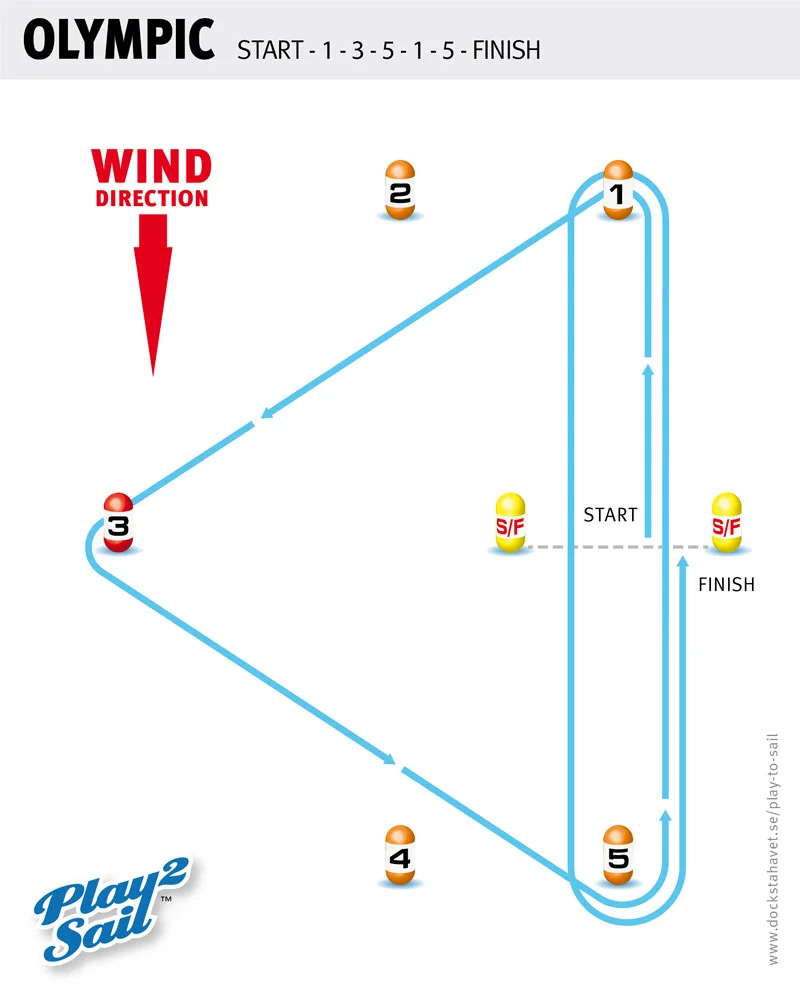
OLYMPIC course

Play to Sail - the Olympic course

Description:

  • START from the Start/Finish line between the yellow marks

  • Sail upwind toward the mark 1

  • Keep the mark 1 on your left and sail toward mark 3

  • Keep the mark 3 on your left and sail toward the mark 5

  • Keep the mark 5 on your left and sail upwind toward the mark 1

  • Keep the mark 1 on your left and sail downwind toward the mark 5

  • Keep the mark 5 on your left and sail upwind to cross the FINISH line

 
Share your #SAILING passion with an original mug [#TAGMUG E-SHOP]

Share your #SAILING passion with an original mug [#TAGMUG E-SHOP]

Dragon Force 65 sailboats running a leward leg of a racing course.

Dragon Force 65 sailboats running a leward leg of a racing course.

The racing rules of radio sailing set a sequence of visual signals and sound signals to warn sailors of the departure of a regatta. We suggest you this reading: how to become confident with the starting procedures of a radio sailing regatta >

If you like practice your maneuvers or compete against your friends, race or just sailing the provided course rounding the marks is a top fun sailing experience: you will learn a lot, improving your skills in all the conditions.


Enjoying our free RC sailing learning tips?

SHARE YOUR #SAILING PASSION AT COFFEE TIME:

"Winter Wonderland" recalls the perfect Höga Kusten sailing memories

#winterwonderland is becoming a very popular tag. No surprise.

 
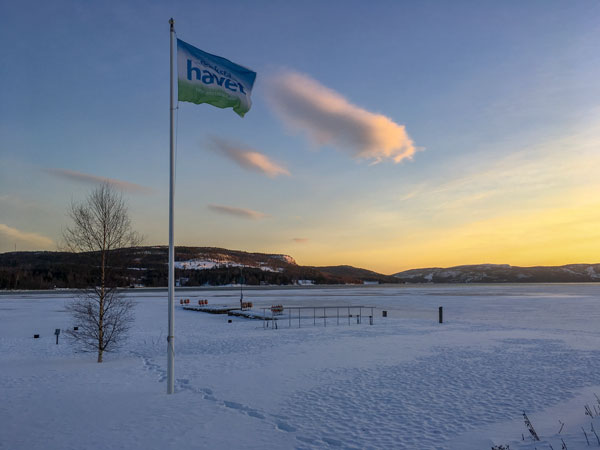
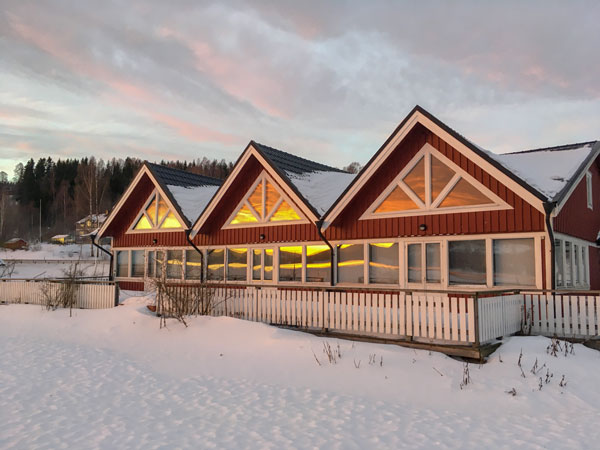
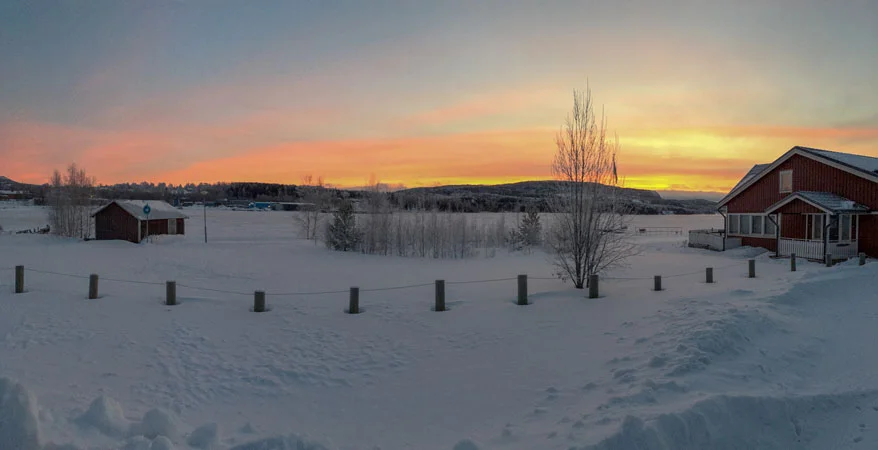
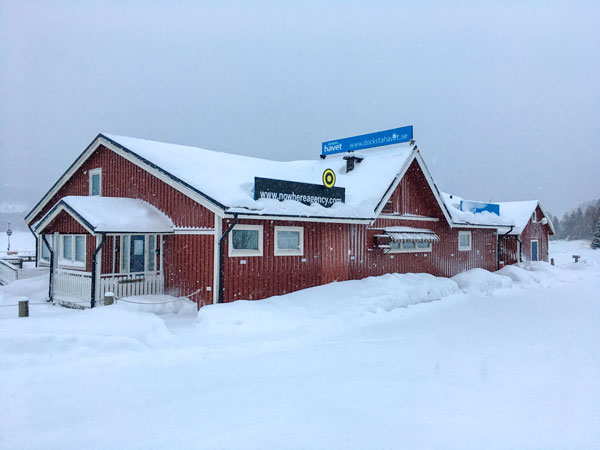
Winter view of the Docksta Havet Base Camp

In the Swedish High Coast people are getting crazy for the beauty of this Winter.

Now that the days are getting longer, looking outside the frozen piers of the marina becomes easy to start remember the... Summer!

A winter view of the docks

Looking at some of the short videos we shot last summer from the pier, we chose a couple of them to share with you, right now that the fjord is about to freeze all the way out to the sea :)


Overview #fromthepier of High Coast Sailors preparing their boats to leave the mooring in a beautiful morning to head in discovering the beauty of our coastal heritage.


IMG_7578.JPG

no matter if Winter Wonderland or Summer Wonderland...

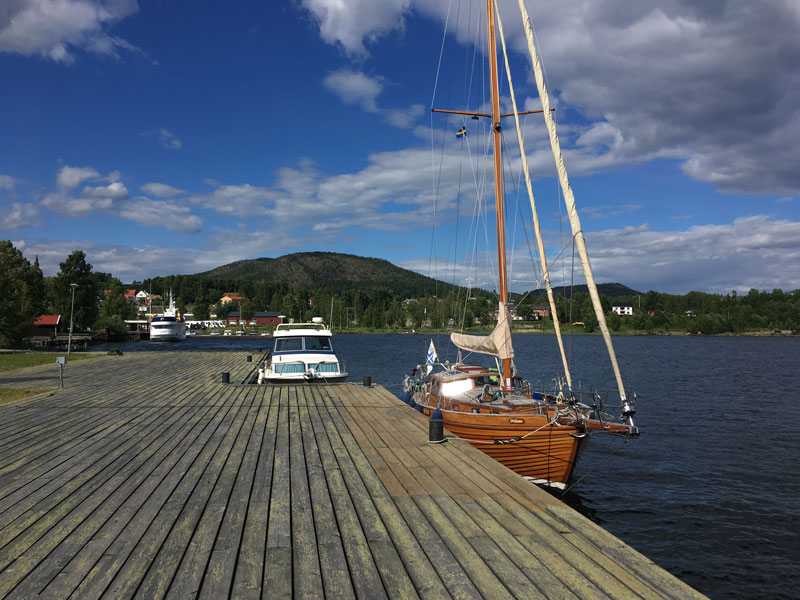
Summer view of Dockstafjärden from the piers of Docksta Havet Base Camp

...the High Coast by the seaside is always magic! So why don't you start to plan your next cruising in the High Coast from here:

Australian Sailors enjoy the High Coast sailing even late in the season

Even late in September - definitely "low" season, for Baltic cruisers - two Australian sailors enjoy the natural beauty of our coastal heritage.

This beautiful black sailing boat, flying Canadian flag and coming from Vancouver, paid a visit at Docksta Havet Base Camp. High Coast Sailors and their boats have always great stories to share with us! This time was no exception.

The boat was designed by the designer of the two "Gretel", Australian America's Cup yachts, and built in Canada by one of the two sailors onboard. "Skookum I" has a twin sister in Sidney. She was built - and is owned, by the second sailor aboard.

Skookum I, designed by Alan Payne and built in Canada

Skookum I, designed by Alan Payne and built in Canada

They have been exploring the Höga Kusten World Heritage together for the first time, cruising from south of Helsinki for a quick tour before the winter.

The crew of Skookum I arrives at Docksta marina's pier

During the couple of days spent at the marina in Docksta, they went to the Skuleberget but they have been not lucky with the weather, it was raining and foggy. So, they enjoyed riding to  Naturum and had lunch there.

Skookum I tender bikes are ready to take off the pier for Naturum
 

Free download here the map of the best outdoor activities
in the area of Skuleberget
, starting from the pier of Docksta Havet.


It was really nice to have them moored at the Base Camp and have a coffee together at the Sailor's Club House talking about boats & sailing! Here you see the short video we collected when they left the mooring to continue their cruising.


Finnish Sailors (on a beautiful boat) cruising the High Coast [VIDEO]

S/Y Ottiliana moored at Docksta Havet Base Camp

We collected some videos shared by the crew of the finnish sailing boat "Ottiliana" during their last summer cruising into the Höga Kusten. Particularly, they report their experience into the area of Skuleberget, the moment of taking off from the pier of the marina in Docksta and very nice moments of sailing into the Ullångersfjärden and Dockstafjärden.

VIDEO I

S/Y OTTILIANA sailing the Ullångersfjärden to Docksta

Höga Kusten tour 2017

HIGH COAST SAILOR'S TIPS | Explore with your boat the more internal coast: sailing to Skuleberget and Skuleskogen National Park >


VIDEO II

High Coast Sailors & Friends exploring the top of Skuleberget starting #fromthepier at Docksta Havet Base Camp

Höga Kusten tour 2017


VIDEO III

Great sunny & windy sailing from Docksta to discover the stunning coastline of the Höga Kusten World Heritage

Höga Kusten tour 2017

 
S/Y Ottiliana moored at Docksta Havet Base Camp with on background the Skuleberget

S/Y Ottiliana moored at Docksta Havet Base Camp with on background the Skuleberget


Short presentation of Ottiliana and content of her YouTube channel.

FEW INFO ABOUT THE BEAUTIFUL WOODEN BOAT "OTTILIANA"

S/Y Ottiliana is a traditionally clinker built cutter rigged sailing boat. Materials used to build her are finnish pine, teak, mahogny, iroko and Siberian larch. Grand Scylla type boat was built in Luvia Sådö boat yard by Björn "Nalle" Nyberg and launched 2003. Here will be shown videos of maintaining and sailing Ottiliana in the Baltic and in the archipelago.


Not only the High Coast is lifting up! The Docks' "uplifting experience"

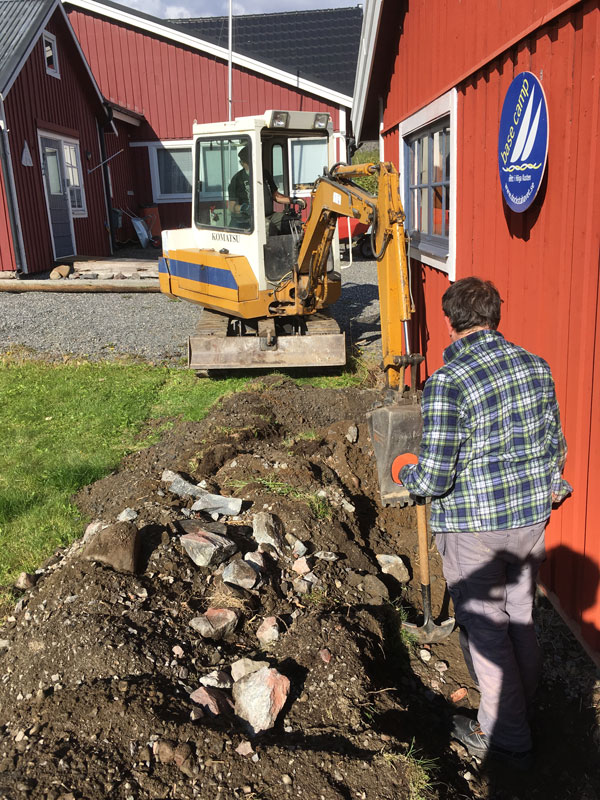
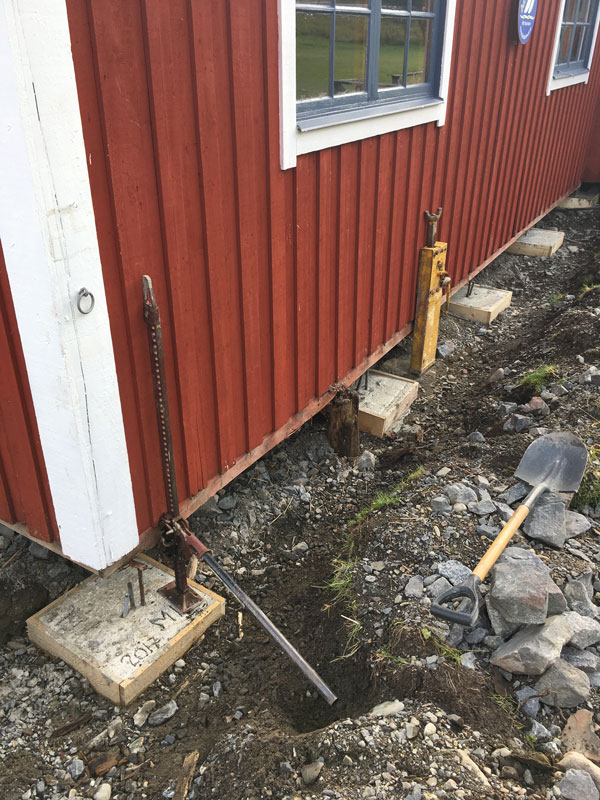
The fact that the High Coast is experiencing an uplift does not mean that everything else lifts up accordingly... For example, our Docks. That on the contrary, during last few years, tended to sink... So this year it was time to take care of the problem. As soon as the season was over, we started to dig out the Sailor's Club House's perimeter to reinforce the foundations and lift (and straight) up the building...

And finally, we were also able to fix the gutter...


Discovering the High Coast | Seaside impressions Vol. 2

The Ullångersfjärden near Sjöland, Ullånger

The Ullångersfjärden near Sjöland, Ullånger

With this publication we wanted to collect a gallery of images and impressions of one of the most fantastic seaside destination in Sweden, the High Coast / Höga Kusten World Heritage.

Being so many the pictures we thought that deserved to be shared, it ended up in publishing two volumes. Here is the post we made about Volume 1.

They portrait the High Coast coastline in different seasons. Most of the pictures have been taken aroung Ullångersfjärden, but Storsand and Rotsidan are well represented too :)

We hope that these Seaside Impressions lighted up your imagination :) And what not to...

Start planning your next cruise to the High Coast:

There is so much to do and see, but - beyond the basics - a safe mooring in the heart of the High Coast is a perfect base camp to start exploring the area >

Discovering the High Coast | Seaside impressions Vol. 1

The Dockstafjärden near Sandvik

The Dockstafjärden near Sandvik

With this publication we wanted to collect a gallery of images and impressions of one of the most fantastic seaside destination in Sweden, the High Coast / Höga Kusten World Heritage.

Being so many the pictures we thought that deserved to be shared, it ended up in publishing two volumes. They portrait the High Coast coastline in different seasons including winter - not suitable for sailing unless you want to thrill the fjord on an ice boat. Which is actually possible since Ullångersfjärden and Dockstafjärden are freezing during several months in winter :)

The skötbåt of Wille Norberg is back home in Docksta

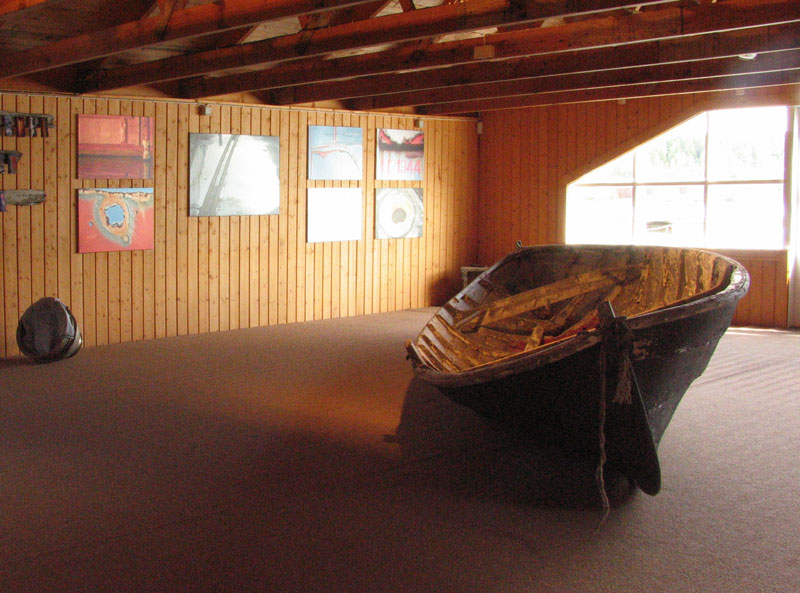
Our skötbåt in the main room of the Docks at Docksta Havet Base Camp

Some months ago we launched an appeal on this website trying to rebuild the history of our fishing boat at Docksta Havet.
We had many feedbacks and first of all we'd like to thank you all for helping :-)
The most probable track we had is the following, and we really have no reason not to believe it's the one.
It's very fascinating indeed the link we found with Sandvikens Fiskeläge (we told about in March), since our boat is supposed to be stationed there in the fishing base camp of Docksta fishermen.
The photo database of the Länsmuseet of Västernorrland, we - by the way - suggest you to visit in Härnösand, has been key helpful in our research. The pictures that enrich this article come from there, and is in the additional description of one of them that we understood our boat's origin.

Which kind of boat it was?
It was the first question. It's a fishing boat: more particularly, it is a skötbåt, the typical boat to fish Baltic Herring with nets. Here below we add the fact file about the skötbåt from the Skellefteå Society of Rustic Boats.

Fisherman sorting out strömming on a skötbåt

Skötbåt
Known as a word since 1600. 'Sköt' is the name of the net that is used to catch Baltic Herring. The boat is around 7,2 m x 1,7 and was clinker-built, originally with four board. Since we have no archipelago it was used on open sea, but near the coast. Was sailed with square sails and later on spritsails. Here below a more detailed description in swedish.

Fishermen fishing on a skötbåt


Förekomst Skötbåten har funnits i många hundra år utefter norrlandskusten. Storleken cirka 24-26 fot (cirka 8 meter) har varierat något i utförande såväl i norra som i södra länen. Olika båtbyggare har traditionellt utformat sina båtar efter eget huvud. Med tiden har vissa detaljer förändrats, till exempel rakare, rundare eller mer eller mindre fallande stävar. Olika båtar blir därför ibland svåra att hänföra till en viss båttyp.
Särdrag Skötbåtens form gjordes så att sen skulle vara lätt att ro och möjlig att segla ibland. Samtidigt skulle den bära stora fångster och gå bra i grov sjö. Norrlandskusten har ju dålig och bitvis ingen skärgård, man är ute på öppna havet direkt. Därav kravet på sjövärdiga båtar.
Byggare Under tidigare århundraden byggdes båtarna av sina ägare med medhjälpare under vinterhalvåret. Senare blev det fler och fler som specialiserade sig, skaffade mera hjälpmedel och verktyg och byggde under större delen av året, till exempel Viklundarna från Bjurön.
Under höstarna sökte man självvuxna krokar och rotben, vridna träd för kinningar och övrigt lämpligt båtvirke. Allt virke fick lufttorka minst ett år. Det vanligaste träslaget var furu, men även granbåtar tillverkades
Motorn Då motorerna började monteras i fiskebåtarna kring 1910-1920 blev man tvingad till lite modelländringar. Kravet blev "större bärighet i akterskeppet". Akterstäven fick en något tjockare och annorlunda utformning, så att motoraxeln kunde monteras genom akterstäven. Propellern skulle ha sin plats. Detta ledde till en förändrad form på akterstäv och roder, samt fastsättning av detta.
Modernisering I slutet av 1940-talet började man bygga små akterruffar. Det blev bekvämare. Med motor blev det också längre resor ut till havs. Strömmingsfiskarna låg ju ofta kvar vid skötarna (strömmingsnäten) under nätterna.
Under 1950-talet började man även underlätta vid bärgandet av skötar. Det monterades rullar, antingen på förstäven eller på sudbandet. Skötarna drogs upp över dessa.

Font: Skellefteå Society of Rustic Boats (Skellefteå Allmogebåtar)

Who was the first owner?
Probably was a boat of Wille Norberg, a fisherman from Docksta. But here is the picture we were talking about and below the description as published by the Västernorrlands Länsmuseet:

© Länsmuseet Västernorrlands bildarkiv

© Länsmuseet Västernorrlands bildarkiv

Från Sandviken, Nätra Socken, Örnsköldsvik, Ulvön, Ångermanland, Västernorrland
Fotot är daterat till 1940
Fotograf: Bo Hellman
Bildnr: U1050

Övrig information om bilden: 
Wille Norberg från Docksta blev så småningen ensam fiskare i Sandviken. Här syns hans skötbåt och i förgrunden en sidorull som skötarna drogs upp över. 
Julius Söderberg har hjälpt mig med texten till bilderna från Sandvikens fiskeläge. 
Uppgifterna har lämnats vid besök 2004-10-22 av Birgitta Wedin. 

Kommentarer från Internetbesökare: 
Sven Bodin: NORBERG, WILHELM, Docksta, f. 7 jan. 1909 i Vibyggerå, son till Nils Norberg och Karolina, född Viberg. Gift 1 juni 1940 m. Mary Nyberg. Barn: Börje Wilh. Ragnvald. Fiskets art: strömming, laxfiske. 1 motorbåt, 1 roddbåt. Redskap: skötar, sillnät, krok, fisknät, laxlinor, laxrevar. Brodern Gustav Norberg deltar i fisket. Näringen har inom släkten bedriven i 4 generationer.

So that's it. :-) The fishing boat of a fisherman from Docksta. Quite expected - you may say. But in the reality to reconnect the traces of the history of a boat is never "expected". Now we know definitely more, and we've a base to start from for the deepening.