Sailing

Finnish Sailors (on a beautiful boat) cruising the High Coast [VIDEO]

S/Y Ottiliana moored at Docksta Havet Base Camp

We collected some videos shared by the crew of the finnish sailing boat "Ottiliana" during their last summer cruising into the Höga Kusten. Particularly, they report their experience into the area of Skuleberget, the moment of taking off from the pier of the marina in Docksta and very nice moments of sailing into the Ullångersfjärden and Dockstafjärden.

VIDEO I

S/Y OTTILIANA sailing the Ullångersfjärden to Docksta

Höga Kusten tour 2017

HIGH COAST SAILOR'S TIPS | Explore with your boat the more internal coast: sailing to Skuleberget and Skuleskogen National Park >


VIDEO II

High Coast Sailors & Friends exploring the top of Skuleberget starting #fromthepier at Docksta Havet Base Camp

Höga Kusten tour 2017


VIDEO III

Great sunny & windy sailing from Docksta to discover the stunning coastline of the Höga Kusten World Heritage

Höga Kusten tour 2017
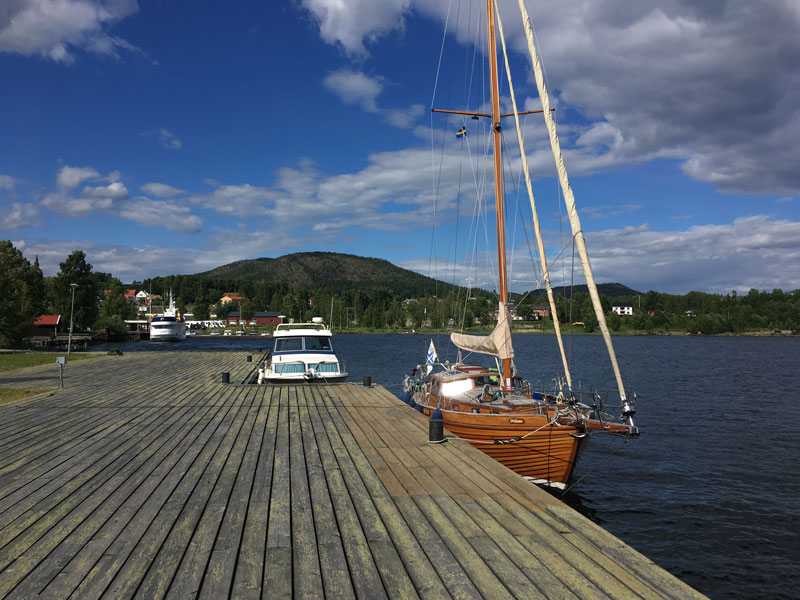
 
S/Y Ottiliana moored at Docksta Havet Base Camp with on background the Skuleberget

S/Y Ottiliana moored at Docksta Havet Base Camp with on background the Skuleberget

YOUR BOAT SAFELY MOORED CLOSE TO SKULEBERGET >
 

Short presentation of Ottiliana and content of her YouTube channel.

FEW INFO ABOUT THE BEAUTIFUL WOODEN BOAT "OTTILIANA"

S/Y Ottiliana is a traditionally clinker built cutter rigged sailing boat. Materials used to build her are finnish pine, teak, mahogny, iroko and Siberian larch. Grand Scylla type boat was built in Luvia Sådö boat yard by Björn "Nalle" Nyberg and launched 2003. Here will be shown videos of maintaining and sailing Ottiliana in the Baltic and in the archipelago.

 
MORE VIDEOS OF OTTILIANA SAILING THE HIGH COAST [ON YOUTUBE] >

Not only the High Coast is lifting up! The Docks' "uplifting experience"

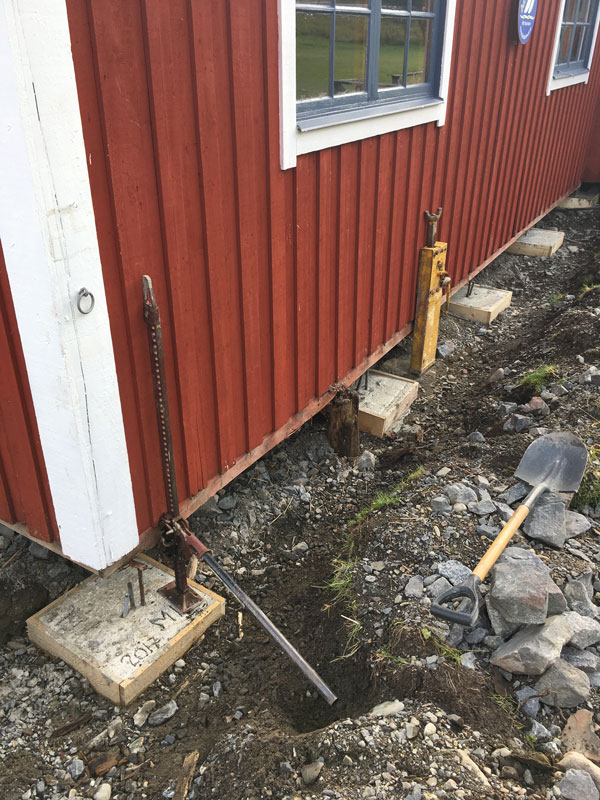
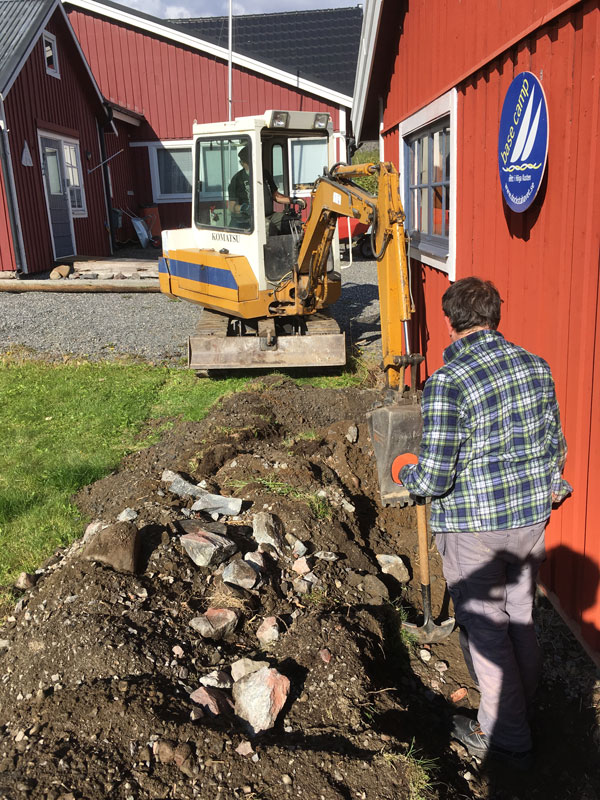
The fact that the High Coast is experiencing an uplift does not mean that everything else lifts up accordingly... For example, our Docks. That on the contrary, during last few years, tended to sink... So this year it was time to take care of the problem. As soon as the season was over, we started to dig out the Sailor's Club House's perimeter to reinforce the foundations and lift (and straight) up the building...

And finally, we were also able to fix the gutter...

We told about High Coast's uplift here >


Discovering the High Coast | Seaside impressions Vol. 2

The Ullångersfjärden near Sjöland, Ullånger

The Ullångersfjärden near Sjöland, Ullånger

With this publication we wanted to collect a gallery of images and impressions of one of the most fantastic seaside destination in Sweden, the High Coast / Höga Kusten World Heritage.

Being so many the pictures we thought that deserved to be shared, it ended up in publishing two volumes. Here is the post we made about Volume 1.

They portrait the High Coast coastline in different seasons. Most of the pictures have been taken aroung Ullångersfjärden, but Storsand and Rotsidan are well represented too :)

in case you landed on the volume 2, you won't miss the volume 1 >

We hope that these Seaside Impressions lighted up your imagination :) And what not to...

Start planning your next cruise to the High Coast:

There is so much to do and see, but - beyond the basics - a safe mooring in the heart of the High Coast is a perfect base camp to start exploring the area >

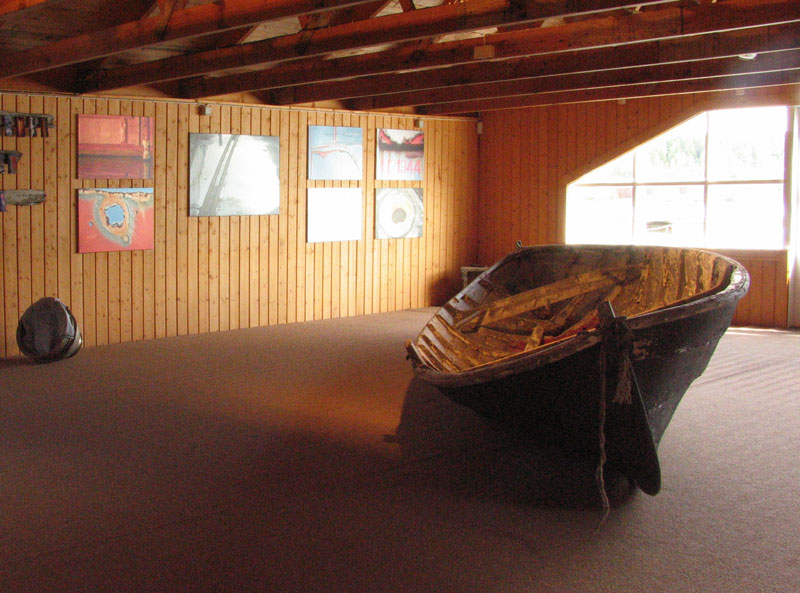
The skötbåt of Wille Norberg is back home in Docksta

Our skötbåt in the main room of the Docks at Docksta Havet Base Camp

Some months ago we launched an appeal on this website trying to rebuild the history of our fishing boat at Docksta Havet.
We had many feedbacks and first of all we'd like to thank you all for helping :-)
The most probable track we had is the following, and we really have no reason not to believe it's the one.
It's very fascinating indeed the link we found with Sandvikens Fiskeläge (we told about in March), since our boat is supposed to be stationed there in the fishing base camp of Docksta fishermen.
The photo database of the Länsmuseet of Västernorrland, we - by the way - suggest you to visit in Härnösand, has been key helpful in our research. The pictures that enrich this article come from there, and is in the additional description of one of them that we understood our boat's origin.

Which kind of boat it was?
It was the first question. It's a fishing boat: more particularly, it is a skötbåt, the typical boat to fish Baltic Herring with nets. Here below we add the fact file about the skötbåt from the Skellefteå Society of Rustic Boats.

Fisherman sorting out strömming on a skötbåt

Skötbåt
Known as a word since 1600. 'Sköt' is the name of the net that is used to catch Baltic Herring. The boat is around 7,2 m x 1,7 and was clinker-built, originally with four board. Since we have no archipelago it was used on open sea, but near the coast. Was sailed with square sails and later on spritsails. Here below a more detailed description in swedish.

Fishermen fishing on a skötbåt


Förekomst Skötbåten har funnits i många hundra år utefter norrlandskusten. Storleken cirka 24-26 fot (cirka 8 meter) har varierat något i utförande såväl i norra som i södra länen. Olika båtbyggare har traditionellt utformat sina båtar efter eget huvud. Med tiden har vissa detaljer förändrats, till exempel rakare, rundare eller mer eller mindre fallande stävar. Olika båtar blir därför ibland svåra att hänföra till en viss båttyp.
Särdrag Skötbåtens form gjordes så att sen skulle vara lätt att ro och möjlig att segla ibland. Samtidigt skulle den bära stora fångster och gå bra i grov sjö. Norrlandskusten har ju dålig och bitvis ingen skärgård, man är ute på öppna havet direkt. Därav kravet på sjövärdiga båtar.
Byggare Under tidigare århundraden byggdes båtarna av sina ägare med medhjälpare under vinterhalvåret. Senare blev det fler och fler som specialiserade sig, skaffade mera hjälpmedel och verktyg och byggde under större delen av året, till exempel Viklundarna från Bjurön.
Under höstarna sökte man självvuxna krokar och rotben, vridna träd för kinningar och övrigt lämpligt båtvirke. Allt virke fick lufttorka minst ett år. Det vanligaste träslaget var furu, men även granbåtar tillverkades
Motorn Då motorerna började monteras i fiskebåtarna kring 1910-1920 blev man tvingad till lite modelländringar. Kravet blev "större bärighet i akterskeppet". Akterstäven fick en något tjockare och annorlunda utformning, så att motoraxeln kunde monteras genom akterstäven. Propellern skulle ha sin plats. Detta ledde till en förändrad form på akterstäv och roder, samt fastsättning av detta.
Modernisering I slutet av 1940-talet började man bygga små akterruffar. Det blev bekvämare. Med motor blev det också längre resor ut till havs. Strömmingsfiskarna låg ju ofta kvar vid skötarna (strömmingsnäten) under nätterna.
Under 1950-talet började man även underlätta vid bärgandet av skötar. Det monterades rullar, antingen på förstäven eller på sudbandet. Skötarna drogs upp över dessa.

Font: Skellefteå Society of Rustic Boats (Skellefteå Allmogebåtar)

Who was the first owner?
Probably was a boat of Wille Norberg, a fisherman from Docksta. But here is the picture we were talking about and below the description as published by the Västernorrlands Länsmuseet:

© Länsmuseet Västernorrlands bildarkiv

© Länsmuseet Västernorrlands bildarkiv

Från Sandviken, Nätra Socken, Örnsköldsvik, Ulvön, Ångermanland, Västernorrland
Fotot är daterat till 1940
Fotograf: Bo Hellman
Bildnr: U1050

Övrig information om bilden: 
Wille Norberg från Docksta blev så småningen ensam fiskare i Sandviken. Här syns hans skötbåt och i förgrunden en sidorull som skötarna drogs upp över. 
Julius Söderberg har hjälpt mig med texten till bilderna från Sandvikens fiskeläge. 
Uppgifterna har lämnats vid besök 2004-10-22 av Birgitta Wedin. 

Kommentarer från Internetbesökare: 
Sven Bodin: NORBERG, WILHELM, Docksta, f. 7 jan. 1909 i Vibyggerå, son till Nils Norberg och Karolina, född Viberg. Gift 1 juni 1940 m. Mary Nyberg. Barn: Börje Wilh. Ragnvald. Fiskets art: strömming, laxfiske. 1 motorbåt, 1 roddbåt. Redskap: skötar, sillnät, krok, fisknät, laxlinor, laxrevar. Brodern Gustav Norberg deltar i fisket. Näringen har inom släkten bedriven i 4 generationer.

So that's it. :-) The fishing boat of a fisherman from Docksta. Quite expected - you may say. But in the reality to reconnect the traces of the history of a boat is never "expected". Now we know definitely more, and we've a base to start from for the deepening.

 
EXPLORE THE HIGH COAST WORLD HERITAGE ON YOUR BOAT >
 

Mooring Rules at the Base Camp

Mooring at the Base Camp
  • We welcome you to the marina of Docksta Havet and we ask you to please follow the rules of the gästhamn.
  • Your pets are very welcome! Please respect other guests and have your dog on leash and pickup after him.
  • It's forbidden to use the onboard toilets with direct jettison. For your personal care please use the toilets and showers of the marina in the Service Hus.
  • It's forbidden to wash the boats sheding the waste water into the sea.
  • Docksta Havet is not a yard: therefore it's forbidden to make refitting on the boats into the Docksta Havet area without permission. Should you need help to contact local assistance for your onboard appliances or the engine, we will be glad to help you :)
  • It's forbidden to trash within the area exausted oil or batteries.

Some useful "Nature-friendly" tips

  • For the maintenance of your boat, try to use products with the highest grade of biodegradability and the lowest impact on the environment.
  • Use preferably "miljöbensin" in your outboard.
  • Keep in good efficiency the engine of your boat, checking also periodically eventual lacking of oil or fuel.
  • Pay attention on filling the tank not to shed fuel in the environment.
  • Proceed at low speed along the shoreline, in order to avoid to produce high waves and acoustic pollution.
  • Pay attention not to damage the sea ground when dropping the anchor.
 
 
Gästhamn: Moorings prices & services >
 

2011 winter storm at Docksta Havet

Winter season, albeit pausing of course our activity of hosting boats and sailors, carries sometimes some unwelcomed and unexpected "gifts".

Some years are better than others, but in spring - prior the opening of the season - there is always a lot of mantainance job to recover the buildings and the piers from the damages that occurred in winter. Winter 2011 has being particularly tough for us and we wanted to report it with this publication.

Now, after a few years, that devastation is a far memory. Constant mantainance and the aim to improve every year the area have healed the wounds and returned a marina that is, in better, totally transfigured.

here is docksta havet base camp today >

Want to know our story and how we came to this? Read here about us >